



Matthew Taylor
-
Posts
973 -
Joined
-
Last visited
Content Type
Profiles
News
Minnesota Twins Videos
2026 Minnesota Twins Top Prospects Ranking
2022 Minnesota Twins Draft Picks
Minnesota Twins Free Agent & Trade Rumors, Notes, & Tidbits
Guides & Resources
2023 Minnesota Twins Draft Picks
The Minnesota Twins Players Project
2024 Minnesota Twins Draft Picks
2025 Minnesota Twins Draft Pick Tracker
2026 Minnesota Twins Draft Tracker: Picks & Bonuses
Forums
Blogs
Events
Store
Downloads
Gallery
Everything posted by Matthew Taylor
-
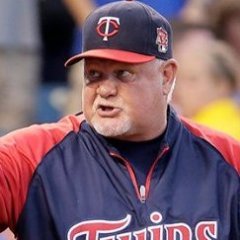 Image courtesy of Matt Krohn-Imagn Images The 2026 Minnesota Twins entered spring training with a clear identity. If there was one area this roster could hang its hat on, it was starting pitching. That strength was supposed to give the Twins a path, however narrow, to relevance and possibly even a surprise playoff push. That plan lasted exactly one day. Twins ace Pablo López suffered a torn UCL on the first day of spring training, an injury expected to sideline him for the entirety of the 2026 season. In one moment, the Twins lost the pitcher they were most reliant on to anchor the rotation. In the wake of that injury, the Twins need to reassess their direction, and that reassessment should lead to one clear conclusion: It is time to trade Joe Ryan. Even before López went down, the Twins' margin for error was already slim. The idea was never that Minnesota could contend with a merely solid rotation. Their chances rested on starting pitching being outstanding in order to offset a lineup filled with question marks and a bullpen that lacked proven reliability. Without López, that scenario becomes increasingly difficult to envision. Every remaining starter is now pushed up a rung in responsibility. The first depth arm in St. Paul, whoever that would have been, is no longer a depth option but a necessary member of the rotation. Any flexibility the Twins may have had to deploy a starter in a hybrid bullpen role, similar to how Louie Varland had been used just last season, is now gone as well. Even if starting pitching remains the team’s relative strength, that says more about the rest of the roster than it does about the rotation’s ceiling. A good rotation is not enough for this team. The Twins needed an elite one, and without López it is hard to imagine a realistic scenario in which they reach that level. The projections reflect that reality. FanGraphs gave the Twins a 31% chance to make the playoffs before the injury. Following Lopez’s diagnosis, that number has dropped to 26.5%, with Vegas moving the Twins' win total to just 73.5 games. The odds were already low. Now they are even lower. That context makes Ryan’s situation impossible to ignore. He is 29 years old and firmly in the prime of his career, coming off a season in which he earned his first All-Star selection while posting a career-best 3.42 ERA. He also has two full seasons of team control remaining, which matters greatly in the current pitching market. That market has changed. The free agent pool of starting pitchers has largely dried up, leaving trades as the primary avenue for contenders to improve their rotations. There may not be a more attractive starter realistically available than Ryan, who is durable, effective, controllable, and producing at a peak level. The Twins already know the interest is real. At last season’s trade deadline, during the team’s fire sale in which 10 players were moved, Ryan nearly became the 11th. Advanced talks with the Boston Red Sox never materialized into a deal, but speculation followed Ryan into the offseason as many wondered whether the Twins would ultimately trade him, López, or both. The Twins chose to hold onto their starters with the belief that pitching could carry the 2026 roster. That bet didn't work out. Whether it means reopening discussions with Boston, a team that still enters the season with questions at the back of its rotation, or engaging another contender looking to stockpile pitching depth, the Twins should be aggressive. Injuries happen every spring. Another team could quickly find itself desperate for a starting pitcher, and Minnesota should be prepared to capitalize. It was arguable that the Twins should have traded Ryan during last year’s fire sale. It was arguable that they could have done it this offseason. After López’s injury, it is no longer debatable. Ryan would command a significant prospect return, the kind of capital that could help reset the organization’s timeline and better position the Twins for the future. With each passing month, his value declines as his remaining team control decreases. There is also an uncomfortable reality the Twins just experienced firsthand. Health is far from guaranteed, especially for starting pitchers. What happened to Lopez this spring could just as easily happen to Ryan. While no one could have predicted López’s injury, the decision not to trade him now looks like a missed opportunity in hindsight. The Twins cannot afford to risk another one. With a healthy Ryan who may never have more trade value than he does right now, the Twins should cash in. López’s injury did not just remove an ace from the rotation. It fundamentally altered the Twins competitive outlook for 2026. The path that once existed, however narrow, has become even smaller. In that context, holding onto Ryan no longer makes sense. Trading him now offers the Twins their best chance to extract meaningful value, mitigate risk, and begin charting a more realistic course forward. What do you think? Should the Twins move Joe Ryan now and lean into a reset, or is there still a case for holding onto him despite the long odds? Leave a comment below and start the conversation! View full article
 -
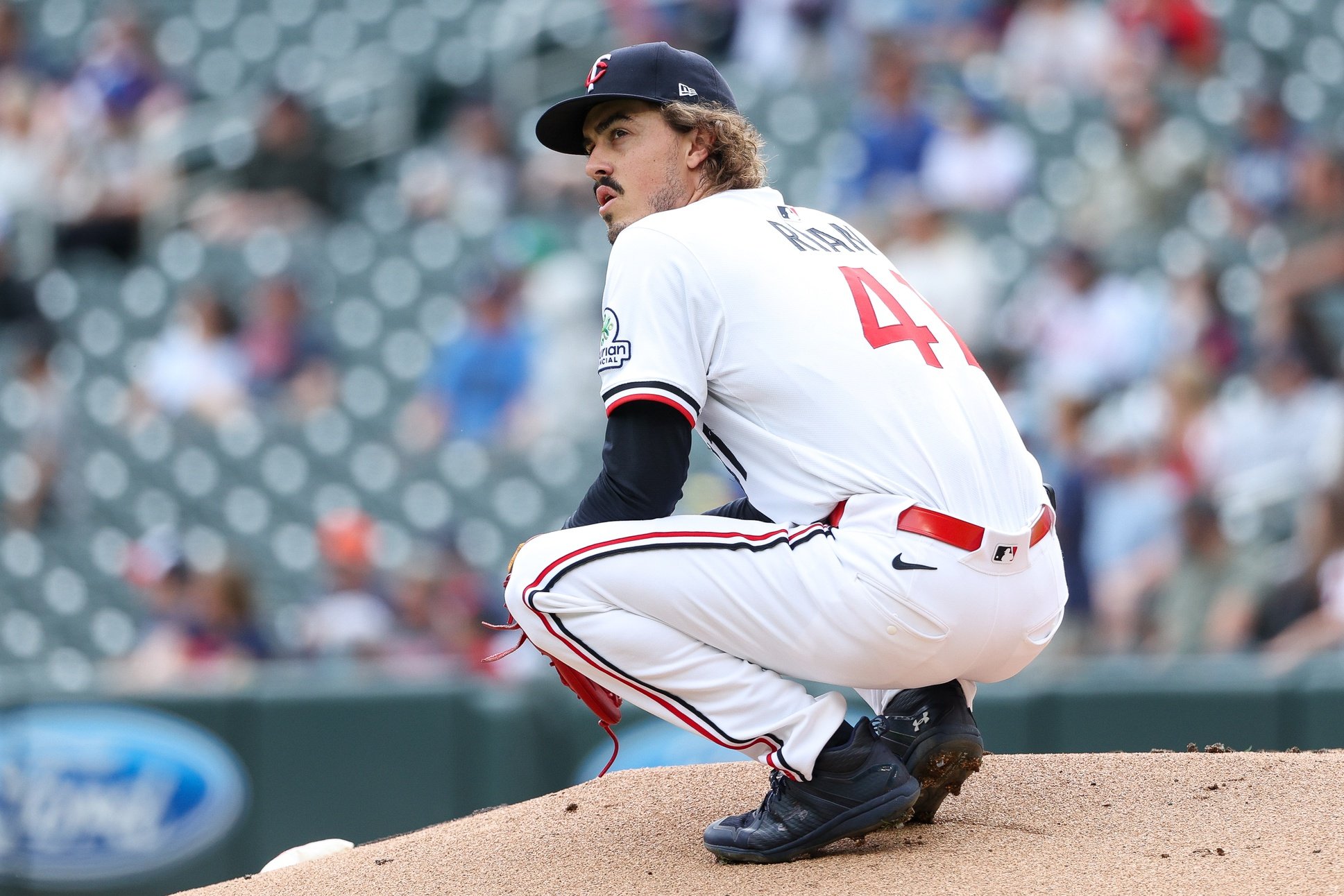 The 2026 Minnesota Twins entered spring training with a clear identity. If there was one area this roster could hang its hat on, it was starting pitching. That strength was supposed to give the Twins a path, however narrow, to relevance and possibly even a surprise playoff push. That plan lasted exactly one day. Twins ace Pablo López suffered a torn UCL on the first day of spring training, an injury expected to sideline him for the entirety of the 2026 season. In one moment, the Twins lost the pitcher they were most reliant on to anchor the rotation. In the wake of that injury, the Twins need to reassess their direction, and that reassessment should lead to one clear conclusion: It is time to trade Joe Ryan. Even before López went down, the Twins' margin for error was already slim. The idea was never that Minnesota could contend with a merely solid rotation. Their chances rested on starting pitching being outstanding in order to offset a lineup filled with question marks and a bullpen that lacked proven reliability. Without López, that scenario becomes increasingly difficult to envision. Every remaining starter is now pushed up a rung in responsibility. The first depth arm in St. Paul, whoever that would have been, is no longer a depth option but a necessary member of the rotation. Any flexibility the Twins may have had to deploy a starter in a hybrid bullpen role, similar to how Louie Varland had been used just last season, is now gone as well. Even if starting pitching remains the team’s relative strength, that says more about the rest of the roster than it does about the rotation’s ceiling. A good rotation is not enough for this team. The Twins needed an elite one, and without López it is hard to imagine a realistic scenario in which they reach that level. The projections reflect that reality. FanGraphs gave the Twins a 31% chance to make the playoffs before the injury. Following Lopez’s diagnosis, that number has dropped to 26.5%, with Vegas moving the Twins' win total to just 73.5 games. The odds were already low. Now they are even lower. That context makes Ryan’s situation impossible to ignore. He is 29 years old and firmly in the prime of his career, coming off a season in which he earned his first All-Star selection while posting a career-best 3.42 ERA. He also has two full seasons of team control remaining, which matters greatly in the current pitching market. That market has changed. The free agent pool of starting pitchers has largely dried up, leaving trades as the primary avenue for contenders to improve their rotations. There may not be a more attractive starter realistically available than Ryan, who is durable, effective, controllable, and producing at a peak level. The Twins already know the interest is real. At last season’s trade deadline, during the team’s fire sale in which 10 players were moved, Ryan nearly became the 11th. Advanced talks with the Boston Red Sox never materialized into a deal, but speculation followed Ryan into the offseason as many wondered whether the Twins would ultimately trade him, López, or both. The Twins chose to hold onto their starters with the belief that pitching could carry the 2026 roster. That bet didn't work out. Whether it means reopening discussions with Boston, a team that still enters the season with questions at the back of its rotation, or engaging another contender looking to stockpile pitching depth, the Twins should be aggressive. Injuries happen every spring. Another team could quickly find itself desperate for a starting pitcher, and Minnesota should be prepared to capitalize. It was arguable that the Twins should have traded Ryan during last year’s fire sale. It was arguable that they could have done it this offseason. After López’s injury, it is no longer debatable. Ryan would command a significant prospect return, the kind of capital that could help reset the organization’s timeline and better position the Twins for the future. With each passing month, his value declines as his remaining team control decreases. There is also an uncomfortable reality the Twins just experienced firsthand. Health is far from guaranteed, especially for starting pitchers. What happened to Lopez this spring could just as easily happen to Ryan. While no one could have predicted López’s injury, the decision not to trade him now looks like a missed opportunity in hindsight. The Twins cannot afford to risk another one. With a healthy Ryan who may never have more trade value than he does right now, the Twins should cash in. López’s injury did not just remove an ace from the rotation. It fundamentally altered the Twins competitive outlook for 2026. The path that once existed, however narrow, has become even smaller. In that context, holding onto Ryan no longer makes sense. Trading him now offers the Twins their best chance to extract meaningful value, mitigate risk, and begin charting a more realistic course forward. What do you think? Should the Twins move Joe Ryan now and lean into a reset, or is there still a case for holding onto him despite the long odds? Leave a comment below and start the conversation!
 -
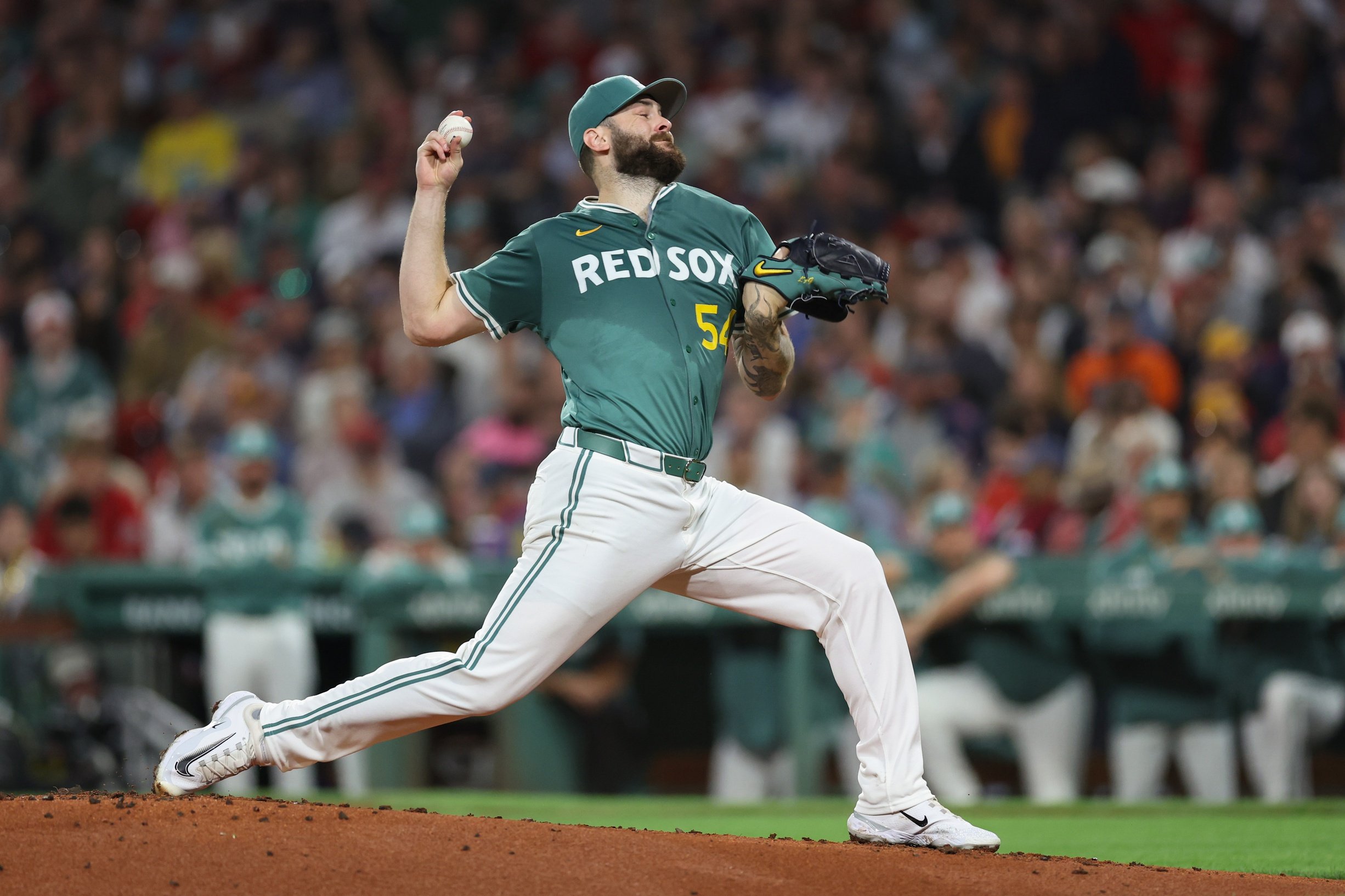 Much of the conversation this offseason centered on the Twins adding impact offense or bolstering the bullpen. On paper, they have checked those boxes, albeit without much flash. Josh Bell adds a switch-hitting bat with power. Victor Caratini provides depth and flexibility behind the plate. Taylor Rogers brings a familiar and reliable late-inning arm back into the fold. None of those moves qualify as headline-grabbers, but they do improve the roster. One area the Twins have not yet addressed is starting pitching, and on the surface that is a perfectly reasonable stance. Starting pitching is arguably the strongest area of the roster heading into 2026. Joe Ryan and Pablo Lopez anchor the rotation as proven, high-end starters. Bailey Ober, despite a frustrating and injury-marred 2025 season, still offers mid-rotation stability when healthy. Behind them is a wave of young, intriguing arms with upside, including Zebby Matthews, Simeon Woods Richardson, David Festa, Taj Bradley, and Mick Abel. Because of that depth, it was somewhat surprising to read ESPN’s Jesse Rogers nugget that the Twins were “in” on Framber Valdez before the Tigers signed the former Astros ace. That came on the heels of Ken Rosenthal of The Athletic reporting earlier this offseason that the Twins expressed “late interest” in Freddy Peralta before the Mets ultimately traded for him. Both pitchers represent a clear tier above the remaining free agent starters, however those reports suggest the Twins may not be as content with their current rotation as it appears. Adding another starting pitcher makes sense on multiple levels. While the Twins have a lot of depth and upside, there is also a significant amount of risk baked into the group. Pablo Lopez and Joe Ryan are as close to certainties as the Twins have. After that, confidence becomes much shakier. Bailey Ober entered last season as a reliable option, but injuries, inconsistency, and a tendency to give up the long ball introduced real doubt heading into 2026. Beyond Ober, the rotation is filled with young arms who are interesting but unproven. Simeon Woods Richardson profiles as a steady option, though his upside is limited. David Festa and Zebby Matthews have flashed promise across two seasons but have also struggled with command and efficiency. Taj Bradley and Mick Abel offer top-half-of-the-rotation upside, but both have shown the kind of volatility that makes it hard to count on them as being ready. High ERAs, uneven workloads, and growing pains have been part of the story for nearly all of the Twins' starting pitching depth. Another reason to continue exploring the starting pitching market is identity. A common critique of this iteration of the Twins is that they lack a clear identity. Leaning fully into starting pitching could change that. Even without a true ace available, adding a dependable veteran would allow the Twins to push young arms to Triple A, protect workloads, and build depth that inevitably gets tested over a long season. It is a way to build on a strength rather than constantly chasing weaknesses. If the Twins do decide to add a starter during spring training, there are still a few intriguing names on the market. Lucas Giolito Giolito is a familiar name to Twins fans after years as a division rival and frequent foe during his time as the ace of the Chicago White Sox. Now heading into his 10th Major League season, the former All Star remains a solid and dependable starting pitcher. Last season with the Red Sox, Giolito logged 145 innings with a 3.41 ERA, and he was even better down the stretch, posting a 2.51 ERA over his final 19 appearances. His season ended early due to flexor irritation, but there were no signs of a broader decline when he was on the mound. As a veteran presence, Giolito would fit a recent Twins trend of adding experienced arms to stabilize the roster, joining names like his former Chicago teammate Liam Hendriks. He may no longer profile as a front-line ace, but his durability, experience, and familiarity with the division make him a logical option for the Twins. Zack Littell A familiar name for Twins fans, Littell pitched out of the bullpen for Minnesota for parts of three seasons before bouncing around and reinventing himself as a starter in Tampa Bay. Since the start of the 2024 season, Littell owns a 3.73 ERA with an excellent 4.30 strikeout-to-walk ratio. Now 30 years old, a reunion where his career began would be an interesting full-circle moment. There are reasons to be skeptical based on his underlying numbers, but Littell has delivered consistently solid outings since being permanently moved into a rotation. Griffin Canning Now 29 years old, Canning, was once a highly regarded prospect after being selected in the second round. Injuries have defined much of his career, but he showed promise early last season, posting a 3.77 ERA over 76 1/3 innings before tearing his Achilles. He is still rehabbing but should be ready around Opening Day. That injury likely creates an opportunity to sign him at a reasonable price on a short-term, make-good deal. There is upside here, and if things click, Canning could also become a trade chip at the deadline, should the Twins season find themselves in the position to sell yet again this season. Spring training being underway does not mean the Twins are done shaping their roster. Recent reporting indicates the front office has at least explored adding another impact arm. While starting pitching is already a strength, it is also an area filled with volatility beneath the top two names. Adding a veteran starter would not only mitigate risk but could also help define what this Twins team wants to be in 2026. Depth, durability, and pitching could become the backbone of the roster, giving Minnesota a clearer identity and a higher floor heading into the season. What do you think? Should the Twins stand pat and trust their young arms, or does it make sense to add another starter even this late in the offseason? Join the conversation and let us know your thoughts in the comments.
 -
Much of the conversation this offseason centered on the Twins adding impact offense or bolstering the bullpen. On paper, they have checked those boxes, albeit without much flash. Josh Bell adds a switch-hitting bat with power. Victor Caratini provides depth and flexibility behind the plate. Taylor Rogers brings a familiar and reliable late-inning arm back into the fold. None of those moves qualify as headline-grabbers, but they do improve the roster. One area the Twins have not yet addressed is starting pitching, and on the surface that is a perfectly reasonable stance. Starting pitching is arguably the strongest area of the roster heading into 2026. Joe Ryan and Pablo Lopez anchor the rotation as proven, high-end starters. Bailey Ober, despite a frustrating and injury-marred 2025 season, still offers mid-rotation stability when healthy. Behind them is a wave of young, intriguing arms with upside, including Zebby Matthews, Simeon Woods Richardson, David Festa, Taj Bradley, and Mick Abel. Because of that depth, it was somewhat surprising to read ESPN’s Jesse Rogers nugget that the Twins were “in” on Framber Valdez before the Tigers signed the former Astros ace. That came on the heels of Ken Rosenthal of The Athletic reporting earlier this offseason that the Twins expressed “late interest” in Freddy Peralta before the Mets ultimately traded for him. Both pitchers represent a clear tier above the remaining free agent starters, however those reports suggest the Twins may not be as content with their current rotation as it appears. Adding another starting pitcher makes sense on multiple levels. While the Twins have a lot of depth and upside, there is also a significant amount of risk baked into the group. Pablo Lopez and Joe Ryan are as close to certainties as the Twins have. After that, confidence becomes much shakier. Bailey Ober entered last season as a reliable option, but injuries, inconsistency, and a tendency to give up the long ball introduced real doubt heading into 2026. Beyond Ober, the rotation is filled with young arms who are interesting but unproven. Simeon Woods Richardson profiles as a steady option, though his upside is limited. David Festa and Zebby Matthews have flashed promise across two seasons but have also struggled with command and efficiency. Taj Bradley and Mick Abel offer top-half-of-the-rotation upside, but both have shown the kind of volatility that makes it hard to count on them as being ready. High ERAs, uneven workloads, and growing pains have been part of the story for nearly all of the Twins' starting pitching depth. Another reason to continue exploring the starting pitching market is identity. A common critique of this iteration of the Twins is that they lack a clear identity. Leaning fully into starting pitching could change that. Even without a true ace available, adding a dependable veteran would allow the Twins to push young arms to Triple A, protect workloads, and build depth that inevitably gets tested over a long season. It is a way to build on a strength rather than constantly chasing weaknesses. If the Twins do decide to add a starter during spring training, there are still a few intriguing names on the market. Zac Gallen Gallen is the clear top remaining starter available in free agency. The 30-year-old former All Star finished third in the Cy Young voting as recently as 2023. His 2025 season was a step back, as he posted a 4.83 ERA across 192 innings for Arizona. A change of scenery could do him some good, particularly if it means leaving the hitter-friendly environment of Chase Field. Fangraphs projects Gallen for 2.1 wins above replacement in 2026, which would have ranked second among Twins starters last season. He will not be cheap, but turning down a qualifying offer and the attached draft pick compensation could suppress his market and contract more than expected. Zack Littell A familiar name for Twins fans, Littell pitched out of the bullpen for Minnesota for parts of three seasons before bouncing around and reinventing himself as a starter in Tampa Bay. Since the start of the 2024 season, Littell owns a 3.73 ERA with an excellent 4.30 strikeout-to-walk ratio. Now 30 years old, a reunion where his career began would be an interesting full-circle moment. There are reasons to be skeptical based on his underlying numbers, but Littell has delivered consistently solid outings since being permanently moved into a rotation. Griffin Canning Now 29 years old, Canning, was once a highly regarded prospect after being selected in the second round. Injuries have defined much of his career, but he showed promise early last season, posting a 3.77 ERA over 76 1/3 innings before tearing his Achilles. He is still rehabbing but should be ready around Opening Day. That injury likely creates an opportunity to sign him at a reasonable price on a short-term, make-good deal. There is upside here, and if things click, Canning could also become a trade chip at the deadline, should the Twins season find themselves in the position to sell yet again this season. Spring training being underway does not mean the Twins are done shaping their roster. Recent reporting indicates the front office has at least explored adding another impact arm. While starting pitching is already a strength, it is also an area filled with volatility beneath the top two names. Adding a veteran starter would not only mitigate risk but could also help define what this Twins team wants to be in 2026. Depth, durability, and pitching could become the backbone of the roster, giving Minnesota a clearer identity and a higher floor heading into the season. What do you think? Should the Twins stand pat and trust their young arms, or does it make sense to add another starter even this late in the offseason? Join the conversation and let us know your thoughts in the comments. View full article
-
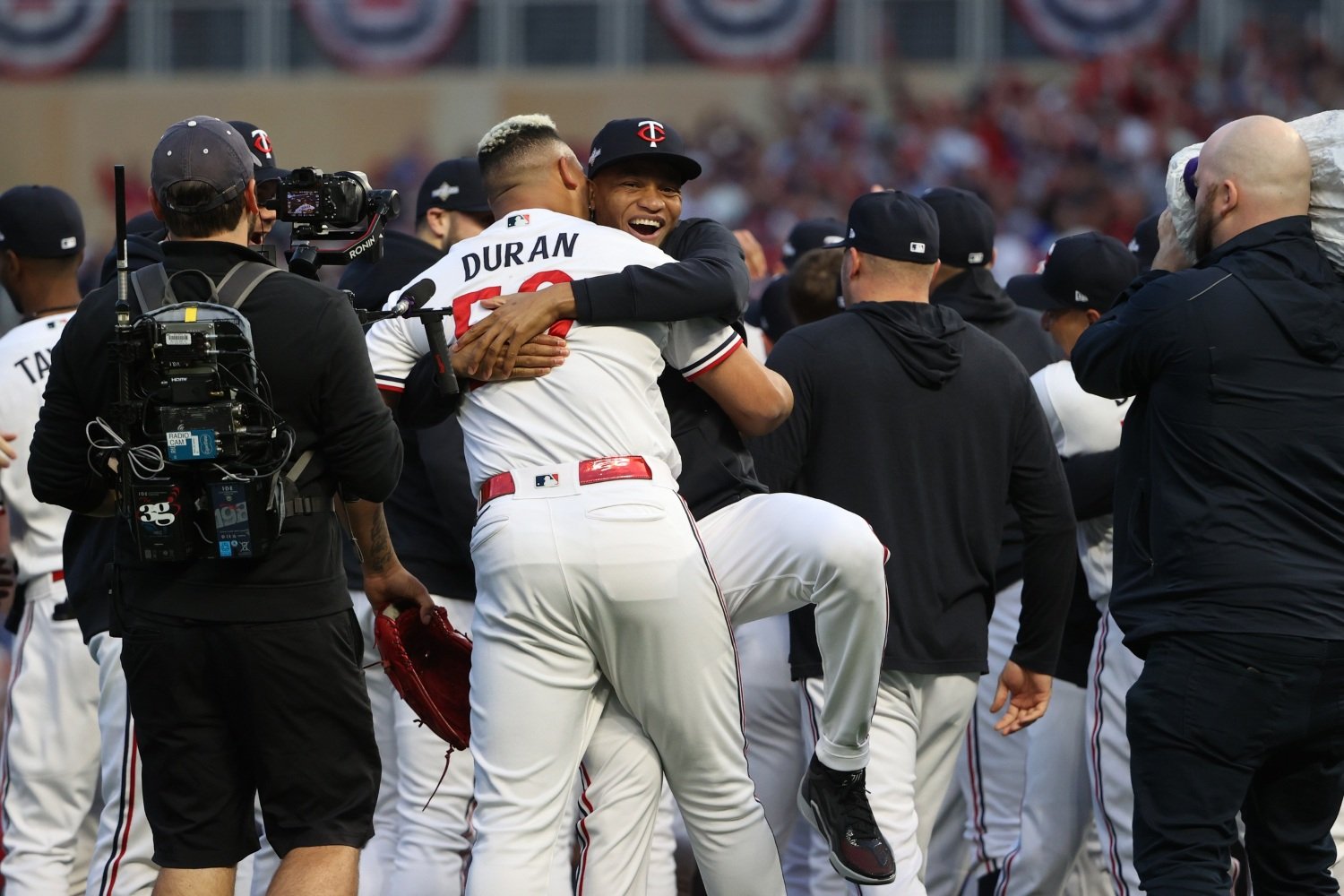 In a major change to the organization’s leadership structure, the Twins announced last week that they had “mutually agreed to part ways” with Derek Falvey, ending a tenure that spanned nearly a decade and reshaped the franchise in ways both celebrated and criticized. Falvey, who had overseen baseball operations since 2016 and was promoted last March to run both the baseball and business sides, was suddenly gone. Jeremy Zoll will continue to run baseball operations, while new principal owner Tom Pohlad assumes interim oversight of the business side as the Twins begin a search for new leadership. It was a stunning development, not because Falvey had been universally beloved, but because of how central he was to everything the modern Twins became. From the depths of the worst season in franchise history to division titles, blockbuster free agent signings, and eventually a jarring teardown, Falvey’s tenure covered nearly every possible outcome for a front office. Which leads to the unavoidable question, now that it is over. Was Derek Falvey a good president of baseball operations for the Minnesota Twins? The way his tenure ended makes that question harder to answer emotionally than it should be analytically. Falvey’s final years were defined by shrinking payrolls, roster stagnation, and ultimately a fire sale that left the organization hollowed out. Offseasons became quiet, often limited to low-impact signings and internal optimism that rarely held up to the test of the team taking the field. Trade deadlines passed without meaningful action, even when the roster’s flaws were obvious and opportunities existed to reshape a core that had clearly run its course. Over time, Falvey’s reputation shifted from aggressor to bystander. Players like Edouard Julien, Brooks Lee, Max Kepler, and others held trade value at various points, but the Twins repeatedly opted for continuity. Budget constraints from ownership were real, but they increasingly felt like a reason to stand still, rather than a challenge to navigate creatively. That frustration reached its peak at the 2025 trade deadline, when the Twins abruptly pivoted from inactivity to a full-scale fire sale, trading away 10 major-league players and gutting any realistic hopes of near-term contention. Ownership influence was significant, but Falvey was the one making the moves, and the returns did little to inspire confidence. Those low points matter, but they should not erase what came before them. When Falvey took over following the 2016 season, the Twins were in disarray. They were coming off a 59-103 campaign, the worst record in franchise history, and had lost 90 or more games in six of the previous seven seasons. The roster lacked impact talent, the farm system needed a reset, and fan engagement was fading. Turning that situation around quickly was far from guaranteed. Instead, Falvey engineered one of the most impressive turnarounds the organization has ever seen. In just three seasons, the Twins built a 2019 roster that won 101 games, the second-most in franchise history, and captured the division for the first time since 2010. That team was built through a series of smart, assertive decisions. Max Kepler and Jorge Polanco signed extensions that paid immediate dividends. Nelson Cruz was brought in as a culture-altering free agent who became the heartbeat of the lineup. Complementary additions like C.J. Cron and Jonathan Schoop filled critical roles. While the postseason ended quickly, the regular season dominance reinvigorated the fan base and fundamentally changed the perception of the franchise. Falvey’s willingness to push payroll was a defining feature of his success. Unlike previous regimes that took pride in underspending, he consistently pressed ownership to the limits of what was allowed. That approach resulted in some of the largest contracts in team history, including those given to Josh Donaldson and Carlos Correa. For the first time, the Twins operated as a team willing to play in the upper tiers of free agency. Even though that approach faded as ownership priorities shifted, Falvey proved that Minnesota could compete in that space and benefit from it. He brought that same selective aggressiveness to the trade market. Not every swing connected, and trades for players like Sam Dyson and Tyler Mahle ultimately cost the organization. But acquisitions like Sonny Gray and Pablo López were franchise-shaping moves that raised the ceiling of the roster. The team became a superb scavenger in the endgame of the offseason, not only signing players whose markets didn't materialize but trading for good players whose former teams needed to move on—most notably, Jake Odorizzi and Kenta Maeda. Falvey was willing to take risks, and that mindset alone marked a meaningful shift from what Twins fans had grown accustomed to. Those moves culminated in the defining achievement of his tenure. The 2023 Twins won the division, snapped the playoff losing streak, and captured the franchise’s first postseason series win since 2002. It was a long-awaited release for a fan base burdened by decades of October frustration. That moment does not happen without Falvey’s smartest and boldest decisions, and it should stand as a central part of his legacy. Upon weighing the totality of Falvey’s time in Minnesota, my view is that it was a success. His best years showed what this organization could be when leadership was aligned, ownership was willing to invest, and aggressiveness was encouraged. The lowlights were real and damaging, but many of them were the results of an ownership environment that no longer supported the very approach that had produced success. With an ownership group that consistently cared about winning and empowered its baseball operations department, those late-stage failures likely never would have occurred. The Falvey era was imperfect and frustrating at times, but it also delivered one of the best regular-season teams in franchise history and one of the most meaningful postseason moments Twins fans have experienced in decades. That matters. It should not be overshadowed by how things ended. As the Twins move forward yet again, I hope Derek Falvey is remembered not for the collapse, but for the progress, the ambition, and the moments that made fans believe again.
 -
In a major change to the organization’s leadership structure, the Twins announced last week that they had “mutually agreed to part ways” with Derek Falvey, ending a tenure that spanned nearly a decade and reshaped the franchise in ways both celebrated and criticized. Falvey, who had overseen baseball operations since 2016 and was promoted last March to run both the baseball and business sides, was suddenly gone. Jeremy Zoll will continue to run baseball operations, while new principal owner Tom Pohlad assumes interim oversight of the business side as the Twins begin a search for new leadership. It was a stunning development not because Falvey had been universally beloved, but because of how central he was to everything the modern Twins became. From the depths of the worst season in franchise history to division titles, blockbuster free agent signings, and eventually a jarring teardown, Falvey’s tenure covered nearly every possible outcome for a front office. Which leads to the unavoidable question now that it is over. Was Derek Falvey a good president of baseball operations for the Minnesota Twins? The way his tenure ended makes that question harder to answer emotionally than it should be analytically. Falvey’s final years were defined by shrinking payrolls, roster stagnation, and ultimately a fire sale that left the organization hollowed out. Offseasons became quiet, often limited to low-impact signings and internal optimism that rarely translated on the field. Trade deadlines passed without meaningful action, even when the roster’s flaws were obvious and opportunities existed to reshape a core that had clearly run its course. Over time, Falvey’s reputation shifted from aggressor to bystander. Players like Edouard Julien, Brooks Lee, Max Kepler, and others held trade value at various points, yet the Twins repeatedly opted for continuity. Budget constraints from ownership were real, but they increasingly felt like a reason to stand still rather than a challenge to navigate creatively. That frustration reached its peak at the 2025 trade deadline, when the Twins abruptly pivoted from inactivity to a full-scale fire sale, trading away ten major league players and gutting any realistic hopes of near-term contention. Ownership influence was likely significant, but Falvey was the one making the moves, and the returns did little to inspire confidence. Those low points matter, but they should not erase what came before them. When Falvey took over following the 2016 season, the Twins were in disarray. They were coming off a 59-103 campaign, the worst record in franchise history, and had lost 90 or more games in six of the previous seven seasons. The roster lacked impact talent, the farm system needed a reset, and fan engagement was fading. Turning that situation around quickly was far from guaranteed. Instead, Falvey helped engineer one of the most impressive turnarounds the organization has ever seen. In just three seasons, the Twins built a 2019 roster that won 101 games, the second-most in franchise history, and captured the division for the first time since 2010. That team was built through a series of smart, assertive decisions. Max Kepler and Jorge Polanco were signed to extensions that paid immediate dividends. Nelson Cruz was brought in as a culture-altering free agent who became the heartbeat of the lineup. Complementary additions like C.J. Cron and Jonathan Schoop filled critical roles. While the postseason ended quickly, the regular season dominance reinvigorated the fan base and fundamentally changed the perception of the franchise. Falvey’s willingness to push payroll was a defining feature of his success. Unlike previous regimes that took pride in underspending, he consistently pressed ownership to the limits of what was allowed. That approach resulted in some of the largest contracts in team history, including Josh Donaldson and Carlos Correa. For the first time, the Twins operated as a team willing to play in the upper tiers of free agency. Even though that approach faded as ownership priorities shifted, Falvey proved that Minnesota could compete in that space and benefit from it. He brought that same aggressiveness to the trade market. Not every swing connected, and trades for players like Sam Dyson and Tyler Mahle ultimately cost the organization. But acquisitions like Sonny Gray and Pablo López were franchise-shaping moves that raised the ceiling of the roster. Falvey was willing to take risks, and that mindset alone marked a meaningful shift from what Twins fans had grown accustomed to. Those moves culminated in the defining achievement of his tenure. The 2023 Twins won the division, snapped the playoff losing streak, and captured the franchise’s first postseason series win since 2002. It was a long-awaited release for a fan base burdened by decades of October frustration. That moment does not happen without Falvey’s smartest and boldest decisions, and it should stand as a central part of his legacy. When weighing the totality of Derek Falvey’s time in Minnesota, my view is that it was a success. His best years showed what this organization could be when leadership was aligned, ownership was willing to invest, and aggression was encouraged. The lowlights were real and damaging, but many of them were born from an ownership environment that no longer supported the very approach that had produced success. With an ownership group that consistently cared about winning and empowered its baseball operations department, those late-stage failures likely never occur. The Falvey era was imperfect and frustrating at times, but it also delivered one of the best regular season teams in franchise history and one of the most meaningful postseason moments Twins fans have experienced in decades. That matters. It should not be overshadowed by how things ended. As the Twins move forward yet again, I hope Derek Falvey is remembered not for the collapse, but for the progress, the ambition, and the moments that made fans believe again. View full article
-
Why Josh Bell’s Poor Defense Isn’t Something to Worry About
Matthew Taylor posted an article in Twins
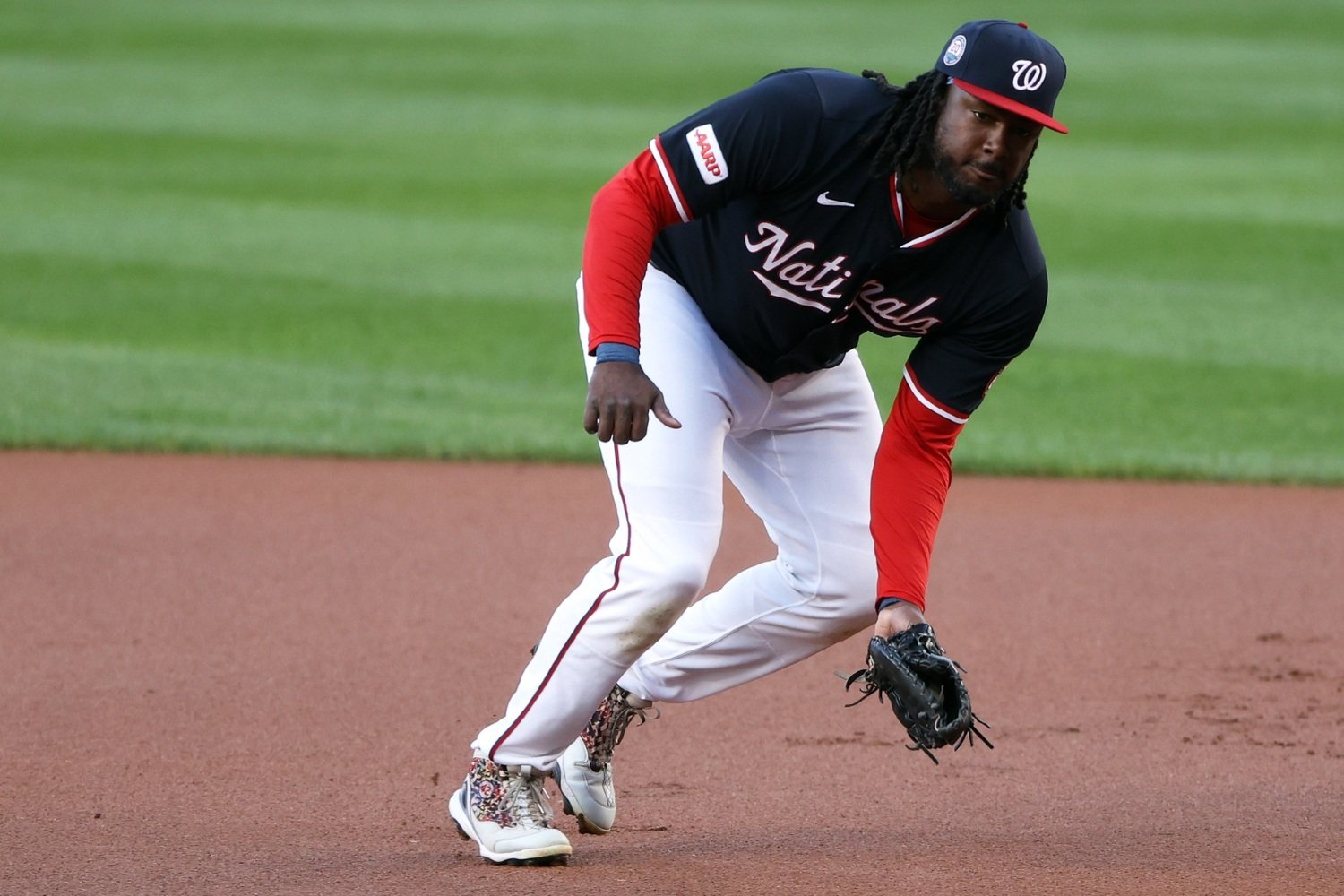 When the Twins signed Josh Bell, it was easy to shrug. This is not the kind of move that lights up the timeline or changes preseason projections overnight. Bell is a veteran switch-hitting first baseman on his fourth team in three years, and defensive metrics have not been kind to him. If you stop there, it is fair to wonder why the Twins would invest in a bat-first player at a position where defense has quietly become one of their biggest strengths. But this front office has earned a bit of trust when it comes to first base defense, and the way the Twins play the position goes a long way toward explaining why Josh Bell’s glove is not something to panic about. Over the past two seasons, the Twins have done some of their best defensive work at the cold corner, not because they suddenly discovered elite athletes, but because they found a way to simplify the job. Against left-handed hitters, in particular, the Twins have leaned heavily into aggressive positioning. The first baseman plays right on top of the line, and the second baseman shades over next to him. The goal is straightforward: Take away the pull-side ground balls that left-handed hitters most often produce, and reduce the amount of ground the first baseman has to cover. Carlos Santana is a clear example of how much this approach can matter. Santana had always been a solid defender, but he was not a perennial Gold Glove threat. In 2023 with Cleveland, he played close to the line against left-handed hitters 29% of the time. The result was a respectable but unspectacular -2 outs above average against lefties. In 2024 with the Twins, that number jumped dramatically. Santana played close to the line 53% of the time. With fewer balls sneaking down the line and less lateral ground to cover, Santana posted an impressive 13 outs above average against left-handed hitters. His athleticism and instincts mattered, but the positioning mattered just as much, and it was a major factor in Santana taking his defense to another level and ultimately winning a Gold Glove. The Twins put him in spots where he could succeed. They doubled down on that idea last season with Ty France, and the results were even more striking. In 2024, before joining the Twins, France played close to the line against left-handed hitters only 34 percent of the time and finished with -8 outs above average. After arriving in Minnesota in 2025, that number jumped to 86 percent. Suddenly, the same player with the same physical limitations turned into a plus defender, posting 7 outs above average. That shift in positioning played a significant role in France’s defensive turnaround and helped lead to him winning a Gold Glove, as well. The Twins did not make France faster or more agile. They made his job easier. That context matters when talking about Josh Bell. There's no way around it. Bell is not a good defensive first baseman. He is tall, thickly built, and slow-moving. He does not have great range, and the advanced metrics reflect that. Over the past three seasons, Bell has posted -2, -7, and -4 outs above average at first base. On a neutral team with neutral positioning, that is exactly the kind of profile that scares people off. But Bell’s usage against left-handed hitters suggests there is real room for improvement. From 2023 through 2025, Bell logged 231 defensive chances at first base against lefties. Of those, he played close to the line just 41 percent of the time. On those plays, he posted -9 outs above average. That is bad, but it also shows how rarely his teams committed to hiding his weaknesses. Compare that to what the Twins did with Santana and France, and the opportunity becomes obvious. Minnesota has shown a willingness to push that close-to-the-line rate north of 50 percent and even into the mid-80s, when the situation calls for it. If Bell’s alignment against left-handed hitters jumps anywhere near those levels, he will simply be asked to do less. Fewer hard grounders will sneak past him down the line, and fewer balls will require him to range deep into the hole. This is not about turning Josh Bell into a Gold Glove defender. That is not happening. It's about getting him closer to average by removing the plays he is least equipped to make. Bell does not need to be special defensively for this signing to work. He needs to catch what is hit at him, scoop throws in the dirt, and avoid being a liability. The Twins have already shown they know how to do that with players at this position. Ultimately, this signing is a bet on offense first. The Twins’ lineup badly needs quality at-bats, and first base has been a problem area for far too long. Outside of a couple of strong months from Carlos Santana in 2023, production from the position has been inconsistent at best. Bell brings switch-hitting power and a track record of getting on base, even if the peaks have been less frequent in recent years. Choosing a bat-first first baseman over a glove-first option makes sense, given where this roster is right now. The Twins do not need to win games 2-1. They need to score runs. If positioning can turn Josh Bell from a below-average defender into something closer to playable, the overall value equation starts to tilt in Minnesota’s favor. Bell is not a perfect player, and this is not a perfect signing. But the Twins have a clear blueprint for maximizing first base defense, and it has worked with multiple players who came with similar questions. If they follow that same playbook here, Bell’s glove should not overshadow what he is actually here to do. What do you think? Are you worried about Josh Bell’s defense, or do you trust the Twins to work their positioning magic again? Leave a comment below and start the conversation!
- 52 comments
-
- 12
-

-

-
Image courtesy of © Daniel Kucin Jr.-Imagn Images When the Twins signed Josh Bell, it was easy to shrug. This is not the kind of move that lights up the timeline or changes preseason projections overnight. Bell is a veteran switch-hitting first baseman on his fourth team in three years, and defensive metrics have not been kind to him. If you stop there, it is fair to wonder why the Twins would invest in a bat-first player at a position where defense has quietly become one of their biggest strengths. But this front office has earned a bit of trust when it comes to first base defense, and the way the Twins play the position goes a long way toward explaining why Josh Bell’s glove is not something to panic about. Over the past two seasons, the Twins have done some of their best defensive work at the cold corner, not because they suddenly discovered elite athletes, but because they found a way to simplify the job. Against left-handed hitters, in particular, the Twins have leaned heavily into aggressive positioning. The first baseman plays right on top of the line, and the second baseman shades over next to him. The goal is straightforward: Take away the pull-side ground balls that left-handed hitters most often produce, and reduce the amount of ground the first baseman has to cover. Carlos Santana is a clear example of how much this approach can matter. Santana had always been a solid defender, but he was not a perennial Gold Glove threat. In 2023 with Cleveland, he played close to the line against left-handed hitters 29% of the time. The result was a respectable but unspectacular -2 outs above average against lefties. In 2024 with the Twins, that number jumped dramatically. Santana played close to the line 53% of the time. With fewer balls sneaking down the line and less lateral ground to cover, Santana posted an impressive 13 outs above average against left-handed hitters. His athleticism and instincts mattered, but the positioning mattered just as much, and it was a major factor in Santana taking his defense to another level and ultimately winning a Gold Glove. The Twins put him in spots where he could succeed. They doubled down on that idea last season with Ty France, and the results were even more striking. In 2024, before joining the Twins, France played close to the line against left-handed hitters only 34 percent of the time and finished with -8 outs above average. After arriving in Minnesota in 2025, that number jumped to 86 percent. Suddenly, the same player with the same physical limitations turned into a plus defender, posting 7 outs above average. That shift in positioning played a significant role in France’s defensive turnaround and helped lead to him winning a Gold Glove, as well. The Twins did not make France faster or more agile. They made his job easier. That context matters when talking about Josh Bell. There's no way around it. Bell is not a good defensive first baseman. He is tall, thickly built, and slow-moving. He does not have great range, and the advanced metrics reflect that. Over the past three seasons, Bell has posted -2, -7, and -4 outs above average at first base. On a neutral team with neutral positioning, that is exactly the kind of profile that scares people off. But Bell’s usage against left-handed hitters suggests there is real room for improvement. From 2023 through 2025, Bell logged 231 defensive chances at first base against lefties. Of those, he played close to the line just 41 percent of the time. On those plays, he posted -9 outs above average. That is bad, but it also shows how rarely his teams committed to hiding his weaknesses. Compare that to what the Twins did with Santana and France, and the opportunity becomes obvious. Minnesota has shown a willingness to push that close-to-the-line rate north of 50 percent and even into the mid-80s, when the situation calls for it. If Bell’s alignment against left-handed hitters jumps anywhere near those levels, he will simply be asked to do less. Fewer hard grounders will sneak past him down the line, and fewer balls will require him to range deep into the hole. This is not about turning Josh Bell into a Gold Glove defender. That is not happening. It's about getting him closer to average by removing the plays he is least equipped to make. Bell does not need to be special defensively for this signing to work. He needs to catch what is hit at him, scoop throws in the dirt, and avoid being a liability. The Twins have already shown they know how to do that with players at this position. Ultimately, this signing is a bet on offense first. The Twins’ lineup badly needs quality at-bats, and first base has been a problem area for far too long. Outside of a couple of strong months from Carlos Santana in 2023, production from the position has been inconsistent at best. Bell brings switch-hitting power and a track record of getting on base, even if the peaks have been less frequent in recent years. Choosing a bat-first first baseman over a glove-first option makes sense, given where this roster is right now. The Twins do not need to win games 2-1. They need to score runs. If positioning can turn Josh Bell from a below-average defender into something closer to playable, the overall value equation starts to tilt in Minnesota’s favor. Bell is not a perfect player, and this is not a perfect signing. But the Twins have a clear blueprint for maximizing first base defense, and it has worked with multiple players who came with similar questions. If they follow that same playbook here, Bell’s glove should not overshadow what he is actually here to do. What do you think? Are you worried about Josh Bell’s defense, or do you trust the Twins to work their positioning magic again? Leave a comment below and start the conversation! View full article
-
 This guide provides a comprehensive overview of the Minnesota Twins’ 2025–2026 offseason, highlighting key dates and events across Major League Baseball’s winter calendar. It includes details on the Winter Meetings, MLB Draft Lottery, and the important deadlines when the Twins must decide on arbitration-eligible players and those with team or mutual contract options. In the sections that follow, you’ll find a list of pending free agents, players with contract options, and a detailed timeline of the offseason ahead. To view the current Twins 40-man roster, view our roster page, updated nightly. The 2025 season was nothing short of a nightmare for Twins fans. Minnesota stumbled out of the gate with a 7–15 start, briefly reigniting hope with a 13-game winning streak that turned out to be the lone bright spot in an otherwise disastrous year. From there, everything unraveled. The team struggled in every imaginable area, hitting, pitching, defense, fundamentals, coaching, and decision-making, culminating in one of the most dramatic trade deadline fire sales in franchise history. Eleven players were shipped out, including a stunning salary dump of Carlos Correa, the highest-paid player in Twins history. Just when it seemed things couldn’t get worse, news broke a few weeks later that the Pohlad family was no longer selling the team and had taken the franchise off the market. The Twins suffered their first 90-loss season since 2016, posted the lowest attendance in Target Field history, and parted ways with manager Rocco Baldelli. After such a turbulent year, there’s no clear blueprint for what comes next, but one thing’s for certain: the 2025–2026 offseason won’t be dull. Click any link below to jump to an explanation of that event/date. 2026 Offseason Dates & Calendar Oct 24 - Nov 1: World Series Immediately After The World Series: Players Become Free Agents, Trade Market Opens 5 Days After Conclusion Of World Series: Contractual Options Due, Qualifying Offers Due, League-Wide Free Agency Opens Early November: General Manager Meetings Nov 13: The MLB Awards Nov TBA: Rule 5 Protection Deadline, Qualifying Offer Decisions due Nov TBA: Tender Deadline Dec TBA: Announcement of Competitive Balance Picks Dec 7-10: Winter Meetings (Orlando, FL) Dec 10: MLB Draft Lottery Dec 10: Rule 5 Draft January 2026: BBWAA HOF announcement Mid-January: Arbitration agreement deadline Jan 15: International Signing Period Opens Jan 23-24: Twins Fest Late January-Early February: Arbitration Hearings Mid-February: Report to Spring Training February TBA: First Spring Training Game March TBA: MLB Spring Breakout March 25: MLB Opening Night (Yankees @ Giants) March 26: Opening Day (Twins @ Orioles) World Series Game 1 of the 2025 MLB World Series is set for Friday, October 24, with a potential Game 7 scheduled for Saturday, November 1. The offseason officially begins the moment the final out of the World Series is recorded. Players on expiring contracts immediately become free agents, though certain restrictions apply in the first few days that will be detailed later. The day after the World Series ends, teams can resume making trades for the first time since the midseason deadline — marking the official start of the MLB offseason. 5 Days After The Conclusion Of World Series During this time, the previously mentioned new free agents are only allowed to have contact with their most recent team. However, once these five days are over, they are allowed to have dialogue with all 30 teams in search of a new deal for the upcoming season. During this period, the respective parties must decide on their contractual options (team/mutual/player), and teams must also decide whether to offer a Qualifying Offer to eligible free agents. Both of these terms are explained below. Player/Team/Mutual Options Similar to qualifying offers, contract options must be resolved within five days after the conclusion of the World Series. These clauses are built into a player’s deal at the time of signing and can take several forms. A player option allows the individual to decide whether to remain under contract, while a team option gives the organization the choice. A mutual option requires both sides to agree to continue the deal. If either party declines, the player becomes a free agent. Mutual options are rarely exercised since both sides must align perfectly for the contract to continue. Heading into the 2026 season, the Twins have just one player with an option on his deal: right-handed reliever Justin Topa. Minnesota can retain him for $1.25 million, or decline the option and pay a $225,000 buyout, allowing Topa to become a free agent. Qualifying Offers Like contract options, Qualifying Offers must be issued within five days of the World Series’ conclusion. The value of the Qualifying Offer changes annually, as it’s based on the average salary of MLB’s 125 highest-paid players from the previous season. For the upcoming offseason, that figure is projected to be $22 million. To be eligible, a player must have spent the entire previous season with one club and must never have previously received a Qualifying Offer. Teams have until five days after the World Series ends to extend them, and players then have until mid-November to make their decision. If a player declines a Qualifying Offer and signs elsewhere, their former team receives draft-pick compensation. The specifics of that compensation depend on factors such as the team’s market size, revenue-sharing status, and the value of the player’s new contract. The Twins have not extended a Qualifying Offer since Sonny Gray received one following the 2023 season, which he ultimately declined before signing a deal worth more than $50 million. That move earned Minnesota a Competitive Balance Round A draft pick. This offseason, the Qualifying Offer again is not expected to be part of the discussion. Christian Vázquez is the team’s only impending free agent of note, and he is not at the performance or salary level that would warrant consideration for one. Free Agency Free agency officially begins the day after the World Series concludes. However, during the initial five-day period, players can only negotiate with the team they are departing. Once that window closes, full free agency opens, allowing every club to contact and negotiate with any available player. Depending on how long the World Series lasts, league-wide free agency is expected to begin between November 2 and November 6. For the Twins, Christian Vázquez is the only free agent of real consequence heading into the offseason and is not expected to return on a Major League contract. Free agency continues throughout the offseason and into spring training. General Manager Meetings Roughly a week after the World Series concludes, all 30 general managers gather for meetings to discuss league business and key offseason matters. While these sessions don’t typically draw much attention from fans, they often help establish the groundwork for trades and other transactions that take place later in the winter. Rule 5 Protection/Draft The Rule 5 Draft takes place each winter (with the exception of 2020) and gives teams a chance to uncover unprotected talent from other organizations. Under the Rule 5 rules, players who signed at age 18 or younger must be protected within five seasons, while those who signed at age 19 or older must be protected within four seasons. Teams protect these players by adding them to the 40-man roster, which can be a challenge in years when roster space is limited. For the Twins, several prospects will need to be considered for protection ahead of the mid-November deadline to avoid exposure in this year’s Rule 5 Draft, which is scheduled for December 10. That group includes Andrew Morris, Gabriel Gonzalez, Cory Lewis, Ricardo Olivar, Aaron Sabato, Tanner Schobel, Noah Cardenas, Christian MacLeod, Kala‘i Rosario, CJ Culpepper, Conner Prielipp, Rubel Céspedes, Kyler Fedko, John Klein, José Olivares, and Nate Baez, among others. Players who are not added to the 40-man roster by the deadline can be selected by another organization for a $100,000 fee. Any player drafted must remain on the selecting team’s active Major League roster (or the MLB injured list) for the entire season. If the player is designated for assignment and clears waivers, they must be offered back to their original team for $50,000. While most Rule 5 selections don’t become stars, many develop into useful role players. Notable Twins Rule 5 picks include Scott Diamond, Ryan Pressly, and (of course) Johan Santana. The MLB Awards The MLB Awards return to Las Vegas on November 13, taking place at The Chelsea at The Cosmopolitan of Las Vegas. Among the honors announced will be the Hank Aaron Awards, Comeback Players of the Year, Mariano Rivera and Trevor Hoffman Relievers of the Year, the Edgar Martínez Outstanding Designated Hitter of the Year, and the All-MLB First and Second Team selections. Around the same time, the BBWAA Awards, including Rookie of the Year, Manager of the Year, Cy Young, and Most Valuable Player, will also be revealed. Non-Tender Deadline & Arbitration Players with between three and six years of MLB service time automatically qualify for salary arbitration. There’s also the Super Two designation, which allows a select group of players with just under three years of service to become eligible as well. Arbitration gives players still under team control a chance to argue for compensation they feel reflects their on-field performance. If a team believes a player’s projected arbitration salary exceeds their value, they can non-tender the player instead of offering a contract. Although arbitration eligibility depends on service time, any player with fewer than six years in the majors can technically be non-tendered. Doing so immediately makes them a free agent, while also freeing up a spot on the 40-man roster. Teams have until the non-tender deadline (typically in late November) to decide whether to offer contracts to arbitration-eligible players. Once tendered, the two sides can continue negotiating a salary until mid-January. If no agreement is reached, the case proceeds to an arbitration hearing, where both sides submit salary figures, and a neutral arbitrator selects one. Hearings usually take place between late January and mid-February, with pitchers often going first due to their earlier Spring Training report dates. The arbitrator’s ruling is final, and the player is paid that amount for the upcoming season. While the process ensures fairness, it can sometimes strain relationships between players and teams Arbitration Eligible Twins (Expected $ in parenthesis) Genesis Cabrera: $1.4MM Ryan Jeffers: $6.6MM Justin Topa: $1.7MM (Twins hold a $2MM club option with a $225K buyout) Michael Tonkin: $1.4MM Bailey Ober: $4.6MM Joe Ryan: $5.8MM Trevor Larnach: $4.7MM Royce Lewis: $3MM Anthony Misiewicz: $1.1MM Cole Sands: $1.3MM Competitive Balance Draft Picks Each offseason, Major League Baseball announces the Competitive Balance Draft picks, which are designed to help smaller-market and lower-revenue teams maintain competitive balance across the league. These picks were first introduced in 2012 and are awarded annually based on a formula that considers a club’s market size, revenue, and winning percentage. Eligible teams are assigned to one of two rounds: Round A, which takes place between the first and second rounds of the MLB Draft, and Round B, which falls after the second round but before the third. In addition to the extra pick, teams receiving a Competitive Balance selection also get a slightly larger international bonus pool to use during the international signing period. Unlike other draft selections, Competitive Balance picks can be traded once, though they cannot be exchanged solely for cash considerations. Last year, the Twins received a Round A pick and used it to select right-hander Riley Quick with the 36th overall pick in the 2025 MLB Draft. The year before that, they received a Round B pick and selected Dasan Hill 69th. The announcement of Competitive Balance selections for the 2026 draft is expected later this offseason, typically in early December. Winter Meetings Each December, high-ranking executives from all 30 organizations, along with agents, players, and media members, gather for the MLB Winter Meetings, a four-day event that serves as the centerpiece of the offseason. This year’s meetings will take place in Orlando, Florida, from December 7 to 10. The Winter Meetings are where the bulk of offseason business takes shape. Trades, free agent signings, and major rumors often dominate the headlines during this stretch. Juan Soto, who was the central story of the 2023 Winter Meetings when he was traded to the Yankees, once again stole the spotlight this year after signing a 15-year, $765 million contract with the New York Mets. He was joined in the headlines by Max Fried, who signed with the New York Yankees, and Garrett Crochet, who was traded to the Boston Red Sox in one of the biggest deals of the week. If there is one point on the calendar when the most MLB transactions are likely to occur, this is it. In addition to roster moves, both the MLB Draft Lottery and the Rule 5 Draft take place during the Winter Meetings, adding even more intrigue to one of baseball’s busiest weeks of the year. MLB Draft Lottery In 2023, Major League Baseball introduced a draft lottery system designed to discourage teams from intentionally losing games to secure higher draft positions. Under this system, all clubs that miss the postseason are assigned odds to land one of the top six picks in the following year’s draft. The teams with the worst regular-season records still have the best odds, but the process now includes an element of chance rather than relying solely on reverse standings. This year’s MLB Draft Lottery will be especially intriguing for Twins fans. Despite finishing with the fourth-worst record, Minnesota holds the second-best odds of landing the No. 1 overall pick, with a 22.18% chance of doing so. Due to anti-tanking restrictions, both the Rockies and Nationals are ineligible to select within the top ten, which pushes the Twins higher in the odds. Only the Chicago White Sox enter the lottery with a better shot at the top selection. BBWAA HOF Announcement Every January, the Baseball Writers’ Association of America (BBWAA) announces its voting results for the newest class of the Baseball Hall of Fame. Players become eligible five years after retirement and can remain on the ballot for up to ten years, provided they continue to receive at least five percent of the vote each cycle. Earning election requires appearing on 75 percent of submitted ballots. If a player falls below the five-percent threshold, they are removed from future ballots and can only be reconsidered later by one of the Hall’s era-based committees. This year’s ballot lacks top-end HOF candidates but still showcases several notable names, including Cole Hamels and Ryan Braun, who are making their first appearance, and Manny Ramírez, who is entering his final year of eligibility. 2026 International Signing Period Opens The international signing period reopens on January 15, marking one of the most important avenues for MLB organizations to acquire young talent from around the world. Most of these signings come from Latin America, though teams also scout and sign players from Asia and other regions. During this window, clubs can reach agreements with foreign players who are 16 years or older. The range of signing bonuses varies widely. For instance, Ronald Acuña Jr. signed with the Braves for just $100,000 in 2014 and developed into one of the best players in baseball, while highly touted prospects such as Kevin Maitan, who signed for $4.25 million that same year, never panned out. These examples show how unpredictable this market can be. Each team operates under a hard spending cap, and this year, the Twins fall into the second-highest bonus pool, with $7,357,100 available to spend. Bonuses of $10,000 or less do not count against that total. Many of these deals are informally agreed upon well in advance, as teams scout and build relationships with players years before they are eligible to sign. While some of these teenage prospects eventually rise through the minors and reach the big leagues within five or six years, many do not. Development paths differ drastically, as players mature physically, adapt to professional baseball, and adjust to entirely new environments. The international signing period officially runs through December 15, after which preparations begin for the next year’s class. Twins Fest Twins Fest will take place on Friday and Saturday, January 23-24, at Target Field. It gives fans a chance to meet their favorite players, collect autographs, and get excited for the upcoming baseball season. It’s always a fun and memorable way to kick off the year for Twins Territory. Spring Training 2026! Twins pitchers and catchers will report to the Lee Health Sports Complex in mid-February, with position players arriving a few days later to begin full-squad workouts. Spring Training games will begin shortly after and continue for about a month as the team prepares for the regular season. Dates for the Twins’ first Grapefruit League game and MLB’s Spring Breakout have not yet been announced, but both are expected to take place in the usual February/March timeframes. Spring Breakout will once again showcase each club’s top prospects in special exhibition matchups against other organizations’ best young talent. The 2026 MLB regular season will officially begin on March 25, when the New York Yankees face the San Francisco Giants on Opening Night. Unlike the past few seasons, there will be no international series to open the year, with all games beginning in North America. Every team, including the Twins, will open their seasons the following day after as baseball returns in full force. Thank you for reading, and I hope this guide helped make sense of the many dates and details that come with the MLB offseason. It can be a lot to keep track of! I’ll continue to provide updates as more specific information becomes available. Enjoy the offseason, and here’s to a great 2026 season ahead (it can't get worse, right?!)!
 -
Image courtesy of © Jesse Johnson-Imagn Images When longtime Twins president Dave St. Peter announced his retirement, ownership made a surprising choice. Instead of replacing him with another member of his own department or conducting a talent search in other industries or organizations, they promoted Derek Falvey into a dual role as president of both baseball and business operations. It was an unusual move—one that only a handful of executives across Major League Baseball have attempted—and one that comes with enormous responsibility. Each job is a full-time challenge on its own. Expecting one man to juggle both is unrealistic, and 2025 made clear just how unsustainable the arrangement has become. The Twins stumbled to 90-plus losses for the first time since 2016, and Target Field posted its worst attendance numbers in history. That’s failure on both fronts. Falvey’s own comments at his end-of-season press conference only underscored how shaky the structure is. “Dave St. Peter is still around a lot, a tremendous advisor, not just to the Pohlads but to me and the whole organization. He’s played a really nice role during that transition," Falvey said Tuesday, in response to a question about his business-side role. "I haven't been told anything else in going forward and how I operate.” That first note, that St. Peter remains very much in the mix, sounds far less like a short-term advisor and far more like someone still running the show. It’s a recipe for internal confusion. Who is actually in charge? If employees don’t know whether Falvey or St. Peter is calling the shots, accountability vanishes and messaging fractures. The supposed transition looks more like a muddled overlap, with no clear leadership on the business side at all. On the baseball side, the expectation was that new GM Jeremy Zoll would handle more of the heavy lifting. Instead, Falvey continues to dominate every decision, every media session, every big-picture answer about roster construction, coaching hires, and trades. Zoll is essentially invisible in the public eye, and there’s no evidence Falvey has truly delegated responsibility. Even behind the scenes, his was the ubiquitous face in postgame huddles in Rocco Baldelli's office at Target Field all season. For a man tasked with leading all areas of the organization, it doesn’t work if he’s still doing everything himself. The result has been questionable roster management, strange deadline moves, and a team that collapsed beyond a previous collapse. “I’m ultimately responsible for it all," Falvey admitted. "He didn’t perform, and I feel like I’ve let down the staff, the coaches, the fans, and everybody in here when that happens.” Responsibility is one thing, but accountability without change just keeps the cycle spinning. Falvey paid lip service to a change that needs to be much more far-reaching and (perhaps) much less talked-about. Meanwhile, fans have turned away. Attendance numbers cratered, and when pressed about how to win people back, Falvey fell back on a blunt truth—but a convenient one. “We’ve got to go perform. We’ve got to go be a team that wins more games," he opined. "You can’t separate the business and the baseball side. This is a baseball team. You want the baseball team to go perform.” He’s not wrong, but he is missing the point. The baseball side isn’t winning, and the business side hasn’t found a way to keep fans engaged while they wait. Both engines are stalling, and the man in charge has spread himself too thin to fix either one—not least, perhaps, because he sees them as so dependent on each other. His background has taught him that his spending power as the baseball operations chief determines how hard he can push to contend, and it's the business side's job to deliver money that can be spent. On the other hand, he knows that that job is almost impossible to perform without a baseline of goodwill created by fielding a competitive team. The two halves of him are each waiting for the other to give them a green light. Meanwhile, the car he's supposed to be driving is idling at an empty intersection. The Twins need clarity. Either Falvey empowers Zoll to run the baseball operation or ownership finds a new leader on the business side. Right now, Falvey is in over his head. He holds too much responsibility and delivers too little in either arena. For the sake of the franchise’s future, the Twins need more than one overstretched executive. They need leaders who can devote their full energy to building a winning team and rebuilding trust with a dwindling fan base. The call is simple: Twins ownership must decide if Derek Falvey is going to run baseball or business, but not both. Until they split the roles again and bring in focused leadership, the team will remain stuck in neutral, drifting away from both success on the field and support in the stands. What do you think? Should the Twins keep this dual-role structure, or is it time to make a change? Leave a comment below and start the conversation! View full article
-
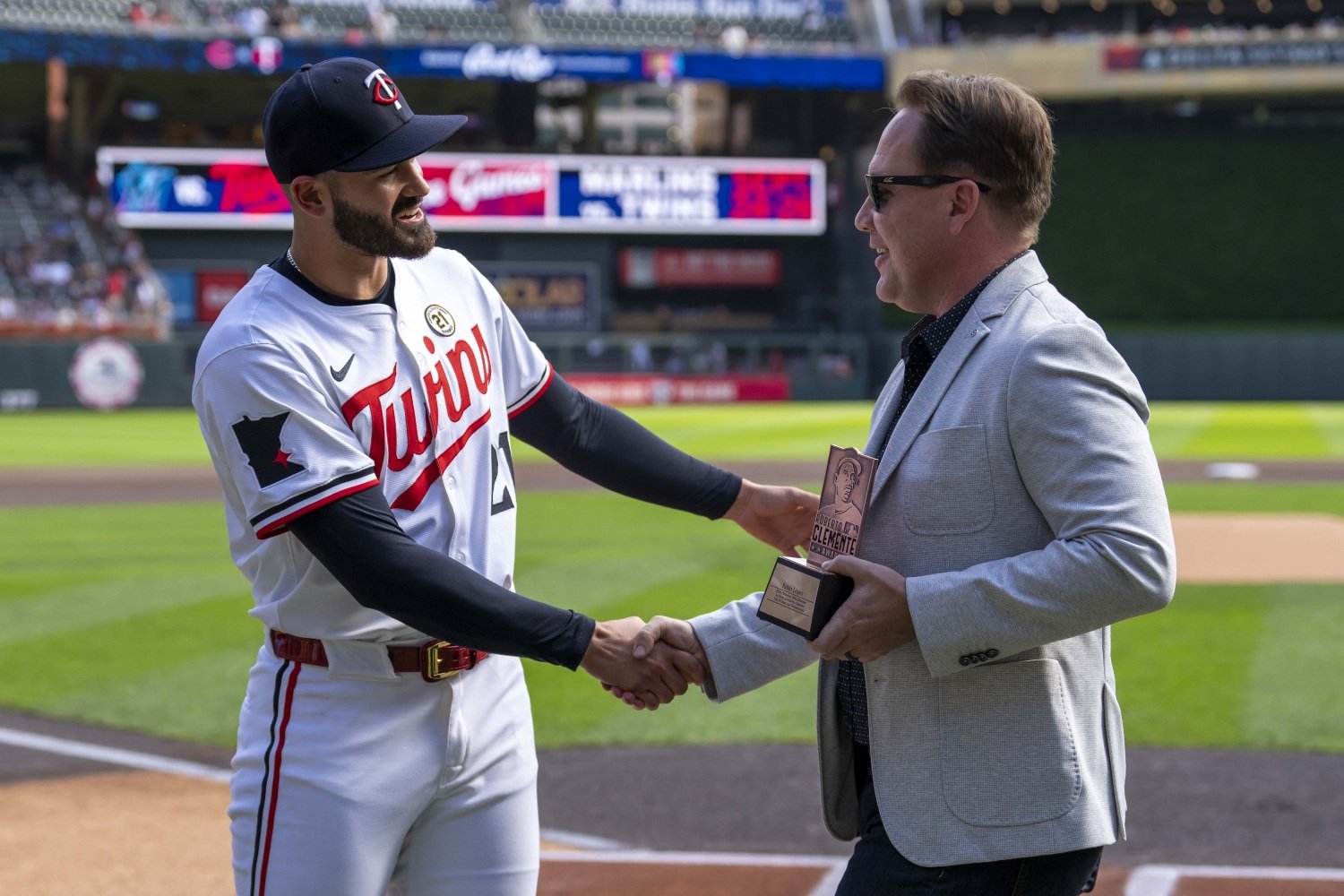 When longtime Twins president Dave St. Peter announced his retirement, ownership made a surprising choice. Instead of replacing him with another member of his own department or conducting a talent search in other industries or organizations, they promoted Derek Falvey into a dual role as president of both baseball and business operations. It was an unusual move—one that only a handful of executives across Major League Baseball have attempted—and one that comes with enormous responsibility. Each job is a full-time challenge on its own. Expecting one man to juggle both is unrealistic, and 2025 made clear just how unsustainable the arrangement has become. The Twins stumbled to 90-plus losses for the first time since 2016, and Target Field posted its worst attendance numbers in history. That’s failure on both fronts. Falvey’s own comments at his end-of-season press conference only underscored how shaky the structure is. “Dave St. Peter is still around a lot, a tremendous advisor, not just to the Pohlads but to me and the whole organization. He’s played a really nice role during that transition," Falvey said Tuesday, in response to a question about his business-side role. "I haven't been told anything else in going forward and how I operate.” That first note, that St. Peter remains very much in the mix, sounds far less like a short-term advisor and far more like someone still running the show. It’s a recipe for internal confusion. Who is actually in charge? If employees don’t know whether Falvey or St. Peter is calling the shots, accountability vanishes and messaging fractures. The supposed transition looks more like a muddled overlap, with no clear leadership on the business side at all. On the baseball side, the expectation was that new GM Jeremy Zoll would handle more of the heavy lifting. Instead, Falvey continues to dominate every decision, every media session, every big-picture answer about roster construction, coaching hires, and trades. Zoll is essentially invisible in the public eye, and there’s no evidence Falvey has truly delegated responsibility. Even behind the scenes, his was the ubiquitous face in postgame huddles in Rocco Baldelli's office at Target Field all season. For a man tasked with leading all areas of the organization, it doesn’t work if he’s still doing everything himself. The result has been questionable roster management, strange deadline moves, and a team that collapsed beyond a previous collapse. “I’m ultimately responsible for it all," Falvey admitted. "He didn’t perform, and I feel like I’ve let down the staff, the coaches, the fans, and everybody in here when that happens.” Responsibility is one thing, but accountability without change just keeps the cycle spinning. Falvey paid lip service to a change that needs to be much more far-reaching and (perhaps) much less talked-about. Meanwhile, fans have turned away. Attendance numbers cratered, and when pressed about how to win people back, Falvey fell back on a blunt truth—but a convenient one. “We’ve got to go perform. We’ve got to go be a team that wins more games," he opined. "You can’t separate the business and the baseball side. This is a baseball team. You want the baseball team to go perform.” He’s not wrong, but he is missing the point. The baseball side isn’t winning, and the business side hasn’t found a way to keep fans engaged while they wait. Both engines are stalling, and the man in charge has spread himself too thin to fix either one—not least, perhaps, because he sees them as so dependent on each other. His background has taught him that his spending power as the baseball operations chief determines how hard he can push to contend, and it's the business side's job to deliver money that can be spent. On the other hand, he knows that that job is almost impossible to perform without a baseline of goodwill created by fielding a competitive team. The two halves of him are each waiting for the other to give them a green light. Meanwhile, the car he's supposed to be driving is idling at an empty intersection. The Twins need clarity. Either Falvey empowers Zoll to run the baseball operation or ownership finds a new leader on the business side. Right now, Falvey is in over his head. He holds too much responsibility and delivers too little in either arena. For the sake of the franchise’s future, the Twins need more than one overstretched executive. They need leaders who can devote their full energy to building a winning team and rebuilding trust with a dwindling fan base. The call is simple: Twins ownership must decide if Derek Falvey is going to run baseball or business, but not both. Until they split the roles again and bring in focused leadership, the team will remain stuck in neutral, drifting away from both success on the field and support in the stands. What do you think? Should the Twins keep this dual-role structure, or is it time to make a change? Leave a comment below and start the conversation!
- 81 comments
-
- 14
-
-
-
- derek falvey
- jeremy zoll
- (and 1 more)
-
Image courtesy of © Jerome Miron-Imagn Images The Minnesota Twins made waves on Monday by dismissing Rocco Baldelli, closing the book on a seven-year managerial tenure that brought both high highs and low lows. Now comes the critical question: who’s next? It’s early in the process, and right now, there’s no reporting to suggest who the frontrunners might be. But it’s never too soon to start considering potential candidates. Below is a first-draft watch list—names that Twins fans can begin to think about as the team begins its search. Some are familiar faces within the organization, others bring outside experience, and a few are more outside-the-box ideas that would shake things up. Internal Options In what could be a challenging environment for attracting outside candidates, the Twins may look inward. New or veteran managers from other organizations might hesitate to join a franchise viewed as struggling, making internal continuity an appealing path. An internal hire could serve as a bridge, steadying the ship in the short term while keeping familiarity and trust in place during a transition period. Hank Conger Conger has been with the Twins since 2022, first serving as the first base and catching coach before being promoted to assistant bench coach this past offseason. A former catcher (often dubbed the “on-field manager”), Conger has earned admiration from players and coaches for his presence and leadership. His reputation as a communicator and his steady rise through the staff make him a natural candidate for consideration. Toby Gardenhire The son of Twins Hall of Fame skipper Ron Gardenhire, Toby has managed within the system since 2018, moving from Cedar Rapids to Fort Myers to the Triple-A St. Paul Saints, where he currently leads. He recently notched his 500th managerial win in the organization. While minor-league records only tell part of the story, his reputation among players is strong, and his deep familiarity with both the system and roster gives him a legitimate shot. Veteran Managers The Twins may decide that the best move is to look outside the organization for a seasoned manager who can bring fresh philosophies and shake up the status quo. Brad Mills Mills brings decades of coaching experience, including a stint managing the Houston Astros from 2010–2012 and years as Terry Francona’s trusted bench coach in Cleveland. This season, he has been serving as bench coach for the playoff-bound Cincinnati Reds. Mills’s prior connection to Derek Falvey from their Cleveland days could make him a natural fit if the Twins want experience and continuity of leadership. Skip Schumaker Schumaker transitioned seamlessly from his playing career into managing, leading the Marlins to the postseason in 2023 and winning National League Manager of the Year honors. After a rocky 2024, he stepped away from managing but resurfaced as an advisor with the Rangers. At 45, Schumaker remains a rising managerial name who is sure to draw interest around the league. If the Twins want a proven yet still ascending candidate, Schumaker could be a strong option. Outside-the-Box Options In today’s MLB, the role of a manager often revolves less around calling every tactical shot and more around leadership, culture, and serving as a bridge between the front office and the clubhouse. With that in mind, the Twins could consider recent players with deep connections to the organization and game. Torii Hunter A Twins legend, Hunter checks a lot of boxes: charisma, good with the media, organizational ties to the Twins, and respect from major-league players. He understands the grind of a long season, and could keep players motivated while embodying the type of leadership fans crave. A Hunter hire would immediately energize the fan base. Nelson Cruz Cruz, like Hunter, would instantly win over fans and players alike. Even during his Twins playing days, he often functioned as a player-manager—a mentor and clubhouse leader who commanded universal respect. His bilingual skills and deep connection to Latino players would add a dimension the Twins have lacked. Cruz also brings a forward-thinking approach and passion for analytics, making him an interesting candidate. It’s far too early to know which way the Twins will go, but the list of potential candidates ranges from trusted internal options to experienced veterans to bold, unconventional hires. What the front office values most—continuity, experience, or clubhouse leadership—will determine the direction of this search. What do you think? Who would you like to see as the next manager of the Minnesota Twins? Leave a comment below and start the conversation. View full article
-
6 Candidates to Be the Next Manager of the Minnesota Twins
Matthew Taylor posted an article in Twins
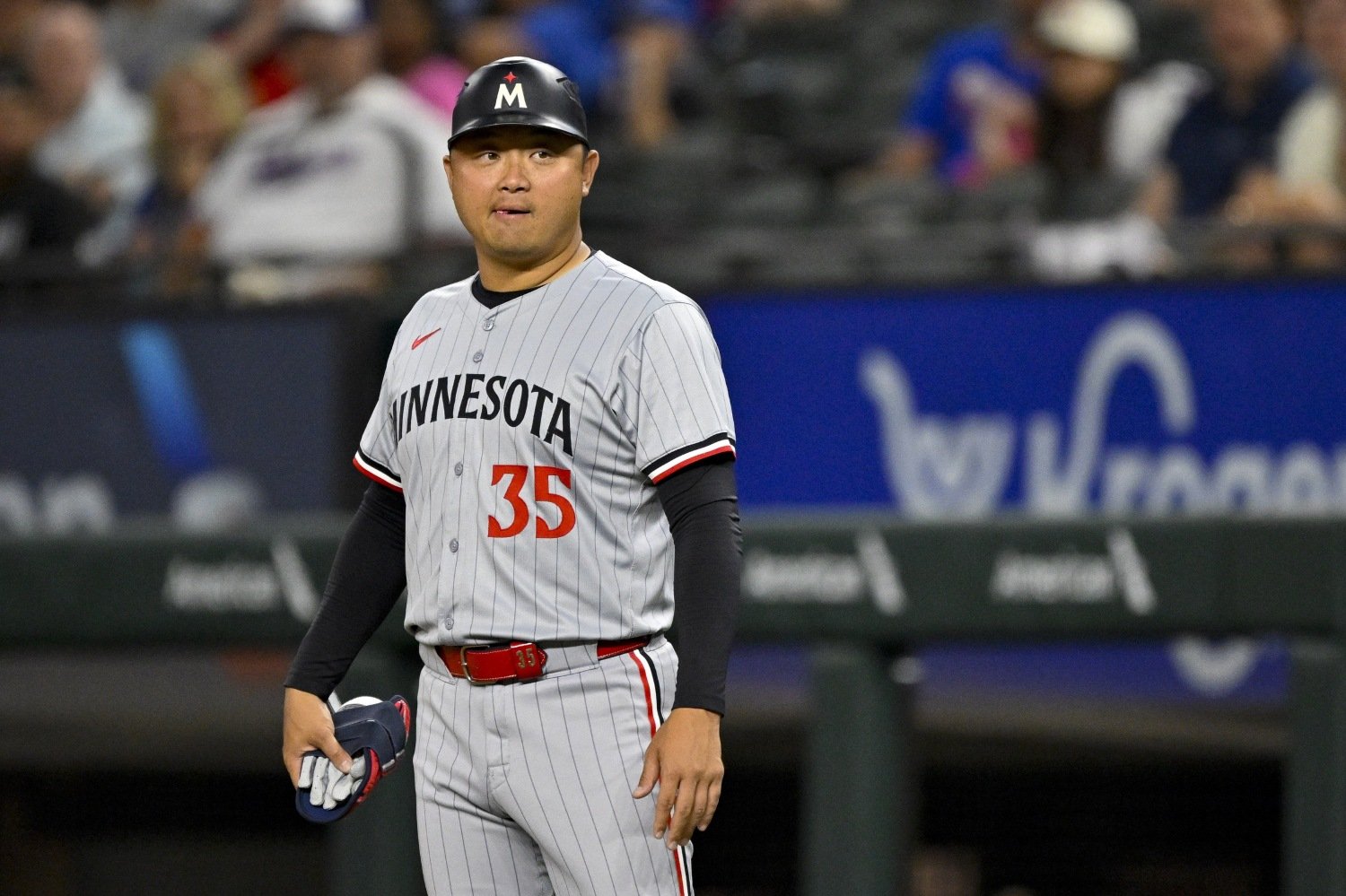 The Minnesota Twins made waves on Monday by dismissing Rocco Baldelli, closing the book on a seven-year managerial tenure that brought both high highs and low lows. Now comes the critical question: who’s next? It’s early in the process, and right now, there’s no reporting to suggest who the frontrunners might be. But it’s never too soon to start considering potential candidates. Below is a first-draft watch list—names that Twins fans can begin to think about as the team begins its search. Some are familiar faces within the organization, others bring outside experience, and a few are more outside-the-box ideas that would shake things up. Internal Options In what could be a challenging environment for attracting outside candidates, the Twins may look inward. New or veteran managers from other organizations might hesitate to join a franchise viewed as struggling, making internal continuity an appealing path. An internal hire could serve as a bridge, steadying the ship in the short term while keeping familiarity and trust in place during a transition period. Hank Conger Conger has been with the Twins since 2022, first serving as the first base and catching coach before being promoted to assistant bench coach this past offseason. A former catcher (often dubbed the “on-field manager”), Conger has earned admiration from players and coaches for his presence and leadership. His reputation as a communicator and his steady rise through the staff make him a natural candidate for consideration. Toby Gardenhire The son of Twins Hall of Fame skipper Ron Gardenhire, Toby has managed within the system since 2018, moving from Cedar Rapids to Fort Myers to the Triple-A St. Paul Saints, where he currently leads. He recently notched his 500th managerial win in the organization. While minor-league records only tell part of the story, his reputation among players is strong, and his deep familiarity with both the system and roster gives him a legitimate shot. Veteran Managers The Twins may decide that the best move is to look outside the organization for a seasoned manager who can bring fresh philosophies and shake up the status quo. Brad Mills Mills brings decades of coaching experience, including a stint managing the Houston Astros from 2010–2012 and years as Terry Francona’s trusted bench coach in Cleveland. This season, he has been serving as bench coach for the playoff-bound Cincinnati Reds. Mills’s prior connection to Derek Falvey from their Cleveland days could make him a natural fit if the Twins want experience and continuity of leadership. Skip Schumaker Schumaker transitioned seamlessly from his playing career into managing, leading the Marlins to the postseason in 2023 and winning National League Manager of the Year honors. After a rocky 2024, he stepped away from managing but resurfaced as an advisor with the Rangers. At 45, Schumaker remains a rising managerial name who is sure to draw interest around the league. If the Twins want a proven yet still ascending candidate, Schumaker could be a strong option. Outside-the-Box Options In today’s MLB, the role of a manager often revolves less around calling every tactical shot and more around leadership, culture, and serving as a bridge between the front office and the clubhouse. With that in mind, the Twins could consider recent players with deep connections to the organization and game. Torii Hunter A Twins legend, Hunter checks a lot of boxes: charisma, good with the media, organizational ties to the Twins, and respect from major-league players. He understands the grind of a long season, and could keep players motivated while embodying the type of leadership fans crave. A Hunter hire would immediately energize the fan base. Nelson Cruz Cruz, like Hunter, would instantly win over fans and players alike. Even during his Twins playing days, he often functioned as a player-manager—a mentor and clubhouse leader who commanded universal respect. His bilingual skills and deep connection to Latino players would add a dimension the Twins have lacked. Cruz also brings a forward-thinking approach and passion for analytics, making him an interesting candidate. It’s far too early to know which way the Twins will go, but the list of potential candidates ranges from trusted internal options to experienced veterans to bold, unconventional hires. What the front office values most—continuity, experience, or clubhouse leadership—will determine the direction of this search. What do you think? Who would you like to see as the next manager of the Minnesota Twins? Leave a comment below and start the conversation.
- 136 comments
-
- 9
-
-
- rocco baldelli
- torii hunter
- (and 3 more)
-
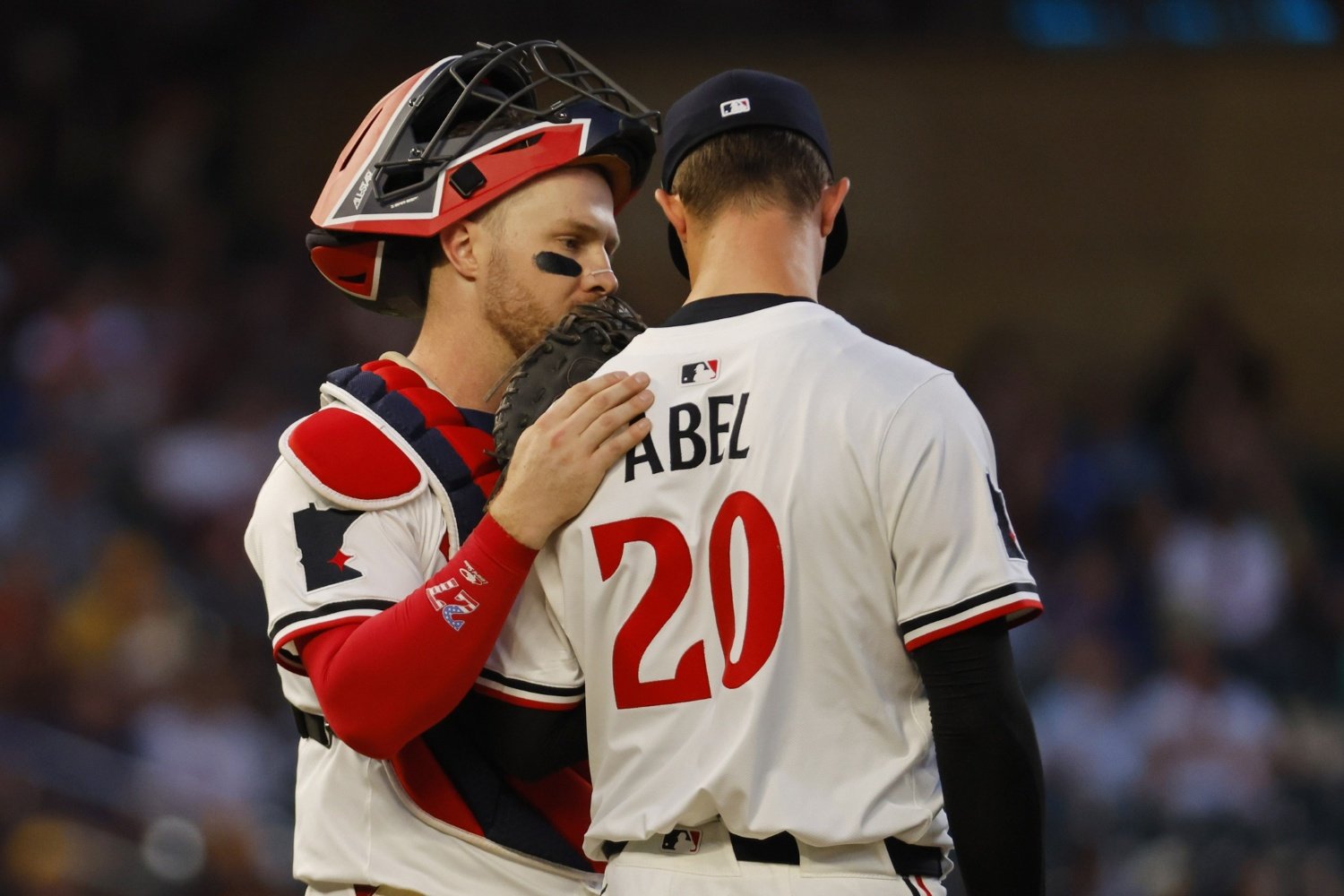 Derek Falvey made a clear statement at this year’s trade deadline. While the Twins did acquire a few lower-minors prospects, the bulk of the return was weighted toward players who were in the high minors, with many of them having already debuted in the big leagues. In his letter to season ticket holders after the fire sale, Falvey spelled it out directly. “We added players who can help now," he wrote, "deepening our talent pipeline for 2026 and beyond.” He emphasized that in his post-deadline Zoom press conference with reporters, too, specifically stating that the team eschewed certain offers that would have brought them players with higher prospect ratings but less proximity to the majors. Whether this was a move designed to protect his own job by bringing in players who could contribute right away or simply a conservative strategy aimed at banking on safer floors rather than chasing risky upside, the Twins wanted players close to the major leagues. That decision carries tradeoffs. Players in the low minors are more volatile, but with that volatility comes the chance to hit on a future star. By contrast, players in the high minors (or already in the majors) are more predictable, but they often come with a lower ceiling. The best high-minors performers rarely get traded at all, which means teams often have to settle for players who either stalled out or were squeezed off a roster. There are exceptions, like Joe Ryan, who arrived in Minnesota as a high-minors arm and turned into a front-line starter, but that path is rare. Falvey still chose to load up on these types of players, hoping to have roster spots filled and a competitive base in place for 2026 and 2027. Of the 13 players acquired at the deadline, four had already debuted in the majors. That number may not sound overwhelming, but those were four of the top seven names in terms of prospect caliber. The Twins were not hiding their preferences. Taj Bradley entered the organization with 354 big-league innings already logged. James Outman had piled up more than 600 plate appearances with the Dodgers. Alan Roden had 40 games under his belt with Toronto this season. Mick Abel had already made the leap to the big leagues earlier this year, for the mighty Phillies. These were not prospects being stashed for a distant future. They were meant to help immediately. The early results have been discouraging. Roden was sent straight to the major-league roster and lasted 12 games, before a hand injury ended his season. He posted a .463 OPS in that brief stretch, leaving little to suggest he will be ready to anchor an outfield spot next spring. Outman, who came over in the Brock Stewart deal, also got his chance after a curious minor-league stint. In 20 games with the Twins, he has posted a .539 OPS. For someone with his level of big-league experience, that performance raises questions about whether he should be counted on at all. On the pitching side, the story is similar. Bradley, the most seasoned of the bunch, was sent down for tweaks before being promoted again. In three starts for the Twins, he has a 7.20 ERA, and his time in St. Paul was not much better. Mick Abel, who arrived with the best prospect pedigree as a former top high-school pick, has had an even rougher start. In two brief outings with the Twins, he was hit hard, allowing 11 runs in four innings. His ERA sits at 24.75, and he has already been returned to the minors. Abel still has youth and talent on his side, but his first impression hardly inspires confidence. He certainly cannot be an assumed member of the 2026 starting rotation as the Twins make their plans this offseason. None of these players should be written off. Development is rarely linear, and all are still young enough to turn things around. But the frustrating reality is that Falvey sacrificed potential long-term upside of players further away from the Majors for the supposed certainty of having names to plug into the 2026 roster. And even that certainty hasn’t materialized. Because of injuries (in the case of Roden) or questionable performance, albeit in a small sample size, the Twins still face as many unanswered questions about their 2026 lineup as they would have if they had swung for more upside. On the flip side, one well-reported exception to the policy Falvey talked about pursuing was the trade in which the Twins sent Jhoan Duran to the Phillies. They did go with the further-off prospect as the headliner, in that deal, letting Abel be the secondary piece to Eduardo Tait instead of taking the proferred Aidan Miller. The Phillies infield prospect batted .361/.485/.630 at Double-A Reading in August, and earned a promotion to Triple-A Lehigh Valley to close out the season. It's perfectly possible he wouldn't have done that if he'd been dealt to the Twins, but right now, his bat looks almost ready for the majors—and the Twins passed on it, in favor of Tait and Abel. The hope is that these players turn things around, either late this year or over the offseason. At the moment, though, the strategy appears flawed. For a team unlikely to contend next year, the Twins passed on some higher-upside prospects to acquire players who were supposed to contribute quickly, only to watch those players stumble out of the gate. It leaves an uncomfortable question for fans to consider. Was Falvey right to focus on readiness, or did the Twins sacrifice too much potential for too little immediate help—and choose the wrong place to zig against that zag? What do you think? Leave a comment below and start the conversation!
- 57 comments
-
- 6
-

-
-
- mick abel
- taj bradley
- (and 2 more)
-
Image courtesy of © Bruce Kluckhohn-Imagn Images Derek Falvey made a clear statement at this year’s trade deadline. While the Twins did acquire a few lower-minors prospects, the bulk of the return was weighted toward players who were in the high minors, with many of them having already debuted in the big leagues. In his letter to season ticket holders after the fire sale, Falvey spelled it out directly. “We added players who can help now," he wrote, "deepening our talent pipeline for 2026 and beyond.” He emphasized that in his post-deadline Zoom press conference with reporters, too, specifically stating that the team eschewed certain offers that would have brought them players with higher prospect ratings but less proximity to the majors. Whether this was a move designed to protect his own job by bringing in players who could contribute right away or simply a conservative strategy aimed at banking on safer floors rather than chasing risky upside, the Twins wanted players close to the major leagues. That decision carries tradeoffs. Players in the low minors are more volatile, but with that volatility comes the chance to hit on a future star. By contrast, players in the high minors (or already in the majors) are more predictable, but they often come with a lower ceiling. The best high-minors performers rarely get traded at all, which means teams often have to settle for players who either stalled out or were squeezed off a roster. There are exceptions, like Joe Ryan, who arrived in Minnesota as a high-minors arm and turned into a front-line starter, but that path is rare. Falvey still chose to load up on these types of players, hoping to have roster spots filled and a competitive base in place for 2026 and 2027. Of the 13 players acquired at the deadline, four had already debuted in the majors. That number may not sound overwhelming, but those were four of the top seven names in terms of prospect caliber. The Twins were not hiding their preferences. Taj Bradley entered the organization with 354 big-league innings already logged. James Outman had piled up more than 600 plate appearances with the Dodgers. Alan Roden had 40 games under his belt with Toronto this season. Mick Abel had already made the leap to the big leagues earlier this year, for the mighty Phillies. These were not prospects being stashed for a distant future. They were meant to help immediately. The early results have been discouraging. Roden was sent straight to the major-league roster and lasted 12 games, before a hand injury ended his season. He posted a .463 OPS in that brief stretch, leaving little to suggest he will be ready to anchor an outfield spot next spring. Outman, who came over in the Brock Stewart deal, also got his chance after a curious minor-league stint. In 20 games with the Twins, he has posted a .539 OPS. For someone with his level of big-league experience, that performance raises questions about whether he should be counted on at all. On the pitching side, the story is similar. Bradley, the most seasoned of the bunch, was sent down for tweaks before being promoted again. In three starts for the Twins, he has a 7.20 ERA, and his time in St. Paul was not much better. Mick Abel, who arrived with the best prospect pedigree as a former top high-school pick, has had an even rougher start. In two brief outings with the Twins, he was hit hard, allowing 11 runs in four innings. His ERA sits at 24.75, and he has already been returned to the minors. Abel still has youth and talent on his side, but his first impression hardly inspires confidence. He certainly cannot be an assumed member of the 2026 starting rotation as the Twins make their plans this offseason. None of these players should be written off. Development is rarely linear, and all are still young enough to turn things around. But the frustrating reality is that Falvey sacrificed potential long-term upside of players further away from the Majors for the supposed certainty of having names to plug into the 2026 roster. And even that certainty hasn’t materialized. Because of injuries (in the case of Roden) or questionable performance, albeit in a small sample size, the Twins still face as many unanswered questions about their 2026 lineup as they would have if they had swung for more upside. On the flip side, one well-reported exception to the policy Falvey talked about pursuing was the trade in which the Twins sent Jhoan Duran to the Phillies. They did go with the further-off prospect as the headliner, in that deal, letting Abel be the secondary piece to Eduardo Tait instead of taking the proferred Aidan Miller. The Phillies infield prospect batted .361/.485/.630 at Double-A Reading in August, and earned a promotion to Triple-A Lehigh Valley to close out the season. It's perfectly possible he wouldn't have done that if he'd been dealt to the Twins, but right now, his bat looks almost ready for the majors—and the Twins passed on it, in favor of Tait and Abel. The hope is that these players turn things around, either late this year or over the offseason. At the moment, though, the strategy appears flawed. For a team unlikely to contend next year, the Twins passed on some higher-upside prospects to acquire players who were supposed to contribute quickly, only to watch those players stumble out of the gate. It leaves an uncomfortable question for fans to consider. Was Falvey right to focus on readiness, or did the Twins sacrifice too much potential for too little immediate help—and choose the wrong place to zig against that zag? What do you think? Leave a comment below and start the conversation! View full article
-
Image courtesy of © Gary A. Vasquez-Imagn Images Box Score Starting Pitcher: Zebby Matthews 4 2/3 IP, 7 H, 5 ER, 2 BB (97 pitches, 62 strikes) Home Runs: Ryan Fitzgerald (2) Bottom 3 WPA: Matthews -.203, Trevor Larnach -.103, Luke Keaschall -.068 Win Probability Chart (via FanGraphs): After righteously thrashing the Angels 12-3 Monday night, the Minnesota Twins entered Tuesday hoping to secure their first road series win since early August in Detroit. Instead, they were handed a lopsided beating—one that looked far too familiar for a team stumbling toward the finish line. Zebby Matthews took the ball for Minnesota, coming off consecutive quality starts against the Padres and White Sox. Any momentum from those outings vanished quickly. The Angels strung together three singles, a walk, and a double steal in the opening frame, plating three runs before Matthews could escape the first inning. To his credit, Matthews settled in over the next three frames, but things unraveled when he faced the order for a third time. Rocco Baldelli gave him the hook after 4 2/3 innings of work. His final line: seven hits, five earned runs, two walks, pushing his ERA back over 5.00 on the season. He did, at least, manage five strikeouts. If Matthews’s outing was rough, the bullpen somehow made it worse. Pierson Ohl took over in the sixth and promptly surrendered four runs while only getting the same number of outs, punctuated by a three-run homer off the bat of Chris Taylor that blew the game open at 9-0. Thomas Hatch then served up a three-run bomb to Yoán Moncada, a familiar face from his White Sox days, to push the lead to 12-0. By the time utility man Ryan Fitzgerald was summoned to pitch the eighth, the game had long slipped into “damage-control” territory. The final tally: Angels 17 hits, 15 singles and two homers, a stat line rarely seen but indicative of the relentless approach Los Angeles took against Minnesota pitching. The Twins lineup wasn’t any better. Limited to six hits on the night, Minnesota couldn't push a run across until the ninth inning, when Fitzgerald launched a two-run homer to spare the club from a shutout. It was as meaningless a home run as you’ll find, except that it was just the second home run by a Twins pitcher (technically, that was Fitzgerald's position for that at-bat) since the DH was instituted in 1973. Can you name the other? Byron Buxton returned to the lineup, two days after having been hit in the knee by a pitch and missing a game and a half. Other than that, and beyond the limited good feelings Fitzgerald has created as a good story finding a modicum of success, there was little consolation to be found Tuesday night. The team finished 0-for-7 with runners in scoring position, continuing a season-long trend of empty at-bats in key spots. With the hideous loss, Minnesota falls to 64-81, officially ensuring they will not finish above .500 this season. (I know, I know. You were on the edge of your seat.) They now sit tied with Pittsburgh for the second-worst record among lottery-eligible teams. How 'bout them Vikings, though?? What's Next The Twins will try their hand again at securing a series victory Wednesday afternoon in Los Angeles, with Taj Bradley (6-7, 4.92 ERA) toeing the rubber across José Soriano (10-10, 4.07) for the Angels. First pitch is at 3:07 pm CT. Postgame Interviews Bullpen Usage Chart FRI SAT SUN MON TUE TOT Hatch 0 66 0 0 24 90 Topa 13 0 28 0 0 41 Funderburk 15 0 22 0 0 37 Sands 0 0 14 0 0 14 Adams 0 0 0 38 0 38 Ohl 0 0 0 0 43 43 Cabrera 0 0 8 23 0 31 Tonkin 0 12 0 20 0 32 View full article
-
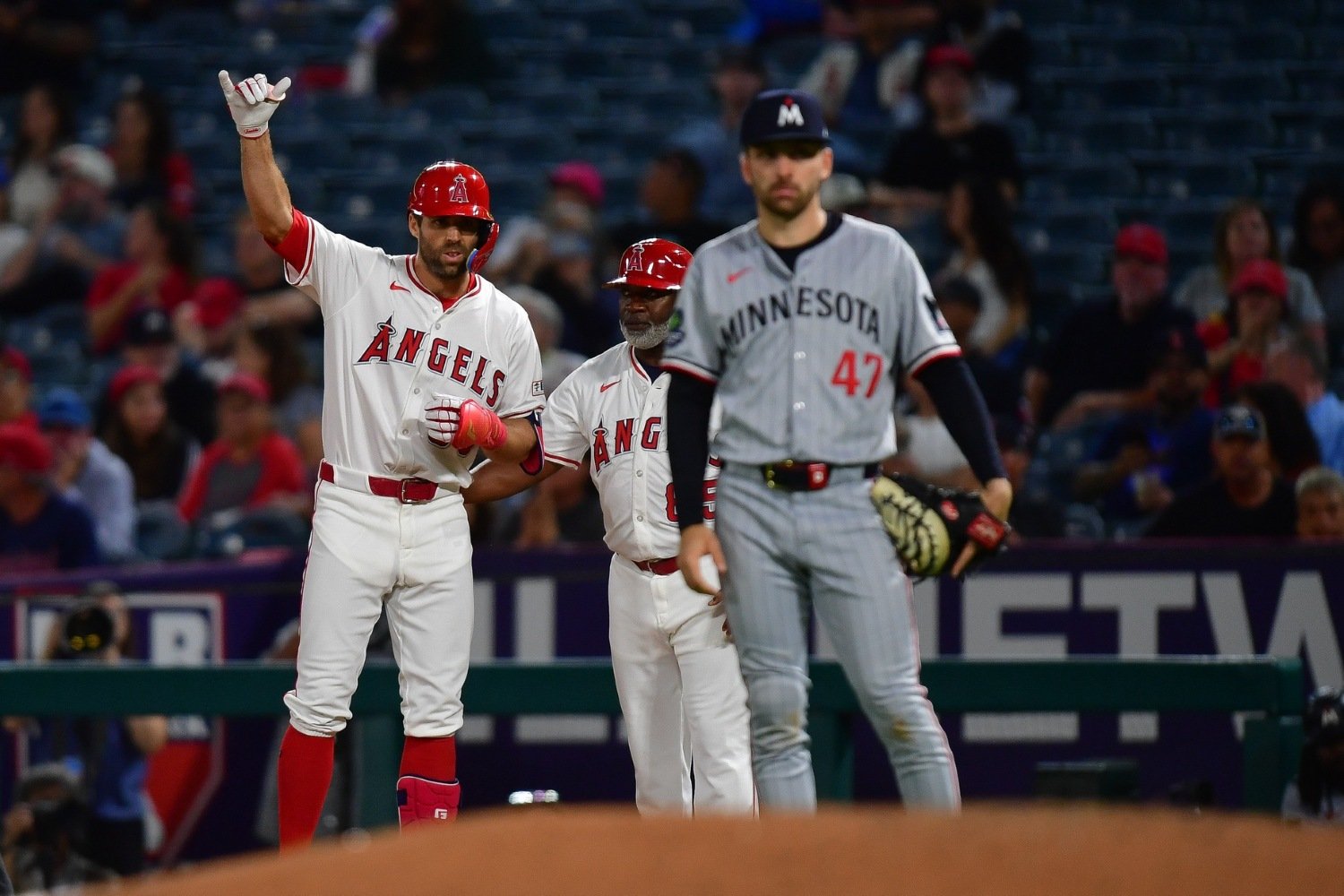 Box Score Starting Pitcher: Zebby Matthews 4 2/3 IP, 7 H, 5 ER, 2 BB (97 pitches, 62 strikes) Home Runs: Ryan Fitzgerald (2) Bottom 3 WPA: Matthews -.203, Trevor Larnach -.103, Luke Keaschall -.068 Win Probability Chart (via FanGraphs): After righteously thrashing the Angels 12-3 Monday night, the Minnesota Twins entered Tuesday hoping to secure their first road series win since early August in Detroit. Instead, they were handed a lopsided beating—one that looked far too familiar for a team stumbling toward the finish line. Zebby Matthews took the ball for Minnesota, coming off consecutive quality starts against the Padres and White Sox. Any momentum from those outings vanished quickly. The Angels strung together three singles, a walk, and a double steal in the opening frame, plating three runs before Matthews could escape the first inning. To his credit, Matthews settled in over the next three frames, but things unraveled when he faced the order for a third time. Rocco Baldelli gave him the hook after 4 2/3 innings of work. His final line: seven hits, five earned runs, two walks, pushing his ERA back over 5.00 on the season. He did, at least, manage five strikeouts. If Matthews’s outing was rough, the bullpen somehow made it worse. Pierson Ohl took over in the sixth and promptly surrendered four runs while only getting the same number of outs, punctuated by a three-run homer off the bat of Chris Taylor that blew the game open at 9-0. Thomas Hatch then served up a three-run bomb to Yoán Moncada, a familiar face from his White Sox days, to push the lead to 12-0. By the time utility man Ryan Fitzgerald was summoned to pitch the eighth, the game had long slipped into “damage-control” territory. The final tally: Angels 17 hits, 15 singles and two homers, a stat line rarely seen but indicative of the relentless approach Los Angeles took against Minnesota pitching. The Twins lineup wasn’t any better. Limited to six hits on the night, Minnesota couldn't push a run across until the ninth inning, when Fitzgerald launched a two-run homer to spare the club from a shutout. It was as meaningless a home run as you’ll find, except that it was just the second home run by a Twins pitcher (technically, that was Fitzgerald's position for that at-bat) since the DH was instituted in 1973. Can you name the other? Byron Buxton returned to the lineup, two days after having been hit in the knee by a pitch and missing a game and a half. Other than that, and beyond the limited good feelings Fitzgerald has created as a good story finding a modicum of success, there was little consolation to be found Tuesday night. The team finished 0-for-7 with runners in scoring position, continuing a season-long trend of empty at-bats in key spots. With the hideous loss, Minnesota falls to 64-81, officially ensuring they will not finish above .500 this season. (I know, I know. You were on the edge of your seat.) They now sit tied with Pittsburgh for the second-worst record among lottery-eligible teams. How 'bout them Vikings, though?? What's Next The Twins will try their hand again at securing a series victory Wednesday afternoon in Los Angeles, with Taj Bradley (6-7, 4.92 ERA) toeing the rubber across José Soriano (10-10, 4.07) for the Angels. First pitch is at 3:07 pm CT. Postgame Interviews Bullpen Usage Chart FRI SAT SUN MON TUE TOT Hatch 0 66 0 0 24 90 Topa 13 0 28 0 0 41 Funderburk 15 0 22 0 0 37 Sands 0 0 14 0 0 14 Adams 0 0 0 38 0 38 Ohl 0 0 0 0 43 43 Cabrera 0 0 8 23 0 31 Tonkin 0 12 0 20 0 32
- 44 comments
-
- 2
-
-
- zebby matthews
- pierson ohl
- (and 2 more)
-
What the Heck Happened to José Miranda?
Matthew Taylor posted a topic in Twins Daily Front Page News
Image courtesy of © William Purnell-Imagn Images For a brief moment, José Miranda looked like one of the Twins’ best success stories. A late-blooming prospect who surged through the upper minors, he burst into the majors with a promising rookie campaign. He even delivered one of the most memorable hitting streaks in recent team history. He was supposed to be part of the next wave of Twins hitters. Instead, just a few years later, he looks more like a cautionary tale than a cornerstone. Miranda was never supposed to be a superstar prospect. But in 2021, he put himself on the map in emphatic fashion, exploding at Double-A and Triple-A with a .973 OPS. That season forced the Twins’ hand, and he earned his big-league call-up in 2022. As a rookie, he delivered. Miranda posted a 114 OPS+ and looked the part of a long-term middle-of-the-order bat. Minnesota had seemingly found another young hitter to slot into their growing core. Then came 2023, a year derailed before it ever really started. A right shoulder injury nagged Miranda from spring training onward, sapping his swing speed and his confidence. He never got on track, finishing the season as an offensive liability. But in 2024, there was reason for optimism. Healthy again, Miranda put together a respectable bounce-back campaign with a 112 OPS+. He even delivered one of the most memorable stretches of the Twins’ season: a scorching July that included a remarkable run of 12 consecutive hits in 12 at-bats. At that point, it felt like he was ready to turn the corner for good. When Royce Lewis went down in spring training this year, Miranda had a golden opportunity: the starting third base job was his. But instead of seizing the moment, he cratered. In 12 games, he hit .167 with a .417 OPS, numbers so poor the Twins had little choice but to send him down. The hope, of course, was that he’d reset in St. Paul, find his swing, and work his way back. But that’s where things have gone from bad to worse. Across 83 games and 343 plate appearances with the Saints, Miranda has managed just a .574 OPS, with 52 strikeouts against 28 walks and only 7 home runs. Instead of working back into the conversation, he’s drifted entirely out of it. Barely a year after being the center of the conversation with the Twins during his hit streak, he's now out of their plans altogether. The Twins’ trade deadline fire sale this year saw a wave of call-ups. Ryan Fitzgerald. Carson McCusker. Edouard Julien. Names kept coming, but not Miranda’s. Despite Minnesota’s revolving door of opportunities, Miranda wasn’t even considered—and there was nobody arguing that he should have been. That silence says it all. If the Twins believed in him as a rebound candidate, he’d have been back in Minneapolis by now. The front office’s unwillingness to move him at the deadline only underscores how little value he has left; there were simply no takers. Miranda’s story feels almost cruel. From a breakout in the minors to a solid rookie campaign, from a shoulder-induced collapse to a brief resurgence, it looked like he might still carve out a long-term role. Instead, he’s now staring at an uncertain future. At just 26 years old, his career isn’t technically over. But in the eyes of the Twins, it might be. They’ve had ample opportunity to bring him back into the fold, and they’ve passed every time. This offseason, it’s likely they’ll simply cut ties and move on. So, what on Earth happened to José Miranda? Did the shoulder injury permanently alter his swing? Was it an attitude issue after being demoted? Or did he just lose his approach at the plate? Whatever the answer, the fall from “future fixture” to “organizational afterthought” has been staggering. What do you think? Was Miranda doomed by injuries, or did he simply fail to adjust at the highest level? How disappointed are you in his collapse—and is there any chance he salvages his career elsewhere? View full article -
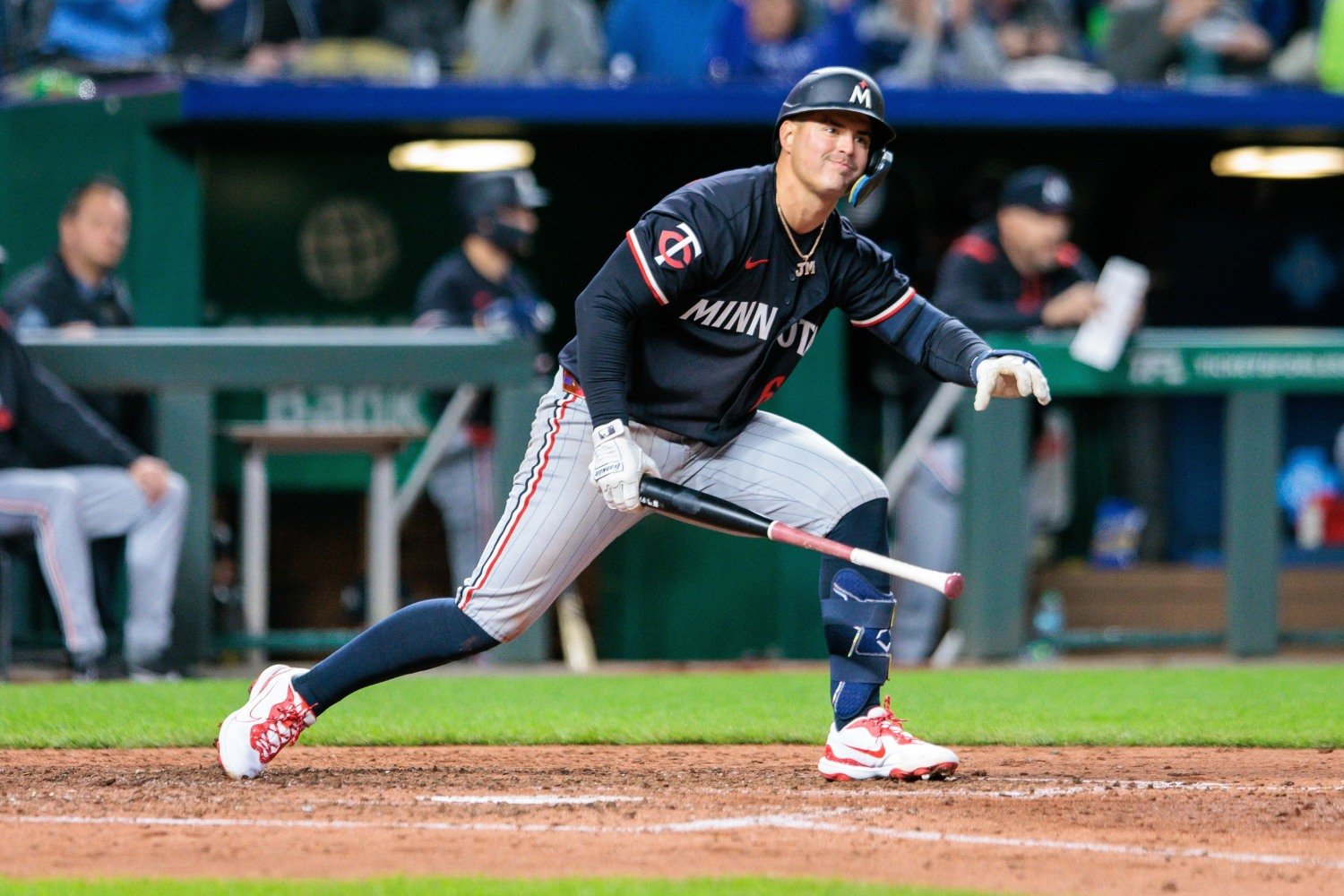 For a brief moment, José Miranda looked like one of the Twins’ best success stories. A late-blooming prospect who surged through the upper minors, he burst into the majors with a promising rookie campaign. He even delivered one of the most memorable hitting streaks in recent team history. He was supposed to be part of the next wave of Twins hitters. Instead, just a few years later, he looks more like a cautionary tale than a cornerstone. Miranda was never supposed to be a superstar prospect. But in 2021, he put himself on the map in emphatic fashion, exploding at Double-A and Triple-A with a .973 OPS. That season forced the Twins’ hand, and he earned his big-league call-up in 2022. As a rookie, he delivered. Miranda posted a 114 OPS+ and looked the part of a long-term middle-of-the-order bat. Minnesota had seemingly found another young hitter to slot into their growing core. Then came 2023, a year derailed before it ever really started. A right shoulder injury nagged Miranda from spring training onward, sapping his swing speed and his confidence. He never got on track, finishing the season as an offensive liability. But in 2024, there was reason for optimism. Healthy again, Miranda put together a respectable bounce-back campaign with a 112 OPS+. He even delivered one of the most memorable stretches of the Twins’ season: a scorching July that included a remarkable run of 12 consecutive hits in 12 at-bats. At that point, it felt like he was ready to turn the corner for good. When Royce Lewis went down in spring training this year, Miranda had a golden opportunity: the starting third base job was his. But instead of seizing the moment, he cratered. In 12 games, he hit .167 with a .417 OPS, numbers so poor the Twins had little choice but to send him down. The hope, of course, was that he’d reset in St. Paul, find his swing, and work his way back. But that’s where things have gone from bad to worse. Across 83 games and 343 plate appearances with the Saints, Miranda has managed just a .574 OPS, with 52 strikeouts against 28 walks and only 7 home runs. Instead of working back into the conversation, he’s drifted entirely out of it. Barely a year after being the center of the conversation with the Twins during his hit streak, he's now out of their plans altogether. The Twins’ trade deadline fire sale this year saw a wave of call-ups. Ryan Fitzgerald. Carson McCusker. Edouard Julien. Names kept coming, but not Miranda’s. Despite Minnesota’s revolving door of opportunities, Miranda wasn’t even considered—and there was nobody arguing that he should have been. That silence says it all. If the Twins believed in him as a rebound candidate, he’d have been back in Minneapolis by now. The front office’s unwillingness to move him at the deadline only underscores how little value he has left; there were simply no takers. Miranda’s story feels almost cruel. From a breakout in the minors to a solid rookie campaign, from a shoulder-induced collapse to a brief resurgence, it looked like he might still carve out a long-term role. Instead, he’s now staring at an uncertain future. At just 26 years old, his career isn’t technically over. But in the eyes of the Twins, it might be. They’ve had ample opportunity to bring him back into the fold, and they’ve passed every time. This offseason, it’s likely they’ll simply cut ties and move on. So, what on Earth happened to José Miranda? Did the shoulder injury permanently alter his swing? Was it an attitude issue after being demoted? Or did he just lose his approach at the plate? Whatever the answer, the fall from “future fixture” to “organizational afterthought” has been staggering. What do you think? Was Miranda doomed by injuries, or did he simply fail to adjust at the highest level? How disappointed are you in his collapse—and is there any chance he salvages his career elsewhere?
 -
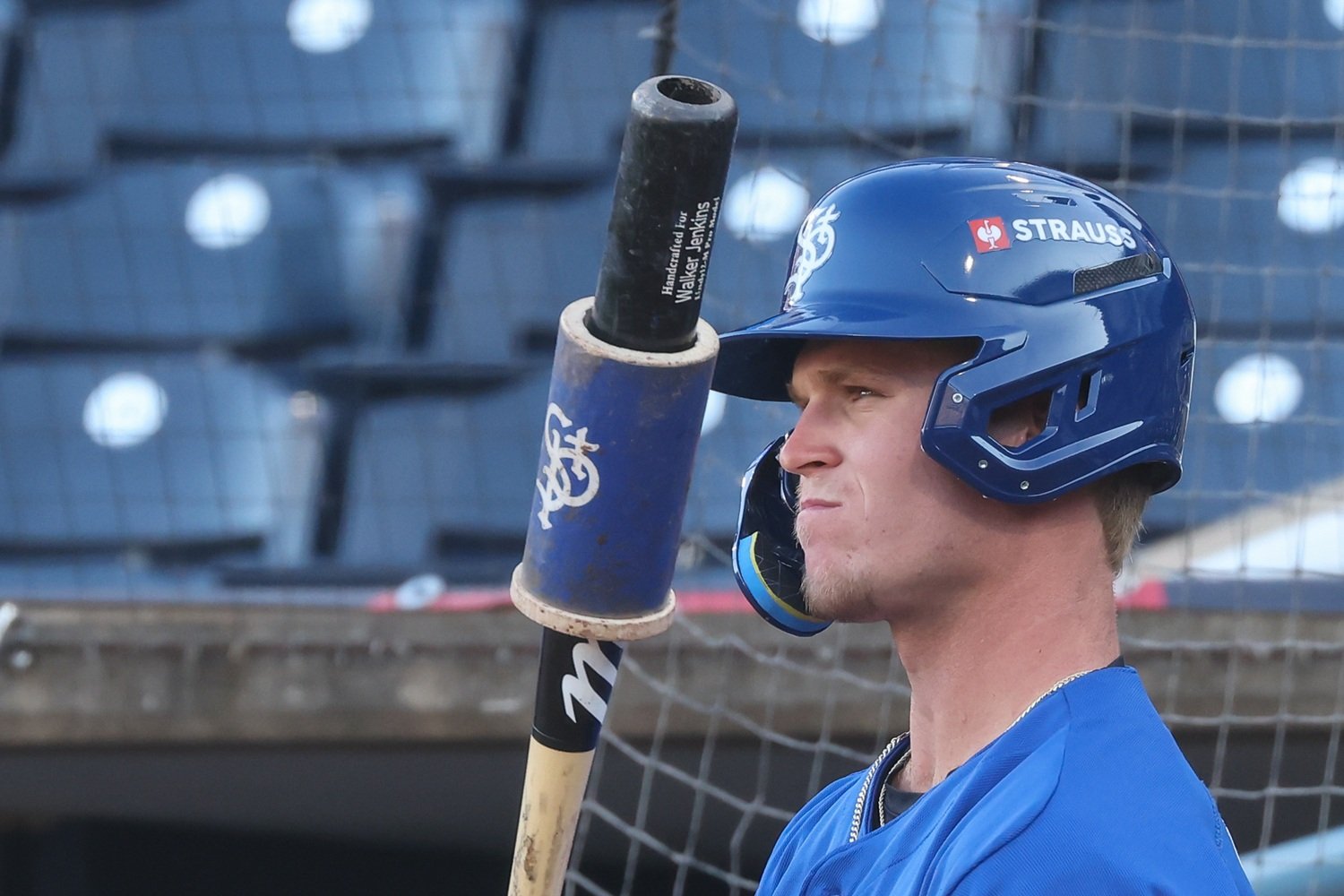 The Minnesota Twins caught a stroke of luck in December 2022 when the MLB Draft Lottery gave them the fifth overall pick, despite having just the 13th-best odds. It was a monumental leap in a year when the draft class was absolutely loaded at the top. Five elite prospects headlined the 2023 MLB Draft; players who, in most years, would have each had a case to go first overall. The group: Paul Skenes, Dylan Crews, Max Clark, Wyatt Langford, and Walker Jenkins. When the dust settled, the Twins left with Jenkins, the North Carolina prep outfielder with a smooth left-handed swing and middle-of-the-order potential. Now, with Jenkins recently promoted to Triple-A, it’s the perfect time to revisit how the “Big 5” have fared so far, and where Jenkins stacks up against them. 1. Paul Skenes — RHP, Pittsburgh Pirates Skenes was never truly in play for the Twins, but he was the crown jewel of the class. A once-in-a-generation pitching prospect, he went No. 1 overall as expected and has exceeded even the loftiest projections. After blazing through the minors, Skenes debuted in 2024 and wasted no time: Rookie of the Year, All-Star Game starter, and a third-place Cy Young finish behind a 1.96 ERA in 133 innings. This season, he’s only gotten better—another All-Star nod and a 2.07 ERA across 161 innings. He’s quickly established himself as one of the premier pitchers in baseball. 2. Dylan Crews — OF, Washington Nationals Crews was viewed as a can’t-miss bat coming out of LSU, where he posted an eye-popping 1.187 OPS. But the transition to pro ball has been bumpy. He debuted in late 2024 and struggled immediately, finishing with an 81 OPS+ in 132 plate appearances. His sophomore campaign has been worse: a 73 OPS+ in 224 plate appearances, paired with a strikeout rate north of 25%. At 23 years old, Crews still has plenty of time to figure it out, but the “can’t miss” label looks shakier with each passing month. 3. Max Clark — OF, Detroit Tigers Like Jenkins, Clark was a prep outfielder, drafted just two months apart in age. The Tigers have been patient with his development, and Clark has rewarded them with steady progress. Ranked ninth overall by MLB Pipeline, Clark has posted an .810 OPS across the minors. Currently in Double-A, he’s holding his own with a .794 OPS in 149 plate appearances. He doesn’t yet show Jenkins’ power, but Clark’s combination of speed, defense, and a polished approach at the plate gives him a strong foundation. It’s fair to expect fans will compare Clark and Jenkins side-by-side for the next decade. 4. Wyatt Langford — OF, Texas Rangers The other college bat in the Big 5, Langford was expected to move fast, and he delivered. After tearing through the minors, he made the Rangers’ roster out of Spring Training 2024 and produced immediately. In his rookie season, Langford posted a 114 OPS+ over 134 games. This year, he’s elevated his game with a 127 OPS+ in 113 games, plus 18 stolen bases. Langford already looks like a future All-Star, though his corner-outfield profile makes his upside a bit less premium than Jenkins or Clark. 5. Walker Jenkins — OF, Minnesota Twins Finally, the Twins’ man. Injuries have been the only speed bump for Jenkins, but even with time missed, he has moved impressively fast through the system. At every stop, Jenkins has hit and hit well: .862 OPS in High-A, .861 OPS in Double-A (as a teenager, no less), and now the youngest position player in the International League at Triple-A. Jenkins is on track for a 2026 debut. His blend of power, approach, and ability to stick in center field make him a cornerstone-type prospect. So, How Does Jenkins Stack Up? When the Twins landed at No. 5, there was a sense they’d simply “take whoever was left.” But as Jenkins’ early career has shown, he’s every bit worthy of belonging in this elite group. He’s advanced faster than Clark, his high school counterpart. He has the potential to hit like Langford while sticking at a more premium position. Crews’ struggles only highlight how hard the leap to MLB can be, making Jenkins’ smooth progression that much more encouraging. Skenes is in a class of his own, but he was never a realistic option for Minnesota. In hindsight, the draft lottery was a franchise-altering win for the Twins. At a spot where they weren’t even supposed to sniff the Big 5, they landed a player who now looks like a future middle-of-the-order centerpiece. Landing Jenkins was a massive win for Minnesota, and he’s proving that he wasn’t just the “last man standing”. He’s a legitimate star in the making. What do you think? Did the Twins hit the jackpot with Jenkins? How do you see him stacking up against Clark, Langford, and the others from the Big 5? Leave a comment and start the conversation!
 -
Image courtesy of Brady Boehm The Minnesota Twins caught a stroke of luck in December 2022 when the MLB Draft Lottery gave them the fifth overall pick, despite having just the 13th-best odds. It was a monumental leap in a year when the draft class was absolutely loaded at the top. Five elite prospects headlined the 2023 MLB Draft; players who, in most years, would have each had a case to go first overall. The group: Paul Skenes, Dylan Crews, Max Clark, Wyatt Langford, and Walker Jenkins. When the dust settled, the Twins left with Jenkins, the North Carolina prep outfielder with a smooth left-handed swing and middle-of-the-order potential. Now, with Jenkins recently promoted to Triple-A, it’s the perfect time to revisit how the “Big 5” have fared so far, and where Jenkins stacks up against them. 1. Paul Skenes — RHP, Pittsburgh Pirates Skenes was never truly in play for the Twins, but he was the crown jewel of the class. A once-in-a-generation pitching prospect, he went No. 1 overall as expected and has exceeded even the loftiest projections. After blazing through the minors, Skenes debuted in 2024 and wasted no time: Rookie of the Year, All-Star Game starter, and a third-place Cy Young finish behind a 1.96 ERA in 133 innings. This season, he’s only gotten better—another All-Star nod and a 2.07 ERA across 161 innings. He’s quickly established himself as one of the premier pitchers in baseball. 2. Dylan Crews — OF, Washington Nationals Crews was viewed as a can’t-miss bat coming out of LSU, where he posted an eye-popping 1.187 OPS. But the transition to pro ball has been bumpy. He debuted in late 2024 and struggled immediately, finishing with an 81 OPS+ in 132 plate appearances. His sophomore campaign has been worse: a 73 OPS+ in 224 plate appearances, paired with a strikeout rate north of 25%. At 23 years old, Crews still has plenty of time to figure it out, but the “can’t miss” label looks shakier with each passing month. 3. Max Clark — OF, Detroit Tigers Like Jenkins, Clark was a prep outfielder, drafted just two months apart in age. The Tigers have been patient with his development, and Clark has rewarded them with steady progress. Ranked ninth overall by MLB Pipeline, Clark has posted an .810 OPS across the minors. Currently in Double-A, he’s holding his own with a .794 OPS in 149 plate appearances. He doesn’t yet show Jenkins’ power, but Clark’s combination of speed, defense, and a polished approach at the plate gives him a strong foundation. It’s fair to expect fans will compare Clark and Jenkins side-by-side for the next decade. 4. Wyatt Langford — OF, Texas Rangers The other college bat in the Big 5, Langford was expected to move fast, and he delivered. After tearing through the minors, he made the Rangers’ roster out of Spring Training 2024 and produced immediately. In his rookie season, Langford posted a 114 OPS+ over 134 games. This year, he’s elevated his game with a 127 OPS+ in 113 games, plus 18 stolen bases. Langford already looks like a future All-Star, though his corner-outfield profile makes his upside a bit less premium than Jenkins or Clark. 5. Walker Jenkins — OF, Minnesota Twins Finally, the Twins’ man. Injuries have been the only speed bump for Jenkins, but even with time missed, he has moved impressively fast through the system. At every stop, Jenkins has hit and hit well: .862 OPS in High-A, .861 OPS in Double-A (as a teenager, no less), and now the youngest position player in the International League at Triple-A. Jenkins is on track for a 2026 debut. His blend of power, approach, and ability to stick in center field make him a cornerstone-type prospect. So, How Does Jenkins Stack Up? When the Twins landed at No. 5, there was a sense they’d simply “take whoever was left.” But as Jenkins’ early career has shown, he’s every bit worthy of belonging in this elite group. He’s advanced faster than Clark, his high school counterpart. He has the potential to hit like Langford while sticking at a more premium position. Crews’ struggles only highlight how hard the leap to MLB can be, making Jenkins’ smooth progression that much more encouraging. Skenes is in a class of his own, but he was never a realistic option for Minnesota. In hindsight, the draft lottery was a franchise-altering win for the Twins. At a spot where they weren’t even supposed to sniff the Big 5, they landed a player who now looks like a future middle-of-the-order centerpiece. Landing Jenkins was a massive win for Minnesota, and he’s proving that he wasn’t just the “last man standing”. He’s a legitimate star in the making. What do you think? Did the Twins hit the jackpot with Jenkins? How do you see him stacking up against Clark, Langford, and the others from the Big 5? Leave a comment and start the conversation! View full article
-
Image courtesy of © Thomas Shea-Imagn Images (Twins), © David Richard-Imagn Images (Marlins), © Denis Poroy-Imagn Images (Padres) This weekend, Twins fans get their first chance to welcome back an old friend. Luis Arraez, the beloved batting champ traded before the 2023 season, will step into the batter’s box at Target Field for the first time since the deal that sent him to Miami for Pablo López. It feels like the right moment to ask if the Twins should consider bringing Arraez back this offseason. Arraez made his debut with the Twins in 2019 and quickly became one of the most popular players on the roster. With his trademark wiggle in the box, his smile, and his uncanny ability to put together professional at-bats, he reminded fans of Rod Carew. In four seasons with Minnesota, Arraez hit .314 with a 119 OPS+, proving himself one of baseball’s most consistent contact hitters. His 2022 batting title capped off his Twins tenure before the blockbuster trade that sent him to Miami. The move was controversial at the time, but it is hard to call it anything other than a success for Minnesota. López has become an ace and a clubhouse leader. Arraez, meanwhile, was traded again at the 2024 deadline, this time from Miami to San Diego. His production slipped, and in 2025, he is hitting .283 with a below-average OPS+ of 94. That is the risk for a player whose value rests almost entirely on batting average. When the hits stop falling, there is not much else to buoy the profile. Which begs the question: could the Twins actually be the team to give him another chance? First base has been a revolving door this year. Ty France was given the job to start the season, but his struggles led to a midseason exit. Kody Clemens has held down the spot since then, but his production has cooled, and he looks more like a bench piece than an everyday starter. There's no heir-apparent prospect, and Edouard Julien does not project as a long-term answer at first base. That leaves the Twins looking externally to solve the problem, and free agency seems like the most logical path. Arraez will hit free agency this winter after earning $14 million in his final arbitration season with San Diego. He will not command a massive contract, especially coming off a down year, and that is exactly the type of market the Twins usually shop in. Given the team’s ownership situation and expected payroll constraints, a cost-effective reunion with a fan favorite could make a lot of sense. He is still only 28 years old, with time to rebound closer to his batting title form. At worst, he provides a reliable floor, a contact-first bat who can give professional plate appearances and lengthen the lineup. At best, he finds his groove again and stabilizes the top of the order. And there is also the human element. If the front office does what many expect and trades away stars like López or Joe Ryan, the 2026 roster could be a tough sell. Bringing Arraez back would not just patch a hole on the field. It would inject life, energy, and joy into a clubhouse and fanbase that desperately need it. Of course, there are reasons for hesitation. Arraez is a one-dimensional player with declining skills. He does not hit for power, does not run well, and offers little defensive versatility. If his average continues to slip, his value collapses quickly. The Twins also need to decide whether investing even modest dollars at first base is wise when other needs, particularly bullpen and shortstop depth, may be more pressing. Luis Arraez may not be the perfect solution, but the fit feels right. He would give the Twins a cost-conscious option, a steady presence in the lineup, and a much-needed morale boost for the fanbase. It might not be a long-term fix, but it could be the kind of reunion that makes sense for both sides. What do you think, should the Twins bring Arraez back this winter? Would he be worth the gamble, or should the team look elsewhere for their first baseman of the future? View full article
-
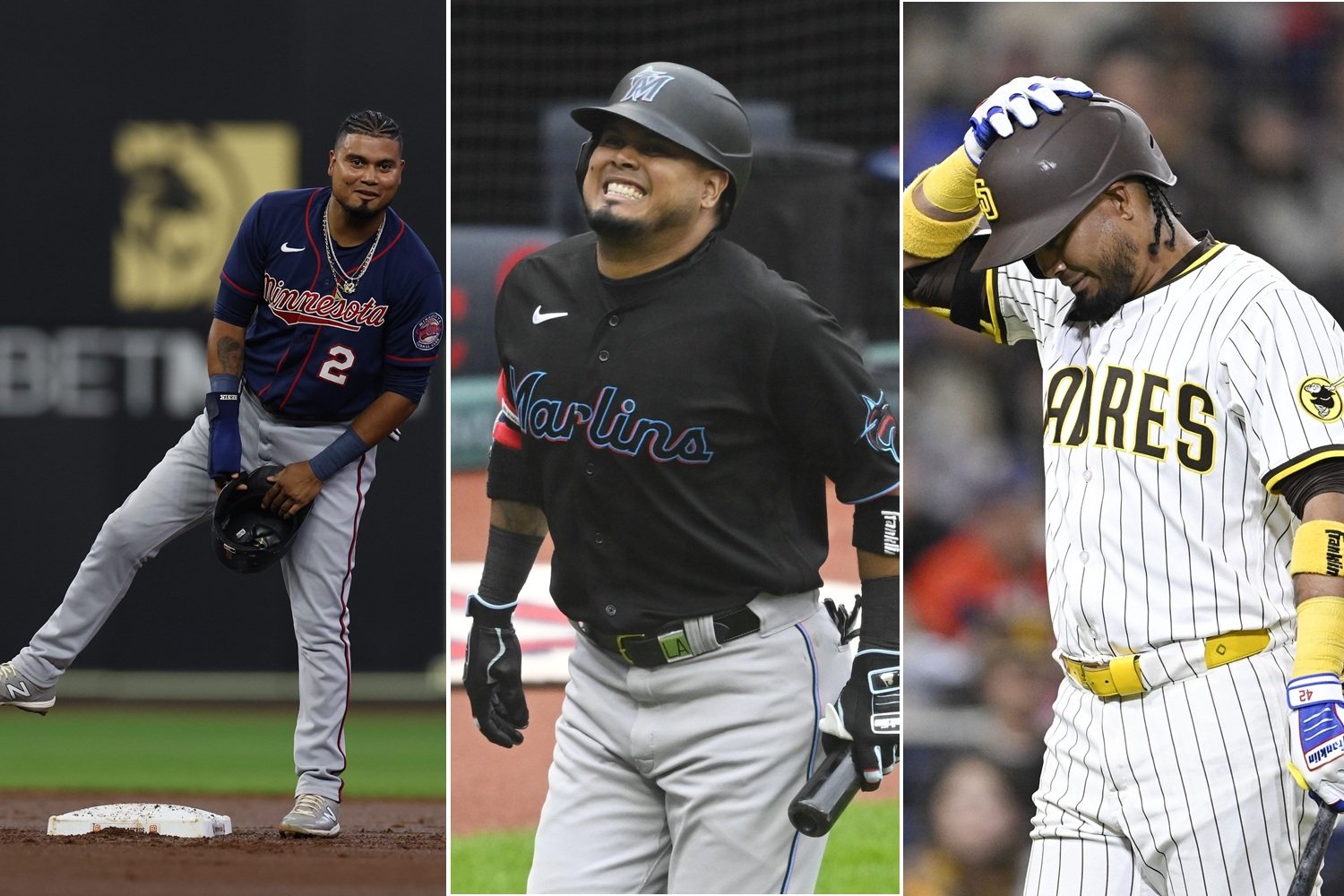 This weekend, Twins fans get their first chance to welcome back an old friend. Luis Arraez, the beloved batting champ traded before the 2023 season, will step into the batter’s box at Target Field for the first time since the deal that sent him to Miami for Pablo López. It feels like the right moment to ask if the Twins should consider bringing Arraez back this offseason. Arraez made his debut with the Twins in 2019 and quickly became one of the most popular players on the roster. With his trademark wiggle in the box, his smile, and his uncanny ability to put together professional at-bats, he reminded fans of Rod Carew. In four seasons with Minnesota, Arraez hit .314 with a 119 OPS+, proving himself one of baseball’s most consistent contact hitters. His 2022 batting title capped off his Twins tenure before the blockbuster trade that sent him to Miami. The move was controversial at the time, but it is hard to call it anything other than a success for Minnesota. López has become an ace and a clubhouse leader. Arraez, meanwhile, was traded again at the 2024 deadline, this time from Miami to San Diego. His production slipped, and in 2025, he is hitting .283 with a below-average OPS+ of 94. That is the risk for a player whose value rests almost entirely on batting average. When the hits stop falling, there is not much else to buoy the profile. Which begs the question: could the Twins actually be the team to give him another chance? First base has been a revolving door this year. Ty France was given the job to start the season, but his struggles led to a midseason exit. Kody Clemens has held down the spot since then, but his production has cooled, and he looks more like a bench piece than an everyday starter. There's no heir-apparent prospect, and Edouard Julien does not project as a long-term answer at first base. That leaves the Twins looking externally to solve the problem, and free agency seems like the most logical path. Arraez will hit free agency this winter after earning $14 million in his final arbitration season with San Diego. He will not command a massive contract, especially coming off a down year, and that is exactly the type of market the Twins usually shop in. Given the team’s ownership situation and expected payroll constraints, a cost-effective reunion with a fan favorite could make a lot of sense. He is still only 28 years old, with time to rebound closer to his batting title form. At worst, he provides a reliable floor, a contact-first bat who can give professional plate appearances and lengthen the lineup. At best, he finds his groove again and stabilizes the top of the order. And there is also the human element. If the front office does what many expect and trades away stars like López or Joe Ryan, the 2026 roster could be a tough sell. Bringing Arraez back would not just patch a hole on the field. It would inject life, energy, and joy into a clubhouse and fanbase that desperately need it. Of course, there are reasons for hesitation. Arraez is a one-dimensional player with declining skills. He does not hit for power, does not run well, and offers little defensive versatility. If his average continues to slip, his value collapses quickly. The Twins also need to decide whether investing even modest dollars at first base is wise when other needs, particularly bullpen and shortstop depth, may be more pressing. Luis Arraez may not be the perfect solution, but the fit feels right. He would give the Twins a cost-conscious option, a steady presence in the lineup, and a much-needed morale boost for the fanbase. It might not be a long-term fix, but it could be the kind of reunion that makes sense for both sides. What do you think, should the Twins bring Arraez back this winter? Would he be worth the gamble, or should the team look elsewhere for their first baseman of the future?
 -
4 Triple-A Bats Who Deserve a September Audition with the Twins
Matthew Taylor posted an article in Minor Leagues
 The 2025 Twins season is, for all intents and purposes, over. A season that began with promise has ended with frustration, and the only thing left to gain is information. The Twins are wisely starting to use the final month to evaluate players who may (or may not) be part of the 2026 roster and beyond. We have already seen it on the pitching side. Newly acquired Mick Abel and Taj Bradley made their Twins debuts over the weekend, and James Outman is getting a chance in the outfield. That is exactly what this stretch should be about: figuring out which players are future pieces, and which are simply Quadruple-A placeholders. But while the Twins are auditioning arms and a few bats, there are plenty more in St. Paul who deserve a chance to step into Target Field over the next month. These are the bats who deserve that audition: Aaron Sabato, 1B If you have read me long enough, you know I have developed an odd obsession with Aaron Sabato—my “pet prospect,” if you will. For years, it looked like the 2020 first-round pick was destined to flame out, but 2025 has been a resurgence. Between Double A and Triple A, Sabato has posted an .833 OPS, finally flashing the right-handed power bat the Twins envisioned on draft day. That said, his play in St. Paul has cooled after a hot start, and at 26 years old, time is running out. The Twins have long needed a right-handed power option at first base. Could Sabato be that platoon bat in 2026, or is it time to move on and risk losing him in the Rule 5 draft? A month in the majors is the only remotely decent way to find out. Noah Cardenas, C The Twins’ catching situation is sneakily important heading into 2026. Ryan Jeffers is entering his final year of team control, and while Eduardo Tait is the future, at just 19 years old, he is years away. Enter Noah Cardenas, who has been one of the organization’s more promising under-the-radar catchers. After impressing in Double A with an .825 OPS, he has continued to produce in St. Paul with an .802 OPS. His defense has been more up and down, but this is where the Twins’ coaching staff could really make a difference. Giving him a month in the big leagues would allow the organization to see if he can develop defensively, while also evaluating whether he can be a viable part of the catching situation once Jeffers moves on. Payton Eeles, UTIL At 5-foot-5, Payton Eeles would instantly become a fan favorite in Minnesota. A grinder with a high-contact bat, he broke out in Triple A last season before a knee injury slowed him down. His 2025 has not been quite as loud (.763 OPS in 292 PA), but Eeles still profiles as the kind of high-batting average utility player every contender needs. Could Eeles step into that Willi Castro type of spot in 2026, but at a league-minimum salary? It is worth finding out this September. Kyler Fedko, OF Perhaps the best story in the Twins’ farm system this season, Kyler Fedko has burst onto the radar with a legitimate 30-home run, 30-stolen base campaign split between Double A and Triple A. Since his promotion to St. Paul in early August, he has gone deep six times in 20 games, proving his power travels. He will turn 26 next month, meaning he is not a “prospect” anymore. But what he is, without a doubt, is deserving of an MLB look. Is Fedko just a fun 2025 breakout story, or does he have the tools to be part of the Twins’ outfield mix going forward? There is no better time to find out than now. September auditions don't always turn into guaranteed roles, but the Twins are at a stage where every opportunity for information ought to be seized upon. Sabato, Cardenas, Eeles, and Fedko represent a cross-section of organizational depth: a former first-rounder, a potential Jeffers replacement, a utility grinder, and a breakout bat. Not all of them will stick. Maybe none do. But in a season where the standings no longer matter, the Twins can and should give each of them a chance to show if they are more than just minor-league lifers. Which of these players excites you the most? Which do you think has the best chance to make an impact in 2026? And which are you most skeptical of? Drop a comment and start the discussion.
- 30 comments
-
- 9
-
-
- kyler fedko
- aaron sabato
- (and 2 more)
-
Image courtesy of Rob Thompson (photos of Payton Eeles, Kyler Fedko, Aaron Sabato, Noah Cardenas) The 2025 Twins season is, for all intents and purposes, over. A season that began with promise has ended with frustration, and the only thing left on the table is information. The Twins are wisely starting to use the final month to evaluate players who may (or may not) be part of the 2026 roster and beyond. We have already seen it on the pitching side. Newly acquired Mick Abel and Taj Bradley made their Twins debuts over the weekend, and James Outman is getting a chance in the outfield. That is exactly what this stretch should be about: figuring out which players are future pieces, and which are simply Quad-A placeholders. But while the Twins are auditioning arms and a few bats, there are plenty more in St. Paul who deserve a chance to step into Target Field over the next month. These are the bats who deserve that audition: Aaron Sabato, 1B If you have read me long enough, you know I have developed an odd obsession with Aaron Sabato. My “pet prospect,” if you will. For years, it looked like the 2020 first round pick was destined to flame out, but 2025 has been a resurgence. Between AA and AAA, Sabato has posted an .833 OPS, finally flashing the right-handed power bat the Twins envisioned on draft day. That said, his play in St. Paul has cooled after a hot start, and at 26 years old, time is running out. The Twins have long needed a right-handed power option at first base. Could Sabato be that platoon bat in 2026, or is it time to move on and risk losing him in the Rule 5 draft? A month in the Majors is the only way to find out. Noah Cardenas, C The Twins’ catching situation is sneaky important heading into 2026. Ryan Jeffers is entering his final year of team control, and while Eduardo Tait is the future, at just 19 years old, he is years away. Enter Noah Cardenas, who has been one of the organization’s more promising under the radar catchers. After impressing in Double-A with an .825 OPS, he has continued to produce in St. Paul with an .802 OPS. His defense has been more up and down, but this is where the Twins’ coaching staff could really make a difference. Giving him a month in the big leagues would allow the organization to see if he can develop defensively while also evaluating whether he can be a viable part of the catching situation once Jeffers moves on. Payton Eeles, UTIL At 5 foot 5, Payton Eeles would instantly become a fan favorite in Minnesota. A grinder with a high contact bat, he broke out in AAA last season before a knee injury slowed him down. His 2025 has not been quite as loud (.763 OPS in 292 PA), but Eeles still profiles as the kind of high batting average utility player every contender needs. The Twins already have Willi Castro in that role, but Castro is entering his final arbitration year. Could Eeles step into that spot in 2026 at league minimum? It is worth finding out this September. Kyler Fedko, OF Perhaps the best story in the Twins’ farm system this season, Kyler Fedko has burst onto the radar with a legitimate 30 home run, 30 stolen base campaign split between AA and AAA. Since his promotion to St. Paul in early August, he has gone deep six times in 20 games, proving his power travels. He will turn 26 next month, meaning he is not a “prospect” anymore. But what he is, without a doubt, is deserving of an MLB look. Is Fedko just a fun 2025 breakout story, or does he have the tools to be part of the Twins’ outfield mix going forward? There is no better time to find out than now. September auditions do not always turn into guaranteed roles, but the Twins are at the stage where every opportunity for information counts. Sabato, Cardenas, Eeles, and Fedko represent a cross section of organizational depth: a former first rounder, a potential Jeffers replacement, a utility grinder, and a breakout bat. Not all of them will stick. Maybe none do. But in a season where the standings no longer matter, the Twins can and should give each of them a chance to show if they are more than just Minor League lifers. Which of these players excites you the most? Which do you think has the best chance to make an impact in 2026? And which are you most skeptical of? Drop a comment and start the discussion. View full article
- 30 replies
-
- 1
-

-
- kyler fedko
- aaron sabato
- (and 2 more)

