



Matthew Taylor
-
Posts
973 -
Joined
-
Last visited
Content Type
Profiles
News
Minnesota Twins Videos
2026 Minnesota Twins Top Prospects Ranking
2022 Minnesota Twins Draft Picks
Minnesota Twins Free Agent & Trade Rumors, Notes, & Tidbits
Guides & Resources
2023 Minnesota Twins Draft Picks
The Minnesota Twins Players Project
2024 Minnesota Twins Draft Picks
2025 Minnesota Twins Draft Pick Tracker
2026 Minnesota Twins Draft Tracker: Picks & Bonuses
Forums
Blogs
Events
Store
Downloads
Gallery
Everything posted by Matthew Taylor
-
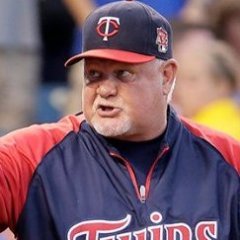
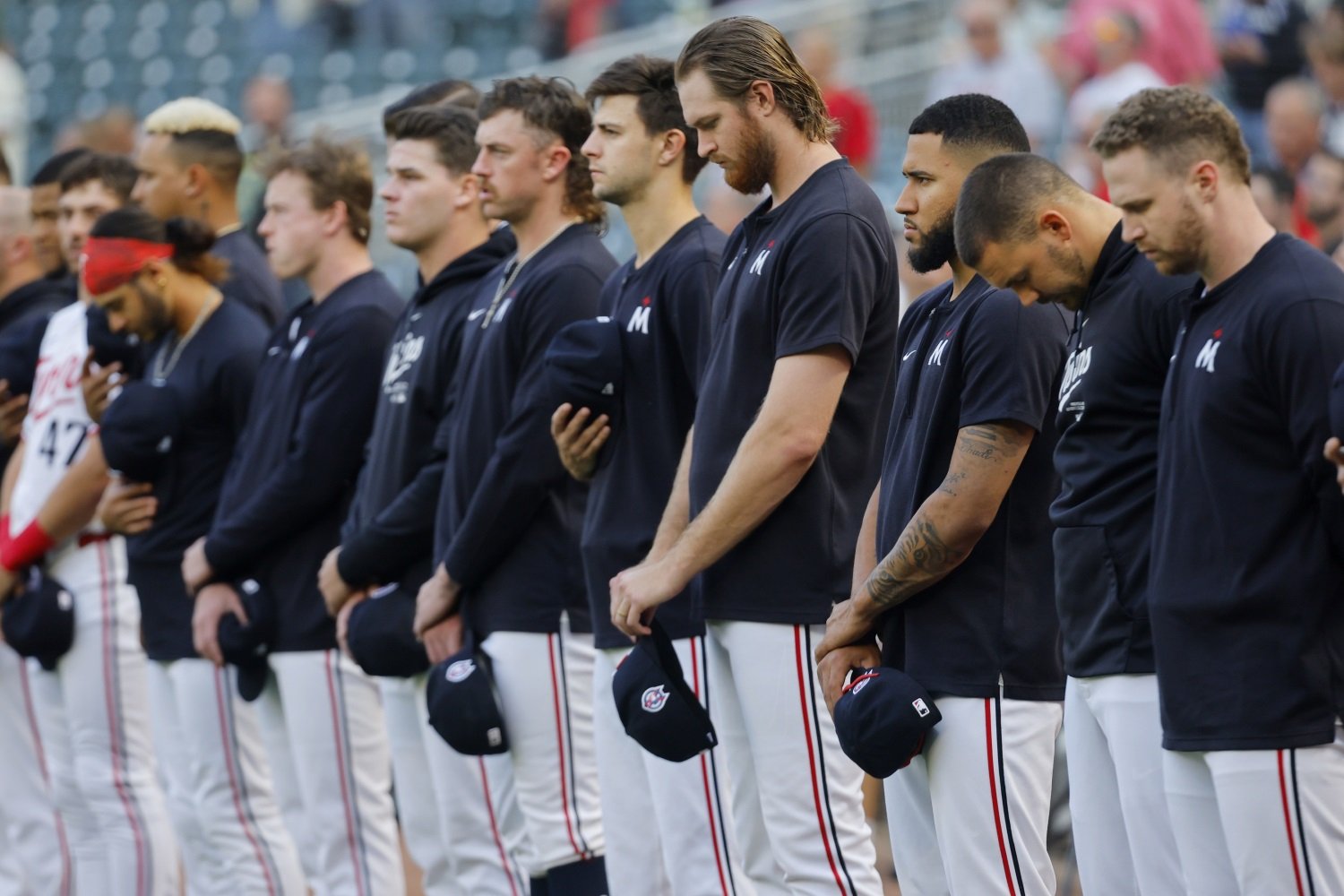 Marco Raya and Cory Lewis, two of the most exciting arms in the Twins system, have been promoted to Triple-A St. Paul Saints. While these late-season promotions aren't atypical and don’t necessarily guarantee where they’ll start next year, they offer a clear sign: their path to the majors is getting clearer and shorter. Marco Raya’s Rise Raya, a 22-year-old right-hander, has long been viewed as one of the Twins’ top pitching prospects. Currently ranked 10th in the organization by Twins Daily, Raya’s stock is only set to climb as players like Brooks Lee, David Festa, and Zebby Matthews move out of the rankings. Drafted in the 4th round of the 2020 MLB Amateur Draft, Raya’s development has been methodical. The Twins have taken extra care with his arm, bringing him along cautiously, routinely only allowing him to throw three to four innings per start. This year, he’s been with Double-A Wichita all season, where he’s shown flashes of brilliance, though control has been a recurring issue. In 92 2/3 innings, Raya has posted a decent 4.27 ERA and struck out 9.6 batters per nine innings. However, his walk rate is concerning, with a career-high BB/9 of 4.3. Despite the control struggles, Raya finished his time in Wichita on a high note, allowing one run or fewer in five of his last six starts. Now, he’ll make one more start this season—but this time, as a Saint. Cory Lewis Joins the Mix Alongside Raya is fellow right-hander Cory Lewis, currently ranked 13th on Twins Daily’s prospect list. Like Raya, Lewis is expected to rise in the rankings with the upcoming shuffle. He's had a stellar season across multiple levels, earning his late-season promotion to Triple-A. Lewis, a 9th-round pick from the 2022 draft, has been a surprising stud for the Twins' farm system. This season, he’s posted a 2.43 ERA across various levels, with a K/9 of 10.9 and a BB/9 of 4.5. His promotion marks the culmination of a breakout season that’s seen him rise from rookie ball to Triple-A in just one year. Lewis, like Raya, will likely make just one more start this season, but his ascent through the minors has him firmly on the radar for a big-league debut in the near future, especially given the fact that he will turn 24 years old next month. What’s Next? As the minor-league season winds down, Raya and Lewis find themselves on the doorstep of the majors. Whether or not they start 2025 with St. Paul or go back to Wichita remains to be seen, but the Twins clearly see them as part of the future rotation plans. What are your thoughts on these promotions? Do you see either Raya or Lewis making an impact at the big-league level next season? Let us know in the comments below!
 -
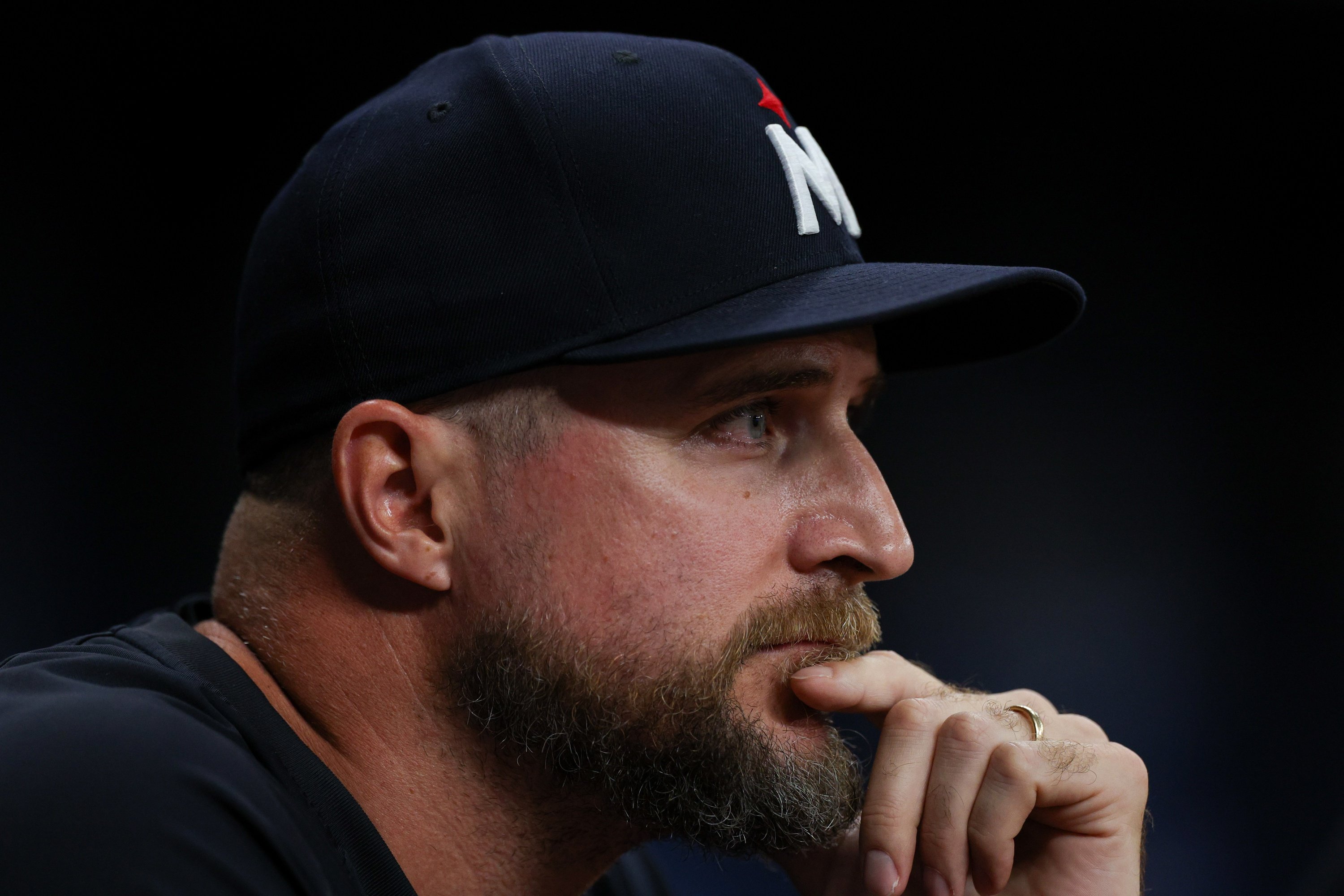 With just over two weeks left in the regular season, the Twins are right in the thick of the Wild Card race. With their magic number sitting at 12, the Twins are in a strong position, but plenty of scenarios are still in play as they head into this crucial stretch of the season. Let’s take a look at the tiebreakers and what the Twins need to do to secure the final Wild Card spot. First, the good news: the Twins have already clinched key tiebreakers over the Detroit Tigers and Seattle Mariners, thanks to their season-long head-to-head advantage against both teams. This means that neither Detroit nor Seattle can leapfrog the Twins in the standings by way of a tie. However, the Boston Red Sox still present a threat. The Twins currently hold a 2-1 lead in the season series against Boston, with three games remaining at Fenway Park next week. Depending on how those games go, there are three potential outcomes for the tiebreaker with Boston. If the Twins get swept, the Red Sox will clinch the head-to-head tiebreaker. If the Twins win two or sweep the series, they’ll claim it. If the Twins go 1-2, the teams would finish tied, and the tiebreaker would move to intradivisional records, where the Twins hold a slim advantage (28-20 in the division, compared to Boston’s 20-21 with 11 divisional games left). While that gives the Twins an edge, a strong performance against Cleveland this weekend would help solidify that path. I mapped out every possible scenario for the Minnesota Twins and how each of the Tigers, Mariners, and Red Sox would need to perform in order to overtake the Twins for the final playoff spot. Looking at all of the scenarios, here are the key takeaways as we head into the most exciting part of the baseball season: - The magic record down the stretch is likely 8-7, which would almost guarantee a Wild Card berth, requiring their competing teams to go at least 11-3 to overtake them. A 7-8 finish keeps them in good shape, but things get a little tighter if they end up 6-9 or worse. Either way, staying near .500 over these final 16 games leaves the Twins in control of their own destiny, for all intents and purposes. - This weekend’s series against Cincinnati could be pivotal. If the Twins stumble and get swept, they’d find themselves needing to go 8-5 over the remaining 13 games against tougher competition—Cleveland and Boston—to reach that magic number of 8-7 and feel secure in their playoff chances. Things could tighten up quickly if they falter at Target Field. Friday night's game didn't go well, but the Twins can't let this weekend slip away from them like they did last weekend in Kansas City. - The Twins end the season with 3 games against Baltimore. The Twins don't want to find themselves in a position where they are chasing wins in the final series of the season against a talented Baltimore team that has crushed them all season. Cashing against Cincinnati, Cleveland and Miami is their best chance to gain a playoff spot. While the second Wild Card spot is technically still in play, with the Kansas City Royals just 2.5 games ahead, the focus should be on holding off the teams behind them. Besides, the second Wild Card doesn’t offer much comfort this season, with a trip to Baltimore or New York being the "prize" in that scenario. Better to control what’s in front of them and secure the spot they’re in. With 15 games remaining, the Twins are in a good position to make the postseason, but they still have work to do. If you want to follow along with the playoff chase, head over to my Twitter (@MatthewTaylorMN), where I’m updating the Twins’ playoff outlook chart daily. How are you feeling about the Twins’ chances in the final stretch? Leave a comment below and let’s talk about it.
- 22 comments
-
- 3
-

-

-
- minnesota twins
- boston red sox
- (and 2 more)
-
With just 15 games left, the Minnesota Twins find themselves in a tight Wild Card race. While they’ve secured key tiebreakers over the Tigers and Mariners, their path to the postseason still hinges on how they perform down the stretch. Let’s dive into the scenarios that could define their playoff fate. Image courtesy of Nathan Ray Seebeck-Imagn Images With just over two weeks left in the regular season, the Twins are right in the thick of the Wild Card race. With their magic number sitting at 12, the Twins are in a strong position, but plenty of scenarios are still in play as they head into this crucial stretch of the season. Let’s take a look at the tiebreakers and what the Twins need to do to secure the final Wild Card spot. First, the good news: the Twins have already clinched key tiebreakers over the Detroit Tigers and Seattle Mariners, thanks to their season-long head-to-head advantage against both teams. This means that neither Detroit nor Seattle can leapfrog the Twins in the standings by way of a tie. However, the Boston Red Sox still present a threat. The Twins currently hold a 2-1 lead in the season series against Boston, with three games remaining at Fenway Park next week. Depending on how those games go, there are three potential outcomes for the tiebreaker with Boston. If the Twins get swept, the Red Sox will clinch the head-to-head tiebreaker. If the Twins win two or sweep the series, they’ll claim it. If the Twins go 1-2, the teams would finish tied, and the tiebreaker would move to intradivisional records, where the Twins hold a slim advantage (28-20 in the division, compared to Boston’s 20-21 with 11 divisional games left). While that gives the Twins an edge, a strong performance against Cleveland this weekend would help solidify that path. I mapped out every possible scenario for the Minnesota Twins and how each of the Tigers, Mariners, and Red Sox would need to perform in order to overtake the Twins for the final playoff spot. Looking at all of the scenarios, here are the key takeaways as we head into the most exciting part of the baseball season: - The magic record down the stretch is likely 8-7, which would almost guarantee a Wild Card berth, requiring their competing teams to go at least 11-3 to overtake them. A 7-8 finish keeps them in good shape, but things get a little tighter if they end up 6-9 or worse. Either way, staying near .500 over these final 16 games leaves the Twins in control of their own destiny, for all intents and purposes. - This weekend’s series against Cincinnati could be pivotal. If the Twins stumble and get swept, they’d find themselves needing to go 8-5 over the remaining 13 games against tougher competition—Cleveland and Boston—to reach that magic number of 8-7 and feel secure in their playoff chances. Things could tighten up quickly if they falter at Target Field. Friday night's game didn't go well, but the Twins can't let this weekend slip away from them like they did last weekend in Kansas City. - The Twins end the season with 3 games against Baltimore. The Twins don't want to find themselves in a position where they are chasing wins in the final series of the season against a talented Baltimore team that has crushed them all season. Cashing against Cincinnati, Cleveland and Miami is their best chance to gain a playoff spot. While the second Wild Card spot is technically still in play, with the Kansas City Royals just 2.5 games ahead, the focus should be on holding off the teams behind them. Besides, the second Wild Card doesn’t offer much comfort this season, with a trip to Baltimore or New York being the "prize" in that scenario. Better to control what’s in front of them and secure the spot they’re in. With 15 games remaining, the Twins are in a good position to make the postseason, but they still have work to do. If you want to follow along with the playoff chase, head over to my Twitter (@MatthewTaylorMN), where I’m updating the Twins’ playoff outlook chart daily. How are you feeling about the Twins’ chances in the final stretch? Leave a comment below and let’s talk about it. View full article
- 22 replies
-
- 1
-
-
- minnesota twins
- boston red sox
- (and 2 more)
-
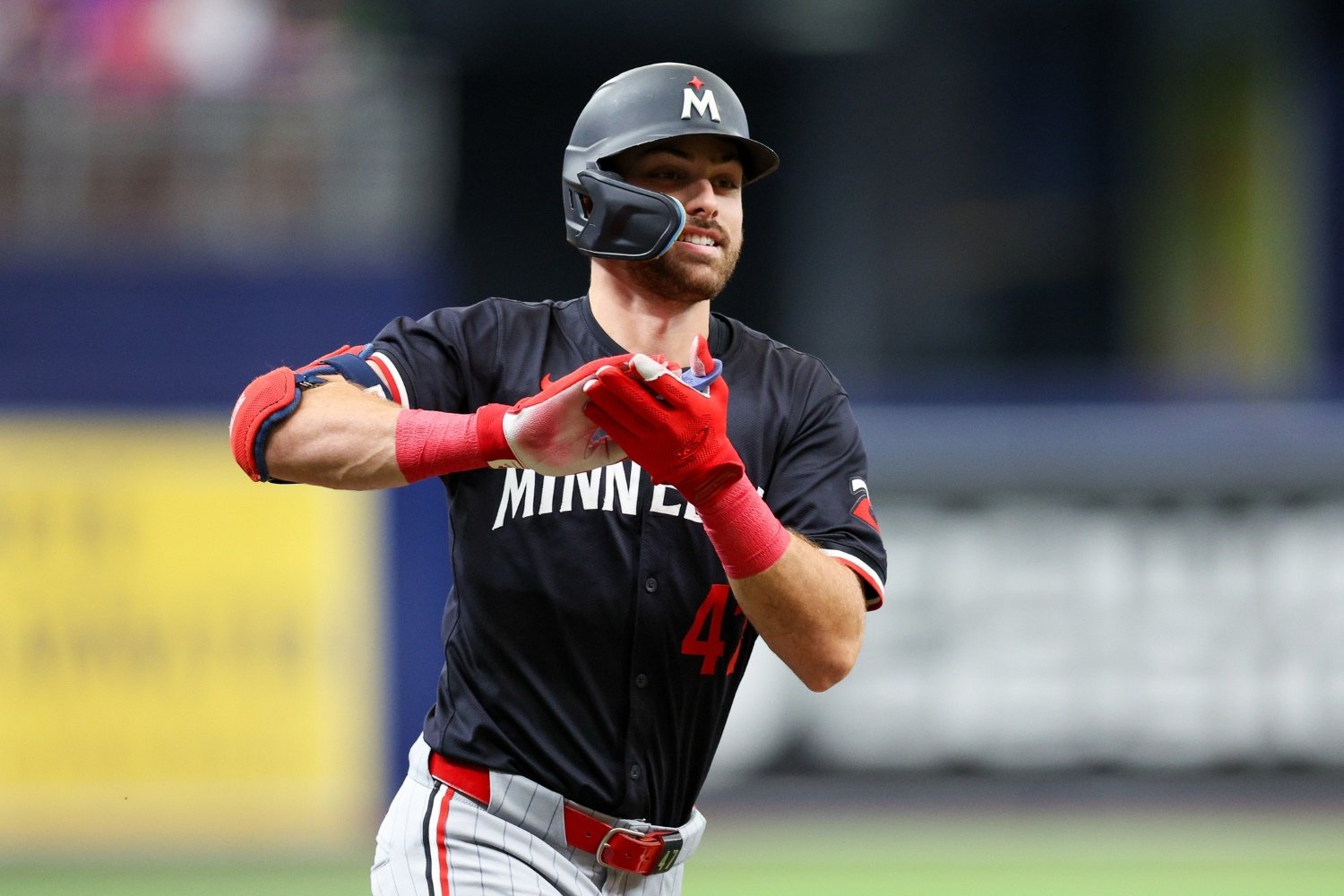 It wasn’t long ago that Edouard Julien seemed like one of the most promising young hitters on the Minnesota Twins. After a stellar rookie campaign in 2023, he looked like a potential fixture in the lineup for years to come. Yet, like many young players, the sophomore slump hit Julien hard. His patience at the plate—once an asset—became almost a detriment, as he found himself among the league leaders in called strikeouts. Now, however, things may be starting to shift in Julien’s favor. While the numbers don’t jump off the page at first glance, a closer look suggests that Julien could be on the verge of turning a corner. For most of the season, Julien’s chase rate has been impressively low, consistent with his reputation for superb plate discipline. But recently, there’s been a noticeable increase in the number of pitches he’s swinging at outside the zone, with his chase rate spiking to 33.3% over the past month, a stark increase from his 16.9% chase rate early in the season and 14.8% chase rate last season. For a hitter who had been so selective earlier to start his career, this might seem concerning at first glance. But instead of signaling a decline, this recent aggressiveness may actually be a sign of positive change. In fact, Julien hasn’t walked in his last 10 games—a significant departure from his usual approach. This marks only the second time in his career that he’s gone this long without drawing a free pass. However, rather than being a red flag, this shift could indicate that Julien is feeling more confident at the plate, trusting his ability to put the ball in play rather than relying solely on walks. Looking deeper into his recent performance, it’s clear that Julien has been making more solid contact, reminiscent of the line drives and well-hit fly balls we saw during his breakout last season. Before his most recent promotion in mid-August, Julien’s fly-ball rate was a high 36.4%, while his line-drive rate had dropped to 19.6%—a far cry from his 2023 numbers. Since coming back to the big leagues, he’s brought those numbers back in line with his successful rookie season. His fly-ball rate is now down to 25%, and his line-drive rate has climbed to an impressive 34.1%. This change in batted-ball profile is key. Julien is getting back to his roots, focusing on driving the ball through gaps rather than trying to elevate too much. This is evident in his BABIP, which has risen from .300 earlier in the season to .350 since his return. The numbers suggest that he’s finding more success when putting the ball in play, giving himself better chances to beat the defense. Another big factor in Julien’s resurgence has been his shift in approach. Earlier this season, his patience at the plate bordered on passivity. He led the league in called third strikes, watching too many hittable pitches sail by. In 63 games before his August promotion, Julien had racked up 39 called strikeouts, an alarming number for a hitter of his caliber. Since his return, though, he’s only been caught looking six times in 24 games. That’s a dramatic improvement, showing that he’s being more aggressive when it counts. His walk rate has dropped from 12.9% to 7.2%, but it’s important to see this in context. Julien’s decrease in walks corresponds with his willingness to swing at more pitches, both in and out of the zone. For a hitter like him, striking the right balance between selectivity and aggressiveness is key. And while his recent chase rate might seem worrisome at first glance, it could actually be a sign that Julien is starting to feel more comfortable attacking pitches and taking control of his at-bats. The next step for Julien is finding that middle ground, where he can harness his natural patience while also being assertive at the plate. We haven't seen his offensive numbers change too much yet, but with his revamped batting profile and a fresh aggressiveness at the plate, an offensive explosion may be just around the corner. What do you think? Has Edouard Julien turned a corner at the plate, or is there still work to be done? Leave your thoughts in the comments and join the conversation!
 -
The Ongoing Education of Edouard Julien
Matthew Taylor posted a topic in Twins Daily Front Page News
Edouard Julien’s sophomore season has been a rollercoaster, with his once-patient approach leading to a frustrating dip in production. However, recent adjustments at the plate suggest he may be turning a corner. Could a more aggressive Julien be the key to unlocking his full potential? Image courtesy of © Nathan Ray Seebeck-Imagn Images It wasn’t long ago that Edouard Julien seemed like one of the most promising young hitters on the Minnesota Twins. After a stellar rookie campaign in 2023, he looked like a potential fixture in the lineup for years to come. Yet, like many young players, the sophomore slump hit Julien hard. His patience at the plate—once an asset—became almost a detriment, as he found himself among the league leaders in called strikeouts. Now, however, things may be starting to shift in Julien’s favor. While the numbers don’t jump off the page at first glance, a closer look suggests that Julien could be on the verge of turning a corner. For most of the season, Julien’s chase rate has been impressively low, consistent with his reputation for superb plate discipline. But recently, there’s been a noticeable increase in the number of pitches he’s swinging at outside the zone, with his chase rate spiking to 33.3% over the past month, a stark increase from his 16.9% chase rate early in the season and 14.8% chase rate last season. For a hitter who had been so selective earlier to start his career, this might seem concerning at first glance. But instead of signaling a decline, this recent aggressiveness may actually be a sign of positive change. In fact, Julien hasn’t walked in his last 10 games—a significant departure from his usual approach. This marks only the second time in his career that he’s gone this long without drawing a free pass. However, rather than being a red flag, this shift could indicate that Julien is feeling more confident at the plate, trusting his ability to put the ball in play rather than relying solely on walks. Looking deeper into his recent performance, it’s clear that Julien has been making more solid contact, reminiscent of the line drives and well-hit fly balls we saw during his breakout last season. Before his most recent promotion in mid-August, Julien’s fly-ball rate was a high 36.4%, while his line-drive rate had dropped to 19.6%—a far cry from his 2023 numbers. Since coming back to the big leagues, he’s brought those numbers back in line with his successful rookie season. His fly-ball rate is now down to 25%, and his line-drive rate has climbed to an impressive 34.1%. This change in batted-ball profile is key. Julien is getting back to his roots, focusing on driving the ball through gaps rather than trying to elevate too much. This is evident in his BABIP, which has risen from .300 earlier in the season to .350 since his return. The numbers suggest that he’s finding more success when putting the ball in play, giving himself better chances to beat the defense. Another big factor in Julien’s resurgence has been his shift in approach. Earlier this season, his patience at the plate bordered on passivity. He led the league in called third strikes, watching too many hittable pitches sail by. In 63 games before his August promotion, Julien had racked up 39 called strikeouts, an alarming number for a hitter of his caliber. Since his return, though, he’s only been caught looking six times in 24 games. That’s a dramatic improvement, showing that he’s being more aggressive when it counts. His walk rate has dropped from 12.9% to 7.2%, but it’s important to see this in context. Julien’s decrease in walks corresponds with his willingness to swing at more pitches, both in and out of the zone. For a hitter like him, striking the right balance between selectivity and aggressiveness is key. And while his recent chase rate might seem worrisome at first glance, it could actually be a sign that Julien is starting to feel more comfortable attacking pitches and taking control of his at-bats. The next step for Julien is finding that middle ground, where he can harness his natural patience while also being assertive at the plate. We haven't seen his offensive numbers change too much yet, but with his revamped batting profile and a fresh aggressiveness at the plate, an offensive explosion may be just around the corner. What do you think? Has Edouard Julien turned a corner at the plate, or is there still work to be done? Leave your thoughts in the comments and join the conversation! View full article -
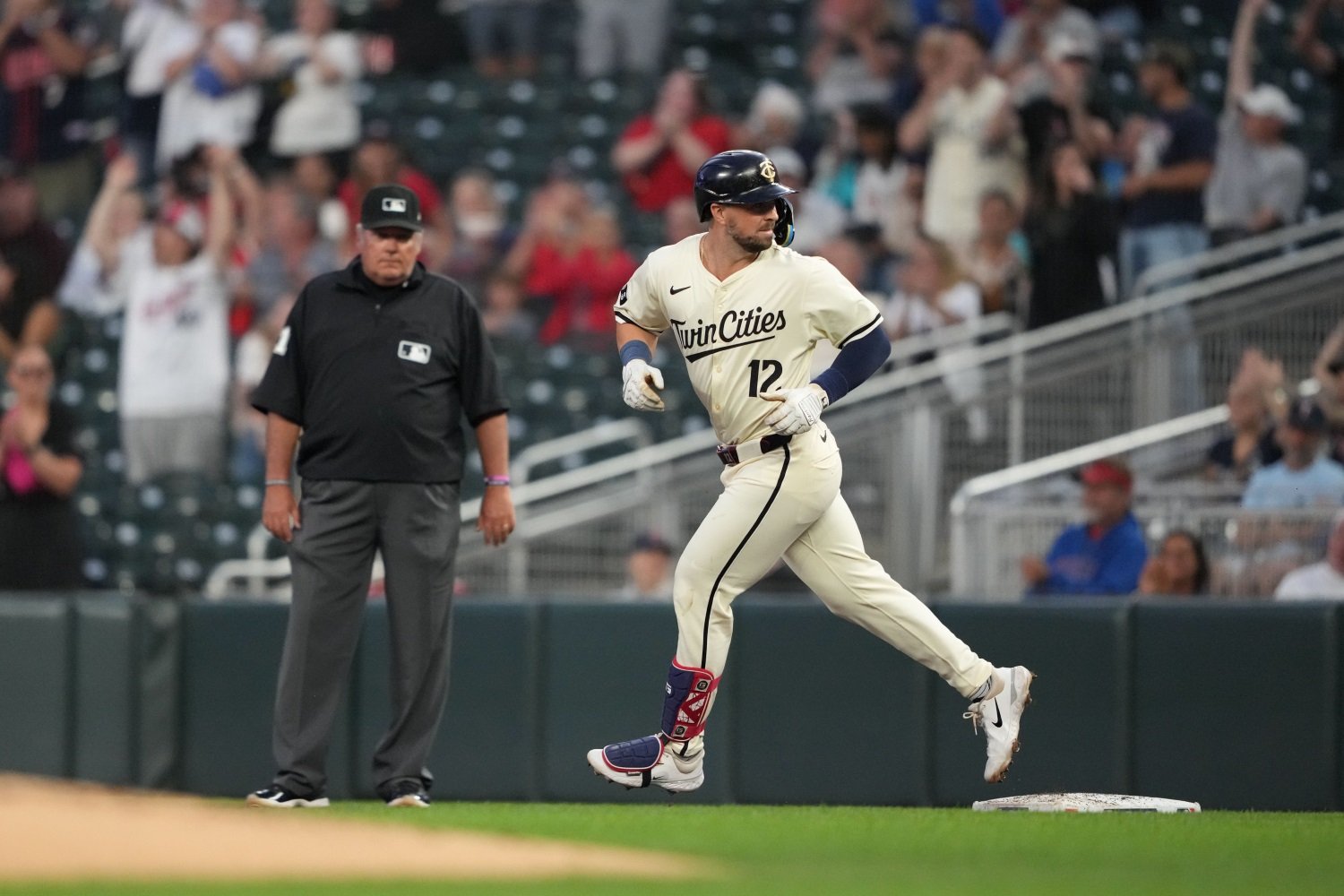 Superstitions are as much a part of baseball as peanuts and Cracker Jack. From a pitcher refusing to step on the foul line to a batter adjusting his gloves a certain way, there's always something quirky about the game. But for the 2024 Minnesota Twins, the one with the most staying power is the strangest: the rally sausage. An increasingly inedible log of summer sausage has somehow found its way into the fabric of the team, so deep as to be irremovable. Earlier this year, when the team was struggling mightily, they stumbled upon a peculiar solution. Kyle Farmer attempted to share a freebie he'd received with the team, and when it found few takes in the clubhouse, someone transported it to the dugout. After Ryan Jeffers launched a home run, the sausage was tossed to him in celebration, as if it had some mystical powers to spark offense. Incredibly, the introduction of this rally sausage aligned perfectly with a sudden surge in the Twins’ play. A team mired in that ghastly 7-13 start suddenly began winning games and hitting home runs with regularity. It became a thing. Throughout the season, the rally sausage has made appearances during both the Twins’ slumps and hot streaks. Each time, it coincided with the team turning things around at the plate. Superstitious or not, you can’t argue with the results. Everyone had quietly assumed that the thing was finally gone, though. It had slipped off the radar for the final time months ago, and though it was somewhat overblown, there was a real level of disgust and discomfort about the cased and ritualized meat even then. Fast-forward to last night. Farmer, one of the glue guys on this team, surprised everyone by revealing that the rally sausage was still alive and well (although, if it be alive, that would not be swell). Whether for its own protection or all of ours, it's now carefully protected by layers of plastic wrap and foil, like some sort of sacred artifact, but it's still there. And, sure enough, just as it had before, the rally sausage worked its magic. The Twins’ bats, which had been dormant for what felt like an eternity, suddenly came alive. Kyle Farmer, Matt Wallner, and Carlos Santana each homered, contributing to a 10-run outburst—the most runs the team had plated since Aug. 21. It was a much-needed spark for a team that had been floundering at the plate, and while the sausage didn’t hit any of those home runs, it sure felt like it played a part. Now, let's be clear: almost no one actually believes the rally sausage is the reason the Twins are hitting again. But that doesn’t mean it isn’t important. It's like when the Mighty Ducks switched jerseys in the final period of D2: The Mighty Ducks. It's like when Bugs passed around Michael's Secret Stuff at halftime in Space Jam. At the very least, it's a mental break from the season's grind. At most, it's just enough like a miracle to make you believe--or to remind you how good you really are, so you can play that way. Baseball wears its gladiators down, both physically and mentally. The 162-game season offers few opportunities for players to mentally reset, which is why when things start to spiral out of control, it can happen quickly. A long losing streak or a slump at the plate can snowball, and suddenly, a season that seemed promising begins to slip away. That’s where something like the rally sausage comes into play. It provides a distraction, a unifying symbol that can take the focus off the bad and redirect it toward something lighter, something that can bring the team together. The rally sausage has become more than just a quirky superstition for the players—it has become a symbol of camaraderie and hope. It reminds the players, and in many ways, the fans, that baseball is still just a game, and it’s supposed to be fun. When the pressure is mounting, a little levity can go a long way in helping a team loosen up and get back to playing their best baseball. But the impact of the rally sausage isn’t just felt inside the clubhouse. In many ways, it has become even more important for the fans. If you’ve spent any time on social media or in Twins message boards recently, you’ve probably noticed the mounting frustration and negativity. The fanbase, understandably, has been growing restless as the season has dragged on, with inconsistent performances. Injuries, managerial decisions, and a tightening playoff race have added to the angst. But last night, after the reappearance of the rally sausage, there was a shift. Suddenly, Twins Twitter was filled with memes, jokes, and lighthearted banter. The focus had moved away from the Pohlads' spending habits or Rocco Baldelli’s bullpen management, and instead, fans were having fun again. And that’s the beauty of baseball superstitions. They create a sense of community, something for fans to rally around. Much like the Rally Monkey for the 2002 Anaheim Angels or the Baby Shark craze that took over the Washington Nationals’ fanbase in 2019, the rally sausage is giving Twins fans something to hold onto, something to believe in during an up-and-down season. Is the rally sausage magic real? Of course not. It’s a smelly piece of meat that probably shouldn’t be within 50 feet of anyone. But it is real, in the sense that it’s bringing joy, hope, and unity to a team and a fanbase that desperately need those things. And in baseball, where the line between success and failure is often razor-thin, sometimes that little bit of belief—however irrational—can make all the difference. For the 2024 Twins, the rally sausage may not be listed on the box score, but its importance to this team is undeniable. It’s silly, it’s weird, and it’s exactly what this team needs.
 -
The 2024 Twins' season took an unexpected turn with the introduction of the "rally sausage," a quirky superstition that has somehow sparked offensive hot streaks. On Tuesday night, Kyle Farmer revived the rancid talisman, and once again, it coincided with the Twins’ bats coming alive. Image courtesy of © Jordan Johnson-Imagn Images Superstitions are as much a part of baseball as peanuts and Cracker Jack. From a pitcher refusing to step on the foul line to a batter adjusting his gloves a certain way, there's always something quirky about the game. But for the 2024 Minnesota Twins, the one with the most staying power is the strangest: the rally sausage. An increasingly inedible log of summer sausage has somehow found its way into the fabric of the team, so deep as to be irremovable. Earlier this year, when the team was struggling mightily, they stumbled upon a peculiar solution. Kyle Farmer attempted to share a freebie he'd received with the team, and when it found few takes in the clubhouse, someone transported it to the dugout. After Ryan Jeffers launched a home run, the sausage was tossed to him in celebration, as if it had some mystical powers to spark offense. Incredibly, the introduction of this rally sausage aligned perfectly with a sudden surge in the Twins’ play. A team mired in that ghastly 7-13 start suddenly began winning games and hitting home runs with regularity. It became a thing. Throughout the season, the rally sausage has made appearances during both the Twins’ slumps and hot streaks. Each time, it coincided with the team turning things around at the plate. Superstitious or not, you can’t argue with the results. Everyone had quietly assumed that the thing was finally gone, though. It had slipped off the radar for the final time months ago, and though it was somewhat overblown, there was a real level of disgust and discomfort about the cased and ritualized meat even then. Fast-forward to last night. Farmer, one of the glue guys on this team, surprised everyone by revealing that the rally sausage was still alive and well (although, if it be alive, that would not be swell). Whether for its own protection or all of ours, it's now carefully protected by layers of plastic wrap and foil, like some sort of sacred artifact, but it's still there. And, sure enough, just as it had before, the rally sausage worked its magic. The Twins’ bats, which had been dormant for what felt like an eternity, suddenly came alive. Kyle Farmer, Matt Wallner, and Carlos Santana each homered, contributing to a 10-run outburst—the most runs the team had plated since Aug. 21. It was a much-needed spark for a team that had been floundering at the plate, and while the sausage didn’t hit any of those home runs, it sure felt like it played a part. Now, let's be clear: almost no one actually believes the rally sausage is the reason the Twins are hitting again. But that doesn’t mean it isn’t important. It's like when the Mighty Ducks switched jerseys in the final period of D2: The Mighty Ducks. It's like when Bugs passed around Michael's Secret Stuff at halftime in Space Jam. At the very least, it's a mental break from the season's grind. At most, it's just enough like a miracle to make you believe--or to remind you how good you really are, so you can play that way. Baseball wears its gladiators down, both physically and mentally. The 162-game season offers few opportunities for players to mentally reset, which is why when things start to spiral out of control, it can happen quickly. A long losing streak or a slump at the plate can snowball, and suddenly, a season that seemed promising begins to slip away. That’s where something like the rally sausage comes into play. It provides a distraction, a unifying symbol that can take the focus off the bad and redirect it toward something lighter, something that can bring the team together. The rally sausage has become more than just a quirky superstition for the players—it has become a symbol of camaraderie and hope. It reminds the players, and in many ways, the fans, that baseball is still just a game, and it’s supposed to be fun. When the pressure is mounting, a little levity can go a long way in helping a team loosen up and get back to playing their best baseball. But the impact of the rally sausage isn’t just felt inside the clubhouse. In many ways, it has become even more important for the fans. If you’ve spent any time on social media or in Twins message boards recently, you’ve probably noticed the mounting frustration and negativity. The fanbase, understandably, has been growing restless as the season has dragged on, with inconsistent performances. Injuries, managerial decisions, and a tightening playoff race have added to the angst. But last night, after the reappearance of the rally sausage, there was a shift. Suddenly, Twins Twitter was filled with memes, jokes, and lighthearted banter. The focus had moved away from the Pohlads' spending habits or Rocco Baldelli’s bullpen management, and instead, fans were having fun again. And that’s the beauty of baseball superstitions. They create a sense of community, something for fans to rally around. Much like the Rally Monkey for the 2002 Anaheim Angels or the Baby Shark craze that took over the Washington Nationals’ fanbase in 2019, the rally sausage is giving Twins fans something to hold onto, something to believe in during an up-and-down season. Is the rally sausage magic real? Of course not. It’s a smelly piece of meat that probably shouldn’t be within 50 feet of anyone. But it is real, in the sense that it’s bringing joy, hope, and unity to a team and a fanbase that desperately need those things. And in baseball, where the line between success and failure is often razor-thin, sometimes that little bit of belief—however irrational—can make all the difference. For the 2024 Twins, the rally sausage may not be listed on the box score, but its importance to this team is undeniable. It’s silly, it’s weird, and it’s exactly what this team needs. View full article
-
Ranking the Biggest Threats to the Minnesota Twins' Wild Card Spot
Matthew Taylor posted an article in Twins
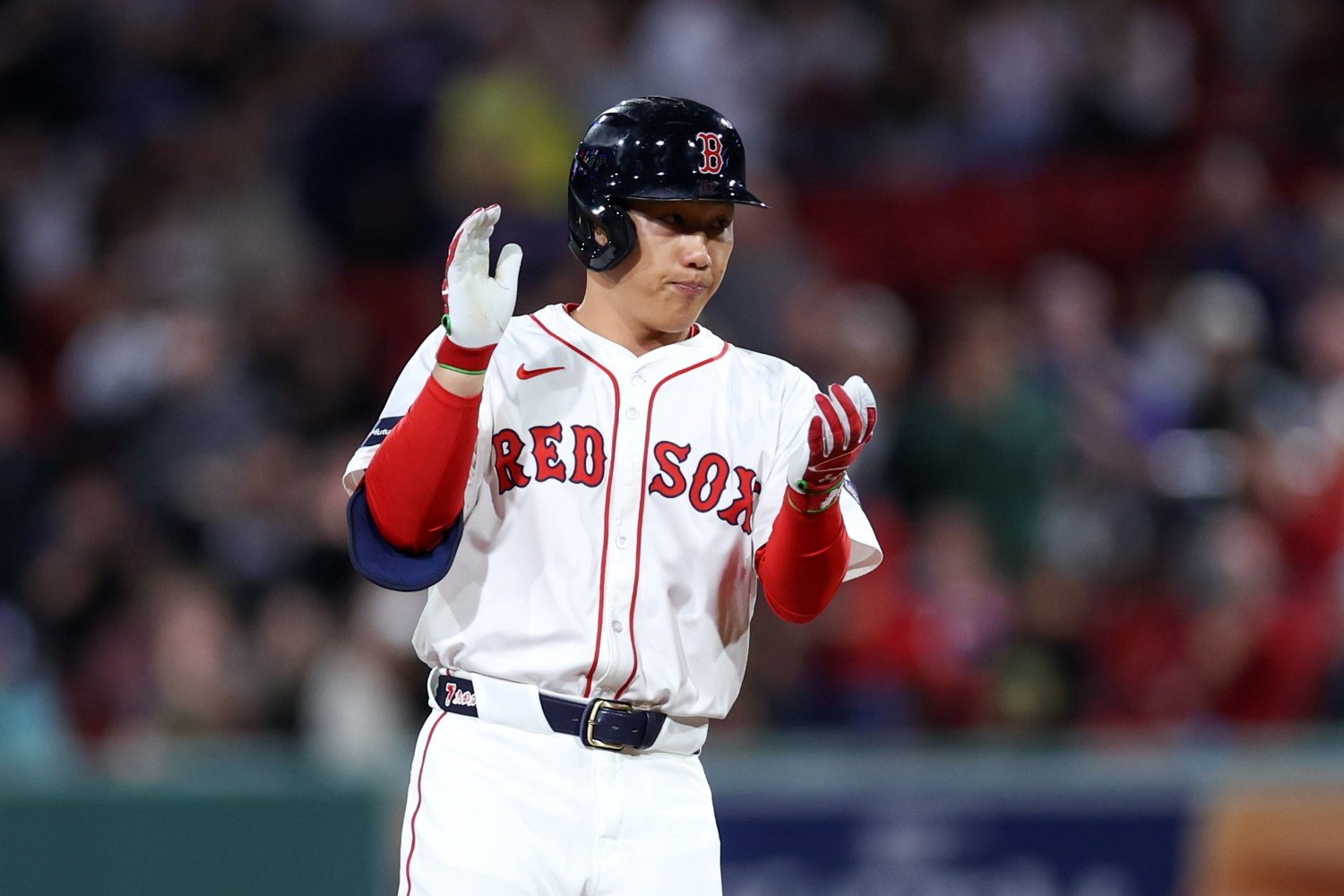 Suddenly, the road to the playoffs looks bumpier than anyone in Twins Territory would like. Now, the Twins find themselves in a fight, with three teams breathing down their necks for the sixth seed in the American League: the Seattle Mariners, Boston Red Sox, and Detroit Tigers. So, let’s take a look at these teams and rank them based on their threat level to the Twins. We’ll factor in rosters, tiebreakers, strength of schedule, and any remaining head-to-head matchups that could make or break Minnesota’s postseason hopes. The Tiebreaker Situation The good news for the Twins? They’ve already clinched the head-to-head tiebreaker against both the Tigers and the Mariners. With a 7-6 season record against Detroit and a 5-2 record against Seattle, the Twins essentially hold an extra half-game cushion on these two teams. If they finish the season tied, the Twins would claim the Wild Card spot. Boston, however, is a different story. The Twins lead their season series 2-1, with three games remaining in September at Fenway Park. If the Twins avoid a sweep in that series, they will most likely secure the tiebreaker against the Red Sox, as well. In a scenario where the Sox take two of three when the Twins go there and then catch them the rest of the way, the battle for the Wild Card would come down to intradivision record--where the Twins currently hold a slight edge. Thanks, White Sox. Now, let’s break down the three teams. 3. Seattle Mariners Of the three teams chasing the Twins, the Seattle Mariners rank as the least threatening. Yes, they have arguably the best pitching staff in baseball, with a league-leading 3.55 team ERA, but their offense has been a serious weak spot all year, ranking 25th in OPS at just .675. They're going to break the team strikeout record the Twins just set last year, but they have very little power to counterbalance that. In a playoff chase where every game matters, that’s not going to cut it. Another point in the Twins’ favor is the Mariners’ grueling remaining schedule. Seattle still has seven games left against tough opponents, in the Astros, Yankees, and Padres, who are all still fighting for playoff positioning. On top of that, they face the reigning World Series champion Rangers seven times. While the Mariners could put up a fight, their offensive struggles and challenging schedule make them the least concerning of the three. 2. Detroit Tigers Coming in at number two are the Detroit Tigers—a team many wrote off after they sold at the trade deadline. Yet, since early August, the Tigers have become a sneaky threat, thanks largely to their dominant pitching. With a 2.85 team ERA since the deadline, they’ve actually had the best pitching in the American League over the last few weeks, even after dealing away Jack Flaherty. What makes Detroit a bigger threat than Seattle is their schedule. They have the third-easiest remaining slate in baseball, including five games against two of the league’s worst teams, the Rockies and White Sox. While their offense is hardly a juggernaut, ranking 24th in team OPS, the Tigers’ favorable schedule means they could pick up easy wins and close the gap. Fortunately for the Twins, they’ve already clinched the season series against Detroit, which adds a bit of breathing room. But Detroit’s surge in pitching and their remaining schedule make them a team to keep an eye on. 1. Boston Red Sox And now, we come to the biggest threat: the Boston Red Sox. Despite having the 7th-toughest remaining schedule in baseball, Boston’s high-powered offense, paired with their ability to control their own destiny, makes them the most dangerous competitor. Their offense ranks second in the league in OPS, and with sluggers like Rafael Devers and breakout star Jarren Duran, the Red Sox have the firepower to get hot and take control. Unlike Seattle and Detroit, Boston still has a head-to-head opportunity to make up ground against the Twins, with a crucial three-game series at Fenway Sept. 20-22. If Boston sweeps that series, they could at least force a stressful final week, for all involved. That, combined with their offensive firepower, makes the Red Sox the most immediate threat. With the pack tightening, the Twins can’t afford any more slip-ups. While Seattle and Detroit pose challenges, it’s the Red Sox who present the most dangerous roadblock between Minnesota and October baseball. If the Twins take care of business, they should be able to hold onto that third Wild Card, but fans would be wise to keep an eye on these three teams in the weeks to come.
- 16 comments
-
- 2
-
-
- minnesota twins
- boston red sox
- (and 2 more)
-
A few weeks ago, it seemed the Minnesota Twins had their playoff spot all but secured. However, a recent slide has turned their postseason hopes into a battle for the third Wild Card spot. With the Mariners, Red Sox, and Tigers all jostling for position, the Twins must now fend off some serious threats. Image courtesy of © Paul Rutherford-Imagn Images Suddenly, the road to the playoffs looks bumpier than anyone in Twins Territory would like. Now, the Twins find themselves in a fight, with three teams breathing down their necks for the sixth seed in the American League: the Seattle Mariners, Boston Red Sox, and Detroit Tigers. So, let’s take a look at these teams and rank them based on their threat level to the Twins. We’ll factor in rosters, tiebreakers, strength of schedule, and any remaining head-to-head matchups that could make or break Minnesota’s postseason hopes. The Tiebreaker Situation The good news for the Twins? They’ve already clinched the head-to-head tiebreaker against both the Tigers and the Mariners. With a 7-6 season record against Detroit and a 5-2 record against Seattle, the Twins essentially hold an extra half-game cushion on these two teams. If they finish the season tied, the Twins would claim the Wild Card spot. Boston, however, is a different story. The Twins lead their season series 2-1, with three games remaining in September at Fenway Park. If the Twins avoid a sweep in that series, they will most likely secure the tiebreaker against the Red Sox, as well. In a scenario where the Sox take two of three when the Twins go there and then catch them the rest of the way, the battle for the Wild Card would come down to intradivision record--where the Twins currently hold a slight edge. Thanks, White Sox. Now, let’s break down the three teams. 3. Seattle Mariners Of the three teams chasing the Twins, the Seattle Mariners rank as the least threatening. Yes, they have arguably the best pitching staff in baseball, with a league-leading 3.55 team ERA, but their offense has been a serious weak spot all year, ranking 25th in OPS at just .675. They're going to break the team strikeout record the Twins just set last year, but they have very little power to counterbalance that. In a playoff chase where every game matters, that’s not going to cut it. Another point in the Twins’ favor is the Mariners’ grueling remaining schedule. Seattle still has seven games left against tough opponents, in the Astros, Yankees, and Padres, who are all still fighting for playoff positioning. On top of that, they face the reigning World Series champion Rangers seven times. While the Mariners could put up a fight, their offensive struggles and challenging schedule make them the least concerning of the three. 2. Detroit Tigers Coming in at number two are the Detroit Tigers—a team many wrote off after they sold at the trade deadline. Yet, since early August, the Tigers have become a sneaky threat, thanks largely to their dominant pitching. With a 2.85 team ERA since the deadline, they’ve actually had the best pitching in the American League over the last few weeks, even after dealing away Jack Flaherty. What makes Detroit a bigger threat than Seattle is their schedule. They have the third-easiest remaining slate in baseball, including five games against two of the league’s worst teams, the Rockies and White Sox. While their offense is hardly a juggernaut, ranking 24th in team OPS, the Tigers’ favorable schedule means they could pick up easy wins and close the gap. Fortunately for the Twins, they’ve already clinched the season series against Detroit, which adds a bit of breathing room. But Detroit’s surge in pitching and their remaining schedule make them a team to keep an eye on. 1. Boston Red Sox And now, we come to the biggest threat: the Boston Red Sox. Despite having the 7th-toughest remaining schedule in baseball, Boston’s high-powered offense, paired with their ability to control their own destiny, makes them the most dangerous competitor. Their offense ranks second in the league in OPS, and with sluggers like Rafael Devers and breakout star Jarren Duran, the Red Sox have the firepower to get hot and take control. Unlike Seattle and Detroit, Boston still has a head-to-head opportunity to make up ground against the Twins, with a crucial three-game series at Fenway Sept. 20-22. If Boston sweeps that series, they could at least force a stressful final week, for all involved. That, combined with their offensive firepower, makes the Red Sox the most immediate threat. With the pack tightening, the Twins can’t afford any more slip-ups. While Seattle and Detroit pose challenges, it’s the Red Sox who present the most dangerous roadblock between Minnesota and October baseball. If the Twins take care of business, they should be able to hold onto that third Wild Card, but fans would be wise to keep an eye on these three teams in the weeks to come. View full article
-
.png.22803505ced5e1294715c7391a582526.png) The 2024 Minnesota Twins may be in a rough patch right now, but if there’s one thing baseball teaches us every year, it’s that the postseason is a fresh slate. It’s easy to feel like the sky is falling when the team is stumbling toward the finish line, but before jumping ship, consider last year's Texas Rangers—another team that looked destined for greatness, before experiencing an even worse September slump. And yet, they rebounded in time to sneak into the playoffs, get hot, and win the World Series. Let’s set the scene. Through 110 games, the 2023 Rangers sat at 64-46, riding high off a red-hot offense. The Twins, at 62-48 through the same mark in 2024, looked like they were on a similar trajectory. For a long stretch, the Twins boasted one of the top offenses in the American League. While they didn’t put up quite the numbers of the Rangers, they were a consistent threat, at one point arguably the best offense in the league. But baseball is a marathon, not a sprint. Much like the 2024 Twins', the 2023 Rangers’ season took a dramatic turn for the worse in late summer. Between August and early September, the Rangers lost eight straight games and dropped 16 of 20. It was a collapse that had fans worried their playoff dreams were over. What went wrong? Injuries The Rangers were hit hard by injuries to key players like Jacob DeGrom, Corey Seager, Jonah Heim, Josh Jung, and Adolis García. A year later, the Twins have faced a similarly brutal injury situation, with Carlos Correa, Royce Lewis, Joe Ryan, Max Kepler, and others missing significant time. Bullpen Woes During the Rangers’ 4-16 stretch, their bullpen imploded with a 7.06 ERA and 10 blown saves, ranking worst in the American League. Sound familiar? The Twins’ bullpen, which has struggled for much of the season, has only gotten worse down the stretch. Regression Key Rangers players like Leody Tavares and Ezequiel Duran, who had carried the team through early success, went into deep slumps. The Twins have seen similar drop-offs from previously hot players, most notably Willi Castro and José Miranda. As a result, the offense has sputtered just when it’s needed most. While the Twins’ recent struggles are frustrating, they’re not unprecedented. In fact, the Rangers’ 2023 season offers a clear parallel—and a reason for hope. Despite their brutal slump, the Rangers stabilized just enough, finishing the regular season with a 14-8 run over their last 22 games. That was good enough to secure a Wild Card spot, which meant facing a difficult path with all their playoff games on the road. Yet, they thrived in the role of underdog, getting healthy at the right time and riding standout performances from their stars. Seager and García regained their elite form; Jordan Montgomery and Nathan Eovaldi delivered clutch pitching; and the bullpen that had been a mess suddenly figured it out. The beauty of baseball, more than any other sport, is its unpredictability. In a three-, five-, or seven-game series, anything can happen. The Twins still have the talent to be dangerous in October. Correa is expected back soon. Pablo López, who has already proven himself as a postseason ace, could lead the rotation. Griffin Jax is one of the best relievers in the game, and Royce Lewis has shown a fearlessness that’s built for big moments. It’s easy to look at the current state of the Twins and feel like hope is fading. But just one year ago, the Rangers found themselves in an even worse spot, and went on to lift the trophy. If the Twins can stabilize in time for October, they have the pieces in place to make a run. After all, baseball is a “just get into the tournament” sport. And as we’ve seen time and again, anything can happen once you’re there.
The 2024 Minnesota Twins may be in a rough patch right now, but if there’s one thing baseball teaches us every year, it’s that the postseason is a fresh slate. It’s easy to feel like the sky is falling when the team is stumbling toward the finish line, but before jumping ship, consider last year's Texas Rangers—another team that looked destined for greatness, before experiencing an even worse September slump. And yet, they rebounded in time to sneak into the playoffs, get hot, and win the World Series. Let’s set the scene. Through 110 games, the 2023 Rangers sat at 64-46, riding high off a red-hot offense. The Twins, at 62-48 through the same mark in 2024, looked like they were on a similar trajectory. For a long stretch, the Twins boasted one of the top offenses in the American League. While they didn’t put up quite the numbers of the Rangers, they were a consistent threat, at one point arguably the best offense in the league. But baseball is a marathon, not a sprint. Much like the 2024 Twins', the 2023 Rangers’ season took a dramatic turn for the worse in late summer. Between August and early September, the Rangers lost eight straight games and dropped 16 of 20. It was a collapse that had fans worried their playoff dreams were over. What went wrong? Injuries The Rangers were hit hard by injuries to key players like Jacob DeGrom, Corey Seager, Jonah Heim, Josh Jung, and Adolis García. A year later, the Twins have faced a similarly brutal injury situation, with Carlos Correa, Royce Lewis, Joe Ryan, Max Kepler, and others missing significant time. Bullpen Woes During the Rangers’ 4-16 stretch, their bullpen imploded with a 7.06 ERA and 10 blown saves, ranking worst in the American League. Sound familiar? The Twins’ bullpen, which has struggled for much of the season, has only gotten worse down the stretch. Regression Key Rangers players like Leody Tavares and Ezequiel Duran, who had carried the team through early success, went into deep slumps. The Twins have seen similar drop-offs from previously hot players, most notably Willi Castro and José Miranda. As a result, the offense has sputtered just when it’s needed most. While the Twins’ recent struggles are frustrating, they’re not unprecedented. In fact, the Rangers’ 2023 season offers a clear parallel—and a reason for hope. Despite their brutal slump, the Rangers stabilized just enough, finishing the regular season with a 14-8 run over their last 22 games. That was good enough to secure a Wild Card spot, which meant facing a difficult path with all their playoff games on the road. Yet, they thrived in the role of underdog, getting healthy at the right time and riding standout performances from their stars. Seager and García regained their elite form; Jordan Montgomery and Nathan Eovaldi delivered clutch pitching; and the bullpen that had been a mess suddenly figured it out. The beauty of baseball, more than any other sport, is its unpredictability. In a three-, five-, or seven-game series, anything can happen. The Twins still have the talent to be dangerous in October. Correa is expected back soon. Pablo López, who has already proven himself as a postseason ace, could lead the rotation. Griffin Jax is one of the best relievers in the game, and Royce Lewis has shown a fearlessness that’s built for big moments. It’s easy to look at the current state of the Twins and feel like hope is fading. But just one year ago, the Rangers found themselves in an even worse spot, and went on to lift the trophy. If the Twins can stabilize in time for October, they have the pieces in place to make a run. After all, baseball is a “just get into the tournament” sport. And as we’ve seen time and again, anything can happen once you’re there. -
The Twins are in a slump, but hope isn't lost. Just look at the 2023 Texas Rangers, who endured a brutal September before sneaking into the playoffs--and winning the World Series. The Twins face similar struggles, but if they stabilize and get healthy, they could make a deep October run. Image courtesy of © Jesse Johnson, Jerome Miron - Imagn Images The 2024 Minnesota Twins may be in a rough patch right now, but if there’s one thing baseball teaches us every year, it’s that the postseason is a fresh slate. It’s easy to feel like the sky is falling when the team is stumbling toward the finish line, but before jumping ship, consider last year's Texas Rangers—another team that looked destined for greatness, before experiencing an even worse September slump. And yet, they rebounded in time to sneak into the playoffs, get hot, and win the World Series. Let’s set the scene. Through 110 games, the 2023 Rangers sat at 64-46, riding high off a red-hot offense. The Twins, at 62-48 through the same mark in 2024, looked like they were on a similar trajectory. For a long stretch, the Twins boasted one of the top offenses in the American League. While they didn’t put up quite the numbers of the Rangers, they were a consistent threat, at one point arguably the best offense in the league. But baseball is a marathon, not a sprint. Much like the 2024 Twins', the 2023 Rangers’ season took a dramatic turn for the worse in late summer. Between August and early September, the Rangers lost eight straight games and dropped 16 of 20. It was a collapse that had fans worried their playoff dreams were over. What went wrong? Injuries The Rangers were hit hard by injuries to key players like Jacob DeGrom, Corey Seager, Jonah Heim, Josh Jung, and Adolis García. A year later, the Twins have faced a similarly brutal injury situation, with Carlos Correa, Royce Lewis, Joe Ryan, Max Kepler, and others missing significant time. Bullpen Woes During the Rangers’ 4-16 stretch, their bullpen imploded with a 7.06 ERA and 10 blown saves, ranking worst in the American League. Sound familiar? The Twins’ bullpen, which has struggled for much of the season, has only gotten worse down the stretch. Regression Key Rangers players like Leody Tavares and Ezequiel Duran, who had carried the team through early success, went into deep slumps. The Twins have seen similar drop-offs from previously hot players, most notably Willi Castro and José Miranda. As a result, the offense has sputtered just when it’s needed most. While the Twins’ recent struggles are frustrating, they’re not unprecedented. In fact, the Rangers’ 2023 season offers a clear parallel—and a reason for hope. Despite their brutal slump, the Rangers stabilized just enough, finishing the regular season with a 14-8 run over their last 22 games. That was good enough to secure a Wild Card spot, which meant facing a difficult path with all their playoff games on the road. Yet, they thrived in the role of underdog, getting healthy at the right time and riding standout performances from their stars. Seager and García regained their elite form; Jordan Montgomery and Nathan Eovaldi delivered clutch pitching; and the bullpen that had been a mess suddenly figured it out. The beauty of baseball, more than any other sport, is its unpredictability. In a three-, five-, or seven-game series, anything can happen. The Twins still have the talent to be dangerous in October. Correa is expected back soon. Pablo López, who has already proven himself as a postseason ace, could lead the rotation. Griffin Jax is one of the best relievers in the game, and Royce Lewis has shown a fearlessness that’s built for big moments. It’s easy to look at the current state of the Twins and feel like hope is fading. But just one year ago, the Rangers found themselves in an even worse spot, and went on to lift the trophy. If the Twins can stabilize in time for October, they have the pieces in place to make a run. After all, baseball is a “just get into the tournament” sport. And as we’ve seen time and again, anything can happen once you’re there. View full article
-
He's out with a shoulder currently.
-
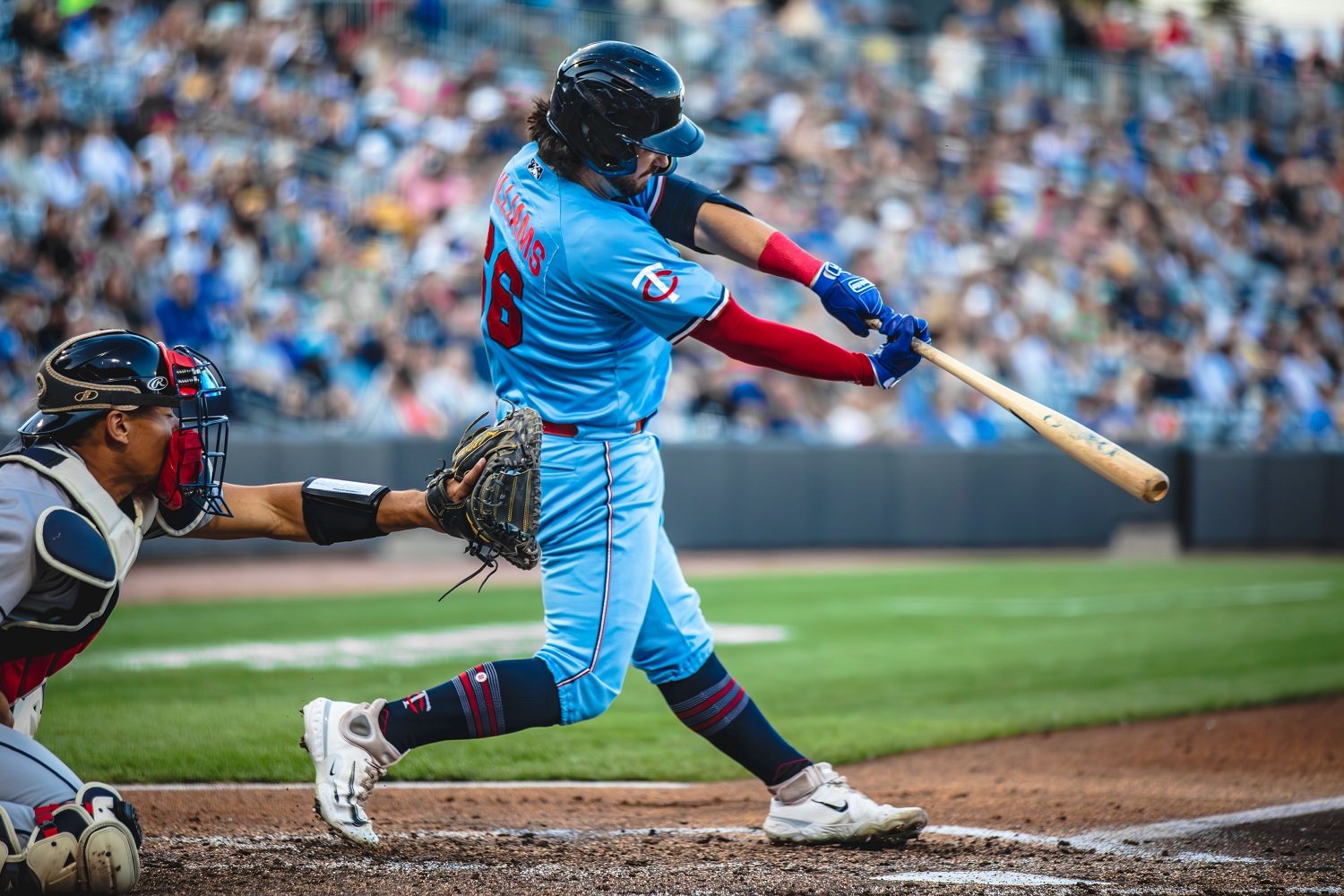 It was a light week in the Minor Leagues with most affiliates on break along with the Major League teams. Zebby Matthews' debut with the Saints along with a Minor League Player of the Week award for Luke Keaschall were the highlights. TRANSACTIONS Connor Prielipp was activated from the 60-day IL and is active immediately with the Cedar Rapids Kernels. RHP Kyle Bischoff and LHP Christian MacLeod have been transferred from Cedar Rapids to AA Wichita. RHP Ricky Castro transferred from Low-A Fort Myers to High-A Cedar Rapids. RHP Tomas Cleto reinstated from the 7-day injured list. COMPLEX CHRONICLES FCL Pirates 6, FCL Twins 0 It was a tough game for the FCL Twins’ offense, which was only able to muster together two hits on the day, singles from Jayson Bass and Yilber Herrera. On the other side of the ball, poor defense plagued the FCL Twins as throwing errors contributed to crooked numbers in both the second and fourth innings, giving the Pirates three runs in each of those. On the mound, Anthony Narvaez allowed seven hits across four innings, striking out five. DOMINICAN DAILIES DSL Yankees 2, DSL Twins 0 (Top 3 - Suspended) Not much to report on for the DSL Twins, as rain suspended the game just as the top of the third inning kicked off against the DSL Yankees. In 2+ innings, Cristian Hernandez allowed three hits and two walks, contributing to three earned runs. WEEK IN REVIEW Triple-A: St. Paul Saints Overall: 47-48 (3-0 last week) Fifth place in IL West Overview: Saints came out of the break hot with a convincing sweep on the road against the Toledo Mud Hens. Zebby Matthews had a strong triple-A debut, earning a win after throwing five innings, allowing two earned runs and striking out six. Chris Williams tied Mark Contreras for the St. Paul Saints franchise career home run record with his 43rd blast in a Saints uniform. Williams was 9-for-13 on the weekend for the Saints. Anthony Prato connected with a career-high four RBI in Saturday’s 11-3 win for the Saints. What’s Next: The Saints return home for a six-game set against the Omaha Storm Chasers. Josh Winder struggled again for the Saints in relief, allowing two hits, while walking two and giving up earned runs in two-thirds of an inning. Double-A: Wichita Wind Surge Overall: 38-58 (2-1 last week) Fifth place in the Texas League North Overview: Wind Surge rebound from Friday night loss with a couple of stellar pitching performances to take the series over the Frisco RoughRiders. Andrew Morris continued his dominance with an excellent outing on Saturday night, throwing six innings of one-run ball. Jordan Carr had a strong outing for Wichita, pitching five innings and allowing one earned run while striking out four. Luke Keaschall was named Minor League Player of the Week after posting nine hits, two home runs, four RBI, and four runs scored to go along with zero strikeouts in four games the week prior. He also participated in the 2024 All-Star Futures Game this past Sunday. High-A: Cedar Rapids Kernels Overall: 51-37 (1-2 last week) Second place in the Midwest League West Overview: After trading a win and a loss on Friday and Saturday, the Kernels dropped their rubber match on Sunday to take a weekend-series loss against the Wisconsin Timber Rattlers. Rubel Cespedes hit two home runs for the Kernels on Sunday in a losing effort. Cespedes was 6-for-13 with three RBI on the weekend for the Kernels. Christian Macleod was stellar for Cedar Rapids on Friday night, throwing six innings, allowing just one run, and striking out seven en route to a 2-1 victory. Darren Bowen struggled for Cedar Rapids, allowing five hits and three earned runs, while not getting out of the third inning. Ricardo Olivar also struggled, going hitless in 12 at-bats with four strikeouts. Low-A: Fort Myers Mighty Mussels Overall: 46-41 (3-0 last week) Third place in Florida State League West Overview: Mighty Mussels ride hot hitting and a stellar starting pitching outing to a weekend sweep of the Clearwater Threshers. Ricky Castro turned in a stellar start for the Mussels, tossing five innings of one-hit ball while striking out seven. Walker Jenkins stayed hot for the Mighty Mussels this weekend, going 3-for-6 with a triple and five walks in 11 plate appearances. Rixon Wingrove connected with two home runs, a double and a triple in 14 at-bats this weekend. Brandon Winokur had a tough weekend, going hitless in 13 at-bats with 10 strikeouts. Connor Prielipp pitched for the Mighty Mussels in a rehab start and threw two promising innings, only allowing one hit, while not allowing a run and striking out three. Complex League: FCL Twins 26-30 (1-3 last week) Fourth place in Florida Complex League South Yasser Mercedes had a strong week, going 7-for-13 with five extra-base hits. Bryan Acuna had a solid week as well, with two extra-base hits and two RBI across four games. Devin Kirby was a star on the mound this week, pitching 5 ⅓ scoreless innings, while striking out six. Dominican League: DSL Twins 17-16 (2-2 last week) 4th in Dominican Summer League South Irvin Nuñez connected with a home run and a double in just six at-bats last week. His seven total bases led the team. Alver Medina swiped four bases for the DSL Twins. Neftali Rodriguez finished two games for the DSL Twins this week, tossing 2 ⅔ innings without allowing a run and striking out four. PROSPECT SUMMARY #1– Walker Jenkins (Fort Myers) – 3-6, 2 R, 1 3B, 1 RBI, 5 BB, 1 K #2 – Brooks Lee (Minnesota) – 2-9, 1 R, 1 RBI, 1 BB, 1 K #5 – Gabriel Gonzalez (Cedar Rapids) – 2-11, 3 K #9 – Luke Keaschall (Wichita) – 3-10, 3 R, 2 BB #10 – Brandon Winokur (Fort Myers) – 0-16, 2 BB, 10 K #11 – Simeon Woods Richardson (Minnesota) – N/A #13 – Tanner Schobel (Wichita) – 1-10, 1 R, 2 RBI, 2 BB, 3 K #14 – Zebby Matthews (St. Paul) – 5.0 IP, 4 H, 2 R, 2 ER, 0 BB, 6 K #17 – Connor Prielipp (Fort Myers) - 2.0 IP, 1 H, 0 R, 0 ER, 0 BB, 3 K #18 – Yunior Severino (St. Paul) – 5-13, 3 R, 2 RBI, 3 BB, 4 K #20 – Ricardo Olivar (Cedar Rapids) – 0-12, 1 BB, 4 K Hitter of the Week - Chris Williams (St. Paul) - 9-13, 6 R, 3 2B, 2 HR, 5 RBI, 2 BB, 1 K Pitcher of the Week - Ricky Castro (Fort Myers) - 5.0 IP, 1 H, 0 R, 0 ER, 0 BB, 7 K
- 7 comments
-
- 3
-
-
- zebby matthews
- luke keaschall
- (and 5 more)
-
It was a light week in the Minor Leagues with most affiliates on break along with the Major League teams. Zebby Matthew’s debut along with Chris Williams's record-tying swing were the highlights. Image courtesy of Rob Thompson, St. Paul Saints It was a light week in the Minor Leagues with most affiliates on break along with the Major League teams. Zebby Matthews' debut with the Saints along with a Minor League Player of the Week award for Luke Keaschall were the highlights. TRANSACTIONS Connor Prielipp was activated from the 60-day IL and is active immediately with the Cedar Rapids Kernels. RHP Kyle Bischoff and LHP Christian MacLeod have been transferred from Cedar Rapids to AA Wichita. RHP Ricky Castro transferred from Low-A Fort Myers to High-A Cedar Rapids. RHP Tomas Cleto reinstated from the 7-day injured list. COMPLEX CHRONICLES FCL Pirates 6, FCL Twins 0 It was a tough game for the FCL Twins’ offense, which was only able to muster together two hits on the day, singles from Jayson Bass and Yilber Herrera. On the other side of the ball, poor defense plagued the FCL Twins as throwing errors contributed to crooked numbers in both the second and fourth innings, giving the Pirates three runs in each of those. On the mound, Anthony Narvaez allowed seven hits across four innings, striking out five. DOMINICAN DAILIES DSL Yankees 2, DSL Twins 0 (Top 3 - Suspended) Not much to report on for the DSL Twins, as rain suspended the game just as the top of the third inning kicked off against the DSL Yankees. In 2+ innings, Cristian Hernandez allowed three hits and two walks, contributing to three earned runs. WEEK IN REVIEW Triple-A: St. Paul Saints Overall: 47-48 (3-0 last week) Fifth place in IL West Overview: Saints came out of the break hot with a convincing sweep on the road against the Toledo Mud Hens. Zebby Matthews had a strong triple-A debut, earning a win after throwing five innings, allowing two earned runs and striking out six. Chris Williams tied Mark Contreras for the St. Paul Saints franchise career home run record with his 43rd blast in a Saints uniform. Williams was 9-for-13 on the weekend for the Saints. Anthony Prato connected with a career-high four RBI in Saturday’s 11-3 win for the Saints. What’s Next: The Saints return home for a six-game set against the Omaha Storm Chasers. Josh Winder struggled again for the Saints in relief, allowing two hits, while walking two and giving up earned runs in two-thirds of an inning. Double-A: Wichita Wind Surge Overall: 38-58 (2-1 last week) Fifth place in the Texas League North Overview: Wind Surge rebound from Friday night loss with a couple of stellar pitching performances to take the series over the Frisco RoughRiders. Andrew Morris continued his dominance with an excellent outing on Saturday night, throwing six innings of one-run ball. Jordan Carr had a strong outing for Wichita, pitching five innings and allowing one earned run while striking out four. Luke Keaschall was named Minor League Player of the Week after posting nine hits, two home runs, four RBI, and four runs scored to go along with zero strikeouts in four games the week prior. He also participated in the 2024 All-Star Futures Game this past Sunday. High-A: Cedar Rapids Kernels Overall: 51-37 (1-2 last week) Second place in the Midwest League West Overview: After trading a win and a loss on Friday and Saturday, the Kernels dropped their rubber match on Sunday to take a weekend-series loss against the Wisconsin Timber Rattlers. Rubel Cespedes hit two home runs for the Kernels on Sunday in a losing effort. Cespedes was 6-for-13 with three RBI on the weekend for the Kernels. Christian Macleod was stellar for Cedar Rapids on Friday night, throwing six innings, allowing just one run, and striking out seven en route to a 2-1 victory. Darren Bowen struggled for Cedar Rapids, allowing five hits and three earned runs, while not getting out of the third inning. Ricardo Olivar also struggled, going hitless in 12 at-bats with four strikeouts. Low-A: Fort Myers Mighty Mussels Overall: 46-41 (3-0 last week) Third place in Florida State League West Overview: Mighty Mussels ride hot hitting and a stellar starting pitching outing to a weekend sweep of the Clearwater Threshers. Ricky Castro turned in a stellar start for the Mussels, tossing five innings of one-hit ball while striking out seven. Walker Jenkins stayed hot for the Mighty Mussels this weekend, going 3-for-6 with a triple and five walks in 11 plate appearances. Rixon Wingrove connected with two home runs, a double and a triple in 14 at-bats this weekend. Brandon Winokur had a tough weekend, going hitless in 13 at-bats with 10 strikeouts. Connor Prielipp pitched for the Mighty Mussels in a rehab start and threw two promising innings, only allowing one hit, while not allowing a run and striking out three. Complex League: FCL Twins 26-30 (1-3 last week) Fourth place in Florida Complex League South Yasser Mercedes had a strong week, going 7-for-13 with five extra-base hits. Bryan Acuna had a solid week as well, with two extra-base hits and two RBI across four games. Devin Kirby was a star on the mound this week, pitching 5 ⅓ scoreless innings, while striking out six. Dominican League: DSL Twins 17-16 (2-2 last week) 4th in Dominican Summer League South Irvin Nuñez connected with a home run and a double in just six at-bats last week. His seven total bases led the team. Alver Medina swiped four bases for the DSL Twins. Neftali Rodriguez finished two games for the DSL Twins this week, tossing 2 ⅔ innings without allowing a run and striking out four. PROSPECT SUMMARY #1– Walker Jenkins (Fort Myers) – 3-6, 2 R, 1 3B, 1 RBI, 5 BB, 1 K #2 – Brooks Lee (Minnesota) – 2-9, 1 R, 1 RBI, 1 BB, 1 K #5 – Gabriel Gonzalez (Cedar Rapids) – 2-11, 3 K #9 – Luke Keaschall (Wichita) – 3-10, 3 R, 2 BB #10 – Brandon Winokur (Fort Myers) – 0-16, 2 BB, 10 K #11 – Simeon Woods Richardson (Minnesota) – N/A #13 – Tanner Schobel (Wichita) – 1-10, 1 R, 2 RBI, 2 BB, 3 K #14 – Zebby Matthews (St. Paul) – 5.0 IP, 4 H, 2 R, 2 ER, 0 BB, 6 K #17 – Connor Prielipp (Fort Myers) - 2.0 IP, 1 H, 0 R, 0 ER, 0 BB, 3 K #18 – Yunior Severino (St. Paul) – 5-13, 3 R, 2 RBI, 3 BB, 4 K #20 – Ricardo Olivar (Cedar Rapids) – 0-12, 1 BB, 4 K Hitter of the Week - Chris Williams (St. Paul) - 9-13, 6 R, 3 2B, 2 HR, 5 RBI, 2 BB, 1 K Pitcher of the Week - Ricky Castro (Fort Myers) - 5.0 IP, 1 H, 0 R, 0 ER, 0 BB, 7 K View full article
- 7 replies
-
- 1
-
-
- zebby matthews
- luke keaschall
- (and 5 more)
-
Full season Minor League Baseball returns tomorrow, but there was short season action today to dive into. TRANSACTIONS FCL Twins placed RF Gregory Duran on the full-season injured list. The outfielder has been injured since July 5. FCL Twins placed RHP Bianger Liendo on the full-season injured list. The 20-year-old has yet to throw for the Twins’ organization this season. Minnesota Twins sent RHP Zack Weiss outright to St. Paul Saints. Weiss was signed by the Minnesota Twins in February and has spent time on the injured list all season. After making a few rehab appearances the Twins didn’t have room on their 40-man and Weiss cleared waivers, accepting an assignment with the Saints. All full-season affiliate teams remain off today in conjunction with Major League Baseball, but both short season teams were in action. COMPLEX CHRONICLES FCL Pirates 6, FCL Twins 5 Box Score It was a rough outing for 19-year-old 5th round pick, Dylan Questad, who walked five batters in just three innings, including four consecutive walks to start the second inning before allowing a two-run double to finish off his day before recording an out in the second inning. The Twins put up some runs in the bottom of the third inning thanks to an error and a bases-loaded walk of their own, followed by an RBI single from Dameury Pena to give the FCL Twins a 4-3 lead. In the top of the fourth inning, the FCL Pirates scored three more runs which proved to be the game-winning runs off of FCL Twins pitcher, Eduardo Soriano, who struggled with command of his own by walking three in the inning in addition to a wild pitch. Yilber Herrera connected on an RBI double in the top of the fifth inning to put the FCL Twins within a run, but the comeback fell short as the final score ended up at 6-5. DOMINICAN DAILY DSL Marlins 7, DSL Twins 5 The DSL Twins got the scoring start on Thursday afternoon thanks to a Luis Rodriguez RBI single and a balk, giving the Twins an early 2-0 lead. It was a tough start from 17-year-old Leonardo Rondon, who was unable to get out of the first inning for the DSL Twins. In 2/3 of an inning, Rondon allowed three hits and a walk to go with four runs (three earned). The Marlins quickly rebounded to a 4-2 lead after one. After tying the game in the second inning, the DSL Marlins again took the lead in the fourth inning, when Miami’s Adrian Bello connected with an RBI single off of DSL Twins’ pitcher Aiberson Ventura. The highlight of the game for the DSL Twins, though, was a first-pitch home run from Irvin Nunez to left field to tie the game. This marked the second home run of the season for the 18-year-old catcher. Unfortunately, the DSL Marlins didn’t wait long to get the lead back once again, thanks to a pair of Twins throwing errors that allowed the DSL Marlins to score the winning runs of the game, handing the loss to Neftali Rodriguez, despite not allowing a run. TWINS DAILY MINOR LEAGUE PLAYERS OF THE DAY Pitcher of the Day - Neftali Rodriguez, DSL Twins (L, 2 IP, 1 H, 2 R, 0 ER, 4 K) Hitter of the Day - Irvin Nunez, DSL Twins (1-for-2, 2 R, HR (2), RBI) UPCOMING MINOR LEAGUE ACTION Minor League action will resume on Friday with all affiliates back in action: Saint Paul Saints: Randy Dobnak will take the mound for the Saints as St. Paul begins a series against the 42-50 Toledo Mudhens. Wichita Wind Surge: Marco Raya will toe the rubber for the Wichita Wind Surge as they begin a series against the 55-32 Frisco RoughRiders. Cedar Rapids Kernels: Christian MacLeod will pitch for the Kernals as Cedar Rapids begins a series against the Wisconsin Timber Rattlers. Fort Myers Mighty Mussels: Ricky Castro will take the mound for the Mussels as they begin a series against the Clearwater Threshers. Leave any thoughts or questions below as we prepare for full-season Minor League Baseball to kick off again this weekend. View full article
- 6 replies
-
- 1
-
-
- neftali rodriguez
- irvin nunez
- (and 2 more)
-
 TRANSACTIONS FCL Twins placed RF Gregory Duran on the full-season injured list. The outfielder has been injured since July 5. FCL Twins placed RHP Bianger Liendo on the full-season injured list. The 20-year-old has yet to throw for the Twins’ organization this season. Minnesota Twins sent RHP Zack Weiss outright to St. Paul Saints. Weiss was signed by the Minnesota Twins in February and has spent time on the injured list all season. After making a few rehab appearances the Twins didn’t have room on their 40-man and Weiss cleared waivers, accepting an assignment with the Saints. All full-season affiliate teams remain off today in conjunction with Major League Baseball, but both short season teams were in action. COMPLEX CHRONICLES FCL Pirates 6, FCL Twins 5 Box Score It was a rough outing for 19-year-old 5th round pick, Dylan Questad, who walked five batters in just three innings, including four consecutive walks to start the second inning before allowing a two-run double to finish off his day before recording an out in the second inning. The Twins put up some runs in the bottom of the third inning thanks to an error and a bases-loaded walk of their own, followed by an RBI single from Dameury Pena to give the FCL Twins a 4-3 lead. In the top of the fourth inning, the FCL Pirates scored three more runs which proved to be the game-winning runs off of FCL Twins pitcher, Eduardo Soriano, who struggled with command of his own by walking three in the inning in addition to a wild pitch. Yilber Herrera connected on an RBI double in the top of the fifth inning to put the FCL Twins within a run, but the comeback fell short as the final score ended up at 6-5. DOMINICAN DAILY DSL Marlins 7, DSL Twins 5 The DSL Twins got the scoring start on Thursday afternoon thanks to a Luis Rodriguez RBI single and a balk, giving the Twins an early 2-0 lead. It was a tough start from 17-year-old Leonardo Rondon, who was unable to get out of the first inning for the DSL Twins. In 2/3 of an inning, Rondon allowed three hits and a walk to go with four runs (three earned). The Marlins quickly rebounded to a 4-2 lead after one. After tying the game in the second inning, the DSL Marlins again took the lead in the fourth inning, when Miami’s Adrian Bello connected with an RBI single off of DSL Twins’ pitcher Aiberson Ventura. The highlight of the game for the DSL Twins, though, was a first-pitch home run from Irvin Nunez to left field to tie the game. This marked the second home run of the season for the 18-year-old catcher. Unfortunately, the DSL Marlins didn’t wait long to get the lead back once again, thanks to a pair of Twins throwing errors that allowed the DSL Marlins to score the winning runs of the game, handing the loss to Neftali Rodriguez, despite not allowing a run. TWINS DAILY MINOR LEAGUE PLAYERS OF THE DAY Pitcher of the Day - Neftali Rodriguez, DSL Twins (L, 2 IP, 1 H, 2 R, 0 ER, 4 K) Hitter of the Day - Irvin Nunez, DSL Twins (1-for-2, 2 R, HR (2), RBI) UPCOMING MINOR LEAGUE ACTION Minor League action will resume on Friday with all affiliates back in action: Saint Paul Saints: Randy Dobnak will take the mound for the Saints as St. Paul begins a series against the 42-50 Toledo Mudhens. Wichita Wind Surge: Marco Raya will toe the rubber for the Wichita Wind Surge as they begin a series against the 55-32 Frisco RoughRiders. Cedar Rapids Kernels: Christian MacLeod will pitch for the Kernals as Cedar Rapids begins a series against the Wisconsin Timber Rattlers. Fort Myers Mighty Mussels: Ricky Castro will take the mound for the Mussels as they begin a series against the Clearwater Threshers. Leave any thoughts or questions below as we prepare for full-season Minor League Baseball to kick off again this weekend.
- 6 comments
-
- 2
-
-
- neftali rodriguez
- irvin nunez
- (and 2 more)
-
Four Twins hitters are performing considerably worse or better than their numbers. Image courtesy of © Jesse Johnson-USA TODAY Sports Underlying statistics, particularly batted ball metrics such as exit velocity and launch angle, are far more predictive of future performance than traditional stats like slugging percentage and OPS. These advanced metrics help us understand the quality of a player's contact and provide insight into whether their current performance is sustainable. To determine which Twins hitters have been the luckiest and unluckiest this season, we’ll use two key metrics: Weighted On-Base Average (wOBA) and Expected Weighted On-Base Average (xwOBA). wOBA captures a hitter's overall offensive value, while xwOBA predicts what a player's wOBA should be based on the quality of their contact (exit velocity, launch angle, and batted ball type). The difference between these two metrics can indicate whether a player has been particularly fortunate or unfortunate. Luckiest Twins Hitters 1. José Miranda wOBA: .353 xwOBA: .328 Difference: 0.025 José Miranda is coming off one of the best months of his career in June, where he posted a .940 OPS across 25 games. On the season, Miranda is posting career-high numbers in just about every metric. However, the advanced metrics suggest a dip in his performance could be coming. Miranda is currently hitting like a top-30 player in baseball with an OPS of .821, yet his barrel rates and hard-hit rates are only in the 50th percentile. While he has made significant improvements in his approach at the plate—lowering his K% and whiff%—his batted ball metrics still outpace his 2022 numbers. The reality is that the 2024 José Miranda likely sits somewhere between his 114 OPS+ in his rookie season in 2022 and his current 131 OPS+. 2. Willi Castro wOBA: .353 xwOBA: .332 Difference: 0.021 Willi Castro's breakout season at the plate is one of the most surprising developments of the 2024 MLB season. While he has made strides at the plate, luck has played a significant role in his impressive numbers. Castro currently sports an OPS of .804, ahead of the likes of Corey Seager, Austin Riley, and Matt Olson, despite having an average exit velocity in the 29th percentile and a barrel percentage in the 45th percentile. Castro’s luck is evident in his .356 BABIP, the fifth highest in baseball. Although BABIP isn't purely about luck, his career BABIP of .319 suggests a regression to the mean is likely in the second half of the season. Castro has certainly improved, but his underlying metrics indicate his numbers have been somewhat inflated by luck. Unluckiest Twins Hitters 1. Manuel Margot wOBA: .294 xwOBA: .344 Difference: -0.050 Manuel Margot had a nightmare start to the 2024 season. Through the month of May, Margot owned an OPS of .528 and caused many fans to petition for a DFA. The Minnesota Twins decided to stick with the struggling veteran, likely because they looked at his underlying metrics and saw that he was better than his numbers showed. Minnesota's patience with Margot has started to pay off as the right-hander has posted a .899 OPS since the start of June and is hitting like they expected him to when they acquired Margot this offseason. Even with his hot month of June, Margot still ranks out as the unluckiest hitter on the Minnesota Twins this season, and one look at his Baseball Reference page makes it easy to see why. Despite hitting like a far-below average player over the course of the season, Margot has batted ball metrics, like average exit velocity and hard hit % near the 50th percentile, not dissimilar from the likes of José Miranda. Additionally, Margot is in the 87th percentile for K%, with a career-low strikeout rate of 15%. Margot clearly won't hit like the .899 OPS that he showed in the month of June, but his underlying metrics certainly point to a guy with an OPS that starts with 7 rather than the OPS of .528 that we saw for the first couple of months of the season, and for a backup outfielder that's been solid on the base paths, that's a quality player to have on your team. 2. Trevor Larnach wOBA: .323 xwOBA: .361 Difference: -0.038 Trevor Larnach hits the snot out of the ball. Larnach leads the Minnesota Twins in average exit velocity and barrels per plate appearance. He hits the ball hard (95+ MPH) 43.8% of the time and can hit tanks to all parts of the ballpark with no problem. With a hitting profile like that, it's surprising to see that he only has a wOBA of .323 and a solid, but not excellent OPS of .746. Larnach has a career-low BABIP of .271, though everything in his profile points to him posting an OPS in the 800s. Larnach has a career-low K% and career-best plate discipline numbers, he's just unfortunately ripping balls to the wrong spots. Like the example below. Did any of the discussed names surprise you? Do you think regression will hit all of the players listed? Leave a comment below and start the conversation! View full article
- 31 replies
-
- 1
-
-
- trevor larnach
- manuel margot
- (and 1 more)
-
Who are the Luckiest and Unluckiest Twins Hitters This Season?
Matthew Taylor posted an article in Twins
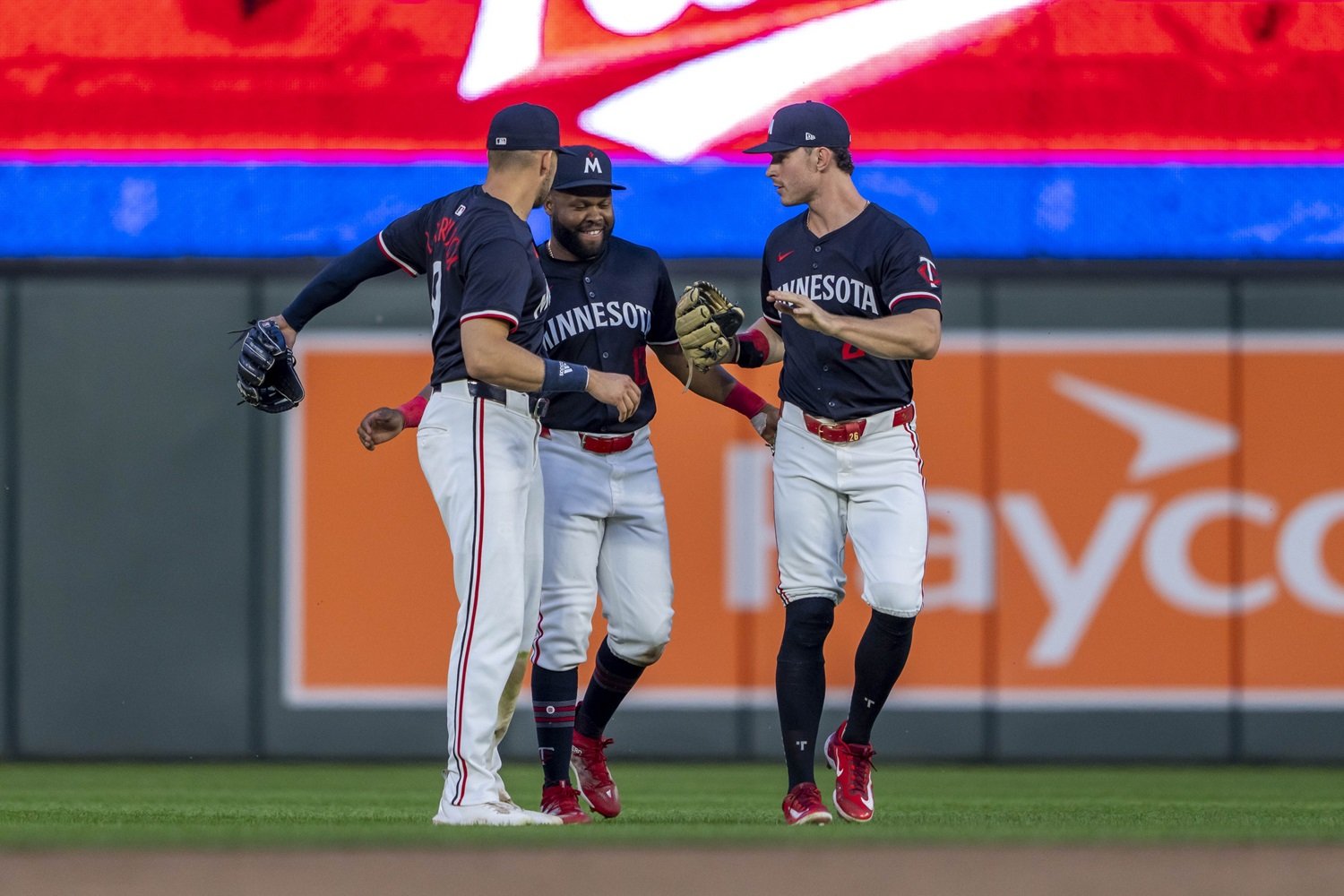 Underlying statistics, particularly batted ball metrics such as exit velocity and launch angle, are far more predictive of future performance than traditional stats like slugging percentage and OPS. These advanced metrics help us understand the quality of a player's contact and provide insight into whether their current performance is sustainable. To determine which Twins hitters have been the luckiest and unluckiest this season, we’ll use two key metrics: Weighted On-Base Average (wOBA) and Expected Weighted On-Base Average (xwOBA). wOBA captures a hitter's overall offensive value, while xwOBA predicts what a player's wOBA should be based on the quality of their contact (exit velocity, launch angle, and batted ball type). The difference between these two metrics can indicate whether a player has been particularly fortunate or unfortunate. Luckiest Twins Hitters 1. José Miranda wOBA: .353 xwOBA: .328 Difference: 0.025 José Miranda is coming off one of the best months of his career in June, where he posted a .940 OPS across 25 games. On the season, Miranda is posting career-high numbers in just about every metric. However, the advanced metrics suggest a dip in his performance could be coming. Miranda is currently hitting like a top-30 player in baseball with an OPS of .821, yet his barrel rates and hard-hit rates are only in the 50th percentile. While he has made significant improvements in his approach at the plate—lowering his K% and whiff%—his batted ball metrics still outpace his 2022 numbers. The reality is that the 2024 José Miranda likely sits somewhere between his 114 OPS+ in his rookie season in 2022 and his current 131 OPS+. 2. Willi Castro wOBA: .353 xwOBA: .332 Difference: 0.021 Willi Castro's breakout season at the plate is one of the most surprising developments of the 2024 MLB season. While he has made strides at the plate, luck has played a significant role in his impressive numbers. Castro currently sports an OPS of .804, ahead of the likes of Corey Seager, Austin Riley, and Matt Olson, despite having an average exit velocity in the 29th percentile and a barrel percentage in the 45th percentile. Castro’s luck is evident in his .356 BABIP, the fifth highest in baseball. Although BABIP isn't purely about luck, his career BABIP of .319 suggests a regression to the mean is likely in the second half of the season. Castro has certainly improved, but his underlying metrics indicate his numbers have been somewhat inflated by luck. Unluckiest Twins Hitters 1. Manuel Margot wOBA: .294 xwOBA: .344 Difference: -0.050 Manuel Margot had a nightmare start to the 2024 season. Through the month of May, Margot owned an OPS of .528 and caused many fans to petition for a DFA. The Minnesota Twins decided to stick with the struggling veteran, likely because they looked at his underlying metrics and saw that he was better than his numbers showed. Minnesota's patience with Margot has started to pay off as the right-hander has posted a .899 OPS since the start of June and is hitting like they expected him to when they acquired Margot this offseason. Even with his hot month of June, Margot still ranks out as the unluckiest hitter on the Minnesota Twins this season, and one look at his Baseball Reference page makes it easy to see why. Despite hitting like a far-below average player over the course of the season, Margot has batted ball metrics, like average exit velocity and hard hit % near the 50th percentile, not dissimilar from the likes of José Miranda. Additionally, Margot is in the 87th percentile for K%, with a career-low strikeout rate of 15%. Margot clearly won't hit like the .899 OPS that he showed in the month of June, but his underlying metrics certainly point to a guy with an OPS that starts with 7 rather than the OPS of .528 that we saw for the first couple of months of the season, and for a backup outfielder that's been solid on the base paths, that's a quality player to have on your team. 2. Trevor Larnach wOBA: .323 xwOBA: .361 Difference: -0.038 Trevor Larnach hits the snot out of the ball. Larnach leads the Minnesota Twins in average exit velocity and barrels per plate appearance. He hits the ball hard (95+ MPH) 43.8% of the time and can hit tanks to all parts of the ballpark with no problem. With a hitting profile like that, it's surprising to see that he only has a wOBA of .323 and a solid, but not excellent OPS of .746. Larnach has a career-low BABIP of .271, though everything in his profile points to him posting an OPS in the 800s. Larnach has a career-low K% and career-best plate discipline numbers, he's just unfortunately ripping balls to the wrong spots. Like the example below. Did any of the discussed names surprise you? Do you think regression will hit all of the players listed? Leave a comment below and start the conversation!
- 31 comments
-
- 8
-
-
- trevor larnach
- manuel margot
- (and 1 more)
-
The Minnesota Twins had an outstanding offensive month in June, scoring the third-most runs in the American League. It was an excellent month at the plate for many hitters, but only one can be named hitter of the month. As June comes to a close, it's time to celebrate the outstanding performances by our Minnesota Twins hitters. This month was packed with exciting performances, but only the best of the best made the cut for the Twins' hitter of the month for June. Honorable Mention: José Miranda Stats: 25 G, .333/.388/.552 (.940 OPS), 9 2B, 3 HR, 20 RBI What a difference a season makes, huh? The José Miranda we're witnessing this season looks nothing like the Miranda of 2023, when he appeared in just 40 games and posted an OPS+ of 57. Now fully healthy, Miranda is showing that his excellent rookie season in 2022 was no fluke. Miranda just finished his best month of the 2024 season, playing in 25 of the team's 27 games, posting an OPS of .940 and finishing second on the team in RBIs for the month, with 20. Additionally, Miranda had the second-best WPA on the team for the month, meaning that he wasn't simply producing, but that he was producing in big moments. No moment was bigger than Miranda's massive three-run home run when the Twins were down to their last strike against the Rays, to tie up the game. The moment from Miranda might be forgotten by some fans due to the Twins ultimately losing the game, but it was certainly a moment that Miranda will not soon forget. Third Place: Royce Lewis Stats: 22 G, .259/.326/.624 (.950 OPS), 4 2B, 9 HR, 15 RBI For the first two months of the 2024 season, everyone joked that Royce Lewis would re-join the team in June and immediately start hitting home runs and dominating, like he has every other time that the superstar has re-joined the Twins' lineup following a lengthy absence. But even the most optimistic of predictions couldn't have guessed that Lewis would be this dominant after returning from his quad injury. In his first month of games following a two-month absence, Lewis led the Twins with nine home runs and posted a .951 OPS. He showed no signs of rust after being away from the game for so long, and until the last week of June, he had us all believing that maybe he really doesn't do slumps. Lewis's 2-25 slump over the last week of the month prevented him from finishing higher in the rankings, but the way he transformed the Twins' lineup the second he was re-inserted is something that should excite Twins fans everywhere. Second Place: Carlos Santana Stats: 25 G, .337/.396/.565 (.961 OPS), 9 2B, 4 HR, 16 RBI After beating the Twitter campaign for his DFA with a solid month of May, Santana just put up his best month of the 2024 season, and his best month at the plate since August 2019. Across 25 games last month, Santana finished second on the team with a .961 OPS, while getting on base nearly 40% of the time. Santana posted 1.2 WAR in June, which pays for the $5.25 million contract that he was handed this past offseason all by itself. No moment for Santana was bigger than his pinch-hit, walk-off single in the bottom of the 9th inning against Phil Maton and the Tampa Bay Rays. Coming fresh off the bench with two outs, Santana laced a liner to center field, scoring Manuel Margot and clinching a win for the Twins in front of the Target Field crowd. First Place: Carlos Correa Stats: 25 G, .388/.441/.582 (1.023 OPS), 4 2B, 5 HR, 21 RBI José Miranda, Royce Lewis, and Carlos Santana all had excellent months, but no player on the Minnesota Twins (and no player in the American League not named Aaron Judge or Gunnar Henderson) had a better June than Carlos Correa. Correa led the Twins with a .388 batting average, 1.023 OPS, 38 hits, and 21 RBI in June, while also leading the Twins with 1.7 fWAR. In the 25 games in which he appeared in June, Correa contributed a hit in 17, with 12 of those being multi-hit games, including a five-hit performance against the Rockies on Jun. 12. Correa contributed some clutch hits this month as well, including a go-ahead home run against Logan Gilbert and the Seattle Mariners in the top of the 6th inning and a 2-run home run against Sean Newcomb and the Oakland Athletics to put the game away in the bottom of the 7th inning. Correa is finally fully healthy and is showing just how dominant he can be when he has two fully-functioning feet, and it is an absolute joy to watch. Do you agree with the rankings for the Twins hitters of the month in June? Leave a comment below and start the conversation! View full article
-
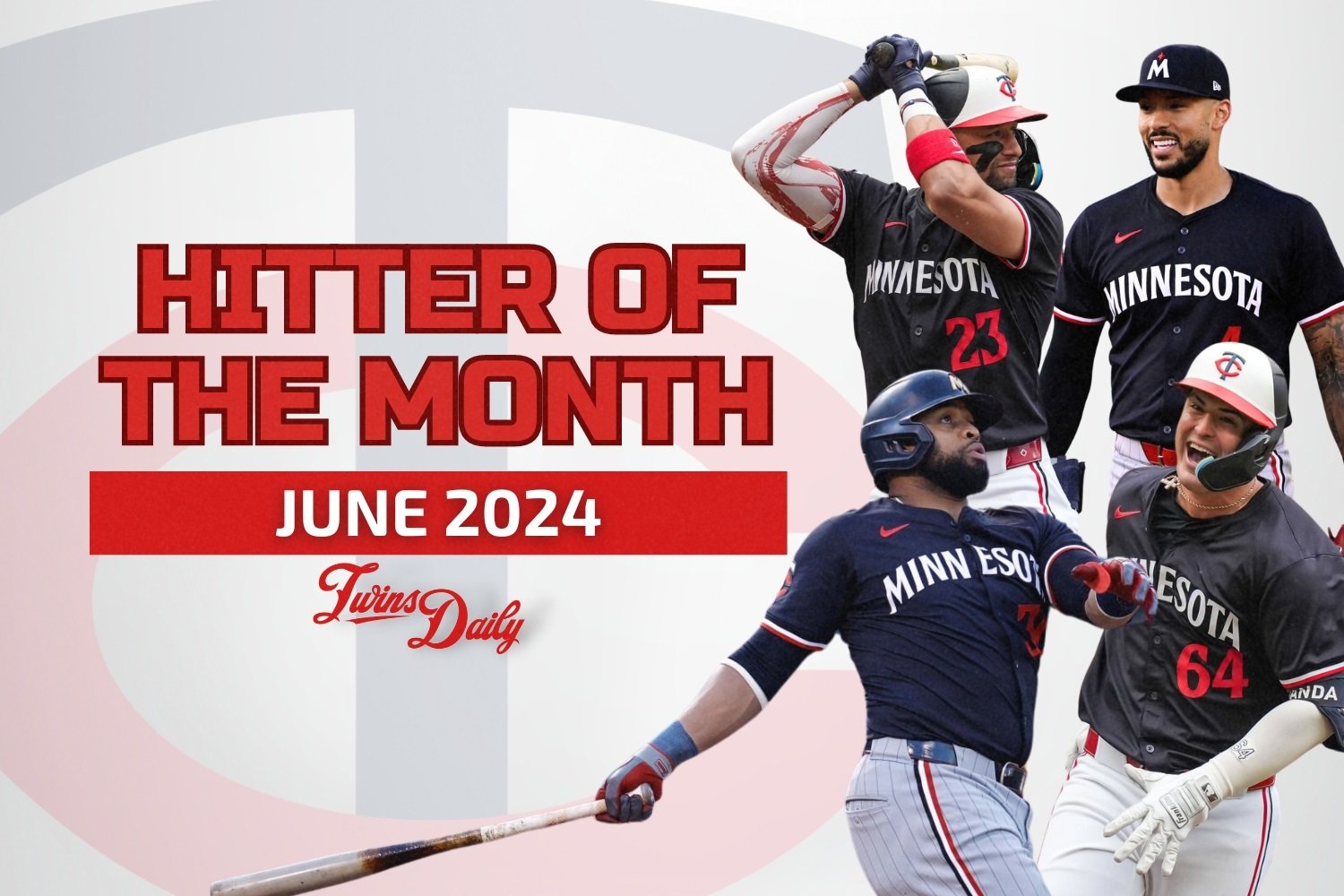 As June comes to a close, it's time to celebrate the outstanding performances by our Minnesota Twins hitters. This month was packed with exciting performances, but only the best of the best made the cut for the Twins' hitter of the month for June. Honorable Mention: José Miranda Stats: 25 G, .333/.388/.552 (.940 OPS), 9 2B, 3 HR, 20 RBI What a difference a season makes, huh? The José Miranda we're witnessing this season looks nothing like the Miranda of 2023, when he appeared in just 40 games and posted an OPS+ of 57. Now fully healthy, Miranda is showing that his excellent rookie season in 2022 was no fluke. Miranda just finished his best month of the 2024 season, playing in 25 of the team's 27 games, posting an OPS of .940 and finishing second on the team in RBIs for the month, with 20. Additionally, Miranda had the second-best WPA on the team for the month, meaning that he wasn't simply producing, but that he was producing in big moments. No moment was bigger than Miranda's massive three-run home run when the Twins were down to their last strike against the Rays, to tie up the game. The moment from Miranda might be forgotten by some fans due to the Twins ultimately losing the game, but it was certainly a moment that Miranda will not soon forget. Third Place: Royce Lewis Stats: 22 G, .259/.326/.624 (.950 OPS), 4 2B, 9 HR, 15 RBI For the first two months of the 2024 season, everyone joked that Royce Lewis would re-join the team in June and immediately start hitting home runs and dominating, like he has every other time that the superstar has re-joined the Twins' lineup following a lengthy absence. But even the most optimistic of predictions couldn't have guessed that Lewis would be this dominant after returning from his quad injury. In his first month of games following a two-month absence, Lewis led the Twins with nine home runs and posted a .951 OPS. He showed no signs of rust after being away from the game for so long, and until the last week of June, he had us all believing that maybe he really doesn't do slumps. Lewis's 2-25 slump over the last week of the month prevented him from finishing higher in the rankings, but the way he transformed the Twins' lineup the second he was re-inserted is something that should excite Twins fans everywhere. Second Place: Carlos Santana Stats: 25 G, .337/.396/.565 (.961 OPS), 9 2B, 4 HR, 16 RBI After beating the Twitter campaign for his DFA with a solid month of May, Santana just put up his best month of the 2024 season, and his best month at the plate since August 2019. Across 25 games last month, Santana finished second on the team with a .961 OPS, while getting on base nearly 40% of the time. Santana posted 1.2 WAR in June, which pays for the $5.25 million contract that he was handed this past offseason all by itself. No moment for Santana was bigger than his pinch-hit, walk-off single in the bottom of the 9th inning against Phil Maton and the Tampa Bay Rays. Coming fresh off the bench with two outs, Santana laced a liner to center field, scoring Manuel Margot and clinching a win for the Twins in front of the Target Field crowd. First Place: Carlos Correa Stats: 25 G, .388/.441/.582 (1.023 OPS), 4 2B, 5 HR, 21 RBI José Miranda, Royce Lewis, and Carlos Santana all had excellent months, but no player on the Minnesota Twins (and no player in the American League not named Aaron Judge or Gunnar Henderson) had a better June than Carlos Correa. Correa led the Twins with a .388 batting average, 1.023 OPS, 38 hits, and 21 RBI in June, while also leading the Twins with 1.7 fWAR. In the 25 games in which he appeared in June, Correa contributed a hit in 17, with 12 of those being multi-hit games, including a five-hit performance against the Rockies on Jun. 12. Correa contributed some clutch hits this month as well, including a go-ahead home run against Logan Gilbert and the Seattle Mariners in the top of the 6th inning and a 2-run home run against Sean Newcomb and the Oakland Athletics to put the game away in the bottom of the 7th inning. Correa is finally fully healthy and is showing just how dominant he can be when he has two fully-functioning feet, and it is an absolute joy to watch. Do you agree with the rankings for the Twins hitters of the month in June? Leave a comment below and start the conversation!
- 10 comments
-
- 5
-
-
- jose miranda
- carlos correa
- (and 2 more)
-
We are about a month away from the trade deadline, and while the Minnesota Twins will surely be buyers, it might actually make a lot of sense for them to look at trading away their longtime right fielder. Here’s why. Image courtesy of © Charles LeClaire-USA TODAY Sports Max Kepler recently broke the record for career home runs at Target Field. He has been an important member of the Minnesota Twins and will likely be inducted into the Twins Hall of Fame one day. All that withstanding, the Twins would benefit from parting ways with their veteran left fielder and trading him away this July as they prepare to make a postseason run this Fall. The first reason the Twins should consider trading away Max Kepler is that he is an impending free agent and will likely leave the team at the end of the season anyway. Trading Kepler could be a way for the Twins to recoup some assets for a player who will be gone at the end of the year. It's smart to get something in return rather than letting him walk for nothing (save for potentially a comp pick. More on that later.) Second, the Twins have plenty of depth when it comes to left-handed corner outfielders. Trevor Larnach is already a regular in left field. Additionally, Matt Wallner is knocking down the door to the majors with the Saint Paul Saints. Since the calendar turned to June, Wallner has posted a 1.190 OPS with 11 home runs and 25 RBI in 20 games for the Saints. Wallner outperformed Kepler in the majors last season, posting a .877 OPS in 76 games. Given how Kepler has looked at the plate over the last month (.179/.239/.274 slash line), I would bet on Wallner out-producing Kepler for the remainder of the season. In addition to Wallner, the Twins have DaShawn Keirsey, who is excelling at Triple-A with a .937 OPS in 48 games and excellent speed and defense. The depth is there, making Kepler more expendable. Another reason the Twins should consider trading Kepler is that it might be the only way to afford veteran talent at the trade deadline. The Twins' ownership group made it clear that there was a strict (self-imposed) cap on spending this offseason. It’s unclear if ownership will be willing to increase spending. Given the worsening television deal since the offseason, there's a decent chance they won’t invest more money into their contending team. Similar to how the Twins traded away Jorge Polanco this past offseason to bring on Carlos Santana, they might consider trading Kepler and the $4 million he’ll be owed over the second half of the season to either acquire a bullpen arm like Kyle Finnegan, for example, or make payroll room for another need. While Kepler could be deemed expendable by the Minnesota Twins, he would certainly bring value back to another team pushing for the postseason and looking to shore up their outfield. Kepler has a high-upside bat that we saw over the second half of last season, is a borderline Gold Glover in right field, and has the ability to play capable centerfield if the right team can convince him to do so. The left-hander is still just 31 years old, and as a guy who has spent the past 15 years with the same organization, they could certainly get a jolt in the arm with a change in scenery. A few teams come to mind as potential trade partners for Kepler. The Kansas City Royals and Atlanta Braves (sans Ronald Acuña Jr.) are both contending teams who could use help in the outfield and might be interested in Kepler as a potential trade deadline addition. The team that might make the most sense as a trade partner, though, is the Philadelphia Phillies who currently possess the best record in baseball and will certainly be looking to bolster their roster for a potential World Series run this fall. Despite having one of the best offenses in baseball, the Phillies have received poor production from their outfield, which sports the fourth-lowest slugging percentage in baseball (.357). Kepler would immediately slot into a corner outfield spot for the Phillies. The Phillies have the second-best fWAR in baseball from their bullpen, with plenty of depth that the Twins could explore a trade package involving Kepler and a Phillies reliever. Or, they could bring in a third team to complete the package. Or the Twins could receive prospects to help replenish their farm system if they want to "buy" from another team. Philadelphia has never been afraid to spend money and would have no issues paying Kepler his remaining salary and potentially working out an extension past this season. Trading Max Kepler would obviously be a big deal that would shock the Twins fanbase, and there are some clear objections that fans could have to such a move. First, the Twins already lack left-handed hitters. After sending down Alex Kirilloff a couple of weeks ago, Kepler and Larnach are the only true left-handed hitters on the roster. However, in the hypothetical scenario of a Kepler trade, the Twins would replace him with another left-handed bat in Wallner while still having Keirsey in Triple-A as the next man in line. Switch hitters like Willi Castro, Carlos Santana, and soon Brooks Lee give the Twins the flexibility to roster any number of righties or lefties without hamstringing themselves either way. Second, the Twins might oppose trading Kepler due to the opportunity cost of losing out on a comp pick should they decide to give Kepler a qualifying offer this offseason and he turns it down. While this is a real possibility, there is also a growing chance that Kepler is playing himself out of a qualifying offer altogether. After his hot start, Kepler looks more like the player we saw from 2021 through the first half of 2023 rather than the All-Star caliber player we saw in the second half of 2023. Lastly, a Kepler trade may not happen simply because this front office has shown how much they value what Kepler brings to the team. After three straight years of articles being written on trading the German right fielder, the front office has stood by his side. or at least demonstrated that they value him more than any offers they've received. The likelihood of them trading him now, in the middle of the season, just months before a potential final playoff run, doesn't seem like a move they would make. That said, this front office has frequently made moves people didn't expect and is great about keeping things under wraps. They could certainly surprise us all once again. While trading Max Kepler would be a shock to many, there are plenty of reasons for the front office to explore the potential of a deal. Trading away the slumping Kepler would clear the way for Matt Wallner, give the Twins an avenue to upgrade their struggling bullpen without sacrificing prospect capital, and provide a way for ownership to bring on additional salary without breaking their (self-imposed) spending limits. The move makes all the sense in the world. Would you consider trading away Max Kepler? Leave a comment below and start the conversation! View full article
-
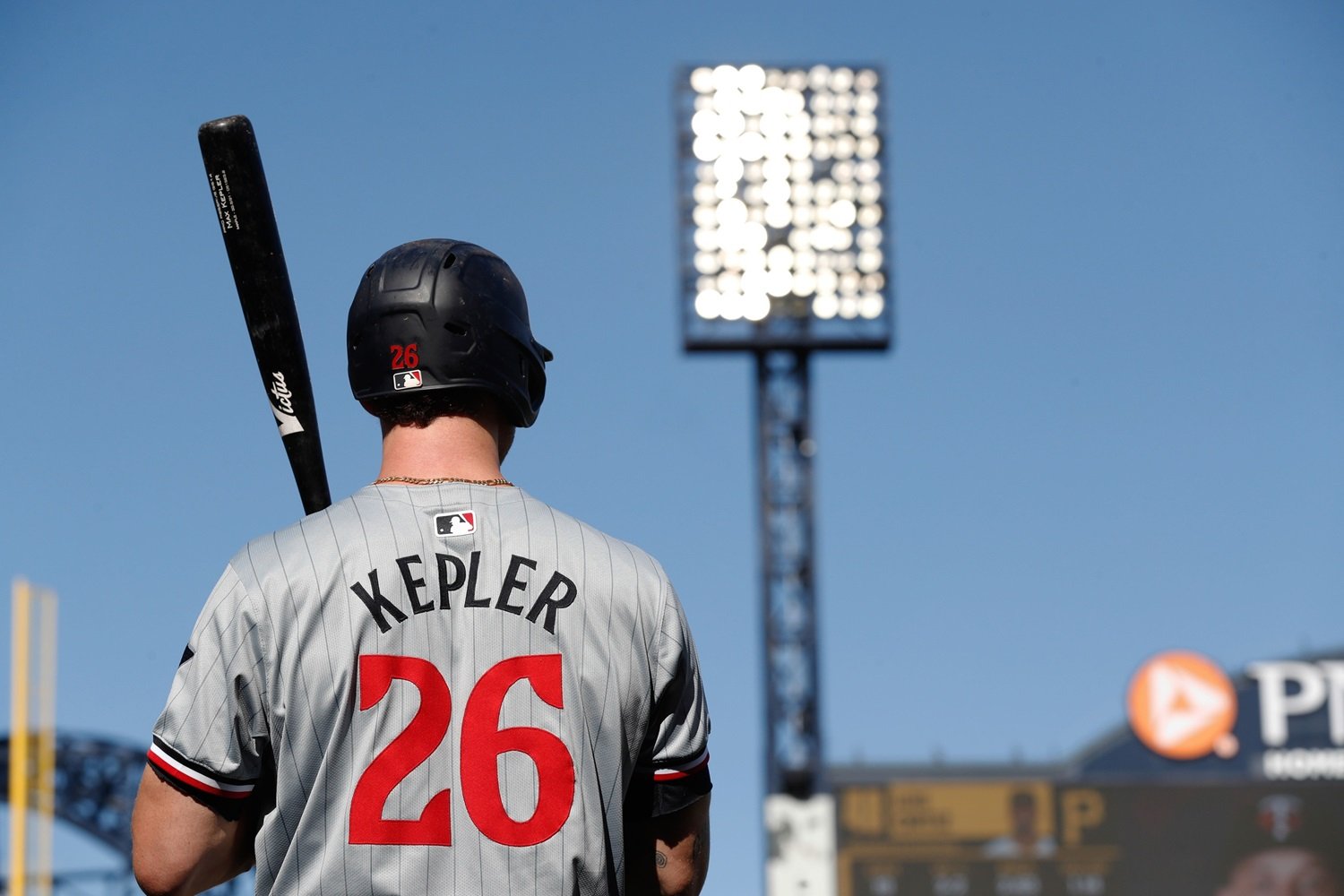 Max Kepler recently broke the record for career home runs at Target Field. He has been an important member of the Minnesota Twins and will likely be inducted into the Twins Hall of Fame one day. All that withstanding, the Twins would benefit from parting ways with their veteran left fielder and trading him away this July as they prepare to make a postseason run this Fall. The first reason the Twins should consider trading away Max Kepler is that he is an impending free agent and will likely leave the team at the end of the season anyway. Trading Kepler could be a way for the Twins to recoup some assets for a player who will be gone at the end of the year. It's smart to get something in return rather than letting him walk for nothing (save for potentially a comp pick. More on that later.) Second, the Twins have plenty of depth when it comes to left-handed corner outfielders. Trevor Larnach is already a regular in left field. Additionally, Matt Wallner is knocking down the door to the majors with the Saint Paul Saints. Since the calendar turned to June, Wallner has posted a 1.190 OPS with 11 home runs and 25 RBI in 20 games for the Saints. Wallner outperformed Kepler in the majors last season, posting a .877 OPS in 76 games. Given how Kepler has looked at the plate over the last month (.179/.239/.274 slash line), I would bet on Wallner out-producing Kepler for the remainder of the season. In addition to Wallner, the Twins have DaShawn Keirsey, who is excelling at Triple-A with a .937 OPS in 48 games and excellent speed and defense. The depth is there, making Kepler more expendable. Another reason the Twins should consider trading Kepler is that it might be the only way to afford veteran talent at the trade deadline. The Twins' ownership group made it clear that there was a strict (self-imposed) cap on spending this offseason. It’s unclear if ownership will be willing to increase spending. Given the worsening television deal since the offseason, there's a decent chance they won’t invest more money into their contending team. Similar to how the Twins traded away Jorge Polanco this past offseason to bring on Carlos Santana, they might consider trading Kepler and the $4 million he’ll be owed over the second half of the season to either acquire a bullpen arm like Kyle Finnegan, for example, or make payroll room for another need. While Kepler could be deemed expendable by the Minnesota Twins, he would certainly bring value back to another team pushing for the postseason and looking to shore up their outfield. Kepler has a high-upside bat that we saw over the second half of last season, is a borderline Gold Glover in right field, and has the ability to play capable centerfield if the right team can convince him to do so. The left-hander is still just 31 years old, and as a guy who has spent the past 15 years with the same organization, they could certainly get a jolt in the arm with a change in scenery. A few teams come to mind as potential trade partners for Kepler. The Kansas City Royals and Atlanta Braves (sans Ronald Acuña Jr.) are both contending teams who could use help in the outfield and might be interested in Kepler as a potential trade deadline addition. The team that might make the most sense as a trade partner, though, is the Philadelphia Phillies who currently possess the best record in baseball and will certainly be looking to bolster their roster for a potential World Series run this fall. Despite having one of the best offenses in baseball, the Phillies have received poor production from their outfield, which sports the fourth-lowest slugging percentage in baseball (.357). Kepler would immediately slot into a corner outfield spot for the Phillies. The Phillies have the second-best fWAR in baseball from their bullpen, with plenty of depth that the Twins could explore a trade package involving Kepler and a Phillies reliever. Or, they could bring in a third team to complete the package. Or the Twins could receive prospects to help replenish their farm system if they want to "buy" from another team. Philadelphia has never been afraid to spend money and would have no issues paying Kepler his remaining salary and potentially working out an extension past this season. Trading Max Kepler would obviously be a big deal that would shock the Twins fanbase, and there are some clear objections that fans could have to such a move. First, the Twins already lack left-handed hitters. After sending down Alex Kirilloff a couple of weeks ago, Kepler and Larnach are the only true left-handed hitters on the roster. However, in the hypothetical scenario of a Kepler trade, the Twins would replace him with another left-handed bat in Wallner while still having Keirsey in Triple-A as the next man in line. Switch hitters like Willi Castro, Carlos Santana, and soon Brooks Lee give the Twins the flexibility to roster any number of righties or lefties without hamstringing themselves either way. Second, the Twins might oppose trading Kepler due to the opportunity cost of losing out on a comp pick should they decide to give Kepler a qualifying offer this offseason and he turns it down. While this is a real possibility, there is also a growing chance that Kepler is playing himself out of a qualifying offer altogether. After his hot start, Kepler looks more like the player we saw from 2021 through the first half of 2023 rather than the All-Star caliber player we saw in the second half of 2023. Lastly, a Kepler trade may not happen simply because this front office has shown how much they value what Kepler brings to the team. After three straight years of articles being written on trading the German right fielder, the front office has stood by his side. or at least demonstrated that they value him more than any offers they've received. The likelihood of them trading him now, in the middle of the season, just months before a potential final playoff run, doesn't seem like a move they would make. That said, this front office has frequently made moves people didn't expect and is great about keeping things under wraps. They could certainly surprise us all once again. While trading Max Kepler would be a shock to many, there are plenty of reasons for the front office to explore the potential of a deal. Trading away the slumping Kepler would clear the way for Matt Wallner, give the Twins an avenue to upgrade their struggling bullpen without sacrificing prospect capital, and provide a way for ownership to bring on additional salary without breaking their (self-imposed) spending limits. The move makes all the sense in the world. Would you consider trading away Max Kepler? Leave a comment below and start the conversation!
 -
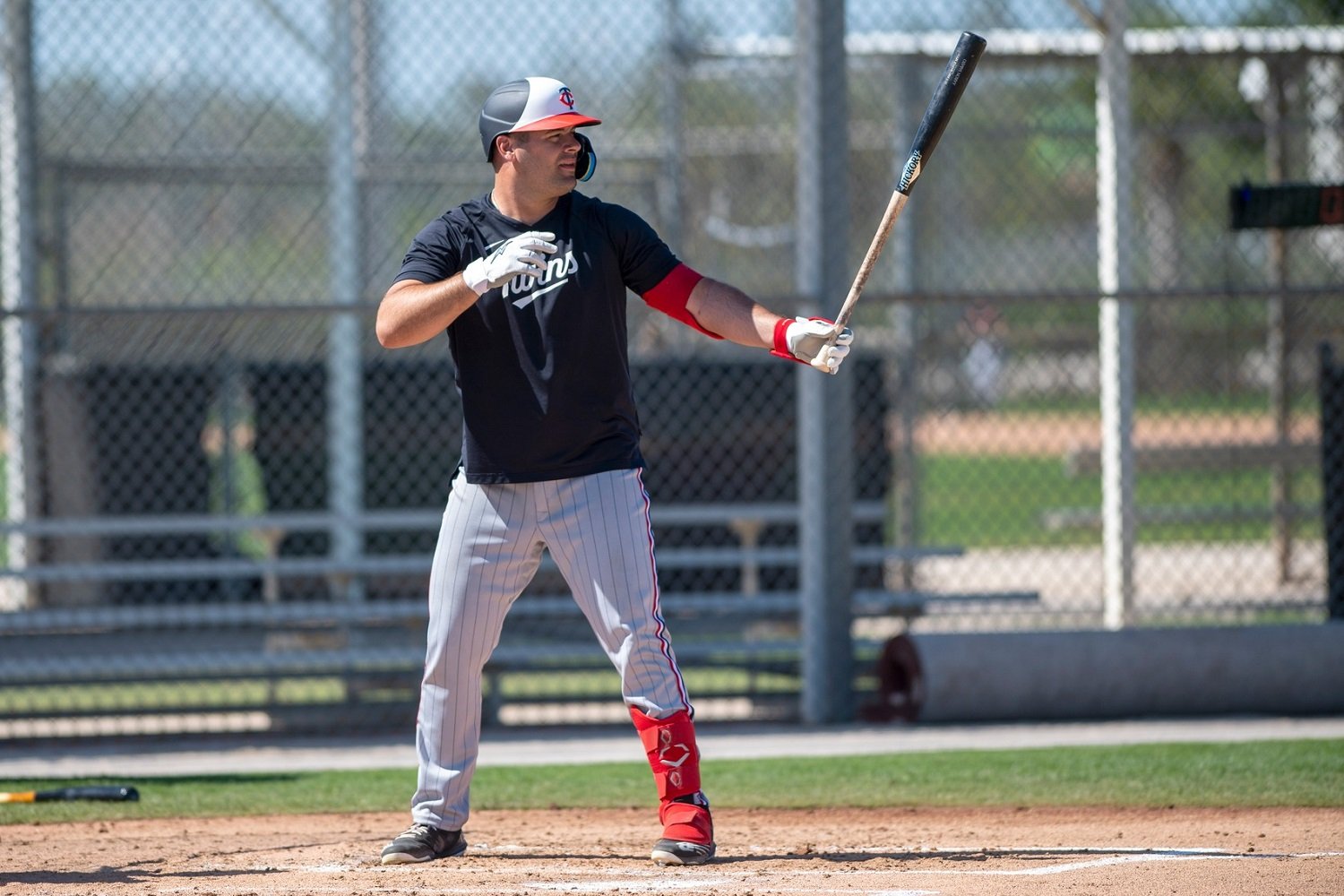 If you asked Minnesota Twins fans about Aaron Sabato a year ago, you'd likely hear a mix of frustration and disappointment. The 27th overall pick in the 2020 draft was supposed to be a safe bet at the plate. He may not have had the upside of an up-the-middle, do-it-all player, but his massive raw power and a 6-foot-2, 230-pound frame to go along with his patient approach at the plate made him someone intriguing as a bat-first first baseman/designated hitter. Drafted out of the University of North Carolina, Sabato's college numbers were nothing short of incredible. In 2019 and 2020, he posted OPS figures of 1.149 and 1.186, respectively, and hit 46 extra-base hits in 64 games during his freshman season alone, boasting a slugging percentage that flirted with .700. Given his impressive college stats and an advanced age of 21 at the time of the draft, Sabato seemed destined for Major League success. However, his transition to professional baseball has been anything but smooth. In his first three full seasons in the Minors, Sabato's OPS languished in the 700s, and his strikeout rate was much higher than we saw in college, with strikeout percentages consistently over 30. The power-hitting prospect who once looked like a can't-miss player at the plate was now a shell of his college self, struggling to find his footing. The fall from grace was steep enough that the Twins opted not to add Sabato to their 40-man roster last offseason, exposing him to the Rule 5 draft. The potential for another team to snap up a former first-round pick was real, but no one took the bait, and Sabato remained with Minnesota. It seemed like the writing was on the wall for Sabato's career with the Twins, but things have changed over the past eight months. Sabato found his stride in the Arizona Fall League last fall, posting a .905 OPS with seven home runs in 18 games. This resurgence was no fluke. Sabato has been tearing it up in Double-A Wichita by carrying that momentum into the current season. Through 31 games, he has a .837 OPS with 13 extra-base hits. Since June 1, he's been even hotter, posting a .925 OPS with five home runs in 13 games. This is the Aaron Sabato we've been waiting for. Adding to the optimism, in Triple-A this season, Sabato has trimmed his strikeout rate to 26.9%—a massive improvement after posting seasons in the 30s every year since being drafted. Sabato is pulling the ball more than he ever has before, now doing so 54% of the time, helping him drive the ball more than he has in previous seasons. At 25, Sabato may have passed the prime window to be considered a top prospect, but that doesn't mean his value is gone. He still possesses the first-round pedigree, the ability to get on base at a solid 34% rate, and, most importantly, the raw power that every team in the MLB covets. His recent performance should prompt the Twins to reconsider their stance on him. The Twins must decide whether to add Sabato to the 40-man roster this offseason to protect him from the Rule 5 draft. While leaving him off last year was an easy choice given his struggles, his performance this year makes that decision much harder. Sabato will soon earn a promotion to Triple-A, where the Twins can better understand his readiness for the big leagues. Sabato will likely never live up to his first-round draft selection, where he was taken four years ago. He may never even end up being a full-time Major League Baseball player. But if we have seen anything from the Minnesota Twins this season, you can never have too many bats in your organization to call up, especially ones with the pop that Sabato presents. And with many of the Twins up and coming players coming from the left side of the plate (Emmanuel Rodriguez, Matt Wallner, Edouard Julien), a player with Sabato's bat to come up even as a platoon first baseman/designated hitter is something of value. Power-hitting bats are always in demand, and Sabato's resurgence suggests he could still fill that role, even if in a limited capacity. The journey hasn't been easy, and Sabato still may never make it to the Big Leagues with the Twins, but his performance this season has given the Twins a reason to see what they have in their former first rounder. There's still plenty of reason to believe in Aaron Sabato. Do you still believe in Aaron Sabato as a prospect for the Minnesota Twins? Leave a comment below and start the conversation!
 -
Once a promising prospect, Aaron Sabato fell off of everyone’s radar following three disappointing Minor League seasons. After a strong showcase in the Arizona Fall League and a promising start to his Minor League season in 2024, Sabato is showing why we shouldn’t give up on him yet. Image courtesy of William Parmeter If you asked Minnesota Twins fans about Aaron Sabato a year ago, you'd likely hear a mix of frustration and disappointment. The 27th overall pick in the 2020 draft was supposed to be a safe bet at the plate. He may not have had the upside of an up-the-middle, do-it-all player, but his massive raw power and a 6-foot-2, 230-pound frame to go along with his patient approach at the plate made him someone intriguing as a bat-first first baseman/designated hitter. Drafted out of the University of North Carolina, Sabato's college numbers were nothing short of incredible. In 2019 and 2020, he posted OPS figures of 1.149 and 1.186, respectively, and hit 46 extra-base hits in 64 games during his freshman season alone, boasting a slugging percentage that flirted with .700. Given his impressive college stats and an advanced age of 21 at the time of the draft, Sabato seemed destined for Major League success. However, his transition to professional baseball has been anything but smooth. In his first three full seasons in the Minors, Sabato's OPS languished in the 700s, and his strikeout rate was much higher than we saw in college, with strikeout percentages consistently over 30. The power-hitting prospect who once looked like a can't-miss player at the plate was now a shell of his college self, struggling to find his footing. The fall from grace was steep enough that the Twins opted not to add Sabato to their 40-man roster last offseason, exposing him to the Rule 5 draft. The potential for another team to snap up a former first-round pick was real, but no one took the bait, and Sabato remained with Minnesota. It seemed like the writing was on the wall for Sabato's career with the Twins, but things have changed over the past eight months. Sabato found his stride in the Arizona Fall League last fall, posting a .905 OPS with seven home runs in 18 games. This resurgence was no fluke. Sabato has been tearing it up in Double-A Wichita by carrying that momentum into the current season. Through 31 games, he has a .837 OPS with 13 extra-base hits. Since June 1, he's been even hotter, posting a .925 OPS with five home runs in 13 games. This is the Aaron Sabato we've been waiting for. Adding to the optimism, in Triple-A this season, Sabato has trimmed his strikeout rate to 26.9%—a massive improvement after posting seasons in the 30s every year since being drafted. Sabato is pulling the ball more than he ever has before, now doing so 54% of the time, helping him drive the ball more than he has in previous seasons. At 25, Sabato may have passed the prime window to be considered a top prospect, but that doesn't mean his value is gone. He still possesses the first-round pedigree, the ability to get on base at a solid 34% rate, and, most importantly, the raw power that every team in the MLB covets. His recent performance should prompt the Twins to reconsider their stance on him. The Twins must decide whether to add Sabato to the 40-man roster this offseason to protect him from the Rule 5 draft. While leaving him off last year was an easy choice given his struggles, his performance this year makes that decision much harder. Sabato will soon earn a promotion to Triple-A, where the Twins can better understand his readiness for the big leagues. Sabato will likely never live up to his first-round draft selection, where he was taken four years ago. He may never even end up being a full-time Major League Baseball player. But if we have seen anything from the Minnesota Twins this season, you can never have too many bats in your organization to call up, especially ones with the pop that Sabato presents. And with many of the Twins up and coming players coming from the left side of the plate (Emmanuel Rodriguez, Matt Wallner, Edouard Julien), a player with Sabato's bat to come up even as a platoon first baseman/designated hitter is something of value. Power-hitting bats are always in demand, and Sabato's resurgence suggests he could still fill that role, even if in a limited capacity. The journey hasn't been easy, and Sabato still may never make it to the Big Leagues with the Twins, but his performance this season has given the Twins a reason to see what they have in their former first rounder. There's still plenty of reason to believe in Aaron Sabato. Do you still believe in Aaron Sabato as a prospect for the Minnesota Twins? Leave a comment below and start the conversation! View full article
-
After being so good for so long, we are witnessing some major struggles from Caleb Thielbar this season, which has put the Twins in a difficult situation. What do the Twins do with the left hander? Image courtesy of Jesse Johnson - USA Today This decade, the Minnesota Twins have had their share of ups and downs with the bullpen, but Caleb Thielbar is one name that's been a steady source of reliability. Since his remarkable return to the Twins in 2020 after a five-year hiatus from the Big Leagues, Thielbar has been a crucial piece of Minnesota's bullpen, perhaps the most critical piece. From 2020-2023, Thielbar was second among Twins' relief in ERA and WPA, trailing only Jhoan Duran in both statistics, with an ERA of 3.21 and a cumulative WPA of 4.08. He threw the most relief innings at that time (174 IP) and collected the most fWAR (3.1). Whether as a left-handed specialist or a fireman to get the Twins out of precarious situations, Thielbar has been nothing short of a rock. This year, however, has presented a starkly different narrative for Thielbar. He is currently enduring the most challenging season of his career. After starting the season on the injured list with a hamstring injury, Thielbar has posted a 7.71 ERA in 16 1/3 innings. His WHIP is over two, and he is walking batters at a higher rate than ever before in his career. Thielbar has been responsible for -0.1 fWAR this season with a WPA of -0.51. And this was after a tough finish to the season last year in which he posted a 4.66 ERA in September and got knocked around in both of his appearances in the ALDS against the Houston Astros (I apologize in advance for the Twitter clip below.) Thielbar is 37 years old, and in an era where relievers are regularly throwing in the high 90s, it might be that Thielbar doesn't have the juice anymore to keep up with the direction that MLB bullpens have headed. Thielbar is getting knocked around, and the Twins suffer as a result. The southpaw is getting barreled up 16% of the time, allowing harder contact than ever. He came into the season as their top lefty arm but has quickly moved down the bullpen pecking order as he just has not been reliable enough to get crucial outs down the stretch of games. So, the Twins find themselves at a critical juncture with Thielbar. Do they stick with him and keep throwing him out there despite some very concerning signs that his prime reliever days are very much behind him? Or do they stick with the guy who has been so consistent for them over the past four seasons and hope that he works his way out of it? There are certainly reasons to stick with their veteran left-hander. Underneath the hood, the numbers for Thielbar provide optimism for the Twins. He has significantly lower expected numbers than actual numbers (though still not great expected numbers, truth be told). His velocity is the same as it has always been, and he is striking out and generating the same swing-and-miss numbers as he always has. Thielbar has been bad, but after being so excellent for four consecutive seasons for the Twins, cutting the guy after 16 bad innings seems hasty and not wise. Additionally, the Twins don't have many reliable left-handed relievers in their organization to fill that role in the bullpen. Steven Okert has been solid but has had signs of trouble lately, and Kody Funderburk has looked good but is still young and unproven. Thielbar has shown that he can go through slumps on the mound (just as every reliever does) and come back in a big way. Take 2022, for example. Through the first three months of the season (28 innings), Thielbar owned a 5.46 ERA with a 1.39 WHIP. Once the calendar turned to July, though, Theilbar turned things around in a significant way, posting a 1.72 ERA and 0.96 WHIP down the stretch of the season. The Twins owe it to Thielbar to stick with him, at least up until the trade deadline. He has been too good for too long and is too beloved in that locker room to move on from him at the first sign of trouble. If we get to the end of July and Thielbar shows that he is just truly cooked, then at that point, the Twins can explore moving on from the veteran and looking to the trade market for a southpaw that can replace him. But for now, the Twins should do their best to give Thielbar advantageous lefty-lefty matchups and low-leverage appearances when they can and help get their reliever back on track. Should the Twins move on from Caleb Thielbar or stick with him? Leave a comment below and start the conversation. View full article
- 19 replies
-
- 2
-
-
- caleb thielbar
- kody funderburk
- (and 1 more)
.png.22803505ced5e1294715c7391a582526.png)

