



Matthew Taylor
-
Posts
973 -
Joined
-
Last visited
Content Type
Profiles
News
Minnesota Twins Videos
2026 Minnesota Twins Top Prospects Ranking
2022 Minnesota Twins Draft Picks
Minnesota Twins Free Agent & Trade Rumors, Notes, & Tidbits
Guides & Resources
2023 Minnesota Twins Draft Picks
The Minnesota Twins Players Project
2024 Minnesota Twins Draft Picks
2025 Minnesota Twins Draft Pick Tracker
2026 Minnesota Twins Draft Tracker: Picks & Bonuses
Forums
Blogs
Events
Store
Downloads
Gallery
Everything posted by Matthew Taylor
-
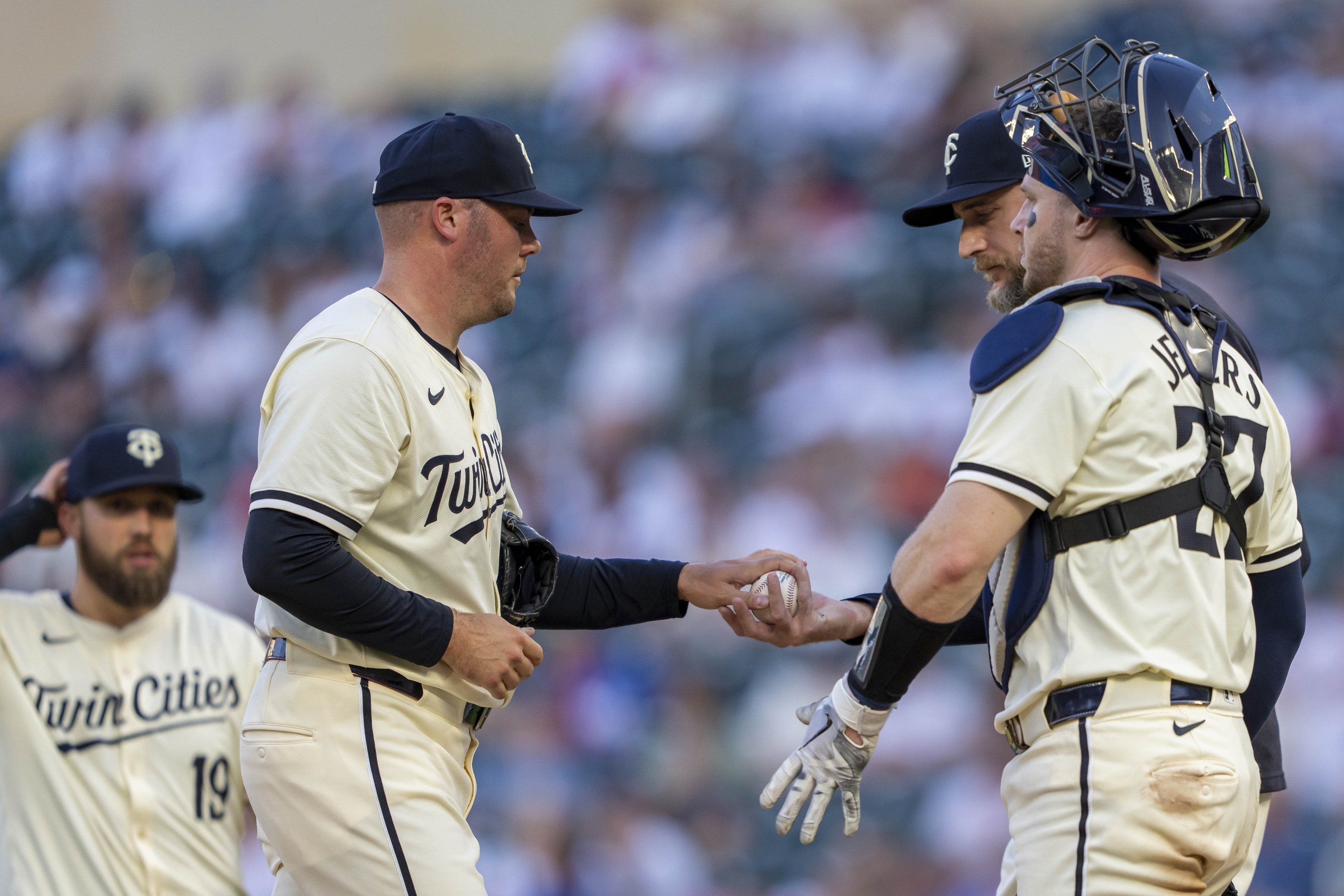 This decade, the Minnesota Twins have had their share of ups and downs with the bullpen, but Caleb Thielbar is one name that's been a steady source of reliability. Since his remarkable return to the Twins in 2020 after a five-year hiatus from the Big Leagues, Thielbar has been a crucial piece of Minnesota's bullpen, perhaps the most critical piece. From 2020-2023, Thielbar was second among Twins' relief in ERA and WPA, trailing only Jhoan Duran in both statistics, with an ERA of 3.21 and a cumulative WPA of 4.08. He threw the most relief innings at that time (174 IP) and collected the most fWAR (3.1). Whether as a left-handed specialist or a fireman to get the Twins out of precarious situations, Thielbar has been nothing short of a rock. This year, however, has presented a starkly different narrative for Thielbar. He is currently enduring the most challenging season of his career. After starting the season on the injured list with a hamstring injury, Thielbar has posted a 7.71 ERA in 16 1/3 innings. His WHIP is over two, and he is walking batters at a higher rate than ever before in his career. Thielbar has been responsible for -0.1 fWAR this season with a WPA of -0.51. And this was after a tough finish to the season last year in which he posted a 4.66 ERA in September and got knocked around in both of his appearances in the ALDS against the Houston Astros (I apologize in advance for the Twitter clip below.) Thielbar is 37 years old, and in an era where relievers are regularly throwing in the high 90s, it might be that Thielbar doesn't have the juice anymore to keep up with the direction that MLB bullpens have headed. Thielbar is getting knocked around, and the Twins suffer as a result. The southpaw is getting barreled up 16% of the time, allowing harder contact than ever. He came into the season as their top lefty arm but has quickly moved down the bullpen pecking order as he just has not been reliable enough to get crucial outs down the stretch of games. So, the Twins find themselves at a critical juncture with Thielbar. Do they stick with him and keep throwing him out there despite some very concerning signs that his prime reliever days are very much behind him? Or do they stick with the guy who has been so consistent for them over the past four seasons and hope that he works his way out of it? There are certainly reasons to stick with their veteran left-hander. Underneath the hood, the numbers for Thielbar provide optimism for the Twins. He has significantly lower expected numbers than actual numbers (though still not great expected numbers, truth be told). His velocity is the same as it has always been, and he is striking out and generating the same swing-and-miss numbers as he always has. Thielbar has been bad, but after being so excellent for four consecutive seasons for the Twins, cutting the guy after 16 bad innings seems hasty and not wise. Additionally, the Twins don't have many reliable left-handed relievers in their organization to fill that role in the bullpen. Steven Okert has been solid but has had signs of trouble lately, and Kody Funderburk has looked good but is still young and unproven. Thielbar has shown that he can go through slumps on the mound (just as every reliever does) and come back in a big way. Take 2022, for example. Through the first three months of the season (28 innings), Thielbar owned a 5.46 ERA with a 1.39 WHIP. Once the calendar turned to July, though, Theilbar turned things around in a significant way, posting a 1.72 ERA and 0.96 WHIP down the stretch of the season. The Twins owe it to Thielbar to stick with him, at least up until the trade deadline. He has been too good for too long and is too beloved in that locker room to move on from him at the first sign of trouble. If we get to the end of July and Thielbar shows that he is just truly cooked, then at that point, the Twins can explore moving on from the veteran and looking to the trade market for a southpaw that can replace him. But for now, the Twins should do their best to give Thielbar advantageous lefty-lefty matchups and low-leverage appearances when they can and help get their reliever back on track. Should the Twins move on from Caleb Thielbar or stick with him? Leave a comment below and start the conversation.
- 19 comments
-
- 6
-

-
- caleb thielbar
- kody funderburk
- (and 1 more)
-

4 Right-Handed Relievers Twins Should Pursue at the Trade Deadline
Matthew Taylor posted an article in Twins
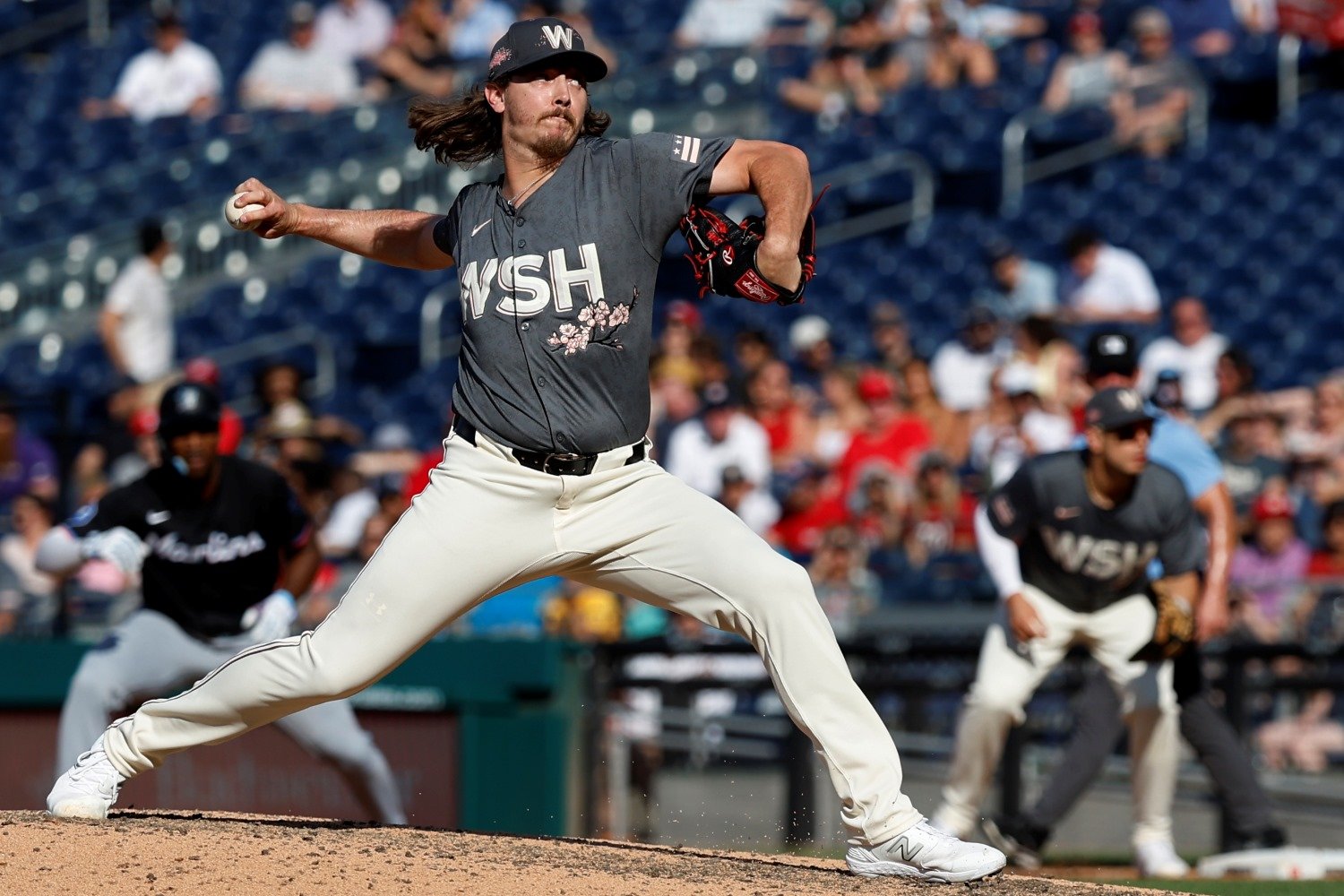 The Twins' bullpen has been a strong point this season, ranking in the top half of baseball with a 3.66 ERA and a 1.7 fWAR. Despite this success, there is room for improvement, especially in terms of depth. The team has leaned heavily on the back end of their bullpen, and adding another reliable arm could provide much-needed support as the season progresses and the wear and tear on their current relievers increases. Right-handed pitchers are particularly important for the Twins' bullpen strategy. Griffin Jax is performing like an All-Star, and Jhoan Durán, while elite, has shown occasional vulnerabilities. Brock Stewart has been excellent when healthy, but is a massive health wildcard, and Jorge Alcalá (despite his promise) has not yet earned complete trust. Introducing another dependable right-handed reliever could significantly strengthen the Twins' bullpen, providing stability and flexibility for manager Rocco Baldelli. Below are four players whom the Minnesota Twins should consider pursuing as they approach the trade deadline, looking at teams that currently have 10% or worse odds of reaching the playoffs, according to FanGraphs. I listed the relievers in ascending order of my personal interest in these relievers as targets, taking skill, contract and cost to acquire in consideration. Declan Cronin A lesser-known right-handed reliever that the Twins could explore going after at the trade deadline this season would be Miami’s Declan Cronin, who is still a rookie after only having thrown 11 innings prior to this season. Though he is young, Cronin has looked the part of a solid MLB reliever in 34 innings for the Miami Marlins this season, with a 2.65 ERA, backed up by a 2.77 FIP. While Cronin doesn’t boast much in the velocity department (just 93 MPH on his fastball), he does an excellent job of keeping the ball on the ground, with a 62% ground ball rate, meaning Cronin also excels at keeping the ball in the ballpark. Still relatively unknown, Cronin figures not to come with a high price tag. The Twins have the opportunity to buy low on the former White Sox jetsam while he is still pre-arbitration, and to have him as a low-cost member of the bullpen (if they want him) for years to come. Kyle Finnegan In the fifth year of his major-league career, Kyle Finnegan has been one of baseball's largest bullpen breakouts this season. In 30 ⅓ innings this season, Finnegan has a career-low 1.78 ERA, to go along with a 0.85 WHIP and 20 saves, second-most in the National League. While the right-hander has really broken out this season, he’s hardly a no-name reliever. Over his first four seasons in the bigs, Finnegan had a career 3.53 ERA, and has been a consistent back-end arm for the Nationals year after year. Finnegan’s 1.78 ERA this season makes him look like one of baseball’s best relievers. However, there is legitimate reason to wonder whether he truly is that bullpen ace, or if he is simply a solid reliever. Finnegan has an xERA of 3.82 and a FIP of 4.24, numbers that much closer resemble his career numbers coming into this season than they do of his All-Star-caliber numbers this year. Either way, Finnegan is a name that the Twins should explore, though with his trade value higher than it’s ever been and him still having a year of control past this one, he may be a bit more costly than other relievers on the market. Carlos Estévez Building on his first career All-Star campaign in 2023, Carlos Estévez is currently in the midst of the best season of his eight-year career. In 23 innings for the Los Angeles Angels this season, Estévez owns a 3.52 ERA with an excellent 0.87 WHIP, and he's racked up 13 saves. While Estévez was a steady force in Colorado’s bullpen for years before his All-Star season last year, he has taken things up a level this year, thanks to his outstanding control. After a career walk rate of 9.3% coming into the campaign, the Dominican right-hander has only issued three walks all season for a 3.4 BB%, good for ninth-best in baseball. Estévez relies heavily on his 96-mile-per-hour fastball, which he throws 63% of the time, but he also has a strong slider and changeup that generate swings and misses against righties and lefties, respectively. Estévez is set to be a free agent at the end of this season. As a result, the cost to acquire the righthander shouldn’t be too drastic, and the 31-year-old should fit right into the middle of the bullpen hierarchy, following Durán, Jax and Stewart. Hunter Harvey Another back-end reliever from the Nationals whom the Twins could explore on the trade market is righty Hunter Harvey. Harvey is in the midst of his third straight excellent season for the Nats, with a 2.75 ERA to go along with a 28,2% strikeout rate. After battling injury and poor performance for the Baltimore Orioles in his three-year stint with them from 2019-2021, Harvey bounced around waivers a bit before landing with the Nationals--where he's been outstanding, ever since. Harvey throws a high-90s four-seamer, to go along with a devastating splitter that generates a 39% whiff rate. He is truly one of the best relievers in all of baseball. He limits walks and home runs. Harvey would walk into the Twins bullpen and immediately be right there with Durán and Jax, fighting for the highest-leverage opportunities. Hunter Harvey won’t be cheap to acquire, though. Along with Mason Miller, Harvey is likely the most talented reliever who will be on the trade market this summer, and he still has a year of team control following this season. That being said, if the Twins simply wanted to go with the best arm from the players listed here, Harvey would be that guy. Which of the above right-handed relievers are you most interested in? Were there any names not listed here that you think the Twins should pursue? Leave a comment below and start the conversation!
- 12 comments
-
- 1
-
-
- carlos estevez
- declan cronin
- (and 2 more)
-
The MLB trade deadline is just six weeks away, and the Minnesota Twins are likely to be active participants in the market. One of their primary areas of interest will be acquiring a right-handed reliever to bolster their bullpen for the stretch run. Image courtesy of © Geoff Burke-USA TODAY Sports The Twins' bullpen has been a strong point this season, ranking in the top half of baseball with a 3.66 ERA and a 1.7 fWAR. Despite this success, there is room for improvement, especially in terms of depth. The team has leaned heavily on the back end of their bullpen, and adding another reliable arm could provide much-needed support as the season progresses and the wear and tear on their current relievers increases. Right-handed pitchers are particularly important for the Twins' bullpen strategy. Griffin Jax is performing like an All-Star, and Jhoan Durán, while elite, has shown occasional vulnerabilities. Brock Stewart has been excellent when healthy, but is a massive health wildcard, and Jorge Alcalá (despite his promise) has not yet earned complete trust. Introducing another dependable right-handed reliever could significantly strengthen the Twins' bullpen, providing stability and flexibility for manager Rocco Baldelli. Below are four players whom the Minnesota Twins should consider pursuing as they approach the trade deadline, looking at teams that currently have 10% or worse odds of reaching the playoffs, according to FanGraphs. I listed the relievers in ascending order of my personal interest in these relievers as targets, taking skill, contract and cost to acquire in consideration. Declan Cronin A lesser-known right-handed reliever that the Twins could explore going after at the trade deadline this season would be Miami’s Declan Cronin, who is still a rookie after only having thrown 11 innings prior to this season. Though he is young, Cronin has looked the part of a solid MLB reliever in 34 innings for the Miami Marlins this season, with a 2.65 ERA, backed up by a 2.77 FIP. While Cronin doesn’t boast much in the velocity department (just 93 MPH on his fastball), he does an excellent job of keeping the ball on the ground, with a 62% ground ball rate, meaning Cronin also excels at keeping the ball in the ballpark. Still relatively unknown, Cronin figures not to come with a high price tag. The Twins have the opportunity to buy low on the former White Sox jetsam while he is still pre-arbitration, and to have him as a low-cost member of the bullpen (if they want him) for years to come. Kyle Finnegan In the fifth year of his major-league career, Kyle Finnegan has been one of baseball's largest bullpen breakouts this season. In 30 ⅓ innings this season, Finnegan has a career-low 1.78 ERA, to go along with a 0.85 WHIP and 20 saves, second-most in the National League. While the right-hander has really broken out this season, he’s hardly a no-name reliever. Over his first four seasons in the bigs, Finnegan had a career 3.53 ERA, and has been a consistent back-end arm for the Nationals year after year. Finnegan’s 1.78 ERA this season makes him look like one of baseball’s best relievers. However, there is legitimate reason to wonder whether he truly is that bullpen ace, or if he is simply a solid reliever. Finnegan has an xERA of 3.82 and a FIP of 4.24, numbers that much closer resemble his career numbers coming into this season than they do of his All-Star-caliber numbers this year. Either way, Finnegan is a name that the Twins should explore, though with his trade value higher than it’s ever been and him still having a year of control past this one, he may be a bit more costly than other relievers on the market. Carlos Estévez Building on his first career All-Star campaign in 2023, Carlos Estévez is currently in the midst of the best season of his eight-year career. In 23 innings for the Los Angeles Angels this season, Estévez owns a 3.52 ERA with an excellent 0.87 WHIP, and he's racked up 13 saves. While Estévez was a steady force in Colorado’s bullpen for years before his All-Star season last year, he has taken things up a level this year, thanks to his outstanding control. After a career walk rate of 9.3% coming into the campaign, the Dominican right-hander has only issued three walks all season for a 3.4 BB%, good for ninth-best in baseball. Estévez relies heavily on his 96-mile-per-hour fastball, which he throws 63% of the time, but he also has a strong slider and changeup that generate swings and misses against righties and lefties, respectively. Estévez is set to be a free agent at the end of this season. As a result, the cost to acquire the righthander shouldn’t be too drastic, and the 31-year-old should fit right into the middle of the bullpen hierarchy, following Durán, Jax and Stewart. Hunter Harvey Another back-end reliever from the Nationals whom the Twins could explore on the trade market is righty Hunter Harvey. Harvey is in the midst of his third straight excellent season for the Nats, with a 2.75 ERA to go along with a 28,2% strikeout rate. After battling injury and poor performance for the Baltimore Orioles in his three-year stint with them from 2019-2021, Harvey bounced around waivers a bit before landing with the Nationals--where he's been outstanding, ever since. Harvey throws a high-90s four-seamer, to go along with a devastating splitter that generates a 39% whiff rate. He is truly one of the best relievers in all of baseball. He limits walks and home runs. Harvey would walk into the Twins bullpen and immediately be right there with Durán and Jax, fighting for the highest-leverage opportunities. Hunter Harvey won’t be cheap to acquire, though. Along with Mason Miller, Harvey is likely the most talented reliever who will be on the trade market this summer, and he still has a year of team control following this season. That being said, if the Twins simply wanted to go with the best arm from the players listed here, Harvey would be that guy. Which of the above right-handed relievers are you most interested in? Were there any names not listed here that you think the Twins should pursue? Leave a comment below and start the conversation! View full article
-
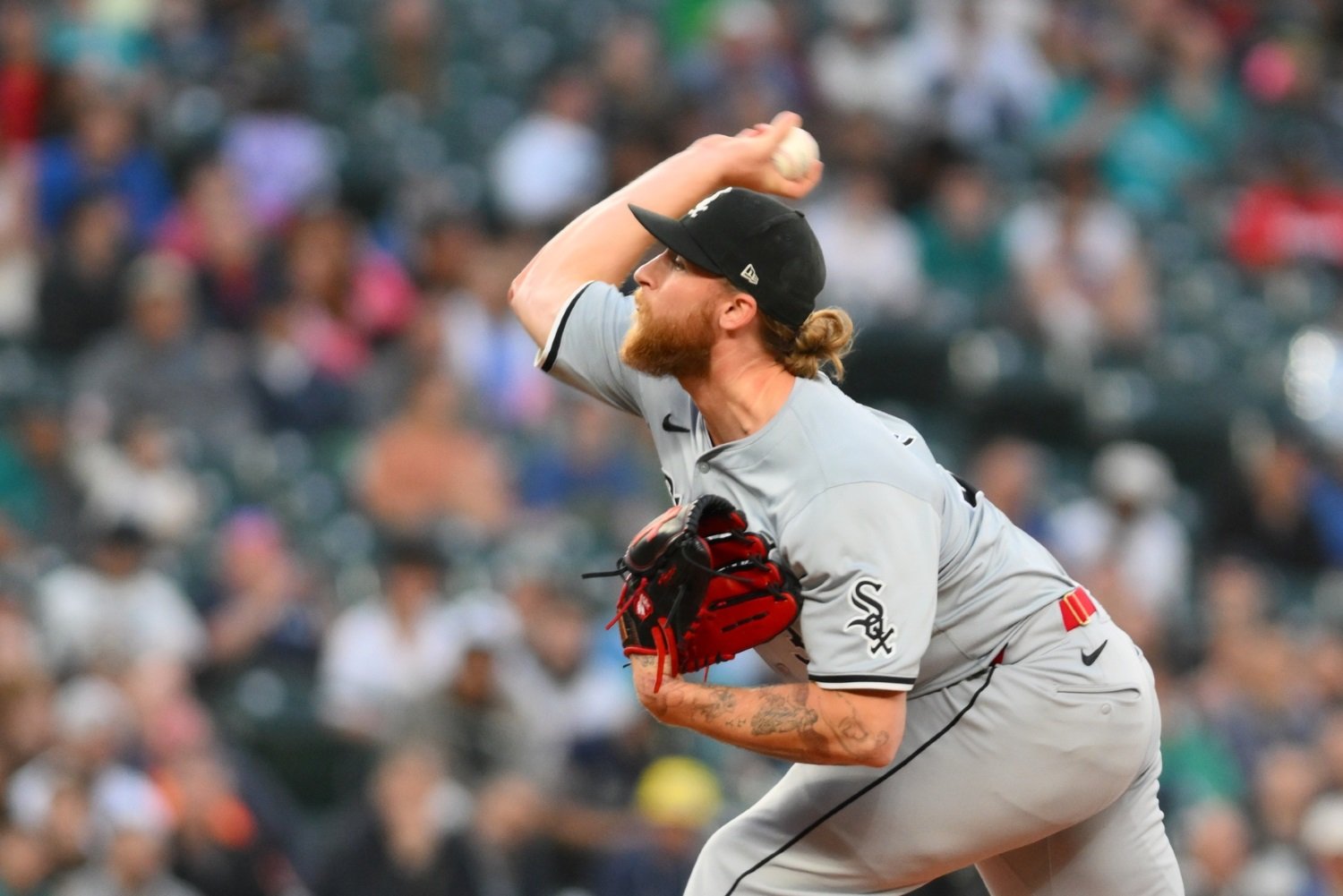 The 2024 Chicago White Sox are in the midst of one of the worst baseball seasons that we have seen in recent memory. Chicago currently sports an MLB-worst record of 19-54, with the worst offense and second-worst pitching in baseball. While trades within the division are rare, they are not unprecedented. History has shown us that when one team is far enough out of contention, the interests and timelines of two division rivals can line up well enough to permit a deal to come together. Notable examples include Roger Clemens being traded from the Toronto Blue Jays to the New York Yankees and the Seattle Mariners sending Cliff Lee to the Texas Rangers--then, more recently, those same Mariners sending reliever Kendall Graveman to the Astros in 2021. The White Sox would certainly count as a team so far outside a contending window that they should be willing to trade with any team, even one that resides in their own division. With the White Sox struggling this season and clearly in rebuilding mode, the Twins might find some valuable pieces to enhance their chances of making a deep postseason run. Here are a few players from the White Sox who could pique the Twins' interest, broken down by position: Hitters Luis Robert Jr. is obviously the name at the top of the list for the Sox in terms of star power and potential. A previous top-5 prospect in the world, the only thing that has kept Robert down since making the big leagues is injury. Healthy now, Robert represents the biggest trade chip that the White Sox have. While Robert joining the Twins would be exciting, it’s hard to come up with a scenario in which this happens. Not only are the White Sox unlikely to trade a player of Robert’s caliber to a rival, but with Byron Buxton already manning center field, there really isn’t a scenario in which this should be necessary. Gavin Sheets might be closer to plausibility. Sheets is a 28-year-old left-handed corner outfielder, who has a 121 OPS+ on the season. Left-handed bats are a big area of need for the Twins that Sheets could certainly fill. Additionally, Sheets won’t hit arbitration until next season, so he is affordable and controllable, and could fill Max Kepler’s spot in right field for the next few years if he keeps up his performance at the plate. Given that he is young and cheap, Sheets would probably be a bit more costly than a rental player, but that might be a sacrifice this front office is willing to make for a higher-upside player. If the Twins wanted to find a cheaper rental on an expiring contract, they could look the way of a right-handed corner outfielder to whom rumors tied them at times this offseason, Tommy Pham. Pham is a right-handed hitter who has a 110 OPS+ this season, with an extremely impressive .864 OPS against southpaws. Pham could replace Manuel Margot on the roster, as a right-handed fourth or fifth outfielder, but with the tear that Margot has been on of late, they may just prefer to stay the course with that position. Pham is currently on the injured list, but is slated to return within the week. Starting Pitchers For a pitching staff that ranks second-to-last in baseball in ERA, the White Sox surprisingly have a few intriguing starting pitchers whom they will consider trading at the trade deadline. Garrett Crochet has been the ace of the White Sox pitching staff this season, boasting a 3.33 ERA to go along with a 12.3 K/9, the highest strikeout rate in the majors. At just 24 years old, Crochet is playing in his first season of arbitration eligibility, with two years of control remaining after this one. Crochet is bound to fetch a fortune on the trade market this season, and as with Robert, the White Sox just can't send him to the Twins. A starting pitcher more likely to be dealt within the division is another guy having an excellent year, Erick Fedde. A relative unknown who struggled in the majors for years before crossing the Pacific to play in Korea, Fedde has been outstanding for the Sox in his return to MLB, with a team-best 3.10 ERA in just over 80 innings. Because of his age and lack of pedigree, Fedde wouldn’t command the same price as other top trade targets, but could provide the Twins with a more capable fourth or fifth starter than they've had thus far. Relievers In the bullpen, Michael Kopech could be an intriguing name for the Twins to look at. By all accounts, he is having a terrible year, with a 4.94 ERA and a 1.54 WHIP, but there are reasons to believe that the Twins could target the righthander and turn him around. Kopech was once a top-10 global MLB prospect, and he did experience some success as a starting pitcher as recently as 2022. Kopech boasts a fastball that touches triple digits, but has struggled with a secondary pitch. If the Twins can tinker with Kopech’s slider, they could turn him into a potentially dominant reliever for an affordable price. Another reliever option would be Steven Wilson, whom the White Sox acquired in their trade of Dylan Cease in March. Wilson has been a dominant reliever throughout his short MLB career and started off the season well, with a 2.84 ERA and 9.0 K/9 in 19 innings. Wilson is just 29 years old and still has three years of team control after this one, so his price could well be steep, but the payoff could be strong for the team who acquires him down the stretch. Even though the White Sox are a terrible baseball team, they still have several names that figure to be of interest for the Minnesota Twins this offseason. Which name from the Chicago White Sox interests you the most? Leave a comment below and start the conversation.
 -
As the 2024 MLB trade deadline approaches, the Minnesota Twins find themselves in a position to bolster their roster for a potential playoff push. One of the more intriguing trade partners could be the Chicago White Sox. The 2024 Chicago White Sox are in the midst of one of the worst baseball seasons that we have seen in recent memory. Chicago currently sits with an MLB-worst record of 17-51 and owns the worst offense and second worst pitching in baseball. While trades within the division are rare, they are not unprecedented. History has shown us that when one team is significantly out of contention, deals can be made, even with a division rival. Notable examples include Roger Clemens being traded from the Toronto Blue Jays to the New York Yankees and the Seattle Mariners sending Cliff Lee to the Texas Rangers. The White Sox would certainly represent a team that is so far out of a contending window that they should be willing to trade with any team, even one that resides in its own division. With the White Sox struggling this season and clearly in a rebuilding mode, the Twins might find some valuable pieces to enhance their chances of making a deep postseason run. Here are a few players from the White Sox that could pique the Twins' interest, broken down by position: Hitters Luis Robert is obviously the name at the top of the list for the Chicago White Sox in terms of star power and potential. A previous top-5 prospect in the world, the only thing that has kept Robert down since making the Big Leagues is injury. Healthy now, Robert represents the biggest trade chip that the White Sox have. While Robert joining the Twins would be exciting, it’s hard to come up with a scenario in which this happens. Not only are the White Sox unlikely to trade a player of Robert’s caliber to it’s rival, but with Byron Buxton already manning center field, there really isn’t a scenario in which this would happen. Gavin Sheets is a name that could pique the Twins’ interest. Sheets is a 28-year-old left-handed corner outfielder for the Twins who has a 121 OPS+ on the season. Left handed bats are a big area of need for the Twins that Sheets could certainly fill. Additionally, Sheets won’t hit arbitration until next season so he is affordable and controllable and could fill Max Kepler’s spot in right field for the next few years if he keeps up his play at the plate. Given that he is young and cheap, Sheets would probably be a bit more costly than a rental player, but that might be a sacrifice this Front Office is willing to make for a higher-upside player. If the Twins wanted to find a cheaper rental on an expiring contract, they could look the way of a right handed corner outfielder that they were tied to at times this offseason, Tommy Pham. Pham is a right handed outfielder who has a 110 OPS+ this season with an extremely impressive .864 OPS against southpaws. Pham could replace Margot on the roster as a right-handed 4th/5th outfielder, but with the tear that Margot has been on they may just prefer to stay the course with that position. Pham is currently on the injured list, but is slated to return within the week. Starting Pitchers For a pitching staff that ranks second to last in baseball in ERA, the White Sox surprisingly have a few intriguing starting pitchers that they will consider trading at the trade deadline. Garrett Crochet has been the ace of the White Sox pitching staff this season, boasting a 3.33 ERA to go along with a 12.3 K/9, the highest strikeout rate in the Majors. At just 24-years-old, Crochet is currently in his first year of arbitration with two more years of control still remaining. Crochet is bound to fetch a fortune on the trade market this season and, similar to Robert, the White Sox are unable to deal such a name to the rival Twins. A starting pitcher more likely to be dealt to the Minnesota Twins is another starting pitcher having an excellent year for the White Sox, Erick Fedde. A relative unknown who struggled in the Majors for years before skipping last season to play in Korea, Fedde has been outstanding for the Sox this season with a team-best 3.10 ERA in just over 80 innings. Because of his age and lack of pedigree, Fedde wouldn’t command the same price as other top trade targets, but could provide the Minnesota Twins with a 5th starter to provide the Twins with depth in the rotation. Relievers In the bullpen Michael Kopech could be an intriguing name for the Twins to look at. By all accounts he is having a terrible year in the bullpen with a 4.94 ERA and a 1.54 WHIP, but there are reasons to believe that the Twins could target the right hander and turn him around. Kopech was once a top-10 global MLB prospect and he did experience some success as a starting pitcher as recently as 2022. Kopech boasts a fastball that touches triple digits, but has struggled with a secondary pitch. If the Twins can tinker with Kopech’s slider, they could turn him into a potentially dominant reliever for an affordable price. Another reliever option would be Steven Wilson, who the White Sox acquired in their trade of Dylan Cease this offseason. Wilson has been a dominant reliever throughout his short MLB career and started off the season well, with a 2.84 ERA and 9.0 K/9 in 19 innings. Wilson is just 29-years-old and still has three years of team control after this one, so his price could well be steep, but the payoff could be strong for the team that acquires him down the stretch. Even though the White Sox are a terrible baseball team, they still have several names that figure to be of interest for the Minnesota Twins this offseason. Which name from the Chicago White Sox interests you the most? Leave a comment below and start the conversation. View full article
-
Make it Official! Twins 6, Athletics 2: Carlos Correa Rakes
Matthew Taylor posted an article in Twins
 Box Score SP: Joe Ryan 7.0 IP, 3 H, 2 R, 2 ER, 1 BB, 5 K (78 pitches, 54 strikes) Home Runs: Carlos Correa (6) Top 3 WPA: Carlos Correa (.253), Joe Ryan (.191), Byron Buxton (.174) Win Probability Chart (via FanGraphs) After trading scoreless innings in the first, the scoring began for each team in the second inning. Beginning with the Oakland Athletics who followed up a Miguel Andujar walk with a Tyler Soderstrom two-run shot to dead center to take an early 2-0 lead on the Twins. Minnesota quickly struck back in the bottom of the second inning with two runs of their own thanks to a Byron Buxton two-run single up the middle that plated Carlos Correa and Max Kepler. The single for Buxton marked his fifth hit in the past six games, a much needed string of solid performances from the talented center fielder who had been having a tough start to the season. The Twins were able to quickly push out to a 4-2 lead thanks to a two-out RBI single from Carlos Correa in the third inning, followed by a run-scoring ground out from freshly promoted Austin Martin in the fourth. The game stood in the balance until the bottom of the seventh when the red hot Carlos Correa took reliever Sean Newcomb deep for a two run blast to left field for his 6th home run of the season. The homer notched a hit day for Correa, making it eight hits for the shortstop in the past two days. More importantly, the home run birthed a new home run celebration for the Minnesota Twins, courtesy of Pablo López, and it’s amazing. Aside from allowing the home run from Soderstrom in the second inning, Joe Ryan was lights out on the mound for the Minnesota Twins tonight, tossing seven innings and only allowing three total hits on the night. The performance lowered Ryan’s ERA to 3.24 on the season, strengthening his case to become an All-Star for the first time in his career this season. The seven inning outing for Ryan was especially huge given the fact that the Twins are in the midst of playing 13 games in 13 days and the bullpen was in need of rest. The little that was required of the bullpen was smooth sailing tonight as Griffin Jax and Jorge Alcala both finished off the game unscathed with back-to-back shutout innings to clinch a 6-2 win for the Minnesota Twins, who lower the deficit in the division to 7.5 games with Cleveland having an off-day today. Notes Earlier today, the Twins formally announced that they optioned Alex Kirilloff to Triple-A and recalled Austin Martin. In his first game back with the Twins, Martin went 2-for-4 with an RBI. What’s Next The Minnesota Twins will face the Oakland Athletics again tomorrow night at Target Field in what will be the on-field debut of their City Connect jerseys. Simeon Woods Richardson will take the mound for the Twins and face off against right handed pitcher Mitch Spence of the A’s. Bullpen Usage Chart
- 27 comments
-
- 1
-
-
- carlos correa
- joe ryan
- (and 2 more)
-
After an explosive offensive performance on Wednesday afternoon against Colorado, the Minnesota Twins kept the good vibes rolling against the Oakland Athletics, winning 6-2 and taking the first of a four-game series. Image courtesy of Brad Rempel-USA TODAY Sports Box Score SP: Joe Ryan 7.0 IP, 3 H, 2 R, 2 ER, 1 BB, 5 K (78 pitches, 54 strikes) Home Runs: Carlos Correa (6) Top 3 WPA: Carlos Correa (.253), Joe Ryan (.191), Byron Buxton (.174) Win Probability Chart (via FanGraphs) After trading scoreless innings in the first, the scoring began for each team in the second inning. Beginning with the Oakland Athletics who followed up a Miguel Andujar walk with a Tyler Soderstrom two-run shot to dead center to take an early 2-0 lead on the Twins. Minnesota quickly struck back in the bottom of the second inning with two runs of their own thanks to a Byron Buxton two-run single up the middle that plated Carlos Correa and Max Kepler. The single for Buxton marked his fifth hit in the past six games, a much needed string of solid performances from the talented center fielder who had been having a tough start to the season. The Twins were able to quickly push out to a 4-2 lead thanks to a two-out RBI single from Carlos Correa in the third inning, followed by a run-scoring ground out from freshly promoted Austin Martin in the fourth. The game stood in the balance until the bottom of the seventh when the red hot Carlos Correa took reliever Sean Newcomb deep for a two run blast to left field for his 6th home run of the season. The homer notched a hit day for Correa, making it eight hits for the shortstop in the past two days. More importantly, the home run birthed a new home run celebration for the Minnesota Twins, courtesy of Pablo López, and it’s amazing. Aside from allowing the home run from Soderstrom in the second inning, Joe Ryan was lights out on the mound for the Minnesota Twins tonight, tossing seven innings and only allowing three total hits on the night. The performance lowered Ryan’s ERA to 3.24 on the season, strengthening his case to become an All-Star for the first time in his career this season. The seven inning outing for Ryan was especially huge given the fact that the Twins are in the midst of playing 13 games in 13 days and the bullpen was in need of rest. The little that was required of the bullpen was smooth sailing tonight as Griffin Jax and Jorge Alcala both finished off the game unscathed with back-to-back shutout innings to clinch a 6-2 win for the Minnesota Twins, who lower the deficit in the division to 7.5 games with Cleveland having an off-day today. Notes Earlier today, the Twins formally announced that they optioned Alex Kirilloff to Triple-A and recalled Austin Martin. In his first game back with the Twins, Martin went 2-for-4 with an RBI. What’s Next The Minnesota Twins will face the Oakland Athletics again tomorrow night at Target Field in what will be the on-field debut of their City Connect jerseys. Simeon Woods Richardson will take the mound for the Twins and face off against right handed pitcher Mitch Spence of the A’s. Bullpen Usage Chart View full article
- 27 replies
-
- 1
-
-
- carlos correa
- joe ryan
- (and 2 more)
-
Why the Twins Were Right to Demote Alex Kirilloff to Minors
Matthew Taylor posted an article in Twins
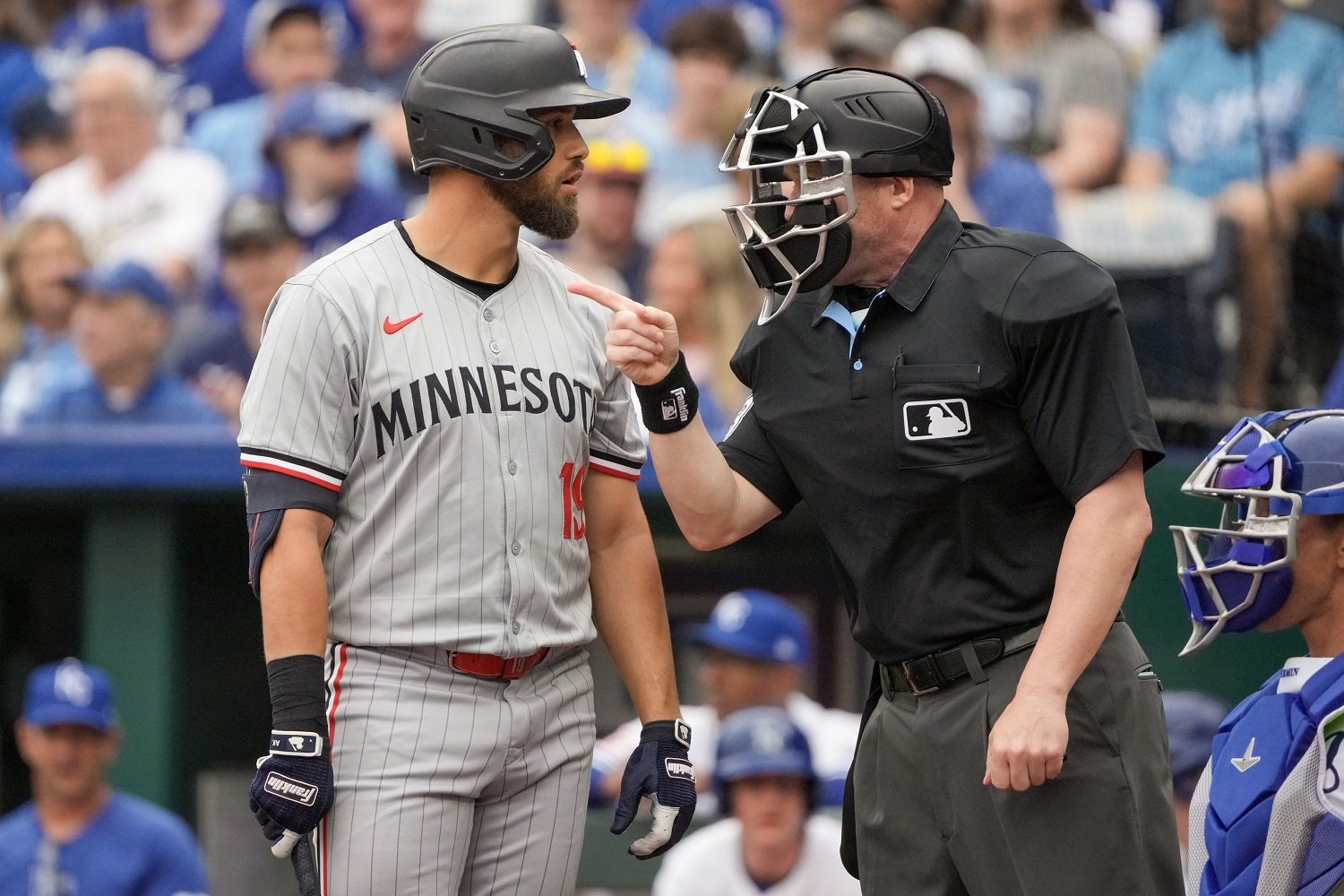 The demotion of Alex Kirilloff might come as a surprise to some who remember him as a stud, top-20 global prospect, but it shouldn't be shocking to anyone who has been following the Twins closely this year. On the season, Kirilloff has posted a disappointing .669 OPS, and the trend line had been pointed steeply downward. After an encouraging start with a .754 OPS in April, he slumped to a .613 OPS in May and hit rock bottom in June, going 2-for-23 with a .360 OPS. He hasn’t recorded a multi-hit game since May 25 and has only managed two such games all season. While some might have pointed to his underlying statistics as a sign of potential improvement, even those numbers painted a grim picture. Kirilloff's expected batting average (xBA) sat at .220, only marginally better than his actual .206. His expected slugging percentage (xSLG) was .442, compared to his actual .394, and his expected weighted on-base average (xWOBA) was .312, slightly above his actual .292. These expected metrics suggested a minor regression to the mean, but even in the best-case scenario, Kirilloff would still have been an underwhelming hitter. Injuries may have played a role in his struggles, whether they were current, unreported issues, or lingering effects from his previous wrist or shoulder surgeries. Regardless of the cause, Kirilloff simply wasn’t the same batter the Twins hoped he would be when he was first called up as a top prospect. Instead of driving the ball with authority, he had been hitting grounders at an alarming rate, with a ground ball percentage (GB%) nearing 50%. What made Kirilloff’s offensive struggles even more pronounced for the Twins were his limitations on the defensive side of the ball. As a strict corner bat, offensive production is even more pivotal from him, as it is the easiest offensive production to replace. To make matters worse, he wasn’t even fielding those positions well, with a -4 Outs Above Average output in the field this season. Given his prolonged struggles and the team's pressing need for offensive production (save for Wednesday's performance against the Rockies), the Twins could not afford to keep Kirilloff in the lineup. Over the past 17 games, the Twins had scored three runs or fewer in eight of them. Changes were necessary, and Kirilloff, who still had minor-league options, was the logical choice to be sent down. The name that will be promoted in Kirilloff's place is still yet to be announced. The Twins have viable alternatives waiting in the wings. Matt Wallner, boasting a scorching 1.113 OPS with four home runs for the Saints in June in eight games, and Austin Martin, who has posted an .818 OPS while getting on base 46% of the time since mid-May, both offer more promise at the plate at the moment. Either would also be a defensive upgrade, with Wallner's arm in the outfield and Martin’s positional flexibility all over the field. According to reports Wednesday night, Martin is getting the nod. With 880 najor-league plate appearances and nearly 1,500 as a professional, it’s not a slam dunk that sending Kirilloff down to Triple-A will fix him as a player, or that he has any more to learn. The truth is, however, that the Twins could not sit around and wait any longer for him to figure it out at the MLB level. Demoting Alex Kirilloff is a tough but necessary decision that could help reignite their offense and give the team a much-needed spark. Hopefully, it's not the last we'll hear of Kirilloff, but given his age and track record, that's become a legitimate question. Do you think the Twins made the right choice in demoting Alex Kirilloff? How should they redistribute playing time in his absence? Leave a comment below and start the conversation!
- 121 comments
-
- 11
-
-
- alex kirilloff
- matt wallner
- (and 1 more)
-
The Minnesota Twins have made a difficult but necessary decision by demoting Alex Kirilloff. According to the team website's transaction page, the Minnesota Twins have optioned the left-handed hitter to Triple-A. Image courtesy of © Denny Medley-USA TODAY Sports The demotion of Alex Kirilloff might come as a surprise to some who remember him as a stud, top-20 global prospect, but it shouldn't be shocking to anyone who has been following the Twins closely this year. On the season, Kirilloff has posted a disappointing .669 OPS, and the trend line had been pointed steeply downward. After an encouraging start with a .754 OPS in April, he slumped to a .613 OPS in May and hit rock bottom in June, going 2-for-23 with a .360 OPS. He hasn’t recorded a multi-hit game since May 25 and has only managed two such games all season. While some might have pointed to his underlying statistics as a sign of potential improvement, even those numbers painted a grim picture. Kirilloff's expected batting average (xBA) sat at .220, only marginally better than his actual .206. His expected slugging percentage (xSLG) was .442, compared to his actual .394, and his expected weighted on-base average (xWOBA) was .312, slightly above his actual .292. These expected metrics suggested a minor regression to the mean, but even in the best-case scenario, Kirilloff would still have been an underwhelming hitter. Injuries may have played a role in his struggles, whether they were current, unreported issues, or lingering effects from his previous wrist or shoulder surgeries. Regardless of the cause, Kirilloff simply wasn’t the same batter the Twins hoped he would be when he was first called up as a top prospect. Instead of driving the ball with authority, he had been hitting grounders at an alarming rate, with a ground ball percentage (GB%) nearing 50%. What made Kirilloff’s offensive struggles even more pronounced for the Twins were his limitations on the defensive side of the ball. As a strict corner bat, offensive production is even more pivotal from him, as it is the easiest offensive production to replace. To make matters worse, he wasn’t even fielding those positions well, with a -4 Outs Above Average output in the field this season. Given his prolonged struggles and the team's pressing need for offensive production (save for Wednesday's performance against the Rockies), the Twins could not afford to keep Kirilloff in the lineup. Over the past 17 games, the Twins had scored three runs or fewer in eight of them. Changes were necessary, and Kirilloff, who still had minor-league options, was the logical choice to be sent down. The name that will be promoted in Kirilloff's place is still yet to be announced. The Twins have viable alternatives waiting in the wings. Matt Wallner, boasting a scorching 1.113 OPS with four home runs for the Saints in June in eight games, and Austin Martin, who has posted an .818 OPS while getting on base 46% of the time since mid-May, both offer more promise at the plate at the moment. Either would also be a defensive upgrade, with Wallner's arm in the outfield and Martin’s positional flexibility all over the field. According to reports Wednesday night, Martin is getting the nod. With 880 najor-league plate appearances and nearly 1,500 as a professional, it’s not a slam dunk that sending Kirilloff down to Triple-A will fix him as a player, or that he has any more to learn. The truth is, however, that the Twins could not sit around and wait any longer for him to figure it out at the MLB level. Demoting Alex Kirilloff is a tough but necessary decision that could help reignite their offense and give the team a much-needed spark. Hopefully, it's not the last we'll hear of Kirilloff, but given his age and track record, that's become a legitimate question. Do you think the Twins made the right choice in demoting Alex Kirilloff? How should they redistribute playing time in his absence? Leave a comment below and start the conversation! View full article
- 121 replies
-
- 1
-
-
- alex kirilloff
- matt wallner
- (and 1 more)
-
Why We Shouldn't Be Too Concerned About Pablo Lopez's 5.45 ERA
Matthew Taylor posted an article in Twins
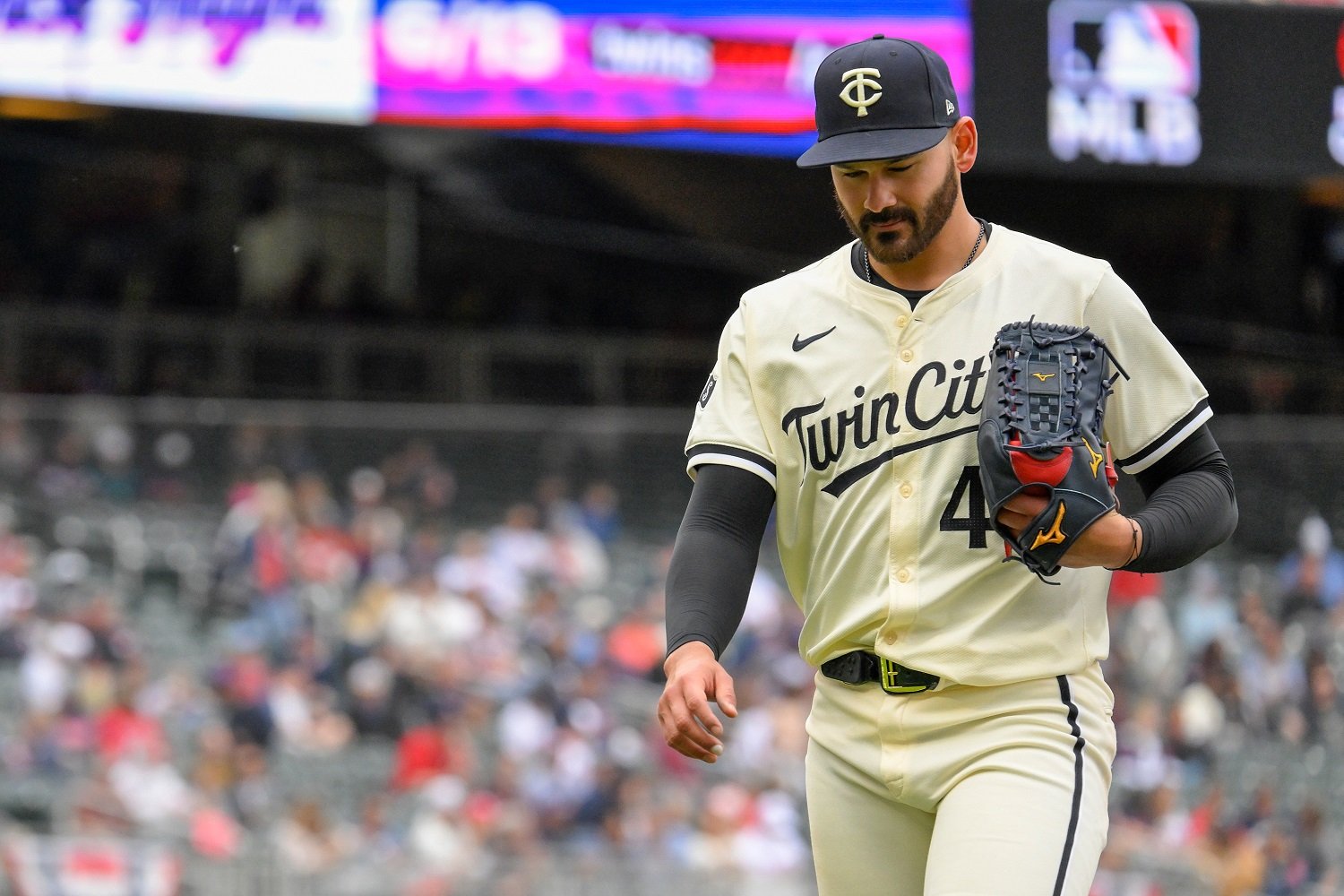 Pablo López is coming off his best season to date--a season in which he finished in the top 10 in Cy Young Award voting and threw one of the most dazzling playoff starts in Minnesota Twins history, solidifying his status as one of the league’s elite pitchers. Over the past four seasons, López has consistently posted an ERA in the 3s, which has caused such an outlier season for him to raise so many eyebrows. There is, however, substantial reason for optimism. Last season, López experienced a similar pattern. Through his first 15 starts, he had an ERA of 4.40, yet his FIP was a much lower 3.47. This discrepancy indicated that López was pitching better than his ERA suggested, and indeed, the underlying metrics proved to be a better predictor of his performance. Over his final 17 starts, López posted a stellar 3.03 ERA, including a 2.00 ERA in August. This season, López's ERA of 5.45 is undoubtedly higher than we'd like to see, but once again, the underlying metrics tell a more encouraging story. His FIP is 1.30 points lower than his ERA, and as we look even further under the hood, there are even more promising figures. López currently boasts an xERA (Expected ERA) of 3.19, an xFIP (Expected FIP) of 3.43, and a SIERA (Skill-Interactive ERA) of 3.31. These advanced metrics, which incorporate strikeouts and walks in addition to batted-ball data like exit velocity, suggest that López’s true performance level is much closer to what we’ve seen in previous seasons. History has shown that pitchers with López's advanced metric profile tend to see their actual ERA regress toward their expected metrics, rather than having the opposite happen. As the season progresses, we should expect López’s ERA to align more closely with his xERA, xFIP, and SIERA. This regression toward a truer talent level is a common phenomenon in baseball, where luck eventually evens out. And true talent is definitely something that Pablo López still possesses. López is still striking out batters at a 10+ K/9 clip; still throwing his fastball in the mid-90s; and still limiting hard contact, like he usually does. Just take a look at his Baseball Savant profile and you won’t see a pitcher whose ERA belongs in the 5s. For Twins fans, now is the time to buy López stock. His track record, combined with his underlying metrics, strongly indicates that his current ERA is a blip on the radar, rather than a trend. López has the tools and talent to be a cornerstone of the Twins’ rotation, and as the season continues, we can expect to see his performance stabilize and improve. Though it’s easy to get caught up in the worry of a high ERA, a deeper dive into López's statistics shows that there is reason for optimism. His advanced metrics paint the picture of a pitcher who is still performing at a high level, just waiting for the results to catch up. Obviously, the runs he's given up already are real, but we should expect him to surrender fewer going forward. Do you still believe in Pablo López? Leave a comment below and start the conversation!
 -
Of all the disappointing performances for the Minnesota Twins this season, none have been more surprising than Pablo López's inflated 5.45 ERA. However, a closer look at the underlying metrics (and López's track record) suggests there's no need for alarm. In fact, there's every reason to believe that López will soon return to his dominant form. Image courtesy of © Nick Wosika-USA TODAY Sports Pablo López is coming off his best season to date--a season in which he finished in the top 10 in Cy Young Award voting and threw one of the most dazzling playoff starts in Minnesota Twins history, solidifying his status as one of the league’s elite pitchers. Over the past four seasons, López has consistently posted an ERA in the 3s, which has caused such an outlier season for him to raise so many eyebrows. There is, however, substantial reason for optimism. Last season, López experienced a similar pattern. Through his first 15 starts, he had an ERA of 4.40, yet his FIP was a much lower 3.47. This discrepancy indicated that López was pitching better than his ERA suggested, and indeed, the underlying metrics proved to be a better predictor of his performance. Over his final 17 starts, López posted a stellar 3.03 ERA, including a 2.00 ERA in August. This season, López's ERA of 5.45 is undoubtedly higher than we'd like to see, but once again, the underlying metrics tell a more encouraging story. His FIP is 1.30 points lower than his ERA, and as we look even further under the hood, there are even more promising figures. López currently boasts an xERA (Expected ERA) of 3.19, an xFIP (Expected FIP) of 3.43, and a SIERA (Skill-Interactive ERA) of 3.31. These advanced metrics, which incorporate strikeouts and walks in addition to batted-ball data like exit velocity, suggest that López’s true performance level is much closer to what we’ve seen in previous seasons. History has shown that pitchers with López's advanced metric profile tend to see their actual ERA regress toward their expected metrics, rather than having the opposite happen. As the season progresses, we should expect López’s ERA to align more closely with his xERA, xFIP, and SIERA. This regression toward a truer talent level is a common phenomenon in baseball, where luck eventually evens out. And true talent is definitely something that Pablo López still possesses. López is still striking out batters at a 10+ K/9 clip; still throwing his fastball in the mid-90s; and still limiting hard contact, like he usually does. Just take a look at his Baseball Savant profile and you won’t see a pitcher whose ERA belongs in the 5s. For Twins fans, now is the time to buy López stock. His track record, combined with his underlying metrics, strongly indicates that his current ERA is a blip on the radar, rather than a trend. López has the tools and talent to be a cornerstone of the Twins’ rotation, and as the season continues, we can expect to see his performance stabilize and improve. Though it’s easy to get caught up in the worry of a high ERA, a deeper dive into López's statistics shows that there is reason for optimism. His advanced metrics paint the picture of a pitcher who is still performing at a high level, just waiting for the results to catch up. Obviously, the runs he's given up already are real, but we should expect him to surrender fewer going forward. Do you still believe in Pablo López? Leave a comment below and start the conversation! View full article
-
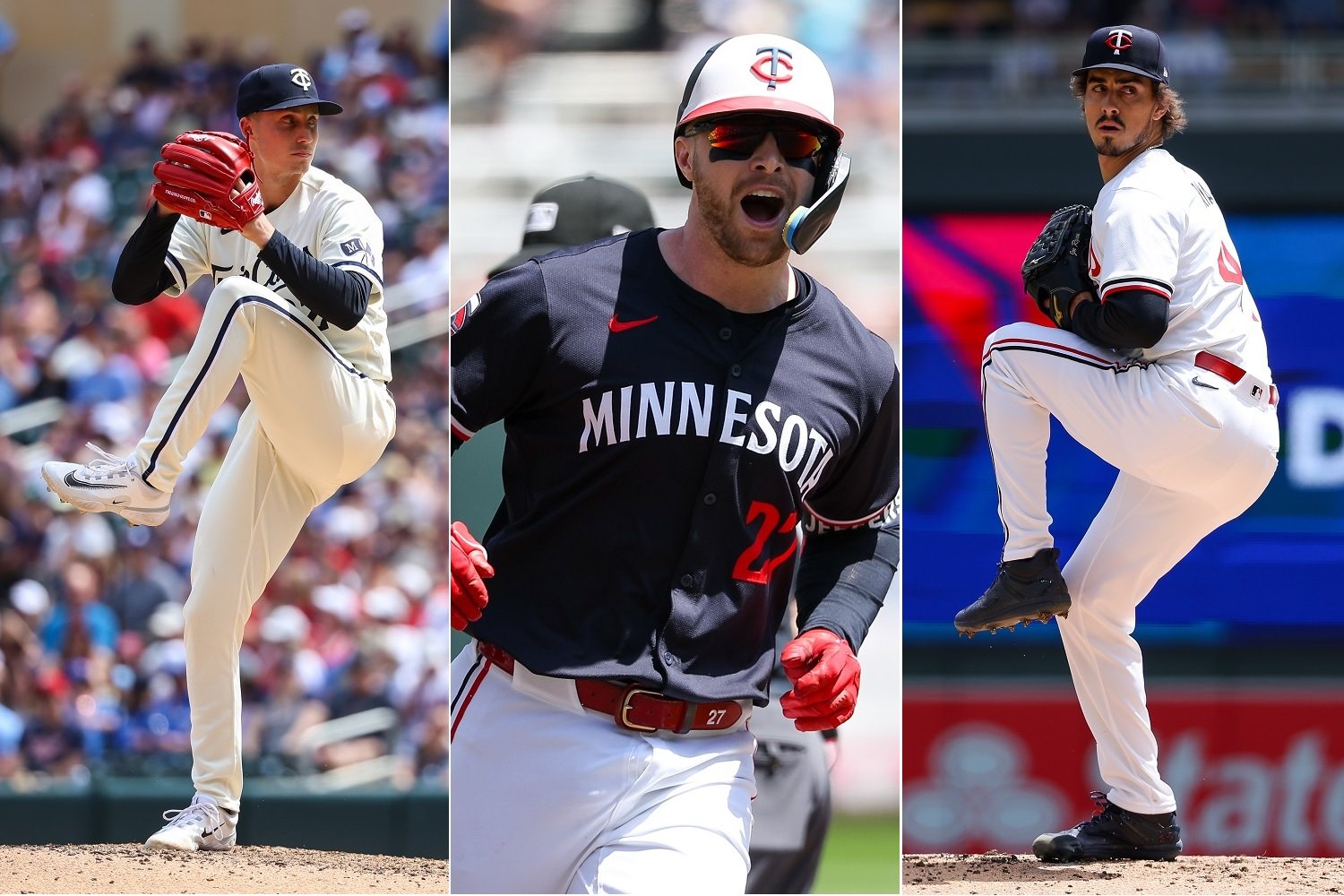 While the MLB All-Star Game might not have implications for the season, it remains a crucial benchmark for evaluating players in a historical context. Earning an All-Star nod is often referenced when discussing careers and legacies. Plus, it's a fun topic for discussion, allowing fans to celebrate their favorite players and debate who truly deserves the honor. So, even if the game itself is just an exhibition, the conversation it sparks is always worth having. Before we dive into the countdown, a quick refresher on the All-Star selection process, given that the process just changed in 2022. The All-Star Game starters, except for pitchers, are chosen through a fan vote divided into two phases. In Phase 1, fans vote for players at each position, including the designated hitter for both leagues. The top overall vote-getter in each league automatically earns a starting spot. The top two players at each position (and top six outfielders) move on to Phase 2, where fans select from these finalists. The winners in Phase 2, plus the top vote-getters from Phase 1, become the All-Star starters. For the rest of the roster, a combination of Player Ballot selections and the Commissioner's Office picks the pitchers and reserve position players. Each league has 32 spots (20 position players and 12 pitchers), ensuring every team is represented. Let’s count down the five Minnesota Twins players with the best chance to earn a spot in the Mid-Summer Classic in Arlington next month. 5. Max Kepler After a brief stint on the injured list in the middle of April, Kepler has been one of the best hitters on the Minnesota Twins this season with a 121 OPS+ on the season. Kepler has built upon the breakout second half of the season that he had in 2023 and is setting himself up for a hefty payday as he approaches free agency following the season. Barring a hot streak over the next month, it’s hard to see Kepler cracking the All-Star team, though he may not be as far off as you may think. Among American League outfielders, Kepler ranks 18th in wRC+ (122), 9th in WPA (0.96) and 21st in fWAR. Still a ways out, but a hot streak could put him in the top-10 in each of those categories. 4. Carlos Correa Carlos Correa brings the name value that will always put him in the All-Star conversation. He has been a top-five shortstop this season in the American League by most metrics, and has hit much better this season than he did last season now that he is healthy. Holding Correa back is how stacked the shortstop position is in the American League this year. Both Bobby Witt Jr. and Gunnar Henderson are playing like MVP candidates along with other big names like Corey Seager. Correa also lags behind other shortstops in games played due to his intercostal strain earlier this season. 3. Griffin Jax Griffin Jax has been the star of the excellent Minnesota Twins bullpen this season. Among American League relievers who have thrown at least 25 innings this season, Jax is 12th in ERA (2.13), 9th in K/9 (11.72), 7th in WHIP (0.87). The Minnesota Twins own a top-five bullpen by just about any metric this season and Griffin Jax has been the star of the show. Giving the best player on a top bullpen gives Jax a case for making his first career all-star game. Holding Jax back, of course, is that he is not a traditional closer and only has five saves, but with how the conversation around bullpens and saves has changed, that shouldn’t preclude Jax from a selection. 2. Joe Ryan Though he is coming off of his worst start of the 2024 season, Joe Ryan still has a case to make for being an All-Star this season. Ryan is entering this week with a 3.30 ERA (18th best among American League starters), 9.6 K/9 (8th best), 1.01 WHIP (8th best), and 1.5 fWAR (14th best). With his next two starts lined up against the Colorado Rockies and Oakland Athletics, Ryan has plenty of opportunity to improve his numbers, pad his stats and come into the All-Star break with enough momentum to earn a selection. 1. Ryan Jeffers Without a doubt, Minnesota’s most likely all-star this season is Ryan Jeffers. Jeffers ranks top-3 among American League catchers in OPS (.858), fWAR (1.8), RBI (36) and WPA (1.24). He is tied for first with 12 home runs. Jeffers has a decent shot at not only making the All-Star game, but starting the All-Star game for the American League. He will have to fend off some big names in Salvador Perez and Adley Rutschman, but given his statistical profile, he definitely has a case to make. It’s up to Twins fans to get him there. Who do you think is the most likely Twin to make the all-star game? Were any names missed in the above countdown? Leave a comment below and start the conversation!
- 18 comments
-
- 3
-
-

-
- ryan jeffers
- max kepler
- (and 3 more)
-
Voting for the 2024 MLB All-Star Game opened on Tuesday, and the Minnesota Twins have several players making a strong case for a spot on the roster. Among the impressive performances this season, who stands out the most? Let's dive into which Twins players have the best shot at earning All-Star honors this season While the MLB All-Star Game might not have implications for the season, it remains a crucial benchmark for evaluating players in a historical context. Earning an All-Star nod is often referenced when discussing careers and legacies. Plus, it's a fun topic for discussion, allowing fans to celebrate their favorite players and debate who truly deserves the honor. So, even if the game itself is just an exhibition, the conversation it sparks is always worth having. Before we dive into the countdown, a quick refresher on the All-Star selection process, given that the process just changed in 2022. The All-Star Game starters, except for pitchers, are chosen through a fan vote divided into two phases. In Phase 1, fans vote for players at each position, including the designated hitter for both leagues. The top overall vote-getter in each league automatically earns a starting spot. The top two players at each position (and top six outfielders) move on to Phase 2, where fans select from these finalists. The winners in Phase 2, plus the top vote-getters from Phase 1, become the All-Star starters. For the rest of the roster, a combination of Player Ballot selections and the Commissioner's Office picks the pitchers and reserve position players. Each league has 32 spots (20 position players and 12 pitchers), ensuring every team is represented. Let’s count down the five Minnesota Twins players with the best chance to earn a spot in the Mid-Summer Classic in Arlington next month. 5. Max Kepler After a brief stint on the injured list in the middle of April, Kepler has been one of the best hitters on the Minnesota Twins this season with a 121 OPS+ on the season. Kepler has built upon the breakout second half of the season that he had in 2023 and is setting himself up for a hefty payday as he approaches free agency following the season. Barring a hot streak over the next month, it’s hard to see Kepler cracking the All-Star team, though he may not be as far off as you may think. Among American League outfielders, Kepler ranks 18th in wRC+ (122), 9th in WPA (0.96) and 21st in fWAR. Still a ways out, but a hot streak could put him in the top-10 in each of those categories. 4. Carlos Correa Carlos Correa brings the name value that will always put him in the All-Star conversation. He has been a top-five shortstop this season in the American League by most metrics, and has hit much better this season than he did last season now that he is healthy. Holding Correa back is how stacked the shortstop position is in the American League this year. Both Bobby Witt Jr. and Gunnar Henderson are playing like MVP candidates along with other big names like Corey Seager and Gunnar Henderson. Correa also lags behind other shortstops in games played due to his intercostal strain earlier this season. 3. Griffin Jax Griffin Jax has been the star of the excellent Minnesota Twins bullpen this season. Among American League relievers who have thrown at least 25 innings this season, Jax is 12th in ERA (2.13), 9th in K/9 (11.72), 7th in WHIP (0.87). The Minnesota Twins own a top-five bullpen by just about any metric this season and Griffin Jax has been the star of the show. Giving the best player on a top bullpen gives Jax a case for making his first career all-star game. Holding Jax back, of course, is that he is not a traditional closer and only has five saves, but with how the conversation around bullpens and saves has changed, that shouldn’t preclude Jax from a selection. 2. Joe Ryan Though he is coming off of his worst start of the 2024 season, Joe Ryan still has a case to make for being an All-Star this season. Ryan is entering this week with a 3.38 ERA (17th best among American League starters), 9.63 K/9 (8th best), 1.01 WHIP (8th best), and 1.5 fWAR (13th best). With his next three starts lined up against the Pittsburgh Pirates, Colorado Rockies and Oakland Athletics, Ryan has plenty of opportunity to improve his numbers, pad his stats and come into the All-Star break with enough momentum to earn a selection. 1. Ryan Jeffers Without a doubt, Minnesota’s most likely all-star this season is Ryan Jeffers. Jeffers ranks top-3 among American League catchers in OPS (.858), fWAR (1.8), RBI (36) and WPA (1.24). He is tied for first with 12 home runs. Jeffers has a decent shot at not only making the All-Star game, but starting the All-Star game for the American League. He will have to fend off some big names in Salvador Perez and Adley Rutschman, but given his statistical profile, he definitely has a case to make. It’s up to Twins fans to get him there. Who do you think is the most likely Twin to make the all-star game? Were any names missed in the above countdown? Leave a comment below and start the conversation! View full article
- 18 replies
-
- 1
-
-
- ryan jeffers
- max kepler
- (and 3 more)
-
Why Minnesota Twins Fans Shouldn't Fear the Cleveland Guardians
Matthew Taylor posted an article in Twins
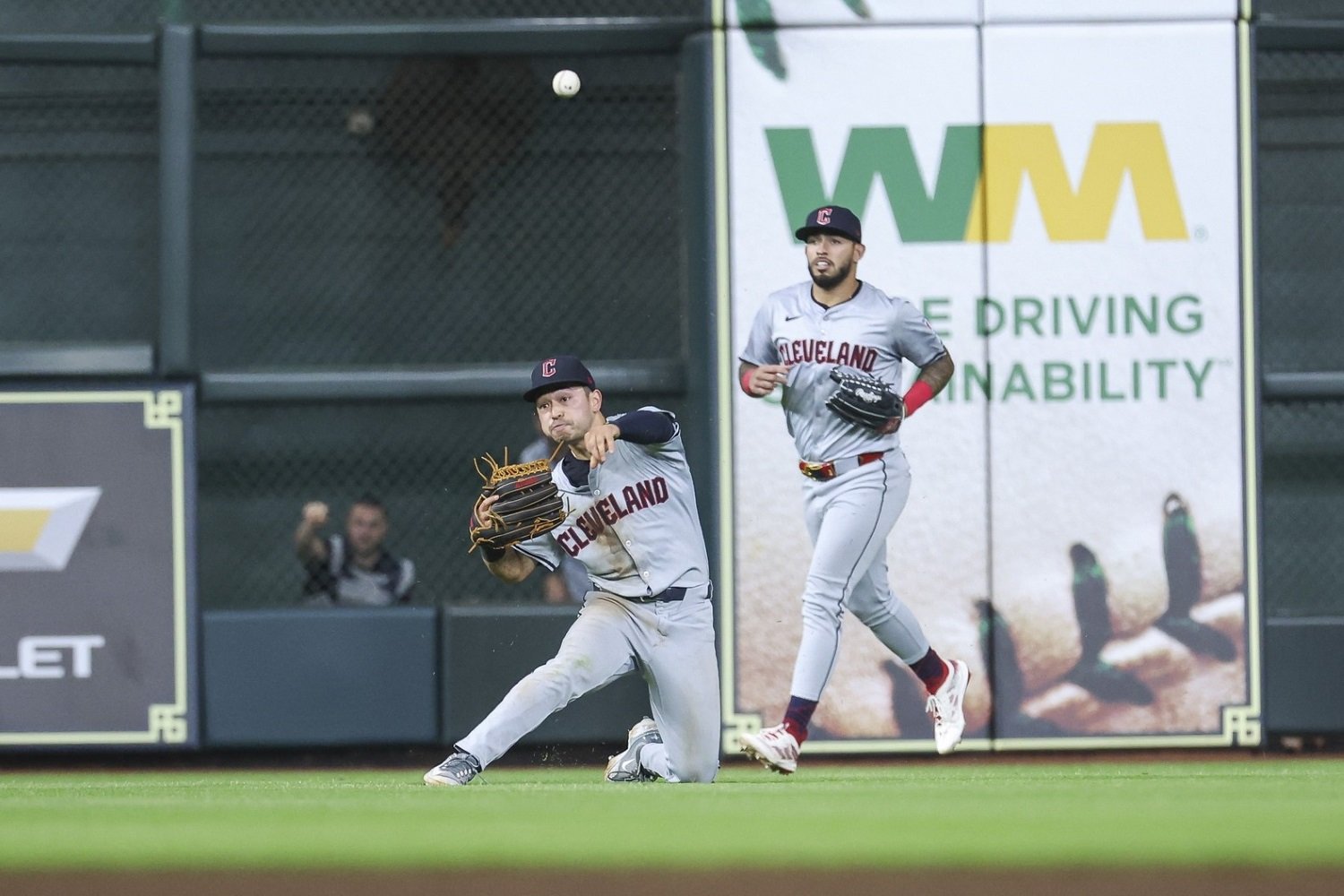 We are about one-third of the way through the 2024 season, and the Minnesota Twins face a seven-game deficit behind the Cleveland Guardians, who boast the second-best record in the American League. When you dive deeper into the Guardians' team statistics, though, the legitimacy of that record starts to come into question. There are reasons to believe the Guardians aren’t as good as their record says they are. Let’s dive into them. Strength of Schedule: The Road Gets Tougher for Cleveland One major factor working in favor of the Twins is the disparity in the remaining schedule difficulty between the two teams. To date, the Guardians have benefited from playing the second-easiest schedule in all of baseball, facing opponents with a combined winning percentage of just .476. For comparison, the Twins have played the fifth-hardest schedule to date, with a combined opponent winning percentage of .513. This schedule discrepancy has certainly contributed to the difference in the standings in the AL Central. The tables will soon turn, though. For the rest of the season, the Guardians will be facing the third-toughest schedule in the league, with their opponents boasting a combined winning percentage of .516. This significant increase in the level of competition suggests that the Guardians' path forward will be far more challenging, offering the Twins a golden opportunity to make up ground, as the Twins have the ninth-easiest schedule the rest of the way, with a combined opponent winning percentage of .492. Advanced Statistics: Luck Might Be Running Out for Cleveland A deeper dive into the advanced statistics reveals that the Guardians have been riding a wave of good fortune, particularly when it comes to batted balls. Cleveland currently has the largest gap in baseball between their expected slugging percentage (.373) and their actual slugging percentage (.395). Similarly, their expected weighted on-base average (xwOBA, a version of on-base percentage that accounts for how a player reached base) and actual wOBA show the biggest disparity in the league. These metrics indicate that Cleveland's hitters have experienced a great deal of batted-ball luck, outperforming their expected outcomes based on the quality of their contact. This luck is unlikely to perdure for an entire season. As regression to the mean takes its course, we can expect the Guardians' offensive production to dip closer to their expected metrics, potentially leading to fewer runs and (consequently) fewer wins. Of note: on the pitching side of things, the Guardians are pretty much middle of the pack in terms of expected and actual statistics, ranking 17th in SLG/xSLG and in wOBA/xwOBA. Umpire Assistance: An Unusual Advantage According to Umpire Scorecard, a website that uses Statcast data to evaluate umpire performance, the Cleveland Guardians have also been the beneficiaries of favorable umpiring more than any other team. On average, umpires have added 0.31 runs per game for the Guardians, totaling 17.77 runs this season. This assistance is a 46% increase over the second-luckiest team in this metric. While the impact of umpire decisions can be unpredictable, this advantage is another example of the unsustainable factors that have played a role in Cleveland's success. It's reasonable to anticipate a normalization in umpire calls, which could further impact the Guardians' outcomes. That said, we do have to be cognizant of the team's excellent collection of catchers, who do the best pitch-framing of any team in baseball. That's a big part of the reason for this discrepancy, but only on one side of the ledger, and even framing is subject to regression. It's true that the Guardians have had the upper hand in the head-to-head matchups against the Twins so far this season, boasting a 5-0 record. However, only two of those games were played at Target Field. The good news is that there are still seven games remaining between these two teams, with four of them to be played in Minnesota. This gives the Twins ample opportunity to directly cut into the Guardians' lead, and to reclaim their spot atop the division. While the Twins are currently 7.5 games behind the Guardians, the factors discussed above suggest that Cleveland may struggle to maintain their current pace. A tougher remaining schedule, an expected regression in their offensive luck, and a likely reduction in umpire assistance all point toward a potential downturn for the Guardians. Coupled with the upcoming head-to-head matchups, Twins fans have every reason to feel optimistic about their team's chances to close the gap and capture the AL Central crown. Do you think the Guardians pose a serious threat to the American League Central crown, or do you think their hot start has been smoke and mirrors? Leave a comment below and start the conversation.
 -
Despite the current standings, there are several strong indicators that suggest the Guardians aren’t as good as their record says they are and that the Twins are well-positioned to catch up to and surpass them in the division race. We are about one-third of the way through the 2024 season and the Minnesota Twins are looking at a six game deficit behind the Cleveland Guardians, who boast the second best record in the American League. When you dive deeper into the Guardians team statistics, though, the legitimacy of that record starts to come into question. There are reasons to believe why the Guardians aren’t as good as their record says they are. Let’s dive into them. Strength of Schedule: The Road Gets Tougher for Cleveland One major factor working in favor of the Twins is the disparity in the remaining schedule difficulty between the two teams. To date, the Guardians have benefitted from playing the second easiest schedule in all of baseball, facing opponents with a combined winning percentage of just .476. For comparison, the Twins have played the fifth hardest schedule to date with a combined opponent winning percentage of .513. This schedule discrepancy has certainly contributed to difference in standings in the AL Central. The tables will soon turn, though. For the rest of the season, the Guardians will be facing the third toughest schedule in the league, with their opponents boasting a combined winning percentage of .516. This significant increase in the level of competition suggests that the Guardians' path forward will be far more challenging, offering the Twins a golden opportunity to make up ground, as the Twins have the ninth easiest schedule the rest of the way with a combined opponent winning percentage of .492. Advanced Statistics: Luck Might Be Running Out for Cleveland A deeper dive into the advanced statistics reveals that the Guardians have been riding a wave of good fortune, particularly when it comes to batted balls. Cleveland currently has the largest gap in baseball between their expected slugging percentage (.373) and their actual slugging percentage (.395). Similarly, their expected weighted on-base average (xWOBA, a version of on-base percentage that accounts for how a player reached base) and actual wOBA show the biggest disparity in the league. These metrics indicate that Cleveland's hitters have experienced a great deal of batted ball luck, outperforming their expected outcomes based on the quality of their contact. This luck is unlikely to sustain itself over the course of an entire season. As regression to the mean takes its course, we can expect the Guardians' offensive production to dip closer to their expected metrics, potentially leading to fewer runs and, consequently, fewer wins. Of note: on the pitching side of things, the Guardians are pretty much middle of the pack in terms of expected and actual statistics, ranking 17th in SLG/xSLG and in wOBA/xwOBA. Umpire Assistance: An Unusual Advantage According to Umpire Scorecard, a website that uses Statcast data to evaluate umpire performance, the Cleveland Guardians have also been the beneficiaries of favorable umpiring more than any other team. On average, umpires have added 0.31 runs per game for the Guardians, totaling 17.77 runs this season. This assistance is a 46% increase over the second luckiest team in this metric. While the impact of umpire decisions can be unpredictable, this advantage is another example of the unsustainable factors that have played a role in Cleveland's success. It's reasonable to anticipate a normalization in umpire calls, which could further impact the Guardians' performance negatively. It's true that the Guardians have had the upper hand in the head-to-head matchups against the Twins so far this season, boasting a 5-0 record. However, only two of those games were played at Target Field. The good news is that there are still seven games remaining between these two teams, with four of them to be played in Minnesota. This gives the Twins ample opportunity to directly cut into the Guardians' lead, and reclaim their spot atop the division. While the Twins are currently six games behind the Guardians, the factors discussed above suggest that Cleveland may struggle to maintain their current pace. A tougher remaining schedule, an expected regression in their offensive luck, and a likely reduction in umpire assistance all point towards a potential downturn for the Guardians. Coupled with the upcoming head-to-head matchups, Twins fans have every reason to feel optimistic about their team's chances to close the gap and ultimately capture the AL Central crown. Do you think the Guardians pose a serious threat to the American League Central Division crown or do you think their hot start has been more smoke in mirrors? Leave a comment below and start the conversation! View full article
-
Incredible work on this. Loved every word and every graph!
-
As the Minnesota Twins prepare for the return of Royce Lewis from injury, Edouard Julien is set to be the odd man out, facing a demotion to Triple-A. So, what is the fallout from the controversial decision? Image courtesy of © Dan Hamilton-USA TODAY Sports The Twins had several candidates to send down (or send packing) as they get ready to reinstate Royce Lewis Tuesday. Ultimately, they decided that they valued organizational depth, and didn't want to DFA a veteran like Kyle Farmer or Manuel Margot. Edouard Julien's recent struggles at the plate made him the most logical choice for demotion. Since the start of May, Julien has hit .192 with 30 strikeouts, compared to just nine walks. Despite his potential, Julien's inconsistent performance highlighted the need for him to get consistent at-bats in triple-A. While there is plenty more discussion to be had about the decision to send down Julien and whether it was the right choice or not, the decision undoubtedly has ramifications in terms of the makeup of the Twins’ infield moving forward. Let’s dive into the three biggest questions following Lewis’s return and Julien’s demotion: What happens to José Miranda now that Lewis is taking over full-time at third base? The cleanest transaction for the Twins with Lewis re-joining the team would have been to send down José Miranda. This would have caused the least disruption to other positions and made for a simple swap. Miranda had other plans, though, as his hot bat made it impossible for him to be sent down. As a result, the Twins will need to get creative in deploying the right-handed hitter. Expect to see Miranda used at both first base and third base, as a backup to Carlos Santana and to Lewis, as well as a heavy dose at designated hitter. The Twins will also lean on Miranda heavily as a pinch-hitter late in games against left-handed relievers, replacing hitters like Trevor Larnach and Alex Kirilloff. Miranda will always be in the lineup against left-handed pitchers, but he has shown throughout the season that he can be successful against righties, as well. What will the designated hitter rotation look like now? Expect Miranda to lead the way as a designated hitter for the Twins, especially against left-handed pitching. Additionally, the Twins will likely want to bring back Lewis slowly in his first month or so. A cycle of Miranda and Lewis at DH is likely. With the upgrade at designated hitter, the Twins will likely lean more on Ryan Jeffers at the catcher spot and not play him as often at DH, shifting more catching work away from Christian Vázquez. Who plays second base now that Edouard Julien was demoted down to Triple-A? With Julien gone, the Twins will have a giant hole to fill at second base. He was their near-everyday second baseman, providing much-improved defense there this season. The Twins will likely trot out Willi Castro as their near-everyday second baseman starting this week. Castro, a switch-hitter, will have a platoon advantage in every situation and play a capable second base in the field. One or two days a week, preferably against lefties, the Twins will utilize Farmer as their backup second baseman and shift Castro to a corner outfield spot for Larnach or Kirilloff. Few individual, internal roster moves have ramifications as immediately significant and far-reaching as this swap. The stakes of this one are high--for the Twins' hopes of contending in 2024; for the futures of Lewis, Julien, Miranda, and Brooks Lee; and for the short-term outlooks for Castro, Farmer, Larnach, and Kirilloff. We're about to get some answers to fascinating and long-standing questions. Did the Twins make the right call by demoting Julien? How should they handle second base and DH while they try out this mixture of position players? Spark a discussion below. View full article
- 143 replies
-
- 1
-
-
- edouard julien
- royce lewis
- (and 2 more)
-
 The Twins had several candidates to send down (or send packing) as they get ready to reinstate Royce Lewis Tuesday. Ultimately, they decided that they valued organizational depth, and didn't want to DFA a veteran like Kyle Farmer or Manuel Margot. Edouard Julien's recent struggles at the plate made him the most logical choice for demotion. Since the start of May, Julien has hit .192 with 30 strikeouts, compared to just nine walks. Despite his potential, Julien's inconsistent performance highlighted the need for him to get consistent at-bats in triple-A. While there is plenty more discussion to be had about the decision to send down Julien and whether it was the right choice or not, the decision undoubtedly has ramifications in terms of the makeup of the Twins’ infield moving forward. Let’s dive into the three biggest questions following Lewis’s return and Julien’s demotion: What happens to José Miranda now that Lewis is taking over full-time at third base? The cleanest transaction for the Twins with Lewis re-joining the team would have been to send down José Miranda. This would have caused the least disruption to other positions and made for a simple swap. Miranda had other plans, though, as his hot bat made it impossible for him to be sent down. As a result, the Twins will need to get creative in deploying the right-handed hitter. Expect to see Miranda used at both first base and third base, as a backup to Carlos Santana and to Lewis, as well as a heavy dose at designated hitter. The Twins will also lean on Miranda heavily as a pinch-hitter late in games against left-handed relievers, replacing hitters like Trevor Larnach and Alex Kirilloff. Miranda will always be in the lineup against left-handed pitchers, but he has shown throughout the season that he can be successful against righties, as well. What will the designated hitter rotation look like now? Expect Miranda to lead the way as a designated hitter for the Twins, especially against left-handed pitching. Additionally, the Twins will likely want to bring back Lewis slowly in his first month or so. A cycle of Miranda and Lewis at DH is likely. With the upgrade at designated hitter, the Twins will likely lean more on Ryan Jeffers at the catcher spot and not play him as often at DH, shifting more catching work away from Christian Vázquez. Who plays second base now that Edouard Julien was demoted down to Triple-A? With Julien gone, the Twins will have a giant hole to fill at second base. He was their near-everyday second baseman, providing much-improved defense there this season. The Twins will likely trot out Willi Castro as their near-everyday second baseman starting this week. Castro, a switch-hitter, will have a platoon advantage in every situation and play a capable second base in the field. One or two days a week, preferably against lefties, the Twins will utilize Farmer as their backup second baseman and shift Castro to a corner outfield spot for Larnach or Kirilloff. Few individual, internal roster moves have ramifications as immediately significant and far-reaching as this swap. The stakes of this one are high--for the Twins' hopes of contending in 2024; for the futures of Lewis, Julien, Miranda, and Brooks Lee; and for the short-term outlooks for Castro, Farmer, Larnach, and Kirilloff. We're about to get some answers to fascinating and long-standing questions. Did the Twins make the right call by demoting Julien? How should they handle second base and DH while they try out this mixture of position players? Spark a discussion below.
- 143 comments
-
- 12
-
-
- edouard julien
- royce lewis
- (and 2 more)
-
The Oakland Athletics are rumored to be shopping their star, young, flame-throwing reliever, Mason Miller. How interested should the Minnesota Twins be? Image courtesy of © Reggie Hildred-USA TODAY Sports In the first two months of the young MLB season, A's closer Mason Miller has been one of the most exciting young players in the league. In 26 innings this season, Miller has an ERA of 2.08 with a FIP of 0.85. Yes, a FIP of 0.85. Apart from just the results, Miller also has arguably the best stuff of any reliever in baseball, pairing a triple-digit fastball with a devastating slider to create a two-pitch arsenal that is striking out batters at a video game rate of 51.5%. Additionally, Miller leads all relievers in fWAR at 1.4 and is top-10 in Win Probability Added. With the Oakland Athletics franchise in complete turmoil until they complete their move to Las Vegas, they will be hearing out trade packages this deadline and seeing if now is the time to move their stud reliever, when his trade value will never be higher. Should the Twins be interested? This potential move comes with benefits and significant drawbacks that the Twins must carefully weigh. Miller, with his elite stuff, could elevate the Twins' bullpen from good to great. This kind of bullpen strength is invaluable in the playoffs, where games often hinge on late-inning performances. Pairing him with Jhoan Duran, who has already proven to be an elite reliever, and the excellent Griffin Jax and (hopefully, soon) Brock Stewart, the Twins could create one of the most formidable late-game bullpens in baseball. Additionally, acquiring a cost-controlled, high-impact player like Miller might be one of the few moves that Twins’ ownership would be willing to sign off on. We saw this offseason that payroll is a huge point of contention for this ownership group. With the television deal in flux even more now than it was last season, payroll is unlikely to rise. Miller, being a rookie, would be under team control for several years, providing significant value on a minimum contract. The Twins likely won’t be able to be in the market to trade for a veteran like Vladimir Guerrero Jr. simply because they won’t be willing to pay whatever part of his contract is remaining. Miller will be one of the few players that would both provide value and that the Twins would be able to “afford." However, acquiring Miller will undoubtedly require a substantial package of prospects. According to Ken Rosenthal, a Miller package would need to include “a young player of comparable ability, or a substantial package of multiple youngsters who could be part of the A's future." The Twins have a strong farm system, but parting with top-tier talent always carries risk. A deal for Miller would likely need to include two top-100 prospects plus another prospect or two. That's a lot to give up for a reliever. Historically, relievers do not provide the same level of value as starters or position players. They pitch fewer innings, and their impact, while significant, is limited to specific high-leverage situations. Overpaying for a reliever can be detrimental. The Twins must consider whether the potential upgrade in the bullpen justifies the cost in prospect capital. There is also the matter of Miller's health record. Prior to this year, he had been used as a starter, but the A's moved him to the bullpen in part because they wanted to see if he could stay healthy for a full year. In his four-year professional career, he's never topped the combined 52 2/3 innings he hit last year in the minors and majors. The decision to trade for Miller is not straightforward. On one hand, his addition could transform the Twins' bullpen into one of the most feared units in baseball, giving them a significant edge in the postseason. On the other hand, the cost in prospect capital and the inherent risks associated with relievers make this a gamble that the Twins must consider carefully. Given the Twins' financial constraints and their current playoff aspirations, Miller represents a unique opportunity to add an impact piece without spending money on it. However, with the prospect capital required and the ridiculous amount of risk involved in acquiring a reliever, it’s not worth it. What do you think? Should the Twins make a move for Mason Miller? Leave a comment below and join the conversation! View full article
-
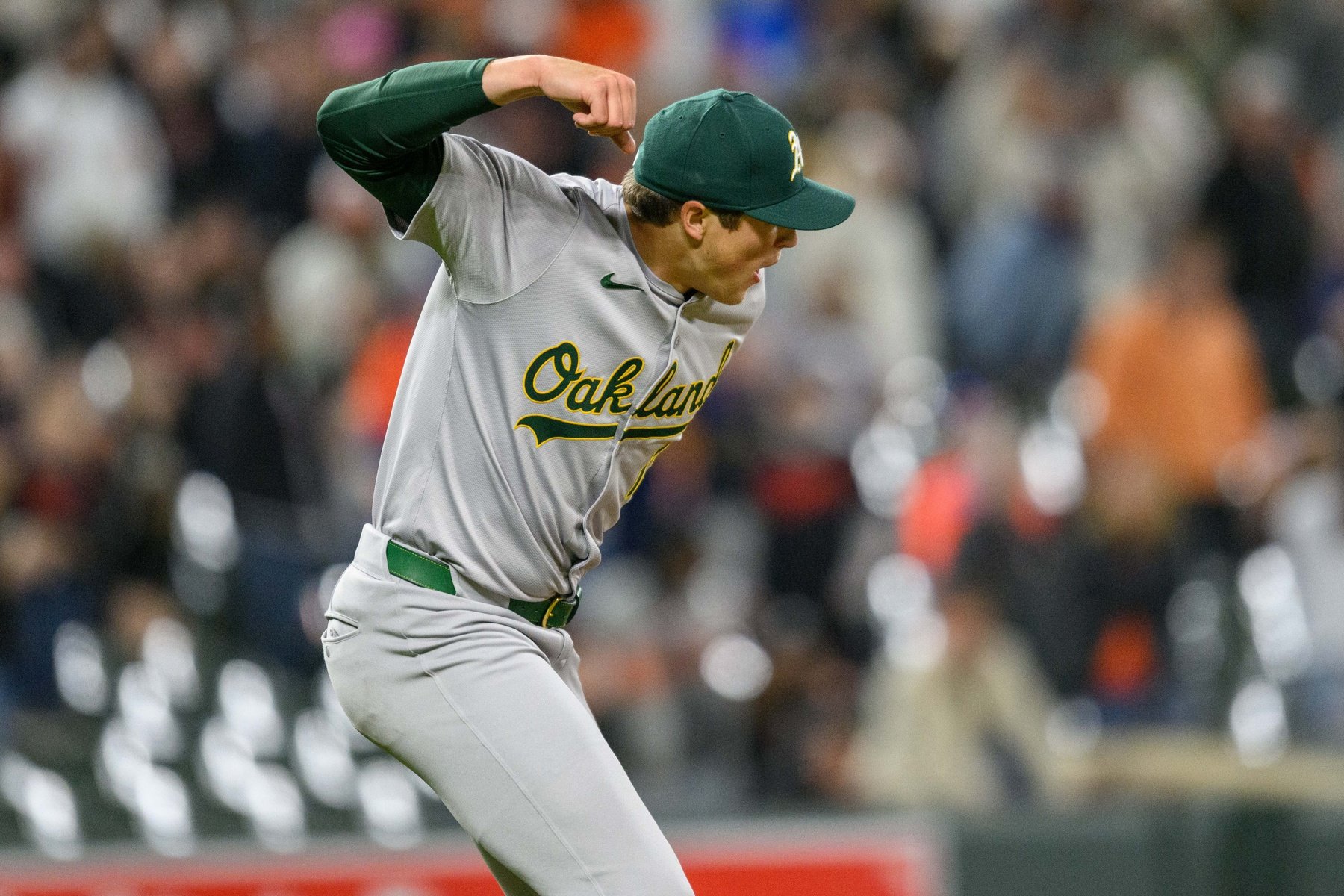 In the first two months of the young MLB season, A's closer Mason Miller has been one of the most exciting young players in the league. In 26 innings this season, Miller has an ERA of 2.08 with a FIP of 0.85. Yes, a FIP of 0.85. Apart from just the results, Miller also has arguably the best stuff of any reliever in baseball, pairing a triple-digit fastball with a devastating slider to create a two-pitch arsenal that is striking out batters at a video game rate of 51.5%. Additionally, Miller leads all relievers in fWAR at 1.4 and is top-10 in Win Probability Added. With the Oakland Athletics franchise in complete turmoil until they complete their move to Las Vegas, they will be hearing out trade packages this deadline and seeing if now is the time to move their stud reliever, when his trade value will never be higher. Should the Twins be interested? This potential move comes with benefits and significant drawbacks that the Twins must carefully weigh. Miller, with his elite stuff, could elevate the Twins' bullpen from good to great. This kind of bullpen strength is invaluable in the playoffs, where games often hinge on late-inning performances. Pairing him with Jhoan Duran, who has already proven to be an elite reliever, and the excellent Griffin Jax and (hopefully, soon) Brock Stewart, the Twins could create one of the most formidable late-game bullpens in baseball. Additionally, acquiring a cost-controlled, high-impact player like Miller might be one of the few moves that Twins’ ownership would be willing to sign off on. We saw this offseason that payroll is a huge point of contention for this ownership group. With the television deal in flux even more now than it was last season, payroll is unlikely to rise. Miller, being a rookie, would be under team control for several years, providing significant value on a minimum contract. The Twins likely won’t be able to be in the market to trade for a veteran like Vladimir Guerrero Jr. simply because they won’t be willing to pay whatever part of his contract is remaining. Miller will be one of the few players that would both provide value and that the Twins would be able to “afford." However, acquiring Miller will undoubtedly require a substantial package of prospects. According to Ken Rosenthal, a Miller package would need to include “a young player of comparable ability, or a substantial package of multiple youngsters who could be part of the A's future." The Twins have a strong farm system, but parting with top-tier talent always carries risk. A deal for Miller would likely need to include two top-100 prospects plus another prospect or two. That's a lot to give up for a reliever. Historically, relievers do not provide the same level of value as starters or position players. They pitch fewer innings, and their impact, while significant, is limited to specific high-leverage situations. Overpaying for a reliever can be detrimental. The Twins must consider whether the potential upgrade in the bullpen justifies the cost in prospect capital. There is also the matter of Miller's health record. Prior to this year, he had been used as a starter, but the A's moved him to the bullpen in part because they wanted to see if he could stay healthy for a full year. In his four-year professional career, he's never topped the combined 52 2/3 innings he hit last year in the minors and majors. The decision to trade for Miller is not straightforward. On one hand, his addition could transform the Twins' bullpen into one of the most feared units in baseball, giving them a significant edge in the postseason. On the other hand, the cost in prospect capital and the inherent risks associated with relievers make this a gamble that the Twins must consider carefully. Given the Twins' financial constraints and their current playoff aspirations, Miller represents a unique opportunity to add an impact piece without spending money on it. However, with the prospect capital required and the ridiculous amount of risk involved in acquiring a reliever, it’s not worth it. What do you think? Should the Twins make a move for Mason Miller? Leave a comment below and join the conversation!
 -
As Royce Lewis nears his much-anticipated return to the Minnesota Twins lineup, the team faces a difficult decision: who should be sent down to make room for the talented third baseman? Image courtesy of © Jesse Johnson-USA TODAY Sports As the Twins decide who they will send down to make room for Royce Lewis, there are several factors to consider. First of all, they will almost certainly be sending down a hitter. In addition, there are a handful of key players on the team that are clearly not options. Ryan Jeffers, Carlos Correa, Max Kepler, Willi Castro, Christian Vasquez, Byron Buxton, and Carlos Santana are assuredly staying on the roster. That leaves six potential players on the hot seat. Here they are, each with their own set of pros and cons. Jose Miranda Sending down Jose Miranda would be the cleanest switch, as both he and Lewis are third basemen, and prior to his latest promotion, many had moved on from Miranda as a future hopeful for the Twins. However, Miranda has been playing well, making this move less appealing. On the season Miranda has a 116 OPS+ with decent defense at third base. His solid performance at the plate has been a boon for the Twins, and disrupting that could have negative repercussions for the team's momentum. In addition, after Royce comes back, Miranda can spell Lewis at third while also filling in at first base and designated hitter. Trevor Larnach While Trevor Larnach has been hitting well, with a 118 OPS+ since his promotion in mid-April, he has often been the odd man out in the past when roster adjustments were needed. Larnach’s role has mostly been as a designated hitter over the past month, a position that could easily be filled by Miranda or Lewis after he returns this weekend. However, sending down a player performing well at the plate is always a tough call, and Larnach’s contributions shouldn't be underestimated. Alex Kirilloff Alex Kirilloff is in a similar situation to Larnach due to his nature of being a left-handed corner bat. The truth is, though, Kirilloff hasn’t been hitting well recently. In the month of May, Kirilloff is hitting just .164 with a 17/6 K/BB ratio. However, it’s hard to forget Kirilloff’s once-promising status as a star prospect. The Twins are going to need to decide soon if Kirilloff is going to have a future with this franchise, and sending him down to the minors wouldn’t be a move to help make that decision. Edouard Julien Edouard Julien has been struggling mightily offensively, making him a logical choice for a demotion. In the month of May, Juilen is hitting just .186 with a terribly concerning 29 strikeouts compared to just nine walks. Some time down in St. Paul to rightsize his swing wouldn’t be the worst thing. However, his strong defensive play and the Twins’ future plans for him complicate the decision. The team may be hesitant to send down a player they view as a key part of their long-term strategy despite his current hitting woes. Kyle Farmer Kyle Farmer is in the last year of his contract and has struggled at the plate. On the season, Farmer is sporting just a 52 OPS+. A mark in Farmer’s favor, though, is that he’s a clubhouse favorite, and his leadership qualities add intangible value. In addition, if he is taken off the roster, unlike the candidates above, sending down Farmer could mean the organization loses him completely. While sending him down could free up a roster spot, the Twins might be reluctant to disrupt team chemistry by moving a player so well-liked by his teammates. Manuel Margot Designating Manuel Margot for assignment (DFA) seems to be the most logical choice. Margot has been one of the team's worst hitters and can't play center field, limiting his utility. Additionally, the Twins have no plans to retain him for next year, making him the most straightforward choice to create space for Lewis. Furthermore, the Twins have other players like Willi Castro and Austin Martin, who can fill the same roles that Margot does, making him even more expendable. Ultimately, the decision will hinge on balancing short-term performance with long-term potential and team dynamics. Given Margot’s poor performance, lack of future commitment, and the presence of versatile players like Castro and Martin who can cover his role, he stands out as the most sensible option to be DFA’d. This move would create the necessary space for Lewis while minimally impacting the team's overall performance and future prospects. What do you think? Who should the Twins send down? Leave a comment below and join the conversation! View full article
- 58 replies
-
- 1
-
-
- royce lewis
- manuel margot
- (and 5 more)
-
Who Will Be the Unlucky Player That Makes Way for Royce Lewis?
Matthew Taylor posted an article in Twins
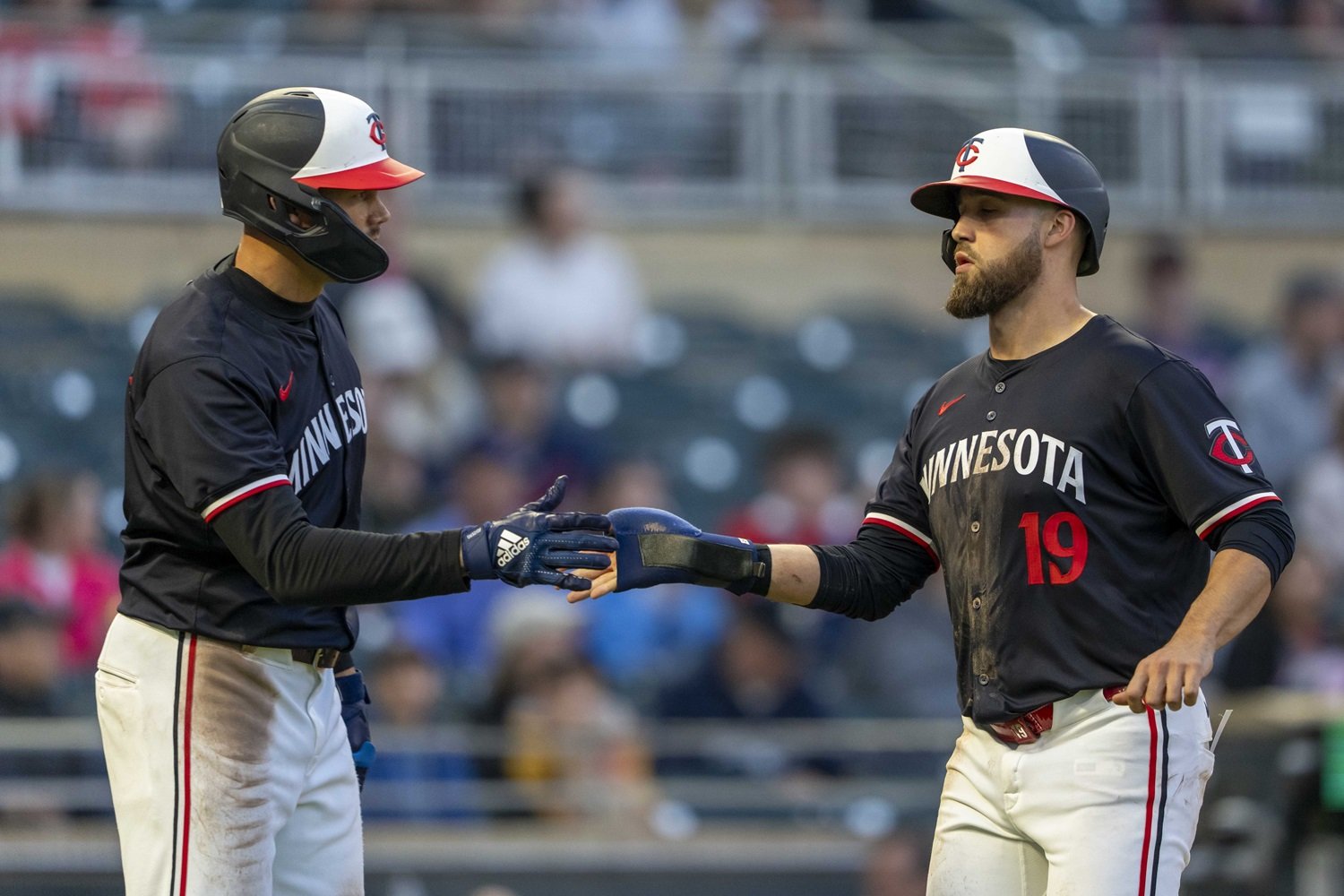 As the Twins decide who they will send down to make room for Royce Lewis, there are several factors to consider. First of all, they will almost certainly be sending down a hitter. In addition, there are a handful of key players on the team that are clearly not options. Ryan Jeffers, Carlos Correa, Max Kepler, Willi Castro, Christian Vasquez, Byron Buxton, and Carlos Santana are assuredly staying on the roster. That leaves six potential players on the hot seat. Here they are, each with their own set of pros and cons. Jose Miranda Sending down Jose Miranda would be the cleanest switch, as both he and Lewis are third basemen, and prior to his latest promotion, many had moved on from Miranda as a future hopeful for the Twins. However, Miranda has been playing well, making this move less appealing. On the season Miranda has a 116 OPS+ with decent defense at third base. His solid performance at the plate has been a boon for the Twins, and disrupting that could have negative repercussions for the team's momentum. In addition, after Royce comes back, Miranda can spell Lewis at third while also filling in at first base and designated hitter. Trevor Larnach While Trevor Larnach has been hitting well, with a 118 OPS+ since his promotion in mid-April, he has often been the odd man out in the past when roster adjustments were needed. Larnach’s role has mostly been as a designated hitter over the past month, a position that could easily be filled by Miranda or Lewis after he returns this weekend. However, sending down a player performing well at the plate is always a tough call, and Larnach’s contributions shouldn't be underestimated. Alex Kirilloff Alex Kirilloff is in a similar situation to Larnach due to his nature of being a left-handed corner bat. The truth is, though, Kirilloff hasn’t been hitting well recently. In the month of May, Kirilloff is hitting just .164 with a 17/6 K/BB ratio. However, it’s hard to forget Kirilloff’s once-promising status as a star prospect. The Twins are going to need to decide soon if Kirilloff is going to have a future with this franchise, and sending him down to the minors wouldn’t be a move to help make that decision. Edouard Julien Edouard Julien has been struggling mightily offensively, making him a logical choice for a demotion. In the month of May, Juilen is hitting just .186 with a terribly concerning 29 strikeouts compared to just nine walks. Some time down in St. Paul to rightsize his swing wouldn’t be the worst thing. However, his strong defensive play and the Twins’ future plans for him complicate the decision. The team may be hesitant to send down a player they view as a key part of their long-term strategy despite his current hitting woes. Kyle Farmer Kyle Farmer is in the last year of his contract and has struggled at the plate. On the season, Farmer is sporting just a 52 OPS+. A mark in Farmer’s favor, though, is that he’s a clubhouse favorite, and his leadership qualities add intangible value. In addition, if he is taken off the roster, unlike the candidates above, sending down Farmer could mean the organization loses him completely. While sending him down could free up a roster spot, the Twins might be reluctant to disrupt team chemistry by moving a player so well-liked by his teammates. Manuel Margot Designating Manuel Margot for assignment (DFA) seems to be the most logical choice. Margot has been one of the team's worst hitters and can't play center field, limiting his utility. Additionally, the Twins have no plans to retain him for next year, making him the most straightforward choice to create space for Lewis. Furthermore, the Twins have other players like Willi Castro and Austin Martin, who can fill the same roles that Margot does, making him even more expendable. Ultimately, the decision will hinge on balancing short-term performance with long-term potential and team dynamics. Given Margot’s poor performance, lack of future commitment, and the presence of versatile players like Castro and Martin who can cover his role, he stands out as the most sensible option to be DFA’d. This move would create the necessary space for Lewis while minimally impacting the team's overall performance and future prospects. What do you think? Who should the Twins send down? Leave a comment below and join the conversation!
- 58 comments
-
- 8
-
-
- royce lewis
- manuel margot
- (and 5 more)
-
Three weeks ago, the sky was falling. Now? The vibes have never been better. Settle in, and let’s take a look at what the projections say about the Twins’ chances of getting back to October baseball again this season. Image courtesy of © Nick Turchiaro-USA TODAY Sports Tuesday kicked off one of the more challenging stretches of games for the Minnesota Twins this season. Over the next four weeks, the Twins will have six games against the New York Yankees, three on the road against the Cleveland Guardians, four against the surprisingly formidable Royals and three on the road against the struggling but uber-talented Houston Astros. Coming off of winning 17 of 20 games and beginning this tough stretch of baseball, let’s zoom out and take a look at the Twins’ playoff outlook, according to the projection systems. When you talk about projection systems (and playoff odds, specifically), the two best places to look are FanGraphs and Baseball Prospectus. Both outlets have had tons of success with their season simulations and projecting the performances of teams. These systems have proven to be more even more reliable than sports betting outlets. While each of their models are different, Baseball Prospectus's and FanGraphs's projection systems essentially work the same way. They take the current standings, remaining strength of schedule and projected performance, and then simulate the rest of the season thousands of times. How those simulations play out determines each team's reported odds and expected record. Looking at both sets of playoff odds as of Tuesday morning, here are the key takeaways. 1. The Minnesota Twins are heavy favorites to win the division, and overwhelming favorites to make the playoffs. Both projection systems feel very confident in the Twins’ chances of making the tournament in October. Baseball Prospectus gives them a 72% chance of winning the division and a 90% chance of making the playoffs, while FanGraphs has them at 61% and 81%, respectively. There are three reasons for this. First, the Twins were the preseason favorites to win the division. Those early projections still come into play, as systems like these forecast how the rest of the season will play out. Second, the Twins are currently only one game out of the division lead and hold a playoff spot. And third, the Twins possess the easiest strength of schedule among the teams in the American League Central the rest of the way. 2. FanGraphs and Baseball Prospectus agree that the Guardians are the Twins’ biggest threat for the division crown. While the Royals have been impressive to start the season and are only a game and a half out of first place, both projection platforms view the Guardians as the biggest threat to the Minnesota Twins for the American League Central crown. FanGraphs has the Guardians at 17% to win the division, while Baseball Prospectus is a little more bullish on Cleveland, giving the Guardians a 21% chance to take the crown. 3. The Twins have a good shot at a playoff bye. Major League Baseball changed the playoff rules for 2022, such that the two division winners with the best records earn a first-round playoff bye and the third-best division-winning team is forced to play a best-of-three series against a Wild Card team. Last year, the American League Central winner was a sure bet all season to get the best-of-three series, as the division was so bad. This season, the AL Central looks much more formidable and the Twins have a decent chance to avoid the best-of-three coinflip. FanGraphs has the Twins at 46% to clinch a bye and advance straight to the best-of-five division round. Would that bye count as two playoff wins, for this franchise that still counts such events carefully? That’s a conversation for another day. Do you feel confident in the Twins winning the division or making the playoffs? Leave a comment below and start the conversation! View full article
-
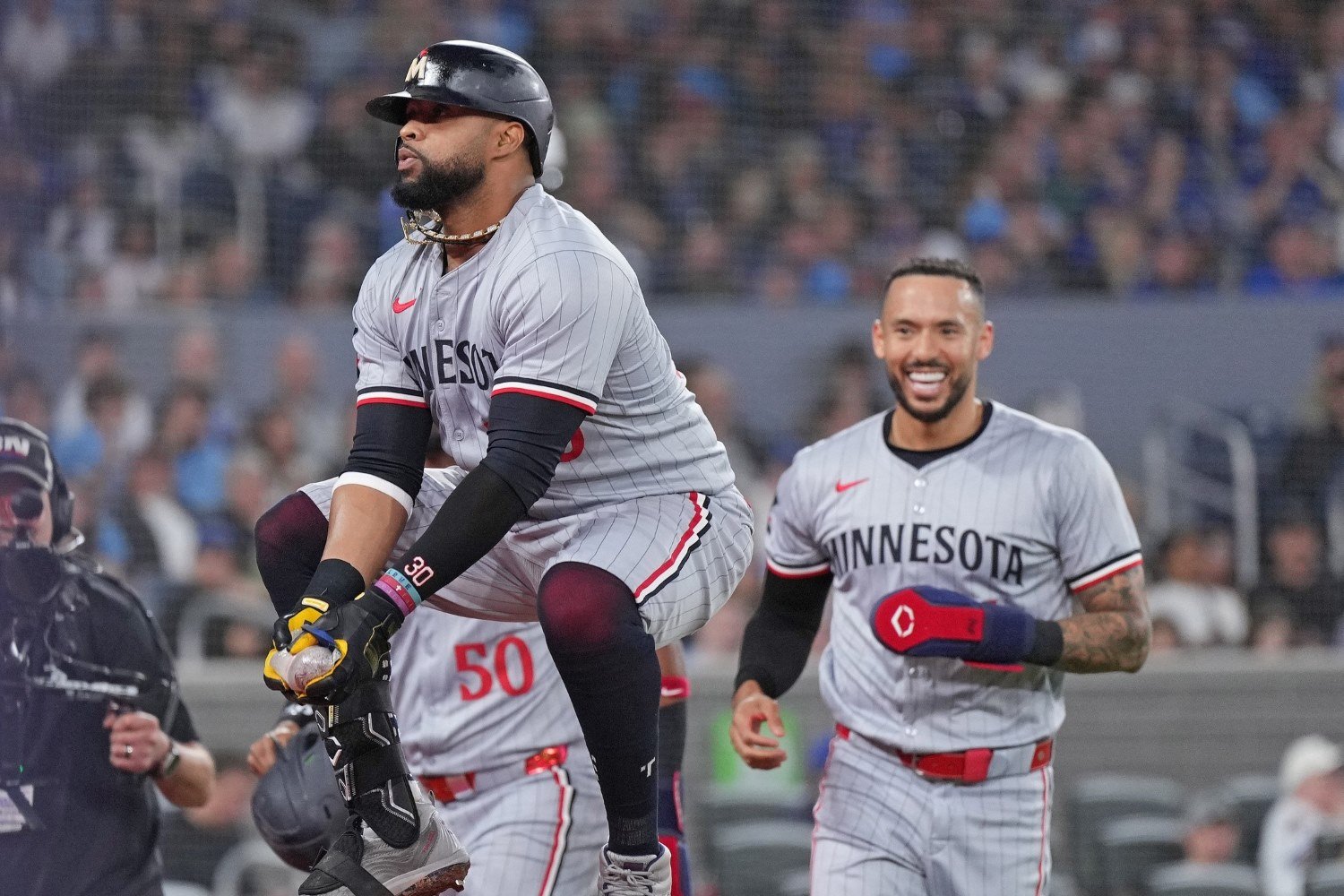 Tuesday kicked off one of the more challenging stretches of games for the Minnesota Twins this season. Over the next four weeks, the Twins will have six games against the New York Yankees, three on the road against the Cleveland Guardians, four against the surprisingly formidable Royals and three on the road against the struggling but uber-talented Houston Astros. Coming off of winning 17 of 20 games and beginning this tough stretch of baseball, let’s zoom out and take a look at the Twins’ playoff outlook, according to the projection systems. When you talk about projection systems (and playoff odds, specifically), the two best places to look are FanGraphs and Baseball Prospectus. Both outlets have had tons of success with their season simulations and projecting the performances of teams. These systems have proven to be more even more reliable than sports betting outlets. While each of their models are different, Baseball Prospectus's and FanGraphs's projection systems essentially work the same way. They take the current standings, remaining strength of schedule and projected performance, and then simulate the rest of the season thousands of times. How those simulations play out determines each team's reported odds and expected record. Looking at both sets of playoff odds as of Tuesday morning, here are the key takeaways. 1. The Minnesota Twins are heavy favorites to win the division, and overwhelming favorites to make the playoffs. Both projection systems feel very confident in the Twins’ chances of making the tournament in October. Baseball Prospectus gives them a 72% chance of winning the division and a 90% chance of making the playoffs, while FanGraphs has them at 61% and 81%, respectively. There are three reasons for this. First, the Twins were the preseason favorites to win the division. Those early projections still come into play, as systems like these forecast how the rest of the season will play out. Second, the Twins are currently only one game out of the division lead and hold a playoff spot. And third, the Twins possess the easiest strength of schedule among the teams in the American League Central the rest of the way. 2. FanGraphs and Baseball Prospectus agree that the Guardians are the Twins’ biggest threat for the division crown. While the Royals have been impressive to start the season and are only a game and a half out of first place, both projection platforms view the Guardians as the biggest threat to the Minnesota Twins for the American League Central crown. FanGraphs has the Guardians at 17% to win the division, while Baseball Prospectus is a little more bullish on Cleveland, giving the Guardians a 21% chance to take the crown. 3. The Twins have a good shot at a playoff bye. Major League Baseball changed the playoff rules for 2022, such that the two division winners with the best records earn a first-round playoff bye and the third-best division-winning team is forced to play a best-of-three series against a Wild Card team. Last year, the American League Central winner was a sure bet all season to get the best-of-three series, as the division was so bad. This season, the AL Central looks much more formidable and the Twins have a decent chance to avoid the best-of-three coinflip. FanGraphs has the Twins at 46% to clinch a bye and advance straight to the best-of-five division round. Would that bye count as two playoff wins, for this franchise that still counts such events carefully? That’s a conversation for another day. Do you feel confident in the Twins winning the division or making the playoffs? Leave a comment below and start the conversation!
 -
The Minnesota Twins’ handling of Jorge Alcalá this season has been among the more puzzling choices that we have seen from this front office. After getting sent down yet again last week, all Twins fans can do at this point is throw up their hands. Image courtesy of © Matt Krohn-USA TODAY Sports Jorge Alcalá’s career with the Twins to this point has been filled with ups and downs--in terms of performance, in terms of health, and in terms of roster status. Bursting onto the scene in 2020, Alcalá quickly worked his way into a middle- to high-leverage role with the club and thrived, posting ERAs of 2.63 and 3.92 in 2020 and 2021, respectively. Unfortunately, injuries kept him from building upon the nice start to his career. In 2022 and 2023, the righthander only threw a combined 19 2⁄3 innings before running into arm issues in each season. Coming into the 2024 season, though, Alcalá was feeling good about where he was from a health standpoint, and his stuff looked strong in Spring Training. The Dominican native looked primed for a bounce-back season. To begin the season, it sure looked like the preseason optimism from Alcalá and the Twins was warranted. Alcalá was immediately utilized in the second game of the season in the seventh inning of a one-run game, and he looked back to his old self. From there, though, the handling of the right-handed reliever got really weird. While Alcalá started the season looking like one of the best arms in the Twins’ bullpen, the workload that the Twins put on the reliever was curious. Over the course of the first six appearances on the season, the Twins asked Alcalá to throw multiple innings on three separate occasions, along with throwing on back-to-back days on another occasion. Alcalá did all of this without allowing a single run and striking out batters at a career-high rate. Considering the fact that each of the previous two seasons were marred by arm injuries, that kind of workload just didn’t seem to be prudent. Rather than limiting his workload at the major-league level, the Twins decided to send Alcalá down to Triple-A, despite his having a 0.00 ERA and coming off his best performance of the season. Rocco Baldelli cited performance for the demotion. Did I mention that he had a 0.00 ERA with a career-high strikeout rate at the time? Alcalá’s usage remained odd in Triple-A, where his first appearance for the Saints was a two-inning outing in which he threw 34 pitches. After three weeks in St. Paul, Alcalá re-joined the Twins. After (another) scoreless outing against Boston in his first appearance back with the Twins came perhaps the most mind-boggling deployment of the reliever yet. Last Tuesday, the Twins opted to have Alcalá throw multiple innings again, the fourth time in his eight big-league appearances. This time, he was asked to throw a career-high 48 pitches. It ended up being a rough outing for Alcalá, who allowed four runs on four hits and two walks, but it’s worth calling out that all four of those runs came in the second inning of his outing. Following the performance, Alcalá was once again sent to the minors, where he remains. The entire situation has been befuddling. Why did the Twins send down Alcalá with a 0.00 ERA and point to performance, when all of his metrics were career bests? Why are the Twins insisting on using Alcalá as a multi-inning reliever, when he is more effective in one inning and comes with giant health question marks? All of this has been extremely confusing, with no great answers. To make matters worse, the Twins bullpen is a bit in flux right now, with depth needed behind Jhoan Durán and Griffin Jax. If the Twins can bring back Alcalá in the same one-inning role to which they assign all of their other relievers, I’m confident that Alcalá could have a huge impact on this bullpen. It’s up to Baldelli and the rest of the decision-makers, though, to realize that their use of Alcalá up to this point has been misguided and that it’s time for a change. View full article
