


Twins Video
The Minnesota Twins are going to have plenty of questions to answer this offseason. Who plays first base? What happens at shortstop? Will Royce Lewis be back? When will Byron Buxton return from injury? Which young players are ready to become everyday contributors?
There is another question that could have an impact on all of those decisions. How does Minnesota become a better defensive team?
Twins manager Derek Shelton was asked about the team's defense during a recent episode of Inside Twins. The conversation touched on Brooks Lee's transition to third base, the defensive development of several young players and what the Twins need to do moving forward. Shelton's answer was direct.
“I think that's really important as we move forward that, you know, we have to be more defensive minded.”
That sounds simple. It is not. The Twins have several young players who could help them get there. They also have several positions where the club could make significant improvements during the offseason.
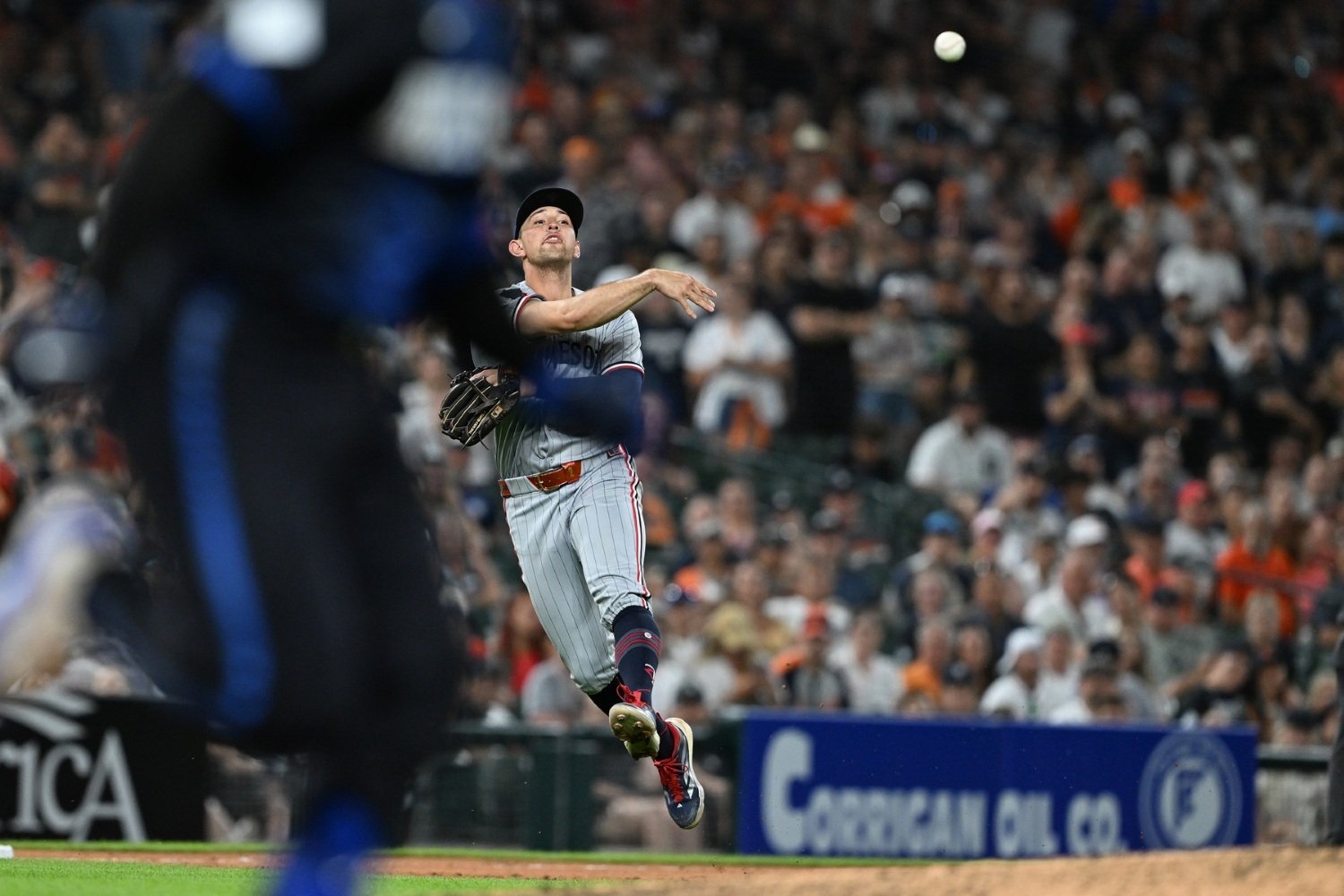
Brooks Lee Changed the Defense
Lee's move from shortstop to third base was not an easy conversation. Lee had spent much of his professional career at shortstop. Like most players who grow up playing the position, he wanted to remain there. Shelton acknowledged that reality while explaining why the Twins ultimately made the decision to move him.
“If you look at a full season there, I think he wins a Gold Glove,” Shelton said. “I really do with, you know, if you want to talk about [defensive metrics], how it goes, I understand that he was frustrated when he moved. I mean, every player that plays centerfield or play shortstop, that's where they think they are.”
The important part of Shelton's explanation was that the move was not made simply because someone in the organization told him Lee should play third. Shelton wanted to see it himself.
“I do think in the conversations, going back to what we talked about earlier in terms of communication, and this is one of the things I told Brooksie when we talked about it, it's like, there had to be enough equity of me watching you play short, us having conversations to have the conversation about you moving to third,” Shelton said.
“If we come into spring training and I take someone else's opinion, someone else's thought process and just say, hey, we're moving there, I'm not developing a good relationship with the player.”
Lee's move has now become one of the more important defensive developments on the roster. Shelton believes it has changed the Twins.
“I think in the way he's played there, he's kind of changed how our defense has been. And we're going to trend towards being more defensive. We have to be. It's an area of growth for us going through.”
That last sentence is the one worth remembering. The Twins are not simply looking for a couple of players who can make highlight-reel plays. Shelton is describing a broader organizational direction. The roster needs to become more defensive.
The Young Players Are Already Helping
The timing of the Twins' defensive evolution could work in their favor. Some of the team's youngest players have shown encouraging signs since reaching the majors.
Emmanuel Rodriguez is a particularly interesting example. Rodriguez entered the organization with an offensive reputation, but Shelton has been impressed by what he has seen in the outfield.
“Really good. I mean, I was talking to Grady [Sizemore] about it last night. I don't remember the explosiveness that in spring training, the first step quickness, the ability to get after it,” Shelton said. “It's really been impressive.”
That athleticism gives the Twins another option as they build the next version of their outfield. Shelton also pointed toward Luke Keaschall, who has made progress defensively, as well as Walker Jenkins.
The Twins do not necessarily need nine Gold Glove-caliber defenders. They need to stop giving away outs and runs because the overall defensive structure is inadequate. There are several spots where that can happen. Here’s a look at each position and who will fit there for 2027.
Catcher: Victor Caratini
Catcher is an obvious place where Minnesota could look for improvement. Caratini has provided value as a blocker and has generally received positive marks for his overall receiving ability. His throwing game has been a different story.
His average pop time to second base has been around 2.04 seconds in 2026, placing him toward the bottom half of MLB catchers. That does not mean Caratini cannot be part of the roster. It does mean the Twins could look for a catcher who gives their pitching staff more defensive support, particularly when it comes to controlling the running game.
If Shelton wants the team to become more defensive minded, catcher is one position where an offseason addition could immediately help.
First Base: Still to Be Determined
First base is another position where defense could factor into the offseason decision. The Twins have room for an impact bat there, but whoever occupies the position also needs to provide competent defense. Lewis remains an option, particularly if Minnesota believes first base can help simplify his defensive responsibilities.
But there is also a case for moving in a different direction after several difficult seasons for the former first-round pick. The first-base decision will likely be driven primarily by offense. It should not be made without considering defense.
Second Base: Kody Clemens or Royce Lewis
Second base could become a platoon situation involving Clemens and Lewis. Clemens has shown versatility by playing multiple positions, but his defensive work at second base has been inconsistent in 2026. His Statcast numbers currently show negative value at the position, including a -4 Outs Above Average mark at second.
That does not necessarily eliminate him from consideration. It does, however, make second base another position where the Twins could improve if they find a player who can provide more consistent defense. If the organization is serious about becoming more defensive minded, those small decisions across the diamond will matter.
Third Base: Brooks Lee
Third base looks much more settled. Lee has made the position his own (6 OAA) after spending much of the season transitioning away from shortstop. Shelton went as far as saying Lee could win a Gold Glove with a full season at third base. That is a significant endorsement from a manager who watched Lee struggle through the transition before finding his footing.
It also gives the Twins something they have not always had in recent seasons: a young player who can potentially provide both offensive production and high-level defense at a premium position. If Lee continues progressing at third, the Twins can cross one defensive question off their offseason list.
Shortstop: Kaelen Culpepper
Shortstop may be the most interesting position on the entire roster. Culpepper should get the opportunity to open 2027 as the starting shortstop. That does not mean the organization has to make a permanent decision on him immediately. Culpepper can use the first half of next season to show whether he can handle the position every day.
Behind him is Marek Houston, who is moving closer to the major leagues and could eventually force another decision. If Culpepper sticks at shortstop, Minnesota's defensive alignment becomes much easier to construct. If he does not, the Twins may have to determine whether he belongs further down the defensive spectrum. That is one reason the next six months could be so important for him.
Outfield: Byron Buxton, Walker Jenkins, Emmanuel Rodriguez and Luke Keaschall
The outfield might provide Minnesota's clearest path toward becoming more athletic defensively. Shelton has made it clear that when Byron Buxton is healthy enough to play, he is going to play center field. That creates an important ripple effect.
Walker Jenkins has shown that he can handle center. Rodriguez has looked increasingly comfortable there as well. Keaschall can continue developing in a corner outfield position with more repetitions.
Jenkins and Rodriguez give the Twins additional options if Buxton is unavailable, while Keaschall's defensive development could determine how much flexibility the team has with its alignment. That is a pretty good starting point for an organization trying to change its defensive identity.
What Does "More Defensive Minded" Actually Mean?
This is where Shelton's comments become more interesting. The Twins do not need to suddenly turn into a team built exclusively around defense. They still need offense. They still need starting pitching. They still need bullpen depth.
But defense can no longer be an afterthought. Lee's move to third base is one example of the organization finding a better defensive fit. Rodriguez's athleticism gives the club another option in center field. Jenkins can cover ground. Culpepper has an opportunity to establish himself at shortstop. Those players could form the foundation of a better defensive club.
The front office will have to fill in the gaps. That means evaluating catcher. It means figuring out first base. It means determining whether Clemens and Lewis can handle second base well enough. It means continuing to develop Keaschall in the outfield.
And it means making sure the players brought in from outside the organization fit the same philosophy. Shelton is now saying the club needs to become more defensive minded. That cannot just be something said during a September podcast. It has to become part of how the roster is built.
The good news is that Minnesota may already have several pieces of that transition in place. Now the Twins have to figure out what comes next. If Shelton's vision becomes reality, the 2027 Twins should look noticeably different when they take the field.
How can the Twins improve defensively for 2027? Leave a comment and start the discussion.
Which team do you dislike the most in the AL Central?
Follow Twins Daily For Minnesota Twins News & Analysis



- Mia Bednar, mikelink45 and Patzky
-
 3
3


Recommended Comments
Create an account or sign in to comment
You need to be a member in order to leave a comment
Create an account
Sign up for a new account in our community. It's easy!
Register a new accountSign in
Already have an account? Sign in here.
Sign In Now