



Matt Braun
-
Posts
1,393 -
Joined
-
Last visited
-
Days Won
1
Content Type
Profiles
News
Minnesota Twins Videos
2026 Minnesota Twins Top Prospects Ranking
2022 Minnesota Twins Draft Picks
Minnesota Twins Free Agent & Trade Rumors, Notes, & Tidbits
Guides & Resources
2023 Minnesota Twins Draft Picks
The Minnesota Twins Players Project
2024 Minnesota Twins Draft Picks
2025 Minnesota Twins Draft Pick Tracker
2026 Minnesota Twins Draft Tracker: Picks & Bonuses
Forums
Blogs
Events
Store
Downloads
Gallery
Everything posted by Matt Braun
-
I think Kevin Gausman is sick of the Twins. Image courtesy of © Bruce Kluckhohn-USA TODAY Sports Box Score Pablo López: 7 ⅔ IP, 6 H, 0 ER, 0 BB, 3 K Home Runs: None Top 3 WPA: Pablo López (.418), José Miranda (.075), Jhoan Durán (.073) Win Probability Chart (via FanGraphs) Ten months ago, these two teams faced off under far more special circumstances. Both franchises looked to break their glass ceiling, pushing beyond themselves to become respectable opponents capable of deep playoff runs. On this same mound—with the same hurlers from their opening match—the Twins and Blue Jays played baseball once again, albeit with a different hue coloring their battle. Kevin Gausman looked like the same Kevin Gausman we’ve come to expect, a compliment considering his injury woes at the start of the season. His fastball blazed and flashed 97 at times. The splitter? You already know about it. With Samson-like hair—maybe sweatier than usual—and a powerful mound presence, he looked nearly unhittable for the game’s first four frames, only occasionally walking a batter when his command faltered. “Thank God,” he probably thought. “Those bastard Twins won’t get me again.” Games aren’t four innings long, though, and Minnesota pounced in the fifth. José Miranda cracked a double off the right-center wall, and Carlos Santana ushered him home with a single. Some more action begat a second score when Willi Castro poked a sacrifice fly the other way. That’s all Pablo López needed. Someone replaced the effective but often inefficient strikeout machine with a modern Carlos Silva; 13 of López’s outs came via the ground ball, as he rode his defense to one of his finest starts of the season. Maybe he took Kevin Costner’s lesson on political systems to heart. Hitter after hitter could do little more than pound the ball directly into the dirt, committing murder on Target Field’s worm population. One of the few times a batter found the skies, he was immediately gunned down at second. So it goes. López didn't relinquish the mound until the 8th when his soft-contact ways proved too powerful; a dying dribbler put runners on 1st and 2nd, forcing Rocco Baldelli to call in Griffin Jax to squash the rebellion, which he did in three pitches. Still, Pablo's line was immaculate: 7 ⅔ innings, 0 earned runs, and 3 strikeouts. Just seven balls left the infield. Jhoan Durán entered in the 9th and worked a relatively boring frame to earn the save. A lead-off single was erased with—get this—a groundball double play. Like starter, like reliever. Notes: The Twins gained one game on the Royals, who lost to Houston. Minnesota remains 3.5 games behind the AL Central-leading Guardians, who beat Pittsburgh tonight. Minnesota remains in the last AL Wild Card spot, 3.5 games ahead of the Red Sox, who also won tonight in 10 innings over the Detroit Tigers. Post-Game Interview: What’s Next? The Twins and Blue Jays play the second game of their series on Saturday, with first pitch coming at 6:10. Former Twin José Berríos will face off against Zebby Matthews. Bullpen Usage Spreadsheet View full article
- 39 replies
-
- 1
-

-
- pablo lopez
- jhoan duran
- (and 4 more)
-
Minor League Report (8/25): Y'all Got Any Runs?
Matt Braun posted a topic in Twins Minor League Talk
Also, I think Brooks Lee is ready to go now. Image courtesy of William Parmeter (photo of Brandon Winokur) TRANSACTIONS OF Alex Kirilloff returned from rehab assignment to Minnesota Twins (that’s byzantine roster speak for the team shutting down his rehab) Saints Sentinel St. Paul 2, Scranton/Wilkes-Barre 5 Box Score Aaron Rozek: 6 IP, 2 H, 1 ER, 0 BB, 4 K HR: None Multi-hit games: Diego A. Castillo (2-for-5, 2B RBI), Brooks Lee (3-for-4, 2 2B, RBI) A disastrous 7th inning sank the Saints on Sunday. You can’t blame Aaron Rozek for the loss: the Burnsville native turned in a fine start, a six-inning, one-run work of art that goes down as one of his finest outings of the year. Of course, there’s often no recourse for pitchers—helpless as they are to support themselves—and the lefty was forced to swallow the loss for his effort. No one ever said this game was fair. St. Paul’s offensive vigor was almost entirely supplied by one Brooks Lee. You may know his work. The rehabbing big-leaguer shot three hits around the field collected a pair of doubles, and some smooth 2nd base defense on an awkward chopper. Lee did leave the game in the 8th, but it’s unclear whether it was: An act of mercy by Toby Gardenhire The Twins seeing enough from the youngster to deem him ok Lee’s injury acting up (2) seems like the most likely answer. The Saints may have been able to win with their lackluster scoring, but Caleb Baragar’s 7th-inning implosion put the game well out of reach; St. Paul scored two in the bottom half of the frame but didn’t plate another run the rest of the game. The RailRiders are the AAA team for the Yankees, and their finest prospect is sometimes known as “The Martian.” Ranked 17th on MLB.com’s Top 100 list, Jasson Dominguez collected two hits in four at-bats. WIND SURGE WISDOM Wichita 1, Midland 4 Box Score Cory Lewis: 3 ⅓ IP, 4 H, 2 ER, 4 BB, 6 K HR: None Multi-hit games: Jorel Ortega (2-for-4, BB) The Wind Surge didn’t pitch well on Sunday, but they made up for it by not hitting. Cory Lewis endured a rare off day on the mound. The Santa Barbara product—so dominant following his early season injury issues—couldn’t locate the strike zone. He searched all day and collected just 44 hits against 76 tries—a success rate below 60%. Lewis didn’t make it out of the 4th. Hopefully, the start will be a rare hiccup in an otherwise excellent minor-league career. Wichita’s bats weren’t much better off. Nine innings of work could only total four hits—one, a double, for extra bases—four walks, and one run. Hitting with runners in scoring position wasn’t the problem; the Wind Surge rarely had a guy poised to score on a knock. (Yes, the only highlight you get from this team is a bases-loaded walk.) The lack of scoring is nothing new for Wichita and the Texas League as a whole this year. What was once a hitter’s paradise has grown tepid; Wichita’s .712 team OPS—5th out of 10 teams—would have been 2nd worst in 2023 and dead last in 2022. For whatever reason, the league evolved into a damning muck, a quagmire that has given hurlers the upper hand. The Rockhounds are the AA squad for the Oakland Athletics. While their recent first-round pick Nick Kurtz is on the team, the best prospect to play for them on Sunday was 5th-ranked Henry Bolte. He singled twice and scored a run in four at-bats. KERNELS NUGGETS Cedar Rapids 2, Dayton 7 Box Score Darren Bowen: 4 IP, 4 H, 3 ER, 2 BB, 6 K HR: Gabriel Gonzalez (4) Multi-hit games: Gabriel Gonzalez (2-for-5, HR, R, RBI), Kyle Hess (2-for-4) The Kernels fell handily on Sunday. You likely won’t win many games with bookended three-run frames. I think Tommy La Sorda said that. In any case, Darren Bowen set the mood early by allowing a lead-off triple, eventually scoring on a sacrifice fly. He nearly escaped with simple mild damage, but a critical two-out walk begat a crushing two-run shot. So it goes. The rest of Bowen’s day was ordinary. He allowed another lead-off triple the next inning (when was the last time THAT happened), but punched out the side, and finished four frames with just one more unearned run against him. Cedar Rapids’ bats weren’t up to the fight, with a plethora of goose eggs defining most of their offensive effort. Gabriel Gonzalez did blast his fourth homer of the year—and Walker Jenkins doubled for the ninth time in 22 games with the Kernels—but the lineup went 1-for-10 with runners in scoring position. That’s not good. The Dragons must have had intel on Nate Baez and/or Cedar Rapids’ pitchers; the Dragons swiped six bases without being caught. Dayton is an affiliate of the Cincinnati Reds and is led by a former Twin draft target in Cam Collier. The 2022 18th-overall pick walked and singled in five trips to the plate. MUSSEL MATTERS Fort Myers 10, Tampa 8 (10 Innings) Box Score Ross Dunn: 4 IP, 2 H, 6 ER, 5 BB, 3 K HR: Billy Amick (2), Jose Rodriguez (5) Multi-hit games: Brandon Winokur (3-for-6, 3B, 2B, 2 R, 2 RBI), Billy Amick (2-for-5, HR, R, 2 RBI), Khadim Diaw (3-for-5, 2B, RBI) The Mighty Mussels won in extras on Sunday. It was a good day to be a top-of-the-order hitter; Fort Myers’ first four batters combined to go 9-for-22 with four runs, seven RBIs, and five extra-base hits. That’s some quality table-setting, not a fork or a napkin out of place. (Perhaps some credit goes to Tampa’s right fielder for butchering Winokur’s flyball. We take those.) Thank goodness for the runs because Ross Dunn did not have it. Not even close. The lefty handed out a career-high five free passes, plunked a guy, uncorked a wild pitch, and suffered a balk. He even fired wildly while fielding: a 1st inning error on a pickoff attempt portended a pair of runs when Hans Montero cracked a double the other way. The Mighty Mussels’ pitching staff did settle in after Dunn exited the game, though, as Devin Kirby, Juan Mercedes, and Ben Ethridge combined for six frames with one lone earned run allowed. They struck out four and walked three. Fort Myers took the lead for good when Kyle DeBarge tripled in two runs in the 10th, opening the door for Winokur to extend the lead even further with a double. The Tampa Tarpons are a member of the Yankees franchise. The typically talented system is no different in 2024; their number four prospect, Roderick Arias, walked twice and scored a run across five plate appearances. TWINS DAILY PLAYERS OF THE DAY Twins Daily Minor League Pitcher of the Day – Aaron Rozek Twins Daily Minor League Hitter of the Day – Brandon Winokur PROSPECT SUMMARY Here’s a look at how the Twins Daily Top 20 Twins Prospects performed: #1– Walker Jenkins (Cedar Rapids) - 1-4, 2B, RBI, BB, K #2 – Brooks Lee (St. Paul) - 3-4, 2 2B, RBI #5 – Zebby Matthews (Minnesota) - 5 IP, 4 H, 1 ER, 0 BB, 7 K #7 – Gabriel Gonzalez (Cedar Rapids) - 2-5, HR, R, RBI #9 - Kaelen Culpepper (Cedar Rapids) - 0-0 (Defensive replacement) #12 – Brandon Winokur (Fort Myers) - 3-6, 3B, 2B, 2 R, 2 RBI, 2 K #13 – Cory Lewis (Wichita) - 3 ⅓ IP, 4 H, 2 ER, 4 BB, 6 K #16 - Kyle DeBarge (Fort Myers) - 1-6, 3B, R, 2 RBI, K #17 – Tanner Schobel (Wichita) - 0-4, K TUESDAY’S PROBABLE STARTERS St. Paul @ Omaha (6:35 PM) - RHP Caleb Boushley Springfield @ Wichita (7:05 PM) - TBD Cedar Rapids @ Lake County (5:35 PM) - TBD Clearwater @ Fort Myers (6:05 PM) - TBD View full article- 7 replies
-
- 1
-
-
- aaron rozek
- gabriel gonzalez
- (and 4 more)
-
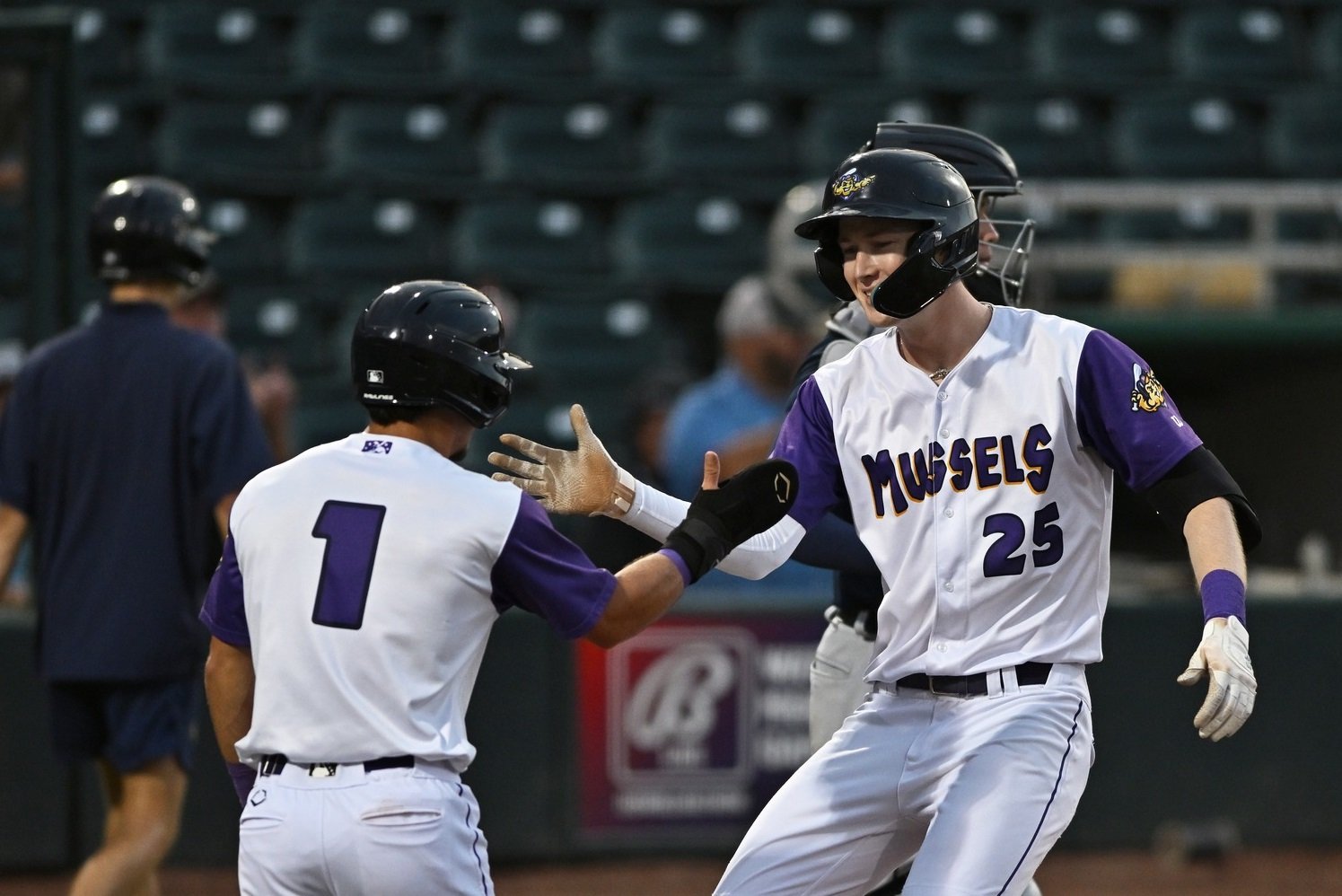 TRANSACTIONS OF Alex Kirilloff returned from rehab assignment to Minnesota Twins (that’s byzantine roster speak for the team shutting down his rehab) Saints Sentinel St. Paul 2, Scranton/Wilkes-Barre 5 Box Score Aaron Rozek: 6 IP, 2 H, 1 ER, 0 BB, 4 K HR: None Multi-hit games: Diego A. Castillo (2-for-5, 2B RBI), Brooks Lee (3-for-4, 2 2B, RBI) A disastrous 7th inning sank the Saints on Sunday. You can’t blame Aaron Rozek for the loss: the Burnsville native turned in a fine start, a six-inning, one-run work of art that goes down as one of his finest outings of the year. Of course, there’s often no recourse for pitchers—helpless as they are to support themselves—and the lefty was forced to swallow the loss for his effort. No one ever said this game was fair. St. Paul’s offensive vigor was almost entirely supplied by one Brooks Lee. You may know his work. The rehabbing big-leaguer shot three hits around the field collected a pair of doubles, and some smooth 2nd base defense on an awkward chopper. Lee did leave the game in the 8th, but it’s unclear whether it was: An act of mercy by Toby Gardenhire The Twins seeing enough from the youngster to deem him ok Lee’s injury acting up (2) seems like the most likely answer. The Saints may have been able to win with their lackluster scoring, but Caleb Baragar’s 7th-inning implosion put the game well out of reach; St. Paul scored two in the bottom half of the frame but didn’t plate another run the rest of the game. The RailRiders are the AAA team for the Yankees, and their finest prospect is sometimes known as “The Martian.” Ranked 17th on MLB.com’s Top 100 list, Jasson Dominguez collected two hits in four at-bats. WIND SURGE WISDOM Wichita 1, Midland 4 Box Score Cory Lewis: 3 ⅓ IP, 4 H, 2 ER, 4 BB, 6 K HR: None Multi-hit games: Jorel Ortega (2-for-4, BB) The Wind Surge didn’t pitch well on Sunday, but they made up for it by not hitting. Cory Lewis endured a rare off day on the mound. The Santa Barbara product—so dominant following his early season injury issues—couldn’t locate the strike zone. He searched all day and collected just 44 hits against 76 tries—a success rate below 60%. Lewis didn’t make it out of the 4th. Hopefully, the start will be a rare hiccup in an otherwise excellent minor-league career. Wichita’s bats weren’t much better off. Nine innings of work could only total four hits—one, a double, for extra bases—four walks, and one run. Hitting with runners in scoring position wasn’t the problem; the Wind Surge rarely had a guy poised to score on a knock. (Yes, the only highlight you get from this team is a bases-loaded walk.) The lack of scoring is nothing new for Wichita and the Texas League as a whole this year. What was once a hitter’s paradise has grown tepid; Wichita’s .712 team OPS—5th out of 10 teams—would have been 2nd worst in 2023 and dead last in 2022. For whatever reason, the league evolved into a damning muck, a quagmire that has given hurlers the upper hand. The Rockhounds are the AA squad for the Oakland Athletics. While their recent first-round pick Nick Kurtz is on the team, the best prospect to play for them on Sunday was 5th-ranked Henry Bolte. He singled twice and scored a run in four at-bats. KERNELS NUGGETS Cedar Rapids 2, Dayton 7 Box Score Darren Bowen: 4 IP, 4 H, 3 ER, 2 BB, 6 K HR: Gabriel Gonzalez (4) Multi-hit games: Gabriel Gonzalez (2-for-5, HR, R, RBI), Kyle Hess (2-for-4) The Kernels fell handily on Sunday. You likely won’t win many games with bookended three-run frames. I think Tommy La Sorda said that. In any case, Darren Bowen set the mood early by allowing a lead-off triple, eventually scoring on a sacrifice fly. He nearly escaped with simple mild damage, but a critical two-out walk begat a crushing two-run shot. So it goes. The rest of Bowen’s day was ordinary. He allowed another lead-off triple the next inning (when was the last time THAT happened), but punched out the side, and finished four frames with just one more unearned run against him. Cedar Rapids’ bats weren’t up to the fight, with a plethora of goose eggs defining most of their offensive effort. Gabriel Gonzalez did blast his fourth homer of the year—and Walker Jenkins doubled for the ninth time in 22 games with the Kernels—but the lineup went 1-for-10 with runners in scoring position. That’s not good. The Dragons must have had intel on Nate Baez and/or Cedar Rapids’ pitchers; the Dragons swiped six bases without being caught. Dayton is an affiliate of the Cincinnati Reds and is led by a former Twin draft target in Cam Collier. The 2022 18th-overall pick walked and singled in five trips to the plate. MUSSEL MATTERS Fort Myers 10, Tampa 8 (10 Innings) Box Score Ross Dunn: 4 IP, 2 H, 6 ER, 5 BB, 3 K HR: Billy Amick (2), Jose Rodriguez (5) Multi-hit games: Brandon Winokur (3-for-6, 3B, 2B, 2 R, 2 RBI), Billy Amick (2-for-5, HR, R, 2 RBI), Khadim Diaw (3-for-5, 2B, RBI) The Mighty Mussels won in extras on Sunday. It was a good day to be a top-of-the-order hitter; Fort Myers’ first four batters combined to go 9-for-22 with four runs, seven RBIs, and five extra-base hits. That’s some quality table-setting, not a fork or a napkin out of place. (Perhaps some credit goes to Tampa’s right fielder for butchering Winokur’s flyball. We take those.) Thank goodness for the runs because Ross Dunn did not have it. Not even close. The lefty handed out a career-high five free passes, plunked a guy, uncorked a wild pitch, and suffered a balk. He even fired wildly while fielding: a 1st inning error on a pickoff attempt portended a pair of runs when Hans Montero cracked a double the other way. The Mighty Mussels’ pitching staff did settle in after Dunn exited the game, though, as Devin Kirby, Juan Mercedes, and Ben Ethridge combined for six frames with one lone earned run allowed. They struck out four and walked three. Fort Myers took the lead for good when Kyle DeBarge tripled in two runs in the 10th, opening the door for Winokur to extend the lead even further with a double. The Tampa Tarpons are a member of the Yankees franchise. The typically talented system is no different in 2024; their number four prospect, Roderick Arias, walked twice and scored a run across five plate appearances. TWINS DAILY PLAYERS OF THE DAY Twins Daily Minor League Pitcher of the Day – Aaron Rozek Twins Daily Minor League Hitter of the Day – Brandon Winokur PROSPECT SUMMARY Here’s a look at how the Twins Daily Top 20 Twins Prospects performed: #1– Walker Jenkins (Cedar Rapids) - 1-4, 2B, RBI, BB, K #2 – Brooks Lee (St. Paul) - 3-4, 2 2B, RBI #5 – Zebby Matthews (Minnesota) - 5 IP, 4 H, 1 ER, 0 BB, 7 K #7 – Gabriel Gonzalez (Cedar Rapids) - 2-5, HR, R, RBI #9 - Kaelen Culpepper (Cedar Rapids) - 0-0 (Defensive replacement) #12 – Brandon Winokur (Fort Myers) - 3-6, 3B, 2B, 2 R, 2 RBI, 2 K #13 – Cory Lewis (Wichita) - 3 ⅓ IP, 4 H, 2 ER, 4 BB, 6 K #16 - Kyle DeBarge (Fort Myers) - 1-6, 3B, R, 2 RBI, K #17 – Tanner Schobel (Wichita) - 0-4, K TUESDAY’S PROBABLE STARTERS St. Paul @ Omaha (6:35 PM) - RHP Caleb Boushley Springfield @ Wichita (7:05 PM) - TBD Cedar Rapids @ Lake County (5:35 PM) - TBD Clearwater @ Fort Myers (6:05 PM) - TBD
- 7 comments
-
- 2
-
-

-
- aaron rozek
- gabriel gonzalez
- (and 4 more)
-
Twins 1, Cardinals 6: Pitchers Walk Many, Hitters Score Few in Apple TV Dud
Matt Braun posted an article in Twins
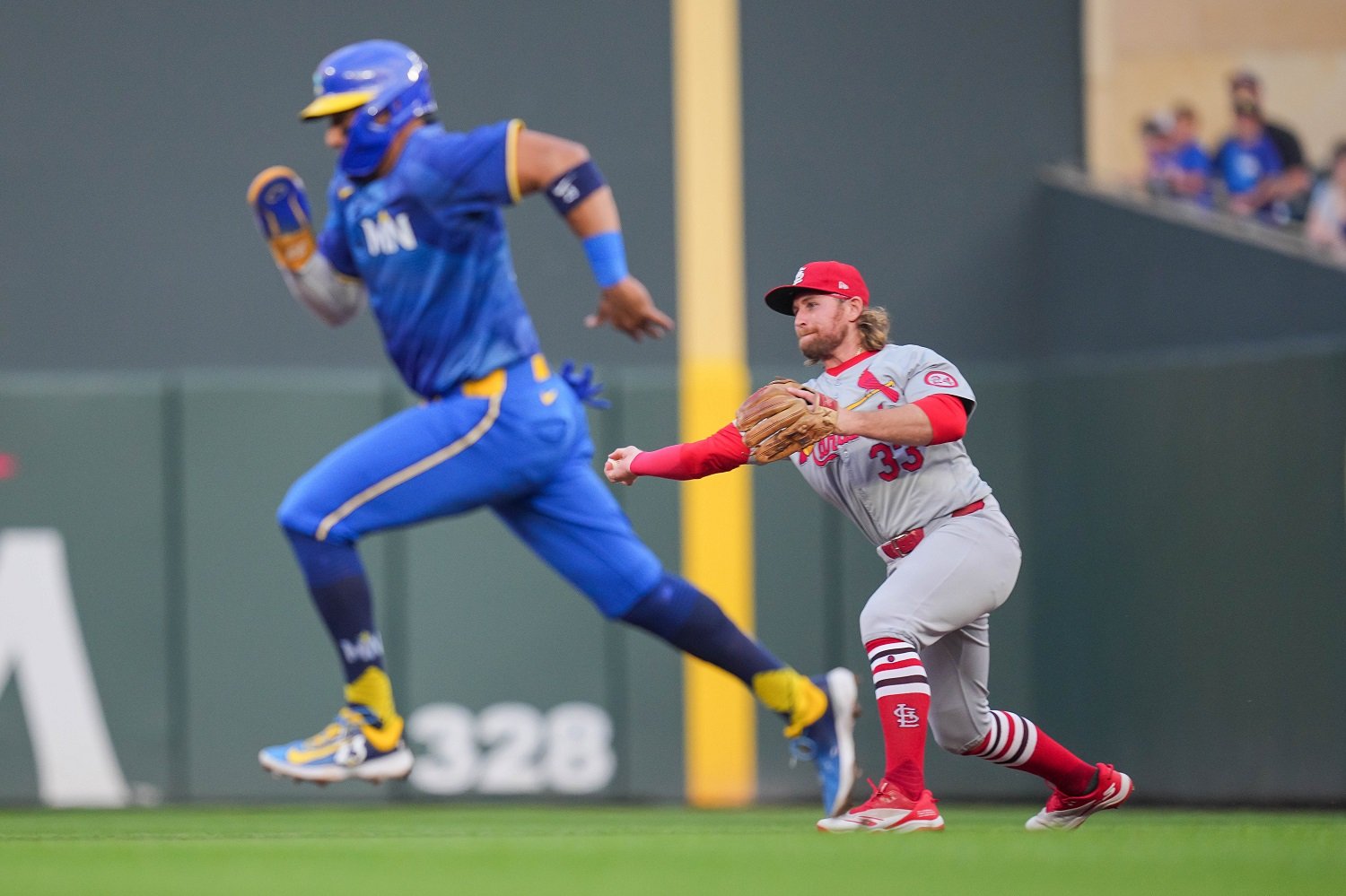 Box Score David Festa: 3 2/3 IP, 3 H, 3 ER, 2 BB, 5 K Home Runs: None Bottom 3 WPA: David Festa (-.185), Matt Wallner (-.148), Trevor Larnach (-.117) Win Probability Chart (via FanGraphs) 37 years ago, these two teams—the Twins and Cardinals—battled in the grandest of baseball’s stages: the World Series. In one of the sport's more special miracles, Minnesota bested their opponents, claiming 85 regular-season wins and eight playoff victories to finish the season as champions. Winners. An outcome unseen in the franchise’s previous 63 years, dating back to Calvin Coolidge. On Friday, the two squads faced off once again in a matchup likely to stir memories and nostalgia. David Festa would probably like to hold little thought regarding his start, though. One of Minnesota’s “Opps, (Almost) All Rookies” starting rotation, the Seton Hall product mowed down batters early but ran into second-time-around trouble yet again; the extra exposure stiffened discipline and expanded damage, leading to three hits—but three runs—against the youngster across four frames. So it goes. One of St. Louis’ main poisons? Stolen bases. As it has been said, the more things change, the more they stay the same. On the opposite end, Twins’ hitters found no such fortune against their opponent. Andre Pallante was too strange, too weird for them. His heater confounded all night long; even the swings that resulted in a ball in play typically found a glove. Perhaps it’s fitting that the only run scored against him was a well-placed dribbler by Austin Martin, just outside of Nolan Arenado’s range. That was it. Pallante settled into an unshakable groove—the kind of pitch-to-contact brilliance unseen in a decade—and bled the Twins dry with seven gorgeous innings. He allowed just five hits, none for extra bases. Minnesota’s relievers offered no peace of mind: Jorge Alcalá allowed another run amidst a terrible span of pitching in August, and Trevor Richards continued his expressionist and experimental waltz with the strike zone, or anything close to it. He tried to court but could never quite seal the deal. The result was a suffocating 6-1 lead, far too much to overcome as even finally breaking into the St. Louis bullpen couldn’t alter the Twins' fortunes on Friday; the wells ran dry no matter who took the mound. The game finally ended when Max Kepler lined out, ironically, on one of the few hard-hit balls of the night. Notes: Caleb Thielbar appeared in his 333th game as a Twin, the 8th-most in franchise history for a relief pitcher. He is 32 games away from tying Glen Perkins for 7th place. Ryan Jeffers is slashing .300/.341/.675 in August. David Festa earned his 44th strikeout of the season, the 15th-most amongst AL Rookies in 2024. Post-Game Interview: What’s Next? The Twins and Cardinals play the second game of their series on Saturday. Pablo López will face off against his playoff partner-in-crime, Sonny Gray. First pitch is at 6:10 PM. Bullpen Usage Spreadsheet
- 44 comments
-
- 4
-

-

-
-
- david festa
- austin martin
- (and 4 more)
-
Remember: a fabulously rich entity paid actual money for the rights to this performance. Image courtesy of Brad Rempel-USA TODAY Sports Box Score David Festa: 3 2/3 IP, 3 H, 3 ER, 2 BB, 5 K Home Runs: None Bottom 3 WPA: David Festa (-.185), Matt Wallner (-.148), Trevor Larnach (-.117) Win Probability Chart (via FanGraphs) 37 years ago, these two teams—the Twins and Cardinals—battled in the grandest of baseball’s stages: the World Series. In one of the sport's more special miracles, Minnesota bested their opponents, claiming 85 regular-season wins and eight playoff victories to finish the season as champions. Winners. An outcome unseen in the franchise’s previous 63 years, dating back to Calvin Coolidge. On Friday, the two squads faced off once again in a matchup likely to stir memories and nostalgia. David Festa would probably like to hold little thought regarding his start, though. One of Minnesota’s “Opps, (Almost) All Rookies” starting rotation, the Seton Hall product mowed down batters early but ran into second-time-around trouble yet again; the extra exposure stiffened discipline and expanded damage, leading to three hits—but three runs—against the youngster across four frames. So it goes. One of St. Louis’ main poisons? Stolen bases. As it has been said, the more things change, the more they stay the same. On the opposite end, Twins’ hitters found no such fortune against their opponent. Andre Pallante was too strange, too weird for them. His heater confounded all night long; even the swings that resulted in a ball in play typically found a glove. Perhaps it’s fitting that the only run scored against him was a well-placed dribbler by Austin Martin, just outside of Nolan Arenado’s range. That was it. Pallante settled into an unshakable groove—the kind of pitch-to-contact brilliance unseen in a decade—and bled the Twins dry with seven gorgeous innings. He allowed just five hits, none for extra bases. Minnesota’s relievers offered no peace of mind: Jorge Alcalá allowed another run amidst a terrible span of pitching in August, and Trevor Richards continued his expressionist and experimental waltz with the strike zone, or anything close to it. He tried to court but could never quite seal the deal. The result was a suffocating 6-1 lead, far too much to overcome as even finally breaking into the St. Louis bullpen couldn’t alter the Twins' fortunes on Friday; the wells ran dry no matter who took the mound. The game finally ended when Max Kepler lined out, ironically, on one of the few hard-hit balls of the night. Notes: Caleb Thielbar appeared in his 333th game as a Twin, the 8th-most in franchise history for a relief pitcher. He is 32 games away from tying Glen Perkins for 7th place. Ryan Jeffers is slashing .300/.341/.675 in August. David Festa earned his 44th strikeout of the season, the 15th-most amongst AL Rookies in 2024. Post-Game Interview: What’s Next? The Twins and Cardinals play the second game of their series on Saturday. Pablo López will face off against his playoff partner-in-crime, Sonny Gray. First pitch is at 6:10 PM. Bullpen Usage Spreadsheet View full article
- 44 replies
-
- 1
-
-
- david festa
- austin martin
- (and 4 more)
-
Also, it was a bad day to be a relief pitcher. Image courtesy of William Parmeter TRANSACTIONS No moves were made on Sunday, but Jeff Johnson is reporting that Kaelen Culpepper will join the Cedar Rapids Kernels. Saints Sentinel St. Paul 6, Indianapolis 7 Box Score Andrew Morris: 3 IP, 2 H, 3 ER, 4 BB, 3 K HR: Michael Helman (13), Rylan Bannon (16) Multi-hit games: Payton Eeles (2-for-4, 2B, 2 R, RBI), Wynton Bernard (2-for-4, 2B, R) The Saints were walked off on Sunday. Andrew Morris finally hit a roadblock. Took long enough. The Texas Tech bulldog entered the day with a season ERA of 1.97—23 earned runs across 105 ⅓ innings—and left it with a mark of 2.16. Maybe Mercury was in retrograde. All of the carnage came in a brutal 2nd inning, when a pair of walks portended three earned runs. Morris escaped thereafter, but a mixed bag in the 3rd moved Toby Gardenhire to yank his youngster. Better days are ahead. St. Paul came to rumble, though, and they didn’t allow their starter to carry the decision for long. Payton Eeles and Michael Helman teamed up to plate two immediate runs, before a 5th-inning knock from Yunior Severino officially let Morris off the hook. Then: chaos. Indianapolis and St. Paul exchanged runs like kids in the ’70s exchanged baseball cards, as hits and homers abounded, ruining ERAs and soiling pitchers’ spirits. Every Saints reliever not named Hobie Harris exited the game with an earned run against him. Matt Gorski ended the misery with a 9th-inning solo shot, sending the Saints home losers for the 63rd time this year. Indianapolis features a plethora of talent, including former big-leaguers like Billy McKinney, Jake Lamb, and Jack Suwinski; a 1st overall pick in Henry Davis; and Pittsburgh’s 6th-best prospect, Nick Yorke. Yorke pinch-hit and struck out. WIND SURGE WISDOM Wichita 3, Arkansas 12 Box Score Christian MacLeod: 4 ⅓ IP, 3 H, 1 ER, 1 BB, 4 K HR: None Multi-hit games: Tanner Schobel (2-for-5, 2B, R), Jake Rucker (2-for-5), Carson McCusker (2-for-4, RBI) The Wind Surge crumpled and imploded on Sunday. Christian MacLeod bounced back, though. Following an impromptu Triple-A start, the lefty rejoined Wichita and pitched a tidy (if inefficient) outing. Over 84 pitches, MacLeod elicited 13 outs, striking out four with just one earned run. Even that runner only scored after MacLeod exited the game. For a guy looking to get back on the horse, Sunday’s outing was pretty much perfect. That’s about when the fun ended, however. Each subsequent reliever allowed an escalating number of runs, starting with two from Mason Fox, and ending with five from John Stankiewicz. The most effective reliever was Jorel Ortega. Jorel Ortega is not a pitcher. Wichita’s hitters didn’t have a prayer in matching the scoring. They did fine early, holding a 2-0 lead as late as the beginning of the 5th inning thanks to RBI hits by Carson McCusker and Ricardo Olivar, but they couldn’t match Arkansas’s cartoonish output. Tanner Schobel is slashing .269/.321/.577 in August. The Travelers are led by two excellent Mariners prospects: Cole Young and Harry Ford. Ranked 37th and 53rd, respectively, on MLB Pipeline’s top 100, Young singled and walked three times while Ford homered and singled. KERNELS NUGGETS Cedar Rapids 4, South Bend 1 Box Score Jeremy Lee: 4 IP, 1 H, 0 ER, 2 BB, 5 K HR: None Multi-hit games: Walker Jenkins (2-for-4, R), Jose Salas (2-for-4, 2B, 2 R), Poncho Ruiz (2-for-3, 2B, 2 RBI, BB) The Kernels cruised to a victory on Sunday. Two hurlers spearheaded the pitching effort: Jeremy Lee and Spencer Bengard. Lee—a 13th-rounder out of South Alabama—covered the first four frames, holding the Cubs completely at bay while punctuating his outing by K-ing the side in the 4th. Then it was Bengard’s turn. Drafted two rounds later from about six states farther West, the righty matched Lee in effectiveness, covering four more innings with a lone, unearned run against him. Blame Rubel Cespedes. With some help from the Cubs, the Kernels gave their pitchers enough space for comfort. Poncho Ruiz started the scoring with a clean two-run single in the 2nd, before errors in the 4th and 7th added a pair of bonus scores. Best not to stop your enemy when they are making a mistake. Nolan Santos nearly closed the game but, following a second error by Cespedes, was pulled in favor of Gabriel Yanez. He struck out his batter in five pitches. It was Cedar Rapids’s 61st win of the season. Walker Jenkins collected two hits and stole two bases, his first multi-steal game since Jul. 2 with the Mighty Mussels. Third baseman Pedro Ramírez slots in as the Cubs’ 11th-best prospect. He walked once in four plate appearances. MUSSEL MATTERS Fort Myers 3, Lakeland 4 Box Score Ross Dunn: 5 IP, 4 H, 2 ER, 1 BB, 7 K HR: None Multi-hit games: Jaime Ferrer (2-for-4, 2 2B, R, 2 RBI) The Mighty Mussels could not complete the comeback on Sunday. Modesto native Ross Dunn earned the starting nod. A relative elder on the squad—he was drafted all the way back in 2023—the lefty utilized his seasoning and wisdom to nearly strike out a season-high, sending seven Flying Tigers back to the dugout empty-handed. He rebounded nicely from an immediate 2-0 deficit partly caused by a Kyle DeBarge throwing error to allow just two earned runs; his August ERA sits at just 2.08 over 8 ⅔ frames. Fortunately, Fort Myers’s bats opened the game with a pair of first-inning runs as well. A walk and an error placed two men on, and 2024 4th-rounder Jaime Ferrer cracked the first of his two doubles on the day, scoring both runners on a slicing drive. The Mighty Mussels fell asleep for the next seven innings, though, as they failed to score again until the 9th. It was too little, too late: Jay Thomason drew the game within one with an RBI knock, but the eventual tying run was thrown out at home attempting to score on the same play. Brandon Winokur lined out to end the game. Minnesota’s 1st-round pick, Kaelen Culpepper, singled once in four at-bats and stole his second base of the year. The Flying Tigers are an affiliate of the Detroit Tigers, whose talented farm system mostly populates their High-A team. Because of this, not a single player from their MLB Pipeline top 30 played in Sunday’s game. TWINS DAILY PLAYERS OF THE DAY Twins Daily Minor League Pitcher of the Day – Jeremy Lee Twins Daily Minor League Hitter of the Day – Michael Helman? Jaime Ferrer? Payton Eeles? Take your pick. PROSPECT SUMMARY Here’s a look at how the Twins Daily Top 20 Twins Prospects performed: #1– Walker Jenkins (Cedar Rapids) - 2-4, R #7 – Gabriel Gonzalez (Cedar Rapids) - 0-4 #9 - Kaelen Culpepper (Fort Myers) - 1-4 #11 - Andrew Morris (St. Paul) - 3 IP, 2 H, 3 ER, 4 BB, 3 K #12 – Brandon Winokur (Fort Myers) - 0-1 #16 - Kyle DeBarge (Fort Myers) - 0-3, BB #17 – Tanner Schobel (Wichita) - 2-5, 2B, R MONDAY’S PROBABLE STARTERS DSL Twins @ DSL Colorado (10:00 AM) - TBD View full article
-
Minor League Report 8/18 Andrew Morris Finally Falters
Matt Braun posted an article in Minor Leagues
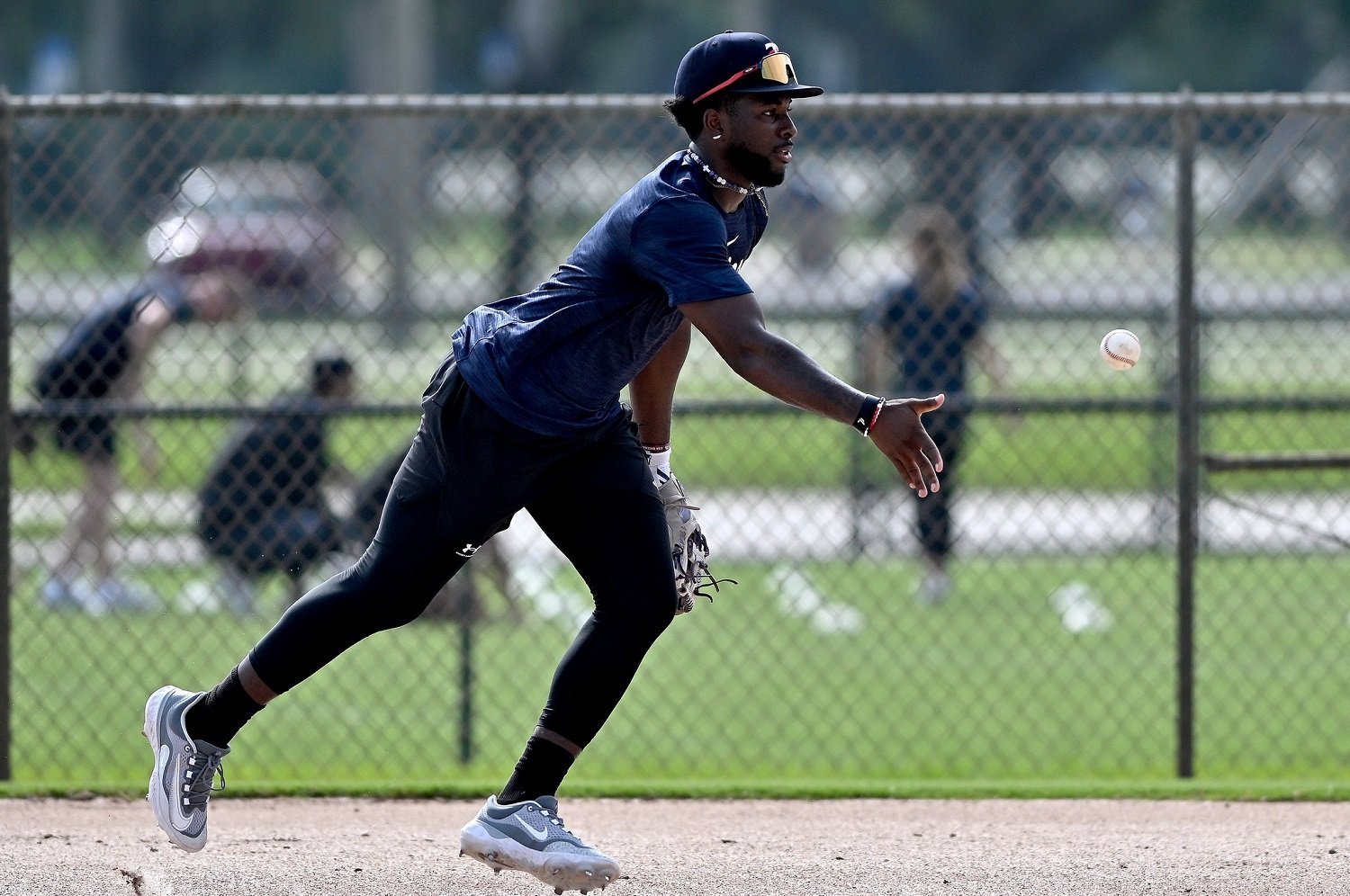 TRANSACTIONS No moves were made on Sunday, but Jeff Johnson is reporting that Kaelen Culpepper will join the Cedar Rapids Kernels. Saints Sentinel St. Paul 6, Indianapolis 7 Box Score Andrew Morris: 3 IP, 2 H, 3 ER, 4 BB, 3 K HR: Michael Helman (13), Rylan Bannon (16) Multi-hit games: Payton Eeles (2-for-4, 2B, 2 R, RBI), Wynton Bernard (2-for-4, 2B, R) The Saints were walked off on Sunday. Andrew Morris finally hit a roadblock. Took long enough. The Texas Tech bulldog entered the day with a season ERA of 1.97—23 earned runs across 105 ⅓ innings—and left it with a mark of 2.16. Maybe Mercury was in retrograde. All of the carnage came in a brutal 2nd inning, when a pair of walks portended three earned runs. Morris escaped thereafter, but a mixed bag in the 3rd moved Toby Gardenhire to yank his youngster. Better days are ahead. St. Paul came to rumble, though, and they didn’t allow their starter to carry the decision for long. Payton Eeles and Michael Helman teamed up to plate two immediate runs, before a 5th-inning knock from Yunior Severino officially let Morris off the hook. Then: chaos. Indianapolis and St. Paul exchanged runs like kids in the ’70s exchanged baseball cards, as hits and homers abounded, ruining ERAs and soiling pitchers’ spirits. Every Saints reliever not named Hobie Harris exited the game with an earned run against him. Matt Gorski ended the misery with a 9th-inning solo shot, sending the Saints home losers for the 63rd time this year. Indianapolis features a plethora of talent, including former big-leaguers like Billy McKinney, Jake Lamb, and Jack Suwinski; a 1st overall pick in Henry Davis; and Pittsburgh’s 6th-best prospect, Nick Yorke. Yorke pinch-hit and struck out. WIND SURGE WISDOM Wichita 3, Arkansas 12 Box Score Christian MacLeod: 4 ⅓ IP, 3 H, 1 ER, 1 BB, 4 K HR: None Multi-hit games: Tanner Schobel (2-for-5, 2B, R), Jake Rucker (2-for-5), Carson McCusker (2-for-4, RBI) The Wind Surge crumpled and imploded on Sunday. Christian MacLeod bounced back, though. Following an impromptu Triple-A start, the lefty rejoined Wichita and pitched a tidy (if inefficient) outing. Over 84 pitches, MacLeod elicited 13 outs, striking out four with just one earned run. Even that runner only scored after MacLeod exited the game. For a guy looking to get back on the horse, Sunday’s outing was pretty much perfect. That’s about when the fun ended, however. Each subsequent reliever allowed an escalating number of runs, starting with two from Mason Fox, and ending with five from John Stankiewicz. The most effective reliever was Jorel Ortega. Jorel Ortega is not a pitcher. Wichita’s hitters didn’t have a prayer in matching the scoring. They did fine early, holding a 2-0 lead as late as the beginning of the 5th inning thanks to RBI hits by Carson McCusker and Ricardo Olivar, but they couldn’t match Arkansas’s cartoonish output. Tanner Schobel is slashing .269/.321/.577 in August. The Travelers are led by two excellent Mariners prospects: Cole Young and Harry Ford. Ranked 37th and 53rd, respectively, on MLB Pipeline’s top 100, Young singled and walked three times while Ford homered and singled. KERNELS NUGGETS Cedar Rapids 4, South Bend 1 Box Score Jeremy Lee: 4 IP, 1 H, 0 ER, 2 BB, 5 K HR: None Multi-hit games: Walker Jenkins (2-for-4, R), Jose Salas (2-for-4, 2B, 2 R), Poncho Ruiz (2-for-3, 2B, 2 RBI, BB) The Kernels cruised to a victory on Sunday. Two hurlers spearheaded the pitching effort: Jeremy Lee and Spencer Bengard. Lee—a 13th-rounder out of South Alabama—covered the first four frames, holding the Cubs completely at bay while punctuating his outing by K-ing the side in the 4th. Then it was Bengard’s turn. Drafted two rounds later from about six states farther West, the righty matched Lee in effectiveness, covering four more innings with a lone, unearned run against him. Blame Rubel Cespedes. With some help from the Cubs, the Kernels gave their pitchers enough space for comfort. Poncho Ruiz started the scoring with a clean two-run single in the 2nd, before errors in the 4th and 7th added a pair of bonus scores. Best not to stop your enemy when they are making a mistake. Nolan Santos nearly closed the game but, following a second error by Cespedes, was pulled in favor of Gabriel Yanez. He struck out his batter in five pitches. It was Cedar Rapids’s 61st win of the season. Walker Jenkins collected two hits and stole two bases, his first multi-steal game since Jul. 2 with the Mighty Mussels. Third baseman Pedro Ramírez slots in as the Cubs’ 11th-best prospect. He walked once in four plate appearances. MUSSEL MATTERS Fort Myers 3, Lakeland 4 Box Score Ross Dunn: 5 IP, 4 H, 2 ER, 1 BB, 7 K HR: None Multi-hit games: Jaime Ferrer (2-for-4, 2 2B, R, 2 RBI) The Mighty Mussels could not complete the comeback on Sunday. Modesto native Ross Dunn earned the starting nod. A relative elder on the squad—he was drafted all the way back in 2023—the lefty utilized his seasoning and wisdom to nearly strike out a season-high, sending seven Flying Tigers back to the dugout empty-handed. He rebounded nicely from an immediate 2-0 deficit partly caused by a Kyle DeBarge throwing error to allow just two earned runs; his August ERA sits at just 2.08 over 8 ⅔ frames. Fortunately, Fort Myers’s bats opened the game with a pair of first-inning runs as well. A walk and an error placed two men on, and 2024 4th-rounder Jaime Ferrer cracked the first of his two doubles on the day, scoring both runners on a slicing drive. The Mighty Mussels fell asleep for the next seven innings, though, as they failed to score again until the 9th. It was too little, too late: Jay Thomason drew the game within one with an RBI knock, but the eventual tying run was thrown out at home attempting to score on the same play. Brandon Winokur lined out to end the game. Minnesota’s 1st-round pick, Kaelen Culpepper, singled once in four at-bats and stole his second base of the year. The Flying Tigers are an affiliate of the Detroit Tigers, whose talented farm system mostly populates their High-A team. Because of this, not a single player from their MLB Pipeline top 30 played in Sunday’s game. TWINS DAILY PLAYERS OF THE DAY Twins Daily Minor League Pitcher of the Day – Jeremy Lee Twins Daily Minor League Hitter of the Day – Michael Helman? Jaime Ferrer? Payton Eeles? Take your pick. PROSPECT SUMMARY Here’s a look at how the Twins Daily Top 20 Twins Prospects performed: #1– Walker Jenkins (Cedar Rapids) - 2-4, R #7 – Gabriel Gonzalez (Cedar Rapids) - 0-4 #9 - Kaelen Culpepper (Fort Myers) - 1-4 #11 - Andrew Morris (St. Paul) - 3 IP, 2 H, 3 ER, 4 BB, 3 K #12 – Brandon Winokur (Fort Myers) - 0-1 #16 - Kyle DeBarge (Fort Myers) - 0-3, BB #17 – Tanner Schobel (Wichita) - 2-5, 2B, R MONDAY’S PROBABLE STARTERS DSL Twins @ DSL Colorado (10:00 AM) - TBD
- 23 comments
-
- 2
-
-
-
- jeremy lee
- spencer bengard
- (and 5 more)
-
 Box Score Simeon Woods Richardson: 5 IP, 3 H, 2 ER, 2 BB, 1 K Home Runs: Ryan Jeffers (18), Carlos Santana (17) Top 3 WPA: Carlos Santana (.282), Jhoan Durán (.203), Griffin Jax (.143) Win Probability Chart (via FanGraphs) Welcome to Player’s Weekend! The state-mandated fun begins Friday and the festivities will play out through the entire weekend. Observe such unique, fun examples of player personalities, such as special bats and… different cleats? You can’t have nicknames anymore—that was too much fun—but you can swing a pencil bat now; enjoy a party thrown by Captain Ray Holt. Friday was a homecoming of sorts for Simeon Woods Richardson. The Sugar Land native grew up some four hours away from the plot of land that would become Globe Life Field; an afternoon saunter for Texas standards. And he was fine. Gritty if you were in a complimenting mood, inefficient if your grade curves harder. He netted just five swings and misses the entire game. Instead, fortune took his hand and turned a 408-foot missile by Adolis García into a warning track flyout; later, Josh Jung saw much the same. By totality of fly ball distance, Woods Richardson’s start probably looked ordinary, but he still walked off the mound with just two earned runs on his ledger—enough to put him in line for the win. “Well, how did he get there?” Thank the long ball, all hail. Andrew Heaney diced up the Twins for two frames before a lethargic changeup turned 106.7 MPH screamer off Ryan Jeffers’ Ticonderoga #2 gave Minnesota their first score of the day. Another scoreless frame begat an eventful 5th. The all too important should-I-stretch-my-starter-one-more-frame-or-call-in-the-cavalry decision burned Bruce Bochy: he gambled with Heaney against Carlos Santana and could only watch helplessly as the 38-year-old blasted a three-run shot just above the wall in left-center field. All hail the long ball. So began the running of the bullpens, with trapdoors and booby traps abound as the plethora of vaguely trustworthy arms give way to the guys the manager actually wants to use. This movement spat out Caleb Thielbar and Cole Sands; the former, nearly completely effective in handling his three batters, the latter, stumbling with a pair of singles to draw the game within one. Then he literally stumbled in an attempt to touch first base on a routine groundout in the 7th. Job security for the Griffin Jaxs of the world. Indeed, Jax pitched a breezy 8th with two strikeouts before Jhoan Durán introduced himself to the game. He didn't need to stick around long. Leody Tavares snuck a cheeky infield single in, but a pair of Ks with an excellent Willi Castro diving play sandwiched in-between ended Texas' day and gave the Twins the victory. Notes: Carlos Santana hit his 318th career home run, putting him in a tie with Roy Sievers for 136th place in MLB history. Jhoan Durán earned his 53rd career save, good for 8th place in Twins history. He is 23 saves away from tying Ron Perranoski for 7th. Manuel Margot's lead-off plate appearances took 16 pitches, the most of any in MLB this season. Post-Game Interview: What’s Next? The Twins and Rangers play the third game of their series on Saturday, with rookie David Festa set to match up against the veteran 262 starts his senior, Nathan Eovaldi. First pitch is at 6:05 PM. Bullpen Usage Spreadsheet
- 41 comments
-
- 6
-
-
- carlos santana
- simeon woods richardson
- (and 3 more)
-
You may ask yourself: "What is that beautiful first baseman?" Image courtesy of Raymond Carlin III, USA Today Sports Box Score Simeon Woods Richardson: 5 IP, 3 H, 2 ER, 2 BB, 1 K Home Runs: Ryan Jeffers (18), Carlos Santana (17) Top 3 WPA: Carlos Santana (.282), Jhoan Durán (.203), Griffin Jax (.143) Win Probability Chart (via FanGraphs) Welcome to Player’s Weekend! The state-mandated fun begins Friday and the festivities will play out through the entire weekend. Observe such unique, fun examples of player personalities, such as special bats and… different cleats? You can’t have nicknames anymore—that was too much fun—but you can swing a pencil bat now; enjoy a party thrown by Captain Ray Holt. Friday was a homecoming of sorts for Simeon Woods Richardson. The Sugar Land native grew up some four hours away from the plot of land that would become Globe Life Field; an afternoon saunter for Texas standards. And he was fine. Gritty if you were in a complimenting mood, inefficient if your grade curves harder. He netted just five swings and misses the entire game. Instead, fortune took his hand and turned a 408-foot missile by Adolis García into a warning track flyout; later, Josh Jung saw much the same. By totality of fly ball distance, Woods Richardson’s start probably looked ordinary, but he still walked off the mound with just two earned runs on his ledger—enough to put him in line for the win. “Well, how did he get there?” Thank the long ball, all hail. Andrew Heaney diced up the Twins for two frames before a lethargic changeup turned 106.7 MPH screamer off Ryan Jeffers’ Ticonderoga #2 gave Minnesota their first score of the day. Another scoreless frame begat an eventful 5th. The all too important should-I-stretch-my-starter-one-more-frame-or-call-in-the-cavalry decision burned Bruce Bochy: he gambled with Heaney against Carlos Santana and could only watch helplessly as the 38-year-old blasted a three-run shot just above the wall in left-center field. All hail the long ball. So began the running of the bullpens, with trapdoors and booby traps abound as the plethora of vaguely trustworthy arms give way to the guys the manager actually wants to use. This movement spat out Caleb Thielbar and Cole Sands; the former, nearly completely effective in handling his three batters, the latter, stumbling with a pair of singles to draw the game within one. Then he literally stumbled in an attempt to touch first base on a routine groundout in the 7th. Job security for the Griffin Jaxs of the world. Indeed, Jax pitched a breezy 8th with two strikeouts before Jhoan Durán introduced himself to the game. He didn't need to stick around long. Leody Tavares snuck a cheeky infield single in, but a pair of Ks with an excellent Willi Castro diving play sandwiched in-between ended Texas' day and gave the Twins the victory. Notes: Carlos Santana hit his 318th career home run, putting him in a tie with Roy Sievers for 136th place in MLB history. Jhoan Durán earned his 53rd career save, good for 8th place in Twins history. He is 23 saves away from tying Ron Perranoski for 7th. Manuel Margot's lead-off plate appearances took 16 pitches, the most of any in MLB this season. Post-Game Interview: What’s Next? The Twins and Rangers play the third game of their series on Saturday, with rookie David Festa set to match up against the veteran 262 starts his senior, Nathan Eovaldi. First pitch is at 6:05 PM. Bullpen Usage Spreadsheet View full article
-
Cubbage joined the team after the Bert Blyleven trade and played an effective third base, before transitioning to an extended career as a coach and scout. Image courtesy of Thiéres Rabelo “Well, you should be!”1 Even as a youngster, Mike Cubbage likely knew the majors were closer to him than most. With cousins Larry (and eventually Chris) Haney etched into the pantheon of MLBers, a career in pro ball seemed certain for the young Cubbage; his mother had a glove on his hand at age 3 and bragged that “she taught [him] how to catch.”2 Despite his lineage, Cubbage eschewed an initial selection in the 1968 MLB draft so that he could enroll at the University of Virginia as both a football and baseball player. While he took over the reins as the Cavaliers' signal-caller as a sophomore, an elbow injury turned his focus solely to baseball, and he would be drafted again in 1971 by the same team that wanted him before: the Washington Senators.2 Cubbage joined the Twins thanks to one of the more infamous moments in Minnesota’s history: the Bert Blyleven trade. Always a feisty figure, Blyleven dominated MLB starting at the tender age of 19, but his eccentric personality—including multiple instances of him flipping a crowd the bird—undercut his persona. When he disputed with owner Calvin Griffith over his salary in 1976, the Twins decided the juice wasn’t worth the squeeze, and dealt their ace to the Rangers for a return including Cubbage and Roy Smalley. The Twins of this era weren’t particularly notable. Outside of Rod Carew’s greatness and the perpetually underrated Dave Goltz, Minnesota was still wandering in its post-60s haze, unable to capture the magic of the previous decade. A Lyman Bostock here, a Larry Hisle there, and one of the greatest pitching seasons in Twins history from Jerry Koosman accentuated this period, keeping them usually above .500, but the postseason eluded them. Greatness never came to fruition. Nonetheless, Cubbage played an important role. His defensive chops helped the team lock down third base for a couple of seasons, smoothing the transition from Eric Soderholm, who claimed the position in 1974 and 1975 but had suffered a serious knee injury; he would never play for the Twins again. In his wake, Cubbage manned the position for 433 games until he left the team in free agency to sign with the Mets in 1981. Most of that time was fruitful. Cubbage put up 2.1 WAR in 104 games with the Twins in 1976, before turning in two more above-average years in 1977 and 1978, respectively. During that '78 season, Cubbage accomplished one of the rarer feats in baseball: the cycle. Even more rare, Cubbage somewhat tarnished his cycle by kicking it off with a botched attempt to earn a triple; he was thrown at third, but still credited with a double. He then homered in the 4th, singled in the 5th, and finally reached third safely in the 7th, giving him an atypical cycle, the team’s 5th in their history. That season, or at least half of it, was the best of Cubbage's career. "I had a really good first half that year," he mused in a piece for the Daily News-Record. "At the All-Star break I think I was third in the league in hitting. Of course, [Rod] Carew was leading and then Fred Lynn (of Boston) and then Mike Cubbage. It was the best half I had. It seemed like I never put a full season together.”3 Indeed, his second-half OPS of .653 in 1978 was much lower than his first-half mark of .842. Poor seasons in 1979 and 1980 pushed the Twins to let Cubbage walk in the newly founded free agency system. Before his final season in MLB, he signed with the Mets for $333,333. His final season begat a move to coaching, where Cubbage arguably made his biggest mark on the game. He joined the A- A-level Little Falls Mets in 1983 before slowly working his way through the system, eventually becoming the 3rd base coach for the big league squad in the early '90s. Following Bud Harrelson’s dismissal near the end of the 1991 season, Cubbage took over as manager and finished the year with a 3-4 record. He would never manage in the big leagues again but stayed on the Mets’ coaching staff through the mid-90s despite rapid managerial cycling*.4 Cubbage moved to Houston for the 1997 season and stayed there until he joined Boston in 2002. Unable to survive the transition from Grady Little to Terry Francona, Cubbage narrowly missed earning a championship as the third base coach for the legendary 2004 team; instead, Boston was his final stop as a major league coach. Scouting came calling. Cubbage spent some time in the Rays organization before moving to Washington, ironically the location of the team that originally drafted him. He was an assistant for the 2019 World Series-winning squad. Yes, he had the ring to prove it. In 2022, the Virginia Sports Hall of Fame officially inducted Cubbage into their Hall of Fame (a few years too late, if you asked his mother.) Cubbage officially passed away on Aug. 11, in hospice, following a battle with cancer. *Cubbage did serve as the interim manager for the Red Sox during spring training for a bit following Joe Kerrigan's firing in 2002. Bibliography: Virginia Sports Hall of Fame, "Mike Cubbage 2022 Induction Speech," YouTube Video, 18:02, May 5, 2022. Barber, Mike, "Former Virginia player and Major League mainstay Mike Cubbage dies at 74," Richmond Times-Dispatch, August 12, 2024. Driver, David, "BIG LEAGUE MEMORIES UVa. Product Cubbage Retires From Nationals," Daily News-Record, December 14, 2020. Locker, Bradley, "Former Mets player and coach Mike Cubbage dead at 74," New York Post, August 12, 2024. View full article
-
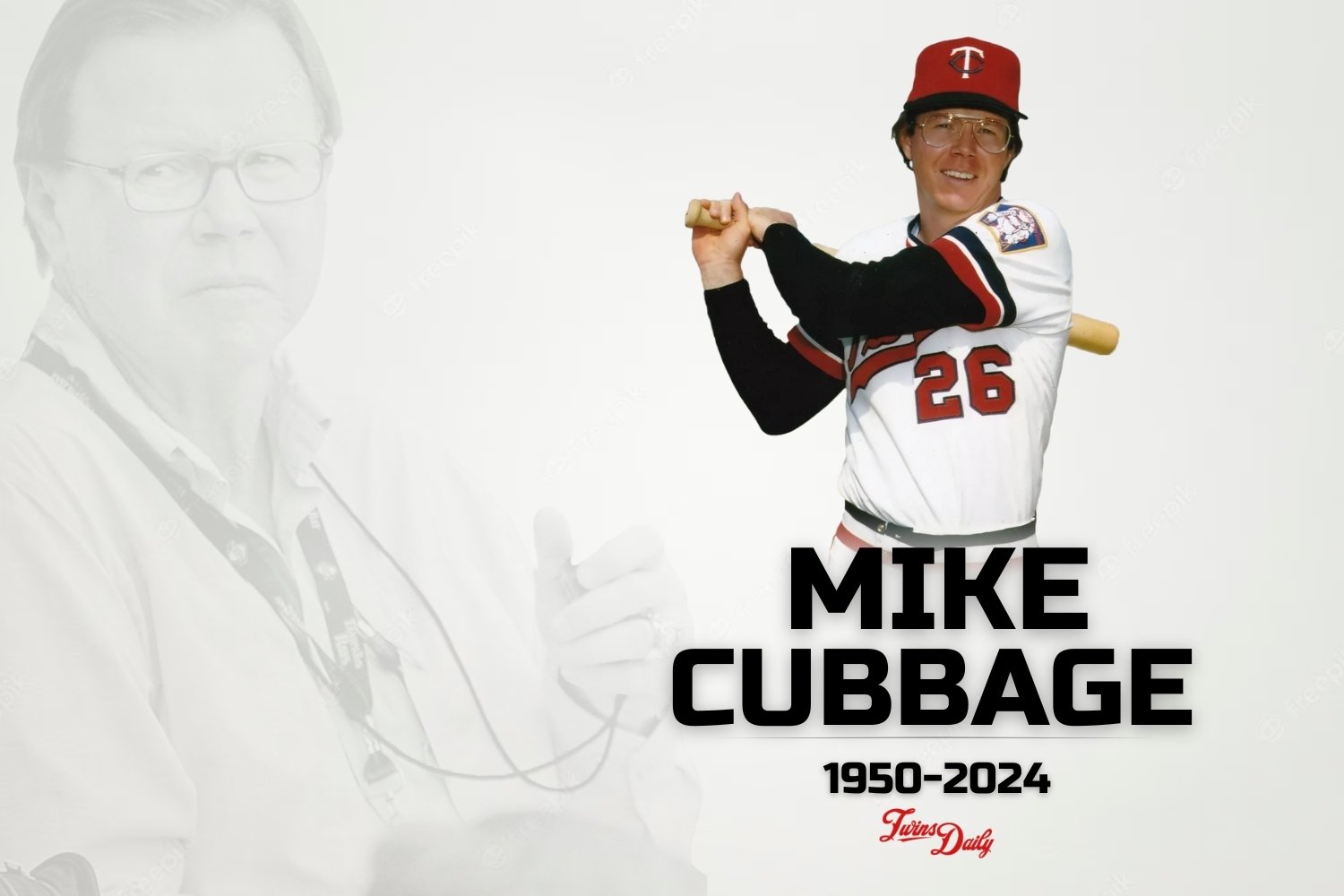 “Well, you should be!”1 Even as a youngster, Mike Cubbage likely knew the majors were closer to him than most. With cousins Larry (and eventually Chris) Haney etched into the pantheon of MLBers, a career in pro ball seemed certain for the young Cubbage; his mother had a glove on his hand at age 3 and bragged that “she taught [him] how to catch.”2 Despite his lineage, Cubbage eschewed an initial selection in the 1968 MLB draft so that he could enroll at the University of Virginia as both a football and baseball player. While he took over the reins as the Cavaliers' signal-caller as a sophomore, an elbow injury turned his focus solely to baseball, and he would be drafted again in 1971 by the same team that wanted him before: the Washington Senators.2 Cubbage joined the Twins thanks to one of the more infamous moments in Minnesota’s history: the Bert Blyleven trade. Always a feisty figure, Blyleven dominated MLB starting at the tender age of 19, but his eccentric personality—including multiple instances of him flipping a crowd the bird—undercut his persona. When he disputed with owner Calvin Griffith over his salary in 1976, the Twins decided the juice wasn’t worth the squeeze, and dealt their ace to the Rangers for a return including Cubbage and Roy Smalley. The Twins of this era weren’t particularly notable. Outside of Rod Carew’s greatness and the perpetually underrated Dave Goltz, Minnesota was still wandering in its post-60s haze, unable to capture the magic of the previous decade. A Lyman Bostock here, a Larry Hisle there, and one of the greatest pitching seasons in Twins history from Jerry Koosman accentuated this period, keeping them usually above .500, but the postseason eluded them. Greatness never came to fruition. Nonetheless, Cubbage played an important role. His defensive chops helped the team lock down third base for a couple of seasons, smoothing the transition from Eric Soderholm, who claimed the position in 1974 and 1975 but had suffered a serious knee injury; he would never play for the Twins again. In his wake, Cubbage manned the position for 433 games until he left the team in free agency to sign with the Mets in 1981. Most of that time was fruitful. Cubbage put up 2.1 WAR in 104 games with the Twins in 1976, before turning in two more above-average years in 1977 and 1978, respectively. During that '78 season, Cubbage accomplished one of the rarer feats in baseball: the cycle. Even more rare, Cubbage somewhat tarnished his cycle by kicking it off with a botched attempt to earn a triple; he was thrown at third, but still credited with a double. He then homered in the 4th, singled in the 5th, and finally reached third safely in the 7th, giving him an atypical cycle, the team’s 5th in their history. That season, or at least half of it, was the best of Cubbage's career. "I had a really good first half that year," he mused in a piece for the Daily News-Record. "At the All-Star break I think I was third in the league in hitting. Of course, [Rod] Carew was leading and then Fred Lynn (of Boston) and then Mike Cubbage. It was the best half I had. It seemed like I never put a full season together.”3 Indeed, his second-half OPS of .653 in 1978 was much lower than his first-half mark of .842. Poor seasons in 1979 and 1980 pushed the Twins to let Cubbage walk in the newly founded free agency system. Before his final season in MLB, he signed with the Mets for $333,333. His final season begat a move to coaching, where Cubbage arguably made his biggest mark on the game. He joined the A- A-level Little Falls Mets in 1983 before slowly working his way through the system, eventually becoming the 3rd base coach for the big league squad in the early '90s. Following Bud Harrelson’s dismissal near the end of the 1991 season, Cubbage took over as manager and finished the year with a 3-4 record. He would never manage in the big leagues again but stayed on the Mets’ coaching staff through the mid-90s despite rapid managerial cycling*.4 Cubbage moved to Houston for the 1997 season and stayed there until he joined Boston in 2002. Unable to survive the transition from Grady Little to Terry Francona, Cubbage narrowly missed earning a championship as the third base coach for the legendary 2004 team; instead, Boston was his final stop as a major league coach. Scouting came calling. Cubbage spent some time in the Rays organization before moving to Washington, ironically the location of the team that originally drafted him. He was an assistant for the 2019 World Series-winning squad. Yes, he had the ring to prove it. In 2022, the Virginia Sports Hall of Fame officially inducted Cubbage into their Hall of Fame (a few years too late, if you asked his mother.) Cubbage officially passed away on Aug. 11, in hospice, following a battle with cancer. *Cubbage did serve as the interim manager for the Red Sox during spring training for a bit following Joe Kerrigan's firing in 2002. Bibliography: Virginia Sports Hall of Fame, "Mike Cubbage 2022 Induction Speech," YouTube Video, 18:02, May 5, 2022. Barber, Mike, "Former Virginia player and Major League mainstay Mike Cubbage dies at 74," Richmond Times-Dispatch, August 12, 2024. Driver, David, "BIG LEAGUE MEMORIES UVa. Product Cubbage Retires From Nationals," Daily News-Record, December 14, 2020. Locker, Bradley, "Former Mets player and coach Mike Cubbage dead at 74," New York Post, August 12, 2024.
 -
Minor League Report 8/11: Kaelen Culpepper Continues to Rake
Matt Braun posted an article in Minor Leagues
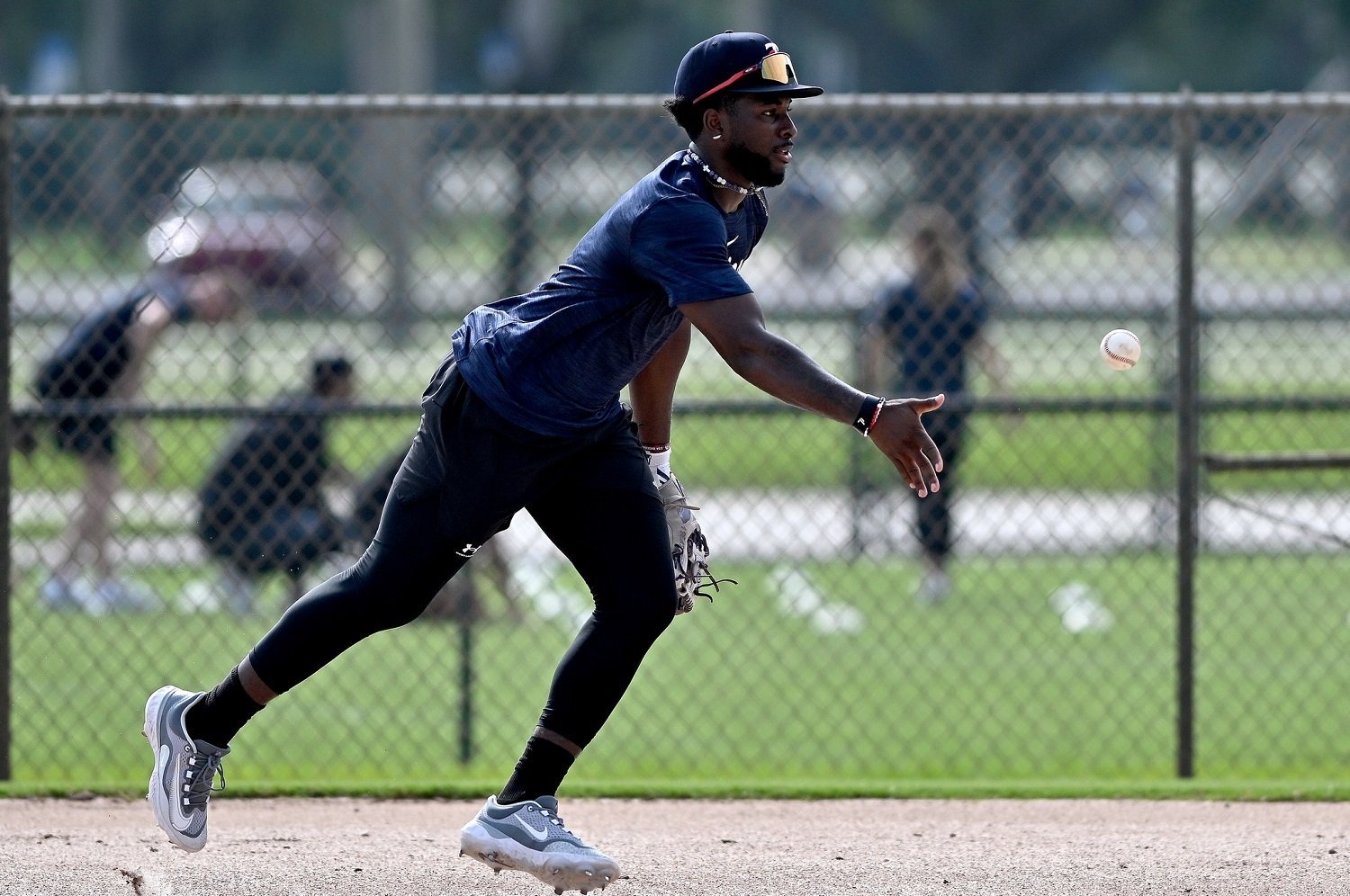 TRANSACTIONS LHP Jaylen Nowlin activated from 7-Day IL (AA Wichita) LHP Christian MacLeod assigned to AAA St. Paul Saints Sentinel St. Paul 5, Columbus 6 Box Score Christian MacLeod: 5 IP, 6 H, 4 ER, 1 BB, 5 K HR: Edouard Julien (7), Anthony Prato (3), Chris Williams (13) Multi-hit games: Anthony Prato (2-for-3, HR, R, 2 RBI, BB) The Saints fell in a tight affair on Sunday. Even Minnesota’s AAA team couldn’t escape the wrath of the Cleveland organization. Lefty Christian MacLeod made his AAA debut. The Saints needed a starter, and he drew the shortest straw; just three starts with the Wind Surge portended a “go get ‘em” and a figurative slap on the ass from Twins decision makers. It went about as expected. The Clippers pounced for 1st inning runs before hammering MacLeod for three in the 4th (no thanks to an error from the hurler.) Still, he struck out five and walked only one. He’ll be back following more seasoning. The St. Paul bats were sparse. Knocks were hard to come by. Homers for nothing, and your hits for free. They earned just six base hits all day, but half of them left the ballpark: Edouard Julien, Anthony Prato, and Chris Williams each blasted a bomb, totaling almost enough offense to best Columbus. That Williams crush job—the ball traveled 434 feet according to Statcast—gave him the outright record for homers hit by a St. Paul Saint. Unfortunately, the long balls were not quite enough, as—just like the last two Twins losses—St. Paul’s opponents added to their lead, rendering the final Williams shot an aesthetic and statistical marvel but not a game-tying blow. The Clippers enjoy the services of the 34th-best prospect in baseball, first baseman Kyle Manzardo. He walked once in four plate appearances. WIND SURGE WISDOM Wichita 10, Corpus Christi 1 Box Score Jaylen Nowlin: 4 IP, 2 H, 0 ER, 0 BB, 5 K HR: Andrew Cossetti 2 (6, 7), Ben Ross (10) Multi-hit games: Jeferson Morales (2-for-4, R), Carson McCusker (2-for-5, R, 3 RBI), Andrew Cossetti (2-for-4, 2 HR, 3 R, 3 RBI, BB), Kyler Fedko (2-for-3, R, 2 BB), Ben Ross (2-for-4, HR, 2 R, 3 RBI, BB) The Wind Surge crushed their opponent on Sunday. Despite missing nearly three weeks of play, Jaylen Nowlin looked spectacular. The Atlanta native buzzed through four efficient innings, punching out five while allowing just two hits; no one earned a free base off him. It was about as good a start anyone could have asked for, given his recent injury. And the bats had his back. They slugged through the middle innings, pasting each pitcher the Hooks sent out, soiling ERAs with their big flies. The main culprit? Andrew Cossetti, the 2023 breakout star, refound some of his old juice to blast a pair of moonshot. Not to let one man have all the fun, Ben Ross also sent a skyscraper out to left field. Wichita's bullpen did a fabulous job in continuing Nowlin's effort. Cody Laweryson surrendered a run, but that was it; Mason Fox, Regi Grace, Ricardo Velez, and Miguel Rodriguez tossed up doughnuts to keep the pitching breezy and dominating. The Hooks are the AA affiliate of the Houston Astros, whose minor-league systems resemble very little of the ones they churned out in years past. The team's 38-69 record can attest to that. Still, their 10th-ranked prospect, Kenedy Corona, played in Sunday's game, going 0-for-4 out of the leadoff spot. KERNELS NUGGETS Cedar Rapids 4, Peoria 3 Box Score John Klein: 3 ⅔ IP, 5 H, 3 ER, 3 BB, 2 K HR: None Multi-hit games: None The Kernels broke away late to win on Sunday. It should have been apparent that we were in for something good when Walker Jenkins led off the game with a first-pitch triple, almost busting down the wall in the process. He later scored, and—in conjunction with a 3rd inning scuffle that plated a second run—gave starter John Klein some breathing room early. His two opening frames looked good, but the Chiefs quickly overwhelmed him in the 3rd, scoring a trio of runs against the Brooklyn Park native. Fortunately, Kyle Hess singled home a run the next inning to tie the game and let Klein off the hook. That settled things for a while. Peoria put a man on third twice during the middle innings, but a damaging blow eluded them; their runners were forced to jog silently to the dugout, unable to dent the scoreboard. The Kernels, though, did bring one of their runners home, coaxing in Kevin Maitan with an 8th-inning sacrifice fly. Gabriel Yanez shut things down in the 8th, and Nolan Santos cruised through the 9th to give the Kernels their 58th win of the season. The Chiefs are led by St. Louis’ 6th overall prospect, outfielder Chase Davis. He reached base three times in five plate appearances. MUSSEL MATTERS Fort Myers 5, Jupiter 4 (10 Innings) Box Score Ross Dunn: 3 ⅔ IP, 3 H, 0 ER, 0 BB, 3 K HR: None Multi-hit games: Kaelen Culpepper (2-for-5, 2B, R, RBI), Khadim Diaw (2-for-3, RBI, 2 BB), Jay Thomason (2-for-5, RBI) The Fort Myers 2024 Draft Picks won in extra innings on Sunday. Kaelen Culpepper continues to swing an incendiary bat. Minnesota’s 1st round selection just a few weeks ago has already clubbed a trio of extra-base hits across three games, going 5-for-13 total with a pair of walks. Early returns suggest an excellent investment. The Mighty Mussels, as a whole, were scrappy and annoying, but in a good way. They took eight walks—three alone by Byron Chourio—and paired their plethora of free bases with nine hits; only one for extra bases, certainly, yet their Piranha-like intensity was enough to scrape by their opponents. Only one batter failed to reach base safely. He (Jaime Ferrer) still earned an RBI and a run. And they (mostly) pitched well. Starter Ross Dunn found one of his finest outings of the season, reaching the 4th inning without an earned run. He struck out three. Devin Kirby then delivered the game to the 7th before the typically tremendous Samuel Perez experienced a rare blowup. His first frame was fine; the 8th was not. A few runners reached base, and Tomas Cleto allowed them to score—with aid from a balk and an error from Kyle DeBarge. Fort Myers took the lead in extras when Jay Thomason immediately singled in the Manfred runner, and they finally earned the win when Wilker Reyes slammed the door shut in the bottom half of the frame. Miami’s 15th-ranked prospect, Yiddi Cappe, singled once in three at-bats. TWINS DAILY PLAYERS OF THE DAY Twins Daily Minor League Pitcher of the Day – Jaylen Nowlin Twins Daily Minor League Hitter of the Day – Andrew Cossetti PROSPECT SUMMARY Here’s a look at how the Twins Daily Top 20 Twins Prospects performed: #1– Walker Jenkins (Cedar Rapids) - 1-4, 3B, R, BB #6 - David Festa (Minnesota) - 3 ⅓ IP, 3 H, 1 ER, 3 BB, 3 K #9 - Kaelen Culpepper (Fort Myers) - 2-5, 2B, R, RBI, K #12 – Brandon Winokur (Fort Myers) - 0-4, BB, 2 K #16 - Kyle DeBarge (Fort Myers) - 1-4, R, BB, 2 K #17 – Tanner Schobel (Wichita) - 1-4, R, RBI, BB MONDAY’S PROBABLE STARTERS DSL Rangers Blue @ DSL Twins (10:00 AM) - TBD
- 6 comments
-
- 7
-
-
-
- kaelen culpepper
- anthony prato
- (and 4 more)
-
He might already be better than Keoni Cavaco. Image courtesy of William Parmeter TRANSACTIONS LHP Jaylen Nowlin activated from 7-Day IL (AA Wichita) LHP Christian MacLeod assigned to AAA St. Paul Saints Sentinel St. Paul 5, Columbus 6 Box Score Christian MacLeod: 5 IP, 6 H, 4 ER, 1 BB, 5 K HR: Edouard Julien (7), Anthony Prato (3), Chris Williams (13) Multi-hit games: Anthony Prato (2-for-3, HR, R, 2 RBI, BB) The Saints fell in a tight affair on Sunday. Even Minnesota’s AAA team couldn’t escape the wrath of the Cleveland organization. Lefty Christian MacLeod made his AAA debut. The Saints needed a starter, and he drew the shortest straw; just three starts with the Wind Surge portended a “go get ‘em” and a figurative slap on the ass from Twins decision makers. It went about as expected. The Clippers pounced for 1st inning runs before hammering MacLeod for three in the 4th (no thanks to an error from the hurler.) Still, he struck out five and walked only one. He’ll be back following more seasoning. The St. Paul bats were sparse. Knocks were hard to come by. Homers for nothing, and your hits for free. They earned just six base hits all day, but half of them left the ballpark: Edouard Julien, Anthony Prato, and Chris Williams each blasted a bomb, totaling almost enough offense to best Columbus. That Williams crush job—the ball traveled 434 feet according to Statcast—gave him the outright record for homers hit by a St. Paul Saint. Unfortunately, the long balls were not quite enough, as—just like the last two Twins losses—St. Paul’s opponents added to their lead, rendering the final Williams shot an aesthetic and statistical marvel but not a game-tying blow. The Clippers enjoy the services of the 34th-best prospect in baseball, first baseman Kyle Manzardo. He walked once in four plate appearances. WIND SURGE WISDOM Wichita 10, Corpus Christi 1 Box Score Jaylen Nowlin: 4 IP, 2 H, 0 ER, 0 BB, 5 K HR: Andrew Cossetti 2 (6, 7), Ben Ross (10) Multi-hit games: Jeferson Morales (2-for-4, R), Carson McCusker (2-for-5, R, 3 RBI), Andrew Cossetti (2-for-4, 2 HR, 3 R, 3 RBI, BB), Kyler Fedko (2-for-3, R, 2 BB), Ben Ross (2-for-4, HR, 2 R, 3 RBI, BB) The Wind Surge crushed their opponent on Sunday. Despite missing nearly three weeks of play, Jaylen Nowlin looked spectacular. The Atlanta native buzzed through four efficient innings, punching out five while allowing just two hits; no one earned a free base off him. It was about as good a start anyone could have asked for, given his recent injury. And the bats had his back. They slugged through the middle innings, pasting each pitcher the Hooks sent out, soiling ERAs with their big flies. The main culprit? Andrew Cossetti, the 2023 breakout star, refound some of his old juice to blast a pair of moonshot. Not to let one man have all the fun, Ben Ross also sent a skyscraper out to left field. Wichita's bullpen did a fabulous job in continuing Nowlin's effort. Cody Laweryson surrendered a run, but that was it; Mason Fox, Regi Grace, Ricardo Velez, and Miguel Rodriguez tossed up doughnuts to keep the pitching breezy and dominating. The Hooks are the AA affiliate of the Houston Astros, whose minor-league systems resemble very little of the ones they churned out in years past. The team's 38-69 record can attest to that. Still, their 10th-ranked prospect, Kenedy Corona, played in Sunday's game, going 0-for-4 out of the leadoff spot. KERNELS NUGGETS Cedar Rapids 4, Peoria 3 Box Score John Klein: 3 ⅔ IP, 5 H, 3 ER, 3 BB, 2 K HR: None Multi-hit games: None The Kernels broke away late to win on Sunday. It should have been apparent that we were in for something good when Walker Jenkins led off the game with a first-pitch triple, almost busting down the wall in the process. He later scored, and—in conjunction with a 3rd inning scuffle that plated a second run—gave starter John Klein some breathing room early. His two opening frames looked good, but the Chiefs quickly overwhelmed him in the 3rd, scoring a trio of runs against the Brooklyn Park native. Fortunately, Kyle Hess singled home a run the next inning to tie the game and let Klein off the hook. That settled things for a while. Peoria put a man on third twice during the middle innings, but a damaging blow eluded them; their runners were forced to jog silently to the dugout, unable to dent the scoreboard. The Kernels, though, did bring one of their runners home, coaxing in Kevin Maitan with an 8th-inning sacrifice fly. Gabriel Yanez shut things down in the 8th, and Nolan Santos cruised through the 9th to give the Kernels their 58th win of the season. The Chiefs are led by St. Louis’ 6th overall prospect, outfielder Chase Davis. He reached base three times in five plate appearances. MUSSEL MATTERS Fort Myers 5, Jupiter 4 (10 Innings) Box Score Ross Dunn: 3 ⅔ IP, 3 H, 0 ER, 0 BB, 3 K HR: None Multi-hit games: Kaelen Culpepper (2-for-5, 2B, R, RBI), Khadim Diaw (2-for-3, RBI, 2 BB), Jay Thomason (2-for-5, RBI) The Fort Myers 2024 Draft Picks won in extra innings on Sunday. Kaelen Culpepper continues to swing an incendiary bat. Minnesota’s 1st round selection just a few weeks ago has already clubbed a trio of extra-base hits across three games, going 5-for-13 total with a pair of walks. Early returns suggest an excellent investment. The Mighty Mussels, as a whole, were scrappy and annoying, but in a good way. They took eight walks—three alone by Byron Chourio—and paired their plethora of free bases with nine hits; only one for extra bases, certainly, yet their Piranha-like intensity was enough to scrape by their opponents. Only one batter failed to reach base safely. He (Jaime Ferrer) still earned an RBI and a run. And they (mostly) pitched well. Starter Ross Dunn found one of his finest outings of the season, reaching the 4th inning without an earned run. He struck out three. Devin Kirby then delivered the game to the 7th before the typically tremendous Samuel Perez experienced a rare blowup. His first frame was fine; the 8th was not. A few runners reached base, and Tomas Cleto allowed them to score—with aid from a balk and an error from Kyle DeBarge. Fort Myers took the lead in extras when Jay Thomason immediately singled in the Manfred runner, and they finally earned the win when Wilker Reyes slammed the door shut in the bottom half of the frame. Miami’s 15th-ranked prospect, Yiddi Cappe, singled once in three at-bats. TWINS DAILY PLAYERS OF THE DAY Twins Daily Minor League Pitcher of the Day – Jaylen Nowlin Twins Daily Minor League Hitter of the Day – Andrew Cossetti PROSPECT SUMMARY Here’s a look at how the Twins Daily Top 20 Twins Prospects performed: #1– Walker Jenkins (Cedar Rapids) - 1-4, 3B, R, BB #6 - David Festa (Minnesota) - 3 ⅓ IP, 3 H, 1 ER, 3 BB, 3 K #9 - Kaelen Culpepper (Fort Myers) - 2-5, 2B, R, RBI, K #12 – Brandon Winokur (Fort Myers) - 0-4, BB, 2 K #16 - Kyle DeBarge (Fort Myers) - 1-4, R, BB, 2 K #17 – Tanner Schobel (Wichita) - 1-4, R, RBI, BB MONDAY’S PROBABLE STARTERS DSL Rangers Blue @ DSL Twins (10:00 AM) - TBD View full article
- 6 replies
-
- 1
-
-
- kaelen culpepper
- anthony prato
- (and 4 more)
-
Earl Weaver lies pleased in his assessment of the sport. Image courtesy of © Jordan Johnson-USA TODAY Sports Box Score Louie Varland: 4 ⅔ IP, 8 H, 3 ER, 0 BB 4 K Home Runs: Matt Wallner (7) Top 3 WPA: Matt Wallner (.346), Caleb Thielbar (.112), Cole Sands (.110) Win Probability Chart (via FanGraphs) Hidden behind the almighty Apple TV+ paywall—I hope you know someone with a login—the Twins played their second game of the Most Important Series of the Year (™) against the Cleveland Guardians. Even the AL Central isn’t immune to the changing tides. An earlier Twins victory was accentuated by a magnificent Bailey Ober start; the 6’9” righty dazzled and outwitted his opponent, whiffing nine over six shutout frames. A tough act for any pitcher to follow, Varland—the one recalled to fill the extra double-header roster spot—needed to match his teammate or at least come close. No pressure. He looked good early, though. The first four innings were breezy, efficient. A few runners reached base, but no threat seriously emerged; each rally ended in quiet, tepid fashion. All the while, the 36-year-old veteran starting for Cleveland for the first time—Alex Cobb—scuffled. He was earning his typical healthy share of grounders, yes; but the Twins knew how to place them properly, earning sharp worm-burning hits early. With runners on the corners, Royce Lewis took a walk while Matt Wallner sped for 2nd. Austin Hedges, perhaps listening too much to his primal instincts, fired the ball to the basepaths, allowing Willi Castro to dash home safely just before the throw back could get him. An early stolen run. Minnesota soon stole another run, just in a slightly different way: a two-out infield single by Austin Martin with a runner on first appeared to portend a minor opportunity, but shortstop Brayan Rocchio’s impotent throw eluded Josh Naylor’s glove at first base. A whole 90 minutes passed, and Christian Vázquez finally concluded his adventure around the bases with a safe slide into home. Those runs appeared well-set to support Varland as he placed the finishing touches on a respectable, five-shutout inning start, but Louie forgot to seal the deal, hanging a hit-me curve to Naylor, which landed nearly 400 feet and three runs away. Well, two can play that game. Cobb had been so good at eliciting weak contact—forcing the Twins to hit directly into Guardian gloves—but he committed the same sin as Varland; the sinkerball gifted a cookie to Matt Wallner with two runners on, and the incinerating left fielder pounded the ball, landing it well into the overhang into right for a matching three-run homer. So began the running of the pens. Minnesota dipped into the well early with Cole Sands’ appearance to end the 5th; Cleveland didn’t acquiesce to their relief corpse until after Wallner’s blast fractured space and time. Their typical array of Dudes You’ve Never Heard of Sporting a Sub-3 ERA spit out a couple of names, placed a man on third, and one of their anonymous hurlers balked in a run. With Vázquez running. Only the finest from man’s most elusive athlete. It appears Cleveland manager Stephen Vogt wasn’t a fan of the call. We’ll investigate further and announce when we know more. The Twins' bullpen was perfect. Sands delivered the game to the 7th, and Caleb Thielbar covered perhaps the two most critical frames of the night, handing the ball off to the eventual 9th innings after clocking in six easy outs. Trevor Richards concluded the inevitable. The Twins won. Notes: Matt Wallner has hit 23 major-league home runs, the 23rd-most by a player born in Minnesota. He is one away from tying Howie Schultz for 22nd place and is 442 away from reaching Dave Winfield. Christian Vázquez is slashing .315/.362/.574 since the start of July. Caleb Thielbar holds a 2.81 ERA since June 20th. The Twins hit into five double plays on Friday night. Willi Castro's four steals of home are second in Twins history; Rod Carew leads the way with 16. Post-Game Interview: What’s Next? The Twins and Guardians play again on Saturday, with first pitch coming at 6:10 PM. RHP Gavin Williams (1-4, 4.91 ERA) will face off against Simeon Woods Richardson (3-2, 3.87 ERA). Bullpen Usage Spreadsheet View full article
- 93 replies
-
- 2
-
-
- matt wallner
- louis varland
- (and 4 more)
-
.png.1833b1d593d07405d8115c82be7aedd9.png) Box Score Louie Varland: 4 ⅔ IP, 8 H, 3 ER, 0 BB 4 K Home Runs: Matt Wallner (7) Top 3 WPA: Matt Wallner (.346), Caleb Thielbar (.112), Cole Sands (.110) Win Probability Chart (via FanGraphs) Hidden behind the almighty Apple TV+ paywall—I hope you know someone with a login—the Twins played their second game of the Most Important Series of the Year (™) against the Cleveland Guardians. Even the AL Central isn’t immune to the changing tides. An earlier Twins victory was accentuated by a magnificent Bailey Ober start; the 6’9” righty dazzled and outwitted his opponent, whiffing nine over six shutout frames. A tough act for any pitcher to follow, Varland—the one recalled to fill the extra double-header roster spot—needed to match his teammate or at least come close. No pressure. He looked good early, though. The first four innings were breezy, efficient. A few runners reached base, but no threat seriously emerged; each rally ended in quiet, tepid fashion. All the while, the 36-year-old veteran starting for Cleveland for the first time—Alex Cobb—scuffled. He was earning his typical healthy share of grounders, yes; but the Twins knew how to place them properly, earning sharp worm-burning hits early. With runners on the corners, Royce Lewis took a walk while Matt Wallner sped for 2nd. Austin Hedges, perhaps listening too much to his primal instincts, fired the ball to the basepaths, allowing Willi Castro to dash home safely just before the throw back could get him. An early stolen run. Minnesota soon stole another run, just in a slightly different way: a two-out infield single by Austin Martin with a runner on first appeared to portend a minor opportunity, but shortstop Brayan Rocchio’s impotent throw eluded Josh Naylor’s glove at first base. A whole 90 minutes passed, and Christian Vázquez finally concluded his adventure around the bases with a safe slide into home. Those runs appeared well-set to support Varland as he placed the finishing touches on a respectable, five-shutout inning start, but Louie forgot to seal the deal, hanging a hit-me curve to Naylor, which landed nearly 400 feet and three runs away. Well, two can play that game. Cobb had been so good at eliciting weak contact—forcing the Twins to hit directly into Guardian gloves—but he committed the same sin as Varland; the sinkerball gifted a cookie to Matt Wallner with two runners on, and the incinerating left fielder pounded the ball, landing it well into the overhang into right for a matching three-run homer. So began the running of the pens. Minnesota dipped into the well early with Cole Sands’ appearance to end the 5th; Cleveland didn’t acquiesce to their relief corpse until after Wallner’s blast fractured space and time. Their typical array of Dudes You’ve Never Heard of Sporting a Sub-3 ERA spit out a couple of names, placed a man on third, and one of their anonymous hurlers balked in a run. With Vázquez running. Only the finest from man’s most elusive athlete. It appears Cleveland manager Stephen Vogt wasn’t a fan of the call. We’ll investigate further and announce when we know more. The Twins' bullpen was perfect. Sands delivered the game to the 7th, and Caleb Thielbar covered perhaps the two most critical frames of the night, handing the ball off to the eventual 9th innings after clocking in six easy outs. Trevor Richards concluded the inevitable. The Twins won. Notes: Matt Wallner has hit 23 major-league home runs, the 23rd-most by a player born in Minnesota. He is one away from tying Howie Schultz for 22nd place and is 442 away from reaching Dave Winfield. Christian Vázquez is slashing .315/.362/.574 since the start of July. Caleb Thielbar holds a 2.81 ERA since June 20th. The Twins hit into five double plays on Friday night. Willi Castro's four steals of home are second in Twins history; Rod Carew leads the way with 16. Post-Game Interview: What’s Next? The Twins and Guardians play again on Saturday, with first pitch coming at 6:10 PM. RHP Gavin Williams (1-4, 4.91 ERA) will face off against Simeon Woods Richardson (3-2, 3.87 ERA). Bullpen Usage Spreadsheet
Box Score Louie Varland: 4 ⅔ IP, 8 H, 3 ER, 0 BB 4 K Home Runs: Matt Wallner (7) Top 3 WPA: Matt Wallner (.346), Caleb Thielbar (.112), Cole Sands (.110) Win Probability Chart (via FanGraphs) Hidden behind the almighty Apple TV+ paywall—I hope you know someone with a login—the Twins played their second game of the Most Important Series of the Year (™) against the Cleveland Guardians. Even the AL Central isn’t immune to the changing tides. An earlier Twins victory was accentuated by a magnificent Bailey Ober start; the 6’9” righty dazzled and outwitted his opponent, whiffing nine over six shutout frames. A tough act for any pitcher to follow, Varland—the one recalled to fill the extra double-header roster spot—needed to match his teammate or at least come close. No pressure. He looked good early, though. The first four innings were breezy, efficient. A few runners reached base, but no threat seriously emerged; each rally ended in quiet, tepid fashion. All the while, the 36-year-old veteran starting for Cleveland for the first time—Alex Cobb—scuffled. He was earning his typical healthy share of grounders, yes; but the Twins knew how to place them properly, earning sharp worm-burning hits early. With runners on the corners, Royce Lewis took a walk while Matt Wallner sped for 2nd. Austin Hedges, perhaps listening too much to his primal instincts, fired the ball to the basepaths, allowing Willi Castro to dash home safely just before the throw back could get him. An early stolen run. Minnesota soon stole another run, just in a slightly different way: a two-out infield single by Austin Martin with a runner on first appeared to portend a minor opportunity, but shortstop Brayan Rocchio’s impotent throw eluded Josh Naylor’s glove at first base. A whole 90 minutes passed, and Christian Vázquez finally concluded his adventure around the bases with a safe slide into home. Those runs appeared well-set to support Varland as he placed the finishing touches on a respectable, five-shutout inning start, but Louie forgot to seal the deal, hanging a hit-me curve to Naylor, which landed nearly 400 feet and three runs away. Well, two can play that game. Cobb had been so good at eliciting weak contact—forcing the Twins to hit directly into Guardian gloves—but he committed the same sin as Varland; the sinkerball gifted a cookie to Matt Wallner with two runners on, and the incinerating left fielder pounded the ball, landing it well into the overhang into right for a matching three-run homer. So began the running of the pens. Minnesota dipped into the well early with Cole Sands’ appearance to end the 5th; Cleveland didn’t acquiesce to their relief corpse until after Wallner’s blast fractured space and time. Their typical array of Dudes You’ve Never Heard of Sporting a Sub-3 ERA spit out a couple of names, placed a man on third, and one of their anonymous hurlers balked in a run. With Vázquez running. Only the finest from man’s most elusive athlete. It appears Cleveland manager Stephen Vogt wasn’t a fan of the call. We’ll investigate further and announce when we know more. The Twins' bullpen was perfect. Sands delivered the game to the 7th, and Caleb Thielbar covered perhaps the two most critical frames of the night, handing the ball off to the eventual 9th innings after clocking in six easy outs. Trevor Richards concluded the inevitable. The Twins won. Notes: Matt Wallner has hit 23 major-league home runs, the 23rd-most by a player born in Minnesota. He is one away from tying Howie Schultz for 22nd place and is 442 away from reaching Dave Winfield. Christian Vázquez is slashing .315/.362/.574 since the start of July. Caleb Thielbar holds a 2.81 ERA since June 20th. The Twins hit into five double plays on Friday night. Willi Castro's four steals of home are second in Twins history; Rod Carew leads the way with 16. Post-Game Interview: What’s Next? The Twins and Guardians play again on Saturday, with first pitch coming at 6:10 PM. RHP Gavin Williams (1-4, 4.91 ERA) will face off against Simeon Woods Richardson (3-2, 3.87 ERA). Bullpen Usage Spreadsheet- 93 comments
-
- 8
-
-
- matt wallner
- louis varland
- (and 4 more)
-
Minor League Report (8/4): Wichita Literally Walks it Off
Matt Braun posted an article in Minor Leagues
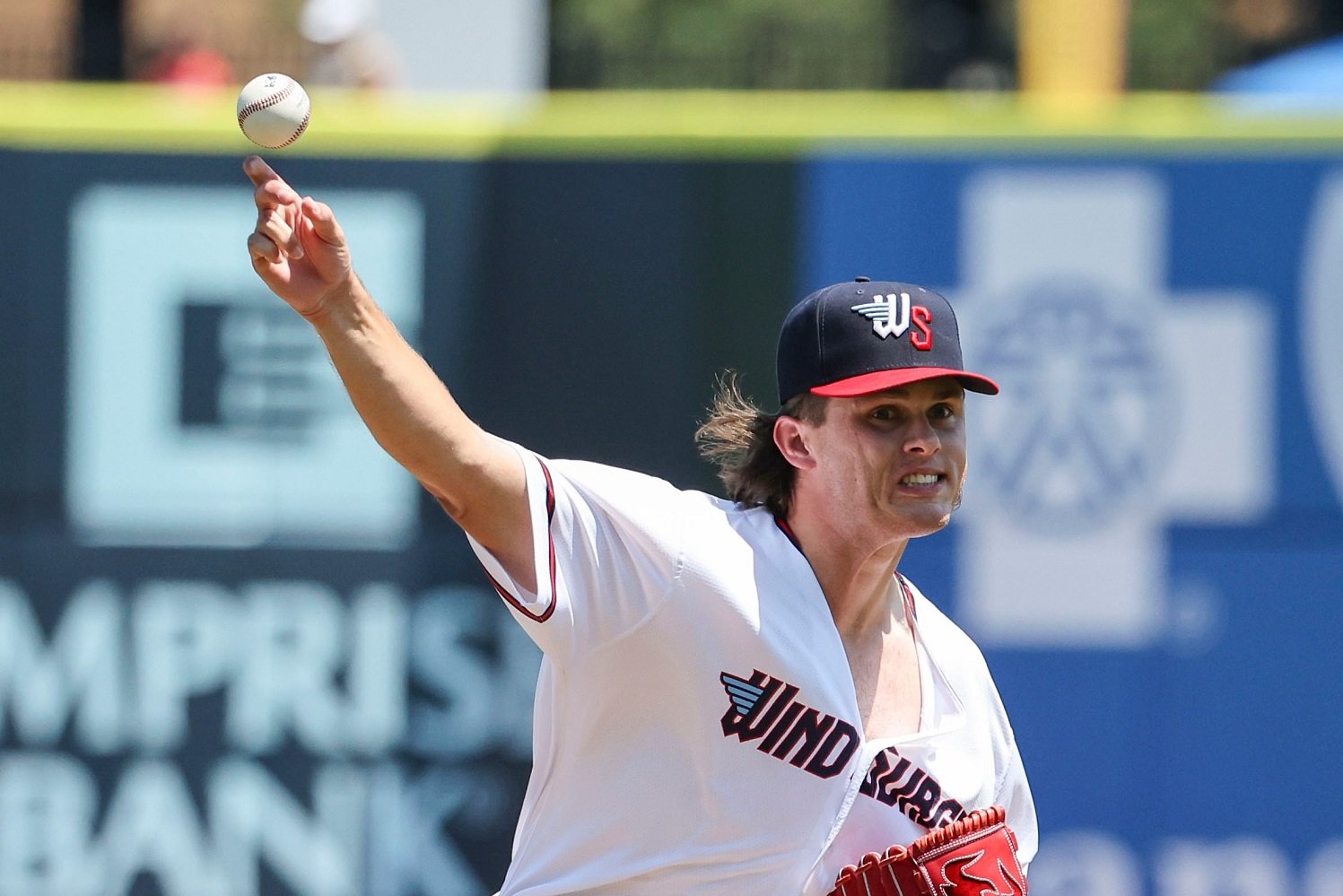 TRANSACTIONS C Alex Isola activated from the development list (AAA St. Paul) Saints Sentinel St. Paul 9, Iowa 10 (10 Innings) Box Score Caleb Boushley: 5 IP, 4 H, 3 ER, 1 BB, 1 K HR: Payton Eeles (3) Multi-hit games: Edouard Julien (2-for-5, 2B, BB), Wynton Bernard (2-for-5, 3B, 2 R, RBI, BB), Diego A Castillo (3-for-5, 2 2B, 2 R), Payton Eeles (3-for-4, HR, R, 4 RBI) The Saints lost a heartbreaker on Sunday. This game proved that, yes, it is much worse to have loved and lost than to have never loved at all. Hope kills us all eventually. St. Paul and Iowa tussled for a few frames before the Saints landed the first blow: two runs in the 3rd thanks to a lead-off triple from Wynton Bernard sparking an energetic inning. Dalton Shuffield landed a beautiful sacrifice bunt. The art isn’t dead. Unfortunately, that lead lasted all of three batters, as the Cubs smacked a homer to get on the board before taking the lead outright after a trio of hits put Caleb Boushley on the defensive. Those would be the only runs he allowed on Sunday. The teams traded runs before Payton Eeles stepped to the plate down a score in the bottom of the 9th. With one mighty swing, 5’5” Eeles blasted a sinker way out to right field, clearing the wall to push the game into extras. That’s where the trouble began. It should have been easy: St. Paul plated four in the 10th despite a critical double play erasing the Manfred Man before he could score, pushing the Saints into a brutal position. They answered. Four straight hits—including a two-run knock by the hero, Eeles—gave the Saints an 8-4 lead, which should have been plenty for their pitching to handle in the bottom half of the inning. “Should have been” is the crucial wording. Caleb Baragar allowed the free runner to score before Scott Blewett—no jokes allowed—surrendered three back-breaking runs to score, including a horrifying game-tying two-strike two-run shot off the bat of Chase Strumpf. St. Paul scored in the 11th, but the juice wasn’t there; Hobie Harris allowed a two-run shot to ice the game for Iowa, sending the Saints home empty and distraught. Rehabbing big-leaguer Justin Topa pitched a scoreless inning with a strikeout. Iowa right fielder Owen Caissie is the third-ranked prospect in the Cubs system. He doubled and homered in five at-bats. WIND SURGE WISDOM Wichita 3, NW Arkansas 2 Box Score Travis Adams: 6 IP, 2 H, 0 ER, 1 BB, 4 K HR: None Multi-hit games: Jake Rucker (2-for-4, 2 RBI, BB) Wichita won a thriller on Sunday. For seven innings, the Wind Surge looked dead in the water. Their full offensive force totaled two hits and two walks—barely enough to score one run just by themselves; fractured, they added up to nothing. Wheels began to turn in the 8th, though—and as one thing turned to another—Wichita suddenly, stunningly had two runs, enough to tie the game. That could only become true in large part to Travis Adams, who almost completely neutralized NW Arkansas. The Sacramento State product tacked on a third six-inning outing to his streak, giving him 18 combined frames across his last three starts with just four earned runs total. His ERA dropped over half a run over this stretch. And he saved the best for last: Sunday’s outing was a gorgeous 74-pitch efficient buzzsaw, as Adams allowed just three baserunners and even eliminated one of those runners with a pickoff. Masterful stuff. The Wind Surge landed the knock-out punch in the 9th by not punching at all; the Naturals simply hit themselves. Aaron Sabato walked and advanced to second on a sacrifice bunt. Tyler Dearden was walked intentionally, Ben Ross popped out, Luke Keaschall was hit by a pitch, and, finally, Jake Rucker took a pitch inside by a hamster whisker to win on a walk-off walk. Talk about manufacturing a run. The Naturals are members of the Royals organization, and their best prospect—outfielder Gavin Cross—is ranked fifth in the system. He walked once in four trips to the plate. KERNELS NUGGETS Cedar Rapids 2, Great Lakes 3 Box Score Ty Langenberg: 6 IP, 6 H, 1 ER, 0 BB, 5 K HR: None Multi-hit games: None The Kernels lost a low-scoring affair on Sunday. Ty Langenberg was sensational on the mound. The Iowa product befuddled the Loons with deftness and precision; he allowed zero walks, struck out five, and likely would have walked away with an even cleaner line had his defense not failed him at critical junctures. In any case, he had a hell of a day on the mound in his best start as a Kernel. The compliments don’t extend to Cedar Rapids’ offense, though, as hitting eluded them all day. There were plenty of ducks on the pond—the bats took six walks and a hit by pitch—but the hits did not fall, at least not when it counted; they only had one run-scoring hit the entire game. The other hit with a runner in scoring position resulted in Gabriel Gonzalez getting thrown out at home. So it goes. Walker Jenkins earned a Jenkinsian hitting line, going 0-2 with a pair of walks and a hit by pitch. It’s like his soul is tethered to first base. Great Lakes’ DH Josue De Paula is the 63rd-ranked prospect on MLB Pipeline’s top 100 list. He was held at bay, going 0-5 with a strikeout. MUSSEL MATTERS The Mighty Mussels were scheduled to play a doubleheader, but Tropical Storm Debby canceled both games. They will not be made up. TWINS DAILY PLAYERS OF THE DAY Twins Daily Minor League Pitcher of the Day – Travis Adams Twins Daily Minor League Hitter of the Day – Payton Eeles PROSPECT SUMMARY Here’s a look at how the Twins Daily Top 20 Twins Prospects performed: #1– Walker Jenkins (Cedar Rapids) - 0-2, R, 2 BB #4 – Luke Keaschall (Wichita) - 0-3, R, BB, K #7 – Gabriel Gonzalez (Cedar Rapids) - 1-4, K #17 – Tanner Schobel (Wichita) - 0-3, K MONDAY’S PROBABLE STARTERS DSL Rangers Blue @ DSL Twins (10:00 AM) - TBD
- 27 comments
-
- 4
-
-
-
- ty langenberg
- travis adams
- (and 5 more)
-
There were some other games, but we don't have to talk about them. Image courtesy of Ed Bailey, Wichita Wind Surge TRANSACTIONS C Alex Isola activated from the development list (AAA St. Paul) Saints Sentinel St. Paul 9, Iowa 10 (10 Innings) Box Score Caleb Boushley: 5 IP, 4 H, 3 ER, 1 BB, 1 K HR: Payton Eeles (3) Multi-hit games: Edouard Julien (2-for-5, 2B, BB), Wynton Bernard (2-for-5, 3B, 2 R, RBI, BB), Diego A Castillo (3-for-5, 2 2B, 2 R), Payton Eeles (3-for-4, HR, R, 4 RBI) The Saints lost a heartbreaker on Sunday. This game proved that, yes, it is much worse to have loved and lost than to have never loved at all. Hope kills us all eventually. St. Paul and Iowa tussled for a few frames before the Saints landed the first blow: two runs in the 3rd thanks to a lead-off triple from Wynton Bernard sparking an energetic inning. Dalton Shuffield landed a beautiful sacrifice bunt. The art isn’t dead. Unfortunately, that lead lasted all of three batters, as the Cubs smacked a homer to get on the board before taking the lead outright after a trio of hits put Caleb Boushley on the defensive. Those would be the only runs he allowed on Sunday. The teams traded runs before Payton Eeles stepped to the plate down a score in the bottom of the 9th. With one mighty swing, 5’5” Eeles blasted a sinker way out to right field, clearing the wall to push the game into extras. That’s where the trouble began. It should have been easy: St. Paul plated four in the 10th despite a critical double play erasing the Manfred Man before he could score, pushing the Saints into a brutal position. They answered. Four straight hits—including a two-run knock by the hero, Eeles—gave the Saints an 8-4 lead, which should have been plenty for their pitching to handle in the bottom half of the inning. “Should have been” is the crucial wording. Caleb Baragar allowed the free runner to score before Scott Blewett—no jokes allowed—surrendered three back-breaking runs to score, including a horrifying game-tying two-strike two-run shot off the bat of Chase Strumpf. St. Paul scored in the 11th, but the juice wasn’t there; Hobie Harris allowed a two-run shot to ice the game for Iowa, sending the Saints home empty and distraught. Rehabbing big-leaguer Justin Topa pitched a scoreless inning with a strikeout. Iowa right fielder Owen Caissie is the third-ranked prospect in the Cubs system. He doubled and homered in five at-bats. WIND SURGE WISDOM Wichita 3, NW Arkansas 2 Box Score Travis Adams: 6 IP, 2 H, 0 ER, 1 BB, 4 K HR: None Multi-hit games: Jake Rucker (2-for-4, 2 RBI, BB) Wichita won a thriller on Sunday. For seven innings, the Wind Surge looked dead in the water. Their full offensive force totaled two hits and two walks—barely enough to score one run just by themselves; fractured, they added up to nothing. Wheels began to turn in the 8th, though—and as one thing turned to another—Wichita suddenly, stunningly had two runs, enough to tie the game. That could only become true in large part to Travis Adams, who almost completely neutralized NW Arkansas. The Sacramento State product tacked on a third six-inning outing to his streak, giving him 18 combined frames across his last three starts with just four earned runs total. His ERA dropped over half a run over this stretch. And he saved the best for last: Sunday’s outing was a gorgeous 74-pitch efficient buzzsaw, as Adams allowed just three baserunners and even eliminated one of those runners with a pickoff. Masterful stuff. The Wind Surge landed the knock-out punch in the 9th by not punching at all; the Naturals simply hit themselves. Aaron Sabato walked and advanced to second on a sacrifice bunt. Tyler Dearden was walked intentionally, Ben Ross popped out, Luke Keaschall was hit by a pitch, and, finally, Jake Rucker took a pitch inside by a hamster whisker to win on a walk-off walk. Talk about manufacturing a run. The Naturals are members of the Royals organization, and their best prospect—outfielder Gavin Cross—is ranked fifth in the system. He walked once in four trips to the plate. KERNELS NUGGETS Cedar Rapids 2, Great Lakes 3 Box Score Ty Langenberg: 6 IP, 6 H, 1 ER, 0 BB, 5 K HR: None Multi-hit games: None The Kernels lost a low-scoring affair on Sunday. Ty Langenberg was sensational on the mound. The Iowa product befuddled the Loons with deftness and precision; he allowed zero walks, struck out five, and likely would have walked away with an even cleaner line had his defense not failed him at critical junctures. In any case, he had a hell of a day on the mound in his best start as a Kernel. The compliments don’t extend to Cedar Rapids’ offense, though, as hitting eluded them all day. There were plenty of ducks on the pond—the bats took six walks and a hit by pitch—but the hits did not fall, at least not when it counted; they only had one run-scoring hit the entire game. The other hit with a runner in scoring position resulted in Gabriel Gonzalez getting thrown out at home. So it goes. Walker Jenkins earned a Jenkinsian hitting line, going 0-2 with a pair of walks and a hit by pitch. It’s like his soul is tethered to first base. Great Lakes’ DH Josue De Paula is the 63rd-ranked prospect on MLB Pipeline’s top 100 list. He was held at bay, going 0-5 with a strikeout. MUSSEL MATTERS The Mighty Mussels were scheduled to play a doubleheader, but Tropical Storm Debby canceled both games. They will not be made up. TWINS DAILY PLAYERS OF THE DAY Twins Daily Minor League Pitcher of the Day – Travis Adams Twins Daily Minor League Hitter of the Day – Payton Eeles PROSPECT SUMMARY Here’s a look at how the Twins Daily Top 20 Twins Prospects performed: #1– Walker Jenkins (Cedar Rapids) - 0-2, R, 2 BB #4 – Luke Keaschall (Wichita) - 0-3, R, BB, K #7 – Gabriel Gonzalez (Cedar Rapids) - 1-4, K #17 – Tanner Schobel (Wichita) - 0-3, K MONDAY’S PROBABLE STARTERS DSL Rangers Blue @ DSL Twins (10:00 AM) - TBD View full article
-
Well, it was almost a close game. Image courtesy of Jesse Johnson-USA TODAY Sports Box Score Joe Ryan: 6 ⅓ IP, 3 H, 2 ER, 3 BB, 7 K Home Runs: Royce Lewis (12), Willi Castro (8), Byron Buxton (14) Top 3 WPA: Lewis (0.384), Ryan (0.108), Alcala (0.076) Win Probability Chart (via FanGraphs) The White Sox are not good. One can never be too confident in anything in life, really, but this is a truth no lawyer could argue. They entered play on Friday amid a slow melting—a tedious collapse that already eliminated them from finishing the season with a record above .500. It’s August. Their last win came before the All-Star break on July 10th. It’s August. Their fans deserve some sort of medal for ushering this corpse of a squad to its lethargic death. Two men and four first names took the mound as Joe Ryan started opposite Davis Martin. Ryan looked sharp early; he punched out the side in order to start the game and followed that showing up with a breezy 2nd. Life wasn’t as easy for Martin. He struck out Willi Castro, walked Trevor Larnach on four pitches, caught Byron Buxton window shopping, and nearly exited the frame unscathed before Royce Lewis pounded a two-run homer to left field. Martin should have known better: was the most boisterous Twin since Kirby going to announce his return to Target Field in secrecy? The excitement was short-lived, though, as the White Sox fired back with help from a player they recently acquired at the deadline. Miguel Vargas—an outsider in L.A., an everyday figure in Chicago—worked the count full against Ryan and clobbered a game-tying homer just above the left-center wall. Yet, that excitement was short-lived as well: Lewis stepped up to the plate the next inning with a pair of runners on and delivered both of them home with a stinging double just over Luis Robert Jr.'s head. That settled things for a time. Runners reached base, but excitement rarely crescendoed above mezzo forte. Even the outs were of a lazy nature; Jose Miranda drastically overestimated his fleetness and ran into an out at second, while Larnach nearly cracked a three-run homer just for his flyball to land safely in Dominic Fletcher’s glove. So it goes. The good news was that Ryan wasn't allowing runs, either. He shed his 3rd-inning struggles to work into the 7th, perhaps a bit more laborious than usual, but still effective; no one scored following Vargas' homer. Andrew Benintendi chased him from the mound and straight into the appreciative cheers of the grateful home crowd. Then, the dam broke. Lord, did it break. With two outs in the 8th, Minnesota's fortune swung wildly in the other direction; Christian Vázquez perfectly plopped a two-run double in-between outfielders, Willi Castro blasted a home run out to right, and Byron Buxton hammered the third multi-RBI hit of the frame, depositing an offering to Chicago's bullpen. The flurry shot the score to 10-2. Suddenly, Jhoan Durán could take the night off. Trevor Richards entered instead and bucked the curse of Kevin Jepsen (continued by Sam Dyson) of new Twins relievers imploding in their first outing. He did exactly what he needed to do—and the Twins' win was secured after just nine pitches. Notes: Byron Buxton hit his 129th career home run. He is three away from tying Jacque Jones for the 15th-most in Twins history. Joe Ryan's seven strikeouts give him 523 in his MLB career. He is four punchouts away from tying Jim Merritt and Scott Erickson for the 23rd most in Twins history. Royce Lewis has eight 4+ RBI games in his MLB career. Jorge Alcalá lowered his season ERA to 1.60. Post-Game Interview: What’s Next? The Twins and White Sox will play the second game of their series on Saturday. Bailey Ober faces off against Garrett Crochet. First pitch is at 6:10 PM. Bullpen Usage Spreadsheet View full article
- 28 replies
-
- 1
-
-
- royce lewis
- joe ryan
- (and 5 more)
-
 Box Score Joe Ryan: 6 ⅓ IP, 3 H, 2 ER, 3 BB, 7 K Home Runs: Royce Lewis (12), Willi Castro (8), Byron Buxton (14) Top 3 WPA: Lewis (0.384), Ryan (0.108), Alcala (0.076) Win Probability Chart (via FanGraphs) The White Sox are not good. One can never be too confident in anything in life, really, but this is a truth no lawyer could argue. They entered play on Friday amid a slow melting—a tedious collapse that already eliminated them from finishing the season with a record above .500. It’s August. Their last win came before the All-Star break on July 10th. It’s August. Their fans deserve some sort of medal for ushering this corpse of a squad to its lethargic death. Two men and four first names took the mound as Joe Ryan started opposite Davis Martin. Ryan looked sharp early; he punched out the side in order to start the game and followed that showing up with a breezy 2nd. Life wasn’t as easy for Martin. He struck out Willi Castro, walked Trevor Larnach on four pitches, caught Byron Buxton window shopping, and nearly exited the frame unscathed before Royce Lewis pounded a two-run homer to left field. Martin should have known better: was the most boisterous Twin since Kirby going to announce his return to Target Field in secrecy? The excitement was short-lived, though, as the White Sox fired back with help from a player they recently acquired at the deadline. Miguel Vargas—an outsider in L.A., an everyday figure in Chicago—worked the count full against Ryan and clobbered a game-tying homer just above the left-center wall. Yet, that excitement was short-lived as well: Lewis stepped up to the plate the next inning with a pair of runners on and delivered both of them home with a stinging double just over Luis Robert Jr.'s head. That settled things for a time. Runners reached base, but excitement rarely crescendoed above mezzo forte. Even the outs were of a lazy nature; Jose Miranda drastically overestimated his fleetness and ran into an out at second, while Larnach nearly cracked a three-run homer just for his flyball to land safely in Dominic Fletcher’s glove. So it goes. The good news was that Ryan wasn't allowing runs, either. He shed his 3rd-inning struggles to work into the 7th, perhaps a bit more laborious than usual, but still effective; no one scored following Vargas' homer. Andrew Benintendi chased him from the mound and straight into the appreciative cheers of the grateful home crowd. Then, the dam broke. Lord, did it break. With two outs in the 8th, Minnesota's fortune swung wildly in the other direction; Christian Vázquez perfectly plopped a two-run double in-between outfielders, Willi Castro blasted a home run out to right, and Byron Buxton hammered the third multi-RBI hit of the frame, depositing an offering to Chicago's bullpen. The flurry shot the score to 10-2. Suddenly, Jhoan Durán could take the night off. Trevor Richards entered instead and bucked the curse of Kevin Jepsen (continued by Sam Dyson) of new Twins relievers imploding in their first outing. He did exactly what he needed to do—and the Twins' win was secured after just nine pitches. Notes: Byron Buxton hit his 129th career home run. He is three away from tying Jacque Jones for the 15th-most in Twins history. Joe Ryan's seven strikeouts give him 523 in his MLB career. He is four punchouts away from tying Jim Merritt and Scott Erickson for the 23rd most in Twins history. Royce Lewis has eight 4+ RBI games in his MLB career. Jorge Alcalá lowered his season ERA to 1.60. Post-Game Interview: What’s Next? The Twins and White Sox will play the second game of their series on Saturday. Bailey Ober faces off against Garrett Crochet. First pitch is at 6:10 PM. Bullpen Usage Spreadsheet
- 28 comments
-
- 5
-
-
- royce lewis
- joe ryan
- (and 5 more)
-
And how the Twins can finally, eventually take advantage of the opportunity. The 2024 MLB trade deadline was high in sound and low in fury. What was once a time for splashy deals and headline-grabbing has morphed into an improve-on-the-margins bonanza, with the designations between “buyers” and “sellers” melting together into a homogeneous pot. The era of Zack Greinke moving at the last second is over, and the shape of the trade deadline is far different than it once was. I think there are a few trends fueling this phenomenon. The most obvious is the new playoff structure: two more teams making the postseason tilts the balance of power toward sellers. Those few extra squads in the middle, potentially sellers in a separate time, live in a far less clear-cut world than they once did. The mediocre franchises that were once dead in the water can fantasize about catching fire late to squeak into a final playoff spot. They become buyers as well, or, at least, no longer extreme sellers. Maybe they do a little of both. That’s how the 53-56 and dreadfully boring San Francisco Giants hold onto Taylor Rogers, Matt Chapman, and Blake Snell, while dealing away Jorge Soler, Alex Cobb, and Luke Jackson just to bring in… Mark Canha? It’s just weird. That’s how the game is played these days. You’ll hear lawyer talk from executives like Jerry Dipoto about how the “seller” and “buyer” binary doesn’t really work anymore, and they’ll be correct; quite a few teams operate in both worlds. Take the Cubs: they took a big swing to acquire Isaac Paredes, but dealt Mark Leiter Jr. to the Yankees. Hypocrisy? Not really. They identified that Leiter, a reliever—the standard currency of the trade deadline—doesn’t affect their future that much, while Paredes—an All-Star slugger three and a half years away from free agency—does. They aren’t going to make the postseason this year, but teams aren’t so narrow-minded as to think only about that. A deal is a deal, no matter if it comes in July or December. There are two edges to this blade, but they both cut in the same direction. See, there are more playoff spots, which means more buyers and fewer sellers. However, that same playoff expansion means that the value of making the playoffs is lower, as is the quality threshold one needs to exceed to do it. The market is, sadly, being perfectly rational. With supply constricted, prices are high, but demand really doesn't rise to meet them, because many of the buyers can tell themselves they're already good enough, and because the value they derive from getting better once they're above that threshold is diminished. You can see the way this all interweaves by looking at one of the trades made this week. Did you see the return Yusei Kikuchi commanded? A 4.72 career ERA! Half a season before he's a free agent! And he netted Toronto a new number-3 prospect, a potential starting outfielder, and a depth middle infielder. Holy crap. That makes Tarik Skubal worth a young Kirby Puckett and an old Nelson Cruz--but, like, a not-too-old one. Even a decade ago, we routinely saw teams give up way more than that at the deadline, but it was for better players, and the teams acquiring them felt both greater urgency and a greater confidence in being rewarded for aggressiveness than anyone feels these days. Those players are so expensive because there’s an ever-dwindling pool of them available at the deadline. Remember the Giants and Cubs from earlier? Well, when they decide to hang onto their veterans, suddenly, the Skubals and Garrett Grochets of the world become ridiculously valuable. Cartoonishly so. Asking prices rise well above the comfort level of your average prospect-hugging executive, because there’s no real alternative to which to pivot. That causes everyone not ready to run as wild as AJ Preller in San Diego to balk. The Twins find themselves in a tough place in this context. Their typical calculated, methodical team-building is harder to pull off with the new trade deadline ethos. You can wait all offseason for a trade to manifest, but when your options are limited in July, uhhh, it’s called a deadline for a reason; you have to pull the trigger eventually. They were slow to react as buyers before the expanded playoffs, and they’ve almost entirely punted the last two years, despite being solid contenders both seasons (although after the disastrous 2022 deadline, maybe that’s not a terrible thing). In order to avoid another groan-inducing dud of a deadline, they’ll either have to find the chutzpah to hand over serious prospect talent for a stud or two, or build such a damn solid team in the offseason that the trade deadline becomes moot. Those are the only real options. Walking this narrow, lukewarm path will only keep them squarely in the middle—good enough to compete, but needing a lot of luck to make a deep playoff run. Let’s hope they decide well. View full article
-
.png.34ea83125011c9364e4dc327b2b22936.png) The 2024 MLB trade deadline was high in sound and low in fury. What was once a time for splashy deals and headline-grabbing has morphed into an improve-on-the-margins bonanza, with the designations between “buyers” and “sellers” melting together into a homogeneous pot. The era of Zack Greinke moving at the last second is over, and the shape of the trade deadline is far different than it once was. I think there are a few trends fueling this phenomenon. The most obvious is the new playoff structure: two more teams making the postseason tilts the balance of power toward sellers. Those few extra squads in the middle, potentially sellers in a separate time, live in a far less clear-cut world than they once did. The mediocre franchises that were once dead in the water can fantasize about catching fire late to squeak into a final playoff spot. They become buyers as well, or, at least, no longer extreme sellers. Maybe they do a little of both. That’s how the 53-56 and dreadfully boring San Francisco Giants hold onto Taylor Rogers, Matt Chapman, and Blake Snell, while dealing away Jorge Soler, Alex Cobb, and Luke Jackson just to bring in… Mark Canha? It’s just weird. That’s how the game is played these days. You’ll hear lawyer talk from executives like Jerry Dipoto about how the “seller” and “buyer” binary doesn’t really work anymore, and they’ll be correct; quite a few teams operate in both worlds. Take the Cubs: they took a big swing to acquire Isaac Paredes, but dealt Mark Leiter Jr. to the Yankees. Hypocrisy? Not really. They identified that Leiter, a reliever—the standard currency of the trade deadline—doesn’t affect their future that much, while Paredes—an All-Star slugger three and a half years away from free agency—does. They aren’t going to make the postseason this year, but teams aren’t so narrow-minded as to think only about that. A deal is a deal, no matter if it comes in July or December. There are two edges to this blade, but they both cut in the same direction. See, there are more playoff spots, which means more buyers and fewer sellers. However, that same playoff expansion means that the value of making the playoffs is lower, as is the quality threshold one needs to exceed to do it. The market is, sadly, being perfectly rational. With supply constricted, prices are high, but demand really doesn't rise to meet them, because many of the buyers can tell themselves they're already good enough, and because the value they derive from getting better once they're above that threshold is diminished. You can see the way this all interweaves by looking at one of the trades made this week. Did you see the return Yusei Kikuchi commanded? A 4.72 career ERA! Half a season before he's a free agent! And he netted Toronto a new number-3 prospect, a potential starting outfielder, and a depth middle infielder. Holy crap. That makes Tarik Skubal worth a young Kirby Puckett and an old Nelson Cruz--but, like, a not-too-old one. Even a decade ago, we routinely saw teams give up way more than that at the deadline, but it was for better players, and the teams acquiring them felt both greater urgency and a greater confidence in being rewarded for aggressiveness than anyone feels these days. Those players are so expensive because there’s an ever-dwindling pool of them available at the deadline. Remember the Giants and Cubs from earlier? Well, when they decide to hang onto their veterans, suddenly, the Skubals and Garrett Grochets of the world become ridiculously valuable. Cartoonishly so. Asking prices rise well above the comfort level of your average prospect-hugging executive, because there’s no real alternative to which to pivot. That causes everyone not ready to run as wild as AJ Preller in San Diego to balk. The Twins find themselves in a tough place in this context. Their typical calculated, methodical team-building is harder to pull off with the new trade deadline ethos. You can wait all offseason for a trade to manifest, but when your options are limited in July, uhhh, it’s called a deadline for a reason; you have to pull the trigger eventually. They were slow to react as buyers before the expanded playoffs, and they’ve almost entirely punted the last two years, despite being solid contenders both seasons (although after the disastrous 2022 deadline, maybe that’s not a terrible thing). In order to avoid another groan-inducing dud of a deadline, they’ll either have to find the chutzpah to hand over serious prospect talent for a stud or two, or build such a damn solid team in the offseason that the trade deadline becomes moot. Those are the only real options. Walking this narrow, lukewarm path will only keep them squarely in the middle—good enough to compete, but needing a lot of luck to make a deep playoff run. Let’s hope they decide well.
The 2024 MLB trade deadline was high in sound and low in fury. What was once a time for splashy deals and headline-grabbing has morphed into an improve-on-the-margins bonanza, with the designations between “buyers” and “sellers” melting together into a homogeneous pot. The era of Zack Greinke moving at the last second is over, and the shape of the trade deadline is far different than it once was. I think there are a few trends fueling this phenomenon. The most obvious is the new playoff structure: two more teams making the postseason tilts the balance of power toward sellers. Those few extra squads in the middle, potentially sellers in a separate time, live in a far less clear-cut world than they once did. The mediocre franchises that were once dead in the water can fantasize about catching fire late to squeak into a final playoff spot. They become buyers as well, or, at least, no longer extreme sellers. Maybe they do a little of both. That’s how the 53-56 and dreadfully boring San Francisco Giants hold onto Taylor Rogers, Matt Chapman, and Blake Snell, while dealing away Jorge Soler, Alex Cobb, and Luke Jackson just to bring in… Mark Canha? It’s just weird. That’s how the game is played these days. You’ll hear lawyer talk from executives like Jerry Dipoto about how the “seller” and “buyer” binary doesn’t really work anymore, and they’ll be correct; quite a few teams operate in both worlds. Take the Cubs: they took a big swing to acquire Isaac Paredes, but dealt Mark Leiter Jr. to the Yankees. Hypocrisy? Not really. They identified that Leiter, a reliever—the standard currency of the trade deadline—doesn’t affect their future that much, while Paredes—an All-Star slugger three and a half years away from free agency—does. They aren’t going to make the postseason this year, but teams aren’t so narrow-minded as to think only about that. A deal is a deal, no matter if it comes in July or December. There are two edges to this blade, but they both cut in the same direction. See, there are more playoff spots, which means more buyers and fewer sellers. However, that same playoff expansion means that the value of making the playoffs is lower, as is the quality threshold one needs to exceed to do it. The market is, sadly, being perfectly rational. With supply constricted, prices are high, but demand really doesn't rise to meet them, because many of the buyers can tell themselves they're already good enough, and because the value they derive from getting better once they're above that threshold is diminished. You can see the way this all interweaves by looking at one of the trades made this week. Did you see the return Yusei Kikuchi commanded? A 4.72 career ERA! Half a season before he's a free agent! And he netted Toronto a new number-3 prospect, a potential starting outfielder, and a depth middle infielder. Holy crap. That makes Tarik Skubal worth a young Kirby Puckett and an old Nelson Cruz--but, like, a not-too-old one. Even a decade ago, we routinely saw teams give up way more than that at the deadline, but it was for better players, and the teams acquiring them felt both greater urgency and a greater confidence in being rewarded for aggressiveness than anyone feels these days. Those players are so expensive because there’s an ever-dwindling pool of them available at the deadline. Remember the Giants and Cubs from earlier? Well, when they decide to hang onto their veterans, suddenly, the Skubals and Garrett Grochets of the world become ridiculously valuable. Cartoonishly so. Asking prices rise well above the comfort level of your average prospect-hugging executive, because there’s no real alternative to which to pivot. That causes everyone not ready to run as wild as AJ Preller in San Diego to balk. The Twins find themselves in a tough place in this context. Their typical calculated, methodical team-building is harder to pull off with the new trade deadline ethos. You can wait all offseason for a trade to manifest, but when your options are limited in July, uhhh, it’s called a deadline for a reason; you have to pull the trigger eventually. They were slow to react as buyers before the expanded playoffs, and they’ve almost entirely punted the last two years, despite being solid contenders both seasons (although after the disastrous 2022 deadline, maybe that’s not a terrible thing). In order to avoid another groan-inducing dud of a deadline, they’ll either have to find the chutzpah to hand over serious prospect talent for a stud or two, or build such a damn solid team in the offseason that the trade deadline becomes moot. Those are the only real options. Walking this narrow, lukewarm path will only keep them squarely in the middle—good enough to compete, but needing a lot of luck to make a deep playoff run. Let’s hope they decide well.- 33 comments
-
- 9
-
-
-
- tarik skubal
- garrett crochet
- (and 3 more)
-
I'd say it's more that A-ball pitchers can't command for squat. Putting an advanced, disciplined machine in the same level as them is a recipe for hilariously lopsided BB/rates.
- 15 replies
-
- 1
-
-
- rixon wingrove
- zebby matthews
- (and 5 more)
-
And a whole bunch of dudes make their claim for hitter of the day. Image courtesy of William Parmeter TRANSACTIONS RHP Ronny Henriquez recalled by Twins Saints Sentinel St. Paul 10, Toledo 3 Box Score Zebby Matthews: 5 IP, 4 H, 2 ER, 0 BB (naturally), 6 K HR: Chris Williams (12) Multi-hit games: Rylan Bannon (2-for-6, 2 R, RBI), Yunior Severino (2-for-4, 2 R, RBI, BB), Chris Williams (4-for-4, HR, 2B, 3 R, 2 RBI, BB), Wynton Bernard (2-for-5, R, 2 RBI) The Saints offense stayed hot on Sunday. The leading story should have been Zebby Matthews’ AAA debut, but when a team dumps over another squad like this, the lineup steals the show. And what a show it was: Chris Williams went 4-for-4 with a walk, the first five batters in the Saints lineup reached base multiple times, and St. Paul scored double-digit runs for the second game in a row. Madness. That Williams homer—as the tweet says—ties him with Mark Contreras for the franchise lead. The aforementioned combo of DaShawn Keirsey Jr. , Rylan Bannon, Yunior Severino, Williams, and Wynton Bernard totaled 11 hits and reached base 15 times. That’ll score some runs. The outpouring of runs shouldn’t take away from the fact that Matthews pitched well in his first taste of AAA. Staked to a 3-0 lead before he even threw a pitch, the righty nabbed two quick outs, gave up a pair on a massive homer, and settled into standard Matthewsian efficiency, pounding the zone while halting any other scoring effort. He struck out six and topped out at 96.4 MPH. He turned the ball over to Brock Stewart, who mowed down the Mud Hens in order with just 11 pitches. He may be ready to rejoin the Twins; just a guess. Zack Weiss, Ryan Jensen, and Hobie Harris carried the effort the rest of the way, ensuring no funny business would soil St. Paul’s excellent, commanding victory. The Mud Hens are led by Jace Jung, brother of Josh, both belonging to a family that favors alliteration. Detroit’s 3rd-ranked prospect doubled once in four trips to the plate. Former 1st overall pick Spencer Torkelson walked once in four plate appearances. WIND SURGE WISDOM Wichita 2, Frisco 1 Box Score Cory Lewis: 4 ⅓ IP, 4 H, 1 ER, 1 BB, 5 K HR: None Multi-hit games: Ben Ross (3-for-3, 2B, RBI) The Wind Surge won a pitching duel on Sunday. Cory Lewis looked like the Cory Lewis of old. Following a horrifying seven-earned run outing, Lewis locked in and overwhelmed, punching out five over 4 ⅓ innings with a lone earned run. He threw 71 pitches. Lewis’ relatively curt outing put the much-maligned Wind Surge bullpen in a tight spot. They needed to accrue 4 ⅔ innings somehow. Taylor Floyd was first up, and he crushed his assignment, finishing Lewis’ while adding a full scoreless frame for good measure. John Stankiewicz worked around minor traffic jams to deliver the game to Wichita’s current quasi-closer, Cody Laweryson. He finished the deed, flipping to Luke Keaschall to end the game. In an offensively-deficient game, Wichita’s lone runs came when three (!!!) hit by pitches begat a 1st inning sacrifice fly and RBI infield single by Ben Ross. That was it. The Wind Surge reached 2nd base only two more times in a game that made the deadball era look like the 2019 season. Abimelec Ortiz, Frisco’s rightfielder, is the Rangers’ 11th-best prospect. He went 1-4 with two strikeouts. KERNELS NUGGETS Cedar Rapids 3, Wisconsin 5 Box Score Jordan Carr: 5 IP, 1 H, 1 ER, 1 BB, 4 K HR: Rubel Cespedes 2 (9, 10) Multi-hit games: Rubel Cespedes (3-for-4, 2 HR, 2 R, 3 RBI) Wisconsin-based baseball came out on top once again on Sunday. Don’t blame Jordan Carr, though. The lefty from Baltimore almost entirely neutralized the Timber Rattlers, allowing just one hit over five innings of work. Naturally, that one hit proved to be a run-scoring knock; only the finest fortune for the Twins franchise. Still, Carr struck out four and exited the game with the lead. That lead was entirely created by Rubel Cespedes. He cracked a solo homer in the 3rd and decided to make it a two-fer with another shot in the 5th. Four more bombs will set a season-high for the Dominican lefty. Unfortunately, no other Kernel saw the ball like Cespedes, leaving a vast chasm where any sort of offense went to die. Non-Cespedesian entities earned just four hits—all singles—and failed to claim a hit with a runner in scoring position. Cedar Rapids’ first three hitters combined to go 1-for-13 with two walks. The impotence put the Kernels' bullpen in a tight spot; just one false move could cause certain death, and it did. The typically excellent Jarret Whorff surrendered three runs (just one earned), ironically largely due to an error by Cespedes. Nolan Santos made his A+ Ball debut, pitching a scoreless 8th inning. Wisconsin’s centerfielder, Luis Lara, is the Brewers’ 8th-ranked prospect. He singled once in four trips to the plate. MUSSEL MATTERS Fort Myers 10, Daytona 6 Box Score Cesar Lares: 2 ⅓ IP, 1 H, 2 ER, 3 BB, 4 K HR: Carlos Aguiar (5), Rixon Wingrove (6) Multi-hit games: Walker Jenkins (2-for-4, R, RBI, 2 BB), Rixon Wingrove (3-for-4, HR, 3B, 2B, 4 R, 2 RBI, 2 BB), Matthew Clayton (2-for-3, 2B, 2 R, RBI, 2 BB), Carlos Aguiar (2-for-4, HR, R, 5 RBI) Fort Myers’ bats exploded on Sunday. It’s typically a good sign when your first two hitters take six at-bats in one game. Yes, the runs came easy for the Mighty Mussels; they put up four in the first act, rested in the second, and came back with maliciousness for one final blow late in the game, giving them a series sweep of the Threshers. In a day full of big bats, Rixon Wingrove’s proved the most potent. He nearly hit for the cycle—and it was the single, of all things, he missed out on. No matter: he settled for three extra-base hits, two walks, and four runs scored, a tremendous engine in a great offensive machine. The 24-year-old Australian is now hitting .264/.366/.488 in 34 games with Fort Myers. Walker Jenkins, Matthew Clayton, and Carlos Aguiar were the overqualified sidekicks of the day. Jenkins reached base four times; Clayton, the same; and Aguiar knocked in five runs, three of which scored on one swing. Oh, and Nick Lucky took three walks and stole a trio of bases. Rehabbing big leaguer Rodolfo Castro collected two hits and a walk for the Threshers. Philadelphia’s number six prospect, infielder Devin Saltiban, took two walks and DH’d. TWINS DAILY PLAYERS OF THE DAY Twins Daily Minor League Pitcher of the Day – Cory Lewis Twins Daily Minor League Hitter of the Day – Rixon Wingrove (but shoot, take your pick) PROSPECT SUMMARY Here’s a look at how the Twins Daily Top 20 Twins Prospects performed: #1 - Walker Jenkins (Fort Myers) - 2-4, R, RBI, 2 BB, K #2 - Brooks Lee (Twins) - 1-4, RBI, BB #5 - Gabriel Gonzalez (Cedar Rapids) - 0-5, 2 K #8 - Austin Martin (Twins) - 0-3, 2 K #9 - Luke Keaschall (Wichita) - 1-2, R, BB #10 - Brandon Winokur (Fort Myers) - 0-5, 3 K #13 - Tanner Schobel (Wichita) - 0-3, RBI, K #14 - Zebby Matthews (St. Paul) - 5 IP, 4 H, 2 ER, 0 BB, 6 K #15 - Cory Lewis (Wichita) - 4 ⅓ IP, 4 H, 1 ER, 1 BB, 5 K #18 - Yunior Severino (St. Paul) - 2-4, 2 R, RBI, BB #20 - Ricardo Olivar (Cedar Rapids) - 0-4, BB, 2 K MONDAY’S PROBABLE STARTERS DSL Twins @ DSL NYY Yankees (10:00 AM) - TBD FCL Twins @ FCL Pirates (11:00 AM) - TBD View full article
-
 TRANSACTIONS RHP Ronny Henriquez recalled by Twins Saints Sentinel St. Paul 10, Toledo 3 Box Score Zebby Matthews: 5 IP, 4 H, 2 ER, 0 BB (naturally), 6 K HR: Chris Williams (12) Multi-hit games: Rylan Bannon (2-for-6, 2 R, RBI), Yunior Severino (2-for-4, 2 R, RBI, BB), Chris Williams (4-for-4, HR, 2B, 3 R, 2 RBI, BB), Wynton Bernard (2-for-5, R, 2 RBI) The Saints offense stayed hot on Sunday. The leading story should have been Zebby Matthews’ AAA debut, but when a team dumps over another squad like this, the lineup steals the show. And what a show it was: Chris Williams went 4-for-4 with a walk, the first five batters in the Saints lineup reached base multiple times, and St. Paul scored double-digit runs for the second game in a row. Madness. That Williams homer—as the tweet says—ties him with Mark Contreras for the franchise lead. The aforementioned combo of DaShawn Keirsey Jr. , Rylan Bannon, Yunior Severino, Williams, and Wynton Bernard totaled 11 hits and reached base 15 times. That’ll score some runs. The outpouring of runs shouldn’t take away from the fact that Matthews pitched well in his first taste of AAA. Staked to a 3-0 lead before he even threw a pitch, the righty nabbed two quick outs, gave up a pair on a massive homer, and settled into standard Matthewsian efficiency, pounding the zone while halting any other scoring effort. He struck out six and topped out at 96.4 MPH. He turned the ball over to Brock Stewart, who mowed down the Mud Hens in order with just 11 pitches. He may be ready to rejoin the Twins; just a guess. Zack Weiss, Ryan Jensen, and Hobie Harris carried the effort the rest of the way, ensuring no funny business would soil St. Paul’s excellent, commanding victory. The Mud Hens are led by Jace Jung, brother of Josh, both belonging to a family that favors alliteration. Detroit’s 3rd-ranked prospect doubled once in four trips to the plate. Former 1st overall pick Spencer Torkelson walked once in four plate appearances. WIND SURGE WISDOM Wichita 2, Frisco 1 Box Score Cory Lewis: 4 ⅓ IP, 4 H, 1 ER, 1 BB, 5 K HR: None Multi-hit games: Ben Ross (3-for-3, 2B, RBI) The Wind Surge won a pitching duel on Sunday. Cory Lewis looked like the Cory Lewis of old. Following a horrifying seven-earned run outing, Lewis locked in and overwhelmed, punching out five over 4 ⅓ innings with a lone earned run. He threw 71 pitches. Lewis’ relatively curt outing put the much-maligned Wind Surge bullpen in a tight spot. They needed to accrue 4 ⅔ innings somehow. Taylor Floyd was first up, and he crushed his assignment, finishing Lewis’ while adding a full scoreless frame for good measure. John Stankiewicz worked around minor traffic jams to deliver the game to Wichita’s current quasi-closer, Cody Laweryson. He finished the deed, flipping to Luke Keaschall to end the game. In an offensively-deficient game, Wichita’s lone runs came when three (!!!) hit by pitches begat a 1st inning sacrifice fly and RBI infield single by Ben Ross. That was it. The Wind Surge reached 2nd base only two more times in a game that made the deadball era look like the 2019 season. Abimelec Ortiz, Frisco’s rightfielder, is the Rangers’ 11th-best prospect. He went 1-4 with two strikeouts. KERNELS NUGGETS Cedar Rapids 3, Wisconsin 5 Box Score Jordan Carr: 5 IP, 1 H, 1 ER, 1 BB, 4 K HR: Rubel Cespedes 2 (9, 10) Multi-hit games: Rubel Cespedes (3-for-4, 2 HR, 2 R, 3 RBI) Wisconsin-based baseball came out on top once again on Sunday. Don’t blame Jordan Carr, though. The lefty from Baltimore almost entirely neutralized the Timber Rattlers, allowing just one hit over five innings of work. Naturally, that one hit proved to be a run-scoring knock; only the finest fortune for the Twins franchise. Still, Carr struck out four and exited the game with the lead. That lead was entirely created by Rubel Cespedes. He cracked a solo homer in the 3rd and decided to make it a two-fer with another shot in the 5th. Four more bombs will set a season-high for the Dominican lefty. Unfortunately, no other Kernel saw the ball like Cespedes, leaving a vast chasm where any sort of offense went to die. Non-Cespedesian entities earned just four hits—all singles—and failed to claim a hit with a runner in scoring position. Cedar Rapids’ first three hitters combined to go 1-for-13 with two walks. The impotence put the Kernels' bullpen in a tight spot; just one false move could cause certain death, and it did. The typically excellent Jarret Whorff surrendered three runs (just one earned), ironically largely due to an error by Cespedes. Nolan Santos made his A+ Ball debut, pitching a scoreless 8th inning. Wisconsin’s centerfielder, Luis Lara, is the Brewers’ 8th-ranked prospect. He singled once in four trips to the plate. MUSSEL MATTERS Fort Myers 10, Daytona 6 Box Score Cesar Lares: 2 ⅓ IP, 1 H, 2 ER, 3 BB, 4 K HR: Carlos Aguiar (5), Rixon Wingrove (6) Multi-hit games: Walker Jenkins (2-for-4, R, RBI, 2 BB), Rixon Wingrove (3-for-4, HR, 3B, 2B, 4 R, 2 RBI, 2 BB), Matthew Clayton (2-for-3, 2B, 2 R, RBI, 2 BB), Carlos Aguiar (2-for-4, HR, R, 5 RBI) Fort Myers’ bats exploded on Sunday. It’s typically a good sign when your first two hitters take six at-bats in one game. Yes, the runs came easy for the Mighty Mussels; they put up four in the first act, rested in the second, and came back with maliciousness for one final blow late in the game, giving them a series sweep of the Threshers. In a day full of big bats, Rixon Wingrove’s proved the most potent. He nearly hit for the cycle—and it was the single, of all things, he missed out on. No matter: he settled for three extra-base hits, two walks, and four runs scored, a tremendous engine in a great offensive machine. The 24-year-old Australian is now hitting .264/.366/.488 in 34 games with Fort Myers. Walker Jenkins, Matthew Clayton, and Carlos Aguiar were the overqualified sidekicks of the day. Jenkins reached base four times; Clayton, the same; and Aguiar knocked in five runs, three of which scored on one swing. Oh, and Nick Lucky took three walks and stole a trio of bases. Rehabbing big leaguer Rodolfo Castro collected two hits and a walk for the Threshers. Philadelphia’s number six prospect, infielder Devin Saltiban, took two walks and DH’d. TWINS DAILY PLAYERS OF THE DAY Twins Daily Minor League Pitcher of the Day – Cory Lewis Twins Daily Minor League Hitter of the Day – Rixon Wingrove (but shoot, take your pick) PROSPECT SUMMARY Here’s a look at how the Twins Daily Top 20 Twins Prospects performed: #1 - Walker Jenkins (Fort Myers) - 2-4, R, RBI, 2 BB, K #2 - Brooks Lee (Twins) - 1-4, RBI, BB #5 - Gabriel Gonzalez (Cedar Rapids) - 0-5, 2 K #8 - Austin Martin (Twins) - 0-3, 2 K #9 - Luke Keaschall (Wichita) - 1-2, R, BB #10 - Brandon Winokur (Fort Myers) - 0-5, 3 K #13 - Tanner Schobel (Wichita) - 0-3, RBI, K #14 - Zebby Matthews (St. Paul) - 5 IP, 4 H, 2 ER, 0 BB, 6 K #15 - Cory Lewis (Wichita) - 4 ⅓ IP, 4 H, 1 ER, 1 BB, 5 K #18 - Yunior Severino (St. Paul) - 2-4, 2 R, RBI, BB #20 - Ricardo Olivar (Cedar Rapids) - 0-4, BB, 2 K MONDAY’S PROBABLE STARTERS DSL Twins @ DSL NYY Yankees (10:00 AM) - TBD FCL Twins @ FCL Pirates (11:00 AM) - TBD
- 15 comments
-
- 5
-
-
-
- rixon wingrove
- zebby matthews
- (and 5 more)
-
Huge top-end exit velocity, now that sounds like a Twins pick
- 30 replies
-
- 5
-
-
- mlb draft 2024
- twins draft
- (and 1 more)
.png.1833b1d593d07405d8115c82be7aedd9.png)
.png.34ea83125011c9364e4dc327b2b22936.png)
