

Twins Video
I want to start by saying that the Twins front office under Derek Falvey has shown an impressive ability to identify and develop quality relief talent internally, and even from other organizations. They drafted Griffin Jax and Cole Sands, then turned them from non-prospects into high-end late-inning relievers. They acquired Jhoan Durán as an unrefined hard-throwing starter from Arizona's system and turned him into a top closer. Even Brock Stewart, despite his health woes, could be mentioned among this collection of developmental successes.
Clearly, Falvey and the Twins have some idea of what it takes to create an effective relief pitcher. Which makes their astonishingly bad track record in acquiring established ones so difficult to comprehend.
Signing or trading for relievers is an inherently uphill battle — there are so many variables and so much volatility at play with these sample sizes and roles — but even through that lens, the consistent level of failure we've seen with high-stakes relief pitcher acquisitions is pretty extraordinary.
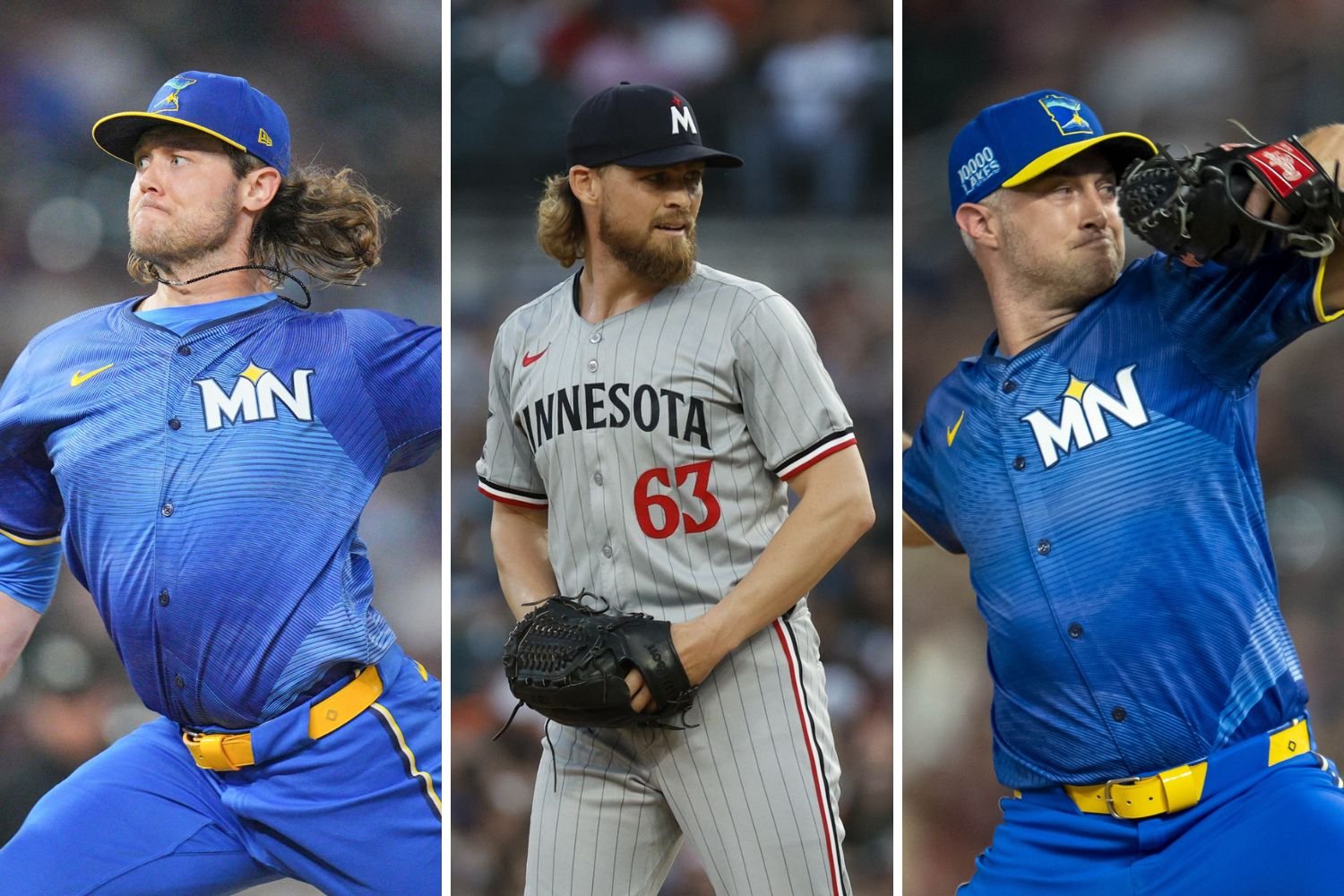
In 2024, the Twins signed two relief pitchers to major-league deals (Jay Jackson, Josh Staumont) and acquired three in low-wattage trades (Steven Okert, Justin Topa, Trevor Richards). Four of those relievers were so bad that they got cut midseason, including Richards less than a month after being added. The other, Topa, threw two total innings in garbage time.
The Twins were more active on the bullpen front than anywhere else last season, and out of all these moves, they didn't come up with one pitcher who was so much as usable and non-disastrous. The toll this took on the 2024 team is nauseating
Consider this: The Minnesota Twins ranked second in the American League this year in relief FIP (3.65) and fWAR (5.9). They trailed only the historically great Cleveland bullpen in both categories. Yes, you read that right. They did so in SPITE of the above five players collectively contributing negative-0.2 fWAR. And we all saw in real-time how this progressive erosion of planned bullpen depth contributed to a complete unraveling toward the end of the season, culminating with The Cole Irvin Game.
In attempting to diagnose what went wrong with this batch of pick-ups, a simple explanation comes to mind: you get what you pay for. The Twins invested very little in money or trade capital to acquire these arms, who were clearly not in high demand.
But in tracing back the front office's long history of failed relief acquisitions, the story isn't quite so simple. They've tried just about everything and come up empty. To try and figure out a way forward, let's take a quick look backward.
It's easy to forget now that one of Falvey's most assertive and eye-opening moves at the helm was to make an unprecedented investment in free agent relief help. In January of 2018, coming off Falvey and Thad Levine's first full season in charge, the Twins signed Addison Reed to a two-year, $16.75 million contract. It was the first multi-year guaranteed contract Minnesota had ever given an FA reliever.
Reed had all the qualities of a safe bet. Excellent track record of effectiveness and durability, including plenty of time as a closer. Postseason experience. Still under 30. Despite all of that he flopped, burning out after 56 mediocre innings and never pitching again in the big leagues. It was an experience that seemingly soured Falvey's front office on targeting high-priced relief talent in free agency.
So they tried other things, but couldn't manage to avoid landmines everywhere they stepped. In 2019 they brought in Blake Parker as a waiver claim from the Angels and gave him an Opening Day job. Kaboom. That deadline they traded for a seemingly capable reliever in Sam Dyson. Kaboom. In 2021 they went back to the free agent well, albeit at a lower scale, with the signing of Alex Colome. Kaboom. In 2022 they traded for Emilio Pagan, hoping to turn around his run of home-run struggles. Kaboom. The front office upped its ambition at the deadline, trading for an All-Star closer in Jorge Lopez. Kaboom.
Under Falvey, the Twins have taken plenty of high-risk and low-risk gambles, but the outcome has almost always been the same, save for a modest success here and there like Sergio Romo or Tyler Clippard. So in a sense it's hard to blame the front office for taking fliers on a bunch of inexpensive wild-cards this year with hopes that at least a couple would pan out. But it didn't work. In fact it blew up in their faces magnificently, sabotaging the highly effective bullpen core that they'd put in place through what they do well.
So, what's the path forward? Even with the limited resources at hand, I don't think the Twins can afford to take the same bare-bones approach in the coming offseason. Whatever route they go, it's difficult to feel confident based on past experiences, but with the pressure heightened following the late-season collapse, maybe now they'll finally show they can learn from their mistakes.
Do you approve of the job the Twins front office is doing?

Follow Twins Daily For Minnesota Twins News & Analysis



- Clare, Cory Engelhardt, Fatbat and 4 others
-
 7
7


Recommended Comments
Create an account or sign in to comment
You need to be a member in order to leave a comment
Create an account
Sign up for a new account in our community. It's easy!
Register a new accountSign in
Already have an account? Sign in here.
Sign In Now