



Cody Christie
-
Posts
7,515 -
Joined
-
Last visited
-
Days Won
5
Content Type
Profiles
News
Minnesota Twins Videos
2026 Minnesota Twins Top Prospects Ranking
2022 Minnesota Twins Draft Picks
Minnesota Twins Free Agent & Trade Rumors, Notes, & Tidbits
Guides & Resources
2023 Minnesota Twins Draft Picks
The Minnesota Twins Players Project
2024 Minnesota Twins Draft Picks
2025 Minnesota Twins Draft Pick Tracker
2026 Minnesota Twins Draft Tracker: Picks & Bonuses
Forums
Blogs
Events
Store
Downloads
Gallery
Everything posted by Cody Christie
-
 Carlos Correa is one of the biggest keys to the Twins' offseason plan. So does the team need to set a deadline for whether they are in or out on Correa? Image courtesy of Bruce Kluckhohn-USA TODAY Sports With the Winter Meetings starting this week, the hot stove might begin to heat up. Plenty of the biggest free agents and their representatives will be traveling the halls in San Diego. Scott Boras, who represents Carlos Correa, is usually one of the most active people at the annual event. Besides Correa, he represents other top free agents like Xander Bogaerts, Brandon Nimmo, and Carlos Rodon. Boras can see how the market plays out for his top clients, but the Twins might not have the time to wait on a Correa decision. Minnesota has payroll flexibility this winter, with around $50 million in payroll to spend. The Twins will likely get outbid for Correa's services, and the team will have to pivot to other options. However, the Twins might end up with no viable free-agent options if Correa's contract negotiations drag out over the next few months. Some top free agents like Jacob deGrom and Jose Abreu are already off the market, and other names may sign as more conversations occur at the Winter Meetings. Last winter, the market didn't play out in Correa's favor. He switched agents, and the lockout forced him to wait until spring training started to ink a deal. Correa can choose to be patient this winter to see what clubs miss on Aaron Judge before turning their attention to the other top names on the market. Correa likely wants a decision sooner rather than later, but he's expected to sign a contract covering the remainder of his career. It must be a good fit from the team and player's perspective. Derek Falvey and Thad Levine have proven the ability to be patient and let the market play out in their favor. However, that strategy almost didn't play out in their favor last year as Correa fell into their laps as spring training began. In previous offseasons, they had made offers to some of the top free agent starters like Zack Wheeler before signing Josh Donaldson to a multi-year contract. Thankfully, the team was able to jettison the Donaldson contract, but this winter might be the time for the Twins to change their off-season strategy. Internally, the Twins should set a deadline to sign Correa so they have enough remaining time in the offseason to make moves that put themselves back in contention. The AL Central is one of baseball's worst divisions, and Minnesota has finished below .500 in two consecutive seasons. Things will be challenging for AL Central clubs, with MLB schedules becoming more balanced next season. According to the preliminary ZiPS projected standings, FanGraphs expects the Twins to finish 81-81, one game behind Cleveland for the division title. Obviously, a player of Correa's caliber can be worth enough WAR to push the Twins to another level. According to reports, the Twins have made multiple contract offers to Correa from six to ten years in length. It's certainly good that Minnesota's front office is engaging him in contract talks, but the team can only afford to see so many free agents sign with other clubs. Bogaerts seems like the player the Twins will turn to after Correa, and the team may need to pivot to him at some point in the coming weeks. If Correa returns to the Twins, it would be in the team's best interest to have a deal in place before the end of December, so the front office can continue to improve the roster around him. Otherwise, the team may be left without few moves to make. Do the Twins need to set a Correa contract deadline? How long can they wait for him to make a decision? Leave a COMMENT and start the discussion. View full article
 -
Will the Twins Regret Leaving Steven Cruz Unprotected?
Cody Christie posted an article in Minor Leagues
 The 2022 Rule 5 Draft will take place on Wednesday, December 7, as part of the Winter Meetings in San Diego. It will be the first Rule 5 Draft in two years since last year's draft was canceled due to lockout. It also marks the first Rule 5 Draft since rosters expanded to 26 players. This may allow teams the roster flexibility to carry an extra player for the entire season, especially a relief pitcher that has traditionally been easier to hide. In the last Rule 5 Draft, the Twins lost Akil Baddoo and Tyler Wells, who have each had promising starts to their big-league careers. Baddoo posted a 2.0 WAR season as a rookie before struggling in his sophomore campaign. Wells shifted to a starting role for an improving Orioles squad looking to get back into contention. Will Steven Cruz follow a similar path as Baddoo and Wells? Minnesota initially signed Cruz as an international free agent in March 2017 for $30,000. His professional debut came in the Dominican Summer League, where he posted a 3.68 ERA and a 1.36 WHIP in 16 appearances. He moved stateside in 2018 and saw his strikeout rate jump from 8.0 K/9 to 11.4 K/9 with the GCL Twins. In 2019, he improved with a sub-3.00 ERA and 48 strikeouts across 31 innings for Elizabethton. His walk rate continued to be higher than teams want from a reliever, but he was showcasing some strong strikeout ability. Cruz's first taste of full-season affiliates had to wait until 2021 after the 2020 season was canceled. All but three of his appearances came at Low-A, where he was slightly older than the average age of the competition. In 50 innings, he posted a 4.32 ERA with a 1.36 WHIP and 80 strikeouts. His 14.4 K/9 was a career-high, and his walk rate dropped from 6.7 BB/9 to 5.9 BB/9. He was making improvements, and his stuff was becoming hard to ignore. Minnesota was aggressive with Cruz in 2022 by sending him to Double-A with only two appearances above Low-A on his resume. He pitched the entire season out of Wichita's bullpen with 46 appearances. In 56 innings, he compiled a 5.14 ERA with a 1.59 WHIP and a 72-to-35 strikeout-to-walk ratio. His walk rate dropped for the second consecutive season, and he has a 12.1 K/9 for his professional career. He proved he could routinely hit triple-digits with his fastball, and his slider is a solid secondary offering. MLB.com ranks Cruz as the organization's 27th-best prospect with a 75-grade fastball and a 50-grade slider. Even though he is a righty, he held lefties to a .640 OPS with 30 strikeouts in 89 at-bats. Nearly 85% of his plate appearances came against older batters because it was the first time in his career that he was significantly younger than the average age of the competition. There are no guarantees that Cruz will be selected in next week's Rule 5 Draft, but elite fastball and strikeout totals give him a chance. Plenty of non-contending teams across baseball can take flyers on relievers like Cruz that can pay big dividends down the road. Do you think the Twins will regret leaving Cruz unprotected? What can his ceiling be at the big-league level? Leave a COMMENT and start the discussion.
 -
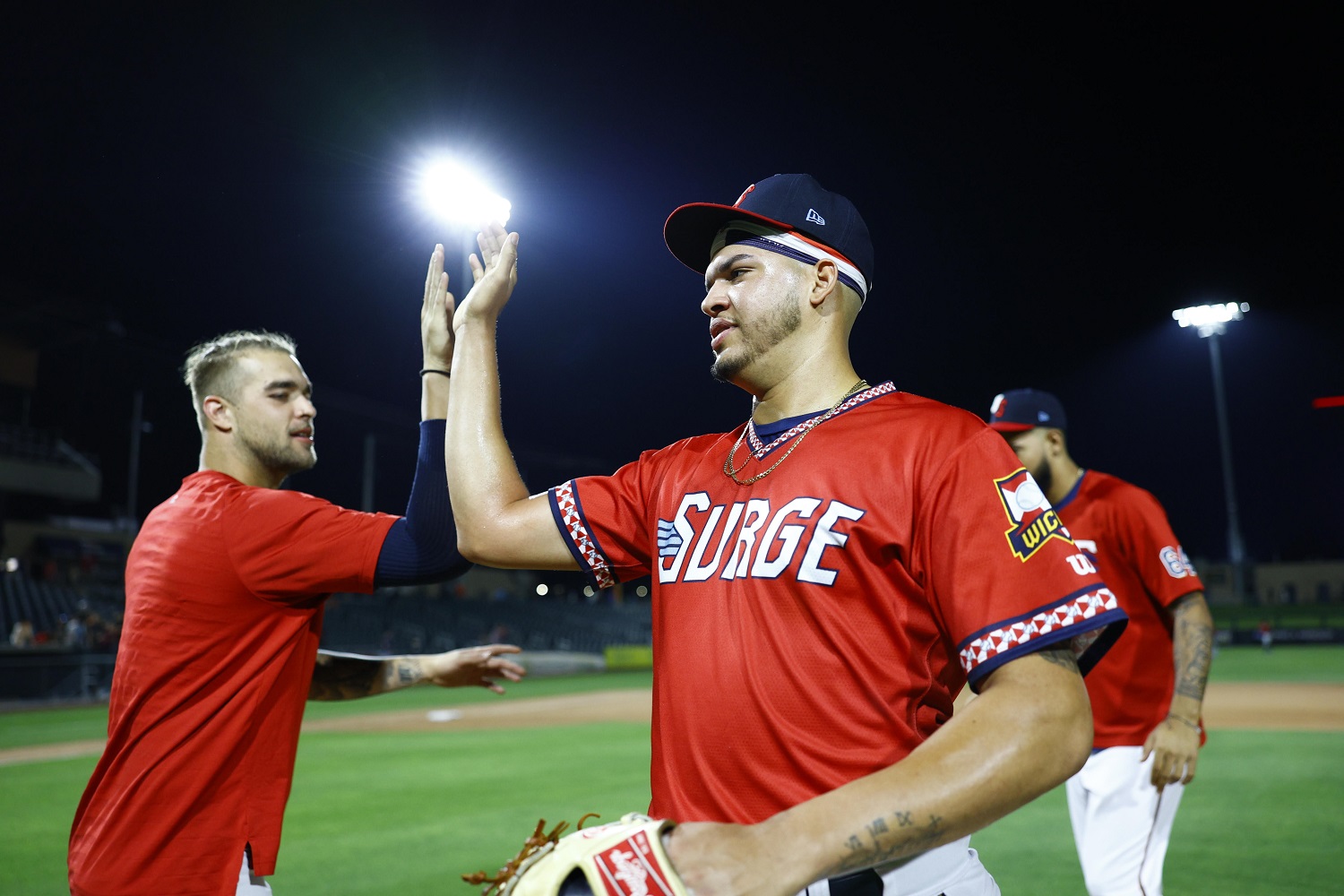
Minnesota protected multiple players before the Rule 5 deadline, but only some players can make the cut. Would losing Steven Cruz come back to haunt the Twins? Image courtesy of Ed Bailey, Wichita Wind Surge The 2022 Rule 5 Draft will take place on Wednesday, December 7, as part of the Winter Meetings in San Diego. It will be the first Rule 5 Draft in two years since last year's draft was canceled due to lockout. It also marks the first Rule 5 Draft since rosters expanded to 26 players. This may allow teams the roster flexibility to carry an extra player for the entire season, especially a relief pitcher that has traditionally been easier to hide. In the last Rule 5 Draft, the Twins lost Akil Baddoo and Tyler Wells, who have each had promising starts to their big-league careers. Baddoo posted a 2.0 WAR season as a rookie before struggling in his sophomore campaign. Wells shifted to a starting role for an improving Orioles squad looking to get back into contention. Will Steven Cruz follow a similar path as Baddoo and Wells? Minnesota initially signed Cruz as an international free agent in March 2017 for $30,000. His professional debut came in the Dominican Summer League, where he posted a 3.68 ERA and a 1.36 WHIP in 16 appearances. He moved stateside in 2018 and saw his strikeout rate jump from 8.0 K/9 to 11.4 K/9 with the GCL Twins. In 2019, he improved with a sub-3.00 ERA and 48 strikeouts across 31 innings for Elizabethton. His walk rate continued to be higher than teams want from a reliever, but he was showcasing some strong strikeout ability. Cruz's first taste of full-season affiliates had to wait until 2021 after the 2020 season was canceled. All but three of his appearances came at Low-A, where he was slightly older than the average age of the competition. In 50 innings, he posted a 4.32 ERA with a 1.36 WHIP and 80 strikeouts. His 14.4 K/9 was a career-high, and his walk rate dropped from 6.7 BB/9 to 5.9 BB/9. He was making improvements, and his stuff was becoming hard to ignore. Minnesota was aggressive with Cruz in 2022 by sending him to Double-A with only two appearances above Low-A on his resume. He pitched the entire season out of Wichita's bullpen with 46 appearances. In 56 innings, he compiled a 5.14 ERA with a 1.59 WHIP and a 72-to-35 strikeout-to-walk ratio. His walk rate dropped for the second consecutive season, and he has a 12.1 K/9 for his professional career. He proved he could routinely hit triple-digits with his fastball, and his slider is a solid secondary offering. MLB.com ranks Cruz as the organization's 27th-best prospect with a 75-grade fastball and a 50-grade slider. Even though he is a righty, he held lefties to a .640 OPS with 30 strikeouts in 89 at-bats. Nearly 85% of his plate appearances came against older batters because it was the first time in his career that he was significantly younger than the average age of the competition. There are no guarantees that Cruz will be selected in next week's Rule 5 Draft, but elite fastball and strikeout totals give him a chance. Plenty of non-contending teams across baseball can take flyers on relievers like Cruz that can pay big dividends down the road. Do you think the Twins will regret leaving Cruz unprotected? What can his ceiling be at the big-league level? Leave a COMMENT and start the discussion. View full article
-
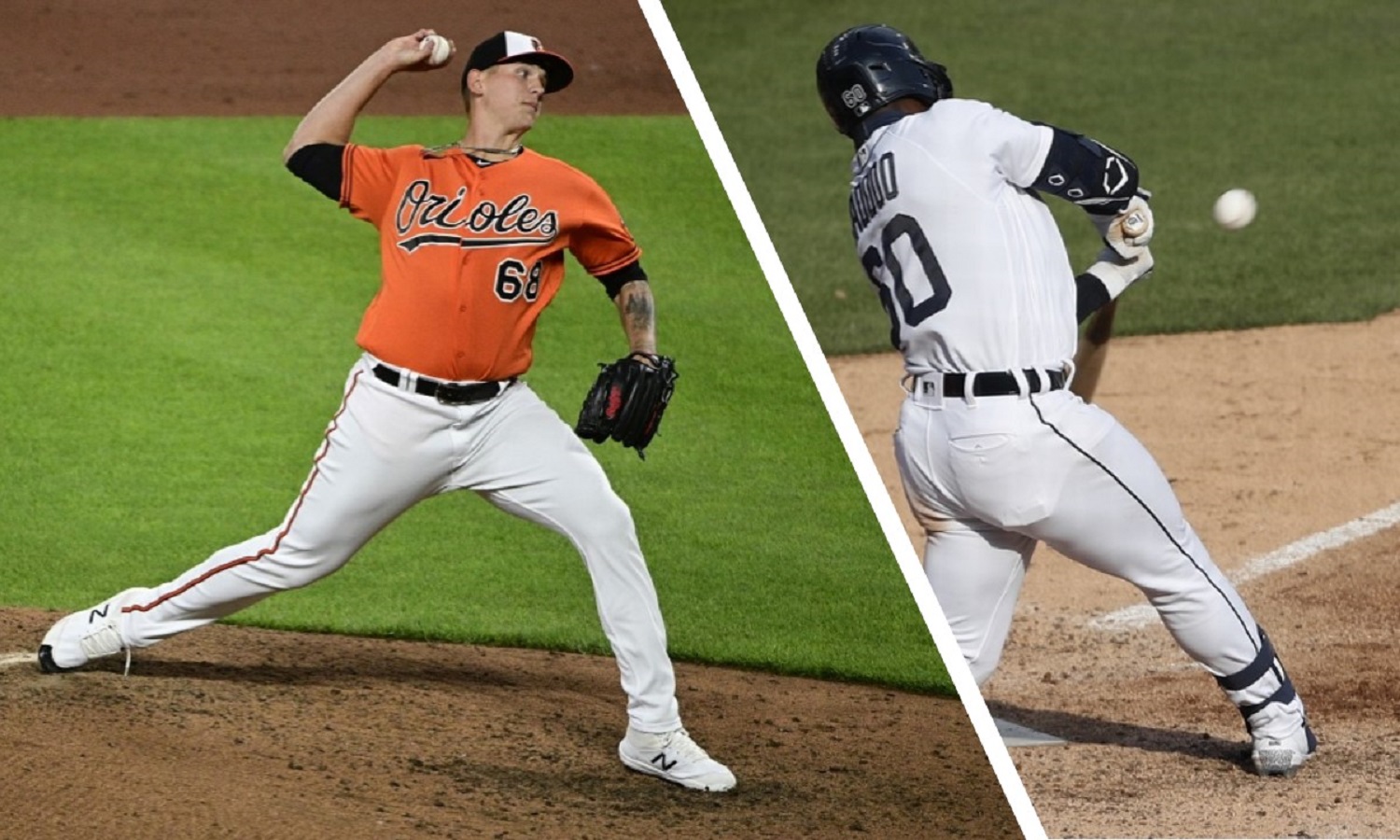 Next week, the MLB Winter Meetings will take place in San Diego, and the Rule 5 Draft is part of the annual event. The opportunity is given to teams to select unprotected players from other organizations that meet specific criteria. Rule 5 Draft eligibility is tied to when a player first signed with their club. Players signed at 18 or younger must be added to the 40-man roster within five seasons. Players signed at 19 or older have four seasons before they must be protected. For this year's draft, high school or international picks signed in 2018 had to be added to the 40-man roster, and college players signed in 2019. There are also rules tied to the drafting of a player. During the MLB phase of the Rule 5 Draft, drafting clubs pay $100,000 to select a player. From there, the player has to stick on the team's 26-man roster for the entire season or be offered back to his former team for half the selection fee ($50,0000). Over the last decade, here are some of the players tied to the Twins through the Rule 5 Draft. Minnesota's Best Pick: Ryan Pressly The Twins had the fourth overall pick in the 2012 Rule 5 Draft after finishing with 99 losses the previous season. There were plenty of holes to fill on the roster, so the Twins selected Ryan Pressly from the Red Sox organization. Pressly spent six seasons in the Twins organization and posted a 3.75 ERA with a 1.30 WHIP. He had an 8.0 K/9 and a 112 ERA+ before the Twins traded him to the Astros at the 2018 trade deadline. Pressly has gone on to have a tremendous career in Houston with multiple All-Star appearances and a World Series title. He provided plenty of value to the Twins before the trade, and both players acquired from Houston project to impact the 2023 roster (Gilberto Celestino and Jorge Alcala). Twins fans can play the "What if?" game with Pressly, but he likely wouldn't have reached the same level of success without moving to Houston. Minnesota's Worst Loss: Akil Baddoo Baddoo was Minnesota's second-round pick one year before the current front office took over. He had shown some promise as a prospect, but he had played fewer than 30 games above the Low-A level, making it easier to leave him unprotected. The Tigers took him with the third overall pick in the 2020 Rule 5 Draft, and he went on to have a tremendous rookie campaign. In 124 games, he hit .259/.330/.436 (.766) with 20 doubles, seven triples, and 13 home runs. He provided 2.1 WAR for a Tigers team that started moving in the right direction. From the Twins' perspective, losing Baddoo was challenging because the club desperately needed outfield depth during the 2021 campaign. Last season, Baddoo struggled at the big-league level as his OPS dropped to .558, and the Tigers sent him to Triple-A to find his swing. He posted a .905 OPS with 14 extra-base hits in 30 games, so there is some hope for him to return to his performance level from his rookie season. The Jury's Still Out: Tyler Wells Minnesota left Wells unprotected in the same Rule 5 Draft as Baddoo, and Baltimore took him in the second round with the 17th overall pick. The Orioles used him as a reliever throughout the 2021 season, and he compiled a 4.11 ERA with a 0.91 WHIP and 10.3 K/9. Last season, the Orioles transitioned him to a starting role, and the results were mixed. In 23 starts (103 2/3 innings), he had a 4.25 ERA with a 1.14 WHIP and a 76-to-28 strikeout-to-walk ratio. He ranked in the 59th percentile or higher in xBA, BB%, and chase rate. His fastball spin also is among the league's best, in the 93rd percentile. Baltimore was a surprise team in 2022, and Wells tied for the second-most starts on the team. He will continue to get opportunities to start in 2023, and he plans to focus on consistency and endurance to become part of Baltimore's long-term plan. The Rule 5 Draft can be challenging for teams to find big-league talent, but it's been nearly a decade since the Twins found a consistent big- league player. Do you think the Twins will regret losing Baddoo and Wells? Leave a COMMENT and start the discussion.
- 34 comments
-
- 5
-

-
- ryan pressly
- tyler wells
- (and 1 more)
-
Every minor-league player is searching for a path to the big leagues. In recent years, the Twins have had mixed results with players acquired through the Rule 5 Draft. Image courtesy of Tommy Gilligan, USA Today Sports (Wells), Raj Mehta-USA TODAY Sports (Baddoo) Next week, the MLB Winter Meetings will take place in San Diego, and the Rule 5 Draft is part of the annual event. The opportunity is given to teams to select unprotected players from other organizations that meet specific criteria. Rule 5 Draft eligibility is tied to when a player first signed with their club. Players signed at 18 or younger must be added to the 40-man roster within five seasons. Players signed at 19 or older have four seasons before they must be protected. For this year's draft, high school or international picks signed in 2018 had to be added to the 40-man roster, and college players signed in 2019. There are also rules tied to the drafting of a player. During the MLB phase of the Rule 5 Draft, drafting clubs pay $100,000 to select a player. From there, the player has to stick on the team's 26-man roster for the entire season or be offered back to his former team for half the selection fee ($50,0000). Over the last decade, here are some of the players tied to the Twins through the Rule 5 Draft. Minnesota's Best Pick: Ryan Pressly The Twins had the fourth overall pick in the 2012 Rule 5 Draft after finishing with 99 losses the previous season. There were plenty of holes to fill on the roster, so the Twins selected Ryan Pressly from the Red Sox organization. Pressly spent six seasons in the Twins organization and posted a 3.75 ERA with a 1.30 WHIP. He had an 8.0 K/9 and a 112 ERA+ before the Twins traded him to the Astros at the 2018 trade deadline. Pressly has gone on to have a tremendous career in Houston with multiple All-Star appearances and a World Series title. He provided plenty of value to the Twins before the trade, and both players acquired from Houston project to impact the 2023 roster (Gilberto Celestino and Jorge Alcala). Twins fans can play the "What if?" game with Pressly, but he likely wouldn't have reached the same level of success without moving to Houston. Minnesota's Worst Loss: Akil Baddoo Baddoo was Minnesota's second-round pick one year before the current front office took over. He had shown some promise as a prospect, but he had played fewer than 30 games above the Low-A level, making it easier to leave him unprotected. The Tigers took him with the third overall pick in the 2020 Rule 5 Draft, and he went on to have a tremendous rookie campaign. In 124 games, he hit .259/.330/.436 (.766) with 20 doubles, seven triples, and 13 home runs. He provided 2.1 WAR for a Tigers team that started moving in the right direction. From the Twins' perspective, losing Baddoo was challenging because the club desperately needed outfield depth during the 2021 campaign. Last season, Baddoo struggled at the big-league level as his OPS dropped to .558, and the Tigers sent him to Triple-A to find his swing. He posted a .905 OPS with 14 extra-base hits in 30 games, so there is some hope for him to return to his performance level from his rookie season. The Jury's Still Out: Tyler Wells Minnesota left Wells unprotected in the same Rule 5 Draft as Baddoo, and Baltimore took him in the second round with the 17th overall pick. The Orioles used him as a reliever throughout the 2021 season, and he compiled a 4.11 ERA with a 0.91 WHIP and 10.3 K/9. Last season, the Orioles transitioned him to a starting role, and the results were mixed. In 23 starts (103 2/3 innings), he had a 4.25 ERA with a 1.14 WHIP and a 76-to-28 strikeout-to-walk ratio. He ranked in the 59th percentile or higher in xBA, BB%, and chase rate. His fastball spin also is among the league's best, in the 93rd percentile. Baltimore was a surprise team in 2022, and Wells tied for the second-most starts on the team. He will continue to get opportunities to start in 2023, and he plans to focus on consistency and endurance to become part of Baltimore's long-term plan. The Rule 5 Draft can be challenging for teams to find big-league talent, but it's been nearly a decade since the Twins found a consistent big- league player. Do you think the Twins will regret losing Baddoo and Wells? Leave a COMMENT and start the discussion. View full article
-
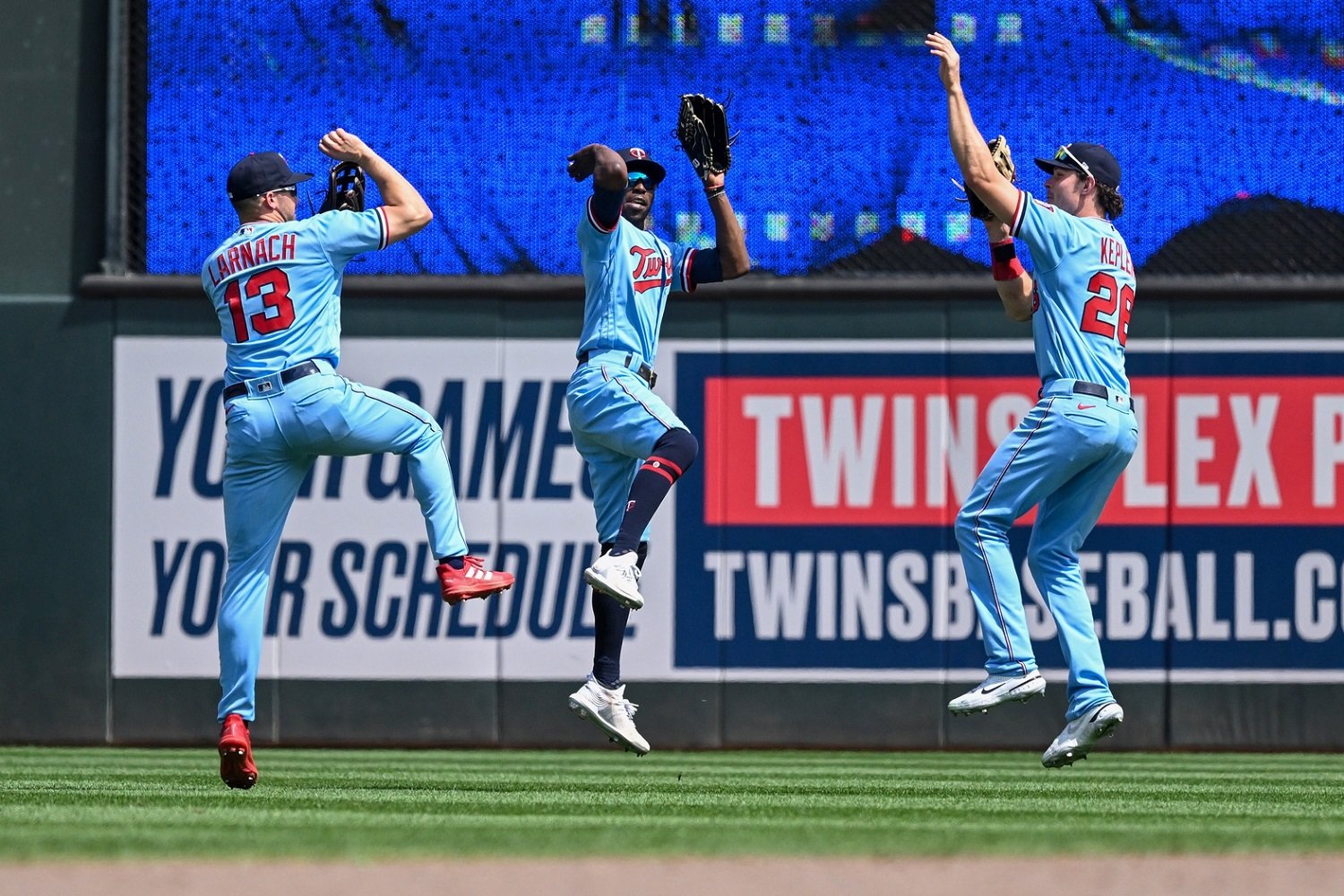
There are multiple ways to address a team's flaws during the offseason. A quick examination of the Twins' 40-man roster shows that the club has a corner outfield conundrum. Image courtesy of Nick Wosika-USA TODAY Sports Every front office spends the offseason trying to create a roster that can be competitive for multiple seasons. This takes a balancing act that includes established veterans, young prospects, and supplemental players. Minnesota has already changed the 40-man roster this winter by trading Gio Urshela and adding Kyle Farmer. These moves help the team set a floor at multiple starting positions, but there is still room to improve. Corner outfielders are one area where the Twins have a surplus, with nine outfielders on the 40-man roster. Minnesota hopes Byron Buxton can make most of the team's starts in centerfield, leaving eight players for the two remaining outfield spots. Luckily, many of the team's other outfield options have defensive flexibility. Let's take a look at the team's options. Projected Starters: Max Kepler, Trevor Larnach Kepler is one of baseball's best outfield defenders, providing significant value even if his bat has recently taken a step back. There is a chance that banning the infield shift will help Kepler's numbers, but it's likely only to generate a few extra hits per season. There is also a chance the Twins will attempt to trade Kepler before the season starts because of the younger and cheaper options available. Injuries have limited Larnach to fewer than 91 games in each of the last two seasons. Last season, he finished 11th on the team in WAR, even though he only played 51 games. He can play both corner outfield positions, but his defense is more limited than some of the team's other options. Entering his age-26 season, Larnach must prove he can stay healthy and produce at the big-league level. Bench Options: Gilberto Celestino, Nick Gordon, Mark Contreras, Kyle Garlick Celestino provides the Twins will insurance for Buxton in center field, but he isn't far removed from being considered one of the team's top outfield prospects. He's only played 51 games at the Triple-A level because the Twins have had an outfield need over the last two seasons. He destroyed the ball last May by hitting .364/.426/.418 (.844), but his second-half OPS dropped to .582. Celestino will play significant innings, but it seems in the team's best interest for those innings to be in center. Gordon surprised many with his 2022 performance by hitting .272/.316/.427 (.743) with a 113 OPS+. Kepler was the only corner outfielder to accumulate more WAR last season, and his OPS+ was 20 points lower than Gordon's. Among AL left fielders, Gordon ranked fifth in SDI, which was impressive considering he had limited innings at the position entering the year. Entering 2023, Gordon will likely continue to fill a utility role. From a roster construction standpoint, it will be intriguing to see if Garlick and Contreras can survive the offseason on the 40-man roster. Together, they form a natural platoon, with Contreras being a lefty and Garlick being a righty. However, they are lower on the team's depth chart at both corner outfield spots, so they seem unlikely to make the Opening Day roster. They each have minor league options remaining, so they can offer organizational depth. Other Outfield Options: Alex Kirilloff, Matt Wallner Kirilloff was considered one of the team's best prospects before injuries limited him in his first two big league seasons. For his career, he has hit .251/.295/.398 (.694) with a 94 OPS+, but a wrist injury has impacted his power production. Kirilloff underwent a unique wrist surgery in August, and few professional athletes have had this procedure. If healthy, Minnesota's best defensive alignment likely has Kirilloff at first base. Wallner powered his way through the upper minors last season with a .953 OPS. Minnesota waited until the middle of September to call him up, and he posted a 105 OPS+ in 18 games. He is one of the best power-hitting prospects to come through the Twins organization over the last decade. His stock continues to rise, and the team will likely make him the first man up from Triple-A when there is an injury. It's great to have depth at any position, but it's easy to see where the Twins may have too many corner outfield options. Can the team deal one or more of these players to fill other needs? Or are there enough injury concerns to keep all eight players on the roster? Leave a COMMENT and start the discussion. View full article
-
 Every front office spends the offseason trying to create a roster that can be competitive for multiple seasons. This takes a balancing act that includes established veterans, young prospects, and supplemental players. Minnesota has already changed the 40-man roster this winter by trading Gio Urshela and adding Kyle Farmer. These moves help the team set a floor at multiple starting positions, but there is still room to improve. Corner outfielders are one area where the Twins have a surplus, with nine outfielders on the 40-man roster. Minnesota hopes Byron Buxton can make most of the team's starts in centerfield, leaving eight players for the two remaining outfield spots. Luckily, many of the team's other outfield options have defensive flexibility. Let's take a look at the team's options. Projected Starters: Max Kepler, Trevor Larnach Kepler is one of baseball's best outfield defenders, providing significant value even if his bat has recently taken a step back. There is a chance that banning the infield shift will help Kepler's numbers, but it's likely only to generate a few extra hits per season. There is also a chance the Twins will attempt to trade Kepler before the season starts because of the younger and cheaper options available. Injuries have limited Larnach to fewer than 91 games in each of the last two seasons. Last season, he finished 11th on the team in WAR, even though he only played 51 games. He can play both corner outfield positions, but his defense is more limited than some of the team's other options. Entering his age-26 season, Larnach must prove he can stay healthy and produce at the big-league level. Bench Options: Gilberto Celestino, Nick Gordon, Mark Contreras, Kyle Garlick Celestino provides the Twins will insurance for Buxton in center field, but he isn't far removed from being considered one of the team's top outfield prospects. He's only played 51 games at the Triple-A level because the Twins have had an outfield need over the last two seasons. He destroyed the ball last May by hitting .364/.426/.418 (.844), but his second-half OPS dropped to .582. Celestino will play significant innings, but it seems in the team's best interest for those innings to be in center. Gordon surprised many with his 2022 performance by hitting .272/.316/.427 (.743) with a 113 OPS+. Kepler was the only corner outfielder to accumulate more WAR last season, and his OPS+ was 20 points lower than Gordon's. Among AL left fielders, Gordon ranked fifth in SDI, which was impressive considering he had limited innings at the position entering the year. Entering 2023, Gordon will likely continue to fill a utility role. From a roster construction standpoint, it will be intriguing to see if Garlick and Contreras can survive the offseason on the 40-man roster. Together, they form a natural platoon, with Contreras being a lefty and Garlick being a righty. However, they are lower on the team's depth chart at both corner outfield spots, so they seem unlikely to make the Opening Day roster. They each have minor league options remaining, so they can offer organizational depth. Other Outfield Options: Alex Kirilloff, Matt Wallner Kirilloff was considered one of the team's best prospects before injuries limited him in his first two big league seasons. For his career, he has hit .251/.295/.398 (.694) with a 94 OPS+, but a wrist injury has impacted his power production. Kirilloff underwent a unique wrist surgery in August, and few professional athletes have had this procedure. If healthy, Minnesota's best defensive alignment likely has Kirilloff at first base. Wallner powered his way through the upper minors last season with a .953 OPS. Minnesota waited until the middle of September to call him up, and he posted a 105 OPS+ in 18 games. He is one of the best power-hitting prospects to come through the Twins organization over the last decade. His stock continues to rise, and the team will likely make him the first man up from Triple-A when there is an injury. It's great to have depth at any position, but it's easy to see where the Twins may have too many corner outfield options. Can the team deal one or more of these players to fill other needs? Or are there enough injury concerns to keep all eight players on the roster? Leave a COMMENT and start the discussion.
- 33 comments
-
- 3
-
-
- max kepler
- trevor larnach
- (and 3 more)
-
 Minnesota has yet to have an AL Rookie of the Year winner since Marty Cordova took home the hardware in 1995. Other winners in team history include Tony Oliva (1964), Rod Carew (1967), John Castino (1979), and Chuck Knoblauch (1991). The five candidates below will attempt to end the Twins' nearly three-decade drought without a ROY winner. 5. Royce Lewis, SS Lewis is the highest-ranking prospect on this list, but his Rookie of the Year candidacy is complicated. Following his second ACL surgery, Lewis won't be on the field until the second half of 2022, and that's why he is lower on this list. He can return and significantly impact the line-up, especially if the team doesn't sign one of the top free-agent shortstops. If the Twins are in contention, Lewis can provide a second-half boost that might make it hard for voters to ignore. 4. Edouard Julien, 2B Julien was arguably Minnesota's highest-rising prospect during the 2022 season, and the team has already added him to the 40-man roster. In 113 games at Double-A, he hit .300/.441/.490 (931) with 19 doubles, three triples, and 17 home runs. His hot hitting continued in the Arizona Fall League, where he posted a 1.248 OPS with five doubles and five home runs in 21 games. He was named the AFL Breakout Player of the Year, and it looks like his bat is big-league-ready. Julien ranks lower on this list because other players are ahead of him on the depth chart, and he has yet to play at Triple-A. 3. Simeon Woods Richardson, SP Woods Richardson is the organization's highest-ranked pitching prospect who projects to pitch significant big-league innings next season. In 107 1/3 innings last season, he posted a 2.93 ERA with a 1.05 WHIP and 115 strikeouts. He only faced younger batters in 14 plate appearances this season since he didn't turn 22 years old until September. He's been a step behind other pitchers in the organizational depth chart, and that's why he sits at this spot in the rankings. 2. Louie Varland, SP Last season, Varland became the Twins' first back-to-back Minor League Pitcher of the Year since Jose Berrios. In 24 minor league appearances, he posted a 3.06 ERA with a 1.26 WHIP and 10.4 K/9. Currently, Varland is scheduled to start the year at Triple-A, but there are questions about the health of other Twins starters. If others are healthy, it might be more challenging for him to accumulate the innings needed to put himself in the ROY conversation. 1. Matt Wallner, OF Wallner is an exciting name to consider when examining the Twins' future. Alex Kirilloff and Trevor Larnach were considered better prospects than Wallner, but he may have passed them over the last year. His power profile comes with many swings and misses, with strikeouts in over 37% of his minor league at-bats last season. Still, Wallner's power is legitimate, as he combined for 35 doubles and 29 home runs between three levels last season. Wallner may not start the year in the big leagues, but he will be one of the team's first call-ups. Who has the best chance to win the 2023 AL Rookie of the Year Award? Leave a COMMENT and start the discussion.
- 29 comments
-
- 3
-
-
- louis varland
- simeon woods richardson
- (and 3 more)
-
The Twins have multiple young players on the cusp of impacting the big-league level. So, which players have a chance to insert themselves into the AL Rookie of the Year conversation? Image courtesy of Nick Wosika-USA TODAY Sports Minnesota has yet to have an AL Rookie of the Year winner since Marty Cordova took home the hardware in 1995. Other winners in team history include Tony Oliva (1964), Rod Carew (1967), John Castino (1979), and Chuck Knoblauch (1991). The five candidates below will attempt to end the Twins' nearly three-decade drought without a ROY winner. 5. Royce Lewis, SS Lewis is the highest-ranking prospect on this list, but his Rookie of the Year candidacy is complicated. Following his second ACL surgery, Lewis won't be on the field until the second half of 2022, and that's why he is lower on this list. He can return and significantly impact the line-up, especially if the team doesn't sign one of the top free-agent shortstops. If the Twins are in contention, Lewis can provide a second-half boost that might make it hard for voters to ignore. 4. Edouard Julien, 2B Julien was arguably Minnesota's highest-rising prospect during the 2022 season, and the team has already added him to the 40-man roster. In 113 games at Double-A, he hit .300/.441/.490 (931) with 19 doubles, three triples, and 17 home runs. His hot hitting continued in the Arizona Fall League, where he posted a 1.248 OPS with five doubles and five home runs in 21 games. He was named the AFL Breakout Player of the Year, and it looks like his bat is big-league-ready. Julien ranks lower on this list because other players are ahead of him on the depth chart, and he has yet to play at Triple-A. 3. Simeon Woods Richardson, SP Woods Richardson is the organization's highest-ranked pitching prospect who projects to pitch significant big-league innings next season. In 107 1/3 innings last season, he posted a 2.93 ERA with a 1.05 WHIP and 115 strikeouts. He only faced younger batters in 14 plate appearances this season since he didn't turn 22 years old until September. He's been a step behind other pitchers in the organizational depth chart, and that's why he sits at this spot in the rankings. 2. Louie Varland, SP Last season, Varland became the Twins' first back-to-back Minor League Pitcher of the Year since Jose Berrios. In 24 minor league appearances, he posted a 3.06 ERA with a 1.26 WHIP and 10.4 K/9. Currently, Varland is scheduled to start the year at Triple-A, but there are questions about the health of other Twins starters. If others are healthy, it might be more challenging for him to accumulate the innings needed to put himself in the ROY conversation. 1. Matt Wallner, OF Wallner is an exciting name to consider when examining the Twins' future. Alex Kirilloff and Trevor Larnach were considered better prospects than Wallner, but he may have passed them over the last year. His power profile comes with many swings and misses, with strikeouts in over 37% of his minor league at-bats last season. Still, Wallner's power is legitimate, as he combined for 35 doubles and 29 home runs between three levels last season. Wallner may not start the year in the big leagues, but he will be one of the team's first call-ups. Who has the best chance to win the 2023 AL Rookie of the Year Award? Leave a COMMENT and start the discussion. View full article
-
The Twins always seem to be searching for starting pitching. One solution to that problem is to lock up young starting pitching, and Joe Ryan is an intriguing extension candidate. Image courtesy of Gary A. Vasquez-USA TODAY Sports 2022 Recap: Ryan joined the Twins at the 2021 trade deadline and made five starts at the season's end with 30 strikeouts in 26 2/3 innings. It was an impressive start to his big-league career, raising expectations for his 2022 campaign. All three national prospect rankings had him on their top-100 lists entering the season. During spring training, Rocco Baldelli named Ryan the Opening Day starter, which added pressure to the start of his rookie campaign. Ryan ended up leading the Twins starters in innings pitched, K/9, and WHIP. Only Dylan Bundy started more games than Ryan, and only two pitchers (Jhoan Duran and Sonny Gray) ranked higher than him in WAR. Still, his rookie campaign was impressive, with a 109 ERA+. His Hard Hit%, xERA/xwOBA, xBA, and K% all ranked in the 63rd percentile or higher. He surpassed his career high in innings by nearly 25, and his strikeout rate jumped from 7.9 to 10.7 K/9 in the second half. Ryan's lack of secondary pitch usage was one of the most significant issues in his minor league numbers. He was able to dominate hitters with a fastball up in the zone which resulted in some high strikeout totals. Last year, he used his four-seam fastball around 60% of the time, but his slider's development helped keep hitters off balance. Batters hit .245 against his slider but slugged nearly .500 against it. However, the xSLG versus his slider was 143 points lower, so that might point to luck from batters against that pitch. If Ryan wants to be a top-tier starter, he will need to continue refining his secondary offerings. Current Contract: Ryan is in an interesting spot because he didn't debut until age 25. The Twins currently have team control of Ryan through the 2027 season when he'd be 32 years old. In fact, he won't be arbitration eligible until the 2025 season. A lot can happen with a pitcher over the next half of a decade before he reaches free agency. Injuries and poor performance can impact even the best young pitchers, but Ryan and the Twins are at an interesting point in his career. Contract Proposal: Ryan has yet to make life-changing money in his career. As a seventh-round pick, his signing bonus was $147,500, and he will make close to the league minimum ($700,000) until he reaches arbitration. Last season, Braves rookie pitcher Spencer Strider signed a six-year, $75 million deal that includes option years. He will make $1 million in each of the next two seasons and $4 million in 2025. His salary will jump to $20 million in 2026 and then move to $22 million for the final two guaranteed years. Atlanta also holds a $22 million option with a $5 million buyout for 2029. Atlanta has been aggressive with signing their young players, and it is undoubtedly a strategy the Twins could explore. However, Strider had a historic rookie season, while Ryan didn't pitch to that level. A more reasonable option for Ryan could be six years, $31 million with the following structure. 2023: $1m (1.033) - Age 27 2024: $2m (2.033) - Age 28 2025: $3m (3.033 - 1st Arb) - Age 29 2026: $5m (4.033 - 2nd Arb) - Age 30 2027: $7.5m (5.033 - 3rd Arb) - Age 31 2028: $10m (6.033 - FA) - Age 32 2029: $18m option (with $2.5m buyout) - 2nd FA - Age 33 This deal adds two extra years of team control and guarantees Ryan a lot of money at an early juncture in his career. Would the Twins consider this kind of offer for a young pitcher? Would Ryan accept this kind of deal? Leave a COMMENT and start the discussion. OTHER EXTENSION CANDIDATES - Sonny Gray - Luis Arraez View full article
-
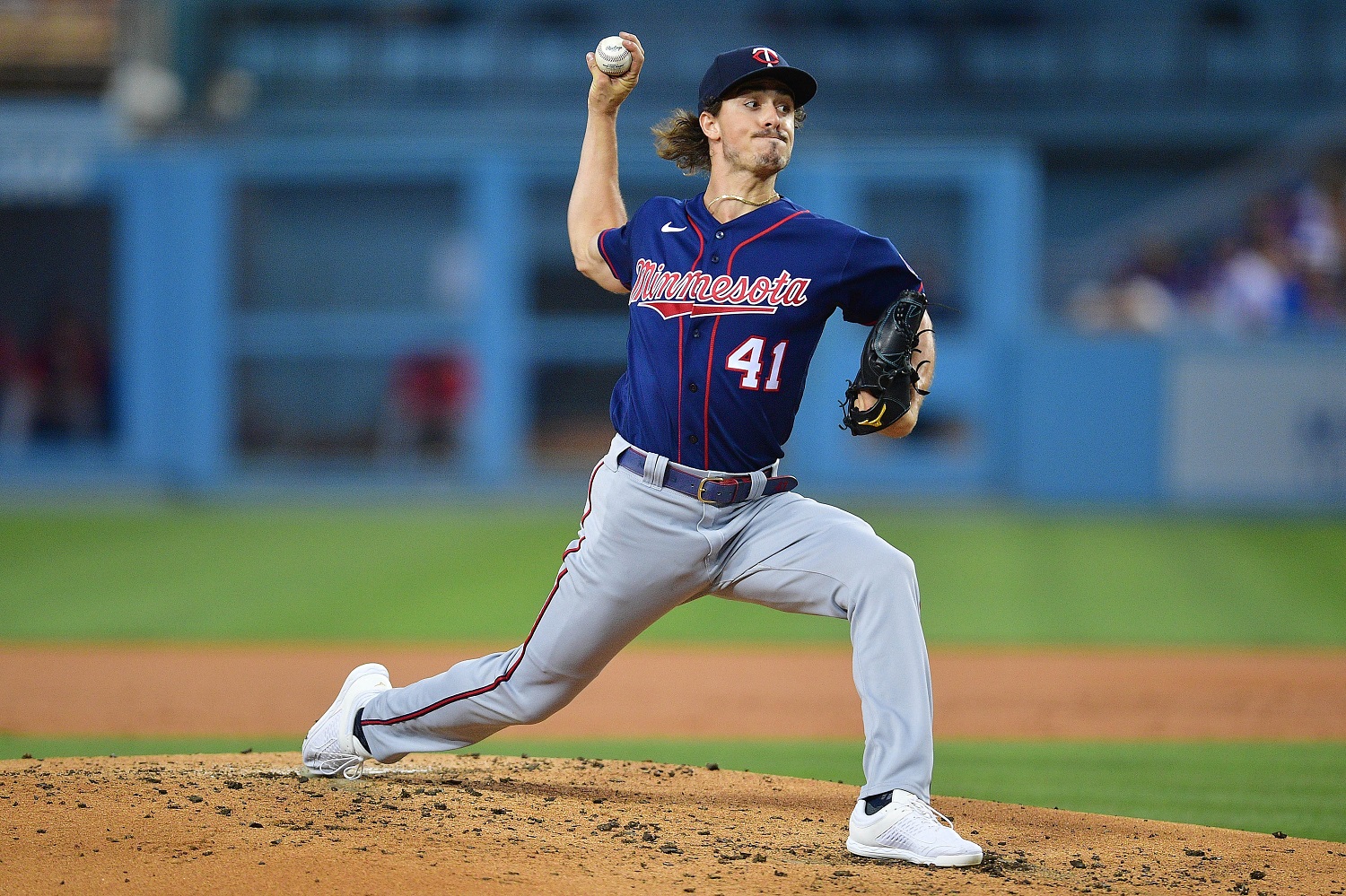 2022 Recap: Ryan joined the Twins at the 2021 trade deadline and made five starts at the season's end with 30 strikeouts in 26 2/3 innings. It was an impressive start to his big-league career, raising expectations for his 2022 campaign. All three national prospect rankings had him on their top-100 lists entering the season. During spring training, Rocco Baldelli named Ryan the Opening Day starter, which added pressure to the start of his rookie campaign. Ryan ended up leading the Twins starters in innings pitched, K/9, and WHIP. Only Dylan Bundy started more games than Ryan, and only two pitchers (Jhoan Duran and Sonny Gray) ranked higher than him in WAR. Still, his rookie campaign was impressive, with a 109 ERA+. His Hard Hit%, xERA/xwOBA, xBA, and K% all ranked in the 63rd percentile or higher. He surpassed his career high in innings by nearly 25, and his strikeout rate jumped from 7.9 to 10.7 K/9 in the second half. Ryan's lack of secondary pitch usage was one of the most significant issues in his minor league numbers. He was able to dominate hitters with a fastball up in the zone which resulted in some high strikeout totals. Last year, he used his four-seam fastball around 60% of the time, but his slider's development helped keep hitters off balance. Batters hit .245 against his slider but slugged nearly .500 against it. However, the xSLG versus his slider was 143 points lower, so that might point to luck from batters against that pitch. If Ryan wants to be a top-tier starter, he will need to continue refining his secondary offerings. Current Contract: Ryan is in an interesting spot because he didn't debut until age 25. The Twins currently have team control of Ryan through the 2027 season when he'd be 32 years old. In fact, he won't be arbitration eligible until the 2025 season. A lot can happen with a pitcher over the next half of a decade before he reaches free agency. Injuries and poor performance can impact even the best young pitchers, but Ryan and the Twins are at an interesting point in his career. Contract Proposal: Ryan has yet to make life-changing money in his career. As a seventh-round pick, his signing bonus was $147,500, and he will make close to the league minimum ($700,000) until he reaches arbitration. Last season, Braves rookie pitcher Spencer Strider signed a six-year, $75 million deal that includes option years. He will make $1 million in each of the next two seasons and $4 million in 2025. His salary will jump to $20 million in 2026 and then move to $22 million for the final two guaranteed years. Atlanta also holds a $22 million option with a $5 million buyout for 2029. Atlanta has been aggressive with signing their young players, and it is undoubtedly a strategy the Twins could explore. However, Strider had a historic rookie season, while Ryan didn't pitch to that level. A more reasonable option for Ryan could be six years, $31 million with the following structure. 2023: $1m (1.033) - Age 27 2024: $2m (2.033) - Age 28 2025: $3m (3.033 - 1st Arb) - Age 29 2026: $5m (4.033 - 2nd Arb) - Age 30 2027: $7.5m (5.033 - 3rd Arb) - Age 31 2028: $10m (6.033 - FA) - Age 32 2029: $18m option (with $2.5m buyout) - 2nd FA - Age 33 This deal adds two extra years of team control and guarantees Ryan a lot of money at an early juncture in his career. Would the Twins consider this kind of offer for a young pitcher? Would Ryan accept this kind of deal? Leave a COMMENT and start the discussion. OTHER EXTENSION CANDIDATES - Sonny Gray - Luis Arraez
 -
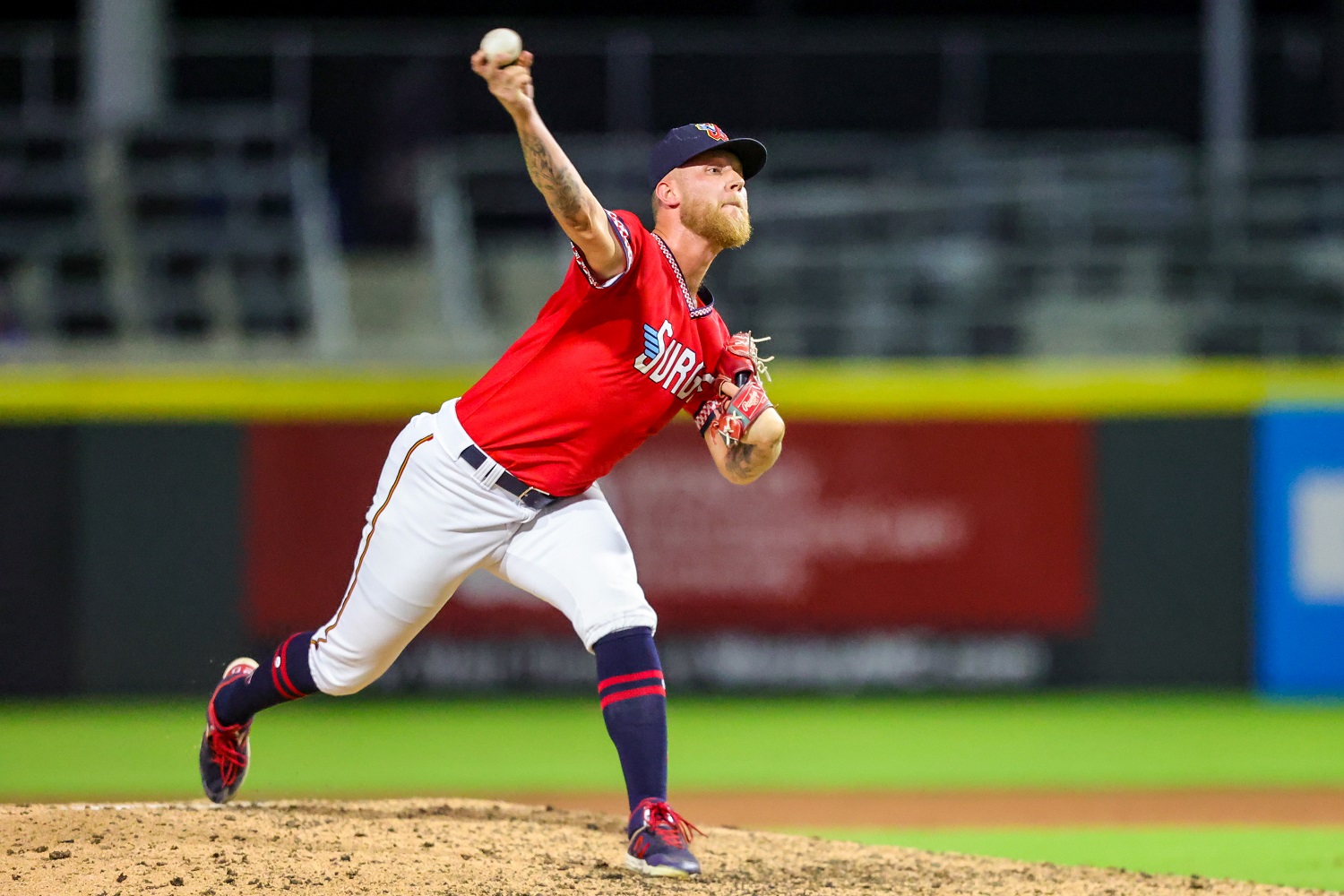 Minnesota drafted Blayne Enlow in the third round of the 2017 MLB Draft from high school in Louisiana. He received a $2 million signing bonus to coax him out of his commitment to Louisiana State University. After signing, the Twins assigned him to the GCL Twins and saw immediate results. In 20 1/3 innings, he allowed three earned runs with a 19-to-4 strikeout-to-walk ratio. The Twins were aggressive with Enlow in 2018 by sending him to Cedar Rapids, where he was almost three years younger than the average age of the competition. For the season, he only faced younger batters in 13 plate appearances. In 94 innings, he posted a 3.26 ERA with a 1.37 WHIP. He allowed a hit per inning, and his 6.8 K/9 was low, but there were other positives to work on as he climbed the organizational ladder. Enlow began the 2019 season back at Low-A, where he saw his strikeout rate improve to 9.6 K/9. In eight starts, he had a 4.57 ERA with a 1.38 WHIP. Most of his struggles were tied to his home run rate jumping from 0.4 HR/9 to 0.9 HR/9. He continued to make improvements after being promoted to High-A. Across 69 1/3 innings, his ERA dropped to 3.38, and his H/9 dropped below 8.0 for the first time since rookie ball. Enlow was holding his own while being young for his level. Unfortunately, Enlow faced some challenges over the next two seasons. Like many players, he missed a critical year of development with no minor league season in 2020. Enlow worked to refine his delivery during the shutdown, and he started the 2021 season with something to prove. His strikeout rate jumped to 14.1 K/9 through his first three starts while limiting opponents to three earned runs. Shortly into the season, he threw a bullpen, and his velocity was down. Eventually, the organization discovered that he had a torn UCL and needed Tommy John surgery. Enlow missed the remainder of 2021 but returned to the mound in May 2022, 11 months after his surgery. Also, the Twins thought highly enough of Enlow to add him to the 40-man roster even though he’d be returning from injury. In 25 appearances (11 starts), he posted a 4.73 ERA with a 1.63 WHIP and 9.9 K/9. He posted the highest H/9 and BB/9 of his career, but it can take time for a pitcher to return to his previous form following Tommy John. Last season, Enlow pitched the entire year at Double-A, where he was still young for his level. He is likely to return to Double-A this season now that he is further removed from his procedure. 40-man roster spots are valuable, so Enlow needs to get closer to the player he was before surgery. The Twins will likely need pitching depth in 2023, and Enlow’s presence on the 40-man roster makes it more likely that he will make his big-league debut. If Enlow struggles, the Twins will need his roster spot for other players. Enlow’s 2023 season will be intriguing for fans to watch. He is part of the team’s pitching pipeline, but questions remain about his future. Can he regain his form as a top prospect? Or will he end the season in another organization? Leave a COMMENT and start the discussion.
 -
Blayne Enlow was once considered one of the Twins’ top pitching prospects. Now, he is entering the most pivotal season of his professional career, where he needs to put himself back on the prospect map. Image courtesy of Ed Bailey, Wichita Wind Surge Minnesota drafted Blayne Enlow in the third round of the 2017 MLB Draft from high school in Louisiana. He received a $2 million signing bonus to coax him out of his commitment to Louisiana State University. After signing, the Twins assigned him to the GCL Twins and saw immediate results. In 20 1/3 innings, he allowed three earned runs with a 19-to-4 strikeout-to-walk ratio. The Twins were aggressive with Enlow in 2018 by sending him to Cedar Rapids, where he was almost three years younger than the average age of the competition. For the season, he only faced younger batters in 13 plate appearances. In 94 innings, he posted a 3.26 ERA with a 1.37 WHIP. He allowed a hit per inning, and his 6.8 K/9 was low, but there were other positives to work on as he climbed the organizational ladder. Enlow began the 2019 season back at Low-A, where he saw his strikeout rate improve to 9.6 K/9. In eight starts, he had a 4.57 ERA with a 1.38 WHIP. Most of his struggles were tied to his home run rate jumping from 0.4 HR/9 to 0.9 HR/9. He continued to make improvements after being promoted to High-A. Across 69 1/3 innings, his ERA dropped to 3.38, and his H/9 dropped below 8.0 for the first time since rookie ball. Enlow was holding his own while being young for his level. Unfortunately, Enlow faced some challenges over the next two seasons. Like many players, he missed a critical year of development with no minor league season in 2020. Enlow worked to refine his delivery during the shutdown, and he started the 2021 season with something to prove. His strikeout rate jumped to 14.1 K/9 through his first three starts while limiting opponents to three earned runs. Shortly into the season, he threw a bullpen, and his velocity was down. Eventually, the organization discovered that he had a torn UCL and needed Tommy John surgery. Enlow missed the remainder of 2021 but returned to the mound in May 2022, 11 months after his surgery. Also, the Twins thought highly enough of Enlow to add him to the 40-man roster even though he’d be returning from injury. In 25 appearances (11 starts), he posted a 4.73 ERA with a 1.63 WHIP and 9.9 K/9. He posted the highest H/9 and BB/9 of his career, but it can take time for a pitcher to return to his previous form following Tommy John. Last season, Enlow pitched the entire year at Double-A, where he was still young for his level. He is likely to return to Double-A this season now that he is further removed from his procedure. 40-man roster spots are valuable, so Enlow needs to get closer to the player he was before surgery. The Twins will likely need pitching depth in 2023, and Enlow’s presence on the 40-man roster makes it more likely that he will make his big-league debut. If Enlow struggles, the Twins will need his roster spot for other players. Enlow’s 2023 season will be intriguing for fans to watch. He is part of the team’s pitching pipeline, but questions remain about his future. Can he regain his form as a top prospect? Or will he end the season in another organization? Leave a COMMENT and start the discussion. View full article
-
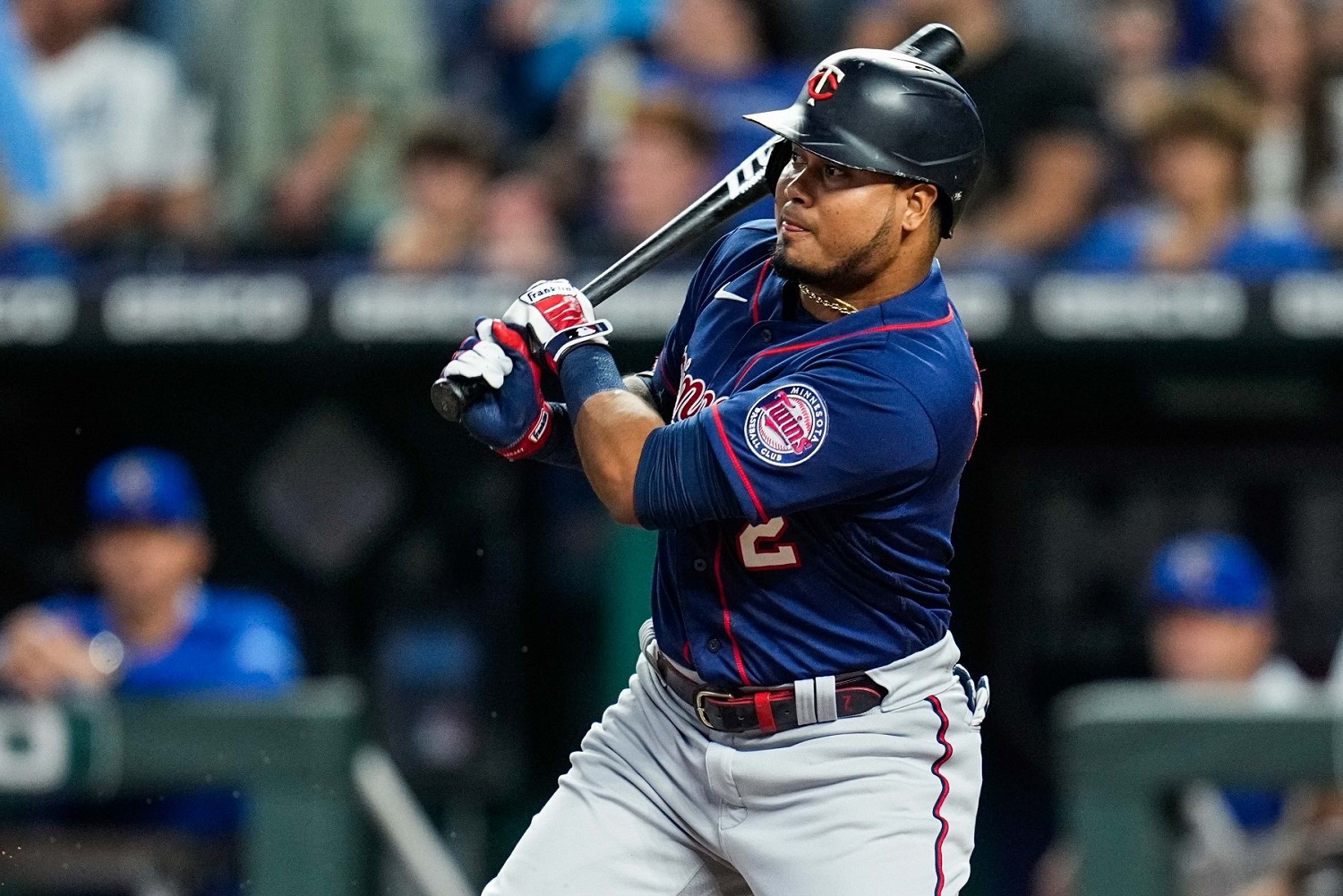 Minnesota has multiple items on its offseason checklist, including finding a shortstop, upgrading the offense, and adding to the bullpen. It's also the time of year when teams can approach players about long-term extensions. The Twins have kept their payroll clean for multiple years into the future, and now is the time to capitalize on the organization's flexibility. 2022 Recap: Minnesota originally signed Luis Arraez back in 2013, so the 2022 season marked his ninth season in the Twins organization. As a prospect, Arraez showed signs of the type of hitter he'd become at the big-league level. In nearly 370 minor league games, he batted over .330 and got on base over 38.5% of the time. His limited power and lack of defense skills dropped him on prospect rankings, but his hit tool has followed him throughout the organization. During the 2022 season, he played in over 125 games for the first time in his career, which helped him to qualify for many of the accolades he received at the season's conclusion. His first half was tremendous as he hit .338/.411/.445 (.856) on the way to his first All-Star Game selection. There were second-half struggles as he fought through injuries. In 60 games, his batting average dropped to .289 with a .715 OPS. Clearly, he wanted to stay on the field to fight for the batting title and kept Aaron Judge from achieving the Triple Crown. Besides his All-Star Game appearance, Arraez has been honored with multiple awards since the season concluded. He became the inaugural winner of the Silver Slugger for utility players as he beat out Shohei Ohtani for the honor. At Twins Daily, Arraez beat out Carlos Correa for the team MVP honor. He was also the only Twins player to receive votes for the AL MVP as he finished 13th overall. Current Contract: Arraez was arbitration-eligible for the first time in 2022 as he accumulated enough service time to be designated a Super-Two player. He earned $2.125 million last season, and the Twins have team control over him through the 2025 season. MLB Trade Rumors projects Arraez to make $5 million through the arbitration process this season. He's starting to get expensive, and this might be the best time for the Twins to lock him up long-term. Contract Proposal: The Twins control Arraez through his age-27 season, so the front office needs to decide what value he provides the team in his late-20s and early-30s. The 25-year-old already doesn't have a defensive home while fighting multiple injuries in his career. The Twins will have younger and cheaper options with a similar skill set when Arraez is no longer under team control. That being said, his hit tool should age well, and the Twins may want him as a veteran leader in the future. Over the last two seasons, FanGraphs says Arraez provided the Twins $38 million in value. It seems unlikely for the club to offer him an extension that pays him near the value he has provided, but the team can be creative. Minnesota bought out free agent years from Max Kepler and Jorge Polanco by providing both players with guaranteed money. Both deals look like very team-friendly deals in retrospect, and it will be interesting to see if the Twins can do something similar with Arraez. Kepler and Polanco can provide a blueprint for a deal that might work for Arraez and the Twins. Polanco was guaranteed $25.75 million with options that could make it worth $47.25 million. Kepler's contract was worth $35 million with an option that takes the total value to $44 million. Would Arraez sign a contract that pays him $50-55 million for five years? This type of contract gives the Twins some cost certainty while also allowing Arraez to get life-changing money. Do the Twins want Arraez past his age-28 season? What kind of deal can keep him in Minnesota? Leave a COMMENT and start the discussion. OTHER EXTENSION CANDIDATES - Sonny Gray
 -
Luis Arraez is coming off a season where he won the AL Batting Title and a Silver Slugger. Do the Twins want Arraez to be part of the team's long-term core? Image courtesy of Jay Biggerstaff, USA TODAY Sports Minnesota has multiple items on its offseason checklist, including finding a shortstop, upgrading the offense, and adding to the bullpen. It's also the time of year when teams can approach players about long-term extensions. The Twins have kept their payroll clean for multiple years into the future, and now is the time to capitalize on the organization's flexibility. 2022 Recap: Minnesota originally signed Luis Arraez back in 2013, so the 2022 season marked his ninth season in the Twins organization. As a prospect, Arraez showed signs of the type of hitter he'd become at the big-league level. In nearly 370 minor league games, he batted over .330 and got on base over 38.5% of the time. His limited power and lack of defense skills dropped him on prospect rankings, but his hit tool has followed him throughout the organization. During the 2022 season, he played in over 125 games for the first time in his career, which helped him to qualify for many of the accolades he received at the season's conclusion. His first half was tremendous as he hit .338/.411/.445 (.856) on the way to his first All-Star Game selection. There were second-half struggles as he fought through injuries. In 60 games, his batting average dropped to .289 with a .715 OPS. Clearly, he wanted to stay on the field to fight for the batting title and kept Aaron Judge from achieving the Triple Crown. Besides his All-Star Game appearance, Arraez has been honored with multiple awards since the season concluded. He became the inaugural winner of the Silver Slugger for utility players as he beat out Shohei Ohtani for the honor. At Twins Daily, Arraez beat out Carlos Correa for the team MVP honor. He was also the only Twins player to receive votes for the AL MVP as he finished 13th overall. Current Contract: Arraez was arbitration-eligible for the first time in 2022 as he accumulated enough service time to be designated a Super-Two player. He earned $2.125 million last season, and the Twins have team control over him through the 2025 season. MLB Trade Rumors projects Arraez to make $5 million through the arbitration process this season. He's starting to get expensive, and this might be the best time for the Twins to lock him up long-term. Contract Proposal: The Twins control Arraez through his age-27 season, so the front office needs to decide what value he provides the team in his late-20s and early-30s. The 25-year-old already doesn't have a defensive home while fighting multiple injuries in his career. The Twins will have younger and cheaper options with a similar skill set when Arraez is no longer under team control. That being said, his hit tool should age well, and the Twins may want him as a veteran leader in the future. Over the last two seasons, FanGraphs says Arraez provided the Twins $38 million in value. It seems unlikely for the club to offer him an extension that pays him near the value he has provided, but the team can be creative. Minnesota bought out free agent years from Max Kepler and Jorge Polanco by providing both players with guaranteed money. Both deals look like very team-friendly deals in retrospect, and it will be interesting to see if the Twins can do something similar with Arraez. Kepler and Polanco can provide a blueprint for a deal that might work for Arraez and the Twins. Polanco was guaranteed $25.75 million with options that could make it worth $47.25 million. Kepler's contract was worth $35 million with an option that takes the total value to $44 million. Would Arraez sign a contract that pays him $50-55 million for five years? This type of contract gives the Twins some cost certainty while also allowing Arraez to get life-changing money. Do the Twins want Arraez past his age-28 season? What kind of deal can keep him in Minnesota? Leave a COMMENT and start the discussion. OTHER EXTENSION CANDIDATES - Sonny Gray View full article
-
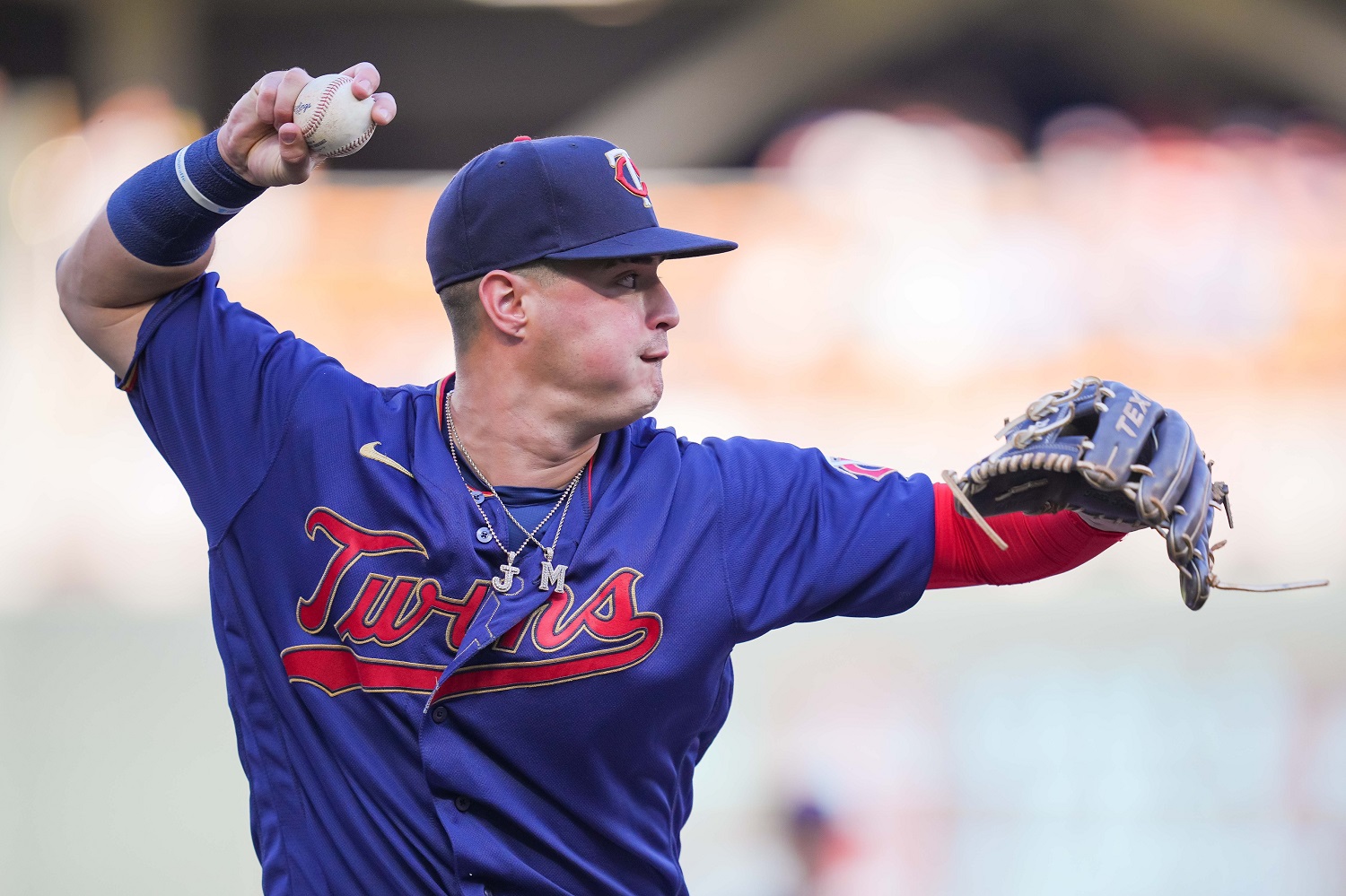 Gio Urshela was one of Minnesota's most consistent players in 2022, but that didn't guarantee him a spot on the 2023 roster. Comments from the front office at the season's end pointed to them wanting to hand the reins to Jose Miranda after a strong rookie campaign. Offensively, Miranda struggled down the stretch, but he was one of the organization's top prospects entering the season. His future's still bright, but where will the Twins turn if he struggles or gets injured? MLB Options: Jose Miranda, Kyle Farmer, Luis Arraez Minnesota is entering the season with Miranda penciled in as the starting third baseman. He isn't the strongest defender, so Miranda will likely see time at first base and designated hitter. Last season, he played over 70% of his innings at first base, but Urshela's presence forced the Twins to use the better defender at the hot corner. Last week, the Twins also acquired Farmer in a trade with the Cincinnati Reds. During the 2022 season, Farmer played 74% of his defensive innings at shortstop, but he started 35 games at third base. At shortstop, only two qualified players had a lower SDI total than Farmer. He posted -2 defensive runs saved at third base with a 0.1 UZR. He has defensive flexibility, but he currently projects as the team's starting shortstop. Arraez is coming off a season where he won the AL Batting Title and a Silver Slugger as a utility player. The Twins likely want Arraez to move back to the utility spot to try and keep him healthier than last season. During the 2021 season, Arraez played over 400 innings at third, but the presence of better defenders meant he was limited to fewer than 45 innings last season. Nick Gordon can fill in at third base in a pinch, but he saw very limited innings at the position last season. Triple-A Options: Andrew Bechtold, Yunior Severino, Royce Lewis, Brooks Lee Bechtold played over 80 innings at four defensive positions in 2022, but third base was the lone position he logged over 400 innings. In 123 games, he hit .233/.329/.400 (.729) with 16 doubles and 19 home runs. Severino split time between second and third base last season while reaching Double-A. He's been limited to fewer than 100 games in two consecutive seasons, but he posted a .907 OPS during the 2022 campaign. Neither player is on the 40-man roster, so that adds an extra wrinkle if they are needed at the big-league level. Fans can debate whether Lewis or Lee is the Twins' top prospect, but both can fit into the team's future plans at third base. Lewis is out following his second ACL surgery until the middle of the 2023 season. He has played 21 defensive innings at third base in his professional career. Lee's played shortstop since the Twins drafted him with the eighth overall pick, but many project him to move off the position. Lee likely starts the year at Double-A, but the Twins showed last season that they would be aggressive with his promotions, especially with his college experience. Double-A Options: Edouard Julien, Seth Gray, Jake Rucker Julien was one of Minnesota's breakout prospects in the 2022 season, and he'd likely get a big-league shot before the other minor-league options on this list. He played 113 games at Double-A last season and hit .300/.441/.490 (.931) with 19 doubles, three triples, and 17 home runs. His success continued in the Arizona Fall League, where MLB recently named him the AFL's Breakout Player of the Year. Julien hasn't played a lot of innings at third in the minors, but his bat will perform at any defensive position. Minnesota took Gray in the fourth round of the 2019 Draft, and he spent most of 2022 at High-A. In Cedar Rapids, he had a .740 OPS with 31 extra-base hits in 113 games. He splits time between both corner infield positions, but he likely needs more upper-minor experience. Rucker played at three levels last season, even getting a short stint at Triple-A. Last season, he made 47 starts at third base, the position he played most regularly in college. In 124 games, he hit .236/.333/.378 (.711) with 25 doubles, six triples, and nine home runs. Who do you think the Twins will turn to if Miranda struggles or gets injured? Does Minnesota have enough depth at third base? Leave a COMMENT and start the discussion.
- 12 comments
-
- 3
-
-
- jose miranda
- kyle farmer
- (and 3 more)
-
Minnesota traded Gio Urshela last week and handed Jose Miranda the third base job. So, what does the upper minors' depth chart look like at the hot corner? Image courtesy of Brad Rempel-USA TODAY Sports Gio Urshela was one of Minnesota's most consistent players in 2022, but that didn't guarantee him a spot on the 2023 roster. Comments from the front office at the season's end pointed to them wanting to hand the reins to Jose Miranda after a strong rookie campaign. Offensively, Miranda struggled down the stretch, but he was one of the organization's top prospects entering the season. His future's still bright, but where will the Twins turn if he struggles or gets injured? MLB Options: Jose Miranda, Kyle Farmer, Luis Arraez Minnesota is entering the season with Miranda penciled in as the starting third baseman. He isn't the strongest defender, so Miranda will likely see time at first base and designated hitter. Last season, he played over 70% of his innings at first base, but Urshela's presence forced the Twins to use the better defender at the hot corner. Last week, the Twins also acquired Farmer in a trade with the Cincinnati Reds. During the 2022 season, Farmer played 74% of his defensive innings at shortstop, but he started 35 games at third base. At shortstop, only two qualified players had a lower SDI total than Farmer. He posted -2 defensive runs saved at third base with a 0.1 UZR. He has defensive flexibility, but he currently projects as the team's starting shortstop. Arraez is coming off a season where he won the AL Batting Title and a Silver Slugger as a utility player. The Twins likely want Arraez to move back to the utility spot to try and keep him healthier than last season. During the 2021 season, Arraez played over 400 innings at third, but the presence of better defenders meant he was limited to fewer than 45 innings last season. Nick Gordon can fill in at third base in a pinch, but he saw very limited innings at the position last season. Triple-A Options: Andrew Bechtold, Yunior Severino, Royce Lewis, Brooks Lee Bechtold played over 80 innings at four defensive positions in 2022, but third base was the lone position he logged over 400 innings. In 123 games, he hit .233/.329/.400 (.729) with 16 doubles and 19 home runs. Severino split time between second and third base last season while reaching Double-A. He's been limited to fewer than 100 games in two consecutive seasons, but he posted a .907 OPS during the 2022 campaign. Neither player is on the 40-man roster, so that adds an extra wrinkle if they are needed at the big-league level. Fans can debate whether Lewis or Lee is the Twins' top prospect, but both can fit into the team's future plans at third base. Lewis is out following his second ACL surgery until the middle of the 2023 season. He has played 21 defensive innings at third base in his professional career. Lee's played shortstop since the Twins drafted him with the eighth overall pick, but many project him to move off the position. Lee likely starts the year at Double-A, but the Twins showed last season that they would be aggressive with his promotions, especially with his college experience. Double-A Options: Edouard Julien, Seth Gray, Jake Rucker Julien was one of Minnesota's breakout prospects in the 2022 season, and he'd likely get a big-league shot before the other minor-league options on this list. He played 113 games at Double-A last season and hit .300/.441/.490 (.931) with 19 doubles, three triples, and 17 home runs. His success continued in the Arizona Fall League, where MLB recently named him the AFL's Breakout Player of the Year. Julien hasn't played a lot of innings at third in the minors, but his bat will perform at any defensive position. Minnesota took Gray in the fourth round of the 2019 Draft, and he spent most of 2022 at High-A. In Cedar Rapids, he had a .740 OPS with 31 extra-base hits in 113 games. He splits time between both corner infield positions, but he likely needs more upper-minor experience. Rucker played at three levels last season, even getting a short stint at Triple-A. Last season, he made 47 starts at third base, the position he played most regularly in college. In 124 games, he hit .236/.333/.378 (.711) with 25 doubles, six triples, and nine home runs. Who do you think the Twins will turn to if Miranda struggles or gets injured? Does Minnesota have enough depth at third base? Leave a COMMENT and start the discussion. View full article
-
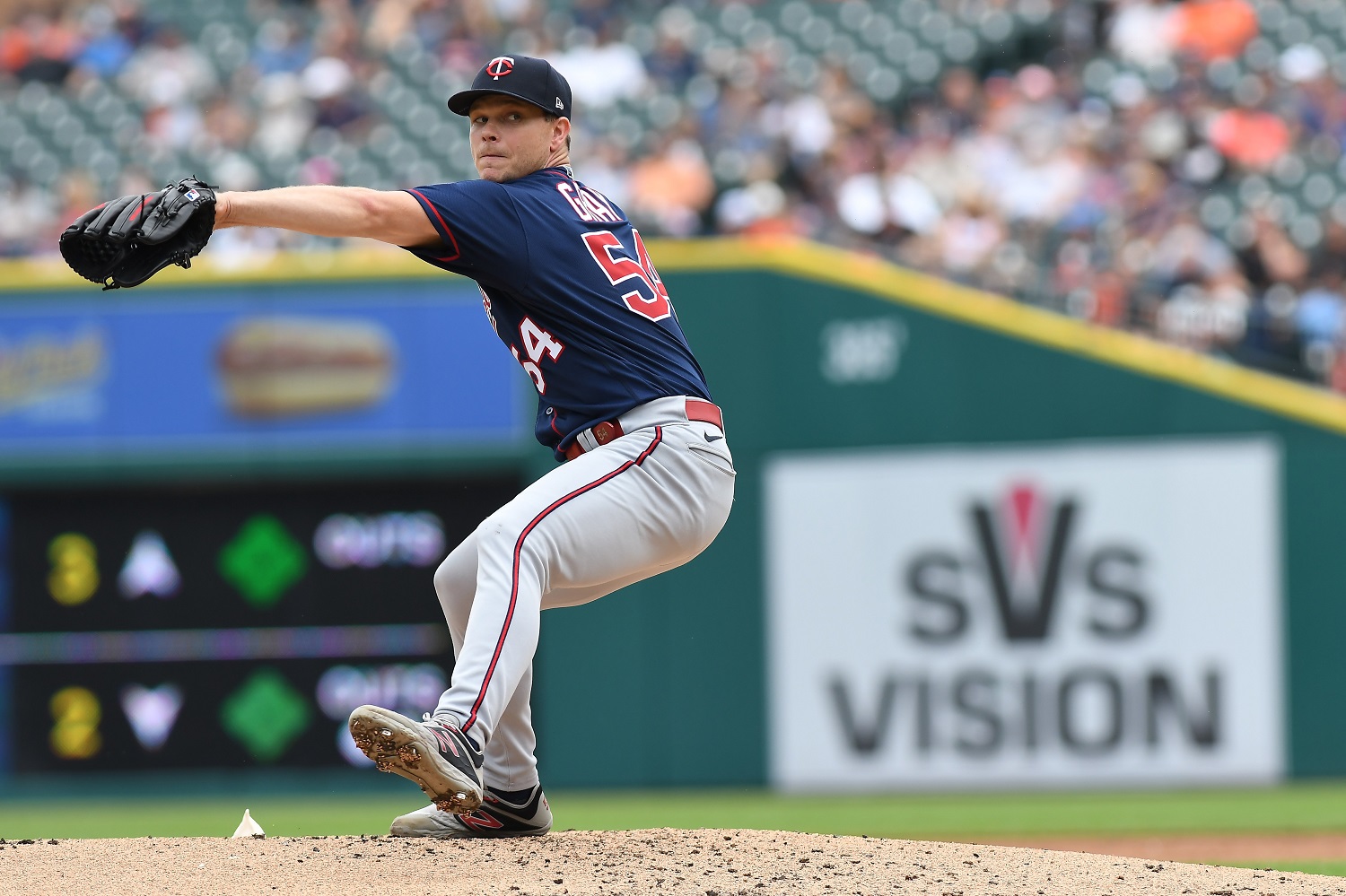 Minnesota has multiple items on its offseason checklist, including finding a shortstop, upgrading the offense, and adding to the bullpen. It's also the time of year when teams can approach players about long-term extensions. The Twins have kept their payroll clean for multiple years into the future, and now is the time to capitalize on the organization's flexibility. 2022 Recap: Minnesota traded for Sonny Gray and Francis Peguero during the last offseason by parting with their 2021 first-round pick, Chase Petty. At the time, it was easy to see the logic from the Twins' perspective. Petty was multiple years away from impacting the big-league level, and high school arms are never a guarantee. Gray was an established veteran with multiple years of team control. Minnesota's winning window was still open, and Gray helped solidify the top of the rotation. Gray's first season in Minnesota didn't go perfectly, but he was near the top of the team in multiple pitching categories. In 24 starts, he posted a 3.08 ERA with a 1.29 WHIP and a 117-to-36 strikeout-to-walk ratio. Some minor injuries hampered him at different points and limited him to his fewest number of starts since 2016 outside of the COVID shortened campaign. His improved on field performance might be related to changes instituted after he joined the Twins organization. For the first time in three seasons, Gray's four-seam fastball was his most utilized pitch. In 2021, he used his sinker nearly 30% of the time, while his curveball was his most utilized pitch in the shortened 2020 season. During the 2022 season, he utilized all three pitches over 24% of the time. Batters posted a wOBA above .300 when facing his four-seamer and sinker, but his curveball resulted in a .232 wOBA and a 25 Whiff%. All three of his top pitches resulted in a negative run value for opponents for the first time since 2019. Current Contract: Gray's current contract was completed as part of his trade to the Reds from the Yankees. With Minnesota exercising the final option year, the contract's total value will be five years and $50.7 million. He has never reached free agency even though he has ten years in the big leagues as part of four organizations. He's made over $60 million in his career, and next off-season will be his first chance to hit the free agent market. Contract Proposal: The 2023 season may add clarity for the Twins to decide if they want to try and extend Gray. Minnesota is likely fine paying the 33-year-old an annual salary of around $12 million if he continues to perform. Last winter, Steven Matz signed for four years and $44 million, while Yusei Kikuchi inked a three-year, $36 million deal. Both those pitchers are younger than Gray, but his track record is better. Gray and the Twins will have to find a middle ground that balances his age and the length of the contract. As baseball moves further from the pandemic, player contracts will start rising again because of a revenue influx. Paying $12-14 million per season for an aging Gray isn't the worst proposition, especially as $100 million contracts are handed out to the top-tier starters. Gray also might be more willing to stay in Minnesota depending on what the club adds during the rest of this off-season. He also voiced some frustration last season about not going deeper into games, but starting pitcher usage continues to evolve. Does a three-year, $40 million contract keep Gray in Minnesota, or will it cost more than that? How high would you be willing to go for a starter entering their mid-30s? Leave a COMMENT and start the discussion.
 -
Many consider Sonny Gray the Twins' best pitcher, so what will it cost to keep him in Minnesota? Does a long-term extension make sense for both parties? Image courtesy of Lon Horwedel, USA Today Sports Minnesota has multiple items on its offseason checklist, including finding a shortstop, upgrading the offense, and adding to the bullpen. It's also the time of year when teams can approach players about long-term extensions. The Twins have kept their payroll clean for multiple years into the future, and now is the time to capitalize on the organization's flexibility. 2022 Recap: Minnesota traded for Sonny Gray and Francis Peguero during the last offseason by parting with their 2021 first-round pick, Chase Petty. At the time, it was easy to see the logic from the Twins' perspective. Petty was multiple years away from impacting the big-league level, and high school arms are never a guarantee. Gray was an established veteran with multiple years of team control. Minnesota's winning window was still open, and Gray helped solidify the top of the rotation. Gray's first season in Minnesota didn't go perfectly, but he was near the top of the team in multiple pitching categories. In 24 starts, he posted a 3.08 ERA with a 1.29 WHIP and a 117-to-36 strikeout-to-walk ratio. Some minor injuries hampered him at different points and limited him to his fewest number of starts since 2016 outside of the COVID shortened campaign. His improved on field performance might be related to changes instituted after he joined the Twins organization. For the first time in three seasons, Gray's four-seam fastball was his most utilized pitch. In 2021, he used his sinker nearly 30% of the time, while his curveball was his most utilized pitch in the shortened 2020 season. During the 2022 season, he utilized all three pitches over 24% of the time. Batters posted a wOBA above .300 when facing his four-seamer and sinker, but his curveball resulted in a .232 wOBA and a 25 Whiff%. All three of his top pitches resulted in a negative run value for opponents for the first time since 2019. Current Contract: Gray's current contract was completed as part of his trade to the Reds from the Yankees. With Minnesota exercising the final option year, the contract's total value will be five years and $50.7 million. He has never reached free agency even though he has ten years in the big leagues as part of four organizations. He's made over $60 million in his career, and next off-season will be his first chance to hit the free agent market. Contract Proposal: The 2023 season may add clarity for the Twins to decide if they want to try and extend Gray. Minnesota is likely fine paying the 33-year-old an annual salary of around $12 million if he continues to perform. Last winter, Steven Matz signed for four years and $44 million, while Yusei Kikuchi inked a three-year, $36 million deal. Both those pitchers are younger than Gray, but his track record is better. Gray and the Twins will have to find a middle ground that balances his age and the length of the contract. As baseball moves further from the pandemic, player contracts will start rising again because of a revenue influx. Paying $12-14 million per season for an aging Gray isn't the worst proposition, especially as $100 million contracts are handed out to the top-tier starters. Gray also might be more willing to stay in Minnesota depending on what the club adds during the rest of this off-season. He also voiced some frustration last season about not going deeper into games, but starting pitcher usage continues to evolve. Does a three-year, $40 million contract keep Gray in Minnesota, or will it cost more than that? How high would you be willing to go for a starter entering their mid-30s? Leave a COMMENT and start the discussion. View full article
-
Emmanuel Rodriguez Looks Like Minnesota's Big-Bat Prospect
Cody Christie posted an article in Minor Leagues
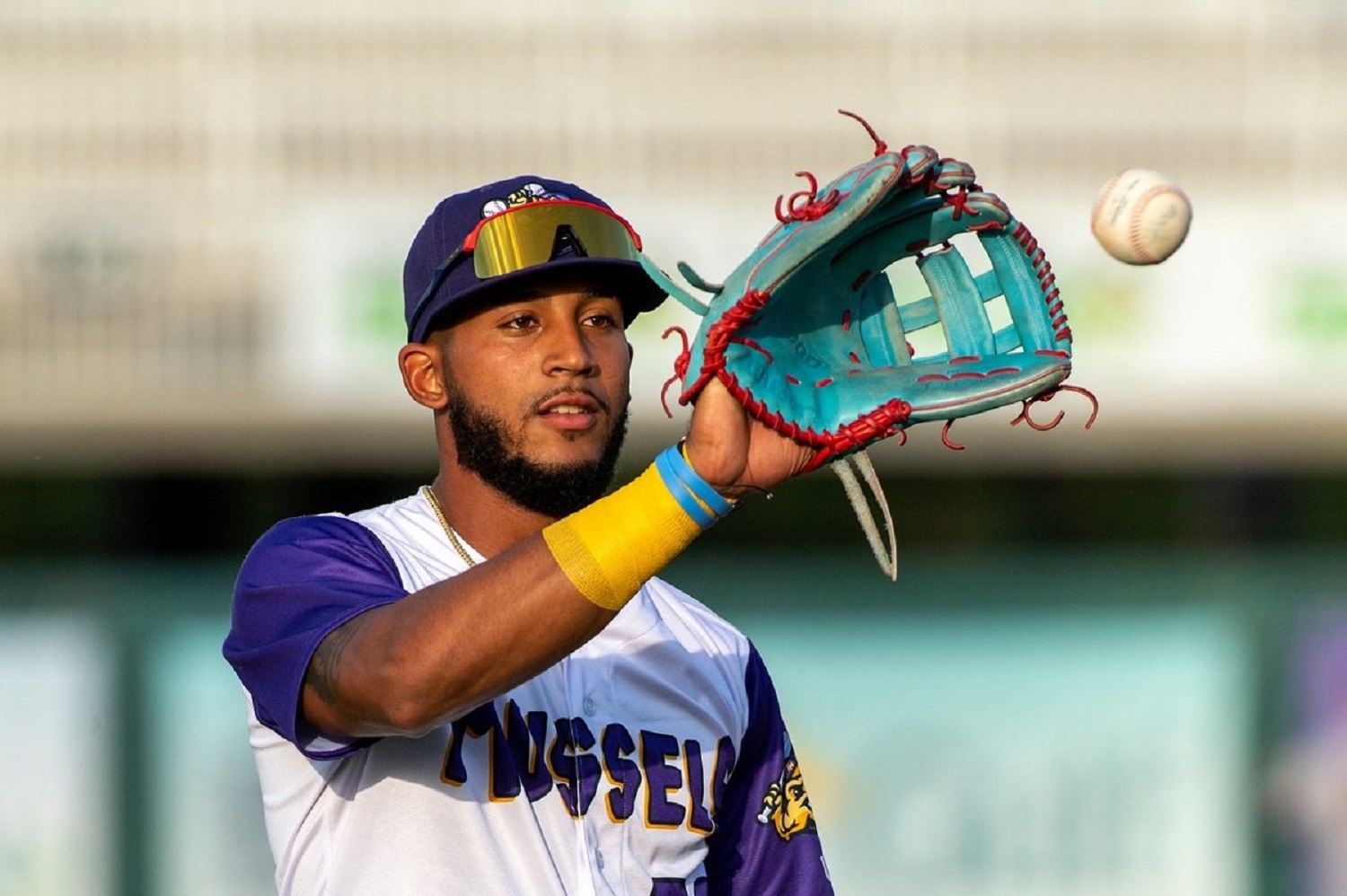 Rightfully, Royce Lewis and Brooks Lee get much of the Twins organization's focus. An argument can be made for either player being the team's top prospect, but both may graduate off prospect lists by next offseason. Enter Emmanuel Rodriguez and a bat that might have the power to change the Twins organization. Rodriguez was considered one of the top available international prospects during the 2019-20 international signing period. Minnesota signed him for $2.75 million, but it took some time for the organization to know what they had in Rodriguez. During the 2019 and 2020 seasons, he participated in fall instructional leagues while dealing with a hand injury. His professional debut came in 2021, and he quickly made an impact. Many international prospects get their start in foreign summer leagues, but Rodriguez made his professional debut in the Florida Complex League. As an 18-year-old, he hit .214/.346/.524 (.870), including ten home runs in 37 games. After striking out 56 times in 126 at-bats, Minnesota worked to adjust his swing by keeping the bat in the zone longer so he could make consistent contact. These adjustments were evident during the 2022 season as he made his full-season debut. The 2022 campaign was a breakout season for Rodriguez. In 47 games, he hit .272/.493/.552 (1.044) with 17 extra-base hits and more walks (57) than strikeouts (52). He went 11-for-16 in stolen base attempts and made the majority of his defensive appearances in center field. His numbers were even more impressive considering he was a 19-year-old in the Florida State League. Only three of his at-bats came against younger pitchers. Unfortunately, his season ended in June after he tore his meniscus, which required surgery. It was a tough way for his season to end, but his ceiling continues to be among the highest in the Twins organization. Rodriguez had surgery in mid-June, and expectations were that he would follow that with 3-4 months of rehab. This timetable should put him on a path to easily be ready for the start of spring training in 2023. Minnesota's coaches worked to improve his swing, which impacted his breakout season, and now his rehab may allow him to continue making adjustments. He's very good at hitting the ball in the zone but has shown a tendency to chase pitches out of the zone. The injury may also give him time to add more muscle, giving him more power as he climbs the organizational ladder. Defensively, some question whether or not Rodriguez will be able to stick as a center fielder. Minnesota will continue to use him in center in the coming years, but he started four games in right field last season. His arm might be his best tool at this point, and that will play from any outfield position. As he returns from a knee injury, it will be interesting to see if his speed is impacted, especially if he has added more muscle to his frame. Rodriguez is a player that fans can get excited about, but he likely will make his debut in 2024 or later. There are a lot of steps left for him to climb, and some prospects can struggle in the minors' upper levels. For now, his ceiling is one of the highest in the organization as the Twins watch his big bat continue to develop. What are your expectations for Rodriguez? Leave a COMMENT and start the discussion.
 -
Plenty of big bats can help the Twins in 2023, but Minnesota's best-hitting prospect is likely a few years away from Target Field. Let's explore Emmanuel Rodriguez and his professional career so far. Image courtesy of William Parmeter- Mighty Mussels Rightfully, Royce Lewis and Brooks Lee get much of the Twins organization's focus. An argument can be made for either player being the team's top prospect, but both may graduate off prospect lists by next offseason. Enter Emmanuel Rodriguez and a bat that might have the power to change the Twins organization. Rodriguez was considered one of the top available international prospects during the 2019-20 international signing period. Minnesota signed him for $2.75 million, but it took some time for the organization to know what they had in Rodriguez. During the 2019 and 2020 seasons, he participated in fall instructional leagues while dealing with a hand injury. His professional debut came in 2021, and he quickly made an impact. Many international prospects get their start in foreign summer leagues, but Rodriguez made his professional debut in the Florida Complex League. As an 18-year-old, he hit .214/.346/.524 (.870), including ten home runs in 37 games. After striking out 56 times in 126 at-bats, Minnesota worked to adjust his swing by keeping the bat in the zone longer so he could make consistent contact. These adjustments were evident during the 2022 season as he made his full-season debut. The 2022 campaign was a breakout season for Rodriguez. In 47 games, he hit .272/.493/.552 (1.044) with 17 extra-base hits and more walks (57) than strikeouts (52). He went 11-for-16 in stolen base attempts and made the majority of his defensive appearances in center field. His numbers were even more impressive considering he was a 19-year-old in the Florida State League. Only three of his at-bats came against younger pitchers. Unfortunately, his season ended in June after he tore his meniscus, which required surgery. It was a tough way for his season to end, but his ceiling continues to be among the highest in the Twins organization. Rodriguez had surgery in mid-June, and expectations were that he would follow that with 3-4 months of rehab. This timetable should put him on a path to easily be ready for the start of spring training in 2023. Minnesota's coaches worked to improve his swing, which impacted his breakout season, and now his rehab may allow him to continue making adjustments. He's very good at hitting the ball in the zone but has shown a tendency to chase pitches out of the zone. The injury may also give him time to add more muscle, giving him more power as he climbs the organizational ladder. Defensively, some question whether or not Rodriguez will be able to stick as a center fielder. Minnesota will continue to use him in center in the coming years, but he started four games in right field last season. His arm might be his best tool at this point, and that will play from any outfield position. As he returns from a knee injury, it will be interesting to see if his speed is impacted, especially if he has added more muscle to his frame. Rodriguez is a player that fans can get excited about, but he likely will make his debut in 2024 or later. There are a lot of steps left for him to climb, and some prospects can struggle in the minors' upper levels. For now, his ceiling is one of the highest in the organization as the Twins watch his big bat continue to develop. What are your expectations for Rodriguez? Leave a COMMENT and start the discussion. View full article
-
Debating Minnesota’s Top Prospect: Brooks Lee vs. Royce Lewis
Cody Christie posted an article in Minor Leagues
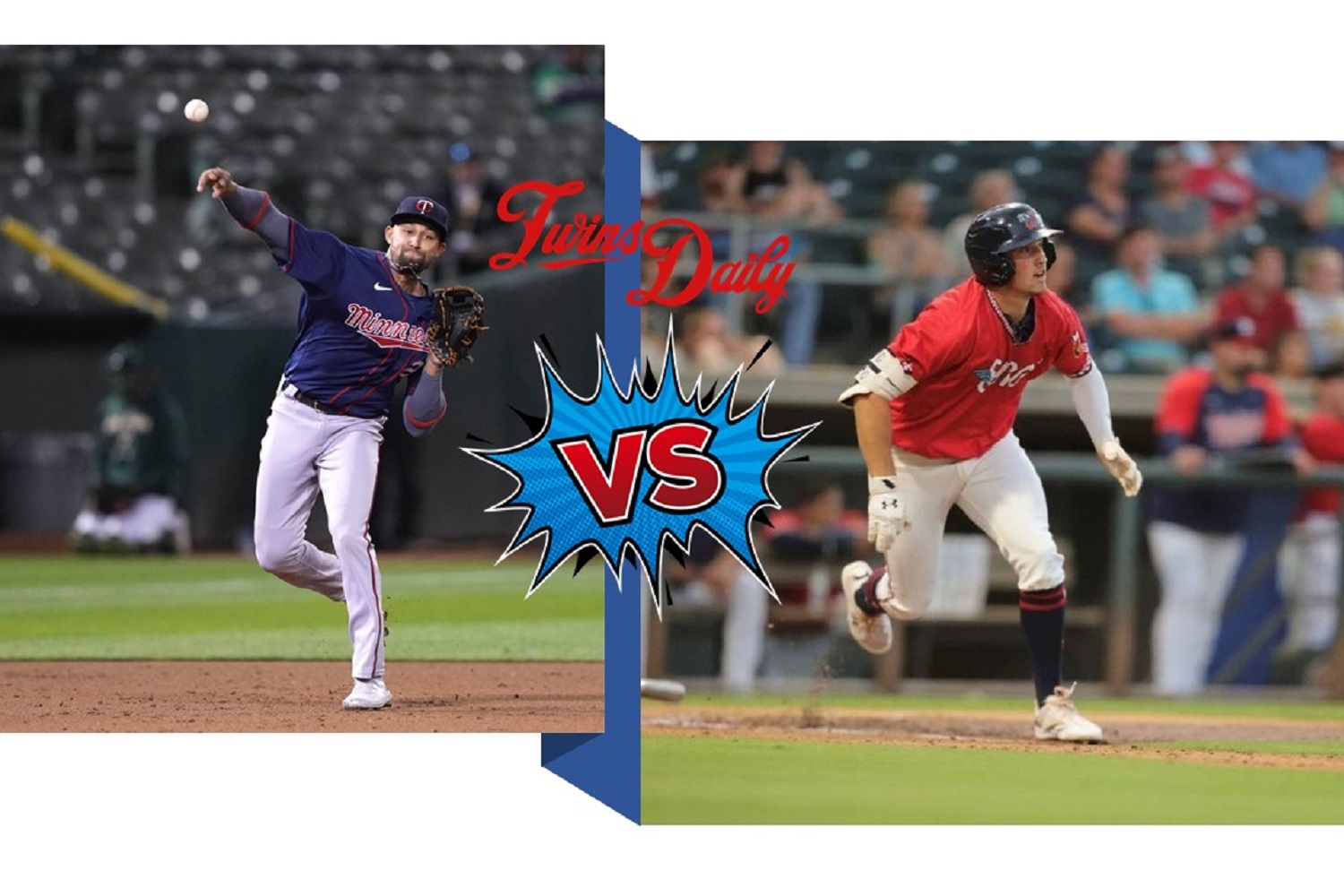 Many national outlets will rank Brooks Lee as Minnesota’s top prospect entering the 2023 season. However, Royce Lewis still sits in the top spot here at Twins Daily. The franchise’s long-term performance is tied to both players. Arguments can put both players in the top spot, so let’s examine what separates these two players from each other. Arguments for Brooks Lee Minnesota drafted Lee with the eighth overall pick in the 2022 MLB Draft, and the club had to be surprised that Lee was still on the board. Entering the draft, evaluators considered him the best collegiate bat, and he showcased that ability in his professional debut. Lee got his feet wet in four games with the FCL Twins before skipping Low-A and heading to Cedar Rapids. In 25 games with the Kernels, he hit .289/.395/.454 (.848) with four doubles and four home runs. But Cedar Rapids wouldn’t be his final stop, since the Twins' Double-A team, the Witchita Wind Surge, was heading for the playoffs. Lee was over three years younger than the average age of the competition at Double-A, but he was indeed able to hold his own. He helped Wichita make a run to the Texas League Championship before the team eventually fell short of the title. It was an impressive start to his professional career, and there is plenty of optimism surrounding his future. Lee is a switch-hitter with a tremendous ability to make consistent contact. In 115 collegiate games, he had more walks (64) than strikeouts (63). He has shown the ability to drive the ball to all fields, and he will likely improve his power numbers as he continues to mature. His dad is a college coach, so he has grown up around the game, which will help him continue to rise through the Twins system. The Twins drafted Lee as a shortstop, and there is some thought that he will need to move to third base when he adds more muscle to his frame. If Lee isn't going to be a shortstop at the big-league level, that's why some rank Lewis as a higher prospect. Arguments for Royce Lewis The Twins took Lewis with the number one overall pick back in 2017. A lot of pressure comes with being selected 1-1, but Lewis continues to show promise. The pandemic and a torn ACL meant he didn’t play in a competitive game for over two years. He returned from injury in 2022 and made a strong first impression at the Triple-A level. In 34 games, he hit .300/.405/.534 (.940) with 12 doubles, a triple, and five home runs. Some may have thought his knee surgery would hamper his speed, but he was successful in 12-of-14 stolen base attempts. It certainly looked like Lewis was ready for the big-league level. When a pitch hit Carlos Correa, it looked like the Twins may need to turn shortstop over to Lewis for multiple months. Instead, Correa didn’t suffer any broken bones, and Lewis made a brief but impactful debut. In 12 games, he went 12-for-40 (.300 BA) with four doubles and two home runs. Unfortunately, he crashed into the center field wall, tearing his ACL for the second consecutive season. Lewis will not be ready to start the season, which has the Twins searching for other shortstop options. His defense has significantly improved since joining the Twins organization, with some evaluators thinking he can stick at shortstop in the big leagues. There is no way to know how he will respond to a second ACL surgery, but he lost little speed from the first surgery. Minnesota will test the free agent waters this winter for one of the top shortstops, but the front office may also be comfortable with Lewis being the shortstop of the future. Currently, I have Lee ranked higher than Lewis because of his age and potentially elite bat. Who do you think is Minnesota’s top prospect? Leave a COMMENT and start the discussion.
 -
Minnesota is lucky to have two of baseball’s best-position player prospects, but who should rank as the team’s top prospect entering the 2023 season? Image courtesy of Darren Yamashita, USA Today (Lewis), Ed Bailey, Wichita Wind Surge (Lee) Many national outlets will rank Brooks Lee as Minnesota’s top prospect entering the 2023 season. However, Royce Lewis still sits in the top spot here at Twins Daily. The franchise’s long-term performance is tied to both players. Arguments can put both players in the top spot, so let’s examine what separates these two players from each other. Arguments for Brooks Lee Minnesota drafted Lee with the eighth overall pick in the 2022 MLB Draft, and the club had to be surprised that Lee was still on the board. Entering the draft, evaluators considered him the best collegiate bat, and he showcased that ability in his professional debut. Lee got his feet wet in four games with the FCL Twins before skipping Low-A and heading to Cedar Rapids. In 25 games with the Kernels, he hit .289/.395/.454 (.848) with four doubles and four home runs. But Cedar Rapids wouldn’t be his final stop, since the Twins' Double-A team, the Witchita Wind Surge, was heading for the playoffs. Lee was over three years younger than the average age of the competition at Double-A, but he was indeed able to hold his own. He helped Wichita make a run to the Texas League Championship before the team eventually fell short of the title. It was an impressive start to his professional career, and there is plenty of optimism surrounding his future. Lee is a switch-hitter with a tremendous ability to make consistent contact. In 115 collegiate games, he had more walks (64) than strikeouts (63). He has shown the ability to drive the ball to all fields, and he will likely improve his power numbers as he continues to mature. His dad is a college coach, so he has grown up around the game, which will help him continue to rise through the Twins system. The Twins drafted Lee as a shortstop, and there is some thought that he will need to move to third base when he adds more muscle to his frame. If Lee isn't going to be a shortstop at the big-league level, that's why some rank Lewis as a higher prospect. Arguments for Royce Lewis The Twins took Lewis with the number one overall pick back in 2017. A lot of pressure comes with being selected 1-1, but Lewis continues to show promise. The pandemic and a torn ACL meant he didn’t play in a competitive game for over two years. He returned from injury in 2022 and made a strong first impression at the Triple-A level. In 34 games, he hit .300/.405/.534 (.940) with 12 doubles, a triple, and five home runs. Some may have thought his knee surgery would hamper his speed, but he was successful in 12-of-14 stolen base attempts. It certainly looked like Lewis was ready for the big-league level. When a pitch hit Carlos Correa, it looked like the Twins may need to turn shortstop over to Lewis for multiple months. Instead, Correa didn’t suffer any broken bones, and Lewis made a brief but impactful debut. In 12 games, he went 12-for-40 (.300 BA) with four doubles and two home runs. Unfortunately, he crashed into the center field wall, tearing his ACL for the second consecutive season. Lewis will not be ready to start the season, which has the Twins searching for other shortstop options. His defense has significantly improved since joining the Twins organization, with some evaluators thinking he can stick at shortstop in the big leagues. There is no way to know how he will respond to a second ACL surgery, but he lost little speed from the first surgery. Minnesota will test the free agent waters this winter for one of the top shortstops, but the front office may also be comfortable with Lewis being the shortstop of the future. Currently, I have Lee ranked higher than Lewis because of his age and potentially elite bat. Who do you think is Minnesota’s top prospect? Leave a COMMENT and start the discussion. View full article
-
Where Does Miguel Sano Rank on the Twins Disappointment Scale?
Cody Christie posted an article in Twins
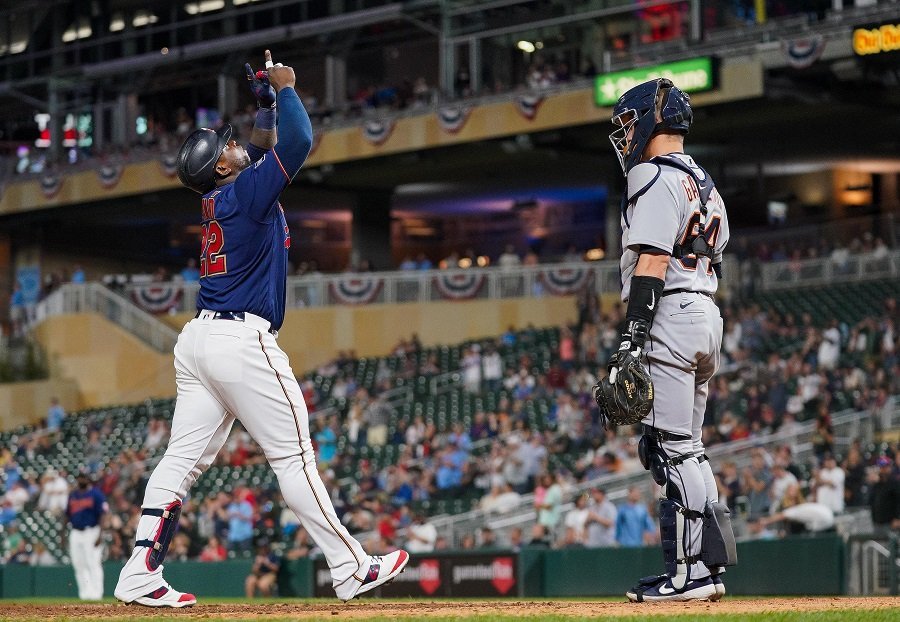 Miguel Sano has been a member of the Twins organization since he was a teenager. Minnesota declined his option earlier this week, meaning he will be a free agent for the first time in his career. Sano has been a polarizing figure throughout his Twins' tenure for various reasons. That being said, he is far from being the biggest disappointment of the last three decades. Over at Bring Me the News, the site attempted to rank the biggest disappointments since the Twins' last World Series title in 1991. For a franchise that has lost 18-straight playoff games, there is plenty of blame to go around. Failed top prospects made the list, like Tyler Jay, Kohl Stewart, and Adam Johnson, along with signings like Byung-Ho Park, Tsuyoshi Nishioka, and Josh Donaldson. Frustrations followed many of these players, but none of them had an impact quite like Miguel Sano. Sano dominated the minor leagues on the way to making his big-league debut. In 504 games in the minors, he posted a .938 OPS with some dominant home run totals. In 2011, he hit 20 home runs in 66 games for Elizabethton. Over the next two seasons, he averaged more than 30 homers per year as he climbed up to Double-A. All three national top-100 lists had him in their top-15 prospects entering the 2014 season, but he missed that entire season with Tommy John surgery. Expectations were high, and he began to fulfill those lofty projections in 2015. During his rookie season, Sano hit .269/.385/.530 (.916) with 17 doubles and 18 home runs in 80 games. At the season's end, he finished third in the AL Rookie of the Year voting behind Carlos Correa and Francisco Lindor. Over the next two seasons, he settled into a big-league role by averaging 26 home runs per season with a 117 OPS+. Sano became a first-time All-Star in 2017 and finished runner-up in the Home Run Derby. It looked like a solid start to his career. Sano had up-and-down moments over the next five seasons. He hit 30 or more home runs in two seasons and had a 116 OPS+ for his career. Since the franchise moved to Minnesota, only Harmon Killebrew and Justin Morneau have a higher slugging percentage. His average exit velocity and max exit velocity routinely ranked among baseball's sixth percentile or higher. Few players in Twins history have slugged the ball like Sano. Fans are going to remember some of the lows throughout Sano's career. During the 2018 season, Sano struggled so much that the organization sent him to Fort Myers to rebuild his swing. If that wasn't the low point in his career, the 2022 season added to fan frustration. His final Twins season saw him go 5-for-60 (.083 BA) with 25 strikeouts. Recency bias means that his 2022 failures are the likely memory that will stick with fans long-term. Sano didn't develop into the next Miguel Cabrera, but that doesn't mean his Twins tenure was a total loss. Players of his skill set are limited in the value they can provide. He was never going to provide a lot of value on the defensive side of the ball, so he needed to be above average at the plate. His powerful swing produced mammoth home runs, and there were moments in nearly every season where he was the hottest-hitting bat in the Twins line-up. Did he fulfill his projections as one of baseball's top-10 prospects? No, but sustained success at the big-league level is challenging for many players. Sano still has a powerful swing that can help a team to win games, especially with the addition of the designated hitter in the National League. His career is far from over, and there have been far more disappointing players over the last three decades. Were you disappointed with Sano's Twins' tenure? Have other players been more disappointing over the last thirty years? Leave a COMMENT and start the discussion.
 -
Miguel Sano has likely played his last game in Minnesota, which leaves behind a cloudy Twins legacy. Is he the biggest disappointment of the last 30 years? Image courtesy of Brad Rempel-USA TODAY Sports Miguel Sano has been a member of the Twins organization since he was a teenager. Minnesota declined his option earlier this week, meaning he will be a free agent for the first time in his career. Sano has been a polarizing figure throughout his Twins' tenure for various reasons. That being said, he is far from being the biggest disappointment of the last three decades. Over at Bring Me the News, the site attempted to rank the biggest disappointments since the Twins' last World Series title in 1991. For a franchise that has lost 18-straight playoff games, there is plenty of blame to go around. Failed top prospects made the list, like Tyler Jay, Kohl Stewart, and Adam Johnson, along with signings like Byung-Ho Park, Tsuyoshi Nishioka, and Josh Donaldson. Frustrations followed many of these players, but none of them had an impact quite like Miguel Sano. Sano dominated the minor leagues on the way to making his big-league debut. In 504 games in the minors, he posted a .938 OPS with some dominant home run totals. In 2011, he hit 20 home runs in 66 games for Elizabethton. Over the next two seasons, he averaged more than 30 homers per year as he climbed up to Double-A. All three national top-100 lists had him in their top-15 prospects entering the 2014 season, but he missed that entire season with Tommy John surgery. Expectations were high, and he began to fulfill those lofty projections in 2015. During his rookie season, Sano hit .269/.385/.530 (.916) with 17 doubles and 18 home runs in 80 games. At the season's end, he finished third in the AL Rookie of the Year voting behind Carlos Correa and Francisco Lindor. Over the next two seasons, he settled into a big-league role by averaging 26 home runs per season with a 117 OPS+. Sano became a first-time All-Star in 2017 and finished runner-up in the Home Run Derby. It looked like a solid start to his career. Sano had up-and-down moments over the next five seasons. He hit 30 or more home runs in two seasons and had a 116 OPS+ for his career. Since the franchise moved to Minnesota, only Harmon Killebrew and Justin Morneau have a higher slugging percentage. His average exit velocity and max exit velocity routinely ranked among baseball's sixth percentile or higher. Few players in Twins history have slugged the ball like Sano. Fans are going to remember some of the lows throughout Sano's career. During the 2018 season, Sano struggled so much that the organization sent him to Fort Myers to rebuild his swing. If that wasn't the low point in his career, the 2022 season added to fan frustration. His final Twins season saw him go 5-for-60 (.083 BA) with 25 strikeouts. Recency bias means that his 2022 failures are the likely memory that will stick with fans long-term. Sano didn't develop into the next Miguel Cabrera, but that doesn't mean his Twins tenure was a total loss. Players of his skill set are limited in the value they can provide. He was never going to provide a lot of value on the defensive side of the ball, so he needed to be above average at the plate. His powerful swing produced mammoth home runs, and there were moments in nearly every season where he was the hottest-hitting bat in the Twins line-up. Did he fulfill his projections as one of baseball's top-10 prospects? No, but sustained success at the big-league level is challenging for many players. Sano still has a powerful swing that can help a team to win games, especially with the addition of the designated hitter in the National League. His career is far from over, and there have been far more disappointing players over the last three decades. Were you disappointed with Sano's Twins' tenure? Have other players been more disappointing over the last thirty years? Leave a COMMENT and start the discussion. View full article
