



Cody Christie
-
Posts
7,515 -
Joined
-
Last visited
-
Days Won
5
Content Type
Profiles
News
Minnesota Twins Videos
2026 Minnesota Twins Top Prospects Ranking
2022 Minnesota Twins Draft Picks
Minnesota Twins Free Agent & Trade Rumors, Notes, & Tidbits
Guides & Resources
2023 Minnesota Twins Draft Picks
The Minnesota Twins Players Project
2024 Minnesota Twins Draft Picks
2025 Minnesota Twins Draft Pick Tracker
2026 Minnesota Twins Draft Tracker: Picks & Bonuses
Forums
Blogs
Events
Store
Downloads
Gallery
Everything posted by Cody Christie
-
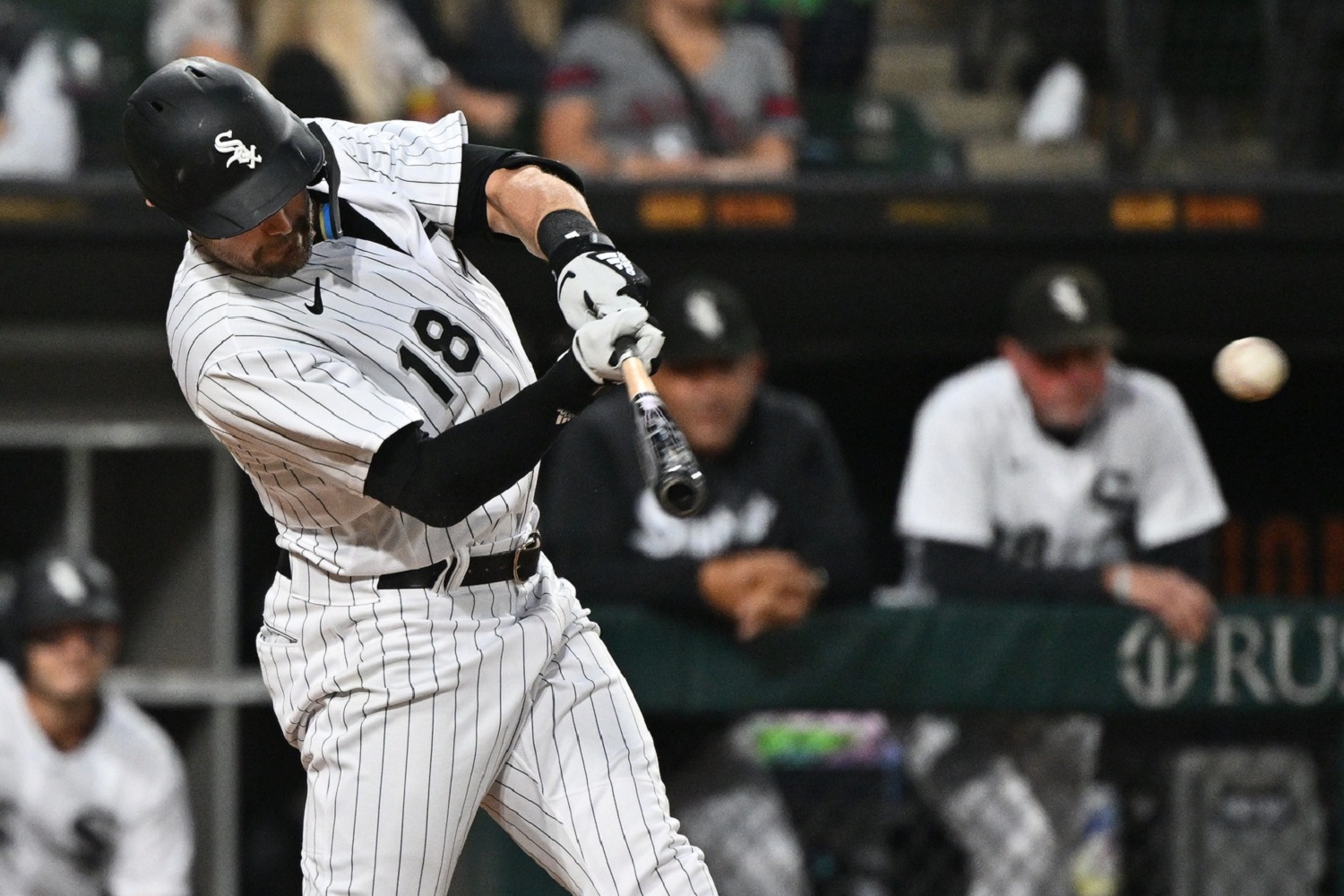 Over the last two seasons, the Twins have used Kyle Garlick as the team’s primary right-handed hitting outfielder. He has hit .233/.283/.446 (.728) with a 103 OPS+ in 102 games. Garlick performed even better when put into favorable match-ups. Against left-handed pitching, he posted an .805 OPS with seven extra-base hits in 74 at-bats last season. Garlick has dealt with injuries over the last two seasons, so multiple free-agent outfielders might be an upgrade in the outfield. AJ Pollock 2022 Stats: .245/.292/.389 (.681), 26 2B, 14 HR, 91 OPS+, 138 G Pollock has been a strong offensive player with a career 113 OPS+, including a 133 OPS+ from 2020-21. Most of his defensive innings have come in center field, but he has shifted to left field in recent years. Byron Buxton and Joey Gallo are penciled in as the team’s starters in center field and right field, which could allow Pollock to slide into left field. Even in an offensive down year, he dominated lefties with a .935 OPS and 20 extra-base hits in 126 at-bats. The Twins have three young outfielders projected to get significant playing time this season, so Pollock would have to agree to a backup role. Andrew McCutchen 2022 Stats: .237/.316/.384 (.700), 25 2B, 17 HR, 99 OPS+, 134 G McCutchen is well known as a five-time All-Star and a former NL MVP, but he hasn’t been that caliber of player in multiple seasons. He spent 2022 with the Milwaukee Brewers and finished with an OPS+ below 100 for the first time in his career. Over 60% of his starts came as a designated hitter, and the Twins like to be able to rotate players through that role. For this reason, he might make him less of a fit for the club. His OPS (.738) was 53 points higher when facing left-handed pitching. His veteran presence would be a welcome addition to the clubhouse, but he might need to be willing to take on a lesser role on the field. Trey Mancini 2022 Stats: .239/.319/.391 (.710), 23 2B, 18 HR, 101 OPS+, 143 G Mancini started the 2022 season strongly with a 113 OPS+ in 92 games for the Orioles. The Astros acquired him for their World Series run, but he struggled after the deal. In 51 games, he hit .176/.258/.364 (.622) with seven doubles and eight home runs. Houston used him sparingly in the postseason as he went 1-for-21 (.048 BA) with eight strikeouts. Last season, Mancini had reverse splits with an OPS that was 88 points lower against lefties. He has posted almost identical splits against righties (.786 OPS) and lefties (.790 OPS) for his career. Mancini had a solid start to the 2022 season, so a team adding him will be looking for him to return to his previous form. Entering the offseason, I planned a perfect offseason for the Twins, and little has gone favorably for the club. One of the pieces of that plan was to add a right-handed power bat to the bench. I identified Mancini as a target for the team, and he might have the highest upside. However, McCutchen and Pollock can provide an upgrade compared to Garlick if put into the right situation. Do any of these players make sense for the Twins? Leave a COMMENT and start the discussion.
 -
 Minnesota has a plethora of corner outfielders populating the roster. It seems logical for the Twins to trade from this group before spring training, but which players have the most trade value? Image courtesy of Jesse Johnson-USA TODAY Sports Shortly before the calendar turned to 2023, the Twins finalized a one-year, $11 million deal for outfielder Joey Gallo. He is coming off a terrible season where he posted a 79 OPS+ in 126 games for the Yankees and the Dodgers. However, he was an All-Star in 2021 who led the AL in walks and posted a 121 OPS+. Minnesota hopes to get Gallo back on track, but the 40-man roster was already packed with corner outfield options before he arrived. The team is likely looking to deal from an area of strength, so how do the team’s current corner outfielders stack up according to trade value? All trade values and availability are from Baseball Trade Values. The rankings below on based on their current median trade value. It is not a ranking of the likelihood of each player being traded, but availability is also included for your reference. 5. Matt Wallner Median Trade Value: 7.3 Availability: Medium Wallner’s trade value might be at the highest of any point in his career. He was named the organization’s minor-league player of the year and made his big-league debut in 2022. Some of the other corner outfielders have recently dealt with injuries, so that Wallner might have more long-term value for the Twins. This offseason might be the best time to trade him If Minnesota wants to capitalize on his peak value. 4. Austin Martin Median Trade Value: 7.5 Availability: Medium Martin’s future defensive home might not be in a corner outfield spot, but there’s undoubtedly an opportunity for the Twins to include him in a trade this winter. There’s no question that Martin’s value dropped in 2022 as he entered the year as one of baseball’s top 55 prospects. He battled through a wrist injury and posted a .685 OPS at Double-A. Martin rebuilt some of his value in the Arizona Fall League with a .936 OPS and ten steals in 21 games. Another organization might believe in the potential Martin has shown in the past. 3. Max Kepler Median Trade Value: 7.6 Availability: High Kepler seems redundant on the Twins roster with Gallo’s addition. Kepler is under team control for the next two seasons if his $10 million option ($1 million buyout) is picked up for 2024. He provides little value on the offensive side, with an OPS+ below 100 over the last two seasons. On defense, he is among baseball’s best by ranking second among AL right fielders according to SABR’s Defensive Index. Twins fans have likely soured on Kepler, but he is a solid big-league regular and has value on the trade market. 2. Alex Kirilloff Median Trade Value: 11.9 Availability: Very Low Kirilloff is returning from a unique wrist surgery, so teams will likely be interested in acquiring him once they know he is healthy. His wrist has caused issues over the last two seasons, so his availability is the lowest on this list. In 104 big-league games, he has hit .251/.295/.398 (.694) with 18 doubles and 11 home runs. Some of those numbers are skewed by him trying to play through his wrist injury. Kirilloff is a former top prospect, and Minnesota hopes he can put his injury woes behind him to reach his full potential. 1. Trevor Larnach Median Trade Value: 14.6 Availability: Low Like Kirilloff, injuries have limited Larnach in his first two big-league seasons. Last year, he hit .231/.306/.406 (.712) with 13 doubles and five home runs in 51 games. Larnach has been streaky at the plate by looking like one of the best hitters in the Twins line-up and then struggling mightily. Nearly every player on this list has a higher defensive value than Larnach, but his bat has the potential to be a middle-of-the-order slugger for most of the next decade. His trade value can be even higher at the end of the 2023 season if he can compile a fully healthy campaign. Do you agree with the trade value rankings? Besides Kepler, will any of the other corner outfielders be traded? Leave a COMMENT and start the discussion. View full article
 -
 Shortly before the calendar turned to 2023, the Twins finalized a one-year, $11 million deal for outfielder Joey Gallo. He is coming off a terrible season where he posted a 79 OPS+ in 126 games for the Yankees and the Dodgers. However, he was an All-Star in 2021 who led the AL in walks and posted a 121 OPS+. Minnesota hopes to get Gallo back on track, but the 40-man roster was already packed with corner outfield options before he arrived. The team is likely looking to deal from an area of strength, so how do the team’s current corner outfielders stack up according to trade value? All trade values and availability are from Baseball Trade Values. The rankings below on based on their current median trade value. It is not a ranking of the likelihood of each player being traded, but availability is also included for your reference. 5. Matt Wallner Median Trade Value: 7.3 Availability: Medium Wallner’s trade value might be at the highest of any point in his career. He was named the organization’s minor-league player of the year and made his big-league debut in 2022. Some of the other corner outfielders have recently dealt with injuries, so that Wallner might have more long-term value for the Twins. This offseason might be the best time to trade him If Minnesota wants to capitalize on his peak value. 4. Austin Martin Median Trade Value: 7.5 Availability: Medium Martin’s future defensive home might not be in a corner outfield spot, but there’s undoubtedly an opportunity for the Twins to include him in a trade this winter. There’s no question that Martin’s value dropped in 2022 as he entered the year as one of baseball’s top 55 prospects. He battled through a wrist injury and posted a .685 OPS at Double-A. Martin rebuilt some of his value in the Arizona Fall League with a .936 OPS and ten steals in 21 games. Another organization might believe in the potential Martin has shown in the past. 3. Max Kepler Median Trade Value: 7.6 Availability: High Kepler seems redundant on the Twins roster with Gallo’s addition. Kepler is under team control for the next two seasons if his $10 million option ($1 million buyout) is picked up for 2024. He provides little value on the offensive side, with an OPS+ below 100 over the last two seasons. On defense, he is among baseball’s best by ranking second among AL right fielders according to SABR’s Defensive Index. Twins fans have likely soured on Kepler, but he is a solid big-league regular and has value on the trade market. 2. Alex Kirilloff Median Trade Value: 11.9 Availability: Very Low Kirilloff is returning from a unique wrist surgery, so teams will likely be interested in acquiring him once they know he is healthy. His wrist has caused issues over the last two seasons, so his availability is the lowest on this list. In 104 big-league games, he has hit .251/.295/.398 (.694) with 18 doubles and 11 home runs. Some of those numbers are skewed by him trying to play through his wrist injury. Kirilloff is a former top prospect, and Minnesota hopes he can put his injury woes behind him to reach his full potential. 1. Trevor Larnach Median Trade Value: 14.6 Availability: Low Like Kirilloff, injuries have limited Larnach in his first two big-league seasons. Last year, he hit .231/.306/.406 (.712) with 13 doubles and five home runs in 51 games. Larnach has been streaky at the plate by looking like one of the best hitters in the Twins line-up and then struggling mightily. Nearly every player on this list has a higher defensive value than Larnach, but his bat has the potential to be a middle-of-the-order slugger for most of the next decade. His trade value can be even higher at the end of the 2023 season if he can compile a fully healthy campaign. Do you agree with the trade value rankings? Besides Kepler, will any of the other corner outfielders be traded? Leave a COMMENT and start the discussion.
- 32 comments
-
- 1
-

-
- trevor larnach
- alex kirilloff
- (and 3 more)
-
Spring training is right around the corner, and many national sites are starting to preview the 2023 season. Here are Minnesota’s top contenders for MLB’s major awards. Image courtesy of Bruce Kluckhohn-USA TODAY Sports The Twins haven’t had an MVP since Joe Mauer (2009), a Cy Young since Johan Santana (2006), and a Rookie of the Year since Marty Cordova (1995). Minnesota will need better health and standout performances from the team’s top players to end those streaks. Can any of these names beat the odds and walk away with one of baseball’s most prestigious awards? MVP: Byron Buxton He is the team’s best overall player and has played at an MVP level when he is healthy. It takes a special season for a player to win the AL MVP, especially with Shohei Ohtani performing highly as a two-way player. Last season, Aaron Judge had to break the AL home run record to beat Ohtani, and the argument could still be made that Ohtani had a better season. For Buxton to win the MVP, he will need to play more games than in any other season. His career high is 140 games, and that came in 2017. Over the last two seasons, he has averaged 76 games, so it might be a tall task for him to play enough to garner MVP votes. Other MVP Contenders: Luis Arraez will be looking to repeat as the AL Batting Champion. To be in the MVP conversation, he must compile a historically significant batting average. Cy Young: Kenta Maeda During the 2020 season, Maeda finished runner-up for the AL Cy Young, carrying the Twins rotation to an AL Central title. He struggled in 2021 before needing Tommy John surgery. Now healthy, Maeda is entering the final year of his contract with something to prove. The 34-year-old hasn’t had an opportunity to test free agency since coming to the United States from Japan. He needs to prove that he is healthy and that he can perform as he did in 2020. Last year’s AL Cy Young winner Justin Verlander signed with the Mets this winter, which leaves the field a little more open. Other Cy Young Contenders: Sonny Gray is arguably Minnesota’s best starting pitcher, but his veteran track record doesn’t point to a Cy Young-caliber season. Joe Ryan has plenty of potential if he can take the next step in his young career. Rookie of the Year: Matt Wallner Joey Gallo’s signing makes it less likely that Wallner breaks camp with the Twins, especially if the team doesn’t trade Max Kepler. Wallner has shown massive power potential in the upper minors and may have surpassed other young outfielders on the organization’s depth chart. Last season, he hit .277/.412/.542 (.953) with 32 doubles, four triples, and 27 home runs. When an injury strikes, Wallner will be one of the first call-ups from Triple-A, which should give him a chance to compile a home run total that puts him in the ROY conversation. Other ROY Contenders: Louie Varland and Simeon Woods Richardson will each get an opportunity in the rotation. It takes a remarkable season from a pitcher to win the ROY over a position player, but there are plenty of opportunities to shine. None of these Twins players will be the favorite for any award, especially with the team coming off two losing seasons. There are surprises every year in baseball, and the Twins hope all of the above names have improved 2023 campaigns. Which player above has the best chance to take home the hardware? Will different players emerge from the Twins? Leave a COMMENT and start the discussion. View full article
-
Predicting the Twins Contenders for MLB’s Major Awards in 2023
Cody Christie posted an article in Twins
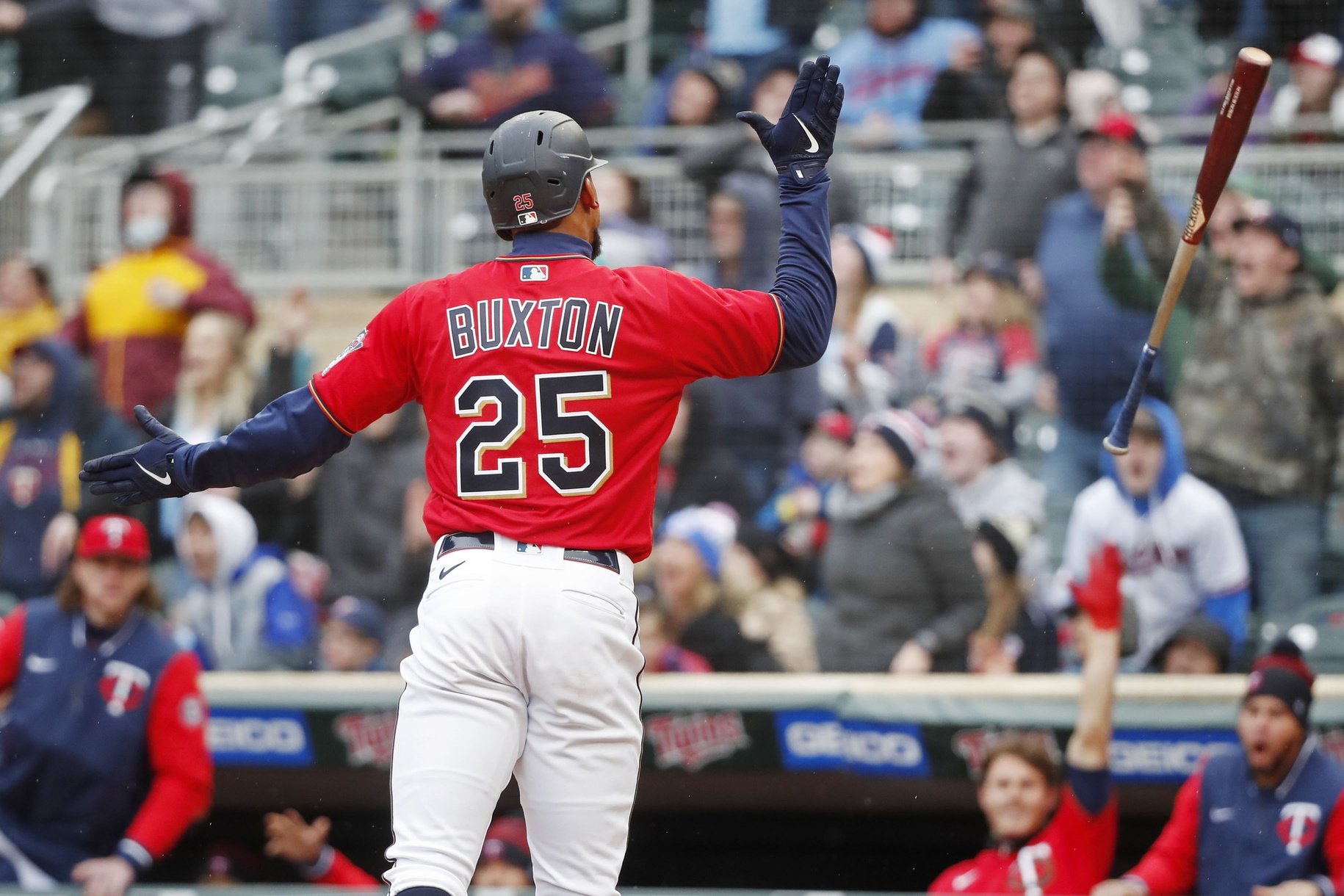 The Twins haven’t had an MVP since Joe Mauer (2009), a Cy Young since Johan Santana (2006), and a Rookie of the Year since Marty Cordova (1995). Minnesota will need better health and standout performances from the team’s top players to end those streaks. Can any of these names beat the odds and walk away with one of baseball’s most prestigious awards? MVP: Byron Buxton He is the team’s best overall player and has played at an MVP level when he is healthy. It takes a special season for a player to win the AL MVP, especially with Shohei Ohtani performing highly as a two-way player. Last season, Aaron Judge had to break the AL home run record to beat Ohtani, and the argument could still be made that Ohtani had a better season. For Buxton to win the MVP, he will need to play more games than in any other season. His career high is 140 games, and that came in 2017. Over the last two seasons, he has averaged 76 games, so it might be a tall task for him to play enough to garner MVP votes. Other MVP Contenders: Luis Arraez will be looking to repeat as the AL Batting Champion. To be in the MVP conversation, he must compile a historically significant batting average. Cy Young: Kenta Maeda During the 2020 season, Maeda finished runner-up for the AL Cy Young, carrying the Twins rotation to an AL Central title. He struggled in 2021 before needing Tommy John surgery. Now healthy, Maeda is entering the final year of his contract with something to prove. The 34-year-old hasn’t had an opportunity to test free agency since coming to the United States from Japan. He needs to prove that he is healthy and that he can perform as he did in 2020. Last year’s AL Cy Young winner Justin Verlander signed with the Mets this winter, which leaves the field a little more open. Other Cy Young Contenders: Sonny Gray is arguably Minnesota’s best starting pitcher, but his veteran track record doesn’t point to a Cy Young-caliber season. Joe Ryan has plenty of potential if he can take the next step in his young career. Rookie of the Year: Matt Wallner Joey Gallo’s signing makes it less likely that Wallner breaks camp with the Twins, especially if the team doesn’t trade Max Kepler. Wallner has shown massive power potential in the upper minors and may have surpassed other young outfielders on the organization’s depth chart. Last season, he hit .277/.412/.542 (.953) with 32 doubles, four triples, and 27 home runs. When an injury strikes, Wallner will be one of the first call-ups from Triple-A, which should give him a chance to compile a home run total that puts him in the ROY conversation. Other ROY Contenders: Louie Varland and Simeon Woods Richardson will each get an opportunity in the rotation. It takes a remarkable season from a pitcher to win the ROY over a position player, but there are plenty of opportunities to shine. None of these Twins players will be the favorite for any award, especially with the team coming off two losing seasons. There are surprises every year in baseball, and the Twins hope all of the above names have improved 2023 campaigns. Which player above has the best chance to take home the hardware? Will different players emerge from the Twins? Leave a COMMENT and start the discussion.
 -
Flipping the calendar to a new year allows everyone to reevaluate themselves and adjust for the coming year. Here are resolutions for Minnesota's top five prospects. Image courtesy of Darren Yamashita, USA Today Sports Multiple names listed below had tremendous stretches during the 2022 season, which is why they are ranked so highly in 2023. Nearly every top-5 Twins prospect has a chance to impact the 2023 big-league roster if everything breaks right. Each player needs to set a resolution for the new year to reach those lofty goals. Royce Lewis , SS/3B/CF Current Twins Daily Prospect Ranking: 1 Unfortunately, Lewis won't be ready for spring training after ACL surgery ended his season for the second consecutive year. Expectations are that he will be able to rejoin the club near the middle of the season. Last year, he was electric in his big-league debut by hitting .300/.317/.550 (.867) with four doubles and two home runs in 12 games. There are questions about his long-term defensive home as the Twins moved him to multiple defensive positions last year. After missing out on Correa, the Twins hope Lewis can fill their shortstop void for multiple years. Resolution: Prove he can be a long-term big-league shortstop Brooks Lee , SS Current Twins Daily Prospect Ranking: 2 Minnesota was elated when Lee fell to them with the eighth overall pick since he was arguably the best college bat in the 2022 draft class. He flew through the Twins system during his professional debut by hitting .303/.389/.451 (.839) across three levels. Lee finished the season at Double-A, where he is expected to begin the 2023 season. Many national prospect rankings have him ranked as the organization's top prospect, even though there are questions about his long-term defensive home. He will have plenty of pressure on his shoulders next season as he works his way through the upper levels of the organization. Resolution: Prove he is the team's top prospect Emmanuel Rodriguez , OF Current Twins Daily Prospect Ranking: 3 Rodriguez made his full-season debut in 2022 and had a breakout season. As a 19-year-old, he hit .272/.493/.552 (1.044) with five doubles, three triples, and nine home runs in 47 games. Unfortunately, his season ended prematurely after he tore his meniscus, which required surgery. He is expected to be ready for the season's start and has all the skills to be a five-tool player. By this time next year, he will likely be the Twins' top prospect, and he has a chance to be an exceptional player for the long-term. Resolution: Prove that 2022 wasn't a fluke Connor Prielipp , SP Current Twins Daily Prospect Ranking: 4 The Twins snagged Prielipp in the 48th overall pick in the 2022 MLB Draft, but he wasn't always expected to fall that far. There was talk of him being a potential number-one overall pick, but he injured his elbow in the first start of his sophomore season. Leading into the draft, he pitched in front of evaluators multiple times to prove he was fully healthy. Prielipp has yet to make his professional debut, and the Twins will take it slow since he was limited to 28 collegiate innings. He still has unbelievable upside, and the Twins hope he is a long-term answer for the rotation in the years ahead. Resolution: Prove he can be a top-of-the-rotation starter Simeon Woods Richardson , SP Current Twins Daily Prospect Ranking: 5 Woods Richardson broke out in 2022 after struggling for much of the 2021 season. He posted a 2.77 ERA and a 1.053 WHIP with 9.6 K/9 at Double- and Triple-A. By season's end, he made his big-league debut, and the Twins hope he can build off that performance in 2023. Minnesota has yet to add to the rotation this winter, so Woods Richardson has a chance to earn a starting spot coming out of spring training. Other pitchers are ahead of him on the depth chart, so he will need a solid performance to come north with the club. Resolution: Prove he deserves a rotation spot during spring training. Do you agree with these resolutions? What other resolutions should the organization's other top prospects make? Leave a COMMENT and start the discussion. View full article
- 14 replies
-
- 1
-
-
- royce lewis
- brooks lee
- (and 3 more)
-
New Year's Resolutions for the Top 5 Twins Prospects
Cody Christie posted an article in Minor Leagues
 Multiple names listed below had tremendous stretches during the 2022 season, which is why they are ranked so highly in 2023. Nearly every top-5 Twins prospect has a chance to impact the 2023 big-league roster if everything breaks right. Each player needs to set a resolution for the new year to reach those lofty goals. Royce Lewis , SS/3B/CF Current Twins Daily Prospect Ranking: 1 Unfortunately, Lewis won't be ready for spring training after ACL surgery ended his season for the second consecutive year. Expectations are that he will be able to rejoin the club near the middle of the season. Last year, he was electric in his big-league debut by hitting .300/.317/.550 (.867) with four doubles and two home runs in 12 games. There are questions about his long-term defensive home as the Twins moved him to multiple defensive positions last year. After missing out on Correa, the Twins hope Lewis can fill their shortstop void for multiple years. Resolution: Prove he can be a long-term big-league shortstop Brooks Lee , SS Current Twins Daily Prospect Ranking: 2 Minnesota was elated when Lee fell to them with the eighth overall pick since he was arguably the best college bat in the 2022 draft class. He flew through the Twins system during his professional debut by hitting .303/.389/.451 (.839) across three levels. Lee finished the season at Double-A, where he is expected to begin the 2023 season. Many national prospect rankings have him ranked as the organization's top prospect, even though there are questions about his long-term defensive home. He will have plenty of pressure on his shoulders next season as he works his way through the upper levels of the organization. Resolution: Prove he is the team's top prospect Emmanuel Rodriguez , OF Current Twins Daily Prospect Ranking: 3 Rodriguez made his full-season debut in 2022 and had a breakout season. As a 19-year-old, he hit .272/.493/.552 (1.044) with five doubles, three triples, and nine home runs in 47 games. Unfortunately, his season ended prematurely after he tore his meniscus, which required surgery. He is expected to be ready for the season's start and has all the skills to be a five-tool player. By this time next year, he will likely be the Twins' top prospect, and he has a chance to be an exceptional player for the long-term. Resolution: Prove that 2022 wasn't a fluke Connor Prielipp , SP Current Twins Daily Prospect Ranking: 4 The Twins snagged Prielipp in the 48th overall pick in the 2022 MLB Draft, but he wasn't always expected to fall that far. There was talk of him being a potential number-one overall pick, but he injured his elbow in the first start of his sophomore season. Leading into the draft, he pitched in front of evaluators multiple times to prove he was fully healthy. Prielipp has yet to make his professional debut, and the Twins will take it slow since he was limited to 28 collegiate innings. He still has unbelievable upside, and the Twins hope he is a long-term answer for the rotation in the years ahead. Resolution: Prove he can be a top-of-the-rotation starter Simeon Woods Richardson , SP Current Twins Daily Prospect Ranking: 5 Woods Richardson broke out in 2022 after struggling for much of the 2021 season. He posted a 2.77 ERA and a 1.053 WHIP with 9.6 K/9 at Double- and Triple-A. By season's end, he made his big-league debut, and the Twins hope he can build off that performance in 2023. Minnesota has yet to add to the rotation this winter, so Woods Richardson has a chance to earn a starting spot coming out of spring training. Other pitchers are ahead of him on the depth chart, so he will need a solid performance to come north with the club. Resolution: Prove he deserves a rotation spot during spring training. Do you agree with these resolutions? What other resolutions should the organization's other top prospects make? Leave a COMMENT and start the discussion.
- 14 comments
-
- 6
-
-
- royce lewis
- brooks lee
- (and 3 more)
-
Every prospect dreams of putting together a season that solidifies their top prospect status. These three Twins prospects have something to prove in 2023. Image courtesy of Mark J. Rebilas-USA TODAY Sports (Martin), William Parmeter- Mighty Mussels (Rodriguez), Gary Cosby Jr. via Imagn Content Services, LLC (Prielipp) Minnesota saw multiple prospects break out last season, including Edouard Julien, Matt Wallner, and Simeon Woods Richardson. Based on those performances, all three players are expected to impact the big-league roster in 2023. Even with these players, the Twins' farm system ranks in the middle of the pack compared to other organizations. Minnesota's farm system can continue to improve if these three players prove something in 2023. Emmanuel Rodriguez, OF Current Twins Daily Prospect Ranking: 3 Rodriguez needs to prove that his shortened 2022 campaign was legitimate. Last season, he hit .272/.493/.552 (1.044) with five doubles, three triples, and nine home runs in 47 games. As a 19-year-old, he was over two years younger than the average age of the competition in his league. Few Twins prospects have power like Rodriguez, and his numbers are expected to improve as he continues to improve and add to his frame. National prospects rankings have started to take notice of Rodriguez, who has all the tools to be considered one of baseball's best prospects. To do that, he must compile strong numbers as he moves up the organizational ladder. He has the chance to be a superstar player, but he has a long way to go before reaching Target Field. Connor Prielipp, SP Current Twins Daily Prospect Ranking: 4 An argument can be made that Prielipp is facing one of the most crucial development seasons in recent Twins history. He needs to prove he can be a top of the rotation starter after only pitching in seven college games since the start of 2020. The Twins will likely take it slow with Prielipp when he makes his professional debut, but the left-handed starter has the potential to be an ace. Prielipp will likely get most of his innings in Fort Myers, where he will be closer to the team's training facilities. His performance may dictate a second-half promotion, but there is no rush to get him to the big leagues. For Prielipp, the 2023 season is about proving he is healthy and has the potential to be Minnesota's best starting pitching prospect in quite some time. No pressure, kid. Austin Martin, SS/CF Current Twins Daily Prospect Ranking: 6 Entering last season, Twins Daily ranked Austin Martin as the Twins' top prospect. From there, things couldn't have gone much worse for one of the key pieces from the Jose Berrios trade. In 92 games, he hit .241/.368/.317 (.685) with 19 extra-base hits and a 55-to-49 strikeout-to-walk ratio. Luckily, he ended the season on a high note and carried that performance into the Arizona Fall League, where he posted a .936 OPS. Over the last two seasons, he has played at Double-A, so expectations are for him to make his Triple-A debut in 2023. Can he prove that he is still one of Minnesota's top prospects? It's easy to look at the Twins' top prospects and have hope for the future. Minnesota's farm system will be sitting in a much better place if these three players take the next step in 2023. What can these three prove next season? What other prospects have something to prove? Leave a COMMENT and start the discussion. View full article
- 12 replies
-
- 1
-
-
- austin martin
- connor prielipp
- (and 1 more)
-
3 Top Twins Prospects with Something to Prove in 2023
Cody Christie posted an article in Minor Leagues
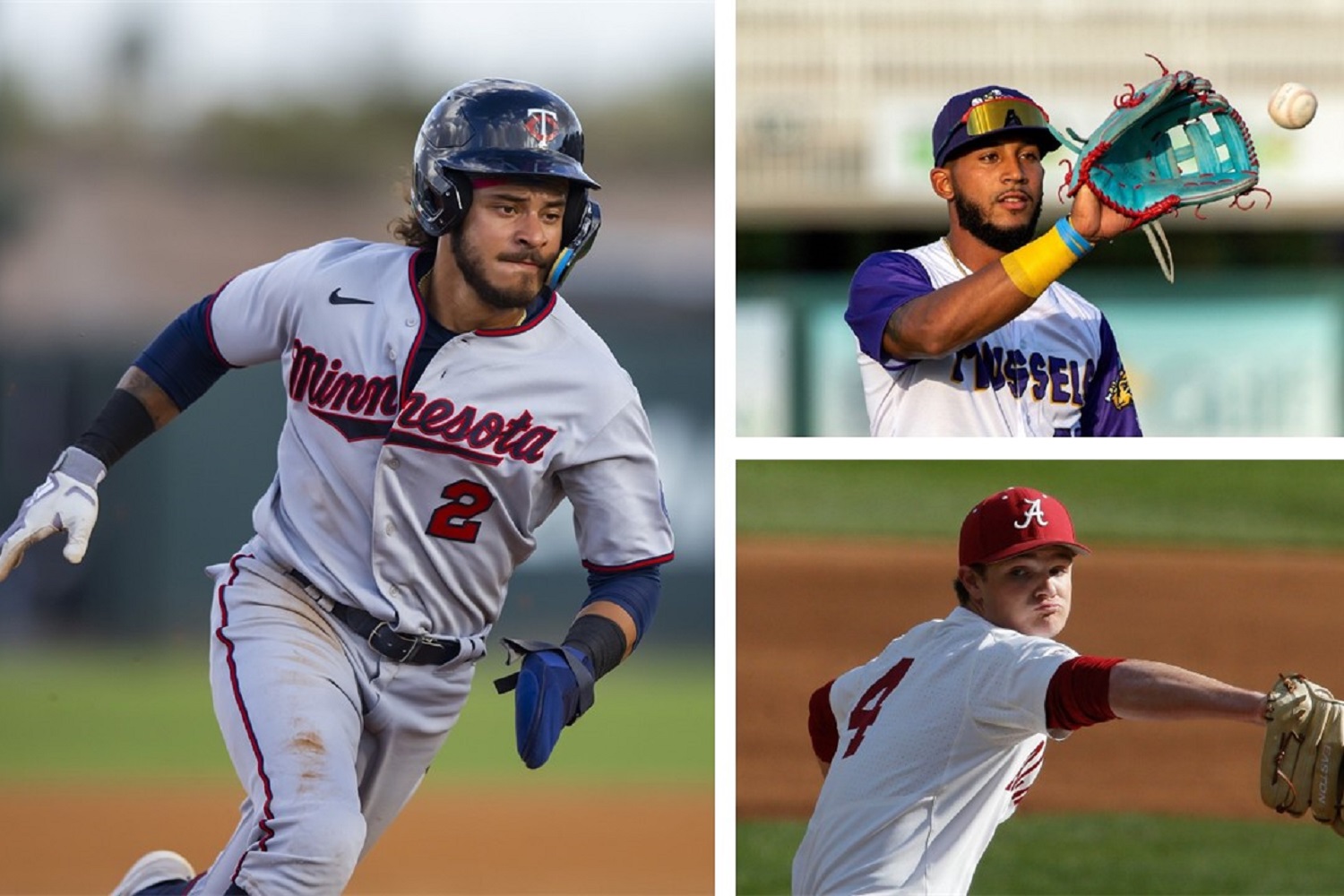 Minnesota saw multiple prospects break out last season, including Edouard Julien, Matt Wallner, and Simeon Woods Richardson. Based on those performances, all three players are expected to impact the big-league roster in 2023. Even with these players, the Twins' farm system ranks in the middle of the pack compared to other organizations. Minnesota's farm system can continue to improve if these three players prove something in 2023. Emmanuel Rodriguez, OF Current Twins Daily Prospect Ranking: 3 Rodriguez needs to prove that his shortened 2022 campaign was legitimate. Last season, he hit .272/.493/.552 (1.044) with five doubles, three triples, and nine home runs in 47 games. As a 19-year-old, he was over two years younger than the average age of the competition in his league. Few Twins prospects have power like Rodriguez, and his numbers are expected to improve as he continues to improve and add to his frame. National prospects rankings have started to take notice of Rodriguez, who has all the tools to be considered one of baseball's best prospects. To do that, he must compile strong numbers as he moves up the organizational ladder. He has the chance to be a superstar player, but he has a long way to go before reaching Target Field. Connor Prielipp, SP Current Twins Daily Prospect Ranking: 4 An argument can be made that Prielipp is facing one of the most crucial development seasons in recent Twins history. He needs to prove he can be a top of the rotation starter after only pitching in seven college games since the start of 2020. The Twins will likely take it slow with Prielipp when he makes his professional debut, but the left-handed starter has the potential to be an ace. Prielipp will likely get most of his innings in Fort Myers, where he will be closer to the team's training facilities. His performance may dictate a second-half promotion, but there is no rush to get him to the big leagues. For Prielipp, the 2023 season is about proving he is healthy and has the potential to be Minnesota's best starting pitching prospect in quite some time. No pressure, kid. Austin Martin, SS/CF Current Twins Daily Prospect Ranking: 6 Entering last season, Twins Daily ranked Austin Martin as the Twins' top prospect. From there, things couldn't have gone much worse for one of the key pieces from the Jose Berrios trade. In 92 games, he hit .241/.368/.317 (.685) with 19 extra-base hits and a 55-to-49 strikeout-to-walk ratio. Luckily, he ended the season on a high note and carried that performance into the Arizona Fall League, where he posted a .936 OPS. Over the last two seasons, he has played at Double-A, so expectations are for him to make his Triple-A debut in 2023. Can he prove that he is still one of Minnesota's top prospects? It's easy to look at the Twins' top prospects and have hope for the future. Minnesota's farm system will be sitting in a much better place if these three players take the next step in 2023. What can these three prove next season? What other prospects have something to prove? Leave a COMMENT and start the discussion.
- 12 comments
-
- 4
-
-
- austin martin
- connor prielipp
- (and 1 more)
-
As the calendar turns to a new year, it is often a time for players and fans to reflect on the future. Here are three players the Twins need to step up in 2023 for the team to return to contention. Image courtesy of Brad Rempel-USA TODAY Sports When it comes to 2023, improved health has to be the Twins’ most important resolution. Minnesota sat atop the AL Central for most of 2022, but the club couldn’t overcome one of baseball’s most injured rosters. Luckily, a new year brings hope for the club’s future, and these three players need to prove they can fit into new roles for the club. Jose Miranda, 3B Minnesota showed plenty of faith in Miranda by trading away Gio Urshela earlier this offseason. Urshela was coming off a season where he posted a 121 OPS+ in 144 games, so Miranda will be stepping into some big shoes to fill. However, it was clear from the onset of the offseason that the Twins wanted Miranda to take over an everyday role at third base. He was the organization’s 2021 Minor League Player of the Year after destroying the upper minors with a .937 OPS, 32 doubles, and 30 home runs. Now the Twins hope he can produce at a similar level in the big leagues. Projection systems point to Miranda being an above-average offensive third baseman. Baseball-Reference projects Miranda to post a .748 OPS with 22 doubles and 13 home runs in just over 400 at-bats. FanGraphs' ZiPS points to Miranda having a better season with 31 doubles, 19 home runs, and a .778 OPS. It is important to note that ZiPS projects Miranda to get over 140 more at-bats than Baseball Reference. Minnesota would undoubtedly be happy if Miranda could reach his 119 OPS+ projected by ZiPS. Jorge Lopez, RHP Reliever’s on-field results can be fickle, especially with the small sample sizes pitched by bullpen arms in any given season. Lopez was terrific during the first half of 2022 as he shifted from starting pitcher to the bullpen. He was selected to his first All-Star Game and posted a 1.68 ERA and a 0.97 WHIP in 44 games. For Lopez, nearly every statistical area declined after the Twins acquired him, including strike rate, walk rate, exit velocity, etc. Minnesota tried to adjust Lopez, but the results were not positive, as Parker outlined (for Twins Daily Caretakers) last week. Few relievers can post the numbers Lopez compiled with Baltimore in 2022’s first half. Baseball-Reference projects Lopez to post a 4.28 ERA with a 1.36 WHIP and an 8.4 K/9 across 80 innings. FanGraphs’ ZiPS projects have Lopez compiling a 4.41 ERA with an 8.7 K/9 in close to 86 innings. To put that in perspective, ZiPS projects Emilio Pagan to have a better ERA and a higher strikeout rate than Lopez. For Minnesota’s bullpen to be successful, Lopez needs to improve over his second-half numbers and be a late-inning bullpen weapon. Ryan Jeffers, C The Twins signed Christian Vazquez to add to the team’s catching depth, but Jeffers is still part of the team’s long-term plans. Last winter, the club dealt away Mitch Garver, assuming that Jeffers was ready to take on a more significant catching role. Like many Twins last season, injuries limited Jeffers to 67 games with a .648 OPS and a 62-to-23 strikeout-to-walk ratio. He doesn’t turn 26 until next June, and he is under team control for four more seasons, so the Twins have hopes he can put it all together. ZiPS projects Jeffers to hit .226/.302/.406 (.708) while producing a career-high 1.9 WAR. Those totals are in 355 plate appearances, over 60 more than he has accumulated in any previous season. Baseball Reference projects him to get 347 PA with a .682 OPS and double-digit totals in doubles and home runs. It’s also important to consider that Jeffers was limited to 24 games above High-A before debuting as a 23-year-old. COVID impacted player development, and Jeffers can continue to make adjustments at the big-league level. Which players do you hope make the most significant improvements in 2023? Leave a COMMENT and start the discussion. View full article
- 29 replies
-
- 1
-
-
- jorge lopez
- jose miranda
- (and 1 more)
-
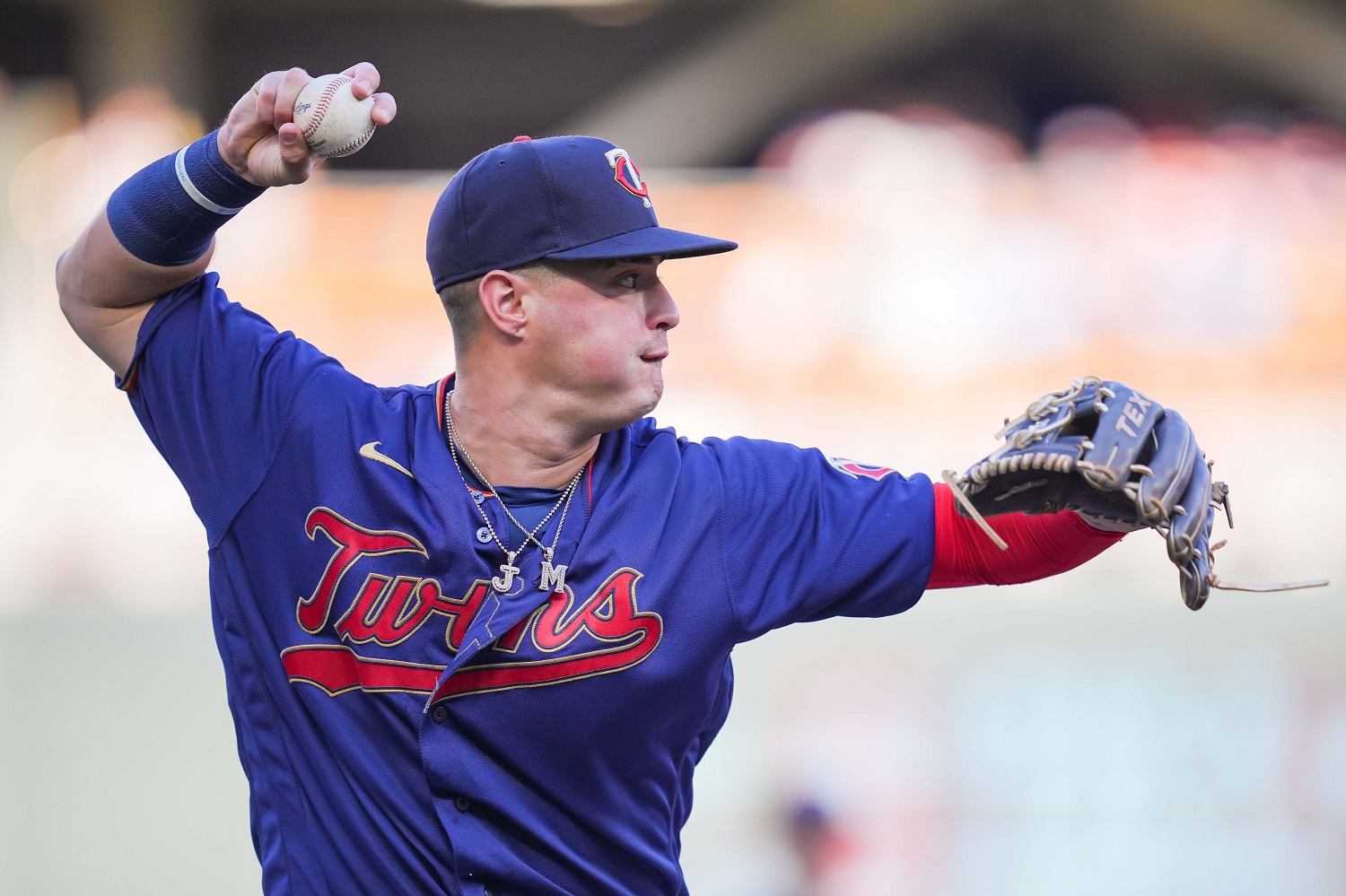 When it comes to 2023, improved health has to be the Twins’ most important resolution. Minnesota sat atop the AL Central for most of 2022, but the club couldn’t overcome one of baseball’s most injured rosters. Luckily, a new year brings hope for the club’s future, and these three players need to prove they can fit into new roles for the club. Jose Miranda, 3B Minnesota showed plenty of faith in Miranda by trading away Gio Urshela earlier this offseason. Urshela was coming off a season where he posted a 121 OPS+ in 144 games, so Miranda will be stepping into some big shoes to fill. However, it was clear from the onset of the offseason that the Twins wanted Miranda to take over an everyday role at third base. He was the organization’s 2021 Minor League Player of the Year after destroying the upper minors with a .937 OPS, 32 doubles, and 30 home runs. Now the Twins hope he can produce at a similar level in the big leagues. Projection systems point to Miranda being an above-average offensive third baseman. Baseball-Reference projects Miranda to post a .748 OPS with 22 doubles and 13 home runs in just over 400 at-bats. FanGraphs' ZiPS points to Miranda having a better season with 31 doubles, 19 home runs, and a .778 OPS. It is important to note that ZiPS projects Miranda to get over 140 more at-bats than Baseball Reference. Minnesota would undoubtedly be happy if Miranda could reach his 119 OPS+ projected by ZiPS. Jorge Lopez, RHP Reliever’s on-field results can be fickle, especially with the small sample sizes pitched by bullpen arms in any given season. Lopez was terrific during the first half of 2022 as he shifted from starting pitcher to the bullpen. He was selected to his first All-Star Game and posted a 1.68 ERA and a 0.97 WHIP in 44 games. For Lopez, nearly every statistical area declined after the Twins acquired him, including strike rate, walk rate, exit velocity, etc. Minnesota tried to adjust Lopez, but the results were not positive, as Parker outlined (for Twins Daily Caretakers) last week. Few relievers can post the numbers Lopez compiled with Baltimore in 2022’s first half. Baseball-Reference projects Lopez to post a 4.28 ERA with a 1.36 WHIP and an 8.4 K/9 across 80 innings. FanGraphs’ ZiPS projects have Lopez compiling a 4.41 ERA with an 8.7 K/9 in close to 86 innings. To put that in perspective, ZiPS projects Emilio Pagan to have a better ERA and a higher strikeout rate than Lopez. For Minnesota’s bullpen to be successful, Lopez needs to improve over his second-half numbers and be a late-inning bullpen weapon. Ryan Jeffers, C The Twins signed Christian Vazquez to add to the team’s catching depth, but Jeffers is still part of the team’s long-term plans. Last winter, the club dealt away Mitch Garver, assuming that Jeffers was ready to take on a more significant catching role. Like many Twins last season, injuries limited Jeffers to 67 games with a .648 OPS and a 62-to-23 strikeout-to-walk ratio. He doesn’t turn 26 until next June, and he is under team control for four more seasons, so the Twins have hopes he can put it all together. ZiPS projects Jeffers to hit .226/.302/.406 (.708) while producing a career-high 1.9 WAR. Those totals are in 355 plate appearances, over 60 more than he has accumulated in any previous season. Baseball Reference projects him to get 347 PA with a .682 OPS and double-digit totals in doubles and home runs. It’s also important to consider that Jeffers was limited to 24 games above High-A before debuting as a 23-year-old. COVID impacted player development, and Jeffers can continue to make adjustments at the big-league level. Which players do you hope make the most significant improvements in 2023? Leave a COMMENT and start the discussion.
- 29 comments
-
- 2
-
-
- jorge lopez
- jose miranda
- (and 1 more)
-
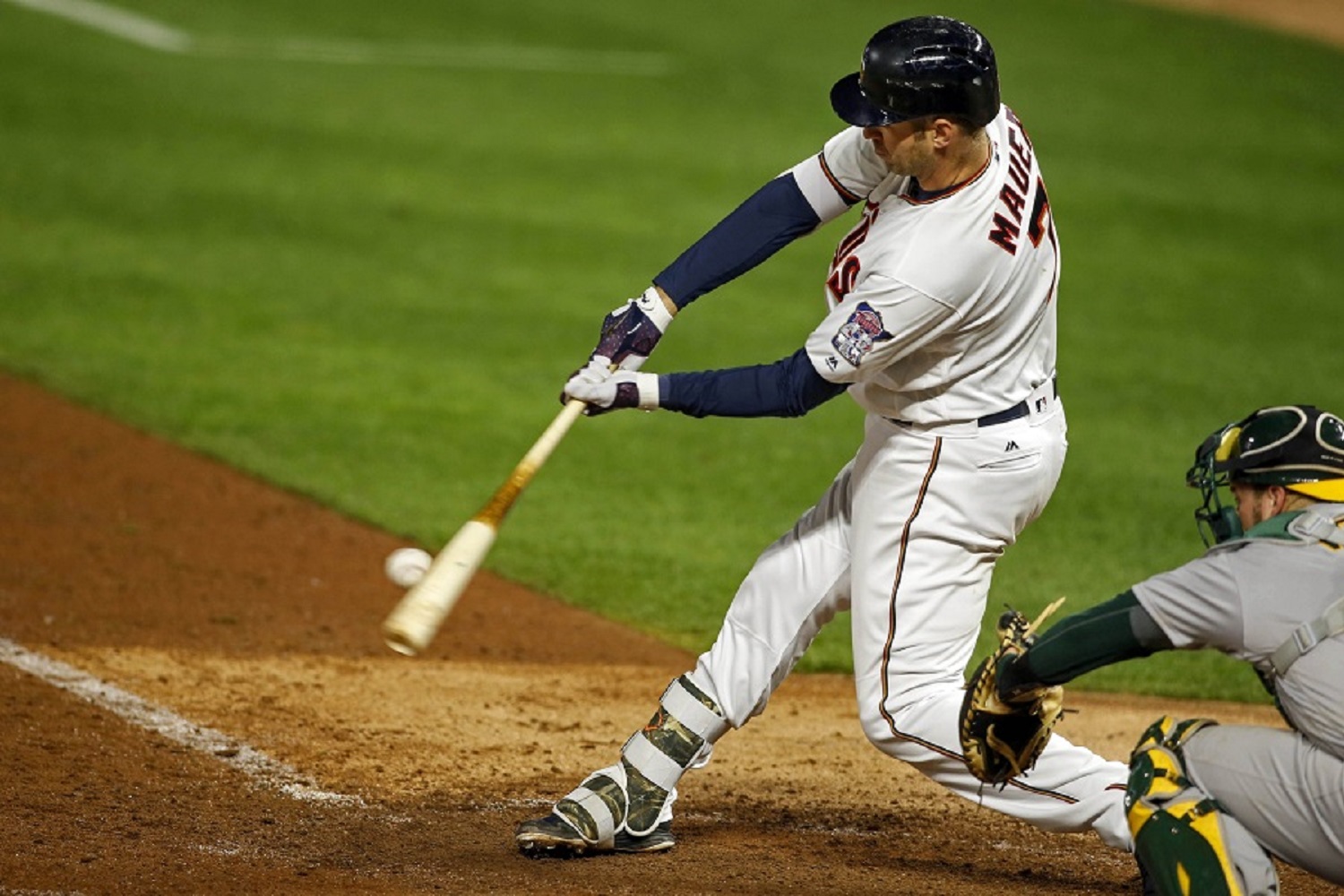 There are a variety of ways to examine a player’s Cooperstown case. JAWS is one way to measure a player's Hall of Fame worthiness as it averages their career WAR with their seven-year peak WAR. Jay Jaffe developed it to compare players' Hall of Fame candidacy across different eras. Some positions have fewer players currently elected to the Hall of Fame, which can skew the averages. However, JAWS provides a solid baseline for comparing a player's candidacy. Hold-Overs from 2023 Currently, voters are considering candidates for the 2023 voting cycle, and Ryan Thibodaux does a masterful job of tracking the publicly available ballots. Players must be listed on 75% of ballots submitted to be elected. Scott Rolen and Todd Helton are the two players tracking above 75%, but their support is not overwhelming. Rolen ranks as baseball's tenth-best third baseman, according to JAWS, while Helton ranks 15th among first basemen. Both players likely fall short of 75% as more ballots become available, resulting in both remaining on the ballot for the 2024 voting cycle, with some other strong candidates joining them. Strong First-Ballot Considerations In recent years, some strong players have fallen off the ballot, but Mauer will join the ballot with some other players that will be Hall of Famers. Adrian Beltre is a lock to be elected next year. His accolades are nearly endless, and he is the only player in big-league history with at least 3,000 hits and 450 home runs among players who appeared in at least 50% of their games at third base. According to JAWS, Beltre only ranks behind Mike Schmidt, Eddie Mathews, and Wade Boggs among third basemen. Beltre should be a nearly unanimous selection. Chase Utley doesn't have the open and shut case like Beltre, but he is still among the all-time best second-basemen. He was one of his era's best players with some tremendous Phillies teams. His resume includes being a six-time All-Star and a four-time Silver Slugger with over 30 home runs and 100 RBI in multiple seasons. JAWS ranks him as baseball's 12th-best second baseman, with multiple players ranked behind him already inducted to Cooperstown. He won't be a unanimous selection, but he is a Hall of Fame-caliber player. Catching Counterparts For Mauer to be elected, many voters will compare him to other top catchers of his era. In recent years, Buster Posey and Yadier Molina have retired, and each has a strong case for the Hall of Fame. According to JAWS, Mauer (7th) ranks significantly higher than Posey (14th) and Molina (22nd). Molina's JAWS ranking has him behind catchers like Jason Kendall and Jorge Posada, who didn't get significant support in their HOF voting cycles. Like Mauer, Posey retired earlier than some of the all-time great catchers. However, he will likely garner enough support when he appears on the ballot for the first time in 2027. Mauer's accolades were significant during the years he could stay behind the plate. He was a six-time All-Star and a five-time Silver Slugger while winning three Gold Gloves. He is the only catcher in big-league history to win three batting titles, and he finished in the top 10 for AL MVP in four seasons, including winning top honors in 2009. He is the only catcher who started his career after 1930 to top the .400 mark in OBP in six seasons. Concussions forced him to move out from behind the plate, but his case is still strong enough for induction. Do you think Mauer will be a first-ballot induction to the Hall of Fame? Leave a COMMENT and start the discussion.
- 51 comments
-
- 7
-
-
- joe mauer
- buster posey
- (and 3 more)
-
Next winter, Joe Mauer's name will appear on the Hall of Fame ballot for the first time. Let's look ahead at the players that may join him in the hunt for Cooperstown. Image courtesy of Bruce Kluckhohn-USA TODAY Sports There are a variety of ways to examine a player’s Cooperstown case. JAWS is one way to measure a player's Hall of Fame worthiness as it averages their career WAR with their seven-year peak WAR. Jay Jaffe developed it to compare players' Hall of Fame candidacy across different eras. Some positions have fewer players currently elected to the Hall of Fame, which can skew the averages. However, JAWS provides a solid baseline for comparing a player's candidacy. Hold-Overs from 2023 Currently, voters are considering candidates for the 2023 voting cycle, and Ryan Thibodaux does a masterful job of tracking the publicly available ballots. Players must be listed on 75% of ballots submitted to be elected. Scott Rolen and Todd Helton are the two players tracking above 75%, but their support is not overwhelming. Rolen ranks as baseball's tenth-best third baseman, according to JAWS, while Helton ranks 15th among first basemen. Both players likely fall short of 75% as more ballots become available, resulting in both remaining on the ballot for the 2024 voting cycle, with some other strong candidates joining them. Strong First-Ballot Considerations In recent years, some strong players have fallen off the ballot, but Mauer will join the ballot with some other players that will be Hall of Famers. Adrian Beltre is a lock to be elected next year. His accolades are nearly endless, and he is the only player in big-league history with at least 3,000 hits and 450 home runs among players who appeared in at least 50% of their games at third base. According to JAWS, Beltre only ranks behind Mike Schmidt, Eddie Mathews, and Wade Boggs among third basemen. Beltre should be a nearly unanimous selection. Chase Utley doesn't have the open and shut case like Beltre, but he is still among the all-time best second-basemen. He was one of his era's best players with some tremendous Phillies teams. His resume includes being a six-time All-Star and a four-time Silver Slugger with over 30 home runs and 100 RBI in multiple seasons. JAWS ranks him as baseball's 12th-best second baseman, with multiple players ranked behind him already inducted to Cooperstown. He won't be a unanimous selection, but he is a Hall of Fame-caliber player. Catching Counterparts For Mauer to be elected, many voters will compare him to other top catchers of his era. In recent years, Buster Posey and Yadier Molina have retired, and each has a strong case for the Hall of Fame. According to JAWS, Mauer (7th) ranks significantly higher than Posey (14th) and Molina (22nd). Molina's JAWS ranking has him behind catchers like Jason Kendall and Jorge Posada, who didn't get significant support in their HOF voting cycles. Like Mauer, Posey retired earlier than some of the all-time great catchers. However, he will likely garner enough support when he appears on the ballot for the first time in 2027. Mauer's accolades were significant during the years he could stay behind the plate. He was a six-time All-Star and a five-time Silver Slugger while winning three Gold Gloves. He is the only catcher in big-league history to win three batting titles, and he finished in the top 10 for AL MVP in four seasons, including winning top honors in 2009. He is the only catcher who started his career after 1930 to top the .400 mark in OBP in six seasons. Concussions forced him to move out from behind the plate, but his case is still strong enough for induction. Do you think Mauer will be a first-ballot induction to the Hall of Fame? Leave a COMMENT and start the discussion. View full article
- 51 replies
-
- 1
-
-
- joe mauer
- buster posey
- (and 3 more)
-
Twins fans can look to the future for more hope after back-to-back disappointing seasons. Here is what Minnesota’s potential line-up might look like in four years. Image courtesy of Jeffrey Becker-USA TODAY Sports Below you will see Minnesota's projected line-up and each player's age during the 2026 campaign. Only some top prospects will become big-league regulars, making these projections challenging. A lot can happen with a franchise in a short amount of time. In 2019, I projected the 2023 line-up , and a few names have switched positions or aren't part of the team's long-term plans. Catcher: Ryan Jeffers (29) Entering the 2022 season, Jeffers stock is low, and that’s why the Twins invested in Christian Vazquez. The Twins still believe Jeffers can be a contributor at the big-league level because he has shown positive signs over the last three seasons. Injuries have played a role in Jeffers' struggles to be a consistent hitter at the big-league level. Offensively, Jeffers thrives against left-handed pitchers, with a .794 OPS for his career. He might be able to make offensive improvements if the Twins can find him appropriate match-ups in future seasons. First Base: Alex Kirilloff (28) Kirilloff has only played more than 95 games in one professional season. Wrist injuries prematurely ended his last two seasons, and he had a unique surgery to shorten his ulna. Minnesota hopes he can return to the hitter he was in 2018 when he was the organization’s Minor League Hitter of the Year. Kirilloff has strong defensive skills at first base that can be a valuable asset considering the defensive limitations of others in this projected line-up. Second Base: Luis Arraez (29) Arraez’s name has been swirling in the rumor mill this winter, so there is no guarantee he is still on the roster in four years. He is coming off an excellent season where he was a first-time All-Star and won the AL Batting Title and a Silver Slugger. In recent years, Arraez has struggled with knee issues, so he might not regularly play in the field by 2026. Edouard Julien is another option at second base after he posted a .931 OPS at Double-A last season. Shortstop: Royce Lewis (27) After missing out on Carlos Correa, the Twins hope Royce Lewis is the team’s long-term solution at one of baseball’s most important positions. Minnesota has had a revolving door at shortstop in recent seasons, and Lewis might be the organization’s best chance to stop the door from spinning. Last season, he returned strongly from ACL surgery with a .940 OPS in 34 Triple-A games before posting a .867 OPS in his big-league debut. Minnesota hopes he returns just as strong from his second ACL surgery in the last two years. Third Base: Brooks Lee (25) Many evaluators pegged Lee as the best college bat in the 2022 MLB Draft. He impressed many during his professional debut by hitting .303/.389/.451 (.839) with six doubles and four home runs while finishing the year at Double-A. He’s played shortstop so far in his professional career, but many expect him to move to third base as he adds to his frame. He will enter the 2023 season as the Twins’ top prospect on all three national prospect rankings, and there is a chance he will make his big-league debut next year in the second half. Left Field: Emmanuel Rodriguez (23) Rodriguez continues to rise in Twins prospect rankings after a solid full-season debut in Fort Myers. In 47 games, he hit .272/.493/.552 (1.044) with five doubles, three triples, and nine home runs. He was 11-for-16 in stolen base attempts and had more walks (57) and strikeouts (52). His season ended prematurely after he tore his meniscus, which required surgery. He has the potential to be a five-tool talent, but he is multiple levels away from Target Field. Center Field: Byron Buxton (32) After last winter’s extension, Buxton is under contract through the 2028 season. He’s been limited to 92 games or less in all but one big-league season. It will be interesting to see how Buxton ages in the coming years. The Twins tried to keep him healthy last season by giving him regular at-bats as a designated hitter. Buxton’s defense is still among baseball’s best in center field, but his speed will likely decline as he ages. Right Field: Matt Wallner (28) Minnesota has three young outfielders that are a similar age and have upside. Kirilloff is listed above as the team’s potential first baseman, so right field comes down to Wallner versus Trevor Larnach. Wallner’s stock has risen significantly over the last year, so he gets the nod over Larnach. He was named the Twins Daily Minor League Hitter of the Year. Rodriguez is not guaranteed to make it to the big-league level by 2026, so Larnach can be penciled into the other corner outfield spot until a younger player pushes him to the side. Designated Hitter: Jose Miranda (28) The Twins traded Gio Urshela to clear a spot at third base for Miranda. Last season, he had some up-and-down moments but finished the year with a 116 OPS+. His defense is already considered below average at third, which is why he is projected to be the team’s DH in 2026. His bat is good enough to be in the line-up at multiple positions, and he will get time at first base later in his career. Who do you think fits into the team’s 2026 line-up? Leave a COMMENT and start the discussion. PREVIOUS YEAR’S PREDICTIONS — 2025 Line-Up — 2024 Line-Up — 2023 Line-Up View full article
-
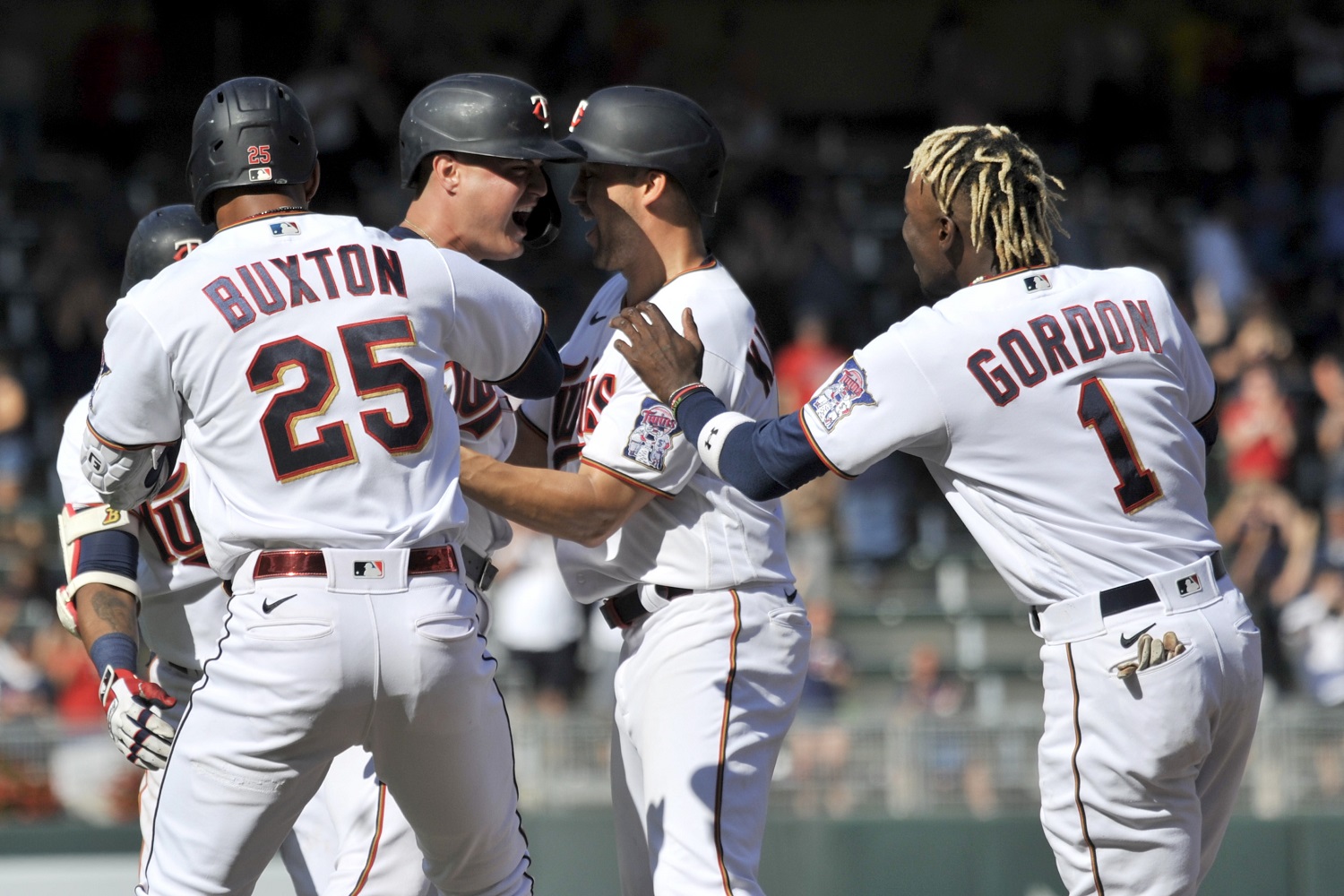 Below you will see Minnesota's projected line-up and each player's age during the 2026 campaign. Only some top prospects will become big-league regulars, making these projections challenging. A lot can happen with a franchise in a short amount of time. In 2019, I projected the 2023 line-up , and a few names have switched positions or aren't part of the team's long-term plans. Catcher: Ryan Jeffers (29) Entering the 2022 season, Jeffers stock is low, and that’s why the Twins invested in Christian Vazquez. The Twins still believe Jeffers can be a contributor at the big-league level because he has shown positive signs over the last three seasons. Injuries have played a role in Jeffers' struggles to be a consistent hitter at the big-league level. Offensively, Jeffers thrives against left-handed pitchers, with a .794 OPS for his career. He might be able to make offensive improvements if the Twins can find him appropriate match-ups in future seasons. First Base: Alex Kirilloff (28) Kirilloff has only played more than 95 games in one professional season. Wrist injuries prematurely ended his last two seasons, and he had a unique surgery to shorten his ulna. Minnesota hopes he can return to the hitter he was in 2018 when he was the organization’s Minor League Hitter of the Year. Kirilloff has strong defensive skills at first base that can be a valuable asset considering the defensive limitations of others in this projected line-up. Second Base: Luis Arraez (29) Arraez’s name has been swirling in the rumor mill this winter, so there is no guarantee he is still on the roster in four years. He is coming off an excellent season where he was a first-time All-Star and won the AL Batting Title and a Silver Slugger. In recent years, Arraez has struggled with knee issues, so he might not regularly play in the field by 2026. Edouard Julien is another option at second base after he posted a .931 OPS at Double-A last season. Shortstop: Royce Lewis (27) After missing out on Carlos Correa, the Twins hope Royce Lewis is the team’s long-term solution at one of baseball’s most important positions. Minnesota has had a revolving door at shortstop in recent seasons, and Lewis might be the organization’s best chance to stop the door from spinning. Last season, he returned strongly from ACL surgery with a .940 OPS in 34 Triple-A games before posting a .867 OPS in his big-league debut. Minnesota hopes he returns just as strong from his second ACL surgery in the last two years. Third Base: Brooks Lee (25) Many evaluators pegged Lee as the best college bat in the 2022 MLB Draft. He impressed many during his professional debut by hitting .303/.389/.451 (.839) with six doubles and four home runs while finishing the year at Double-A. He’s played shortstop so far in his professional career, but many expect him to move to third base as he adds to his frame. He will enter the 2023 season as the Twins’ top prospect on all three national prospect rankings, and there is a chance he will make his big-league debut next year in the second half. Left Field: Emmanuel Rodriguez (23) Rodriguez continues to rise in Twins prospect rankings after a solid full-season debut in Fort Myers. In 47 games, he hit .272/.493/.552 (1.044) with five doubles, three triples, and nine home runs. He was 11-for-16 in stolen base attempts and had more walks (57) and strikeouts (52). His season ended prematurely after he tore his meniscus, which required surgery. He has the potential to be a five-tool talent, but he is multiple levels away from Target Field. Center Field: Byron Buxton (32) After last winter’s extension, Buxton is under contract through the 2028 season. He’s been limited to 92 games or less in all but one big-league season. It will be interesting to see how Buxton ages in the coming years. The Twins tried to keep him healthy last season by giving him regular at-bats as a designated hitter. Buxton’s defense is still among baseball’s best in center field, but his speed will likely decline as he ages. Right Field: Matt Wallner (28) Minnesota has three young outfielders that are a similar age and have upside. Kirilloff is listed above as the team’s potential first baseman, so right field comes down to Wallner versus Trevor Larnach. Wallner’s stock has risen significantly over the last year, so he gets the nod over Larnach. He was named the Twins Daily Minor League Hitter of the Year. Rodriguez is not guaranteed to make it to the big-league level by 2026, so Larnach can be penciled into the other corner outfield spot until a younger player pushes him to the side. Designated Hitter: Jose Miranda (28) The Twins traded Gio Urshela to clear a spot at third base for Miranda. Last season, he had some up-and-down moments but finished the year with a 116 OPS+. His defense is already considered below average at third, which is why he is projected to be the team’s DH in 2026. His bat is good enough to be in the line-up at multiple positions, and he will get time at first base later in his career. Who do you think fits into the team’s 2026 line-up? Leave a COMMENT and start the discussion. PREVIOUS YEAR’S PREDICTIONS — 2025 Line-Up — 2024 Line-Up — 2023 Line-Up
- 13 comments
-
- 1
-
-
- jose miranda
- byron buxton
- (and 3 more)
-
The Twins need to continue to add to the roster for 2023. Do any of these former Twins fit with the team’s future plans? Image courtesy of Kamil Krzaczynski, USA TODAY Sports Many of the league’s top free agent options are officially signed, meaning teams must turn to trades to improve their teams. Minnesota has former players on rosters throughout baseball, but the following players have seen their names thrown around in the rumor mill. Not all of these players fit with Minnesota’s current roster construction, but some of the names have something to offer the 2023 Twins. Aaron Hicks, OF Hicks is owed roughly $30 million over the next three seasons, but his performance has significantly declined over the last four seasons. He averaged 48 games from 2019-2021 with a 103 OPS+. In 2022, he played 130 games and hit .216/.330/.313 (.642) with 19 extra-base hits. Defensively, Hicks has started to play less time in center field, which takes away some of his overall value. Twins Fit: Low. The Twins have better options at all three outfield positions. Josh Donaldson, 3B Last winter, Minnesota got out of the final two years (and $50M) of Donaldson’s four-year deal by trading him to the Yankees. Reports point to New York having a tough time finding a trade partner for Donaldson and Hicks. Last season, Donaldson had a below 100 OPS+ for the first time since 2012. He already turned 37 years old at the beginning of December, and he is likely on the backside of his career. Twins Fit: Low. The Twins were happy to get out of Donaldson’s contract. Isiah Kiner-Falefa, SS Kiner-Falefa’s Twins tenure was short-lived, but the organization was interested in him before the Donaldson trade. In 2022, he hit .261/.314/.327 (.642) while ranking 8th among AL shortstops in SABR’s Defensive Index. His defensive skills are what the Twins were interested in last year, but there are stronger defenders on the trade market. His Whiff% (99th percentile) and K% (92nd percentile) bring down an offensive profile that already includes limited power. Twins Fit: Medium. Minnesota could use more depth at shortstop, but he might not be an upgrade over Kyle Farmer. Liam Hendriks, RP Hendriks has been one of baseball’s best closers over the last four seasons. He’s under contract for $14.33 million next season, and his $15 million team option for 2024 becomes guaranteed if he is traded. The White Sox have discussed trading Hendriks with multiple teams, including the Mets. Plenty of teams will be interested in acquiring Hendriks, but it seems unlikely for Chicago to trade him in the division. Twins Fit: Medium. Paying Hendriks nearly $30 million over the next two seasons is a lot of money, but he’d significantly upgrade the team’s bullpen. Eduardo Escobar, UTL Until recently, the Mets had Escobar penciled in as their starting third baseman. However, Carlos Correa’s signing means Escobar lost his starting job. He is under contract for $9.5 million for 2023 with a $9 million option ($500,000 buyout) for 2024. In 136 games last season, he hit .240/.295/.430 (.726) with 26 doubles, four triples, and 20 home runs. He’s averaged a 108 OPS+ over the last two seasons, but he is closing in on his mid-30s. Twins Fit: Medium. Escobar was a joy when he was with the Twins, but the team doesn’t have a clear need for a utility player. Should the Twins try and trade for any of these former Twins? Are any of them a better fit than the others? Leave a COMMENT and start the discussion. View full article
-
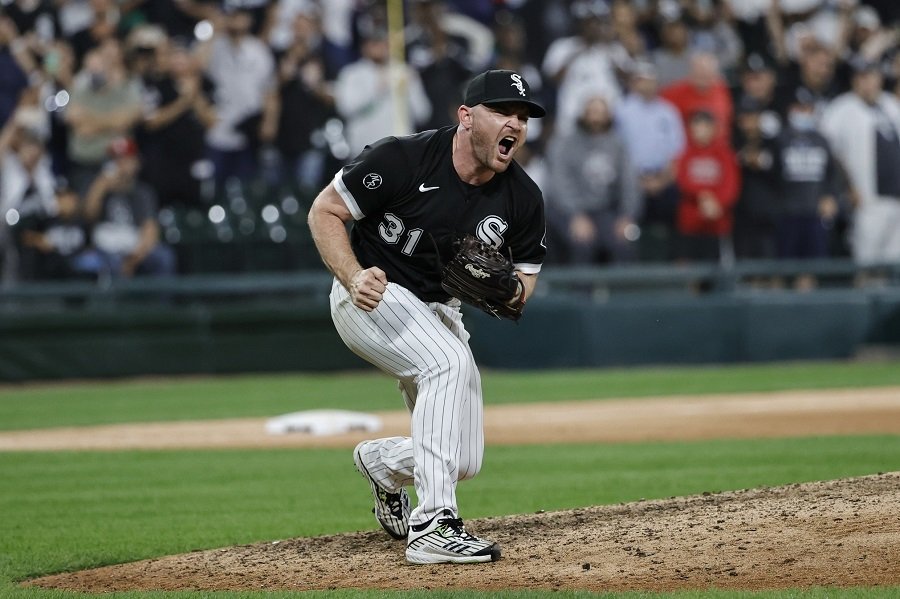 Many of the league’s top free agent options are officially signed, meaning teams must turn to trades to improve their teams. Minnesota has former players on rosters throughout baseball, but the following players have seen their names thrown around in the rumor mill. Not all of these players fit with Minnesota’s current roster construction, but some of the names have something to offer the 2023 Twins. Aaron Hicks, OF Hicks is owed roughly $30 million over the next three seasons, but his performance has significantly declined over the last four seasons. He averaged 48 games from 2019-2021 with a 103 OPS+. In 2022, he played 130 games and hit .216/.330/.313 (.642) with 19 extra-base hits. Defensively, Hicks has started to play less time in center field, which takes away some of his overall value. Twins Fit: Low. The Twins have better options at all three outfield positions. Josh Donaldson, 3B Last winter, Minnesota got out of the final two years (and $50M) of Donaldson’s four-year deal by trading him to the Yankees. Reports point to New York having a tough time finding a trade partner for Donaldson and Hicks. Last season, Donaldson had a below 100 OPS+ for the first time since 2012. He already turned 37 years old at the beginning of December, and he is likely on the backside of his career. Twins Fit: Low. The Twins were happy to get out of Donaldson’s contract. Isiah Kiner-Falefa, SS Kiner-Falefa’s Twins tenure was short-lived, but the organization was interested in him before the Donaldson trade. In 2022, he hit .261/.314/.327 (.642) while ranking 8th among AL shortstops in SABR’s Defensive Index. His defensive skills are what the Twins were interested in last year, but there are stronger defenders on the trade market. His Whiff% (99th percentile) and K% (92nd percentile) bring down an offensive profile that already includes limited power. Twins Fit: Medium. Minnesota could use more depth at shortstop, but he might not be an upgrade over Kyle Farmer. Liam Hendriks, RP Hendriks has been one of baseball’s best closers over the last four seasons. He’s under contract for $14.33 million next season, and his $15 million team option for 2024 becomes guaranteed if he is traded. The White Sox have discussed trading Hendriks with multiple teams, including the Mets. Plenty of teams will be interested in acquiring Hendriks, but it seems unlikely for Chicago to trade him in the division. Twins Fit: Medium. Paying Hendriks nearly $30 million over the next two seasons is a lot of money, but he’d significantly upgrade the team’s bullpen. Eduardo Escobar, UTL Until recently, the Mets had Escobar penciled in as their starting third baseman. However, Carlos Correa’s signing means Escobar lost his starting job. He is under contract for $9.5 million for 2023 with a $9 million option ($500,000 buyout) for 2024. In 136 games last season, he hit .240/.295/.430 (.726) with 26 doubles, four triples, and 20 home runs. He’s averaged a 108 OPS+ over the last two seasons, but he is closing in on his mid-30s. Twins Fit: Medium. Escobar was a joy when he was with the Twins, but the team doesn’t have a clear need for a utility player. Should the Twins try and trade for any of these former Twins? Are any of them a better fit than the others? Leave a COMMENT and start the discussion.
- 26 comments
-
- 2
-
-
- liam hendriks
- eduardo escobar
- (and 3 more)
-
The Twins may need to look to the trade market after losing out on the top free-agent options. One shortstop is drawing interest from multiple teams, and he is an intriguing option. Image courtesy of David Richard-USA TODAY Sports Baltimore surprised many by finishing the 2022 season with an above .500 record. The Orioles were the only American League team with a winning record that failed to make the playoffs. It felt like the Orioles were in a perpetual rebuild, but multiple years of high draft picks seem to be paying dividends. Now, Baltimore may be looking to capitalize on their momentum and put itself in contention for multiple years. The Athletic’s Ken Rosenthal reports that multiple front offices have inquired about the availability of shortstop Jorge Mateo. He points to the Twins, Braves, Red Sox, and Dodgers as all teams that lost their starting shortstop this winter. Baltimore has multiple young infielders and other prospects close to the big-league level, making Mateo expendable if the right deal is on the table. The Yankees originally signed Mateo in January 2012 out of the Dominican Republic. He spent his first six seasons in the Yankees organization before being traded to the Oakland Athletics as part of the Sonny Gray trade. Mateo never broke through with the A’s before Oakland traded him to the Padres in 2020 for a player to be named later. His big-league debut came during the COVID-shortened season in San Diego, where he hit .154/.185/.269 (.454) in 22 games. Mateo saw limited action with the Padres, and the team placed him on waivers during the 2021 campaign. Baltimore claimed him, and he slid into an everyday role with the club. Last season, Mateo hit .221/.267/.379 (.646) with 25 doubles, seven triples, and 13 home runs. His 81 OPS+ is below league average, but he has other skills that make him an intriguing trade target. He led the AL with 35 steals last season and ranks in the 99th percentile for sprint speed. MLB is switching to bigger bases and limiting pick-off attempts, which can help players like Mateo be even more aggressive on the base paths. Defensively, Mateo is an elite shortstop that ranks among baseball’s best defenders. He ranked in the 97th percentile for outs above average and was a top-five shortstop according to Defensive Runs Saved. Mateo (7.8 SDI) also finished second to Houston’s Jeremy Pena (8.1 SDI) in SABR’s Defensive Index. Kyle Farmer currently projects as Minnesota’s Opening Day shortstop and posted a -2.0 SDI in 2022. Limiting defensive shifts next season will also mean that strong defensive players have an opportunity to provide more value to their teams. He also has experience playing all three outfield positions along with second and third base. That versatility can help him fit into a different role if Minnesota wants to use Royce Lewis at shortstop when he is healthy. Mateo didn’t debut until age 25 because he bounced around to different organizations and took time to develop. He is entering his first year in the arbitration process and projects to make under $2 million. His skill set would also keep his value down through the arbitration process, so he should remain relatively affordable during his three remaining years of team control. So, what can Mateo provide the Twins? His 3.4 WAR in 2022 would have ranked fourth on the Twins behind Carlos Correa, Luis Arraez, and Byron Buxton. He would be a clear defensive upgrade over Farmer, even if Farmer provides slightly more value at the plate. As Minnesota saw last year, it is important to have depth at multiple positions when injuries inevitably strike. Mateo can provide depth and be an affordable infielder for multiple seasons. However, the Twins might not want to leave shortstop open for when Lewis returns in the season’s second half. Should the Twins target Mateo? Leave a COMMENT and start the discussion. View full article
-
 Baltimore surprised many by finishing the 2022 season with an above .500 record. The Orioles were the only American League team with a winning record that failed to make the playoffs. It felt like the Orioles were in a perpetual rebuild, but multiple years of high draft picks seem to be paying dividends. Now, Baltimore may be looking to capitalize on their momentum and put itself in contention for multiple years. The Athletic’s Ken Rosenthal reports that multiple front offices have inquired about the availability of shortstop Jorge Mateo. He points to the Twins, Braves, Red Sox, and Dodgers as all teams that lost their starting shortstop this winter. Baltimore has multiple young infielders and other prospects close to the big-league level, making Mateo expendable if the right deal is on the table. The Yankees originally signed Mateo in January 2012 out of the Dominican Republic. He spent his first six seasons in the Yankees organization before being traded to the Oakland Athletics as part of the Sonny Gray trade. Mateo never broke through with the A’s before Oakland traded him to the Padres in 2020 for a player to be named later. His big-league debut came during the COVID-shortened season in San Diego, where he hit .154/.185/.269 (.454) in 22 games. Mateo saw limited action with the Padres, and the team placed him on waivers during the 2021 campaign. Baltimore claimed him, and he slid into an everyday role with the club. Last season, Mateo hit .221/.267/.379 (.646) with 25 doubles, seven triples, and 13 home runs. His 81 OPS+ is below league average, but he has other skills that make him an intriguing trade target. He led the AL with 35 steals last season and ranks in the 99th percentile for sprint speed. MLB is switching to bigger bases and limiting pick-off attempts, which can help players like Mateo be even more aggressive on the base paths. Defensively, Mateo is an elite shortstop that ranks among baseball’s best defenders. He ranked in the 97th percentile for outs above average and was a top-five shortstop according to Defensive Runs Saved. Mateo (7.8 SDI) also finished second to Houston’s Jeremy Pena (8.1 SDI) in SABR’s Defensive Index. Kyle Farmer currently projects as Minnesota’s Opening Day shortstop and posted a -2.0 SDI in 2022. Limiting defensive shifts next season will also mean that strong defensive players have an opportunity to provide more value to their teams. He also has experience playing all three outfield positions along with second and third base. That versatility can help him fit into a different role if Minnesota wants to use Royce Lewis at shortstop when he is healthy. Mateo didn’t debut until age 25 because he bounced around to different organizations and took time to develop. He is entering his first year in the arbitration process and projects to make under $2 million. His skill set would also keep his value down through the arbitration process, so he should remain relatively affordable during his three remaining years of team control. So, what can Mateo provide the Twins? His 3.4 WAR in 2022 would have ranked fourth on the Twins behind Carlos Correa, Luis Arraez, and Byron Buxton. He would be a clear defensive upgrade over Farmer, even if Farmer provides slightly more value at the plate. As Minnesota saw last year, it is important to have depth at multiple positions when injuries inevitably strike. Mateo can provide depth and be an affordable infielder for multiple seasons. However, the Twins might not want to leave shortstop open for when Lewis returns in the season’s second half. Should the Twins target Mateo? Leave a COMMENT and start the discussion.
 -
Shortstop is one of baseball's most important positions, and the Twins have had minimal long-term stability at that spot. So, is there hope for the future? Image courtesy of Mark J. Rebilas-USA TODAY Sports (Correa), David Berding (Polanco), Brad Rempel (Escobar) Shortstop is a challenging position for any team to fill in the long term. Many teams rotate through players as younger and more athletic prospects reach the big-league level. However, calling the Twins' shortstop position a revolving door is not just hyperbole. Cristian Guzman was the last Twins shortstop to start on Opening Day in more than two consecutive seasons, and he hasn't worn a Twins uniform since 2004. There have been 13 Opening Days since Target Field opened in 2010, and the Twins have used nine different players as their starting shortstop. Jorge Polanco provided a brief respite for the revolving door as he made Opening Day starts in three seasons (2017, 2019, and 2020). Eduardo Escobar (2016, 2018) and Pedro Floirmon (2013, 2014) each made two Opening Day starts. Otherwise, the Twins have rotated through JJ Hardy (2010), Alexi Casilla (2011), Jamey Carroll (2012), Danny Santana (2015), Andrelton Simmons (2021), and Carlos Correa (2022). Minnesota fielded some sub-par Twins rosters during the Target Field era, but this list is tough to digest. Minnesota made other mistakes at shortstop during this stretch as well. Entering the 2011 season, the Twins signed Tsuyoshi Nishioka to play shortstop while trading away JJ Hardy for Brett Jacobsen and Jim Hoey. Nishioka only played 71 games in Minnesota while hitting .215/.267/.236 (.503) with a 41 OPS+. Hardy went on to be an All-Star and a three-time Gold Glove in Baltimore, averaging 136 games per season with a .700 OPS over six seasons. Moving on from Hardy is one of the biggest blunders in team history. Fans often look at a team's top prospect rankings to search for the team's long-term shortstop solution. However, this is only sometimes the best option because many prospects play shortstop during their minor-league career with little chance to stick at the position at the big-league level. Shortly after Derek Falvey took over the organization, three of the Twins' top six prospects were shortstops. Out of that group, Royce Lewis still has an opportunity to play multiple years at shortstop, but Nick Gordon and Wander Javier will see minimal time at the position. Also, Lewis is rehabbing from a second ACL surgery, so there are no guarantees he will play shortstop for multiple seasons. Minnesota's top prospect list currently contains multiple shortstop prospects, but there continue to be questions about whether each player can stick at the position. Brooks Lee had an impressive start to his professional career last season, but when the team drafted him, the Twins knew he would likely move to third base. Royce Lewis has played some outfield and third base, but his most recent ACL injury happened when he crashed into the outfield wall. Austin Martin was one of the key pieces acquired for Jose Berrios, and he's been playing other defensive positions. Outside of Lewis, Noah Miller offers some long-term hope for shortstop even though he is multiple levels away from making his big-league debut. For now, Twins fans can put their hope in Royce Lewis being an above-average regular at shortstop. He showed plenty of promise during his big-league debut, even if he is limited at the position. If the season started today, Kyle Farmer is the likely Opening Day shortstop, and few would call him a long-term solution. There is a chance the Twins will trade for a starting shortstop, but it still seems unlikely for the revolving door to stop anytime soon. What player can stop the revolving door? Is it a good strategy for teams to rotate through shortstops? Leave a COMMENT and start the discussion. View full article
- 27 replies
-
- 1
-
-
- jorge polanco
- carlos correa
- (and 3 more)
-
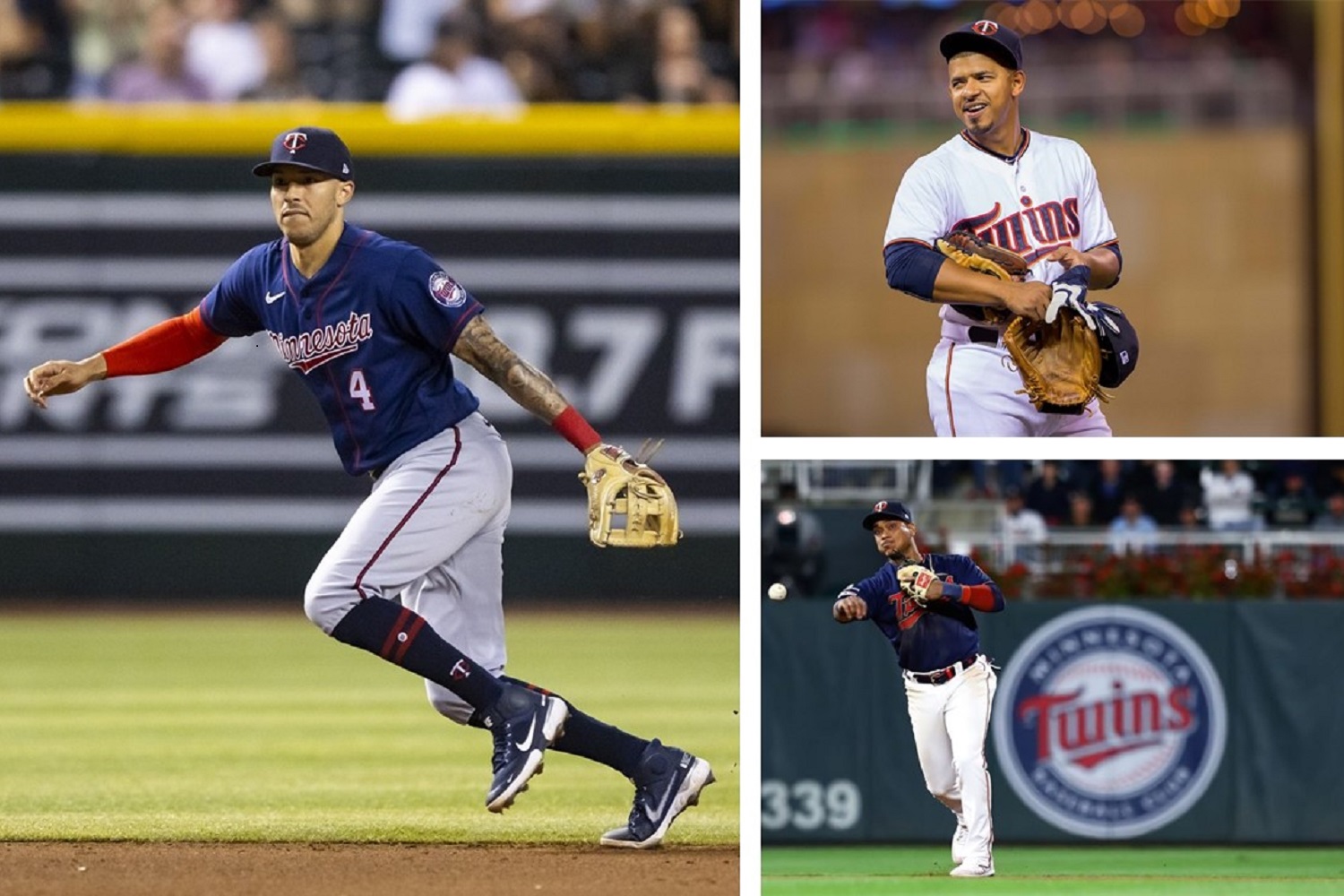 Shortstop is a challenging position for any team to fill in the long term. Many teams rotate through players as younger and more athletic prospects reach the big-league level. However, calling the Twins' shortstop position a revolving door is not just hyperbole. Cristian Guzman was the last Twins shortstop to start on Opening Day in more than two consecutive seasons, and he hasn't worn a Twins uniform since 2004. There have been 13 Opening Days since Target Field opened in 2010, and the Twins have used nine different players as their starting shortstop. Jorge Polanco provided a brief respite for the revolving door as he made Opening Day starts in three seasons (2017, 2019, and 2020). Eduardo Escobar (2016, 2018) and Pedro Floirmon (2013, 2014) each made two Opening Day starts. Otherwise, the Twins have rotated through JJ Hardy (2010), Alexi Casilla (2011), Jamey Carroll (2012), Danny Santana (2015), Andrelton Simmons (2021), and Carlos Correa (2022). Minnesota fielded some sub-par Twins rosters during the Target Field era, but this list is tough to digest. Minnesota made other mistakes at shortstop during this stretch as well. Entering the 2011 season, the Twins signed Tsuyoshi Nishioka to play shortstop while trading away JJ Hardy for Brett Jacobsen and Jim Hoey. Nishioka only played 71 games in Minnesota while hitting .215/.267/.236 (.503) with a 41 OPS+. Hardy went on to be an All-Star and a three-time Gold Glove in Baltimore, averaging 136 games per season with a .700 OPS over six seasons. Moving on from Hardy is one of the biggest blunders in team history. Fans often look at a team's top prospect rankings to search for the team's long-term shortstop solution. However, this is only sometimes the best option because many prospects play shortstop during their minor-league career with little chance to stick at the position at the big-league level. Shortly after Derek Falvey took over the organization, three of the Twins' top six prospects were shortstops. Out of that group, Royce Lewis still has an opportunity to play multiple years at shortstop, but Nick Gordon and Wander Javier will see minimal time at the position. Also, Lewis is rehabbing from a second ACL surgery, so there are no guarantees he will play shortstop for multiple seasons. Minnesota's top prospect list currently contains multiple shortstop prospects, but there continue to be questions about whether each player can stick at the position. Brooks Lee had an impressive start to his professional career last season, but when the team drafted him, the Twins knew he would likely move to third base. Royce Lewis has played some outfield and third base, but his most recent ACL injury happened when he crashed into the outfield wall. Austin Martin was one of the key pieces acquired for Jose Berrios, and he's been playing other defensive positions. Outside of Lewis, Noah Miller offers some long-term hope for shortstop even though he is multiple levels away from making his big-league debut. For now, Twins fans can put their hope in Royce Lewis being an above-average regular at shortstop. He showed plenty of promise during his big-league debut, even if he is limited at the position. If the season started today, Kyle Farmer is the likely Opening Day shortstop, and few would call him a long-term solution. There is a chance the Twins will trade for a starting shortstop, but it still seems unlikely for the revolving door to stop anytime soon. What player can stop the revolving door? Is it a good strategy for teams to rotate through shortstops? Leave a COMMENT and start the discussion.
- 27 comments
-
- 2
-
-
- jorge polanco
- carlos correa
- (and 3 more)
-
Nick Gordon surprised many with his breakout performance in 2022. What can he provide the Twins in the upcoming season? Image courtesy of Darren Yamashita-USA TODAY Sports Entering the 2022 season, expectations were low for Nick Gordon and what he could provide the Twins. The former top-five draft pick spent much of the last decade considered one of the organization's top prospects. He was on national top 100 lists from 2015-2018 and reached Triple-A as a 22-year-old. In 2019, injuries limited Gordon to 70 games, but he posted a .801 OPS to offer some hope for the future. Gordon likely should have made his big-league debut during the 2020 season, but he tested positive for COVID and missed time. He worked his way back and made his debut during the 2021 season. In 73 games, he hit .240/.292/.355 (.647) with nine doubles and four home runs. As a 25-year-old, the team likely considered removing him from the 40-man roster. Luckily, the Twins' front office showed faith in the former top prospect, and he rewarded that faith with a breakout 2022 season. Entering last season, Gordon figured to fit into a utility role with the potential to play multiple infield positions and even some outfield. Injuries forced many Twins players to take on new roles, and Gordon played the second most games on the team. He started more games in left field than any other Twins player and played 36 games or more at three different positions. Gordon's defensive versatility wasn't the only trait keeping him in the line-up. Many evaluators touted his offensive promise as a prospect, and he found his swing at the big-league level. Offense was down across baseball, but Gordon showed skills at getting on base and hitting for power. In 138 games, he hit .272/.316/.427 (.743) with 28 doubles, four triples, nine home runs, and a 113 OPS+. Some of those numbers can be fluky, but some of his underlying totals also pointed to a breakout. He ranked in the 74th percentile or higher in average exit velocity, hard hit %, and xSLG. It was also his first season seeing significant time in the outfield, and he finished in the top 5 among AL left fielders in SABR's Defensive Index. Twins Daily named him the team's most improved player at the season's end. Gordon proved his value last season, but it's hard to see where he fits into the team's plans for 2023. Last week, the Twins signed Joey Gallo, a left-handed hitter who plays corner outfielder like Gordon. Even before adding Gallo, Minnesota's corner outfield depth chart is already packed with players like Max Kepler, Trevor Larnach, Alex Kirilloff, Gilberto Celestino, Kyle Garlick, and Mark Contreras. It seems likely for the Twins to trade at least one player in this group, but Gordon isn't likely to start regularly over many of these names. The biggest elephant in the room is not knowing how many injuries will impact the 2023 Twins. Gordon's path to regular playing time last season was injuries to multiple key contributors. FanGraphs' ZiPS projections estimate Gordon to get 400 plate appearances while hitting .258/.304/.416 (.720) with a 100 OPS+ and a 0.7 WAR. Baseball-Reference projects him to get 443 plate appearances and post a .720 OPS with 37 extra-base hits. Every projection model will predict regression for Gordon, but these totals would point to him continuing to be a solid contributor with semi-regular playing time. At this point last winter, no one would have projected that Gordon would provide more WAR than Trevor Larnach, Ryan Jeffers, Gary Sanchez, and Alex Kirilloff. The team didn't expect him to have a regular role, but he thrived in a regular role. Now, it's time to see what Gordon can do for an encore. What can fans expect from Gordon in 2023? Can he reach another level of success, or have we already seen the best he has to offer? Leave a COMMENT and start the discussion. View full article
-
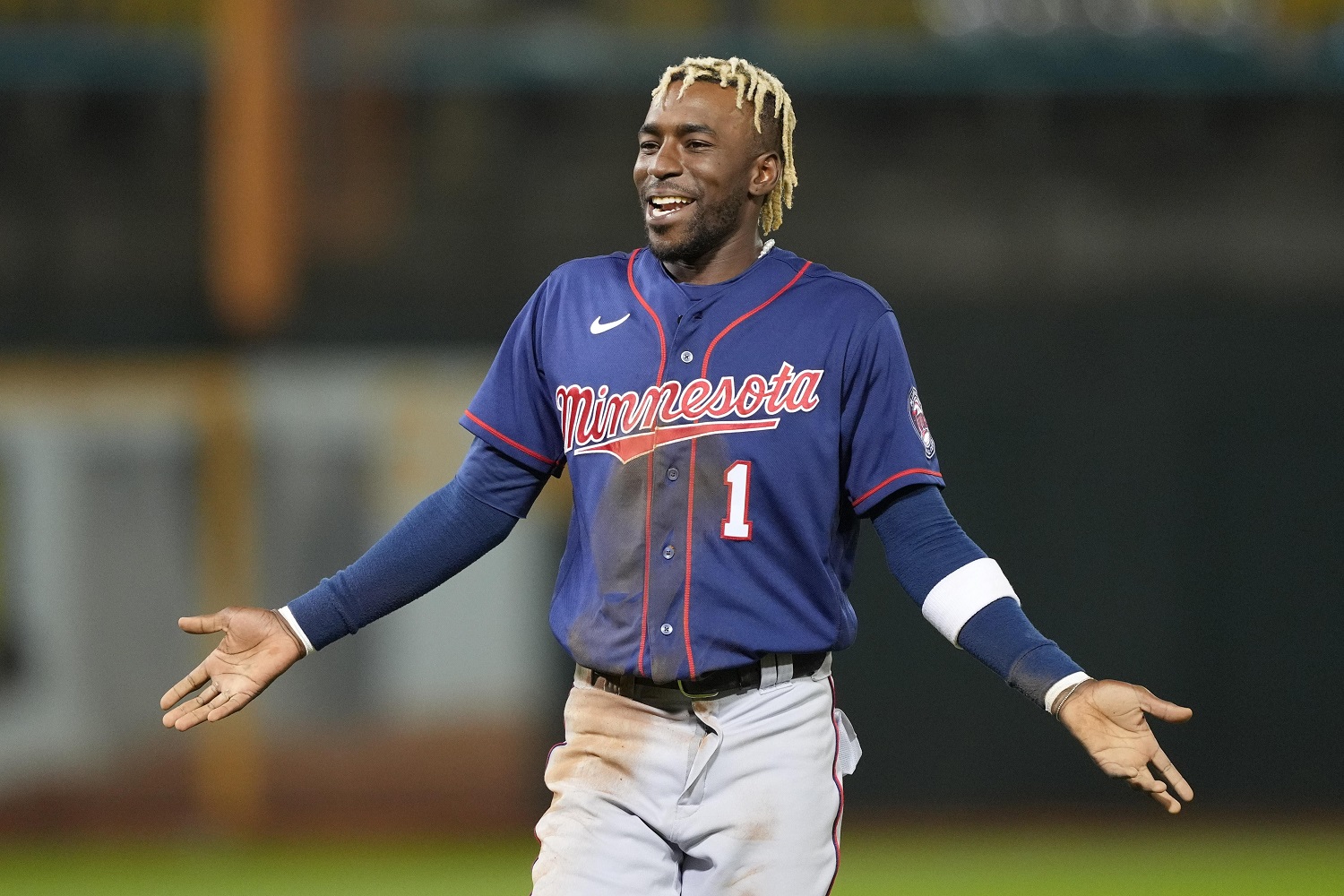 Entering the 2022 season, expectations were low for Nick Gordon and what he could provide the Twins. The former top-five draft pick spent much of the last decade considered one of the organization's top prospects. He was on national top 100 lists from 2015-2018 and reached Triple-A as a 22-year-old. In 2019, injuries limited Gordon to 70 games, but he posted a .801 OPS to offer some hope for the future. Gordon likely should have made his big-league debut during the 2020 season, but he tested positive for COVID and missed time. He worked his way back and made his debut during the 2021 season. In 73 games, he hit .240/.292/.355 (.647) with nine doubles and four home runs. As a 25-year-old, the team likely considered removing him from the 40-man roster. Luckily, the Twins' front office showed faith in the former top prospect, and he rewarded that faith with a breakout 2022 season. Entering last season, Gordon figured to fit into a utility role with the potential to play multiple infield positions and even some outfield. Injuries forced many Twins players to take on new roles, and Gordon played the second most games on the team. He started more games in left field than any other Twins player and played 36 games or more at three different positions. Gordon's defensive versatility wasn't the only trait keeping him in the line-up. Many evaluators touted his offensive promise as a prospect, and he found his swing at the big-league level. Offense was down across baseball, but Gordon showed skills at getting on base and hitting for power. In 138 games, he hit .272/.316/.427 (.743) with 28 doubles, four triples, nine home runs, and a 113 OPS+. Some of those numbers can be fluky, but some of his underlying totals also pointed to a breakout. He ranked in the 74th percentile or higher in average exit velocity, hard hit %, and xSLG. It was also his first season seeing significant time in the outfield, and he finished in the top 5 among AL left fielders in SABR's Defensive Index. Twins Daily named him the team's most improved player at the season's end. Gordon proved his value last season, but it's hard to see where he fits into the team's plans for 2023. Last week, the Twins signed Joey Gallo, a left-handed hitter who plays corner outfielder like Gordon. Even before adding Gallo, Minnesota's corner outfield depth chart is already packed with players like Max Kepler, Trevor Larnach, Alex Kirilloff, Gilberto Celestino, Kyle Garlick, and Mark Contreras. It seems likely for the Twins to trade at least one player in this group, but Gordon isn't likely to start regularly over many of these names. The biggest elephant in the room is not knowing how many injuries will impact the 2023 Twins. Gordon's path to regular playing time last season was injuries to multiple key contributors. FanGraphs' ZiPS projections estimate Gordon to get 400 plate appearances while hitting .258/.304/.416 (.720) with a 100 OPS+ and a 0.7 WAR. Baseball-Reference projects him to get 443 plate appearances and post a .720 OPS with 37 extra-base hits. Every projection model will predict regression for Gordon, but these totals would point to him continuing to be a solid contributor with semi-regular playing time. At this point last winter, no one would have projected that Gordon would provide more WAR than Trevor Larnach, Ryan Jeffers, Gary Sanchez, and Alex Kirilloff. The team didn't expect him to have a regular role, but he thrived in a regular role. Now, it's time to see what Gordon can do for an encore. What can fans expect from Gordon in 2023? Can he reach another level of success, or have we already seen the best he has to offer? Leave a COMMENT and start the discussion.
 -
Minnesota's front office might need to shift to trading players to complete the 2023 roster. However, their recent track record with deals isn't spotless. Let's look back at the Twins and Padres trade from last off-season. Image courtesy of Jeffrey Becker-USA TODAY Sports In spring training, the Twins had Taylor Rogers and Jhoan Duran scheduled to be a dominant back-end duo in the Twins' bullpen. On April 7th, the Twins sent Rogers and Brent Rooker to the Padres for Chris Paddack, Emilio Pagan, and Brayan Medina. San Diego wanted an upgrade to their bullpen, while the Twins got a controllable starting pitcher and a reliever with late-inning experience. The deal made sense for both teams on paper, but the players involved struggled through much of the season. Chris Paddack's Struggles Paddack's Twins tenure started well as he posted a 3.15 ERA with a 16-to-2 strikeout-to-walk ratio in his first four starts. Something wasn't right in his fifth start as he allowed three runs while only recording seven outs. He walked off the mound on May 8th and didn't pitch another inning in 2022. In the middle of May, he underwent his second Tommy John surgery on his right elbow. Paddack's recovery sidelines him until the middle of next season, but there is hope the Twins can get him back for the stretch run. He is under contract for two more seasons, so the team hopes he can provide value over the end of his team control. Emilio Pagan's Struggles Pagan's first season with the Twins couldn't have gone much worse. In 59 appearances (63 innings), he posted a 4.43 ERA with a 1.37 WHIP, but that doesn't tell the whole story. Minnesota continued to use Pagan in high-leverage situations, even with his struggles. Pagan's -0.4 WAR ranked fourth lowest on the team, with only Yennier Cano, Joe Smith, and Trevor Megill ranking lower. According to Win Probability Added (WPA), Pagan ranked 33rd out of 38 Twins pitchers with a -0.99 WPA. Minnesota tendered Pagan a contract for 2023, which might tie to his improved performance in the second half. In 25 games, he posted a 3.56 ERA with a 1.35 WHIP and 10.7 K/9. Barring a trade, Pagan will be part of Minnesota's bullpen in 2023. Taylor Rogers' Struggles Rogers started the year strongly before struggling mightily down the stretch. He posted a 3.82 ERA in the first half with a 0.98 WHIP and 10.5 K/9. San Diego continued to use him in a late-inning role, and he accumulated 26 saves. In July, his performance declined as he allowed ten earned runs on 17 hits in 9 2/3 innings. With the Padres, Rogers was worth -0.68 WPA and a -0.2 WAR. At the beginning of August, the Padres sent Rogers to the Brewers for a package that included Josh Hader. He struggled after the trade with a 5.48 ERA and a 1.30 WHIP. Relievers work in small sample sizes, and it was the first time Rogers struggled for most of a season. He's left-handed and has a proven track record, so a team will sign him and look for him to bounce back in 2023. Rogers is a free agent searching for a new home for 2023, so that portion of the trade is done from the Padres' perspective. Minnesota will hope for an improved performance from Pagan in 2023 and that Paddack can be part of the 2024 rotation. The Twins have a chance to recoup some value, but both teams look like losers at this point. Which team was hurt more by the trade? Leave a COMMENT and start the discussion. View full article
-
Were the Twins or Padres Hurt More By Last Off-Season's Trade?
Cody Christie posted an article in Twins
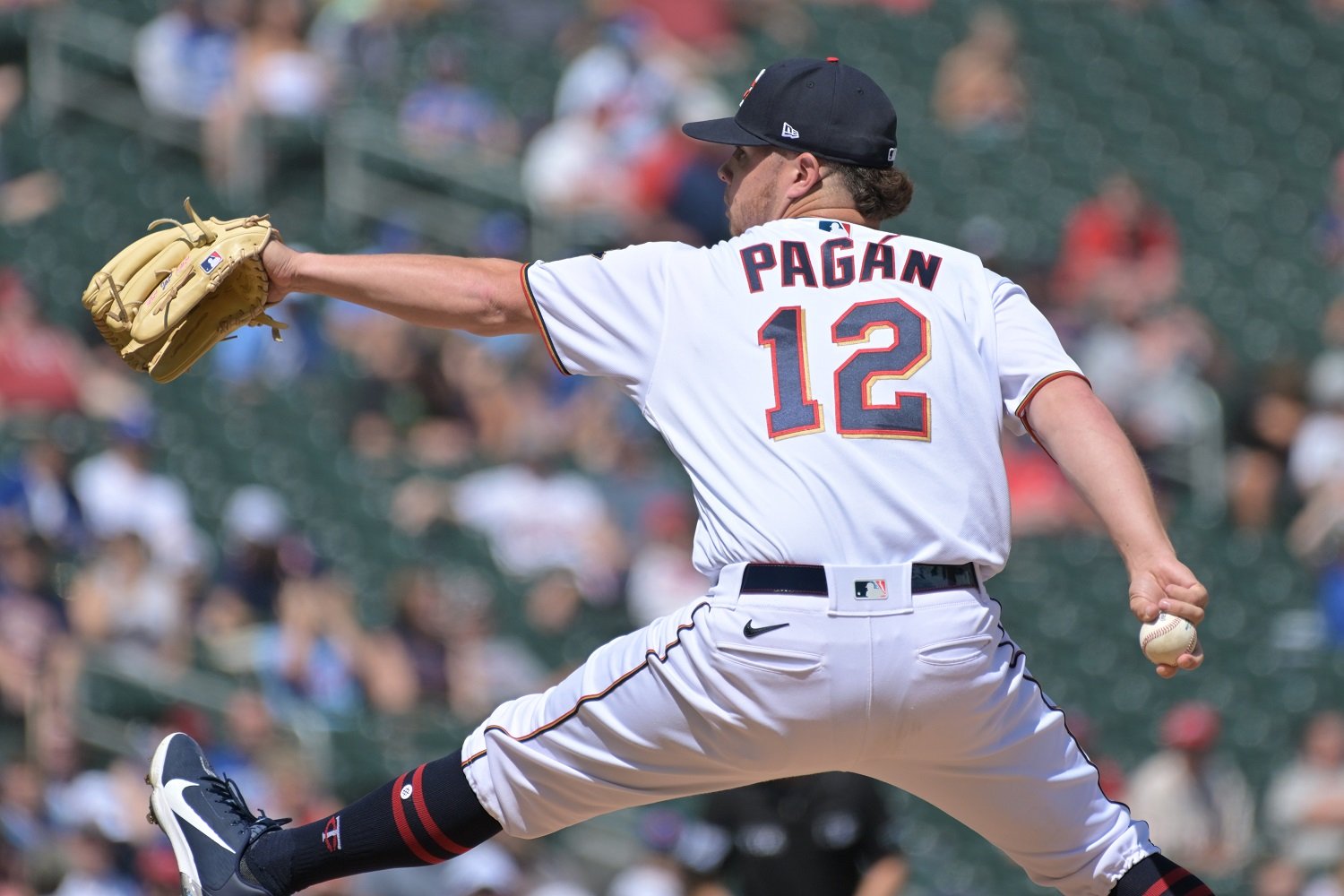 In spring training, the Twins had Taylor Rogers and Jhoan Duran scheduled to be a dominant back-end duo in the Twins' bullpen. On April 7th, the Twins sent Rogers and Brent Rooker to the Padres for Chris Paddack, Emilio Pagan, and Brayan Medina. San Diego wanted an upgrade to their bullpen, while the Twins got a controllable starting pitcher and a reliever with late-inning experience. The deal made sense for both teams on paper, but the players involved struggled through much of the season. Chris Paddack's Struggles Paddack's Twins tenure started well as he posted a 3.15 ERA with a 16-to-2 strikeout-to-walk ratio in his first four starts. Something wasn't right in his fifth start as he allowed three runs while only recording seven outs. He walked off the mound on May 8th and didn't pitch another inning in 2022. In the middle of May, he underwent his second Tommy John surgery on his right elbow. Paddack's recovery sidelines him until the middle of next season, but there is hope the Twins can get him back for the stretch run. He is under contract for two more seasons, so the team hopes he can provide value over the end of his team control. Emilio Pagan's Struggles Pagan's first season with the Twins couldn't have gone much worse. In 59 appearances (63 innings), he posted a 4.43 ERA with a 1.37 WHIP, but that doesn't tell the whole story. Minnesota continued to use Pagan in high-leverage situations, even with his struggles. Pagan's -0.4 WAR ranked fourth lowest on the team, with only Yennier Cano, Joe Smith, and Trevor Megill ranking lower. According to Win Probability Added (WPA), Pagan ranked 33rd out of 38 Twins pitchers with a -0.99 WPA. Minnesota tendered Pagan a contract for 2023, which might tie to his improved performance in the second half. In 25 games, he posted a 3.56 ERA with a 1.35 WHIP and 10.7 K/9. Barring a trade, Pagan will be part of Minnesota's bullpen in 2023. Taylor Rogers' Struggles Rogers started the year strongly before struggling mightily down the stretch. He posted a 3.82 ERA in the first half with a 0.98 WHIP and 10.5 K/9. San Diego continued to use him in a late-inning role, and he accumulated 26 saves. In July, his performance declined as he allowed ten earned runs on 17 hits in 9 2/3 innings. With the Padres, Rogers was worth -0.68 WPA and a -0.2 WAR. At the beginning of August, the Padres sent Rogers to the Brewers for a package that included Josh Hader. He struggled after the trade with a 5.48 ERA and a 1.30 WHIP. Relievers work in small sample sizes, and it was the first time Rogers struggled for most of a season. He's left-handed and has a proven track record, so a team will sign him and look for him to bounce back in 2023. Rogers is a free agent searching for a new home for 2023, so that portion of the trade is done from the Padres' perspective. Minnesota will hope for an improved performance from Pagan in 2023 and that Paddack can be part of the 2024 rotation. The Twins have a chance to recoup some value, but both teams look like losers at this point. Which team was hurt more by the trade? Leave a COMMENT and start the discussion.
- 26 comments
-
- 2
-
-
- emilio pagan
- chris paddack
- (and 1 more)

