



Cody Christie
-
Posts
7,515 -
Joined
-
Last visited
-
Days Won
5
Content Type
Profiles
News
Minnesota Twins Videos
2026 Minnesota Twins Top Prospects Ranking
2022 Minnesota Twins Draft Picks
Minnesota Twins Free Agent & Trade Rumors, Notes, & Tidbits
Guides & Resources
2023 Minnesota Twins Draft Picks
The Minnesota Twins Players Project
2024 Minnesota Twins Draft Picks
2025 Minnesota Twins Draft Pick Tracker
2026 Minnesota Twins Draft Tracker: Picks & Bonuses
Forums
Blogs
Events
Store
Downloads
Gallery
Everything posted by Cody Christie
-
 The Twins’ offseason plans have recently shifted with Carlos Correa’s departure. So, why would the team consider trading one of the team’s top starting pitchers? Image courtesy of Lon Horwedel, USA Today Sports (Gray), David Berding-USA TODAY Sports (Maeda) Rumors will swirl as baseball’s offseason continues to progress. According to Dan Hayes of the Athletic, the Twins have received interest from other clubs in starting pitchers Sonny Gray and Kenta Maeda. Both players are only under team control for the 2023 season, but it’s not clear whether or not the Twins are interested in trading either player. It will likely take a considerable offer to acquire either pitcher, especially if Minnesota plans to contend in 2023. Why Would the Twins Trade a Starting Pitcher? On paper, the Twins starting rotation looks complete, with Gray and Maeda joined by Tyler Mahle, Joe Ryan, and Bailey Ober . Unfortunately, three of those players are returning from injury, and there are question marks about whether or not they can hold up for an entire season. Maeda missed all of 2022 while recovering from Tommy John surgery, but there were expectations that he could have pitched out of the Twins bullpen if the team was in contention. Gray pitched the third most innings for the Twins, but he missed time with a few minor injuries. Those injuries would likely factor in any trade. Minnesota might be willing to trade one of its starters if they believe that the organization’s pitching pipeline is fully operational. Earlier this winter, the Twins traded Gio Urshela because the club wanted to give Jose Miranda the starting third base job. Now, the team might want to follow a similar path with their young pitching. Entering the 2022 campaign, the front office showed faith in the pitching pipeline, and they can follow a similar path this winter. A trio of young starters will be pushed into a more prominent role if Gray or Maeda is dealt. Josh Winder made the sixth most starts on the team, but he missed time due to a shoulder impingement. Louie Varland won back-to-back awards as the organization’s minor league pitcher of the year, and the team might feel he’s ready to join the rotation. Another intriguing option is Simeon Woods Richardson, who made his debut in September. Last season, he dominated in the upper minors with a 2.77 ERA and a 1.05 WHIP. Do the Twins have enough faith in these players to make them a fixture in the rotation? What is Gray and Maeda’s Trade Value? Gray and Maeda have established themselves as reliable big-league starters, so multiple contending teams are likely looking for a rotational upgrade. Gray would have the higher trade value between the two pitchers because Maeda is returning from Tommy John surgery. Gray hasn’t made 30 or more starts since 2019, but he has shown the ability to be a playoff-caliber starter when healthy. It's also conceivable that the Twins may want to look to extend Gray beyond 2023. In the offseason, most teams believe they are in contention, so they might be willing to overpay to bolster their rotation. Minnesota’s recent track record with trading pitchers is underwhelming. Leading into 2022, the Twins dealt Taylor Rogers to the Padres for Chris Paddack and Emilio Pagan. Paddack made five starts before injuring his UCL and undergoing his second Tommy John surgery. The Twins made Mahle the team’s most prominent trade deadline acquisition last season. He was limited to four starts with the club because a shoulder injury hampered his velocity. Minnesota likely worked with Mahle to build shoulder strength this winter, but there are no guarantees that he will be back to 100% What Do the Twins Need? Minnesota entered the offseason needing a starting shortstop, a second catcher, and upgrades to the rotation and bullpen. The team added Kyle Farmer as a shortstop option, but the club is likely looking for more middle infield depth. Christian Vazquez signed for three years and $30 million to join Ryan Jeffers behind the plate. Also, the Twins are still rumored to be interested in top free agents like Carlos Rodon and Nathan Eovaldi. If the team signs a free agent, they might be more willing to trade a current starting pitcher. Does it make sense for the Twins to trade Gray or Maeda? Leave a COMMENT and start the discussion. View full article
 -
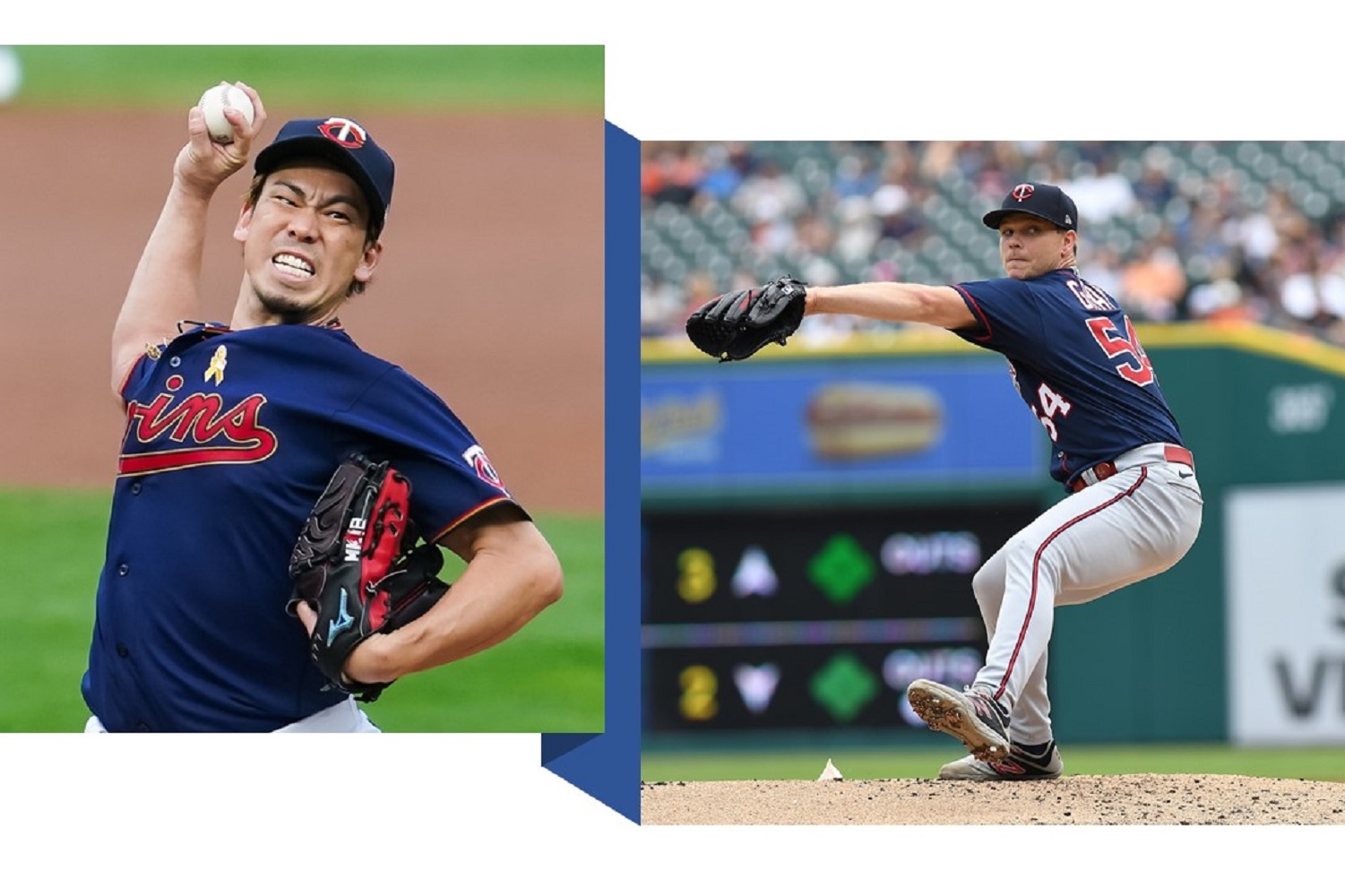 Rumors will swirl as baseball’s offseason continues to progress. According to Dan Hayes of the Athletic, the Twins have received interest from other clubs in starting pitchers Sonny Gray and Kenta Maeda. Both players are only under team control for the 2023 season, but it’s not clear whether or not the Twins are interested in trading either player. It will likely take a considerable offer to acquire either pitcher, especially if Minnesota plans to contend in 2023. Why Would the Twins Trade a Starting Pitcher? On paper, the Twins starting rotation looks complete, with Gray and Maeda joined by Tyler Mahle, Joe Ryan, and Bailey Ober . Unfortunately, three of those players are returning from injury, and there are question marks about whether or not they can hold up for an entire season. Maeda missed all of 2022 while recovering from Tommy John surgery, but there were expectations that he could have pitched out of the Twins bullpen if the team was in contention. Gray pitched the third most innings for the Twins, but he missed time with a few minor injuries. Those injuries would likely factor in any trade. Minnesota might be willing to trade one of its starters if they believe that the organization’s pitching pipeline is fully operational. Earlier this winter, the Twins traded Gio Urshela because the club wanted to give Jose Miranda the starting third base job. Now, the team might want to follow a similar path with their young pitching. Entering the 2022 campaign, the front office showed faith in the pitching pipeline, and they can follow a similar path this winter. A trio of young starters will be pushed into a more prominent role if Gray or Maeda is dealt. Josh Winder made the sixth most starts on the team, but he missed time due to a shoulder impingement. Louie Varland won back-to-back awards as the organization’s minor league pitcher of the year, and the team might feel he’s ready to join the rotation. Another intriguing option is Simeon Woods Richardson, who made his debut in September. Last season, he dominated in the upper minors with a 2.77 ERA and a 1.05 WHIP. Do the Twins have enough faith in these players to make them a fixture in the rotation? What is Gray and Maeda’s Trade Value? Gray and Maeda have established themselves as reliable big-league starters, so multiple contending teams are likely looking for a rotational upgrade. Gray would have the higher trade value between the two pitchers because Maeda is returning from Tommy John surgery. Gray hasn’t made 30 or more starts since 2019, but he has shown the ability to be a playoff-caliber starter when healthy. It's also conceivable that the Twins may want to look to extend Gray beyond 2023. In the offseason, most teams believe they are in contention, so they might be willing to overpay to bolster their rotation. Minnesota’s recent track record with trading pitchers is underwhelming. Leading into 2022, the Twins dealt Taylor Rogers to the Padres for Chris Paddack and Emilio Pagan. Paddack made five starts before injuring his UCL and undergoing his second Tommy John surgery. The Twins made Mahle the team’s most prominent trade deadline acquisition last season. He was limited to four starts with the club because a shoulder injury hampered his velocity. Minnesota likely worked with Mahle to build shoulder strength this winter, but there are no guarantees that he will be back to 100% What Do the Twins Need? Minnesota entered the offseason needing a starting shortstop, a second catcher, and upgrades to the rotation and bullpen. The team added Kyle Farmer as a shortstop option, but the club is likely looking for more middle infield depth. Christian Vazquez signed for three years and $30 million to join Ryan Jeffers behind the plate. Also, the Twins are still rumored to be interested in top free agents like Carlos Rodon and Nathan Eovaldi. If the team signs a free agent, they might be more willing to trade a current starting pitcher. Does it make sense for the Twins to trade Gray or Maeda? Leave a COMMENT and start the discussion.
 -
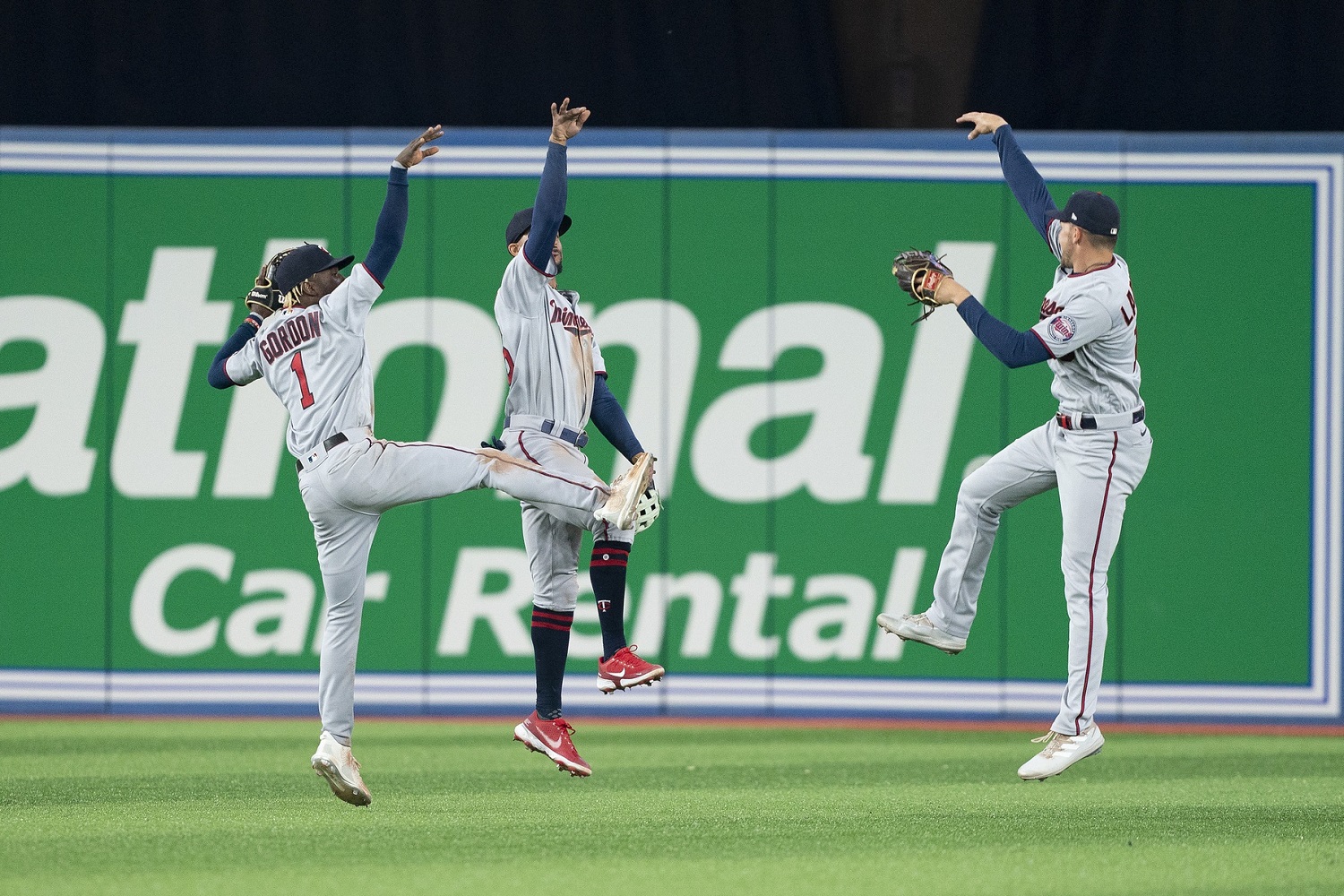 Last season, the lockout forced MLB to allow teams to begin the year with 28-man rosters. The lockout forced a shortened spring training, and baseball was worried about an increased chance of player injuries. For 2023, teams must narrow their final roster to 26 players. Players listed below with the ** are on the bubble for the final roster spots. Catchers (2): Christian Vazquez, Ryan Jeffers One of the biggest needs for the Twins this winter was catcher, and the team signed veteran catcher Christian Vazquez to a three-year deal. Over the last two seasons, Vazquez has averaged 128 games while hitting .265/.311/.374 (.685). Defensively, he grades out as an above-average pitch framer and his ability to throw out runners. Even with Vazquez, Jeffers will start 60-70 games behind the plate. This decline in playing time might help him to stay healthy after injuries impacted him in back-to-back seasons. Jeffers is under team control through 2026, so there is still plenty of time to show his value at the big-league level. Infielders (5): Luis Arraez, Kyle Farmer, Alex Kirilloff, Jose Miranda, Jorge Polanco Minnesota was waiting on a Carlos Correa decision, but he signed a long-term deal with the Giants and that changes Minnesota's infield plans. Rumors have swirled about Luis Arraez being a potential trade piece, so the infield group might undergo multiple changes before Opening Day. Kyle Farmer is the team's lone new addition to this group and projects to be the team's starting shortstop. Jose Miranda is being handed the reins at third base following an inconsistent rookie campaign. Still, the front office has confidence that he can be an above-average big-league player. Jorge Polanco and Alex Kirilloff are returning from injury with the expectation that they will return to health in 2023. Outfielders (6): Byron Buxton, Gilberto Celestino, Kyle Garlick, Nick Gordon, Max Kepler, Trevor Larnach** Like with the infield, there is no guarantee this outfield group is finalized at this point in the offseason. Max Kepler's name has been tied to multiple trade rumors, and moving him would free up time in the corner outfield for someone like Matt Wallner. Bryon Buxton will continue to get at-bats in the DH role, so Gilberto Celestino provides some centerfield insurance. It will be intriguing to watch how Nick Gordon responds after posting a 113 OPS+ in his first full big-league season. Like many on the Twins roster, Trevor Larnach is returning from an injury-plagued season. Does Larnach have to enter spring training worried about Wallner taking his roster spot? Rotation (5): Sonny Gray, Tyler Mahle, Kenta Maeda, Joe Ryan, Bailey Ober On paper, Minnesota's starting rotation looks strong, but three of the five pitchers missed significant time with injuries last season. Joe Ryan and Sonny Gray were the rotation's stalwarts last season, and they will be relied on heavily again in 2023. If injuries strike, the Twins will use the next-man-up philosophy with pitchers like Josh Winder, Louie Varland, Simeon Woods-Richardson, and Jordan Balazovic. Minnesota's front office can certainly look to upgrade this group, but Carlos Rodon, the top free-agent starter, is looking for six years or more. The Twins will never commit to a starter that long, especially with Rodon's injury history. Trading for a starter is also an option, but that will take significant prospect capital that the Twins might not be willing to part with after dealing away players at last year's trade deadline. Bullpen (8): Jhoan Duran, Jorge Lopez, Griffin Jax, Caleb Thielbar, Emilio Pagan, Jorge Alcala**, Jovani Moran**, Trevor Megill** Minnesota's backend of the bullpen projects to perform well in 2023, with Jhoan Duran and Jorge Lopez serving as anchors. ZiPS projects feel like the Twins' bullpen is top-heavy, which makes sense considering the recent track record of players expected to be on the roster. Minnesota surprised some by tendering a contract to Emilio Pagan, but the team hopes some of his late-season adjustments will carry over to 2023. Griffin Jax has been working with Driveline Baseball this offseason, which can make him a potential 2023 breakout candidate. Minnesota will have some decisions at the bullpen's backend with other 40-man roster options like Ronny Henriquez and Cole Sands. What changes will happen to the team's roster before Opening Day? Have the Twins improved this winter? Leave a COMMENT and start the discussion.
- 56 comments
-
- 4
-

-
- christian vazquez
- nick gordon
- (and 3 more)
-
Minnesota's projected Opening Day roster has shifted since the offseason began. Let's catch up on what the team's roster might look like at the end of spring training. Image courtesy of Nick Turchiaro-USA TODAY Sports Last season, the lockout forced MLB to allow teams to begin the year with 28-man rosters. The lockout forced a shortened spring training, and baseball was worried about an increased chance of player injuries. For 2023, teams must narrow their final roster to 26 players. Players listed below with the ** are on the bubble for the final roster spots. Catchers (2): Christian Vazquez, Ryan Jeffers One of the biggest needs for the Twins this winter was catcher, and the team signed veteran catcher Christian Vazquez to a three-year deal. Over the last two seasons, Vazquez has averaged 128 games while hitting .265/.311/.374 (.685). Defensively, he grades out as an above-average pitch framer and his ability to throw out runners. Even with Vazquez, Jeffers will start 60-70 games behind the plate. This decline in playing time might help him to stay healthy after injuries impacted him in back-to-back seasons. Jeffers is under team control through 2026, so there is still plenty of time to show his value at the big-league level. Infielders (5): Luis Arraez, Kyle Farmer, Alex Kirilloff, Jose Miranda, Jorge Polanco Minnesota was waiting on a Carlos Correa decision, but he signed a long-term deal with the Giants and that changes Minnesota's infield plans. Rumors have swirled about Luis Arraez being a potential trade piece, so the infield group might undergo multiple changes before Opening Day. Kyle Farmer is the team's lone new addition to this group and projects to be the team's starting shortstop. Jose Miranda is being handed the reins at third base following an inconsistent rookie campaign. Still, the front office has confidence that he can be an above-average big-league player. Jorge Polanco and Alex Kirilloff are returning from injury with the expectation that they will return to health in 2023. Outfielders (6): Byron Buxton, Gilberto Celestino, Kyle Garlick, Nick Gordon, Max Kepler, Trevor Larnach** Like with the infield, there is no guarantee this outfield group is finalized at this point in the offseason. Max Kepler's name has been tied to multiple trade rumors, and moving him would free up time in the corner outfield for someone like Matt Wallner. Bryon Buxton will continue to get at-bats in the DH role, so Gilberto Celestino provides some centerfield insurance. It will be intriguing to watch how Nick Gordon responds after posting a 113 OPS+ in his first full big-league season. Like many on the Twins roster, Trevor Larnach is returning from an injury-plagued season. Does Larnach have to enter spring training worried about Wallner taking his roster spot? Rotation (5): Sonny Gray, Tyler Mahle, Kenta Maeda, Joe Ryan, Bailey Ober On paper, Minnesota's starting rotation looks strong, but three of the five pitchers missed significant time with injuries last season. Joe Ryan and Sonny Gray were the rotation's stalwarts last season, and they will be relied on heavily again in 2023. If injuries strike, the Twins will use the next-man-up philosophy with pitchers like Josh Winder, Louie Varland, Simeon Woods-Richardson, and Jordan Balazovic. Minnesota's front office can certainly look to upgrade this group, but Carlos Rodon, the top free-agent starter, is looking for six years or more. The Twins will never commit to a starter that long, especially with Rodon's injury history. Trading for a starter is also an option, but that will take significant prospect capital that the Twins might not be willing to part with after dealing away players at last year's trade deadline. Bullpen (8): Jhoan Duran, Jorge Lopez, Griffin Jax, Caleb Thielbar, Emilio Pagan, Jorge Alcala**, Jovani Moran**, Trevor Megill** Minnesota's backend of the bullpen projects to perform well in 2023, with Jhoan Duran and Jorge Lopez serving as anchors. ZiPS projects feel like the Twins' bullpen is top-heavy, which makes sense considering the recent track record of players expected to be on the roster. Minnesota surprised some by tendering a contract to Emilio Pagan, but the team hopes some of his late-season adjustments will carry over to 2023. Griffin Jax has been working with Driveline Baseball this offseason, which can make him a potential 2023 breakout candidate. Minnesota will have some decisions at the bullpen's backend with other 40-man roster options like Ronny Henriquez and Cole Sands. What changes will happen to the team's roster before Opening Day? Have the Twins improved this winter? Leave a COMMENT and start the discussion. View full article
-
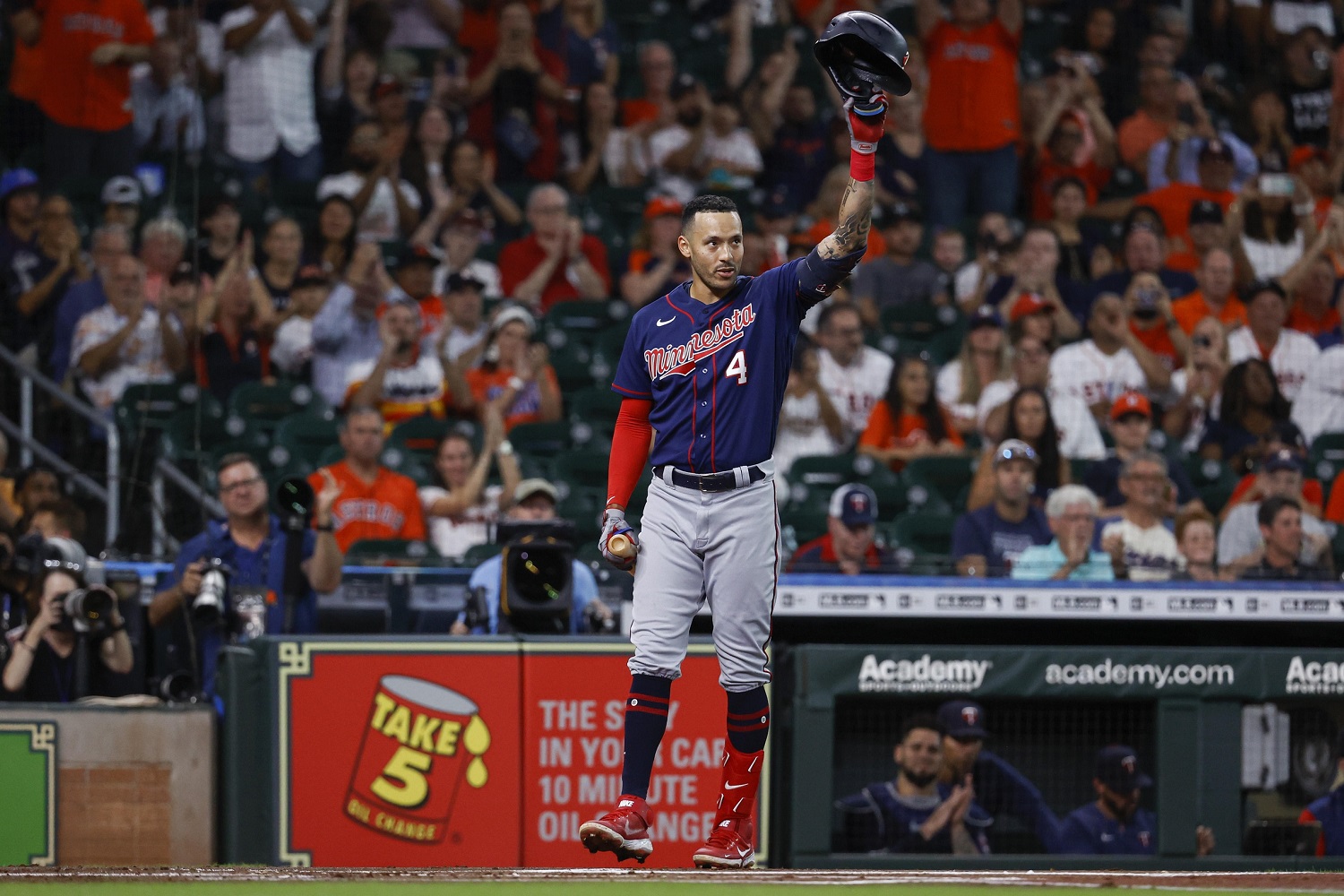 Minnesota made contract offers to Carlos Correa that were well above anything the club had previously offered a free agent. Correa signed for 13 years and $350 million, an average annual value of $27 million. For Correa and his agent Scott Boras, it was important for Correa to sign the largest contract for a shortstop in baseball history. Reports had the Twins with a higher AAV but fewer years and a lower total amount. Fans can be upset about the team not going higher, but the team needs to have a contingency plan, and here are four pivots for the Twins. Pivot 1: Sign Dansby Swanson When the offseason started, there were four All-Star caliber shortstops on the market. Correa became the third player to sign, leaving Dansby Swanson as the last man standing. Unfortunately, many teams are looking for an upgrade at shortstop, so the demand for Swanson has increased. Out of the other shortstops, Xander Bogaerts signed the smallest deal at 11 years and $280 million. Minnesota offered Correa more than that amount, so the team could pivot and offer Swanson a similar deal to Bogaerts. There have already been meetings between Swanson and the Twins, which can help with the initial negotiations. Swanson and Correa are very different players, and the Twins might want to pivot to one of the other options below. Pivot 2: Trade for a Shortstop The Twins already traded for one shortstop this winter when the club acquired Kyle Farmer from the Cincinnati Reds. Farmer has served as the Reds' shortstop over the last two seasons while hitting .259/.316/.400 (.716) with an 89 OPS+. There are plenty of other trade targets that could be available this winter. Cleveland's Ahmed Rosario is one year away from free agency and can provide the Twins a bridge to Royce Lewis. The Yankees may be willing to part with Isiah Kiner-Falefa, who was with the Twins shortly last spring. Milwaukee has tough decisions with their core players, so the club might be willing to deal with someone like Willy Adames. At the trade deadline, the Twins made multiple moves that took pieces away from the farm system. Because of this, the team might not be as willing to part with prospects to acquire a shortstop. Pivot 3: Spend on Starting Pitching Minnesota has question marks in the starting rotation, so adding a playoff-caliber starter can help the team. Carlos Rodon was considered the top free-agent starting pitcher, and he is still available. However, reports are that he is looking for at least six years, which is a significant amount for a player with his injury history. It also seems unlikely for the Twins' front office to sign any pitcher to that contract length. They had the opportunity with Jose Berrios and decided it was better to trade him than sign him long-term. Behind Rodon, Nathan Eovaldi is the next-best free-agent starter, as he had a 3.87 ERA in 109 1/3 innings last season. Michael Wacha is another free-agent option after pitching more than 124 innings in the past three full seasons. Those secondary names aren't as intriguing, so the Twins should stick with internal options. Pivot 4: Trade for Starting Pitching Multiple Minnesota players have heard their names swirling in the rumor mill, including Max Kepler and Luis Arraez. One trade target is Pablo Lopez from the Miami Marlins. In 2022, he pitched 180 innings with a 3.75 ERA and a 1.17 WHIP. He posted a 174 to 53 strikeout-to-walk ratio and a 108 ERA+. Lopez was arbitration-eligible for the first time in 2022, so his earliest free agency is 2025. Other possible trade targets include Cleveland's Shane Bieber, San Diego's Blake Snell, Tampa Bay's Tyler Glasnow, and Milwaukee's Corbin Burnes. Some players would require a hefty prospect package, including some of the team's top prospects. The Twins need to move quickly now that Correa has made his decision. Which pivot do you feel is the best move for the Twins? Leave a COMMENT and start the discussion.
- 39 comments
-
- 1
-
-
- carlos correa
- dansby swanson
- (and 2 more)
-
The Twins lost out on Carlos Correa, so the club needs a backup plan to complete the 2023 roster. Here are four pivots the team can make following Correa's departure. Image courtesy of Troy Taormina-USA TODAY Sports Minnesota made contract offers to Carlos Correa that were well above anything the club had previously offered a free agent. Correa signed for 13 years and $350 million, an average annual value of $27 million. For Correa and his agent Scott Boras, it was important for Correa to sign the largest contract for a shortstop in baseball history. Reports had the Twins with a higher AAV but fewer years and a lower total amount. Fans can be upset about the team not going higher, but the team needs to have a contingency plan, and here are four pivots for the Twins. Pivot 1: Sign Dansby Swanson When the offseason started, there were four All-Star caliber shortstops on the market. Correa became the third player to sign, leaving Dansby Swanson as the last man standing. Unfortunately, many teams are looking for an upgrade at shortstop, so the demand for Swanson has increased. Out of the other shortstops, Xander Bogaerts signed the smallest deal at 11 years and $280 million. Minnesota offered Correa more than that amount, so the team could pivot and offer Swanson a similar deal to Bogaerts. There have already been meetings between Swanson and the Twins, which can help with the initial negotiations. Swanson and Correa are very different players, and the Twins might want to pivot to one of the other options below. Pivot 2: Trade for a Shortstop The Twins already traded for one shortstop this winter when the club acquired Kyle Farmer from the Cincinnati Reds. Farmer has served as the Reds' shortstop over the last two seasons while hitting .259/.316/.400 (.716) with an 89 OPS+. There are plenty of other trade targets that could be available this winter. Cleveland's Ahmed Rosario is one year away from free agency and can provide the Twins a bridge to Royce Lewis. The Yankees may be willing to part with Isiah Kiner-Falefa, who was with the Twins shortly last spring. Milwaukee has tough decisions with their core players, so the club might be willing to deal with someone like Willy Adames. At the trade deadline, the Twins made multiple moves that took pieces away from the farm system. Because of this, the team might not be as willing to part with prospects to acquire a shortstop. Pivot 3: Spend on Starting Pitching Minnesota has question marks in the starting rotation, so adding a playoff-caliber starter can help the team. Carlos Rodon was considered the top free-agent starting pitcher, and he is still available. However, reports are that he is looking for at least six years, which is a significant amount for a player with his injury history. It also seems unlikely for the Twins' front office to sign any pitcher to that contract length. They had the opportunity with Jose Berrios and decided it was better to trade him than sign him long-term. Behind Rodon, Nathan Eovaldi is the next-best free-agent starter, as he had a 3.87 ERA in 109 1/3 innings last season. Michael Wacha is another free-agent option after pitching more than 124 innings in the past three full seasons. Those secondary names aren't as intriguing, so the Twins should stick with internal options. Pivot 4: Trade for Starting Pitching Multiple Minnesota players have heard their names swirling in the rumor mill, including Max Kepler and Luis Arraez. One trade target is Pablo Lopez from the Miami Marlins. In 2022, he pitched 180 innings with a 3.75 ERA and a 1.17 WHIP. He posted a 174 to 53 strikeout-to-walk ratio and a 108 ERA+. Lopez was arbitration-eligible for the first time in 2022, so his earliest free agency is 2025. Other possible trade targets include Cleveland's Shane Bieber, San Diego's Blake Snell, Tampa Bay's Tyler Glasnow, and Milwaukee's Corbin Burnes. Some players would require a hefty prospect package, including some of the team's top prospects. The Twins need to move quickly now that Correa has made his decision. Which pivot do you feel is the best move for the Twins? Leave a COMMENT and start the discussion. View full article
-
Analyzing the Christian Vazquez/Ryan Jeffers Catching Combo
Cody Christie posted an article in Twins
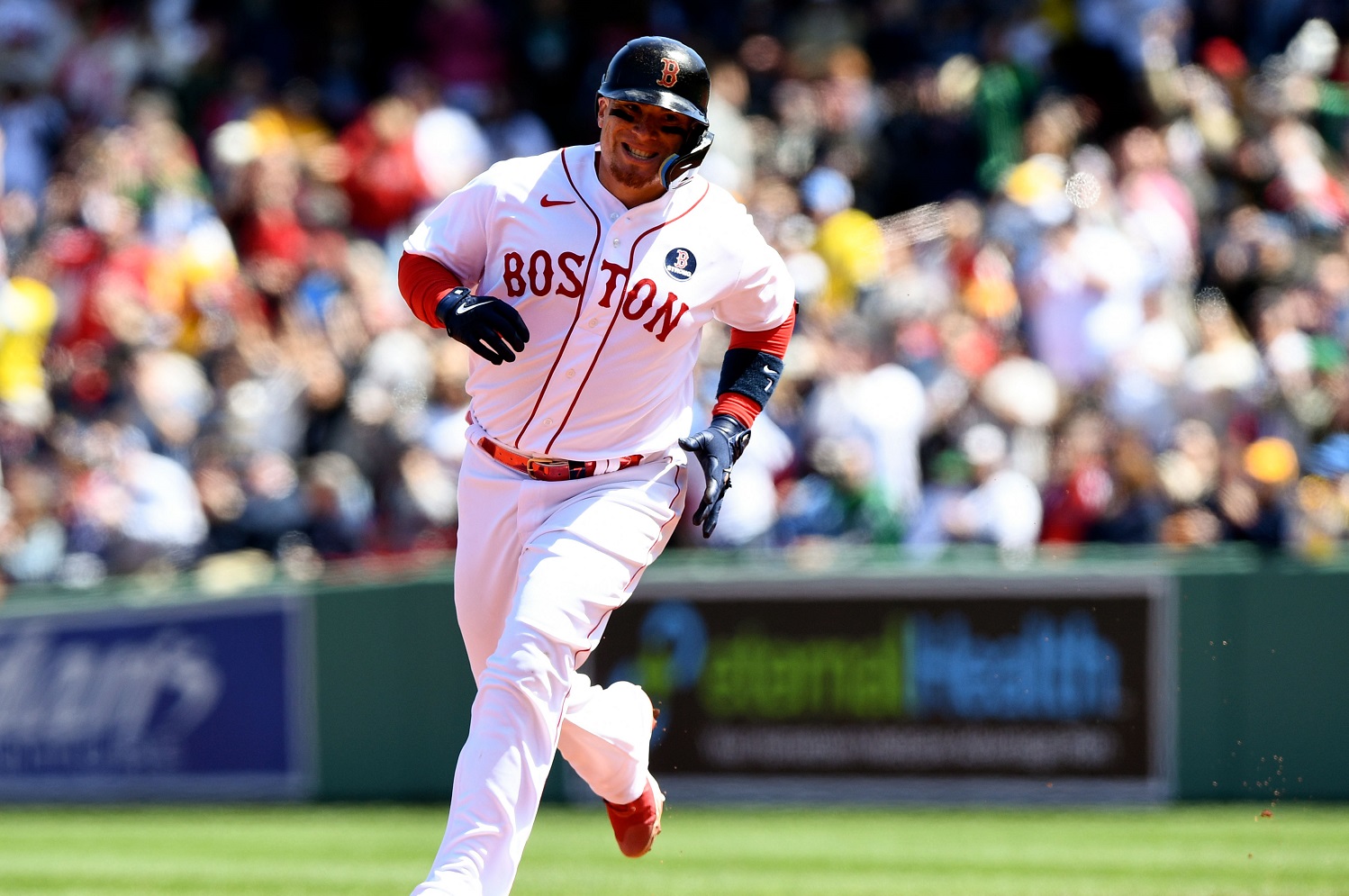 Word broke on Monday evening that the Twins and Christian Vazquez had agreed to a three-year contract. Catcher was one of the team's glaring needs because Ryan Jeffers was the lone catcher on the 40-man roster. Vazquez and Jeffers don't form a perfect platoon, but each player provides strong defensive skills and the potential for offensive upside. Vazquez is 32 years old and served as Boston's primary catcher in recent seasons. He was traded to Houston at last year's trade deadline and helped the Astros to the World Series. Since 2018, he has the fifth-highest defensive runs saved among catchers. Last season, he ranked fifth among AL backstops in SABR's Defensive Index. He ranked in the 71st percentile for pop time to second base and in the 55th percentile in framing. Offensively, Vazquez compiled strong offensive numbers from 2019-20 with the Red Sox. In 185 games, he hit .278/.327/.472 (.799) with 35 doubles, 30 home runs, and a 105 OPS+. His bat has cooled off over the last two campaigns (257 games) as his OPS+ dipped to 87 with 46 doubles and 15 home runs. Outside of Willson Contreras, he was the best available free-agent catcher. Vazquez has started 115 games or more at catcher in three consecutive seasons outside the COVID-shortened 2020 campaign. On paper, the Twins are signing a full-time catcher, with Jeffers moving to a backup role. In recent years, the Twins have preferred having a two-catcher rotation with players roughly splitting time. It may be more logical to use Vazquez two-thirds of the time, with Jeffers getting one-third of the starts. When the Twins drafted him, many viewed Jeffers as a bat-first college catcher, but Twins scouts saw indications that he could be a very good defensive catcher too. He worked on pitch framing after signing with the Twins and ranked in the 66th percentile last season. Jeffers has yet to replicate his offensive output from his rookie season. In 2020, he hit .273/.355/.436 (.791) with three home runs and a 119 OPS+. Over the last two seasons, he has combined to hit .203/.277/.384 (.661) with an 85 OPS+. Minnesota entered last winter believing Jeffers could take on more of a full-time role, but those plans may have been altered with Vazquez's signing. Some thought the Twins might target a left-handed hitting catcher to pair with Jeffers, who is right-handed. It would form a more natural platoon, and Jeffers destroys lefties with an OPS 177 points higher. Vazquez also does better against southpaws, but his .731 OPS is only 49 points higher than when he faces righties. The Twins could try and match up Jeffers against lefties as much as possible, but that takes away favorable at-bats from Vazquez. Minnesota could also convince Vazquez that playing fewer games can help his overall offensive numbers. If he starts 95 games instead of 115, his legs will have less wear and tear. This switch might help him stay healthy and improve his power numbers. The Twins can plan for Vazquez to start 95 games while Jeffers starts 60 games and other catchers fill in around the margins. Unfortunately, injuries are another part of the equation. Vazquez has caught nearly 5,500 innings behind the plate, so he has a lot of miles on his legs. As mentioned above, he has been relatively healthy in recent years. Jeffers has caught 1,329 innings but has never started more than 77 big-league games at catcher (2021 when he made 13 more starts in St. Paul). In 2022, Jeffers missed time with a broken thumb after having minor elbow surgery last offseason. During the 2021 season, he dealt with knee and heel injuries. Minnesota can hope Jeffers is healthy, but he's been limited the last two seasons. Vazquez was a clear target for the Twins, but the organization still lacks other options in the high minors. Minnesota will need other veteran options at the big-league level if and when injuries strike. What are your thoughts on the Vazquez signing? Leave a COMMENT and start the discussion.
 -
Ryan Jeffers wasn't going to be the only catcher on the Twins' roster this year. With Christian Vazquez signed, how can the Twins get the most from the catcher role? Image courtesy of Brian Fluharty-USA TODAY Sports Word broke on Monday evening that the Twins and Christian Vazquez had agreed to a three-year contract. Catcher was one of the team's glaring needs because Ryan Jeffers was the lone catcher on the 40-man roster. Vazquez and Jeffers don't form a perfect platoon, but each player provides strong defensive skills and the potential for offensive upside. Vazquez is 32 years old and served as Boston's primary catcher in recent seasons. He was traded to Houston at last year's trade deadline and helped the Astros to the World Series. Since 2018, he has the fifth-highest defensive runs saved among catchers. Last season, he ranked fifth among AL backstops in SABR's Defensive Index. He ranked in the 71st percentile for pop time to second base and in the 55th percentile in framing. Offensively, Vazquez compiled strong offensive numbers from 2019-20 with the Red Sox. In 185 games, he hit .278/.327/.472 (.799) with 35 doubles, 30 home runs, and a 105 OPS+. His bat has cooled off over the last two campaigns (257 games) as his OPS+ dipped to 87 with 46 doubles and 15 home runs. Outside of Willson Contreras, he was the best available free-agent catcher. Vazquez has started 115 games or more at catcher in three consecutive seasons outside the COVID-shortened 2020 campaign. On paper, the Twins are signing a full-time catcher, with Jeffers moving to a backup role. In recent years, the Twins have preferred having a two-catcher rotation with players roughly splitting time. It may be more logical to use Vazquez two-thirds of the time, with Jeffers getting one-third of the starts. When the Twins drafted him, many viewed Jeffers as a bat-first college catcher, but Twins scouts saw indications that he could be a very good defensive catcher too. He worked on pitch framing after signing with the Twins and ranked in the 66th percentile last season. Jeffers has yet to replicate his offensive output from his rookie season. In 2020, he hit .273/.355/.436 (.791) with three home runs and a 119 OPS+. Over the last two seasons, he has combined to hit .203/.277/.384 (.661) with an 85 OPS+. Minnesota entered last winter believing Jeffers could take on more of a full-time role, but those plans may have been altered with Vazquez's signing. Some thought the Twins might target a left-handed hitting catcher to pair with Jeffers, who is right-handed. It would form a more natural platoon, and Jeffers destroys lefties with an OPS 177 points higher. Vazquez also does better against southpaws, but his .731 OPS is only 49 points higher than when he faces righties. The Twins could try and match up Jeffers against lefties as much as possible, but that takes away favorable at-bats from Vazquez. Minnesota could also convince Vazquez that playing fewer games can help his overall offensive numbers. If he starts 95 games instead of 115, his legs will have less wear and tear. This switch might help him stay healthy and improve his power numbers. The Twins can plan for Vazquez to start 95 games while Jeffers starts 60 games and other catchers fill in around the margins. Unfortunately, injuries are another part of the equation. Vazquez has caught nearly 5,500 innings behind the plate, so he has a lot of miles on his legs. As mentioned above, he has been relatively healthy in recent years. Jeffers has caught 1,329 innings but has never started more than 77 big-league games at catcher (2021 when he made 13 more starts in St. Paul). In 2022, Jeffers missed time with a broken thumb after having minor elbow surgery last offseason. During the 2021 season, he dealt with knee and heel injuries. Minnesota can hope Jeffers is healthy, but he's been limited the last two seasons. Vazquez was a clear target for the Twins, but the organization still lacks other options in the high minors. Minnesota will need other veteran options at the big-league level if and when injuries strike. What are your thoughts on the Vazquez signing? Leave a COMMENT and start the discussion. View full article
-
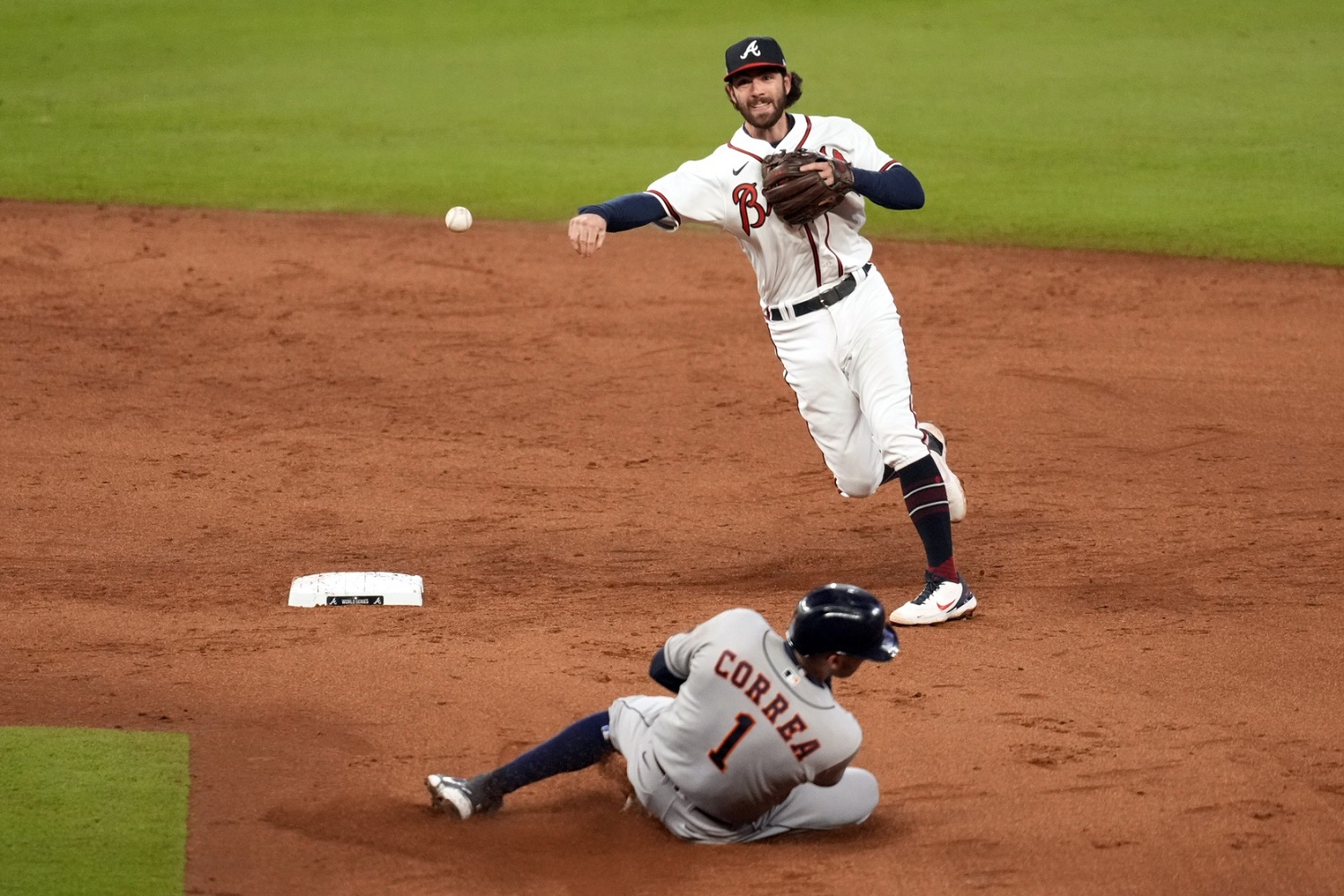 Carlos Correa has clearly been the team's focus throughout the offseason. However, as the team awaits Correa's decision, other free-agent players have signed contracts with other clubs. This situation would leave the Twins with limited options if Correa picked another club like the Giants or the Cubs. There were four top-tier shortstops when the offseason began, and now two names remain. Minnesota can pivot to Dansby Swanson, but he is a different type of player than Swanson. Swanson's Lack of Track Record Like Correa, Swanson was the number one overall pick, but the D-Backs took him out of college. He spent his first seven big-league seasons in the Braves infield and combined to post a .738 OPS with a 95 OPS+. During the 2022 season, Swanson put it all together on both sides of the plate. He hit .277/.329/.447 (.776) with 32 doubles and 25 home runs. Defensively, he ranked third among NL shortstops according to SABR's Defensive Index and won his first Gold Glove. Unfortunately, his lack of offensive track record should make teams leery of how he will age. Clubs must decide if last season was an outlier or if Swanson has put it all together at age 28. Correa's Familiarity with the Team's Core Minnesota got the opportunity to take Correa for a test drive last season, which helped the club see what he means to the team's core. He provides leadership on and off the field, with many of the team's young players viewing him as a mentor. Correa is close to Byron Buxton, Jose Miranda, and other key players who will impact the organization over the next decade. Swanson might be able to build those relationships, but Correa already has an advantage in this area. Correa's baseball IQ is off the charts, which will help him age well and impact future prospects entering the Twins' core. Face of the Franchise Potential Swanson is only seven months older than Correa, but their baseball careers have taken remarkably different paths. Swanson has been a role player on some strong Braves teams over the last decade, but it took him time to put it all together. Correa's career WAR is over 2.7 times higher than Swanson's. Both players have been starting shortstops for a World Series champion, but Correa has played over 40 more postseason games with an OPS that is 128 points higher. For the bulk of the next decade, the Twins and their fans would be able to look to Correa as the best player on the roster. He is the type of player to build a franchise around. Swanson is clearly on Minnesota's radar, but it might be the team doing its due diligence. It will take a significant financial commitment to sign either player, but Correa is a different caliber player than Swanson. If the Twins miss out on Correa, the front office should only turn to Swanson if his market significantly declines in the weeks ahead. Does it make sense for the Twins to pivot to Swanson? How much should the team be willing to pay Swanson? Leave a COMMENT and start the discussion.
 -
If the Twins miss out on Carlos Correa, they can pivot to the other top free agent still on the market. However, Dansby Swanson lacks some traits the Twins have already seen in Correa. Image courtesy of Dale Zanine-USA TODAY Sports Carlos Correa has clearly been the team's focus throughout the offseason. However, as the team awaits Correa's decision, other free-agent players have signed contracts with other clubs. This situation would leave the Twins with limited options if Correa picked another club like the Giants or the Cubs. There were four top-tier shortstops when the offseason began, and now two names remain. Minnesota can pivot to Dansby Swanson, but he is a different type of player than Swanson. Swanson's Lack of Track Record Like Correa, Swanson was the number one overall pick, but the D-Backs took him out of college. He spent his first seven big-league seasons in the Braves infield and combined to post a .738 OPS with a 95 OPS+. During the 2022 season, Swanson put it all together on both sides of the plate. He hit .277/.329/.447 (.776) with 32 doubles and 25 home runs. Defensively, he ranked third among NL shortstops according to SABR's Defensive Index and won his first Gold Glove. Unfortunately, his lack of offensive track record should make teams leery of how he will age. Clubs must decide if last season was an outlier or if Swanson has put it all together at age 28. Correa's Familiarity with the Team's Core Minnesota got the opportunity to take Correa for a test drive last season, which helped the club see what he means to the team's core. He provides leadership on and off the field, with many of the team's young players viewing him as a mentor. Correa is close to Byron Buxton, Jose Miranda, and other key players who will impact the organization over the next decade. Swanson might be able to build those relationships, but Correa already has an advantage in this area. Correa's baseball IQ is off the charts, which will help him age well and impact future prospects entering the Twins' core. Face of the Franchise Potential Swanson is only seven months older than Correa, but their baseball careers have taken remarkably different paths. Swanson has been a role player on some strong Braves teams over the last decade, but it took him time to put it all together. Correa's career WAR is over 2.7 times higher than Swanson's. Both players have been starting shortstops for a World Series champion, but Correa has played over 40 more postseason games with an OPS that is 128 points higher. For the bulk of the next decade, the Twins and their fans would be able to look to Correa as the best player on the roster. He is the type of player to build a franchise around. Swanson is clearly on Minnesota's radar, but it might be the team doing its due diligence. It will take a significant financial commitment to sign either player, but Correa is a different caliber player than Swanson. If the Twins miss out on Correa, the front office should only turn to Swanson if his market significantly declines in the weeks ahead. Does it make sense for the Twins to pivot to Swanson? How much should the team be willing to pay Swanson? Leave a COMMENT and start the discussion. View full article
-
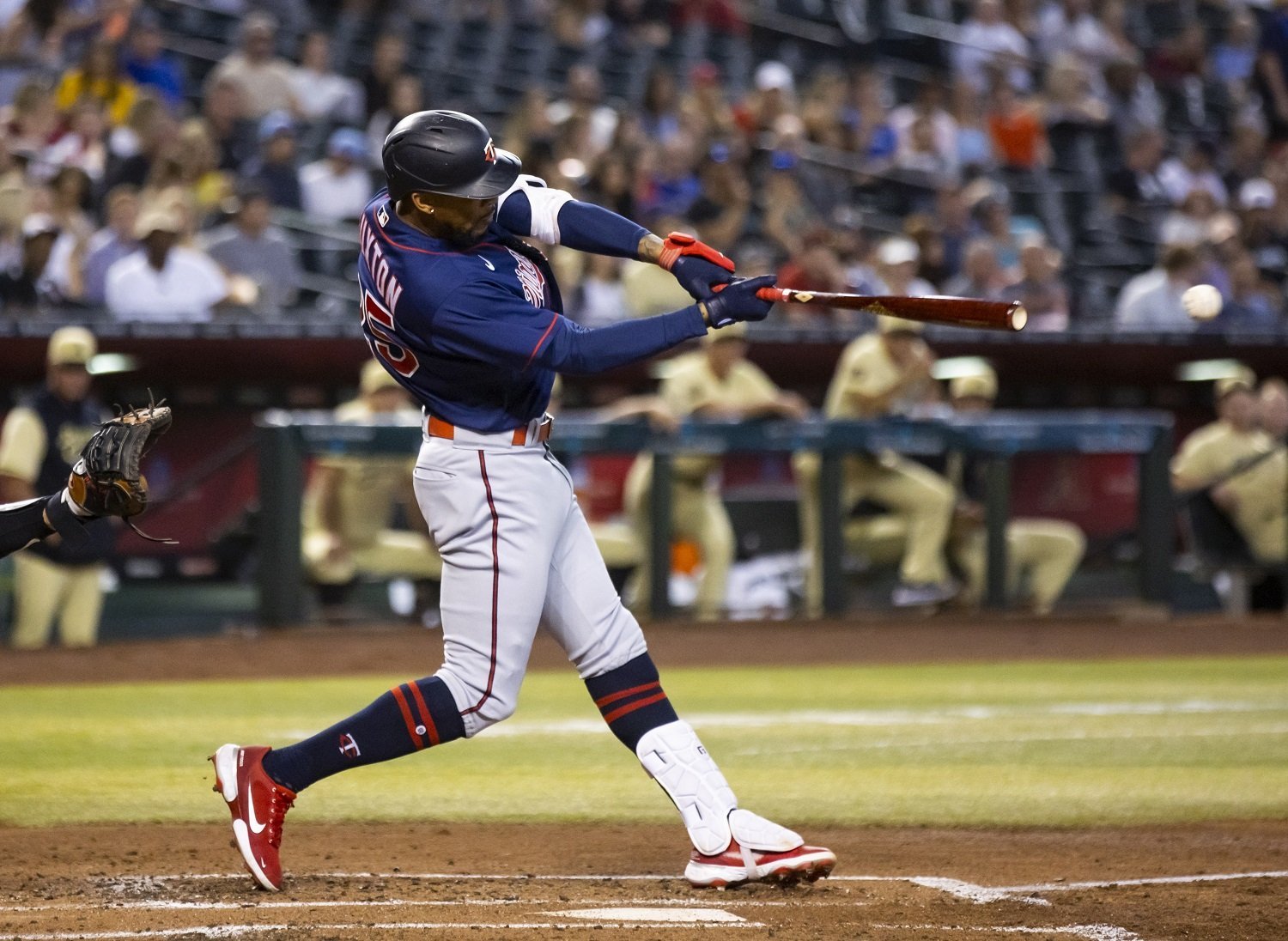 FanGraphs referred to the Twins as "underwhelmingly adequate," which seems like an appropriate description of the team at this juncture. Even if the team signs Carlos Correa, there are holes to fill on a club that has fallen out of contention over the last two seasons. So, what are ZiPS projections, and what do they show for a team? ZiPS is a projection system that uses multi-year statistics to try and predict how players will perform for an upcoming season. More recent seasons are weighted more heavily, and StatCast data has helped to make the model more accurate. There are hundreds of thousands of baselines for pitchers and hitters. ZiPS is a midpoint projection for a player, so some players will outperform their projections, and others will fall short. That being said, a few observations stand out among the Twins' 2023 ZiPS projections. The Bullpen is Top Heavy Jhoan Duran is coming off a tremendous rookie campaign, and his number one comp is Jonathan Broxton. ZiPS projects him to accumulate a 1.1 WAR with a 125 ERA+ and a 14.5 K/9. Jorge Lopez projects to see a small bounce-back after struggling down the stretch for the Twins. The model projects him to have a 0.6 WAR with 8.7 K/9. ZiPS projects Cody Stashak to pitch well in 2023, but the team dropped him from the 40-man roster and is now a free agent. He is coming off surgery for a torn labrum, so the Twins must not feel he can help the 2023 team. Will the Twins try to add to the bullpen before the season starts? Minnesota's Offense Projects to Be Above Average Carlos Correa still isn't part of Minnesota's 2023 roster, but there are positives up and down the line-up. Unfortunately, FanGraphs said, "There's a larger-than-normal dropoff if injuries happen to hit hard." In 2022, injuries were one of the biggest storylines for the club. For the second consecutive season, ZiPS projects Luis Arraez to hit over .300, but his projection has limitations because of his defensive. Royce Lewis is scheduled to return from his second ACL injury in July, and ZiPS still has him projected for more WAR than Max Kepler and Ryan Jeffers. Buxton's Comp is Disappointing Byron Buxton projects to finish with the team's top WAR (3.9) though the model has him limited to 350 plate appearances (10 more than in 2022). He projects to hit .256/.323/.544 with a 134 OPS+ and 22 home runs. ZiPS lists Jeff Heath as the comp for Buxton, who showed plenty of promise but was also often injured. Fans can hope that Buxton plays in over 100 games for the first time since 2017, but it is unlikely to happen at this point in his career. The Starting Rotation is Bland It's hard to look at any projection system for the Twins starters and have faith in what will occur in 2023. Kenta Maeda, Tyler Mahle, and Bailey Ober all dealt with injuries last season, and there's no guarantee they can be relied on for a full workload in 2023. Mahle projects to pitch the second-most innings behind Joe Ryan, but there are still questions about his shoulder. The projections have Ober and Maeda pitching 90 innings or fewer. The Twins project to have a bunch of back of the rotation starters, which can help the team contend. However, the team likely needs another playoff-caliber starter to end the team's playoff losing streak. What thoughts do you have about the team's ZiPS projections? Leave a COMMENT and start the discussion.
- 11 comments
-
- 2
-

-
-
- byron buxton
- luis arraez
- (and 3 more)
-
Projection systems can have pros and cons when providing a glimpse into the team's future. Here are four observations from the Twins' recently released ZiPS projections. Image courtesy of Mark J. Rebilas-USA TODAY Sports FanGraphs referred to the Twins as "underwhelmingly adequate," which seems like an appropriate description of the team at this juncture. Even if the team signs Carlos Correa, there are holes to fill on a club that has fallen out of contention over the last two seasons. So, what are ZiPS projections, and what do they show for a team? ZiPS is a projection system that uses multi-year statistics to try and predict how players will perform for an upcoming season. More recent seasons are weighted more heavily, and StatCast data has helped to make the model more accurate. There are hundreds of thousands of baselines for pitchers and hitters. ZiPS is a midpoint projection for a player, so some players will outperform their projections, and others will fall short. That being said, a few observations stand out among the Twins' 2023 ZiPS projections. The Bullpen is Top Heavy Jhoan Duran is coming off a tremendous rookie campaign, and his number one comp is Jonathan Broxton. ZiPS projects him to accumulate a 1.1 WAR with a 125 ERA+ and a 14.5 K/9. Jorge Lopez projects to see a small bounce-back after struggling down the stretch for the Twins. The model projects him to have a 0.6 WAR with 8.7 K/9. ZiPS projects Cody Stashak to pitch well in 2023, but the team dropped him from the 40-man roster and is now a free agent. He is coming off surgery for a torn labrum, so the Twins must not feel he can help the 2023 team. Will the Twins try to add to the bullpen before the season starts? Minnesota's Offense Projects to Be Above Average Carlos Correa still isn't part of Minnesota's 2023 roster, but there are positives up and down the line-up. Unfortunately, FanGraphs said, "There's a larger-than-normal dropoff if injuries happen to hit hard." In 2022, injuries were one of the biggest storylines for the club. For the second consecutive season, ZiPS projects Luis Arraez to hit over .300, but his projection has limitations because of his defensive. Royce Lewis is scheduled to return from his second ACL injury in July, and ZiPS still has him projected for more WAR than Max Kepler and Ryan Jeffers. Buxton's Comp is Disappointing Byron Buxton projects to finish with the team's top WAR (3.9) though the model has him limited to 350 plate appearances (10 more than in 2022). He projects to hit .256/.323/.544 with a 134 OPS+ and 22 home runs. ZiPS lists Jeff Heath as the comp for Buxton, who showed plenty of promise but was also often injured. Fans can hope that Buxton plays in over 100 games for the first time since 2017, but it is unlikely to happen at this point in his career. The Starting Rotation is Bland It's hard to look at any projection system for the Twins starters and have faith in what will occur in 2023. Kenta Maeda, Tyler Mahle, and Bailey Ober all dealt with injuries last season, and there's no guarantee they can be relied on for a full workload in 2023. Mahle projects to pitch the second-most innings behind Joe Ryan, but there are still questions about his shoulder. The projections have Ober and Maeda pitching 90 innings or fewer. The Twins project to have a bunch of back of the rotation starters, which can help the team contend. However, the team likely needs another playoff-caliber starter to end the team's playoff losing streak. What thoughts do you have about the team's ZiPS projections? Leave a COMMENT and start the discussion. View full article
- 11 replies
-
- 1
-
-
- byron buxton
- luis arraez
- (and 3 more)
-
Dansby Swanson might turn into the Twins’ backup option if Carlos Correa signs with another club. Here’s the latest on Minnesota’s pursuit of Swanson. Image courtesy of Bill Streicher-USA TODAY Sports Minnesota’s offseason focus has been re-signing Carlos Correa to a long-term contract. However, the team has kept other options open, including pivoting to other free-agent shortstops, including Dansby Swanson. Swanson is time to multiple teams, so let’s review what the Twins have done recently. Aaron Gleeman of the Athletic reported that the Twins met with Swanson over video conference during the recently completed MLB Winter Meetings. Swanson could not attend the meetings in person because he married US Women’s Soccer player Mallory Pugh on Saturday. It’s clear that Minnesota is trying to keep as many options as possible open as they pursue a shortstop. Besides the Twins, four other clubs have shown interest in Swanson, including the Cubs, Cardinals, Red Sox, and Braves. The Cubs are in an interesting spot as a rebuilding team but can use a player of Swanson’s caliber. Boston missed out on re-signing Xander Bogaerts as he was offered a significantly higher contract from the Padres. Swanson would upgrade the current shortstop options in St. Louis, but signing Willson Contreras might limit their spending. The Braves would like to keep Swanson if the deal makes sense for the team and the player. Swanson is coming off his best MLB season, as he posted a 5.7 WAR. In 162 games, he hit .277/.329/.447 (.776) with a 115 OPS+ to go along with 32 doubles and 25 home runs. He was a first-time All-Star, won the NL Gold Glove at shortstop, and finished 12th in the MVP voting. Swanson’s 2022 numbers boosted his career totals as he entered last season with a 90 OPS+. However, he has averaged over 32 doubles and 25 home runs in the last two seasons. Free agent deals have been massive this winter, and there is no guarantee the Twins will want to pay Swanson what he is expected to earn. Philadelphia signed Trea Turner to a $300 million deal, while Xander Bogaerts received $280 million even though he is older than Swanson. Would the Twins be willing to go that high to acquire Swanson? Correa and Swanson will be compared because they are the top free agents left on the market. Swanson is seven months older than Correa. Over the last three seasons, he has hit more home runs and stolen 32 more bases than Correa. Swanson has been healthier recently, as he has only missed 39 games over the last four seasons. That includes just two missed games over the last three seasons. Both Correa and Swanson provide significant positive value on the defensive side of the ball. Swanson won the National League Gold Glove and finished third among NL shortstops in SABR’s SDI. Correa won the Platinum Glove in 2021, but his defensive numbers took a hit last season as he ranked 9th among AL shortstops in SDI. His Outs Above Average ranked in the 97th percentile in 2021 and dropped to the 18th percentile with the Twins. Could that be a sign that Swanson sticks at shortstop longer than Correa? The Twins remain focused on Correa, but Swanson is also an All-Star caliber player that has put it all together over the last few seasons. Do you believe the Twins are interested in Swanson? Leave a COMMENT and start the discussion. View full article
-
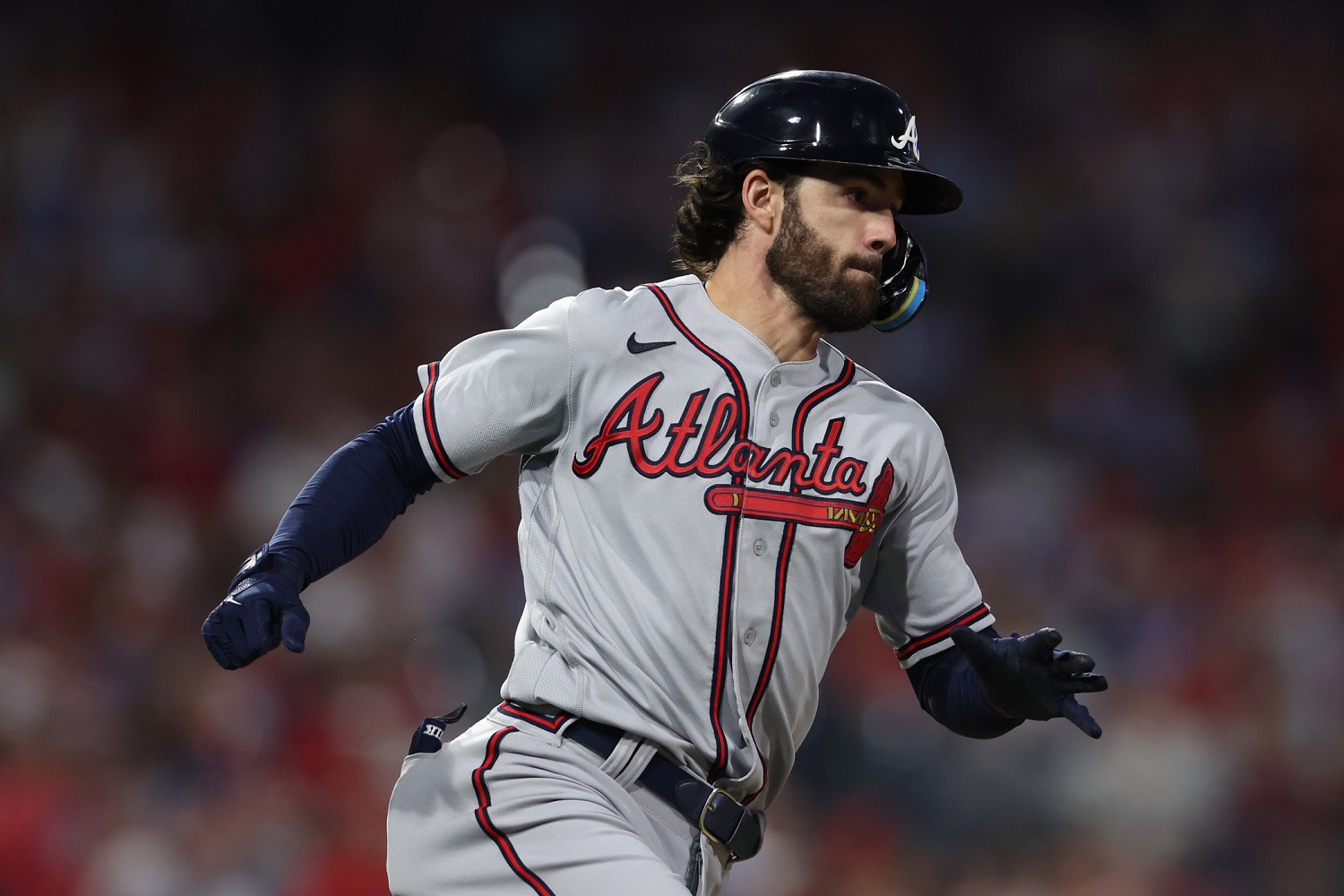 Minnesota’s offseason focus has been re-signing Carlos Correa to a long-term contract. However, the team has kept other options open, including pivoting to other free-agent shortstops, including Dansby Swanson. Swanson is time to multiple teams, so let’s review what the Twins have done recently. Aaron Gleeman of the Athletic reported that the Twins met with Swanson over video conference during the recently completed MLB Winter Meetings. Swanson could not attend the meetings in person because he married US Women’s Soccer player Mallory Pugh on Saturday. It’s clear that Minnesota is trying to keep as many options as possible open as they pursue a shortstop. Besides the Twins, four other clubs have shown interest in Swanson, including the Cubs, Cardinals, Red Sox, and Braves. The Cubs are in an interesting spot as a rebuilding team but can use a player of Swanson’s caliber. Boston missed out on re-signing Xander Bogaerts as he was offered a significantly higher contract from the Padres. Swanson would upgrade the current shortstop options in St. Louis, but signing Willson Contreras might limit their spending. The Braves would like to keep Swanson if the deal makes sense for the team and the player. Swanson is coming off his best MLB season, as he posted a 5.7 WAR. In 162 games, he hit .277/.329/.447 (.776) with a 115 OPS+ to go along with 32 doubles and 25 home runs. He was a first-time All-Star, won the NL Gold Glove at shortstop, and finished 12th in the MVP voting. Swanson’s 2022 numbers boosted his career totals as he entered last season with a 90 OPS+. However, he has averaged over 32 doubles and 25 home runs in the last two seasons. Free agent deals have been massive this winter, and there is no guarantee the Twins will want to pay Swanson what he is expected to earn. Philadelphia signed Trea Turner to a $300 million deal, while Xander Bogaerts received $280 million even though he is older than Swanson. Would the Twins be willing to go that high to acquire Swanson? Correa and Swanson will be compared because they are the top free agents left on the market. Swanson is seven months older than Correa. Over the last three seasons, he has hit more home runs and stolen 32 more bases than Correa. Swanson has been healthier recently, as he has only missed 39 games over the last four seasons. That includes just two missed games over the last three seasons. Both Correa and Swanson provide significant positive value on the defensive side of the ball. Swanson won the National League Gold Glove and finished third among NL shortstops in SABR’s SDI. Correa won the Platinum Glove in 2021, but his defensive numbers took a hit last season as he ranked 9th among AL shortstops in SDI. His Outs Above Average ranked in the 97th percentile in 2021 and dropped to the 18th percentile with the Twins. Could that be a sign that Swanson sticks at shortstop longer than Correa? The Twins remain focused on Correa, but Swanson is also an All-Star caliber player that has put it all together over the last few seasons. Do you believe the Twins are interested in Swanson? Leave a COMMENT and start the discussion.
 -
Pandemic Impacts Multiple Twins Prospects for Future Rule 5 Drafts
Cody Christie posted an article in Minor Leagues
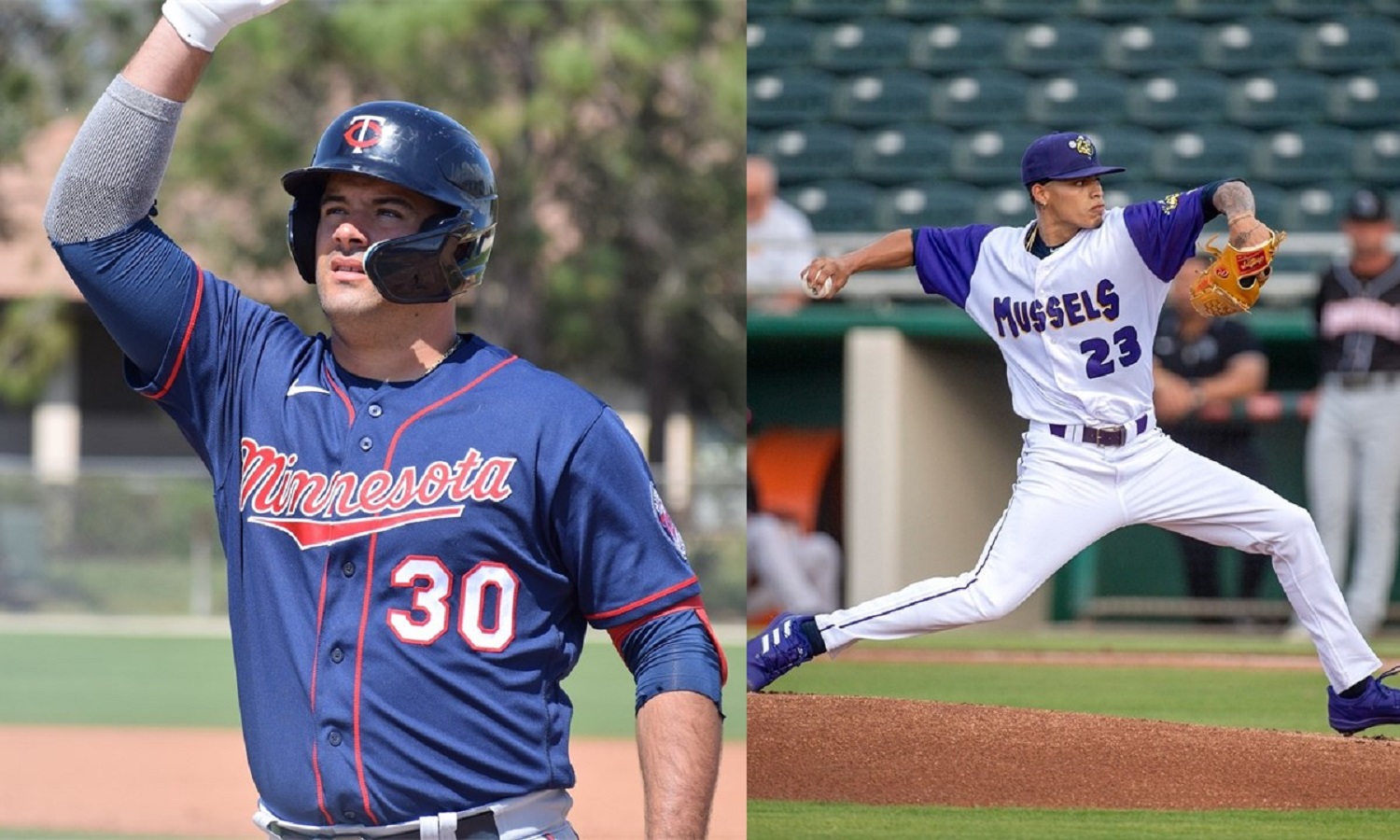 Baseball is entering an unprecede nted time when it comes to prospect development. The pandemic caused the 2020 MLB Draft to be limited to five rounds because high school and college seasons were truncated. Another wrinkle was the fact that the 2020 international free agent class couldn’t officially sign until January 2021. Over the next three seasons, these players will be entering their 40-man roster evaluation year. College players taken in the 2020 Draft must be added to their club’s 40-man roster next winter to be exempt from the Rule 5 Draft. Most high school players taken in that draft will have their Rule 5 decisions made following the 2024 season. International players signed in January 2021 need to be added prior to the 2025 Rule 5 Draft. Baseball America expects there to be a lack of eligible players for upcoming Rule 5 Drafts because of the shortened draft and the canceled international signing period. Minnesota’s 2020 Draft Results The Twins took Aaron Sabato with the 27th overall pick in the 2020 MLB Draft. In 103 games last season, he hit .215/.336/.438 with 17 doubles and 22 home runs. He struck out 142 times in 372 at-bats between High- and Double-A. Many evaluators don’t consider him one of the team’s top prospects, because his bat hasn’t developed as quickly as expected. Unless Sabato has a huge 2023 season, Minnesota is unlikely to add him to the 40-man roster next winter. In the second round, the Twins took Alerick Soularie from the University of Tennessee. Over the last two seasons, he has been limited to 125 games while hitting .231/.343/.376 (.719). During the 2022 season, he combined for 28 extra-base hits in 91 games. He was slightly younger than the average age of the competition in the Midwest League this year. The 2022 season will be critical to show he can find success in the minors’ upper levels. Marco Raya is Minnesota’s highest ranked prospect from the 2022 Draft. Last season, he made his professional debut as a 19-year-old in the Florida State League. In 19 games (65 IP), he posted a 3.05 ERA with a 1.08 WHIP and 10.5 K/9. Raya has a chance to develop into one of the best starting pitching prospects to come through the organization in quite some time. With his limited professional innings, it will be interesting to see how the Twins handle his workload in 2023 and beyond. Kala’i Rosario was the Twins’ final pick in the 2020 MLB Draft. In 2022, he played the entire season in Fort Myers where he was over two years younger than the average age of the competition. In 109 games, he hit .239/.320/.408 (.727) with 36 extra-base hits. Since he was a high school draft pick, the Twins get two more seasons to decide if he should be added to the 40-man roster. International Signing Period (January 2021) Danny De Andrade and Fredy Michel were the highest ranking international free agents signed by the Twins in January 2021. Last season, De Andrade came stateside and played 48 games in the Florida Complex League. In 178 at-bats, he hit .242/.333/.371 (.704) with nine doubles and four home runs. De Andrade will likely get his first taste of full-season action with Fort Myers in 2023. Michel is following a similar development path to De Andrade with his first season in the Dominican Summer League before playing 2022 in the FCL. Last season, he hit .163/.317/.233 (.549) with five extra-base hits in 40 games. When he signed, Baseball America compared him to a “young Eduardo Escobar,” so there is still hope for him to develop in the coming years. It seems likely for him to repeat the FCL in 2022. It’s clear there are going to be fewer options for teams in upcoming Rule 5 Drafts. The players listed above have important seasons facing them over the next three years. Raya is the lone 2020 pick that looks like an easy decision to add to the 40-man roster. Other players need to show some growth before the team adds them into the organization’s long-term plans. Do you think any of these players can take the next step in 2022? Leave a COMMENT and start the discussion.
- 6 comments
-
- 3
-
-
- aaron sabato
- marco raya
- (and 2 more)
-
There’s no question the pandemic left a lasting impact on baseball. Over the next three seasons, the Rule 5 Draft will be impacted by players signed during the COVID shortened season. Image courtesy of Steve Buhr (Sabato), William Parmeter (Raya) Baseball is entering an unprecede nted time when it comes to prospect development. The pandemic caused the 2020 MLB Draft to be limited to five rounds because high school and college seasons were truncated. Another wrinkle was the fact that the 2020 international free agent class couldn’t officially sign until January 2021. Over the next three seasons, these players will be entering their 40-man roster evaluation year. College players taken in the 2020 Draft must be added to their club’s 40-man roster next winter to be exempt from the Rule 5 Draft. Most high school players taken in that draft will have their Rule 5 decisions made following the 2024 season. International players signed in January 2021 need to be added prior to the 2025 Rule 5 Draft. Baseball America expects there to be a lack of eligible players for upcoming Rule 5 Drafts because of the shortened draft and the canceled international signing period. Minnesota’s 2020 Draft Results The Twins took Aaron Sabato with the 27th overall pick in the 2020 MLB Draft. In 103 games last season, he hit .215/.336/.438 with 17 doubles and 22 home runs. He struck out 142 times in 372 at-bats between High- and Double-A. Many evaluators don’t consider him one of the team’s top prospects, because his bat hasn’t developed as quickly as expected. Unless Sabato has a huge 2023 season, Minnesota is unlikely to add him to the 40-man roster next winter. In the second round, the Twins took Alerick Soularie from the University of Tennessee. Over the last two seasons, he has been limited to 125 games while hitting .231/.343/.376 (.719). During the 2022 season, he combined for 28 extra-base hits in 91 games. He was slightly younger than the average age of the competition in the Midwest League this year. The 2022 season will be critical to show he can find success in the minors’ upper levels. Marco Raya is Minnesota’s highest ranked prospect from the 2022 Draft. Last season, he made his professional debut as a 19-year-old in the Florida State League. In 19 games (65 IP), he posted a 3.05 ERA with a 1.08 WHIP and 10.5 K/9. Raya has a chance to develop into one of the best starting pitching prospects to come through the organization in quite some time. With his limited professional innings, it will be interesting to see how the Twins handle his workload in 2023 and beyond. Kala’i Rosario was the Twins’ final pick in the 2020 MLB Draft. In 2022, he played the entire season in Fort Myers where he was over two years younger than the average age of the competition. In 109 games, he hit .239/.320/.408 (.727) with 36 extra-base hits. Since he was a high school draft pick, the Twins get two more seasons to decide if he should be added to the 40-man roster. International Signing Period (January 2021) Danny De Andrade and Fredy Michel were the highest ranking international free agents signed by the Twins in January 2021. Last season, De Andrade came stateside and played 48 games in the Florida Complex League. In 178 at-bats, he hit .242/.333/.371 (.704) with nine doubles and four home runs. De Andrade will likely get his first taste of full-season action with Fort Myers in 2023. Michel is following a similar development path to De Andrade with his first season in the Dominican Summer League before playing 2022 in the FCL. Last season, he hit .163/.317/.233 (.549) with five extra-base hits in 40 games. When he signed, Baseball America compared him to a “young Eduardo Escobar,” so there is still hope for him to develop in the coming years. It seems likely for him to repeat the FCL in 2022. It’s clear there are going to be fewer options for teams in upcoming Rule 5 Drafts. The players listed above have important seasons facing them over the next three years. Raya is the lone 2020 pick that looks like an easy decision to add to the 40-man roster. Other players need to show some growth before the team adds them into the organization’s long-term plans. Do you think any of these players can take the next step in 2022? Leave a COMMENT and start the discussion. View full article
- 6 replies
-
- 1
-
-
- aaron sabato
- marco raya
- (and 2 more)
-
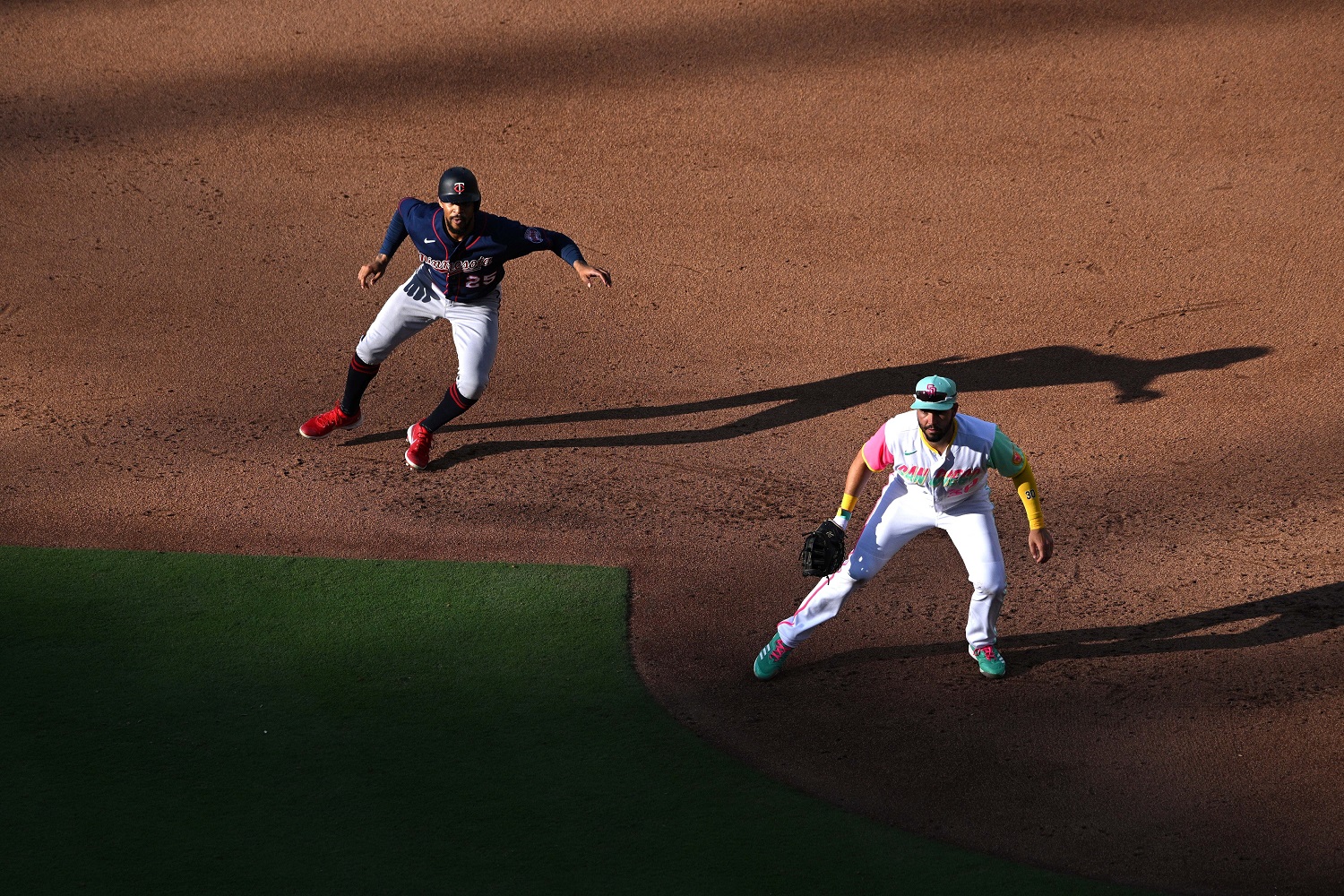 Fans of every MLB team want their franchise to spend more money. It is one of the most straightforward solutions to improve a team because increasing payroll allows clubs to add the best free agents. However, spending more money is no guarantee of success. Plenty of small market teams are annual contenders because of their player development and smart front offices. The Twins and the Padres take different approaches to create their 26-man roster, so why are these clubs so different? Payroll Comparison Last season, the Padres had a payroll of $214 million, with three players making more than $16 million. Minnesota's payroll was $72 million less than the Padres, with Carlos Correa accounting for 24.7% of the team's $142 million payroll. San Diego has Manny Machado and Fernando Tatis Jr. signed to contracts worth over $300 million. Yu Darvish and Wil Myers are making $20 million or more in 2022. Currently, the Padres only trail the Mets and Yankees for the highest projected payroll for the 2023 campaign. Market Size Compared to other MLB teams, the Padres are a clear mid-market team, which is one reason San Diego is down to one professional sports team. MLB's three largest markets (New York, Los Angeles, and Chicago) all have multiple MLB franchises The San Diego metropolitan area, and the Minneapolis-Saint Paul markets are similar in population. It seems logical that both teams can spend similar amounts on payroll, but that isn't the case. TV Deals One of the club's most significant revenue sources is its TV deal. Minnesota is entering the final year of a 12-year, $480 million deal that pays the club around $40 million annually. In 2012, the Padres signed a 20-year deal for $1.2 to 1.5 billion, putting the average annual payments to the club in the $50-$75 million range. The Padres also have a 20% equity share in the network broadcasting their games, which means the club can earn more revenue as more fans watch games. Minnesota's expiring TV deal will be interesting to watch over the next year. Will the club be able to spend more in 2023 and beyond because of increased revenue from a new deal? AL Central Comparison Minnesota is in one of baseball's weakest divisions, and the club has a higher payroll than every team in the division besides Chicago. Last week, Ted Schwerzler discussed that the Twins' payroll should be closer to $160 million than $140 million. Cleveland easily won the AL Central last season with a payroll below $70 million. Some expect the Guardians' payroll to increase as a new ownership group gains more say in the team's spending. Detroit has also shown a willingness to spend when the club is in contention. There are similarities between San Diego and Minnesota regarding market size, but the Padres have continually outspent the Twins. Rosters are incomplete for the 2023 season, but it seems unlikely for the Twins to get anywhere near the $235 million projected for the Padres. Minnesota's TV deal is hampering some of its revenues, but they are spending more than enough to be competitive in the AL Central. Should the Twins spend similarly to the Padres? Will a new TV deal help the team's willingness to spend? Leave a COMMENT and start the discussion.
 -
The Padres made a splash on the final day of MLB's Winter Meetings by signing Xander Bogaerts. So, why can't the Twins spend like the Padres? The answer is complicated. Image courtesy of Orlando Ramirez-USA TODAY Sports Fans of every MLB team want their franchise to spend more money. It is one of the most straightforward solutions to improve a team because increasing payroll allows clubs to add the best free agents. However, spending more money is no guarantee of success. Plenty of small market teams are annual contenders because of their player development and smart front offices. The Twins and the Padres take different approaches to create their 26-man roster, so why are these clubs so different? Payroll Comparison Last season, the Padres had a payroll of $214 million, with three players making more than $16 million. Minnesota's payroll was $72 million less than the Padres, with Carlos Correa accounting for 24.7% of the team's $142 million payroll. San Diego has Manny Machado and Fernando Tatis Jr. signed to contracts worth over $300 million. Yu Darvish and Wil Myers are making $20 million or more in 2022. Currently, the Padres only trail the Mets and Yankees for the highest projected payroll for the 2023 campaign. Market Size Compared to other MLB teams, the Padres are a clear mid-market team, which is one reason San Diego is down to one professional sports team. MLB's three largest markets (New York, Los Angeles, and Chicago) all have multiple MLB franchises The San Diego metropolitan area, and the Minneapolis-Saint Paul markets are similar in population. It seems logical that both teams can spend similar amounts on payroll, but that isn't the case. TV Deals One of the club's most significant revenue sources is its TV deal. Minnesota is entering the final year of a 12-year, $480 million deal that pays the club around $40 million annually. In 2012, the Padres signed a 20-year deal for $1.2 to 1.5 billion, putting the average annual payments to the club in the $50-$75 million range. The Padres also have a 20% equity share in the network broadcasting their games, which means the club can earn more revenue as more fans watch games. Minnesota's expiring TV deal will be interesting to watch over the next year. Will the club be able to spend more in 2023 and beyond because of increased revenue from a new deal? AL Central Comparison Minnesota is in one of baseball's weakest divisions, and the club has a higher payroll than every team in the division besides Chicago. Last week, Ted Schwerzler discussed that the Twins' payroll should be closer to $160 million than $140 million. Cleveland easily won the AL Central last season with a payroll below $70 million. Some expect the Guardians' payroll to increase as a new ownership group gains more say in the team's spending. Detroit has also shown a willingness to spend when the club is in contention. There are similarities between San Diego and Minnesota regarding market size, but the Padres have continually outspent the Twins. Rosters are incomplete for the 2023 season, but it seems unlikely for the Twins to get anywhere near the $235 million projected for the Padres. Minnesota's TV deal is hampering some of its revenues, but they are spending more than enough to be competitive in the AL Central. Should the Twins spend similarly to the Padres? Will a new TV deal help the team's willingness to spend? Leave a COMMENT and start the discussion. View full article
-
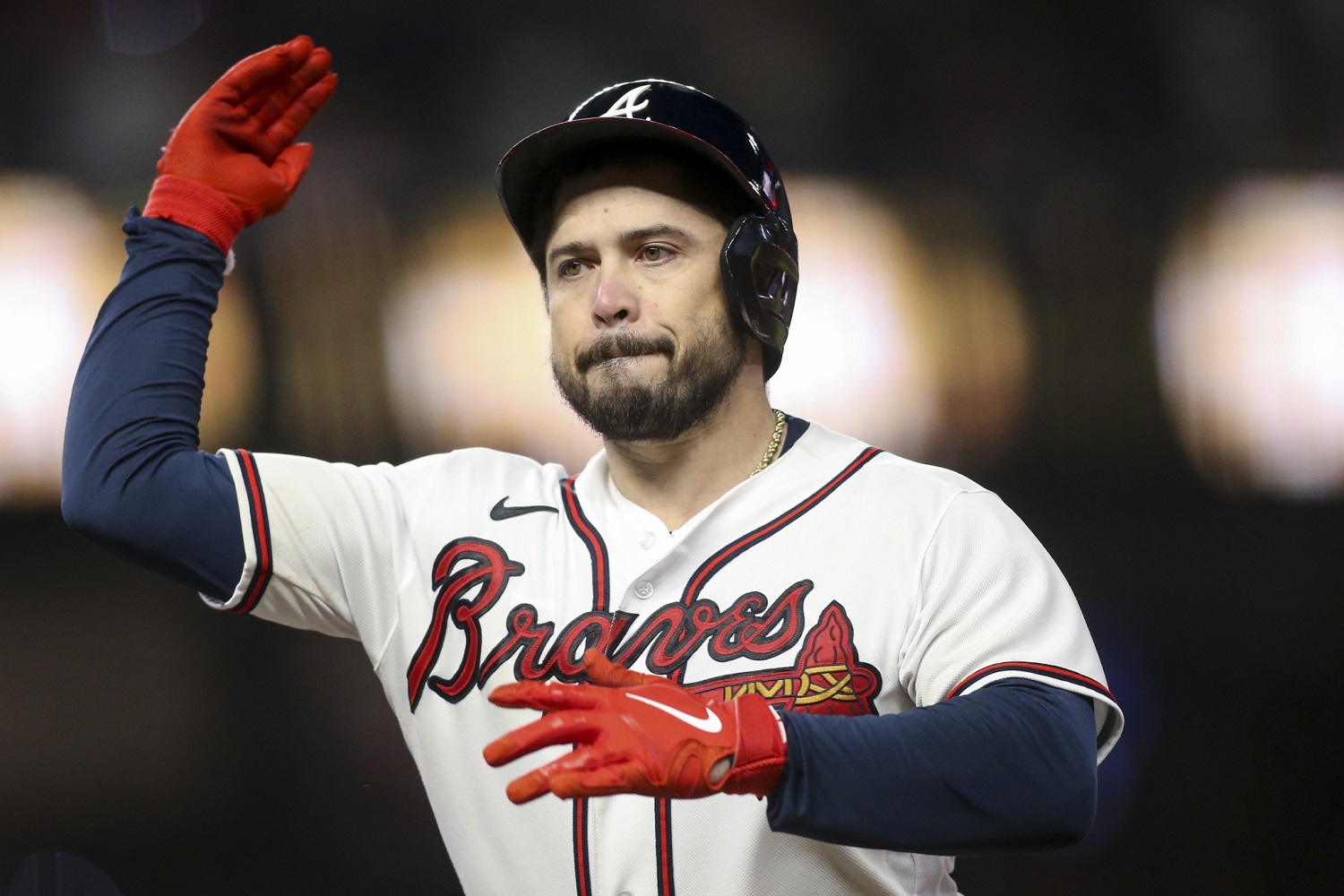 The Twins still have plenty of confidence in Ryan Jeffers, but the club prefers to have catchers split time behind the plate. Last season, Jeffers hit .208/.285/.363 (.648) with ten doubles and seven home runs. However, those numbers only tell part of the story. Jeffers destroys left-handed pitching with a .909 OPS against lefties in 2022. The Twins will still use Jeffers against right-handed pitchers, but adding a left-handed hitting catcher would be the team's preference. Finding a southpaw backstop might be a challenging proposition. MLB's Winter Meetings allow front offices to continue trade conversations, and the Twins have already discussed trading for catching depth. According to KSTP's Darren Wolfson, Minnesota has spoken to the Athletics, Blue Jays, and Braves about their catching depth. Let's reevaluate the trade options on each of these clubs. Oakland: Sean Murphy Murphy's name has swirled in the rumor mill over the last couple of days, with reports saying a deal was getting close. Atlanta (see below) was rumored to be involved, but the Braves have made it clear they are out of the running. Oakland wants to get major league ready players instead of prospects for Murphy, and they have shown the ability to be patient in the past. In 2022, Murphy hit .250/332/.426 (.759) with 37 doubles and 18 home runs in 148 games. He started 111 games at catcher last season and ranked ninth in SABR's Defensive Index. Murphy also ranks in the 96th percentile for pop time to second base and in the 86th percentile for framing. He is under team control for three more seasons, so acquiring him will take quite the offer. Blue Jays: Danny Jansen, Alejandro Kirk and Gabriel Moreno The Blue Jays have a surplus of big-league-caliber catchers on their roster, so it makes sense for the club to deal one of them. Jansen posted a 141 OPS+ in 72 games last season, but he isn't as strong behind the plate as some of the other trade options. Kirk is coming off an All-Star season where he accumulated 3.9 WAR, so it will be hard to pry him away from the Blue Jays. Moreno had an .806 OPS at Triple-A last season and hit .319/.356/.377 (.733) in 25 big-league games. The Blue Jays may want to hang on to their young catchers if a player becomes injured, but the Twins may have something to help Toronto's roster. Atlanta: Travis d’Arnaud Like the Blue Jays, the Braves have three MLB-caliber catchers on their 40-man roster. William Contreras broke out last season, which might allow the team to trade a veteran like d'Arnaud. Atlanta owes him $8 million in 2023, and there is an $8 million team option for 2024. Last season, he hit .268/.319/.472 (.791) with 25 doubles and 18 home runs on the way to his first All-Star selection. He is an above-average pitch framer (76th percentile) and ranked second among NL catchers in SABR's Defensive Index. If Atlanta acquired Murphy, d'Arnaud might be easier for another team to acquire. The Twins clearly need to add to the organization's catching depth. Of the names mentioned above, d'Arnaud is a good target for the Twins. He doesn't form a natural platoon with Jeffers, but left-handed catchers can be rare. His years of team control and past offensive performance make him intriguing, especially if the Twins want an upgrade behind the plate. Will the Twins trade for a catcher? Which name is the most logical trade target? Leave a COMMENT and start the discussion.
 -
Ryan Jeffers is the lone catcher on the Twins' 40-man roster, so it's a clear need for the team. What are some available trade options as the hot stove begins to heat up? Image courtesy of Brett Davis-USA TODAY Sports The Twins still have plenty of confidence in Ryan Jeffers, but the club prefers to have catchers split time behind the plate. Last season, Jeffers hit .208/.285/.363 (.648) with ten doubles and seven home runs. However, those numbers only tell part of the story. Jeffers destroys left-handed pitching with a .909 OPS against lefties in 2022. The Twins will still use Jeffers against right-handed pitchers, but adding a left-handed hitting catcher would be the team's preference. Finding a southpaw backstop might be a challenging proposition. MLB's Winter Meetings allow front offices to continue trade conversations, and the Twins have already discussed trading for catching depth. According to KSTP's Darren Wolfson, Minnesota has spoken to the Athletics, Blue Jays, and Braves about their catching depth. Let's reevaluate the trade options on each of these clubs. Oakland: Sean Murphy Murphy's name has swirled in the rumor mill over the last couple of days, with reports saying a deal was getting close. Atlanta (see below) was rumored to be involved, but the Braves have made it clear they are out of the running. Oakland wants to get major league ready players instead of prospects for Murphy, and they have shown the ability to be patient in the past. In 2022, Murphy hit .250/332/.426 (.759) with 37 doubles and 18 home runs in 148 games. He started 111 games at catcher last season and ranked ninth in SABR's Defensive Index. Murphy also ranks in the 96th percentile for pop time to second base and in the 86th percentile for framing. He is under team control for three more seasons, so acquiring him will take quite the offer. Blue Jays: Danny Jansen, Alejandro Kirk and Gabriel Moreno The Blue Jays have a surplus of big-league-caliber catchers on their roster, so it makes sense for the club to deal one of them. Jansen posted a 141 OPS+ in 72 games last season, but he isn't as strong behind the plate as some of the other trade options. Kirk is coming off an All-Star season where he accumulated 3.9 WAR, so it will be hard to pry him away from the Blue Jays. Moreno had an .806 OPS at Triple-A last season and hit .319/.356/.377 (.733) in 25 big-league games. The Blue Jays may want to hang on to their young catchers if a player becomes injured, but the Twins may have something to help Toronto's roster. Atlanta: Travis d’Arnaud Like the Blue Jays, the Braves have three MLB-caliber catchers on their 40-man roster. William Contreras broke out last season, which might allow the team to trade a veteran like d'Arnaud. Atlanta owes him $8 million in 2023, and there is an $8 million team option for 2024. Last season, he hit .268/.319/.472 (.791) with 25 doubles and 18 home runs on the way to his first All-Star selection. He is an above-average pitch framer (76th percentile) and ranked second among NL catchers in SABR's Defensive Index. If Atlanta acquired Murphy, d'Arnaud might be easier for another team to acquire. The Twins clearly need to add to the organization's catching depth. Of the names mentioned above, d'Arnaud is a good target for the Twins. He doesn't form a natural platoon with Jeffers, but left-handed catchers can be rare. His years of team control and past offensive performance make him intriguing, especially if the Twins want an upgrade behind the plate. Will the Twins trade for a catcher? Which name is the most logical trade target? Leave a COMMENT and start the discussion. View full article
-
Major League Baseball held its first-ever Draft Lottery on Tuesday night. Were the Twins lucky enough to move into the top-six picks? Yes! Image courtesy of Twins Daily MLB’s new Collective Bargaining Agreement (CBA) instituted a Draft Lottery like the NBA and NHL. Previously, the team with the worst record from the previous season was guaranteed the top overall pick. Now, the worst teams aren’t guaranteed a top-six pick, and the bottom three teams have the same odds of getting the top pick. The 18 teams that missed the postseason have a chance at the top overall pick. Minnesota entered the draft with the 13th-best odds of receiving the top pick (0.9%). There are also restrictions on how often a team can participate in the lottery. Teams that don’t receive revenue sharing (large-market teams) can not receive a lottery pick in consecutive drafts. Revenue-sharing recipients (small-market teams) are prohibited from being awarded a lottery pick in three consecutive years. Teams prohibited from a lottery pick can’t receive higher than the 10th overall pick. MLB Draft Lottery Results As expected, the 2023 MLB Draft order shifted because of the Draft Lottery. The Twins made the biggest jump of any team by moving from the 13th overall pick to fifth overall. For 2022, the first 18 picks will follow this order: 1. Pirates (Up 2) 2. Nationals (Down 1) 3. Tigers (Up 3) 4. Rangers (Up 3) 5. Twins (Up 8) 6. A's (Down 4) 7. Reds (Down 3) 8. Royals (Down 3) 9. Rockies (Down 1) 10. Marlins (Down 1) 11. Angels (Down 1) 12. D-Backs (Down 1) 13. Cubs (Down 1) 14. Red Sox 15. White Sox 16. Giants 17. Orioles 18. Brewers Competitive Balance Round Pick Earlier this week, MLB announced the Competitive Balance Draft picks to teams that fall in the bottom 10 in revenue or market size. Competitive Balance Round A takes place after the completion of the first round, and these picks are the only ones that clubs are allowed to trade. Minnesota can hang on to this top-40 pick, or it might be an intriguing piece to trade this winter. The Round A picks are as follows: 1. Mariners 2. Rays 3. Brewers 4. Twins 5. Marlins 6. Tigers 7. Reds 8. A’s Minnesota’s Recent First-Round Picks In the 2022 MLB Draft, the Twins took Brooks Lee with the eighth overall pick, and he has shot up national top-100 lists because of his strong professional debut. During the 2021 MLB Draft, Minnesota had two picks in the top 36. Chase Petty was the team’s first pick (26th overall), and the Twins traded him to the Reds organization for Sonny Gray. Noah Miller was a Competitive Balance Round pick (36th overall) and posted a .627 OPS in 108 Low-A games last season. The 2020 MLB Draft was shortened due to the pandemic, and Minnesota selected college slugger Aaron Sabato with the 27th overall pick. He ended last year at Double-A and posted a .774 OPS for the 2022 season. In 2019, the Twins also had two first-round picks, with Keoni Cavaco selected 13th overall and Matt Wallner picked in the Competitive Balance Round. Wallner has entered the team’s long-term plans after a tremendous season in the upper minors. Cavaco will likely spend 2023 at Cedar Rapids as he continues to develop his swing. What thoughts do you have on the first-ever MLB Draft lottery? Leave a COMMENT and start the discussion. View full article
-
Twins Benefit from MLB's First Draft Lottery, Move Up 8 Spots
Cody Christie posted an article in Twins
 MLB’s new Collective Bargaining Agreement (CBA) instituted a Draft Lottery like the NBA and NHL. Previously, the team with the worst record from the previous season was guaranteed the top overall pick. Now, the worst teams aren’t guaranteed a top-six pick, and the bottom three teams have the same odds of getting the top pick. The 18 teams that missed the postseason have a chance at the top overall pick. Minnesota entered the draft with the 13th-best odds of receiving the top pick (0.9%). There are also restrictions on how often a team can participate in the lottery. Teams that don’t receive revenue sharing (large-market teams) can not receive a lottery pick in consecutive drafts. Revenue-sharing recipients (small-market teams) are prohibited from being awarded a lottery pick in three consecutive years. Teams prohibited from a lottery pick can’t receive higher than the 10th overall pick. MLB Draft Lottery Results As expected, the 2023 MLB Draft order shifted because of the Draft Lottery. The Twins made the biggest jump of any team by moving from the 13th overall pick to fifth overall. For 2022, the first 18 picks will follow this order: 1. Pirates (Up 2) 2. Nationals (Down 1) 3. Tigers (Up 3) 4. Rangers (Up 3) 5. Twins (Up 8) 6. A's (Down 4) 7. Reds (Down 3) 8. Royals (Down 3) 9. Rockies (Down 1) 10. Marlins (Down 1) 11. Angels (Down 1) 12. D-Backs (Down 1) 13. Cubs (Down 1) 14. Red Sox 15. White Sox 16. Giants 17. Orioles 18. Brewers Competitive Balance Round Pick Earlier this week, MLB announced the Competitive Balance Draft picks to teams that fall in the bottom 10 in revenue or market size. Competitive Balance Round A takes place after the completion of the first round, and these picks are the only ones that clubs are allowed to trade. Minnesota can hang on to this top-40 pick, or it might be an intriguing piece to trade this winter. The Round A picks are as follows: 1. Mariners 2. Rays 3. Brewers 4. Twins 5. Marlins 6. Tigers 7. Reds 8. A’s Minnesota’s Recent First-Round Picks In the 2022 MLB Draft, the Twins took Brooks Lee with the eighth overall pick, and he has shot up national top-100 lists because of his strong professional debut. During the 2021 MLB Draft, Minnesota had two picks in the top 36. Chase Petty was the team’s first pick (26th overall), and the Twins traded him to the Reds organization for Sonny Gray. Noah Miller was a Competitive Balance Round pick (36th overall) and posted a .627 OPS in 108 Low-A games last season. The 2020 MLB Draft was shortened due to the pandemic, and Minnesota selected college slugger Aaron Sabato with the 27th overall pick. He ended last year at Double-A and posted a .774 OPS for the 2022 season. In 2019, the Twins also had two first-round picks, with Keoni Cavaco selected 13th overall and Matt Wallner picked in the Competitive Balance Round. Wallner has entered the team’s long-term plans after a tremendous season in the upper minors. Cavaco will likely spend 2023 at Cedar Rapids as he continues to develop his swing. What thoughts do you have on the first-ever MLB Draft lottery? Leave a COMMENT and start the discussion.
 -
 The Twins were very active at last year’s trade deadline, which saw the team acquire two relievers (Jorge Lopez and Michael Fulmer) and one starter (Tyler Mahle). Acquiring these players cost multiple prospects that were close to big-league ready. Minnesota may need to dip deeper into an already depleted farm system to acquire other players to improve the 2023 roster. Rising Stock: Edouard Julien Twins Daily Prospect Rank: 10 Earlier this week, MLB Pipeline named Julien as the most tradeable prospect. Last season at Double-A, Julien hit .300/.441/.490 (.931) with 39 extra-base hits in 113 games. He carried that performance to the Arizona Fall League, where he led the league in hitting (28-for-70, .400 BA). Julien did so well that he was named the AFL’s Breakout Player of the Year. Currently, there is no direct path for Julien to the big leagues, as his defensive future isn’t clear. Minnesota may decide that other better infield options can make Julien expendable. His stock is likely at its highest point, so the team may want to sell high. Top Talent: Brooks Lee Twins Daily Prospect Rank: 2 On most national rankings, Lee is considered the team’s top prospect entering the 2023 campaign. He was widely considered the best college bat in the 2022 MLB Draft, and the Twins were lucky he fell to them with the eighth overall pick. During his pro debut, he impressed by hitting .303/.389/.451 (.839) with ten extra-base hits in 31 games. Minnesota was also aggressive with him by pushing him all the way to Double-A for Wichita’s playoff run. The Twins will likely want to hang on to Lee, but the club might want to acquire a top of the rotation starter. Trading for that type of pitcher will require Lee to be included in the prospect package. Upside Starter: Simeon Woods Richardson Twins Daily Prospect Rank: 5 At this time last year, Woods Richardson saw his stock drop to the point where he fell off national top-100 prospect lists. He had a resurgent year in the upper minors with a 2.77 ERA and a 1.05 WHIP on his way to making his big-league debut. Woods Richardson is entering his age-22 season, so it seems likely for him to reappear on top-100 prospect lists this winter. Woods Richardson seems the least likely to be traded out of the players on this list. He has multiple years of team control, and he is big-league-ready. Minnesota can include him in a trade for a top-tier starter, or the club can hold on to him and hope he continues to develop. Many fans get attached to top prospects because they offer unlimited hope for the future. Unfortunately, no prospects are guaranteed to succeed at baseball’s highest level. The Twins roster is far from complete for 2023, and trading prospects is undoubtedly one path the front office has to consider. Do the Twins want to go all-in for 2023 and trade other top prospects? Or should the team hang on to the names above and hope they can help the club in the years ahead? Will the Twins consider trading any of these prospects? Leave a COMMENT and start the discussion.
- 21 comments
-
- 3
-
-
- brooks lee
- simeon woods richardson
- (and 1 more)
-
MLB’s Winter Meetings can be a time for front offices to put the finishing touches on trades. If the Twins want to add to the 2023 roster, here are the organization’s three most tradeable prospects. Image courtesy of Lon Horwedel, USA Today Sports The Twins were very active at last year’s trade deadline, which saw the team acquire two relievers (Jorge Lopez and Michael Fulmer) and one starter (Tyler Mahle). Acquiring these players cost multiple prospects that were close to big-league ready. Minnesota may need to dip deeper into an already depleted farm system to acquire other players to improve the 2023 roster. Rising Stock: Edouard Julien Twins Daily Prospect Rank: 10 Earlier this week, MLB Pipeline named Julien as the most tradeable prospect. Last season at Double-A, Julien hit .300/.441/.490 (.931) with 39 extra-base hits in 113 games. He carried that performance to the Arizona Fall League, where he led the league in hitting (28-for-70, .400 BA). Julien did so well that he was named the AFL’s Breakout Player of the Year. Currently, there is no direct path for Julien to the big leagues, as his defensive future isn’t clear. Minnesota may decide that other better infield options can make Julien expendable. His stock is likely at its highest point, so the team may want to sell high. Top Talent: Brooks Lee Twins Daily Prospect Rank: 2 On most national rankings, Lee is considered the team’s top prospect entering the 2023 campaign. He was widely considered the best college bat in the 2022 MLB Draft, and the Twins were lucky he fell to them with the eighth overall pick. During his pro debut, he impressed by hitting .303/.389/.451 (.839) with ten extra-base hits in 31 games. Minnesota was also aggressive with him by pushing him all the way to Double-A for Wichita’s playoff run. The Twins will likely want to hang on to Lee, but the club might want to acquire a top of the rotation starter. Trading for that type of pitcher will require Lee to be included in the prospect package. Upside Starter: Simeon Woods Richardson Twins Daily Prospect Rank: 5 At this time last year, Woods Richardson saw his stock drop to the point where he fell off national top-100 prospect lists. He had a resurgent year in the upper minors with a 2.77 ERA and a 1.05 WHIP on his way to making his big-league debut. Woods Richardson is entering his age-22 season, so it seems likely for him to reappear on top-100 prospect lists this winter. Woods Richardson seems the least likely to be traded out of the players on this list. He has multiple years of team control, and he is big-league-ready. Minnesota can include him in a trade for a top-tier starter, or the club can hold on to him and hope he continues to develop. Many fans get attached to top prospects because they offer unlimited hope for the future. Unfortunately, no prospects are guaranteed to succeed at baseball’s highest level. The Twins roster is far from complete for 2023, and trading prospects is undoubtedly one path the front office has to consider. Do the Twins want to go all-in for 2023 and trade other top prospects? Or should the team hang on to the names above and hope they can help the club in the years ahead? Will the Twins consider trading any of these prospects? Leave a COMMENT and start the discussion. View full article
-
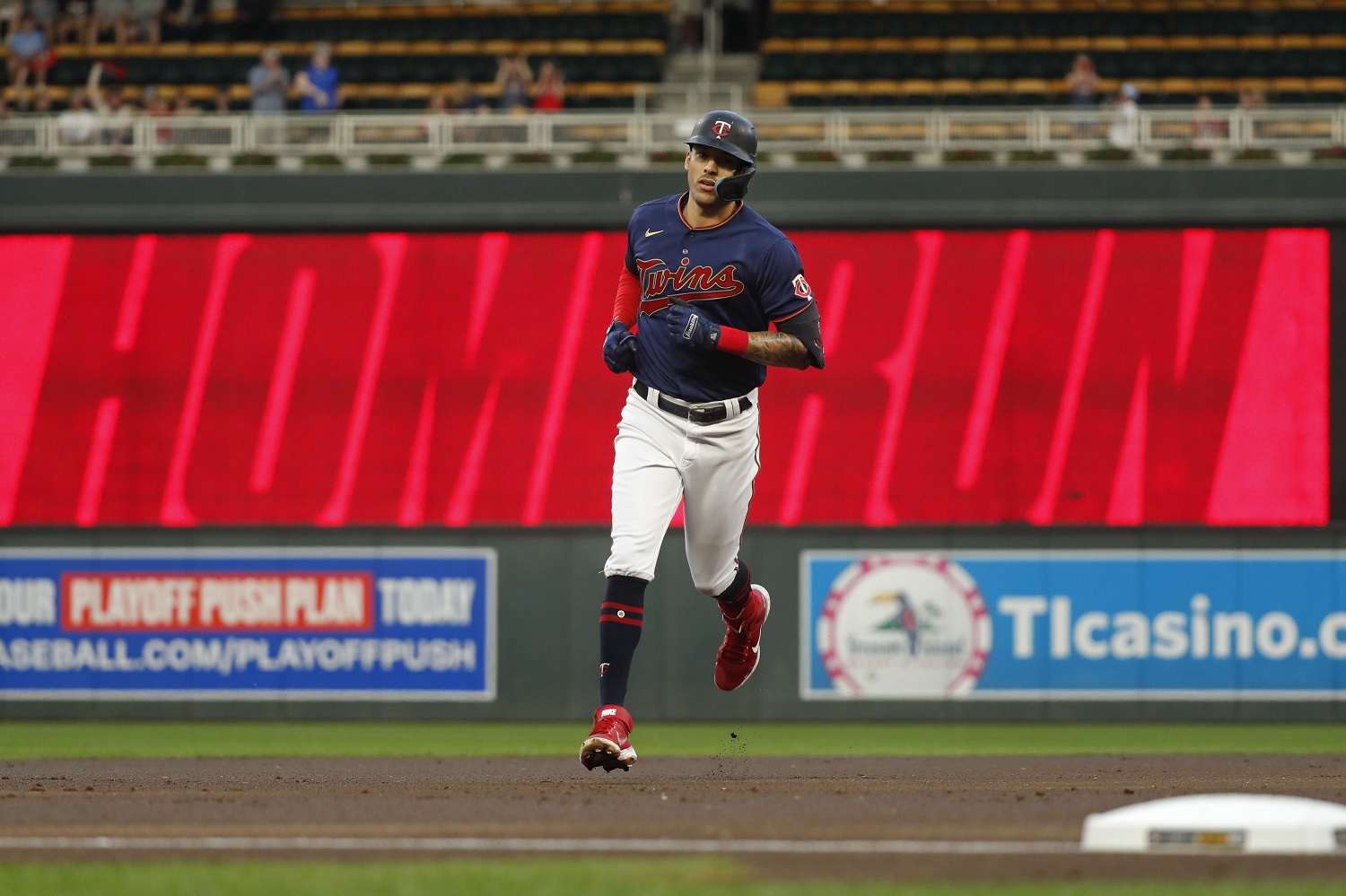 With the Winter Meetings starting this week, the hot stove might begin to heat up. Plenty of the biggest free agents and their representatives will be traveling the halls in San Diego. Scott Boras, who represents Carlos Correa, is usually one of the most active people at the annual event. Besides Correa, he represents other top free agents like Xander Bogaerts, Brandon Nimmo, and Carlos Rodon. Boras can see how the market plays out for his top clients, but the Twins might not have the time to wait on a Correa decision. Minnesota has payroll flexibility this winter, with around $50 million in payroll to spend. The Twins will likely get outbid for Correa's services, and the team will have to pivot to other options. However, the Twins might end up with no viable free-agent options if Correa's contract negotiations drag out over the next few months. Some top free agents like Jacob deGrom and Jose Abreu are already off the market, and other names may sign as more conversations occur at the Winter Meetings. Last winter, the market didn't play out in Correa's favor. He switched agents, and the lockout forced him to wait until spring training started to ink a deal. Correa can choose to be patient this winter to see what clubs miss on Aaron Judge before turning their attention to the other top names on the market. Correa likely wants a decision sooner rather than later, but he's expected to sign a contract covering the remainder of his career. It must be a good fit from the team and player's perspective. Derek Falvey and Thad Levine have proven the ability to be patient and let the market play out in their favor. However, that strategy almost didn't play out in their favor last year as Correa fell into their laps as spring training began. In previous offseasons, they had made offers to some of the top free agent starters like Zack Wheeler before signing Josh Donaldson to a multi-year contract. Thankfully, the team was able to jettison the Donaldson contract, but this winter might be the time for the Twins to change their off-season strategy. Internally, the Twins should set a deadline to sign Correa so they have enough remaining time in the offseason to make moves that put themselves back in contention. The AL Central is one of baseball's worst divisions, and Minnesota has finished below .500 in two consecutive seasons. Things will be challenging for AL Central clubs, with MLB schedules becoming more balanced next season. According to the preliminary ZiPS projected standings, FanGraphs expects the Twins to finish 81-81, one game behind Cleveland for the division title. Obviously, a player of Correa's caliber can be worth enough WAR to push the Twins to another level. According to reports, the Twins have made multiple contract offers to Correa from six to ten years in length. It's certainly good that Minnesota's front office is engaging him in contract talks, but the team can only afford to see so many free agents sign with other clubs. Bogaerts seems like the player the Twins will turn to after Correa, and the team may need to pivot to him at some point in the coming weeks. If Correa returns to the Twins, it would be in the team's best interest to have a deal in place before the end of December, so the front office can continue to improve the roster around him. Otherwise, the team may be left without few moves to make. Do the Twins need to set a Correa contract deadline? How long can they wait for him to make a decision? Leave a COMMENT and start the discussion.
