



Cody Christie
-
Posts
7,825 -
Joined
-
Last visited
-
Days Won
5
Content Type
Profiles
Minnesota Twins News, Rumors & Analysis
Minnesota Twins Videos
2026 Minnesota Twins Top Prospect Rankings
2022 Minnesota Twins Draft Picks & Signing Bonuses
Minnesota Twins Trade & Free Agent Rumors
Minnesota Twins Fan Guides & Resources
2023 Minnesota Twins Draft Picks & Signing Bonuses
The Minnesota Twins Players Project
2024 Minnesota Twins Draft Picks & Signing Bonuses
2025 Minnesota Twins Draft Picks & Signing Bonuses
2026 Minnesota Twins Draft Picks & Signing Bonuses
Forums
Blogs
Events
Store
Downloads
Gallery
Everything posted by Cody Christie
-
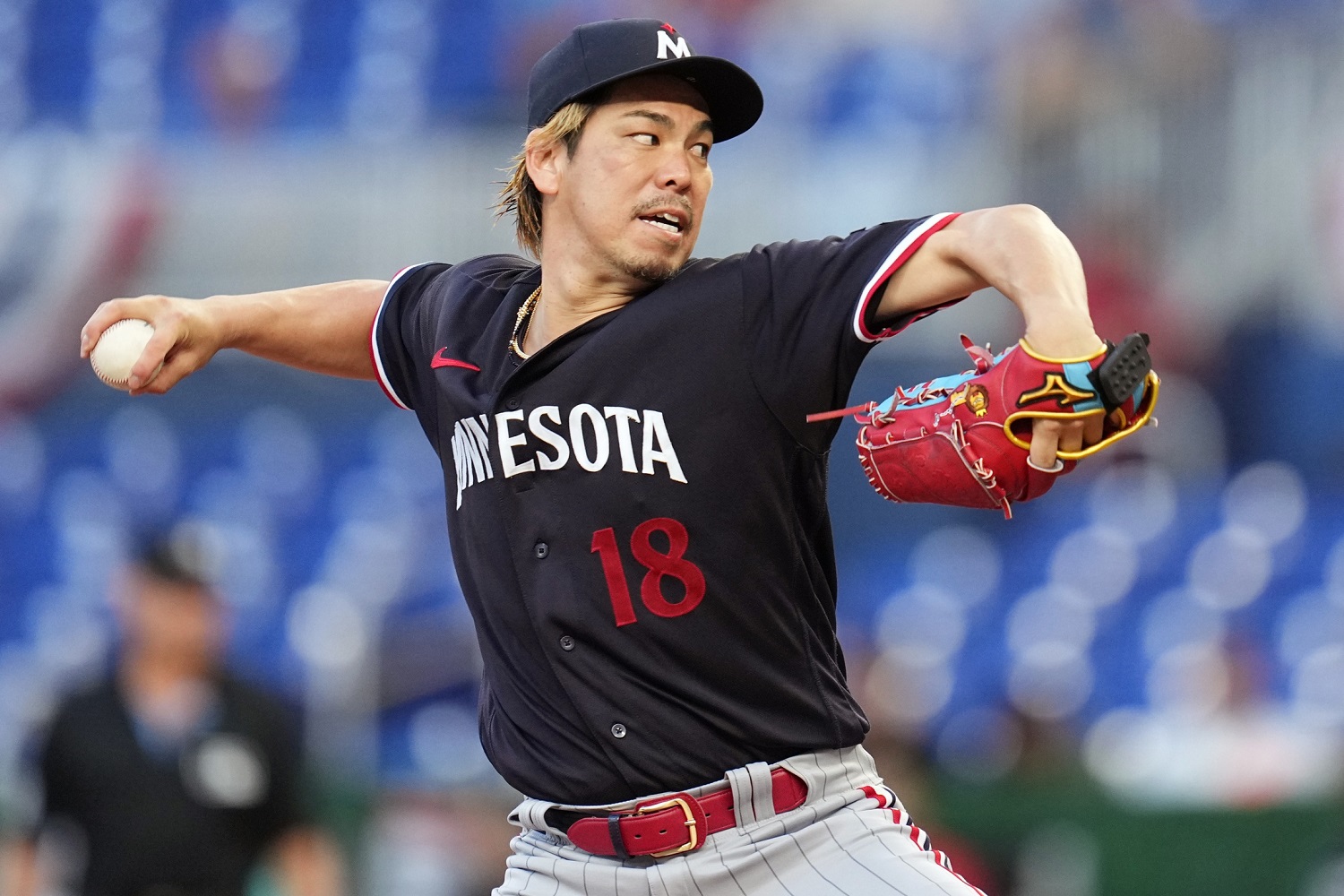 Kenta Maeda returned triumphantly to the mound last week after nearly 18 months between starts while recovering from Tommy John surgery. He looked dominant in his first start with nine strikeouts across five innings, including Whiffs on 45% of opponent's swings. The Twins skipped his third start after he dealt with some fatigue. Like his return from injury, his acquisition by the Twins was filled with some bumps. Let's look back at the trade that brought him to Minnesota. Initially, the Twins were part of a monster three-team deal that included the Twins, Red Sox, and Dodgers. That deal looked like the Dodgers receiving Mookie Betts (BOS) and David Price (BOS), the Red Sox receiving Alex Verdugo (LA) and Brusdar Graterol (MN), and the Twins receiving Kenta Maeda (LA). Boston expressed concerns over Graterol's medicals and wanted the Twins to include another high-ranked prospect. Minnesota pulled out of the deal after that request. Eventually, the Dodgers and Twins were able to put a similar deal in place without including the Red Sox. Los Angeles received Graterol, Luke Raley, and the 67th selection in the 2020 MLB Draft. (Note - MLB draft picks cannot be traded, with the exception of the Competitive Balance picks.) Minnesota acquired Kenta Maeda, Jair Camargo, and cash considerations. It's been over three years since the two teams agreed to the trade, so both organizations have a clearer picture of the results. Dodgers Trade Acquisitions At the time of the trade, Graterol was considered a top-100 prospect, but his time as a starter was ending. Graterol has pitched in the Dodgers bullpen for the last four seasons with mixed results. In 120 total innings, he's combined for a 3.83 ERA with a 1.13 WHIP and a 95-to-28 strikeout-to-walk ratio. His fastball has always been his calling card, averaging triple digits during the 2022 season. However, big-league hitters can hit that velocity, especially since it is pretty straight, and his 7.1 K/9 could (maybe should?) be better for a reliever. Graterol has filled a role for the Dodgers but has yet to develop into a dominant bullpen arm. Raley came to the Twins from the Dodgers in the Brian Dozier trade, so Los Angeles wanted him back. He broke into the majors with LA during the 2021 season and posted a .538 OPS in 33 games. The Dodgers traded him to the Rays leading into the 2022 season, and he's found a role with one of baseball's best organizations. To start the 2023 season, he's gone 4-for-15 (.267) with three home runs and a .867 SLG. The Dodgers used their draft pick from the Twins to select Clayton Beeter in the second round of the 2020 MLB Draft. He's spent most of his professional career pitching at Double-A. For his career, he has a 4.04 ERA with a 1.31 WHIP, and a 14.4 K/9. During the 2022 season, he was traded from the Dodgers to the Yankees for Joey Gallo. He's posted a sub-2.15 ERA since joining the Yankee organization, so they may have solved some of his former issues. Twins Trade Acquisitions Maeda's first season with the Twins couldn't have gone much better. After posting a 2.70 ERA with an MLB-leading 0.75 WHIP, he finished runner-up for the AL Cy Young. His performance declined during the 2021 season (4.66 ERA and a 1.30 WHIP), but he was fighting through elbow issues and never had his command. Maeda underwent Tommy John surgery in September 2021, and it took him over 18 months to pitch in another game for the Twins. He's in his last year of team control and turns 35 on April 11th. During the 2023 season, he's trying to prove he is healthy and can continue to be an effective starter. Maeda wasn't the only piece with value to the Twins. Jair Camargo is coming off a solid season, hitting .262/.310/.483 (.793) with 11 doubles and 18 home runs in 77 games between High-A Cedar Rapids and Double-A Wichita. Catcher is his primary defensive position, but he has had some at-bats at first base and DH too. He became a free agent last offseason but very quickly re-signed with the Twins and received his first invitation to big-league spring training. Camargo is starting the 2023 season by getting his first taste of Triple-A, where he is over three years younger than the average age of the competition. Every organization needs catching depth, and there is a chance the Twins will need him at the big-league level. This trade would be an easy win for the Twins if Maeda stayed healthy. His 2023 season started well, but there are no guarantees with 35-year-old pitchers coming off major elbow surgery. Which team won the trade? Leave a COMMENT and start the discussion.
- 27 comments
-
- 1
-

-
- kenta maeda
- jair camargo
- (and 2 more)
-
The Twins have accumulated depth in the high minors, and fans will see multiple pitching prospects throughout the season. Brent Headrick looks to become the first pitching prospect to debut in 2023. Image courtesy of William Parmeter The Twins have accumulated depth in the high minors, and fans will see multiple pitching prospects throughout the season. Brent Headrick looks to become the first pitching prospect to debut in 2023. The Twins drafted Brent Headrick in the ninth round of the 2019 MLB Draft from Illinois State University. He spent three years as a starter in college with a 4.55 ERA and a 1.31 WHIP. In 205 2/3 innings, he posted a 193-to-70 strikeout-to-walk ratio. Even without overall outstanding numbers, Twins scouts felt that he had the potential to be even better after getting into the organization and working with the minor league coaches. Headrick’s pro debut came in limited action with the Elizabethton Twins. He made three appearances (two starts) while not allowing an earned run over 3 2/3 innings. There were some struggles with control, as he had five walks compared to two strikeouts. He was coming off a collegiate season where he pitched nearly 100 innings, so there might have been some fatigue in the rookie leagues. The Twins sent Headrick to Fort Myers after the non-existent 2020 minor league season. He was over a year older than the average age of the competition with the Mighty Mussels. In 63 innings, he posted a 3.71 ERA with a 1.59 WHIP and an 88-to-35 strikeout-to-walk ratio. His strikeout rate had jumped from 8.4 K/9 in college to 12.6 K/9, a sign of even better numbers during the 2022 season. Headrick began last season at High-A and dominated for the Kernels. In 15 starts (65 1/3 innings), he had a 2.34 ERA with a 0.89 WHIP and a 77-to-13 strikeout-to-walk ratio. The Twins promoted him to Double-A, where he was younger than the average age of the competition for the first time in his career. He allowed 23 earned runs in 43 innings but increased his strikeout rate from 10.6 K/9 in High-A to 12.3 K/9. The Twins were impressed enough with his performance to add him to the 40-man roster this past offseason. Since joining the Twins organization, Headrick has increased his fastball velocity from 88 mph in college to the low-90s during the 2022 season. His slider resulted in a 48 percent whiff rate after being promoted to Double-A last season. Headrick continues to work on his changeup, and he can miss bats with the pitch when he throws it consistently for strikes. At Triple-A, he pitched nine innings and allowed six earned runs on 12 hits with 12 strikeouts and two walks. It remains to be seen how the Twins will utilize Headrick in 2023. He’s been a starter throughout his professional career, but he seems more likely to be utilized out of the bullpen. Cole Sands is no longer on the roster, so Headrick can serve as the long man. Headrick’s ceiling might be limited at the big-league level, but his fastball and slider combination makes him an intriguing bullpen option. What do you think Headrick’s ceiling is at the big leagues? Leave a COMMENT and start the discussion. View full article
-
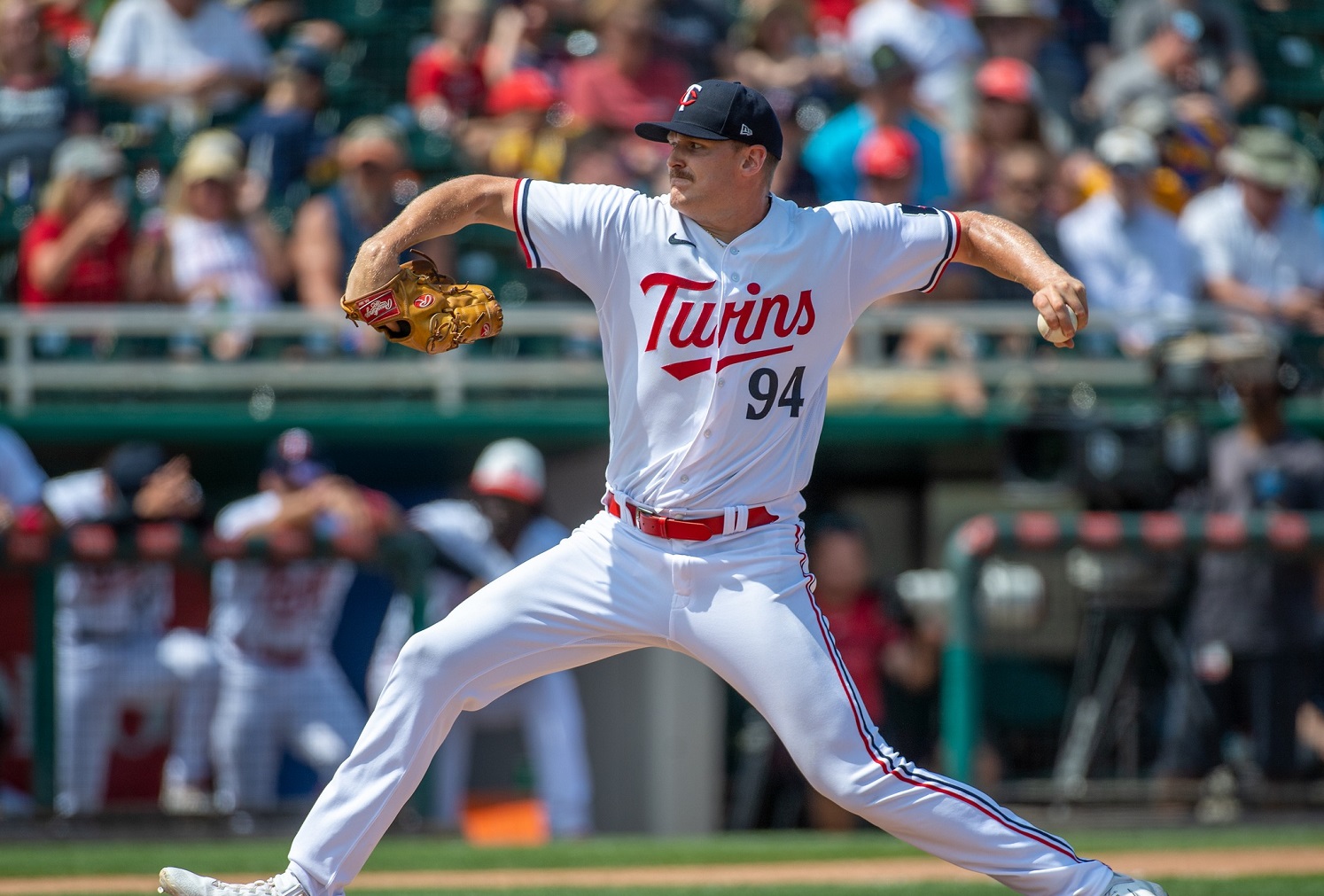 The Twins drafted Brent Headrick in the ninth round of the 2019 MLB Draft from Illinois State University. He spent three years as a starter in college with a 4.55 ERA and a 1.31 WHIP. In 205 2/3 innings, he posted a 193-to-70 strikeout-to-walk ratio. Even without overall outstanding numbers, Twins scouts felt that he had the potential to be even better after getting into the organization and working with the minor league coaches. Headrick’s pro debut came in limited action with the Elizabethton Twins. He made three appearances (two starts) while not allowing an earned run over 3 2/3 innings. There were some struggles with control, as he had five walks compared to two strikeouts. He was coming off a collegiate season where he pitched nearly 100 innings, so there might have been some fatigue in the rookie leagues. The Twins sent Headrick to Fort Myers after the non-existent 2020 minor league season. He was over a year older than the average age of the competition with the Mighty Mussels. In 63 innings, he posted a 3.71 ERA with a 1.59 WHIP and an 88-to-35 strikeout-to-walk ratio. His strikeout rate had jumped from 8.4 K/9 in college to 12.6 K/9, a sign of even better numbers during the 2022 season. Headrick began last season at High-A and dominated for the Kernels. In 15 starts (65 1/3 innings), he had a 2.34 ERA with a 0.89 WHIP and a 77-to-13 strikeout-to-walk ratio. The Twins promoted him to Double-A, where he was younger than the average age of the competition for the first time in his career. He allowed 23 earned runs in 43 innings but increased his strikeout rate from 10.6 K/9 in High-A to 12.3 K/9. The Twins were impressed enough with his performance to add him to the 40-man roster this past offseason. Since joining the Twins organization, Headrick has increased his fastball velocity from 88 mph in college to the low-90s during the 2022 season. His slider resulted in a 48 percent whiff rate after being promoted to Double-A last season. Headrick continues to work on his changeup, and he can miss bats with the pitch when he throws it consistently for strikes. At Triple-A, he pitched nine innings and allowed six earned runs on 12 hits with 12 strikeouts and two walks. It remains to be seen how the Twins will utilize Headrick in 2023. He’s been a starter throughout his professional career, but he seems more likely to be utilized out of the bullpen. Cole Sands is no longer on the roster, so Headrick can serve as the long man. Headrick’s ceiling might be limited at the big-league level, but his fastball and slider combination makes him an intriguing bullpen option. What do you think Headrick’s ceiling is at the big leagues? Leave a COMMENT and start the discussion.
-
 The Twins' minor league seasons are underway, and there are top prospects to follow at every level. Here are Minnesota's most and least aggressive prospect assignments in the farm system. Image courtesy of William Parmeter The Twins' minor league seasons are underway, and there are top prospects to follow at every level. Here are Minnesota's most and least aggressive prospect assignments in the farm system. Earlier this week, MLB Pipeline examined minor league rosters across baseball and found the most and least aggressive prospect assignments. Player development only sometimes follows a linear path. Some players need to repeat a level to prove their performance was legitimate. Other players must repeat a level because they struggled in the previous campaign. Here's a look into the Twins farm system and some of the most and least aggressive assignments. Most Aggressive Danny De Andrade, Low-A Age: 19 De Andrade is the only teenager on the Fort Myers roster, and he's two years younger than any other player on his team. Last season, he played 48 games with the FCL Twins, where he was nearly two years younger than the average age of the competition. In 204 plate appearances, he hit .242/.333/.371 (.704) with nine doubles, one triple, four home runs, and a 34-to-19 strikeout-to-walk ratio. He's young for his level, but the Twins believe he can find success while facing older competition. Emmanuel Rodriguez, High-A Age: 20 Eyes across the baseball world will be on Rodriguez this season after a breakout 2022 campaign. In 47 games, he hit .272/.493/.552 (1.044) with five doubles, three triples, nine home runs, and more walks (57) than strikeouts (52). His season ended early after injuring his knee on a slide into second base, so the Twins could have sent him back to Low-A, where he'd still be young for the level. Instead, he's among a handful of top prospects on the Cedar Rapids roster. Connor Prielipp, High-A Age: 22 Entering the season, Prielipp had yet to throw a professional inning after being drafted by the Twins in the second round last June. He had the potential to be a first-round pick, but some teams avoided him because he was returning from Tommy John surgery. The Twins could have let him get his feet wet in Fort Myers, but the club has confidence that he is one of the organization's top pitching prospects. He's over a year younger than the average age of the competition in the Midwest League, so he should pitch the bulk of his innings at High-A in 2023. Least Aggressive Brooks Lee, Double-A Age: 22 Lee is considered the top Twins prospect by many national outlets. The Twins were very aggressive with him after taking him in the first round last year. He played at three different levels and finished the season in Wichita. Twins fans saw a lot of Lee during spring training as he played in 14 games and had 47 plate appearances. An argument could have been made for Lee to begin the year at Triple-A, but the Saints roster has more veteran players ahead of Lee on the depth chart. If Lee continues to perform well, he should reach Triple-A in the season's second half. Edouard Julien, Triple-A Age: 23 Julien is looking to build off a breakout season between Double-A and the Arizona Fall League. He came to spring training with a chance to break camp with the big-league club. He posted a 1.114 OPS this spring and was impressive during the World Baseball Classic while serving as Canada's lead-off hitter. Jorge Polanco's injury could have opened an opportunity for him to make his big-league debut. Still, the Twins thought getting some experience at the Triple-A level was more important. Author's note: Julien was called up earlier this week to take Joey Gallo's roster spot. Should the Twins have been more or less aggressive with these prospect assignments? Leave a COMMENT and start the discussion. View full article
- 20 replies
-
- 2
-
-
- edouard julien
- brooks lee
- (and 3 more)
-
The Twins Most and Least Aggressive Prospect Assignments
Cody Christie posted an article in Minor Leagues
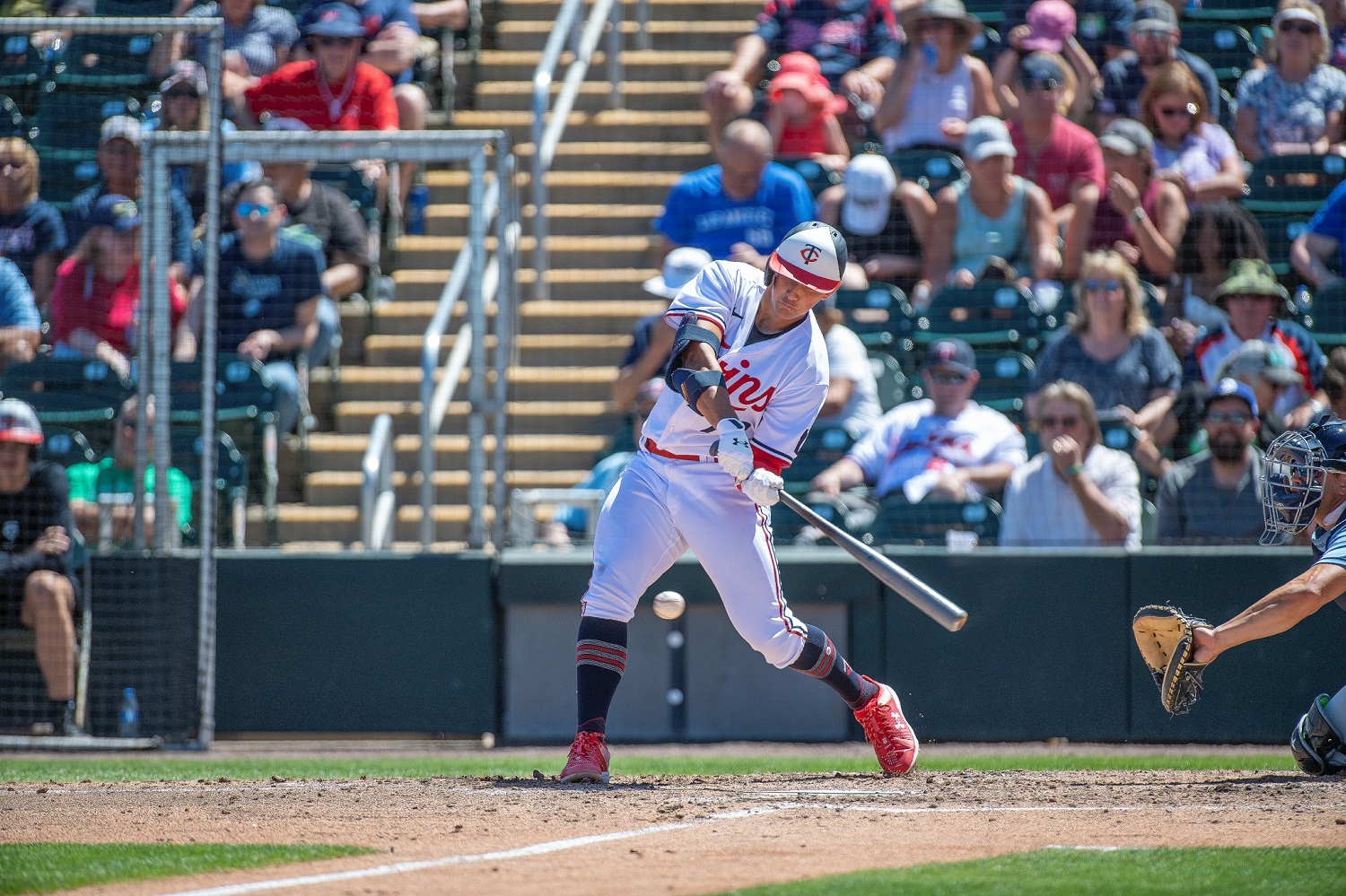 Earlier this week, MLB Pipeline examined minor league rosters across baseball and found the most and least aggressive prospect assignments. Player development only sometimes follows a linear path. Some players need to repeat a level to prove their performance was legitimate. Other players must repeat a level because they struggled in the previous campaign. Here's a look into the Twins farm system and some of the most and least aggressive assignments. Most Aggressive Danny De Andrade, Low-A Age: 19 De Andrade is the only teenager on the Fort Myers roster, and he's two years younger than any other player on his team. Last season, he played 48 games with the FCL Twins, where he was nearly two years younger than the average age of the competition. In 204 plate appearances, he hit .242/.333/.371 (.704) with nine doubles, one triple, four home runs, and a 34-to-19 strikeout-to-walk ratio. He's young for his level, but the Twins believe he can find success while facing older competition. Emmanuel Rodriguez, High-A Age: 20 Eyes across the baseball world will be on Rodriguez this season after a breakout 2022 campaign. In 47 games, he hit .272/.493/.552 (1.044) with five doubles, three triples, nine home runs, and more walks (57) than strikeouts (52). His season ended early after injuring his knee on a slide into second base, so the Twins could have sent him back to Low-A, where he'd still be young for the level. Instead, he's among a handful of top prospects on the Cedar Rapids roster. Connor Prielipp, High-A Age: 22 Entering the season, Prielipp had yet to throw a professional inning after being drafted by the Twins in the second round last June. He had the potential to be a first-round pick, but some teams avoided him because he was returning from Tommy John surgery. The Twins could have let him get his feet wet in Fort Myers, but the club has confidence that he is one of the organization's top pitching prospects. He's over a year younger than the average age of the competition in the Midwest League, so he should pitch the bulk of his innings at High-A in 2023. Least Aggressive Brooks Lee, Double-A Age: 22 Lee is considered the top Twins prospect by many national outlets. The Twins were very aggressive with him after taking him in the first round last year. He played at three different levels and finished the season in Wichita. Twins fans saw a lot of Lee during spring training as he played in 14 games and had 47 plate appearances. An argument could have been made for Lee to begin the year at Triple-A, but the Saints roster has more veteran players ahead of Lee on the depth chart. If Lee continues to perform well, he should reach Triple-A in the season's second half. Edouard Julien, Triple-A Age: 23 Julien is looking to build off a breakout season between Double-A and the Arizona Fall League. He came to spring training with a chance to break camp with the big-league club. He posted a 1.114 OPS this spring and was impressive during the World Baseball Classic while serving as Canada's lead-off hitter. Jorge Polanco's injury could have opened an opportunity for him to make his big-league debut. Still, the Twins thought getting some experience at the Triple-A level was more important. Author's note: Julien was called up earlier this week to take Joey Gallo's roster spot. Should the Twins have been more or less aggressive with these prospect assignments? Leave a COMMENT and start the discussion.
- 20 comments
-
- 3
-
-
- edouard julien
- brooks lee
- (and 3 more)
-
Rocco Baldelli was ejected from Saturday's game for arguing with umpires for their handling of a perceived rules violation by Yankees starting pitcher Domingo German. So, what led to this on-field incident? Image courtesy of Wendell Cruz-USA TODAY Sports Rocco Baldelli was ejected from Saturday's game for arguing with umpires for their handling of a perceived rules violation by Yankees starting pitcher Domingo German. So, what led to this on-field incident? Major League Baseball entered the 2023 season attempting to refocus on pitchers' usage of sticky stuff. MLB held meetings during spring training, and sources told The Athletic "that message emerged loud and clear." According to the report, this would include more thorough inspections by umpires, more random inspections, and checking players' caps, gloves, and belts. Overall, MLB is responding to an uptick in spin rates since the initial crackdown in 2021. On Saturday, the umpire crew in the Twins-Yankees contest had an opportunity to enforce those rules, but it could have gone better for Minnesota. Domingo German had just completed three perfect innings when he was asked to undergo a routine check. Many Yankees players and coaches crowded around the umpire crew during the check that went on for an extended time. Eventually, the crew chief James Hoye was seen on camera saying, "You have to wash your hands." That could have ended the situation, but it continued from there. German came back out for the fourth inning, and the umpires weren't satisfied with how well he had cleaned his hands. Twins radio announcer Cory Provus pointed out that the umpire clearly said, "I told you to wipe it off." German was allowed to stay in the game, which upset the Twins' dugout. Rocco Baldelli approached the umpires following the second check and told reporters he had no plans to return to the dugout. He didn't accuse German of using an illegal substance but said that the pitcher should have been ejected for returning to the game with a substance still on his hand. "He was warned. He didn't fully comply, I would say, with the warning, from what I was told, and was still allowed to keep pitching. That's it. I just don't agree with that in principle..." Baldelli said after the game. "When he comes back, doesn't comply with what he was asked to do, has something on his hand that he shouldn't. . . and then he casually can just walk to the mound and keep pitching, it kind of goes against a lot of the things that we've talked about this year and some of the adjustments we're making in baseball. I was upset at it, and that's it." After the game, the umpiring crew told reporters that they believed the substance was rosin, which isn't illegal. That is why German was not ejected from the game. German's performance was arguably the best of his career. He struck out a career-high 11 batters in 6 1/3 innings while retiring the first 16 batters he faced. That stretch of batters lined up when his hands likely had the sticky substance on them. After being told to wash, his spin rates dropped on all his pitches while also seeing an increase in velocity. Hoye is scheduled to be behind the plate for Sunday's contest, which features Pablo Lopez going against Gerrit Cole. Cole has been accused of using sticky substances in the past, so it will be intriguing to see how closely both starters are watched in Sunday's series finale. German's sticky hands were the talk of baseball on Saturday, and fans can wait to see if MLB has a more significant response to the sticky situation. Will MLB have any response? Will there be any fallout in Sunday's game? Leave a COMMENT and start the discussion. View full article
-
Examining Saturday's Sticky Situation in the Twins-Yankees Game
Cody Christie posted an article in Twins
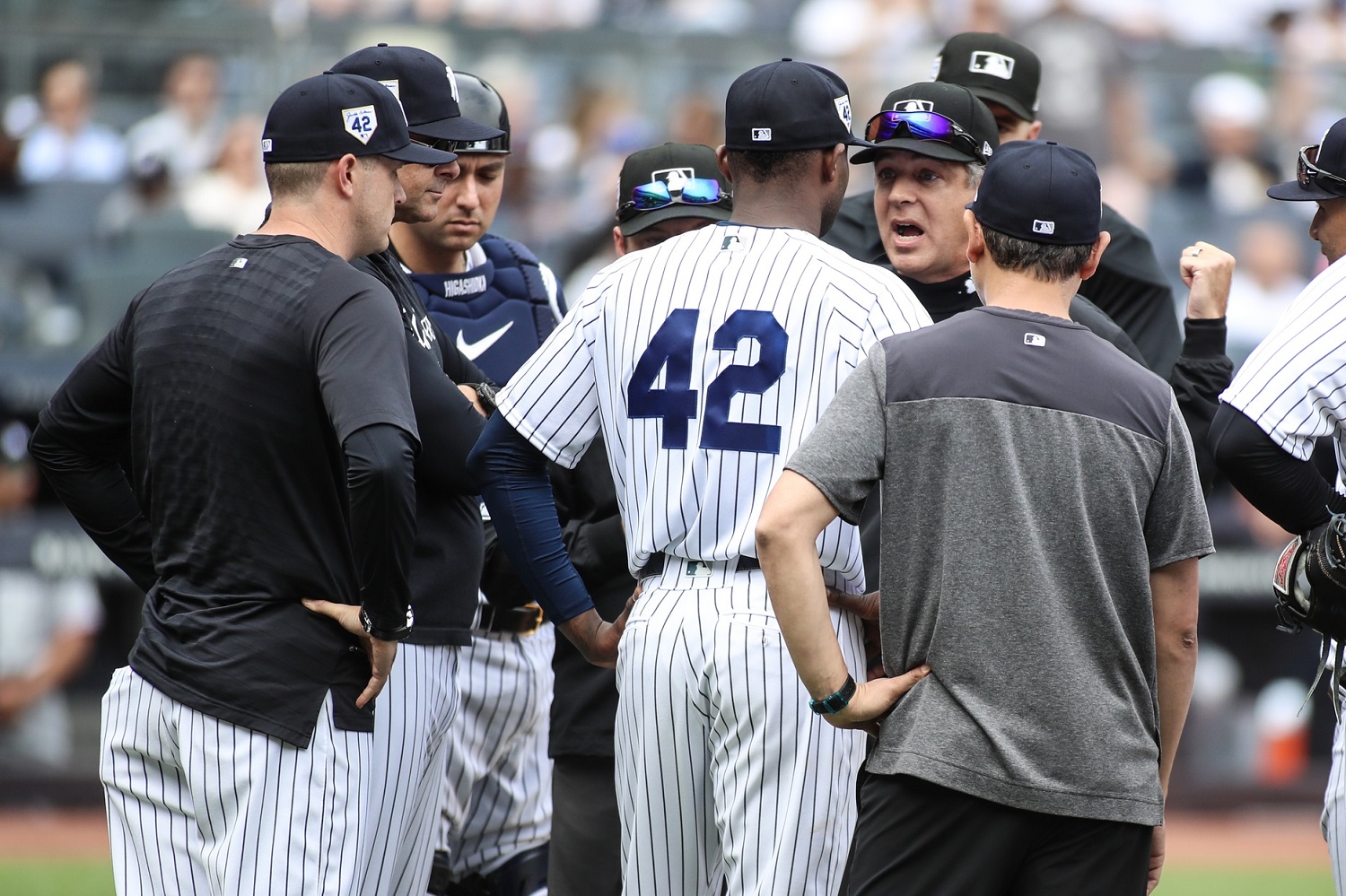 Major League Baseball entered the 2023 season attempting to refocus on pitchers' usage of sticky stuff. MLB held meetings during spring training, and sources told The Athletic "that message emerged loud and clear." According to the report, this would include more thorough inspections by umpires, more random inspections, and checking players' caps, gloves, and belts. Overall, MLB is responding to an uptick in spin rates since the initial crackdown in 2021. On Saturday, the umpire crew in the Twins-Yankees contest had an opportunity to enforce those rules, but it could have gone better for Minnesota. Domingo German had just completed three perfect innings when he was asked to undergo a routine check. Many Yankees players and coaches crowded around the umpire crew during the check that went on for an extended time. Eventually, the crew chief James Hoye was seen on camera saying, "You have to wash your hands." That could have ended the situation, but it continued from there. German came back out for the fourth inning, and the umpires weren't satisfied with how well he had cleaned his hands. Twins radio announcer Cory Provus pointed out that the umpire clearly said, "I told you to wipe it off." German was allowed to stay in the game, which upset the Twins' dugout. Rocco Baldelli approached the umpires following the second check and told reporters he had no plans to return to the dugout. He didn't accuse German of using an illegal substance but said that the pitcher should have been ejected for returning to the game with a substance still on his hand. "He was warned. He didn't fully comply, I would say, with the warning, from what I was told, and was still allowed to keep pitching. That's it. I just don't agree with that in principle..." Baldelli said after the game. "When he comes back, doesn't comply with what he was asked to do, has something on his hand that he shouldn't. . . and then he casually can just walk to the mound and keep pitching, it kind of goes against a lot of the things that we've talked about this year and some of the adjustments we're making in baseball. I was upset at it, and that's it." After the game, the umpiring crew told reporters that they believed the substance was rosin, which isn't illegal. That is why German was not ejected from the game. German's performance was arguably the best of his career. He struck out a career-high 11 batters in 6 1/3 innings while retiring the first 16 batters he faced. That stretch of batters lined up when his hands likely had the sticky substance on them. After being told to wash, his spin rates dropped on all his pitches while also seeing an increase in velocity. Hoye is scheduled to be behind the plate for Sunday's contest, which features Pablo Lopez going against Gerrit Cole. Cole has been accused of using sticky substances in the past, so it will be intriguing to see how closely both starters are watched in Sunday's series finale. German's sticky hands were the talk of baseball on Saturday, and fans can wait to see if MLB has a more significant response to the sticky situation. Will MLB have any response? Will there be any fallout in Sunday's game? Leave a COMMENT and start the discussion.
-
Injuries were one of the biggest storylines for the 2022 Twins, and some of the same issues have started to impact the 2023 roster. Is it time to start worrying about the Twins' depth? Image courtesy of Nathan Ray Seebeck-USA TODAY Sports Injuries were one of the biggest storylines for the 2022 Twins, and some of the same issues have started to impact the 2023 roster. Is it time to start worrying about the Twins' depth? One of the Twins' biggest focuses this winter was adding veteran depth to the big-league roster and helping the team manage injuries associated with a 162-game season. Every team deals with injuries, which is why getting the best performance from players on the roster is essential. The Twins hired new head athletic trainer Nick Paparesta away from the Athletics organization to deal with the team's injury woes. The Twins players missed the second most games due to injury last season, and a similar pattern is emerging for 2023. Here's a look at the team's injury situation so far this season, along with the roster replacements for each projected starter. Joey Gallo: Right Intercostal Strain Roster Replacement: Edouard Julien Gallo was off to a good start in his Twins tenure before an intercostal strain slowed him down. In seven games, he went 5-for-18 (.278 BA) with three home runs and one double. He told reporters he was in a good spot, but the decision to go on the IL was up to the medical staff. The Twins decided to take a cautious approach, and it helps to have one of the team's top prospects as a roster replacement. Julien has been impressive throughout his professional career, and this is his chance to show he belongs at the big-league level. Max Kepler: Right Knee Tendinitis Roster Replacement: Matt Wallner The Twins had been using Kepler in the lead-off spot against right-handed pitchers to start the season. He went 2-for-16 (.125 BA) in four games with a home run and a walk. During the Marlins series, he injured his knee while hustling down the first base line. There was some thought that he might be able to avoid the IL, but he tested the knee and felt some pain when he tried to decelerate. Wallner is the organization's reigning minor league player of the year and can fill a similar role on the roster to Kepler. In five Triple-A games, Wallner had gone 6-for-20 with two doubles, one triple, and one home run. Alex Kirilloff: Left Wrist Surgery Roster Replacement: Trevor Larnach The Twins took it slow with Kirilloff this spring after he dealt with wrist issues during the last two seasons. He began his rehab assignment in Fort Myers, which should put him on track to rejoin the Twins in the coming weeks. Larnach deserved to make the big-league roster after posting a 1.130 OPS during spring training. Over the last two seasons, he has shown the ability to be a middle-of-the-order bat when he is healthy. Currently, he's healthy and has been a vital part of the Twins line-up at the season's start. Jorge Polanco: Left Knee Injury Roster Replacement: Willi Castro Polanco ended the 2022 season on the IL, and his left knee had improved enough for him to be on the Opening Day roster. Like Kirilloff, Polanco has started playing in rehab games, including defensively at second base. Castro was a non-roster invitee this spring but made the Twins' Opening Day roster because of his defensive flexibility. He has played in a handful of games for the Twins, but the club has limited how regularly he has been a starter. When Polanco returns, Castro will likely be sent to Triple-A unless another injury impacts the roster. Kyle Farmer: Jaw Laceration Roster Replacement: Kyle Garlick Farmer was hit in the face by a Lucas Giolito offering during the finale of the White Sox series. He walked off the field under his own power, but there was some damage to his face. Luckily, he avoided a fractured jaw, but he had lacerations around his mouth and had to have some dental work. Gilberto Celestino will be transferred to the 60-day IL to make room for Garlick on the 40-man roster. Over the last two seasons, he has hit .233/.283/.446 (.728) with 11 doubles and 14 home runs. The Twins will use him primarily versus left-handed pitching. Expected Injuries: Royce Lewis, Chris Paddack The Twins expected Lewis and Paddack to start the year on the injured list, but it still impacts the team's roster construction. Lewis is recovering from his second ACL surgery in the last two years. He is progressing well in his rehab and expects to be ready to return around midseason. Paddack is recovering from his second Tommy John surgery and hopes to rejoin the Twins by August or September. Minnesota signed him to a three-year, $12.5 million extension this winter that will delay his free agency by one season. Are you concerned by the number of injuries so far with the Twins? Leave a COMMENT and start the discussion. View full article
-
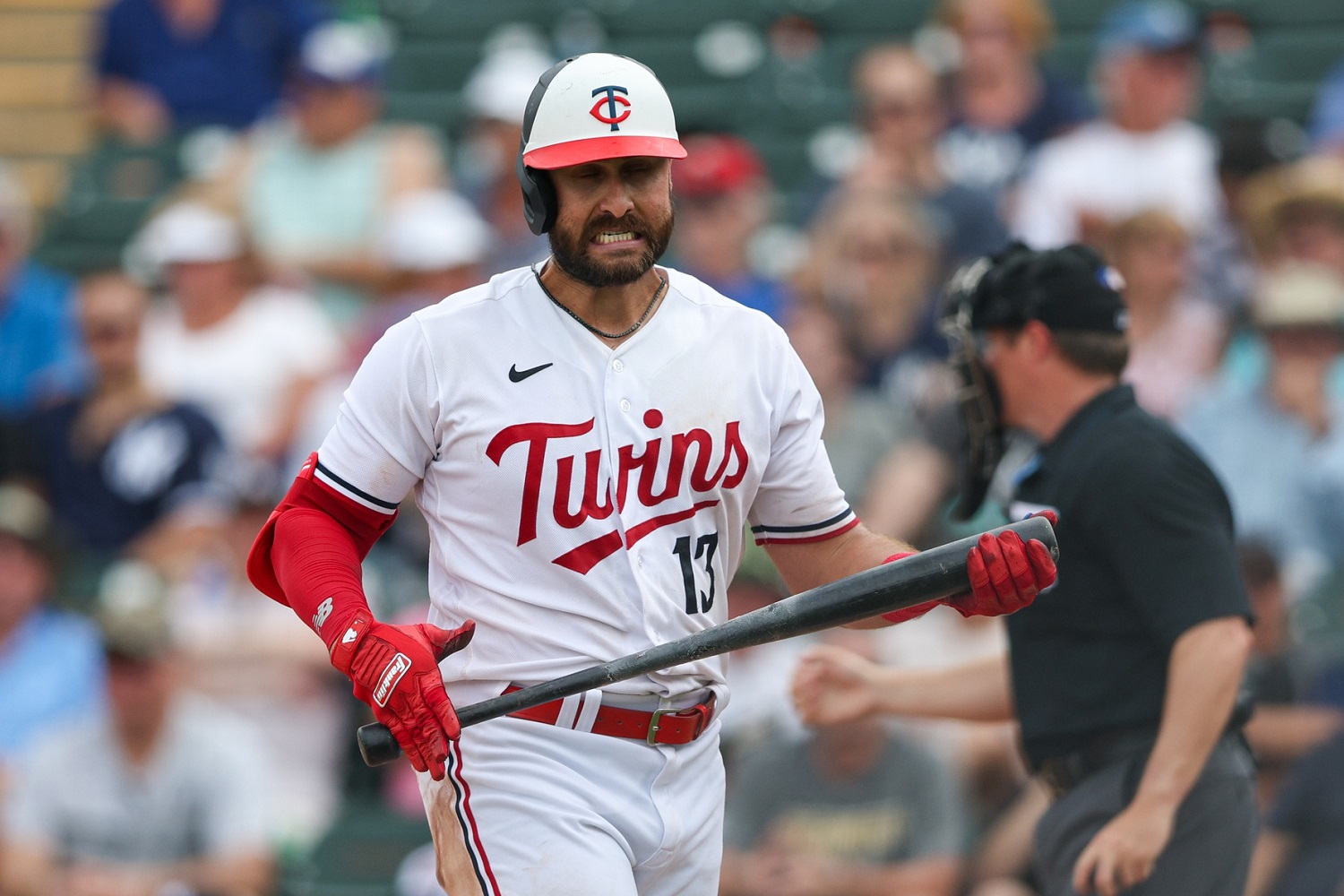 One of the Twins' biggest focuses this winter was adding veteran depth to the big-league roster and helping the team manage injuries associated with a 162-game season. Every team deals with injuries, which is why getting the best performance from players on the roster is essential. The Twins hired new head athletic trainer Nick Paparesta away from the Athletics organization to deal with the team's injury woes. The Twins players missed the second most games due to injury last season, and a similar pattern is emerging for 2023. Here's a look at the team's injury situation so far this season, along with the roster replacements for each projected starter. Joey Gallo: Right Intercostal Strain Roster Replacement: Edouard Julien Gallo was off to a good start in his Twins tenure before an intercostal strain slowed him down. In seven games, he went 5-for-18 (.278 BA) with three home runs and one double. He told reporters he was in a good spot, but the decision to go on the IL was up to the medical staff. The Twins decided to take a cautious approach, and it helps to have one of the team's top prospects as a roster replacement. Julien has been impressive throughout his professional career, and this is his chance to show he belongs at the big-league level. Max Kepler: Right Knee Tendinitis Roster Replacement: Matt Wallner The Twins had been using Kepler in the lead-off spot against right-handed pitchers to start the season. He went 2-for-16 (.125 BA) in four games with a home run and a walk. During the Marlins series, he injured his knee while hustling down the first base line. There was some thought that he might be able to avoid the IL, but he tested the knee and felt some pain when he tried to decelerate. Wallner is the organization's reigning minor league player of the year and can fill a similar role on the roster to Kepler. In five Triple-A games, Wallner had gone 6-for-20 with two doubles, one triple, and one home run. Alex Kirilloff: Left Wrist Surgery Roster Replacement: Trevor Larnach The Twins took it slow with Kirilloff this spring after he dealt with wrist issues during the last two seasons. He began his rehab assignment in Fort Myers, which should put him on track to rejoin the Twins in the coming weeks. Larnach deserved to make the big-league roster after posting a 1.130 OPS during spring training. Over the last two seasons, he has shown the ability to be a middle-of-the-order bat when he is healthy. Currently, he's healthy and has been a vital part of the Twins line-up at the season's start. Jorge Polanco: Left Knee Injury Roster Replacement: Willi Castro Polanco ended the 2022 season on the IL, and his left knee had improved enough for him to be on the Opening Day roster. Like Kirilloff, Polanco has started playing in rehab games, including defensively at second base. Castro was a non-roster invitee this spring but made the Twins' Opening Day roster because of his defensive flexibility. He has played in a handful of games for the Twins, but the club has limited how regularly he has been a starter. When Polanco returns, Castro will likely be sent to Triple-A unless another injury impacts the roster. Kyle Farmer: Jaw Laceration Roster Replacement: Kyle Garlick Farmer was hit in the face by a Lucas Giolito offering during the finale of the White Sox series. He walked off the field under his own power, but there was some damage to his face. Luckily, he avoided a fractured jaw, but he had lacerations around his mouth and had to have some dental work. Gilberto Celestino will be transferred to the 60-day IL to make room for Garlick on the 40-man roster. Over the last two seasons, he has hit .233/.283/.446 (.728) with 11 doubles and 14 home runs. The Twins will use him primarily versus left-handed pitching. Expected Injuries: Royce Lewis, Chris Paddack The Twins expected Lewis and Paddack to start the year on the injured list, but it still impacts the team's roster construction. Lewis is recovering from his second ACL surgery in the last two years. He is progressing well in his rehab and expects to be ready to return around midseason. Paddack is recovering from his second Tommy John surgery and hopes to rejoin the Twins by August or September. Minnesota signed him to a three-year, $12.5 million extension this winter that will delay his free agency by one season. Are you concerned by the number of injuries so far with the Twins? Leave a COMMENT and start the discussion.
- 31 comments
-
- 1
-
-
- joey gallo
- max kepler
- (and 3 more)
-
Edouard Julien put himself on the prospect map during the 2022 season, and now he’s getting his first big-league call-up. Let’s examine his journey to this point in his professional career. Image courtesy of Mark J. Rebilas-USA TODAY Sports Edouard Julien put himself on the prospect map during the 2022 season, and now he’s getting his first big-league call-up. Let’s examine his journey to this point in his professional career. The Twins drafted Edouard Julien in the 18th round of the 2019 MLB Draft from Auburn University. In two collegiate seasons, he hit .266/.393/.501 (.894) with 21 doubles, one triple, and 27 home runs in 127 games. His college career exemplified many skills he has shown as a professional, with high on-base totals and a powerful swing. He spoke French and Spanish, but very little English when he got to Auburn as an 18-year-old, so he dealt with a language barrier early in his college career. He was draft-eligible as a sophomore because MLB ruled that his secondary school year in Canada counted as a collegiate season. Minnesota signed him for $493,000, which is well over slot for that late in the draft. Shortly after signing, Julien hurt his elbow in the Pan Am Games, which forced him to have Tommy John surgery. He recovered for the 2020 season, but there were no minor-league games during the pandemic, so his professional debut was pushed back to 2021. During his first season, he split time between Low-A and High-A while playing four different defensive positions. In 112 games, he hit .267/.434/.480 (.914) with 28 doubles, one triple, 18 home runs, and led all minor leaguers with 110 walks. He was the first Twins prospect with 100 walks in a season since Bobby Kielty two decades earlier. It was a solid pro debut, but his 2022 season pushed him into the conversation as a global top-100 prospect. Julien spent the 2022 season at Double-A Wichita and posted some impressive numbers. He hit .300/.441/.490 (.931) with 19 doubles, three triples, and 17 home runs in 113 games. He added 98 walks to his resume and has walked more than any other minor-league hitter over the last two seasons combined. Minnesota wanted him to build off his breakout year, so they sent him to the Arizona Fall League, and he continued to blossom. The AFL can be a league that favors hitters more than pitchers, but Julien put up video game numbers. In 21 games, he hit .400/.563/.686 (1.248) with five doubles and five home runs. He went a perfect 6-for-6 in stolen base attempts and had more walks (23) than strikeouts (22). For his performance, Julien was named the 2022 AFL Breakout Player of the Year. According to the award criteria, it is given to the player that took the Fall League opportunity to propel himself into serious prospect status. Entering the 2023 season, Julien moved into Twins Daily’s top five prospects, a jump of five places from earlier in the year. The Twins also gave him opportunities this spring in his first year on the 40-man roster. In eight games, he went 8-for-23 (.348 BA) with three home runs and six runs. He might have gotten more opportunities with the Twins, but he was given the opportunity to play for Team Canada in the World Baseball Classic. Even without any big-league experience, he was thrust into the lead-off spots and responded in a big way. In four games, he went 7-for-13 (.538 BA) with two doubles, two home runs, and five walks. It looked like he was more than ready for the big leagues. Minnesota optioned Julien to Triple-A while he was away from the club during the WBC. He had never played a game above Double-A, and the Twins had plenty of veteran options ahead of him on the depth chart. He continued his strong hitting in St. Paul by going 9-for-31 with two doubles, two home runs, and seven walks across nine games. He was pulled early from Tuesday night's game in Indianapolis because he got called up to the Twins. So, what does Julien bring to the Twins? He has been an on-base machine at every professional level, and he will bring that patient approach to the Twins line-up. It will be interesting to see how big-league pitchers approach him early in his career because some scouting reports say he can be too passive sometimes in his desire to see pitches. His hit tool is among the best in the Twins system, and the Twins hope he can add something to an offense that has struggled to start the year. He also doesn’t have a clear defensive home, with the Twins using him primarily at second base over the last two seasons. Julien is replacing Joey Gallo on the roster, but it isn’t a perfect one-for-one swap regarding their defensive abilities. Julien has fewer than 200 defensive innings at first base, third base, and outfield in his professional career. Also, Jorge Polanco and Alex Kirilloff have started their rehab assignments, so seeing how long Julien can stick on the roster will be interesting. Hopefully, Julien’s performance is strong enough that the Twins will have a tough time ever sending him back to Triple-A. What do you think Julien can bring to the Twins? Leave a COMMENT and start the discussion. For much more on Edouard Julien, click here for all Twins Daily articles and videos in which Julien was tagged. View full article
-
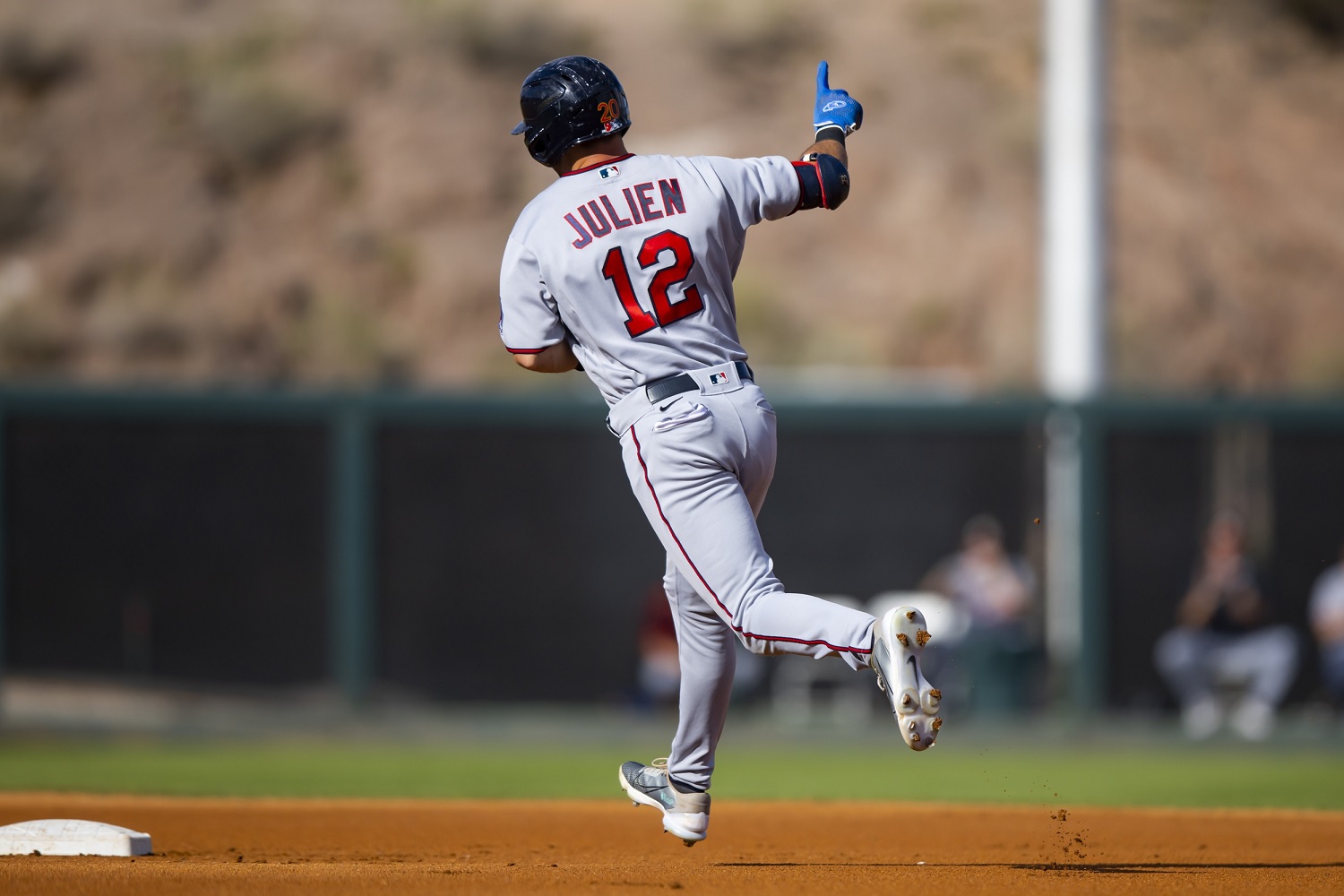 The Twins drafted Edouard Julien in the 18th round of the 2019 MLB Draft from Auburn University. In two collegiate seasons, he hit .266/.393/.501 (.894) with 21 doubles, one triple, and 27 home runs in 127 games. His college career exemplified many skills he has shown as a professional, with high on-base totals and a powerful swing. He spoke French and Spanish, but very little English when he got to Auburn as an 18-year-old, so he dealt with a language barrier early in his college career. He was draft-eligible as a sophomore because MLB ruled that his secondary school year in Canada counted as a collegiate season. Minnesota signed him for $493,000, which is well over slot for that late in the draft. Shortly after signing, Julien hurt his elbow in the Pan Am Games, which forced him to have Tommy John surgery. He recovered for the 2020 season, but there were no minor-league games during the pandemic, so his professional debut was pushed back to 2021. During his first season, he split time between Low-A and High-A while playing four different defensive positions. In 112 games, he hit .267/.434/.480 (.914) with 28 doubles, one triple, 18 home runs, and led all minor leaguers with 110 walks. He was the first Twins prospect with 100 walks in a season since Bobby Kielty two decades earlier. It was a solid pro debut, but his 2022 season pushed him into the conversation as a global top-100 prospect. Julien spent the 2022 season at Double-A Wichita and posted some impressive numbers. He hit .300/.441/.490 (.931) with 19 doubles, three triples, and 17 home runs in 113 games. He added 98 walks to his resume and has walked more than any other minor-league hitter over the last two seasons combined. Minnesota wanted him to build off his breakout year, so they sent him to the Arizona Fall League, and he continued to blossom. The AFL can be a league that favors hitters more than pitchers, but Julien put up video game numbers. In 21 games, he hit .400/.563/.686 (1.248) with five doubles and five home runs. He went a perfect 6-for-6 in stolen base attempts and had more walks (23) than strikeouts (22). For his performance, Julien was named the 2022 AFL Breakout Player of the Year. According to the award criteria, it is given to the player that took the Fall League opportunity to propel himself into serious prospect status. Entering the 2023 season, Julien moved into Twins Daily’s top five prospects, a jump of five places from earlier in the year. The Twins also gave him opportunities this spring in his first year on the 40-man roster. In eight games, he went 8-for-23 (.348 BA) with three home runs and six runs. He might have gotten more opportunities with the Twins, but he was given the opportunity to play for Team Canada in the World Baseball Classic. Even without any big-league experience, he was thrust into the lead-off spots and responded in a big way. In four games, he went 7-for-13 (.538 BA) with two doubles, two home runs, and five walks. It looked like he was more than ready for the big leagues. Minnesota optioned Julien to Triple-A while he was away from the club during the WBC. He had never played a game above Double-A, and the Twins had plenty of veteran options ahead of him on the depth chart. He continued his strong hitting in St. Paul by going 9-for-31 with two doubles, two home runs, and seven walks across nine games. He was pulled early from Tuesday night's game in Indianapolis because he got called up to the Twins. So, what does Julien bring to the Twins? He has been an on-base machine at every professional level, and he will bring that patient approach to the Twins line-up. It will be interesting to see how big-league pitchers approach him early in his career because some scouting reports say he can be too passive sometimes in his desire to see pitches. His hit tool is among the best in the Twins system, and the Twins hope he can add something to an offense that has struggled to start the year. He also doesn’t have a clear defensive home, with the Twins using him primarily at second base over the last two seasons. Julien is replacing Joey Gallo on the roster, but it isn’t a perfect one-for-one swap regarding their defensive abilities. Julien has fewer than 200 defensive innings at first base, third base, and outfield in his professional career. Also, Jorge Polanco and Alex Kirilloff have started their rehab assignments, so seeing how long Julien can stick on the roster will be interesting. Hopefully, Julien’s performance is strong enough that the Twins will have a tough time ever sending him back to Triple-A. What do you think Julien can bring to the Twins? Leave a COMMENT and start the discussion. For much more on Edouard Julien, click here for all Twins Daily articles and videos in which Julien was tagged.
-
Minnesota’s offense has been inconsistent to start the 2023 season, and one of the easiest offensive upgrades is to move Byron Buxton back to center field. How early will the Twins make this move? The answer is complicated. Image courtesy of Peter Aiken-USA TODAY Sports Minnesota’s offense has been inconsistent to start the 2023 season, and one of the easiest offensive upgrades is to move Byron Buxton back to center field. How early will the Twins make this move? The answer is complicated. One of the Twins’ biggest goals for 2023 is keeping Byron Buxton healthy and productive. Buxton’s injury history is well documented. Minnesota’s All-Star center fielder has only played over 100 games in one big-league season. His value to the Twins is undeniable, with 48 home runs in his last 162 games. There isn’t an easy solution to keeping Buxton on the field, but the Twins are attempting a different strategy to start the 2023 campaign. Buxton took a slow approach to prepare for the season during spring training. He got a lot of work on the back fields before appearing in his first game with the big-league club. Eventually, the Twins announced that Buxton would begin the year as the team’s full-time designated hitter. He is one of baseball’s best defensive center fielders, but he can’t play in the outfield when hurt. His bat has become so valuable that it hurts the team significantly when he can’t be in the lineup. The Twins traded for Michael A. Taylor this winter to have some insurance for Buxton in center field. Taylor is among a handful of players near Buxton’s level regarding defense in center field. At the time of the trade, it looked like a solid move to provide some Buxton insurance. Taylor isn’t an offensive threat, but the Twins hoped Buxton would play regularly in the outfield, and Taylor could be a bench option. That plan hasn’t come to fruition because Taylor has been needed in the line-up daily while Buxton is in the DH role. Typically, batters are slightly behind pitchers at the season’s start because of colder weather and the ramp-up to the season. Taylor has struggled to start the season by hitting .194/.219/.258 (.477) with two doubles and 12 strikeouts in his first nine games. Nick Gordon (-37 OPS+) is the only regular with a lower OPS+ than Taylor (32 OPS+). Taylor has a career 80 OPS+ which is below league average, but it also points to some improvement in his performance. With the plan for Buxton and Taylor, the Twins are losing an opportunity to have a bigger bat in the line-up regularly. If Buxton were in center field, the Twins could rotate DH through players like Trevor Larnach, Matt Wallner, Joey Gallo, and even Jorge Polanco when he returns from injury. Even if he is hitting his career average, Taylor provides negative offensive value, keeping the Twins line-up from reaching its full potential. So, what does building Buxton up look like when he isn’t getting any opportunities in the outfield? Based on reports, it sounds like the Twins will take the approach of “if it ain’t broke, then don’t fix it.” In a radio interview this past weekend, Derek Falvey said Buxton won’t see any time in centerfield until mid-May. When he starts in the outfield, it seems likely for the team to use a slow ramp-up with him starting in the outfield one-two days per week. Like it or not, Taylor will continue to get regular at-bats throughout the season’s first half. Looking forward, Twins fans can hope that Royce Lewis returns to the line-up in the second half and can make starts in center field. Lewis projects to start playing in minor league games in the coming weeks. It will be a slow build-up for one of the team’s top prospects as he returns from his second ACL tear. The Twins have stated that his knee might feel good, but he needs to continue strengthening the muscles around the injury to avoid future injuries. Many fans will eagerly be awaiting Lewis’ return, but it likely won’t come until mid-summer. Besides Lewis, some of Minnesota’s other center field depth has already been tested to start the year. Gilberto Celestino suffered an ulnar collateral ligament tear in his thumb that will sideline him until May. Austin Martin has a UCL sprain in his right elbow, which means the Twins have shut him down from throwing and hitting. Martin’s injury can eventually result in Tommy John surgery, but the Twins are hoping rest will help him avoid surgery. The team’s center field depth chart can quickly get low if Taylor misses time. Minnesota’s plan for Buxton is complicated because he is not guaranteed to stay healthy even when playing DH regularly. Fans have seen him be aggressive on the base paths to start the year, and he can get hurt just as easily sliding into a base as diving in the outfield. What is the correct timeline for Buxton to return to center field? Leave a COMMENT and start the discussion. View full article
- 86 replies
-
- 1
-
-
- byron buxton
- michael a taylor
- (and 1 more)
-
How Long Will the Twins Leave Byron Buxton at Full-Time DH?
Cody Christie posted an article in Twins
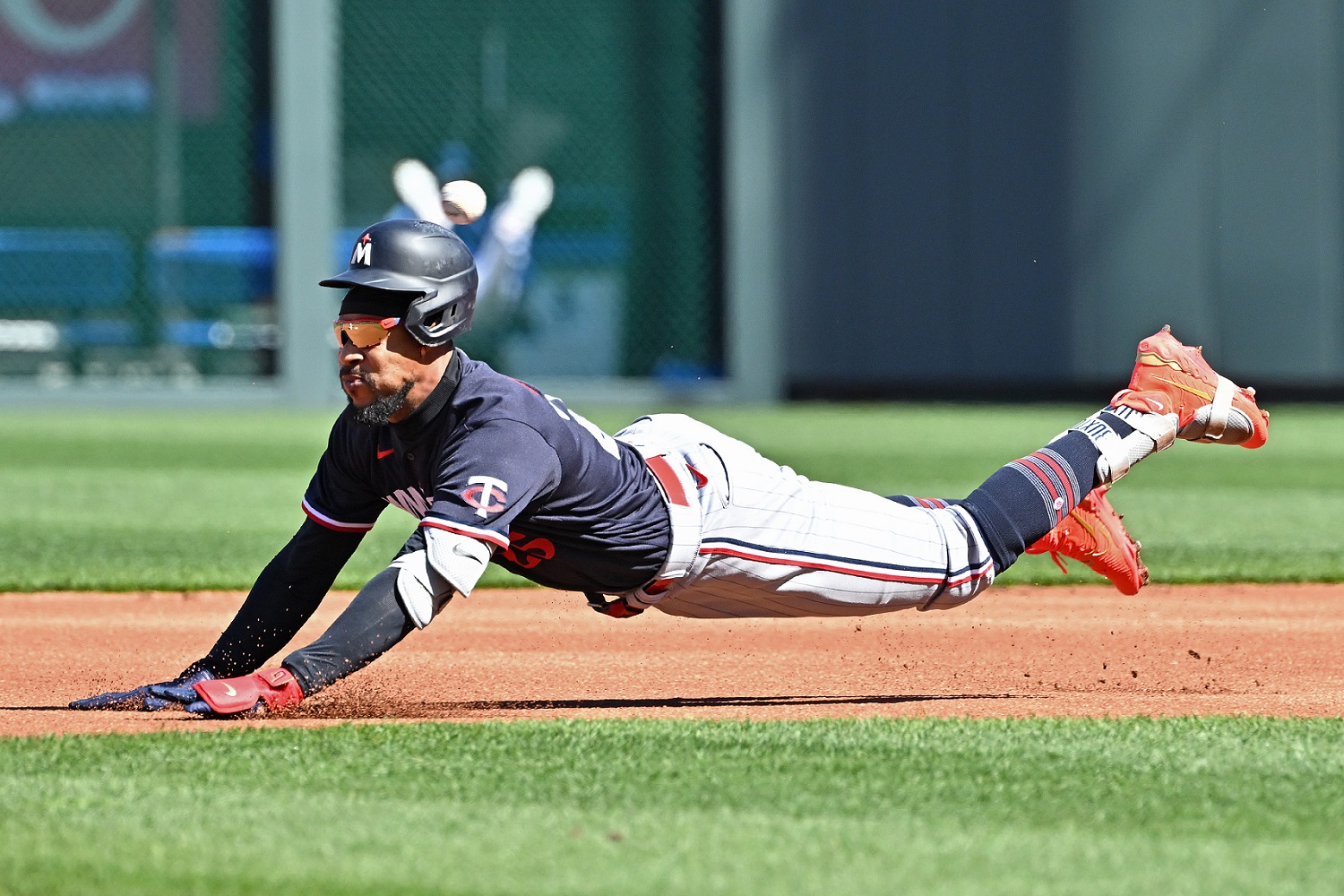 One of the Twins’ biggest goals for 2023 is keeping Byron Buxton healthy and productive. Buxton’s injury history is well documented. Minnesota’s All-Star center fielder has only played over 100 games in one big-league season. His value to the Twins is undeniable, with 48 home runs in his last 162 games. There isn’t an easy solution to keeping Buxton on the field, but the Twins are attempting a different strategy to start the 2023 campaign. Buxton took a slow approach to prepare for the season during spring training. He got a lot of work on the back fields before appearing in his first game with the big-league club. Eventually, the Twins announced that Buxton would begin the year as the team’s full-time designated hitter. He is one of baseball’s best defensive center fielders, but he can’t play in the outfield when hurt. His bat has become so valuable that it hurts the team significantly when he can’t be in the lineup. The Twins traded for Michael A. Taylor this winter to have some insurance for Buxton in center field. Taylor is among a handful of players near Buxton’s level regarding defense in center field. At the time of the trade, it looked like a solid move to provide some Buxton insurance. Taylor isn’t an offensive threat, but the Twins hoped Buxton would play regularly in the outfield, and Taylor could be a bench option. That plan hasn’t come to fruition because Taylor has been needed in the line-up daily while Buxton is in the DH role. Typically, batters are slightly behind pitchers at the season’s start because of colder weather and the ramp-up to the season. Taylor has struggled to start the season by hitting .194/.219/.258 (.477) with two doubles and 12 strikeouts in his first nine games. Nick Gordon (-37 OPS+) is the only regular with a lower OPS+ than Taylor (32 OPS+). Taylor has a career 80 OPS+ which is below league average, but it also points to some improvement in his performance. With the plan for Buxton and Taylor, the Twins are losing an opportunity to have a bigger bat in the line-up regularly. If Buxton were in center field, the Twins could rotate DH through players like Trevor Larnach, Matt Wallner, Joey Gallo, and even Jorge Polanco when he returns from injury. Even if he is hitting his career average, Taylor provides negative offensive value, keeping the Twins line-up from reaching its full potential. So, what does building Buxton up look like when he isn’t getting any opportunities in the outfield? Based on reports, it sounds like the Twins will take the approach of “if it ain’t broke, then don’t fix it.” In a radio interview this past weekend, Derek Falvey said Buxton won’t see any time in centerfield until mid-May. When he starts in the outfield, it seems likely for the team to use a slow ramp-up with him starting in the outfield one-two days per week. Like it or not, Taylor will continue to get regular at-bats throughout the season’s first half. Looking forward, Twins fans can hope that Royce Lewis returns to the line-up in the second half and can make starts in center field. Lewis projects to start playing in minor league games in the coming weeks. It will be a slow build-up for one of the team’s top prospects as he returns from his second ACL tear. The Twins have stated that his knee might feel good, but he needs to continue strengthening the muscles around the injury to avoid future injuries. Many fans will eagerly be awaiting Lewis’ return, but it likely won’t come until mid-summer. Besides Lewis, some of Minnesota’s other center field depth has already been tested to start the year. Gilberto Celestino suffered an ulnar collateral ligament tear in his thumb that will sideline him until May. Austin Martin has a UCL sprain in his right elbow, which means the Twins have shut him down from throwing and hitting. Martin’s injury can eventually result in Tommy John surgery, but the Twins are hoping rest will help him avoid surgery. The team’s center field depth chart can quickly get low if Taylor misses time. Minnesota’s plan for Buxton is complicated because he is not guaranteed to stay healthy even when playing DH regularly. Fans have seen him be aggressive on the base paths to start the year, and he can get hurt just as easily sliding into a base as diving in the outfield. What is the correct timeline for Buxton to return to center field? Leave a COMMENT and start the discussion.
- 86 comments
-
- 1
-

-
- byron buxton
- michael a taylor
- (and 1 more)
-
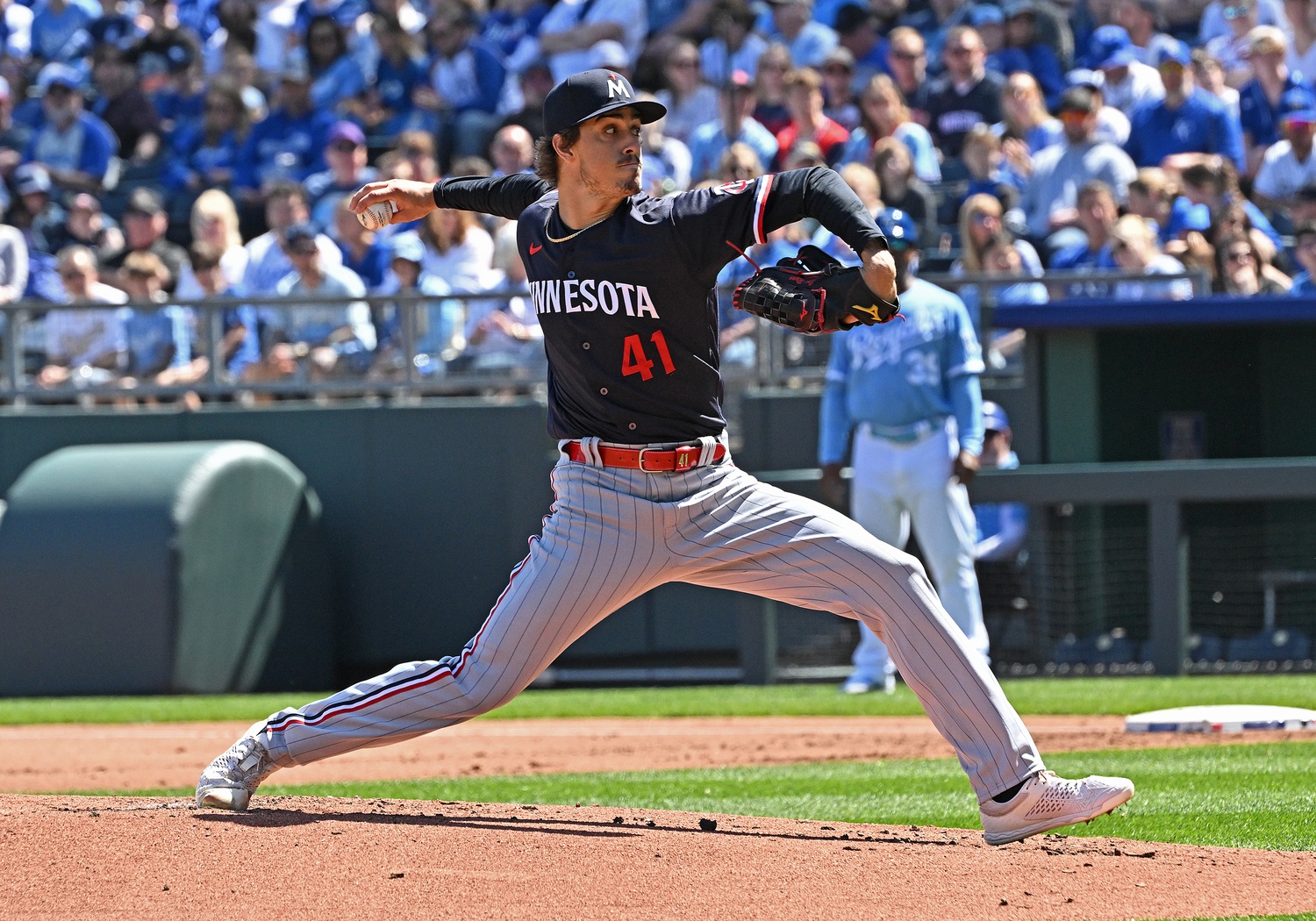 The Twins' front office knew it needed to add to the organization's starting pitching depth, and that's what they have done in recent years. Currently, every member of the starting staff was acquired via trade from Kenta Maeda in 2020 to Pablo Lopez in 2023. On paper, this is an unsustainable strategy to build a rotation unless the front office has a lot of faith in its ability to win trades. Minnesota has been winning on the field, which can erase the memories of unfavorable trades. Throughout the spring, the Twins coaches and players discussed starters pitching deeper into games. Sonny Gray is the veteran leader on the pitching staff, and he made it clear that the starters won't be satisfied with short outings. In recent seasons, the Twins have needed to bring in veteran starters to fill the fourth or fifth spot in the rotation. Many of those moves did not work out in the Twins' favor. Last season, Dylan Bundy and Chris Archer were among the team leaders in innings pitched, but the Twins couldn't leave them in for a third time through the order. That's one reason those players remained unsigned for most of the winter. Will the Twins be able to get more innings from their starting pitchers? Let's dive into the numbers in the first trip through the rotation. All statistics are through games played on April 4, 2023. During the 2022 season, Twins starters averaged 4.83 innings per start. Three teams ranked lower than Minnesota in average innings pitched from starters, the Washington Nationals, Pittsburgh Pirates, and Tampa Bay Rays. The Rays' inclusion on this list is skewed because they continue to utilize an opener, which is why their starters pitched over 14 fewer innings than any other MLB team last year. Injuries obviously played a role in the players the Twins used last season, with 14 different pitchers making at least one start. Entering play on Wednesday, the Twins ranked fifth in baseball in innings pitched by starting pitchers (5.26 IP/G). The teams that rank ahead of Minnesota include the Dodgers (5.83 IP/G), the Padres (5.72 IP/G), the Brewers (5.67 IP/G), and the White Sox (5.33 IP/G). Every Twins starter has pitched at least five innings, with Joe Ryan completing six frames in his first start. The bullpen has also been vital to start the season, but starting pitching is key for clubs looking to contend. Twins starters have also been effective in how many total pitches in each outing. Minnesota ranks 20th among teams for pitches thrown by their starting staff, but nine teams have played more games than the Twins. On a pitches-per-game basis, Twins starters have averaged 82.6 pitches per game, ranking 18th in baseball. It has been a small sample size so far, and Maeda likely would have added to this total had he not been removed early from his first start. Minnesota's starters rank near the top of baseball in multiple pitching categories, including ERA (1st), K (7th), BA (2nd), WHIP (3rd), and FIP (3rd). The Twins have also been able to strand runners at an incredible rate (99.2 LOB%), which is a total that is not sustainable. In 2022, the Twins ranked 16th in MLB with a 72.9 LOB%, while the Dodgers led baseball at 79.4%. It's been a great start to the season for the starters, and there will be some regression in the weeks ahead. However, there are signs the Twins are more willing to let starters pitch deeper into games than in previous seasons. What have been your impressions of the Twins' rotation so far? Leave a COMMENT and start the discussion.
-
Minnesota Twins starters are off to a tremendous start to the 2023 season. So, how do they compare to the rest of the league, and are they pitching longer into games? Image courtesy of Peter Aiken, USA Today Sports Minnesota Twins starters are off to a tremendous start to the 2023 season. So, how do they compare to the rest of the league, and are they pitching longer into games? The Twins' front office knew it needed to add to the organization's starting pitching depth, and that's what they have done in recent years. Currently, every member of the starting staff was acquired via trade from Kenta Maeda in 2020 to Pablo Lopez in 2023. On paper, this is an unsustainable strategy to build a rotation unless the front office has a lot of faith in its ability to win trades. Minnesota has been winning on the field, which can erase the memories of unfavorable trades. Throughout the spring, the Twins coaches and players discussed starters pitching deeper into games. Sonny Gray is the veteran leader on the pitching staff, and he made it clear that the starters won't be satisfied with short outings. In recent seasons, the Twins have needed to bring in veteran starters to fill the fourth or fifth spot in the rotation. Many of those moves did not work out in the Twins' favor. Last season, Dylan Bundy and Chris Archer were among the team leaders in innings pitched, but the Twins couldn't leave them in for a third time through the order. That's one reason those players remained unsigned for most of the winter. Will the Twins be able to get more innings from their starting pitchers? Let's dive into the numbers in the first trip through the rotation. All statistics are through games played on April 4, 2023. During the 2022 season, Twins starters averaged 4.83 innings per start. Three teams ranked lower than Minnesota in average innings pitched from starters, the Washington Nationals, Pittsburgh Pirates, and Tampa Bay Rays. The Rays' inclusion on this list is skewed because they continue to utilize an opener, which is why their starters pitched over 14 fewer innings than any other MLB team last year. Injuries obviously played a role in the players the Twins used last season, with 14 different pitchers making at least one start. Entering play on Wednesday, the Twins ranked fifth in baseball in innings pitched by starting pitchers (5.26 IP/G). The teams that rank ahead of Minnesota include the Dodgers (5.83 IP/G), the Padres (5.72 IP/G), the Brewers (5.67 IP/G), and the White Sox (5.33 IP/G). Every Twins starter has pitched at least five innings, with Joe Ryan completing six frames in his first start. The bullpen has also been vital to start the season, but starting pitching is key for clubs looking to contend. Twins starters have also been effective in how many total pitches in each outing. Minnesota ranks 20th among teams for pitches thrown by their starting staff, but nine teams have played more games than the Twins. On a pitches-per-game basis, Twins starters have averaged 82.6 pitches per game, ranking 18th in baseball. It has been a small sample size so far, and Maeda likely would have added to this total had he not been removed early from his first start. Minnesota's starters rank near the top of baseball in multiple pitching categories, including ERA (1st), K (7th), BA (2nd), WHIP (3rd), and FIP (3rd). The Twins have also been able to strand runners at an incredible rate (99.2 LOB%), which is a total that is not sustainable. In 2022, the Twins ranked 16th in MLB with a 72.9 LOB%, while the Dodgers led baseball at 79.4%. It's been a great start to the season for the starters, and there will be some regression in the weeks ahead. However, there are signs the Twins are more willing to let starters pitch deeper into games than in previous seasons. What have been your impressions of the Twins' rotation so far? Leave a COMMENT and start the discussion. View full article
-
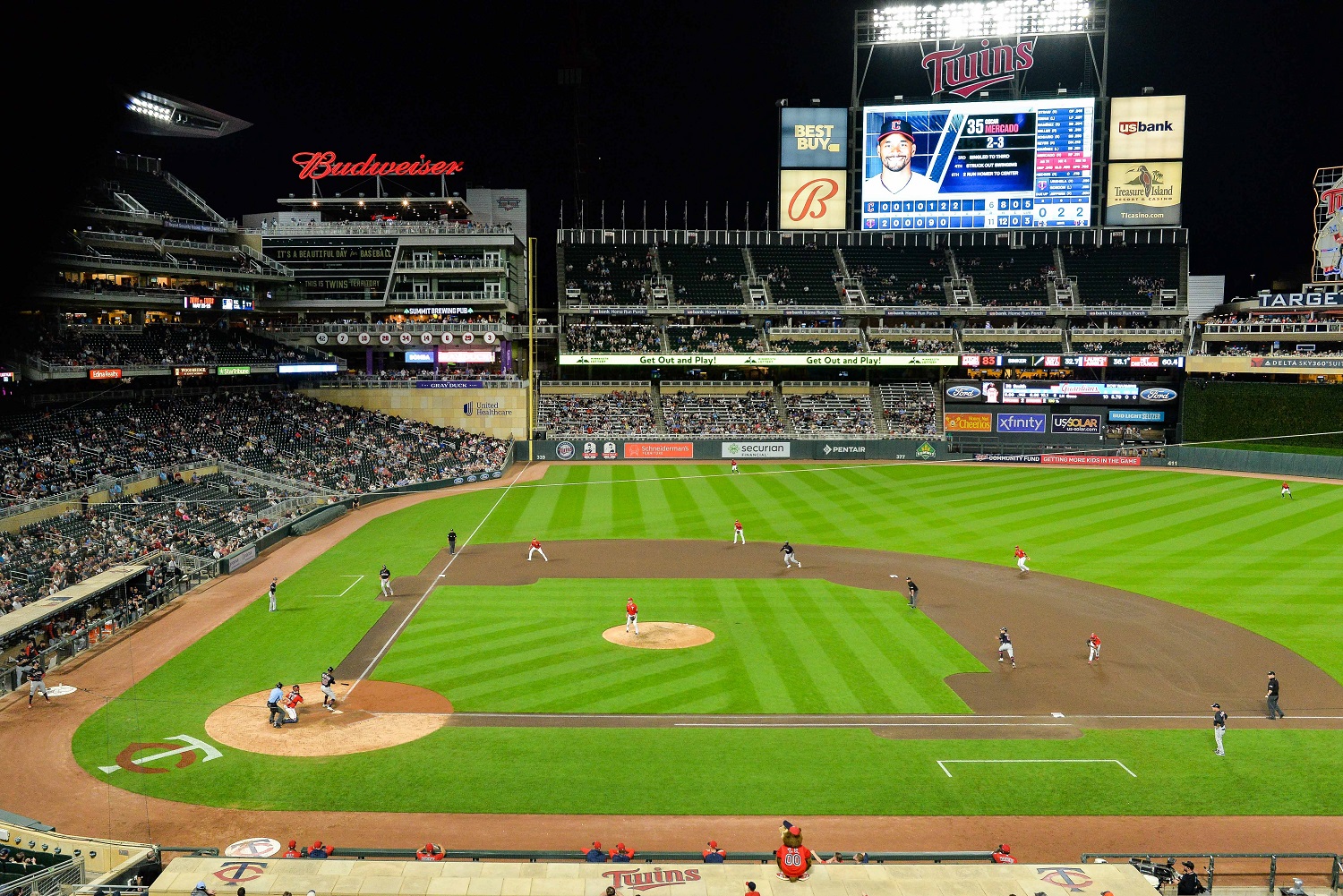 On Wednesday, Daniel Kaplan of The Athletic reported that MLB filed an emergency motion in the bankruptcy proceedings for Diamond Sports, the parent company of Bally Sports North. Recently, Diamond Sports missed a payment to the Minnesota Twins and Cleveland Guardians, so MLB is demanding payment to these two organizations by April 13. How Did the Situation Reach This Point? Last month, Diamond Sports filed for Chapter 11 bankruptcy protection. At the time, they said the regional sports channels would continue to operate. The issue continues to be the number of customers that continue to cord-cut and search for streaming options. With fewer viewers, there is a decrease in revenue from ad sales and cable contracts. Some teams are losing money for their regional network, which doesn't help Diamond stay profitable. The New York Post reported that Diamond planned to reject the contracts of four teams that cost more to operate than they bring in with cable contracts and ads. At the time, the Cincinnati Reds, Cleveland Guardians, San Diego Padres, and Arizona Diamondbacks were the teams most likely to have their contracts rejected due to bankruptcy proceedings. The Padres lose the most money at $20 million annually. Diamond missed a payment to the Diamondbacks before filing for bankruptcy, and now the Twins and Guardians join the list. What Changed? Bally Sports North has continued to televise Twins games even though Diamond Sports missed a payment. In the motion, MLB's lawyers wrote that Bally Sports decided to miss a required payment "even though they continue to use the Clubs' valuable intellectual property every day. By continuing to broadcast Guardians and Twins games, they generate postpetition revenue, yet boldly refuse to pay the Clubs." According to reports, the Guardians' annual fee is $55 million, while the Twins is $42 million. The Twins weren't included on the initial list from the New York Times, but the team's television market is complicated compared to others across baseball. Historically, the Twin Cities has fewer people utilizing cable services, resulting in smaller television deals for the Twins. Minnesota's current television contract expires after the 2023 season, so Diamond might be willing to lose the Twins sooner rather than later. What Happens Next? MLB has given Diamond one week to make up its missed payments to the Twins and Guardians, but that seems unlikely. Throughout this process, MLB has insisted that it is prepared to take over the broadcasts if needed. MLB has hired former regional sports network executives to help transition to broadcasting games, and now they will face a unique situation. "With the 2023 season underway, the Clubs are navigating a complicated and fragile situation without certainty in their ability to consistently provide games for the millions of fans who follow professional baseball through daily televised broadcasts," MLB's lawyers wrote in their motion to the courts. The New York Post reported that MLB planned to stream games for free while attempting to negotiate with other cable companies for lower contracts. At the time of the report, there was no finalized plan for how black-out restrictions would work for these games. MLB plans to offer a streaming service for around $15 per month if a deal is reached with a different cable company. Eventually, an overarching streaming service is something that baseball will need to consider to help with marketing its game. How are you currently watching Twins games? Would you pay $15 monthly for MLB's streaming service? Leave a COMMENT and start the discussion.
-
The Twins have been attempting to create a pitching pipeline, starting with developing arms up and down the organization. Here is one pitcher to watch for each Twins affiliate in 2023. Image courtesy of William Parmeter The Twins have been attempting to create a pitching pipeline, starting with developing arms up and down the organization. Here is one pitcher to watch for each Twins affiliate in 2023. The Guardians have stayed relevant in the AL Central because of their ability to continue to churn out above-average big-league arms. Minnesota is trying to replicate Cleveland’s pitching philosophy which is one of the reasons why the team hired Derek Falvey away from their organization. Below are pitchers to keep tabs on this season, even if they aren’t the top-ranked prospect at that level. Triple-A: Randy Dobnak Saints Opening Day Roster The Saints are starting the year with a loaded rotation, including Bailey Ober, Louie Varland, and Simeon Woods Richardson. Randy Dobnak might be a forgotten piece of the organization’s pitching depth. Minnesota signed him to a five-year extension leading into the 2021 season, but a finger injury has limited him to just over 50 big-league innings over the last two years. He’s no longer on the 40-man roster and needs to prove he is healthy before the Twins give him another big-league opportunity. Fans also need to keep realistic expectations for Dobnak in 2023. In his first Saints start, he allowed one earned run on three hits with five walks and five strikeouts. Multiple younger pitching prospects have passed him in the organization’s depth chart, but that doesn’t mean he can’t provide future value to the club. Double-A: Kody Funderburk Wind Surge Opening Day Roster The Twins drafted Funderburk in the 15th round of the 2018 MLB Draft from Dallas Baptist University. Last season, he spent the entire season at Double-A with a 2.94 ERA and a 1.32 WHIP with a 103-to-44 strikeout-to-walk ratio in 107 innings. He was slightly older than the average age of the competition at Double-A last season, so it will be interesting to see how the Twins treat him this year. The left-handed hurler will be even older for the level in 2023, but there are other names ahead of him at Triple-A. His goal should be to reach Triple-A by the season’s second half. David Festa is the highest-ranked pitching prospect on the Wind Surge staff, with former top prospect Blayne Enlow also on the roster. High-A: Jaylen Nowlin Kernels Opening Day Roster Many eyes will be on Cedar Rapids to see the professional debut of Connor Prielipp, Minnesota’s second-round pick in 2022. He was considered one of the top college arms in the draft class but was recovering from Tommy John surgery. Nowlin joins Prielipp in the Kernels rotation, and he looks like a steal from the 19th round of the 2021 MLB Draft. In 2022, Nowlin made 22 appearances between Low- and High-A with a 3.80 ERA and a 1.35 WHIP. His strikeout rate was impressive as he posted a 14.1 K/9 with 111 strikeouts in 71 innings. In 2023, he needs to continue to build his innings total and cut back on his walk (4.6 BB/9) and hit rate (7.6 H/9). He’s starting the season where he ended last year and now needs to prove he can make positive strides as a starting pitcher. Low-A: Juan (Miguel) Olivares Mighty Mussels Opening Day Roster Minnesota signed Olivares out of Venezuela in September 2021, which meant the 2022 season marked his professional debut. Twins Daily voted Olivares the short-season minor league pitcher of the year after posting a 1.44 ERA and a 0.94 WHIP over 50 innings. He has not allowed a home run during his professional career and posted a 54-to-20 strikeout-to-walk ratio. As a 19-year-old, he will come stateside in 2023 and look to build off his award-winning pro debut. Nearly 78% of his plate appearances came against younger batters, and that trend should continue during the 2023 campaign. He’s a long way from Target Field, but he can continue to make strides that will help him rise on prospect rankings. Which pitchers will you be watching at each level? Will any of the names listed above have a breakout season? Leave a COMMENT and start the discussion. View full article
-
One Twins Pitching Prospect to Watch at Each Minor League Level
Cody Christie posted an article in Minor Leagues
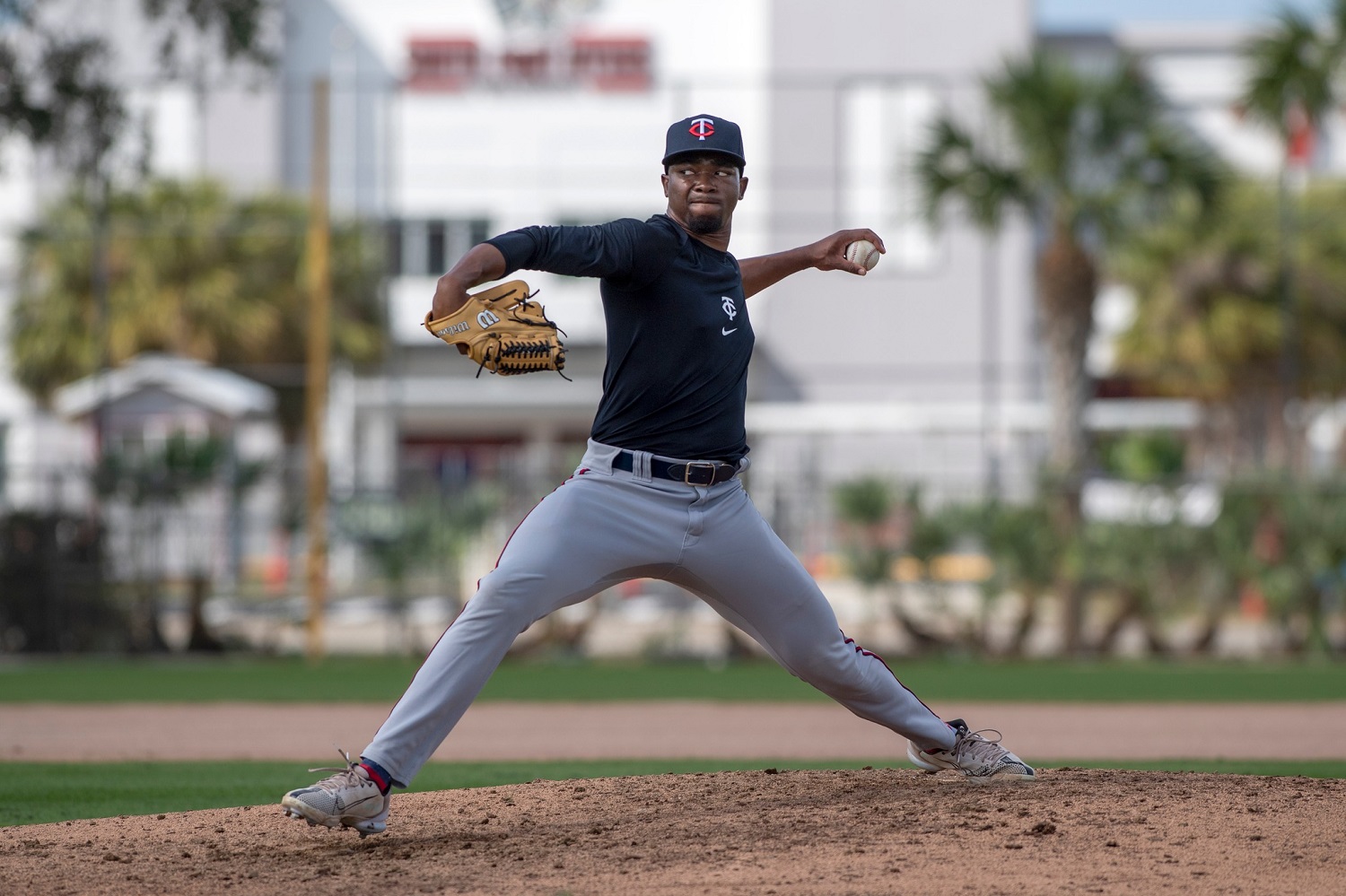 The Guardians have stayed relevant in the AL Central because of their ability to continue to churn out above-average big-league arms. Minnesota is trying to replicate Cleveland’s pitching philosophy which is one of the reasons why the team hired Derek Falvey away from their organization. Below are pitchers to keep tabs on this season, even if they aren’t the top-ranked prospect at that level. Triple-A: Randy Dobnak Saints Opening Day Roster The Saints are starting the year with a loaded rotation, including Bailey Ober, Louie Varland, and Simeon Woods Richardson. Randy Dobnak might be a forgotten piece of the organization’s pitching depth. Minnesota signed him to a five-year extension leading into the 2021 season, but a finger injury has limited him to just over 50 big-league innings over the last two years. He’s no longer on the 40-man roster and needs to prove he is healthy before the Twins give him another big-league opportunity. Fans also need to keep realistic expectations for Dobnak in 2023. In his first Saints start, he allowed one earned run on three hits with five walks and five strikeouts. Multiple younger pitching prospects have passed him in the organization’s depth chart, but that doesn’t mean he can’t provide future value to the club. Double-A: Kody Funderburk Wind Surge Opening Day Roster The Twins drafted Funderburk in the 15th round of the 2018 MLB Draft from Dallas Baptist University. Last season, he spent the entire season at Double-A with a 2.94 ERA and a 1.32 WHIP with a 103-to-44 strikeout-to-walk ratio in 107 innings. He was slightly older than the average age of the competition at Double-A last season, so it will be interesting to see how the Twins treat him this year. The left-handed hurler will be even older for the level in 2023, but there are other names ahead of him at Triple-A. His goal should be to reach Triple-A by the season’s second half. David Festa is the highest-ranked pitching prospect on the Wind Surge staff, with former top prospect Blayne Enlow also on the roster. High-A: Jaylen Nowlin Kernels Opening Day Roster Many eyes will be on Cedar Rapids to see the professional debut of Connor Prielipp, Minnesota’s second-round pick in 2022. He was considered one of the top college arms in the draft class but was recovering from Tommy John surgery. Nowlin joins Prielipp in the Kernels rotation, and he looks like a steal from the 19th round of the 2021 MLB Draft. In 2022, Nowlin made 22 appearances between Low- and High-A with a 3.80 ERA and a 1.35 WHIP. His strikeout rate was impressive as he posted a 14.1 K/9 with 111 strikeouts in 71 innings. In 2023, he needs to continue to build his innings total and cut back on his walk (4.6 BB/9) and hit rate (7.6 H/9). He’s starting the season where he ended last year and now needs to prove he can make positive strides as a starting pitcher. Low-A: Juan (Miguel) Olivares Mighty Mussels Opening Day Roster Minnesota signed Olivares out of Venezuela in September 2021, which meant the 2022 season marked his professional debut. Twins Daily voted Olivares the short-season minor league pitcher of the year after posting a 1.44 ERA and a 0.94 WHIP over 50 innings. He has not allowed a home run during his professional career and posted a 54-to-20 strikeout-to-walk ratio. As a 19-year-old, he will come stateside in 2023 and look to build off his award-winning pro debut. Nearly 78% of his plate appearances came against younger batters, and that trend should continue during the 2023 campaign. He’s a long way from Target Field, but he can continue to make strides that will help him rise on prospect rankings. Which pitchers will you be watching at each level? Will any of the names listed above have a breakout season? Leave a COMMENT and start the discussion.
- 5 comments
-
- 4
-
-
- randy dobnak
- jaylen nowlin
- (and 2 more)
-
The Twins' television situation is becoming cloudier by the day. Now, Diamond Sports has missed a payment to the Twins and MLB has stepped in to force action. Image courtesy of Jeffrey Becker-USA TODAY Sports The Twins' television situation is becoming cloudier by the day. Now, Diamond Sports has missed a payment to the Twins and MLB has stepped in to force action. On Wednesday, Daniel Kaplan of The Athletic reported that MLB filed an emergency motion in the bankruptcy proceedings for Diamond Sports, the parent company of Bally Sports North. Recently, Diamond Sports missed a payment to the Minnesota Twins and Cleveland Guardians, so MLB is demanding payment to these two organizations by April 13. How Did the Situation Reach This Point? Last month, Diamond Sports filed for Chapter 11 bankruptcy protection. At the time, they said the regional sports channels would continue to operate. The issue continues to be the number of customers that continue to cord-cut and search for streaming options. With fewer viewers, there is a decrease in revenue from ad sales and cable contracts. Some teams are losing money for their regional network, which doesn't help Diamond stay profitable. The New York Post reported that Diamond planned to reject the contracts of four teams that cost more to operate than they bring in with cable contracts and ads. At the time, the Cincinnati Reds, Cleveland Guardians, San Diego Padres, and Arizona Diamondbacks were the teams most likely to have their contracts rejected due to bankruptcy proceedings. The Padres lose the most money at $20 million annually. Diamond missed a payment to the Diamondbacks before filing for bankruptcy, and now the Twins and Guardians join the list. What Changed? Bally Sports North has continued to televise Twins games even though Diamond Sports missed a payment. In the motion, MLB's lawyers wrote that Bally Sports decided to miss a required payment "even though they continue to use the Clubs' valuable intellectual property every day. By continuing to broadcast Guardians and Twins games, they generate postpetition revenue, yet boldly refuse to pay the Clubs." According to reports, the Guardians' annual fee is $55 million, while the Twins is $42 million. The Twins weren't included on the initial list from the New York Times, but the team's television market is complicated compared to others across baseball. Historically, the Twin Cities has fewer people utilizing cable services, resulting in smaller television deals for the Twins. Minnesota's current television contract expires after the 2023 season, so Diamond might be willing to lose the Twins sooner rather than later. What Happens Next? MLB has given Diamond one week to make up its missed payments to the Twins and Guardians, but that seems unlikely. Throughout this process, MLB has insisted that it is prepared to take over the broadcasts if needed. MLB has hired former regional sports network executives to help transition to broadcasting games, and now they will face a unique situation. "With the 2023 season underway, the Clubs are navigating a complicated and fragile situation without certainty in their ability to consistently provide games for the millions of fans who follow professional baseball through daily televised broadcasts," MLB's lawyers wrote in their motion to the courts. The New York Post reported that MLB planned to stream games for free while attempting to negotiate with other cable companies for lower contracts. At the time of the report, there was no finalized plan for how black-out restrictions would work for these games. MLB plans to offer a streaming service for around $15 per month if a deal is reached with a different cable company. Eventually, an overarching streaming service is something that baseball will need to consider to help with marketing its game. How are you currently watching Twins games? Would you pay $15 monthly for MLB's streaming service? Leave a COMMENT and start the discussion. View full article
-
One Twins Hitting Prospect to Watch at Each Minor League Level
Cody Christie posted an article in Minor Leagues
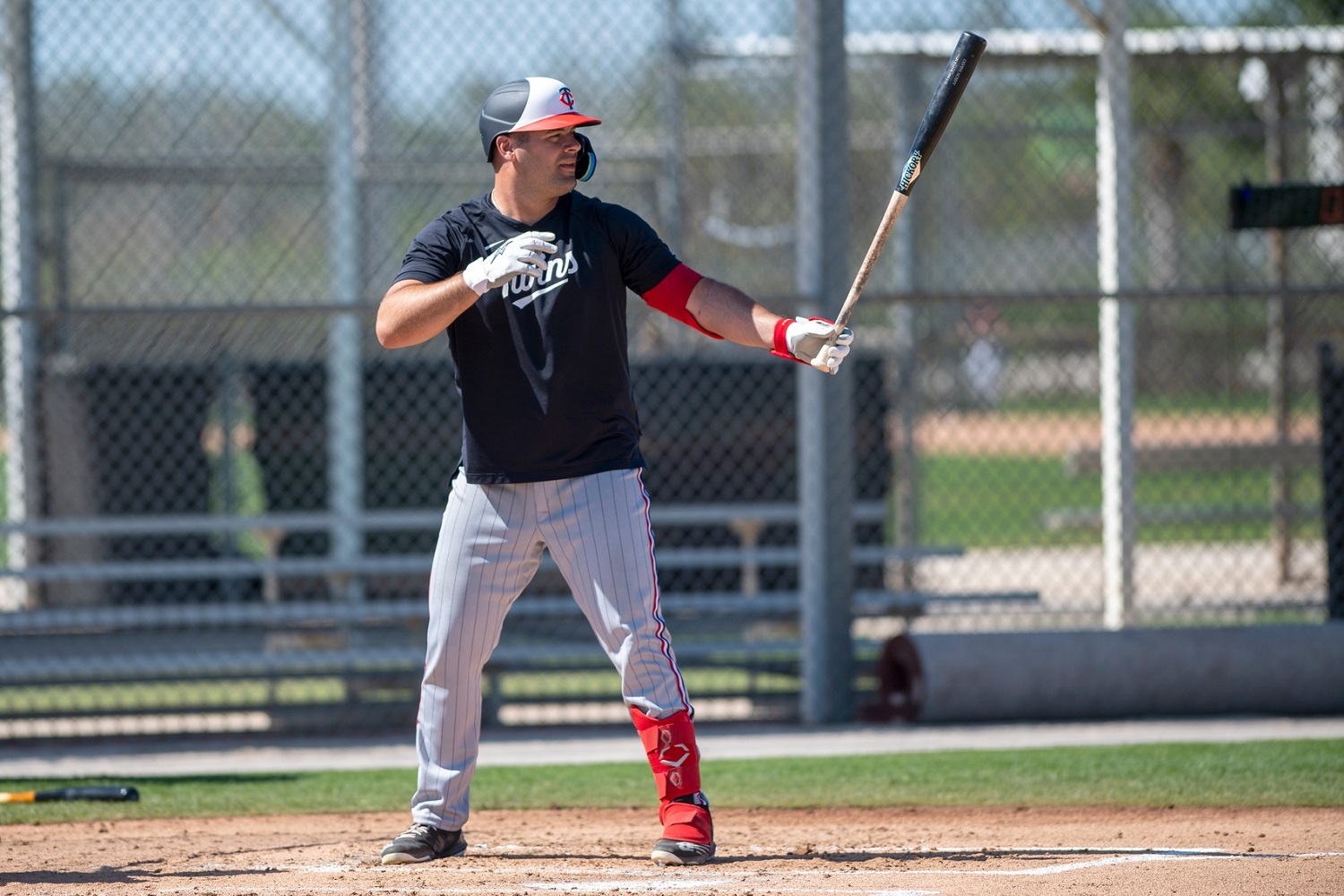 The Twins have accumulated depth in the upper levels of the minors, with many of their top prospects projected to play at the Double-A and Triple-A levels. Other prospects are further away from Target Field, but that doesn’t mean their development is any less important. Below are hitters to keep tabs on this season, even if they aren’t the top-ranked prospect at that level. Triple-A: Matt Wallner Saints Opening Day Roster Many fans will keep close tabs on Edouard Julien’s Triple-A performance based on a solid spring and WBC performance. Don’t forget about Matt Wallner. He’s coming off a tremendous 2022 season, hitting .277/.412/.542 (.953) with 32 doubles, four triples, and 27 home runs between Double-A and Triple-A. Twins Daily named Wallner the 2022 Minor League Hitter of the Year, but he dropped in the site’s prospect rankings from eighth to eleventh. He’s off to a strong start at Triple-A by going 4-for-12 with three extra-base hits and three runs. Wallner will impact the big-league roster at some point in 2023, but he will have to bide his time with the Saints until an opportunity is available. Double-A: Aaron Sabato Wind Surge Opening Day Roster Brooks Lee, the organization’s top prospect, will start the year at Double-A, where he ended the 2022 season. Like Lee, Sabato is a former first-round pick, but he is still waiting on a breakout season. Last season, he split time between High- and Double-A while hitting .215/.336/.438 (.774) with 17 doubles and 22 home runs. He’s averaged 38 extra-base hits per season in his professional career. Sabato turns 24 years old in June, which should be roughly the average age of the competition at his level. He’s played at two levels in each of his first two professional seasons, so he will be trying to power his way to Triple-A by the season’s second half. High-A: Misael Urbina Kernels Opening Day Roster The Kernels have four of Twins Daily’s top-10 prospects on their Opening Day roster, including Emmanuel Rodriguez, Marco Raya, Connor Prielipp, and Jose Salas. All eyes will be on Rodriguez based on his 2022 performance and emergence as a top-100 global prospect. Urbina is an intriguing name to follow. He was one of Minnesota’s top international signees back in 2018 and played parts of the last two seasons in Fort Myers. Last season, he hit .247/.323/.407 (.730) with 26 extra-base hits in 60 games. He continues to have the skills to be a five-tool player, but he needs to put it all together for an entire season. Low-A: Ricardo Olivar Mighty Mussels Opening Day Roster None of Twins Daily’s top 20 prospects are on the Fort Myers roster to start the 2023 season, but there are still hitters to watch. Danny De Andrade is the top-ranked prospect in the group, and he will be making his full-season debut. Olivar played most of 2022 at the rookie level but posted some solid offensive numbers. In 43 games, he hit .341/.433/.580 (1.013) with 12 doubles, three triples, and five home runs. Defensively, he is a catcher, but the Twins have been giving him more time in the outfield to keep his bat in the line-up. Can he build off his strong offensive showing with more playing time in 2023? Which hitters will you be watching at each level? Will any of the names listed above have a breakout season? Leave a COMMENT and start the discussion.
- 5 comments
-
- 4
-
-
- matt wallner
- aaron sabato
- (and 2 more)
-
The Saints have already kicked off their 2023 campaign, and other affiliates will follow shortly. Here is one hitter to watch for each Twins affiliate in 2023. Image courtesy of William Parmeter The Saints have already kicked off their 2023 campaign, and other affiliates will follow shortly. Here is one hitter to watch for each Twins affiliate in 2023. The Twins have accumulated depth in the upper levels of the minors, with many of their top prospects projected to play at the Double-A and Triple-A levels. Other prospects are further away from Target Field, but that doesn’t mean their development is any less important. Below are hitters to keep tabs on this season, even if they aren’t the top-ranked prospect at that level. Triple-A: Matt Wallner Saints Opening Day Roster Many fans will keep close tabs on Edouard Julien’s Triple-A performance based on a solid spring and WBC performance. Don’t forget about Matt Wallner. He’s coming off a tremendous 2022 season, hitting .277/.412/.542 (.953) with 32 doubles, four triples, and 27 home runs between Double-A and Triple-A. Twins Daily named Wallner the 2022 Minor League Hitter of the Year, but he dropped in the site’s prospect rankings from eighth to eleventh. He’s off to a strong start at Triple-A by going 4-for-12 with three extra-base hits and three runs. Wallner will impact the big-league roster at some point in 2023, but he will have to bide his time with the Saints until an opportunity is available. Double-A: Aaron Sabato Wind Surge Opening Day Roster Brooks Lee, the organization’s top prospect, will start the year at Double-A, where he ended the 2022 season. Like Lee, Sabato is a former first-round pick, but he is still waiting on a breakout season. Last season, he split time between High- and Double-A while hitting .215/.336/.438 (.774) with 17 doubles and 22 home runs. He’s averaged 38 extra-base hits per season in his professional career. Sabato turns 24 years old in June, which should be roughly the average age of the competition at his level. He’s played at two levels in each of his first two professional seasons, so he will be trying to power his way to Triple-A by the season’s second half. High-A: Misael Urbina Kernels Opening Day Roster The Kernels have four of Twins Daily’s top-10 prospects on their Opening Day roster, including Emmanuel Rodriguez, Marco Raya, Connor Prielipp, and Jose Salas. All eyes will be on Rodriguez based on his 2022 performance and emergence as a top-100 global prospect. Urbina is an intriguing name to follow. He was one of Minnesota’s top international signees back in 2018 and played parts of the last two seasons in Fort Myers. Last season, he hit .247/.323/.407 (.730) with 26 extra-base hits in 60 games. He continues to have the skills to be a five-tool player, but he needs to put it all together for an entire season. Low-A: Ricardo Olivar Mighty Mussels Opening Day Roster None of Twins Daily’s top 20 prospects are on the Fort Myers roster to start the 2023 season, but there are still hitters to watch. Danny De Andrade is the top-ranked prospect in the group, and he will be making his full-season debut. Olivar played most of 2022 at the rookie level but posted some solid offensive numbers. In 43 games, he hit .341/.433/.580 (1.013) with 12 doubles, three triples, and five home runs. Defensively, he is a catcher, but the Twins have been giving him more time in the outfield to keep his bat in the line-up. Can he build off his strong offensive showing with more playing time in 2023? Which hitters will you be watching at each level? Will any of the names listed above have a breakout season? Leave a COMMENT and start the discussion. View full article
-
The Twins would likely redo the Tyler Mahle trade if given the opportunity. As the 2023 season begins, Minnesota still hopes to gain some value from this trade. Image courtesy of Gary A. Vasquez-USA TODAY Sports The Twins would likely redo the Tyler Mahle trade if given the opportunity. As the 2023 season begins, Minnesota still hopes to gain some value from this trade. The Minnesota Twins front office did something fans have wanted for years. The team was in first place with some holes on the roster, and the club traded for a frontline starting pitcher and a high-leverage bullpen arm. It takes significant prospect capital to acquire these types of players, and many national outlets praised the Twins' aggressive approach at the deadline. However, Twins fans are starting to have buyer's remorse when following the prospects that were part of the Tyler Mahle trade. Twins Perspective The Twins thought they were trading for one and a half seasons of Mahle. That likely meant he'd provide the team with roughly 45 starts, but that number has likely dropped to 35 starts if he stays healthy for 2023. Shoulder issues limited him to four starts with Minnesota following the trade, and he has only made more than 30 starts in one big-league season. There is hope that his performance will improve with more innings outside Great American Ballpark, known for surrendering home runs. His fastball is critical to his success, and things could have gone better for him at spring training. Mahle had a rough spring. He allowed nine earned runs in five games (13 2/3 innings), including three home runs and 23 hits. He did post a 12-to-5 strikeout-to-walk ratio, but all eyes will be on the radar gun during his starts. His fastball was in the 89-93 mph range In his second-to-last spring start, but he improved to 92-94 mph in his last start. Mahle is in his last year of team control, so he is heading to free agency for the first time. He will want to prove that he is healthy, and that will allow him to sign a lucrative free-agent deal next winter. Reds Perspective The Twins knew they were surrendering nearly big-league-ready prospects, and that has come to fruition so far this spring. Spencer Steer earned the Reds starting third base job in his age-25 season. During spring training, he hit .271/.364/.500 (.864) with five doubles and two home runs in 18 games. Defensively, he struggled at third with four errors in his first 12 games this spring. Steer made his big-league debut in September 2022 and played in 28 games. His first taste of the majors had some struggles, as he posted a 72 OPS+ and a 26-to-11 strikeout-to-walk ratio. Through his first four games in 2023, he went 4-for-12 with a home run and four walks. The Reds hope he can continue to improve on defense while locking him into third base for multiple years. Christian Encarnacion-Strand was the other prospect sent to the Reds for Mahle, and MLB.com currently ranks him as the organization's seventh-best prospect. Last season, he hit .304/.368/.587 (.955) in 122 games between High-A and Double-A. During spring training, he put up impressive offensive numbers by going 15-for-26 (.577) with a 1.748 OPS. The start of his Triple-A career will be delayed because he suffered a slight disc herniation in his back. The Reds hope he can return to full-time action by the end of April. Like Steer, he will likely become a regular for the Reds in the years ahead. Steer and Encarnacion-Strand have provided the Reds with negative value at the big-league level, so giving this trade some time to see the full value for both teams is essential. Mahle has a chance to be one of the Twins' best pitchers this season, which will help the club get back to the top of the AL Central. Both prospects look poised to help the Reds in 2023, but there are no guarantees when it comes to young players transitioning to the big-league level. Mahle still has a chance to be a stud, and the Twins hope he can provide tremendous value in 2023. How would you grade this trade in hindsight? Will Steer and Encarnacion-Strand become above-average regulars at the big-league level? Leave a COMMENT and start the discussion. View full article
-
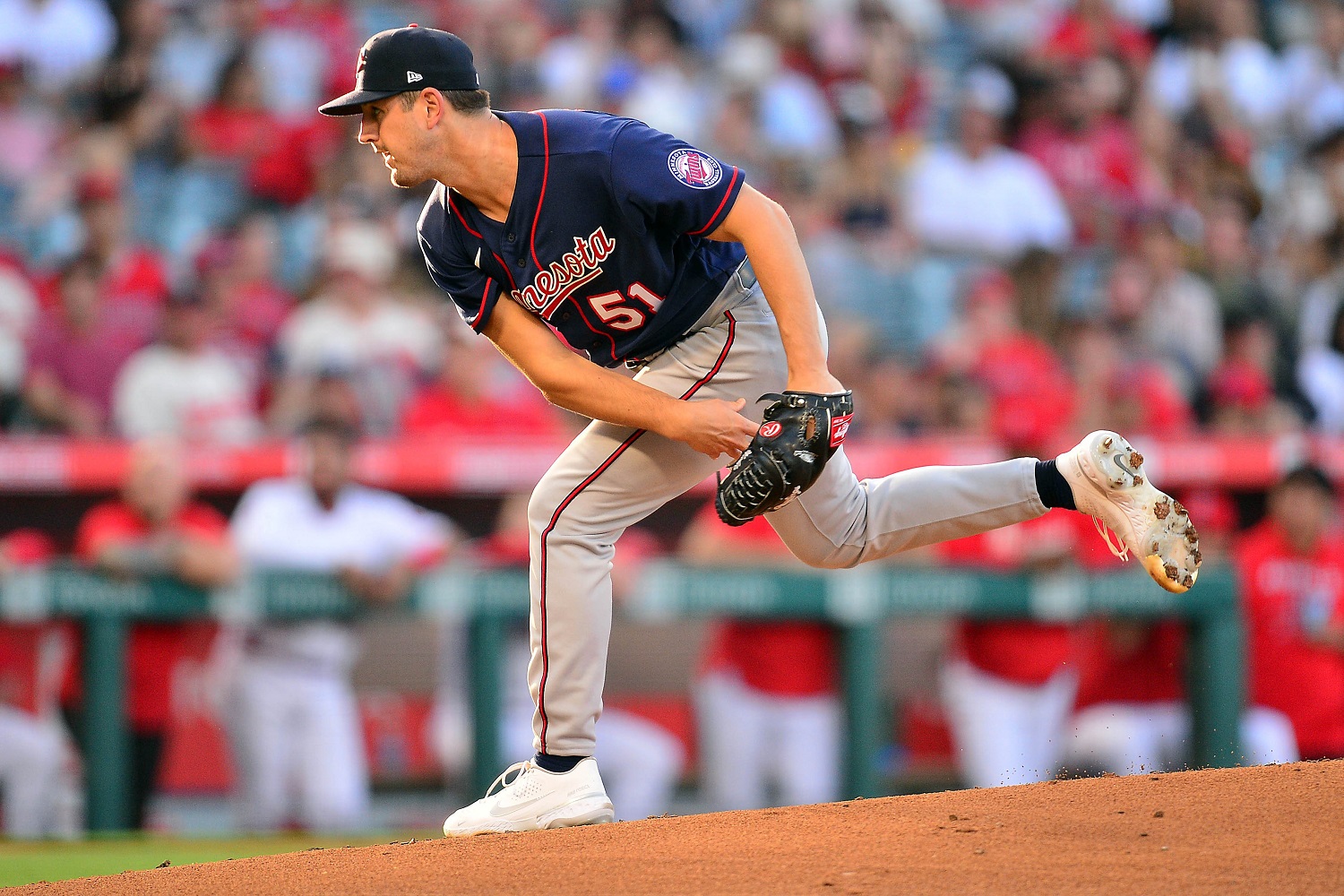 The Minnesota Twins front office did something fans have wanted for years. The team was in first place with some holes on the roster, and the club traded for a frontline starting pitcher and a high-leverage bullpen arm. It takes significant prospect capital to acquire these types of players, and many national outlets praised the Twins' aggressive approach at the deadline. However, Twins fans are starting to have buyer's remorse when following the prospects that were part of the Tyler Mahle trade. Twins Perspective The Twins thought they were trading for one and a half seasons of Mahle. That likely meant he'd provide the team with roughly 45 starts, but that number has likely dropped to 35 starts if he stays healthy for 2023. Shoulder issues limited him to four starts with Minnesota following the trade, and he has only made more than 30 starts in one big-league season. There is hope that his performance will improve with more innings outside Great American Ballpark, known for surrendering home runs. His fastball is critical to his success, and things could have gone better for him at spring training. Mahle had a rough spring. He allowed nine earned runs in five games (13 2/3 innings), including three home runs and 23 hits. He did post a 12-to-5 strikeout-to-walk ratio, but all eyes will be on the radar gun during his starts. His fastball was in the 89-93 mph range In his second-to-last spring start, but he improved to 92-94 mph in his last start. Mahle is in his last year of team control, so he is heading to free agency for the first time. He will want to prove that he is healthy, and that will allow him to sign a lucrative free-agent deal next winter. Reds Perspective The Twins knew they were surrendering nearly big-league-ready prospects, and that has come to fruition so far this spring. Spencer Steer earned the Reds starting third base job in his age-25 season. During spring training, he hit .271/.364/.500 (.864) with five doubles and two home runs in 18 games. Defensively, he struggled at third with four errors in his first 12 games this spring. Steer made his big-league debut in September 2022 and played in 28 games. His first taste of the majors had some struggles, as he posted a 72 OPS+ and a 26-to-11 strikeout-to-walk ratio. Through his first four games in 2023, he went 4-for-12 with a home run and four walks. The Reds hope he can continue to improve on defense while locking him into third base for multiple years. Christian Encarnacion-Strand was the other prospect sent to the Reds for Mahle, and MLB.com currently ranks him as the organization's seventh-best prospect. Last season, he hit .304/.368/.587 (.955) in 122 games between High-A and Double-A. During spring training, he put up impressive offensive numbers by going 15-for-26 (.577) with a 1.748 OPS. The start of his Triple-A career will be delayed because he suffered a slight disc herniation in his back. The Reds hope he can return to full-time action by the end of April. Like Steer, he will likely become a regular for the Reds in the years ahead. Steer and Encarnacion-Strand have provided the Reds with negative value at the big-league level, so giving this trade some time to see the full value for both teams is essential. Mahle has a chance to be one of the Twins' best pitchers this season, which will help the club get back to the top of the AL Central. Both prospects look poised to help the Reds in 2023, but there are no guarantees when it comes to young players transitioning to the big-league level. Mahle still has a chance to be a stud, and the Twins hope he can provide tremendous value in 2023. How would you grade this trade in hindsight? Will Steer and Encarnacion-Strand become above-average regulars at the big-league level? Leave a COMMENT and start the discussion.
- 57 comments
-
- 6
-
-
- tyler mahle
- spencer steer
- (and 1 more)
-
The Arraez Deficit: Twins Leadoff Plan is Full of Mediocre Options
Cody Christie posted an article in Twins
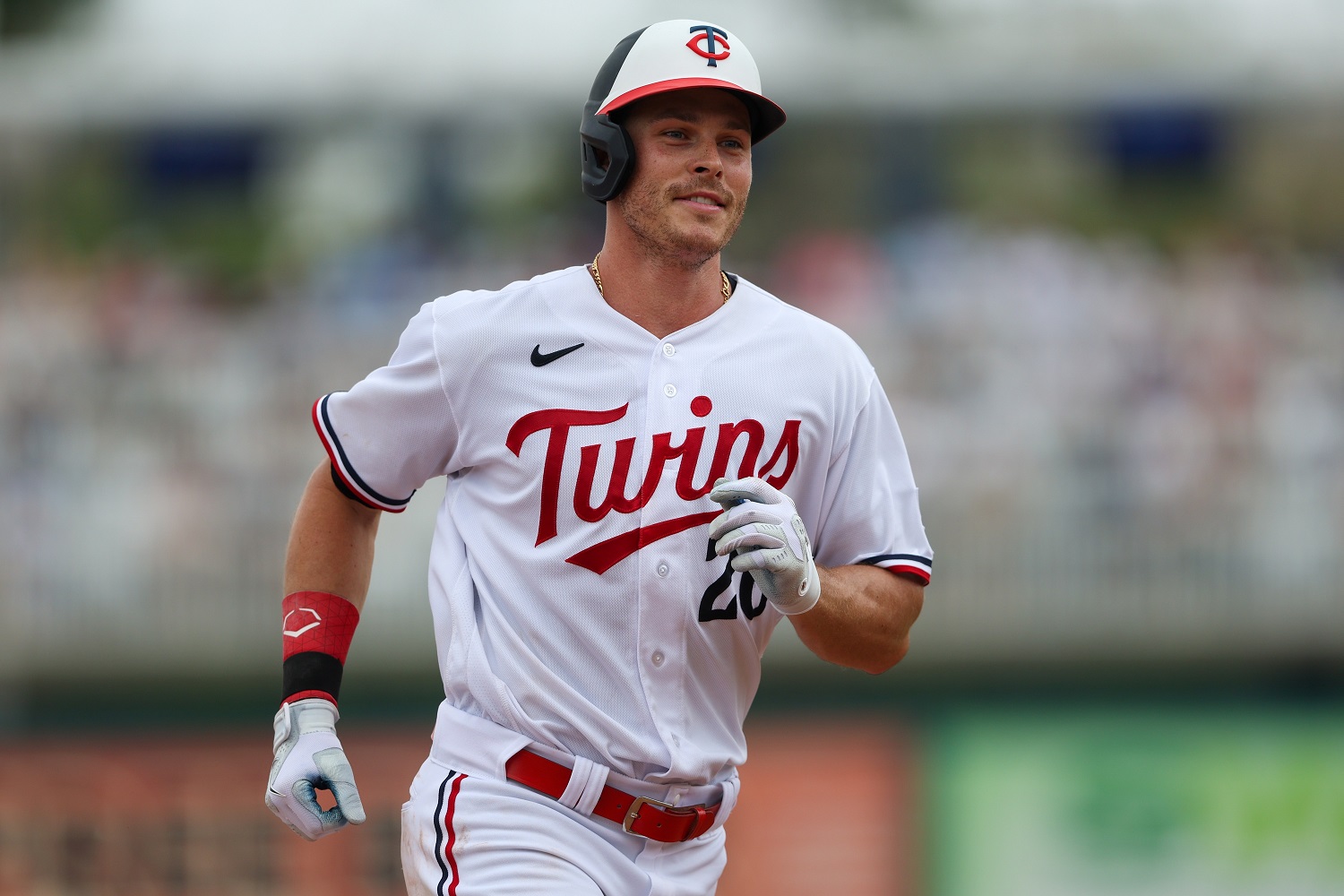 The Twins knew what they lost when they traded Luis Arraez to the Marlins. He was a fan favorite and high-contact hitter, an old-school throwback to a bygone era. Arraez fits nicely into the leadoff spot because he is a career .333/.384/.439 (.823) hitter against right-handed pitching. Last season, the Twins started him at leadoff in 91 games, and he got on base nearly 35% of the time. There are no perfect options to replace Arraez in the leadoff spot, so that the Twins may alter their plans in the coming weeks. Max Kepler served as the Twins' leadoff hitter during the opening series in Kansas City. Minnesota might have felt Kepler's spring warranted a shot in the leadoff spot because he went 13-for-34 (.382 BA) with three doubles, two home runs, and four walks. Also, the club faced three right-handed pitchers, but the left-handed hitter went 0-for-13 with a walk. However, there have been some positive signs among those numbers. Four of his nine batted balls have had an exit velocity over 95 mph, which might indicate more hits falling in upcoming games. During Rocco Baldelli's first season, he utilized Kepler as the leadoff hitter in 105 games. Kepler had a breakout season and combined for 28 doubles and 32 home runs from the leadoff spot. He was one of the multiple members of the Bomba Squad Twins that utilized a home run-friendly environment (aka, juiced baseballs) to post career highs in multiple categories. In recent seasons, Kepler has failed to replicate those totals, with MLB's baseball coming back down to earth, literally and figuratively. From 2020-22, Kepler hit .220/.314/.392 (.706) with a 98 OPS+. Kepler only started two games at leadoff in 2022 and 29 games in the first spot during the 2021 campaign. Arraez's emergence meant the Twins didn't need Kepler in the leadoff role, and the team might need to turn to other options if Kepler's hits don't start falling. The Twins gave Joey Gallo multiple starts in the leadoff spot this spring, so there was some discussion of him starting there against right-handed pitchers. Unlike Kepler, he struggled this spring by hitting .214/.298/.333 (.631) with two doubles and a home run. In nine big-league seasons, Gallo has never started a regular-season game in the leadoff spot, and that might have been another reason to pencil him into a different part of the line-up. If Gallo's bat heats up, the team might turn to him instead of Kepler with a righty on the mound. Minnesota is scheduled to face a left-handed starter for the first time on Wednesday, with the Marlins scheduled to start Jesus Luzardo. The Twins can go in multiple directions. Donovan Solano is a high-contact hitter that hit .301/.348/.422 (.770) versus lefties in 2022. Few players can match Arraez's contact skills, but Solano's nickname is "Donny Barrels" for a reason. Kyle Farmer might be an even better option, as he posted a .948 OPS versus lefties last season, including a .380 OBP. It wouldn't surprise me to see either name penciled into the leadoff spot on Wednesday. Moving Byron Buxton to the leadoff spot is also another option against lefties. He's been the team's most consistent hitter to start the season and has plenty of experience in the leadoff spot. During his career, he's started 83 games at leadoff and hit .240/.305/.521 (.825) with 23 doubles and 24 home runs. Buxton is a tremendous base runner, even if the club doesn't have him steal bases as regularly anymore. Putting him higher in the line-up also means he gets more at-bats per game. It will be tough for Twins fans to get a close-up view of Arraez on his new team this week, especially with questions about who should be batting in the leadoff spot. Baldelli has pushed many of the correct buttons to start the season, but the top of the line-up is something to watch. Who do you think will be the leadoff hitter versus left-handed starters? How long will Kepler stick in the leadoff spot versus righties? Leave a COMMENT and start the discussion.
- 90 comments
-
- 7
-
-
- luis arraez
- max kepler
- (and 3 more)
-
Luis Arraez, the Twins' patent-made leadoff hitter, is gone, and Twins fans will see him up close the next three days. In the post-Arraez era, Minnesota's leadoff plan is full of mediocre options. Image courtesy of Nathan Ray Seebeck-USA TODAY Sports Luis Arraez, the Twins' patent-made leadoff hitter, is gone, and Twins fans will see him up close the next three days. In the post-Arraez era, Minnesota's leadoff plan is full of mediocre options. The Twins knew what they lost when they traded Luis Arraez to the Marlins. He was a fan favorite and high-contact hitter, an old-school throwback to a bygone era. Arraez fits nicely into the leadoff spot because he is a career .333/.384/.439 (.823) hitter against right-handed pitching. Last season, the Twins started him at leadoff in 91 games, and he got on base nearly 35% of the time. There are no perfect options to replace Arraez in the leadoff spot, so that the Twins may alter their plans in the coming weeks. Max Kepler served as the Twins' leadoff hitter during the opening series in Kansas City. Minnesota might have felt Kepler's spring warranted a shot in the leadoff spot because he went 13-for-34 (.382 BA) with three doubles, two home runs, and four walks. Also, the club faced three right-handed pitchers, but the left-handed hitter went 0-for-13 with a walk. However, there have been some positive signs among those numbers. Four of his nine batted balls have had an exit velocity over 95 mph, which might indicate more hits falling in upcoming games. During Rocco Baldelli's first season, he utilized Kepler as the leadoff hitter in 105 games. Kepler had a breakout season and combined for 28 doubles and 32 home runs from the leadoff spot. He was one of the multiple members of the Bomba Squad Twins that utilized a home run-friendly environment (aka, juiced baseballs) to post career highs in multiple categories. In recent seasons, Kepler has failed to replicate those totals, with MLB's baseball coming back down to earth, literally and figuratively. From 2020-22, Kepler hit .220/.314/.392 (.706) with a 98 OPS+. Kepler only started two games at leadoff in 2022 and 29 games in the first spot during the 2021 campaign. Arraez's emergence meant the Twins didn't need Kepler in the leadoff role, and the team might need to turn to other options if Kepler's hits don't start falling. The Twins gave Joey Gallo multiple starts in the leadoff spot this spring, so there was some discussion of him starting there against right-handed pitchers. Unlike Kepler, he struggled this spring by hitting .214/.298/.333 (.631) with two doubles and a home run. In nine big-league seasons, Gallo has never started a regular-season game in the leadoff spot, and that might have been another reason to pencil him into a different part of the line-up. If Gallo's bat heats up, the team might turn to him instead of Kepler with a righty on the mound. Minnesota is scheduled to face a left-handed starter for the first time on Wednesday, with the Marlins scheduled to start Jesus Luzardo. The Twins can go in multiple directions. Donovan Solano is a high-contact hitter that hit .301/.348/.422 (.770) versus lefties in 2022. Few players can match Arraez's contact skills, but Solano's nickname is "Donny Barrels" for a reason. Kyle Farmer might be an even better option, as he posted a .948 OPS versus lefties last season, including a .380 OBP. It wouldn't surprise me to see either name penciled into the leadoff spot on Wednesday. Moving Byron Buxton to the leadoff spot is also another option against lefties. He's been the team's most consistent hitter to start the season and has plenty of experience in the leadoff spot. During his career, he's started 83 games at leadoff and hit .240/.305/.521 (.825) with 23 doubles and 24 home runs. Buxton is a tremendous base runner, even if the club doesn't have him steal bases as regularly anymore. Putting him higher in the line-up also means he gets more at-bats per game. It will be tough for Twins fans to get a close-up view of Arraez on his new team this week, especially with questions about who should be batting in the leadoff spot. Baldelli has pushed many of the correct buttons to start the season, but the top of the line-up is something to watch. Who do you think will be the leadoff hitter versus left-handed starters? How long will Kepler stick in the leadoff spot versus righties? Leave a COMMENT and start the discussion. View full article
