



Cody Christie
-
Posts
7,515 -
Joined
-
Last visited
-
Days Won
5
Content Type
Profiles
News
Minnesota Twins Videos
2026 Minnesota Twins Top Prospects Ranking
2022 Minnesota Twins Draft Picks
Minnesota Twins Free Agent & Trade Rumors, Notes, & Tidbits
Guides & Resources
2023 Minnesota Twins Draft Picks
The Minnesota Twins Players Project
2024 Minnesota Twins Draft Picks
2025 Minnesota Twins Draft Pick Tracker
2026 Minnesota Twins Draft Tracker: Picks & Bonuses
Forums
Blogs
Events
Store
Downloads
Gallery
Everything posted by Cody Christie
-
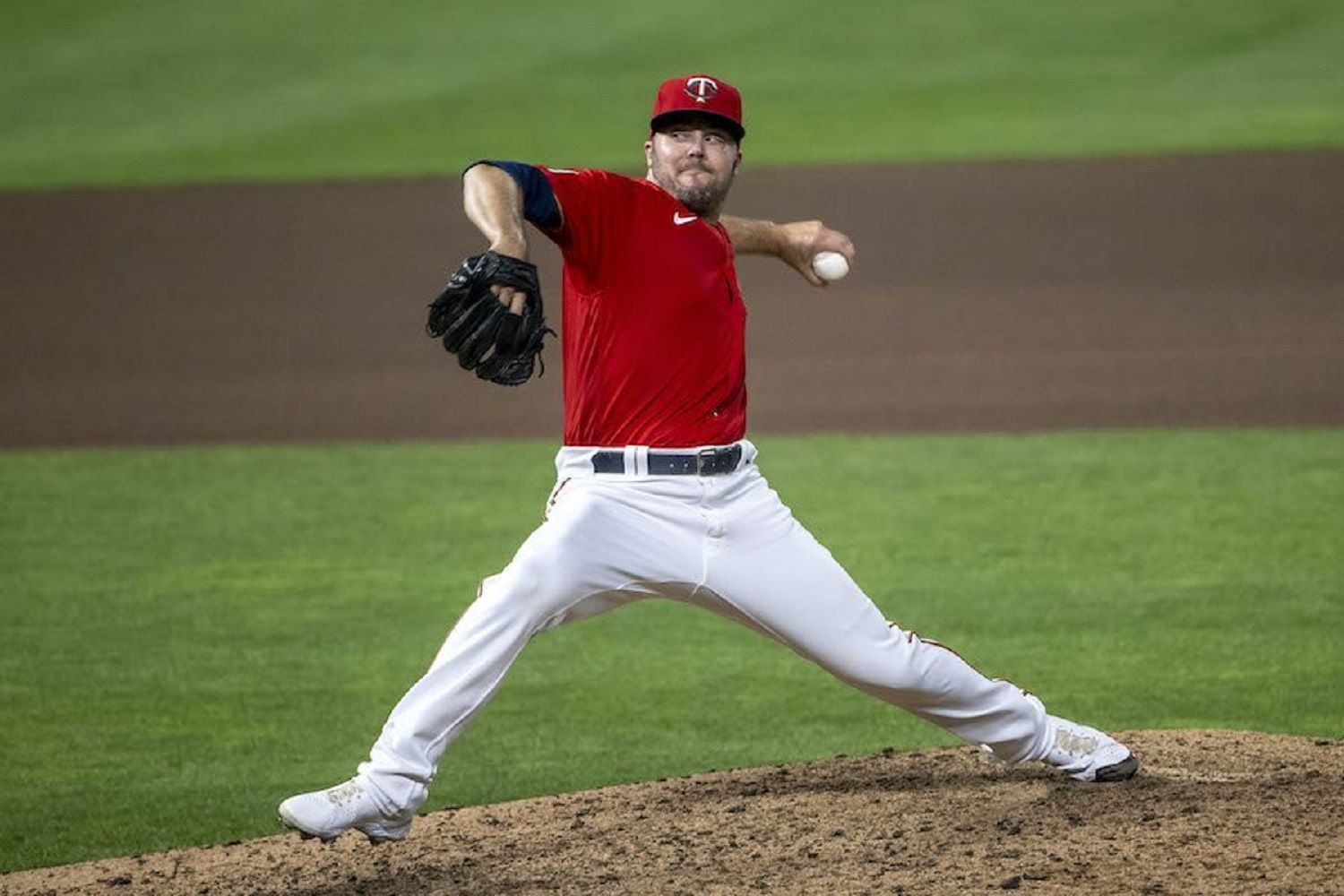 Last week, MLB.com attempted to name the most underappreciated player on every team. This can be a challenging exercise for a national writer who can't focus on the day-to-day of every MLB team. The Twins have players that have exceeded expectations and others that have struggled to fill their roles. Here are the team's most underappreciated players this season. Gio Urshela, 3B MLB.com picked Urshela as the team's most underappreciated player for multiple reasons. Surprisingly, he has a higher OPS than Isiah Kiner-Falefa and Josh Donaldson. That doesn't tell the entire story with Urshela. His defense at third base has dramatically improved in the second half, which helps his overall value to the club. During the offseason, the Twins will need to decide whether or not to offer Urshela arbitration in his final year of eligibility. Urshela's contributions to the team may be underappreciated because of baseball's offensive drop this season. He has an OPS near his career mark of .744, which translates to a 114 OPS+ in 2022. According to FanGraphs, Urshela has provided his second highest amount of value ($10.6 million) in any big-league season. Minnesota may consider this when deciding whether or not to bring him back for 2023. Caleb Thielbar, RP It's easy to look at Thielbar's overall numbers for the season and not be impressed with a 3.80 ERA and a 1.18 WHIP. However, some poor appearances near the season's start cloud those numbers. Since April 30, Thielbar has posted a 2.36 ERA with a 57-to-12 strikeout to walk ratio in 42 innings. For much of the season, he has also been the team's only left-handed pitcher out of the bullpen. While others have struggled, Thielbar has been invaluable as a late-inning option. Before the 2020 season, Thielbar was close to retiring from baseball as he was going to take a college coaching job. Luckily, the Twins convinced him that he had something left in the tank. Over the last three seasons, Thielbar has provided the Twins with nearly $20 million worth of value, including close to $9 million in 2022. Relievers can go through ups-and-downs with the small sample size of innings they pitch in a season, but Thielbar has continued to be consistent into his mid-30s. Gilberto Celestino, OF In 2021, Celestino's first taste of the big leagues couldn't have gone much worse. He hit .136/.177/.288 (.466) with three doubles and two home runs in 23 games. Minnesota rushed him to the MLB level without playing at Triple-A, so the results should have been expected for a 22-year-old. He has improved significantly during the 2022 campaign, including a month when he was one of the team's best hitters. Back in May, he hit .364/.426/.418 (.844) across 19 games. With Byron Buxton getting regular rest, Celestino has been needed to fill the void in center field. Celestino can't compare to Buxton's defensive prowess, but few players can be that good. Defensively, Celestino ranks in the 82nd percentile for Outs Above Average, and his sprint speed is in the 65th percentile. He is an above-average defender that has provided offensive value that impacts the line-up. Some may forget that he is only 23 years old and has played fewer than 120 games at the big-league level. Minnesota will need him to continue to fill an outfield role in the years ahead. Who do you think have been the most underappreciated Twins players this season? Leave a COMMENT and start the discussion.
- 32 comments
-
- 5
-

-
- gio urshela
- caleb thielbar
- (and 1 more)
-
 As the season winds down, it's easier to focus on some players who may be the team's secret weapons. So, who have been Minnesota's most underappreciated players in 2022? Image courtesy of Jesse Johnson, USA TODAY Sports Last week, MLB.com attempted to name the most underappreciated player on every team. This can be a challenging exercise for a national writer who can't focus on the day-to-day of every MLB team. The Twins have players that have exceeded expectations and others that have struggled to fill their roles. Here are the team's most underappreciated players this season. Gio Urshela, 3B MLB.com picked Urshela as the team's most underappreciated player for multiple reasons. Surprisingly, he has a higher OPS than Isiah Kiner-Falefa and Josh Donaldson. That doesn't tell the entire story with Urshela. His defense at third base has dramatically improved in the second half, which helps his overall value to the club. During the offseason, the Twins will need to decide whether or not to offer Urshela arbitration in his final year of eligibility. Urshela's contributions to the team may be underappreciated because of baseball's offensive drop this season. He has an OPS near his career mark of .744, which translates to a 114 OPS+ in 2022. According to FanGraphs, Urshela has provided his second highest amount of value ($10.6 million) in any big-league season. Minnesota may consider this when deciding whether or not to bring him back for 2023. Caleb Thielbar, RP It's easy to look at Thielbar's overall numbers for the season and not be impressed with a 3.80 ERA and a 1.18 WHIP. However, some poor appearances near the season's start cloud those numbers. Since April 30, Thielbar has posted a 2.36 ERA with a 57-to-12 strikeout to walk ratio in 42 innings. For much of the season, he has also been the team's only left-handed pitcher out of the bullpen. While others have struggled, Thielbar has been invaluable as a late-inning option. Before the 2020 season, Thielbar was close to retiring from baseball as he was going to take a college coaching job. Luckily, the Twins convinced him that he had something left in the tank. Over the last three seasons, Thielbar has provided the Twins with nearly $20 million worth of value, including close to $9 million in 2022. Relievers can go through ups-and-downs with the small sample size of innings they pitch in a season, but Thielbar has continued to be consistent into his mid-30s. Gilberto Celestino, OF In 2021, Celestino's first taste of the big leagues couldn't have gone much worse. He hit .136/.177/.288 (.466) with three doubles and two home runs in 23 games. Minnesota rushed him to the MLB level without playing at Triple-A, so the results should have been expected for a 22-year-old. He has improved significantly during the 2022 campaign, including a month when he was one of the team's best hitters. Back in May, he hit .364/.426/.418 (.844) across 19 games. With Byron Buxton getting regular rest, Celestino has been needed to fill the void in center field. Celestino can't compare to Buxton's defensive prowess, but few players can be that good. Defensively, Celestino ranks in the 82nd percentile for Outs Above Average, and his sprint speed is in the 65th percentile. He is an above-average defender that has provided offensive value that impacts the line-up. Some may forget that he is only 23 years old and has played fewer than 120 games at the big-league level. Minnesota will need him to continue to fill an outfield role in the years ahead. Who do you think have been the most underappreciated Twins players this season? Leave a COMMENT and start the discussion. View full article
- 32 replies
-
- 1
-
-
- gio urshela
- caleb thielbar
- (and 1 more)
-
Baseball’s final weeks can be an exciting time for contending teams as they fight for limited playoff spots. Here are five Twins predictions certain to come true in September. Predictions can be fickle when it comes to baseball, but things become more apparent as the season progresses. Players and teams have performed to a certain level at this point in the season, and those trends may or may not hold true over the final weeks. How many of the predictions below will come true? Luis Arraez Wins His First Batting Title August was Arraez’s worst offensive month of the 2022 season as he hit under .270. Luckily, many other AL hitters also struggled in recent weeks. Arraez ended August leading the AL’s batting race by nine points over Jose Abreau, with Xander Bogaerts sitting one point behind in third. To help Minnesota’s offense, the Twins need Arraez to get back to the players he was in the season’s first half. Jhoan Duran Leads the AL in WPA Duran has been dominant in his rookie campaign as he quite literally helped save the Twins bullpen. Following the trade deadline, Rocco Baldelli has used Duran in the game’s most pivotal moments, which has helped increase his Win Probability Added. Duran currently leads all AL pitchers according to WPA, as he currently sits ahead of Justin Verlander and Emmanuel Clase. Minnesota will have close games down the stretch, and Duran’s WPA total will continue to rise. Max Kepler Wins the Gold Glove Minnesota’s defense has significantly improved in the season’s second half, with multiple players putting themselves in the Gold Glove conversation. Kepler has been near the top of the AL’s SDI rankings for right fielders throughout the season and has a chance to finish atop the leaderboard. He should easily be a Gold Glove finalist and has a chance to become the team’s first Gold Glove winner since 2017. Chicago Will Be a Thorn in Minnesota’s Side The White Sox were supposed to run away with the AL Central, but not much has gone right on Chicago’s Southside. Minnesota has three September series against Chicago, and the White Sox have a chance to play spoiler. One thing to keep an eye on is how the White Sox respond without their manager Tony Larussa, who stepped away from the team due to a medical issue. If they want to win the division, the Twins have to win a majority of their games against the AL Central in the season’s final month. The Twins Will Win the AL Central Cleveland has taken over the division lead in recent weeks, but Minnesota has eight games left against the Guardians. From September 16-19, the Twins play five games in four days in Cleveland which will likely decide the division winner. There is an outside shot that the Twins can win a Wild Card spot if they fail to overtake Cleveland, but that is significantly less likely than winning the division. The AL Central will have one playoff team, which will be the team that walks away with the division title. What predictions do you have for the season’s final weeks? Leave a COMMENT and start the discussion. View full article
-
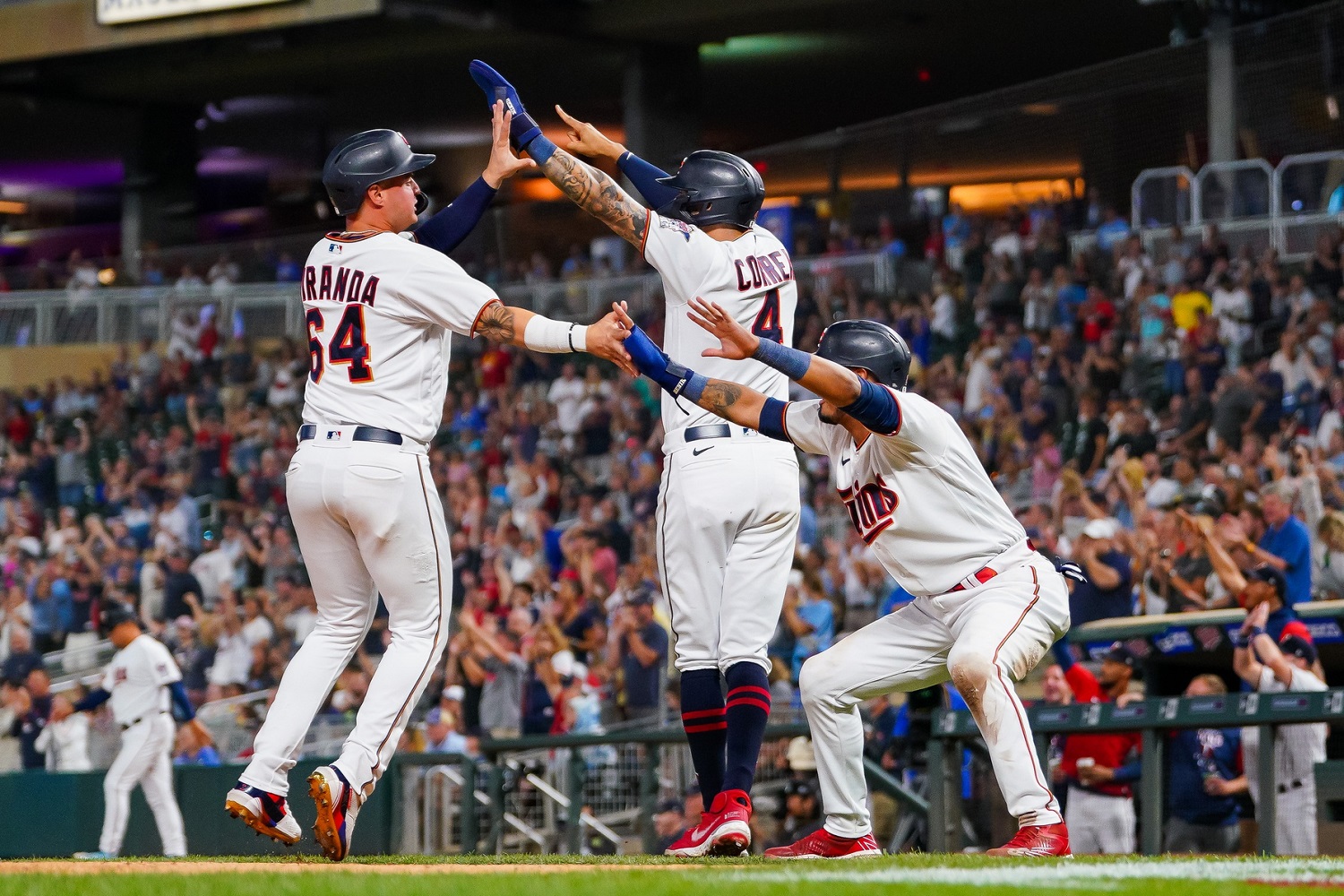 Predictions can be fickle when it comes to baseball, but things become more apparent as the season progresses. Players and teams have performed to a certain level at this point in the season, and those trends may or may not hold true over the final weeks. How many of the predictions below will come true? Luis Arraez Wins His First Batting Title August was Arraez’s worst offensive month of the 2022 season as he hit under .270. Luckily, many other AL hitters also struggled in recent weeks. Arraez ended August leading the AL’s batting race by nine points over Jose Abreau, with Xander Bogaerts sitting one point behind in third. To help Minnesota’s offense, the Twins need Arraez to get back to the players he was in the season’s first half. Jhoan Duran Leads the AL in WPA Duran has been dominant in his rookie campaign as he quite literally helped save the Twins bullpen. Following the trade deadline, Rocco Baldelli has used Duran in the game’s most pivotal moments, which has helped increase his Win Probability Added. Duran currently leads all AL pitchers according to WPA, as he currently sits ahead of Justin Verlander and Emmanuel Clase. Minnesota will have close games down the stretch, and Duran’s WPA total will continue to rise. Max Kepler Wins the Gold Glove Minnesota’s defense has significantly improved in the season’s second half, with multiple players putting themselves in the Gold Glove conversation. Kepler has been near the top of the AL’s SDI rankings for right fielders throughout the season and has a chance to finish atop the leaderboard. He should easily be a Gold Glove finalist and has a chance to become the team’s first Gold Glove winner since 2017. Chicago Will Be a Thorn in Minnesota’s Side The White Sox were supposed to run away with the AL Central, but not much has gone right on Chicago’s Southside. Minnesota has three September series against Chicago, and the White Sox have a chance to play spoiler. One thing to keep an eye on is how the White Sox respond without their manager Tony Larussa, who stepped away from the team due to a medical issue. If they want to win the division, the Twins have to win a majority of their games against the AL Central in the season’s final month. The Twins Will Win the AL Central Cleveland has taken over the division lead in recent weeks, but Minnesota has eight games left against the Guardians. From September 16-19, the Twins play five games in four days in Cleveland which will likely decide the division winner. There is an outside shot that the Twins can win a Wild Card spot if they fail to overtake Cleveland, but that is significantly less likely than winning the division. The AL Central will have one playoff team, which will be the team that walks away with the division title. What predictions do you have for the season’s final weeks? Leave a COMMENT and start the discussion.
- 29 comments
-
- 3
-

-
-
- luis arraez
- max kepler
- (and 1 more)
-
Minnesota’s defensive numbers have improved significantly over the last month and a half. How many Twins players have put themselves in the Gold Glove conversation? Defensive metrics have come a long way over the last decade. With Statcast tracking every batted ball, the amount of information available to fans is at an all-time high. One metric developed by the Society for American Baseball Research (SABR) is called the SABR Defensive Index (SDI). According to SABR's website, the SDI "draws on and aggregates two types of existing defensive metrics: those derived from batted ball location-based data and those collected from play-by-play accounts." Since 2013, MLB has used SDI as part of the process for selecting Gold Glove winners. The rankings below are through games played on August 28, 2022. Pitcher (AL Ranking): No Twins Pitchers Qualify The Twins have yet to have a pitcher qualify for the SDI leaderboard in this season's rankings. Many of the team's top starters have missed time during different parts of the season, which means they don't have enough defensive innings to appear on the leaderboard. Former Twin Jose Berrios currently ranks 4th in the AL with a 1.4 SDI. Catcher (AL Ranking): Gary Sanchez 0.2 SDI (11th) Sanchez came to the Twins with a reputation as a terrible defensive catcher. Last season, he ranked as the AL's worst catcher with a -8.2 SDI, which was 1.4 points lower than the next qualified player. His increase of over eight SDI points this season shows how much he has improved. In the last SDI ranking, Ryan Jeffers was sixth in the AL with a 2.0 SDI. His recent injury means he no longer qualifies for the leaderboard. First Base (AL Ranking): Luis Arraez 1.2 SDI (2nd) Arraez's bat has cooled off recently, but his defensive performance has vaulted him into the Gold Glove conversation at first base. Only Toronto's Vladimir Guerrero Jr. has a higher SDI total among AL first basemen, and Arraez trails by 0.3 points. In July's rankings, Arraez was ninth in the AL with a -0.5 SDI. Can Arraez pass Guerrero Jr. in the season's final month? Second Base (AL Ranking): Jorge Polanco -2.6 SDI (13th) While Arraez improved significantly, Polanco's SDI steeply declined over the last month and a half. Polanco has been a strong defender since switching from shortstop to second base. Last season, Polanco finished fourth among the AL's second basemen in SDI. One must wonder if Polanco's knee injury impacts his ability to get to balls defensively. Third Base (AL Ranking): Gio Urshela -0.2 SDI (T-8th) Urshela's defense vastly improved compared to earlier in the season. In July, only one AL third baseman ranked lower than Urshela, but his SDI total improved by 1.6 points. Form Twin Josh Donaldson leads all AL third basemen with 7.8 SDI, which ranks as the fifth best SDI total in the AL. Shortstop (AL Ranking): Carlos Correa 3.1 SDI (5th) Correa posted an MLB-high 15.8 SDI last season on his way to winning the American League's Platinum Glove. His early season defensive numbers were disappointing, but he has slowly climbed the SDI leaderboard. Correa improved his SDI total by 2.5 since the July rankings, and another month like that would move him into the AL's top three shortstops. Left Field (AL Ranking): Nick Gordon 0.8 SDI (5th) Gordon was an infielder throughout his professional career until the Twins shifted him to a utility role for 2022. Injuries to regular outfielders like Trevor Larnach and Alex Kirilloff have forced the Twins to use Gordon regularly in left field. His leaderboard position has improved in each SDI update as he becomes more comfortable in the outfield. Center Field (AL Ranking): No Twins Players Qualified No Twins center fielders have appeared on the SDI leaderboard this season because Byron Buxton has been getting regularly scheduled rest days and time at DH. According to Baseball Savant, Buxton has an Outs Above Average in the 95th percentile, which places him among baseball's best defenders. The Twins also added Billy Hamilton to the big-league roster to improve the team's outfield defense. Right Field (AL Ranking): Max Kepler 5.7 SDI (2nd) Fans may be frustrated by Kepler's offensive woes this season, but he continues to be an elite defender in right field. Only Houston's Kyle Tucker ranks higher than Kepler among AL right fielders. Over the last month, Kepler has closed the gap on Tucker, and he has a chance to finish the year in first place. Can Kepler win his first Gold Glove? Which rankings above surprise you the most? Will Kepler or Arraez win the Gold Glove? Leave a COMMENT and start the discussion. View full article
- 19 replies
-
- 1
-
-
- max kepler
- luis arraez
- (and 3 more)
-
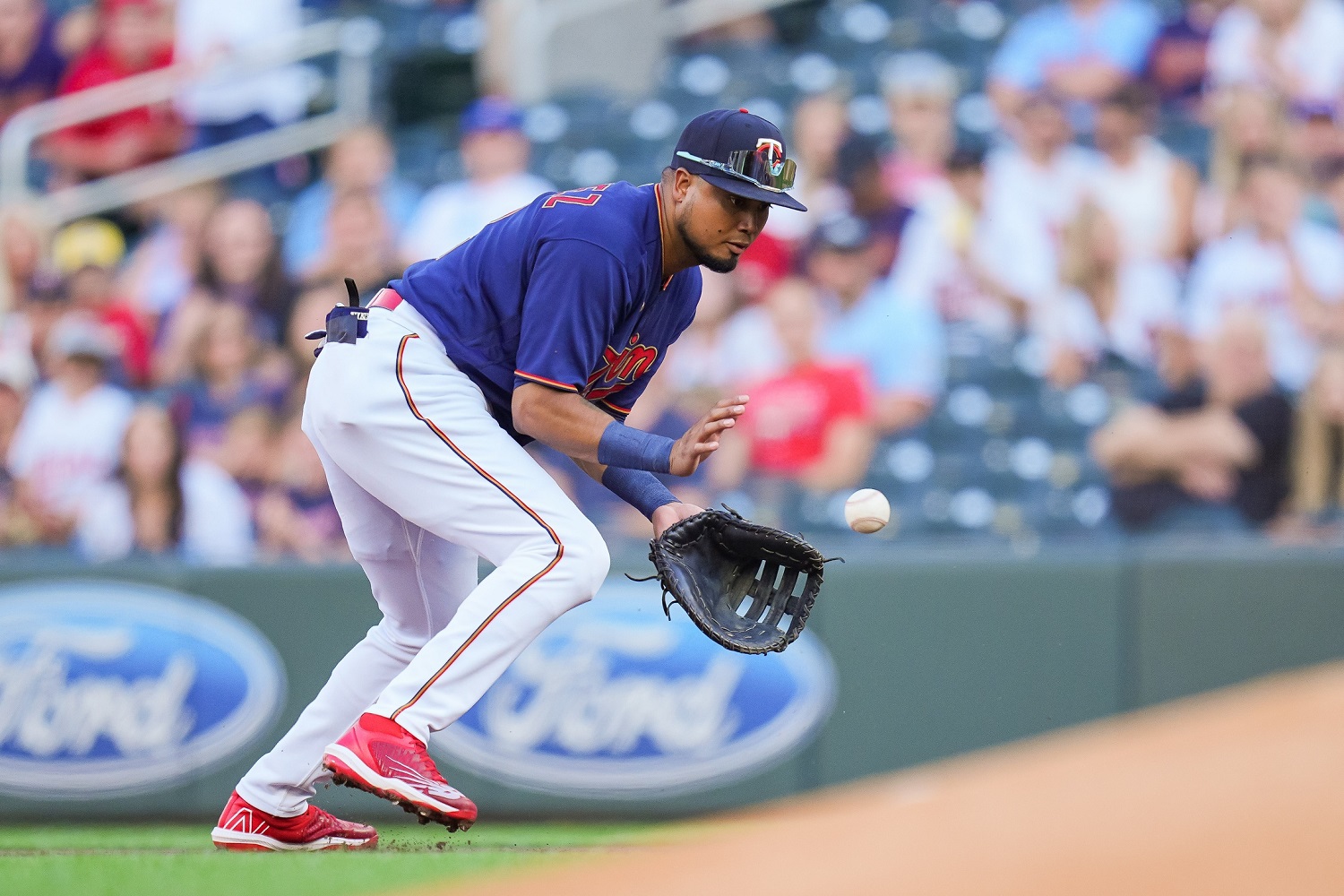 Defensive metrics have come a long way over the last decade. With Statcast tracking every batted ball, the amount of information available to fans is at an all-time high. One metric developed by the Society for American Baseball Research (SABR) is called the SABR Defensive Index (SDI). According to SABR's website, the SDI "draws on and aggregates two types of existing defensive metrics: those derived from batted ball location-based data and those collected from play-by-play accounts." Since 2013, MLB has used SDI as part of the process for selecting Gold Glove winners. The rankings below are through games played on August 28, 2022. Pitcher (AL Ranking): No Twins Pitchers Qualify The Twins have yet to have a pitcher qualify for the SDI leaderboard in this season's rankings. Many of the team's top starters have missed time during different parts of the season, which means they don't have enough defensive innings to appear on the leaderboard. Former Twin Jose Berrios currently ranks 4th in the AL with a 1.4 SDI. Catcher (AL Ranking): Gary Sanchez 0.2 SDI (11th) Sanchez came to the Twins with a reputation as a terrible defensive catcher. Last season, he ranked as the AL's worst catcher with a -8.2 SDI, which was 1.4 points lower than the next qualified player. His increase of over eight SDI points this season shows how much he has improved. In the last SDI ranking, Ryan Jeffers was sixth in the AL with a 2.0 SDI. His recent injury means he no longer qualifies for the leaderboard. First Base (AL Ranking): Luis Arraez 1.2 SDI (2nd) Arraez's bat has cooled off recently, but his defensive performance has vaulted him into the Gold Glove conversation at first base. Only Toronto's Vladimir Guerrero Jr. has a higher SDI total among AL first basemen, and Arraez trails by 0.3 points. In July's rankings, Arraez was ninth in the AL with a -0.5 SDI. Can Arraez pass Guerrero Jr. in the season's final month? Second Base (AL Ranking): Jorge Polanco -2.6 SDI (13th) While Arraez improved significantly, Polanco's SDI steeply declined over the last month and a half. Polanco has been a strong defender since switching from shortstop to second base. Last season, Polanco finished fourth among the AL's second basemen in SDI. One must wonder if Polanco's knee injury impacts his ability to get to balls defensively. Third Base (AL Ranking): Gio Urshela -0.2 SDI (T-8th) Urshela's defense vastly improved compared to earlier in the season. In July, only one AL third baseman ranked lower than Urshela, but his SDI total improved by 1.6 points. Form Twin Josh Donaldson leads all AL third basemen with 7.8 SDI, which ranks as the fifth best SDI total in the AL. Shortstop (AL Ranking): Carlos Correa 3.1 SDI (5th) Correa posted an MLB-high 15.8 SDI last season on his way to winning the American League's Platinum Glove. His early season defensive numbers were disappointing, but he has slowly climbed the SDI leaderboard. Correa improved his SDI total by 2.5 since the July rankings, and another month like that would move him into the AL's top three shortstops. Left Field (AL Ranking): Nick Gordon 0.8 SDI (5th) Gordon was an infielder throughout his professional career until the Twins shifted him to a utility role for 2022. Injuries to regular outfielders like Trevor Larnach and Alex Kirilloff have forced the Twins to use Gordon regularly in left field. His leaderboard position has improved in each SDI update as he becomes more comfortable in the outfield. Center Field (AL Ranking): No Twins Players Qualified No Twins center fielders have appeared on the SDI leaderboard this season because Byron Buxton has been getting regularly scheduled rest days and time at DH. According to Baseball Savant, Buxton has an Outs Above Average in the 95th percentile, which places him among baseball's best defenders. The Twins also added Billy Hamilton to the big-league roster to improve the team's outfield defense. Right Field (AL Ranking): Max Kepler 5.7 SDI (2nd) Fans may be frustrated by Kepler's offensive woes this season, but he continues to be an elite defender in right field. Only Houston's Kyle Tucker ranks higher than Kepler among AL right fielders. Over the last month, Kepler has closed the gap on Tucker, and he has a chance to finish the year in first place. Can Kepler win his first Gold Glove? Which rankings above surprise you the most? Will Kepler or Arraez win the Gold Glove? Leave a COMMENT and start the discussion.
- 19 comments
-
- 4
-
-
- max kepler
- luis arraez
- (and 3 more)
-
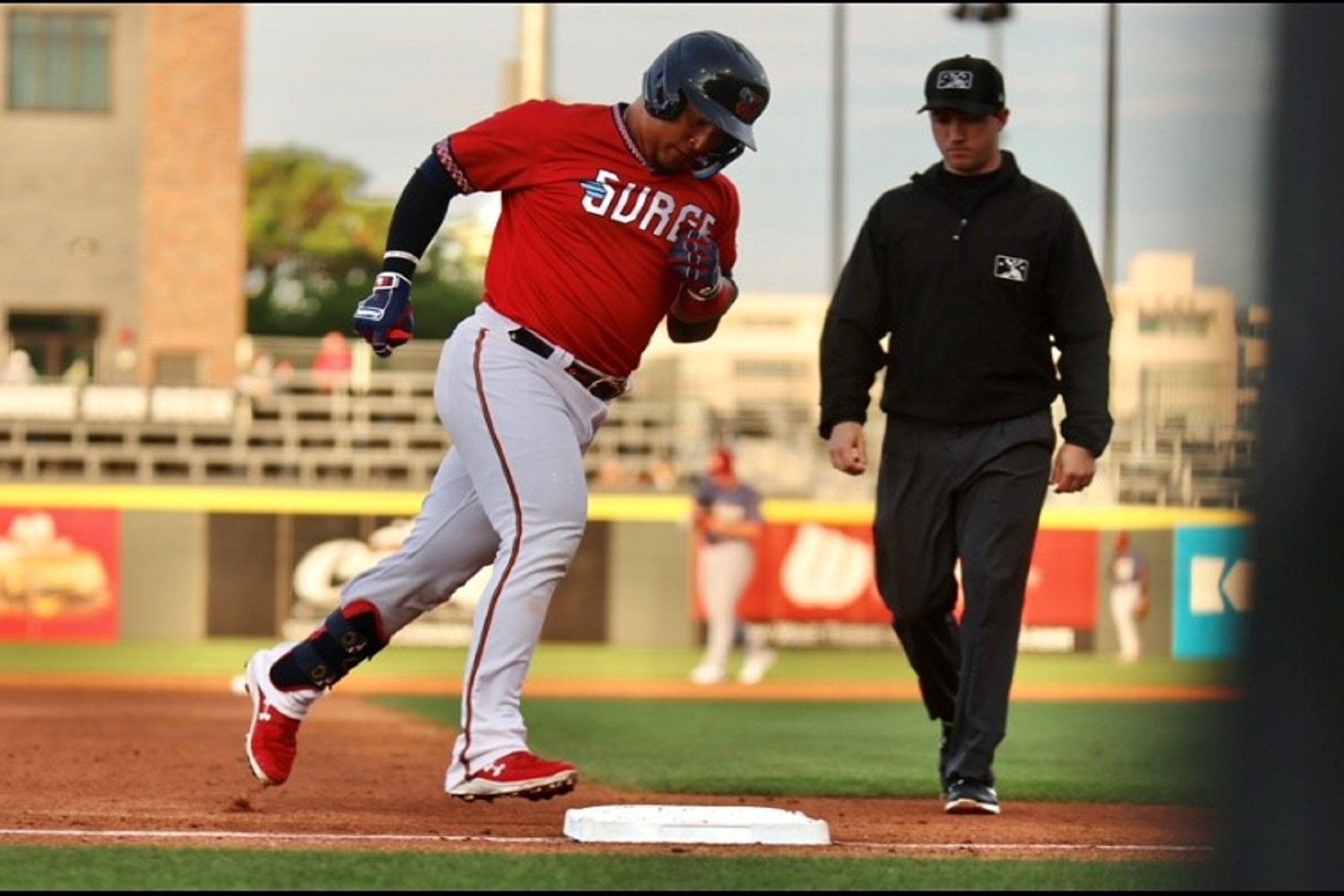 The Dodgers originally signed Jair Camargo as a 16-year-old out of Colombia. He made his professional debut in the Dominican Summer League, hitting .250/.309/.346 (.654) with eight extra-base hits in 41 games. Over the next three seasons, he climbed the Dodgers' organizational ladder, continuing to be young for each level. In 2019, he played 79 games at Low-A with a .642 OPS as a 19-year-old. Minnesota acquired Camargo along with Kenta Maeda for Brusdar Graterol and Luke Raley. His organizational debut was forced to wait until 2021, when he spent the season at High-A. Camargo was 1.5 years younger than the average age of the competition, and he posted a .697 OPS, which was his best total in a full-season league. His numbers still weren't impressive, but the team hoped he could continue to improve as he got closer to Target Field. In 2022, Camargo seems to have put it all together, and he's doing it at Double-A. He returned to Cedar Rapids for the season's start, where he hit .296/.314/.496 (.809) with 11 extra-base hits in 28 games. Minnesota promoted him to Double-A, and his bat got even hotter with Wichita. In his first 32 Double-A games, he hit ten home runs, and he's over two years younger than the average age of the competition. Over 73% of his at-bats have come against older pitchers, which makes his performance even more impressive. Defensively, Camargo spends most of his time at catcher, but he has also seen time at first and third base. For the season, he has thrown out 35% of attempted base stealers. Since joining the Twins organization, he has yet to post a fielding percentage below .982 at any level, and he has a .979 fielding percentage in his catching career. He is indeed a prospect to watch by adding his improving offensive skills to a solid catching frame. Currently, Twins Daily doesn't rank Camargo as one of the team's top-30 prospects, which points to how much his season came out of nowhere. MLB Pipeline recently updated their top-30 list, and Camargo was also absent from their rankings. If he continues to play this well, it will be hard to keep him off these lists entering the 2023 season. In recent years, Ryan Jeffers has been the top catching prospect to come through the Twins organization. Jeffers made his debut in 2020 as a 23-year-old after hitting .264/.341/.421 (.762) at High- and Double-A in 2019. If the Twins follow a similar development plan, Camargo has a chance to debut in 2023, especially if there are injuries at the big-league level. If Minnesota wants to keep Camargo, he must be added to the 40-man roster this winter. There are plenty of other prospects the Twins will need to consider adding before the Rule 5 Draft, including Simeon Woods Richardson, Matt Canterino, Matt Wallner, and Louie Varland. Young catchers with big bats are not easily acquired, so the Twins will need to evaluate if his power surge is real before making a roster decision. Do you think Camargo has put himself into the team's long-term plans? Leave a COMMENT and start the discussion.
 -
Every year some prospects exceed expectations and start rising in an organization's top prospect rankings. So, who is the best Twins prospect you've never heard of? The Dodgers originally signed Jair Camargo as a 16-year-old out of Colombia. He made his professional debut in the Dominican Summer League, hitting .250/.309/.346 (.654) with eight extra-base hits in 41 games. Over the next three seasons, he climbed the Dodgers' organizational ladder, continuing to be young for each level. In 2019, he played 79 games at Low-A with a .642 OPS as a 19-year-old. Minnesota acquired Camargo along with Kenta Maeda for Brusdar Graterol and Luke Raley. His organizational debut was forced to wait until 2021, when he spent the season at High-A. Camargo was 1.5 years younger than the average age of the competition, and he posted a .697 OPS, which was his best total in a full-season league. His numbers still weren't impressive, but the team hoped he could continue to improve as he got closer to Target Field. In 2022, Camargo seems to have put it all together, and he's doing it at Double-A. He returned to Cedar Rapids for the season's start, where he hit .296/.314/.496 (.809) with 11 extra-base hits in 28 games. Minnesota promoted him to Double-A, and his bat got even hotter with Wichita. In his first 32 Double-A games, he hit ten home runs, and he's over two years younger than the average age of the competition. Over 73% of his at-bats have come against older pitchers, which makes his performance even more impressive. Defensively, Camargo spends most of his time at catcher, but he has also seen time at first and third base. For the season, he has thrown out 35% of attempted base stealers. Since joining the Twins organization, he has yet to post a fielding percentage below .982 at any level, and he has a .979 fielding percentage in his catching career. He is indeed a prospect to watch by adding his improving offensive skills to a solid catching frame. Currently, Twins Daily doesn't rank Camargo as one of the team's top-30 prospects, which points to how much his season came out of nowhere. MLB Pipeline recently updated their top-30 list, and Camargo was also absent from their rankings. If he continues to play this well, it will be hard to keep him off these lists entering the 2023 season. In recent years, Ryan Jeffers has been the top catching prospect to come through the Twins organization. Jeffers made his debut in 2020 as a 23-year-old after hitting .264/.341/.421 (.762) at High- and Double-A in 2019. If the Twins follow a similar development plan, Camargo has a chance to debut in 2023, especially if there are injuries at the big-league level. If Minnesota wants to keep Camargo, he must be added to the 40-man roster this winter. There are plenty of other prospects the Twins will need to consider adding before the Rule 5 Draft, including Simeon Woods Richardson, Matt Canterino, Matt Wallner, and Louie Varland. Young catchers with big bats are not easily acquired, so the Twins will need to evaluate if his power surge is real before making a roster decision. Do you think Camargo has put himself into the team's long-term plans? Leave a COMMENT and start the discussion. View full article
-
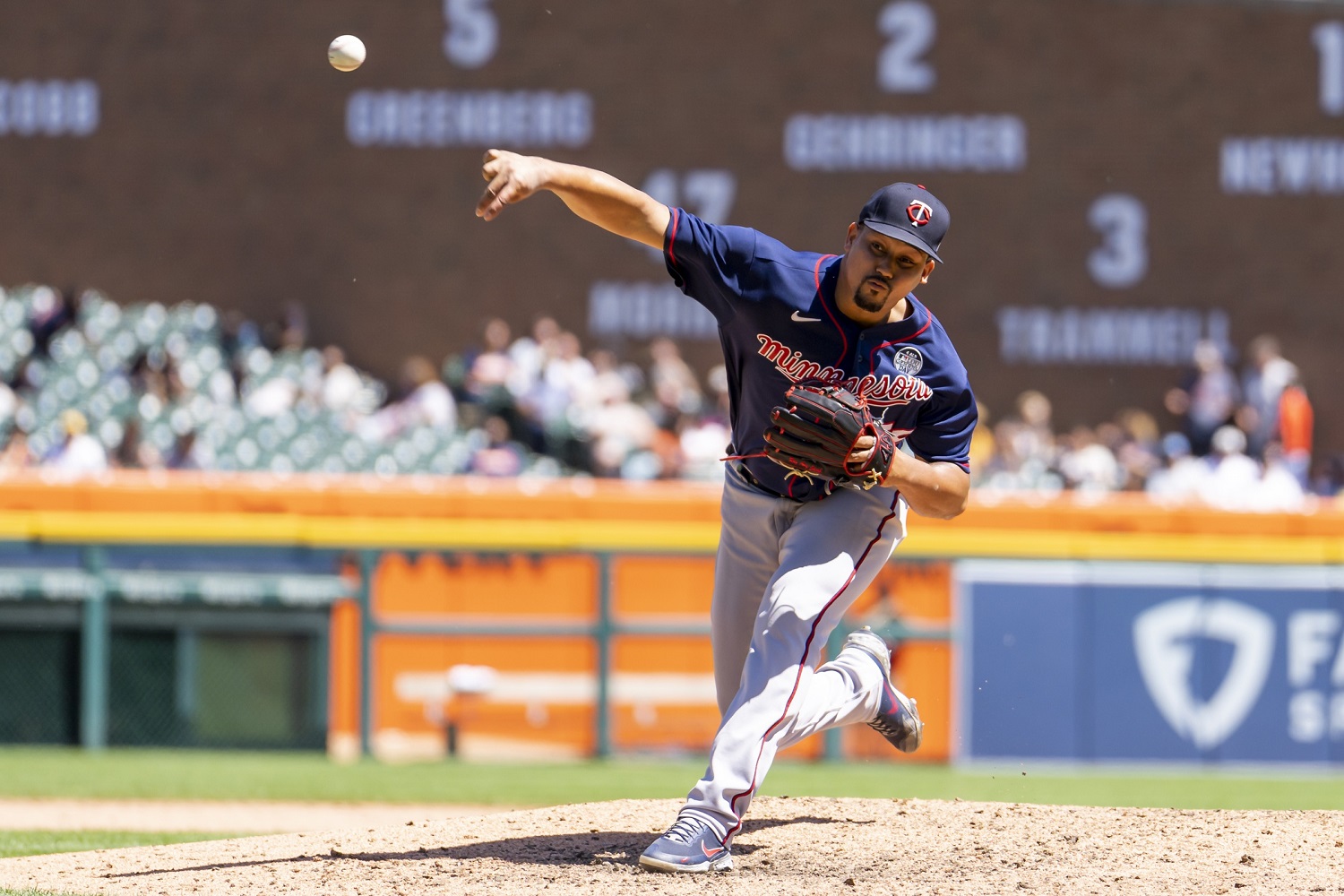 Baseball continues to evolve as technology and training regimens allow players to reach levels never previously imagined. Pitchers can put an unprecedented spin on their offerings while reaching higher velocity levels. Here are some of the most dominant pitches in team history. Jhoan Duran's Splinker Earlier this week, Jhoan Duran became the first player in MLB history to throw an off-speed pitch over 100 mph. Boston's Xander Bogaert's left the batter's box after being utterly baffled by what he had just seen from Duran. His triple-digit fastball helps to set up his dominant off-speed offering. In his rookie season, Duran has posted an 11.6 K/9 while limiting walks (2.1 BB/9) and compiling a 201 ERA+. It's hard to fathom where the 2022 Twins would be without Duran. He is in his first year transitioning to a relief pitcher and has been the team's most reliable bullpen option for most of the season. Johan Santana's Changeup Johan Santana learned his dominant changeup after joining the Twins organization and used the pitch to become one of baseball's most dominant pitchers. He won two Cy Young Awards and should have earned a third if the voters did value wins in 2004. From 2004-2006, he led the AL in strikeouts, WHIP, K/9, ERA+, and FIP. An argument can be made that Santana deserves to be in the Hall of Fame, but injuries shortened his career. Francisco Liriano's Slider Johan Santana won the 2006 AL Cy Young, but he wasn't even the best pitcher in the Twins rotation in the season's first half. Francisco Liriano started the year in Minnesota's bullpen and eventually entered the rotation. In 28 appearances, he posted a 2.16 ERA with a 1.00 WHIP and 144 strikeouts across 121 innings. It seemed like the Twins would have a dominant one-two punch for the playoffs, but Liriano's elbow didn't hold up. Tommy John surgery forced him to the sideline until 2008, and he never reached his previous level of dominance. Bert Blyleven's Curveball One of the first dominant pitches in franchise history was Bert Blyleven's curveball. As a 19-year-old, he burst onto the scene and played part of 11 seasons in a Twins uniform, including the 1987 World Series squad. Blyleven played in an era when strikeouts were not as prominent, but his longevity allowed him to compile 3,701 strikeouts for his career. Even if it's hard to compare Blyleven's curveball to some of the pitches mentioned above, he used this pitch to orchestrate a Hall of Fame career. There are many ways one can attempt to rank these pitches, from overpowering to strikeout totals. Santana gets the top spot because he dominated baseball for multiple seasons, with his changeup being a strikeout weapon. Duran's splinker is nearly impossible to hit, especially considering its velocity and movement. When it comes to Liriano, he had a chance to top this list if his peak had lasted more than a partial season. Blyleven's curveball was a good pitch, but even he tended to leave one over the plate. Pitch Ranking 1. Santana's Change-Up 2. Duran's Splinker 3. Liriano's Slider 4. Blyleven's Curveball How would you rank the pitches listed above? Would you add anyone else to the list? Leave a COMMENT and start the discussion.
- 16 comments
-
- 2
-
-
- johan santana
- jhoan duran
- (and 2 more)
-
Jhoan Duran has put himself on the map during his rookie season with a seemingly unhittable repertoire of pitches. Where does his best pitch rank among the top pitches in Twins' history? Baseball continues to evolve as technology and training regimens allow players to reach levels never previously imagined. Pitchers can put an unprecedented spin on their offerings while reaching higher velocity levels. Here are some of the most dominant pitches in team history. Jhoan Duran's Splinker Earlier this week, Jhoan Duran became the first player in MLB history to throw an off-speed pitch over 100 mph. Boston's Xander Bogaert's left the batter's box after being utterly baffled by what he had just seen from Duran. His triple-digit fastball helps to set up his dominant off-speed offering. In his rookie season, Duran has posted an 11.6 K/9 while limiting walks (2.1 BB/9) and compiling a 201 ERA+. It's hard to fathom where the 2022 Twins would be without Duran. He is in his first year transitioning to a relief pitcher and has been the team's most reliable bullpen option for most of the season. Johan Santana's Changeup Johan Santana learned his dominant changeup after joining the Twins organization and used the pitch to become one of baseball's most dominant pitchers. He won two Cy Young Awards and should have earned a third if the voters did value wins in 2004. From 2004-2006, he led the AL in strikeouts, WHIP, K/9, ERA+, and FIP. An argument can be made that Santana deserves to be in the Hall of Fame, but injuries shortened his career. Francisco Liriano's Slider Johan Santana won the 2006 AL Cy Young, but he wasn't even the best pitcher in the Twins rotation in the season's first half. Francisco Liriano started the year in Minnesota's bullpen and eventually entered the rotation. In 28 appearances, he posted a 2.16 ERA with a 1.00 WHIP and 144 strikeouts across 121 innings. It seemed like the Twins would have a dominant one-two punch for the playoffs, but Liriano's elbow didn't hold up. Tommy John surgery forced him to the sideline until 2008, and he never reached his previous level of dominance. Bert Blyleven's Curveball One of the first dominant pitches in franchise history was Bert Blyleven's curveball. As a 19-year-old, he burst onto the scene and played part of 11 seasons in a Twins uniform, including the 1987 World Series squad. Blyleven played in an era when strikeouts were not as prominent, but his longevity allowed him to compile 3,701 strikeouts for his career. Even if it's hard to compare Blyleven's curveball to some of the pitches mentioned above, he used this pitch to orchestrate a Hall of Fame career. There are many ways one can attempt to rank these pitches, from overpowering to strikeout totals. Santana gets the top spot because he dominated baseball for multiple seasons, with his changeup being a strikeout weapon. Duran's splinker is nearly impossible to hit, especially considering its velocity and movement. When it comes to Liriano, he had a chance to top this list if his peak had lasted more than a partial season. Blyleven's curveball was a good pitch, but even he tended to leave one over the plate. Pitch Ranking 1. Santana's Change-Up 2. Duran's Splinker 3. Liriano's Slider 4. Blyleven's Curveball How would you rank the pitches listed above? Would you add anyone else to the list? Leave a COMMENT and start the discussion. View full article
- 16 replies
-
- 1
-
-
- johan santana
- jhoan duran
- (and 2 more)
-
4 Twins Storylines to Watch in September
Cody Christie posted a topic in Twins Daily Front Page News
September is shaping up to be an exciting month as the Twins find themselves in the thick of the playoff race. Here are four storylines to watch in the season’s final month. The Twins have been a roller coaster ride to watch this season, with great play through the season’s first two months and poor play over the last two months. Luckily, the team’s ineptitude hasn’t knocked them out of the playoff race because the team plays in one of baseball’s worst divisions. With weeks left in the season, there is plenty of pressure on the Twins to find a way to play in October. Correa Starting to Heat Up Minnesota signed Carlos Correa for various reasons, but his postseason experience is unlike few players in Twins history. Last weekend, Correa punished the ball in a three-game series against the Giants by going 8-for-12 with a double, a home run, and four RBI. Fans may be unimpressed with Correa’s numbers in a Twins uniform as his .790 OPS is over 40 points lower than his career mark. However, offense is down across baseball, and his 129 OPS+ is two points higher than his career total. Minnesota’s offense has struggled in the second half, and Correa may be the key to getting the team back on track. Buxton’s Ailing Hip Byron Buxton’s biggest goal for the 2022 season was to avoid going on the injured list. He made it to the end of August before needing an IL stint even though he had been battling multiple injuries this season. Buxton won’t join the team for their weekend series in Chicago, but there is a possibility he will join the club in New York for their big four-game series with the Yankees. The Twins are a better team with Buxton in the line-up, especially when facing left-handed pitchers. Buxton has talked his way out of going on the IL multiple times this year, and he is going to want to be at Yankee Stadium to start next week. Multiple Pitchers Returning from Injury Minnesota’s most prominent trade deadline acquisition, Tyler Mahle, didn’t look good the last time he was on the mound as his velocity was down. However, he threw a bullpen session on Monday and feels good. The Twins think he will be back on the mound this weekend in Chicago. Multiple other pitchers are also nearing a return from the IL. Josh Winder returned from the injured list at St. Paul this week. Randy Dobnak has made multiple rehab appearances, including two innings at Triple-A on Sunday. The Twins expect Bailey Ober to throw a live bullpen session this week before going on a rehab assignment. Minnesota won’t have room for all these arms on the roster, so it will be interesting to see how their rehabs progress. Maeda Needs More Time While multiple pitchers are returning from injury, Kenta Maeda may need more time before returning to the Twins roster. Maeda had Tommy John surgery on September 1, 2021, and there was hope he could return as a reliever during the regular season. There is still a possibility that he can return for the playoffs, but the team isn’t ready to make that commitment yet. “Everything kind of feels like it’s in a good place,” Derek Falvey told reporters. “(But) we aren’t going to push as hard over the next couple of weeks because we just want to make sure (Maeda’s) comfortable, the doctor’s comfortable and otherwise. We always were hopeful that maybe we were kind of getting him to a place where he thought, ‘Hey, let’s push and be a little more aggressive here.’ … Just based on his progression, how important he is for next year, making sure we’re in a good place, we just collectively didn’t feel like it’s time to say, ‘Go.’” Many of these storylines need to play out positively for the Twins to make a run to October. What storylines will you be watching over the next month? Leave a COMMENT and start the discussion. View full article -
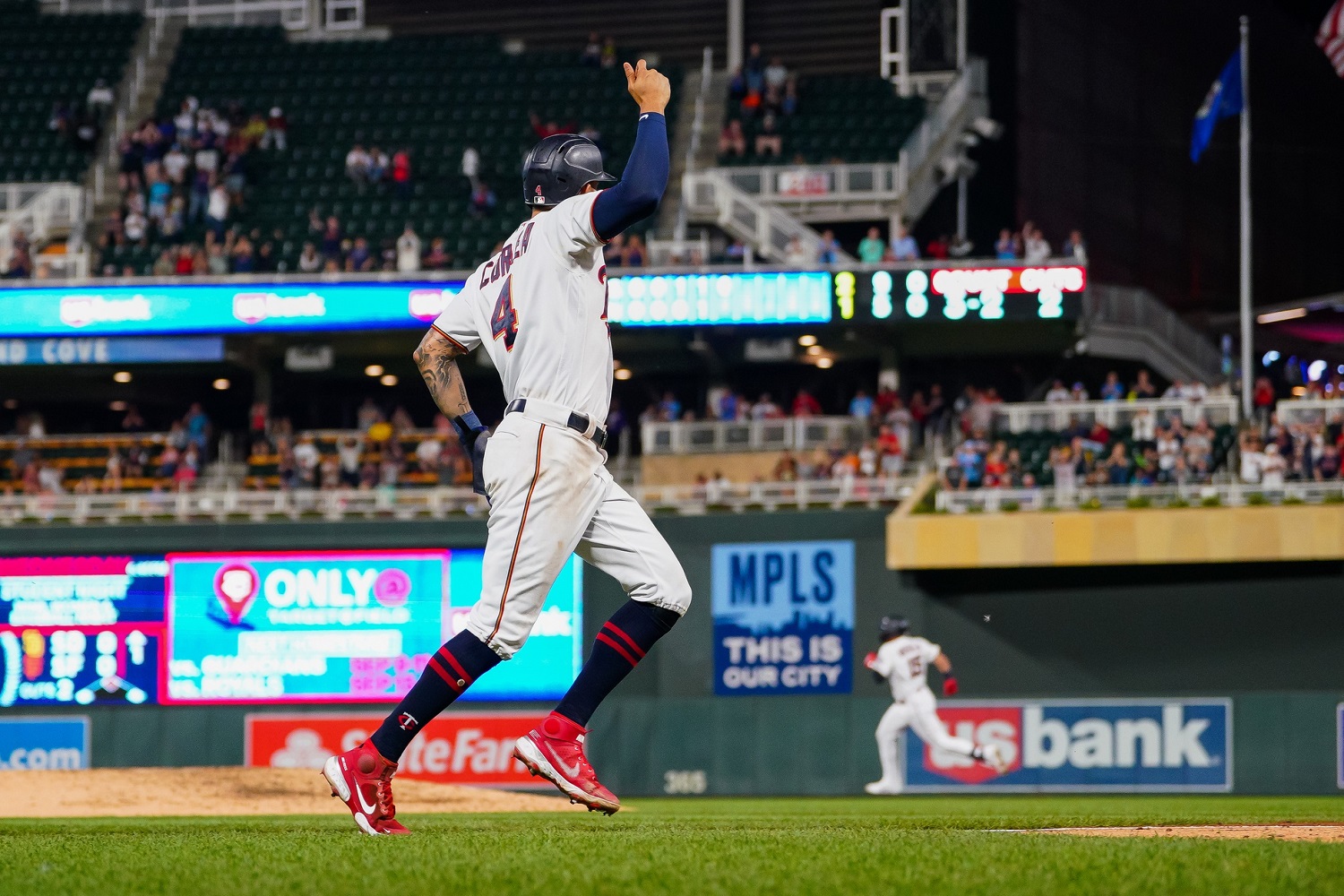 The Twins have been a roller coaster ride to watch this season, with great play through the season’s first two months and poor play over the last two months. Luckily, the team’s ineptitude hasn’t knocked them out of the playoff race because the team plays in one of baseball’s worst divisions. With weeks left in the season, there is plenty of pressure on the Twins to find a way to play in October. Correa Starting to Heat Up Minnesota signed Carlos Correa for various reasons, but his postseason experience is unlike few players in Twins history. Last weekend, Correa punished the ball in a three-game series against the Giants by going 8-for-12 with a double, a home run, and four RBI. Fans may be unimpressed with Correa’s numbers in a Twins uniform as his .790 OPS is over 40 points lower than his career mark. However, offense is down across baseball, and his 129 OPS+ is two points higher than his career total. Minnesota’s offense has struggled in the second half, and Correa may be the key to getting the team back on track. Buxton’s Ailing Hip Byron Buxton’s biggest goal for the 2022 season was to avoid going on the injured list. He made it to the end of August before needing an IL stint even though he had been battling multiple injuries this season. Buxton won’t join the team for their weekend series in Chicago, but there is a possibility he will join the club in New York for their big four-game series with the Yankees. The Twins are a better team with Buxton in the line-up, especially when facing left-handed pitchers. Buxton has talked his way out of going on the IL multiple times this year, and he is going to want to be at Yankee Stadium to start next week. Multiple Pitchers Returning from Injury Minnesota’s most prominent trade deadline acquisition, Tyler Mahle, didn’t look good the last time he was on the mound as his velocity was down. However, he threw a bullpen session on Monday and feels good. The Twins think he will be back on the mound this weekend in Chicago. Multiple other pitchers are also nearing a return from the IL. Josh Winder returned from the injured list at St. Paul this week. Randy Dobnak has made multiple rehab appearances, including two innings at Triple-A on Sunday. The Twins expect Bailey Ober to throw a live bullpen session this week before going on a rehab assignment. Minnesota won’t have room for all these arms on the roster, so it will be interesting to see how their rehabs progress. Maeda Needs More Time While multiple pitchers are returning from injury, Kenta Maeda may need more time before returning to the Twins roster. Maeda had Tommy John surgery on September 1, 2021, and there was hope he could return as a reliever during the regular season. There is still a possibility that he can return for the playoffs, but the team isn’t ready to make that commitment yet. “Everything kind of feels like it’s in a good place,” Derek Falvey told reporters. “(But) we aren’t going to push as hard over the next couple of weeks because we just want to make sure (Maeda’s) comfortable, the doctor’s comfortable and otherwise. We always were hopeful that maybe we were kind of getting him to a place where he thought, ‘Hey, let’s push and be a little more aggressive here.’ … Just based on his progression, how important he is for next year, making sure we’re in a good place, we just collectively didn’t feel like it’s time to say, ‘Go.’” Many of these storylines need to play out positively for the Twins to make a run to October. What storylines will you be watching over the next month? Leave a COMMENT and start the discussion.
- 5 comments
-
- 3
-
-
- bryon buxton
- carlos correa
- (and 2 more)
-
Every season some prospects break out to move into a team's long-term plans. Unfortunately, other prospects struggle, and their stock significantly falls. Here are three of the team's top prospects that have struggled in 2022. Getting to the major leagues can be challenging even for baseball's best prospects. Some players work their entire lives to reach the big leagues, and others make their debut before their 20th birthday. All three names below had the potential to impact the Twins roster during the 2022 season, but poor performance and injuries have cast doubt on their top prospect rankings. Minnesota's farm system continues to drop in national rankings, and these three players take a small portion of the blame for the fall. So which prospects have seen their stock drop the most this season? Austin Martin, SS/OF TD Preseason Ranking: 1 Many national rankings pegged Martin as the Twins' top prospect entering the 2022 season. All three national prospect rankings placed him in their top-60 prospects, but he has fallen off those lists as they have been updated this season. Martin is repeating Double-A this season as a 23-year-old, where he is over a year younger than the average age of the competition. His biggest concern is the lack of power development throughout his professional career. Martin posted a 1.007 OPS in college, and his OPS dropped to .676 in 2022. Martin still has all of the tools to be an above-average hitter, and he needs to continue making adjustments in the minors' upper levels. Jordan Balazovic, SP TD Preseason Ranking: 4 Baseball America and Baseball Prospectus included Balazovic at the backend of the top-100 lists entering the season. Balazovic missed time to start the 2022 season with a knee injury and has never looked right on the mound. In his first 17 appearances, he has allowed 50 earned runs in 49 2/3 innings. His strikeout rate is down (8.3 K/9), and his walk rate is up (4.7 BB/9). He is on the 40-man roster, but he has struggled so much at Triple-A that the Twins haven't been able to call him up. Luckily, he is over four years younger than the average age of the competition at Triple-A. Hopefully, he can call 2022 a lost season and get back on track this winter for an improved 2023. Matt Canterino, SP TD Preseason Ranking: 6 Canterino may never be ranked as a top-100 prospect, but he may have the best stuff and highest ceiling of any pitching prospect in the organization. He has been unhittable with 13.8 K/9 and a 1.48 ERA in his career when on the mound. Unfortunately, he hasn't been able to pitch more than 37 innings in any season since turning pro due to various injuries. His 2022 season ended abruptly when the Twins announced Canterino would undergo Tommy John surgery. This injury means he will miss the rest of 2022 and the majority of 2023. Plenty of pitchers have come back strong after this surgery, and the Twins have to hope he can stay healthy moving forward. Are you worried about the future of these three players? Can they bounce back from poor 2022 campaigns? Leave a COMMENT and start the discussion. View full article
-
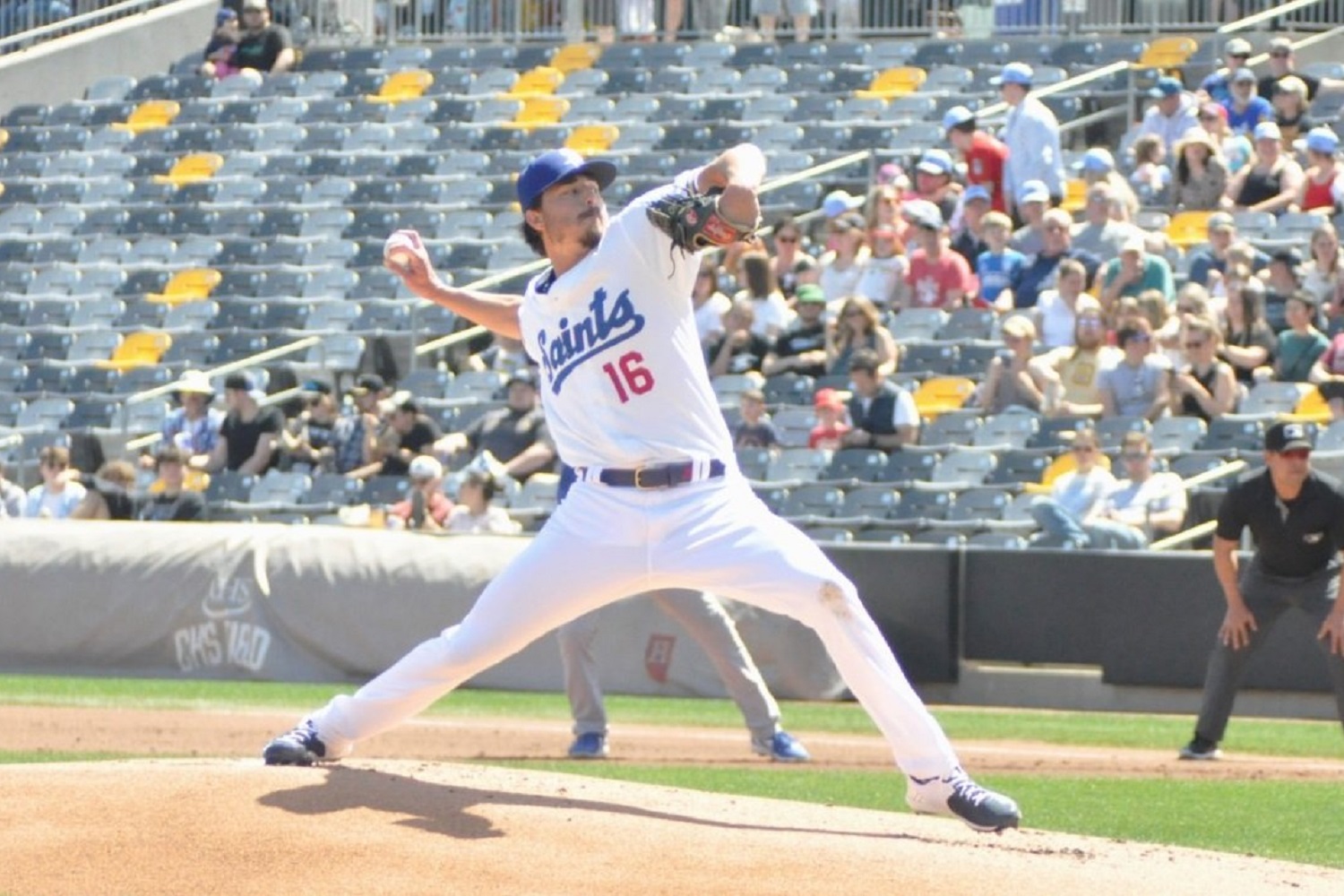 Getting to the major leagues can be challenging even for baseball's best prospects. Some players work their entire lives to reach the big leagues, and others make their debut before their 20th birthday. All three names below had the potential to impact the Twins roster during the 2022 season, but poor performance and injuries have cast doubt on their top prospect rankings. Minnesota's farm system continues to drop in national rankings, and these three players take a small portion of the blame for the fall. So which prospects have seen their stock drop the most this season? Austin Martin, SS/OF TD Preseason Ranking: 1 Many national rankings pegged Martin as the Twins' top prospect entering the 2022 season. All three national prospect rankings placed him in their top-60 prospects, but he has fallen off those lists as they have been updated this season. Martin is repeating Double-A this season as a 23-year-old, where he is over a year younger than the average age of the competition. His biggest concern is the lack of power development throughout his professional career. Martin posted a 1.007 OPS in college, and his OPS dropped to .676 in 2022. Martin still has all of the tools to be an above-average hitter, and he needs to continue making adjustments in the minors' upper levels. Jordan Balazovic, SP TD Preseason Ranking: 4 Baseball America and Baseball Prospectus included Balazovic at the backend of the top-100 lists entering the season. Balazovic missed time to start the 2022 season with a knee injury and has never looked right on the mound. In his first 17 appearances, he has allowed 50 earned runs in 49 2/3 innings. His strikeout rate is down (8.3 K/9), and his walk rate is up (4.7 BB/9). He is on the 40-man roster, but he has struggled so much at Triple-A that the Twins haven't been able to call him up. Luckily, he is over four years younger than the average age of the competition at Triple-A. Hopefully, he can call 2022 a lost season and get back on track this winter for an improved 2023. Matt Canterino, SP TD Preseason Ranking: 6 Canterino may never be ranked as a top-100 prospect, but he may have the best stuff and highest ceiling of any pitching prospect in the organization. He has been unhittable with 13.8 K/9 and a 1.48 ERA in his career when on the mound. Unfortunately, he hasn't been able to pitch more than 37 innings in any season since turning pro due to various injuries. His 2022 season ended abruptly when the Twins announced Canterino would undergo Tommy John surgery. This injury means he will miss the rest of 2022 and the majority of 2023. Plenty of pitchers have come back strong after this surgery, and the Twins have to hope he can stay healthy moving forward. Are you worried about the future of these three players? Can they bounce back from poor 2022 campaigns? Leave a COMMENT and start the discussion.
- 43 comments
-
- 4
-
-
- matt canterino
- austin martin
- (and 1 more)
-
Minnesota’s strong start to the season seemed to change the outlook for the 2022 campaign. The dog days of summer have been cruel to the Twins, which have some questioning Rocco Baldelli’s future with the club. Rocco Baldelli is nearing the end of his fourth season at the helm of the Minnesota Twins. His first year as manager couldn’t have gone much better as he helped guide the team to 101 wins and a division title. MLB named him the AL Manager of the Year, and it seemed like the team was heading in a positive direction. During his second season, the COVID pandemic impacted nearly every aspect of the game, from spring training through the playoffs. Baldelli guided the Twins to a second consecutive division title even with all the distractions in 2020. He won 60% or more of his games in each of his first two seasons, but then the wheels came off in 2021. Last season was an unmitigated disaster from the start of the season. Minnesota went 9-15 in April and ended up with one month (August) when the team had a winning record. It didn’t seem to matter what buttons he pushed during the season’s first half, but the team didn’t quit on him. Even as the team headed for a last-place finish, the club went 29-28 from the start of August until the season’s end. Young pitchers like Joe Ryan and Bailey Ober also gave hope to an improved 2022 Twins roster. Entering the 2022 season, most projection systems had the Twins pegged to finish around .500. By the end of May, those expectations had changed because Minnesota went 30-21 to start the year. Unfortunately, the Twins have been playing below .500 since that point and have little margin for error over the season’s final month. Even with altered expectations, Minnesota still has an opportunity to make the playoffs for the third time in four seasons under Baldelli. The way the season has played out is one of the most frustrating things for fans. Minnesota made a splash by signing Carlos Correa to a giant contract shortly after the lockout ended. Correa has provided leadership, but his on-field performance has been below his typical level, which isn’t something Baldelli can control. A manager can only be as good as the roster he is given, and the Twins roster had some evident flaws from the season’s start. Minnesota’s pitching staff had holes and injuries, and poor play only magnified those flaws. The front office tried to remedy those issues at the trade deadline, and the pitching staff has improved in recent weeks. However, the line-up has struggled to score runs, and the team is struggling to stay in playoff contention. When a team plays well, a manager will get credit for pushing all the right buttons. When a team struggles, a manager gets most of the blame. Injuries have dramatically impacted Minnesota’s lineup as this roster would look significantly different with a healthy Ryan Jeffers, Alex Kirilloff, Trevor Larnach, and Royce Lewis. That being said, every team deals with injuries, and the best managers find ways to win games even when injuries occur, especially those managers of the high-salaried teams. Luckily, the front office won’t be forced into deciding until this winter. Minnesota has only had four different managers since Tom Kelly took the reins near the end of the 1986 season. It seems unlikely for the Twins to go in a different direction at the manager position as this front office picked Baldelli, and he guided the team to multiple division titles. The Twins may turn it on and end the year strongly, but a poor finish may have fans calling for new leadership in the dugout. Do you think Baldelli’s future with the club is in jeopardy? Leave a COMMENT and start the discussion. View full article
-
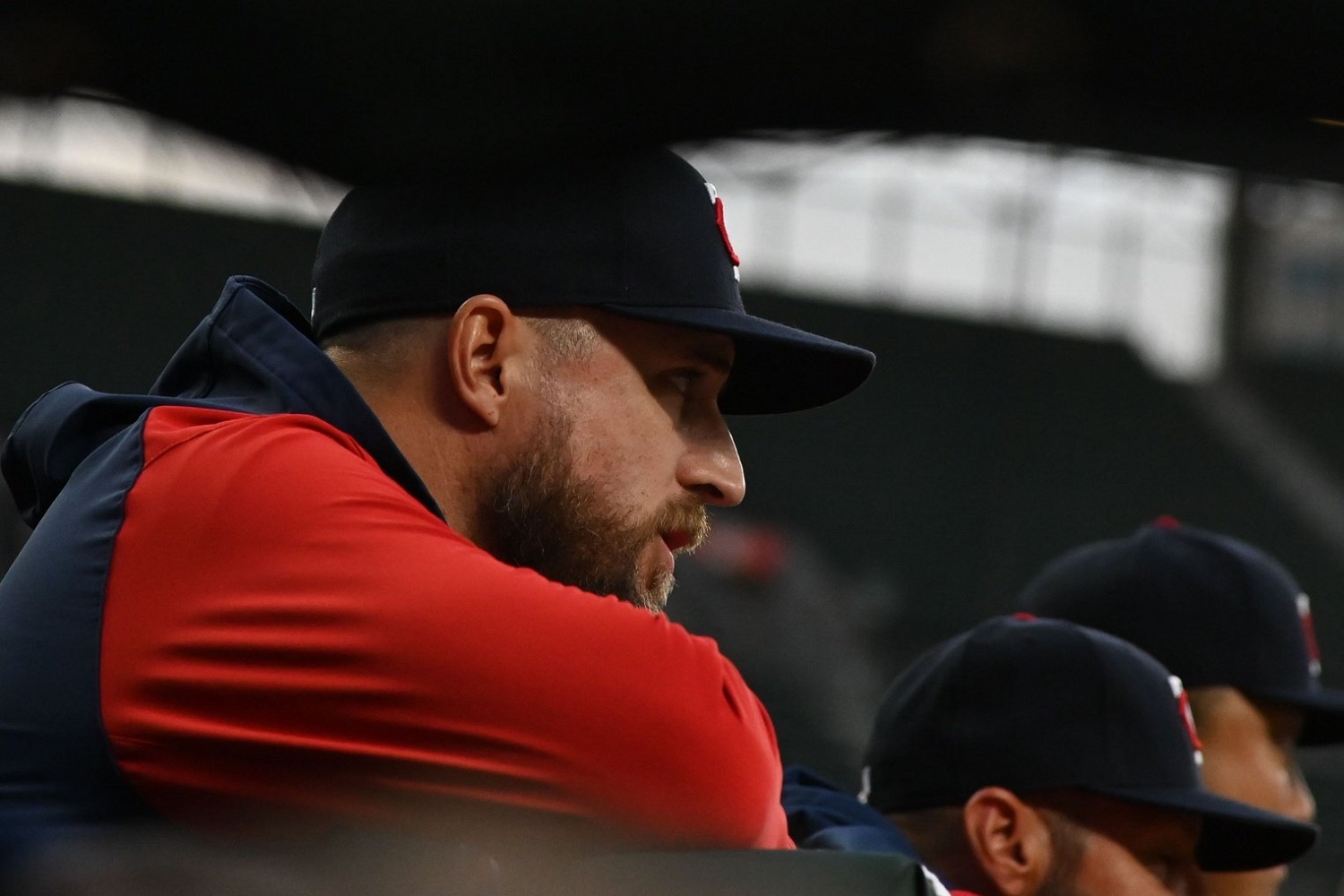 Rocco Baldelli is nearing the end of his fourth season at the helm of the Minnesota Twins. His first year as manager couldn’t have gone much better as he helped guide the team to 101 wins and a division title. MLB named him the AL Manager of the Year, and it seemed like the team was heading in a positive direction. During his second season, the COVID pandemic impacted nearly every aspect of the game, from spring training through the playoffs. Baldelli guided the Twins to a second consecutive division title even with all the distractions in 2020. He won 60% or more of his games in each of his first two seasons, but then the wheels came off in 2021. Last season was an unmitigated disaster from the start of the season. Minnesota went 9-15 in April and ended up with one month (August) when the team had a winning record. It didn’t seem to matter what buttons he pushed during the season’s first half, but the team didn’t quit on him. Even as the team headed for a last-place finish, the club went 29-28 from the start of August until the season’s end. Young pitchers like Joe Ryan and Bailey Ober also gave hope to an improved 2022 Twins roster. Entering the 2022 season, most projection systems had the Twins pegged to finish around .500. By the end of May, those expectations had changed because Minnesota went 30-21 to start the year. Unfortunately, the Twins have been playing below .500 since that point and have little margin for error over the season’s final month. Even with altered expectations, Minnesota still has an opportunity to make the playoffs for the third time in four seasons under Baldelli. The way the season has played out is one of the most frustrating things for fans. Minnesota made a splash by signing Carlos Correa to a giant contract shortly after the lockout ended. Correa has provided leadership, but his on-field performance has been below his typical level, which isn’t something Baldelli can control. A manager can only be as good as the roster he is given, and the Twins roster had some evident flaws from the season’s start. Minnesota’s pitching staff had holes and injuries, and poor play only magnified those flaws. The front office tried to remedy those issues at the trade deadline, and the pitching staff has improved in recent weeks. However, the line-up has struggled to score runs, and the team is struggling to stay in playoff contention. When a team plays well, a manager will get credit for pushing all the right buttons. When a team struggles, a manager gets most of the blame. Injuries have dramatically impacted Minnesota’s lineup as this roster would look significantly different with a healthy Ryan Jeffers, Alex Kirilloff, Trevor Larnach, and Royce Lewis. That being said, every team deals with injuries, and the best managers find ways to win games even when injuries occur, especially those managers of the high-salaried teams. Luckily, the front office won’t be forced into deciding until this winter. Minnesota has only had four different managers since Tom Kelly took the reins near the end of the 1986 season. It seems unlikely for the Twins to go in a different direction at the manager position as this front office picked Baldelli, and he guided the team to multiple division titles. The Twins may turn it on and end the year strongly, but a poor finish may have fans calling for new leadership in the dugout. Do you think Baldelli’s future with the club is in jeopardy? Leave a COMMENT and start the discussion.
 -
The Twins signed outfielder Billy Hamilton to a minor-league contract on Friday. What can the veteran outfielder provide the Twins? On Friday, multiple reports surfaced that the Twins had agreed to a minor-league deal with veteran outfielder Billy Hamilton. Minnesota is the third different organization this season for the former top prospect, but the Twins need outfield depth, and they were willing to give Hamilton a chance. It also sounds like he has early opt-outs in the deal if the Twins don't add him to the active roster in the next week. Nearly a decade ago, Billy Hamilton was considered one of baseball's best prospects. As a speedy outfielder in the Reds organization, he stole bases at a record pace and provided elite outfield defense. His offensive skills weren't fully developed, but many viewed that as something that could improve throughout his professional career. Entering the 2013 season, all three national prospect rankings placed him as one of baseball's top-20 prospects. Hamilton broke into the big leagues as a 22-year-old and played parts of six seasons in Cincinnati. Unfortunately, his bat never fully developed, even with multiple chances as a regular player for the Reds. In 690 games, he hit .245/.298/.333 (.631) while striking out 554 times. He was able to steal 277 bases, but he was also caught 63 times. During the 2014 season, he led baseball in caught stealing as he was thrown out 23 times. It was tough for him to live up to the hype surrounding his minor league career, and he hasn't played more than 120 games in a season since leaving the Reds. Over the next three seasons, Hamilton bounced around to five different organizations and never played more than 93 games in one place. He has posted a .568 OPS and a 51 OPS+ during that stretch. His chances to steal bases also dropped as he was getting on base less than 27% of the time. In 221 games, he was limited to 37 stolen bases. Last season, he appeared in 71 games for the White Sox and posted a .620 OPS. The Marlins used Hamilton in 20 games during the current season, but he was limited to 15 plate appearances. He has mostly been relegated to a pinch-runner or late-game defensive replacement. Hamilton went 1-for-13 with seven steals and nine runs scored in limited action. Minnesota will likely use Hamilton in a similar role as the Twins wait for some other outfielders to get healthy. The Twins currently have multiple outfielders on the injured list, including Byron Buxton, Trevor Larnach, and Alex Kirilloff. Royce Lewis is another injured player that likely would have picked up time in the outfield if he was healthy. Minnesota has used other outfield options like Tim Beckham, Kyle Garlick, and Jake Cave. Those players have found some success, but it has hardly been an ideal outfield depth chart. Hamilton's inability to hit consistently has pushed him to a bench role in recent years. However, his speed and defensive ability can still change a game. The Twins haven't had many dynamic players to use off the bench during the 2022 season, and Hamilton certainly offers skills that can help a contending team. Minnesota will need to be strategic in how he is utilized, but he can help a team that has struggled to consistently score runs this season. What do you think Hamilton can offer the Twins? Leave a COMMENT and start the discussion. View full article
-
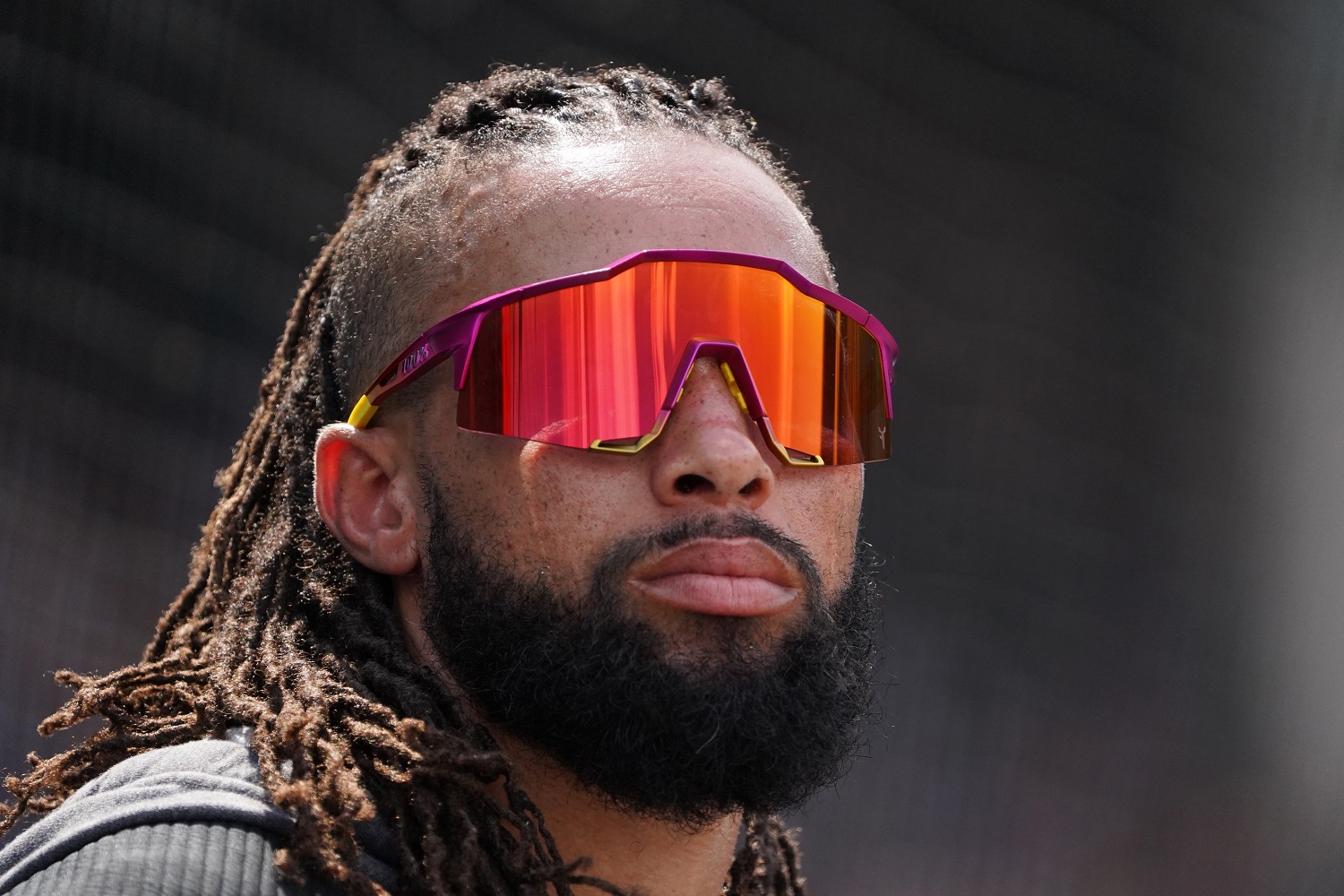 On Friday, multiple reports surfaced that the Twins had agreed to a minor-league deal with veteran outfielder Billy Hamilton. Minnesota is the third different organization this season for the former top prospect, but the Twins need outfield depth, and they were willing to give Hamilton a chance. It also sounds like he has early opt-outs in the deal if the Twins don't add him to the active roster in the next week. Nearly a decade ago, Billy Hamilton was considered one of baseball's best prospects. As a speedy outfielder in the Reds organization, he stole bases at a record pace and provided elite outfield defense. His offensive skills weren't fully developed, but many viewed that as something that could improve throughout his professional career. Entering the 2013 season, all three national prospect rankings placed him as one of baseball's top-20 prospects. Hamilton broke into the big leagues as a 22-year-old and played parts of six seasons in Cincinnati. Unfortunately, his bat never fully developed, even with multiple chances as a regular player for the Reds. In 690 games, he hit .245/.298/.333 (.631) while striking out 554 times. He was able to steal 277 bases, but he was also caught 63 times. During the 2014 season, he led baseball in caught stealing as he was thrown out 23 times. It was tough for him to live up to the hype surrounding his minor league career, and he hasn't played more than 120 games in a season since leaving the Reds. Over the next three seasons, Hamilton bounced around to five different organizations and never played more than 93 games in one place. He has posted a .568 OPS and a 51 OPS+ during that stretch. His chances to steal bases also dropped as he was getting on base less than 27% of the time. In 221 games, he was limited to 37 stolen bases. Last season, he appeared in 71 games for the White Sox and posted a .620 OPS. The Marlins used Hamilton in 20 games during the current season, but he was limited to 15 plate appearances. He has mostly been relegated to a pinch-runner or late-game defensive replacement. Hamilton went 1-for-13 with seven steals and nine runs scored in limited action. Minnesota will likely use Hamilton in a similar role as the Twins wait for some other outfielders to get healthy. The Twins currently have multiple outfielders on the injured list, including Byron Buxton, Trevor Larnach, and Alex Kirilloff. Royce Lewis is another injured player that likely would have picked up time in the outfield if he was healthy. Minnesota has used other outfield options like Tim Beckham, Kyle Garlick, and Jake Cave. Those players have found some success, but it has hardly been an ideal outfield depth chart. Hamilton's inability to hit consistently has pushed him to a bench role in recent years. However, his speed and defensive ability can still change a game. The Twins haven't had many dynamic players to use off the bench during the 2022 season, and Hamilton certainly offers skills that can help a contending team. Minnesota will need to be strategic in how he is utilized, but he can help a team that has struggled to consistently score runs this season. What do you think Hamilton can offer the Twins? Leave a COMMENT and start the discussion.
 -
Louie Varland has been impressive in his first taste of the Triple-A level. With the Twins struggling, will they consider calling up one of the organization’s top pitching prospects? The Twins drafted Louie Varland in the 15th round of the 2019 MLB Draft out of Concordia University in St. Paul, MN. After signing, he made his professional debut with the Elizabethton Twins. He allowed two earned runs on nine hits over 8 2/3 innings in three appearances. His 10-to-4 strikeout to walk ratio pointed to him making some improvements as a professional, and he improved even more during the 2020 shutdown. The Twins and Varland were concerned with some of the stress on his joints, so they focused on changing his arm action. This change had multiple benefits. He saw increased velocity and movement on his fastball along with improvements to his secondary pitches. In college, his fastball topped out in the low 90s, but now he can regularly hit in the upper 90s. His best secondary pitches are his changeup and slider that play well off his improved fastball. Varland used his improved stuff to surprise many during the 2021 campaign. He dominated at Low- and High-A on his way to winning the Twins Daily Minor League Pitcher of the Year. In 103 innings, he posted a 2.10 ERA with a 1.09 WHIP and a 142-to-30 strikeout to walk ratio. Half of his appearances came at Low-A, where he was over a year older than the average age of the competition. Still, he continued to perform well after his promotion. Varland had put himself on the prospect map but needed to prove it wasn’t a fluke in 2022. For the first time in his professional career, Varland has spent the entire season pitching at levels where he is younger than the average age of the competition. Nearly 56% of his at-bats have come against older batters who he has held to a .234 batting average. In 122 innings, he has posted a 3.02 ERA with a 1.27 WHIP and a 143-to-42 strikeout to walk ratio. He’s pitched a career-high in innings, and his three Triple-A starts have been nearly flawless. Varland would have been an excellent candidate for a September call-up in previous seasons, but MLB changed the roster rules. September rosters are now limited to 28 players, and this will be the first 162-game season where that rule will be in effect. Minnesota has to add Varland to the 40-man roster this winter, so it might not be too challenging to add him earlier. Multiple pitchers returning from injury would be ahead of Varland on the team’s depth chart. Up-and-coming prospects can be exciting when making their debuts, and the team can play well behind the pitcher. It would be great to see Varland have some September success like Joe Ryan did in 2022. However, Minnesota might also want Varland to end the season on a high note. He’s pitching very well at Triple-A in his hometown, which might be enough to carry him through to the start of next season. He will be added to the 40-man roster this winter and enter spring training with eyes focused on him being a big-league contributor in 2023. Do you think Varland will get a September call-up? Leave a COMMENT and start the discussion. View full article
-
Louie Varland Might Help the Twins Down the Stretch
Cody Christie posted an article in Minor Leagues
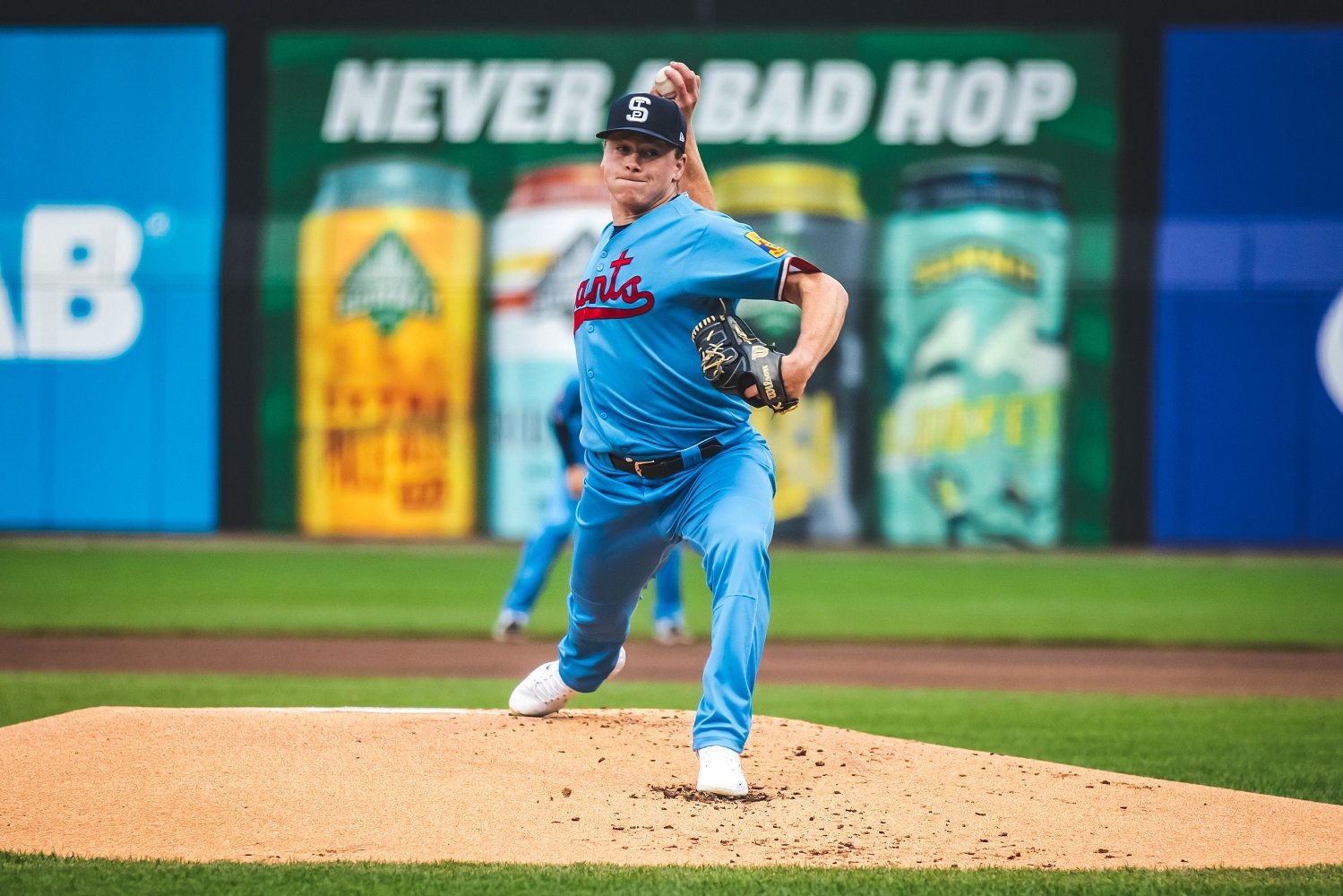 The Twins drafted Louie Varland in the 15th round of the 2019 MLB Draft out of Concordia University in St. Paul, MN. After signing, he made his professional debut with the Elizabethton Twins. He allowed two earned runs on nine hits over 8 2/3 innings in three appearances. His 10-to-4 strikeout to walk ratio pointed to him making some improvements as a professional, and he improved even more during the 2020 shutdown. The Twins and Varland were concerned with some of the stress on his joints, so they focused on changing his arm action. This change had multiple benefits. He saw increased velocity and movement on his fastball along with improvements to his secondary pitches. In college, his fastball topped out in the low 90s, but now he can regularly hit in the upper 90s. His best secondary pitches are his changeup and slider that play well off his improved fastball. Varland used his improved stuff to surprise many during the 2021 campaign. He dominated at Low- and High-A on his way to winning the Twins Daily Minor League Pitcher of the Year. In 103 innings, he posted a 2.10 ERA with a 1.09 WHIP and a 142-to-30 strikeout to walk ratio. Half of his appearances came at Low-A, where he was over a year older than the average age of the competition. Still, he continued to perform well after his promotion. Varland had put himself on the prospect map but needed to prove it wasn’t a fluke in 2022. For the first time in his professional career, Varland has spent the entire season pitching at levels where he is younger than the average age of the competition. Nearly 56% of his at-bats have come against older batters who he has held to a .234 batting average. In 122 innings, he has posted a 3.02 ERA with a 1.27 WHIP and a 143-to-42 strikeout to walk ratio. He’s pitched a career-high in innings, and his three Triple-A starts have been nearly flawless. Varland would have been an excellent candidate for a September call-up in previous seasons, but MLB changed the roster rules. September rosters are now limited to 28 players, and this will be the first 162-game season where that rule will be in effect. Minnesota has to add Varland to the 40-man roster this winter, so it might not be too challenging to add him earlier. Multiple pitchers returning from injury would be ahead of Varland on the team’s depth chart. Up-and-coming prospects can be exciting when making their debuts, and the team can play well behind the pitcher. It would be great to see Varland have some September success like Joe Ryan did in 2022. However, Minnesota might also want Varland to end the season on a high note. He’s pitching very well at Triple-A in his hometown, which might be enough to carry him through to the start of next season. He will be added to the 40-man roster this winter and enter spring training with eyes focused on him being a big-league contributor in 2023. Do you think Varland will get a September call-up? Leave a COMMENT and start the discussion.
 -
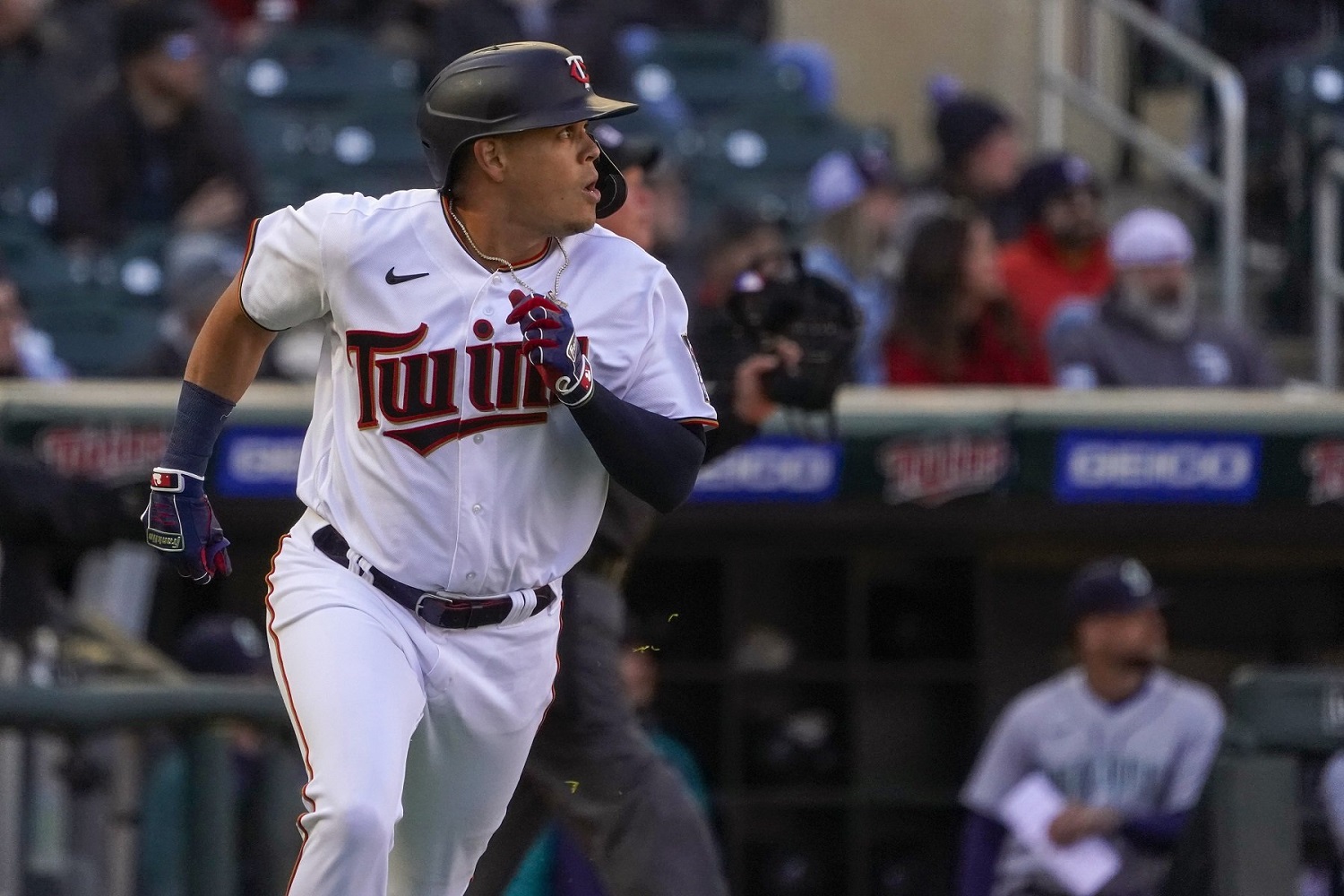 Nearing the end of his seventh big-league season, Gio Urshela’s offensive profile has been interesting to follow throughout his career. It took until his age-27 season for a team to give him a chance to play over 100 games, and he made the most of the opportunity. In 175 games between 2019-20, he hit .310/.359/.523 (.881) with a 134 OPS+ and 72 extra-base hits. He was a well above-average hitter that offered some defensive flexibility. It looked like the Yankees had found another strong player off the scrap heap. During the 2021 season, his offensive numbers struggled as he posted a 97 OPS+ while striking out 109 times in 116 games. He ended the season with a .720 OPS and questions about his long-term role with the Yankees. His defense at third base also struggled as he posted a -1.2 SDI, which is one of the metrics used to award Gold Gloves. Only four American League third basemen had a lower total during the 2021 season. Coming off his down season, Minnesota acquired Urshela along with Gary Sanchez as part of the Josh Donaldson trade. Urshela seemed like he had the potential to be a bounce-back candidate, and the Twins acquired him with multiple years of team control. For the 2022 season, Urshela made $6.55 million through the arbitration process, and he will be scheduled to make more in 2023. So, should the Twins offer him arbitration or let him test the free agent waters? Entering play this weekend, Urshela has very similar offensive numbers to 2021. His .741 OPS is just over 20 points higher than last season, and he has almost an identical amount of extra-base hits. However, giving context to those numbers is crucial because offense is down across baseball this season. His 114 OPS+ ranks above league average and in the 67th percentile or higher in Max Exit Velocity, xSLG, and K%. Not everything has been perfect for Urshela this season. Among Twins hitters, he has the seventh highest Win Probability Added, which places him between Kyle Garlick and Royce Lewis. His defense has also been below replacement level, as only one AL third baseman has a lower SDI ranking. There have been good and bad moments for him throughout the season, but the team will have to consider what value he can provide the team for 2023. FanGraphs pegs Urshela as providing the Twins with $8.4 million worth of value so far in 2022. That is significantly more than the $6.55 million Minnesota is paying him this season, but it might be similar to where his arbitration figure ends up for 2023. Entering the 2021 season, the Twins had to decide whether or not to offer arbitration to Eddie Rosario. He was scheduled to make around $12 million in arbitration, and the front office decided to go in a different direction. It was the right decision, even if he had some big playoff moments for the Braves. The Rosario decision was likely more straightforward than what the team will do with Urshela. Looking ahead to next season, the Twins will have multiple options to play third base. Luis Arraez, Jose Miranda, and Royce Lewis are all options to fill the role at the hot corner. All three players are part of the team’s long-term plan, and Urshela’s arbitration money might be more wisely spent on other roster pieces. Do you think the Twins will offer Urshela arbitration? Leave a COMMENT and start the discussion.
 -
Gio Urshela is wrapping up his first season in a Minnesota Twins uniform. Has he done enough for the Twins to offer him arbitration this winter? Nearing the end of his seventh big-league season, Gio Urshela’s offensive profile has been interesting to follow throughout his career. It took until his age-27 season for a team to give him a chance to play over 100 games, and he made the most of the opportunity. In 175 games between 2019-20, he hit .310/.359/.523 (.881) with a 134 OPS+ and 72 extra-base hits. He was a well above-average hitter that offered some defensive flexibility. It looked like the Yankees had found another strong player off the scrap heap. During the 2021 season, his offensive numbers struggled as he posted a 97 OPS+ while striking out 109 times in 116 games. He ended the season with a .720 OPS and questions about his long-term role with the Yankees. His defense at third base also struggled as he posted a -1.2 SDI, which is one of the metrics used to award Gold Gloves. Only four American League third basemen had a lower total during the 2021 season. Coming off his down season, Minnesota acquired Urshela along with Gary Sanchez as part of the Josh Donaldson trade. Urshela seemed like he had the potential to be a bounce-back candidate, and the Twins acquired him with multiple years of team control. For the 2022 season, Urshela made $6.55 million through the arbitration process, and he will be scheduled to make more in 2023. So, should the Twins offer him arbitration or let him test the free agent waters? Entering play this weekend, Urshela has very similar offensive numbers to 2021. His .741 OPS is just over 20 points higher than last season, and he has almost an identical amount of extra-base hits. However, giving context to those numbers is crucial because offense is down across baseball this season. His 114 OPS+ ranks above league average and in the 67th percentile or higher in Max Exit Velocity, xSLG, and K%. Not everything has been perfect for Urshela this season. Among Twins hitters, he has the seventh highest Win Probability Added, which places him between Kyle Garlick and Royce Lewis. His defense has also been below replacement level, as only one AL third baseman has a lower SDI ranking. There have been good and bad moments for him throughout the season, but the team will have to consider what value he can provide the team for 2023. FanGraphs pegs Urshela as providing the Twins with $8.4 million worth of value so far in 2022. That is significantly more than the $6.55 million Minnesota is paying him this season, but it might be similar to where his arbitration figure ends up for 2023. Entering the 2021 season, the Twins had to decide whether or not to offer arbitration to Eddie Rosario. He was scheduled to make around $12 million in arbitration, and the front office decided to go in a different direction. It was the right decision, even if he had some big playoff moments for the Braves. The Rosario decision was likely more straightforward than what the team will do with Urshela. Looking ahead to next season, the Twins will have multiple options to play third base. Luis Arraez, Jose Miranda, and Royce Lewis are all options to fill the role at the hot corner. All three players are part of the team’s long-term plan, and Urshela’s arbitration money might be more wisely spent on other roster pieces. Do you think the Twins will offer Urshela arbitration? Leave a COMMENT and start the discussion. View full article
-
Matt Wallner is having a breakout season at Double- and Triple-A. Is his ceiling similar to a current big-league slugger? The Twins’ current front office selected Matt Wallner with the 39th overall pick in the 2019 MLB Draft. The Minnesota native dominated at Southern Mississippi in three collegiate seasons by hitting .337/.461/.652 (1.113) with 39 doubles and 58 home runs in 189 games. He compiled these tremendous offensive numbers while still being a part-time pitcher during his freshman and sophomore seasons. An arm injury forced him to focus on hitting as a junior, and his raw power made it tough for potential organizations to ignore. After signing with the Twins, Wallner played 65 games in his professional debut. In rookie ball and Low-A, he posted an .810 OPS with 31 extra-base hits and an 80-to-24 strikeout to walk ratio. With no 2020 minor league season, Wallner spent most of the 2021 campaign at High-A. He broke his hamate bone and missed a chunk of the season but hit 15 home runs in only 66 games. Following the season, the Twins sent him to the AFL, where he posted a 1.011 OPS with six home runs in 79 plate appearances. Wallner used his AFL time to jumpstart his 2022 season. In 78 Double-A games, he hit .299/.436/.597 (1.033) with 15 doubles and 21 home runs. Since being promoted to Triple-A, he has continued to get on base over 32% of the time and has nine extra-base hits in 29 games. Unlike many power hitters, his OPS is only separated by seven points between right- and left-handed pitchers. For the first time in his pro career, Wallner has been younger than the average age of the competition throughout the season. Wallner’s swing-and-miss approach comes with the associated flaws of a power hitter. He has accumulated 148 strikeouts in his first 107 games this season. In 2021, he struck out 31% of the time, but he was dealing with an injury and missed an entire season of development during the 2020 campaign. There are also concerns about his eventual defensive value, but the organization continues to use him regularly as a right fielder. Wallner has been charged with six errors in 173 chances this season. MLB Pipeline recently updated their top-30 Twins prospects, and Wallner moved into the organization’s top-5 prospects. Part of their scouting report on Wallner said, “he does have a Joey Gallo-esque offensive ceiling.” Gallo is in his sixth full-time season at the big-league level and has hit .202/.328/.475 (.804) with three seasons of 38 or more home runs. Like Wallner, he strikes out a lot, with three seasons of 196 or more strikeouts. Strikeouts have become a more regular part of baseball in recent years, so Wallner should carve out a role at the big-league level. Minnesota likely would have called him up this season if he were a right-handed hitter as the team deals with injuries to Trevor Larnach, Alex Kirilloff, and Byron Buxton. Wallner has the potential to be as good as Gallo, but he will need to continue to improve some of his flaws. Do you think Wallner can have a similar career to Gallo? What is Wallner’s ceiling? Leave a COMMENT and start the discussion. View full article
-
Matt Wallner’s Ceiling Compares to This Big-League Slugger
Cody Christie posted an article in Minor Leagues
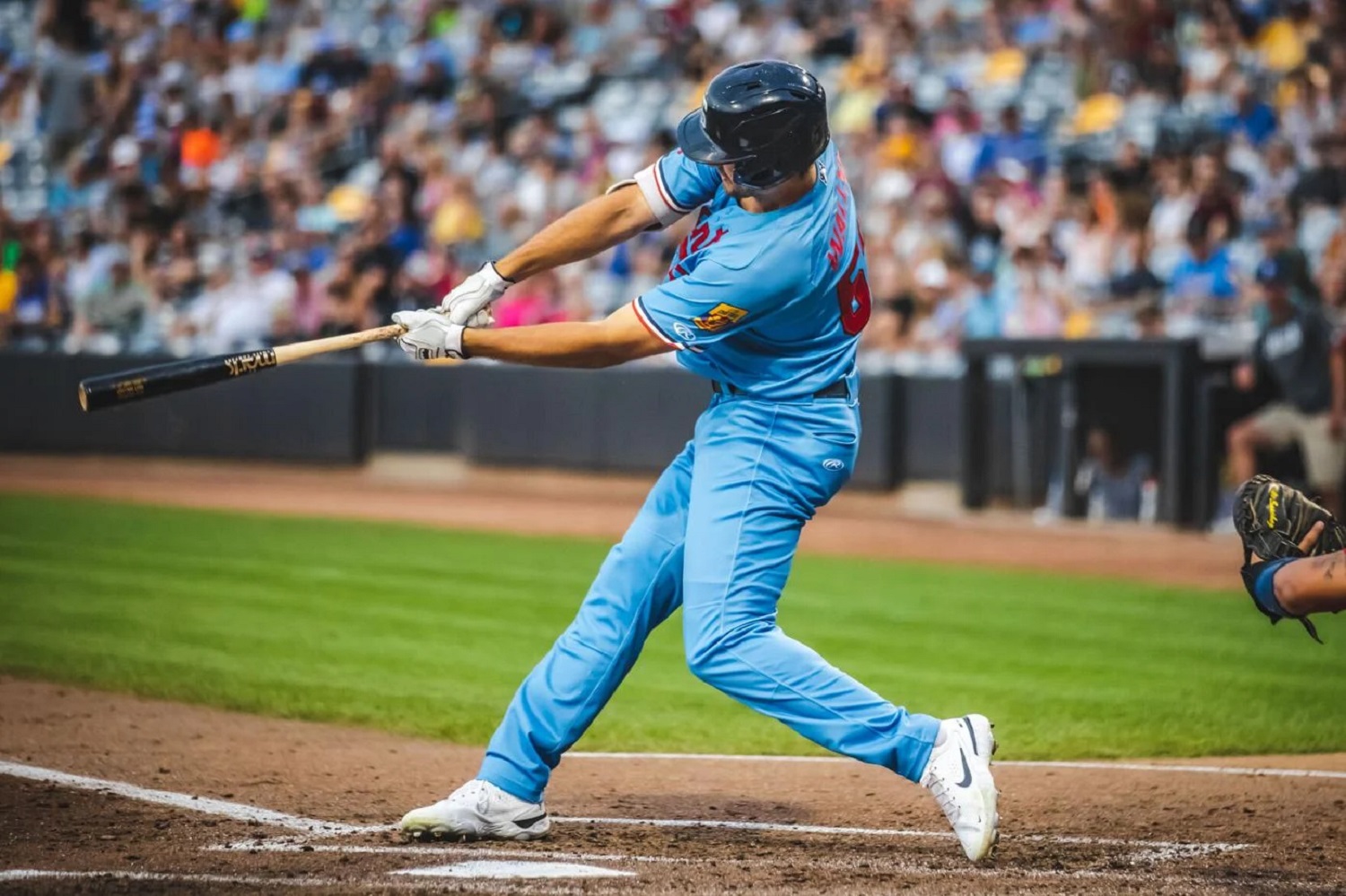 The Twins’ current front office selected Matt Wallner with the 39th overall pick in the 2019 MLB Draft. The Minnesota native dominated at Southern Mississippi in three collegiate seasons by hitting .337/.461/.652 (1.113) with 39 doubles and 58 home runs in 189 games. He compiled these tremendous offensive numbers while still being a part-time pitcher during his freshman and sophomore seasons. An arm injury forced him to focus on hitting as a junior, and his raw power made it tough for potential organizations to ignore. After signing with the Twins, Wallner played 65 games in his professional debut. In rookie ball and Low-A, he posted an .810 OPS with 31 extra-base hits and an 80-to-24 strikeout to walk ratio. With no 2020 minor league season, Wallner spent most of the 2021 campaign at High-A. He broke his hamate bone and missed a chunk of the season but hit 15 home runs in only 66 games. Following the season, the Twins sent him to the AFL, where he posted a 1.011 OPS with six home runs in 79 plate appearances. Wallner used his AFL time to jumpstart his 2022 season. In 78 Double-A games, he hit .299/.436/.597 (1.033) with 15 doubles and 21 home runs. Since being promoted to Triple-A, he has continued to get on base over 32% of the time and has nine extra-base hits in 29 games. Unlike many power hitters, his OPS is only separated by seven points between right- and left-handed pitchers. For the first time in his pro career, Wallner has been younger than the average age of the competition throughout the season. Wallner’s swing-and-miss approach comes with the associated flaws of a power hitter. He has accumulated 148 strikeouts in his first 107 games this season. In 2021, he struck out 31% of the time, but he was dealing with an injury and missed an entire season of development during the 2020 campaign. There are also concerns about his eventual defensive value, but the organization continues to use him regularly as a right fielder. Wallner has been charged with six errors in 173 chances this season. MLB Pipeline recently updated their top-30 Twins prospects, and Wallner moved into the organization’s top-5 prospects. Part of their scouting report on Wallner said, “he does have a Joey Gallo-esque offensive ceiling.” Gallo is in his sixth full-time season at the big-league level and has hit .202/.328/.475 (.804) with three seasons of 38 or more home runs. Like Wallner, he strikes out a lot, with three seasons of 196 or more strikeouts. Strikeouts have become a more regular part of baseball in recent years, so Wallner should carve out a role at the big-league level. Minnesota likely would have called him up this season if he were a right-handed hitter as the team deals with injuries to Trevor Larnach, Alex Kirilloff, and Byron Buxton. Wallner has the potential to be as good as Gallo, but he will need to continue to improve some of his flaws. Do you think Wallner can have a similar career to Gallo? What is Wallner’s ceiling? Leave a COMMENT and start the discussion.
 -
Minnesota's bullpen has been frustrating to watch throughout much of the 2022 campaign. For a player like Jovani Moran, it has to be even more frustrating that he isn't getting a more extended look at the big-league level. The Twins drafted Jovani Moran in the 7th round of the 2015 MLB Draft as a high schooler from Puerto Rico. Arm issues limited him to fewer than 20 innings in his first two seasons, but he had a breakout season in 2017. He put himself on the prospect radar with a dominant performance in the Appalachian League, where he accumulated 45 strikeouts in 24 innings. All those appearances were in a relief role, but his dominant performance earned him the Twins Daily Short Season Pitcher of the Year. Moran hasn't been flawless as he has climbed the organizational ladder. His early included elbow and shoulder injuries like removing bone chips, but he has been able to avoid Tommy John surgery. In six minor league seasons, there has only been one season where he has pitched more than 70 innings. On the field, his 4.3 BB/9 rate is too high, and that trait has followed him to the big-league level. Throughout the 2021 season, Moran has pushed himself into the conversation at the big-league level. Last year, he won the Twins Daily Minor League Relief Pitcher of the Year. Moran posted a 2.54 ERA and a 14.6 K/9 in 35 appearances between Double- and Triple-A. By the season's end, he made his big-league debut, but he surrendered seven runs in eight innings. His small sample size with the Twins didn't take away from him being in the team's long-term bullpen plans. During the 2022 campaign, the Twins have shuffled Moran between St. Paul and Minneapolis. At Triple-A, his appearances haven't been as clean as one would like to see. He has a 5.09 ERA with a 1.52 WHIP, but he has only allowed more than two runs in two appearances. He's posted a 15.8 K/9 which is nearly as high as when he dominated the Appy League as a 20-year-old. Even with time spent at multiple levels, Moran has been nearly flawless at the big-league level this season. Three of the six earned runs he has allowed came in less than an inning against the Tigers. He's allowed one hit or fewer in all but two appearances, and he has multiple strikeouts in half of his appearances. In his professional career, Moran's changeup has been his dominant pitch, and that has continued this year, with 20 of his 31 strikeouts coming on the changeup. However, his fastball has also improved with a .202 xBA and a .278 SLG. The Twins' bullpen has multiple long-term problems, including sticking with veteran relievers too long. Emilio Pagan has been pushed into a low-leverage role even though he has been one of baseball's worst relievers over the last two seasons. Pagan is likely out of the team's plans after this season, and Moran is a 25-year-old with the potential to impact Minnesota's bullpen for the long term. It's time Moran got a more extended look. Do you think Moran deserves a longer look in the Twins bullpen? Leave a COMMENT and start the discussion. View full article
