Cody Christie
-
Posts
7,515 -
Joined
-
Last visited
-
Days Won
5
Content Type
Profiles
News
Minnesota Twins Videos
2026 Minnesota Twins Top Prospects Ranking
2022 Minnesota Twins Draft Picks
Minnesota Twins Free Agent & Trade Rumors, Notes, & Tidbits
Guides & Resources
2023 Minnesota Twins Draft Picks
The Minnesota Twins Players Project
2024 Minnesota Twins Draft Picks
2025 Minnesota Twins Draft Pick Tracker
2026 Minnesota Twins Draft Tracker: Picks & Bonuses
Forums
Blogs
Events
Store
Downloads
Gallery
Everything posted by Cody Christie
-
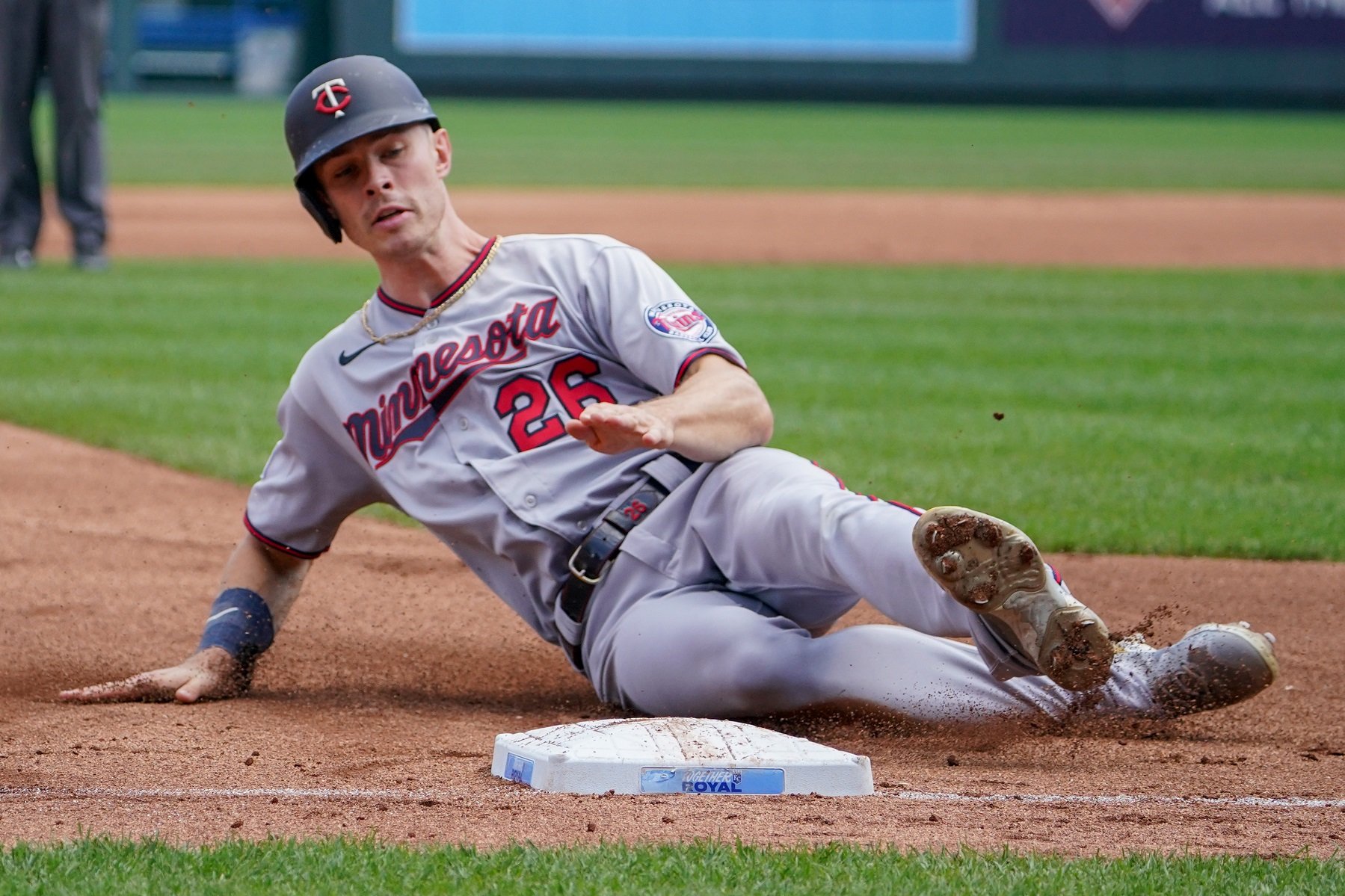 Minnesota's roster has depth at multiple big-league positions, allowing the front office to exercise creativity this offseason. The current regime hasn't been afraid of making trades to solidify the roster and keep the team's winning window open as long as possible. As the offseason begins, it's essential to identify some of the team's possible trade candidates. What Did He Do in 2022? For the second consecutive season, Max Kepler posted a below-average OPS+. It's looking more like the 2019 campaign was a mirage regarding Kepler's offensive production. His average exit velocity, Hard Hit % and Barrel % all ranked in the 51st percentile or lower last season. While those numbers are disheartening, he does have good control of the strike zone as he ranks in the 78th percentile or higher in K%, BB%, Whiff%, and Chase Rate. Most of his value comes on the defensive side of the ball, where he ranked in the 97th percentile for Outs Above Average. In 2022, SABR's Defensive Index ranks Kepler as the second-best AL right fielder, which has him on pace to be a Gold Glove finalist. Why is He a Trade Candidate? Minnesota's outfield is quickly filling up with other younger outfield options that offer more long-term upside than Kepler. Alex Kirilloff, Trevor Larnach, and Matt Wallner have emerged over the last three seasons and are entering the prime of their careers. There are no guarantees with any of these players, especially with Kirilloff and Larnach returning from injuries. Austin Martin is another prospect to consider in the outfield picture with an outstanding AFL performance. Other players like Nick Gordon and Gilberto Celestino will also get some opportunities in corner outfield spots. With all of these names, it's easy to see why Kepler can be expendable. What is His Trade Value? Kepler is scheduled to make $8.5 million next season, but his contract can run through the 2024 season. The Twins hold a $10 million option for 2024 with a $1 million buyout. Fans who have been frustrated by Kepler's offensive performance might not realize how valuable his defense has been in recent years. Over the last two seasons, FanGraphs pegs Kepler's value at $34.4 million while the team paid him $13.25 million. He is an above-average big-league player with multiple years of team control on a team-friendly deal, which has significant trade value. A contending team may look at Kepler as one of the last pieces to help their club take the next step. Minnesota isn't forced to trade Kepler, but this front office has touted its creativity regarding roster creation. With younger options emerging, it might be the perfect time to trade Kepler. The team might be able to acquire a pitcher to help next year's roster, or the club can add to a minor league system that has recently dropped in national rankings. To keep the team's winning window open, it's critical to move on from veteran players at the right time. The time might be suitable to capitalize on a Kepler trade. Do you think the Twins will trade Kepler? What kind of value do you think he has? Leave a COMMENT and start the discussion. OTHER POSTS IN THE SERIES -Gio Urshela -Emilio Pagan
 -
 Edouard Julien has been an on-base machine over the last two years. Now on the cusp of the big leagues, can he take the next step in 2023? Image courtesy of Ed Bailey, Wichita Wind Surge Not many teams hit on an 18th-round draft pick, but the Twins may have found a sleeper in the 2019 MLB Draft. He was a draft-eligible sophomore because MLB ruled his secondary school year in Canada counted as a college season. During his final amateur season, he posted an .841 OPS with 14 doubles and ten home runs in 65 games. Minnesota took Edouard Julien with the 539th overall pick and went way over slot to sign him for $493,000. Julien's pro debut had to wait until 2021 because of the shutdown, but he quickly made his mark on the Twins system. He split time between Low-A and High-A while hitting .267/.434/.480 (.914) with 28 doubles, 18 home runs, and 34 steals in 112 games. His 110 walks led all of the minor leagues, but he struck out in nearly 30% of his plate appearances. He was roughly the same age as the competition at his level, so there was some concern with his lack of consistent contact and high strikeout totals. Luckily, he remedied some of those issues in 2022. Minnesota sent Julien to Double-A for the entire 2022 season, and he hit .300/.441/.490 (.931) with 19 doubles, three triples, and 17 home runs. His .441 OBP ranked fifth in the minor leagues. He reduced his aggressiveness, allowing him to make more consistent contact. He also struck out in 24.6% of his plate appearances after striking out in 28% of his plate appearances in 2021. He can drive the ball to all fields with plenty of power. Julien was also over a year younger than the average age of the competition Double-A, so he faced older pitchers in 87% of his at-bats. There were positive signs, and Minnesota wanted him to continue to develop in the 2022 AFL. Julien is an on-base machine, and that trend has continued in limited AFL action. He drew ten walks in his first seven games compared to eight strikeouts. Offensively, he has gone 7-for-23 with six runs scored, a double, and a stolen base. All his defensive innings have come at second base in the AFL, and that's another area for him to improve as he gets closer to the big-league level. During his professional career, the Twins have used Julien at multiple defensive positions, including first base, second base, third base, and left field. Over 70% of his defensive innings have come at second base because his arm typically rates below average. He likely won't be an above-average defender at any defensive position, but he can continue to improve at second base. The Twins have developed Julien from a late-round pick into one of the team's top-15 prospects. If he continues on his current path, there is a chance he will make his big-league debut in 2023. He has inserted himself into the team's long-term plans and will be an exciting prospect to watch in the years ahead. How do you view Julien at this point in his professional career? Can he be the Twins' second baseman of the future? Leave a COMMENT and start the discussion. View full article
 -
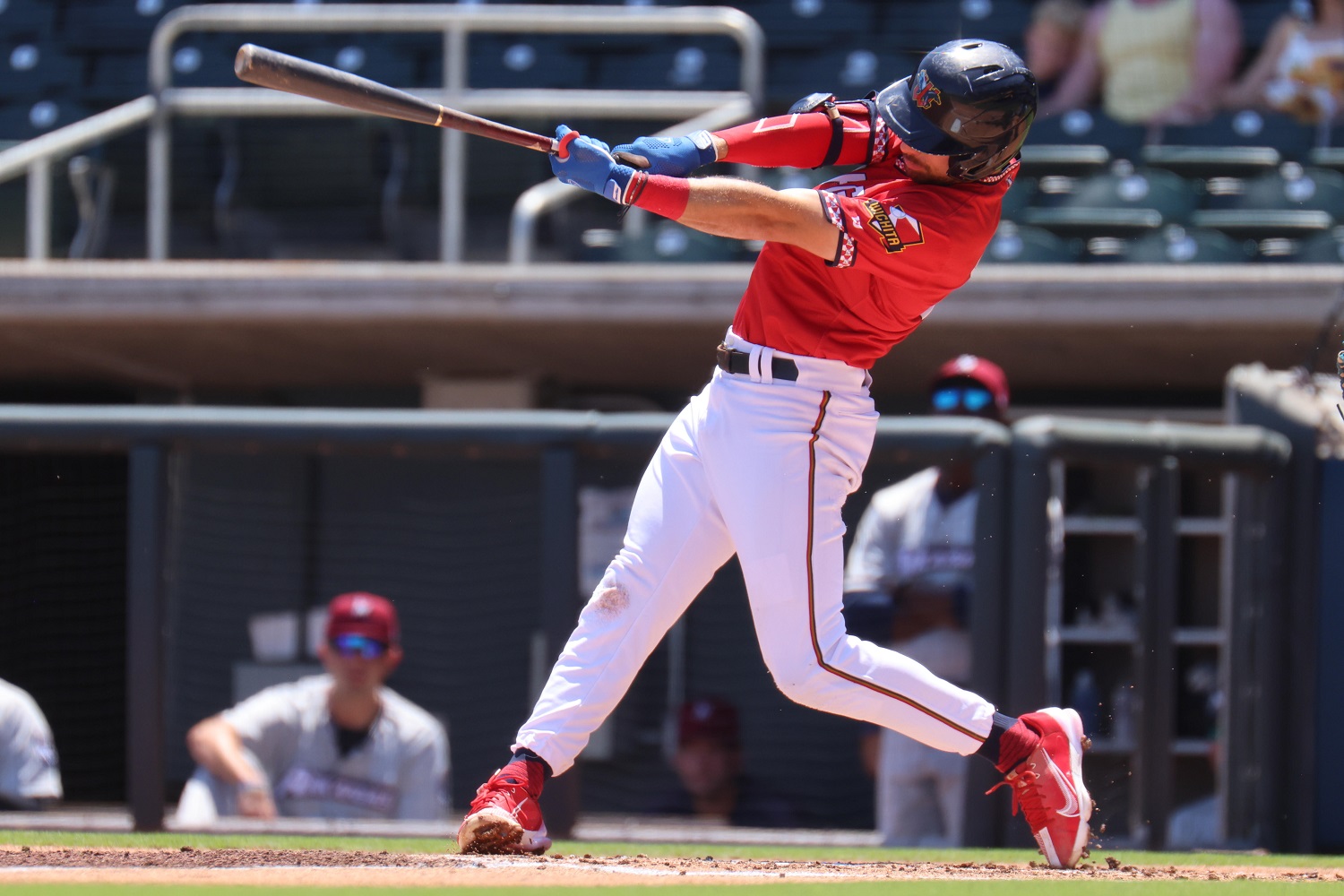 Not many teams hit on an 18th-round draft pick, but the Twins may have found a sleeper in the 2019 MLB Draft. He was a draft-eligible sophomore because MLB ruled his secondary school year in Canada counted as a college season. During his final amateur season, he posted an .841 OPS with 14 doubles and ten home runs in 65 games. Minnesota took Edouard Julien with the 539th overall pick and went way over slot to sign him for $493,000. Julien's pro debut had to wait until 2021 because of the shutdown, but he quickly made his mark on the Twins system. He split time between Low-A and High-A while hitting .267/.434/.480 (.914) with 28 doubles, 18 home runs, and 34 steals in 112 games. His 110 walks led all of the minor leagues, but he struck out in nearly 30% of his plate appearances. He was roughly the same age as the competition at his level, so there was some concern with his lack of consistent contact and high strikeout totals. Luckily, he remedied some of those issues in 2022. Minnesota sent Julien to Double-A for the entire 2022 season, and he hit .300/.441/.490 (.931) with 19 doubles, three triples, and 17 home runs. His .441 OBP ranked fifth in the minor leagues. He reduced his aggressiveness, allowing him to make more consistent contact. He also struck out in 24.6% of his plate appearances after striking out in 28% of his plate appearances in 2021. He can drive the ball to all fields with plenty of power. Julien was also over a year younger than the average age of the competition Double-A, so he faced older pitchers in 87% of his at-bats. There were positive signs, and Minnesota wanted him to continue to develop in the 2022 AFL. Julien is an on-base machine, and that trend has continued in limited AFL action. He drew ten walks in his first seven games compared to eight strikeouts. Offensively, he has gone 7-for-23 with six runs scored, a double, and a stolen base. All his defensive innings have come at second base in the AFL, and that's another area for him to improve as he gets closer to the big-league level. During his professional career, the Twins have used Julien at multiple defensive positions, including first base, second base, third base, and left field. Over 70% of his defensive innings have come at second base because his arm typically rates below average. He likely won't be an above-average defender at any defensive position, but he can continue to improve at second base. The Twins have developed Julien from a late-round pick into one of the team's top-15 prospects. If he continues on his current path, there is a chance he will make his big-league debut in 2023. He has inserted himself into the team's long-term plans and will be an exciting prospect to watch in the years ahead. How do you view Julien at this point in his professional career? Can he be the Twins' second baseman of the future? Leave a COMMENT and start the discussion.
 -
Every team is looking for top-tier shortstop prospects and the Twins are no different. Can any of these players become the team’s shortstop of the future? Image courtesy of Ed Bailey, Wichita Wind Surge Few players can handle the rigors of shortstop at the big-league level. There is pressure to perform offensively and defensively while being a leader on the field. It is arguably baseball’s most important position, and that’s why many young players are considered shortstops during their amateur careers. The Twins have struggled to cultivate shortstops throughout the franchise’s history, but one of these players has a chance to stop that trend. Triple-A: Royce Lewis (ETA: 2022) Lewis returned from ACL surgery in 2022, and Minnesota was aggressive with Lewis to start the season by sending him to Triple-A. Lewis looked like he hadn’t lost a step as he hit .313/.405/.534 (.940) with 18 extra-base hits in 34 games. His first taste of the big leagues went well too. In 12 games, he posted an .867 OPS before running into the outfield wall and undergoing a second ACL surgery. Lewis will be back in 2023, and the Twins can sign a placeholder shortstop until he is ready to return. Double-A: Brooks Lee (ETA: 2024) Austin Martin (ETA: 2023) Lee and Martin will be a fascinating duo to watch in the years ahead. Both were top-10 picks and considered the best college bats in their draft class. Martin struggled through most of 2022 (.685 OPS) before having a redeeming September. His performance has improved in the Arizona Fall League by going 18-for-38 (.474 BA) with three extra-base hits and 11 runs. He was recently named the league's Hitter of the Week. Martin hopes to follow in Matt Wallner’s footsteps from last year’s AFL season. The Twins should have Martin start at Triple-A next season. The Twins drafted Lee in June, and he quickly put himself on the prospect map. He played games at three different levels and used his college experience to post a .839 OPS. Lee saw his stock already rising in his professional debut. Many top prospect lists will consider him the organization’s best prospect, and he has a chance to be a consensus top-40 prospect entering 2023. Lee likely starts next year at Double-A, but Lee and Martin have a chance to debut next season. High-A: Wander Javier (ETA: 2024) Minnesota signed Javier back in 2015 out of the Dominican Republic, so his name has been on Twins prospect lists for most of the last decade. Some projected him to be a five-tool talent during his early minor league career, but he’s never put it all together. As a 24-year-old, he played most of 2022 at High-A, but he saw late-season action at Triple-A when there was a shortstop need. Over the last two seasons, he has failed to compile an OPS over .700, and his time might be running out in the Twins organization. If he stays with the Twins, he will start the year at Double-A. Low-A: Noah Miller (ETA: 2025), Keoni Cavaco (ETA: 2025) The Twins took Miller with the 36th overall pick in the 2021 MLB Draft, and the 2022 season marked his full-season debut. As a 19-year-old, he was over two years younger than the average age of the competition in the FSL. He hit .212/.348/.279 (.627) with 18 extra-base hits and 110 strikeouts in 108 games. There were positive signs during the season, as he posted a .964 OPS during May. It seems likely for him to start next season at Low-A while continuing to refine his swing. Minnesota’s current front office took Cavaco with the 13th overall pick in the 2019 MLB Draft. As that draft approached, he was a late riser, but the Twins projected he had the tools to succeed. Last season, he hit .231/.275/.397 (.672) with 34 extra-base hits in 99 games. It was his second straight season at Fort Myers, and he was slightly younger than the competition. With Miller in the same line-up, Cavaco played all of his defensive innings at third base. He likely heads to Cedar Rapids in 2023 to see if he can live up to his first-round pedigree. The names above are just some of the organization’s shortstop options. In rookie ball, other names like Danny De Andrade, Yilber Herrera, and Bryan Acuna will garner more attention as they get deeper into their careers. Baseball’s best teams usually have players with a shortstop background at multiple positions on the field. Minnesota hopes the club’s shortstop of the future is in the group mentioned above. Which prospect plays the most career games at shortstop with the Twins? Leave a COMMENT and start the discussion. View full article
-
Reviewing 2022 Performances by Twins Shortstop Prospects
Cody Christie posted an article in Minor Leagues
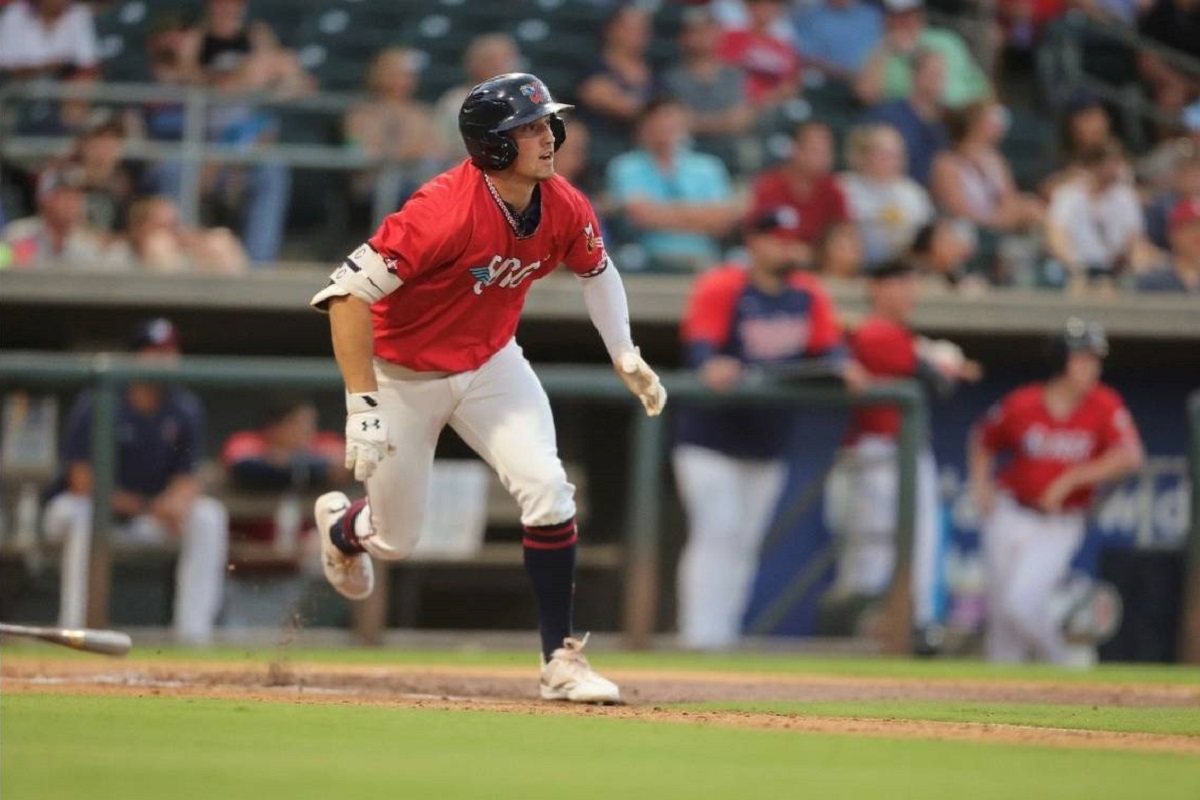 Few players can handle the rigors of shortstop at the big-league level. There is pressure to perform offensively and defensively while being a leader on the field. It is arguably baseball’s most important position, and that’s why many young players are considered shortstops during their amateur careers. The Twins have struggled to cultivate shortstops throughout the franchise’s history, but one of these players has a chance to stop that trend. Triple-A: Royce Lewis (ETA: 2022) Lewis returned from ACL surgery in 2022, and Minnesota was aggressive with Lewis to start the season by sending him to Triple-A. Lewis looked like he hadn’t lost a step as he hit .313/.405/.534 (.940) with 18 extra-base hits in 34 games. His first taste of the big leagues went well too. In 12 games, he posted an .867 OPS before running into the outfield wall and undergoing a second ACL surgery. Lewis will be back in 2023, and the Twins can sign a placeholder shortstop until he is ready to return. Double-A: Brooks Lee (ETA: 2024) Austin Martin (ETA: 2023) Lee and Martin will be a fascinating duo to watch in the years ahead. Both were top-10 picks and considered the best college bats in their draft class. Martin struggled through most of 2022 (.685 OPS) before having a redeeming September. His performance has improved in the Arizona Fall League by going 18-for-38 (.474 BA) with three extra-base hits and 11 runs. He was recently named the league's Hitter of the Week. Martin hopes to follow in Matt Wallner’s footsteps from last year’s AFL season. The Twins should have Martin start at Triple-A next season. The Twins drafted Lee in June, and he quickly put himself on the prospect map. He played games at three different levels and used his college experience to post a .839 OPS. Lee saw his stock already rising in his professional debut. Many top prospect lists will consider him the organization’s best prospect, and he has a chance to be a consensus top-40 prospect entering 2023. Lee likely starts next year at Double-A, but Lee and Martin have a chance to debut next season. High-A: Wander Javier (ETA: 2024) Minnesota signed Javier back in 2015 out of the Dominican Republic, so his name has been on Twins prospect lists for most of the last decade. Some projected him to be a five-tool talent during his early minor league career, but he’s never put it all together. As a 24-year-old, he played most of 2022 at High-A, but he saw late-season action at Triple-A when there was a shortstop need. Over the last two seasons, he has failed to compile an OPS over .700, and his time might be running out in the Twins organization. If he stays with the Twins, he will start the year at Double-A. Low-A: Noah Miller (ETA: 2025), Keoni Cavaco (ETA: 2025) The Twins took Miller with the 36th overall pick in the 2021 MLB Draft, and the 2022 season marked his full-season debut. As a 19-year-old, he was over two years younger than the average age of the competition in the FSL. He hit .212/.348/.279 (.627) with 18 extra-base hits and 110 strikeouts in 108 games. There were positive signs during the season, as he posted a .964 OPS during May. It seems likely for him to start next season at Low-A while continuing to refine his swing. Minnesota’s current front office took Cavaco with the 13th overall pick in the 2019 MLB Draft. As that draft approached, he was a late riser, but the Twins projected he had the tools to succeed. Last season, he hit .231/.275/.397 (.672) with 34 extra-base hits in 99 games. It was his second straight season at Fort Myers, and he was slightly younger than the competition. With Miller in the same line-up, Cavaco played all of his defensive innings at third base. He likely heads to Cedar Rapids in 2023 to see if he can live up to his first-round pedigree. The names above are just some of the organization’s shortstop options. In rookie ball, other names like Danny De Andrade, Yilber Herrera, and Bryan Acuna will garner more attention as they get deeper into their careers. Baseball’s best teams usually have players with a shortstop background at multiple positions on the field. Minnesota hopes the club’s shortstop of the future is in the group mentioned above. Which prospect plays the most career games at shortstop with the Twins? Leave a COMMENT and start the discussion.
- 22 comments
-
- 4
-

-
- royce lewis
- brooks lee
- (and 3 more)
-
Little went right for Emilio Pagan in his first season with the Twins. With other pitchers returning, is it time to find a team willing to take on Pagan? Image courtesy of Joe Nicholson-USA TODAY Sports Minnesota's roster has depth at multiple big-league positions, allowing the front office to exercise creativity this offseason. The current regime hasn't been afraid of making trades to solidify the roster and keep the team's winning window open as long as possible. As the offseason begins, it's essential to identify some of the team's possible trade candidates. What Did He Do in 2022? Minnesota acquired Emilio Pagan shortly before last year's Opening Day. Minnesota's bullpen was shaping up to have Taylor Rogers as the anchor, but that plan shifted when the Twins sent Rogers to San Diego for Pagan and Chris Paddack. On the surface, it was easy to see the long-term value in the deal because Pagan and Paddack were both under contract for multiple seasons. However, the trade timing was tough to understand, and things couldn't have gone much worse from the Twins' point of view. Paddack looked great to start the year but quickly suffered an arm injury that resulted in Tommy John surgery. The Twins put Pagan into a prominent late-inning role, and he struggled for most of the season. He posted a 5.23 ERA in the first half with a 1.38 WHIP while allowing eight home runs in 32 2/3 innings. His ERA (3.56) and WHIP (1.35) dropped in the second half, but the Twins moved him to a lower-leverage role. Since leaving Tampa Bay in 2019, Pagan has yet to post an above-average OPS+, and he has struggled to keep the ball in the park (1.9 HR/9). There is a reason San Diego looked for a new closer, and now the Twins may be trying to pass on Pagan. Why is He a Trade Candidate? Bullpen depth can be tough to evaluate because of how volatile performances can be on a year-to-year basis. Tyler Duffey was arguably one of baseball's best relievers for multiple seasons before his performance declined significantly. That being said, the Twins have many options to consider for the 2023 bullpen. Jhoan Duran, Jorge Lopez, Griffin Jax, and Caleb Thielbar will continue to serve in late-inning roles. Younger arms like Cole Sands and Jovani Moran may move into more prominent roles. Multiple players are also returning from injury, including Jorge Alcala and Cody Stashak. Minnesota's front office might decide Pagan isn't needed compared to the other bullpen options. What is His Trade Value? Pagan is heading into his final arbitration season and is projected to make roughly $3.7 million. That is a reasonable contract for a pitcher with late-inning experience, but there are no guarantees with Pagan's performance. His stuff and strikeout numbers make it easy to see why teams viewed him as a viable late-inning relief option. If the Twins decide to trade him, they may need to send some money to pay down his 2023 contract, and this can allow the team to get a low-level prospect in return. Pagan hurt the Twins in 2022, and moving to a new team may help him to get his career back on track. Last winter, the Twins had an option on Alex Colome, whose Twins tenure resembled Pagan's. He pitched poorly in the first half before turning it around in the second half. Minnesota decided it was better to cut their losses and move on from Colome. This situation seems similar in that the team and player might be better served if Pagan is no longer on the Twins. Do you think the Twins can get anything back for Pagan? What kind of value do you think he has? Leave a COMMENT and start the discussion. OTHER POSTS IN THE SERIES Gio Urshela View full article
-
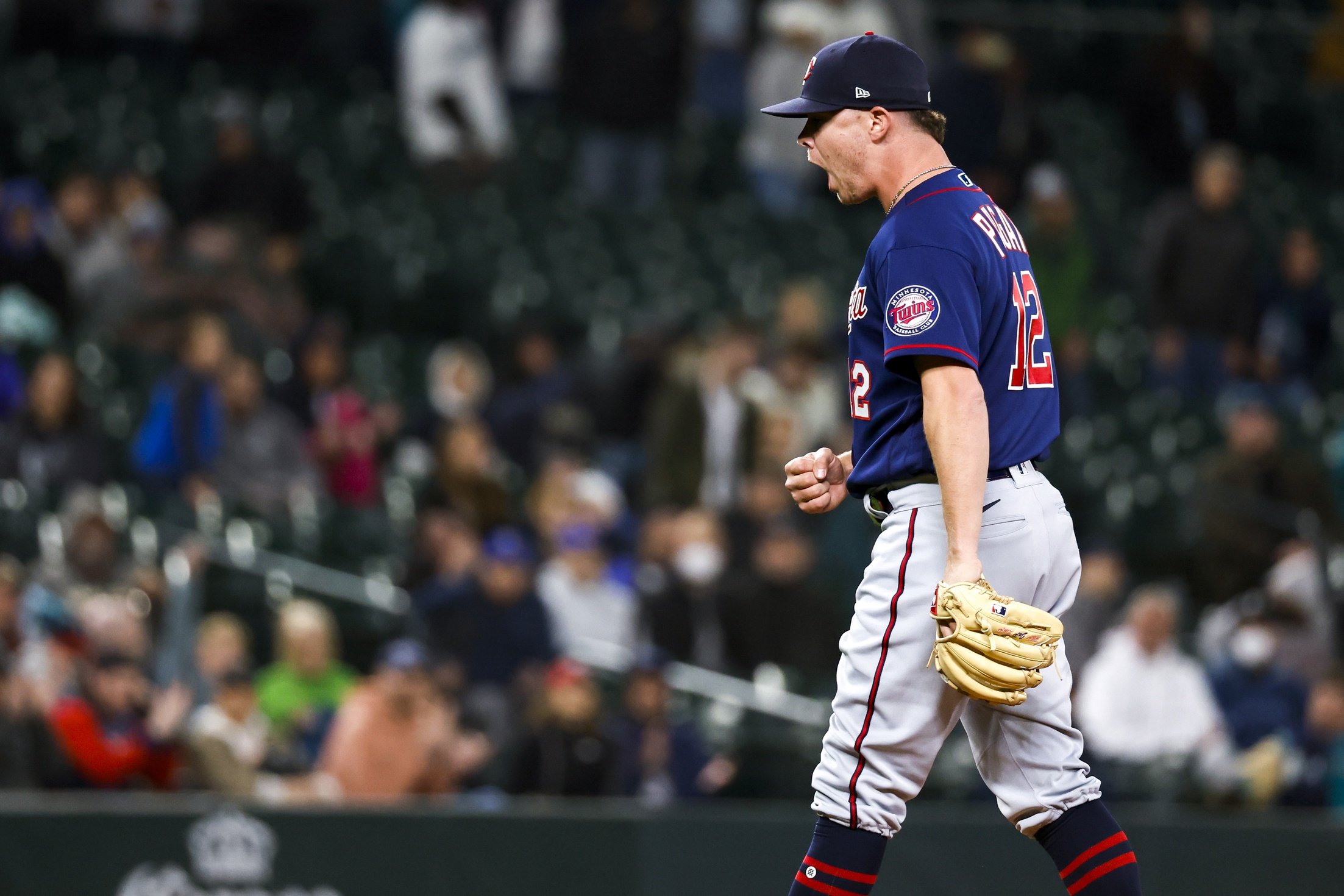 Minnesota's roster has depth at multiple big-league positions, allowing the front office to exercise creativity this offseason. The current regime hasn't been afraid of making trades to solidify the roster and keep the team's winning window open as long as possible. As the offseason begins, it's essential to identify some of the team's possible trade candidates. What Did He Do in 2022? Minnesota acquired Emilio Pagan shortly before last year's Opening Day. Minnesota's bullpen was shaping up to have Taylor Rogers as the anchor, but that plan shifted when the Twins sent Rogers to San Diego for Pagan and Chris Paddack. On the surface, it was easy to see the long-term value in the deal because Pagan and Paddack were both under contract for multiple seasons. However, the trade timing was tough to understand, and things couldn't have gone much worse from the Twins' point of view. Paddack looked great to start the year but quickly suffered an arm injury that resulted in Tommy John surgery. The Twins put Pagan into a prominent late-inning role, and he struggled for most of the season. He posted a 5.23 ERA in the first half with a 1.38 WHIP while allowing eight home runs in 32 2/3 innings. His ERA (3.56) and WHIP (1.35) dropped in the second half, but the Twins moved him to a lower-leverage role. Since leaving Tampa Bay in 2019, Pagan has yet to post an above-average OPS+, and he has struggled to keep the ball in the park (1.9 HR/9). There is a reason San Diego looked for a new closer, and now the Twins may be trying to pass on Pagan. Why is He a Trade Candidate? Bullpen depth can be tough to evaluate because of how volatile performances can be on a year-to-year basis. Tyler Duffey was arguably one of baseball's best relievers for multiple seasons before his performance declined significantly. That being said, the Twins have many options to consider for the 2023 bullpen. Jhoan Duran, Jorge Lopez, Griffin Jax, and Caleb Thielbar will continue to serve in late-inning roles. Younger arms like Cole Sands and Jovani Moran may move into more prominent roles. Multiple players are also returning from injury, including Jorge Alcala and Cody Stashak. Minnesota's front office might decide Pagan isn't needed compared to the other bullpen options. What is His Trade Value? Pagan is heading into his final arbitration season and is projected to make roughly $3.7 million. That is a reasonable contract for a pitcher with late-inning experience, but there are no guarantees with Pagan's performance. His stuff and strikeout numbers make it easy to see why teams viewed him as a viable late-inning relief option. If the Twins decide to trade him, they may need to send some money to pay down his 2023 contract, and this can allow the team to get a low-level prospect in return. Pagan hurt the Twins in 2022, and moving to a new team may help him to get his career back on track. Last winter, the Twins had an option on Alex Colome, whose Twins tenure resembled Pagan's. He pitched poorly in the first half before turning it around in the second half. Minnesota decided it was better to cut their losses and move on from Colome. This situation seems similar in that the team and player might be better served if Pagan is no longer on the Twins. Do you think the Twins can get anything back for Pagan? What kind of value do you think he has? Leave a COMMENT and start the discussion. OTHER POSTS IN THE SERIES Gio Urshela
 -
Gio Urshela was one of Minnesota's most reliable players in 2022, but Jose Miranda's emergence might make him expendable. Will the Twins trade Urshela? Image courtesy of Kamil Krzaczynski-USA TODAY Sports Minnesota's roster has depth at multiple big-league positions, allowing the front office to exercise creativity this offseason. The current regime hasn't been afraid of making trades to solidify the roster and keep the team's winning window open as long as possible. As the offseason begins, it's essential to identify some of the team's possible trade candidates. What Did He Do in 2022? Gio Urshela's first season in a Twins uniform went about as good as one could expect. He hit .285/.338/.429 (.767) with a 119 wRC+ and a 121 OPS+. He ranked in the 60th percentile or higher in max exit velocity, xBA, xSLG, and K%. Carlos Correa, Luis Arraez, and Byron Buxton were the only Twins players to accumulate more WAR. His defense was below average as he ranked 8th among AL third baseman in SDI while also being in the 11th percentile for Outs Above Average. Overall, Urshela is an above-average big-leaguer, proving that again in 2022. Many will compare Urshela to Josh Donaldson since they played the same position and were included in the same trade. Urshela's OPS+ was 27 points higher than Donaldson's while accumulating 0.7 more WAR. Donaldson continues to be a superior defender to Urshela, but he was a below-average hitter in 2022. They are unique players at different points in their careers, but Urshela had the stronger 2022 season. Why is He a Trade Candidate? Jose Miranda's emergence over the last two seasons points to him becoming the team's long-term third baseman. In his rookie season, Miranda hit .268/.325/.426 (.751) with a 117 wRC+. He finished second in the TD Rookie of the Year voting, which came on the heels of a breakout 2021 season in the minors. Miranda plans to make improvements this winter by training with Carlos Correa. Derek Falvey also spoke highly of Miranda in his year-end press conference, which can signify that the team is ready for him to have a full-time role. Urshela's presence on the roster may be superfluous with Miranda's accolades. What is His Trade Value? Urshela will enter his final arbitration year and projects to get more than $9 million. FanGraphs pegs his value last season at $18.9 million, so his salary is below his production level. There will likely be a variety of teams interested in adding a solid regular to their line-up. However, Urshela is in his final year of team control, which impacts how much teams will be willing to surrender. It doesn't seem likely for Urshela to be worth a king's ransom, but he is worth multiple mid-tier prospects with upside. The Twins aren't forced to trade Urshela this winter because he showed the team the value he can provide in 2022. But injuries can impact the big-league roster, and Urshela might be needed as depth if there are injuries to other parts of the roster. Urshela will be the lone player remaining from the Josh Donaldson trade, so it will be interesting to see if the Twins can continue to get value from what looked like a salary dump trade. Do you think the Twins will try and trade Urshela? What kind of value do you think he has? Leave a COMMENT and start the discussion. View full article
-
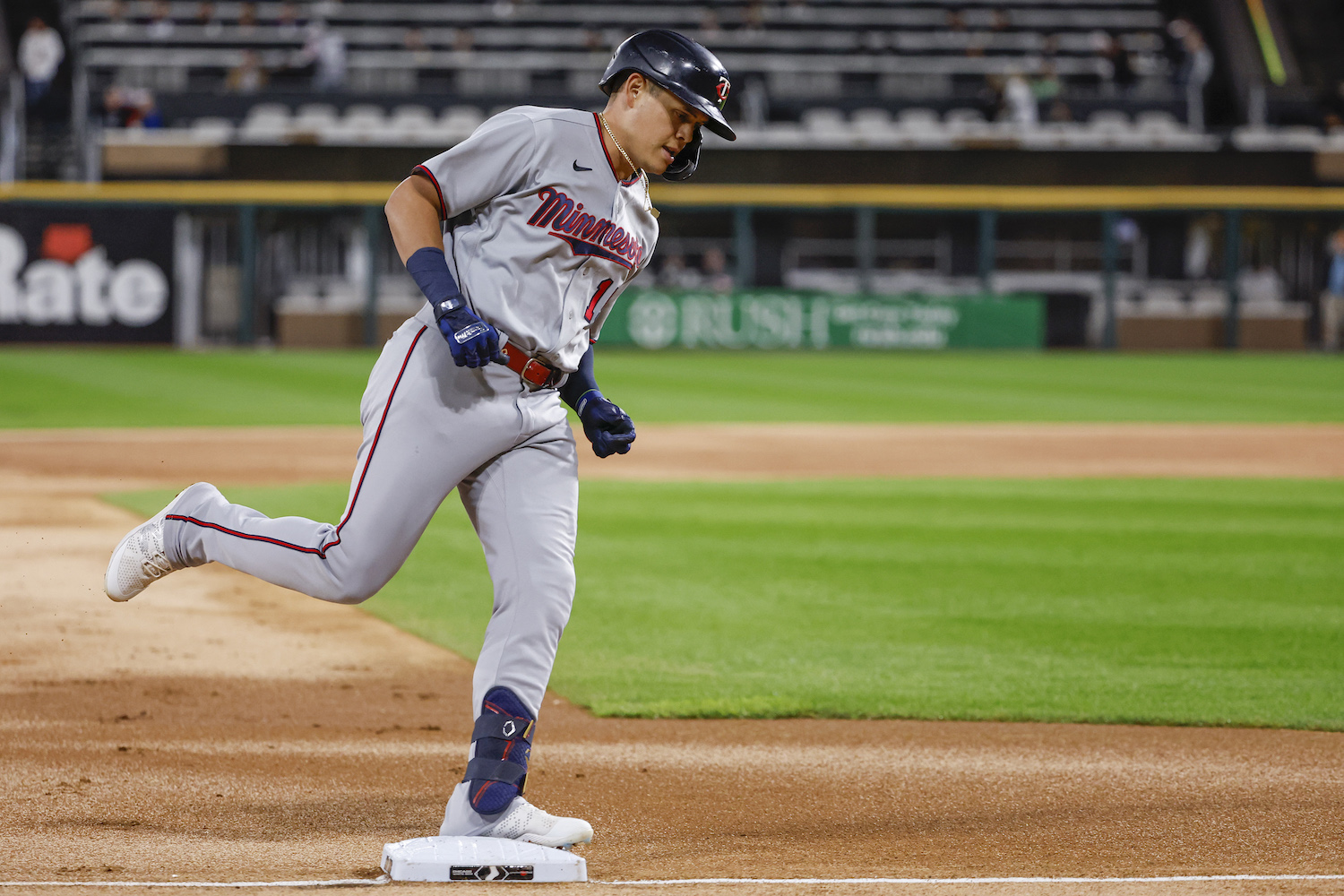 Minnesota's roster has depth at multiple big-league positions, allowing the front office to exercise creativity this offseason. The current regime hasn't been afraid of making trades to solidify the roster and keep the team's winning window open as long as possible. As the offseason begins, it's essential to identify some of the team's possible trade candidates. What Did He Do in 2022? Gio Urshela's first season in a Twins uniform went about as good as one could expect. He hit .285/.338/.429 (.767) with a 119 wRC+ and a 121 OPS+. He ranked in the 60th percentile or higher in max exit velocity, xBA, xSLG, and K%. Carlos Correa, Luis Arraez, and Byron Buxton were the only Twins players to accumulate more WAR. His defense was below average as he ranked 8th among AL third baseman in SDI while also being in the 11th percentile for Outs Above Average. Overall, Urshela is an above-average big-leaguer, proving that again in 2022. Many will compare Urshela to Josh Donaldson since they played the same position and were included in the same trade. Urshela's OPS+ was 27 points higher than Donaldson's while accumulating 0.7 more WAR. Donaldson continues to be a superior defender to Urshela, but he was a below-average hitter in 2022. They are unique players at different points in their careers, but Urshela had the stronger 2022 season. Why is He a Trade Candidate? Jose Miranda's emergence over the last two seasons points to him becoming the team's long-term third baseman. In his rookie season, Miranda hit .268/.325/.426 (.751) with a 117 wRC+. He finished second in the TD Rookie of the Year voting, which came on the heels of a breakout 2021 season in the minors. Miranda plans to make improvements this winter by training with Carlos Correa. Derek Falvey also spoke highly of Miranda in his year-end press conference, which can signify that the team is ready for him to have a full-time role. Urshela's presence on the roster may be superfluous with Miranda's accolades. What is His Trade Value? Urshela will enter his final arbitration year and projects to get more than $9 million. FanGraphs pegs his value last season at $18.9 million, so his salary is below his production level. There will likely be a variety of teams interested in adding a solid regular to their line-up. However, Urshela is in his final year of team control, which impacts how much teams will be willing to surrender. It doesn't seem likely for Urshela to be worth a king's ransom, but he is worth multiple mid-tier prospects with upside. The Twins aren't forced to trade Urshela this winter because he showed the team the value he can provide in 2022. But injuries can impact the big-league roster, and Urshela might be needed as depth if there are injuries to other parts of the roster. Urshela will be the lone player remaining from the Josh Donaldson trade, so it will be interesting to see if the Twins can continue to get value from what looked like a salary dump trade. Do you think the Twins will try and trade Urshela? What kind of value do you think he has? Leave a COMMENT and start the discussion.
- 34 comments
-
- 2
-
-
- gio urshela
- josh donaldson
- (and 1 more)
-
MLB recently released Statcast data about players' defensive arm strength. Here are some surprising observations from the available data so far. Image courtesy of Neville E. Guard-USA TODAY Sports For baseball fans, there continue to be new forms of data to help build discussions around various topics. Defensive data has continued to improve, especially in the Statcast era. Earlier this season, MLB began posting data about players' defensive arm strength. Currently, arm strength data covers the 2020 through 2022 seasons, but a few observations stand out from Minnesota's data. 1. Gilberto Celestino has underrated arm strength Few fans may be able to identify the Twins player with the best arm strength, but Gilberto Celestino has one of baseball's best arms. Celestino topped the arm strength leaderboard with a 92.4 mph average on over 300 throws. He topped out at 102.3, which was the highest velocity throw by a Twins defender this season. Throughout baseball, only two players had a throw with a higher velocity in 2022. He ranks 10th at the MLB level and fourth in the American League. It will be interesting to see what type of playing time Celestino gets in 2023 and how his arm continues to develop. 2. Luis Arraez might be underserved at first base Minnesota's injury situation forced the Twins to be creative with the team's defensive alignment in 2022. Luis Arraez played a significant amount of time at first base with players like Miguel Sano and Alex Kirilloff on the IL. According to the available data, Arraez has the best arm strength of any current Twins infielder at 90.2 mph. That ranks even better than Carlos Correa, who posted an 88.0 mph total in his first year with the Twins. During the 2021 season, Arraez finished fifth among third basemen in SDI but only played seven games at third base this season. Next season, it seems likely for Arraez to be moved around to multiple defensive positions, but his arm is better served away from first base. 3. Byron Buxton continues to be one of baseball's best defenders Celestino may have led the team in arm strength this past season, but his sample size is more limited than some of the team's other outfielders. Among players with over 1000 throws, Buxton has the team's highest arm strength rating (91.2 MPH) and the highest max arm speed (101.4 mph). The league average for center fielders has been 88.8 mph over the last three seasons. These totals won't surprise those who have followed Buxton since he was an amateur. In high school, his arm strength was good enough to be one of his team's starting pitchers. 4. Carlos Correa's arm wasn't as strong with the Twins Last season, Carlos Correa compiled elite defensive numbers. He won the AL's Platinum Glove and led the league in SDI. His defensive numbers didn't fare well at the season's start, with him ranking 9th among AL shortstops in SDI. He rose in the rankings throughout the season, and there is a chance for him to be a Gold Glove finalist. Even with his strong defense, Correa's arm strength has dropped in each of the last three seasons. In the shortened 2020 season, his arm strength was in the 87th percentile but down to the 72nd percentile in 2022. Minnesota's defensive alignment might have impacted his totals this season, so it will be interesting to see how Correa fares as he continues to age. What stands out to you about the Twins and arm strength? Leave a COMMENT and start the discussion. View full article
-
4 Surprising Observations from Minnesota's Arm Strength Leaderboard
Cody Christie posted an article in Twins
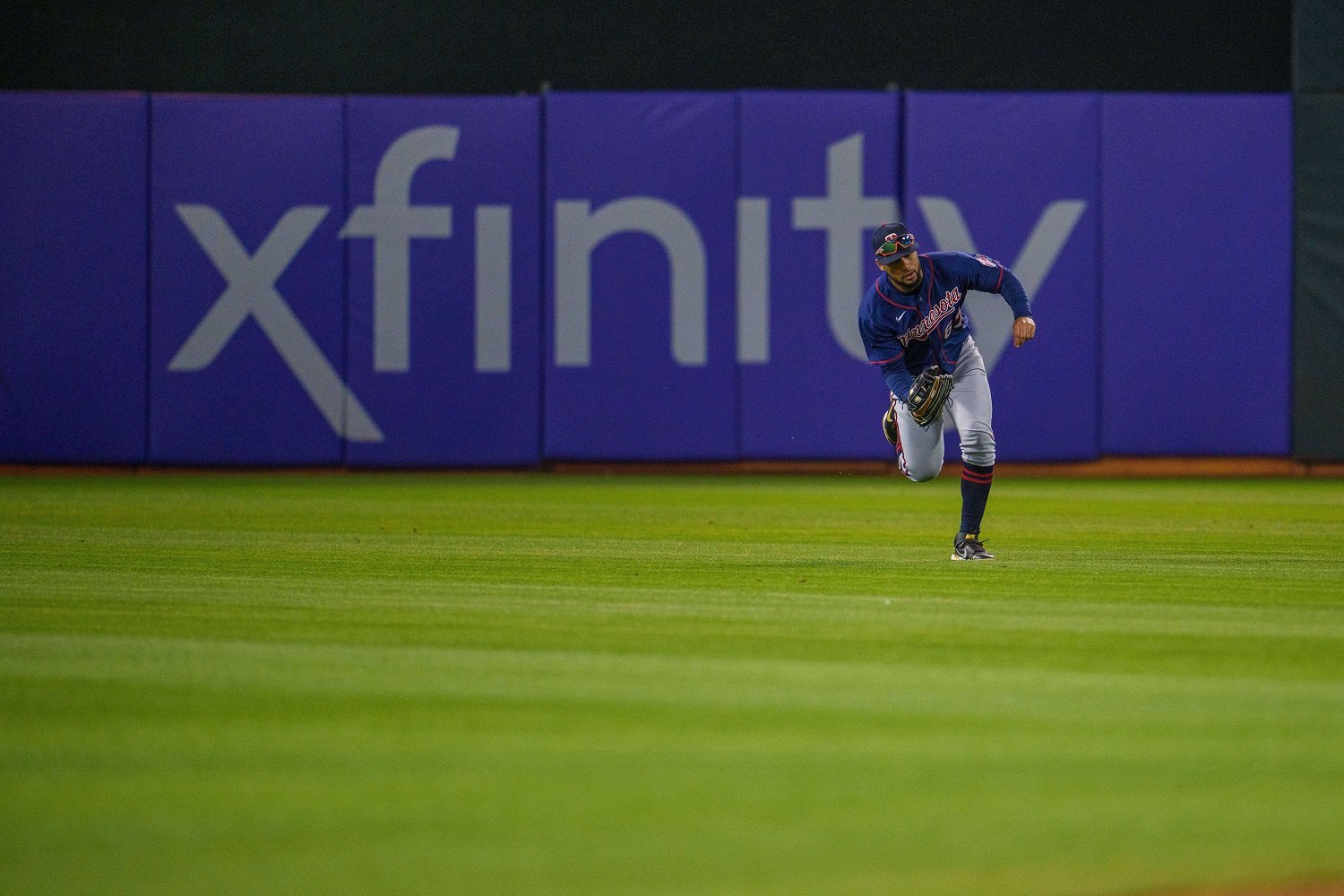 For baseball fans, there continue to be new forms of data to help build discussions around various topics. Defensive data has continued to improve, especially in the Statcast era. Earlier this season, MLB began posting data about players' defensive arm strength. Currently, arm strength data covers the 2020 through 2022 seasons, but a few observations stand out from Minnesota's data. 1. Gilberto Celestino has underrated arm strength Few fans may be able to identify the Twins player with the best arm strength, but Gilberto Celestino has one of baseball's best arms. Celestino topped the arm strength leaderboard with a 92.4 mph average on over 300 throws. He topped out at 102.3, which was the highest velocity throw by a Twins defender this season. Throughout baseball, only two players had a throw with a higher velocity in 2022. He ranks 10th at the MLB level and fourth in the American League. It will be interesting to see what type of playing time Celestino gets in 2023 and how his arm continues to develop. 2. Luis Arraez might be underserved at first base Minnesota's injury situation forced the Twins to be creative with the team's defensive alignment in 2022. Luis Arraez played a significant amount of time at first base with players like Miguel Sano and Alex Kirilloff on the IL. According to the available data, Arraez has the best arm strength of any current Twins infielder at 90.2 mph. That ranks even better than Carlos Correa, who posted an 88.0 mph total in his first year with the Twins. During the 2021 season, Arraez finished fifth among third basemen in SDI but only played seven games at third base this season. Next season, it seems likely for Arraez to be moved around to multiple defensive positions, but his arm is better served away from first base. 3. Byron Buxton continues to be one of baseball's best defenders Celestino may have led the team in arm strength this past season, but his sample size is more limited than some of the team's other outfielders. Among players with over 1000 throws, Buxton has the team's highest arm strength rating (91.2 MPH) and the highest max arm speed (101.4 mph). The league average for center fielders has been 88.8 mph over the last three seasons. These totals won't surprise those who have followed Buxton since he was an amateur. In high school, his arm strength was good enough to be one of his team's starting pitchers. 4. Carlos Correa's arm wasn't as strong with the Twins Last season, Carlos Correa compiled elite defensive numbers. He won the AL's Platinum Glove and led the league in SDI. His defensive numbers didn't fare well at the season's start, with him ranking 9th among AL shortstops in SDI. He rose in the rankings throughout the season, and there is a chance for him to be a Gold Glove finalist. Even with his strong defense, Correa's arm strength has dropped in each of the last three seasons. In the shortened 2020 season, his arm strength was in the 87th percentile but down to the 72nd percentile in 2022. Minnesota's defensive alignment might have impacted his totals this season, so it will be interesting to see how Correa fares as he continues to age. What stands out to you about the Twins and arm strength? Leave a COMMENT and start the discussion.
- 22 comments
-
- 2
-
-
- gilberto celestino
- byron buxton
- (and 2 more)
-
Minnesota’s front office has focused on payroll flexibility, which means the team’s books are relatively clear for years into the future. Even with this flexibility, the 2023 season is shaping to be a make-it-or-break-it for the Twins. Image courtesy of Lindsey Wasson-USA TODAY Sports Derek Falvey and Thad Levine have stressed the importance of keeping the Twins’ winning window open as long as possible. To do this, the club has restrained from giving out long-term contracts, which gives the team payroll flexibility for multiple years. Minnesota has traded for multiple players to supplement the roster, and many contracts are up at the end of 2023. That makes next year a make-it-or-break-it season. Possible Free Agent Pitchers Following 2023 Sonny Gray: It will be a no-brainer for the Twins to pick up Gray’s $12 million team option for 2023, but that means he is heading to free agency after next season. Minnesota surrendered their 2021 first-round pick to acquire Gray for multiple seasons. He performed well in his first season with the Twins as he posted a 3.08 ERA with a 1.13 WHIP in 24 starts. Injuries impacted multiple Twins starters, and Gray pitched under 120 innings for the first time since 2016 due to multiple IL stints. Kenta Maeda: Maeda signed a unique contract when he came from Japan. The Dodgers saw some abnormalities in his physical, so he signed a very incentive-laden contract. He pitched over 760 big-league innings before needing Tommy John surgery. Some thought he could pitch out of the bullpen in 2022, but Minnesota fell out of the race, and there wasn’t a reason to rush him back. Now, Maeda will spend the winter preparing to rejoin the Twins’ rotation in the final year of his contract. Tyler Mahle: Fans were excited when the Twins made an aggressive trade deadline acquisition of Mahle. His Twins tenure started poorly as he dealt with shoulder issues that ended his season early. Minnesota hopes rest and recovery this offseason will help Mahle to return to his previous performance level. If Mahle can’t return to health, it will be a tough pill to swallow for the current front office. This regime has a history of acquiring potentially injured pitchers, and Mahle is another name on that list. Possible Free Agent Position Players Following 2023 Max Kepler: Kepler’s future with the Twins is up in the air, with one guaranteed year remaining on his contract. Outside of 2019, his offensive numbers have been below average, but he continues to be one of baseball’s best defenders in right field. He has a team option for $10 million for the 2024 season, and FanGraphs pegs his average value at over $16.1 million for 2022. The Twins also have three young outfielders that need time in corner outfield positions, so this might make Kepler more expendable over the next two seasons. Gio Urshela: Urshela was one of Minnesota’s best performers throughout the 2022 season. He posted a 121 OPS+ and ranked fourth on the team in WAR. Many will compare him to Josh Donaldson, and Urshela ranked better than Donaldson in many offensive categories. Urshela’s big-league development hasn’t followed a linear path, but he has carved out a niche as an above-average regular over the last four seasons. He will be 31 years old for all of next season, and the Twins will have younger options to plug in at third base in the years ahead. Minnesota has some decisions to make, with many vital players heading toward free agency. Will the club try to sign any of the above names to extensions? Will some be made qualifying offers? If Minnesota stumbles, can they be traded before next year’s deadline? All signs point to the 2023 season being a critical year for the office as they need the club to take a step in the right direction. View full article
-
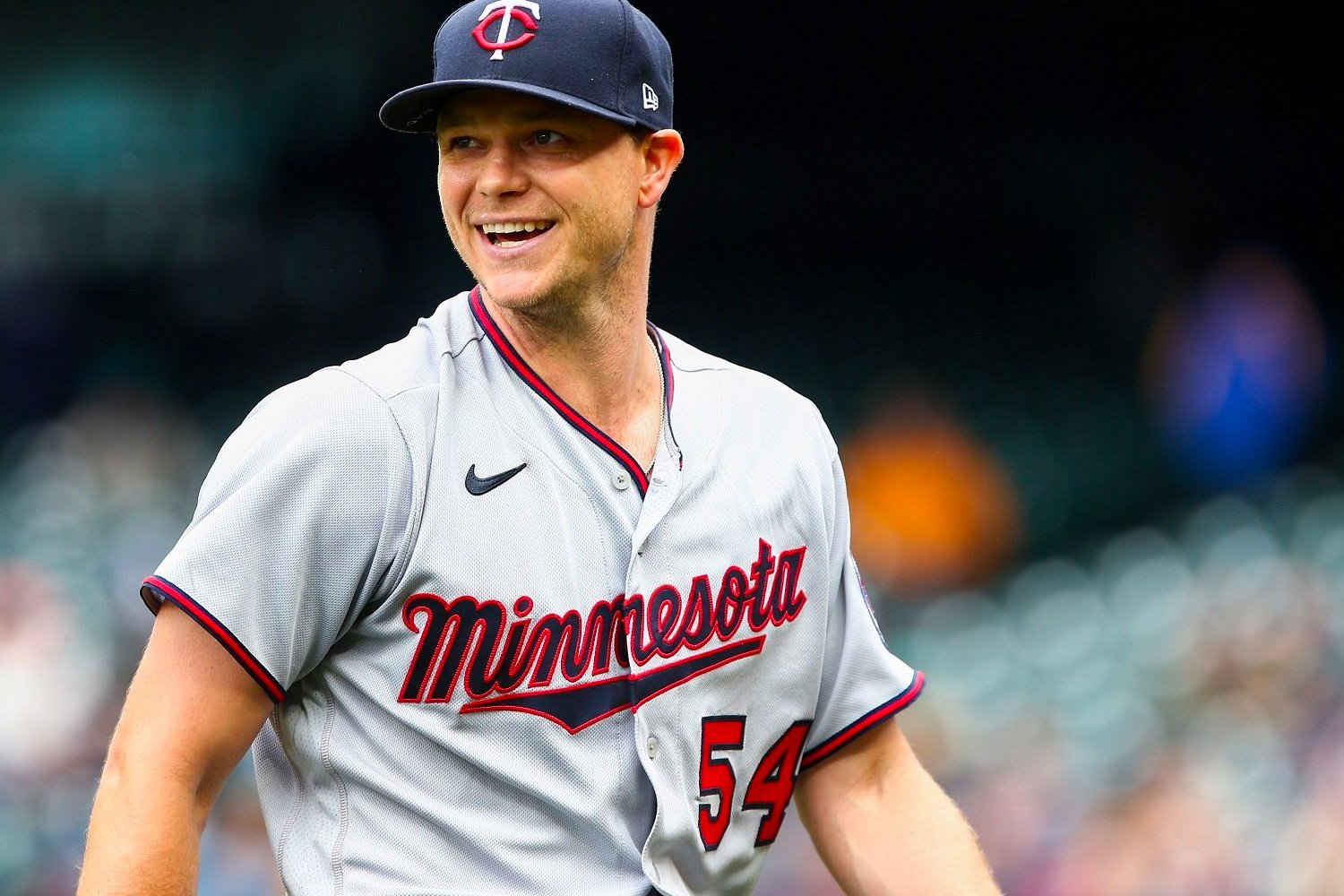 Derek Falvey and Thad Levine have stressed the importance of keeping the Twins’ winning window open as long as possible. To do this, the club has restrained from giving out long-term contracts, which gives the team payroll flexibility for multiple years. Minnesota has traded for multiple players to supplement the roster, and many contracts are up at the end of 2023. That makes next year a make-it-or-break-it season. Possible Free Agent Pitchers Following 2023 Sonny Gray: It will be a no-brainer for the Twins to pick up Gray’s $12 million team option for 2023, but that means he is heading to free agency after next season. Minnesota surrendered their 2021 first-round pick to acquire Gray for multiple seasons. He performed well in his first season with the Twins as he posted a 3.08 ERA with a 1.13 WHIP in 24 starts. Injuries impacted multiple Twins starters, and Gray pitched under 120 innings for the first time since 2016 due to multiple IL stints. Kenta Maeda: Maeda signed a unique contract when he came from Japan. The Dodgers saw some abnormalities in his physical, so he signed a very incentive-laden contract. He pitched over 760 big-league innings before needing Tommy John surgery. Some thought he could pitch out of the bullpen in 2022, but Minnesota fell out of the race, and there wasn’t a reason to rush him back. Now, Maeda will spend the winter preparing to rejoin the Twins’ rotation in the final year of his contract. Tyler Mahle: Fans were excited when the Twins made an aggressive trade deadline acquisition of Mahle. His Twins tenure started poorly as he dealt with shoulder issues that ended his season early. Minnesota hopes rest and recovery this offseason will help Mahle to return to his previous performance level. If Mahle can’t return to health, it will be a tough pill to swallow for the current front office. This regime has a history of acquiring potentially injured pitchers, and Mahle is another name on that list. Possible Free Agent Position Players Following 2023 Max Kepler: Kepler’s future with the Twins is up in the air, with one guaranteed year remaining on his contract. Outside of 2019, his offensive numbers have been below average, but he continues to be one of baseball’s best defenders in right field. He has a team option for $10 million for the 2024 season, and FanGraphs pegs his average value at over $16.1 million for 2022. The Twins also have three young outfielders that need time in corner outfield positions, so this might make Kepler more expendable over the next two seasons. Gio Urshela: Urshela was one of Minnesota’s best performers throughout the 2022 season. He posted a 121 OPS+ and ranked fourth on the team in WAR. Many will compare him to Josh Donaldson, and Urshela ranked better than Donaldson in many offensive categories. Urshela’s big-league development hasn’t followed a linear path, but he has carved out a niche as an above-average regular over the last four seasons. He will be 31 years old for all of next season, and the Twins will have younger options to plug in at third base in the years ahead. Minnesota has some decisions to make, with many vital players heading toward free agency. Will the club try to sign any of the above names to extensions? Will some be made qualifying offers? If Minnesota stumbles, can they be traded before next year’s deadline? All signs point to the 2023 season being a critical year for the office as they need the club to take a step in the right direction.
- 25 comments
-
- 2
-
-
- sonny gray
- kenta maeda
- (and 3 more)
-
The Atlanta Braves won the 2021 World Series and have a chance to be baseball's first back-to-back champion in over 20 years. Atlanta's front office has been aggressive with signing their young core. Is that an approach for Minnesota to consider? Image courtesy of Bruce Kluckhohn, USA Today Sports Baseball organizations tend to follow the trends set by other successful teams. In recent years, the Braves have solidified themselves as a model franchise, and other organizations will look to copy their winning model. The club's ability to sign players to long-term contracts is part of its success. Is this approach something the Twins should consider? Earlier this week, the Braves announced they signed rookie starting pitcher Spencer Strider to an extension that buys out his arbitration seasons while giving the team two extra years of control. Michael Harris II, another Braves rookie, also signed an extension earlier this season that followed a similar structure. These aren't the only players the Braves have been able to lock up. Besides Strider and Harris, Atlanta has also signed some of their other top players to long-term deals. Matt Olson and Austin Riley signed extensions during the 2022 season. Previously, the Braves had signed Ronald Acuna Jr. and Ozzie Albies to very friendly long-term deals. Atlanta is guaranteeing money to players beyond their arbitration years which has risk, but the Braves are hoping to see the players outperform the value they are paying. The Braves and the Twins have different philosophies when creating their rosters. Atlanta has over $150 million in guaranteed money on the books for 2024, with nearly $100 million going out as far as 2028. Minnesota's front office likes to have payroll flexibility and tends to avoid long-term deals. Byron Buxton and Randy Dobnak are the only Twins players with options that extend beyond 2025. During the 2022 season, the Braves' payroll ranked in baseball's top 10, while the Twins ranked slightly below league average at 16th. Atlanta's long-term investments come with inherited risk. Players can suffer catastrophic injuries and miss significant playing time. There is also no guarantee that these players will continue to develop at the big-league level. The Braves have already won a World Series, and they hope they can contend for multiple other titles over the next five years. Fans can forget poor play if World Series flags are flying forever. Atlanta can also hope that a few of these players produce at a superstar level to outweigh the dead money on the other contracts. For the Twins to follow the Braves' strategy, the right players are needed to make these deals work out in the team's favor. Minnesota signed Jorge Polanco and Max Kepler to team-friendly extensions, and an argument can be made that both contracts worked out in the team's favor. Polanco's contract can max out at $48.25 million, and he has provided the Twins with nearly $80 million in value since 2019. Kepler's deal can be worth just over $42 million, and he has been worth $72.6 million. Those deals have worked out in Minnesota's favor, so who can the team target for extensions? Health has been the biggest issue for young Twins players, including many of the team's recent top prospects like Alex Kirilloff, Royce Lewis, Matt Canterino, and Trevor Larnach. All these players might be extension candidates if health wasn't a question at the beginning of their big-league careers. Those aren't the only players who are extension candidates following the 2022 season. Luis Arraez, Joe Ryan, Jhoan Duran, and Jose Miranda are some younger players the Twins could consider for a long-term extension. Arraez won his first batting title in 2022, and the Twins have him under team control for three more seasons. It will be harder to lock-up Arraez as he gets closer to free agency. Ryan, Duran, and Miranda are pre-arbitration eligible, so they are under team control through the 2027 season. The Twins can try and sign them early to gain extra years of team control. Minnesota's current front office likes to clean the team's long-term books, which allows for more flexibility. However, other teams are locking up their young players to help the organization continue to win. Do you think the Twins front office needs to change strategies? Leave a COMMENT and start the discussion. View full article
-
Should the Twins Follow Atlanta's Approach to Contract Extensions?
Cody Christie posted an article in Twins
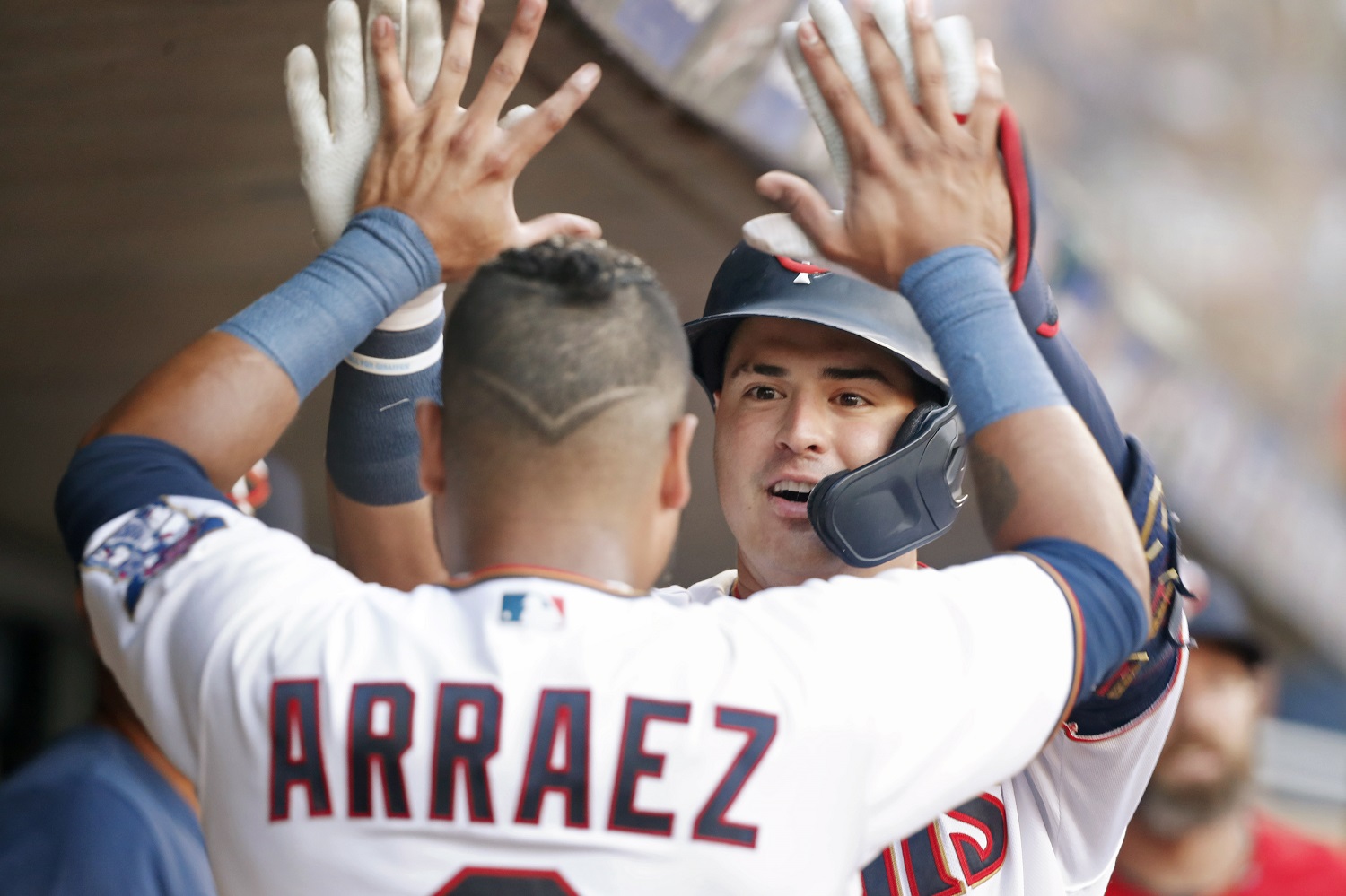 Baseball organizations tend to follow the trends set by other successful teams. In recent years, the Braves have solidified themselves as a model franchise, and other organizations will look to copy their winning model. The club's ability to sign players to long-term contracts is part of its success. Is this approach something the Twins should consider? Earlier this week, the Braves announced they signed rookie starting pitcher Spencer Strider to an extension that buys out his arbitration seasons while giving the team two extra years of control. Michael Harris II, another Braves rookie, also signed an extension earlier this season that followed a similar structure. These aren't the only players the Braves have been able to lock up. Besides Strider and Harris, Atlanta has also signed some of their other top players to long-term deals. Matt Olson and Austin Riley signed extensions during the 2022 season. Previously, the Braves had signed Ronald Acuna Jr. and Ozzie Albies to very friendly long-term deals. Atlanta is guaranteeing money to players beyond their arbitration years which has risk, but the Braves are hoping to see the players outperform the value they are paying. The Braves and the Twins have different philosophies when creating their rosters. Atlanta has over $150 million in guaranteed money on the books for 2024, with nearly $100 million going out as far as 2028. Minnesota's front office likes to have payroll flexibility and tends to avoid long-term deals. Byron Buxton and Randy Dobnak are the only Twins players with options that extend beyond 2025. During the 2022 season, the Braves' payroll ranked in baseball's top 10, while the Twins ranked slightly below league average at 16th. Atlanta's long-term investments come with inherited risk. Players can suffer catastrophic injuries and miss significant playing time. There is also no guarantee that these players will continue to develop at the big-league level. The Braves have already won a World Series, and they hope they can contend for multiple other titles over the next five years. Fans can forget poor play if World Series flags are flying forever. Atlanta can also hope that a few of these players produce at a superstar level to outweigh the dead money on the other contracts. For the Twins to follow the Braves' strategy, the right players are needed to make these deals work out in the team's favor. Minnesota signed Jorge Polanco and Max Kepler to team-friendly extensions, and an argument can be made that both contracts worked out in the team's favor. Polanco's contract can max out at $48.25 million, and he has provided the Twins with nearly $80 million in value since 2019. Kepler's deal can be worth just over $42 million, and he has been worth $72.6 million. Those deals have worked out in Minnesota's favor, so who can the team target for extensions? Health has been the biggest issue for young Twins players, including many of the team's recent top prospects like Alex Kirilloff, Royce Lewis, Matt Canterino, and Trevor Larnach. All these players might be extension candidates if health wasn't a question at the beginning of their big-league careers. Those aren't the only players who are extension candidates following the 2022 season. Luis Arraez, Joe Ryan, Jhoan Duran, and Jose Miranda are some younger players the Twins could consider for a long-term extension. Arraez won his first batting title in 2022, and the Twins have him under team control for three more seasons. It will be harder to lock-up Arraez as he gets closer to free agency. Ryan, Duran, and Miranda are pre-arbitration eligible, so they are under team control through the 2027 season. The Twins can try and sign them early to gain extra years of team control. Minnesota's current front office likes to clean the team's long-term books, which allows for more flexibility. However, other teams are locking up their young players to help the organization continue to win. Do you think the Twins front office needs to change strategies? Leave a COMMENT and start the discussion.
- 27 comments
-
- 3
-
-
- luis arraez
- joe ryan
- (and 2 more)
-
The Twins expect Carlos Correa to opt out of his contract, which leaves the team searching for a replacement. Here are the top available shortstops expected to be on the free-agent market. Image courtesy of Gary A. Vasquez-USA TODAY Sports Minnesota is in an interesting situation looking at the 2023 roster. How should the team approach the shortstop position? The Twins expect Royce Lewis to return in the middle of next season, and there’s hope he can be the team’s long-term answer at shortstop. Lewis’ presence leaves the Twins with two options. The team can sign one of the top available shortstops or look for a stop-gap player until Lewis is ready. 5. Elvis Andrus, SS Age: 34 2022 Stats: .249/.303/.404 (.707), 103 OPS+, 32 2B, 17 HR, 18 SB, 3.0 WAR Andrus has a $15 million option that he can exercise since he had more than 550 plate appearances this season, so there is no guarantee that he will hit the open market. He seems like a solid stop-gap option for the Twins if he is available. His OPS improved by 100 points after leaving Oakland last season, and he finished with an above-average OPS+. He may have lost a step defensively, but that’s expected as someone heads into their mid-30s. SABR’s Defensive Index had Andrus ranked as the ninth-best shortstop in the American League. Andrus and his representatives need to gauge the market to decide if he can get more than $15 million in guaranteed money. 4. Dansby Swanson, SS Age: 29 2022 Stats: .277/.329/.447 (.776), 115 OPS+, 32 2B, 25 HR, 18 SB, 5.7 WAR Swanson is hitting the free-agent market at the perfect time. He was a first-time All-Star in 2022 and has a World Series title on his resume. Some of the other players on this list will get more significant deals, but Swanson will be able to cash in on a tremendous 2022 season. Even with his breakout season, Swanson has a career OPS+ (95) that is below average. He makes up for his offensive flaws with tremendous defense, with only two NL shortstops ranking higher than him in SDI. Teams need to decide if the 2022 version of Swanson is real before handing him a blank check. 3. Xander Bogaerts, SS Age: 30 2022 Stats: .307/.377/.456 (.833), 131 OPS+, 38 2B, 15 HR, 8 SB, 5.7 WAR Bogaerts has the resume every team wants from a free agent. He plays a premium position, is a four-time All-Star, has two World Series titles, and has four Silver Sluggers. He does have three years remaining on his current contract, but many expect him to opt-out. The one knock against Bogaerts is that he is older than the other top players on this list. Only two AL shortstops ranked higher than him, according to SDI. He will get paid like a top-tier player by one of the teams in the free-agent shortstop market. 2. Carlos Correa, SS Age: 28 2022 Stats: .291/.366/.467 (.834), 140 OPS+, 24 2B, 22 HR, 0 SB, 5.4 WAR Correa made his opt-out decision clear as the season ended. He is heading back to the free agent market for the second straight offseason in an attempt to sign a long-term deal. Last winter, Corey Seager received the largest free agent shortstop contract at ten years and $325 million. Correa is likely searching for a similar amount. Twins fans may feel underwhelmed by Correa’s performance this season with the Twins, but his season totals were similar to other years in his career. He was a tremendous hitter with plus defense. However, he failed to produce in some clutch situations and his best offensive months were near the season’s end when the team fell out of the race. Minnesota has payroll flexibility to sign Correa, but it would be out of character for the front office to make that type of commitment. 1. Trea Turner, SS Age: 29 2022 Stats: .298/.343/.466 (.809), 121 OPS+, 39 2B, 21 HR, 27 SB, 4.9 WAR Outside of Aaron Judge, Turner is likely to get the biggest free-agent contract. He is a true five-tool talent with skills on both sides of the ball and elite speed. He’s stolen 30 or more bases in five seasons, even in an era when teams are less inclined to run. Plenty of front offices will be willing to throw piles of money at Turner to a top-of-the-order hitter that takes their team to the next level. He’s won a batting title, he’s won a World Series, and he’s a multi-time All-Star. Minnesota isn’t going to sign Turner, but his contract will likely point to how much it will cost to sign Correa long-term. Do you see any of these shortstops as fits for the Twins? Leave a COMMENT and start the discussion. View full article
-
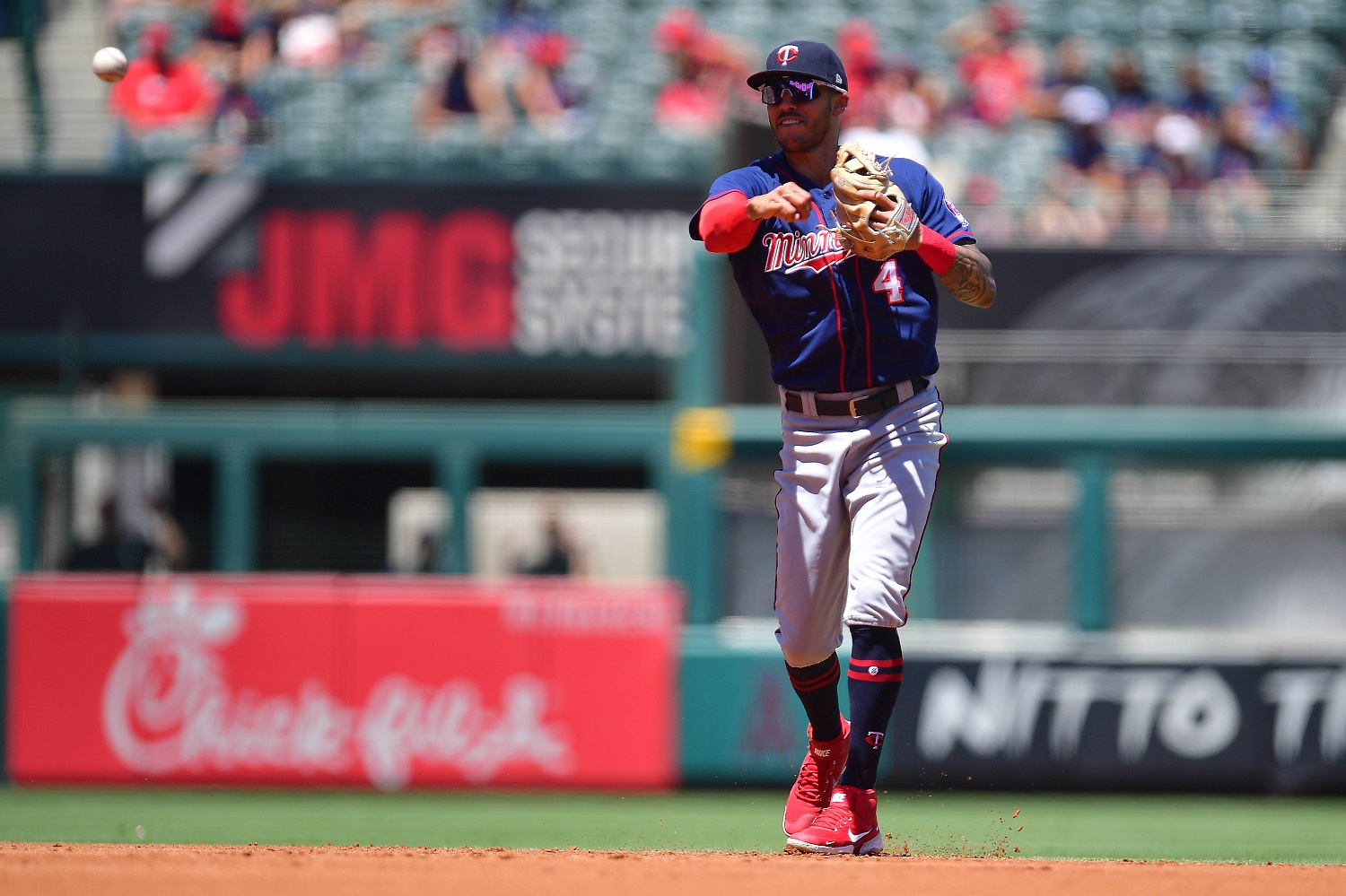 Minnesota is in an interesting situation looking at the 2023 roster. How should the team approach the shortstop position? The Twins expect Royce Lewis to return in the middle of next season, and there’s hope he can be the team’s long-term answer at shortstop. Lewis’ presence leaves the Twins with two options. The team can sign one of the top available shortstops or look for a stop-gap player until Lewis is ready. 5. Elvis Andrus, SS Age: 34 2022 Stats: .249/.303/.404 (.707), 103 OPS+, 32 2B, 17 HR, 18 SB, 3.0 WAR Andrus has a $15 million option that he can exercise since he had more than 550 plate appearances this season, so there is no guarantee that he will hit the open market. He seems like a solid stop-gap option for the Twins if he is available. His OPS improved by 100 points after leaving Oakland last season, and he finished with an above-average OPS+. He may have lost a step defensively, but that’s expected as someone heads into their mid-30s. SABR’s Defensive Index had Andrus ranked as the ninth-best shortstop in the American League. Andrus and his representatives need to gauge the market to decide if he can get more than $15 million in guaranteed money. 4. Dansby Swanson, SS Age: 29 2022 Stats: .277/.329/.447 (.776), 115 OPS+, 32 2B, 25 HR, 18 SB, 5.7 WAR Swanson is hitting the free-agent market at the perfect time. He was a first-time All-Star in 2022 and has a World Series title on his resume. Some of the other players on this list will get more significant deals, but Swanson will be able to cash in on a tremendous 2022 season. Even with his breakout season, Swanson has a career OPS+ (95) that is below average. He makes up for his offensive flaws with tremendous defense, with only two NL shortstops ranking higher than him in SDI. Teams need to decide if the 2022 version of Swanson is real before handing him a blank check. 3. Xander Bogaerts, SS Age: 30 2022 Stats: .307/.377/.456 (.833), 131 OPS+, 38 2B, 15 HR, 8 SB, 5.7 WAR Bogaerts has the resume every team wants from a free agent. He plays a premium position, is a four-time All-Star, has two World Series titles, and has four Silver Sluggers. He does have three years remaining on his current contract, but many expect him to opt-out. The one knock against Bogaerts is that he is older than the other top players on this list. Only two AL shortstops ranked higher than him, according to SDI. He will get paid like a top-tier player by one of the teams in the free-agent shortstop market. 2. Carlos Correa, SS Age: 28 2022 Stats: .291/.366/.467 (.834), 140 OPS+, 24 2B, 22 HR, 0 SB, 5.4 WAR Correa made his opt-out decision clear as the season ended. He is heading back to the free agent market for the second straight offseason in an attempt to sign a long-term deal. Last winter, Corey Seager received the largest free agent shortstop contract at ten years and $325 million. Correa is likely searching for a similar amount. Twins fans may feel underwhelmed by Correa’s performance this season with the Twins, but his season totals were similar to other years in his career. He was a tremendous hitter with plus defense. However, he failed to produce in some clutch situations and his best offensive months were near the season’s end when the team fell out of the race. Minnesota has payroll flexibility to sign Correa, but it would be out of character for the front office to make that type of commitment. 1. Trea Turner, SS Age: 29 2022 Stats: .298/.343/.466 (.809), 121 OPS+, 39 2B, 21 HR, 27 SB, 4.9 WAR Outside of Aaron Judge, Turner is likely to get the biggest free-agent contract. He is a true five-tool talent with skills on both sides of the ball and elite speed. He’s stolen 30 or more bases in five seasons, even in an era when teams are less inclined to run. Plenty of front offices will be willing to throw piles of money at Turner to a top-of-the-order hitter that takes their team to the next level. He’s won a batting title, he’s won a World Series, and he’s a multi-time All-Star. Minnesota isn’t going to sign Turner, but his contract will likely point to how much it will cost to sign Correa long-term. Do you see any of these shortstops as fits for the Twins? Leave a COMMENT and start the discussion.
- 52 comments
-
- 2
-
-
- trea turner
- carlos correa
- (and 3 more)
-
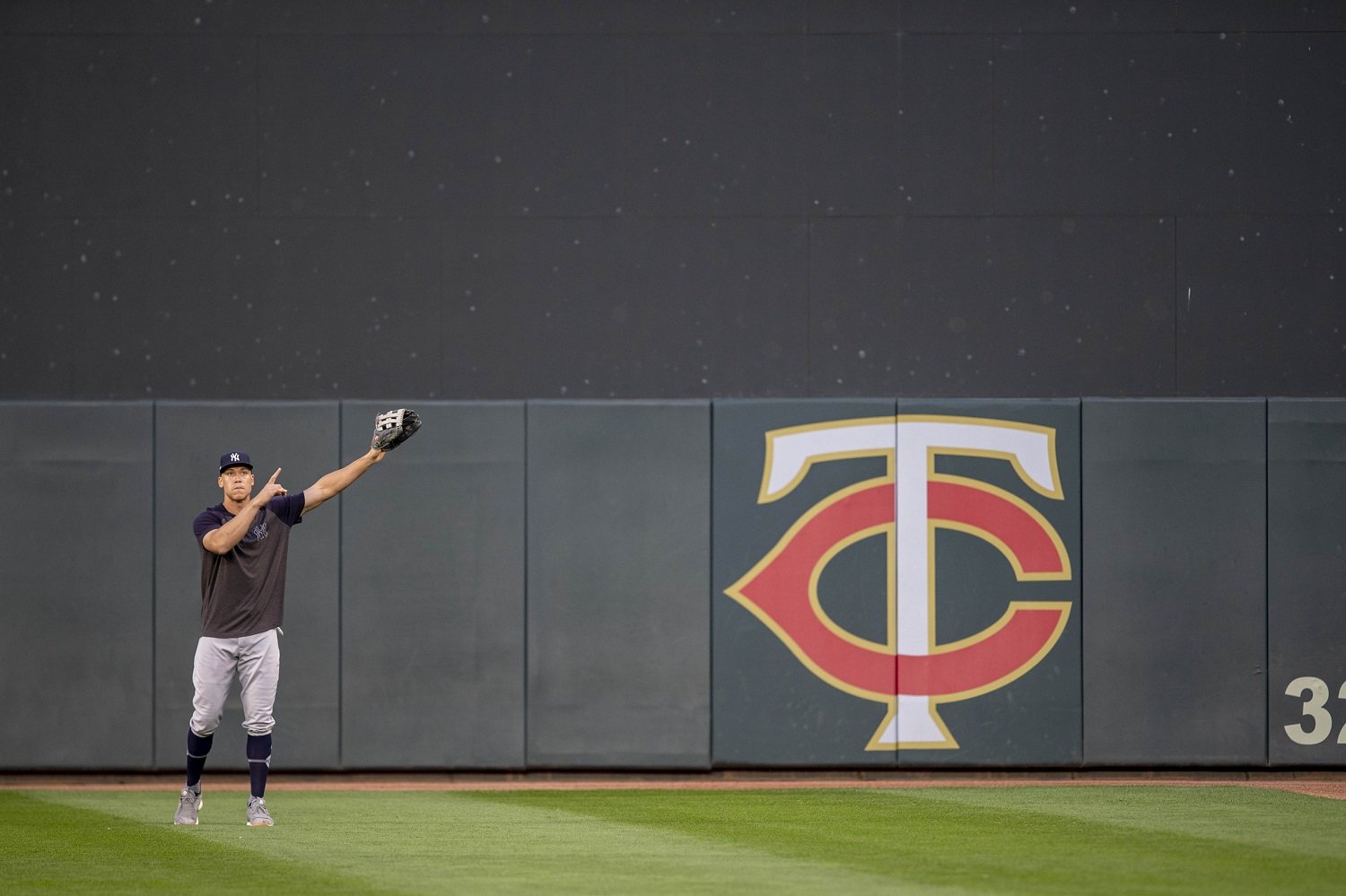 The Yankees offered Aaron Judge a seven-year, $213.5 million extension last spring, but it was an offer he could refuse. He bet on himself, arguably having the best walk-year in MLB history. He finished the season with an AL-record 62 home runs, and only Luis Arraez kept him from winning the Triple Crown. Now, Judge has an opportunity to shine in October before hitting the free agent market for the first time in his career. Judge is the likely AL MVP, and he will become a free agent heading into his age-31 season. For reference, Carlos Correa, who is likely heading back to the free agent market, is two years younger than Judge. Both players project to get massive long-term deals, and the Twins will have payroll flexibility this winter. Does that mean the Twins have room to add Judge? Like many players, Judge has seen up-and-down seasons throughout his professional career. He burst onto the scene as a rookie in 2017 as he led the AL in home runs (52), RBI (128), and walks (127) on his way to being named Rookie of the Year. Injuries impacted his next three seasons, but he still posted a 146 OPS+ when on the field. To produce like his rookie season, Judge needed to adjust his routines to stay healthy regularly. Over the last two seasons, Judge has averaged over 150 games per year because he is “being smarter” about his preparation. The results speak for themselves. Judge has averaged 152 games per season since the start of 2021 with a 180 OPS+. During his monster 2022 season, he led the AL in runs, home runs, RBI, walks, OBP, SLG, OPS, OPS+, and total bases. It was a memorable season, and now he will make significantly more than the $217.5 million the Yankees offered him this spring. Minnesota has the potential to hand out a long-term contract this winter to one of baseball’s most prominent free agents, but Judge might not fit the team’s long-term plans. The Twins have multiple outfield options heading into the 2023 season. Byron Buxton signed long-term, and Max Kepler is entering the final guaranteed year of his contract. The club also has three young outfielders (Alex Kirilloff, Trevor Larnach, and Matt Wallner) that will need playing time in the corner outfield spots. Not all these players are guaranteed to be healthy, so Minnesota will need outfield depth entering the 2023 campaign. Obviously, any team can find room in the lineup for a player of Judge’s caliber, but other top free agents might be a better fit in Minnesota. Correa already has an established relationship with many of the Twins’ young players and has a chance to provide more value since he is younger. Even coming off his monster season, Judge’s free agent market might not play out perfectly, and this could allow a surprise team to emerge. The Twins have done this in recent years with Correa and Josh Donaldson. It seems most likely for Judge to return to New York and sign a contract that keeps him in pinstripes for the rest of his career. However, Judge might be looking for a different market if he feels the Yankees gave him a lowball offer last spring. Do you want the Twins to pursue Judge this winter? Does he fit with Minnesota’s long-term plan? Leave a COMMENT and start the discussion.
 -
Aaron Judge is completing one of the best walk years in MLB history. Can the Twins surprise the baseball world for the second straight year and sign one of baseball’s top free agents? Image courtesy of Jesse Johnson, USA TODAY Sports The Yankees offered Aaron Judge a seven-year, $213.5 million extension last spring, but it was an offer he could refuse. He bet on himself, arguably having the best walk-year in MLB history. He finished the season with an AL-record 62 home runs, and only Luis Arraez kept him from winning the Triple Crown. Now, Judge has an opportunity to shine in October before hitting the free agent market for the first time in his career. Judge is the likely AL MVP, and he will become a free agent heading into his age-31 season. For reference, Carlos Correa, who is likely heading back to the free agent market, is two years younger than Judge. Both players project to get massive long-term deals, and the Twins will have payroll flexibility this winter. Does that mean the Twins have room to add Judge? Like many players, Judge has seen up-and-down seasons throughout his professional career. He burst onto the scene as a rookie in 2017 as he led the AL in home runs (52), RBI (128), and walks (127) on his way to being named Rookie of the Year. Injuries impacted his next three seasons, but he still posted a 146 OPS+ when on the field. To produce like his rookie season, Judge needed to adjust his routines to stay healthy regularly. Over the last two seasons, Judge has averaged over 150 games per year because he is “being smarter” about his preparation. The results speak for themselves. Judge has averaged 152 games per season since the start of 2021 with a 180 OPS+. During his monster 2022 season, he led the AL in runs, home runs, RBI, walks, OBP, SLG, OPS, OPS+, and total bases. It was a memorable season, and now he will make significantly more than the $217.5 million the Yankees offered him this spring. Minnesota has the potential to hand out a long-term contract this winter to one of baseball’s most prominent free agents, but Judge might not fit the team’s long-term plans. The Twins have multiple outfield options heading into the 2023 season. Byron Buxton signed long-term, and Max Kepler is entering the final guaranteed year of his contract. The club also has three young outfielders (Alex Kirilloff, Trevor Larnach, and Matt Wallner) that will need playing time in the corner outfield spots. Not all these players are guaranteed to be healthy, so Minnesota will need outfield depth entering the 2023 campaign. Obviously, any team can find room in the lineup for a player of Judge’s caliber, but other top free agents might be a better fit in Minnesota. Correa already has an established relationship with many of the Twins’ young players and has a chance to provide more value since he is younger. Even coming off his monster season, Judge’s free agent market might not play out perfectly, and this could allow a surprise team to emerge. The Twins have done this in recent years with Correa and Josh Donaldson. It seems most likely for Judge to return to New York and sign a contract that keeps him in pinstripes for the rest of his career. However, Judge might be looking for a different market if he feels the Yankees gave him a lowball offer last spring. Do you want the Twins to pursue Judge this winter? Does he fit with Minnesota’s long-term plan? Leave a COMMENT and start the discussion. View full article
-
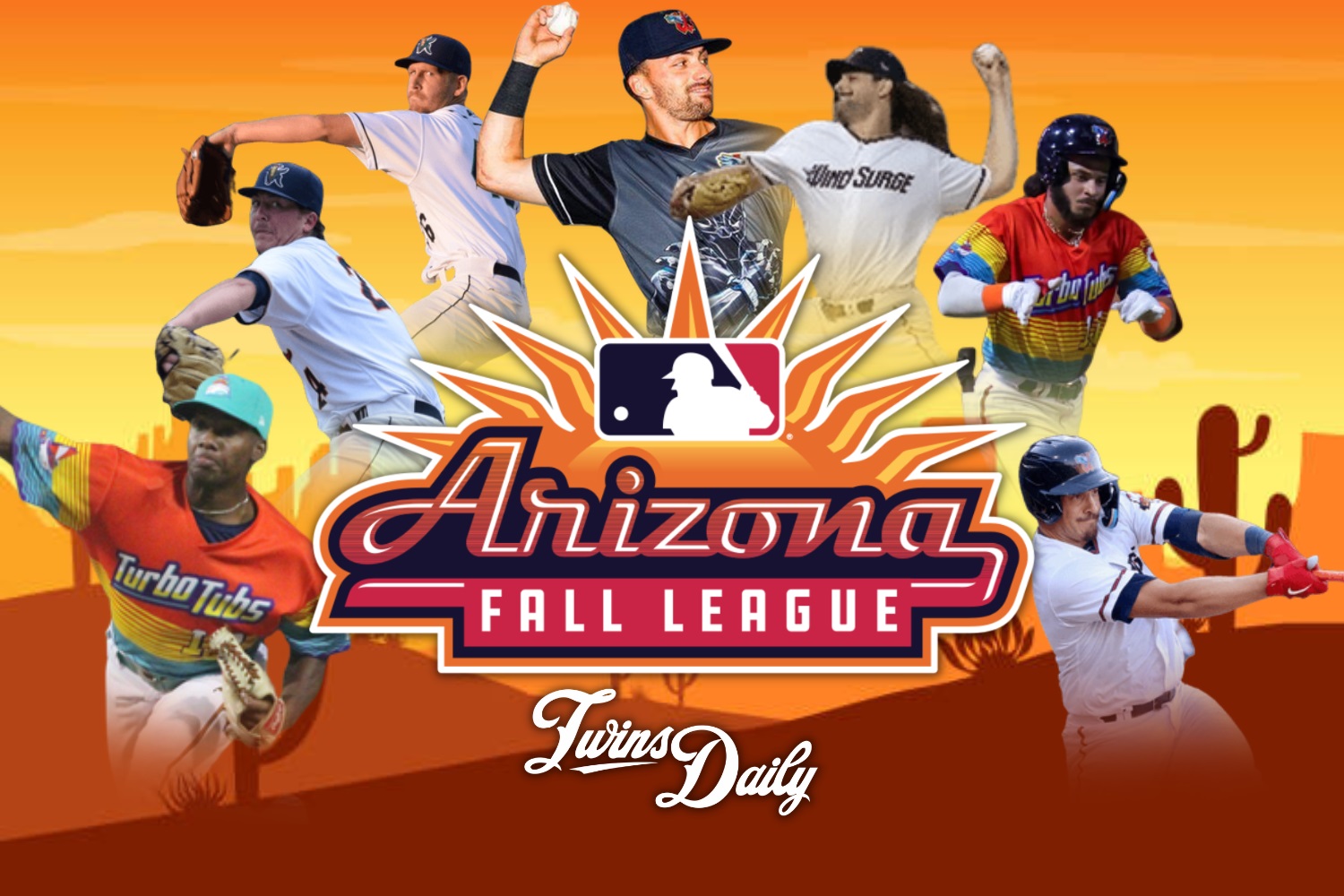 Some of baseball's best prospects head to Arizona every year to showcase their skills against other top players. Throughout the AFL's history, some of the league's biggest stars have gotten their careers boosted by a strong AFL performance. AFL Games started this week, and the Twins are sending some of their top prospects with something to prove. Can Austin Martin Have a Wallner-Type Breakout? Last year, the Twins sent Matt Wallner to the AFL because he missed time during the season with an injury. In 18 games, he hit .303/.405/.606 (1.011) with two doubles and six home runs. Wallner carried that performance over to the 2022 season, where he posted a .953 OPS between Double- and Triple-A. Also, he was recently named the TD Minor League Hitter of the Year. Martin dealt with a wrist injury during the 2022 season, but he ended the year strongly. Now, Minnesota hopes Martin can follow the same path as Wallner from the AFL to making his big-league debut. Is Edouard Julien the Twins' Second Baseman of the Future? Julien is coming off a breakout season at Double-A, where the 23-year-old was over a year younger than the average age of the competition. In 113 games, he hit .300/.441/.490 (.931) with 19 doubles, three triples, and 17 home runs. Defensively, the Twins had moved Julien around during his first two professional seasons, but he played the entire 2022 season at second base. Jorge Polanco has one guaranteed year left on his contract with the Twins controlling the next two seasons as well. If Julien continues to develop, he has a chance to become the heir apparent to Polanco in the Twins infield. Can Denny Bentley Become a Dominant Reliever? Minnesota's front office hasn't spent a lot on bullpen arms in recent years, instead relying on the farm system to produce cheaper relief options. During the 2022 season, the Twins used younger organizational arms like Jhoan Duran, Jovani Moran, and Griffin Jax to impact the bullpen. Bentley spent the majority of the 2022 season at Double-A and posted an 11.8 K/9 across 55 2/3 innings. His WHIP has been high during his first two professional seasons because he allows more than 7.0 H/9 and close to 5.0 BB/9. Bentley will need to improve in both of those areas if he wants to become a dominant reliever at the big-league level. What Do the Twins Have in Francis Peguero? The Twins acquired Peguero as part of the Sonny Gray trade, and his professional career has seen some ups and downs. His debut in the Twins system was delayed because of an injury, and then he made 17 appearances out of the Wind Surge bullpen. In August, he posted a 3.65 ERA with a 0.89 WHIP in nine appearances, but his strikeout totals have remained low. He can hit in the mid-90s with his fastball, so the AFL will allow him the opportunity to work on his secondary pitches. Can one of his secondary offerings improve enough for him to limit hits and start collecting more strikeouts? Check out the TD AFL Preview to read more about the other Twins prospects participating in the 2022 AFL. Which of the prospects above has the most to prove? Leave a COMMENT and start the discussion.
- 5 comments
-
- 6
-
-
- austin martin
- edouard julien
- (and 2 more)
-
Minor league seasons are complete, but the Arizona Fall League is just getting started. Here are four things to watch with Twins prospects this fall. Image courtesy of Ed Bailey (Wichita Wind Surge), Steve Buhr (Cedar Rapids Kernels) Some of baseball's best prospects head to Arizona every year to showcase their skills against other top players. Throughout the AFL's history, some of the league's biggest stars have gotten their careers boosted by a strong AFL performance. AFL Games started this week, and the Twins are sending some of their top prospects with something to prove. Can Austin Martin Have a Wallner-Type Breakout? Last year, the Twins sent Matt Wallner to the AFL because he missed time during the season with an injury. In 18 games, he hit .303/.405/.606 (1.011) with two doubles and six home runs. Wallner carried that performance over to the 2022 season, where he posted a .953 OPS between Double- and Triple-A. Also, he was recently named the TD Minor League Hitter of the Year. Martin dealt with a wrist injury during the 2022 season, but he ended the year strongly. Now, Minnesota hopes Martin can follow the same path as Wallner from the AFL to making his big-league debut. Is Edouard Julien the Twins' Second Baseman of the Future? Julien is coming off a breakout season at Double-A, where the 23-year-old was over a year younger than the average age of the competition. In 113 games, he hit .300/.441/.490 (.931) with 19 doubles, three triples, and 17 home runs. Defensively, the Twins had moved Julien around during his first two professional seasons, but he played the entire 2022 season at second base. Jorge Polanco has one guaranteed year left on his contract with the Twins controlling the next two seasons as well. If Julien continues to develop, he has a chance to become the heir apparent to Polanco in the Twins infield. Can Denny Bentley Become a Dominant Reliever? Minnesota's front office hasn't spent a lot on bullpen arms in recent years, instead relying on the farm system to produce cheaper relief options. During the 2022 season, the Twins used younger organizational arms like Jhoan Duran, Jovani Moran, and Griffin Jax to impact the bullpen. Bentley spent the majority of the 2022 season at Double-A and posted an 11.8 K/9 across 55 2/3 innings. His WHIP has been high during his first two professional seasons because he allows more than 7.0 H/9 and close to 5.0 BB/9. Bentley will need to improve in both of those areas if he wants to become a dominant reliever at the big-league level. What Do the Twins Have in Francis Peguero? The Twins acquired Peguero as part of the Sonny Gray trade, and his professional career has seen some ups and downs. His debut in the Twins system was delayed because of an injury, and then he made 17 appearances out of the Wind Surge bullpen. In August, he posted a 3.65 ERA with a 0.89 WHIP in nine appearances, but his strikeout totals have remained low. He can hit in the mid-90s with his fastball, so the AFL will allow him the opportunity to work on his secondary pitches. Can one of his secondary offerings improve enough for him to limit hits and start collecting more strikeouts? Check out the TD AFL Preview to read more about the other Twins prospects participating in the 2022 AFL. Which of the prospects above has the most to prove? Leave a COMMENT and start the discussion. View full article
-
 Minnesota’s injury woes forced the team to utilize more rookies than the club had planned. Some rookies were impressive in their debuts, while others will need more time to showcase their future value. Frankly, some of these guys debuted because there were so many injuries, not necessarily because they were ready or part of future planning. Overall, there are some bright futures for the names described below. Jose Miranda 2022 Stats (125 G): .268/.325/.426 (.751), 116 OPS+, 25 2B, 15 HR Miranda was one of Minnesota’s highest-rated prospects entering the season because of a massive 2021 campaign. His big-league career started slowly when he posted a .512 OPS through his first 22 games. Things finally clicked for him at the beginning of June. He has an .807 OPS over his last 99 games, which is well above the league average this season. Miranda’s debut makes it easy to project him being a middle-of-the-order bat for multiple seasons. MLB Debut (May 2): 0-for-4 Royce Lewis 2022 Stats (12 G): .300/.317/.550 (.867), 144 OPS+, 4 2B, 2 HR Everything was going great. Lewis returned from his torn ACL that cost him the 2021 season. He posted a .940 OPS at Triple-A after not appearing in a competitive game since the 2019 Arizona Fall League. After a pitch hit Carlos Correa, it looked like Lewis might get an extended look at the big-league level. Instead, Correa returned, and the Twins started using Lewis around the diamond including in the outfield. In his first game back to the big leagues, he smashed into the wall and tore his ACL for a second time. It was a tragic end to a tremendous debut. MLB Debut (May 6): 1-for-4 Mark Contreras 2022 Stats (28 G): .121/.148/.293 (.441), 23 OPS+, 1 2B, 3 HR Contreras was never considered one of the team’s top-rated prospects, but the Twins needed outfield depth this season. He has struggled offensively in limited big-league action, including a 20-to-1 strikeout to walk ratio. Next season, he will be 28 years old, and the outfielder may have limited upside left to provide to the club beyond depth. There is a chance the team designated him for assignment as part of the season’s annual 40-man roster clean-up. MLB Debut (May 11): 0-for-2, RBI, R Jermaine Palacios 2022 Stats (30 G): .143/.184/.229 (.413), 19 OPS+, 0 2B, 2 HR Palacios’ calling card is his strong defense, which is why the Twins brought him back to the organization on a minor-league contract in 2021 and again in 2022. He was needed at the big-league level when Correa went on the COVID restricted list and Lewis headed to the IL. Palacios had an .803 OPS at Triple-A in 102 games, so his bat isn’t as bad as his big-league performance might indicate. If Correa opts out, the Twins may need Palacios as infield depth for the 2023 season. MLB Debut (May 31): 0-for-3, BB, R, K Caleb Hamilton 2022 Stats (22 G): .056/.227/.222 (.449), 31 OPS+, 1 HR Hamilton has hung around on the Twins roster much of the second half, but he has been given limited playing time. He seemed to put things together at Triple-A to start the 2022 campaign. In 62 games, he hit .233/.367/.442 (.808) with ten doubles and 11 home runs. Hamilton also seemed to be controlling the strike zone better with a 67-to-43 strikeout to walk ratio. It’s hard to know if that performance was legitimate with how little playing time he has received for the Twins. Will the Twins trust Hamilton in a backup role next season, or will the club look for a veteran? MLB Debut (July 17): 0-for-1 Matt Wallner 2022 Stats (18 G): .228/.323/.386 (.709), 105 OPS+, 3 2B, 2 HR Wallner was the easy choice for the TD Minor League Hitter of the Year, and he has shown some of his power potential since being called up. Unfortunately, the club waited a confusing amount of time to call him up as the team’s division lead slipped away. Wallner may have surpassed Minnesota’s other young outfielders with his performance this season, especially if he can stay healthy in the future. He can join Miranda in the middle of the Twins line-up over the majority of the next decade. MLB Debut (September 17): 1-for-3, HR, R, RBI, K Which rookie performance stands out to you? Leave a COMMENT and start the discussion.
- 35 comments
-
- 1
-
-
- jose miranda
- royce lewis
- (and 3 more)
-
The Minnesota Twins had 13 players make their MLB debuts in 2022, one shy of the club record. Here’s a look back at the position players who debuted. Image courtesy of David Richard-USA TODAY Sports Minnesota’s injury woes forced the team to utilize more rookies than the club had planned. Some rookies were impressive in their debuts, while others will need more time to showcase their future value. Frankly, some of these guys debuted because there were so many injuries, not necessarily because they were ready or part of future planning. Overall, there are some bright futures for the names described below. Jose Miranda 2022 Stats (125 G): .268/.325/.426 (.751), 116 OPS+, 25 2B, 15 HR Miranda was one of Minnesota’s highest-rated prospects entering the season because of a massive 2021 campaign. His big-league career started slowly when he posted a .512 OPS through his first 22 games. Things finally clicked for him at the beginning of June. He has an .807 OPS over his last 99 games, which is well above the league average this season. Miranda’s debut makes it easy to project him being a middle-of-the-order bat for multiple seasons. MLB Debut (May 2): 0-for-4 Royce Lewis 2022 Stats (12 G): .300/.317/.550 (.867), 144 OPS+, 4 2B, 2 HR Everything was going great. Lewis returned from his torn ACL that cost him the 2021 season. He posted a .940 OPS at Triple-A after not appearing in a competitive game since the 2019 Arizona Fall League. After a pitch hit Carlos Correa, it looked like Lewis might get an extended look at the big-league level. Instead, Correa returned, and the Twins started using Lewis around the diamond including in the outfield. In his first game back to the big leagues, he smashed into the wall and tore his ACL for a second time. It was a tragic end to a tremendous debut. MLB Debut (May 6): 1-for-4 Mark Contreras 2022 Stats (28 G): .121/.148/.293 (.441), 23 OPS+, 1 2B, 3 HR Contreras was never considered one of the team’s top-rated prospects, but the Twins needed outfield depth this season. He has struggled offensively in limited big-league action, including a 20-to-1 strikeout to walk ratio. Next season, he will be 28 years old, and the outfielder may have limited upside left to provide to the club beyond depth. There is a chance the team designated him for assignment as part of the season’s annual 40-man roster clean-up. MLB Debut (May 11): 0-for-2, RBI, R Jermaine Palacios 2022 Stats (30 G): .143/.184/.229 (.413), 19 OPS+, 0 2B, 2 HR Palacios’ calling card is his strong defense, which is why the Twins brought him back to the organization on a minor-league contract in 2021 and again in 2022. He was needed at the big-league level when Correa went on the COVID restricted list and Lewis headed to the IL. Palacios had an .803 OPS at Triple-A in 102 games, so his bat isn’t as bad as his big-league performance might indicate. If Correa opts out, the Twins may need Palacios as infield depth for the 2023 season. MLB Debut (May 31): 0-for-3, BB, R, K Caleb Hamilton 2022 Stats (22 G): .056/.227/.222 (.449), 31 OPS+, 1 HR Hamilton has hung around on the Twins roster much of the second half, but he has been given limited playing time. He seemed to put things together at Triple-A to start the 2022 campaign. In 62 games, he hit .233/.367/.442 (.808) with ten doubles and 11 home runs. Hamilton also seemed to be controlling the strike zone better with a 67-to-43 strikeout to walk ratio. It’s hard to know if that performance was legitimate with how little playing time he has received for the Twins. Will the Twins trust Hamilton in a backup role next season, or will the club look for a veteran? MLB Debut (July 17): 0-for-1 Matt Wallner 2022 Stats (18 G): .228/.323/.386 (.709), 105 OPS+, 3 2B, 2 HR Wallner was the easy choice for the TD Minor League Hitter of the Year, and he has shown some of his power potential since being called up. Unfortunately, the club waited a confusing amount of time to call him up as the team’s division lead slipped away. Wallner may have surpassed Minnesota’s other young outfielders with his performance this season, especially if he can stay healthy in the future. He can join Miranda in the middle of the Twins line-up over the majority of the next decade. MLB Debut (September 17): 1-for-3, HR, R, RBI, K Which rookie performance stands out to you? Leave a COMMENT and start the discussion. View full article
- 35 replies
-
- 1
-
-
- jose miranda
- royce lewis
- (and 3 more)
-
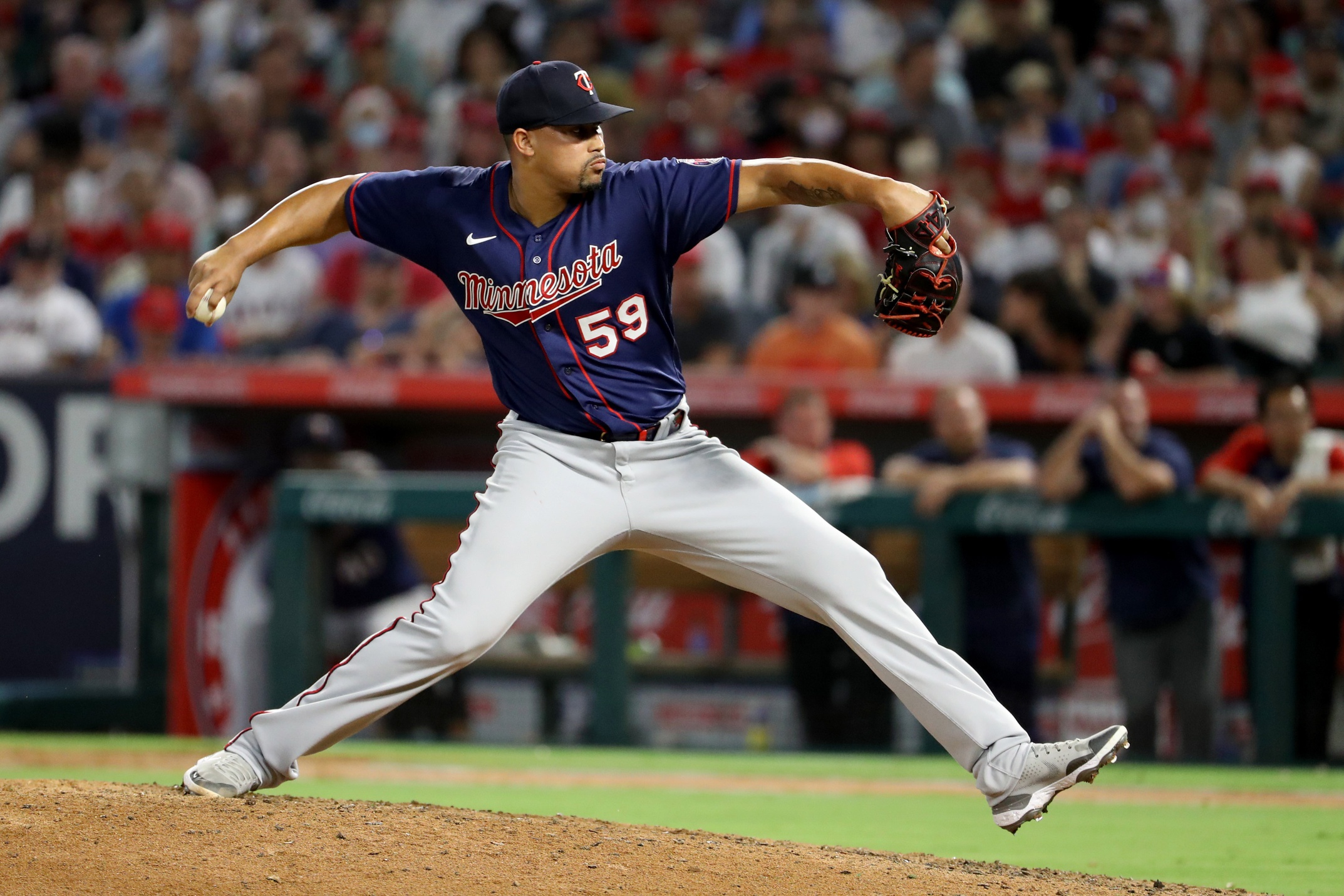 It was clear that Derek Falvey and Thad Levine planned for the pitching pipeline to start producing big-league talent in 2022. There have been some breakthrough performances, but some question marks remain heading into the offseason. Look back at the seven pitchers that made their debut this year. Consider how they may fit into the team's plan in 2023 and beyond. Jhoan Duran 2022 Stats (57 G): 1.86 ERA, 0.98 WHIP, 89 K, 16 BB, 67 2/3 IP Duran has been unbelievable for the entire season. He quickly evolved into one of baseball’s most dominant bullpen weapons. It can be easy to forget that he wasn’t used as a reliever until spring training this season. Duran is also going to set the rookie record for most Win Probability Added (WPA) by a Twins pitcher since 1990, which puts him in elite company. There aren’t enough words to describe what Duran has meant to the Twins bullpen this season, and he is a vital part of the team’s long-term plans. MLB Debut (April 8): 2 IP, 0 ER, 2 H, 4 K, 1 BB Josh Winder 2022 Stats (14 G): 4.31 ERA, 1.25 WHIP, 45 K, 17 BB, 64 2/3 IP Minnesota’s rotation was full to start the 2022 season, but the team decided it needed Winder on the big-league roster. He pitched well to start the season with a 1.61 ERA while holding batters to a .464 OPS in his first five appearances. Unfortunately, shoulder issues started bothering him again, and he was limited to three big-league appearances from May 18 through September 10. He’s made four September starts where he has allowed 12 earned runs in 19 1/3 innings. It’s nice that he has been able to prove he is healthy before the season ends. MLB Debut (April 12): 1 IP, 1 ER, 0 H, 1 K, 2 BB Cole Sands 2022 Stats (11 G): 5.87 ERA, 1.57 WHIP, 28 K, 13 BB, 30 2/3 IP Sands didn’t make the Opening Day roster, but the Twins needed him at the big-league level by the beginning of May. During the 2021 season, he was terrific at Double-A with a 2.46 ERA and a 1.17 WHIP in 19 appearances. That performance hasn’t followed him to the 2022 campaign as his ERA rose by over three runs in sporadic opportunities at Triple-A. Sands missed time this season with a right elbow contusion after taking a line drive off the bat of Yuli Gurriel. Sands is only 24 years old, and the Twins hope he can see more of his 2021 performance in the future. MLB Debut (May 1): 2 IP, 2 ER, 3 H, 2 K, 0 BB Yennier Cano 2022 Stats (10 G): 9.22 ERA, 2.05 WHIP, 14 K, 11 BB, 13 2/3 IP Cano’s path to the big leagues was unique. He signed as a 25-year-old from Cuba in 2019. This season, he pitched well in the minors with a 1.90 ERA and a 0.93 WHIP in St. Paul. His first taste of the big leagues hasn’t gone perfectly as he has allowed 21 earned runs in 11 appearances. Minnesota included Cano as part of the package to acquire Jorge Lopez at the trade deadline. MLB Debut (May 11): 2 1/3 IP, 3 ER, 3 H, 2 K, 0 BB Louie Varland 2022 Stats (5 G): 3.81 ERA, 1.23 WHIP, 21 K, 6 BB, 26 IP Varland has dominated the minor leagues over the last two seasons as he was recently named the TD Minor League Pitcher of the Year for the second consecutive season. Minnesota put him in a tough spot for his big-league debut. He took the mound at Yankee Stadium. He performed well as he pitched into the sixth inning and held the Yankees' line-up to two runs on three hits with seven strikeouts. There have been a few hiccups in his other starts as he has allowed four home runs, including two homers by the Angels. Varland has inserted himself into Minnesota’s long-term pitching plans even with these blemishes. MLB Debut (September 7): 5 1/3 IP, 2 ER, 3 H, 7 K, 1 BB Ronny Henriquez 2022 Stats (3 G): 2.31 ERA, 0.93 WHIP, 9 K, 3 BB, 11 2/3 IP Henriquez can sometimes be one of the forgotten players from Minnesota’s flurry of trades this past winter. The Twins acquired Henriquez as part of the Mitch Garver trade because he was an intriguing pitching prospect. At Triple-A this season, he split time as a starter and reliever with a 5.66 ERA and a 1.36 WHIP. He is only 22 years old and is considered one of the team’s top 30 prospects. This season was his first pitching over 100 innings. The club will need to decide if he is a starter or reliever, but with his youth, they don't need to decide that for a while. MLB Debut (September 19): 4 IP, 3 ER, 4 H, 2 K, 2 BB Simeon Woods Richardson 2022 Stats (1 G): 3.60 ERA, 1.00 WHIP, 3 K, 2 BB, 5 IP Woods Richardson made his much-anticipated debut last weekend and performed admirably even with some poor defense behind him. After struggling at Double-A in 2022, he dominated in the upper minors this season. He posted a 2.77 ERA with a 1.05 WHIP, including 115 strikeouts in 107 1/3 innings. Only Varland finished ahead of Woods Richardson in the TD Minor League Pitcher of the Year balloting. Many rankings have Woods Richardson as a higher-rated prospect than Varland, so it will be fun to track their development in the years ahead. MLB Debut (October 2): 5 IP, 2 ER, 3 H, 3 K, 2 BB Which pitching prospect are you most excited about moving forward? Who has the highest ceiling? Leave a COMMENT and start the discussion.
- 31 comments
-
- 1
-
-
- jhoan duran
- josh winder
- (and 3 more)
-
Review the Debuts: Twins Rookie Pitchers
Cody Christie posted a topic in Twins Daily Front Page News
Minnesota’s front office planned on the pitching pipeline providing value at the big-league level during the 2022 season. Here’s a look at the rookie pitchers who debuted in 2022. Image courtesy of Kiyoshi Mio-USA TODAY Sports It was clear that Derek Falvey and Thad Levine planned for the pitching pipeline to start producing big-league talent in 2022. There have been some breakthrough performances, but some question marks remain heading into the offseason. Look back at the seven pitchers that made their debut this year. Consider how they may fit into the team's plan in 2023 and beyond. Jhoan Duran 2022 Stats (57 G): 1.86 ERA, 0.98 WHIP, 89 K, 16 BB, 67 2/3 IP Duran has been unbelievable for the entire season. He quickly evolved into one of baseball’s most dominant bullpen weapons. It can be easy to forget that he wasn’t used as a reliever until spring training this season. Duran is also going to set the rookie record for most Win Probability Added (WPA) by a Twins pitcher since 1990, which puts him in elite company. There aren’t enough words to describe what Duran has meant to the Twins bullpen this season, and he is a vital part of the team’s long-term plans. MLB Debut (April 8): 2 IP, 0 ER, 2 H, 4 K, 1 BB Josh Winder 2022 Stats (14 G): 4.31 ERA, 1.25 WHIP, 45 K, 17 BB, 64 2/3 IP Minnesota’s rotation was full to start the 2022 season, but the team decided it needed Winder on the big-league roster. He pitched well to start the season with a 1.61 ERA while holding batters to a .464 OPS in his first five appearances. Unfortunately, shoulder issues started bothering him again, and he was limited to three big-league appearances from May 18 through September 10. He’s made four September starts where he has allowed 12 earned runs in 19 1/3 innings. It’s nice that he has been able to prove he is healthy before the season ends. MLB Debut (April 12): 1 IP, 1 ER, 0 H, 1 K, 2 BB Cole Sands 2022 Stats (11 G): 5.87 ERA, 1.57 WHIP, 28 K, 13 BB, 30 2/3 IP Sands didn’t make the Opening Day roster, but the Twins needed him at the big-league level by the beginning of May. During the 2021 season, he was terrific at Double-A with a 2.46 ERA and a 1.17 WHIP in 19 appearances. That performance hasn’t followed him to the 2022 campaign as his ERA rose by over three runs in sporadic opportunities at Triple-A. Sands missed time this season with a right elbow contusion after taking a line drive off the bat of Yuli Gurriel. Sands is only 24 years old, and the Twins hope he can see more of his 2021 performance in the future. MLB Debut (May 1): 2 IP, 2 ER, 3 H, 2 K, 0 BB Yennier Cano 2022 Stats (10 G): 9.22 ERA, 2.05 WHIP, 14 K, 11 BB, 13 2/3 IP Cano’s path to the big leagues was unique. He signed as a 25-year-old from Cuba in 2019. This season, he pitched well in the minors with a 1.90 ERA and a 0.93 WHIP in St. Paul. His first taste of the big leagues hasn’t gone perfectly as he has allowed 21 earned runs in 11 appearances. Minnesota included Cano as part of the package to acquire Jorge Lopez at the trade deadline. MLB Debut (May 11): 2 1/3 IP, 3 ER, 3 H, 2 K, 0 BB Louie Varland 2022 Stats (5 G): 3.81 ERA, 1.23 WHIP, 21 K, 6 BB, 26 IP Varland has dominated the minor leagues over the last two seasons as he was recently named the TD Minor League Pitcher of the Year for the second consecutive season. Minnesota put him in a tough spot for his big-league debut. He took the mound at Yankee Stadium. He performed well as he pitched into the sixth inning and held the Yankees' line-up to two runs on three hits with seven strikeouts. There have been a few hiccups in his other starts as he has allowed four home runs, including two homers by the Angels. Varland has inserted himself into Minnesota’s long-term pitching plans even with these blemishes. MLB Debut (September 7): 5 1/3 IP, 2 ER, 3 H, 7 K, 1 BB Ronny Henriquez 2022 Stats (3 G): 2.31 ERA, 0.93 WHIP, 9 K, 3 BB, 11 2/3 IP Henriquez can sometimes be one of the forgotten players from Minnesota’s flurry of trades this past winter. The Twins acquired Henriquez as part of the Mitch Garver trade because he was an intriguing pitching prospect. At Triple-A this season, he split time as a starter and reliever with a 5.66 ERA and a 1.36 WHIP. He is only 22 years old and is considered one of the team’s top 30 prospects. This season was his first pitching over 100 innings. The club will need to decide if he is a starter or reliever, but with his youth, they don't need to decide that for a while. MLB Debut (September 19): 4 IP, 3 ER, 4 H, 2 K, 2 BB Simeon Woods Richardson 2022 Stats (1 G): 3.60 ERA, 1.00 WHIP, 3 K, 2 BB, 5 IP Woods Richardson made his much-anticipated debut last weekend and performed admirably even with some poor defense behind him. After struggling at Double-A in 2022, he dominated in the upper minors this season. He posted a 2.77 ERA with a 1.05 WHIP, including 115 strikeouts in 107 1/3 innings. Only Varland finished ahead of Woods Richardson in the TD Minor League Pitcher of the Year balloting. Many rankings have Woods Richardson as a higher-rated prospect than Varland, so it will be fun to track their development in the years ahead. MLB Debut (October 2): 5 IP, 2 ER, 3 H, 3 K, 2 BB Which pitching prospect are you most excited about moving forward? Who has the highest ceiling? Leave a COMMENT and start the discussion. View full article