



Cody Christie
-
Posts
7,515 -
Joined
-
Last visited
-
Days Won
5
Content Type
Profiles
News
Minnesota Twins Videos
2026 Minnesota Twins Top Prospects Ranking
2022 Minnesota Twins Draft Picks
Minnesota Twins Free Agent & Trade Rumors, Notes, & Tidbits
Guides & Resources
2023 Minnesota Twins Draft Picks
The Minnesota Twins Players Project
2024 Minnesota Twins Draft Picks
2025 Minnesota Twins Draft Pick Tracker
2026 Minnesota Twins Draft Tracker: Picks & Bonuses
Forums
Blogs
Events
Store
Downloads
Gallery
Everything posted by Cody Christie
-
Minnesota’s current front office regime has tended to rely on internal options to bolster the bullpen. Will any of these prospects join the big-league squad as relievers in 2023? Image courtesy of Kim Klement-USA TODAY Sports In recent years, the front office has shied away from investing in bullpen options. Joe Smith was the team’s lone free agent signing last winter, and he wasn’t on the club by the season’s end. Minnesota also traded away Taylor Rogers on the eve of Opening Day for Emilio Pagan and Chris Paddack. Jhoan Duran became the team’s top reliever after being a former top prospect. Can any of these players follow in Duran’s footsteps in 2023? Triple-A: Ronny Henriquez (ETA: 2022), Austin Schulfer (ETA: 2023), Evan Sisk (ETA: 2023) Henriquez made his big-league debut in 2022 as a reliever, but the club may still utilize him as a starter in 2023. He split time between both roles at Triple-A last season, and all his big-league innings came as a reliever. As a 22-year-old, there is still time for development, and the Twins hope he can continue to stick as a starter. Schulfer dominated Double-A last season before running into some trouble at Triple-A. He only allowed one earned run in 15 appearances before his promotion. In a six-game span at Triple-A, he allowed nine earned runs and a .982 OPS in 6 2/3 innings to inflate his overall numbers. The 26-year-old struck out nearly ten batters per nine innings for the season and had a 1.04 WHIP. Sisk was one of the most successful left-handed pitchers in the Twins organization last season. The 25-year-old made 50 appearances between Double- and Triple-A with a 1.57 ERA and a 1.02 WHIP. He posted a 10.9 K/9 and held lefties to a .286 OPS in over 106 at-bats. Surprisingly, he didn’t get an opportunity during the 2022 season, but he should fit into the team’s plans during 2023. Double-A: Denny Bentley (ETA: 2023), Steven Cruz (ETA: 2024), Osiris German (ETA: 2024), Francis Peguero (ETA: 2024) Bentley spent time at High- and Double-A last season while posting a 3.56 ERA and a 1.37 WHIP. He struck out nearly 12 batters per nine innings, so the Twins sent him to the AFL to build off his solid season. Unfortunately, the AFL is a very hitter-friendly environment, and Bentley has struggled with command. The 24-year-old has walked 14 batters in 11 1/3 innings, but it is a small sample size. Cruz (23yo) and German (24yo) were a year and a half younger than the competition at Double-A this season, and both were given the opportunity to pitch in late-inning situations. In his final 34 appearances (50 innings), Cruz had a 3.35 ERA and 51 strikeouts while holding batters to a .680 OPS. German posted a 3.02 ERA with 9.9 K/9 in 43 appearances. Both players should get more time at Double-A before moving up the ladder. Minnesota acquired Peguero from the Reds as part of the Sonny Gray trade. Injuries limited him to 17 appearances at Double-A in 2022, so the team sent him to the AFL. In 11 innings, he has posted a 2.45 ERA with a 1.64 WHIP and 7.4 K/9. High-A: Hunter McMahon (ETA: 2024) Minnesota acquired McMahon back in 2020 from the Nationals for Ryne Harper. As a 24-year-old, he broke out and pitched at three different levels last season. He pitched 70 innings (39 appearances), between Low- and High-A, with a 1.67 ERA with batters hitting .171/.219/.296 (.515) against him. He struggled in a brief taste of Double-A by allowing multiple earned runs in three of his four appearances. To be even more successful, McMahon needs to see his strikeout totals continue to improve. Obviously, there are plenty of relievers throughout the Twins system that aren’t mentioned above. Other starting pitching prospects might shift to bullpen roles if they can’t improve as starters. Some of the best relievers in franchise history (Joe Nathan, Glen Perkins, Taylor Rogers ) were failed starters that shifted to the bullpen and found their eventual ticket to the big leagues. Duran was used primarily as a starter throughout his professional career before dominating as a reliever last season. Overall, it can be tough to project an organization’s depth at reliever, especially as the role of the pitcher continues to evolve. How many of these relievers will get an opportunity in 2023? Leave a COMMENT and start the discussion. View full article
-
 In recent years, the front office has shied away from investing in bullpen options. Joe Smith was the team’s lone free agent signing last winter, and he wasn’t on the club by the season’s end. Minnesota also traded away Taylor Rogers on the eve of Opening Day for Emilio Pagan and Chris Paddack. Jhoan Duran became the team’s top reliever after being a former top prospect. Can any of these players follow in Duran’s footsteps in 2023? Triple-A: Ronny Henriquez (ETA: 2022), Austin Schulfer (ETA: 2023), Evan Sisk (ETA: 2023) Henriquez made his big-league debut in 2022 as a reliever, but the club may still utilize him as a starter in 2023. He split time between both roles at Triple-A last season, and all his big-league innings came as a reliever. As a 22-year-old, there is still time for development, and the Twins hope he can continue to stick as a starter. Schulfer dominated Double-A last season before running into some trouble at Triple-A. He only allowed one earned run in 15 appearances before his promotion. In a six-game span at Triple-A, he allowed nine earned runs and a .982 OPS in 6 2/3 innings to inflate his overall numbers. The 26-year-old struck out nearly ten batters per nine innings for the season and had a 1.04 WHIP. Sisk was one of the most successful left-handed pitchers in the Twins organization last season. The 25-year-old made 50 appearances between Double- and Triple-A with a 1.57 ERA and a 1.02 WHIP. He posted a 10.9 K/9 and held lefties to a .286 OPS in over 106 at-bats. Surprisingly, he didn’t get an opportunity during the 2022 season, but he should fit into the team’s plans during 2023. Double-A: Denny Bentley (ETA: 2023), Steven Cruz (ETA: 2024), Osiris German (ETA: 2024), Francis Peguero (ETA: 2024) Bentley spent time at High- and Double-A last season while posting a 3.56 ERA and a 1.37 WHIP. He struck out nearly 12 batters per nine innings, so the Twins sent him to the AFL to build off his solid season. Unfortunately, the AFL is a very hitter-friendly environment, and Bentley has struggled with command. The 24-year-old has walked 14 batters in 11 1/3 innings, but it is a small sample size. Cruz (23yo) and German (24yo) were a year and a half younger than the competition at Double-A this season, and both were given the opportunity to pitch in late-inning situations. In his final 34 appearances (50 innings), Cruz had a 3.35 ERA and 51 strikeouts while holding batters to a .680 OPS. German posted a 3.02 ERA with 9.9 K/9 in 43 appearances. Both players should get more time at Double-A before moving up the ladder. Minnesota acquired Peguero from the Reds as part of the Sonny Gray trade. Injuries limited him to 17 appearances at Double-A in 2022, so the team sent him to the AFL. In 11 innings, he has posted a 2.45 ERA with a 1.64 WHIP and 7.4 K/9. High-A: Hunter McMahon (ETA: 2024) Minnesota acquired McMahon back in 2020 from the Nationals for Ryne Harper. As a 24-year-old, he broke out and pitched at three different levels last season. He pitched 70 innings (39 appearances), between Low- and High-A, with a 1.67 ERA with batters hitting .171/.219/.296 (.515) against him. He struggled in a brief taste of Double-A by allowing multiple earned runs in three of his four appearances. To be even more successful, McMahon needs to see his strikeout totals continue to improve. Obviously, there are plenty of relievers throughout the Twins system that aren’t mentioned above. Other starting pitching prospects might shift to bullpen roles if they can’t improve as starters. Some of the best relievers in franchise history (Joe Nathan, Glen Perkins, Taylor Rogers ) were failed starters that shifted to the bullpen and found their eventual ticket to the big leagues. Duran was used primarily as a starter throughout his professional career before dominating as a reliever last season. Overall, it can be tough to project an organization’s depth at reliever, especially as the role of the pitcher continues to evolve. How many of these relievers will get an opportunity in 2023? Leave a COMMENT and start the discussion.
- 14 comments
-
- 1
-

-
- evan sisk
- austin schulfer
- (and 3 more)
-
 The Minnesota Twins need to scour the free-agent market to upgrade the bullpen. One under-the-radar option may be a former Twin coming off a solid second half. Image courtesy of Jesse Johnson-USA TODAY Sports In 2012, the Twins made a series of moves to rebuild a rotation that had struggled for two consecutive seasons. At the beginning of December, Minnesota sent Ben Revere to Philadelphia for starter Vance Worley and prospect Trevor May. Worley and Revere haven't played at the MLB level since 2017, so May will end up being the last active player associated with the deal. May debuted in 2014 as a starter for the Twins but struggled in his first taste of the majors. He allowed 40 earned runs in 45 2/3 innings (7.88 ERA) with 44 strikeouts and 22 walks. May started the 2015 season in Minnesota's rotation, and there continued to be ups and downs. He had a 4.37 ERA as opponents posted a .753 OPS in 15 starts. The Twins decided it was time for a change, and he moved to the bullpen for the remainder of the season. As he adjusted to his new role, May saw improved results. In 34 1/3 innings, he had a 3.15 ERA and a 39-to-8 strikeout-to-walk ratio while earning seven holds. The 2016 season marked May's first full year as a reliever, but he dealt with multiple injuries on the way to a 5.27 ERA in 44 appearances. Minnesota decided that May should switch back to a starter role heading into 2017, and his performance looked to have him on track to be the fifth starter. Unfortunately, an elbow injury meant he needed Tommy John surgery, and he missed the entire season. May returned in 2018 and became one of Minnesota's best relievers. From 2018-20, he made 113 appearances with a 3.19 ERA and 153 strikeouts in 113 innings. The Twins won over 100 games in 2019, and May was an integral bullpen piece on one of the best teams in Twins' history. Also, May struck out a career-high 14.7 batters per nine innings during the COVID-shortened 2020 season. Following the campaign, May headed to free agency as one of the best available relievers, and the Mets signed him for two years and $15.5 million. His first season in New York was his best as he compiled a 3.59 ERA with an 11.9 K/9 in 68 appearances. May suffered multiple injuries during the 2022 season, including an arm injury and a triceps injury. He was limited to 26 starts, but he finished the year strongly. In his final 18 appearances (16 2/3 innings), he posted a 3.24 ERA (2.75 FIP) while striking out 25. When healthy, May proved he is still an effective big-league reliever. May used his slider and changeup more regularly in 2022 and saw improved results. He held batters to a .182 BA versus his slider and a .222 BA against his changeup. His four-seam fastball had been a dominant pitch for him in 2021, but his arm injuries this season made it less effective. Batter's slugging percentage increased from .371 in 2021 to .582 in 2022. May's results at the season's end might point to his fastball being back on track, and that can help him as he heads to free agency for the second time in his career. Now 33 years old, May is in a very different free agent position. He is likely looking for a one-year deal that pays significantly less than he made over the last two seasons. Relievers can be inconsistent, with some burning bright before quickly flickering out. Minnesota should consider adding him on a one-year deal that allows May to prove he can return to his dominant self. Does a reunion with Trevor May fit Minnesota's offseason plan? Leave a COMMENT and start the discussion. View full article
 -
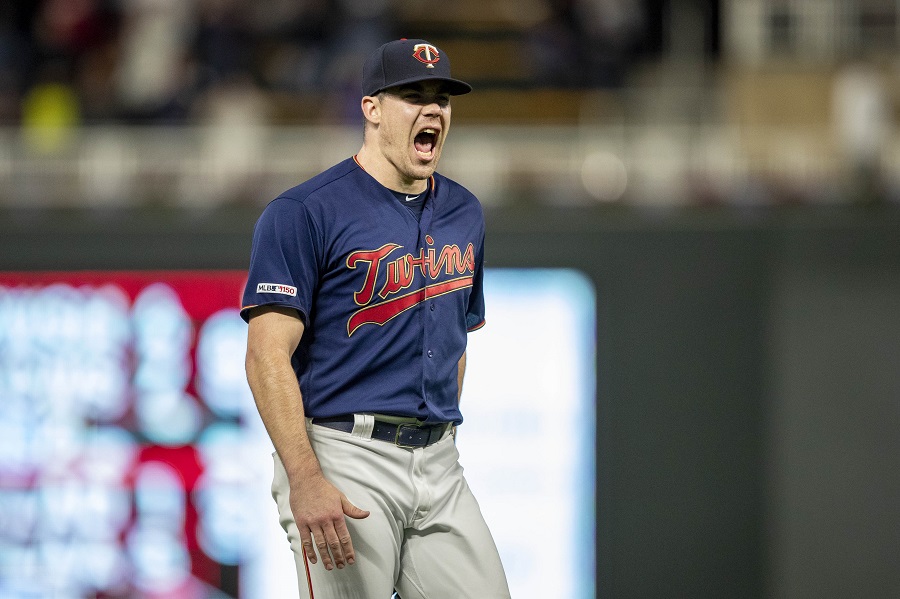 In 2012, the Twins made a series of moves to rebuild a rotation that had struggled for two consecutive seasons. At the beginning of December, Minnesota sent Ben Revere to Philadelphia for starter Vance Worley and prospect Trevor May. Worley and Revere haven't played at the MLB level since 2017, so May will end up being the last active player associated with the deal. May debuted in 2014 as a starter for the Twins but struggled in his first taste of the majors. He allowed 40 earned runs in 45 2/3 innings (7.88 ERA) with 44 strikeouts and 22 walks. May started the 2015 season in Minnesota's rotation, and there continued to be ups and downs. He had a 4.37 ERA as opponents posted a .753 OPS in 15 starts. The Twins decided it was time for a change, and he moved to the bullpen for the remainder of the season. As he adjusted to his new role, May saw improved results. In 34 1/3 innings, he had a 3.15 ERA and a 39-to-8 strikeout-to-walk ratio while earning seven holds. The 2016 season marked May's first full year as a reliever, but he dealt with multiple injuries on the way to a 5.27 ERA in 44 appearances. Minnesota decided that May should switch back to a starter role heading into 2017, and his performance looked to have him on track to be the fifth starter. Unfortunately, an elbow injury meant he needed Tommy John surgery, and he missed the entire season. May returned in 2018 and became one of Minnesota's best relievers. From 2018-20, he made 113 appearances with a 3.19 ERA and 153 strikeouts in 113 innings. The Twins won over 100 games in 2019, and May was an integral bullpen piece on one of the best teams in Twins' history. Also, May struck out a career-high 14.7 batters per nine innings during the COVID-shortened 2020 season. Following the campaign, May headed to free agency as one of the best available relievers, and the Mets signed him for two years and $15.5 million. His first season in New York was his best as he compiled a 3.59 ERA with an 11.9 K/9 in 68 appearances. May suffered multiple injuries during the 2022 season, including an arm injury and a triceps injury. He was limited to 26 starts, but he finished the year strongly. In his final 18 appearances (16 2/3 innings), he posted a 3.24 ERA (2.75 FIP) while striking out 25. When healthy, May proved he is still an effective big-league reliever. May used his slider and changeup more regularly in 2022 and saw improved results. He held batters to a .182 BA versus his slider and a .222 BA against his changeup. His four-seam fastball had been a dominant pitch for him in 2021, but his arm injuries this season made it less effective. Batter's slugging percentage increased from .371 in 2021 to .582 in 2022. May's results at the season's end might point to his fastball being back on track, and that can help him as he heads to free agency for the second time in his career. Now 33 years old, May is in a very different free agent position. He is likely looking for a one-year deal that pays significantly less than he made over the last two seasons. Relievers can be inconsistent, with some burning bright before quickly flickering out. Minnesota should consider adding him on a one-year deal that allows May to prove he can return to his dominant self. Does a reunion with Trevor May fit Minnesota's offseason plan? Leave a COMMENT and start the discussion.
 -
From the time he signed, it was widely expected that Carlos Correa would opt out of the final two years of his Twins contract. Now, it is official, and Correa is a free agent. Image courtesy of Tommy Gilligan-USA TODAY Sports Twins fans have known this moment was coming for quite some time, but Carlos Correa officially opted out of the final two years remaining on his 3-year, $105 million deal. Correa and Scott Boras, his agent, knew what they were doing last winter. Correa switched to Boras because his previous agency was rumored to be losing its certification to represent MLB players. Now, he heads to free agency for the second straight offseason. With no lockout, he is now looking for his long-term deal. Where do we go from here? You can find out by downloading the "Future of Shortstop" chapter of the Offseason Handbook, now available for free to anyone with a registered Twins Daily account. 2022 Season Recap Correa's 2022 season started slowly, but his performance improved as the season progressed. In April, he hit .243/.309/.324 (.633) while he adjusted to a new organization for the first time in his career. Correa turned it on for May and June by posting a .954 OPS in 37 games. He missed time in June after testing positive for COVID-19, but his bat didn't slow down until later in the year. July was another poor month, as his .614 OPS was the lowest out of any month this season. Minnesota's lead in the AL Central was shrinking, but Correa turned it on for the most critical part of the season. The Twins couldn't overcome their massive injuries, but Correa performed his best in the season's final months. In his final 59 games, Correa hit .302/.402/.498 (.900) with ten doubles, a triple, and nine home runs. His Win Probability Added during this stretch was 1.67, as he came up with some clutch hits in big games. Some might say it didn't matter because the Twins fell out of the race, but that doesn't tell the whole story. Correa showed why he is one of baseball's best players, even with the rest of the line-up scuffling. Bound for Free Agency Correa made his opt-out decision clear as the season ended, giving fans a chance to examine the free-agent market. Minnesota has the payroll flexibility to sign a top free agent this winter, but there will be multiple suitors for Correa's services. He is also entering a free-agent market that includes four top-tier shortstops. Last winter, Corey Seager received a ten-year, $325 million contract that players like Correa will use as a starting point in their negotiations. That's a lot of money guaranteed to one player, especially considering Minnesota's payroll usually sits in the middle of the pack compared to other MLB teams. Minnesota's current front office has avoided giving out multi-year contracts unless they were team friendly. Top free-agent deals will have some dead money at the back end of the contract. It would be interesting to see if Minnesota could be creative with a Correa deal that includes a much higher average value at the deal's front end so the end of the contract is more palatable. That might be one of the only ways he stays with the Twins. Correa is one of baseball's top-15 position players in his career's prime. That type of player is usually out of reach for the Twins, but there is a slight chance he will stay in Minnesota for the long term. What do you think are the chances that Correa will resign with the Twins? How much do you think he will get as a free agent? Leave a COMMENT and start the discussion. View full article
-
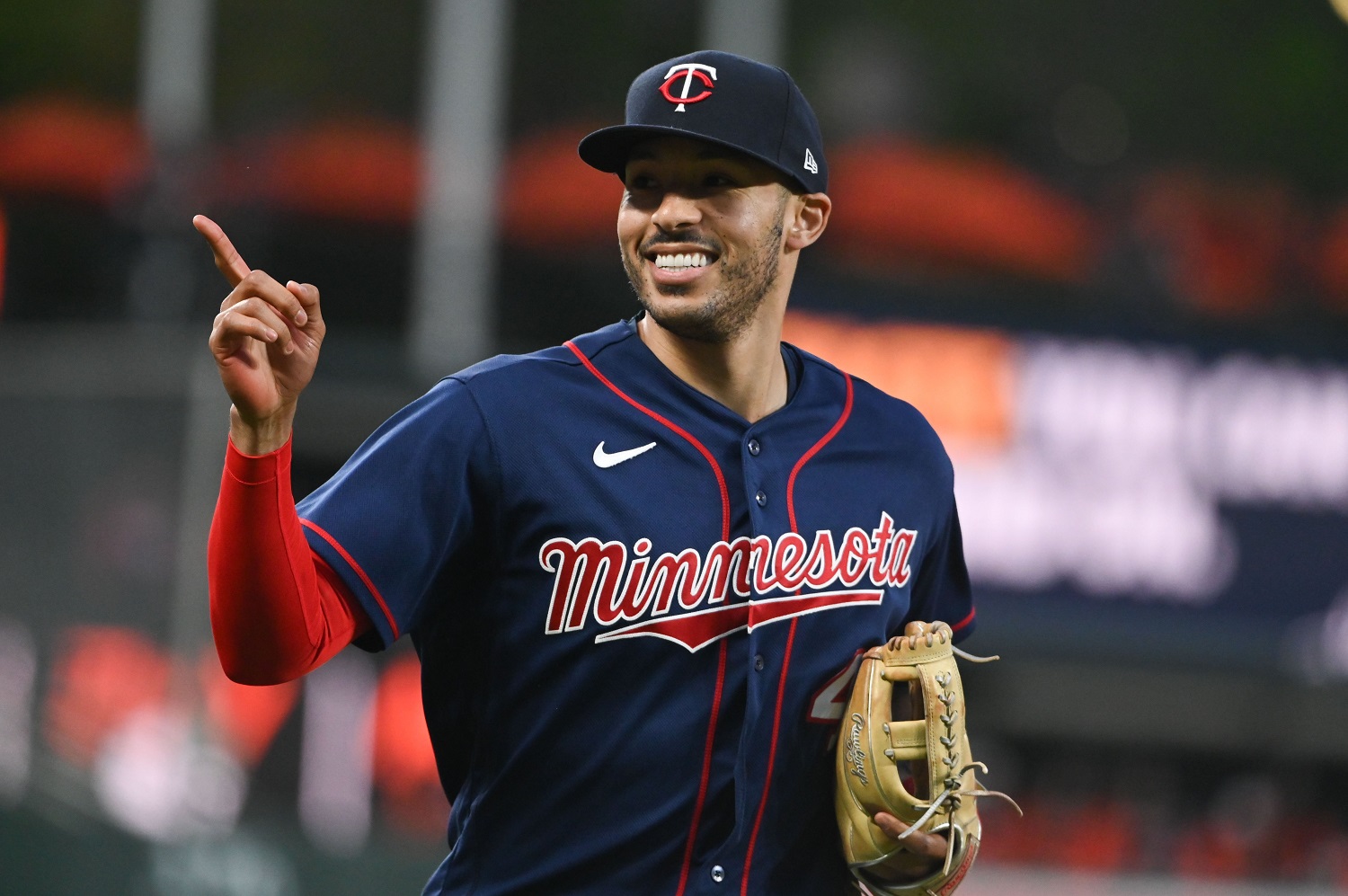 Twins fans have known this moment was coming for quite some time, but Carlos Correa officially opted out of the final two years remaining on his 3-year, $105 million deal. Correa and Scott Boras, his agent, knew what they were doing last winter. Correa switched to Boras because his previous agency was rumored to be losing its certification to represent MLB players. Now, he heads to free agency for the second straight offseason. With no lockout, he is now looking for his long-term deal. Where do we go from here? You can find out by downloading the "Future of Shortstop" chapter of the Offseason Handbook, now available for free to anyone with a registered Twins Daily account. 2022 Season Recap Correa's 2022 season started slowly, but his performance improved as the season progressed. In April, he hit .243/.309/.324 (.633) while he adjusted to a new organization for the first time in his career. Correa turned it on for May and June by posting a .954 OPS in 37 games. He missed time in June after testing positive for COVID-19, but his bat didn't slow down until later in the year. July was another poor month, as his .614 OPS was the lowest out of any month this season. Minnesota's lead in the AL Central was shrinking, but Correa turned it on for the most critical part of the season. The Twins couldn't overcome their massive injuries, but Correa performed his best in the season's final months. In his final 59 games, Correa hit .302/.402/.498 (.900) with ten doubles, a triple, and nine home runs. His Win Probability Added during this stretch was 1.67, as he came up with some clutch hits in big games. Some might say it didn't matter because the Twins fell out of the race, but that doesn't tell the whole story. Correa showed why he is one of baseball's best players, even with the rest of the line-up scuffling. Bound for Free Agency Correa made his opt-out decision clear as the season ended, giving fans a chance to examine the free-agent market. Minnesota has the payroll flexibility to sign a top free agent this winter, but there will be multiple suitors for Correa's services. He is also entering a free-agent market that includes four top-tier shortstops. Last winter, Corey Seager received a ten-year, $325 million contract that players like Correa will use as a starting point in their negotiations. That's a lot of money guaranteed to one player, especially considering Minnesota's payroll usually sits in the middle of the pack compared to other MLB teams. Minnesota's current front office has avoided giving out multi-year contracts unless they were team friendly. Top free-agent deals will have some dead money at the back end of the contract. It would be interesting to see if Minnesota could be creative with a Correa deal that includes a much higher average value at the deal's front end so the end of the contract is more palatable. That might be one of the only ways he stays with the Twins. Correa is one of baseball's top-15 position players in his career's prime. That type of player is usually out of reach for the Twins, but there is a slight chance he will stay in Minnesota for the long term. What do you think are the chances that Correa will resign with the Twins? How much do you think he will get as a free agent? Leave a COMMENT and start the discussion.
 -
Jim Pohlad Wants Carlos Correa Back. Will Twins Do What It Takes?
Cody Christie posted an article in Twins
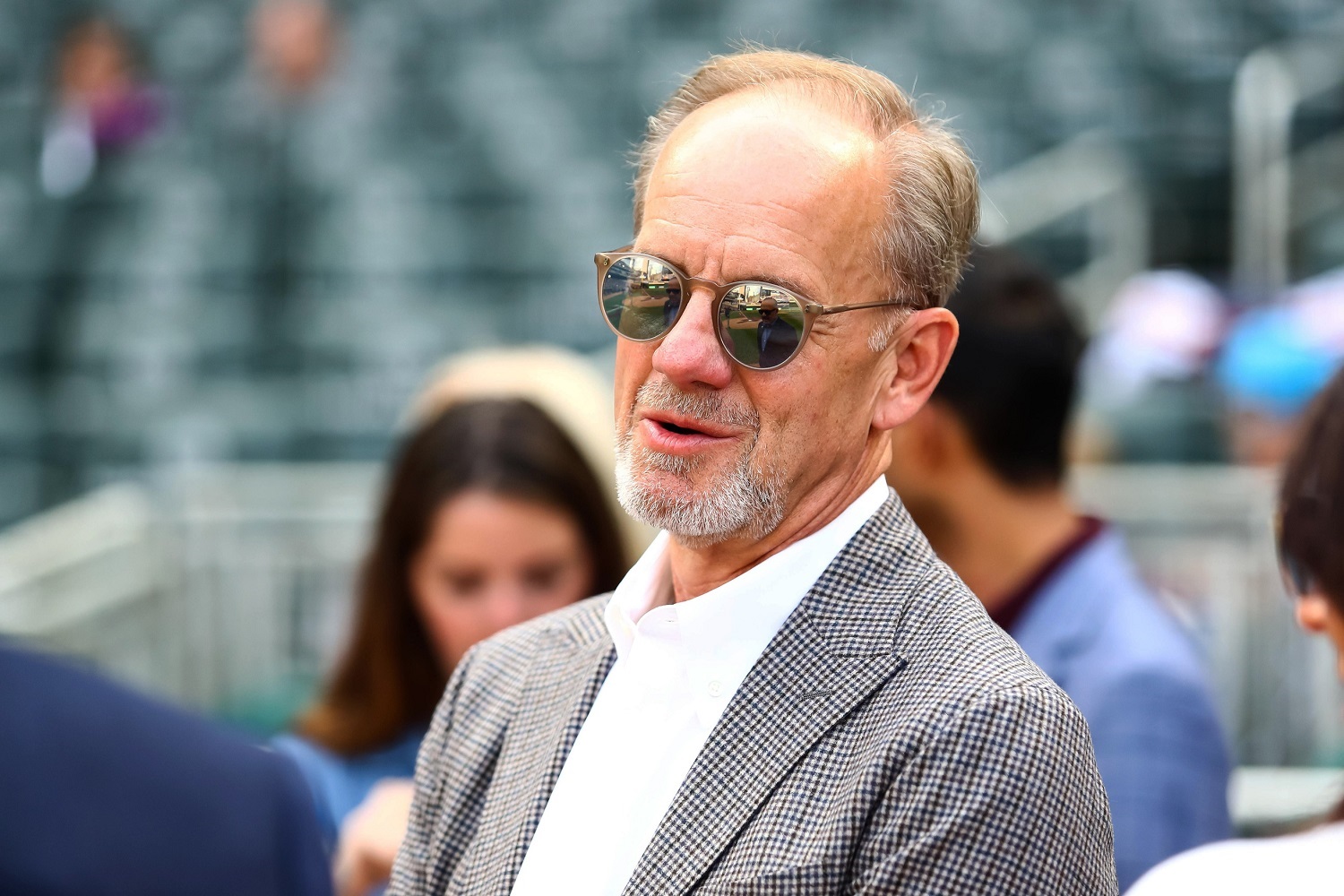 Last weekend, the Pioneer Press posted a story written by long-time columnist Charlie Walters. In the piece, he interviewed Twins owner Jim Pohlad about various topics. The biggest takeaway regarded Carlos Correa and his impact on the Twins. Pohlad seemed open to Correa signing a new contract to stay in Minnesota long-term. "I'm totally on board with him coming back," said Pohlad. "Definitely. Absolutely. I love the guy. He's a huge asset and benefit to the team. But I don't know how it's going to go." Pohlad went on to suggest that it was expected for Scott Boras and Correa to test the free agent market again this winter. He called Boras an "aggressive" agent, but it's also unclear what kind of offers Correa will receive as one of baseball's top free agents. He didn't receive the type of offers he wanted last winter, but performed well in 2022 and gets a second chance to ink a long-term deal. The Athletic's Keith Law recently released his top 50 free agents for the upcoming offseason, and Correa sits at the top. Law explains that Correa "represents… a rare chance to get a superstar who plays a skill position and is still in his peak years." Trea Turner is the other top shortstop in the free agent class, but Correa is two years younger than Turner, and has a career WAR nearly 10 points higher. Minnesota won't be the only team interested in Correa's services, with many big-market teams looking for a shortstop. However, the Twins have the financial flexibility to add Correa with an offer close to what Corey Seager received last season (10 years, $325 million). By 2024, Byron Buxton's $15 million salary is the lone noticeable commitment for the team. If Pohlad truly wants Correa back, the Twins' front office can make it happen. Minnesota's current regime needs to make some critical decisions this winter, which may require franchise-changing moves. Derek Falvey and Thad Levine have valued payroll flexibility, but the results have disappointed with losing records in each of the last two seasons. The Twins can look to the current Phillies as an example of a team that spent big on names like Bryce Harper and Zack Wheeler before heading to a World Series. Star players can help carry a team through a season and into the playoffs. The AL Central is one of baseball's worst divisions, and Minnesota has the division's second-highest payroll. This winter, there has been a lot of discussion about the club's lack of attendance, but the team needs to start winning to bring back fans. Correa can be a big piece of the equation as he is a leader on and off the field. Do Pohlad's comments mean the team will spend more next season? Leave a COMMENT and start the discussion.
 -
Like many ownership groups, the Pohlads are known to run their baseball team like a business. Do Jim Pohlad's recent comments point to the family being willing to spend more on the team? Image courtesy of David Berding-USA TODAY Sports Last weekend, the Pioneer Press posted a story written by long-time columnist Charlie Walters. In the piece, he interviewed Twins owner Jim Pohlad about various topics. The biggest takeaway regarded Carlos Correa and his impact on the Twins. Pohlad seemed open to Correa signing a new contract to stay in Minnesota long-term. "I'm totally on board with him coming back," said Pohlad. "Definitely. Absolutely. I love the guy. He's a huge asset and benefit to the team. But I don't know how it's going to go." Pohlad went on to suggest that it was expected for Scott Boras and Correa to test the free agent market again this winter. He called Boras an "aggressive" agent, but it's also unclear what kind of offers Correa will receive as one of baseball's top free agents. He didn't receive the type of offers he wanted last winter, but performed well in 2022 and gets a second chance to ink a long-term deal. The Athletic's Keith Law recently released his top 50 free agents for the upcoming offseason, and Correa sits at the top. Law explains that Correa "represents… a rare chance to get a superstar who plays a skill position and is still in his peak years." Trea Turner is the other top shortstop in the free agent class, but Correa is two years younger than Turner, and has a career WAR nearly 10 points higher. Minnesota won't be the only team interested in Correa's services, with many big-market teams looking for a shortstop. However, the Twins have the financial flexibility to add Correa with an offer close to what Corey Seager received last season (10 years, $325 million). By 2024, Byron Buxton's $15 million salary is the lone noticeable commitment for the team. If Pohlad truly wants Correa back, the Twins' front office can make it happen. Minnesota's current regime needs to make some critical decisions this winter, which may require franchise-changing moves. Derek Falvey and Thad Levine have valued payroll flexibility, but the results have disappointed with losing records in each of the last two seasons. The Twins can look to the current Phillies as an example of a team that spent big on names like Bryce Harper and Zack Wheeler before heading to a World Series. Star players can help carry a team through a season and into the playoffs. The AL Central is one of baseball's worst divisions, and Minnesota has the division's second-highest payroll. This winter, there has been a lot of discussion about the club's lack of attendance, but the team needs to start winning to bring back fans. Correa can be a big piece of the equation as he is a leader on and off the field. Do Pohlad's comments mean the team will spend more next season? Leave a COMMENT and start the discussion. View full article
-
The Twins must make multiple moves if they want to contend in 2023. Here is the blueprint I would follow for the perfect offseason that sets up a rebound to contention. Image courtesy of Stan Szeto-USA TODAY Sports Minnesota's front office has a clear shopping list to improve the Twins for 2023. Shortstop is the team's most significant need, especially with Royce Lewis out until the season's second half. Luckily, there is a strong crop of free-agent options, but plenty of other teams could be looking for an upgrade at shortstop. Also, there is always room to add more frontline starting pitching and to supplement other spots on the roster (catcher, right-handed power bat). Here is how the Twins can address all of those needs. Lineup: Correa Returns to Supplement Youth Movement There have been a few times in Twins history when the club had the flexibility to sign one of baseball's best players. Carlos Correa was tremendous during his first season in Minnesota, and the Twins should spend big to have him return. It will likely take a nine or ten-year deal for over $300 million. The Twins can be creative with their contract offer to Correa and frontload the deal, so the end of the contract is more palatable. To create more financial flexibility, I have the team trading Gio Urshela and Max Kepler for prospects. Minnesota will turn third base over to Jose Miranda, and a trio of young outfielders is waiting to take over in the corner spots. Omar Narvaez is the other essential addition, as he offers a natural platoon with current catcher Ryan Jeffers. Bench: Adding Right-Handed Power Trey Mancini is the most significant addition to Minnesota's bench as he offers an upgrade compared to Kyle Garlick. The Twins lineup is loaded with left-handed hitters, and Mancini adds a corner outfield option that is right-handed. Nick Gordon and Gilberto Celestino proved their value during the 2022 season, and Jeffers can switch to a platoon role. Rotation: Adding an Ace Minnesota has many starting pitching options for next season, but there is no true ace at the top of the rotation. The Twins' front office needs to go out of their comfort zone to sign Carlos Rodon to a similar contract that Robbie Ray signed last winter (5-years, $115 million). There have been concerns about Rodon's health in the past, but he's been one of baseball's best pitchers over the last two seasons. His addition also adds more depth to the rotation for when injuries eventually strike. Bullpen: Internal Options Spending money on the lineup left little room for changes to the bullpen. Kepler or Urshela could be used to acquire a package that includes a potential bullpen arm. However, the Twins are getting back Jorge Alcala, and there are other young options to add to the mix. Bailey Ober and Cole Sands will be needed in the rotation sometime next season, but they can be used to piggyback Kenta Maeda and Tyler Mahle to start the year as they return from injury. Minnesota will trust Jorge Lopez to return to form and can be relied on in critical late-inning situations. Other players will shuffle between St. Paul and Minneapolis, but getting rid of Pagan will help the club from the season's start. Final Payroll Minnesota's 2022 payroll was around $142 million, depending on the source. The team will see a slight bump in payroll next year, especially if the front office can justify signing Correa and Rodon to long-term deals. Some of the dead money mentioned below will also be tied to last year's payroll, giving the team more flexibility. Is this the best possible outcome leading into the 2023 season? Twins Daily also allows you to make your own offseason blueprint. Feel free to create your own roster and share it in the forums with an explanation. View full article
- 26 replies
-
- 1
-
-
- carlos correa
- carlos rodon
- (and 3 more)
-
 Minnesota's front office has a clear shopping list to improve the Twins for 2023. Shortstop is the team's most significant need, especially with Royce Lewis out until the season's second half. Luckily, there is a strong crop of free-agent options, but plenty of other teams could be looking for an upgrade at shortstop. Also, there is always room to add more frontline starting pitching and to supplement other spots on the roster (catcher, right-handed power bat). Here is how the Twins can address all of those needs. Lineup: Correa Returns to Supplement Youth Movement There have been a few times in Twins history when the club had the flexibility to sign one of baseball's best players. Carlos Correa was tremendous during his first season in Minnesota, and the Twins should spend big to have him return. It will likely take a nine or ten-year deal for over $300 million. The Twins can be creative with their contract offer to Correa and frontload the deal, so the end of the contract is more palatable. To create more financial flexibility, I have the team trading Gio Urshela and Max Kepler for prospects. Minnesota will turn third base over to Jose Miranda, and a trio of young outfielders is waiting to take over in the corner spots. Omar Narvaez is the other essential addition, as he offers a natural platoon with current catcher Ryan Jeffers. Bench: Adding Right-Handed Power Trey Mancini is the most significant addition to Minnesota's bench as he offers an upgrade compared to Kyle Garlick. The Twins lineup is loaded with left-handed hitters, and Mancini adds a corner outfield option that is right-handed. Nick Gordon and Gilberto Celestino proved their value during the 2022 season, and Jeffers can switch to a platoon role. Rotation: Adding an Ace Minnesota has many starting pitching options for next season, but there is no true ace at the top of the rotation. The Twins' front office needs to go out of their comfort zone to sign Carlos Rodon to a similar contract that Robbie Ray signed last winter (5-years, $115 million). There have been concerns about Rodon's health in the past, but he's been one of baseball's best pitchers over the last two seasons. His addition also adds more depth to the rotation for when injuries eventually strike. Bullpen: Internal Options Spending money on the lineup left little room for changes to the bullpen. Kepler or Urshela could be used to acquire a package that includes a potential bullpen arm. However, the Twins are getting back Jorge Alcala, and there are other young options to add to the mix. Bailey Ober and Cole Sands will be needed in the rotation sometime next season, but they can be used to piggyback Kenta Maeda and Tyler Mahle to start the year as they return from injury. Minnesota will trust Jorge Lopez to return to form and can be relied on in critical late-inning situations. Other players will shuffle between St. Paul and Minneapolis, but getting rid of Pagan will help the club from the season's start. Final Payroll Minnesota's 2022 payroll was around $142 million, depending on the source. The team will see a slight bump in payroll next year, especially if the front office can justify signing Correa and Rodon to long-term deals. Some of the dead money mentioned below will also be tied to last year's payroll, giving the team more flexibility. Is this the best possible outcome leading into the 2023 season? Twins Daily also allows you to make your own offseason blueprint. Feel free to create your own roster and share it in the forums with an explanation.
- 26 comments
-
- 5
-
-
- carlos correa
- carlos rodon
- (and 3 more)
-
Minnesota failed to win any Gold Gloves this season, but there were plenty of improved defensive performances. A respected fielding metric from SABR helps illustrate the team's surprising proficiency with the glove. Image courtesy of Orlando Ramirez-USA TODAY Sports Defensive metrics have come a long way over the last decade. With Statcast tracking every batted ball, the amount of information available to fans is at an all-time high. One metric developed by the Society for American Baseball Research (SABR) is called the SABR Defensive Index (SDI). According to SABR's website, the SDI "draws on and aggregates two types of existing defensive metrics: those derived from batted ball location-based data and those collected from play-by-play accounts." Since 2013, MLB has used SDI as part of the process for selecting Gold Glove winners. The rankings below are the final rankings for the 2022 campaign. Pitcher (AL Ranking): No Twins Pitchers Qualify Minnesota needed pitchers to throw more innings to qualify for the SDI leaderboard. Former Twin Jose Berrios has been known for his athletic ability, which helps him to field his position. He finished tied for fifth in the AL. According to SDI, Cleveland's Shane Bieber ranked as the best fielder, and he won the Gold Glove. Catcher (AL Ranking): Gary Sanchez 0.6 SDI (12th) Sanchez took over the full-time catching duties after Ryan Jeffers broke his thumb. Minnesota worked hard with Sanchez to improve his receiving this year. Last season, he ranked as the AL's worst catcher with a -8.2 SDI, and there are four players worse than him in 2022. Jeffers' last posted SDI total was 2.0, but his injury meant he didn't have enough innings to be on the leaderboard. First Base (AL Ranking): Luis Arraez 2.1 SDI (1st) Arraez was a Gold Glove finalist at first base and led the league in SDI. However, Vladimir Guerrero Jr.was awarded the Gold Glove even though his SDI total was 1.9 points lower than Arraez. In the second half, Arraez moved from a -0.5 SDI to the league's best total while also playing through injury. It was a terrific defensive season for a player with limited first-base experience entering the 2022 campaign. Second Base (AL Ranking): Jorge Polanco -2.7 SDI (13th) Polanco gained rave reviews during his first season at second base in 2021, but the 2022 season was a different story. Only three qualified second basemen finished with a lower SDI. Polanco dealt with injuries during the season, which likely hindered his defensive performance. Minnesota can hope that Polanco is healthier in 2023 and can move back up the SDI leaderboard. Third Base (AL Ranking): Gio Urshela 0.8 SDI (T-5th) Urshela's defense was one of the most significant in-season improvements for the Twins. At the season's midway point, only one AL third baseman ranked lower than Urshela. He shot up the rankings in the second half and finished tied for fifth with Houston's Alex Bregman. Former Twin Josh Donaldson finished second among the AL's third basemen with a 7.3 SDI. Shortstop (AL Ranking): Carlos Correa 1.6 SDI (9th) Correa was a Gold Glove finalist, but his SDI ranking was a roller coaster throughout the season. His early season defensive numbers were disappointing, but he slowly climbed the SDI leaderboard and ranked in the AL's top-five shortstops at the end of August. His bat was terrific in September, but he posted a negative SDI and dropped four spots in the rankings. Houston's Jeremy Pena, Correa's replacement, became the first rookie shortstop to win the Gold Glove. Left Field (AL Ranking): Nick Gordon 0.1 SDI (5th) Gordon surprised the Twins in multiple ways this season on his way to becoming the team's most-improved player. He'd played infield for most of his professional career, but Minnesota needed him as an outfielder. According to SDI, he finished the year in the top 5 among AL left fielders, which is a testament to his athletic ability. Center Field (AL Ranking): No Twins Players Qualified Byron Buxton missed time at the season's end and started nearly 37% of his games as a designated hitter. When healthy, he is among baseball's best defensive outfielders. The AL Central had arguably the league's best centerfield defenders, with Cleveland's Myles Straw and Kansas City's Michael A. Taylor finishing 1-2 in the SDI rankings. Right Field (AL Ranking): Max Kepler 6.3 SDI (2nd) Like Correa and Arreaz, Kepler was a Gold Glove finalist. Kepler slowly increased his SDI rankings throughout the season but needed more to catch Houston's Kyle Tucker. In the final rankings, Kepler was 0.8 SDI points behind Tucker, who was awarded the Gold Glove. Kepler's defense has become his calling card. Will the Twins look to trade him this winter? Which rankings above surprise you the most? Did Arraez get robbed of a Gold Glove? Leave a COMMENT and start the discussion. View full article
-
This Defensive Metric Highlights Improvements for Twins in the Field
Cody Christie posted an article in Twins
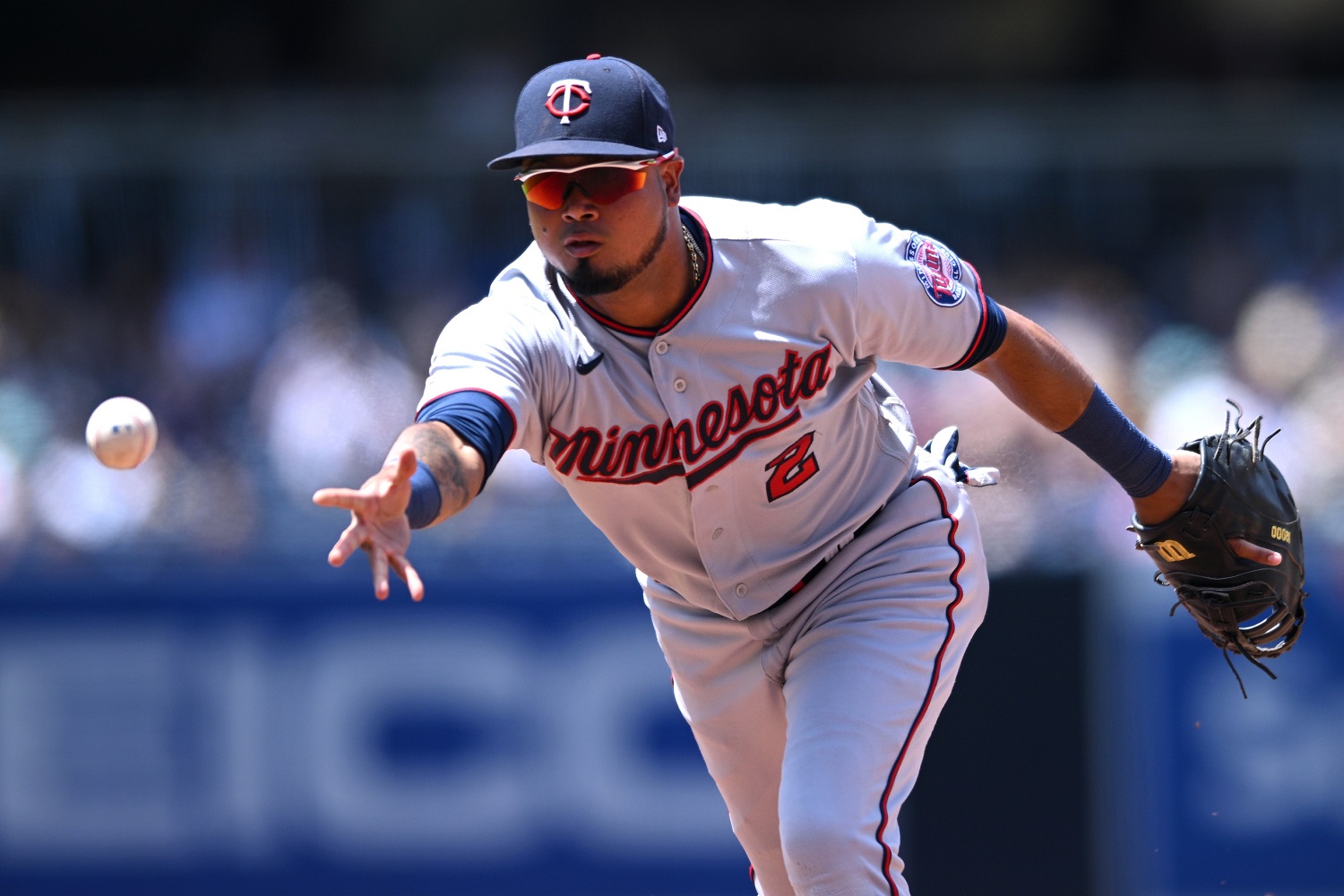 Defensive metrics have come a long way over the last decade. With Statcast tracking every batted ball, the amount of information available to fans is at an all-time high. One metric developed by the Society for American Baseball Research (SABR) is called the SABR Defensive Index (SDI). According to SABR's website, the SDI "draws on and aggregates two types of existing defensive metrics: those derived from batted ball location-based data and those collected from play-by-play accounts." Since 2013, MLB has used SDI as part of the process for selecting Gold Glove winners. The rankings below are the final rankings for the 2022 campaign. Pitcher (AL Ranking): No Twins Pitchers Qualify Minnesota needed pitchers to throw more innings to qualify for the SDI leaderboard. Former Twin Jose Berrios has been known for his athletic ability, which helps him to field his position. He finished tied for fifth in the AL. According to SDI, Cleveland's Shane Bieber ranked as the best fielder, and he won the Gold Glove. Catcher (AL Ranking): Gary Sanchez 0.6 SDI (12th) Sanchez took over the full-time catching duties after Ryan Jeffers broke his thumb. Minnesota worked hard with Sanchez to improve his receiving this year. Last season, he ranked as the AL's worst catcher with a -8.2 SDI, and there are four players worse than him in 2022. Jeffers' last posted SDI total was 2.0, but his injury meant he didn't have enough innings to be on the leaderboard. First Base (AL Ranking): Luis Arraez 2.1 SDI (1st) Arraez was a Gold Glove finalist at first base and led the league in SDI. However, Vladimir Guerrero Jr.was awarded the Gold Glove even though his SDI total was 1.9 points lower than Arraez. In the second half, Arraez moved from a -0.5 SDI to the league's best total while also playing through injury. It was a terrific defensive season for a player with limited first-base experience entering the 2022 campaign. Second Base (AL Ranking): Jorge Polanco -2.7 SDI (13th) Polanco gained rave reviews during his first season at second base in 2021, but the 2022 season was a different story. Only three qualified second basemen finished with a lower SDI. Polanco dealt with injuries during the season, which likely hindered his defensive performance. Minnesota can hope that Polanco is healthier in 2023 and can move back up the SDI leaderboard. Third Base (AL Ranking): Gio Urshela 0.8 SDI (T-5th) Urshela's defense was one of the most significant in-season improvements for the Twins. At the season's midway point, only one AL third baseman ranked lower than Urshela. He shot up the rankings in the second half and finished tied for fifth with Houston's Alex Bregman. Former Twin Josh Donaldson finished second among the AL's third basemen with a 7.3 SDI. Shortstop (AL Ranking): Carlos Correa 1.6 SDI (9th) Correa was a Gold Glove finalist, but his SDI ranking was a roller coaster throughout the season. His early season defensive numbers were disappointing, but he slowly climbed the SDI leaderboard and ranked in the AL's top-five shortstops at the end of August. His bat was terrific in September, but he posted a negative SDI and dropped four spots in the rankings. Houston's Jeremy Pena, Correa's replacement, became the first rookie shortstop to win the Gold Glove. Left Field (AL Ranking): Nick Gordon 0.1 SDI (5th) Gordon surprised the Twins in multiple ways this season on his way to becoming the team's most-improved player. He'd played infield for most of his professional career, but Minnesota needed him as an outfielder. According to SDI, he finished the year in the top 5 among AL left fielders, which is a testament to his athletic ability. Center Field (AL Ranking): No Twins Players Qualified Byron Buxton missed time at the season's end and started nearly 37% of his games as a designated hitter. When healthy, he is among baseball's best defensive outfielders. The AL Central had arguably the league's best centerfield defenders, with Cleveland's Myles Straw and Kansas City's Michael A. Taylor finishing 1-2 in the SDI rankings. Right Field (AL Ranking): Max Kepler 6.3 SDI (2nd) Like Correa and Arreaz, Kepler was a Gold Glove finalist. Kepler slowly increased his SDI rankings throughout the season but needed more to catch Houston's Kyle Tucker. In the final rankings, Kepler was 0.8 SDI points behind Tucker, who was awarded the Gold Glove. Kepler's defense has become his calling card. Will the Twins look to trade him this winter? Which rankings above surprise you the most? Did Arraez get robbed of a Gold Glove? Leave a COMMENT and start the discussion.
- 18 comments
-
- 1
-
-
- luis arraez
- max kepler
- (and 3 more)
-
Minnesota went all-in on Ryan Jeffers being the team’s top catcher for the 2022 season. Will any of these prospects join him at the big-league level in 2023? Image courtesy of Rob Thompson, St. Paul Saints Last winter, the Twins traded from a position of strength (catcher) for a position of need (shortstop). Ryan Jeffers was handed the keys as the team’s top catcher while the team traded Mitch Garver to the Rangers. Jeffers posted an 86 OPS+, but he was limited to 67 games due to a broken thumb. Following the World Series, Gary Sanchez and Sandy Leon will become free agents, so the Twins need someone else to join Jeffers at the big-league level. Could there be an internal option? Triple-A: Andrew Bechtold (ETA: 2023), David Banuelos (ETA: 2023) Bechtold is an intriguing prospect because of his defensive flexibility. During the 2022 season, he played over 390 innings at catcher and third base. Offensively, he hit .233/.329/.400 (.728) with 16 doubles and 19 home runs in 123 games between Double-A and Triple-A. He is Rule 5 eligible, so the Twins will need to add him to the 40-man roster to avoid the risk of losing him. Banuelos is in his fifth professional season and has played 85 games at Triple-A over the last two seasons. Minnesota acquired him in 2017 for $1 million in international bonus pool money. Defense is his calling card, as he has a .653 OPS in 85 Triple-A games. Like Bechtold, he is Rule 5 eligible, so the Twins need to add him to the 40-man roster before December’s draft. Double-A: Alex Isola (ETA: 2024), Kyle Schmidt (ETA: 2024) Minnesota took Isola in the 29th round of the 2019 MLB Draft, and he has consistently risen through the Twins system since then. In 2022, he was limited to 61 games as he split time between first base and catcher. With Wichita, he hit .286/.377/.471 (.848) with nine doubles and ten home runs. Minnesota sent him to the AFL to recoup some of his missing time this season, but he has seen limited catching innings. Schmidt was a 33rd-round pick in 2019, but his college experience helped him move through three levels for the second consecutive season. He caught over 260 innings in 2022 and made 15 starts at first base. In 56 games, he hit .207/.270/.306 (.576) with four doubles and five home runs. He never played more than 30 games at any level, so it will be interesting to see if the Twins let him get comfortable at one level in 2023. High-A: Pat Winkel (ETA: 2025), Andrew Cossetti (ETA: 2025) Even with college experience, Winkel was younger than the average age of the competition at his level for the second consecutive season. In his second professional season, he got on base over 33% of the time and combined for 15 extra-base hits in 54 games. All his defensive appearances came behind the plate, where he caught nearly 390 innings. He posted an .858 OPS in college, so the Twins hope to see more of that hitter in the future. Cossetti is an intriguing name from the 2022 draft class. Minnesota took Cossetti in the 11th round of the 2022 MLB Draft from St. Joseph's University. After signing, he was limited to one appearance with the FCL Twins. It seems likely for him to get plenty of catching time in Cedar Rapids next season because of his college experience. Low-A: Noah Cardenas (ETA: 2025), Dillon Tatum (ETA: 2025), Nate Baez (ETA: 2026), Ricardo Olivar (ETA: 2026) Cardenas made his full-season debut in 2022 after being drafted in 2021. He played in 99 games for Fort Myers, where he hit .261/.421/.413 (.834) with 18 doubles and nine home runs. He walked (73 BB) more than he struck out (70 K), and caught over 460 innings. Throughout his college and professional career, he has shown a keen eye at the plate, which helps him get into favorable counts where his power can be utilized. Tatum spent most of 2022 in Fort Myers but got a brief taste of Double-A due to a catching need late in the season. He hit .177/.321/.300 (.621) with 15 extra-base hits in 74 games. As he moves up, he needs to make regular contact and cut back on his strikeout totals (93 K in 74 games). He is strong defensively behind the plate and caught two no-hitters this season, but there is always room for players of his ilk in an organization. Baez was a 12th-round pick in 2022 and only appeared in 19 games after signing with the Twins. In his final collegiate season, he posted a .965 OPS, so it will be interesting to see if his bat develops in the Twins’ system. Olivar played most of last season with FCL Twins, where he hit .349/.442/.605 (1.046) with 12 doubles, three triples, and five home runs. He can play catcher, second base, and all three outfield positions. His bat is good enough that the team tries to fit him in the line-up as much as possible. Catching depth is something to watch in any organization. The Twins have drafted multiple college catchers in recent years to add to that depth, but only some of those catchers offer a lot of upside. There are some very intriguing bats in the names mentioned above, and many catchers have some defensive flexibility which could prove valuable. However, none of the catching options look ready to fill a full-time role at the big-league level. Will the Twins turn to any of these options in 2023? Leave a COMMENT and start the discussion. View full article
-
Reviewing 2022 Performances by the Twins Catching Prospects
Cody Christie posted an article in Minor Leagues
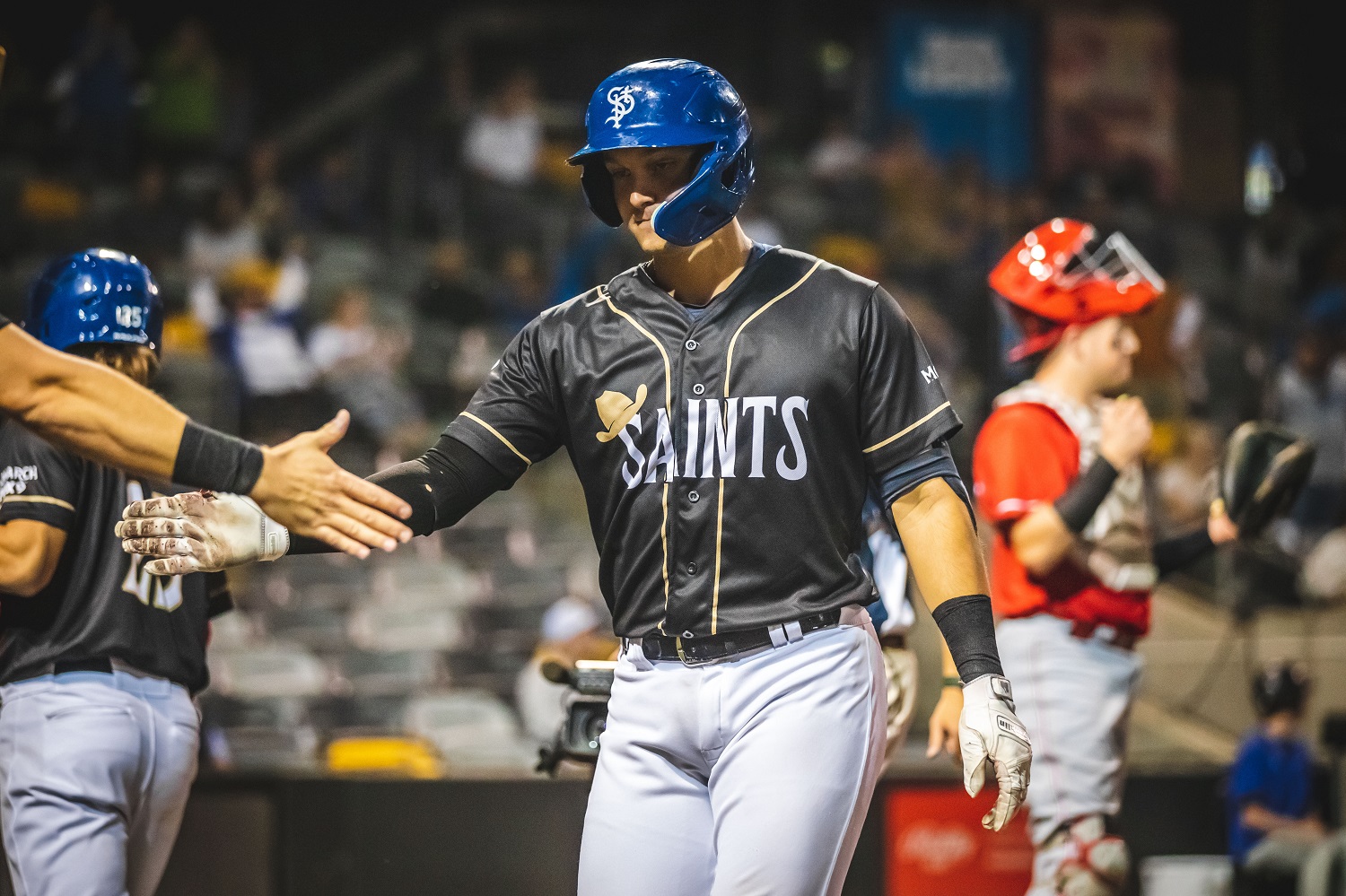 Last winter, the Twins traded from a position of strength (catcher) for a position of need (shortstop). Ryan Jeffers was handed the keys as the team’s top catcher while the team traded Mitch Garver to the Rangers. Jeffers posted an 86 OPS+, but he was limited to 67 games due to a broken thumb. Following the World Series, Gary Sanchez and Sandy Leon will become free agents, so the Twins need someone else to join Jeffers at the big-league level. Could there be an internal option? Triple-A: Andrew Bechtold (ETA: 2023), David Banuelos (ETA: 2023) Bechtold is an intriguing prospect because of his defensive flexibility. During the 2022 season, he played over 390 innings at catcher and third base. Offensively, he hit .233/.329/.400 (.728) with 16 doubles and 19 home runs in 123 games between Double-A and Triple-A. He is Rule 5 eligible, so the Twins will need to add him to the 40-man roster to avoid the risk of losing him. Banuelos is in his fifth professional season and has played 85 games at Triple-A over the last two seasons. Minnesota acquired him in 2017 for $1 million in international bonus pool money. Defense is his calling card, as he has a .653 OPS in 85 Triple-A games. Like Bechtold, he is Rule 5 eligible, so the Twins need to add him to the 40-man roster before December’s draft. Double-A: Alex Isola (ETA: 2024), Kyle Schmidt (ETA: 2024) Minnesota took Isola in the 29th round of the 2019 MLB Draft, and he has consistently risen through the Twins system since then. In 2022, he was limited to 61 games as he split time between first base and catcher. With Wichita, he hit .286/.377/.471 (.848) with nine doubles and ten home runs. Minnesota sent him to the AFL to recoup some of his missing time this season, but he has seen limited catching innings. Schmidt was a 33rd-round pick in 2019, but his college experience helped him move through three levels for the second consecutive season. He caught over 260 innings in 2022 and made 15 starts at first base. In 56 games, he hit .207/.270/.306 (.576) with four doubles and five home runs. He never played more than 30 games at any level, so it will be interesting to see if the Twins let him get comfortable at one level in 2023. High-A: Pat Winkel (ETA: 2025), Andrew Cossetti (ETA: 2025) Even with college experience, Winkel was younger than the average age of the competition at his level for the second consecutive season. In his second professional season, he got on base over 33% of the time and combined for 15 extra-base hits in 54 games. All his defensive appearances came behind the plate, where he caught nearly 390 innings. He posted an .858 OPS in college, so the Twins hope to see more of that hitter in the future. Cossetti is an intriguing name from the 2022 draft class. Minnesota took Cossetti in the 11th round of the 2022 MLB Draft from St. Joseph's University. After signing, he was limited to one appearance with the FCL Twins. It seems likely for him to get plenty of catching time in Cedar Rapids next season because of his college experience. Low-A: Noah Cardenas (ETA: 2025), Dillon Tatum (ETA: 2025), Nate Baez (ETA: 2026), Ricardo Olivar (ETA: 2026) Cardenas made his full-season debut in 2022 after being drafted in 2021. He played in 99 games for Fort Myers, where he hit .261/.421/.413 (.834) with 18 doubles and nine home runs. He walked (73 BB) more than he struck out (70 K), and caught over 460 innings. Throughout his college and professional career, he has shown a keen eye at the plate, which helps him get into favorable counts where his power can be utilized. Tatum spent most of 2022 in Fort Myers but got a brief taste of Double-A due to a catching need late in the season. He hit .177/.321/.300 (.621) with 15 extra-base hits in 74 games. As he moves up, he needs to make regular contact and cut back on his strikeout totals (93 K in 74 games). He is strong defensively behind the plate and caught two no-hitters this season, but there is always room for players of his ilk in an organization. Baez was a 12th-round pick in 2022 and only appeared in 19 games after signing with the Twins. In his final collegiate season, he posted a .965 OPS, so it will be interesting to see if his bat develops in the Twins’ system. Olivar played most of last season with FCL Twins, where he hit .349/.442/.605 (1.046) with 12 doubles, three triples, and five home runs. He can play catcher, second base, and all three outfield positions. His bat is good enough that the team tries to fit him in the line-up as much as possible. Catching depth is something to watch in any organization. The Twins have drafted multiple college catchers in recent years to add to that depth, but only some of those catchers offer a lot of upside. There are some very intriguing bats in the names mentioned above, and many catchers have some defensive flexibility which could prove valuable. However, none of the catching options look ready to fill a full-time role at the big-league level. Will the Twins turn to any of these options in 2023? Leave a COMMENT and start the discussion.
- 21 comments
-
- 3
-
-
- andrew bechtold
- david banuelos
- (and 3 more)
-
The Minnesota Twins traded away multiple prospects at the trade deadline. Will Austin Martin be the next prospect dealt? Image courtesy of Mark J. Rebilas-USA TODAY Sports Minnesota's roster has depth at multiple big-league positions, allowing the front office to exercise creativity this offseason. The current regime hasn't been afraid of making trades to solidify the roster and keep the team's winning window open as long as possible. As the offseason begins, it's essential to identify some of the team's possible trade candidates. What Did He Do in 2022? Austin Martin entered his first full season in the Twins organization as a consensus top-55 prospect. His season started slowly as he hit .250/.379/.315 (.694) through his first 62 games. He sustained a wrist injury while diving for a ball at the beginning of July. Martin didn't need surgery, but he was sidelined for six weeks. He finally broke out at the plate in September by hitting .268/.405/.423 (.827) with five doubles and two home runs in 19 games. Minnesota looked for Martin to continue his strong September by sending him to the Arizona Fall League. He won AFL Player of the Week honors (October 10-15) after going 11-for-18 (.611 BA) with two doubles, a home run, a walk, and two stolen bases. In 16 AFL games, he has a .908 OPS, and he has gone 8-for-9 in stolen base attempts. Why is He a Trade Candidate? One of the Twins' most significant needs this winter is at shortstop, so it might seem counterproductive to trade away a shortstop prospect. However, there are no guarantees that Martin will be a shortstop at the big-league level. Evaluators have questioned Martin's future defensive position since he was drafted, but the Twins continue to use him almost exclusively at shortstop. Minnesota's farm system has dropped in national rankings especially following this year's trade deadline. If the Twins want to make a trade this winter, Martin may need to be included as part of any package for a big-time talent. What is His Trade Value? Martin has dropped on national prospect lists, but his recent performance highlights his value as a future big leaguer. When the Twins acquired Martin, he was packaged with Simeon Woods Richardson for Jose Berrios. The Twins would need to package Martin with at least one other prospect to acquire a big-league player that can impact the 2023 roster. He might provide more value as depth to the Twins farm system than as a trade piece this winter. Minnesota has multiple top prospects that currently play shortstop, like Brooks Lee, Royce Lewis, and Noah Miller. If the organization has faith in those players, Martin might not fit into the team's long-term plans, which makes him a potential trade candidate. His value dropped this season, so the team might be more likely to keep him until the trade deadline when the 2023 Twins have shown whether or not they are contenders. Do you think the Twins will trade Martin? What kind of value do you think he has? Leave a COMMENT and start the discussion. OTHER POSTS IN THE SERIES Gio Urshela Emilio Pagan Max Kepler Jorge Polanco View full article
-
 Minnesota's roster has depth at multiple big-league positions, allowing the front office to exercise creativity this offseason. The current regime hasn't been afraid of making trades to solidify the roster and keep the team's winning window open as long as possible. As the offseason begins, it's essential to identify some of the team's possible trade candidates. What Did He Do in 2022? Austin Martin entered his first full season in the Twins organization as a consensus top-55 prospect. His season started slowly as he hit .250/.379/.315 (.694) through his first 62 games. He sustained a wrist injury while diving for a ball at the beginning of July. Martin didn't need surgery, but he was sidelined for six weeks. He finally broke out at the plate in September by hitting .268/.405/.423 (.827) with five doubles and two home runs in 19 games. Minnesota looked for Martin to continue his strong September by sending him to the Arizona Fall League. He won AFL Player of the Week honors (October 10-15) after going 11-for-18 (.611 BA) with two doubles, a home run, a walk, and two stolen bases. In 16 AFL games, he has a .908 OPS, and he has gone 8-for-9 in stolen base attempts. Why is He a Trade Candidate? One of the Twins' most significant needs this winter is at shortstop, so it might seem counterproductive to trade away a shortstop prospect. However, there are no guarantees that Martin will be a shortstop at the big-league level. Evaluators have questioned Martin's future defensive position since he was drafted, but the Twins continue to use him almost exclusively at shortstop. Minnesota's farm system has dropped in national rankings especially following this year's trade deadline. If the Twins want to make a trade this winter, Martin may need to be included as part of any package for a big-time talent. What is His Trade Value? Martin has dropped on national prospect lists, but his recent performance highlights his value as a future big leaguer. When the Twins acquired Martin, he was packaged with Simeon Woods Richardson for Jose Berrios. The Twins would need to package Martin with at least one other prospect to acquire a big-league player that can impact the 2023 roster. He might provide more value as depth to the Twins farm system than as a trade piece this winter. Minnesota has multiple top prospects that currently play shortstop, like Brooks Lee, Royce Lewis, and Noah Miller. If the organization has faith in those players, Martin might not fit into the team's long-term plans, which makes him a potential trade candidate. His value dropped this season, so the team might be more likely to keep him until the trade deadline when the 2023 Twins have shown whether or not they are contenders. Do you think the Twins will trade Martin? What kind of value do you think he has? Leave a COMMENT and start the discussion. OTHER POSTS IN THE SERIES Gio Urshela Emilio Pagan Max Kepler Jorge Polanco
 -
Carlos Correa and Luis Arraez had terrific offensive seasons. Now, MLB is recognizing their tremendous prowess at the plate. How do they stack up in the competition for the 2022 Silver Slugger awards? Image courtesy of Mark J. Rebilas-USA TODAY Sports On Thursday, MLB named the finalist for the Rawlings Silver Slugger Awards, which honors the top offensive players at each position. The winners are scheduled to be announced on Thursday, November 10th. While the BBWAA votes for many end-of-season awards, MLB managers and coaches select the finalists. Rocco Baldelli and three other Twins coaches served as the team's voting members this season. According to MLB.com, "MLB managers and coaches vote for the Silver Sluggers, which go to one player apiece in each league at catcher, DH, and each infield position, plus three outfielders. Like the Gold Glove Awards, the Silver Sluggers also added a utility category in 2022." Carlos Correa was named an AL shortstop finalist, and Luis Arraez finished in the top 3 at the utility spot. Both players face a challenging field, so let's see if either has a shot at the award. Correa is one of four AL shortstop finalists, along with Bo Bichette, Xander Bogaerts, and Corey Seager. According to fWAR, Bogaerts accumulated 8.7 more offensive runs above average than the other top-four shortstops. Correa played over 13 games fewer than the other candidates but ranked as the best AL shortstop in wRC+. Bichette had the most hits in the AL, and Seager hit over 30 home runs in his first AL season. Only Bichette ranked higher than Correa in Win Probability Added among the finalists. Correa's slow start and games missed likely means he finishes behind the other candidates. Arraez faces a competitive field in the utility spot because two of his competitors are finalists at other positions. Shohei Ohtani is a former Silver Slugger winner at DH and is in the conversation for AL MVP. He is a Silver Slugger finalist at DH and utility. DJ LeMahieu has two Silver Sluggers at second base while being a finalist at that spot again this season. Arraez will get consideration for this award since he won the AL batting title and kept Aaron Judge from winning the Triple Crown. Ohtani had better offensive numbers than Arraez, but it's hard to know if coaches viewed him as a utility player. During the 2022 season, he didn't play an inning at any defensive position other than pitcher. Arraez made defensive starts at first base, second base, and third base, which helped his case to be considered a utility player. There is no precedent for voting history at this position since the utility spot is new for 2022. Minnesota is looking for its first Silver Slugger winner since Nelson Cruz (DH) took home the award in 2020. Back in 2019, Mitch Garver (Catcher) and Cruz (DH) won the honors as part of the Bomba Squad team. Before that, the Twins hadn't won a Silver Slugger since Joe Mauer in 2013. Congratulations to Arraez and Correa on their nomination. Just eight days ago, Arraez and Correa, along with Max Kepler were named nominees for the Rawlings Gold Glove Award. Do you think Correa or Arraez will win the Silver Slugger? Leave a COMMENT and start the discussion. View full article
-
Carlos Correa and Luis Arraez Named 2022 Silver Slugger Finalists
Cody Christie posted an article in Twins
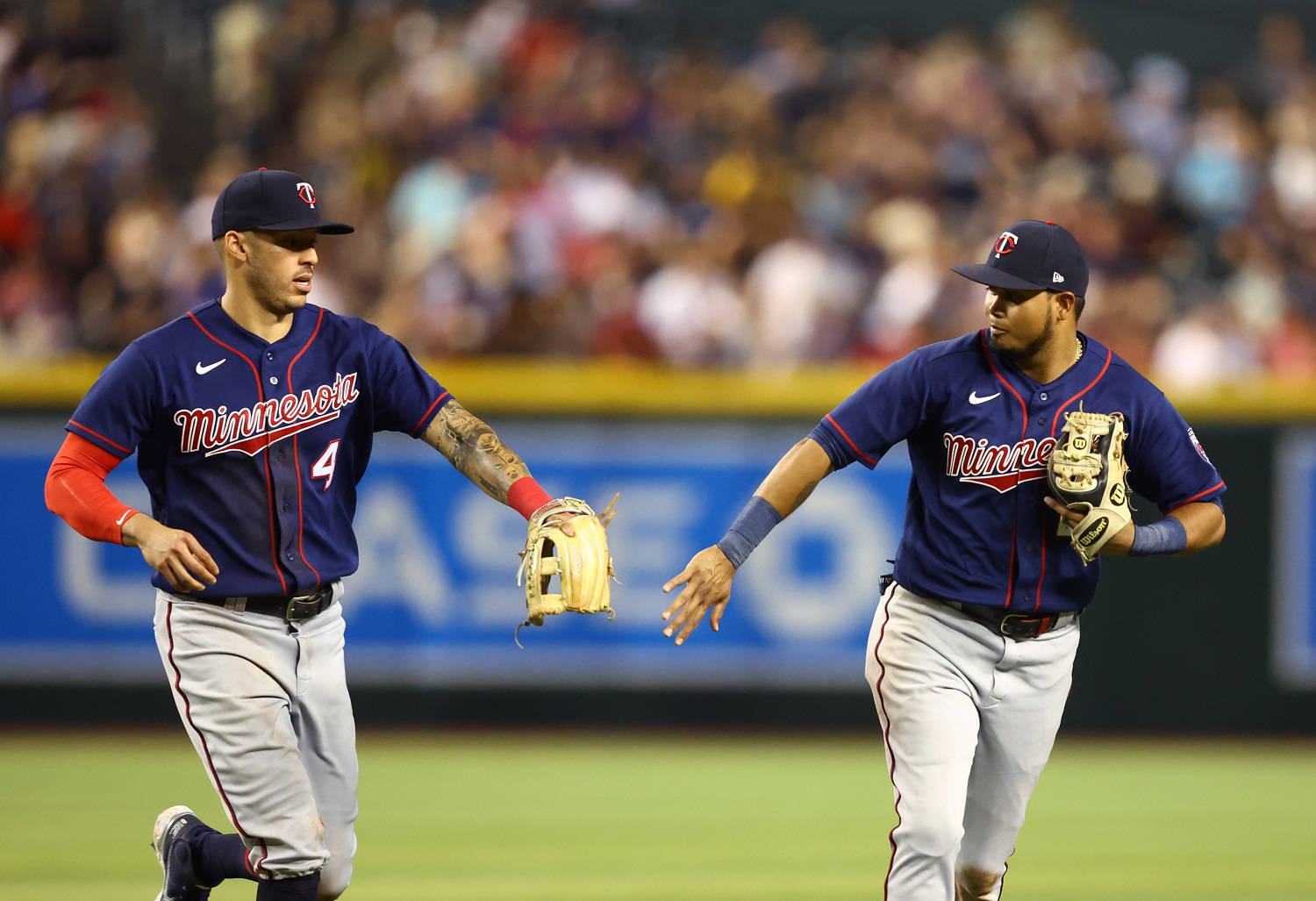 On Thursday, MLB named the finalist for the Rawlings Silver Slugger Awards, which honors the top offensive players at each position. The winners are scheduled to be announced on Thursday, November 10th. While the BBWAA votes for many end-of-season awards, MLB managers and coaches select the finalists. Rocco Baldelli and three other Twins coaches served as the team's voting members this season. According to MLB.com, "MLB managers and coaches vote for the Silver Sluggers, which go to one player apiece in each league at catcher, DH, and each infield position, plus three outfielders. Like the Gold Glove Awards, the Silver Sluggers also added a utility category in 2022." Carlos Correa was named an AL shortstop finalist, and Luis Arraez finished in the top 3 at the utility spot. Both players face a challenging field, so let's see if either has a shot at the award. Correa is one of four AL shortstop finalists, along with Bo Bichette, Xander Bogaerts, and Corey Seager. According to fWAR, Bogaerts accumulated 8.7 more offensive runs above average than the other top-four shortstops. Correa played over 13 games fewer than the other candidates but ranked as the best AL shortstop in wRC+. Bichette had the most hits in the AL, and Seager hit over 30 home runs in his first AL season. Only Bichette ranked higher than Correa in Win Probability Added among the finalists. Correa's slow start and games missed likely means he finishes behind the other candidates. Arraez faces a competitive field in the utility spot because two of his competitors are finalists at other positions. Shohei Ohtani is a former Silver Slugger winner at DH and is in the conversation for AL MVP. He is a Silver Slugger finalist at DH and utility. DJ LeMahieu has two Silver Sluggers at second base while being a finalist at that spot again this season. Arraez will get consideration for this award since he won the AL batting title and kept Aaron Judge from winning the Triple Crown. Ohtani had better offensive numbers than Arraez, but it's hard to know if coaches viewed him as a utility player. During the 2022 season, he didn't play an inning at any defensive position other than pitcher. Arraez made defensive starts at first base, second base, and third base, which helped his case to be considered a utility player. There is no precedent for voting history at this position since the utility spot is new for 2022. Minnesota is looking for its first Silver Slugger winner since Nelson Cruz (DH) took home the award in 2020. Back in 2019, Mitch Garver (Catcher) and Cruz (DH) won the honors as part of the Bomba Squad team. Before that, the Twins hadn't won a Silver Slugger since Joe Mauer in 2013. Congratulations to Arraez and Correa on their nomination. Just eight days ago, Arraez and Correa, along with Max Kepler were named nominees for the Rawlings Gold Glove Award. Do you think Correa or Arraez will win the Silver Slugger? Leave a COMMENT and start the discussion.
 -
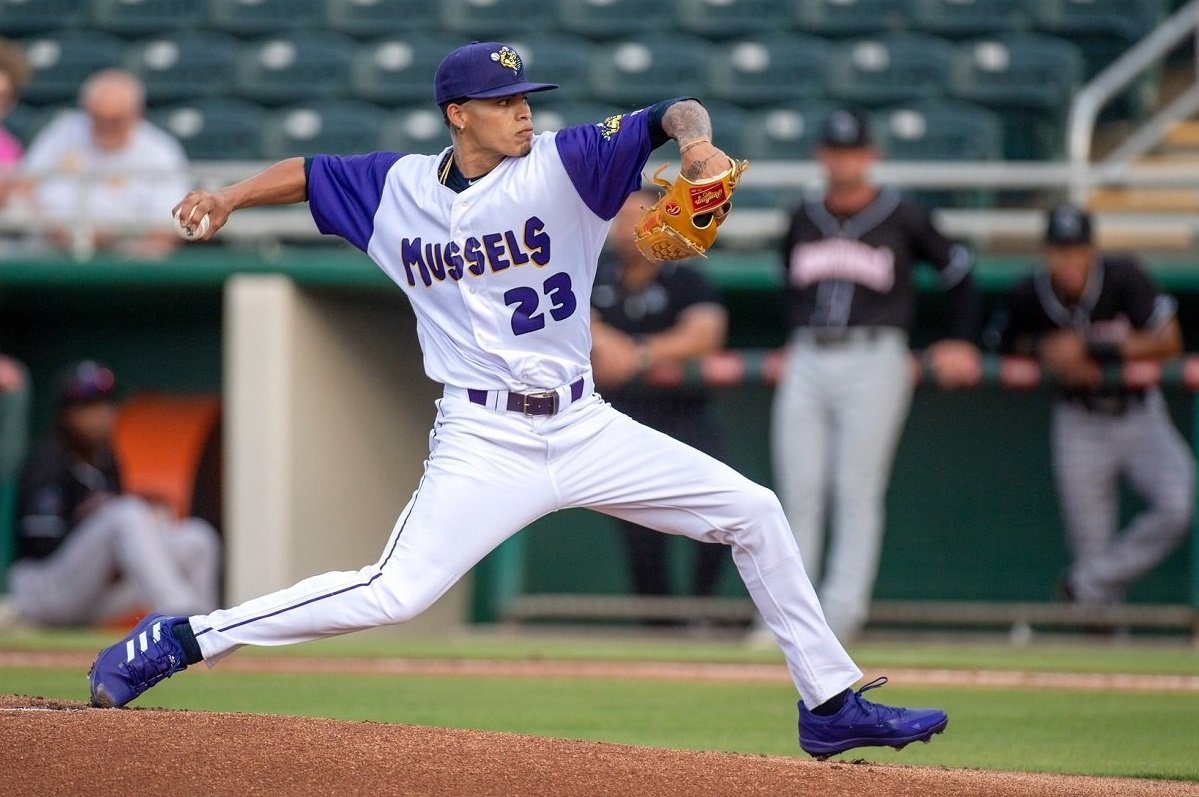 Defining what constitutes an ace is something fans have debated throughout baseball history. Some might view it as baseball's top 10-15 pitchers, while others might characterize it as the top pitcher for each team. As Nick wrote about earlier this week, Sonny Gray currently represents the top of Minnesota's rotational threshold, and some might not call him an ace. He is the team's best starting pitcher, and an off-season acquisition should be better or equal to him. So, does Minnesota currently have a pitcher in the system with ace potential? It could be easy to look at the Twins' prospect rankings and gauge ace potential by those rankings. However, pitching prospect development rarely follows a linear path. At this point last season, Simeon Woods Richardson saw his stock drop as he struggled at Double-A. Now, he is back on the prospect radar and has the potential to be an ace. Below there are five candidates that have varying levels of ace potential. Connor Prielipp, LHP Current Twins Daily Prospect Ranking: 4th ETA: 2025 Ace Potential: High Prielipp has the best chance to be an ace out of all the pitchers in the Twins organization. Minnesota was lucky to have him fall to them with the 48th overall pick in the 2022 MLB Draft because he was recovering from Tommy John surgery. His fastball and slider are both MLB-ready pitches, and his changeup also projects to be above average. The Twins were confident enough in his pre-draft workouts to go over slot value to sign him. Minnesota will work him back slowly in 2023, but he has all the traits necessary to be an ace pitcher. (Click here for more Connor Prielipp articles at Twins Daily.) Marco Raya, RHP Current Twins Daily Prospect Ranking: 9th ETA: 2024 Ace Potential: Medium Raya made his organizational debut in 2022 as a 19-year-old in the Florida State League. He impressed with a 3.05 ERA and a 1.08 WHIP in 65 innings. Over 82% of his at-bats came against older batters, which he held to a .571 OPS. According to MLB.com, he has four pitches that grade at 50 or higher on the 20-80 scouting scale. The biggest thing holding him back from being an ace is his size, as he is six feet tall and weighs around 165-pounds. Players like Jose Berrios and Marcus Stroman have shown ace potential while being his size, so there is plenty of hope for him to be a top-of-the-rotation arm. (Click here for more Marco Raya articles at Twins Daily.) Simeon Woods Richardson, RHP Current Twins Daily Prospect Ranking: 5th ETA: 2022 Ace Potential: Medium Woods Richardson has the best potential to be an ace pitcher out of the prospects in the mix for 2023. He turned 22 in September, and he already made his big-league debut. Woods Richardson struggled mightily during the 2021 season but bounced back nicely in 2022. He posted a 2.77 ERA and a 1.05 WHIP with a 115-to-36 strikeout-to-walk ratio in 107 1/3 minor league innings. He likely starts next season at Triple-A, where he only made seven starts this season. His age, pitch mix, and prospect status give him a shot at becoming an ace. (Click here for more Simeon Woods Richardson articles at Twins Daily.) Louie Varland, RHP Current Twins Daily Prospect Ranking: 7th ETA: 2022 Ace Potential: Low Varland has been named the Twins' Minor League Pitcher of the Year in back-to-back seasons. For most organizations, a pitcher winning that award multiple times would point to ace potential. However, it might also result from other pitchers in the organization not performing well. Varland dominated the upper minors on the way to making an impressive debut at Yankee Stadium. He has three above-average pitches, which can help him fit into the Twins' rotation for multiple years. It still seems unlikely for him to ever be considered the best pitcher in a rotation, even if he reaches his ceiling. (Click here for more Louie Varland articles at Twins Daily.) Matt Canterino, RHP Current Twins Daily Prospect Ranking: 14th ETA: 2024 Ace Potential: Low Canterino's potential has been hard to project throughout his professional career because he hasn't stayed healthy. He underwent Tommy John surgery in August, so he will likely miss most, if not all, of the 2023 season. Minnesota hopes this surgery can get Canterino back on track, as he was one of the team's top pitching prospects entering the season. When on the mound, Canterino has dominated with a true four-pitch mix and a fastball in the upper-90s. He arguably has the best stuff in the system, so his ace potential is tied to his ability to stay healthy, and remaining a starter. (Click here for more Matt Canterino articles at Twins Daily.) Who do you think has the best chance to be an ace? Leave a COMMENT and start the discussion.
- 22 comments
-
- 3
-
-
- connor prielipp
- marco raya
- (and 3 more)
-
Outside of Jose Berrios, the Twins have failed to develop top-of-the-rotation starters over the last decade or more. So, do the Twins currently have any prospects on the path to becoming an ace? Image courtesy of William Parmeter, Fort Myers Miracle Defining what constitutes an ace is something fans have debated throughout baseball history. Some might view it as baseball's top 10-15 pitchers, while others might characterize it as the top pitcher for each team. As Nick wrote about earlier this week, Sonny Gray currently represents the top of Minnesota's rotational threshold, and some might not call him an ace. He is the team's best starting pitcher, and an off-season acquisition should be better or equal to him. So, does Minnesota currently have a pitcher in the system with ace potential? It could be easy to look at the Twins' prospect rankings and gauge ace potential by those rankings. However, pitching prospect development rarely follows a linear path. At this point last season, Simeon Woods Richardson saw his stock drop as he struggled at Double-A. Now, he is back on the prospect radar and has the potential to be an ace. Below there are five candidates that have varying levels of ace potential. Connor Prielipp, LHP Current Twins Daily Prospect Ranking: 4th ETA: 2025 Ace Potential: High Prielipp has the best chance to be an ace out of all the pitchers in the Twins organization. Minnesota was lucky to have him fall to them with the 48th overall pick in the 2022 MLB Draft because he was recovering from Tommy John surgery. His fastball and slider are both MLB-ready pitches, and his changeup also projects to be above average. The Twins were confident enough in his pre-draft workouts to go over slot value to sign him. Minnesota will work him back slowly in 2023, but he has all the traits necessary to be an ace pitcher. (Click here for more Connor Prielipp articles at Twins Daily.) Marco Raya, RHP Current Twins Daily Prospect Ranking: 9th ETA: 2024 Ace Potential: Medium Raya made his organizational debut in 2022 as a 19-year-old in the Florida State League. He impressed with a 3.05 ERA and a 1.08 WHIP in 65 innings. Over 82% of his at-bats came against older batters, which he held to a .571 OPS. According to MLB.com, he has four pitches that grade at 50 or higher on the 20-80 scouting scale. The biggest thing holding him back from being an ace is his size, as he is six feet tall and weighs around 165-pounds. Players like Jose Berrios and Marcus Stroman have shown ace potential while being his size, so there is plenty of hope for him to be a top-of-the-rotation arm. (Click here for more Marco Raya articles at Twins Daily.) Simeon Woods Richardson, RHP Current Twins Daily Prospect Ranking: 5th ETA: 2022 Ace Potential: Medium Woods Richardson has the best potential to be an ace pitcher out of the prospects in the mix for 2023. He turned 22 in September, and he already made his big-league debut. Woods Richardson struggled mightily during the 2021 season but bounced back nicely in 2022. He posted a 2.77 ERA and a 1.05 WHIP with a 115-to-36 strikeout-to-walk ratio in 107 1/3 minor league innings. He likely starts next season at Triple-A, where he only made seven starts this season. His age, pitch mix, and prospect status give him a shot at becoming an ace. (Click here for more Simeon Woods Richardson articles at Twins Daily.) Louie Varland, RHP Current Twins Daily Prospect Ranking: 7th ETA: 2022 Ace Potential: Low Varland has been named the Twins' Minor League Pitcher of the Year in back-to-back seasons. For most organizations, a pitcher winning that award multiple times would point to ace potential. However, it might also result from other pitchers in the organization not performing well. Varland dominated the upper minors on the way to making an impressive debut at Yankee Stadium. He has three above-average pitches, which can help him fit into the Twins' rotation for multiple years. It still seems unlikely for him to ever be considered the best pitcher in a rotation, even if he reaches his ceiling. (Click here for more Louie Varland articles at Twins Daily.) Matt Canterino, RHP Current Twins Daily Prospect Ranking: 14th ETA: 2024 Ace Potential: Low Canterino's potential has been hard to project throughout his professional career because he hasn't stayed healthy. He underwent Tommy John surgery in August, so he will likely miss most, if not all, of the 2023 season. Minnesota hopes this surgery can get Canterino back on track, as he was one of the team's top pitching prospects entering the season. When on the mound, Canterino has dominated with a true four-pitch mix and a fastball in the upper-90s. He arguably has the best stuff in the system, so his ace potential is tied to his ability to stay healthy, and remaining a starter. (Click here for more Matt Canterino articles at Twins Daily.) Who do you think has the best chance to be an ace? Leave a COMMENT and start the discussion. View full article
-
Jorge Polanco was part of the same international signing class as Miguel Sano and Max Kepler. Will all three be out of the Twins lineup entering 2023? Image courtesy of Jesse Johnson, USA TODAY Sports Minnesota's roster has depth at multiple big-league positions, allowing the front office to exercise creativity this offseason. The current regime hasn't been afraid of making trades to solidify the roster and keep the team's winning window open as long as possible. As the offseason begins, it's essential to identify some of the team's possible trade candidates. What Did He Do in 2022? Jorge Polanco has been one of the Twins' most valuable players recently. Since the start of 2019, Polanco has produced the team's second-most WAR behind Byron Buxton. The 2022 season saw Polanco miss significant time for the first time since 2018. He tried to play through a left knee injury, but his performance was still above average. In 104 games, he hit .235/.346/.405 (.751) with a 117 OPS+. One area significantly impacted by his injury was his defensive performance. He ranked in the 4th percentile according to Outs Above Average, and only three AL second basemen ranked lower than him in SDI. Like many Twins, injuries prevented him from having an even better season. Why is He a Trade Candidate? There are multiple directions the Twins can go with lineup construction for the 2023 campaign. Luis Arraez and Nick Gordon can get more regular playing time at second base, or the Twins can look into the minors to fill the spot. Austin Martin and Edouard Julien are on pace to debut in 2023, especially with standout performances in the AFL. Martin is building off a strong September, while Julien has been an on-base machine. Both of these prospects have a chance to be the team's second baseman of the future, so the Twins may be willing to open the position for a younger player. What is His Trade Value? Polanco is under team control for the next three seasons, which makes him one of the team's most valuable trade assets. He is under contract for $7.5 million in 2023, and he has a $10.5 million option for 2024 and a $12 million option for 2025. While missing time this season, FanGraphs pegged Polanco's value as $14.6 million. In 2021, he was worth over $33 million; in 2018, he was worth over $26 million. Polanco has significantly outperformed his contract, which might make other teams willing to trade for the second baseman. The current offseason might not be the optimal time to deal Polanco, but the front office needs to add some higher-level starting pitching options. Other prospects might not be ready until the second half, and the team might not want to hand over second base to Arraez or Gordon. Can Polanco be used to acquire starting pitchers that are MLB-ready? Do you think the Twins will trade Polanco? What kind of value do you think he has? Leave a COMMENT and start the discussion. OTHER POSTS IN THE SERIES Gio Urshela Emilio Pagan Max Kepler View full article
-
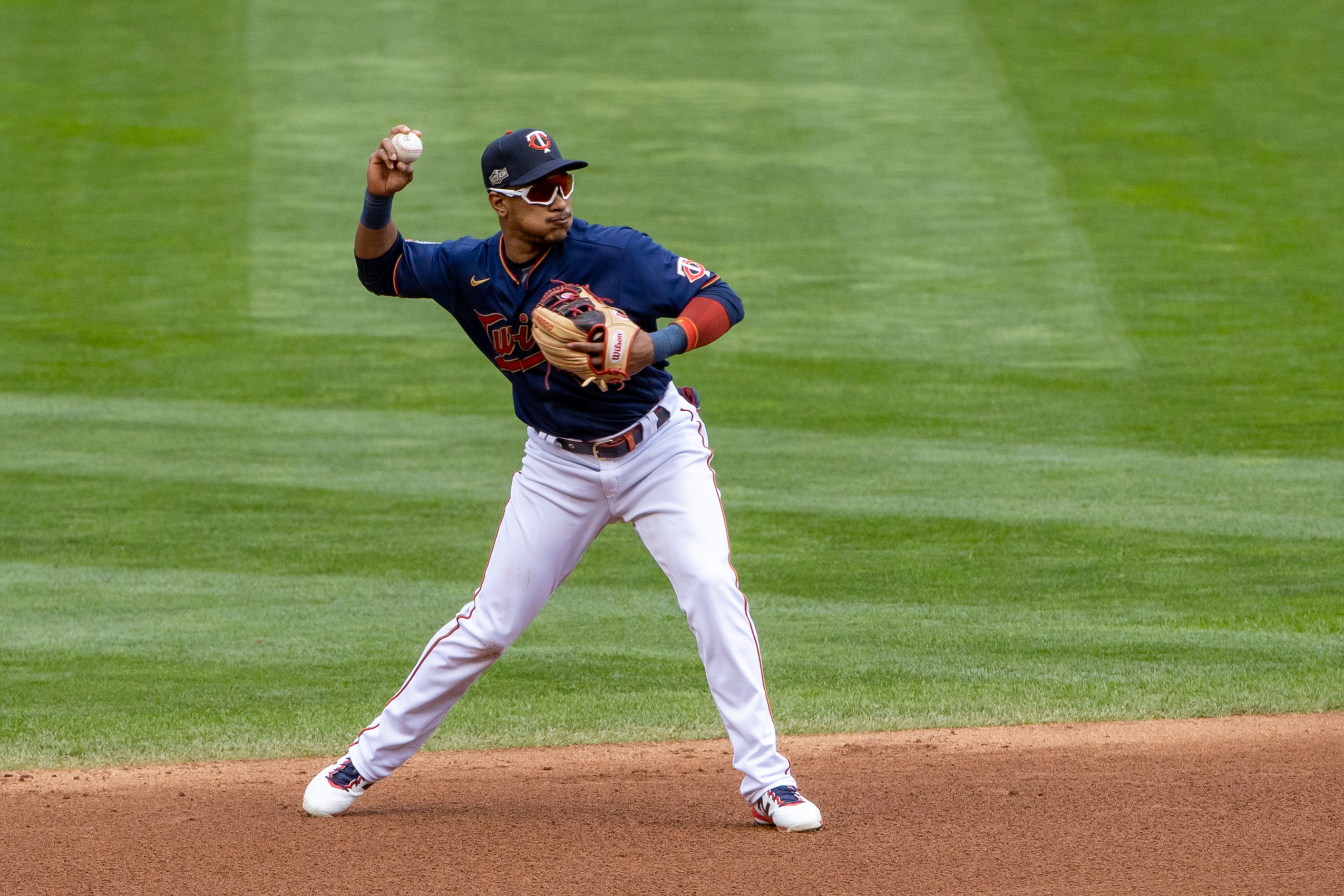 Minnesota's roster has depth at multiple big-league positions, allowing the front office to exercise creativity this offseason. The current regime hasn't been afraid of making trades to solidify the roster and keep the team's winning window open as long as possible. As the offseason begins, it's essential to identify some of the team's possible trade candidates. What Did He Do in 2022? Jorge Polanco has been one of the Twins' most valuable players recently. Since the start of 2019, Polanco has produced the team's second-most WAR behind Byron Buxton. The 2022 season saw Polanco miss significant time for the first time since 2018. He tried to play through a left knee injury, but his performance was still above average. In 104 games, he hit .235/.346/.405 (.751) with a 117 OPS+. One area significantly impacted by his injury was his defensive performance. He ranked in the 4th percentile according to Outs Above Average, and only three AL second basemen ranked lower than him in SDI. Like many Twins, injuries prevented him from having an even better season. Why is He a Trade Candidate? There are multiple directions the Twins can go with lineup construction for the 2023 campaign. Luis Arraez and Nick Gordon can get more regular playing time at second base, or the Twins can look into the minors to fill the spot. Austin Martin and Edouard Julien are on pace to debut in 2023, especially with standout performances in the AFL. Martin is building off a strong September, while Julien has been an on-base machine. Both of these prospects have a chance to be the team's second baseman of the future, so the Twins may be willing to open the position for a younger player. What is His Trade Value? Polanco is under team control for the next three seasons, which makes him one of the team's most valuable trade assets. He is under contract for $7.5 million in 2023, and he has a $10.5 million option for 2024 and a $12 million option for 2025. While missing time this season, FanGraphs pegged Polanco's value as $14.6 million. In 2021, he was worth over $33 million; in 2018, he was worth over $26 million. Polanco has significantly outperformed his contract, which might make other teams willing to trade for the second baseman. The current offseason might not be the optimal time to deal Polanco, but the front office needs to add some higher-level starting pitching options. Other prospects might not be ready until the second half, and the team might not want to hand over second base to Arraez or Gordon. Can Polanco be used to acquire starting pitchers that are MLB-ready? Do you think the Twins will trade Polanco? What kind of value do you think he has? Leave a COMMENT and start the discussion. OTHER POSTS IN THE SERIES Gio Urshela Emilio Pagan Max Kepler
 -
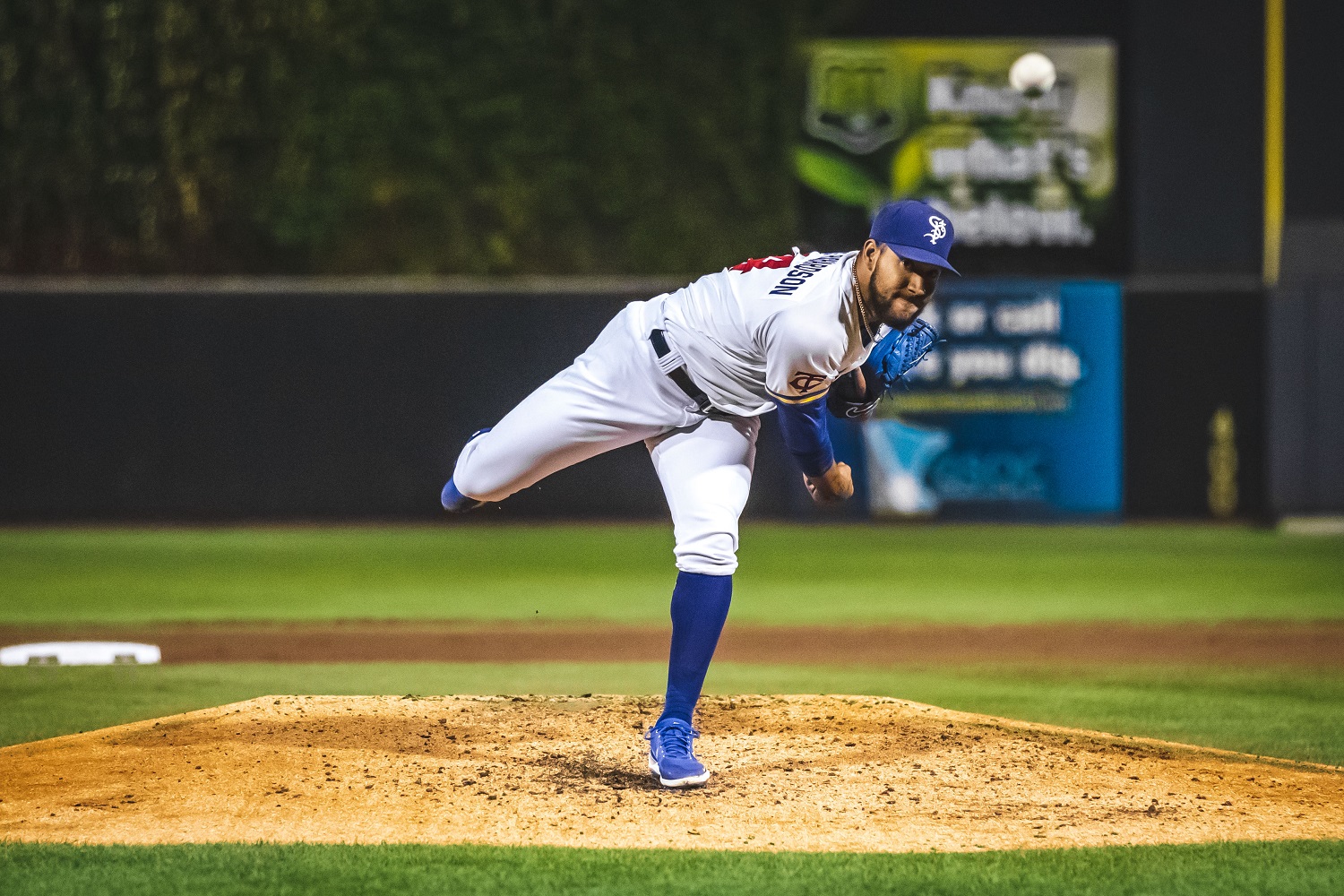 At the onset of the 2022 season, Minnesota's front office put a vote of confidence in the pitching pipeline by not signing a frontline starting pitcher. Dylan Bundy and Chris Archer were the team's two free-agent acquisitions, and neither performed exceptionally well. Unfortunately, Minnesota's pitching pipeline also struggled, but signs point to a potential turnaround in 2023. Here are how the team's top pitching prospects performed in 2022. Triple-A: Jordan Balazovic (ETA: 2023), Simeon Woods Richardson (ETA: 2022), Louie Varland (ETA: 2022), Ronny Henriquez (ETA: 2022) Woods Richardson and Varland are the two highlights of this group, as they both started the year at Double-A and finished it in the Twins rotation. By many accounts, Woods Richardson is still considered the better prospect, but Varland has now won back-to-back awards as the organization's minor league pitcher of the year. Woods Richardson posted a 2.77 ERA and a 1.05 WHIP across 23 appearances. Varland made 24 appearances with a 3.06 ERA and a 1.26 WHIP. Next year, both arms project to start in the Saints rotation, but they will be needed at the big-league level at some point in 2023. The Twins acquired Henriquez as part of the Mitch Garver trade with Texas. He is an intriguing prospect to watch as the club must decide at some point in the future if he is a starter or reliever moving forward. Henriquez made his big-league debut in 2022 as a reliever, but the organization will likely allow him to start again in 2023. As a 22-year-old, he was very young for Triple-A and posted a 5.66 ERA with a 1.39 WHIP in 95 1/3 innings. Henriquez wasn't the only prospect to see a poor performance at Triple-A. Balazovic struggled to start 2022, but he finished the season on a positive note. Entering the 2022 season, Baseball America and Baseball Prospectus had him in their top-100 prospects. In 23 appearances, Balazovic had a 7.68 ERA with a 1.97 WHIP. He has been one of the team's top pitching prospects for multiple seasons, and his development is key to the organization's pitching pipeline. Henriquez and Balazovic should be at Triple-A to start 2023. Double-A: Blayne Enlow (ETA: 2023), Brent Headrick (ETA: 2024) Minnesota added Enlow to the 40-man roster last winter even though he was expected to miss most of 2022 due to Tommy John surgery. Enlow was used as a starter and reliever and posted a 4.73 ERA with a 1.63 WHIP in 59 innings. It will be interesting to see if he sticks on the 40-man roster because the Twins have a lot of clean-up this winter. He will likely need to start 2022 at Double-A because he is continuing to build up his arm strength following surgery. Varland has received most of the attention, but Headrick was in the same draft class and has performed well. He split time between High-A and Double-A with a 3.32 ERA with a 1.08 WHIP in 108 innings. He struck out more than 11 batters per nine innings, and his strikeout numbers improved after being promoted to Double-A. Headrick will start next season at Double-A, but he will have the opportunity to move to Triple-A in the second half. High-A: David Festa (ETA: 2024), Sean Mooney (ETA: 2024), Jaylen Nowlin (ETA: 2024) The Twins took Festa in the 13th round in 2019, but he has seen his prospect stock rise since that point. In 2022, he made starts at Low- and High-A with a 2.43 ERA and a 1.09 WHIP. He dominated in Fort Myers with a 12.4 K/9, but that total dipped to 8.5 K/9 after his promotion. Festa was a little young for the Midwest League, so he can start 2023 at that level before moving up the organizational ladder. Mooney is an intriguing pitching prospect, averaging 13.5 K/9 during his first two professional seasons. Unfortunately, injuries have been part of his career which has limited him to just over 100 innings pitched since 2021. Since he turns 25 in January, the team may need to push him to Double-A during the 2023 season. Nowlin was a 19th round pick in 2021 and he made it all the way to High-A last in 2022. He posted video-game strikeout numbers in his first full season with 14.1 K/9 in 71 innings. He throws hard and is left-handed, which may help his prospect status entering 2023. He only made three starts at High-A to end 2022, so he likely starts next season in Cedar Rapids. Low-A: Marco Raya (ERA: 2025) In recent memory, Raya is one of the Twins' most exciting pitching prospects. He missed most of 2021 with a shoulder strain, so the 2022 season marked his professional debut. In 19 games (65 innings), he posted a 3.05 ERA with a 1.08 WHIP and a 76-to-23 strikeout-to-walk ratio. He will be 20 years old for most of the 2023 season, so it will be interesting to see how aggressive the Twins are with his promotions. It seems likely for the club to keep him in Fort Myers for the cold months to start the year and promote him to Cedar Rapids later in the year. The names above are just some of the organization's starting pitching options in the years ahead. Connor Prielipp, a 2022 second-round pick, is arguably the Twins' best pitching prospect, and he has yet to make a professional appearance. Matt Canterino has been dominant on the mound, but health was an issue, and now he will miss 2023 following Tommy John surgery. Brayan Medina is a name to watch in the rookie leagues, as MLB.com already ranks him as the team's 17th-best prospect. This group needs to start producing if Falvey wants to recreate Cleveland's pitching success. Will the Twins' pitching pipeline emerge in 2023? Leave a COMMENT and start the discussion.
- 13 comments
-
- 3
-
-
- louis varland
- simeon woods richardson
- (and 3 more)
-
Derek Falvey was touted for his pitching pipeline in Cleveland. Can the Twins start seeing results from their own pitching pipeline? Image courtesy of Rob Thompson, St. Paul Saints At the onset of the 2022 season, Minnesota's front office put a vote of confidence in the pitching pipeline by not signing a frontline starting pitcher. Dylan Bundy and Chris Archer were the team's two free-agent acquisitions, and neither performed exceptionally well. Unfortunately, Minnesota's pitching pipeline also struggled, but signs point to a potential turnaround in 2023. Here are how the team's top pitching prospects performed in 2022. Triple-A: Jordan Balazovic (ETA: 2023), Simeon Woods Richardson (ETA: 2022), Louie Varland (ETA: 2022), Ronny Henriquez (ETA: 2022) Woods Richardson and Varland are the two highlights of this group, as they both started the year at Double-A and finished it in the Twins rotation. By many accounts, Woods Richardson is still considered the better prospect, but Varland has now won back-to-back awards as the organization's minor league pitcher of the year. Woods Richardson posted a 2.77 ERA and a 1.05 WHIP across 23 appearances. Varland made 24 appearances with a 3.06 ERA and a 1.26 WHIP. Next year, both arms project to start in the Saints rotation, but they will be needed at the big-league level at some point in 2023. The Twins acquired Henriquez as part of the Mitch Garver trade with Texas. He is an intriguing prospect to watch as the club must decide at some point in the future if he is a starter or reliever moving forward. Henriquez made his big-league debut in 2022 as a reliever, but the organization will likely allow him to start again in 2023. As a 22-year-old, he was very young for Triple-A and posted a 5.66 ERA with a 1.39 WHIP in 95 1/3 innings. Henriquez wasn't the only prospect to see a poor performance at Triple-A. Balazovic struggled to start 2022, but he finished the season on a positive note. Entering the 2022 season, Baseball America and Baseball Prospectus had him in their top-100 prospects. In 23 appearances, Balazovic had a 7.68 ERA with a 1.97 WHIP. He has been one of the team's top pitching prospects for multiple seasons, and his development is key to the organization's pitching pipeline. Henriquez and Balazovic should be at Triple-A to start 2023. Double-A: Blayne Enlow (ETA: 2023), Brent Headrick (ETA: 2024) Minnesota added Enlow to the 40-man roster last winter even though he was expected to miss most of 2022 due to Tommy John surgery. Enlow was used as a starter and reliever and posted a 4.73 ERA with a 1.63 WHIP in 59 innings. It will be interesting to see if he sticks on the 40-man roster because the Twins have a lot of clean-up this winter. He will likely need to start 2022 at Double-A because he is continuing to build up his arm strength following surgery. Varland has received most of the attention, but Headrick was in the same draft class and has performed well. He split time between High-A and Double-A with a 3.32 ERA with a 1.08 WHIP in 108 innings. He struck out more than 11 batters per nine innings, and his strikeout numbers improved after being promoted to Double-A. Headrick will start next season at Double-A, but he will have the opportunity to move to Triple-A in the second half. High-A: David Festa (ETA: 2024), Sean Mooney (ETA: 2024), Jaylen Nowlin (ETA: 2024) The Twins took Festa in the 13th round in 2019, but he has seen his prospect stock rise since that point. In 2022, he made starts at Low- and High-A with a 2.43 ERA and a 1.09 WHIP. He dominated in Fort Myers with a 12.4 K/9, but that total dipped to 8.5 K/9 after his promotion. Festa was a little young for the Midwest League, so he can start 2023 at that level before moving up the organizational ladder. Mooney is an intriguing pitching prospect, averaging 13.5 K/9 during his first two professional seasons. Unfortunately, injuries have been part of his career which has limited him to just over 100 innings pitched since 2021. Since he turns 25 in January, the team may need to push him to Double-A during the 2023 season. Nowlin was a 19th round pick in 2021 and he made it all the way to High-A last in 2022. He posted video-game strikeout numbers in his first full season with 14.1 K/9 in 71 innings. He throws hard and is left-handed, which may help his prospect status entering 2023. He only made three starts at High-A to end 2022, so he likely starts next season in Cedar Rapids. Low-A: Marco Raya (ERA: 2025) In recent memory, Raya is one of the Twins' most exciting pitching prospects. He missed most of 2021 with a shoulder strain, so the 2022 season marked his professional debut. In 19 games (65 innings), he posted a 3.05 ERA with a 1.08 WHIP and a 76-to-23 strikeout-to-walk ratio. He will be 20 years old for most of the 2023 season, so it will be interesting to see how aggressive the Twins are with his promotions. It seems likely for the club to keep him in Fort Myers for the cold months to start the year and promote him to Cedar Rapids later in the year. The names above are just some of the organization's starting pitching options in the years ahead. Connor Prielipp, a 2022 second-round pick, is arguably the Twins' best pitching prospect, and he has yet to make a professional appearance. Matt Canterino has been dominant on the mound, but health was an issue, and now he will miss 2023 following Tommy John surgery. Brayan Medina is a name to watch in the rookie leagues, as MLB.com already ranks him as the team's 17th-best prospect. This group needs to start producing if Falvey wants to recreate Cleveland's pitching success. Will the Twins' pitching pipeline emerge in 2023? Leave a COMMENT and start the discussion. View full article
- 13 replies
-
- 1
-
-
- louis varland
- simeon woods richardson
- (and 3 more)
-
Max Kepler is one of the longest-tenured Twins, but his time may be running out. With other young outfielders, will Minnesota look to trade Kepler? Image courtesy of Denny Medley, USA TODAY Sports Minnesota's roster has depth at multiple big-league positions, allowing the front office to exercise creativity this offseason. The current regime hasn't been afraid of making trades to solidify the roster and keep the team's winning window open as long as possible. As the offseason begins, it's essential to identify some of the team's possible trade candidates. What Did He Do in 2022? For the second consecutive season, Max Kepler posted a below-average OPS+. It's looking more like the 2019 campaign was a mirage regarding Kepler's offensive production. His average exit velocity, Hard Hit % and Barrel % all ranked in the 51st percentile or lower last season. While those numbers are disheartening, he does have good control of the strike zone as he ranks in the 78th percentile or higher in K%, BB%, Whiff%, and Chase Rate. Most of his value comes on the defensive side of the ball, where he ranked in the 97th percentile for Outs Above Average. In 2022, SABR's Defensive Index ranks Kepler as the second-best AL right fielder, which has him on pace to be a Gold Glove finalist. Why is He a Trade Candidate? Minnesota's outfield is quickly filling up with other younger outfield options that offer more long-term upside than Kepler. Alex Kirilloff, Trevor Larnach, and Matt Wallner have emerged over the last three seasons and are entering the prime of their careers. There are no guarantees with any of these players, especially with Kirilloff and Larnach returning from injuries. Austin Martin is another prospect to consider in the outfield picture with an outstanding AFL performance. Other players like Nick Gordon and Gilberto Celestino will also get some opportunities in corner outfield spots. With all of these names, it's easy to see why Kepler can be expendable. What is His Trade Value? Kepler is scheduled to make $8.5 million next season, but his contract can run through the 2024 season. The Twins hold a $10 million option for 2024 with a $1 million buyout. Fans who have been frustrated by Kepler's offensive performance might not realize how valuable his defense has been in recent years. Over the last two seasons, FanGraphs pegs Kepler's value at $34.4 million while the team paid him $13.25 million. He is an above-average big-league player with multiple years of team control on a team-friendly deal, which has significant trade value. A contending team may look at Kepler as one of the last pieces to help their club take the next step. Minnesota isn't forced to trade Kepler, but this front office has touted its creativity regarding roster creation. With younger options emerging, it might be the perfect time to trade Kepler. The team might be able to acquire a pitcher to help next year's roster, or the club can add to a minor league system that has recently dropped in national rankings. To keep the team's winning window open, it's critical to move on from veteran players at the right time. The time might be suitable to capitalize on a Kepler trade. Do you think the Twins will trade Kepler? What kind of value do you think he has? Leave a COMMENT and start the discussion. OTHER POSTS IN THE SERIES -Gio Urshela -Emilio Pagan View full article


