



Cody Christie
-
Posts
7,515 -
Joined
-
Last visited
-
Days Won
5
Content Type
Profiles
News
Minnesota Twins Videos
2026 Minnesota Twins Top Prospects Ranking
2022 Minnesota Twins Draft Picks
Minnesota Twins Free Agent & Trade Rumors, Notes, & Tidbits
Guides & Resources
2023 Minnesota Twins Draft Picks
The Minnesota Twins Players Project
2024 Minnesota Twins Draft Picks
2025 Minnesota Twins Draft Pick Tracker
2026 Minnesota Twins Draft Tracker: Picks & Bonuses
Forums
Blogs
Events
Store
Downloads
Gallery
Everything posted by Cody Christie
-
 Those were my predictions, but they can certainly be swept in all the games versus the Astros and Yankees. That would put them under .500.
- 56 replies
-
- 1
-

-
- luis arraez
- pablo lopez
- (and 1 more)
-
Teams love to get off to a good start in the season's early weeks. However, the Twins' April schedule sets up to put the team in a hole. Image courtesy of Wendell Cruz-USA TODAY Sports During the 2022 season, the Twins got off to a fast start with a 12-9 record in April. This stretch included a seven-game win streak and multiple walk-off wins. The early 2023 schedule isn't as favorable for the hometown nine, and it might be challenging for the club to survive the month with a .500 record. The Good: March 30-April 2 at Kansas City Royals, April 3-5 at Miami Marlins, April 21-23 vs. Washington Nationals, April 27-30 vs. Kansas City Royals All three of these teams were significantly below .500 during the 2022 season, which can help the Twins to salvage some early season victories. None of these teams made significant additions that will help their projections in 2023. MLB is shifting to a more balanced schedule in 2023, so the Marlins and Nationals series are a result of this change. Minnesota may line up to face Sandy Alcantara, the reigning NL Cy Young, in his second start. Luis Arraez and Pablo Lopez will also get a chance to face their old teams for the first time since this offseason's trade. Another part of the more balanced schedule is the number of divisional games decreasing from 76 to 52. This could hurt the Twins because they are in one of baseball's weakest divisions. Last season, the Twins went 12-7 against the Royals, so Minnesota will have played half of their games against KC by April's end. The Twins need to win all of these series to put themselves in a position to end the month with a winning record. Record Prediction: 10-3 The Bad: April 10-12 vs. Chicago White Sox, April 18-20 at Boston Red Sox Minnesota squeaked out a winning record against Chicago and Boston last season, but it certainly wasn't easy. The Twins went 4-3 against the Red Sox but only outscored them by four runs. At the end of August, Minnesota won a three-game series against Boston but then lost nine of their next 11 games and fell out of contention. Boston has had an interesting offseason as the team lost out on re-signing Xander Bogaerts, and Trevor Story had surgery on his right elbow. The AL East is one of baseball's toughest divisions, so the Red Sox can't afford to start slowly. Chicago's off-season has been about as interesting as Boston's. The White Sox lost Jose Abreu to the Astros, but the team signed Andrew Benintendi to fill one need. Mike Clevinger was their biggest starting pitcher signing, and he is now the subject of a league investigation into domestic violence and child abuse allegations. The Athletic gave Chicago an F grade, the lowest in MLB, for their poor off-season. Minnesota was outscored by Chicago in 2022 but won the season series 10-9. Will former Twins minor-league catcher Pedro Grifol, a new manager, help the White Sox to get back on track? Record Prediction: 3-3 The Ugly: April 6-9 vs. Houston Astros, April 13-16 at New York Yankees, April 24-26 vs. New York Yankees If there were two teams the Twins didn't want to see, it would be the Astros and the Yankees. Both teams have dominated the American League recently, and the Twins have struggled against both squads. The Astros destroyed the Twins in 2022 by going 6-0 and outscoring Minnesota by 25 runs. Even with Justin Verlander gone, Houston continues to churn out young pitchers to step into the rotation. Jose Abreu will step in at first base to help one of baseball's best offenses. Minnesota's only chance might be that the Astros are coming off a long postseason run, and they might be dealing with a World Series hangover. Minnesota's struggles with the Evil Empire are well documented. Last season, the Twins went 2-5 versus the Yankees while being outscored 30-41. New York spent the off-season getting better by re-signing Aaron Judge and adding Carlos Rodon to pair with Gerrit Cole at the top of the rotation. Minnesota hasn't won more than two games against the Yankees in any regular season since 2014. After the calendar turns to May, the Twins won't see the Yankees again during the 2023 campaign. The club gets them out of the way early <insert shrug emoji>. Record Prediction: 2-8 If the above predictions hold true, the Twins will end April with a 15-14 record to sit slightly above .500. Many prognostications have the AL central winner ending with 86-88 wins, so this would put the Twins on pace to be close to that total. What are your thoughts about the Twins' early season schedule? What are your predictions for their April record? Leave a COMMENT and start the discussion. View full article
-
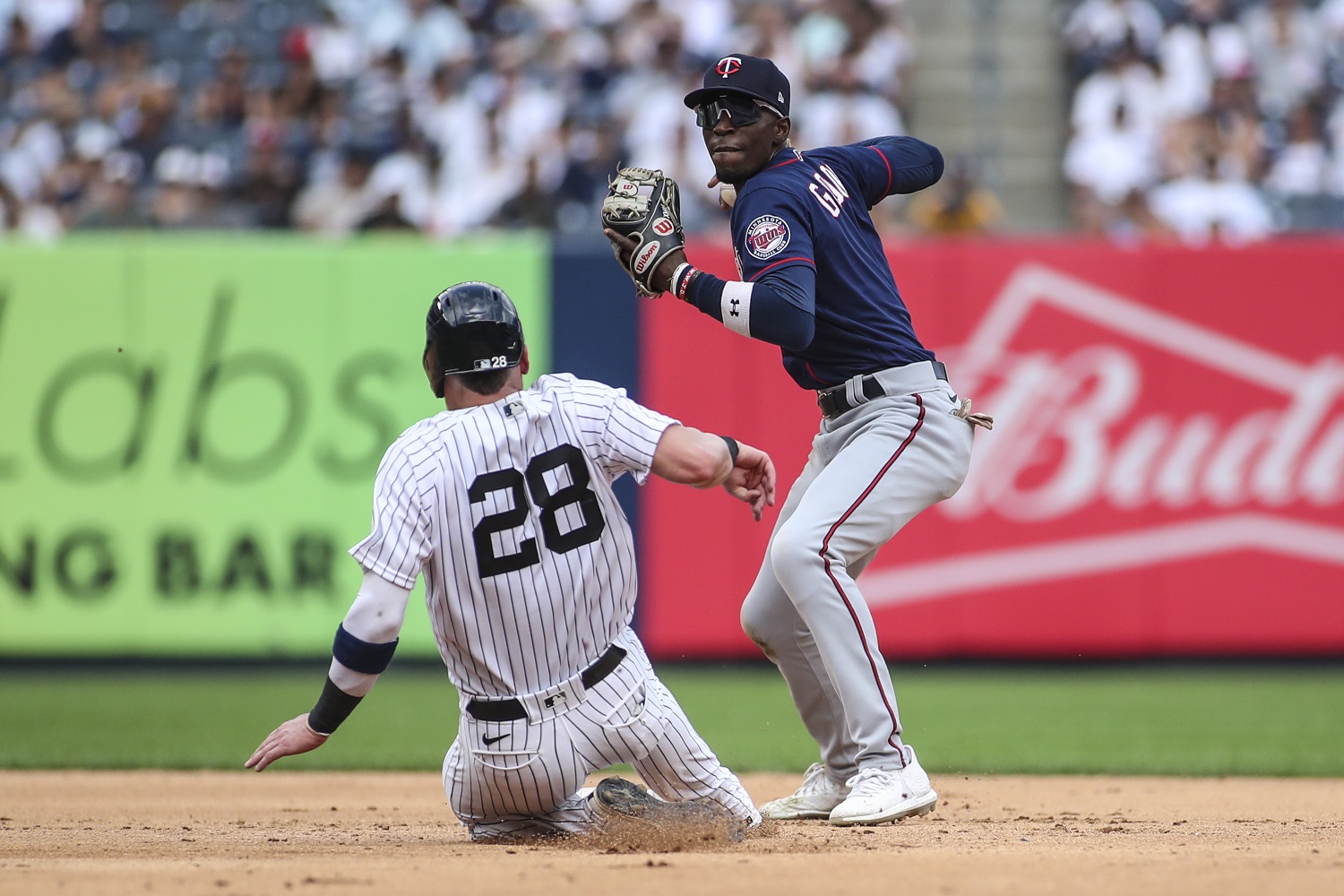 During the 2022 season, the Twins got off to a fast start with a 12-9 record in April. This stretch included a seven-game win streak and multiple walk-off wins. The early 2023 schedule isn't as favorable for the hometown nine, and it might be challenging for the club to survive the month with a .500 record. The Good: March 30-April 2 at Kansas City Royals, April 3-5 at Miami Marlins, April 21-23 vs. Washington Nationals, April 27-30 vs. Kansas City Royals All three of these teams were significantly below .500 during the 2022 season, which can help the Twins to salvage some early season victories. None of these teams made significant additions that will help their projections in 2023. MLB is shifting to a more balanced schedule in 2023, so the Marlins and Nationals series are a result of this change. Minnesota may line up to face Sandy Alcantara, the reigning NL Cy Young, in his second start. Luis Arraez and Pablo Lopez will also get a chance to face their old teams for the first time since this offseason's trade. Another part of the more balanced schedule is the number of divisional games decreasing from 76 to 52. This could hurt the Twins because they are in one of baseball's weakest divisions. Last season, the Twins went 12-7 against the Royals, so Minnesota will have played half of their games against KC by April's end. The Twins need to win all of these series to put themselves in a position to end the month with a winning record. Record Prediction: 10-3 The Bad: April 10-12 vs. Chicago White Sox, April 18-20 at Boston Red Sox Minnesota squeaked out a winning record against Chicago and Boston last season, but it certainly wasn't easy. The Twins went 4-3 against the Red Sox but only outscored them by four runs. At the end of August, Minnesota won a three-game series against Boston but then lost nine of their next 11 games and fell out of contention. Boston has had an interesting offseason as the team lost out on re-signing Xander Bogaerts, and Trevor Story had surgery on his right elbow. The AL East is one of baseball's toughest divisions, so the Red Sox can't afford to start slowly. Chicago's off-season has been about as interesting as Boston's. The White Sox lost Jose Abreu to the Astros, but the team signed Andrew Benintendi to fill one need. Mike Clevinger was their biggest starting pitcher signing, and he is now the subject of a league investigation into domestic violence and child abuse allegations. The Athletic gave Chicago an F grade, the lowest in MLB, for their poor off-season. Minnesota was outscored by Chicago in 2022 but won the season series 10-9. Will former Twins minor-league catcher Pedro Grifol, a new manager, help the White Sox to get back on track? Record Prediction: 3-3 The Ugly: April 6-9 vs. Houston Astros, April 13-16 at New York Yankees, April 24-26 vs. New York Yankees If there were two teams the Twins didn't want to see, it would be the Astros and the Yankees. Both teams have dominated the American League recently, and the Twins have struggled against both squads. The Astros destroyed the Twins in 2022 by going 6-0 and outscoring Minnesota by 25 runs. Even with Justin Verlander gone, Houston continues to churn out young pitchers to step into the rotation. Jose Abreu will step in at first base to help one of baseball's best offenses. Minnesota's only chance might be that the Astros are coming off a long postseason run, and they might be dealing with a World Series hangover. Minnesota's struggles with the Evil Empire are well documented. Last season, the Twins went 2-5 versus the Yankees while being outscored 30-41. New York spent the off-season getting better by re-signing Aaron Judge and adding Carlos Rodon to pair with Gerrit Cole at the top of the rotation. Minnesota hasn't won more than two games against the Yankees in any regular season since 2014. After the calendar turns to May, the Twins won't see the Yankees again during the 2023 campaign. The club gets them out of the way early <insert shrug emoji>. Record Prediction: 2-8 If the above predictions hold true, the Twins will end April with a 15-14 record to sit slightly above .500. Many prognostications have the AL central winner ending with 86-88 wins, so this would put the Twins on pace to be close to that total. What are your thoughts about the Twins' early season schedule? What are your predictions for their April record? Leave a COMMENT and start the discussion.
- 56 comments
-
- 1
-
-
- luis arraez
- pablo lopez
- (and 1 more)
-
The Twins Most Underrated Player?
Cody Christie replied to Cody Christie's topic in Twins Daily Front Page News
This is an interesting thought. I can see both sides of the argument. On one side, he plays injured and underperforms. Some fans are happy that he "fought through" the injury and stayed on the field. Others are upset that his numbers dropped at the plate. If he sits out when injuried, some fans are going to treat him like Buxton. They won't be happy even when he is on the field and performing well. -
The Twins Most Underrated Player?
Cody Christie replied to Cody Christie's topic in Twins Daily Front Page News
Who else do readers feel like is underrated on the Twins? I'd love to hear responses. -
The Twins Most Underrated Player?
Cody Christie replied to Cody Christie's topic in Twins Daily Front Page News
I had forgotten about this segment. Thanks for sharing. His Barrel% has increased in recent years. One has to wonder if these pre-game changes helped him to have more power. -
Beltran did better than I though he would in his first turn on the ballot. Correa might get more support since he stood up and was the voice for the Astros in that first season following the scandal.
-
The Twins Most Underrated Player?
Cody Christie replied to Cody Christie's topic in Twins Daily Front Page News
His 10.2 barrel% ranked in the 70th percentile last season, which was a career high. -
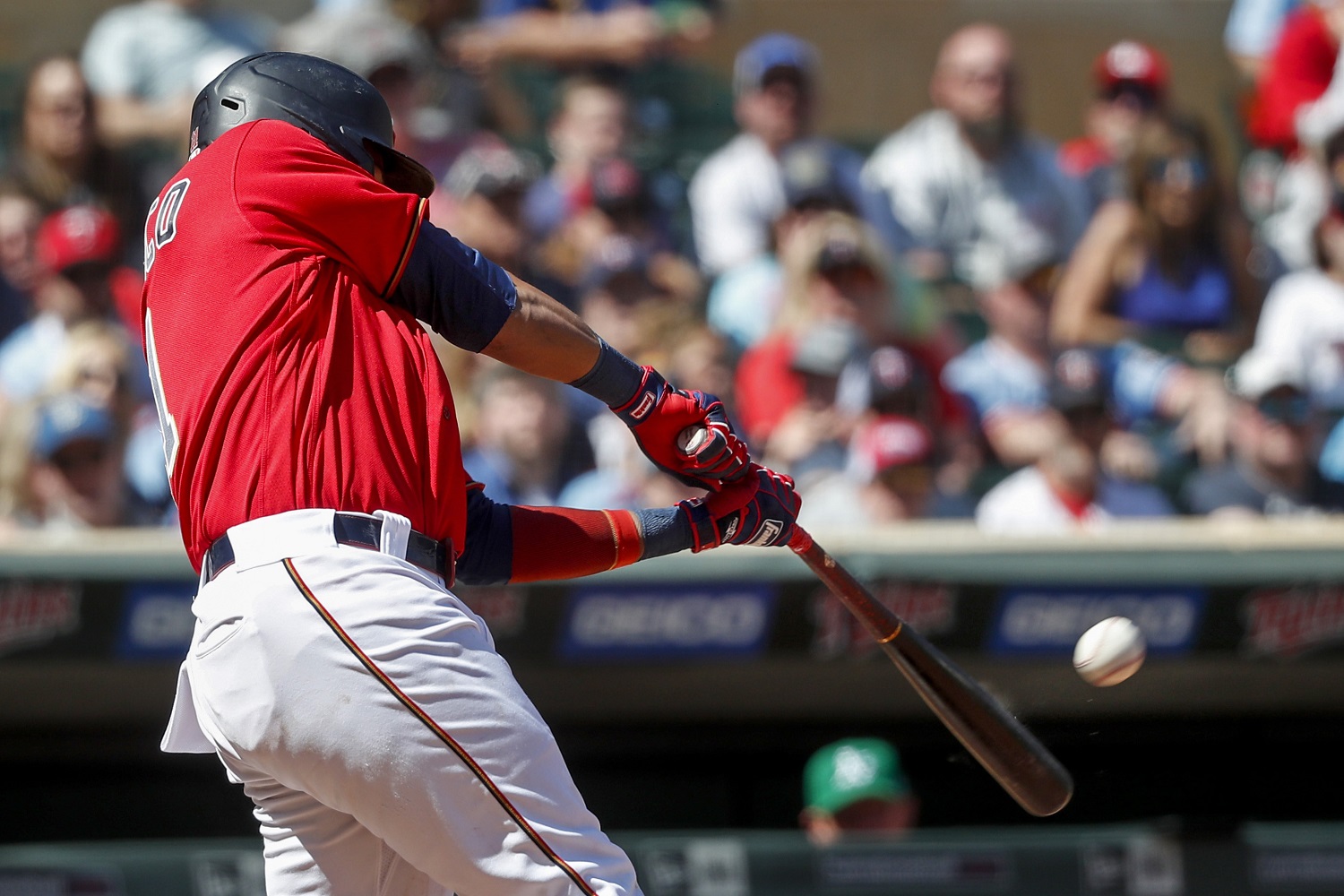 MLB teams need players to fit different roles on the roster, from the big bat off the bench to a fireman reliever out of the bullpen. Jorge Polanco is entering his tenth big-league season, and he has quietly become one of Minnesota’s most consistent presences in the line-up. Multiple traits make Polanco underrated as he has developed into one of baseball’s best second basemen before entering his age-29 season. Minnesota originally signed Polanco as a teenager out of the Dominican Republic in a strong signing class that included Max Kepler and Miguel Sano. Kepler and Polanco agreed to contract extensions leading into the 2019 season to add to their years of team control. He signed what turned out to be a very team-friendly deal for five years and $25.75 million. There is a vesting option for 2024 ($10.5 million) if he reaches 550 PA in 2023. Minnesota also holds a $12 million team option for 2025, with escalators based on All-Star Games, Silver Sluggers, and Gold Gloves. He’s earned over $18.3 million in his career, but his value to the Twins has been much higher than his earnings. Polanco has outperformed his contract nearly every season since becoming a big-league regular. He was limited to 104 games last season, and FanGraphs pegs his value at $14.6 million. His best season was the 2021 campaign when he provided 4.2 WAR, which equals $33.4 million in value. In 2019, he was the AL’s starting shortstop in the All-Star Game, and he was worth $26.2 million. Overall, he has been worth 13.9 WAR and $111.3 million. Every winter, MLB Network ranks the top players at each position. Polanco improved by one spot in the rankings, moving from seventh to sixth overall. Fans did not think as highly of Polanco as he didn’t make the top-10 fan list from MLB Network, with players like Ozzie Albies and Jazz Chisholm Jr. jumping over him into the list. Polanco isn’t a household name, so it’s easy to see why he might be forgotten about in fan voting. Among AL second basemen, Polanco has the third-highest WAR over the last two seasons behind Jose Altuve and Marcus Semien. He ranks sixth among all second basemen in the same period. Altuve is the only second baseman with a higher wRC+ over the last two years. Last season, he ranked in the 70th percentile or higher in xwOBA, Barrel %, xSLG, Chase Rate, and Sprint Speed. His best category was BB%, as he ranked in the 98th percentile after drawing a career-high 64 walks. He is clearly among baseball’s best second basemen in many offensive categories. Defensively, Polanco struggled in 2022, but a knee injury might have impacted his defensive value. Only three AL second basemen ranked lower than Polanco according to SABR’s Defensive Index. Baseball Savant ranked him in the 14th percentile for Outs Above Average and in the 25th percentile for Arm Strength. It will also be interesting to see how MLB’s shift rules impact his defensive value. Defensive metrics have been hard to trust the past couple of seasons, with the second baseman regularly standing in shallow right field. His ankle and knee issues may have slowed him down, which might impact his defensive value without being able to play on the grass. Polanco missed the last month of the season after a knee injury, but the team is reporting that he should be ready for spring training later this month. Minnesota also has multiple top prospects behind Polanco on the second base depth chart. Royce Lewis, Brooks Lee, Edouard Julien , and Austin Martin look to impact the roster in 2023, and second base might be their path to playing time. If Polanco’s injuries reemerge, the Twins might turn the position over to a younger player. Since the start of 2019, only Byron Buxton has provided more value to the Twins than Jorge Polanco. Some fans might have yet to fully appreciate that value, which is one of the biggest reasons he is underrated. Do you feel Polanco is an underrated player? Is he the most underrated player on the Twins roster? Leave a COMMENT and start the discussion.
 -
Every MLB team has underappreciated players during their tenure with the club. One Twins player is nearing the end of his time with the club, and fans may not have fully appreciated what he has accomplished in recent years. Image courtesy of Bruce Kluckhohn-USA TODAY Sports MLB teams need players to fit different roles on the roster, from the big bat off the bench to a fireman reliever out of the bullpen. Jorge Polanco is entering his tenth big-league season, and he has quietly become one of Minnesota’s most consistent presences in the line-up. Multiple traits make Polanco underrated as he has developed into one of baseball’s best second basemen before entering his age-29 season. Minnesota originally signed Polanco as a teenager out of the Dominican Republic in a strong signing class that included Max Kepler and Miguel Sano. Kepler and Polanco agreed to contract extensions leading into the 2019 season to add to their years of team control. He signed what turned out to be a very team-friendly deal for five years and $25.75 million. There is a vesting option for 2024 ($10.5 million) if he reaches 550 PA in 2023. Minnesota also holds a $12 million team option for 2025, with escalators based on All-Star Games, Silver Sluggers, and Gold Gloves. He’s earned over $18.3 million in his career, but his value to the Twins has been much higher than his earnings. Polanco has outperformed his contract nearly every season since becoming a big-league regular. He was limited to 104 games last season, and FanGraphs pegs his value at $14.6 million. His best season was the 2021 campaign when he provided 4.2 WAR, which equals $33.4 million in value. In 2019, he was the AL’s starting shortstop in the All-Star Game, and he was worth $26.2 million. Overall, he has been worth 13.9 WAR and $111.3 million. Every winter, MLB Network ranks the top players at each position. Polanco improved by one spot in the rankings, moving from seventh to sixth overall. Fans did not think as highly of Polanco as he didn’t make the top-10 fan list from MLB Network, with players like Ozzie Albies and Jazz Chisholm Jr. jumping over him into the list. Polanco isn’t a household name, so it’s easy to see why he might be forgotten about in fan voting. Among AL second basemen, Polanco has the third-highest WAR over the last two seasons behind Jose Altuve and Marcus Semien. He ranks sixth among all second basemen in the same period. Altuve is the only second baseman with a higher wRC+ over the last two years. Last season, he ranked in the 70th percentile or higher in xwOBA, Barrel %, xSLG, Chase Rate, and Sprint Speed. His best category was BB%, as he ranked in the 98th percentile after drawing a career-high 64 walks. He is clearly among baseball’s best second basemen in many offensive categories. Defensively, Polanco struggled in 2022, but a knee injury might have impacted his defensive value. Only three AL second basemen ranked lower than Polanco according to SABR’s Defensive Index. Baseball Savant ranked him in the 14th percentile for Outs Above Average and in the 25th percentile for Arm Strength. It will also be interesting to see how MLB’s shift rules impact his defensive value. Defensive metrics have been hard to trust the past couple of seasons, with the second baseman regularly standing in shallow right field. His ankle and knee issues may have slowed him down, which might impact his defensive value without being able to play on the grass. Polanco missed the last month of the season after a knee injury, but the team is reporting that he should be ready for spring training later this month. Minnesota also has multiple top prospects behind Polanco on the second base depth chart. Royce Lewis, Brooks Lee, Edouard Julien , and Austin Martin look to impact the roster in 2023, and second base might be their path to playing time. If Polanco’s injuries reemerge, the Twins might turn the position over to a younger player. Since the start of 2019, only Byron Buxton has provided more value to the Twins than Jorge Polanco. Some fans might have yet to fully appreciate that value, which is one of the biggest reasons he is underrated. Do you feel Polanco is an underrated player? Is he the most underrated player on the Twins roster? Leave a COMMENT and start the discussion. View full article
-
Analyzing Carlos Correa's Current and Future Hall of Fame Case
Cody Christie posted an article in Twins
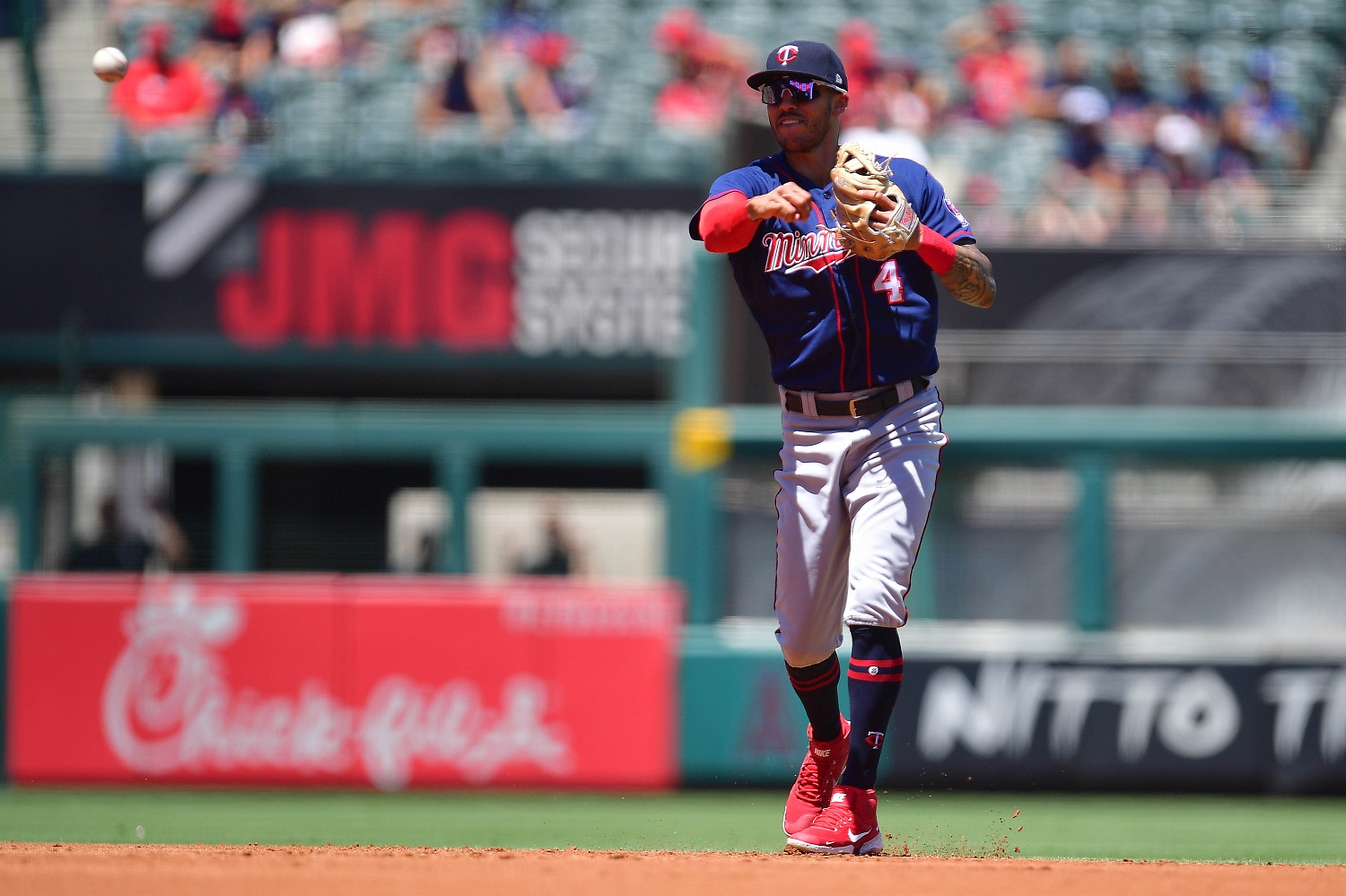 There are multiple ways to examine a player's Hall of Fame credentials. Traditionally, voters looked at a player's cumulative stats like hits, home runs, and RBI, but the voting process has continued to evolve. Many sabermetric statistics have helped to build the case of more modern players, including Scott Rolen, who was elected last week. Offensive numbers can be the starting point of a player's Hall of Fame case, but defensive metrics can paint a fuller picture of some of baseball's best players. JAWS, a system created by Jay Jaffe, is another way to examine a player's HOF credentials. A player's JAWS is their career WAR averaged with their 7-year peak WAR. This method helps to compare players currently elected to the Hall of Fame with those that have yet to be elected. Some positions have fewer elected players, which can skew the data set. Baseball Reference has also added Negro League players to the rankings, but data is incomplete for these players. Carlos Correa currently ranks as the 35th-best shortstop, according to JAWS. Four Hall of Fame players rank near Correa in the 30-38 range of JAWS rankings, so he has already played up to a Hall of Fame standard. Correa's postseason resume also helps his credentials because he has posted an .849 OPS in 79 playoff games. He has the start of a Hall of Fame career, but he will need to continue to perform in the years ahead. Modern players like Jimmy Rollins (32), Miguel Tejada (29), Troy Tulowitzki (27), and Nomar Garciaparra (25) all rank ahead of Correa, according to JAWS. It seems unlikely that any of those players will be elected to Cooperstown, so Correa must move up the rankings during his Twins' tenure. There are currently 26 elected shortstops, which is tied for the second most for any position. Correa must move into the top 20 to solidify his Hall of Fame case. Adding to his career WAR will be one of the best ways for Correa to build his Hall of Fame case. He has averaged 5.88 WAR in seasons where he's played more than 100 games. This total includes three seasons where he posted a 6.7 WAR or higher and a 5.4 WAR in his first Twins season. If he has four more seasons averaging a 5.0 WAR, he will move his career WAR to 61.5. That WAR total would place him among the top 20 shortstops of all time. Correa provides tremendous defensive value, which will also be part of his Hall of Fame resume. He's posted a 129 OPS+ for his career, including a 140 OPS+ during the 2022 season. These are outstanding totals, but he will fare poorly with traditional Hall of Fame counting statistics like hits and home runs. He needs to continue to play above-average defense at shortstop to have a case similar to Scott Rolen, who was elected to Cooperstown last week. Rolen posted a 122 OPS+ for his career while being known for his strong defense. Correa can hope for similar results. Minnesota hopes Correa averages more than a 5.0 WAR in the early years of his six-year contract, and there is hope he can fulfill the four team options. He played seven years with the Astros, but his Twins tenure can cover up to 11 seasons. Correa's ankle became a focus of his free agency saga, so he must prove he can stay healthy for the contract's life. For better or for worse, the Twins' success over the next decade is tied to the health of Correa and Byron Buxton. Correa's current trajectory has him on a path to Cooperstown. His long-term legacy is tied to the Twins and what he accomplishes over the next decade. Can he put himself in the conversation as one of baseball's all-time best shortstops? Twins fans get the opportunity to watch him build his Hall of Fame resume, which shouldn't be taken for granted. Do you think Correa will make the Hall of Fame? Leave a COMMENT and start the discussion.
 -
Carlos Correa is one of baseball's best two-way players and may be on a path to Cooperstown. Where does he currently rank among Hall of Fame players, and what can he do during his Twins tenure to help his case? Image courtesy of Gary A. Vasquez-USA TODAY Sports There are multiple ways to examine a player's Hall of Fame credentials. Traditionally, voters looked at a player's cumulative stats like hits, home runs, and RBI, but the voting process has continued to evolve. Many sabermetric statistics have helped to build the case of more modern players, including Scott Rolen, who was elected last week. Offensive numbers can be the starting point of a player's Hall of Fame case, but defensive metrics can paint a fuller picture of some of baseball's best players. JAWS, a system created by Jay Jaffe, is another way to examine a player's HOF credentials. A player's JAWS is their career WAR averaged with their 7-year peak WAR. This method helps to compare players currently elected to the Hall of Fame with those that have yet to be elected. Some positions have fewer elected players, which can skew the data set. Baseball Reference has also added Negro League players to the rankings, but data is incomplete for these players. Carlos Correa currently ranks as the 35th-best shortstop, according to JAWS. Four Hall of Fame players rank near Correa in the 30-38 range of JAWS rankings, so he has already played up to a Hall of Fame standard. Correa's postseason resume also helps his credentials because he has posted an .849 OPS in 79 playoff games. He has the start of a Hall of Fame career, but he will need to continue to perform in the years ahead. Modern players like Jimmy Rollins (32), Miguel Tejada (29), Troy Tulowitzki (27), and Nomar Garciaparra (25) all rank ahead of Correa, according to JAWS. It seems unlikely that any of those players will be elected to Cooperstown, so Correa must move up the rankings during his Twins' tenure. There are currently 26 elected shortstops, which is tied for the second most for any position. Correa must move into the top 20 to solidify his Hall of Fame case. Adding to his career WAR will be one of the best ways for Correa to build his Hall of Fame case. He has averaged 5.88 WAR in seasons where he's played more than 100 games. This total includes three seasons where he posted a 6.7 WAR or higher and a 5.4 WAR in his first Twins season. If he has four more seasons averaging a 5.0 WAR, he will move his career WAR to 61.5. That WAR total would place him among the top 20 shortstops of all time. Correa provides tremendous defensive value, which will also be part of his Hall of Fame resume. He's posted a 129 OPS+ for his career, including a 140 OPS+ during the 2022 season. These are outstanding totals, but he will fare poorly with traditional Hall of Fame counting statistics like hits and home runs. He needs to continue to play above-average defense at shortstop to have a case similar to Scott Rolen, who was elected to Cooperstown last week. Rolen posted a 122 OPS+ for his career while being known for his strong defense. Correa can hope for similar results. Minnesota hopes Correa averages more than a 5.0 WAR in the early years of his six-year contract, and there is hope he can fulfill the four team options. He played seven years with the Astros, but his Twins tenure can cover up to 11 seasons. Correa's ankle became a focus of his free agency saga, so he must prove he can stay healthy for the contract's life. For better or for worse, the Twins' success over the next decade is tied to the health of Correa and Byron Buxton. Correa's current trajectory has him on a path to Cooperstown. His long-term legacy is tied to the Twins and what he accomplishes over the next decade. Can he put himself in the conversation as one of baseball's all-time best shortstops? Twins fans get the opportunity to watch him build his Hall of Fame resume, which shouldn't be taken for granted. Do you think Correa will make the Hall of Fame? Leave a COMMENT and start the discussion. View full article
-
Minnesota has made seven significant moves so far this off-season, and each one will impact the roster differently in 2023. Here's how the team's moves rank so far. Image courtesy of Mark J. Rebilas-USA TODAY Sports Throughout the winter, fans will react differently to any transaction the club makes, from significant acquisitions to prospects left off the 40-man roster. Teams can trade away fan-favorite players or sign free agents to multi-million dollar deals. There are no guarantees in baseball, and the Twins front office has left themselves open to praise or criticism depending on the long-term outcome of these moves. On paper, the Twins have improved and added depth throughout the roster, which projects to have the team back in playoff contention. 7. Trading Gio Urshela for Alejandro Hidalgo According to Baseball Reference, Urshela provided the fourth-most WAR on the team in 2022. One of the keys to his value was that he tied Luis Arraez for the team lead with 144 games played. Minnesota traded him to the Angels for Alejandro Hidalgo, a 19-year-old pitcher with a career 4.64 ERA in 17 appearances. Urshela is in his last arbitration season, and the Twins were ready to give Jose Miranda the starting job at third base. It's at the bottom of the list because the trade return was minimal. 6. Signing Joey Gallo to a 1-year, $11 million deal The Twins front office thinks Gallo can return to his previous form, but it will take time to know if signing him was the correct decision. Last season, Gallo hit just .160/.280/.357 (.638) with 19 home runs and 163 strikeouts in 126 games. He was an All-Star in 2021, leading the AL with 111 walks while hitting 38 home runs. Gallo is a multi-time All-Star and has won two Gold Gloves, but there is no guarantee he will return to that level in 2023. 5. Trading Steven Cruz and Evan Sisk for Michael A. Taylor Many thought the Twins were in the market for a right-handed hitting outfielder on the free agent market. The Twins decided to go in a different direction and traded for one of baseball's best outfield defenders. On paper, it seems like a solid plan to use Taylor for games when Buxton is not available to play in the field. He can bat at the bottom of the line-up and help the pitching staff on the defensive side. This move has the potential to be a sneaky-good move for the Twins, especially if it helps Buxton play over 100 games. 4. Trading Casey Legumina for Kyle Farmer Adding Farmer helped the Twins establish a floor for their middle infield this winter. If Correa signed elsewhere, Farmer would likely take over the starting shortstop role until Royce Lewis returned in the second half. Instead, Farmer can shift to a utility role that suits his skill set. Over the last two seasons, he has averaged over 145 games per season while playing every infield position. He's not a player to get excited about, but fans will come to appreciate what he adds to the roster. 3. Trading Luis Arraez for Pablo Lopez, Jose Salas, and Byron Chourio It was tough for the front office to trade away Luis Arraez, a fan favorite, but the return helps the team in the short- and long term. Lopez adds depth to the starting rotation, especially with injury concerns tied to multiple arms. Arraez's 2022 season showcased his peak value, but there is little upside in a first baseman with little to no power. The Twins also received two prospects in the deal, including one that already ranks in the team's top 10 prospects. Minnesota needs Lopez to be the pitcher he was in 2022, and it will be a bonus if either prospect is a regular at the big-league level. 2. Signing Christian Vazquez to a 3-year, $30 million deal The Twins had to improve behind the plate, and Vazquez should help to solidify one of baseball's most important positions. He's been on multiple World Series teams and has caught over 1,900 innings over the last two seasons. Minnesota will be relying on some young pitchers in the coming years, and Vazquez can be a veteran presence to help usher them into their big-league careers. Adding Vazquez was a move the Twins had to make, and that's why it ranks so high on this list. 1. Signing Carlos Correa to a 6-year, $200 million deal No other transaction will define the Twins franchise more over the next decade than signing Correa... the second time. He is one of baseball's best two-way players and has the rare ability to impact nearly all facets of the game. Minnesota saw what he provided on and off the field, so they were eager for him to return, even with questions about his ankle. Fans may have yet to fully embrace Correa because it looked like his Twins tenure would be short-lived. Now, there is a chance he will end his career in Minnesota, and that's something for fans to enjoy. How would you rank this winter's moves? Leave a COMMENT and start the discussion. View full article
-
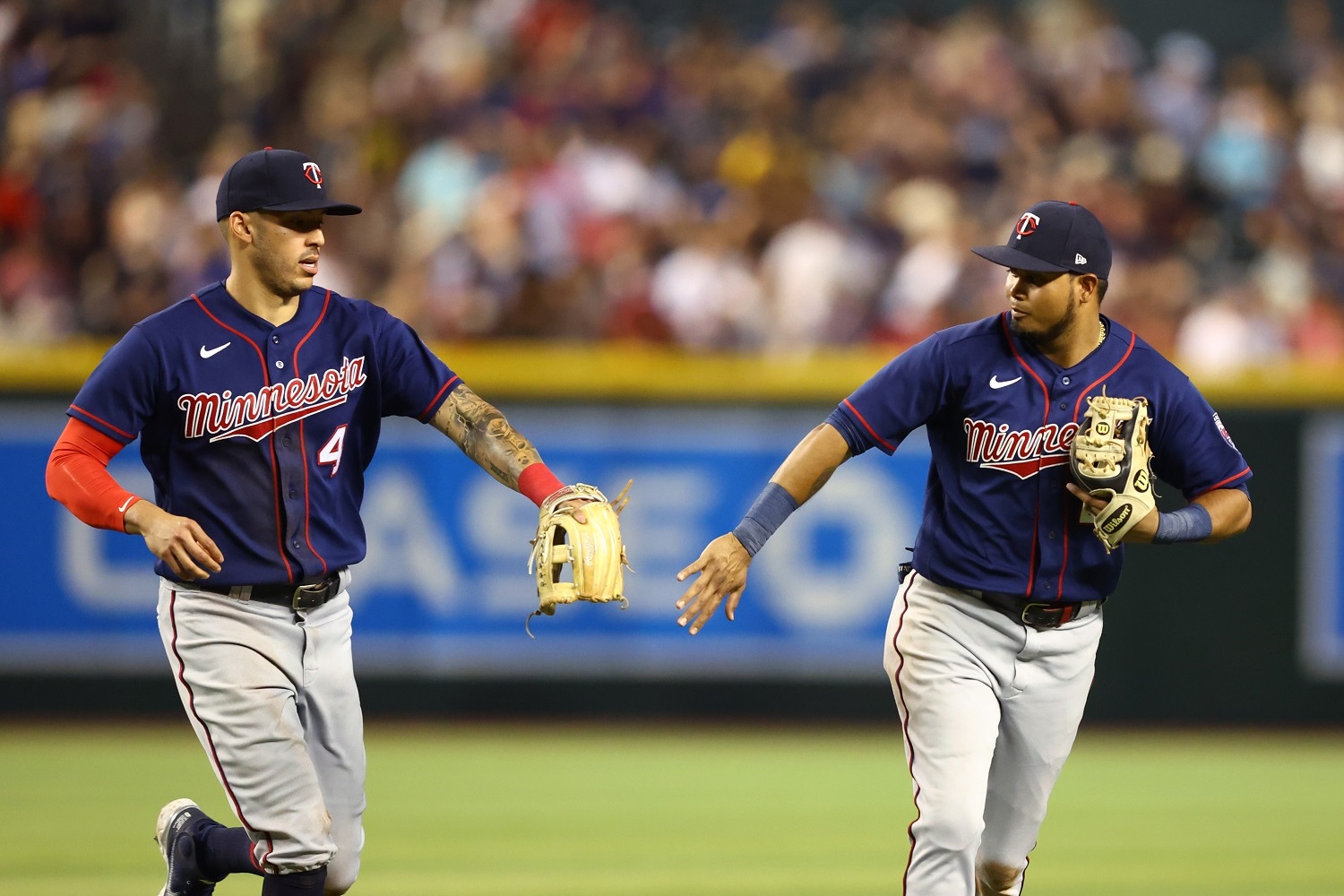 Throughout the winter, fans will react differently to any transaction the club makes, from significant acquisitions to prospects left off the 40-man roster. Teams can trade away fan-favorite players or sign free agents to multi-million dollar deals. There are no guarantees in baseball, and the Twins front office has left themselves open to praise or criticism depending on the long-term outcome of these moves. On paper, the Twins have improved and added depth throughout the roster, which projects to have the team back in playoff contention. 7. Trading Gio Urshela for Alejandro Hidalgo According to Baseball Reference, Urshela provided the fourth-most WAR on the team in 2022. One of the keys to his value was that he tied Luis Arraez for the team lead with 144 games played. Minnesota traded him to the Angels for Alejandro Hidalgo, a 19-year-old pitcher with a career 4.64 ERA in 17 appearances. Urshela is in his last arbitration season, and the Twins were ready to give Jose Miranda the starting job at third base. It's at the bottom of the list because the trade return was minimal. 6. Signing Joey Gallo to a 1-year, $11 million deal The Twins front office thinks Gallo can return to his previous form, but it will take time to know if signing him was the correct decision. Last season, Gallo hit just .160/.280/.357 (.638) with 19 home runs and 163 strikeouts in 126 games. He was an All-Star in 2021, leading the AL with 111 walks while hitting 38 home runs. Gallo is a multi-time All-Star and has won two Gold Gloves, but there is no guarantee he will return to that level in 2023. 5. Trading Steven Cruz and Evan Sisk for Michael A. Taylor Many thought the Twins were in the market for a right-handed hitting outfielder on the free agent market. The Twins decided to go in a different direction and traded for one of baseball's best outfield defenders. On paper, it seems like a solid plan to use Taylor for games when Buxton is not available to play in the field. He can bat at the bottom of the line-up and help the pitching staff on the defensive side. This move has the potential to be a sneaky-good move for the Twins, especially if it helps Buxton play over 100 games. 4. Trading Casey Legumina for Kyle Farmer Adding Farmer helped the Twins establish a floor for their middle infield this winter. If Correa signed elsewhere, Farmer would likely take over the starting shortstop role until Royce Lewis returned in the second half. Instead, Farmer can shift to a utility role that suits his skill set. Over the last two seasons, he has averaged over 145 games per season while playing every infield position. He's not a player to get excited about, but fans will come to appreciate what he adds to the roster. 3. Trading Luis Arraez for Pablo Lopez, Jose Salas, and Byron Chourio It was tough for the front office to trade away Luis Arraez, a fan favorite, but the return helps the team in the short- and long term. Lopez adds depth to the starting rotation, especially with injury concerns tied to multiple arms. Arraez's 2022 season showcased his peak value, but there is little upside in a first baseman with little to no power. The Twins also received two prospects in the deal, including one that already ranks in the team's top 10 prospects. Minnesota needs Lopez to be the pitcher he was in 2022, and it will be a bonus if either prospect is a regular at the big-league level. 2. Signing Christian Vazquez to a 3-year, $30 million deal The Twins had to improve behind the plate, and Vazquez should help to solidify one of baseball's most important positions. He's been on multiple World Series teams and has caught over 1,900 innings over the last two seasons. Minnesota will be relying on some young pitchers in the coming years, and Vazquez can be a veteran presence to help usher them into their big-league careers. Adding Vazquez was a move the Twins had to make, and that's why it ranks so high on this list. 1. Signing Carlos Correa to a 6-year, $200 million deal No other transaction will define the Twins franchise more over the next decade than signing Correa... the second time. He is one of baseball's best two-way players and has the rare ability to impact nearly all facets of the game. Minnesota saw what he provided on and off the field, so they were eager for him to return, even with questions about his ankle. Fans may have yet to fully embrace Correa because it looked like his Twins tenure would be short-lived. Now, there is a chance he will end his career in Minnesota, and that's something for fans to enjoy. How would you rank this winter's moves? Leave a COMMENT and start the discussion.
- 44 comments
-
- 5
-
-
- carlos correa
- luis arraez
- (and 3 more)
-
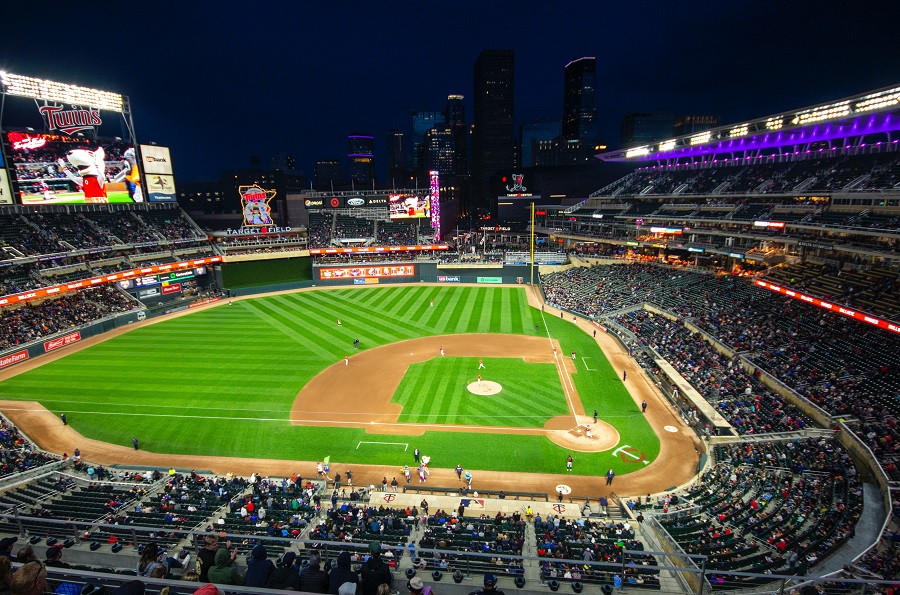 There is plenty to get excited about with the 2023 Twins. It has been a memorable off-season with the club signing the biggest free deal in franchise history and trading for multiple key players. Fans gathered at multiple events over the last week, including the Winter Caravan, Diamond Awards, TwinsFest Live, and TwinsFest. Here is a rundown of news and notes that trickled out from these events. Jose Miranda in the "Best Shape of His Life" Miranda knew he had to make some changes this winter after feeling worn down at the conclusion of his rookie campaign. He dropped over 10 pounds thanks to his diet and workout routine changes. Minnesota is handing off the starting third base job to Miranda after trading Gio Urshela to the Angels. Over the last week, Miranda made it clear that the players have two focuses this year, stay healthy, and the team will win. What are your expectations for Miranda in 2023? Twins Shortstop Prospects Excited to Work with Correa Royce Lewis and Brooks Lee are the Twins' top two prospects, and they both play shortstop. It could be easy to look at the big-league roster and see that Correa is now blocking their path for the next six years. However, both players are excited about the chance to work with Correa, and both prospects had long-term defensive questions. Lee is likely headed to third base at the big-league level, and Lewis can shift to second base or the outfield. It's certainly exciting to think about all three players fitting into the infield at some point in the near future. How long before all three players are on Minnesota's big-league roster? Joe Mauer Elected to the Twins Hall of Fame Mauer already has his number retired by the Twins, so it was a no-brainer for this honor to be announced. He will become the 38th member of the Twins Hall of Fame, and the team will honor him in August. Next year, Mauer will also be on the National Baseball Hall of Fame ballot for the first time. Many believe he is headed to Cooperstown, but there is some question about whether or not he makes it on the first ballot. The BWAA will vote next December and January, so the Twins hope he can carry some momentum into the election. Do you think Mauer is a first-ballot Hall of Famer? Twins Announce Upgraded Ballpark Features Earlier in the winter, the Twins announced that the Target Field scoreboards would be replaced with newer and bigger models. Other branding is also being updated throughout the facility as part of the team's updated logo. Part of the rebrand is adding the "Win! Twins!" logo used in the 1970s and '80s. There will also be a light-up TC medallion added to one of the park's digital columns. What are your thoughts on these additions? The countdown is on to spring training. What stood out to you from TwinsFest weekend? Leave a COMMENT and start the discussion.
- 4 comments
-
- 2
-
-
- jose miranda
- carlos correa
- (and 2 more)
-
The calendar turns to February this week, which means pitchers and catchers are close to reporting to spring training. TwinsFest allows fans to refocus on the Twins and increases the excitement for the 2023 campaign. Image courtesy of Unsplash/Klemens Kopfle There is plenty to get excited about with the 2023 Twins. It has been a memorable off-season with the club signing the biggest free deal in franchise history and trading for multiple key players. Fans gathered at multiple events over the last week, including the Winter Caravan, Diamond Awards, TwinsFest Live, and TwinsFest. Here is a rundown of news and notes that trickled out from these events. Jose Miranda in the "Best Shape of His Life" Miranda knew he had to make some changes this winter after feeling worn down at the conclusion of his rookie campaign. He dropped over 10 pounds thanks to his diet and workout routine changes. Minnesota is handing off the starting third base job to Miranda after trading Gio Urshela to the Angels. Over the last week, Miranda made it clear that the players have two focuses this year, stay healthy, and the team will win. What are your expectations for Miranda in 2023? Twins Shortstop Prospects Excited to Work with Correa Royce Lewis and Brooks Lee are the Twins' top two prospects, and they both play shortstop. It could be easy to look at the big-league roster and see that Correa is now blocking their path for the next six years. However, both players are excited about the chance to work with Correa, and both prospects had long-term defensive questions. Lee is likely headed to third base at the big-league level, and Lewis can shift to second base or the outfield. It's certainly exciting to think about all three players fitting into the infield at some point in the near future. How long before all three players are on Minnesota's big-league roster? Joe Mauer Elected to the Twins Hall of Fame Mauer already has his number retired by the Twins, so it was a no-brainer for this honor to be announced. He will become the 38th member of the Twins Hall of Fame, and the team will honor him in August. Next year, Mauer will also be on the National Baseball Hall of Fame ballot for the first time. Many believe he is headed to Cooperstown, but there is some question about whether or not he makes it on the first ballot. The BWAA will vote next December and January, so the Twins hope he can carry some momentum into the election. Do you think Mauer is a first-ballot Hall of Famer? Twins Announce Upgraded Ballpark Features Earlier in the winter, the Twins announced that the Target Field scoreboards would be replaced with newer and bigger models. Other branding is also being updated throughout the facility as part of the team's updated logo. Part of the rebrand is adding the "Win! Twins!" logo used in the 1970s and '80s. There will also be a light-up TC medallion added to one of the park's digital columns. What are your thoughts on these additions? The countdown is on to spring training. What stood out to you from TwinsFest weekend? Leave a COMMENT and start the discussion. View full article
-
Spring is in the air, with fans starting to think about when the 2023 season will begin. Frigid fans gathered in Fargo in eager anticipation for one of the most critical Twins seasons in recent history. Image courtesy of Madison Quinn, KFGO The Twins Winter Caravan has been a staple of the Upper Midwest for over 60 years. This annual event sends current and former Twins players, along with broadcasters, to cities throughout Twins Territory. Unfortunately, the pandemic forced the cancellation of the last two Winter Caravans, but the Twins are back on the road this season with a much more limited schedule. Local Twins radio affiliate KFGO sponsored the festivities in downtown Fargo at the Sanctuary Events Center. Fans were treated to highlight videos, a ballpark meal, a question-and-answer session, and autographs from the Twins contingent. Among the attendees were current Twins players Jose Miranda and Nick Gordon and third base coach Tommy Watkins. New Twins Hall of Fame outfielder and radio voice Dan Gladden was supposed to be there, but he stayed back to attend the funeral of Jake Mauer, the father of Jake, Billy, and Joe Mauer. Miranda obviously has the added pressure of his sophomore season and the team handing him the starting third base job. However, Carlos Correa's return is going to help him to continue to improve. Miranda stressed the importance of the Puerto Rico connection between the two players and that he was a teenager when the Astros drafted Correa with the first overall pick. Miranda mentioned, "He gives me a lot of advice on how to get better, especially on how to make it through 162 games." During the 2022 season, Miranda started the year at Triple-A, and the coaches had a clear message for him. "They told me to go have fun and play like you are seven years old." He focused on working hard so he could finally get the call to the big-league level. It worked, and he ended up leading the Twins in RBI last season and provided one of the team's most dramatic moments. Gordon also faced some challenges during the 2022 season. He played multiple new defensive positions but had some help along the way. "It's challenging playing all the positions, but Tommy and Buck (Byron Buxton) helped me transition to the outfield." It was a tough transition, but he stressed the importance of continuing to work through struggles. Family is clearly important to both players. Gordon talked about growing up in a baseball family, with his father and brother being big-league players. He said everything was a competition, from eating dinner to getting ready in the morning. Miranda discussed his father serving as his batting coach throughout his life. "I can go 3-for-4, and he will tell me about the one I missed." Both players have reached this point in their careers because of their strong connection to their families. Miranda couldn't escape answering a question about his famous cousin, Lin Manuel Miranda. He said his favorite production from his famous cousin is the movie Encanto because his two-year-old daughter loves the film. "I have to watch it 100 times per day." That number will likely need to decrease with the Twins' season starting in the coming months. Anyone following the Twins last season is aware of how injuries plagued the team. When asked about their goals for the season, both players stressed that staying healthy was the number one goal. Both players want to be able to help the team win every day. They tied staying healthy to the team winning, a clear focus of the players in 2023. Miranda went on to say that they want the team to make the playoffs for the next five to ten years. It's a lofty goal, but this core has a chance to do some damage in the AL Central during the next decade. What are you looking forward to from Miranda and Gordon in 2023? What other stories did you hear at the other Winter Caravan stops? Leave a COMMENT and start the discussion. View full article
-
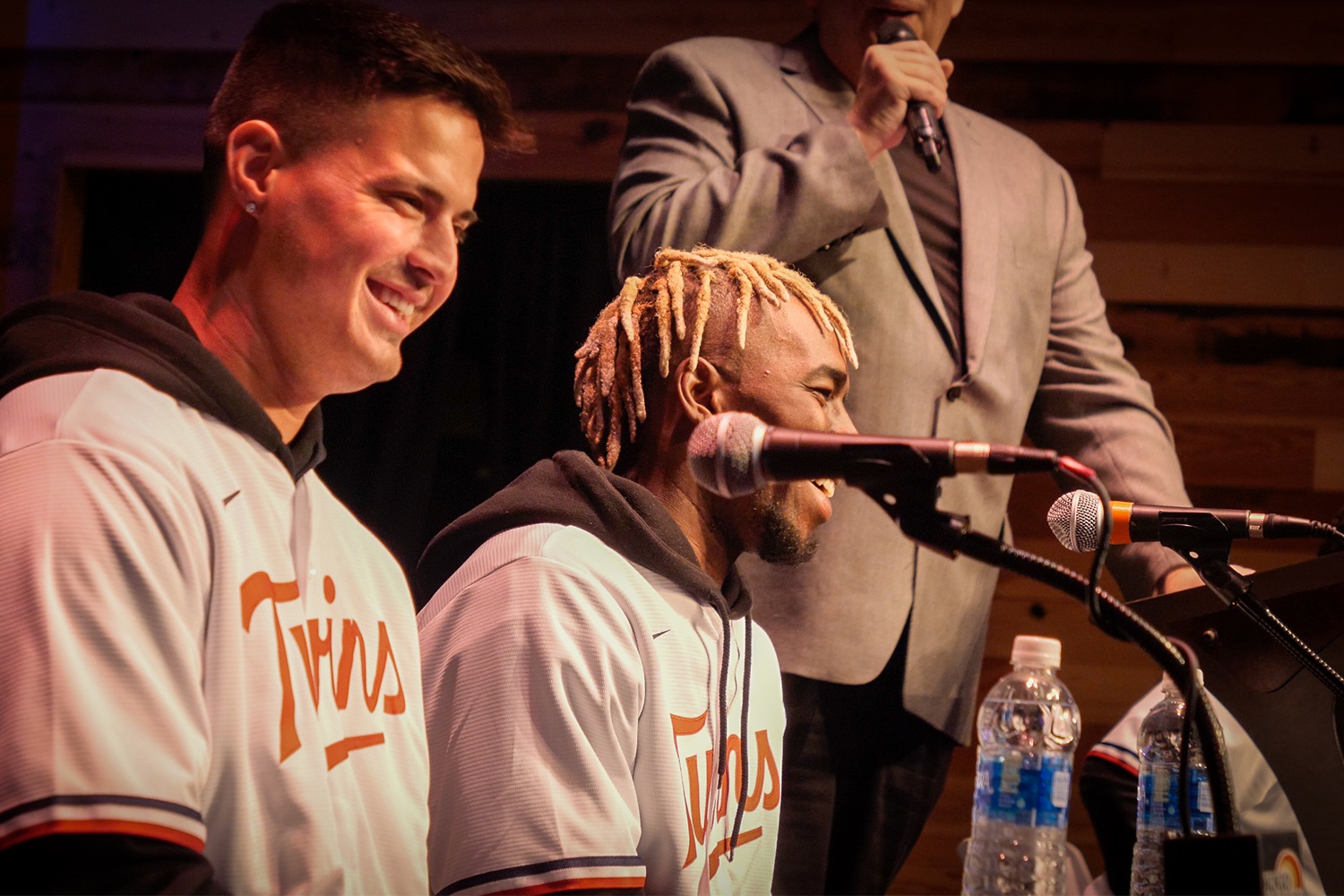 The Twins Winter Caravan has been a staple of the Upper Midwest for over 60 years. This annual event sends current and former Twins players, along with broadcasters, to cities throughout Twins Territory. Unfortunately, the pandemic forced the cancellation of the last two Winter Caravans, but the Twins are back on the road this season with a much more limited schedule. Local Twins radio affiliate KFGO sponsored the festivities in downtown Fargo at the Sanctuary Events Center. Fans were treated to highlight videos, a ballpark meal, a question-and-answer session, and autographs from the Twins contingent. Among the attendees were current Twins players Jose Miranda and Nick Gordon and third base coach Tommy Watkins. New Twins Hall of Fame outfielder and radio voice Dan Gladden was supposed to be there, but he stayed back to attend the funeral of Jake Mauer, the father of Jake, Billy, and Joe Mauer. Miranda obviously has the added pressure of his sophomore season and the team handing him the starting third base job. However, Carlos Correa's return is going to help him to continue to improve. Miranda stressed the importance of the Puerto Rico connection between the two players and that he was a teenager when the Astros drafted Correa with the first overall pick. Miranda mentioned, "He gives me a lot of advice on how to get better, especially on how to make it through 162 games." During the 2022 season, Miranda started the year at Triple-A, and the coaches had a clear message for him. "They told me to go have fun and play like you are seven years old." He focused on working hard so he could finally get the call to the big-league level. It worked, and he ended up leading the Twins in RBI last season and provided one of the team's most dramatic moments. Gordon also faced some challenges during the 2022 season. He played multiple new defensive positions but had some help along the way. "It's challenging playing all the positions, but Tommy and Buck (Byron Buxton) helped me transition to the outfield." It was a tough transition, but he stressed the importance of continuing to work through struggles. Family is clearly important to both players. Gordon talked about growing up in a baseball family, with his father and brother being big-league players. He said everything was a competition, from eating dinner to getting ready in the morning. Miranda discussed his father serving as his batting coach throughout his life. "I can go 3-for-4, and he will tell me about the one I missed." Both players have reached this point in their careers because of their strong connection to their families. Miranda couldn't escape answering a question about his famous cousin, Lin Manuel Miranda. He said his favorite production from his famous cousin is the movie Encanto because his two-year-old daughter loves the film. "I have to watch it 100 times per day." That number will likely need to decrease with the Twins' season starting in the coming months. Anyone following the Twins last season is aware of how injuries plagued the team. When asked about their goals for the season, both players stressed that staying healthy was the number one goal. Both players want to be able to help the team win every day. They tied staying healthy to the team winning, a clear focus of the players in 2023. Miranda went on to say that they want the team to make the playoffs for the next five to ten years. It's a lofty goal, but this core has a chance to do some damage in the AL Central during the next decade. What are you looking forward to from Miranda and Gordon in 2023? What other stories did you hear at the other Winter Caravan stops? Leave a COMMENT and start the discussion.
- 9 comments
-
- 5
-
-
- jose miranda
- nick gordon
- (and 1 more)
-
2023 Twins Top 10 Prospect Rankings: Where Does Jose Salas Fit?
Cody Christie posted an article in Minor Leagues
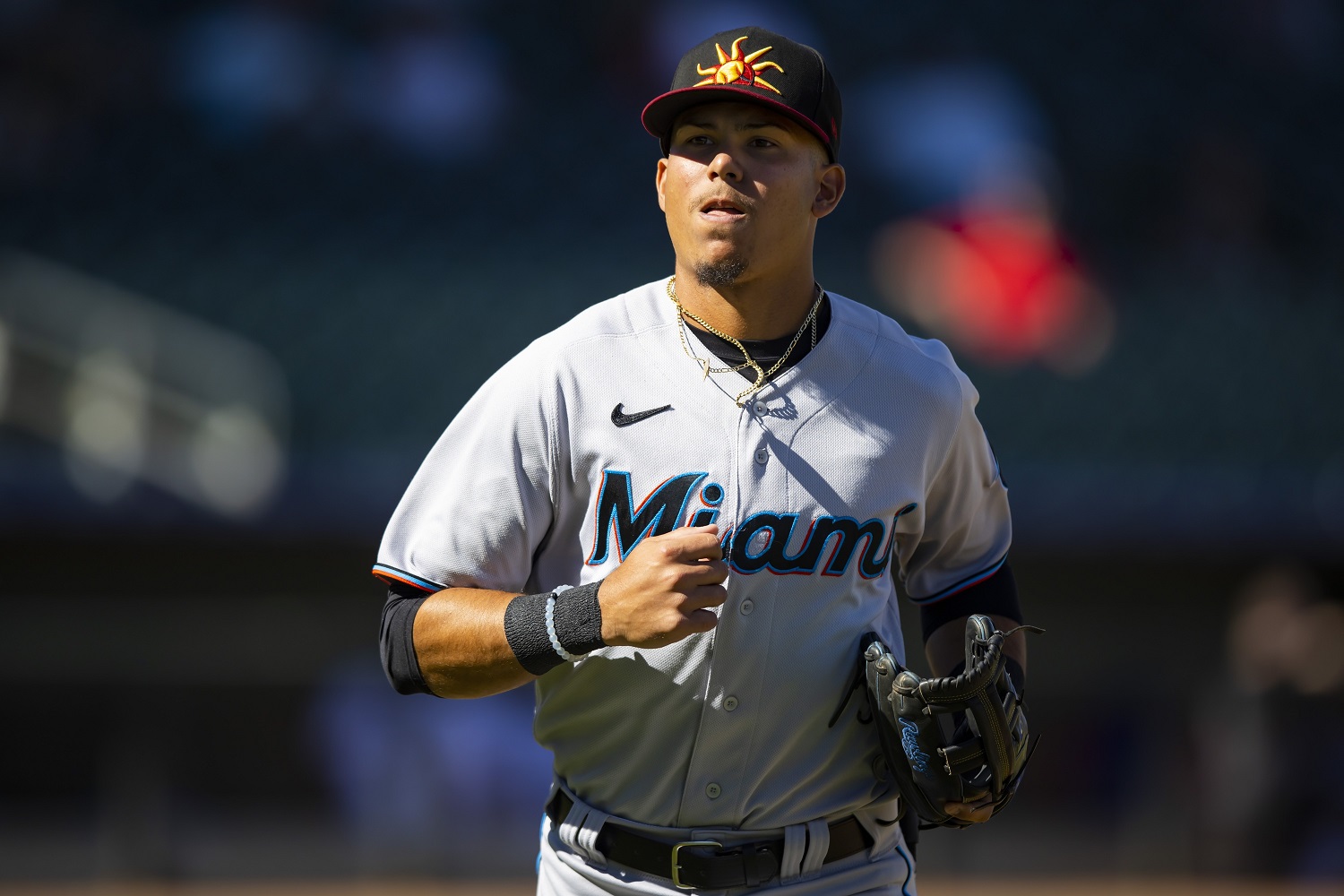 Many national prospect rankings have recently been released, with some debate at the top for the Twins. Royce Lewis and Brooks Lee are considered the team's best prospects, but their order differs depending on which list readers prefer. Emmanuel Rodriguez appears on multiple top 100 lists, so he is another name to watch in 2023. The Marlins included Jose Salas as part of the Luis Arraez trade, and this is where I'd place him in the team's top-10 list: 10. Matt Wallner, OF Age: 25 2022 Levels: AA, AAA, MLB Wallner is coming off his best professional season, which saw him hit .277/.412/.542 (.953) in the upper minors before making his big-league debut. He's in the same age range as Trevor Larnach and Alex Kirilloff, so it will be interesting to see how the organization utilizes these three young players. Wallner will likely start the year at Triple-A if everyone is healthy, but he should be one of the team's first call-ups in 2023. 9. Edouard Julien, INF Age: 23 2022 Level: AA Julien was one of Minnesota's breakout prospects in 2023. He hit .300/.441/.490 (.931) with 19 doubles, three triples, and 17 home runs. The Twins sent him to the Arizona Fall League, and he continued to rake with a 1.248 OPS in 21 games. Minnesota added him to their 40-man roster, so he should debut in 2023. Julien moved higher on the organizational depth chart after the Twins traded Arraez. 8. Jose Salas, INF Age: 19 2022 Levels: A, A+ The Marlins were aggressive with Salas throughout his professional career. Last year, he split time between Low- and High-A, and he was over three years younger than the average age of the competition in the Midwest League. In 109 games, he hit .250/.339/.384 (.723) with 20 doubles, four triples, and nine home runs. He is expected to add more to his frame, and his power numbers should increase. Some believe he can stick at shortstop, but he is comfortable playing multiple defensive positions. Salas should play most of his games in Cedar Rapids, but the team might want him to play in Fort Myers for the season's early months. He's a long way from Target Field, but he is still a prospect to watch in 2023. 7. Louie Varland, SP Age: 25 2022 Levels: AA, AAA, MLB Varland has been named the team's minor league pitcher of the year in back-to-back seasons. That has yet to happen in the Twins organization since Jose Berrios was a top-100 prospect. In 24 appearances, he posted a 3.06 ERA with a 1.26 WHIP and 10.4 K/9. His strikeout totals dropped at the big-league level, but his sample size was limited to five starts. He projects to start the year in St. Paul's rotation, but he should pitch in important games for the Twins in 2023. 6. Marco Raya, SP Age: 20 2022 Level: A Raya made his professional debut in 2022 as a 19-year-old in the Florida State League. Only 42 of his at-bats came against younger batters because he was three years younger than the average age of the competition at his level. In 19 appearances (65 1/3 innings), he posted a 3.05 ERA with a 1.07 WHIP and 10.5 K/9. Baseball Prospectus ranks Raya as baseball's 53 overall prospect, which is higher than any other national ranking. Minnesota can let Raya start the year back in Fort Myers, but most of his innings should be in Cedar Rapids. 5. Simeon Woods Richardson, SP Age: 22 2022 Levels: AA, AA. MLB Woods Richardson bounced back nicely in 2022 after struggling through parts of the 2021 season. In 23 appearances (107 1/3 IP), he posted a 2.77 ERA with a 1.05 WHIP and 9.6 K/9. He has been significantly younger than the median age of the competition throughout his professional career. Minnesota's starting pitching depth will have Woods Richardson continuing to develop at Triple-A this season. His performance and the health of other players will dictate how long he stays in St. Paul. 4. Connor Prielipp, LHP Age: 22 2022 Levels: N/A The Twins took Prielipp with the 48th overall pick in the 2022 MLB Draft. He fell that far after undergoing Tommy John surgery in college, so he should be ready to make his professional debut in 2023. His fastball and slider are both MLB-ready pitches, and his changeup also projects to be above average. The Twins were confident enough in his pre-draft workouts to go over slot value to sign him. Minnesota will work him back slowly in 2023, but he has all the traits necessary to be an ace pitcher. 3. Emmanuel Rodriguez, OF Age: 19 2022 Level: A Rodriguez has a chance to be the most exciting prospect in the Twins farm system. Last year, he hit .272/.493/.552 (1.044) with five doubles, three triples, and nine home runs in 47 games. The only thing that slowed him down was a knee injury that ended his season in June. Many national prospect lists have taken notice of Rodriguez's performance as he is a consensus top-100 prospect. He has a chance to be a top-25 global prospect entering next season, especially if his power continues to develop. 2. Royce Lewis, SS/3B/OF Age: 23 2022 Levels: AAA, MLB Lewis surprised many with how strongly he returned from ACL surgery during the 2022 campaign. The Twins sent him to Triple-A, and he hit .313/.405/.534 (.940) with 18 extra-base hits in 34 games. His big-league debut went nearly as well with a .867 OPS with four doubles and two home runs. Unfortunately, his season ended early after he tore his ACL running into the Target Field wall. Lewis should be ready by the middle of the season to help bolster the team's line-up. 1. Brooks Lee, SS Age: 21 2022 Levels: Rookie, A+, AA Lee was considered the best college bat in the 2022 draft class, so the Twins were thrilled that he fell to them with the eighth overall pick. Two months following the draft, he played in the Double-A playoffs after combining for a .839 OPS at three different levels. Lee likely won't stick at shortstop when he reaches the majors, but the Twins hope Correa can fill that position for multiple years. Minnesota doesn't need to rush him in 2023; he can reach the big leagues in the second half. The Twins Daily Top 20 Twins Prospect Rankings will be coming in early February with input from all of the site's minor league contributors. Who is ranked too high? Who is ranked too low? Should Austin Martin be in the top 10? Leave a COMMENT and start the discussion.
- 58 comments
-
- 2
-
-
- jose salas
- royce lewis
- (and 3 more)
-
The Twins added one of Miami's top prospects as part of the Luis Arraez trade. So, where does Jose Salas rank among the top Twins prospects? Image courtesy of Mark J. Rebilas-USA TODAY Sports Many national prospect rankings have recently been released, with some debate at the top for the Twins. Royce Lewis and Brooks Lee are considered the team's best prospects, but their order differs depending on which list readers prefer. Emmanuel Rodriguez appears on multiple top 100 lists, so he is another name to watch in 2023. The Marlins included Jose Salas as part of the Luis Arraez trade, and this is where I'd place him in the team's top-10 list: 10. Matt Wallner, OF Age: 25 2022 Levels: AA, AAA, MLB Wallner is coming off his best professional season, which saw him hit .277/.412/.542 (.953) in the upper minors before making his big-league debut. He's in the same age range as Trevor Larnach and Alex Kirilloff, so it will be interesting to see how the organization utilizes these three young players. Wallner will likely start the year at Triple-A if everyone is healthy, but he should be one of the team's first call-ups in 2023. 9. Edouard Julien, INF Age: 23 2022 Level: AA Julien was one of Minnesota's breakout prospects in 2023. He hit .300/.441/.490 (.931) with 19 doubles, three triples, and 17 home runs. The Twins sent him to the Arizona Fall League, and he continued to rake with a 1.248 OPS in 21 games. Minnesota added him to their 40-man roster, so he should debut in 2023. Julien moved higher on the organizational depth chart after the Twins traded Arraez. 8. Jose Salas, INF Age: 19 2022 Levels: A, A+ The Marlins were aggressive with Salas throughout his professional career. Last year, he split time between Low- and High-A, and he was over three years younger than the average age of the competition in the Midwest League. In 109 games, he hit .250/.339/.384 (.723) with 20 doubles, four triples, and nine home runs. He is expected to add more to his frame, and his power numbers should increase. Some believe he can stick at shortstop, but he is comfortable playing multiple defensive positions. Salas should play most of his games in Cedar Rapids, but the team might want him to play in Fort Myers for the season's early months. He's a long way from Target Field, but he is still a prospect to watch in 2023. 7. Louie Varland, SP Age: 25 2022 Levels: AA, AAA, MLB Varland has been named the team's minor league pitcher of the year in back-to-back seasons. That has yet to happen in the Twins organization since Jose Berrios was a top-100 prospect. In 24 appearances, he posted a 3.06 ERA with a 1.26 WHIP and 10.4 K/9. His strikeout totals dropped at the big-league level, but his sample size was limited to five starts. He projects to start the year in St. Paul's rotation, but he should pitch in important games for the Twins in 2023. 6. Marco Raya, SP Age: 20 2022 Level: A Raya made his professional debut in 2022 as a 19-year-old in the Florida State League. Only 42 of his at-bats came against younger batters because he was three years younger than the average age of the competition at his level. In 19 appearances (65 1/3 innings), he posted a 3.05 ERA with a 1.07 WHIP and 10.5 K/9. Baseball Prospectus ranks Raya as baseball's 53 overall prospect, which is higher than any other national ranking. Minnesota can let Raya start the year back in Fort Myers, but most of his innings should be in Cedar Rapids. 5. Simeon Woods Richardson, SP Age: 22 2022 Levels: AA, AA. MLB Woods Richardson bounced back nicely in 2022 after struggling through parts of the 2021 season. In 23 appearances (107 1/3 IP), he posted a 2.77 ERA with a 1.05 WHIP and 9.6 K/9. He has been significantly younger than the median age of the competition throughout his professional career. Minnesota's starting pitching depth will have Woods Richardson continuing to develop at Triple-A this season. His performance and the health of other players will dictate how long he stays in St. Paul. 4. Connor Prielipp, LHP Age: 22 2022 Levels: N/A The Twins took Prielipp with the 48th overall pick in the 2022 MLB Draft. He fell that far after undergoing Tommy John surgery in college, so he should be ready to make his professional debut in 2023. His fastball and slider are both MLB-ready pitches, and his changeup also projects to be above average. The Twins were confident enough in his pre-draft workouts to go over slot value to sign him. Minnesota will work him back slowly in 2023, but he has all the traits necessary to be an ace pitcher. 3. Emmanuel Rodriguez, OF Age: 19 2022 Level: A Rodriguez has a chance to be the most exciting prospect in the Twins farm system. Last year, he hit .272/.493/.552 (1.044) with five doubles, three triples, and nine home runs in 47 games. The only thing that slowed him down was a knee injury that ended his season in June. Many national prospect lists have taken notice of Rodriguez's performance as he is a consensus top-100 prospect. He has a chance to be a top-25 global prospect entering next season, especially if his power continues to develop. 2. Royce Lewis, SS/3B/OF Age: 23 2022 Levels: AAA, MLB Lewis surprised many with how strongly he returned from ACL surgery during the 2022 campaign. The Twins sent him to Triple-A, and he hit .313/.405/.534 (.940) with 18 extra-base hits in 34 games. His big-league debut went nearly as well with a .867 OPS with four doubles and two home runs. Unfortunately, his season ended early after he tore his ACL running into the Target Field wall. Lewis should be ready by the middle of the season to help bolster the team's line-up. 1. Brooks Lee, SS Age: 21 2022 Levels: Rookie, A+, AA Lee was considered the best college bat in the 2022 draft class, so the Twins were thrilled that he fell to them with the eighth overall pick. Two months following the draft, he played in the Double-A playoffs after combining for a .839 OPS at three different levels. Lee likely won't stick at shortstop when he reaches the majors, but the Twins hope Correa can fill that position for multiple years. Minnesota doesn't need to rush him in 2023; he can reach the big leagues in the second half. The Twins Daily Top 20 Twins Prospect Rankings will be coming in early February with input from all of the site's minor league contributors. Who is ranked too high? Who is ranked too low? Should Austin Martin be in the top 10? Leave a COMMENT and start the discussion. View full article
-
On paper, the Twins have depth in the starting rotation for the first time in years. However, the front office's path to building this rotation could be more sustainable. Image courtesy of Richard Mackson-USA TODAY Sports Last week, Minnesota completed a trade that will add Pablo Lopez to a starting rotation that includes Sonny Gray, Joe Ryan, Tyler Mahle, and Kenta Maeda. None of these pitchers is considered an ace, but all five have shown the ability to be playoff-caliber starters at different points in their careers. Also, the Twins didn't develop any of these pitchers, which might become a problem for the front office. Maeda was the first of the group to join the Twins rotation. Minnesota acquired Maeda along with Jair Camargo for Brusdar Graterol and Luke Raley. Graterol was one of the Twins' best pitching prospects at the time of the trade, but it was expected that he would shift to a bullpen role. Now, he has only pitched 106 1/3 innings with a 7.8 K/9. Maeda finished runner-up for the Cy Young during the pandemic-shortened 2020 season and will return to the mound in 2023 following Tommy John surgery. He is a free agent following the season and has been limited to 173 innings in a Twins uniform. Ryan was the next pitcher acquired among this group. The Twins traded Nelson Cruz and Calvin Faucher to the Rays for Ryan and Drew Strotman at the 2021 trade deadline. Cruz was integral to Minnesota's success during the 2019 season, but he wasn't on an expiring contract. Tampa is known for its ability to develop pitching, and Ryan was nearly big-league-ready. In two seasons, he has posted a 3.63 ERA and a 1.05 WHIP with 9.4 K/9. Since he debuted at age 25, the Twins have team control over Ryan into his early-30s. The Twins had to give up a substantial amount to acquire Sonny Gray during the last off-season. Minnesota had selected Chase Petty with the 26th overall pick in the 2021 MLB Draft. In his age-19 season, the Reds pushed him to High-A, and he compiled a 3.48 ERA with a 1.17 WHIP and 8.8 K/9. Gray is no stranger to trades because he was traded three times in six seasons. In 2022, he pitched 119 2/3 innings with a 125 OPS+ and 8.8 K/9. Like Maeda, he can be a free agent following the 2023 campaign. Minnesota reengaged Cincinnati at last year's trade deadline to acquire Mahle. This time the cost was significantly more, with the Twins trading multiple top prospects, including Christian Encarnacion-Strand, Steve Hajjar, and Spencer Steer. Mahle was limited to 16 1/3 innings with the Twins due to a shoulder injury, but the Twins hope he's healthy in 2023. This trade may haunt the front office if Mahle's shoulder continues to be an issue. The Lopez trade differed from many others mentioned above because both teams included an established big-league player. Lopez and Ryan are the only two pitchers under team control beyond the 2023 season. Over the last three seasons, Lopez has posted a 3.52 ERA with a 1.16 WHIP while averaging 113 innings per season. Fans will expect a lot from Lopez, mainly since the Twins traded fan favorite Luis Arraez. One of the reasons Minnesota hired Derek Falvey was because of the pitching pipeline he helped develop in Cleveland. So far, the Twins have yet to see the results of pitchers developing in the organization's farm system. Every team needs more than five starting pitchers, and the Twins will use homegrown players like Bailey Ober, Josh Winder, Cole Sands, Louie Varland, and Jordan Balazovic. Minnesota's top pitching prospects, Connor Prielipp and Marco Raya don't figure to impact the 2023 roster. Starting pitching depth is critical, but the Twins might not be able to continue to trade for rotational help. Time will tell if the Twins surrendered too much to acquire their projected starting rotation. Minnesota has shown a tendency to avoid long-term contracts for starting pitchers, and that's why the trade market has been their go-to method for acquiring talent. The organization's farm system already ranks in the middle of the pack compared to the rest of the league, so it is unsustainable to think the front office can continue to trade prospects to acquire talent. Mid-market teams like the Twins thrive with young players supplementing the big-league roster, and that can't happen if the team continues to trade away prospects. Is this model of building a rotation sustainable for the Twins? Will any of the organization's homegrown pitchers break out in 2023? Leave a COMMENT and start the discussion. View full article
- 44 replies
-
- 1
-
-
- sonny gray
- kenta maeda
- (and 3 more)
-
Twins Front Office Testing an Unsustainable Rotation Solution
Cody Christie posted an article in Twins
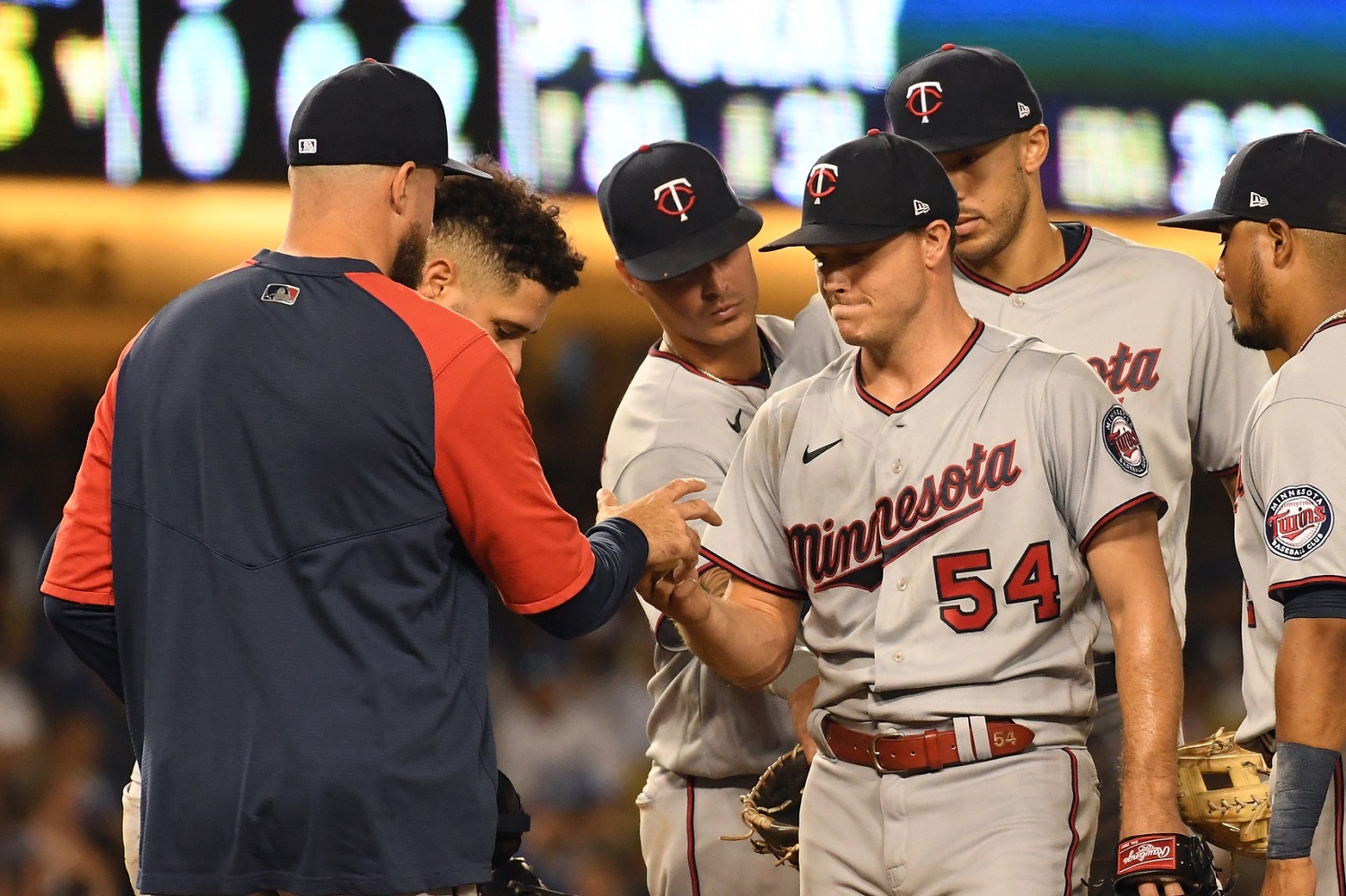 Last week, Minnesota completed a trade that will add Pablo Lopez to a starting rotation that includes Sonny Gray, Joe Ryan, Tyler Mahle, and Kenta Maeda. None of these pitchers is considered an ace, but all five have shown the ability to be playoff-caliber starters at different points in their careers. Also, the Twins didn't develop any of these pitchers, which might become a problem for the front office. Maeda was the first of the group to join the Twins rotation. Minnesota acquired Maeda along with Jair Camargo for Brusdar Graterol and Luke Raley. Graterol was one of the Twins' best pitching prospects at the time of the trade, but it was expected that he would shift to a bullpen role. Now, he has only pitched 106 1/3 innings with a 7.8 K/9. Maeda finished runner-up for the Cy Young during the pandemic-shortened 2020 season and will return to the mound in 2023 following Tommy John surgery. He is a free agent following the season and has been limited to 173 innings in a Twins uniform. Ryan was the next pitcher acquired among this group. The Twins traded Nelson Cruz and Calvin Faucher to the Rays for Ryan and Drew Strotman at the 2021 trade deadline. Cruz was integral to Minnesota's success during the 2019 season, but he wasn't on an expiring contract. Tampa is known for its ability to develop pitching, and Ryan was nearly big-league-ready. In two seasons, he has posted a 3.63 ERA and a 1.05 WHIP with 9.4 K/9. Since he debuted at age 25, the Twins have team control over Ryan into his early-30s. The Twins had to give up a substantial amount to acquire Sonny Gray during the last off-season. Minnesota had selected Chase Petty with the 26th overall pick in the 2021 MLB Draft. In his age-19 season, the Reds pushed him to High-A, and he compiled a 3.48 ERA with a 1.17 WHIP and 8.8 K/9. Gray is no stranger to trades because he was traded three times in six seasons. In 2022, he pitched 119 2/3 innings with a 125 OPS+ and 8.8 K/9. Like Maeda, he can be a free agent following the 2023 campaign. Minnesota reengaged Cincinnati at last year's trade deadline to acquire Mahle. This time the cost was significantly more, with the Twins trading multiple top prospects, including Christian Encarnacion-Strand, Steve Hajjar, and Spencer Steer. Mahle was limited to 16 1/3 innings with the Twins due to a shoulder injury, but the Twins hope he's healthy in 2023. This trade may haunt the front office if Mahle's shoulder continues to be an issue. The Lopez trade differed from many others mentioned above because both teams included an established big-league player. Lopez and Ryan are the only two pitchers under team control beyond the 2023 season. Over the last three seasons, Lopez has posted a 3.52 ERA with a 1.16 WHIP while averaging 113 innings per season. Fans will expect a lot from Lopez, mainly since the Twins traded fan favorite Luis Arraez. One of the reasons Minnesota hired Derek Falvey was because of the pitching pipeline he helped develop in Cleveland. So far, the Twins have yet to see the results of pitchers developing in the organization's farm system. Every team needs more than five starting pitchers, and the Twins will use homegrown players like Bailey Ober, Josh Winder, Cole Sands, Louie Varland, and Jordan Balazovic. Minnesota's top pitching prospects, Connor Prielipp and Marco Raya don't figure to impact the 2023 roster. Starting pitching depth is critical, but the Twins might not be able to continue to trade for rotational help. Time will tell if the Twins surrendered too much to acquire their projected starting rotation. Minnesota has shown a tendency to avoid long-term contracts for starting pitchers, and that's why the trade market has been their go-to method for acquiring talent. The organization's farm system already ranks in the middle of the pack compared to the rest of the league, so it is unsustainable to think the front office can continue to trade prospects to acquire talent. Mid-market teams like the Twins thrive with young players supplementing the big-league roster, and that can't happen if the team continues to trade away prospects. Is this model of building a rotation sustainable for the Twins? Will any of the organization's homegrown pitchers break out in 2023? Leave a COMMENT and start the discussion.
- 44 comments
-
- 1
-
-
- sonny gray
- kenta maeda
- (and 3 more)
-
Minnesota's 2023 roster has started to come into focus after the front office completed multiple trades in the last week. Here is how the team projects to start Opening Day. Image courtesy of Jeffrey Becker-USA TODAY Sports Last season, the lockout forced MLB to allow teams to begin the year with 28-man rosters. The lockout forced a shortened spring training, and baseball was worried about an increased chance of player injuries. For 2023, teams must narrow their final roster to 26 players. Players listed below with the ** are on the bubble for the final roster spots. Catchers (2): Christian Vazquez, Ryan Jeffers Minnesota's catching duo has been set since the club signed Vazquez to a multi-year deal. It was clear from the onset of the off-season that the Twins targeted Vazquez and paid a premium to sign him. The Twins have six catchers among their non-roster invitees to spring training, including veterans Tony Wolters, Grayson Greiner, and Chance Sisco. Teams rarely rely on just two catchers for an entire season, so the Twins will likely need help from these veterans to play at some point during the 2023 campaign. Infielders (5): Carlos Correa, Kyle Farmer, Alex Kirilloff**, Jose Miranda, Jorge Polanco Adding Correa to this group pushed Farmer to a utility role, which might be a better fit for his skill set. Miranda is getting the full-time job at third base after the team traded Gio Urshela earlier this winter. Polanco figures to get most of the playing time at second base, but it will be interesting to see if he feels any pressure from the team's top prospects. Kirilloff will get time at first base, but the team might have another option (see below) if the team wants him to get regular rest at the season's start. Top prospects like Royce Lewis, Brooks Lee, Edouard Julien, and Austin Martin can add depth to this group in the second half. Outfielders (6): Byron Buxton, Gilberto Celestino**, Joey Gallo, Nick Gordon**, Max Kepler, Michael A. Taylor By adding Taylor, the Twins have three former Gold Glove winners in the outfield and another Gold Glove finalist. Minnesota's outfield defense has the potential to be one of baseball's best, but all four players can't fit in the outfield at the same time. Gallo has logged over 746 innings at first base, so the team might be comfortable moving him to the infield so Kirilloff can slowly work his way back. Gilberto Celestino can start the year at Triple-A, a level where he has played fewer than 25 games. Nick Gordon is out of minor-league options, so the Twins will keep him based on his breakout performance in 2022. Trevor Larnach and Matt Wallner add depth to the organization's outfield, but they will have to power their way from St. Paul to Minneapolis. Rotation (5): Sonny Gray, Pablo Lopez, Tyler Mahle, Kenta Maeda, Joe Ryan Some Twins fans were disappointed the Twins traded Arraez, but Lopez lengthened the Twins' starting rotation. Depth was needed because there are injury concerns surrounding numerous players in the rotation. Since the last projection, Bailey Ober got bumped to Triple-A because of the Lopez addition. Other young pitchers like Louie Varland, Simeon Woods Richardson, and Jordan Balazovic will be waiting for an opportunity. It is one of the deepest rotations the Twins have had in recent memory, and the club will have to rely on that depth if/when the injury bug strikes again. Bullpen (8): Jhoan Duran, Jorge Lopez, Griffin Jax, Caleb Thielbar, Emilio Pagan, Jorge Alcala**, Jovani Moran**, Trevor Megill** Minnesota has done little to address the bullpen this winter, but that has been a common theme for a front office that relies on veterans and internal options. Since Twins Daily's initial roster projection, all of the above names have stayed the same. Duran and Lopez should get the bulk of the high-leverage opportunities. Jax and Thielbar will combine to be a bridge to the late-inning arms. Pagan is a wild card, but the Twins are hoping for a better performance from a player with good stuff. ZiPS projects feel like the Twins' bullpen is top-heavy, which makes sense considering the recent track record of players expected to be on the roster. Minnesota will have some decisions at the bullpen's backend with other 40-man roster options like Ronny Henriquez, Cole Sands, and Josh Winder. How do you feel about the team's depth at multiple positions? What changes will happen to the team's roster before Opening Day? Leave a COMMENT and start the discussion. View full article
-
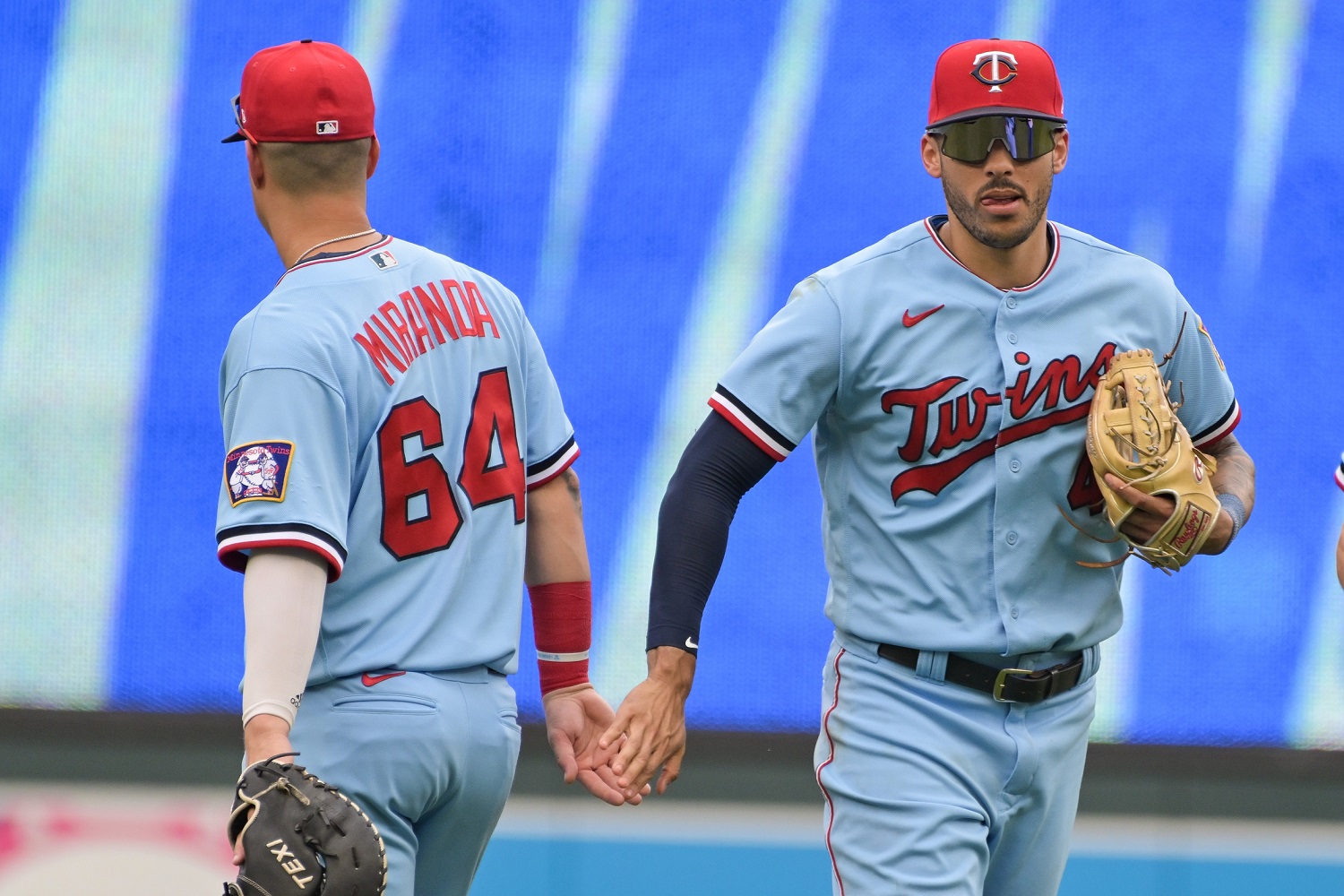 Last season, the lockout forced MLB to allow teams to begin the year with 28-man rosters. The lockout forced a shortened spring training, and baseball was worried about an increased chance of player injuries. For 2023, teams must narrow their final roster to 26 players. Players listed below with the ** are on the bubble for the final roster spots. Catchers (2): Christian Vazquez, Ryan Jeffers Minnesota's catching duo has been set since the club signed Vazquez to a multi-year deal. It was clear from the onset of the off-season that the Twins targeted Vazquez and paid a premium to sign him. The Twins have six catchers among their non-roster invitees to spring training, including veterans Tony Wolters, Grayson Greiner, and Chance Sisco. Teams rarely rely on just two catchers for an entire season, so the Twins will likely need help from these veterans to play at some point during the 2023 campaign. Infielders (5): Carlos Correa, Kyle Farmer, Alex Kirilloff**, Jose Miranda, Jorge Polanco Adding Correa to this group pushed Farmer to a utility role, which might be a better fit for his skill set. Miranda is getting the full-time job at third base after the team traded Gio Urshela earlier this winter. Polanco figures to get most of the playing time at second base, but it will be interesting to see if he feels any pressure from the team's top prospects. Kirilloff will get time at first base, but the team might have another option (see below) if the team wants him to get regular rest at the season's start. Top prospects like Royce Lewis, Brooks Lee, Edouard Julien, and Austin Martin can add depth to this group in the second half. Outfielders (6): Byron Buxton, Gilberto Celestino**, Joey Gallo, Nick Gordon**, Max Kepler, Michael A. Taylor By adding Taylor, the Twins have three former Gold Glove winners in the outfield and another Gold Glove finalist. Minnesota's outfield defense has the potential to be one of baseball's best, but all four players can't fit in the outfield at the same time. Gallo has logged over 746 innings at first base, so the team might be comfortable moving him to the infield so Kirilloff can slowly work his way back. Gilberto Celestino can start the year at Triple-A, a level where he has played fewer than 25 games. Nick Gordon is out of minor-league options, so the Twins will keep him based on his breakout performance in 2022. Trevor Larnach and Matt Wallner add depth to the organization's outfield, but they will have to power their way from St. Paul to Minneapolis. Rotation (5): Sonny Gray, Pablo Lopez, Tyler Mahle, Kenta Maeda, Joe Ryan Some Twins fans were disappointed the Twins traded Arraez, but Lopez lengthened the Twins' starting rotation. Depth was needed because there are injury concerns surrounding numerous players in the rotation. Since the last projection, Bailey Ober got bumped to Triple-A because of the Lopez addition. Other young pitchers like Louie Varland, Simeon Woods Richardson, and Jordan Balazovic will be waiting for an opportunity. It is one of the deepest rotations the Twins have had in recent memory, and the club will have to rely on that depth if/when the injury bug strikes again. Bullpen (8): Jhoan Duran, Jorge Lopez, Griffin Jax, Caleb Thielbar, Emilio Pagan, Jorge Alcala**, Jovani Moran**, Trevor Megill** Minnesota has done little to address the bullpen this winter, but that has been a common theme for a front office that relies on veterans and internal options. Since Twins Daily's initial roster projection, all of the above names have stayed the same. Duran and Lopez should get the bulk of the high-leverage opportunities. Jax and Thielbar will combine to be a bridge to the late-inning arms. Pagan is a wild card, but the Twins are hoping for a better performance from a player with good stuff. ZiPS projects feel like the Twins' bullpen is top-heavy, which makes sense considering the recent track record of players expected to be on the roster. Minnesota will have some decisions at the bullpen's backend with other 40-man roster options like Ronny Henriquez, Cole Sands, and Josh Winder. How do you feel about the team's depth at multiple positions? What changes will happen to the team's roster before Opening Day? Leave a COMMENT and start the discussion.
- 66 comments
-
- 3
-
-

-
- pablo lopez
- michael a taylor
- (and 3 more)
-
Unlike other professional sports leagues, baseball’s first-round draft picks take time to develop and reach the major leagues. Here is a look back at the last decade of MLB Drafts and the players selected by the Twins. Image courtesy of Brad Rempel-USA TODAY Sports Many first-round picks quickly move into the organization’s top prospect lists. Minnesota has seen some successes and failures in recent drafts, with multiple top prospects on the way to Target Field. Derek Falvey and Thad Levine have focused on certain types of players in the draft, which might help the team keep its winning window open as long as possible. Here’s a look at the last decade of first-round picks for the Twins. 2022: Brooks Lee (8th overall) Lee is one of the most exciting hitting prospects to come through the Twins organization in quite some time. Some evaluators thought he could be the number one overall pick, but he fell to the Twins with the eighth pick. Last season, he played at three levels and hit .303/.389/.451 (.839) with six doubles and four home runs. The Twins don’t need to rush things with Lee, and he will probably spend most of the season at Double-A. If he performs well, there is a chance he will make his debut in 2023 and is a top-25 global prospect by this time next year. 2021: Chase Petty (26th overall) It can take a long time for high school pitchers to develop in the minor leagues. Minnesota thought Petty had enough upside to take on that risk before drafting him late in the first round. Leading into last season, the Twins traded him to the Reds organization for Sonny Gray. In his age-19 season, the Reds pushed him to High-A, and he compiled a 3.48 ERA with a 1.17 WHIP and 8.8 K/9. For 2023, Petty should get a full season at High-A with a chance to pitch over 100 innings for the first time in his career. 2020: Aaron Sabato (27th overall) The 2020 MLB Draft will be interesting to analyze in the years ahead. College teams saw limited action before the shutdown, and many high school players never stepped on the field that spring. Sabato destroyed the ball in college (1.158 OPS) before being drafted by the Twins. In 2022, he hit .215/.336/.438 (.774) with 17 doubles and 22 home runs while reaching Double-A. Sabato was over a year younger than the average age of the competition in the Texas League, so he should spend most of 2022 at that level. 2019: Keoni Cavaco (13th overall) Cavaco has spent the last two seasons at Fort Myers while shifting from shortstop to third base. Last season, he hit .231/.275/.397 (.672) with 18 doubles, five triples, and 11 home runs. His OPS jumped 74 points compared to 2021, and he was roughly the same age as the average competition at his level. He will be pushed to Cedar Rapids in 2023 with a chance to reach Double-A by the season’s end. 2018: Trevor Larnach (20th overall) Larnach has averaged fewer than 80 games per season over the last two years. He’s been a streaky hitter during his big-league career, but some of his performance might be tied to his injury history. He posted a 104 OPS+ in 2022 and destroyed the ball in May with a 1.077 OPS. Minnesota has a plethora of left-handed power-hitting bats, which might make Larnach expendable as part of a trade. 2017: Royce Lewis (1st overall) It looked like the Twins might be willing to turn shortstop over to Royce Lewis before the team signed Carlos Correa to a long-term deal. Now, Lewis will need to shift to other defensive positions if Correa continues to stay healthy. During the 2023 season, Lewis isn’t expected to return to action until mid-season while recovering from his second ACL tear over the last two seasons. 2016: Alex Kirilloff (15th overall) Kirilloff has battled through wrist issues during his first two big-league seasons, and the Twins hope his latest surgery helps him in the long term. There have been glimpses of the strong hitter Kirilloff was at the start of his professional career, but his nagging wrist has slowed down his development. He will get regular time at first base and in a corner outfield spot for the 2023 Twins. 2015: Tyler Jay (6th overall) Jay never made it to the big leagues with the Twins organization. He topped out at the Double-A level in four seasons in the organization. The Twins traded Jay to the Reds organization during the 2019 season for cash considerations, but he only spent part of a season pitching for that organization. Last year, he made 22 appearances with a 1.64 ERA and 9.8 K/9 for the Joliet Slammers in the independent Frontier League. It seems likely that he can get another job in independent baseball if he wants to continue pitching. 2014: Nick Gordon (5th overall) It may have taken longer than expected, but Gordon found a niche with the 2022 Twins. He became an everyday player for a team struggling through injuries and posted a 113 OPS+ in 136 games. Minnesota has plenty of corner outfield options on the 40-man roster, so it will be interesting to see how the Twins will use Gordon in 2023. He is out of MLB options, so he needs to be kept on the Opening Day roster. 2013: Kohl Stewart (4th overall) Stewart played eight seasons in the Twins organization and made six appearances at the big-league level. He struggled in the upper minors with a 4.65 ERA and a 1.36 WHIP in over 160 innings at Triple-A. For 2023, the Royals signed Stewart to a minor league deal, but he isn’t expected in big-league camp as he continues to rehab from an elbow injury. Which players will have the most significant impact on the 2023 roster? Which player was the biggest disappointment? Leave a COMMENT and start the discussion. View full article
