



Cody Christie
-
Posts
7,820 -
Joined
-
Last visited
-
Days Won
5
Content Type
Profiles
News
Minnesota Twins Videos
2026 Minnesota Twins Top Prospects Ranking
2022 Minnesota Twins Draft Picks
Minnesota Twins Free Agent & Trade Rumors, Notes, & Tidbits
Guides & Resources
2023 Minnesota Twins Draft Picks
The Minnesota Twins Players Project
2024 Minnesota Twins Draft Picks
2025 Minnesota Twins Draft Pick Tracker
2026 Minnesota Twins Draft Tracker: Picks & Bonuses
Forums
Blogs
Events
Store
Downloads
Gallery
Everything posted by Cody Christie
-
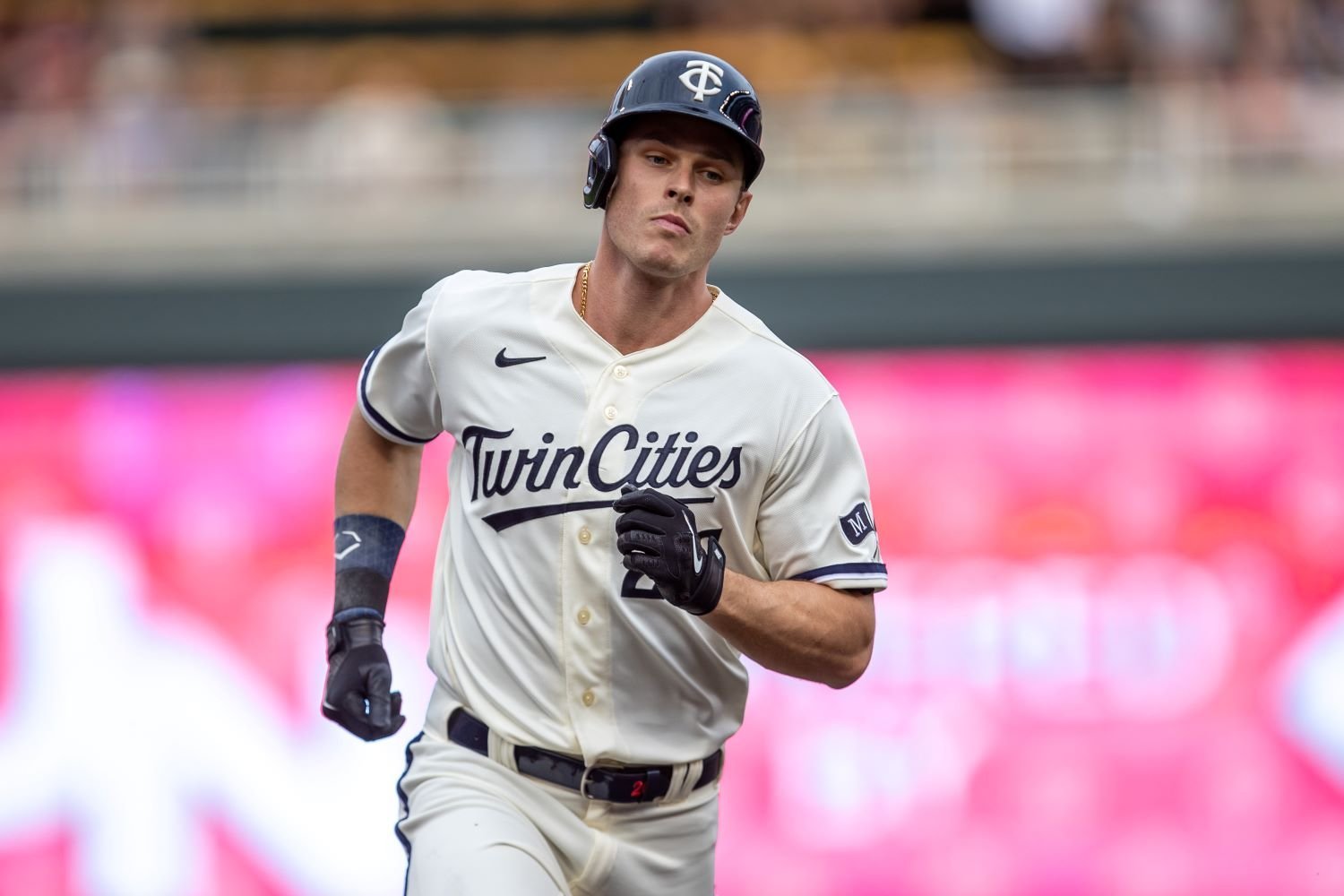 Max Kepler has grown up in the Twins organization since signing as a teenager on the international market. There were plenty of ups and downs throughout his professional career. He was the Southern League Player of the Year in 2015 after he finished the season with a .327 batting average, nine home runs, and 18 stolen bases. He was a consensus top-60 prospect entering the 2017 season, and there was hope that he would begin to flourish at the big-league level. Kepler’s MLB career has been inconsistent on offense while developing into one of baseball’s best defensive right-fielders. From 2016-18, his OPS+ hovered just points below 100 while showing stretches where he could be one of the team’s best hitters. In 2019, he had a breakout season by hitting .252/.336/.519 (.855) with 32 doubles and 36 home runs. Baseballs weren’t being hit out at record rates after 2019, and Kepler’s OPS+ dropped to 97 from 2020-22. Minnesota reportedly attempted to trade Kepler following the season but didn’t like the value being offered in return. Minnesota’s payroll is likely dropping for next season, and trading veterans is one avenue to make other roster additions. Here are three reasons why the time is right for a Kepler trade. 1. Kepler's Contract is Expiring It’s now or never for the Twins to make a trade involving Kepler. He’s in the final year of team control after signing a team-friendly contract extension early in his career. An acquiring team could also extend a qualifying offer to Kepler next winter if he is traded during the current offseason. Eligible players would have received a one-year deal worth $20.3 million this winter, but no players accepted the qualifying offer. Kepler has been worth $17 million or more in every full season, and he’s been worth $20.7 million or more in three seasons, including last year. The Twins could always attempt to trade him at the trade deadline, but then he is a rental player who wouldn’t be eligible for the qualifying offer. 2. Kepler is Due for Regression Kepler’s offensive performance in the second half is one of the big reasons the Twins got separation in the division race. In 66 games, he posted a .926 OPS with 17 doubles, two triples, and 12 home runs. It seems likely that there will be some regression in his offensive output when compared to his career totals. Baseball-Reference projects Kepler to post a .746 OPS in 2024 with 21 doubles and 18 home runs. Those totals are decent for a strong defensive player, but other teams might be bought in on the improvements made by Kepler in the second half. Baseball Trade Values has Kepler with an 8.9 surplus value, which is higher than Jorge Polanco even though the latter has an additional year of team control. 3. Other Corner Outfield Options The Twins need to upgrade the current roster, including adding a starting center fielder and a playoff-caliber starter. Both of those needs come at a high cost in free agency or trade, which leaves the team looking for flexibility on the roster. Minnesota has other corner outfield options, including Matt Wallner, Trevor Larnach, Willi Castro, and Nick Gordon. Castro, a switch-hitter, is the only non-lefty in the group, so there isn’t much of an opportunity to play the platoon advantage. Wallner seems like a natural fit to slide over to right field to take even more advantage of his elite throwing arm. Then, the Twins can mix and match players in left field depending on the matchup. Kepler has been in the Twins organization for so long that it’s easy for fans to point out his flaws. There’s no question that he has been a vital role player for a Twins team attempting to return to winning baseball after a decade of ineptitude. Kepler's name made multiple appearaces in the trade proposals created for the Twins Daily Offseason Handbook (Click Here to Download). Some will be sad to see him go, and others will be happy to see him leave. Either way, it seems most likely for Kepler to be wearing another team’s uniform on the first day of spring training. Do you think the Twins will trade Kepler? How much value does he have after the 2023 season? Leave a COMMENT and start the discussion.
 -
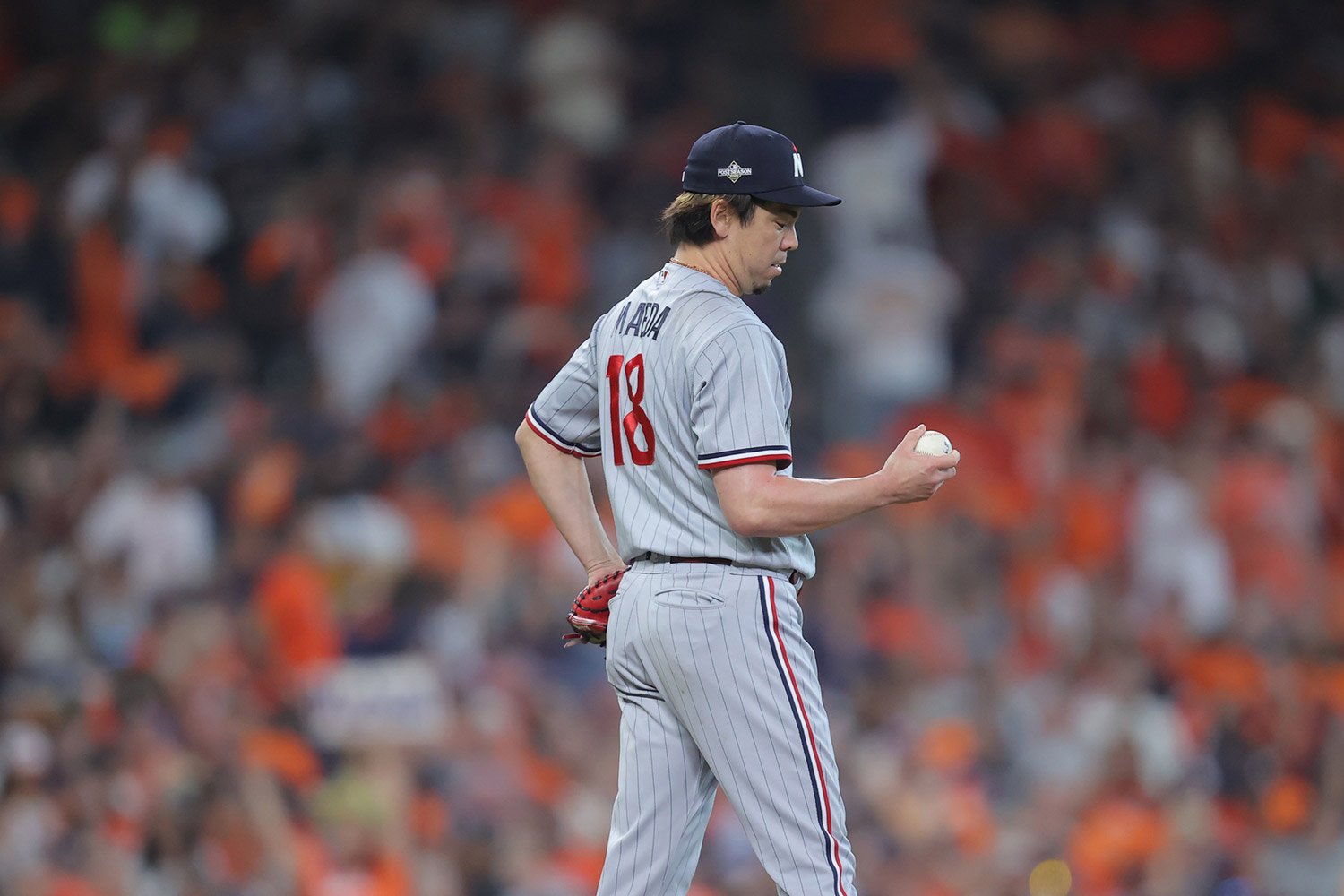 Jon Heyman is reporting that the Twins and Tigers are interested in signing Kenta Maeda. He calls Detroit’s interest “serious” while also saying there might be other clubs interested in adding the veteran starting pitcher. Will Maeda end up on another AL Central team?
 -
Jon Heyman is reporting that the Twins and Tigers are interested in signing Kenta Maeda. He calls Detroit’s interest “serious” while also saying there might be other clubs interested in adding the veteran starting pitcher. Will Maeda end up on another AL Central team?
-
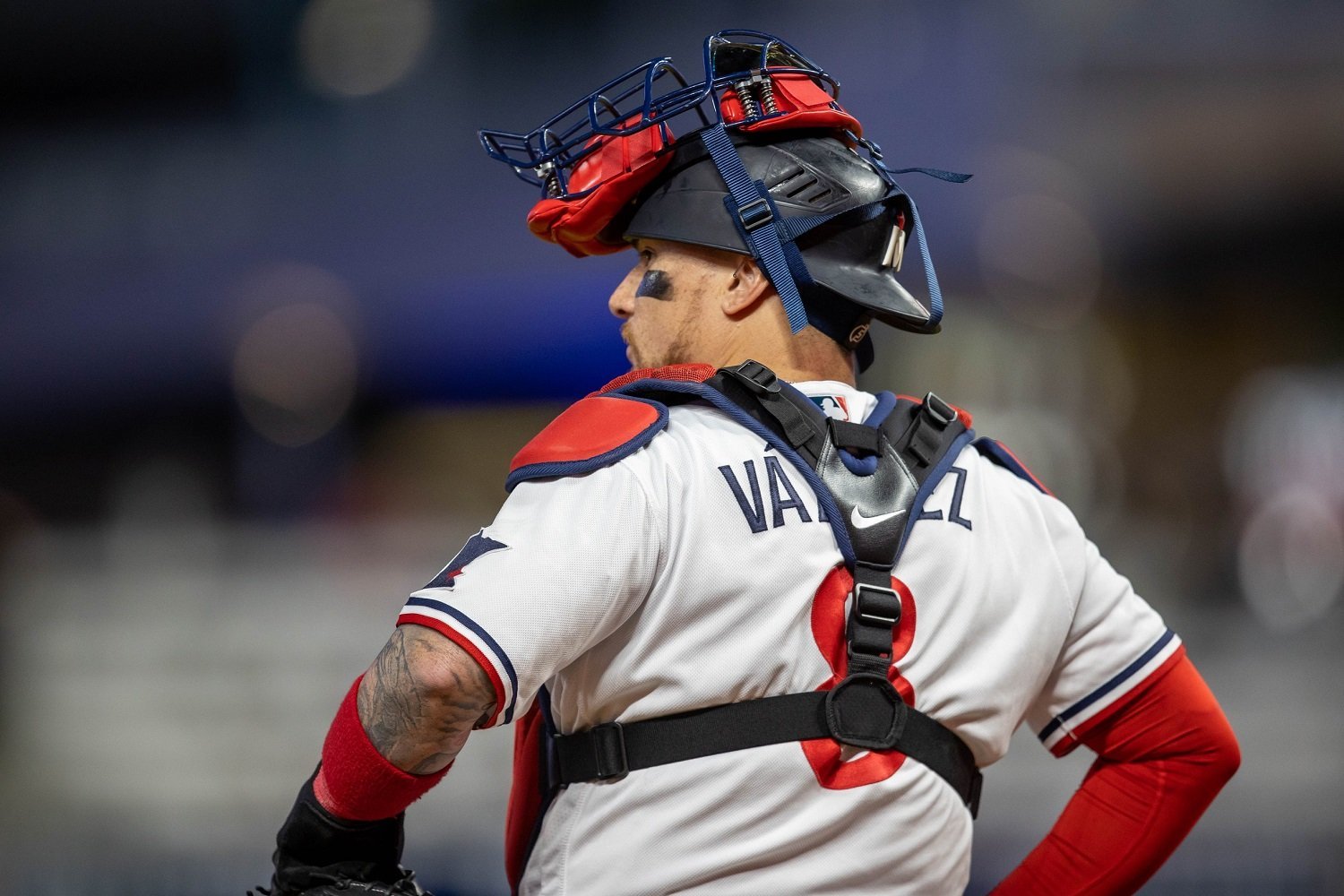
According to Robert Murray, the Twins have been aggressively shopping Christian Vazquez to start the offseason. This makes sense on multiple fronts after a breakout season from Ryan Jeffers and the club is looking to cut payroll. Vazquez has two years and $20 million remaining on his contract. Jair Camargo also posted solid numbers at Triple-A and the team recently added him to the 40-man roster. How much of a market will there be for Vazquez?
-
 The Tampa Bay Rays have consistently been successfull when trading away expensive players to restock their farm system. Minnesota has multiple needs this winter, and Tampa is a logical trade partner. Image courtesy of Jonathan Dyer-USA TODAY Sports The Tampa Bay Rays have consistently been successfull when trading away expensive players to restock their farm system. Minnesota has multiple needs this winter, and Tampa is a logical trade partner. The Twins and Rays have made multiple trades in the past, and there are clear trade targets on the Rays that fit Minnesota’s needs. The most recent trade between these two clubs came at the 2021 trade deadline when the Twins sent Nelson Cruz and Calvin Faucher to Tampa for Joe Ryan and Drew Strotman. Minnesota clearly won this trade, with Ryan developing into a solid big-league pitcher, and Cruz struggled in his two months for Tampa. Overall, the Twins have fared well in trades with the Rays over the last decade. Can Minnesota find another way to get value from players the Rays can no longer afford on their roster? Here are four potential trade targets and how they would fit on the 2024 Twins roster. Tyler Glasnow, SP The Twins are potentially losing Sonny Gray and Kenta Maeda from their starting rotation, leaving the front office searching for another playoff-caliber starter. Glasnow returned from Tommy John surgery last season and posted a 3.53 ERA with a 1.08 WHIP and a 162-to-37 strikeout-to-walk ratio in 120 innings. He is due a big bump in pay from $5.35 million in 2023 to $25 million in 2024. The Rays are likely looking to shed his salary since they have one of baseball’s smaller payrolls. Tampa would likely extend him a qualifying offer following the 2024 season, and the potentially recouped draft pick will figure into their asking price for Glasnow. Teams trading for him must provide the Rays with enough value to outweigh an entire season of Glasnow and a late first-round pick. Manuel Margot, CF Finding a center fielder is one of the Twins’ biggest needs for the club this winter. Margot has been a strong defender at all three outfield positions in previous seasons, but his defensive ratings dropped last season while being in his first year back from a patellar tendon strain to his right knee. The Twins might believe he will regain some of his defensive value now that he is a year further removed from his injury. Over the last four seasons, he has posted a 96 OPS+ while hitting .264/.317/.375 (.692). As a righty, his numbers are better versus left-handed pitching with a career .281/.341/.420 (.761) line. He is owed $10 million for 2024 and has a team option for $12 million in 2025. Harold Ramirez, OF/DH Ramirez is a right-handed hitter, which the Twins have needed in recent seasons. Last season, he hit .313/.353/.460 (.813) with 19 doubles, 12 home runs, and a 125 OPS+. However, he destroyed left-handed pitchers with a .966 OPS in 124 plate appearances. Defensively, Ramirez doesn’t provide much value, with the Rays mainly using him at DH last season. During the 2022 season, he logged nearly 250 innings at first base, so the Twins could use him as a platoon option with Kirilloff. He is projected to make roughly $4.4 million through arbitration this year, which might be the upper limit for what the Twins want to spend on a part-time player. Randy Arozarena, OF Arozarena is a playoff legend for the Rays and a former Rookie of the Year. Next season will be his first as an arbitration-eligible player, so his cost might start rising, which is usually when Tampa starts to contemplate trading a player. Last season, he hit .254/.364/.425 (.789) with a 120 OPS+ and was elected to his first All-Star team. For the Twins, he is the least likely fit on this list because he is limited to corner outfield duties, and the Twins have multiple options at those positions. He is right-handed, so the Twins might consider a trade for Arozarena if they can trade one of their other outfield options. Which player should the Twins target? Is Glasnow’s salary too high for the Twins to absorb? Leave a COMMENT and start the discussion. View full article
- 18 replies
-
- 1
-

-
- tyler glasnow
- randy arozarena
- (and 2 more)
-
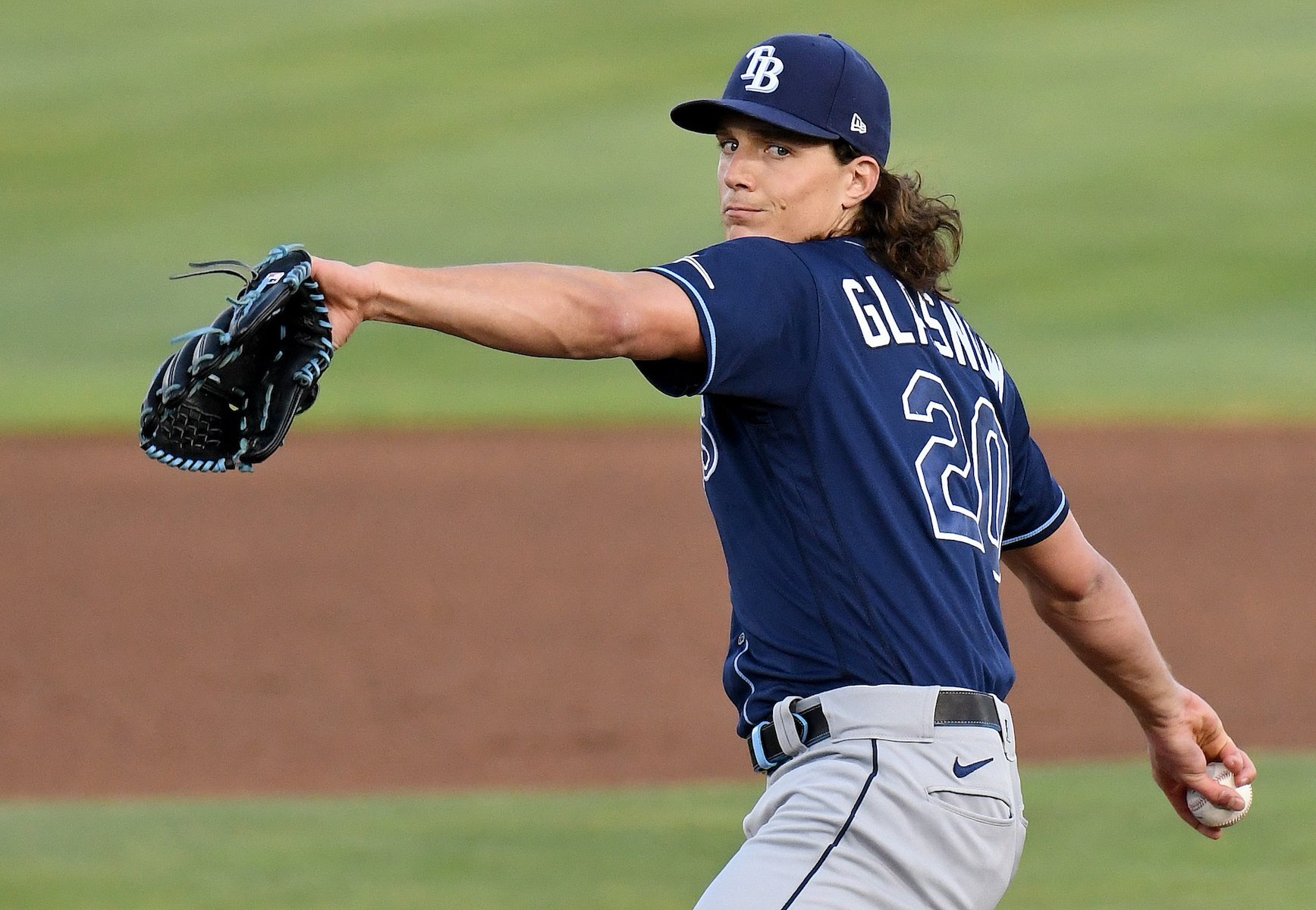 The Twins and Rays have made multiple trades in the past, and there are clear trade targets on the Rays that fit Minnesota’s needs. The most recent trade between these two clubs came at the 2021 trade deadline when the Twins sent Nelson Cruz and Calvin Faucher to Tampa for Joe Ryan and Drew Strotman. Minnesota clearly won this trade, with Ryan developing into a solid big-league pitcher, and Cruz struggled in his two months for Tampa. Overall, the Twins have fared well in trades with the Rays over the last decade. Can Minnesota find another way to get value from players the Rays can no longer afford on their roster? Here are four potential trade targets and how they would fit on the 2024 Twins roster. Tyler Glasnow, SP The Twins are potentially losing Sonny Gray and Kenta Maeda from their starting rotation, leaving the front office searching for another playoff-caliber starter. Glasnow returned from Tommy John surgery last season and posted a 3.53 ERA with a 1.08 WHIP and a 162-to-37 strikeout-to-walk ratio in 120 innings. He is due a big bump in pay from $5.35 million in 2023 to $25 million in 2024. The Rays are likely looking to shed his salary since they have one of baseball’s smaller payrolls. Tampa would likely extend him a qualifying offer following the 2024 season, and the potentially recouped draft pick will figure into their asking price for Glasnow. Teams trading for him must provide the Rays with enough value to outweigh an entire season of Glasnow and a late first-round pick. Manuel Margot, CF Finding a center fielder is one of the Twins’ biggest needs for the club this winter. Margot has been a strong defender at all three outfield positions in previous seasons, but his defensive ratings dropped last season while being in his first year back from a patellar tendon strain to his right knee. The Twins might believe he will regain some of his defensive value now that he is a year further removed from his injury. Over the last four seasons, he has posted a 96 OPS+ while hitting .264/.317/.375 (.692). As a righty, his numbers are better versus left-handed pitching with a career .281/.341/.420 (.761) line. He is owed $10 million for 2024 and has a team option for $12 million in 2025. Harold Ramirez, OF/DH Ramirez is a right-handed hitter, which the Twins have needed in recent seasons. Last season, he hit .313/.353/.460 (.813) with 19 doubles, 12 home runs, and a 125 OPS+. However, he destroyed left-handed pitchers with a .966 OPS in 124 plate appearances. Defensively, Ramirez doesn’t provide much value, with the Rays mainly using him at DH last season. During the 2022 season, he logged nearly 250 innings at first base, so the Twins could use him as a platoon option with Kirilloff. He is projected to make roughly $4.4 million through arbitration this year, which might be the upper limit for what the Twins want to spend on a part-time player. Randy Arozarena, OF Arozarena is a playoff legend for the Rays and a former Rookie of the Year. Next season will be his first as an arbitration-eligible player, so his cost might start rising, which is usually when Tampa starts to contemplate trading a player. Last season, he hit .254/.364/.425 (.789) with a 120 OPS+ and was elected to his first All-Star team. For the Twins, he is the least likely fit on this list because he is limited to corner outfield duties, and the Twins have multiple options at those positions. He is right-handed, so the Twins might consider a trade for Arozarena if they can trade one of their other outfield options. Which player should the Twins target? Is Glasnow’s salary too high for the Twins to absorb? Leave a COMMENT and start the discussion.
- 18 comments
-
- 1
-
-
- tyler glasnow
- randy arozarena
- (and 2 more)
-
Joe Mauer is a newcomer on the Baseball Hall of Fame ballot that was announced on Monday. The hometown hero had detractors during his illustrious career. Let’s dive into the ballot and take a look at his candidacy. Image courtesy of Brad Rempel-USA TODAY Sports Joe Mauer is a newcomer on the Baseball Hall of Fame ballot that was announced on Monday. The hometown hero had detractors during his illustrious career. Let’s dive into the ballot and take a look at his candidacy. On Monday, the National Baseball Hall of Fame announced the candidates for the 2024 ballot, which includes 12 newcomers and 14 holdovers from last season. Twins legend Joe Mauer is among a strong rookie group on the ballot, including Adrian Beltre, Chase Utley, and David Wright. Beltre is a lock to be elected on the first ballot, while Mauer and Utley also have strong cases to join him in Cooperstown. Here’s a look at Mauer’s candidacy and how the rest of the ballot impacts his election chances. Mauer’s Cooperstown Case Mauer played his entire 15-year career for his hometown team after the Twins drafted him with the first overall pick in the 2001 MLB Draft. For his career, he hit .306/.388/.439 (.827) with a 124 OPS+ on his way to winning three batting titles and five Silver Sluggers. He was the first American League catcher to win a batting title and the only one to win three batting titles. Defensively, he won three consecutive Gold Gloves from 2008-10 and was elected to six All-Star Games. His 2009 MVP season is arguably the best offensive season from a catcher in baseball history. He missed the season’s first month with a back injury but quickly made his presence felt with a home run in his first game back. Mauer finished the season hitting .365/.444/.587 (1.031) with a 171 OPS+. He set a major league record for highest batting average by a catcher and became the first repeat batting champion in nearly a decade. Keizo Konishi of Kyodo News, a member of Seattle’s BBWAA chapter, gave Miguel Cabrera a first-place vote, which was all that kept Mauer from being a unanimous selection. Catcher is an underrepresented position in the Hall of Fame, which makes Mauer’s candidacy even more interesting. JAWS is a system to measure a player’s Hall of Fame worthiness by averaging their career WAR with their 7-year peak WAR. Using JAWS, Mauer is the seventh-best catcher in MLB history, with every catcher ahead of him already elected to the Hall of Fame. Mauer is one of the best catchers of all time, and the only question is whether or not he will be elected on his first ballot. Breaking Down the Ballot Among the newcomers to the ballot, Beltre is one of the top all-around players in baseball history. He recorded 3,166 hits and 477 home runs and won five Gold Gloves, including two Platinum Gloves. There is a genuine possibility that he will become the second player in history to be elected unanimously (Mariano Rivera). JAWS ranks him as the fourth-best third baseman of all time behind Mike Schmidt, Eddie Matthews, and Wade Boggs. Utley’s case is more up in the air because his JAWS total ranks just outside the average of the Hall of Famers at second base. He was a six-time All-Star and won four consecutive Silver Slugger awards from 2006-09. There are also some likely inductees among the holdover candidates from last year’s ballot. Todd Helton received 72.2% of the vote last season, which fell just short of the 75% needed for induction. In his career, he was a .316 hitter with 2,519 hits and 369 home runs. According to JAWS, Helton ranks 15th among first basemen, which is ahead of the average of the 24 players at his position. Billy Wagner landed on 68.1% of the ballots in 2023 and is down to his final two ballot cycles to reach 75%. His 422 saves are sixth on the all-time list, and he was a seven-time All-Star. Relievers are among the least represented groups in the Hall, and Wagner ranks sixth all-time in JAWS. Every reliever ahead of him has already been elected to Cooperstown. Prediction Beltre, Mauer, and Helton will be elected during the current voting cycle. Utley will do well in his first year on the ballot but will need multiple years to be inducted. Wagner will climb over 70% this year before being elected in 2025, his last year on the ballot. The 2024 inductees will be named on January 23rd, 2024, on MLB.com and MLB Network. The induction ceremony will occur on July 21st, 2024, starting at 1:30 PM in Cooperstown, NY. Should Twins fans start planning their trip? Will Mauer be elected on the first ballot? Leave a COMMENT and start the discussion. View full article
-
Joe Mauer’s Cooperstown Case: Examining the 2024 MLB Hall of Fame Ballot
Cody Christie posted an article in Twins
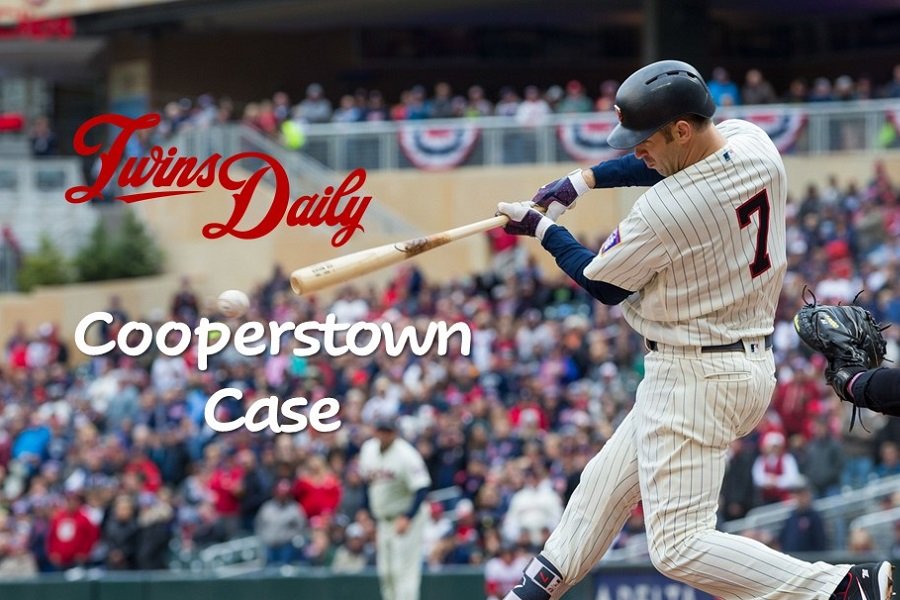 On Monday, the National Baseball Hall of Fame announced the candidates for the 2024 ballot, which includes 12 newcomers and 14 holdovers from last season. Twins legend Joe Mauer is among a strong rookie group on the ballot, including Adrian Beltre, Chase Utley, and David Wright. Beltre is a lock to be elected on the first ballot, while Mauer and Utley also have strong cases to join him in Cooperstown. Here’s a look at Mauer’s candidacy and how the rest of the ballot impacts his election chances. Mauer’s Cooperstown Case Mauer played his entire 15-year career for his hometown team after the Twins drafted him with the first overall pick in the 2001 MLB Draft. For his career, he hit .306/.388/.439 (.827) with a 124 OPS+ on his way to winning three batting titles and five Silver Sluggers. He was the first American League catcher to win a batting title and the only one to win three batting titles. Defensively, he won three consecutive Gold Gloves from 2008-10 and was elected to six All-Star Games. His 2009 MVP season is arguably the best offensive season from a catcher in baseball history. He missed the season’s first month with a back injury but quickly made his presence felt with a home run in his first game back. Mauer finished the season hitting .365/.444/.587 (1.031) with a 171 OPS+. He set a major league record for highest batting average by a catcher and became the first repeat batting champion in nearly a decade. Keizo Konishi of Kyodo News, a member of Seattle’s BBWAA chapter, gave Miguel Cabrera a first-place vote, which was all that kept Mauer from being a unanimous selection. Catcher is an underrepresented position in the Hall of Fame, which makes Mauer’s candidacy even more interesting. JAWS is a system to measure a player’s Hall of Fame worthiness by averaging their career WAR with their 7-year peak WAR. Using JAWS, Mauer is the seventh-best catcher in MLB history, with every catcher ahead of him already elected to the Hall of Fame. Mauer is one of the best catchers of all time, and the only question is whether or not he will be elected on his first ballot. Breaking Down the Ballot Among the newcomers to the ballot, Beltre is one of the top all-around players in baseball history. He recorded 3,166 hits and 477 home runs and won five Gold Gloves, including two Platinum Gloves. There is a genuine possibility that he will become the second player in history to be elected unanimously (Mariano Rivera). JAWS ranks him as the fourth-best third baseman of all time behind Mike Schmidt, Eddie Matthews, and Wade Boggs. Utley’s case is more up in the air because his JAWS total ranks just outside the average of the Hall of Famers at second base. He was a six-time All-Star and won four consecutive Silver Slugger awards from 2006-09. There are also some likely inductees among the holdover candidates from last year’s ballot. Todd Helton received 72.2% of the vote last season, which fell just short of the 75% needed for induction. In his career, he was a .316 hitter with 2,519 hits and 369 home runs. According to JAWS, Helton ranks 15th among first basemen, which is ahead of the average of the 24 players at his position. Billy Wagner landed on 68.1% of the ballots in 2023 and is down to his final two ballot cycles to reach 75%. His 422 saves are sixth on the all-time list, and he was a seven-time All-Star. Relievers are among the least represented groups in the Hall, and Wagner ranks sixth all-time in JAWS. Every reliever ahead of him has already been elected to Cooperstown. Prediction Beltre, Mauer, and Helton will be elected during the current voting cycle. Utley will do well in his first year on the ballot but will need multiple years to be inducted. Wagner will climb over 70% this year before being elected in 2025, his last year on the ballot. The 2024 inductees will be named on January 23rd, 2024, on MLB.com and MLB Network. The induction ceremony will occur on July 21st, 2024, starting at 1:30 PM in Cooperstown, NY. Should Twins fans start planning their trip? Will Mauer be elected on the first ballot? Leave a COMMENT and start the discussion.
- 35 comments
-
- 4
-
-
- joe mauer
- adrian beltre
- (and 3 more)
-
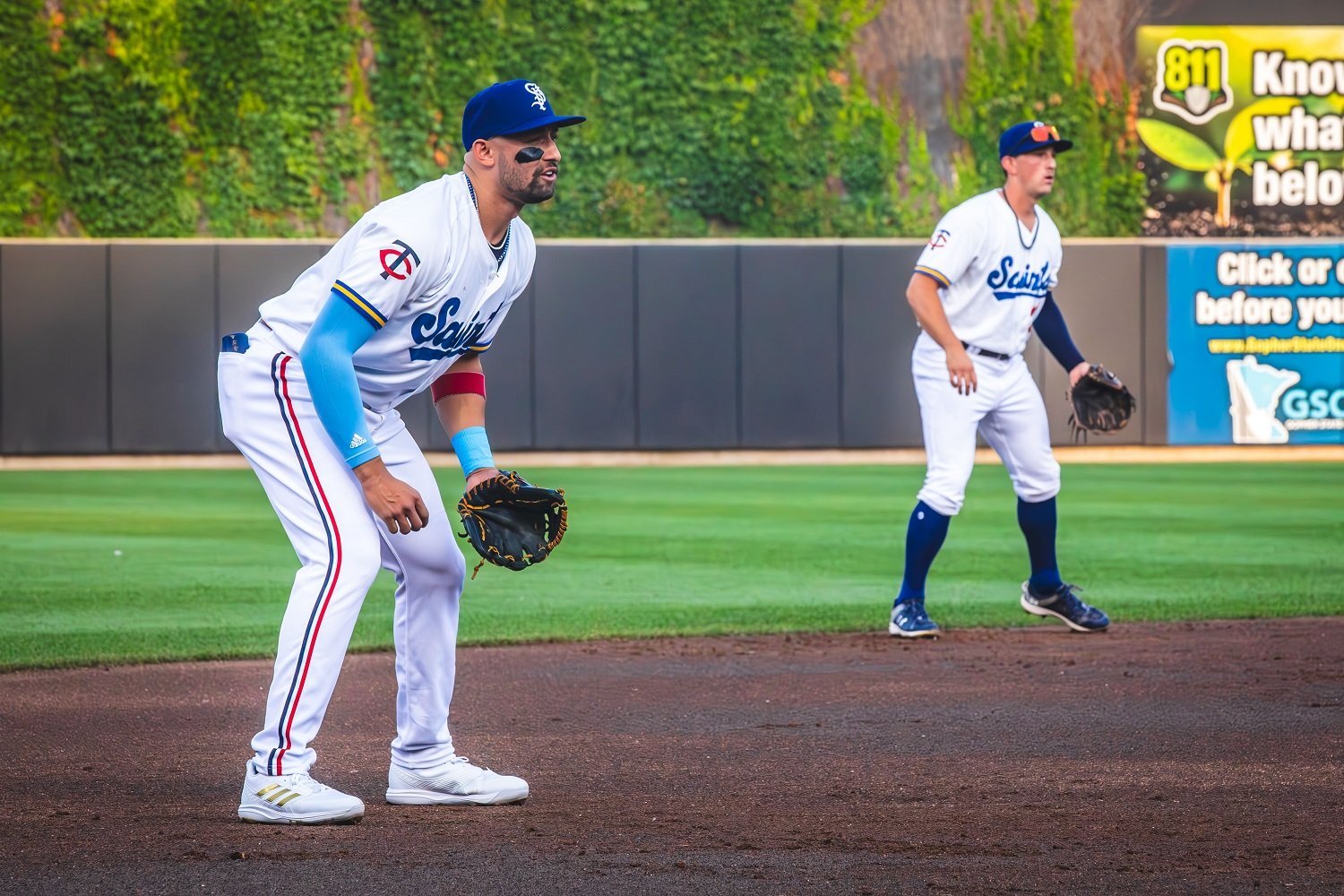 Some organizations are not planning on contending during the 2024 season, which likely means they would be willing to trade away current value for future long-term pieces. Contending teams like the Twins must find the right balance between supplementing the current roster and adding future assets to open the team’s winning window. The Twins' current roster includes significant depth on the position player side, so that’s a strength from which the team will make moves. Minnesota’s lost TV revenue means the club plans to cut payroll by $15-30 million next season. Veteran players like Jorge Polanco, Max Kepler, and Kyle Farmer are likely on the trading block to clear some salary space. After examining Minnesota’s roster, two player types are untouchable in trades. Current young players with surplus value moving forward and veteran players with high contracts and trade restrictions. Baseball Trade Values attempts to quantify each player's surplus value in a potential trade, so it’s easy to see why these players are untradeable. 1. Walker Jenkins, OF Surplus Trade Value: 45.1 The Twins selected Jenkins with the fifth overall pick in the 2023 MLB Draft, and he’s already established himself as one of baseball’s best prospects. Minnesota pushed him to Low-A, and he posted a .989 OPS in his professional debut. His surplus trade value isn’t the highest in the organization because he is far from the big-league level. The Twins aren’t trading Jenkins because he is on his way to becoming a superstar. 2. Royce Lewis, SS/3B Surplus Trade Value: 44.2 The Twins saw how valuable Lewis can be to the line-up in the second half of last season. He added muscle to his frame while rehabbing from two ACL tears, increasing his power production. He will get an entire off-season to acclimate to third base, his new defensive home. On a team with big names like Correa and Buxton, Lewis is quickly becoming the face of the franchise. 3. Pablo Lopez, SP Surplus Trade Value: 43.1 The Twins have yearned for an ace since trading away Johan Santana was. Lopez stepped into that role last season, and the front office quickly signed him to an extension. He had some ups and downs during his first season with the Twins, but he was fantastic in October. He will be at the top of the team’s rotation through 2027. The Twins continue to try to add to their rotation, so there is no reason to try and trade Lopez. 4. Brooks Lee, SS/3B Surplus Trade Value: 48.1 Lee has the highest surplus trade value of any player in the Twins organization because he is on the cusp of the big leagues. He has a full six years of team control, with some of those years being at a minimal cost. Jenkins and Lee are ranked closely on many national prospect lists, but Lee has a lower floor, and Jenkins has a higher ceiling. The Twins were lucky to get both players in their respective drafts, and the hope is they are in the middle of the team’s line-up for the next decade. 5. Joe Ryan, SP Surplus Trade Value: 39.1 Near last year’s trade deadline, I wrote that Ryan was the team’s most valuable trade asset. His performance struggled in the middle of the season as he dealt with a groin injury. However, there is hope that Ryan can have a healthy 2024 and reach his full potential. Some of his trade value has decreased because he is in his last pre-arbitration season. Still, the Twins want Ryan to take the next step and prove he can be a player they rely on in the playoffs. How would you rank the players listed above? Would the Twins consider trading any of these players for the right starting pitcher? Leave a Comment and start the discussion.
- 63 comments
-
- 9
-
-
- royce lewis
- brooks lee
- (and 3 more)
-
Every organization has players who are deemed untouchable when it comes to making trades. Here is a look at Minnesota’s assets that have little chance of being traded this winter. Image courtesy of Rob Thompson, St. Paul Saints Every organization has players who are deemed untouchable when it comes to making trades. Here is a look at Minnesota’s assets that have little chance of being traded this winter. Some organizations are not planning on contending during the 2024 season, which likely means they would be willing to trade away current value for future long-term pieces. Contending teams like the Twins must find the right balance between supplementing the current roster and adding future assets to open the team’s winning window. The Twins' current roster includes significant depth on the position player side, so that’s a strength from which the team will make moves. Minnesota’s lost TV revenue means the club plans to cut payroll by $15-30 million next season. Veteran players like Jorge Polanco, Max Kepler, and Kyle Farmer are likely on the trading block to clear some salary space. After examining Minnesota’s roster, two player types are untouchable in trades. Current young players with surplus value moving forward and veteran players with high contracts and trade restrictions. Baseball Trade Values attempts to quantify each player's surplus value in a potential trade, so it’s easy to see why these players are untradeable. 1. Walker Jenkins, OF Surplus Trade Value: 45.1 The Twins selected Jenkins with the fifth overall pick in the 2023 MLB Draft, and he’s already established himself as one of baseball’s best prospects. Minnesota pushed him to Low-A, and he posted a .989 OPS in his professional debut. His surplus trade value isn’t the highest in the organization because he is far from the big-league level. The Twins aren’t trading Jenkins because he is on his way to becoming a superstar. 2. Royce Lewis, SS/3B Surplus Trade Value: 44.2 The Twins saw how valuable Lewis can be to the line-up in the second half of last season. He added muscle to his frame while rehabbing from two ACL tears, increasing his power production. He will get an entire off-season to acclimate to third base, his new defensive home. On a team with big names like Correa and Buxton, Lewis is quickly becoming the face of the franchise. 3. Pablo Lopez, SP Surplus Trade Value: 43.1 The Twins have yearned for an ace since trading away Johan Santana was. Lopez stepped into that role last season, and the front office quickly signed him to an extension. He had some ups and downs during his first season with the Twins, but he was fantastic in October. He will be at the top of the team’s rotation through 2027. The Twins continue to try to add to their rotation, so there is no reason to try and trade Lopez. 4. Brooks Lee, SS/3B Surplus Trade Value: 48.1 Lee has the highest surplus trade value of any player in the Twins organization because he is on the cusp of the big leagues. He has a full six years of team control, with some of those years being at a minimal cost. Jenkins and Lee are ranked closely on many national prospect lists, but Lee has a lower floor, and Jenkins has a higher ceiling. The Twins were lucky to get both players in their respective drafts, and the hope is they are in the middle of the team’s line-up for the next decade. 5. Joe Ryan, SP Surplus Trade Value: 39.1 Near last year’s trade deadline, I wrote that Ryan was the team’s most valuable trade asset. His performance struggled in the middle of the season as he dealt with a groin injury. However, there is hope that Ryan can have a healthy 2024 and reach his full potential. Some of his trade value has decreased because he is in his last pre-arbitration season. Still, the Twins want Ryan to take the next step and prove he can be a player they rely on in the playoffs. How would you rank the players listed above? Would the Twins consider trading any of these players for the right starting pitcher? Leave a Comment and start the discussion. View full article
-
Estimating the Time of Arrival for the Top 10 Twins Prospects
Cody Christie posted an article in Minor Leagues
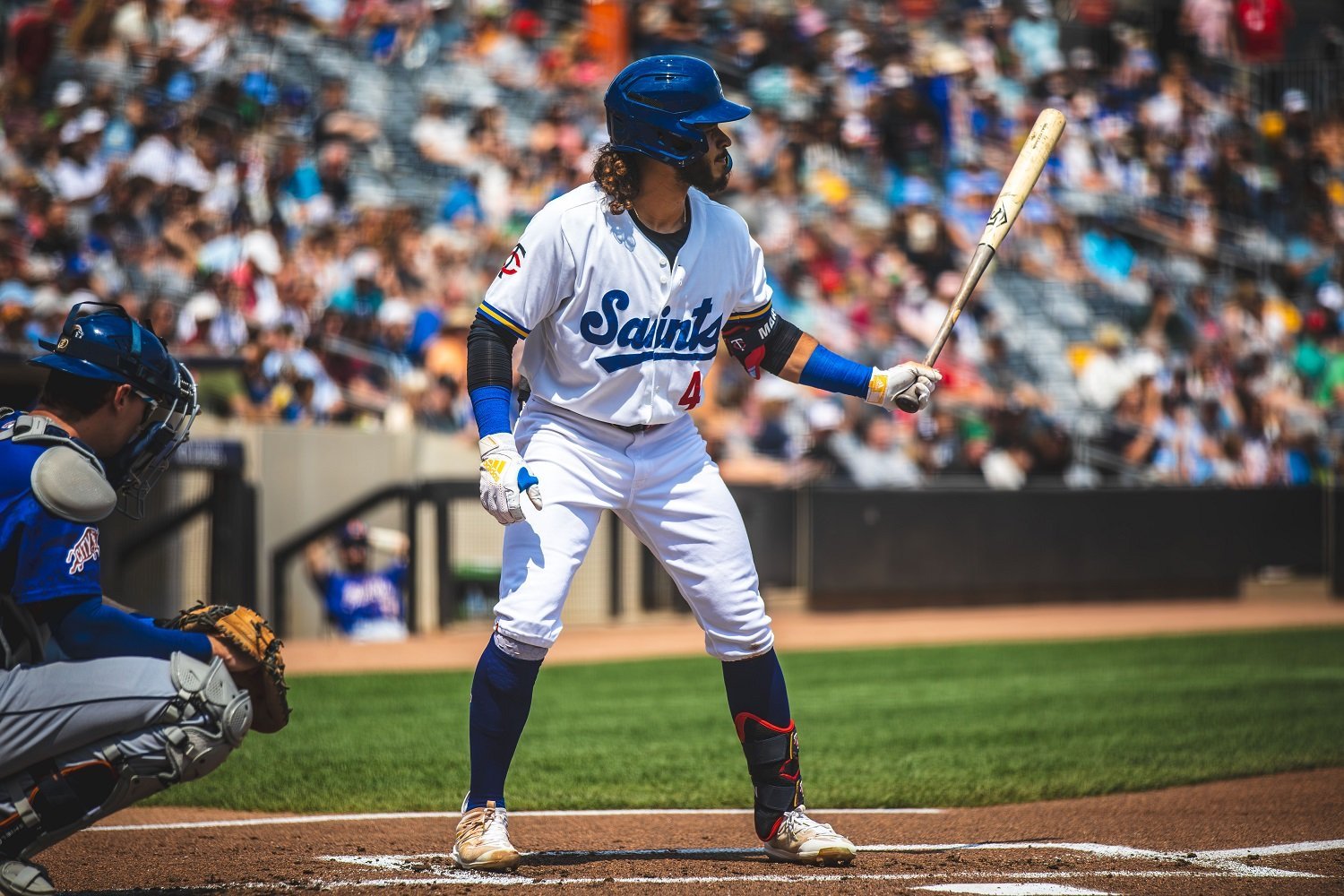 Baseball player development is a non-linear path, with players facing different obstacles on their way to the big-league level. Organizations can be aggressive with some top prospects and move them through the farm system quicker than expected. Other prospects might suffer injuries or poor play and be forced to repeat a level for multiple years. Every prospect follows a different journey, making it intriguing for fans to follow. Below is a look at the top 10 prospects in the Twins organization according to Twins Daily’s end-of-the-season voting. Not every outlet updates its ranking multiple times per year, but Twins Daily updates the player rankings and scouting reports monthly so there is a live view of each prospect's progress. Multiple names below are on pace to impact the Twins roster next season. 1. Walker Jenkins, OF ETA: 2026 The Twins took Jenkins with the fifth overall pick in the 2023 draft. He was promoted relatively aggressively during his professional debut by ending the year at Low-A. In 26 games, he hit .362/.417/.571 (.989) with five doubles, four triples, and three home runs. It’s expected that he will start the year in Fort Myers with a chance to play in Cedar Rapids at the end of 2024. That should put him on pace to reach the big leagues in the second half of 2026, at which point he'll be 21 years old. 2. Brooks Lee, SS/3B ETA: 2024 The 2023 campaign was Lee’s first full season as a professional after the Twins took him with the eighth overall pick in the 2022 MLB Draft. He started the year at Double-A, posting an .841 OPS in 87 games. Minnesota promoted him to St. Paul in the season’s second half, and his OPS dipped to .731 at a level where he was over four years younger than the average age of the competition. Lee will start the year in St. Paul and be one injury away from making his big-league debut. 3. Emmanuel Rodriguez, OF ETA: 2025 Rodriguez will have an advantage over other names on this list due to being added to the 40-man roster this winter. These roster spots are valuable, and it gives him a better chance at making his debut because the team might need to dig into their depth if there are multiple big-league injuries. Rodriguez played the 2023 season at High-A, hitting .240/.400/.463 (.863) with 38 extra-base hits in 99 games. The Twins will plan for him to spend the 2024 campaign at Double-A, which puts him on pace to debut in 2025. 4. Marco Raya, SP ETA: 2025 The Twins have taken a unique development path with Raya by aggressively promoting him while limiting his innings pitched. He ended last season at Double-A in his age-20 season. Between two levels, Raya posted a 4.02 ERA with a 1.07 WHIP in 62 2/3 innings spread across 22 starts. He never pitched more than four innings in an appearance and never threw more than 54 pitches. It seems likely for Raya to spend all of 2024 at Double-A unless the team continues to be aggressive with him. 5. David Festa, SP ETA: 2024 Festa emerged as one of the organization’s top pitching prospects last season after being taken in the 13th round of the 2021 MLB Draft. He pitched at Double-A and Triple-A with a 4.19 ERA and a 1.39 WHIP. He posted an 11.6 K/9 in 92 1/3 innings across 24 appearances (22 starts). Minnesota faces a self-imposed payroll crunch next season, which may leave the team relying on internal options for added depth. Festa will be at Triple-A, waiting for his opportunity to join the Twins’ rotation at some point next season. 6. Charlee Soto, SP ETA: 2027 Soto has yet to make his professional debut after being drafted by the Twins with the 34th overall selection last June. He didn’t turn 18 until after the draft, so he has a lot of time to develop in the organization’s farm system. He will likely be the last player on this list to debut, but he has an exciting future with his pitching profile. 7. Austin Martin, 2B/OF ETA: 2024 Martin was the top-ranked prospect included in the Jose Berrios trade with Toronto, and he’s seen some ups and downs during his time with the Twins organization. He struggled during the 2022 season with a .683 OPS at Double-A before heading to the AFL and being one of the league’s best hitters. Last season, he injured his elbow during spring training, and there was some discussion that he’d need surgery. Martin rehabbed the elbow and posted a .791 OPS in 59 Triple-A games. The Twins have an opening in center field, and Martin might be able to take over that role at some point in 2024. 8. Brandon Winokur, OF ETA: 2027 Minnesota went well over-slot to sign Winokur for $1.5 million as a third-round pick. Winokur played 17 games during his professional debut and hit .288/.338/.546 (.884) with five doubles and four home runs. He has shown flashes of being a potential five-tool outfielder, but he is far from Target Field. Like Soto, he won’t debut for multiple seasons, and many things can go wrong with development along the way. 9. Luke Keaschall, 2B ETA: 2026 The Twins love to draft college bats, so the club targeted Keaschall with their second-round pick in the 2023 MLB Draft. Minnesota was aggressive after signing him by having him play at three different levels and finishing the year with Cedar Rapids. In 31 games, he hit .288/.414/.478 (.892) with 14 extra-base hits. The Twins will likely have him return to High-A to begin 2024, which puts him on pace to debut during his age-23 season. 10. Tanner Schobel, 2B/3B ETA: 2025 Schobel was selected in the second round of the 2022 MLB Draft, so his development path shows what the Twins might follow with Keaschall. He split time in 2023 between High- and Double-A while posting a .776 OPS in 126 games. Minnesota continues to play him at second and third base, and this defensive flexibility might help him reach the big leagues even sooner. Do you agree with the ETAs listed for each prospect? Which player will have the most significant impact on the Twins next season? Leave a COMMENT and start the discussion.
- 40 comments
-
- 14
-
-

-
- brooks lee
- austin martin
- (and 5 more)
-
The Twins had a trio of terrific rookie debuts in 2023, and other top prospects are getting closer to the big-league level. Here’s a timeline of when to expect the team’s top prospects to debut. Image courtesy of Rob Thompson, St. Paul Saints (photo of Austin Martin) The Twins had a trio of terrific rookie debuts in 2023, and other top prospects are getting closer to the big-league level. Here’s a timeline of when to expect the team’s top prospects to debut. Baseball player development is a non-linear path, with players facing different obstacles on their way to the big-league level. Organizations can be aggressive with some top prospects and move them through the farm system quicker than expected. Other prospects might suffer injuries or poor play and be forced to repeat a level for multiple years. Every prospect follows a different journey, making it intriguing for fans to follow. Below is a look at the top 10 prospects in the Twins organization according to Twins Daily’s end-of-the-season voting. Not every outlet updates its ranking multiple times per year, but Twins Daily updates the player rankings and scouting reports monthly so there is a live view of each prospect's progress. Multiple names below are on pace to impact the Twins roster next season. 1. Walker Jenkins, OF ETA: 2026 The Twins took Jenkins with the fifth overall pick in the 2023 draft. He was promoted relatively aggressively during his professional debut by ending the year at Low-A. In 26 games, he hit .362/.417/.571 (.989) with five doubles, four triples, and three home runs. It’s expected that he will start the year in Fort Myers with a chance to play in Cedar Rapids at the end of 2024. That should put him on pace to reach the big leagues in the second half of 2026, at which point he'll be 21 years old. 2. Brooks Lee, SS/3B ETA: 2024 The 2023 campaign was Lee’s first full season as a professional after the Twins took him with the eighth overall pick in the 2022 MLB Draft. He started the year at Double-A, posting an .841 OPS in 87 games. Minnesota promoted him to St. Paul in the season’s second half, and his OPS dipped to .731 at a level where he was over four years younger than the average age of the competition. Lee will start the year in St. Paul and be one injury away from making his big-league debut. 3. Emmanuel Rodriguez, OF ETA: 2025 Rodriguez will have an advantage over other names on this list due to being added to the 40-man roster this winter. These roster spots are valuable, and it gives him a better chance at making his debut because the team might need to dig into their depth if there are multiple big-league injuries. Rodriguez played the 2023 season at High-A, hitting .240/.400/.463 (.863) with 38 extra-base hits in 99 games. The Twins will plan for him to spend the 2024 campaign at Double-A, which puts him on pace to debut in 2025. 4. Marco Raya, SP ETA: 2025 The Twins have taken a unique development path with Raya by aggressively promoting him while limiting his innings pitched. He ended last season at Double-A in his age-20 season. Between two levels, Raya posted a 4.02 ERA with a 1.07 WHIP in 62 2/3 innings spread across 22 starts. He never pitched more than four innings in an appearance and never threw more than 54 pitches. It seems likely for Raya to spend all of 2024 at Double-A unless the team continues to be aggressive with him. 5. David Festa, SP ETA: 2024 Festa emerged as one of the organization’s top pitching prospects last season after being taken in the 13th round of the 2021 MLB Draft. He pitched at Double-A and Triple-A with a 4.19 ERA and a 1.39 WHIP. He posted an 11.6 K/9 in 92 1/3 innings across 24 appearances (22 starts). Minnesota faces a self-imposed payroll crunch next season, which may leave the team relying on internal options for added depth. Festa will be at Triple-A, waiting for his opportunity to join the Twins’ rotation at some point next season. 6. Charlee Soto, SP ETA: 2027 Soto has yet to make his professional debut after being drafted by the Twins with the 34th overall selection last June. He didn’t turn 18 until after the draft, so he has a lot of time to develop in the organization’s farm system. He will likely be the last player on this list to debut, but he has an exciting future with his pitching profile. 7. Austin Martin, 2B/OF ETA: 2024 Martin was the top-ranked prospect included in the Jose Berrios trade with Toronto, and he’s seen some ups and downs during his time with the Twins organization. He struggled during the 2022 season with a .683 OPS at Double-A before heading to the AFL and being one of the league’s best hitters. Last season, he injured his elbow during spring training, and there was some discussion that he’d need surgery. Martin rehabbed the elbow and posted a .791 OPS in 59 Triple-A games. The Twins have an opening in center field, and Martin might be able to take over that role at some point in 2024. 8. Brandon Winokur, OF ETA: 2027 Minnesota went well over-slot to sign Winokur for $1.5 million as a third-round pick. Winokur played 17 games during his professional debut and hit .288/.338/.546 (.884) with five doubles and four home runs. He has shown flashes of being a potential five-tool outfielder, but he is far from Target Field. Like Soto, he won’t debut for multiple seasons, and many things can go wrong with development along the way. 9. Luke Keaschall, 2B ETA: 2026 The Twins love to draft college bats, so the club targeted Keaschall with their second-round pick in the 2023 MLB Draft. Minnesota was aggressive after signing him by having him play at three different levels and finishing the year with Cedar Rapids. In 31 games, he hit .288/.414/.478 (.892) with 14 extra-base hits. The Twins will likely have him return to High-A to begin 2024, which puts him on pace to debut during his age-23 season. 10. Tanner Schobel, 2B/3B ETA: 2025 Schobel was selected in the second round of the 2022 MLB Draft, so his development path shows what the Twins might follow with Keaschall. He split time in 2023 between High- and Double-A while posting a .776 OPS in 126 games. Minnesota continues to play him at second and third base, and this defensive flexibility might help him reach the big leagues even sooner. Do you agree with the ETAs listed for each prospect? Which player will have the most significant impact on the Twins next season? Leave a COMMENT and start the discussion. View full article
- 40 replies
-
- 1
-
-
- brooks lee
- austin martin
- (and 5 more)
-
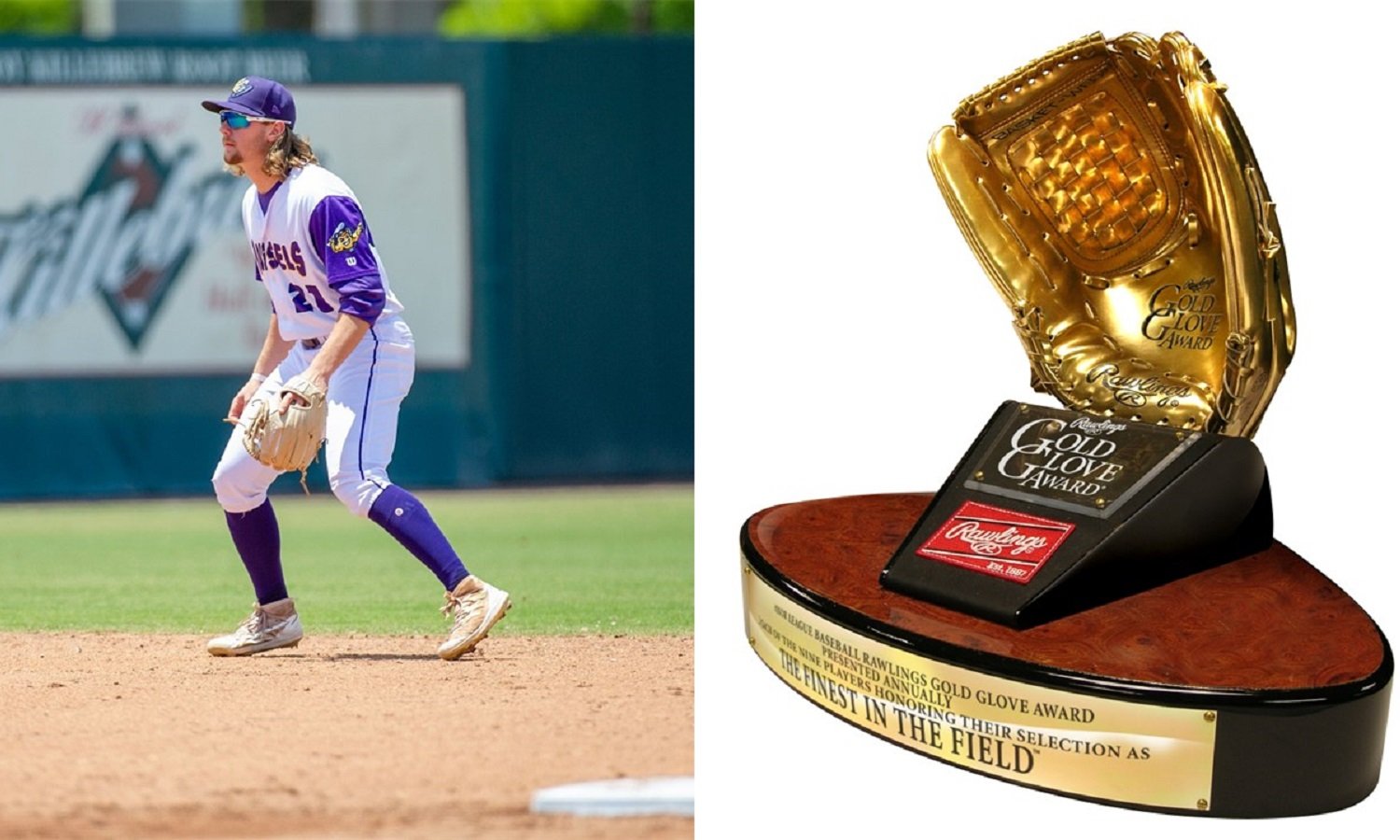 The Cedar Rapids Kernels had a tremendous 2023 season, including winning the team’s first Midwest League title since 1994. Awards have been pouring in for the Kernels based on their terrific season. Cedar Rapids manager Brian Dinkelman was named Midwest League Manager of the Year, and outfielder Kala’i Rosario was selected as the league MVP. Rosario was joined on the MWL All-Star team by Tanner Schobel, Emmanuel Rodriguez, and Miguel Rodriguez. Another player added to the decorated team’s awards on Tuesday. Minor League Baseball and Rawlings Sporting Goods announced nine recipients of the 2023 Rawlings Gold Glove Award for defensive excellence. The winners at each position were selected from players across the 11 full-season leagues in the minors. Twins shortstop Noah Miller was selected as the best defensive shortstop. He will receive his own Rawlings Gold Glove, modeled after the iconic award given to Major League Baseball’s top defensive players. “We’re thankful for our long-standing partnership with Minor League Baseball that enables us to recognize the deserving 2023 recipients of the Rawlings Gold Glove Award for their incomparable defensive ability,” said Mike Thompson, Chief Marketing Officer for Rawlings. “We congratulate this year’s Rawlings Gold Glove Award class of Minor League players and look forward to seeing their future baseball careers develop.” The Twins selected Miller in the Competitive Balance Round A (36th overall) of the 2021 MLB Draft out of high school in Wisconsin. Last season, he handled 446 total chances, helped turn 54 double plays, and finished with 295 assists in 107 games for High-A Cedar Rapids, posting a .984 fielding percentage. For the second consecutive season, he logged over 800 innings at shortstop and has a .978 fielding percentage for his career. The Twins were drawn to Miller’s solid defensive tool and athletic ability in the 2021 MLB Draft. His baseball IQ is tremendous, and his instincts will help him to stick at a premium defensive position for a long time. His strong, accurate arm helps him make plays that other shortstops can’t complete. Miller should continue to move up the organizational ladder because he continues to be a plus defender. Offensively, Miller continues to make gradual improvements as a switch-hitter. In 120 games, he hit .223/.309/.340 (.648) with 20 doubles, five triples, and eight home runs. His OPS improved by over 20 points compared to his first year of full-season action in 2022. He knows the strike zone well and can work counts in his favor, which helps him to draw walks. Miller, 20, will continue to add strength, which can help his power numbers improve as he gets closer to Target Field. Congratulations to Miller and the other Gold Glove winners!
 -
Defense has been a hallmark of the Twins organization throughout the franchise’s history. Twins prospect Noah Miller added to that legacy by taking home a Minor League Gold Glove on Tuesday. Image courtesy of Fort Myers Mighty Mussels Defense has been a hallmark of the Twins organization throughout the franchise’s history. Twins prospect Noah Miller added to that legacy by taking home a Minor League Gold Glove on Tuesday. The Cedar Rapids Kernels had a tremendous 2023 season, including winning the team’s first Midwest League title since 1994. Awards have been pouring in for the Kernels based on their terrific season. Cedar Rapids manager Brian Dinkelman was named Midwest League Manager of the Year, and outfielder Kala’i Rosario was selected as the league MVP. Rosario was joined on the MWL All-Star team by Tanner Schobel, Emmanuel Rodriguez, and Miguel Rodriguez. Another player added to the decorated team’s awards on Tuesday. Minor League Baseball and Rawlings Sporting Goods announced nine recipients of the 2023 Rawlings Gold Glove Award for defensive excellence. The winners at each position were selected from players across the 11 full-season leagues in the minors. Twins shortstop Noah Miller was selected as the best defensive shortstop. He will receive his own Rawlings Gold Glove, modeled after the iconic award given to Major League Baseball’s top defensive players. “We’re thankful for our long-standing partnership with Minor League Baseball that enables us to recognize the deserving 2023 recipients of the Rawlings Gold Glove Award for their incomparable defensive ability,” said Mike Thompson, Chief Marketing Officer for Rawlings. “We congratulate this year’s Rawlings Gold Glove Award class of Minor League players and look forward to seeing their future baseball careers develop.” The Twins selected Miller in the Competitive Balance Round A (36th overall) of the 2021 MLB Draft out of high school in Wisconsin. Last season, he handled 446 total chances, helped turn 54 double plays, and finished with 295 assists in 107 games for High-A Cedar Rapids, posting a .984 fielding percentage. For the second consecutive season, he logged over 800 innings at shortstop and has a .978 fielding percentage for his career. The Twins were drawn to Miller’s solid defensive tool and athletic ability in the 2021 MLB Draft. His baseball IQ is tremendous, and his instincts will help him to stick at a premium defensive position for a long time. His strong, accurate arm helps him make plays that other shortstops can’t complete. Miller should continue to move up the organizational ladder because he continues to be a plus defender. Offensively, Miller continues to make gradual improvements as a switch-hitter. In 120 games, he hit .223/.309/.340 (.648) with 20 doubles, five triples, and eight home runs. His OPS improved by over 20 points compared to his first year of full-season action in 2022. He knows the strike zone well and can work counts in his favor, which helps him to draw walks. Miller, 20, will continue to add strength, which can help his power numbers improve as he gets closer to Target Field. Congratulations to Miller and the other Gold Glove winners! View full article
-
Twins Roster Among Baseball’s Top 10 Entering the Offseason
Cody Christie posted an article in Twins
 Last season, there were strong teams in both leagues, with three teams winning 100 games or more. The Twins finished at 87-75, enough to win the AL Central by nine games, but it was the lowest win total of any division winner. Before free agency starts, clubs must evaluate their own roster and decide on their individual needs. FanGraphs and MLB.com combined resources to compile a list of the best rosters entering the offseason. As part of these rankings, Mike Petriello used FanGraphs’ depth charts and projects to find each team’s highest needs while ranking the clubs based on their current roster. Here’s a look at how the Twins ranked and some other questions facing the club this winter. How High Do the Twins Rank? Honestly, I clicked on the article and thought the Twins would rank in the middle of the pack. So I was surprised to see that MLB.com ranked the Twins as the sixth-best roster (41.3 WAR) entering the offseason. The teams ranking higher than the Twins are the Braves (51.4), Astros (46.6), Rays (45.9), Blue Jays (42.2), and Dodgers (41.5). It’s an interesting list of teams ahead of the Twins, with three teams winning 99+ games last season and the other two being Minnesota’s playoff opponents from last season. Also, the Twins are less than 1.0 WAR from moving into fourth place. Overall, it is an exciting place to start the winter, but there are other questions to answer. How Will the Twins Replace Sonny Gray? The Twins aren’t re-signing Gray, so the club must look into other options to fill his pivotal role at the top of the rotation. Internal options exist to recoup some of Gray’s lost value, including Chris Paddack and Louie Varland. However, neither of these pitchers is expected to perform at a Cy Young caliber level, and the Twins will want at least one more playoff-caliber starter. Last winter, the club traded for Pablo Lopez and developed him into one of the league’s best pitchers. The front office is expected to attempt to trade from the club's position player depth to improve the rotation. How Can the Twins Fill Holes in Center Field and First Base? According to FanGraphs ' depth chart and projections, center field and first base are the club’s other needs. Byron Buxton didn’t log a single inning in center field last season, and Michael A. Taylor is heading to free agency. The Twins have been rumored to be interested in Kevin Kiermaier, an elite defensive player, but he comes with his own injury history. There is a chance the Twins could turn center field over to a prospect like Austin Martin or DaShawn Keirsey, which likely wouldn’t happen until later in the season. The Twins received positive news regarding Alex Kirilloff’s shoulder surgery, giving hope that he can fully recover and produce at the big-league level. He’s missed significant time in recent seasons with various injuries, so his inclusion in the line-up is not guaranteed. Minnesota can try to work Jose Miranda back into the mix at first base after he missed time with his own shoulder injury. Another option is to give Edouard Julien more time at first base, which seems like an appropriate adjustment for his sophomore season. Where Do the Other AL Central Teams Rank? Based on current rosters and projections, the Twins are the odds-on-favorites to win the AL Central. Cleveland, 15th overall, is the closest team to Minnesota in the rankings and sits 4.4 WAR behind the Twins. Detroit finished ahead of Cleveland last season, but the Tigers rank 23rd with a 31.7 WAR. The Royals (26th) and the White Sox (29th) rank among the baseball’s bottom five teams, with the Rockies being the lone team with a worse WAR than Chicago. The Twins should easily win a second consecutive division title in MLB’s worst division. How Does Payroll Dropping Impact These Projections? Last week, reports surfaced from the GM meetings that the Twins payroll is expected to be $15-30 million below last season’s $155 million total. The team’s current revenue tied to its TV deal is in flux for next season, which is the biggest reason for the decrease in spending. Minnesota will likely trade away veteran players like Jorge Polanco, Max Kepler, and Kyle Farmer to clear some money off the books. With less veteran depth, the Twins will likely see their projected WAR drop unless they improve their starting pitching. What are your thoughts on these rankings? Do the Twins have a top-10 roster entering the offseason? Leave a COMMENT and start the discussion.
- 46 comments
-
- 3
-
-
- sonny gray
- byron buxton
- (and 2 more)
-
Contending teams must have a solid baseline to their roster entering the offseason. Usually, this includes a solid group of veterans with young, up-and-coming players ready to take on a more critical role. How does the Twins roster rank compared to the rest of baseball? Image courtesy of Jesse Johnson-USA TODAY Sports Contending teams must have a solid baseline to their roster entering the offseason. Usually, this includes a solid group of veterans with young, up-and-coming players ready to take on a more critical role. How does the Twins roster rank compared to the rest of baseball? Last season, there were strong teams in both leagues, with three teams winning 100 games or more. The Twins finished at 87-75, enough to win the AL Central by nine games, but it was the lowest win total of any division winner. Before free agency starts, clubs must evaluate their own roster and decide on their individual needs. FanGraphs and MLB.com combined resources to compile a list of the best rosters entering the offseason. As part of these rankings, Mike Petriello used FanGraphs’ depth charts and projects to find each team’s highest needs while ranking the clubs based on their current roster. Here’s a look at how the Twins ranked and some other questions facing the club this winter. How High Do the Twins Rank? Honestly, I clicked on the article and thought the Twins would rank in the middle of the pack. So I was surprised to see that MLB.com ranked the Twins as the sixth-best roster (41.3 WAR) entering the offseason. The teams ranking higher than the Twins are the Braves (51.4), Astros (46.6), Rays (45.9), Blue Jays (42.2), and Dodgers (41.5). It’s an interesting list of teams ahead of the Twins, with three teams winning 99+ games last season and the other two being Minnesota’s playoff opponents from last season. Also, the Twins are less than 1.0 WAR from moving into fourth place. Overall, it is an exciting place to start the winter, but there are other questions to answer. How Will the Twins Replace Sonny Gray? The Twins aren’t re-signing Gray, so the club must look into other options to fill his pivotal role at the top of the rotation. Internal options exist to recoup some of Gray’s lost value, including Chris Paddack and Louie Varland. However, neither of these pitchers is expected to perform at a Cy Young caliber level, and the Twins will want at least one more playoff-caliber starter. Last winter, the club traded for Pablo Lopez and developed him into one of the league’s best pitchers. The front office is expected to attempt to trade from the club's position player depth to improve the rotation. How Can the Twins Fill Holes in Center Field and First Base? According to FanGraphs ' depth chart and projections, center field and first base are the club’s other needs. Byron Buxton didn’t log a single inning in center field last season, and Michael A. Taylor is heading to free agency. The Twins have been rumored to be interested in Kevin Kiermaier, an elite defensive player, but he comes with his own injury history. There is a chance the Twins could turn center field over to a prospect like Austin Martin or DaShawn Keirsey, which likely wouldn’t happen until later in the season. The Twins received positive news regarding Alex Kirilloff’s shoulder surgery, giving hope that he can fully recover and produce at the big-league level. He’s missed significant time in recent seasons with various injuries, so his inclusion in the line-up is not guaranteed. Minnesota can try to work Jose Miranda back into the mix at first base after he missed time with his own shoulder injury. Another option is to give Edouard Julien more time at first base, which seems like an appropriate adjustment for his sophomore season. Where Do the Other AL Central Teams Rank? Based on current rosters and projections, the Twins are the odds-on-favorites to win the AL Central. Cleveland, 15th overall, is the closest team to Minnesota in the rankings and sits 4.4 WAR behind the Twins. Detroit finished ahead of Cleveland last season, but the Tigers rank 23rd with a 31.7 WAR. The Royals (26th) and the White Sox (29th) rank among the baseball’s bottom five teams, with the Rockies being the lone team with a worse WAR than Chicago. The Twins should easily win a second consecutive division title in MLB’s worst division. How Does Payroll Dropping Impact These Projections? Last week, reports surfaced from the GM meetings that the Twins payroll is expected to be $15-30 million below last season’s $155 million total. The team’s current revenue tied to its TV deal is in flux for next season, which is the biggest reason for the decrease in spending. Minnesota will likely trade away veteran players like Jorge Polanco, Max Kepler, and Kyle Farmer to clear some money off the books. With less veteran depth, the Twins will likely see their projected WAR drop unless they improve their starting pitching. What are your thoughts on these rankings? Do the Twins have a top-10 roster entering the offseason? Leave a COMMENT and start the discussion. View full article
-
Final SDI Rankings Highlight Twins' Defensive Highs and Lows
Cody Christie posted an article in Twins
 Defensive metrics have come a long way over the last decade. With Statcast tracking every batted ball, the amount of information available to fans is at an all-time high. One metric the Society for American Baseball Research (SABR) developed is the SABR Defensive Index (SDI). According to SABR's website, the SDI "draws on and aggregates two types of existing defensive metrics: those derived from batted ball location-based data and those collected from play-by-play accounts." Since 2013, SDI has been used as part of the process for selecting Gold Glove winners. The rankings below are the final totals for the 2023 season. Pitcher (AL Ranking): Pablo Lopez 3.2 SDI (2nd), Sonny Gray 3.0 SDI (3rd) Lopez and Gray were Gold Glove finalists and finished in the top three in the final SDI rankings. Gray made a tremendous jump in the season’s second half to move from the bottom half to the top five. Lopez ranked well for a large portion of the season and might have put himself in contention for a Gold Glove in future years. Former Twins pitcher Jose Berrios won his first Gold Glove and ranked as the top pitcher in the AL, according to SDI. He has been a tremendous defender throughout his career, so it was long overdue for him to take home the hardware. Catcher (AL Ranking): Christian Vazquez 3.5 SDI (4th), Ryan Jeffers -0.3 SDI (10th) Vazquez saw his offense suffer during the 2023 season, but his defense continued to rank near the top of the league. He more than doubled his SDI total from August 13th to the season’s end, which can be challenging for catchers at the end of a long season. Jeffers had a positive SDI earlier in the season but saw his total drop in the second half. He still finished in the top 10, and the Twins had enough confidence in him to start every playoff game behind the plate. It will be interesting to monitor how this duo continues to rank in future years as they work together. First Base (AL Ranking): Joey Gallo -0.2 SDI (5th) For most of the season, the Twins had no one qualified for the SDI leaderboard at first base. Alex Kirilloff’s injury forced the Twins to use other options at first, including Gallo. The Twins had confidence in Gallo playing first base when they signed him last winter because bench coach Jayce Tingler worked with Gallo in Texas. Gallo’s defense wasn’t outstanding, but he did enough to finish among the top five AL first basemen in SDI. Second Base (AL Ranking): No Twins Players Qualify The Twins used Edouard Julien and Jorge Polanco at second base during the 2023 campaign, with both struggling defensively at the position. Polanco posted a -9 OAA during the 2022 season, and he was worth -7 OAA during the current season. Julien entered the season with a reputation as a poor second base defender, but he worked hard and saw improved results. He had a -2 OAA in the middle of August and ended the season with a 0 OAA. Minnesota will need to decide on their defensive alignment for the 2024 campaign, and Julien might get more time at first base. Third Base (AL Ranking): No Twins Players Qualify Minnesota used a variety of players at third base this season, including Jose Miranda, Kyle Farmer, and Royce Lewis. Miranda’s defense was poor (-6 OAA), but a shoulder injury impacted him throughout the season. Lewis was learning a new position after playing shortstop for most of his professional career. He moved from a negative OAA in August to a positive OAA by the season’s end. With a full offseason, one can expect Lewis to be even better at the hot corner in 2024. Shortstop (AL Ranking): Carlos Correa -2.7 SDI (9th) Correa was a surprise inclusion on the list of Gold Glove Finalists, but that speaks to how much the players and managers respect him in the voting process. He didn’t rank well by many defensive metrics, including a negative SDI and 1 OAA. His plantar fasciitis likely impacted his defensive ability during the season, which was one of the reasons for fluctuations in his metrics. Twins saw what he could mean defensively in the playoffs, with Correa making multiple game-changing plays. Following the season, the Twins named Correa the team's best defensive player as part of the Diamond Awards. Left Field (AL Ranking): Willi Castro 1.5 SDI (4th) Castro didn’t have a strong defensive reputation when he joined the Twins, but he put together solid numbers at multiple positions. He played six defensive positions and posted a positive OAA at second base, third base, and shortstop. Left field was the lone outfield position where he didn’t have a negative OAA (0 OAA in LF). Joey Gallo ranked among the AL’s top 10 in August, but he played more first base down the stretch (see above). Center Field (AL Ranking): Michael A. Taylor 6.3 SDI (5th) Taylor looked like a potential Gold Glove finalist at mid-season before stalling out. He dropped from a tie for third in SDI to fifth overall in the final rankings. His OAA ranks in the 95th percentile, seven points higher than last season, and his arm strength ranks in the 90th percentile. Taylor was everything the Twins could hope for and more in center field, and the team will need to re-sign him or find a replacement this winter. Right Field (AL Ranking): Max Kepler 2.5 SDI (5th) Like Kepler’s bat, his defense made considerable strides in the second half. In August’s SDI update, he ranked 9th among AL right fielders, and he finished the year in the top-5. The Twins have always thought highly of Kepler’s defensive value, and he finished the year with an OAA in the 86th percentile. Kepler’s slow start( some due to injury) likely cost him a chance to be a Gold Glove finalist for the second consecutive season. Are you surprised by any of these defensive rankings? Who would you rank as the team's top defender? Leave a COMMENT and start the discussion.
- 8 comments
-
- 5
-
-
- sonny gray
- pablo lopez
- (and 3 more)
-
The Twins had three Gold Glove Finalists, but the trio failed to win the top honors. Here are the highs and lows for the team in the final SDI rankings. Image courtesy of Jesse Johnson-USA TODAY Sports The Twins had three Gold Glove Finalists, but the trio failed to win the top honors. Here are the highs and lows for the team in the final SDI rankings. Defensive metrics have come a long way over the last decade. With Statcast tracking every batted ball, the amount of information available to fans is at an all-time high. One metric the Society for American Baseball Research (SABR) developed is the SABR Defensive Index (SDI). According to SABR's website, the SDI "draws on and aggregates two types of existing defensive metrics: those derived from batted ball location-based data and those collected from play-by-play accounts." Since 2013, SDI has been used as part of the process for selecting Gold Glove winners. The rankings below are the final totals for the 2023 season. Pitcher (AL Ranking): Pablo Lopez 3.2 SDI (2nd), Sonny Gray 3.0 SDI (3rd) Lopez and Gray were Gold Glove finalists and finished in the top three in the final SDI rankings. Gray made a tremendous jump in the season’s second half to move from the bottom half to the top five. Lopez ranked well for a large portion of the season and might have put himself in contention for a Gold Glove in future years. Former Twins pitcher Jose Berrios won his first Gold Glove and ranked as the top pitcher in the AL, according to SDI. He has been a tremendous defender throughout his career, so it was long overdue for him to take home the hardware. Catcher (AL Ranking): Christian Vazquez 3.5 SDI (4th), Ryan Jeffers -0.3 SDI (10th) Vazquez saw his offense suffer during the 2023 season, but his defense continued to rank near the top of the league. He more than doubled his SDI total from August 13th to the season’s end, which can be challenging for catchers at the end of a long season. Jeffers had a positive SDI earlier in the season but saw his total drop in the second half. He still finished in the top 10, and the Twins had enough confidence in him to start every playoff game behind the plate. It will be interesting to monitor how this duo continues to rank in future years as they work together. First Base (AL Ranking): Joey Gallo -0.2 SDI (5th) For most of the season, the Twins had no one qualified for the SDI leaderboard at first base. Alex Kirilloff’s injury forced the Twins to use other options at first, including Gallo. The Twins had confidence in Gallo playing first base when they signed him last winter because bench coach Jayce Tingler worked with Gallo in Texas. Gallo’s defense wasn’t outstanding, but he did enough to finish among the top five AL first basemen in SDI. Second Base (AL Ranking): No Twins Players Qualify The Twins used Edouard Julien and Jorge Polanco at second base during the 2023 campaign, with both struggling defensively at the position. Polanco posted a -9 OAA during the 2022 season, and he was worth -7 OAA during the current season. Julien entered the season with a reputation as a poor second base defender, but he worked hard and saw improved results. He had a -2 OAA in the middle of August and ended the season with a 0 OAA. Minnesota will need to decide on their defensive alignment for the 2024 campaign, and Julien might get more time at first base. Third Base (AL Ranking): No Twins Players Qualify Minnesota used a variety of players at third base this season, including Jose Miranda, Kyle Farmer, and Royce Lewis. Miranda’s defense was poor (-6 OAA), but a shoulder injury impacted him throughout the season. Lewis was learning a new position after playing shortstop for most of his professional career. He moved from a negative OAA in August to a positive OAA by the season’s end. With a full offseason, one can expect Lewis to be even better at the hot corner in 2024. Shortstop (AL Ranking): Carlos Correa -2.7 SDI (9th) Correa was a surprise inclusion on the list of Gold Glove Finalists, but that speaks to how much the players and managers respect him in the voting process. He didn’t rank well by many defensive metrics, including a negative SDI and 1 OAA. His plantar fasciitis likely impacted his defensive ability during the season, which was one of the reasons for fluctuations in his metrics. Twins saw what he could mean defensively in the playoffs, with Correa making multiple game-changing plays. Following the season, the Twins named Correa the team's best defensive player as part of the Diamond Awards. Left Field (AL Ranking): Willi Castro 1.5 SDI (4th) Castro didn’t have a strong defensive reputation when he joined the Twins, but he put together solid numbers at multiple positions. He played six defensive positions and posted a positive OAA at second base, third base, and shortstop. Left field was the lone outfield position where he didn’t have a negative OAA (0 OAA in LF). Joey Gallo ranked among the AL’s top 10 in August, but he played more first base down the stretch (see above). Center Field (AL Ranking): Michael A. Taylor 6.3 SDI (5th) Taylor looked like a potential Gold Glove finalist at mid-season before stalling out. He dropped from a tie for third in SDI to fifth overall in the final rankings. His OAA ranks in the 95th percentile, seven points higher than last season, and his arm strength ranks in the 90th percentile. Taylor was everything the Twins could hope for and more in center field, and the team will need to re-sign him or find a replacement this winter. Right Field (AL Ranking): Max Kepler 2.5 SDI (5th) Like Kepler’s bat, his defense made considerable strides in the second half. In August’s SDI update, he ranked 9th among AL right fielders, and he finished the year in the top-5. The Twins have always thought highly of Kepler’s defensive value, and he finished the year with an OAA in the 86th percentile. Kepler’s slow start( some due to injury) likely cost him a chance to be a Gold Glove finalist for the second consecutive season. Are you surprised by any of these defensive rankings? Who would you rank as the team's top defender? Leave a COMMENT and start the discussion. View full article
-
MLB Network's Jon Morosi thinks there is a "very strong chance" the Twins will trade Jorge Polanco this winter (Video clip below). He said there is industry speculation that Polanco is very much on the market and that he will be traded before next season. Eduoard Julien and Royce Lewis have emerged as infield options for the Twins and that makes Polanco more expendable. What is Polanco's value with two years of control at team-friendly prices? Who is more likely to be traded Kepler or Polanco?
-
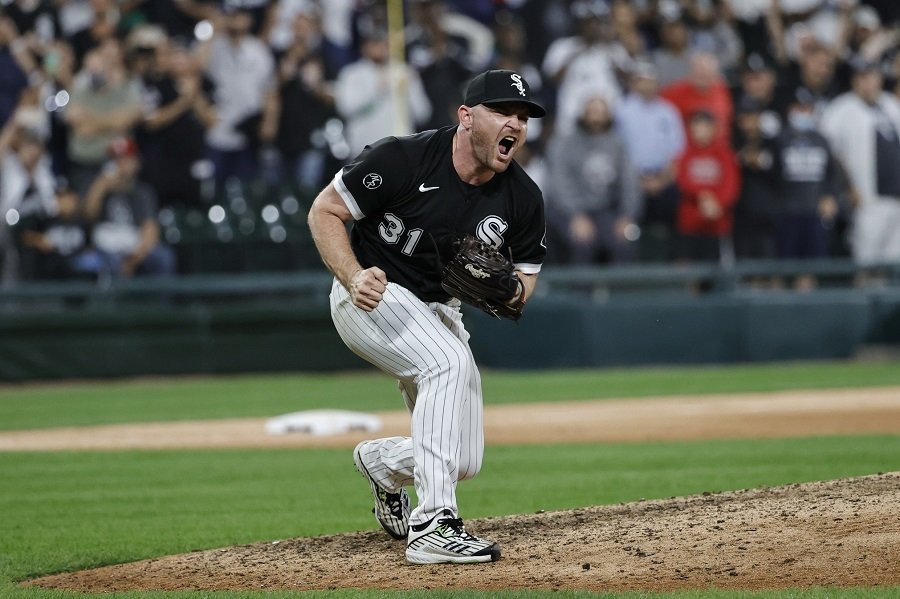 The White Sox entered the 2023 season with hopes of fighting with Cleveland and Minnesota for the AL Central title. Instead, the White Sox lost 101 games and finished with the second-worst record in the division. There will be some significant changes this offseason for one of Minnesota’s biggest rivals. Players that have performed well in the past will be available on the free-agent market. Do any of those prominent players fit with Minnesota’s offseason plans? Lucas Giolito, SP The Twins are potentially losing two members from their starting rotation, with Sonny Gray and Kenta Maeda being free agents. Giolito is a buy-low candidate based on his performance in the last two seasons. Since the start of 2022, he has posted a 4.89 ERA with a 1.37 WHIP while posting a 9.9 K/9. His Whiff% and K% rank in the 67th percentile or higher, but he hardly had a typical season last year. The White Sox knew Giolito was heading to free agency, so the club traded him to the Angels. Los Angeles fell out of the race and put him on waivers before the Guardians added him for the stretch run. He performed poorly, but that doesn’t mean his career can't be put back on track. The Twins acquired a different pitcher last winter with a strong change-up (Pablo Lopez), which is Giolito’s best pitch. Could the Twins work their magic and adjust Giolito enough to get him back to his previous form? 2024 Twins Roster Fit: The Twins require a playoff-caliber starter, and Giolito should be in their price range. Do they have enough faith in him to make improvements? Liam Hendriks, RP Twins fans might love the idea of Hendriks finishing his career in the place where it began. He made 30 appearances (28 starts) for the Twins from 2011-13 with a 6.06 ERA, a 1.59 WHIP, and 5.8 K/9. The Twins never gave Hendriks a shot in the bullpen, and they designated him for assignment in December 2013 while he still had minor-league options remaining. It was a frustrating end to his Twins tenure, but his outlook completely changed over the next few seasons. Hendriks became one of baseball’s best relievers after finding a home in Oakland. In five seasons, he posted a 3.08 ERA with an 11.4 K/9. The White Sox signed him to a three-year, $54 million, and he continued to pitch well. Hendriks faced some health concerns in 2023 as he battled non-Hodgkin’s lymphoma. He returned later in the season but was limited to five appearances before landing on the IL with an elbow issue. He was forced to have Tommy John surgery and is likely out for the entire 2024 season. 2024 Twins Roster Fit: Hendriks won’t fit on any team’s roster for the 2024 season, but many players in his position can still find a home. He will likely need to sign a two-year contract that pays him a little for his rehab year and gives the team control for his first year back from Tommy John. The Twins signed Michael Pineda to a deal when he was recovering in 2018. Tim Anderson, IF Anderson has caused havoc in the AL Central during his career, including winning a batting title and being a two-time All-Star. There were a lot of things that went wrong for the 2023 White Sox, and Anderson was near the top of the list. He posted a 60 OPS+ with a -2.0 rWAR and -17 Defensive Runs Saved. He was one of the AL’s Least Valuable players, but he isn’t far removed from being great. Anderson spent three weeks on the IL with a left knee sprain, and he told reporters that he never felt right for the rest of the season. This injury likely contributed to his poor performance on both sides of the ball, so there is hope he can return to being a leadoff catalyst on a contending team. He posted a 122 OPS+ from 2019-22, which is why teams were interested in him at last year’s trade deadline. Anderson will find a new home, but he might need to move to second base. 2024 Twins Roster Fit: The Twins have multiple options better than Anderson at up-the-middle positions. He’d love to stay in the AL Central to face his old team more regularly, but he doesn’t fit with the Twins. Should the Twins sign any of these players? Which player(s) makes the most sense on next season’s roster? Leave a COMMENT and join the discussion.
- 21 comments
-
- 2
-
-
- lucas giolito
- tim anderson
- (and 1 more)
-
There have been some significant changes on the South Side of Chicago over the last six months – most recently the decision to part ways with a former franchise fixture in Tim Anderson. Do any of the White Sox’s castoffs fit with the Twins? Image courtesy of Kamil Krzaczynski, USA TODAY Sports There have been some significant changes on the South Side of Chicago over the last six months – most recently the decision to part ways with a former franchise fixture in Tim Anderson. Do any of the White Sox’s castoffs fit with the Twins? The White Sox entered the 2023 season with hopes of fighting with Cleveland and Minnesota for the AL Central title. Instead, the White Sox lost 101 games and finished with the second-worst record in the division. There will be some significant changes this offseason for one of Minnesota’s biggest rivals. Players that have performed well in the past will be available on the free-agent market. Do any of those prominent players fit with Minnesota’s offseason plans? Lucas Giolito, SP The Twins are potentially losing two members from their starting rotation, with Sonny Gray and Kenta Maeda being free agents. Giolito is a buy-low candidate based on his performance in the last two seasons. Since the start of 2022, he has posted a 4.89 ERA with a 1.37 WHIP while posting a 9.9 K/9. His Whiff% and K% rank in the 67th percentile or higher, but he hardly had a typical season last year. The White Sox knew Giolito was heading to free agency, so the club traded him to the Angels. Los Angeles fell out of the race and put him on waivers before the Guardians added him for the stretch run. He performed poorly, but that doesn’t mean his career can't be put back on track. The Twins acquired a different pitcher last winter with a strong change-up (Pablo Lopez), which is Giolito’s best pitch. Could the Twins work their magic and adjust Giolito enough to get him back to his previous form? 2024 Twins Roster Fit: The Twins require a playoff-caliber starter, and Giolito should be in their price range. Do they have enough faith in him to make improvements? Liam Hendriks, RP Twins fans might love the idea of Hendriks finishing his career in the place where it began. He made 30 appearances (28 starts) for the Twins from 2011-13 with a 6.06 ERA, a 1.59 WHIP, and 5.8 K/9. The Twins never gave Hendriks a shot in the bullpen, and they designated him for assignment in December 2013 while he still had minor-league options remaining. It was a frustrating end to his Twins tenure, but his outlook completely changed over the next few seasons. Hendriks became one of baseball’s best relievers after finding a home in Oakland. In five seasons, he posted a 3.08 ERA with an 11.4 K/9. The White Sox signed him to a three-year, $54 million, and he continued to pitch well. Hendriks faced some health concerns in 2023 as he battled non-Hodgkin’s lymphoma. He returned later in the season but was limited to five appearances before landing on the IL with an elbow issue. He was forced to have Tommy John surgery and is likely out for the entire 2024 season. 2024 Twins Roster Fit: Hendriks won’t fit on any team’s roster for the 2024 season, but many players in his position can still find a home. He will likely need to sign a two-year contract that pays him a little for his rehab year and gives the team control for his first year back from Tommy John. The Twins signed Michael Pineda to a deal when he was recovering in 2018. Tim Anderson, IF Anderson has caused havoc in the AL Central during his career, including winning a batting title and being a two-time All-Star. There were a lot of things that went wrong for the 2023 White Sox, and Anderson was near the top of the list. He posted a 60 OPS+ with a -2.0 rWAR and -17 Defensive Runs Saved. He was one of the AL’s Least Valuable players, but he isn’t far removed from being great. Anderson spent three weeks on the IL with a left knee sprain, and he told reporters that he never felt right for the rest of the season. This injury likely contributed to his poor performance on both sides of the ball, so there is hope he can return to being a leadoff catalyst on a contending team. He posted a 122 OPS+ from 2019-22, which is why teams were interested in him at last year’s trade deadline. Anderson will find a new home, but he might need to move to second base. 2024 Twins Roster Fit: The Twins have multiple options better than Anderson at up-the-middle positions. He’d love to stay in the AL Central to face his old team more regularly, but he doesn’t fit with the Twins. Should the Twins sign any of these players? Which player(s) makes the most sense on next season’s roster? Leave a COMMENT and join the discussion. View full article
-
Free Agent Fails? Grading the Twins' Recent History in Free Agency
Cody Christie posted an article in Twins
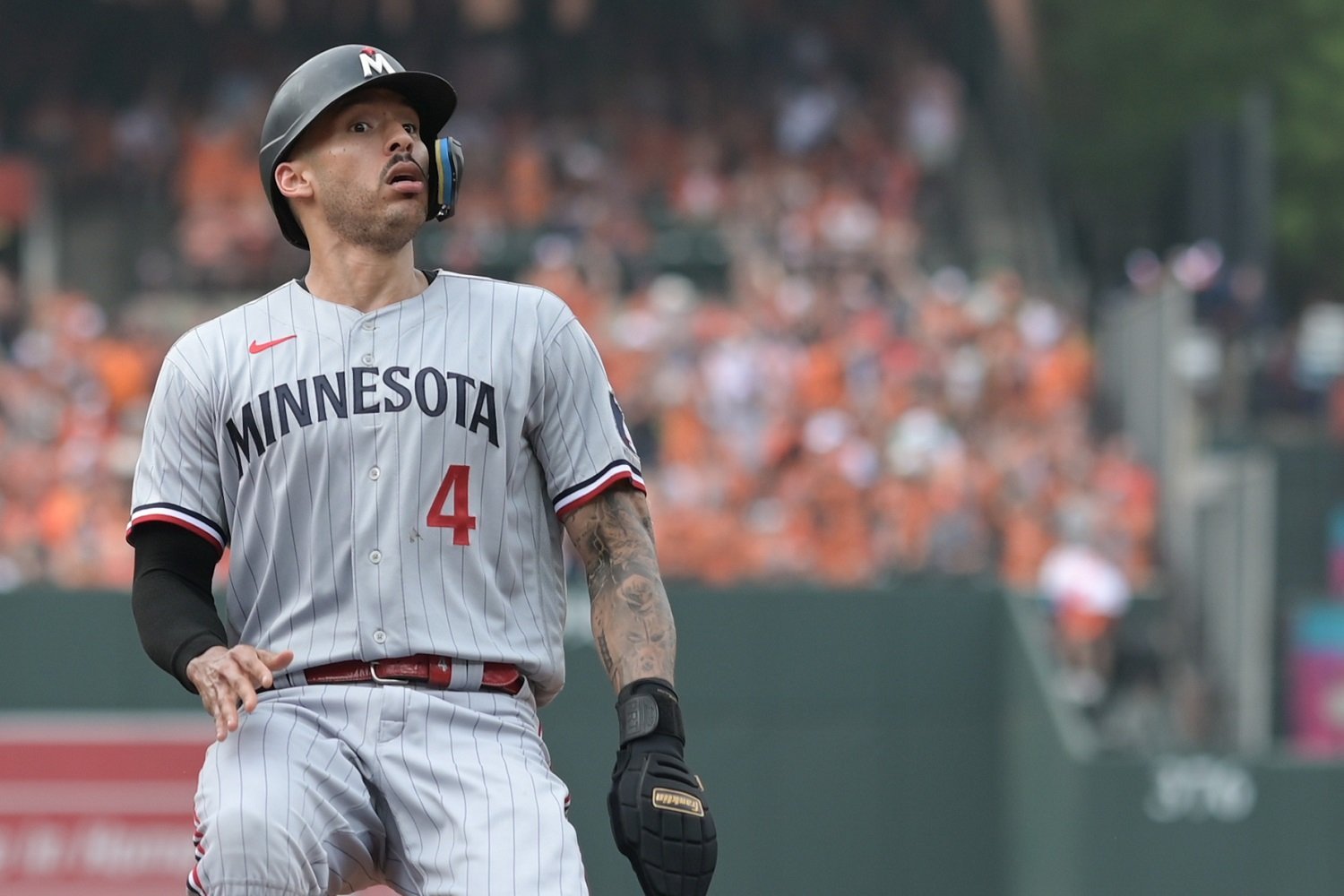 Baseball’s most successful organizations create rosters through player development, trades, and free agent signings. Historically, the Twins have attempted to build their core around young, homegrown talent while supplementing the roster in other ways. The current front office has tried to be more aggressive on the free agent market, but how have those results played out over the last handful of seasons? 2023 Offseason FA Signings: Carlos Correa (six-years, $200 million), Christian Vázquez (three-years, $30 million), Joey Gallo (one-year, $11 million), Donovan Solano (one-year, $2 million) 2023 spent: $56.3 million Total spent: $243 million Last winter, the Twins had Correa’s pending free agency looming over many of the team’s offseason decisions. His deals with the Mets and Giants didn’t work out due to concerns over an ankle injury from early in his professional career, and he ended up signing back with the Twins. Plantar fasciitis impacted his performance throughout the 2023 season, but he made multiple important plays on both sides of the ball during the playoffs. His contract will be looked at through a different lens because of the length and value. Hopefully, an offseason of rest and recovery will solve his injury issues from this season. Vázquez was a clear target for the Twins last winter, with Ryan Jeffers coming off a rough 2022 season. Minnesota likes to have a two-catcher rotation to keep both players fresh behind the plate. Overall, Vazquez posted a 65 OPS+ but remained a strong defender. Gallo posted a 1.063 OPS in the season’s first month before his performance dropped off significantly. Injuries elsewhere were likely the only reason he stayed on the roster for the entire season. Solano signed late in the offseason and provided a valuable veteran bat (110 OPS+, 1.8 rWAR). He is the most significant positive out of this free agent class. 2023 Grade: C-, the Twins don’t sign players like Correa, so it was nice to see the club make an aggressive move. However, most players didn’t live up to expectations. 2022 Offseason FA Signings: Carlos Correa (three-years, $105.3 million), Dylan Bundy (one-year, $5 million), Chris Archer (one-year, $3.5 million), Joe Smith (one-year, $2.5 million) 2022 spent: $46.1 million Total spent: $116.3 million Correa’s signing was unexpected, and the lockout changed the trajectory of the entire offseason. The Twins knew that Correa’s deal was likely for one season, and then he would likely opt out of the contract. Minnesota fell out of contention in the season’s final weeks, but that’s when Correa played at his best. He ended the season with a 138 OPS+, the second-highest total of his career. Minnesota’s other free agent signings couldn’t have gone much worse. Bundy and Archer started 54 games while each posting an ERA+ of 86 or lower. Injuries significantly impacted the team’s roster, and the Twins had to continue to trot out their veteran pitchers even though they were pitching below replacement level. Smith was limited to 34 appearances with a 4.61 ERA and a 1.54 WHIP. None of these three pitchers made a big-league appearance during the 2023 season, which speaks to how bad they were in 2022. 2022 Grade: D, there were other options the Twins could have targeted for the rotation. Correa is the lone factor that saves this grade from being an F. 2021 Offseason FA Signings: Nelson Cruz (one-year, $13 million), Andrelton Simmons (one-year, $10.5 million), J.A. Happ (one-year, $8 million), Alex Colome (one-year, $6.25 million), Matt Shoemaker (one-year, $2 million), Hansel Robles (one-year, $2 million) 2021 spent: $41.5 million Total spent: $41.5 million Minnesota avoided signing any long-term deals leading into the 2021 season, which kept money off the books for future years. Cruz had been the heart and soul of the Twins roster in 2019 and 2020 while the team won back-to-back division titles. However, things didn’t work out for the club after a slow start to the season. At the trade deadline, the Twins traded Cruz’s expiring contract to the Rays in a deal that included Joe Ryan. Cruz posted a 148 OPS+ before the trade and a 101 OPS+ with Tampa. Colome gets a lot of the blame for the Twins' poor start to the season because he posted an 8.31 ERA and blew multiple saves in April. Happ and Shoemaker both had ERA+ totals of 63 or lower, and neither finished the season on the team’s roster. Simmons played 131 games at shortstop while hitting .223/.283/.274 (.558). He played 34 games for the Cubs in 2022 and didn’t appear in a big-league game during the 2023 campaign. Robles posted an ERA of around 5.00 and was sent to Boston at the trade deadline. 2021 Grade: F, the only positive was being able to snag Ryan from the Rays in the Cruz trade. Do you agree with these grades? Is there anything the Twins front office can learn from previous offseasons? Leave a COMMENT and start the discussions.
- 28 comments
-
- 6
-
-
- nelson cruz
- andrelton simmons
- (and 3 more)
-
Teams must hit on their free agent signings to succeed, especially when their payroll ranks in the middle of the league. How have the Twins done in recent years regarding signing free agent talent? Image courtesy of Tommy Gilligan-USA TODAY Sports Teams must hit on their free agent signings to succeed, especially when their payroll ranks in the middle of the league. How have the Twins done in recent years regarding signing free agent talent? Baseball’s most successful organizations create rosters through player development, trades, and free agent signings. Historically, the Twins have attempted to build their core around young, homegrown talent while supplementing the roster in other ways. The current front office has tried to be more aggressive on the free agent market, but how have those results played out over the last handful of seasons? 2023 Offseason FA Signings: Carlos Correa (six-years, $200 million), Christian Vázquez (three-years, $30 million), Joey Gallo (one-year, $11 million), Donovan Solano (one-year, $2 million) 2023 spent: $56.3 million Total spent: $243 million Last winter, the Twins had Correa’s pending free agency looming over many of the team’s offseason decisions. His deals with the Mets and Giants didn’t work out due to concerns over an ankle injury from early in his professional career, and he ended up signing back with the Twins. Plantar fasciitis impacted his performance throughout the 2023 season, but he made multiple important plays on both sides of the ball during the playoffs. His contract will be looked at through a different lens because of the length and value. Hopefully, an offseason of rest and recovery will solve his injury issues from this season. Vázquez was a clear target for the Twins last winter, with Ryan Jeffers coming off a rough 2022 season. Minnesota likes to have a two-catcher rotation to keep both players fresh behind the plate. Overall, Vazquez posted a 65 OPS+ but remained a strong defender. Gallo posted a 1.063 OPS in the season’s first month before his performance dropped off significantly. Injuries elsewhere were likely the only reason he stayed on the roster for the entire season. Solano signed late in the offseason and provided a valuable veteran bat (110 OPS+, 1.8 rWAR). He is the most significant positive out of this free agent class. 2023 Grade: C-, the Twins don’t sign players like Correa, so it was nice to see the club make an aggressive move. However, most players didn’t live up to expectations. 2022 Offseason FA Signings: Carlos Correa (three-years, $105.3 million), Dylan Bundy (one-year, $5 million), Chris Archer (one-year, $3.5 million), Joe Smith (one-year, $2.5 million) 2022 spent: $46.1 million Total spent: $116.3 million Correa’s signing was unexpected, and the lockout changed the trajectory of the entire offseason. The Twins knew that Correa’s deal was likely for one season, and then he would likely opt out of the contract. Minnesota fell out of contention in the season’s final weeks, but that’s when Correa played at his best. He ended the season with a 138 OPS+, the second-highest total of his career. Minnesota’s other free agent signings couldn’t have gone much worse. Bundy and Archer started 54 games while each posting an ERA+ of 86 or lower. Injuries significantly impacted the team’s roster, and the Twins had to continue to trot out their veteran pitchers even though they were pitching below replacement level. Smith was limited to 34 appearances with a 4.61 ERA and a 1.54 WHIP. None of these three pitchers made a big-league appearance during the 2023 season, which speaks to how bad they were in 2022. 2022 Grade: D, there were other options the Twins could have targeted for the rotation. Correa is the lone factor that saves this grade from being an F. 2021 Offseason FA Signings: Nelson Cruz (one-year, $13 million), Andrelton Simmons (one-year, $10.5 million), J.A. Happ (one-year, $8 million), Alex Colome (one-year, $6.25 million), Matt Shoemaker (one-year, $2 million), Hansel Robles (one-year, $2 million) 2021 spent: $41.5 million Total spent: $41.5 million Minnesota avoided signing any long-term deals leading into the 2021 season, which kept money off the books for future years. Cruz had been the heart and soul of the Twins roster in 2019 and 2020 while the team won back-to-back division titles. However, things didn’t work out for the club after a slow start to the season. At the trade deadline, the Twins traded Cruz’s expiring contract to the Rays in a deal that included Joe Ryan. Cruz posted a 148 OPS+ before the trade and a 101 OPS+ with Tampa. Colome gets a lot of the blame for the Twins' poor start to the season because he posted an 8.31 ERA and blew multiple saves in April. Happ and Shoemaker both had ERA+ totals of 63 or lower, and neither finished the season on the team’s roster. Simmons played 131 games at shortstop while hitting .223/.283/.274 (.558). He played 34 games for the Cubs in 2022 and didn’t appear in a big-league game during the 2023 campaign. Robles posted an ERA of around 5.00 and was sent to Boston at the trade deadline. 2021 Grade: F, the only positive was being able to snag Ryan from the Rays in the Cruz trade. Do you agree with these grades? Is there anything the Twins front office can learn from previous offseasons? Leave a COMMENT and start the discussions. View full article
- 28 replies
-
- 2
-
-
- nelson cruz
- andrelton simmons
- (and 3 more)
-
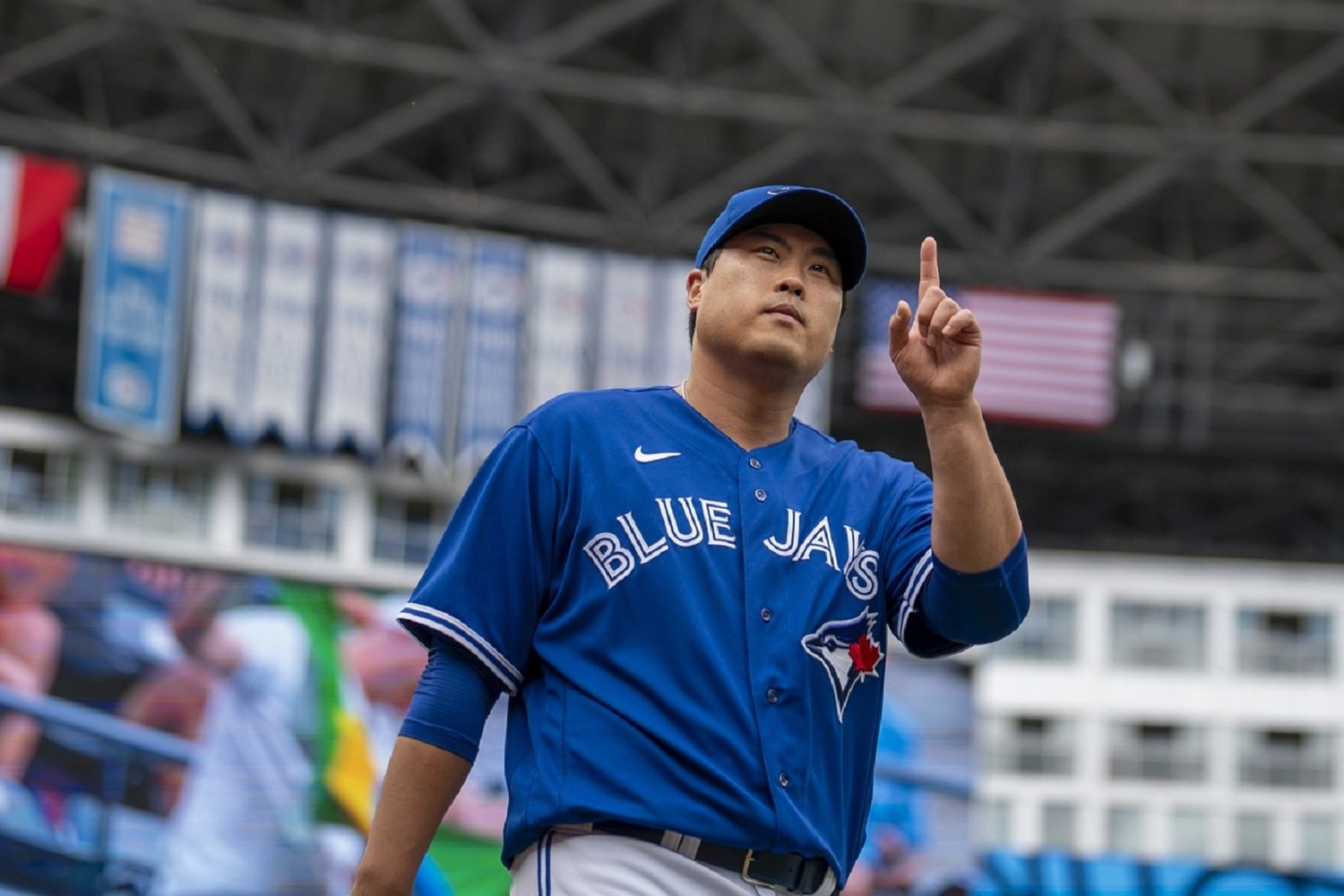 National outlets are starting to compile their lists of top free agents available this winter. Shohei Ohtani might receive the largest free-agent contract in baseball history, but there are other names to consider. Over at The Athletic, Jim Bowden ranked his top 40 free agents for the 2023-24 offseason and predicted their potential contracts. Here are seven players who might fit with the Twins. Sonny Gray, SP Free Agent Rank: 10 Contract Prediction: 3-years, $64 million The Twins would love to have Gray back in the rotation, but this front office has tended not to invest a lot of money in free-agent starting pitching. Minnesota is expected to extend a qualifying offer to Gray, which comes with draft pick compensation if he signs with another club. There aren’t a lot of starting pitchers better than Gray on the open market, which will drive up his price higher than Bowden’s prediction. This is especially true with teams like the Cardinals, Orioles, or Braves potentially interested in adding him to their rotation. Twins Prediction: Gray’s cost gets too high, and he signs with another contending team Whit Merrifield, 2B/OF Free Agent Rank: 20 Contract Prediction: 2-years, $16 million Merrifield is a puzzling fit for the Twins because he is tied to two positions the Twins seemed to have covered for the foreseeable future. However, he is a consistent right-handed bat, which is something the Twins have needed to improve in recent seasons. Merrifield might be fine with being a veteran depth piece, but the Twins already have Kyle Farmer, who offers more defensive flexibility. Twins Prediction: The Twins won’t contact him unless he is still on the market at the start of spring training. Justin Turner, 1B/3B/DH Free Agent Rank: 26 Contract Prediction: 1-year, $12 million Turner’s name has been thrown out as a potential fit with the Twins in previous years, so it will be interesting to see if he is tied to the club this winter. He is entering his age-39 season and has averaged a 122 OPS+ since 2019. His ability to play both corner infield spots might be valuable to the Twins, and he can provide some pop from the right side. However, the Twins will have cheaper options, with Alex Kirilloff and Jose Miranda fitting into a similar role to Turner. Twins Prediction: His asking price will be higher than the Twins are comfortable considering some unknowns around their payroll for next season. Tommy Pham, LF/DH Free Agent Rank: 28 Contract Prediction: 1-year, $7 million Pham’s name was tied to the Twins at the trade deadline because the team was looking for a solid right-handed bench bat. The Mets traded him to the Diamondbacks, and he has performed well during their World Series run. Pham fits with the Twins as a potential fourth outfielder, mainly because his cost would be lower than some of the other free-agent options. Twins Prediction: Another club will make him a solid offer based on his postseason performance before the Twins are really in the mix for him. Kenta Maeda, SP Free Agent Rank: 34 Contract Prediction: 1-year, $10 million with incentives The Twins know Maeda well, and he finished the season on a solid note with the club. He returned from Tommy John surgery this season and showed he can continue to be an effective middle-of-the-order starting pitcher. Maeda will turn 36 next season, and some teams will likely stay away from him because of his injury history. Twins Prediction: The Twins decide to go in another direction and target some of the other veteran pitchers on this list. Hyun Jin Ryu, SP Free Agent Rank: 35 Contract Prediction: 1-year, $8 million with incentives Ryu is a sneaky good fit for the Twins because he is a player that fits well with the type of free-agent pitcher this front office targets. He likely can be signed for a short-term deal, and there is plenty of upside potential. In August, Ryu returned from Tommy John surgery and made 11 starts for the Blue Jay while posting a 3.46 ERA and a 1.29 WHIP. He is not a hard-throwing pitcher, with his fastball topping out in the high 80s, but he offers a variety of offspeed pitches to keep batters off-balance. Twins Prediction: The Twins will target him early to add depth to the starting rotation and are willing to guarantee him more overall money than other teams. James Paxton, SP Free Agent Rank: 39 Contract Prediction: 1-year, $8 million with incentives Paxton made six starts from 2020-2022 before pitching 96 innings for Boston in 2023. He was a borderline All-Star in the first half of last season with a 2.73 ERA before tiring in the second half. Paxton ended the year on the IL, which isn’t surprising for a pitcher who has struggled to stay healthy. Minnesota likes to add depth to their rotation, but Paxton is too much of a question mark at this point in his career. Twins Prediction: The Twins will stay away because of his lengthy injury history. Which player from above should the Twins target? Leave a COMMENT and start the discussion.
- 21 comments
-
- 2
-
-
- sonny gray
- justin turner
- (and 3 more)
-
The World Series has come to a close, which means baseball’s off-season will start heating up. Here are seven potential free-agent fits for the Twins this winter. Image courtesy of Kevin Sousa-USA TODAY Sports The World Series has come to a close, which means baseball’s off-season will start heating up. Here are seven potential free-agent fits for the Twins this winter. National outlets are starting to compile their lists of top free agents available this winter. Shohei Ohtani might receive the largest free-agent contract in baseball history, but there are other names to consider. Over at The Athletic, Jim Bowden ranked his top 40 free agents for the 2023-24 offseason and predicted their potential contracts. Here are seven players who might fit with the Twins. Sonny Gray, SP Free Agent Rank: 10 Contract Prediction: 3-years, $64 million The Twins would love to have Gray back in the rotation, but this front office has tended not to invest a lot of money in free-agent starting pitching. Minnesota is expected to extend a qualifying offer to Gray, which comes with draft pick compensation if he signs with another club. There aren’t a lot of starting pitchers better than Gray on the open market, which will drive up his price higher than Bowden’s prediction. This is especially true with teams like the Cardinals, Orioles, or Braves potentially interested in adding him to their rotation. Twins Prediction: Gray’s cost gets too high, and he signs with another contending team Whit Merrifield, 2B/OF Free Agent Rank: 20 Contract Prediction: 2-years, $16 million Merrifield is a puzzling fit for the Twins because he is tied to two positions the Twins seemed to have covered for the foreseeable future. However, he is a consistent right-handed bat, which is something the Twins have needed to improve in recent seasons. Merrifield might be fine with being a veteran depth piece, but the Twins already have Kyle Farmer, who offers more defensive flexibility. Twins Prediction: The Twins won’t contact him unless he is still on the market at the start of spring training. Justin Turner, 1B/3B/DH Free Agent Rank: 26 Contract Prediction: 1-year, $12 million Turner’s name has been thrown out as a potential fit with the Twins in previous years, so it will be interesting to see if he is tied to the club this winter. He is entering his age-39 season and has averaged a 122 OPS+ since 2019. His ability to play both corner infield spots might be valuable to the Twins, and he can provide some pop from the right side. However, the Twins will have cheaper options, with Alex Kirilloff and Jose Miranda fitting into a similar role to Turner. Twins Prediction: His asking price will be higher than the Twins are comfortable considering some unknowns around their payroll for next season. Tommy Pham, LF/DH Free Agent Rank: 28 Contract Prediction: 1-year, $7 million Pham’s name was tied to the Twins at the trade deadline because the team was looking for a solid right-handed bench bat. The Mets traded him to the Diamondbacks, and he has performed well during their World Series run. Pham fits with the Twins as a potential fourth outfielder, mainly because his cost would be lower than some of the other free-agent options. Twins Prediction: Another club will make him a solid offer based on his postseason performance before the Twins are really in the mix for him. Kenta Maeda, SP Free Agent Rank: 34 Contract Prediction: 1-year, $10 million with incentives The Twins know Maeda well, and he finished the season on a solid note with the club. He returned from Tommy John surgery this season and showed he can continue to be an effective middle-of-the-order starting pitcher. Maeda will turn 36 next season, and some teams will likely stay away from him because of his injury history. Twins Prediction: The Twins decide to go in another direction and target some of the other veteran pitchers on this list. Hyun Jin Ryu, SP Free Agent Rank: 35 Contract Prediction: 1-year, $8 million with incentives Ryu is a sneaky good fit for the Twins because he is a player that fits well with the type of free-agent pitcher this front office targets. He likely can be signed for a short-term deal, and there is plenty of upside potential. In August, Ryu returned from Tommy John surgery and made 11 starts for the Blue Jay while posting a 3.46 ERA and a 1.29 WHIP. He is not a hard-throwing pitcher, with his fastball topping out in the high 80s, but he offers a variety of offspeed pitches to keep batters off-balance. Twins Prediction: The Twins will target him early to add depth to the starting rotation and are willing to guarantee him more overall money than other teams. James Paxton, SP Free Agent Rank: 39 Contract Prediction: 1-year, $8 million with incentives Paxton made six starts from 2020-2022 before pitching 96 innings for Boston in 2023. He was a borderline All-Star in the first half of last season with a 2.73 ERA before tiring in the second half. Paxton ended the year on the IL, which isn’t surprising for a pitcher who has struggled to stay healthy. Minnesota likes to add depth to their rotation, but Paxton is too much of a question mark at this point in his career. Twins Prediction: The Twins will stay away because of his lengthy injury history. Which player from above should the Twins target? Leave a COMMENT and start the discussion. View full article

