



Cody Christie
-
Posts
7,820 -
Joined
-
Last visited
-
Days Won
5
Content Type
Profiles
News
Minnesota Twins Videos
2026 Minnesota Twins Top Prospects Ranking
2022 Minnesota Twins Draft Picks
Minnesota Twins Free Agent & Trade Rumors, Notes, & Tidbits
Guides & Resources
2023 Minnesota Twins Draft Picks
The Minnesota Twins Players Project
2024 Minnesota Twins Draft Picks
2025 Minnesota Twins Draft Pick Tracker
2026 Minnesota Twins Draft Tracker: Picks & Bonuses
Forums
Blogs
Events
Store
Downloads
Gallery
Everything posted by Cody Christie
-
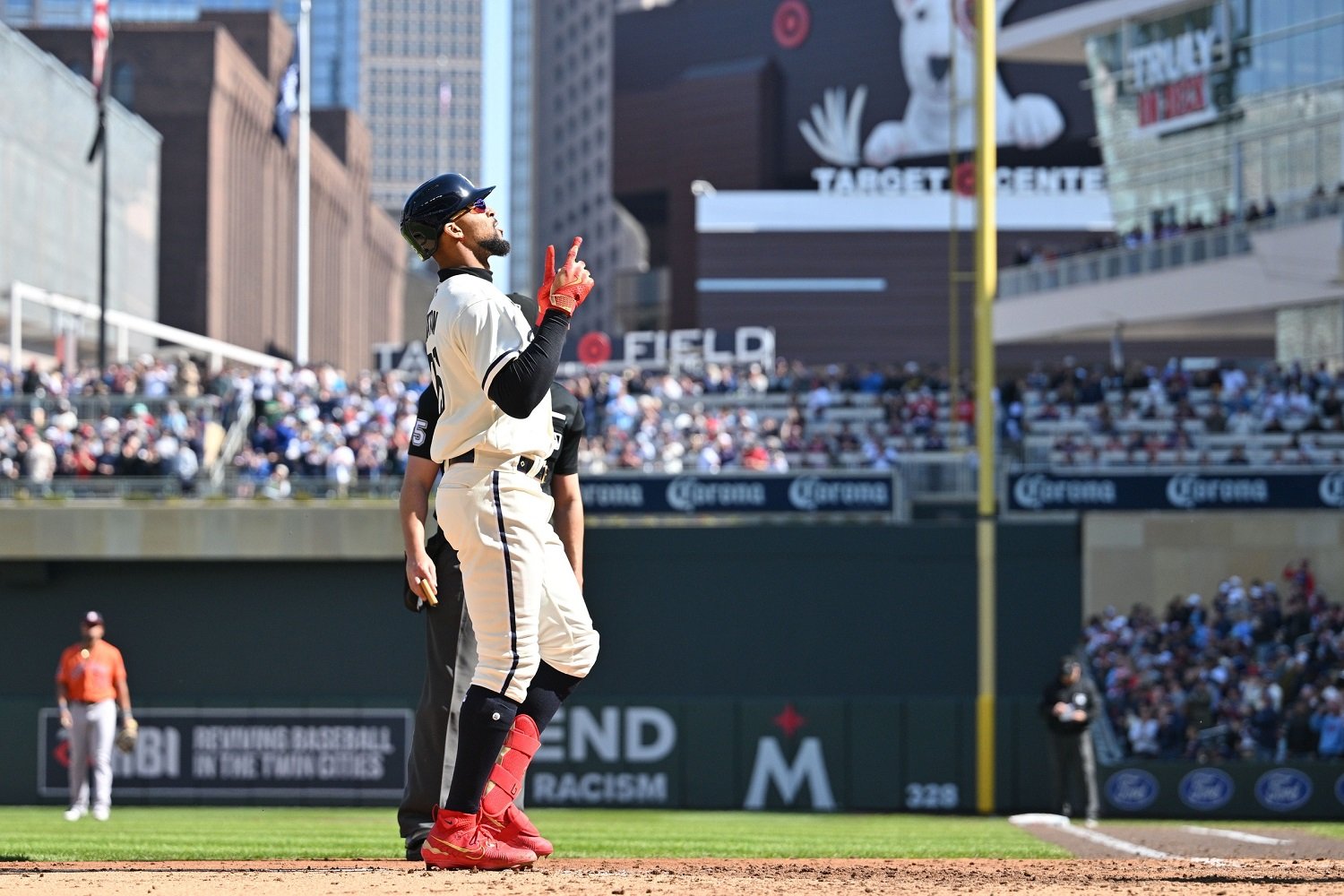 Late last month, Twins fans were rightly focused on Joe Mauer, as he narrowly made the Hall of Fame on the first ballot. Joining Mauer in the Class of 2024 is another first-ballot selection, Adrián Beltré. No baseball player follows a boilerplate path to being enshrined in Cooperstown, but Beltré’s was unique because he wasn’t headed to the Hall of Fame as he reached his 30s. Instead, a late-career surge put him among the best third basemen in baseball history. Manny Randhawa wrote at MLB.com about seven players who could see a late-career surge, like Beltré, to make the Hall of Fame. One current Twins player, Carlos Correa, made his list, because he is entering his age-29 season and has already built a strong résumé. I recently wrote about Correa and what he’d need to do to get back on track for the Hall of Fame. Another player on the Twins turned 30 this winter, and a return to greatness for him could match what Adrian Beltré accomplished later in his career. Age Comparison Beltré through age-29 season: .271/.327/.459 (107 OPS+); 242 HR, 0 All-Star Appearances, 2 Gold Gloves Buxton through age-29 season: .239/.300/.468 (106 OPS+), 115 HR, 1 All-Star Appearance, 1 Gold Glove Beltré debuted with the Dodgers as a 19-year-old, after being ranked as one of baseball’s best prospects. His early career was unremarkable, before a breakout season in 2004 at age 25, his final year before reaching free agency. In that campaign, he hit .334/.388/.629 with 48 home runs, 32 doubles, and 121 RBI. He finished second for the NL MVP. Following the season, he signed a five-year deal to join the Mariners, where he struggled to replicate his MVP-caliber season. Through his age-29 season, he had been able to stay on the field consistently, but there were inconsistencies in his performance. Buxton debuted at age 21, after being touted as baseball’s top prospect because of his five-tool potential. Injuries and an inconsistent offensive approach marred his 20s. Early in his career, coaches tried to get him to be a prototypical leadoff hitter, slapping or bunting the ball and using his speed to reach base. This approach was incorrect, and the Twins eventually figured that out. Buxton had a four-season stretch from 2019-2022 wherein he posted a 136 OPS+ but averaged 70 games per season. He showcased short bursts of his full potential, but injuries haven’t allowed him to play at a Hall of Fame level. Peaking In His 30s Beltré went on a stretch in his 30s that few others will match. For nine seasons, he hit .307/.358/.514, with a 130 OPS+, averaging 32 doubles and 25 home runs per season. He accomplished this while being selected to four All-Star Games, being a perennial top-10 finisher for the MVP, and playing Gold Glove-caliber defense at third base. Beltré was a workhorse throughout his career, with only one season (2017) where he played fewer than 100 games. Given how well he was still playing, he probably could have continued playing into his 40s, but Beltré decided to call it a career. Buxton turned 30 in December, and there is little chance of him landing in Cooperstown, but he has potential for a late-career surge. Injuries have been the biggest hindrance, and he seems to be in a good place heading into the 2024 season. At TwinsFest, he declared, “I’m back,” when asked about a return to center field. Minnesota plans to have Buxton start around 80 games in center, with his remaining time coming at DH or used as rest days. He has played over 92 games in one big-league season, so this is an aggressive plan to get the most from one of the team’s stars. There have been few players in Twins history with the talent Buxton possesses. He might be the best athlete to wear a Twins uniform. Since the team moved to Minnesota, only five players have a better at-bat per home run rate than Buxton. He ranks higher than Bob Allison, Tom Brunansky, and Kent Hrbek. His home run prowess is even more impressive, considering coaches weren't encouraging him to hit for power when he broke into the big leagues. Buxton and his agent added incentives into his contract tied to MVP voting because he can play to that level. Now, it’s time to prove he can play to that level regularly. Beltré was a unicorn, in that he seemed to get better with age. Buxton has improved during his career, but his inability to stay healthy has kept him from reaching his full potential. What are realistic expectations for Buxton in his 30s? Can he regularly play in center field? Will he average more than 100 games per season? Leave a COMMENT and start the discussion.
 -
 Jordan Balazovic was once a consensus top-100 prospect, but his career has followed a different path in recent years. Pitching development is challenging for any organization, and those complexities have been heightened as the line between starter and reliever continues to blur. Image courtesy of Jeffrey Becker-USA TODAY Sports Jordan Balazovic was once a consensus top-100 prospect, but his career has followed a different path in recent years. Pitching development is challenging for any organization, and those complexities have been heightened as the line between starter and reliever continues to blur. For many evaluators, Jordan Balazovic possessed all the traits needed to be a long-term starting pitcher. His tall, sturdy frame helped him to showcase durability and have lots of success in his early professional career. Twins Daily ranked him as one of the team’s top two pitching prospects leading into multiple seasons, and he ranked among baseball’s top 100 prospects on all three top national lists at different points from 2020-2022. He seemed to have a combination of ceiling and floor that teams love to have in young starting pitchers. However, pitching development is rarely a linear path. On Wednesday, the Twins announced multiple roster moves, including designating Balazovic for assignment. The 25-year-old was out of minor-league options and was underwhelming during his first full season in a relief role last year. His 2023 campaign was marred by a spring training incident wherein he broke his jaw after being punched at a Fort Myers bar. Now, his future is in limbo, as the team seems ready to move on to other relief options. Balazovic’s development path is a reminder of the long slog for most pitching prospects, from the first day they sign as an amateur to stepping onto a big-league mound. Let’s look back at Twins Daily’s recent top prospect lists to examine each year’s top pitching prospects and how they have impacted the organization. 2023 TD Top Pitching Prospect: Marco Raya Raya is intriguing because he has plenty of upside, but the Twins have been overly careful with his usage throughout his professional career. Last season, he never pitched more than four innings in a start and topped out at 54 pitches. At the same time, Minnesota has been aggressive with him, pushing him to Double A as a 20-year-old. He faced older batters in over 88% of his plate appearances and held them to a .548 OPS. His small frame is one of the reasons some evaluators question whether he will be able to stick as a starter. The 2024 season will be critical in deciding his long-term role with the Twins. Other Top Pitching Prospects (2023): Simeon Woods Richardson, Connor Prielipp 2022 TD Top Pitching Prospect: Jordan Balazovic Coming out of the pandemic, the Twins pushed Balazovic to Double A, where he posted a 3.62 ERA with a 1.40 WHIP and 9.5 K/9. These were impressive totals, especially since he was over two and a half years younger than the average age of the competition at that level. Minnesota continued to be aggressive with him in 2022, sending him to Triple A, but he struggled badly and posted an ERA north of 7.00. The Saints needed him to continue starting games because of the injury woes at the big-league level, so Balazovic took his lumps before ending the season on a high note. His 2023 season started on the wrong note (see above) and never got back on track. Other Top Pitching Prospects (2022): Joe Ryan, Matt Canterino 2021 TD Top Pitching Prospect: Jhoan Durán Durán has developed into one of baseball’s best relief arms, with an overpowering repertoire of pitches. Entering the 2021 season, evaluating top prospects was difficult because no minor-league games were played in 2020. During the 2019 season, Durán pitched 115 innings between High A and Double A, with a 3.76 ERA, a 1.19 WHIP, and 10.6 K/9. His 2021 season was limited to five appearances due to arm issues, so the Twins shifted him to the bullpen to start the 2022 campaign. Durán now follows in a line of the best relievers in team history (Joe Nathan, Glen Perkins, Taylor Rogers, etc.) who failed as starters but became All-Star-caliber closers. Other Top Pitching Prospects (2021): Balazovic, Canterino The Twins have developed other starting pitchers over the last three seasons, even while the names above haven’t always panned out. Joe Ryan, Bailey Ober, and Louie Varland will start a significant percentage of the team’s games next season, even though they were never considered the team’s top pitching prospect. Minnesota’s front office has also been able to trade for multiple starters who have played a significant role in the team contending in recent seasons (Pablo López, Sonny Gray, and Kenta Maeda). As the adage goes, “there’s no such thing as a pitching prospect,” which can be a tough pill to swallow for those fans clamoring for an organization to develop a pitching pipeline. What are your thoughts on the names listed above? Should the Twins be getting more out of their top pitching prospects? Leave a comment and start the discussion. View full article
 -
Jordan Balazovic’s DFA Points to Pitching Development Complexities
Cody Christie posted an article in Twins
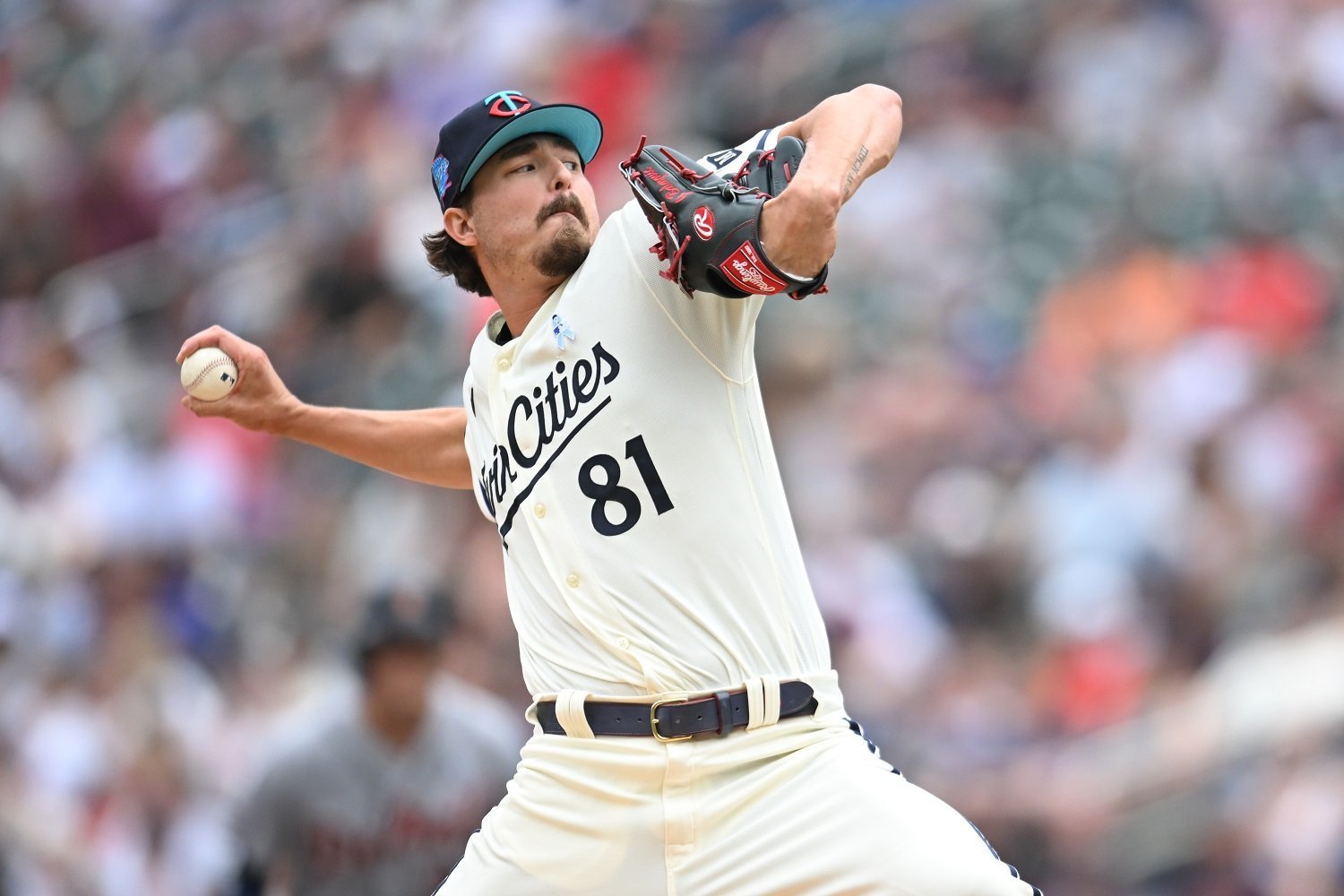 For many evaluators, Jordan Balazovic possessed all the traits needed to be a long-term starting pitcher. His tall, sturdy frame helped him to showcase durability and have lots of success in his early professional career. Twins Daily ranked him as one of the team’s top two pitching prospects leading into multiple seasons, and he ranked among baseball’s top 100 prospects on all three top national lists at different points from 2020-2022. He seemed to have a combination of ceiling and floor that teams love to have in young starting pitchers. However, pitching development is rarely a linear path. On Wednesday, the Twins announced multiple roster moves, including designating Balazovic for assignment. The 25-year-old was out of minor-league options and was underwhelming during his first full season in a relief role last year. His 2023 campaign was marred by a spring training incident wherein he broke his jaw after being punched at a Fort Myers bar. Now, his future is in limbo, as the team seems ready to move on to other relief options. Balazovic’s development path is a reminder of the long slog for most pitching prospects, from the first day they sign as an amateur to stepping onto a big-league mound. Let’s look back at Twins Daily’s recent top prospect lists to examine each year’s top pitching prospects and how they have impacted the organization. 2023 TD Top Pitching Prospect: Marco Raya Raya is intriguing because he has plenty of upside, but the Twins have been overly careful with his usage throughout his professional career. Last season, he never pitched more than four innings in a start and topped out at 54 pitches. At the same time, Minnesota has been aggressive with him, pushing him to Double A as a 20-year-old. He faced older batters in over 88% of his plate appearances and held them to a .548 OPS. His small frame is one of the reasons some evaluators question whether he will be able to stick as a starter. The 2024 season will be critical in deciding his long-term role with the Twins. Other Top Pitching Prospects (2023): Simeon Woods Richardson, Connor Prielipp 2022 TD Top Pitching Prospect: Jordan Balazovic Coming out of the pandemic, the Twins pushed Balazovic to Double A, where he posted a 3.62 ERA with a 1.40 WHIP and 9.5 K/9. These were impressive totals, especially since he was over two and a half years younger than the average age of the competition at that level. Minnesota continued to be aggressive with him in 2022, sending him to Triple A, but he struggled badly and posted an ERA north of 7.00. The Saints needed him to continue starting games because of the injury woes at the big-league level, so Balazovic took his lumps before ending the season on a high note. His 2023 season started on the wrong note (see above) and never got back on track. Other Top Pitching Prospects (2022): Joe Ryan, Matt Canterino 2021 TD Top Pitching Prospect: Jhoan Durán Durán has developed into one of baseball’s best relief arms, with an overpowering repertoire of pitches. Entering the 2021 season, evaluating top prospects was difficult because no minor-league games were played in 2020. During the 2019 season, Durán pitched 115 innings between High A and Double A, with a 3.76 ERA, a 1.19 WHIP, and 10.6 K/9. His 2021 season was limited to five appearances due to arm issues, so the Twins shifted him to the bullpen to start the 2022 campaign. Durán now follows in a line of the best relievers in team history (Joe Nathan, Glen Perkins, Taylor Rogers, etc.) who failed as starters but became All-Star-caliber closers. Other Top Pitching Prospects (2021): Balazovic, Canterino The Twins have developed other starting pitchers over the last three seasons, even while the names above haven’t always panned out. Joe Ryan, Bailey Ober, and Louie Varland will start a significant percentage of the team’s games next season, even though they were never considered the team’s top pitching prospect. Minnesota’s front office has also been able to trade for multiple starters who have played a significant role in the team contending in recent seasons (Pablo López, Sonny Gray, and Kenta Maeda). As the adage goes, “there’s no such thing as a pitching prospect,” which can be a tough pill to swallow for those fans clamoring for an organization to develop a pitching pipeline. What are your thoughts on the names listed above? Should the Twins be getting more out of their top pitching prospects? Leave a comment and start the discussion.
- 26 comments
-
- 9
-

-
- jordan balazovic
- jhoan duran
- (and 1 more)
-
The Twins are signing Carlos Santana to add veteran depth at first base and designated hitter. His addition will have roster implications for four former top-100 prospects. Image courtesy of Jesse Johnson-USA TODAY Sports The Twins are signing Carlos Santana to add veteran depth at first base and designated hitter. His addition will have roster implications for four former top-100 prospects. Reports over the weekend have the Twins set to sign Carlos Santana to a one-year, $5.25-million deal. The veteran switch-hitter can fill multiple roles on the Twins roster, but any addition this close to spring training’s start will impact other players on the roster. Minnesota has former top prospects filling multiple roles for next season, and four of them have seen a shift in their projected usage after Santana signs. Alex Kirilloff Highest Top-100 Ranking: 18th (Baseball America, 2021) Fans' last memory of Kirilloff is the diving play he missed at first base in the playoffs against Houston. It was later revealed that he had been dealing with a shoulder injury that required offseason surgery. Kirilloff looked like one of the best-hitting prospects developed in the Twins organization, but he hasn’t lived up to those expectations. Injuries have sidetracked Kirilloff’s professional career, from Tommy John surgery in the minors to wrist and shoulder issues in the big leagues. There are no guarantees that Kirilloff will be 100% healthy in 2024, so Santana adds depth at first base while having more defensive experience at that position. Previous Projected Role: Regular first baseman, especially against right-handed starters Current Projected Role: Platoon first baseman, with time at DH and corner outfield José Miranda Highest Top-100 Ranking: 90th (Baseball America, 2022) Miranda struggled through a shoulder injury last season (56 OPS+ in 40 games) and saw his spot at third base taken over by Royce Lewis. Minnesota will have 13 position players on the roster, and Santana’s signing limits the available bench spots. Unless an injury occurs, Christian Vázquez, Kyle Farmer, and Willi Castro will occupy three of the four bench spots. Miranda had a chance to make the Opening Day roster as a platoon option at first base, but that changed with Santana’s signing. Miranda will be sent to Triple-A, where he must prove he is healthy and can hit his way back to the big-league level. Miranda still has a place in the team’s long-term plans, but his stock has dropped significantly over the last year. Previous Projected Role: Platoon option at first base and designated hitter Current Projected Role: Depth at Triple-A Nick Gordon Highest Top-100 Ranking: 35th (Baseball Prospectus, 2018) The Twins are quickly running out of roster spots with their moves over the last week, and Gordon is out of minor-league options. As a left-handed bat, he doesn’t offer enough to the roster as a backup outfielder, and the team might not trust him in an infield role. Gordon was one of the team’s lone bright spots in 2022, but he hit .176/.185/.319 with eight extra-base hits in 40 games last season. Gordon deserves a chance to be on a big-league roster, and the Twins only have so many bench spots; he might be left without a seat. Minnesota can try to sneak him through waivers, but another organization would likely claim him. Previous Projected Role: Utility Bench Role Current Projected Role: Out of the organization Trevor Larnach Highest Top-100 Ranking: 39th (Baseball America, 2021) Larnach is in a tough spot entering his age-27 season. The Twins have younger options who have passed him on the organizational depth chart, and he hasn’t shown the ability to claim a big-league role. Since his debut, Larnach has yet to emerge as the powerful hitter the team drafted with their 2018 first-round pick. In nearly 700 plate appearances, he has a 95 OPS+, with struggles against offspeed pitches being his most significant issue. There won’t be room for him on the Opening Day roster, which leaves him trying to break the mold of being a Quadruple-A player who can’t get significant big-league playing time. Previous Projected Role: Depth at Triple-A Current Projected Role: Pushed further down the depth chart Only some top prospects can make it at the big-league level and find sustained success. Last season, the Twins had a trio of rookies perform well, but that group also passed many of the names above in the team’s long-term plans. This quartet of players will get opportunities in 2024 when injuries arise, and it will be critical for them to prove they can live up to their billing as former top prospects. The front office, for their part, needs to be on the lookout for ways to get value out of some of the guys being quietly squeezed out of the picture. Which player above will have the most significant impact on the 2024 roster? Will Gordon be in the organization on Opening Day? What’s Larnach’s role moving forward? Leave a COMMENT and start the discussion. View full article
-
4 Former Top Twins Prospects Impacted By the Carlos Santana Signing
Cody Christie posted an article in Twins
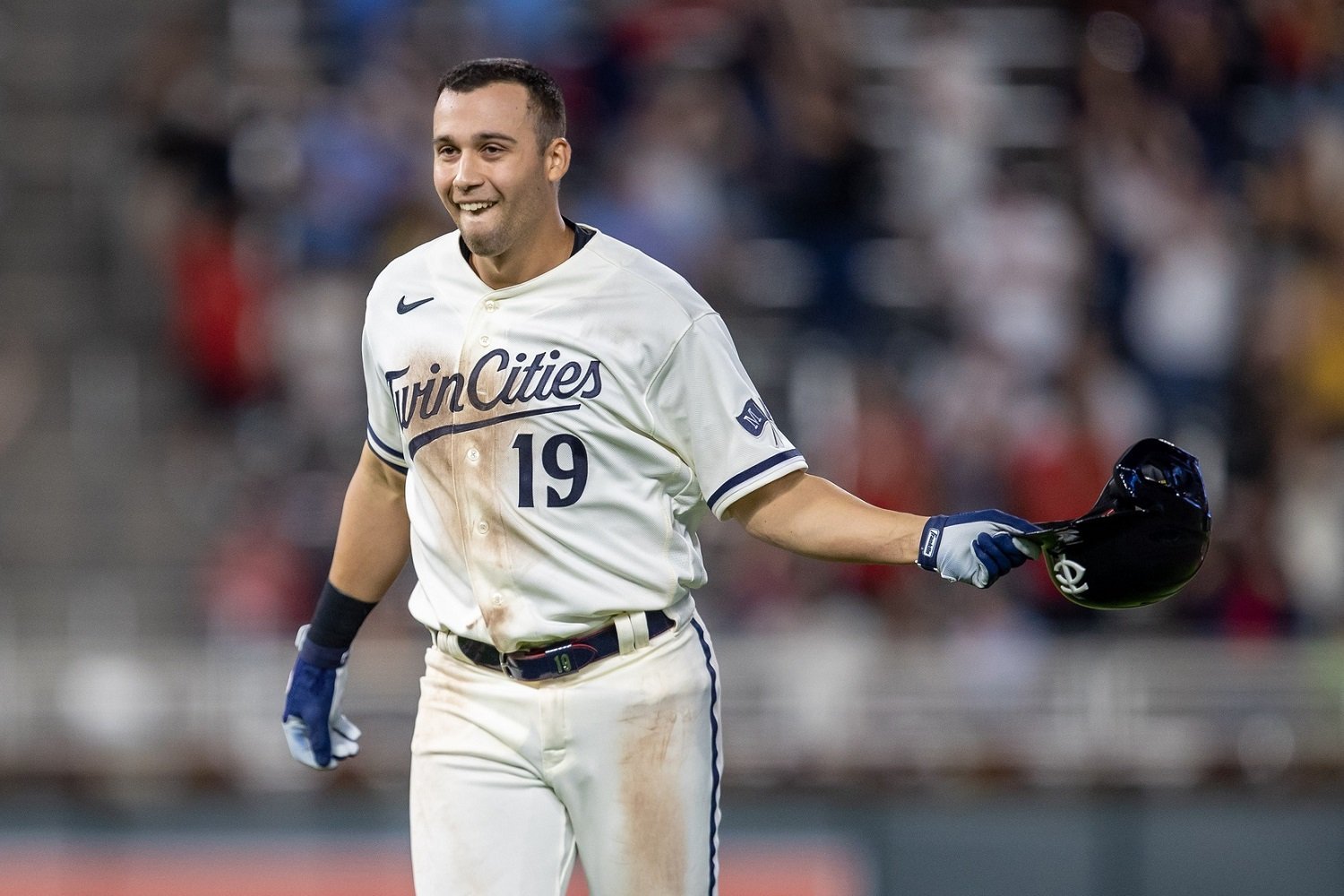 Reports over the weekend have the Twins set to sign Carlos Santana to a one-year, $5.25-million deal. The veteran switch-hitter can fill multiple roles on the Twins roster, but any addition this close to spring training’s start will impact other players on the roster. Minnesota has former top prospects filling multiple roles for next season, and four of them have seen a shift in their projected usage after Santana signs. Alex Kirilloff Highest Top-100 Ranking: 18th (Baseball America, 2021) Fans' last memory of Kirilloff is the diving play he missed at first base in the playoffs against Houston. It was later revealed that he had been dealing with a shoulder injury that required offseason surgery. Kirilloff looked like one of the best-hitting prospects developed in the Twins organization, but he hasn’t lived up to those expectations. Injuries have sidetracked Kirilloff’s professional career, from Tommy John surgery in the minors to wrist and shoulder issues in the big leagues. There are no guarantees that Kirilloff will be 100% healthy in 2024, so Santana adds depth at first base while having more defensive experience at that position. Previous Projected Role: Regular first baseman, especially against right-handed starters Current Projected Role: Platoon first baseman, with time at DH and corner outfield José Miranda Highest Top-100 Ranking: 90th (Baseball America, 2022) Miranda struggled through a shoulder injury last season (56 OPS+ in 40 games) and saw his spot at third base taken over by Royce Lewis. Minnesota will have 13 position players on the roster, and Santana’s signing limits the available bench spots. Unless an injury occurs, Christian Vázquez, Kyle Farmer, and Willi Castro will occupy three of the four bench spots. Miranda had a chance to make the Opening Day roster as a platoon option at first base, but that changed with Santana’s signing. Miranda will be sent to Triple-A, where he must prove he is healthy and can hit his way back to the big-league level. Miranda still has a place in the team’s long-term plans, but his stock has dropped significantly over the last year. Previous Projected Role: Platoon option at first base and designated hitter Current Projected Role: Depth at Triple-A Nick Gordon Highest Top-100 Ranking: 35th (Baseball Prospectus, 2018) The Twins are quickly running out of roster spots with their moves over the last week, and Gordon is out of minor-league options. As a left-handed bat, he doesn’t offer enough to the roster as a backup outfielder, and the team might not trust him in an infield role. Gordon was one of the team’s lone bright spots in 2022, but he hit .176/.185/.319 with eight extra-base hits in 40 games last season. Gordon deserves a chance to be on a big-league roster, and the Twins only have so many bench spots; he might be left without a seat. Minnesota can try to sneak him through waivers, but another organization would likely claim him. Previous Projected Role: Utility Bench Role Current Projected Role: Out of the organization Trevor Larnach Highest Top-100 Ranking: 39th (Baseball America, 2021) Larnach is in a tough spot entering his age-27 season. The Twins have younger options who have passed him on the organizational depth chart, and he hasn’t shown the ability to claim a big-league role. Since his debut, Larnach has yet to emerge as the powerful hitter the team drafted with their 2018 first-round pick. In nearly 700 plate appearances, he has a 95 OPS+, with struggles against offspeed pitches being his most significant issue. There won’t be room for him on the Opening Day roster, which leaves him trying to break the mold of being a Quadruple-A player who can’t get significant big-league playing time. Previous Projected Role: Depth at Triple-A Current Projected Role: Pushed further down the depth chart Only some top prospects can make it at the big-league level and find sustained success. Last season, the Twins had a trio of rookies perform well, but that group also passed many of the names above in the team’s long-term plans. This quartet of players will get opportunities in 2024 when injuries arise, and it will be critical for them to prove they can live up to their billing as former top prospects. The front office, for their part, needs to be on the lookout for ways to get value out of some of the guys being quietly squeezed out of the picture. Which player above will have the most significant impact on the 2024 roster? Will Gordon be in the organization on Opening Day? What’s Larnach’s role moving forward? Leave a COMMENT and start the discussion.
- 23 comments
-
- 1
-
-
- carlos santana
- nick gordon
- (and 3 more)
-
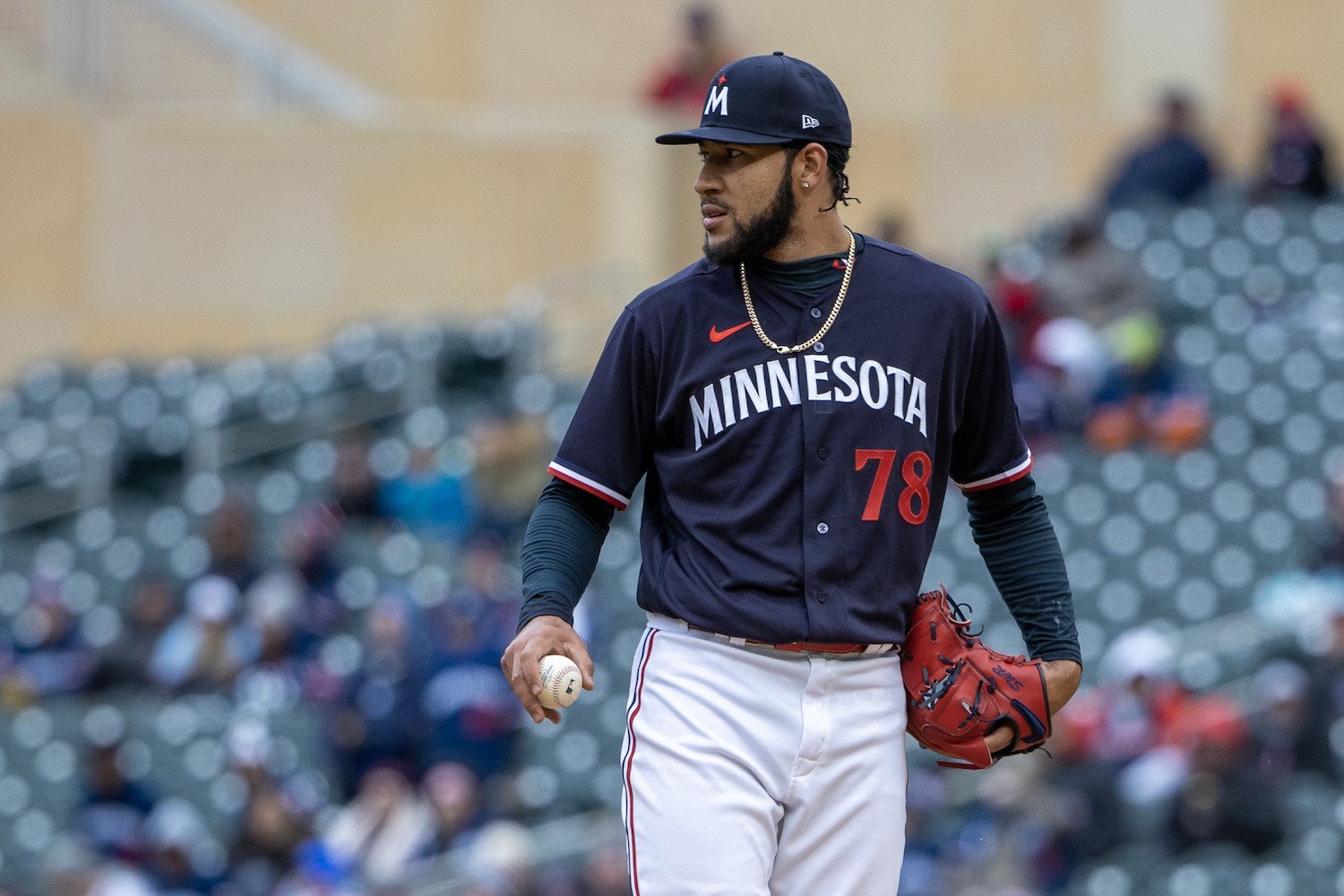 Twins Daily has been counting down the team’s top 20 prospects this week, with multiple players expected to impact the team next season. Simeon Woods Richardson finished just inside the top 20, after pitching most of last season at St. Paul as a 22-year-old. In 113 2/3 innings, he posted a 4.91 ERA with a 1.50 WHIP and a 96-to-61 strikeout-to-walk ratio. His overall numbers were disappointing, but there are reasons for optimism. On my personal list, I ranked Woods Richardson as the team’s 11th-best prospect, eight spots higher than he finished in the overall rankings. As Seth Stohs wrote on Monday, SWR fared much better in the second half, with a 3.11 ERA and a 1.23 WHIP in just under 67 innings. Those improvements are just the start of why fans should be excited about what he can offer the Twins in 2024. Reason 1: Stuff+ Tom Froemming recently posted a video (see below) showing that Woods Richardson ranked 10th in Stuff+ among all pitchers at Triple-A, and that included some rehabbing major-league arms. Stuff+ looks at the physical characteristics of a player’s pitches, including release point, velocity, and vertical and horizontal movement. According to FanGraphs, the Stuff+ model attempts to capture the “nastiest” pitches in baseball. Last season, Woods Richardson sat in the low 90s with his fastball, which he combined with three offspeed offerings. Even with a strong Stuff+, he had a tough time missing bats. For his career, he has averaged 9.9 strikeouts per nine innings in the minors, but last season, his rate dropped to 7.6 with St. Paul. There is hope for his strikeout rate to increase, especially with the characteristics of his other pitches. Reason 2: Age Woods Richardson has been aggressively pushed up the organizational ladder since he was a 17-year-old in the Mets organization. He has been over three years younger than the average age of the competition at his level throughout his professional career. During the 2024 season, he faced older batters in 91.9 percent of opponent’s plate appearances, yielding an opponents' line of .261/.350/.426 in 418 at-bats. Over the season’s final months, batters posted a .642 OPS against Woods Richardson, so there were signs of improved performance. Luck also played a role in his poor performance early in the season. Woods Richardson wasn’t missing enough bats, so more balls were being put in play against him, resulting in higher BABIP totals. From April to June, batters hit .315 against him, with a .369 BABIP. Batters went 49-for-238 (.206 BA) from July to September, with a .240 BABIP. It’s also important to note that CHS Field in St. Paul has favored hitters, which can impact a pitcher’s overall numbers. Reason 3: Development Woods Richardson has previously struggled, especially when being pushed to a higher level for the first time. In 2021, he reached Double A and got his head knocked in, with a 5.91 ERA and a 1.54 WHIP across 53 1/3 innings. Minnesota had him repeat that level in 2022, and he had one of his best professional seasons, including pitching well for St. Paul. In 107 1/3 innings across two levels, he posted a 2.77 ERA with a 1.05 WHIP, including 9.6 K/9. It was a tremendous season, putting him back on the map as one of the team’s top pitching prospects. Throughout his career, SWR has worked on mechanical adjustments to get the most out of his lanky frame. He’s used recent offseasons to refine his strength and conditioning program to better handle the rigors of starting pitching. One of his most significant alterations is using his delivery to be more efficient in his direction to the plate, which can coax extra velocity. During his strong second half, there were also changes in his pitch usage. Against left-handed hitters, he used his changeup more regularly, and there were times when that pitch gained some greater vertical depth. With righties, he used his slider more often and commanded it better. Walks have haunted him in the past, so his ticket to the big leagues is better command with his fastball, a pitch with some cut, and a higher whiff percentage with his secondary pitches. Pitching development is a non-linear path, and fans should still be hopeful about Woods Richardson. What improvements will Woods Richardson make next season? What is his ceiling? Leave a COMMENT and start the discussion.
 -
For many fans, the Twins’ payroll has been a focal point throughout the winter because of uncertainty surrounding the team’s television contract. Now, the team found out another, much smaller-market AL Central foe is spending in a big way, which is an embarrassing proposition. Image courtesy of Jeffrey Becker-USA TODAY Sports For many fans, the Twins’ payroll has been a focal point throughout the winter because of uncertainty surrounding the team’s television contract. Now, the team found out another, much smaller-market AL Central foe is spending in a big way, which is an embarrassing proposition. On Monday, the Royals announced a long-term extension with Bobby Witt Jr., their All-Star shortstop. It’s an 11-year deal worth at least $288.7 million, but there is a potential for it to be worth 14 years and $377 million if the Royals pick up a club option after the 11th season. Witt can also opt out of the contract after the seventh, eighth, ninth, and 10th years. To put this in perspective, the largest contract in Royals history before this deal was a four-year, $82-million contract with Salvador Perez. It is a franchise-altering move that sends shockwaves through the entire AL Central. Kansas City has been aggressive this winter, signing multiple players before inking Witt to a massive contract. Adam Frazier, Hunter Renfroe, Michael Wacha, Chris Stratton, Will Smith, and Seth Lugo all signed as free agents, from the middle of December through the middle of January. While those players might not move the needle for the Royals immediately, it shows their fans that the team is attempting to get better, after a disastrous 2023 season that saw the club lose 106 games and finish in last place in a dreadful AL Central. Adding all those salaries into the team’s 2024 payroll, Kansas City will have a payroll close to $138 million, with a luxury tax payroll of $161 million, the highest total in the AL Central. As currently constructed, the Kansas City Royals have the AL Central’s highest luxury tax payroll, projected at $161 million, followed by Minnesota ($154 million), Cleveland ($131 million), Chicago ($129 million), and Detroit ($119 million). The Twins ended last season with an estimated final payroll total of $159 million, a team record. Minnesota’s front office has been direct with fans that the payroll would drop this winter because the team’s television contract expired at the end of last season. A loss of $55 million in television revenue means the team’s payroll will likely sit between $125-130 million for next season. However, the team is close to a one-year contract to return to Bally Sports that would pay the club north of $40 million. While that deal isn’t official, there is no indication from the team that they will increase payroll when a new contract is in place. There are multiple reasons for the Twins to be embarrassed by the Royals outspending them in any given season. Market size is one of the most significant indicators of payroll spending, so teams like the Dodgers and Yankees have the highest payrolls from one season to the next. According to Nielsen, Kansas City ranks as the 34th-biggest television market in the United States, behind multiple cities without an MLB team (Columbus, Hartford, San Antonio). Minneapolis-St. Paul’s market ranks 15th, just ahead of Denver and Miami. Last season, the Twins’ payroll ranked 16th in MLB, while the Royals spent $60 million less than Minnesota and ranked 24th. The Royals’ television contract is also under the Bally Sports umbrella, with their deal worth a reported $48-52 million per season. Like the Twins, their television future beyond 2024 is likely headed for a different home, but it didn’t stop the Royals from spending big. Many teams have been passive on the free-agent market this winter, but Kansas City has targeted players that fit specific needs and spent money despite the uncertainty of future television revenue. Fans can point to the roster and see how the team is improving, which is something Twins fans haven’t been able to do this winter. All this is made more galling, though, by the fact that the Twins are squarely in the middle of a competitive window they need to fight to keep open, while the Royals are near the nadir of an ugly rebuild. Kansas City hasn’t made the playoffs since they made back-to-back trips to the World Series in 2014 and 2015. During that stretch, there have been some dark seasons for the Royals, including three seasons with 97 losses or more. Minnesota has had four playoff appearances since Kansas City last played in October, which results in more revenue. The Twins also average 700,000-800,000 more fans in attendance per season, which is also tied to the team’s spending. The team has expressed optimism about burgeoning attendance for 2024, based on season ticket sales in the wake of their playoff wins last season. There is no defensible reason for the Twins to spend less money than the Royals, but that's the current reality which will add another layer of frustration for Minnesota fans in what has already been a frustrating offseason. Should the Twins be increasing their payroll? Is it fair to compare Minnesota and Kansas City? Leave a COMMENT and start the discussion. View full article
-
The Twins Should Be Embarrassed to Be Outspent by the Royals
Cody Christie posted an article in Twins
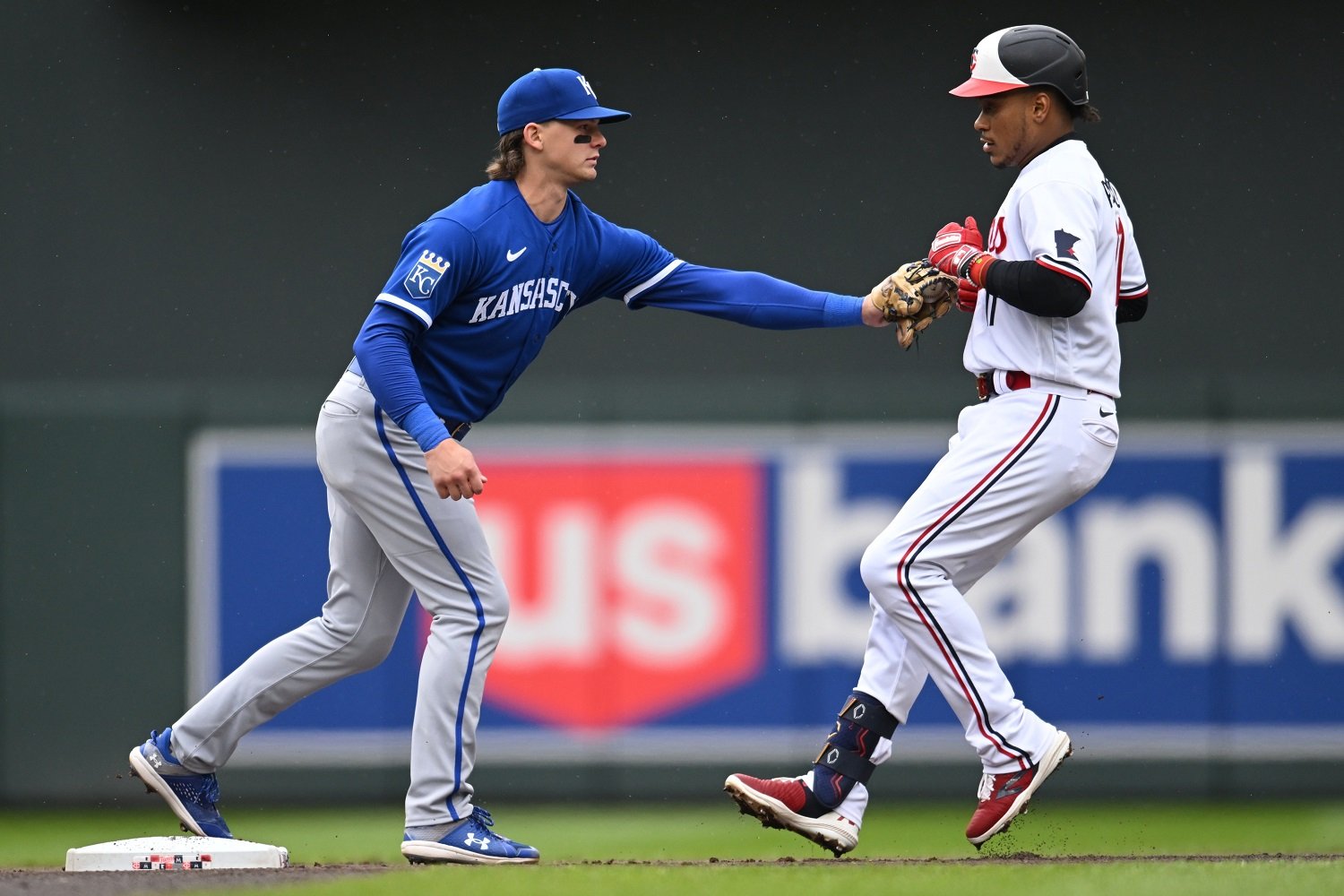 On Monday, the Royals announced a long-term extension with Bobby Witt Jr., their All-Star shortstop. It’s an 11-year deal worth at least $288.7 million, but there is a potential for it to be worth 14 years and $377 million if the Royals pick up a club option after the 11th season. Witt can also opt out of the contract after the seventh, eighth, ninth, and 10th years. To put this in perspective, the largest contract in Royals history before this deal was a four-year, $82-million contract with Salvador Perez. It is a franchise-altering move that sends shockwaves through the entire AL Central. Kansas City has been aggressive this winter, signing multiple players before inking Witt to a massive contract. Adam Frazier, Hunter Renfroe, Michael Wacha, Chris Stratton, Will Smith, and Seth Lugo all signed as free agents, from the middle of December through the middle of January. While those players might not move the needle for the Royals immediately, it shows their fans that the team is attempting to get better, after a disastrous 2023 season that saw the club lose 106 games and finish in last place in a dreadful AL Central. Adding all those salaries into the team’s 2024 payroll, Kansas City will have a payroll close to $138 million, with a luxury tax payroll of $161 million, the highest total in the AL Central. As currently constructed, the Kansas City Royals have the AL Central’s highest luxury tax payroll, projected at $161 million, followed by Minnesota ($154 million), Cleveland ($131 million), Chicago ($129 million), and Detroit ($119 million). The Twins ended last season with an estimated final payroll total of $159 million, a team record. Minnesota’s front office has been direct with fans that the payroll would drop this winter because the team’s television contract expired at the end of last season. A loss of $55 million in television revenue means the team’s payroll will likely sit between $125-130 million for next season. However, the team is close to a one-year contract to return to Bally Sports that would pay the club north of $40 million. While that deal isn’t official, there is no indication from the team that they will increase payroll when a new contract is in place. There are multiple reasons for the Twins to be embarrassed by the Royals outspending them in any given season. Market size is one of the most significant indicators of payroll spending, so teams like the Dodgers and Yankees have the highest payrolls from one season to the next. According to Nielsen, Kansas City ranks as the 34th-biggest television market in the United States, behind multiple cities without an MLB team (Columbus, Hartford, San Antonio). Minneapolis-St. Paul’s market ranks 15th, just ahead of Denver and Miami. Last season, the Twins’ payroll ranked 16th in MLB, while the Royals spent $60 million less than Minnesota and ranked 24th. The Royals’ television contract is also under the Bally Sports umbrella, with their deal worth a reported $48-52 million per season. Like the Twins, their television future beyond 2024 is likely headed for a different home, but it didn’t stop the Royals from spending big. Many teams have been passive on the free-agent market this winter, but Kansas City has targeted players that fit specific needs and spent money despite the uncertainty of future television revenue. Fans can point to the roster and see how the team is improving, which is something Twins fans haven’t been able to do this winter. All this is made more galling, though, by the fact that the Twins are squarely in the middle of a competitive window they need to fight to keep open, while the Royals are near the nadir of an ugly rebuild. Kansas City hasn’t made the playoffs since they made back-to-back trips to the World Series in 2014 and 2015. During that stretch, there have been some dark seasons for the Royals, including three seasons with 97 losses or more. Minnesota has had four playoff appearances since Kansas City last played in October, which results in more revenue. The Twins also average 700,000-800,000 more fans in attendance per season, which is also tied to the team’s spending. The team has expressed optimism about burgeoning attendance for 2024, based on season ticket sales in the wake of their playoff wins last season. There is no defensible reason for the Twins to spend less money than the Royals, but that's the current reality which will add another layer of frustration for Minnesota fans in what has already been a frustrating offseason. Should the Twins be increasing their payroll? Is it fair to compare Minnesota and Kansas City? Leave a COMMENT and start the discussion.
 -
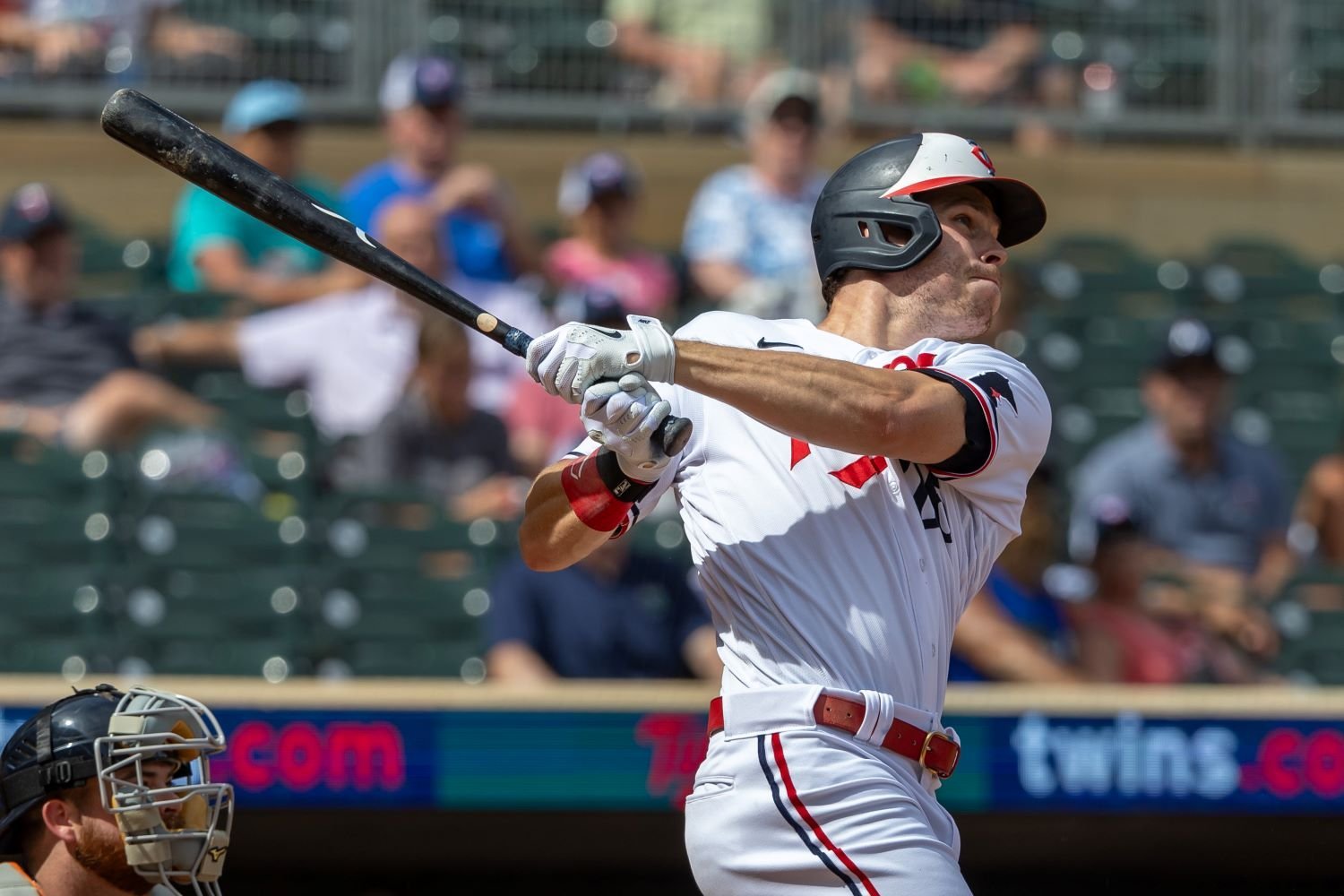 Max Kepler stands alone as the longest-tenured Twins player following Jorge Polanco’s departure from the organization. Both players signed as 16-year-olds on the international market back in 2009. They grew up and spent half their lives in the Twins organization. Kepler’s time in the organization is also nearing an end with one more year of team control, but rumors have swirled about him being traded for multiple seasons. MLB Network’s Jon Morosi reported that the Mariners inquired about adding Kepler to the Polanco trade. Seattle would have needed to add more to the trade to even out the value. However, the Kepler side of the deal didn’t gain steam, and the teams ended up agreeing to terms for the players in the Polanco deal. Because of his expiring contract, Kepler’s name will be tied to trade rumors until the trade deadline passes later this summer. It becomes a complicated situation with the value he can still provide the Twins, but that amount is shrinking the longer they hold on to him. Kepler’s Value to the Twins The Twins front office has highly regarded Kepler when teams have inquired about him via trade. He’s coming off one of his best offensive seasons as he hit .260/.332/.484 (.816) with 22 doubles, two triples, and 24 home runs. His overall numbers don’t tell the story of his 2023 campaign. At the All-Star Break, Kepler was hitting around .200 with a .688 OPS, and there were conversations about whether a younger player should replace him. His second half was tremendous as he morphed into one of Minnesota’s best offensive performers with a .926 OPS. Those totals were better than his numbers in his breakout 2019 season. Looking at Minnesota’s roster, there is a need for Kepler, mainly if he can produce like he did in the second half. Currently, Kepler projects to be the team’s regular right fielder, with Matt Wallner getting regular time in left field. The Twins’ other corner outfield options include Willi Castro, Nick Gordon, and Trevor Larnach. Castro is coming off a season where he posted a 106 OPS+ and gave the team 2.6 WAR. Gordon and Larnach suffered through disappointing seasons, so it’s hard for the team to hand them a starting job. If the Twins shifted to one of these players, there would be a downgrade in performance compared to Kepler. Kepler’s Value to Other Teams Kepler has one year remaining of team control for a team-friendly $10 million. According to FanGraphs, Kepler has provided the Twins with more than $10 million in value in every full season since 2016. Last year, he was worth over $20 million, the second-highest total of his career. Baseball Trade Values attempts to quantify the surplus value associated with players who could be potentially traded. Kepler’s surplus value comes in at $8 million, slightly lower than Polanco’s $9.4 million, but he has an extra year of team control. If the Twins traded Kepler, there are free agent outfielders that might be a better fit on the Twins roster because they are right-handed. There has been a need on the Twins roster for a power-hitting outfielder for multiple seasons, but the club hasn’t found a fit. Jorge Soler, Adam Duval, and Tommy Pham are all still available and would be solid right-handed hitters who can play in the outfield. Soler hit 36 home runs for the Marlins last season and posted a 1.080 OPS against left-handed pitching. Duval combined for a 119 OPS+ and played all three outfield positions. Pham was a playoff hero for the Diamondbacks and had trade rumors connecting him to the Twins in the past. Kepler can continue to provide the Twins with value this season, but the roster is hardly complete at this juncture of the offseason. It would make sense to trade Kepler if Minnesota spends money on a right-handed bat. Will the Twins still consider trading Kepler? How much value does he have in a trade? Leave a COMMENT and start the discussion.
 -
The Twins have attempted to trade Max Kepler for multiple years but haven’t received what the team views as his perceived value. So, what value does he provide the Twins for 2024, and is there still a chance he will be moved this winter? Image courtesy of Jesse Johnson-USA TODAY Sports The Twins have attempted to trade Max Kepler for multiple years but haven’t received what the team views as his perceived value. So, what value does he provide the Twins for 2024, and is there still a chance he will be moved this winter? Max Kepler stands alone as the longest-tenured Twins player following Jorge Polanco’s departure from the organization. Both players signed as 16-year-olds on the international market back in 2009. They grew up and spent half their lives in the Twins organization. Kepler’s time in the organization is also nearing an end with one more year of team control, but rumors have swirled about him being traded for multiple seasons. MLB Network’s Jon Morosi reported that the Mariners inquired about adding Kepler to the Polanco trade. Seattle would have needed to add more to the trade to even out the value. However, the Kepler side of the deal didn’t gain steam, and the teams ended up agreeing to terms for the players in the Polanco deal. Because of his expiring contract, Kepler’s name will be tied to trade rumors until the trade deadline passes later this summer. It becomes a complicated situation with the value he can still provide the Twins, but that amount is shrinking the longer they hold on to him. Kepler’s Value to the Twins The Twins front office has highly regarded Kepler when teams have inquired about him via trade. He’s coming off one of his best offensive seasons as he hit .260/.332/.484 (.816) with 22 doubles, two triples, and 24 home runs. His overall numbers don’t tell the story of his 2023 campaign. At the All-Star Break, Kepler was hitting around .200 with a .688 OPS, and there were conversations about whether a younger player should replace him. His second half was tremendous as he morphed into one of Minnesota’s best offensive performers with a .926 OPS. Those totals were better than his numbers in his breakout 2019 season. Looking at Minnesota’s roster, there is a need for Kepler, mainly if he can produce like he did in the second half. Currently, Kepler projects to be the team’s regular right fielder, with Matt Wallner getting regular time in left field. The Twins’ other corner outfield options include Willi Castro, Nick Gordon, and Trevor Larnach. Castro is coming off a season where he posted a 106 OPS+ and gave the team 2.6 WAR. Gordon and Larnach suffered through disappointing seasons, so it’s hard for the team to hand them a starting job. If the Twins shifted to one of these players, there would be a downgrade in performance compared to Kepler. Kepler’s Value to Other Teams Kepler has one year remaining of team control for a team-friendly $10 million. According to FanGraphs, Kepler has provided the Twins with more than $10 million in value in every full season since 2016. Last year, he was worth over $20 million, the second-highest total of his career. Baseball Trade Values attempts to quantify the surplus value associated with players who could be potentially traded. Kepler’s surplus value comes in at $8 million, slightly lower than Polanco’s $9.4 million, but he has an extra year of team control. If the Twins traded Kepler, there are free agent outfielders that might be a better fit on the Twins roster because they are right-handed. There has been a need on the Twins roster for a power-hitting outfielder for multiple seasons, but the club hasn’t found a fit. Jorge Soler, Adam Duval, and Tommy Pham are all still available and would be solid right-handed hitters who can play in the outfield. Soler hit 36 home runs for the Marlins last season and posted a 1.080 OPS against left-handed pitching. Duval combined for a 119 OPS+ and played all three outfield positions. Pham was a playoff hero for the Diamondbacks and had trade rumors connecting him to the Twins in the past. Kepler can continue to provide the Twins with value this season, but the roster is hardly complete at this juncture of the offseason. It would make sense to trade Kepler if Minnesota spends money on a right-handed bat. Will the Twins still consider trading Kepler? How much value does he have in a trade? Leave a COMMENT and start the discussion. View full article
-
Simeon Woods Richardson struggled last season at Triple A, but there is more than one reason to be excited about what he can provide the Twins in 2024. Here are three reasons to believe in the young starting pitcher. Image courtesy of Jesse Johnson-USA TODAY Sports Simeon Woods Richardson struggled last season at Triple A, but there is more than one reason to be excited about what he can provide the Twins in 2024. Here are three reasons to believe in the young starting pitcher. Twins Daily has been counting down the team’s top 20 prospects this week, with multiple players expected to impact the team next season. Simeon Woods Richardson finished just inside the top 20, after pitching most of last season at St. Paul as a 22-year-old. In 113 2/3 innings, he posted a 4.91 ERA with a 1.50 WHIP and a 96-to-61 strikeout-to-walk ratio. His overall numbers were disappointing, but there are reasons for optimism. On my personal list, I ranked Woods Richardson as the team’s 11th-best prospect, eight spots higher than he finished in the overall rankings. As Seth Stohs wrote on Monday, SWR fared much better in the second half, with a 3.11 ERA and a 1.23 WHIP in just under 67 innings. Those improvements are just the start of why fans should be excited about what he can offer the Twins in 2024. Reason 1: Stuff+ Tom Froemming recently posted a video (see below) showing that Woods Richardson ranked 10th in Stuff+ among all pitchers at Triple-A, and that included some rehabbing major-league arms. Stuff+ looks at the physical characteristics of a player’s pitches, including release point, velocity, and vertical and horizontal movement. According to FanGraphs, the Stuff+ model attempts to capture the “nastiest” pitches in baseball. Last season, Woods Richardson sat in the low 90s with his fastball, which he combined with three offspeed offerings. Even with a strong Stuff+, he had a tough time missing bats. For his career, he has averaged 9.9 strikeouts per nine innings in the minors, but last season, his rate dropped to 7.6 with St. Paul. There is hope for his strikeout rate to increase, especially with the characteristics of his other pitches. Reason 2: Age Woods Richardson has been aggressively pushed up the organizational ladder since he was a 17-year-old in the Mets organization. He has been over three years younger than the average age of the competition at his level throughout his professional career. During the 2024 season, he faced older batters in 91.9 percent of opponent’s plate appearances, yielding an opponents' line of .261/.350/.426 in 418 at-bats. Over the season’s final months, batters posted a .642 OPS against Woods Richardson, so there were signs of improved performance. Luck also played a role in his poor performance early in the season. Woods Richardson wasn’t missing enough bats, so more balls were being put in play against him, resulting in higher BABIP totals. From April to June, batters hit .315 against him, with a .369 BABIP. Batters went 49-for-238 (.206 BA) from July to September, with a .240 BABIP. It’s also important to note that CHS Field in St. Paul has favored hitters, which can impact a pitcher’s overall numbers. Reason 3: Development Woods Richardson has previously struggled, especially when being pushed to a higher level for the first time. In 2021, he reached Double A and got his head knocked in, with a 5.91 ERA and a 1.54 WHIP across 53 1/3 innings. Minnesota had him repeat that level in 2022, and he had one of his best professional seasons, including pitching well for St. Paul. In 107 1/3 innings across two levels, he posted a 2.77 ERA with a 1.05 WHIP, including 9.6 K/9. It was a tremendous season, putting him back on the map as one of the team’s top pitching prospects. Throughout his career, SWR has worked on mechanical adjustments to get the most out of his lanky frame. He’s used recent offseasons to refine his strength and conditioning program to better handle the rigors of starting pitching. One of his most significant alterations is using his delivery to be more efficient in his direction to the plate, which can coax extra velocity. During his strong second half, there were also changes in his pitch usage. Against left-handed hitters, he used his changeup more regularly, and there were times when that pitch gained some greater vertical depth. With righties, he used his slider more often and commanded it better. Walks have haunted him in the past, so his ticket to the big leagues is better command with his fastball, a pitch with some cut, and a higher whiff percentage with his secondary pitches. Pitching development is a non-linear path, and fans should still be hopeful about Woods Richardson. What improvements will Woods Richardson make next season? What is his ceiling? Leave a COMMENT and start the discussion. View full article
-
Adrián Beltré took a unique path to being a first-ballot Hall of Famer, building most of his Cooperstown case in his 30s. Can Byron Buxton follow in his footsteps? Image courtesy of Jeffrey Becker-USA TODAY Sports Adrián Beltré took a unique path to being a first-ballot Hall of Famer, building most of his Cooperstown case in his 30s. Can Byron Buxton follow in his footsteps? Late last month, Twins fans were rightly focused on Joe Mauer, as he narrowly made the Hall of Fame on the first ballot. Joining Mauer in the Class of 2024 is another first-ballot selection, Adrián Beltré. No baseball player follows a boilerplate path to being enshrined in Cooperstown, but Beltré’s was unique because he wasn’t headed to the Hall of Fame as he reached his 30s. Instead, a late-career surge put him among the best third basemen in baseball history. Manny Randhawa wrote at MLB.com about seven players who could see a late-career surge, like Beltré, to make the Hall of Fame. One current Twins player, Carlos Correa, made his list, because he is entering his age-29 season and has already built a strong résumé. I recently wrote about Correa and what he’d need to do to get back on track for the Hall of Fame. Another player on the Twins turned 30 this winter, and a return to greatness for him could match what Adrian Beltré accomplished later in his career. Age Comparison Beltré through age-29 season: .271/.327/.459 (107 OPS+); 242 HR, 0 All-Star Appearances, 2 Gold Gloves Buxton through age-29 season: .239/.300/.468 (106 OPS+), 115 HR, 1 All-Star Appearance, 1 Gold Glove Beltré debuted with the Dodgers as a 19-year-old, after being ranked as one of baseball’s best prospects. His early career was unremarkable, before a breakout season in 2004 at age 25, his final year before reaching free agency. In that campaign, he hit .334/.388/.629 with 48 home runs, 32 doubles, and 121 RBI. He finished second for the NL MVP. Following the season, he signed a five-year deal to join the Mariners, where he struggled to replicate his MVP-caliber season. Through his age-29 season, he had been able to stay on the field consistently, but there were inconsistencies in his performance. Buxton debuted at age 21, after being touted as baseball’s top prospect because of his five-tool potential. Injuries and an inconsistent offensive approach marred his 20s. Early in his career, coaches tried to get him to be a prototypical leadoff hitter, slapping or bunting the ball and using his speed to reach base. This approach was incorrect, and the Twins eventually figured that out. Buxton had a four-season stretch from 2019-2022 wherein he posted a 136 OPS+ but averaged 70 games per season. He showcased short bursts of his full potential, but injuries haven’t allowed him to play at a Hall of Fame level. Peaking In His 30s Beltré went on a stretch in his 30s that few others will match. For nine seasons, he hit .307/.358/.514, with a 130 OPS+, averaging 32 doubles and 25 home runs per season. He accomplished this while being selected to four All-Star Games, being a perennial top-10 finisher for the MVP, and playing Gold Glove-caliber defense at third base. Beltré was a workhorse throughout his career, with only one season (2017) where he played fewer than 100 games. Given how well he was still playing, he probably could have continued playing into his 40s, but Beltré decided to call it a career. Buxton turned 30 in December, and there is little chance of him landing in Cooperstown, but he has potential for a late-career surge. Injuries have been the biggest hindrance, and he seems to be in a good place heading into the 2024 season. At TwinsFest, he declared, “I’m back,” when asked about a return to center field. Minnesota plans to have Buxton start around 80 games in center, with his remaining time coming at DH or used as rest days. He has played over 92 games in one big-league season, so this is an aggressive plan to get the most from one of the team’s stars. There have been few players in Twins history with the talent Buxton possesses. He might be the best athlete to wear a Twins uniform. Since the team moved to Minnesota, only five players have a better at-bat per home run rate than Buxton. He ranks higher than Bob Allison, Tom Brunansky, and Kent Hrbek. His home run prowess is even more impressive, considering coaches weren't encouraging him to hit for power when he broke into the big leagues. Buxton and his agent added incentives into his contract tied to MVP voting because he can play to that level. Now, it’s time to prove he can play to that level regularly. Beltré was a unicorn, in that he seemed to get better with age. Buxton has improved during his career, but his inability to stay healthy has kept him from reaching his full potential. What are realistic expectations for Buxton in his 30s? Can he regularly play in center field? Will he average more than 100 games per season? Leave a COMMENT and start the discussion. View full article
-
Jorge Polanco was traded to Seattle, but this can’t be the team’s only offseason move. So, how does his departure impact the team, and what’s coming next? Image courtesy of Erik Williams-USA TODAY Sports Jorge Polanco was traded to Seattle, but this can’t be the team’s only offseason move. So, how does his departure impact the team, and what’s coming next? Jorge Polanco was one of the longest-tenured Twins, so it can be challenging for fans to see him depart. He produced at a high level for most of his career, and is considered by many to be one of the most underrated Twins in the Target Field era. His consistency and switch-hitting ability helped to fill a critical role near the top of the lineup. In all probability, the front office is already working on their next move, so where do the Twins go from here? Lineup Analysis Polanco leaves a hole in the lineup that the Twins can address with in-house options. Edouard Julien is expected to take over the second base duties at the beginning of the year. His defense was below-average at second when he first came up last season, but he worked hard and made huge improvements by the season’s end. The Twins also have Brooks Lee waiting in the wings, but his Triple-A performance could have been better, with a .731 OPS in 38 games. Lee will probably start the year in St. Paul, but should debut in the season’s early months. Kyle Farmer seems to be the biggest beneficiary of Polanco’s absence. His right-handed bat is going to be needed on a more regular basis without Polanco’s switch-hitting abilities. Farmer will likely get starts against tough lefties at second base, while also being a pinch-hit option and defensive replacement in the late innings. So, knowing where the lineup stands, how do the Twins continue to improve for 2024? Free Agent Options The Twins saved just over $5.5 million by shedding Polanco’s salary and getting money from Seattle as part of the deal. Derek Falvey told reporters that the club plans to reallocate those savings into the roster. He also suggested that those upgrades will likely come on the position-player side after acquiring a starter (Anthony DeSclafani( and a reliever (Justin Topa). So, what’s left on the free-agent market? Some of the top-ranked free-agent options are still available (most of them Scott Boras clients), but the Twins didn’t save enough money to target those players. Early in the winter, Falvey admitted the team would evaluate the first base market with questions surrounding Alex Kirilloff’s health. The team has also needed a big right-handed bat for a couple years now. The Twins can go in a few directions with their recently reclaimed payroll flexibility, even if it is a minimal change. Tommy Pham is a name previously linked to the Twins, going back to last year’s trade deadline. He went to the Diamondbacks and was a playoff hero in their World Series run. In 2023, the right-handed slugger posted a 111 OPS+, and his OPS was nearly 20 points higher when facing lefties. He signed a one-year, $6-million deal with the Mets last winter and should get about that much again, based on last year’s performance. There is also an opportunity for the team to explore a pair of reunions from last year. Michael A. Taylor and Donovan Solano are still on the free agent market, and each makes sense for the team’s needs. Taylor provided insurance for Byron Buxton in center field last season, while having one of his best offensive campaigns. Buxton and the Twins are optimistic about a return to center next season, so the team might rely on internal options. Solano signed late last winter and gave the Twins some versatility off the bench. Minnesota values depth, and these players can add a veteran presence to the roster. More Trades The Twins will also continue to explore further trade possibilities. Veterans like Max Kepler, Christian Vázquez, and Farmer have been rumored to be available. As previously mentioned, Farmer likely has a more prominent role with Polanco’s departure. It also doesn’t seem likely for the club to trade from their catching depth. Vazquez had a poor offensive season, but the team prefers a catching rotation. Ryan Jeffers was great in 2023, but the team isn’t going to let him catch more than about 100 games. This leaves Kepler as the lone veteran option to trade, and the Twins haven’t been satisfied with their offers for him in recent seasons. Minnesota added DeSclafani, a starter, in the Polanco trade, but he isn’t considered a playoff-caliber starter and will slide into the back end of the rotation. Minnesota’s current starting rotation includes Pablo López, Chris Paddack, Joe Ryan, Bailey Ober, and Desclafani. The Twins added Gabriel Gonzalez, a top-100 outfield prospect, in the Polanco trade. One has to wonder if the front office will pivot and trade prospects like Emmanuel Rodriguez or González for a starter. Rodríguez seemed like a potential trade piece at the beginning of the offseason, and those chances might have increased with the team’s recent moves. How will the front office complete the 2024 Twins roster? What’s the team’s next move? Leave a COMMENT and start the discussion. View full article
-
What’s Next for the Twins Following the Jorge Polanco Trade?
Cody Christie posted an article in Twins
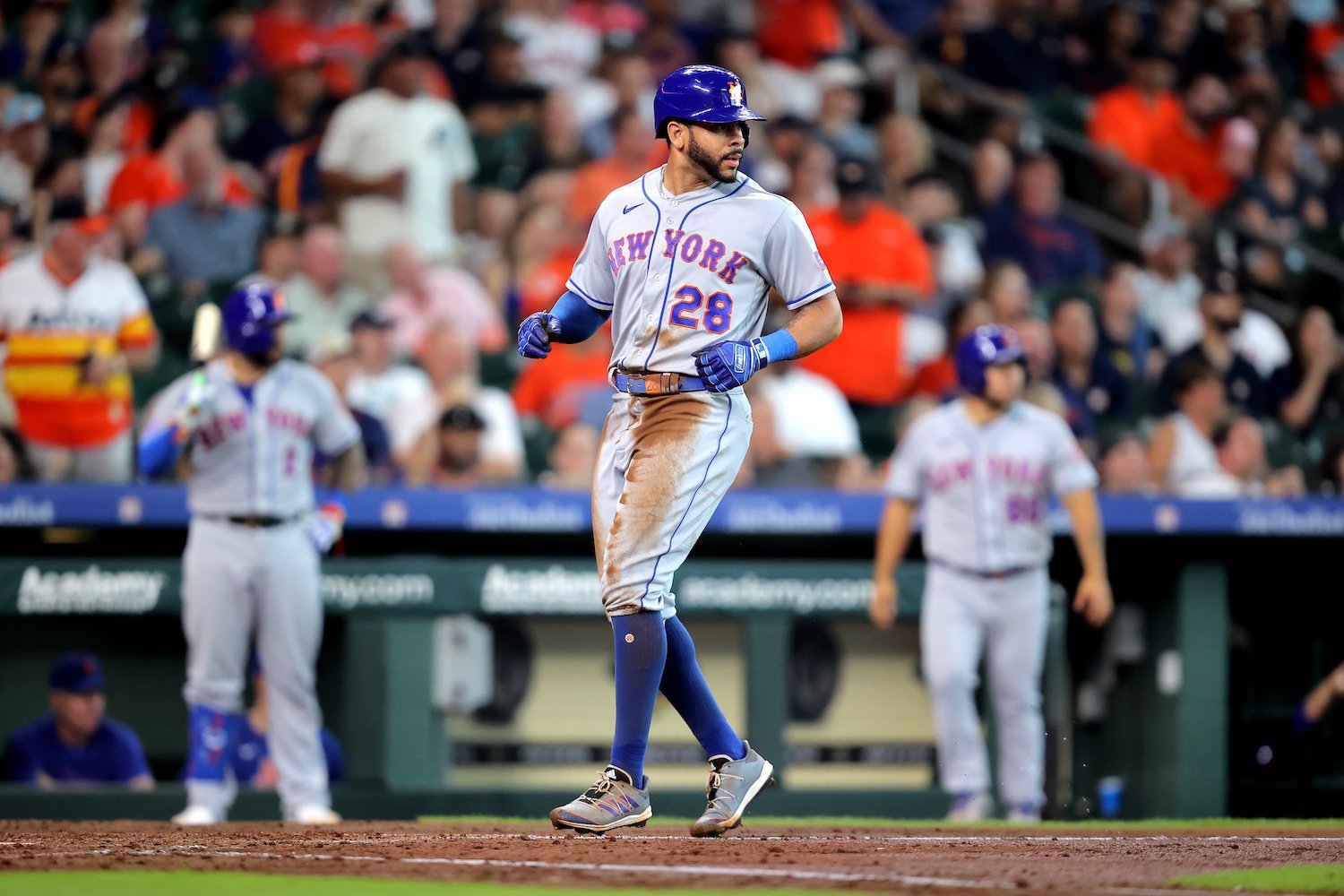 Jorge Polanco was one of the longest-tenured Twins, so it can be challenging for fans to see him depart. He produced at a high level for most of his career, and is considered by many to be one of the most underrated Twins in the Target Field era. His consistency and switch-hitting ability helped to fill a critical role near the top of the lineup. In all probability, the front office is already working on their next move, so where do the Twins go from here? Lineup Analysis Polanco leaves a hole in the lineup that the Twins can address with in-house options. Edouard Julien is expected to take over the second base duties at the beginning of the year. His defense was below-average at second when he first came up last season, but he worked hard and made huge improvements by the season’s end. The Twins also have Brooks Lee waiting in the wings, but his Triple-A performance could have been better, with a .731 OPS in 38 games. Lee will probably start the year in St. Paul, but should debut in the season’s early months. Kyle Farmer seems to be the biggest beneficiary of Polanco’s absence. His right-handed bat is going to be needed on a more regular basis without Polanco’s switch-hitting abilities. Farmer will likely get starts against tough lefties at second base, while also being a pinch-hit option and defensive replacement in the late innings. So, knowing where the lineup stands, how do the Twins continue to improve for 2024? Free Agent Options The Twins saved just over $5.5 million by shedding Polanco’s salary and getting money from Seattle as part of the deal. Derek Falvey told reporters that the club plans to reallocate those savings into the roster. He also suggested that those upgrades will likely come on the position-player side after acquiring a starter (Anthony DeSclafani( and a reliever (Justin Topa). So, what’s left on the free-agent market? Some of the top-ranked free-agent options are still available (most of them Scott Boras clients), but the Twins didn’t save enough money to target those players. Early in the winter, Falvey admitted the team would evaluate the first base market with questions surrounding Alex Kirilloff’s health. The team has also needed a big right-handed bat for a couple years now. The Twins can go in a few directions with their recently reclaimed payroll flexibility, even if it is a minimal change. Tommy Pham is a name previously linked to the Twins, going back to last year’s trade deadline. He went to the Diamondbacks and was a playoff hero in their World Series run. In 2023, the right-handed slugger posted a 111 OPS+, and his OPS was nearly 20 points higher when facing lefties. He signed a one-year, $6-million deal with the Mets last winter and should get about that much again, based on last year’s performance. There is also an opportunity for the team to explore a pair of reunions from last year. Michael A. Taylor and Donovan Solano are still on the free agent market, and each makes sense for the team’s needs. Taylor provided insurance for Byron Buxton in center field last season, while having one of his best offensive campaigns. Buxton and the Twins are optimistic about a return to center next season, so the team might rely on internal options. Solano signed late last winter and gave the Twins some versatility off the bench. Minnesota values depth, and these players can add a veteran presence to the roster. More Trades The Twins will also continue to explore further trade possibilities. Veterans like Max Kepler, Christian Vázquez, and Farmer have been rumored to be available. As previously mentioned, Farmer likely has a more prominent role with Polanco’s departure. It also doesn’t seem likely for the club to trade from their catching depth. Vazquez had a poor offensive season, but the team prefers a catching rotation. Ryan Jeffers was great in 2023, but the team isn’t going to let him catch more than about 100 games. This leaves Kepler as the lone veteran option to trade, and the Twins haven’t been satisfied with their offers for him in recent seasons. Minnesota added DeSclafani, a starter, in the Polanco trade, but he isn’t considered a playoff-caliber starter and will slide into the back end of the rotation. Minnesota’s current starting rotation includes Pablo López, Chris Paddack, Joe Ryan, Bailey Ober, and Desclafani. The Twins added Gabriel Gonzalez, a top-100 outfield prospect, in the Polanco trade. One has to wonder if the front office will pivot and trade prospects like Emmanuel Rodriguez or González for a starter. Rodríguez seemed like a potential trade piece at the beginning of the offseason, and those chances might have increased with the team’s recent moves. How will the front office complete the 2024 Twins roster? What’s the team’s next move? Leave a COMMENT and start the discussion.
- 123 comments
-
- 9
-
-
- jorge polanco
- brooks lee
- (and 4 more)
-
My list was getting long and I was trying to limit who made the cut. There are certainly other hitters on the fringes, but I also didn't want to have a 1/4 of the 40-man roster considered for this piece. Miranda: 1 Option Remaining Thompson: 2 Options Remaining Larnach: 1 Option Remaining
- 37 replies
-
- 1
-
-
- nick gordon
- jordan balazovic
- (and 5 more)
-
Teams need depth to survive baseball’s grueling 162-game season. Here are eight players at the back end of the Twins’ 40-man roster and how they can impact the team in 2024. Image courtesy of Kelley L Cox - USA TODAY Sports Teams need depth to survive baseball’s grueling 162-game season. Here are eight players at the back end of the Twins’ 40-man roster and how they can impact the team in 2024. Like many teams, the Twins have prided themselves on building organization depth to continue contending even when injuries present themselves. The Twins have added multiple players to the 40-man roster this winter, including prospects and waiver claims. Each of these players will be projected to impact the team in different ways. Eight players sit at the back of the pecking order on the 40-man roster, but each might be called upon for an essential role in 2024. Pitchers Jordan Balazovic, RHP Balazovic was one of the team’s top starting pitching prospects before a disastrous Triple-A debut in 2022 with an ERA north of 7.50. Last season, he arrived at spring training early to prove he should make the team, but broke his jaw in an incident at a bar. In 2023, Balazovic combined for 70 innings between Triple-A and the big leagues. He struck out more than a batter per inning in St. Paul, but that rate didn’t translate to the Twins. He’s out of minor-league options, so he must prove he can be a reliable reliever or be placed on waivers. Matt Canterino, RHP Like Balazovic, Canterino was once ranked among the team’s top starting prospects. He is returning from Tommy John surgery this season, and the Twins plan on treating him as a starter. During his professional career, Canterino has dominated on the mound, but injuries have limited him to 85 innings. He seems like a prime candidate to move into a bullpen role, and that might be the easiest way for him to impact the Twins this season. Ryan Jensen, RHP Earlier this winter, the Twins claimed Jensen off waivers from the Marlins. He’s now in his fourth organization but has yet to debut. As a starting pitcher, he was a top-30 pick in the 2019 MLB Draft by the Cubs. His development stalled because of control issues, so he’s now a reliever. Minnesota hopes to get his walk rate under control because he’s shown an ability to strike batters out and to ratchet up his stuff in short bursts. He has two options remaining, so he can bounce back and forth between Triple-A and the big leagues. Cole Sands, RHP Sands was projected as a back-of-the-rotation starter earlier in his professional career before transitioning to a relief role. He’s made 26 big-league appearances, with a 4.99 ERA and a 1.55 WHIP. His strikeout rate as a reliever is only a hair over 20%, so he must miss more bats to move into a higher-leverage role. He has one option year remaining, so the 2024 campaign will be vital for him to show his long-term value to the Twins. Josh Staumont, RHP Minnesota targeted Staumont earlier this winter, and quickly signed him to a big-league deal for just under $1 million. He is returning from thoracic outlet syndrome, but the Twins believe he can contribute. Staumont has been a dominant reliever for the Royals in recent seasons, so the Twins know him well. He has one option remaining, so he can be sent to the minors if he isn’t fully ready for the start of the season. Josh Winder, RHP Winder has a similar profile to Sands and has one option year remaining. Winder has posted a 4.51 ERA with a 1.39 WHIP in just over 100 big-league innings. He was mainly used as a starter in 2022, when the team struggled with injuries. His strikeout rate has been higher in the minors, so he needs to prove he can attack big-league hitters in 2024. Position Players Yunior Severino, 1B Severino was added to the 40-man roster this offseason after leading the minor leagues in home runs. He’s moved down the defensive spectrum during his professional career, but it’s hard to ignore his numbers from last season. There are multiple players ahead of him on the organizational depth chart, so he will spend most of the season at Triple-A. He will have to hit his way to the big leagues, unless there are a series of injuries to Minnesota’s first base options. Nick Gordon, UTL Gordon was one of the bright spots on the 2022 team, with a 111 OPS+ in 136 games. Many were excited to see what he’d do for an encore in 2023, but his season never got off the ground. Instead, Gordon struggled, with a 34 OPS+ before fracturing his leg on a foul tip. He’s out of minor-league options, so he has to make the team coming out of spring. He will serve in a utility role while getting opportunities to play in center field on days when Byron Buxton is at DH. Which player will have the most significant impact on the Twins in 2024? Leave a COMMENT and start the discussion. View full article
-
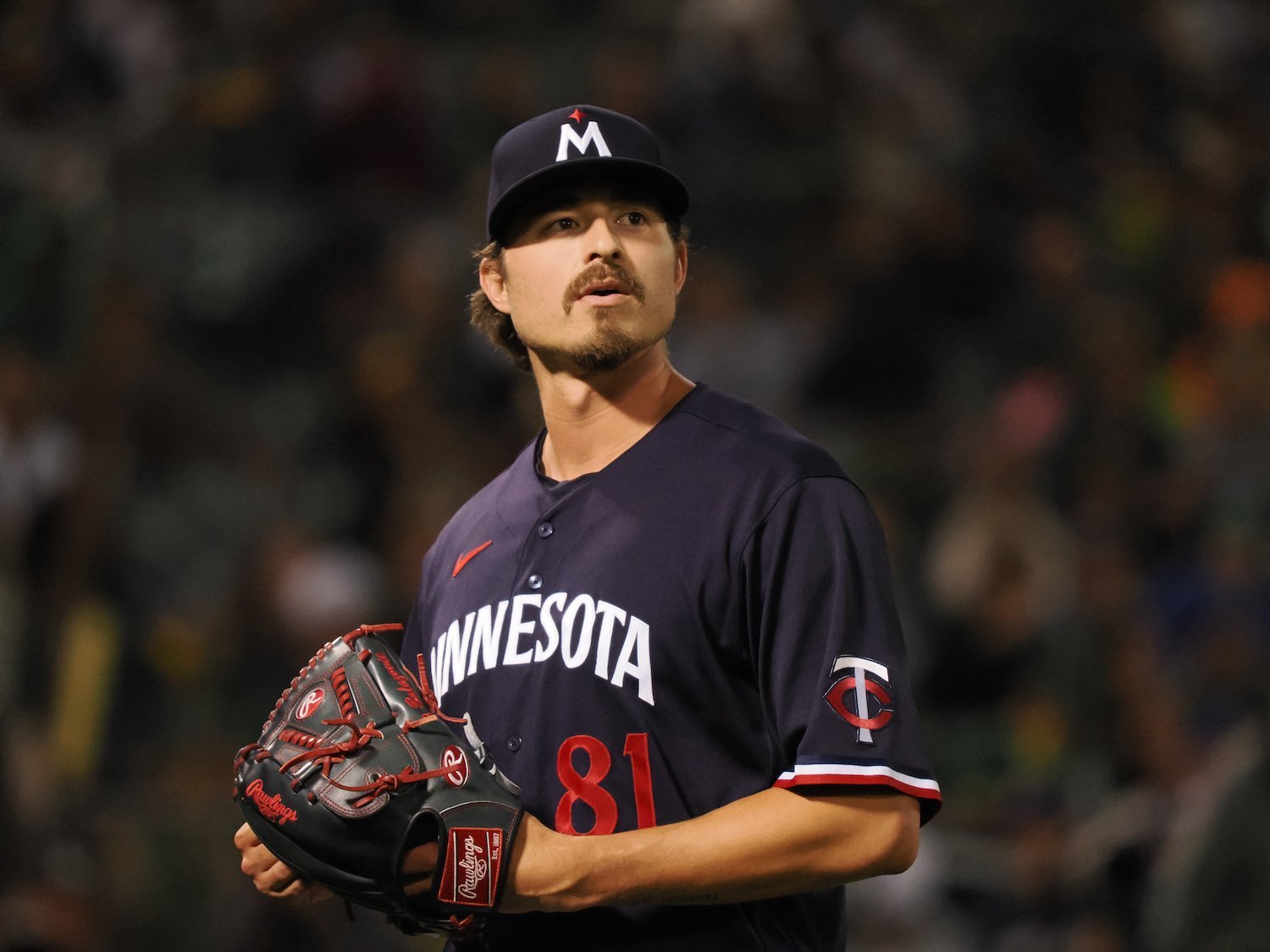 Like many teams, the Twins have prided themselves on building organization depth to continue contending even when injuries present themselves. The Twins have added multiple players to the 40-man roster this winter, including prospects and waiver claims. Each of these players will be projected to impact the team in different ways. Eight players sit at the back of the pecking order on the 40-man roster, but each might be called upon for an essential role in 2024. Pitchers Jordan Balazovic, RHP Balazovic was one of the team’s top starting pitching prospects before a disastrous Triple-A debut in 2022 with an ERA north of 7.50. Last season, he arrived at spring training early to prove he should make the team, but broke his jaw in an incident at a bar. In 2023, Balazovic combined for 70 innings between Triple-A and the big leagues. He struck out more than a batter per inning in St. Paul, but that rate didn’t translate to the Twins. He’s out of minor-league options, so he must prove he can be a reliable reliever or be placed on waivers. Matt Canterino, RHP Like Balazovic, Canterino was once ranked among the team’s top starting prospects. He is returning from Tommy John surgery this season, and the Twins plan on treating him as a starter. During his professional career, Canterino has dominated on the mound, but injuries have limited him to 85 innings. He seems like a prime candidate to move into a bullpen role, and that might be the easiest way for him to impact the Twins this season. Ryan Jensen, RHP Earlier this winter, the Twins claimed Jensen off waivers from the Marlins. He’s now in his fourth organization but has yet to debut. As a starting pitcher, he was a top-30 pick in the 2019 MLB Draft by the Cubs. His development stalled because of control issues, so he’s now a reliever. Minnesota hopes to get his walk rate under control because he’s shown an ability to strike batters out and to ratchet up his stuff in short bursts. He has two options remaining, so he can bounce back and forth between Triple-A and the big leagues. Cole Sands, RHP Sands was projected as a back-of-the-rotation starter earlier in his professional career before transitioning to a relief role. He’s made 26 big-league appearances, with a 4.99 ERA and a 1.55 WHIP. His strikeout rate as a reliever is only a hair over 20%, so he must miss more bats to move into a higher-leverage role. He has one option year remaining, so the 2024 campaign will be vital for him to show his long-term value to the Twins. Josh Staumont, RHP Minnesota targeted Staumont earlier this winter, and quickly signed him to a big-league deal for just under $1 million. He is returning from thoracic outlet syndrome, but the Twins believe he can contribute. Staumont has been a dominant reliever for the Royals in recent seasons, so the Twins know him well. He has one option remaining, so he can be sent to the minors if he isn’t fully ready for the start of the season. Josh Winder, RHP Winder has a similar profile to Sands and has one option year remaining. Winder has posted a 4.51 ERA with a 1.39 WHIP in just over 100 big-league innings. He was mainly used as a starter in 2022, when the team struggled with injuries. His strikeout rate has been higher in the minors, so he needs to prove he can attack big-league hitters in 2024. Position Players Yunior Severino, 1B Severino was added to the 40-man roster this offseason after leading the minor leagues in home runs. He’s moved down the defensive spectrum during his professional career, but it’s hard to ignore his numbers from last season. There are multiple players ahead of him on the organizational depth chart, so he will spend most of the season at Triple-A. He will have to hit his way to the big leagues, unless there are a series of injuries to Minnesota’s first base options. Nick Gordon, UTL Gordon was one of the bright spots on the 2022 team, with a 111 OPS+ in 136 games. Many were excited to see what he’d do for an encore in 2023, but his season never got off the ground. Instead, Gordon struggled, with a 34 OPS+ before fracturing his leg on a foul tip. He’s out of minor-league options, so he has to make the team coming out of spring. He will serve in a utility role while getting opportunities to play in center field on days when Byron Buxton is at DH. Which player will have the most significant impact on the Twins in 2024? Leave a COMMENT and start the discussion.
- 37 comments
-
- 4
-
-
- nick gordon
- jordan balazovic
- (and 5 more)
-
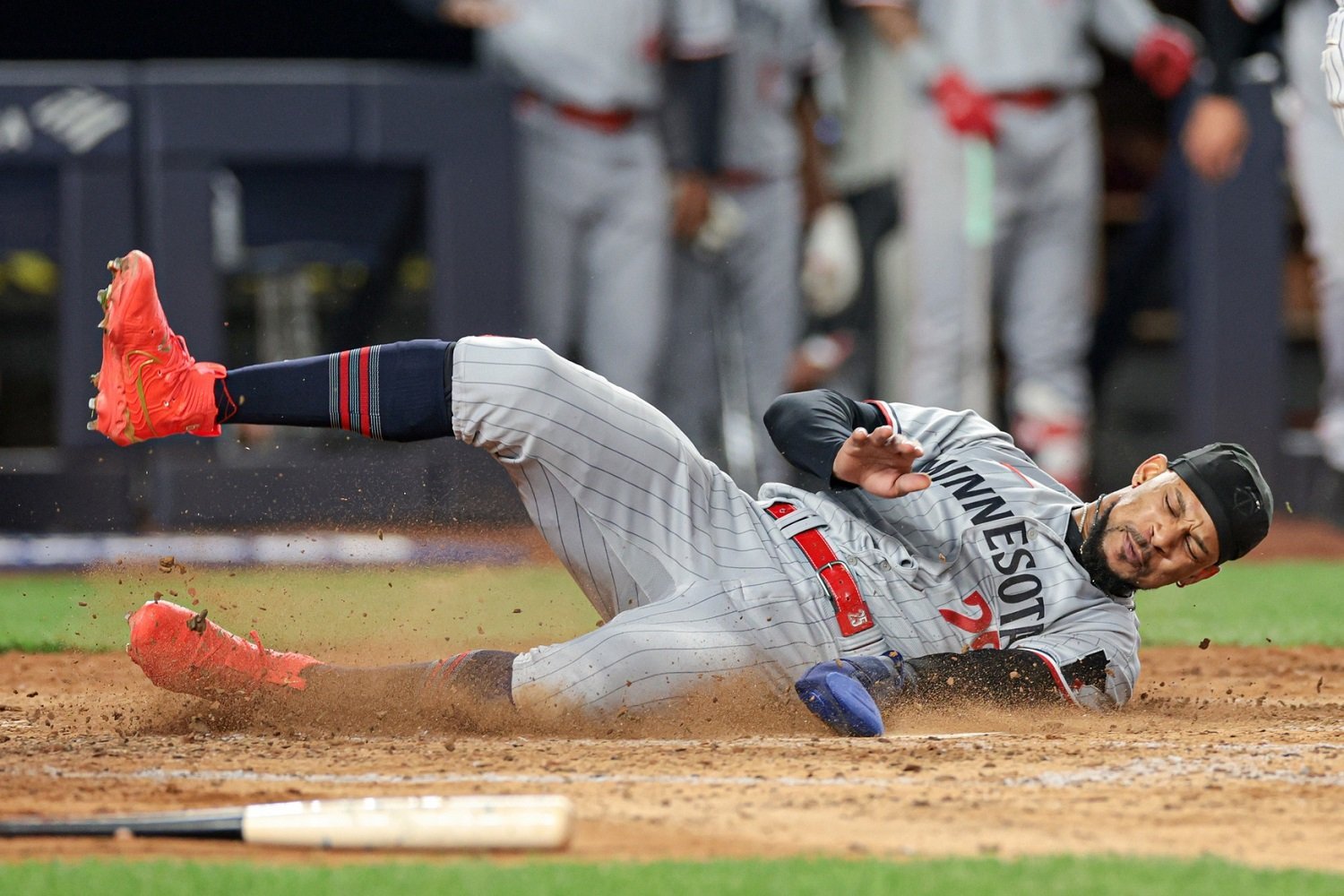 Twins Fest weekend allows fans an opportunity to get up close and personal with the team’s players while also getting excited for the upcoming season. The Twins usually add pieces to the roster before the last weekend in January. Still, this offseason has been relatively quiet, with the club searching for a new television deal and multiple top free agents still unsigned. Fans are searching for other things to get excited about with the team, and Byron Buxton provided that opportunity. Throughout the weekend, Buxton was asked about his health and the possibility of returning to center field in 2024. On Friday night at Twins Fest Live, Buxton was asked about this possibility and said, “Oh yeah. I'm back.” On Saturday, the assembled media continued to probe Buxton with questions regarding his return. He said, “I wouldn’t have said that if I wasn’t sure. … [The] rehab feels money.” Buxton is rehabbing after a year when he was limited to 85 games while playing exclusively as a designated hitter. He attempted a comeback late in the season, including an appearance in center field for the Saints. However, he couldn’t be on the team’s playoff roster until Alex Kirilloff injured himself during the Houston series. Buxton made one pinch-hit appearance and failed to reach base. Overall, he hit .207/.294/.438 (.731) with 17 doubles, one triple, and 17 home runs. There were glimpses of his powerful bat, but the season, for the most part, was a disappointment. Following the team’s elimination, team doctors evaluated Buxton and decided a second knee procedure was needed for him to return to center field. He underwent a procedure to excise the plica, a membrane flap, in his right knee. Derek Falvey told reporters that the team hoped the surgery would alleviate some of the pain Buxton had suffered while dealing with patellar tendinitis throughout the season. It had a much shorter recovery timeline than the knee procedure he had following the 2022 season, so the Twins hoped he could have a fairly regular build-up to the 2024 season. The Twins have been optimistic about Buxton throughout the winter, especially following his first post-operation check-up back in December. At the time, the team said Buxton was doing “really well” with a plan for him to start baseball activities. “(The doctors) felt like he was moving around as well as they had seen him move around in a long time, which was great,” Falvey said at the winter meetings. “He was doing some things that he couldn’t really do last year at different times in terms of how he was moving, so that was good. … Our expectation is that will ramp up really the latter half of this week and into next week, which puts him on a pretty normal schedule from an offseason standpoint in terms of what he’s doing baseball activity-wise. Obviously, we’ll continue to update as we get more running progression pieces to this.” Buxton hasn’t been the most reliable narrator about his health in the past. He is a competitor, and his attitude has always been to push himself to make every play, even at the expense of his body. Buxton isn’t the only one that is pushing the positive narrative surrounding his health. Manager Rocco Baldelli and Falvey have been on record saying they expect Buxton to return to center. The team’s goal is for Buxton to play 80 games in center while splitting time at designated hitter. Minnesota will also rely on other center field options like Willi Castro, Nick Gordon, and Austin Martin. For fans, Buxton returning to center might be a pipe dream, but the Twins are a better team him in center, and he seems on track to meet the team’s goal with spring training on the horizon. Will Buxton play 80 games in center next season? Is he a reliable narrator on his health? Leave a COMMENT and start the discussion.
- 31 comments
-
- 6
-
-
- byron buxton
- derek falvey
- (and 1 more)
-
One of the most significant storylines from Twins Fest weekend was Byron Buxton and his return to center field. How optimistic can fans be about his health? Image courtesy of Vincent Carchietta-USA TODAY Sports One of the most significant storylines from Twins Fest weekend was Byron Buxton and his return to center field. How optimistic can fans be about his health? Twins Fest weekend allows fans an opportunity to get up close and personal with the team’s players while also getting excited for the upcoming season. The Twins usually add pieces to the roster before the last weekend in January. Still, this offseason has been relatively quiet, with the club searching for a new television deal and multiple top free agents still unsigned. Fans are searching for other things to get excited about with the team, and Byron Buxton provided that opportunity. Throughout the weekend, Buxton was asked about his health and the possibility of returning to center field in 2024. On Friday night at Twins Fest Live, Buxton was asked about this possibility and said, “Oh yeah. I'm back.” On Saturday, the assembled media continued to probe Buxton with questions regarding his return. He said, “I wouldn’t have said that if I wasn’t sure. … [The] rehab feels money.” Buxton is rehabbing after a year when he was limited to 85 games while playing exclusively as a designated hitter. He attempted a comeback late in the season, including an appearance in center field for the Saints. However, he couldn’t be on the team’s playoff roster until Alex Kirilloff injured himself during the Houston series. Buxton made one pinch-hit appearance and failed to reach base. Overall, he hit .207/.294/.438 (.731) with 17 doubles, one triple, and 17 home runs. There were glimpses of his powerful bat, but the season, for the most part, was a disappointment. Following the team’s elimination, team doctors evaluated Buxton and decided a second knee procedure was needed for him to return to center field. He underwent a procedure to excise the plica, a membrane flap, in his right knee. Derek Falvey told reporters that the team hoped the surgery would alleviate some of the pain Buxton had suffered while dealing with patellar tendinitis throughout the season. It had a much shorter recovery timeline than the knee procedure he had following the 2022 season, so the Twins hoped he could have a fairly regular build-up to the 2024 season. The Twins have been optimistic about Buxton throughout the winter, especially following his first post-operation check-up back in December. At the time, the team said Buxton was doing “really well” with a plan for him to start baseball activities. “(The doctors) felt like he was moving around as well as they had seen him move around in a long time, which was great,” Falvey said at the winter meetings. “He was doing some things that he couldn’t really do last year at different times in terms of how he was moving, so that was good. … Our expectation is that will ramp up really the latter half of this week and into next week, which puts him on a pretty normal schedule from an offseason standpoint in terms of what he’s doing baseball activity-wise. Obviously, we’ll continue to update as we get more running progression pieces to this.” Buxton hasn’t been the most reliable narrator about his health in the past. He is a competitor, and his attitude has always been to push himself to make every play, even at the expense of his body. Buxton isn’t the only one that is pushing the positive narrative surrounding his health. Manager Rocco Baldelli and Falvey have been on record saying they expect Buxton to return to center. The team’s goal is for Buxton to play 80 games in center while splitting time at designated hitter. Minnesota will also rely on other center field options like Willi Castro, Nick Gordon, and Austin Martin. For fans, Buxton returning to center might be a pipe dream, but the Twins are a better team him in center, and he seems on track to meet the team’s goal with spring training on the horizon. Will Buxton play 80 games in center next season? Is he a reliable narrator on his health? Leave a COMMENT and start the discussion. View full article
-
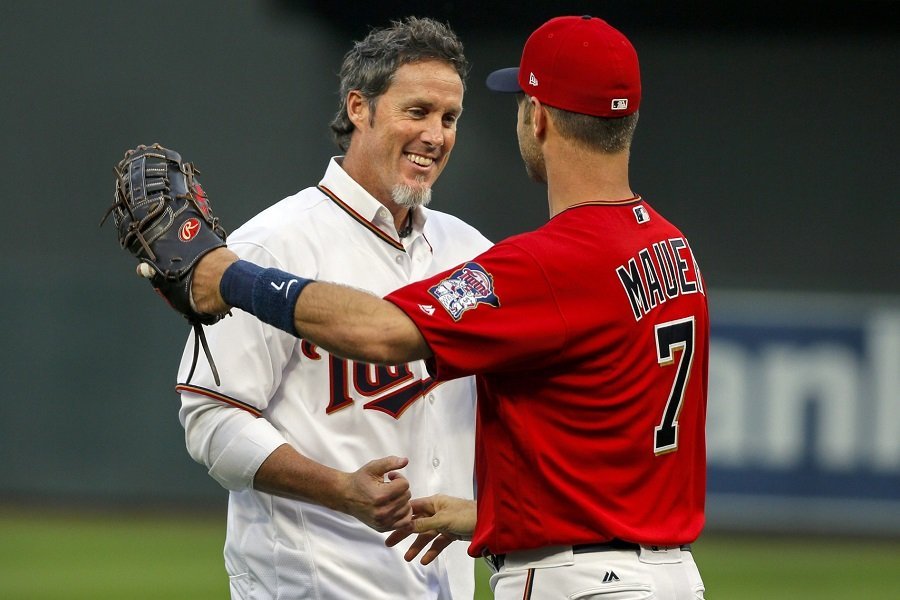 Professional baseball’s history stretches back about 150 years, and on that scale, the concept of a relief pitcher is relatively new. Bullpen usage has continued to increase in recent years, with varying levels of effectiveness. Elite relievers should stand out even more than their peers. However, relief pitchers continue to be one of the most underrepresented groups in the Hall of Fame, with only eight enshrined players entering the current voting cycle. Billy Wagner's Hall of Fame candidacy will be at the forefront of debate over the next year, since he fell five votes short of election in 2024. He has slowly gained support in recent years, moving from 10% of the vote in 2016 to 68% last year. During the current voting cycle, Wagner was tracking around 80%, so there was still some question about whether or not he’d clear the 75% threshold needed for induction. No player has reached this high a percentage and not been inducted in the next voting cycle. So, why does Wagner deserve to be elected? He is one of the most dominant relievers of all time. Wagner has the highest strikeout rate for any pitcher with at least 900 innings. Using that same innings threshold, Wagner has the lowest opponent batting average (.187 BA) in MLB history. Mariano Rivera is the lone pitcher with a lower ERA and ERA+ since 1920. He also has the sixth-most saves all-time (422), but will likely drop on that list with Kenley Jansen (420) and Craig Kimbrel (417) set to pass him next season. His career was limited in innings, but he was one of the game’s best pitchers and deserves to be in the Hall. Former Twins closer Joe Nathan compares well to Wagner in multiple ways, but his Hall of Fame candidacy was short-lived. In 2022, he first appeared on the ballot and received 17 of 394 votes (4.3%). He fell three votes shy of staying on the ballot and received the most votes of any player who fell off the ballot that voting cycle. It was a crowded year to be on the ballot, because Barry Bonds, Roger Clemens, and Curt Schilling were in their final year of eligibility. Some tough choices needed to be made, with writers being limited to 10 votes per ballot. JAWS is a metric created by Jay Jaffe that attempts to rank players based on their worthiness for the Hall. It takes a player’s career WAR and averages it with their seven-year peak WAR to create a weighted score, designed to help balance the desire we all feel for a Hall of Famer to have been truly great at their best but also demonstrate longevity. For relievers, Jaffe has started including a hybrid version of JAWS, which includes Win Probability Added, because relievers pitch in high-leverage situations for most of their appearances. The top five relievers, according to R-JAWS, had all been inducted into the Hall entering the current voting cycle. Wagner ranked sixth, and Nathan is seventh all-time, with the two players only separated by 0.5 points. JAWS isn’t the only statistic that helps Nathan’s cause, as he ranks well in many other areas. Even though he was 29 when he became a full-time closer, he pitched into his early 40s. Along the way, he was elected to six All-Star teams, finished in the top five of Cy Young voting twice, struck out more than a batter per inning, and finished in the top 5 in saves five times. Nathan also ranks sixth all-time in win probability added among relief pitchers. Overall, he’s eighth in career saves, and he had five seasons with a 1.88 ERA or lower. Some writers have plainly stated that they didn’t vote for Wagner and Nathan because of their poor playoff performance. They justify their decision through the lens that closers should thrive in pressure-packed environments like the postseason, and both pitchers failed to meet those expectations. Wagner made 14 playoff appearances and posted a 10.03 ERA with a 1.97 WHIP in 11 2/3 innings. Nathan compiled an 8.10 ERA with a 2.20 WHIP in 10 innings. It’s such a small sample size that it seems difficult to hold this against the relievers, but it was one of the reasons Wagner fell short on this year’s ballot. Nathan is one of the game’s all-time great relievers, a significantly underrepresented group in the Hall. Had his ballot not been so crowded, Nathan could have received more initial support, then slowly gained supporters in later years, like Wagner. Now, Nathan will need to wait for the Eras Committee to review his name in the coming years, hoping his résumé meets their criteria. The next scheduled review of players from the Contemporary Era is December of 2025, for inclusion in the Class of 2026. Do you think Nathan can be elected through the Eras Committee? Should he have lasted longer on the ballot? Leave a COMMENT and start the discussion.
- 30 comments
-
- 5
-
-
- billy wagner
- joe nathan
- (and 1 more)
-
Joe Nathan was one of baseball's best relievers for over a decade. His chances at being elected to Cooperstown improved this week with Billy Wagner falling just short of election, but as Wagner shows, his path won’t be easy. Image courtesy of Bruce Kluckhohn-USA TODAY Sports Joe Nathan was one of baseball's best relievers for over a decade. His chances at being elected to Cooperstown improved this week with Billy Wagner falling just short of election, but as Wagner shows, his path won’t be easy. Professional baseball’s history stretches back about 150 years, and on that scale, the concept of a relief pitcher is relatively new. Bullpen usage has continued to increase in recent years, with varying levels of effectiveness. Elite relievers should stand out even more than their peers. However, relief pitchers continue to be one of the most underrepresented groups in the Hall of Fame, with only eight enshrined players entering the current voting cycle. Billy Wagner's Hall of Fame candidacy will be at the forefront of debate over the next year, since he fell five votes short of election in 2024. He has slowly gained support in recent years, moving from 10% of the vote in 2016 to 68% last year. During the current voting cycle, Wagner was tracking around 80%, so there was still some question about whether or not he’d clear the 75% threshold needed for induction. No player has reached this high a percentage and not been inducted in the next voting cycle. So, why does Wagner deserve to be elected? He is one of the most dominant relievers of all time. Wagner has the highest strikeout rate for any pitcher with at least 900 innings. Using that same innings threshold, Wagner has the lowest opponent batting average (.187 BA) in MLB history. Mariano Rivera is the lone pitcher with a lower ERA and ERA+ since 1920. He also has the sixth-most saves all-time (422), but will likely drop on that list with Kenley Jansen (420) and Craig Kimbrel (417) set to pass him next season. His career was limited in innings, but he was one of the game’s best pitchers and deserves to be in the Hall. Former Twins closer Joe Nathan compares well to Wagner in multiple ways, but his Hall of Fame candidacy was short-lived. In 2022, he first appeared on the ballot and received 17 of 394 votes (4.3%). He fell three votes shy of staying on the ballot and received the most votes of any player who fell off the ballot that voting cycle. It was a crowded year to be on the ballot, because Barry Bonds, Roger Clemens, and Curt Schilling were in their final year of eligibility. Some tough choices needed to be made, with writers being limited to 10 votes per ballot. JAWS is a metric created by Jay Jaffe that attempts to rank players based on their worthiness for the Hall. It takes a player’s career WAR and averages it with their seven-year peak WAR to create a weighted score, designed to help balance the desire we all feel for a Hall of Famer to have been truly great at their best but also demonstrate longevity. For relievers, Jaffe has started including a hybrid version of JAWS, which includes Win Probability Added, because relievers pitch in high-leverage situations for most of their appearances. The top five relievers, according to R-JAWS, had all been inducted into the Hall entering the current voting cycle. Wagner ranked sixth, and Nathan is seventh all-time, with the two players only separated by 0.5 points. JAWS isn’t the only statistic that helps Nathan’s cause, as he ranks well in many other areas. Even though he was 29 when he became a full-time closer, he pitched into his early 40s. Along the way, he was elected to six All-Star teams, finished in the top five of Cy Young voting twice, struck out more than a batter per inning, and finished in the top 5 in saves five times. Nathan also ranks sixth all-time in win probability added among relief pitchers. Overall, he’s eighth in career saves, and he had five seasons with a 1.88 ERA or lower. Some writers have plainly stated that they didn’t vote for Wagner and Nathan because of their poor playoff performance. They justify their decision through the lens that closers should thrive in pressure-packed environments like the postseason, and both pitchers failed to meet those expectations. Wagner made 14 playoff appearances and posted a 10.03 ERA with a 1.97 WHIP in 11 2/3 innings. Nathan compiled an 8.10 ERA with a 2.20 WHIP in 10 innings. It’s such a small sample size that it seems difficult to hold this against the relievers, but it was one of the reasons Wagner fell short on this year’s ballot. Nathan is one of the game’s all-time great relievers, a significantly underrepresented group in the Hall. Had his ballot not been so crowded, Nathan could have received more initial support, then slowly gained supporters in later years, like Wagner. Now, Nathan will need to wait for the Eras Committee to review his name in the coming years, hoping his résumé meets their criteria. The next scheduled review of players from the Contemporary Era is December of 2025, for inclusion in the Class of 2026. Do you think Nathan can be elected through the Eras Committee? Should he have lasted longer on the ballot? Leave a COMMENT and start the discussion. View full article
-
The Twins’ front office has shown a propensity for extreme patience when completing the team’s roster each winter. Baseball’s most well-known agent, Scott Boras, has helped and hurt that strategy over the last three seasons. Image courtesy of © Kiyoshi Mio-USA TODAY Sports The Twins’ front office has shown a propensity for extreme patience when completing the team’s roster each winter. Baseball’s most well-known agent, Scott Boras, has helped and hurt that strategy over the last three seasons. Ask any baseball fan to name a baseball agent, and Scott Boras is likely the first name that comes to mind. Forbes has consistently named him the most powerful agent in sports, including saying that he is in “a league of his own.” At the winter meetings, Boras is the lone agent to hold court with the assembled media to talk about the state of baseball and his clients. He impacts the business side of the game, and it has ramifications felt by teams throughout their planning process. Boras represents multiple Twins players, including Carlos Correa, Royce Lewis, Alex Kirilloff, and top prospect Walker Jenkins. Minnesota’s front office seems to have a solid working relationship with Boras, and that must continue in the years ahead, with prominent young players tied to Boras Corporation. However, his control over the Twins’ finances goes far beyond the players he represents. Boras has impacted the Twins for three consecutive offseasons, in ways that have helped and hurt the team’s long-term plans. Let’s explore his impact and what it has meant to the Twins. 2022 Offseason: Lockout and Correa's Surprise The lockout significantly impacted every team’s offseason plans in 2022. Many top free agents hurried to sign new deals before the lockout stopped the market from moving forward. Some players--including Carlos Correa, one of the top available names--wanted to be patient with the market. It seemed unlikely for the Twins to have an opportunity to sign Correa, but things changed quickly following the lockout. On March 13, the Twins traded Josh Donaldson, Isiah Kiner-Falefa, and Ben Rortvedt to the Yankees for Gary Sanchez and Gio Urshela. For Minnesota, the deal cleaned up the team’s financial commitments by getting Donaldson off the books. With this financial flexibility, the Twins stunned the baseball world and signed Correa to a three-year, $105.3-million deal with opt-out clauses after the contract’s first and second seasons. Boras got Correa the highest average annual value for an infielder, while the Twins’ patience allowed the club to land a superstar. 2023 Offseason: Correa Returns As expected, Correa and Boras opted out of the final two years of his initial contract with the Twins to hit free agency for the second consecutive offseason. The Twins struggled with injuries in 2022, but Correa compiled some of his career's best numbers, including a 138 OPS+. It seemed like he was hitting the market at a perfect time, with multiple big-market teams looking to swoop in and add him to the middle of their lineup. Correa and Boras had a whirlwind offseason. He agreed to terms with the Giants and Mets before having both deals fall apart due to concerns over a 2014 surgery on his lower leg. The Twins kept in contact with Boras and eventually agreed to a six-year, $200-million contract that can max out at $270 million over ten seasons. Minnesota’s patience paid off for the second straight year, and the team’s familiarity with the player and agent helped get a deal done. 2024 Offseason: Waiting is the Hardest Part Correa isn’t on the market again this winter, but Boras is still impacting the Twins. Spring training begins in less than a month, and six of baseball’s top free agents remain unsigned, five of whom are Boras clients. Cody Bellinger, Blake Snell, Jordan Montgomery, Matt Chapman, and J.D. Martinez are waiting to find a new home, and Boras is pulling the strings behind the scenes. So, how does this impact the Twins? Minnesota is likely staying away from the free-agent market. Still, the club has tried to trade some veteran players, including Kyle Farmer, Jorge Polanco, Max Kepler, and Christian Vázquez. Teams interested in trading for these players are likely waiting until the free-agent market dries up, so the Twins are left in a holding pattern until the market develops. Overall, the Twins have been helped by Boras over the last two winters to make two different deals with Correa. Minnesota likely isn’t signing any of the big free agents left on the market this winter, but they also can’t trade players until other teams have a better picture of the holes in their roster not filled through free agency. Has Boras helped or hurt the Twins over the last three offseasons? Leave a COMMENT and start the discussion. View full article
-
Scott Boras Forcing Wait-and-See Twins to Keep Waiting and Seeing
Cody Christie posted an article in Twins
 Ask any baseball fan to name a baseball agent, and Scott Boras is likely the first name that comes to mind. Forbes has consistently named him the most powerful agent in sports, including saying that he is in “a league of his own.” At the winter meetings, Boras is the lone agent to hold court with the assembled media to talk about the state of baseball and his clients. He impacts the business side of the game, and it has ramifications felt by teams throughout their planning process. Boras represents multiple Twins players, including Carlos Correa, Royce Lewis, Alex Kirilloff, and top prospect Walker Jenkins. Minnesota’s front office seems to have a solid working relationship with Boras, and that must continue in the years ahead, with prominent young players tied to Boras Corporation. However, his control over the Twins’ finances goes far beyond the players he represents. Boras has impacted the Twins for three consecutive offseasons, in ways that have helped and hurt the team’s long-term plans. Let’s explore his impact and what it has meant to the Twins. 2022 Offseason: Lockout and Correa's Surprise The lockout significantly impacted every team’s offseason plans in 2022. Many top free agents hurried to sign new deals before the lockout stopped the market from moving forward. Some players--including Carlos Correa, one of the top available names--wanted to be patient with the market. It seemed unlikely for the Twins to have an opportunity to sign Correa, but things changed quickly following the lockout. On March 13, the Twins traded Josh Donaldson, Isiah Kiner-Falefa, and Ben Rortvedt to the Yankees for Gary Sanchez and Gio Urshela. For Minnesota, the deal cleaned up the team’s financial commitments by getting Donaldson off the books. With this financial flexibility, the Twins stunned the baseball world and signed Correa to a three-year, $105.3-million deal with opt-out clauses after the contract’s first and second seasons. Boras got Correa the highest average annual value for an infielder, while the Twins’ patience allowed the club to land a superstar. 2023 Offseason: Correa Returns As expected, Correa and Boras opted out of the final two years of his initial contract with the Twins to hit free agency for the second consecutive offseason. The Twins struggled with injuries in 2022, but Correa compiled some of his career's best numbers, including a 138 OPS+. It seemed like he was hitting the market at a perfect time, with multiple big-market teams looking to swoop in and add him to the middle of their lineup. Correa and Boras had a whirlwind offseason. He agreed to terms with the Giants and Mets before having both deals fall apart due to concerns over a 2014 surgery on his lower leg. The Twins kept in contact with Boras and eventually agreed to a six-year, $200-million contract that can max out at $270 million over ten seasons. Minnesota’s patience paid off for the second straight year, and the team’s familiarity with the player and agent helped get a deal done. 2024 Offseason: Waiting is the Hardest Part Correa isn’t on the market again this winter, but Boras is still impacting the Twins. Spring training begins in less than a month, and six of baseball’s top free agents remain unsigned, five of whom are Boras clients. Cody Bellinger, Blake Snell, Jordan Montgomery, Matt Chapman, and J.D. Martinez are waiting to find a new home, and Boras is pulling the strings behind the scenes. So, how does this impact the Twins? Minnesota is likely staying away from the free-agent market. Still, the club has tried to trade some veteran players, including Kyle Farmer, Jorge Polanco, Max Kepler, and Christian Vázquez. Teams interested in trading for these players are likely waiting until the free-agent market dries up, so the Twins are left in a holding pattern until the market develops. Overall, the Twins have been helped by Boras over the last two winters to make two different deals with Correa. Minnesota likely isn’t signing any of the big free agents left on the market this winter, but they also can’t trade players until other teams have a better picture of the holes in their roster not filled through free agency. Has Boras helped or hurt the Twins over the last three offseasons? Leave a COMMENT and start the discussion.
- 45 comments
-
- 3
-
-
- carlos correa
- josh donaldson
- (and 1 more)
-
It had become almost clear in recent weeks, but the results were officially announced on Tuesday night. Joe Mauer is a first-ballot member of the National Baseball Hall of Fame. Image courtesy of Bruce Kluckhohn-USA TODAY Sports It had become almost clear in recent weeks, but the results were officially announced on Tuesday night. Joe Mauer is a first-ballot member of the National Baseball Hall of Fame. Joe Mauer received the call that every baseball player dreams of following their retirement. He will be enshrined in the National Baseball Hall of Fame this summer, as part of the Class of 2024. Some Twins fans might be surprised by his support from the baseball writers, but his résumé stacks up with that of the top players in baseball history. Entering Tuesday, Mauer was trending above 83% on the known ballots. Candidates must be listed on 75% or more of the submitted ballots to be inducted. A player can stay on the ballot for up to 10 years if they receive more than 5% of the vote, so it looked as if Mauer would eventually be elected even if he fell short in 2024. Instead, he made it in his first try, and joined some elite company in the process. Mauer slid in at 76.1 percent, behind no-brainer third baseman Adrián Beltré (95.1 percent of voters) and sixth-time candidate Todd Helton (79.7 percent) in clearing the threshold, and the trio will go in alongside Jim Leyland in July. Before Mauer, there had only been two catchers in baseball history to be selected on the first ballot. To many, Johnny Bench is considered the greatest catcher of all time, and he received 96.4% of the vote in 1989. Iván Rodríguez was considered an elite defensive catcher and was named on 76% of the ballots in 2017. Mauer finished behind Bench with his percentage, but it still means he has the second-highest percentage for any first-ballot catcher in history. Mauer also becomes the latest pledge of the fraternity of Hall of Fame players from St. Paul, MN. He joins Paul Molitor, Dave Winfield, and Jack Morris in the halls of Cooperstown. Molitor and Winfield were both first-ballot selections, while Morris had to wait to be elected by the Veterans Committee. It’s incredible to have three first-ballot Hall of Fame members from the same city, and even rarer that they could all wear a Twins uniform during their prestigious careers. Mauer and the rest of the Baseball Hall of Fame’s 2024 class will be inducted in a ceremony on July 21, 2024, in Cooperstown, New York. For fans planning on attending, planning your trip well in advance is best. Cooperstown is a tough place to get to, and you must fly into a neighboring city and drive the rest of the way. That being said, a large contingent of Twins Territory will likely be on hand to support the hometown star. Congratulations to Mauer and his family on a tremendous career. Twins fans were lucky to watch him play in his hometown for his entire career. Now, he will be immortalized in Cooperstown, and one has to think that a statue outside Target Field will be coming in the years ahead. What’s your favorite Mauer memory? Will you be making the trek to Cooperstown this summer? Leave a COMMENT and start the discussion. View full article
-
 Joe Mauer received the call that every baseball player dreams of following their retirement. He will be enshrined in the National Baseball Hall of Fame this summer, as part of the Class of 2024. Some Twins fans might be surprised by his support from the baseball writers, but his résumé stacks up with that of the top players in baseball history. Entering Tuesday, Mauer was trending above 83% on the known ballots. Candidates must be listed on 75% or more of the submitted ballots to be inducted. A player can stay on the ballot for up to 10 years if they receive more than 5% of the vote, so it looked as if Mauer would eventually be elected even if he fell short in 2024. Instead, he made it in his first try, and joined some elite company in the process. Mauer slid in at 76.1 percent, behind no-brainer third baseman Adrián Beltré (95.1 percent of voters) and sixth-time candidate Todd Helton (79.7 percent) in clearing the threshold, and the trio will go in alongside Jim Leyland in July. Before Mauer, there had only been two catchers in baseball history to be selected on the first ballot. To many, Johnny Bench is considered the greatest catcher of all time, and he received 96.4% of the vote in 1989. Iván Rodríguez was considered an elite defensive catcher and was named on 76% of the ballots in 2017. Mauer finished behind Bench with his percentage, but it still means he has the second-highest percentage for any first-ballot catcher in history. Mauer also becomes the latest pledge of the fraternity of Hall of Fame players from St. Paul, MN. He joins Paul Molitor, Dave Winfield, and Jack Morris in the halls of Cooperstown. Molitor and Winfield were both first-ballot selections, while Morris had to wait to be elected by the Veterans Committee. It’s incredible to have three first-ballot Hall of Fame members from the same city, and even rarer that they could all wear a Twins uniform during their prestigious careers. Mauer and the rest of the Baseball Hall of Fame’s 2024 class will be inducted in a ceremony on July 21, 2024, in Cooperstown, New York. For fans planning on attending, planning your trip well in advance is best. Cooperstown is a tough place to get to, and you must fly into a neighboring city and drive the rest of the way. That being said, a large contingent of Twins Territory will likely be on hand to support the hometown star. Congratulations to Mauer and his family on a tremendous career. Twins fans were lucky to watch him play in his hometown for his entire career. Now, he will be immortalized in Cooperstown, and one has to think that a statue outside Target Field will be coming in the years ahead. What’s your favorite Mauer memory? Will you be making the trek to Cooperstown this summer? Leave a COMMENT and start the discussion.



