



Cody Christie
-
Posts
7,515 -
Joined
-
Last visited
-
Days Won
5
Content Type
Profiles
News
Minnesota Twins Videos
2026 Minnesota Twins Top Prospects Ranking
2022 Minnesota Twins Draft Picks
Minnesota Twins Free Agent & Trade Rumors, Notes, & Tidbits
Guides & Resources
2023 Minnesota Twins Draft Picks
The Minnesota Twins Players Project
2024 Minnesota Twins Draft Picks
2025 Minnesota Twins Draft Pick Tracker
2026 Minnesota Twins Draft Tracker: Picks & Bonuses
Forums
Blogs
Events
Store
Downloads
Gallery
Everything posted by Cody Christie
-

One Twins Prospect Shares Similarities With Brian Dozier
Cody Christie posted an article in Minor Leagues
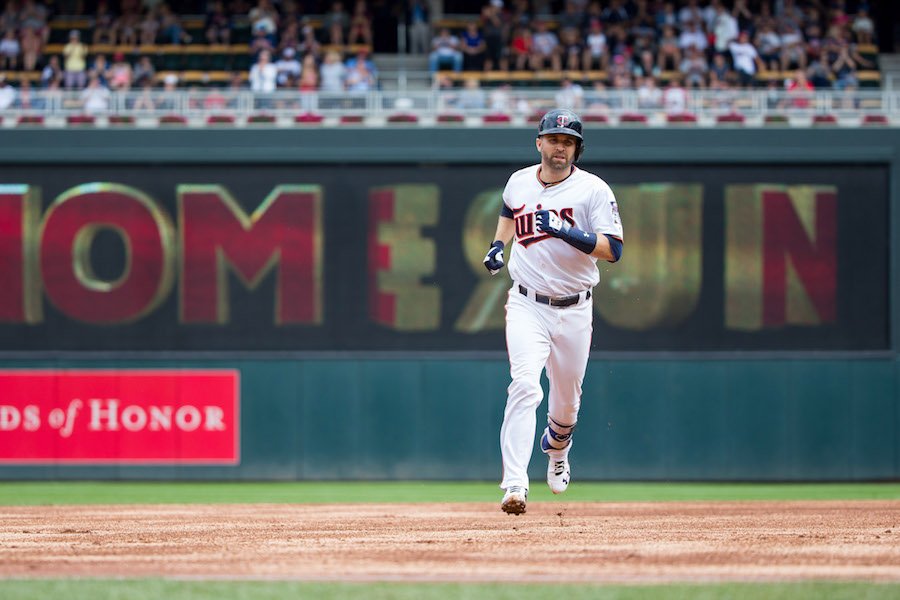 The Twins selected Brian Dozier in the eighth round of the 2009 MLB Draft from the University of Southern Mississippi. He played shortstop in college, and the Twins continued to use him at up-the-middle defensive positions throughout his tenure in the organization. Dozier hit for a high average in the minors but failed to hit double-digit home runs in any season. His powerful swing only appeared after he made his big-league debut. Dozier became the poster child for a late bloomer. In seven seasons in Minnesota, he hit .248/.325/.447 (.772) with a 109 OPS+. He made an All-Star team, won a Gold Glove, and averaged 35 home runs from 2015-17. He was a leader on and off the field for the Twins, even though the club struggled through much of his tenure. Like Dozier, another mid-round pick is discovering his powerful swing as he gets closer to the big-league level. The Twins drafted Anthony Prato in the seventh round of the 2019 MLB Draft from the University of Connecticut. In three collegiate seasons, he hit .315/.401/.407 (.808) with 49 extra-base hits in 178 games. He played shortstop throughout college and saw time at second base and outfield during his summer league play. From the Twins' perspective, Prato looked like an experienced player who could play an up-the-middle defensive position with high on-base skills. His power wasn't evident in college, but players that make enough solid contact can add power later in their careers. After signing, Prato made his professional debut in Elizabethton and Cedar Rapids, hitting .268/.373/.357 (.730) with ten extra-base hits in 47 games. Coming out of the pandemic, he played at three different levels, with over half his playing time coming in Fort Myers. In 47 games, he hit .260/.403/.301 (.705) with six doubles. Prato dealt with some injuries that season but continued to show his high on-base skills from his college career. Last season, Prato played in over 50 games for the first time in his professional career, which helped him to set career highs in multiple offensive categories. In 132 games, he hit .285/.383/.444 (.827) with 48 extra-base hits between High- and Double-A. It seemed like Prato was poised to break out in 2023. The Twins sent Prato to Wichita to start the 2023 season, and he struggled to get out of the gate. In 43 games, he hit .171/.305/.248 (.553) with five extra-base hits and a 35-to-20 strikeout-to-walk ratio. Despite his poor performance, the Saints had an infield need, so Prato was promoted to Triple-A. Over the last 28 games, something has clicked for Prato, and he has been one of St. Paul's best hitters. Since being promoted, he has gone 29-for-91 (.319 BA) with ten doubles, six home runs, and a 1.070 OPS. Even Dozier didn't have a breakout performance like Prato at Triple-A. Defensively, Prato is spending the majority of his innings at second base. However, he has played over 75 innings at third base, shortstop, and left field in 2023. Defensive flexibility is a trait many big league clubs value, especially for players with Prato's skillset. Dozier followed a similar defensive path by playing shortstop early in his professional career and started playing other defensive positions when he got closer to Target Field. Dozier debuted with the Twins when he was 25 years old, so it took him time to develop. Prato turned 25 in May and has reached another offensive level with the Saints. There are other second basemen ahead of him on the organizational depth chart, but ignoring his offensive output for the Saints might get tricky. The Twins would love for Prato to develop into the next Dozier, but it seems more likely for him to be a utility player in the near future. Do you think Prato can have a similar career to Dozier? What is his ceiling? Leave a COMMENT and start the discussion.
 -
Middle and late-round draft picks are the lifeblood of an organization. One Twins draft pick from 2019 might be following in the footsteps of a former Twins great. Image courtesy of Brad Rempel-USA TODAY Sports The Twins selected Brian Dozier in the eighth round of the 2009 MLB Draft from the University of Southern Mississippi. He played shortstop in college, and the Twins continued to use him at up-the-middle defensive positions throughout his tenure in the organization. Dozier hit for a high average in the minors but failed to hit double-digit home runs in any season. His powerful swing only appeared after he made his big-league debut. Dozier became the poster child for a late bloomer. In seven seasons in Minnesota, he hit .248/.325/.447 (.772) with a 109 OPS+. He made an All-Star team, won a Gold Glove, and averaged 35 home runs from 2015-17. He was a leader on and off the field for the Twins, even though the club struggled through much of his tenure. Like Dozier, another mid-round pick is discovering his powerful swing as he gets closer to the big-league level. The Twins drafted Anthony Prato in the seventh round of the 2019 MLB Draft from the University of Connecticut. In three collegiate seasons, he hit .315/.401/.407 (.808) with 49 extra-base hits in 178 games. He played shortstop throughout college and saw time at second base and outfield during his summer league play. From the Twins' perspective, Prato looked like an experienced player who could play an up-the-middle defensive position with high on-base skills. His power wasn't evident in college, but players that make enough solid contact can add power later in their careers. After signing, Prato made his professional debut in Elizabethton and Cedar Rapids, hitting .268/.373/.357 (.730) with ten extra-base hits in 47 games. Coming out of the pandemic, he played at three different levels, with over half his playing time coming in Fort Myers. In 47 games, he hit .260/.403/.301 (.705) with six doubles. Prato dealt with some injuries that season but continued to show his high on-base skills from his college career. Last season, Prato played in over 50 games for the first time in his professional career, which helped him to set career highs in multiple offensive categories. In 132 games, he hit .285/.383/.444 (.827) with 48 extra-base hits between High- and Double-A. It seemed like Prato was poised to break out in 2023. The Twins sent Prato to Wichita to start the 2023 season, and he struggled to get out of the gate. In 43 games, he hit .171/.305/.248 (.553) with five extra-base hits and a 35-to-20 strikeout-to-walk ratio. Despite his poor performance, the Saints had an infield need, so Prato was promoted to Triple-A. Over the last 28 games, something has clicked for Prato, and he has been one of St. Paul's best hitters. Since being promoted, he has gone 29-for-91 (.319 BA) with ten doubles, six home runs, and a 1.070 OPS. Even Dozier didn't have a breakout performance like Prato at Triple-A. Defensively, Prato is spending the majority of his innings at second base. However, he has played over 75 innings at third base, shortstop, and left field in 2023. Defensive flexibility is a trait many big league clubs value, especially for players with Prato's skillset. Dozier followed a similar defensive path by playing shortstop early in his professional career and started playing other defensive positions when he got closer to Target Field. Dozier debuted with the Twins when he was 25 years old, so it took him time to develop. Prato turned 25 in May and has reached another offensive level with the Saints. There are other second basemen ahead of him on the organizational depth chart, but ignoring his offensive output for the Saints might get tricky. The Twins would love for Prato to develop into the next Dozier, but it seems more likely for him to be a utility player in the near future. Do you think Prato can have a similar career to Dozier? What is his ceiling? Leave a COMMENT and start the discussion. View full article
-
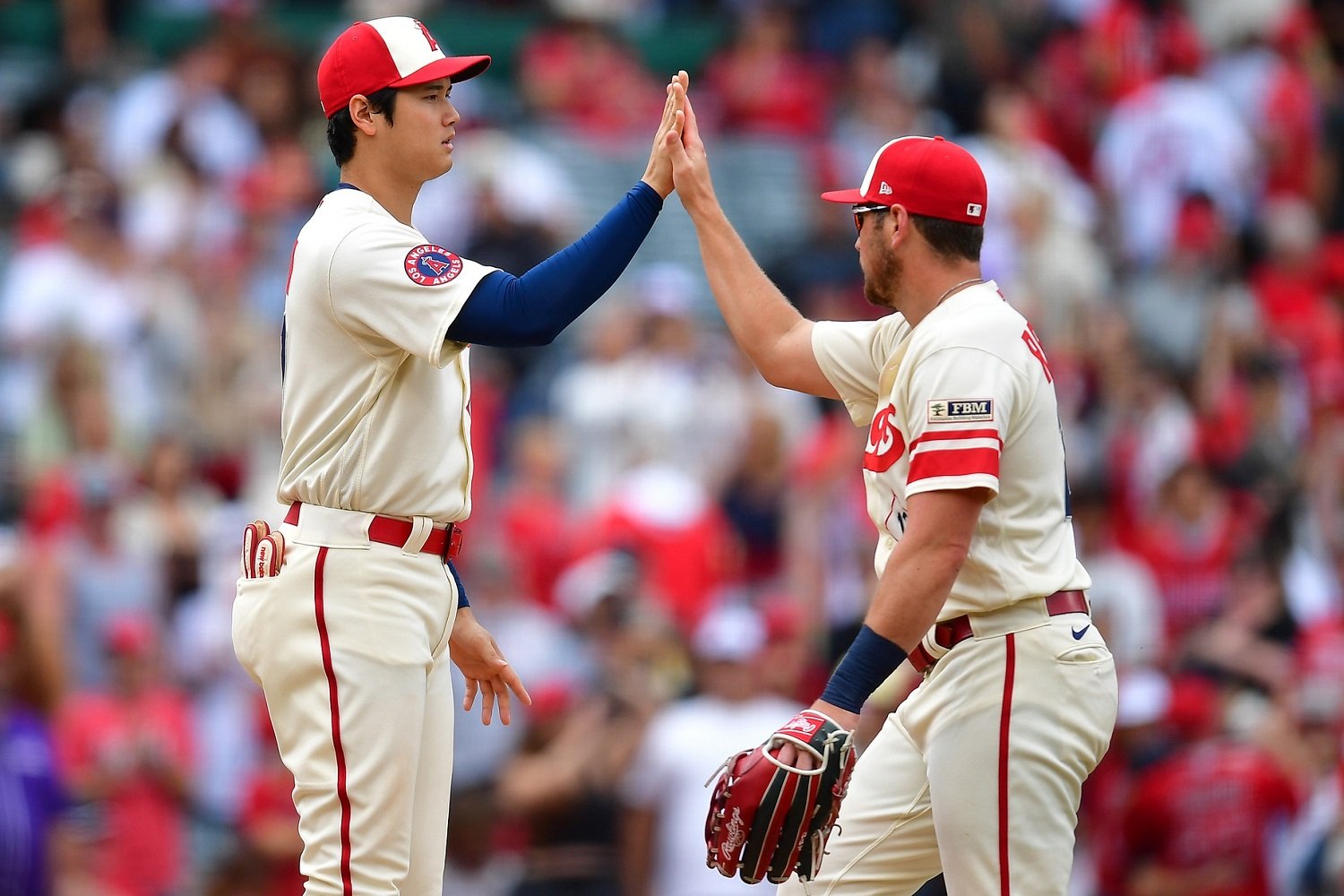 Some potential big names on the trade market include Shohei Ohtani, Paul Goldschmidt, Juan Soto, and Pete Alonso. However, there is no guarantee teams will move those players before the trade deadline. Here are five players on expiring contracts with teams out of contention. They will likely come with a lower acquisition cost while helping the team in the final two months. Tommy Pham, OF Pham is a 35-year-old veteran with ten years of big-league experience, including 15 postseason games. He’s in the midst of a career year on an underperforming Mets club. In 73 games, he has hit .274/.359/.479 (.838) with 15 doubles, nine home runs, and a 132 OPS+. He’s posted an OPS above .800 against righties and lefties this season, but he mashes southpaws with an .889 OPS. He has an .847 OPS against lefties for his career, so this isn’t something unique to this season. Pham is a unique personality famously known for punching Joc Pederson over a fantasy football dispute. The Twins might not want someone with his personality upsetting the clubhouse vibe. Hunter Renfroe, OF The Angels must decide if they are buyers or sellers before the end of the month. Renfroe is a likely trade candidate if they sell because of his expiring contract. During the 2023 season, he has hit .244/.301/.441 (.741) with 21 doubles and 15 home runs in 89 games. His OPS this season is 15 points higher against righties than lefties, but that doesn’t follow his career trend. He has an .878 OPS for his career in over 800 at-bats against southpaws. His 2023 season hasn’t been outstanding, but the Twins might be able to utilize him in a platoon role down the stretch. Andrew McCutchen, OF During the winter, some speculation swirled about McCutchen being a good fit for the Twins. McCutchen decided to return to Pittsburgh on a discounted one-year, $5 million deal to finish his career where it began. In 77 games, he has posted a 118 OPS+ with a .782 OPS against lefties. There are a few issues with trying to acquire McCutchen. First, he has been playing nearly all his games as a DH, a position usually occupied by Byron Buxton for the Twins. Second, he might want to avoid being traded at this point in his career. He has never made it past the Division Series round, so a long playoff run might be something he wants to experience before he retires. C.J. Cron, 1B Cron is a familiar name to Twins fans, having played 125 games for the team in 2019 with a 104 OPS+. Since leaving Minnesota, he has hit .263/.336/.493 (.829) with a 115 OPS+ in 357 games. His OPS has dropped over 20 points this season compared to last year, but it has been a decrease in walks with the same slugging percentage. He has an .814 OPS against left-handed pitchers for his career, but this season, that total has dropped by over 70 points. Also, Cron can’t play in the outfield, so the Twins would need to move Kirilloff to a corner outfield spot when CJ Cron was in the lineup at first base. Jeimer Candelario, 3B/1B Candelario might not be a household name, but he could be one of the most sought-after players at the trade deadline. MLB Trade Rumors ranks him as the number two player on their top 50 deadline trade candidates, ranking behind Lucas Giolito. Candelario was non-tendered by the Tigers and signed a one-year, $5 million contract with the Nationals. In 89 games, he has hit .259/.334/.485 (.819) with 27 doubles, 15 home runs, and a 127 OPS+. He will come with the highest cost of any player on this list, so the Twins might stay away for that reason. He also is a better hitter from the left side, which isn’t currently a need for the Twins. Which player is the best fit for the Twins before the deadline? Leave a COMMENT and start the discussion.
- 17 comments
-
- 2
-

-
- tommy pham
- hunter renfroe
- (and 3 more)
-
One need for the Twins at the trade deadline is a solid right-handed bat to help the club’s struggles against left-handed pitching. Here are five names the front office can consider, especially since they are on expiring contracts. Image courtesy of Gary A. Vasquez-USA TODAY Sports Some potential big names on the trade market include Shohei Ohtani, Paul Goldschmidt, Juan Soto, and Pete Alonso. However, there is no guarantee teams will move those players before the trade deadline. Here are five players on expiring contracts with teams out of contention. They will likely come with a lower acquisition cost while helping the team in the final two months. Tommy Pham, OF Pham is a 35-year-old veteran with ten years of big-league experience, including 15 postseason games. He’s in the midst of a career year on an underperforming Mets club. In 73 games, he has hit .274/.359/.479 (.838) with 15 doubles, nine home runs, and a 132 OPS+. He’s posted an OPS above .800 against righties and lefties this season, but he mashes southpaws with an .889 OPS. He has an .847 OPS against lefties for his career, so this isn’t something unique to this season. Pham is a unique personality famously known for punching Joc Pederson over a fantasy football dispute. The Twins might not want someone with his personality upsetting the clubhouse vibe. Hunter Renfroe, OF The Angels must decide if they are buyers or sellers before the end of the month. Renfroe is a likely trade candidate if they sell because of his expiring contract. During the 2023 season, he has hit .244/.301/.441 (.741) with 21 doubles and 15 home runs in 89 games. His OPS this season is 15 points higher against righties than lefties, but that doesn’t follow his career trend. He has an .878 OPS for his career in over 800 at-bats against southpaws. His 2023 season hasn’t been outstanding, but the Twins might be able to utilize him in a platoon role down the stretch. Andrew McCutchen, OF During the winter, some speculation swirled about McCutchen being a good fit for the Twins. McCutchen decided to return to Pittsburgh on a discounted one-year, $5 million deal to finish his career where it began. In 77 games, he has posted a 118 OPS+ with a .782 OPS against lefties. There are a few issues with trying to acquire McCutchen. First, he has been playing nearly all his games as a DH, a position usually occupied by Byron Buxton for the Twins. Second, he might want to avoid being traded at this point in his career. He has never made it past the Division Series round, so a long playoff run might be something he wants to experience before he retires. C.J. Cron, 1B Cron is a familiar name to Twins fans, having played 125 games for the team in 2019 with a 104 OPS+. Since leaving Minnesota, he has hit .263/.336/.493 (.829) with a 115 OPS+ in 357 games. His OPS has dropped over 20 points this season compared to last year, but it has been a decrease in walks with the same slugging percentage. He has an .814 OPS against left-handed pitchers for his career, but this season, that total has dropped by over 70 points. Also, Cron can’t play in the outfield, so the Twins would need to move Kirilloff to a corner outfield spot when CJ Cron was in the lineup at first base. Jeimer Candelario, 3B/1B Candelario might not be a household name, but he could be one of the most sought-after players at the trade deadline. MLB Trade Rumors ranks him as the number two player on their top 50 deadline trade candidates, ranking behind Lucas Giolito. Candelario was non-tendered by the Tigers and signed a one-year, $5 million contract with the Nationals. In 89 games, he has hit .259/.334/.485 (.819) with 27 doubles, 15 home runs, and a 127 OPS+. He will come with the highest cost of any player on this list, so the Twins might stay away for that reason. He also is a better hitter from the left side, which isn’t currently a need for the Twins. Which player is the best fit for the Twins before the deadline? Leave a COMMENT and start the discussion. View full article
- 17 replies
-
- 1
-
-
- tommy pham
- hunter renfroe
- (and 3 more)
-
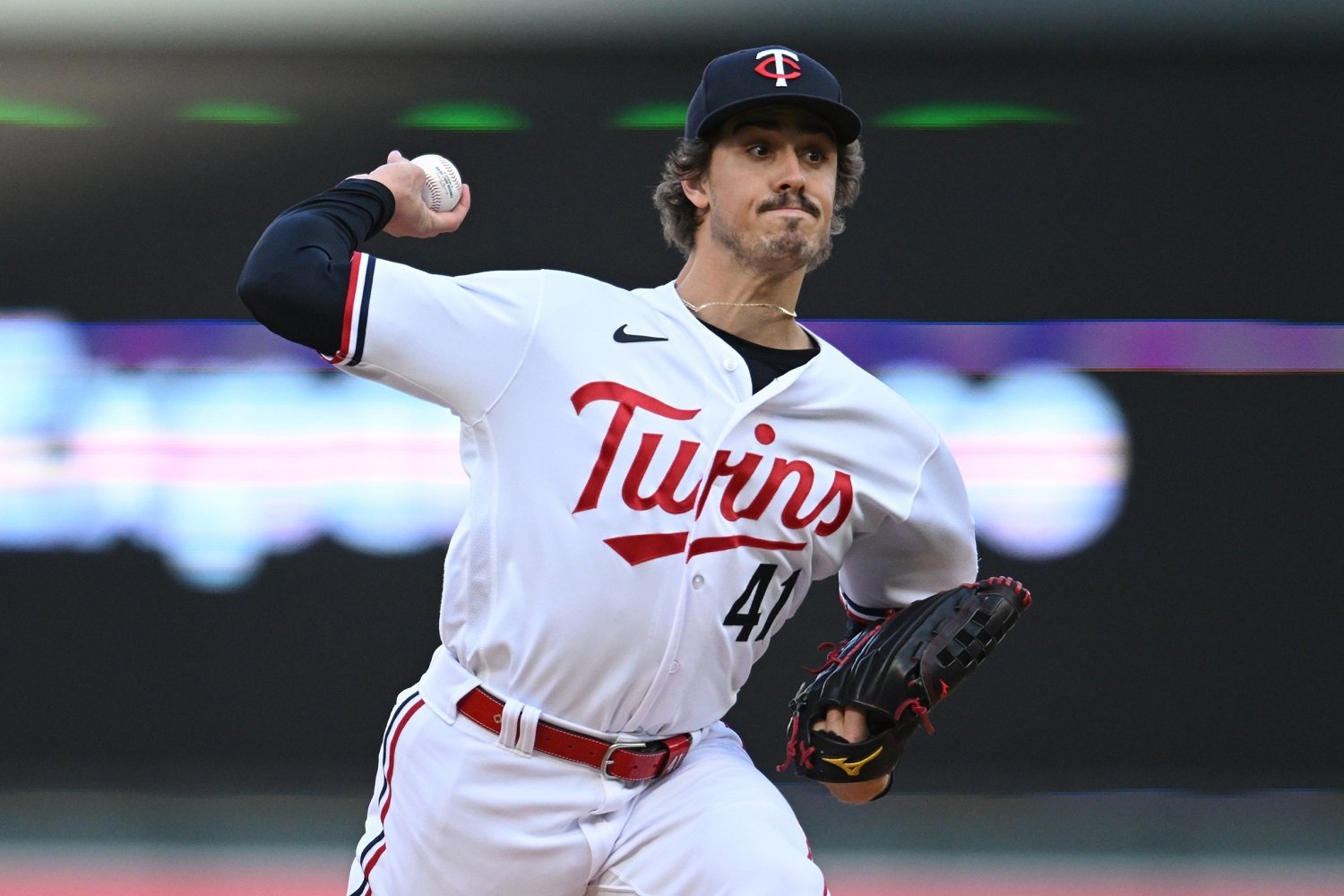 Joe Ryan has established himself as an above-average big-league pitcher over the last three seasons, making him Minnesota's most valuable trade asset. Since joining the Twins in 2021, he has pitched 286 innings with a 3.68 ERA, a 1.05 WHIP, and a 312-to-73 strikeout-to-walk ratio. Some might argue that he deserved to be an All-Star in 2023 as he ranked 10th among AL pitchers in fWAR. He improved his split-finger this winter and has utilized it effectively in the first half to add to his projections in the coming years. Many national outlets are starting to compile trade deadline primers, including the value of potential trade assets. FanGraphs compiles a ranking of the top 50 trade assets, which uses ZiPS to project a player's five-year WAR and takes into account contract status, age, and team control. Ryan ranks 45th according to FanGraphs because he is under team control through 2027 and projects for 9.5 WAR over the next five years. Ryan's value comes from the fact that he is a reliable starting pitcher that will come at a bargain price for multiple years. His value is even higher because trading for a starting pitcher comes with the possibility of that player suffering an injury. Unfortunately, Minnesota fell victim to this last year when trading for Tyler Mahle, but not every pitcher has the same risk. Ryan comes with less risk because he can still provide value to a trading team even if he misses most of a season due to injury. FanGraphs said, "What gives Ryan the edge over the crop of rookie starters on the list of honorable mentions? It's the certainty, more or less. Pitchers always have some likelihood of injury, but they also have a likelihood of taking a leap forward into stardom. Ryan marries that potential leap with a high floor; the combination of that and the amount of time you could have him on your team makes him more valuable than you might think." FanGraphs isn't the only outlet that believes in Ryan's high trade value. Baseball Trade Values (BTV) ranks Ryan number one among all assets in the major and minor leagues. According to BTV, Ryan's median value is $78.2 M with a potential high value of $93.8 M. Minnesota's following four highest-ranked players don't come close to the same value as Ryan's. Brooks Lee ($47.6 M), Pablo Lopez ($46.9 M), Bailey Ober ($45.2 M), and Jhoan Duran ($37.8 M) round out the team's top five, according to BTV. Based on this list, it's clear that controllable starting pitching has extreme value in any trade scenario. BTV also tries to identify the availability of players for their simulation models. They consider Ryan and Duran's availability "Low," while the other MLB players rank as "Medium" availability. Lee doesn't get an availability ranking since he is still in the minor leagues. Among these players, Lee is likely the only player with an opportunity to be traded, and that's only if the front office feels like they are getting significant value in return. Minnesota's front office made aggressive moves at last year's deadline to add a frontline starting pitcher, two relievers, and a backup catcher. Few of those deals worked out in the team's favor, but it shouldn't stop Derek Falvey and Thad Levine from making moves in the coming weeks. The Twins were lucky to get Ryan from the Rays for Nelson Cruz's expiring contract, so there is almost a non-zero chance that the club would move him before the trade deadline. He is part of the organization's long-term plans because he has found ways to consistently improve while coming at a low cost for multiple years. Ryan also debuted at age-25, so he can only reach free agency after his age-31 season. The Twins have him under team control for the prime of his career, and there's little chance they are letting him go. Should the Twins consider trading some of their highly valued assets? Leave a COMMENT and start the discussion.
 -
Young and controllable starting pitching is one of the most valuable assets for any organization. Joe Ryan fits both categories, so would the team consider trading him to add future assets? Image courtesy of Jeffrey Becker-USA TODAY Sports Joe Ryan has established himself as an above-average big-league pitcher over the last three seasons, making him Minnesota's most valuable trade asset. Since joining the Twins in 2021, he has pitched 286 innings with a 3.68 ERA, a 1.05 WHIP, and a 312-to-73 strikeout-to-walk ratio. Some might argue that he deserved to be an All-Star in 2023 as he ranked 10th among AL pitchers in fWAR. He improved his split-finger this winter and has utilized it effectively in the first half to add to his projections in the coming years. Many national outlets are starting to compile trade deadline primers, including the value of potential trade assets. FanGraphs compiles a ranking of the top 50 trade assets, which uses ZiPS to project a player's five-year WAR and takes into account contract status, age, and team control. Ryan ranks 45th according to FanGraphs because he is under team control through 2027 and projects for 9.5 WAR over the next five years. Ryan's value comes from the fact that he is a reliable starting pitcher that will come at a bargain price for multiple years. His value is even higher because trading for a starting pitcher comes with the possibility of that player suffering an injury. Unfortunately, Minnesota fell victim to this last year when trading for Tyler Mahle, but not every pitcher has the same risk. Ryan comes with less risk because he can still provide value to a trading team even if he misses most of a season due to injury. FanGraphs said, "What gives Ryan the edge over the crop of rookie starters on the list of honorable mentions? It's the certainty, more or less. Pitchers always have some likelihood of injury, but they also have a likelihood of taking a leap forward into stardom. Ryan marries that potential leap with a high floor; the combination of that and the amount of time you could have him on your team makes him more valuable than you might think." FanGraphs isn't the only outlet that believes in Ryan's high trade value. Baseball Trade Values (BTV) ranks Ryan number one among all assets in the major and minor leagues. According to BTV, Ryan's median value is $78.2 M with a potential high value of $93.8 M. Minnesota's following four highest-ranked players don't come close to the same value as Ryan's. Brooks Lee ($47.6 M), Pablo Lopez ($46.9 M), Bailey Ober ($45.2 M), and Jhoan Duran ($37.8 M) round out the team's top five, according to BTV. Based on this list, it's clear that controllable starting pitching has extreme value in any trade scenario. BTV also tries to identify the availability of players for their simulation models. They consider Ryan and Duran's availability "Low," while the other MLB players rank as "Medium" availability. Lee doesn't get an availability ranking since he is still in the minor leagues. Among these players, Lee is likely the only player with an opportunity to be traded, and that's only if the front office feels like they are getting significant value in return. Minnesota's front office made aggressive moves at last year's deadline to add a frontline starting pitcher, two relievers, and a backup catcher. Few of those deals worked out in the team's favor, but it shouldn't stop Derek Falvey and Thad Levine from making moves in the coming weeks. The Twins were lucky to get Ryan from the Rays for Nelson Cruz's expiring contract, so there is almost a non-zero chance that the club would move him before the trade deadline. He is part of the organization's long-term plans because he has found ways to consistently improve while coming at a low cost for multiple years. Ryan also debuted at age-25, so he can only reach free agency after his age-31 season. The Twins have him under team control for the prime of his career, and there's little chance they are letting him go. Should the Twins consider trading some of their highly valued assets? Leave a COMMENT and start the discussion. View full article
- 56 replies
-
- 2
-

-
-
- joe ryan
- brooks lee
- (and 3 more)
-
Multiple Twins Putting Themselves in Gold Glove Conversation
Cody Christie posted an article in Twins
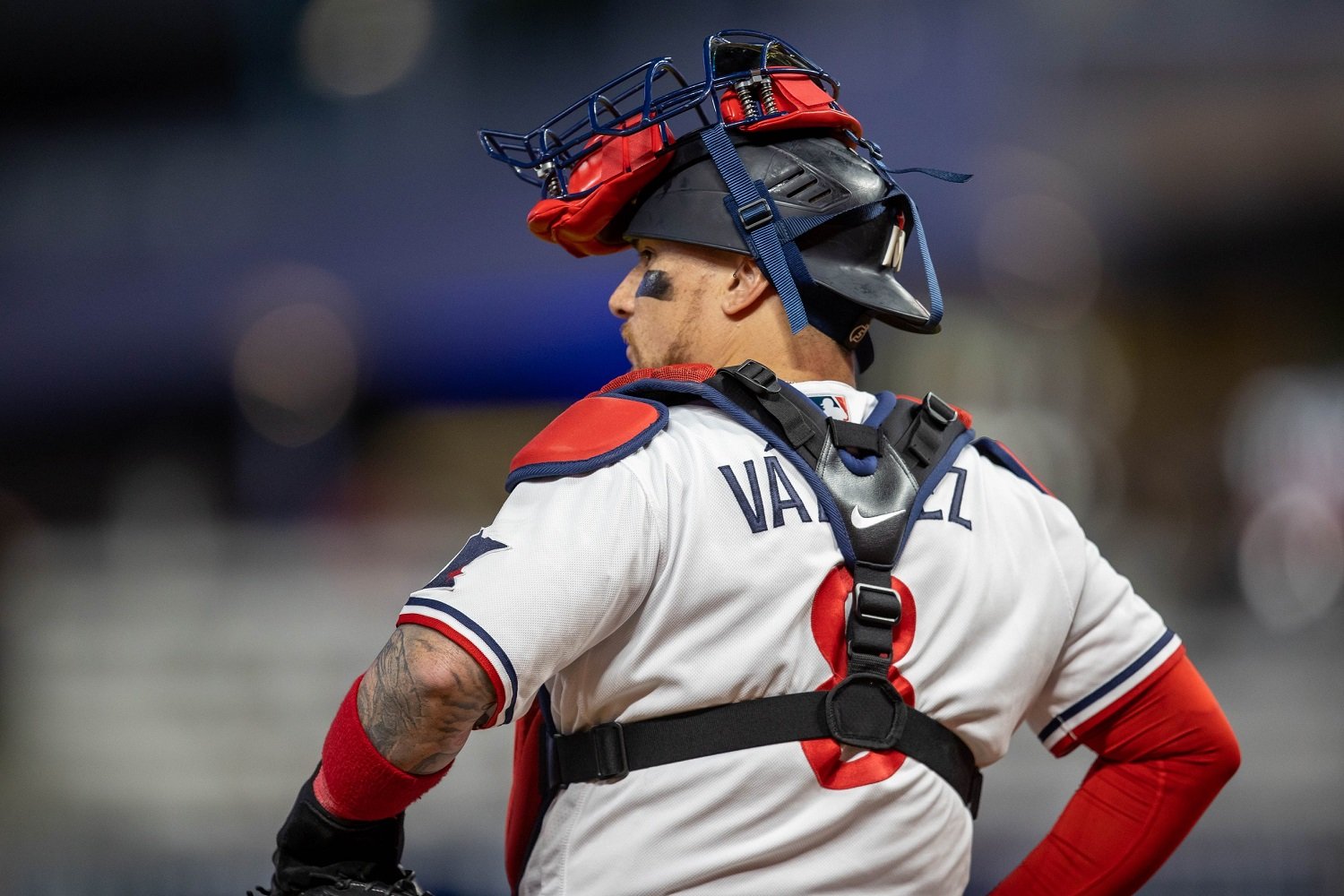 Defensive metrics have come a long way over the last decade. With Statcast tracking every batted ball, the amount of information available to fans is at an all-time high. One metric the Society for American Baseball Research (SABR) developed is the SABR Defensive Index (SDI). According to SABR's website, the SDI "draws on and aggregates two types of existing defensive metrics: those derived from batted ball location-based data and those collected from play-by-play accounts." Since 2013, SDI has been used as part of the process for selecting Gold Glove winners. The rankings below are through games played on July 9, 2023. Pitcher (AL Ranking): Pablo Lopez 1.5 SDI (3rd), Sonny Gray 0.0 SDI (22nd), Joe Ryan -0.8 SDI (31st) Lopez made one of the biggest jumps of any Twins player over the last month. He was the top-ranked Twins pitcher in the initial rankings but ranked 11th in the AL. Since the beginning of June, he has more than doubled his SDI total. Only Zack Greinke (3.7 SDI) and Jose Berrios (2.5 SDI) rank above Lopez. Gray stayed consistent over the last month and increased one spot in the rankings. Ryan is near the bottom of the rankings among qualified pitchers, with Lucas Giolito and Luis Castillo being the only player below him. Lopez had a tremendous month and has a chance to move up the rankings with another strong month. Catcher (AL Ranking): Christian Vazquez 3.2 SDI (5th), Ryan Jeffers 1.6 SDI (8th) Minnesota has arguably the best defensive-catching duo in the American League. Vazquez has been known as a strong defender and ranks in the top five according to SDI, where he finished the 2022 campaign. Since joining the Twins, his framing has improved from the 55th percentile to the 79th percentile. Jeffers has been touted for his framing ability and finished last season ranking in the 64th percentile. He has struggled more in 2023 by ranking in the 27th percentile. First Base (AL Ranking): No Twins Players Qualify The Twins have used multiple players at first base so far in 2023, which means no one has accumulated enough innings to qualify for the SDI leaderboard. In the initial rankings, Joey Gallo ranked sixth with a -0.2 SDI, but he has started playing more outfield, with Alex Kirilloff getting regular reps at first base. Kirilloff has struggled at first base with a -5 DRS and a -4 OAA in over 280 innings. Only three AL first basemen have a positive SDI, and Kirilloff's struggles wouldn't put him in the Gold Glove conversation. Second Base (AL Ranking): No Twins Players Qualify Like first base, the Twins have shuffled through different players at second base. Jorge Polanco is close to returning from injury but has struggled defensively in recent years as age and injuries start to mount. Edouard Julien is considered a below-average defensive second baseman, and other metrics prove that to be true. He has a -5 DRS and OAA in over 240 innings at second. Minnesota refuses to give him time at other defensive positions, so Julien needs to find a way to be passable at second so his bat can stay in the line-up. Third Base (AL Ranking): No Twins Players Qualify Four Twins players have accrued more than 100 innings at third base this season, with Jose Miranda leading the way. In over 300 innings, Miranda has posted a 1 DRS and a -6 OAA, so he wouldn't rank well according to SDI if he qualified for the leaderboard. Royce Lewis had a 1 DRS and a -1 OAA in just under 200 innings before his oblique injury. With Lewis and Miranda on the IL, Kyle Farmer and Willi Castro will see more time at the hot corner. Shortstop (AL Ranking): Carlos Correa 1.1 SDI (7th) Correa made a solid jump in the rankings over the last month by improving by 1.7 SDI and moving from 11th to seventh in the AL. Last season, he started poorly and finished the season with a 1.6 SDI (9th in the AL). He is on pace to finish with a better defensive season, but there is little chance of him catching the players in the top three who have between 9.1 and 4.2 SDI. It's a far cry from the defensive player he was in Houston, but his plantar fasciitis might be impacting his mobility. Left Field (AL Ranking): Willi Castro 1.0 SDI (6th), Joey Gallo -0.1 SDI (8th) He has not been known as a strong defender, but the Twins are getting a career-best season from Castro. With Detroit, he combined for a -1 DRS and a -1 OAA in LF, but he's posted a 3 DRS and a 0 OAA in 2023. Gallo is just a little behind Castro with a 0 DRS and a -1 OAA. Only two qualified AL left fielder rank below Gallo, Oswaldo Cabrera, and Andrew Benintendi. Center Field (AL Ranking): Michael A. Taylor 3.7 SDI (5th) Taylor had a tremendous month of June by accumulating 3.0 SDI and moving up two spots on the AL leaderboard. In his age-32 season, he ranks in the 90th percentile for OAA, and his arm strength is in the 84th percentile. Despite this improvement, many fans have been clamoring for Byron Buxton to return to center field. Twins General Manager Thad Levine recently said that Buxton has been working "behind the scenes" to return to center field. Taylor has been great defensively, but Buxton has the potential to be even better. Right Field (AL Ranking): Max Kepler 1.6 SDI (5th) Kepler was a Gold Glove finalist in 2022 after finishing the season with the second-highest SDI total (6.3 SDI). He posted an elite Outs Above Average ranking in the 97th percentile in 2022. Defensively, he struggled to start the season but improved his OAA from the 67th percentile at the beginning of June to the 84th percentile by the All-Star break. The top AL right fielders have accumulated a 3.3 SDI or higher, so Kepler must continue to play well to move into the top-3. Are you surprised by any of these defensive rankings? Which Twins will be Gold Glove finalists? Leave a COMMENT and start the discussion.
- 10 comments
-
- 4
-
-
- christian vazquez
- pablo lopez
- (and 3 more)
-
Ranking the Importance of the Twins Players Returning from Injury
Cody Christie posted an article in Twins
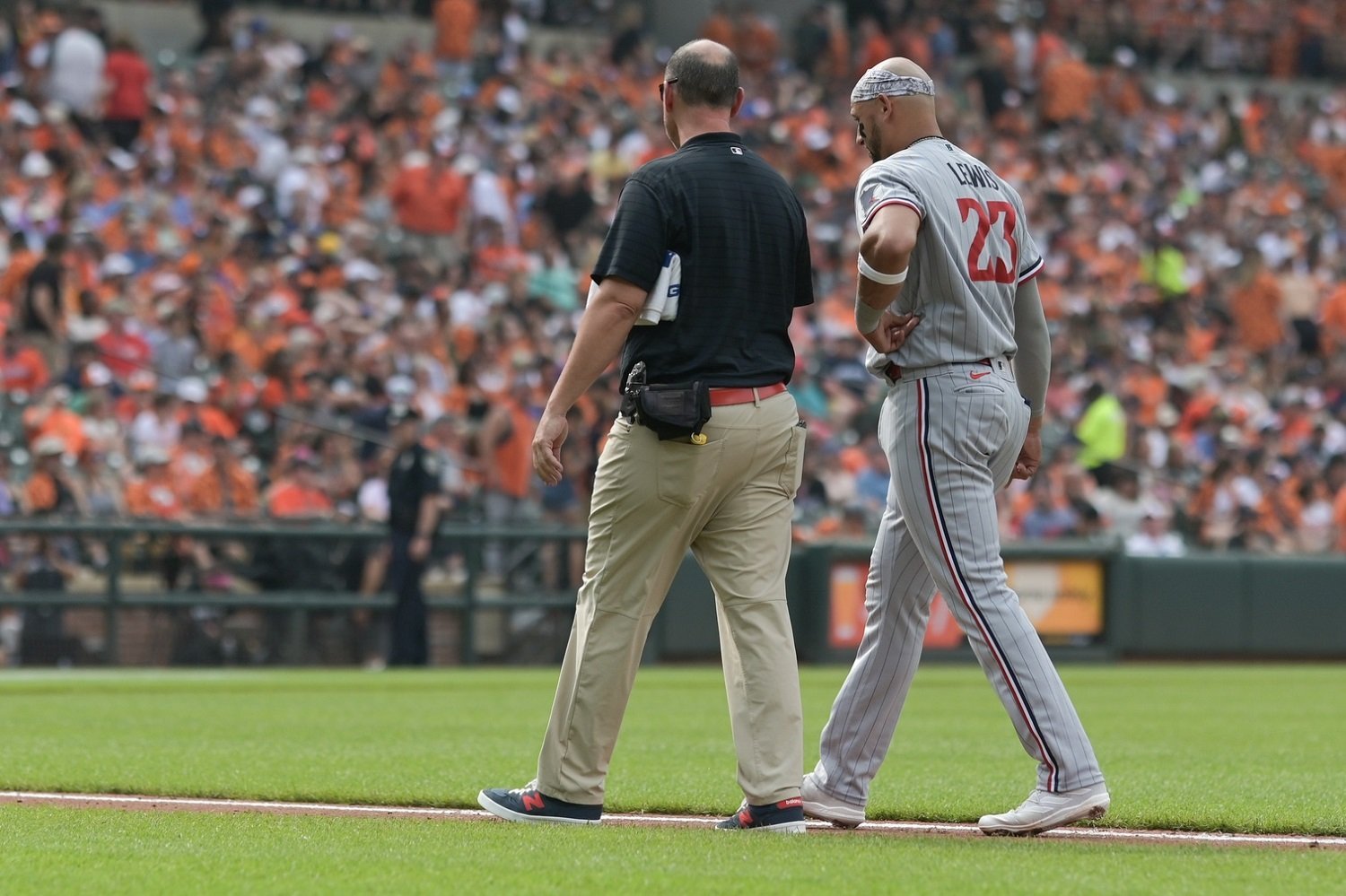 The team expects each injured player below to return at some point before the season ends. Below is a brief explanation of their injury and an expected timeline for their return. The Twins haven’t been the most reliable at meeting those timelines in the past, but the current medical staff was new at the beginning of the year and can be given the benefit of the doubt. Other injured players that didn’t make the top five include Jose Miranda, Jorge Alcala, and Chris Paddack. 5. Nick Gordon, OF/INF Injury: Right Tibia Fracture Expected Return: September Minnesota needs to improve offensive production from the corner outfield spots, and Gordon was looking to build off a 2022 season where he posted a 110 OPS+ in 136 games. Unfortunately, Gordon struggled out of the gate in 2023 with a .503 OPS in 34 games before fouling a ball off his leg and fracturing his right tibia. He had the cast and brace removed from his leg near the end of June. Gordon has yet to start running but has been working in the weight room. The Twins have other corner outfield options, but the 2022 version of Gordon would assist the offense. 4. Brock Stewart, RP Injury: Right Elbow Soreness Expected Return: August Stewart saved the bullpen earlier in the season when multiple players struggled in late-inning roles. He’s previously dealt with other arm injuries, and the Twins are attributing his latest injury to his increased workload in 2023. In 25 2/3 innings, he posted a 0.70 ERA with a 1.01 WHIP and a 35-to-11 strikeout-to-walk ratio. At the beginning of July, he threw from 90 feet without issue, but he will require a rehab stint before returning to the MLB level. Minnesota will likely be in the market for relief pitching at the trading deadline, especially since Stewart won’t return until August. 3. Caleb Thielbar, RP Injury: Right Oblique Strain Expected Return: August Like Stewart, Thielbar was a critical component of the bullpen in the first half. Oblique injuries are complicated, as he tried to return early this season before reinjuring himself. Over the weekend, he threw a 30-pitch bullpen session and expects to throw another one early this week. His next steps would be to throw live batting practice before starting a rehab assignment. He doesn’t seem likely to return to the roster before the trade deadline, so the Twins will likely be looking for bullpen upgrades. 2. Royce Lewis, 3B Injury: Left Oblique Strain Expected Return: August Lewis has been unable to catch a break regarding staying healthy, a trend that follows many of the team’s recent top prospects. Over the last two seasons, injuries have limited him to 38 big-league games, but he’s posted a 131 OPS+. He is expected to begin baseball activities this week after doing other core work over the last week. He may return to the line-up by early August, but more will be known after the team returns from their current road trip. There’s been some speculation that the Twins might be interested in trading for a third baseman, but it seems more likely for the team to rely on other players with the hope Lewis returns shortly after the deadline. 1. Jorge Polanco, 2B Injury: Left Hamstring Strain Expected Return: Late July Minnesota’s offense has lacked a particular element without infielders like Polanco and Lewis. His return can provide a veteran presence to the line-up, but the Twins will need to find a way for him and Edouard Julien to coexist in the same line-up. Polanco began a rehab assignment on July 16, and he will likely need multiple weeks to ramp up before joining the Twins. In 30 games this season, Polanco has posted a 102 OPS+ with nine doubles and five home runs. If the Twins make the playoffs, the line-up is better, with Polanco playing at full strength. How would you rank the injured Twins players on their importance to the club in the second half? Leave a COMMENT and start the discussion.
 -
Injuries have again impacted the Twins during the 2023 campaign, but hope is on the horizon with a handful of players on track to return. Here’s a ranking of the top five players returning from injury and what each can offer the roster. Image courtesy of Tommy Gilligan-USA TODAY Sports The team expects each injured player below to return at some point before the season ends. Below is a brief explanation of their injury and an expected timeline for their return. The Twins haven’t been the most reliable at meeting those timelines in the past, but the current medical staff was new at the beginning of the year and can be given the benefit of the doubt. Other injured players that didn’t make the top five include Jose Miranda, Jorge Alcala, and Chris Paddack. 5. Nick Gordon, OF/INF Injury: Right Tibia Fracture Expected Return: September Minnesota needs to improve offensive production from the corner outfield spots, and Gordon was looking to build off a 2022 season where he posted a 110 OPS+ in 136 games. Unfortunately, Gordon struggled out of the gate in 2023 with a .503 OPS in 34 games before fouling a ball off his leg and fracturing his right tibia. He had the cast and brace removed from his leg near the end of June. Gordon has yet to start running but has been working in the weight room. The Twins have other corner outfield options, but the 2022 version of Gordon would assist the offense. 4. Brock Stewart, RP Injury: Right Elbow Soreness Expected Return: August Stewart saved the bullpen earlier in the season when multiple players struggled in late-inning roles. He’s previously dealt with other arm injuries, and the Twins are attributing his latest injury to his increased workload in 2023. In 25 2/3 innings, he posted a 0.70 ERA with a 1.01 WHIP and a 35-to-11 strikeout-to-walk ratio. At the beginning of July, he threw from 90 feet without issue, but he will require a rehab stint before returning to the MLB level. Minnesota will likely be in the market for relief pitching at the trading deadline, especially since Stewart won’t return until August. 3. Caleb Thielbar, RP Injury: Right Oblique Strain Expected Return: August Like Stewart, Thielbar was a critical component of the bullpen in the first half. Oblique injuries are complicated, as he tried to return early this season before reinjuring himself. Over the weekend, he threw a 30-pitch bullpen session and expects to throw another one early this week. His next steps would be to throw live batting practice before starting a rehab assignment. He doesn’t seem likely to return to the roster before the trade deadline, so the Twins will likely be looking for bullpen upgrades. 2. Royce Lewis, 3B Injury: Left Oblique Strain Expected Return: August Lewis has been unable to catch a break regarding staying healthy, a trend that follows many of the team’s recent top prospects. Over the last two seasons, injuries have limited him to 38 big-league games, but he’s posted a 131 OPS+. He is expected to begin baseball activities this week after doing other core work over the last week. He may return to the line-up by early August, but more will be known after the team returns from their current road trip. There’s been some speculation that the Twins might be interested in trading for a third baseman, but it seems more likely for the team to rely on other players with the hope Lewis returns shortly after the deadline. 1. Jorge Polanco, 2B Injury: Left Hamstring Strain Expected Return: Late July Minnesota’s offense has lacked a particular element without infielders like Polanco and Lewis. His return can provide a veteran presence to the line-up, but the Twins will need to find a way for him and Edouard Julien to coexist in the same line-up. Polanco began a rehab assignment on July 16, and he will likely need multiple weeks to ramp up before joining the Twins. In 30 games this season, Polanco has posted a 102 OPS+ with nine doubles and five home runs. If the Twins make the playoffs, the line-up is better, with Polanco playing at full strength. How would you rank the injured Twins players on their importance to the club in the second half? Leave a COMMENT and start the discussion. View full article
- 17 replies
-
- 1
-
-
- jorge polanco
- royce lewis
- (and 3 more)
-
The Twins have strong defenders at multiple positions across the diamond, and some players have performed well up to this point in the season. So, which players are in the conversation for a Gold Glove? Image courtesy of Jesse Johnson, USA TODAY Sports Defensive metrics have come a long way over the last decade. With Statcast tracking every batted ball, the amount of information available to fans is at an all-time high. One metric the Society for American Baseball Research (SABR) developed is the SABR Defensive Index (SDI). According to SABR's website, the SDI "draws on and aggregates two types of existing defensive metrics: those derived from batted ball location-based data and those collected from play-by-play accounts." Since 2013, SDI has been used as part of the process for selecting Gold Glove winners. The rankings below are through games played on July 9, 2023. Pitcher (AL Ranking): Pablo Lopez 1.5 SDI (3rd), Sonny Gray 0.0 SDI (22nd), Joe Ryan -0.8 SDI (31st) Lopez made one of the biggest jumps of any Twins player over the last month. He was the top-ranked Twins pitcher in the initial rankings but ranked 11th in the AL. Since the beginning of June, he has more than doubled his SDI total. Only Zack Greinke (3.7 SDI) and Jose Berrios (2.5 SDI) rank above Lopez. Gray stayed consistent over the last month and increased one spot in the rankings. Ryan is near the bottom of the rankings among qualified pitchers, with Lucas Giolito and Luis Castillo being the only player below him. Lopez had a tremendous month and has a chance to move up the rankings with another strong month. Catcher (AL Ranking): Christian Vazquez 3.2 SDI (5th), Ryan Jeffers 1.6 SDI (8th) Minnesota has arguably the best defensive-catching duo in the American League. Vazquez has been known as a strong defender and ranks in the top five according to SDI, where he finished the 2022 campaign. Since joining the Twins, his framing has improved from the 55th percentile to the 79th percentile. Jeffers has been touted for his framing ability and finished last season ranking in the 64th percentile. He has struggled more in 2023 by ranking in the 27th percentile. First Base (AL Ranking): No Twins Players Qualify The Twins have used multiple players at first base so far in 2023, which means no one has accumulated enough innings to qualify for the SDI leaderboard. In the initial rankings, Joey Gallo ranked sixth with a -0.2 SDI, but he has started playing more outfield, with Alex Kirilloff getting regular reps at first base. Kirilloff has struggled at first base with a -5 DRS and a -4 OAA in over 280 innings. Only three AL first basemen have a positive SDI, and Kirilloff's struggles wouldn't put him in the Gold Glove conversation. Second Base (AL Ranking): No Twins Players Qualify Like first base, the Twins have shuffled through different players at second base. Jorge Polanco is close to returning from injury but has struggled defensively in recent years as age and injuries start to mount. Edouard Julien is considered a below-average defensive second baseman, and other metrics prove that to be true. He has a -5 DRS and OAA in over 240 innings at second. Minnesota refuses to give him time at other defensive positions, so Julien needs to find a way to be passable at second so his bat can stay in the line-up. Third Base (AL Ranking): No Twins Players Qualify Four Twins players have accrued more than 100 innings at third base this season, with Jose Miranda leading the way. In over 300 innings, Miranda has posted a 1 DRS and a -6 OAA, so he wouldn't rank well according to SDI if he qualified for the leaderboard. Royce Lewis had a 1 DRS and a -1 OAA in just under 200 innings before his oblique injury. With Lewis and Miranda on the IL, Kyle Farmer and Willi Castro will see more time at the hot corner. Shortstop (AL Ranking): Carlos Correa 1.1 SDI (7th) Correa made a solid jump in the rankings over the last month by improving by 1.7 SDI and moving from 11th to 7th in the AL. Last season, he started poorly and finished the season with a 1.6 SDI (9th in the AL). He is on pace to finish with a better defensive season, but there is little chance of him catching the players in the top three who have between 9.1 and 4.2 SDI. It's a far cry from the defensive player he was in Houston, but his plantar fasciitis might be impacting his mobility. Left Field (AL Ranking): Willi Castro 1.0 SDI (6th), Joey Gallo -0.1 SDI (8th) He has not been known as a strong defender, but the Twins are getting a career-best season from Castro. With Detroit, he combined for a -1 DRS and a -1 OAA in LF, but he's posted a 3 DRS and a 0 OAA in 2023. Gallo is just a little behind Castro with a 0 DRS and a -1 OAA. Only two qualified AL left fielder rank below Gallo, Oswaldo Cabrera, and Andrew Benintendi. Center Field (AL Ranking): Michael A. Taylor 3.7 SDI (5th) Taylor had a tremendous month of June by accumulating 3.0 SDI and moving up two spots on the AL leaderboard. In his age-32 season, he ranks in the 90th percentile for OAA, and his arm strength is in the 84th percentile. Despite this improvement, many fans have been clamoring for Byron Buxton to return to center field. Twins General Manager Thad Levine recently said that Buxton has been working "behind the scenes" to return to center field. Taylor has been great defensively, but Buxton has the potential to be even better. Right Field (AL Ranking): Max Kepler 1.6 SDI (5th) Kepler was a Gold Glove finalist in 2022 after finishing the season with the second-highest SDI total (6.3 SDI). He posted an elite Outs Above Average ranking in the 97th percentile in 2022. Defensively, he struggled to start the season but improved his OAA from the 67th percentile at the beginning of June to the 84th percentile by the All-Star break. The top AL right fielders have accumulated a 3.3 SDI or higher, so Kepler must continue to play well to move into the top-3. Are you surprised by any of these defensive rankings? Which Twins will be Gold Glove finalists? Leave a COMMENT and start the discussion. View full article
-
Byron Buxton Working Behind the Scenes for Center Field Return
Cody Christie posted an article in Twins
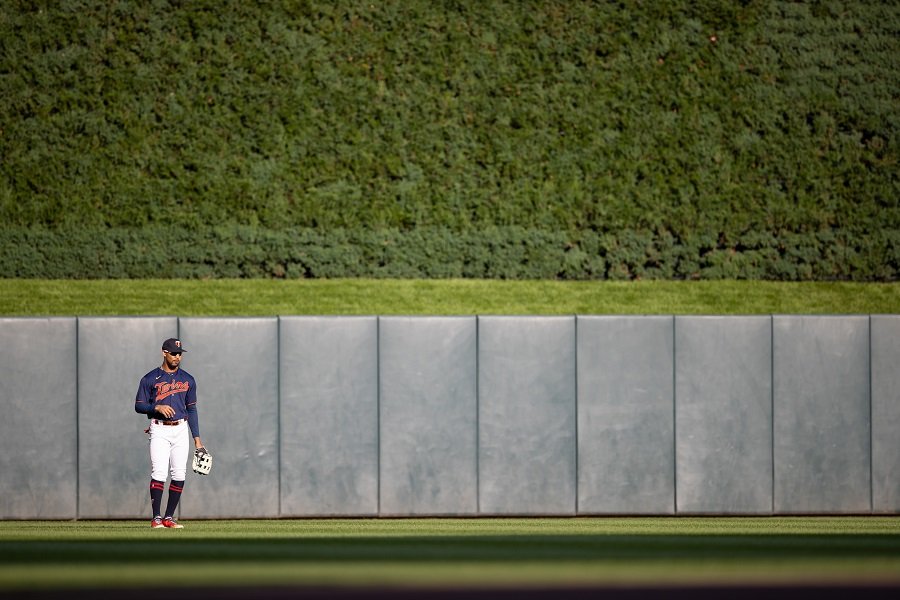 Many fans have called for Byron Buxton to return to center field to help an offense that has struggled mightily for most of the season. Michael A. Taylor has provided value to the Twins, but Buxton has been an All-Star caliber player in center. There are a lot of layers to the Buxton situation, and the team might have an updated plan for the season's second half. Initial Plan The Twins announced that Byron Buxton would begin the season as designated hitter near the end of March. Multiple factors influenced this decision, including his off-season knee surgery and the cold weather in the season's early months. No clear timetable was given for his return to the outfield, but many hoped it would be sooner rather than later. "If he could play 162 games in center field, we would have him in center field for 162 games," Twins manager Rocco Baldelli said. "Almost no player does that, or no player does that in the entire game. So what's going to help us get the absolute most out of Buck and help us win the most games? I think it's going to be him being in the line-up as much as possible." Buxton has been in the line-up regularly by appearing in over 80% of the team's first-half games. In 73 games, he hit .208/.300/.468 (.736) with 12 doubles, one triple, 15 home runs, and a 101 OPS+. It's his lowest OPS+ total since 2018, and there are higher expectations for offensive performance from the DH position. Adjusting the Plan Buxton's knee has continued to bother him during the 2023 season, which has been evident throughout the season. It takes him time to pick himself up when he slides into a base, or there can be a limp when he sprints to beat out an infield hit. He's clearly not playing at 100%, but the Twins have been able to pencil him into the line-up regularly. Near the end of June, Baldelli made candid remarks about Buxton and his possibility of playing in center field. "At this moment in time, and from the beginning of the year, he has not been physically able to play in the outfield," said Baldelli. "If he was, he would be out there. If we even thought that it was possible that he could play in the outfield right now, he would be out there. But he can't. He can't. He physically can't." Initially, the Twins likely hoped his knee would improve during the season so the club could use him in center field. Unfortunately, there has been little improvement with his knee, and he's also dealt with back issues. According to Baldelli, his knee isn't any worse, but it also isn't getting any better. Second-Half Changes Baldelli was on MLB Network Radio at the end of last week and expressed many of the same thoughts he shared near the end of June. He said, "As of right now, I don't know if Buxton is going take the field anytime soon. The goal is to have him in the line-up every single day." Those opinions follow the company line. Still, Twins General Manager Thad Levine offered some other thoughts during Sunday's episode of Inside Twins with the team's radio announcer Cory Provus. Provus referenced the catch made by Cedric Mullins during the Orioles series. He approached his question from two views saying that the catch might be a catalyst for Buxton to return to center field or if the team might announce that he just isn't going to play in the outfield this season. "Of course, we believe the best version of the Minnesota Twins includes Byron Buxton spending some time in center field, if not a lot of time out there," Levine said. "It's an ongoing conversation… there are a lot of people who are participating in this conversation. The ones who are most central to our dialogue- Nick Paparesta, our head athletic trainer, our strength and conditioning group, and Byron himself." He said, "Behind the scenes right now, we are doing a lot of defensive work, so when that time comes, we don't say we need three weeks to ramp him up. There are some things being done on a daily basis to help position him to be able to go out there when he is ready." There is a glimmer of hope for fans that Buxton will see time in center field in the second half. His continued health is the most significant factor in the decision, but it's hard not to imagine the boost he could give the team the first time he steps into the outfield grass. Will Buxton play center this year? Leave a COMMENT and start the discussion.
 -
Ideally, Byron Buxton should be manning centerfield on a daily basis, tracking down balls in the gap, and hitting monster home runs. That scenario has yet to play out in 2023, but the Twins might have a different plan for Buxton in the second half. Image courtesy of Jordan Johnson-USA TODAY Sports Many fans have called for Byron Buxton to return to center field to help an offense that has struggled mightily for most of the season. Michael A. Taylor has provided value to the Twins, but Buxton has been an All-Star caliber player in center. There are a lot of layers to the Buxton situation, and the team might have an updated plan for the season's second half. Initial Plan The Twins announced that Byron Buxton would begin the season as designated hitter near the end of March. Multiple factors influenced this decision, including his off-season knee surgery and the cold weather in the season's early months. No clear timetable was given for his return to the outfield, but many hoped it would be sooner rather than later. "If he could play 162 games in center field, we would have him in center field for 162 games," Twins manager Rocco Baldelli said. "Almost no player does that, or no player does that in the entire game. So what's going to help us get the absolute most out of Buck and help us win the most games? I think it's going to be him being in the line-up as much as possible." Buxton has been in the line-up regularly by appearing in over 80% of the team's first-half games. In 73 games, he hit .208/.300/.468 (.736) with 12 doubles, one triple, 15 home runs, and a 101 OPS+. It's his lowest OPS+ total since 2018, and there are higher expectations for offensive performance from the DH position. Adjusting the Plan Buxton's knee has continued to bother him during the 2023 season, which has been evident throughout the season. It takes him time to pick himself up when he slides into a base, or there can be a limp when he sprints to beat out an infield hit. He's clearly not playing at 100%, but the Twins have been able to pencil him into the line-up regularly. Near the end of June, Baldelli made candid remarks about Buxton and his possibility of playing in center field. "At this moment in time, and from the beginning of the year, he has not been physically able to play in the outfield," said Baldelli. "If he was, he would be out there. If we even thought that it was possible that he could play in the outfield right now, he would be out there. But he can't. He can't. He physically can't." Initially, the Twins likely hoped his knee would improve during the season so the club could use him in center field. Unfortunately, there has been little improvement with his knee, and he's also dealt with back issues. According to Baldelli, his knee isn't any worse, but it also isn't getting any better. Second-Half Changes Baldelli was on MLB Network Radio at the end of last week and expressed many of the same thoughts he shared near the end of June. He said, "As of right now, I don't know if Buxton is going take the field anytime soon. The goal is to have him in the line-up every single day." Those opinions follow the company line. Still, Twins General Manager Thad Levine offered some other thoughts during Sunday's episode of Inside Twins with the team's radio announcer Cory Provus. Provus referenced the catch made by Cedric Mullins during the Orioles series. He approached his question from two views saying that the catch might be a catalyst for Buxton to return to center field or if the team might announce that he just isn't going to play in the outfield this season. "Of course, we believe the best version of the Minnesota Twins includes Byron Buxton spending some time in center field, if not a lot of time out there," Levine said. "It's an ongoing conversation… there are a lot of people who are participating in this conversation. The ones who are most central to our dialogue- Nick Paparesta, our head athletic trainer, our strength and conditioning group, and Byron himself." He said, "Behind the scenes right now, we are doing a lot of defensive work, so when that time comes, we don't say we need three weeks to ramp him up. There are some things being done on a daily basis to help position him to be able to go out there when he is ready." There is a glimmer of hope for fans that Buxton will see time in center field in the second half. His continued health is the most significant factor in the decision, but it's hard not to imagine the boost he could give the team the first time he steps into the outfield grass. Will Buxton play center this year? Leave a COMMENT and start the discussion. View full article
-
Minnesota's playoff losing streak is well documented throughout Twins Territory, but fans might have a reason for optimism in 2023. The Twins starting staff might be built for October success. Image courtesy of Bruce Kluckhohn-USA TODAY Sports Major League Baseball's playoff format allows for some unique scenarios to transpire. Some teams are built for the regular season and can compile wins on their way to October. Other teams limp into the playoffs and must find a way to get hot in the season's most important moments. Last season, the Philadelphia Phillies finished with an 87-75 record, which placed them in third place in the AL East. However, the team got hot at the right time and rode their success to a World Series berth. Baseball has an element of luck, and lesser teams can steal series from teams that are perceived to be better. The Twins are a long way from being a lock to make the playoffs, but their pitching staff might have the necessary pieces to end the team's playoff losing streak. Entering play this weekend, FanGraphs projected the Twins had a 62.8% chance to win the AL Central. It seems unlikely for the AL Central to get more than one playoff qualifier, so winning the division is the only path to October. Under the current format, the Twins would host a three-game series at Target Field against the lowest-seeded playoff team if they win the division. There's no question the Twins have been inconsistent through the season's first half, but the club might have built a pitching staff that can be successful in October. Minnesota entered the year with perceived depth in the starting rotation. The team acquired Pablo Lopez in a trade with the Marlins, pushing Bailey Ober and Louie Varland to Triple-A. Eventually, the Twins needed to utilize that depth, with Tyler Mahle undergoing Tommy John surgery and Kenta Maeda missing time with a right triceps strain. Ober has performed well since joining the rotation and looks like a middle-of-the-rotation option for the next decade. Maeda has also returned and performed admirably since coming off the IL. Health will always play a factor late in the season, but the top of the Twins rotation can match up nicely with other playoff contenders. Sonny Gray Gray is heading to his third All-Star Game after a dominating first half. In 99 2/3 innings, he posted a 2.89 ERA with a 1.27 WHIP and a 101-to-39 strikeout-to-walk ratio. He leads the major leagues with a 0.3 HR/9 and ranks fourth in the AL according to fWAR. Health has been critical to Gray's first-half performance, as he is only 20 innings shy of what he pitched last year with the Twins. Minnesota can attempt to organize the rotation for the playoffs, but Gray in the top spot makes sense with his previous playoff experience. Gray is heading toward a decent payday this winter, but he hopes to bring some October success to Minnesota before hitting free agency. Pablo Lopez Fans' view of Lopez is skewed because Luis Arraez has performed well since the trade. He ended the first half ranking among the top-10 pitchers in baseball according to fWAR and became an injury replacement for the All-Star Game. Lopez ranks in the 97th percentile in Chase Rate while also ranking well in Average Exit Velocity (77th), Hard Hit % (69th), xBA (84th), xSLG (80th), BB% (74th), and Whiff% (78th). He would be the top starting pitching option on many teams, including his former club, the Marlins. If Lopez continues to pitch this well, he will match up nicely with any other team's Game 2 starter in the playoffs. Joe Ryan Ryan's final start before the All-Star break didn't go as planned, but he's still been among the AL's best pitchers during the first half. In 18 starts (107 IP), he posted a 3.70 ERA with a 1.01 WHIP and a 124-to-18 strikeout-to-walk ratio. His xBA, xSLG, and Barrel % rank in the 74th percentile or higher, while his BB % and Chase Rate are above the 95 percentile. Ryan has made some clear adjustments this year with a split-finger pitch that has kept batters off balance. Few teams would have a number three starter with those numbers, which can help the Twins, especially in the short Wild Card series. The Twins also have other starting pitching depth if injuries strike either of the top three starters. Ober and Maeda have an opportunity to move up in the rotation. A lot of season remains where the team's starting pitching performance might regress, but the team has an opportunity to contend if they qualify for the postseason. Strong starting pitching can carry a team in October, and the Twins have prioritized pitching this season. What are your impressions of the Twins' rotation at the end of the first half? Leave a COMMENT and start the discussion. View full article
-
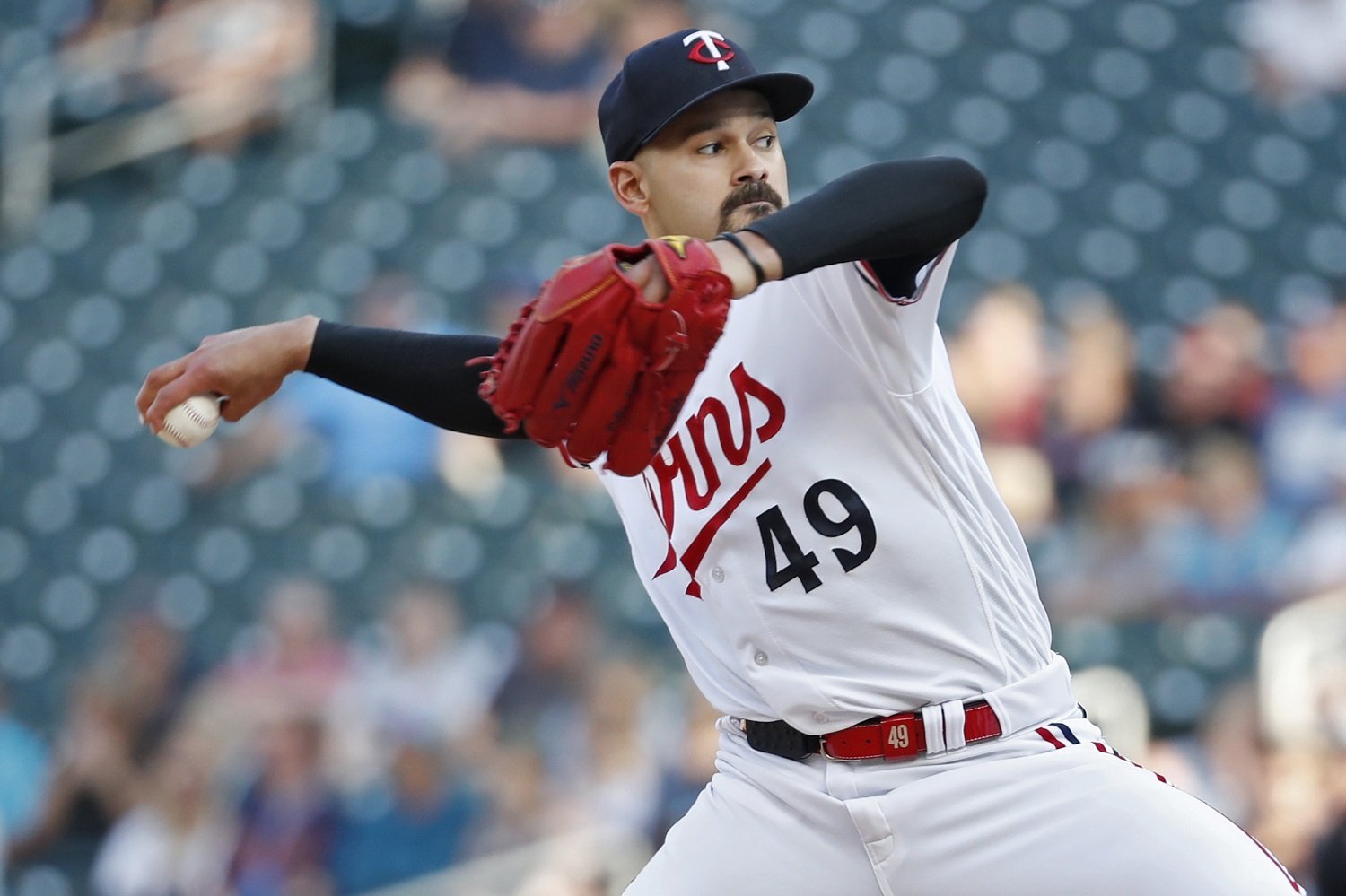 Major League Baseball's playoff format allows for some unique scenarios to transpire. Some teams are built for the regular season and can compile wins on their way to October. Other teams limp into the playoffs and must find a way to get hot in the season's most important moments. Last season, the Philadelphia Phillies finished with an 87-75 record, which placed them in third place in the AL East. However, the team got hot at the right time and rode their success to a World Series berth. Baseball has an element of luck, and lesser teams can steal series from teams that are perceived to be better. The Twins are a long way from being a lock to make the playoffs, but their pitching staff might have the necessary pieces to end the team's playoff losing streak. Entering play this weekend, FanGraphs projected the Twins had a 62.8% chance to win the AL Central. It seems unlikely for the AL Central to get more than one playoff qualifier, so winning the division is the only path to October. Under the current format, the Twins would host a three-game series at Target Field against the lowest-seeded playoff team if they win the division. There's no question the Twins have been inconsistent through the season's first half, but the club might have built a pitching staff that can be successful in October. Minnesota entered the year with perceived depth in the starting rotation. The team acquired Pablo Lopez in a trade with the Marlins, pushing Bailey Ober and Louie Varland to Triple-A. Eventually, the Twins needed to utilize that depth, with Tyler Mahle undergoing Tommy John surgery and Kenta Maeda missing time with a right triceps strain. Ober has performed well since joining the rotation and looks like a middle-of-the-rotation option for the next decade. Maeda has also returned and performed admirably since coming off the IL. Health will always play a factor late in the season, but the top of the Twins rotation can match up nicely with other playoff contenders. Sonny Gray Gray is heading to his third All-Star Game after a dominating first half. In 99 2/3 innings, he posted a 2.89 ERA with a 1.27 WHIP and a 101-to-39 strikeout-to-walk ratio. He leads the major leagues with a 0.3 HR/9 and ranks fourth in the AL according to fWAR. Health has been critical to Gray's first-half performance, as he is only 20 innings shy of what he pitched last year with the Twins. Minnesota can attempt to organize the rotation for the playoffs, but Gray in the top spot makes sense with his previous playoff experience. Gray is heading toward a decent payday this winter, but he hopes to bring some October success to Minnesota before hitting free agency. Pablo Lopez Fans' view of Lopez is skewed because Luis Arraez has performed well since the trade. He ended the first half ranking among the top-10 pitchers in baseball according to fWAR and became an injury replacement for the All-Star Game. Lopez ranks in the 97th percentile in Chase Rate while also ranking well in Average Exit Velocity (77th), Hard Hit % (69th), xBA (84th), xSLG (80th), BB% (74th), and Whiff% (78th). He would be the top starting pitching option on many teams, including his former club, the Marlins. If Lopez continues to pitch this well, he will match up nicely with any other team's Game 2 starter in the playoffs. Joe Ryan Ryan's final start before the All-Star break didn't go as planned, but he's still been among the AL's best pitchers during the first half. In 18 starts (107 IP), he posted a 3.70 ERA with a 1.01 WHIP and a 124-to-18 strikeout-to-walk ratio. His xBA, xSLG, and Barrel % rank in the 74th percentile or higher, while his BB % and Chase Rate are above the 95 percentile. Ryan has made some clear adjustments this year with a split-finger pitch that has kept batters off balance. Few teams would have a number three starter with those numbers, which can help the Twins, especially in the short Wild Card series. The Twins also have other starting pitching depth if injuries strike either of the top three starters. Ober and Maeda have an opportunity to move up in the rotation. A lot of season remains where the team's starting pitching performance might regress, but the team has an opportunity to contend if they qualify for the postseason. Strong starting pitching can carry a team in October, and the Twins have prioritized pitching this season. What are your impressions of the Twins' rotation at the end of the first half? Leave a COMMENT and start the discussion.
- 21 comments
-
- 2
-
-
- sonny gray
- pablo lopez
- (and 3 more)
-
The Twins hoped Carlos Correa would be a staple at the top of the line-up while powering Minnesota into a regular contender. After a disastrous first half, he is among the American League's Least Valuable Players. Image courtesy of Tommy Gilligan-USA TODAY Sports Many national outlets will be handing out first-half awards this week, with MLB's All-Star festivities occurring in Seattle. Shohei Ohtani and Ronald Acuna Jr. are the leaders in their respective leagues for the MVP awards, but those aren't the only races to watch. The Athletic's Jayson Stark takes a unique approach and names the contenders for each league's Least Valuable Player. Unfortunately, Carlos Correa is one of the top names on his list. Stark named Jose Abreu the AL's first-half LVP, which is undoubtedly a strong choice. However, Correa might need a more extended look for the top spot. For Stark, the LVP awards "usually come down to what's expected versus what has actually happened." Here's a look at the top names on the list and how their first-half numbers compare to their preseason projections. Carlos Correa, Minnesota Twins Preseason ZiPS Projections: 5.9 fWAR (3rd in the AL), .827 OPS, 137 wRC+ First Half Totals: 1.0 fWAR (50th in the AL), .700 OPS, 94 wRC+ Correa is on pace for career lows in nearly every offensive category. In preseason projections, ZiPS picked him to finish third in the AL in WAR behind Aaron Judge and Jose Ramirez. His current 92 OPS+ is a career low, as he's only had two seasons with an OPS+ below 120. His season can't gain any traction at the plate, especially for a player expected to be among the best in the AL. Correa's plantar fasciitis might be one of the reasons for his poor performance, but the Twins will need a better second-half performance to help the team stay in contention. Jose Abreu, Houston Astros Preseason ZiPS Projections: 2.8 fWAR (61st in the AL), .802 OPS, 129 wRC+ First Half Totals: -0.8 fWAR (70th in the AL), .631 OPS, 74 wRC+ Abreu's first-half numbers are hard to ignore, as age might be catching up to the 36-year-old slugger. He's averaged a 131 OPS+ throughout his career, but he's over 55 points lower than that in the first half. He ranks last among regular first basemen in OPS and park-adjusted OPS+. Even with his poor first half, Abreu is close to where he was supposed to rank in the AL, according to fWAR. He can get closer to his preseason expectations with a solid second half. The same thing can't be said for Correa. Tim Anderson, Chicago White Sox Preseason ZiPS Projections: 2.6 fWAR (69th in the AL), .756 OPS, 114 wRC+ First Half Totals: -0.9 fWAR (71st in the AL), .531 OPS, 46 wRC+ Preseason projections had Chicago in contention with Minnesota and Cleveland for the AL Central title, but little has gone right in the South Side. The White Sox sit in fourth place in the division and are currently 15 games under .500 in arguably baseball's worst division. Anderson has been a spark plug for Chicago's offense in the past, so his poor performance is tied to some of their struggles this season. Like Abreu, his fWAR ranking isn't far from his preseason projections. He can post improved numbers in the second half and remove himself from consideration for this award. Enrique Hernandez, Boston Red Sox Preseason ZiPS Projections: 3.1 fWAR (50th in the AL), .741 OPS, 106 wRC+ First Half Totals: -1.2 fWAR (72nd in the AL), .606 OPS, 63 wRC+ Hernandez ranks at the bottom of the AL among qualified batters according to fWAR, and there have been few signs of improvement. The Red Sox are four games over .500, but they are nine out of first place in the AL East juggernaut. Boston is only two games out of a Wild Card spot, so they must jump at least one team in their division to make the playoffs. If the Red Sox want a second-half turnaround, players like Hernandez must perform closer to expectations. Based on preseason projections, Correa has been the more significant disappointment because he was supposed to be one of the league's best players. Here is how my ballot would look, and feel free to add your ballot in the comments. Cody's AL First-Half LVP Ballot 1. Correa 2. Abreu 3. Hernandez 4. Anderson View full article
-
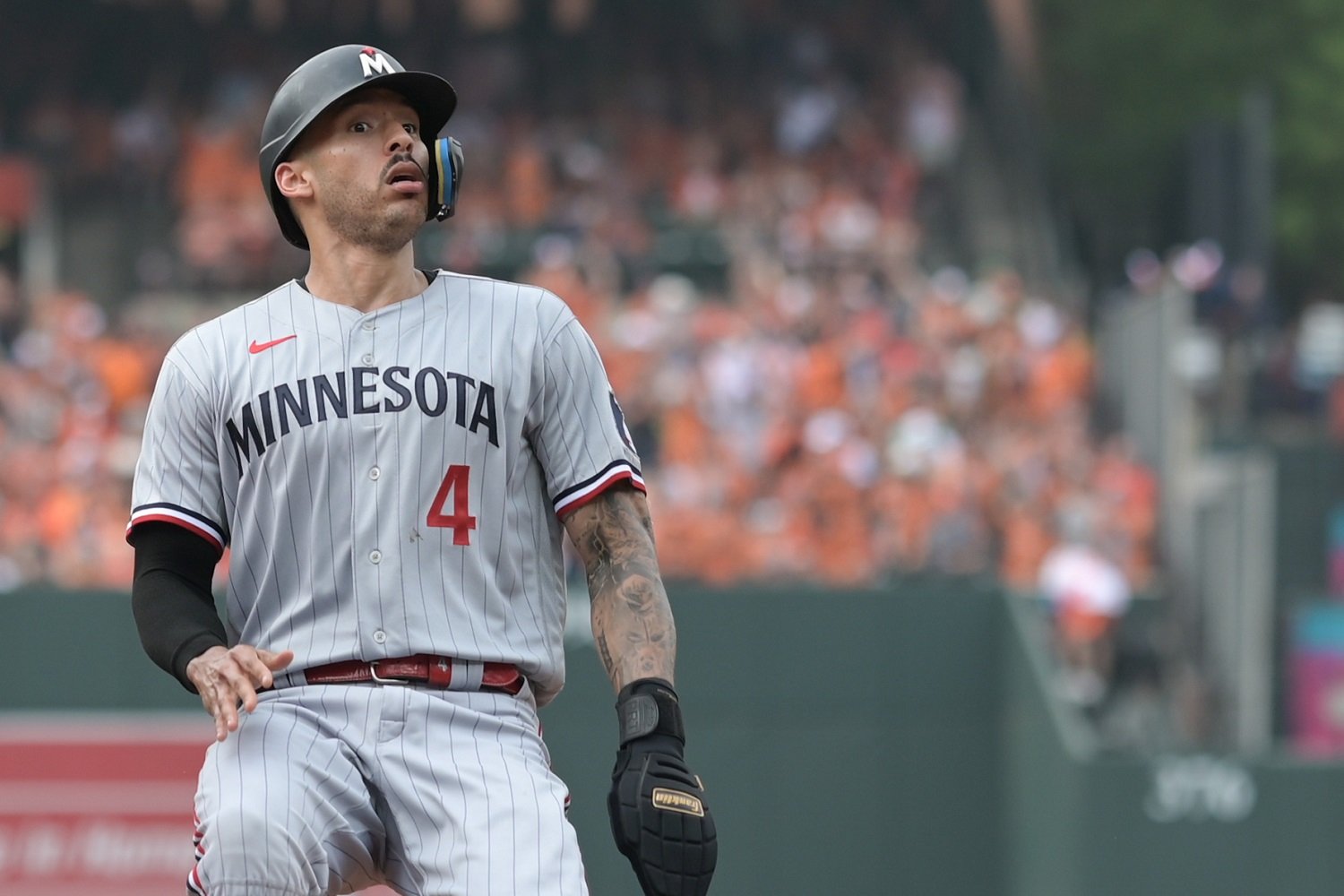 Many national outlets will be handing out first-half awards this week, with MLB's All-Star festivities occurring in Seattle. Shohei Ohtani and Ronald Acuna Jr. are the leaders in their respective leagues for the MVP awards, but those aren't the only races to watch. The Athletic's Jayson Stark takes a unique approach and names the contenders for each league's Least Valuable Player. Unfortunately, Carlos Correa is one of the top names on his list. Stark named Jose Abreu the AL's first-half LVP, which is undoubtedly a strong choice. However, Correa might need a more extended look for the top spot. For Stark, the LVP awards "usually come down to what's expected versus what has actually happened." Here's a look at the top names on the list and how their first-half numbers compare to their preseason projections. Carlos Correa, Minnesota Twins Preseason ZiPS Projections: 5.9 fWAR (3rd in the AL), .827 OPS, 137 wRC+ First Half Totals: 1.0 fWAR (50th in the AL), .700 OPS, 94 wRC+ Correa is on pace for career lows in nearly every offensive category. In preseason projections, ZiPS picked him to finish third in the AL in WAR behind Aaron Judge and Jose Ramirez. His current 92 OPS+ is a career low, as he's only had two seasons with an OPS+ below 120. His season can't gain any traction at the plate, especially for a player expected to be among the best in the AL. Correa's plantar fasciitis might be one of the reasons for his poor performance, but the Twins will need a better second-half performance to help the team stay in contention. Jose Abreu, Houston Astros Preseason ZiPS Projections: 2.8 fWAR (61st in the AL), .802 OPS, 129 wRC+ First Half Totals: -0.8 fWAR (70th in the AL), .631 OPS, 74 wRC+ Abreu's first-half numbers are hard to ignore, as age might be catching up to the 36-year-old slugger. He's averaged a 131 OPS+ throughout his career, but he's over 55 points lower than that in the first half. He ranks last among regular first basemen in OPS and park-adjusted OPS+. Even with his poor first half, Abreu is close to where he was supposed to rank in the AL, according to fWAR. He can get closer to his preseason expectations with a solid second half. The same thing can't be said for Correa. Tim Anderson, Chicago White Sox Preseason ZiPS Projections: 2.6 fWAR (69th in the AL), .756 OPS, 114 wRC+ First Half Totals: -0.9 fWAR (71st in the AL), .531 OPS, 46 wRC+ Preseason projections had Chicago in contention with Minnesota and Cleveland for the AL Central title, but little has gone right in the South Side. The White Sox sit in fourth place in the division and are currently 15 games under .500 in arguably baseball's worst division. Anderson has been a spark plug for Chicago's offense in the past, so his poor performance is tied to some of their struggles this season. Like Abreu, his fWAR ranking isn't far from his preseason projections. He can post improved numbers in the second half and remove himself from consideration for this award. Enrique Hernandez, Boston Red Sox Preseason ZiPS Projections: 3.1 fWAR (50th in the AL), .741 OPS, 106 wRC+ First Half Totals: -1.2 fWAR (72nd in the AL), .606 OPS, 63 wRC+ Hernandez ranks at the bottom of the AL among qualified batters according to fWAR, and there have been few signs of improvement. The Red Sox are four games over .500, but they are nine out of first place in the AL East juggernaut. Boston is only two games out of a Wild Card spot, so they must jump at least one team in their division to make the playoffs. If the Red Sox want a second-half turnaround, players like Hernandez must perform closer to expectations. Based on preseason projections, Correa has been the more significant disappointment because he was supposed to be one of the league's best players. Here is how my ballot would look, and feel free to add your ballot in the comments. Cody's AL First-Half LVP Ballot 1. Correa 2. Abreu 3. Hernandez 4. Anderson
- 48 comments
-
- 4
-
-
- carlos correa
- jose abreu
- (and 2 more)
-
Minnesota's starting pitching has been among baseball's best in the first half, but bolstering the bullpen might be necessary at the trade deadline. Here are five players the team can target to add to the relief core. Image courtesy of John Hefti-USA TODAY Sports Last season, the Twins targeted Jorge Lopez on the trade market because he came with multiple years of team control and had performed tremendously well in the first half. He was one of the best available relievers on the market, and the Twins had to give up significant value to acquire him. So far, this trade hasn't worked out in the team's favor, but it shouldn't stop the front office from trying to improve the 2023 squad. Recently, MLB Trade Rumors released their ranking of the top 50 deadline trade candidates. As part of this ranking, they try to balance a player's trade value and the likelihood of that player being dealt. Shohei Ohtani is a pending free agent and could fetch the Angels a king's ransom on the trade market. However, he isn't ranked first on their list because there is no guarantee the Angels will move him. Let's explore five reliever trade options for the Twins. RHP Scott Barlow, Kansas City Royals MLBTR Ranking: 3 Barlow became the top available reliever after the Royals dealt Aroldis Chapman to the Rangers. He is an intriguing option because an acquiring team can control him via arbitration for the 2024 season. Barlow was one of baseball's best relievers in 2021-22, combining for a 2.30 ERA with a 1.10 WHIP and 10.2 K/9. His 2023 numbers could be better, which might be one reason Kansas City wants to move him before the deadline. He has posted a 4.22 ERA with a 1.34 WHIP, but his 3.32 FIP is almost a run lower than his ERA. As the top available reliever, it seems likely for another team to make a more significant offer than Minnesota. RHP David Robertson, New York Mets MLBTR Ranking: 7 The Mets have fallen short of their lofty preseason expectations, so that the club might become sellers before the deadline. Robertson is one of the best relievers of this generation, and he's rediscovered his All-Star former over the last two seasons. In 102 innings, he's posted a 2.21 ERA with a 1.11 WHIP and 11.9 K/9. The Mets have used Robertson as the team's primary closer since Edwin Diaz suffered his knee injury. In his age-38 season, Robertson likely wants another shot at a World Series ring, which won't happen in Queens. He's only under team control through the end of the season, but that might bring down his asking price to one the Twins are willing to pay. LHP Brooks Raley, New York Mets MLBTR Ranking: 15 Raley didn't pitch in the big leagues from 2013 to 2020, but he's rebuilt himself into a reliable option in his mid-30s. Raley is the top-ranked left-handed reliever according to MLBTR, and he's under team control through 2024. Both of these traits make him a more likely trade target for the Twins. His club option for next season is $6.25 million, which is a little high for the Twins' budget. In 2023, he has a 2.35 ERA with a 1.17 WHIP and 10.0 K/9. His 4.01 FIP is significantly higher than his ERA, so this might point to some regression in the second half. He has plenty of late-inning experience and might cost less in prospect capital than the players ranked ahead of him. RHP Jose Cisnero, Detroit Tigers MLBTR Ranking: 28 Cisnero has posted strong numbers over the last three seasons for the Tigers. From 2021-23, he posted a 2.71 ERA with a 1.30 WHIP and 9.1 K/9. He is an impending free agent, and some peripheral numbers indicate an even better performance. His average exit velocity, barrel %, xBA, and xSLG all rank in the 75th percentile or higher. The Tigers are in third place in the AL Central, so there is no guarantee that the team will be sellers at the deadline. RHP Michael Fulmer, Chicago Cubs MLBTR Ranking: 31 Minnesota traded for Fulmer at last year's trade deadline, but he left in free agency last winter. His Cubs tenure started slowly with a 7.84 ERA and an .894 OPS through his first 23 appearances. Over his last 16 appearances, he has only allowed two earned runs while batters have hit .158/.254/.263 (.517) against him. There was some indication the Twins didn't want to bring Fulmer back entering the 2023 season, but their opinion might have changed based on his more recent performance. Which reliever is the best fit for the Twins? Do any of the other relievers on MLBTR's list seem like fits in Minnesota? Leave a COMMENT and start the discussion. View full article
-
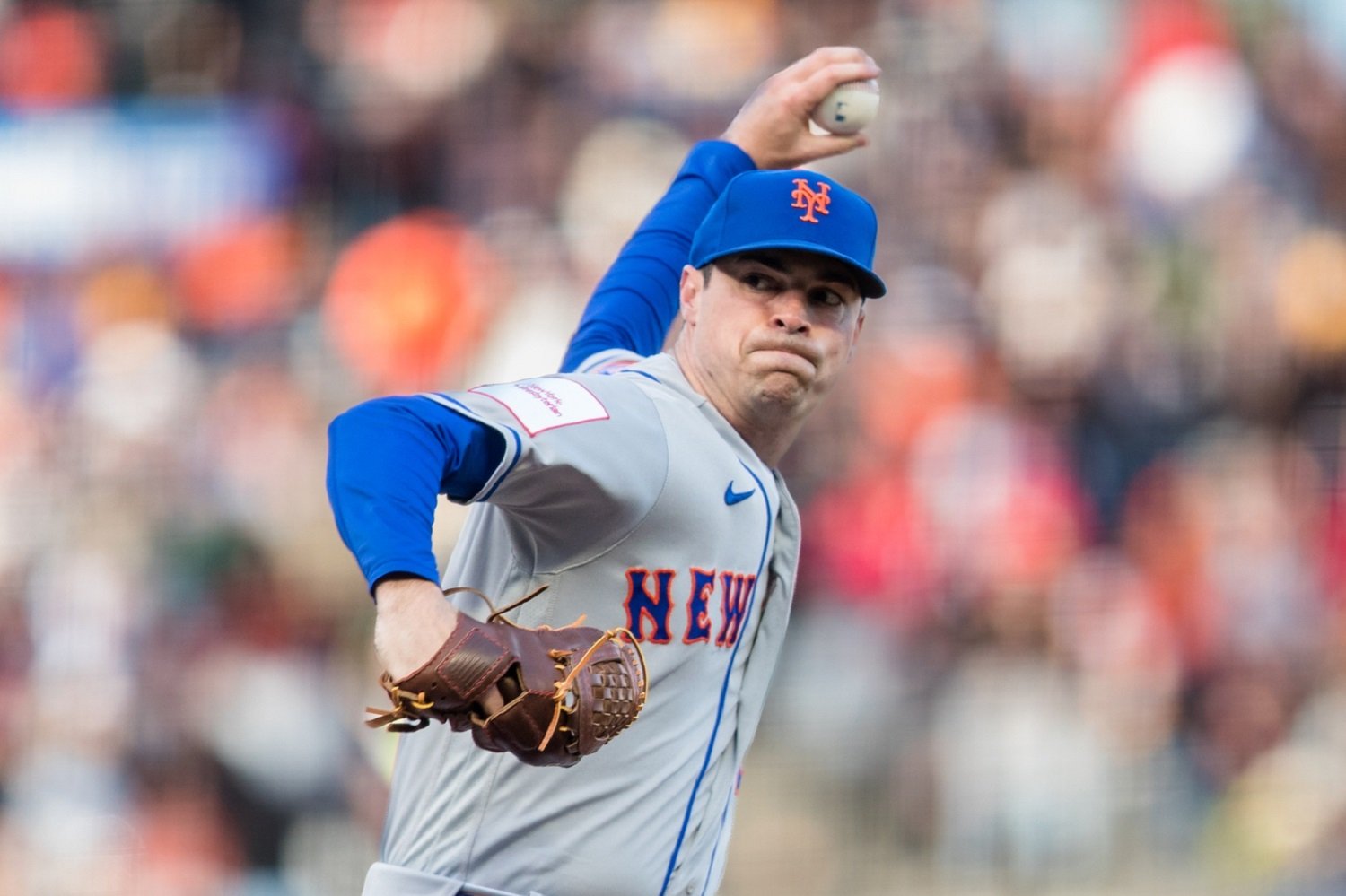 Last season, the Twins targeted Jorge Lopez on the trade market because he came with multiple years of team control and had performed tremendously well in the first half. He was one of the best available relievers on the market, and the Twins had to give up significant value to acquire him. So far, this trade hasn't worked out in the team's favor, but it shouldn't stop the front office from trying to improve the 2023 squad. Recently, MLB Trade Rumors released their ranking of the top 50 deadline trade candidates. As part of this ranking, they try to balance a player's trade value and the likelihood of that player being dealt. Shohei Ohtani is a pending free agent and could fetch the Angels a king's ransom on the trade market. However, he isn't ranked first on their list because there is no guarantee the Angels will move him. Let's explore five reliever trade options for the Twins. RHP Scott Barlow, Kansas City Royals MLBTR Ranking: 3 Barlow became the top available reliever after the Royals dealt Aroldis Chapman to the Rangers. He is an intriguing option because an acquiring team can control him via arbitration for the 2024 season. Barlow was one of baseball's best relievers in 2021-22, combining for a 2.30 ERA with a 1.10 WHIP and 10.2 K/9. His 2023 numbers could be better, which might be one reason Kansas City wants to move him before the deadline. He has posted a 4.22 ERA with a 1.34 WHIP, but his 3.32 FIP is almost a run lower than his ERA. As the top available reliever, it seems likely for another team to make a more significant offer than Minnesota. RHP David Robertson, New York Mets MLBTR Ranking: 7 The Mets have fallen short of their lofty preseason expectations, so that the club might become sellers before the deadline. Robertson is one of the best relievers of this generation, and he's rediscovered his All-Star former over the last two seasons. In 102 innings, he's posted a 2.21 ERA with a 1.11 WHIP and 11.9 K/9. The Mets have used Robertson as the team's primary closer since Edwin Diaz suffered his knee injury. In his age-38 season, Robertson likely wants another shot at a World Series ring, which won't happen in Queens. He's only under team control through the end of the season, but that might bring down his asking price to one the Twins are willing to pay. LHP Brooks Raley, New York Mets MLBTR Ranking: 15 Raley didn't pitch in the big leagues from 2013 to 2020, but he's rebuilt himself into a reliable option in his mid-30s. Raley is the top-ranked left-handed reliever according to MLBTR, and he's under team control through 2024. Both of these traits make him a more likely trade target for the Twins. His club option for next season is $6.25 million, which is a little high for the Twins' budget. In 2023, he has a 2.35 ERA with a 1.17 WHIP and 10.0 K/9. His 4.01 FIP is significantly higher than his ERA, so this might point to some regression in the second half. He has plenty of late-inning experience and might cost less in prospect capital than the players ranked ahead of him. RHP Jose Cisnero, Detroit Tigers MLBTR Ranking: 28 Cisnero has posted strong numbers over the last three seasons for the Tigers. From 2021-23, he posted a 2.71 ERA with a 1.30 WHIP and 9.1 K/9. He is an impending free agent, and some peripheral numbers indicate an even better performance. His average exit velocity, barrel %, xBA, and xSLG all rank in the 75th percentile or higher. The Tigers are in third place in the AL Central, so there is no guarantee that the team will be sellers at the deadline. RHP Michael Fulmer, Chicago Cubs MLBTR Ranking: 31 Minnesota traded for Fulmer at last year's trade deadline, but he left in free agency last winter. His Cubs tenure started slowly with a 7.84 ERA and an .894 OPS through his first 23 appearances. Over his last 16 appearances, he has only allowed two earned runs while batters have hit .158/.254/.263 (.517) against him. There was some indication the Twins didn't want to bring Fulmer back entering the 2023 season, but their opinion might have changed based on his more recent performance. Which reliever is the best fit for the Twins? Do any of the other relievers on MLBTR's list seem like fits in Minnesota? Leave a COMMENT and start the discussion.
 -
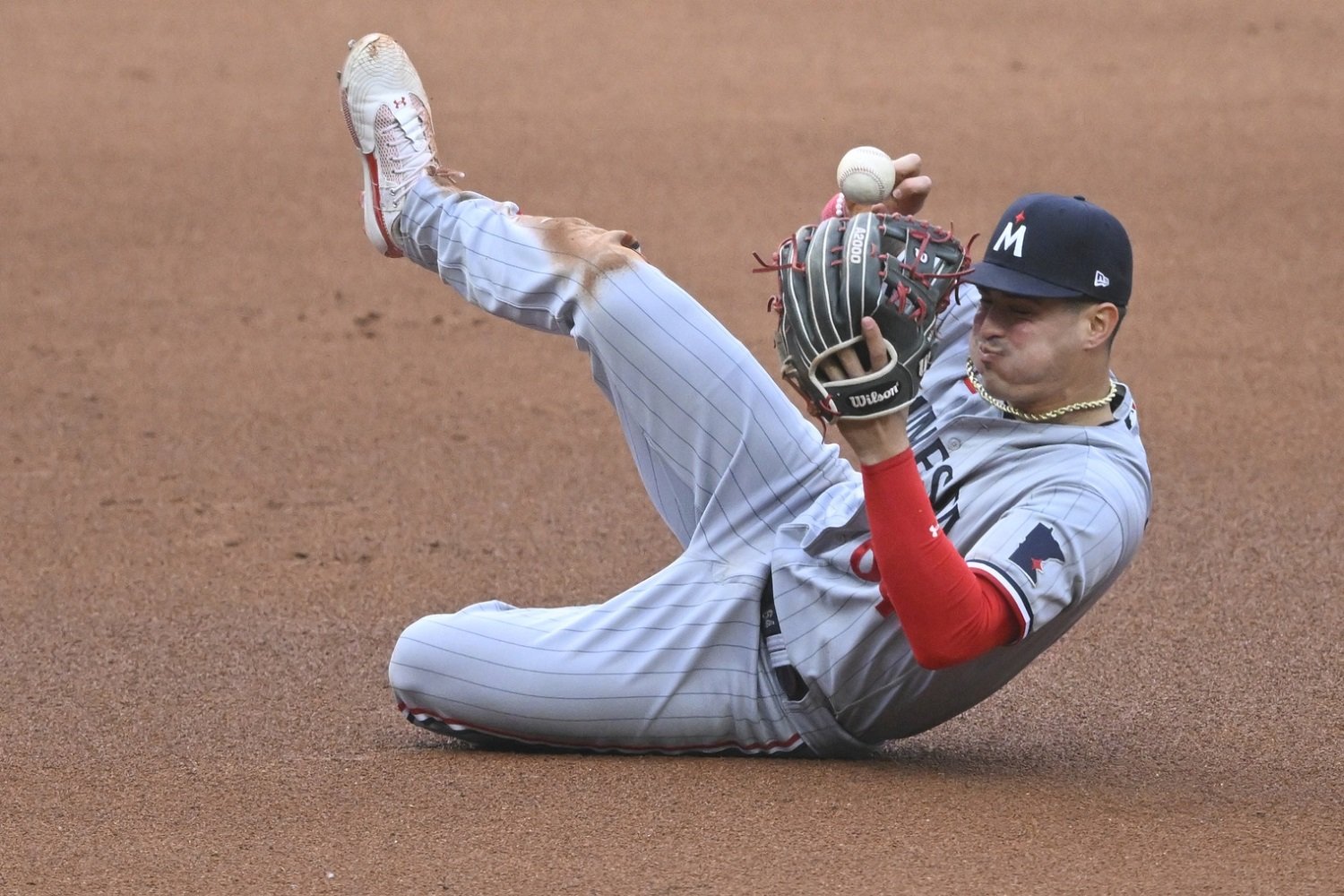 Entering the 2023 season, the Twins expected Jose Miranda to be part of the club's long-term plans. He was the team's minor league player of the year in 2021 and showed some solid offensive skills in his rookie season. Unfortunately, the season's start couldn't have gone much worse for Miranda. He struggled mightily on both sides of the ball before being demoted to Triple-A. In 35 games, he hit .220/.275/.318 (.593) with four doubles and three home runs. It was a disastrous start for a club lacking offensive production up and down the line-up. Miranda struggled initially following the demotion by going 8-for-54 (.148 BA) without an extra-base hit. It can be easy for players to struggle when demoted, especially with the expectations surrounding Miranda entering the season. However, he started making more consistent contact and drawing a few walks. In his next 26 games, he slashed .308/.378/.467 (.846) with a 17-to-10 strikeout-to-walk ratio. His power numbers were lower than what he produced in the past, but Royce Lewis' injury put him back in the big leagues. Miranda was the only infield option on the 40-man roster, so he gets the next couple of months to prove he can contribute to the Twins this season. Trading away prospects is a complicated endeavor. Some young players can never put it all together at the big-league level, while others obtain instant levels of success. Teams must trade away pieces of value to obtain other players with perceived value. Spencer Steer saw his prospect stock rose significantly last season, but now it's hard for fans not to imagine what he would mean to the Twins line-up. The Twins traded Steer to the Reds at last year's trade deadline as part of the package for Tyler Mahle. He got his feet wet in the big leagues at the end of last season (72 OPS+), but the team thought highly enough of him to hand him the starting third base job in 2023. His season didn't start ideally, but he's figured it out offensively after a slow start. In his first 37 games, he posted a respectable .758 OPS, but over his next 47 games, he combined for a .977 OPS. During that stretch, he is tied for 17th among MLB hitters in fWAR, with Willi Castro being the highest-ranked Twins hitter (54th). Steer has yet to carry the Reds' offense, but his value is impossible to ignore for a club sitting near the top of the NL Central. Miranda recently turned 25, which is when many players either make it or break it. He needs to produce strong offensive numbers to provide the team value because his defensive value is minimal. The Twins have Alex Kirilloff and Byron Buxton penciled in at first base and DH, so Miranda needs to produce enough to stick at the hot corner. Injuries can always change the line-up equation, but Miranda is beginning to have more limited opportunities. Miranda's outlook has changed significantly over the last 12 months, and things aren't going to get easier in the future. Looking to the future, it's hard to see where Miranda fits into the team's long-term plans. Royce Lewis already passed him on the organization's third base depth chart, and Brooks Lee is just a little behind. Miranda must find a way to consistently produce power numbers that make him impossible to keep out of the line-up. Otherwise, the Twins will need to go in a different direction. Steer was an unproven commodity at the time of the trade, and Miranda was thriving at the big-league level. The front office knew Steer had the potential to be a solid performer, but the Twins thought Miranda's production would match Steer's or be even better. The Twins made the decision that looked right at the time by trading from a position of depth for a position of need. Unfortunately, it looks like the team picked the wrong third baseman. What can Miranda do over the next two months to help his long-term value? Leave a COMMENT and start the discussion.
 -
One year ago, Jose Miranda was in the midst of a strong rookie campaign. It made it easier to deal away another third-base prospect, but now that decision looks like a mistake. Image courtesy of David Richard-USA TODAY Sports Entering the 2023 season, the Twins expected Jose Miranda to be part of the club's long-term plans. He was the team's minor league player of the year in 2021 and showed some solid offensive skills in his rookie season. Unfortunately, the season's start couldn't have gone much worse for Miranda. He struggled mightily on both sides of the ball before being demoted to Triple-A. In 35 games, he hit .220/.275/.318 (.593) with four doubles and three home runs. It was a disastrous start for a club lacking offensive production up and down the line-up. Miranda struggled initially following the demotion by going 8-for-54 (.148 BA) without an extra-base hit. It can be easy for players to struggle when demoted, especially with the expectations surrounding Miranda entering the season. However, he started making more consistent contact and drawing a few walks. In his next 26 games, he slashed .308/.378/.467 (.846) with a 17-to-10 strikeout-to-walk ratio. His power numbers were lower than what he produced in the past, but Royce Lewis' injury put him back in the big leagues. Miranda was the only infield option on the 40-man roster, so he gets the next couple of months to prove he can contribute to the Twins this season. Trading away prospects is a complicated endeavor. Some young players can never put it all together at the big-league level, while others obtain instant levels of success. Teams must trade away pieces of value to obtain other players with perceived value. Spencer Steer saw his prospect stock rose significantly last season, but now it's hard for fans not to imagine what he would mean to the Twins line-up. The Twins traded Steer to the Reds at last year's trade deadline as part of the package for Tyler Mahle. He got his feet wet in the big leagues at the end of last season (72 OPS+), but the team thought highly enough of him to hand him the starting third base job in 2023. His season didn't start ideally, but he's figured it out offensively after a slow start. In his first 37 games, he posted a respectable .758 OPS, but over his next 47 games, he combined for a .977 OPS. During that stretch, he is tied for 17th among MLB hitters in fWAR, with Willi Castro being the highest-ranked Twins hitter (54th). Steer has yet to carry the Reds' offense, but his value is impossible to ignore for a club sitting near the top of the NL Central. Miranda recently turned 25, which is when many players either make it or break it. He needs to produce strong offensive numbers to provide the team value because his defensive value is minimal. The Twins have Alex Kirilloff and Byron Buxton penciled in at first base and DH, so Miranda needs to produce enough to stick at the hot corner. Injuries can always change the line-up equation, but Miranda is beginning to have more limited opportunities. Miranda's outlook has changed significantly over the last 12 months, and things aren't going to get easier in the future. Looking to the future, it's hard to see where Miranda fits into the team's long-term plans. Royce Lewis already passed him on the organization's third base depth chart, and Brooks Lee is just a little behind. Miranda must find a way to consistently produce power numbers that make him impossible to keep out of the line-up. Otherwise, the Twins will need to go in a different direction. Steer was an unproven commodity at the time of the trade, and Miranda was thriving at the big-league level. The front office knew Steer had the potential to be a solid performer, but the Twins thought Miranda's production would match Steer's or be even better. The Twins made the decision that looked right at the time by trading from a position of depth for a position of need. Unfortunately, it looks like the team picked the wrong third baseman. What can Miranda do over the next two months to help his long-term value? Leave a COMMENT and start the discussion. View full article
-
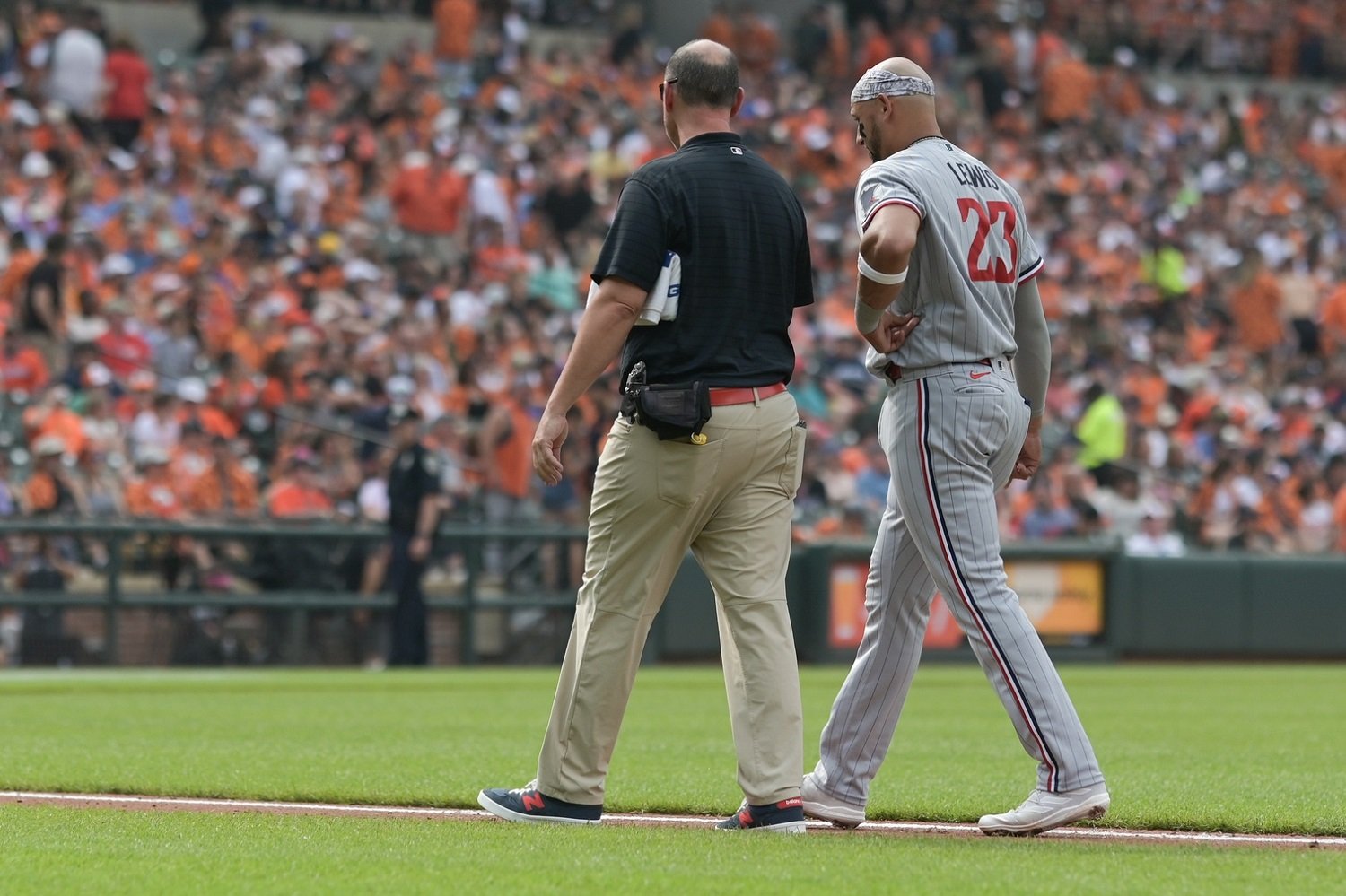 There are high expectations for any player taken with the first overall pick. When the Twins selected Royce Lewis in 2017, he immediately rose into the conversation as one of baseball's top prospects and has stayed there throughout his time in the minors. Lewis has shown flashes of being a five-tool talent throughout his professional career, but injuries marred the start of his Twins tenure. Like other top prospects before him, injuries are preventing Lewis from reaching his full potential. Here's a look back at the last five Twins Daily top prospects and how injuries have impacted their careers. Austin Martin, SS/OF TD Top Prospect: 2022 Martin was the top prospect received from the Blue Jays in the Jose Berrios trade. Many evaluators viewed him as the best college bat in his draft class, and Toronto drafted him with a top-five pick. Martin struggled last year at Double-A by hitting .241/.368/.317 (.685) with 14 doubles, three triples, and two home runs in 92 games. Minnesota sent him to the AFL, and he posted a .936 OPS, which pointed to a potential turnaround in 2023. Martin entered spring training with a chance to impress the organization, but his elbow started bothering him, and the team shut him down. He was diagnosed with a UCL sprain, an injury that often leads to Tommy John surgery. Minnesota's medical staff decided to have him rehab to try and avoid surgery. He started rehabbing in early June but left his sixth start after colliding with another player in the outfield. Martin restarted his rehab in the last week, and the Twins promoted him to St. Paul. There is still a chance that he will need Tommy John surgery, but there is also an opportunity for him to help the Twins this season. Alex Kirilloff, OF/1B TD Top Prospect: 2021 Kirilloff was a hitting savant by hitting .322/.380/.520 (.900) in his minor league career. He missed the entire 2017 season after undergoing Tommy John surgery. He returned strongly and debuted with the Twins in the 2020 playoffs against the Astros. Wrist issues have haunted him throughout his big-league career, culminating in a unique wrist surgery last winter where he had an osteotomy procedure to shorten the ulna bone. The team delayed the start of his 2023 season while he worked his way back from this unique procedure. There have been some positive signs since he returned, with his walk rate increasing and flashes of power. In 52 games with the Twins, he has hit .277/.378/.403 (.781). Fans hoped Kirilloff would be a staple in the middle of the Twins' line-up by this point in his career, but there have been multiple bumps in the road. Royce Lewis, SS/3B TD Top Prospect: 2020, 2019, 2018 Lewis is one of the best prospects to come through the Twins organization since Byron Buxton, which makes his injury history even more frustrating for fans. His last two seasons have been cut short due to ACL surgery, and now he will miss around six weeks with a Grade 2 oblique strain. Lewis returned from his second ACL surgery in late May, providing a unique skill set to the Twins' line-up. In 26 games, he slashed .326/.354/.478 (.832) with four home runs. Last year, he provided similar production when he returned from his first ACL surgery. Lewis has a tremendously high ceiling, but injuries have stopped him from impacting the club long-term. Fernando Romero, RHP TD Top Prospect: 2017 Twins Daily made an aggressive selection at the top of the prospect rankings in 2017 because it looked like Romero had the skills to be a frontline starter. Tommy John surgery impacted his early professional career, and he missed the entire 2015 season. However, he returned strongly and posted a sub-2.00 ERA across 16 starts in 2016. He received national attention with Baseball Prospectus, and MLB Pipeline included him in their top-100 prospect rankings entering the 2018 season. His path to the big leagues ran into some struggles in the upper minors. He played parts of two seasons with the Twins but posted a 5.17 ERA and a 1.57 WHIP. In 2021 and 2022, he played in Japan before appearing in the Angels organization this season. There were high hopes that Romero could join Jose Berrios at the top of the Twins' rotation, but that dream never became a reality. Byron Buxton, OF/DH TD Top Prospect: 2016 A novel could be written about how injuries have impacted Buxton throughout his career. However, there have been flashes of brilliance when the Twins find a way to keep him on the field. There has only been one season where he played over 100 games, so the Twins decided on a new approach for the 2023 campaign. His knee continues to be an issue, so the club moved him to a full-time DH role. A healthy version of Buxton is one of baseball's top players with his five-tool talent on both sides of the ball. Earlier this season, I argued that Buxton didn't live up to his prospect hype. However, only some players considered baseball's best prospects can become perennial MVP candidates. Injuries will define Buxton's career, and fans are left wondering what might have been. The names listed above are recent examples of top prospects struggling with injuries. Going further back, players like Joe Mauer, Justin Morneau, Francisco Liriano and Jason Kubel were prospects that suffered injuries in the early part of their careers that didn't give them a clear runway at the big-league level. It's an unfortunate trend and one the team can hope to avoid with the next generation of top prospects. What are your impressions of this disappointing trend for the Twins' top prospects? Leave a COMMENT and start the discussion.
- 24 comments
-
- 2
-

-
- royce lewis
- austin martin
- (and 3 more)
-
The Twins announced that Royce Lewis would miss at least six weeks with his latest injury. Unfortunately, he is following a disappointing trend with the Twins' top prospects. Image courtesy of Tommy Gilligan-USA TODAY Sports There are high expectations for any player taken with the first overall pick. When the Twins selected Royce Lewis in 2017, he immediately rose into the conversation as one of baseball's top prospects and has stayed there throughout his time in the minors. Lewis has shown flashes of being a five-tool talent throughout his professional career, but injuries marred the start of his Twins tenure. Like other top prospects before him, injuries are preventing Lewis from reaching his full potential. Here's a look back at the last five Twins Daily top prospects and how injuries have impacted their careers. Austin Martin, SS/OF TD Top Prospect: 2022 Martin was the top prospect received from the Blue Jays in the Jose Berrios trade. Many evaluators viewed him as the best college bat in his draft class, and Toronto drafted him with a top-five pick. Martin struggled last year at Double-A by hitting .241/.368/.317 (.685) with 14 doubles, three triples, and two home runs in 92 games. Minnesota sent him to the AFL, and he posted a .936 OPS, which pointed to a potential turnaround in 2023. Martin entered spring training with a chance to impress the organization, but his elbow started bothering him, and the team shut him down. He was diagnosed with a UCL sprain, an injury that often leads to Tommy John surgery. Minnesota's medical staff decided to have him rehab to try and avoid surgery. He started rehabbing in early June but left his sixth start after colliding with another player in the outfield. Martin restarted his rehab in the last week, and the Twins promoted him to St. Paul. There is still a chance that he will need Tommy John surgery, but there is also an opportunity for him to help the Twins this season. Alex Kirilloff, OF/1B TD Top Prospect: 2021 Kirilloff was a hitting savant by hitting .322/.380/.520 (.900) in his minor league career. He missed the entire 2017 season after undergoing Tommy John surgery. He returned strongly and debuted with the Twins in the 2020 playoffs against the Astros. Wrist issues have haunted him throughout his big-league career, culminating in a unique wrist surgery last winter where he had an osteotomy procedure to shorten the ulna bone. The team delayed the start of his 2023 season while he worked his way back from this unique procedure. There have been some positive signs since he returned, with his walk rate increasing and flashes of power. In 52 games with the Twins, he has hit .277/.378/.403 (.781). Fans hoped Kirilloff would be a staple in the middle of the Twins' line-up by this point in his career, but there have been multiple bumps in the road. Royce Lewis, SS/3B TD Top Prospect: 2020, 2019, 2018 Lewis is one of the best prospects to come through the Twins organization since Byron Buxton, which makes his injury history even more frustrating for fans. His last two seasons have been cut short due to ACL surgery, and now he will miss around six weeks with a Grade 2 oblique strain. Lewis returned from his second ACL surgery in late May, providing a unique skill set to the Twins' line-up. In 26 games, he slashed .326/.354/.478 (.832) with four home runs. Last year, he provided similar production when he returned from his first ACL surgery. Lewis has a tremendously high ceiling, but injuries have stopped him from impacting the club long-term. Fernando Romero, RHP TD Top Prospect: 2017 Twins Daily made an aggressive selection at the top of the prospect rankings in 2017 because it looked like Romero had the skills to be a frontline starter. Tommy John surgery impacted his early professional career, and he missed the entire 2015 season. However, he returned strongly and posted a sub-2.00 ERA across 16 starts in 2016. He received national attention with Baseball Prospectus, and MLB Pipeline included him in their top-100 prospect rankings entering the 2018 season. His path to the big leagues ran into some struggles in the upper minors. He played parts of two seasons with the Twins but posted a 5.17 ERA and a 1.57 WHIP. In 2021 and 2022, he played in Japan before appearing in the Angels organization this season. There were high hopes that Romero could join Jose Berrios at the top of the Twins' rotation, but that dream never became a reality. Byron Buxton, OF/DH TD Top Prospect: 2016 A novel could be written about how injuries have impacted Buxton throughout his career. However, there have been flashes of brilliance when the Twins find a way to keep him on the field. There has only been one season where he played over 100 games, so the Twins decided on a new approach for the 2023 campaign. His knee continues to be an issue, so the club moved him to a full-time DH role. A healthy version of Buxton is one of baseball's top players with his five-tool talent on both sides of the ball. Earlier this season, I argued that Buxton didn't live up to his prospect hype. However, only some players considered baseball's best prospects can become perennial MVP candidates. Injuries will define Buxton's career, and fans are left wondering what might have been. The names listed above are recent examples of top prospects struggling with injuries. Going further back, players like Joe Mauer, Justin Morneau, Francisco Liriano and Jason Kubel were prospects that suffered injuries in the early part of their careers that didn't give them a clear runway at the big-league level. It's an unfortunate trend and one the team can hope to avoid with the next generation of top prospects. What are your impressions of this disappointing trend for the Twins' top prospects? Leave a COMMENT and start the discussion. View full article
- 24 replies
-
- 1
-
-
- royce lewis
- austin martin
- (and 3 more)
-
Many national outlets took notice of Emmanuel Rodriguez during his breakout 2022 campaign. Don’t look now, but he might be on the cusp of an even better season in 2023. Image courtesy of Steve Buhr, Twins Daily The Twins signed Emmanuel Rodriguez during the 2019 international signing period for $2.5 million. At the time, MLB.com called him the “next Eddie Rosario,” which may have conjured up some mixed feelings for Minnesota fans. As a 16-year-old, Rodriguez showcased many skills that were comparable to Eddie Rosario . His powerful swing could spray the ball around the field, and he had a strong outfield arm. He was considered one of the top international players during his signing period, and the Twins hoped his advanced approach would help him during his professional debut. Unfortunately, the pandemic meant he didn’t debut until the 2021 season in the FCL. In 37 games, he hit .214/.346/.524 (.870) with five doubles, two triples, and ten home runs. His 23 walks helped improve his overall on-base percentage, and he went 9-for-13 in stolen base opportunities. His biggest issue was that he struck out 56 times in 126 at-bats, which was more swing-and-miss than an organization wants from a young player. It was a decent debut, but he hadn’t placed himself among the team’s top prospects. Minnesota sent Rodriguez to the Florida State League in 2022, where he was over two years younger than the average age of the competition. In 47 games, he hit .272/.493/.552 (1.044) with five doubles, three triples, and nine home runs. He continued to show an advanced approach at the plate and drew more walks (57) than strikeouts (52). His numbers are even more impressive because he only faced younger pitchers in four plate appearances for the season. His season was cut short when he tore the meniscus in his right knee while sliding into a base. It was a disappointing end to a season that put him in the conversation as a top prospect. Entering the 2023 season, Emmanuel Rodriguez was among baseball’s Top-100 prospects, according to the three major national outlets. Baseball Prospectus (42nd) and Baseball America (46th) had him among the Top 50, while MLB.com ranked him 88th overall. At Twins Daily, Rodriguez ranked as the third-best prospect in the Twins organization behind Brooks Lee and Royce Lewis. Different outlets value certain traits when it comes to ranking minor league players. Some prefer a player who has proven himself in the upper levels of the minors, and others prefer to consider a player’s overall ceiling. Clearly, Rodriguez was a player that evaluators would watch closely throughout the 2023 campaign. Rodriguez had an interesting start to the season with Cedar Rapids. In his first seven games, he went 5-for-27 (.185 BA) with 17 strikeouts in 34 plate appearances. All five of his hits went for extra bases, including three home runs which resulted in a .953 OPS. He was placed on the Injured List (IL) with a strained left abdomen and didn’t appear in a game from April 15th to May 6th. There were struggles at the plate when he returned from the IL. In 20 games during May, he posted a .572 OPS with three extra-base hits and a 30-to-17 strikeout-to-walk ratio. Core muscle injuries can linger, which might have been one reason for Rodriguez’s struggles. Rodriguez began to find his offensive stroke as the calendar flipped to June. In the month's first 20 games, he hit .315/.452/.589 (1.041) with three doubles, one triple, and five home runs. He posted a significantly improved 19-to-19 strikeout-to-walk ratio while being a perfect six-for-six in stolen base attempts. The Kernels continue to use him in center field regularly, but he has also made four starts in right field for the first time in his professional career. Even with time on the IL, he has played in more games than any other professional season, and he’s started to showcase all five tools. Royce Lewis recently graduatd from prospect eligibility, putting Rodriguez in the conversation as the organization’s top prospect. Rodriguez must prove that his hot hitting in June is not a fluke and that he can continue to thrive while facing older pitching. By season’s end, he has an opportunity to be among baseball’s Top 25 prospects, but there is still work to be done in 2023. What impressions do you have regarding Emmanuel Rodriguez over the last two seasons? Would you rank him as the organization’s top overall prospect? Leave a COMMENT and start the discussion. View full article
-
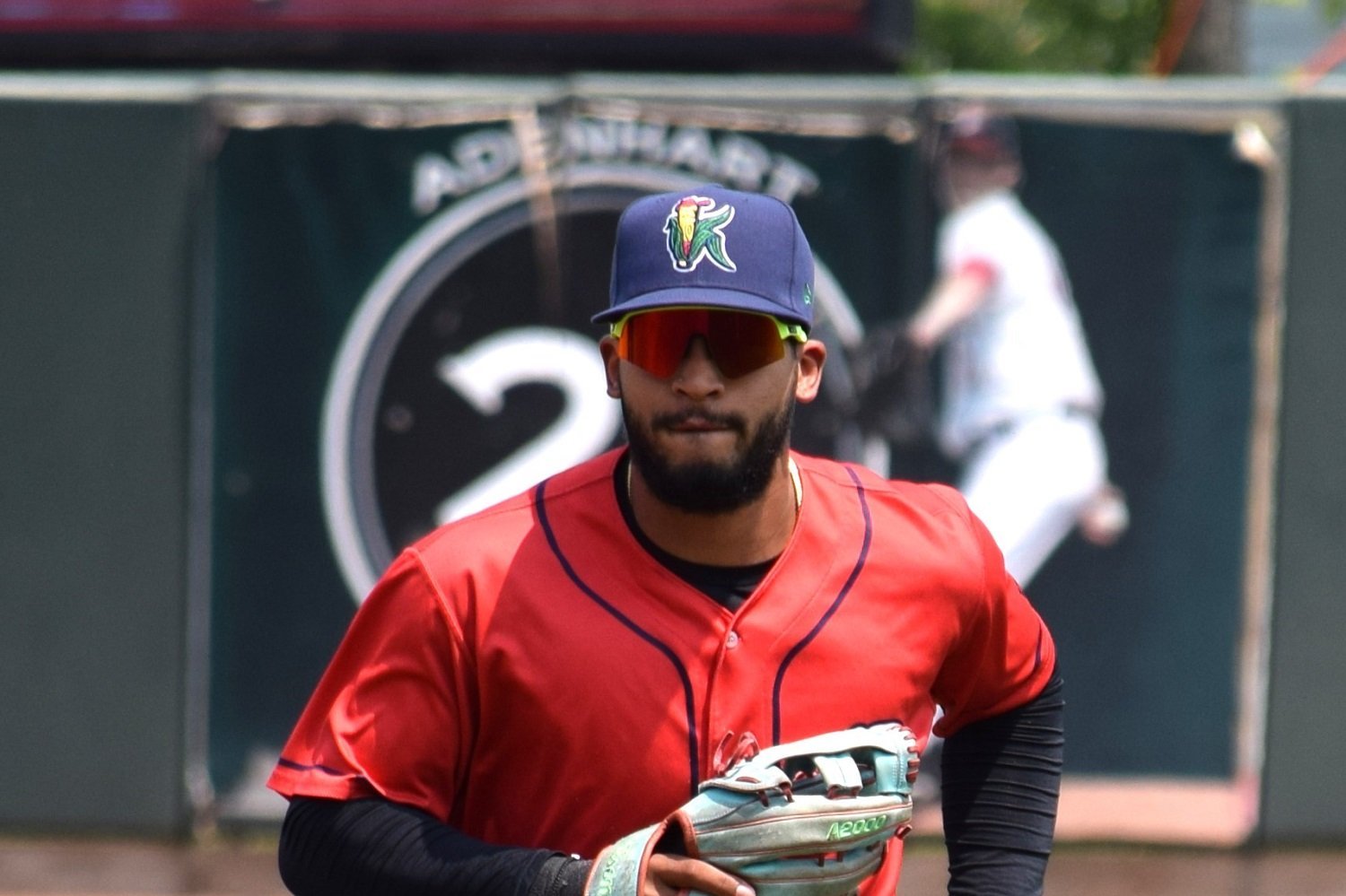 The Twins signed Emmanuel Rodriguez during the 2019 international signing period for $2.5 million. At the time, MLB.com called him the “next Eddie Rosario,” which may have conjured up some mixed feelings for Minnesota fans. As a 16-year-old, Rodriguez showcased many skills that were comparable to Eddie Rosario . His powerful swing could spray the ball around the field, and he had a strong outfield arm. He was considered one of the top international players during his signing period, and the Twins hoped his advanced approach would help him during his professional debut. Unfortunately, the pandemic meant he didn’t debut until the 2021 season in the FCL. In 37 games, he hit .214/.346/.524 (.870) with five doubles, two triples, and ten home runs. His 23 walks helped improve his overall on-base percentage, and he went 9-for-13 in stolen base opportunities. His biggest issue was that he struck out 56 times in 126 at-bats, which was more swing-and-miss than an organization wants from a young player. It was a decent debut, but he hadn’t placed himself among the team’s top prospects. Minnesota sent Rodriguez to the Florida State League in 2022, where he was over two years younger than the average age of the competition. In 47 games, he hit .272/.493/.552 (1.044) with five doubles, three triples, and nine home runs. He continued to show an advanced approach at the plate and drew more walks (57) than strikeouts (52). His numbers are even more impressive because he only faced younger pitchers in four plate appearances for the season. His season was cut short when he tore the meniscus in his right knee while sliding into a base. It was a disappointing end to a season that put him in the conversation as a top prospect. Entering the 2023 season, Emmanuel Rodriguez was among baseball’s Top-100 prospects, according to the three major national outlets. Baseball Prospectus (42nd) and Baseball America (46th) had him among the Top 50, while MLB.com ranked him 88th overall. At Twins Daily, Rodriguez ranked as the third-best prospect in the Twins organization behind Brooks Lee and Royce Lewis. Different outlets value certain traits when it comes to ranking minor league players. Some prefer a player who has proven himself in the upper levels of the minors, and others prefer to consider a player’s overall ceiling. Clearly, Rodriguez was a player that evaluators would watch closely throughout the 2023 campaign. Rodriguez had an interesting start to the season with Cedar Rapids. In his first seven games, he went 5-for-27 (.185 BA) with 17 strikeouts in 34 plate appearances. All five of his hits went for extra bases, including three home runs which resulted in a .953 OPS. He was placed on the Injured List (IL) with a strained left abdomen and didn’t appear in a game from April 15th to May 6th. There were struggles at the plate when he returned from the IL. In 20 games during May, he posted a .572 OPS with three extra-base hits and a 30-to-17 strikeout-to-walk ratio. Core muscle injuries can linger, which might have been one reason for Rodriguez’s struggles. Rodriguez began to find his offensive stroke as the calendar flipped to June. In the month's first 20 games, he hit .315/.452/.589 (1.041) with three doubles, one triple, and five home runs. He posted a significantly improved 19-to-19 strikeout-to-walk ratio while being a perfect six-for-six in stolen base attempts. The Kernels continue to use him in center field regularly, but he has also made four starts in right field for the first time in his professional career. Even with time on the IL, he has played in more games than any other professional season, and he’s started to showcase all five tools. Royce Lewis recently graduatd from prospect eligibility, putting Rodriguez in the conversation as the organization’s top prospect. Rodriguez must prove that his hot hitting in June is not a fluke and that he can continue to thrive while facing older pitching. By season’s end, he has an opportunity to be among baseball’s Top 25 prospects, but there is still work to be done in 2023. What impressions do you have regarding Emmanuel Rodriguez over the last two seasons? Would you rank him as the organization’s top overall prospect? Leave a COMMENT and start the discussion.
 -
Relief pitching is critical for any team to have consistent success. Here are June's top relief pitcher performances in the Twins' farm system. Image courtesy of Rob Thompson, St. Paul Saints One appearance can wreak havoc on a reliever's numbers for any given month. In the Twins system, some relievers continue to appear on the monthly award list—those players with the potential to have a long-term impact on the big-league club. Let's dive into some honorable mentions before we reveal this month's winner. RHP Oliver Ortega, St. Paul Saints Ortega joined the big-league club to end the month, but he compiled some strong numbers to start the month at Triple-A. He allowed four earned runs in six appearances (10 IP) and posted a 15-to-2 strikeout-to-walk ratio. RHP, Alex Scherff, Wichita Wind Surge Scherff made appearances in June for the organization's two highest affiliates. He posted a 2.84 ERA with a 1.50 WHIP with 17 strikeouts and ten walks in 12 2/3 innings. RHP Miguel Rodriguez, Cedar Rapids Kernels Batters went 5-for-29 (.172 BA) with seven strikeouts against Rodriguez in June. He didn't allow an earned run in eight innings and was credited with four saves. His innings were limited compared to others on this list. Now onto the top five: 5. RHP Alejandro Hidalgo, High-A Cedar Rapids Kernels, 10 1/3 IP, 28.6 K%, 2.61 ERA, 0.97 WHIP The Twins acquired Hidalgo from the Angels for Gio Urshela this winter. He began the season as a starter at Cedar Rapids, but the club has moved him into a bullpen role, where he has been more successful. He pitched two innings or more in every appearance for the month and allowed one earned run or fewer in three of his four outings. Hidalgo had a dominant relief appearance on June 8th when he struck out six of the 11 batters he faced over three innings. He's faced older batters in all but seven plate appearances this year, so there is time for him to continue to build off his successful month. 4. RHP Eduardo Soriano, DSL Twins- 15 1/3 IP, 30.8 K%, 2.35 ERA, 1.24 WHIP Soriano is in his third summer in the DSL, so he is over a year older than the average age of the competition at his level. He has yet to start a game but is pitching a starter's workload with three innings or more in every appearance. In his first three appearances (11 IP), he limited batters to one earned run on seven hits while striking out 19 batters. As part of this strong stretch, he pitched five shutout innings with 11 strikeouts. His final appearance of the month was his most challenging as he struggled with his command and allowed a season-high four walks. Will the Twins bring Soriano to the FCL Twins if he continues to pitch well? 3. RHP John Stankiewicz, Cedar Rapids Kernels- 13 1/3 IP, 25.0 K%, 2.03 ERA, 1.05 WHIP Following a poor month of April, Stankiewicz has been one of the best relievers in the Twins organization, including winning the TD Minor League Relief Pitcher of the Month in May. His June numbers looked even better before allowing three earned runs over his final five innings. He pitched two innings or more in all but one June appearance. In his first four appearances during the month, he pitched 8 1/3 scoreless with 12 strikeouts and one walk. On June 10th, he started a game for Cedar Rapids and pitched into the fourth inning without allowing a hit and striking out six. It's his first full season as a reliever, so it will be interesting to see if the Twins promote him in the second half. 2. RHP A.J. Labas, Fort Myers Mighty Mussels/Cedar Rapids Kernels- 13 IP, 36.2 K%, 2.08 ERA, 0.69 WHIP Labas entered June with a 6.62 ERA for the season after allowing 13 earned runs in his first 17 2/3 innings. He reeled off eight straight scoreless appearances to start the month, including three saves. His last appearance in Fort Myers was his worst, as he allowed three earned runs on three hits in 2/3rds of an inning while taking the loss. The Twins felt his overall stretch of strong appearances still warranted a promotion, and he made his first High-A appearance to end the month. With his college experience, Labas has been older than the average age of the competition at every professional level. Now fans can watch his performance and hope his recent hot stretch is a sign of good things to come. 1. LHP Kody Funderburk, St. Paul Saints - 12 1/3 IP, 38.5 K%, 2.92 ERA, 1.14 WHIP Funderburk ended the month of June on a high note at Triple-A. In his final seven appearances, he allowed one earned run on five hits over 8 1/3 innings. He posted a 14-to-2 strikeout-to-walk ratio during that stretch while holding batters to a .167/.242/.300 (.542) slash line. He pitched more than one inning in five consecutive appearances and even made a start as part of a bullpen game earlier in the month. For the season, he has posted a 13.6 K/9 between Double- and Triple-A. Funderburk has been a successful reliever in the upper minors over the last two seasons, and his big-league opportunity is on the horizon. What are your thoughts on the relief pitching performances in the Twins' minor leagues in June? How would you rank these pitchers? Leave a COMMENT and start the discussion. View full article

