



Cody Christie
-
Posts
7,817 -
Joined
-
Last visited
-
Days Won
5
Content Type
Profiles
News
Minnesota Twins Videos
2026 Minnesota Twins Top Prospects Ranking
2022 Minnesota Twins Draft Picks
Minnesota Twins Free Agent & Trade Rumors, Notes, & Tidbits
Guides & Resources
2023 Minnesota Twins Draft Picks
The Minnesota Twins Players Project
2024 Minnesota Twins Draft Picks
2025 Minnesota Twins Draft Pick Tracker
2026 Minnesota Twins Draft Tracker: Picks & Bonuses
Forums
Blogs
Events
Store
Downloads
Gallery
Everything posted by Cody Christie
-

Reviewing the Incredibly Early Returns in the Jorge Polanco Trade
Cody Christie posted an article in Twins
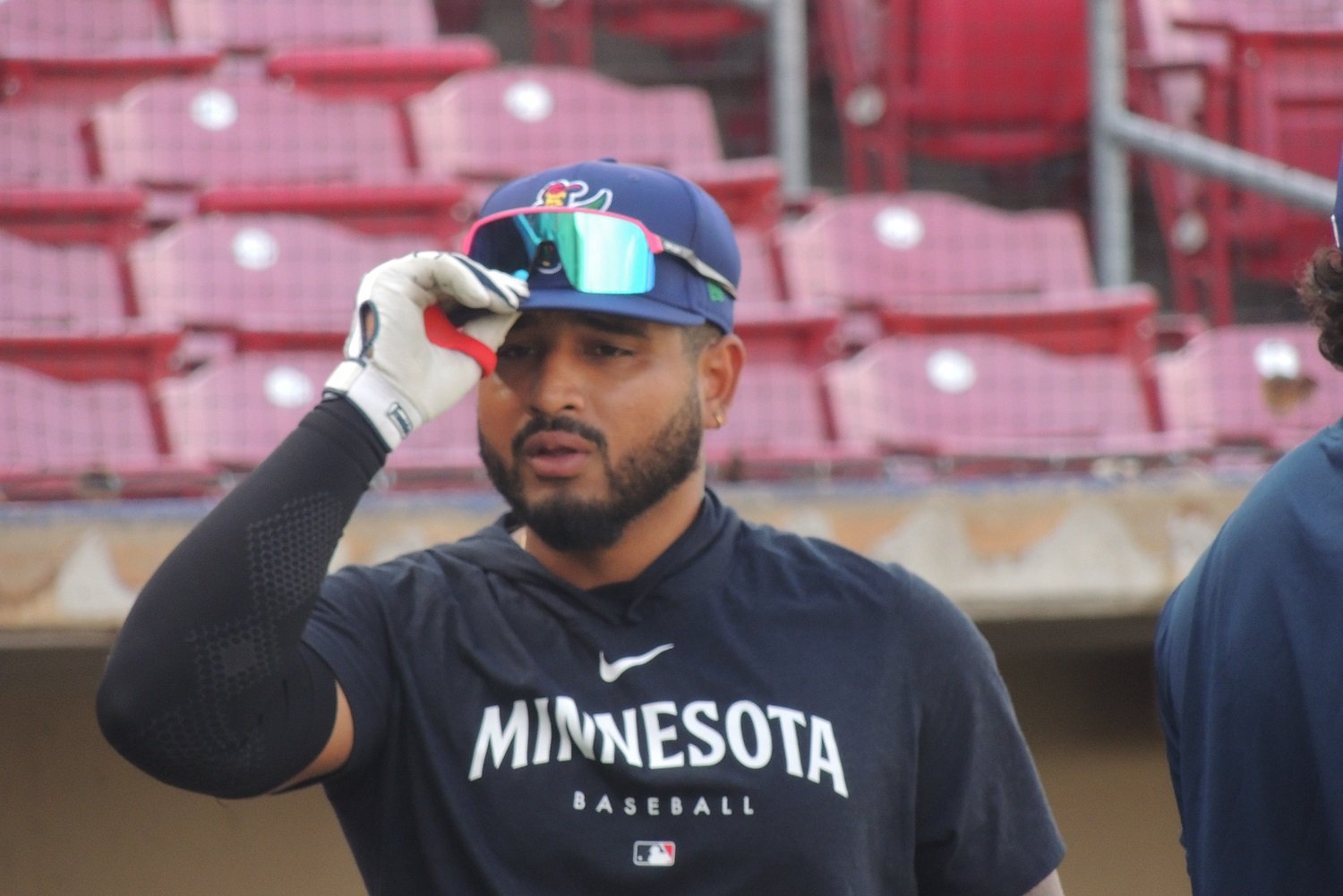 Jorge Polanco went through many ups and downs during his Twins tenure, which likely made it challenging for the front office to trade a clubhouse favorite. However, the ownership group forced a $30 million payroll cut, and casualties are associated with that kind of drop. Minnesota needed room to make other moves, and there were younger and cheaper options behind Polanco at second base. The Twins traded him to Seattle for four players, including Anthony DeSclafani, Justin Topa, Gabriel Gonzalez, and Darren Bowen. At this early juncture, the results have been mixed for both teams. Seattle’s Trade Return Polanco’s start with the Mariners has been far below his career average. In 26 games, he has hit .163/.321/.267 (.588) with a 29.1 K% and a 17.5 BB%. His 79 OPS+ is 32 points below his career mark. His defense at second base has also taken a hit with a -2 OAA (Outs Above Average) and a -1 Fielding Run Value. Only seven qualified second basemen have a lower fWAR than Polanco. Early in his career, Polanco never missed time due to injury, but the Twins might have been ready to move on from Polanco because of his injury concerns over the last two seasons. He’s also entering his 30s this season so Father Time might be catching up to him. Minnesota’s Trade Return Gabriel Gonzalez was the top piece acquired by the Twins, with MLB.com ranking him as baseball’s 79th-best prospect entering the season. Last season, he split time between Low-A and High-A where he hit a combined .298/.361/.476 (.837) with 23 doubles, four triples, and 18 home runs. Defensively, Gonzalez made most of his appearances in right field, with a handful of innings in left field. The Twins sent him back to High-A to begin the 2024 campaign, and his bat may be starting to warm up in the Midwest League. In his first eight games, he went 6-for-33 (.182 BA) with one extra-base hit. Over his last eight games, Gonzalez went 10-for-28 (.357 BA) with six doubles, one home run, and two stolen bases. Minnesota will continue to be patient with Gonzalez, but the early signs are heading in the right direction. Justin Topa will be the most useful piece to the 2024 Twins, but he has yet to appear with the club during the regular season. He started the season on the injured list due to left knee tendinitis. Earlier this week, he threw live batting practice and joined the Saints for a rehab assignment on Thursday. Last season, he made 75 appearances for Seattle with a 2.61 ERA and a 61-to-18 strikeout-to-walk ratio in 69 innings. The Mariners used him as a high-leverage arm last season, so the Twins will be able to ease him back into the bullpen mix because of the other relief options. Minnesota expected Anthony DeSclafani to begin the year as the team’s number-five starter. However, he will miss the entire 2024 season and some of the 2025 season after undergoing a flexor tendon surgery. Some fans blamed the Twins for acquiring another injured pitcher, but it shouldn’t be lumped in with those acquisitions because Minnesota had to take him on to make the trade work. There has been an apparent lack of depth in the Twins’ rotation this season, with Louie Varland struggling and the team turning his spot over to Simeon Woods Richardson. Seattle drafted Darren Bowen in the 13th round of the 2022 MLB Draft from the University of North Carolina at Pembroke. After signing last season, he pitched 55 2/3 innings and posted a 3.88 ERA with a 59-to-25 strikeout-to-walk ratio. Minnesota moved him from Low-A to High-A to begin the 2024 season, and a poor first appearance skews his numbers. He allowed five earned runs in his first start and didn’t make it out of the third inning. In his second start, he pitched five innings and allowed two earned runs on two hits with five strikeouts. The Twins will continue working with Bowen to see if he can develop into a big-league starter. (He joined Seth on Twins Spotlight days after the trade was completed.) The Mariners have a $12 million option on Polanco for next season, so there is potential for him to provide value in 2025. However, it seems unlikely that option will be picked up with his early-season performance. The Twins will start gaining value on their side of the trade ledger with Topa set to join the bullpen, and Gonzalez and Bowen have the potential to provide future value. Did the Twins win this trade? What are your views of the trade's early returns? Leave a COMMENT and start the discussion.
- 97 comments
-
- 5
-

-
- jorge polanco
- gabriel gonzalez
- (and 3 more)
-
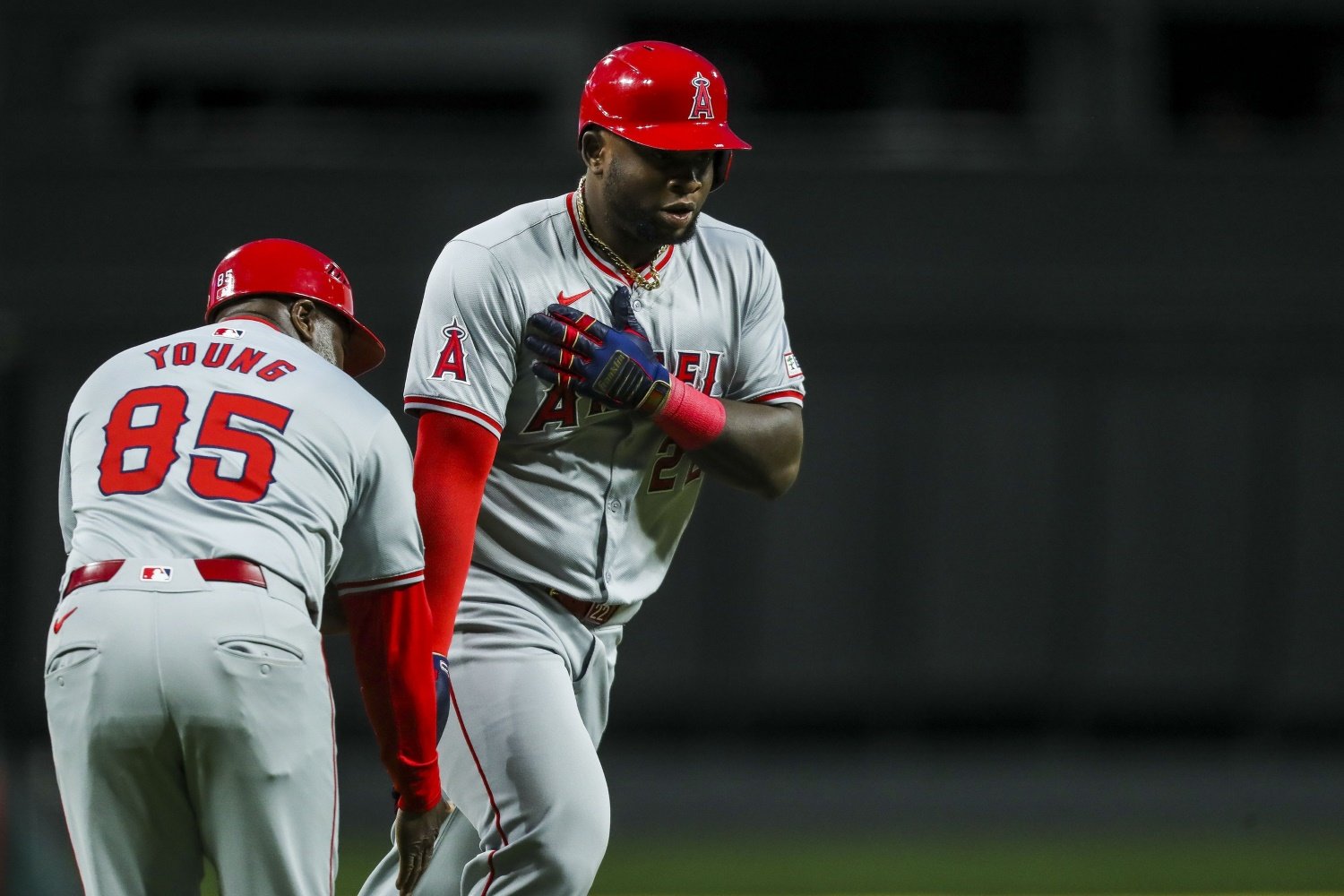 Miguel Sanó was a polarizing player, from his time as an amateur through his final days in a Twins uniform. His signing as a teenager was documented in the 2011 movie Ballplayer: Pelotero. MLB completed an investigation into his actual age, and some organizations used it to gain leverage over him in negotiations. Corruption has been part of Latin America's baseball evaluation and recruitment process, which MLB has long caused and/or facilitated, but which it has also attempted to clean up in recent years. Eventually, Sanó agreed to terms with the Twins and immediately became one of baseball’s top prospects. From 2012-2015, Sanó ranked as one of baseball’s top 25 prospects by all three national outlets. His peak was entering the 2014 season, when Baseball America (6th) and MLB.com (4th) had him near the top of their lists. In 2013, Sanó reached Double-A and hit .280/.382/.611, with 30 doubles and 35 home runs in 123 games. After undergoing Tommy John surgery, he missed the entire 2014 season, which pushed back his big-league debut to the 2015 season. Sanó returned in 2015, matriculated to the big leagues, and performed well enough to finish third in the AL Rookie of the Year voting. His Twins career was a roller coaster ride with highs (2017 All-Star, 25+ home runs in four seasons) and lows (fastest in MLB history to 1,000 career strikeouts, sexual assault and kidnapping accusations). As a power hitter, Sanó’s propensity for swing-and-miss was off-putting to many fans, but he posted a 116 OPS+ over eight years in Minnesota. The Twins declined Sanó’s contract option following the 2022 season, in which he slashed .083/.211/.133 in 71 plate appearances. His 2022 season ended due to a knee injury, and he was never fully healthy during the 2023 season. No team could give him an opportunity. Sanó held a workout for interested teams last spring, but no teams wanted to sign him, even to a minor-league deal. This past offseason, he played winter ball in the Dominican Republic and performed well enough for the Angels to sign him to a minor-league deal before spring training. Sanó arrived at spring training slimmed down, in what pundits might call “the best shape of his life.” He went 11-for-54 (.204 BA) with four home runs in Cactus League play, but the Angels are a terrible team, and it was enough to earn a spot on the Opening Day roster. There were questions about how his bat would handle returning to the big-league level after a long hiatus. He’s responded by going 16-for-59 (.271), with three doubles and a home run in his first 20 games. Los Angeles has also been using him regularly at third base, a position the Twins avoided with him in recent years. There will continue to be streakiness to Sanó’s offensive profile, but his OPS+ is higher than in any season since 2019, which is a good sign for Angels fans who are looking for anything to cheer for this season. He may not have lived up to his high prospect ranking, but Sanó has been an average or better regular for much of his career. Los Angeles won’t contend this season, so giving at-bats to a player with a chip on his shoulder is more manageable. The Twins will get a close-up look at Sanó this weekend, when the club faces off against LA. What will you remember most about Sanó’s Twins tenure? Can he sustain his performance in LA? Leave a comment and start the discussion.
 -
During his Twins tenure, Miguel Sanó went from top prospect to productive slugger to veteran castoff. Now, in a new organization, he seems to have found a second life in the California sun. Image courtesy of © Katie Stratman-USA TODAY Sports During his Twins tenure, Miguel Sanó went from top prospect to productive slugger to veteran castoff. Now, in a new organization, he seems to have found a second life in the California sun. Miguel Sanó was a polarizing player, from his time as an amateur through his final days in a Twins uniform. His signing as a teenager was documented in the 2011 movie Ballplayer: Pelotero. MLB completed an investigation into his actual age, and some organizations used it to gain leverage over him in negotiations. Corruption has been part of Latin America's baseball evaluation and recruitment process, which MLB has long caused and/or facilitated, but which it has also attempted to clean up in recent years. Eventually, Sanó agreed to terms with the Twins and immediately became one of baseball’s top prospects. From 2012-2015, Sanó ranked as one of baseball’s top 25 prospects by all three national outlets. His peak was entering the 2014 season, when Baseball America (6th) and MLB.com (4th) had him near the top of their lists. In 2013, Sanó reached Double-A and hit .280/.382/.611, with 30 doubles and 35 home runs in 123 games. After undergoing Tommy John surgery, he missed the entire 2014 season, which pushed back his big-league debut to the 2015 season. Sanó returned in 2015, matriculated to the big leagues, and performed well enough to finish third in the AL Rookie of the Year voting. His Twins career was a roller coaster ride with highs (2017 All-Star, 25+ home runs in four seasons) and lows (fastest in MLB history to 1,000 career strikeouts, sexual assault and kidnapping accusations). As a power hitter, Sanó’s propensity for swing-and-miss was off-putting to many fans, but he posted a 116 OPS+ over eight years in Minnesota. The Twins declined Sanó’s contract option following the 2022 season, in which he slashed .083/.211/.133 in 71 plate appearances. His 2022 season ended due to a knee injury, and he was never fully healthy during the 2023 season. No team could give him an opportunity. Sanó held a workout for interested teams last spring, but no teams wanted to sign him, even to a minor-league deal. This past offseason, he played winter ball in the Dominican Republic and performed well enough for the Angels to sign him to a minor-league deal before spring training. Sanó arrived at spring training slimmed down, in what pundits might call “the best shape of his life.” He went 11-for-54 (.204 BA) with four home runs in Cactus League play, but the Angels are a terrible team, and it was enough to earn a spot on the Opening Day roster. There were questions about how his bat would handle returning to the big-league level after a long hiatus. He’s responded by going 16-for-59 (.271), with three doubles and a home run in his first 20 games. Los Angeles has also been using him regularly at third base, a position the Twins avoided with him in recent years. There will continue to be streakiness to Sanó’s offensive profile, but his OPS+ is higher than in any season since 2019, which is a good sign for Angels fans who are looking for anything to cheer for this season. He may not have lived up to his high prospect ranking, but Sanó has been an average or better regular for much of his career. Los Angeles won’t contend this season, so giving at-bats to a player with a chip on his shoulder is more manageable. The Twins will get a close-up look at Sanó this weekend, when the club faces off against LA. What will you remember most about Sanó’s Twins tenure? Can he sustain his performance in LA? Leave a comment and start the discussion. View full article
-
The Twins are off to a horrendous start to the season, which leaves fans looking to point fingers. Who is to blame when the team fails to meet expectations? Image courtesy of Kim Klement Neitzel-USA TODAY Sports The Twins are off to a horrendous start to the season, which leaves fans looking to point fingers. Who is to blame when the team fails to meet expectations? Minnesota’s start to the season has been frustrating for all parties involved, including fans, players, and coaches. After their first playoff series win in two decades, the team seemed to be riding a wave of momentum. Instead, the club is near the bottom of the AL Central, considered one of baseball’s worst divisions. So, let’s sift through the organization and decide who (or what) deserves the most blame for the team’s underwhelming April. 5. The Schedule Minnesota had a brutal stretch to start the year, including series versus three division winners from last year (Baltimore, Los Angeles, and Milwaukee). The Twins ended up going 2-6 versus those teams, including being outscored 22-to-9 by the Orioles in a three-game sweep. At Target Field, the team has also struggled to find ways to win consistently, which is rare even in poor seasons for the Twins. The schedule has been challenging to start the year, but the team has to play the games in front of them, and wins have been left on the table. 4. The Front Office Derek Falvey and company were put in a tough spot this season, with holes to fill on the roster, while also being given an ultimatum from ownership to cut payroll by $30 million. The front office used patience and creativity to build a roster that preseason projections had atop the AL Central. Trading Jorge Polanco, one of the team’s longest-tenured players, was a tough decision, but the team needed the financial flexibility to make other moves. Carlos Santana and Manuel Margot have failed to meet expectations, but the team rebuilt the bullpen into a strength. It looks like the front office’s biggest mistake was not adding more starting pitching depth. However, that might not have been possible with the team’s payroll cut. 3. The Coaching Staff Last week, Ted wondered if it was time for the Twins to shuffle the coaching staff. Rudy Hernandez, David Popkins, and Derek Shoman are the three coaches charged with working with Twins hitters and developing the team’s offensive approach. So far this season, the team's approach hasn't been successful, and there were similar signs last season. Minnesota struggled offensively through the first half of 2023, to the point where the veterans held a player’s only meeting to clear the air. In the second half, the Twins had one of the AL’s best offenses, propelled by a trio of rookies. Unfortunately, Royce Lewis is on the IL, and Matt Wallner has been demoted to Triple-A. There isn’t another set of rookies on the horizon to save the team this year. 2. The Ownership Payroll was the talk of the Twins offseason, because there were multiple layers to the team dropping a higher percentage of payroll than all but one AL rival (the Angels). Minnesota had a young core to their roster, which comes at a lower cost, and the team’s television situation was in flux. Eventually, the team renewed their deal with Diamond Sports, and some hoped it would allow the team to spend more. It never happened. A higher payroll could have allowed the Twins to add more depth to the starting rotation or find better veteran options than Santana and Margot. Target Field has been sparsely populated to begin the year, and owners have no one to blame but themselves. 1. The Bats At some point, Twins players need to look in the mirror and be responsible for the on-field results. Minnesota’s offensive production has been near the bottom of the league for the entire season. Even when batters get on base, the team folds under the pressure of finding a way for them to score. Entering play on Tuesday, the Twins ranked last in MLB in nearly every category, with runners in scoring position. In 176 at-bats, Minnesota hit .142/.229/.244, with a 61-to-17 strikeout-to-walk ratio. Only two teams have an OPS below .600 with runners in scoring position: the Twins and the White Sox. It’s time to figure out how to score runs consistently, so the pitching staff has less pressure to put zeros on the board. How would you assign blame? Who is too high or too low? Add your rankings in the comments. View full article
-
Blame Game: Who Gets the Most Blame for the Twins’ Poor Start?
Cody Christie posted an article in Twins
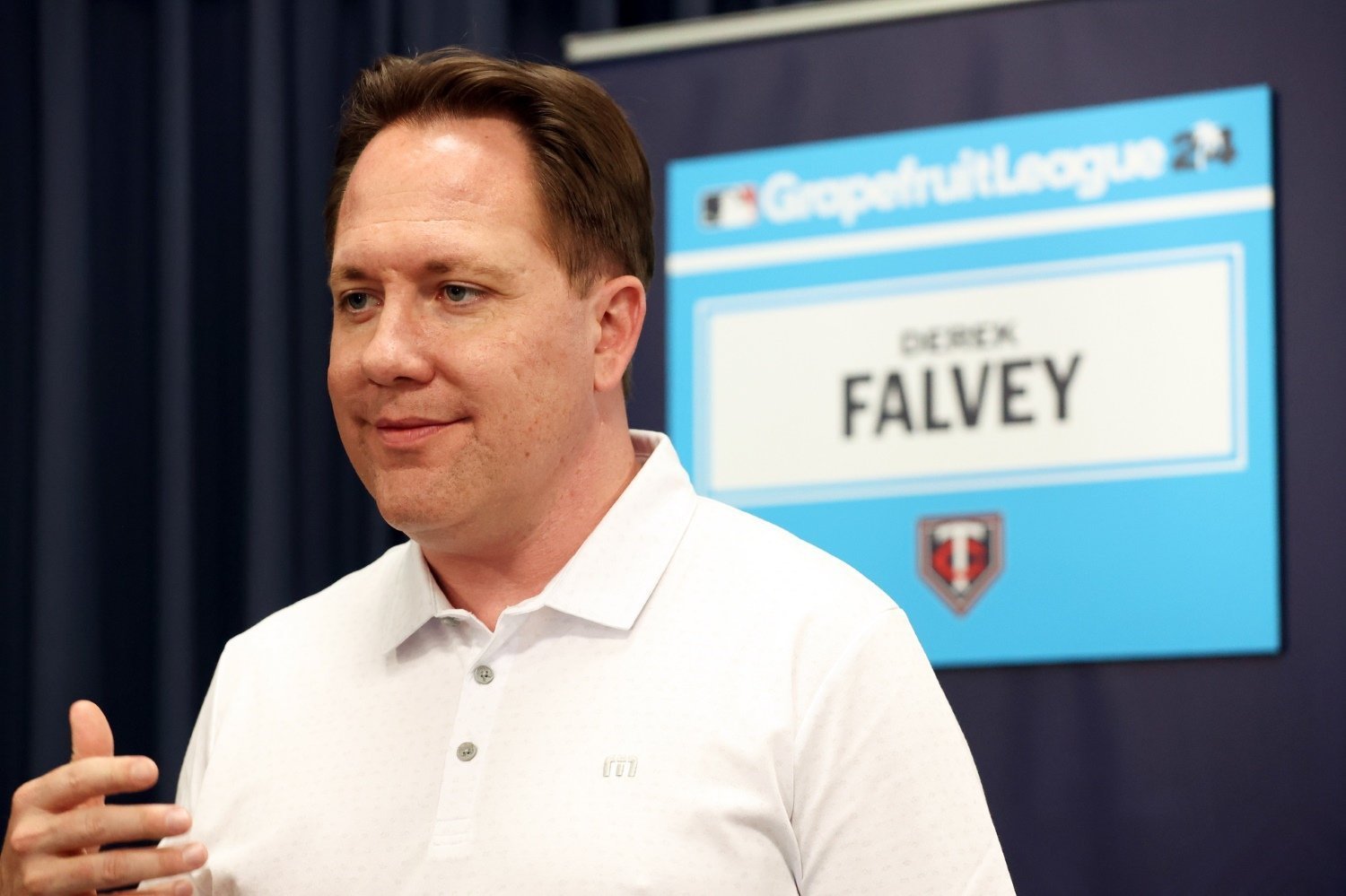 Minnesota’s start to the season has been frustrating for all parties involved, including fans, players, and coaches. After their first playoff series win in two decades, the team seemed to be riding a wave of momentum. Instead, the club is near the bottom of the AL Central, considered one of baseball’s worst divisions. So, let’s sift through the organization and decide who (or what) deserves the most blame for the team’s underwhelming April. 5. The Schedule Minnesota had a brutal stretch to start the year, including series versus three division winners from last year (Baltimore, Los Angeles, and Milwaukee). The Twins ended up going 2-6 versus those teams, including being outscored 22-to-9 by the Orioles in a three-game sweep. At Target Field, the team has also struggled to find ways to win consistently, which is rare even in poor seasons for the Twins. The schedule has been challenging to start the year, but the team has to play the games in front of them, and wins have been left on the table. 4. The Front Office Derek Falvey and company were put in a tough spot this season, with holes to fill on the roster, while also being given an ultimatum from ownership to cut payroll by $30 million. The front office used patience and creativity to build a roster that preseason projections had atop the AL Central. Trading Jorge Polanco, one of the team’s longest-tenured players, was a tough decision, but the team needed the financial flexibility to make other moves. Carlos Santana and Manuel Margot have failed to meet expectations, but the team rebuilt the bullpen into a strength. It looks like the front office’s biggest mistake was not adding more starting pitching depth. However, that might not have been possible with the team’s payroll cut. 3. The Coaching Staff Last week, Ted wondered if it was time for the Twins to shuffle the coaching staff. Rudy Hernandez, David Popkins, and Derek Shoman are the three coaches charged with working with Twins hitters and developing the team’s offensive approach. So far this season, the team's approach hasn't been successful, and there were similar signs last season. Minnesota struggled offensively through the first half of 2023, to the point where the veterans held a player’s only meeting to clear the air. In the second half, the Twins had one of the AL’s best offenses, propelled by a trio of rookies. Unfortunately, Royce Lewis is on the IL, and Matt Wallner has been demoted to Triple-A. There isn’t another set of rookies on the horizon to save the team this year. 2. The Ownership Payroll was the talk of the Twins offseason, because there were multiple layers to the team dropping a higher percentage of payroll than all but one AL rival (the Angels). Minnesota had a young core to their roster, which comes at a lower cost, and the team’s television situation was in flux. Eventually, the team renewed their deal with Diamond Sports, and some hoped it would allow the team to spend more. It never happened. A higher payroll could have allowed the Twins to add more depth to the starting rotation or find better veteran options than Santana and Margot. Target Field has been sparsely populated to begin the year, and owners have no one to blame but themselves. 1. The Bats At some point, Twins players need to look in the mirror and be responsible for the on-field results. Minnesota’s offensive production has been near the bottom of the league for the entire season. Even when batters get on base, the team folds under the pressure of finding a way for them to score. Entering play on Tuesday, the Twins ranked last in MLB in nearly every category, with runners in scoring position. In 176 at-bats, Minnesota hit .142/.229/.244, with a 61-to-17 strikeout-to-walk ratio. Only two teams have an OPS below .600 with runners in scoring position: the Twins and the White Sox. It’s time to figure out how to score runs consistently, so the pitching staff has less pressure to put zeros on the board. How would you assign blame? Who is too high or too low? Add your rankings in the comments.
- 95 comments
-
- 4
-
-

-
- derek falvey
- carlos santana
- (and 2 more)
-
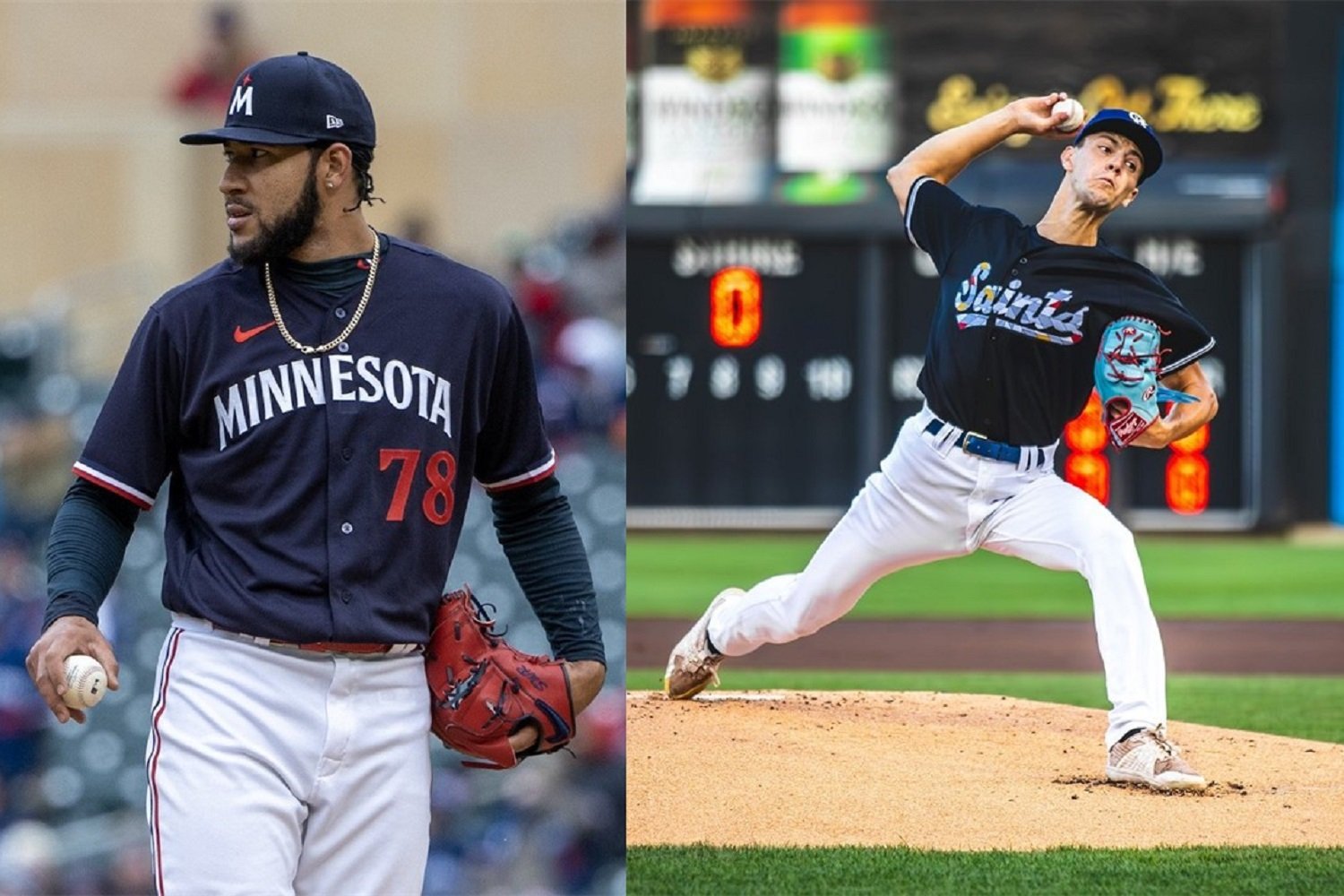 The Twins’ front office wanted to follow a similar plan to last season regarding the starting rotation. In 2023, Bailey Ober got pushed to Triple-A to start the year after the team traded for Pablo López. It gave the team more depth and seemed to help in the long run. Louie Varland was supposed to serve a similar role this season. However, a season-ending injury to Anthony DeSclafani meant that Varland was vaulted into the rotation. His overall results have been poor, and after optioning Varland to Triple-A Monday, the Twins look poised to switch to one of the options below. Option 1: Simeon Woods Richardson Fans will have a recency bias with Woods Richardson, after he performed well in a spot start earlier this season. He allowed one earned run on two hits in six innings, with five strikeouts and one walk. It was the best start of his big-league career, against a Detroit team that has caused the Twins fits this season. At Triple-A, he’s made three total starts with one terrible appearance (7 ER in 3 1/3 IP) and two solid ones (10 IP with 2 ER in total). The Twins are starting to accumulate value from the José Berríos trade, with Austin Martin adding a dynamic element to the roster. Woods Richardson is the most likely option to replace Varland. Option 2: Cole Sands The Twins drafted Sands as a starting pitching prospect, and he spent most of his professional career in a starting role. Over the last two seasons, Minnesota has shifted him into a long relief role, with mixed results. However, he has been outstanding to start the 2024 campaign. In 9 2/3 innings, he's allowed one earned run (a homer) on five hits, with a 15-to-1 strikeout-to-walk ratio. He isn’t stretched out to fill a starter role, but the Twins could get him there over the course of a couple of shorter starts that build him up. This move would allow the team to bring up another reliever to replace Varland on the active roster. Sands could go through the lineup once, then turn the game over to the bullpen until he is more built up. Option 3: David Festa Multiple outlets consider Festa the Twins' top pitching prospect. We at Twins Daily rank him as the team’s second-best, behind Marco Raya. Last season, Festa posted a 4.19 ERA with a 1.39 WHIP and 119-to-42 strikeout-to-walk ratio in 92 1/3 innings. He ended last year at Triple-A, where the Twins sent him to begin 2024. He has allowed two earned runs on ten hits in four starts this season, but his walk rate is significantly higher than previous seasons (20.0 BB%). His 3.91 FIP is much higher than his ERA, and he has one of the highest BABIPs of his career, so luck might be a factor in some of his early season totals. Unlike SWR and Sands, Festa has yet to be added to the 40-man roster, so the Twins will likely let him continue to develop in St. Paul before a call-up later this season. Option 4: Randy Dobnak Fans may have forgotten that Dobnak is still part of the organization. The right-handed pitcher signed a five-year, $9.25 million deal that covers the 2021-25 seasons. He has dealt with finger injuries in recent seasons, and Minnesota removed him from the 40-man roster. Dobnak is near the top of the International League in strikeouts this season, but that’s more of a result of his innings pitched than of a dazzling strikeout rate. He has seen a jump in his groundball rate from 46.1% last season to 67.2% in 2024. As a sinkerballer, increasing ground balls is critical for returning to more consistent success for Dobnak. The Twins would like to get value from the Dobnak contract, but it looks like a sunk cost at this point. Which option is most likely for the Twins? Would the Twins consider using Sands as an opener? Leave a comment and start the discussion.
- 78 comments
-
- 5
-
-
-
- simeon woods richardson
- david festa
- (and 2 more)
-
Louie Varland forced the Twins to make a change at the back end of the starting rotation, but there aren't great options available to replace him there. Image courtesy of Jesse Johnson-USA TODAY Sports, Rob Thompson, St. Paul Saints Louie Varland forced the Twins to make a change at the back end of the starting rotation, but there aren't great options available to replace him there. The Twins’ front office wanted to follow a similar plan to last season regarding the starting rotation. In 2023, Bailey Ober got pushed to Triple-A to start the year after the team traded for Pablo López. It gave the team more depth and seemed to help in the long run. Louie Varland was supposed to serve a similar role this season. However, a season-ending injury to Anthony DeSclafani meant that Varland was vaulted into the rotation. His overall results have been poor, and after optioning Varland to Triple-A Monday, the Twins look poised to switch to one of the options below. Option 1: Simeon Woods Richardson Fans will have a recency bias with Woods Richardson, after he performed well in a spot start earlier this season. He allowed one earned run on two hits in six innings, with five strikeouts and one walk. It was the best start of his big-league career, against a Detroit team that has caused the Twins fits this season. At Triple-A, he’s made three total starts with one terrible appearance (7 ER in 3 1/3 IP) and two solid ones (10 IP with 2 ER in total). The Twins are starting to accumulate value from the José Berríos trade, with Austin Martin adding a dynamic element to the roster. Woods Richardson is the most likely option to replace Varland. Option 2: Cole Sands The Twins drafted Sands as a starting pitching prospect, and he spent most of his professional career in a starting role. Over the last two seasons, Minnesota has shifted him into a long relief role, with mixed results. However, he has been outstanding to start the 2024 campaign. In 9 2/3 innings, he's allowed one earned run (a homer) on five hits, with a 15-to-1 strikeout-to-walk ratio. He isn’t stretched out to fill a starter role, but the Twins could get him there over the course of a couple of shorter starts that build him up. This move would allow the team to bring up another reliever to replace Varland on the active roster. Sands could go through the lineup once, then turn the game over to the bullpen until he is more built up. Option 3: David Festa Multiple outlets consider Festa the Twins' top pitching prospect. We at Twins Daily rank him as the team’s second-best, behind Marco Raya. Last season, Festa posted a 4.19 ERA with a 1.39 WHIP and 119-to-42 strikeout-to-walk ratio in 92 1/3 innings. He ended last year at Triple-A, where the Twins sent him to begin 2024. He has allowed two earned runs on ten hits in four starts this season, but his walk rate is significantly higher than previous seasons (20.0 BB%). His 3.91 FIP is much higher than his ERA, and he has one of the highest BABIPs of his career, so luck might be a factor in some of his early season totals. Unlike SWR and Sands, Festa has yet to be added to the 40-man roster, so the Twins will likely let him continue to develop in St. Paul before a call-up later this season. Option 4: Randy Dobnak Fans may have forgotten that Dobnak is still part of the organization. The right-handed pitcher signed a five-year, $9.25 million deal that covers the 2021-25 seasons. He has dealt with finger injuries in recent seasons, and Minnesota removed him from the 40-man roster. Dobnak is near the top of the International League in strikeouts this season, but that’s more of a result of his innings pitched than of a dazzling strikeout rate. He has seen a jump in his groundball rate from 46.1% last season to 67.2% in 2024. As a sinkerballer, increasing ground balls is critical for returning to more consistent success for Dobnak. The Twins would like to get value from the Dobnak contract, but it looks like a sunk cost at this point. Which option is most likely for the Twins? Would the Twins consider using Sands as an opener? Leave a comment and start the discussion. View full article
-
The Twins' big-league depth is already being tested during the 2024 season, which opened an opportunity for the organization’s top-catching prospect. So, how did Jair Camargo make it to his MLB debut? Image courtesy of Rob Thompson, St. Paul Saints The Twins' big-league depth is already being tested during the 2024 season, which opened an opportunity for the organization’s top-catching prospect. So, how did Jair Camargo make it to his MLB debut? The Dodgers organization originally signed Jair Camargo as a teenager out of Colombia in 2015. His professional debut came in the Dominican Summer League during the subsequent season. In 41 games, he hit .250/.309/.346 (.654) with seven extra-base hits and a 20.6 K%. He came stateside in 2017 and raised his OPS by 55 points while regularly being a catcher. During the 2018 season, he returned to the rookie leagues, where he remained young for the level. His OPS took another slight jump to .720 as he saw a few more doubles turn into home runs. Camargo had yet to show significant power, but there continued to be time for the teenager to mature physically. Camargo moved to the Midwest League in 2019, where he was over two years younger than the average age of the competition. There were some struggles in the transition to a full-season league, with his OPS dropping to .642 and his strikeout rate rising to 32%. He logged a career-high 88 innings at third base, but that was a way to get his bat in the lineup more regularly. Following the season, the Dodgers included Camargo in the trade that sent Kenta Maeda to Minnesota in exchange for Brusdar Graterol and Luke Raley. His debut in the Twins system had to wait until 2021 after the pandemic forced the cancellation of the 2020 minor league season. Camargo made his High-A debut in 2021 and hit double-digit home runs for the first time in his career. He struggled to get on base with a 4.6% walk rate compared to a 40.3% strikeout rate. By the 2022 season, he started putting it all together at the plate. In 77 games, he hit .262/.310/.483 (.793) with 11 doubles and 18 home runs while also reaching Double-A in his age 22 season. He dropped his strikeout rate by nearly 5% while facing older pitchers in over 75% of his plate appearances. Camargo had clearly put himself into the team’s long-term plans as a catcher. Last season, the Twins continued to be aggressive with Camargo by having him spend the entire year at Triple-A despite having fewer than 200 plate appearances at Double-A. He showed that he was up to the challenge by hitting .259/.323/.503 (.826) with 16 doubles and 21 home runs. It was his highest slugging percentage at any level, and it was a strong enough performance for the club to add him to the 40-man roster this offseason. Defensively, Camargo continues to work on his skills behind the plate. Last season, he threw out 25% of potential base stealers, down 11% compared to 2022. His game-calling and receiving skills continue to improve, especially as he has climbed the organizational ladder. At Triple-A, he’s getting experience working with the team’s top pitching prospects like David Festa and Simeon Woods Richardson. Those relationships should help him as he gets more time at the big-league level. The Twins were lucky enough to only need two catchers for the entire 2023 season, but that is rare in the modern game. Camargo was recently called up but has been used sparingly, with one plate appearance, a walk, and no defensive appearances entering the weekend. Minnesota added him to the roster to allow Ryan Jeffers to serve as the DH on days when he is not behind the plate. He will likely return to St. Paul as players begin to come off the IL. However, it seems unlikely that the Twins will make it through the 2024 campaign with both catchers avoiding the IL. Camargo will get other opportunities, and now he must adjust to baseball's highest level. How do you view Camargo at this point in his professional career? Can he become part of the team’s catcher rotation in the future? Leave a COMMENT and start the discussion. View full article
-
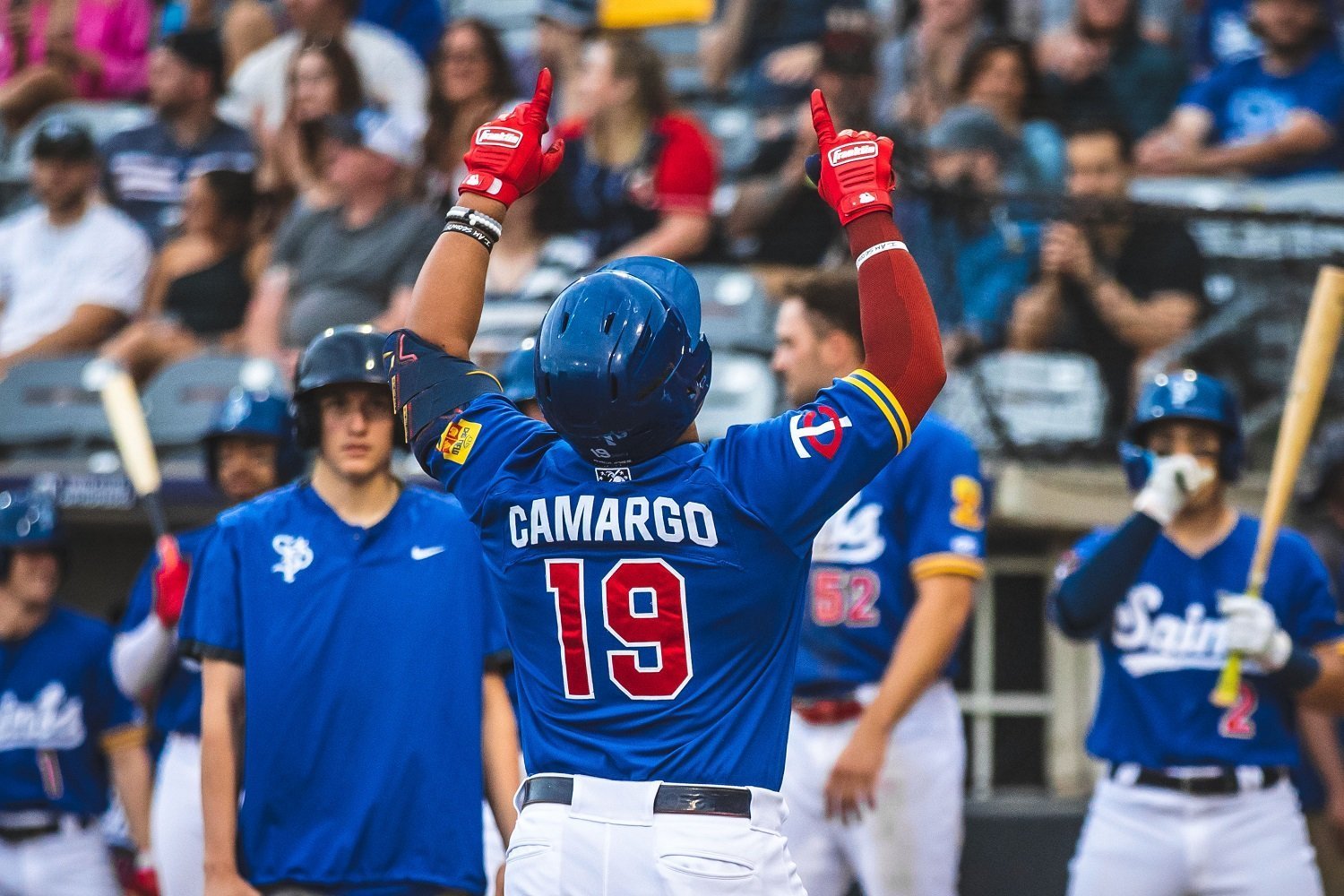 The Dodgers organization originally signed Jair Camargo as a teenager out of Colombia in 2015. His professional debut came in the Dominican Summer League during the subsequent season. In 41 games, he hit .250/.309/.346 (.654) with seven extra-base hits and a 20.6 K%. He came stateside in 2017 and raised his OPS by 55 points while regularly being a catcher. During the 2018 season, he returned to the rookie leagues, where he remained young for the level. His OPS took another slight jump to .720 as he saw a few more doubles turn into home runs. Camargo had yet to show significant power, but there continued to be time for the teenager to mature physically. Camargo moved to the Midwest League in 2019, where he was over two years younger than the average age of the competition. There were some struggles in the transition to a full-season league, with his OPS dropping to .642 and his strikeout rate rising to 32%. He logged a career-high 88 innings at third base, but that was a way to get his bat in the lineup more regularly. Following the season, the Dodgers included Camargo in the trade that sent Kenta Maeda to Minnesota in exchange for Brusdar Graterol and Luke Raley. His debut in the Twins system had to wait until 2021 after the pandemic forced the cancellation of the 2020 minor league season. Camargo made his High-A debut in 2021 and hit double-digit home runs for the first time in his career. He struggled to get on base with a 4.6% walk rate compared to a 40.3% strikeout rate. By the 2022 season, he started putting it all together at the plate. In 77 games, he hit .262/.310/.483 (.793) with 11 doubles and 18 home runs while also reaching Double-A in his age 22 season. He dropped his strikeout rate by nearly 5% while facing older pitchers in over 75% of his plate appearances. Camargo had clearly put himself into the team’s long-term plans as a catcher. Last season, the Twins continued to be aggressive with Camargo by having him spend the entire year at Triple-A despite having fewer than 200 plate appearances at Double-A. He showed that he was up to the challenge by hitting .259/.323/.503 (.826) with 16 doubles and 21 home runs. It was his highest slugging percentage at any level, and it was a strong enough performance for the club to add him to the 40-man roster this offseason. Defensively, Camargo continues to work on his skills behind the plate. Last season, he threw out 25% of potential base stealers, down 11% compared to 2022. His game-calling and receiving skills continue to improve, especially as he has climbed the organizational ladder. At Triple-A, he’s getting experience working with the team’s top pitching prospects like David Festa and Simeon Woods Richardson. Those relationships should help him as he gets more time at the big-league level. The Twins were lucky enough to only need two catchers for the entire 2023 season, but that is rare in the modern game. Camargo was recently called up but has been used sparingly, with one plate appearance, a walk, and no defensive appearances entering the weekend. Minnesota added him to the roster to allow Ryan Jeffers to serve as the DH on days when he is not behind the plate. He will likely return to St. Paul as players begin to come off the IL. However, it seems unlikely that the Twins will make it through the 2024 campaign with both catchers avoiding the IL. Camargo will get other opportunities, and now he must adjust to baseball's highest level. How do you view Camargo at this point in his professional career? Can he become part of the team’s catcher rotation in the future? Leave a COMMENT and start the discussion.
 -
Twins Beginning to Accumulate Value from the José Berríos Trade
Cody Christie posted an article in Twins
 The 2021 season was disappointing for Twins fans. Minnesota was coming off back-to-back AL Central titles, with hopes that veteran pieces could keep the team’s winning window open. However, the team had a disastrous April (9-15 record) and never fully recovered, with August being the team’s lone month with an over-.500 record. The team’s front office approached the trade deadline, focusing on trading away veterans while acquiring prospects who were close to making their debuts. Joe Ryan’s acquisition from the Rays for two months of Nelson Cruz might be one of the best trades in team history. However, the Twins are just finding out what value the club received in the José Berríos trade. Toronto’s Trade Value Minnesota was willing to trade away Berríos because the two sides weren’t going to agree on a long-term deal. He and his agency wanted to be paid like other top-tier starting pitchers, which is understandable, especially in an age of increased pitcher injuries. Berríos has been a workhorse, not missing significant time in any season during his career. He was under team control through the 2022 season, so the Twins were trading away 44 or 45 Berríos starts. He was one of baseball’s best starting pitchers after the trade deadline that season, as he accumulated 1.5 rWAR, which nearly matched his season total with the Twins prior to the trade. Based on that performance, the Blue Jays inked him to a long-term extension that winter for seven years and $131 million. Luckily, he signed his deal then, because his 2022 campaign was his worst as a professional. He led the league in hits and earned runs allowed, while posting a 74 ERA+. Baseball-Reference pegged him for a -0.6 WAR, his lowest total since his debut season at age 22. He bounced back nicely in 2023-24 to be among the league’s best pitchers, but those seasons weren’t what the Twins traded away; they are tied to his extension. Instead, Toronto traded two top prospects for 14 months of mixed performance from Berríos. Toronto’s Trade Value Gained: 0.9 rWAR Minnesota’s Trade Value The Twins are starting to see their value accumulate from the prospects acquired from the Blue Jays. At the time, MLB.com ranked Austin Martin (No. 2) and Simeon Woods Richardson (No. 4) as two of the best prospects in Toronto’s farm system. Martin was seen as the top prospect in the package, since he was the fifth overall pick in the 2020 MLB Draft after dominating the collegiate ranks. Woods Richardson had been part of two blockbuster trades before turning 21 years old, and many expected him to, at minimum, develop into a mid-rotation starter at the time of the trade. Both players were at Double-A during the 2021 campaign, so it was easy to forecast them making their big-league debuts by 2022. However, the timelines shifted after joining the Twins. Woods Richardson made his big-league debut in 2022 with one late-season start in Detroit. He allowed two earned runs in five innings with three strikeouts and two walks. Last season, he made one long relief appearance in April, where he surrendered five earned runs over 4 2/3 innings. His spot start earlier this season was the best of his career. He fanned five batters in six frames and allowed one earned run on two hits. It was an encouraging sign after some mixed results in his minor-league career. Now, he needs to put together more strong performances with the Saints so he’s ready the next time the Twins have a rotational need. Like Woods Richardson, Martin took time to develop in the Twins system, with some low points in his journey. Entering the 2024 season, it became clear that the team needed to focus on the specific skills he could bring to the roster. Multiple injuries this season have opened playing time, so he’s getting his first run at the big-league level. He hasn't exploded onto the scene; he's hitting just .242/.306/.333. He's shown the ability to split the game and make plays with his legs, though, too, and his contact skills are the envy of the rest of the roster. Defensively, he has seen the majority of his playing time in the outfield (left and center field), with a brief appearance at second base. In left, he looks like an above-average defender. His defensive flexibility is his likely calling card for a long-term utility role with the club. Minnesota’s Trade Value Gained: TBD Martin and Woods Richardson may have lost their prospect shine, but there is certainly room for them to provide the team with value over the next six seasons. Berríos provided minimal value to the Blue Jays before his extension kicked in, so the Twins might still end up being the winners of this blockbuster trade. How do you feel about the trade at this point? Will the Twins end up with more value? Leave a comment and start the discussion.
- 37 comments
-
- 4
-
-
- jose berrios
- austin martin
- (and 1 more)
-
Hopes were high for the prospect package the Twins acquired for José Berríos in 2021. Three years later, the club is finally beginning to accumulate value from this trade. Image courtesy of Sam Navarro-USA TODAY Sports Hopes were high for the prospect package the Twins acquired for José Berríos in 2021. Three years later, the club is finally beginning to accumulate value from this trade. The 2021 season was disappointing for Twins fans. Minnesota was coming off back-to-back AL Central titles, with hopes that veteran pieces could keep the team’s winning window open. However, the team had a disastrous April (9-15 record) and never fully recovered, with August being the team’s lone month with an over-.500 record. The team’s front office approached the trade deadline, focusing on trading away veterans while acquiring prospects who were close to making their debuts. Joe Ryan’s acquisition from the Rays for two months of Nelson Cruz might be one of the best trades in team history. However, the Twins are just finding out what value the club received in the José Berríos trade. Toronto’s Trade Value Minnesota was willing to trade away Berríos because the two sides weren’t going to agree on a long-term deal. He and his agency wanted to be paid like other top-tier starting pitchers, which is understandable, especially in an age of increased pitcher injuries. Berríos has been a workhorse, not missing significant time in any season during his career. He was under team control through the 2022 season, so the Twins were trading away 44 or 45 Berríos starts. He was one of baseball’s best starting pitchers after the trade deadline that season, as he accumulated 1.5 rWAR, which nearly matched his season total with the Twins prior to the trade. Based on that performance, the Blue Jays inked him to a long-term extension that winter for seven years and $131 million. Luckily, he signed his deal then, because his 2022 campaign was his worst as a professional. He led the league in hits and earned runs allowed, while posting a 74 ERA+. Baseball-Reference pegged him for a -0.6 WAR, his lowest total since his debut season at age 22. He bounced back nicely in 2023-24 to be among the league’s best pitchers, but those seasons weren’t what the Twins traded away; they are tied to his extension. Instead, Toronto traded two top prospects for 14 months of mixed performance from Berríos. Toronto’s Trade Value Gained: 0.9 rWAR Minnesota’s Trade Value The Twins are starting to see their value accumulate from the prospects acquired from the Blue Jays. At the time, MLB.com ranked Austin Martin (No. 2) and Simeon Woods Richardson (No. 4) as two of the best prospects in Toronto’s farm system. Martin was seen as the top prospect in the package, since he was the fifth overall pick in the 2020 MLB Draft after dominating the collegiate ranks. Woods Richardson had been part of two blockbuster trades before turning 21 years old, and many expected him to, at minimum, develop into a mid-rotation starter at the time of the trade. Both players were at Double-A during the 2021 campaign, so it was easy to forecast them making their big-league debuts by 2022. However, the timelines shifted after joining the Twins. Woods Richardson made his big-league debut in 2022 with one late-season start in Detroit. He allowed two earned runs in five innings with three strikeouts and two walks. Last season, he made one long relief appearance in April, where he surrendered five earned runs over 4 2/3 innings. His spot start earlier this season was the best of his career. He fanned five batters in six frames and allowed one earned run on two hits. It was an encouraging sign after some mixed results in his minor-league career. Now, he needs to put together more strong performances with the Saints so he’s ready the next time the Twins have a rotational need. Like Woods Richardson, Martin took time to develop in the Twins system, with some low points in his journey. Entering the 2024 season, it became clear that the team needed to focus on the specific skills he could bring to the roster. Multiple injuries this season have opened playing time, so he’s getting his first run at the big-league level. He hasn't exploded onto the scene; he's hitting just .242/.306/.333. He's shown the ability to split the game and make plays with his legs, though, too, and his contact skills are the envy of the rest of the roster. Defensively, he has seen the majority of his playing time in the outfield (left and center field), with a brief appearance at second base. In left, he looks like an above-average defender. His defensive flexibility is his likely calling card for a long-term utility role with the club. Minnesota’s Trade Value Gained: TBD Martin and Woods Richardson may have lost their prospect shine, but there is certainly room for them to provide the team with value over the next six seasons. Berríos provided minimal value to the Blue Jays before his extension kicked in, so the Twins might still end up being the winners of this blockbuster trade. How do you feel about the trade at this point? Will the Twins end up with more value? Leave a comment and start the discussion. View full article
- 37 replies
-
- 1
-
-
- jose berrios
- austin martin
- (and 1 more)
-
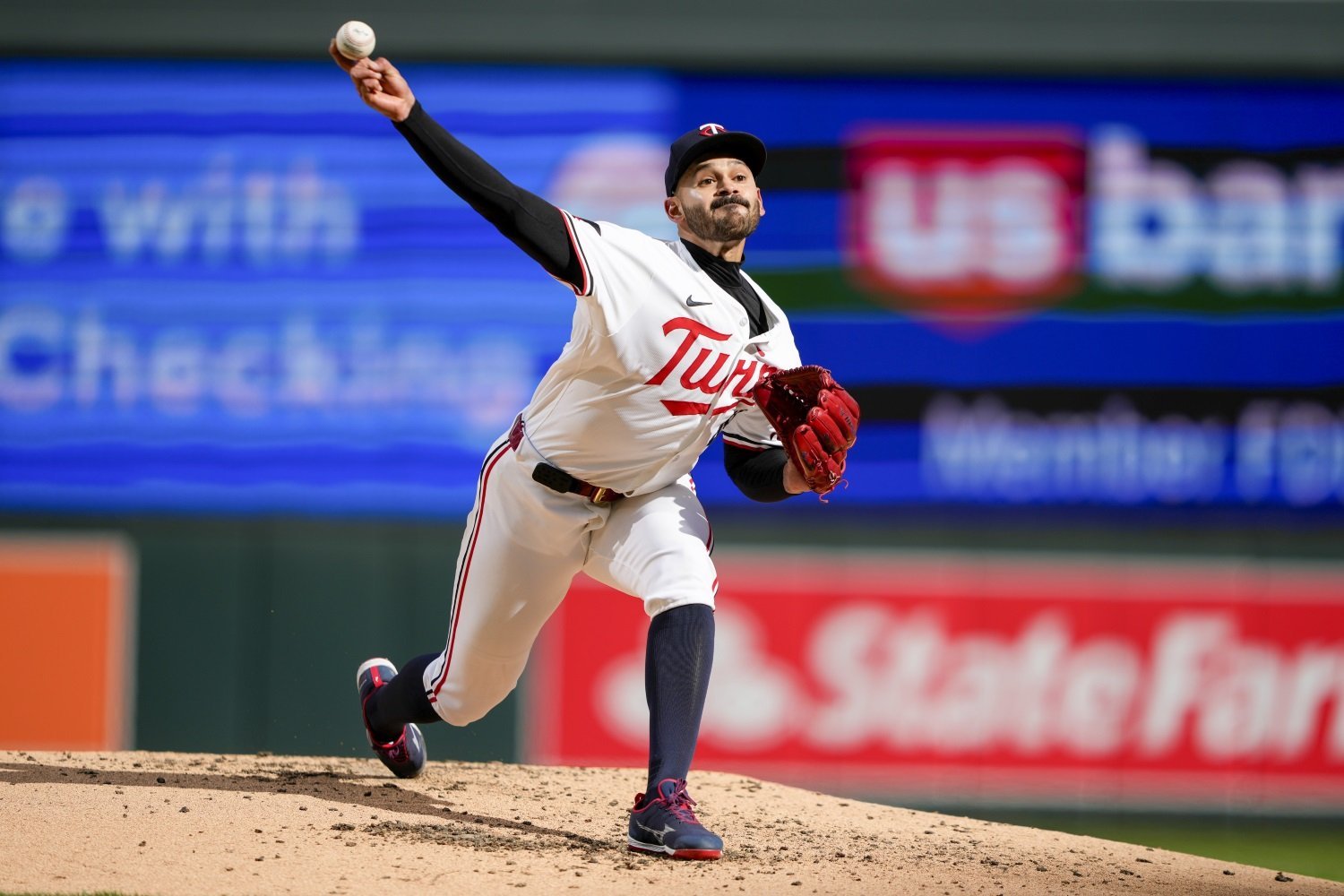 The Twins organization didn’t initially sign Pablo López or Joe Ryan; both came to Minnesota via trade. Yet, neither was a finished product when they arrived. López had had some success at the big-league level, and the Twins convinced him that adding a sweeper would further augment his performance. Ryan dominated minor-league hitters with his unique fastball and needed a better secondary pitch to get more swings and misses from big-leaguers. Both players added a new pitch for 2023, and the results from those pitches have been even better in 2024. Pablo López New Pitch: Sweeper After trading for López, the Twins' brass quickly approached him with a proposition. Adding a sweeper, they believed, could vault him from a mid-rotation starter to one of the game’s best. He soaked up all the information and got to work. López introduced his sweeper last season and threw it the second-most of any of his pitches (21.4 %). Batters posted a .173 BA and a .265 xSLG against it, with a 36.6 Whiff% and a 22.8 Put Away%. After the best season of his career, he wasn’t satisfied and headed to Driveline this winter to work on taking the next step. López made improvements with his sweeper in its sophomore season. He uses the pitch more regularly, and the peripheral numbers show it is getting more swings and misses. His Whiff% (40.5) and Put Away % (26.9%) have both risen, and he has gotten seven strikeouts in 19 at-bats ending on the pitch. Opponents have a .526 SLG against it, but the xSLG is almost 200 points lower. The 2024 Stuff+ on his sweeper is one of the highest for any new pitch, with usage starting during the 2023 season. It hasn’t been a perfect start to the season for López, but the initial numbers on his sweeper are very encouraging. Joe Ryan New Pitch: Splitter López wasn’t the only Twins pitcher with a new pitch last season. Ryan has been a fastball-first pitcher throughout his professional career, because of the unique arm angle derived from his background in water polo. He was able to dominate the upper minors with fastballs in the upper part of the zone, but that doesn’t work at the big-league level. Ryan has seen his fastball usage drop from over 60% in 2022 to just under 45% in 2024, thanks to his splitter usage. Last season, opponents hit .242 against it with a .409 xSLG, 21.3 Whiff%, and 16.8 Put Away %. Some of his numbers from last season are also slightly skewed because he tried to pitch through a groin injury to disastrous results. There was room for improvement, and he used Driveline to help with the process. Ryan’s improvements were on full display last weekend, as he dominated the Tigers lineup for a career-high 12 strikeouts. His splitter is drawing a 40.5 Whiff% and a 29.7 Put Away%, which are significant jumps from last season. He has also done a better job of avoiding contact on it, powering a .176 xBA and a .308 xSLG. Also, he is more consistently getting greater induced vertical break, which is what makes this pitch different from a changeup: it has more depth and tumble. Ryan’s 103 Stuff+ isn’t as high as López's, but he gets a higher swinging strike percentage. Batters have posted a negative launch angle when facing his splitter. Minnesota needs Ryan to continue developing into a frontline starting pitcher; his secondary offerings can go a long way to making that a reality. What have you noticed about these two pitchers this season? Have these two pitches stood out? Leave a comment and start the discussion.
 -
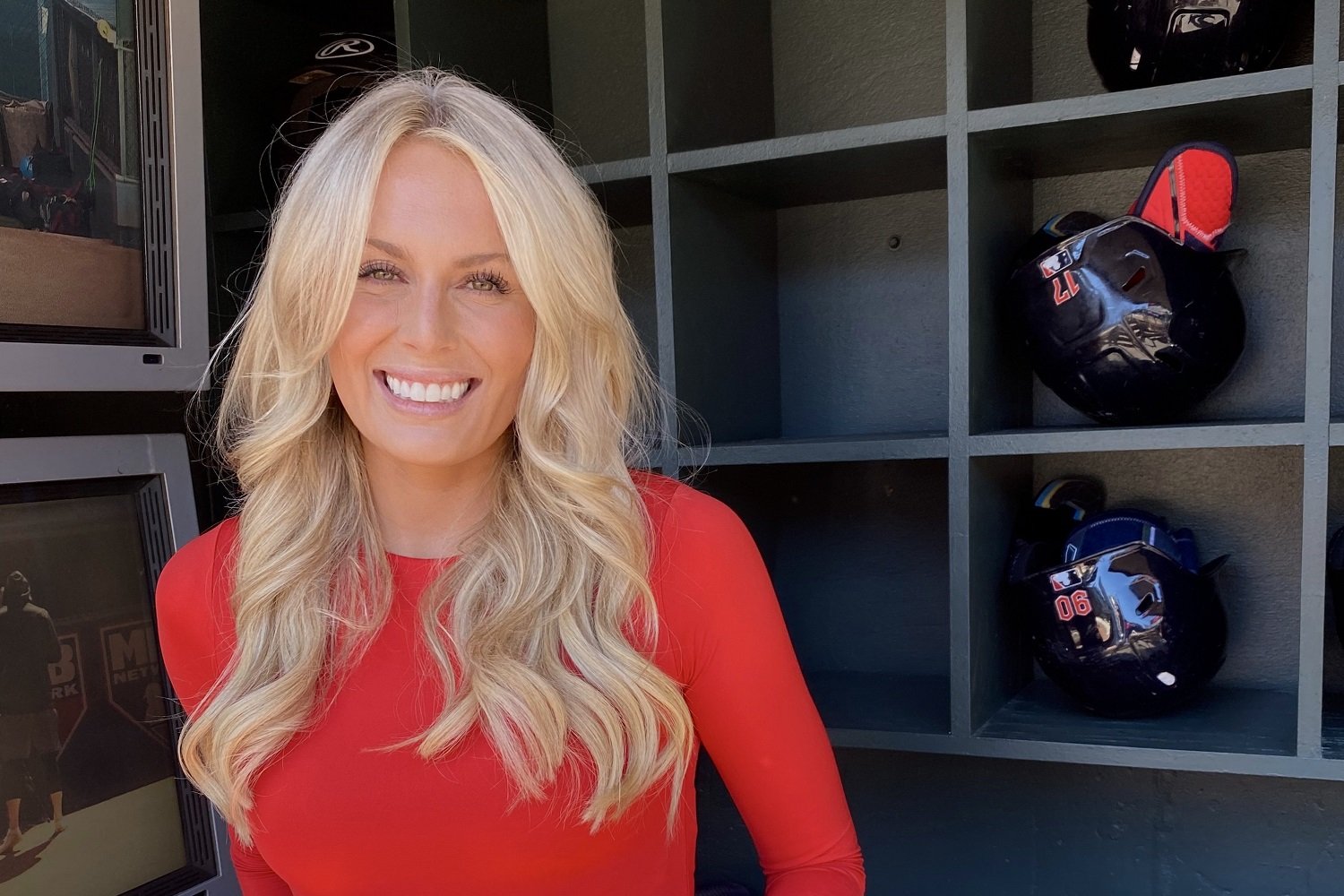 Fans are familiar with Kris Atteberry and Cory Provus, but a new voice is filling the airwaves across Twins Territory this season. Lexi Schweinert is taking on a more visible (well, audible) role with the radio team. She runs the pre- and post-game shows, while also serving as a producer. The Twins see very few new additions to the radio team, with Atteberry and Provus having worked for the organization for over a decade. So, let’s get to know a little about Schweinert and what she brings to Twins Territory. Twins Daily: Talk to us about your professional journey. What led you to the Minnesota Twins? “I grew up immersed in sports. My grandpa and dad played professional soccer and my younger twin brothers played D1 college soccer. I was not as athletically gifted (on JV soccer as a junior), but loved watching sports and attending as a fan, so I knew I wanted to pursue a career in the sports industry. “When I was in college at UW-Madison, I interned with local news stations (WISN 12 News, NBC 15 Madison) in their sports departments, and also worked at ESPN Madison. Unfortunately, I graduated during the pandemic, when sports came to a halt and no one was hiring. I took a local news job in Bowling Green, Kentucky. After about a year, Western Kentucky University reached out to me about doing some sideline work with their football team, which led to doing basketball on ESPN+ with WKU as well. I was reignited to pursue sports and learned of a job opening with the Twins through a friend. I ended up going through the interview process and landed back in the Midwest!” TD: What do you enjoy about baseball compared to other sports that you’ve covered? “That’s a great question. I think I like the repetition of having games every day and the familiarity you form with the team … compared to a sport like football, where you have just one game a week. You learn so much about the players, coaches and more. Baseball is a simple game at first glance, but once you drill down into it, you become aware of all the complexities and levels to the sport.” TD: Baseball broadcasting has been a male-dominated field. However, the A’s hired Jenny Cavnar as MLB's first full-time play-by-play woman. How do you see the broadcast landscape changing in the years ahead? “Jenny is fantastic. I love that slowly over the last decade, there’s been more women entering the industry, and just more of a conversation about women in sports. The women broadcasters for the Twins, like Audra Martin and Katie Storm, have welcomed me with open arms into the market and have helped me feel so at ease here in the Twin Cities. “I was also lucky to learn early on in my career from women like Stephanie Sutton, who has been a sports anchor at WISN 12 in Milwaukee for decades and been a great mentor to me in my career.” TD: What are some things you have already learned on the job so far? “SO MUCH! I’m grateful to work with experienced pros like Andrew Halverson, Kris Atteberry and Mark Genosky who have been with the team for around two decades. They’ve really taught me the importance of statistics in the game of baseball, and finding unique details comparing the present players to players of the past.” TD: What are you most looking forward to in the 2024 campaign? “Another AL Central division title and postseason run? Fingers crossed! :) I’m hosting more pre and post-game shows this year which I’m extremely happy about, and also upping the number of games I will be producing as well.” “It’s also been fun to see some young players get called on early in the season and thrive at the major league level…like Austin Martin and Simeon Woods Richardson. Should be an exciting 2024 season!” Twins fans can agree that there is plenty to be excited about during the 2024 campaign. You can follow Schweinert on Twitter, while also catching her on your local affiliate for the Twins Radio Network.
 -
Pitching is an art and a science, and some pitchers tweak their repertoire annually. Minnesota’s top two starters added new pitches last season and the results have been even better in 2024. Image courtesy of Jordan Johnson-USA TODAY Sports Pitching is an art and a science, and some pitchers tweak their repertoire annually. Minnesota’s top two starters added new pitches last season and the results have been even better in 2024. The Twins organization didn’t initially sign Pablo López or Joe Ryan; both came to Minnesota via trade. Yet, neither was a finished product when they arrived. López had had some success at the big-league level, and the Twins convinced him that adding a sweeper would further augment his performance. Ryan dominated minor-league hitters with his unique fastball and needed a better secondary pitch to get more swings and misses from big-leaguers. Both players added a new pitch for 2023, and the results from those pitches have been even better in 2024. Pablo López New Pitch: Sweeper After trading for López, the Twins' brass quickly approached him with a proposition. Adding a sweeper, they believed, could vault him from a mid-rotation starter to one of the game’s best. He soaked up all the information and got to work. López introduced his sweeper last season and threw it the second-most of any of his pitches (21.4 %). Batters posted a .173 BA and a .265 xSLG against it, with a 36.6 Whiff% and a 22.8 Put Away%. After the best season of his career, he wasn’t satisfied and headed to Driveline this winter to work on taking the next step. López made improvements with his sweeper in its sophomore season. He uses the pitch more regularly, and the peripheral numbers show it is getting more swings and misses. His Whiff% (40.5) and Put Away % (26.9%) have both risen, and he has gotten seven strikeouts in 19 at-bats ending on the pitch. Opponents have a .526 SLG against it, but the xSLG is almost 200 points lower. The 2024 Stuff+ on his sweeper is one of the highest for any new pitch, with usage starting during the 2023 season. It hasn’t been a perfect start to the season for López, but the initial numbers on his sweeper are very encouraging. Joe Ryan New Pitch: Splitter López wasn’t the only Twins pitcher with a new pitch last season. Ryan has been a fastball-first pitcher throughout his professional career, because of the unique arm angle derived from his background in water polo. He was able to dominate the upper minors with fastballs in the upper part of the zone, but that doesn’t work at the big-league level. Ryan has seen his fastball usage drop from over 60% in 2022 to just under 45% in 2024, thanks to his splitter usage. Last season, opponents hit .242 against it with a .409 xSLG, 21.3 Whiff%, and 16.8 Put Away %. Some of his numbers from last season are also slightly skewed because he tried to pitch through a groin injury to disastrous results. There was room for improvement, and he used Driveline to help with the process. Ryan’s improvements were on full display last weekend, as he dominated the Tigers lineup for a career-high 12 strikeouts. His splitter is drawing a 40.5 Whiff% and a 29.7 Put Away%, which are significant jumps from last season. He has also done a better job of avoiding contact on it, powering a .176 xBA and a .308 xSLG. Also, he is more consistently getting greater induced vertical break, which is what makes this pitch different from a changeup: it has more depth and tumble. Ryan’s 103 Stuff+ isn’t as high as López's, but he gets a higher swinging strike percentage. Batters have posted a negative launch angle when facing his splitter. Minnesota needs Ryan to continue developing into a frontline starting pitcher; his secondary offerings can go a long way to making that a reality. What have you noticed about these two pitchers this season? Have these two pitches stood out? Leave a comment and start the discussion. View full article
-
It’s Time to Start Worrying About the Twins’ Infield Defense
Cody Christie posted an article in Twins
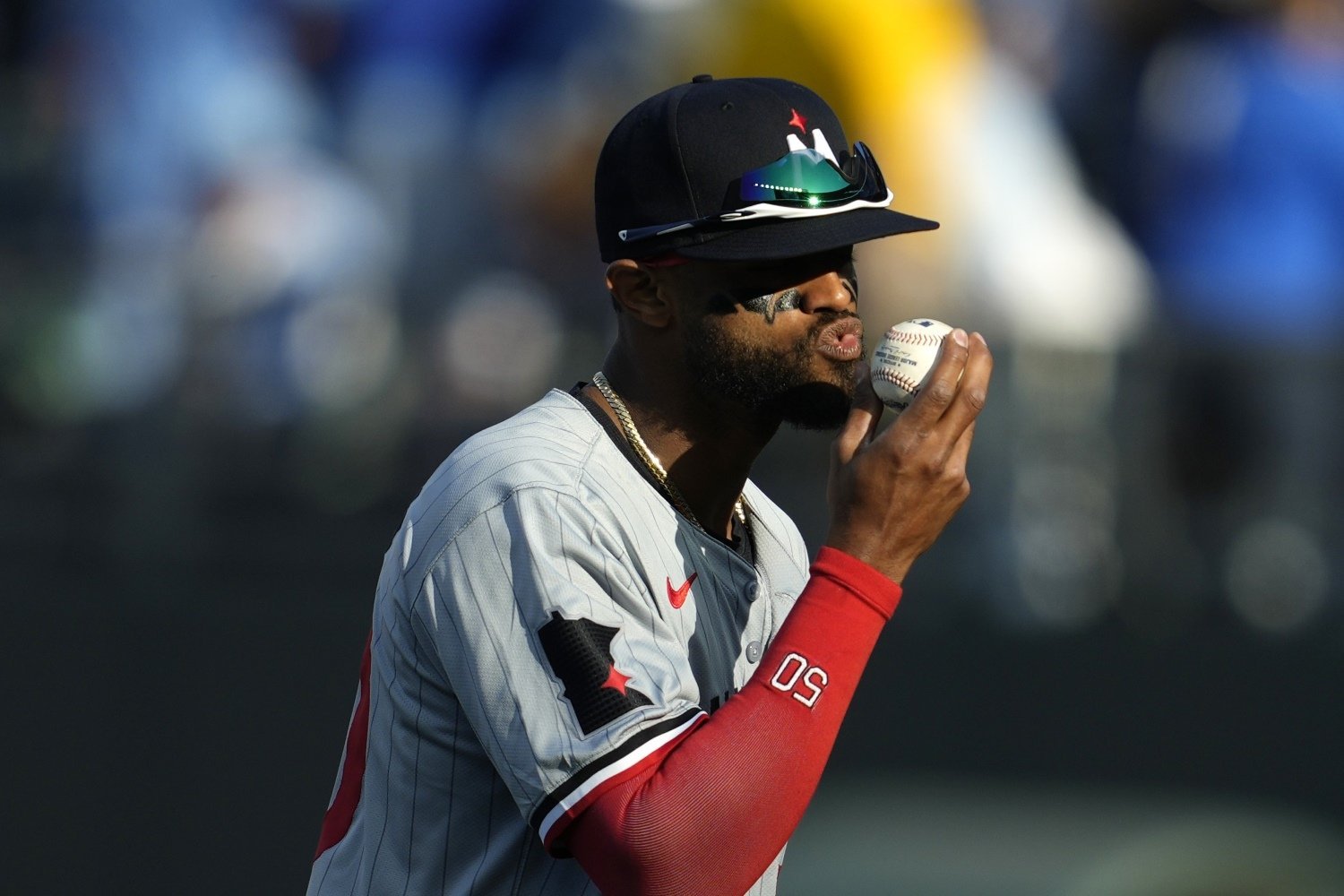 On paper, the Twins had plenty of infield depth to start the year, with multiple options at every position around the horn. That depth was quickly tested when Royce Lewis strained his quad in the season’s first game; he is likely out until June. Minnesota had options to fill in at third base, including Willi Castro, Kyle Farmer, and José Miranda. However, the team’s depth is being pushed to its limits after placing Carlos Correa on the injured list with an intercostal strain. Now, the Twins are digging deep into their 40-man roster to patch together their infield defense until players return from the IL. Last season, the Twins had multiple top prospects waiting in the wings at Triple-A to reinforce the roster. It would be great to have the same scenario play out in 2024, but that has yet to be the case. Brooks Lee, Twins Daily’s second-ranked prospect, is currently on the IL at Triple-A with back spasms and is expected to miss multiple weeks. The Twins have already called up Austin Martin, one of the team’s top 10 prospects, but the team has been reluctant to play him in the infield. His defensive time has come in the outfield, plus a four-inning stint at second base. Let’s whip around the infield to look at the defensive options and predict how the team will handle duties in the coming weeks. First Base Defensive Question: Can Carlos Santana hit enough to be the team’s everyday first baseman? Minnesota brought in Santana because of his veteran presence and defense at first base. There were also health concerns about Alex Kirilloff, after the latter underwent offseason shoulder surgery. Santana is off to an abysmal offensive start to the season, with a .368 OPS and a 10 OPS+ in his first 13 games. Defensively, he rates well at first base, with his Fielding Run Value and Outs Above Average ranking in the 78th percentile or higher. Minnesota’s offense has struggled out of the gate, though, and one has to wonder if Santana can provide any offensive value or if Father Time has caught up to him in his age-38 season. Current Best Option: Santana Back-Up Options: Kirilloff, Miranda, Christian Vázquez Second Base Defensive Question: Are Edouard Julien’s Defensive Improvements Legitimate? Julien has been one of the team’s lone bright spots during the 2024 season, and he’s done it on both sides of the ball. Last season, Julien ranked low in Fielding Run Value (49th percentile), Outs Above Average (59th percentile), and Arm Strength (14th percentile). The Twins have praised him for the work he has put in at second base, and the results speak for themselves so far in 2024. He’s tied for second among AL second basemen in Fielding Run Value (92nd percentile) and OAA (95th percentile). It’s very early in the season, so tracking his defensive performance throughout the year will be interesting. Few thought he’d be the team’s best defensive second baseman, but here we are. Current Best Option: Julien Back-Up Options: Kyle Farmer, Martin, Willi Castro Third Base Defensive Question: Can José Miranda Reemerge as a Long-Term Option? Miranda hit his first home run of the season against Baltimore Monday night and can insert himself back into the team’s long-term plans. Castro is the team’s lone player with a positive OAA at third base, while Farmer (-1 OAA) and Miranda (-2 OAA) have provided negative value. Farmer’s fielding gaffe against Detroit (see below) stands out as one fielding play that changed a game this season. It’s disappointing that Lee isn’t available for an extended look while Lewis is out to start the year. Many evaluators thought Lee would eventually switch to the hot corner, but he will need time to recover and get up to speed at Triple-A. The Twins will likely continue to rotate through the Castro, Farmer, and Miranda trio until Lewis returns later this season. Current Best Option: Castro Back-Up Options: Farmer, Miranda, Lee Shortstop Defensive Question: Is Kyle Farmer Cooked at Shortstop? Over the weekend, the Twins made an interesting lineup decision, starting Farmer at third base and Castro at shortstop. This move is the opposite of what the team would have done last season when Farmer (276 innings) played over 10 times as many shortstop innings as Castro. Some questioned the front office’s decision to offer arbitration to Farmer and bring him back on a deal north of $6 million. That is a high price for a backup infielder, especially on a team cutting payroll by $30 million. Minnesota has since started Farmer at shortstop, but Castro pinch-hit for him later in the game. Castro is six years younger than Farmer, so the team might feel that Farmer has lost a step defensively. Current Best Option: Farmer (by default) Back-Up Options: Castro, Martin (in a pinch) What is the team’s best defensive lineup with the players who are currently healthy? Who should be the team’s regular shortstop? Do you trust Julien’s early-season defensive improvements? Leave a comment and start the discussion.
- 24 comments
-
- 1
-
-
- kyle farmer
- willi castro
- (and 5 more)
-
The left side of Minnesota’s infield currently resides on the injured list, while the right side comprises an unproven sophomore and an aging first baseman. Now is the time to start worrying about the Twins’ infield defense. Image courtesy of Jay Biggerstaff-USA TODAY Sports The left side of Minnesota’s infield currently resides on the injured list, while the right side comprises an unproven sophomore and an aging first baseman. Now is the time to start worrying about the Twins’ infield defense. On paper, the Twins had plenty of infield depth to start the year, with multiple options at every position around the horn. That depth was quickly tested when Royce Lewis strained his quad in the season’s first game; he is likely out until June. Minnesota had options to fill in at third base, including Willi Castro, Kyle Farmer, and José Miranda. However, the team’s depth is being pushed to its limits after placing Carlos Correa on the injured list with an intercostal strain. Now, the Twins are digging deep into their 40-man roster to patch together their infield defense until players return from the IL. Last season, the Twins had multiple top prospects waiting in the wings at Triple-A to reinforce the roster. It would be great to have the same scenario play out in 2024, but that has yet to be the case. Brooks Lee, Twins Daily’s second-ranked prospect, is currently on the IL at Triple-A with back spasms and is expected to miss multiple weeks. The Twins have already called up Austin Martin, one of the team’s top 10 prospects, but the team has been reluctant to play him in the infield. His defensive time has come in the outfield, plus a four-inning stint at second base. Let’s whip around the infield to look at the defensive options and predict how the team will handle duties in the coming weeks. First Base Defensive Question: Can Carlos Santana hit enough to be the team’s everyday first baseman? Minnesota brought in Santana because of his veteran presence and defense at first base. There were also health concerns about Alex Kirilloff, after the latter underwent offseason shoulder surgery. Santana is off to an abysmal offensive start to the season, with a .368 OPS and a 10 OPS+ in his first 13 games. Defensively, he rates well at first base, with his Fielding Run Value and Outs Above Average ranking in the 78th percentile or higher. Minnesota’s offense has struggled out of the gate, though, and one has to wonder if Santana can provide any offensive value or if Father Time has caught up to him in his age-38 season. Current Best Option: Santana Back-Up Options: Kirilloff, Miranda, Christian Vázquez Second Base Defensive Question: Are Edouard Julien’s Defensive Improvements Legitimate? Julien has been one of the team’s lone bright spots during the 2024 season, and he’s done it on both sides of the ball. Last season, Julien ranked low in Fielding Run Value (49th percentile), Outs Above Average (59th percentile), and Arm Strength (14th percentile). The Twins have praised him for the work he has put in at second base, and the results speak for themselves so far in 2024. He’s tied for second among AL second basemen in Fielding Run Value (92nd percentile) and OAA (95th percentile). It’s very early in the season, so tracking his defensive performance throughout the year will be interesting. Few thought he’d be the team’s best defensive second baseman, but here we are. Current Best Option: Julien Back-Up Options: Kyle Farmer, Martin, Willi Castro Third Base Defensive Question: Can José Miranda Reemerge as a Long-Term Option? Miranda hit his first home run of the season against Baltimore Monday night and can insert himself back into the team’s long-term plans. Castro is the team’s lone player with a positive OAA at third base, while Farmer (-1 OAA) and Miranda (-2 OAA) have provided negative value. Farmer’s fielding gaffe against Detroit (see below) stands out as one fielding play that changed a game this season. It’s disappointing that Lee isn’t available for an extended look while Lewis is out to start the year. Many evaluators thought Lee would eventually switch to the hot corner, but he will need time to recover and get up to speed at Triple-A. The Twins will likely continue to rotate through the Castro, Farmer, and Miranda trio until Lewis returns later this season. Current Best Option: Castro Back-Up Options: Farmer, Miranda, Lee Shortstop Defensive Question: Is Kyle Farmer Cooked at Shortstop? Over the weekend, the Twins made an interesting lineup decision, starting Farmer at third base and Castro at shortstop. This move is the opposite of what the team would have done last season when Farmer (276 innings) played over 10 times as many shortstop innings as Castro. Some questioned the front office’s decision to offer arbitration to Farmer and bring him back on a deal north of $6 million. That is a high price for a backup infielder, especially on a team cutting payroll by $30 million. Minnesota has since started Farmer at shortstop, but Castro pinch-hit for him later in the game. Castro is six years younger than Farmer, so the team might feel that Farmer has lost a step defensively. Current Best Option: Farmer (by default) Back-Up Options: Castro, Martin (in a pinch) What is the team’s best defensive lineup with the players who are currently healthy? Who should be the team’s regular shortstop? Do you trust Julien’s early-season defensive improvements? Leave a comment and start the discussion. View full article
- 24 replies
-
- 1
-
-
- kyle farmer
- willi castro
- (and 5 more)
-
The Minnesota Twins shook up their television and radio broadcast teams this offseason. One change was increasing Lexi Schweinert's presence on the radio broadcasts. Twins Daily interviewed Schweinert via email to learn more about her professional journey and what led her to the Twins. Image courtesy of Lexi Schweinert (Twins Radio) The Minnesota Twins shook up their television and radio broadcast teams this offseason. One change was increasing Lexi Schweinert's presence on the radio broadcasts. Twins Daily interviewed Schweinert via email to learn more about her professional journey and what led her to the Twins. Fans are familiar with Kris Atteberry and Cory Provus, but a new voice is filling the airwaves across Twins Territory this season. Lexi Schweinert is taking on a more visible (well, audible) role with the radio team. She runs the pre- and post-game shows, while also serving as a producer. The Twins see very few new additions to the radio team, with Atteberry and Provus having worked for the organization for over a decade. So, let’s get to know a little about Schweinert and what she brings to Twins Territory. Twins Daily: Talk to us about your professional journey. What led you to the Minnesota Twins? “I grew up immersed in sports. My grandpa and dad played professional soccer and my younger twin brothers played D1 college soccer. I was not as athletically gifted (on JV soccer as a junior), but loved watching sports and attending as a fan, so I knew I wanted to pursue a career in the sports industry. “When I was in college at UW-Madison, I interned with local news stations (WISN 12 News, NBC 15 Madison) in their sports departments, and also worked at ESPN Madison. Unfortunately, I graduated during the pandemic, when sports came to a halt and no one was hiring. I took a local news job in Bowling Green, Kentucky. After about a year, Western Kentucky University reached out to me about doing some sideline work with their football team, which led to doing basketball on ESPN+ with WKU as well. I was reignited to pursue sports and learned of a job opening with the Twins through a friend. I ended up going through the interview process and landed back in the Midwest!” TD: What do you enjoy about baseball compared to other sports that you’ve covered? “That’s a great question. I think I like the repetition of having games every day and the familiarity you form with the team … compared to a sport like football, where you have just one game a week. You learn so much about the players, coaches and more. Baseball is a simple game at first glance, but once you drill down into it, you become aware of all the complexities and levels to the sport.” TD: Baseball broadcasting has been a male-dominated field. However, the A’s hired Jenny Cavnar as MLB's first full-time play-by-play woman. How do you see the broadcast landscape changing in the years ahead? “Jenny is fantastic. I love that slowly over the last decade, there’s been more women entering the industry, and just more of a conversation about women in sports. The women broadcasters for the Twins, like Audra Martin and Katie Storm, have welcomed me with open arms into the market and have helped me feel so at ease here in the Twin Cities. “I was also lucky to learn early on in my career from women like Stephanie Sutton, who has been a sports anchor at WISN 12 in Milwaukee for decades and been a great mentor to me in my career.” TD: What are some things you have already learned on the job so far? “SO MUCH! I’m grateful to work with experienced pros like Andrew Halverson, Kris Atteberry and Mark Genosky who have been with the team for around two decades. They’ve really taught me the importance of statistics in the game of baseball, and finding unique details comparing the present players to players of the past.” TD: What are you most looking forward to in the 2024 campaign? “Another AL Central division title and postseason run? Fingers crossed! :) I’m hosting more pre and post-game shows this year which I’m extremely happy about, and also upping the number of games I will be producing as well.” “It’s also been fun to see some young players get called on early in the season and thrive at the major league level…like Austin Martin and Simeon Woods Richardson. Should be an exciting 2024 season!” Twins fans can agree that there is plenty to be excited about during the 2024 campaign. You can follow Schweinert on Twitter, while also catching her on your local affiliate for the Twins Radio Network. View full article
-
 Tyler Jay has faced pressure since the day the Twins drafted him with the sixth overall pick in the 2015 MLB Draft. At the time, Jay was considered one of the top-rated players in the draft (MLB.com ranked him ninth), but he had spent his collegiate career as a dominant reliever. In 128 2/3 collegiate innings, he posted a 1.68 ERA with a 0.85 WHIP with a 143-to-30 strikeout-to-walk ratio. He was named the Big Ten Pitcher of the Year, a Louisville Slugger All-American, and a semifinalist for the Golden Spikes Award. Those dominant totals and awards convinced Minnesota he could transition to a starting role, so the front office was comfortable selecting him as one of the top 10 picks. The Twins signed Jay for $3.9 million and immediately sent him to Low-A. On June 17, 2015, The Star Tribune said, “His fastball has touched 95 miles-an-hour to go with an excellent breaking ball. His control is so good that some have wondered if he could help the Twins out this season.” The 2015 Twins finished second in the AL Central with an 83-79 record, 12 games behind the Kansas City Royals. Near the beginning of August, the Twins were double-digit games out of first place, so there was no reason to rush Jay to the big leagues. Entering the 2016 season, Baseball America and MLB.com ranked him among their top 100 prospects. Minnesota hadn’t used him as a starter during his pro debut since he had already made 30 appearances at the collegiate level that season. The Twins were aggressive with Jay as he split time between High- and Double-A. Across 83 2/3 innings (15 starts), he posted a 3.33 ERA with a 1.23 WHIP and a 77-to-26 strikeout-to-walk ratio. He struggled to transition to Double-A, allowing nine earned runs in 14 innings. After the promotion, his shoulder started bothering him, and he landed on the disabled list. It was a solid start to his career, but he wasn’t moving as quickly as some evaluators expected at the time of the draft. Injuries, including shoulder, neck, and bicep, continued to impact Jay in his early pro career. Because of those injury concerns, the Twins shifted Jay to a full-time relief role in 2017. His season never really got off the ground. By midseason, he was diagnosed with thoracic outlet syndrome and headed for season-ending surgery. He made ten appearances in the AFL that fall, but it’s a hitting-friendly environment, and Jay allowed six earned runs, including two long balls, in 9 2/3 innings. Minnesota sent him to Double-A in 2018, and he posted a 4.22 ERA with a 1.56 WHIP in 59 2/3 innings. Jay returned to Double-A for the start of the 2019 season, where he topped out in the Twins farm system. In June, Minnesota traded him to the Cincinnati Reds for cash considerations. He only made 20 appearances in the Reds organization before being released in the middle of the 2020 campaign. In 2022, he signed with the Joliet Slammers of the Frontier League. Jay was excellent in 22 innings, posting a 1.64 ERA and a 0.86 WHIP. He continued to pitch in the independent leagues to begin the 2023 season but caught the eyes of the Mets. He signed a minor league deal and allowed four runs in six innings last year at Triple-A. New York re-signed him to a minor league deal this season, and he began this year with 3 2/3 scoreless innings. The Mets have room for Jay in their bullpen because they designated Michael Tonkin for assignment over the last week. Minnesota acquired Tonkin from New York, and he can provide depth to the Twins’ bullpen hierarchy. For Jay, getting any opportunity at the big league level is a feel-good story. It’s clear the Twins were mistaken to take him with that high of a draft pick, with many players taken after him already having big-league success. There were likely times when he thought about stepping away from the game. Instead, he is getting an opportunity even if no guarantees about his long-term place on an MLB roster exist. Congrats to Jay and his family! What do you remember about Jay’s time as a Twins prospect? Leave a COMMENT and start the discussion.
 -
 The Twins have a center field lineage that stretches throughout most of the team’s history in Minnesota. Some of the biggest personalities in team history, like Kirby Puckett, Torii Hunter, and Byron Buxton, have won Gold Gloves in center field. This trio is tied to specific generations of Twins fans, and there are center field prospects nearing Target Field, as well. The position has changed throughout baseball history, and the future outlook is intriguing. Recently, Twins Daily launched the Minnesota Twins Players Project. What is the Players Project? It's a community-driven, wiki-style project focusing on Twins players of all stripes. It's open to all Twins Daily users, and we've had contributions of current players, past players, and players who never made the major leagues but played in the Twins farm system. Some of the players from this story have already been added to the project, and you can add others. MLB.com’s Cole Jacobson examined the landscape of center fielders at the big-league level. Annually, the site ranks every position in baseball, and center field came in ninth place because of the gap between the old guard (Mike Trout, Andrew McCutchen) and the rising young stars (Julio Rodríguez, Michael Harris II, Jackson Chourio). Let’s look back at the past, present, and future of center field for the Minnesota Twins. Past: The Legacy of Kirby Puckett, Torii Hunter, and Others For many Twins fans, Puckett is among a small group of players who are the best in franchise history. He was the heart and soul of the team’s two championship teams, and his signature moments (the catch and home run) in Game 6 of the 1991 World Series are iconic. His career was cut short due to retina damage in his right eye. The baseball writers elected him to the Hall of Fame on the first ballot, and every future center fielder will be compared to his legacy. After some dark days in the shadow of Puckett's injury, Hunter ushered in a new era of Twins baseball in the early 2000s. There was discussion about contracting the Twins or moving the team to North Carolina. Instead, Hunter and a young core helped the Twins win the AL Central four times in five years. In recent years, Hunter has managed to remain on the Hall of Fame ballot due to his Jekyll-and-Hyde career. Overall, he fits into the category of good but not great players in MLB history, so he will likely need to wait for the Eras Committee ballot before having a chance at Cooperstown. Besides Puckett and Hunter, plenty of other famous names throughout Twins history saw time in center field. Jimmie Hall and César Tovar made multiple Opening Day starts after the team moved to Bloomington in the 1960s. Lyman Bostock was a rising star in the Twins organization in the 1970s, before tragically losing his life due to gun violence. Minnesota also focused on drafting athletic high-school outfielders, leading the team to top prospects like Denard Span, Ben Revere, and Aaron Hicks. Center field has been critical to the team’s success through multiple generations. Present: Hop on the Buck Truck Byron Buxton had enormous pressure placed on him from his amateur days to being selected by the Twins as the number two overall pick in the 2012 MLB Draft. He was considered baseball’s top prospect throughout his minor-league career, because he seemed to be a five-tool talent waiting to explode. Buxton has shown flashes of that talent at the big-league level, but injuries have marred his career. One play this week might have announced that he is finally healthy for the first time in a long while. Fans will still be trepidatious whenever he dives for a ball or slides into a base. When healthy, he is among baseball’s best players, and has still found ways to provide tremendous value despite missing significant time. Future: Top Twins Prospects Tied to Center Field Minnesota selected Walker Jenkins as the fifth overall pick in the 2023 MLB Draft, and he was immediately considered one of baseball’s best prospects. Some evaluators believe his size will push him to a corner outfield spot as he matures. However, the Twins will give him and his athleticism every opportunity to stick in center field. Expectations were high for him entering the 2024 season, but he is currently on the injured list with a left hamstring strain. In recent years, many of the team’s top prospects have struggled to stay healthy, a trend the Twins hope Jenkins can avoid. Emmanuel Rodríguez, Twins Daily’s number three prospect, is playing this year at Double-A, so he is much closer to being in the big leagues than Jenkins. Last season, he posted an .863 OPS with Cedar Rapids while helping them win the Midwest League Championship. Other high-ranking prospects like Austin Martin, Brandon Winokur, and Yasser Mercedes have a chance to fit into the team’s long-term plans in center field. Center field is the most important position in Twins history. The team’s past, present, and future are irrevocably tied to one of baseball’s most important positions. While baseball is seeing a decline in center field performance, Minnesota hopes to buck the trend. Which future player will see the most time in center field? What do you remember most about the team’s previous center fielders? Leave a comment and start the discussion.
- 12 comments
-
- 5
-
-
- kirby puckett
- torii hunter
- (and 5 more)
-
Some of the biggest legends in Minnesota Twins history have roamed center field, one of baseball’s most important positions. Where has the team been, where are they currently, and what does the future hold for center field in Minnesota? Image courtesy of William Parmeter, Marilyn Indah and Jay Biggerstaff-USA TODAY Sports Some of the biggest legends in Minnesota Twins history have roamed center field, one of baseball’s most important positions. Where has the team been, where are they currently, and what does the future hold for center field in Minnesota? The Twins have a center field lineage that stretches throughout most of the team’s history in Minnesota. Some of the biggest personalities in team history, like Kirby Puckett, Torii Hunter, and Byron Buxton, have won Gold Gloves in center field. This trio is tied to specific generations of Twins fans, and there are center field prospects nearing Target Field, as well. The position has changed throughout baseball history, and the future outlook is intriguing. Recently, Twins Daily launched the Minnesota Twins Players Project. What is the Players Project? It's a community-driven, wiki-style project focusing on Twins players of all stripes. It's open to all Twins Daily users, and we've had contributions of current players, past players, and players who never made the major leagues but played in the Twins farm system. Some of the players from this story have already been added to the project, and you can add others. MLB.com’s Cole Jacobson examined the landscape of center fielders at the big-league level. Annually, the site ranks every position in baseball, and center field came in ninth place because of the gap between the old guard (Mike Trout, Andrew McCutchen) and the rising young stars (Julio Rodríguez, Michael Harris II, Jackson Chourio). Let’s look back at the past, present, and future of center field for the Minnesota Twins. Past: The Legacy of Kirby Puckett, Torii Hunter, and Others For many Twins fans, Puckett is among a small group of players who are the best in franchise history. He was the heart and soul of the team’s two championship teams, and his signature moments (the catch and home run) in Game 6 of the 1991 World Series are iconic. His career was cut short due to retina damage in his right eye. The baseball writers elected him to the Hall of Fame on the first ballot, and every future center fielder will be compared to his legacy. After some dark days in the shadow of Puckett's injury, Hunter ushered in a new era of Twins baseball in the early 2000s. There was discussion about contracting the Twins or moving the team to North Carolina. Instead, Hunter and a young core helped the Twins win the AL Central four times in five years. In recent years, Hunter has managed to remain on the Hall of Fame ballot due to his Jekyll-and-Hyde career. Overall, he fits into the category of good but not great players in MLB history, so he will likely need to wait for the Eras Committee ballot before having a chance at Cooperstown. Besides Puckett and Hunter, plenty of other famous names throughout Twins history saw time in center field. Jimmie Hall and César Tovar made multiple Opening Day starts after the team moved to Bloomington in the 1960s. Lyman Bostock was a rising star in the Twins organization in the 1970s, before tragically losing his life due to gun violence. Minnesota also focused on drafting athletic high-school outfielders, leading the team to top prospects like Denard Span, Ben Revere, and Aaron Hicks. Center field has been critical to the team’s success through multiple generations. Present: Hop on the Buck Truck Byron Buxton had enormous pressure placed on him from his amateur days to being selected by the Twins as the number two overall pick in the 2012 MLB Draft. He was considered baseball’s top prospect throughout his minor-league career, because he seemed to be a five-tool talent waiting to explode. Buxton has shown flashes of that talent at the big-league level, but injuries have marred his career. One play this week might have announced that he is finally healthy for the first time in a long while. Fans will still be trepidatious whenever he dives for a ball or slides into a base. When healthy, he is among baseball’s best players, and has still found ways to provide tremendous value despite missing significant time. Future: Top Twins Prospects Tied to Center Field Minnesota selected Walker Jenkins as the fifth overall pick in the 2023 MLB Draft, and he was immediately considered one of baseball’s best prospects. Some evaluators believe his size will push him to a corner outfield spot as he matures. However, the Twins will give him and his athleticism every opportunity to stick in center field. Expectations were high for him entering the 2024 season, but he is currently on the injured list with a left hamstring strain. In recent years, many of the team’s top prospects have struggled to stay healthy, a trend the Twins hope Jenkins can avoid. Emmanuel Rodríguez, Twins Daily’s number three prospect, is playing this year at Double-A, so he is much closer to being in the big leagues than Jenkins. Last season, he posted an .863 OPS with Cedar Rapids while helping them win the Midwest League Championship. Other high-ranking prospects like Austin Martin, Brandon Winokur, and Yasser Mercedes have a chance to fit into the team’s long-term plans in center field. Center field is the most important position in Twins history. The team’s past, present, and future are irrevocably tied to one of baseball’s most important positions. While baseball is seeing a decline in center field performance, Minnesota hopes to buck the trend. Which future player will see the most time in center field? What do you remember most about the team’s previous center fielders? Leave a comment and start the discussion. View full article
-
Baseball fans love the story of a former top prospect who continues to grind away in the minor leagues before eventually getting a shot at the big league level. One former Twins prospect is getting called up to the big leagues after a tumultuous journey spanning the last decade. Image courtesy of Seth Stohs, Twins Daily Baseball fans love the story of a former top prospect who continues to grind away in the minor leagues before eventually getting a shot at the big league level. One former Twins prospect is getting called up to the big leagues after a tumultuous journey spanning the last decade. Tyler Jay has faced pressure since the day the Twins drafted him with the sixth overall pick in the 2015 MLB Draft. At the time, Jay was considered one of the top-rated players in the draft (MLB.com ranked him ninth), but he had spent his collegiate career as a dominant reliever. In 128 2/3 collegiate innings, he posted a 1.68 ERA with a 0.85 WHIP with a 143-to-30 strikeout-to-walk ratio. He was named the Big Ten Pitcher of the Year, a Louisville Slugger All-American, and a semifinalist for the Golden Spikes Award. Those dominant totals and awards convinced Minnesota he could transition to a starting role, so the front office was comfortable selecting him as one of the top 10 picks. The Twins signed Jay for $3.9 million and immediately sent him to Low-A. On June 17, 2015, The Star Tribune said, “His fastball has touched 95 miles-an-hour to go with an excellent breaking ball. His control is so good that some have wondered if he could help the Twins out this season.” The 2015 Twins finished second in the AL Central with an 83-79 record, 12 games behind the Kansas City Royals. Near the beginning of August, the Twins were double-digit games out of first place, so there was no reason to rush Jay to the big leagues. Entering the 2016 season, Baseball America and MLB.com ranked him among their top 100 prospects. Minnesota hadn’t used him as a starter during his pro debut since he had already made 30 appearances at the collegiate level that season. The Twins were aggressive with Jay as he split time between High- and Double-A. Across 83 2/3 innings (15 starts), he posted a 3.33 ERA with a 1.23 WHIP and a 77-to-26 strikeout-to-walk ratio. He struggled to transition to Double-A, allowing nine earned runs in 14 innings. After the promotion, his shoulder started bothering him, and he landed on the disabled list. It was a solid start to his career, but he wasn’t moving as quickly as some evaluators expected at the time of the draft. Injuries, including shoulder, neck, and bicep, continued to impact Jay in his early pro career. Because of those injury concerns, the Twins shifted Jay to a full-time relief role in 2017. His season never really got off the ground. By midseason, he was diagnosed with thoracic outlet syndrome and headed for season-ending surgery. He made ten appearances in the AFL that fall, but it’s a hitting-friendly environment, and Jay allowed six earned runs, including two long balls, in 9 2/3 innings. Minnesota sent him to Double-A in 2018, and he posted a 4.22 ERA with a 1.56 WHIP in 59 2/3 innings. Jay returned to Double-A for the start of the 2019 season, where he topped out in the Twins farm system. In June, Minnesota traded him to the Cincinnati Reds for cash considerations. He only made 20 appearances in the Reds organization before being released in the middle of the 2020 campaign. In 2022, he signed with the Joliet Slammers of the Frontier League. Jay was excellent in 22 innings, posting a 1.64 ERA and a 0.86 WHIP. He continued to pitch in the independent leagues to begin the 2023 season but caught the eyes of the Mets. He signed a minor league deal and allowed four runs in six innings last year at Triple-A. New York re-signed him to a minor league deal this season, and he began this year with 3 2/3 scoreless innings. The Mets have room for Jay in their bullpen because they designated Michael Tonkin for assignment over the last week. Minnesota acquired Tonkin from New York, and he can provide depth to the Twins’ bullpen hierarchy. For Jay, getting any opportunity at the big league level is a feel-good story. It’s clear the Twins were mistaken to take him with that high of a draft pick, with many players taken after him already having big-league success. There were likely times when he thought about stepping away from the game. Instead, he is getting an opportunity even if no guarantees about his long-term place on an MLB roster exist. Congrats to Jay and his family! What do you remember about Jay’s time as a Twins prospect? Leave a COMMENT and start the discussion. View full article
-
Tyler Ryan Jay (born April 19, 1994) is an American professional baseball pitcher for the New York Mets of Major League Baseball (MLB). He played college baseball at the University of Illinois and was drafted by the Minnesota Twins in the first round of the 2015 MLB draft. View full player
-
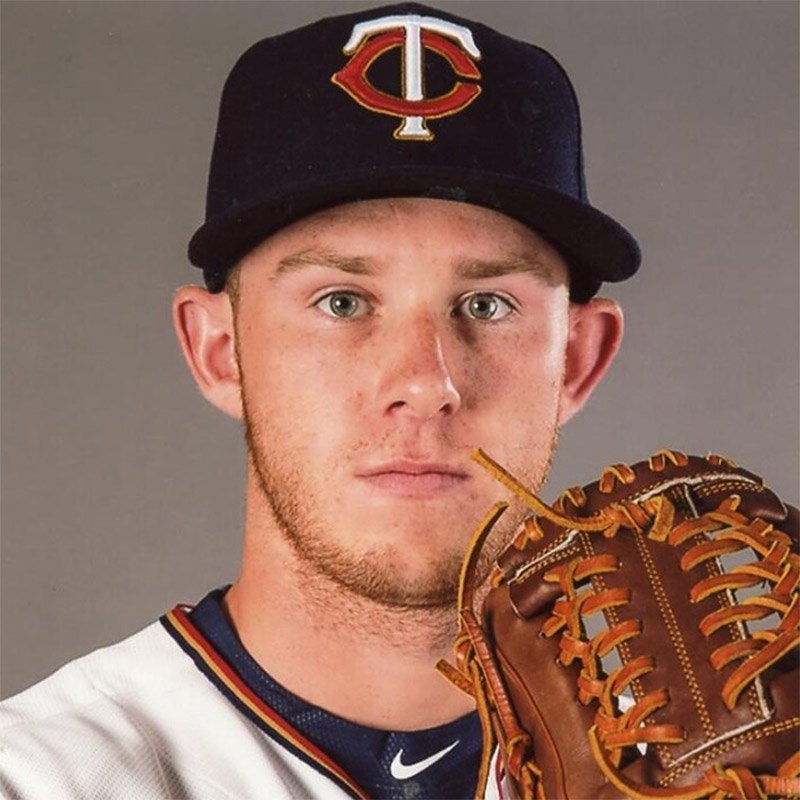 Tyler Ryan Jay (born April 19, 1994) is an American professional baseball pitcher for the New York Mets of Major League Baseball (MLB). He played college baseball at the University of Illinois and was drafted by the Minnesota Twins in the first round of the 2015 MLB draft.
 -
 The Twins roster isn’t built like the teams deemed the "piranhas," back in the Metrodome era. Those clubs had role players who would cause havoc on the bases ahead of the team’s best hitters like Justin Morneau and Joe Mauer. Minnesota's current roster is constructed to work counts and hit for power, even though the 2024 team hasn’t regularly shown those skills yet. Four players on the Twins can help the team’s offensive production, if their sprint speed is improved compared to recent seasons. Byron Buxton Sprint Speed (2023): 94th percentile Buxton battled injuries throughout the 2023 campaign, so it was amazing that his sprint speed continued to be elite. His baserunning value also ranked above the 90th percentile, even while being relegated to DH duties. His health is in a much better place for the 2024 campaign, but he’s seen a slight decline in his sprint speed from 29.3 ft/s to 28.8 ft/s. However, his sprint speed and baserunning run value have both increased their percentile rank compared to last year. A healthy Buxton is a joy to watch on the bases and can be a weapon that helps the Twins score more runs in the months ahead. It's just a question of whether better health can make up for the march of time. Carlos Correa Sprint Speed (2023): 33rd percentile Like Buxton, Correa played hurt last season, but his plantar fasciitis severely impacted his overall speed and mobility. He set the team record by hitting into the most double plays for one season and was worth -7.7 runs on the bases, the worst on the team. When asked if there’s anything he can point to as to why he’s hitting into so many double plays, he said, “Yeah, I’m slow as f**k.” Thankfully, Correa seems to be past his injury woes from last year. His sprint speed (27.1 ft/s) is up 0.5 ft/s versus last season and is comparable to where he was from 2020-2022. He will never be an elite baserunner, but he can provide improved value compared to last year by avoiding double plays. Edouard Julien Sprint Speed (2023): 40th percentile Julien was a below-average runner in his rookie season with a negative baserunning run value that ranked in the 30th percentile. He’s arguably been the team’s worst baserunner in 2024, with his sprint speed dropping from 27.0 ft/s in 2023 to 23.4 ft/s in 2024. There are only three qualified MLB players with a lower sprint speed than Julien this year, and they all play first base or DH. Baseball Savant has him tracked for ten competitive runs this season, so it is a small sample size. This could be noise; not all competitive runs are created equal. However, that drop in sprint speed is concerning. Is something impacting his running ability this season? He continues to bat near the top of the lineup, and the Twins need him to find a way to at least get back to where he was last season. Willi Castro Sprint Speed (2023): 82nd percentile Castro provided tremendous value and utility for the Twins last season, and much of that value came on the base paths. He ranked in the 78th percentile for baserunning run value, and his 28.6 ft/s sprint speed was one of the best on the team. He’s struggled offensively to begin the 2024 season, which has impacted his ability to showcase his running ability. In 32 plate appearances, he has gone 3-for-27 with four walks and 14 strikeouts. His sprint speed has dropped 0.8 points to 27.8 ft/s, still in the 78th percentile. During spring training, Buxton talked openly about Castro and himself battling for 30 or more steals this season. Castro needs to break out of his offensive slump to return to stealing bases. What other players are you monitoring for their base running this year? Can Julien improve enough to avoid negative base running value? Leave a comment to start the discussion.
- 16 comments
-
- 1
-
-
- byron buxton
- carlos correa
- (and 2 more)
-
Stolen bases increased throughout baseball last season, with new rules impacting the running game. The Twins have a handful of players to watch on the basepaths this season, as they try to get in on that trend to a greater extent. Image courtesy of Wendell Cruz-USA TODAY Sports Stolen bases increased throughout baseball last season, with new rules impacting the running game. The Twins have a handful of players to watch on the basepaths this season, as they try to get in on that trend to a greater extent. The Twins roster isn’t built like the teams deemed the "piranhas," back in the Metrodome era. Those clubs had role players who would cause havoc on the bases ahead of the team’s best hitters like Justin Morneau and Joe Mauer. Minnesota's current roster is constructed to work counts and hit for power, even though the 2024 team hasn’t regularly shown those skills yet. Four players on the Twins can help the team’s offensive production, if their sprint speed is improved compared to recent seasons. Byron Buxton Sprint Speed (2023): 94th percentile Buxton battled injuries throughout the 2023 campaign, so it was amazing that his sprint speed continued to be elite. His baserunning value also ranked above the 90th percentile, even while being relegated to DH duties. His health is in a much better place for the 2024 campaign, but he’s seen a slight decline in his sprint speed from 29.3 ft/s to 28.8 ft/s. However, his sprint speed and baserunning run value have both increased their percentile rank compared to last year. A healthy Buxton is a joy to watch on the bases and can be a weapon that helps the Twins score more runs in the months ahead. It's just a question of whether better health can make up for the march of time. Carlos Correa Sprint Speed (2023): 33rd percentile Like Buxton, Correa played hurt last season, but his plantar fasciitis severely impacted his overall speed and mobility. He set the team record by hitting into the most double plays for one season and was worth -7.7 runs on the bases, the worst on the team. When asked if there’s anything he can point to as to why he’s hitting into so many double plays, he said, “Yeah, I’m slow as f**k.” Thankfully, Correa seems to be past his injury woes from last year. His sprint speed (27.1 ft/s) is up 0.5 ft/s versus last season and is comparable to where he was from 2020-2022. He will never be an elite baserunner, but he can provide improved value compared to last year by avoiding double plays. Edouard Julien Sprint Speed (2023): 40th percentile Julien was a below-average runner in his rookie season with a negative baserunning run value that ranked in the 30th percentile. He’s arguably been the team’s worst baserunner in 2024, with his sprint speed dropping from 27.0 ft/s in 2023 to 23.4 ft/s in 2024. There are only three qualified MLB players with a lower sprint speed than Julien this year, and they all play first base or DH. Baseball Savant has him tracked for ten competitive runs this season, so it is a small sample size. This could be noise; not all competitive runs are created equal. However, that drop in sprint speed is concerning. Is something impacting his running ability this season? He continues to bat near the top of the lineup, and the Twins need him to find a way to at least get back to where he was last season. Willi Castro Sprint Speed (2023): 82nd percentile Castro provided tremendous value and utility for the Twins last season, and much of that value came on the base paths. He ranked in the 78th percentile for baserunning run value, and his 28.6 ft/s sprint speed was one of the best on the team. He’s struggled offensively to begin the 2024 season, which has impacted his ability to showcase his running ability. In 32 plate appearances, he has gone 3-for-27 with four walks and 14 strikeouts. His sprint speed has dropped 0.8 points to 27.8 ft/s, still in the 78th percentile. During spring training, Buxton talked openly about Castro and himself battling for 30 or more steals this season. Castro needs to break out of his offensive slump to return to stealing bases. What other players are you monitoring for their base running this year? Can Julien improve enough to avoid negative base running value? Leave a comment to start the discussion. View full article


