



Cody Christie
-
Posts
7,515 -
Joined
-
Last visited
-
Days Won
5
Content Type
Profiles
News
Minnesota Twins Videos
2026 Minnesota Twins Top Prospects Ranking
2022 Minnesota Twins Draft Picks
Minnesota Twins Free Agent & Trade Rumors, Notes, & Tidbits
Guides & Resources
2023 Minnesota Twins Draft Picks
The Minnesota Twins Players Project
2024 Minnesota Twins Draft Picks
2025 Minnesota Twins Draft Pick Tracker
2026 Minnesota Twins Draft Tracker: Picks & Bonuses
Forums
Blogs
Events
Store
Downloads
Gallery
Everything posted by Cody Christie
-
 The offseason is just starting, but the Twins have one of baseball’s best rosters heading into the winter. Here is how the 26-man roster would shake out if the season started today. Image courtesy of John E. Sokolowski-USA TODAY Sports Every front office must take stock of their roster entering the offseason, to identify holes and decide on a team’s most pressing needs. The Twins saw an influx of young talent during the 2023 season, which helps in making long-term roster decisions. In previous years, Derek Falvey and Thad Levine have been very patient when making offseason moves, so there will be some fluidity with the names listed below in the coming months. So, which players would crack the team’s Opening Day roster if the season started today? Catchers (2): Christian Vazquez, Ryan Jeffers Minnesota loves using a two-catcher rotation during the regular season, so players are getting regular rest at baseball’s most demanding defensive position. Jeffers had a tremendous season at the plate, leading all catchers in wRC+. Behind the plate, he has been known for his framing, but he dropped from the 70th percentile in 2022 to the 25th percentile last season. At the Winter Meetings, Falvey mentioned Vázquez among four veterans the Twins are shopping this offseason. Vázquez struggled offensively last season with a 65 OPS+ but continued to rank well defensively. He finished the season ranked fourth in SDI and ranked in the 70th percentile or higher in Framing and Blocks Above Average. The Twins added Jair Camargo to the 40-man roster earlier in the offseason, so he’d be the next man up if Vázquez were traded or one of the starters was injured. Infielders (6): Carlos Correa, Kyle Farmer, Alex Kirilloff, Royce Lewis, Edouard Julien, Jorge Polanco This position group has depth at multiple positions and a strong combination of veterans and young pieces. The team reported that Correa is progressing well in his offseason routine, after having plantar fasciitis ruin his 2023 season. Kirilloff has yet to resume hitting following surgery in October to remove a bursa sac from his right shoulder, so he is the most significant question mark in this group. Farmer and Polanco are short-term pieces the team could trade this winter, with cheaper options available to take their place on the roster. Jose Miranda is another name fans should remember in the infield mix. His 2023 was an injury-marred disaster, but he is further along in his rehab than Kirilloff. Will the Twins use the two former top prospects in a platoon role at first base? Outfielders (5): Byron Buxton, Nick Gordon, Max Kepler, Willi Castro, Matt Wallner Minnesota’s outfield situation isn’t as straightforward, with injury question marks and Michael A. Taylor a free agent. Buxton is making strides after an offseason knee procedure, and the team sounds more optimistic about the possibility of him returning to center field next season. Like the other veterans mentioned above, Kepler is on the trade market with one year remaining of team control. He had a terrific second half, posting a .926 OPS with 17 doubles, two triples, and 12 home runs, and it might be time for the team to maximize his trade value. Castro and Gordon will probably see time in center field, and Wallner will get his first chance at a full-time role. The Twins will also rely on other outfielders on the 40-man roster, like Trevor Larnach and Austin Martin. Rotation (5): Pablo Lopez, Joe Ryan, Bailey Ober, Chris Paddack, Louie Varland The Twins are in a better spot with their starting rotation at this point in the offseason than any other Twins team in recent memory. There were years in the Target Field era when it felt like the club had Jose Berrios and four rotational openings. Minnesota will be attempting to fill the holes left by the free-agent departures of Sonny Gray and Kenta Maeda. Paddack returned from Tommy John surgery last season and will take on a role similar to that of Maeda in 2023. Ryan and Ober made positive strides last season, but there remain areas where they can become more consistent. Varland is penciled into the fifth spot in the rotation, but the team is shopping for other options on the trade market, which would push him to St. Paul to start the year. Simeon Woods Richardson is also on the 40-man roster, but he struggled at Triple-A last season and was nearly five years younger than the competition at that level. He could be asked to make starts for the Twins next season and just turned 23 years old in September. Bullpen (8): Jhoan Duran, Griffin Jax, Brock Stewart, Caleb Thielbar, Kody Funderburk, Jordan Balazovic, Jorge Alcala, Cole Sands Minnesota’s front office has tended not to spend money on bullpen options. Instead, they rely on internal options and minor-league pickups. Durán has been one of baseball’s best relievers since entering a late-inning role in 2022. The trio of Jax, Stewart, and Thielbar have shown the ability to fit into different setup roles, and they will have more responsibility in 2024. Funderburk had a tremendous debut and will be asked to be the bullpen’s second lefty, behind Thielbar. Alcalá has been pitching well in the winter leagues and can be an x-factor. Balazovic is out of options, so he must make the team or be passed through waivers. Sands and Josh Winder have one option remaining, so they will fight for one of the bullpens final spots. Matt Canterino is a dark horse option as he returns from Tommy John surgery. The Twins used 29 pitchers last season, so multiple relievers will make the trip back and forth between Minneapolis and St. Paul. How do you feel about the team's depth at multiple positions? What will change with the 26-man roster before Opening Day? Leave a COMMENT and start the discussion. View full article
- 27 replies
-
- 1
-

-
- carlos correa
- byron buxton
- (and 5 more)
-
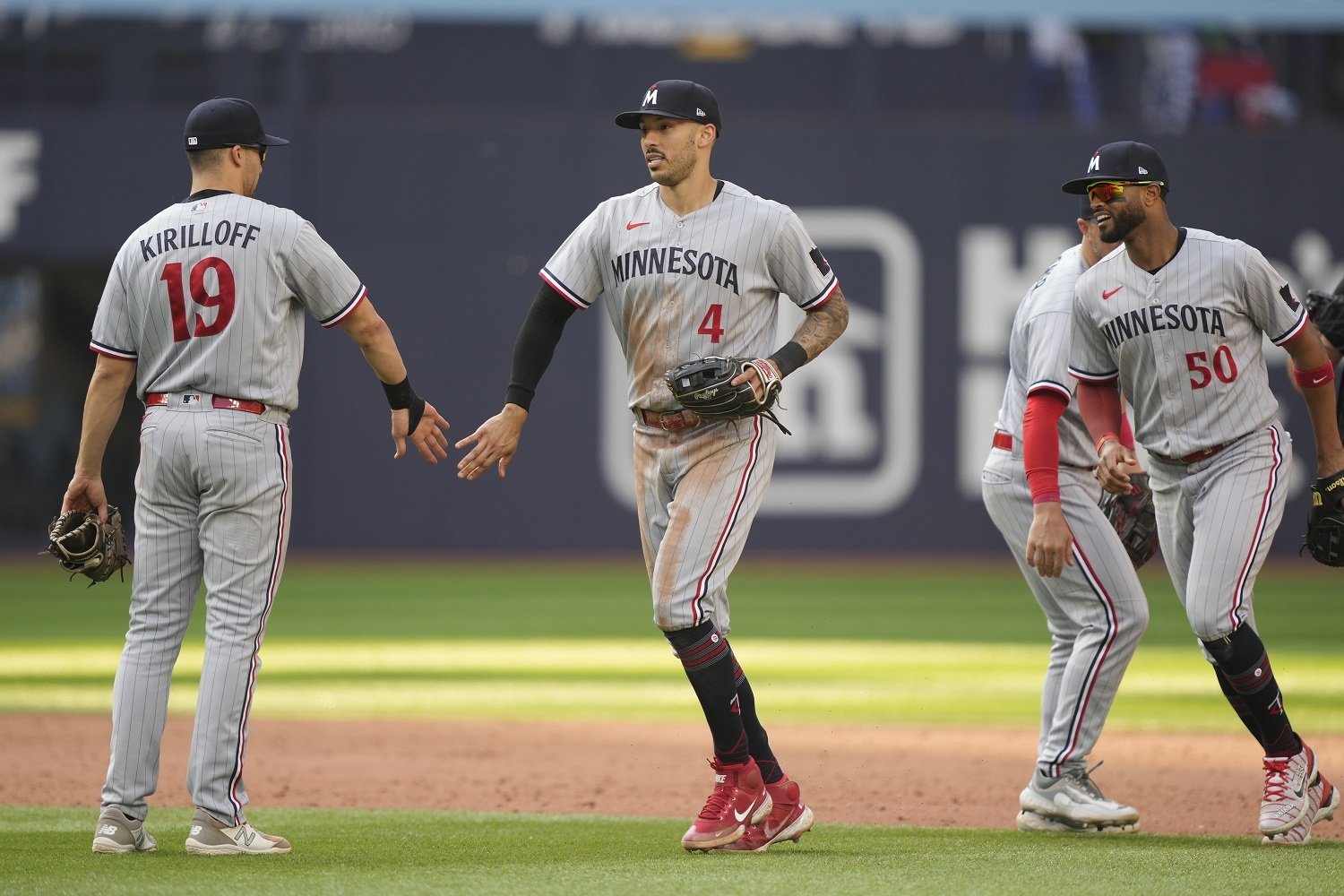 Every front office must take stock of their roster entering the offseason, to identify holes and decide on a team’s most pressing needs. The Twins saw an influx of young talent during the 2023 season, which helps in making long-term roster decisions. In previous years, Derek Falvey and Thad Levine have been very patient when making offseason moves, so there will be some fluidity with the names listed below in the coming months. So, which players would crack the team’s Opening Day roster if the season started today? Catchers (2): Christian Vazquez, Ryan Jeffers Minnesota loves using a two-catcher rotation during the regular season, so players are getting regular rest at baseball’s most demanding defensive position. Jeffers had a tremendous season at the plate, leading all catchers in wRC+. Behind the plate, he has been known for his framing, but he dropped from the 70th percentile in 2022 to the 25th percentile last season. At the Winter Meetings, Falvey mentioned Vázquez among four veterans the Twins are shopping this offseason. Vázquez struggled offensively last season with a 65 OPS+ but continued to rank well defensively. He finished the season ranked fourth in SDI and ranked in the 70th percentile or higher in Framing and Blocks Above Average. The Twins added Jair Camargo to the 40-man roster earlier in the offseason, so he’d be the next man up if Vázquez were traded or one of the starters was injured. Infielders (6): Carlos Correa, Kyle Farmer, Alex Kirilloff, Royce Lewis, Edouard Julien, Jorge Polanco This position group has depth at multiple positions and a strong combination of veterans and young pieces. The team reported that Correa is progressing well in his offseason routine, after having plantar fasciitis ruin his 2023 season. Kirilloff has yet to resume hitting following surgery in October to remove a bursa sac from his right shoulder, so he is the most significant question mark in this group. Farmer and Polanco are short-term pieces the team could trade this winter, with cheaper options available to take their place on the roster. Jose Miranda is another name fans should remember in the infield mix. His 2023 was an injury-marred disaster, but he is further along in his rehab than Kirilloff. Will the Twins use the two former top prospects in a platoon role at first base? Outfielders (5): Byron Buxton, Nick Gordon, Max Kepler, Willi Castro, Matt Wallner Minnesota’s outfield situation isn’t as straightforward, with injury question marks and Michael A. Taylor a free agent. Buxton is making strides after an offseason knee procedure, and the team sounds more optimistic about the possibility of him returning to center field next season. Like the other veterans mentioned above, Kepler is on the trade market with one year remaining of team control. He had a terrific second half, posting a .926 OPS with 17 doubles, two triples, and 12 home runs, and it might be time for the team to maximize his trade value. Castro and Gordon will probably see time in center field, and Wallner will get his first chance at a full-time role. The Twins will also rely on other outfielders on the 40-man roster, like Trevor Larnach and Austin Martin. Rotation (5): Pablo Lopez, Joe Ryan, Bailey Ober, Chris Paddack, Louie Varland The Twins are in a better spot with their starting rotation at this point in the offseason than any other Twins team in recent memory. There were years in the Target Field era when it felt like the club had Jose Berrios and four rotational openings. Minnesota will be attempting to fill the holes left by the free-agent departures of Sonny Gray and Kenta Maeda. Paddack returned from Tommy John surgery last season and will take on a role similar to that of Maeda in 2023. Ryan and Ober made positive strides last season, but there remain areas where they can become more consistent. Varland is penciled into the fifth spot in the rotation, but the team is shopping for other options on the trade market, which would push him to St. Paul to start the year. Simeon Woods Richardson is also on the 40-man roster, but he struggled at Triple-A last season and was nearly five years younger than the competition at that level. He could be asked to make starts for the Twins next season and just turned 23 years old in September. Bullpen (8): Jhoan Duran, Griffin Jax, Brock Stewart, Caleb Thielbar, Kody Funderburk, Jordan Balazovic, Jorge Alcala, Cole Sands Minnesota’s front office has tended not to spend money on bullpen options. Instead, they rely on internal options and minor-league pickups. Durán has been one of baseball’s best relievers since entering a late-inning role in 2022. The trio of Jax, Stewart, and Thielbar have shown the ability to fit into different setup roles, and they will have more responsibility in 2024. Funderburk had a tremendous debut and will be asked to be the bullpen’s second lefty, behind Thielbar. Alcalá has been pitching well in the winter leagues and can be an x-factor. Balazovic is out of options, so he must make the team or be passed through waivers. Sands and Josh Winder have one option remaining, so they will fight for one of the bullpens final spots. Matt Canterino is a dark horse option as he returns from Tommy John surgery. The Twins used 29 pitchers last season, so multiple relievers will make the trip back and forth between Minneapolis and St. Paul. How do you feel about the team's depth at multiple positions? What will change with the 26-man roster before Opening Day? Leave a COMMENT and start the discussion.
- 27 comments
-
- 8
-
-
- carlos correa
- byron buxton
- (and 5 more)
-
Shohei Ohtani agreed to the largest contract in North American sports history on Saturday. With the biggest domino falling, how will MLB’s offseason play out, and how does that impact the Twins? Image courtesy of Jeffrey Becker-USA TODAY Sports After weeks of rumors and speculation, Shohei Ohtani took to his own Instagram account to announce that he would sign with the Los Angeles Dodgers 10 years and a record total of $700 million. With Ohtani off the board, other moves can start happening, especially for the teams who missed out on the two-way superstar. Here are some expected moves in the weeks ahead, and some discussion of how each will affect the Twins. 1. Yoshinobu Yamamoto Signs Yamamoto is a 25-year-old pitching phenom from Japan who will likely get the second-largest contract handed out this winter. As many as seven teams have shown interest in Yamamoto, and he’s expected to sign for over $200 million. His Japanese club posted him on Nov. 21, and there is a 45-day window for him to agree to terms with an MLB team. That window runs out on Jan. 4, but many teams like to take a business break around the holidays. Will Yamamoto be off the board before Christmas? Do the Dodgers push for him to join Ohtani, or will the New York teams win the bidding war? 2. Other Big Free Agents Come Off the Board Outside of Yamamoto, other high-priced free agents are expected to sign now that Ohtani has picked his team. Blake Snell and Jordan Montgomery are the top remaining free-agent starters. Snell was the NL Cy Young winner after going 13-3 with a 1.20 ERA over his final 23 starts. Montgomery helped pitch Texas to a World Series title, and his postseason performance might have increased his value (2.90 ERA in six games). According to MLB Trade Rumors, Snell is projected to get seven years, $200 million, while Montgomery is predicted to get six years, $150 million. Snell rejected the qualifying offer from the Padres, so he has draft pick compensation tied to a team signing him. Montgomery was traded last season, so the Rangers couldn’t make him a qualifying offer. On the hitter side, Cody Bellinger and Matt Chapman are the highest-ranked free agents. Bellinger, the 2019 NL MVP, had a resurgent season in Chicago. He batted .307/.356/.525, with 29 doubles and 26 home runs in 130 games. Chapman is an elite defender at third base and posted a 108 OPS+ last season in Toronto. His offensive output has dipped over the last three seasons, but he should be able to cash in, with few other third-base options on the market. MLB Trade Rumors projected Bellinger to get 12 years and $264 million, with Chapman predicted to get six years, $150 million. Teams who missed out on Ohtani can open their checkbooks for any of these options. 3. Lower-Tier Free Agents Start to Sign Many big-market teams will be focused on the names listed above, and lower-tier free agents must wait for the more prominent names to sign to set the market. Some teams will also offer more money to lower-tier free agents as the supply dwindles. Last season, the Twins identified Christian Vázquez early in the offseason and offered him a third year, since he had multiple two-year proposals on the table. Kyle Gibson and Lance Lynn were lower-ranked starting pitcher options, but the Cardinals needed pitching and offered them a little more to sign early. Teams with specific needs will start looking at the free agent cost and weigh it against trading for a player. 4. Teams Turn to Trade Options At MLB’s Winter Meetings, Derek Falvey spoke about the Twins shopping four veteran players (Kyle Farmer, Max Kepler, Jorge Polanco, and Vázquez). He told reporters, “I think we’re still in that early feeling-out phase.” Multiple national writers have reported that there is interest in Minnesota’s trade pieces. Still, fans will need to be patient with the front office, since that has been their style in previous offseasons. "We're always trying to be opportunistic, think of where a trade matches, where there might be opportunities to invest in a way that will help us get better," Falvey said. "We've always kind of been a team that waits out some of the market, in some spaces, and waits to see how things shake out to some degree. The team isn't made at the end of the Winter Meetings, right? This has never been a key marker for me personally or for us in general." Falvey’s rosters are never finalized, with the front office always looking to improve. In 2022, the Twins waited until the eve of Opening Day to trade Taylor Rogers and Brent Rooker to the Padres for Chris Paddack, Emilio Pagán, and Brayan Medina. Twins fans probably want to know how the roster will look for Opening Day, but this front office has continued to find ways to add pieces throughout the offseason. Ohtani signing is the first domino, and now MLB’s offseason can start moving for the rest of the baseball world. Who will be the next free agent to sign? Which veterans will the Twins trade? Leave a COMMENT and start the discussion. View full article
-
What’s Next for MLB’s Offseason Now That Shohei Ohtani Has Signed?
Cody Christie posted an article in Twins
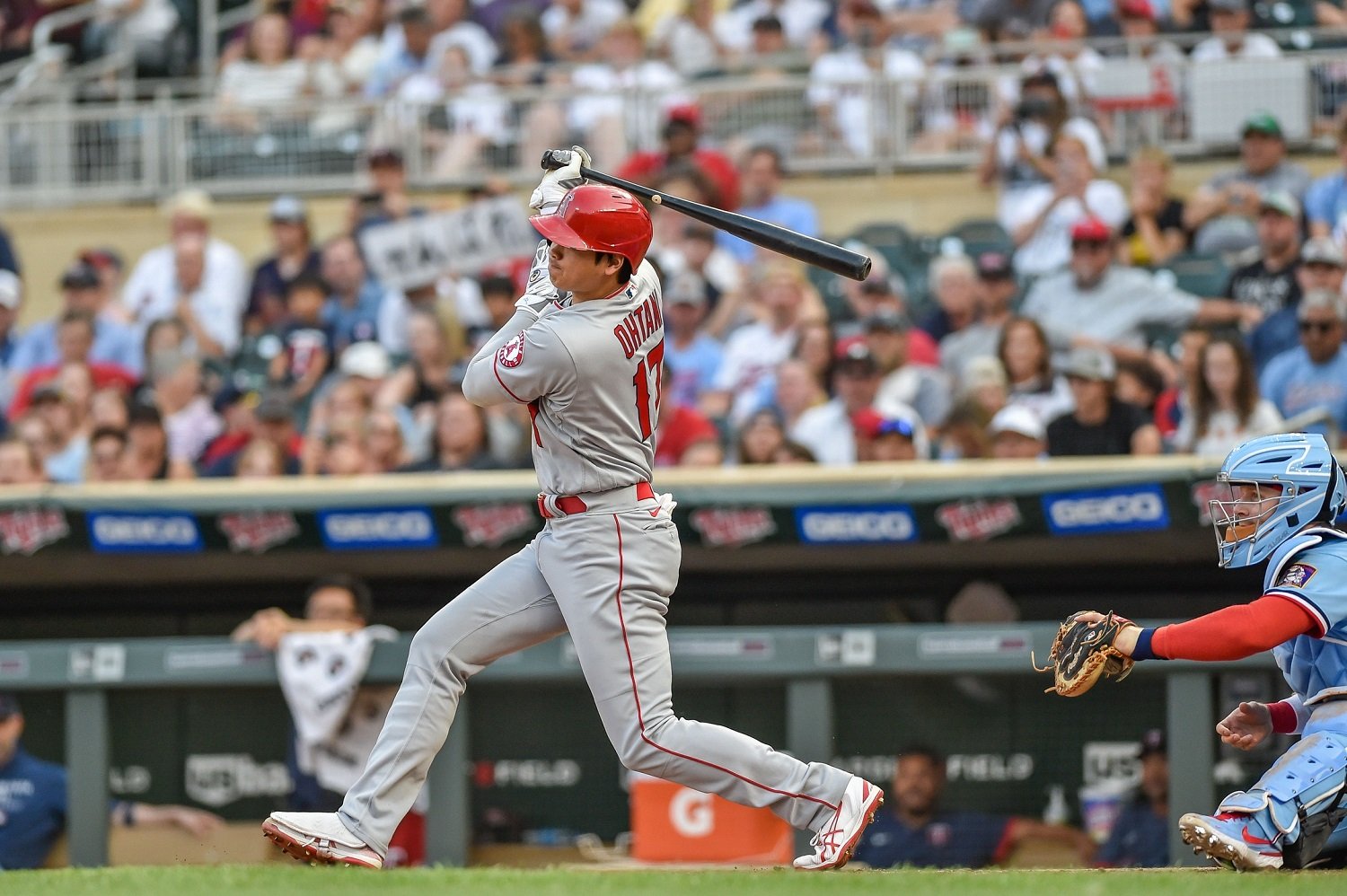 After weeks of rumors and speculation, Shohei Ohtani took to his own Instagram account to announce that he would sign with the Los Angeles Dodgers 10 years and a record total of $700 million. With Ohtani off the board, other moves can start happening, especially for the teams who missed out on the two-way superstar. Here are some expected moves in the weeks ahead, and some discussion of how each will affect the Twins. 1. Yoshinobu Yamamoto Signs Yamamoto is a 25-year-old pitching phenom from Japan who will likely get the second-largest contract handed out this winter. As many as seven teams have shown interest in Yamamoto, and he’s expected to sign for over $200 million. His Japanese club posted him on Nov. 21, and there is a 45-day window for him to agree to terms with an MLB team. That window runs out on Jan. 4, but many teams like to take a business break around the holidays. Will Yamamoto be off the board before Christmas? Do the Dodgers push for him to join Ohtani, or will the New York teams win the bidding war? 2. Other Big Free Agents Come Off the Board Outside of Yamamoto, other high-priced free agents are expected to sign now that Ohtani has picked his team. Blake Snell and Jordan Montgomery are the top remaining free-agent starters. Snell was the NL Cy Young winner after going 13-3 with a 1.20 ERA over his final 23 starts. Montgomery helped pitch Texas to a World Series title, and his postseason performance might have increased his value (2.90 ERA in six games). According to MLB Trade Rumors, Snell is projected to get seven years, $200 million, while Montgomery is predicted to get six years, $150 million. Snell rejected the qualifying offer from the Padres, so he has draft pick compensation tied to a team signing him. Montgomery was traded last season, so the Rangers couldn’t make him a qualifying offer. On the hitter side, Cody Bellinger and Matt Chapman are the highest-ranked free agents. Bellinger, the 2019 NL MVP, had a resurgent season in Chicago. He batted .307/.356/.525, with 29 doubles and 26 home runs in 130 games. Chapman is an elite defender at third base and posted a 108 OPS+ last season in Toronto. His offensive output has dipped over the last three seasons, but he should be able to cash in, with few other third-base options on the market. MLB Trade Rumors projected Bellinger to get 12 years and $264 million, with Chapman predicted to get six years, $150 million. Teams who missed out on Ohtani can open their checkbooks for any of these options. 3. Lower-Tier Free Agents Start to Sign Many big-market teams will be focused on the names listed above, and lower-tier free agents must wait for the more prominent names to sign to set the market. Some teams will also offer more money to lower-tier free agents as the supply dwindles. Last season, the Twins identified Christian Vázquez early in the offseason and offered him a third year, since he had multiple two-year proposals on the table. Kyle Gibson and Lance Lynn were lower-ranked starting pitcher options, but the Cardinals needed pitching and offered them a little more to sign early. Teams with specific needs will start looking at the free agent cost and weigh it against trading for a player. 4. Teams Turn to Trade Options At MLB’s Winter Meetings, Derek Falvey spoke about the Twins shopping four veteran players (Kyle Farmer, Max Kepler, Jorge Polanco, and Vázquez). He told reporters, “I think we’re still in that early feeling-out phase.” Multiple national writers have reported that there is interest in Minnesota’s trade pieces. Still, fans will need to be patient with the front office, since that has been their style in previous offseasons. "We're always trying to be opportunistic, think of where a trade matches, where there might be opportunities to invest in a way that will help us get better," Falvey said. "We've always kind of been a team that waits out some of the market, in some spaces, and waits to see how things shake out to some degree. The team isn't made at the end of the Winter Meetings, right? This has never been a key marker for me personally or for us in general." Falvey’s rosters are never finalized, with the front office always looking to improve. In 2022, the Twins waited until the eve of Opening Day to trade Taylor Rogers and Brent Rooker to the Padres for Chris Paddack, Emilio Pagán, and Brayan Medina. Twins fans probably want to know how the roster will look for Opening Day, but this front office has continued to find ways to add pieces throughout the offseason. Ohtani signing is the first domino, and now MLB’s offseason can start moving for the rest of the baseball world. Who will be the next free agent to sign? Which veterans will the Twins trade? Leave a COMMENT and start the discussion.
- 27 comments
-
- 2
-
-
- yoshinobu yamamoto
- cody bellinger
- (and 4 more)
-
MLB’s Winter Meetings officially wrapped up on Wednesday, and there was plenty to discuss in Nashville. What’s next for the Twins, and what other news and notes came out of the Country Music Capital of the World? Image courtesy of Matt Blewett-USA TODAY Sports Teams packed up in Nashville and headed home yesterday, but the rumor mill continues to swirl about the Twins and other teams across the baseball landscape. The Winter Meetings allow teams to set the groundwork for free-agent signings and potential trades, which will unfold quickly over the next two weeks. Minnesota tends to be patient when making their offseason moves, and they're sticking to that strategy so far this winter. Here are some trending storylines that will impact the Twins’ plans. Multiple Teams Interested in Michael A. Taylor Taylor had a career year with the Twins at age 32. He hit a career-high 21 home runs and posted his highest OPS+ (94) since 2017. Taylor’s defense continues to be among baseball’s best, with 5 Defensive Runs Saved and 8 Outs Above Average. The Red Sox traded Alex Verdugo to the Yankees earlier this week, opening a spot in the Boston outfield. Jon Morosi reported that the Red Sox, Reds, Blue Jays, and Mets are rumored to be interested in Taylor, which is intriguing, since some of these clubs are big-market teams with money to spend. Taylor seemed likely to sign a one-year contract, but a team might have to offer a two-year pact to beat out other interested teams. Notably absent from the list of teams engaged, at least in that report, are the Twins. Marlins Open to Trading Young Pitching Last winter, the Twins traded Luis Arraez to the Marlins for Pablo Lopez, in a deal that worked well for both clubs. Miami continues to have a plethora of young starting pitching, and Jon Heyman reported that the Marlins are listening to trade talk on pitchers Jesus Luzardo, Braxton Garrett, Edward Cabrera, and Trevor Rogers. Do the Twins think they can help any of these pitchers take the next step, as they did with López last season? Luzardo is under team control through 2026 and posted a 3.58 ERA with a 1.22 WHIP and 10.5 K/9 in 2023. Garrett isn't even arbitration-eligible yet, and can’t become a free agent until after 2028. Over the last two seasons, he has posted a 3.63 ERA, with a 246-to-53 strikeout-to-walk ratio in 247 2/3 innings. Cabrera is on the same free-agent timeline as Garrett, but would likely come at a lower cost than the other two names. He struggled with control, including 6.0 BB/9 in just under 100 innings last season. Injuries derailed Rogers in 2023, but he should be ready for next spring. Shohei Ohtani Decisions Looming Many teams are waiting to make their key moves until Ohtani, arguably the biggest free agent in MLB history, picks his destination. Jon Morosi reported that Ohtani is expected to make his decision by the end of the weekend. Some teams still rumored to be courting Ohtani include the Blue Jays, Dodgers, Giants, and Cubs. Following his signing, teams can focus on other free agents and trade options, which should help add some heat to the Hot Stove. Juan Soto Trade to Yankees is Official Juan Soto was the second-biggest name available this winter, but is still one year away from free agency. Wednesday night, the Yankees finalized a deal to land the extraordinary left-handed slugger and on-base machine. Two of New York’s top young pitchers, Michael King and Drew Thorpe, headline the haul for San Diego, with three others along for the ride and center fielder Trent Grisham also joining the Bronx Bombers. While You Were Sleeping... There were a couple of late-night moves that you may have missed. E-Rod Heading West Some Twins fans may have thought that left-hander Eduardo Rodriguez should be a target this offseason. He opted out of the remaining three years and $49 million on his contract with the Detroit Tigers, signed two years ago. According to reports, Rodriguez signed a four-year, $80-million contract with the Arizona Diamondbacks that includes a vesting option for a fifth season and some incentives that could push the total value of the deal to about $100 million. Reds Sign Jeimer Candelario Long-time Tigers infielder Jeimer Candelario signed a three-year, $45-million contract with the Cincinnati Reds late on Wednesday night. After parts of six seasons in Motown, Candelario signed a one-year deal with the Nationals last year. He hit .258, with 30 doubles and 16 home runs in 99 games for Washington before he was dealt to the Chicago Cubs at the trade deadline. He added nine doubles and six homers in 41 games on the North Side. Candelario will likely play both corner infield spots for the Reds. Spencer Steer, who had a tremendous rookie season in 2023, will find himself in left field most often. Christian Encarnacion-Strand will likely continue to get time at first base, but also do plenty of DHing. Do you think Taylor will get a multi-year deal? Can the Twins and Marlins agree on another trade for a starting pitcher? What team will sign Ohtani? Leave a COMMENT and start the discussion. View full article
-
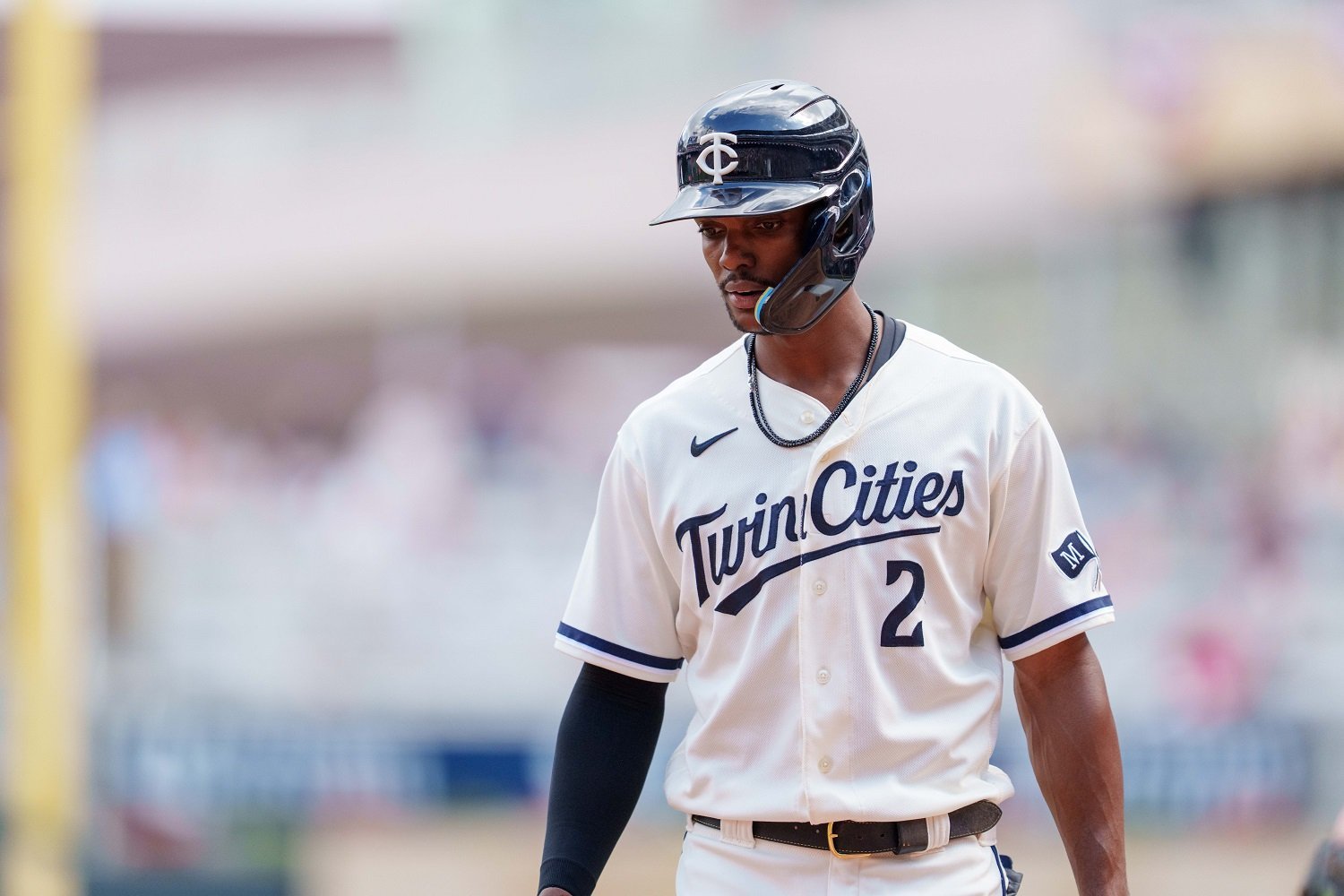 Teams packed up in Nashville and headed home yesterday, but the rumor mill continues to swirl about the Twins and other teams across the baseball landscape. The Winter Meetings allow teams to set the groundwork for free-agent signings and potential trades, which will unfold quickly over the next two weeks. Minnesota tends to be patient when making their offseason moves, and they're sticking to that strategy so far this winter. Here are some trending storylines that will impact the Twins’ plans. Multiple Teams Interested in Michael A. Taylor Taylor had a career year with the Twins at age 32. He hit a career-high 21 home runs and posted his highest OPS+ (94) since 2017. Taylor’s defense continues to be among baseball’s best, with 5 Defensive Runs Saved and 8 Outs Above Average. The Red Sox traded Alex Verdugo to the Yankees earlier this week, opening a spot in the Boston outfield. Jon Morosi reported that the Red Sox, Reds, Blue Jays, and Mets are rumored to be interested in Taylor, which is intriguing, since some of these clubs are big-market teams with money to spend. Taylor seemed likely to sign a one-year contract, but a team might have to offer a two-year pact to beat out other interested teams. Notably absent from the list of teams engaged, at least in that report, are the Twins. Marlins Open to Trading Young Pitching Last winter, the Twins traded Luis Arraez to the Marlins for Pablo Lopez, in a deal that worked well for both clubs. Miami continues to have a plethora of young starting pitching, and Jon Heyman reported that the Marlins are listening to trade talk on pitchers Jesus Luzardo, Braxton Garrett, Edward Cabrera, and Trevor Rogers. Do the Twins think they can help any of these pitchers take the next step, as they did with López last season? Luzardo is under team control through 2026 and posted a 3.58 ERA with a 1.22 WHIP and 10.5 K/9 in 2023. Garrett isn't even arbitration-eligible yet, and can’t become a free agent until after 2028. Over the last two seasons, he has posted a 3.63 ERA, with a 246-to-53 strikeout-to-walk ratio in 247 2/3 innings. Cabrera is on the same free-agent timeline as Garrett, but would likely come at a lower cost than the other two names. He struggled with control, including 6.0 BB/9 in just under 100 innings last season. Injuries derailed Rogers in 2023, but he should be ready for next spring. Shohei Ohtani Decisions Looming Many teams are waiting to make their key moves until Ohtani, arguably the biggest free agent in MLB history, picks his destination. Jon Morosi reported that Ohtani is expected to make his decision by the end of the weekend. Some teams still rumored to be courting Ohtani include the Blue Jays, Dodgers, Giants, and Cubs. Following his signing, teams can focus on other free agents and trade options, which should help add some heat to the Hot Stove. Juan Soto Trade to Yankees is Official Juan Soto was the second-biggest name available this winter, but is still one year away from free agency. Wednesday night, the Yankees finalized a deal to land the extraordinary left-handed slugger and on-base machine. Two of New York’s top young pitchers, Michael King and Drew Thorpe, headline the haul for San Diego, with three others along for the ride and center fielder Trent Grisham also joining the Bronx Bombers. While You Were Sleeping... There were a couple of late-night moves that you may have missed. E-Rod Heading West Some Twins fans may have thought that left-hander Eduardo Rodriguez should be a target this offseason. He opted out of the remaining three years and $49 million on his contract with the Detroit Tigers, signed two years ago. According to reports, Rodriguez signed a four-year, $80-million contract with the Arizona Diamondbacks that includes a vesting option for a fifth season and some incentives that could push the total value of the deal to about $100 million. Reds Sign Jeimer Candelario Long-time Tigers infielder Jeimer Candelario signed a three-year, $45-million contract with the Cincinnati Reds late on Wednesday night. After parts of six seasons in Motown, Candelario signed a one-year deal with the Nationals last year. He hit .258, with 30 doubles and 16 home runs in 99 games for Washington before he was dealt to the Chicago Cubs at the trade deadline. He added nine doubles and six homers in 41 games on the North Side. Candelario will likely play both corner infield spots for the Reds. Spencer Steer, who had a tremendous rookie season in 2023, will find himself in left field most often. Christian Encarnacion-Strand will likely continue to get time at first base, but also do plenty of DHing. Do you think Taylor will get a multi-year deal? Can the Twins and Marlins agree on another trade for a starting pitcher? What team will sign Ohtani? Leave a COMMENT and start the discussion.
- 40 comments
-
- 7
-
-
- michael a taylor
- juan soto
- (and 4 more)
-
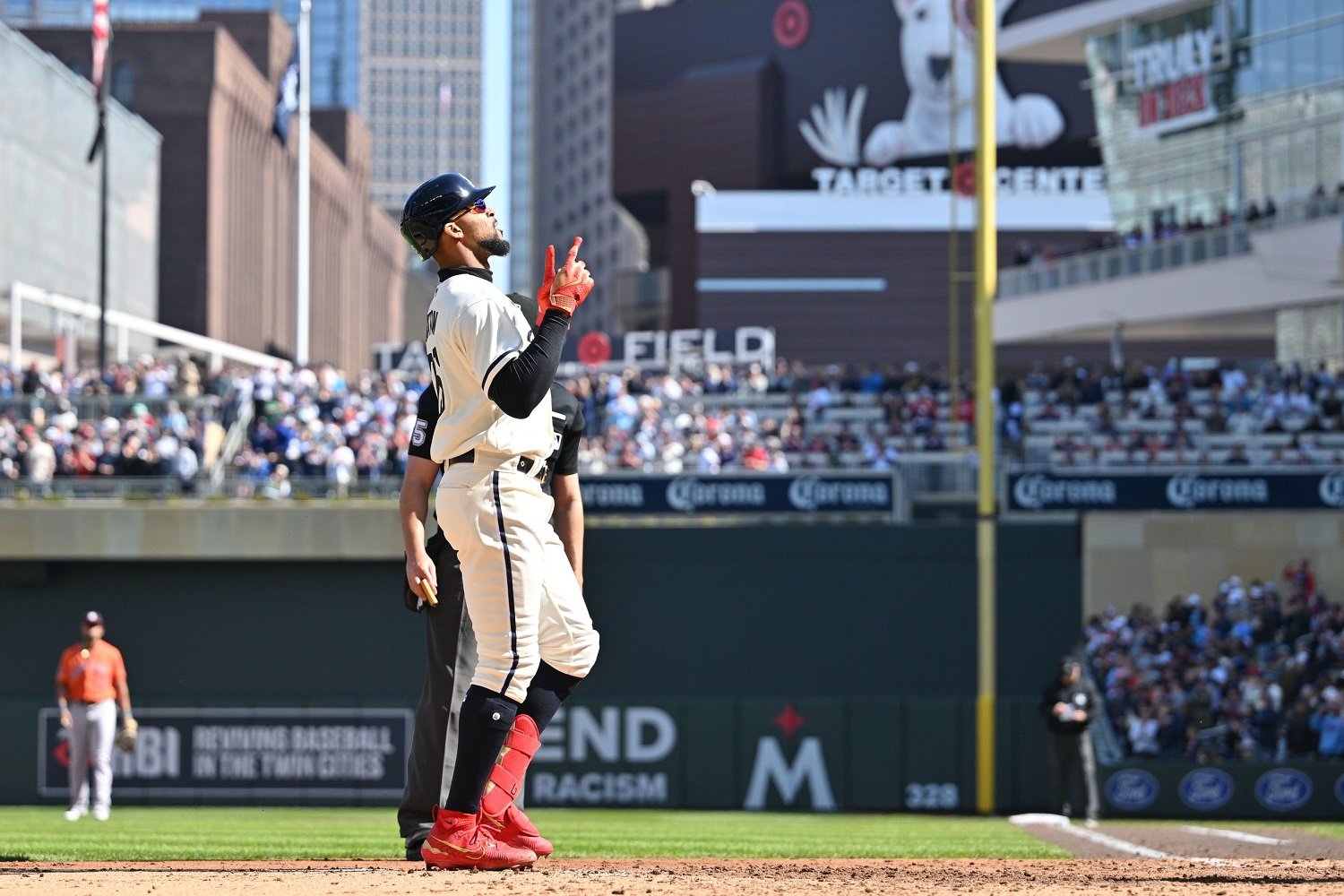 Any positive news surrounding Byron Buxton’s health is a step in the right direction. This weekend, Derek Falvey told the Minneapolis Star-Tribune that he's “fully recovered from the surgery” he had earlier in the offseason with “no lingering effects.” He went on to say Buxton “looked good” in workouts with the team’s medical staff at Target Field. “Rehabilitation is ongoing, and completing that is Buxton’s next step," the story said. "The Twins feel he should be cleared to do some baseball-related activities by the end of the year.” Buxton couldn’t be a full participant at spring training last season, because of lingering knee issues from the previous season. The Twins hope this latest surgery can alleviate enough pain for him to return to center field. Minnesota utilized a different plan for Buxton in 2023 by having him begin the year as a full-time DH, with the hope that he’d be able to ease back into the outfield mix. His knee was never healthy enough to play in center field for the Twins, as his only outfield innings came in a Triple-A rehab appearance. Buxton may never again play 500 innings in center field, but getting him back to a part-time defensive role is critical to next season’s roster. Last season, Buxton was limited to 85 games, even with the team implementing such an aggressive and costly plan to keep him healthy. In 347 plate appearances, he hit .207/.294/.438 (.731) with 17 doubles and 17 home runs. In previous seasons, Buxton was able to return from injury and produce at a high level at the plate. The 2023 campaign was the first time he posted an OPS+ below 115 in five seasons. Buxton has only played over 100 games in one season since becoming a regular in 2016. Center field is one of the most significant needs for the Twins this winter, because the team can’t count on Buxton to be regularly available for the outfield. Last winter, they traded for Michael A. Taylor to provide insurance for Buxton. Taylor provided the team with his highest OPS+ since 2017, while being one of the league’s best defensive center fielders. Minnesota could attempt to re-sign Taylor and put him into a similar role, or the team could pursue other free-agent options like Kevin Kiermaier or Harrison Bader. Falvey and GM Thad Levine could also turn to internal options to take over the position. Austin Martin has been ranked as one of the team’s top prospects since he was acquired as part of the Jose Berrios trade. Signed as a shortstop, Martin has diversified his defensive profile as he gets closer to the big-league level, including over 200 innings in the outfield last year. Martin missed time last season with an elbow injury, but played well after returning. In 59 Triple-A games, he hit .263/.387/.405 (.791) with 11 doubles, six home runs and 16 steals. The Twins can also use other internal options to patrol center, including Willi Castro and Nick Gordon, but none of these options replicate what Buxton means to the Twins. Minnesota is a better team with Byron Buxton in the lineup. For his career, the Twins have a .545 winning percentage with Buxton starting and a .459 winning percentage when he is out. Their production is more robust, and their batting order deeper, with their franchise player on the field. Unfortunately, the Twins have played more games (686) without Buxton than with him (670) since he made his debut. The AL Central is expected to be one of baseball’s worst divisions again in 2024, with the Twins currently the favorites to win it. Minnesota found a way to win the division last season without Buxton performing at a high level, so there is a way for the team to repeat without him. However, when he's healthy, he has proven to be one of the game’s best players on both sides of the ball. Questions about Buxton’s health will follow him for the remainder of his career. The goal is to get him back to center field on a more regular basis, and the Twins hope this latest surgery is the one to put him back on track. How many games will Buxton play in center field next season? Leave a COMMENT and start the discussion.
 -
Minnesota is cutting back on payroll, making it even more critical for the team's star players to perform at a high level. Can they get Byron Buxton back on track to play center field in 2024? Image courtesy of Jeffrey Becker-USA TODAY Sports Any positive news surrounding Byron Buxton’s health is a step in the right direction. This weekend, Derek Falvey told the Minneapolis Star-Tribune that he's “fully recovered from the surgery” he had earlier in the offseason with “no lingering effects.” He went on to say Buxton “looked good” in workouts with the team’s medical staff at Target Field. “Rehabilitation is ongoing, and completing that is Buxton’s next step," the story said. "The Twins feel he should be cleared to do some baseball-related activities by the end of the year.” Buxton couldn’t be a full participant at spring training last season, because of lingering knee issues from the previous season. The Twins hope this latest surgery can alleviate enough pain for him to return to center field. Minnesota utilized a different plan for Buxton in 2023 by having him begin the year as a full-time DH, with the hope that he’d be able to ease back into the outfield mix. His knee was never healthy enough to play in center field for the Twins, as his only outfield innings came in a Triple-A rehab appearance. Buxton may never again play 500 innings in center field, but getting him back to a part-time defensive role is critical to next season’s roster. Last season, Buxton was limited to 85 games, even with the team implementing such an aggressive and costly plan to keep him healthy. In 347 plate appearances, he hit .207/.294/.438 (.731) with 17 doubles and 17 home runs. In previous seasons, Buxton was able to return from injury and produce at a high level at the plate. The 2023 campaign was the first time he posted an OPS+ below 115 in five seasons. Buxton has only played over 100 games in one season since becoming a regular in 2016. Center field is one of the most significant needs for the Twins this winter, because the team can’t count on Buxton to be regularly available for the outfield. Last winter, they traded for Michael A. Taylor to provide insurance for Buxton. Taylor provided the team with his highest OPS+ since 2017, while being one of the league’s best defensive center fielders. Minnesota could attempt to re-sign Taylor and put him into a similar role, or the team could pursue other free-agent options like Kevin Kiermaier or Harrison Bader. Falvey and GM Thad Levine could also turn to internal options to take over the position. Austin Martin has been ranked as one of the team’s top prospects since he was acquired as part of the Jose Berrios trade. Signed as a shortstop, Martin has diversified his defensive profile as he gets closer to the big-league level, including over 200 innings in the outfield last year. Martin missed time last season with an elbow injury, but played well after returning. In 59 Triple-A games, he hit .263/.387/.405 (.791) with 11 doubles, six home runs and 16 steals. The Twins can also use other internal options to patrol center, including Willi Castro and Nick Gordon, but none of these options replicate what Buxton means to the Twins. Minnesota is a better team with Byron Buxton in the lineup. For his career, the Twins have a .545 winning percentage with Buxton starting and a .459 winning percentage when he is out. Their production is more robust, and their batting order deeper, with their franchise player on the field. Unfortunately, the Twins have played more games (686) without Buxton than with him (670) since he made his debut. The AL Central is expected to be one of baseball’s worst divisions again in 2024, with the Twins currently the favorites to win it. Minnesota found a way to win the division last season without Buxton performing at a high level, so there is a way for the team to repeat without him. However, when he's healthy, he has proven to be one of the game’s best players on both sides of the ball. Questions about Buxton’s health will follow him for the remainder of his career. The goal is to get him back to center field on a more regular basis, and the Twins hope this latest surgery is the one to put him back on track. How many games will Buxton play in center field next season? Leave a COMMENT and start the discussion. View full article
-
Teams make questionable protection decisions every year leading into the Rule 5 Draft. Will the Twins regret leaving a Triple-A outfielder off their 40-man roster? Image courtesy of Ed Bailey, Wichita Wind Surge The Twins selected DaShawn Keirsey in the fourth round of the 2018 MLB Draft, from the University of Utah. In three collegiate seasons, he hit .334/.391/.473 (.865) with 42 doubles, 11 triples, and eight home runs. He played center field in college and showed an ability to steal bases. This skill set was enough to catch the attention of Twins scouts, and they used a relatively high pick (and an above-slot bonus) on him. In his pro debut, Keirsey posted a .798 OPS in 26 games for the Elizabethton Twins. It was a solid start to his career, but his college experience helped him succeed in a league where he was older than the average age of the competition. In 2019, Keirsey was limited to 36 games due to injury and struggled to find consistency at the plate. Minnesota hoped he could bounce back in 2020, but the pandemic canceled the minor league season. His 2021 season was also limited to fewer than 50 games because of multiple injuries. Most of his time that season was spent at High-A, where the 24-year-old was old for the level. He hit .199/.297/.433 (.730) with 15 extra-base hits in 45 games. Keirsey wouldn’t appear on any top Twins prospect lists because he hadn’t been able to put together a healthy season and showcase his true potential. In 2022, Keirsey finally played over 100 games for the first time in his professional career. He hit .271/.329/.395 (.724) with 26 doubles, 3 triples, and 7 home runs. The Wind Surge coaching staff let him loose on the bases, as he stole 42 of them in 49 attempts. Keirsey was slightly older than the average age of the competition in the Texas League, but he showed that he could stay healthy and produce. The Twins sent Keirsey back to Double-A to begin the 2023 campaign because the Triple-A outfield had other options. In 91 games, he hit .305/.363/.488 (.850) with 17 doubles, 5 triples, and 13 home runs. He was promoted to Triple A at the beginning of August and posted a .739 OPS in the season’s final 39 games. On the bases, he went 39-for-44 in stolen base attempts, including a perfect 8-for-8 at Triple A. Keirsey stayed healthy again and played in a career-high 130 games. Minnesota has a clear need in center field for next season, so it was interesting that they didn’t add Keirsey to the 40-man roster. When he reached Triple A this season, it was the first time he was younger than the average age of the competition. He’s already 26 years old, and the Twins know him better than anyone. Perhaps the team doesn’t feel like he’s a viable option to play regularly in center field, and that’s why they were willing to leave him unprotected. If that skepticism is real, it's not unwarranted. Keirsey's already well into what would typically be a big-league player's prime, so we can't expect much more development from him. That's not the same as saying that such development is impossible, but it's unlikely, by definition. In his decent-sized sample of Triple-A playing time, his underlying data also betrayed some weaknesses that might confine him to a bench role. A lefty swinger, he whiffed on over 29 percent of swings against right-handed pitchers. The average whiff rate for lefty hitters facing righties in MLB in 2023 was 24.8 percent. His average exit velocity was under 88 miles per hour, and 47.5 percent of his batted balls were grounders. That's not a recipe for productivity at the plate, even accounting for his good plate discipline. A non-contending team can draft Keirsey without worrying about some of his flaws. He can play all three outfield spots, and he’s shown a strong ability to steal bases. His swing continued to improve in the upper minors, and another organization can stash him for a year as a fourth outfielder with some upside. Back in June, Seth called Keirsey the Twins' most underrated prospect, and it seems likely that a team might take a chance on his talent level in the Rule 5 Draft. Being a left-handed hitter helps widen his path to playing time elsewhere, but might have worked against him on the Twins' depth chart. Will the Twins regret losing Keirsey if he’s taken in the Rule 5 Draft? Should the Twins have protected him since they have four open spots on the 40-man roster? Leave a COMMENT and start the discussion. View full article
-
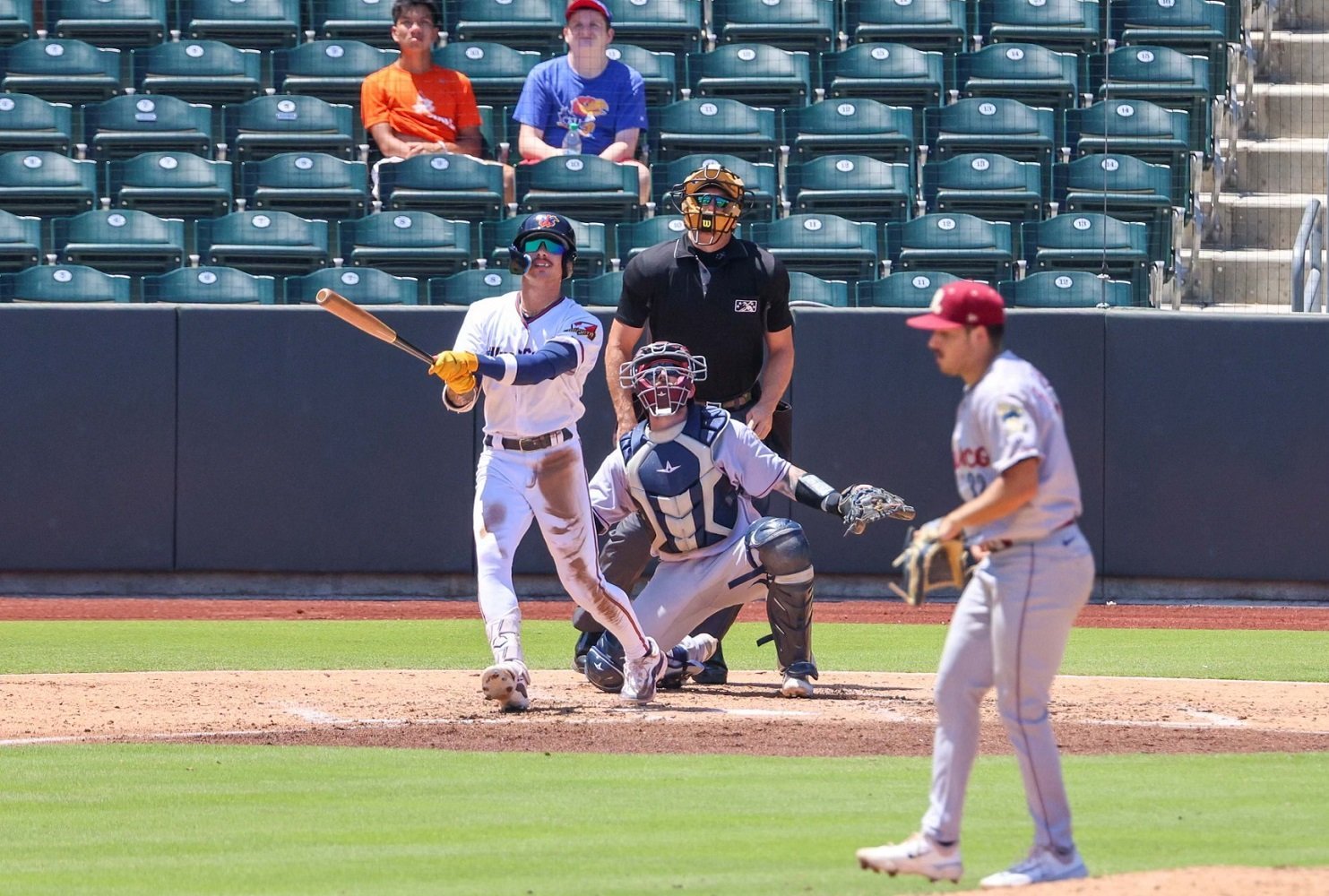 The Twins selected DaShawn Keirsey in the fourth round of the 2018 MLB Draft, from the University of Utah. In three collegiate seasons, he hit .334/.391/.473 (.865) with 42 doubles, 11 triples, and eight home runs. He played center field in college and showed an ability to steal bases. This skill set was enough to catch the attention of Twins scouts, and they used a relatively high pick (and an above-slot bonus) on him. In his pro debut, Keirsey posted a .798 OPS in 26 games for the Elizabethton Twins. It was a solid start to his career, but his college experience helped him succeed in a league where he was older than the average age of the competition. In 2019, Keirsey was limited to 36 games due to injury and struggled to find consistency at the plate. Minnesota hoped he could bounce back in 2020, but the pandemic canceled the minor league season. His 2021 season was also limited to fewer than 50 games because of multiple injuries. Most of his time that season was spent at High-A, where the 24-year-old was old for the level. He hit .199/.297/.433 (.730) with 15 extra-base hits in 45 games. Keirsey wouldn’t appear on any top Twins prospect lists because he hadn’t been able to put together a healthy season and showcase his true potential. In 2022, Keirsey finally played over 100 games for the first time in his professional career. He hit .271/.329/.395 (.724) with 26 doubles, 3 triples, and 7 home runs. The Wind Surge coaching staff let him loose on the bases, as he stole 42 of them in 49 attempts. Keirsey was slightly older than the average age of the competition in the Texas League, but he showed that he could stay healthy and produce. The Twins sent Keirsey back to Double-A to begin the 2023 campaign because the Triple-A outfield had other options. In 91 games, he hit .305/.363/.488 (.850) with 17 doubles, 5 triples, and 13 home runs. He was promoted to Triple A at the beginning of August and posted a .739 OPS in the season’s final 39 games. On the bases, he went 39-for-44 in stolen base attempts, including a perfect 8-for-8 at Triple A. Keirsey stayed healthy again and played in a career-high 130 games. Minnesota has a clear need in center field for next season, so it was interesting that they didn’t add Keirsey to the 40-man roster. When he reached Triple A this season, it was the first time he was younger than the average age of the competition. He’s already 26 years old, and the Twins know him better than anyone. Perhaps the team doesn’t feel like he’s a viable option to play regularly in center field, and that’s why they were willing to leave him unprotected. If that skepticism is real, it's not unwarranted. Keirsey's already well into what would typically be a big-league player's prime, so we can't expect much more development from him. That's not the same as saying that such development is impossible, but it's unlikely, by definition. In his decent-sized sample of Triple-A playing time, his underlying data also betrayed some weaknesses that might confine him to a bench role. A lefty swinger, he whiffed on over 29 percent of swings against right-handed pitchers. The average whiff rate for lefty hitters facing righties in MLB in 2023 was 24.8 percent. His average exit velocity was under 88 miles per hour, and 47.5 percent of his batted balls were grounders. That's not a recipe for productivity at the plate, even accounting for his good plate discipline. A non-contending team can draft Keirsey without worrying about some of his flaws. He can play all three outfield spots, and he’s shown a strong ability to steal bases. His swing continued to improve in the upper minors, and another organization can stash him for a year as a fourth outfielder with some upside. Back in June, Seth called Keirsey the Twins' most underrated prospect, and it seems likely that a team might take a chance on his talent level in the Rule 5 Draft. Being a left-handed hitter helps widen his path to playing time elsewhere, but might have worked against him on the Twins' depth chart. Will the Twins regret losing Keirsey if he’s taken in the Rule 5 Draft? Should the Twins have protected him since they have four open spots on the 40-man roster? Leave a COMMENT and start the discussion.
 -
Later this week, the Rule 5 Draft will be held at MLB’s Winter Meetings. Who have been the Twins' best selections in the annual rite? Image courtesy of Brad Rempel-USA TODAY Sports Many fans think of Johan Santana as the team’s best Rule 5 Draft pick. Technically, however, the Twins didn’t draft him. Instead, he was picked by the Marlins and traded to Minnesota as part of a prearranged deal. Santana is arguably the best pitcher in Twins history, but he won’t be featured on the list below, since the Twins didn’t draft him themselves. (Besides, that makes for better suspense, doesn't it?) Minnesota’s current front office has avoided taking players in the Rule 5 Draft for various reasons. Sometimes, the right players aren't available at their draft spot, but more broadly, they value roster flexibility, including moving players up and down from Triple A. Rule 5 draftees must stay on a team’s active roster for the entire season, and contending teams have a tough time hiding those players on the roster. The Twins haven’t selected a player in the Rule 5 Draft since 2017, when the club took Tyler Kinley with the 13th overall pick from the Marlins organization. He made four appearances with the Twins and posted a 24.30 ERA before being offered back to Miami. It seems very unlikely the Twins will select anyone this year, either. Let’s look back at the team’s previous successes in the Rule 5 Draft. Which player has provided the most value to the Twins? 5. Gary Wayne, RP Twins WAR: 2.5 Minnesota selected Wayne from the Montreal Expos with the 10th pick in the 1988 Rule 5 Draft. He pitched parts of four seasons with the Twins from 1989-1992. In 170 innings, he posted a 3.44 ERA with a 1.31 WHIP and a 5.6 K/9. As a left-handed pitcher, his .688 OPS against southpaws was 64 points lower than versus righties. Minnesota traded Wayne to the Rockies along with Rob Wassenaar, for Brett Merriman. Wayne pitched his final two seasons in the bullpens of the Rockies and the Dodgers. 4. Mark Salas, C Twins WAR: 2.7 In 1984, the Twins selected Salas from the Cardinals organization with the seventh pick. He immediately became the team’s starting catcher, and hit .300/.332/.458 (.791) with 20 doubles, five triples, and nine home runs in 120 games. Salas finished in eighth for the AL Rookie of the Year voting, but accumulated almost as much rWAR as the winner, Ozzie Guillen. (If ever you come into possession of a time machine, please go back and show voters the WARs, to ameliorate this injustice.) During the 1987 season, Salas was traded to the Yankees for Joe Niekro. Overall, he had an eight-year career in the big leagues, playing for six organizations. 3. Ryan Pressly, RP Twins WAR: 3.6 Pressly has gone on to be one of the game’s best relievers, but few could have predicted that back in 2012. Minnesota selected him with the fourth pick, plucking him from the Red Sox organization. He pitched six seasons (317 innings) for the Twins and posted a 3.75 ERA with a 1.30 WHIP and 8.0 K/9. In July 2018, the Twins traded Pressly to the Astros for Gilberto Celestino and Jorge Alcala. Houston worked with Pressly on his curveball to make it a dominant strikeout pitch, and he’s been integral to the Astros during their decade of dominance. 2. Doug Corbett, RP Twins WAR: 8.3 Corbett was the last pick in the 1979 Rule 5 Draft (10th overall), but he ended up having a solid career as a reliever for the Twins. In his rookie season, he made 73 appearances and posted a 1.98 ERA with a 1.06 WHIP. Corbett finished third in the AL Rookie of the Year voting but accumulated more WAR than both players ahead of him combined. (Again: time travelers, fix it. And don't tell me you don't have time to.) He represented the Twins at the 1981 All-Star Game, as he led the league in games and games finished that season. In May 1982, he was traded with Rob Wilfong to the Angels for Tom Brunansky and Mike Walters. He’d pitch parts of five more seasons, but never replicated his production with the Twins. 1. Shane Mack, OF Twins WAR: 19.6 The Twins selected Mack with the fifth pick in the 1989 Rule 5 Draft from the Padres. He played five years with Minnesota and was a key role player on the 1991 World Series team. In 633 games, he hit .309/.375/.479 (854) while averaging 24 doubles and 13 home runs. Some argue that he is among the most underrated Twins ever. Following the 1994 campaign, he signed in Japan and posted an .819 OPS across two seasons. Mack returned to the big leagues in 1997 and played a part-time role with Boston, Oakland, and Kansas City for two seasons. Do you agree with the rankings above? Would you include Santana in the rankings? Leave a COMMENT and start the discussion. View full article
-
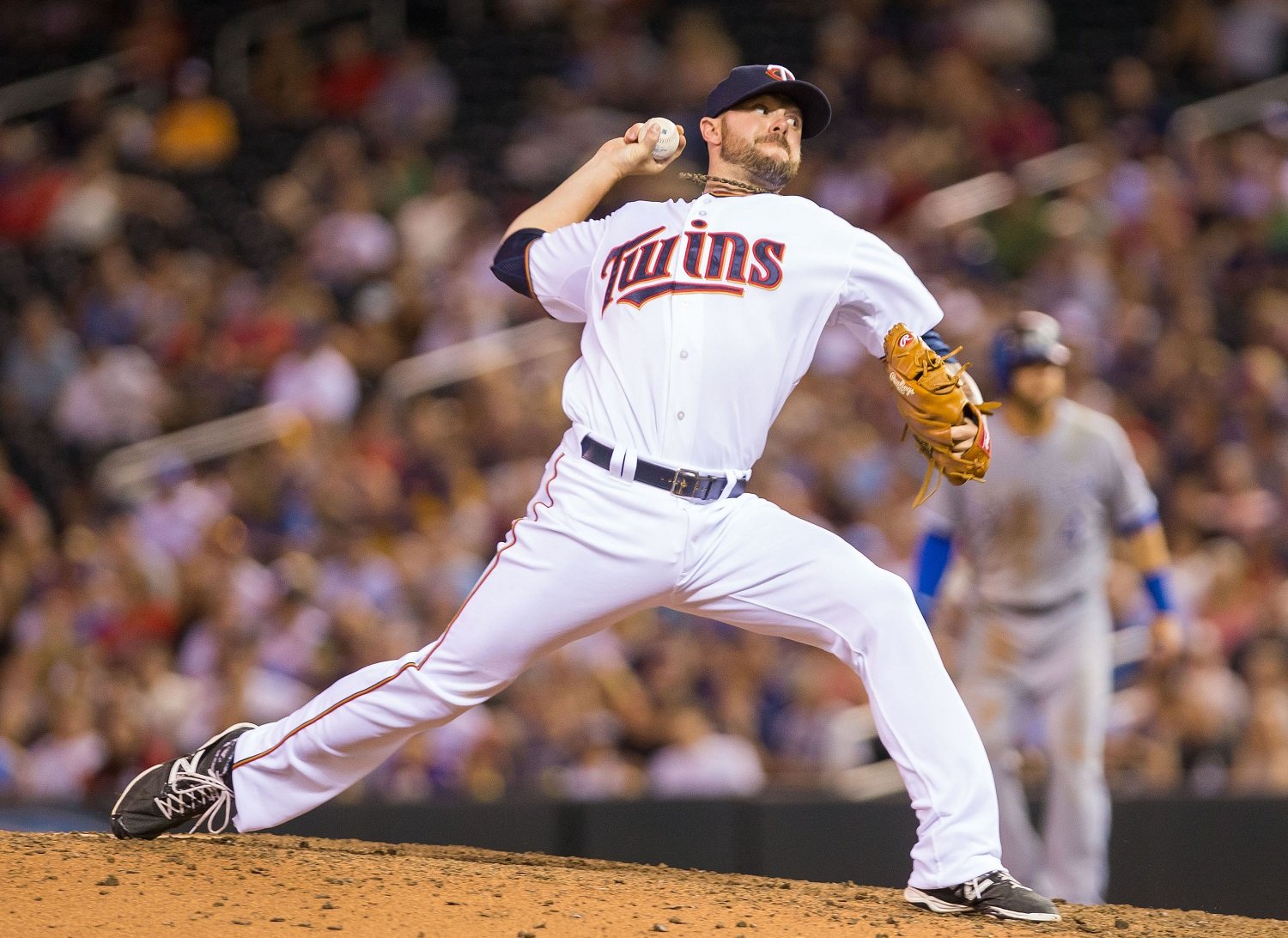 Many fans think of Johan Santana as the team’s best Rule 5 Draft pick. Technically, however, the Twins didn’t draft him. Instead, he was picked by the Marlins and traded to Minnesota as part of a prearranged deal. Santana is arguably the best pitcher in Twins history, but he won’t be featured on the list below, since the Twins didn’t draft him themselves. (Besides, that makes for better suspense, doesn't it?) Minnesota’s current front office has avoided taking players in the Rule 5 Draft for various reasons. Sometimes, the right players aren't available at their draft spot, but more broadly, they value roster flexibility, including moving players up and down from Triple A. Rule 5 draftees must stay on a team’s active roster for the entire season, and contending teams have a tough time hiding those players on the roster. The Twins haven’t selected a player in the Rule 5 Draft since 2017, when the club took Tyler Kinley with the 13th overall pick from the Marlins organization. He made four appearances with the Twins and posted a 24.30 ERA before being offered back to Miami. It seems very unlikely the Twins will select anyone this year, either. Let’s look back at the team’s previous successes in the Rule 5 Draft. Which player has provided the most value to the Twins? 5. Gary Wayne, RP Twins WAR: 2.5 Minnesota selected Wayne from the Montreal Expos with the 10th pick in the 1988 Rule 5 Draft. He pitched parts of four seasons with the Twins from 1989-1992. In 170 innings, he posted a 3.44 ERA with a 1.31 WHIP and a 5.6 K/9. As a left-handed pitcher, his .688 OPS against southpaws was 64 points lower than versus righties. Minnesota traded Wayne to the Rockies along with Rob Wassenaar, for Brett Merriman. Wayne pitched his final two seasons in the bullpens of the Rockies and the Dodgers. 4. Mark Salas, C Twins WAR: 2.7 In 1984, the Twins selected Salas from the Cardinals organization with the seventh pick. He immediately became the team’s starting catcher, and hit .300/.332/.458 (.791) with 20 doubles, five triples, and nine home runs in 120 games. Salas finished in eighth for the AL Rookie of the Year voting, but accumulated almost as much rWAR as the winner, Ozzie Guillen. (If ever you come into possession of a time machine, please go back and show voters the WARs, to ameliorate this injustice.) During the 1987 season, Salas was traded to the Yankees for Joe Niekro. Overall, he had an eight-year career in the big leagues, playing for six organizations. 3. Ryan Pressly, RP Twins WAR: 3.6 Pressly has gone on to be one of the game’s best relievers, but few could have predicted that back in 2012. Minnesota selected him with the fourth pick, plucking him from the Red Sox organization. He pitched six seasons (317 innings) for the Twins and posted a 3.75 ERA with a 1.30 WHIP and 8.0 K/9. In July 2018, the Twins traded Pressly to the Astros for Gilberto Celestino and Jorge Alcala. Houston worked with Pressly on his curveball to make it a dominant strikeout pitch, and he’s been integral to the Astros during their decade of dominance. 2. Doug Corbett, RP Twins WAR: 8.3 Corbett was the last pick in the 1979 Rule 5 Draft (10th overall), but he ended up having a solid career as a reliever for the Twins. In his rookie season, he made 73 appearances and posted a 1.98 ERA with a 1.06 WHIP. Corbett finished third in the AL Rookie of the Year voting but accumulated more WAR than both players ahead of him combined. (Again: time travelers, fix it. And don't tell me you don't have time to.) He represented the Twins at the 1981 All-Star Game, as he led the league in games and games finished that season. In May 1982, he was traded with Rob Wilfong to the Angels for Tom Brunansky and Mike Walters. He’d pitch parts of five more seasons, but never replicated his production with the Twins. 1. Shane Mack, OF Twins WAR: 19.6 The Twins selected Mack with the fifth pick in the 1989 Rule 5 Draft from the Padres. He played five years with Minnesota and was a key role player on the 1991 World Series team. In 633 games, he hit .309/.375/.479 (854) while averaging 24 doubles and 13 home runs. Some argue that he is among the most underrated Twins ever. Following the 1994 campaign, he signed in Japan and posted an .819 OPS across two seasons. Mack returned to the big leagues in 1997 and played a part-time role with Boston, Oakland, and Kansas City for two seasons. Do you agree with the rankings above? Would you include Santana in the rankings? Leave a COMMENT and start the discussion.
- 17 comments
-
- 2
-
-
- ryan pressly
- doug corbett
- (and 3 more)
-
Every offseason, teams sign long-term deals that lock up players well past their prime. Looking at the current Twins roster, here’s how the team’s worst contracts rank. Image courtesy of Matt Blewett-USA TODAY Sports It’s the holiday season, and many shoppers are attempting to find the best deals on the season’s hottest items (Twins Daily even has a gift guide). Teams across baseball are trying to cross items off their own wish lists, but shopping for free agents is sometimes riskier than going for the almost-free big screen on Black Friday. Players are paid on past performance, and some fail to repeat that performance as age and other factors start to play a role. Last week at The Athletic, Cody Stavenhagen ranked baseball’s worst contracts based on what is owed to the player and the expected performance from that player. Some of the worst contracts include Javier Báez, Kris Bryant, and Anthony Rendon. The Twins have their own buyer’s remorse with some of the team’s long-term deals. 4. Christian Vazquez, C Original deal: Three years, $30 million 2024: $10 million 2025: $10 million The Twins had a need at catcher last season, following a poor year from Ryan Jeffers and the departure of Gary Sánchez. The front office quickly targeted Vázquez and signed him to a three-year pact. Trade rumors have surfaced this offseason that have the Twins shipping out veteran players to free up payroll space, but the team would probably need to eat some of the $20 million he is owed over the next two seasons. On Wednesday, Nick discussed Vazquez's value to the Twins, especially with a younger starting staff. According to FanGraphs, Vázquez was worth $7.6 million last season, even though his 65 OPS+ was his lowest total since 2018. The Twins also utilize a two-catcher rotation, which would be less feasible without Vázquez. It doesn't make sense for a team cutting payroll to trade Vázquez when his value is near its lowest point, and they would have to pay down his contract. 3. Randy Dobnak, SP Original deal: Five years, $9.25 million 2024: $2.25 million 2025: $3 million Dobnak’s extension was a strange contract from the moment it was announced, in March 2021. He was coming off a spring training in which he showcased an improved slider that looked like a strikeout weapon. Minnesota bought out his pre-arbitration and arbitration years, and obtained club options on his first three would-be free-agent years. It gave the Twins some cost certainty, but it looks like a poor deal in retrospect. Dobnak is no longer on the 40-man roster, after spending multiple seasons dealing with a finger issue. Last season, he made 31 appearances (26 starts) at Triple-A with a 5.13 ERA, a 1.65 WHIP, and 8.2 K/9. His contract isn’t going to break the bank, but it also wasn’t a move the team was forced to make at the time. 2. Byron Buxton, DH Original deal: Seven years, $100 million 2024: $15 million 2025: $15 million 2026: $15 million 2027: $15 million 2028: $15 million Buxton’s deal didn’t look bad when he signed it, but it has aged poorly over the last year. The Twins signed him as their everyday center fielder, and his damaged knees have limited him to DH duties. From 2021 to 2022, Buxton was worth over $30 million per season, even when averaging 76 games per season. Minnesota can hope that Buxton will return to the outfield at some point, but that's far from certain after not he didn't play a single defensive inning at the big-league level in 2023. His bat will have to carry him through the remainder of his contract, and he’s shown the ability to be one of baseball’s best hitters when he is healthy. In his career, there have only been two full seasons where he has been worth less than $15 million, so there is hope he will bounce back next year. 1. Carlos Correa, SS Original deal: Six years, $200 million 2024: $36 million 2025: $36 million 2026: $31.5 million 2027: $30.5 million 2028: $30 million Correa was named an honorable mention in the original piece at The Athletic because he was only worth 1.4 rWAR in 2023. Twins fans are well aware of Correa’s struggles this season as he dealt with plantar fasciitis. Minnesota hopes Correa can use the offseason to put his injury behind him and return to performing at his previous level. Last week, I wrote about Correa’s first season since signing his big contract and how he impacts the club’s future payroll decisions. Correa and Buxton are tied to the team’s roster through 2028, and nearly $50 million per season is being paid to these two players. Contracts that initially look bad can rebound and look reasonable, especially if Buxton and Correa can return to performing at an All-Star level. Free-agent deals rarely work out in the team’s favor. Clubs pay a premium for the contract's early years and suffer the consequences of declining performance in the back half of the deal. This trend is becoming even more pervasive with big-market teams, as they sign players to 10- to 12-year contracts to spread the money out and avoid paying more in luxury tax. Minnesota isn’t going to approach the luxury tax, so it is even more critical that the front office is spending money wisely on the free market. Do you agree with these rankings? Should Buxton rank higher than Correa? Leave a COMMENT and start the discussion. View full article
-
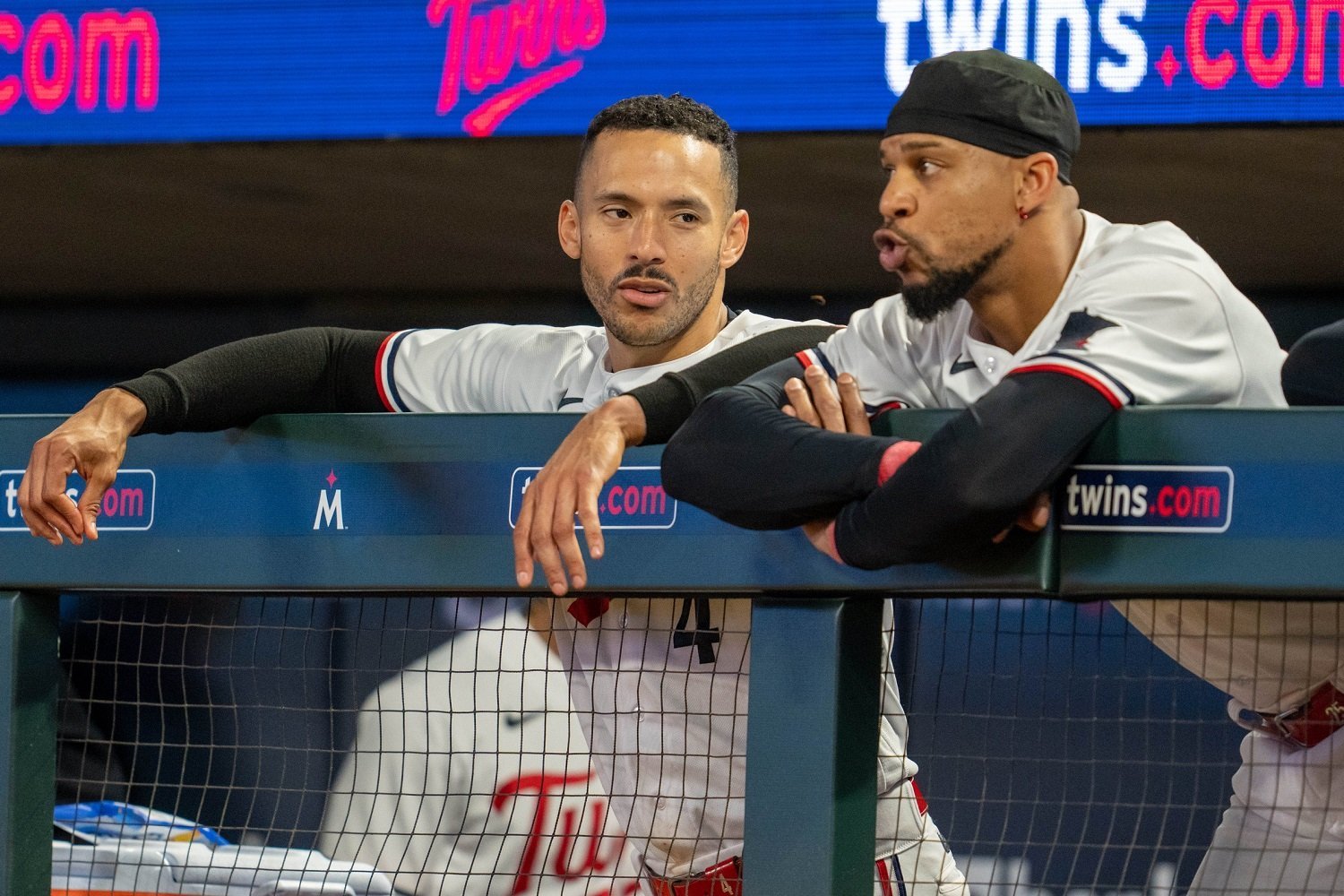 It’s the holiday season, and many shoppers are attempting to find the best deals on the season’s hottest items (Twins Daily even has a gift guide). Teams across baseball are trying to cross items off their own wish lists, but shopping for free agents is sometimes riskier than going for the almost-free big screen on Black Friday. Players are paid on past performance, and some fail to repeat that performance as age and other factors start to play a role. Last week at The Athletic, Cody Stavenhagen ranked baseball’s worst contracts based on what is owed to the player and the expected performance from that player. Some of the worst contracts include Javier Báez, Kris Bryant, and Anthony Rendon. The Twins have their own buyer’s remorse with some of the team’s long-term deals. 4. Christian Vazquez, C Original deal: Three years, $30 million 2024: $10 million 2025: $10 million The Twins had a need at catcher last season, following a poor year from Ryan Jeffers and the departure of Gary Sánchez. The front office quickly targeted Vázquez and signed him to a three-year pact. Trade rumors have surfaced this offseason that have the Twins shipping out veteran players to free up payroll space, but the team would probably need to eat some of the $20 million he is owed over the next two seasons. On Wednesday, Nick discussed Vazquez's value to the Twins, especially with a younger starting staff. According to FanGraphs, Vázquez was worth $7.6 million last season, even though his 65 OPS+ was his lowest total since 2018. The Twins also utilize a two-catcher rotation, which would be less feasible without Vázquez. It doesn't make sense for a team cutting payroll to trade Vázquez when his value is near its lowest point, and they would have to pay down his contract. 3. Randy Dobnak, SP Original deal: Five years, $9.25 million 2024: $2.25 million 2025: $3 million Dobnak’s extension was a strange contract from the moment it was announced, in March 2021. He was coming off a spring training in which he showcased an improved slider that looked like a strikeout weapon. Minnesota bought out his pre-arbitration and arbitration years, and obtained club options on his first three would-be free-agent years. It gave the Twins some cost certainty, but it looks like a poor deal in retrospect. Dobnak is no longer on the 40-man roster, after spending multiple seasons dealing with a finger issue. Last season, he made 31 appearances (26 starts) at Triple-A with a 5.13 ERA, a 1.65 WHIP, and 8.2 K/9. His contract isn’t going to break the bank, but it also wasn’t a move the team was forced to make at the time. 2. Byron Buxton, DH Original deal: Seven years, $100 million 2024: $15 million 2025: $15 million 2026: $15 million 2027: $15 million 2028: $15 million Buxton’s deal didn’t look bad when he signed it, but it has aged poorly over the last year. The Twins signed him as their everyday center fielder, and his damaged knees have limited him to DH duties. From 2021 to 2022, Buxton was worth over $30 million per season, even when averaging 76 games per season. Minnesota can hope that Buxton will return to the outfield at some point, but that's far from certain after not he didn't play a single defensive inning at the big-league level in 2023. His bat will have to carry him through the remainder of his contract, and he’s shown the ability to be one of baseball’s best hitters when he is healthy. In his career, there have only been two full seasons where he has been worth less than $15 million, so there is hope he will bounce back next year. 1. Carlos Correa, SS Original deal: Six years, $200 million 2024: $36 million 2025: $36 million 2026: $31.5 million 2027: $30.5 million 2028: $30 million Correa was named an honorable mention in the original piece at The Athletic because he was only worth 1.4 rWAR in 2023. Twins fans are well aware of Correa’s struggles this season as he dealt with plantar fasciitis. Minnesota hopes Correa can use the offseason to put his injury behind him and return to performing at his previous level. Last week, I wrote about Correa’s first season since signing his big contract and how he impacts the club’s future payroll decisions. Correa and Buxton are tied to the team’s roster through 2028, and nearly $50 million per season is being paid to these two players. Contracts that initially look bad can rebound and look reasonable, especially if Buxton and Correa can return to performing at an All-Star level. Free-agent deals rarely work out in the team’s favor. Clubs pay a premium for the contract's early years and suffer the consequences of declining performance in the back half of the deal. This trend is becoming even more pervasive with big-market teams, as they sign players to 10- to 12-year contracts to spread the money out and avoid paying more in luxury tax. Minnesota isn’t going to approach the luxury tax, so it is even more critical that the front office is spending money wisely on the free market. Do you agree with these rankings? Should Buxton rank higher than Correa? Leave a COMMENT and start the discussion.
- 43 comments
-
- 4
-
-
- christian vazquez
- randy dobnak
- (and 2 more)
-
Twins Territory will have new voices behind the microphones of their broadcasts in 2024, but they will be familiar to many fans. On Friday, reports surfaced that Cory Provus and Kris Atteberry would be promoted to new broadcast roles. Image courtesy of Matt Blewett-USA TODAY Sports Earlier this winter, the Twins announced that Dick Bremer would be retiring after 40 years as the team’s television voice. Bremer is shifting into a special assistant role for the club even though reports indicated that he wasn’t necessarily ready to retire. Minnesota also recently announced that Bremer has been named the 2023 winner of the Herb Carneal Lifetime Achievement Award, which will be presented as part of the annual Diamond Awards in January. Bremer was a Minnesota native born in Dumont, MN, who had been a Twins fan his entire life. He attended St. Cloud State University and began his play-by-play career with the Twins in 1983. He was on Spectrum Sports from 1983-1985 and continued with the club from 1987-2023 with various other stations. Multiple generations of Twins fans only know Bremer as the voice of the Twins. He leaves big shoes to fill, and the Twins are turning over his microphone to a familiar voice. According to the Star Tribune (and later announced by the Twins), Cory Provus will move into the television role next season after serving as the Twins radio voice since 2012. Provus has previously filled in for Bremer on television broadcasts and has called college football and basketball games on the Big Ten Network and FS1. Provus joined the Twins from the Brewers organization, where he called games with Bob Uecker. It will be his first time stepping into a full-time television role for baseball, but he is obviously very familiar with the organization. Kris Atteberry has been a fixture on the team’s radio broadcast for 17 seasons and will step into the full-time play-by-play role next year. He has filled in for Provus and Dan Gladden during absences while also hosting the radio’s pregame and postgame shows. Before joining the Twins, Atteberry served as the play-by-play announcer for the St. Paul Saints from 2002-06. Previously, the Twins bypassed Atteberry to give the radio play-by-play duties to Provus. Atteberry will now get his opportunity, and it should be a relatively seamless transition, with both stepping into roles where they have been backup options in the past. They have worked around the Twins organization for over a decade, which should help fans see less of a change with the new broadcast crew. Provus will likely be joined in the television booth by Justin Morneau in a majority of games, with Roy Smalley, LaTroy Hawkins, and Glen Perkins also seeing time in the color commentator role. Dan Gladden has worked in the Twins radio booth for the last 21 seasons and will likely continue to work alongside Atteberry. Following the announcement, Provus told reporters that the team is removing blackout restrictions for next season, which should open Twins broadcasts to a broader audience. The Twins are still searching for a television home for next season, but the switch in blackout restriction is a huge win for Twins fans across the upper Midwest. How do you feel about Provus taking over the television duties? Are you excited about the idea of blackouts going away? Leave a COMMENT and start the discussion. View full article
-
 According to the Star Tribune (and later announced by the Twins), Cory Provus will move into the television role next season after serving as the Twins radio voice since 2012. Provus has previously filled in for Dick Bremer on television broadcasts and has called college football and basketball games on the Big Ten Network and FS1. Provus joined the Twins from the Brewers organization, where he called games with Bob Uecker. It will be his first time stepping into a full-time television role for baseball, but he is obviously very familiar with the organization. Kris Atteberry has been a fixture on the team’s radio broadcast for 17 seasons and will step into the full-time play-by-play role next year. He has filled in for Provus and Dan Gladden during absences while also hosting the radio’s pregame and postgame shows. Before joining the Twins, Atteberry served as the play-by-play announcer for the St. Paul Saints from 2002-06. Previously, the Twins bypassed Atteberry to give the radio play-by-play duties to Provus. Atteberry will now get his opportunity, and it should be a relatively seamless transition, with both stepping into roles where they have been backup options in the past. They have worked around the Twins organization for over a decade, which should help fans see less of a change with the new broadcast crew. Earlier this winter, the Twins announced that Bremer would be retiring after 40 years as the team’s television voice. Bremer is shifting into a special assistant role for the club even though reports indicated that he wasn’t necessarily ready to retire. Minnesota also recently announced that Bremer has been named the 2023 winner of the Herb Carneal Lifetime Achievement Award, which will be presented as part of the annual Diamond Awards in January. Bremer was a Minnesota native born in Dumont, MN, who had been a Twins fan his entire life. He attended St. Cloud State University and began his play-by-play career with the Twins in 1983. He was on Spectrum Sports from 1983-1985 and continued with the club from 1987-2023 with various other stations. Multiple generations of Twins fans only know Bremer as the voice of the Twins. He leaves big shoes to fill, and the Twins are turning over his microphone to a familiar voice. Provus will likely be joined in the television booth by Justin Morneau in a majority of games, with Roy Smalley, LaTroy Hawkins, and Glen Perkins also seeing time in the color commentator role. Dan Gladden has worked in the Twins radio booth for the last 21 seasons and will likely continue to work alongside Atteberry. Following the announcement, Provus told reporters that the team is removing blackout restrictions for next season, which should open Twins broadcasts to a broader audience. The Twins are still searching for a television home for next season, but the switch in blackout restriction is a huge win for Twins fans across the upper Midwest. How do you feel about Provus taking over the television duties? Are you excited about the idea of blackouts going away? Leave a COMMENT and start the discussion.
- 35 comments
-
- 4
-
-

-
- cory provus
- kris atteberry
- (and 1 more)
-
Carlos Correa’s free agent journey was well documented last winter. Let’s review his second season with the Twins and how his contract impacts the organization in 2024 and beyond. Image courtesy of Jesse Johnson-USA TODAY Sports Carlos Correa and the Twins seemed destined to find each other. His long-term deals with the Giants and Mets each collapsed, and the Twins were waiting to welcome him back into the fold. Granted, it took the largest contract in team history (six years, $200 million), but the Twins were getting one of baseball’s top players in the prime of his career. This was an unusual feeling for Minnesota sports fans because there was hope Correa could push the team to levels not seen in the Target Field era. 2023 Recap Unfortunately, the 2023 regular season did not go as planned for Correa. His season started slowly with a .634 OPS in the first month. Correa was diagnosed with plantar fasciitis in May, impacting him on both sides of the ball throughout the 2023 campaign. He posted career-worst totals in most offensive categories, hitting .230/.312/.399 (.711) while grounding into an MLB-high 30 double plays. Even with his struggles, Correa continued to play through the injury as he led the Twins with games played and had 89 more plate appearances than any other player. In September, Correa was finding a way to produce offensively despite his nagging injury. He hit .296/.377/.463 (.840) with three doubles and two home runs in 15 games. He tore the fascia in late September when planting his foot on a popup against the Reds. Team trainer Nick Paparesta told reporters that this kind of tear can lead to less discomfort in the foot for players. Correa’s playoff performance pointed to him being back closer to 100 percent. He made multiple defensive plays that were game-changing moments and went 9-for-22 (.409 BA) with three doubles and four RBIs. Twins manager Rocco Baldelli spoke during the regular season about his own experience with plantar fasciitis. Like Baldelli, players have shared that it can take an entire offseason of rest for the injury to heal completely. Sometimes, players deal with the injury throughout their careers. Hopefully, Correa returns in 2024 without any lingering effects from his injury-plagued 2023 season. Future Payroll Considerations The Twins are dealing with a payroll crunch this winter due to their lucrative television deal expiring at the season’s end. Minnesota is expected to drop payroll this winter, which can impact multiple parts of the roster. Also, there is no clear solution to the club’s television rights problem. Cable companies are falling to the wayside, with households cutting the cord and switching to streaming options. It might be multiple seasons before the Twins find a solution and can return payroll to levels seen in 2023. In 2024, the Twins have some wiggle room with the payroll for multiple reasons. Many of their young players have yet to reach arbitration, which makes them very affordable. Also, Pablo Lopez will only cost $8.25 million before his contract jumps to over $21 million per season from 2025-27. These players will only get more expansive in 2025 and beyond. Correa’s salary accounted for roughly one-fifth of the team’s overall payroll last season. FanGraphs pegged Correa’s financial value at just over $9 million, a career-low total. When healthy, Correa has averaged well over $30 million in value per season. With the team dropping payroll, it’s even more imperative for Correa to match his previous production level. Front offices can regret trading away players or signing free agents to long-term contracts. The Twins knew there were health risks associated with signing Correa, but there was no way to predict this year’s injury issue. Correa is tied to the Twins for at least five more seasons, and his contract will impact the type of players the team can target on the open market. Twins fans saw the highest highs with Correa in the playoffs last season and the lowest lows with his regular-season production. Now, the front office faces the challenge of upgrading a roster with limited payroll flexibility due to contracts like Correa’s. If Correa was a free agent this winter, would the Twins attempt to sign him? Would he be able to get more guaranteed money this winter because of the poor shortstop class available via free agency? Leave a COMMENT and start the discussion. View full article
-
One Year In: Carlos Correa, Dropping Payroll, and the Future of the Twins
Cody Christie posted an article in Twins
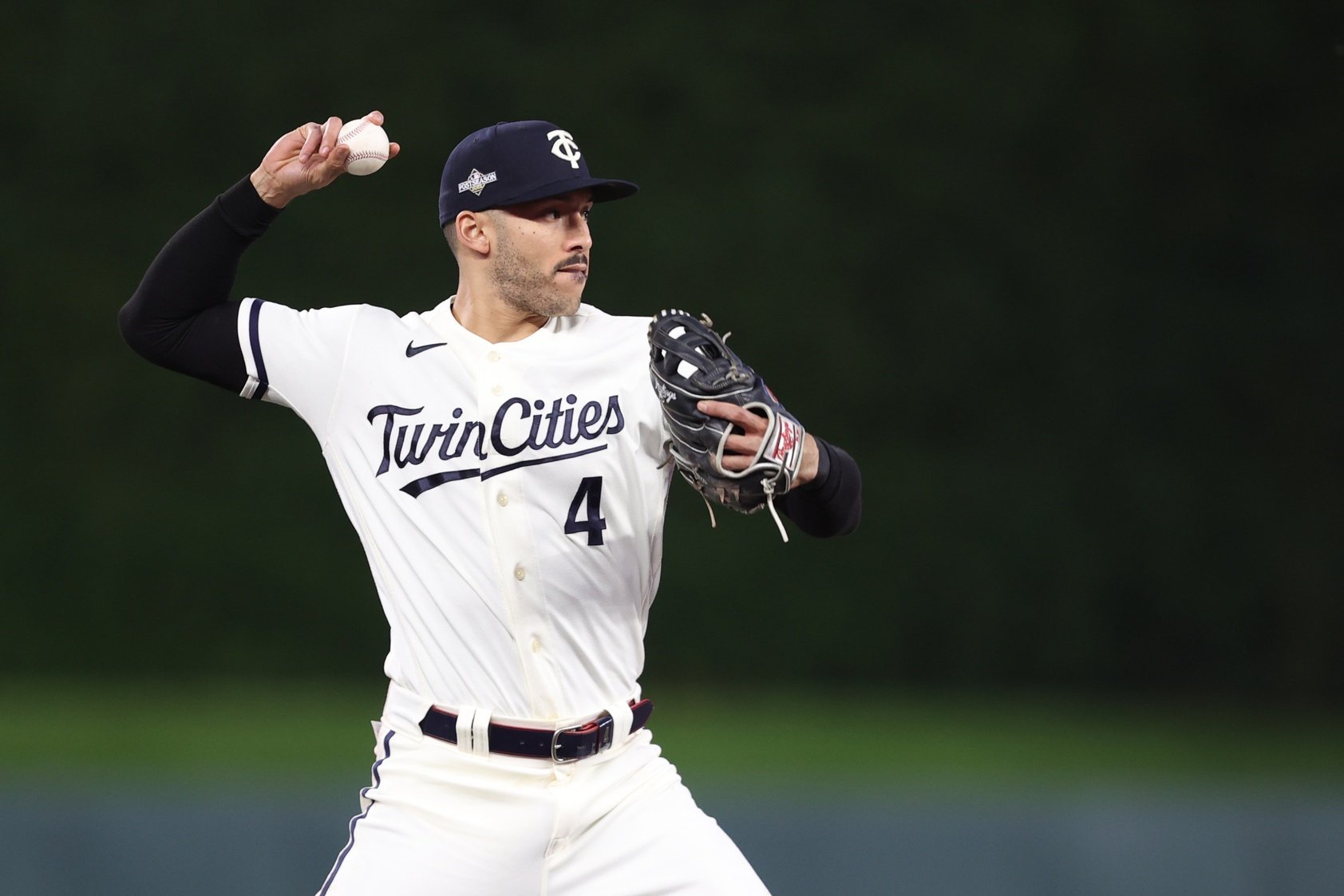 Carlos Correa and the Twins seemed destined to find each other. His long-term deals with the Giants and Mets each collapsed, and the Twins were waiting to welcome him back into the fold. Granted, it took the largest contract in team history (six years, $200 million), but the Twins were getting one of baseball’s top players in the prime of his career. This was an unusual feeling for Minnesota sports fans because there was hope Correa could push the team to levels not seen in the Target Field era. 2023 Recap Unfortunately, the 2023 regular season did not go as planned for Correa. His season started slowly with a .634 OPS in the first month. Correa was diagnosed with plantar fasciitis in May, impacting him on both sides of the ball throughout the 2023 campaign. He posted career-worst totals in most offensive categories, hitting .230/.312/.399 (.711) while grounding into an MLB-high 30 double plays. Even with his struggles, Correa continued to play through the injury as he led the Twins with games played and had 89 more plate appearances than any other player. In September, Correa was finding a way to produce offensively despite his nagging injury. He hit .296/.377/.463 (.840) with three doubles and two home runs in 15 games. He tore the fascia in late September when planting his foot on a popup against the Reds. Team trainer Nick Paparesta told reporters that this kind of tear can lead to less discomfort in the foot for players. Correa’s playoff performance pointed to him being back closer to 100 percent. He made multiple defensive plays that were game-changing moments and went 9-for-22 (.409 BA) with three doubles and four RBIs. Twins manager Rocco Baldelli spoke during the regular season about his own experience with plantar fasciitis. Like Baldelli, players have shared that it can take an entire offseason of rest for the injury to heal completely. Sometimes, players deal with the injury throughout their careers. Hopefully, Correa returns in 2024 without any lingering effects from his injury-plagued 2023 season. Future Payroll Considerations The Twins are dealing with a payroll crunch this winter due to their lucrative television deal expiring at the season’s end. Minnesota is expected to drop payroll this winter, which can impact multiple parts of the roster. Also, there is no clear solution to the club’s television rights problem. Cable companies are falling to the wayside, with households cutting the cord and switching to streaming options. It might be multiple seasons before the Twins find a solution and can return payroll to levels seen in 2023. In 2024, the Twins have some wiggle room with the payroll for multiple reasons. Many of their young players have yet to reach arbitration, which makes them very affordable. Also, Pablo Lopez will only cost $8.25 million before his contract jumps to over $21 million per season from 2025-27. These players will only get more expansive in 2025 and beyond. Correa’s salary accounted for roughly one-fifth of the team’s overall payroll last season. FanGraphs pegged Correa’s financial value at just over $9 million, a career-low total. When healthy, Correa has averaged well over $30 million in value per season. With the team dropping payroll, it’s even more imperative for Correa to match his previous production level. Front offices can regret trading away players or signing free agents to long-term contracts. The Twins knew there were health risks associated with signing Correa, but there was no way to predict this year’s injury issue. Correa is tied to the Twins for at least five more seasons, and his contract will impact the type of players the team can target on the open market. Twins fans saw the highest highs with Correa in the playoffs last season and the lowest lows with his regular-season production. Now, the front office faces the challenge of upgrading a roster with limited payroll flexibility due to contracts like Correa’s. If Correa was a free agent this winter, would the Twins attempt to sign him? Would he be able to get more guaranteed money this winter because of the poor shortstop class available via free agency? Leave a COMMENT and start the discussion.
 -
During Minnesota's playoff run last season, Louie Varland showcased his elite skills in a bullpen role. His role for the 2024 season is more apparent, after Kenta Maeda and Sonny Gray signed with new organizations. Image courtesy of Matt Blewett-USA TODAY Sports Louie Varland has been quite the success story for the Twins' scouting and player-development departments. Minnesota selected Varland in the 15th round of the 2019 MLB Draft from Concordia University in St. Paul. He entered college with a mid-80s fastball and a below-average breaking ball. By his junior season, he increased his velocity to the low 90s and developed a solid breaking pitch. It was enough to catch the eye of the Twins, and they signed him for $115,000. Varland continued to make improvements after signing with the Twins, because he couldn’t overpower professional hitters with a low-90s fastball. Coming out of the pandemic, he threw in the mid-90s, and his arm slot was lower. These adjustments helped him to be a more consistent pitcher, which helped his prospect stock to rise. Following the 2021 season, Twins Daily ranked him as the organization’s 15th-best prospect after posting a 2.10 ERA with a 1.09 WHIP and 12.4 K/9 between Low and High A. His 2022 season established him as one of the team’s top pitching prospects after being named Twins Daily’s Minor League Pitcher of the Year. In 126 1/3 innings, he posted a 3.06 ERA, with a 1.26 WHIP and a 146-to-42 strikeout-to-walk ratio. Minnesota was confident enough in him to have him make his big-league debut at Yankee Stadium. He entered last season as Twins Daily’s ninth-ranked prospect and the fourth-highest-ranked pitcher. Varland began the season at St. Paul, but the Twins were forced to turn to him because of injuries in the first half. In 10 starts, he posted a 5.30 ERA, with a 1.36 WHIP and a 54-to-16 strikeout-to-walk ratio. His biggest issue was allowing 14 home runs in 56 innings. As other starters returned, Varland was sent back to Triple A in late June to work on his secondary pitches, including a cutter. Minnesota recalled Varland when rosters expanded on September 1, to test him in a late-inning bullpen role. His stuff was electric, with his fastball hitting triple digits and his cutter being a weapon in the low 90s. In seven relief appearances (12 innings), he allowed two earned runs with a 17-to-1 strikeout-to-walk ratio. His playoff experience was limited to two appearances, and he was only asked to get one out per game. Still, overall, it was clear that Varland could be a dominant bullpen option, especially with his improved secondary offerings. Twins manager Rocco Baldelli met with reporters following the 2023 season and had glowing remarks regarding Varland as a reliever. Outside of Jhoan Duran’s emergence, Minnesota’s late-inning bullpen options have been hit-or-miss for multiple seasons, so it’s easy to understand why a manager would get excited about a potential bullpen weapon. If it were up to Baldelli, he’d likely have Varland in the bullpen for next season and worry about other options to fill spots in the starting rotation. Minnesota’s starting rotation is losing two members, with Sonny Gray and Kenta Maeda signing free-agent deals outside the organization. Currently, the starting staff would include Pablo López, Joe Ryan, Bailey Ober, and Chris Paddack in the top four spots. Varland lines up to fill the fifth spot in the rotation, but it seems likely that the front office will want to add more depth. If the Twins trade for a playoff-caliber starter, Varland would be pushed to Triple A, which the team did with Ober in 2023. It seems clear that no matter what the team does this winter, Varland will be needed in a starting role. Varland has been considered a hard worker throughout his collegiate and professional careers, and the new-and-improved version of him hasn’t been given a starting opportunity. Last season, his breaking and offspeed pitches had negative run values, while his fastball ranked in the 74th percentile. During the 2022 season, opponents posted a .545 SLG against his cutter, but he lowered that by 145 points last season. Another offseason of emphasis and refinement could sharpen that offering into a true difference-maker. Like many pitchers, Varland saw an increase in his velocity in his switch from starter to reliever. He lacks an actual swing-and-miss pitch against right-handed hitters, who hit .275/.317/.526 (.843) against him in 2023. One possible change would be using his cutter as a fastball and then trying to use his sinker more regularly. However, he has lacked a feel for that pitch because he only started throwing that pitch last season. Varland has shown the ability to make substantial improvements from one year to the next, and his sinker should be one focus area. From the front office’s perspective, it’s much easier for Varland to prepare for the season as a starting pitcher and shift him to the bullpen than to do things the other way around. The team assured him last season that the long-term plan is to keep him in the starting rotation. He’s outperformed expectations at every level, and the Twins hope he can take the next step in 2023 and establish himself as one of the team’s long-term rotation options. Should the Twins keep Varland in the rotation? Is it better to move him to the bullpen? Leave a comment and start the discussion. View full article
-
Louie Varland’s Role More Apparent After Free Agent Departures
Cody Christie posted an article in Twins
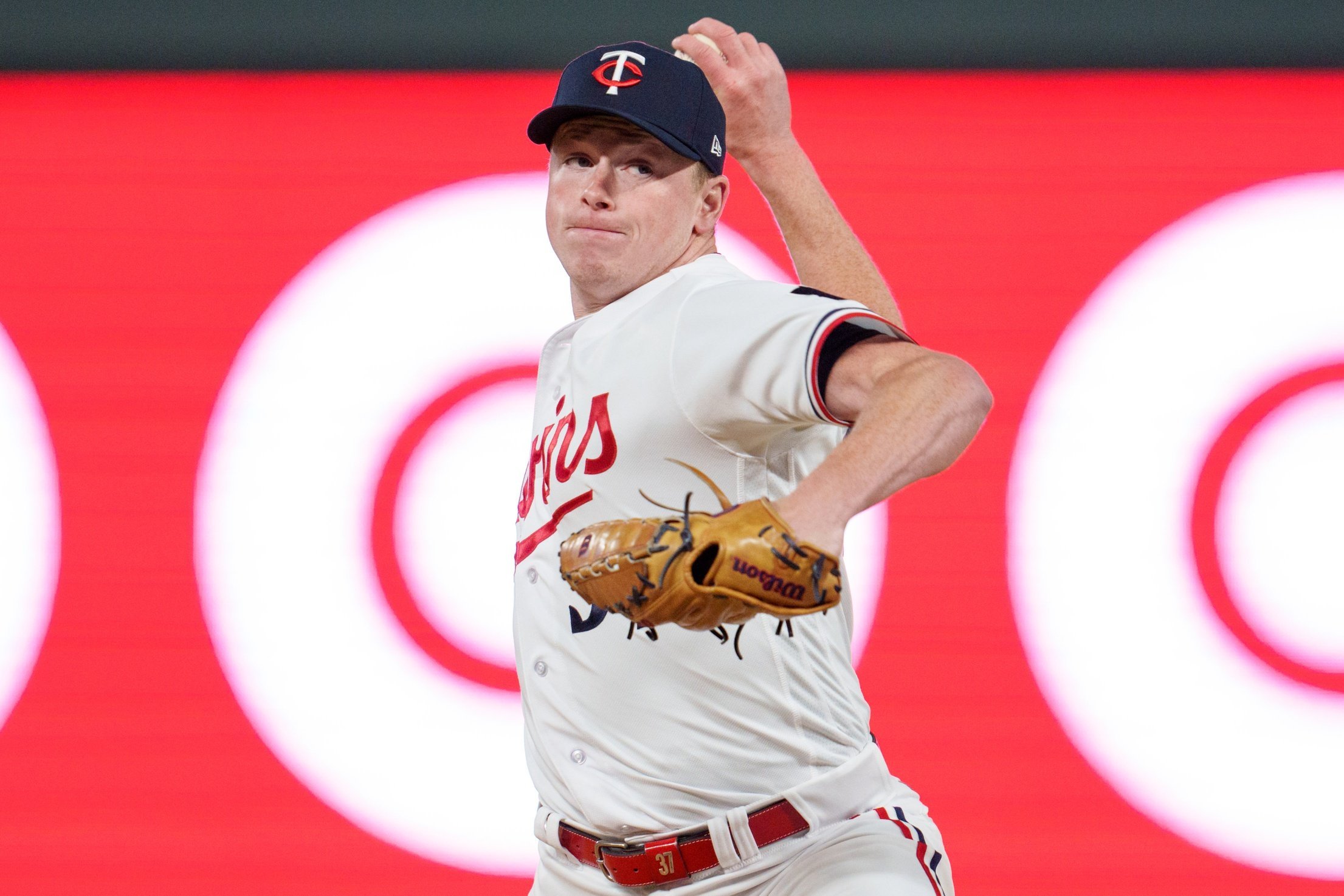 Louie Varland has been quite the success story for the Twins' scouting and player-development departments. Minnesota selected Varland in the 15th round of the 2019 MLB Draft from Concordia University in St. Paul. He entered college with a mid-80s fastball and a below-average breaking ball. By his junior season, he increased his velocity to the low 90s and developed a solid breaking pitch. It was enough to catch the eye of the Twins, and they signed him for $115,000. Varland continued to make improvements after signing with the Twins, because he couldn’t overpower professional hitters with a low-90s fastball. Coming out of the pandemic, he threw in the mid-90s, and his arm slot was lower. These adjustments helped him to be a more consistent pitcher, which helped his prospect stock to rise. Following the 2021 season, Twins Daily ranked him as the organization’s 15th-best prospect after posting a 2.10 ERA with a 1.09 WHIP and 12.4 K/9 between Low and High A. His 2022 season established him as one of the team’s top pitching prospects after being named Twins Daily’s Minor League Pitcher of the Year. In 126 1/3 innings, he posted a 3.06 ERA, with a 1.26 WHIP and a 146-to-42 strikeout-to-walk ratio. Minnesota was confident enough in him to have him make his big-league debut at Yankee Stadium. He entered last season as Twins Daily’s ninth-ranked prospect and the fourth-highest-ranked pitcher. Varland began the season at St. Paul, but the Twins were forced to turn to him because of injuries in the first half. In 10 starts, he posted a 5.30 ERA, with a 1.36 WHIP and a 54-to-16 strikeout-to-walk ratio. His biggest issue was allowing 14 home runs in 56 innings. As other starters returned, Varland was sent back to Triple A in late June to work on his secondary pitches, including a cutter. Minnesota recalled Varland when rosters expanded on September 1, to test him in a late-inning bullpen role. His stuff was electric, with his fastball hitting triple digits and his cutter being a weapon in the low 90s. In seven relief appearances (12 innings), he allowed two earned runs with a 17-to-1 strikeout-to-walk ratio. His playoff experience was limited to two appearances, and he was only asked to get one out per game. Still, overall, it was clear that Varland could be a dominant bullpen option, especially with his improved secondary offerings. Twins manager Rocco Baldelli met with reporters following the 2023 season and had glowing remarks regarding Varland as a reliever. Outside of Jhoan Duran’s emergence, Minnesota’s late-inning bullpen options have been hit-or-miss for multiple seasons, so it’s easy to understand why a manager would get excited about a potential bullpen weapon. If it were up to Baldelli, he’d likely have Varland in the bullpen for next season and worry about other options to fill spots in the starting rotation. Minnesota’s starting rotation is losing two members, with Sonny Gray and Kenta Maeda signing free-agent deals outside the organization. Currently, the starting staff would include Pablo López, Joe Ryan, Bailey Ober, and Chris Paddack in the top four spots. Varland lines up to fill the fifth spot in the rotation, but it seems likely that the front office will want to add more depth. If the Twins trade for a playoff-caliber starter, Varland would be pushed to Triple A, which the team did with Ober in 2023. It seems clear that no matter what the team does this winter, Varland will be needed in a starting role. Varland has been considered a hard worker throughout his collegiate and professional careers, and the new-and-improved version of him hasn’t been given a starting opportunity. Last season, his breaking and offspeed pitches had negative run values, while his fastball ranked in the 74th percentile. During the 2022 season, opponents posted a .545 SLG against his cutter, but he lowered that by 145 points last season. Another offseason of emphasis and refinement could sharpen that offering into a true difference-maker. Like many pitchers, Varland saw an increase in his velocity in his switch from starter to reliever. He lacks an actual swing-and-miss pitch against right-handed hitters, who hit .275/.317/.526 (.843) against him in 2023. One possible change would be using his cutter as a fastball and then trying to use his sinker more regularly. However, he has lacked a feel for that pitch because he only started throwing that pitch last season. Varland has shown the ability to make substantial improvements from one year to the next, and his sinker should be one focus area. From the front office’s perspective, it’s much easier for Varland to prepare for the season as a starting pitcher and shift him to the bullpen than to do things the other way around. The team assured him last season that the long-term plan is to keep him in the starting rotation. He’s outperformed expectations at every level, and the Twins hope he can take the next step in 2023 and establish himself as one of the team’s long-term rotation options. Should the Twins keep Varland in the rotation? Is it better to move him to the bullpen? Leave a comment and start the discussion.
 -
The Twins saw a trio of young players establish themselves at the big-league level in 2023. Would the front office consider trading a young player to fix holes at other parts of the roster? Image courtesy of Matt Krohn-USA TODAY Sports The Twins must be creative this winter to fill some of the club’s different needs. Minnesota needs a playoff-caliber starter to replace Sonny Gray in the rotation and a replacement for Michael A. Taylor in center field. Adding a right-handed bench bat and upgrading the bullpen would be nice, but those may be luxuries the team can’t afford while cutting payroll. It’s a tough spot for the front office, but they have previously shown the ability to be creative. Many trade rumors this winter have swirled around the club, including shopping veteran players with higher contracts, like Kyle Farmer, Christian Vazquez, and Jorge Polanco. Unfortunately, trade value for those player types will bring back a minimal return. Instead, the front office can look to trade some of their young, established MLB players to capitalize on their value. It will likely take a combination of moves to free up payroll and add impact players at positions of need. Here is a look at three young players the Twins might consider including in trades this winter. Each player’s surplus trade value is from Baseball Trade Values. Edouard Julien, 2B Surplus Trade Value: $35.3 million Julien has been an intriguing prospect over the last two seasons, and fans saw the value he provides at the plate. In 109 games, he hit .263/.381/.459 (.839) with 16 doubles and 16 home runs. His defense made strides at second base, but he’s still considered a below-average defender. Minnesota traded Luis Arraez last winter, when it was clear the club wasn’t confident in his ability to play second base. Julien might be in a similar position, and he has more years of team control than Arraez did last winter. If Polanco was traded, the assumption was that Julien would take over the second base duties. If Julien was also dealt, the Twins have other young options who might be ready to step into the role, including Austin Martin and Brooks Lee. Matt Wallner, OF Surplus Trade Value: $23.3 million Like Julien, Wallner is supposed to be the heir apparent at a position occupied by a current veteran. If the Twins trade Kepler, Wallner can slide over to right field and be part of the team’s line-up for most of the next decade. In 2023, Wallner hit .249/.370/.507(.877) with 11 doubles and 14 home runs across 76 games. The Twins can also look to include Wallner in a trade because his value might never be higher. Wallner’s offensive profile will come with many strikeouts and inconsistent contact. Other corner outfield options include Trevor Larnach, Nick Gordon, and Austin Martin. Wallner has been a great story as a Minnesota native, but the timing might be suitable for the Twins to maximize his value on the trade market. Emmanuel Rodriguez, OF Surplus Trade Value: $19.7 million The Twins might consider other top prospects untouchable, like Lee and Walker Jenkins. Rodriguez is the team’s other consensus top-100 prospect, which can make other teams value his potential upside. Rodriguez was added to the team’s 40-man roster this winter and is projected to spend next season at Double-A. It's interesting to consider that Baseball Trade Values believes Rodriguez has much lower value than the other more established players, but that might be reflection of his extreme high-risk/high-reward profile. There are no indications that the Twins want to part with Rodriguez, but the organization will likely need to trade multiple prospects to acquire a frontline starting pitcher. Minnesota’s winning window is open right now, which might force the front office to be aggressive. Minnesota obviously has other highly valued players at or close to the big league, but some of those options might be untouchable in the eyes of the Twins. Will the front office consider trading any of the players mentioned above? Do you agree with the trade values? Leave a COMMENT and start the discussion. View full article
- 71 replies
-
- 1
-
-
- edouard julien
- matt wallner
- (and 1 more)
-
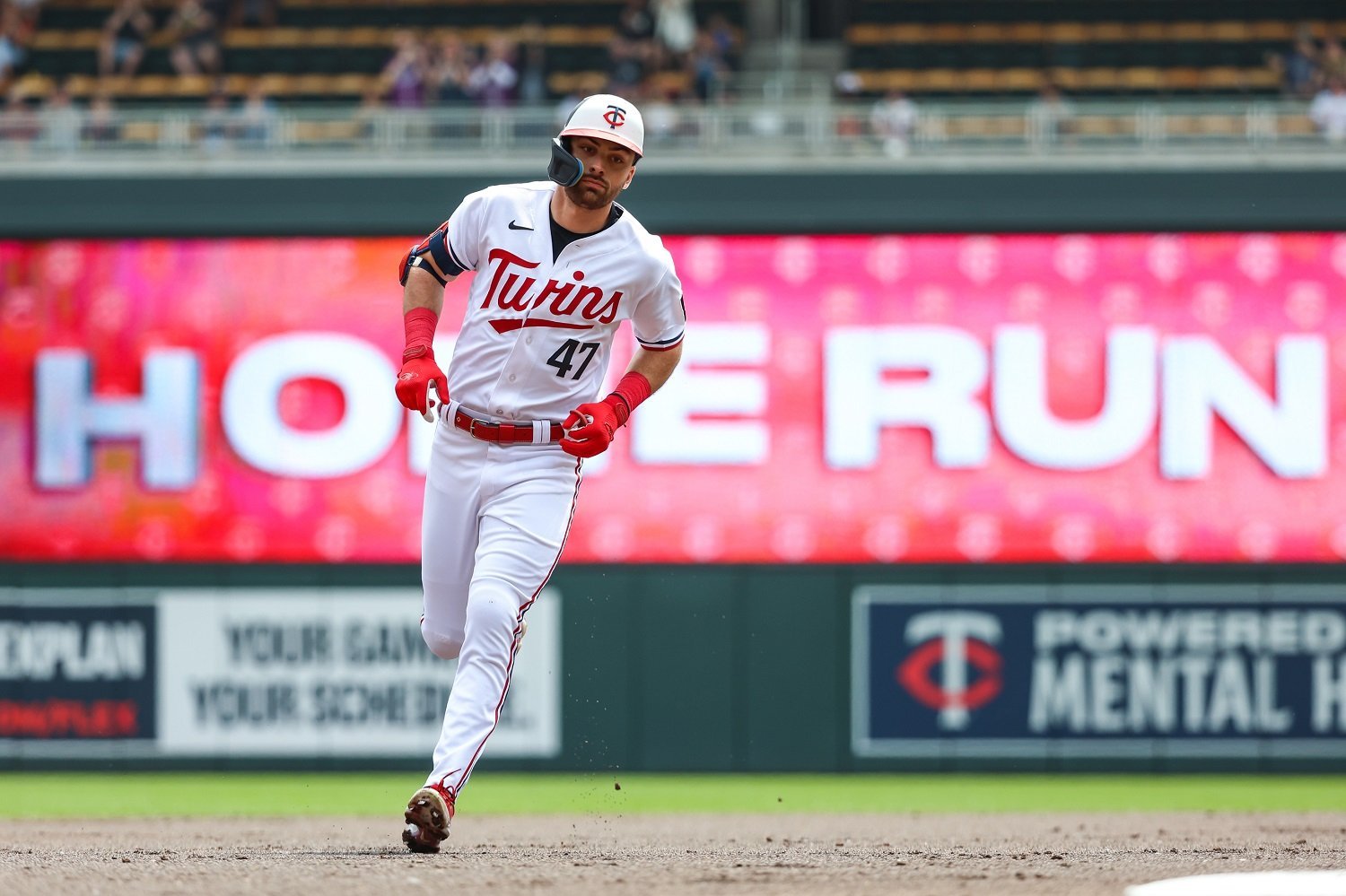 The Twins must be creative this winter to fill some of the club’s different needs. Minnesota needs a playoff-caliber starter to replace Sonny Gray in the rotation and a replacement for Michael A. Taylor in center field. Adding a right-handed bench bat and upgrading the bullpen would be nice, but those may be luxuries the team can’t afford while cutting payroll. It’s a tough spot for the front office, but they have previously shown the ability to be creative. Many trade rumors this winter have swirled around the club, including shopping veteran players with higher contracts, like Kyle Farmer, Christian Vazquez, and Jorge Polanco. Unfortunately, trade value for those player types will bring back a minimal return. Instead, the front office can look to trade some of their young, established MLB players to capitalize on their value. It will likely take a combination of moves to free up payroll and add impact players at positions of need. Here is a look at three young players the Twins might consider including in trades this winter. Each player’s surplus trade value is from Baseball Trade Values. Edouard Julien, 2B Surplus Trade Value: $35.3 million Julien has been an intriguing prospect over the last two seasons, and fans saw the value he provides at the plate. In 109 games, he hit .263/.381/.459 (.839) with 16 doubles and 16 home runs. His defense made strides at second base, but he’s still considered a below-average defender. Minnesota traded Luis Arraez last winter, when it was clear the club wasn’t confident in his ability to play second base. Julien might be in a similar position, and he has more years of team control than Arraez did last winter. If Polanco was traded, the assumption was that Julien would take over the second base duties. If Julien was also dealt, the Twins have other young options who might be ready to step into the role, including Austin Martin and Brooks Lee. Matt Wallner, OF Surplus Trade Value: $23.3 million Like Julien, Wallner is supposed to be the heir apparent at a position occupied by a current veteran. If the Twins trade Kepler, Wallner can slide over to right field and be part of the team’s line-up for most of the next decade. In 2023, Wallner hit .249/.370/.507(.877) with 11 doubles and 14 home runs across 76 games. The Twins can also look to include Wallner in a trade because his value might never be higher. Wallner’s offensive profile will come with many strikeouts and inconsistent contact. Other corner outfield options include Trevor Larnach, Nick Gordon, and Austin Martin. Wallner has been a great story as a Minnesota native, but the timing might be suitable for the Twins to maximize his value on the trade market. Emmanuel Rodriguez, OF Surplus Trade Value: $19.7 million The Twins might consider other top prospects untouchable, like Lee and Walker Jenkins. Rodriguez is the team’s other consensus top-100 prospect, which can make other teams value his potential upside. Rodriguez was added to the team’s 40-man roster this winter and is projected to spend next season at Double-A. It's interesting to consider that Baseball Trade Values believes Rodriguez has much lower value than the other more established players, but that might be reflection of his extreme high-risk/high-reward profile. There are no indications that the Twins want to part with Rodriguez, but the organization will likely need to trade multiple prospects to acquire a frontline starting pitcher. Minnesota’s winning window is open right now, which might force the front office to be aggressive. Minnesota obviously has other highly valued players at or close to the big league, but some of those options might be untouchable in the eyes of the Twins. Will the front office consider trading any of the players mentioned above? Do you agree with the trade values? Leave a COMMENT and start the discussion.
- 71 comments
-
- 4
-
-
- edouard julien
- matt wallner
- (and 1 more)
-
Max Kepler’s name has been tied to trade rumors for multiple seasons. After a terrific 2023 campaign, the Twins have three reasons to trade their right fielder. Image courtesy of Jesse Johnson-USA TODAY Sports Max Kepler has grown up in the Twins organization since signing as a teenager on the international market. There were plenty of ups and downs throughout his professional career. He was the Southern League Player of the Year in 2015 after he finished the season with a .327 batting average, nine home runs, and 18 stolen bases. He was a consensus top-60 prospect entering the 2017 season, and there was hope that he would begin to flourish at the big-league level. Kepler’s MLB career has been inconsistent on offense while developing into one of baseball’s best defensive right-fielders. From 2016-18, his OPS+ hovered just points below 100 while showing stretches where he could be one of the team’s best hitters. In 2019, he had a breakout season by hitting .252/.336/.519 (.855) with 32 doubles and 36 home runs. Baseballs weren’t being hit out at record rates after 2019, and Kepler’s OPS+ dropped to 97 from 2020-22. Minnesota reportedly attempted to trade Kepler following the season but didn’t like the value being offered in return. Minnesota’s payroll is likely dropping for next season, and trading veterans is one avenue to make other roster additions. Here are three reasons why the time is right for a Kepler trade. 1. Kepler's Contract is Expiring It’s now or never for the Twins to make a trade involving Kepler. He’s in the final year of team control after signing a team-friendly contract extension early in his career. An acquiring team could also extend a qualifying offer to Kepler next winter if he is traded during the current offseason. Eligible players would have received a one-year deal worth $20.3 million this winter, but no players accepted the qualifying offer. Kepler has been worth $17 million or more in every full season, and he’s been worth $20.7 million or more in three seasons, including last year. The Twins could always attempt to trade him at the trade deadline, but then he is a rental player who wouldn’t be eligible for the qualifying offer. 2. Kepler is Due for Regression Kepler’s offensive performance in the second half is one of the big reasons the Twins got separation in the division race. In 66 games, he posted a .926 OPS with 17 doubles, two triples, and 12 home runs. It seems likely that there will be some regression in his offensive output when compared to his career totals. Baseball-Reference projects Kepler to post a .746 OPS in 2024 with 21 doubles and 18 home runs. Those totals are decent for a strong defensive player, but other teams might be bought in on the improvements made by Kepler in the second half. Baseball Trade Values has Kepler with an 8.9 surplus value, which is higher than Jorge Polanco even though the latter has an additional year of team control. 3. Other Corner Outfield Options The Twins need to upgrade the current roster, including adding a starting center fielder and a playoff-caliber starter. Both of those needs come at a high cost in free agency or trade, which leaves the team looking for flexibility on the roster. Minnesota has other corner outfield options, including Matt Wallner, Trevor Larnach, Willi Castro, and Nick Gordon. Castro, a switch-hitter, is the only non-lefty in the group, so there isn’t much of an opportunity to play the platoon advantage. Wallner seems like a natural fit to slide over to right field to take even more advantage of his elite throwing arm. Then, the Twins can mix and match players in left field depending on the matchup. Kepler has been in the Twins organization for so long that it’s easy for fans to point out his flaws. There’s no question that he has been a vital role player for a Twins team attempting to return to winning baseball after a decade of ineptitude. Kepler's name made multiple appearaces in the trade proposals created for the Twins Daily Offseason Handbook (Click Here to Download). Some will be sad to see him go, and others will be happy to see him leave. Either way, it seems most likely for Kepler to be wearing another team’s uniform on the first day of spring training. Do you think the Twins will trade Kepler? How much value does he have after the 2023 season? Leave a COMMENT and start the discussion. View full article
-
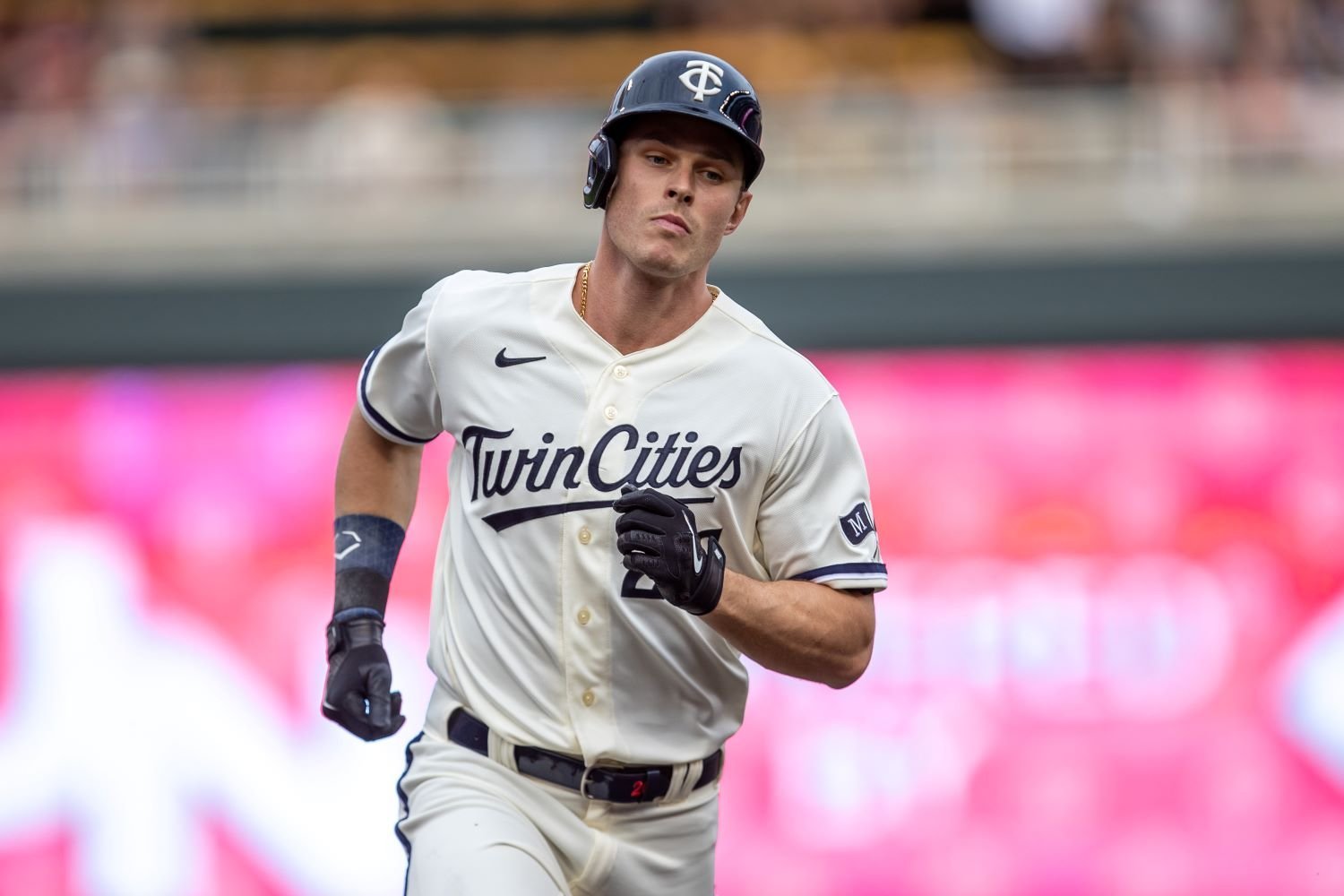 Max Kepler has grown up in the Twins organization since signing as a teenager on the international market. There were plenty of ups and downs throughout his professional career. He was the Southern League Player of the Year in 2015 after he finished the season with a .327 batting average, nine home runs, and 18 stolen bases. He was a consensus top-60 prospect entering the 2017 season, and there was hope that he would begin to flourish at the big-league level. Kepler’s MLB career has been inconsistent on offense while developing into one of baseball’s best defensive right-fielders. From 2016-18, his OPS+ hovered just points below 100 while showing stretches where he could be one of the team’s best hitters. In 2019, he had a breakout season by hitting .252/.336/.519 (.855) with 32 doubles and 36 home runs. Baseballs weren’t being hit out at record rates after 2019, and Kepler’s OPS+ dropped to 97 from 2020-22. Minnesota reportedly attempted to trade Kepler following the season but didn’t like the value being offered in return. Minnesota’s payroll is likely dropping for next season, and trading veterans is one avenue to make other roster additions. Here are three reasons why the time is right for a Kepler trade. 1. Kepler's Contract is Expiring It’s now or never for the Twins to make a trade involving Kepler. He’s in the final year of team control after signing a team-friendly contract extension early in his career. An acquiring team could also extend a qualifying offer to Kepler next winter if he is traded during the current offseason. Eligible players would have received a one-year deal worth $20.3 million this winter, but no players accepted the qualifying offer. Kepler has been worth $17 million or more in every full season, and he’s been worth $20.7 million or more in three seasons, including last year. The Twins could always attempt to trade him at the trade deadline, but then he is a rental player who wouldn’t be eligible for the qualifying offer. 2. Kepler is Due for Regression Kepler’s offensive performance in the second half is one of the big reasons the Twins got separation in the division race. In 66 games, he posted a .926 OPS with 17 doubles, two triples, and 12 home runs. It seems likely that there will be some regression in his offensive output when compared to his career totals. Baseball-Reference projects Kepler to post a .746 OPS in 2024 with 21 doubles and 18 home runs. Those totals are decent for a strong defensive player, but other teams might be bought in on the improvements made by Kepler in the second half. Baseball Trade Values has Kepler with an 8.9 surplus value, which is higher than Jorge Polanco even though the latter has an additional year of team control. 3. Other Corner Outfield Options The Twins need to upgrade the current roster, including adding a starting center fielder and a playoff-caliber starter. Both of those needs come at a high cost in free agency or trade, which leaves the team looking for flexibility on the roster. Minnesota has other corner outfield options, including Matt Wallner, Trevor Larnach, Willi Castro, and Nick Gordon. Castro, a switch-hitter, is the only non-lefty in the group, so there isn’t much of an opportunity to play the platoon advantage. Wallner seems like a natural fit to slide over to right field to take even more advantage of his elite throwing arm. Then, the Twins can mix and match players in left field depending on the matchup. Kepler has been in the Twins organization for so long that it’s easy for fans to point out his flaws. There’s no question that he has been a vital role player for a Twins team attempting to return to winning baseball after a decade of ineptitude. Kepler's name made multiple appearaces in the trade proposals created for the Twins Daily Offseason Handbook (Click Here to Download). Some will be sad to see him go, and others will be happy to see him leave. Either way, it seems most likely for Kepler to be wearing another team’s uniform on the first day of spring training. Do you think the Twins will trade Kepler? How much value does he have after the 2023 season? Leave a COMMENT and start the discussion.
 -
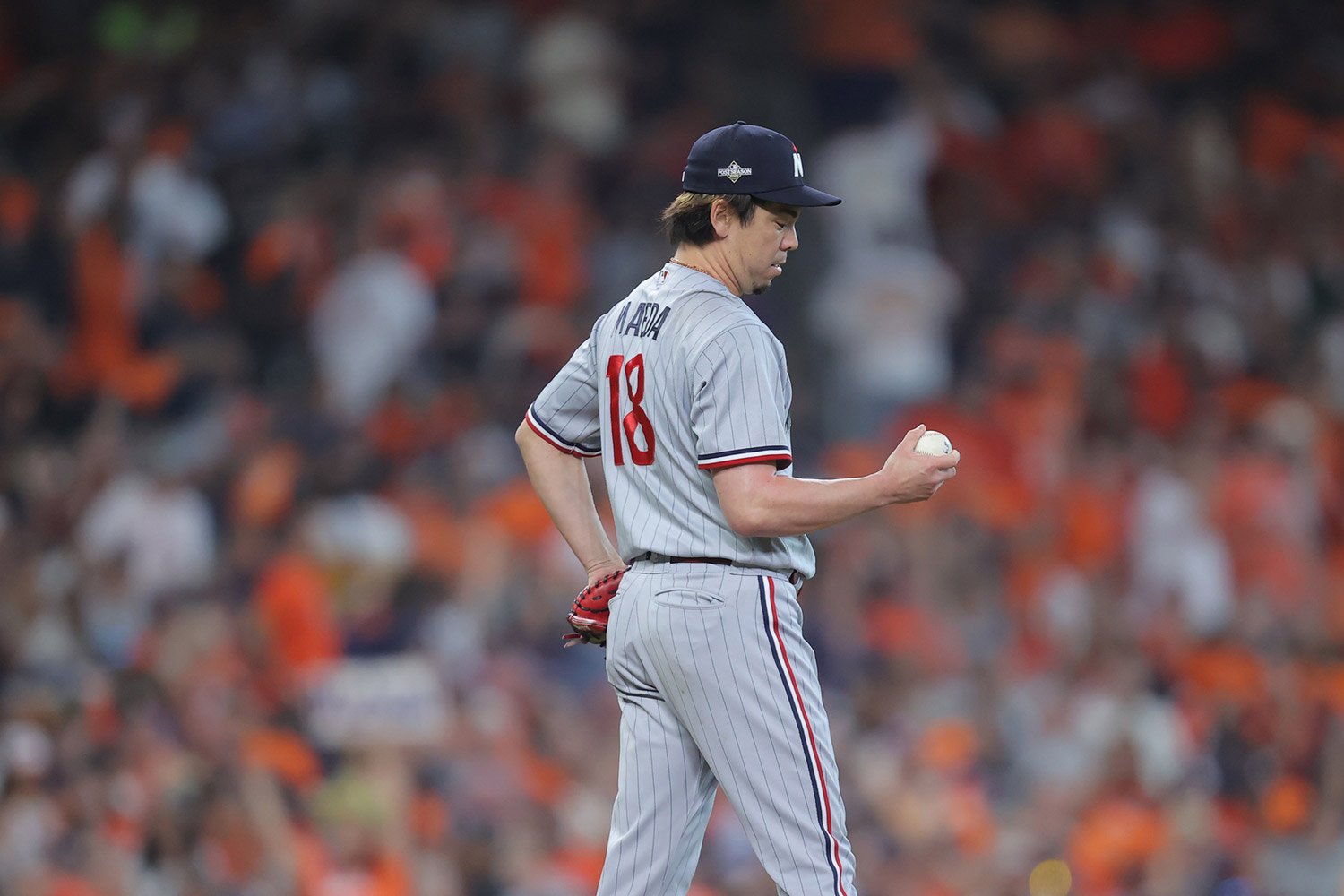 Jon Heyman is reporting that the Twins and Tigers are interested in signing Kenta Maeda. He calls Detroit’s interest “serious” while also saying there might be other clubs interested in adding the veteran starting pitcher. Will Maeda end up on another AL Central team?


