



Cody Christie
-
Posts
7,515 -
Joined
-
Last visited
-
Days Won
5
Content Type
Profiles
News
Minnesota Twins Videos
2026 Minnesota Twins Top Prospects Ranking
2022 Minnesota Twins Draft Picks
Minnesota Twins Free Agent & Trade Rumors, Notes, & Tidbits
Guides & Resources
2023 Minnesota Twins Draft Picks
The Minnesota Twins Players Project
2024 Minnesota Twins Draft Picks
2025 Minnesota Twins Draft Pick Tracker
2026 Minnesota Twins Draft Tracker: Picks & Bonuses
Forums
Blogs
Events
Store
Downloads
Gallery
Everything posted by Cody Christie
-
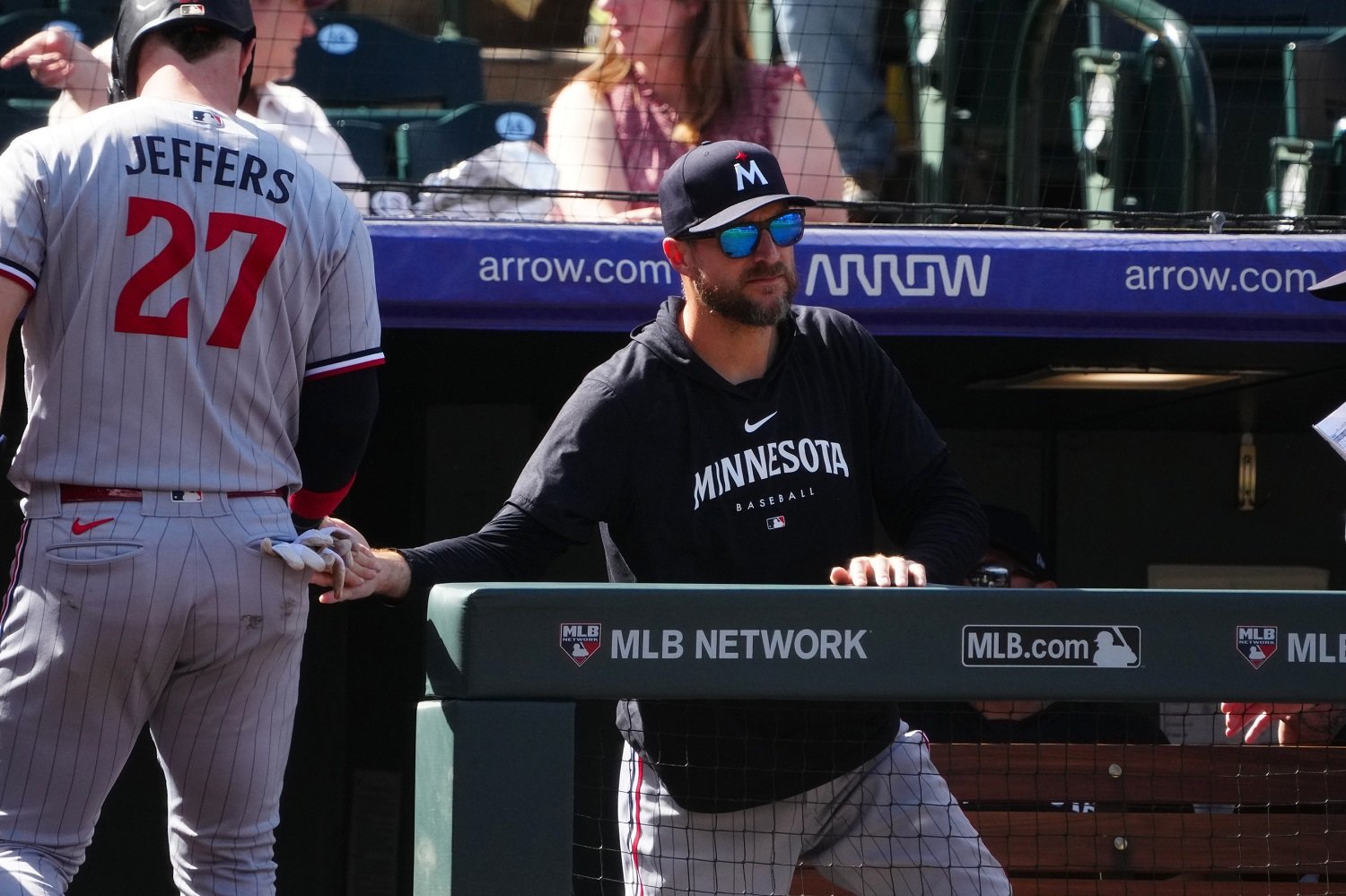 Minnesota announced that Games 3 and 4 are sold out at Target Field, which should help build off the tremendous atmosphere fans created during the Wild Card Series. If the Twins want to upset the Astros, the club must win its home games and avoid a return trip to Houston. Playoff games take on a different ebb and flow than regular season action. However, there are some keys the Twins can focus on to turn the tide in their favor. Get to Houston's Starters In Game 1, the Twins made Justin Verlander work in the early innings, but the club failed to push across any runs against him. Multiple double plays turned behind Verlander helped to keep Minnesota off the board, and Verlander eventually found his groove on the mound. The team missed early opportunities and ran out of time to complete their comeback in the final innings. Thankfully, the Twins bounced back in Game 2 and scored five runs against Framber Valdez, and that trend needs to continue. In Games 3 and 4, the Twins are projected to face two of Houston's more inconsistent starters. Cristian Javier is the Astros' projected Game 3 starter, and he finished the season with career-worst totals in ERA (4.56), WHIP (1.27), and K/9 (8.8). He also allowed three runs or more In three of his final four regular season starts. The Astros can go in a few different directions for Game 4 by turning to Jose Urquidy (5.29 ERA) or switching to Verlander on short rest, but he's struggled in those types of appearances in the past. Minnesota's hitters need to take advantage of these opportunities. Home Run Barrage During the Toronto series, Royce Lewis used multiple home runs to help the team to a Game 1 victory. Jorge Polanco and Lewis hit back-to-back home runs in their Game 1 loss to Houston. In Game 2, Kyle Farmer connected for a massive two-run homer. Home runs have been part of the equation for the Twins for the entire season. In 81 home games, the Twins hit 118 home runs and posted a .778 OPS. However, the club's offense struggled in the first half (.709 OPS) before an influx of young talent helped improve the team's OPS to .808 after the All-Star Break. To continue to win in the playoffs, the Twins must use the long ball to their advantage. Minnesota saw Houston's lone left-handed pitcher on Sunday, so the club's young left-handed hitters will get plenty of home run opportunities against Houston's starters mentioned above. Matt Wallner, Edouard Julien, and Alex Kirilloff were held hitless in both home games against the Blue Jays. The Twins need their young bats to step up if they are going to take down the defending champions. Keep the Crowd in the Game A raucous crowd played a role in the Twins series win versus the Blue Jays. Carlos Correa told Sonny Gray and the team's coaches that Toronto's runners couldn't hear the third base coach from second base because the crowd was so loud. The Blue Jays were also taking significant leads on the bases to try and get back in the game. Correa and Gray used the loud crowd to their advantage and picked off Vladimir Guerrero Jr. in a critical spot of Game 2. A situation like this likely won't repeat itself, but the crowd can play a factor in favor of the Twins. Twins fans are very familiar with home-field advantage in the playoffs. The Metrodome provided a perfect environment to amplify crowd noise and helped the Twins to be nearly unbeatable at home during their World Series runs. Target Field is built on the smallest footprint of any MLB ballpark, which means fans in the upper deck are closer to the field than most other places. Twins fans must be on their feet and ensure the Astros can't get comfortable in Minnesota. Quit Pitching to Yordan Alvarez This change is quite simple. Alvarez might be the best hitter on the planet, and he's already an October legend. Quit giving him pitches to hit. Do you think the Twins should make these changes for Game 3? What's the most critical change for the club? Leave a COMMENT and start the discussion.
- 13 comments
-
- 2
-

-
- rocco baldelli
- yordan alvarez
- (and 3 more)
-
 Sonny Gray is scheduled to take the mound in one of the most critical Twins games in recent memory. How can the veteran right-hander help turn the tide in favor of the Twins on Tuesday? Image courtesy of Matt Blewett-USA TODAY Sports From the Twins’ perspective, it would have been great for the Twins to take the first two games in Houston. However, the Astros had the advantage by resting their players through the Wild Card Series and being able to line up their starting pitchers. In MLB’s new playoff format, this is one of the most significant advantages for the top two seeds in each league. Minnesota plays in baseball’s worst division, so winning four extra games in the regular season could have flipped the script in October. Instead, the Twins found themselves in a hole, but the team bounced back nicely to take Game 2 in Houston. Sonny Gray has arguably been Minnesota’s best-starting pitcher during the 2023 season, and now he takes the mound in a critical Game 3. There’s a chance this is his last start before reaching free agency for the first time in his career, so he will want to continue his strong season. Here’s how he matches up against the Astros and how the Twins hope it’s always “Sonny” in Minneapolis. Previous 2023 Match-Ups with Houston The Twins took four of six games against the Astros during the regular season, but both series were played before the calendar flipped to June. Gray made two starts against Houston and performed well. On April 7th, Gray made his second start of the year at Target Field, and the Astros were the opponent. He dominated the defending World Series champs by tossing seven innings of one-run ball, including 13 strikeouts, a season-high for Gray. Jeremy Pena struck out four times, while Jose Abreu and Chas McCormick were set down three times. Gray’s second appearance versus the Astros came in Houston. In six innings, he allowed three earned runs on five hits with three strikeouts. He let the first two batters reach in the seventh inning before being removed, so two of the runs charged to Gray came after he left the mound. It’s tough to imagine either start having any ramifications on this game since they were so early in the season. The Astros are a different team in the season’s second half, and Gray has been a different pitcher. Current Astros Versus Gray As a veteran pitcher, Gray has faced three Astros hitters in 24 or more plate appearances. Jose Altuve and Jose Abreu lead the way with over 30 plate appearances each, and Abreu is the lone Astros regular who has hit a home run against Gray. Alex Bregman has 12 plate appearances against Gray, and he’s gotten on base over 58% of the time. Yordan Alvarez has gone 1-for-5 with a double and a strikeout, while Kyle Tucker has two doubles in six at-bats. It’s a dangerous Astros lineup, and Gray needs to continue to keep the ball in the park. Gray kept the ball in the park better than any other American League pitcher in 2023. He led baseball with a 0.39 HR/9, significantly better than any other AL pitcher. Baltimore’s Kyle Bradish (0.75 HR/9) and New York’s Gerrit Cole (0.86 HR/9) rounded out the AL’s top three. Gray didn’t surrender any home runs in his first 11 appearances, and he limited batters to three home runs in his final ten starts. He hasn’t had a game yet in 2023 where he allowed more than one home run <knock on wood>. You Are My “Son”shine Gray is 33 years old, and players never know how many opportunities they will get to go on a playoff run. Like many players, he’s told reporters the reason he is still playing is for a chance to win the World Series. He last made a playoff appearance with the Yankees in 2017 when his sons were too young to remember their dad on the mound. That’s made this year’s playoffs even more critical to Gray and his family. “Having them be able to watch me play, play with them, them being able to come into the clubhouse, to just be a part of it, that and then winning a World Series, going on a playoff, going on a postseason run, that’s the things that still drive me in this game,” Gray told reporters. “That’s the reason that I still show up and put in the work that I put in.” The Twins hope Gray continues to put in work for the club and that they can help him reach his goal of winning the World Series. His Game 3 performance is critical for the team’s ultimate goal. Here’s hoping Gray continues to keep things “Sonny” for Twins fans. How do you feel about Gray’s match-up against the Astros? How long of a leash will he get in this crucial game? Leave a COMMENT and start the discussion. View full article
 -
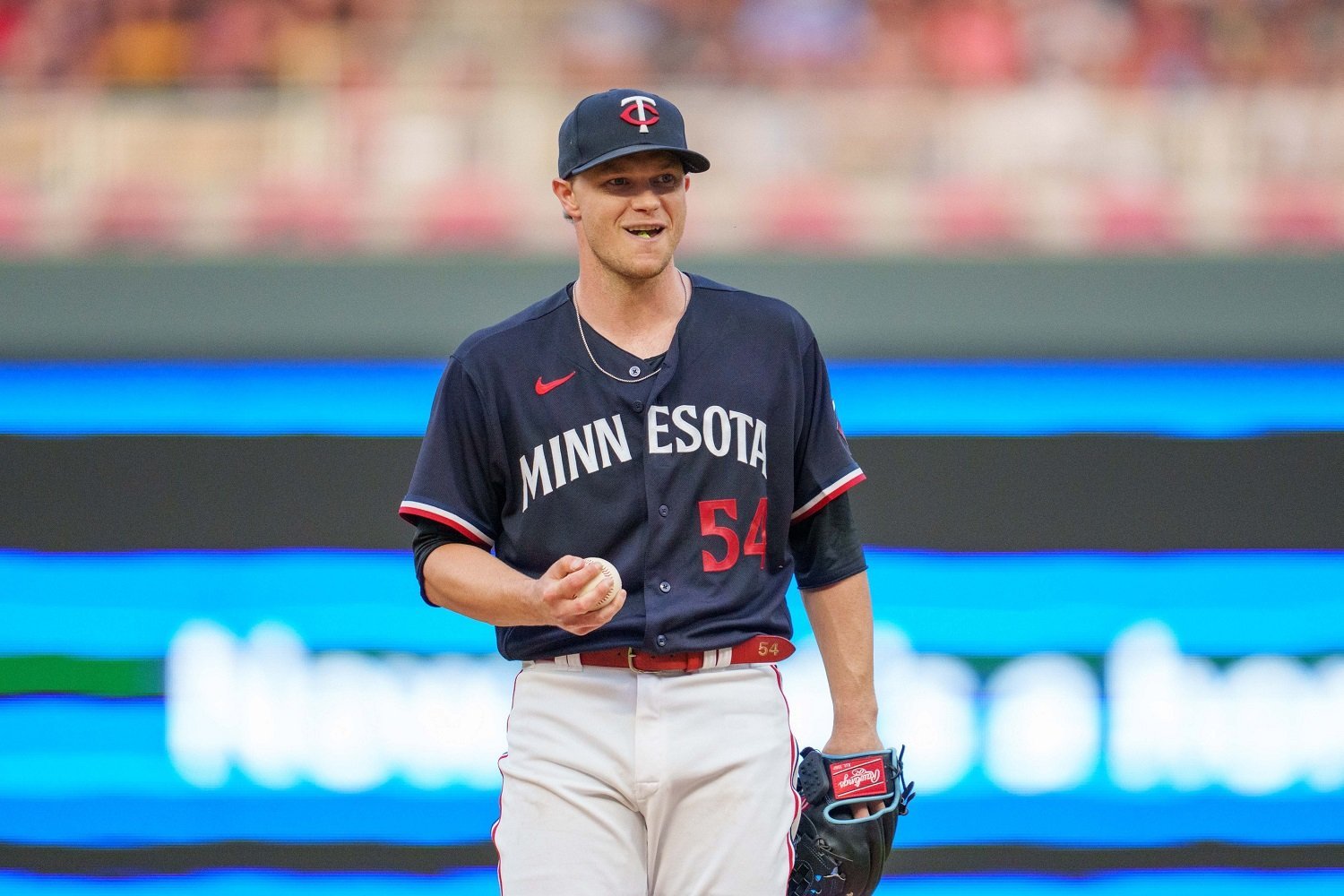 From the Twins’ perspective, it would have been great for the Twins to take the first two games in Houston. However, the Astros had the advantage by resting their players through the Wild Card Series and being able to line up their starting pitchers. In MLB’s new playoff format, this is one of the most significant advantages for the top two seeds in each league. Minnesota plays in baseball’s worst division, so winning four extra games in the regular season could have flipped the script in October. Instead, the Twins found themselves in a hole, but the team bounced back nicely to take Game 2 in Houston. Sonny Gray has arguably been Minnesota’s best-starting pitcher during the 2023 season, and now he takes the mound in a critical Game 3. There’s a chance this is his last start before reaching free agency for the first time in his career, so he will want to continue his strong season. Here’s how he matches up against the Astros and how the Twins hope it’s always “Sonny” in Minneapolis. Previous 2023 Match-Ups with Houston The Twins took four of six games against the Astros during the regular season, but both series were played before the calendar flipped to June. Gray made two starts against Houston and performed well. On April 7th, Gray made his second start of the year at Target Field, and the Astros were the opponent. He dominated the defending World Series champs by tossing seven innings of one-run ball, including 13 strikeouts, a season-high for Gray. Jeremy Pena struck out four times, while Jose Abreu and Chas McCormick were set down three times. Gray’s second appearance versus the Astros came in Houston. In six innings, he allowed three earned runs on five hits with three strikeouts. He let the first two batters reach in the seventh inning before being removed, so two of the runs charged to Gray came after he left the mound. It’s tough to imagine either start having any ramifications on this game since they were so early in the season. The Astros are a different team in the season’s second half, and Gray has been a different pitcher. Current Astros Versus Gray As a veteran pitcher, Gray has faced three Astros hitters in 24 or more plate appearances. Jose Altuve and Jose Abreu lead the way with over 30 plate appearances each, and Abreu is the lone Astros regular who has hit a home run against Gray. Alex Bregman has 12 plate appearances against Gray, and he’s gotten on base over 58% of the time. Yordan Alvarez has gone 1-for-5 with a double and a strikeout, while Kyle Tucker has two doubles in six at-bats. It’s a dangerous Astros lineup, and Gray needs to continue to keep the ball in the park. Gray kept the ball in the park better than any other American League pitcher in 2023. He led baseball with a 0.39 HR/9, significantly better than any other AL pitcher. Baltimore’s Kyle Bradish (0.75 HR/9) and New York’s Gerrit Cole (0.86 HR/9) rounded out the AL’s top three. Gray didn’t surrender any home runs in his first 11 appearances, and he limited batters to three home runs in his final ten starts. He hasn’t had a game yet in 2023 where he allowed more than one home run <knock on wood>. You Are My “Son”shine Gray is 33 years old, and players never know how many opportunities they will get to go on a playoff run. Like many players, he’s told reporters the reason he is still playing is for a chance to win the World Series. He last made a playoff appearance with the Yankees in 2017 when his sons were too young to remember their dad on the mound. That’s made this year’s playoffs even more critical to Gray and his family. “Having them be able to watch me play, play with them, them being able to come into the clubhouse, to just be a part of it, that and then winning a World Series, going on a playoff, going on a postseason run, that’s the things that still drive me in this game,” Gray told reporters. “That’s the reason that I still show up and put in the work that I put in.” The Twins hope Gray continues to put in work for the club and that they can help him reach his goal of winning the World Series. His Game 3 performance is critical for the team’s ultimate goal. Here’s hoping Gray continues to keep things “Sonny” for Twins fans. How do you feel about Gray’s match-up against the Astros? How long of a leash will he get in this crucial game? Leave a COMMENT and start the discussion.
 -
The Twins beat the odds and upset the Blue Jays in the Wild Card Series. So, how do the Twins compare against the Astros for each game of the ALDS? Image courtesy of Erik Williams-USA TODAY Sports Dan Szymborski has run ZiPS models at FanGraphs, and it is widely considered one of baseball's most accurate predictors. His model uses growth and decline curves based on player type to find trends and make predictions. According to Szymborski, his playoff model gears much more toward the playoffs' micro-level than the regular season's macro-level. He explained this process by saying, "The ZiPS game matchup tool has a built-in lineup estimator that projects every pitcher's and batter's line against every other pitcher and batter, so there is no need to look at a team's generalized offensive strength. The playoffs also come with the benefit of being able to run the full, more robust model of ZiPS rather than the simpler model used during the regular season, a compromise necessitated by the fact that projecting a majors' worth of players takes more than a day." These results can change as the rosters are finalized, and official starters are announced for each team. Here is how Szymborski sees the Twins and Astros series playing out over the next week. Game 1 Expected Starters: Justin Verlander vs. Bailey Ober Twins Win Probability: 38.3% The Twins' top two starters aren't available after pitching in the Wild Card Series, so the team must shift to a different pitcher for Game 1. Joe Ryan was scheduled to start Game 3 in the previous series, but the Twins decided to start Ober. Minute Maid Park is a home run friendly environment, and Ryan allowed a career-high 1.8 HR/9 compared to 1.4 HR/9 for Ober. FanGraphs originally had the Twins at 38.1% win probability, so switching starters had a small positive impact. Verlander has made 35 starts in the postseason and pitched over 200 innings for multiple World Series champions. The Astros should be favored in Game 1. Game 2 Expected Starters: Framber Valdez vs. Pablo Lopez Twins Win Probability: 38.7% Valdez has been one of the American League's best pitchers over the last three seasons while being a workhorse at the top of Houston's rotation. That being said, this win probability insults what Lopez has done on the mound this season. Lopez was among the AL's best pitchers during the 2023 season in multiple categories. Pitching in Houston can be challenging for any opponent, but he will be on full rest for Game 2, allowing him to return for Game 5 if necessary. This game is shaping up to be a pitcher's duel. Game 3 Expected Starters: Cristian Javier vs. Sonny Gray Twins Win Probability: 50.7% According to ZiPS, Game 3 is the lone game the Twins are favored to win. Gray's start in the Wild Card Series was also the only game Minnesota was projected to win, so there is still hope for the Twins. Twins Daily named Gray the team's Pitcher of the Year and MVP earlier this week, and he's mentioned how vital this playoff run is to him and his family. Javier posted a 4.56 ERA with a 1.27 WHIP in 162 innings this year. This game will be critical for the Twins offense to put up some crooked numbers against the starting pitcher. Game 4 Expected Starters: Jose Urquidy vs. Joe Ryan Twins Win Probability: 48.9% Urquidy missed time during the 2023 season with right shoulder inflammation, and his on-field performance struggled for the first time in his career. In 16 appearances (63.0 IP), he posted a 5.29 ERA with a 1.43 WHIP and a 45-to-25 strikeout-to-walk ratio. Ryan pitch significantly better at Target Field this season compared to his road appearances. In 14 home starts, his ERA was 1.38 runs lower and opponents posted an OPS that was 167 points lower. One of the two teams will face elimination during this game, so both starters will likely have a short leash. Game 5 Expected Starters: Justin Verlander vs. Pablo Lopez Twins Win Probability: 37.2% There is the potential for this to be an epic pitching matchup If the series goes five games. Verlander is a future Hall of Fame member at the end of his career. Lopez has been the ace pitcher the Twins have sought since Johan Santana was traded away. Anything can happen in a winner-take-all game, so the win probability should be closer to 50%. Overall Odds Using the ZiPS model, the Twins probability of winning the series is 36.4%. The odds of the Twins winning in three games is 7.5%, the odds of winning in three games is 15.2%, and the odds of winning in five games is 13.7%. The Astros won three more games than the Twins during the regular season and had to fight for a division title until the season's final day. Houston is more vulnerable than in previous seasons, but they are still the clear favorites on paper. Can the Twins beat the odds for the second straight round? Do you agree with the ZiPS playoff projections? Should the Twins be favored in any of the other games? Leave a COMMENT and start the discussion. View full article
-
Reviewing the ZiPS Game-By-Game Odds for the Twins/Astros Series
Cody Christie posted an article in Twins
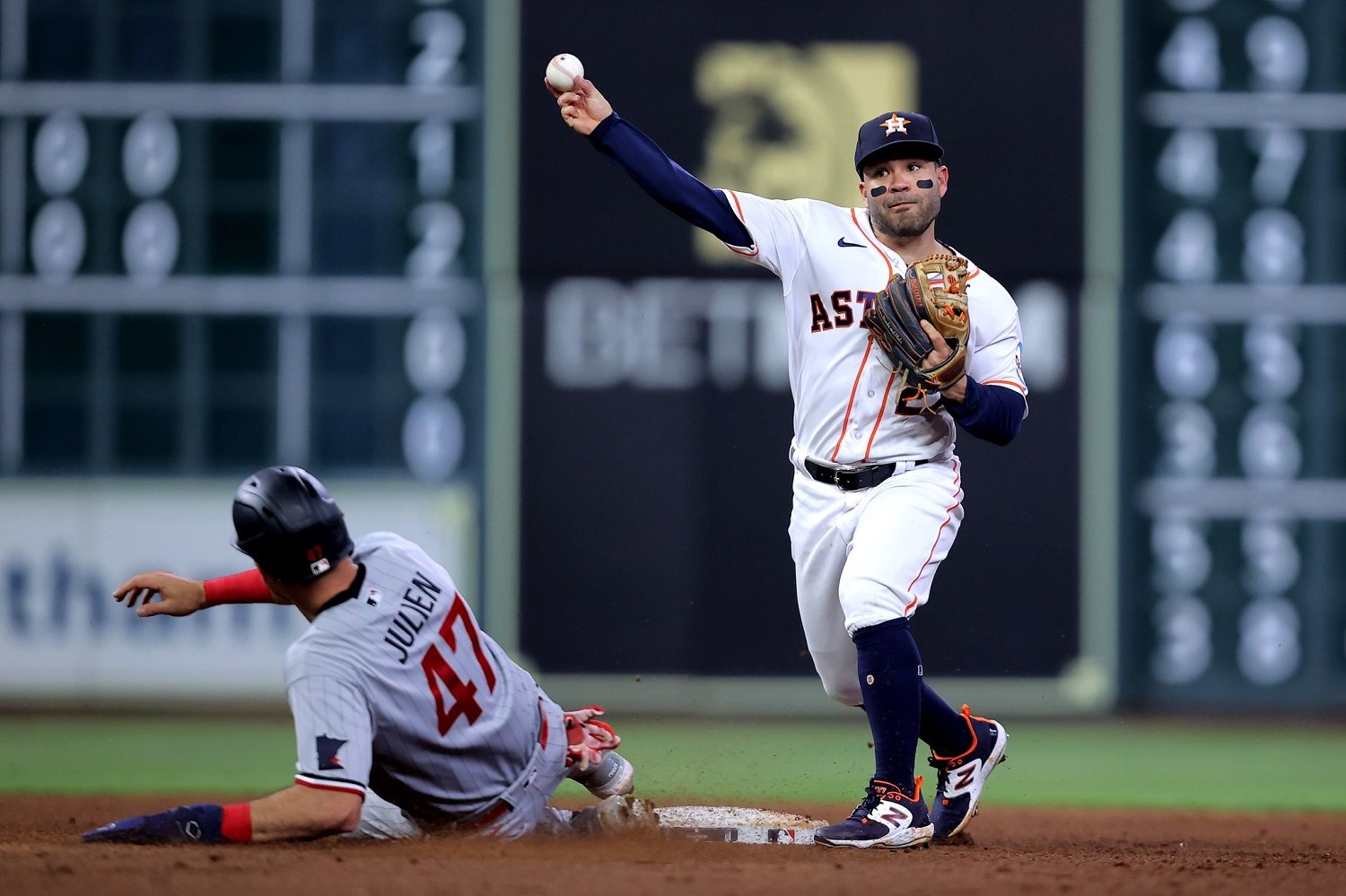 Dan Szymborski has run ZiPS models at FanGraphs, and it is widely considered one of baseball's most accurate predictors. His model uses growth and decline curves based on player type to find trends and make predictions. According to Szymborski, his playoff model gears much more toward the playoffs' micro-level than the regular season's macro-level. He explained this process by saying, "The ZiPS game matchup tool has a built-in lineup estimator that projects every pitcher's and batter's line against every other pitcher and batter, so there is no need to look at a team's generalized offensive strength. The playoffs also come with the benefit of being able to run the full, more robust model of ZiPS rather than the simpler model used during the regular season, a compromise necessitated by the fact that projecting a majors' worth of players takes more than a day." These results can change as the rosters are finalized, and official starters are announced for each team. Here is how Szymborski sees the Twins and Astros series playing out over the next week. Game 1 Expected Starters: Justin Verlander vs. Bailey Ober Twins Win Probability: 38.3% The Twins' top two starters aren't available after pitching in the Wild Card Series, so the team must shift to a different pitcher for Game 1. Joe Ryan was scheduled to start Game 3 in the previous series, but the Twins decided to start Ober. Minute Maid Park is a home run friendly environment, and Ryan allowed a career-high 1.8 HR/9 compared to 1.4 HR/9 for Ober. FanGraphs originally had the Twins at 38.1% win probability, so switching starters had a small positive impact. Verlander has made 35 starts in the postseason and pitched over 200 innings for multiple World Series champions. The Astros should be favored in Game 1. Game 2 Expected Starters: Framber Valdez vs. Pablo Lopez Twins Win Probability: 38.7% Valdez has been one of the American League's best pitchers over the last three seasons while being a workhorse at the top of Houston's rotation. That being said, this win probability insults what Lopez has done on the mound this season. Lopez was among the AL's best pitchers during the 2023 season in multiple categories. Pitching in Houston can be challenging for any opponent, but he will be on full rest for Game 2, allowing him to return for Game 5 if necessary. This game is shaping up to be a pitcher's duel. Game 3 Expected Starters: Cristian Javier vs. Sonny Gray Twins Win Probability: 50.7% According to ZiPS, Game 3 is the lone game the Twins are favored to win. Gray's start in the Wild Card Series was also the only game Minnesota was projected to win, so there is still hope for the Twins. Twins Daily named Gray the team's Pitcher of the Year and MVP earlier this week, and he's mentioned how vital this playoff run is to him and his family. Javier posted a 4.56 ERA with a 1.27 WHIP in 162 innings this year. This game will be critical for the Twins offense to put up some crooked numbers against the starting pitcher. Game 4 Expected Starters: Jose Urquidy vs. Joe Ryan Twins Win Probability: 48.9% Urquidy missed time during the 2023 season with right shoulder inflammation, and his on-field performance struggled for the first time in his career. In 16 appearances (63.0 IP), he posted a 5.29 ERA with a 1.43 WHIP and a 45-to-25 strikeout-to-walk ratio. Ryan pitch significantly better at Target Field this season compared to his road appearances. In 14 home starts, his ERA was 1.38 runs lower and opponents posted an OPS that was 167 points lower. One of the two teams will face elimination during this game, so both starters will likely have a short leash. Game 5 Expected Starters: Justin Verlander vs. Pablo Lopez Twins Win Probability: 37.2% There is the potential for this to be an epic pitching matchup If the series goes five games. Verlander is a future Hall of Fame member at the end of his career. Lopez has been the ace pitcher the Twins have sought since Johan Santana was traded away. Anything can happen in a winner-take-all game, so the win probability should be closer to 50%. Overall Odds Using the ZiPS model, the Twins probability of winning the series is 36.4%. The odds of the Twins winning in three games is 7.5%, the odds of winning in three games is 15.2%, and the odds of winning in five games is 13.7%. The Astros won three more games than the Twins during the regular season and had to fight for a division title until the season's final day. Houston is more vulnerable than in previous seasons, but they are still the clear favorites on paper. Can the Twins beat the odds for the second straight round? Do you agree with the ZiPS playoff projections? Should the Twins be favored in any of the other games? Leave a COMMENT and start the discussion.
- 2 comments
-
- 1
-
-
- pablo lopez
- sonny gray
- (and 3 more)
-
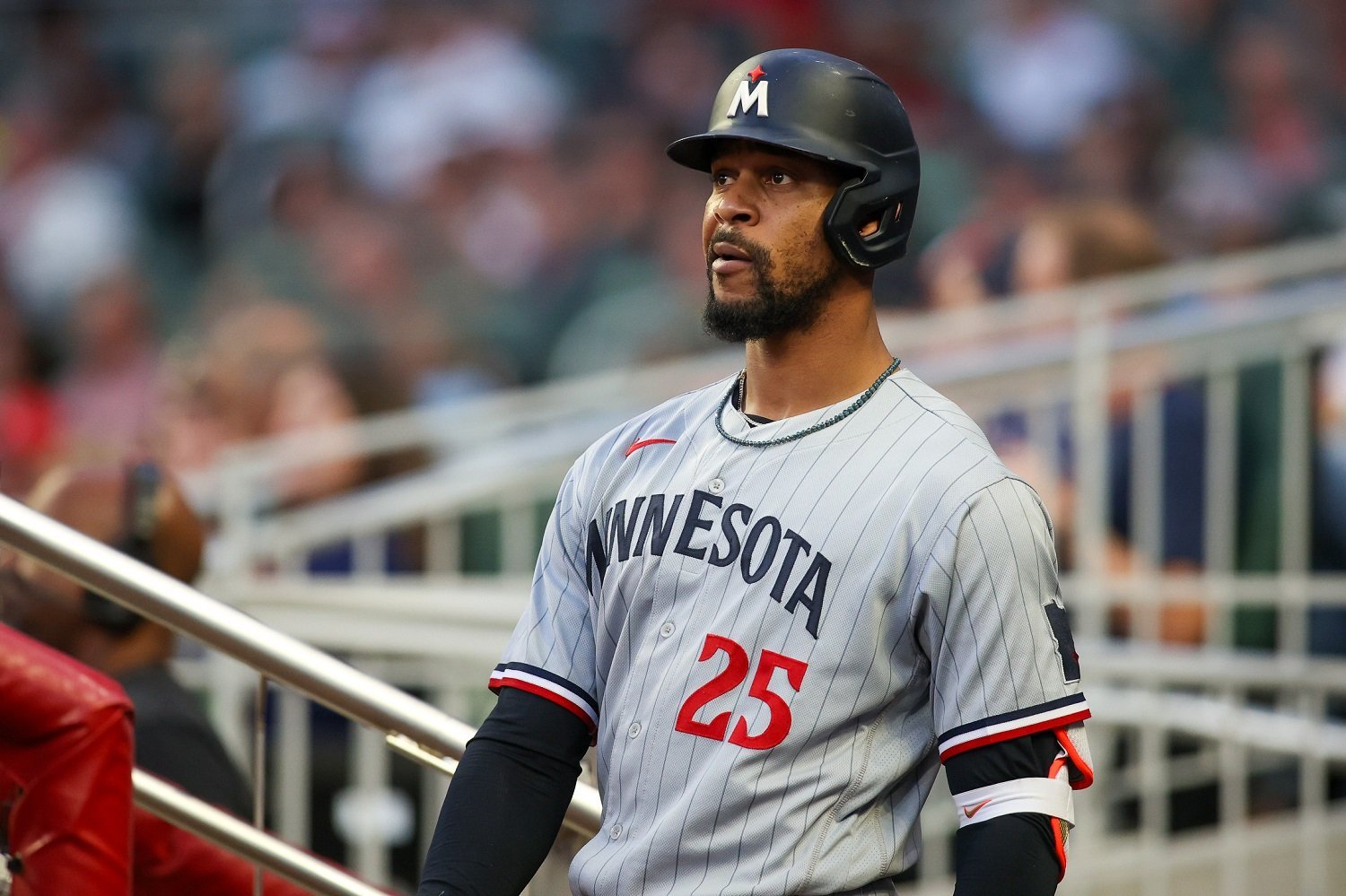 The Wild Card series is a condensed three-game set that requires different roles on the 26-man roster. Teams need fewer starting pitchers, allowing the team to add other bullpen or bench options. Entering the ALDS, the Twins will get to reset their 26-man roster, and there are some decisions to make before Saturday. Will Byron Buxton Be Healthy Enough to Play? Buxton didn't make the Wild Card roster after dealing with multiple injuries during the 2023 season. He has been out since the beginning of August with a hamstring strain, and he dealt with knee issues during his rehab appearances with the St. Paul Saints. He made two rehab appearances at the end of the Saints' season and went 1-for-8. Buxton also didn't participate in the team's workout leading into the Wild Card Series. Twins manager Rocco Baldelli had to have an emotional conversation with Buxton about him not being on the Wild Card roster. He told reporters, "I probably could play, but it's all about contributing. I can go out there and do what I want to do, but it probably wouldn't be at the speed I want it to be. It's one of those where I don't want to hurt the team. I don't want to put a team in a bad spot with me coming back at 50-, 60-, 70-percent. There's guys in here that have done a great job of keeping us where we're at. It's just knowing your body, knowing who you are and putting yourself in a place to help the team." There will only be five days between the start of the Wild Card Series and the opening game of the ALDS. It's tough to imagine that Buxton has made significant improvements over the last week so that the Twins would consider putting him on the ALDS roster. There's a chance the team wants him to serve in a bench bat role, but they would likely need him to be able to play outfield too. Can he help the team? That remains doubtful at this point. Which Starter Fills the Fourth Rotation Spot? Minnesota only needed two starting pitchers for the Wild Card Series, but Joe Ryan was scheduled to start Game 3, if necessary. Since the ALDS begins on Saturday, Joe Ryan is the likely starter, but he has been home run prone this year, and Houston is a dangerous offensive team. The Twins may want to pitch one of their other starters in Houston and push Ryan back to Game 4 at Target Field. Pablo Lopez can start Game 2 on regular rest, putting Sonny Gray pitching in a pivotal Game 3 in front of the home crowd. Bailey Ober wasn't on the Wild Card Series roster, but he will likely be needed to start Game 4 if the ALDS series lasts that many games. Minnesota can also turn the fourth spot over to Kenta Maeda, who pitched well in the second half. It seems likely for the Twins to follow this rotational plan (*if necessary): Game 1: Ryan Game 2: Lopez Game 3: Gray Game 4*: Ober Game 5*: Lopez Which Wild Card Series Players Don't Make the ALDS Roster? Kody Funderburk was a surprise inclusion on the Wild Card roster, but the Twins thought an additional left-handed pitcher would be helpful. In 11 appearances, he posted a 0.75 ERA with a 0.92 WHIP and a 19-to-5 strikeout-to-walk ratio. His spot on the ALDS roster will likely need to be filled by Ober as the fourth starter. Minnesota could keep Funderburk and use Maeda as the fourth starter, but he shifted to the bullpen over the season's final games, and the team might want him to stay in that role. On the position player side, Andrew Stevenson is the only roster spot that might be up in the air. Stevenson offers a unique skill set as a pinch runner and defense replacement. If Buxton makes the roster, Stevenson likely needs to be the player removed from the bench. It seems most likely for the team to keep Stevenson, especially since Buxton's health is still questionable. Do you think Buxton makes the ALDS roster? How would you organize the team's rotation for the second round? Leave a COMMENT and start the discussion.
- 28 comments
-
- 3
-
-
- byron buxton
- bailey ober
- (and 3 more)
-
The Twins are moving on to the ALDS to face the defending World Series champions. What decisions must the team make when finalizing its roster for the second round? Image courtesy of Brett Davis-USA TODAY Sports The Wild Card series is a condensed three-game set that requires different roles on the 26-man roster. Teams need fewer starting pitchers, allowing the team to add other bullpen or bench options. Entering the ALDS, the Twins will get to reset their 26-man roster, and there are some decisions to make before Saturday. Will Byron Buxton Be Healthy Enough to Play? Buxton didn't make the Wild Card roster after dealing with multiple injuries during the 2023 season. He has been out since the beginning of August with a hamstring strain, and he dealt with knee issues during his rehab appearances with the St. Paul Saints. He made two rehab appearances at the end of the Saints' season and went 1-for-8. Buxton also didn't participate in the team's workout leading into the Wild Card Series. Twins manager Rocco Baldelli had to have an emotional conversation with Buxton about him not being on the Wild Card roster. He told reporters, "I probably could play, but it's all about contributing. I can go out there and do what I want to do, but it probably wouldn't be at the speed I want it to be. It's one of those where I don't want to hurt the team. I don't want to put a team in a bad spot with me coming back at 50-, 60-, 70-percent. There's guys in here that have done a great job of keeping us where we're at. It's just knowing your body, knowing who you are and putting yourself in a place to help the team." There will only be five days between the start of the Wild Card Series and the opening game of the ALDS. It's tough to imagine that Buxton has made significant improvements over the last week so that the Twins would consider putting him on the ALDS roster. There's a chance the team wants him to serve in a bench bat role, but they would likely need him to be able to play outfield too. Can he help the team? That remains doubtful at this point. Which Starter Fills the Fourth Rotation Spot? Minnesota only needed two starting pitchers for the Wild Card Series, but Joe Ryan was scheduled to start Game 3, if necessary. Since the ALDS begins on Saturday, Joe Ryan is the likely starter, but he has been home run prone this year, and Houston is a dangerous offensive team. The Twins may want to pitch one of their other starters in Houston and push Ryan back to Game 4 at Target Field. Pablo Lopez can start Game 2 on regular rest, putting Sonny Gray pitching in a pivotal Game 3 in front of the home crowd. Bailey Ober wasn't on the Wild Card Series roster, but he will likely be needed to start Game 4 if the ALDS series lasts that many games. Minnesota can also turn the fourth spot over to Kenta Maeda, who pitched well in the second half. It seems likely for the Twins to follow this rotational plan (*if necessary): Game 1: Ryan Game 2: Lopez Game 3: Gray Game 4*: Ober Game 5*: Lopez Which Wild Card Series Players Don't Make the ALDS Roster? Kody Funderburk was a surprise inclusion on the Wild Card roster, but the Twins thought an additional left-handed pitcher would be helpful. In 11 appearances, he posted a 0.75 ERA with a 0.92 WHIP and a 19-to-5 strikeout-to-walk ratio. His spot on the ALDS roster will likely need to be filled by Ober as the fourth starter. Minnesota could keep Funderburk and use Maeda as the fourth starter, but he shifted to the bullpen over the season's final games, and the team might want him to stay in that role. On the position player side, Andrew Stevenson is the only roster spot that might be up in the air. Stevenson offers a unique skill set as a pinch runner and defense replacement. If Buxton makes the roster, Stevenson likely needs to be the player removed from the bench. It seems most likely for the team to keep Stevenson, especially since Buxton's health is still questionable. Do you think Buxton makes the ALDS roster? How would you organize the team's rotation for the second round? Leave a COMMENT and start the discussion. View full article
-
The Twins had two starters and a closer that rank among baseball's best during the 2023 season. Here's how the Twins Daily writers decided who should be named the team's best pitcher. Minnesota has been striving to build a competitive pitching staff since the current front office regime took the reins. There have been plenty of bumps along the way, but the Twins were able to compile one of baseball's best-starting staffs this season with depth in the rotation and bullpen. Below are the results of the voting from 18 writers at Twins Daily. Each writer ranked their top five pitchers, and the results are below. Some writers likely debated who should be the team's top pitcher, but there was a clear winner after tallying the votes. 5. Bailey Ober Ober was one of the Twins' most consistent pitchers throughout the 2023 season, and he might have finished higher on this list if he was at Triple-A to start the year. In 26 starts (144 1/3 IP), he posted a 3.43 ERA with a 1.07 WHIP and a 146-to-29 strikeout-to-walk ratio. He upped his changeup usage from 15.6% last season to 28.0% in 2023, and batters OPS against the pitch dropped by 100 points. Ober pitched a career-high in innings and has established himself as a middle-of-the-order rotation option for the foreseeable future. 4. Joe Ryan Overall, Ryan's sophomore season didn't compare ideally with his rookie campaign. However, his numbers are slightly skewed because he attempted to pitch through a groin injury in the middle of the season. In 15 starts before his injury, he posted a 2.98 ERA and held opponents to a .548 OPS. He set a career-high with 11.0 K/9 by mixing in an improved split-finger and sweeper over 38% of the time. His sweeper generated the highest Whiff % (32.3%) and Put Away % (19.0%). Ryan will be expected to take on an even more critical role in the Twins rotation next season. 3. Jhoan Duran First Place Votes: 1 Last season, Duran won the TD Best Pitcher award after a tremendous rookie season. It's never a good sign when a reliever wins the team's best pitcher award because that likely means the team's starters are struggling. In 59 appearances (62 1/3 IP), Duran posted a 2.45 ERA with a 1.14 WHIP and an 84-to-25 strikeout-to-walk ratio. Duran pitched in 47 of the team's 87 wins, with the club going 47-12 in games where he appeared this season. He threw the most pitches over 100+ during the 2023 season and leads baseball in pitches over 100+ over the last two seasons. The Twins bullpen would look very different without Duran as the closer. 2. Pablo Lopez First Place Votes: 4 Lopez was among the league's best during his first season with the Twins. He finished in the top five among AL pitchers in strikeouts, quality starts, WAR, and innings pitched. His 234 strikeouts were the most by a Twins pitcher since Johan Santana, Lopez's boyhood idol, struck out 235 in 2007. His 10.86 K/9 ratio in 2023 was the highest single-season ratio in Twins history among qualified pitchers. Lopez added a sweeper after joining the Twins and threw it over 20% of the time. Opponents posted a .287 SLG against his sweeper while generating a 36.6 Whiff%. He will likely get some down ballot votes for the AL Cy Young and was critical to the team's success during the current season. 1. Sonny Gray First Place Votes: 13 Like Lopez, Gray compiled career-best numbers at the top of the Twins' rotation. In 32 starts, he posted a 2.79 ERA (2nd in the AL) with a 1.15 WHIP and a 183-to-55 strikeout-to-walk ratio. His 2.83 FIP, 0.4 HR/9, opponent SLG, and WAR were the top totals among qualified AL starters. Gray finished the season with the lowest ERA by a Twins starter (minimum 20 GS) since Johan Santana in 2006. Gray limited right-handed hitters to a .220 BA, while lefties BA was 13 points higher. He remained relatively healthy during the 2023 season compared to other seasons and compiled his highest inning total since 2015. Sweepers were the most trendy pitch across baseball in 2023, and Gray changed his pitch usage. During the 2022 season, he used his sweeper 10.3% of the time and increased its usage by over 10% during the current campaign. Opposing batters posted a .094 BA against his sweeper with a .118 SLG. Gerrit Cole is a lock to win the AL Cy Young, but Gray should receive top five votes on many ballots. He's headed to free agency at the perfect time and should be able to cash in on a lucrative long-term deal. Do you agree with the way the results of the writer's voting? Leave a COMMENT and start the discussion. Final Voting Points Tally Sonny Gray: 85 points Pablo Lopez: 75 points Jhoan Duran: 45 points Joe Ryan: 28 points Bailey Ober: 19 points Recent TD Best Pitcher Winners 2022: Jhoan Duran 2021: Jose Berrios 2020: Kenta Maeda 2019: Taylor Rogers View full article
-
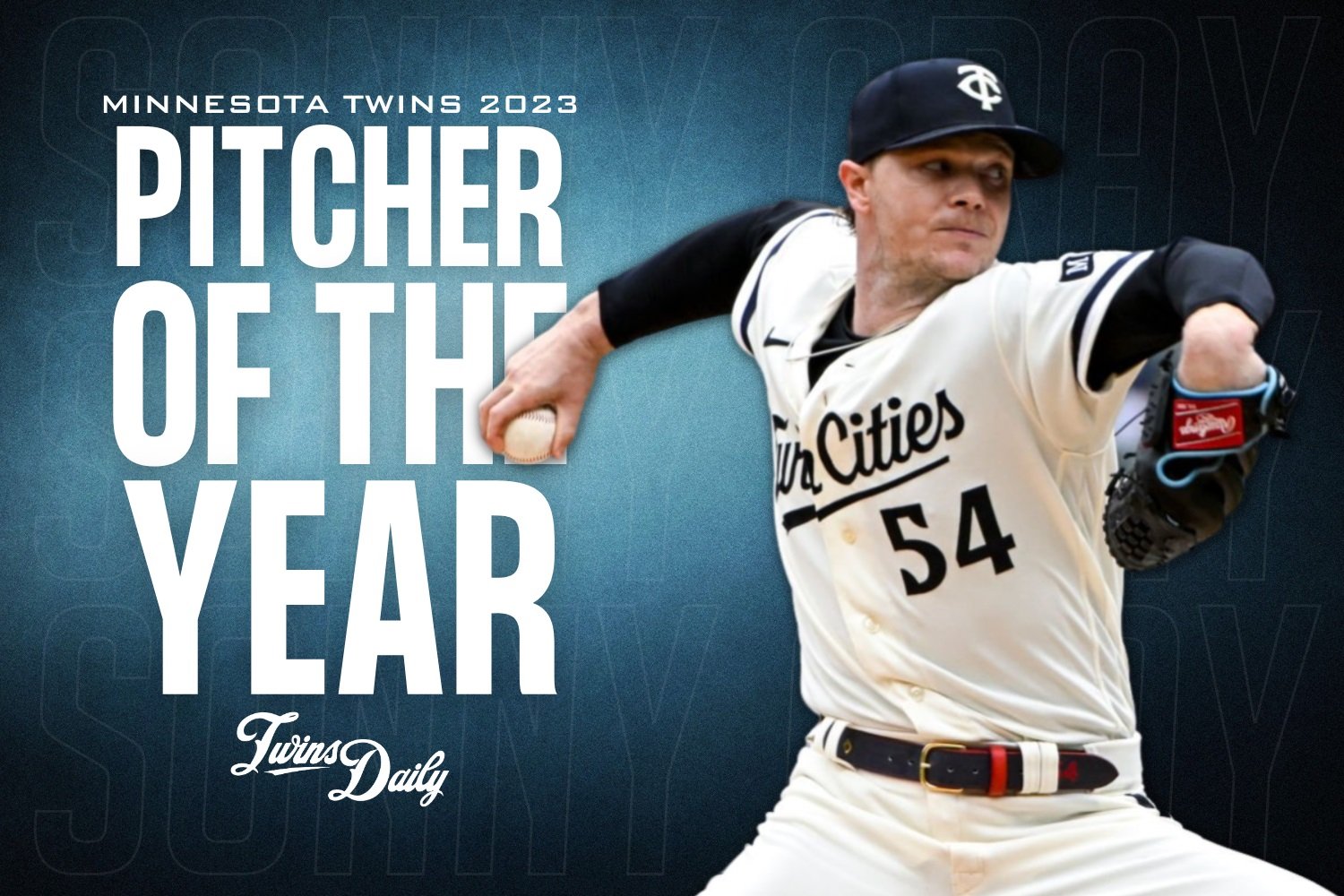 Minnesota has been striving to build a competitive pitching staff since the current front office regime took the reins. There have been plenty of bumps along the way, but the Twins were able to compile one of baseball's best-starting staffs this season with depth in the rotation and bullpen. Below are the results of the voting from 18 writers at Twins Daily. Each writer ranked their top five pitchers, and the results are below. Some writers likely debated who should be the team's top pitcher, but there was a clear winner after tallying the votes. 5. Bailey Ober Ober was one of the Twins' most consistent pitchers throughout the 2023 season, and he might have finished higher on this list if he was at Triple-A to start the year. In 26 starts (144 1/3 IP), he posted a 3.43 ERA with a 1.07 WHIP and a 146-to-29 strikeout-to-walk ratio. He upped his changeup usage from 15.6% last season to 28.0% in 2023, and batters OPS against the pitch dropped by 100 points. Ober pitched a career-high in innings and has established himself as a middle-of-the-order rotation option for the foreseeable future. 4. Joe Ryan Overall, Ryan's sophomore season didn't compare ideally with his rookie campaign. However, his numbers are slightly skewed because he attempted to pitch through a groin injury in the middle of the season. In 15 starts before his injury, he posted a 2.98 ERA and held opponents to a .548 OPS. He set a career-high with 11.0 K/9 by mixing in an improved split-finger and sweeper over 38% of the time. His sweeper generated the highest Whiff % (32.3%) and Put Away % (19.0%). Ryan will be expected to take on an even more critical role in the Twins rotation next season. 3. Jhoan Duran First Place Votes: 1 Last season, Duran won the TD Best Pitcher award after a tremendous rookie season. It's never a good sign when a reliever wins the team's best pitcher award because that likely means the team's starters are struggling. In 59 appearances (62 1/3 IP), Duran posted a 2.45 ERA with a 1.14 WHIP and an 84-to-25 strikeout-to-walk ratio. Duran pitched in 47 of the team's 87 wins, with the club going 47-12 in games where he appeared this season. He threw the most pitches over 100+ during the 2023 season and leads baseball in pitches over 100+ over the last two seasons. The Twins bullpen would look very different without Duran as the closer. 2. Pablo Lopez First Place Votes: 4 Lopez was among the league's best during his first season with the Twins. He finished in the top five among AL pitchers in strikeouts, quality starts, WAR, and innings pitched. His 234 strikeouts were the most by a Twins pitcher since Johan Santana, Lopez's boyhood idol, struck out 235 in 2007. His 10.86 K/9 ratio in 2023 was the highest single-season ratio in Twins history among qualified pitchers. Lopez added a sweeper after joining the Twins and threw it over 20% of the time. Opponents posted a .287 SLG against his sweeper while generating a 36.6 Whiff%. He will likely get some down ballot votes for the AL Cy Young and was critical to the team's success during the current season. 1. Sonny Gray First Place Votes: 13 Like Lopez, Gray compiled career-best numbers at the top of the Twins' rotation. In 32 starts, he posted a 2.79 ERA (2nd in the AL) with a 1.15 WHIP and a 183-to-55 strikeout-to-walk ratio. His 2.83 FIP, 0.4 HR/9, opponent SLG, and WAR were the top totals among qualified AL starters. Gray finished the season with the lowest ERA by a Twins starter (minimum 20 GS) since Johan Santana in 2006. Gray limited right-handed hitters to a .220 BA, while lefties BA was 13 points higher. He remained relatively healthy during the 2023 season compared to other seasons and compiled his highest inning total since 2015. Sweepers were the most trendy pitch across baseball in 2023, and Gray changed his pitch usage. During the 2022 season, he used his sweeper 10.3% of the time and increased its usage by over 10% during the current campaign. Opposing batters posted a .094 BA against his sweeper with a .118 SLG. Gerrit Cole is a lock to win the AL Cy Young, but Gray should receive top five votes on many ballots. He's headed to free agency at the perfect time and should be able to cash in on a lucrative long-term deal. Do you agree with the way the results of the writer's voting? Leave a COMMENT and start the discussion. Final Voting Points Tally Sonny Gray: 85 points Pablo Lopez: 75 points Jhoan Duran: 45 points Joe Ryan: 28 points Bailey Ober: 19 points Recent TD Best Pitcher Winners 2022: Jhoan Duran 2021: Jose Berrios 2020: Kenta Maeda 2019: Taylor Rogers
- 17 comments
-
- 2
-
-
- sonny gray
- pablo lopez
- (and 3 more)
-
Anything can happen in October, and the Twins have one of their strongest rosters in recent memory. So, how do the Twins compare against the Blue Jays for each game in the Wild Card Series? Image courtesy of Michael McLoone - USA Today Sports Dan Szymborski has run ZiPS models at FanGraphs and other site for years, and it is widely considered one of baseball's most accurate predictors. His model uses growth and decline curves based on player type to find trends and make predictions. According to Szymborski, his playoff model gears much more toward the playoffs' micro-level than the regular season's macro-level. He explained this process by saying, "The ZiPS game matchup tool has a built-in lineup estimator that projects every pitcher's and batter's line against every other pitcher and batter, so there is no need to look at a team's generalized offensive strength. The playoffs also come with the benefit of being able to run the full, more robust model of ZiPS rather than the simpler model used during the regular season, a compromise necessitated by the fact that projecting a majors' worth of players takes more than a day." These results can change as the rosters are finalized, and official starters are announced for each team. Here is how Szymborski sees the Twins and Blue Jays series playing out over the next three days. Game 1 Expected Starters: Kevin Gausman vs. Pablo Lopez Twins Win Probability: 43.1% ZiPS gives the Blue Jays the advantage in Game 1 with Gausman on the mound. The Twins faced Gausman twice this season and scored seven earned runs in 10 innings. Lopez made one start against Toronto and allowed four earned runs in 5 2/3 innings. His start against the Blue Jays was back at the end of May when he was struggling, so the current version of Lopez is a different pitcher. Minnesota will likely pack their lineup with left-handed hitters in hopes of pushing Gausman out of the game early. Lefties have posted a .731 OPS against Gausman this season, 113 points higher than he allowed to righties. Game 2 Expected Starters: Jose Berrios vs. Sonny Gray Twins Win Probability: 50.3% This game will be full of storylines no matter what happens in Game 1. Berrios returning to Target Field on the playoff stage is one storyline that is dripping with intrigue. He made one start against the Twins this year and tossed 5 2/3 shutout innings. Gray making what could be his last start before hitting free agency for the first time is another headline to follow. He started one game versus the Blue Jays and allowed one run on five hits in five innings. Game 2 is the only game the Twins are favored to win, and it's a coin flip game according to ZiPS. Game 3 Expected Starters: Chris Bassitt vs. Joe Ryan Twins Win Probability: 45.4% Both teams can go in multiple directions for an elimination game. Bassitt has been strong for Toronto, but the club might want to start Yusei Kikuchi, a left-handed pitcher. This switch would force the Twins to start more right-handed batters for Game 3, and then Bassitt could be used in a piggybacking role. On Sunday's episode of Inside Twins, Rocco Baldelli was asked about Game 3 and whether Ryan would make the start. He wasn't willing to name an official starter but said that traditional starter and reliever roles go out the window in a do-or-die game. Overall Odds Using the ZiPS model, the Twins probability of winning the series is 44.4%. The odds of the Twins winning in two games is 21.7%, and the odds of winning in three games is 22.7%. The Blue Jays won two more games than the Twins during the regular season while playing in a significantly more competitive division. Minnesota has played better in the second half, and it's shaping up to be a good series, even if the odds favor Toronto. Do you agree with the ZiPS playoff projections? Should the Twins be favored in either of the other games? Leave a COMMENT and start the discussion. View full article
-
Reviewing the ZiPS Game-By-Game Odds for the Twins/Blue Jays Series
Cody Christie posted an article in Twins
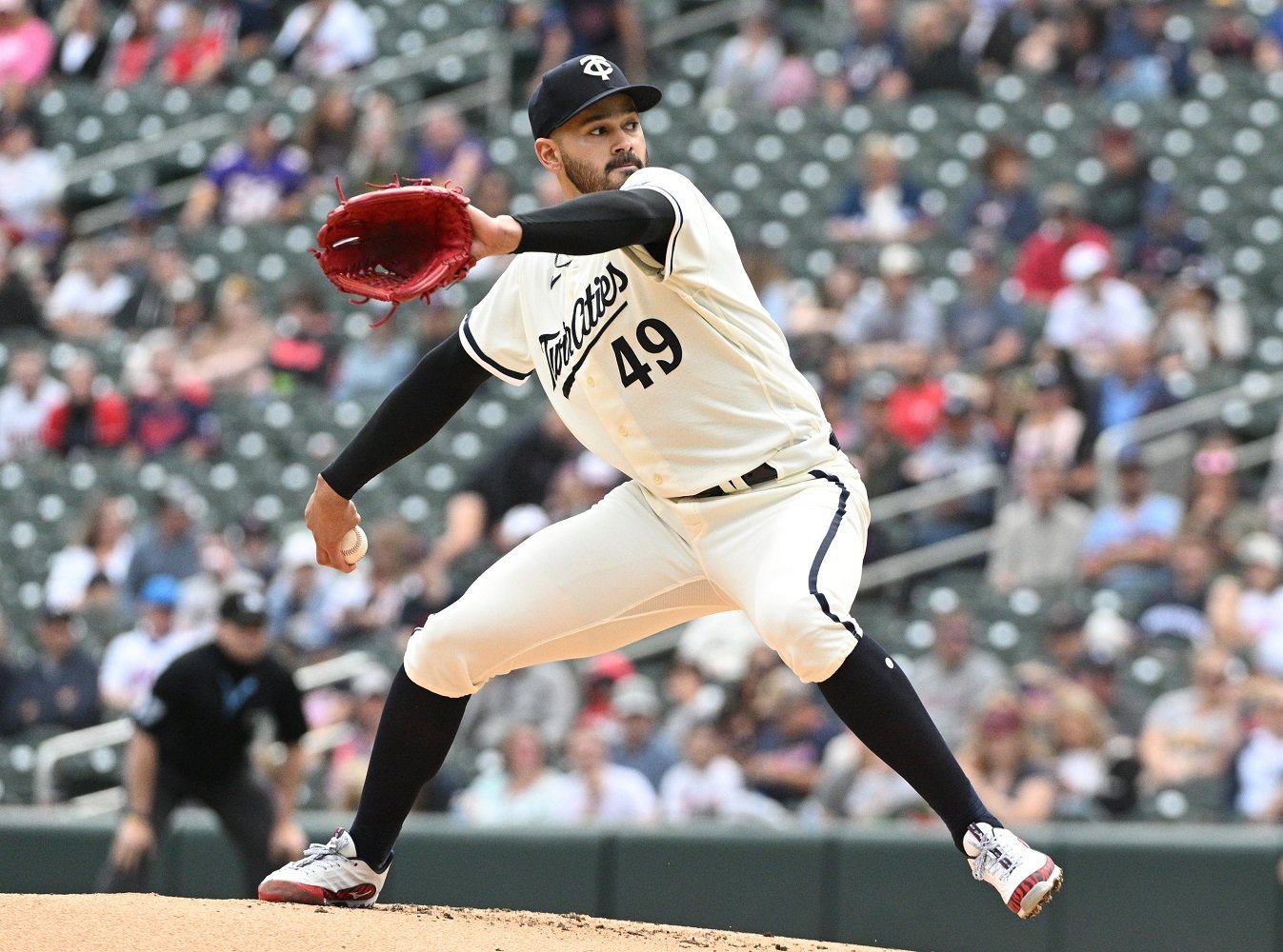 Dan Szymborski has run ZiPS models at FanGraphs and other site for years, and it is widely considered one of baseball's most accurate predictors. His model uses growth and decline curves based on player type to find trends and make predictions. According to Szymborski, his playoff model gears much more toward the playoffs' micro-level than the regular season's macro-level. He explained this process by saying, "The ZiPS game matchup tool has a built-in lineup estimator that projects every pitcher's and batter's line against every other pitcher and batter, so there is no need to look at a team's generalized offensive strength. The playoffs also come with the benefit of being able to run the full, more robust model of ZiPS rather than the simpler model used during the regular season, a compromise necessitated by the fact that projecting a majors' worth of players takes more than a day." These results can change as the rosters are finalized, and official starters are announced for each team. Here is how Szymborski sees the Twins and Blue Jays series playing out over the next three days. Game 1 Expected Starters: Kevin Gausman vs. Pablo Lopez Twins Win Probability: 43.1% ZiPS gives the Blue Jays the advantage in Game 1 with Gausman on the mound. The Twins faced Gausman twice this season and scored seven earned runs in 10 innings. Lopez made one start against Toronto and allowed four earned runs in 5 2/3 innings. His start against the Blue Jays was back at the end of May when he was struggling, so the current version of Lopez is a different pitcher. Minnesota will likely pack their lineup with left-handed hitters in hopes of pushing Gausman out of the game early. Lefties have posted a .731 OPS against Gausman this season, 113 points higher than he allowed to righties. Game 2 Expected Starters: Jose Berrios vs. Sonny Gray Twins Win Probability: 50.3% This game will be full of storylines no matter what happens in Game 1. Berrios returning to Target Field on the playoff stage is one storyline that is dripping with intrigue. He made one start against the Twins this year and tossed 5 2/3 shutout innings. Gray making what could be his last start before hitting free agency for the first time is another headline to follow. He started one game versus the Blue Jays and allowed one run on five hits in five innings. Game 2 is the only game the Twins are favored to win, and it's a coin flip game according to ZiPS. Game 3 Expected Starters: Chris Bassitt vs. Joe Ryan Twins Win Probability: 45.4% Both teams can go in multiple directions for an elimination game. Bassitt has been strong for Toronto, but the club might want to start Yusei Kikuchi, a left-handed pitcher. This switch would force the Twins to start more right-handed batters for Game 3, and then Bassitt could be used in a piggybacking role. On Sunday's episode of Inside Twins, Rocco Baldelli was asked about Game 3 and whether Ryan would make the start. He wasn't willing to name an official starter but said that traditional starter and reliever roles go out the window in a do-or-die game. Overall Odds Using the ZiPS model, the Twins probability of winning the series is 44.4%. The odds of the Twins winning in two games is 21.7%, and the odds of winning in three games is 22.7%. The Blue Jays won two more games than the Twins during the regular season while playing in a significantly more competitive division. Minnesota has played better in the second half, and it's shaping up to be a good series, even if the odds favor Toronto. Do you agree with the ZiPS playoff projections? Should the Twins be favored in either of the other games? Leave a COMMENT and start the discussion.
- 9 comments
-
- 3
-
-
- pablo lopez
- sonny gray
- (and 3 more)
-
The Twins will likely try and find a way to get Royce Lewis on the playoff roster. What are the three options facing the team when it comes to Lewis? Image courtesy of Tommy Gilligan-USA TODAY Sports Royce Lewis has been progressing steadily since going on the IL with a Grade 1-plus hamstring strain on September 21. It can take a player multiple weeks to recover from this level of hamstring strain, but the Twins seem confident that he will return to action for the Wild Card Series. There are a few different options for the Twins in how they handle Lewis in the season's most important games. Do they want to use him in the field when his injury is not fully healed? Lewis has been a revelation to the Twins lineup during his rookie campaign. In 58 games, he hit .309/.372/.548 (.921) with seven doubles and 15 home runs. Big moments also seemed to find Lewis as he hit four grand slams and finished second among Twins batters in WPA behind Willi Castro. The Twins know what he can mean to the lineup, and there's no question the team will find a way for him to impact the team in October. Here are three options the Twins can follow depending on how Lewis looks during the team's workout on Monday. Option 1: Starting Third Baseman Slow rollers at third base can be a challenging play for a healthy third baseman to make regularly. These types of plays can be even more challenging for a player recovering from a hamstring injury. Lewis has been participating in baseball activities at Target Field over the last week, so the team has a pretty good idea of what he will be able to handle on the defensive side of the ball. Minnesota's optimal defensive lineup includes Lewis at third, Carlos Correa at shortstop, and Jorge Polanco at second base. Besides Lewis, there are injury concerns with Correa and what he will be able to do at shortstop. The Twins likely want to avoid two defenders on the same side of the infield with limited mobility. If that is the case, Minnesota might switch to one of the other options listed below. Option 2: Designated Hitter There are multiple options the team can consider at designated hitter, but this might be the safest bet for Lewis. Putting him at DH allows the team to still have his bat in the lineup, and it allows him to rest his hamstring by not playing third base. In this scenario, the Twins would move Polanco to third base and Julien to second base. Polanco has looked fine in minimal action at the hot corner this season, and Julien continues to work to improve at second base. However, there are other ramifications if Lewis is the DH. Byron Buxton has also been working his way back from injury, but his inclusion on the playoff roster is much less certain. Minnesota could use Buxton as a big bench bat, and that might be the team's plan if the club can make it past the Wild Card round. He couldn't make many appearances during his rehab assignment because his knee continued to bother him. In his last two Triple-A games, he went 1-for-8 with three strikeouts. It seems more likely for Lewis to be the team's DH over Buxton. Option 3: Rest Him for Round 2 Minnesota will face off against the Toronto Blue Jays in the Wild Card Series, and the club's top starters are right-handed. Kevin Gausman, Jose Berrios, and Chris Bassitt will be the team's likely starters for the three-game set, but the team can also utilize Yusei Kikuchi, a left-handed pitcher. Lewis, a righty, posted reverse splits this season with a .962 OPS versus righties and a .787 OPS versus lefties. He got on base over 37% of the time, no matter the handedness of the pitcher, but 19 of his 22 extra-base hits came against righties. If the Twins leave him off the Wild Card roster, Lewis will get four extra days of rest because the team can reset their roster for each playoff round. With a Grade 1-plus strain, each extra day of rest can get him closer to being 100%. Minnesota hasn't won a playoff game in nearly two decades, so the team will want all hands on deck. Which option will the Twins pick? Which option would you pick? Leave a COMMENT and start the discussion. View full article
-
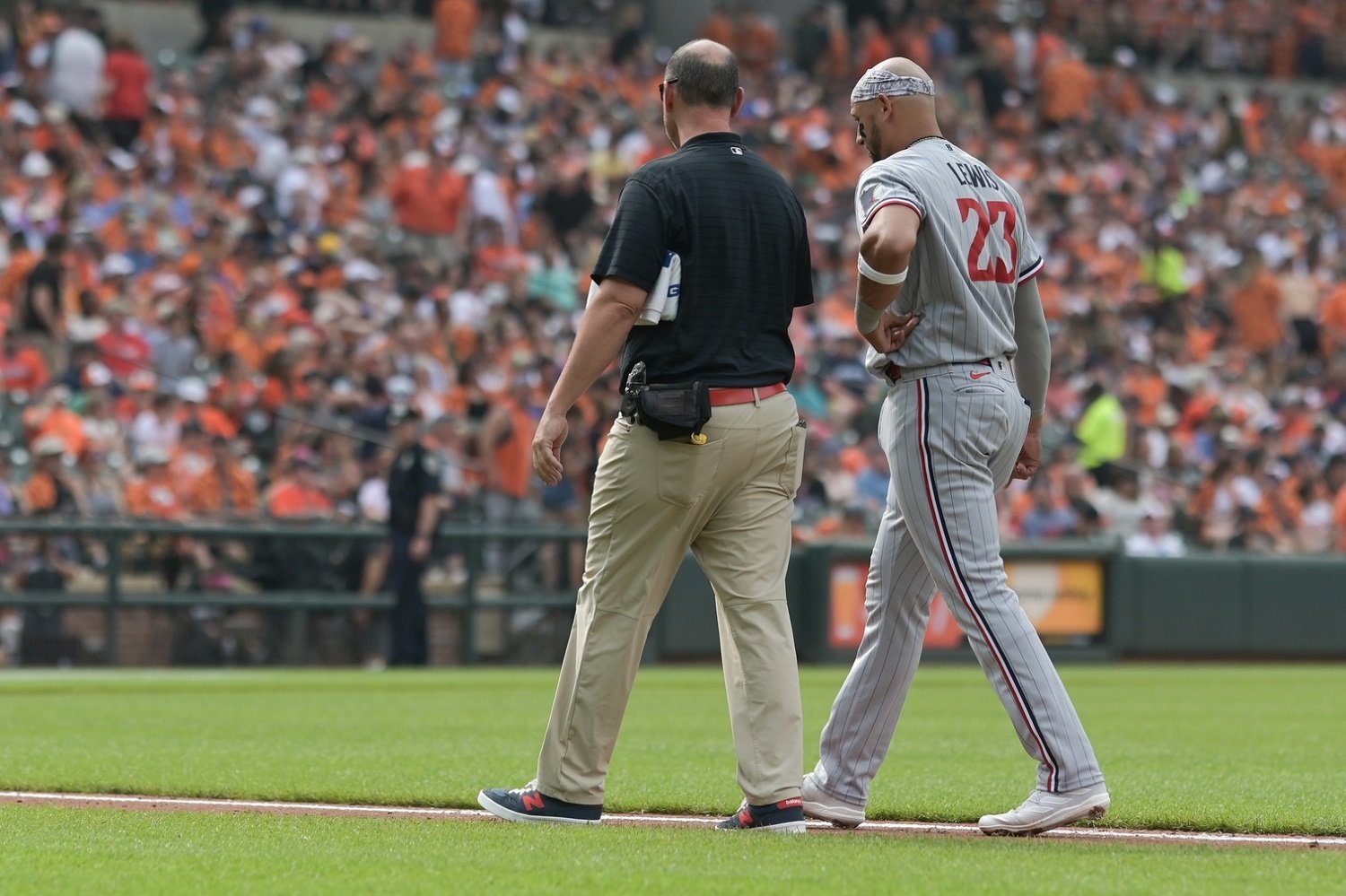 Royce Lewis has been progressing steadily since going on the IL with a Grade 1-plus hamstring strain on September 21. It can take a player multiple weeks to recover from this level of hamstring strain, but the Twins seem confident that he will return to action for the Wild Card Series. There are a few different options for the Twins in how they handle Lewis in the season's most important games. Do they want to use him in the field when his injury is not fully healed? Lewis has been a revelation to the Twins lineup during his rookie campaign. In 58 games, he hit .309/.372/.548 (.921) with seven doubles and 15 home runs. Big moments also seemed to find Lewis as he hit four grand slams and finished second among Twins batters in WPA behind Willi Castro. The Twins know what he can mean to the lineup, and there's no question the team will find a way for him to impact the team in October. Here are three options the Twins can follow depending on how Lewis looks during the team's workout on Monday. Option 1: Starting Third Baseman Slow rollers at third base can be a challenging play for a healthy third baseman to make regularly. These types of plays can be even more challenging for a player recovering from a hamstring injury. Lewis has been participating in baseball activities at Target Field over the last week, so the team has a pretty good idea of what he will be able to handle on the defensive side of the ball. Minnesota's optimal defensive lineup includes Lewis at third, Carlos Correa at shortstop, and Jorge Polanco at second base. Besides Lewis, there are injury concerns with Correa and what he will be able to do at shortstop. The Twins likely want to avoid two defenders on the same side of the infield with limited mobility. If that is the case, Minnesota might switch to one of the other options listed below. Option 2: Designated Hitter There are multiple options the team can consider at designated hitter, but this might be the safest bet for Lewis. Putting him at DH allows the team to still have his bat in the lineup, and it allows him to rest his hamstring by not playing third base. In this scenario, the Twins would move Polanco to third base and Julien to second base. Polanco has looked fine in minimal action at the hot corner this season, and Julien continues to work to improve at second base. However, there are other ramifications if Lewis is the DH. Byron Buxton has also been working his way back from injury, but his inclusion on the playoff roster is much less certain. Minnesota could use Buxton as a big bench bat, and that might be the team's plan if the club can make it past the Wild Card round. He couldn't make many appearances during his rehab assignment because his knee continued to bother him. In his last two Triple-A games, he went 1-for-8 with three strikeouts. It seems more likely for Lewis to be the team's DH over Buxton. Option 3: Rest Him for Round 2 Minnesota will face off against the Toronto Blue Jays in the Wild Card Series, and the club's top starters are right-handed. Kevin Gausman, Jose Berrios, and Chris Bassitt will be the team's likely starters for the three-game set, but the team can also utilize Yusei Kikuchi, a left-handed pitcher. Lewis, a righty, posted reverse splits this season with a .962 OPS versus righties and a .787 OPS versus lefties. He got on base over 37% of the time, no matter the handedness of the pitcher, but 19 of his 22 extra-base hits came against righties. If the Twins leave him off the Wild Card roster, Lewis will get four extra days of rest because the team can reset their roster for each playoff round. With a Grade 1-plus strain, each extra day of rest can get him closer to being 100%. Minnesota hasn't won a playoff game in nearly two decades, so the team will want all hands on deck. Which option will the Twins pick? Which option would you pick? Leave a COMMENT and start the discussion.
 -
George W. Bush was in office, Goodies by Ciara was at the top of the music charts, and Shark Tale was the highest-grossing movie at the box office. It was a simpler time, and the Twins never thought it would be their last playoff victory for nearly two decades. Image courtesy of Jerry Lai-USA TODAY Sports On a calm October night in the Bronx, the Twins slayed a dragon and put themselves in the driver’s seat against one of baseball’s giants. Unfortunately, the rest of the series wouldn’t go in Minnesota’s favor, and the Twins have yet to win a playoff game since October 5, 2004. Let’s revisit that fateful night and see how the team put together a winning formula. Can the current Twins learn anything from the last time the team won a playoff game? Johan Santana’s Seven Shutout Innings It’s no coincidence that Santana was on the mound for the Twins’ last postseason victory. He is arguably the most dominant pitcher in team history and was in his first Cy Young season. The Yankees scattered nine hits versus Santana over seven frames. New York had runners in scoring positions in five of the seven innings, and batters reached base in every inning. Some opportune plays helped Santana get out of some possible jams. The first inning ended with an unconventional double play, with Santana striking out Bernie Williams and Henry Blanco throwing out Alex Rodriguez when he tried to steal third base. In the second inning, Torii Hunter threw Jorge Posada out at home after trying to tag up on a deep flyball. Santana also coaxed double plays to help him in the fourth and fifth innings. He was removed with a 2-0 lead and posted seven shutout innings with five strikeouts and one walk. Just Enough Offense The Twins were facing off against future Hall of Famer Mike Mussina in Game 1, so offense would be challenging for both teams. Shannon Stewart got the Twins on the board with an RBI single in the top of the third inning. Michael Cuddyer led off the inning with a single on a 2-1 pitch. On the next pitch, Henry Blanco executed a sacrifice bunt to move Cuddyer into scoring position. Mussina got ahead of Stewart with a 0-1 count before the Twins outfielder broke up the shutout. Jacque Jones added an important insurance run in the sixth inning. He had arrived at Yankee Stadium just hours before the game after attending his father’s funeral. Jones was notoriously known as a pull hitter, but this home run went to the opposite field and snuck the ball over the fence at the old Yankee Stadium. Jones’ emotions were running high, and he helped give the bullpen a little more breathing room for the final innings. As he crossed home plate, he showed how he felt about his father, pointing to the sky. "You know who that was for," Jones said following the game. "He's watching me like he always has even when he was here with us. I know he's excited, and I was excited." Zeros from the Bullpen Twins manager Ron Gardenhire turned the game over to the bullpen in the eighth inning. Juan Rincon was the first reliever out of the pen and came in to face the 2-3-4 batters in the Yankees line-up. After a flyball from Alex Rodriguez, Gary Sheffield earned a four-pitch walk. Luckily, Rincon was able to get Bernie Williams to hit into a 6-4-3 double play to end the innings. Joe Nathan entered in the ninth inning with a chance to preserve a 2-0 Twins victory. Both of the first two batters (Jorge Posada and Hideki Matsui) flew out on two pitches. Ruben Sierra was the third batter of the inning, and he worked a full count before flying out to right field to end the game. The Yankees went on to win the next three games in the series, including two games that went extra-innings. It was a frustrating way for the series to play out, but the recipe followed by the 2004 team might help the 2023 Twins to end their playoff losing streak. It will likely take a strong performance from the team’s starting pitcher, zeros put up by the bullpen, and enough offense to outpace their opponent. Some strange plays can be involved in October baseball, as the Twins saw with Santana on the mound. It is up to the team to make the most of every opportunity. Can the current Twins follow this formula for October success? Leave a COMMENT and start the discussion. View full article
-
Can the Twins Follow the Same Formula From Their Last Postseason Win?
Cody Christie posted an article in Twins
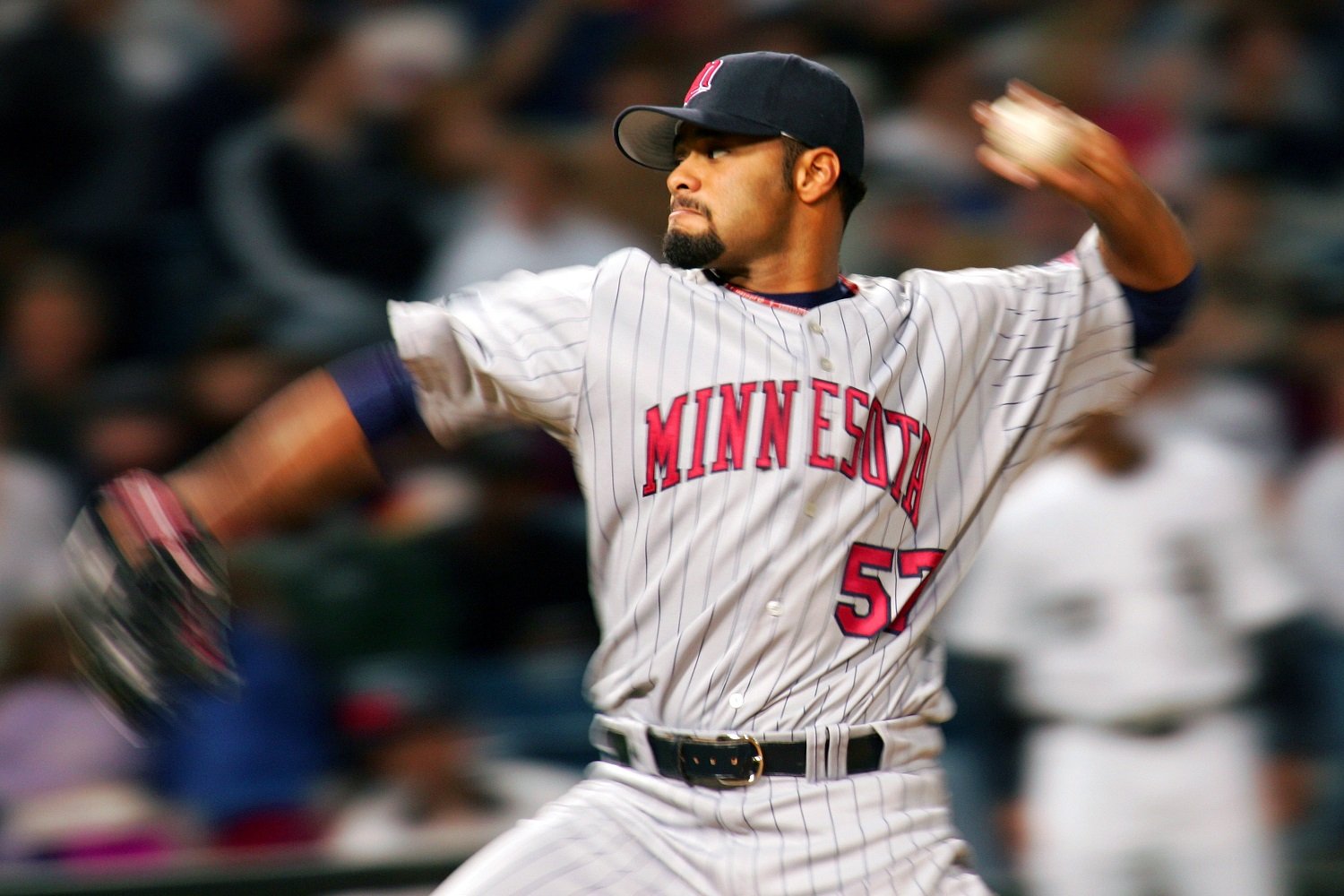 On a calm October night in the Bronx, the Twins slayed a dragon and put themselves in the driver’s seat against one of baseball’s giants. Unfortunately, the rest of the series wouldn’t go in Minnesota’s favor, and the Twins have yet to win a playoff game since October 5, 2004. Let’s revisit that fateful night and see how the team put together a winning formula. Can the current Twins learn anything from the last time the team won a playoff game? Johan Santana’s Seven Shutout Innings It’s no coincidence that Santana was on the mound for the Twins’ last postseason victory. He is arguably the most dominant pitcher in team history and was in his first Cy Young season. The Yankees scattered nine hits versus Santana over seven frames. New York had runners in scoring positions in five of the seven innings, and batters reached base in every inning. Some opportune plays helped Santana get out of some possible jams. The first inning ended with an unconventional double play, with Santana striking out Bernie Williams and Henry Blanco throwing out Alex Rodriguez when he tried to steal third base. In the second inning, Torii Hunter threw Jorge Posada out at home after trying to tag up on a deep flyball. Santana also coaxed double plays to help him in the fourth and fifth innings. He was removed with a 2-0 lead and posted seven shutout innings with five strikeouts and one walk. Just Enough Offense The Twins were facing off against future Hall of Famer Mike Mussina in Game 1, so offense would be challenging for both teams. Shannon Stewart got the Twins on the board with an RBI single in the top of the third inning. Michael Cuddyer led off the inning with a single on a 2-1 pitch. On the next pitch, Henry Blanco executed a sacrifice bunt to move Cuddyer into scoring position. Mussina got ahead of Stewart with a 0-1 count before the Twins outfielder broke up the shutout. Jacque Jones added an important insurance run in the sixth inning. He had arrived at Yankee Stadium just hours before the game after attending his father’s funeral. Jones was notoriously known as a pull hitter, but this home run went to the opposite field and snuck the ball over the fence at the old Yankee Stadium. Jones’ emotions were running high, and he helped give the bullpen a little more breathing room for the final innings. As he crossed home plate, he showed how he felt about his father, pointing to the sky. "You know who that was for," Jones said following the game. "He's watching me like he always has even when he was here with us. I know he's excited, and I was excited." Zeros from the Bullpen Twins manager Ron Gardenhire turned the game over to the bullpen in the eighth inning. Juan Rincon was the first reliever out of the pen and came in to face the 2-3-4 batters in the Yankees line-up. After a flyball from Alex Rodriguez, Gary Sheffield earned a four-pitch walk. Luckily, Rincon was able to get Bernie Williams to hit into a 6-4-3 double play to end the innings. Joe Nathan entered in the ninth inning with a chance to preserve a 2-0 Twins victory. Both of the first two batters (Jorge Posada and Hideki Matsui) flew out on two pitches. Ruben Sierra was the third batter of the inning, and he worked a full count before flying out to right field to end the game. The Yankees went on to win the next three games in the series, including two games that went extra-innings. It was a frustrating way for the series to play out, but the recipe followed by the 2004 team might help the 2023 Twins to end their playoff losing streak. It will likely take a strong performance from the team’s starting pitcher, zeros put up by the bullpen, and enough offense to outpace their opponent. Some strange plays can be involved in October baseball, as the Twins saw with Santana on the mound. It is up to the team to make the most of every opportunity. Can the current Twins follow this formula for October success? Leave a COMMENT and start the discussion.
- 3 comments
-
- 1
-
-
- johan santana
- shannon stewart
- (and 3 more)
-
The Twins starting rotation and bullpen are coming together at the opportune time. Here’s how the team will ideally use each pitcher in the team’s first two playoff games. Image courtesy of Brad Rempel-USA TODAY Sports Major League Baseball’s regular season is a grueling 162-game schedule that allows for ebbs and flows from one portion of the season to the next. The postseason is an entirely different scenario where one moment can change the entire outcome of a series. There is little room for mistakes in the heightened playoff atmosphere, which makes it tough to predict what will happen on baseball’s biggest stage. However, here’s the roadmap for the Twins to follow if everything goes perfectly in the Wild Card Series. Wild Card Series: Game 1 Tuesday, October 3rd, 2023 Innings 1-5: Pablo Lopez has pitched into the sixth inning or longer in 26 of his 31 starts. However, the playoffs are a different animal, and the Twins won’t want him facing a line-up for the third time. Lopez has actually fared better against batters when facing them for a third time, with an OPS over 100 points lower than the first or second time he sees a batter in a game. Even with his performance, it’s likely that Lopez will be asked to pitch through the fifth frame and then turn things over to the bullpen. Innings 6-7: In the middle innings, the Twins will have a few options, but Louie Varland might be the best choice. His stuff has been electric in transitioning to the bullpen while hitting triple-digits with his fastball and mixing in a devastating cutter. Contact against him has been weak, and he has been missing a lot of bats. He also has the potential to pitch more than one inning if the Twins need him for that role. Innings 8-9: The Twins will have a couple of options depending on the handedness of the line-up they are facing. I predict the opposition has some lefties due up in the eighth, and the Twins will turn to Caleb Thielbar. During the 2023 season, he has limited left-handed batters to a .348 OPS with 13 strikeouts in 46 at-bats. In this scenario, Jhoan Duran is ready if needed for the end of the eighth inning, but the team hopes he can enter with a clean frame in the ninth. Duran closes it out for the Twins’ first playoff win since 2004. Wild Card Series: Game 2 Wednesday, October 4th, 2023 Innings 1-5: The Twins will ask their starter to pitch five innings for the second consecutive day, and Sonny Gray is up to the task. His second-half performance should place him in the top three for the AL Cy Young. Like Lopez in Game 1, the Twins will happily get Gray through the first five frames before the bullpen makes an appearance. Gray has posted a .209/.294/.342 (.636) slashline when facing batters for the third time in a game this season. No team wants to mess around with a winner-take-all Game 3, so Gray must put up zeros during the first two times through the opposition’s line-up. Innings 6-7: Minnesota can turn to multiple arms in the middle innings to build a bridge to the high-leverage options. Chris Paddack and Griffin Jax will each be asked to get three outs. Paddack is 16 months removed from Tommy John surgery, and his pitch mix has looked great in his rehab appearances. Jax’s season has been a roller coaster ride, but the team must trust him to make an October run. Innings 8-9: With six outs remaining, the Twins might want Duran to pitch two frames. However, that doesn’t seem likely if he pitched the previous day, so the team will save him for the ninth. Batters have posted a .747 OPS against Duran when he pitches with zero days of rest, which is over 100 points higher than his OPS for the season. Brock Stewart will get the ball in the eighth after being one of the team’s best relievers this season. The Twins will put him in some tough spots, hoping the dominant reliever has enough left in his right arm. Duran makes his famous walk-in entrance, and the Twins shut the door on their first playoff series win since 2002. What pitching plan will the Twins follow in the Wild Card Series? Do you agree with the plan described above? How would you map out a plan for Game 3? Leave a COMMENT and start the discussion. View full article
-
Planning a Perfect Wild Card Pitching Scenario for the Twins
Cody Christie posted an article in Twins
 Major League Baseball’s regular season is a grueling 162-game schedule that allows for ebbs and flows from one portion of the season to the next. The postseason is an entirely different scenario where one moment can change the entire outcome of a series. There is little room for mistakes in the heightened playoff atmosphere, which makes it tough to predict what will happen on baseball’s biggest stage. However, here’s the roadmap for the Twins to follow if everything goes perfectly in the Wild Card Series. Wild Card Series: Game 1 Tuesday, October 3rd, 2023 Innings 1-5: Pablo Lopez has pitched into the sixth inning or longer in 26 of his 31 starts. However, the playoffs are a different animal, and the Twins won’t want him facing a line-up for the third time. Lopez has actually fared better against batters when facing them for a third time, with an OPS over 100 points lower than the first or second time he sees a batter in a game. Even with his performance, it’s likely that Lopez will be asked to pitch through the fifth frame and then turn things over to the bullpen. Innings 6-7: In the middle innings, the Twins will have a few options, but Louie Varland might be the best choice. His stuff has been electric in transitioning to the bullpen while hitting triple-digits with his fastball and mixing in a devastating cutter. Contact against him has been weak, and he has been missing a lot of bats. He also has the potential to pitch more than one inning if the Twins need him for that role. Innings 8-9: The Twins will have a couple of options depending on the handedness of the line-up they are facing. I predict the opposition has some lefties due up in the eighth, and the Twins will turn to Caleb Thielbar. During the 2023 season, he has limited left-handed batters to a .348 OPS with 13 strikeouts in 46 at-bats. In this scenario, Jhoan Duran is ready if needed for the end of the eighth inning, but the team hopes he can enter with a clean frame in the ninth. Duran closes it out for the Twins’ first playoff win since 2004. Wild Card Series: Game 2 Wednesday, October 4th, 2023 Innings 1-5: The Twins will ask their starter to pitch five innings for the second consecutive day, and Sonny Gray is up to the task. His second-half performance should place him in the top three for the AL Cy Young. Like Lopez in Game 1, the Twins will happily get Gray through the first five frames before the bullpen makes an appearance. Gray has posted a .209/.294/.342 (.636) slashline when facing batters for the third time in a game this season. No team wants to mess around with a winner-take-all Game 3, so Gray must put up zeros during the first two times through the opposition’s line-up. Innings 6-7: Minnesota can turn to multiple arms in the middle innings to build a bridge to the high-leverage options. Chris Paddack and Griffin Jax will each be asked to get three outs. Paddack is 16 months removed from Tommy John surgery, and his pitch mix has looked great in his rehab appearances. Jax’s season has been a roller coaster ride, but the team must trust him to make an October run. Innings 8-9: With six outs remaining, the Twins might want Duran to pitch two frames. However, that doesn’t seem likely if he pitched the previous day, so the team will save him for the ninth. Batters have posted a .747 OPS against Duran when he pitches with zero days of rest, which is over 100 points higher than his OPS for the season. Brock Stewart will get the ball in the eighth after being one of the team’s best relievers this season. The Twins will put him in some tough spots, hoping the dominant reliever has enough left in his right arm. Duran makes his famous walk-in entrance, and the Twins shut the door on their first playoff series win since 2002. What pitching plan will the Twins follow in the Wild Card Series? Do you agree with the plan described above? How would you map out a plan for Game 3? Leave a COMMENT and start the discussion.
 -
A deep bench has allowed Rocco Baldelli to be aggressive with in-game moves throughout the 2023 season. Have these moves helped the team, and will this trend continue into October? Image courtesy of Brett Davis-USA TODAY Sports During the 2019 season, Rocco Baldelli was a rookie manager, and the Bomba Squad Twins set the MLB home run record. As a manager, there were few in-game moves he needed to make with the line-up because everyone was hitting so well. He could sit on his hands and have a front-row seat to a team hitting many home runs. Baldelli has been forced to be a more active manager in recent years because there was no way for the Twins to duplicate their offensive production from that record-breaking season. Entering the 2023 season, the Twins added multiple veterans to serve off the bench, but many have taken on even more critical roles. Willi Castro, Kyle Farmer, Michael A. Taylor, and Donovan Solano have over 330 plate appearances each, with Castro and Taylor ranking among the team's top 10 in rWAR. Bench options have changed throughout the season, and Baldelli has been fearless in pulling some strings even when the offense struggled in the first half. Minnesota ranked 11th out of 15 AL teams in the first half in runs scored, with three of the teams behind them being from the AL Central. Twins' pinch hitters also struggled in the first half with a .173 BA and a .512 OPS. Offensively, the team has seen a resurgence in the second half, with Houston being the lone AL team scoring more runs. The team's OPS from pinch hitters has risen nearly 500 points in the second half, and the team leads MLB in batting average, OBP, SLG, runs, and RBIs from bench players. There is also some question about who will be on Baldelli's bench for October. Royce Lewis, Carlos Correa, and Byron Buxton are currently on the IL, and there is some question regarding whether or not they will be ready for the postseason. The player's health might force the team to make tough decisions about who is active for the Wild Card Round. Buxton has the potential to be a big bench bat when the team faces tough left-handed relievers, so can he have a Kirk Gibson-style moment for the Twins? Lewis is running out of days for his hamstring to heal, so he might be relegated to DH duties if he can play. After the Twins clinched, Seth outlined which Twins players he felt would make the team's Wild Card roster. The Twins will carry two catchers, leaving Ryan Jeffers or Christian Vazquez as a bench bat on games they aren't in the starting line-up. At first base, the Twins can platoon Alex Kirilloff and Donovan Solano. Baldelli had the opportunity to pinch-hit Kirilloff for Solano early in one of the games versus the Angels and made the move. Kyle Farmer is a backup infield option if Lewis and Correa aren't ready to go. In the outfield, it seems likely for the team to start different players depending on the opposing starting pitcher's handedness. Matt Wallner, Willi Castro, and Max Kepler are the likely starters versus a right-handed pitcher, while Michael A. Taylor will probably sub in against a left-handed pitcher. If Buxton is ready, Minnesota can utilize a platoon at DH with Edouard Julien facing right-handed pitchers and Buxton seeing action against lefties. It remains to be seen if the Twins want Buxton to serve in a part-time role for the postseason, but things should be more evident by the season's final series when more is known about the team's injured players. Baldelli will use pinch hitters no matter the inning to put his team into favorable offensive match-ups. The Twins have a deep bench, which can be critical to success in October. Do you believe Baldelli will continue to be aggressive with pinch-hitting in the playoffs? How will Minnesota's current injury concerns impact the team's bench options? Leave a COMMENT and start the discussion. View full article
-
 During the 2019 season, Rocco Baldelli was a rookie manager, and the Bomba Squad Twins set the MLB home run record. As a manager, there were few in-game moves he needed to make with the line-up because everyone was hitting so well. He could sit on his hands and have a front-row seat to a team hitting many home runs. Baldelli has been forced to be a more active manager in recent years because there was no way for the Twins to duplicate their offensive production from that record-breaking season. Entering the 2023 season, the Twins added multiple veterans to serve off the bench, but many have taken on even more critical roles. Willi Castro, Kyle Farmer, Michael A. Taylor, and Donovan Solano have over 330 plate appearances each, with Castro and Taylor ranking among the team's top 10 in rWAR. Bench options have changed throughout the season, and Baldelli has been fearless in pulling some strings even when the offense struggled in the first half. Minnesota ranked 11th out of 15 AL teams in the first half in runs scored, with three of the teams behind them being from the AL Central. Twins' pinch hitters also struggled in the first half with a .173 BA and a .512 OPS. Offensively, the team has seen a resurgence in the second half, with Houston being the lone AL team scoring more runs. The team's OPS from pinch hitters has risen nearly 500 points in the second half, and the team leads MLB in batting average, OBP, SLG, runs, and RBIs from bench players. There is also some question about who will be on Baldelli's bench for October. Royce Lewis, Carlos Correa, and Byron Buxton are currently on the IL, and there is some question regarding whether or not they will be ready for the postseason. The player's health might force the team to make tough decisions about who is active for the Wild Card Round. Buxton has the potential to be a big bench bat when the team faces tough left-handed relievers, so can he have a Kirk Gibson-style moment for the Twins? Lewis is running out of days for his hamstring to heal, so he might be relegated to DH duties if he can play. After the Twins clinched, Seth outlined which Twins players he felt would make the team's Wild Card roster. The Twins will carry two catchers, leaving Ryan Jeffers or Christian Vazquez as a bench bat on games they aren't in the starting line-up. At first base, the Twins can platoon Alex Kirilloff and Donovan Solano. Baldelli had the opportunity to pinch-hit Kirilloff for Solano early in one of the games versus the Angels and made the move. Kyle Farmer is a backup infield option if Lewis and Correa aren't ready to go. In the outfield, it seems likely for the team to start different players depending on the opposing starting pitcher's handedness. Matt Wallner, Willi Castro, and Max Kepler are the likely starters versus a right-handed pitcher, while Michael A. Taylor will probably sub in against a left-handed pitcher. If Buxton is ready, Minnesota can utilize a platoon at DH with Edouard Julien facing right-handed pitchers and Buxton seeing action against lefties. It remains to be seen if the Twins want Buxton to serve in a part-time role for the postseason, but things should be more evident by the season's final series when more is known about the team's injured players. Baldelli will use pinch hitters no matter the inning to put his team into favorable offensive match-ups. The Twins have a deep bench, which can be critical to success in October. Do you believe Baldelli will continue to be aggressive with pinch-hitting in the playoffs? How will Minnesota's current injury concerns impact the team's bench options? Leave a COMMENT and start the discussion.
- 7 comments
-
- 1
-
-
- rocco baldelli
- kyle farmer
- (and 3 more)
-
Relief pitching takes on even more importance in October when a game's outcome can tip on one pitch. Here is how the Twins’ bullpen stacks up heading into the playoffs. Image courtesy of Matt Krohn-USA TODAY Sports Successful teams in October rely on shutdown bullpen arms in the late innings of tight games. Minnesota's last playoff win came in 2004, with Joe Nathan earning the save at a time when he was considered one of the game's best closers. Flash-forward nearly two decades, and the team's bullpen is built around another dominant closer. Can the other relievers bridge the gap between the starters and the final innings? Minnesota's postseason roster will include changes from one round to the next if the team can win its best-of-three Wild Card Series. Rosters can include 26 players for the playoffs, so the club will likely utilize 15 position players and 11 pitchers for the first round. Three pitchers will be the scheduled starters, leaving eight spots open for bullpen arms. Closer: Jhoan Duran Duran has been one of baseball's best relievers over the last two seasons, ranking third among AL relievers in WPA since the start of 2022. He began the 2022 season well before a rough patch in July and August that saw his ERA rise from below 2.00 to nearly 3.00. Since August 4th, the Twins have focused on giving Duran more regular rest, significantly impacting his overall performance. In 16 games (16 2/3 innings), he has allowed two earned runs with a 22-to-5 strikeout-to-walk ratio while holding batters to a .551 OPS. His lone blemish in recent games was the team's division-clinching win, but he said his nerves impacted his performance that night. In the playoffs, the Twins have some questions to answer about how they use Duran. How can he perform in back-to-back appearances? Will the Twins use him for more than one inning? Duran can be a playoff weapon, especially if the team finds a way to keep him fresh. Set-Up: Griffin Jax, Caleb Thielbar Jax has earned a high-leverage role from the Twins bullpen over the last two seasons. However, there have been some up-and-down moments with his performance in 2023, including May, which saw his ERA balloon to 5.59. Bad luck has been mixed into his overall performance, as his ERA is nearly 70 points higher than his FIP. The Twins will ask Jax to get some critical outs in October, and the hope is that the dominant version of Jax will appear that night. Thielbar has saved the Twins bullpen in recent years after being on the brink of retirement. He's worked with Driveline in recent offseasons to move his fastball velocity from 89.8 mph to 93.0 mph during the 2023 season. He's added a sweeper that has limited batters to a .222 SLG, and his curveball generates whiffs over 30% of the time. As a southpaw, he has dominated against left-handed batters this year by holding them to a .356 OPS in over 45 plate appearances. The Twins can't use him strictly against lefties in the playoffs, so seeing how he is deployed will be interesting. Middle Relief: Emilio Pagan, Louie Varland Many fans were ready for the Twins to DFA Pagan earlier this season, but he's settled into one of the team's most reliable arms. His 3.17 ERA is the third lowest of his career and his lowest mark since the 2019 season. Pagan ranks third among Twins relievers in fWAR behind Duran and Jax. Pagan will be asked to get essential outs in the middle innings in the playoffs, and that's a scenario few would have imagined. Varland has only made a limited number of relief appearances after shifting to the role recently. However, he has been electric out of the bullpen with a triple-digit fastball and an improved cutter that can be a weapon against righties and lefties, including a 46% Swing%. His relief appearances haven't been perfect, but the Twins will need him to have a successful October. Injury Enforcements: Brock Stewart, Chris Paddack Stewart was one of the Twins' best relievers during the 2023 season before an arm injury forced him to the IL. There have been some setbacks along the way, but his most recent rehab saw his velocity in the high 90s, so there is hope he can help the postseason bullpen. Paddack is returning from Tommy John surgery, and the Twins added him to the bullpen mix last weekend. He got a lot of swings and misses during his rehab appearances, including hitting in the upper 90s with his fastball. There is potential for him to be a bullpen weapon in October that other teams need to prepare to face. Shifting Starters: Kenta Maeda, Dallas Keuchel Maeda has a solid argument to be the team's number-three starter in the postseason, but Joe Ryan is also in the conversation. Before joining the Twins, Maeda was used by the Dodgers in a relief role for multiple postseason runs. The current version of Maeda is very different from the dominant postseason arm. Keuchel has made multiple relief appearances for the Twins, but he's been used in a piggyback role, which isn't optimal for October. It isn't likely for Keuchel to see time on the mound in October unless there are some injuries. Rookie Wild Card: Kody Funderburk Funderburk has been one of the organization's best relief prospects over the last two seasons. The Twins waited until late in the season to give him his first taste of the big leagues, so it will be interesting to see if he gets an opportunity in October. Break Glass In Case of Emergency: Dylan Floro, Josh Winder, Brent Headrick, Cole Sands Something went wrong if the team asked any of these players to pitch significant innings in October. Injuries can always play a factor, but most of this group has moved up and down from Triple-A throughout the season. Minnesota's front office bet on the arms in the organization by not making a trade for relief help at the deadline. That faith will result in the best version of the club's bullpen so far this year, and it's happening at the perfect time. How do you feel the bullpen stacks up entering October? Do you have faith in the group covering the late innings? Leave a COMMENT and start the discussion. View full article
-
 Successful teams in October rely on shutdown bullpen arms in the late innings of tight games. Minnesota's last playoff win came in 2004, with Joe Nathan earning the save at a time when he was considered one of the game's best closers. Flash-forward nearly two decades, and the team's bullpen is built around another dominant closer. Can the other relievers bridge the gap between the starters and the final innings? Minnesota's postseason roster will include changes from one round to the next if the team can win its best-of-three Wild Card Series. Rosters can include 26 players for the playoffs, so the club will likely utilize 15 position players and 11 pitchers for the first round. Three pitchers will be the scheduled starters, leaving eight spots open for bullpen arms. Closer: Jhoan Duran Duran has been one of baseball's best relievers over the last two seasons, ranking third among AL relievers in WPA since the start of 2022. He began the 2022 season well before a rough patch in July and August that saw his ERA rise from below 2.00 to nearly 3.00. Since August 4th, the Twins have focused on giving Duran more regular rest, significantly impacting his overall performance. In 16 games (16 2/3 innings), he has allowed two earned runs with a 22-to-5 strikeout-to-walk ratio while holding batters to a .551 OPS. His lone blemish in recent games was the team's division-clinching win, but he said his nerves impacted his performance that night. In the playoffs, the Twins have some questions to answer about how they use Duran. How can he perform in back-to-back appearances? Will the Twins use him for more than one inning? Duran can be a playoff weapon, especially if the team finds a way to keep him fresh. Set-Up: Griffin Jax, Caleb Thielbar Jax has earned a high-leverage role from the Twins bullpen over the last two seasons. However, there have been some up-and-down moments with his performance in 2023, including May, which saw his ERA balloon to 5.59. Bad luck has been mixed into his overall performance, as his ERA is nearly 70 points higher than his FIP. The Twins will ask Jax to get some critical outs in October, and the hope is that the dominant version of Jax will appear that night. Thielbar has saved the Twins bullpen in recent years after being on the brink of retirement. He's worked with Driveline in recent offseasons to move his fastball velocity from 89.8 mph to 93.0 mph during the 2023 season. He's added a sweeper that has limited batters to a .222 SLG, and his curveball generates whiffs over 30% of the time. As a southpaw, he has dominated against left-handed batters this year by holding them to a .356 OPS in over 45 plate appearances. The Twins can't use him strictly against lefties in the playoffs, so seeing how he is deployed will be interesting. Middle Relief: Emilio Pagan, Louie Varland Many fans were ready for the Twins to DFA Pagan earlier this season, but he's settled into one of the team's most reliable arms. His 3.17 ERA is the third lowest of his career and his lowest mark since the 2019 season. Pagan ranks third among Twins relievers in fWAR behind Duran and Jax. Pagan will be asked to get essential outs in the middle innings in the playoffs, and that's a scenario few would have imagined. Varland has only made a limited number of relief appearances after shifting to the role recently. However, he has been electric out of the bullpen with a triple-digit fastball and an improved cutter that can be a weapon against righties and lefties, including a 46% Swing%. His relief appearances haven't been perfect, but the Twins will need him to have a successful October. Injury Enforcements: Brock Stewart, Chris Paddack Stewart was one of the Twins' best relievers during the 2023 season before an arm injury forced him to the IL. There have been some setbacks along the way, but his most recent rehab saw his velocity in the high 90s, so there is hope he can help the postseason bullpen. Paddack is returning from Tommy John surgery, and the Twins added him to the bullpen mix last weekend. He got a lot of swings and misses during his rehab appearances, including hitting in the upper 90s with his fastball. There is potential for him to be a bullpen weapon in October that other teams need to prepare to face. Shifting Starters: Kenta Maeda, Dallas Keuchel Maeda has a solid argument to be the team's number-three starter in the postseason, but Joe Ryan is also in the conversation. Before joining the Twins, Maeda was used by the Dodgers in a relief role for multiple postseason runs. The current version of Maeda is very different from the dominant postseason arm. Keuchel has made multiple relief appearances for the Twins, but he's been used in a piggyback role, which isn't optimal for October. It isn't likely for Keuchel to see time on the mound in October unless there are some injuries. Rookie Wild Card: Kody Funderburk Funderburk has been one of the organization's best relief prospects over the last two seasons. The Twins waited until late in the season to give him his first taste of the big leagues, so it will be interesting to see if he gets an opportunity in October. Break Glass In Case of Emergency: Dylan Floro, Josh Winder, Brent Headrick, Cole Sands Something went wrong if the team asked any of these players to pitch significant innings in October. Injuries can always play a factor, but most of this group has moved up and down from Triple-A throughout the season. Minnesota's front office bet on the arms in the organization by not making a trade for relief help at the deadline. That faith will result in the best version of the club's bullpen so far this year, and it's happening at the perfect time. How do you feel the bullpen stacks up entering October? Do you have faith in the group covering the late innings? Leave a COMMENT and start the discussion.
- 41 comments
-
- 6
-
-
- jhoan duran
- griffin jax
- (and 3 more)
-
The Twins have two of baseball’s best starting pitchers heading into October. Will it be enough to make a long postseason run? Image courtesy of Matt Blewett-USA TODAY Sports It takes a team effort to win in October, including strong starting pitching, a deep bullpen, and depth up-and-down the line-up. In recent years, the Twins front office made a conscious effort to add to the starting rotation, with none of the team’s top-four starters being drafted by the club. Instead, Minnesota has identified pitchers in other organizations with the potential to improve and helped them reach another level after joining the organization. Now it’s time to see how the front office’s pitching plan can work on baseball’s biggest stage. Aces At The Top: Pablo Lopez, Sonny Gray An argument can be made for the Twins to start either of their top two pitchers in Game 1 of the Wild Card Round. Lopez has been pitching the day before Gray in the second half, so it seems likely for the team to keep the same order heading into October. He has been a strikeout machine in 2023 by accumulating more strikeouts than any Twins pitcher since Johan Santana. He had an ERA north of 4.20 through June, but his 3.38 FIP suggested he was a little unlucky. Since July, Lopez has been one of baseball’s best pitchers with a 2.87 ERA and a 102-to-17 strikeout-to-walk ratio in 87 2/3 innings. Lopez was the team’s Opening Day starter, and he will lead the starting rotation for multiple years in the future. The Twins have invested in Lopez, and they will hope he puts the team in a position to end its playoff losing streak. Gray has been performing better than Lopez over the last month so the team might consider him for the Game 1 start. Gerrit Cole is the front-runner for the AL Cy Young, but Gray will likely finish in the top three as he ranks near the top of the AL in WAR, ERA, WHIP, and H/9. His most significant improvement has been with HR/9, where his 0.40 total is the AL’s best mark. Over his last six starts (37 IP), he has posted a 1.46 ERA with a 32-to-4 strikeout-to-walk ratio. If the Twins lose Game 1, there is no pitcher the club would rather have on the mound in an elimination game. He’s made four previous starts in the playoffs, but half of those were over a decade ago. Gray is heading to free agency at the season’s end and will want to make a solid final impression before hitting the open market. Game 3 Starter: Joe Ryan The Twins will have a decision to make when naming a starter for Game 3 of the Wild Card round between Ryan and Kenta Maeda. Ryan was a borderline All-Star in the first half but hit a rough patch in the middle of the season when he tried to pitch through a groin injury. He has pitched well in six starts since returning from the IL with a 3.82 ERA and a 39-to-8 strikeout-to-walk ratio across 30 2/3 innings. Maeda will be on the roster, but what if the Twins decide to use him in a relief role earlier in the series? It’s also interesting to consider the team using a piggyback situation for Game 3, with Ryan starting and Maeda relieving him out of the bullpen. Starter Options for Other Rounds: Kenta Maeda, Bailey Ober, Dallas Keuchel The Twins will likely need at least three starters for their Wild Card series, which means one of these arms needs to be ready to start Game 1 of the ALDS. Maeda has been one of the team’s most consistent starting pitchers in the second half, with a 3.60 ERA and a 71-to-14 strikeout-to-walk ratio over his last 65 innings. There’s a chance the Twins use Maeda out of the bullpen to survive the Wild Card round, which might push Ober into a Game 1 start. Ober has already posted a career-high in innings pitched, so there has been some discussion about how much he has left in the tank. Minnesota demoted him earlier this month, and he was skipped two times in the rotation before making another start. The Twins have won both of his starts since he returned from Triple-A, and he has thrown five innings and allowed two earned runs in both starts. Keuchel is probably not seeing much October action, but the team can turn to him in a pinch if something happens to one of the other starters. He has allowed three runs or more in four of his eight appearances with the Twins. The top of Minnesota’s rotation might be the strongest it has been for a postseason run in decades. It will take a team effort to make a long playoff run, but the rotation seems built for October success. How do you feel the team’s starting staff lines up for October? How do they compare to other starting staffs in the American League? Leave a COMMENT and start the discussion. View full article
-
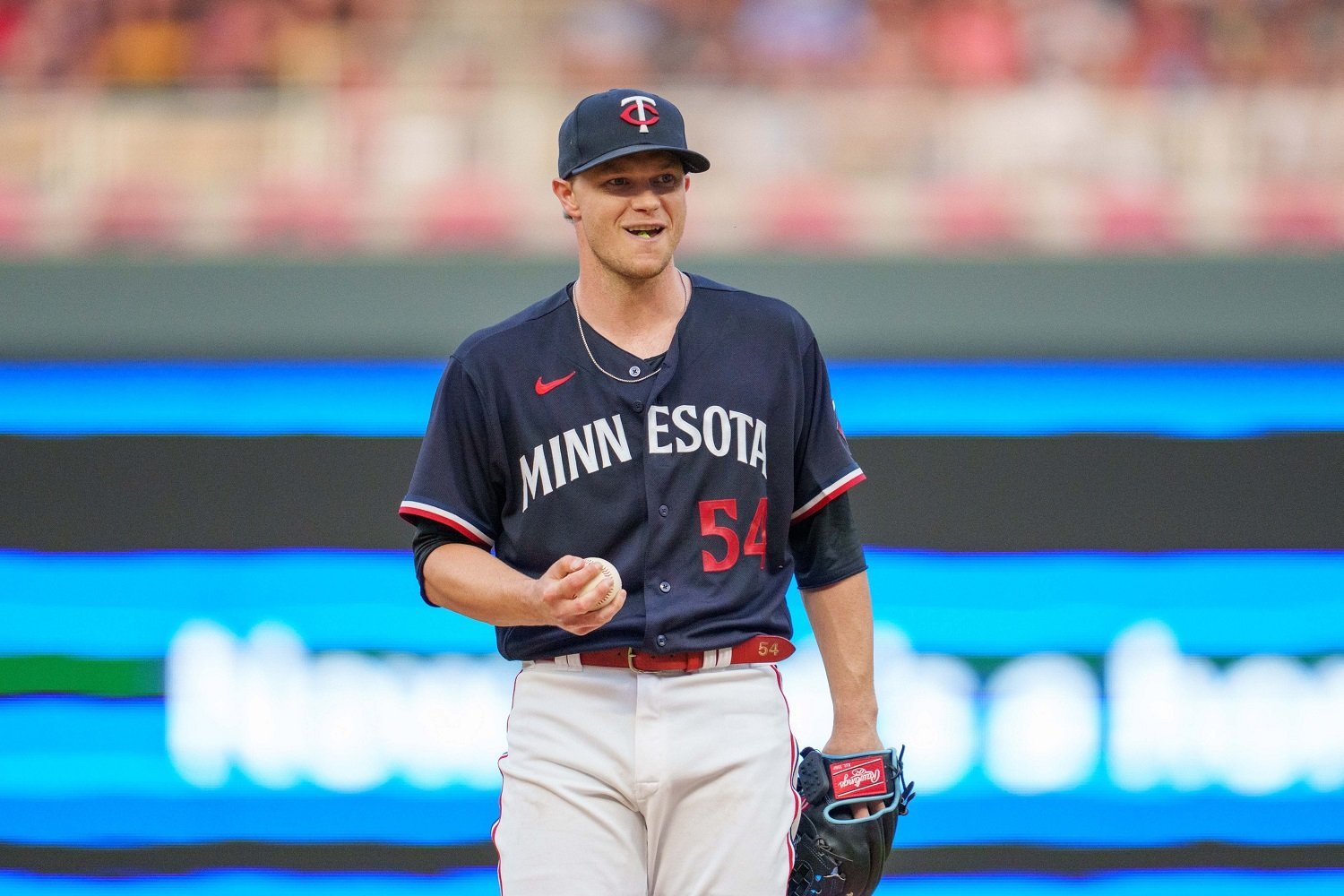 It takes a team effort to win in October, including strong starting pitching, a deep bullpen, and depth up-and-down the line-up. In recent years, the Twins front office made a conscious effort to add to the starting rotation, with none of the team’s top-four starters being drafted by the club. Instead, Minnesota has identified pitchers in other organizations with the potential to improve and helped them reach another level after joining the organization. Now it’s time to see how the front office’s pitching plan can work on baseball’s biggest stage. Aces At The Top: Pablo Lopez, Sonny Gray An argument can be made for the Twins to start either of their top two pitchers in Game 1 of the Wild Card Round. Lopez has been pitching the day before Gray in the second half, so it seems likely for the team to keep the same order heading into October. He has been a strikeout machine in 2023 by accumulating more strikeouts than any Twins pitcher since Johan Santana. He had an ERA north of 4.20 through June, but his 3.38 FIP suggested he was a little unlucky. Since July, Lopez has been one of baseball’s best pitchers with a 2.87 ERA and a 102-to-17 strikeout-to-walk ratio in 87 2/3 innings. Lopez was the team’s Opening Day starter, and he will lead the starting rotation for multiple years in the future. The Twins have invested in Lopez, and they will hope he puts the team in a position to end its playoff losing streak. Gray has been performing better than Lopez over the last month so the team might consider him for the Game 1 start. Gerrit Cole is the front-runner for the AL Cy Young, but Gray will likely finish in the top three as he ranks near the top of the AL in WAR, ERA, WHIP, and H/9. His most significant improvement has been with HR/9, where his 0.40 total is the AL’s best mark. Over his last six starts (37 IP), he has posted a 1.46 ERA with a 32-to-4 strikeout-to-walk ratio. If the Twins lose Game 1, there is no pitcher the club would rather have on the mound in an elimination game. He’s made four previous starts in the playoffs, but half of those were over a decade ago. Gray is heading to free agency at the season’s end and will want to make a solid final impression before hitting the open market. Game 3 Starter: Joe Ryan The Twins will have a decision to make when naming a starter for Game 3 of the Wild Card round between Ryan and Kenta Maeda. Ryan was a borderline All-Star in the first half but hit a rough patch in the middle of the season when he tried to pitch through a groin injury. He has pitched well in six starts since returning from the IL with a 3.82 ERA and a 39-to-8 strikeout-to-walk ratio across 30 2/3 innings. Maeda will be on the roster, but what if the Twins decide to use him in a relief role earlier in the series? It’s also interesting to consider the team using a piggyback situation for Game 3, with Ryan starting and Maeda relieving him out of the bullpen. Starter Options for Other Rounds: Kenta Maeda, Bailey Ober, Dallas Keuchel The Twins will likely need at least three starters for their Wild Card series, which means one of these arms needs to be ready to start Game 1 of the ALDS. Maeda has been one of the team’s most consistent starting pitchers in the second half, with a 3.60 ERA and a 71-to-14 strikeout-to-walk ratio over his last 65 innings. There’s a chance the Twins use Maeda out of the bullpen to survive the Wild Card round, which might push Ober into a Game 1 start. Ober has already posted a career-high in innings pitched, so there has been some discussion about how much he has left in the tank. Minnesota demoted him earlier this month, and he was skipped two times in the rotation before making another start. The Twins have won both of his starts since he returned from Triple-A, and he has thrown five innings and allowed two earned runs in both starts. Keuchel is probably not seeing much October action, but the team can turn to him in a pinch if something happens to one of the other starters. He has allowed three runs or more in four of his eight appearances with the Twins. The top of Minnesota’s rotation might be the strongest it has been for a postseason run in decades. It will take a team effort to make a long playoff run, but the rotation seems built for October success. How do you feel the team’s starting staff lines up for October? How do they compare to other starting staffs in the American League? Leave a COMMENT and start the discussion.
- 22 comments
-
- 2
-
-
- pablo lopez
- sonny gray
- (and 3 more)
-
Twins batters are on pace to set the all-time record for strikeouts in a season, while the pitching staff has already set the team record for strikeouts. How will these two opposite ends of the spectrum impact the team in October? Image courtesy of Kamil Krzaczynski-USA TODAY Sports Strikeouts have become increasingly part of the game because baseball is a game that continually evolves. Increases in research and technology have allowed pitchers to add velocity and more movement to their pitches, making them even more challenging to hit. Batters also have a wealth of data about opposing pitchers. Hitting a round baseball with a round bat is one of the most challenging tasks in professional sports, leading to higher strikeout totals. Pitching Staff’s Strike Out Prowess Minnesota’s pitching staff entered play on Sunday with a league-leading 1,461 strikeouts. The Twins have baseball’s highest K% (25.4%) and K-BB% (17.9%). Minnesota can realistically move into the all-time top-25 list for strikeouts at their current rate of striking out more than 9.2 times per game. The 2018 Houston Astros set the all-time record with 1,687 strikeouts, but to reach the top 25, the Twins only need to collect 1,524 strikeouts. Building a strikeout pitching staff has taken some time, but the Twins have developed arms up-and-down the roster. Pablo Lopez leads the Twins with over 228 strikeouts, which puts him into elite company among the franchise’s strikeout list. Only three pitchers in team history have struck out more batters in a season than Lopez. Joe Ryan led the Twins in strikeouts during the 2022 season, and he currently ranks second on the team with 181, with Sonny Gray only two strikeouts behind him. Bailey Ober and Kenta Maeda have accumulated over 100 strikeouts during the season. Minnesota’s bullpen also includes three pitchers (Brock Stewart, Jhoan Duran, and Kody Funderburk) with a K/9 of 11.5 or higher. In tight playoff games, strikeouts can be the difference between a team getting out of a jam or seeing the opposition score runs. Lineup Strikeout Issues The Twins lineup has already set the team record for strikeouts in a season, and they are in the top 15 all-time for strikeouts in MLB history. Minnesota has struck out ten times or more in 88 times through the team’s first 155 games, which smashes the previous record of 66 games with 10+ strikeouts. Unfortunately, the team has also struck out 13 times or more in 33 games this season, with a season-high 18 strikeouts versus Seattle on July 25th. Looking at the lineup, there is some hope for a late-season turnaround. Things have changed in the second half with the emergence of a young core that has improved the team’s overall offensive output while also improving at drawing walks. Among American League teams, only the Houston Astros have scored more runs since the All-Star break. Six Twins players have a K% above 30% for the season, with Joey Gallo leading the way (42.8%). Three of the six players will have little to do with the playoff roster, including Gallo, Trevor Larnach, and Byron Buxton. Recent Postseason History Strikeouts play a role in October but don’t guarantee postseason success. During the 2022 season, the four pitching staffs in the Championship Series ranked in the top 10 or higher in strikeout rate. Offensively, none of the final four ranked higher than 13th in total strikeouts. The Astros won the World Series and finished with the fourth-most strikeouts from their pitching staff and the second-fewest strikeouts from their batters. In 2021, the Braves won the World Series, and their batters finished with the 11th most strikeouts while their pitchers were only slightly above the league average. The Dodgers (2nd), Red Sox (5th), and Astros (11th) were among the final four teams and ranked higher than the Braves according to strikeouts from the pitching staff. However, the Astros (2nd fewest strikeouts) were the lone final four team to be better than league-average on the offensive side. The Twins have embraced the strikeout on both sides of the ball. Only the 2015 Cubs and the 1958 Dodgers have led the league in both pitching and batting strikeout rates in the same season. Both clubs went on to win the World Series the following season. Twins fans likely don’t want to wait until next year and can hope their strikeout performance can carry them during the 2023 postseason. Are you worried about the Twins’ strikeout totals? Can a team succeed in the postseason on the two strikeout extremes? Leave a COMMENT and start the discussion. View full article
-
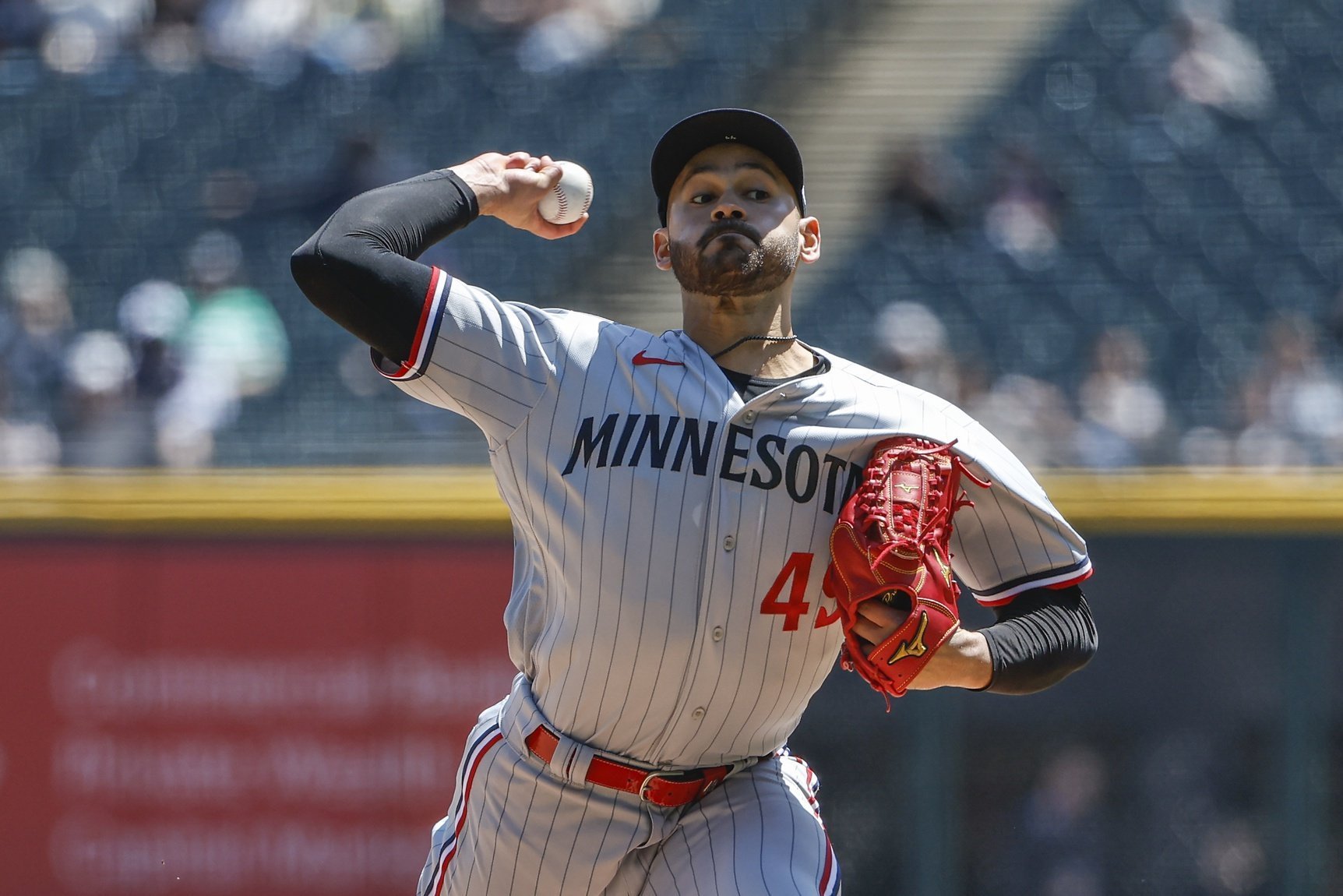 Strikeouts have become increasingly part of the game because baseball is a game that continually evolves. Increases in research and technology have allowed pitchers to add velocity and more movement to their pitches, making them even more challenging to hit. Batters also have a wealth of data about opposing pitchers. Hitting a round baseball with a round bat is one of the most challenging tasks in professional sports, leading to higher strikeout totals. Pitching Staff’s Strike Out Prowess Minnesota’s pitching staff entered play on Sunday with a league-leading 1,461 strikeouts. The Twins have baseball’s highest K% (25.4%) and K-BB% (17.9%). Minnesota can realistically move into the all-time top-25 list for strikeouts at their current rate of striking out more than 9.2 times per game. The 2018 Houston Astros set the all-time record with 1,687 strikeouts, but to reach the top 25, the Twins only need to collect 1,524 strikeouts. Building a strikeout pitching staff has taken some time, but the Twins have developed arms up-and-down the roster. Pablo Lopez leads the Twins with over 228 strikeouts, which puts him into elite company among the franchise’s strikeout list. Only three pitchers in team history have struck out more batters in a season than Lopez. Joe Ryan led the Twins in strikeouts during the 2022 season, and he currently ranks second on the team with 181, with Sonny Gray only two strikeouts behind him. Bailey Ober and Kenta Maeda have accumulated over 100 strikeouts during the season. Minnesota’s bullpen also includes three pitchers (Brock Stewart, Jhoan Duran, and Kody Funderburk) with a K/9 of 11.5 or higher. In tight playoff games, strikeouts can be the difference between a team getting out of a jam or seeing the opposition score runs. Lineup Strikeout Issues The Twins lineup has already set the team record for strikeouts in a season, and they are in the top 15 all-time for strikeouts in MLB history. Minnesota has struck out ten times or more in 88 times through the team’s first 155 games, which smashes the previous record of 66 games with 10+ strikeouts. Unfortunately, the team has also struck out 13 times or more in 33 games this season, with a season-high 18 strikeouts versus Seattle on July 25th. Looking at the lineup, there is some hope for a late-season turnaround. Things have changed in the second half with the emergence of a young core that has improved the team’s overall offensive output while also improving at drawing walks. Among American League teams, only the Houston Astros have scored more runs since the All-Star break. Six Twins players have a K% above 30% for the season, with Joey Gallo leading the way (42.8%). Three of the six players will have little to do with the playoff roster, including Gallo, Trevor Larnach, and Byron Buxton. Recent Postseason History Strikeouts play a role in October but don’t guarantee postseason success. During the 2022 season, the four pitching staffs in the Championship Series ranked in the top 10 or higher in strikeout rate. Offensively, none of the final four ranked higher than 13th in total strikeouts. The Astros won the World Series and finished with the fourth-most strikeouts from their pitching staff and the second-fewest strikeouts from their batters. In 2021, the Braves won the World Series, and their batters finished with the 11th most strikeouts while their pitchers were only slightly above the league average. The Dodgers (2nd), Red Sox (5th), and Astros (11th) were among the final four teams and ranked higher than the Braves according to strikeouts from the pitching staff. However, the Astros (2nd fewest strikeouts) were the lone final four team to be better than league-average on the offensive side. The Twins have embraced the strikeout on both sides of the ball. Only the 2015 Cubs and the 1958 Dodgers have led the league in both pitching and batting strikeout rates in the same season. Both clubs went on to win the World Series the following season. Twins fans likely don’t want to wait until next year and can hope their strikeout performance can carry them during the 2023 postseason. Are you worried about the Twins’ strikeout totals? Can a team succeed in the postseason on the two strikeout extremes? Leave a COMMENT and start the discussion.
