



Cody Christie
-
Posts
7,515 -
Joined
-
Last visited
-
Days Won
5
Content Type
Profiles
News
Minnesota Twins Videos
2026 Minnesota Twins Top Prospects Ranking
2022 Minnesota Twins Draft Picks
Minnesota Twins Free Agent & Trade Rumors, Notes, & Tidbits
Guides & Resources
2023 Minnesota Twins Draft Picks
The Minnesota Twins Players Project
2024 Minnesota Twins Draft Picks
2025 Minnesota Twins Draft Pick Tracker
2026 Minnesota Twins Draft Tracker: Picks & Bonuses
Forums
Blogs
Events
Store
Downloads
Gallery
Everything posted by Cody Christie
-
 Emmanuel Rodriguez has one of the highest ceilings of any prospect to come through the Twins system in quite some time. Two paths are facing the front office regarding Rodriguez, and this winter might go a long way in deciding his fate with the club. Image courtesy of Steve Buhr, Twins Daily The Twins signed Emmanuel Rodriguez to a $2.5 million bonus during the 2019 international signing period. At the time, MLB Pipeline ranked him as the No. 8 prospect in his signing class, but there is a long road to the big leagues for players signed as teenagers. Rodriguez wouldn’t make his professional debut until the 2021 season because of the pandemic. He showcased plenty of skills during his first season in the FCL, including hitting 10 home runs in 37 games. Minnesota moved him to full-season action for his age-19 campaign, and he combined for a 1.044 OPS in 47 games. Unfortunately, a torn meniscus ended his season, but he had already established himself as one of baseball’s best prospects. The 2023 season would be a memorable one for Rodriguez and the Cedar Rapids Kernels. Rodriguez was a fixture in the middle of the lineup while posting an .836 OPS in 105 games. There were some up-and-down moments in the season’s early months, but he turned it on for the team’s stretch run. In August and September, he posted a .959 OPS with 18 extra-base hits in 36 games. He also hit the go-ahead home run in the deciding game of the Midwest League Championship Series. Rodriguez will likely spend most of the 2024 season at Double-A when he will be 21. The Twins can face two different paths with Rodriguez this winter. Path 1: Trade Rodriguez for Frontline Starting Pitching The Twins’ current front office has shown a willingness to trade highly rated prospects for starting pitching. Some of these trades haven’t worked out in the team’s favor (see Tyler Mahle), but most of the team’s 2023 rotation was compiled by trade. The Twins are likely losing Sonny Gray and Kenta Maeda to free agency, which puts the club in a position to need more rotational depth, especially playoff-caliber starters. The Twins have two prospects in their system that rank higher than Rodriguez, which could make him a more expendable option. Brooks Lee and Walker Jenkins are consensus top-20 prospects, and they would likely be untouchable in trade talks. Rodriguez has shown some flaws, including strikeouts and time missed due to injury, that might make the Twins willing to part ways with him if it brings back a pitcher that can help the team win in October. The Twins will attempt to add a starter this winter, and Rodriguez is the player I’d be trying to shop. Path 2: Continue to Develop Rodriguez The Twins aren’t going to give Rodriguez away in a trade, so the club might decide to keep him for the upcoming season. During the winter months, it can be challenging to convince teams to trade a top-tier starting pitcher because every team feels like they have a chance to compete next season. Both World Series teams lost over 100 games two seasons ago, so there is hope for any team to make a quick turnaround. The best time to trade Rodriguez might be next season’s trade deadline when there are clear buyers and sellers, but that also means he will need to play well to start 2024. Double-A can be challenging, especially for a player young for the level. Last season, Rodriguez was over two years younger than the average age of the competition at his level, and that age gap would likely increase next season. There were only two at-bats where he faced a pitcher younger than himself last season. That age gap can make it challenging for prospects to show their true talent level. His plate discipline is among the best in the Twins system, as he accumulated 92 walks in 99 games. However, his strikeout rate decreased (26.0%) after cutting back in this area during the 2022 season (38.2%). He also continues to play nearly all his defensive innings in center field. He may have to move to a corner spot as he continues to add muscle, so his current defensive position would add to his trade value. If he continues trending upward, he might join Lee and Jenkins near the top of baseball’s national prospect rankings. What path will the Twins follow with Rodriguez? Will he make his big-league debut in a Twins uniform? Leave a COMMENT and start the conversation. View full article
 -
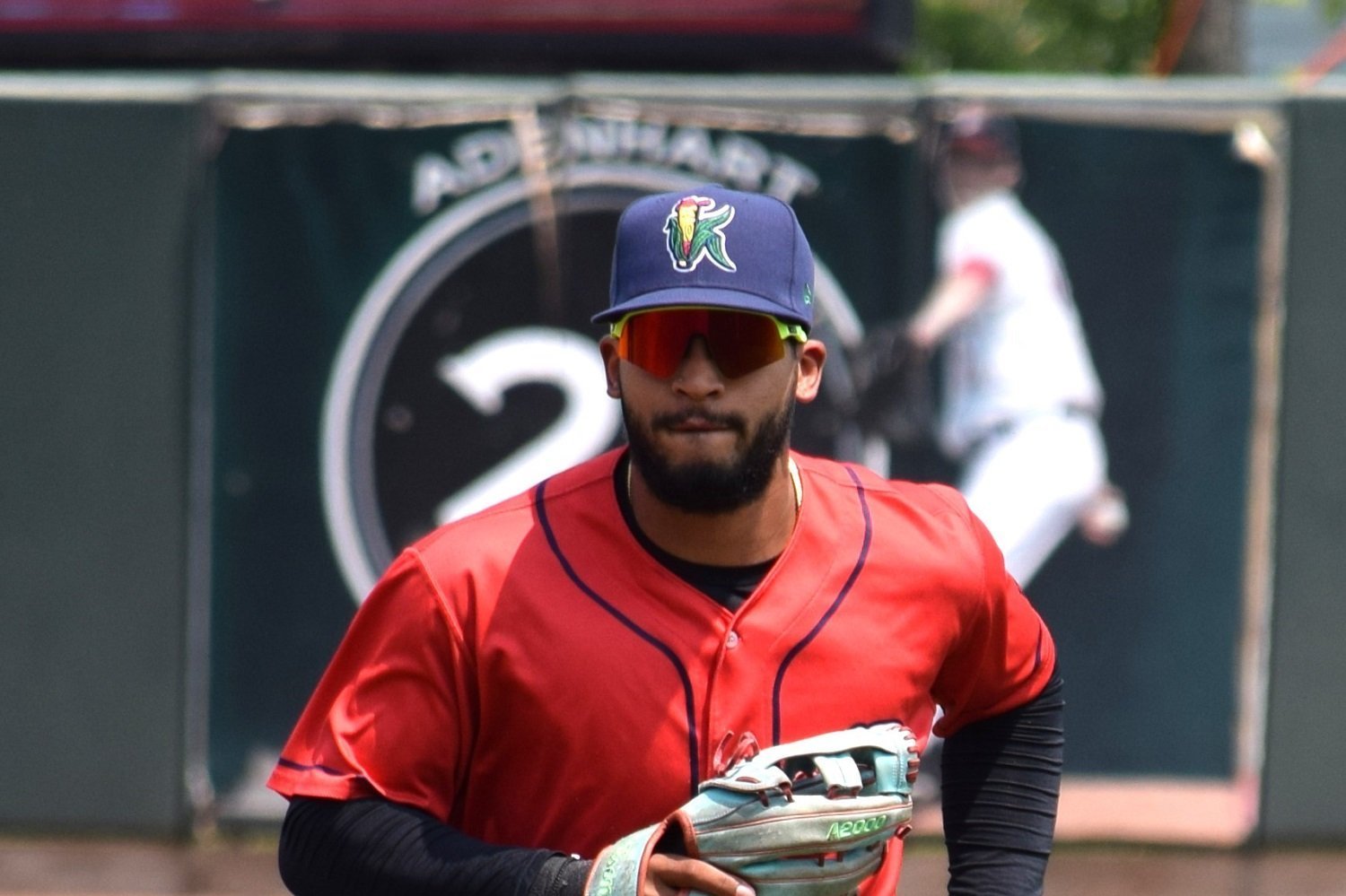 The Twins signed Emmanuel Rodriguez to a $2.5 million bonus during the 2019 international signing period. At the time, MLB Pipeline ranked him as the No. 8 prospect in his signing class, but there is a long road to the big leagues for players signed as teenagers. Rodriguez wouldn’t make his professional debut until the 2021 season because of the pandemic. He showcased plenty of skills during his first season in the FCL, including hitting 10 home runs in 37 games. Minnesota moved him to full-season action for his age-19 campaign, and he combined for a 1.044 OPS in 47 games. Unfortunately, a torn meniscus ended his season, but he had already established himself as one of baseball’s best prospects. The 2023 season would be a memorable one for Rodriguez and the Cedar Rapids Kernels. Rodriguez was a fixture in the middle of the lineup while posting an .836 OPS in 105 games. There were some up-and-down moments in the season’s early months, but he turned it on for the team’s stretch run. In August and September, he posted a .959 OPS with 18 extra-base hits in 36 games. He also hit the go-ahead home run in the deciding game of the Midwest League Championship Series. Rodriguez will likely spend most of the 2024 season at Double-A when he will be 21. The Twins can face two different paths with Rodriguez this winter. Path 1: Trade Rodriguez for Frontline Starting Pitching The Twins’ current front office has shown a willingness to trade highly rated prospects for starting pitching. Some of these trades haven’t worked out in the team’s favor (see Tyler Mahle), but most of the team’s 2023 rotation was compiled by trade. The Twins are likely losing Sonny Gray and Kenta Maeda to free agency, which puts the club in a position to need more rotational depth, especially playoff-caliber starters. The Twins have two prospects in their system that rank higher than Rodriguez, which could make him a more expendable option. Brooks Lee and Walker Jenkins are consensus top-20 prospects, and they would likely be untouchable in trade talks. Rodriguez has shown some flaws, including strikeouts and time missed due to injury, that might make the Twins willing to part ways with him if it brings back a pitcher that can help the team win in October. The Twins will attempt to add a starter this winter, and Rodriguez is the player I’d be trying to shop. Path 2: Continue to Develop Rodriguez The Twins aren’t going to give Rodriguez away in a trade, so the club might decide to keep him for the upcoming season. During the winter months, it can be challenging to convince teams to trade a top-tier starting pitcher because every team feels like they have a chance to compete next season. Both World Series teams lost over 100 games two seasons ago, so there is hope for any team to make a quick turnaround. The best time to trade Rodriguez might be next season’s trade deadline when there are clear buyers and sellers, but that also means he will need to play well to start 2024. Double-A can be challenging, especially for a player young for the level. Last season, Rodriguez was over two years younger than the average age of the competition at his level, and that age gap would likely increase next season. There were only two at-bats where he faced a pitcher younger than himself last season. That age gap can make it challenging for prospects to show their true talent level. His plate discipline is among the best in the Twins system, as he accumulated 92 walks in 99 games. However, his strikeout rate decreased (26.0%) after cutting back in this area during the 2022 season (38.2%). He also continues to play nearly all his defensive innings in center field. He may have to move to a corner spot as he continues to add muscle, so his current defensive position would add to his trade value. If he continues trending upward, he might join Lee and Jenkins near the top of baseball’s national prospect rankings. What path will the Twins follow with Rodriguez? Will he make his big-league debut in a Twins uniform? Leave a COMMENT and start the conversation.
 -
Avoiding the Sophomore Slump: Where Can Royce Lewis Improve for 2024?
Cody Christie posted an article in Twins
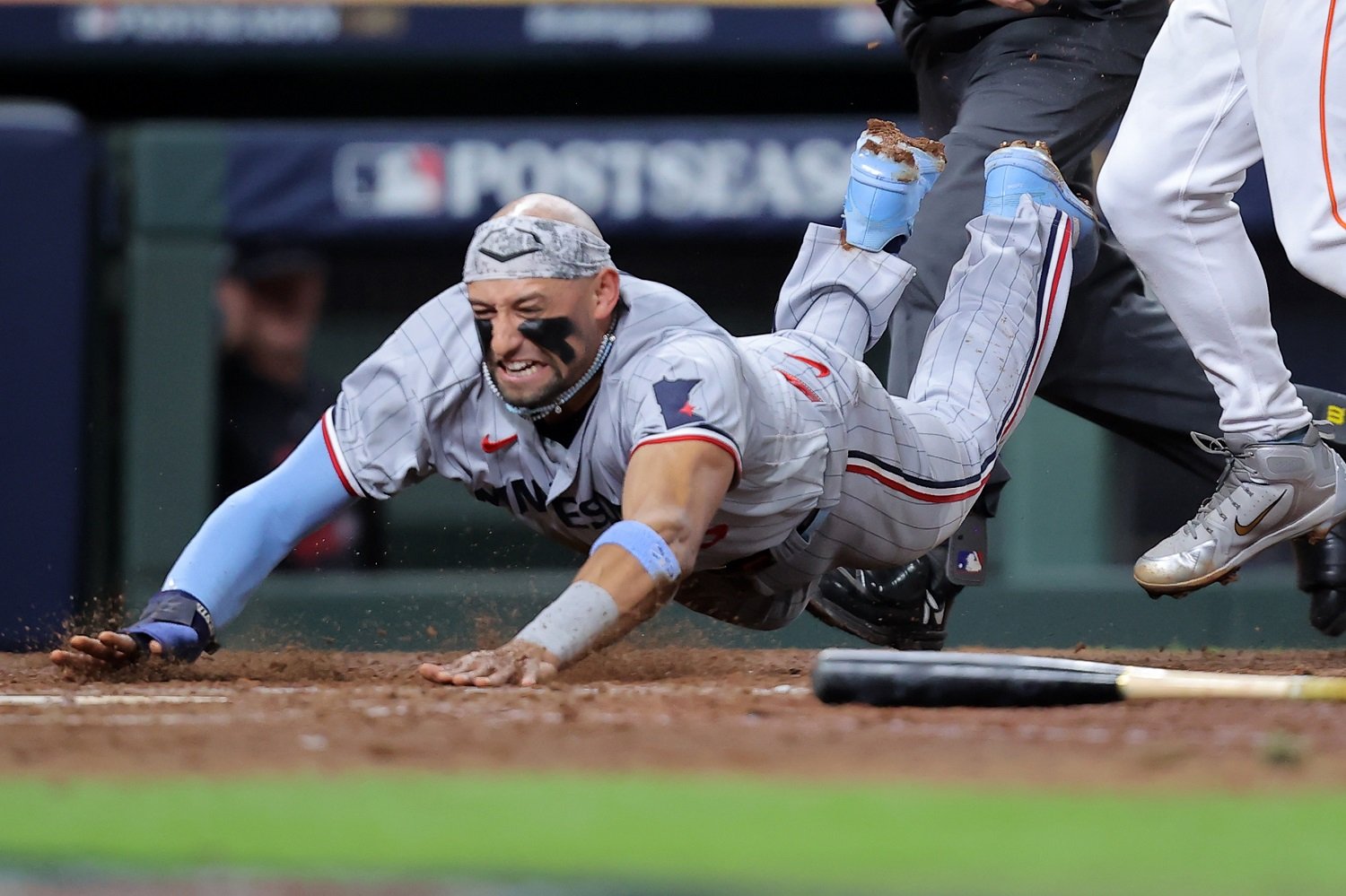 It was hard to know what to expect from Royce Lewis during his rookie season. The former number-one overall pick missed parts of two seasons following ACL surgery, and the pandemic took away an entire minor league season. These speed bumps meant Lewis missed significant development time, which can be essential for a prospect to fulfill their full potential. Lewis didn’t seem to miss a beat by hitting .309/.372/.548 (.921) with 15 home runs and seven doubles in 58 games. He became a grand slam machine during the regular season, and his strong performance carried over into October. The Twins won their first playoff series since 2002, and Lewis was at the heart of the victories. He hit four home runs in six playoff games, including critical homers in the series against Toronto. Overall, he went 5-for-22 with four homers and six runs scored. It was an impressive performance from the rookie, but there are still areas where he can improve from 2024 and beyond. Strikeout-to-Walk Rate Lewis’ strikeout-to-walk rate was one area for him to improve after returning to the big-league level. He struck out 28 times and earned three walks in 99 plate appearances before going on the IL at the beginning of July (26 games). Following his return, he saw minor improvements in both areas. In 140 plate appearances (32 games), he struck out 27 times and was awarded 17 walks. He certainly seemed like a more patient hitter, which helped him to get into more favorable counts and improve his overall numbers. Lewis has shown improved power numbers, which typically comes with a higher strikeout rate, so it will be interesting to track if his walk rate improves with more time at the big-league level. Defense The Twins shifted Lewis to third base because the team has Carlos Correa, a Gold Glove finalist, locked into shortstop for the foreseeable future. During his minor league career, he had only made ten starts at third base and played fewer than 80 innings at the position. Everything wasn’t perfect in his transition to the hot corner, and it seems likely for him to improve as he gets more repetitions at his new positions. There is also a chance the Twins have him move to another spot on the diamond, especially with other prospects getting closer to the big leagues, including Brooks Lee and Austin Martin. Lewis is athletic enough to thrive at any defensive position, especially since he isn’t spending this off-season rehabbing a knee injury. Sprint Speed When the Twins drafted Lewis, some evaluators compared his speed tool to some of baseball’s best players. After two knee surgeries, Lewis has lost a step, with his sprint speed ranking in the 73rd percentile. There is potential for him to regain some of that speed as he gets further removed from his knee issues, but he has also added muscle during his rehab process. Minnesota was one of the worst base running teams during the first half of last season, and Lewis can help remedy some of the team’s flaws in this area. One way he can get more stolen base opportunities is if his walk rate continues to improve, so he gets more opportunities to be at first base. He went six-for-seven in stolen base attempts this season, and the Twins might let him run wild next year. Twins fans have already started getting excited about Lewis, and his future can be even brighter if he takes the next step. Where does Lewis need to improve the most? Leave a COMMENT and start the discussion.
 -
Royce Lewis showcased his star potential during his rookie season with the Twins. Some players can struggle during their sophomore season. Here are three areas where he can improve for the 2024 campaign. Image courtesy of Erik Williams-USA TODAY Sports It was hard to know what to expect from Royce Lewis during his rookie season. The former number-one overall pick missed parts of two seasons following ACL surgery, and the pandemic took away an entire minor league season. These speed bumps meant Lewis missed significant development time, which can be essential for a prospect to fulfill their full potential. Lewis didn’t seem to miss a beat by hitting .309/.372/.548 (.921) with 15 home runs and seven doubles in 58 games. He became a grand slam machine during the regular season, and his strong performance carried over into October. The Twins won their first playoff series since 2002, and Lewis was at the heart of the victories. He hit four home runs in six playoff games, including critical homers in the series against Toronto. Overall, he went 5-for-22 with four homers and six runs scored. It was an impressive performance from the rookie, but there are still areas where he can improve from 2024 and beyond. Strikeout-to-Walk Rate Lewis’ strikeout-to-walk rate was one area for him to improve after returning to the big-league level. He struck out 28 times and earned three walks in 99 plate appearances before going on the IL at the beginning of July (26 games). Following his return, he saw minor improvements in both areas. In 140 plate appearances (32 games), he struck out 27 times and was awarded 17 walks. He certainly seemed like a more patient hitter, which helped him to get into more favorable counts and improve his overall numbers. Lewis has shown improved power numbers, which typically comes with a higher strikeout rate, so it will be interesting to track if his walk rate improves with more time at the big-league level. Defense The Twins shifted Lewis to third base because the team has Carlos Correa, a Gold Glove finalist, locked into shortstop for the foreseeable future. During his minor league career, he had only made ten starts at third base and played fewer than 80 innings at the position. Everything wasn’t perfect in his transition to the hot corner, and it seems likely for him to improve as he gets more repetitions at his new positions. There is also a chance the Twins have him move to another spot on the diamond, especially with other prospects getting closer to the big leagues, including Brooks Lee and Austin Martin. Lewis is athletic enough to thrive at any defensive position, especially since he isn’t spending this off-season rehabbing a knee injury. Sprint Speed When the Twins drafted Lewis, some evaluators compared his speed tool to some of baseball’s best players. After two knee surgeries, Lewis has lost a step, with his sprint speed ranking in the 73rd percentile. There is potential for him to regain some of that speed as he gets further removed from his knee issues, but he has also added muscle during his rehab process. Minnesota was one of the worst base running teams during the first half of last season, and Lewis can help remedy some of the team’s flaws in this area. One way he can get more stolen base opportunities is if his walk rate continues to improve, so he gets more opportunities to be at first base. He went six-for-seven in stolen base attempts this season, and the Twins might let him run wild next year. Twins fans have already started getting excited about Lewis, and his future can be even brighter if he takes the next step. Where does Lewis need to improve the most? Leave a COMMENT and start the discussion. View full article
-
The Twins saw a trio of rookies emerge as critical cogs in a line-up that struggled in the season’s first half. Here are three rookies who can join the Twins next season and have a similar impact. Image courtesy of Rob Thompson, St. Paul Saints It’s hard to imagine how the Twins’ season would have played out without the team’s trio of rookie players. Royce Lewis, Edouard Julien, and Matt Wallner immediately impacted the roster and helped the club win its third division title in the last five seasons. This trio of rookies all had an OPS+ of 130 or higher while establishing themselves at baseball’s highest level. There have been few times in baseball history where a rookie trio has compiled better totals than Minnesota’s rookies last season. From a team construction standpoint, it would be in the team’s best interest if their prospect pipeline could continue to produce big-league talent, but that can’t always be the case. There are signs of other prospects joining the Twins next season and producing at a high level. Here’s a look at three players who could be Minnesota’s next great rookie trio. Brooks Lee, SS/3B TD Top Prospect Ranking: 2 The Twins have been aggressive with Lee since taking him with the 8th overall pick in the 2022 MLB Draft. In his professional debut, he played at three levels and finished the season at Double-A, where the Wind Surge were on the way to the Texas League Championship Series. In 2023, Lee started the year at Double-A, hitting .292/.365/.476 (.841) with 31 doubles and 11 home runs in 87 games. He was promoted to Triple-A for the stretch run and posted a .731 OPS at a level where he was nearly 4.5 years younger than the average age of the competition. His bat has been his best tool since the Twins drafted him, but there are long-term questions about where he fits on the defensive spectrum. He’s played primarily shortstop in his pro career, but many evaluators feel he will shift to third base as he continues to add muscle to his frame. For the long term, the Twins could employ an infield with Lee at third and shift Lewis over to second base. 2024 Outlook: Lee will start next season in St. Paul, but he projects to make his big-league debut at some point next season. He’s one of the most advanced hitters to come through the Twins’ system in quite some time, and many national outlets will rank him highly on their top-100 lists this winter. Austin Martin, UTL TD Top Prospect Ranking: 7 Martin’s time in the Twins organization has been a bit of a roller coaster ride. Minnesota added Martin as one of the key prospects in the Jose Berrios trade with Toronto. At the time of the trade, he was considered one of baseball’s top 25 prospects. In 2022, he struggled with a .683 OPS at Double-A while dealing with some injuries. The Twins sent him to the Arizona Fall League following the season, and he destroyed the baseball by hitting .374/.454/.482 (.936) with seven extra-base hits in 21 games. Based on this performance, there were high hopes for him entering the 2023 season. Martin suffered a sprained ligament in his right elbow during spring training, and there was a chance he’d need to undergo Tommy John surgery. Instead, he rehabbed the injury and returned to the field in July. In 59 games, he hit .263/.387/.405 (.791) with 11 doubles and six home runs. His days at shortstop are likely behind him, but his athleticism allows him to play center field and second base regularly. 2024 Outlook: The Twins must continue to get Martin back on track so he can make a meaningful impact at the big-league level. Byron Buxton’s future in center field seems like a long shot, so Martin might be able to play a role at an essential up-the-middle defensive position. Yunior Severino, 2B/3B TD Top Prospect Ranking: 12 Severino had a tremendous season on his way to being named the TD Minor League Hitter of the Year. In 120 games, he hit .272/.352/.546 (.898) with 17 doubles and 35 home runs between Double- and Triple-A. The Twins player development team has worked hard with Severino to make more consistent contact, and he seemed to put it all together at the organization’s two highest minor league levels. Next year, he will be 24 and still young to be playing at Triple-A, so there is hope for him to make continued improvements in the years ahead. The Twins will need to add him to the 40-man roster this winter to protect him from the Rule 5 Draft, which seems straightforward. Severino has continued to add to his defensive flexibility by playing 125 innings or more at three different infield positions (1B, 2B, 3B). This defensive versatility should help to make him an option when an injury impacts the team’s roster next season. 2024 Outlook: Other prospects will rate higher than Severino on national prospect lists, but he still has an opportunity to be an above-average player at the big-league level. There are other prospects ahead of him on the team’s depth chart, but look for him to debut in the second half of 2024. What kind of impact can these players have on the 2024 roster? Leave a COMMENT and start the discussion. View full article
-
Three’s Company: 3 Rookies Who Can Join Minnesota’s Young Core in 2024
Cody Christie posted an article in Twins
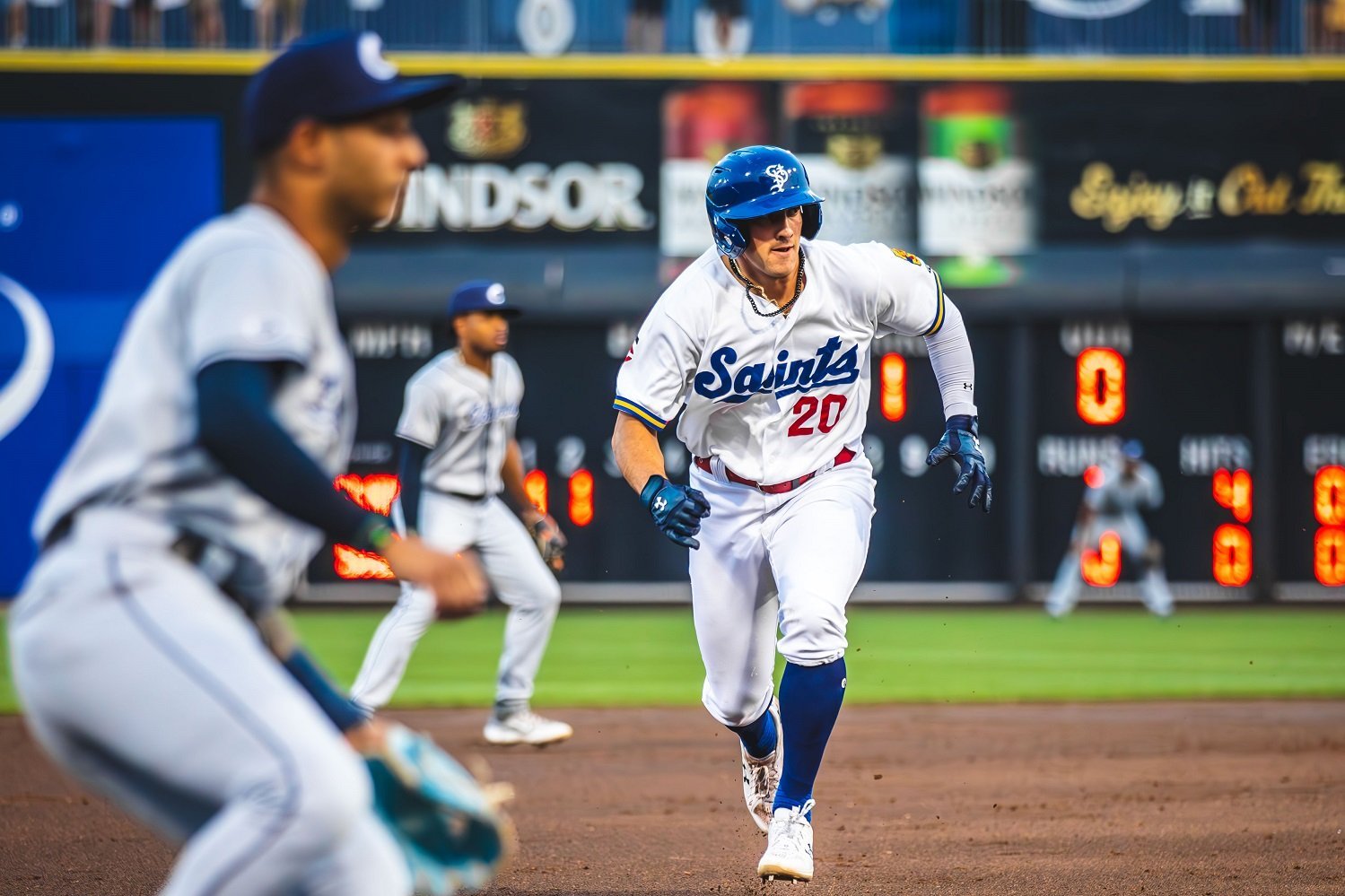 It’s hard to imagine how the Twins’ season would have played out without the team’s trio of rookie players. Royce Lewis, Edouard Julien, and Matt Wallner immediately impacted the roster and helped the club win its third division title in the last five seasons. This trio of rookies all had an OPS+ of 130 or higher while establishing themselves at baseball’s highest level. There have been few times in baseball history where a rookie trio has compiled better totals than Minnesota’s rookies last season. From a team construction standpoint, it would be in the team’s best interest if their prospect pipeline could continue to produce big-league talent, but that can’t always be the case. There are signs of other prospects joining the Twins next season and producing at a high level. Here’s a look at three players who could be Minnesota’s next great rookie trio. Brooks Lee, SS/3B TD Top Prospect Ranking: 2 The Twins have been aggressive with Lee since taking him with the 8th overall pick in the 2022 MLB Draft. In his professional debut, he played at three levels and finished the season at Double-A, where the Wind Surge were on the way to the Texas League Championship Series. In 2023, Lee started the year at Double-A, hitting .292/.365/.476 (.841) with 31 doubles and 11 home runs in 87 games. He was promoted to Triple-A for the stretch run and posted a .731 OPS at a level where he was nearly 4.5 years younger than the average age of the competition. His bat has been his best tool since the Twins drafted him, but there are long-term questions about where he fits on the defensive spectrum. He’s played primarily shortstop in his pro career, but many evaluators feel he will shift to third base as he continues to add muscle to his frame. For the long term, the Twins could employ an infield with Lee at third and shift Lewis over to second base. 2024 Outlook: Lee will start next season in St. Paul, but he projects to make his big-league debut at some point next season. He’s one of the most advanced hitters to come through the Twins’ system in quite some time, and many national outlets will rank him highly on their top-100 lists this winter. Austin Martin, UTL TD Top Prospect Ranking: 7 Martin’s time in the Twins organization has been a bit of a roller coaster ride. Minnesota added Martin as one of the key prospects in the Jose Berrios trade with Toronto. At the time of the trade, he was considered one of baseball’s top 25 prospects. In 2022, he struggled with a .683 OPS at Double-A while dealing with some injuries. The Twins sent him to the Arizona Fall League following the season, and he destroyed the baseball by hitting .374/.454/.482 (.936) with seven extra-base hits in 21 games. Based on this performance, there were high hopes for him entering the 2023 season. Martin suffered a sprained ligament in his right elbow during spring training, and there was a chance he’d need to undergo Tommy John surgery. Instead, he rehabbed the injury and returned to the field in July. In 59 games, he hit .263/.387/.405 (.791) with 11 doubles and six home runs. His days at shortstop are likely behind him, but his athleticism allows him to play center field and second base regularly. 2024 Outlook: The Twins must continue to get Martin back on track so he can make a meaningful impact at the big-league level. Byron Buxton’s future in center field seems like a long shot, so Martin might be able to play a role at an essential up-the-middle defensive position. Yunior Severino, 2B/3B TD Top Prospect Ranking: 12 Severino had a tremendous season on his way to being named the TD Minor League Hitter of the Year. In 120 games, he hit .272/.352/.546 (.898) with 17 doubles and 35 home runs between Double- and Triple-A. The Twins player development team has worked hard with Severino to make more consistent contact, and he seemed to put it all together at the organization’s two highest minor league levels. Next year, he will be 24 and still young to be playing at Triple-A, so there is hope for him to make continued improvements in the years ahead. The Twins will need to add him to the 40-man roster this winter to protect him from the Rule 5 Draft, which seems straightforward. Severino has continued to add to his defensive flexibility by playing 125 innings or more at three different infield positions (1B, 2B, 3B). This defensive versatility should help to make him an option when an injury impacts the team’s roster next season. 2024 Outlook: Other prospects will rate higher than Severino on national prospect lists, but he still has an opportunity to be an above-average player at the big-league level. There are other prospects ahead of him on the team’s depth chart, but look for him to debut in the second half of 2024. What kind of impact can these players have on the 2024 roster? Leave a COMMENT and start the discussion.
- 70 comments
-
- 12
-

-

-

-
- brooks lee
- yunior severino
- (and 1 more)
-
The Twins have made depth a priority over the last year. Would the club consider a reunion with any of these former Twins for next season? Image courtesy of Brad Rempel-USA TODAY Sports Some players leave an organization with fans hoping to see the player return at some point in their playing careers. Torii Hunter fit that mold for the Twins by playing seven years away from Minnesota before returning for his final season. Other players can leave on a sour note, and fans may hesitate to welcome them back into the fold. Each player below has a different skill set near the end of their career. Health has impacted all three former Twins in recent years, with two players failing to appear in a big-league game last season. Because of those concerns, none of the options would come at a significant cost, and there is potential to sign two of these players to minor league contracts. Here’s a rundown of the former Twins and what they have done in recent years. Jake Odorizzi, SP Odorizzi was last on the mound for the Twins during their playoff series versus the Houston Astros in 2020. In three years with the club, he posted a 107 ERA+ and was selected for the 2019 All-Star Game. Following the 2020 season, he signed a three-year, $29.5 million contract with the Astros. Houston kept him for a season and a half before dealing him to Atlanta. His stop in Atlanta was even shorter, as he was limited to 10 starts in a Braves uniform. Odorizzi spent the 2023 season in the Rangers organization but never appeared in a game. In April, he had an arthroscopic debridement procedure on his throwing shoulder. 2024 Twins Fit: The Twins love depth, especially starting pitching depth to begin the season. Odorizzi can likely be signed on a minor-league deal where he has to prove himself at Triple-A before getting an opportunity at the big-league level. Some of Odorizzi’s best seasons came in a Twins uniform, and he might want the opportunity to prove himself again on a team fighting for a division title. Aaron Hicks, OF Many viewed Hicks as the next great Twins center fielder, following a line from Kirby Puckett to Hunter. In three seasons with the Twins, he posted an 81 OPS+ before Minnesota traded him to the Yankees leading into the 2016 season. Hicks seemed to put it all together in New York with a 120 OPS+ from 2017-20, and the Yankees signed him to a 5-year, $49.43 million extension. His performance dropped off significantly over the last three seasons to the point where the Yankees released him with over $20 million left on his contract. He signed a veteran minimum contract with Baltimore and revitalized his career (127 OPS+ in 65 games) while helping the Orioles win the AL East. 2024 Twins Fit: It seems likely for the Orioles to want Hicks back after helping the team during the second half. He is a free agent, available to any team at age 34. In 2023, he posted a .970 OPS against left-handed pitching, one of the Twins’ biggest struggles. Would he like to continue his redemption story where it all started? Miguel Sano, 1B/DH Sano last played in the big leagues with the Twins in 2022 when he went 5-for-60 (.083 BA) with 25 strikeouts in 20 games. This past season, he held a showcase in February for interested teams, but it wasn’t clear that he was fully healthy. Sano remained unsigned and hasn’t had a professional at-bat since July 2022. He will likely need to sign a minor league deal with a spring training invite and earn a roster spot for next season. 2024 Twins Fit: The Twins currently have a giant question mark at first base for next season. Alex Kirilloff and Jose Miranda are recovering from shoulder injuries, and the club has hesitated to give Edouard Julien an extended look at first base. If healthy, Sano has shown the potential to be a right-handed power threat. However, there are probably too many bridges burned in Minnesota for a reunion to make sense for either side. Which player makes the most sense for next year’s roster? Leave a COMMENT and start the discussion. View full article
-
Class Reunion: 3 Former Twins Who Might Fit On the 2024 Roster
Cody Christie posted an article in Twins
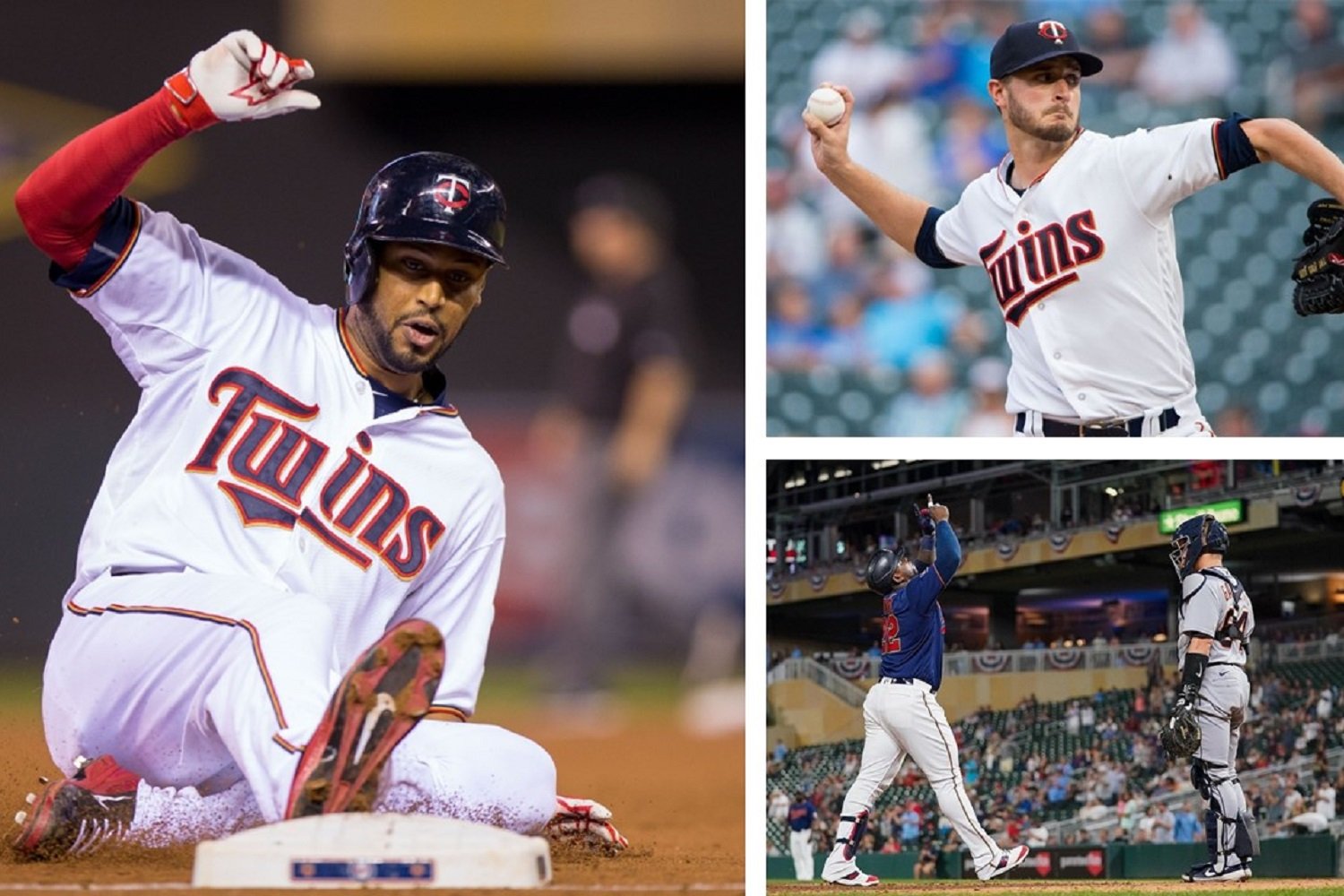 Some players leave an organization with fans hoping to see the player return at some point in their playing careers. Torii Hunter fit that mold for the Twins by playing seven years away from Minnesota before returning for his final season. Other players can leave on a sour note, and fans may hesitate to welcome them back into the fold. Each player below has a different skill set near the end of their career. Health has impacted all three former Twins in recent years, with two players failing to appear in a big-league game last season. Because of those concerns, none of the options would come at a significant cost, and there is potential to sign two of these players to minor league contracts. Here’s a rundown of the former Twins and what they have done in recent years. Jake Odorizzi, SP Odorizzi was last on the mound for the Twins during their playoff series versus the Houston Astros in 2020. In three years with the club, he posted a 107 ERA+ and was selected for the 2019 All-Star Game. Following the 2020 season, he signed a three-year, $29.5 million contract with the Astros. Houston kept him for a season and a half before dealing him to Atlanta. His stop in Atlanta was even shorter, as he was limited to 10 starts in a Braves uniform. Odorizzi spent the 2023 season in the Rangers organization but never appeared in a game. In April, he had an arthroscopic debridement procedure on his throwing shoulder. 2024 Twins Fit: The Twins love depth, especially starting pitching depth to begin the season. Odorizzi can likely be signed on a minor-league deal where he has to prove himself at Triple-A before getting an opportunity at the big-league level. Some of Odorizzi’s best seasons came in a Twins uniform, and he might want the opportunity to prove himself again on a team fighting for a division title. Aaron Hicks, OF Many viewed Hicks as the next great Twins center fielder, following a line from Kirby Puckett to Hunter. In three seasons with the Twins, he posted an 81 OPS+ before Minnesota traded him to the Yankees leading into the 2016 season. Hicks seemed to put it all together in New York with a 120 OPS+ from 2017-20, and the Yankees signed him to a 5-year, $49.43 million extension. His performance dropped off significantly over the last three seasons to the point where the Yankees released him with over $20 million left on his contract. He signed a veteran minimum contract with Baltimore and revitalized his career (127 OPS+ in 65 games) while helping the Orioles win the AL East. 2024 Twins Fit: It seems likely for the Orioles to want Hicks back after helping the team during the second half. He is a free agent, available to any team at age 34. In 2023, he posted a .970 OPS against left-handed pitching, one of the Twins’ biggest struggles. Would he like to continue his redemption story where it all started? Miguel Sano, 1B/DH Sano last played in the big leagues with the Twins in 2022 when he went 5-for-60 (.083 BA) with 25 strikeouts in 20 games. This past season, he held a showcase in February for interested teams, but it wasn’t clear that he was fully healthy. Sano remained unsigned and hasn’t had a professional at-bat since July 2022. He will likely need to sign a minor league deal with a spring training invite and earn a roster spot for next season. 2024 Twins Fit: The Twins currently have a giant question mark at first base for next season. Alex Kirilloff and Jose Miranda are recovering from shoulder injuries, and the club has hesitated to give Edouard Julien an extended look at first base. If healthy, Sano has shown the potential to be a right-handed power threat. However, there are probably too many bridges burned in Minnesota for a reunion to make sense for either side. Which player makes the most sense for next year’s roster? Leave a COMMENT and start the discussion.
- 56 comments
-
- 5
-
-

-
- aaron hicks
- jake odorizzi
- (and 1 more)
-
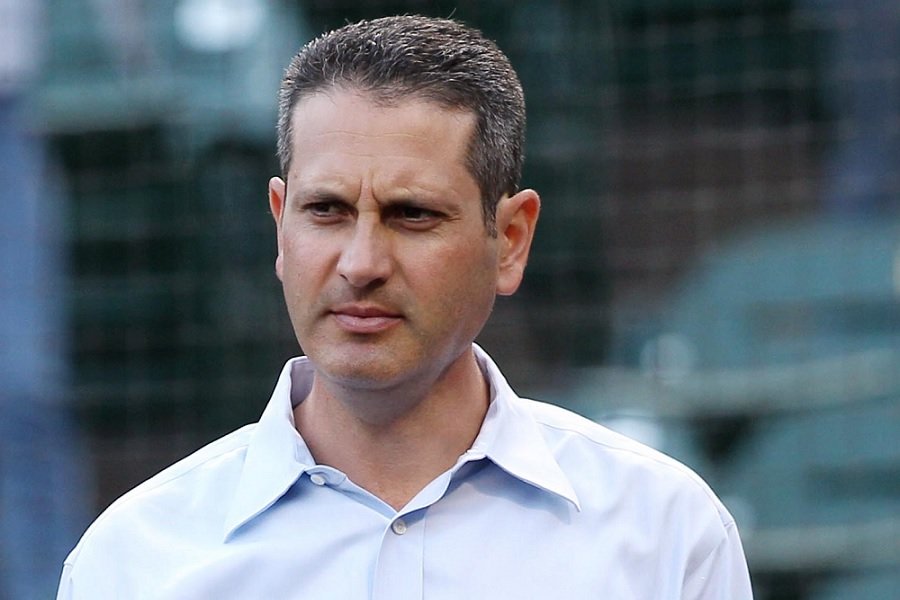 Thad Levine and Derek Falvey have been Minnesota’s dynamic duo since November 2016. It was clear from their opening press conference that the goal was sustainable contention. The Twins were coming off an MLB-worst 103 losses, so it would take time to rebuild multiple parts of the organization to fight for playoff spots consistently. During their seven years at the helm, the Twins have won three division titles and qualified for the playoffs four times. It’s been a steady turnaround, with the team having a bright future. Levine has worked at multiple levels of front offices for franchises throughout the big leagues. He joined the Twins from the Rangers, where he had been an assistant GM since 2005. Before that, he had worked in the Rockies and Dodgers front office. In various roles, he has run the team's international scouting department, working on player acquisitions and roster management. He’s one of baseball’s most well-qualified front-office members, and this isn’t the first time he’s considered for a top job. Previously, the Phillies, Mets, and Tigers organizations were interested in him, but he declined interviews. So, what makes the Red Sox job different from these other opportunities? The timing might be right from a professional standpoint for Levine to step into a new role. The Red Sox have more resources than many other franchises, which must be intriguing to any interested candidate. Boston has won three World Series titles since 2007, with their latest title coming in 2018. However, they have also shuffled through front offices in recent years, which could make candidates a little leery of taking over the top spot. Will Boston allow a new front office more time to rebuild their system? Levine is among a group of candidates vying for Boston’s top role, but there have been others to turn them down. The Red Sox originally asked to interview Derek Falvey, but he prefers to stay in Minnesota. Instead, Boston turned their attention to Levine, and multiple reports confirmed he interviewed in Boston last week. Former Twins pitcher Craig Breslow is another candidate for a job in the Red Sox front office, as he currently serves as the Cubs assistant GM. Interestingly, Levine and Breslow could unite in Boston similarly to how Falvey and Levine joined the Twins. Levine could take on the President of Baseball Operations role, while Breslow can move up and become Boston’s GM. (Notably, the Twins signed Breslow to their bullpen during Levine's first year as Minnesota's GM, in 2017.) Many teams like to have their front office in place before the annual general manager meetings in early November. However, the Red Sox aren’t going to rush the process. Boston’s team president Sam Kennedy told reporters, “You’d love to have clarity as soon as possible, but we’re not going to let any deadline or timeline put constraints on the process.” It still seems likely for the Red Sox to make a decision in the coming days so their new front office can begin making decisions for the 2024 season. If Levine leaves, the Twins have multiple internal candidates prepared to step into his role. Daniel Adler and Jeremy Zoll currently serve as Assistant General Managers in the Twins front office hierarchy. Adler has worked for the Twins since 2017, when he was hired as the Director of Baseball Operations. His primary responsibilities include heading up the club’s arbitration, international scouting, and baseball research and development efforts. Zoll was the team’s Director of Minor League Operations from 2018-19 before being promoted to his current role. His duties include partnering with Dr. Chris Camp to oversee the organization’s performance team and drives developmental initiatives in the minor leagues. When organizations perform well, other teams will notice and try to emulate what they do on and off the field. Minnesota’s turnaround in recent years is undoubtedly a positive sign, but fans can expect losses from the front office and coaching staff. Will Levine be the first departure this winter? Leave a COMMENT and start the discussion.
 -
Thad Levine has been the second in command for multiple organizations over the last two decades. Will he finally get a shot to be the top dog? Here’s the latest on Boston’s pursuit of Levine. Image courtesy of Jim Cowsert-USA TODAY Sports Thad Levine and Derek Falvey have been Minnesota’s dynamic duo since November 2016. It was clear from their opening press conference that the goal was sustainable contention. The Twins were coming off an MLB-worst 103 losses, so it would take time to rebuild multiple parts of the organization to fight for playoff spots consistently. During their seven years at the helm, the Twins have won three division titles and qualified for the playoffs four times. It’s been a steady turnaround, with the team having a bright future. Levine has worked at multiple levels of front offices for franchises throughout the big leagues. He joined the Twins from the Rangers, where he had been an assistant GM since 2005. Before that, he had worked in the Rockies and Dodgers front office. In various roles, he has run the team's international scouting department, working on player acquisitions and roster management. He’s one of baseball’s most well-qualified front-office members, and this isn’t the first time he’s considered for a top job. Previously, the Phillies, Mets, and Tigers organizations were interested in him, but he declined interviews. So, what makes the Red Sox job different from these other opportunities? The timing might be right from a professional standpoint for Levine to step into a new role. The Red Sox have more resources than many other franchises, which must be intriguing to any interested candidate. Boston has won three World Series titles since 2007, with their latest title coming in 2018. However, they have also shuffled through front offices in recent years, which could make candidates a little leery of taking over the top spot. Will Boston allow a new front office more time to rebuild their system? Levine is among a group of candidates vying for Boston’s top role, but there have been others to turn them down. The Red Sox originally asked to interview Derek Falvey, but he prefers to stay in Minnesota. Instead, Boston turned their attention to Levine, and multiple reports confirmed he interviewed in Boston last week. Former Twins pitcher Craig Breslow is another candidate for a job in the Red Sox front office, as he currently serves as the Cubs assistant GM. Interestingly, Levine and Breslow could unite in Boston similarly to how Falvey and Levine joined the Twins. Levine could take on the President of Baseball Operations role, while Breslow can move up and become Boston’s GM. (Notably, the Twins signed Breslow to their bullpen during Levine's first year as Minnesota's GM, in 2017.) Many teams like to have their front office in place before the annual general manager meetings in early November. However, the Red Sox aren’t going to rush the process. Boston’s team president Sam Kennedy told reporters, “You’d love to have clarity as soon as possible, but we’re not going to let any deadline or timeline put constraints on the process.” It still seems likely for the Red Sox to make a decision in the coming days so their new front office can begin making decisions for the 2024 season. If Levine leaves, the Twins have multiple internal candidates prepared to step into his role. Daniel Adler and Jeremy Zoll currently serve as Assistant General Managers in the Twins front office hierarchy. Adler has worked for the Twins since 2017, when he was hired as the Director of Baseball Operations. His primary responsibilities include heading up the club’s arbitration, international scouting, and baseball research and development efforts. Zoll was the team’s Director of Minor League Operations from 2018-19 before being promoted to his current role. His duties include partnering with Dr. Chris Camp to oversee the organization’s performance team and drives developmental initiatives in the minor leagues. When organizations perform well, other teams will notice and try to emulate what they do on and off the field. Minnesota’s turnaround in recent years is undoubtedly a positive sign, but fans can expect losses from the front office and coaching staff. Will Levine be the first departure this winter? Leave a COMMENT and start the discussion. View full article
-
The Twins will have some roster cleaning to do this winter on the 40-man roster. Here are three arbitration-eligible players who likely won’t return at their expected price tag. Image courtesy of Eric Canha-USA TODAY Sports During the off-season, spots on the 40-man roster become even more valuable to a front office. Teams can stash injured players on the 60-day IL during the season and not worry about that player taking a spot on the roster. This roster flexibility disappears in the winter, so teams can’t hoard talent at the big-league level. The Twins entered the winter with seven players on the 60-day IL who needed spots back on the 40-man roster. Five pitchers are on the 60-day IL, including Matt Canterino, Jose De Leon, Tyler Mahle, Jovani Moran, and Oliver Ortega. Jose Miranda and Nick Gordon are the position players that will need a roster spot. The team also needs roster spots to add eligible prospects before the Rule 5 Draft. On Friday, the Twins outrighted Andrew Stevenson and Jose De Leon, which were both expected moves. Both players passed through waivers unclaimed, and they have the right to elect free agency. The projected arbitration totals below come from MLB Trade Rumors. Here are some other names the Twins will likely consider removing from the 40-man roster in the coming weeks. Jordan Luplow, OF Project Arbitration Salary: $1.6 million The Twins claimed Luplow off of waivers last August, and he found a role with the club for the stretch run. At the trade deadline, Minnesota was searching for a right-handed bench bat, and Luplow met those criteria. In 32 games, he posted an 83 OPS+ with five extra-base hits and two steals. Defensively, he logged time at all three outfield positions and even saw some time at first base. The Twins will likely have a cheaper option to fill a bench role, so it seems easy to part ways with him at his projected salary. Jorge Alcala, RP Projected Arbitration Salary: $1.0 million Alcala hasn’t been healthy over the last two seasons, which is unfortunate because he’s previously shown some positive signs. In 2020, Alcala posted a 2.63 ERA while striking out more than ten batters per nine innings. Over the last two seasons, he has been limited to 13 appearances due to injury. There have been flashes of Alcala being a solid big-league reliever, especially with an excellent changeup. Minnesota’s bullpen struggled at different parts of the 2023 season, but the Twins might want to reallocate Alcala’s projected salary to other options. Nick Gordon, UTL Projected Arbitration Salary: $1.0 million Many fans had high hopes for Gordon entering the 2023 season because he was one of the team’s most consistent hitters in 2022. In 136 games, he posted a 111 OPS+ with 41 extra-base hits while playing multiple infield and outfield positions. His 2023 season started slowly (35 OPS+ in 34 games), and then he fouled a ball off his leg and fractured his tibia. The Twins have praised Gordon in the past for the attitude he brings to the clubhouse daily, and fans saw him being the team’s biggest hype-man in the playoffs. Minnesota could try to keep him in a utility role, but the club might not trust him as a backup infielder at multiple positions. Are his positive traits enough to keep him on the roster, especially since he is out of options? Tough decisions must be made with the roster at this time of year. However, many of these cuts seem straightforward for a team cleaning up its 40-man roster at the start of the off-season. Will the Twins part ways with any of these players? Which one would you most like to keep on the roster? Leave a COMMENT and start the discussion. View full article
- 33 replies
-
- 1
-
-
- nick gordon
- jorge alcala
- (and 1 more)
-
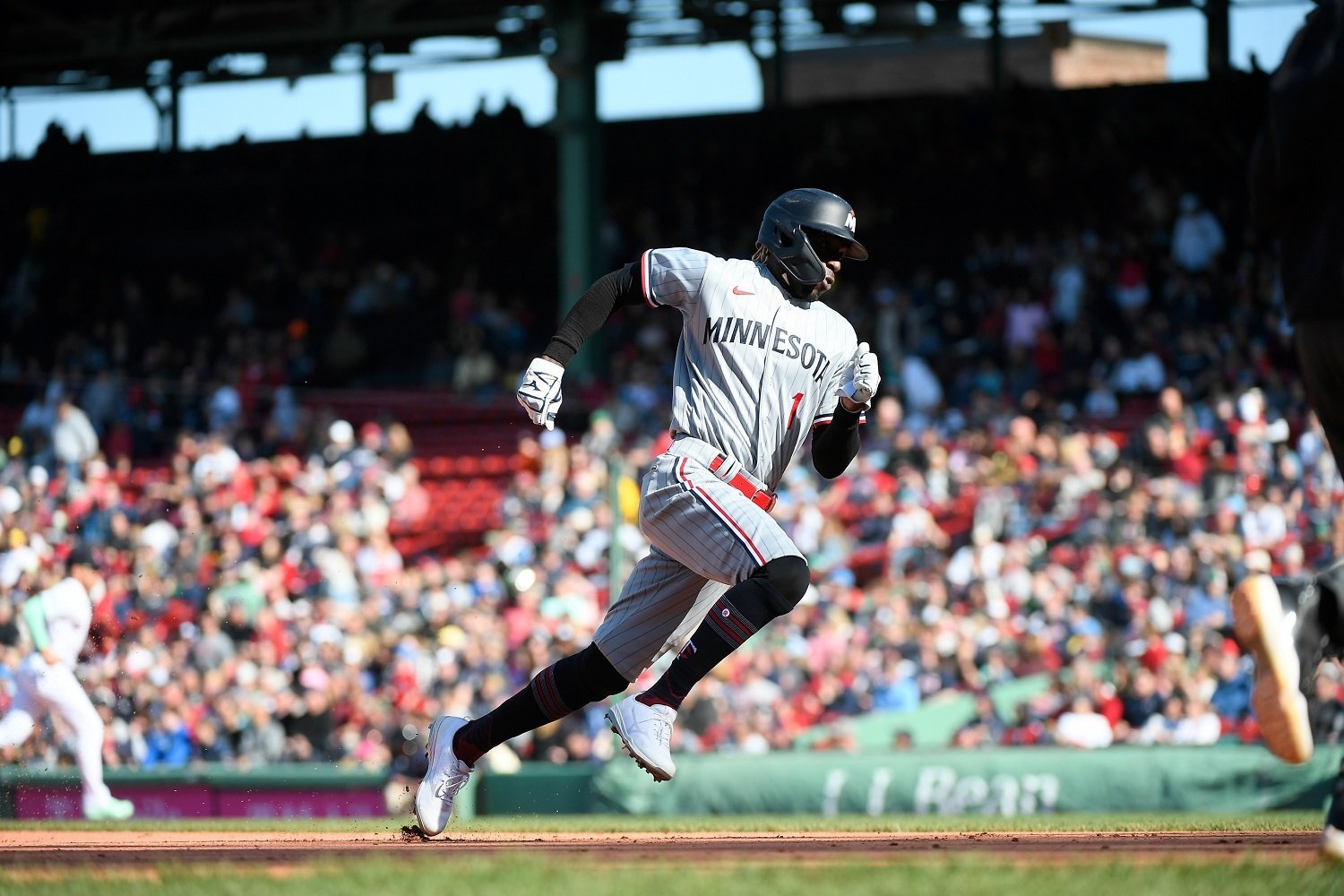 During the off-season, spots on the 40-man roster become even more valuable to a front office. Teams can stash injured players on the 60-day IL during the season and not worry about that player taking a spot on the roster. This roster flexibility disappears in the winter, so teams can’t hoard talent at the big-league level. The Twins entered the winter with seven players on the 60-day IL who needed spots back on the 40-man roster. Five pitchers are on the 60-day IL, including Matt Canterino, Jose De Leon, Tyler Mahle, Jovani Moran, and Oliver Ortega. Jose Miranda and Nick Gordon are the position players that will need a roster spot. The team also needs roster spots to add eligible prospects before the Rule 5 Draft. On Friday, the Twins outrighted Andrew Stevenson and Jose De Leon, which were both expected moves. Both players passed through waivers unclaimed, and they have the right to elect free agency. The projected arbitration totals below come from MLB Trade Rumors. Here are some other names the Twins will likely consider removing from the 40-man roster in the coming weeks. Jordan Luplow, OF Project Arbitration Salary: $1.6 million The Twins claimed Luplow off of waivers last August, and he found a role with the club for the stretch run. At the trade deadline, Minnesota was searching for a right-handed bench bat, and Luplow met those criteria. In 32 games, he posted an 83 OPS+ with five extra-base hits and two steals. Defensively, he logged time at all three outfield positions and even saw some time at first base. The Twins will likely have a cheaper option to fill a bench role, so it seems easy to part ways with him at his projected salary. Jorge Alcala, RP Projected Arbitration Salary: $1.0 million Alcala hasn’t been healthy over the last two seasons, which is unfortunate because he’s previously shown some positive signs. In 2020, Alcala posted a 2.63 ERA while striking out more than ten batters per nine innings. Over the last two seasons, he has been limited to 13 appearances due to injury. There have been flashes of Alcala being a solid big-league reliever, especially with an excellent changeup. Minnesota’s bullpen struggled at different parts of the 2023 season, but the Twins might want to reallocate Alcala’s projected salary to other options. Nick Gordon, UTL Projected Arbitration Salary: $1.0 million Many fans had high hopes for Gordon entering the 2023 season because he was one of the team’s most consistent hitters in 2022. In 136 games, he posted a 111 OPS+ with 41 extra-base hits while playing multiple infield and outfield positions. His 2023 season started slowly (35 OPS+ in 34 games), and then he fouled a ball off his leg and fractured his tibia. The Twins have praised Gordon in the past for the attitude he brings to the clubhouse daily, and fans saw him being the team’s biggest hype-man in the playoffs. Minnesota could try to keep him in a utility role, but the club might not trust him as a backup infielder at multiple positions. Are his positive traits enough to keep him on the roster, especially since he is out of options? Tough decisions must be made with the roster at this time of year. However, many of these cuts seem straightforward for a team cleaning up its 40-man roster at the start of the off-season. Will the Twins part ways with any of these players? Which one would you most like to keep on the roster? Leave a COMMENT and start the discussion.
- 33 comments
-
- 4
-
-
- nick gordon
- jorge alcala
- (and 1 more)
-
Is Christian Vazquez Too Expensive for the 2024 Twins Roster?
Cody Christie posted an article in Twins
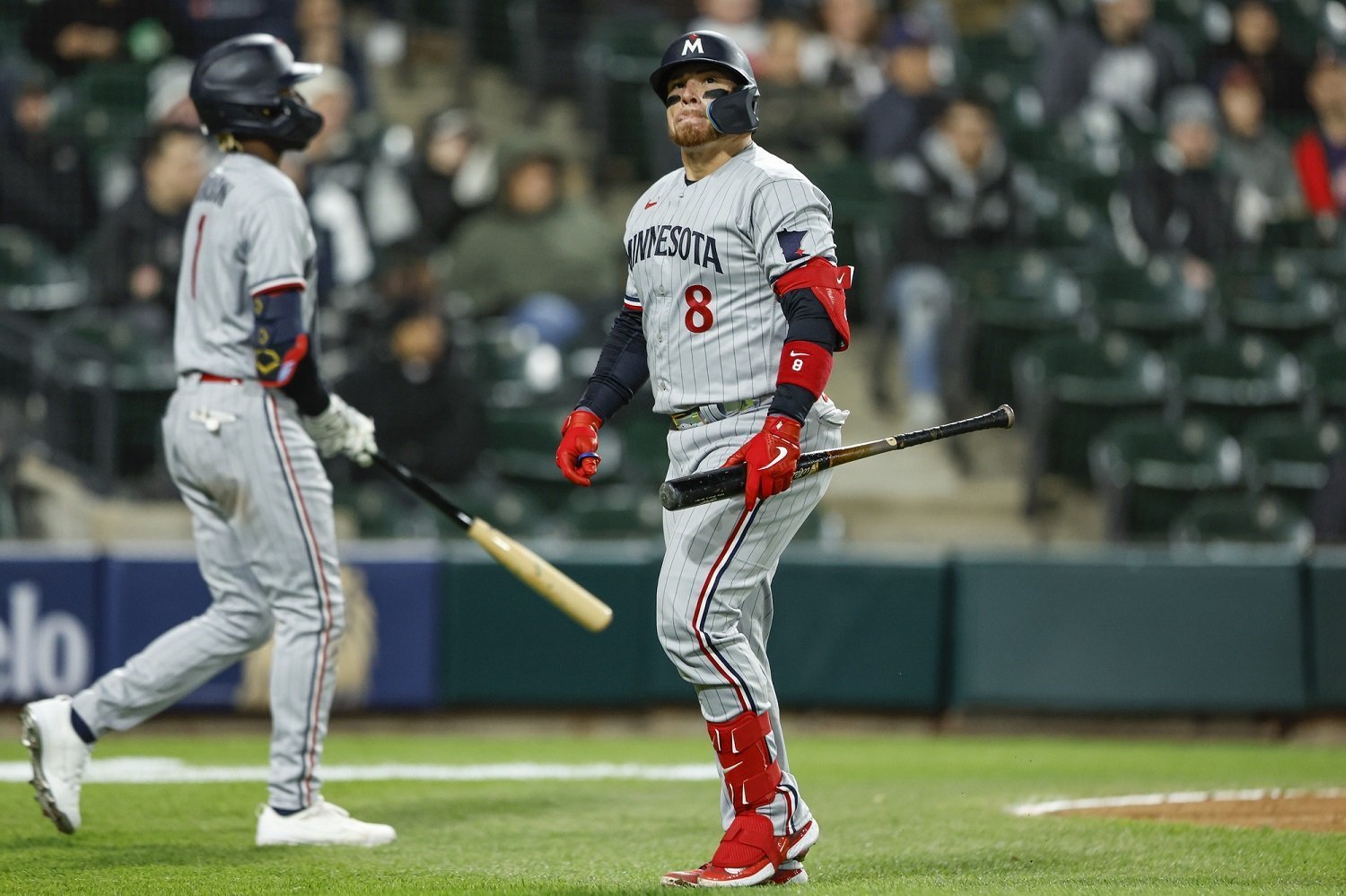 One year ago, the Twins wondered what to do about the catcher position. Gary Sanchez had led the team in appearances during the 2022 season but was heading to free agency. Minnesota wanted a veteran player to pair with Ryan Jeffers behind the plate. Early in the offseason, the Twins identified Vazquez as their top free agent target and quickly signed him to a three-year, $30 million deal. The team brought him in to provide solid defense, hoping he could provide some offense at the back end of the lineup. Vazquez struggled offensively during his first season with the Twins. In 102 games, he hit .223/.280/.318 (.598) with 19 extra-base hits and 82 strikeouts. His 65 OPS+ was his lowest total since 2018. According to FanGraphs, Vazquez provided the Twins with $7.6 million worth of value during the 2023 season. Over the last five seasons, Vazquez has been worth anywhere from $28.1 million (2019) to $2.7 million (2021). There have been good and bad seasons throughout his career, so the Twins can hope he bounces back in 2024. Even with poor offensive totals, Vazquez remains a strong defensive catcher. He ranked fifth among AL catchers in SABR’s Defensive Index when the totals were last updated. Baseball Savant ranked him in the 70th percentile or higher in Blocks Above Average and Framing while also being above average in Pop Time. His Caught Stealing Above Average moved from the 34th percentile last season to the 61st percentile in 2023. His defensive numbers and how he handles a pitching staff are the main reasons the Twins continued to split time between their two catchers. Minnesota’s evolving payroll situation is in flux entering the offseason. The Twins are unsure of their television home for 2024 and beyond after their contract with Bally Sports expired at the season’s end. As John wrote over the weekend, the team’s TV rights were worth $54.8 million in 2023, and that revenue is in question for next season. Last year, the Twins' payroll was a team record $154 million on Opening Day, and the Twins have roughly $124 million committed for next season if they bring everyone back besides free agents. The Twins can trade away higher-priced veterans to open some spending, but the team will likely have to pay some of Vazquez’s contract to get anything back. The Twins have an intriguing catching prospect that played the entire 2023 season at Triple-A. Jair Camargo was acquired along with Kenta Maeda from the Dodgers leading into the 2020 season. At the time, he was a 20-year-old catcher who had yet to play a game above the High-A level. In 2023, he played 90 games at Triple-A and hit .259/.323/.503 (.826) with 16 doubles and 21 home runs. Camargo became a minor-league free agent last year but quickly signed to stay with the Twins. He is a logical candidate for the Twins to add to the 40-man roster, and they will need to do so before he again becomes a free agent at the completion of the World Series. Would the front office trust him enough to take over a backup role to Jeffers? The free-agent catcher market is sparse this winter, which might make teams more interested in trading for Vazquez. Former Twins Mitch Garver and Gary Sanchez are some of the best options, and both players have flaws in their game. Garver is seen more as a DH option, with the Rangers giving him fewer than 30 starts behind the plate. In addition to Garver's forearm surgery that cut his 2022 season in half, Jonah Heim has become an All Star backstop for the Rangers. Sanchez struggled to find an organization last season before finding a home in San Diego and posting a 116 OPS+ in 72 games. Neither player is considered strong behind the plate, and that’s why organizations might start looking for trade options. The Twins still like Vazquez, and they likely believe he can return to his previous offensive production. He previously had poor seasons and bounced back nicely the following year. However, Vazquez is 33 years old, and he’s caught over 6,200 innings at the big-league level. That’s a lot of wear and tear on a player’s legs, which can impact offensive performance toward the end of a career. Minnesota must decide which version of Vazquez will enter spring training next season. Depth became a theme for the 2023 Twins, and it’s likely one reason the team won the AL Central. Minnesota was lucky to make it through the season by only needing two catchers for the entire season. That won’t happen again next year, so the Twins will likely keep Vazquez and find other spots on the roster to make cuts. Will the Twins keep Vazquez or try to trade him? What kind of value does he have on the trade market? Leave a COMMENT and start the discussion.
- 36 comments
-
- 5
-
-
- christian vazquez
- ryan jeffers
- (and 1 more)
-
The Twins signed Christian Vazquez last winter to add depth at the catcher position. However, he just finished one of the worst offensive seasons of his career, and Minnesota might need to shed some veteran salary. Image courtesy of Kamil Krzaczynski-USA TODAY Sports One year ago, the Twins wondered what to do about the catcher position. Gary Sanchez had led the team in appearances during the 2022 season but was heading to free agency. Minnesota wanted a veteran player to pair with Ryan Jeffers behind the plate. Early in the offseason, the Twins identified Vazquez as their top free agent target and quickly signed him to a three-year, $30 million deal. The team brought him in to provide solid defense, hoping he could provide some offense at the back end of the lineup. Vazquez struggled offensively during his first season with the Twins. In 102 games, he hit .223/.280/.318 (.598) with 19 extra-base hits and 82 strikeouts. His 65 OPS+ was his lowest total since 2018. According to FanGraphs, Vazquez provided the Twins with $7.6 million worth of value during the 2023 season. Over the last five seasons, Vazquez has been worth anywhere from $28.1 million (2019) to $2.7 million (2021). There have been good and bad seasons throughout his career, so the Twins can hope he bounces back in 2024. Even with poor offensive totals, Vazquez remains a strong defensive catcher. He ranked fifth among AL catchers in SABR’s Defensive Index when the totals were last updated. Baseball Savant ranked him in the 70th percentile or higher in Blocks Above Average and Framing while also being above average in Pop Time. His Caught Stealing Above Average moved from the 34th percentile last season to the 61st percentile in 2023. His defensive numbers and how he handles a pitching staff are the main reasons the Twins continued to split time between their two catchers. Minnesota’s evolving payroll situation is in flux entering the offseason. The Twins are unsure of their television home for 2024 and beyond after their contract with Bally Sports expired at the season’s end. As John wrote over the weekend, the team’s TV rights were worth $54.8 million in 2023, and that revenue is in question for next season. Last year, the Twins' payroll was a team record $154 million on Opening Day, and the Twins have roughly $124 million committed for next season if they bring everyone back besides free agents. The Twins can trade away higher-priced veterans to open some spending, but the team will likely have to pay some of Vazquez’s contract to get anything back. The Twins have an intriguing catching prospect that played the entire 2023 season at Triple-A. Jair Camargo was acquired along with Kenta Maeda from the Dodgers leading into the 2020 season. At the time, he was a 20-year-old catcher who had yet to play a game above the High-A level. In 2023, he played 90 games at Triple-A and hit .259/.323/.503 (.826) with 16 doubles and 21 home runs. Camargo became a minor-league free agent last year but quickly signed to stay with the Twins. He is a logical candidate for the Twins to add to the 40-man roster, and they will need to do so before he again becomes a free agent at the completion of the World Series. Would the front office trust him enough to take over a backup role to Jeffers? The free-agent catcher market is sparse this winter, which might make teams more interested in trading for Vazquez. Former Twins Mitch Garver and Gary Sanchez are some of the best options, and both players have flaws in their game. Garver is seen more as a DH option, with the Rangers giving him fewer than 30 starts behind the plate. In addition to Garver's forearm surgery that cut his 2022 season in half, Jonah Heim has become an All Star backstop for the Rangers. Sanchez struggled to find an organization last season before finding a home in San Diego and posting a 116 OPS+ in 72 games. Neither player is considered strong behind the plate, and that’s why organizations might start looking for trade options. The Twins still like Vazquez, and they likely believe he can return to his previous offensive production. He previously had poor seasons and bounced back nicely the following year. However, Vazquez is 33 years old, and he’s caught over 6,200 innings at the big-league level. That’s a lot of wear and tear on a player’s legs, which can impact offensive performance toward the end of a career. Minnesota must decide which version of Vazquez will enter spring training next season. Depth became a theme for the 2023 Twins, and it’s likely one reason the team won the AL Central. Minnesota was lucky to make it through the season by only needing two catchers for the entire season. That won’t happen again next year, so the Twins will likely keep Vazquez and find other spots on the roster to make cuts. Will the Twins keep Vazquez or try to trade him? What kind of value does he have on the trade market? Leave a COMMENT and start the discussion. View full article
- 36 replies
-
- 1
-
-
- christian vazquez
- ryan jeffers
- (and 1 more)
-
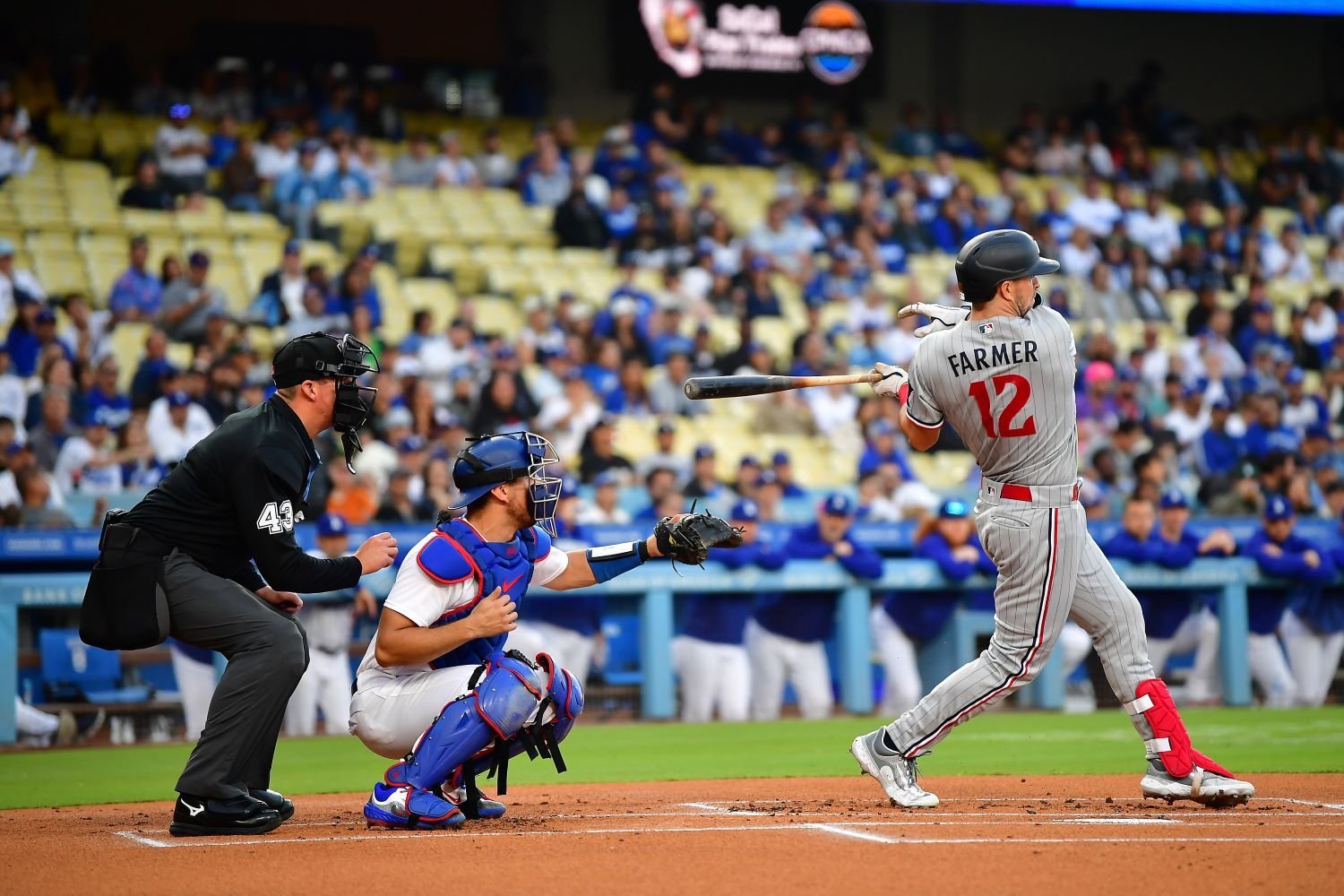 Last winter, the Twins didn’t have a clear option at shortstop. Carlos Correa tested the free-agent waters for the second straight season, and Royce Lewis was recovering from his second ACL surgery. Minnesota needed someone to man one of baseball’s most important positions, so the club traded for Kyle Farmer. Farmer had spent the previous two seasons as a regular with the Cincinnati Reds, where he offered some defensive flexibility and occasional pop with his bat. Minnesota felt like Farmer could be a bridge player to keep shortstop warm until Lewis was ready to return. Correa’s free agency saga took many twists and turns before ending up back in Minnesota. His signing changed Farmer’s role for the 2023 campaign, but he continued to provide value. Entering the season, Farmer had an 86 OPS+ for his career, finishing the season with a career-high 97 OPS+. He missed time during the season after taking a pitch to the face that required multiple surgeries. Farmer added depth across the diamond, including playing over 200 innings at shortstop, third base, and second base. The Twins were able to use him in Baldelli's platoon system, to fill in for injured players, and he more than held his own. Overall, it was a solid 2023 season, and the Twins might have more than one reason to trade Farmer this winter. Farmer is in his final year of arbitration, and MLB Trade Rumors projects him to earn $6.6 million. To some, that might be a high salary for a bench player who doesn’t project to be in the lineup daily. For some perspective, FanGraphs has valued Famer at $11.9 million or more in each of the last three seasons, including $12.6 in 2023. Other teams will also understand his value, which might make him a hot trade commodity. There have been outstanding classes of free-agent shortstops in the last two winters. Fans might feel this is the norm, but that is far from the truth. There won’t be any names like Correa, Trea Turner, or Corey Seager on the market this winter. So, teams might look for alternative shortstop options similar to what the Twins did last winter. Farmer is under team control for a cheap one-year deal and can handle shortstop while a club waits for a younger player to take his place. The Twins also don’t need to rush into any trade involving Farmer. Last winter, the club traded Gio Urshela, and the trade return was underwhelming. Minnesota also shopped some of their corner outfield options but didn’t like the value they were getting from other clubs. It would be in the Twins’ best interest to hope for a bidding war, especially with the lackluster free-agent market. Minnesota’s infield depth chart looks relatively complete, even without Farmer. Correa should play nearly every day at shortstop, and Lewis will be next to him at the hot corner. Jorge Polanco and Edouard Julien will both see time at second base, with Julien also figuring into the first base equation. Top prospect Brooks Lee finished the season at Triple-A and should be ready for a call-up by mid-season. Farmer provided a veteran leadership to the 2023 Minnesota Twins that shouldn’t be forgotten. His time with the team would have looked very different if Correa hadn’t returned to Minnesota. Instead, the Twins might be able to cash in on his final year of team control and help the club fill a different need for next season. Should the Twins trade Farmer? What is a suitable return? Leave a COMMENT and start the discussion.
- 50 comments
-
- 9
-
-
-
-
- kyle farmer
- carlos correa
- (and 1 more)
-
Kyle Farmer provided critical depth for the Twins during the 2023 season. Looking ahead to next season, the Twins would be wise to put Farmer on the trading block. Image courtesy of Gary A. Vasquez-USA TODAY Sports Last winter, the Twins didn’t have a clear option at shortstop. Carlos Correa tested the free-agent waters for the second straight season, and Royce Lewis was recovering from his second ACL surgery. Minnesota needed someone to man one of baseball’s most important positions, so the club traded for Kyle Farmer. Farmer had spent the previous two seasons as a regular with the Cincinnati Reds, where he offered some defensive flexibility and occasional pop with his bat. Minnesota felt like Farmer could be a bridge player to keep shortstop warm until Lewis was ready to return. Correa’s free agency saga took many twists and turns before ending up back in Minnesota. His signing changed Farmer’s role for the 2023 campaign, but he continued to provide value. Entering the season, Farmer had an 86 OPS+ for his career, finishing the season with a career-high 97 OPS+. He missed time during the season after taking a pitch to the face that required multiple surgeries. Farmer added depth across the diamond, including playing over 200 innings at shortstop, third base, and second base. The Twins were able to use him in Baldelli's platoon system, to fill in for injured players, and he more than held his own. Overall, it was a solid 2023 season, and the Twins might have more than one reason to trade Farmer this winter. Farmer is in his final year of arbitration, and MLB Trade Rumors projects him to earn $6.6 million. To some, that might be a high salary for a bench player who doesn’t project to be in the lineup daily. For some perspective, FanGraphs has valued Famer at $11.9 million or more in each of the last three seasons, including $12.6 in 2023. Other teams will also understand his value, which might make him a hot trade commodity. There have been outstanding classes of free-agent shortstops in the last two winters. Fans might feel this is the norm, but that is far from the truth. There won’t be any names like Correa, Trea Turner, or Corey Seager on the market this winter. So, teams might look for alternative shortstop options similar to what the Twins did last winter. Farmer is under team control for a cheap one-year deal and can handle shortstop while a club waits for a younger player to take his place. The Twins also don’t need to rush into any trade involving Farmer. Last winter, the club traded Gio Urshela, and the trade return was underwhelming. Minnesota also shopped some of their corner outfield options but didn’t like the value they were getting from other clubs. It would be in the Twins’ best interest to hope for a bidding war, especially with the lackluster free-agent market. Minnesota’s infield depth chart looks relatively complete, even without Farmer. Correa should play nearly every day at shortstop, and Lewis will be next to him at the hot corner. Jorge Polanco and Edouard Julien will both see time at second base, with Julien also figuring into the first base equation. Top prospect Brooks Lee finished the season at Triple-A and should be ready for a call-up by mid-season. Farmer provided a veteran leadership to the 2023 Minnesota Twins that shouldn’t be forgotten. His time with the team would have looked very different if Correa hadn’t returned to Minnesota. Instead, the Twins might be able to cash in on his final year of team control and help the club fill a different need for next season. Should the Twins trade Farmer? What is a suitable return? Leave a COMMENT and start the discussion. View full article
- 50 replies
-
- 1
-
-
- kyle farmer
- carlos correa
- (and 1 more)
-
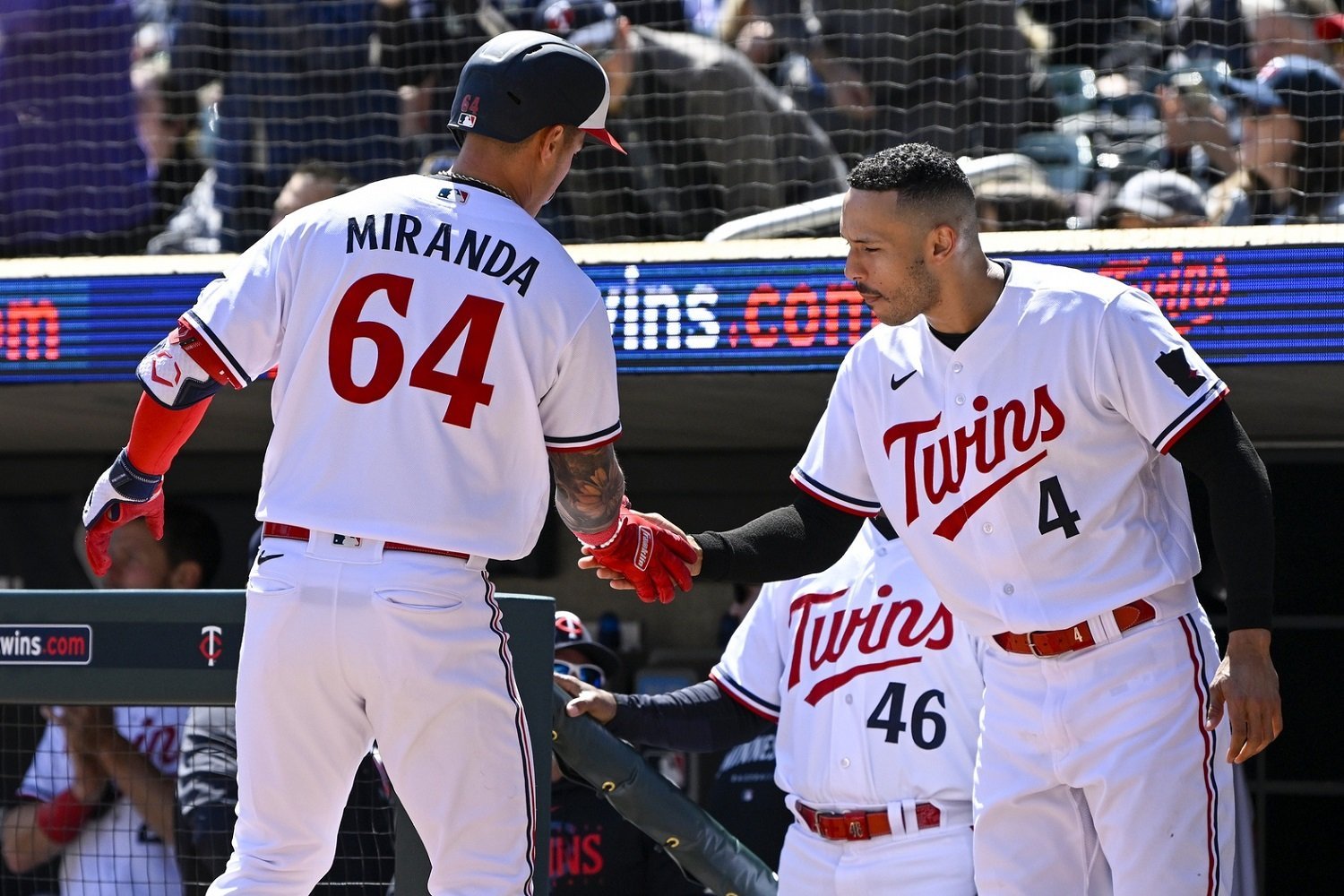 Last week, the Twins announced that Alex Kirilloff would be undergoing surgery on his shoulder. The full extent of the injury and a recovery timeline won't be known until doctors put him under the knife. There's a chance he won't be ready for the start of the 2024 season, depending on the severity of the injury. His injury leaves the Twins looking for other first base options heading into the off-season. The Twins had multiple young players impact the roster during the 2023 campaign, but a different player was supposed to be in the middle of the order. Jose Miranda entered spring training with high expectations because of his tremendous rookie season, where he posted a 114 OPS+. The team traded away Gio Urshela to open a full-time spot at third base. However, a shoulder injury this spring slowed him down, and he played through the injury with some poor results (56 OPS+ in 40 games). Like Kirilloff, Miranda had shoulder surgery so both players will have something to prove next season. Miranda's 2023 campaign was a lost season, but there is still an opportunity for him to regain his previous form while shifting to first base. "There was a point during the season that I was going through a lot of pain," Miranda told reporters. "I was playing through a lot of pain, but I just wanted to keep playing. I was grinding. I don't know if it was the right thing, but you learn with everything that happens in your life. There were some points where I thought maybe surgery or something could have happened." In recent seasons, the Twins have struggled against left-handed pitching because many of their top batters are left-handed. Carlos Correa and Byron Buxton are supposed to lead the charge against southpaws, but both players saw their offensive production drop last year while dealing with injuries. Miranda might be one of the Twins' solutions to their left-handed pitching woes. His OPS for his career is nearly 140 points higher against lefty starters. Minnesota hopes Correa and Buxton return to form next season, but Miranda is another lefty-mashing option. Miranda has played nearly 80 games at first base during his big-league career with mixed results. During his rookie season, he posted a -6 DRS and a -4 OAA at first base. He had made 31 starts at first base during his minor league career after being used primarily as a third baseman. It can be challenging to adjust to a less familiar position at the big-league level, especially with the footwork involved at first base. One can hope that Miranda becomes more comfortable in the position as he gains more experience. The Twins roster also doesn't have a clear spot for a player with Miranda's skill set. Royce Lewis will likely be penciled in at third base, with Jorge Polanco at second and Edouard Julien getting time at first and second. Minnesota also needs to find playing time for Willi Castro and Kyle Farmer. Miranda has one option year remaining, so the Twins can make him prove himself at Triple-A before getting another shot at the big-league level. It's also logical for the Twins to consider trading Miranda if they feel he is superfluous on the roster. Unfortunately, his 2022 season likely means his trade value is at an all-time low. With his remaining option, it seems likely for the team to hold on to him for added depth unless another team blows them away with an offer. What role does Miranda fill on the 2024 Twins? Will the team consider trading him? Leave a COMMENT and start the discussion.
 -
The Twins offense struggled through different parts of the season, including the team's final two playoff games at Target Field. Jose Miranda was supposed to be a middle-of-the-order hitter in 2023, and here's how he can help the Twins next season. Image courtesy of Nick Wosika-USA TODAY Sports Last week, the Twins announced that Alex Kirilloff would be undergoing surgery on his shoulder. The full extent of the injury and a recovery timeline won't be known until doctors put him under the knife. There's a chance he won't be ready for the start of the 2024 season, depending on the severity of the injury. His injury leaves the Twins looking for other first base options heading into the off-season. The Twins had multiple young players impact the roster during the 2023 campaign, but a different player was supposed to be in the middle of the order. Jose Miranda entered spring training with high expectations because of his tremendous rookie season, where he posted a 114 OPS+. The team traded away Gio Urshela to open a full-time spot at third base. However, a shoulder injury this spring slowed him down, and he played through the injury with some poor results (56 OPS+ in 40 games). Like Kirilloff, Miranda had shoulder surgery so both players will have something to prove next season. Miranda's 2023 campaign was a lost season, but there is still an opportunity for him to regain his previous form while shifting to first base. "There was a point during the season that I was going through a lot of pain," Miranda told reporters. "I was playing through a lot of pain, but I just wanted to keep playing. I was grinding. I don't know if it was the right thing, but you learn with everything that happens in your life. There were some points where I thought maybe surgery or something could have happened." In recent seasons, the Twins have struggled against left-handed pitching because many of their top batters are left-handed. Carlos Correa and Byron Buxton are supposed to lead the charge against southpaws, but both players saw their offensive production drop last year while dealing with injuries. Miranda might be one of the Twins' solutions to their left-handed pitching woes. His OPS for his career is nearly 140 points higher against lefty starters. Minnesota hopes Correa and Buxton return to form next season, but Miranda is another lefty-mashing option. Miranda has played nearly 80 games at first base during his big-league career with mixed results. During his rookie season, he posted a -6 DRS and a -4 OAA at first base. He had made 31 starts at first base during his minor league career after being used primarily as a third baseman. It can be challenging to adjust to a less familiar position at the big-league level, especially with the footwork involved at first base. One can hope that Miranda becomes more comfortable in the position as he gains more experience. The Twins roster also doesn't have a clear spot for a player with Miranda's skill set. Royce Lewis will likely be penciled in at third base, with Jorge Polanco at second and Edouard Julien getting time at first and second. Minnesota also needs to find playing time for Willi Castro and Kyle Farmer. Miranda has one option year remaining, so the Twins can make him prove himself at Triple-A before getting another shot at the big-league level. It's also logical for the Twins to consider trading Miranda if they feel he is superfluous on the roster. Unfortunately, his 2022 season likely means his trade value is at an all-time low. With his remaining option, it seems likely for the team to hold on to him for added depth unless another team blows them away with an offer. What role does Miranda fill on the 2024 Twins? Will the team consider trading him? Leave a COMMENT and start the discussion. View full article
-
Sonny Gray was among the American League’s most valuable pitchers during the 2023 season. Here’s how the Twins can use internal options to replace his value on the 2024 roster. Image courtesy of Matt Blewett-USA TODAY Sports Sonny Gray walked off the mound in Game 3 of the ALDS with his head down. The Twins had returned to Target Field with a chance to take the series lead. Instead, Gray allowed more home runs than any other game this season. It was a disappointing end to what was likely his last appearance for the Twins. Gray turns 34 next month, and he’s reaching free agency for the first time. The Twins will make him a qualifying offer that amounts to a one-year deal of around $20 million. He will decline the offer, and the Twins can receive draft pick compensation if he signs with another team. Gray told reporters that money isn’t the only factor in his search, but he wants to be fairly compensated. It seems unlikely for the Twins’ front office to give Gray a multi-year deal, so the focus turns to replacing him. The Twins aren’t magically going to find a starting pitcher who will produce a five WAR season. Instead, the team will need to piece together value from multiple players. Chris Paddack Paddack returned from Tommy John surgery in the season’s final weeks and showed some tremendous stuff in a bullpen role. Some pitchers can struggle with their command after arm surgery, but Paddack filled up the strike zone and utilized all his pitches, including an increased use of his changeup. He will likely have an innings limit in his first full season back from surgery, but the Twins managed Kenta Maeda well this season. Paddack won’t be in the running for the Cy Young like Gray was this season, but he should fit nicely into the middle of the rotation and add value the Twins didn’t get in 2023. Potential Value: +2.0 WAR Joe Ryan Ryan’s sophomore season was a tale of two halves. Before the All-Star Break, Ryan posted a 3.70 ERA with a 1.01 WHIP and a 124-to-18 strikeout-to-walk ratio over 107 innings. His second half was marred by a groin injury that he tried to pitch through with some disastrous results. In 11 starts (54 2/3 innings), he posted a 6.09 ERA with a 1.48 WHIP while surrendering 16 home runs, the same amount he allowed in the first half in half as many innings. According to rWAR, Ryan provided less value to the Twins than Brock Stewart, Emilio Pagan, and Bailey Ober. The Twins can get more value from Ryan if he can spread his first-half totals over the entire season. Potential Value: +1.0 WAR Bailey Ober Ober finished third on the team among pitchers in rWAR behind Gray and Lopez, but he left other value on the table. He started the season in St. Paul, making four starts before joining the Twins rotation. At the end of August, the Twins sent him back to Triple-A to give him time off, and he made one additional start at that level. There is no question that he would have provided more value to the Twins if those five starts came at the big-league level. Next season, there should be fewer concerns about Ober’s workload after he threw over 170 innings for the first time in his career. He deserves to be in the Twins rotation coming out of spring training, and he might have a chip on his shoulder after the way he was used this season. Potential Value: +0.5 WAR Other Options The Twins will also have other internal options to complete the back end of the rotation. Louie Varland was fantastic in his transition to the bullpen at the end of the season. Minnesota might be tempted to leave him in that role, but that likely won’t happen to start the year. He should get the chance to start and earn the fifth spot in the rotation out of spring training. Despite struggling through different parts of the 2023 season, Simeon Woods Richardson is another intriguing option. He posted a 4.91 ERA at Triple-A with a 1.50 WHIP in 113 2/3 innings. Woods Richardson was nearly five years younger than the average age of the competition at his level, and St. Paul has proven to be a hitter’s park. He won’t begin the year in the rotation, but he should factor into the equation later in the year. Potential Value: +1.0 WAR There is also a potential for the Twins to go out and add another starting pitcher through free agency or a trade. Many were surprised by the Twins adding Lopez last winter when the rotation seemed to have five viable options. Minnesota’s front office values depth, and the team’s younger pitchers might need more time at Triple-A. How do you think the Twins will replace Gray? Do they have enough value with their internal options? Leave a COMMENT and start the discussion. View full article
- 51 replies
-
- 1
-
-
- chris paddack
- bailey ober
- (and 3 more)
-
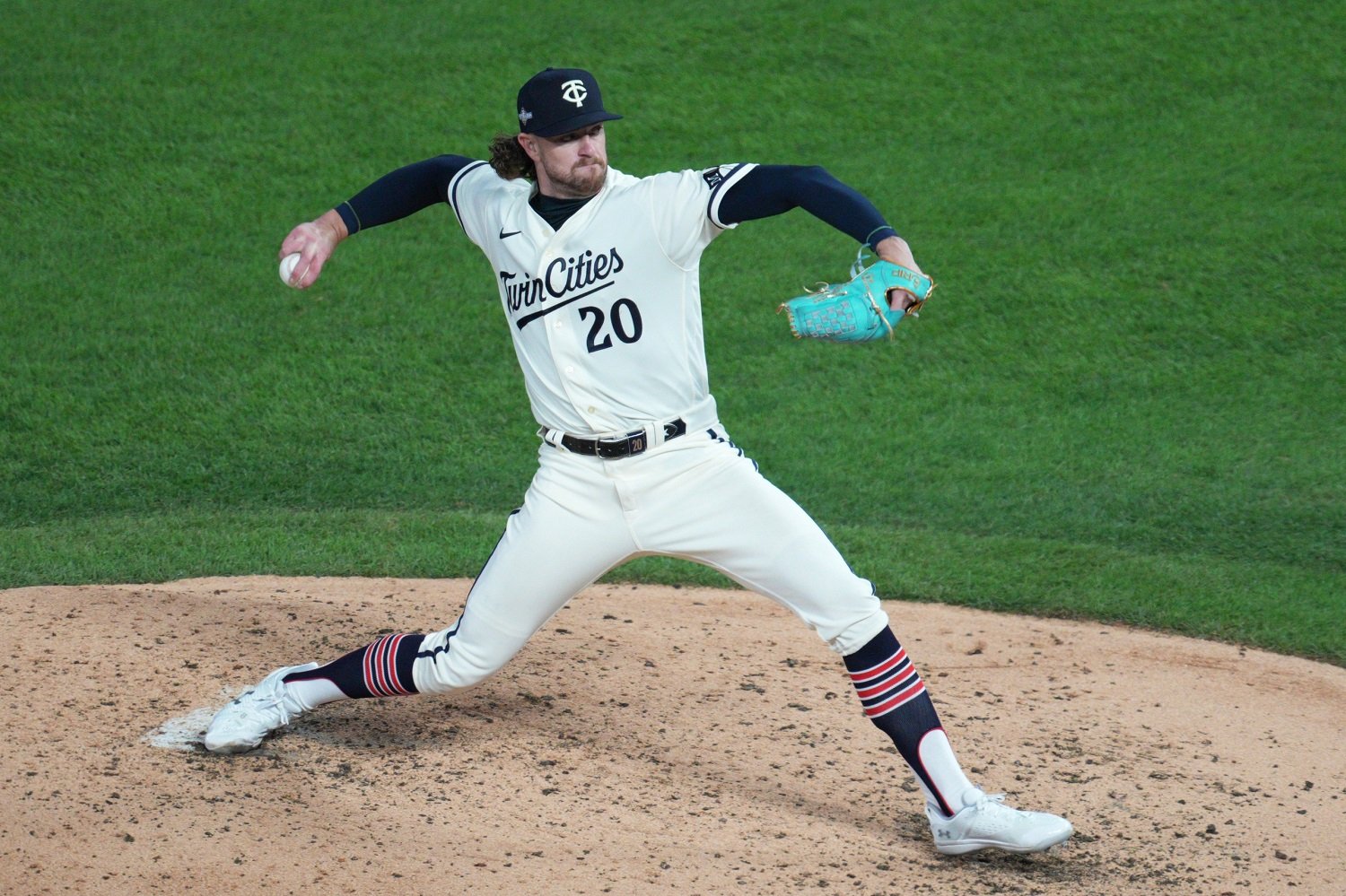 Sonny Gray walked off the mound in Game 3 of the ALDS with his head down. The Twins had returned to Target Field with a chance to take the series lead. Instead, Gray allowed more home runs than any other game this season. It was a disappointing end to what was likely his last appearance for the Twins. Gray turns 34 next month, and he’s reaching free agency for the first time. The Twins will make him a qualifying offer that amounts to a one-year deal of around $20 million. He will decline the offer, and the Twins can receive draft pick compensation if he signs with another team. Gray told reporters that money isn’t the only factor in his search, but he wants to be fairly compensated. It seems unlikely for the Twins’ front office to give Gray a multi-year deal, so the focus turns to replacing him. The Twins aren’t magically going to find a starting pitcher who will produce a five WAR season. Instead, the team will need to piece together value from multiple players. Chris Paddack Paddack returned from Tommy John surgery in the season’s final weeks and showed some tremendous stuff in a bullpen role. Some pitchers can struggle with their command after arm surgery, but Paddack filled up the strike zone and utilized all his pitches, including an increased use of his changeup. He will likely have an innings limit in his first full season back from surgery, but the Twins managed Kenta Maeda well this season. Paddack won’t be in the running for the Cy Young like Gray was this season, but he should fit nicely into the middle of the rotation and add value the Twins didn’t get in 2023. Potential Value: +2.0 WAR Joe Ryan Ryan’s sophomore season was a tale of two halves. Before the All-Star Break, Ryan posted a 3.70 ERA with a 1.01 WHIP and a 124-to-18 strikeout-to-walk ratio over 107 innings. His second half was marred by a groin injury that he tried to pitch through with some disastrous results. In 11 starts (54 2/3 innings), he posted a 6.09 ERA with a 1.48 WHIP while surrendering 16 home runs, the same amount he allowed in the first half in half as many innings. According to rWAR, Ryan provided less value to the Twins than Brock Stewart, Emilio Pagan, and Bailey Ober. The Twins can get more value from Ryan if he can spread his first-half totals over the entire season. Potential Value: +1.0 WAR Bailey Ober Ober finished third on the team among pitchers in rWAR behind Gray and Lopez, but he left other value on the table. He started the season in St. Paul, making four starts before joining the Twins rotation. At the end of August, the Twins sent him back to Triple-A to give him time off, and he made one additional start at that level. There is no question that he would have provided more value to the Twins if those five starts came at the big-league level. Next season, there should be fewer concerns about Ober’s workload after he threw over 170 innings for the first time in his career. He deserves to be in the Twins rotation coming out of spring training, and he might have a chip on his shoulder after the way he was used this season. Potential Value: +0.5 WAR Other Options The Twins will also have other internal options to complete the back end of the rotation. Louie Varland was fantastic in his transition to the bullpen at the end of the season. Minnesota might be tempted to leave him in that role, but that likely won’t happen to start the year. He should get the chance to start and earn the fifth spot in the rotation out of spring training. Despite struggling through different parts of the 2023 season, Simeon Woods Richardson is another intriguing option. He posted a 4.91 ERA at Triple-A with a 1.50 WHIP in 113 2/3 innings. Woods Richardson was nearly five years younger than the average age of the competition at his level, and St. Paul has proven to be a hitter’s park. He won’t begin the year in the rotation, but he should factor into the equation later in the year. Potential Value: +1.0 WAR There is also a potential for the Twins to go out and add another starting pitcher through free agency or a trade. Many were surprised by the Twins adding Lopez last winter when the rotation seemed to have five viable options. Minnesota’s front office values depth, and the team’s younger pitchers might need more time at Triple-A. How do you think the Twins will replace Gray? Do they have enough value with their internal options? Leave a COMMENT and start the discussion.
- 51 comments
-
- 1
-
-
- chris paddack
- bailey ober
- (and 3 more)
-
Only one team ends the year on a high note, with 29 others dealing with the agony of defeat. After a successful season, how close are the Twins to a World Series run? Image courtesy of Jesse Johnson-USA TODAY Sports Everything didn't go perfectly for the Twins during the 2023 season, but there were some positive signs by the season's end. The team's playoff losing streak is over, and the fanbase doesn't need to focus on losses that happened in the past. Instead, the team will turn its focus to 2024 and beyond. So, are the Twins any closer to winning a World Series title compared to one year ago? Rocco Baldelli was clear in his post-game comments that he believes the Twins are ready to take the next step. "The team is hungry in a way that I don't think we probably even were before. You get a taste of something like this, you show this to people, what this looks like and what it is. We're not that far from playing in the World Series." Rookie Trio One reason for optimism with the Twins is the young core of players that established themselves during their rookie season. Minnesota became the first club since 1930 to have three rookies with an .830 or better OPS. Royce Lewis showed why he was considered one of baseball's top prospects by hitting .309/.372/.548 (.921) with 15 home runs and seven doubles in 58 games. His offensive output continued into October, where he became the first Twins batter since Kirby Puckett to have four home runs in the same postseason. Lewis wasn't the only rookie to leave his mark on the Twins. Matt Wallner also showcased multiple strengths during the 2023 season after being named the team's Minor League Player of the Year in 2022. In 76 games, Wallner hit .249/.370/.507 (.877) with 11 doubles, one triple, and 14 home runs. He also demonstrated a tremendous outfield arm, which can limit runners advancing on the base paths. Edouard Julien completed the Twins rookie trio and hit .263/.381/.459 (.839) in 109 games. He combined for 16 doubles, one triple, and 16 home runs with a 130 OPS+. Julien's defense at second base has improved significantly during the season, improving his projected value for future years. While these players impacted the 2023 season, other prospects are even more highly touted than this trio. Prospects on the Way Brooks Lee was named the Twins' Minor League Player of the Year after reaching Triple-A in his first full professional season. He hit .275/.347/.461 (.808) with 39 doubles, three triples, and 16 home runs between Double- and Triple-A. His OPS dropped by over 100 points after his promotion, but he was over four years younger than the average age of the competition in the International League. He will be considered a top-25 global prospect entering next season. Lee isn't the only prospect to get excited about in the Twins' system. Emmanuel Rodriguez played the entire 2023 season at High-A, where he was over two years younger than the average age of the competition. He posted a .940 OPS or higher in four-of-six months during the season. His biggest moments came in the deciding game of the Midwest League Championship Series when he hit a grand slam that put the Kernels in front. He won't rank as highly as Lee on national lists, but he has one of the highest ceilings of any prospect. AL Central and Playoff Picture The AL Central also provides an opportunity for the Twins to make the playoffs regularly in the coming years. Both Chicago and Kansas City finished with over 100 losses, and neither has a clear winning window in the immediate future. Cleveland was the team the Twins competed with for most of the season, but they fell apart down the stretch and finished ten games below the .500 mark. Detroit showed some positive signs in the second half to finish at 78-84, including some young players moving in the right direction. However, the Twins should be the AL Central favorites entering next season. MLB's playoff structure allows for upsets, and the best regular-season teams can struggle in October. Minnesota finished with a worse record than Toronto, who plays in a tougher division, but the Twins managed to sweep the Blue Jays out of the playoffs. Arizona was the last team into the NL playoffs, and they have swept their way into the NLCS. Anything can happen in the postseason, so the Twins must put themselves in a position for the playoffs and hope they can find some magic. Baseball is a funny game that can be hard to predict. Baldelli is right to look at this club and believe in the future. A World Series run isn't out of the question, but many things need to go right for that to happen. Baseball is a funny game that can be hard to predict. Do you believe the Twins are closer to a World Series title? What must they add to the roster to make that dream a reality? Leave a COMMENT and start the discussion. View full article
- 40 replies
-
- 1
-
-
- royce lewis
- matt wallner
- (and 3 more)
-
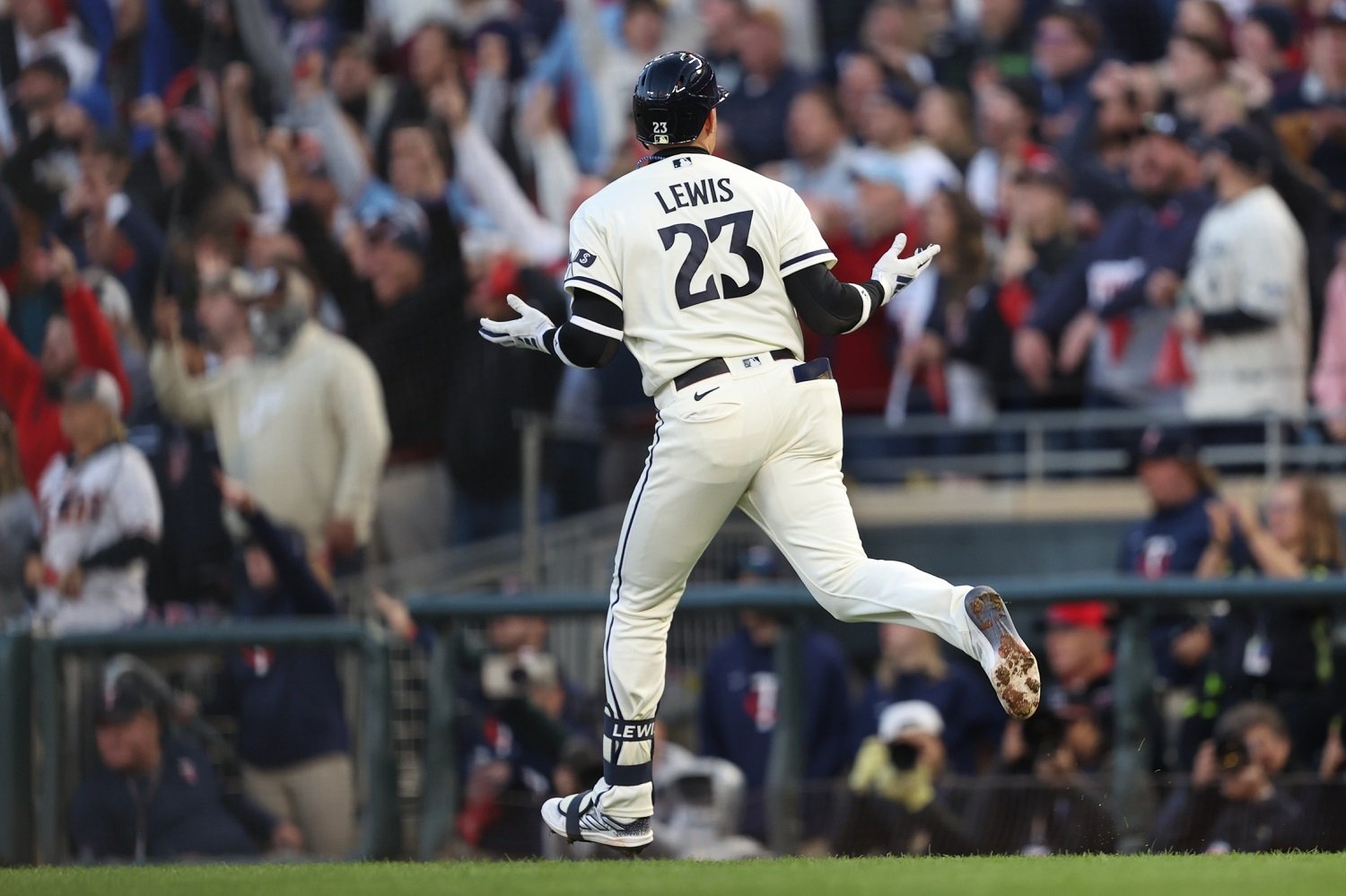 Everything didn't go perfectly for the Twins during the 2023 season, but there were some positive signs by the season's end. The team's playoff losing streak is over, and the fanbase doesn't need to focus on losses that happened in the past. Instead, the team will turn its focus to 2024 and beyond. So, are the Twins any closer to winning a World Series title compared to one year ago? Rocco Baldelli was clear in his post-game comments that he believes the Twins are ready to take the next step. "The team is hungry in a way that I don't think we probably even were before. You get a taste of something like this, you show this to people, what this looks like and what it is. We're not that far from playing in the World Series." Rookie Trio One reason for optimism with the Twins is the young core of players that established themselves during their rookie season. Minnesota became the first club since 1930 to have three rookies with an .830 or better OPS. Royce Lewis showed why he was considered one of baseball's top prospects by hitting .309/.372/.548 (.921) with 15 home runs and seven doubles in 58 games. His offensive output continued into October, where he became the first Twins batter since Kirby Puckett to have four home runs in the same postseason. Lewis wasn't the only rookie to leave his mark on the Twins. Matt Wallner also showcased multiple strengths during the 2023 season after being named the team's Minor League Player of the Year in 2022. In 76 games, Wallner hit .249/.370/.507 (.877) with 11 doubles, one triple, and 14 home runs. He also demonstrated a tremendous outfield arm, which can limit runners advancing on the base paths. Edouard Julien completed the Twins rookie trio and hit .263/.381/.459 (.839) in 109 games. He combined for 16 doubles, one triple, and 16 home runs with a 130 OPS+. Julien's defense at second base has improved significantly during the season, improving his projected value for future years. While these players impacted the 2023 season, other prospects are even more highly touted than this trio. Prospects on the Way Brooks Lee was named the Twins' Minor League Player of the Year after reaching Triple-A in his first full professional season. He hit .275/.347/.461 (.808) with 39 doubles, three triples, and 16 home runs between Double- and Triple-A. His OPS dropped by over 100 points after his promotion, but he was over four years younger than the average age of the competition in the International League. He will be considered a top-25 global prospect entering next season. Lee isn't the only prospect to get excited about in the Twins' system. Emmanuel Rodriguez played the entire 2023 season at High-A, where he was over two years younger than the average age of the competition. He posted a .940 OPS or higher in four-of-six months during the season. His biggest moments came in the deciding game of the Midwest League Championship Series when he hit a grand slam that put the Kernels in front. He won't rank as highly as Lee on national lists, but he has one of the highest ceilings of any prospect. AL Central and Playoff Picture The AL Central also provides an opportunity for the Twins to make the playoffs regularly in the coming years. Both Chicago and Kansas City finished with over 100 losses, and neither has a clear winning window in the immediate future. Cleveland was the team the Twins competed with for most of the season, but they fell apart down the stretch and finished ten games below the .500 mark. Detroit showed some positive signs in the second half to finish at 78-84, including some young players moving in the right direction. However, the Twins should be the AL Central favorites entering next season. MLB's playoff structure allows for upsets, and the best regular-season teams can struggle in October. Minnesota finished with a worse record than Toronto, who plays in a tougher division, but the Twins managed to sweep the Blue Jays out of the playoffs. Arizona was the last team into the NL playoffs, and they have swept their way into the NLCS. Anything can happen in the postseason, so the Twins must put themselves in a position for the playoffs and hope they can find some magic. Baseball is a funny game that can be hard to predict. Baldelli is right to look at this club and believe in the future. A World Series run isn't out of the question, but many things need to go right for that to happen. Baseball is a funny game that can be hard to predict. Do you believe the Twins are closer to a World Series title? What must they add to the roster to make that dream a reality? Leave a COMMENT and start the discussion.
- 40 comments
-
- 8
-
-
- royce lewis
- matt wallner
- (and 3 more)
-
Each playoff game can hinge on one pitch that is called a ball or a strike. During the 2023 postseason, umpires have tended to favor Twins opponents. Let's explore the numbers. Image courtesy of Jeffrey Becker-USA TODAY Sports Being a major-league umpire is no easy task. It takes years of hard work and dedication to reach the big leagues, where pitchers throw triple-digit fastballs and breaking pitches with significant movement. There are also replays from multiple angles that show whether a pitch is a ball or a strike. Major League Baseball has experimented with automated strike zones and challenge systems in the minor leagues, but the human element is still part of America's Pastime. Umpires are evaluated throughout the regular season to earn spots on the field in the playoffs. These umps are supposed to be the best of the best, but teams and fans get even more upset with perceived bad calls in October. Umpire Scorecard on X (formerly known as Twitter) tracks umpire performance throughout the season. According to their website, "The @UmpScorecards platform relies on three key metrics to analyze umpire performance: accuracy (and expected stats), consistency, and favor. These metrics are calculated in house using algorithms inspired by others in the baseball community and developed by the @UmpScorecards team." Here's how the home plate umpires have fared so far in Minnesota's 2023 playoff games. Wild Card Series: Game 1 Umpire: Andy Fletcher Overall Favor (Runs): +1.46 Toronto Umpire Scorecard's model said Fletcher favored the Blue Jays by nearly 1.5 runs, including two of the three most influential calls going against the Twins. Edouard Julien should have drawn a walk with two runners on in the bottom of the second inning. His overall accuracy was slightly below the expected accuracy, but there were rough called strikes on both sides of the zone. Wild Card Series: Game 2 Umpire: Adam Hamari Overall Favor (Runs): +0.96 Toronto In Game 2, all three impactful missed calls went against the Twins, which made a tight game even closer. Sonny Gray was impacted the most by missed calls with two balls that should have been strikes, changing the trajectory of plate appearances. Hamari missed five calls on taken pitches during the game, which hurt the Twins more than the Blue Jays. ALDS: Game 1 Umpire: Brian Knight Overall Favor (Runs): +0.43 Houston Minnesota attempted to mount a late-inning comeback when Justin Verlander was awarded the most prominent missed call in Game 1. Carlos Correa batted with two outs and a runner on first base in the sixth inning. He was rung up on a ball significantly out of the strike zone. Overall, Knight missed four pitches, and the two biggest went against the Twins. ALDS: Game 2 Umpire: D.J. Reyburn Overall Favor (Runs): +0.77 Houston The top three missed calls all went against the Twins for the second time in the playoffs. Willi Castros' at-bat with the bases loaded in the seventh inning could have extended the lead and allowed the Twins to rest some of the club's high-leverage bullpen arms. The bottom of the strike zone was particularly bad for Reyburn, who incorrectly identified 13 pitches during the game. ALDS: Game 3 Umpire: Ben Miller Overall Favor (Runs): +0.31 Minnesota Tuesday's game at Target Field was the only time during the 2023 postseason where the home plate umpire favored the Twins. Even in this game, the most impactful missed call went against the Twins with Lewis' bases loaded at-bat in the fifth inning, starting with a called strike that was a ball. Miller missed most of his calls in the upper part of the zone, but his overall zone was relatively accurate, especially compared to some of the other umpires in the postseason. It will be interesting to see if this trend continues in however many playoff games remain for the Twins. Will umpires continue to make more calls against Minnesota? Will a bad call eventually cost the Twins a win? Could the Twins have won Game 1 in Houston with better umpiring? One can hope that umpiring will improve as teams move deeper into the playoffs, but the Twins have been on the wrong side of every playoff game so far. What are your thoughts on the calls discussed above? Has umpiring impacted any of the Twins' results so far? Leave a COMMENT and start the discussion. View full article
-
Home-Plate Umpires Have Favored Twins Opponents in 2023 Playoffs
Cody Christie posted an article in Twins
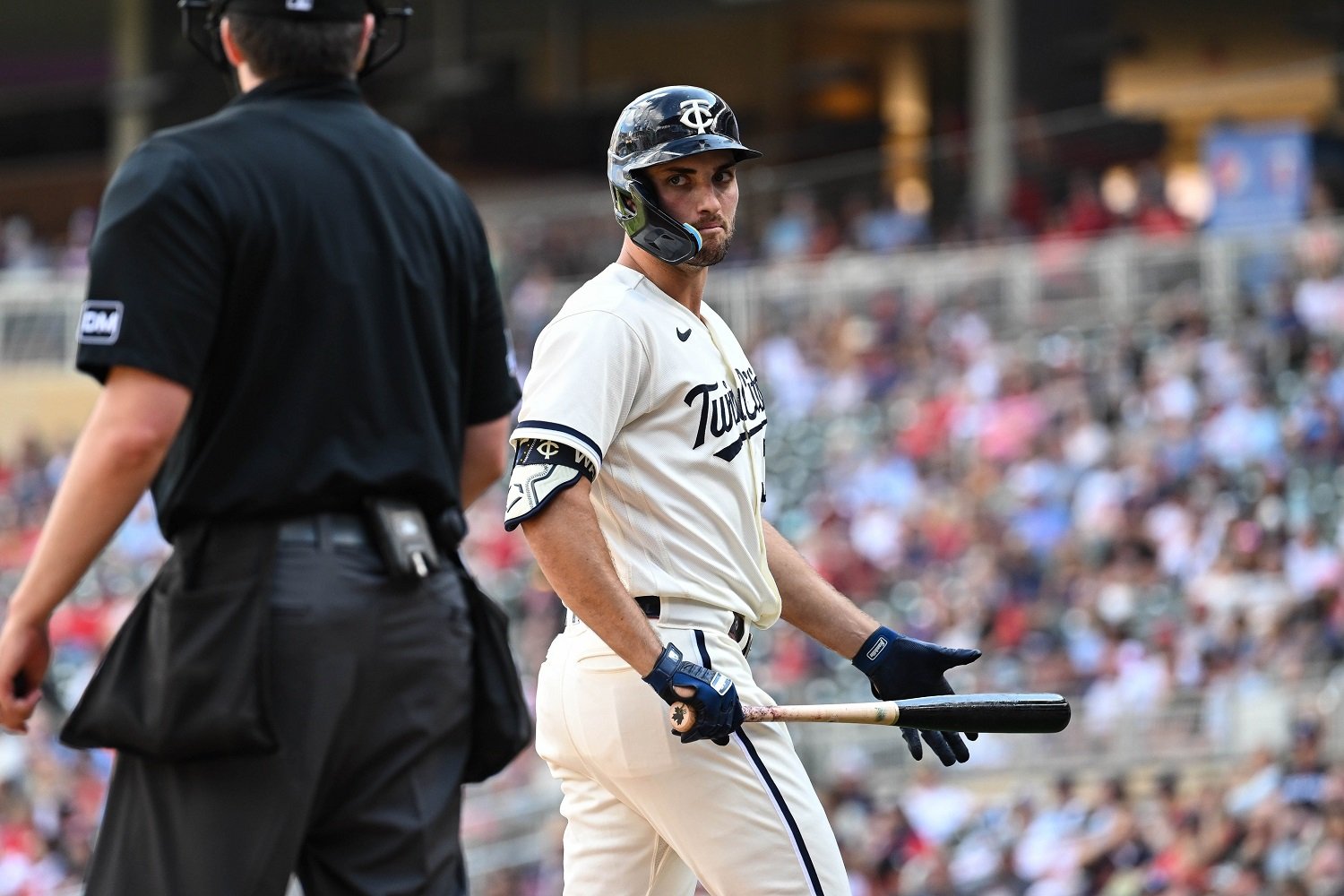 Being a major-league umpire is no easy task. It takes years of hard work and dedication to reach the big leagues, where pitchers throw triple-digit fastballs and breaking pitches with significant movement. There are also replays from multiple angles that show whether a pitch is a ball or a strike. Major League Baseball has experimented with automated strike zones and challenge systems in the minor leagues, but the human element is still part of America's Pastime. Umpires are evaluated throughout the regular season to earn spots on the field in the playoffs. These umps are supposed to be the best of the best, but teams and fans get even more upset with perceived bad calls in October. Umpire Scorecard on X (formerly known as Twitter) tracks umpire performance throughout the season. According to their website, "The @UmpScorecards platform relies on three key metrics to analyze umpire performance: accuracy (and expected stats), consistency, and favor. These metrics are calculated in house using algorithms inspired by others in the baseball community and developed by the @UmpScorecards team." Here's how the home plate umpires have fared so far in Minnesota's 2023 playoff games. Wild Card Series: Game 1 Umpire: Andy Fletcher Overall Favor (Runs): +1.46 Toronto Umpire Scorecard's model said Fletcher favored the Blue Jays by nearly 1.5 runs, including two of the three most influential calls going against the Twins. Edouard Julien should have drawn a walk with two runners on in the bottom of the second inning. His overall accuracy was slightly below the expected accuracy, but there were rough called strikes on both sides of the zone. Wild Card Series: Game 2 Umpire: Adam Hamari Overall Favor (Runs): +0.96 Toronto In Game 2, all three impactful missed calls went against the Twins, which made a tight game even closer. Sonny Gray was impacted the most by missed calls with two balls that should have been strikes, changing the trajectory of plate appearances. Hamari missed five calls on taken pitches during the game, which hurt the Twins more than the Blue Jays. ALDS: Game 1 Umpire: Brian Knight Overall Favor (Runs): +0.43 Houston Minnesota attempted to mount a late-inning comeback when Justin Verlander was awarded the most prominent missed call in Game 1. Carlos Correa batted with two outs and a runner on first base in the sixth inning. He was rung up on a ball significantly out of the strike zone. Overall, Knight missed four pitches, and the two biggest went against the Twins. ALDS: Game 2 Umpire: D.J. Reyburn Overall Favor (Runs): +0.77 Houston The top three missed calls all went against the Twins for the second time in the playoffs. Willi Castros' at-bat with the bases loaded in the seventh inning could have extended the lead and allowed the Twins to rest some of the club's high-leverage bullpen arms. The bottom of the strike zone was particularly bad for Reyburn, who incorrectly identified 13 pitches during the game. ALDS: Game 3 Umpire: Ben Miller Overall Favor (Runs): +0.31 Minnesota Tuesday's game at Target Field was the only time during the 2023 postseason where the home plate umpire favored the Twins. Even in this game, the most impactful missed call went against the Twins with Lewis' bases loaded at-bat in the fifth inning, starting with a called strike that was a ball. Miller missed most of his calls in the upper part of the zone, but his overall zone was relatively accurate, especially compared to some of the other umpires in the postseason. It will be interesting to see if this trend continues in however many playoff games remain for the Twins. Will umpires continue to make more calls against Minnesota? Will a bad call eventually cost the Twins a win? Could the Twins have won Game 1 in Houston with better umpiring? One can hope that umpiring will improve as teams move deeper into the playoffs, but the Twins have been on the wrong side of every playoff game so far. What are your thoughts on the calls discussed above? Has umpiring impacted any of the Twins' results so far? Leave a COMMENT and start the discussion.
- 104 comments
-
- 4
-
-
- eduoard julien
- carlos correa
- (and 3 more)
-
The Twins are returning home after splitting the first two games in Houston. Here are four keys to keep momentum on the Twins' side with the return to Target Field. Image courtesy of Ron Chenoy-USA TODAY Sports Minnesota announced that Games 3 and 4 are sold out at Target Field, which should help build off the tremendous atmosphere fans created during the Wild Card Series. If the Twins want to upset the Astros, the club must win its home games and avoid a return trip to Houston. Playoff games take on a different ebb and flow than regular season action. However, there are some keys the Twins can focus on to turn the tide in their favor. Get to Houston's Starters In Game 1, the Twins made Justin Verlander work in the early innings, but the club failed to push across any runs against him. Multiple double plays turned behind Verlander helped to keep Minnesota off the board, and Verlander eventually found his groove on the mound. The team missed early opportunities and ran out of time to complete their comeback in the final innings. Thankfully, the Twins bounced back in Game 2 and scored five runs against Framber Valdez, and that trend needs to continue. In Games 3 and 4, the Twins are projected to face two of Houston's more inconsistent starters. Cristian Javier is the Astros' projected Game 3 starter, and he finished the season with career-worst totals in ERA (4.56), WHIP (1.27), and K/9 (8.8). He also allowed three runs or more In three of his final four regular season starts. The Astros can go in a few different directions for Game 4 by turning to Jose Urquidy (5.29 ERA) or switching to Verlander on short rest, but he's struggled in those types of appearances in the past. Minnesota's hitters need to take advantage of these opportunities. Home Run Barrage During the Toronto series, Royce Lewis used multiple home runs to help the team to a Game 1 victory. Jorge Polanco and Lewis hit back-to-back home runs in their Game 1 loss to Houston. In Game 2, Kyle Farmer connected for a massive two-run homer. Home runs have been part of the equation for the Twins for the entire season. In 81 home games, the Twins hit 118 home runs and posted a .778 OPS. However, the club's offense struggled in the first half (.709 OPS) before an influx of young talent helped improve the team's OPS to .808 after the All-Star Break. To continue to win in the playoffs, the Twins must use the long ball to their advantage. Minnesota saw Houston's lone left-handed pitcher on Sunday, so the club's young left-handed hitters will get plenty of home run opportunities against Houston's starters mentioned above. Matt Wallner, Edouard Julien, and Alex Kirilloff were held hitless in both home games against the Blue Jays. The Twins need their young bats to step up if they are going to take down the defending champions. Keep the Crowd in the Game A raucous crowd played a role in the Twins series win versus the Blue Jays. Carlos Correa told Sonny Gray and the team's coaches that Toronto's runners couldn't hear the third base coach from second base because the crowd was so loud. The Blue Jays were also taking significant leads on the bases to try and get back in the game. Correa and Gray used the loud crowd to their advantage and picked off Vladimir Guerrero Jr. in a critical spot of Game 2. A situation like this likely won't repeat itself, but the crowd can play a factor in favor of the Twins. Twins fans are very familiar with home-field advantage in the playoffs. The Metrodome provided a perfect environment to amplify crowd noise and helped the Twins to be nearly unbeatable at home during their World Series runs. Target Field is built on the smallest footprint of any MLB ballpark, which means fans in the upper deck are closer to the field than most other places. Twins fans must be on their feet and ensure the Astros can't get comfortable in Minnesota. Quit Pitching to Yordan Alvarez This change is quite simple. Alvarez might be the best hitter on the planet, and he's already an October legend. Quit giving him pitches to hit. Do you think the Twins should make these changes for Game 3? What's the most critical change for the club? Leave a COMMENT and start the discussion. View full article

