



Cody Christie
-
Posts
7,820 -
Joined
-
Last visited
-
Days Won
5
Content Type
Profiles
News
Minnesota Twins Videos
2026 Minnesota Twins Top Prospects Ranking
2022 Minnesota Twins Draft Picks
Minnesota Twins Free Agent & Trade Rumors, Notes, & Tidbits
Guides & Resources
2023 Minnesota Twins Draft Picks
The Minnesota Twins Players Project
2024 Minnesota Twins Draft Picks
2025 Minnesota Twins Draft Pick Tracker
2026 Minnesota Twins Draft Tracker: Picks & Bonuses
Forums
Blogs
Events
Store
Downloads
Gallery
Everything posted by Cody Christie
-
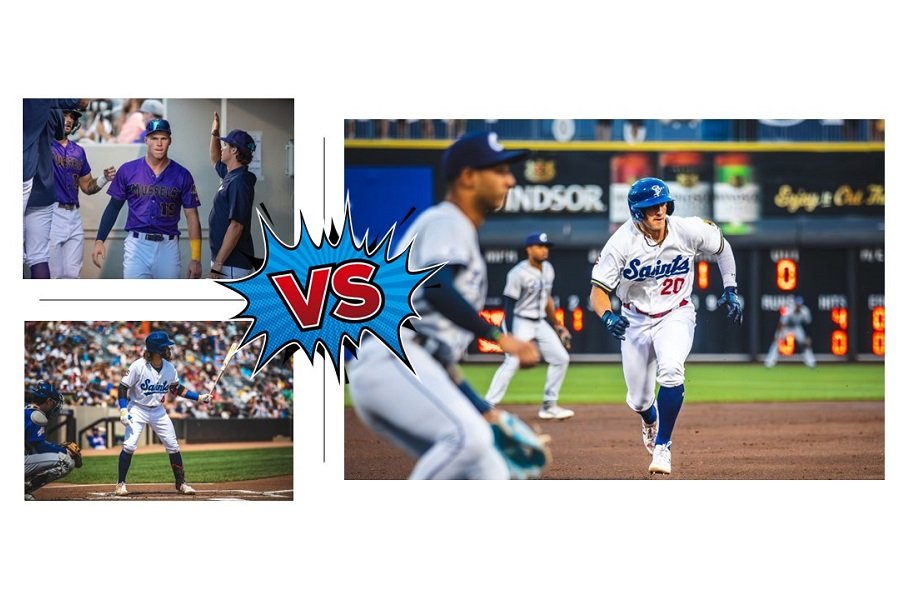 MLB Pipeline recently surveyed baseball executives to discover which prospects had the best tools in various categories. Twins names littered the rankings, but that fails to give a complete picture of the organization. Below is a list of some of the top categories and Twins prospects battling for the organization's top spot. Best Hitter: Brooks Lee vs. Walker Jenkins Minnesota’s top two prospects provide different offensive skill sets. Lee has been touted for his hitting ability since the Twins drafted him in 2022. He can spray the ball to all fields and takes a professional approach at the plate. Jenkins is one of the best prospects to come through the Twins organization in quite some time, and has a tremendously high ceiling. His professional track record is limited at this point, so that’s why Lee gets the nod. However, Jenkins could be in the running for baseball’s top prospect with a solid 2024 campaign. Battle Winner: Lee Best Pitching Prospect: Marco Raya vs. David Festa There are different ways to evaluate the top two pitching prospects in the Twins organization. Raya was selected by the Twins in the 2020 MLB Draft out of high school in Texas, and the team has been cautious with his workload while also being aggressive with his promotions. He has a high ceiling, but the Twins haven’t allowed him to show he can handle a starter's workload. Festa pitched at Double and Triple A last season, with 119 strikeouts in 92 1/3 innings. Fans will probably see him pitch for the Twins next season, but his ceiling is limited to a mid-rotation starter. Raya wins the battle for now. Battle Winner: Raya Best Defensive Prospect: Noah Miller vs. Noah Cardenas Following the 2023 season, Miller was selected as the best defensive shortstop in the minor leagues and awarded a Gold Glove. Last season, he handled 446 chances, helped turn 54 double plays, and finished with 295 assists in 107 games for High-A Cedar Rapids, posting a .984 fielding percentage. Cardenas is tremendous behind the plate, with all the skills to make it to the big leagues as a catcher. He’s known for working well with pitching staffs and has the receiving skills and throwing arm to control the running game. Catcher might be the most important defensive position, and Cardenas is one of the best in the minor leagues. Miller wins the battle for now, but this is a tight race. It'll only matter if either can hit as they climb the ladder. Battle Winner: Miller Best Baseball IQ: Brooks Lee vs. Noah Miller Lee could have been a first-round pick out of high school, but he told teams he wanted to play college ball for his father at Cal Poly. Lee has grown up around baseball, which made him an intriguing prospect when he fell to the Twins with the eighth overall pick in the 2022 MLB Draft. His baseball acumen has allowed him to stick at shortstop this far into his professional career, when many believed he’d be forced to another position. Miller is also smart on both sides of the ball, but his baseball IQ showcases itself on the defensive side. He’s smooth to the ball and makes plays that few others can make. Lee wins the battle because he has more experience and is closer to the big leagues. Battle Winner: Lee Most Underrated Prospect: Marco Raya vs. Simeon Woods Richardson vs. Austin Martin Raya was one of the names mentioned in the MiLB piece, which shows how other organizations view him. If he can put it all together, he has the stuff to be a top-of-the-rotation starter. Woods Richardson is coming off a rough year at Triple A. Still, he was significantly younger than the competition at that level, and St. Paul has been a favorable hitting environment. He’s a prime bounce-back candidate in 2024, and can put himself back in the team’s long-term plans. Martin missed time with an elbow injury last season, but now the Twins might need him to take on a more regular role in 2024. He won’t show up on any top-100 lists, but Martin has the potential to be a future All-Star. Battle Winner: Woods Richardson Breakout Prospect: Walker Jenkins vs. Brooks Lee Lee and Jenkins are on opposite ends of the prospect pipeline, but fans will watch each player closely in 2024. The Twins will have Lee begin the year at Triple A, but he could make his debut by midseason. Depending on when he debuts, Lee can perform well enough to be in the conversation for AL Rookie of the Year. There is no reason to rush Jenkins, but his performance might dictate an aggressive approach. It’s certainly possible for him to spend the first couple months at Low-A Fort Myers, move to High-A Cedar Rapids for most of the season, and end the year at Double-A Wichita for the playoffs. If things work out that way, he will be among baseball’s top five prospects. Battle Winner: Jenkins Do you agree with the battle winners? Who else should have made the list? Leave a COMMENT and start the discussion.
- 18 comments
-
- 5
-

-
- brooks lee
- walker jenkins
- (and 5 more)
-
 With the 2024 season on the horizon, many national top prospect lists are starting to be revealed. So, which Twins prospects have the best tools? Image courtesy of William Parmeter (Jenkins), Rob Thompson, St. Paul Saints (Lee, Martin) With the 2024 season on the horizon, many national top prospect lists are starting to be revealed. So, which Twins prospects have the best tools? MLB Pipeline recently surveyed baseball executives to discover which prospects had the best tools in various categories. Twins names littered the rankings, but that fails to give a complete picture of the organization. Below is a list of some of the top categories and Twins prospects battling for the organization's top spot. Best Hitter: Brooks Lee vs. Walker Jenkins Minnesota’s top two prospects provide different offensive skill sets. Lee has been touted for his hitting ability since the Twins drafted him in 2022. He can spray the ball to all fields and takes a professional approach at the plate. Jenkins is one of the best prospects to come through the Twins organization in quite some time, and has a tremendously high ceiling. His professional track record is limited at this point, so that’s why Lee gets the nod. However, Jenkins could be in the running for baseball’s top prospect with a solid 2024 campaign. Battle Winner: Lee Best Pitching Prospect: Marco Raya vs. David Festa There are different ways to evaluate the top two pitching prospects in the Twins organization. Raya was selected by the Twins in the 2020 MLB Draft out of high school in Texas, and the team has been cautious with his workload while also being aggressive with his promotions. He has a high ceiling, but the Twins haven’t allowed him to show he can handle a starter's workload. Festa pitched at Double and Triple A last season, with 119 strikeouts in 92 1/3 innings. Fans will probably see him pitch for the Twins next season, but his ceiling is limited to a mid-rotation starter. Raya wins the battle for now. Battle Winner: Raya Best Defensive Prospect: Noah Miller vs. Noah Cardenas Following the 2023 season, Miller was selected as the best defensive shortstop in the minor leagues and awarded a Gold Glove. Last season, he handled 446 chances, helped turn 54 double plays, and finished with 295 assists in 107 games for High-A Cedar Rapids, posting a .984 fielding percentage. Cardenas is tremendous behind the plate, with all the skills to make it to the big leagues as a catcher. He’s known for working well with pitching staffs and has the receiving skills and throwing arm to control the running game. Catcher might be the most important defensive position, and Cardenas is one of the best in the minor leagues. Miller wins the battle for now, but this is a tight race. It'll only matter if either can hit as they climb the ladder. Battle Winner: Miller Best Baseball IQ: Brooks Lee vs. Noah Miller Lee could have been a first-round pick out of high school, but he told teams he wanted to play college ball for his father at Cal Poly. Lee has grown up around baseball, which made him an intriguing prospect when he fell to the Twins with the eighth overall pick in the 2022 MLB Draft. His baseball acumen has allowed him to stick at shortstop this far into his professional career, when many believed he’d be forced to another position. Miller is also smart on both sides of the ball, but his baseball IQ showcases itself on the defensive side. He’s smooth to the ball and makes plays that few others can make. Lee wins the battle because he has more experience and is closer to the big leagues. Battle Winner: Lee Most Underrated Prospect: Marco Raya vs. Simeon Woods Richardson vs. Austin Martin Raya was one of the names mentioned in the MiLB piece, which shows how other organizations view him. If he can put it all together, he has the stuff to be a top-of-the-rotation starter. Woods Richardson is coming off a rough year at Triple A. Still, he was significantly younger than the competition at that level, and St. Paul has been a favorable hitting environment. He’s a prime bounce-back candidate in 2024, and can put himself back in the team’s long-term plans. Martin missed time with an elbow injury last season, but now the Twins might need him to take on a more regular role in 2024. He won’t show up on any top-100 lists, but Martin has the potential to be a future All-Star. Battle Winner: Woods Richardson Breakout Prospect: Walker Jenkins vs. Brooks Lee Lee and Jenkins are on opposite ends of the prospect pipeline, but fans will watch each player closely in 2024. The Twins will have Lee begin the year at Triple A, but he could make his debut by midseason. Depending on when he debuts, Lee can perform well enough to be in the conversation for AL Rookie of the Year. There is no reason to rush Jenkins, but his performance might dictate an aggressive approach. It’s certainly possible for him to spend the first couple months at Low-A Fort Myers, move to High-A Cedar Rapids for most of the season, and end the year at Double-A Wichita for the playoffs. If things work out that way, he will be among baseball’s top five prospects. Battle Winner: Jenkins Do you agree with the battle winners? Who else should have made the list? Leave a COMMENT and start the discussion. View full article
 -
A Month-By-Month Retrospective of Joe Mauer’s 2009 MVP Season
Cody Christie posted an article in Twins
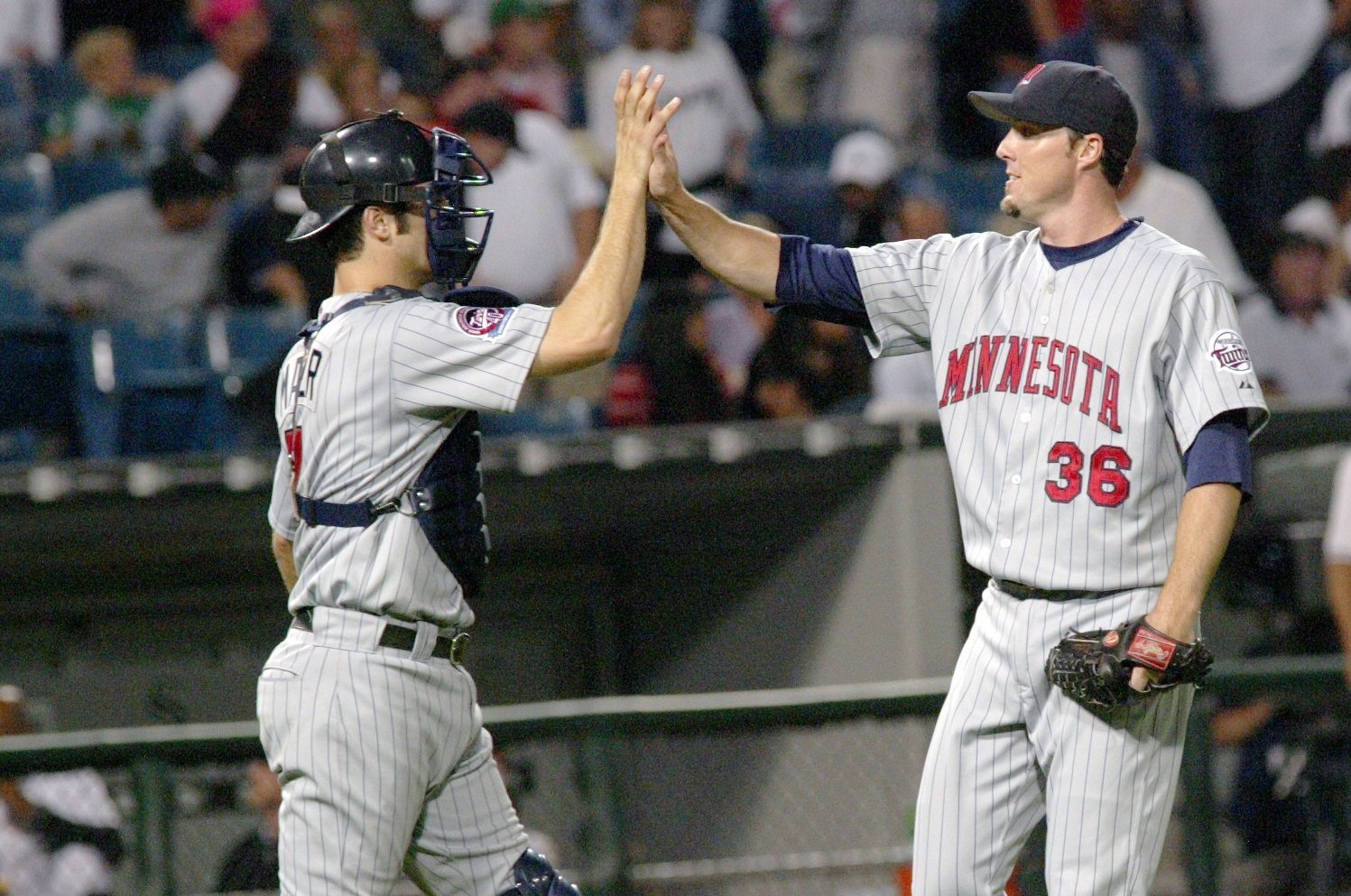 The 2009 season was a crossroads for Joe Mauer. His years of team control were quickly dwindling, and fans had seen this story play out in the not-so-distant past. Torii Hunter left via free agency, and the front office felt forced to trade Johan Santana before his team control ran out. Mauer was under contract (on the first, now-forgotten extension he signed with the team) for 2009 and 2010, but the risk that the team would feel compelled to move him between those two campaigns loomed. That’s when a final season of Metrodome Magic pushed him to a career-best year. Mauer’s season failed to get off to a perfect start, as he missed the month of April with a back injury. However, he claimed the injury and minor rehab might have been a “blessing in disguise.” He was forced to do more core work on his abdominal muscles, which might have helped his in-season performance. “In April, I couldn’t watch a whole lot of the games,” he told reporters after the season. “I’d watch for a little bit and I’d get so frustrated that I wasn’t out there.” Mauer turned that frustration into an MVP campaign when he returned to the field. May (28 Games) Stat Line: .414/.500/.838, 7 2B, 1 3B, 11 HR, 19 BB, 16 K Best Game (May 23): 3-for-3, HR, 2 RBI, 3 R, BB, 0.26 WPA No player can win an MVP in his first month of the season, but Mauer gave it his best shot. Memorably, he hit a home run on his first swing of the season and never looked back. May would be the only month wherein he hit double-digit home runs, and it was one of three months in which he had more walks than strikeouts. In the middle of the month, he had a 20-game on-base streak, which included a 14-game hit streak. His hot start to the season earned him the AL Player of the Month, and it was just the first step toward his MVP. June (26 Games) Stat Line: .353/.407/.490, 5 2B, 3 HR, 10 BB, 12 K Best Game (June 2): 3-for-3, HR, 3 RBI, R, BB, 0.23 WPA Mauer’s power numbers cooled off significantly when the calendar turned to June. However, he continued to hit for average and post an extraordinary OBP. Mauer had multiple hits in nine of his 26 starts, and two of his three home runs came at the Metrodome. His best game of the month included one of his most significant home runs. Minnesota needed all of Mauer’s hits to beat Cleveland 4-3. The Guardians scored three runs in the final three innings to make it close, but Joe Nathan closed the door in the ninth. July Stat Line: .309/.377/.468, 3 2B, 4 HR, 11 BB, 15 K Best Game (July 23): 3-for-4, 2B, 2 RBI, 2 R, BB, 0.26 WPA July was Mauer’s worst month at the plate, but he still posted a batting average north of .300 and an .846 OPS. He was selected as the starting catcher for the American League All-Star team, and manager Joe Maddon penciled him into the third spot in the lineup. Mauer tied the game with a double in the fifth inning off Chad Billingsley. He finished the game 1-for-3 with a double, a run, and an RBI. August Stat Line: .391/.449/.652, 6 2B, 8 HR, 12 BB, 9 K Best Game (August 13): 2-for-4, 2B, HR, 4 RBI, R, BB, 0.31 WPA Mauer found his power swing again, as he posted an OPS of 1.100 or higher for the first time since May. He got the month off to a hot start with a 15-game hitting streak from August 2-18, and he stretched that to a 20-game on-base streak. His game against the Royals on August 13 was his highest WPA for the entire season, but the Twins ended up losing the game 5-4. Mauer was in the driver’s seat for his third batting title and was on a record-breaking pace for a catcher. September/October (32 games) Stat Line: .354/.471/.487, 9 2B, 2 HR, 24 BB, 11 K Best Game (September 14): 3-for-3, R, BB, 0.18 WPA Other teams feared Mauer and his bat in September, especially with the Twins hunting for a division title. Opposing pitchers were very careful pitching to him, and he drew a season-high 24 walks in the month, including six intentional passes. Justin Morneau suffered a season-ending back injury on September 12, and Mauer hit .378 for the remainder of the season. Minnesota and Detroit tied for the AL Central title, setting up an epic Game 163 at the Metrodome. Mauer went 2-for-4 in the game, and reached base four times in six plate appearances. It was a perfect ending to his MVP campaign, with the Twins winning in 12 innings. Mauer’s 2009 season was one of the best for a catcher, and the accolades started rolling in following the season. According to FanGraphs, Mauer accumulated the fifth-highest WAR total of any catcher in MLB history and the highest amount for any AL backstop. He set a major-league record for highest batting average by a catcher and won his third batting title--also a backstop record. He also became the first repeat batting champion in nearly a decade (Nomar Garciaparra, 1999-2000). Mauer finished the season with more walks (76) than strikeouts (63), a feat becoming even rarer in the modern game. Mauer finished one vote shy of being a unanimous MVP, with Miguel Cabrera, the fourth-place finisher, receiving the other first-place vote. New York’s Mark Teixeira and Derek Jeter finished in second and third place. He was the second catcher in 33 years to win the AL MVP, and no catcher has finished first over the last 14 seasons. Mauer was a once-in-a-generation player, and his 2009 season was his magnum opus. What do you remember about Mauer’s MVP season? Leave a COMMENT and start the discussion.
 -
One season doesn’t define a Hall of Fame career. For Joe Mauer, his 2009 season was one of the best in history for a catcher. What made that season so special, and how did he fare from month to month? Image courtesy of Jerry Lai-USA TODAY Sports One season doesn’t define a Hall of Fame career. For Joe Mauer, his 2009 season was one of the best in history for a catcher. What made that season so special, and how did he fare from month to month? The 2009 season was a crossroads for Joe Mauer. His years of team control were quickly dwindling, and fans had seen this story play out in the not-so-distant past. Torii Hunter left via free agency, and the front office felt forced to trade Johan Santana before his team control ran out. Mauer was under contract (on the first, now-forgotten extension he signed with the team) for 2009 and 2010, but the risk that the team would feel compelled to move him between those two campaigns loomed. That’s when a final season of Metrodome Magic pushed him to a career-best year. Mauer’s season failed to get off to a perfect start, as he missed the month of April with a back injury. However, he claimed the injury and minor rehab might have been a “blessing in disguise.” He was forced to do more core work on his abdominal muscles, which might have helped his in-season performance. “In April, I couldn’t watch a whole lot of the games,” he told reporters after the season. “I’d watch for a little bit and I’d get so frustrated that I wasn’t out there.” Mauer turned that frustration into an MVP campaign when he returned to the field. May (28 Games) Stat Line: .414/.500/.838, 7 2B, 1 3B, 11 HR, 19 BB, 16 K Best Game (May 23): 3-for-3, HR, 2 RBI, 3 R, BB, 0.26 WPA No player can win an MVP in his first month of the season, but Mauer gave it his best shot. Memorably, he hit a home run on his first swing of the season and never looked back. May would be the only month wherein he hit double-digit home runs, and it was one of three months in which he had more walks than strikeouts. In the middle of the month, he had a 20-game on-base streak, which included a 14-game hit streak. His hot start to the season earned him the AL Player of the Month, and it was just the first step toward his MVP. June (26 Games) Stat Line: .353/.407/.490, 5 2B, 3 HR, 10 BB, 12 K Best Game (June 2): 3-for-3, HR, 3 RBI, R, BB, 0.23 WPA Mauer’s power numbers cooled off significantly when the calendar turned to June. However, he continued to hit for average and post an extraordinary OBP. Mauer had multiple hits in nine of his 26 starts, and two of his three home runs came at the Metrodome. His best game of the month included one of his most significant home runs. Minnesota needed all of Mauer’s hits to beat Cleveland 4-3. The Guardians scored three runs in the final three innings to make it close, but Joe Nathan closed the door in the ninth. July Stat Line: .309/.377/.468, 3 2B, 4 HR, 11 BB, 15 K Best Game (July 23): 3-for-4, 2B, 2 RBI, 2 R, BB, 0.26 WPA July was Mauer’s worst month at the plate, but he still posted a batting average north of .300 and an .846 OPS. He was selected as the starting catcher for the American League All-Star team, and manager Joe Maddon penciled him into the third spot in the lineup. Mauer tied the game with a double in the fifth inning off Chad Billingsley. He finished the game 1-for-3 with a double, a run, and an RBI. August Stat Line: .391/.449/.652, 6 2B, 8 HR, 12 BB, 9 K Best Game (August 13): 2-for-4, 2B, HR, 4 RBI, R, BB, 0.31 WPA Mauer found his power swing again, as he posted an OPS of 1.100 or higher for the first time since May. He got the month off to a hot start with a 15-game hitting streak from August 2-18, and he stretched that to a 20-game on-base streak. His game against the Royals on August 13 was his highest WPA for the entire season, but the Twins ended up losing the game 5-4. Mauer was in the driver’s seat for his third batting title and was on a record-breaking pace for a catcher. September/October (32 games) Stat Line: .354/.471/.487, 9 2B, 2 HR, 24 BB, 11 K Best Game (September 14): 3-for-3, R, BB, 0.18 WPA Other teams feared Mauer and his bat in September, especially with the Twins hunting for a division title. Opposing pitchers were very careful pitching to him, and he drew a season-high 24 walks in the month, including six intentional passes. Justin Morneau suffered a season-ending back injury on September 12, and Mauer hit .378 for the remainder of the season. Minnesota and Detroit tied for the AL Central title, setting up an epic Game 163 at the Metrodome. Mauer went 2-for-4 in the game, and reached base four times in six plate appearances. It was a perfect ending to his MVP campaign, with the Twins winning in 12 innings. Mauer’s 2009 season was one of the best for a catcher, and the accolades started rolling in following the season. According to FanGraphs, Mauer accumulated the fifth-highest WAR total of any catcher in MLB history and the highest amount for any AL backstop. He set a major-league record for highest batting average by a catcher and won his third batting title--also a backstop record. He also became the first repeat batting champion in nearly a decade (Nomar Garciaparra, 1999-2000). Mauer finished the season with more walks (76) than strikeouts (63), a feat becoming even rarer in the modern game. Mauer finished one vote shy of being a unanimous MVP, with Miguel Cabrera, the fourth-place finisher, receiving the other first-place vote. New York’s Mark Teixeira and Derek Jeter finished in second and third place. He was the second catcher in 33 years to win the AL MVP, and no catcher has finished first over the last 14 seasons. Mauer was a once-in-a-generation player, and his 2009 season was his magnum opus. What do you remember about Mauer’s MVP season? Leave a COMMENT and start the discussion. View full article
-
Torii Hunter’s Hall of Fame Case Hinges on Jekyll and Hyde Career
Cody Christie posted an article in Twins
 Voters for the National Baseball Hall of Fame use a variety of criteria to decide on a candidate's worthiness for Cooperstown. Sometimes, players compile substantial offensive numbers over a lengthy career, making it easy to compare to other Hall of Fame members. The defensive side of the ball has been more challenging to evaluate. Elite defenders like Ozzie Smith and Ivan Rodriguez have been elected, while other defensive stars still need to garner more support. Torii Hunter’s resume spans parts of 19 big league seasons, but he was a very different player at the beginning of his career compared to the end. These stark differences make it harder to evaluate his overall career performance, making it difficult for voters to give him support. In 2021, Hunter first appeared on the Hall of Fame ballot and received 9.6% of the vote. The following year, he nearly fell off the ballot with a crowded field from the steroid era, but he earned just over the minimum of 5%. Last year, the ballot was less crowded, and he jumped back to 6.9%. He is tracking below 5% on the 2024 ballot but has previously done well on the non-public ballots. Hunter’s early career was defined by elite defense and athleticism in center field. From 2001-2009, he won nine straight Gold Gloves while being a human highlight reel at one of baseball’s most demanding positions. Only three center fielders, including Willie Mays, Ken Griffey Jr., and Andruw Jones, have more Gold Gloves. His defense separates him from many other center fielders, putting a permanent stamp on his legacy. The Metrodome was filled with many quirks, making it challenging for defenders to have consistent success. The centerfield wall was a bag with some unforgiving poles holding it in place. Running into those poles caused injuries to multiple defenders, including Hunter. He continued to track down fly balls with little regard for his safety. The infamous baggy also stretched into the gap, which made for some unique defensive plays. Hunter also had to deal with the Metrodome’s turf, which was sometimes unforgiving. His ability to track down balls in the gap made videos like the one below look like he was moving in fast forward. He could use his raw athleticism to track down balls in the outfield, but his bat took time to develop. His offensive value rose when his defensive value declined with age. In his first three full seasons, he averaged an 87 OPS+, and the Twins continued to use him because his defense was strong. Over his final four seasons, he hit .279/.335/.467 with a 114 OPS+, including five seasons with an OPS+ of 123 or higher. Hunter became a five-time All-Star, and those appearances stretched from the 2002 season in Minnesota to the 2013 campaign in Detroit. Offensively, Hunter accumulated numbers that appeal to traditional Hall of Fame voters. He had over 2,400 hits, more than 350 homers, and fell just shy of 200 stolen bases. Both of his Silver Slugger awards came after he turned 33 years old. He received MVP votes in five different seasons over more than a decade. His highest finish was the 2002 season when he finished sixth and helped the Twins avoid contraction by making it to the ALCS. Hunter was a vocal leader on many Twins teams, including four division titles in five years. Overall, Hunter fits into the category of good but not great players in MLB history. In recent years, the standards to get into the Hall of Fame have changed with the Veterans Committee elected players like Harold Baines. Other former Twins have benefited from this, too, with Jack Morris, Tony Olivia, and Jim Kaat being elected through this committee. Hunter isn’t likely to garner enough support to be elected by the baseball writers, but there may be a way for him to get to Cooperstown through the Veterans Committee. Do you believe Hunter deserves to be inducted into Cooperstown? Will he see a rise in his vote percentages in the years ahead? Leave a COMMENT and start the discussion.
 -
Twins fans have rightfully given attention to Joe Mauer on the current Hall of Fame ballot, but another fan favorite continues to garner support. Torii Hunter’s resume is divided into two distinct parts, which make his case tougher to evaluate. Image courtesy of Jason Bridge-USA TODAY Sports Twins fans have rightfully given attention to Joe Mauer on the current Hall of Fame ballot, but another fan favorite continues to garner support. Torii Hunter’s resume is divided into two distinct parts, which make his case tougher to evaluate. Voters for the National Baseball Hall of Fame use a variety of criteria to decide on a candidate's worthiness for Cooperstown. Sometimes, players compile substantial offensive numbers over a lengthy career, making it easy to compare to other Hall of Fame members. The defensive side of the ball has been more challenging to evaluate. Elite defenders like Ozzie Smith and Ivan Rodriguez have been elected, while other defensive stars still need to garner more support. Torii Hunter’s resume spans parts of 19 big league seasons, but he was a very different player at the beginning of his career compared to the end. These stark differences make it harder to evaluate his overall career performance, making it difficult for voters to give him support. In 2021, Hunter first appeared on the Hall of Fame ballot and received 9.6% of the vote. The following year, he nearly fell off the ballot with a crowded field from the steroid era, but he earned just over the minimum of 5%. Last year, the ballot was less crowded, and he jumped back to 6.9%. He is tracking below 5% on the 2024 ballot but has previously done well on the non-public ballots. Hunter’s early career was defined by elite defense and athleticism in center field. From 2001-2009, he won nine straight Gold Gloves while being a human highlight reel at one of baseball’s most demanding positions. Only three center fielders, including Willie Mays, Ken Griffey Jr., and Andruw Jones, have more Gold Gloves. His defense separates him from many other center fielders, putting a permanent stamp on his legacy. The Metrodome was filled with many quirks, making it challenging for defenders to have consistent success. The centerfield wall was a bag with some unforgiving poles holding it in place. Running into those poles caused injuries to multiple defenders, including Hunter. He continued to track down fly balls with little regard for his safety. The infamous baggy also stretched into the gap, which made for some unique defensive plays. Hunter also had to deal with the Metrodome’s turf, which was sometimes unforgiving. His ability to track down balls in the gap made videos like the one below look like he was moving in fast forward. He could use his raw athleticism to track down balls in the outfield, but his bat took time to develop. His offensive value rose when his defensive value declined with age. In his first three full seasons, he averaged an 87 OPS+, and the Twins continued to use him because his defense was strong. Over his final four seasons, he hit .279/.335/.467 with a 114 OPS+, including five seasons with an OPS+ of 123 or higher. Hunter became a five-time All-Star, and those appearances stretched from the 2002 season in Minnesota to the 2013 campaign in Detroit. Offensively, Hunter accumulated numbers that appeal to traditional Hall of Fame voters. He had over 2,400 hits, more than 350 homers, and fell just shy of 200 stolen bases. Both of his Silver Slugger awards came after he turned 33 years old. He received MVP votes in five different seasons over more than a decade. His highest finish was the 2002 season when he finished sixth and helped the Twins avoid contraction by making it to the ALCS. Hunter was a vocal leader on many Twins teams, including four division titles in five years. Overall, Hunter fits into the category of good but not great players in MLB history. In recent years, the standards to get into the Hall of Fame have changed with the Veterans Committee elected players like Harold Baines. Other former Twins have benefited from this, too, with Jack Morris, Tony Olivia, and Jim Kaat being elected through this committee. Hunter isn’t likely to garner enough support to be elected by the baseball writers, but there may be a way for him to get to Cooperstown through the Veterans Committee. Do you believe Hunter deserves to be inducted into Cooperstown? Will he see a rise in his vote percentages in the years ahead? Leave a COMMENT and start the discussion. View full article
-
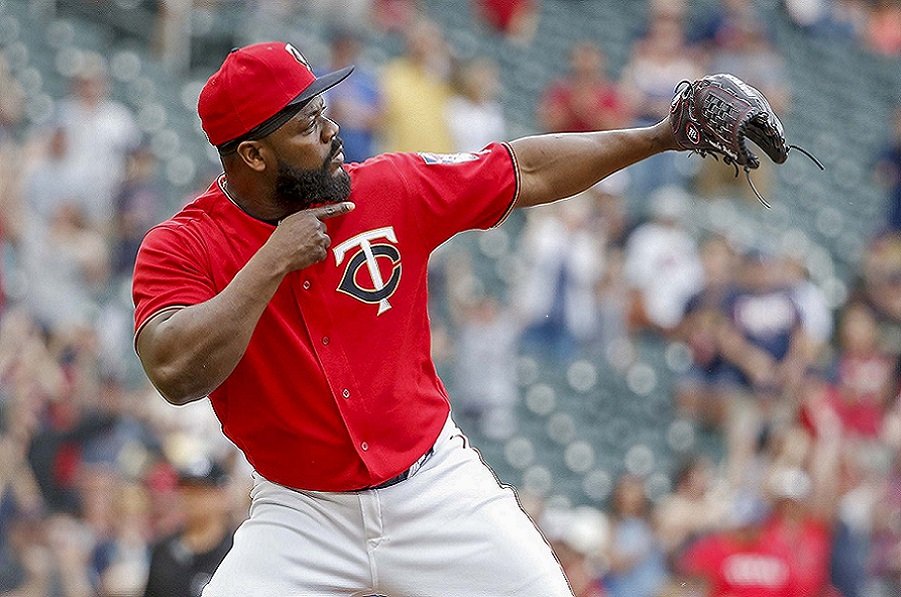 Minnesota’s television future is still in the air, but Amazon invested over $100 million in Diamond Sports Group earlier this week. This influx of money might allow the Twins to sign a one-year pact to return to Bally Sports North for the 2024 season, before MLB takes over a more significant role in broadcasting for 2025. There are still no guarantees regarding how much money the Twins will make from television revenue next season, and many teams, like Minnesota, have been hesitant to spend money without a long-term revenue source. During the Winter Meetings, Derek Falvey talked about the Twins looking to clear salary space by trading veteran players like Max Kepler, Jorge Polanco, Kyle Farmer, or Christian Vázquez. The team hasn’t made any significant moves, and little has changed with the team’s roster since I wrote an initial roster projection over one month ago. Minnesota has held firm in its trade demands for veteran players in the past, so one has to wonder if the roster might be set for the start of spring training in less than a month. That quartet of veteran players can help the Twins win next season, and it only makes sense for the club to move one of them if it improves the team. Falvey has shown extreme patience in the past to wait out the free-agent market and add players, even after spring training has begun. It can be frustrating for fans to wait for the team to make moves, but the current roster is already favored to win the division without making another move. A 47-Year-Old Reliever? Fernando Rodney pitched for the Twins in 2018, when he was a 41-year-old, and hasn’t pitched in the big leagues since 2019. Yesterday at the Athletic, Sam Blum wrote about Rodney continuing to pitch in Mexico, hoping to get another opportunity at the MLB level. During his career, he has earned over 320 saves, been elected to three All-Star Games, and won a World Series with the Nationals in 2019. According to Rodney, he can still hit the low-to-mid 90s with his fastball, which might be enough to get a shot with another MLB team. His best pitch is his changeup, which doesn’t take a lot of velocity to be effective. Other pitchers have appeared in games in their upper 40s, including Jamie Moyer (49) and Phil Niekro (48). He continues to walk batters at a high rate, which might be the only thing holding him back from reaching his ultimate goal. Big League Camp Invites KSTP’s Darren Wolfson reports that the Twins are inviting 1B/DH Aaron Sabato and C Pat Winkel to big-league camp, after both finished last season at Double-A Wichita. Minnesota selected Sabato with their first-round pick in 2020, out of the University of North Carolina. Last season, he hit .221/.329/.430 (.759) with 19 doubles and 12 home runs before posting a .905 OPS in the Arizona Fall League. The Twins selected Winkel in the ninth round of the 2021 MLB Draft, from the University of Connecticut. In 88 games last year, he hit .266/.362/.424 (.787) with 16 doubles and 10 home runs. The Twins will make other invite announcements in the coming weeks. What other players will get invited to camp? Should the Twins try to add Rodney? Leave a COMMENT and start the discussion.
- 26 comments
-
- 1
-
-
- fernando rodney
- aaron sabato
- (and 1 more)
-
Minnesota’s front office has made no secret that veteran players are on the trade block, but nothing has come to fruition this winter. With spring training a month away, will the Twins head to Fort Myers with the current roster? Image courtesy of Bruce Kluckhohn-USA TODAY Sports Minnesota’s front office has made no secret that veteran players are on the trade block, but nothing has come to fruition this winter. With spring training a month away, will the Twins head to Fort Myers with the current roster? Minnesota’s television future is still in the air, but Amazon invested over $100 million in Diamond Sports Group earlier this week. This influx of money might allow the Twins to sign a one-year pact to return to Bally Sports North for the 2024 season, before MLB takes over a more significant role in broadcasting for 2025. There are still no guarantees regarding how much money the Twins will make from television revenue next season, and many teams, like Minnesota, have been hesitant to spend money without a long-term revenue source. During the Winter Meetings, Derek Falvey talked about the Twins looking to clear salary space by trading veteran players like Max Kepler, Jorge Polanco, Kyle Farmer, or Christian Vázquez. The team hasn’t made any significant moves, and little has changed with the team’s roster since I wrote an initial roster projection over one month ago. Minnesota has held firm in its trade demands for veteran players in the past, so one has to wonder if the roster might be set for the start of spring training in less than a month. That quartet of veteran players can help the Twins win next season, and it only makes sense for the club to move one of them if it improves the team. Falvey has shown extreme patience in the past to wait out the free-agent market and add players, even after spring training has begun. It can be frustrating for fans to wait for the team to make moves, but the current roster is already favored to win the division without making another move. A 47-Year-Old Reliever? Fernando Rodney pitched for the Twins in 2018, when he was a 41-year-old, and hasn’t pitched in the big leagues since 2019. Yesterday at the Athletic, Sam Blum wrote about Rodney continuing to pitch in Mexico, hoping to get another opportunity at the MLB level. During his career, he has earned over 320 saves, been elected to three All-Star Games, and won a World Series with the Nationals in 2019. According to Rodney, he can still hit the low-to-mid 90s with his fastball, which might be enough to get a shot with another MLB team. His best pitch is his changeup, which doesn’t take a lot of velocity to be effective. Other pitchers have appeared in games in their upper 40s, including Jamie Moyer (49) and Phil Niekro (48). He continues to walk batters at a high rate, which might be the only thing holding him back from reaching his ultimate goal. Big League Camp Invites KSTP’s Darren Wolfson reports that the Twins are inviting 1B/DH Aaron Sabato and C Pat Winkel to big-league camp, after both finished last season at Double-A Wichita. Minnesota selected Sabato with their first-round pick in 2020, out of the University of North Carolina. Last season, he hit .221/.329/.430 (.759) with 19 doubles and 12 home runs before posting a .905 OPS in the Arizona Fall League. The Twins selected Winkel in the ninth round of the 2021 MLB Draft, from the University of Connecticut. In 88 games last year, he hit .266/.362/.424 (.787) with 16 doubles and 10 home runs. The Twins will make other invite announcements in the coming weeks. What other players will get invited to camp? Should the Twins try to add Rodney? Leave a COMMENT and start the discussion. View full article
-
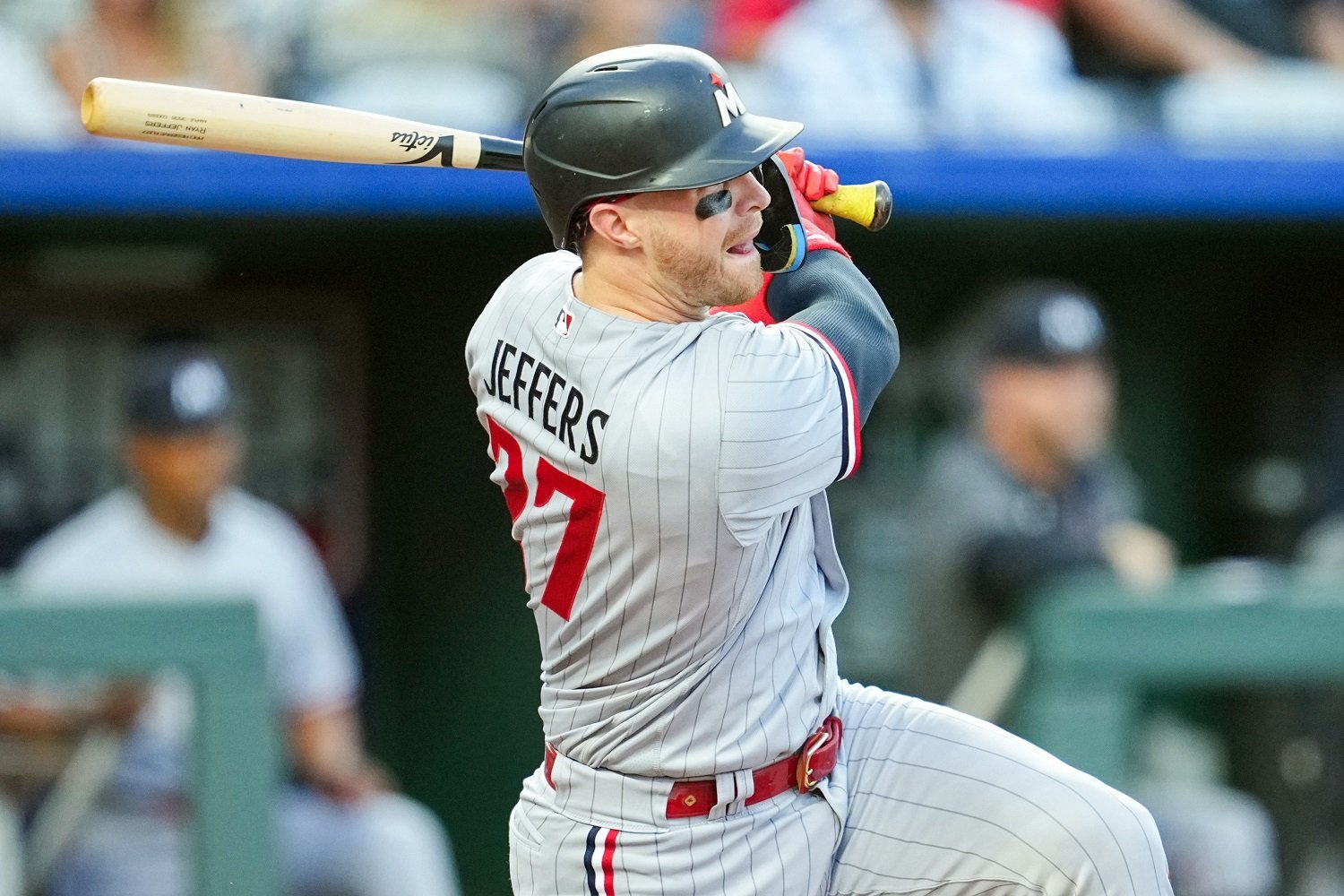 Pitchers and catchers will begin reporting to spring training complexes next month, and that can get fans thinking about the possibilities associated with a season’s new beginning. Twins fans can hope that Ryan Jeffers will build off his solid 2023 campaign and continue establishing himself as one of baseball’s best catchers. MLB Network creates an annual list of the Top 10 Players Right Now at every position. Ironically, though, in these lists, the voters tend to evaluate the long-term track record of a player versus more recent performance. For instance, Carlos Correa continues to rank in their top 10 for shortstops, even after his disastrous 2023 season. Jeffers failed to crack their top 10 list, so let’s examine his case. Pro: OPS+ Jeffers led all catchers in baseball (who had at least 250 at-bats) with a 134 OPS+. That total means his offensive output was 34 percent better than the league average, after adjusting for the mix of ballparks in which he played. Catchers typically take a beating behind the plate, which can impact their hitting performance. The Twins drafted Jeffers as a bat-first catcher from college, and he continued to gain confidence throughout last season. Jeffers raised his OPS from .778 in the first half to .928 in the second half, thanks to 10 home runs and seven doubles in 45 games. Pro: WAR According to FanGraphs and Baseball Reference, Jeffers finished eighth in WAR among catchers. The only AL catchers with a higher WAR total were Baltimore’s Adley Rutschman (bWAR, fWAR) and Texas’s Jonah Heim (fWAR). Jeffers’s 138 wRC+ was tied with former Twins catcher Mitch Garver for the top backstop total, but Garver only started 27 games behind the plate last season. Some catchers provide value on one side of the ball or the other, but Jeffers has shown the ability to help the Twins both offensively and defensively. Con: Defensive Numbers Dropped After signing with the Twins, Jeffers renewed his focus on his defensive abilities, because his college didn’t have a coach to work with catchers. He has become known as a strong framer, as his framing ranked in the 70th percentile or higher during the 2021 and 2022 seasons. Last year, his framing dropped to the 25th percentile, and he cost the Twins 8 runs as a framer, according to Statcast. His Blocks Above Average and Caught Stealing Above Average were in the 25th percentile or lower. However, his pop time improved from the 44th percentile in 2022 to the 59th percentile last season. Con: Fell Short of 350 Plate Appearances Jeffers is the only catcher in the top 10 for WAR who didn’t appear in more than 100 games. His 335 plate appearances ranked 28th among catchers, including a handful of appearances as the team's designated hitter. Minnesota has valued a two-catcher rotation, because the team feels like it allows both catchers to perform at a high level. The Twins have discussed trading Christian Vázquez this winter, which could allow Jeffers to become a more regular catcher. The rigors of catching would impact his performance on both sides of the ball. He’s also dealt with injuries in the past, and the team needs him to stay healthy to stay in contention. How Can Jeffers Become a Top-10 Catcher? Jeffers must accomplish various things in 2024 to enter the top-10 catcher rankings. MLB Network’s voters tend to like players who consistently perform from one year to the next, and Jeffers doesn’t fit that mold yet. His offensive numbers were excellent last season, but he could have provided even more value on the defensive side. The Twins could use Jeffers more regularly behind the plate, but as previously mentioned, that could negatively affect his performance. Do you believe Jeffers is underrated? Can he become a top-5 catcher in Minnesota’s two-catcher system? Leave a COMMENT and start the discussion.
 -
Catching is baseball’s most demanding defensive position, so teams can struggle to find a two-way player. Ryan Jeffers has excelled on both sides of the ball, but do national outlets underrate him? Image courtesy of Jay Biggerstaff-USA TODAY Sports Catching is baseball’s most demanding defensive position, so teams can struggle to find a two-way player. Ryan Jeffers has excelled on both sides of the ball, but do national outlets underrate him? Pitchers and catchers will begin reporting to spring training complexes next month, and that can get fans thinking about the possibilities associated with a season’s new beginning. Twins fans can hope that Ryan Jeffers will build off his solid 2023 campaign and continue establishing himself as one of baseball’s best catchers. MLB Network creates an annual list of the Top 10 Players Right Now at every position. Ironically, though, in these lists, the voters tend to evaluate the long-term track record of a player versus more recent performance. For instance, Carlos Correa continues to rank in their top 10 for shortstops, even after his disastrous 2023 season. Jeffers failed to crack their top 10 list, so let’s examine his case. Pro: OPS+ Jeffers led all catchers in baseball (who had at least 250 at-bats) with a 134 OPS+. That total means his offensive output was 34 percent better than the league average, after adjusting for the mix of ballparks in which he played. Catchers typically take a beating behind the plate, which can impact their hitting performance. The Twins drafted Jeffers as a bat-first catcher from college, and he continued to gain confidence throughout last season. Jeffers raised his OPS from .778 in the first half to .928 in the second half, thanks to 10 home runs and seven doubles in 45 games. Pro: WAR According to FanGraphs and Baseball Reference, Jeffers finished eighth in WAR among catchers. The only AL catchers with a higher WAR total were Baltimore’s Adley Rutschman (bWAR, fWAR) and Texas’s Jonah Heim (fWAR). Jeffers’s 138 wRC+ was tied with former Twins catcher Mitch Garver for the top backstop total, but Garver only started 27 games behind the plate last season. Some catchers provide value on one side of the ball or the other, but Jeffers has shown the ability to help the Twins both offensively and defensively. Con: Defensive Numbers Dropped After signing with the Twins, Jeffers renewed his focus on his defensive abilities, because his college didn’t have a coach to work with catchers. He has become known as a strong framer, as his framing ranked in the 70th percentile or higher during the 2021 and 2022 seasons. Last year, his framing dropped to the 25th percentile, and he cost the Twins 8 runs as a framer, according to Statcast. His Blocks Above Average and Caught Stealing Above Average were in the 25th percentile or lower. However, his pop time improved from the 44th percentile in 2022 to the 59th percentile last season. Con: Fell Short of 350 Plate Appearances Jeffers is the only catcher in the top 10 for WAR who didn’t appear in more than 100 games. His 335 plate appearances ranked 28th among catchers, including a handful of appearances as the team's designated hitter. Minnesota has valued a two-catcher rotation, because the team feels like it allows both catchers to perform at a high level. The Twins have discussed trading Christian Vázquez this winter, which could allow Jeffers to become a more regular catcher. The rigors of catching would impact his performance on both sides of the ball. He’s also dealt with injuries in the past, and the team needs him to stay healthy to stay in contention. How Can Jeffers Become a Top-10 Catcher? Jeffers must accomplish various things in 2024 to enter the top-10 catcher rankings. MLB Network’s voters tend to like players who consistently perform from one year to the next, and Jeffers doesn’t fit that mold yet. His offensive numbers were excellent last season, but he could have provided even more value on the defensive side. The Twins could use Jeffers more regularly behind the plate, but as previously mentioned, that could negatively affect his performance. Do you believe Jeffers is underrated? Can he become a top-5 catcher in Minnesota’s two-catcher system? Leave a COMMENT and start the discussion. View full article
-
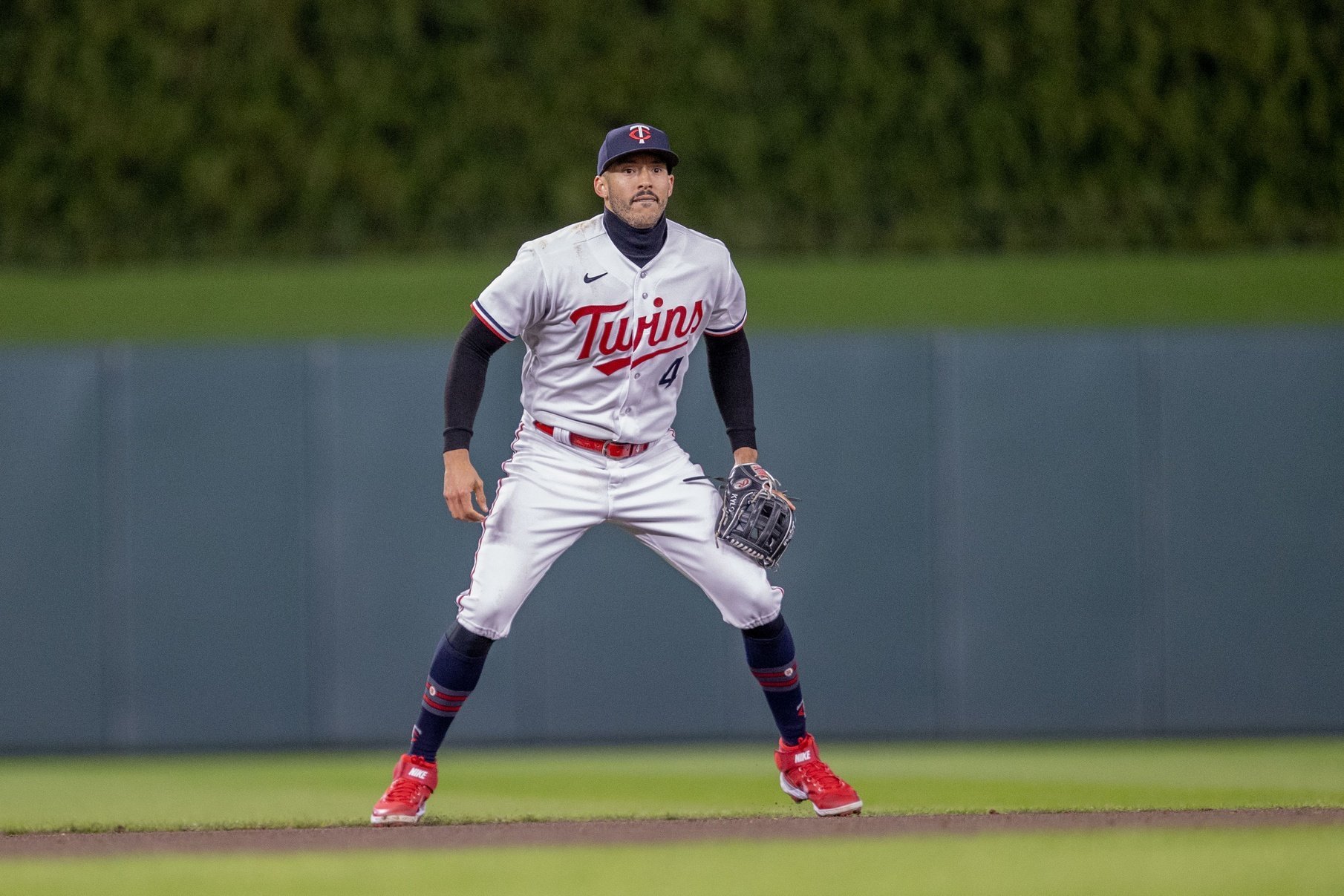 Joe Mauer is in his first year of eligibility for the National Baseball Hall of Fame, and Twins fans have monitored the votes as the writers have slowly revealed them. He has a strong chance to be selected on the first ballot. However, even if he falls short during the current voting cycle, he will almost assuredly be elected next year. Mauer would join a strong contingent of former Twins players in the Hall of Fame, including Harmon Killebrew, Tony Oliva, Jim Kaat, Bert Blyleven, and Kirby Puckett. So, who will be the next Twins Hall of Fame electee following Mauer? MLB.com’s Mike Petriello attempted to identify how many potential Hall of Famers fans will see play in 2024. For the piece, he identified 40 names, which is a nice round number, but it leaves some room at the edges for other candidates. In his piece, he tiers the players into different categories, including no-doubters; veterans who are well on their way; Shohei Ohtani; and young players on the way. No Twins player cracked his top 40, with the most obvious omission being Carlos Correa. Correa won’t turn 30 until next September, and has already accumulated more than 40 WAR for his career. This total puts him ahead of other players on the top-40 list who are older than him, including Trea Turner and Alex Bregman. Obviously, 2023 was tough, and his 1.4 WAR was lower than in any other season, even the shortened 2020 campaign. Correa is still in the prime of his career, and Twins fans certainly hope he has some big seasons left in the tank. Correa’s résumé already includes many items voters prefer when checking a player’s name on the ballot. He was the first overall pick in the 2012 MLB Draft, won the AL Rookie of the Year award in 2015, was selected to multiple All-Star teams, won the 2021 Platinum Glove, and has enjoyed extensive playoff success. It’s certainly the start of a Hall of Fame career, but he will need to continue to produce on both sides of the ball. Jay Jaffe created the JAWS system to measure a player’s worthiness for the Hall of Fame. He averages a player's total WAR with their seven-year peak WAR to get a score that balances longevity with peak greatness. JAWS allows fans to compare players from different eras, while also establishing a quantitative baseline for Hall induction. Correa enters the 2024 season with the 36th-highest JAWS total among shortstops (39.4). There have been 23 Hall of Famers elected at shortstop, and their average JAWS is 55.4, but there are some outliers on the high end (Honus Wagner, 98.2 JAWS) and low end, with some players elected from the Negro Leagues. Jimmy Rollins is an interesting comp for Correa at this point in his career. According to JAWS, Rollins ranks only two spots ahead of Correa and is currently on the Hall of Fame ballot. He is in his third year of eligibility and has slowly gained support, going from 9.4% in 2022 to 12.9% in 2023. Currently, he sits above 14% on the ballots that have been revealed. That’s a long way from the 75% needed for induction, but it shows the level Correa has already achieved, with all of his 30s left for him to continue adding to his résumé. Historically, there are milestones a player can reach to make his Hall of Fame candidacy an almost automatic success. Some of those markers are 3,000 hits, 500 home runs, or a .300+ batting average. Correa passed 1,000 hits for his career last season, and finished the campaign with 1,051. He has averaged 135 hits per season with the Twins, so it's out of the question that he'll reach 3,000 hits, but 2,000 might be plausible. Home runs and a high batting average (at least by broad historical standards) also aren’t part of Correa’s repertoire. He enters next season with 173 home runs and a .272 batting average. Voters will likely need to consider Correa’s defensive numbers to paint a complete picture of his Cooperstown case. Players see a natural decline in the WAR total through aging in the second half of their careers. There will also be a time when Correa can no longer handle the rigors of shortstop, and will be forced to move to a different defensive position. Other Hall of Fame players have shifted from shortstop to third base to continue providing value while moving down the defensive spectrum. It will also be interesting to see how voters treat players associated with the Astros' cheating scandal. Carlos Beltrán, a player on that team, seemed like a lock for Cooperstown, but he finished last year's balloting at 46.5%. Correa will be able to watch how voters treat players like Beltrán and José Altuve before he gets to the ballot. Correa wouldn’t be a Hall of Famer if his career ended today, but his résumé certainly ranks among the top 40 players currently playing. Do you think Correa will have a strong Hall of Fame case at the conclusion of his career? Leave a COMMENT and start the discussion.
 -
Carlos Correa had a nightmare season in 2023, but fans can hope he is past his plantar fasciitis injury. Can he get back on track for a future induction into Cooperstown? Image courtesy of Jesse Johnson-USA TODAY Sports Carlos Correa had a nightmare season in 2023, but fans can hope he is past his plantar fasciitis injury. Can he get back on track for a future induction into Cooperstown? Joe Mauer is in his first year of eligibility for the National Baseball Hall of Fame, and Twins fans have monitored the votes as the writers have slowly revealed them. He has a strong chance to be selected on the first ballot. However, even if he falls short during the current voting cycle, he will almost assuredly be elected next year. Mauer would join a strong contingent of former Twins players in the Hall of Fame, including Harmon Killebrew, Tony Oliva, Jim Kaat, Bert Blyleven, and Kirby Puckett. So, who will be the next Twins Hall of Fame electee following Mauer? MLB.com’s Mike Petriello attempted to identify how many potential Hall of Famers fans will see play in 2024. For the piece, he identified 40 names, which is a nice round number, but it leaves some room at the edges for other candidates. In his piece, he tiers the players into different categories, including no-doubters; veterans who are well on their way; Shohei Ohtani; and young players on the way. No Twins player cracked his top 40, with the most obvious omission being Carlos Correa. Correa won’t turn 30 until next September, and has already accumulated more than 40 WAR for his career. This total puts him ahead of other players on the top-40 list who are older than him, including Trea Turner and Alex Bregman. Obviously, 2023 was tough, and his 1.4 WAR was lower than in any other season, even the shortened 2020 campaign. Correa is still in the prime of his career, and Twins fans certainly hope he has some big seasons left in the tank. Correa’s résumé already includes many items voters prefer when checking a player’s name on the ballot. He was the first overall pick in the 2012 MLB Draft, won the AL Rookie of the Year award in 2015, was selected to multiple All-Star teams, won the 2021 Platinum Glove, and has enjoyed extensive playoff success. It’s certainly the start of a Hall of Fame career, but he will need to continue to produce on both sides of the ball. Jay Jaffe created the JAWS system to measure a player’s worthiness for the Hall of Fame. He averages a player's total WAR with their seven-year peak WAR to get a score that balances longevity with peak greatness. JAWS allows fans to compare players from different eras, while also establishing a quantitative baseline for Hall induction. Correa enters the 2024 season with the 36th-highest JAWS total among shortstops (39.4). There have been 23 Hall of Famers elected at shortstop, and their average JAWS is 55.4, but there are some outliers on the high end (Honus Wagner, 98.2 JAWS) and low end, with some players elected from the Negro Leagues. Jimmy Rollins is an interesting comp for Correa at this point in his career. According to JAWS, Rollins ranks only two spots ahead of Correa and is currently on the Hall of Fame ballot. He is in his third year of eligibility and has slowly gained support, going from 9.4% in 2022 to 12.9% in 2023. Currently, he sits above 14% on the ballots that have been revealed. That’s a long way from the 75% needed for induction, but it shows the level Correa has already achieved, with all of his 30s left for him to continue adding to his résumé. Historically, there are milestones a player can reach to make his Hall of Fame candidacy an almost automatic success. Some of those markers are 3,000 hits, 500 home runs, or a .300+ batting average. Correa passed 1,000 hits for his career last season, and finished the campaign with 1,051. He has averaged 135 hits per season with the Twins, so it's out of the question that he'll reach 3,000 hits, but 2,000 might be plausible. Home runs and a high batting average (at least by broad historical standards) also aren’t part of Correa’s repertoire. He enters next season with 173 home runs and a .272 batting average. Voters will likely need to consider Correa’s defensive numbers to paint a complete picture of his Cooperstown case. Players see a natural decline in the WAR total through aging in the second half of their careers. There will also be a time when Correa can no longer handle the rigors of shortstop, and will be forced to move to a different defensive position. Other Hall of Fame players have shifted from shortstop to third base to continue providing value while moving down the defensive spectrum. It will also be interesting to see how voters treat players associated with the Astros' cheating scandal. Carlos Beltrán, a player on that team, seemed like a lock for Cooperstown, but he finished last year's balloting at 46.5%. Correa will be able to watch how voters treat players like Beltrán and José Altuve before he gets to the ballot. Correa wouldn’t be a Hall of Famer if his career ended today, but his résumé certainly ranks among the top 40 players currently playing. Do you think Correa will have a strong Hall of Fame case at the conclusion of his career? Leave a COMMENT and start the discussion. View full article
-
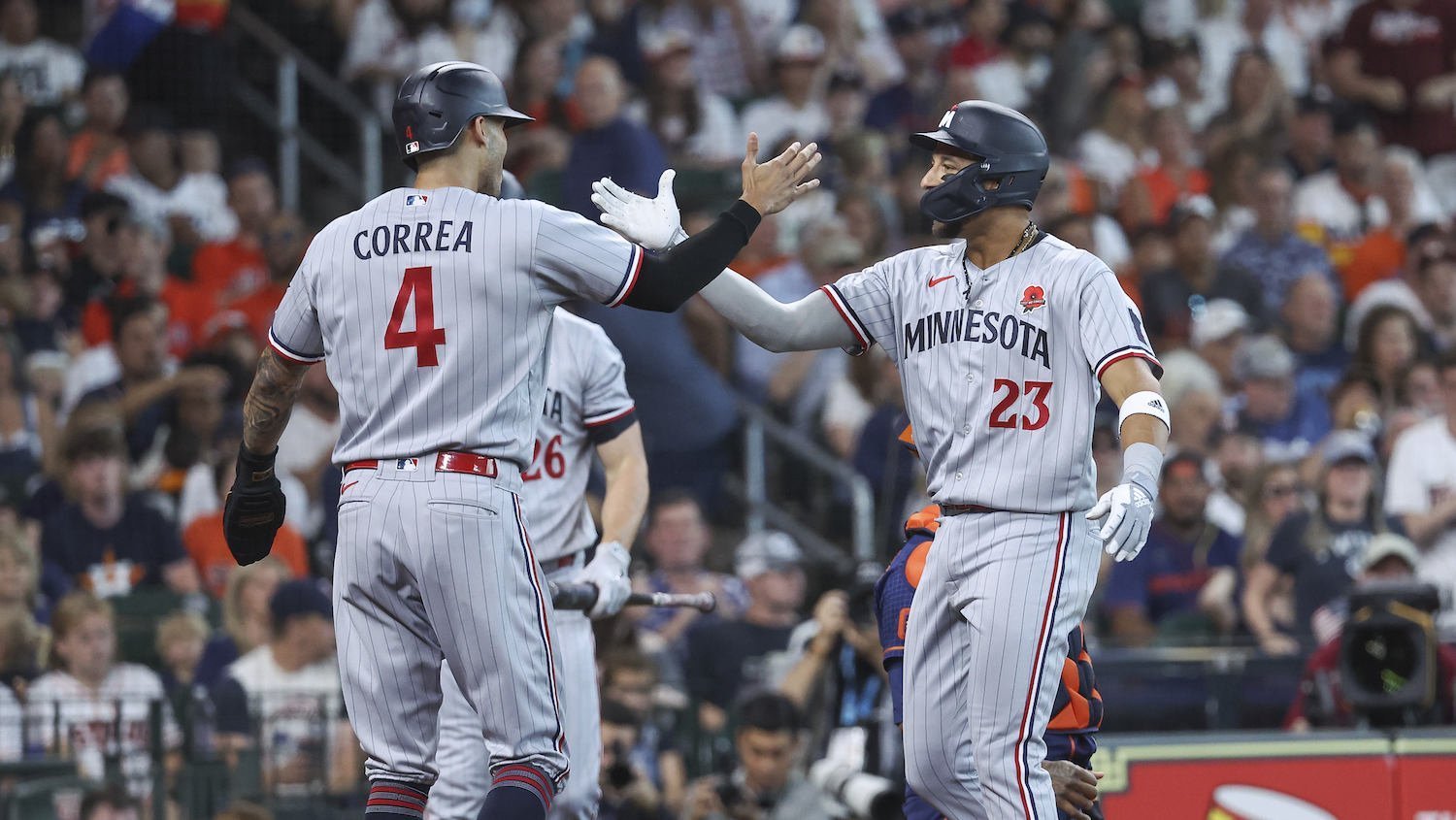 Rocco Baldelli isn’t afraid to shake up his lineup when it’s necessary. Some fans might get frustrated with his approach to constructing the batting order, but he alters his hitters depending on the starter for the day and other matchups. The Twins' lineup isn’t finalized for 2024, which can make analyzing it a complicated endeavor. Still, multiple options exist to fill in the top spots for the upcoming campaign. Leadoff Spot In 2023, the Twins utilized 13 batters in the leadoff spot, but there was a clear top option in the season’s second half. Edouard Julien started 55 games at the top of the lineup, with no other Twins players making more than 28 starts in that position. As the leadoff hitter, Julien hit .250/.379/.424 (.803) with 10 doubles and eight home runs. It seems likely for Julien to continue to be used in the leadoff spot against right-handed starters, especially with his patient approach at the plate. However, the team might turn to other options when a lefty starts. Carlos Correa (28 starts), Donovan Solano (25), Max Kepler (17), and Byron Buxton (13) rounded out the top five players in games spent in the leadoff spot last season. Solano is a free agent, and there are rumors the Twins are attempting to trade veterans like Kepler, so neither player may fit into the leadoff discussion for next year. Correa and Buxton are strong options against left-handed pitchers, especially if both can put last season’s injury concerns behind them. Austin Martin is a dark-horse candidate for the leadoff spot, especially in the season’s second half. Last season, Martin posted a .382 OBP against righties, while also being a threat on the bases. Julien and Martin seem like perfect leadoff hitters, depending on the starting pitching matchup. Second Minnesota’s second slot in the order was straightforward last season, with two players each starting over 40 games. Correa started the most games in the two hole, even though his offensive performance suffered as he battled with plantar fasciitis. Jorge Polanco made 40 starts batting second, where his switch-hitting ability plays well for late-inning pitching substitutions. Polanco hit .261/.356/.425, with seven doubles and six home runs in 153 at-bats behind the leadoff hitter. Correa had a .642 OPS in the two spot, his lowest of any batting order position last season. Like Kepler, Polanco has a chance of being traded this season, potentially leaving a hole at the top of the lineup. Baldelli might have to start trusting some younger players, like Royce Lewis or Alex Kirilloff, in the two hole, but Correa seems likely to continue to be used in this position. Third The third spot in the lineup was one of the more evenly shared spots for the Twins in 2023. Six players made 12 or more starts batting there, led by Buxton (36 starts), Correa (32), Kirilloff (24), and Lewis (17). If Buxton and Kirilloff are healthy, they are the duo that should be used most regularly in the three hole, depending on the pitching matchup. Lewis made more starts in the third spot than in any other lineup position, while posting a .920 OPS with two doubles and four home runs in 64 at-bats. It will be hard for Baldelli to move Lewis down in the lineup if he continues to hit like he did during the 2023 campaign. If the season started today, here’s how the top of the lineup would be penciled in, but other roster changes will come before Opening Day. Top Three Hitters Versus Right-Handed Pitchers 1. Edouard Julien 2. Jorge Polanco 3. Carlos Correa Top Three Hitters Versus Left-Handed Pitchers 1. Carlos Correa 2. Jorge Polanco 3. Royce Lewis How do you think the Twins will order the top of the lineup in 2024? Leave a COMMENT and start the discussion.
- 12 comments
-
- 3
-
-
- edouard julien
- carlos correa
- (and 5 more)
-
In recent years, some clubs have used players atop their batting order who don't fit the traditional archetype for those slots. What options do the Twins have in 2024? Image courtesy of Troy Taormina-USA TODAY Sports In recent years, some clubs have used players atop their batting order who don't fit the traditional archetype for those slots. What options do the Twins have in 2024? Rocco Baldelli isn’t afraid to shake up his lineup when it’s necessary. Some fans might get frustrated with his approach to constructing the batting order, but he alters his hitters depending on the starter for the day and other matchups. The Twins' lineup isn’t finalized for 2024, which can make analyzing it a complicated endeavor. Still, multiple options exist to fill in the top spots for the upcoming campaign. Leadoff Spot In 2023, the Twins utilized 13 batters in the leadoff spot, but there was a clear top option in the season’s second half. Edouard Julien started 55 games at the top of the lineup, with no other Twins players making more than 28 starts in that position. As the leadoff hitter, Julien hit .250/.379/.424 (.803) with 10 doubles and eight home runs. It seems likely for Julien to continue to be used in the leadoff spot against right-handed starters, especially with his patient approach at the plate. However, the team might turn to other options when a lefty starts. Carlos Correa (28 starts), Donovan Solano (25), Max Kepler (17), and Byron Buxton (13) rounded out the top five players in games spent in the leadoff spot last season. Solano is a free agent, and there are rumors the Twins are attempting to trade veterans like Kepler, so neither player may fit into the leadoff discussion for next year. Correa and Buxton are strong options against left-handed pitchers, especially if both can put last season’s injury concerns behind them. Austin Martin is a dark-horse candidate for the leadoff spot, especially in the season’s second half. Last season, Martin posted a .382 OBP against righties, while also being a threat on the bases. Julien and Martin seem like perfect leadoff hitters, depending on the starting pitching matchup. Second Minnesota’s second slot in the order was straightforward last season, with two players each starting over 40 games. Correa started the most games in the two hole, even though his offensive performance suffered as he battled with plantar fasciitis. Jorge Polanco made 40 starts batting second, where his switch-hitting ability plays well for late-inning pitching substitutions. Polanco hit .261/.356/.425, with seven doubles and six home runs in 153 at-bats behind the leadoff hitter. Correa had a .642 OPS in the two spot, his lowest of any batting order position last season. Like Kepler, Polanco has a chance of being traded this season, potentially leaving a hole at the top of the lineup. Baldelli might have to start trusting some younger players, like Royce Lewis or Alex Kirilloff, in the two hole, but Correa seems likely to continue to be used in this position. Third The third spot in the lineup was one of the more evenly shared spots for the Twins in 2023. Six players made 12 or more starts batting there, led by Buxton (36 starts), Correa (32), Kirilloff (24), and Lewis (17). If Buxton and Kirilloff are healthy, they are the duo that should be used most regularly in the three hole, depending on the pitching matchup. Lewis made more starts in the third spot than in any other lineup position, while posting a .920 OPS with two doubles and four home runs in 64 at-bats. It will be hard for Baldelli to move Lewis down in the lineup if he continues to hit like he did during the 2023 campaign. If the season started today, here’s how the top of the lineup would be penciled in, but other roster changes will come before Opening Day. Top Three Hitters Versus Right-Handed Pitchers 1. Edouard Julien 2. Jorge Polanco 3. Carlos Correa Top Three Hitters Versus Left-Handed Pitchers 1. Carlos Correa 2. Jorge Polanco 3. Royce Lewis How do you think the Twins will order the top of the lineup in 2024? Leave a COMMENT and start the discussion. View full article
-
Ranking the Top-5 Negative WAR Careers in Twins History: Pitchers
Cody Christie posted an article in Twins
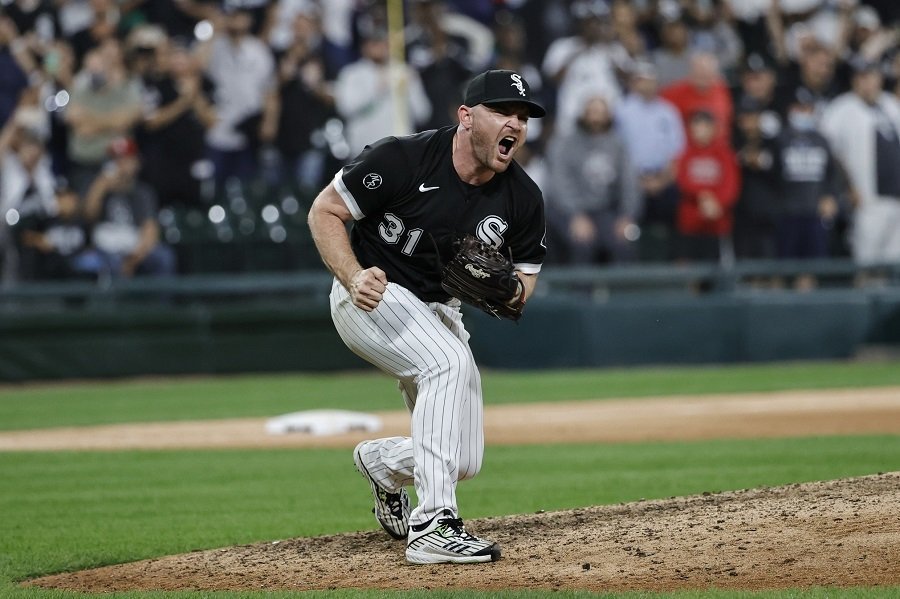 On a recent episode of Gleeman and the Geek, a listener wrote in for their mailbag segment about Luis Rivas having a negative WAR for his career with the Twins. This topic brought up the idea of which Twins players have provided the most negative value for the club. Sometimes, the team can realize their mistake and cut bait after a poor performance. For other players, it takes longer for the club to realize their error. Rivas posted a -0.9 WAR for his career, the 38th-worst total in club history, and all the pitchers below combined for more than double his negative WAR. So, which pitchers compiled the most negative WAR for the Twins? Honorable Mentions: Scott Klingenbeck (-1.6 WAR, 1995-96), Jerry Fosnow (-1.6 WAR, 1964-65), Sean Bergman (-1.5 WAR, 2000), Joe Niekro (-1.4 WAR, 1987-88), Steve Carlton (-1.4 WAR, 1987-88) 5. J.A. Happ WAR: -1.8 Season: 2021 The Twins needed depth in their 2021 rotation after winning the division in 2020 and losing veteran starters like Rich Hill and Jake Odorizzi. Minnesota brought in Happ on a one-year deal, and he struggled mightily on the mound. In 98 1/3 innings, he posted a 6.77 ERA with a 1.59 WHIP and a 77-to-31 strikeout-to-walk ratio. The club had no other rotation options, so they were forced to keep using him every fifth day. Minnesota sent Happ to St. Louis for Evan Sisk and John Gant at the trade deadline. He combined for a 4.00 ERA in his final 11 starts with the Cardinals before retiring following that season. 4. John Pacella WAR: -1.8 Season: 1982 For younger fans, Pacella may be an unfamiliar name, but he pitched parts of six seasons for five organizations. The Twins acquired him on May 12, 1982, in a five-player trade with the Yankees. Minnesota received Pete Filson, Larry Milbourne, and Pacella for Roger Erickson and Butch Wynegar. He made 21 appearances (51 2/3 innings) for the Twins with a 7.32 ERA and a 1.90 WHIP and allowed multiple runs in nine appearances. Pacella was a mop-up man as the club lost all but three games where he pitched. Following the season, the Twins sent Pacella to the Rangers for Len Whitehouse. 3. Matt Shoemaker WAR: -1.8 Season: 2021 Like Happ, Shoemaker was brought in to add depth to the team’s starting rotation for the 2021 season. In 60 1/3 innings, he allowed 54 earned runs (8.06 ERA) with a 40-to-27 strikeout-to-walk ratio. Minnesota sent him to Triple-A to get back on track, and he blamed the Twins for trying to fix him during spring training. He was released at the beginning of August and quickly signed with the Giants, but he hasn’t made another big-league appearance since leaving Minnesota. 2. Terry Felton WAR: -1.9 Seasons: 1979-1982 Minnesota used a second-round draft pick to select Felton from high school in the 1976 MLB Draft. He quickly moved through the team’s farm system and debuted as a 21-year-old in 1979. In his first three seasons, he was limited to seven appearances as the Twins only brought him up for brief looks. In 1982, the Twins gave him a chance in the bullpen, and he ended up with a 0-13 record due to a 4.99 ERA and a 1.49 WHIP across 48 appearances. He had a 78 OPS+ for his Twins tenure with a 7.0 K/9 and a 5.7 BB/9. Felton struggled to find the strike zone, and batters took advantage. He played the entire 1983 season in the minors for the Twins and ended his career with a brief stint in the Dodgers organization. 1. Liam Hendriks WAR: -2.0 Seasons: 2011-2013 Hendriks ranked as one of Minnesota’s top pitching prospects throughout his professional career, but he could not find consistency at the big-league level. In parts of three seasons, he posted a 6.06 ERA with a 1.59 WHIP. However, the Twins never gave him a shot as a reliever, and that might be one of the club’s biggest regrets. The Twins placed him on waivers following the 2013 season, and he bounced around to the Cubs, Orioles, Blue Jays, and Royals organizations before finding himself in Oakland. Hendriks has become an All-Star closer with the A’s and White Sox, including being a two-time Rivera Reliever of the Year. Last season, he was named the AL Comeback Player of the Year following his battle with non-Hodgkin's lymphoma. In case you missed it, here are the rankings of the top five negative WAR careers for hitters in Twins history. Do you agree with the above rankings? Who would rank at the top if you combined the hitter and pitcher list? Leave a COMMENT and start the discussion.
- 20 comments
-
- 2
-
-
- liam hendriks
- j.a. happ
- (and 3 more)
-
Pitchers can make or break a season for a big-league club, and it seems like the Twins have been on the hunt for sustainable pitching throughout the team’s history. Here are the five pitchers who provided the most negative WAR during their Twins tenure. Image courtesy of Kamil Krzaczynski, USA TODAY Sports Pitchers can make or break a season for a big-league club, and it seems like the Twins have been on the hunt for sustainable pitching throughout the team’s history. Here are the five pitchers who provided the most negative WAR during their Twins tenure. On a recent episode of Gleeman and the Geek, a listener wrote in for their mailbag segment about Luis Rivas having a negative WAR for his career with the Twins. This topic brought up the idea of which Twins players have provided the most negative value for the club. Sometimes, the team can realize their mistake and cut bait after a poor performance. For other players, it takes longer for the club to realize their error. Rivas posted a -0.9 WAR for his career, the 38th-worst total in club history, and all the pitchers below combined for more than double his negative WAR. So, which pitchers compiled the most negative WAR for the Twins? Honorable Mentions: Scott Klingenbeck (-1.6 WAR, 1995-96), Jerry Fosnow (-1.6 WAR, 1964-65), Sean Bergman (-1.5 WAR, 2000), Joe Niekro (-1.4 WAR, 1987-88), Steve Carlton (-1.4 WAR, 1987-88) 5. J.A. Happ WAR: -1.8 Season: 2021 The Twins needed depth in their 2021 rotation after winning the division in 2020 and losing veteran starters like Rich Hill and Jake Odorizzi. Minnesota brought in Happ on a one-year deal, and he struggled mightily on the mound. In 98 1/3 innings, he posted a 6.77 ERA with a 1.59 WHIP and a 77-to-31 strikeout-to-walk ratio. The club had no other rotation options, so they were forced to keep using him every fifth day. Minnesota sent Happ to St. Louis for Evan Sisk and John Gant at the trade deadline. He combined for a 4.00 ERA in his final 11 starts with the Cardinals before retiring following that season. 4. John Pacella WAR: -1.8 Season: 1982 For younger fans, Pacella may be an unfamiliar name, but he pitched parts of six seasons for five organizations. The Twins acquired him on May 12, 1982, in a five-player trade with the Yankees. Minnesota received Pete Filson, Larry Milbourne, and Pacella for Roger Erickson and Butch Wynegar. He made 21 appearances (51 2/3 innings) for the Twins with a 7.32 ERA and a 1.90 WHIP and allowed multiple runs in nine appearances. Pacella was a mop-up man as the club lost all but three games where he pitched. Following the season, the Twins sent Pacella to the Rangers for Len Whitehouse. 3. Matt Shoemaker WAR: -1.8 Season: 2021 Like Happ, Shoemaker was brought in to add depth to the team’s starting rotation for the 2021 season. In 60 1/3 innings, he allowed 54 earned runs (8.06 ERA) with a 40-to-27 strikeout-to-walk ratio. Minnesota sent him to Triple-A to get back on track, and he blamed the Twins for trying to fix him during spring training. He was released at the beginning of August and quickly signed with the Giants, but he hasn’t made another big-league appearance since leaving Minnesota. 2. Terry Felton WAR: -1.9 Seasons: 1979-1982 Minnesota used a second-round draft pick to select Felton from high school in the 1976 MLB Draft. He quickly moved through the team’s farm system and debuted as a 21-year-old in 1979. In his first three seasons, he was limited to seven appearances as the Twins only brought him up for brief looks. In 1982, the Twins gave him a chance in the bullpen, and he ended up with a 0-13 record due to a 4.99 ERA and a 1.49 WHIP across 48 appearances. He had a 78 OPS+ for his Twins tenure with a 7.0 K/9 and a 5.7 BB/9. Felton struggled to find the strike zone, and batters took advantage. He played the entire 1983 season in the minors for the Twins and ended his career with a brief stint in the Dodgers organization. 1. Liam Hendriks WAR: -2.0 Seasons: 2011-2013 Hendriks ranked as one of Minnesota’s top pitching prospects throughout his professional career, but he could not find consistency at the big-league level. In parts of three seasons, he posted a 6.06 ERA with a 1.59 WHIP. However, the Twins never gave him a shot as a reliever, and that might be one of the club’s biggest regrets. The Twins placed him on waivers following the 2013 season, and he bounced around to the Cubs, Orioles, Blue Jays, and Royals organizations before finding himself in Oakland. Hendriks has become an All-Star closer with the A’s and White Sox, including being a two-time Rivera Reliever of the Year. Last season, he was named the AL Comeback Player of the Year following his battle with non-Hodgkin's lymphoma. In case you missed it, here are the rankings of the top five negative WAR careers for hitters in Twins history. Do you agree with the above rankings? Who would rank at the top if you combined the hitter and pitcher list? Leave a COMMENT and start the discussion. View full article
-
Ranking the Top-5 Negative WAR Careers in Twins History: Hitters
Cody Christie posted an article in Twins
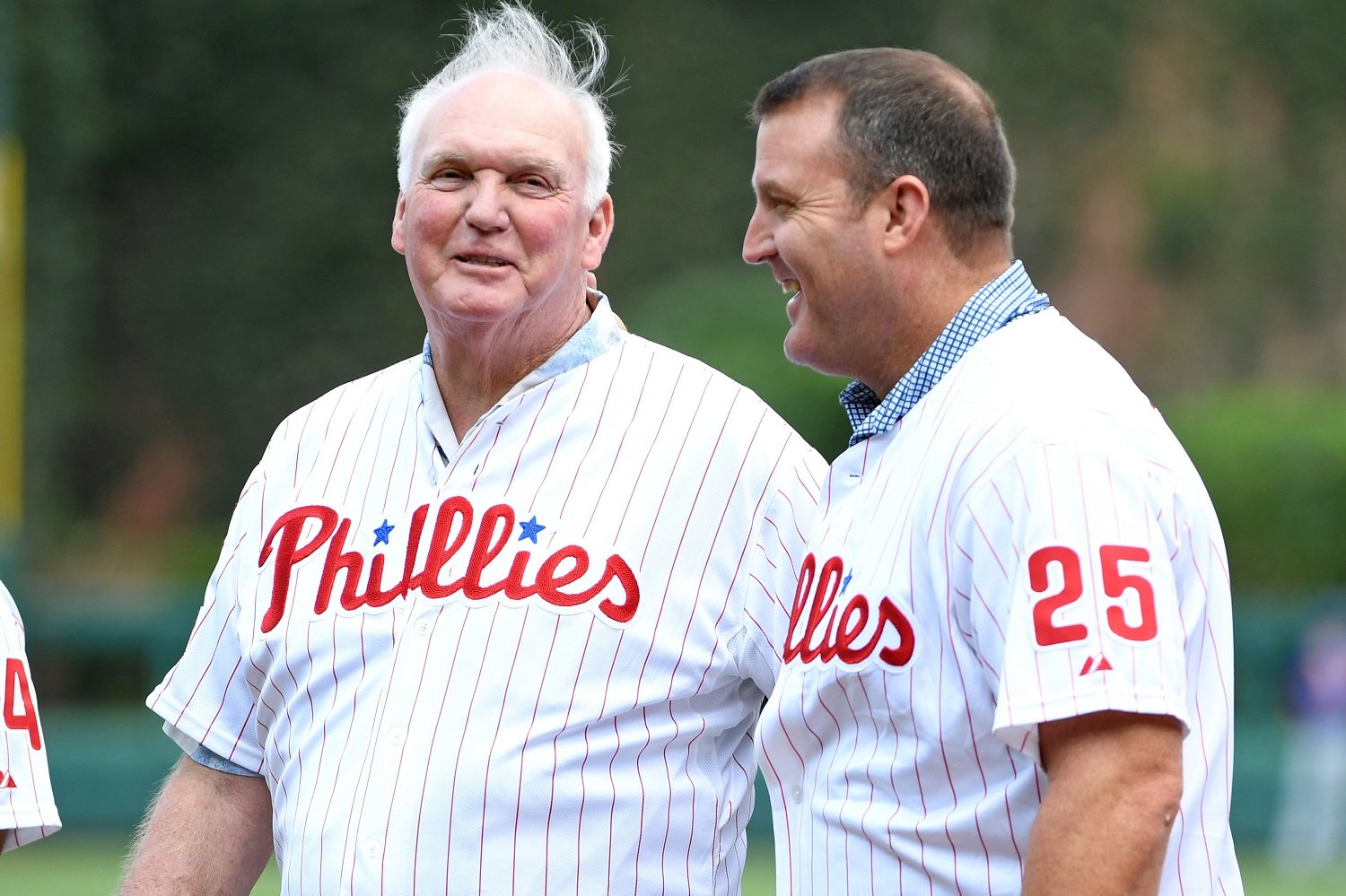 On a recent episode of Gleeman and the Geek, a listener wrote in for their mailbag segment about Luis Rivas having a negative WAR for his career with the Twins. This topic brought up the idea of which Twins players have provided the most negative value for the club. Sometimes, the team can realize their mistake and cut bait after a poor performance. For other players, it takes longer for the club to realize their error. Rivas posted a -0.9 WAR for his career, the 38th-worst total in club history. So, who ranked lower than Rivas? Honorable Mentions: Chris Latham (-1.7 WAR, 1997-99), Rondell White (-1.5 WAR, 2006-07), Drew Butera (-1.5 WAR, 2010-13), Matt Walbeck (-1.5 WAR, 1994-96) 5. Alex Ochoa WAR: -1.8 Seasons: 1998 Ochoa accumulated 6.4 WAR for his career and won the 2002 World Series with the Angels. His lone season in a Twins uniform saw him post the worst offensive numbers of his career while also being a below-average defender. In 94 games, he hit .257/.288/.353 (.642) with 18 extra-base hits and a 66 OPS+. Minnesota used him at all three outfield positions, and FanGraphs gave him a -17.1 Defensive rating. The Twins traded Ochoa to the Brewers following the season for Darrell Nicholas, who never made a big-league appearance. 4. Charlie Manuel WAR: -2.1 Seasons: 1969-1972 Manuel had a terrific career as a manager, including two NL pennants and a World Series title. He broke into the big leagues with the Twins in 1969 and played parts of four seasons with the club without appearing in more than 83 games. Manuel hit .199/.276/.265 (.541) with a 53 OPS+. According to Baseball Reference, he posted a negative WAR in every season with the Twins. In October 1973, the Twins traded him with Glenn Ezell to the Dodgers for Mike Floyd and Jim Fairey. 3. Tsuyoshi Nishioka WAR: -2.3 Seasons: 2011-2012 Nishioka came to the Twins from Japan with plenty of hype, especially after the club traded J.J. Hardy to make room at shortstop. He struggled with the transition to the big leagues and suffered a broken leg during his first season while trying to turn a double play. In two seasons, he played in 71 games and hit .215/.267/.236 (.503) with five doubles and a 44-to-16 strikeout-to-walk ratio. Minnesota released him after two seasons so he could return to Japan, where he’d play six more seasons before retiring. 2. Carmelo Castillo WAR: -2.7 Seasons: 1989-1991 Castillo was a part-time player throughout his 10-year big-league career and was already over 30 when he joined the Twins. In 1989, he played 94 games and posted a 106 OPS+ with 24 extra-base hits. Based on that performance, the Twins kept him for the next two seasons, and he was one of baseball’s worst hitters. Castillo combined for a .494 OPS and a 35 OPS+ in 73 games, but he still got a World Series ring for his contributions to the ‘91 squad. Minnesota released him following that season, and he played one year in the Brewers organization before retiring. 1. Dave McCarty WAR: -3.2 Seasons: 1993-1995 The Twins selected McCarty with the third overall pick in the 1991 MLB Draft from Stanford University. High expectations are attached to any player taken that high in the draft, and the Twins put him on the fast track to the big-league level. Baseball America ranked him as baseball’s 16th-best prospect entering the 1993 season. McCarty debuted for the Twins that season and hit .214/.257/.286 (.542) with 19 extra-base hits and a 46 OPS+ in 98 games. He played three seasons with the Twins and had a 55 OPS+ while also providing negative defensive value. During the 1995 season, the Twins traded him to the Reds organization for John Courtright. McCarty had an 11-year big-league career while playing for seven different organizations. Do you agree with the rankings? Who else should make the list? What pitchers will make the top five? Leave a COMMENT and start the discussion.
- 18 comments
-
- 8
-
-

-
- charlie manuel
- tsuyoshi nishioka
- (and 3 more)
-
Depending on the makeup of a team’s roster, there will be players who provide below-average value. Sometimes, it’s tough for a team to say goodbye to that style of player. Here’s a look at the five hitters who gave the Twins the most negative value. Image courtesy of Eric Hartline-USA TODAY Sports Depending on the makeup of a team’s roster, there will be players who provide below-average value. Sometimes, it’s tough for a team to say goodbye to that style of player. Here’s a look at the five hitters who gave the Twins the most negative value. On a recent episode of Gleeman and the Geek, a listener wrote in for their mailbag segment about Luis Rivas having a negative WAR for his career with the Twins. This topic brought up the idea of which Twins players have provided the most negative value for the club. Sometimes, the team can realize their mistake and cut bait after a poor performance. For other players, it takes longer for the club to realize their error. Rivas posted a -0.9 WAR for his career, the 38th-worst total in club history. So, who ranked lower than Rivas? Honorable Mentions: Chris Latham (-1.7 WAR, 1997-99), Rondell White (-1.5 WAR, 2006-07), Drew Butera (-1.5 WAR, 2010-13), Matt Walbeck (-1.5 WAR, 1994-96) 5. Alex Ochoa WAR: -1.8 Seasons: 1998 Ochoa accumulated 6.4 WAR for his career and won the 2002 World Series with the Angels. His lone season in a Twins uniform saw him post the worst offensive numbers of his career while also being a below-average defender. In 94 games, he hit .257/.288/.353 (.642) with 18 extra-base hits and a 66 OPS+. Minnesota used him at all three outfield positions, and FanGraphs gave him a -17.1 Defensive rating. The Twins traded Ochoa to the Brewers following the season for Darrell Nicholas, who never made a big-league appearance. 4. Charlie Manuel WAR: -2.1 Seasons: 1969-1972 Manuel had a terrific career as a manager, including two NL pennants and a World Series title. He broke into the big leagues with the Twins in 1969 and played parts of four seasons with the club without appearing in more than 83 games. Manuel hit .199/.276/.265 (.541) with a 53 OPS+. According to Baseball Reference, he posted a negative WAR in every season with the Twins. In October 1973, the Twins traded him with Glenn Ezell to the Dodgers for Mike Floyd and Jim Fairey. 3. Tsuyoshi Nishioka WAR: -2.3 Seasons: 2011-2012 Nishioka came to the Twins from Japan with plenty of hype, especially after the club traded J.J. Hardy to make room at shortstop. He struggled with the transition to the big leagues and suffered a broken leg during his first season while trying to turn a double play. In two seasons, he played in 71 games and hit .215/.267/.236 (.503) with five doubles and a 44-to-16 strikeout-to-walk ratio. Minnesota released him after two seasons so he could return to Japan, where he’d play six more seasons before retiring. 2. Carmelo Castillo WAR: -2.7 Seasons: 1989-1991 Castillo was a part-time player throughout his 10-year big-league career and was already over 30 when he joined the Twins. In 1989, he played 94 games and posted a 106 OPS+ with 24 extra-base hits. Based on that performance, the Twins kept him for the next two seasons, and he was one of baseball’s worst hitters. Castillo combined for a .494 OPS and a 35 OPS+ in 73 games, but he still got a World Series ring for his contributions to the ‘91 squad. Minnesota released him following that season, and he played one year in the Brewers organization before retiring. 1. Dave McCarty WAR: -3.2 Seasons: 1993-1995 The Twins selected McCarty with the third overall pick in the 1991 MLB Draft from Stanford University. High expectations are attached to any player taken that high in the draft, and the Twins put him on the fast track to the big-league level. Baseball America ranked him as baseball’s 16th-best prospect entering the 1993 season. McCarty debuted for the Twins that season and hit .214/.257/.286 (.542) with 19 extra-base hits and a 46 OPS+ in 98 games. He played three seasons with the Twins and had a 55 OPS+ while also providing negative defensive value. During the 1995 season, the Twins traded him to the Reds organization for John Courtright. McCarty had an 11-year big-league career while playing for seven different organizations. Do you agree with the rankings? Who else should make the list? What pitchers will make the top five? Leave a COMMENT and start the discussion. View full article
-
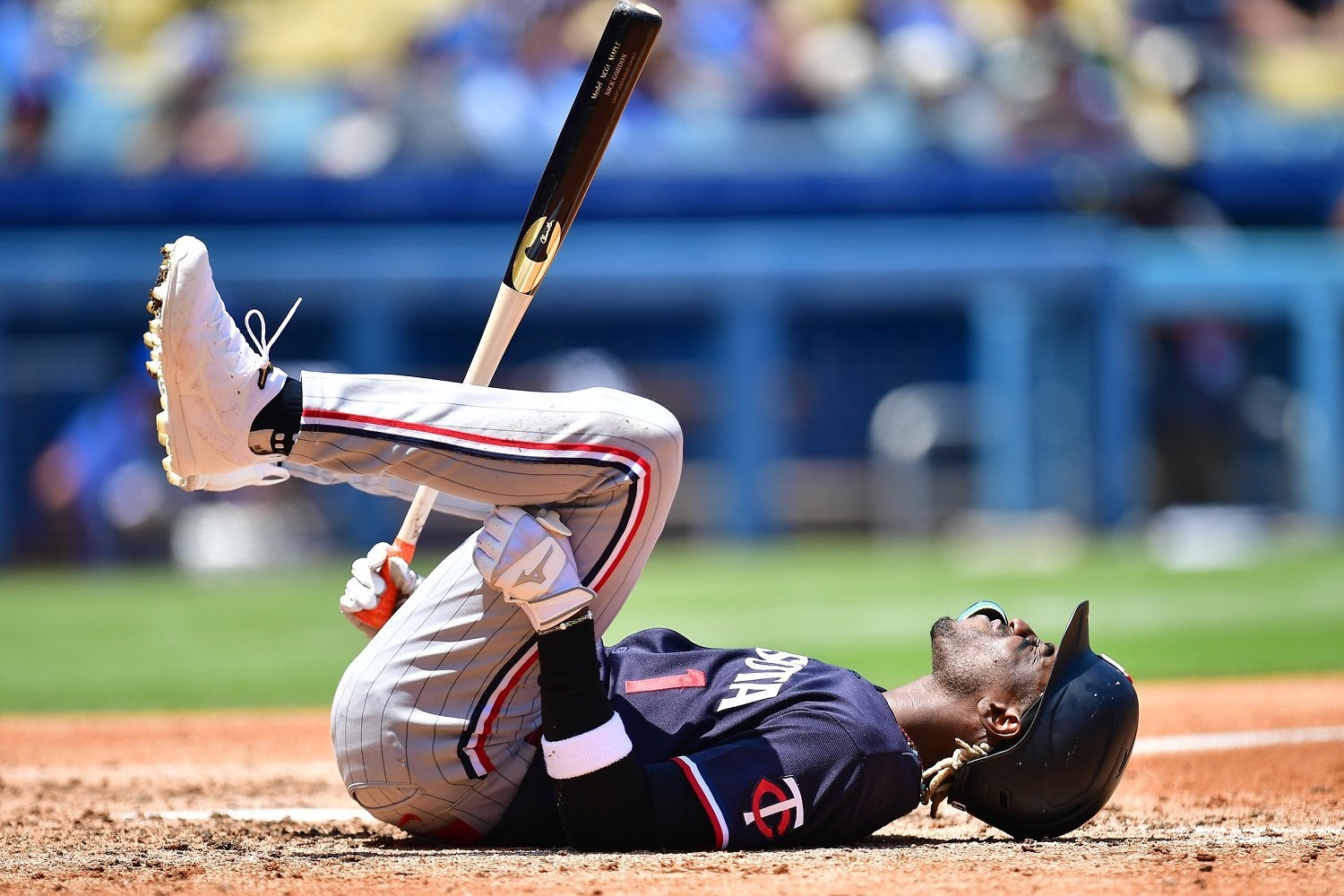 The Twins have seven arbitration-eligible players in 2024, including Caleb Thielbar, Kyle Farmer, Willi Castro, Jorge Alcala, Ryan Jeffers, Alex Kirilloff, and Nick Gordon. MLB Trade Rumors estimated the group to earn $18.8 million next season, with Farmer’s $6.6 million estimated contract accounting for over one-third of that total. Minnesota is actively shopping veteran players on the roster, and Farmer fits this player type. His projected salary for a backup infielder is inflated, especially on a team cutting payroll. So, how did things pan out with the arbitration process? Minnesota agreed to deals with Thielbar ($3.225 million), Jeffers ($2.425 million), Alcala ($790,000), and Kirilloff ($1.35 million). Other deals for Farmer, Castro, and Gordon weren’t reported until after the deadline. In total, Minnesota avoided arbitration with six of their seven players. MLB.com’s Do-Hyoung Park reported that Farmer agreed to a $6.05 million deal with a $6.25 million mutual option for 2025 with a $250,000 buyout. Alcala’s deal includes a $1.5 million club option for 2025 with a $55,000 buyout. Gordon was the lone player who failed to agree with the team. According to the Star Tribune’s Bobby Nintengale, the Twins could be headed to an arbitration hearing with Gordon. MLBTR estimated Gordon would get $1 million through arbitration, so it will be interesting to see the numbers from both the team and the player. Juan Soto Sets Arbitration Record Soto has made plenty of headlines this winter as his name swirled in the trade rumor mill before being acquired by the Yankees in a blockbuster deal. He was entering his final year of arbitration eligibility as a 25-year-old and was set for a big payday. Soto and New York agreed to terms on a one-year, $31 million contract to avoid arbitration. It is a new record for an arbitration-eligible player as he topped the one-year, $30 million contract given to Shohei Ohtani last season. Soto is set to hit free agency following the 2024 campaign and has a chance to be given one of the largest contracts in baseball history. Mauer HOF Update Joe Mauer is sitting in a good spot when it comes to his first shot at being elected to the National Baseball Hall of Fame. With an estimated 40% of the ballots revealed, Mauer has been named on 84.1%, the second-highest total for any candidate this year. To be elected, Mauer needs to finish with 75% or more of the vote. He continues to do well because his resume suits both new- and old-school voting styles. An argument can also be made that he was the best catcher of his era compared to the other top catchers, Buster Posey and Yadier Molina. The voting results for the National Baseball Hall of Fame will be announced on January 23rd, airing on MLB Network at 5 p.m. CT. What stood out to you from this year’s arbitration numbers? How do you feel about Mauer’s chances for the HOF? Leave a COMMENT and start the conversation.
- 9 comments
-
- 6
-
-
- kyle farmer
- nick gordon
- (and 5 more)
-
Thursday’s big news surrounded MLB teams exchanging numbers with arbitration-eligible players. So, what stood out from the Twins’ totals, and could the club avoid an arbitration hearing with all their eligible players? Image courtesy of Gary A. Vasquez-USA TODAY Sports Thursday’s big news surrounded MLB teams exchanging numbers with arbitration-eligible players. So, what stood out from the Twins’ totals, and could the club avoid an arbitration hearing with all their eligible players? The Twins have seven arbitration-eligible players in 2024, including Caleb Thielbar, Kyle Farmer, Willi Castro, Jorge Alcala, Ryan Jeffers, Alex Kirilloff, and Nick Gordon. MLB Trade Rumors estimated the group to earn $18.8 million next season, with Farmer’s $6.6 million estimated contract accounting for over one-third of that total. Minnesota is actively shopping veteran players on the roster, and Farmer fits this player type. His projected salary for a backup infielder is inflated, especially on a team cutting payroll. So, how did things pan out with the arbitration process? Minnesota agreed to deals with Thielbar ($3.225 million), Jeffers ($2.425 million), Alcala ($790,000), and Kirilloff ($1.35 million). Other deals for Farmer, Castro, and Gordon weren’t reported until after the deadline. In total, Minnesota avoided arbitration with six of their seven players. MLB.com’s Do-Hyoung Park reported that Farmer agreed to a $6.05 million deal with a $6.25 million mutual option for 2025 with a $250,000 buyout. Alcala’s deal includes a $1.5 million club option for 2025 with a $55,000 buyout. Gordon was the lone player who failed to agree with the team. According to the Star Tribune’s Bobby Nintengale, the Twins could be headed to an arbitration hearing with Gordon. MLBTR estimated Gordon would get $1 million through arbitration, so it will be interesting to see the numbers from both the team and the player. Juan Soto Sets Arbitration Record Soto has made plenty of headlines this winter as his name swirled in the trade rumor mill before being acquired by the Yankees in a blockbuster deal. He was entering his final year of arbitration eligibility as a 25-year-old and was set for a big payday. Soto and New York agreed to terms on a one-year, $31 million contract to avoid arbitration. It is a new record for an arbitration-eligible player as he topped the one-year, $30 million contract given to Shohei Ohtani last season. Soto is set to hit free agency following the 2024 campaign and has a chance to be given one of the largest contracts in baseball history. Mauer HOF Update Joe Mauer is sitting in a good spot when it comes to his first shot at being elected to the National Baseball Hall of Fame. With an estimated 40% of the ballots revealed, Mauer has been named on 84.1%, the second-highest total for any candidate this year. To be elected, Mauer needs to finish with 75% or more of the vote. He continues to do well because his resume suits both new- and old-school voting styles. An argument can also be made that he was the best catcher of his era compared to the other top catchers, Buster Posey and Yadier Molina. The voting results for the National Baseball Hall of Fame will be announced on January 23rd, airing on MLB Network at 5 p.m. CT. What stood out to you from this year’s arbitration numbers? How do you feel about Mauer’s chances for the HOF? Leave a COMMENT and start the conversation. View full article
-
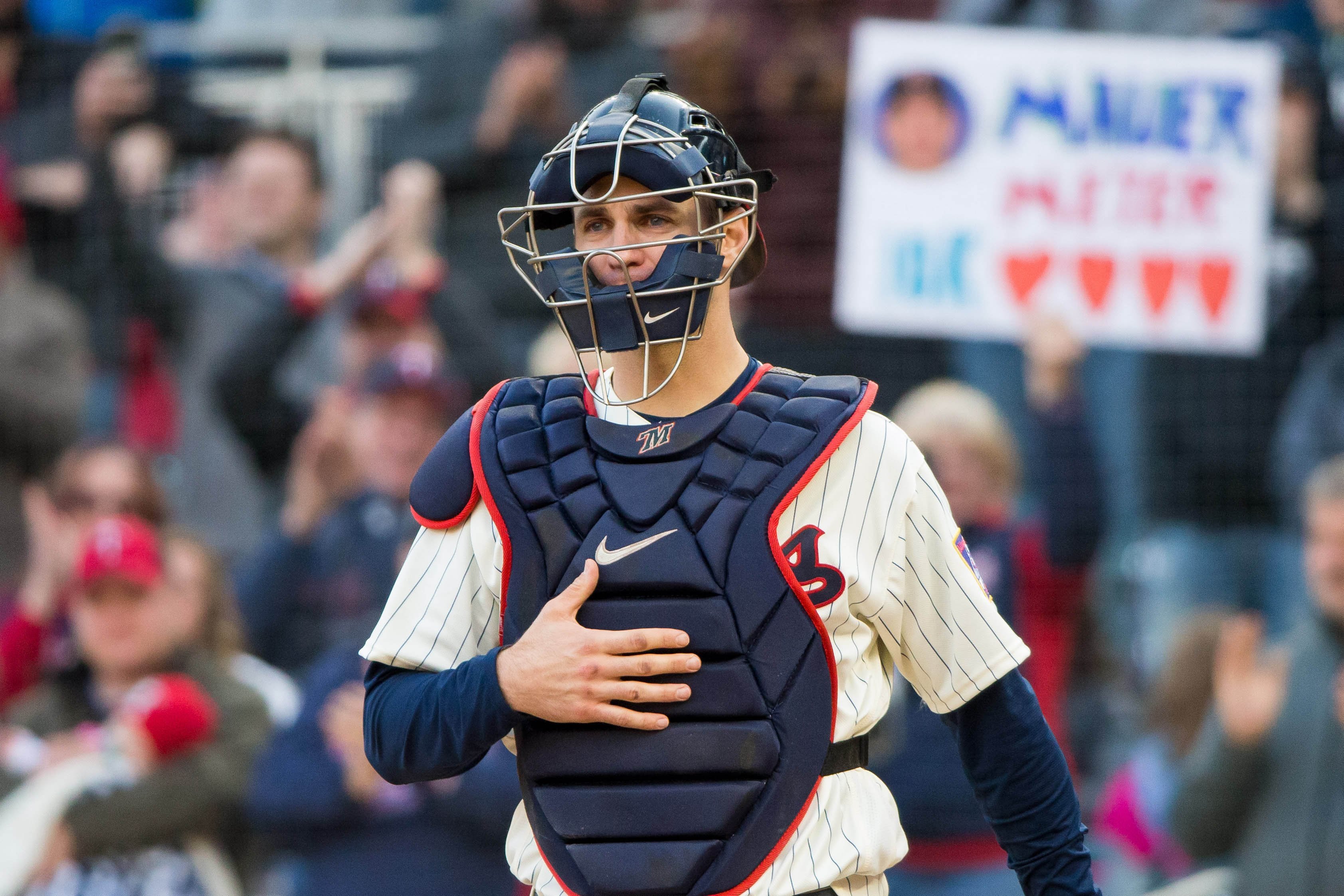 For many local fans, Joe Mauer’s Twins tenure was complicated, because of injuries, his large contract, and his shift to first base. However, Mauer is seen in a different light at the national level, with many writers supporting his candidacy on the ballot for the National Baseball Hall of Fame. He is currently trending toward being inducted on the first ballot, but if he falls short when the results of the BBWAA balloting are announced later this month, he will be elected in the coming years. Mauer played in an era with multiple catchers who put together Hall of Fame resumes. Like Mauer, Buster Posey was a high draft pick, and he helped the Giants win multiple World Series titles. Yadier Molina might be the best defensive catcher of all time, while being part of multiple Series-winning teams in St. Louis. So, how do these three catchers compare, and who is the best catcher of the era? WAR Wins Above Replacement has flaws, but it allows fans to understand how players compare from one era to the next. According to Baseball Reference, Mauer accumulated significantly more WAR than the other catcher counterparts from his era. Posey and Molina accumulated similar totals, with Posey being slightly higher (44.8 compared to 42.3). Mauer was worth 55.2 WAR during his 15-year career, including five seasons wherein he posted a 5.5 WAR or higher. Nearly all of Mauer’s WAR value came on the offensive side, with a 53.0 oWAR, while Molina was the significantly better defender (28.0 dWAR), but more on that later. WAR Ranking: 1. Mauer, 2. Posey, 3. Molina JAWS Jay Jaffe developed JAWS to measure a player’s Hall of Fame worthiness. A player’s JAWS is their career WAR averaged with their seven-year peak WAR. According to JAWS, Mauer ranks as the seventh-best catcher ever. Posey ranks 14th, and Molina ranks 22nd. Since Mauer already leads in total WAR, it makes sense for him to have a higher JAWS ranking. Mauer’s seven-year peak WAR ranks fifth among catchers, with his MVP season (7.8 WAR) helping his overall numbers. Posey ranks 10th in seven-year peak WAR, while Molina ranks 25th. JAWS Ranking: 1. Mauer, 2. Posey, 3. Molina WPA Win Probability Added is the change in a team's chances of winning caused by a batter's plate appearances. A change of +/- 1.0 would indicate one win added or lost due to the results of that player, based on the situations in which they came up. For hitters, WPA can be tied to the opportunities allotted to that batter, but throughout a career, it can point to a player helping his team to win. Mauer’s 27.6 WPA is nearly 10 wins higher than Posey's and 24.5 wins higher than Molina's, though of course, it's a purely offensive metric, so he's bound to hold that edge over them. WPA Ranking: 1. Mauer, 2. Posey, 3. Molina Adjusted Weighted Runs Created According to MLB.com, wRC+ takes the statistic Weighted Runs Created and adjusts that number to account for critical external factors, like ballpark or era. It’s adjusted so that a league-average hitter would have a 100 wRC+, and 150 would be 50 percent above the league average. Mauer's time in the Metrodome hurts his adjusted numbers, because it was a hitter-friendly environment. Posey played in San Francisco, which is less friendly to hitters. Overall, Posey finished with the highest wRC+ among this group (129), with Mauer not far behind (123). Molina ended his career with a 97 wRC+, which puts him slightly below the league average. wRC+ Ranking: 1. Posey, 2. Mauer, 3. Molina Postseason Résumé Mauer’s postseason résumé is significantly limited compared to those of the other two catchers, because of his team’s inability to win a series during his career. Mauer played in 10 postseason games and went 11-for-40 (.275 BA), with (ahem) one extra-base hit (Phil Cuzzi says so, anyway) and a seven-to-four strikeout-to-walk ratio. Molina played in nearly 50 more playoff games than Posey and had superior offensive numbers. In 104 games, Molina’s OPS was 16 points higher while helping the Cardinals win two World Series titles. Posey gets the nod with the most World Series titles, but Molina ranks as the top postseason performer among this catching trio. Postseason Résumé Ranking: 1. Molina, 2. Posey, 3. Mauer Defense Baseball has two sides to the game, and defense must be considered when looking at all-time great players. Molina is one of the best defensive catchers in baseball history, and his defensive résumé might be enough to get him elected to Cooperstown. He won nine Gold Gloves and four Platinum Gloves, while posting a 28.0 dWAR. Mauer earned three Gold Gloves, with Posey only earning one, as he was competing directly with Molina. Mauer and Posey tied by throwing out 33% of runners during their careers, but Posey had 232 more stolen base attempts against him. Molina threw out 40% of batters in his career, including leading MLB in that category in four different seasons. His intimidating brilliance as a thrower shut down running games, severely reducing the rate at which runners even attempted to steal. Defense Ranking: 1. Molina, 2. Posey, 3. Mauer Baseball has countless statistical areas in which to compare players, but there are some clear results among these three catchers. Jason Michalicek responded to me on Twitter with what I think is the best response. Mauer was the best offensively, Molina was the best defensively, and Posey was the most well-rounded. However, Mauer should be considered one of the best catchers ever, and it looks increasingly like that reality will be affirmed by a first-ballot election to the Hall of Fame. How would you rank these players? Leave a COMMENT and start the discussion.
- 27 comments
-
- 9
-
-
- joe mauer
- buster posey
- (and 1 more)
-
National outlets have begun releasing projections about the 2024 season. Here are five observations from FanGraphs’ ZiPS projections for the Twins, which went up Tuesday--including a few surprises. Image courtesy of Jesse Johnson-USA TODAY Sports National outlets have begun releasing projections about the 2024 season. Here are five observations from FanGraphs’ ZiPS projections for the Twins, which went up Tuesday--including a few surprises. Dan Szymborski created ZiPS in the early 2000s, and it became publicly available in 2005, which means ZiPS is celebrating its 20th anniversary this season. ZiPS is a computer projection system with some distinguishing characteristics, relative to other ones around the web. Szymborski wrote, “At its core, however, it’s still doing two primary tasks: estimating what the baseline expectation for a player is at the moment I hit the button, and then estimating where that player may be going using large cohorts of relatively similar players.” ZiPS uses statistics from multiple years, with the more recent seasons given more weight. The model continues to evolve, and there are always ways to get better. However, it did practically what it should have done last season regarding hitters and pitchers. Szymborski posted that among pitchers who threw a minimum of 40 innings, 49% reached their 50th percentile projection. Offensively, hitters with a minimum of 300 plate appearances saw 51% reach their 50th percentile projection. So, how do the Twins stack up in 2024? What surprises are there in the team’s projections? Pablo Lopez is Going to be a Problem (In a Good Way) Last season, López wasn’t on the Twins when the team’s ZiPS projections were released, and his total with the Marlins was well below his 2024 projection. To be fair, López has been a different pitcher since this time last season. After joining the Twins, he refined and deployed a sweeper, and that pitch elevated him to one of baseball’s best starting pitchers. His 3.7-WAR projection is tied for the second-highest on the Twins. Some national outlets have already started pointing to López as a potential Cy Young candidate in 2024, which has happened with Sonny Gray and Kenta Maeda in recent seasons. Royce Lewis Enters the MVP Conversation While López might be in the Cy Young conversation, Lewis has the highest ZiPS projection on the Twins, and he’s only on the cusp of his prime. Twins fans saw what Lewis meant to the team’s offense in the second half, with his record-setting grand slams and clutch playoff home runs. Lewis hasn’t played in over 100 games since the 2019 season, so his health is the most significant question mark moving forward. His top near-age offensive comp is Steve Garvey, who won the NL MVP during his age-25 season, and Lewis turns 25 in June. Byron Buxton is Back in Center Field ZiPS has Buxton getting the majority of the team’s starts in center field next season, which might be challenging for fans to imagine. In 2023, Buxton failed to play an inning in center while dealing with chronic knee issues that have plagued him in recent years. Szymborski was explicitly asked about Buxton on Twitter, and pointed to local news stories that point to the Twins planning on starting Buxton in center field next season. The Twins must have backup options for Buxton in center, and ZiPS projects Willi Castro will be the second option. Behind Castro on the depth chart are players like Nick Gordon and Austin Martin. There is also a chance the team will bring Michael A. Taylor back on a short-term deal. Obviously, no projection system is going to give us relevant information about whether Buxton will be back in that spot in 2024. We just have to follow the news, consider Buxton's track record, and adjust the numbers the model spits out according to our superior knowledge. Carlos Correa and the Unknown Correa is coming off his worst professional season, with a 94 OPS+ and a 96 wRC+ while battling plantar fasciitis for the majority of the year. According to FanGraphs, Correa was worth 1.1 WAR last season, so a jump back to 3.7 WAR puts him closer to the total he accumulated in his first year with the Twins (4.4). Some players recover from plantar fasciitis and return to their previous form, while others are hampered by the injury for the remainder of their careers. Minnesota hopes Correa is back to being a middle-of-the-order hitter, putting him on pace to surpass his ZiPS projection in 2024. Minnesota’s Top-Heavy Bullpen The front office rarely spends money on relief pitching, so the Twins have relied on internal options and non-roster invitees to spring training to find the best bullpen fits. Jhoan Duran continues to lead the bullpen group, and it’s hard to imagine the team’s bullpen being successful without him. The Twins identified Brock Stewart while he was rehabbing from Tommy John surgery and saw him return last season to be one of the bullpen’s bright spots. Durán and Stewart get elite ZiPS projections for next year, and some other players aren’t far behind. Griffin Jax and Caleb Thielbar also fit into setup roles, even with some mixed performances last season. Relief pitchers tend to burn bright and flame out quickly, so it will be interesting to see who exceeds expectations in this group for 2024. What stands out from the team’s ZiPS projections? Are you surprised by any players? Leave a COMMENT and start the discussion. View full article
-
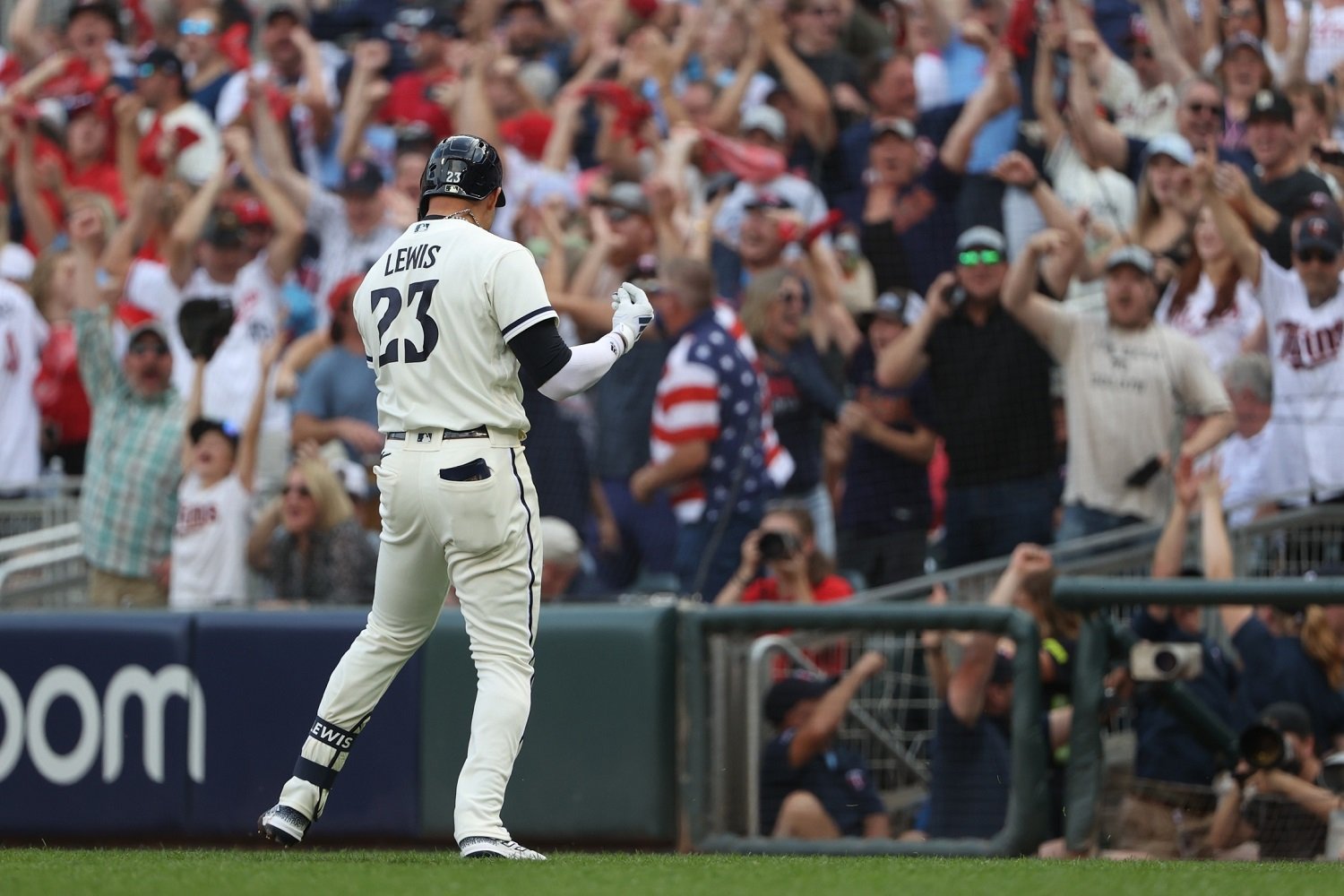 Dan Szymborski created ZiPS in the early 2000s, and it became publicly available in 2005, which means ZiPS is celebrating its 20th anniversary this season. ZiPS is a computer projection system with some distinguishing characteristics, relative to other ones around the web. Szymborski wrote, “At its core, however, it’s still doing two primary tasks: estimating what the baseline expectation for a player is at the moment I hit the button, and then estimating where that player may be going using large cohorts of relatively similar players.” ZiPS uses statistics from multiple years, with the more recent seasons given more weight. The model continues to evolve, and there are always ways to get better. However, it did practically what it should have done last season regarding hitters and pitchers. Szymborski posted that among pitchers who threw a minimum of 40 innings, 49% reached their 50th percentile projection. Offensively, hitters with a minimum of 300 plate appearances saw 51% reach their 50th percentile projection. So, how do the Twins stack up in 2024? What surprises are there in the team’s projections? Pablo Lopez is Going to be a Problem (In a Good Way) Last season, López wasn’t on the Twins when the team’s ZiPS projections were released, and his total with the Marlins was well below his 2024 projection. To be fair, López has been a different pitcher since this time last season. After joining the Twins, he refined and deployed a sweeper, and that pitch elevated him to one of baseball’s best starting pitchers. His 3.7-WAR projection is tied for the second-highest on the Twins. Some national outlets have already started pointing to López as a potential Cy Young candidate in 2024, which has happened with Sonny Gray and Kenta Maeda in recent seasons. Royce Lewis Enters the MVP Conversation While López might be in the Cy Young conversation, Lewis has the highest ZiPS projection on the Twins, and he’s only on the cusp of his prime. Twins fans saw what Lewis meant to the team’s offense in the second half, with his record-setting grand slams and clutch playoff home runs. Lewis hasn’t played in over 100 games since the 2019 season, so his health is the most significant question mark moving forward. His top near-age offensive comp is Steve Garvey, who won the NL MVP during his age-25 season, and Lewis turns 25 in June. Byron Buxton is Back in Center Field ZiPS has Buxton getting the majority of the team’s starts in center field next season, which might be challenging for fans to imagine. In 2023, Buxton failed to play an inning in center while dealing with chronic knee issues that have plagued him in recent years. Szymborski was explicitly asked about Buxton on Twitter, and pointed to local news stories that point to the Twins planning on starting Buxton in center field next season. The Twins must have backup options for Buxton in center, and ZiPS projects Willi Castro will be the second option. Behind Castro on the depth chart are players like Nick Gordon and Austin Martin. There is also a chance the team will bring Michael A. Taylor back on a short-term deal. Obviously, no projection system is going to give us relevant information about whether Buxton will be back in that spot in 2024. We just have to follow the news, consider Buxton's track record, and adjust the numbers the model spits out according to our superior knowledge. Carlos Correa and the Unknown Correa is coming off his worst professional season, with a 94 OPS+ and a 96 wRC+ while battling plantar fasciitis for the majority of the year. According to FanGraphs, Correa was worth 1.1 WAR last season, so a jump back to 3.7 WAR puts him closer to the total he accumulated in his first year with the Twins (4.4). Some players recover from plantar fasciitis and return to their previous form, while others are hampered by the injury for the remainder of their careers. Minnesota hopes Correa is back to being a middle-of-the-order hitter, putting him on pace to surpass his ZiPS projection in 2024. Minnesota’s Top-Heavy Bullpen The front office rarely spends money on relief pitching, so the Twins have relied on internal options and non-roster invitees to spring training to find the best bullpen fits. Jhoan Duran continues to lead the bullpen group, and it’s hard to imagine the team’s bullpen being successful without him. The Twins identified Brock Stewart while he was rehabbing from Tommy John surgery and saw him return last season to be one of the bullpen’s bright spots. Durán and Stewart get elite ZiPS projections for next year, and some other players aren’t far behind. Griffin Jax and Caleb Thielbar also fit into setup roles, even with some mixed performances last season. Relief pitchers tend to burn bright and flame out quickly, so it will be interesting to see who exceeds expectations in this group for 2024. What stands out from the team’s ZiPS projections? Are you surprised by any players? Leave a COMMENT and start the discussion.
- 29 comments
-
- 5
-
-
- pablo lopez
- carlos correa
- (and 4 more)
-
Catching is one of the most demanding positions in baseball, with players taking a beating behind the plate. Many catchers are forced to move to other positions before their careers end. So, how does Joe Mauer rank compared to the other top catchers from his era? Image courtesy of Brad Rempel, USA TODAY Sports Catching is one of the most demanding positions in baseball, with players taking a beating behind the plate. Many catchers are forced to move to other positions before their careers end. So, how does Joe Mauer rank compared to the other top catchers from his era? For many local fans, Joe Mauer’s Twins tenure was complicated, because of injuries, his large contract, and his shift to first base. However, Mauer is seen in a different light at the national level, with many writers supporting his candidacy on the ballot for the National Baseball Hall of Fame. He is currently trending toward being inducted on the first ballot, but if he falls short when the results of the BBWAA balloting are announced later this month, he will be elected in the coming years. Mauer played in an era with multiple catchers who put together Hall of Fame resumes. Like Mauer, Buster Posey was a high draft pick, and he helped the Giants win multiple World Series titles. Yadier Molina might be the best defensive catcher of all time, while being part of multiple Series-winning teams in St. Louis. So, how do these three catchers compare, and who is the best catcher of the era? WAR Wins Above Replacement has flaws, but it allows fans to understand how players compare from one era to the next. According to Baseball Reference, Mauer accumulated significantly more WAR than the other catcher counterparts from his era. Posey and Molina accumulated similar totals, with Posey being slightly higher (44.8 compared to 42.3). Mauer was worth 55.2 WAR during his 15-year career, including five seasons wherein he posted a 5.5 WAR or higher. Nearly all of Mauer’s WAR value came on the offensive side, with a 53.0 oWAR, while Molina was the significantly better defender (28.0 dWAR), but more on that later. WAR Ranking: 1. Mauer, 2. Posey, 3. Molina JAWS Jay Jaffe developed JAWS to measure a player’s Hall of Fame worthiness. A player’s JAWS is their career WAR averaged with their seven-year peak WAR. According to JAWS, Mauer ranks as the seventh-best catcher ever. Posey ranks 14th, and Molina ranks 22nd. Since Mauer already leads in total WAR, it makes sense for him to have a higher JAWS ranking. Mauer’s seven-year peak WAR ranks fifth among catchers, with his MVP season (7.8 WAR) helping his overall numbers. Posey ranks 10th in seven-year peak WAR, while Molina ranks 25th. JAWS Ranking: 1. Mauer, 2. Posey, 3. Molina WPA Win Probability Added is the change in a team's chances of winning caused by a batter's plate appearances. A change of +/- 1.0 would indicate one win added or lost due to the results of that player, based on the situations in which they came up. For hitters, WPA can be tied to the opportunities allotted to that batter, but throughout a career, it can point to a player helping his team to win. Mauer’s 27.6 WPA is nearly 10 wins higher than Posey's and 24.5 wins higher than Molina's, though of course, it's a purely offensive metric, so he's bound to hold that edge over them. WPA Ranking: 1. Mauer, 2. Posey, 3. Molina Adjusted Weighted Runs Created According to MLB.com, wRC+ takes the statistic Weighted Runs Created and adjusts that number to account for critical external factors, like ballpark or era. It’s adjusted so that a league-average hitter would have a 100 wRC+, and 150 would be 50 percent above the league average. Mauer's time in the Metrodome hurts his adjusted numbers, because it was a hitter-friendly environment. Posey played in San Francisco, which is less friendly to hitters. Overall, Posey finished with the highest wRC+ among this group (129), with Mauer not far behind (123). Molina ended his career with a 97 wRC+, which puts him slightly below the league average. wRC+ Ranking: 1. Posey, 2. Mauer, 3. Molina Postseason Résumé Mauer’s postseason résumé is significantly limited compared to those of the other two catchers, because of his team’s inability to win a series during his career. Mauer played in 10 postseason games and went 11-for-40 (.275 BA), with (ahem) one extra-base hit (Phil Cuzzi says so, anyway) and a seven-to-four strikeout-to-walk ratio. Molina played in nearly 50 more playoff games than Posey and had superior offensive numbers. In 104 games, Molina’s OPS was 16 points higher while helping the Cardinals win two World Series titles. Posey gets the nod with the most World Series titles, but Molina ranks as the top postseason performer among this catching trio. Postseason Résumé Ranking: 1. Molina, 2. Posey, 3. Mauer Defense Baseball has two sides to the game, and defense must be considered when looking at all-time great players. Molina is one of the best defensive catchers in baseball history, and his defensive résumé might be enough to get him elected to Cooperstown. He won nine Gold Gloves and four Platinum Gloves, while posting a 28.0 dWAR. Mauer earned three Gold Gloves, with Posey only earning one, as he was competing directly with Molina. Mauer and Posey tied by throwing out 33% of runners during their careers, but Posey had 232 more stolen base attempts against him. Molina threw out 40% of batters in his career, including leading MLB in that category in four different seasons. His intimidating brilliance as a thrower shut down running games, severely reducing the rate at which runners even attempted to steal. Defense Ranking: 1. Molina, 2. Posey, 3. Mauer Baseball has countless statistical areas in which to compare players, but there are some clear results among these three catchers. Jason Michalicek responded to me on Twitter with what I think is the best response. Mauer was the best offensively, Molina was the best defensively, and Posey was the most well-rounded. However, Mauer should be considered one of the best catchers ever, and it looks increasingly like that reality will be affirmed by a first-ballot election to the Hall of Fame. How would you rank these players? Leave a COMMENT and start the discussion. View full article
-
Where Are They Now? The Twins' Last 10 First-Round Draft Picks
Cody Christie posted an article in Twins
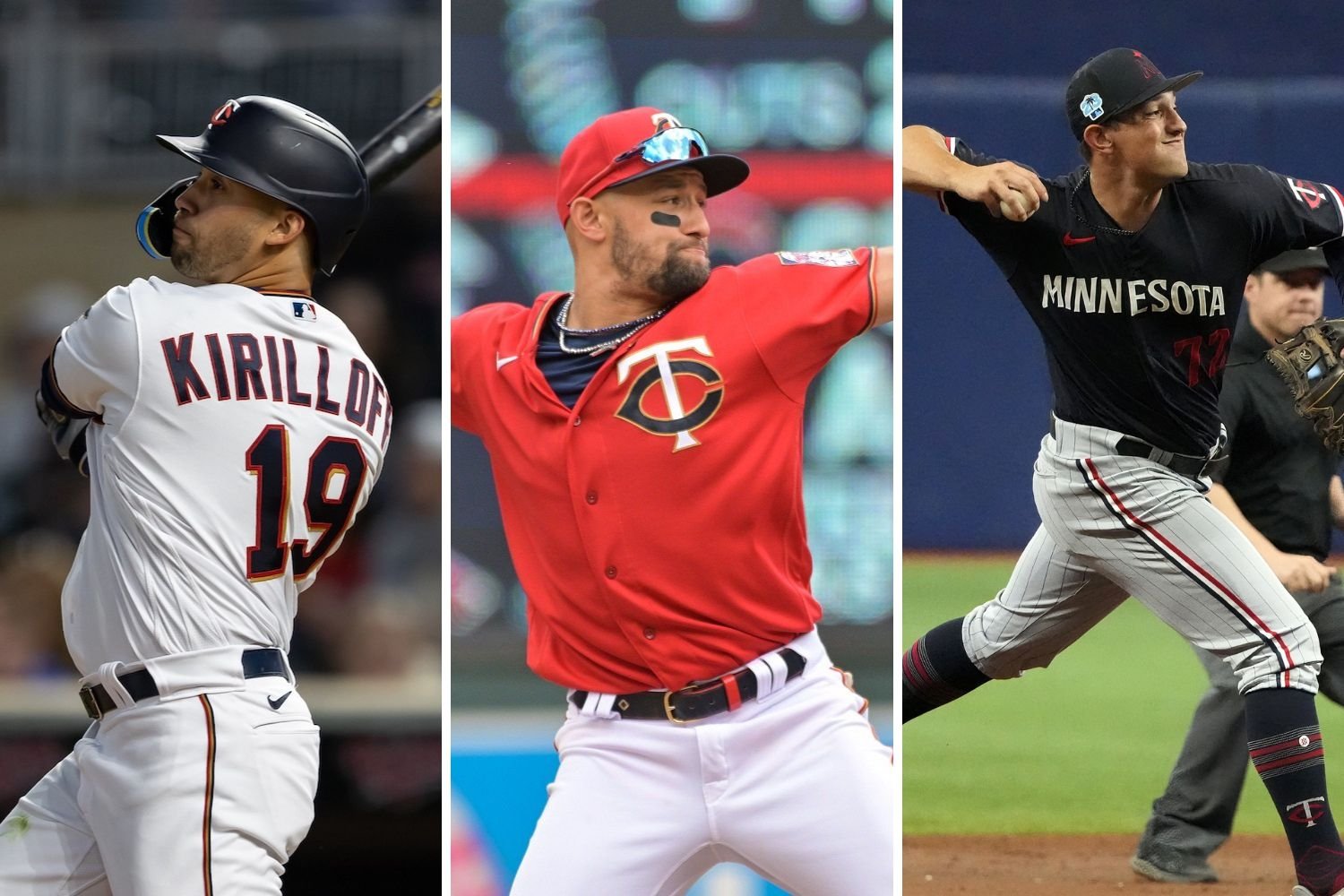 Derek Falvey and Thad Levine have focused on certain player types with their first-round picks, as the Twins have remained relevant in the AL Central. Strong organizations need to hit on their first-round picks and turn them into regulars at the big-league level. Let’s look back at the last decade to see how the team’s first-round picks have fared in their professional careers. 2023: Walker Jenkins (5th overall) The Twins benefited greatly by receiving a top-five pick in the inaugural MLB Draft Lottery. Last season’s draft had five tremendous players, and Minnesota was lucky to have Walker Jenkins still on the board with their pick. After signing, Jenkins split time between the FCL Twins and Fort Myers, hitting .362/.417/.571 with 12 extra-base hits in 26 games. He is widely considered the Twins’ top-ranked prospect, and there is a chance for him to be ranked as baseball’s number-one prospect at this time next year. 2022: Brooks Lee (8th overall) Minnesota’s 2021 season was disappointing, but a poor season meant the team received a high pick. Lee was considered one of the top collegiate bats in his draft class, and the Twins have seen those skills during the early stages of his professional career. Lee finished last season in St. Paul and hit .275/.347/.461, with 39 doubles, three triples, and 16 home runs in 125 games. He continues to see time at shortstop, but his long-term home might be at another infield position. He is considered one of baseball’s top 50 prospects and is expected to debut in 2024. 2021: Chase Petty (26th overall) The Twins traded Petty to the Reds for Sonny Gray leading into the 2022 season. It turned out to be an intelligent move by Minnesota’s front office, because they got two All-Star-caliber seasons from Gray and a draft pick at the end of the first round, after he declined the team’s qualifying offer. Petty pitched at High A and Double A last season in the Reds organization. In 18 games (68 innings), he posted a 1.72 ERA, with a 1.15 WHIP and a 66-to-15 strikeout-to-walk ratio. At the beginning of 2023, he missed time with an elbow injury that wasn’t considered serious. Petty was a high price to pay, but high-school pitchers have a challenging road to the big leagues. 2020: Aaron Sabato (27th overall) The 2020 MLB Draft will be remembered for many different reasons, since the pandemic limited the team’s ability to scout players. Minnesota took Sabato after he posted a 1.158 OPS in 83 collegiate games. Some evaluators questioned the pick, because Sabato was considered a first baseman or designated hitter, meaning he would need to hit at a very high level to make a real impact in the big leagues. In 2023, he played 77 games at Double A and posted a .759 OPS, with 32 extra-base hits and 103 strikeouts. Following the season, Minnesota sent him to the Arizona Fall League, where he hit seven homers and three doubles in 18 games. Sabato doesn’t seem to fit into the team’s long-term plans at this point, but he has the potential to surprise in 2024. 2019: Keoni Cavaco (13th overall) Cavaco gained a lot of steam in the weeks leading into the draft, so Minnesota selected him with the 13th pick in hopes that he could develop into a five-tool talent. His professional career has been a disappointment to this point, with a .610 OPS across four seasons. Last year, he dealt with some injuries and was limited to 63 games. At High A (59 games), he hit .193/.266/.287, with four doubles, five home runs, and an 88-to-18 strikeout-to-walk ratio. Originally drafted as a shortstop, he has continued to move down the defensive spectrum, sliding to third base before playing last season at first base. 2018: Trevor Larnach (20th overall) Twins fans have seen a lot of Larnach over the last three seasons, but it’s unclear what his long-term role with the big-league club can be. Since his rookie season, his OPS has risen by over 50 points, but his 98 OPS+ last season was still below league average. At Triple A, Larnach fared much better, hitting .271/.384/.504 with 30 extra-base hits in 72 games. However, his biggest flaw is hitting breaking pitches, and the level of competition is easier at Triple A. The 2024 season will be the make-or-break moment for Larnach to establish himself at the big-league level. 2017: Royce Lewis (1st overall) Minnesota’s first draft under Falvey and Levine came with high expectations and the first overall pick. There were multiple options for the top spot, but the Twins decided on Lewis, and he immediately became one of baseball’s top prospects. Torn ACLs in back-to-back seasons slowed down his progress, but he was a spark plug for the 2023 Twins, on the way to a division title. In 58 games, he posted a 150 OPS+, with seven doubles and 15 home runs. His home run heroics carried over into the postseason, where he helped Minnesota win its first playoff series in two decades. Lewis is on track to be the face of the franchise for the next decade. 2016: Alex Kirilloff (15th overall) Kirilloff was among the best high-school hitting prospects in his draft class, and he quickly moved into national top-100 lists. Baseball America and MLB.com ranked him in their top 15 prospects leading into the 2019 campaign. Injuries have slowed down his professional career, including Tommy John surgery, multiple wrist surgeries, and a shoulder procedure. He has flashed brief signs of being the hitter he was in the minors (including a 117 OPS+ last season), but he has yet to play more than 88 games in one big-league season. Minnesota hopes Kirilloff can begin to meet his expectations with a healthy season next year. 2015: Tyler Jay (6th overall) Jay was used as a relief pitcher in college, but the Twins felt like he had the tools to transition to a starting pitching role. He pitched five seasons in the Twins organization and topped out at Double A. Since leaving the Twins, he has pitched for two other organizations (Reds and Mets) and in the independent leagues. Last season, he started the year pitching for Joliet in the Frontier League and posted a 4.26 ERA (with a 1.18 WHIP) in 57 innings. The Mets organization added him at the end of August, and he made six relief appearances (6 IP) while allowing four earned runs. His time in the Twins organization had some good moments, but it was a failed experiment. 2014: Nick Gordon (5th overall) Gordon comes from a family of baseball players, and the Twins felt confident in taking him with a top-five pick back in 2014. He worked his way slowly through the farm system, before bursting onto the scene in 2022 with a 111 OPS+ in 136 games. Twins fans expected big things from him last season, but he struggled out of the gate (35 OPS+) before fracturing his right shin when he fouled a pitch off his leg. Minnesota offered him arbitration, and he will be in the outfield mix for 2024. Which players will have the most significant impact on the 2024 roster? Which player was the biggest disappointment? Leave a COMMENT and start the discussion.
- 29 comments
-
- 11
-
-
- royce lewis
- walker jenkins
- (and 5 more)


