



Cody Christie
-
Posts
7,515 -
Joined
-
Last visited
-
Days Won
5
Content Type
Profiles
News
Minnesota Twins Videos
2026 Minnesota Twins Top Prospects Ranking
2022 Minnesota Twins Draft Picks
Minnesota Twins Free Agent & Trade Rumors, Notes, & Tidbits
Guides & Resources
2023 Minnesota Twins Draft Picks
The Minnesota Twins Players Project
2024 Minnesota Twins Draft Picks
2025 Minnesota Twins Draft Pick Tracker
2026 Minnesota Twins Draft Tracker: Picks & Bonuses
Forums
Blogs
Events
Store
Downloads
Gallery
Everything posted by Cody Christie
-
Drafting and developing young shortstops can be an exercise in futility. Few can stay at the position long-term, but the Twins may be developing a future star. The Twins selected Noah Miller with the 36th overall pick in the 2021 MLB Draft out of high school in Wisconsin. Minnesota's current front office prefers to draft college bats, but Miller didn't fit that mold. The switch-hitting infielder had all the necessary skills as scouting reports projected praised his offensive and defensive approaches. Now, in his second professional season, some of those positive signs have translated onto the field. A couple of questions surrounded Miller when he was drafted, including his age and skill level coming from a cold-weather state. He was already 19 years old, which is old for a high school player. Miller played his high school career in Wisconsin, which can put players at a disadvantage because the weather can impact their playing time as an amateur. Minnesota has tried to work through these issues since he signed with the organization. During his first two professional seasons, Minnesota has pushed Miller to play at levels where he has been at least two years younger than the average age of the competition. Miller has played the 2022 season in the Florida State League and only faced younger pitchers in 13 at-bats. Against older pitchers, he has a 57-to-40 strikeout to walk ratio as he has gotten on base in nearly 37% of his at-bats. The Twins organization is challenging Miller, and he is responding even though he is young for his level. Because of his cold-weather background, Miller's swing projected to need time to develop as a professional. As a right-handed hitter, he has hit .229/.359/.320 (.679) with nine extra-base hits in 184 plate appearances this year. His left side was more powerful when he was drafted, which has proven to be true this season. In 44 at-bats, his OPS is over 100 points higher from the left side, and two of his 12 hits have been for extra bases. Entering the season, Miller had mixed opinions about his defense, but he started strongly in his first full professional season. FanGraphs graded him on the 80 scouting scale as currently being a 30 with a potential future value of 45. MLB Pipeline has his fielding and his arm graded as a 55. He has started every game at shortstop and has only committed two errors in over 427 innings. Errors can be a fluky way to evaluate prospect talent, but even the Fort Myer's broadcaster has been impressed with the 19-year-old's FSL debut. Everything hasn't gone perfectly for Miller this season, but it's clear to see why the Twins were interested in drafting him. He has excellent bat control and can make consistent contact from both sides of the plate. As he continues to add muscle and fill out his frame, more power will come. There is a decent chance he can stick at shortstop, a position the Twins have struggled to develop in recent years. Miller is multiple years away from making his Target Field debut, but there are positive signs as he continues to thrive in his first full professional season. What stands out to you about Miller? Leave a COMMENT and start the discussion. View full article
-
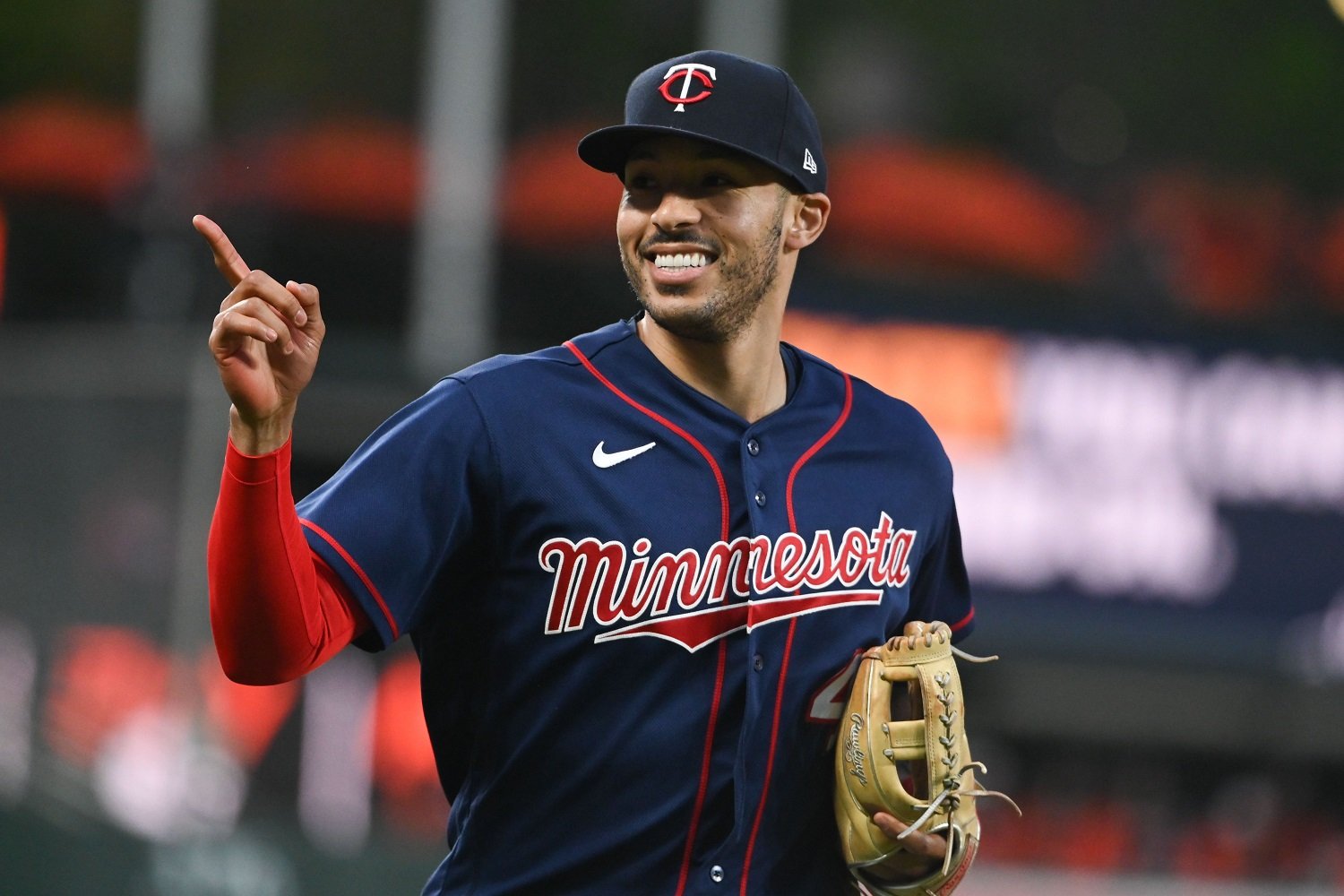 As the calendar gets closer to July, Minnesota's roster looks like it will need more pitching depth to stay at the top of the AL Central. The Twins' front office has been creative to keep the team's winning window open as long as possible. Here are some veteran players the team can trade to add pitching depth. Gio Urshela, 3B Gio Urshela has already had some memorable moments in a Twins uniform, and he has been an above-average hitter (102 OPS+) on a team trying to find an offensive spark. However, Jose Miranda seems poised to take over the everyday third baseman role, which might make Urshela expendable. He is still under team control for the 2023 season and offers some defensive flexibility even though the Twins have only played him at third base. The Athletic named him one of the top 125 players likely to be dealt before the deadline. However, the same article called him a top-five defensive third baseman, which is a stretch. Max Kepler, OF Minnesota's future outfield doesn't include Max Kepler, so the time may be right for him to be dealt. He's having a resurgent offensive season and is under team control through 2024. His 115 OPS+ is the second-highest total of his career and his wRC+ ranks in the top 7 among AL right fielders. In the Twins Daily blog section, Tim suggested the Twins trade Kepler to the Padres because they have an outfield need and a plethora of starting pitching. Minnesota also has younger options to start playing in the outfield corners, including Alex Kirilloff, Trevor Larnach, and other outfield prospects on the way. Last year, it looked like Kepler may be one of baseball's most valuable trade assets, and he may have increased his trade value in 2022. Miguel Sano, DH/1B Some fans may have forgotten, but Miguel Sano will be returning to the Twins in the weeks ahead. His slow start (.379 OPS) and knee surgery put his future in limbo. Minnesota has a $14 million team option for next season, but there's little chance of the team exercising that option. It's also hard to find a scenario where Sano can get regular playing time at the big-league level. The Twins have younger options that provide more offensive upside. Unfortunately, his trade value is low as he played poorly before the injury, and there is no guarantee he will be back to 100% for a team's postseason run. Carlos Correa, SS Carlos Correa is arguably Minnesota's best overall player, so it's hard to imagine a scenario where the team gets better by dealing him away. However, there is no guarantee that he will stay with the club beyond 2022, as he can opt out at the season's end. Another contending team may make the Twins an offer they can't refuse. Dealing Correa also creates a giant hole at shortstop that would need to be filled by an internal candidate or a different trade. After a slow start, Correa's bat has improved significantly as he has a 131 OPS+ for the season. A trade involving Correa would undoubtedly change the team's clubhouse dynamic, which might be an obstacle the team doesn't want to try to overcome. Obviously, there is a lot of baseball to be played before the August 2nd trade deadline. Other needs may arise for the Twins, and some of these players may prove to be indispensable. Do you feel like any of these players will be traded before the deadline? Leave a COMMENT and start the discussion.
- 62 comments
-
- 1
-

-
- gio urshela
- carlos correa
- (and 2 more)
-
The Twins find themselves in contention, and soon the front office will need to decide on an approach for the trade deadline. One way to build a contender is to trade from a position of strength. As the calendar gets closer to July, Minnesota's roster looks like it will need more pitching depth to stay at the top of the AL Central. The Twins' front office has been creative to keep the team's winning window open as long as possible. Here are some veteran players the team can trade to add pitching depth. Gio Urshela, 3B Gio Urshela has already had some memorable moments in a Twins uniform, and he has been an above-average hitter (102 OPS+) on a team trying to find an offensive spark. However, Jose Miranda seems poised to take over the everyday third baseman role, which might make Urshela expendable. He is still under team control for the 2023 season and offers some defensive flexibility even though the Twins have only played him at third base. The Athletic named him one of the top 125 players likely to be dealt before the deadline. However, the same article called him a top-five defensive third baseman, which is a stretch. Max Kepler, OF Minnesota's future outfield doesn't include Max Kepler, so the time may be right for him to be dealt. He's having a resurgent offensive season and is under team control through 2024. His 115 OPS+ is the second-highest total of his career and his wRC+ ranks in the top 7 among AL right fielders. In the Twins Daily blog section, Tim suggested the Twins trade Kepler to the Padres because they have an outfield need and a plethora of starting pitching. Minnesota also has younger options to start playing in the outfield corners, including Alex Kirilloff, Trevor Larnach, and other outfield prospects on the way. Last year, it looked like Kepler may be one of baseball's most valuable trade assets, and he may have increased his trade value in 2022. Miguel Sano, DH/1B Some fans may have forgotten, but Miguel Sano will be returning to the Twins in the weeks ahead. His slow start (.379 OPS) and knee surgery put his future in limbo. Minnesota has a $14 million team option for next season, but there's little chance of the team exercising that option. It's also hard to find a scenario where Sano can get regular playing time at the big-league level. The Twins have younger options that provide more offensive upside. Unfortunately, his trade value is low as he played poorly before the injury, and there is no guarantee he will be back to 100% for a team's postseason run. Carlos Correa, SS Carlos Correa is arguably Minnesota's best overall player, so it's hard to imagine a scenario where the team gets better by dealing him away. However, there is no guarantee that he will stay with the club beyond 2022, as he can opt out at the season's end. Another contending team may make the Twins an offer they can't refuse. Dealing Correa also creates a giant hole at shortstop that would need to be filled by an internal candidate or a different trade. After a slow start, Correa's bat has improved significantly as he has a 131 OPS+ for the season. A trade involving Correa would undoubtedly change the team's clubhouse dynamic, which might be an obstacle the team doesn't want to try to overcome. Obviously, there is a lot of baseball to be played before the August 2nd trade deadline. Other needs may arise for the Twins, and some of these players may prove to be indispensable. Do you feel like any of these players will be traded before the deadline? Leave a COMMENT and start the discussion. View full article
-

Minnesota Twins 2014 Draft Retrospective: Swings and Misses
Cody Christie posted an article in Twins
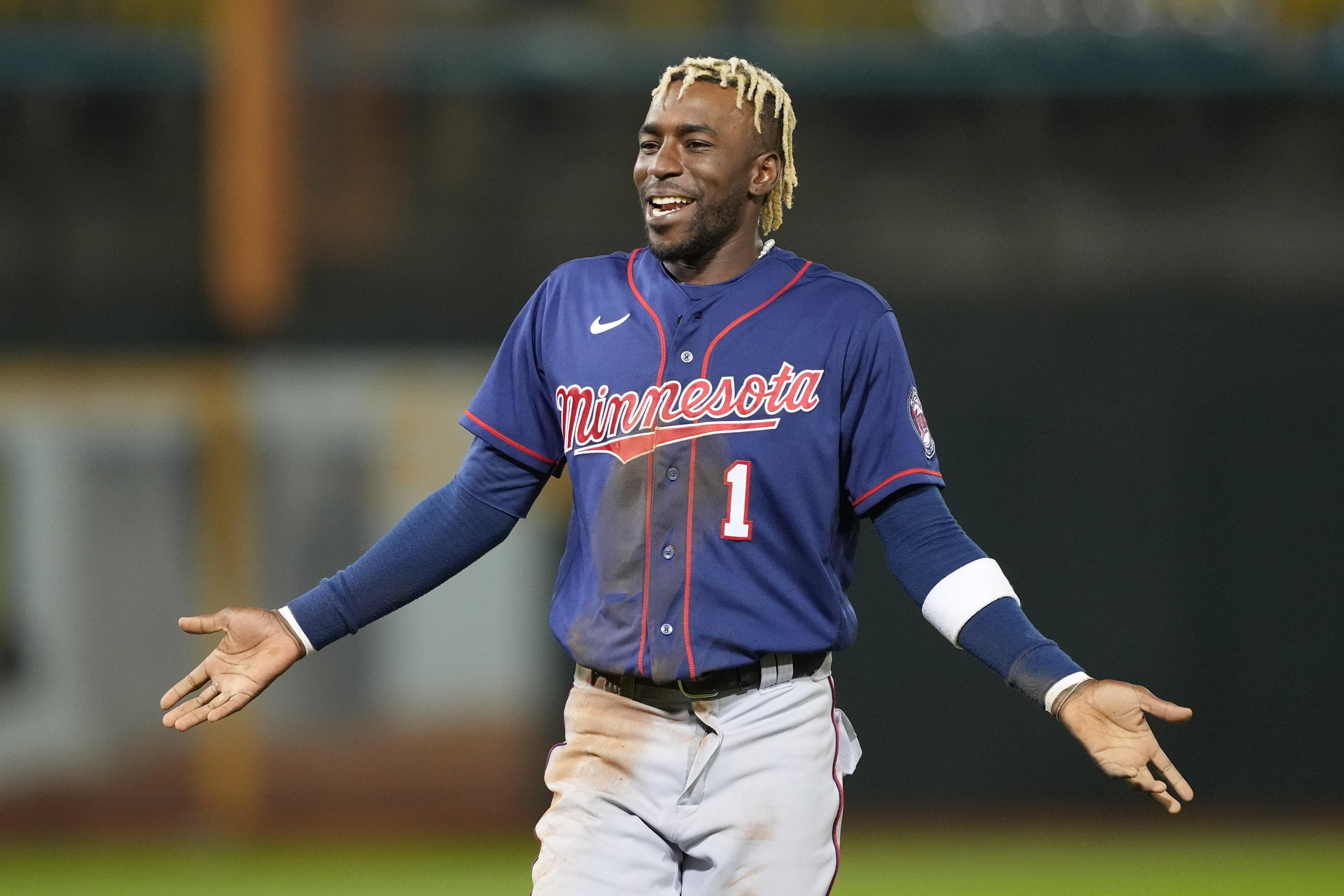 Major League Baseball's 2022 Draft is scheduled to start on July 17, 2022. Each team prepares for the draft with a specific plan, and sometimes those plans play out better than others. To prepare fans for the upcoming draft, here is a look at some of the most important drafts in recent Twins history. In 2014, the Twins were in the midst of some dark times as the club lost over 90 games for the fourth consecutive season. The team's 66-96 record from 2013 put them in position for the fifth overall pick. At the top of the draft, the Astros took Brady Aiken, who didn't sign, and the Marlins took Tyler Kolek, who hasn't pitched in a minor league game since 2019. Carlos Rodon and Kyle Schwarber were taken with the next two picks, and both have compiled decent big-league numbers when healthy. The Twins were on the clock with multiple options. Minnesota was left to consider multiple intriguing names, including college stars and toolsy prep players. The Twins selected high schooler Nick Gordon who had plenty of tools and came from a family tied to baseball. Gordon was considered one of Minnesota's top prospects throughout the majority of his professional career, but his path to the big leagues had bumps in the road. He's worked into a utility role for the Twins while accumulating a 0.5 WAR and an 84 OPS+ in 121 games. Many teams, like the Twins, passed over some of the best talents in the 2014 first round. Three players have accumulated more than 24 WAR, including Trea Turner (13th pick), Aaron Nola (7th pick), and Matt Chapman (25th pick). Turner is the biggest miss for the Twins in the first round as he has developed into one of baseball's best players. If the Twins wanted a pitcher, Nola was taken two picks after Gordon and has accumulated a 3.66 ERA and a 1.14 WHIP for his career. Many teams can play the "what if" game with these two names. Minnesota made five other picks in that draft that have made their big-league debuts, but they have combined for a -2.5 career WAR. Nick Burdi was taken in the second round and has 16 appearances because of various injuries. Burdi didn't make it past Double-A in the Twins system, and Pittsburgh used a Rule 5 pick to select him in 2017. The Twins took Sam Clay in the fourth round, and he made his debut with the Nationals in 2021. Over the last two seasons, he has been worth -0.9 WAR as he has a 67 ERA+ in 63 appearances. Later in the draft, the Twins selected players like Jake Reed (-0.4 WAR), John Curtiss (0.7 WAR), and Trevor Hildenberger (-1.3 WAR). Curtiss had the most success as a reliever with Tampa Bay as he helped that club on their run to the 2020 World Series. Reed and Hildenberger have been inconsistent and bounced around to multiple organizations. As mid- to late-round picks, these players reaching the major leagues is an accomplishment in itself. Two years after the 2014 MLB Draft, the Twins had one of their best drafts in recent memory. For every strong draft class, there is a class that doesn't live up to expectations. Strong organizations can consistently identify big-league talent and develop players through a team's farm system. What do you remember about this draft? What is Gordon's role moving forward with the Twins? Leave a COMMENT and start the discussion. OTHER POSTS IN THE SERIES -2012 MLB Draft Retrospective -2016 MLB Draft Retrospective
- 11 comments
-
- 2
-

-
-
- nick gordon
- trevor hildenberger
- (and 2 more)
-
Eight years ago, the Twins had a top-5 pick for the third consecutive season. However, many of the team's picks from that draft have been swings and misses. Major League Baseball's 2022 Draft is scheduled to start on July 17, 2022. Each team prepares for the draft with a specific plan, and sometimes those plans play out better than others. To prepare fans for the upcoming draft, here is a look at some of the most important drafts in recent Twins history. In 2014, the Twins were in the midst of some dark times as the club lost over 90 games for the fourth consecutive season. The team's 66-96 record from 2013 put them in position for the fifth overall pick. At the top of the draft, the Astros took Brady Aiken, who didn't sign, and the Marlins took Tyler Kolek, who hasn't pitched in a minor league game since 2019. Carlos Rodon and Kyle Schwarber were taken with the next two picks, and both have compiled decent big-league numbers when healthy. The Twins were on the clock with multiple options. Minnesota was left to consider multiple intriguing names, including college stars and toolsy prep players. The Twins selected high schooler Nick Gordon who had plenty of tools and came from a family tied to baseball. Gordon was considered one of Minnesota's top prospects throughout the majority of his professional career, but his path to the big leagues had bumps in the road. He's worked into a utility role for the Twins while accumulating a 0.5 WAR and an 84 OPS+ in 121 games. Many teams, like the Twins, passed over some of the best talents in the 2014 first round. Three players have accumulated more than 24 WAR, including Trea Turner (13th pick), Aaron Nola (7th pick), and Matt Chapman (25th pick). Turner is the biggest miss for the Twins in the first round as he has developed into one of baseball's best players. If the Twins wanted a pitcher, Nola was taken two picks after Gordon and has accumulated a 3.66 ERA and a 1.14 WHIP for his career. Many teams can play the "what if" game with these two names. Minnesota made five other picks in that draft that have made their big-league debuts, but they have combined for a -2.5 career WAR. Nick Burdi was taken in the second round and has 16 appearances because of various injuries. Burdi didn't make it past Double-A in the Twins system, and Pittsburgh used a Rule 5 pick to select him in 2017. The Twins took Sam Clay in the fourth round, and he made his debut with the Nationals in 2021. Over the last two seasons, he has been worth -0.9 WAR as he has a 67 ERA+ in 63 appearances. Later in the draft, the Twins selected players like Jake Reed (-0.4 WAR), John Curtiss (0.7 WAR), and Trevor Hildenberger (-1.3 WAR). Curtiss had the most success as a reliever with Tampa Bay as he helped that club on their run to the 2020 World Series. Reed and Hildenberger have been inconsistent and bounced around to multiple organizations. As mid- to late-round picks, these players reaching the major leagues is an accomplishment in itself. Two years after the 2014 MLB Draft, the Twins had one of their best drafts in recent memory. For every strong draft class, there is a class that doesn't live up to expectations. Strong organizations can consistently identify big-league talent and develop players through a team's farm system. What do you remember about this draft? What is Gordon's role moving forward with the Twins? Leave a COMMENT and start the discussion. OTHER POSTS IN THE SERIES -2012 MLB Draft Retrospective -2016 MLB Draft Retrospective View full article
-
Minnesota’s bullpen has struggled through different parts of the 2022 season, but a beacon of hope may be on the horizon. Can one returning pitcher help solidify the bullpen in the second half? The Twins have seen the organization’s depth tested this year with seven starters on the Injured List as recently as Monday. Pitching also continues to evolve, with relievers taking on an even more critical role. Minnesota’s relievers have accumulated the AL’s fourth-lowest fWAR total and have allowed the sixth-highest batting average. The line between starter and reliever continues to be blurred, which might help one reliever transition to a bullpen role in 2022. Kenta Maeda is on schedule to rejoin the team later this year after having modified Tommy John surgery last season. A brace was added to the impacted elbow to speed up his recovery time. This newer development can cut the recovery time from the standard 12-16 months to 9-12 months. Nine months after his surgery puts him on the mound in June, while 12 months would be September. “This is a rehab that we know takes time, and you have to be patient,” manager Rocco Baldelli told reporters. “There’s no way to speed up some of these things. We wish there was, but everything that we could ask from a player as far as the work that they put in, we get from Kenta.” Maeda had been rehabbing at the team’s Fort Myers facilities but rejoined the team at Target Field over the weekend. He has been throwing from 120 feet, and his next step is to get back on the mound in the next two to three weeks. A lot of things still need to go right for Maeda to pitch in 2022, but the Twins are in contention, and he has a history of being a dominant postseason reliever. “I’m simply happy to be back, seeing the guys, to simply be around with them,” Maeda said through interpreter Daichi Sekizaki. “Just to be able to continue the same program at the big league stadium gets me going. (It’s) very exciting.” The Dodgers used Maeda as a starter during the 2016 playoffs, but he allowed eight earned runs in 10 2/3 innings as his team fell to the Cubs in the NLCS. From 2017 to 2019, Los Angeles shifted Maeda to a relief role for postseason play, and he helped the team to back-to-back World Series appearances. In 22 innings, he allowed four earned runs (1.64 ERA) with 27 strikeouts and five walks (two intentional). His playoff prowess has been well documented, and the Twins may have an opportunity to use him out of the bullpen in 2022. Maeda’s regular-season numbers as a reliever are nearly as strong as his postseason dominance. He has pitched 42 1/3 relief innings with a 3.19 ERA and a 0.99 WHIP. As a starter, his K/9 is a respectable 9.7, but he has a 12.3 K/9 out of the bullpen. Opponents have hit .219/.275/.381 (.656) with 13 extra-base hits in 155 plate appearances. He’s also earned six regular-season saves and finished eight games, so he has the “proven closer” title. Maeda has plenty of more hurdles before joining the team’s roster. There is also the question of what the Twins will need when Maeda is ready. If the team needs a starter, he must make multiple rehab starts to get stretched out. If the team wants him in the bullpen, he may have an earlier return to the Target Field mound. Do you think Maeda will return to the Twins this season? What role will he fill for the club? Leave a COMMENT and start the discussion. View full article
-
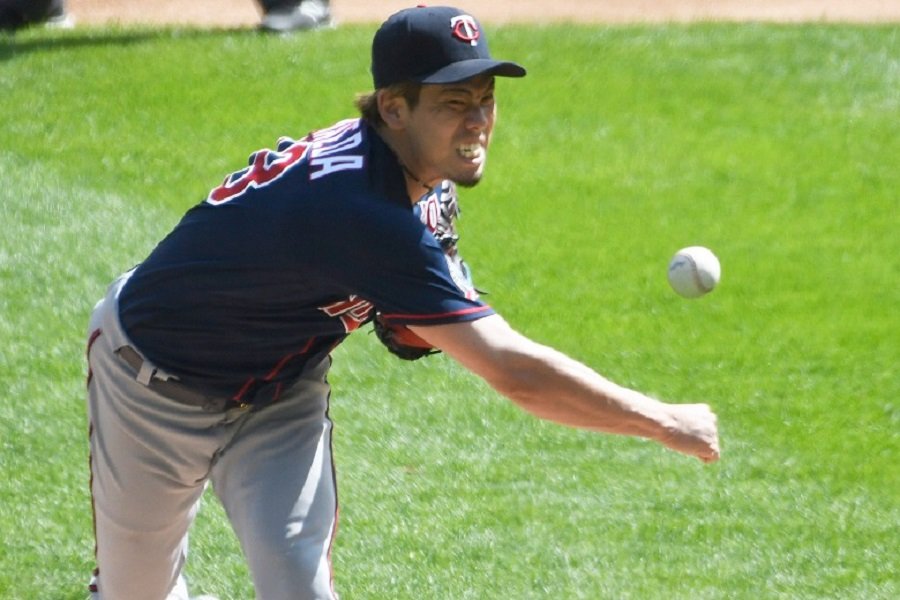 The Twins have seen the organization’s depth tested this year with seven starters on the Injured List as recently as Monday. Pitching also continues to evolve, with relievers taking on an even more critical role. Minnesota’s relievers have accumulated the AL’s fourth-lowest fWAR total and have allowed the sixth-highest batting average. The line between starter and reliever continues to be blurred, which might help one reliever transition to a bullpen role in 2022. Kenta Maeda is on schedule to rejoin the team later this year after having modified Tommy John surgery last season. A brace was added to the impacted elbow to speed up his recovery time. This newer development can cut the recovery time from the standard 12-16 months to 9-12 months. Nine months after his surgery puts him on the mound in June, while 12 months would be September. “This is a rehab that we know takes time, and you have to be patient,” manager Rocco Baldelli told reporters. “There’s no way to speed up some of these things. We wish there was, but everything that we could ask from a player as far as the work that they put in, we get from Kenta.” Maeda had been rehabbing at the team’s Fort Myers facilities but rejoined the team at Target Field over the weekend. He has been throwing from 120 feet, and his next step is to get back on the mound in the next two to three weeks. A lot of things still need to go right for Maeda to pitch in 2022, but the Twins are in contention, and he has a history of being a dominant postseason reliever. “I’m simply happy to be back, seeing the guys, to simply be around with them,” Maeda said through interpreter Daichi Sekizaki. “Just to be able to continue the same program at the big league stadium gets me going. (It’s) very exciting.” The Dodgers used Maeda as a starter during the 2016 playoffs, but he allowed eight earned runs in 10 2/3 innings as his team fell to the Cubs in the NLCS. From 2017 to 2019, Los Angeles shifted Maeda to a relief role for postseason play, and he helped the team to back-to-back World Series appearances. In 22 innings, he allowed four earned runs (1.64 ERA) with 27 strikeouts and five walks (two intentional). His playoff prowess has been well documented, and the Twins may have an opportunity to use him out of the bullpen in 2022. Maeda’s regular-season numbers as a reliever are nearly as strong as his postseason dominance. He has pitched 42 1/3 relief innings with a 3.19 ERA and a 0.99 WHIP. As a starter, his K/9 is a respectable 9.7, but he has a 12.3 K/9 out of the bullpen. Opponents have hit .219/.275/.381 (.656) with 13 extra-base hits in 155 plate appearances. He’s also earned six regular-season saves and finished eight games, so he has the “proven closer” title. Maeda has plenty of more hurdles before joining the team’s roster. There is also the question of what the Twins will need when Maeda is ready. If the team needs a starter, he must make multiple rehab starts to get stretched out. If the team wants him in the bullpen, he may have an earlier return to the Target Field mound. Do you think Maeda will return to the Twins this season? What role will he fill for the club? Leave a COMMENT and start the discussion.
 -
There are roughly seven weeks until the trade deadline, and plenty of names will start being tossed around in the rumor mill. Here are three players whose stock has risen recently and how they fit with the Twins. The players mentioned below are on non-contending teams, which are expected to be active at the deadline. As the August 2 trade deadline approaches, expect multiple trade targets tied to the Twins. Luis Castillo, RHP, Reds Twins fans have been calling for the Twins to trade for Luis Castillo since last winter, but he will be one of the most sought-after arms heading into the deadline. Minnesota completed the Sonny Gray trade with Cinncinatti, so the two front offices are familiar with one another. Sometimes that helps to make more significant trades come to fruition. Unlike the last trade that was a one-for-one deal, a Castillo trade will likely take multiple prospects, especially since he has one last arbitration-eligible season in 2023. Recent Hot Streak: Castillo began the year on the IL, which may have hurt his potential trade value. However, he has rounded back into form over his last five starts. In 29 1/3 innings, he has allowed eight earned runs (2.45 ERA) and averaged nearly six innings per outing. Opponents have hit .214/.279/.304 (.582) while striking out in 26.8% of their at-bats. Castillo would bolster nearly any team's playoff rotation. Willson Contreras, C, Cubs Minnesota has two capable big-league catchers on the roster, but a catching upgrade might help improve the entire line-up. Ryan Jeffers has struggled this season, and Willson Contreras would be a significant upgrade behind the plate. The Cubs traded away many of their core players last year, and Contreras is one of the last remaining pieces from their 2016 World Series run. FanGraphs has him ranked as the catcher with the highest WAR total in 2022. He is a free agent at the season's end, so plenty of teams will be in the market for the two-time All-Star. Recent Hot Streak: Contreras posted a .781 OPS through the season's first month, which isn't terrible. However, his bat started to heat up when the calendar turned to May. Over his last 33 games, he is hitting .279/.420/.550 (.970), including four doubles and eight home runs. At this point, he may be baseball's best offensive catcher. Trey Mancini, 1B, Orioles First base is an interesting position for the Twins. Luis Arraez has been getting most of the starts at the position, but the team can also add Alex Kirilloff and Miguel Sano back to the roster in the coming weeks. Trey Mancini can play first base or either corner outfield spot, but the Twins have depth at those positions. MLB.com identified him as a potential fit for the Twins, but it is hard to envision him fitting into the current line-up unless injuries became a concern. His current contract includes a $10 million mutual option for 2023 with a $250,000 buyout, so he doesn't have to serve strictly as a rental player for a team acquiring him. Recent Hot Streak: Mancini posted a .590 OPS through the season's first month, but he has recently heated up. Over his last 38 games, he is hitting .326/.424/.482 (.907) with five doubles and five home runs. FanGraphs ranks Minnesota's first base production in the bottom six of the American League. Mancini fits the prototypical first baseman role if the front office wants to address this position. Which player(s) do you feel like would be the best fit for the Twins before the trade deadline? Leave a COMMENT and start the discussion. View full article
-
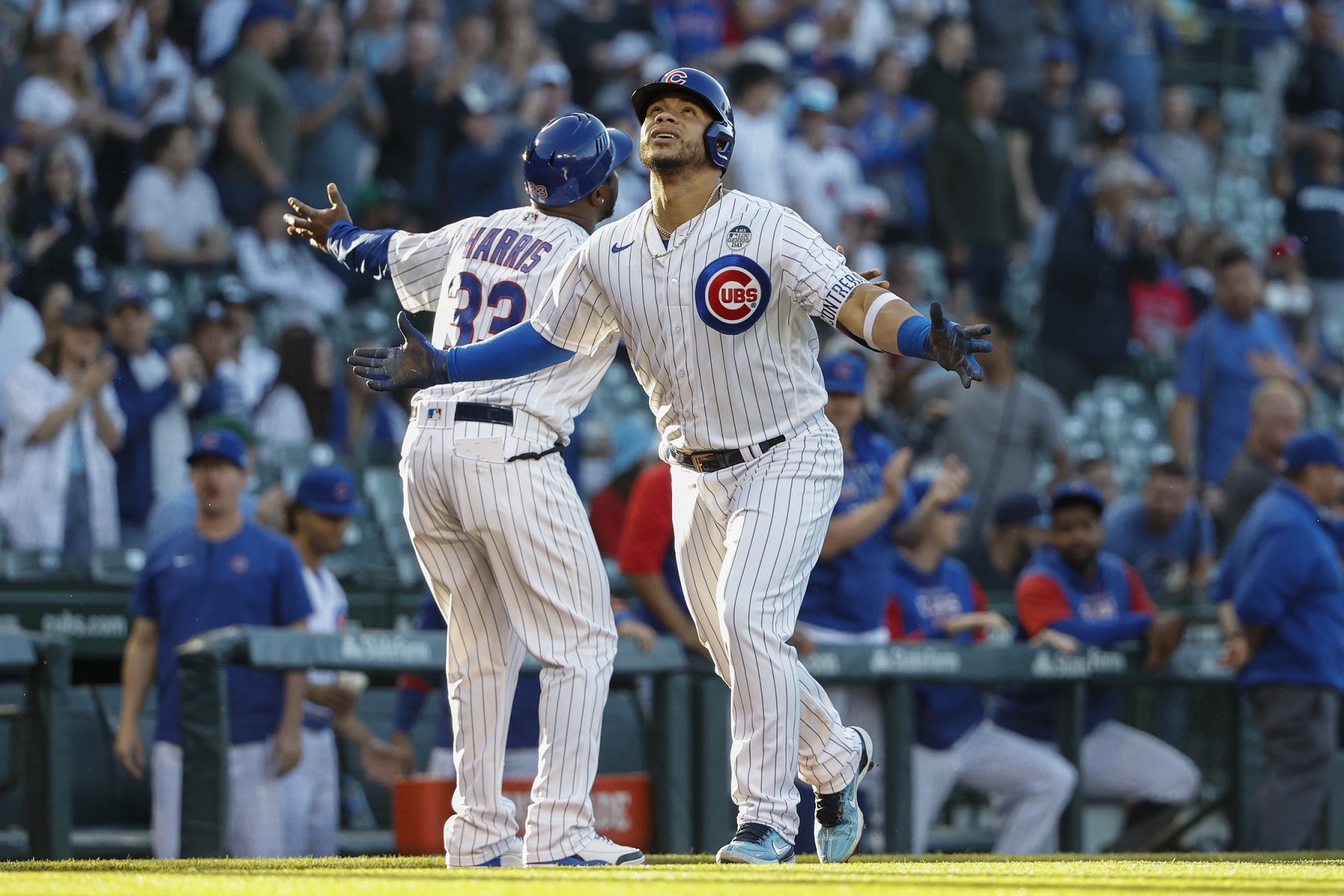 The players mentioned below are on non-contending teams, which are expected to be active at the deadline. As the August 2 trade deadline approaches, expect multiple trade targets tied to the Twins. Luis Castillo, RHP, Reds Twins fans have been calling for the Twins to trade for Luis Castillo since last winter, but he will be one of the most sought-after arms heading into the deadline. Minnesota completed the Sonny Gray trade with Cinncinatti, so the two front offices are familiar with one another. Sometimes that helps to make more significant trades come to fruition. Unlike the last trade that was a one-for-one deal, a Castillo trade will likely take multiple prospects, especially since he has one last arbitration-eligible season in 2023. Recent Hot Streak: Castillo began the year on the IL, which may have hurt his potential trade value. However, he has rounded back into form over his last five starts. In 29 1/3 innings, he has allowed eight earned runs (2.45 ERA) and averaged nearly six innings per outing. Opponents have hit .214/.279/.304 (.582) while striking out in 26.8% of their at-bats. Castillo would bolster nearly any team's playoff rotation. Willson Contreras, C, Cubs Minnesota has two capable big-league catchers on the roster, but a catching upgrade might help improve the entire line-up. Ryan Jeffers has struggled this season, and Willson Contreras would be a significant upgrade behind the plate. The Cubs traded away many of their core players last year, and Contreras is one of the last remaining pieces from their 2016 World Series run. FanGraphs has him ranked as the catcher with the highest WAR total in 2022. He is a free agent at the season's end, so plenty of teams will be in the market for the two-time All-Star. Recent Hot Streak: Contreras posted a .781 OPS through the season's first month, which isn't terrible. However, his bat started to heat up when the calendar turned to May. Over his last 33 games, he is hitting .279/.420/.550 (.970), including four doubles and eight home runs. At this point, he may be baseball's best offensive catcher. Trey Mancini, 1B, Orioles First base is an interesting position for the Twins. Luis Arraez has been getting most of the starts at the position, but the team can also add Alex Kirilloff and Miguel Sano back to the roster in the coming weeks. Trey Mancini can play first base or either corner outfield spot, but the Twins have depth at those positions. MLB.com identified him as a potential fit for the Twins, but it is hard to envision him fitting into the current line-up unless injuries became a concern. His current contract includes a $10 million mutual option for 2023 with a $250,000 buyout, so he doesn't have to serve strictly as a rental player for a team acquiring him. Recent Hot Streak: Mancini posted a .590 OPS through the season's first month, but he has recently heated up. Over his last 38 games, he is hitting .326/.424/.482 (.907) with five doubles and five home runs. FanGraphs ranks Minnesota's first base production in the bottom six of the American League. Mancini fits the prototypical first baseman role if the front office wants to address this position. Which player(s) do you feel like would be the best fit for the Twins before the trade deadline? Leave a COMMENT and start the discussion.
 -
Six years ago, the Twins had one of their strongest drafts in recent memory. All five of their top picks from that draft have debuted, so let’s look at how this draft unfolded. Major League Baseball’s 2022 Draft is scheduled to start on July 17, 2022. Each team prepares for the draft with a specific plan, and sometimes those plans play out better than others. To prepare fans for the upcoming draft, here is a look at some of the most important drafts in recent Twins history. The 2015 season was a compelling time in Twins Territory as the club finished in second place in the AL Central after four straight 90-loss seasons. An improved record meant Minnesota drafted in the middle of the 2016 MLB Draft instead of near the top. Because the team had the 15th overall pick, it can make it tougher to project which players will be available and how the team can get as much value as possible for their picks. Minnesota selected outfielder Alex Kirilloff out of high school in Pittsburgh, PA. He was known for his advanced hitting approach, which has been his calling card throughout his professional career. Out of players selected in the first round, Kirilloff (0.4 WAR) currently ranks 13th according to Baseball-Reference’s WAR. Eight players selected behind him rank higher in career WAR, including Will Smith (8.1 WAR), Dakota Hudson (4.5 WAR), Gavin Lux (4.3 WAR), and Eric Lauer (3.8 WAR). Many of these names played in college, so they were expected to debut before Kirilloff. Only three high school players taken in the first round have accumulated more WAR than Kirilloff (Lux, Ian Anderson, and Dylan Carlson). During the second round, the Twins had three different picks, and all three have made their debuts over the last two seasons. Minnesota selected Ben Rortvedt with the 56th overall pick, and he has been worth -0.1 WAR in 39 career games. He was included as part of the Josh Donaldson trade and underwent arthroscopic knee surgery in May. Rortvedt may never hit well enough to be an everyday catcher, but he is a solid backup with strong defensive skills. Later in the second round, the Twins had back-to-back picks and took Jose Miranda and Akil Baddoo. Miranda won the team’s minor league player of the year last year after dominating in the minor’s upper levels. His big-league career started slowly, but his bat is showing signs of the hitter he was last season. Over his last 16 games, Miranda has a 1.012 OPS with six doubles and three home runs. The Tigers selected Baddoo in the 2021 Rule 5 Draft, and he posted a 111 OPS+ in 124 games last season. He started the 2022 season by going 7-for-50 (.140 BA), and he is currently in the minors trying to rediscover his swing. Minnesota’s third-round pick was Griffin Jax from the United State Air Force Academy. During his rookie campaign, the Twins used Jax as a starter, and he posted a 6.37 ERA with a 1.35 WHIP. There were some positive signs in his numbers as he did very well the first time through a line-up, so the team moved him to the bullpen for 2022. His transition to reliever has been outstanding as the team has relied on him to get some crucial outs this season. Jordan Balazovic ranks as one of Minnesota’s top pitching prospects, and the team took him with their fifth-round pick. Baseball America and Baseball Prospectus had him in their top-100 prospects entering the 2022 season. His season started late as he dealt with a left knee strain, and he has made six starts at Triple-A this season, and he has a 9.00 ERA with a 2.33 WHIP. If he can put together some more consistent outings, there will be an opportunity for him to debut in 2022. Tyler Wells is developing into a solid late-round pick by the Twins (453rd overall). Unfortunately, the Orioles selected him in the 2021 Rule 5 Draft, so his value has been earned in a Baltimore jersey. His 1.8 WAR is the highest total of any Twins player taken in the 2016 Draft. Last season, he pitched out of the bullpen and posted a 109 ERA+ with a 0.91 WHIP. The Orioles moved him to the rotation this season, and he has a 3.86 ERA and a 1.08 WHIP in 12 starts. Kirilloff still has a long career ahead of him to accumulate value for the Twins, but there were other strong players in the first round that Minnesota passed over. Overall, the Twins found talent that is emerging at the big-league level, and the total value won’t be known for multiple more years. Do you think the Twins made the right decision by taking Kirilloff? Should the team have left Baddoo and Wells unprotected in the Rule 5 Draft? Leave a COMMENT and start the discussion. OTHER POSTS IN THE SERIES -2012 MLB Draft Retrospective View full article
-
Minnesota Twins 2016 Draft Retrospective: Emerging Big-League Talent
Cody Christie posted an article in Twins
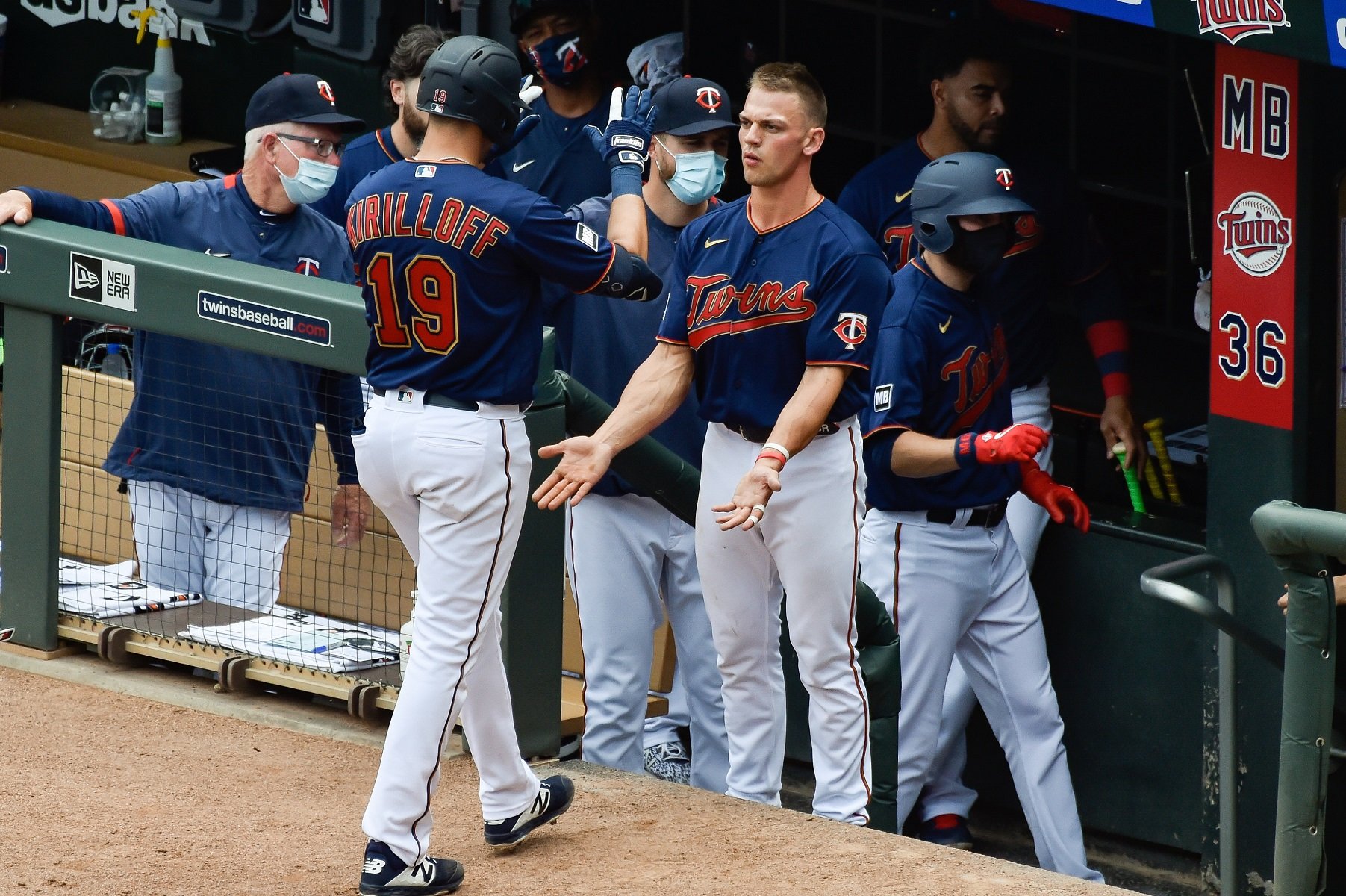 Major League Baseball’s 2022 Draft is scheduled to start on July 17, 2022. Each team prepares for the draft with a specific plan, and sometimes those plans play out better than others. To prepare fans for the upcoming draft, here is a look at some of the most important drafts in recent Twins history. The 2015 season was a compelling time in Twins Territory as the club finished in second place in the AL Central after four straight 90-loss seasons. An improved record meant Minnesota drafted in the middle of the 2016 MLB Draft instead of near the top. Because the team had the 15th overall pick, it can make it tougher to project which players will be available and how the team can get as much value as possible for their picks. Minnesota selected outfielder Alex Kirilloff out of high school in Pittsburgh, PA. He was known for his advanced hitting approach, which has been his calling card throughout his professional career. Out of players selected in the first round, Kirilloff (0.4 WAR) currently ranks 13th according to Baseball-Reference’s WAR. Eight players selected behind him rank higher in career WAR, including Will Smith (8.1 WAR), Dakota Hudson (4.5 WAR), Gavin Lux (4.3 WAR), and Eric Lauer (3.8 WAR). Many of these names played in college, so they were expected to debut before Kirilloff. Only three high school players taken in the first round have accumulated more WAR than Kirilloff (Lux, Ian Anderson, and Dylan Carlson). During the second round, the Twins had three different picks, and all three have made their debuts over the last two seasons. Minnesota selected Ben Rortvedt with the 56th overall pick, and he has been worth -0.1 WAR in 39 career games. He was included as part of the Josh Donaldson trade and underwent arthroscopic knee surgery in May. Rortvedt may never hit well enough to be an everyday catcher, but he is a solid backup with strong defensive skills. Later in the second round, the Twins had back-to-back picks and took Jose Miranda and Akil Baddoo. Miranda won the team’s minor league player of the year last year after dominating in the minor’s upper levels. His big-league career started slowly, but his bat is showing signs of the hitter he was last season. Over his last 16 games, Miranda has a 1.012 OPS with six doubles and three home runs. The Tigers selected Baddoo in the 2021 Rule 5 Draft, and he posted a 111 OPS+ in 124 games last season. He started the 2022 season by going 7-for-50 (.140 BA), and he is currently in the minors trying to rediscover his swing. Minnesota’s third-round pick was Griffin Jax from the United State Air Force Academy. During his rookie campaign, the Twins used Jax as a starter, and he posted a 6.37 ERA with a 1.35 WHIP. There were some positive signs in his numbers as he did very well the first time through a line-up, so the team moved him to the bullpen for 2022. His transition to reliever has been outstanding as the team has relied on him to get some crucial outs this season. Jordan Balazovic ranks as one of Minnesota’s top pitching prospects, and the team took him with their fifth-round pick. Baseball America and Baseball Prospectus had him in their top-100 prospects entering the 2022 season. His season started late as he dealt with a left knee strain, and he has made six starts at Triple-A this season, and he has a 9.00 ERA with a 2.33 WHIP. If he can put together some more consistent outings, there will be an opportunity for him to debut in 2022. Tyler Wells is developing into a solid late-round pick by the Twins (453rd overall). Unfortunately, the Orioles selected him in the 2021 Rule 5 Draft, so his value has been earned in a Baltimore jersey. His 1.8 WAR is the highest total of any Twins player taken in the 2016 Draft. Last season, he pitched out of the bullpen and posted a 109 ERA+ with a 0.91 WHIP. The Orioles moved him to the rotation this season, and he has a 3.86 ERA and a 1.08 WHIP in 12 starts. Kirilloff still has a long career ahead of him to accumulate value for the Twins, but there were other strong players in the first round that Minnesota passed over. Overall, the Twins found talent that is emerging at the big-league level, and the total value won’t be known for multiple more years. Do you think the Twins made the right decision by taking Kirilloff? Should the team have left Baddoo and Wells unprotected in the Rule 5 Draft? Leave a COMMENT and start the discussion. OTHER POSTS IN THE SERIES -2012 MLB Draft Retrospective
- 20 comments
-
- 3
-
-
- alex kirilloff
- tyler wells
- (and 3 more)
-
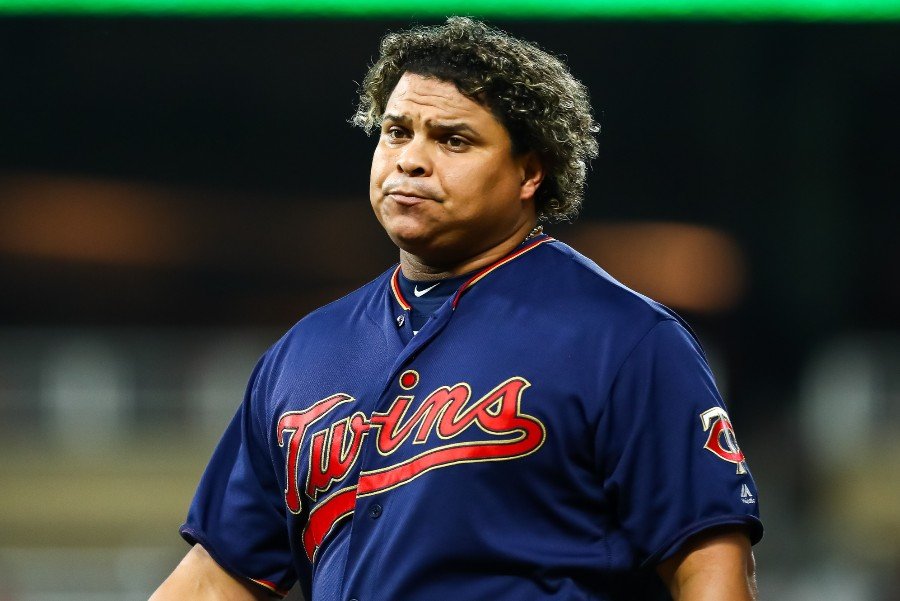 Minnesota made multiple roster-altering trades over the last year, and those moves are a little easier to analyze because the team received something in return. For the players below, it was easy to see how any of them might fit into the team's plans moving forward. However, each moved on to a different organization, and their production levels have varied considerably. Michael Pineda, SP Michael Pineda made five starts for the Detroit Tigers so far in 2022. In 22 1/3 innings, he posted a 3.22 ERA with a 1.08 WHIP and a 12-to-4 strikeout to walk ratio. Currently, Pineda has been on the injured list since mid-May after getting hit by a comebacker to the mound. He suffered a broken finger but was able to avoid surgery. He threw a bullpen session last week, which points to him being closer to returning. Much like his time in Minnesota, Pineda has been relatively effective when healthy. Detroit sits 11 games under .500 to start the season, so Pineda can provide a boost to the rotation when he can return. Andrelton Simmons, SS There is no question that Andrelton Simmons struggled during his Twins tenure, but his career-track record pointed to him being able to bounce back. His 58 OPS+ was nearly 30 points lower than his career mark, even if his defense continued to be strong. Simmons signed with Chicago this winter, and right shoulder inflammation has limited him to 19 games. Since returning from the IL, Simmons has been gone 8-for-49 (.163 BA) with no extra-base hits. He has a -2 OPS+ and nearly as many strikeouts (7) as hits (8). Now in his age-32 season, one must wonder if Simmons will be able to get back to the player he was earlier in his career. Willian Astudillo, UTL Fans fell in love with Willians Astudillo during his Twins tenure, but his value to the team declined as he couldn't play consistently behind the plate. Astudillo settled for a minor league deal with the Marlins, but the team has already needed to call him up during the 2022 campaign. In 12 games, he has gone 8-for-26 (.308 BA) with a home run. Like the Twins, the Marlins have used him at multiple infield positions and even as a reliever in one game. Astudillo will be a fan favorite wherever he plays, and Miami offered a better chance for him to get regular playing time in 2022. Rob Refsnyder, OF Rob Refsnyder burst onto the scene with the Twins last year as he hit .321/.371/.500 (.871) in his first 18 games with the club. Over his last 33 games, his OPS dropped to .524, and he posted a -1.34 Win Probability Added. His hot start may have convinced some fans that he could fill a fourth outfielder role, but his full-season numbers were closer to his career totals. He signed a minor-league deal with the Boston Red Sox, and they recently called him up. In his first five games, he has gone 3-for-11 (.273 BA), with two of his three hits being doubles. Refsnyder also made a highlight-reel catch that might have Boston fans feeling similar to what Twins fans felt at the beginning of last season. At this point, it seems like the Twins were correct in their assessment of moving on from all of these players. Do you think the team should have kept any of the abovementioned players? Leave a COMMENT and start the discussion.
- 20 comments
-
- 5
-
-
- michael pineda
- willians astudillo
- (and 2 more)
-
For better or worse, the Twins moved on from multiple players this past off-season. How have those players done for their new organizations? Let's check in. Minnesota made multiple roster-altering trades over the last year, and those moves are a little easier to analyze because the team received something in return. For the players below, it was easy to see how any of them might fit into the team's plans moving forward. However, each moved on to a different organization, and their production levels have varied considerably. Michael Pineda, SP Michael Pineda made five starts for the Detroit Tigers so far in 2022. In 22 1/3 innings, he posted a 3.22 ERA with a 1.08 WHIP and a 12-to-4 strikeout to walk ratio. Currently, Pineda has been on the injured list since mid-May after getting hit by a comebacker to the mound. He suffered a broken finger but was able to avoid surgery. He threw a bullpen session last week, which points to him being closer to returning. Much like his time in Minnesota, Pineda has been relatively effective when healthy. Detroit sits 11 games under .500 to start the season, so Pineda can provide a boost to the rotation when he can return. Andrelton Simmons, SS There is no question that Andrelton Simmons struggled during his Twins tenure, but his career-track record pointed to him being able to bounce back. His 58 OPS+ was nearly 30 points lower than his career mark, even if his defense continued to be strong. Simmons signed with Chicago this winter, and right shoulder inflammation has limited him to 19 games. Since returning from the IL, Simmons has been gone 8-for-49 (.163 BA) with no extra-base hits. He has a -2 OPS+ and nearly as many strikeouts (7) as hits (8). Now in his age-32 season, one must wonder if Simmons will be able to get back to the player he was earlier in his career. Willian Astudillo, UTL Fans fell in love with Willians Astudillo during his Twins tenure, but his value to the team declined as he couldn't play consistently behind the plate. Astudillo settled for a minor league deal with the Marlins, but the team has already needed to call him up during the 2022 campaign. In 12 games, he has gone 8-for-26 (.308 BA) with a home run. Like the Twins, the Marlins have used him at multiple infield positions and even as a reliever in one game. Astudillo will be a fan favorite wherever he plays, and Miami offered a better chance for him to get regular playing time in 2022. Rob Refsnyder, OF Rob Refsnyder burst onto the scene with the Twins last year as he hit .321/.371/.500 (.871) in his first 18 games with the club. Over his last 33 games, his OPS dropped to .524, and he posted a -1.34 Win Probability Added. His hot start may have convinced some fans that he could fill a fourth outfielder role, but his full-season numbers were closer to his career totals. He signed a minor-league deal with the Boston Red Sox, and they recently called him up. In his first five games, he has gone 3-for-11 (.273 BA), with two of his three hits being doubles. Refsnyder also made a highlight-reel catch that might have Boston fans feeling similar to what Twins fans felt at the beginning of last season. At this point, it seems like the Twins were correct in their assessment of moving on from all of these players. Do you think the team should have kept any of the abovementioned players? Leave a COMMENT and start the discussion. View full article
-
Royce Lewis is heading for season-ending knee surgery for the second consecutive season. So, what shortstop options are the Twins left with for the first half of next season? Royce Lewis made his presence known at the big-league level in his debut. He showcased the offensive and defensive skills that made him one of baseball's top prospects. Lewis' injury sidelines him for 12 months, which can put the team's shortstop plans into question for 2023 and beyond. Here are four options for the team to explore at the shortstop position. Pay Carlos Correa Carlos Correa signed a unique three-year contract with the Twins this winter, allowing him to opt out following each season. Many expect Correa to opt-out and test the free-agent market again. During his Twins tenure, he has spoken highly of the team, which can have fans hope that he will stick around. However, he will likely make $300 million or more as the top-ranked free agent for the second consecutive season. Signing Correa to a long-term deal likely means that Lewis would switch to a different defensive position, but having two potential shortstops can benefit a team. Sign a Bridge Player Before signing Correa, many assumed the Twins would pursue a short-term shortstop solution. By doing this, the organization could bridge the gap to when the organization's shortstop prospects were prepared to take over at the big-league level. It looked like the Twins were going to do this when the team acquired Isiah Kiner-Falefa for Mitch Garver. Every off-season, a handful of glove-first shortstops are available on one-year deals. Minnesota tried this with Andrelton Simmons, but the results were disastrous. There is a chance the team will look to a cheaper option, trying to rebuild value before hitting the free-agent market again. Look to Internal Options Another option for the Twins is to turn to internal options until Lewis returns in the second half of 2023. On the 40-man roster, the other shortstop options are Jermaine Palacios and Nick Gordon. Palacios played eight games so far in 2022 as he went 5-for-24 (.208), but he showcased some strong defensive abilities at shortstop. Gordon has played over 120 big-league games with an 85 OPS+, but the Twins have hesitated to use him at shortstop. Top prospects Austin Martin is another potential shortstop option, but his stock has dropped since the Twins acquired him last summer. He's also struggled defensively at short, and there is a chance the team will want to use him as a trade chip before the deadline. Pursue a Different Big-Name Free Agent Next year's free-agent shortstop class features some strong names outside the potential of Correa opting out of his deal. Trea Turner, Xander Bogaerts, and Dansby Swanson can test free agency for the first time. Turner is one of baseball's best all-around players, and he and Correa will be competing for significant contracts from some of baseball's big market teams. Bogaerts and Swanson are in the next tier of free agent shortstops as both rank in the top-3 at their position, according to FanGraphs WAR. Next season, Bogaerts will turn 30-years-old, but he has averaged a 134 OPS+ since the start of 2018. Swanson, the 2015 first overall pick, is having arguably his best season with a 120 OPS+. Luckily, Minnesota has time to plan what next year will look like at the shortstop position. Many of these options have pros and cons, but Lewis' injury may have shifted the team's focus for 2023. What option do you think the Twins will choose? Leave a COMMENT and start the discussion. View full article
-
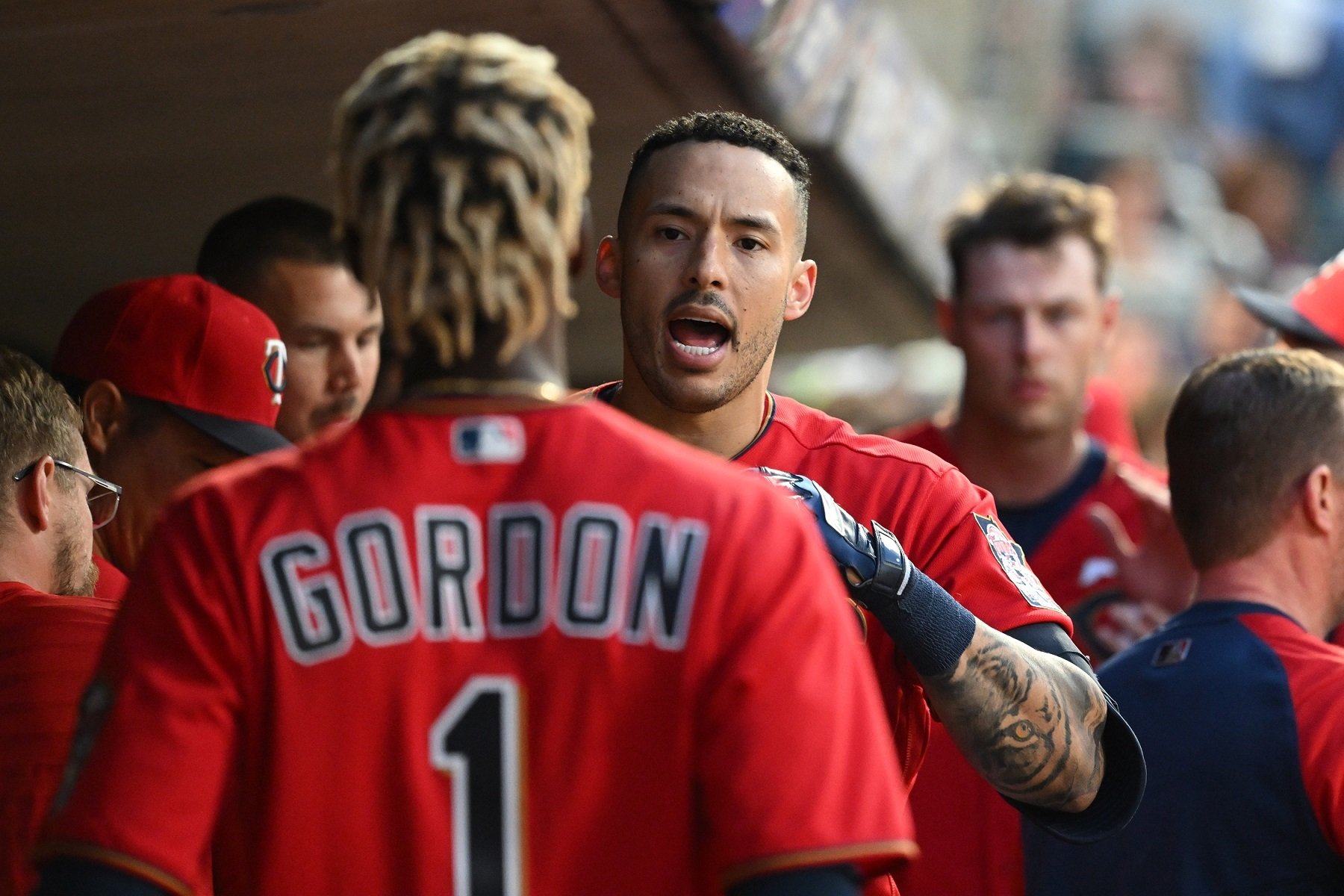 Royce Lewis made his presence known at the big-league level in his debut. He showcased the offensive and defensive skills that made him one of baseball's top prospects. Lewis' injury sidelines him for 12 months, which can put the team's shortstop plans into question for 2023 and beyond. Here are four options for the team to explore at the shortstop position. Pay Carlos Correa Carlos Correa signed a unique three-year contract with the Twins this winter, allowing him to opt out following each season. Many expect Correa to opt-out and test the free-agent market again. During his Twins tenure, he has spoken highly of the team, which can have fans hope that he will stick around. However, he will likely make $300 million or more as the top-ranked free agent for the second consecutive season. Signing Correa to a long-term deal likely means that Lewis would switch to a different defensive position, but having two potential shortstops can benefit a team. Sign a Bridge Player Before signing Correa, many assumed the Twins would pursue a short-term shortstop solution. By doing this, the organization could bridge the gap to when the organization's shortstop prospects were prepared to take over at the big-league level. It looked like the Twins were going to do this when the team acquired Isiah Kiner-Falefa for Mitch Garver. Every off-season, a handful of glove-first shortstops are available on one-year deals. Minnesota tried this with Andrelton Simmons, but the results were disastrous. There is a chance the team will look to a cheaper option, trying to rebuild value before hitting the free-agent market again. Look to Internal Options Another option for the Twins is to turn to internal options until Lewis returns in the second half of 2023. On the 40-man roster, the other shortstop options are Jermaine Palacios and Nick Gordon. Palacios played eight games so far in 2022 as he went 5-for-24 (.208), but he showcased some strong defensive abilities at shortstop. Gordon has played over 120 big-league games with an 85 OPS+, but the Twins have hesitated to use him at shortstop. Top prospects Austin Martin is another potential shortstop option, but his stock has dropped since the Twins acquired him last summer. He's also struggled defensively at short, and there is a chance the team will want to use him as a trade chip before the deadline. Pursue a Different Big-Name Free Agent Next year's free-agent shortstop class features some strong names outside the potential of Correa opting out of his deal. Trea Turner, Xander Bogaerts, and Dansby Swanson can test free agency for the first time. Turner is one of baseball's best all-around players, and he and Correa will be competing for significant contracts from some of baseball's big market teams. Bogaerts and Swanson are in the next tier of free agent shortstops as both rank in the top-3 at their position, according to FanGraphs WAR. Next season, Bogaerts will turn 30-years-old, but he has averaged a 134 OPS+ since the start of 2018. Swanson, the 2015 first overall pick, is having arguably his best season with a 120 OPS+. Luckily, Minnesota has time to plan what next year will look like at the shortstop position. Many of these options have pros and cons, but Lewis' injury may have shifted the team's focus for 2023. What option do you think the Twins will choose? Leave a COMMENT and start the discussion.
- 34 comments
-
- 3
-
-
- carlos correa
- nick gordon
- (and 1 more)
-
Major League Baseball's All-Star Game is a little over a month away, but voting has already started. Who should be the Twins' representative in the Mid-Summer Classic? Earlier this week, voting opened for the 2022 MLB All-Star Game that will take place July 19th at Dodger Stadium in Los Angeles. Voting for the starting line-ups is broken into two phases. Phase 1 started on Wednesday, June 8th, and runs through Thursday, June 30th at 1 PM CT. Phase 2 will include the two vote-getters at each position and the top six outfielders in each league. Before Phase 2 starts, the top vote-getter from each league will get an automatic place in their team's starting line-up. Voting for this phase runs from 11 AM CT on July 5th and ends on July 8th at 2 PM CT. The Twins also announced multiple incentives for fans to vote, including an opportunity to purchase $1 tickets to future games this season. The Twins have candidates on both sides of the ball, including some players in the running to be starters. Here's a look at Minnesota's top-five candidates and their chances to head to LA. 5. Sonny Gray, SP Plenty of Twins have compiled decent numbers in recent weeks, and those players may have an outside shot at making the All-Star team. According to Baseball-Reference, Trevor Larnach is leading the team in WAR, but he's played fewer than 40 games. Pitchers also figure into the final league rosters, with the players and the commissioner's office voting for who makes the team. Sonny Gray has been outstanding during his first season with the Twins, including a 155 ERA+ and 10.4 K/9. His All-Star chances are tied to how quickly he can return from a recent trip to the injured list with a right pectoral strain. 4. Joe Ryan, SP While Gray has been good, Joe Ryan has arguably been Minnesota's best starting pitcher. He has posted a 163 ERA+ with a 0.99 WHIP and a 42-to-14 strikeout to walk ratio. Like Gray, Ryan has missed time recently as he is close to returning from the COVID restricted list. He is scheduled to make a rehab start at Triple-A this weekend before the team reevaluates how close he is to returning. Ryan will likely only have a handful of remaining starts to fortify his All-Star candidacy before rosters are announced next month. 3. Byron Buxton, OF Byron Buxton's tremendous start to the season has him in the running to be one of the six outfield finalists. According to FanGraphs, he ranks seventh in WAR among AL outfielders, and his 13 home runs rank in the top four. He has played fewer games than some of the other top candidates, so this can be a strike against him. Luckily, he seems to have broken out of his recent 0-for-30 slump, but he will need to continue to add to some of the counting stats that casual fans look at when voting. 2. Luis Arraez, 1B MLB.com picked one player on each team that deserves an All-Star vote, and Luis Arraez was that player for the Twins. Obviously, he doesn't fit the mold of a typical All-Star first baseman, as he only has six extra-base hits on the season. However, he is leading all of baseball in batting average and on-base percentage. It also helps that there isn't a strong candidate at first base. Seattle's Ty France leads AL first basemen in fWAR, while Arraez currently sits in fourth place. Arraez's production so far in 2022 is one of the main reasons the Twins sit in first place. 1. Jhoan Duran, RP All-Star Games are meant to be exciting showcases of baseball's top players. No Twins player has been more exciting to watch this season than Jhoan Duran. His pitching outings are must-watch TV, and his dominant pitch mix makes him an ideal candidate for a one-inning showcase. Duran easily leads the Twins in Win Probability Added, and he has accumulated more WAR than multiple positions players that play nearly every day. His biggest challenge may be getting the support he needs from players around the league and/or the commissioner's office. How would you rank these players? Do you think someone else should make the list? Leave a COMMENT and start the discussion. View full article
-
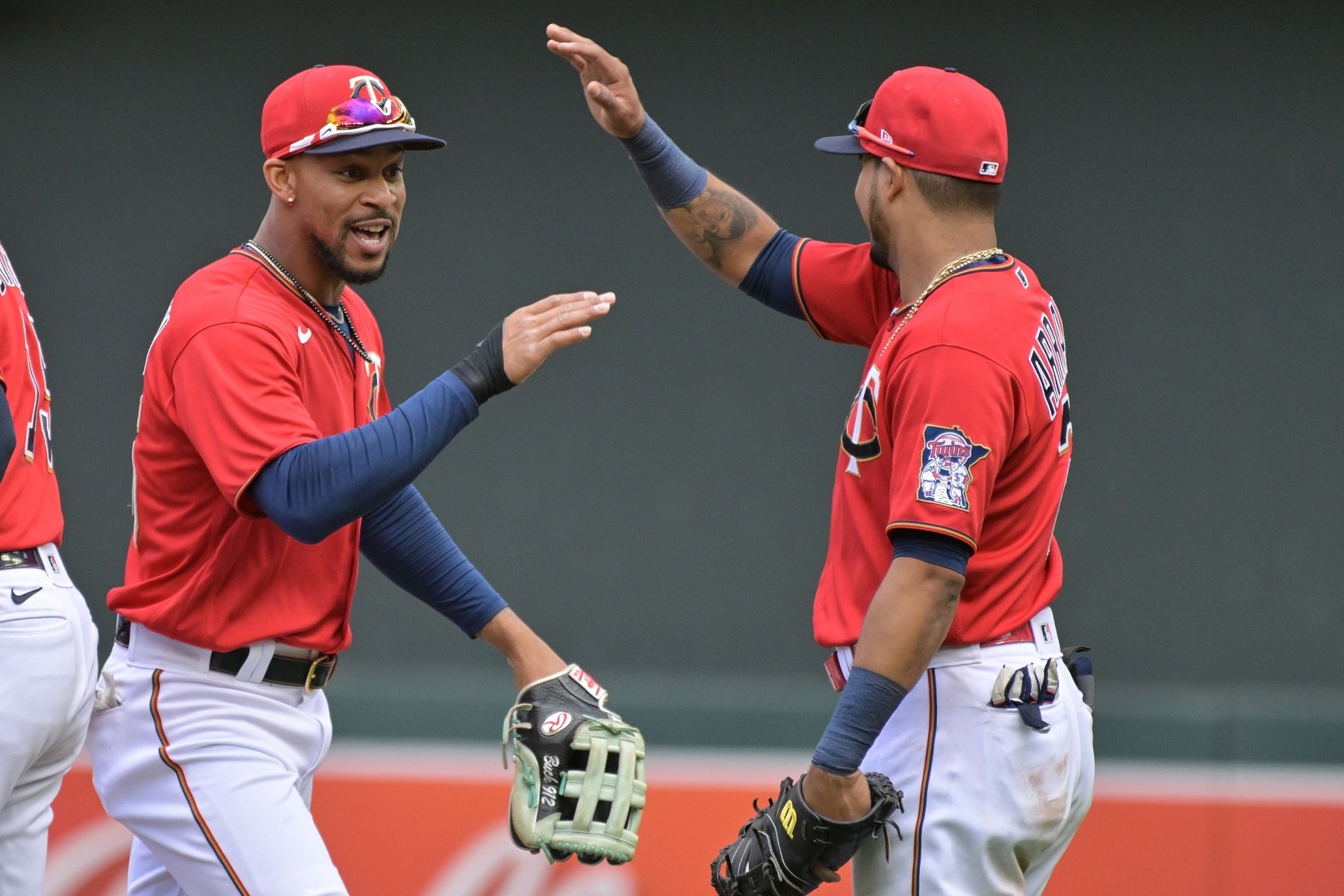 Earlier this week, voting opened for the 2022 MLB All-Star Game that will take place July 19th at Dodger Stadium in Los Angeles. Voting for the starting line-ups is broken into two phases. Phase 1 started on Wednesday, June 8th, and runs through Thursday, June 30th at 1 PM CT. Phase 2 will include the two vote-getters at each position and the top six outfielders in each league. Before Phase 2 starts, the top vote-getter from each league will get an automatic place in their team's starting line-up. Voting for this phase runs from 11 AM CT on July 5th and ends on July 8th at 2 PM CT. The Twins also announced multiple incentives for fans to vote, including an opportunity to purchase $1 tickets to future games this season. The Twins have candidates on both sides of the ball, including some players in the running to be starters. Here's a look at Minnesota's top-five candidates and their chances to head to LA. 5. Sonny Gray, SP Plenty of Twins have compiled decent numbers in recent weeks, and those players may have an outside shot at making the All-Star team. According to Baseball-Reference, Trevor Larnach is leading the team in WAR, but he's played fewer than 40 games. Pitchers also figure into the final league rosters, with the players and the commissioner's office voting for who makes the team. Sonny Gray has been outstanding during his first season with the Twins, including a 155 ERA+ and 10.4 K/9. His All-Star chances are tied to how quickly he can return from a recent trip to the injured list with a right pectoral strain. 4. Joe Ryan, SP While Gray has been good, Joe Ryan has arguably been Minnesota's best starting pitcher. He has posted a 163 ERA+ with a 0.99 WHIP and a 42-to-14 strikeout to walk ratio. Like Gray, Ryan has missed time recently as he is close to returning from the COVID restricted list. He is scheduled to make a rehab start at Triple-A this weekend before the team reevaluates how close he is to returning. Ryan will likely only have a handful of remaining starts to fortify his All-Star candidacy before rosters are announced next month. 3. Byron Buxton, OF Byron Buxton's tremendous start to the season has him in the running to be one of the six outfield finalists. According to FanGraphs, he ranks seventh in WAR among AL outfielders, and his 13 home runs rank in the top four. He has played fewer games than some of the other top candidates, so this can be a strike against him. Luckily, he seems to have broken out of his recent 0-for-30 slump, but he will need to continue to add to some of the counting stats that casual fans look at when voting. 2. Luis Arraez, 1B MLB.com picked one player on each team that deserves an All-Star vote, and Luis Arraez was that player for the Twins. Obviously, he doesn't fit the mold of a typical All-Star first baseman, as he only has six extra-base hits on the season. However, he is leading all of baseball in batting average and on-base percentage. It also helps that there isn't a strong candidate at first base. Seattle's Ty France leads AL first basemen in fWAR, while Arraez currently sits in fourth place. Arraez's production so far in 2022 is one of the main reasons the Twins sit in first place. 1. Jhoan Duran, RP All-Star Games are meant to be exciting showcases of baseball's top players. No Twins player has been more exciting to watch this season than Jhoan Duran. His pitching outings are must-watch TV, and his dominant pitch mix makes him an ideal candidate for a one-inning showcase. Duran easily leads the Twins in Win Probability Added, and he has accumulated more WAR than multiple positions players that play nearly every day. His biggest challenge may be getting the support he needs from players around the league and/or the commissioner's office. How would you rank these players? Do you think someone else should make the list? Leave a COMMENT and start the discussion.
- 12 comments
-
- 2
-
-
- jhoan duran
- sonny gray
- (and 3 more)
-
Winners or Losers: Minnesota’s Trade History with Tampa Bay
Cody Christie posted an article in Twins
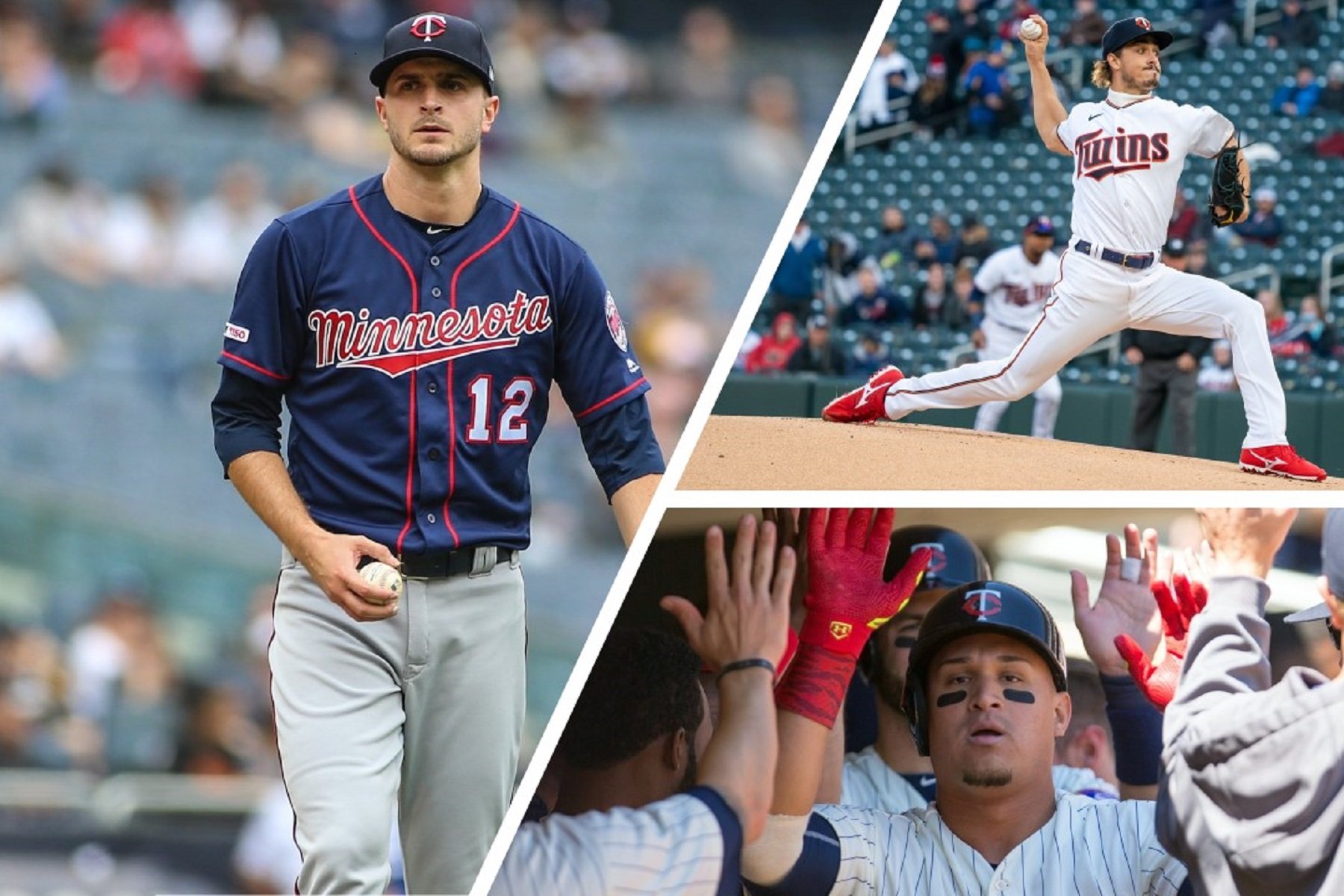 November 28, 2007 Tampa Bay Received: Matt Garza, Jason Bartlett, Eddie Morlan Minnesota Received: Delmon Young, Brendan Harris, Jason Pridie Minnesota’s first trade with Tampa Bay was its biggest as it included vital pieces from both teams’ rosters. The Twins acquired Delmon Young to be a right-handed bat to slide in between Joe Mauer and Justin Morneau. He never lived up to his potential as the number one overall pick, but he played parts of ten big-league seasons. Minnesota was his only stop where he posted an OPS+ over 100, and he finished in the top-10 for the AL MVP in 2010. Pridie only got six plate appearances with the Twins and never recorded a hit. Harris posted a .669 OPS in three years with the Twins before being packaged with JJ Hardy in the infamous trade for Brett Jacobson and Jim Hoey. Tampa ended up getting the two best players in this trade. Matt Garza pitched over 1700 big-league innings and accumulated a 12.5 WAR. Garza won the 2008 ALCS MVP for Tampa, his first season with the club. Jason Bartlett played three seasons in Tampa, including his lone All-Star season, where he had a 132 OPS+ and a 6.2 WAR. Morlan topped out at Double-A, but it’s clear the Rays ended up with the better package of players. Winner: Tampa Bay July 31, 2015 Tampa Bay Received: Alexis Tapia, Chih-Wei Hu Minnesota Received: Kevin Jepsen At the trade deadline, Minnesota found themselves in contention and wanted to add a late-inning bullpen arm. Kevin Jepsen posted a 1.61 ERA with a 0.89 WHIP in 29 appearances through the rest of the 2015 season. Unfortunately, Minnesota fell short of qualifying for the playoffs, but Jepsen couldn’t have pitched much better in his first season for the Twins. Alexis Tapia never made it out of High-A in the Rays system, while Chih-Wei Hu was limited to 11 big-league appearances. In his second season with the Twins, Jepsen pitched horribly, and the team released him on July 11, 2016. Even with this poor ending, Jepsen provided the 2015 Twins with solid innings for a contending team. Winner: Minnesota June 24, 2016 Tampa Bay Received: Oswaldo Arcia Minnesota Received: Cash Considerations Oswaldo Arcia was supposed to be part of the first wave of prospects that helped turn things around for the Twins. Unfortunately, that didn’t happen, as he posted a .732 OPS in over 250 games for the club. In June 2016, the Twins sent Arcia to the Rays for cash considerations. He’d only play in 21 games for Tampa as he appeared in games for four different big-league clubs that season. Minnesota shed Arcia, and Tampa got a player that accumulated negative value while playing for them. Winner: Minnesota February 17, 2018 Tampa Bay Received: Jermaine Palacios Minnesota Received: Jake Odorizzi This trade was a slam dunk win for the Twins. Jake Odorizzi pitched parts of three seasons in Minnesota with a 107 ERA+ and an All-Star appearance in 2019. Jermaine Palacios topped out at Double-A in the Rays organization before resigning with the Twins. His unique prospect journey has come full circle this year as he made his big-league debut for the Twins. Winner: Minnesota July 22, 2021 Tampa Bay Received: Nelson Cruz, Calvin Faucher Minnesota Received: Joe Ryan, Drew Strotman Last summer’s blockbuster trade looks to be working out significantly in favor of the Twins. Nelson Cruz played 55 games for the Rays and posted a .725 OPS. Since rookie ball, Calvin Faucher has yet to post a sub-4.00 ERA at any level. Minnesota received six years of team control over Joe Ryan, an AL Rookie of the Year contender, and Drew Strotman, a solid organizational depth piece. Even if Ryan regresses, the Twins are still getting more value from him than what the Rays got from Cruz. Winner: Minnesota Do you agree with the winners named above? Leave a COMMENT and start the discussion.
- 14 comments
-
- 3
-
-
- jake odorizzi
- nelson cruz
- (and 3 more)
-
Tampa Bay has an intelligent front office known for identifying players from other organizations that help them “win” almost every trade they complete. So, how have the Twins fared in trades with the Rays? November 28, 2007 Tampa Bay Received: Matt Garza, Jason Bartlett, Eddie Morlan Minnesota Received: Delmon Young, Brendan Harris, Jason Pridie Minnesota’s first trade with Tampa Bay was its biggest as it included vital pieces from both teams’ rosters. The Twins acquired Delmon Young to be a right-handed bat to slide in between Joe Mauer and Justin Morneau. He never lived up to his potential as the number one overall pick, but he played parts of ten big-league seasons. Minnesota was his only stop where he posted an OPS+ over 100, and he finished in the top-10 for the AL MVP in 2010. Pridie only got six plate appearances with the Twins and never recorded a hit. Harris posted a .669 OPS in three years with the Twins before being packaged with JJ Hardy in the infamous trade for Brett Jacobson and Jim Hoey. Tampa ended up getting the two best players in this trade. Matt Garza pitched over 1700 big-league innings and accumulated a 12.5 WAR. Garza won the 2008 ALCS MVP for Tampa, his first season with the club. Jason Bartlett played three seasons in Tampa, including his lone All-Star season, where he had a 132 OPS+ and a 6.2 WAR. Morlan topped out at Double-A, but it’s clear the Rays ended up with the better package of players. Winner: Tampa Bay July 31, 2015 Tampa Bay Received: Alexis Tapia, Chih-Wei Hu Minnesota Received: Kevin Jepsen At the trade deadline, Minnesota found themselves in contention and wanted to add a late-inning bullpen arm. Kevin Jepsen posted a 1.61 ERA with a 0.89 WHIP in 29 appearances through the rest of the 2015 season. Unfortunately, Minnesota fell short of qualifying for the playoffs, but Jepsen couldn’t have pitched much better in his first season for the Twins. Alexis Tapia never made it out of High-A in the Rays system, while Chih-Wei Hu was limited to 11 big-league appearances. In his second season with the Twins, Jepsen pitched horribly, and the team released him on July 11, 2016. Even with this poor ending, Jepsen provided the 2015 Twins with solid innings for a contending team. Winner: Minnesota June 24, 2016 Tampa Bay Received: Oswaldo Arcia Minnesota Received: Cash Considerations Oswaldo Arcia was supposed to be part of the first wave of prospects that helped turn things around for the Twins. Unfortunately, that didn’t happen, as he posted a .732 OPS in over 250 games for the club. In June 2016, the Twins sent Arcia to the Rays for cash considerations. He’d only play in 21 games for Tampa as he appeared in games for four different big-league clubs that season. Minnesota shed Arcia, and Tampa got a player that accumulated negative value while playing for them. Winner: Minnesota February 17, 2018 Tampa Bay Received: Jermaine Palacios Minnesota Received: Jake Odorizzi This trade was a slam dunk win for the Twins. Jake Odorizzi pitched parts of three seasons in Minnesota with a 107 ERA+ and an All-Star appearance in 2019. Jermaine Palacios topped out at Double-A in the Rays organization before resigning with the Twins. His unique prospect journey has come full circle this year as he made his big-league debut for the Twins. Winner: Minnesota July 22, 2021 Tampa Bay Received: Nelson Cruz, Calvin Faucher Minnesota Received: Joe Ryan, Drew Strotman Last summer’s blockbuster trade looks to be working out significantly in favor of the Twins. Nelson Cruz played 55 games for the Rays and posted a .725 OPS. Since rookie ball, Calvin Faucher has yet to post a sub-4.00 ERA at any level. Minnesota received six years of team control over Joe Ryan, an AL Rookie of the Year contender, and Drew Strotman, a solid organizational depth piece. Even if Ryan regresses, the Twins are still getting more value from him than what the Rays got from Cruz. Winner: Minnesota Do you agree with the winners named above? Leave a COMMENT and start the discussion. View full article
-
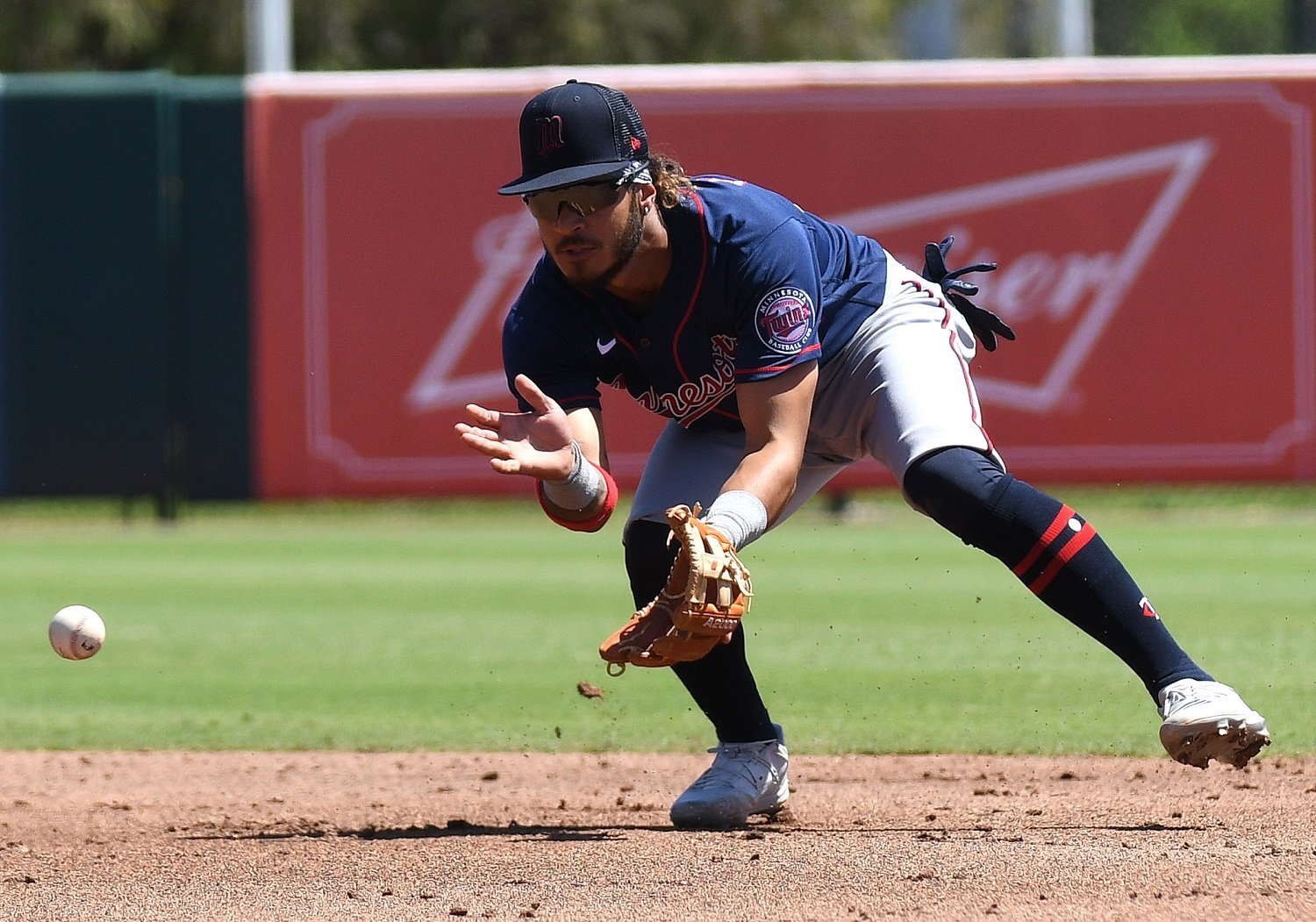 Austin Martin is only two years removed from being the fifth overall pick in the 2020 MLB Draft, and he has already been part of one blockbuster trade. MLB.com identified one trade chip from every MLB team, and the article names Martin as a piece Minnesota may be willing to deal to help the 2022 team. Questions can swirl about a player if they are included in multiple trades before reaching the big-league level. How good can the player be if a team doesn’t want to keep them in the organization? Early returns are mixed when it comes to last summer’s trade that included Jose Berrios sent to Toronto for Austin Martin and Simeon Woods-Richardson. This season, Berrios is off to a rough start, even with his dominating performance against the Twins last weekend. In 11 starts, he has a 74 ERA+ and his lowest K/9 rate since his rookie season. Toronto extended Berrios through the 2028 season, so they hope he can get back on track. Woods-Richardson has been part of two blockbuster deals as he joined the Blue Jays organization from the Mets as part of the Marcus Stroman trade. He is off to a strong start as he repeats the Double-A level. Minnesota wasn’t scared away by a player that had already been part of a big trade, and the team is seeing the benefits. Now, the Twins might be hoping a team is interested in acquiring a different top-100 prospect that has already been traded once. Martin’s stock has declined since being drafted. He was a consensus top-25 prospect entering the 2021 season, and most national outlets dropped him to the second half of their top-100 prospects entering the 2022 season. Now, he has dropped even further as he hasn’t shown the power he showcased as an amateur and has no clear defensive home. There’s still hope for him to improve, especially since he is 23-years-old and has played fewer than 150 professional games. Entering the 2022 season, the Twins took a unique approach to build the team’s rotation. Instead of paying big money for a free agent arm, the team decided to rely on younger pitchers and prospects to complete the rotation. The team has seven pitchers on the injured list, so rotational depth might be something the team wants to address before the trade deadline. One interesting name to consider is a former Twins pitcher having a breakout season for the Rangers. Minnesota’s approach to the upcoming trade deadline will be interesting to follow. Will the front office be willing to go all-in with a team that has evident flaws? There may also be a lack of urgency at the deadline because the AL Central is arguably baseball’s worst division. Minnesota has a chance to coast to a division title, but that can’t be the ultimate goal. The front office is well aware of the team’s losing streak in October, but teams can take on a very different look from now until the start of the playoffs. Do you think that Austin Martin is the team’s best trade chip? Should the team try and add to the rotation before the deadline? Leave a COMMENT and start the discussion.
 -
Even with a recent rough patch, the Twins are in the driver’s seat of the AL Central. Baseball’s upcoming trade deadline can be exciting, especially if the Twins decide to go all-in on the 2022 season. Austin Martin is only two years removed from being the fifth overall pick in the 2020 MLB Draft, and he has already been part of one blockbuster trade. MLB.com identified one trade chip from every MLB team, and the article names Martin as a piece Minnesota may be willing to deal to help the 2022 team. Questions can swirl about a player if they are included in multiple trades before reaching the big-league level. How good can the player be if a team doesn’t want to keep them in the organization? Early returns are mixed when it comes to last summer’s trade that included Jose Berrios sent to Toronto for Austin Martin and Simeon Woods-Richardson. This season, Berrios is off to a rough start, even with his dominating performance against the Twins last weekend. In 11 starts, he has a 74 ERA+ and his lowest K/9 rate since his rookie season. Toronto extended Berrios through the 2028 season, so they hope he can get back on track. Woods-Richardson has been part of two blockbuster deals as he joined the Blue Jays organization from the Mets as part of the Marcus Stroman trade. He is off to a strong start as he repeats the Double-A level. Minnesota wasn’t scared away by a player that had already been part of a big trade, and the team is seeing the benefits. Now, the Twins might be hoping a team is interested in acquiring a different top-100 prospect that has already been traded once. Martin’s stock has declined since being drafted. He was a consensus top-25 prospect entering the 2021 season, and most national outlets dropped him to the second half of their top-100 prospects entering the 2022 season. Now, he has dropped even further as he hasn’t shown the power he showcased as an amateur and has no clear defensive home. There’s still hope for him to improve, especially since he is 23-years-old and has played fewer than 150 professional games. Entering the 2022 season, the Twins took a unique approach to build the team’s rotation. Instead of paying big money for a free agent arm, the team decided to rely on younger pitchers and prospects to complete the rotation. The team has seven pitchers on the injured list, so rotational depth might be something the team wants to address before the trade deadline. One interesting name to consider is a former Twins pitcher having a breakout season for the Rangers. Minnesota’s approach to the upcoming trade deadline will be interesting to follow. Will the front office be willing to go all-in with a team that has evident flaws? There may also be a lack of urgency at the deadline because the AL Central is arguably baseball’s worst division. Minnesota has a chance to coast to a division title, but that can’t be the ultimate goal. The front office is well aware of the team’s losing streak in October, but teams can take on a very different look from now until the start of the playoffs. Do you think that Austin Martin is the team’s best trade chip? Should the team try and add to the rotation before the deadline? Leave a COMMENT and start the discussion. View full article
-
Ten years ago, the Twins had the second overall pick, which had the potential to alter the franchise’s future. Let’s look back at how that draft unfolded and explore if the Twins made the correct decision. Major League Baseball’s 2022 Draft is scheduled to start on July 17, 2022. Each team prepares for the draft with a specific plan, and sometimes those plans play out better than others. To prepare fans for the upcoming draft, here is a look at some of the most important drafts in recent Twins history. The 2012 MLB Draft was an interesting time in Twins franchise history. Minnesota was coming off a very disappointing 2011 season where the team went from first to worst in the division. One benefit of having a poor record is receiving a high draft pick the following year. The Twins received the second overall pick and made five of the first 72 picks. At the top, there was no consensus number one pick, so this left some room for debate. Houston selected first overall and ended up with arguably the draft’s best player. Carlos Correa signed an under-slot value deal to join the Astros, and Houston was able to use that money on other picks later in the draft. Correa has been worth over 35 WAR for his career, which is over 12 WAR higher than any other player taken in that draft. His value also stretched into October, when he became a postseason legend. In retrospect, Houston made the correct pick at the top, but now Minnesota was on the clock. The Twins could go in multiple directions with the second pick, but the team needed to decide if they could be patient with a prep player or look to the college ranks for a more immediate impact. Some of the best college players available included Mike Zunino (10.2 WAR), Kevin Gausman (17.9 WAR), Mark Appel (0.0 WAR), and Kyler Zimmer (0.0 WAR). Minnesota turned their attention to rural Georgia and a dynamic five-tool prospect named Byron Buxton. Buxton was considered by many to be the top prospect in the draft. Minnesota paid him $6 million to sign, which was the biggest signing bonus handed out in that draft. Buxton’s 17.5 WAR ranks as the fifth-highest among 2012 first-round picks behind Correa, Corey Seager, Matt Olson, and Gausman. The Athletic’s Keith Law recently redrafted the 2012 first round, and he believes the Twins made the right choice because Buxton has “the best chance of anyone on this list to put up a 9-WAR season.” Buxton is a dynamic player when healthy, but injuries have been part of his career narrative. Minnesota’s next pick in 2012 was the 32nd overall selection, and the team took Jose Berrios out of high school in Puerto Rico. With supplemental picks, the first round included 60 picks that season and Berrios has accumulated the 11th highest WAR. Minnesota got some tremendous seasons from Berrios as he developed into one of baseball’s most consistent pitchers. Last year, the Twins dealt Berrios to the Blue Jays for two prospects, and the early returns may favor the Twins. Besides the team’s picks at the top, the Twins made multiple picks later in the draft that have developed into solid big-league arms. Outside of Berrios, three other pitchers taken by the Twins have accumulated more than 1.5 WAR in their careers. Taylor Rogers was taken in the 11th round and has accumulated 6.7 WAR in his career. Tyler Duffey (1.7 WAR) and JT Chargois (1.6 WAR) have had ups and downs, but both have been key relievers for playoff teams. The 2012 Draft will be remembered for the players taken at the top, but that doesn’t tell the entire story for Minnesota. The organization’s first two picks are still impacting the team a decade after being drafted. Also, the club was able to identify players later in the draft that have been valuable relievers. Overall, it is one of the most successful drafts in recent memory. Do you think the Twins made the right decision by taking Buxton? What do you remember about this draft? Leave a COMMENT and start the discussion. View full article
- 4 replies
-
- 1
-
-
- byron buxton
- carlos correa
- (and 3 more)
-
Minnesota Twins 2012 Draft Retrospective: Correa vs. Buxton
Cody Christie posted an article in Twins
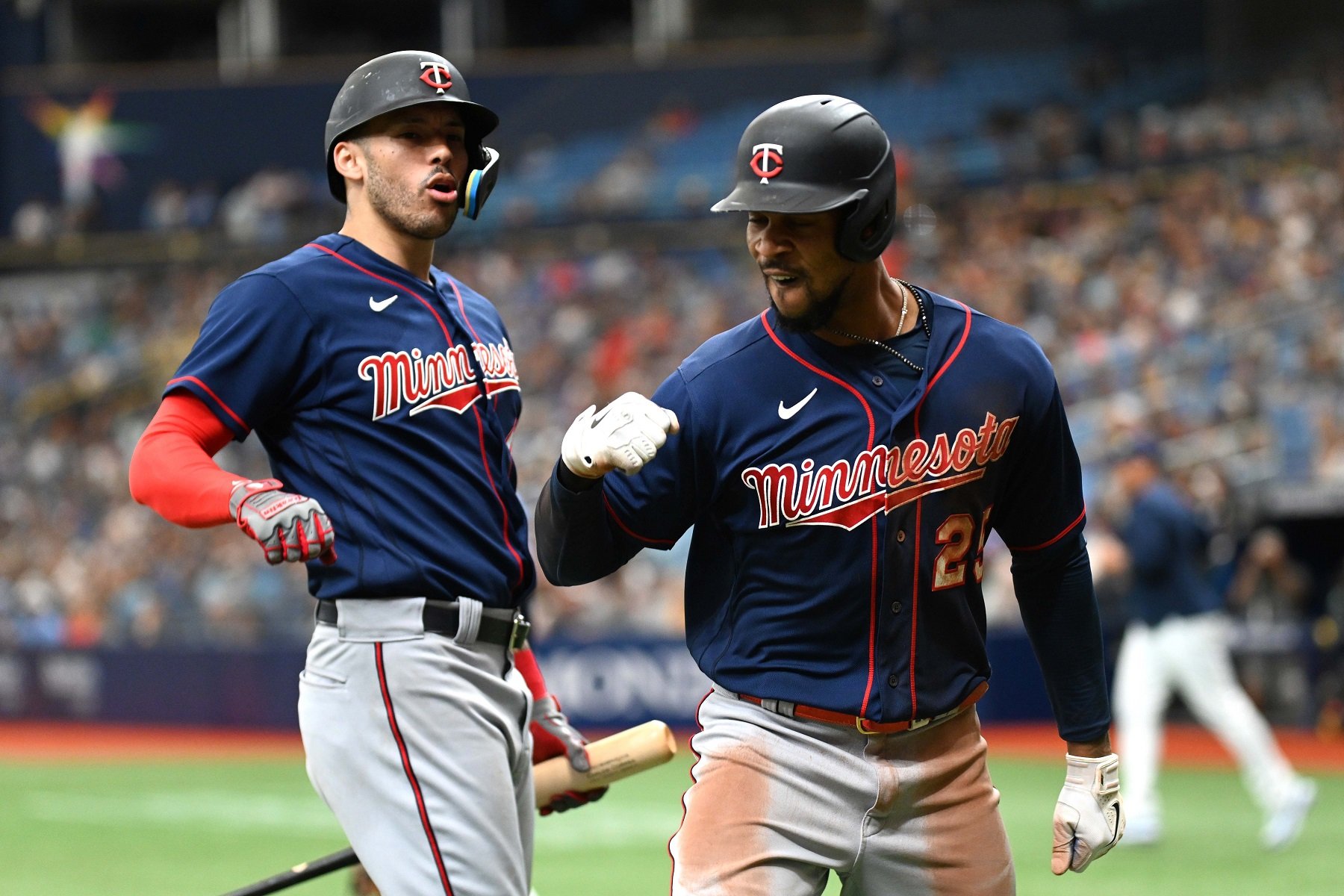 Major League Baseball’s 2022 Draft is scheduled to start on July 17, 2022. Each team prepares for the draft with a specific plan, and sometimes those plans play out better than others. To prepare fans for the upcoming draft, here is a look at some of the most important drafts in recent Twins history. The 2012 MLB Draft was an interesting time in Twins franchise history. Minnesota was coming off a very disappointing 2011 season where the team went from first to worst in the division. One benefit of having a poor record is receiving a high draft pick the following year. The Twins received the second overall pick and made five of the first 72 picks. At the top, there was no consensus number one pick, so this left some room for debate. Houston selected first overall and ended up with arguably the draft’s best player. Carlos Correa signed an under-slot value deal to join the Astros, and Houston was able to use that money on other picks later in the draft. Correa has been worth over 35 WAR for his career, which is over 12 WAR higher than any other player taken in that draft. His value also stretched into October, when he became a postseason legend. In retrospect, Houston made the correct pick at the top, but now Minnesota was on the clock. The Twins could go in multiple directions with the second pick, but the team needed to decide if they could be patient with a prep player or look to the college ranks for a more immediate impact. Some of the best college players available included Mike Zunino (10.2 WAR), Kevin Gausman (17.9 WAR), Mark Appel (0.0 WAR), and Kyler Zimmer (0.0 WAR). Minnesota turned their attention to rural Georgia and a dynamic five-tool prospect named Byron Buxton. Buxton was considered by many to be the top prospect in the draft. Minnesota paid him $6 million to sign, which was the biggest signing bonus handed out in that draft. Buxton’s 17.5 WAR ranks as the fifth-highest among 2012 first-round picks behind Correa, Corey Seager, Matt Olson, and Gausman. The Athletic’s Keith Law recently redrafted the 2012 first round, and he believes the Twins made the right choice because Buxton has “the best chance of anyone on this list to put up a 9-WAR season.” Buxton is a dynamic player when healthy, but injuries have been part of his career narrative. Minnesota’s next pick in 2012 was the 32nd overall selection, and the team took Jose Berrios out of high school in Puerto Rico. With supplemental picks, the first round included 60 picks that season and Berrios has accumulated the 11th highest WAR. Minnesota got some tremendous seasons from Berrios as he developed into one of baseball’s most consistent pitchers. Last year, the Twins dealt Berrios to the Blue Jays for two prospects, and the early returns may favor the Twins. Besides the team’s picks at the top, the Twins made multiple picks later in the draft that have developed into solid big-league arms. Outside of Berrios, three other pitchers taken by the Twins have accumulated more than 1.5 WAR in their careers. Taylor Rogers was taken in the 11th round and has accumulated 6.7 WAR in his career. Tyler Duffey (1.7 WAR) and JT Chargois (1.6 WAR) have had ups and downs, but both have been key relievers for playoff teams. The 2012 Draft will be remembered for the players taken at the top, but that doesn’t tell the entire story for Minnesota. The organization’s first two picks are still impacting the team a decade after being drafted. Also, the club was able to identify players later in the draft that have been valuable relievers. Overall, it is one of the most successful drafts in recent memory. Do you think the Twins made the right decision by taking Buxton? What do you remember about this draft? Leave a COMMENT and start the discussion.
- 4 comments
-
- 1
-
-
- byron buxton
- carlos correa
- (and 3 more)
-
As the trade deadline approaches, the separation between the contenders and the pretenders will continue to grow. One former Twins pitcher is having a breakout season, and plenty of teams will be interested in trading for him. The 2019 Minnesota Twins had many things go right for them on their way to 101-wins and a division title. Minnesota’s Bomba Squad didn’t need shutouts from their starting pitchers because the line-up was scoring runs at a record-breaking pace. Only two of the team’s regular starters had sub-4.00 ERAs, and José Berríos was the lone pitcher to toss 200 innings. It wasn’t an overpowering group, and that might have been one of the reasons the team struggled when it reached October (or it was MLB’s fault for switching back to the old baseball). Behind Berríos in 2019, Martín Pérez ranked second on the team in innings pitched as he was one of four pitchers to start 29 games or more. In 165 1/3 innings, Pérez posted a 5.12 ERA with a 1.52 WHIP and a 135-to-67 strikeout to walk ratio. Out of the three organizations where he has pitched, Minnesota (89 ERA+) is the only time he had an ERA+ under 100. It was an uneventful season, and he became a free agent at the season’s end. Since leaving Minnesota, Pérez spent two years in Boston with a 102 ERA+ and 97 strikeouts in 114 innings. He reached free agency for the second time, and he didn’t have a tremendous market. Texas signed Pérez to a one-year, $4 million deal, which is less than the Twins are paying Dylan Bundy. Pérez is off to the best start of his career, and it looks like the Rangers might have found the offseason’s best deal. In his first 11 starts, Pérez has a 1.56 ERA with a 0.98 WHIP and a 248 ERA+. He leads all of baseball in complete games (1), shutouts (1), and HR/9 (0.1). Baseball Reference’s WAR ranks him as the second overall player, and the number one ranked pitcher. FanGraphs WAR has him as the third highest-ranked pitcher. Since he left Minnesota, one of his most significant changes is an increased use of his sinker, as batters have been limited to a .281 SLG this season when facing that pitch. If the playoffs started today, who would the Twins feel comfortable starting in the series? Sonny Gray and Joe Ryan have been the team’s best starters, but both have missed time in recent weeks due to injury or COVID. Devin Smeltzer has more to prove before the Twins will trust with an October start. There have been some positive signs from Dylan Bundy and Chris Archer, but neither pitcher seems like they will help the team stop their playoff losing streak. Pérez is a clear Cy Young candidate on a Texas team in third place in their division with a below .500 record. However, this season, baseball’s expanded playoffs mean the Rangers are less than two games out of a Wild Card spot. There will also be more contending teams interested in adding pitchers than in previous seasons. Texas spent a ton of money on their roster this winter, so they aren’t going to be in sell-mode until absolutely necessary. Do you think the Twins should target Pérez as a possible rotational upgrade? What do you think it would take to acquire his expiring contract? Leave a COMMENT and start the discussion. View full article
-
One Former Twins Pitcher That Could Bolster Minnesota’s Rotation
Cody Christie posted an article in Twins
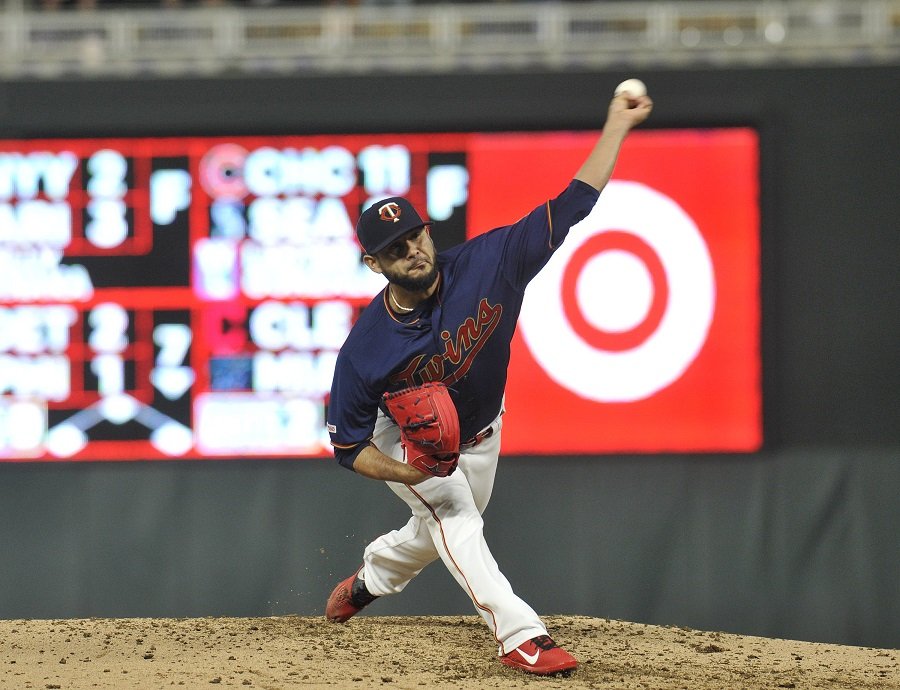 The 2019 Minnesota Twins had many things go right for them on their way to 101-wins and a division title. Minnesota’s Bomba Squad didn’t need shutouts from their starting pitchers because the line-up was scoring runs at a record-breaking pace. Only two of the team’s regular starters had sub-4.00 ERAs, and José Berríos was the lone pitcher to toss 200 innings. It wasn’t an overpowering group, and that might have been one of the reasons the team struggled when it reached October (or it was MLB’s fault for switching back to the old baseball). Behind Berríos in 2019, Martín Pérez ranked second on the team in innings pitched as he was one of four pitchers to start 29 games or more. In 165 1/3 innings, Pérez posted a 5.12 ERA with a 1.52 WHIP and a 135-to-67 strikeout to walk ratio. Out of the three organizations where he has pitched, Minnesota (89 ERA+) is the only time he had an ERA+ under 100. It was an uneventful season, and he became a free agent at the season’s end. Since leaving Minnesota, Pérez spent two years in Boston with a 102 ERA+ and 97 strikeouts in 114 innings. He reached free agency for the second time, and he didn’t have a tremendous market. Texas signed Pérez to a one-year, $4 million deal, which is less than the Twins are paying Dylan Bundy. Pérez is off to the best start of his career, and it looks like the Rangers might have found the offseason’s best deal. In his first 11 starts, Pérez has a 1.56 ERA with a 0.98 WHIP and a 248 ERA+. He leads all of baseball in complete games (1), shutouts (1), and HR/9 (0.1). Baseball Reference’s WAR ranks him as the second overall player, and the number one ranked pitcher. FanGraphs WAR has him as the third highest-ranked pitcher. Since he left Minnesota, one of his most significant changes is an increased use of his sinker, as batters have been limited to a .281 SLG this season when facing that pitch. If the playoffs started today, who would the Twins feel comfortable starting in the series? Sonny Gray and Joe Ryan have been the team’s best starters, but both have missed time in recent weeks due to injury or COVID. Devin Smeltzer has more to prove before the Twins will trust with an October start. There have been some positive signs from Dylan Bundy and Chris Archer, but neither pitcher seems like they will help the team stop their playoff losing streak. Pérez is a clear Cy Young candidate on a Texas team in third place in their division with a below .500 record. However, this season, baseball’s expanded playoffs mean the Rangers are less than two games out of a Wild Card spot. There will also be more contending teams interested in adding pitchers than in previous seasons. Texas spent a ton of money on their roster this winter, so they aren’t going to be in sell-mode until absolutely necessary. Do you think the Twins should target Pérez as a possible rotational upgrade? What do you think it would take to acquire his expiring contract? Leave a COMMENT and start the discussion.
