



Cody Christie
-
Posts
7,515 -
Joined
-
Last visited
-
Days Won
5
Content Type
Profiles
News
Minnesota Twins Videos
2026 Minnesota Twins Top Prospects Ranking
2022 Minnesota Twins Draft Picks
Minnesota Twins Free Agent & Trade Rumors, Notes, & Tidbits
Guides & Resources
2023 Minnesota Twins Draft Picks
The Minnesota Twins Players Project
2024 Minnesota Twins Draft Picks
2025 Minnesota Twins Draft Pick Tracker
2026 Minnesota Twins Draft Tracker: Picks & Bonuses
Forums
Blogs
Events
Store
Downloads
Gallery
Everything posted by Cody Christie
-
Minnesota’s pitching staff has started the year off strongly, but multiple unexpected arms have contributed this season. Devin Smeltzer is on the road back to prove he belongs at the MLB level. Minnesota acquired Devin Smeltzer as part of the Brian Dozier trade back in 2018. At the time of the trade, he was a middling prospect who had yet to post a sub-4.00 ERA in any professional season. Smeltzer made some adjustments with the Twins and became one of the team’s biggest surprises during the 2019 season. At Double- and Triple-A, the 23-year-old combined for a 2.76 ERA with a 1.05 WHIP and 104 strikeouts in 104 1/3 innings. His first taste of the big leagues went well as he posted 118 ERA+ with a 1.27 WHIP. One of the most significant issues in his rookie campaign was that he allowed eight home runs in 11 games, but he limited other damage, and it looked like he might fit into the team’s future plans. The 2020 season was strange for many reasons, and Smeltzer’s numbers in seven appearances don’t tell the whole story. He allowed five earned runs on six hits in two innings of work in his first outing. Five of the six outs he recorded were on strikeouts, but he surrendered two home runs. It was a disastrous start to his season, but he made six more appearances and never allowed more than two earned runs in any outing. Smeltzer also didn’t allow a home run during that stretch. All of 2020 was a small sample size, but there were positives to improve upon for 2021. Unfortunately, Smeltzer couldn’t build off those successes during the 2021 season. During spring training, he lost feeling in three fingers on his pitching hand, which impacted his control. He was limited to one appearance for the Twins in April, but multiple injuries kept him out for the remainder of the year. By season’s end, he dealt with elbow inflammation, a herniated disc, and long-term side effects from his childhood chemotherapy. In November, the Twins removed him from the 40-man roster. Now 26-years old, Smeltzer entered spring training this year with a clear goal of making it back onto the team’s roster. He made four appearances and didn’t allow a run in 11 innings. His velocity was back into the 90s, and his command and control were back to his pre-injury form. Smeltzer didn’t crack the Opening Day roster, so he went to St. Paul with something to prove. In his first four starts (19 IP), Smeltzer posted a 1.42 ERA and limited batters to hitting .194/.260/.254 (.514). In his last Triple-A appearance, he allowed six earned runs on eight hits in two innings. It was his first hiccup since spring training started, but the Twins needed another arm at the big-league level, and the team added him back to the 40-man roster. Earlier this week, Smeltzer made his first MLB start since August 7, 2020. He pitched five innings and limited the Guardians to one earned run on three hits. In that start, he showcased a pitch mix change similar to his breakout 2019 campaign. Smeltzer used his fastball over 46% of the time, with his curveball (31.2%) being used the most out of his secondary pitches. It’s only one spot start, but it was a long journey back to the big-league level for Smeltzer. In the last week, Chris Archer and Dylan Bundy returned from the injured list, and Bailey Ober is nearing a return. Some assumed Smeltzer was out of minor league options, but his demotions in 2020 were too short to count. As the rotation starts to look crowded, the Twins need to decide the best role for Smeltzer. Following Thursday's off-day, Minnesota is entering a portion of their schedule with 18 games in 17 days. This schedule quirk includes a scheduled doubleheader in Detroit and no off-day until June 6. The Twins will need plenty of pitching depth to make it through the upcoming weeks, and Smeltzer deserves the opportunity to keep pitching at the big-league level. Can Smeltzer provide value out of the MLB bullpen, or should he continue to start games at Triple-A? Leave a COMMENT and start the discussion. View full article
-
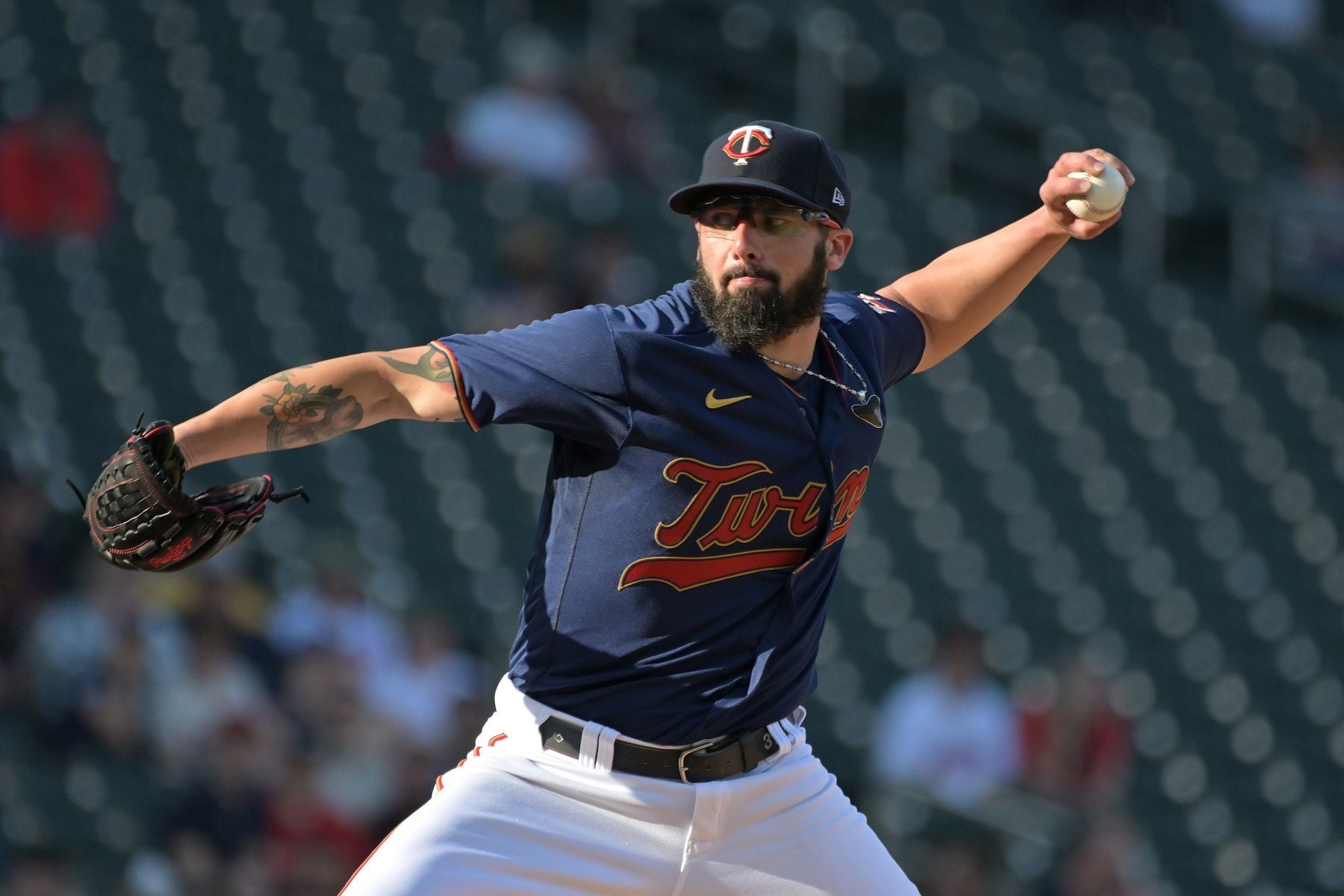 Minnesota acquired Devin Smeltzer as part of the Brian Dozier trade back in 2018. At the time of the trade, he was a middling prospect who had yet to post a sub-4.00 ERA in any professional season. Smeltzer made some adjustments with the Twins and became one of the team’s biggest surprises during the 2019 season. At Double- and Triple-A, the 23-year-old combined for a 2.76 ERA with a 1.05 WHIP and 104 strikeouts in 104 1/3 innings. His first taste of the big leagues went well as he posted 118 ERA+ with a 1.27 WHIP. One of the most significant issues in his rookie campaign was that he allowed eight home runs in 11 games, but he limited other damage, and it looked like he might fit into the team’s future plans. The 2020 season was strange for many reasons, and Smeltzer’s numbers in seven appearances don’t tell the whole story. He allowed five earned runs on six hits in two innings of work in his first outing. Five of the six outs he recorded were on strikeouts, but he surrendered two home runs. It was a disastrous start to his season, but he made six more appearances and never allowed more than two earned runs in any outing. Smeltzer also didn’t allow a home run during that stretch. All of 2020 was a small sample size, but there were positives to improve upon for 2021. Unfortunately, Smeltzer couldn’t build off those successes during the 2021 season. During spring training, he lost feeling in three fingers on his pitching hand, which impacted his control. He was limited to one appearance for the Twins in April, but multiple injuries kept him out for the remainder of the year. By season’s end, he dealt with elbow inflammation, a herniated disc, and long-term side effects from his childhood chemotherapy. In November, the Twins removed him from the 40-man roster. Now 26-years old, Smeltzer entered spring training this year with a clear goal of making it back onto the team’s roster. He made four appearances and didn’t allow a run in 11 innings. His velocity was back into the 90s, and his command and control were back to his pre-injury form. Smeltzer didn’t crack the Opening Day roster, so he went to St. Paul with something to prove. In his first four starts (19 IP), Smeltzer posted a 1.42 ERA and limited batters to hitting .194/.260/.254 (.514). In his last Triple-A appearance, he allowed six earned runs on eight hits in two innings. It was his first hiccup since spring training started, but the Twins needed another arm at the big-league level, and the team added him back to the 40-man roster. Earlier this week, Smeltzer made his first MLB start since August 7, 2020. He pitched five innings and limited the Guardians to one earned run on three hits. In that start, he showcased a pitch mix change similar to his breakout 2019 campaign. Smeltzer used his fastball over 46% of the time, with his curveball (31.2%) being used the most out of his secondary pitches. It’s only one spot start, but it was a long journey back to the big-league level for Smeltzer. In the last week, Chris Archer and Dylan Bundy returned from the injured list, and Bailey Ober is nearing a return. Some assumed Smeltzer was out of minor league options, but his demotions in 2020 were too short to count. As the rotation starts to look crowded, the Twins need to decide the best role for Smeltzer. Following Thursday's off-day, Minnesota is entering a portion of their schedule with 18 games in 17 days. This schedule quirk includes a scheduled doubleheader in Detroit and no off-day until June 6. The Twins will need plenty of pitching depth to make it through the upcoming weeks, and Smeltzer deserves the opportunity to keep pitching at the big-league level. Can Smeltzer provide value out of the MLB bullpen, or should he continue to start games at Triple-A? Leave a COMMENT and start the discussion.
 -
Minnesota entered the season as a clear underdog in the AL Central, but other teams have struggled to start the year. Where can the Twins make the biggest improvement to help separate themselves in the standings? Every contending team looks to make improvements throughout the season. Sometimes those changes come from within the farm system and other times the front office must supplement the roster with talent from other organizations. With nearly a fourth of the schedule complete, here are the three biggest weaknesses on the Twins roster. First Base No team has gotten less production out of first base than the Minnesota Twins. According to fWAR, Minnesota’s -1.5 WAR at first base is baseball’s lowest total. Miguel Sanó’s well-documented poor start played a role in the team’s lack of production. However, Alex Kirilloff’s wrist injury and poor production are also tied to the position. Luis Arraez continues to get opportunities at first, but he doesn’t fit the mold of prototypical first basemen. Improvement Options: Earlier in the week, MLB.com claimed the Twins need to find a player similar to Daniel Vogelbach, because power-hitting first basemen/DH are easy to find. For the Twins, it seems most likely for the team to continue to use Arraez at the position until a better option presents itself. Left Field Unlike first base, left field hasn’t been a black hole in the Twins lineup, but there is room for improvement. Alex Kirilloff was the Opening Day starter, but he was demoted earlier this week to try and rediscover his swing at Triple-A. Trevor Larnach was swinging the bat well before a groin strain put him on the injured list. Nick Gordon has played the most games in left field this season, but his value is in being used in a utility role. Improvement Options: Larnach should return from injury in the coming days, and the team hopes he can pick up where he left off at the plate. However, Royce Lewis is back at Triple-A to work on other defensive positions and left field might be his best shot at a big-league role. Starting Pitching Minnesota’s front office bet on the organization’s young pitchers this winter and so far, that decision has worked out in the team’s favor. Joe Ryan and Bailey Ober have proven they are more than capable of holding down a big-league role. The Twins pitching staff ranks in the top-10 in multiple statistical categories, but it is still early in the season. Unfortunately, injuries and illness have hit the starting pitcher group with Dylan Bundy, Bailey Ober, and Chris Paddock all missing time. It doesn’t seem as though Minnesota’s current pitching core is built for October success. Improvement Options: Even with strong early-season numbers, the Twins are going to have to make some additions to the big-league roster. At least four veteran starting pitchers will be available before the trade deadline, but there are questions surrounding all of these players. Jordan Balazovic, one of Minnesota’s top pitching prospects, is in the Triple-A rotation, so he can be a second-half call-up. There are plenty of games left to be played before the trade deadline, but more flaws tend to present themselves throughout the season. Which of these weaknesses do you feel most needs to be addressed? Are there other internal options to fix the team’s flaws? Leave a COMMENT and start the discussion. View full article
-
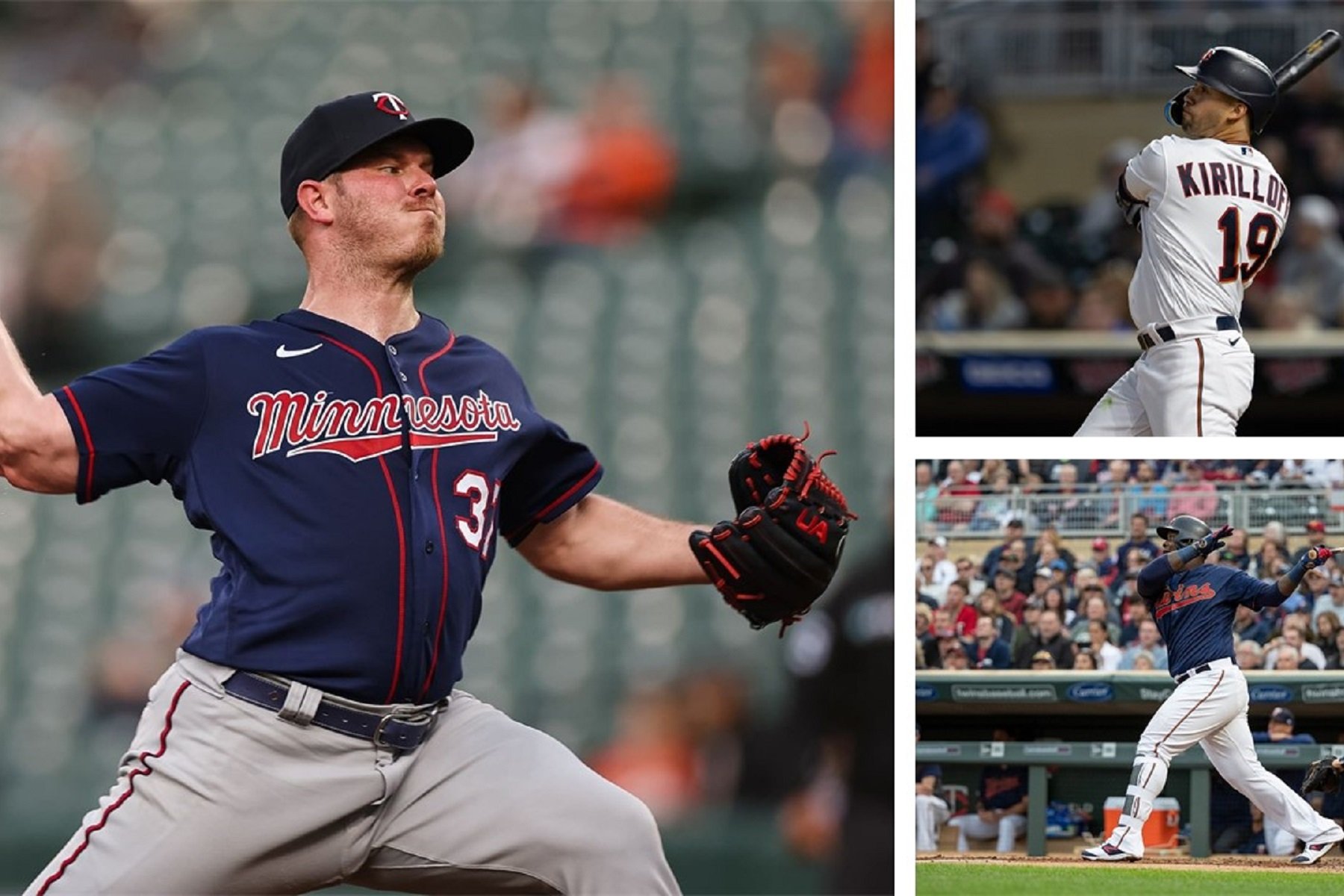 Every contending team looks to make improvements throughout the season. Sometimes those changes come from within the farm system and other times the front office must supplement the roster with talent from other organizations. With nearly a fourth of the schedule complete, here are the three biggest weaknesses on the Twins roster. First Base No team has gotten less production out of first base than the Minnesota Twins. According to fWAR, Minnesota’s -1.5 WAR at first base is baseball’s lowest total. Miguel Sanó’s well-documented poor start played a role in the team’s lack of production. However, Alex Kirilloff’s wrist injury and poor production are also tied to the position. Luis Arraez continues to get opportunities at first, but he doesn’t fit the mold of prototypical first basemen. Improvement Options: Earlier in the week, MLB.com claimed the Twins need to find a player similar to Daniel Vogelbach, because power-hitting first basemen/DH are easy to find. For the Twins, it seems most likely for the team to continue to use Arraez at the position until a better option presents itself. Left Field Unlike first base, left field hasn’t been a black hole in the Twins lineup, but there is room for improvement. Alex Kirilloff was the Opening Day starter, but he was demoted earlier this week to try and rediscover his swing at Triple-A. Trevor Larnach was swinging the bat well before a groin strain put him on the injured list. Nick Gordon has played the most games in left field this season, but his value is in being used in a utility role. Improvement Options: Larnach should return from injury in the coming days, and the team hopes he can pick up where he left off at the plate. However, Royce Lewis is back at Triple-A to work on other defensive positions and left field might be his best shot at a big-league role. Starting Pitching Minnesota’s front office bet on the organization’s young pitchers this winter and so far, that decision has worked out in the team’s favor. Joe Ryan and Bailey Ober have proven they are more than capable of holding down a big-league role. The Twins pitching staff ranks in the top-10 in multiple statistical categories, but it is still early in the season. Unfortunately, injuries and illness have hit the starting pitcher group with Dylan Bundy, Bailey Ober, and Chris Paddock all missing time. It doesn’t seem as though Minnesota’s current pitching core is built for October success. Improvement Options: Even with strong early-season numbers, the Twins are going to have to make some additions to the big-league roster. At least four veteran starting pitchers will be available before the trade deadline, but there are questions surrounding all of these players. Jordan Balazovic, one of Minnesota’s top pitching prospects, is in the Triple-A rotation, so he can be a second-half call-up. There are plenty of games left to be played before the trade deadline, but more flaws tend to present themselves throughout the season. Which of these weaknesses do you feel most needs to be addressed? Are there other internal options to fix the team’s flaws? Leave a COMMENT and start the discussion.
- 56 comments
-
- 1
-

-
- miguel sano
- alex kirilloff
- (and 2 more)
-
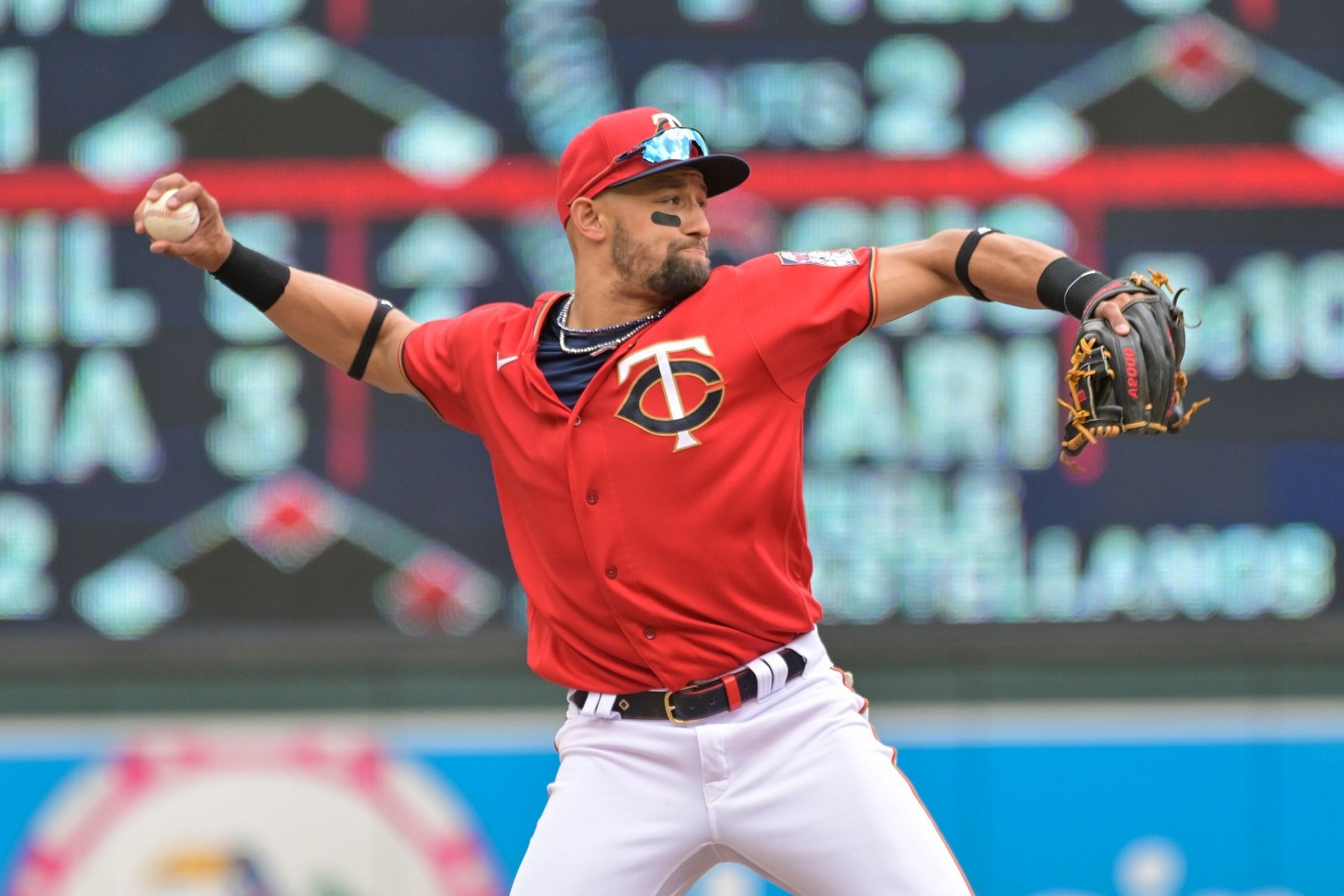 Royce Lewis is off to a tremendous start to his big-league career. In nine games, he has gone 9-for-32 (.281 BA) with two doubles and a home run. His first home run was a memorable one as he cranked a grand slam that helped the Twins win over the weekend. Minnesota signed Carlos Correa to be the team’s shortstop for the 2022 campaign, and now the Twins are facing a decision about what to do with Lewis. Option 1: Send Him to Triple-A Obviously, this isn’t the ideal answer with how well Lewis has performed so far. However, this option ensures he plays everyday, and more importantly that he continues to get reps at shortstop. Correa is the AL’s reigning Platinum Glove winner, so the team is going to continue to play him at that position. However, Lewis has been better than advertised at shortstop, and the front office may want him to continue to develop in the minors. Sending him back to Triple-A may be the best option if the team wants to be comfortable with him taking over the full-time shortstop role to start the 2023 campaign. Option 2: Split Time at Shortstop Hand injuries can be tricky, so there are no guarantees that Correa returns and can play every day. Correa will likely need regular rest when he returns and that’s where Lewis comes into the picture. Keeping Lewis on the big-league roster would allow him to get reps at shortstop on Correa’s off days. Unfortunately, there isn’t a natural platoon with the two players both being right-handed hitters. This scenario hurts Lewis from the perspective that he wouldn’t be playing every day and he has missed two season’s of in-game at-bats. It seems unlikely for the Twins to pick this option, but there may be ways to use him at multiple other positions in the line-up. Option 3: Shift to Third Base or Left Field Another option is to try and find Lewis at-bats at other positions. Gio Urshela has provided some strong defensive plays, but he has a 91 OPS+ in 30 games. Minnesota’s left field situation is also in flux as Trevor Larnach and Alex Kirilloff have both missed time with injury. Over the weekend, Kirilloff was demoted to Triple-A to try and solve his hitting woes as he continues to deal with wrist issues. In his first 69 plate appearances, he has yet to record an extra-base hit. For Lewis, he has very little professional experience at either of these defensive positions. He has never played left field and he has just over 100 innings at third base. The Twins likely have confidence in his athleticism to be able to handle both of these defensive spots if necessary. Minnesota’s offense has struggled through different parts of the 2022 campaign, and Lewis is a dangerous hitter to pencil into the back-half of the line-up. Even with Correa’s return, it’s hard to imagine the team sending Lewis back to the minors. He needs to play everyday, and he can be a vital contributor on a contending team. Which option do you think the Twins pick? Will they combine a couple of the options mentioned above? Leave a COMMENT and start the discussion.
 -
 Carlos Correa is set to return, but Royce Lewis has been playing well. So, here are three options for what the Twins can do with Lewis when Correa returns. Royce Lewis is off to a tremendous start to his big-league career. In nine games, he has gone 9-for-32 (.281 BA) with two doubles and a home run. His first home run was a memorable one as he cranked a grand slam that helped the Twins win over the weekend. Minnesota signed Carlos Correa to be the team’s shortstop for the 2022 campaign, and now the Twins are facing a decision about what to do with Lewis. Option 1: Send Him to Triple-A Obviously, this isn’t the ideal answer with how well Lewis has performed so far. However, this option ensures he plays everyday, and more importantly that he continues to get reps at shortstop. Correa is the AL’s reigning Platinum Glove winner, so the team is going to continue to play him at that position. However, Lewis has been better than advertised at shortstop, and the front office may want him to continue to develop in the minors. Sending him back to Triple-A may be the best option if the team wants to be comfortable with him taking over the full-time shortstop role to start the 2023 campaign. Option 2: Split Time at Shortstop Hand injuries can be tricky, so there are no guarantees that Correa returns and can play every day. Correa will likely need regular rest when he returns and that’s where Lewis comes into the picture. Keeping Lewis on the big-league roster would allow him to get reps at shortstop on Correa’s off days. Unfortunately, there isn’t a natural platoon with the two players both being right-handed hitters. This scenario hurts Lewis from the perspective that he wouldn’t be playing every day and he has missed two season’s of in-game at-bats. It seems unlikely for the Twins to pick this option, but there may be ways to use him at multiple other positions in the line-up. Option 3: Shift to Third Base or Left Field Another option is to try and find Lewis at-bats at other positions. Gio Urshela has provided some strong defensive plays, but he has a 91 OPS+ in 30 games. Minnesota’s left field situation is also in flux as Trevor Larnach and Alex Kirilloff have both missed time with injury. Over the weekend, Kirilloff was demoted to Triple-A to try and solve his hitting woes as he continues to deal with wrist issues. In his first 69 plate appearances, he has yet to record an extra-base hit. For Lewis, he has very little professional experience at either of these defensive positions. He has never played left field and he has just over 100 innings at third base. The Twins likely have confidence in his athleticism to be able to handle both of these defensive spots if necessary. Minnesota’s offense has struggled through different parts of the 2022 campaign, and Lewis is a dangerous hitter to pencil into the back-half of the line-up. Even with Correa’s return, it’s hard to imagine the team sending Lewis back to the minors. He needs to play everyday, and he can be a vital contributor on a contending team. Which option do you think the Twins pick? Will they combine a couple of the options mentioned above? Leave a COMMENT and start the discussion. View full article
 -
The Twins are closing in on 1,000 team home runs at Target Field. Here are the top-five home runs hitters at the park since it opened in 2010 and some of their most memorable dingers. 5. Trevor Plouffe: 55 HR Plouffe hit the first Target Field home run during the 2015 and 2016 seasons. He also hit a milestone home run during Target Field's third season as he collected the 300th home run hit at the park. 4. Max Kepler: 64 HR Kepler has a chance to move up this list during the 2022 campaign. At the end of April, he clocked two home runs in one game against Detroit. His first career home run was one he likely will never forget as he walked off the Red Sox. 3. Eddie Rosario: 67 HR Rosario had a flair for the dramatic, and he was part of the team's Bomba Squad dramatics in 2019. He helped the Twins set a record for most players with 30 home runs in a season. One of his most significant home runs from that 2019 season was a pinch-hit homer that gave the Twins a late-inning lead. 2. Miguel Sanó: 76 HR Sanó can be a free agent at season's end, but that still gives him a chance to take over the top spot on this list. However, his cold start and recent injury may leave him searching for at-bats when he returns. There's no question that he has been one of the best power hitters for Minnesota in the Target Field era. 1. Brian Dozier: 80 HR Dozier has the most Twins home runs in Target Field history. He was also responsible for one of the Target Field's best moments. In July 2015, he smacked a walk-off home run that capped a seven-run ninth inning to give the Twins the win. Do any of these names surprise you? Which of the top-5 players has the most memorable home run? Leave a COMMENT and start the discussion. PREVIOUS POSTS IN THE SERIES -Home Run Hitters: 11-15 -Home Run Hitters: 6-10 View full article
-
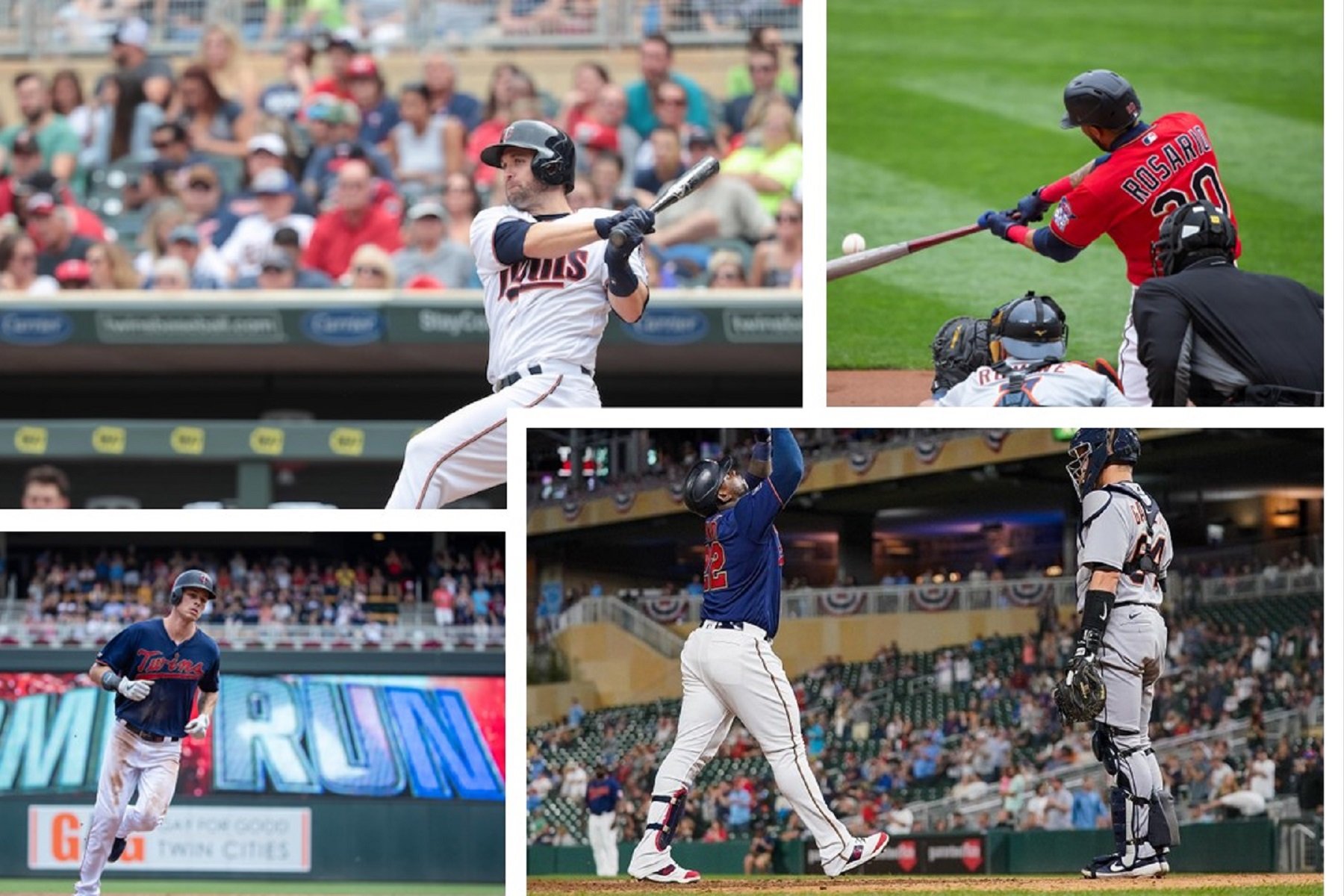 5. Trevor Plouffe: 55 HR Plouffe hit the first Target Field home run during the 2015 and 2016 seasons. He also hit a milestone home run during Target Field's third season as he collected the 300th home run hit at the park. 4. Max Kepler: 64 HR Kepler has a chance to move up this list during the 2022 campaign. At the end of April, he clocked two home runs in one game against Detroit. His first career home run was one he likely will never forget as he walked off the Red Sox. 3. Eddie Rosario: 67 HR Rosario had a flair for the dramatic, and he was part of the team's Bomba Squad dramatics in 2019. He helped the Twins set a record for most players with 30 home runs in a season. One of his most significant home runs from that 2019 season was a pinch-hit homer that gave the Twins a late-inning lead. 2. Miguel Sanó: 76 HR Sanó can be a free agent at season's end, but that still gives him a chance to take over the top spot on this list. However, his cold start and recent injury may leave him searching for at-bats when he returns. There's no question that he has been one of the best power hitters for Minnesota in the Target Field era. 1. Brian Dozier: 80 HR Dozier has the most Twins home runs in Target Field history. He was also responsible for one of the Target Field's best moments. In July 2015, he smacked a walk-off home run that capped a seven-run ninth inning to give the Twins the win. Do any of these names surprise you? Which of the top-5 players has the most memorable home run? Leave a COMMENT and start the discussion. PREVIOUS POSTS IN THE SERIES -Home Run Hitters: 11-15 -Home Run Hitters: 6-10
- 2 comments
-
- 2
-
-
- miguel sano
- brian dozier
- (and 3 more)
-
Minnesota's starting pitching started the year strong, but some poor performances and injury concerns have raised questions about the rotation. Do the Twins need to look into available starting pitchers on the trade market? Earlier this week, Peter Gammons checked in on starting pitchers from multiple non-contending teams, and these teams are open for business if the right offer is on the table. Some of these players will take quite the package to acquire, so let's analyze the players available for trade. RHP Luis Castillo Free Agent: Following the 2023 Season Minnesota traded for one of Cincinnati's starting pitchers this winter, but it would take more than one prospect to acquire Castillo. He is under team control through next season, but he has a small body of work in 2022. He didn't make his season debut until May 10 after dealing with shoulder soreness during spring training. Teams interested in trading for Castillo will want a good look at his medicals before dealing away multiple top prospects to acquire him. It seems more likely for him to be dealt at the deadline if he can prove he is healthy over the next three months. RHP Tyler Mahle Free Agent: Following the 2023 Season Mahle is another Reds pitcher with a chance to be dealt, but he is a name that hasn't been frequently mentioned in trade talks. Like Castillo, he is under team control through the end of next season. In 2022, Mahle has a 6.46 ERA with a 1.57 WHIP and 32 strikeouts in 30 2/3 innings. From 2020-21, he posted a 128 ERA+ while posting a 10.7 K/9. Some of his Statcast numbers point to him turning it around as his Chase Rate and Barrel% are in the 68th percentile or higher. Teams trading for Mahle are hoping to get the version of Mahle from the previous two seasons instead of the one so far in 2022. LHP David Price Free Agent: Following the 2022 Season Gammons mentioned the Dodgers are willing to trade Price so he can start for another club. He has been limited to one start and five appearances this season because he tested positive for COVID-19. Last season, Price made 39 appearances, but only 11 were in a starting role. Can a team still utilize him as a starter, or is the 36-year-old only a bullpen option? He is also making $32 million this season, but the Red Sox are on the hook for half of that total. Maybe he has something left in the tank that can help a contending team, but he hasn't made 30 starts or more since the 2018 season. RHP Frankie Montas Free Agent: Following the 2023 Season Where's Frankie? Well, he's still waiting for a team to rescue him from Oakland's pitching staff. Gammons heard the Athletics are waiting until closer to the deadline to deal Montas because they feel like it will result in a bidding war. Last season, he finished in the top-10 for the AL Cy Young, and he is off to a strong start so far in 2022. Minnesota had conversations with multiple teams this offseason about starting pitching, so the Twins and A's have likely discussed Montas. Out of the players on this list, he is performing well, which likely means it will take a decent trade package to acquire him. Do the Twins need to trade for one of these players? Which player stands out to you? Leave a COMMENT and start the discussion. View full article
- 18 replies
-
- 1
-
-
- luis castillo
- frankie montas
- (and 2 more)
-
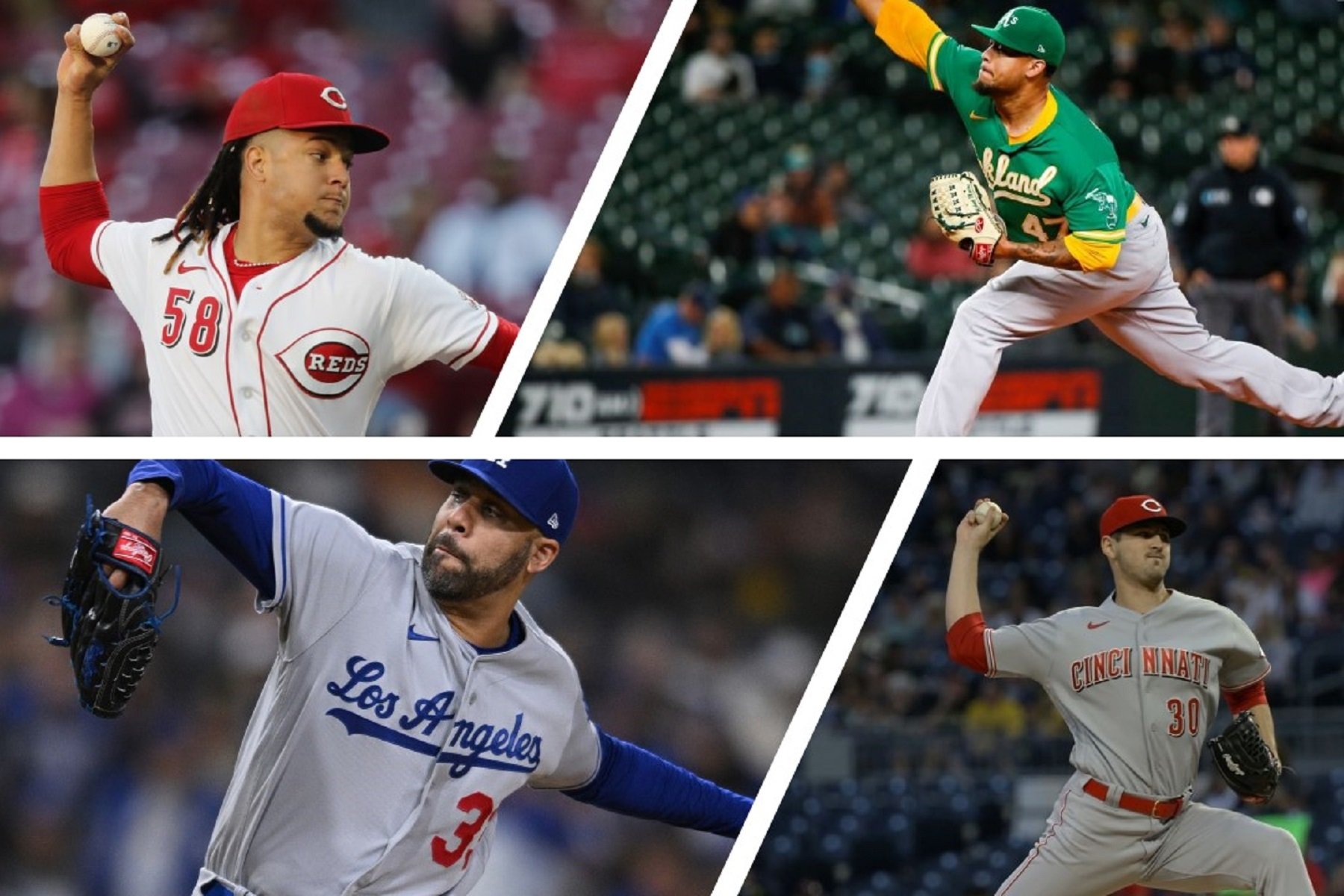 Earlier this week, Peter Gammons checked in on starting pitchers from multiple non-contending teams, and these teams are open for business if the right offer is on the table. Some of these players will take quite the package to acquire, so let's analyze the players available for trade. RHP Luis Castillo Free Agent: Following the 2023 Season Minnesota traded for one of Cincinnati's starting pitchers this winter, but it would take more than one prospect to acquire Castillo. He is under team control through next season, but he has a small body of work in 2022. He didn't make his season debut until May 10 after dealing with shoulder soreness during spring training. Teams interested in trading for Castillo will want a good look at his medicals before dealing away multiple top prospects to acquire him. It seems more likely for him to be dealt at the deadline if he can prove he is healthy over the next three months. RHP Tyler Mahle Free Agent: Following the 2023 Season Mahle is another Reds pitcher with a chance to be dealt, but he is a name that hasn't been frequently mentioned in trade talks. Like Castillo, he is under team control through the end of next season. In 2022, Mahle has a 6.46 ERA with a 1.57 WHIP and 32 strikeouts in 30 2/3 innings. From 2020-21, he posted a 128 ERA+ while posting a 10.7 K/9. Some of his Statcast numbers point to him turning it around as his Chase Rate and Barrel% are in the 68th percentile or higher. Teams trading for Mahle are hoping to get the version of Mahle from the previous two seasons instead of the one so far in 2022. LHP David Price Free Agent: Following the 2022 Season Gammons mentioned the Dodgers are willing to trade Price so he can start for another club. He has been limited to one start and five appearances this season because he tested positive for COVID-19. Last season, Price made 39 appearances, but only 11 were in a starting role. Can a team still utilize him as a starter, or is the 36-year-old only a bullpen option? He is also making $32 million this season, but the Red Sox are on the hook for half of that total. Maybe he has something left in the tank that can help a contending team, but he hasn't made 30 starts or more since the 2018 season. RHP Frankie Montas Free Agent: Following the 2023 Season Where's Frankie? Well, he's still waiting for a team to rescue him from Oakland's pitching staff. Gammons heard the Athletics are waiting until closer to the deadline to deal Montas because they feel like it will result in a bidding war. Last season, he finished in the top-10 for the AL Cy Young, and he is off to a strong start so far in 2022. Minnesota had conversations with multiple teams this offseason about starting pitching, so the Twins and A's have likely discussed Montas. Out of the players on this list, he is performing well, which likely means it will take a decent trade package to acquire him. Do the Twins need to trade for one of these players? Which player stands out to you? Leave a COMMENT and start the discussion.
- 18 comments
-
- 3
-
-
- luis castillo
- frankie montas
- (and 2 more)
-
Gilberto Celestino’s first taste of the big leagues couldn’t have gone much worse. Now, he is proving his value to a team contending for a division title. In June 2021, Minnesota’s outfield was in shambles, and the team needed another outfielder on the roster. Gilberto Celestino was on the 40-man roster, but he was 22-years-old and had yet to appear in a game above the Double-A level. All minor leaguers were coming off a non-existent 2020 season, which made it even harder to predict how players would perform. Celestino was not being put into a position to succeed, and the results were disastrous. During his first 23 games, Celestino went 8-for-59 (.136 BA) with 14 strikeouts and three walks. Five of his eight hits went for extra bases, so there were signs of the power he had shown throughout his professional career. Minnesota’s outfielders got healthy, and the Twins sent Celestino back to Triple-A, where he had yet to play a game. From that point forward, Celestino put himself back on the prospect map. He wound up playing 49 games with the Saints, where he was 4.5 years younger than the average age of the competition. Celestino hit .290/.384/.443 (.827) with 13 doubles, five home runs, and a 43-to-24 strikeout to walk ratio. He only faced a younger pitcher in one game for the season, which accounted for three of his plate appearances. He also showcased his defensive versatility as he played all three outfield positions. Celestino was part of the front office’s long-term plans, even if it wasn’t evident as the offseason began. As the front office made a plan for the 2022 roster, it was clear that pitching and shortstop needed to be a focus. Another area to consider was which players would contend for the fourth outfielder spot. Players like Jake Cave, Brent Rooker, and Kyle Garlick joined Celestino as potential bench players, but there were other things to consider with Celestino. He is still only 23-years-old with development ahead of him, while the other players are not viewed as prospects. Did it make sense to have him on the roster if he wasn’t guaranteed to play regularly? Celestino has answered that question with a resounding, “YES!” Minnesota’s injury issues have played a role in getting him more regular playing time, but he has taken advantage of every opportunity. He went 1-for-12 (.083 BA) through his first ten games with a walk and four strikeouts. Over his last nine games, he has gone 12-for-27 (.444 BA) with three doubles and two walks. His hot hitting has helped his offensive value, but his defensive skills have also been on display. MLB Statcast data has him among baseball’s best in various defensive metrics. Celestino currently ranks in the 92nd percentile for Outs Above Average (OAA), and he is also in the 60th percentile or higher when it comes to Outfielder Jump and Sprint Speed. Last season, his OAA was negative for his time in centerfield, and this season he has posted a positive OAA at both outfield positions he has played. Moving forward, it seems likely for the Twins to continue to give Celestino regular time at multiple outfield positions. He may not get 500 plate appearances this year, but he can provide value while getting 300-350 plate appearances. His prospect stock isn’t necessarily on the rise, but Celestino is the type of player that can be a role player for multiple years. What do you think Celestino’s role will be for the remainder of 2022? Leave a COMMENT and start the discussion. View full article
-
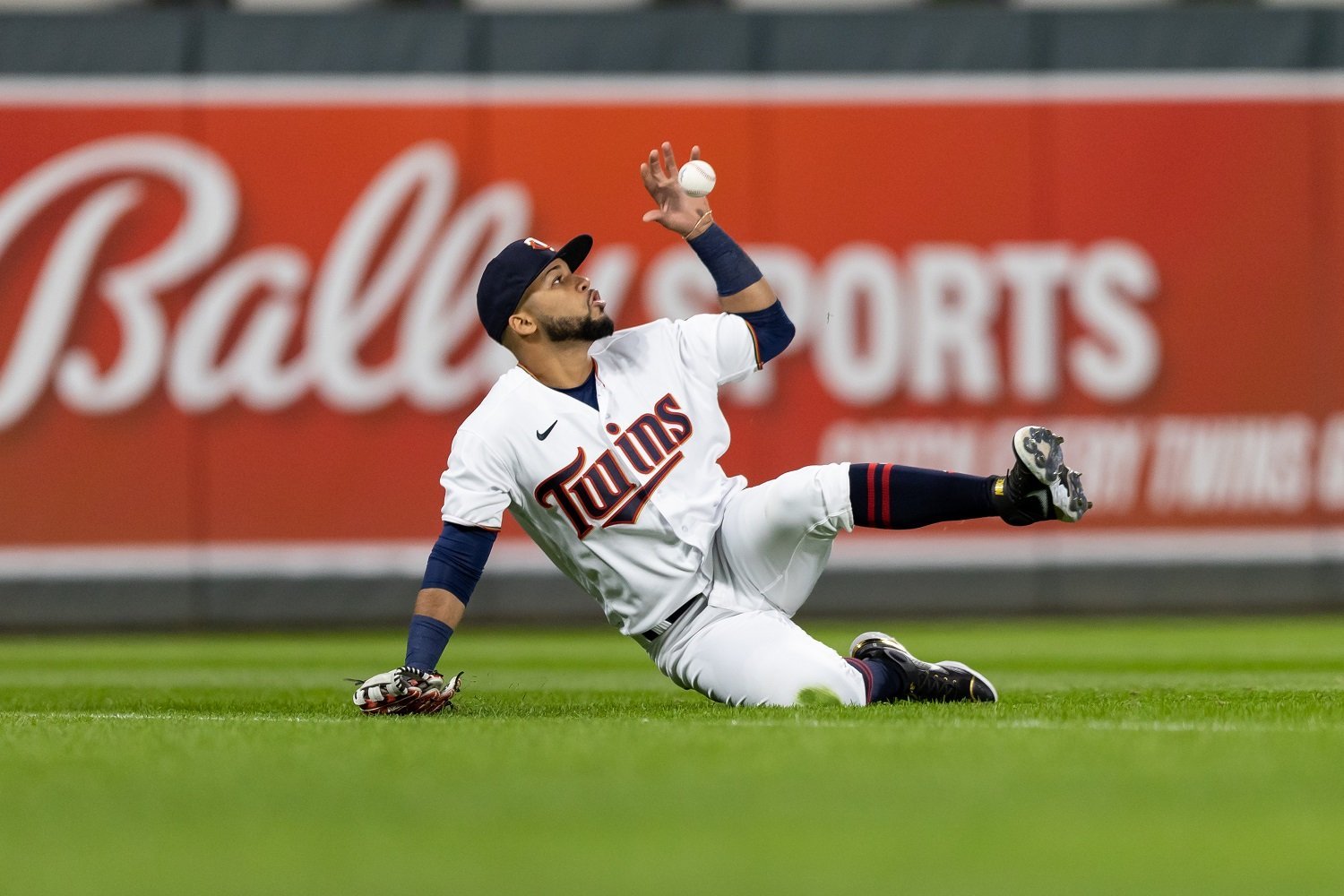 In June 2021, Minnesota’s outfield was in shambles, and the team needed another outfielder on the roster. Gilberto Celestino was on the 40-man roster, but he was 22-years-old and had yet to appear in a game above the Double-A level. All minor leaguers were coming off a non-existent 2020 season, which made it even harder to predict how players would perform. Celestino was not being put into a position to succeed, and the results were disastrous. During his first 23 games, Celestino went 8-for-59 (.136 BA) with 14 strikeouts and three walks. Five of his eight hits went for extra bases, so there were signs of the power he had shown throughout his professional career. Minnesota’s outfielders got healthy, and the Twins sent Celestino back to Triple-A, where he had yet to play a game. From that point forward, Celestino put himself back on the prospect map. He wound up playing 49 games with the Saints, where he was 4.5 years younger than the average age of the competition. Celestino hit .290/.384/.443 (.827) with 13 doubles, five home runs, and a 43-to-24 strikeout to walk ratio. He only faced a younger pitcher in one game for the season, which accounted for three of his plate appearances. He also showcased his defensive versatility as he played all three outfield positions. Celestino was part of the front office’s long-term plans, even if it wasn’t evident as the offseason began. As the front office made a plan for the 2022 roster, it was clear that pitching and shortstop needed to be a focus. Another area to consider was which players would contend for the fourth outfielder spot. Players like Jake Cave, Brent Rooker, and Kyle Garlick joined Celestino as potential bench players, but there were other things to consider with Celestino. He is still only 23-years-old with development ahead of him, while the other players are not viewed as prospects. Did it make sense to have him on the roster if he wasn’t guaranteed to play regularly? Celestino has answered that question with a resounding, “YES!” Minnesota’s injury issues have played a role in getting him more regular playing time, but he has taken advantage of every opportunity. He went 1-for-12 (.083 BA) through his first ten games with a walk and four strikeouts. Over his last nine games, he has gone 12-for-27 (.444 BA) with three doubles and two walks. His hot hitting has helped his offensive value, but his defensive skills have also been on display. MLB Statcast data has him among baseball’s best in various defensive metrics. Celestino currently ranks in the 92nd percentile for Outs Above Average (OAA), and he is also in the 60th percentile or higher when it comes to Outfielder Jump and Sprint Speed. Last season, his OAA was negative for his time in centerfield, and this season he has posted a positive OAA at both outfield positions he has played. Moving forward, it seems likely for the Twins to continue to give Celestino regular time at multiple outfield positions. He may not get 500 plate appearances this year, but he can provide value while getting 300-350 plate appearances. His prospect stock isn’t necessarily on the rise, but Celestino is the type of player that can be a role player for multiple years. What do you think Celestino’s role will be for the remainder of 2022? Leave a COMMENT and start the discussion.
 -
The Twins are closing in on 1,000 home runs at Target Field and plenty of memorable players have helped them reach this milestone. Here are the players that cracked the back-half of the top-10 and their biggest hits. 10. Jorge Polanco: 30 HR Polanco has become one of Minnesota's most valuable contributors, and he is one of 22 second basemen to hit more than 30 home runs in a season. During the 2019 season, Minnesota coughed up a ninth-inning lead only to have Polanco hit a walk-off in the tenth inning. 9. Joe Mauer: 32 HR Mauer wasn't known for his home run prowess and his best home run season came at the Metrodome. His first walk-off home run was worth the wait as it came in his 14th big-league season. 8. Josh Willingham: 33 HR Willingham's home run prowess gets a little lost because he played on some bad Twins teams. However, he hit one of the most valuable home runs in Target Field history. With the Twins down to their final out, Willingham sent the fans home happy. 7. Nelson Cruz: 36 HR What is left to say about Cruz? His Twins tenure was full of remarkable moments, and he seemed to be the glue behind Minnesota's record-breaking home run season. The Twins don't have a lot of good memories against the Yankees, but his walk-off home run against Aroldis Chapman has to be one of the best. 6. Byron Buxton: 38 HR Buxton's long-term deal means he will continue to move up this list in the years ahead. However, he already hit a memorable home run during the 2022 season. His 469-foot moonshot was the longest walk-off home run in the StatCast era. Which one of these home runs stands out most to you? How high will Buxton get on this list before the end of his career? Leave a COMMENT and start the discussion. PREVIOUS POSTS IN THE SERIES -Home Run Hitters: 11-15 View full article
-
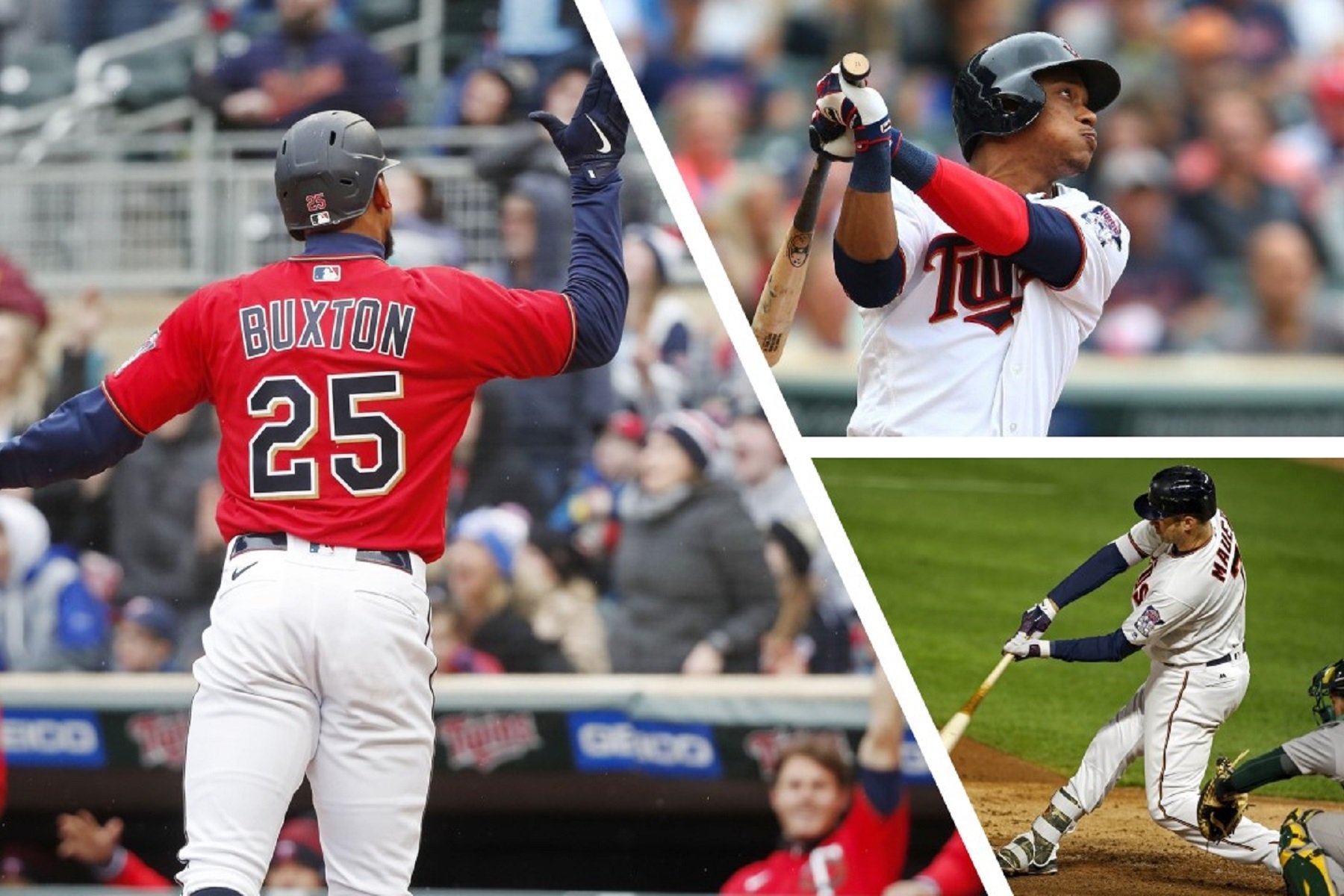 10. Jorge Polanco: 30 HR Polanco has become one of Minnesota's most valuable contributors, and he is one of 22 second basemen to hit more than 30 home runs in a season. During the 2019 season, Minnesota coughed up a ninth-inning lead only to have Polanco hit a walk-off in the tenth inning. 9. Joe Mauer: 32 HR Mauer wasn't known for his home run prowess and his best home run season came at the Metrodome. His first walk-off home run was worth the wait as it came in his 14th big-league season. 8. Josh Willingham: 33 HR Willingham's home run prowess gets a little lost because he played on some bad Twins teams. However, he hit one of the most valuable home runs in Target Field history. With the Twins down to their final out, Willingham sent the fans home happy. 7. Nelson Cruz: 36 HR What is left to say about Cruz? His Twins tenure was full of remarkable moments, and he seemed to be the glue behind Minnesota's record-breaking home run season. The Twins don't have a lot of good memories against the Yankees, but his walk-off home run against Aroldis Chapman has to be one of the best. 6. Byron Buxton: 38 HR Buxton's long-term deal means he will continue to move up this list in the years ahead. However, he already hit a memorable home run during the 2022 season. His 469-foot moonshot was the longest walk-off home run in the StatCast era. Which one of these home runs stands out most to you? How high will Buxton get on this list before the end of his career? Leave a COMMENT and start the discussion. PREVIOUS POSTS IN THE SERIES -Home Run Hitters: 11-15
- 1 comment
-
- 1
-
-
- jorge polanco
- joe mauer
- (and 3 more)
-
As we countdown the days to Target Fields's 1000th home run, let's countdown the Twins who made it happen. Here are the 11th through 15th best home run hitters in Target Field history and their biggest hits. 15: Jim Thome: 21 HR Thome became a home run legend during his Hall of Fame career. He hit the first walk-off home run in Target Field history, and it is still one of the best moments in Minnesota Twins history. 13. Oswaldo Arcia/ Kennys Vargas: 22 HR Arcia and Vargas were supposed to be part of the first wave of prospects that helped the Twins turn things around at the big-league level in the 2010s. That didn't come to fruition, but they each were known for their power in their prospect careers. 12. Mitch Garver: 27 HR During the Bomba Squad season, Garver had multiple important home runs. He broke Earl Battey's Twins single-season home run record, which stood since 1963. He also hit the home run that broke the season home run record. 11. Eduardo Escobar: 28 HR Escobar became a beloved figure in Twins history, and he has gone on to have a solid big-league career. His most valuable home run at Target Field came with the Twins trailing by two in the bottom of the eighth inning. Which home run do you remember the most? Which player do you think hits Minnesota's 1,000th home run at Target Field? Leave a COMMENT and start the discussion. View full article
-
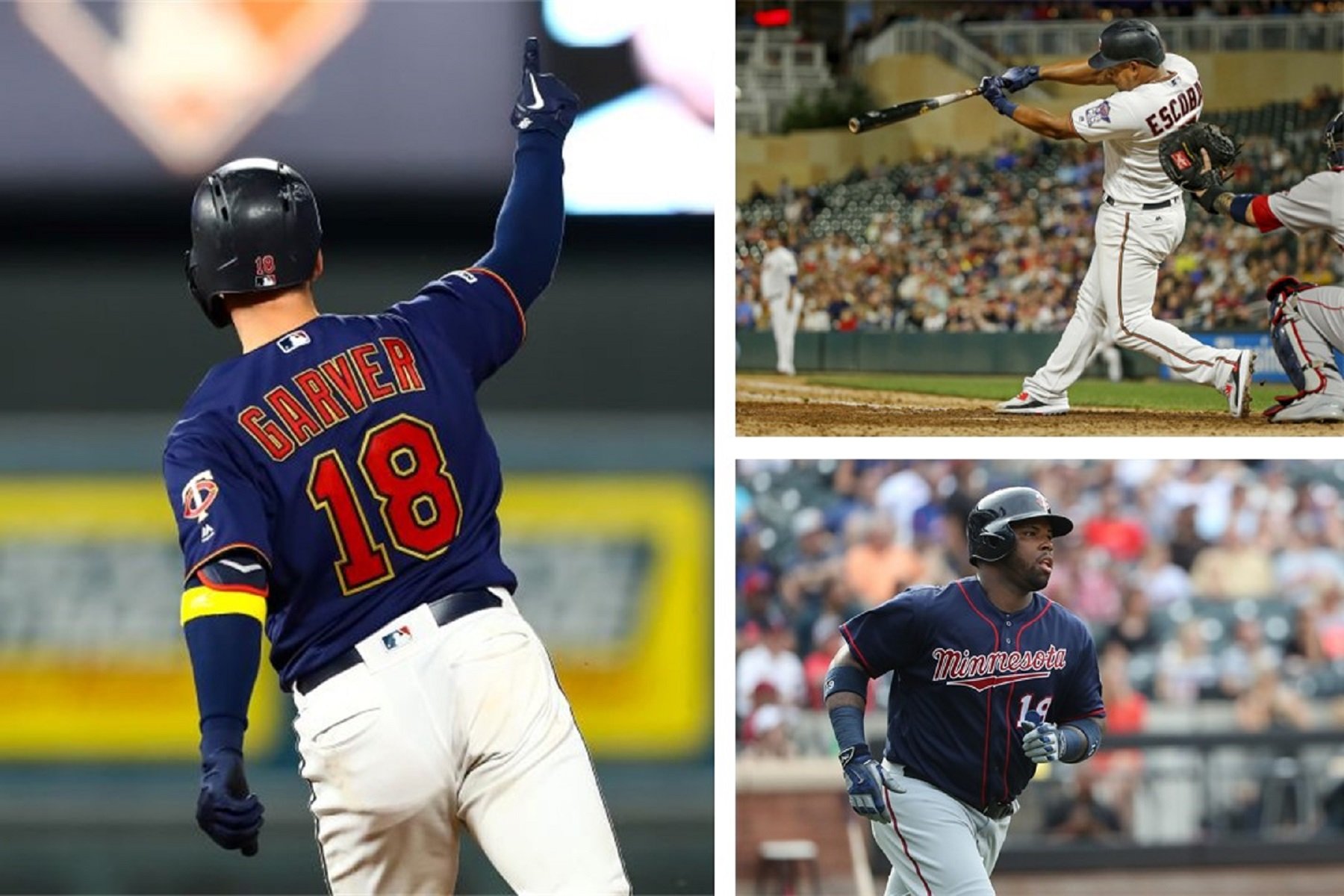 15: Jim Thome: 21 HR Thome became a home run legend during his Hall of Fame career. He hit the first walk-off home run in Target Field history, and it is still one of the best moments in Minnesota Twins history. 13. Oswaldo Arcia/ Kennys Vargas: 22 HR Arcia and Vargas were supposed to be part of the first wave of prospects that helped the Twins turn things around at the big-league level in the 2010s. That didn't come to fruition, but they each were known for their power in their prospect careers. 12. Mitch Garver: 27 HR During the Bomba Squad season, Garver had multiple important home runs. He broke Earl Battey's Twins single-season home run record, which stood since 1963. He also hit the home run that broke the season home run record. 11. Eduardo Escobar: 28 HR Escobar became a beloved figure in Twins history, and he has gone on to have a solid big-league career. His most valuable home run at Target Field came with the Twins trailing by two in the bottom of the eighth inning. Which home run do you remember the most? Which player do you think hits Minnesota's 1,000th home run at Target Field? Leave a COMMENT and start the discussion.
 -
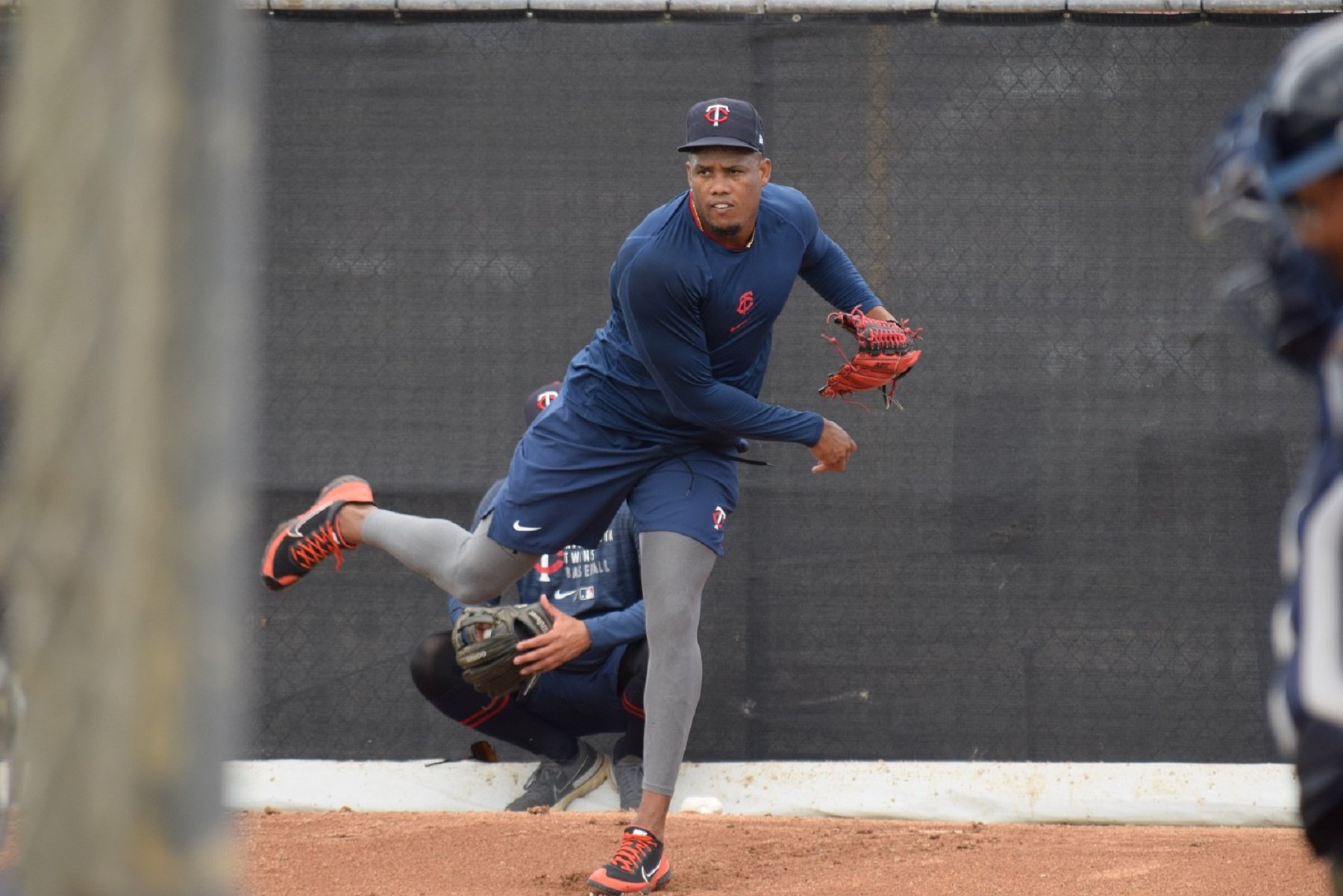 Minnesota signed Yennier Cano back in June 2019 as an international free agent. He was a 25-year-old Cuban native who had pitched multiple years in the Cuban National Series. From age 19-to-21, he made 76 relief appearances in the CNS and posted a 2.12 ERA with a 1.10 WHIP. During those outings, he pitched over 161 innings, so his team used him for multiple innings. Cano posted a 5.0 K/9, but he was over 5.5 years younger than the average age of the competition in the CNS. His international experience was one of the traits that intrigued teams interested in signing him. He pitched in the Caribbean World Series, Pan Am Games, and Premier 12. Cano helped his team win the championship in the Serie Nacional 54 as he amassed six saves on the way to the title. It was clear that he was a reliever, but he had the potential to be a fast riser in any organization. Cano made his first affiliated appearances during the 2019 season with the GCL Twins before moving up to Fort Myers. He made eight appearances (13.0 IP) with the Miracle and posted a 2.77 ERA with a 1.46 WHIP. One of the most promising signs was his increase in strikeout rate as he struck out a batter per inning. His walk rate was too high (8.4 BB/9), but it was a small sample size. He had the opportunity for the 2020 season to push himself closer to the big leagues. Unfortunately, the pandemic wiped out the 2020 minor league season. Cano's next time on the mound was in the Puerto Rican Winter League, where he made seven appearances. He posted a 1.08 ERA with a 0.60 WHIP and an 11-to-2 strikeout to walk ratio. From there, Cano could transition those successes to the Double-A level. Cano started the 2022 campaign at Triple-A, where he pitched 12 innings. He has yet to allow an earned run, and he has cut his walk rate from 5.1 BB/9 to 3.0 BB/9. He struck out 14 batters and posted an excellent 0.83 WHIP. Injuries are certainly one of the reasons Cano is getting a big-league chance, but his 2022 performance has also warranted this opportunity. As far as a scouting report, Cano has four pitches, including a fastball, changeup, slider, and a splitter. His fastball sits in the mid-90s, but he can rear back and hit the upper-90s. His fastball also has a lot of sink to it, but his splitter is the pitch that generates the most swings and misses. His slider is his highest-graded secondary pitch, which FanGraphs ranks as a 50 currently and a 55 future grade. His low-slot angle will provide a unique look for batters, especially with the amount of velocity he can generate. Cano may get an extended look at the big-league level depending on Minnesota's injuries. What are your expectations for Cano? Leave a COMMENT and start the discussion.
 -
Yennier Cano's path to the big-league level is undoubtedly unique. Here is what he has accomplished so far in his professional career. Minnesota signed Yennier Cano back in June 2019 as an international free agent. He was a 25-year-old Cuban native who had pitched multiple years in the Cuban National Series. From age 19-to-21, he made 76 relief appearances in the CNS and posted a 2.12 ERA with a 1.10 WHIP. During those outings, he pitched over 161 innings, so his team used him for multiple innings. Cano posted a 5.0 K/9, but he was over 5.5 years younger than the average age of the competition in the CNS. His international experience was one of the traits that intrigued teams interested in signing him. He pitched in the Caribbean World Series, Pan Am Games, and Premier 12. Cano helped his team win the championship in the Serie Nacional 54 as he amassed six saves on the way to the title. It was clear that he was a reliever, but he had the potential to be a fast riser in any organization. Cano made his first affiliated appearances during the 2019 season with the GCL Twins before moving up to Fort Myers. He made eight appearances (13.0 IP) with the Miracle and posted a 2.77 ERA with a 1.46 WHIP. One of the most promising signs was his increase in strikeout rate as he struck out a batter per inning. His walk rate was too high (8.4 BB/9), but it was a small sample size. He had the opportunity for the 2020 season to push himself closer to the big leagues. Unfortunately, the pandemic wiped out the 2020 minor league season. Cano's next time on the mound was in the Puerto Rican Winter League, where he made seven appearances. He posted a 1.08 ERA with a 0.60 WHIP and an 11-to-2 strikeout to walk ratio. From there, Cano could transition those successes to the Double-A level. Cano started the 2022 campaign at Triple-A, where he pitched 12 innings. He has yet to allow an earned run, and he has cut his walk rate from 5.1 BB/9 to 3.0 BB/9. He struck out 14 batters and posted an excellent 0.83 WHIP. Injuries are certainly one of the reasons Cano is getting a big-league chance, but his 2022 performance has also warranted this opportunity. As far as a scouting report, Cano has four pitches, including a fastball, changeup, slider, and a splitter. His fastball sits in the mid-90s, but he can rear back and hit the upper-90s. His fastball also has a lot of sink to it, but his splitter is the pitch that generates the most swings and misses. His slider is his highest-graded secondary pitch, which FanGraphs ranks as a 50 currently and a 55 future grade. His low-slot angle will provide a unique look for batters, especially with the amount of velocity he can generate. Cano may get an extended look at the big-league level depending on Minnesota's injuries. What are your expectations for Cano? Leave a COMMENT and start the discussion. View full article
-
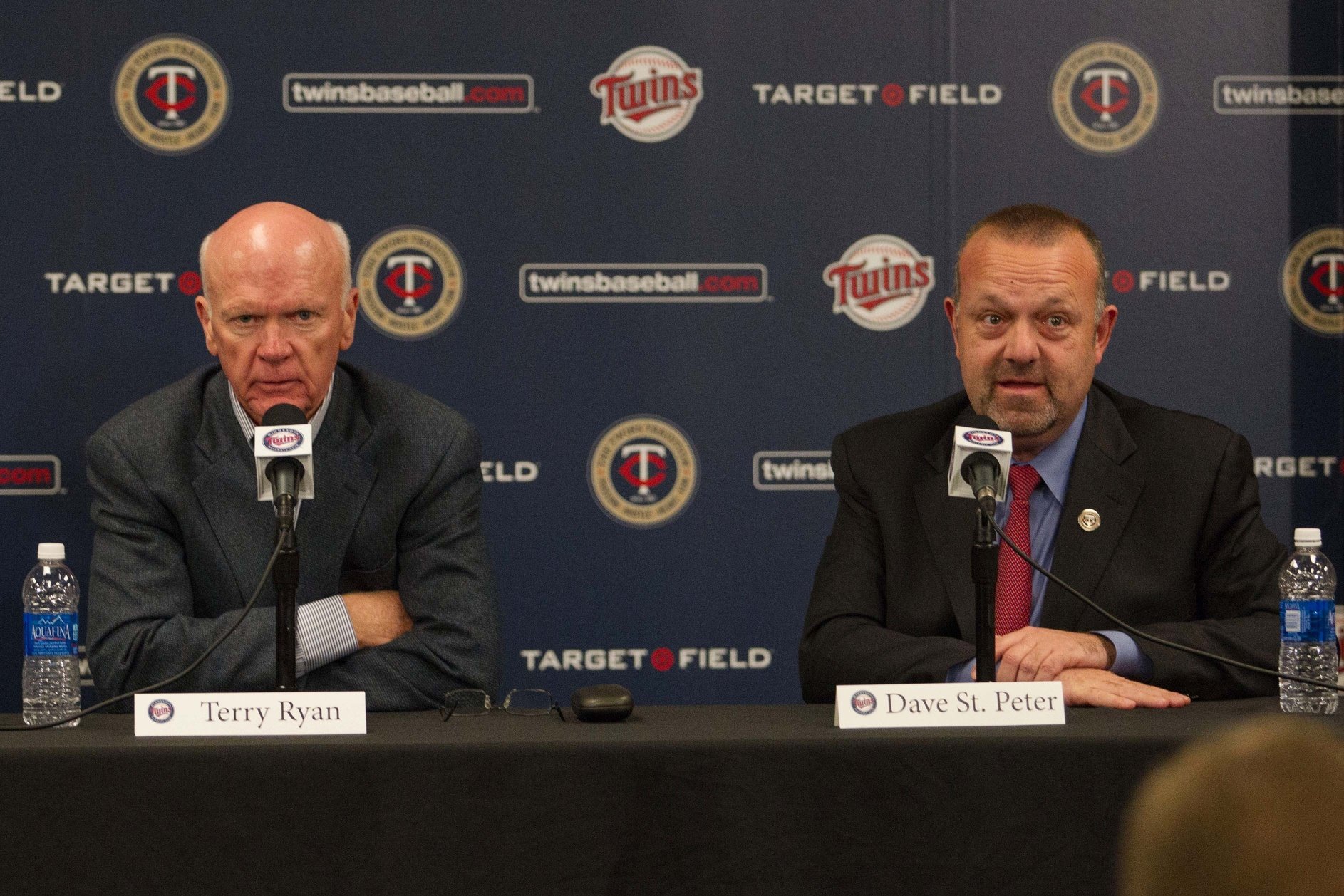 Bill Smith Contributions (2007-2011) Smith faced a challenging time in Twins history as he took over the GM role. Torii Hunter was on his way out the door, and the team needed to trade Johan Santana. The Twins lost a Game 163 (2008) and won the division twice (2009-10) during his tenure. Despite these positive results, Smith couldn’t survive the 2011 campaign as the Twins lost 99 games. It was one of the most disappointing seasons in Twins history, but he helped sign three core pieces to the current roster. Smith’s lasting legacy with the Twins connects to the 2009 international signing class, which was tremendous in retrospect. Miguel Sano, Jorge Polanco, and Max Kepler signed as part of this class. These players have combined for 37.3 total WAR and two All-Star appearances in their big-league careers. Sano’s Twins tenure may conclude in 2022, but Kepler and Polanco are under team control for multiple more seasons. Terry Ryan Contributions (2012-2016) Ryan served as GM for two different stints, so it makes sense for his fingerprints to be all over the Twins organization over the last decade. When taking over from Smith, Ryan got the opportunity to pick the second overall pick, and the organization decided on Byron Buxton. Multiple pitchers were in the conversation for Minnesota, but Buxton has accumulated the fourth-most WAR among players from the 2012 first round. He is now the face of the franchise, and he will be in a Twins uniform for over a decade after Ryan was fired. Minnesota signed Luis Arraez as an international free agent during the 2013 signing class. He has been worth 5.9 WAR in his career while hitting .312/.374/.400 (.748) with a 130 OPS+. Nick Gordon was a top-5 draft pick under the Ryan regime. His professional career hasn’t progressed perfectly, but he has shown the club the value he can provide over the last two seasons. These players look like they will be part of the team’s roster for multiple seasons moving forward. Minnesota’s bullpen picture is also covered with players acquired by Ryan. Tyler Duffey was a fifth-round pick in 2012, and he has been one of the team’s best relievers since 2019. Cody Stashak, a 13th-round pick in 2015, has been terrific to start the 2022 season, and he has yet to become arbitration-eligible. The Twins took Griffin Jax in the 3rd round of the 2016 MLB Draft, Ryan’s last with the organization. This season, he is transitioning to the bullpen, and signs point to him fitting well into his new role. Other prospects on the 40-man roster were also acquired under the Ryan regime. Jovani Moran was a seventh-round pick in the 2015 MLB Draft, and he has the potential to be a dominant late-inning reliever. His change-up is a dominant pitch, and it has helped him post a 13.4 K/9 in his minor league career. Jordan Balazovic was a fifth-round pick in 2016, and he currently ranks as Twins Daily’s fifth overall prospect. Entering the season, Baseball America and Baseball Prospectus each had him in the back-half of their top-100 prospects. He recently made his Triple-A debut, so there is a good chance his big-league debut will be in 2022. Smith and Ryan might not be regarded highly because of how each left the organization. However, their impact will be felt years after their departure. Besides Buxton, which of these players will provide the most long-term value to the Twins? Leave a COMMENT and start the discussion.
- 13 comments
-
- 7
-
-
- byron buxton
- jorge polanco
- (and 3 more)
-
Derek Falvey and Thad Levine should rightfully get credit for the team's current success, but eleven players on the current 40-man roster were acquired under the previous regime. So, which players are tied to Bill Smith and Terry Ryan's front offices? Bill Smith Contributions (2007-2011) Smith faced a challenging time in Twins history as he took over the GM role. Torii Hunter was on his way out the door, and the team needed to trade Johan Santana. The Twins lost a Game 163 (2008) and won the division twice (2009-10) during his tenure. Despite these positive results, Smith couldn’t survive the 2011 campaign as the Twins lost 99 games. It was one of the most disappointing seasons in Twins history, but he helped sign three core pieces to the current roster. Smith’s lasting legacy with the Twins connects to the 2009 international signing class, which was tremendous in retrospect. Miguel Sano, Jorge Polanco, and Max Kepler signed as part of this class. These players have combined for 37.3 total WAR and two All-Star appearances in their big-league careers. Sano’s Twins tenure may conclude in 2022, but Kepler and Polanco are under team control for multiple more seasons. Terry Ryan Contributions (2012-2016) Ryan served as GM for two different stints, so it makes sense for his fingerprints to be all over the Twins organization over the last decade. When taking over from Smith, Ryan got the opportunity to pick the second overall pick, and the organization decided on Byron Buxton. Multiple pitchers were in the conversation for Minnesota, but Buxton has accumulated the fourth-most WAR among players from the 2012 first round. He is now the face of the franchise, and he will be in a Twins uniform for over a decade after Ryan was fired. Minnesota signed Luis Arraez as an international free agent during the 2013 signing class. He has been worth 5.9 WAR in his career while hitting .312/.374/.400 (.748) with a 130 OPS+. Nick Gordon was a top-5 draft pick under the Ryan regime. His professional career hasn’t progressed perfectly, but he has shown the club the value he can provide over the last two seasons. These players look like they will be part of the team’s roster for multiple seasons moving forward. Minnesota’s bullpen picture is also covered with players acquired by Ryan. Tyler Duffey was a fifth-round pick in 2012, and he has been one of the team’s best relievers since 2019. Cody Stashak, a 13th-round pick in 2015, has been terrific to start the 2022 season, and he has yet to become arbitration-eligible. The Twins took Griffin Jax in the 3rd round of the 2016 MLB Draft, Ryan’s last with the organization. This season, he is transitioning to the bullpen, and signs point to him fitting well into his new role. Other prospects on the 40-man roster were also acquired under the Ryan regime. Jovani Moran was a seventh-round pick in the 2015 MLB Draft, and he has the potential to be a dominant late-inning reliever. His change-up is a dominant pitch, and it has helped him post a 13.4 K/9 in his minor league career. Jordan Balazovic was a fifth-round pick in 2016, and he currently ranks as Twins Daily’s fifth overall prospect. Entering the season, Baseball America and Baseball Prospectus each had him in the back-half of their top-100 prospects. He recently made his Triple-A debut, so there is a good chance his big-league debut will be in 2022. Smith and Ryan might not be regarded highly because of how each left the organization. However, their impact will be felt years after their departure. Besides Buxton, which of these players will provide the most long-term value to the Twins? Leave a COMMENT and start the discussion. View full article
-
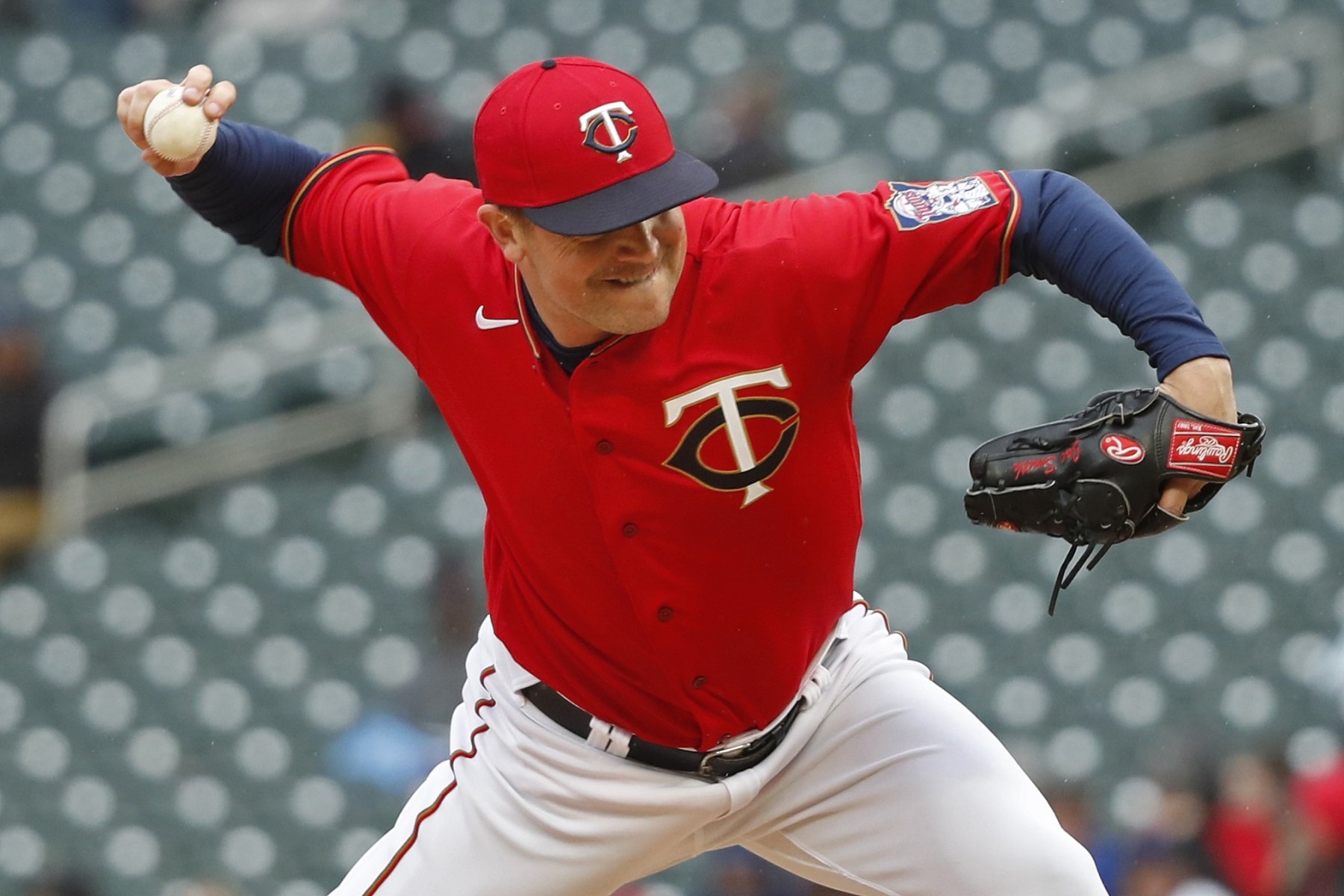 One of Minnesota's most significant needs this winter was bullpen depth, but the team's biggest free-agent acquisition was a veteran pitcher with 14-years of big-league experience. Like many relievers, Joe Smith has gone through some volatility, but there are some signs that his 2022 performance is sustainable. Limiting Runners At the end of 2021, Smith posted some impressive numbers with Seattle as he posted a 2.00 ERA with a 0.89 WHIP. While those numbers are great, he has improved on them to start the 2022 campaign. His WHIP has dropped to 0.68, and he has yet to allow an earned run in 12 appearances. Smith also has a .155 WOBA, which ranks in the top 2% of the league. He has surrendered two walks, and one of them was intentional. Batters haven't been able to make consistent contact against him. Right-handed batters have gone 2-for-23 (.087 BA) with a 5-to-0 strikeout to walk ratio and a .130 SLG. Lefties have hit 3-for-12 (.250 BA) without allowing an extra-base hit. Both walks he has allowed have come against southpaws, and he only has one strikeout versus lefties. Obviously, these numbers are likely not sustainable throughout an entire season, but some other signs indicate him having more success in 2022. Chase Rate Smith doesn't have the velocity many associate with chasing pitches, but he is among baseball's best at inducing swings at these pitches. So far in 2022, he has a chase rate that ranks in the 94th percentile. If batters are chasing pitches out of the zone, it is unlikely for them to make consistent contact, which is tied to his pitch usage (see below). While this is a great outcome, he has struggled to get swings and misses on pitches in the zone. Smith is not getting strikeouts, which can be problematic for a reliever. His K% is 7% lower than his career mark, and his Whiff% is in the 28th percentile. Over his last three seasons, he has averaged 8.3 K/9, but that total has dropped to 5.2 K/9. However, his slider and sinker have resulted in a 25 Whiff%, which is an increase over 2021. Change in Pitch Usage Minnesota has done an excellent job with relievers and helping them identify the best pitch mix to maximize their value. Smith continues to use his sinker nearly 40% of the time, which matches his recent track record. However, he has flipped how much he is using his slider and his fastball. Last season, he used his slider nearly 35% of the time, but he is using it 22% this season. His fastball usage jumped from 23.4% last year to 38.1% in 2022. Both his sinker and four-seamer have produced a .125 SLG, while his slider was responsible for the only extra-base hit he has allowed. Overall, his velocity has dropped on all of his pitches, but he has increased the active spin% to keep hitters off-balanced. His fastball and slider have declined by 1.8 mph, and his slider has declined by 0.5 MPH. Smith has been able to use his change in pitch mix to coax hitters into making poor contact. They have posted a 48.3 topped %, which is 10% higher than what he produced in 2021. Some of these topped pitches may find holes, but the results have been successful so far this season. Do you think Smith will be able to continue these trends? Leave a COMMENT and start the discussion.
 -
Joe Smith has appeared in over 840 big-league games, which gives him a tremendous body of work. However, there are three ways he is better than advertised during his Twins' tenure. One of Minnesota's most significant needs this winter was bullpen depth, but the team's biggest free-agent acquisition was a veteran pitcher with 14-years of big-league experience. Like many relievers, Joe Smith has gone through some volatility, but there are some signs that his 2022 performance is sustainable. Limiting Runners At the end of 2021, Smith posted some impressive numbers with Seattle as he posted a 2.00 ERA with a 0.89 WHIP. While those numbers are great, he has improved on them to start the 2022 campaign. His WHIP has dropped to 0.68, and he has yet to allow an earned run in 12 appearances. Smith also has a .155 WOBA, which ranks in the top 2% of the league. He has surrendered two walks, and one of them was intentional. Batters haven't been able to make consistent contact against him. Right-handed batters have gone 2-for-23 (.087 BA) with a 5-to-0 strikeout to walk ratio and a .130 SLG. Lefties have hit 3-for-12 (.250 BA) without allowing an extra-base hit. Both walks he has allowed have come against southpaws, and he only has one strikeout versus lefties. Obviously, these numbers are likely not sustainable throughout an entire season, but some other signs indicate him having more success in 2022. Chase Rate Smith doesn't have the velocity many associate with chasing pitches, but he is among baseball's best at inducing swings at these pitches. So far in 2022, he has a chase rate that ranks in the 94th percentile. If batters are chasing pitches out of the zone, it is unlikely for them to make consistent contact, which is tied to his pitch usage (see below). While this is a great outcome, he has struggled to get swings and misses on pitches in the zone. Smith is not getting strikeouts, which can be problematic for a reliever. His K% is 7% lower than his career mark, and his Whiff% is in the 28th percentile. Over his last three seasons, he has averaged 8.3 K/9, but that total has dropped to 5.2 K/9. However, his slider and sinker have resulted in a 25 Whiff%, which is an increase over 2021. Change in Pitch Usage Minnesota has done an excellent job with relievers and helping them identify the best pitch mix to maximize their value. Smith continues to use his sinker nearly 40% of the time, which matches his recent track record. However, he has flipped how much he is using his slider and his fastball. Last season, he used his slider nearly 35% of the time, but he is using it 22% this season. His fastball usage jumped from 23.4% last year to 38.1% in 2022. Both his sinker and four-seamer have produced a .125 SLG, while his slider was responsible for the only extra-base hit he has allowed. Overall, his velocity has dropped on all of his pitches, but he has increased the active spin% to keep hitters off-balanced. His fastball and slider have declined by 1.8 mph, and his slider has declined by 0.5 MPH. Smith has been able to use his change in pitch mix to coax hitters into making poor contact. They have posted a 48.3 topped %, which is 10% higher than what he produced in 2021. Some of these topped pitches may find holes, but the results have been successful so far this season. Do you think Smith will be able to continue these trends? Leave a COMMENT and start the discussion. View full article
-
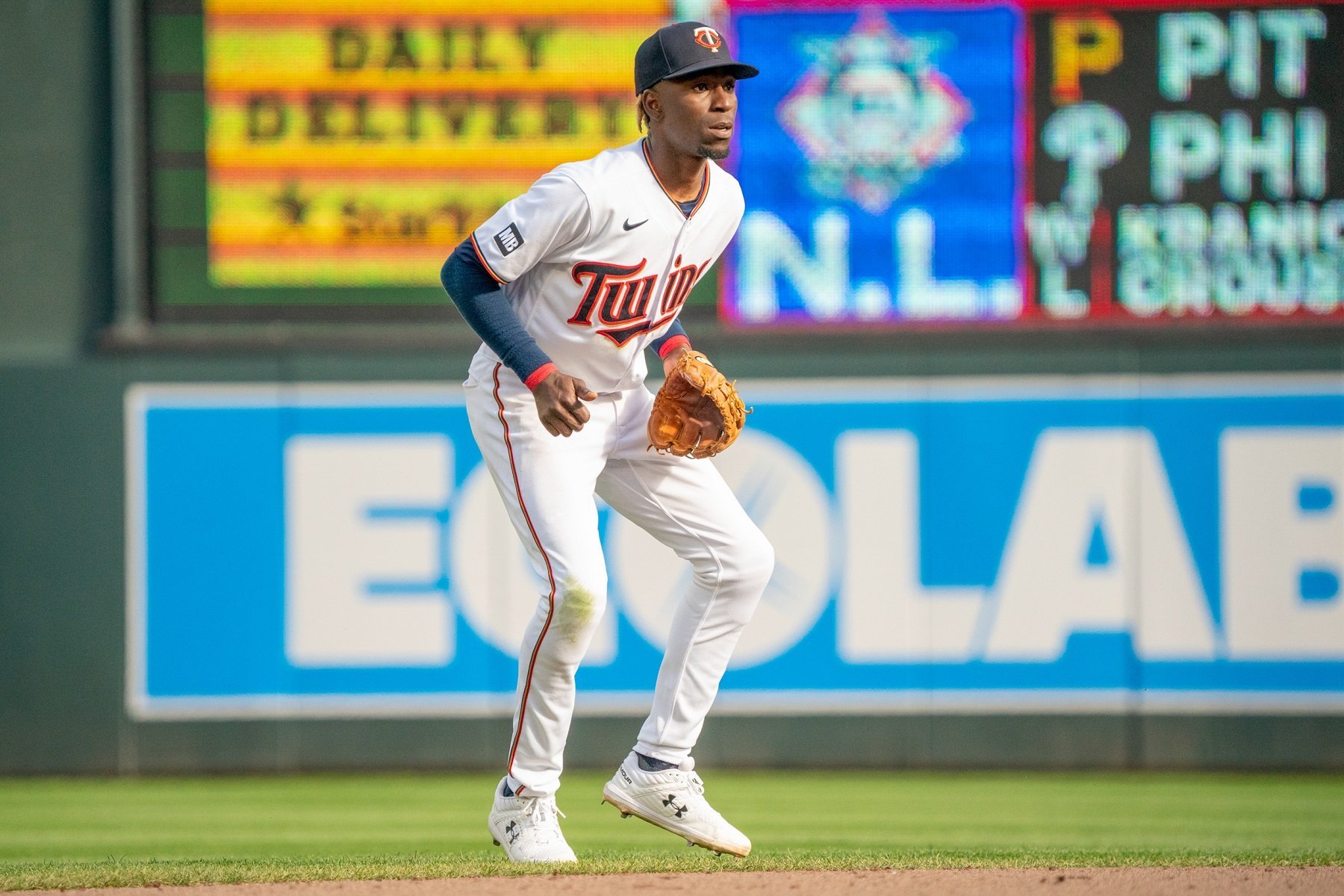 Nick Gordon faced plenty of hurdles on his path to the big leagues. For four consecutive seasons (2015-2018), he was a consensus top-100 prospect after the Twins took him with the fifth overall pick in 2014. It was clear that Gordon had the pedigree and the tools one would expect from a top prospect, but things didn't go perfectly from there. In 2018, the 22-year-old spent 70% of the season at Triple-A, where he was 4.5 years younger than the average age of the competition. He compiled a .906 OPS at Double-A before being promoted, but then he hit .212/.262/.283 (.544) with 82 strikeouts in 99 games. Out of his 544 at-bats that season, only 29 came versus younger pitchers, so there was still hope for him to put it all together. Things went worse from there as he was limited to 70-games in 2019 with a stomach ailment, and then his season ended early after being hit in the knee with a pitch. Gordon did well in limited action by hitting .298/.342/.459 (.801) with 29 doubles, three triples, and four home runs. It was easy to see how he may be able to impact the big-league roster in the years ahead, but 2020 took a toll on Gordon in more ways than one. Gordon missed time during spring training in 2020 with a similar stomach ailment, and then he tested positive for COVID. He missed the entire season when he had an opportunity to work at the team's alternate site and possibly make his big-league debut. Gordon's debut moved to the 2021 season while the Twins were struggling on the field. In his first 20 big-league games, he hit .308/.333/.404 (.737) with three extra-base hits. His BABIP during that stretch was .366, so there was bound to be some regression. From there until the end of August (29 games), his OPS dropped to .487, and he struck out 26 times in 84 plate appearances. Gordon turned things around in September when he started getting more regular playing time. In 24 games, he hit .264/.308/.444 (.752) with four doubles and three home runs. While many had turned away from a miserable Twins season, it looked like Gordon was starting to figure it out at the big-league level. As the 2022 campaign began, Gordon seemed like a natural fit in a utility role for the Twins. Throughout his big-league tenure, he has made starts at four different defensive positions (CF, 2B, SS, LF) and has time at third base and in right field, as well. In 22 games, he has hit .229/.275/.292 (.567) with two extra-base hits and a 17-to-3 strikeout to walk ratio. Major League Baseball's depleted offensive numbers this season don't help Gordon's OPS+ as he is seven points under his total from last year and well below the league average. Now in his age-26 season, Gordon may not live up to what evaluators thought of him early in his professional career. However, he has built out a niche at the big-league level on a team that continues to win. Also, Minnesota's injured list continues to grow, so that the team will need depth from other players on the 40-man roster. This may allow him to get more regular playing time, and that's when he had the most success in his big-league career. The Twins don't need him to be an All-Star caliber player, but they can benefit from his defensive versatility and other intangibles he brings to the roster. Do you think NIck Gordon has proven his worth to the Twins? Leave a COMMENT and start the discussion.
 -
Nick Gordon was once a top prospect, but his career has taken on a different path. What has he proven to the Twins as he closes in on 100 big-league games? Nick Gordon faced plenty of hurdles on his path to the big leagues. For four consecutive seasons (2015-2018), he was a consensus top-100 prospect after the Twins took him with the fifth overall pick in 2014. It was clear that Gordon had the pedigree and the tools one would expect from a top prospect, but things didn't go perfectly from there. In 2018, the 22-year-old spent 70% of the season at Triple-A, where he was 4.5 years younger than the average age of the competition. He compiled a .906 OPS at Double-A before being promoted, but then he hit .212/.262/.283 (.544) with 82 strikeouts in 99 games. Out of his 544 at-bats that season, only 29 came versus younger pitchers, so there was still hope for him to put it all together. Things went worse from there as he was limited to 70-games in 2019 with a stomach ailment, and then his season ended early after being hit in the knee with a pitch. Gordon did well in limited action by hitting .298/.342/.459 (.801) with 29 doubles, three triples, and four home runs. It was easy to see how he may be able to impact the big-league roster in the years ahead, but 2020 took a toll on Gordon in more ways than one. Gordon missed time during spring training in 2020 with a similar stomach ailment, and then he tested positive for COVID. He missed the entire season when he had an opportunity to work at the team's alternate site and possibly make his big-league debut. Gordon's debut moved to the 2021 season while the Twins were struggling on the field. In his first 20 big-league games, he hit .308/.333/.404 (.737) with three extra-base hits. His BABIP during that stretch was .366, so there was bound to be some regression. From there until the end of August (29 games), his OPS dropped to .487, and he struck out 26 times in 84 plate appearances. Gordon turned things around in September when he started getting more regular playing time. In 24 games, he hit .264/.308/.444 (.752) with four doubles and three home runs. While many had turned away from a miserable Twins season, it looked like Gordon was starting to figure it out at the big-league level. As the 2022 campaign began, Gordon seemed like a natural fit in a utility role for the Twins. Throughout his big-league tenure, he has made starts at four different defensive positions (CF, 2B, SS, LF) and has time at third base and in right field, as well. In 22 games, he has hit .229/.275/.292 (.567) with two extra-base hits and a 17-to-3 strikeout to walk ratio. Major League Baseball's depleted offensive numbers this season don't help Gordon's OPS+ as he is seven points under his total from last year and well below the league average. Now in his age-26 season, Gordon may not live up to what evaluators thought of him early in his professional career. However, he has built out a niche at the big-league level on a team that continues to win. Also, Minnesota's injured list continues to grow, so that the team will need depth from other players on the 40-man roster. This may allow him to get more regular playing time, and that's when he had the most success in his big-league career. The Twins don't need him to be an All-Star caliber player, but they can benefit from his defensive versatility and other intangibles he brings to the roster. Do you think NIck Gordon has proven his worth to the Twins? Leave a COMMENT and start the discussion. View full article
-
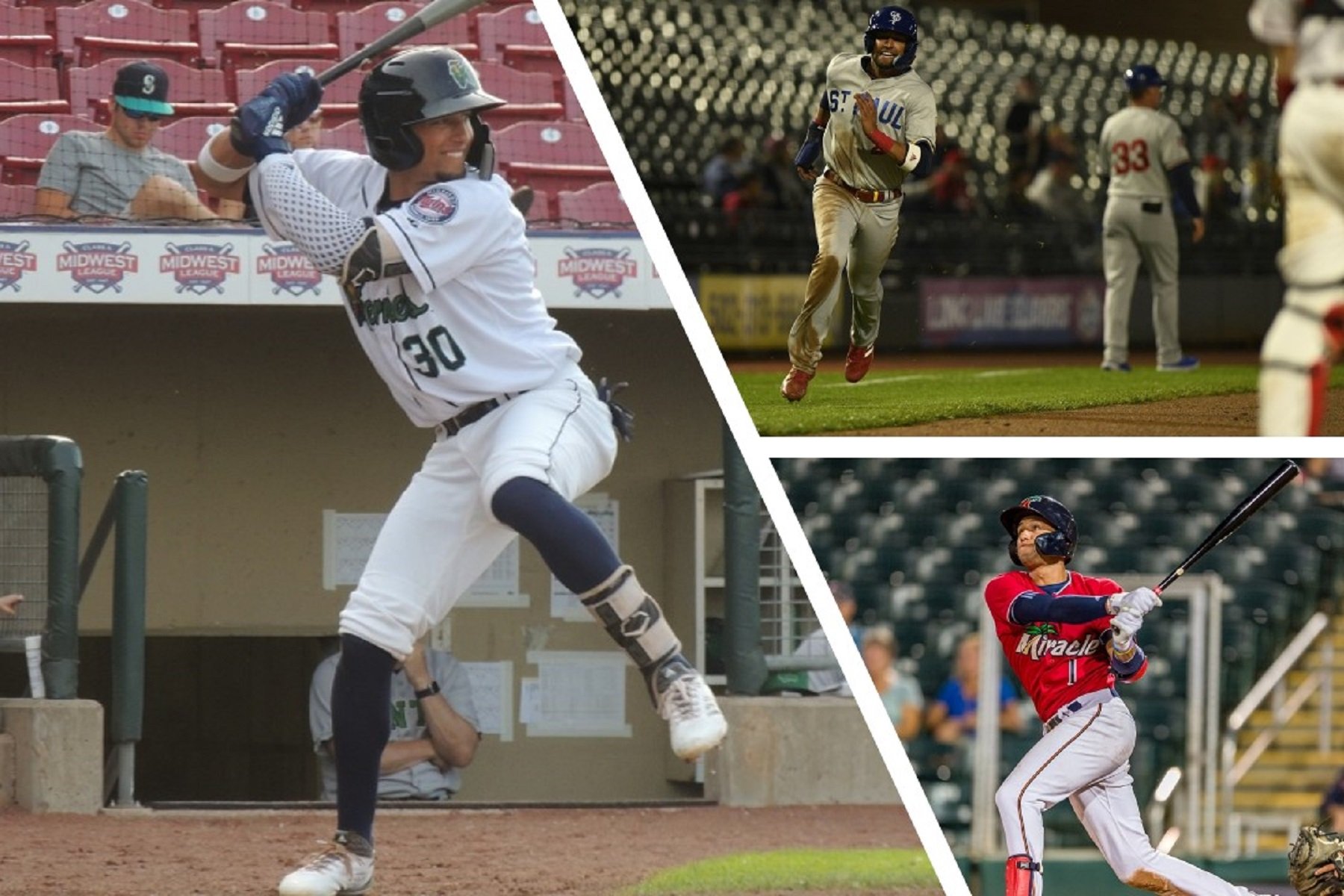 After missing two seasons, Royce Lewis probably didn't imagine making it to the big leagues at the beginning of May. Minnesota had few other options on the 40-man roster. While it appears Carlos Correa has avoided an IL-stint, Lewis still has been promoted to play shortstop while Correa is out and Luis Arraez is on the Covid IL. Lewis's professional career has included some bumps in the road, so let's look back at his time in the Twins organization. Minnesota selected Lewis as the number one overall pick in the 2017 MLB Draft. At the time, there were a handful of other players in the mix for the top pick, including Hunter Greene, MacKenzie Gore, Brendan McKay, and Kyle Wright. Out of the top five picks, Lewis is the lone player yet to make his big-league debut, and four players from that first round have accumulated 1.6 WAR or more in their careers. Shortly after signing, Lewis made his professional debut in the GCL, where he hit .271/.390/.414 (.803) with 11 extra-base hits in 36 games. Minnesota was aggressive and moved him to Low-A for the season's final 18 games, where he was over three years younger than the average age of the competition. He raised his batting average by 25 points after the promotion and still got on base over 36% of the time. It was a solid professional debut for the 18-year-old, and he was a consensus top-30 prospect on all three national top-100 lists. During the 2018 season, Lewis split time between Low- and High-A. In 121 games, he hit .292/.352/.451 (.803) with 29 doubles, three triples, and 14 home runs. Some of his best numbers came in clutch spots as he also posted a .903 OPS with two outs and runners in scoring position. While these numbers are strong, it's essential to consider that he was 19-years old. Only two of his plate appearances came against younger pitchers. Lewis dealt with on-field struggles for the first time as his OPS dropped to .661, and he struck out 123 times in 127 games. He also committed 20 errors at shortstop. However, Lewis was over 3.5 years younger than the competition at Double-A. Minnesota sent Lewis to the Arizona Fall League following the season, where he performed very well. In 22 games, he hit .353/.411/.565 (.975) with nine doubles and three home runs. Only five months past his 20th birthday, the league managers voted Lewis as the AFL MVP. COVID-19 wiped out the 2020 season for all minor league players, but Lewis was part of the group of players that was able to work at the alternate site. Minnesota spoke highly of his development on both sides of the ball during the shutdown. "Offensively, it's been a lot of work on his lower half, and his lower half direction," Twins assistant general manager Jeremy Zoll said. "He performed well with the opportunities he had, and he's poised for a big step forward." Unfortunately, Lewis wasn't able to showcase that step forward in 2021. Entering the 2021 season, his intake physical revealed a torn ACL in his right knee that required surgery. Lewis showed maturity beyond his years when facing the adversity involved with major surgery. He built strength in all parts of his body during the rehab process, but he was clear on the goal. "2022 is going to be scary and spooky, man," Lewis said. "Just watch out. It's truly amazing what Lewis has been able to do in his return to the field during the 2022 campaign. In 23 games for the Saints, he hit .310/.427/.560 (.987) with 14 extra-base hits. He is over three years younger than the average age of the competition at Triple-A, and he is showing no signs of rust that may be associated with missing multiple seasons. His prediction about the 2022 season was correct, but now he will need to translate that success to the big-league level. Congratulations to Lewis on the big-league promotion. What will you remember most about his minor league career? Leave a COMMENT and start the discussion.
