



Cody Christie
-
Posts
7,515 -
Joined
-
Last visited
-
Days Won
5
Content Type
Profiles
News
Minnesota Twins Videos
2026 Minnesota Twins Top Prospects Ranking
2022 Minnesota Twins Draft Picks
Minnesota Twins Free Agent & Trade Rumors, Notes, & Tidbits
Guides & Resources
2023 Minnesota Twins Draft Picks
The Minnesota Twins Players Project
2024 Minnesota Twins Draft Picks
2025 Minnesota Twins Draft Pick Tracker
2026 Minnesota Twins Draft Tracker: Picks & Bonuses
Forums
Blogs
Events
Store
Downloads
Gallery
Everything posted by Cody Christie
-
 Jim "Mudcat" Grant came from humble origins, but he left a lasting mark during his big-league tenure. However, his post-playing career days were even more influential. Image courtesy of Thieres Rabelo Grant's Humble Origins Jim "Mudcat" Grant was born and grew up in Florida. He was a three-sport star in high school, and he went to Florida A&M to play football and baseball. His father died when he was a toddler, so he left school to find a way to help his family. Luckily, the Cleveland Indians kept an eye on him during his amateur days and signed him to a contract. His first professional stop was in Fargo, ND, with Cleveland's minor league affiliate in the Northern League. It was the first time he left Florida, and that move had to provide quite the culture shock. He moved quickly through Cleveland's system while winning multiple awards along the way. In his final minor league season, he went 18-7 with a 2.31 ERA and a 1.24 WHIP. It was clear he was ready for the next step. Grant's MLB Career Grant's first seven big-league seasons were played in a Cleveland uniform while amassing a 4.09 ERA and a 1.36 WHIP. His first All-Star appearance came in 1963 when he went 13-14 with a 3.69 ERA. The 1964 campaign couldn't have started much worse as he allowed 41 runs in 62 innings. Cleveland shipped him to Minnesota, and a change of scenery was a blessing in disguise. Grant made 26 appearances for the Twins in 1964 with a 2.82 ERA and a 1.19 WHIP. His 128 ERA+ was over 25 points higher than he had in any other season. His improved performance carried over into the 1965 season, which became one of the most important in Twins history. He earned his second All-Star nod and led the AL in wins and shutouts. By season's end, he finished sixth in the AL MVP voting. Mudcat was named The Sporting News American League Pitcher of the Year and was the first black pitcher in the American League to win 20 games in a season and the first black AL pitcher to win a game in the World Series. Before Kirby Puckett in 1991, Grant gave the franchise a legendary Game 6 performance. During the 1965 World Series, he put the Twins on his back and carried them to Game 7. With the Twins up 2-0 in the sixth inning, the Dodgers intentionally walked a man to face Grant. He made them pay with a three-run home run. It was just the second home run by an AL pitcher in World Series history. His pitching performance was even more masterful as he took the mound on two days' rest while battling a cold. Grant faced the minimum through four innings, and he tossed a complete game. Overall, he allowed one run on six hits while striking out five and walking none. He allowed the Twins to get to a decisive Game 7. Grant finished his 14-year big-league career with a 3.63 ERA and a 1.29 WHIP. He'd play for seven different organizations. He was a trailblazing African American pitcher, and he made sure his impact was felt after his retirement too. Grant's Off-Field Impact Music was always an essential component of Grant's life, and he started a jazz group called "Mudcat and the Kittens." With Grant as the lead, this group got so popular they were asked to appear on The Tonight Show with Johnny Carson. "I made way more money in music than I did in baseball," Grant once said. Many Twins fans may recall his memorable singing performance at Harmon Killebrew's funeral service at Target Field. In retirement, he worked as a TV analyst for the Indians and the Athletics. He worked in the Indians community relations office, a group he worked with when he was playing in Cleveland. Hank Aaron requested Grant serve as a pitching coach in the Braves system, and that's a role he filled for multiple years. In 2005, Grant authored a book called The 12 Black Aces. In it, he chronicled the lives of all 12 black pitchers that had won 20 games in a season, which included himself. President George W. Bush honored him and the other pitchers in a White House ceremony. Later in life, he moved to Los Angeles and worked as a community activist and advocate for Black participation in sports. On June 11, 2021, Grant passed away at the age of 85. What stands out to you from Mudcat Grant's extraordinary life? Leave a COMMENT and start the discussion. MORE FROM TWINS DAILY — Latest Twins coverage from our writers — Recent Twins discussion in our forums — Follow Twins Daily via Twitter, Facebook or email View full article
 -
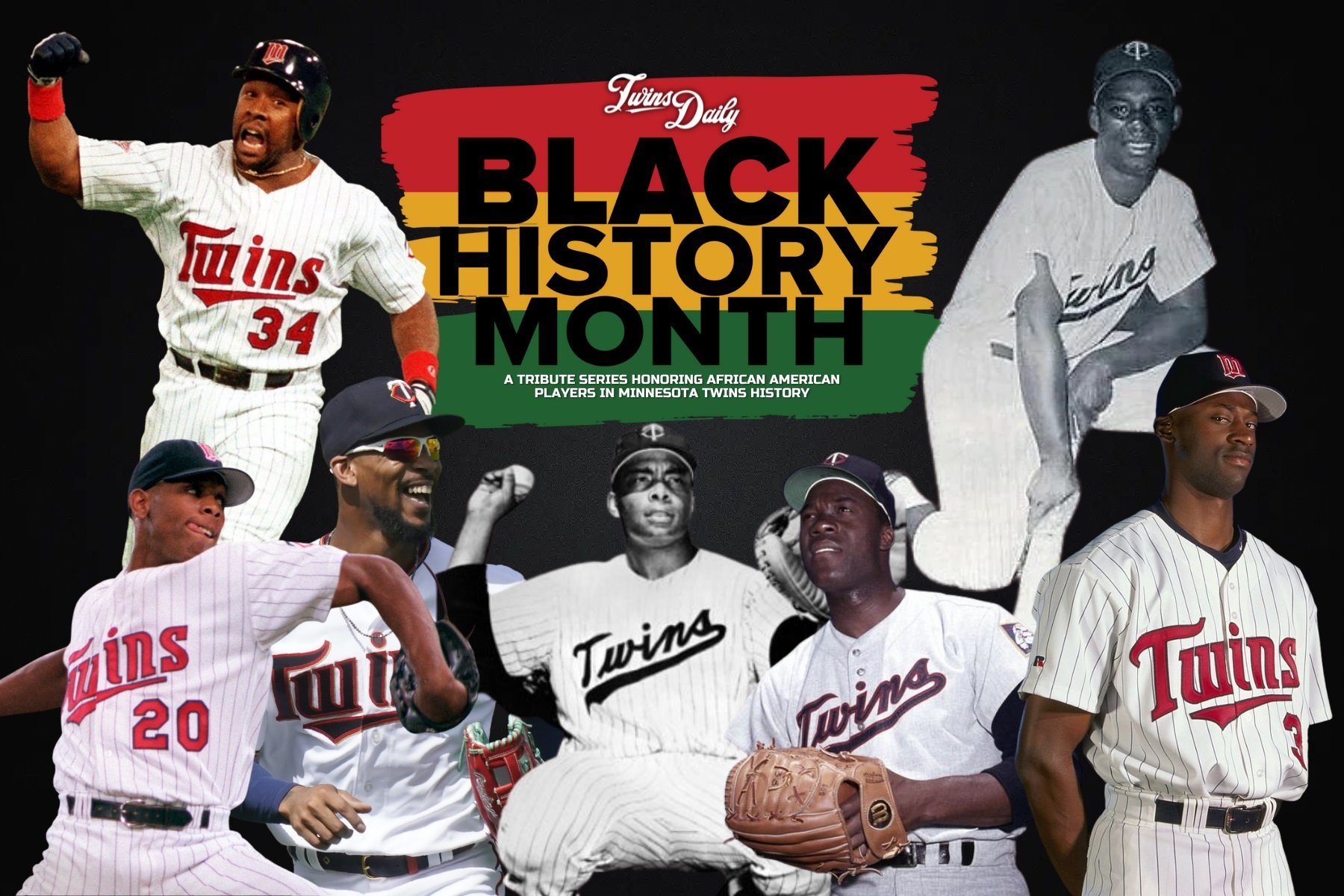 Grant's Humble Origins Jim "Mudcat" Grant was born and grew up in Florida. He was a three-sport star in high school, and he went to Florida A&M to play football and baseball. His father died when he was a toddler, so he left school to find a way to help his family. Luckily, the Cleveland Indians kept an eye on him during his amateur days and signed him to a contract. His first professional stop was in Fargo, ND, with Cleveland's minor league affiliate in the Northern League. It was the first time he left Florida, and that move had to provide quite the culture shock. He moved quickly through Cleveland's system while winning multiple awards along the way. In his final minor league season, he went 18-7 with a 2.31 ERA and a 1.24 WHIP. It was clear he was ready for the next step. Grant's MLB Career Grant's first seven big-league seasons were played in a Cleveland uniform while amassing a 4.09 ERA and a 1.36 WHIP. His first All-Star appearance came in 1963 when he went 13-14 with a 3.69 ERA. The 1964 campaign couldn't have started much worse as he allowed 41 runs in 62 innings. Cleveland shipped him to Minnesota, and a change of scenery was a blessing in disguise. Grant made 26 appearances for the Twins in 1964 with a 2.82 ERA and a 1.19 WHIP. His 128 ERA+ was over 25 points higher than he had in any other season. His improved performance carried over into the 1965 season, which became one of the most important in Twins history. He earned his second All-Star nod and led the AL in wins and shutouts. By season's end, he finished sixth in the AL MVP voting. Mudcat was named The Sporting News American League Pitcher of the Year and was the first black pitcher in the American League to win 20 games in a season and the first black AL pitcher to win a game in the World Series. Before Kirby Puckett in 1991, Grant gave the franchise a legendary Game 6 performance. During the 1965 World Series, he put the Twins on his back and carried them to Game 7. With the Twins up 2-0 in the sixth inning, the Dodgers intentionally walked a man to face Grant. He made them pay with a three-run home run. It was just the second home run by an AL pitcher in World Series history. His pitching performance was even more masterful as he took the mound on two days' rest while battling a cold. Grant faced the minimum through four innings, and he tossed a complete game. Overall, he allowed one run on six hits while striking out five and walking none. He allowed the Twins to get to a decisive Game 7. Grant finished his 14-year big-league career with a 3.63 ERA and a 1.29 WHIP. He'd play for seven different organizations. He was a trailblazing African American pitcher, and he made sure his impact was felt after his retirement too. Grant's Off-Field Impact Music was always an essential component of Grant's life, and he started a jazz group called "Mudcat and the Kittens." With Grant as the lead, this group got so popular they were asked to appear on The Tonight Show with Johnny Carson. "I made way more money in music than I did in baseball," Grant once said. Many Twins fans may recall his memorable singing performance at Harmon Killebrew's funeral service at Target Field. In retirement, he worked as a TV analyst for the Indians and the Athletics. He worked in the Indians community relations office, a group he worked with when he was playing in Cleveland. Hank Aaron requested Grant serve as a pitching coach in the Braves system, and that's a role he filled for multiple years. In 2005, Grant authored a book called The 12 Black Aces. In it, he chronicled the lives of all 12 black pitchers that had won 20 games in a season, which included himself. President George W. Bush honored him and the other pitchers in a White House ceremony. Later in life, he moved to Los Angeles and worked as a community activist and advocate for Black participation in sports. On June 11, 2021, Grant passed away at the age of 85. What stands out to you from Mudcat Grant's extraordinary life? Leave a COMMENT and start the discussion. MORE FROM TWINS DAILY — Latest Twins coverage from our writers — Recent Twins discussion in our forums — Follow Twins Daily via Twitter, Facebook or email
- 3 comments
-
- 6
-

-
- mudcat grant
- jim grant
- (and 1 more)
-
During the 2003 season, the Twins were coming off an ALCS appearance and trying to find a way to get back into the division race. Trading for one outfielder made the difference and pushed Minnesota over the top. Image courtesy of Thieres Rabelo The Twins entered the 2003 season with high expectations. During the 2002 season, Minnesota had staved off contraction and upset the "Moneyball" Oakland A's in the ALDS. ESPN declared them "The Team That Saved Baseball," and it looked like the Twins had the pieces to contend for multiple years into the future. However, things didn't go exactly as planned at the start of the season. The first half was rough for the Twins as they sat five games under .500 at the All-Star Break. Minnesota sat 7.5 games out of first place and were in third place in the division. Twins general manager Terry Ryan had a decision to make. Should he try and bolster a line-up struggling to score runs, or should he stand pat for the third straight trade deadline? Luckily, he decided to make a move. On July 16, the Twins traded Bobby Kielty to the Toronto Blue Jays for lead-off hitter Shannon Stewart. His impact on the line-up was hard to ignore as he hit .322/.384/470 (.854 OPS). In the second half, the Twins went 46-23, including a 24-9 stretch in the season's final 33 games. Minnesota won the division by four games, and Stewart finished fourth in the AL MVP voting. Stewart's hot hitting carried over into the playoffs even though the Twins eventually lost to the Yankees. He went 6-for-15 (.400 BA) in four games with two doubles and a stolen base. Unfortunately, Torii Hunter was the only other Twins batter to have more than six hits in the series, and New York went on to win the AL pennant that season. Why Was the Trade So Important? This trade was unlike the Ryan regime in multiple ways. Kielty was a younger player with more team control than Stewart, and they had similar performances at that point in their careers. During his three seasons in Minnesota, Kielty had posted an .818 OPS, including a 116 OPS+. Stewart played ten years in Toronto and accumulated an .805 OPS with a 108 OPS+. At the time, it was a very un-Twins-like trade, but the results speak for themselves. Kielty was never able to duplicate his performance from his Twins tenure. He played four more big-league seasons with a 90 OPS+, and he didn't make a big-league appearance after his age-30 season. Stewart hit free agency but resigned with the Twins and hit .287/.347/.405 (.752) over the next three seasons. In three of his four seasons on the team, Minnesota won the division, with Stewart providing a veteran presence even with some injuries. This trade signaled that the front office was willing to make moves to help the organization for the short-term, even if there was the potential for adverse long-term repercussions. At the time, Ryan made it clear that this was a new direction for the club. "It's time we start shaking this ballclub up to see if we can get it going in the right direction," general manager Terry Ryan said. He helped the team move in the right direction that season, and it was a transformational moment for the organization. What do you remember about Stewart's time in Minnesota? Leave a COMMENT and start the discussion. MORE FROM TWINS DAILY — Latest Twins coverage from our writers — Recent Twins discussion in our forums — Follow Twins Daily via Twitter, Facebook or email View full article
- 4 replies
-
- 1
-
-
- shannon stewart
- terry ryan
- (and 2 more)
-
Looking Back at One of the Most Important Trades in Twins History
Cody Christie posted an article in Twins
 The Twins entered the 2003 season with high expectations. During the 2002 season, Minnesota had staved off contraction and upset the "Moneyball" Oakland A's in the ALDS. ESPN declared them "The Team That Saved Baseball," and it looked like the Twins had the pieces to contend for multiple years into the future. However, things didn't go exactly as planned at the start of the season. The first half was rough for the Twins as they sat five games under .500 at the All-Star Break. Minnesota sat 7.5 games out of first place and were in third place in the division. Twins general manager Terry Ryan had a decision to make. Should he try and bolster a line-up struggling to score runs, or should he stand pat for the third straight trade deadline? Luckily, he decided to make a move. On July 16, the Twins traded Bobby Kielty to the Toronto Blue Jays for lead-off hitter Shannon Stewart. His impact on the line-up was hard to ignore as he hit .322/.384/470 (.854 OPS). In the second half, the Twins went 46-23, including a 24-9 stretch in the season's final 33 games. Minnesota won the division by four games, and Stewart finished fourth in the AL MVP voting. Stewart's hot hitting carried over into the playoffs even though the Twins eventually lost to the Yankees. He went 6-for-15 (.400 BA) in four games with two doubles and a stolen base. Unfortunately, Torii Hunter was the only other Twins batter to have more than six hits in the series, and New York went on to win the AL pennant that season. Why Was the Trade So Important? This trade was unlike the Ryan regime in multiple ways. Kielty was a younger player with more team control than Stewart, and they had similar performances at that point in their careers. During his three seasons in Minnesota, Kielty had posted an .818 OPS, including a 116 OPS+. Stewart played ten years in Toronto and accumulated an .805 OPS with a 108 OPS+. At the time, it was a very un-Twins-like trade, but the results speak for themselves. Kielty was never able to duplicate his performance from his Twins tenure. He played four more big-league seasons with a 90 OPS+, and he didn't make a big-league appearance after his age-30 season. Stewart hit free agency but resigned with the Twins and hit .287/.347/.405 (.752) over the next three seasons. In three of his four seasons on the team, Minnesota won the division, with Stewart providing a veteran presence even with some injuries. This trade signaled that the front office was willing to make moves to help the organization for the short-term, even if there was the potential for adverse long-term repercussions. At the time, Ryan made it clear that this was a new direction for the club. "It's time we start shaking this ballclub up to see if we can get it going in the right direction," general manager Terry Ryan said. He helped the team move in the right direction that season, and it was a transformational moment for the organization. What do you remember about Stewart's time in Minnesota? Leave a COMMENT and start the discussion. MORE FROM TWINS DAILY — Latest Twins coverage from our writers — Recent Twins discussion in our forums — Follow Twins Daily via Twitter, Facebook or email
- 4 comments
-
- 3
-
-
- shannon stewart
- terry ryan
- (and 2 more)
-
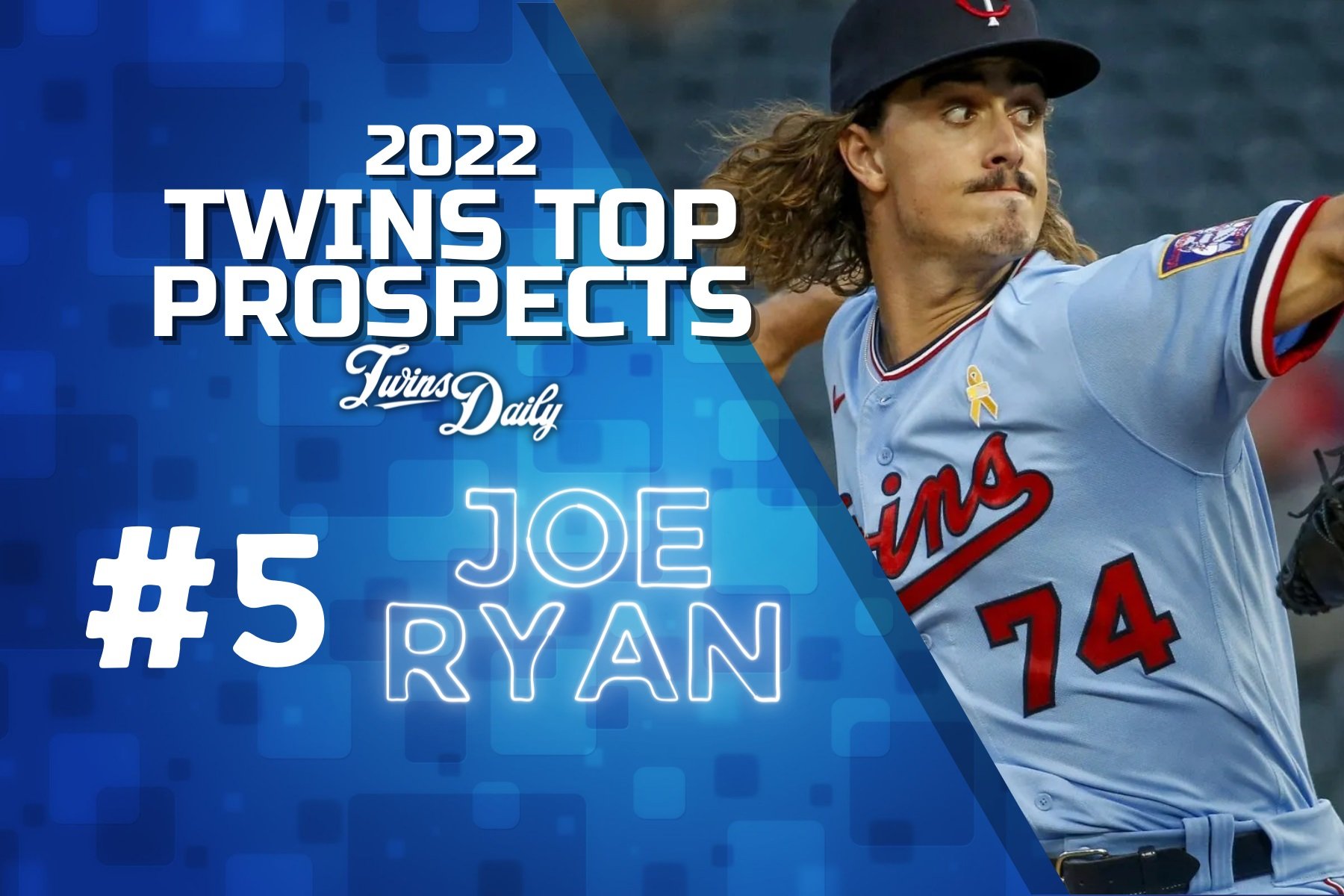 Age: 25 (DOB: 6/5/1996) 2021 Stats: (Triple-A/MLB): 92 2/3 IP, 3.59 ERA, 0.79 WHIP, 122 K, 17 BB ETA: 2021 2021 Ranking: NR National Top 100 Rankings BA: 86 | MLB: NR | ATH: NR | BP: 96 What's To Like During his professional career, Ryan has been a strikeout machine, and he continued that trend at the big-league level last season. Throughout his minor league career, he struck out 13 batters per nine innings with a WHIP under 0.90. During his five big-league starts, Ryan struck out 30 and only walked five. He provided quality starts in four of his five starts and pitched into the fifth inning in every appearance. Ryan showed that he has little left to prove in the minors and can immediately join the Twins rotation. So, how does Ryan accumulate all of these strikeouts? He offers a unique arm angle that makes batters perceive that the ball is coming at a higher velocity. Also, Ryan has excellent command, as evidenced by his walk rates throughout his professional career (2.1 BB/9 in the minors). His change-up and slider were also better than advertised as he can tunnel the ball well to keep batters off-balance. Out of his 30 strikeouts, 13 came from his off-speed pitches, which he throws 34% of the time. What's Left to Work On Ryan shouldn't see the minors again, so the bulk of his development is tied to his adjustments at the big-league level. One of the biggest knocks against Ryan in his career has been his fastball-dependent approach. He threw his fastball nearly two-thirds of the time at the MLB level. Out of the 16 hits he allowed, ten came off his fastball, including five extra-base hits. His fastball velocity (91 avg mph) is significantly below the league average, but his unique arm angle makes it challenging for batters to track the ball. Will MLB hitters be able to find more success against him next season? That remains to be seen. His home run rate was also higher than some would like from a possible front-line starter. During his five MLB starts, he allowed four home runs which translates to a 1.4 HR/9. Ryan works high in the zone with his fastball, resulting in more fly-balls and home runs. In the minors, his career HR/9 rate was under 1.0, so there is some element of small sample size with his MLB total. His fastball is such a weapon up in the zone that he will continue to use it, and fans will have to be okay with him allowing an occasional home run. Ryan also needs to prove he can neutralize left-handed hitters with his off-speed offerings. In the minors last season, lefties posted a .650 OPS, which was 173 points higher than righties. His home run rate was higher, and his strikeout rate was lower when facing southpaws. Lefties went 7-for-47 (.149 BA) against Ryan at the big-league level, but they collected three of the four home runs he allowed. Can Minnesota help him find an off-speed pitch to limit damage from left-handed hitters? What's Next One of the reasons Minnesota traded for Ryan was because he was big-league ready. The Twins starting rotation has holes to fill for Opening Day, and Ryan looks like the team's number three starter. It will be imperative for the team to track his innings throughout his rookie season. He has only pitched more than 100 innings in one of his professional seasons, which was back in 2019. Is Joe Ryan going to develop into an ace that Twins fans have been clamoring for in recent years? This seems unlikely, and there are few of these pitchers in baseball. However, he is big-league ready and projects near the top of the team's rotation for years into the future. Are you excited about the Joe Ryan Experience? If not, get ready to jump on the bandwagon. Previous Rankings Honorable Mentions Prospects 16-20 Prospects 11-15 #10: Josh Winder, RHP #9: Chase Petty, RHP #8: Simeon Woods Richardson, RHP #7: Jhoan Duran, RHP #6: Matt Canterino, RHP #5: Joe Ryan, RHP #4: Coming tomorrow
 -
Nelson Cruz had been the heart and soul of the Twins line-up over the last three years. However, acquiring Joe Ryan for Cruz's expiring contract may go down as one of the best trades in team history. Age: 25 (DOB: 6/5/1996) 2021 Stats: (Triple-A/MLB): 92 2/3 IP, 3.59 ERA, 0.79 WHIP, 122 K, 17 BB ETA: 2021 2021 Ranking: NR National Top 100 Rankings BA: 86 | MLB: NR | ATH: NR | BP: 96 What's To Like During his professional career, Ryan has been a strikeout machine, and he continued that trend at the big-league level last season. Throughout his minor league career, he struck out 13 batters per nine innings with a WHIP under 0.90. During his five big-league starts, Ryan struck out 30 and only walked five. He provided quality starts in four of his five starts and pitched into the fifth inning in every appearance. Ryan showed that he has little left to prove in the minors and can immediately join the Twins rotation. So, how does Ryan accumulate all of these strikeouts? He offers a unique arm angle that makes batters perceive that the ball is coming at a higher velocity. Also, Ryan has excellent command, as evidenced by his walk rates throughout his professional career (2.1 BB/9 in the minors). His change-up and slider were also better than advertised as he can tunnel the ball well to keep batters off-balance. Out of his 30 strikeouts, 13 came from his off-speed pitches, which he throws 34% of the time. What's Left to Work On Ryan shouldn't see the minors again, so the bulk of his development is tied to his adjustments at the big-league level. One of the biggest knocks against Ryan in his career has been his fastball-dependent approach. He threw his fastball nearly two-thirds of the time at the MLB level. Out of the 16 hits he allowed, ten came off his fastball, including five extra-base hits. His fastball velocity (91 avg mph) is significantly below the league average, but his unique arm angle makes it challenging for batters to track the ball. Will MLB hitters be able to find more success against him next season? That remains to be seen. His home run rate was also higher than some would like from a possible front-line starter. During his five MLB starts, he allowed four home runs which translates to a 1.4 HR/9. Ryan works high in the zone with his fastball, resulting in more fly-balls and home runs. In the minors, his career HR/9 rate was under 1.0, so there is some element of small sample size with his MLB total. His fastball is such a weapon up in the zone that he will continue to use it, and fans will have to be okay with him allowing an occasional home run. Ryan also needs to prove he can neutralize left-handed hitters with his off-speed offerings. In the minors last season, lefties posted a .650 OPS, which was 173 points higher than righties. His home run rate was higher, and his strikeout rate was lower when facing southpaws. Lefties went 7-for-47 (.149 BA) against Ryan at the big-league level, but they collected three of the four home runs he allowed. Can Minnesota help him find an off-speed pitch to limit damage from left-handed hitters? What's Next One of the reasons Minnesota traded for Ryan was because he was big-league ready. The Twins starting rotation has holes to fill for Opening Day, and Ryan looks like the team's number three starter. It will be imperative for the team to track his innings throughout his rookie season. He has only pitched more than 100 innings in one of his professional seasons, which was back in 2019. Is Joe Ryan going to develop into an ace that Twins fans have been clamoring for in recent years? This seems unlikely, and there are few of these pitchers in baseball. However, he is big-league ready and projects near the top of the team's rotation for years into the future. Are you excited about the Joe Ryan Experience? If not, get ready to jump on the bandwagon. Previous Rankings Honorable Mentions Prospects 16-20 Prospects 11-15 #10: Josh Winder, RHP #9: Chase Petty, RHP #8: Simeon Woods Richardson, RHP #7: Jhoan Duran, RHP #6: Matt Canterino, RHP #5: Joe Ryan, RHP #4: Coming tomorrow View full article
-
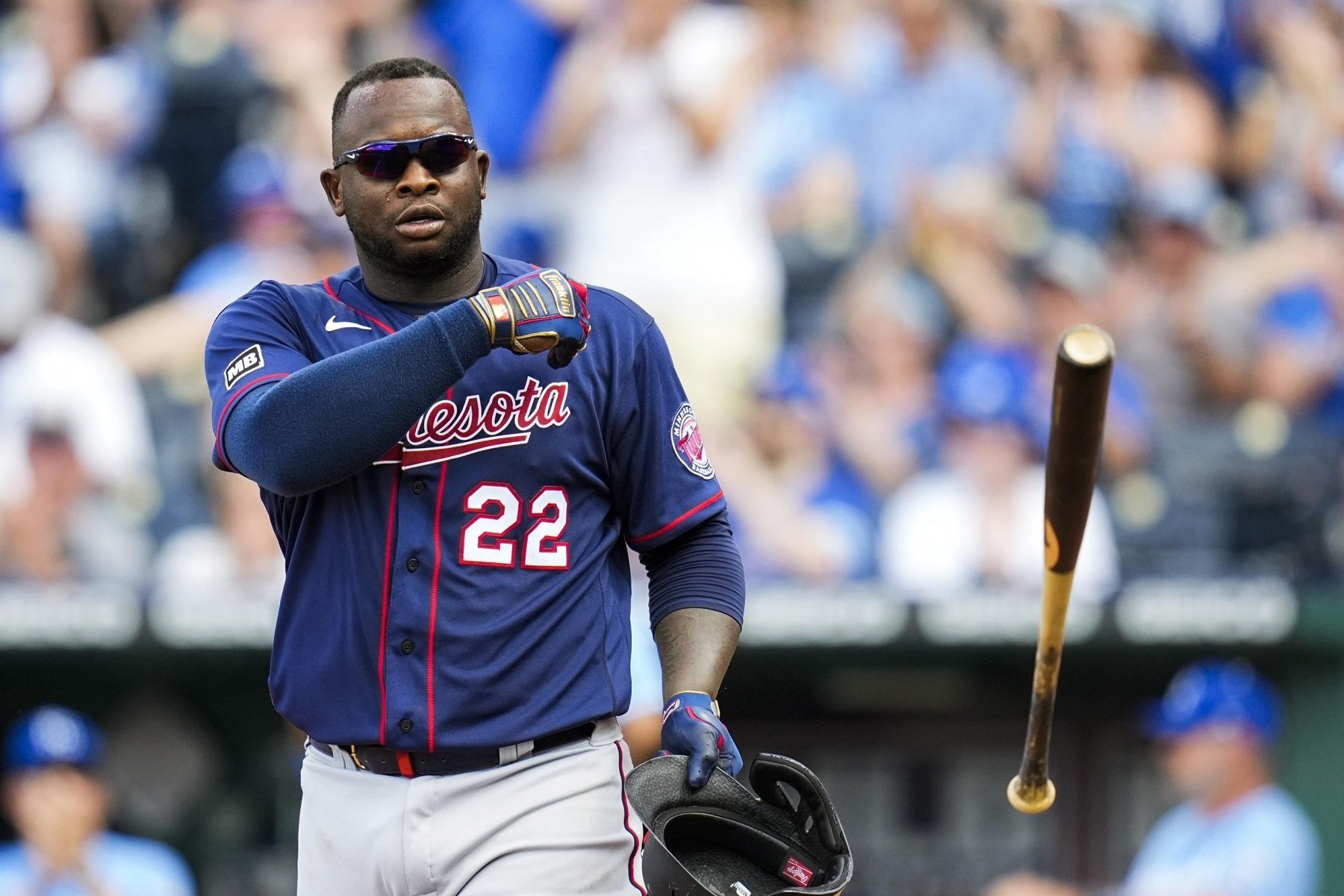 Back in the winter of 2019-20, the Twins were coming off a remarkable season where the club set the MLB record for home runs in a season. One of the most potent parts of the Bomba Squad line-up was Miguel Sanó, who was coming off career highs in home runs (34), SLG (.576), and OPS (.923). He had two years remaining of arbitration, but the Twins decided to sign him to an extension. Minnesota signed him to a three-year, $30 million extension in January 2020. The first three years of the deal (20-22) paid him $27 million with a $14 million club option or a $3 million buyout for the 2023 season. At the time, Sanó had been the team's primary third baseman, but the club signed Josh Donaldson weeks after the Sanó extension. Thus, Minnesota moved the burly slugger to a less demanding defensive position. The Good Since signing the extension, Sanó has hit .218/.303/.470 (.772) with a 110 OPS+ and 43 home runs in 188 games. He clubbed 30 home runs for the second time in his career last season. He has posted an above-average OPS+ in each of the previous two seasons. When he makes contact, there's little question about the type of power he can provide. Last season, he ranked in the 97th percentile or higher in average exit velocity, max exit velocity, hard-hit %, and barrel %. Sanó may have also quieted some injury concerns last season. After missing 155 games between the 2018-2020 seasons, he played a career-high 135 games in 2021. Staying healthy can provide value, especially when he can go on streaks where he seems to be able to hit nearly everything out of the park. In the season's final three months, he combined for an OPS north of .820 and an OPS+ above 120. During a disappointing season, Twins fans may have tuned out in the second half and missed what Sanó was able to accomplish. The Bad At this point in his career, Sanó's expectations aren't going to change even if expectations were higher for him as a prospect. He has a ton of power, but he is a streaky hitter that racks up strikeouts. He led baseball with 90 strikeouts during the pandemic shortened 2020 campaign. Last season, he struck out a career-high 183 times, which ranked fifth in the AL. He also set the MLB record for fastest to 1,000 career strikeouts. The value he has provided the Twins has decreased since signing his extension. In three of his first five seasons, he compiled a WAR total of 2.4 or higher. Over the last two seasons, he has been worth 1.0 WAR. FanGraphs pegs his value as worth $7.7 million from 2020-21, and the Twins paid him $11 million just for the 2021 season. Some of his decline in value is tied to his defensive skills. He led all AL first basemen in errors last season, and he had the league's second-lowest SDI ranking. Sanó was considered a below-average defensive third baseman, but there was hope he'd be able to transition to first base and be closer to average. That hasn't transpired, and the team may need to shift him to a more regular DH role in 2022. Sanó is due to make $9.25 million in 2022, and it seems unlikely for the Twins to pick up his $14 million option for 2023. If this is the case, he is entering a contract year that may motivate him. In the end, Minnesota likely could have filled Sanó's line-up spot with a cheaper option for 2022. Do you think the Sanó extension was a mistake? Leave a COMMENT and start the discussion. MORE FROM TWINS DAILY — Latest Twins coverage from our writers — Recent Twins discussion in our forums — Follow Twins Daily via Twitter, Facebook or email
 -
Was the Miguel Sanó Extension a Mistake?
Cody Christie posted a topic in Twins Daily Front Page News
Jorge Polanco and Max Kepler's extensions look like they have worked out well for the team. However, the team's other extension to a player from that international signing class might have been a mistake. Back in the winter of 2019-20, the Twins were coming off a remarkable season where the club set the MLB record for home runs in a season. One of the most potent parts of the Bomba Squad line-up was Miguel Sanó, who was coming off career highs in home runs (34), SLG (.576), and OPS (.923). He had two years remaining of arbitration, but the Twins decided to sign him to an extension. Minnesota signed him to a three-year, $30 million extension in January 2020. The first three years of the deal (20-22) paid him $27 million with a $14 million club option or a $3 million buyout for the 2023 season. At the time, Sanó had been the team's primary third baseman, but the club signed Josh Donaldson weeks after the Sanó extension. Thus, Minnesota moved the burly slugger to a less demanding defensive position. The Good Since signing the extension, Sanó has hit .218/.303/.470 (.772) with a 110 OPS+ and 43 home runs in 188 games. He clubbed 30 home runs for the second time in his career last season. He has posted an above-average OPS+ in each of the previous two seasons. When he makes contact, there's little question about the type of power he can provide. Last season, he ranked in the 97th percentile or higher in average exit velocity, max exit velocity, hard-hit %, and barrel %. Sanó may have also quieted some injury concerns last season. After missing 155 games between the 2018-2020 seasons, he played a career-high 135 games in 2021. Staying healthy can provide value, especially when he can go on streaks where he seems to be able to hit nearly everything out of the park. In the season's final three months, he combined for an OPS north of .820 and an OPS+ above 120. During a disappointing season, Twins fans may have tuned out in the second half and missed what Sanó was able to accomplish. The Bad At this point in his career, Sanó's expectations aren't going to change even if expectations were higher for him as a prospect. He has a ton of power, but he is a streaky hitter that racks up strikeouts. He led baseball with 90 strikeouts during the pandemic shortened 2020 campaign. Last season, he struck out a career-high 183 times, which ranked fifth in the AL. He also set the MLB record for fastest to 1,000 career strikeouts. The value he has provided the Twins has decreased since signing his extension. In three of his first five seasons, he compiled a WAR total of 2.4 or higher. Over the last two seasons, he has been worth 1.0 WAR. FanGraphs pegs his value as worth $7.7 million from 2020-21, and the Twins paid him $11 million just for the 2021 season. Some of his decline in value is tied to his defensive skills. He led all AL first basemen in errors last season, and he had the league's second-lowest SDI ranking. Sanó was considered a below-average defensive third baseman, but there was hope he'd be able to transition to first base and be closer to average. That hasn't transpired, and the team may need to shift him to a more regular DH role in 2022. Sanó is due to make $9.25 million in 2022, and it seems unlikely for the Twins to pick up his $14 million option for 2023. If this is the case, he is entering a contract year that may motivate him. In the end, Minnesota likely could have filled Sanó's line-up spot with a cheaper option for 2022. Do you think the Sanó extension was a mistake? Leave a COMMENT and start the discussion. MORE FROM TWINS DAILY — Latest Twins coverage from our writers — Recent Twins discussion in our forums — Follow Twins Daily via Twitter, Facebook or email View full article -
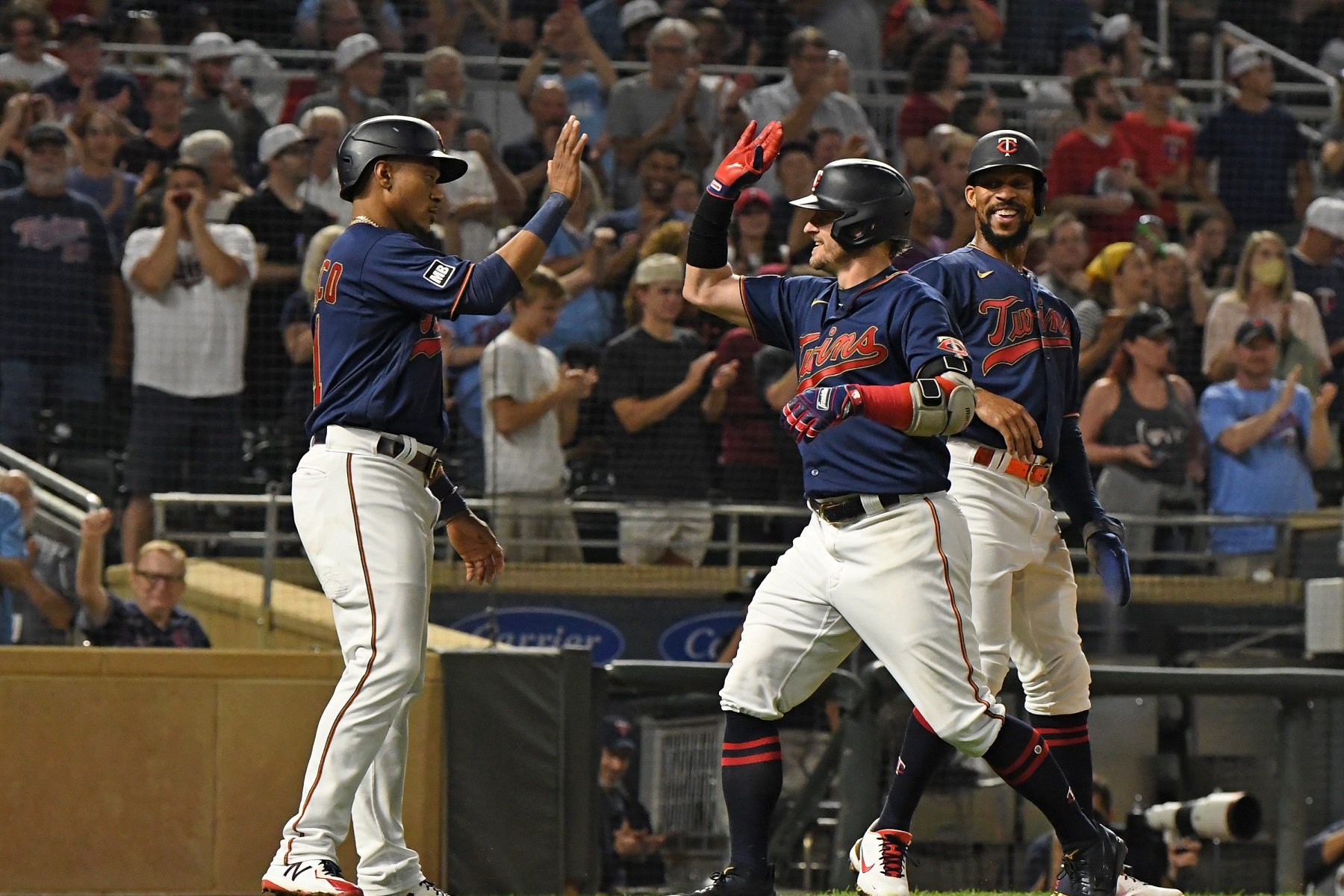 Catchers (2): Mitch Garver, Ryan Jeffers Last season, the Twins started with Garver, Jeffers, and Astudillo on the Opening Day roster. Astudillo rarely saw time at catcher, and he is no longer in the organization. Minnesota hopes Garver and Jeffers can turn into the dynamic catching duo projected for the 2021 campaign. There is also a chance the Twins trade one of these players for starting pitching, which would mean Ben Rortvedt shifts into a backup role. Infielders (6): Luis Arraez, Jorge Polanco, Josh Donaldson, Miguel Sano, Nick Gordon, Brent Rooker Minnesota would pivot and move Polanco back to his previous position with no clear shortstop on the roster. This would result in Arraez taking over at second base and the team’s middle infield defense suffering. Donaldson and Sano will see time as the team’s designated hitter, while Gordon becomes a full-time utility player off the bench. Rooker can be a powerful bat off the bench even though he may not offer much defensively. Jose Miranda is the wild-card here after his breakout 2021 season. Will there be enough at-bats for him to be in the big leagues for Opening Day? Outfielders (4): Byron Buxton, Max Kepler, Alex Kirilloff, Trevor Larnach This is another group where it will be interesting to see how the team divides up at-bats. Kirilloff might be the best defensive first baseman on the roster, and he will get time at that position. Larnach doesn’t exactly fit the traditional fourth outfielder role, so the team might leave him at Triple-A and add a more veteran player. Much like with the catchers, there is a chance Minnesota includes an outfielder in a deal for starting pitching. Gilberto Celestino is an intriguing option for a backup outfielder role, especially if Buxton is on the IL at some point in 2022. Rotation (5): Dylan Bundy, Joe Ryan, Bailey Ober, Randy Dobnak, Lewis Thorpe Starting pitching is where things get rough, and a lot will depend on what the team adds in the weeks after the lockout ends. Dobnak and Thorpe can help the pitching staff next season, but forcing them into the rotation to start the year may be a recipe for disaster. Minnesota has confidence in Ryan and Ober to repeat what they accomplished in 2021, but expectations need to be tempered for both players. It’s becoming clear that the front office is high on the organization’s pitching prospects, so the team can turn to one of those arms to fill out the rotation. Jordan Balazovic, Josh Winder, and Jhoan Duran all project to be in the Triple-A rotation, and they should all debut in 2022. Drew Strotman, acquired with Ryan for Nelson Cruz, is 25-years-old and big-league ready. Bullpen (9): Taylor Rogers, Tyler Duffey, Jorge Alcala, Caleb Thielbar, Ralph Garza Jr., Cody Stashak, Jovani Moran, Jharel Cotton, Griffin Jax If the rotation looks like above, the bullpen will take on an even more critical role, and it will be critical to have a nine-man bullpen to cover innings. Rogers is one of the biggest keys to this bullpen’s success. While this core group improved last season, Rogers missed time due to a left middle finger sprain at the end of the season. Duffey struggled for the first time since switching to a bullpen role, so it will be vital to rediscover his previous form. Alcala might have finally figured it out, and he has the potential to take the next step in 2022. With the rotation’s composition, it might also be necessary to utilize an opener on a more regular basis. Cotton has a chance to bounce back next season, and there’s a chance he may shift to a starting role. Moran has a devastating changeup, and he may develop into a critical late-inning option in the years ahead. What changes do you predict to the team’s roster before Opening Day? Leave a COMMENT and start the discussion. MORE FROM TWINS DAILY — Latest Twins coverage from our writers — Recent Twins discussion in our forums — Follow Twins Daily via Twitter, Facebook or email
- 15 comments
-
- 3
-
-
- nick gordon
- trevor larnach
- (and 3 more)
-
Spring training was scheduled to get underway this week, but MLB’s lockout has put that plan on hold. If things were on schedule, this is what Minnesota’s Opening Day roster projects to be in 2022. Catchers (2): Mitch Garver, Ryan Jeffers Last season, the Twins started with Garver, Jeffers, and Astudillo on the Opening Day roster. Astudillo rarely saw time at catcher, and he is no longer in the organization. Minnesota hopes Garver and Jeffers can turn into the dynamic catching duo projected for the 2021 campaign. There is also a chance the Twins trade one of these players for starting pitching, which would mean Ben Rortvedt shifts into a backup role. Infielders (6): Luis Arraez, Jorge Polanco, Josh Donaldson, Miguel Sano, Nick Gordon, Brent Rooker Minnesota would pivot and move Polanco back to his previous position with no clear shortstop on the roster. This would result in Arraez taking over at second base and the team’s middle infield defense suffering. Donaldson and Sano will see time as the team’s designated hitter, while Gordon becomes a full-time utility player off the bench. Rooker can be a powerful bat off the bench even though he may not offer much defensively. Jose Miranda is the wild-card here after his breakout 2021 season. Will there be enough at-bats for him to be in the big leagues for Opening Day? Outfielders (4): Byron Buxton, Max Kepler, Alex Kirilloff, Trevor Larnach This is another group where it will be interesting to see how the team divides up at-bats. Kirilloff might be the best defensive first baseman on the roster, and he will get time at that position. Larnach doesn’t exactly fit the traditional fourth outfielder role, so the team might leave him at Triple-A and add a more veteran player. Much like with the catchers, there is a chance Minnesota includes an outfielder in a deal for starting pitching. Gilberto Celestino is an intriguing option for a backup outfielder role, especially if Buxton is on the IL at some point in 2022. Rotation (5): Dylan Bundy, Joe Ryan, Bailey Ober, Randy Dobnak, Lewis Thorpe Starting pitching is where things get rough, and a lot will depend on what the team adds in the weeks after the lockout ends. Dobnak and Thorpe can help the pitching staff next season, but forcing them into the rotation to start the year may be a recipe for disaster. Minnesota has confidence in Ryan and Ober to repeat what they accomplished in 2021, but expectations need to be tempered for both players. It’s becoming clear that the front office is high on the organization’s pitching prospects, so the team can turn to one of those arms to fill out the rotation. Jordan Balazovic, Josh Winder, and Jhoan Duran all project to be in the Triple-A rotation, and they should all debut in 2022. Drew Strotman, acquired with Ryan for Nelson Cruz, is 25-years-old and big-league ready. Bullpen (9): Taylor Rogers, Tyler Duffey, Jorge Alcala, Caleb Thielbar, Ralph Garza Jr., Cody Stashak, Jovani Moran, Jharel Cotton, Griffin Jax If the rotation looks like above, the bullpen will take on an even more critical role, and it will be critical to have a nine-man bullpen to cover innings. Rogers is one of the biggest keys to this bullpen’s success. While this core group improved last season, Rogers missed time due to a left middle finger sprain at the end of the season. Duffey struggled for the first time since switching to a bullpen role, so it will be vital to rediscover his previous form. Alcala might have finally figured it out, and he has the potential to take the next step in 2022. With the rotation’s composition, it might also be necessary to utilize an opener on a more regular basis. Cotton has a chance to bounce back next season, and there’s a chance he may shift to a starting role. Moran has a devastating changeup, and he may develop into a critical late-inning option in the years ahead. What changes do you predict to the team’s roster before Opening Day? Leave a COMMENT and start the discussion. MORE FROM TWINS DAILY — Latest Twins coverage from our writers — Recent Twins discussion in our forums — Follow Twins Daily via Twitter, Facebook or email View full article
-
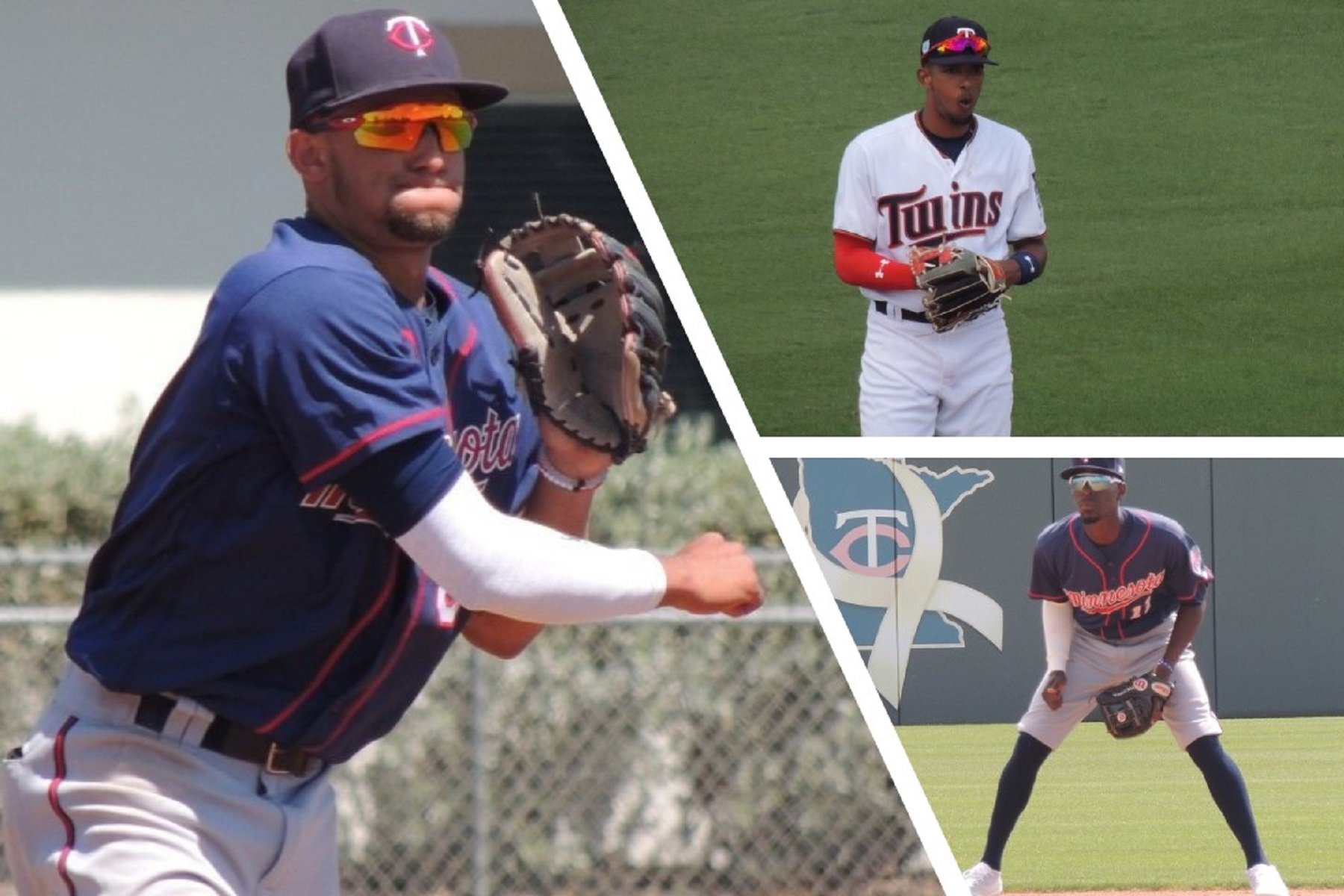 When the Twins brought in Derek Falvey, much of his resume in Cleveland surrounded his ability to develop pitching. However, the team also drafted and developed Francisco Lindor during his tenure. Star shortstops are few and far between, but Minnesota is marred in a second straight winter looking for a replacement at one of baseball's most important positions. Falvey inherited a farm system that included strong shortstop prospects. Then in his first year, the team had the opportunity to select a shortstop with the first overall pick. After four years, it doesn't look like any of these shortstops will stick at the position for the long term. Royce Lewis 2018 TD Top Prospect Ranking: 1 What Was Said Then? Lewis was considered one of baseball's top-30 prospects leading into the 2018 season. He possessed all the tools and make-up a franchise can hope for with the number one overall pick. It also looked like he was on a path to make the big leagues as early as the 2020 campaign. "This guy has a chance to change a franchise with his personality and charisma," said Twins scouting director Sean Johnson upon selecting Lewis. "He's a magnet. People want to be around him." In his professional debut, he showed advanced skills at the plate that made it easy to project him as an above-average big-league player. Few prospects have as many tools as Lewis, especially looking at his potential back in 2018. What Is Said Now? Lewis is coming off surgery for a torn ACL in his right knee, and he hasn't appeared in an official game since the 2019 Arizona Fall League. His stock has dropped on many national prospect ranking lists, and there are questions about his future defensive position. His make-up and athletic ability were tested during the rehab process, and now fans will have to wait and see if he can live up to his sky-high expectations. Nick Gordon 2018 TD Top Prospect Ranking: 3 What Was Said Then? At the time, Gordon ranked as one of baseball's top-100 prospects, but his rankings were all over the board. During the 2017 season, he posted a .749 OPS at Double-A as a 22-year-old. He represented the Twins at the Futures Game in Miami, and he was a Southern League All-Star. His power was developing, and he was three years younger than the average competition in the Southern League. Twins manager Paul Molitor told the Pioneer Press, "Not surprisingly, reports are his bat is still very advanced. We're trying to make sure the rest of his game catches up, and I think he is making progress in that regard." He projected to have a floor as a solid big-league regular at second base, but there were questions about his ceiling. With solid production in the high minors, Gordon seemed like a lock to make his debut before the end of the 2019 season. What Is Said Now? Gordon made his debut, but it took until the 2021 campaign. His projections as a future second baseman have been pushed to the side as he looks more likely to serve in a utility role at the big-league level. His bat didn't continue to develop, and that was his best skill in the lower levels of the minors. There is still hope he can surprise some fans with his performance moving forward. Wander Javier 2018 TD Top Prospect Ranking: 6 What Was Said Then? Baseball America was the lone national outlet to include Javier in their top-100 prospects, but many other prospect outlets had him on their "just missed" lists. As a 19-year-old, he was coming off a 2017 season where he hit .299/.383/.471 (.854) between two rookie league levels. "He flashes an above-average feel for the barrel and should grow into more power as he gains weight," Baseball America wrote. "As he learns to recognize pitches better and strike out less, he should be able to hit at the top of the order." It looked like Javier had all the tools to become a two-way star and the chance to stick at shortstop. Without an at-bat above rookie ball, patience would be required even with his rising prospect status. What Is Said Now? Javier missed the 2018 season with a shoulder injury and then lost the 2020 season because of the pandemic. He spent 2019 at Cedar Rapids and struggled to post a .601 OPS in 80 games. Last season, he moved up to High-A (Still in Cedar Rapids) and saw his OPS jump 82 points. Javier has been left unprotected in the previous two Rule 5 Drafts, and there is a chance a team takes a chance on him when the lockout concludes. Will any of these players see significant time as a shortstop at the big-league level? Leave a COMMENT and start the discussion. MORE FROM TWINS DAILY — Latest Twins coverage from our writers — Recent Twins discussion in our forums — Follow Twins Daily via Twitter, Facebook, or email
- 33 comments
-
- 3
-
-
- royce lewis
- wander javier
- (and 1 more)
-
Four years ago, the top of Minnesota's prospect list was littered with shortstop prospects. Flash forward to 2022, and none of those prospects have yet to pan out. So, do the Twins have a shortstop development problem? When the Twins brought in Derek Falvey, much of his resume in Cleveland surrounded his ability to develop pitching. However, the team also drafted and developed Francisco Lindor during his tenure. Star shortstops are few and far between, but Minnesota is marred in a second straight winter looking for a replacement at one of baseball's most important positions. Falvey inherited a farm system that included strong shortstop prospects. Then in his first year, the team had the opportunity to select a shortstop with the first overall pick. After four years, it doesn't look like any of these shortstops will stick at the position for the long term. Royce Lewis 2018 TD Top Prospect Ranking: 1 What Was Said Then? Lewis was considered one of baseball's top-30 prospects leading into the 2018 season. He possessed all the tools and make-up a franchise can hope for with the number one overall pick. It also looked like he was on a path to make the big leagues as early as the 2020 campaign. "This guy has a chance to change a franchise with his personality and charisma," said Twins scouting director Sean Johnson upon selecting Lewis. "He's a magnet. People want to be around him." In his professional debut, he showed advanced skills at the plate that made it easy to project him as an above-average big-league player. Few prospects have as many tools as Lewis, especially looking at his potential back in 2018. What Is Said Now? Lewis is coming off surgery for a torn ACL in his right knee, and he hasn't appeared in an official game since the 2019 Arizona Fall League. His stock has dropped on many national prospect ranking lists, and there are questions about his future defensive position. His make-up and athletic ability were tested during the rehab process, and now fans will have to wait and see if he can live up to his sky-high expectations. Nick Gordon 2018 TD Top Prospect Ranking: 3 What Was Said Then? At the time, Gordon ranked as one of baseball's top-100 prospects, but his rankings were all over the board. During the 2017 season, he posted a .749 OPS at Double-A as a 22-year-old. He represented the Twins at the Futures Game in Miami, and he was a Southern League All-Star. His power was developing, and he was three years younger than the average competition in the Southern League. Twins manager Paul Molitor told the Pioneer Press, "Not surprisingly, reports are his bat is still very advanced. We're trying to make sure the rest of his game catches up, and I think he is making progress in that regard." He projected to have a floor as a solid big-league regular at second base, but there were questions about his ceiling. With solid production in the high minors, Gordon seemed like a lock to make his debut before the end of the 2019 season. What Is Said Now? Gordon made his debut, but it took until the 2021 campaign. His projections as a future second baseman have been pushed to the side as he looks more likely to serve in a utility role at the big-league level. His bat didn't continue to develop, and that was his best skill in the lower levels of the minors. There is still hope he can surprise some fans with his performance moving forward. Wander Javier 2018 TD Top Prospect Ranking: 6 What Was Said Then? Baseball America was the lone national outlet to include Javier in their top-100 prospects, but many other prospect outlets had him on their "just missed" lists. As a 19-year-old, he was coming off a 2017 season where he hit .299/.383/.471 (.854) between two rookie league levels. "He flashes an above-average feel for the barrel and should grow into more power as he gains weight," Baseball America wrote. "As he learns to recognize pitches better and strike out less, he should be able to hit at the top of the order." It looked like Javier had all the tools to become a two-way star and the chance to stick at shortstop. Without an at-bat above rookie ball, patience would be required even with his rising prospect status. What Is Said Now? Javier missed the 2018 season with a shoulder injury and then lost the 2020 season because of the pandemic. He spent 2019 at Cedar Rapids and struggled to post a .601 OPS in 80 games. Last season, he moved up to High-A (Still in Cedar Rapids) and saw his OPS jump 82 points. Javier has been left unprotected in the previous two Rule 5 Drafts, and there is a chance a team takes a chance on him when the lockout concludes. Will any of these players see significant time as a shortstop at the big-league level? Leave a COMMENT and start the discussion. MORE FROM TWINS DAILY — Latest Twins coverage from our writers — Recent Twins discussion in our forums — Follow Twins Daily via Twitter, Facebook, or email View full article
-
Centerfield is one of baseball’s most important positions, and the Minnesota Twins has a tremendous lineage at the position that stretches back to the 1980s. Here’s a look back at how these players are connected. Image courtesy of Thieres Rabelo Kirby Puckett to Torii Hunter (1980s-2000s) Kirby Puckett’s Hall of Fame career was cut short as he played his final game in 1995. Luckily for the Twins, they had drafted his heir apparent in the first round two years prior. Minnesota selected Torii Hunter out of high school in Arkansas, but Puckett’s injuries meant the two players could never roam the same outfield. That still doesn’t mean that Puckett wasn’t able to make a lasting impact on Hunter’s career. “Watching him carry himself, you had no choice but to be infected,” Hunter said. “He had a great smile. The way he moved about the room and the way he treated people — everybody — the same. Whether it’s the vendor or I don’t care who it was, he treated everybody the same.” Hunter went on to have a borderline Hall of Fame career. Over his first two voting cycles, he has garnered enough support to stay on a packed ballot. With some more prominent names falling off the ballot, it will be interesting to see if Hunter can gain more support in the years ahead. His impact on the centerfield position lasted beyond his years in Minnesota. Torii Hunter to Denard Span (2000s-2010s) Hunter’s first Twins tenure ended in 2007 after he hit the free-agent market and signed with the Angels. Like Hunter, the Twins had drafted Hunter’s replacement in the years before his departure. Minnesota selected Denard Span with the team’s first-round pick in 2002. He debuted in 2008, the season after Hunter left. Span was so tied to Hunter that he was one of the first people he contacted when he got called up to the big-league level. “He texted me right back,” Span said. “And then, right after he texted me, he called me. … He said: ‘I’m happy for you. Just go out there, have fun and learn.’ I said, ‘I’m sorry for waking you up.’ He said, ‘No, this is the best news I’ve heard in a while.’ ” Span spent his age 24-28 seasons as a regular in the Twins outfield as he hit .284/.357/.389 (.746). Following the 2012 season, Minnesota traded Span to the Washington Nationals for top-pitching prospect Alex Meyer. His big-league career spanned six more seasons, but the Twins center field lineage didn’t end with him. Denard Span to Byron Buxton (2010s-2020s) In Span’s final season in Minnesota, the Twins drafted Byron Buxton with the second overall pick. After Buxton signed with the club, Span played catch with him and discussed that he would be interested in tutoring the young outfield much as Hunter had done with him. Span filled a similar role with Ben Revere, but the Twins traded both players in the same offseason. Minnesota used a variety of other players in center field as Buxton moved through the minor leagues. He made his big-league debut until the 2015 season, and he has joined a group of center fielders that are among the best in Twins history. Buxton has already accumulated enough WAR in his career to be among the best Twins center fielders of all time. Puckett leads the way with a 51.1 WAR, followed by Hunter, Span, and Buxton. Over the last two seasons, Buxton has accumulated enough WAR that he is close to passing Span for third on the above list. With Buxton signed long-term, it will be interesting to track his movement up this list in the years ahead. Can the Twins keep him healthy enough to pass Hunter’s WAR? Who do you think carries on the lineage after Buxton? What do you remember about these players? Leave a COMMENT and start the discussion. MORE FROM TWINS DAILY — Latest Twins coverage from our writers — Recent Twins discussion in our forums — Follow Twins Daily via Twitter, Facebook, or email View full article
-
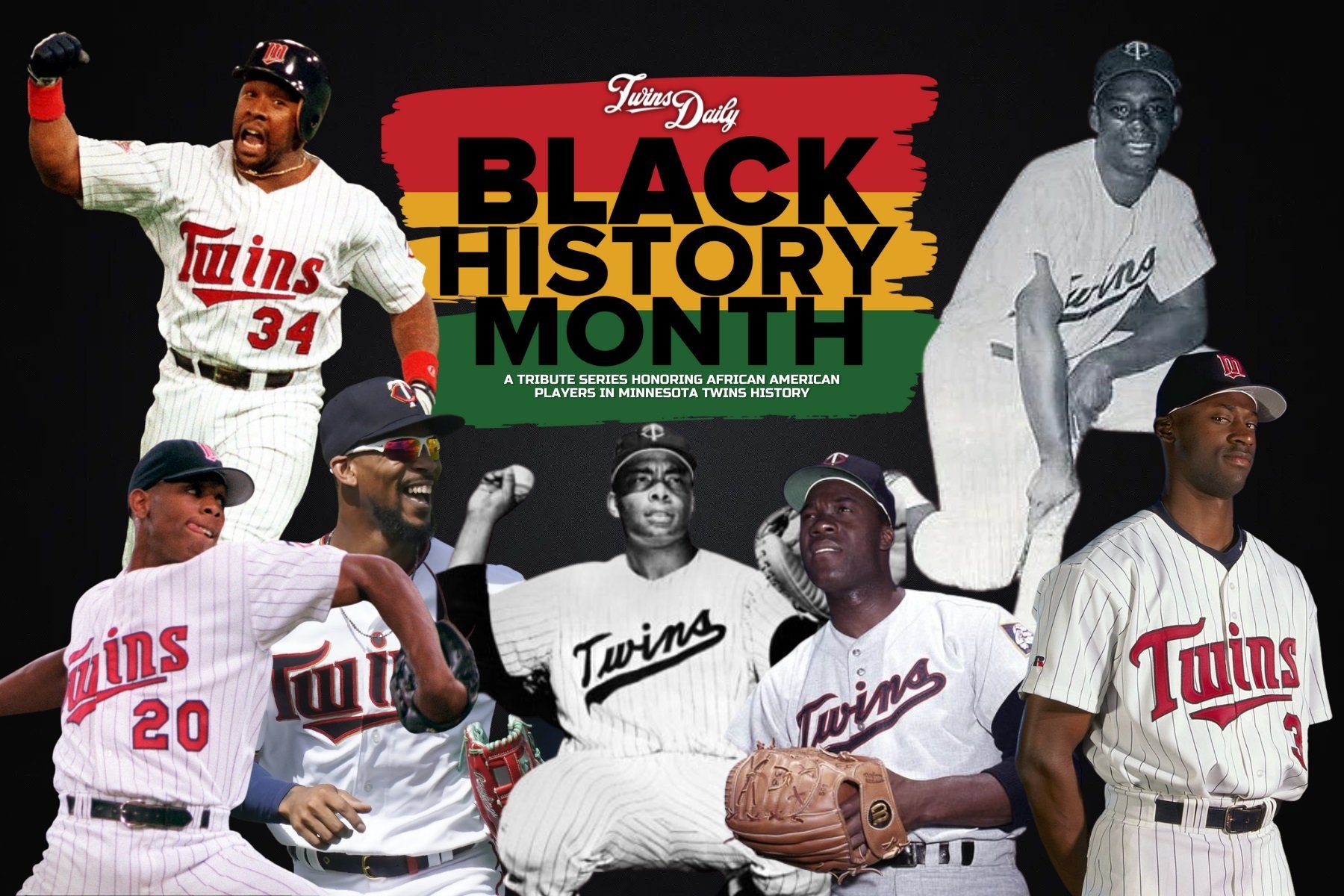 Kirby Puckett to Torii Hunter (1980s-2000s) Kirby Puckett’s Hall of Fame career was cut short as he played his final game in 1995. Luckily for the Twins, they had drafted his heir apparent in the first round two years prior. Minnesota selected Torii Hunter out of high school in Arkansas, but Puckett’s injuries meant the two players could never roam the same outfield. That still doesn’t mean that Puckett wasn’t able to make a lasting impact on Hunter’s career. “Watching him carry himself, you had no choice but to be infected,” Hunter said. “He had a great smile. The way he moved about the room and the way he treated people — everybody — the same. Whether it’s the vendor or I don’t care who it was, he treated everybody the same.” Hunter went on to have a borderline Hall of Fame career. Over his first two voting cycles, he has garnered enough support to stay on a packed ballot. With some more prominent names falling off the ballot, it will be interesting to see if Hunter can gain more support in the years ahead. His impact on the centerfield position lasted beyond his years in Minnesota. Torii Hunter to Denard Span (2000s-2010s) Hunter’s first Twins tenure ended in 2007 after he hit the free-agent market and signed with the Angels. Like Hunter, the Twins had drafted Hunter’s replacement in the years before his departure. Minnesota selected Denard Span with the team’s first-round pick in 2002. He debuted in 2008, the season after Hunter left. Span was so tied to Hunter that he was one of the first people he contacted when he got called up to the big-league level. “He texted me right back,” Span said. “And then, right after he texted me, he called me. … He said: ‘I’m happy for you. Just go out there, have fun and learn.’ I said, ‘I’m sorry for waking you up.’ He said, ‘No, this is the best news I’ve heard in a while.’ ” Span spent his age 24-28 seasons as a regular in the Twins outfield as he hit .284/.357/.389 (.746). Following the 2012 season, Minnesota traded Span to the Washington Nationals for top-pitching prospect Alex Meyer. His big-league career spanned six more seasons, but the Twins center field lineage didn’t end with him. Denard Span to Byron Buxton (2010s-2020s) In Span’s final season in Minnesota, the Twins drafted Byron Buxton with the second overall pick. After Buxton signed with the club, Span played catch with him and discussed that he would be interested in tutoring the young outfield much as Hunter had done with him. Span filled a similar role with Ben Revere, but the Twins traded both players in the same offseason. Minnesota used a variety of other players in center field as Buxton moved through the minor leagues. He made his big-league debut until the 2015 season, and he has joined a group of center fielders that are among the best in Twins history. Buxton has already accumulated enough WAR in his career to be among the best Twins center fielders of all time. Puckett leads the way with a 51.1 WAR, followed by Hunter, Span, and Buxton. Over the last two seasons, Buxton has accumulated enough WAR that he is close to passing Span for third on the above list. With Buxton signed long-term, it will be interesting to track his movement up this list in the years ahead. Can the Twins keep him healthy enough to pass Hunter’s WAR? Who do you think carries on the lineage after Buxton? What do you remember about these players? Leave a COMMENT and start the discussion. MORE FROM TWINS DAILY — Latest Twins coverage from our writers — Recent Twins discussion in our forums — Follow Twins Daily via Twitter, Facebook, or email
- 8 comments
-
- 2
-
-
- kirby puckett
- torii hunter
- (and 3 more)
-
Just four years ago, the Twins organization had one of the minor league's most talented rosters. Now, those players have started to produce at the MLB level. Here's a look back at that team. Not all of these players are going to play at an All-Star level, but the amount of talent on this roster is hard to ignore. From hitters to pitchers, the 2018 Kernels had it all. 2018 Kernels Hitting Prospects Many top position players on the 2018 Kernels have made their big-league debuts in the last two seasons. Players included on that list are Akil Baddoo, Ryan Jeffers, Alex Kirilloff, Trevor Larnach, and Ben Rortvedt. Baddoo's big-league success has come in a Tigers uniform after being selected in last winter's Rule 5 Draft. Last season, the outfielder hit .259/.330/.436 (.766) with 40 extra-base hits and a 113 OPS+ in 124 games. Luckily, the other names on the list are still in the organization. Jeffers has proven his defensive value over the last two seasons, even when his bat struggled at times. During the 2020 season, his framing skills ranked in the 90th percentile. Kirilloff exhibited his strong hitting talent in his rookie season, but a wrist injury sapped his power. He had surgery, but he should return to form in 2022. Larnach had an up and down rookie campaign, and many still believe he can develop into an above-average big-league hitter. Like Jeffers, Rortvedt has some solid defensive skills that can make him a surprising help to the team moving forward. Two of the team's top prospects also spent time with the 2018 Kernels. Jose Miranda is coming off a breakout season where his stock is rising more than any other Twins prospect. The former number one overall pick, Royce Lewis, had knee surgery last spring and missed the entire 2021 season. Many national rankings have dropped him from their top-100 lists because of the development time he has missed the previous two seasons. On that 2018 team, Miranda and Kirilloff tied for the team lead with 13 home runs. Lewis had 23 doubles, and Baddoo added an eye-popping 11 triples. As 19-year olds, Baddoo and Lewis both added 22 or more steals. Kirilloff had a team-best .999 OPS, and Baddoo led the team with 183 total bases. Baddoo's final numbers were truly impressive. He hit .243/.352/.419 (.770) with 44 extra-base hits, 83 runs, and 24 stolen bases. 2018 Kernels Pitching Prospects There have been six pitchers from the 2018 Kernels that have already made their big-league debuts on the mound. Bailey Ober and Randy Dobnak are the two that figure to most prominently help the 2022 Twins. Ober is penciled into the starting rotation on the heels of a tremendous rookie season. Ober's expectations are high, but there might be some sophomore struggles to overcome. Dobnak signed an extension last winter and produced his worst professional season as he tried to pitch through an injury. Jovani Moran figures to get an opportunity in Minnesota's bullpen, especially with his dominant change-up. Brusdar Graterol, a teenager at the time, was still a starter in 2018. Minnesota traded Graterol to the Dodgers for Kenta Maeda, and he has transitioned to a reliever role at the big-league level. The Rangers claimed Edwar Colina off waivers from the Twins earlier this offseason. He had multiple procedures on his elbow last year, and Minnesota took him off their 40-man roster. Johan Quezada made three appearances with the Marlins in 2020, and he is currently on the Cardinals' 40-man roster. Two of Minnesota's top pitching prospects, Jhoan Duran and Blayne Enlow, also pitched for the 2018 Kernels. Duran was limited to 16 innings last season before being shut down with a strained elbow. Now, he needs to prove he can be healthy and get back on track in 2022. Enlow had Tommy John surgery in June, which has pushed him down Minnesota's prospect rankings. Dobnak led the team in innings pitched, and games started while posting a 3.14 ERA and a 1.26 WHIP. Colina was still a starter, and he had a 2.48 ERA with team-high 95 strikeouts in 98 innings. Moran led the team with a 14.2 SO/9, but he also struggled with 5.5 BB/9. Dobnak won 10 games, while Balazovic, Ober, and Colina were all credited with seven wins. Cedar Rapids made it to the semifinals of the Midwest League playoffs in 2018 before falling to the Cardinals MWL affiliate. However, this roster will have long-lasting impacts at the big-league level. Which former Kernel is going to have the best MLB career? Leave a COMMENT and start the discussion. MORE FROM TWINS DAILY — Latest Twins coverage from our writers — Recent Twins discussion in our forums — Follow Twins Daily via Twitter, Facebook or email View full article
-
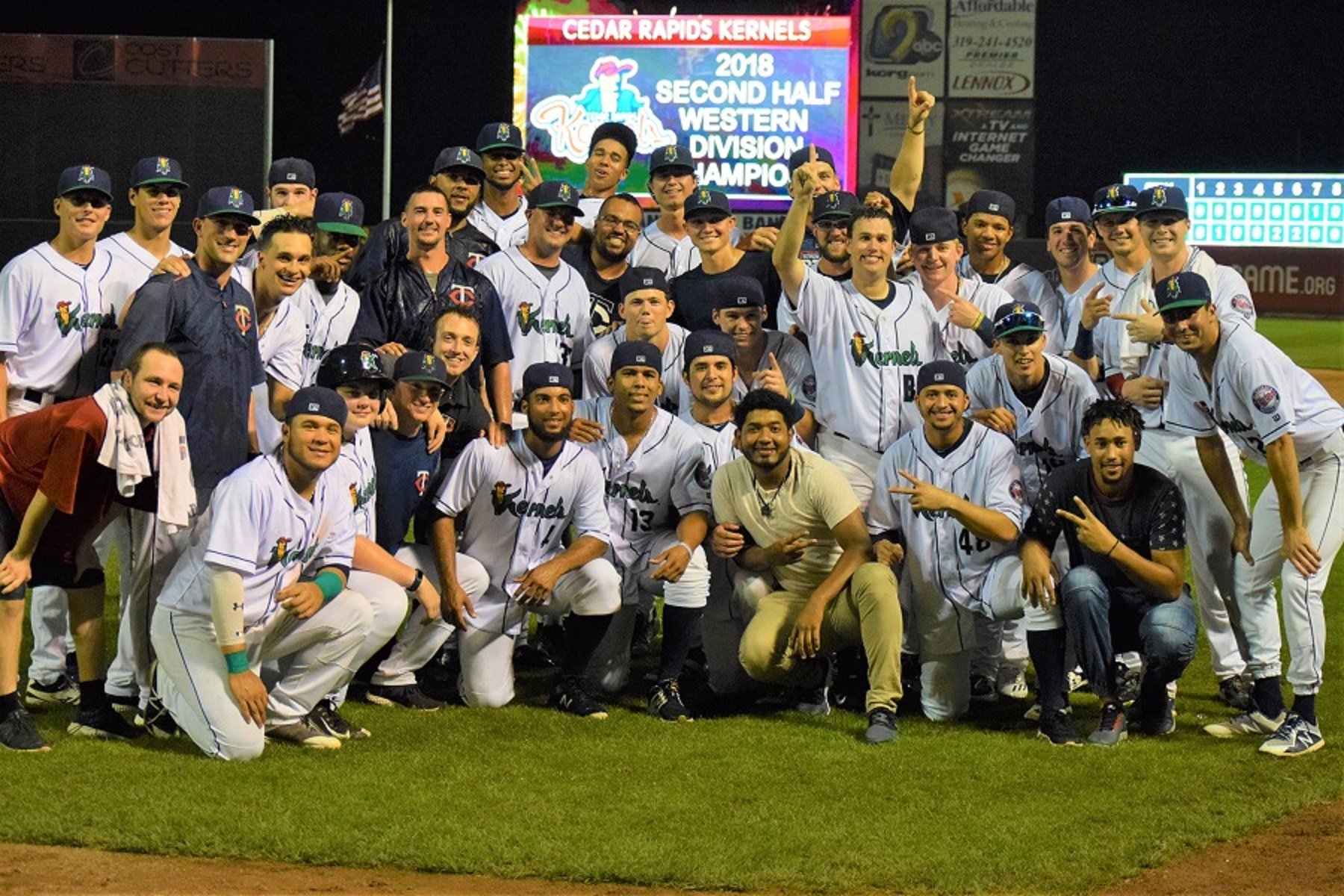 Not all of these players are going to play at an All-Star level, but the amount of talent on this roster is hard to ignore. From hitters to pitchers, the 2018 Kernels had it all. 2018 Kernels Hitting Prospects Many top position players on the 2018 Kernels have made their big-league debuts in the last two seasons. Players included on that list are Akil Baddoo, Ryan Jeffers, Alex Kirilloff, Trevor Larnach, and Ben Rortvedt. Baddoo's big-league success has come in a Tigers uniform after being selected in last winter's Rule 5 Draft. Last season, the outfielder hit .259/.330/.436 (.766) with 40 extra-base hits and a 113 OPS+ in 124 games. Luckily, the other names on the list are still in the organization. Jeffers has proven his defensive value over the last two seasons, even when his bat struggled at times. During the 2020 season, his framing skills ranked in the 90th percentile. Kirilloff exhibited his strong hitting talent in his rookie season, but a wrist injury sapped his power. He had surgery, but he should return to form in 2022. Larnach had an up and down rookie campaign, and many still believe he can develop into an above-average big-league hitter. Like Jeffers, Rortvedt has some solid defensive skills that can make him a surprising help to the team moving forward. Two of the team's top prospects also spent time with the 2018 Kernels. Jose Miranda is coming off a breakout season where his stock is rising more than any other Twins prospect. The former number one overall pick, Royce Lewis, had knee surgery last spring and missed the entire 2021 season. Many national rankings have dropped him from their top-100 lists because of the development time he has missed the previous two seasons. On that 2018 team, Miranda and Kirilloff tied for the team lead with 13 home runs. Lewis had 23 doubles, and Baddoo added an eye-popping 11 triples. As 19-year olds, Baddoo and Lewis both added 22 or more steals. Kirilloff had a team-best .999 OPS, and Baddoo led the team with 183 total bases. Baddoo's final numbers were truly impressive. He hit .243/.352/.419 (.770) with 44 extra-base hits, 83 runs, and 24 stolen bases. 2018 Kernels Pitching Prospects There have been six pitchers from the 2018 Kernels that have already made their big-league debuts on the mound. Bailey Ober and Randy Dobnak are the two that figure to most prominently help the 2022 Twins. Ober is penciled into the starting rotation on the heels of a tremendous rookie season. Ober's expectations are high, but there might be some sophomore struggles to overcome. Dobnak signed an extension last winter and produced his worst professional season as he tried to pitch through an injury. Jovani Moran figures to get an opportunity in Minnesota's bullpen, especially with his dominant change-up. Brusdar Graterol, a teenager at the time, was still a starter in 2018. Minnesota traded Graterol to the Dodgers for Kenta Maeda, and he has transitioned to a reliever role at the big-league level. The Rangers claimed Edwar Colina off waivers from the Twins earlier this offseason. He had multiple procedures on his elbow last year, and Minnesota took him off their 40-man roster. Johan Quezada made three appearances with the Marlins in 2020, and he is currently on the Cardinals' 40-man roster. Two of Minnesota's top pitching prospects, Jhoan Duran and Blayne Enlow, also pitched for the 2018 Kernels. Duran was limited to 16 innings last season before being shut down with a strained elbow. Now, he needs to prove he can be healthy and get back on track in 2022. Enlow had Tommy John surgery in June, which has pushed him down Minnesota's prospect rankings. Dobnak led the team in innings pitched, and games started while posting a 3.14 ERA and a 1.26 WHIP. Colina was still a starter, and he had a 2.48 ERA with team-high 95 strikeouts in 98 innings. Moran led the team with a 14.2 SO/9, but he also struggled with 5.5 BB/9. Dobnak won 10 games, while Balazovic, Ober, and Colina were all credited with seven wins. Cedar Rapids made it to the semifinals of the Midwest League playoffs in 2018 before falling to the Cardinals MWL affiliate. However, this roster will have long-lasting impacts at the big-league level. Which former Kernel is going to have the best MLB career? Leave a COMMENT and start the discussion. MORE FROM TWINS DAILY — Latest Twins coverage from our writers — Recent Twins discussion in our forums — Follow Twins Daily via Twitter, Facebook or email
- 6 comments
-
- 5
-
-
- alex kirilloff
- bailey ober
- (and 3 more)
-
Johan Santana’s trade from the Twins to the Mets will be memorable for many reasons. Now, one final player from that trade is still making his mark at the big-league level. Bill Smith was in a no-win situation. After taking the reins as the Twins GM, Torii Hunter left via free agency, and he faced trading away baseball’s best pitcher. Rumors swirled about potential prospect packages from the Red Sox, Yankees, and Mets. Eventually, the Twins settled on a package that included Carlos Gomez, Deolis Guerra, Kevin Mulvey, and Philip Humber. Gomez had the longest Twins career, but the club traded him to Milwaukee, where he made back-to-back All-Star appearances. He played his final game in 2019. Humber pitched just over 20 innings in Minnesota, but his most significant mark on baseball was pitching the 21st perfect game in MLB history. His final big-league pitch came in 2013. Mulvey pitched fewer than 30 big-league innings and only appeared in two Twins games. He is about to start his sixth season as the head coach at Villanova. That leaves one man standing. Like many pitching prospects, Guerra didn’t follow a linear development path. He pitched his first two professional seasons in the Mets organization, where they were aggressive with his level. Baseball America ranked him as baseball’s 35th best prospect at the time of the trade, while Baseball Prospectus had him ranked 79th. Of course, he had yet to throw an inning above High-A, but evaluators considered him one of the game’s best pitching prospects. Guerra pitched seven seasons in the Twins organization but never got the call to the big league level. He switched to a bullpen role in 2011 after posting an ERA north of 6.00 during the 2010 season. His strikeout numbers improved with the switch, but he still allowed too many runs and gave up too much hard contact. Following the 2013 season, he left the Twins organization and went on quite the professional journey. Pittsburgh signed him for 2015, and he made his big-league debut. Unfortunately, he allowed five home runs in 16 2/3 innings, but he struck out more than a batter per inning. The following winter, he re-signed with the Pirates on December 7, and three days later, the Angels selected him in the Rule 5 Draft. Los Angeles had to keep him on the big-league roster for the 2016 season, and he got his first extended look in his age-27 season. In 53 1/3 innings, he compiled a 3.21 ERA with a 1.11 WHIP and 36-to-7 strikeout to walk ratio. From 2017 to 2020, he bounced around from Los Angeles to Texas to Milwaukee to Philadelphia. During those stops, he made 29 appearances and had a 6.55 ERA with a 1.46 WHIP. He had posted some substantial numbers in the high levels of the minors, but those numbers weren’t translating to the big-league level. Entering his age-32 season, it looked like his career might be coming to a close. Oakland gave Guerra one last chance, and he slid into their bullpen for the entire 2021 season. He posted a 4.11 ERA with a 1.11 WHIP across 65 2/3 innings. Those numbers don’t tell the whole story as he ranked in the 85th percentile or higher in average exit velocity, hard-hit %, wxOBA, xERA, and xBA. Even without eye-popping strikeout numbers, batters cannot make solid contact against his offspeed offerings. In fact, only his four-seam fastball allowed a batting average over .245 and a slugging percentage over .392. He uses five pitches out of the bullpen, which is a rarity in today’s game. Oakland kept Guerra on their 40-man roster this winter, so it looks like he may be part of the team’s plans for the 2022 campaign. Either way, his journey to this point in his career is one of determination and resilience. He’s the last piece of the Johan Santana trade, and he still has something to prove. What do you remember about the Santana trade? Did you think players tied to the trade would still be playing? Leave a COMMENT and start the discussion. MORE FROM TWINS DAILY — Latest Twins coverage from our writers — Recent Twins discussion in our forums — Follow Twins Daily via Twitter, Facebook or email View full article
-
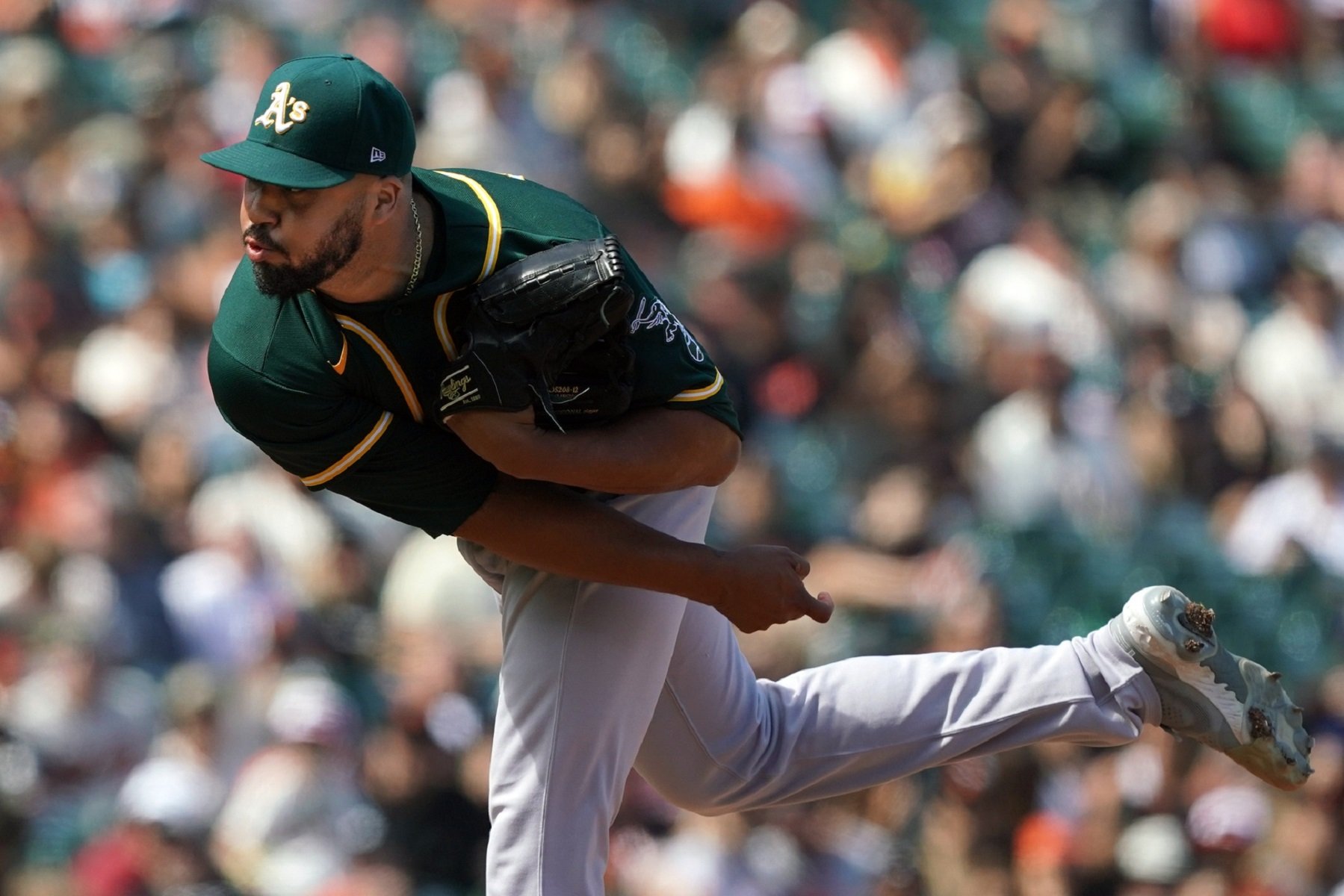 Bill Smith was in a no-win situation. After taking the reins as the Twins GM, Torii Hunter left via free agency, and he faced trading away baseball’s best pitcher. Rumors swirled about potential prospect packages from the Red Sox, Yankees, and Mets. Eventually, the Twins settled on a package that included Carlos Gomez, Deolis Guerra, Kevin Mulvey, and Philip Humber. Gomez had the longest Twins career, but the club traded him to Milwaukee, where he made back-to-back All-Star appearances. He played his final game in 2019. Humber pitched just over 20 innings in Minnesota, but his most significant mark on baseball was pitching the 21st perfect game in MLB history. His final big-league pitch came in 2013. Mulvey pitched fewer than 30 big-league innings and only appeared in two Twins games. He is about to start his sixth season as the head coach at Villanova. That leaves one man standing. Like many pitching prospects, Guerra didn’t follow a linear development path. He pitched his first two professional seasons in the Mets organization, where they were aggressive with his level. Baseball America ranked him as baseball’s 35th best prospect at the time of the trade, while Baseball Prospectus had him ranked 79th. Of course, he had yet to throw an inning above High-A, but evaluators considered him one of the game’s best pitching prospects. Guerra pitched seven seasons in the Twins organization but never got the call to the big league level. He switched to a bullpen role in 2011 after posting an ERA north of 6.00 during the 2010 season. His strikeout numbers improved with the switch, but he still allowed too many runs and gave up too much hard contact. Following the 2013 season, he left the Twins organization and went on quite the professional journey. Pittsburgh signed him for 2015, and he made his big-league debut. Unfortunately, he allowed five home runs in 16 2/3 innings, but he struck out more than a batter per inning. The following winter, he re-signed with the Pirates on December 7, and three days later, the Angels selected him in the Rule 5 Draft. Los Angeles had to keep him on the big-league roster for the 2016 season, and he got his first extended look in his age-27 season. In 53 1/3 innings, he compiled a 3.21 ERA with a 1.11 WHIP and 36-to-7 strikeout to walk ratio. From 2017 to 2020, he bounced around from Los Angeles to Texas to Milwaukee to Philadelphia. During those stops, he made 29 appearances and had a 6.55 ERA with a 1.46 WHIP. He had posted some substantial numbers in the high levels of the minors, but those numbers weren’t translating to the big-league level. Entering his age-32 season, it looked like his career might be coming to a close. Oakland gave Guerra one last chance, and he slid into their bullpen for the entire 2021 season. He posted a 4.11 ERA with a 1.11 WHIP across 65 2/3 innings. Those numbers don’t tell the whole story as he ranked in the 85th percentile or higher in average exit velocity, hard-hit %, wxOBA, xERA, and xBA. Even without eye-popping strikeout numbers, batters cannot make solid contact against his offspeed offerings. In fact, only his four-seam fastball allowed a batting average over .245 and a slugging percentage over .392. He uses five pitches out of the bullpen, which is a rarity in today’s game. Oakland kept Guerra on their 40-man roster this winter, so it looks like he may be part of the team’s plans for the 2022 campaign. Either way, his journey to this point in his career is one of determination and resilience. He’s the last piece of the Johan Santana trade, and he still has something to prove. What do you remember about the Santana trade? Did you think players tied to the trade would still be playing? Leave a COMMENT and start the discussion. MORE FROM TWINS DAILY — Latest Twins coverage from our writers — Recent Twins discussion in our forums — Follow Twins Daily via Twitter, Facebook or email
 -
Byron Buxton gets a lot of the focus for his myriad of injuries throughout his professional career, but he isn’t the only Twins player with an injury history. Here are two players that stayed healthy and productive during the 2021 season. Every season, some players can avoid injury and stay productive. MLB Trade Rumors identified 15 hitters who could quiet some of their injury concerns in 2021. Two of those players were critical components of Minnesota’s lineup last season. Josh Donaldson, 3B Recent Injury Woes: Missed 149 games between 2018-2020 2021 Season: 135 G, .247/.352/.475 (.827), 127 OPS+, 26 HR, 26 2B Donaldson signed with the Twins leading into the 2020 season, and expectations were high for his first campaign. This was especially true since he was coming off a season where he posted a 126 OPS+ while hitting 37 home runs and 33 doubles. Unfortunately, the pandemic shortened the season, and injuries limited him to 28 games. Many fans were frustrated that he wasn’t on the field, and some of those frustrations trickled over into his second season in Minnesota. Last season, Donaldson managed any injury concerns and played over 130 games for only the second time since 2016. Over the previous five years, he has been rotating between seasons marked by injury and healthy seasons. If this pattern holds, his 2022 campaign might be lining up for him to miss more time, especially since he will be in his age-36 season. Perhaps that is one reason the Twins would be willing to trade Donaldson this winter. At this point in his Twins tenure, it’s clear the Twins have failed Josh Donaldson. Minnesota is in the middle of their winning window, and he was signed as a veteran player to help push the club to playoff success. He has provided tremendous value when he has been on the field. Maybe the 2021 season points to him figuring out a long-term solution to some of his injury woes. Miguel Sanó, 1B Recent Injury Woes: Missed 155 games between 2018-2020 2021 Season: 135 G, .223/.312/.466 (.788), 112 OPS+, 30 HR, 24 2B In two of the last three seasons, Sanó has collected 30 or more home runs, so fans may have forgotten how much time he has missed due to injury. Last season, he played a career-high 135 games, which was 29 more than he had played in any other season. From 2018 to 2019, he averaged 88 games per season, which included some minor league demotions to find his swing. When Sanó makes contact, he ranks among baseball’s best at barreling up the ball. Last season, he ranked in the 97th percentile or higher in average exit velocity, max exit velocity, hard-hit %, and barrel %. He also showed a dramatic improvement in his ability to draw walks as he finished the year in the 78th percentile compared to 2020, when he was in the 46th percentile. At this point, Sanó is a streaky big-league hitter that can still provide value to a team throughout a season. With Alex Kirilloff’s emergence, there is a good chance Sanó starts seeing more time as the team’s primary DH. Sanó is also in an important year for his future with the organization. Minnesota has a $14 million team option for 2023 with a $2.75 million buyout. It seems unlikely that the Twins will pick up that option, so Sanó is playing for his next contract this season. If he wants to stay in Minnesota, he will have to continue to prove he can stay healthy and provide value. Do you think both players can stay healthy in 2022? Leave a COMMENT and start the discussion. MORE FROM TWINS DAILY — Latest Twins coverage from our writers — Recent Twins discussion in our forums — Follow Twins Daily via Twitter, Facebook or email View full article
-
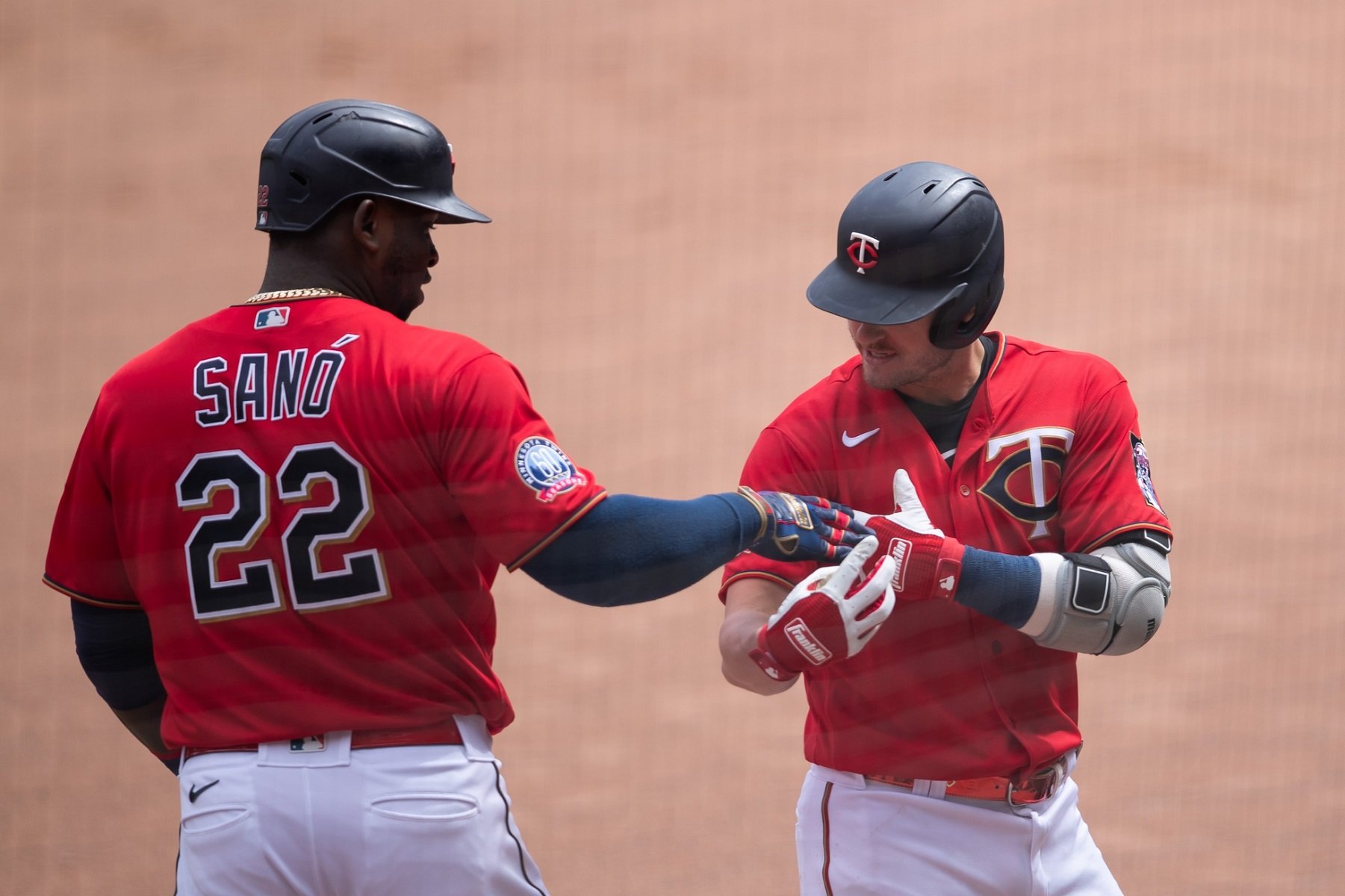 Every season, some players can avoid injury and stay productive. MLB Trade Rumors identified 15 hitters who could quiet some of their injury concerns in 2021. Two of those players were critical components of Minnesota’s lineup last season. Josh Donaldson, 3B Recent Injury Woes: Missed 149 games between 2018-2020 2021 Season: 135 G, .247/.352/.475 (.827), 127 OPS+, 26 HR, 26 2B Donaldson signed with the Twins leading into the 2020 season, and expectations were high for his first campaign. This was especially true since he was coming off a season where he posted a 126 OPS+ while hitting 37 home runs and 33 doubles. Unfortunately, the pandemic shortened the season, and injuries limited him to 28 games. Many fans were frustrated that he wasn’t on the field, and some of those frustrations trickled over into his second season in Minnesota. Last season, Donaldson managed any injury concerns and played over 130 games for only the second time since 2016. Over the previous five years, he has been rotating between seasons marked by injury and healthy seasons. If this pattern holds, his 2022 campaign might be lining up for him to miss more time, especially since he will be in his age-36 season. Perhaps that is one reason the Twins would be willing to trade Donaldson this winter. At this point in his Twins tenure, it’s clear the Twins have failed Josh Donaldson. Minnesota is in the middle of their winning window, and he was signed as a veteran player to help push the club to playoff success. He has provided tremendous value when he has been on the field. Maybe the 2021 season points to him figuring out a long-term solution to some of his injury woes. Miguel Sanó, 1B Recent Injury Woes: Missed 155 games between 2018-2020 2021 Season: 135 G, .223/.312/.466 (.788), 112 OPS+, 30 HR, 24 2B In two of the last three seasons, Sanó has collected 30 or more home runs, so fans may have forgotten how much time he has missed due to injury. Last season, he played a career-high 135 games, which was 29 more than he had played in any other season. From 2018 to 2019, he averaged 88 games per season, which included some minor league demotions to find his swing. When Sanó makes contact, he ranks among baseball’s best at barreling up the ball. Last season, he ranked in the 97th percentile or higher in average exit velocity, max exit velocity, hard-hit %, and barrel %. He also showed a dramatic improvement in his ability to draw walks as he finished the year in the 78th percentile compared to 2020, when he was in the 46th percentile. At this point, Sanó is a streaky big-league hitter that can still provide value to a team throughout a season. With Alex Kirilloff’s emergence, there is a good chance Sanó starts seeing more time as the team’s primary DH. Sanó is also in an important year for his future with the organization. Minnesota has a $14 million team option for 2023 with a $2.75 million buyout. It seems unlikely that the Twins will pick up that option, so Sanó is playing for his next contract this season. If he wants to stay in Minnesota, he will have to continue to prove he can stay healthy and provide value. Do you think both players can stay healthy in 2022? Leave a COMMENT and start the discussion. MORE FROM TWINS DAILY — Latest Twins coverage from our writers — Recent Twins discussion in our forums — Follow Twins Daily via Twitter, Facebook or email
 -
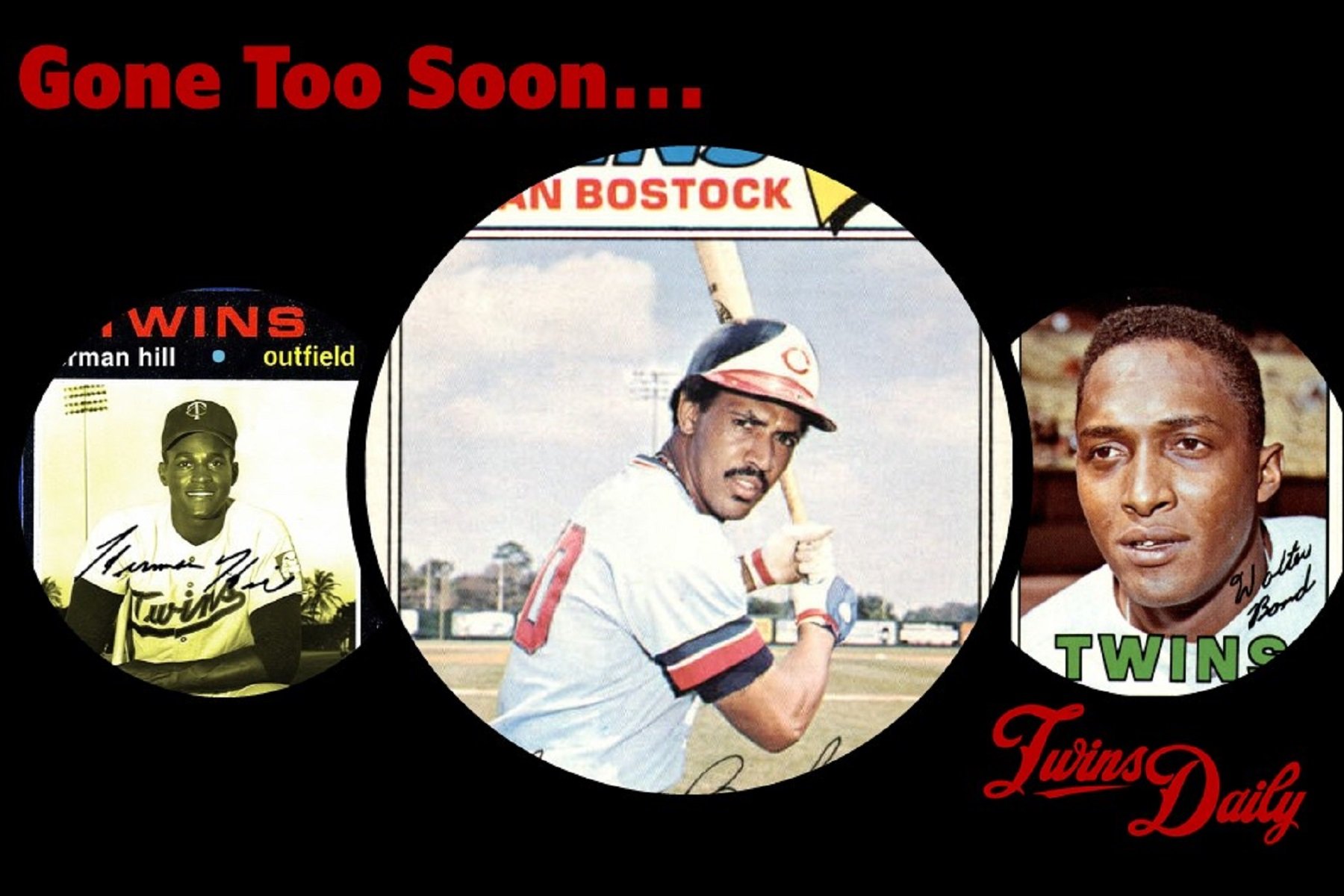 Herman Hill, CF Died: December 14, 1970 It’s incredible to consider what Hill could accomplish and overcome in his life. His parents worked as sharecroppers in the Deep South, and he was one of 15 siblings. His family eventually moved north, like many African Americans at the time. Hill missed two years of school due to illness as a younger child, so he was older than his peers. He tried out for the Baltimore Orioles as an eighth-grader, but he went to high school and became a three-sport star. His best tool was his speed, which held true during his professional career. He made his professional debut in the Twins organization as a 20-year old in rookie ball. Because of his age, he moved quickly through the system before debuting at age-23 in 1969. That season at Triple-A, he hit .300 and got on base over 34% of the time. He was primarily used as a pinch-runner and defensive replacement that season as he went 0-for-2 in his plate appearances, but he was able to score four runs. In 1970, he played in 27 big-league games and recorded his first hits at the MLB level. He went to Venezuela to participate in the winter league season that winter. On December 14, 1970, Hill drowned in Venezuela, a tragic end to a budding young career. Lyman Bostock, OF Died: September 24, 1978 Lyman Bostock was a rising star in the Twins organization that looked like he would eventually challenge teammate Rod Carew for AL Batting Titles. In his first two big-league seasons, he hit .323 and .336, which ranked him fourth and second in those seasons. During the 1977 campaign, he finished second in average (.336), fourth in runs scored (104), and seventh in on-base percentage (.389). At the season’s end, he ranked in the top-10 for WAR and in the top-4 for Offensive WAR. He hit free agency at the right time and eventually signed with the Angels for five years and $2.3 million. Bostock struggled in his first season with the Angels and even donated some of his salary to local charities because he believed he hadn’t earned it. On September 24th, he went 2-for-4 with a double in his final big-league game against the White Sox. Just hours later, Bostock was shot and killed as a passenger in a vehicle in his hometown of Gary, Indiana. He was in his age-27 season at the time with a bright career in front of him. Walt Bond, OF Died: September 14, 1967 Bond was a monster of a man. He was 6-foot-7 and weighed nearly 230 pounds. According to Baseball-Reference, he was the tallest man to play center field in major league history until Aaron Judge tied him in 2018. He debuted with Cleveland in 1960, but he wouldn’t earn a full-time role until his age-26 season with Houston. In two seasons for the Colt .45s, he hit .258/.322/.397 (.719), including a 20 homer season in 1964. His first season in the Twins organization was 1966, and he dominated at the Triple-A level. In 122 games, he batted .316/.385/.529 (.914) with 38 extra-base hits and a 42-to-36 strikeout to walk ratio. Minnesota called him up in 1967 for a cup of coffee, and he responded by going 5-for-16 (.313) with two extra-base hits in 10 games. Leukemia cut his season short that year, and he passed away in September at the age of 29. Do you have any memories of these former Twins players? Leave a COMMENT and start the discussion. MORE FROM TWINS DAILY — Latest Twins coverage from our writers — Recent Twins discussion in our forums — Follow Twins Daily via Twitter, Facebook or email
- 10 comments
-
- 5
-
-
- herman hill
- lyman bostock
- (and 2 more)
-
Kirby Puckett is the most remembered Twins player to pass away earlier than expected. As Twins Daily celebrates Black History Month, here are three African American players that passed away in the prime of their careers. Herman Hill, CF Died: December 14, 1970 It’s incredible to consider what Hill could accomplish and overcome in his life. His parents worked as sharecroppers in the Deep South, and he was one of 15 siblings. His family eventually moved north, like many African Americans at the time. Hill missed two years of school due to illness as a younger child, so he was older than his peers. He tried out for the Baltimore Orioles as an eighth-grader, but he went to high school and became a three-sport star. His best tool was his speed, which held true during his professional career. He made his professional debut in the Twins organization as a 20-year old in rookie ball. Because of his age, he moved quickly through the system before debuting at age-23 in 1969. That season at Triple-A, he hit .300 and got on base over 34% of the time. He was primarily used as a pinch-runner and defensive replacement that season as he went 0-for-2 in his plate appearances, but he was able to score four runs. In 1970, he played in 27 big-league games and recorded his first hits at the MLB level. He went to Venezuela to participate in the winter league season that winter. On December 14, 1970, Hill drowned in Venezuela, a tragic end to a budding young career. Lyman Bostock, OF Died: September 24, 1978 Lyman Bostock was a rising star in the Twins organization that looked like he would eventually challenge teammate Rod Carew for AL Batting Titles. In his first two big-league seasons, he hit .323 and .336, which ranked him fourth and second in those seasons. During the 1977 campaign, he finished second in average (.336), fourth in runs scored (104), and seventh in on-base percentage (.389). At the season’s end, he ranked in the top-10 for WAR and in the top-4 for Offensive WAR. He hit free agency at the right time and eventually signed with the Angels for five years and $2.3 million. Bostock struggled in his first season with the Angels and even donated some of his salary to local charities because he believed he hadn’t earned it. On September 24th, he went 2-for-4 with a double in his final big-league game against the White Sox. Just hours later, Bostock was shot and killed as a passenger in a vehicle in his hometown of Gary, Indiana. He was in his age-27 season at the time with a bright career in front of him. Walt Bond, OF Died: September 14, 1967 Bond was a monster of a man. He was 6-foot-7 and weighed nearly 230 pounds. According to Baseball-Reference, he was the tallest man to play center field in major league history until Aaron Judge tied him in 2018. He debuted with Cleveland in 1960, but he wouldn’t earn a full-time role until his age-26 season with Houston. In two seasons for the Colt .45s, he hit .258/.322/.397 (.719), including a 20 homer season in 1964. His first season in the Twins organization was 1966, and he dominated at the Triple-A level. In 122 games, he batted .316/.385/.529 (.914) with 38 extra-base hits and a 42-to-36 strikeout to walk ratio. Minnesota called him up in 1967 for a cup of coffee, and he responded by going 5-for-16 (.313) with two extra-base hits in 10 games. Leukemia cut his season short that year, and he passed away in September at the age of 29. Do you have any memories of these former Twins players? Leave a COMMENT and start the discussion. MORE FROM TWINS DAILY — Latest Twins coverage from our writers — Recent Twins discussion in our forums — Follow Twins Daily via Twitter, Facebook or email View full article
- 10 replies
-
- 1
-
-
- herman hill
- lyman bostock
- (and 2 more)
-
Not every prospect can follow a perfect development path due to injuries or lack of production. These three players have seen their stock fall significantly over the last year. It would be great if every prospect in a farm system were coming off a breakout season so their stock could continue to rise. However, that isn't always the case, and the players below have plenty to prove in 2022. Royce Lewis, SS/CF Seth's 2022 Prospect Rank: 1 All three major national rankings (Baseball America, Baseball Prospectus, and MLB.com) considered Lewis a top-35 prospect entering last season. Unfortunately, Lewis missed all of the 2021 season following ACL surgery, and now he must stay healthy in 2022. He won't turn 23 until the beginning of June, so he has development time even with two lost seasons. All of his rehab reports were positive, so he should be on track to start next season at Double- or Triple-A. Seth recently ranked the top-30 hitting and pitching prospects, and he continues to have Lewis as the organization's top prospect. Many national outlets are dropping Lewis out of their top-100 prospects or placing him near the end of their rankings. It is clear that Lewis has seen his stock drop, and this is tied to his lost development time in his early 20s that can be critical for long-term success. Lewis is a tremendous athlete with tools that should help him return to his previous form. Blayne Enlow, RHP Seth's 2022 Prospect Rank: 17 Enlow wasn't considered a top-100 prospect, but many considered him a top-10 prospect in the Twins organization. Minnesota drafted him out of high school in the 3rd round back in 2017. He ranked as the fifth-best high school pitcher, and the Twins had to sign him for an above slot deal to keep him from his commitment to LSU. He moved rapidly through the Twins system in his first three professional seasons as he was nearly two years younger than the competition at each stop. Last season, he made three starts in Cedar Rapids before having Tommy John surgery in June. This means he should be able to return in 2022. Since the end of the 2019 season, Enlow has pitched fewer than 15 professional innings, which is significant development time lost in his early 20s. At the same time, the Twins have added some higher-level prospects that rank higher than him. Luckily, he should be on pace to head to the upper minors when he returns from injury. His fastball has added velocity and movement in recent years. Enlow's second-best pitch is his curveball, which improved during his pro career. Many believe he can develop into a mid-rotation starter when mixing in a slider and a change-up. Keoni Cavaco, SS Seth's 2022 Prospect Rank: 30 Cavaco was Minnesota's first-round pick in 2019, and many evaluators viewed him as a stretch as the 13th overall pick. He struggled in his first taste of pro ball as he hit .172/.217/.253 (.470) with 35 strikeouts in 25 games. During the 2020 season, Cavaco worked with his swing to keep it in the zone longer to cut down on his swing-and-miss tendency. He has also been able to work on his physical make-up, which may help him in the long run. During the 2021 season, he played the majority of the season at Low-A, where he was over a year younger than the competition. In 63 games, he hit .233/.296/.302 (.598) with 95 strikeouts and 11 extra-base hits. His strikeout totals were still too high, and he hasn't shown the ability to make contact consistently. This winter, he will drop on many Twins' top prospect lists, and he has a lot to prove in 2022. Which player's stock has fallen the most? Leave a COMMENT and start the discussion. MORE FROM TWINS DAILY — Latest Twins coverage from our writers — Recent Twins discussion in our forums — Follow Twins Daily via Twitter, Facebook or email View full article
-
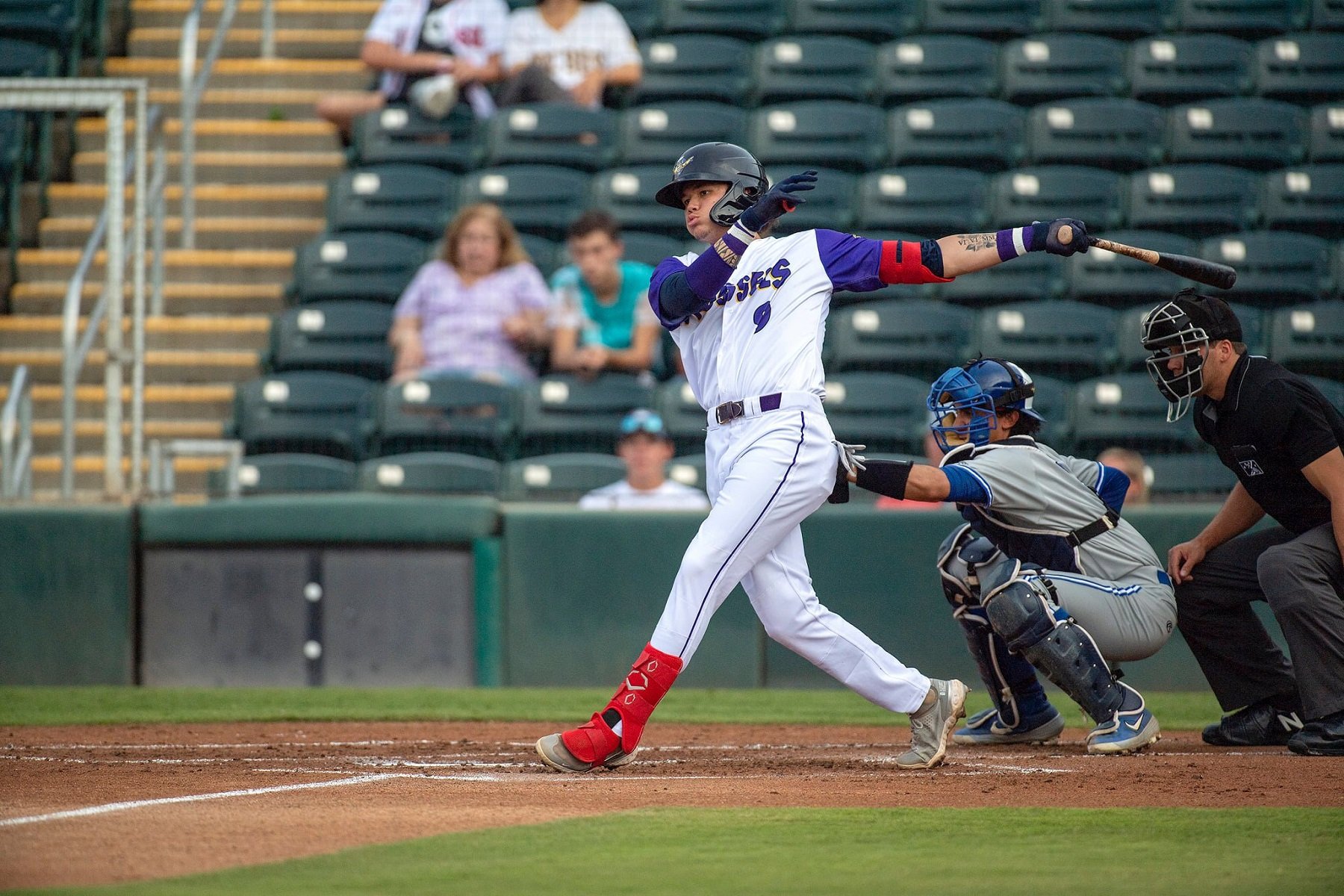 It would be great if every prospect in a farm system were coming off a breakout season so their stock could continue to rise. However, that isn't always the case, and the players below have plenty to prove in 2022. Royce Lewis, SS/CF Seth's 2022 Prospect Rank: 1 All three major national rankings (Baseball America, Baseball Prospectus, and MLB.com) considered Lewis a top-35 prospect entering last season. Unfortunately, Lewis missed all of the 2021 season following ACL surgery, and now he must stay healthy in 2022. He won't turn 23 until the beginning of June, so he has development time even with two lost seasons. All of his rehab reports were positive, so he should be on track to start next season at Double- or Triple-A. Seth recently ranked the top-30 hitting and pitching prospects, and he continues to have Lewis as the organization's top prospect. Many national outlets are dropping Lewis out of their top-100 prospects or placing him near the end of their rankings. It is clear that Lewis has seen his stock drop, and this is tied to his lost development time in his early 20s that can be critical for long-term success. Lewis is a tremendous athlete with tools that should help him return to his previous form. Blayne Enlow, RHP Seth's 2022 Prospect Rank: 17 Enlow wasn't considered a top-100 prospect, but many considered him a top-10 prospect in the Twins organization. Minnesota drafted him out of high school in the 3rd round back in 2017. He ranked as the fifth-best high school pitcher, and the Twins had to sign him for an above slot deal to keep him from his commitment to LSU. He moved rapidly through the Twins system in his first three professional seasons as he was nearly two years younger than the competition at each stop. Last season, he made three starts in Cedar Rapids before having Tommy John surgery in June. This means he should be able to return in 2022. Since the end of the 2019 season, Enlow has pitched fewer than 15 professional innings, which is significant development time lost in his early 20s. At the same time, the Twins have added some higher-level prospects that rank higher than him. Luckily, he should be on pace to head to the upper minors when he returns from injury. His fastball has added velocity and movement in recent years. Enlow's second-best pitch is his curveball, which improved during his pro career. Many believe he can develop into a mid-rotation starter when mixing in a slider and a change-up. Keoni Cavaco, SS Seth's 2022 Prospect Rank: 30 Cavaco was Minnesota's first-round pick in 2019, and many evaluators viewed him as a stretch as the 13th overall pick. He struggled in his first taste of pro ball as he hit .172/.217/.253 (.470) with 35 strikeouts in 25 games. During the 2020 season, Cavaco worked with his swing to keep it in the zone longer to cut down on his swing-and-miss tendency. He has also been able to work on his physical make-up, which may help him in the long run. During the 2021 season, he played the majority of the season at Low-A, where he was over a year younger than the competition. In 63 games, he hit .233/.296/.302 (.598) with 95 strikeouts and 11 extra-base hits. His strikeout totals were still too high, and he hasn't shown the ability to make contact consistently. This winter, he will drop on many Twins' top prospect lists, and he has a lot to prove in 2022. Which player's stock has fallen the most? Leave a COMMENT and start the discussion. MORE FROM TWINS DAILY — Latest Twins coverage from our writers — Recent Twins discussion in our forums — Follow Twins Daily via Twitter, Facebook or email
- 22 comments
-
- 3
-
-
- keoni cavaco
- royce lewis
- (and 1 more)
-
Every winter, fans take stock of the players throughout their favorite team's farm system. These three Twins prospects have seen their stock rise significantly over the last year. Jose Miranda, 3B Seth's 2022 Prospect Rank: 2 Miranda had always been considered a good prospect, but his 2021 season placed him on the baseball's prospect map. As a 23-year-old, he hit .344/.401/.572 (.973) with 32 doubles and 30 home runs at Double- and Triple-A. Miranda led all minor league baseball with 306 total bases with only 74 strikeouts in 127 games. He was the easy pick for the Twins Daily Minor League Hitter of the Year as he had arguably one of the best seasons ever for a Twins prospect. If Miranda can replicate his 2021 numbers, an argument can be made for him being the best prospect in the Twins organization. Austin Martin and Royce Lewis will rank higher than him on many lists, but Miranda's breakout season is hard to ignore. Baseball America and the Athletic moved him into their top-100 prospect lists, but some of that is based on his previous track record. Miranda should debut in 2022, and fans can get excited about how much his stock has risen. Louie Varland, RHP Seth's 2022 Prospect Rank: 19 Minnesota selected Varland with their 15th round pick in 2019. After signing, his professional debut was cut short because of some soreness in his pitching elbow. Minnesota saw some mechanical issues with Varland's delivery, and they worked with him during the COVID downtime to make adjustments. With an improved fastball in the high-90s, Varland transformed himself from a late-round pick to a pitching prospect to watch. In 2021, he dominated at Low- and High-A with a 2.10 ERA and a 1.09 WHIP in 20 appearances. He posted a 142-to-30 strikeout to walk ratio, including 14.5 strikeouts per nine at Low-A. His college experience meant he was old for Low-A, but he was younger than the average age of the competition when he got to Cedar Rapids. He was named the Twins Daily Minor League Pitcher of the Year at season's end. Varland won't appear on any national top-100 lists, but his 2021 season puts him into the team's long-term pitching plans. Emmanuel Rodriguez, OF Seth's 2022 Prospect Rank: 14 Any prospect that signs for $2.5 million on the international market will get noticed, but players signed as teenagers take time to develop. Last season, Rodriguez made his professional debut and hit ten home runs with a .870 OPS. He finished runner-up to Kala'i Rosario for Twins Daily's Short-Season Hitter of the Year, which has previously gone to players like Matt Wallner and Akil Baddoo. Rodriguez has a long way to go before he makes his big-league debut, but he has all the tools to be one of the team's top prospects in the years ahead. His advanced approach at the plate allows him to get into favorable counts where he can unleash his power. His above-average speed will enable him to steal bases and play above-average defense in centerfield. Entering his age-19 season, Rodriguez will get his first taste of full-season action with a chance to be one of the team's top-10 prospects next winter. Which player's stock has risen the most? Leave a COMMENT and start the discussion. MORE FROM TWINS DAILY — Latest Twins coverage from our writers — Recent Twins discussion in our forums — Follow Twins Daily via Twitter, Facebook or emai View full article
- 7 replies
-
- 1
-
-
- jose miranda
- louis varland
- (and 1 more)
