



Cody Christie
-
Posts
7,515 -
Joined
-
Last visited
-
Days Won
5
Content Type
Profiles
News
Minnesota Twins Videos
2026 Minnesota Twins Top Prospects Ranking
2022 Minnesota Twins Draft Picks
Minnesota Twins Free Agent & Trade Rumors, Notes, & Tidbits
Guides & Resources
2023 Minnesota Twins Draft Picks
The Minnesota Twins Players Project
2024 Minnesota Twins Draft Picks
2025 Minnesota Twins Draft Pick Tracker
2026 Minnesota Twins Draft Tracker: Picks & Bonuses
Forums
Blogs
Events
Store
Downloads
Gallery
Everything posted by Cody Christie
-
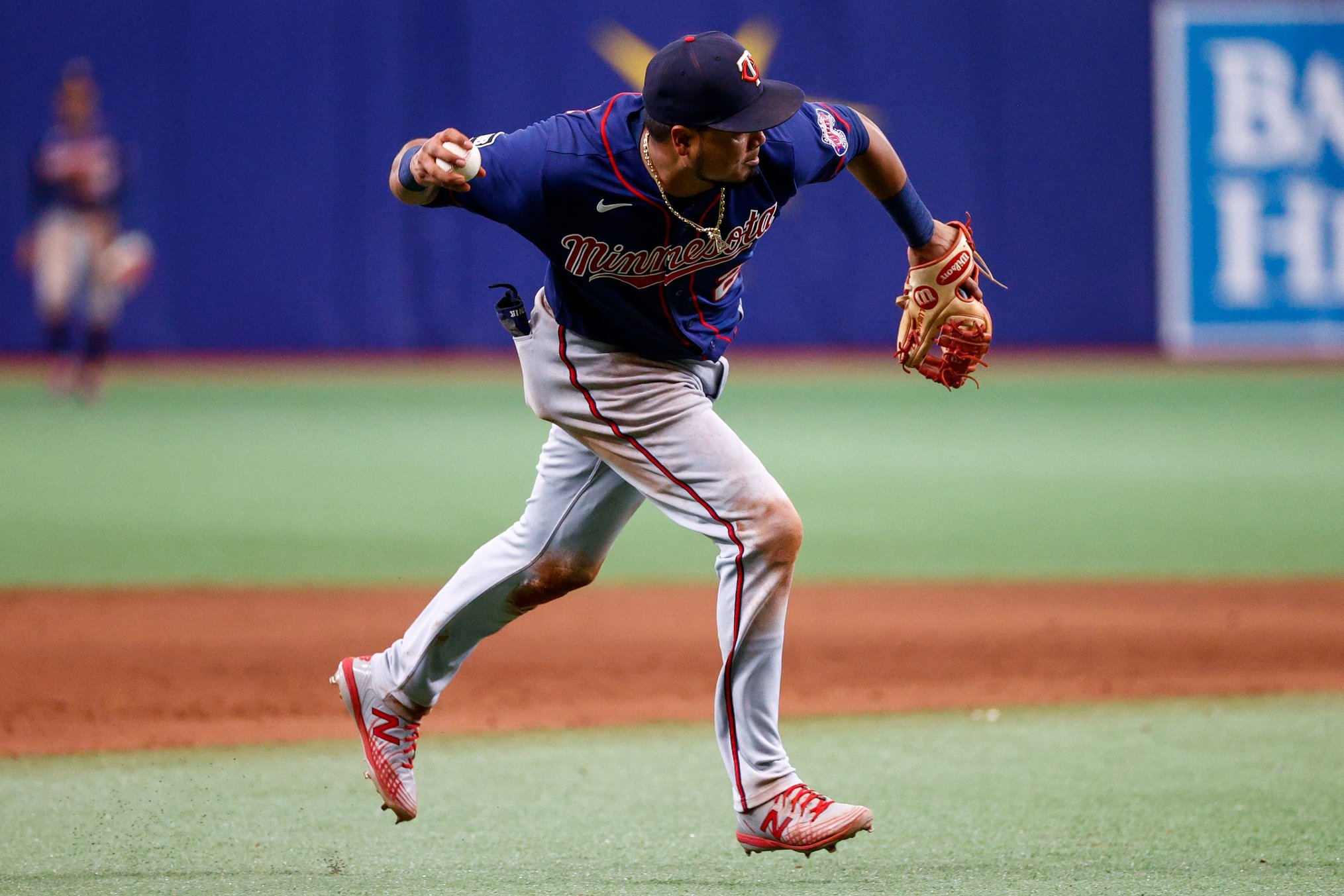 The 2021 season was the ninth straight season where SABR's Defensive Index (SDI) was used as part of the voting process for awarding Gold Gloves. Votes from managers and coaches count for 75% of the final results, while SDI is worth approximately 25%. According to SABR, "The SDI draws on and aggregates two types of existing defensive metrics: those derived from batted ball location-based data and those collected from play-by-play accounts, including data from MLBAM's Statcast, Sports Information Solutions, and STATS, LLC." Here is where qualified Twins players finished in the SDI rankings along with some places where Minnesota can improve in 2022: Catcher: Ryan Jeffers (1.0 SDI) Among qualified AL catchers, Ryan Jeffers finished eighth according to SDI. Oakland's Sean Murphy won the Gold Glove and was the AL leader at 6.8 SDI. Jeffers has been touted for his catching ability throughout his professional career, and some of those results showed up on the field last season. However, his struggles at the plate forced the team to demote him to Triple-A, limiting him to 85 big-league games in 2021. Jeffers may see his playing time increase next season if the Twins decide to trade Mitch Garver this winter. First Base: Miguel Sanó (-5.6 SDI) First base can be one of the team's most straightforward defensive fixes for 2022. Only one AL first baseman, Boston's Bobby Dalbec, ranked lower than Miguel Sanó when it comes to SDI. Alex Kirilloff is a better defender at first base, and he should start to get more reps at that position next season. Sanó can rotate through first base and designated hitter roles depending on the pitching match-up on any given day. First base defense can be overlooked, but Kirilloff presents an easy upgrade for the Twins. Second Base: Jorge Polanco (2.8 SDI) Last winter, Minnesota made a significant defensive upgrade at second base by moving Jorge Polanco away from shortstop. He finished the season as the AL's fourth highest-ranked second baseman, according to SDI. Polanco stayed healthy for all of 2021, and the results speak for themselves on both sides of the ball. Minnesota gave Polanco 39 appearances at shortstop last year, and the team is in the market for a shortstop this winter. It's in the team's best interest to keep Polanco at second base for the long term. Third Base: Luis Arraez (1.4 SDI) Josh Donaldson has been considered a solid defensive player throughout his career, but he didn't make enough defensive appearances to appear on the SDI Leaderboard. Luis Arraez finished fifth among AL third basemen according to SDI, which may come as a surprise. Minnesota moved Arraez to a utility role entering last season because his defense was below average at second base. Arraez, Donaldson, and Jose Miranda will all get time at third base in 2022. This is quite the defensive turnaround for Arraez, and it is certainly something to keep an eye on moving forward. Shortstop: Andrelton Simmons (11.8 SDI) Even in a poor offensive season, Andrelton Simmons ranked among baseball's best on the defensive side of the ball. Houston's Carlos Correa, the eventual Gold Glove winner, was the lone player ranked higher than Simmons among AL shortstops. In fact, only two players, Correa and Kansas City's Michael Taylor, finished with a higher SDI. The only way to keep this kind of defensive output at shortstop is to sign Correa to a giant contract or keep Simmons around on a cheap deal. Outfield: Max Kepler (5.4 SDI) Max Kepler was the only player to make enough appearances to qualify for the season-ending leaderboard among Minnesota's outfielders. He finished fifth among AL right-fielders when it came to SDI. There is an argument to be made that he should have been one of the Gold Glove finalists at his position. One of the easiest ways for Minnesota to improve its outfield defense is to have Byron Buxton on the field more regularly. An outfield with Buxton and Kepler can make up for whatever player roams in left field for the club. Where do you think the Twins can make the most defensive improvement next season? Leave a COMMENT and start the discussion. MORE FROM TWINS DAILY — Latest Twins coverage from our writers — Recent Twins discussion in our forums — Follow Twins Daily via Twitter, Facebook or email
- 24 comments
-
- 3
-

-
- luis arraez
- max kepler
- (and 3 more)
-
 Minnesota expects Bailey Ober and Joe Ryan to be penciled into the back of the club's rotation during the 2022 season. As with any young players, especially pitchers, expectations need to be tempered when making projections for their impact on the team next season. 2021 Recap Last season, Bailey Ober surprised many during his rookie campaign. He made 20 starts and posted a 4.19 ERA with a 1.20 WHIP and 9.4 K/9. He was a welcome addition to a Twins rotation that needed plenty of replacements in the season's second half. Twins Daily named him the club's Rookie of the Year, even in a season that saw top prospects like Alex Kirilloff and Trevor Larnach make their debuts. Joe Ryan was one of the key pieces Minnesota received in return for Nelson Cruz. With the Twins, he made five starts and posted a 4.05 ERA with a 0.79 WHIP and 10.1 K/9. His numbers look even better if you take out his final start, where he allowed six earned runs over 4 2/3 innings. He pounded the strike zone with over 70% strike rate and held batters to a .168/.210/.347 slash line. It was a small sample size, but the results were impressive. Minor League Retrospective Minnesota selected Ober with their 12th round pick back in 2017 out of the College of Charleston. Back in 2019, he posted some very impressive numbers between three different levels in the Twins system. Ober finished that season with a 0.69 ERA and a 0.81 WHIP with 100 strikeouts in 78 2/3 innings. It certainly put him on the prospect map entering the 2021 season. Ryan joined the Twins from the pitching-rich Tampa Bay organization. Initially, the Rays selected him with their 7th round pick back in 2018. He dominated at three different levels in 2019 with a 1.96 ERA and a 0.84 WHIP while striking out 13.3 batters per nine innings. Baseball America named him a top-100 prospect entering the 2020 campaign. Ober and Ryan have impressive numbers, but neither player has thrown more than 125 innings in any professional season. Ober's career-high was last season when he combined for 108 1/3 innings between Triple-A and the majors. Ryan threw 123 2/3 innings back in 2019 and, like Ober, didn't pitch at all in 2020. Last year, Ryan compiled 66 innings in the minors to go with his 26 2/3 innings with the Twins. Both pitchers are expected to throw more innings next season, but they don't seem likely to approach 180+ innings. Projecting the 2022 Campaign Multiple projection systems can help fans better understand what to expect from Ober and Ryan next season. FanGraphs lists Ober's Steamer projection has him making 28 starts and pitching 158 innings with a 4.51 ERA and 157 strikeouts. Baseball-Reference projects Ober to throw 106 innings with a 4.16 ERA and 109 strikeouts. Both of those outcomes seem reasonable, but getting to 160 innings pitched should be one of Ober's goals. Ryan is a little harder to project because it's uncertain what the Twins will do this winter. Does he start the year in the minors? Steamer projections have him throwing 166 innings with a 4.36 ERA and 173 strikeouts. That seems like a big jump in innings for a young pitcher. Baseball-Reference goes the opposite direction in their projection model, with Ryan limited to 73 innings. During those innings, they project him having a 4.19 ERA with a 1.16 WHIP and 76 strikeouts. Minnesota needs plenty of starting pitching depth for 2022, but Ober and Ryan's expectations need to be kept in check for both players. Neither player should be relied on as a top of the rotation starter, especially based on their limited big-league track record. What do you think realistic expectations should be for Ober and Ryan in 2022? Leave a COMMENT and start the discussion. MORE FROM TWINS DAILY — Latest Twins coverage from our writers — Recent Twins discussion in our forums — Follow Twins Daily via Twitter, Facebook or emai View full article
 -
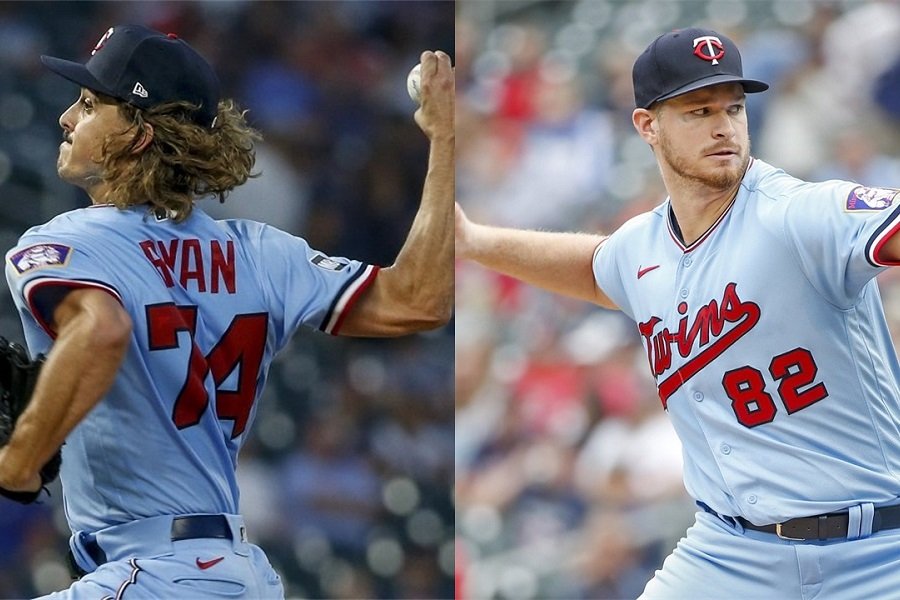 2021 Recap Last season, Bailey Ober surprised many during his rookie campaign. He made 20 starts and posted a 4.19 ERA with a 1.20 WHIP and 9.4 K/9. He was a welcome addition to a Twins rotation that needed plenty of replacements in the season's second half. Twins Daily named him the club's Rookie of the Year, even in a season that saw top prospects like Alex Kirilloff and Trevor Larnach make their debuts. Joe Ryan was one of the key pieces Minnesota received in return for Nelson Cruz. With the Twins, he made five starts and posted a 4.05 ERA with a 0.79 WHIP and 10.1 K/9. His numbers look even better if you take out his final start, where he allowed six earned runs over 4 2/3 innings. He pounded the strike zone with over 70% strike rate and held batters to a .168/.210/.347 slash line. It was a small sample size, but the results were impressive. Minor League Retrospective Minnesota selected Ober with their 12th round pick back in 2017 out of the College of Charleston. Back in 2019, he posted some very impressive numbers between three different levels in the Twins system. Ober finished that season with a 0.69 ERA and a 0.81 WHIP with 100 strikeouts in 78 2/3 innings. It certainly put him on the prospect map entering the 2021 season. Ryan joined the Twins from the pitching-rich Tampa Bay organization. Initially, the Rays selected him with their 7th round pick back in 2018. He dominated at three different levels in 2019 with a 1.96 ERA and a 0.84 WHIP while striking out 13.3 batters per nine innings. Baseball America named him a top-100 prospect entering the 2020 campaign. Ober and Ryan have impressive numbers, but neither player has thrown more than 125 innings in any professional season. Ober's career-high was last season when he combined for 108 1/3 innings between Triple-A and the majors. Ryan threw 123 2/3 innings back in 2019 and, like Ober, didn't pitch at all in 2020. Last year, Ryan compiled 66 innings in the minors to go with his 26 2/3 innings with the Twins. Both pitchers are expected to throw more innings next season, but they don't seem likely to approach 180+ innings. Projecting the 2022 Campaign Multiple projection systems can help fans better understand what to expect from Ober and Ryan next season. FanGraphs lists Ober's Steamer projection has him making 28 starts and pitching 158 innings with a 4.51 ERA and 157 strikeouts. Baseball-Reference projects Ober to throw 106 innings with a 4.16 ERA and 109 strikeouts. Both of those outcomes seem reasonable, but getting to 160 innings pitched should be one of Ober's goals. Ryan is a little harder to project because it's uncertain what the Twins will do this winter. Does he start the year in the minors? Steamer projections have him throwing 166 innings with a 4.36 ERA and 173 strikeouts. That seems like a big jump in innings for a young pitcher. Baseball-Reference goes the opposite direction in their projection model, with Ryan limited to 73 innings. During those innings, they project him having a 4.19 ERA with a 1.16 WHIP and 76 strikeouts. Minnesota needs plenty of starting pitching depth for 2022, but Ober and Ryan's expectations need to be kept in check for both players. Neither player should be relied on as a top of the rotation starter, especially based on their limited big-league track record. What do you think realistic expectations should be for Ober and Ryan in 2022? Leave a COMMENT and start the discussion. MORE FROM TWINS DAILY — Latest Twins coverage from our writers — Recent Twins discussion in our forums — Follow Twins Daily via Twitter, Facebook or emai
 -
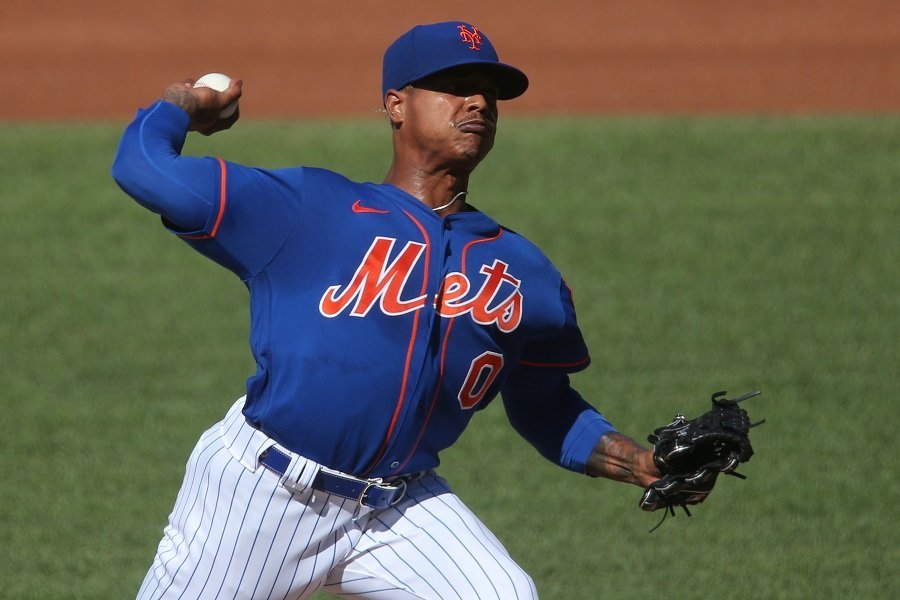 Earlier in the week, Nick Nelson reviewed the Twins Daily community's plans for the offseason. Out of the top-tier starting pitchers, Marcus Stroman was the name most regularly included on writer's blueprints. He seems like a natural fit for the Twins, especially since he can't have a qualifying offer tied to him this winter. However, he might not fit the ace mold that some fans have clamored for in recent years. Stroman is coming off a season where he made the most starts in the National League while posting a 3.02 ERA with a 1.15 WHIP. Since 2016, he has averaged 174 innings per season with a 116 ERA+ and a 3.73 FIP. Those are all numbers that teams would love to have near the top of their rotation, but he doesn't strike out many batters. The lack of strikeouts and pitch to contact mantra may give Twins fans a case of PTSD. Among qualified starters, Stroman's 7.9 K/9 ranks as baseball's 13th lowest strikeout rate. To put this in some perspective, that ranks him one spot better than Kyle Gibson. There have been comparisons between Stroman and former Twins starter Jose Berrios, but Berrios strikes out 9.56 batters per nine innings. Many Twins fans never saw Berrios as an ace, and Stroman fits the mold of a playoff-caliber starter that isn't viewed as a number one pitcher on a team with World Series aspirations. Even with low strikeout totals, Stroman has been remarkably consistent by using his pitches effectively and inducing weak contact. His fastball spin ranks in the 78th percentile, and he posted a chase rate in the 84th percentile. Batters could only post a .184 batting average and a .309 slugging percentage when facing his slider. Last season, five of his six pitches had a Whiff% of 26.8 or higher. The numbers above look good, but he throws his sinker over 42% of the time and this is a pitch that generates a lot of contact. Last season, batters posted a .294 batting average and a .426 slugging percentage when facing his sinker. Because he generates ground balls, he can keep his pitch count low and consistently pitch over five innings. Last year, he averaged 5.42 innings per start and he pitched six innings or more in over half of his appearances. For Stroman to be most effective, he needs a solid defense behind him. Last winter, the Twins focused on improving the team's infield defense by signing Andrelton Simmons and sliding Jorge Polanco over to second base. Both players were finalists for the Gold Glove at their position, but now the Twins have questions about shortstop moving forward. There are plenty of shortstop options on the free-agent market, but there's at least a slight chance the team reunites with Simmons. To sign Stroman, it will take a five or six-year commitment in the range of $20 million per season. That type of contract would take him into his mid-to-late 30s, and it would be a significant chunk of the team's overall payroll. However, many of the team's top pitching prospects are close to the big-league level and will make a minimum salary for multiple years. This might make his contract more palatable in the years ahead. For the most part, teams know what they are getting with Stroman. He might not have the upside of the other high-end starting pitchers, but he's a proven pitcher with a quality track record. Do you think Twins fans can handle another pitch to contact starter? Leave a COMMENT and start the discussion. MORE FROM TWINS DAILY — Latest Twins coverage from our writers — Recent Twins discussion in our forums — Follow Twins Daily via Twitter, Facebook or email
 -
One of Minnesota's top free-agent targets is a pitcher with characteristics that have bothered fans in the past. In an era dominated by strikeouts, can Twins fans handle another pitch to contact starter? Earlier in the week, Nick Nelson reviewed the Twins Daily community's plans for the offseason. Out of the top-tier starting pitchers, Marcus Stroman was the name most regularly included on writer's blueprints. He seems like a natural fit for the Twins, especially since he can't have a qualifying offer tied to him this winter. However, he might not fit the ace mold that some fans have clamored for in recent years. Stroman is coming off a season where he made the most starts in the National League while posting a 3.02 ERA with a 1.15 WHIP. Since 2016, he has averaged 174 innings per season with a 116 ERA+ and a 3.73 FIP. Those are all numbers that teams would love to have near the top of their rotation, but he doesn't strike out many batters. The lack of strikeouts and pitch to contact mantra may give Twins fans a case of PTSD. Among qualified starters, Stroman's 7.9 K/9 ranks as baseball's 13th lowest strikeout rate. To put this in some perspective, that ranks him one spot better than Kyle Gibson. There have been comparisons between Stroman and former Twins starter Jose Berrios, but Berrios strikes out 9.56 batters per nine innings. Many Twins fans never saw Berrios as an ace, and Stroman fits the mold of a playoff-caliber starter that isn't viewed as a number one pitcher on a team with World Series aspirations. Even with low strikeout totals, Stroman has been remarkably consistent by using his pitches effectively and inducing weak contact. His fastball spin ranks in the 78th percentile, and he posted a chase rate in the 84th percentile. Batters could only post a .184 batting average and a .309 slugging percentage when facing his slider. Last season, five of his six pitches had a Whiff% of 26.8 or higher. The numbers above look good, but he throws his sinker over 42% of the time and this is a pitch that generates a lot of contact. Last season, batters posted a .294 batting average and a .426 slugging percentage when facing his sinker. Because he generates ground balls, he can keep his pitch count low and consistently pitch over five innings. Last year, he averaged 5.42 innings per start and he pitched six innings or more in over half of his appearances. For Stroman to be most effective, he needs a solid defense behind him. Last winter, the Twins focused on improving the team's infield defense by signing Andrelton Simmons and sliding Jorge Polanco over to second base. Both players were finalists for the Gold Glove at their position, but now the Twins have questions about shortstop moving forward. There are plenty of shortstop options on the free-agent market, but there's at least a slight chance the team reunites with Simmons. To sign Stroman, it will take a five or six-year commitment in the range of $20 million per season. That type of contract would take him into his mid-to-late 30s, and it would be a significant chunk of the team's overall payroll. However, many of the team's top pitching prospects are close to the big-league level and will make a minimum salary for multiple years. This might make his contract more palatable in the years ahead. For the most part, teams know what they are getting with Stroman. He might not have the upside of the other high-end starting pitchers, but he's a proven pitcher with a quality track record. Do you think Twins fans can handle another pitch to contact starter? Leave a COMMENT and start the discussion. MORE FROM TWINS DAILY — Latest Twins coverage from our writers — Recent Twins discussion in our forums — Follow Twins Daily via Twitter, Facebook or email View full article
-
Byron Buxton's Injury History Part of the Offseason Equation
Cody Christie posted an article in Twins
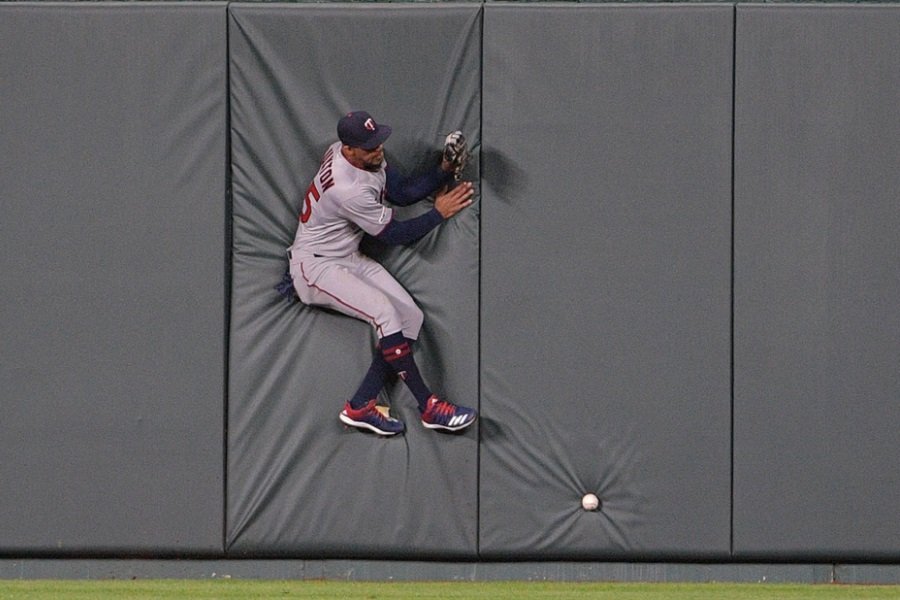 The Twins are in a position to re-sign Byron Buxton because of his time missed due to injury. If he had been healthy for his entire career, he'd likely cost more than the Twins would be able to afford. Reports this summer said Buxton's representatives were close to an extension, but the two sides couldn't agree on the contract incentives. Here is an updated timeline of Buxton's injury history during his big-league career. There were other injuries during his time in the minors. Below you will also see the number of games he played per season and the Twins record. 2015 (46 G, 83-79): Buxton made his much-anticipated debut in June, but he missed nearly two months with a sprained left thumb that cost him a large chunk of his rookie season. 2016 (92 G, 59-103): Minnesota was heading to one of the team's worst seasons in franchise history. Buxton played in half the season, but he missed time in May and August dealing with a knee contusion and back spasms. 2017 (140 G, 85-77): Buxton's best overall season still saw him miss time with a groin strain and migraines. He still finished in the top-20 for AL MVP and won the Platinum Glove as the league's best defender. 2018 (28 G, 78-84): Unfortunately, migraines followed Buxton into the next season, including time missed with a strained wrist and a fractured toe. His toe injury had to be frustrating as he injured himself by fouling a ball off his foot as part of a rehab start in the minors. 2019 (87 G, 101-61): Concussion-like symptoms and a bruised right wrist impacted the early part of the season before a season-ending collision with the wall resulted in shoulder surgery. Minnesota won over 100 games, but a healthy Buxton might have been able to make a difference in the playoffs. 2020 (39 G, 36-24): Buxton was carted off the field with a left foot sprain during the team's ramp-up to the season. Luckily, this only cost him a couple of games at the season's start. At the end of 2020, Buxton was hit by a pitch in the helmet which caused the recurrence of concussion-like symptoms. 2021 (61 G, 73-89): Buxton was off to a torrid start to the year before hamstring issues, and hip strain put him on the IL. Only three days after returning from the hip strain, Buxton fractured his hand when he was hit by a pitch. Overall, there has been a combination of bad luck and aggressiveness play that have resulted in Buxton's ever-growing injury history. However, these injuries also mean the Twins may be able to sign him to an incentive-laden deal. Minnesota's ultimate decision with Buxton will come down to the value they feel he will provide the team in the years ahead. When he's on the field, he is among baseball's best players. Does that outweigh the time he misses due to injury? Should the Twins make a long-term investment in Buxton? Leave a COMMENT and start the discussion. MORE FROM TWINS DAILY — Latest Twins coverage from our writers — Recent Twins discussion in our forums — Follow Twins Daily via Twitter, Facebook or email
 -
One of Minnesota's most significant decisions this winter is whether or not to retain Byron Buxton for the long term. His storied injury history plays into whatever decision the team ultimately makes in regards to Buxton's future. The Twins are in a position to re-sign Byron Buxton because of his time missed due to injury. If he had been healthy for his entire career, he'd likely cost more than the Twins would be able to afford. Reports this summer said Buxton's representatives were close to an extension, but the two sides couldn't agree on the contract incentives. Here is an updated timeline of Buxton's injury history during his big-league career. There were other injuries during his time in the minors. Below you will also see the number of games he played per season and the Twins record. 2015 (46 G, 83-79): Buxton made his much-anticipated debut in June, but he missed nearly two months with a sprained left thumb that cost him a large chunk of his rookie season. 2016 (92 G, 59-103): Minnesota was heading to one of the team's worst seasons in franchise history. Buxton played in half the season, but he missed time in May and August dealing with a knee contusion and back spasms. 2017 (140 G, 85-77): Buxton's best overall season still saw him miss time with a groin strain and migraines. He still finished in the top-20 for AL MVP and won the Platinum Glove as the league's best defender. 2018 (28 G, 78-84): Unfortunately, migraines followed Buxton into the next season, including time missed with a strained wrist and a fractured toe. His toe injury had to be frustrating as he injured himself by fouling a ball off his foot as part of a rehab start in the minors. 2019 (87 G, 101-61): Concussion-like symptoms and a bruised right wrist impacted the early part of the season before a season-ending collision with the wall resulted in shoulder surgery. Minnesota won over 100 games, but a healthy Buxton might have been able to make a difference in the playoffs. 2020 (39 G, 36-24): Buxton was carted off the field with a left foot sprain during the team's ramp-up to the season. Luckily, this only cost him a couple of games at the season's start. At the end of 2020, Buxton was hit by a pitch in the helmet which caused the recurrence of concussion-like symptoms. 2021 (61 G, 73-89): Buxton was off to a torrid start to the year before hamstring issues, and hip strain put him on the IL. Only three days after returning from the hip strain, Buxton fractured his hand when he was hit by a pitch. Overall, there has been a combination of bad luck and aggressiveness play that have resulted in Buxton's ever-growing injury history. However, these injuries also mean the Twins may be able to sign him to an incentive-laden deal. Minnesota's ultimate decision with Buxton will come down to the value they feel he will provide the team in the years ahead. When he's on the field, he is among baseball's best players. Does that outweigh the time he misses due to injury? Should the Twins make a long-term investment in Buxton? Leave a COMMENT and start the discussion. MORE FROM TWINS DAILY — Latest Twins coverage from our writers — Recent Twins discussion in our forums — Follow Twins Daily via Twitter, Facebook or email View full article
-
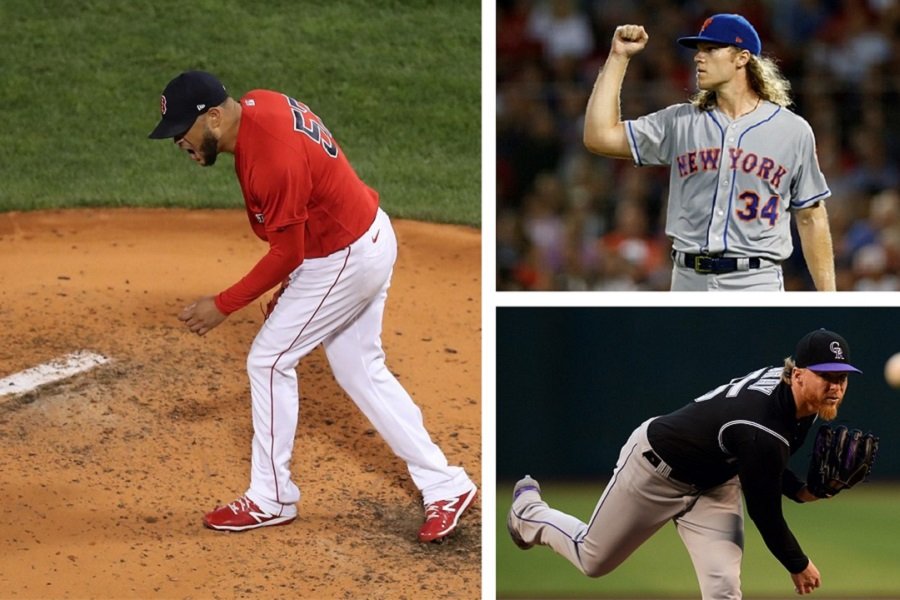 According to MLB.com, here is a reminder of the qualifying offer process. “When an eligible player reaches free agency, his former team has the option to extend a one-year offer worth the average salary of the highest-paid 125 players in baseball, which this year is $18.4 million. Players have 10 days to accept or decline; if they accept, they return for 2022 for that $18.4 million; if they decline, they head off into the market as a free agent, with his former team receiving compensation in the form of a Draft pick if they sign elsewhere." Last winter, Kevin Gausman and Marcus Stroman were the only two players to accept the qualifying offer. Both Gausman and Stroman will enter free agency in a much better position than last winter. However, in the previous nine offseasons, only 10 out of 96 players have accepted the deal. For the Twins, their penalty for signing a player is in a group that faces the smallest draft pick penalty. Minnesota is one of 13 teams that receive revenue sharing, so that means they would forfeit their third-highest pick in next year’s draft if they sign a player that received a qualifying offer. If Minnesota signed two qualified free agents, they would forfeit their next highest available draft pick. Some players the Twins might be interested in are not eligible for a qualifying offer because they were traded last season or have previously received a qualifying offer. SS Javier Baez and DH Nelson Cruz were both traded last year, so they are ineligible. Starting pitchers Marcus Stroman, Kevin Gausman, Zack Greinke, and Alex Cobb previously received a qualifying offer. With no qualifying offer attached to these players, more teams will likely be interested in their services since draft pick compensation is not tied to their signing. Many of this year’s top free agents had their teams submit a qualifying offer, including names at positions of need for the Twins. Shortstops Carlos Correa, Trevor Story, Marcus Semien, and Corey Seager all received an offer and are expected to decline. Starting pitchers in that same category include Robbie Ray, Eduardo Rodriguez, and Justin Verlander. Ray will decline the offer as he is headed for a big payday, while Verlander and Rodriguez may consider accepting. Last week, I wrote about how the Twins might be interested in gambling on signing two pitchers coming off of injuries. Noah Syndergaard and Carlos Rodón are both entering this winter in different positions. Syndergaard is just making his way back from Tommy John surgery, which might mean he is interested in a one-year deal to prove he is healthy. Rodón is coming off a career year, but shoulder injuries limited him in the second half. It seems likely for Syndergaard to accept a qualifying offer while Rodón was not issued a qualifying offer. It also sounds like the White Sox are ready to move on from Rodón. Besides Rodon, two other starting pitchers might be surprised that they didn’t receive qualifying offers. Colorado’s Jon Gray and San Francisco’s Anthony DeSclafani are in the second free agent tier that the Twins front office will likely focus on to fill out the rotation. It sounds like Gray was open to accepting a qualifying offer, and that may have persuaded the Rockies from issuing it. DeSclafani is coming off a tremendous season, but some of his StatCast numbers show that he may regress. Many of the qualifying offers mentioned above were likely expected, so nothing should be surprising for Minnesota’s front office. Now the teams will wait to see what players accept or decline the offers. From there, teams can start making their offseason spending plan. Will MLB’s qualifying offer system impact the Twins this winter? Will MLB change their qualifying offer rules? Leave a COMMENT and start the discussion. MORE FROM TWINS DAILY — Latest Twins coverage from our writers — Recent Twins discussion in our forums — Follow Twins Daily via Twitter, Facebook or email
- 8 comments
-
- 1
-
-
- noah syndergaard
- carlos rodon
- (and 3 more)
-
By Sunday afternoon, teams had to decide whether or not to submit qualifying offers to eligible free agents. Minnesota has its eyes on multiple free agent players, so how does the qualifying offer impact their spending options? According to MLB.com, here is a reminder of the qualifying offer process. “When an eligible player reaches free agency, his former team has the option to extend a one-year offer worth the average salary of the highest-paid 125 players in baseball, which this year is $18.4 million. Players have 10 days to accept or decline; if they accept, they return for 2022 for that $18.4 million; if they decline, they head off into the market as a free agent, with his former team receiving compensation in the form of a Draft pick if they sign elsewhere." Last winter, Kevin Gausman and Marcus Stroman were the only two players to accept the qualifying offer. Both Gausman and Stroman will enter free agency in a much better position than last winter. However, in the previous nine offseasons, only 10 out of 96 players have accepted the deal. For the Twins, their penalty for signing a player is in a group that faces the smallest draft pick penalty. Minnesota is one of 13 teams that receive revenue sharing, so that means they would forfeit their third-highest pick in next year’s draft if they sign a player that received a qualifying offer. If Minnesota signed two qualified free agents, they would forfeit their next highest available draft pick. Some players the Twins might be interested in are not eligible for a qualifying offer because they were traded last season or have previously received a qualifying offer. SS Javier Baez and DH Nelson Cruz were both traded last year, so they are ineligible. Starting pitchers Marcus Stroman, Kevin Gausman, Zack Greinke, and Alex Cobb previously received a qualifying offer. With no qualifying offer attached to these players, more teams will likely be interested in their services since draft pick compensation is not tied to their signing. Many of this year’s top free agents had their teams submit a qualifying offer, including names at positions of need for the Twins. Shortstops Carlos Correa, Trevor Story, Marcus Semien, and Corey Seager all received an offer and are expected to decline. Starting pitchers in that same category include Robbie Ray, Eduardo Rodriguez, and Justin Verlander. Ray will decline the offer as he is headed for a big payday, while Verlander and Rodriguez may consider accepting. Last week, I wrote about how the Twins might be interested in gambling on signing two pitchers coming off of injuries. Noah Syndergaard and Carlos Rodón are both entering this winter in different positions. Syndergaard is just making his way back from Tommy John surgery, which might mean he is interested in a one-year deal to prove he is healthy. Rodón is coming off a career year, but shoulder injuries limited him in the second half. It seems likely for Syndergaard to accept a qualifying offer while Rodón was not issued a qualifying offer. It also sounds like the White Sox are ready to move on from Rodón. Besides Rodon, two other starting pitchers might be surprised that they didn’t receive qualifying offers. Colorado’s Jon Gray and San Francisco’s Anthony DeSclafani are in the second free agent tier that the Twins front office will likely focus on to fill out the rotation. It sounds like Gray was open to accepting a qualifying offer, and that may have persuaded the Rockies from issuing it. DeSclafani is coming off a tremendous season, but some of his StatCast numbers show that he may regress. Many of the qualifying offers mentioned above were likely expected, so nothing should be surprising for Minnesota’s front office. Now the teams will wait to see what players accept or decline the offers. From there, teams can start making their offseason spending plan. Will MLB’s qualifying offer system impact the Twins this winter? Will MLB change their qualifying offer rules? Leave a COMMENT and start the discussion. MORE FROM TWINS DAILY — Latest Twins coverage from our writers — Recent Twins discussion in our forums — Follow Twins Daily via Twitter, Facebook or email View full article
-
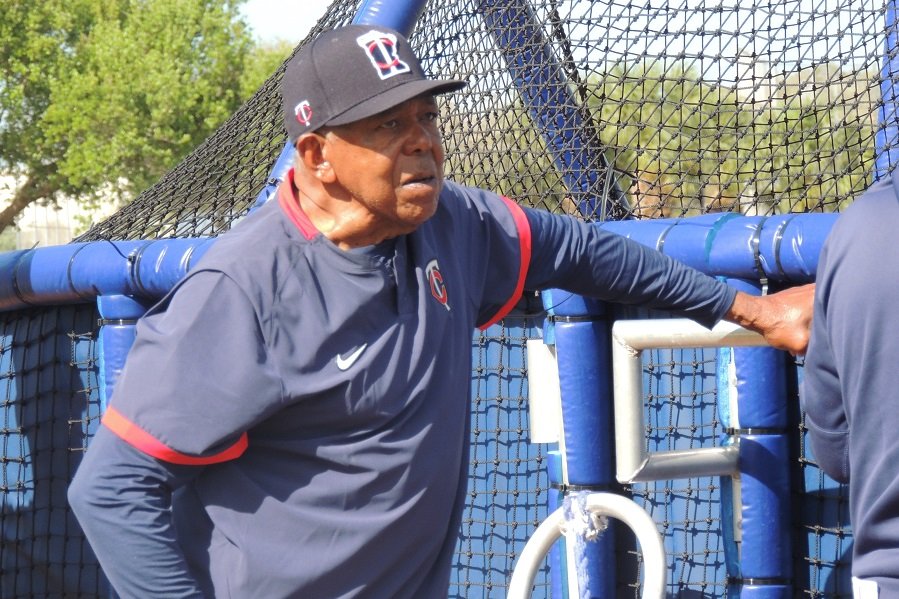 Voting Process Back in the summer of 2020, the National Baseball Hall of Fame decided to postpone the Era Committee elections until the winter of 2021. Although there is still uncertainty about the pandemic, these committee votes will take place this winter. Tony Oliva and Jim Kaat are two players featured prominently on the Golden Days Era ballot (candidates who played between 1950-1969). The ballot consists of 10 candidates that the BBWAA's Historical Overview Committee nominates. A 16-person committee of Hall of Famers, veteran baseball executives, and historians/media members is charged with voting on the candidates. Twelve votes are needed for a player to reach the 75% threshold required for induction. Back in 2014, Oliva and Kaat fell just short of election. Oliva and Dick Allen received 11 votes to fall one vote shy of induction, while Kaat ended with ten votes. The Golden Days Committee will meet on December 5, 2021, with the results being announced that night on MLB Network. The ballot includes Dick Allen, Ken Boyer, Gil Hodges, Jim Kaat, Roger Maris, Minnie Miñoso, Danny Murtaugh, Tony Oliva, Billy Pierce, and Maury Wills. Along with Wills, Kaat and Oliva are the only other living members on this ballot. Oliva's Hall of Fame Case Since 1900, only two hitters have won a batting title in their rookie season, Tony Oliva and Ichiro Suzuki. He was able to lead the league in runs, hits, doubles, and average on the way to winning the AL Rookie of the Year. He'd go on to win the batting title again in his second season as he was in the midst of eight straight All-Star seasons. Overall, he won three batting titles, led the AL in hits five times, and took home a Gold Glove. Oliva finished runner-up for the AL MVP in two different seasons, and he was in the top-20 in eight other campaigns. In 1965, he finished behind teammate Zoilo Versalles even though Oliva's OPS was 89 points higher. Oliva had quite possibly his best professional season five years later, but he finished behind Baltimore's Boog Powell. According to Baseball-Reference, Oliva's WAR that season was nearly two points higher than Powell's. Kaat's Hall of Fame Case Kaat's longevity is something to behold as part of his Cooperstown case. During a 25-year career, he finished with a 3.45 ERA and 2,461 strikeouts in 4,530 1/3 innings. He was an original member of the Twins franchise as he came with the club when they relocated from Washington. His first 15 big-league seasons were spent in the Senator/Twins organization. He was a two-time All-Star with the Twins, and he led the AL in wins, starts, and innings pitched back in 1966. He played with five different organizations by the end of his career and averaged over 180 innings per season. His defensive prowess puts him into rarified air. He won 16 consecutive Gold Glove awards, which is tied with Brooks Robinson for second all-time. Only Greg Maddux and his 18 Gold Gloves rank ahead of Kaat on the all-time list. Do you think Kaat or Oliva finally get the Cooperstown call? Leave a COMMENT and start the discussion. MORE FROM TWINS DAILY — Latest Twins coverage from our writers — Recent Twins discussion in our forums — Follow Twins Daily via Twitter, Facebook or email
 -
Two former Twins, Tony Oliva and Jim Kaat, have dedicated their lives to the game of baseball. Now both in their 80s, Oliva and Kaat get another shot at Cooperstown on this winter's Golden Days Era ballot. Voting Process Back in the summer of 2020, the National Baseball Hall of Fame decided to postpone the Era Committee elections until the winter of 2021. Although there is still uncertainty about the pandemic, these committee votes will take place this winter. Tony Oliva and Jim Kaat are two players featured prominently on the Golden Days Era ballot (candidates who played between 1950-1969). The ballot consists of 10 candidates that the BBWAA's Historical Overview Committee nominates. A 16-person committee of Hall of Famers, veteran baseball executives, and historians/media members is charged with voting on the candidates. Twelve votes are needed for a player to reach the 75% threshold required for induction. Back in 2014, Oliva and Kaat fell just short of election. Oliva and Dick Allen received 11 votes to fall one vote shy of induction, while Kaat ended with ten votes. The Golden Days Committee will meet on December 5, 2021, with the results being announced that night on MLB Network. The ballot includes Dick Allen, Ken Boyer, Gil Hodges, Jim Kaat, Roger Maris, Minnie Miñoso, Danny Murtaugh, Tony Oliva, Billy Pierce, and Maury Wills. Along with Wills, Kaat and Oliva are the only other living members on this ballot. Oliva's Hall of Fame Case Since 1900, only two hitters have won a batting title in their rookie season, Tony Oliva and Ichiro Suzuki. He was able to lead the league in runs, hits, doubles, and average on the way to winning the AL Rookie of the Year. He'd go on to win the batting title again in his second season as he was in the midst of eight straight All-Star seasons. Overall, he won three batting titles, led the AL in hits five times, and took home a Gold Glove. Oliva finished runner-up for the AL MVP in two different seasons, and he was in the top-20 in eight other campaigns. In 1965, he finished behind teammate Zoilo Versalles even though Oliva's OPS was 89 points higher. Oliva had quite possibly his best professional season five years later, but he finished behind Baltimore's Boog Powell. According to Baseball-Reference, Oliva's WAR that season was nearly two points higher than Powell's. Kaat's Hall of Fame Case Kaat's longevity is something to behold as part of his Cooperstown case. During a 25-year career, he finished with a 3.45 ERA and 2,461 strikeouts in 4,530 1/3 innings. He was an original member of the Twins franchise as he came with the club when they relocated from Washington. His first 15 big-league seasons were spent in the Senator/Twins organization. He was a two-time All-Star with the Twins, and he led the AL in wins, starts, and innings pitched back in 1966. He played with five different organizations by the end of his career and averaged over 180 innings per season. His defensive prowess puts him into rarified air. He won 16 consecutive Gold Glove awards, which is tied with Brooks Robinson for second all-time. Only Greg Maddux and his 18 Gold Gloves rank ahead of Kaat on the all-time list. Do you think Kaat or Oliva finally get the Cooperstown call? Leave a COMMENT and start the discussion. MORE FROM TWINS DAILY — Latest Twins coverage from our writers — Recent Twins discussion in our forums — Follow Twins Daily via Twitter, Facebook or email View full article
-
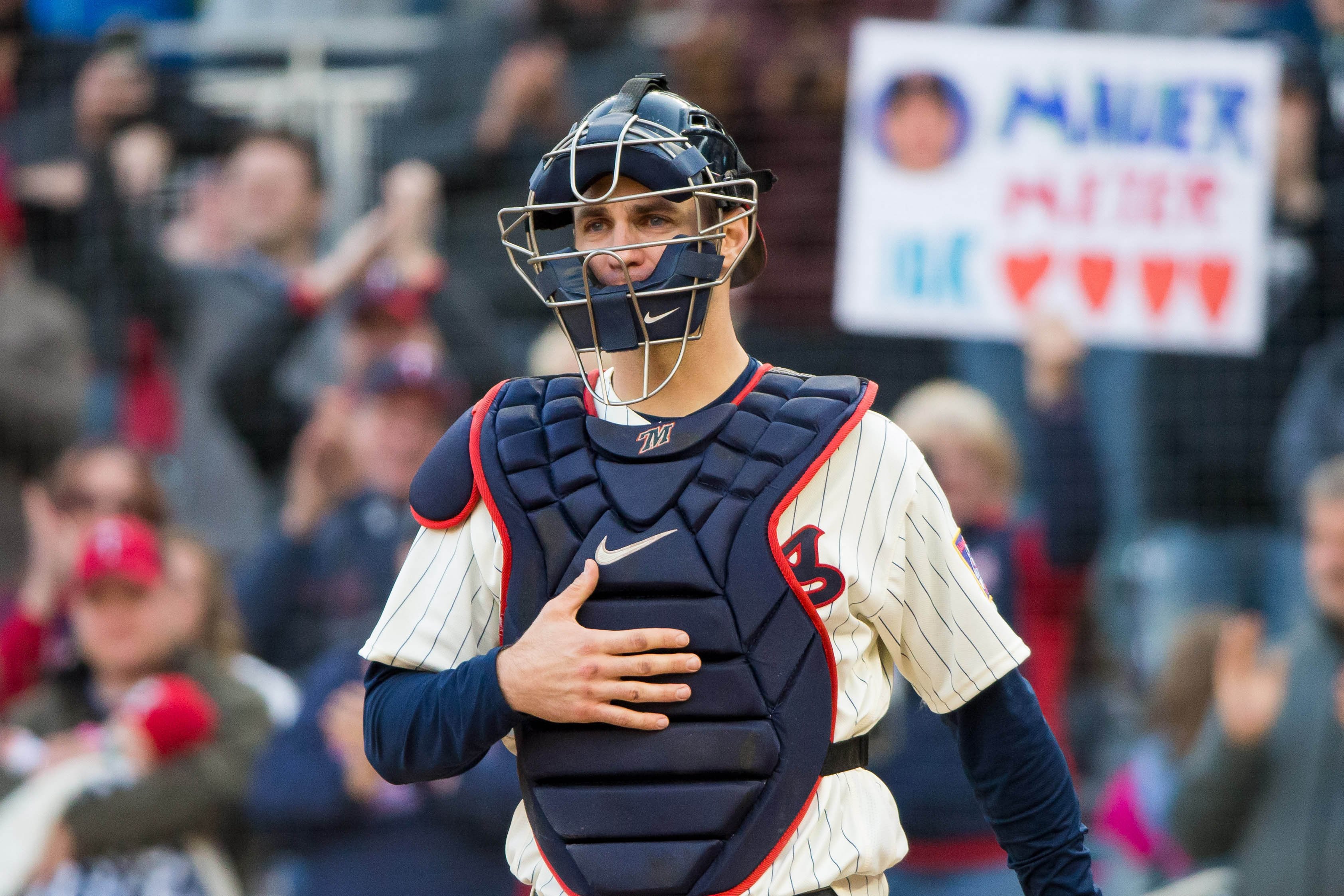 On the surface, Joe Mauer and Buster Posey seem to have similar cases for Cooperstown. Mauer hit .306/.388/.439 (.827) while earning three Gold Gloves, five Silver Sluggers, and six All-Star appearances. Posey hit .302/.372/.460 (.831) while earning a Gold Glove, four Silver Sluggers, and seven All-Star appearances. Both players won an MVP, and Posey won two fewer batting titles than Mauer. JAWS is one way to measure a player’s Hall of Fame worthiness as it averages their career WAR with their 7-year peak WAR. Mauer currently has the seventh-best JAWS total among catchers as he trails only Johnny Bench, Gary Carter, Ivan Rodriguez, Carlton Fish, Mike Piazza, and Yogi Berra. Those are the best catchers in baseball history. Posey doesn’t rank quite as well, according to JAWS, as he finished his career ranked 14th. This puts him below the average of the Hall of Famers at this position. However, other factors impact Posey’s candidacy. He was a three-time World Series champion, and that certainly plays a role in his Cooperstown case. Mauer and Posey both have some unique characteristics for the voters to consider. Mauer is the only catcher to win three batting titles, and he topped the .400 OBP mark in six of his seasons at catcher. Posey finished in the top-20 for MVP voting in six seasons, including three in the top-10. Mauer finished in the top-20 in MVP voting in five different seasons with four seasons in the top-10. Posey is in elite company when narrowing down his career to a six-year window. From 2012-2017, only Mike Trout had a higher fWAR total, and the next closest player is Josh Donaldson. Mauer’s best six-year stretch (2005-2010) ranks him as having baseball’s fourth-highest fWAR total behind Albert Pujols, Chase Utley, and Alex Rodriguez. He also played 70 fewer games than any of the players ahead of him on the list. Another commonality between Posey and Mauer is that their careers ended earlier than some of the other greats at the position. Posey is walking away at age-34 after one of the best seasons of his career. After concussions, Mauer retired following his age-35 season, which forced him to become a primary first baseman for his final five seasons. It seems like both players have a good chance of eventually getting inducted. Mauer becomes eligible for the first time in 2024, while Posey will be eligible in 2027. There will be plenty of talk about Posey being a Hall of Fame player as he rides off into the sunset. If that is the case, Mauer’s credentials should make him a lock for Cooperstown. Do you think both Mauer and Posey will be elected to the Hall of Fame? Leave a COMMENT and start the discussion. MORE FROM TWINS DAILY — Latest Twins coverage from our writers — Recent Twins discussion in our forums — Follow Twins Daily via Twitter, Facebook or email
 -
Buster Posey is set to retire, and speculation has already started about his chances at Cooperstown election. Since he played catcher in the same era as Joe Mauer, how do the two compare? On the surface, Joe Mauer and Buster Posey seem to have similar cases for Cooperstown. Mauer hit .306/.388/.439 (.827) while earning three Gold Gloves, five Silver Sluggers, and six All-Star appearances. Posey hit .302/.372/.460 (.831) while earning a Gold Glove, four Silver Sluggers, and seven All-Star appearances. Both players won an MVP, and Posey won two fewer batting titles than Mauer. JAWS is one way to measure a player’s Hall of Fame worthiness as it averages their career WAR with their 7-year peak WAR. Mauer currently has the seventh-best JAWS total among catchers as he trails only Johnny Bench, Gary Carter, Ivan Rodriguez, Carlton Fish, Mike Piazza, and Yogi Berra. Those are the best catchers in baseball history. Posey doesn’t rank quite as well, according to JAWS, as he finished his career ranked 14th. This puts him below the average of the Hall of Famers at this position. However, other factors impact Posey’s candidacy. He was a three-time World Series champion, and that certainly plays a role in his Cooperstown case. Mauer and Posey both have some unique characteristics for the voters to consider. Mauer is the only catcher to win three batting titles, and he topped the .400 OBP mark in six of his seasons at catcher. Posey finished in the top-20 for MVP voting in six seasons, including three in the top-10. Mauer finished in the top-20 in MVP voting in five different seasons with four seasons in the top-10. Posey is in elite company when narrowing down his career to a six-year window. From 2012-2017, only Mike Trout had a higher fWAR total, and the next closest player is Josh Donaldson. Mauer’s best six-year stretch (2005-2010) ranks him as having baseball’s fourth-highest fWAR total behind Albert Pujols, Chase Utley, and Alex Rodriguez. He also played 70 fewer games than any of the players ahead of him on the list. Another commonality between Posey and Mauer is that their careers ended earlier than some of the other greats at the position. Posey is walking away at age-34 after one of the best seasons of his career. After concussions, Mauer retired following his age-35 season, which forced him to become a primary first baseman for his final five seasons. It seems like both players have a good chance of eventually getting inducted. Mauer becomes eligible for the first time in 2024, while Posey will be eligible in 2027. There will be plenty of talk about Posey being a Hall of Fame player as he rides off into the sunset. If that is the case, Mauer’s credentials should make him a lock for Cooperstown. Do you think both Mauer and Posey will be elected to the Hall of Fame? Leave a COMMENT and start the discussion. MORE FROM TWINS DAILY — Latest Twins coverage from our writers — Recent Twins discussion in our forums — Follow Twins Daily via Twitter, Facebook or email View full article
-
Should the Twins Gamble on Carlos Rodón or Noah Syndergaard?
Cody Christie posted an article in Twins
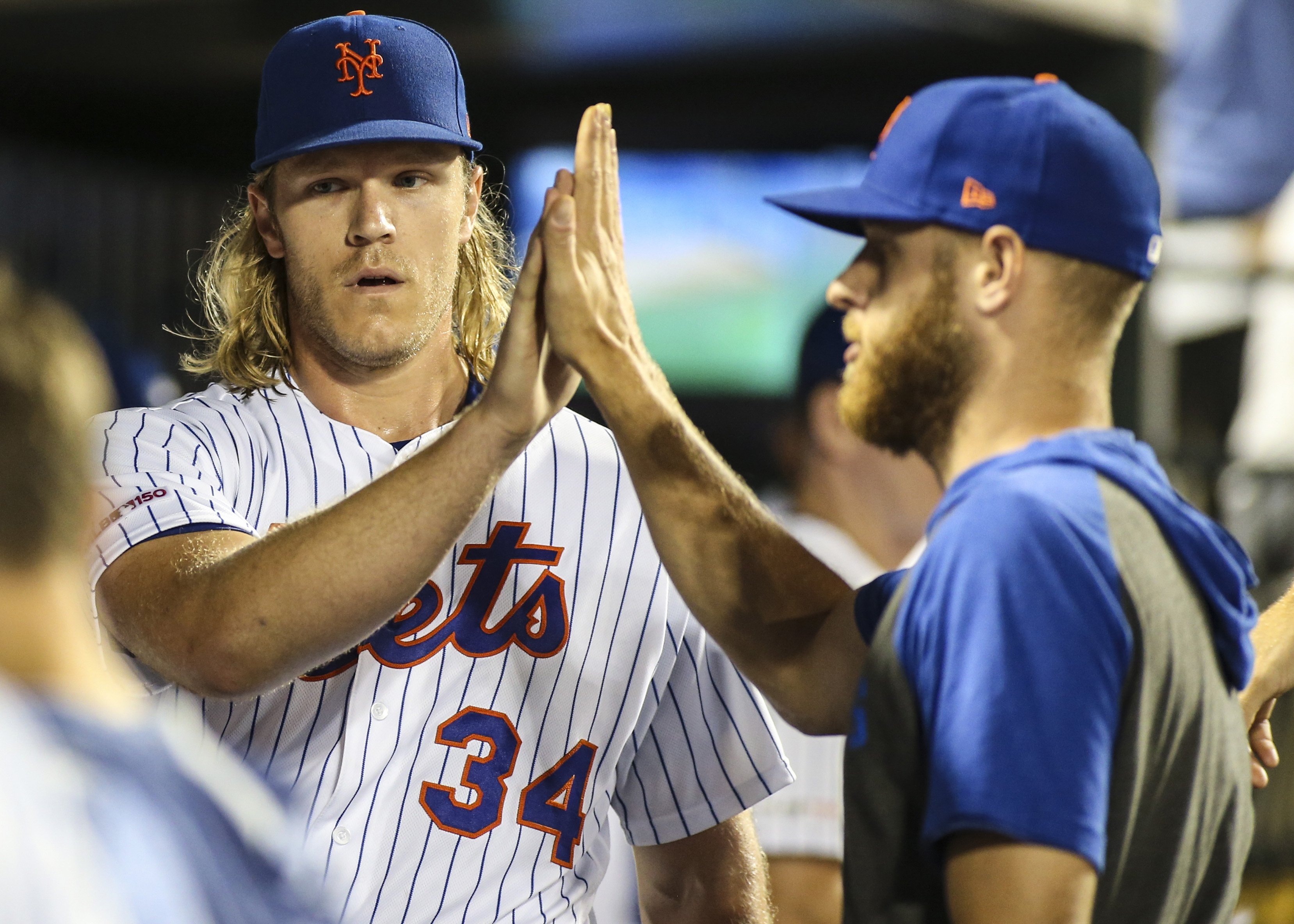 Injuries are certainly part of baseball’s landscape, and pitchers seem more prone to injuries. That being said, teams can find players looking to rebuild value because of their previous injury history. In recent Twins history, Michael Pineda comes to mind as a player the team signed, knowing he would miss an entire season as he recovered from Tommy John surgery. Flash forward a couple of seasons, and some key free-agent pitchers are looking to return from injury. Noah Syndergaard has spent his entire career in the Mets organization, and he has been on the injured list multiple times throughout his career. Back in 2017, he missed time with a torn lateral muscle. In 2018, he had a torn ligament in his finger, and he contracted hand, foot, and mouth disease. In May 2020, Syndergaard underwent Tommy John surgery, and he had setbacks along the way. He was finally able to make two appearances as a reliever at the end of the 2021 campaign. For his career, Syndergaard has posted a 3.32 ERA with 1.16 WHIP and a 119 ERA+. He gets some of the highest velocity of any starting pitcher since the implementation of StatCast. In each of his first three seasons, he averaged over 10 strikeouts per nine innings, and he has struck out more than 150 batters in four different seasons. When healthy, he is among baseball’s best pitchers. Carlos Rodón is in a slightly different position than Syndergaard. He was non-tendered last winter by the White Sox after dealing with various injuries throughout his career. Some of those injuries included shoulder surgery in 2017 and Tommy John surgery in 2019. Chicago re-signed him last winter, and he earned his first All-Star selection after a tremendous start to the year. However, shoulder soreness knocked him out of the rotation near the season’s end. The 2021 season marked only the third time Rodón has pitched more than 125 innings in a season, and it was his fourth season where he made more than 20 starts. For his career, he has posted a 3.79 ERA with a 1.30 WHIP and a 110 ERA+. His 5.1 WAR from 2021 nearly doubled his career WAR entering last season. Injuries have impacted his entire career, but he has provided value when healthy. Besides their current health, there are other unknowns with both of these players entering the offseason. MLB and the Player’s Union are working on a new collective bargaining agreement. Under the old CBA, teams can make a qualifying offer to players for a one-year contract worth north of $18 million. Players like Syndergaard or Rodón may be willing to accept a deal like that in hopes that they can receive an even bigger free-agent contract following the 2022 season. If Syndergaard wants to sign a multi-year deal this winter, he will likely be getting more than $100 million. In the 2022 Twins Daily Offseason Handbook, he is projected to make $20 million per season. Rodon is projected to earn slightly less per year at $18 million. Syndergaard seems like the safer bet when comparing the two players, but he may also want to sign a one-year deal so he can hit the open market next winter in search of a $200 million contract. Which player do you think the Twins are more likely to target, or do you think the Twins should shy away from the risk? Leave a COMMENT and start the discussion. MORE FROM TWINS DAILY — Latest Twins coverage from our writers — Recent Twins discussion in our forums — Follow Twins Daily via Twitter, Facebook or email
 -
For the Minnesota Twins to rebuild its starting rotation, the team may have to take a chance on a pitcher returning from injury. So, should the Twins gamble on Carlos Rodón or Noah Syndergaard? Injuries are certainly part of baseball’s landscape, and pitchers seem more prone to injuries. That being said, teams can find players looking to rebuild value because of their previous injury history. In recent Twins history, Michael Pineda comes to mind as a player the team signed, knowing he would miss an entire season as he recovered from Tommy John surgery. Flash forward a couple of seasons, and some key free-agent pitchers are looking to return from injury. Noah Syndergaard has spent his entire career in the Mets organization, and he has been on the injured list multiple times throughout his career. Back in 2017, he missed time with a torn lateral muscle. In 2018, he had a torn ligament in his finger, and he contracted hand, foot, and mouth disease. In May 2020, Syndergaard underwent Tommy John surgery, and he had setbacks along the way. He was finally able to make two appearances as a reliever at the end of the 2021 campaign. For his career, Syndergaard has posted a 3.32 ERA with 1.16 WHIP and a 119 ERA+. He gets some of the highest velocity of any starting pitcher since the implementation of StatCast. In each of his first three seasons, he averaged over 10 strikeouts per nine innings, and he has struck out more than 150 batters in four different seasons. When healthy, he is among baseball’s best pitchers. Carlos Rodón is in a slightly different position than Syndergaard. He was non-tendered last winter by the White Sox after dealing with various injuries throughout his career. Some of those injuries included shoulder surgery in 2017 and Tommy John surgery in 2019. Chicago re-signed him last winter, and he earned his first All-Star selection after a tremendous start to the year. However, shoulder soreness knocked him out of the rotation near the season’s end. The 2021 season marked only the third time Rodón has pitched more than 125 innings in a season, and it was his fourth season where he made more than 20 starts. For his career, he has posted a 3.79 ERA with a 1.30 WHIP and a 110 ERA+. His 5.1 WAR from 2021 nearly doubled his career WAR entering last season. Injuries have impacted his entire career, but he has provided value when healthy. Besides their current health, there are other unknowns with both of these players entering the offseason. MLB and the Player’s Union are working on a new collective bargaining agreement. Under the old CBA, teams can make a qualifying offer to players for a one-year contract worth north of $18 million. Players like Syndergaard or Rodón may be willing to accept a deal like that in hopes that they can receive an even bigger free-agent contract following the 2022 season. If Syndergaard wants to sign a multi-year deal this winter, he will likely be getting more than $100 million. In the 2022 Twins Daily Offseason Handbook, he is projected to make $20 million per season. Rodon is projected to earn slightly less per year at $18 million. Syndergaard seems like the safer bet when comparing the two players, but he may also want to sign a one-year deal so he can hit the open market next winter in search of a $200 million contract. Which player do you think the Twins are more likely to target, or do you think the Twins should shy away from the risk? Leave a COMMENT and start the discussion. MORE FROM TWINS DAILY — Latest Twins coverage from our writers — Recent Twins discussion in our forums — Follow Twins Daily via Twitter, Facebook or email View full article
-
3 Potential Twins Breakout Prospects in 2022
Cody Christie posted a topic in Twins Minor League Talk
Jose Miranda surprised many with his breakout 2021 campaign as he dominated the upper-levels of the minor leagues. Here are three players set to follow in his footsteps for 2022. All three of these players currently don't rank in the team's top-10 prospects. Selecting them as a breakout prospect means they have a shot at being ranked in the team's top-10 by the end of next season. Drew Strotman, RHP Current TD Prospect Rank: 14 Minnesota acquired Strotman along with Joe Ryan from Tampa in exchange for two months of Nelson Cruz. Fans saw Ryan's impact in 2021, and now they can hope for Strotman to impact the rotation in 2022. As a 24-year-old, he pitched all of 2021 at the Triple-A level, where he was three years younger than the average age of the competition. After being traded to the Twins, his ERA rose over four runs, but he pitched more than double the number of innings he had thrown in any other professional season as he returned from Tommy John surgery. Scouting reports have him with three-four pitches ready for the big leagues, which is one of the biggest reasons the Twins targeted him. Spencer Steer, INF Current TD Prospect Rank: 20 Minnesota drafted Steer in the third round back in 2019 out of the University of Oregon. During the 2019 season, he hit .280/.385/.424 (.809) with 25 extra-base hits in 64 games. As a 23-year old, he spent time at High- and Double-A this season and a hit combined .254/.348/.484 (.833) with 45 extra-base hits in 110 games. The Twins' front office has focused on college bats in previous drafts. During the 2022 season, projections have him playing at Double- and Triple-A, putting him on the doorstep to the big leagues. Both of those levels are where Miranda found success this season, and Steer will look for a similar jump next season. Aaron Sabato, 1B Current TD Prospect Rank: 22 Sabato, a 2020 first-round pick, struggled at the beginning of 2021 as he got his first taste of professional baseball. In 85 games at Low-A, he hit .189/.365/.357 (.722) with 26 extra-base hits. Also, he was over half a year older than the average age of the competition in his league. Based on his college experience, Minnesota wasn't afraid to be aggressive with him in the second half. After being promoted to High-A Cedar Rapids, he posted a 1.015 OPS with 11 extra-base hits in 22 games. Minnesota drafted him because he was known for his powerful swing, and there were signs he was starting to put it together at the end of 2021. Can he carry those changes over to 2022? Which of these prospects stands out the most to you? Who do you think will have a breakout 2022 campaign? Leave a COMMENT and start the discussion. MORE FROM TWINS DAILY — Latest Twins coverage from our writers — Recent Twins discussion in our forums — Follow Twins Daily via Twitter, Facebook or email View full article- 31 replies
-
- 1
-
-
- spencer steer
- aaron sabato
- (and 1 more)
-
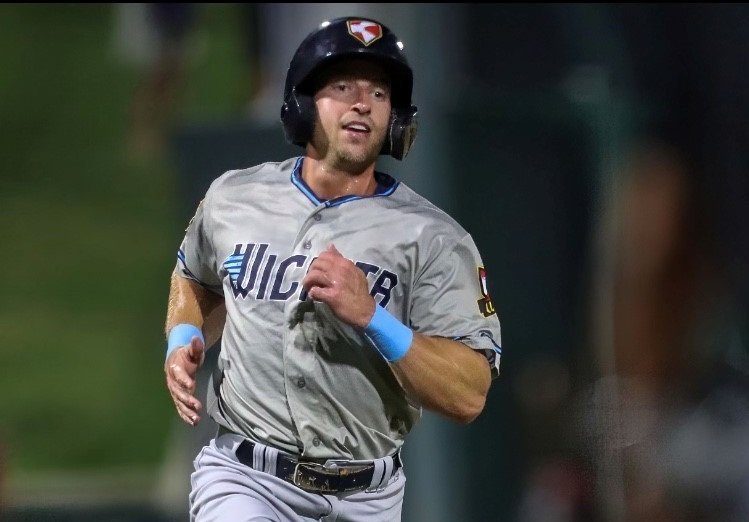 All three of these players currently don't rank in the team's top-10 prospects. Selecting them as a breakout prospect means they have a shot at being ranked in the team's top-10 by the end of next season. Drew Strotman, RHP Current TD Prospect Rank: 14 Minnesota acquired Strotman along with Joe Ryan from Tampa in exchange for two months of Nelson Cruz. Fans saw Ryan's impact in 2021, and now they can hope for Strotman to impact the rotation in 2022. As a 24-year-old, he pitched all of 2021 at the Triple-A level, where he was three years younger than the average age of the competition. After being traded to the Twins, his ERA rose over four runs, but he pitched more than double the number of innings he had thrown in any other professional season as he returned from Tommy John surgery. Scouting reports have him with three-four pitches ready for the big leagues, which is one of the biggest reasons the Twins targeted him. Spencer Steer, INF Current TD Prospect Rank: 20 Minnesota drafted Steer in the third round back in 2019 out of the University of Oregon. During the 2019 season, he hit .280/.385/.424 (.809) with 25 extra-base hits in 64 games. As a 23-year old, he spent time at High- and Double-A this season and a hit combined .254/.348/.484 (.833) with 45 extra-base hits in 110 games. The Twins' front office has focused on college bats in previous drafts. During the 2022 season, projections have him playing at Double- and Triple-A, putting him on the doorstep to the big leagues. Both of those levels are where Miranda found success this season, and Steer will look for a similar jump next season. Aaron Sabato, 1B Current TD Prospect Rank: 22 Sabato, a 2020 first-round pick, struggled at the beginning of 2021 as he got his first taste of professional baseball. In 85 games at Low-A, he hit .189/.365/.357 (.722) with 26 extra-base hits. Also, he was over half a year older than the average age of the competition in his league. Based on his college experience, Minnesota wasn't afraid to be aggressive with him in the second half. After being promoted to High-A Cedar Rapids, he posted a 1.015 OPS with 11 extra-base hits in 22 games. Minnesota drafted him because he was known for his powerful swing, and there were signs he was starting to put it together at the end of 2021. Can he carry those changes over to 2022? Which of these prospects stands out the most to you? Who do you think will have a breakout 2022 campaign? Leave a COMMENT and start the discussion. MORE FROM TWINS DAILY — Latest Twins coverage from our writers — Recent Twins discussion in our forums — Follow Twins Daily via Twitter, Facebook or email
- 31 comments
-
- 2
-
-
- spencer steer
- aaron sabato
- (and 1 more)
-
 Not that long ago, the Twins and the Astros were in a very similar position. Houston lost 100 or more games in three consecutive seasons (2011-2013) as the team went into full rebuild mode. Minnesota lost an average of 94 games from 2011-2016, which resulted in a revamped front office. Now the Astros’ are World Series favorites, and the Twins are coming off a last-place finish. Since both franchises were rebuilding during the same era, it is interesting to compare the club’s draft strategies. Drafting the right players is one of the easiest ways for a rebuilding team to get back into contention. In 2012, both front offices followed a similar strategy at the top of the draft by taking two talented high school players. Houston took Carlos Correa with their first pick and followed by selecting Lance McCullers Jr. Byron Buxton was Minnesota’s first selection, while Jose Berrios was taken later in the first round. All four players have found big-league success, but not every first-round draft pick worked out this well. One year later, the Twins and Astros held top-5 picks for the second consecutive season. Houston selected Mark Appel first overall, and he struggled to the point where he has yet to make a big-league appearance. Minnesota took Kohl Stewart with the fourth pick, and he has only appeared in four big-league games. Houston had a shot at drafting Kris Bryant (2nd pick) while both teams missed out on Aaron Judge (32nd pick) and Tim Anderson (17th pick). The 2014 Draft saw some other miscues at the top of the draft. Houston took Brady Aiken with the first overall pick but failed to sign him after some medical red flags came up in his physical. Minnesota selected Nick Gordon with the fifth overall pick, and it took him until 2021 to break into the big leagues. Trea Turner, Aaron Nola, and Matt Chapman were all first-round picks that year, and each of those players has accumulated more than 23 WAR in their careers. Houston was back near the top of the draft in 2015, and this time they hit it out of the park. Alex Bregman was the second overall pick that season, and he has already accumulated enough WAR to rank 16th in franchise history. Minnesota drafted four picks after Houston and took Tyler Jay, who has never made it past Double-A. This means the Twins missed out on Andrew Benintendi (7th pick) and Walker Buehler (24th pick), who each have accumulated 12.5 WAR. Baseball’s draft is much different from some other major sports where young players can have an immediate impact. Hitting on first-round picks is especially important because of the value associated with these players. Houston found a way to the top of the AL even with some draft mistakes, while Minnesota is wondering what it will take to be competitive in 2022. Which draft mistake do you think impacted their organization the most? Leave a COMMENT and start the discussion. MORE FROM TWINS DAILY — Latest Twins coverage from our writers — Recent Twins discussion in our forums — Follow Twins Daily via Twitter, Facebook or email
 -
Houston has been in five straight American League Championship Series, winning the pennant in three of those campaigns. The Astros and Twins had high draft picks in consecutive drafts, but multiple mistakes were made along the way. Not that long ago, the Twins and the Astros were in a very similar position. Houston lost 100 or more games in three consecutive seasons (2011-2013) as the team went into full rebuild mode. Minnesota lost an average of 94 games from 2011-2016, which resulted in a revamped front office. Now the Astros’ are World Series favorites, and the Twins are coming off a last-place finish. Since both franchises were rebuilding during the same era, it is interesting to compare the club’s draft strategies. Drafting the right players is one of the easiest ways for a rebuilding team to get back into contention. In 2012, both front offices followed a similar strategy at the top of the draft by taking two talented high school players. Houston took Carlos Correa with their first pick and followed by selecting Lance McCullers Jr. Byron Buxton was Minnesota’s first selection, while Jose Berrios was taken later in the first round. All four players have found big-league success, but not every first-round draft pick worked out this well. One year later, the Twins and Astros held top-5 picks for the second consecutive season. Houston selected Mark Appel first overall, and he struggled to the point where he has yet to make a big-league appearance. Minnesota took Kohl Stewart with the fourth pick, and he has only appeared in four big-league games. Houston had a shot at drafting Kris Bryant (2nd pick) while both teams missed out on Aaron Judge (32nd pick) and Tim Anderson (17th pick). The 2014 Draft saw some other miscues at the top of the draft. Houston took Brady Aiken with the first overall pick but failed to sign him after some medical red flags came up in his physical. Minnesota selected Nick Gordon with the fifth overall pick, and it took him until 2021 to break into the big leagues. Trea Turner, Aaron Nola, and Matt Chapman were all first-round picks that year, and each of those players has accumulated more than 23 WAR in their careers. Houston was back near the top of the draft in 2015, and this time they hit it out of the park. Alex Bregman was the second overall pick that season, and he has already accumulated enough WAR to rank 16th in franchise history. Minnesota drafted four picks after Houston and took Tyler Jay, who has never made it past Double-A. This means the Twins missed out on Andrew Benintendi (7th pick) and Walker Buehler (24th pick), who each have accumulated 12.5 WAR. Baseball’s draft is much different from some other major sports where young players can have an immediate impact. Hitting on first-round picks is especially important because of the value associated with these players. Houston found a way to the top of the AL even with some draft mistakes, while Minnesota is wondering what it will take to be competitive in 2022. Which draft mistake do you think impacted their organization the most? Leave a COMMENT and start the discussion. MORE FROM TWINS DAILY — Latest Twins coverage from our writers — Recent Twins discussion in our forums — Follow Twins Daily via Twitter, Facebook or email View full article
-
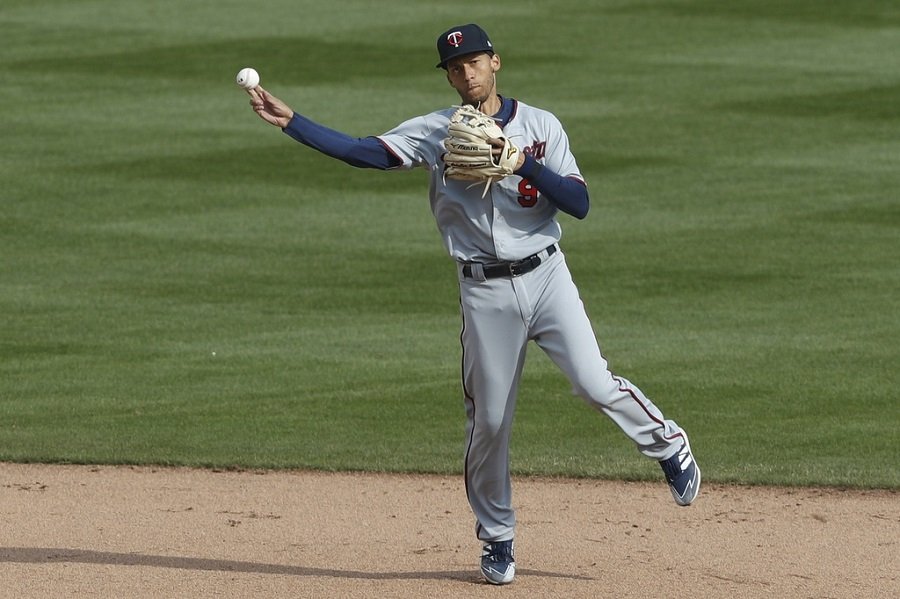 Last winter, the Twins were focused on making improvements to their infield. Adding a shortstop allowed the team to move Jorge Polanco to second base, where there could be less physical wear and tear on his body. Minnesota was interested in players like Marcus Siemen, Didi Gregorius, and Andrelton Simmons. Siemen agreed to terms with Toronto, and Gregorious resigned with the Phillies. This left Minnesota focused on Simmons. At the time of the signing, the Twins were saying all the right things about Simmons. "There are so many ways that he fits into what we do and what we are trying to accomplish," said Twins manager Rocco Baldelli. "We have one of the best, I think, pitching staffs as a whole in the American League, and for us to be able to complement that group with basically one of the greatest defenders of our generation, and to be able to put Andrelton at the shortstop position, which also allows us to really solidify everything going on in the rest of our infield as well." Unfortunately, everything didn't work out perfectly with the Simmons signing. Besides his strong defensive skills, he was known for his elite contact ability. He had the worst offensive season of his career as he hit .223/.283/.274 (.558) with a 57 OPS+. All of those totals were career lows, and he struck out over 60 times for only the third time in his 10-year career. His defense was still strong, but the offense was tough to swallow. Besides his offensive flaws, Simmons was also at the center of some off-field distractions this season. He declined to get the COVID vaccine, and then he tested positive for coronavirus in April. He also made comments about his anti-vax opinions on social media. Leading into spring training, he dealt with visa issues, and he couldn't go with the team to Toronto later in the season because of visa and immigration issues. His season couldn't have gone much worse across the board. By season's end, fans were frustrated to see Simmons in the line-up regularly when he didn't have a long-term obligation to the club. Playing someone like Nick Gordon at shortstop would allow the club to evaluate him for the long term. However, the club has seen Gordon play shortstop throughout his minor league career, and they may have already decided that he won't play the position regularly at the big-league level. This winter is a prime offseason to be looking for a free-agent shortstop. One of the best free-agent shortstop classes in MLB history is available, with names like Carlos Correa, Corey Seager, Javier Baez, and Trevor Story headlining the list. Other potential options include Chris Taylor, Freddy Galvis, Jose Iglesias, and old friend Simmons. There are multiple intriguing names, but why would the Twins consider circling back to Simmons? Minnesota has many needs this winter, and spending money on a top-tier shortstop can be expensive. Simmons signed for $10.5 million last winter, and his cost is estimated to be significantly less in 2022. In the 2022 Twins Daily Offseason Handbook, his contract is estimated to be $3 million, which is not much in the grand scheme of an MLB roster. MLB.com also identified him as a prime bounce-back candidate after his horrible offensive season. Signing Simmons to a one-year deal can also keep shortstop open for one of the team's top prospects. Both Royce Lewis and Austin Martin have played shortstop during their professional careers, but neither may play the position long-term. Signing one of the top-tier shortstops likely pushes both of these players off the position moving forward. Fans will be disappointed if Simmons returns next season, but there's a real possibility of a reunion, at least for the 2022 campaign. Do you think Simmons will return to Minnesota? Leave a COMMENT and start the discussion. MORE FROM TWINS DAILY — Latest Twins coverage from our writers — Recent Twins discussion in our forums — Follow Twins Daily via Twitter, Facebook or email
 -
This winter, Minnesota's most significant need is pitching, which might push other needs to the backburner. Does that make a reunion with Andrelton Simmons more likely? Last winter, the Twins were focused on making improvements to their infield. Adding a shortstop allowed the team to move Jorge Polanco to second base, where there could be less physical wear and tear on his body. Minnesota was interested in players like Marcus Siemen, Didi Gregorius, and Andrelton Simmons. Siemen agreed to terms with Toronto, and Gregorious resigned with the Phillies. This left Minnesota focused on Simmons. At the time of the signing, the Twins were saying all the right things about Simmons. "There are so many ways that he fits into what we do and what we are trying to accomplish," said Twins manager Rocco Baldelli. "We have one of the best, I think, pitching staffs as a whole in the American League, and for us to be able to complement that group with basically one of the greatest defenders of our generation, and to be able to put Andrelton at the shortstop position, which also allows us to really solidify everything going on in the rest of our infield as well." Unfortunately, everything didn't work out perfectly with the Simmons signing. Besides his strong defensive skills, he was known for his elite contact ability. He had the worst offensive season of his career as he hit .223/.283/.274 (.558) with a 57 OPS+. All of those totals were career lows, and he struck out over 60 times for only the third time in his 10-year career. His defense was still strong, but the offense was tough to swallow. Besides his offensive flaws, Simmons was also at the center of some off-field distractions this season. He declined to get the COVID vaccine, and then he tested positive for coronavirus in April. He also made comments about his anti-vax opinions on social media. Leading into spring training, he dealt with visa issues, and he couldn't go with the team to Toronto later in the season because of visa and immigration issues. His season couldn't have gone much worse across the board. By season's end, fans were frustrated to see Simmons in the line-up regularly when he didn't have a long-term obligation to the club. Playing someone like Nick Gordon at shortstop would allow the club to evaluate him for the long term. However, the club has seen Gordon play shortstop throughout his minor league career, and they may have already decided that he won't play the position regularly at the big-league level. This winter is a prime offseason to be looking for a free-agent shortstop. One of the best free-agent shortstop classes in MLB history is available, with names like Carlos Correa, Corey Seager, Javier Baez, and Trevor Story headlining the list. Other potential options include Chris Taylor, Freddy Galvis, Jose Iglesias, and old friend Simmons. There are multiple intriguing names, but why would the Twins consider circling back to Simmons? Minnesota has many needs this winter, and spending money on a top-tier shortstop can be expensive. Simmons signed for $10.5 million last winter, and his cost is estimated to be significantly less in 2022. In the 2022 Twins Daily Offseason Handbook, his contract is estimated to be $3 million, which is not much in the grand scheme of an MLB roster. MLB.com also identified him as a prime bounce-back candidate after his horrible offensive season. Signing Simmons to a one-year deal can also keep shortstop open for one of the team's top prospects. Both Royce Lewis and Austin Martin have played shortstop during their professional careers, but neither may play the position long-term. Signing one of the top-tier shortstops likely pushes both of these players off the position moving forward. Fans will be disappointed if Simmons returns next season, but there's a real possibility of a reunion, at least for the 2022 campaign. Do you think Simmons will return to Minnesota? Leave a COMMENT and start the discussion. MORE FROM TWINS DAILY — Latest Twins coverage from our writers — Recent Twins discussion in our forums — Follow Twins Daily via Twitter, Facebook or email View full article
-
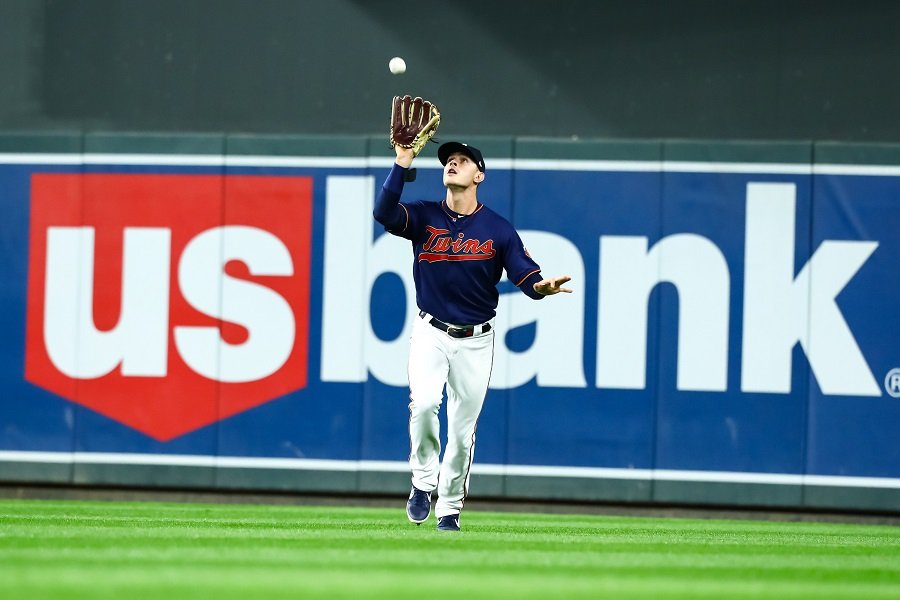 Corner outfield spots can include a mixture of solid defenders and other players searching for a position where they will cause the least amount of damage. There are many strong defenders in the American League in right field, including this year’s Gold Glove finalists. New York’s Joey Gallo is searching for his second-consecutive win, while Boston’s Hunter Renfroe and Houston’s Kyle Tucker seek their first honor. One of the metrics used to decide Gold Gloves is SABR’s Defensive Index. Those numbers were last updated near the end of August, and Kepler only had one right fielder ranked below him at that time. Gallo (8.6 SDI) was the clear leader in SDI, with Tucker (4.6 SDI) ranking second. Defensively, SDI isn’t the only metric that should be put into consideration for Gold Gloves. According to Outs Above Average, Kepler was one of the AL’s best fielders in 2021. Kepler’s 8 Outs Above Average ranked second in the league behind Manuel Margot. Gallo and Tucker were tied with 6 OAA, and Renfroe posted a -1 OAA, which was 26th among all right fielders this season. Kepler also ranked well concerning other StatCast defensive metrics as his Jump was one of the best in baseball. According to Baseball Savant, “Jump is calculated only on plays that are Two Stars or harder, meaning with a 90% Catch Probability or lower.” Kepler was tied for 15th among all of baseball’s outfielders by covering 1.7 feet above average. Gallo was the lone nominee to rank higher than him with a Jump of 2.1 feet above average. One area where Kepler excels is with 3-Star catches. According to Baseball Savant, 3-Star catches are when an average fielder has a 51-75% chance of making the play. Kepler was a perfect 14-for-14 in relation to 3-Star catches this season. Only four outfielders in all of baseball were perfect in that category this season, and he had three more opportunities than the others. Other defensive metrics have Kepler near the top of the AL. According to FanGraphs, he ranks first in RngR, the number of runs above or below average a fielder is, determined by how the fielder is able to get to balls hit in his vicinity. Kepler ranks third in UZR, with none of the nominees ranking higher than him. Kepler was also one of six AL right fielders to have more than nine defensive runs saved. When looking at the numbers, it seems likely for Gallo to earn his second-consecutive Gold Glove. However, Kepler has built up the defensive resume that should put him in the conversation as one of baseball’s best defensive right fielders. Do you think Kepler was robbed of a nomination? Leave a COMMENT and start the discussion. MORE FROM TWINS DAILY — Latest Twins coverage from our writers — Recent Twins discussion in our forums — Follow Twins Daily via Twitter, Facebook or email
- 10 comments
-
- 5
-
-
- max kepler
- joey gallo
- (and 2 more)
-
Major League Baseball and Rawlings announced the 2021 Gold Glove Finalists, but there was one notable exclusion from the nominees. Was Max Kepler robbed of a Gold Glove nomination? Corner outfield spots can include a mixture of solid defenders and other players searching for a position where they will cause the least amount of damage. There are many strong defenders in the American League in right field, including this year’s Gold Glove finalists. New York’s Joey Gallo is searching for his second-consecutive win, while Boston’s Hunter Renfroe and Houston’s Kyle Tucker seek their first honor. One of the metrics used to decide Gold Gloves is SABR’s Defensive Index. Those numbers were last updated near the end of August, and Kepler only had one right fielder ranked below him at that time. Gallo (8.6 SDI) was the clear leader in SDI, with Tucker (4.6 SDI) ranking second. Defensively, SDI isn’t the only metric that should be put into consideration for Gold Gloves. According to Outs Above Average, Kepler was one of the AL’s best fielders in 2021. Kepler’s 8 Outs Above Average ranked second in the league behind Manuel Margot. Gallo and Tucker were tied with 6 OAA, and Renfroe posted a -1 OAA, which was 26th among all right fielders this season. Kepler also ranked well concerning other StatCast defensive metrics as his Jump was one of the best in baseball. According to Baseball Savant, “Jump is calculated only on plays that are Two Stars or harder, meaning with a 90% Catch Probability or lower.” Kepler was tied for 15th among all of baseball’s outfielders by covering 1.7 feet above average. Gallo was the lone nominee to rank higher than him with a Jump of 2.1 feet above average. One area where Kepler excels is with 3-Star catches. According to Baseball Savant, 3-Star catches are when an average fielder has a 51-75% chance of making the play. Kepler was a perfect 14-for-14 in relation to 3-Star catches this season. Only four outfielders in all of baseball were perfect in that category this season, and he had three more opportunities than the others. Other defensive metrics have Kepler near the top of the AL. According to FanGraphs, he ranks first in RngR, the number of runs above or below average a fielder is, determined by how the fielder is able to get to balls hit in his vicinity. Kepler ranks third in UZR, with none of the nominees ranking higher than him. Kepler was also one of six AL right fielders to have more than nine defensive runs saved. When looking at the numbers, it seems likely for Gallo to earn his second-consecutive Gold Glove. However, Kepler has built up the defensive resume that should put him in the conversation as one of baseball’s best defensive right fielders. Do you think Kepler was robbed of a nomination? Leave a COMMENT and start the discussion. MORE FROM TWINS DAILY — Latest Twins coverage from our writers — Recent Twins discussion in our forums — Follow Twins Daily via Twitter, Facebook or email View full article
-
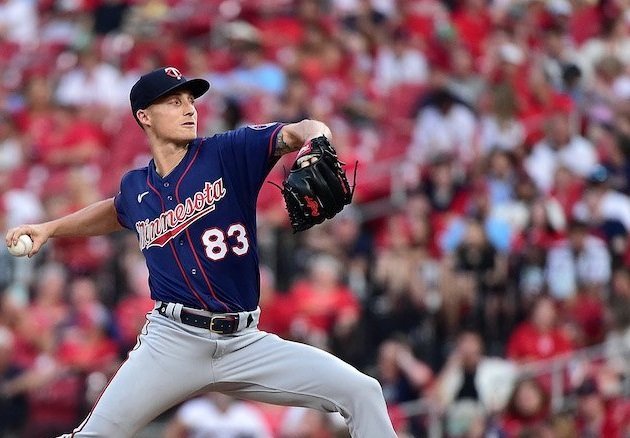 Over at the Athletic, Eno Sarris wrote about an intriguing pitch being used more regularly across the league. Some people call it the Dodger Slider, while others refer to it as the Sweeper. A sweeper is a breaking pitch that is thrown faster than 77 mph with more than 6.5 inches of glove side movement and -2 inches of depth from 40 feet. Twins pitching coach Wes Johnson is known for his focus on sliders, and this might be one reason the Twins have been so successful with this pitch. So how do the Twins compare to the rest of the league? Los Angeles is the clear leader when it comes to using the Sweeper, but the Twins rank as the second-best AL team when it comes to this pitch usage. The Yankees are not far behind the Twins, but the AL Central is much further behind. No other AL Central clubs rank in baseball's top-15. To rank this highly, Minnesota has seen multiple pitchers evolve their slider over the last handful of seasons. Jorge Alcala ranks as the Twins' best pitcher when it comes to Stuff+, where he ranks higher than Shohei Ohtani, Julio Urias, and Max Scherzer. Also, his slider ranks better than league average when it comes to horizontal movement. He uses his slider more than any of his other pitches, and he held batters to a .181 batting average and .277 slugging percentage on that pitch. His slider will be critical if Alcala is going to be part of the long-term bullpen solution. Taylor Rogers is another Twins pitcher that threw his slider more this season. He increased his slider usage from 43.3% to 54%. Both of his primary pitches, his sinker, and slider, rank well above the league average when it comes to horizontal movement. His unique arm action allows for a lot of natural horizontal movement, but what about a more obvious name? One name fans might expect to use a Dodger Slider is Kenta Maeda since he spent the majority of his career in the Dodgers organization. Three of his primary pitches get more horizontal movement than average, including his sinker, splitter, and four-seamer. However, his slider ranks below average (-2.5 inches) compared to the rest of the league. Former Twin Jose Berrios is known for the movement he can generate on his pitches, so he impacted the team's overall numbers this season. Three of his pitches (four-seamer, sinker, and curveball) all get more horizontal movement than the league average, with his curveball getting 5.2 more inches than average. Griffin Jax is one name that might surprise fans to appear on the leaderboards. When it comes to Stuff+, they rank ahead of Shane Bieber, Lucas Giolito, and Madison Bumgarner. Jax saw his slider and four-seamer get four more inches of horizontal movement compared to the average. Jax may also have seen some bad luck this year as his xBA and xSLG were both lower than the batting average and slugging percentage he allowed. There were plenty of reasons to criticize Minnesota's pitching staff this season, but there may be a silver lining beneath it all. If the Twins focus on developing the Sweeper, the highly anticipated pitching pipeline might finally arrive at Target Field. Do you think the Twins can continue to use the Sweeper? Leave a COMMENT and start the discussion. MORE FROM TWINS DAILY — Latest Twins coverage from our writers — Recent Twins discussion in our forums — Follow Twins Daily via Twitter, Facebook or email
- 10 comments
-
- 1
-
-
- griffin jax
- taylor rogers
- (and 3 more)
-
Teams try to find any possible way to gain an advantage. One pitch is taking the league by storm, and the Twins look like they are ahead of the curve. Over at the Athletic, Eno Sarris wrote about an intriguing pitch being used more regularly across the league. Some people call it the Dodger Slider, while others refer to it as the Sweeper. A sweeper is a breaking pitch that is thrown faster than 77 mph with more than 6.5 inches of glove side movement and -2 inches of depth from 40 feet. Twins pitching coach Wes Johnson is known for his focus on sliders, and this might be one reason the Twins have been so successful with this pitch. So how do the Twins compare to the rest of the league? Los Angeles is the clear leader when it comes to using the Sweeper, but the Twins rank as the second-best AL team when it comes to this pitch usage. The Yankees are not far behind the Twins, but the AL Central is much further behind. No other AL Central clubs rank in baseball's top-15. To rank this highly, Minnesota has seen multiple pitchers evolve their slider over the last handful of seasons. Jorge Alcala ranks as the Twins' best pitcher when it comes to Stuff+, where he ranks higher than Shohei Ohtani, Julio Urias, and Max Scherzer. Also, his slider ranks better than league average when it comes to horizontal movement. He uses his slider more than any of his other pitches, and he held batters to a .181 batting average and .277 slugging percentage on that pitch. His slider will be critical if Alcala is going to be part of the long-term bullpen solution. Taylor Rogers is another Twins pitcher that threw his slider more this season. He increased his slider usage from 43.3% to 54%. Both of his primary pitches, his sinker, and slider, rank well above the league average when it comes to horizontal movement. His unique arm action allows for a lot of natural horizontal movement, but what about a more obvious name? One name fans might expect to use a Dodger Slider is Kenta Maeda since he spent the majority of his career in the Dodgers organization. Three of his primary pitches get more horizontal movement than average, including his sinker, splitter, and four-seamer. However, his slider ranks below average (-2.5 inches) compared to the rest of the league. Former Twin Jose Berrios is known for the movement he can generate on his pitches, so he impacted the team's overall numbers this season. Three of his pitches (four-seamer, sinker, and curveball) all get more horizontal movement than the league average, with his curveball getting 5.2 more inches than average. Griffin Jax is one name that might surprise fans to appear on the leaderboards. When it comes to Stuff+, they rank ahead of Shane Bieber, Lucas Giolito, and Madison Bumgarner. Jax saw his slider and four-seamer get four more inches of horizontal movement compared to the average. Jax may also have seen some bad luck this year as his xBA and xSLG were both lower than the batting average and slugging percentage he allowed. There were plenty of reasons to criticize Minnesota's pitching staff this season, but there may be a silver lining beneath it all. If the Twins focus on developing the Sweeper, the highly anticipated pitching pipeline might finally arrive at Target Field. Do you think the Twins can continue to use the Sweeper? Leave a COMMENT and start the discussion. MORE FROM TWINS DAILY — Latest Twins coverage from our writers — Recent Twins discussion in our forums — Follow Twins Daily via Twitter, Facebook or email View full article
- 10 replies
-
- 1
-
-
- griffin jax
- taylor rogers
- (and 3 more)
