



Cody Christie
-
Posts
7,515 -
Joined
-
Last visited
-
Days Won
5
Content Type
Profiles
News
Minnesota Twins Videos
2026 Minnesota Twins Top Prospects Ranking
2022 Minnesota Twins Draft Picks
Minnesota Twins Free Agent & Trade Rumors, Notes, & Tidbits
Guides & Resources
2023 Minnesota Twins Draft Picks
The Minnesota Twins Players Project
2024 Minnesota Twins Draft Picks
2025 Minnesota Twins Draft Pick Tracker
2026 Minnesota Twins Draft Tracker: Picks & Bonuses
Forums
Blogs
Events
Store
Downloads
Gallery
Everything posted by Cody Christie
-
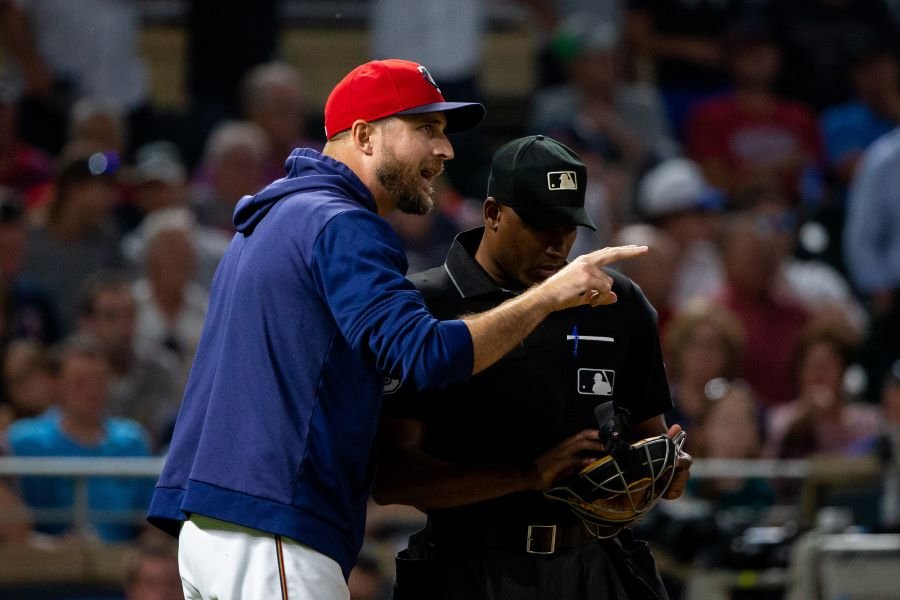 MLB managers have a direct impact on the game, from line-up construction to in-game decisions. However, a good manager can lose a lot of games if the talent on the field doesn’t perform. Players and the front office that compiles the roster have a more significant impact than the manager, but that doesn’t mean there aren’t things to point out about Rocco Baldelli this season. The Good The team didn’t quit, which would have been easy to do following a trade deadline where the team sold away veteran players. For most of the second half, the Twins rotation was composed of unproven players that weren’t expected to impact the 2021 big-league roster. Things didn’t go perfectly, but the team certainly didn’t fall apart. Minnesota went 29-28 (.509) following the trade deadline, which included going 8-4 to end the season and avoid 90-losses. There was little to play for in the season’s final months, but that’s when the Twins were playing their best baseball. If Baldelli gets some of the blame for the team’s early-season struggles, he should also get credit for the club not completely falling off the rails. The Bad Minnesota had a chance to have an incredible, feel-good story, but Baldelli didn’t put a player into the game. Drew Maggi was a 32-year old rookie having a career year at Triple-A. Minnesota called him up for a weekend series in Toronto and had him talk to the media before the game about being in the big leagues. Unfortunately, Baldelli never put him in a game. There were opportunities with Jake Cave, Rob Refsnyder, and Willians Astudillo all getting starts in the series. Even giving him a late-inning at-bat would have been enough. Instead, the Twins demoted him following the weekend series, and the team never recalled him. Minnesota was a bad team going nowhere in 2021, and Maggi should have gotten the opportunity to appear in a game. The Ugly There were a lot of ugly moments throughout the 2021 season, especially with expectations being so high entering the year. This year’s Twins were one of the most disappointing teams in franchise history, but how much of that falls on the manager. In April, the Twins dug a hole that was impossible to get out of with Alex Colome blowing multiple late-inning leads. It’s easy to point at the manager and say he left Colome in too long or stuck with Colome too far into the season. Matt Shoemaker and J.A. Happ pitched poorly and were allowed to continue starting games well into the season. Andrelton Simmons had a terrible offensive season, but he started at shortstop until the season’s final games. Some of these decisions came from the front office, and some rested squarely on Baldelli’s shoulders. Final Grade After the season’s first month, many fans would have given Baldelli an F grade. June and July were also tough as the team was eight games under .500 in those two months. In the end, baseball has a long season, and Baldelli was able to redeem himself in the final months. The team didn’t quit, and they helped to earn the manager a C-. What grade would you give Baldelli? Leave a COMMENT and start the discussion. MORE FROM TWINS DAILY — Latest Twins coverage from our writers — Recent Twins discussion in our forums — Follow Twins Daily via Twitter, Facebook or email
 -
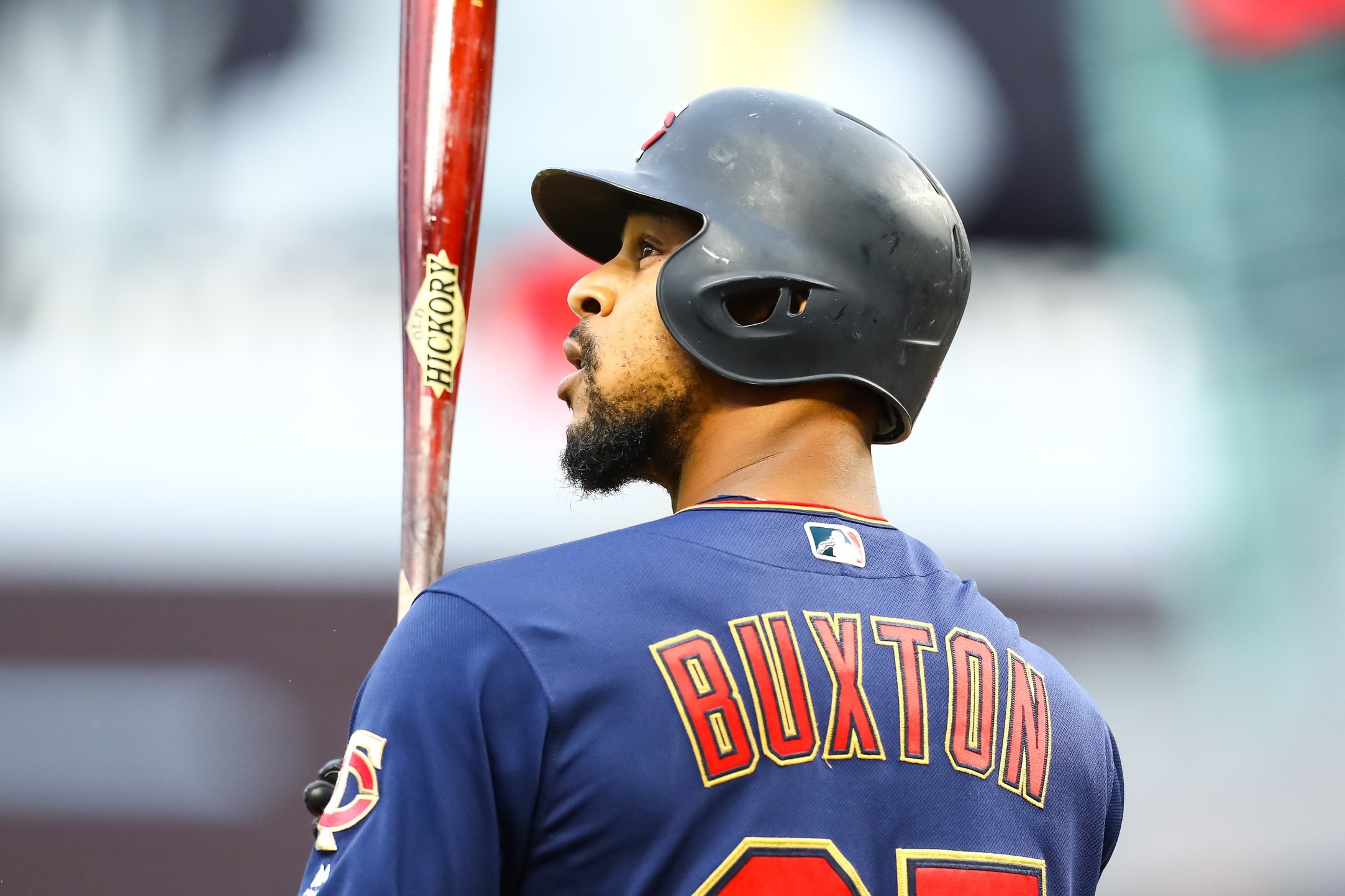 Over the weekend, the Star Tribune sent out a headline to subscribers that said, “Twins can’t let Buxton leave and become their new-age David Ortiz.” For those unfamiliar, the Twins famously non-tendered David Ortiz following the 2002 season. He signed with Boston and went on to have a legendary career culminating in multiple World Series titles, 10 All-Star selections, and seven silver sluggers. It was one of the worst decisions in franchise history, but baseball is a funny game. Ortiz was a very different player than Byron Buxton when the Twins non-tendered him. From 1997-2002, he averaged 76 games per season with the club and hit .266/.348/.461 (.809) with 169 extra-base hits in 455 games. There were multiple reasons to let Ortiz go, including he was set to make close to $2 million in arbitration, the team had Matt LeCroy to fill the designated hitter role, and they wanted a roster spot to make a Rule 5 pick. When David Ortiz played his final series in Minnesota, Twins GM Terry Ryan didn’t beat around the bush regarding the Ortiz decision. “Obviously, it’s a situation that I watch, and I’ve observed, and I see what he’s done, and I see what he’s meant to the Boston Red Sox. Ok, I screwed it up.” That’s easy for Ryan to say at this point, but it wasn’t as big of a mistake as it has been made out to be. Fans know Buxton is good, but Ortiz was still an unknown quantity when he left the organization. In his seventh season, Buxton has played in 38 more games in a Twins uniform than Ortiz. During that time, Buxton has been worth 16.2 WAR while Ortiz was worth 2.6 WAR. Ortiz went on to have four seasons with a 5 WAR or higher, a mark Buxton has yet to reach. The Buxton contract discussions seem like a no-win situation for the team’s followers. Fans are going to be disappointed if he leaves and plays well elsewhere. If he stays, fans will expect him to stay healthy and play at an MVP level. Buxton is one of baseball’s best players when he is on the field, and that is something Ortiz couldn’t say during his Twins tenure. Baseball is a sport where one move doesn’t alter the course of a franchise. Ortiz’s release was a poor baseball decision at the time, but the Twins were still relevant for nearly a decade after Ortiz left. Nothing says his career would have followed the same trajectory if he had stayed in a Twins uniform. The same unknowns circle around Buxton and his future. Every player that leaves Minnesota isn’t going to go on to have a Hall of Fame career. Ortiz is the exception and not the rule. In the end, Buxton’s situation is much more complicated than the decision surrounding Ortiz, and that’s what makes the Buxton decision one of the most intriguing in the months ahead. Do you see any connection between the Buxton decision and the Ortiz decision? Leave a COMMENT and start the discussion. MORE FROM TWINS DAILY — Latest Twins coverage from our writers — Recent Twins discussion in our forums — Follow Twins Daily via Twitter, Facebook or email
- 32 comments
-
- 3
-

-

-
- byron buxton
- david ortiz
- (and 1 more)
-
It’s becoming one of the most tired takes in Twins Territory. Not every player that can potentially leave the organization is going to turn into the next David Ortiz. So, why doesn’t Byron Buxton fit that mold? Over the weekend, the Star Tribune sent out a headline to subscribers that said, “Twins can’t let Buxton leave and become their new-age David Ortiz.” For those unfamiliar, the Twins famously non-tendered David Ortiz following the 2002 season. He signed with Boston and went on to have a legendary career culminating in multiple World Series titles, 10 All-Star selections, and seven silver sluggers. It was one of the worst decisions in franchise history, but baseball is a funny game. Ortiz was a very different player than Byron Buxton when the Twins non-tendered him. From 1997-2002, he averaged 76 games per season with the club and hit .266/.348/.461 (.809) with 169 extra-base hits in 455 games. There were multiple reasons to let Ortiz go, including he was set to make close to $2 million in arbitration, the team had Matt LeCroy to fill the designated hitter role, and they wanted a roster spot to make a Rule 5 pick. When David Ortiz played his final series in Minnesota, Twins GM Terry Ryan didn’t beat around the bush regarding the Ortiz decision. “Obviously, it’s a situation that I watch, and I’ve observed, and I see what he’s done, and I see what he’s meant to the Boston Red Sox. Ok, I screwed it up.” That’s easy for Ryan to say at this point, but it wasn’t as big of a mistake as it has been made out to be. Fans know Buxton is good, but Ortiz was still an unknown quantity when he left the organization. In his seventh season, Buxton has played in 38 more games in a Twins uniform than Ortiz. During that time, Buxton has been worth 16.2 WAR while Ortiz was worth 2.6 WAR. Ortiz went on to have four seasons with a 5 WAR or higher, a mark Buxton has yet to reach. The Buxton contract discussions seem like a no-win situation for the team’s followers. Fans are going to be disappointed if he leaves and plays well elsewhere. If he stays, fans will expect him to stay healthy and play at an MVP level. Buxton is one of baseball’s best players when he is on the field, and that is something Ortiz couldn’t say during his Twins tenure. Baseball is a sport where one move doesn’t alter the course of a franchise. Ortiz’s release was a poor baseball decision at the time, but the Twins were still relevant for nearly a decade after Ortiz left. Nothing says his career would have followed the same trajectory if he had stayed in a Twins uniform. The same unknowns circle around Buxton and his future. Every player that leaves Minnesota isn’t going to go on to have a Hall of Fame career. Ortiz is the exception and not the rule. In the end, Buxton’s situation is much more complicated than the decision surrounding Ortiz, and that’s what makes the Buxton decision one of the most intriguing in the months ahead. Do you see any connection between the Buxton decision and the Ortiz decision? Leave a COMMENT and start the discussion. MORE FROM TWINS DAILY — Latest Twins coverage from our writers — Recent Twins discussion in our forums — Follow Twins Daily via Twitter, Facebook or email View full article
-
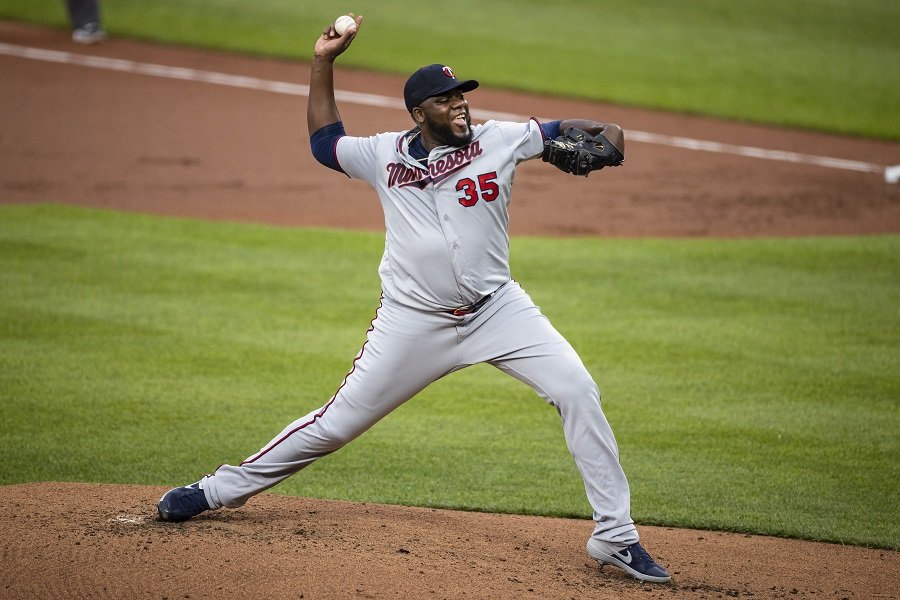 Leading into the 2018 season, the Twins took a unique approach to add to the starting rotation. Michael Pineda was recovering from Tommy John surgery, and he didn't appear in a game for the club that season. Minnesota was showing faith in Pineda, and he rewarded that faith during his Twins tenure. There are usually struggles in a player’s first season back from Tommy John surgery, but Pineda slid into the Twins rotation and posted a 113 ERA+. His 4.01 ERA and 1.16 WHIP in a heightened offensive atmosphere helped the Twins clinch the AL Central for the first time since 2010. Unfortunately, Pineda wasn’t able to help the Twins in October. He was handed an 80-game suspension in early September for taking a banned diuretic. The suspension was later reduced to 60 games after he and his representation argued that he was using it to control his weight, not as a masking agent for performance-enhancing drugs. It was still a blow to the Twins as the team started rookie Randy Dobnak in the ALDS Game 2 at Yankee Stadium. Entering that off-season, Pineda was a free agent, and his Twins tenure could have ended at that point. However, Minnesota showed confidence in him and his abilities by signing him to another two-year deal. He missed the start of the 2020 campaign, but the team thought they’d have him to upgrade the rotation before the All-Star Break. The 2020 season didn’t start like anyone planned, which meant Pineda couldn’t debut until the season’s final month. He made five starts and allowed three earned runs or fewer in each appearance. Pineda didn’t have a chance to make an October start, but he ended the year with a 3.38 ERA and a 25 to 7 strikeout to walk ratio in 26 2/3 innings. His performance gave hope that he could help the Twins contend again in 2021. Things haven’t gone perfectly for Pineda in 2021, as he missed six weeks on the injured list with an oblique strain and forearm inflammation. When on the mound, he provided value with 117 ERA+. He made 53 appearances with the Twins and held opponents to three or fewer earned runs in 83% of those outings. His strikeout per nine is lower than his career total, but he has also reduced his walk rate. His steadying presence is something the organization might need moving forward. Looking to 2022, Bailey Ober and Joe Ryan are the only starters penciled into the starting rotation. Pineda is a veteran that can add depth to a rotation even if he isn’t a high-end starter that can push the Twins back into contention. “He’s been about as important of a member of this group over the last three years as anyone,” Rocco Baldelli told reporters. “He’s been a constant, his performance has been a constant, his leadership has been a constant, and his personality, too, which matters.” Pineda isn’t an ace, but the Twins need pitching depth, and he is a known quantity. He’s made it clear that he wants to stay in Minnesota, but the two sides will need to work out a fair deal for each sides. Do you think Pineda has made his last start in Minnesota? Leave a COMMENT and start the discussion. MORE FROM TWINS DAILY — Latest Twins coverage from our writers — Recent Twins discussion in our forums — Follow Twins Daily via Twitter, Facebook or email
 -
 The Twins brought Michael Pineda in while their winning window was open. His Twins tenure was a roller coaster ride, and now he may have taken the mound with the team for the last time. Leading into the 2018 season, the Twins took a unique approach to add to the starting rotation. Michael Pineda was recovering from Tommy John surgery, and he didn't appear in a game for the club that season. Minnesota was showing faith in Pineda, and he rewarded that faith during his Twins tenure. There are usually struggles in a player’s first season back from Tommy John surgery, but Pineda slid into the Twins rotation and posted a 113 ERA+. His 4.01 ERA and 1.16 WHIP in a heightened offensive atmosphere helped the Twins clinch the AL Central for the first time since 2010. Unfortunately, Pineda wasn’t able to help the Twins in October. He was handed an 80-game suspension in early September for taking a banned diuretic. The suspension was later reduced to 60 games after he and his representation argued that he was using it to control his weight, not as a masking agent for performance-enhancing drugs. It was still a blow to the Twins as the team started rookie Randy Dobnak in the ALDS Game 2 at Yankee Stadium. Entering that off-season, Pineda was a free agent, and his Twins tenure could have ended at that point. However, Minnesota showed confidence in him and his abilities by signing him to another two-year deal. He missed the start of the 2020 campaign, but the team thought they’d have him to upgrade the rotation before the All-Star Break. The 2020 season didn’t start like anyone planned, which meant Pineda couldn’t debut until the season’s final month. He made five starts and allowed three earned runs or fewer in each appearance. Pineda didn’t have a chance to make an October start, but he ended the year with a 3.38 ERA and a 25 to 7 strikeout to walk ratio in 26 2/3 innings. His performance gave hope that he could help the Twins contend again in 2021. Things haven’t gone perfectly for Pineda in 2021, as he missed six weeks on the injured list with an oblique strain and forearm inflammation. When on the mound, he provided value with 117 ERA+. He made 53 appearances with the Twins and held opponents to three or fewer earned runs in 83% of those outings. His strikeout per nine is lower than his career total, but he has also reduced his walk rate. His steadying presence is something the organization might need moving forward. Looking to 2022, Bailey Ober and Joe Ryan are the only starters penciled into the starting rotation. Pineda is a veteran that can add depth to a rotation even if he isn’t a high-end starter that can push the Twins back into contention. “He’s been about as important of a member of this group over the last three years as anyone,” Rocco Baldelli told reporters. “He’s been a constant, his performance has been a constant, his leadership has been a constant, and his personality, too, which matters.” Pineda isn’t an ace, but the Twins need pitching depth, and he is a known quantity. He’s made it clear that he wants to stay in Minnesota, but the two sides will need to work out a fair deal for each sides. Do you think Pineda has made his last start in Minnesota? Leave a COMMENT and start the discussion. MORE FROM TWINS DAILY — Latest Twins coverage from our writers — Recent Twins discussion in our forums — Follow Twins Daily via Twitter, Facebook or email View full article
 -
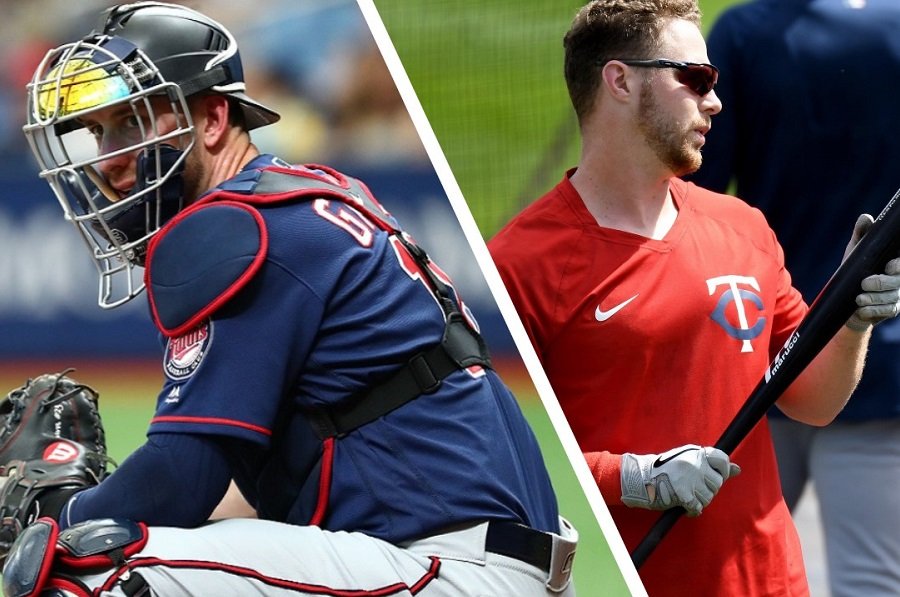 In recent years, Minnesota has successfully utilized a two-catcher rotation. In 2019, Mitch Garver and Jason Castro split catching duties, with both players posting OPS+ totals of 100 or more. Twins manager Rocco Baldelli has been a big fan of rest and recovery during his tenure. This rotational system for catchers allows for regular rest at one of the most grueling positions in the sport. One reason the Garver-Castro pairing worked so well was that Garver bats right-handed and Castro bats left-handed. This allowed for a more natural platoon of the batters. Entering this season, there was hope that Garver and Ryan Jeffers would settle into their two-catcher rotation. Like many things for the 2021 Twins, the plan didn’t work, and one reason is the handedness of the catchers. Neither catcher was hitting very well in the season’s first month. Garver ended April by hitting .172/.213/.431 (.644) with 27 strikeouts and seven extra-base hits in 18 games. Jeffers hit .147/.216/.176 (.393), with one of his five hits being for extra bases. Baldelli tried to get Garver’s bat going by having him face more lefties, but that doesn’t help Jeffers, who has hit .189/.259/.385 (.644) against righties in 2021. At the end of April, the Twins moved Jeffers to Triple-A, a minor league level where he had yet to appear. Jeffers hit .217/.340/.446 (.786) with the Saints this year, including a 26 to 16 strikeout to walk ratio. Garver’s bat took off after Jeffers’ demotion. In 22 games, he hit .281/.438/.579 (1.017) with nine extra-base hits. It looked like the 2019 version of Garver was back. In early June, Garver suffered a gruesome "groin" injury that kept him out a month and made it necessary to call up Jeffers. Since early June, Jeffers has posted a .714 OPS with 23 extra-base hits in 71 games. Garver returned in July, and he has a .998 OPS with 12 extra-base hits in 24 games. Garver is one of baseball’s best offensive catchers when healthy, so does that make him a tradable asset? Minnesota’s off-season plan will include acquiring starting pitching, which means spending big on free agents or trading away players and prospects. Mitch Garver and Ryan Jeffers are both under team control for multiple years, so it makes sense to deal one of these players away if it helps the team rebuild for the short term. Garver knows the future is uncertain for the Twins. “You never really know what the organization is thinking,” Garver said. “You saw it in ’18, they traded away some homegrown guys that had been a staple in the lineup for a long time. And you saw what we did in ’19 when we turned it around, won 100 games with the lineup that we have, added a few pieces and we were a really good team. Who knows what could happen?” Minnesota also has Ben Rortvedt as an option to fill the backup catcher role. He is considered the best defensive catcher out of the three, and he is left-handed to help form a more natural platoon. However, there are questions about how much he can hit at the big-league level. At Triple-A this season, he hit .254/.324/.426 (.750), but his OPS is 240 points lower with the Twins. In a part-time role, Rortvedt might find success, especially if he is only facing right-handed pitching. Many fans have questions about Minnesota’s direction moving forward. Will the team enter 2022 with both Garver and Jeffers on the roster? Can Rortvedt be the team’s regular back-up catcher? Leave a COMMENT and start the discussion. MORE FROM TWINS DAILY — Latest Twins coverage from our writers — Recent Twins discussion in our forums — Follow Twins Daily via Twitter, Facebook or email
 -
Mitch Garver and Ryan Jeffers entered the 2021 season with hopes of being one of baseball’s best catching duos. Unfortunately, both players struggled at times, which casts doubt on the future of Twins catching. In recent years, Minnesota has successfully utilized a two-catcher rotation. In 2019, Mitch Garver and Jason Castro split catching duties, with both players posting OPS+ totals of 100 or more. Twins manager Rocco Baldelli has been a big fan of rest and recovery during his tenure. This rotational system for catchers allows for regular rest at one of the most grueling positions in the sport. One reason the Garver-Castro pairing worked so well was that Garver bats right-handed and Castro bats left-handed. This allowed for a more natural platoon of the batters. Entering this season, there was hope that Garver and Ryan Jeffers would settle into their two-catcher rotation. Like many things for the 2021 Twins, the plan didn’t work, and one reason is the handedness of the catchers. Neither catcher was hitting very well in the season’s first month. Garver ended April by hitting .172/.213/.431 (.644) with 27 strikeouts and seven extra-base hits in 18 games. Jeffers hit .147/.216/.176 (.393), with one of his five hits being for extra bases. Baldelli tried to get Garver’s bat going by having him face more lefties, but that doesn’t help Jeffers, who has hit .189/.259/.385 (.644) against righties in 2021. At the end of April, the Twins moved Jeffers to Triple-A, a minor league level where he had yet to appear. Jeffers hit .217/.340/.446 (.786) with the Saints this year, including a 26 to 16 strikeout to walk ratio. Garver’s bat took off after Jeffers’ demotion. In 22 games, he hit .281/.438/.579 (1.017) with nine extra-base hits. It looked like the 2019 version of Garver was back. In early June, Garver suffered a gruesome "groin" injury that kept him out a month and made it necessary to call up Jeffers. Since early June, Jeffers has posted a .714 OPS with 23 extra-base hits in 71 games. Garver returned in July, and he has a .998 OPS with 12 extra-base hits in 24 games. Garver is one of baseball’s best offensive catchers when healthy, so does that make him a tradable asset? Minnesota’s off-season plan will include acquiring starting pitching, which means spending big on free agents or trading away players and prospects. Mitch Garver and Ryan Jeffers are both under team control for multiple years, so it makes sense to deal one of these players away if it helps the team rebuild for the short term. Garver knows the future is uncertain for the Twins. “You never really know what the organization is thinking,” Garver said. “You saw it in ’18, they traded away some homegrown guys that had been a staple in the lineup for a long time. And you saw what we did in ’19 when we turned it around, won 100 games with the lineup that we have, added a few pieces and we were a really good team. Who knows what could happen?” Minnesota also has Ben Rortvedt as an option to fill the backup catcher role. He is considered the best defensive catcher out of the three, and he is left-handed to help form a more natural platoon. However, there are questions about how much he can hit at the big-league level. At Triple-A this season, he hit .254/.324/.426 (.750), but his OPS is 240 points lower with the Twins. In a part-time role, Rortvedt might find success, especially if he is only facing right-handed pitching. Many fans have questions about Minnesota’s direction moving forward. Will the team enter 2022 with both Garver and Jeffers on the roster? Can Rortvedt be the team’s regular back-up catcher? Leave a COMMENT and start the discussion. MORE FROM TWINS DAILY — Latest Twins coverage from our writers — Recent Twins discussion in our forums — Follow Twins Daily via Twitter, Facebook or email View full article
- 44 replies
-
- 2
-
-
- mitch garver
- ryan jeffers
- (and 1 more)
-
 Maybe fans should come to expect this from Miguel Sanó. He goes through stretches where he seems lost at the plate. Then he follows those stretches with weeks where it looks like he figures it out and puts it all together. As the season has progressed, Sanó has drastically improved, but many fans tuned out after the team fell out of contention. In the season’s first half, Sanó hit .196/.279/.426 (.705) with 15 home runs and eight doubles in 60 games started. His entire slash line was below his career marks, but his batting average and on-base percentage were higher than his 2020 campaign. Since July, Sanó has hit .243/.340/.505 (.845) with 14 home runs and 15 doubles. His OPS+ is now at 111 for the season, which is six points higher than 2020. Defensively, he ranks near the bottom of the American League when it comes to SABR’s Defensive Index. In his first full season at first base, Baseball-Reference has him worth -1.1 Defensive WAR, and that total is similar to his last season at third base in 2019. He has been worth -3 Defensive Runs Saved, a two-run improvement over last season. He may never be outstanding at first base, but he has the athleticism to be passable at the position. Minnesota has other options for Sanó if the team decides to move him off the position in 2022. Nelson Cruz is gone, and Sanó can slide into a permanent designated hitter role with Alex Kirilloff taking over at first base. Kirilloff is a better defender, and first base is his likely long-term defensive position. Sanó has one year and $9.25 million remaining on his current contract, with a $2.75 million buyout for the 2023 season. Over the last three seasons, FanGraphs puts Sanó’s value at $28.5 million, but $22.2 million of that value came in 2019 when baseballs were bouncing out of ballparks at record rates. In four of his seven big-league seasons, he has been worth more than $9.25 million. Even with a hot second-half, Sanó’s trade market won’t exactly be booming. Power hitting first basemen are easy to come by, and the cost is relatively cheap. Last winter, Minnesota signed Cruz to a one-year, $13-million deal, and he was one of the best power hitters in baseball. Sanó has a similar skill set, but Cruz has been a better offensive weapon. For the Twins, a better option might be to try and package Sanó as part of a deal to acquire controllable starting pitching. There’s no question that starting pitching is the Twins' most significant need this winter, and Minnesota has tradable assets at the big-league level. Sanó might not be the headliner of an off-season trade, but his inclusion might add enough to make another team agree to a deal. Do you think Sanó has increased his trade value in the second half? Leave a COMMENT and start the discussion. MORE FROM TWINS DAILY — Latest Twins coverage from our writers — Recent Twins discussion in our forums — Follow Twins Daily via Twitter, Facebook or email
 -
Miguel Sanó has been a polarizing player throughout his professional career. He’s put together solid second-half numbers, and this might be enough to make him an intriguing trade option. Will the Twins try to trade Sanó this winter? Maybe fans should come to expect this from Miguel Sanó. He goes through stretches where he seems lost at the plate. Then he follows those stretches with weeks where it looks like he figures it out and puts it all together. As the season has progressed, Sanó has drastically improved, but many fans tuned out after the team fell out of contention. In the season’s first half, Sanó hit .196/.279/.426 (.705) with 15 home runs and eight doubles in 60 games started. His entire slash line was below his career marks, but his batting average and on-base percentage were higher than his 2020 campaign. Since July, Sanó has hit .243/.340/.505 (.845) with 14 home runs and 15 doubles. His OPS+ is now at 111 for the season, which is six points higher than 2020. Defensively, he ranks near the bottom of the American League when it comes to SABR’s Defensive Index. In his first full season at first base, Baseball-Reference has him worth -1.1 Defensive WAR, and that total is similar to his last season at third base in 2019. He has been worth -3 Defensive Runs Saved, a two-run improvement over last season. He may never be outstanding at first base, but he has the athleticism to be passable at the position. Minnesota has other options for Sanó if the team decides to move him off the position in 2022. Nelson Cruz is gone, and Sanó can slide into a permanent designated hitter role with Alex Kirilloff taking over at first base. Kirilloff is a better defender, and first base is his likely long-term defensive position. Sanó has one year and $9.25 million remaining on his current contract, with a $2.75 million buyout for the 2023 season. Over the last three seasons, FanGraphs puts Sanó’s value at $28.5 million, but $22.2 million of that value came in 2019 when baseballs were bouncing out of ballparks at record rates. In four of his seven big-league seasons, he has been worth more than $9.25 million. Even with a hot second-half, Sanó’s trade market won’t exactly be booming. Power hitting first basemen are easy to come by, and the cost is relatively cheap. Last winter, Minnesota signed Cruz to a one-year, $13-million deal, and he was one of the best power hitters in baseball. Sanó has a similar skill set, but Cruz has been a better offensive weapon. For the Twins, a better option might be to try and package Sanó as part of a deal to acquire controllable starting pitching. There’s no question that starting pitching is the Twins' most significant need this winter, and Minnesota has tradable assets at the big-league level. Sanó might not be the headliner of an off-season trade, but his inclusion might add enough to make another team agree to a deal. Do you think Sanó has increased his trade value in the second half? Leave a COMMENT and start the discussion. MORE FROM TWINS DAILY — Latest Twins coverage from our writers — Recent Twins discussion in our forums — Follow Twins Daily via Twitter, Facebook or email View full article
-
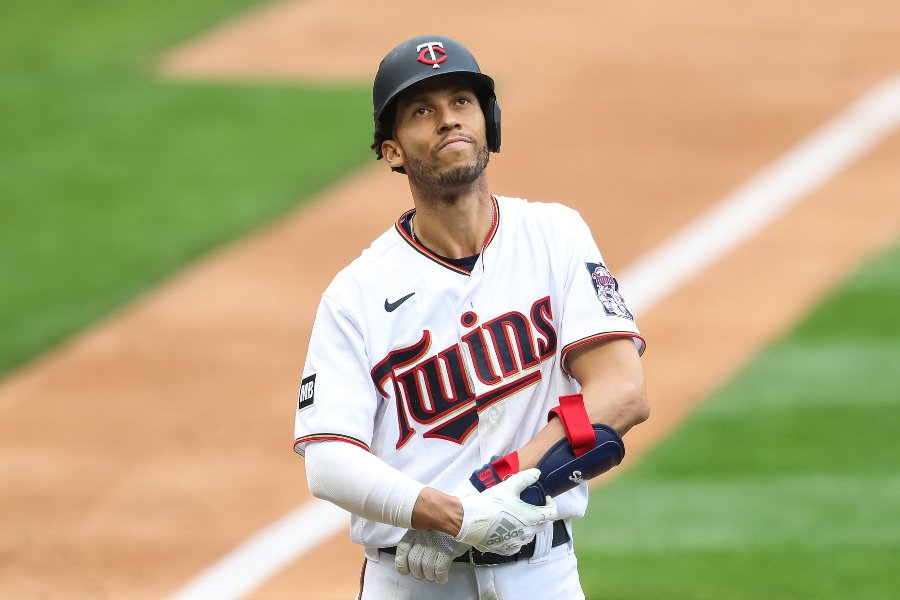 Inconsistent pitching and injuries have been just some of the issues for the 2021 Twins. There have been some positives as with any season, but it’s hard not to be disappointed as expectations were high this year. Here’s a look at some of the other disappointing teams from recent years. 2011 Twins (Record: 63-99) The 2010 Twins had opened Target Field with a bang, including winning the division by six games over the White Sox. It was the team’s second consecutive AL Central title, and there were many that thought the Twins would be fighting for a three-peat. It’s easy to find connections between the 2021 Twins and the issues faced by the 2011 squad. Justin Morneau struggled to return after a concussion ended his 2010 campaign. Joe Mauer dealt with bilateral leg weakness and back problems. Players like Danny Valencia, Alexi Casilla, and Tsuyoshi Nishioka were relied on to fill full-time roles. Minnesota’s starting staff struggled to reproduce their numbers from 2010, with Carl Pavano, Brian Duensing, Nick Blackburn, and Francisco Liriano all posting ERA totals of 4.30 or higher. 2007 Twins (Record: 79-83) The 2007 Twins didn’t implode like the 2010 season, but they were indeed a disappointment. Back in 2006, the Twins put together a magical season with Justin Morneau being named AL MVP, Joe Mauer winning his first batting title, and Johan Santana earning his second Cy Young. It was only the fourth time the team had won over 95 games since moving to Minnesota. During the 2007 season, Minnesota finished just under .500, but that was closer to last place than first place in the division. Outside of Johan Santana, the team left fans wanting more. Jason Bartlett finished with the highest WAR among position players, and the pitching staff took a step back. Terry Ryan stepped aside from the GM role in the middle of September. This left Bill Smith to trade Santana and watch Torii Hunter walk away in free agency. The franchise was heading in a new direction. 1993 Twins (Record: 71-91) Minnesota had won the World Series in 1991, and the club finished with 90-wins in 1992. Many of the core pieces of the championship club were still in the prime of their careers. There was hope the team could bounce back in 1993 and keep their winning window open. However, the club was entering a stretch of nine straight losing seasons. During the 1993 season, many of the team’s issues were on the pitching side of the ball. Out of the team’s regulars, six of the nine batters had an OPS+ of 100 or more, including Kirby Puckett and Kent Hrbek with 120 OPS+ totals. Every starting pitcher with over 100 innings had an ERA north of 4.00, with Willie Banks being the lone starter to post an ERA+ greater than 100. It was Hrbek’s last season of over 100 games, and Puckett was only two years away from being forced to retire. The end of an era came more quickly than many would have anticipated. Which of these seasons was most disappointing? Leave a COMMENT and start the discussion. MORE FROM TWINS DAILY — Latest Twins coverage from our writers — Recent Twins discussion in our forums — Follow Twins Daily via Twitter, Facebook or email
 -
Minnesota is nearing the end of its worst season since 2016, and this club ranks near the top as one of the most disappointing seasons in franchise history. So, how does this season rank compared to other recent disappointments? Inconsistent pitching and injuries have been just some of the issues for the 2021 Twins. There have been some positives as with any season, but it’s hard not to be disappointed as expectations were high this year. Here’s a look at some of the other disappointing teams from recent years. 2011 Twins (Record: 63-99) The 2010 Twins had opened Target Field with a bang, including winning the division by six games over the White Sox. It was the team’s second consecutive AL Central title, and there were many that thought the Twins would be fighting for a three-peat. It’s easy to find connections between the 2021 Twins and the issues faced by the 2011 squad. Justin Morneau struggled to return after a concussion ended his 2010 campaign. Joe Mauer dealt with bilateral leg weakness and back problems. Players like Danny Valencia, Alexi Casilla, and Tsuyoshi Nishioka were relied on to fill full-time roles. Minnesota’s starting staff struggled to reproduce their numbers from 2010, with Carl Pavano, Brian Duensing, Nick Blackburn, and Francisco Liriano all posting ERA totals of 4.30 or higher. 2007 Twins (Record: 79-83) The 2007 Twins didn’t implode like the 2010 season, but they were indeed a disappointment. Back in 2006, the Twins put together a magical season with Justin Morneau being named AL MVP, Joe Mauer winning his first batting title, and Johan Santana earning his second Cy Young. It was only the fourth time the team had won over 95 games since moving to Minnesota. During the 2007 season, Minnesota finished just under .500, but that was closer to last place than first place in the division. Outside of Johan Santana, the team left fans wanting more. Jason Bartlett finished with the highest WAR among position players, and the pitching staff took a step back. Terry Ryan stepped aside from the GM role in the middle of September. This left Bill Smith to trade Santana and watch Torii Hunter walk away in free agency. The franchise was heading in a new direction. 1993 Twins (Record: 71-91) Minnesota had won the World Series in 1991, and the club finished with 90-wins in 1992. Many of the core pieces of the championship club were still in the prime of their careers. There was hope the team could bounce back in 1993 and keep their winning window open. However, the club was entering a stretch of nine straight losing seasons. During the 1993 season, many of the team’s issues were on the pitching side of the ball. Out of the team’s regulars, six of the nine batters had an OPS+ of 100 or more, including Kirby Puckett and Kent Hrbek with 120 OPS+ totals. Every starting pitcher with over 100 innings had an ERA north of 4.00, with Willie Banks being the lone starter to post an ERA+ greater than 100. It was Hrbek’s last season of over 100 games, and Puckett was only two years away from being forced to retire. The end of an era came more quickly than many would have anticipated. Which of these seasons was most disappointing? Leave a COMMENT and start the discussion. MORE FROM TWINS DAILY — Latest Twins coverage from our writers — Recent Twins discussion in our forums — Follow Twins Daily via Twitter, Facebook or email View full article
-
Justin Morneau won an MVP, was selected to four All-Star teams, and even walked away with one NL Batting Title. Tonight the Twins will induct him into the organization’s Hall of Fame. Looking back at his career can give it some context from budding prospect to one of baseball’s best sluggers. Justin Morneau was considered one of baseball’s best hitting prospects for multiple seasons, but Doug Mientkiewicz was blocking his path to the big leagues. He played parts of the 2003-04 seasons at the big-league level with mixed results. In 114 games, he combined for 44 extra-base hits and a 109 OPS+. By 2005, he got his first full season with the Twins, and things didn’t go perfectly out of the gate. Minnesota handed Morneau the starting first base job in 2004, as the team was in the middle of a winning window. This can mean added pressure for a top prospect, especially when they are taking over for a fan-favorite like Mientkiewicz. His 93 OPS+ in 2005 was his lowest total in a season where he played over 70 games. The 2006 season was magical for the Twins, and Morneau was a big part of that success. He’d win the 2006 AL MVP after hitting .321/.375/.559 with 34 home runs and 37 doubles. His MVP win is somewhat controversial as his 4.0 WAR ranked as the 22nd best in the AL. However, he compiled substantial numbers in the counting stats (HR, RBI, etc.) that were important to voters at that time. In retrospect, a benching in early June might have been the reason Morneau won the MVP. Minnesota was in Seattle and Morneau was called into manager Ron Gardenhire’s office. He entered that meeting hitting .236/.297/.450 (.747) with 19 extra bases for the season. Gardy told him that his focus needed to be on the field, and he helped Morneau realize that he could be a lot better. For the rest of the season, he hit .362/.412/.611 (1.023) with 53 extra-base hits. It was a career changing conversation for Morneau. Over the next four seasons, Morneau was a perennial All-Star as he combined for a 137 OPS+. His 2010 season looked like he was headed for another MVP as he hit .345/.437/.618 (187 OPS+) in 81 games, Unfortunately, a now-infamous slide in Toronto ended his season. It wasn’t his first concussion, and it wouldn’t be his last. His career took a different trajectory from that day forward, and it can leave fans wondering what could have been. From 2011-2016, he bounced from Minnesota to Pittsburgh with eventual stops in Colorado and Chicago. During these years, he hit .275/.331/.433 (.764), which resulted in a 106 OPS+. During his final season as a full-time player, he led the National League in hitting with a .319 batting average. Concussion issues and other injuries followed him throughout the rest of his career. By the time he retired, Baseball Reference had viewed Morneau as similar to players like Freddie Freeman, Cliff Floyd, and Kent Hrbek. Morneau doesn’t have the resume needed for election to Cooperstown, but his time in Minnesota was memorable. He helped keep the Twins relevant for most of the 2000s, and he lived up to the hype he garnered as a top prospect. Morneau’s post playing career has kept him close to the game. He immediately signed on as a special assistant with the front office, and he has assisted multiple Twins players and prospects in this role. He and his wife, Krista, continue to stay active in the community including holding an annual coat drive that keeps families warm throughout the Twin Cities. Twins fans have also enjoyed his time as a color commentator as he brings an insightful approach that had been missing from the booth. His impact has been felt long after his retirement, including with players like Gerrit Cole, Trevor Larnach, and Alex Kirilloff. However, one has to wonder if his playing career would look different at the end if he had avoided that slide in Toronto back in 2010. What are some of your favorite Morneau memories? Leave a COMMENT and start the discussion. MORE FROM TWINS DAILY — Latest Twins coverage from our writers — Recent Twins discussion in our forums — Follow Twins Daily via Twitter, Facebook or email View full article
-
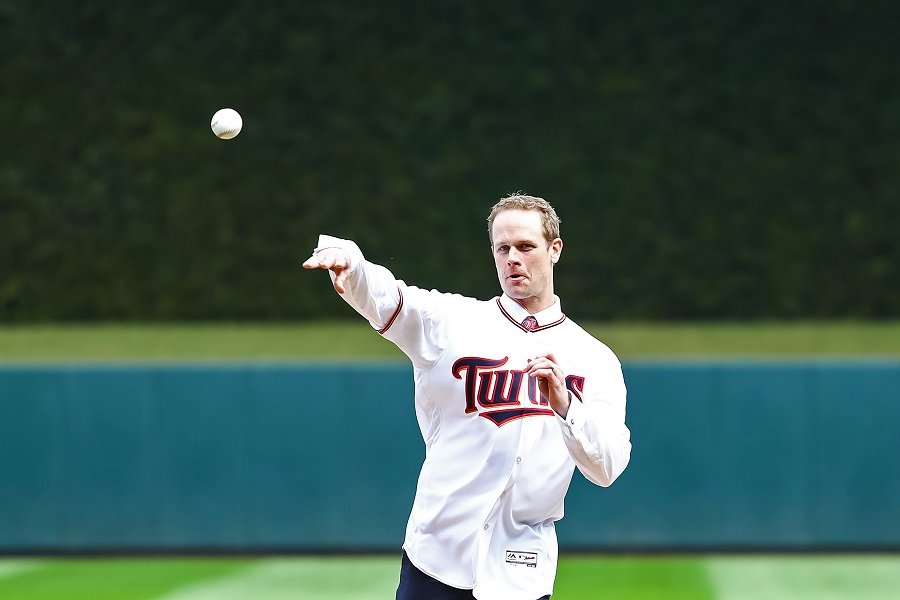 Justin Morneau was considered one of baseball’s best hitting prospects for multiple seasons, but Doug Mientkiewicz was blocking his path to the big leagues. He played parts of the 2003-04 seasons at the big-league level with mixed results. In 114 games, he combined for 44 extra-base hits and a 109 OPS+. By 2005, he got his first full season with the Twins, and things didn’t go perfectly out of the gate. Minnesota handed Morneau the starting first base job in 2004, as the team was in the middle of a winning window. This can mean added pressure for a top prospect, especially when they are taking over for a fan-favorite like Mientkiewicz. His 93 OPS+ in 2005 was his lowest total in a season where he played over 70 games. The 2006 season was magical for the Twins, and Morneau was a big part of that success. He’d win the 2006 AL MVP after hitting .321/.375/.559 with 34 home runs and 37 doubles. His MVP win is somewhat controversial as his 4.0 WAR ranked as the 22nd best in the AL. However, he compiled substantial numbers in the counting stats (HR, RBI, etc.) that were important to voters at that time. In retrospect, a benching in early June might have been the reason Morneau won the MVP. Minnesota was in Seattle and Morneau was called into manager Ron Gardenhire’s office. He entered that meeting hitting .236/.297/.450 (.747) with 19 extra bases for the season. Gardy told him that his focus needed to be on the field, and he helped Morneau realize that he could be a lot better. For the rest of the season, he hit .362/.412/.611 (1.023) with 53 extra-base hits. It was a career changing conversation for Morneau. Over the next four seasons, Morneau was a perennial All-Star as he combined for a 137 OPS+. His 2010 season looked like he was headed for another MVP as he hit .345/.437/.618 (187 OPS+) in 81 games, Unfortunately, a now-infamous slide in Toronto ended his season. It wasn’t his first concussion, and it wouldn’t be his last. His career took a different trajectory from that day forward, and it can leave fans wondering what could have been. From 2011-2016, he bounced from Minnesota to Pittsburgh with eventual stops in Colorado and Chicago. During these years, he hit .275/.331/.433 (.764), which resulted in a 106 OPS+. During his final season as a full-time player, he led the National League in hitting with a .319 batting average. Concussion issues and other injuries followed him throughout the rest of his career. By the time he retired, Baseball Reference had viewed Morneau as similar to players like Freddie Freeman, Cliff Floyd, and Kent Hrbek. Morneau doesn’t have the resume needed for election to Cooperstown, but his time in Minnesota was memorable. He helped keep the Twins relevant for most of the 2000s, and he lived up to the hype he garnered as a top prospect. Morneau’s post playing career has kept him close to the game. He immediately signed on as a special assistant with the front office, and he has assisted multiple Twins players and prospects in this role. He and his wife, Krista, continue to stay active in the community including holding an annual coat drive that keeps families warm throughout the Twin Cities. Twins fans have also enjoyed his time as a color commentator as he brings an insightful approach that had been missing from the booth. His impact has been felt long after his retirement, including with players like Gerrit Cole, Trevor Larnach, and Alex Kirilloff. However, one has to wonder if his playing career would look different at the end if he had avoided that slide in Toronto back in 2010. What are some of your favorite Morneau memories? Leave a COMMENT and start the discussion. MORE FROM TWINS DAILY — Latest Twins coverage from our writers — Recent Twins discussion in our forums — Follow Twins Daily via Twitter, Facebook or email
 -
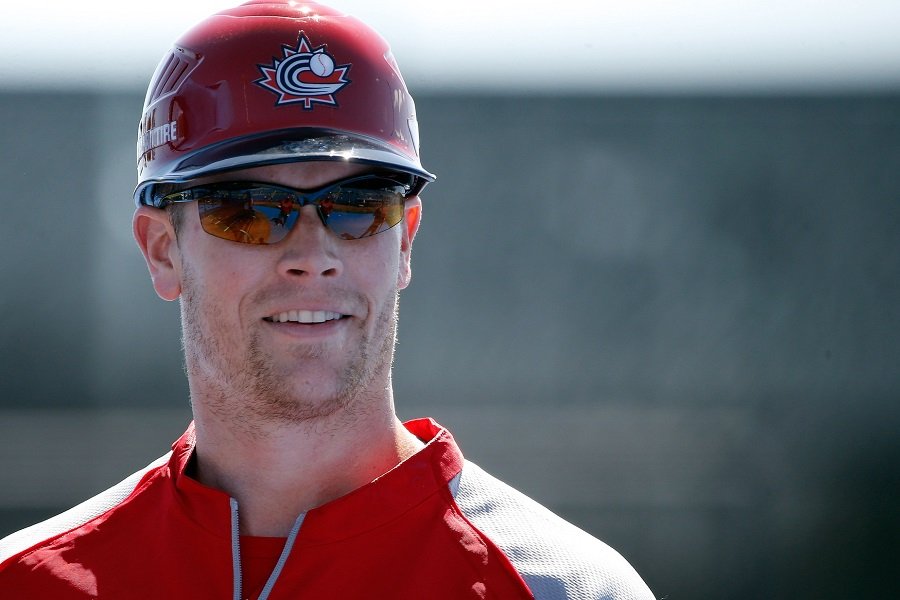 The Twins drafted Justin Morneau in the third round of the 1999 MLB Draft out of New Westminster High School in British Columbia, Canada. At the time, Minnesota drafted him as a catcher, but scouts were unsure of his long-term defensive position. However, his bat was good enough to make him the first Canadian drafted in that draft class. Morneau's first professional action came in the Gulf Coast League, where he hit .302/.333/.396 with five doubles in 17 games. As a 19-year-old, he returned to the GCL, and he destroyed the ball to the tune of a 1.143 OPS with 31 extra-base hits in 52 games. He continued to work on his catching skills, but his bat was what put him on the map as one of baseball's best prospects. Baseball America got excited about Morneau following his 2001 minor league season. Over the next three winters, they included Morneau as one of their top-25 prospects. He entered the 2002 season at #21, the 2003 season at #14, and the 2004 season at #16. Morneau also appeared in two Futures Games during that stretch. Scouts considered him one of baseball's best prospects, and there was excitement for what he could mean to Minnesota's long-term future. During the 2001 campaign, Morneau played at three different levels, including making it to Double-A, where he was over four years younger than the average age of the competition. Minnesota decided to move him to first base, and this was even before the team drafted Joe Mauer as the team's catcher of the future. Morneau's change in defensive position didn't hurt his offensive output. He destroyed the ball in the Midwest League (Low-A) with a 1.018 OPS. He got on base over 38% of the time at High-A and had 17 extra-base hits in 53 games. As a 21-year-old, Morneau spent all of the 2002 season at Double-A. Even though he was over three years younger than the competition, he posted an .830 OPS with 51 extra-base hits in 126 games. It was getting tough for the Twins to keep Morneau in the minors, and it would get even more challenging in 2003. At the beginning of 2003, Minnesota had fan-favorite Doug Mientkiewicz handling first base, and the team was coming off a 2002 run to the ALCS. This left Morneau back at Double-A with a bat that was close to big-league ready. He posted a 1.004 OPS in the Eastern League, where he was still younger than the competition. The Twins promoted him to Triple-A, and he logged 28 extra-base hits in 71 games. Morneau made his big-league debut that season and hit .226/.287/.377 in 40 games, but Mientkiewicz was still at first. Morneau's minor league time wasn't finished as he went back to Rochester in 2004 and mashed the ball. In 72 games, he posted a .992 OPS with 22 homers and 23 doubles. At the trade deadline, the Twins traded Mientkiewicz to Boston, and there was now an open spot at first base. Morneau proved he belonged in the big leagues by hitting 19 home runs and 17 doubles in 74 games with the Twins. He had cemented himself as the Twins first baseman for the next decade. What do you remember about Morneau's minor league career? Where were you when Mientkiewicz was traded? Leave a COMMENT and start the discussion. MORE FROM TWINS DAILY — Latest Twins coverage from our writers — Recent Twins discussion in our forums — Follow Twins Daily via Twitter, Facebook or email
 -
Fans remember Justin Morneau as one of the best players in team history, and this weekend the organization will induct him into the Twins Hall of Fame. So, how did he put himself on the prospect map? The Twins drafted Justin Morneau in the third round of the 1999 MLB Draft out of New Westminster High School in British Columbia, Canada. At the time, Minnesota drafted him as a catcher, but scouts were unsure of his long-term defensive position. However, his bat was good enough to make him the first Canadian drafted in that draft class. Morneau's first professional action came in the Gulf Coast League, where he hit .302/.333/.396 with five doubles in 17 games. As a 19-year-old, he returned to the GCL, and he destroyed the ball to the tune of a 1.143 OPS with 31 extra-base hits in 52 games. He continued to work on his catching skills, but his bat was what put him on the map as one of baseball's best prospects. Baseball America got excited about Morneau following his 2001 minor league season. Over the next three winters, they included Morneau as one of their top-25 prospects. He entered the 2002 season at #21, the 2003 season at #14, and the 2004 season at #16. Morneau also appeared in two Futures Games during that stretch. Scouts considered him one of baseball's best prospects, and there was excitement for what he could mean to Minnesota's long-term future. During the 2001 campaign, Morneau played at three different levels, including making it to Double-A, where he was over four years younger than the average age of the competition. Minnesota decided to move him to first base, and this was even before the team drafted Joe Mauer as the team's catcher of the future. Morneau's change in defensive position didn't hurt his offensive output. He destroyed the ball in the Midwest League (Low-A) with a 1.018 OPS. He got on base over 38% of the time at High-A and had 17 extra-base hits in 53 games. As a 21-year-old, Morneau spent all of the 2002 season at Double-A. Even though he was over three years younger than the competition, he posted an .830 OPS with 51 extra-base hits in 126 games. It was getting tough for the Twins to keep Morneau in the minors, and it would get even more challenging in 2003. At the beginning of 2003, Minnesota had fan-favorite Doug Mientkiewicz handling first base, and the team was coming off a 2002 run to the ALCS. This left Morneau back at Double-A with a bat that was close to big-league ready. He posted a 1.004 OPS in the Eastern League, where he was still younger than the competition. The Twins promoted him to Triple-A, and he logged 28 extra-base hits in 71 games. Morneau made his big-league debut that season and hit .226/.287/.377 in 40 games, but Mientkiewicz was still at first. Morneau's minor league time wasn't finished as he went back to Rochester in 2004 and mashed the ball. In 72 games, he posted a .992 OPS with 22 homers and 23 doubles. At the trade deadline, the Twins traded Mientkiewicz to Boston, and there was now an open spot at first base. Morneau proved he belonged in the big leagues by hitting 19 home runs and 17 doubles in 74 games with the Twins. He had cemented himself as the Twins first baseman for the next decade. What do you remember about Morneau's minor league career? Where were you when Mientkiewicz was traded? Leave a COMMENT and start the discussion. MORE FROM TWINS DAILY — Latest Twins coverage from our writers — Recent Twins discussion in our forums — Follow Twins Daily via Twitter, Facebook or email View full article
-
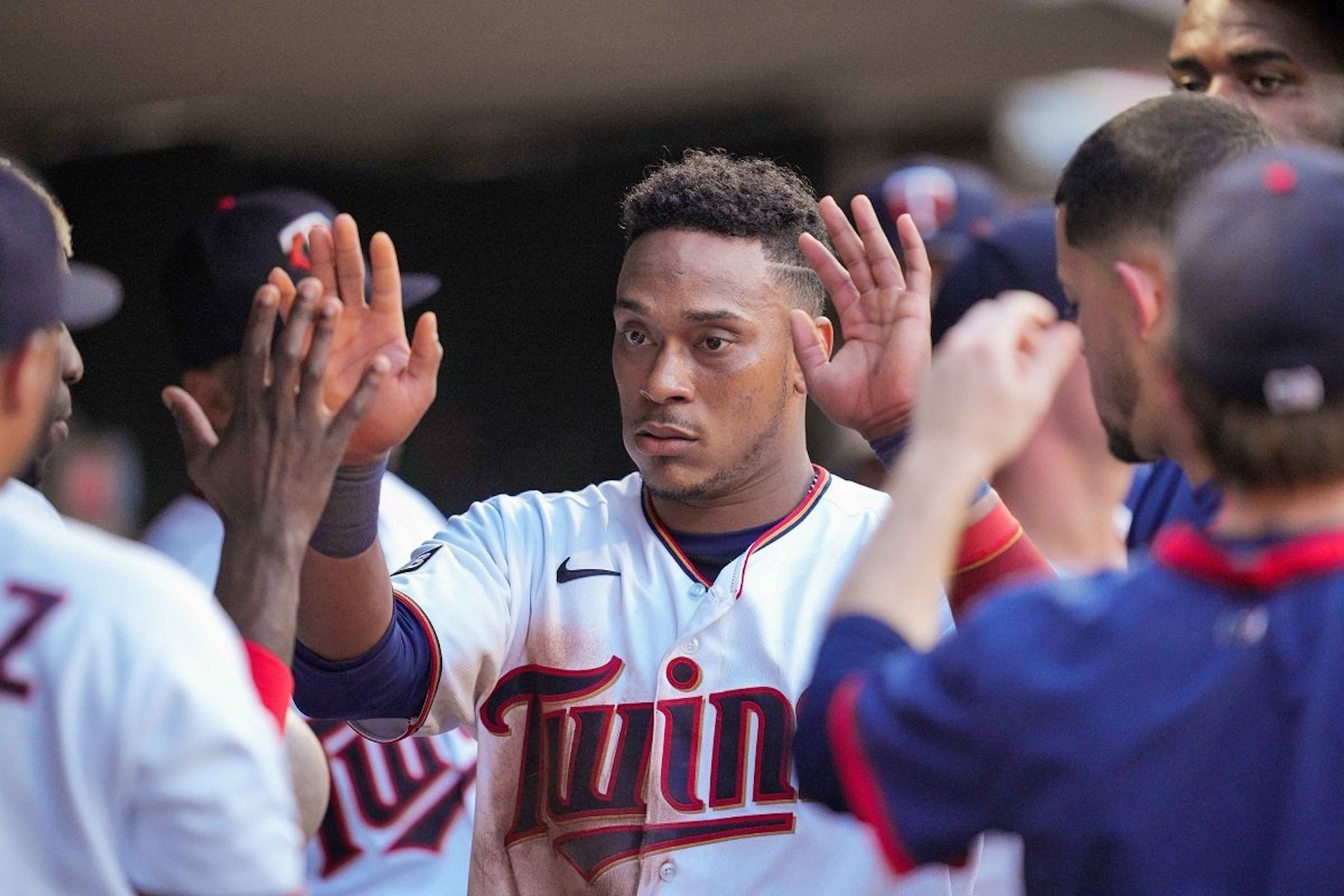 Why have you continued to watch the Twins in the second half? Have you tuned in for Jorge Polanco’s hot bat? Did you watch some of the young pitching making their MLB debuts? Below is a ranking of the top three things that went right for the 2021 Twins. 3. Jorge Polanco Jorge Polanco has been one of the most prominent bright spots this season. After having ankle surgery the past two off-seasons, there were plenty of question marks about his long-term role for the Twins. The team moved him away from shortstop, and other players on the roster can fit into the plan at second base. He faced these challenges head-on and is ending the season as the team’s most valuable player. Polanco set the franchise record for home runs by a switch-hitter after a slow start to the season. He will end the year with more than 30 homers, 30 doubles, and ten steals, which are numbers only a few MLB players have accumulated this year. Baseball Reference has him with the sixth-highest WAR total among AL position players. His at-bats have become one of the main reasons to watch the Twins in the second half. 2. Aggressive Trade Deadline Minnesota’s front office said the Twins will compete in 2022, so trading away players like Jose Berrios can be tough to make that a reality. An argument could have been made to retain players and take another run in 2022. Instead, the Twins were able to get two top-100 prospects for Berrios and two big-league ready arms for Nelson Cruz’s expiring contract. These aren’t the only parts of the trade deadline that impacted the team’s long-term outlook. Besides Cruz and Berrios, Minnesota dealt away J.A. Happ and Hansel Robles for pitching prospects. Happ and Robles were on expiring deals, and neither had performed exceptionally well during their Twins tenure, so getting value was an impressive feat for the front office. Minnesota also held on to players like Byron Buxton, Josh Donaldson, and Max Kepler. All of these players can help the Twins to be competitive in 2022. 1. Experience for Young Players In a lost season, big-league experience can be invaluable for the players who make up the core of the next winning Twins team. Alex Kirilloff and Trevor Larnach were thrust into the Twins line-up with some bumps and bruises along the way. Kirilloff fought through a wrist injury and was still able to produce a 98 OPS+. Larnach held his own in the season’s first half (.755 OPS) before the team needed him to rediscover his swing in St. Paul. Both players will be in the middle of Minnesota’s line-up for most of the next decade. On the mound, starters like Bailey Ober and Joe Ryan have shown they can more than hold their own at the big-league level. As of right now, no members of the 2021 Opening Day starting rotation will be with the Twins next year. Minnesota likely feels comfortable with both of these pitchers penciled into the back of the 2022 rotation. Starting pitching depth was an issue in 2022, so the front office has plenty of work to do on this front over the next couple of months. How would you rank these positives from 2021? What would you add to the list? Leave a COMMENT and start the discussion. MORE FROM TWINS DAILY — Latest Twins coverage from our writers — Recent Twins discussion in our forums — Follow Twins Daily via Twitter, Facebook or email
- 8 comments
-
- 3
-
-
- jorge polanco
- alex kirilloff
- (and 2 more)
-
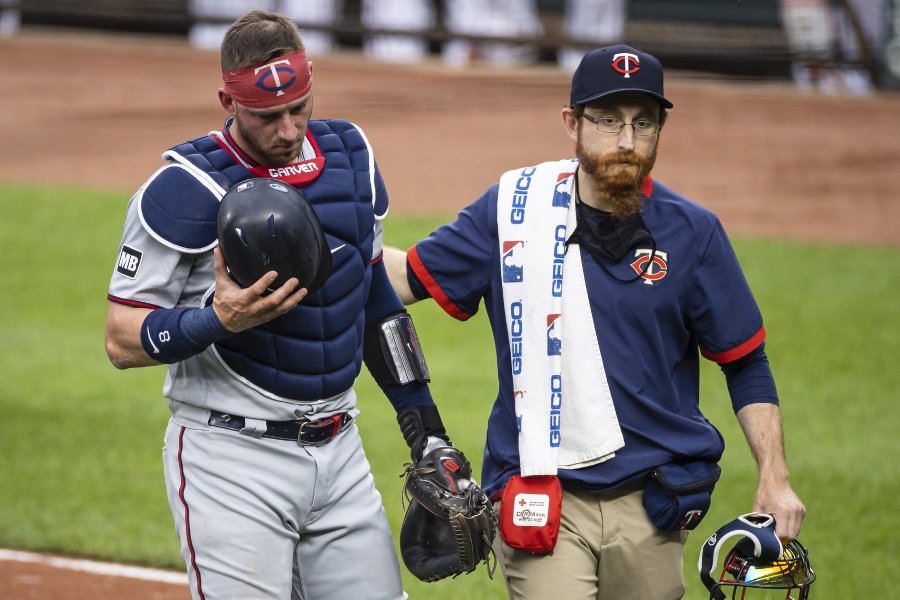 When teams are winning, it can be hard to identify flaws. On the other hand, organizational issues can come to the top when teams are marred in a losing season. Below is a ranking of the top three things that went wrong for the 2021 Twins. 3. Injuries Byron Buxton shot out of the gates and played at an MVP level before injuries sidelined him for most of the season. Kenta Maeda looked to build off a terrific 2020 campaign before learning that he needed Tommy John surgery. Alex Kirilloff was impressive in his rookie campaign before wrist surgery ended his season. Taylor Rogers was nearly traded at the deadline before a finger injury put him on the bench. Randy Dobnak signed a big off-season contract before getting wrapped up in the worst season of his career. These are just some of the injuries that pushed the team’s depth to the limits. At one point during the year, the Twins were on the sixth option in center field. No teams plan for their sixth center field option to play an impactful role. Every team has injuries, but the Twins didn’t have the depth to cover up some of their holes this season. 2. The Bullpen Minnesota saw many key bullpen pieces leave last winter, which meant the team would need to search for replacements. Alex Colome and Hansel Robles arrived as late-inning options, but both struggled throughout parts of the season. Minnesota also brought in plenty of non-rostered arms to try and find the next Matt Wisler. None of those players significantly impacted the club, and the Twins used over 30 different relief pitchers in 2021. Looking back to Opening Day, there were issues from the start. Colome posted an 8.31 ERA in nine April appearances while opponents posted a .952 OPS. It was clear from the start that Dobnak was not cut out for his Opening Day role because the Twins didn’t find themselves in many situations where they needed a long-man. Cody Stashak suffered a back injury and hasn’t pitched since May. The list can continue with other players on the 60-day IL, but those were just some of the issues with the Opening Day bullpen. 1. Rotational depth As the old adage goes, a team can never have too much pitching. J.A. Happ and Matt Shoemaker came in to add depth to the starting rotation, but neither of these players worked out the way the team envisioned. Kenta Maeda and Michael Pineda spent significant time on the IL, and other depth starters like Lewis Thorpe, Devin Smeltzer, Dobnak, and Stashak were already injured. This forced the team to keep trotting out Happ and Shoemaker even though they were ineffective. Projections also had Minnesota’s top two pitching prospects, Jhoan Duran and Jordan Balazovic, ready to join the rotation. Neither of them has made their debut, and there is a chance Duran will need surgery on his elbow. At the deadline, the Twins added multiple pitching prospects, and other pitchers have gotten big-league starting experience in the second half. This experience helps prepare for the future, but the 2022 rotation is still in flux. How would you rank these issues from 2021? What would you add to the list? Leave a COMMENT and start the discussion. MORE FROM TWINS DAILY — Latest Twins coverage from our writers — Recent Twins discussion in our forums — Follow Twins Daily via Twitter, Facebook or email
 -
Not much went right for the Twins during the 2021 campaign. Injuries and pitching issues were just some of the problems that pushed the Twins to the bottom of the AL Central. So, what went wrong with the 2021 Twins? When teams are winning, it can be hard to identify flaws. On the other hand, organizational issues can come to the top when teams are marred in a losing season. Below is a ranking of the top three things that went wrong for the 2021 Twins. 3. Injuries Byron Buxton shot out of the gates and played at an MVP level before injuries sidelined him for most of the season. Kenta Maeda looked to build off a terrific 2020 campaign before learning that he needed Tommy John surgery. Alex Kirilloff was impressive in his rookie campaign before wrist surgery ended his season. Taylor Rogers was nearly traded at the deadline before a finger injury put him on the bench. Randy Dobnak signed a big off-season contract before getting wrapped up in the worst season of his career. These are just some of the injuries that pushed the team’s depth to the limits. At one point during the year, the Twins were on the sixth option in center field. No teams plan for their sixth center field option to play an impactful role. Every team has injuries, but the Twins didn’t have the depth to cover up some of their holes this season. 2. The Bullpen Minnesota saw many key bullpen pieces leave last winter, which meant the team would need to search for replacements. Alex Colome and Hansel Robles arrived as late-inning options, but both struggled throughout parts of the season. Minnesota also brought in plenty of non-rostered arms to try and find the next Matt Wisler. None of those players significantly impacted the club, and the Twins used over 30 different relief pitchers in 2021. Looking back to Opening Day, there were issues from the start. Colome posted an 8.31 ERA in nine April appearances while opponents posted a .952 OPS. It was clear from the start that Dobnak was not cut out for his Opening Day role because the Twins didn’t find themselves in many situations where they needed a long-man. Cody Stashak suffered a back injury and hasn’t pitched since May. The list can continue with other players on the 60-day IL, but those were just some of the issues with the Opening Day bullpen. 1. Rotational depth As the old adage goes, a team can never have too much pitching. J.A. Happ and Matt Shoemaker came in to add depth to the starting rotation, but neither of these players worked out the way the team envisioned. Kenta Maeda and Michael Pineda spent significant time on the IL, and other depth starters like Lewis Thorpe, Devin Smeltzer, Dobnak, and Stashak were already injured. This forced the team to keep trotting out Happ and Shoemaker even though they were ineffective. Projections also had Minnesota’s top two pitching prospects, Jhoan Duran and Jordan Balazovic, ready to join the rotation. Neither of them has made their debut, and there is a chance Duran will need surgery on his elbow. At the deadline, the Twins added multiple pitching prospects, and other pitchers have gotten big-league starting experience in the second half. This experience helps prepare for the future, but the 2022 rotation is still in flux. How would you rank these issues from 2021? What would you add to the list? Leave a COMMENT and start the discussion. MORE FROM TWINS DAILY — Latest Twins coverage from our writers — Recent Twins discussion in our forums — Follow Twins Daily via Twitter, Facebook or email View full article
- 14 replies
-
- 1
-
-
- byron buxton
- kenta maeda
- (and 3 more)
-
It’s easy to be negative when the Twins are heading for 90-losses or more for the sixth time in the last decade. Even if you turned away, there were plenty of things that went right for the 2021 Twins. Why have you continued to watch the Twins in the second half? Have you tuned in for Jorge Polanco’s hot bat? Did you watch some of the young pitching making their MLB debuts? Below is a ranking of the top three things that went right for the 2021 Twins. 3. Jorge Polanco Jorge Polanco has been one of the most prominent bright spots this season. After having ankle surgery the past two off-seasons, there were plenty of question marks about his long-term role for the Twins. The team moved him away from shortstop, and other players on the roster can fit into the plan at second base. He faced these challenges head-on and is ending the season as the team’s most valuable player. Polanco set the franchise record for home runs by a switch-hitter after a slow start to the season. He will end the year with more than 30 homers, 30 doubles, and ten steals, which are numbers only a few MLB players have accumulated this year. Baseball Reference has him with the sixth-highest WAR total among AL position players. His at-bats have become one of the main reasons to watch the Twins in the second half. 2. Aggressive Trade Deadline Minnesota’s front office said the Twins will compete in 2022, so trading away players like Jose Berrios can be tough to make that a reality. An argument could have been made to retain players and take another run in 2022. Instead, the Twins were able to get two top-100 prospects for Berrios and two big-league ready arms for Nelson Cruz’s expiring contract. These aren’t the only parts of the trade deadline that impacted the team’s long-term outlook. Besides Cruz and Berrios, Minnesota dealt away J.A. Happ and Hansel Robles for pitching prospects. Happ and Robles were on expiring deals, and neither had performed exceptionally well during their Twins tenure, so getting value was an impressive feat for the front office. Minnesota also held on to players like Byron Buxton, Josh Donaldson, and Max Kepler. All of these players can help the Twins to be competitive in 2022. 1. Experience for Young Players In a lost season, big-league experience can be invaluable for the players who make up the core of the next winning Twins team. Alex Kirilloff and Trevor Larnach were thrust into the Twins line-up with some bumps and bruises along the way. Kirilloff fought through a wrist injury and was still able to produce a 98 OPS+. Larnach held his own in the season’s first half (.755 OPS) before the team needed him to rediscover his swing in St. Paul. Both players will be in the middle of Minnesota’s line-up for most of the next decade. On the mound, starters like Bailey Ober and Joe Ryan have shown they can more than hold their own at the big-league level. As of right now, no members of the 2021 Opening Day starting rotation will be with the Twins next year. Minnesota likely feels comfortable with both of these pitchers penciled into the back of the 2022 rotation. Starting pitching depth was an issue in 2022, so the front office has plenty of work to do on this front over the next couple of months. How would you rank these positives from 2021? What would you add to the list? Leave a COMMENT and start the discussion. MORE FROM TWINS DAILY — Latest Twins coverage from our writers — Recent Twins discussion in our forums — Follow Twins Daily via Twitter, Facebook or email View full article
-
Minnesota isn't going to end the team's playoff losing streak this year, but plenty of former Twins are helping their team fight for the playoffs. Here is one former Twin assisting each NL playoff contender. The National League isn't the only league with former Twins dotting potential playoff rosters. Some of the names below are fan favorites, and others exited Minnesota under very different circumstances. Division Leaders San Francisco: LaMonte Wade Jr., OF/1B This one hurts for many Twins fans as LaMonte Wade Jr. was traded for Shaun Anderson in February. Anderson appeared in four games for the Twins before being designated for assignment. Wade has posted a 129 OPS+ while being worth 1.8 WAR. Defensively, he has played all three outfield positions and logged over 186 innings at first base. The Giants are a surprise team, and Wade Jr. has been a surprise addition to their success. Milwaukee: Eduardo Escobar, INF Eduardo Escobar was a first-time All-Star this season before being dealt from Arizona to Milwaukee at the trade deadline. His OPS+ has jumped from 107 to 124 since the trade. For the season, his max exit velocity and xSLG rank in the 70th percentile or higher. Milwaukee's starting rotation is built for a deep October run, and Escobar was the team's upgrade for the stretch run. Atlanta: Huascar Ynoa, SP Former Twin Eddie Rosario made some history for the Braves over the weekend by hitting for the cycle, but Huascar Ynoa is more critical for the team's playoff success. Ynoa was traded to the Braves for Jaime Garcia and Anthony Recker in 2017. He has posted a 3.26 ERA and a 1.022 WHIP with a 10.0 strikeout per nine. At 23-years old, he has been a surprise for the Braves as they sit atop the AL East. Wild Card Contenders Los Angeles: Brusdar Graterol Graterol headed to the Dodgers as part of the Kenta Maeda deal, and he helped the Dodgers win the 2020 World Series. He was injured and ineffective in the first half, so his addition to the bullpen has provided a second-half boost. In 23 second-half appearances, he has a 3.24 ERA with a 1.24 WHIP. Any team competing in October needs a good bullpen, and Brusdar Graterol can help the Dodgers on their quest to repeat. St. Louis: J.A. Happ Many were surprised the Twins were able to get anything for Happ at the trade deadline. Now, J.A. Happ has been part of quite the turnaround in St. Louis. The Cardinals seem to do this on an annual basis where the club looks out of the race, and then they fight back into contention. His ERA dropped from 6.77 with the Twins to 4.33 with the Cardinals. He hasn't been outstanding, but he has helped take innings away from their bullpen. Philadelphia: Kyle Gibson Kyle Gibson compiled an impressive first half in Texas on his way to being named an AL All-Star. At the deadline, he was sent to Philadelphia, who now finds themselves fighting for the final Wild Card spot. His time in Philadelphia hasn't been nearly as outstanding as in Texas, but he has pitched six innings or more in six of his ten starts. Which of these players has the most significant impact on the playoff races? Leave a COMMENT and start the discussion. MORE FROM TWINS DAILY — Latest Twins coverage from our writers — Recent Twins discussion in our forums — Follow Twins Daily via Twitter, Facebook or email View full article
-
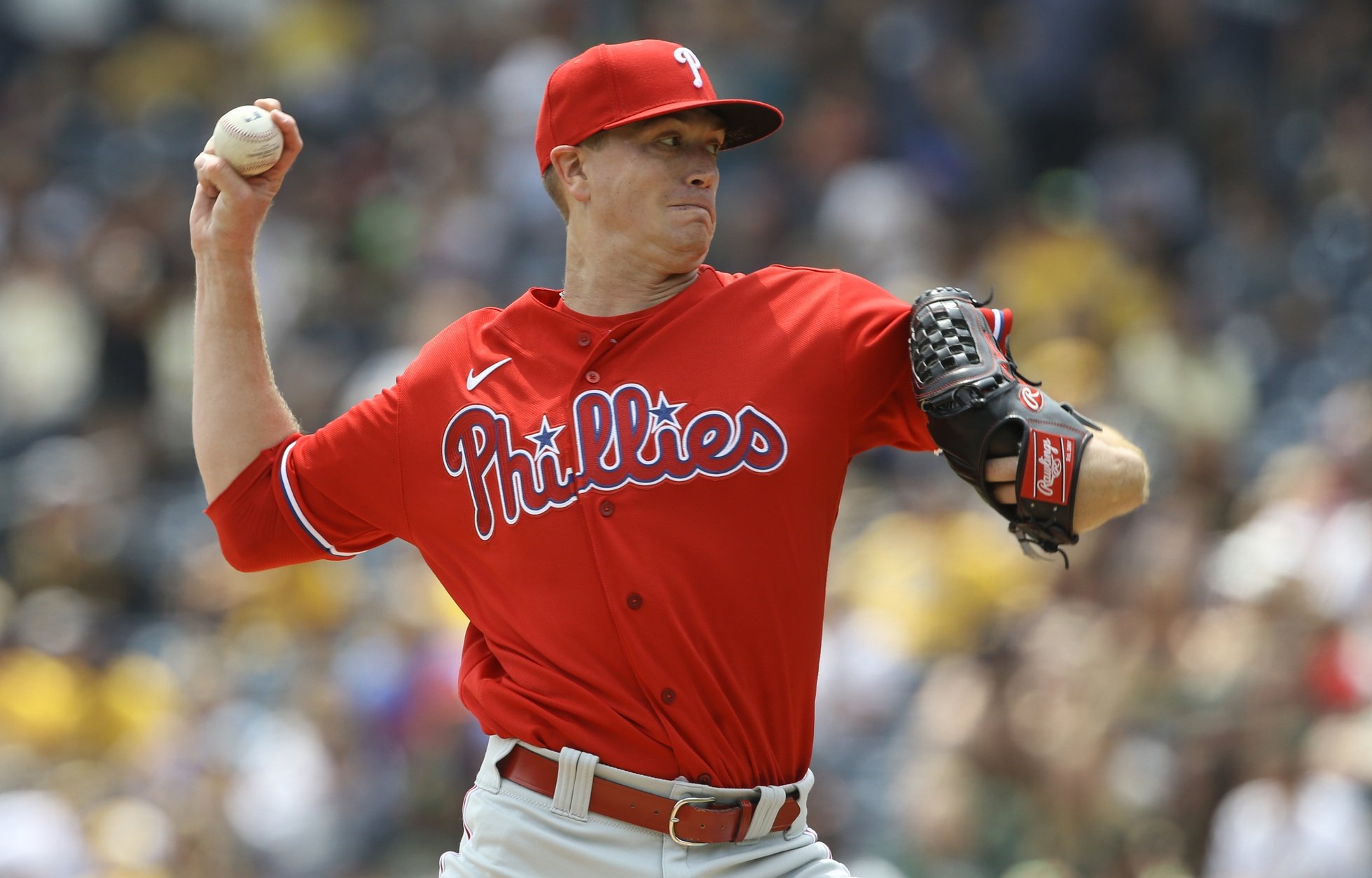 The National League isn't the only league with former Twins dotting potential playoff rosters. Some of the names below are fan favorites, and others exited Minnesota under very different circumstances. Division Leaders San Francisco: LaMonte Wade Jr., OF/1B This one hurts for many Twins fans as LaMonte Wade Jr. was traded for Shaun Anderson in February. Anderson appeared in four games for the Twins before being designated for assignment. Wade has posted a 129 OPS+ while being worth 1.8 WAR. Defensively, he has played all three outfield positions and logged over 186 innings at first base. The Giants are a surprise team, and Wade Jr. has been a surprise addition to their success. Milwaukee: Eduardo Escobar, INF Eduardo Escobar was a first-time All-Star this season before being dealt from Arizona to Milwaukee at the trade deadline. His OPS+ has jumped from 107 to 124 since the trade. For the season, his max exit velocity and xSLG rank in the 70th percentile or higher. Milwaukee's starting rotation is built for a deep October run, and Escobar was the team's upgrade for the stretch run. Atlanta: Huascar Ynoa, SP Former Twin Eddie Rosario made some history for the Braves over the weekend by hitting for the cycle, but Huascar Ynoa is more critical for the team's playoff success. Ynoa was traded to the Braves for Jaime Garcia and Anthony Recker in 2017. He has posted a 3.26 ERA and a 1.022 WHIP with a 10.0 strikeout per nine. At 23-years old, he has been a surprise for the Braves as they sit atop the AL East. Wild Card Contenders Los Angeles: Brusdar Graterol Graterol headed to the Dodgers as part of the Kenta Maeda deal, and he helped the Dodgers win the 2020 World Series. He was injured and ineffective in the first half, so his addition to the bullpen has provided a second-half boost. In 23 second-half appearances, he has a 3.24 ERA with a 1.24 WHIP. Any team competing in October needs a good bullpen, and Brusdar Graterol can help the Dodgers on their quest to repeat. St. Louis: J.A. Happ Many were surprised the Twins were able to get anything for Happ at the trade deadline. Now, J.A. Happ has been part of quite the turnaround in St. Louis. The Cardinals seem to do this on an annual basis where the club looks out of the race, and then they fight back into contention. His ERA dropped from 6.77 with the Twins to 4.33 with the Cardinals. He hasn't been outstanding, but he has helped take innings away from their bullpen. Philadelphia: Kyle Gibson Kyle Gibson compiled an impressive first half in Texas on his way to being named an AL All-Star. At the deadline, he was sent to Philadelphia, who now finds themselves fighting for the final Wild Card spot. His time in Philadelphia hasn't been nearly as outstanding as in Texas, but he has pitched six innings or more in six of his ten starts. Which of these players has the most significant impact on the playoff races? Leave a COMMENT and start the discussion. MORE FROM TWINS DAILY — Latest Twins coverage from our writers — Recent Twins discussion in our forums — Follow Twins Daily via Twitter, Facebook or email
- 1 comment
-
- 2
-
-
- kyle gibson
- brusdar graterol
- (and 3 more)
-
This year, Minnesota might not be in the playoff race, but that doesn’t mean fans have to tune out from the exciting races across baseball. Former Twins players and prospects are on nearly every contending team’s roster. Some of these players had memorable Twins tenures, while others might not have gotten a full opportunity. Either way, they are in the thick of the playoff hunt as their team’s search for October glory. Division Leaders Tampa Bay: Nelson Cruz, DH Nelson Cruz was dealt at the trade deadline in a move that brought back two top pitching prospects, including Joe Ryan. Since the trade, Cruz has posted a .776 OPS, which is 130 points lower than he had with the Twins this year. He still has a 117 OPS+, and he has some big hits in a Rays uniform. Tampa looks to go back to the World Series with Cruz as their veteran leader. Chicago: Liam Hendriks, RP Chicago paid Liam Hendriks a ton of money this winter to bring him to the Southside, and he has lived up to the hype. He leads the American League in Saves, and he has a career-high strikeout rate. Minnesota never gave Hendriks a chance in the bullpen, and some question the team’s decision to let him go. Either way, Chicago paid him to perform like this and to help the team in October. Houston: Ryan Pressly, RP Pressly was dealt to the Astros back in 2018 for Jorge Alcala and Gilberto Celestino. Both of these players have impacted the 2021 Twins, and they look to have bright futures. Ryan Pressly is in the midst of a tremendous season at the backend of the Astros bullpen. He has a sub 1.00 WHIP for the second time in his career, and his chase rate ranks in the 94th percentile. Wild Card Contenders Boston: Martin Perez, SP Twins fans may not have fond memories of Martin Perez as he posted a 5.12 ERA and a 1.52 WHIP in over 165 innings back in 2019. His time in Boston has only been slightly better. In the season’s first half, he posted a 4.04 ERA, which isn’t easy to do in the AL East. His average exit velocity and BB% both rank in the 60th percentile or higher. Toronto: Jose Berrios, SP On Sunday, Jose Berrios made his first career start against the Twins, and the Blue Jays walked away with the win. Berrios was part of a blockbuster deadline deal that brought Austin Martin and Simeon Woods Richardson to Minnesota. Toronto didn’t need Berrios to be an ace, and he has posted a 130 OPS+. Also, he has been worth more win probability added for the Blue Jays this season than with the Twins. New York: Luis Gil, SP In 2018, Gil was sent to the Yankees for Jake Cave, but he was a long way from making an impact at the big-league level. He’s been impressive across six big-league starts this season by posting a 3.07 ERA and 11.7 SO/9. Right now, the Yankees are on the outside of the playoffs, but Luis Gil might be one of the pieces to get them back into the postseason. Oakland: Deolis Guerra, RP Deolis Guerra was part of the Johan Santana trade, and Oakland is his sixth organization since leaving Minnesota. Oakland also has former Twin Sergio Romo, but Guerra has been the more valuable player this season. He ranks in the 84th percentile or higher in average exit velocity, xwOBA, xSLG, hard-hit %, and chase rate. Which of these players has the most significant impact on the playoff races? Leave a COMMENT and start the discussion. MORE FROM TWINS DAILY — Latest Twins coverage from our writers — Recent Twins discussion in our forums — Follow Twins Daily via Twitter, Facebook or email View full article
- 11 replies
-
- 1
-
-
- jose berrios
- deolis guerra
- (and 3 more)
-
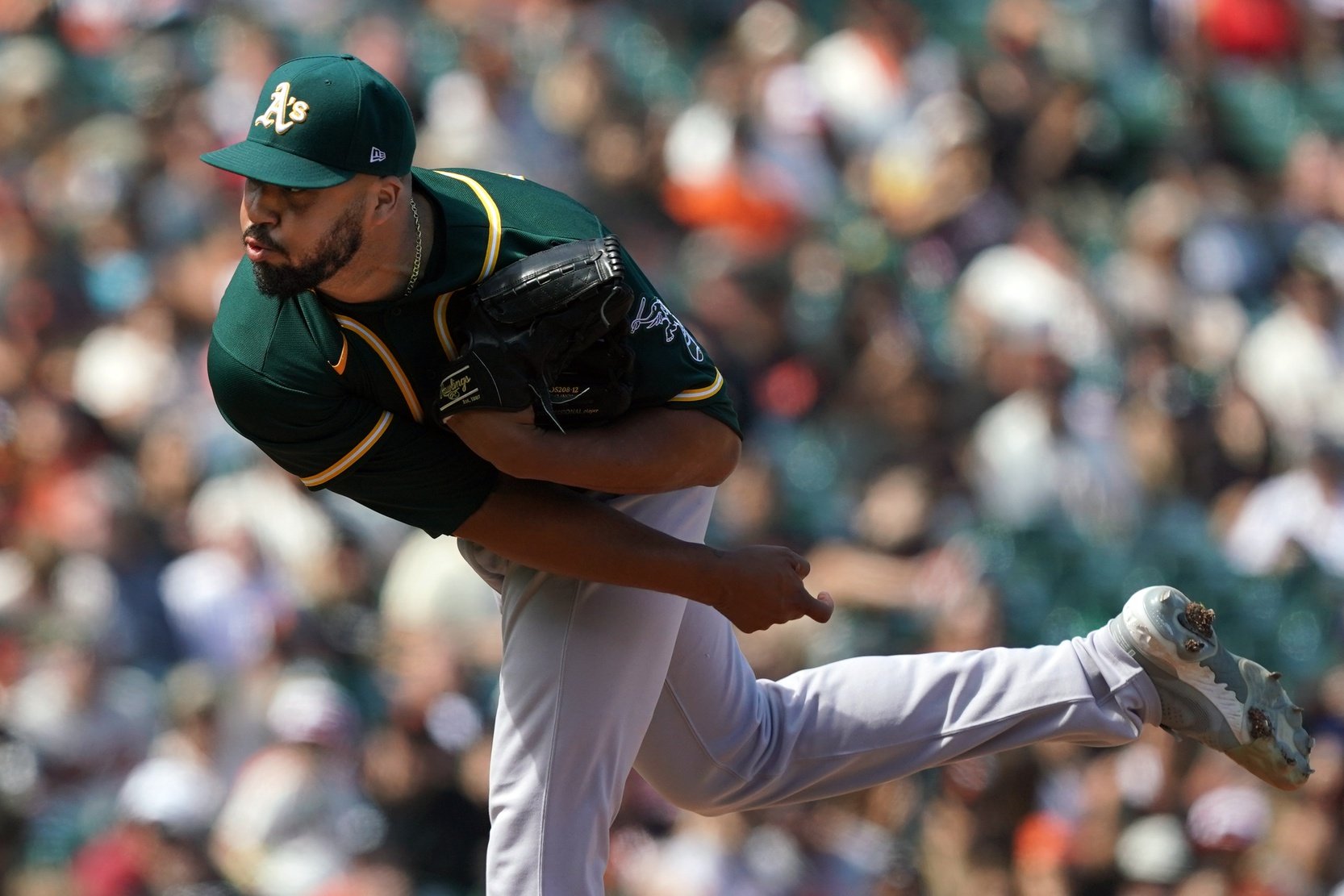 Some of these players had memorable Twins tenures, while others might not have gotten a full opportunity. Either way, they are in the thick of the playoff hunt as their team’s search for October glory. Division Leaders Tampa Bay: Nelson Cruz, DH Nelson Cruz was dealt at the trade deadline in a move that brought back two top pitching prospects, including Joe Ryan. Since the trade, Cruz has posted a .776 OPS, which is 130 points lower than he had with the Twins this year. He still has a 117 OPS+, and he has some big hits in a Rays uniform. Tampa looks to go back to the World Series with Cruz as their veteran leader. Chicago: Liam Hendriks, RP Chicago paid Liam Hendriks a ton of money this winter to bring him to the Southside, and he has lived up to the hype. He leads the American League in Saves, and he has a career-high strikeout rate. Minnesota never gave Hendriks a chance in the bullpen, and some question the team’s decision to let him go. Either way, Chicago paid him to perform like this and to help the team in October. Houston: Ryan Pressly, RP Pressly was dealt to the Astros back in 2018 for Jorge Alcala and Gilberto Celestino. Both of these players have impacted the 2021 Twins, and they look to have bright futures. Ryan Pressly is in the midst of a tremendous season at the backend of the Astros bullpen. He has a sub 1.00 WHIP for the second time in his career, and his chase rate ranks in the 94th percentile. Wild Card Contenders Boston: Martin Perez, SP Twins fans may not have fond memories of Martin Perez as he posted a 5.12 ERA and a 1.52 WHIP in over 165 innings back in 2019. His time in Boston has only been slightly better. In the season’s first half, he posted a 4.04 ERA, which isn’t easy to do in the AL East. His average exit velocity and BB% both rank in the 60th percentile or higher. Toronto: Jose Berrios, SP On Sunday, Jose Berrios made his first career start against the Twins, and the Blue Jays walked away with the win. Berrios was part of a blockbuster deadline deal that brought Austin Martin and Simeon Woods Richardson to Minnesota. Toronto didn’t need Berrios to be an ace, and he has posted a 130 OPS+. Also, he has been worth more win probability added for the Blue Jays this season than with the Twins. New York: Luis Gil, SP In 2018, Gil was sent to the Yankees for Jake Cave, but he was a long way from making an impact at the big-league level. He’s been impressive across six big-league starts this season by posting a 3.07 ERA and 11.7 SO/9. Right now, the Yankees are on the outside of the playoffs, but Luis Gil might be one of the pieces to get them back into the postseason. Oakland: Deolis Guerra, RP Deolis Guerra was part of the Johan Santana trade, and Oakland is his sixth organization since leaving Minnesota. Oakland also has former Twin Sergio Romo, but Guerra has been the more valuable player this season. He ranks in the 84th percentile or higher in average exit velocity, xwOBA, xSLG, hard-hit %, and chase rate. Which of these players has the most significant impact on the playoff races? Leave a COMMENT and start the discussion. MORE FROM TWINS DAILY — Latest Twins coverage from our writers — Recent Twins discussion in our forums — Follow Twins Daily via Twitter, Facebook or email
- 11 comments
-
- 2
-
-
- jose berrios
- deolis guerra
- (and 3 more)
-
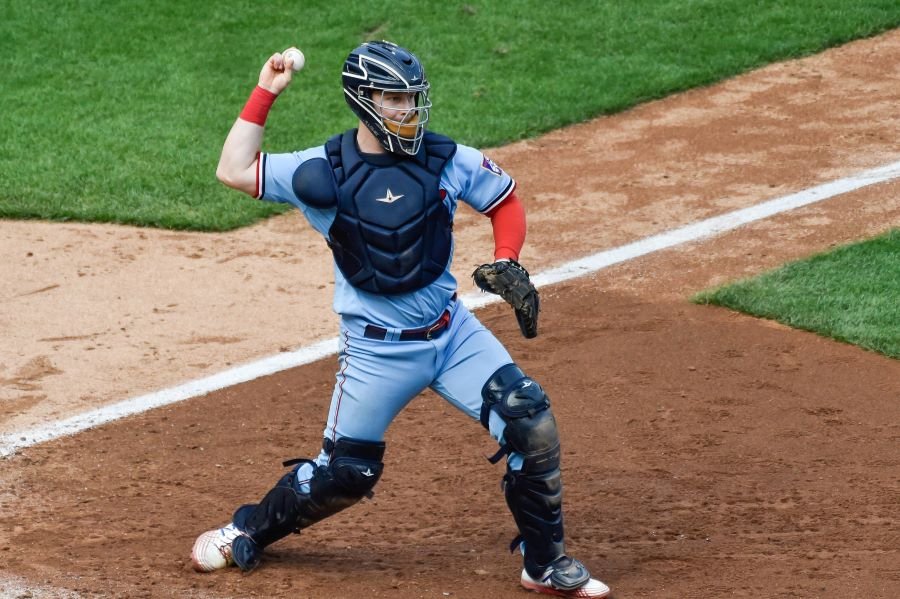 Baseball is a challenging game, and even the all-time greats can have a down season. Players fight through injuries, work on swing adjustments, and fight against extensive data compiled on their every weakness. This is a tough environment for any player to find success. Here are three Twins players that underperformed in 2021 that should return to form next season. Randy Dobnak, SP Everything that could go wrong did go wrong for Dobnak after signing his extension last spring. Beginning the season as a reliever and multiple IL stints meant his season could never get off the ground. There were brief glimpses of the old Dobnak this season, but he ended up being worth -1.3 WAR. Only J.A. Happ and Matt Shoemaker posted a lower WAR total for the team this season. Dobnak is also under contract through 2025. In next year's starting rotation, Minnesota will have plenty of opportunities, and Dobnak is better than his numbers from 2021. Alex Colome, RP Like Dobnak, not much went right for Colome at the start of the year. His disastrous April helped put the Twins in a hole that made it nearly impossible to dig out. He has already shown improved performance in the second half with a 2.63 ERA and a 1.13 WHIP. He's held batters to a .214/.277/.359 slash line in his last 27 games. One of Minnesota's biggest questions this winter will be whether or not to pick up Colome's mutual option. With Taylor Rogers injured, could that make the team want to keep Colome around? Ryan Jeffers, C Minnesota started the year with what looked like one of baseball's best catching duos. Both Ryan Jeffers and Mitch Garver struggled offensively before Jeffers was eventually demoted. Keep in mind that Jeffers had never played at Triple-A in his professional career. In 24 games, he got on base over 34% of the time and posted a .786 OPS. Defensively, he has still provided value as he has been worth four defensive runs saved and ranks in the 72nd percentile for framing. Jeffers doesn't turn 25 until next June, and he is still the future of catching for the Twins. Which Twins player do you feel is the most likely to bounce back in 2022? Leave a COMMENT and start the discussion. MORE FROM TWINS DAILY — Latest Twins coverage from our writers — Recent Twins discussion in our forums — Follow Twins Daily via Twitter, Facebook or email
- 35 comments
-
- 2
-
-
- randy dobnak
- alex colome
- (and 1 more)
-
Every season in baseball history, some players have underperformed. Most of the Minnesota Twins' roster fits into this category in 2021, but who are the top candidates to bounce back? Baseball is a challenging game, and even the all-time greats can have a down season. Players fight through injuries, work on swing adjustments, and fight against extensive data compiled on their every weakness. This is a tough environment for any player to find success. Here are three Twins players that underperformed in 2021 that should return to form next season. Randy Dobnak, SP Everything that could go wrong did go wrong for Dobnak after signing his extension last spring. Beginning the season as a reliever and multiple IL stints meant his season could never get off the ground. There were brief glimpses of the old Dobnak this season, but he ended up being worth -1.3 WAR. Only J.A. Happ and Matt Shoemaker posted a lower WAR total for the team this season. Dobnak is also under contract through 2025. In next year's starting rotation, Minnesota will have plenty of opportunities, and Dobnak is better than his numbers from 2021. Alex Colome, RP Like Dobnak, not much went right for Colome at the start of the year. His disastrous April helped put the Twins in a hole that made it nearly impossible to dig out. He has already shown improved performance in the second half with a 2.63 ERA and a 1.13 WHIP. He's held batters to a .214/.277/.359 slash line in his last 27 games. One of Minnesota's biggest questions this winter will be whether or not to pick up Colome's mutual option. With Taylor Rogers injured, could that make the team want to keep Colome around? Ryan Jeffers, C Minnesota started the year with what looked like one of baseball's best catching duos. Both Ryan Jeffers and Mitch Garver struggled offensively before Jeffers was eventually demoted. Keep in mind that Jeffers had never played at Triple-A in his professional career. In 24 games, he got on base over 34% of the time and posted a .786 OPS. Defensively, he has still provided value as he has been worth four defensive runs saved and ranks in the 72nd percentile for framing. Jeffers doesn't turn 25 until next June, and he is still the future of catching for the Twins. Which Twins player do you feel is the most likely to bounce back in 2022? Leave a COMMENT and start the discussion. MORE FROM TWINS DAILY — Latest Twins coverage from our writers — Recent Twins discussion in our forums — Follow Twins Daily via Twitter, Facebook or email View full article
- 35 replies
-
- 1
-
-
- randy dobnak
- alex colome
- (and 1 more)

