



Cody Christie
-
Posts
7,515 -
Joined
-
Last visited
-
Days Won
5
Content Type
Profiles
News
Minnesota Twins Videos
2026 Minnesota Twins Top Prospects Ranking
2022 Minnesota Twins Draft Picks
Minnesota Twins Free Agent & Trade Rumors, Notes, & Tidbits
Guides & Resources
2023 Minnesota Twins Draft Picks
The Minnesota Twins Players Project
2024 Minnesota Twins Draft Picks
2025 Minnesota Twins Draft Pick Tracker
2026 Minnesota Twins Draft Tracker: Picks & Bonuses
Forums
Blogs
Events
Store
Downloads
Gallery
Everything posted by Cody Christie
-
 According to MLB Pipeline, Yasser Mercedes is the highest-ranked player projected to sign with the Twins in the current signing class. He ranks 17th overall, and he projects as the eighth-best outfield prospect. Cristian Vaquero is the top-ranked outfielder in the class, and he has the same overall grade (55) as Mercedes. Comparing the two players shows how close the top prospects can rank, especially while they are still only halfway through their teenage years. In the summer of 2019, Mercedes was one of 50 teenagers who traveled to Chicago for the Dominican Prospect League's Elite Underclass Series. MLB.com named him on the list of possible "future stars" included on that travel team. His trainer throughout the scouting process has been Hector Evertz, who is a member of MLB's Trainer Partnership Program. According to MLB, "the Trainer Partnership program is a collaboration between MLB and independent trainers to help develop international baseball while addressing important issues in the international market." Yasser Mercedes Scouting Report Bats: R | Throws: R | HT 6'3" | WT: 180 MLB Pipeline Scouting Grades: Hit: 50 | Power: 50 | Run: 55 | Arm: 50 | Field: 55 | Overall: 55 Mercedes has the best overall tools of any player in Minnesota's signing class because the other top two signees currently rank lower in one tool or another. Some players look great on the practice field, and their skills never translate to actual gameplay, but Mercedes can already put it all together during game action. At the plate, he has the skill set to be an average hitter with average power, which can be valuable when combined with solid defense at a critical up-the-middle defensive position. Defensively, Mercedes has the tools and athleticism to stick in center field. His run and field tools grade the highest, and they both help to bring up his overall grade. Right now, his speed allows him to make up for inefficient routes to the ball. As he develops, Twins coaches will work with him to improve his route running in center. He already has a solid frame, and his arm should continue to develop as he adds muscle. Many believe his skill set will allow him to stick in center field for the long term, and that's what makes him the highest-ranked prospect in Minnesota's signing class. International players play a vital role in an organization building depth and helping to get back into contention. Minnesota has multiple regular players currently on the roster signed initially as international free agents. The team hasn't found the next Jorge Polanco or Luis Arraez in recent years, but one player from the current class might help reshape the organization in the years to come. What stands out to you about Mercedes? Leave a COMMENT and start the discussion. OTHER POSTS IN THE SERIES — Yilber Herrera — Bryan Acuña — International Signing Period History MORE FROM TWINS DAILY — Latest Twins coverage from our writers — Recent Twins discussion in our forums — Follow Twins Daily via Twitter, Facebook or email
 -
 Yasser Mercedes has the tools to rank him as one of the best international prospects in this year's signing class. So, what separates him from the other player the Twins will sign? According to MLB Pipeline, Yasser Mercedes is the highest-ranked player projected to sign with the Twins in the current signing class. He ranks 17th overall, and he projects as the eighth-best outfield prospect. Cristian Vaquero is the top-ranked outfielder in the class, and he has the same overall grade (55) as Mercedes. Comparing the two players shows how close the top prospects can rank, especially while they are still only halfway through their teenage years. In the summer of 2019, Mercedes was one of 50 teenagers who traveled to Chicago for the Dominican Prospect League's Elite Underclass Series. MLB.com named him on the list of possible "future stars" included on that travel team. His trainer throughout the scouting process has been Hector Evertz, who is a member of MLB's Trainer Partnership Program. According to MLB, "the Trainer Partnership program is a collaboration between MLB and independent trainers to help develop international baseball while addressing important issues in the international market." Yasser Mercedes Scouting Report Bats: R | Throws: R | HT 6'3" | WT: 180 MLB Pipeline Scouting Grades: Hit: 50 | Power: 50 | Run: 55 | Arm: 50 | Field: 55 | Overall: 55 Mercedes has the best overall tools of any player in Minnesota's signing class because the other top two signees currently rank lower in one tool or another. Some players look great on the practice field, and their skills never translate to actual gameplay, but Mercedes can already put it all together during game action. At the plate, he has the skill set to be an average hitter with average power, which can be valuable when combined with solid defense at a critical up-the-middle defensive position. Defensively, Mercedes has the tools and athleticism to stick in center field. His run and field tools grade the highest, and they both help to bring up his overall grade. Right now, his speed allows him to make up for inefficient routes to the ball. As he develops, Twins coaches will work with him to improve his route running in center. He already has a solid frame, and his arm should continue to develop as he adds muscle. Many believe his skill set will allow him to stick in center field for the long term, and that's what makes him the highest-ranked prospect in Minnesota's signing class. International players play a vital role in an organization building depth and helping to get back into contention. Minnesota has multiple regular players currently on the roster signed initially as international free agents. The team hasn't found the next Jorge Polanco or Luis Arraez in recent years, but one player from the current class might help reshape the organization in the years to come. What stands out to you about Mercedes? Leave a COMMENT and start the discussion. OTHER POSTS IN THE SERIES — Yilber Herrera — Bryan Acuña — International Signing Period History MORE FROM TWINS DAILY — Latest Twins coverage from our writers — Recent Twins discussion in our forums — Follow Twins Daily via Twitter, Facebook or email View full article
 -
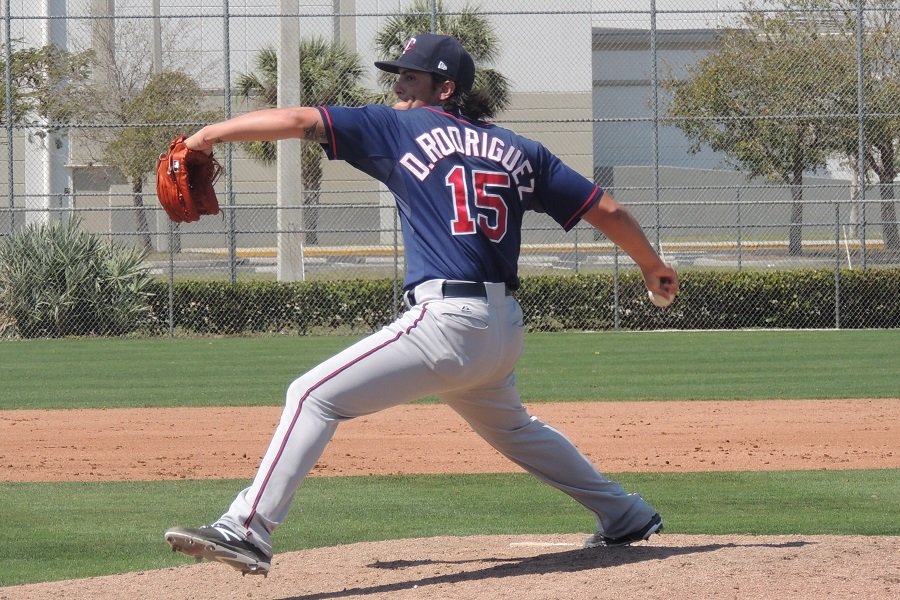 Minnesota selected Rodríguez with a sixth-round pick in the 2011 MLB Draft out of high school in Florida. At the time, the organization drafted him as an outfielder, and that’s where he started his professional career. From 2011-2013, he played regularly as an outfielder in the rookie leagues while hitting .216/.279/.336 (.615) in 129 games. Rodríguez was a good athlete with a big arm, so the organization shifted him to the mound. He spent all of 2014 with Elizabethton and posted a 1.05 ERA with a 1.05 WHIP. All of his appearances were from the bullpen, and he combined for a 19 to 8 strikeout to walk ratio in 25 2/3 innings. During the 2015 seasons, he pitched as a starter at three different levels and reached High-A by posting a 3.35 ERA and a 1.26 WHIP in 75 1/3 innings. Over the next two seasons, he continued to move up the ladder and finished the 2017 season at the Double-A level. Rodríguez was making improvements, but now another team took notice. Because he started his pro career as an outfielder, Minnesota lost organizational control of Rodríguez following the 2017 season. He quickly signed with the San Francisco Giants as a minor league free agent. He began the next season at Triple-A, where he posted a 3.40 ERA and a 1.19 WHIP with 53 strikeouts in 50 1/3 innings over nine starts before making his big-league debut. His rookie campaign made it look like the Twins made a mistake in their evaluation process. He posted a 2.81 ERA and a 1.13 WHIP with 89 strikeouts in 118 1/3 innings over 19 starts. While his numbers looked great on the surface, some outlying numbers pointed to a potential decline. He struck out fewer than seven batters per nine innings and posted a 3.73 FIP. Rodríguez saw his big-league numbers decline over the next two seasons. He began the 2019 season in the Giant rotation and struggled with an ERA north of 5.00 in eight starts. In late May, he returned to the majors as a reliever, and he’d filled that role for the remainder of the season. As a reliever at the big-league level, he has pitched 31 innings and posted a 6.39 ERA with a 1.65 WHIP. Even though he was still under team control through 2024, San Francisco parted ways with him following the 2020 campaign. Last season, Rodríguez pitched the entire season as a starter at the Triple-A level in the Rockies organization. In 85 2/3 innings, he posted a 6.72 ERA and 1.66 WHIP with an 87 to 30 strikeout to walk ratio. These numbers don’t exactly jump off the page, but Rodríguez has a reputation as a hard worker and a good teammate. Minnesota will likely extend him a non-roster invite for spring training, especially with questions surrounding the team’s pitching staff in 2022. What are your thoughts on the Rodríguez signing? Do you think he can impact the 2022 Twins? MORE FROM TWINS DAILY — Latest Twins coverage from our writers — Recent Twins discussion in our forums — Follow Twins Daily via Twitter, Facebook or emai
 -
Dereck Rodríguez will always draw ties to his Hall of Fame father, Ivan, but he has made his own professional path. Now, the Twins have re-signed Rodríguez and brought him back to the organization that drafted him. Minnesota selected Rodríguez with a sixth-round pick in the 2011 MLB Draft out of high school in Florida. At the time, the organization drafted him as an outfielder, and that’s where he started his professional career. From 2011-2013, he played regularly as an outfielder in the rookie leagues while hitting .216/.279/.336 (.615) in 129 games. Rodríguez was a good athlete with a big arm, so the organization shifted him to the mound. He spent all of 2014 with Elizabethton and posted a 1.05 ERA with a 1.05 WHIP. All of his appearances were from the bullpen, and he combined for a 19 to 8 strikeout to walk ratio in 25 2/3 innings. During the 2015 seasons, he pitched as a starter at three different levels and reached High-A by posting a 3.35 ERA and a 1.26 WHIP in 75 1/3 innings. Over the next two seasons, he continued to move up the ladder and finished the 2017 season at the Double-A level. Rodríguez was making improvements, but now another team took notice. Because he started his pro career as an outfielder, Minnesota lost organizational control of Rodríguez following the 2017 season. He quickly signed with the San Francisco Giants as a minor league free agent. He began the next season at Triple-A, where he posted a 3.40 ERA and a 1.19 WHIP with 53 strikeouts in 50 1/3 innings over nine starts before making his big-league debut. His rookie campaign made it look like the Twins made a mistake in their evaluation process. He posted a 2.81 ERA and a 1.13 WHIP with 89 strikeouts in 118 1/3 innings over 19 starts. While his numbers looked great on the surface, some outlying numbers pointed to a potential decline. He struck out fewer than seven batters per nine innings and posted a 3.73 FIP. Rodríguez saw his big-league numbers decline over the next two seasons. He began the 2019 season in the Giant rotation and struggled with an ERA north of 5.00 in eight starts. In late May, he returned to the majors as a reliever, and he’d filled that role for the remainder of the season. As a reliever at the big-league level, he has pitched 31 innings and posted a 6.39 ERA with a 1.65 WHIP. Even though he was still under team control through 2024, San Francisco parted ways with him following the 2020 campaign. Last season, Rodríguez pitched the entire season as a starter at the Triple-A level in the Rockies organization. In 85 2/3 innings, he posted a 6.72 ERA and 1.66 WHIP with an 87 to 30 strikeout to walk ratio. These numbers don’t exactly jump off the page, but Rodríguez has a reputation as a hard worker and a good teammate. Minnesota will likely extend him a non-roster invite for spring training, especially with questions surrounding the team’s pitching staff in 2022. What are your thoughts on the Rodríguez signing? Do you think he can impact the 2022 Twins? MORE FROM TWINS DAILY — Latest Twins coverage from our writers — Recent Twins discussion in our forums — Follow Twins Daily via Twitter, Facebook or emai View full article
-
 Minnesota is favored to sign Bryan Acuña later this week, and he comes from a family of baseball players. His father, Ronald Acuña Sr., signed with the Mets in 1997. He played parts of eight minor league seasons and hit .282/.330/.364 (.694) while never playing higher than the Double-A level. He posted a .722 OPS in two High-A seasons with 36 extra-base hits in 148 games. His power never developed, but he continued to play in the Venezuelan Winter League until he was 30-years-old. Two Acuña brothers have already signed and started their professional careers. Ronald Acuña Jr. has played parts of four big-league seasons with three top-12 finishes for NL MVP. He has a .925 OPS with two Silver Sluggers and two All-Star selections for his young career. Jose Acuña signed with the Rangers in 2018. Last season as a 19-year-old, he played 111 games at Low-A, where he hit .266/.345/.404 (.749). He was over two years younger than the competition at that level, and he hit double-digit home runs and doubles. Now the focus turns to Bryan, the youngest Acuña brother. Bryan Acuña Scouting Report Bats: R | Throws: R | HT 5'11" | WT: 155 MLB Pipeline Scouting Grades: Hit: 55 | Power: 45 | Run: 45 | Arm: 50 | Field: 50 | Overall: 50 Offensively, Acuña has impressed scouts for multiple years. Back in 2019, he was one of the top prospects at an international showcase held in Arizona. At the time, he was drawing comparisons to his older brother, and his swing looked advanced for a 14-year-old. He has grown up around the game, and many of his scouting reports praise his baseball IQ. His hit tool compares well against many other players ranked ahead of him. There is also room for him to add more power as he grows and fills out his frame. Like many top international prospects, Acuña will sign as a shortstop, but there are no guarantees that will be his position for the long term. For comparison, Roderick Arias, the top-ranked international prospect this year, is also a shortstop, and he grades as a 55 Arm and a 55 Field. Acuña ranks behind him in both categories, but these are teenagers with plenty of development left to accomplish. Eventually, he may need to shift to second base, where he should profile as an above-average offensive player. Both of his older brothers topped out around 6-feet. Ronald, at age-24, weighs in at just over 200 pounds, while Jose was listed at 181 pounds last season as a 19-year-old. This should give some insight into how Bryan's body will develop into his early 20s, which is about when he'd reach the upper levels of the Twins farm system. As Jamie mentioned yesterday, there are no guarantees on the international market, especially when dealing with teenage players. Minnesota had an unbelievable class in 2009, but there have been other misses along the way. Now, Twins fans hope the youngest Acuña will use his baseball acumen to follow his family to the big leagues. Do you think Acuña's swing is similar to his brother's? What type of ceiling will he have? Leave a COMMENT and start the discussion. MORE FROM TWINS DAILY — Latest Twins coverage from our writers — Recent Twins discussion in our forums — Follow Twins Daily via Twitter, Facebook or email
- 10 comments
-
- 2
-

-
- bryan acuna
- ronald acuna jr
- (and 1 more)
-
Ronald Acuña Jr. is a baseball superstar, and now Twins fans can hope his brother follows in his footsteps. Here's a look at Bryan Acuña, a top international prospect. Minnesota is favored to sign Bryan Acuña later this week, and he comes from a family of baseball players. His father, Ronald Acuña Sr., signed with the Mets in 1997. He played parts of eight minor league seasons and hit .282/.330/.364 (.694) while never playing higher than the Double-A level. He posted a .722 OPS in two High-A seasons with 36 extra-base hits in 148 games. His power never developed, but he continued to play in the Venezuelan Winter League until he was 30-years-old. Two Acuña brothers have already signed and started their professional careers. Ronald Acuña Jr. has played parts of four big-league seasons with three top-12 finishes for NL MVP. He has a .925 OPS with two Silver Sluggers and two All-Star selections for his young career. Jose Acuña signed with the Rangers in 2018. Last season as a 19-year-old, he played 111 games at Low-A, where he hit .266/.345/.404 (.749). He was over two years younger than the competition at that level, and he hit double-digit home runs and doubles. Now the focus turns to Bryan, the youngest Acuña brother. Bryan Acuña Scouting Report Bats: R | Throws: R | HT 5'11" | WT: 155 MLB Pipeline Scouting Grades: Hit: 55 | Power: 45 | Run: 45 | Arm: 50 | Field: 50 | Overall: 50 Offensively, Acuña has impressed scouts for multiple years. Back in 2019, he was one of the top prospects at an international showcase held in Arizona. At the time, he was drawing comparisons to his older brother, and his swing looked advanced for a 14-year-old. He has grown up around the game, and many of his scouting reports praise his baseball IQ. His hit tool compares well against many other players ranked ahead of him. There is also room for him to add more power as he grows and fills out his frame. Like many top international prospects, Acuña will sign as a shortstop, but there are no guarantees that will be his position for the long term. For comparison, Roderick Arias, the top-ranked international prospect this year, is also a shortstop, and he grades as a 55 Arm and a 55 Field. Acuña ranks behind him in both categories, but these are teenagers with plenty of development left to accomplish. Eventually, he may need to shift to second base, where he should profile as an above-average offensive player. Both of his older brothers topped out around 6-feet. Ronald, at age-24, weighs in at just over 200 pounds, while Jose was listed at 181 pounds last season as a 19-year-old. This should give some insight into how Bryan's body will develop into his early 20s, which is about when he'd reach the upper levels of the Twins farm system. As Jamie mentioned yesterday, there are no guarantees on the international market, especially when dealing with teenage players. Minnesota had an unbelievable class in 2009, but there have been other misses along the way. Now, Twins fans hope the youngest Acuña will use his baseball acumen to follow his family to the big leagues. Do you think Acuña's swing is similar to his brother's? What type of ceiling will he have? Leave a COMMENT and start the discussion. MORE FROM TWINS DAILY — Latest Twins coverage from our writers — Recent Twins discussion in our forums — Follow Twins Daily via Twitter, Facebook or email View full article
- 10 replies
-
- 1
-
-
- bryan acuna
- ronald acuna jr
- (and 1 more)
-
 Here are three reasons why the Twins should avoid starting a rebuild in 2022. 1. Rebuilds Don’t Guarantee Future Success Many fan bases love the idea of a rebuild because of the hope it can offer for the future. In recent memory, there have been successful rebuilds in Houston and Chicago as both franchises won a World Series. These success stories are hardly the norm for rebuilds, as many teams struggle to stay relevant in a competitive MLB landscape. For every successful rebuild, plenty of teams never quite make it back over the hump. Philadelphia lost 81 games or more for eight straight seasons from 2012 through 2019. As the team started coming out of the rebuild, they spent big on free agents like Bryce Harper and Zack Wheeler. It’s been a decade since they made the playoffs, and they only have one season with a winning season during that stretch. San Diego had high expectations over the last two years after losing 90+ games for four straight seasons. Their rebuild results include one playoff appearance, and no playoff wins since 2006. 2. Twins Trailing Other Teams Already Rebuilding Minnesota can undoubtedly try to rebuild, but it will be tough to field a roster worse than some of the other teams already rebuilding. Last season, seven teams lost 90 games or more, including four that recorded over 100 losses. Franchises like Baltimore, Arizona, and Pittsburgh are stuck in what seems like a yearly rebuilding cycle. Since 1998, Baltimore has had three playoff appearances. Pittsburgh has one playoff appearance that wasn’t in a Wild Card Game since 1993. Over the last decade, Arizona has made two NLDS appearances but never made it out of that round. All of these teams are already ahead in the rebuilding process, and their rosters look worse on paper than the Twins. One of the goals of a rebuild is to build draft capital throughout multiple seasons, but there are few guarantees when it comes to the MLB Draft. Even Houston made drafting mistakes as part of their rebuild. In the last decade, Minnesota drafted highly for multiple years, and there were plenty of players that didn’t pan out, including top-10 picks like Kohl Stewart, Tyler Jay, and Nick Gordon. First-round draft picks are valuable, but teams need to develop players in the organization to rebuild successfully. 3. Minnesota Is Currently In A Winning Window It may be hard to forget, but the Twins just got out of a rebuild and are in the middle of their current winning window. From 2011-2017, Minnesota’s average finish in the AL Central was 23.6 games out of first place. The Twins saw the results of these losing seasons by winning back-to-back AL Central titles in 2019-20, but that can’t be the peak of this current core. With a veteran core, the Twins should be trying to reload the roster and get back to the playoffs. Plus, the AL Central isn’t getting any easier with other teams like the Tigers and the Royals coming out of their own rebuilds. Also, Minnesota signed Byron Buxton to a seven-year contract extension, so it is essential to field competitive rosters when he is in the prime of his career. Age is certainly a risk to consider with a player of Buxton’s skillset, so the team needs to be in win-now mode. A Twins rebuild would take multiple seasons, and then Buxton would be at the back-end of his contract or no longer part of the team. While the winning window is open, Minnesota needs to stay competitive. Do you think the Twins should start a rebuild or try to avoid it? Leave a COMMENT and start the discussion. MORE FROM TWINS DAILY — Latest Twins coverage from our writers — Recent Twins discussion in our forums — Follow Twins Daily via Twitter, Facebook or email
 -
Minnesota’s lack of starting pitching has some fans clamoring for the team to tear down the current roster. However, there are multiple reasons why it isn’t a great time to start the rebuilding process. Here are three reasons why the Twins should avoid starting a rebuild in 2022. 1. Rebuilds Don’t Guarantee Future Success Many fan bases love the idea of a rebuild because of the hope it can offer for the future. In recent memory, there have been successful rebuilds in Houston and Chicago as both franchises won a World Series. These success stories are hardly the norm for rebuilds, as many teams struggle to stay relevant in a competitive MLB landscape. For every successful rebuild, plenty of teams never quite make it back over the hump. Philadelphia lost 81 games or more for eight straight seasons from 2012 through 2019. As the team started coming out of the rebuild, they spent big on free agents like Bryce Harper and Zack Wheeler. It’s been a decade since they made the playoffs, and they only have one season with a winning season during that stretch. San Diego had high expectations over the last two years after losing 90+ games for four straight seasons. Their rebuild results include one playoff appearance, and no playoff wins since 2006. 2. Twins Trailing Other Teams Already Rebuilding Minnesota can undoubtedly try to rebuild, but it will be tough to field a roster worse than some of the other teams already rebuilding. Last season, seven teams lost 90 games or more, including four that recorded over 100 losses. Franchises like Baltimore, Arizona, and Pittsburgh are stuck in what seems like a yearly rebuilding cycle. Since 1998, Baltimore has had three playoff appearances. Pittsburgh has one playoff appearance that wasn’t in a Wild Card Game since 1993. Over the last decade, Arizona has made two NLDS appearances but never made it out of that round. All of these teams are already ahead in the rebuilding process, and their rosters look worse on paper than the Twins. One of the goals of a rebuild is to build draft capital throughout multiple seasons, but there are few guarantees when it comes to the MLB Draft. Even Houston made drafting mistakes as part of their rebuild. In the last decade, Minnesota drafted highly for multiple years, and there were plenty of players that didn’t pan out, including top-10 picks like Kohl Stewart, Tyler Jay, and Nick Gordon. First-round draft picks are valuable, but teams need to develop players in the organization to rebuild successfully. 3. Minnesota Is Currently In A Winning Window It may be hard to forget, but the Twins just got out of a rebuild and are in the middle of their current winning window. From 2011-2017, Minnesota’s average finish in the AL Central was 23.6 games out of first place. The Twins saw the results of these losing seasons by winning back-to-back AL Central titles in 2019-20, but that can’t be the peak of this current core. With a veteran core, the Twins should be trying to reload the roster and get back to the playoffs. Plus, the AL Central isn’t getting any easier with other teams like the Tigers and the Royals coming out of their own rebuilds. Also, Minnesota signed Byron Buxton to a seven-year contract extension, so it is essential to field competitive rosters when he is in the prime of his career. Age is certainly a risk to consider with a player of Buxton’s skillset, so the team needs to be in win-now mode. A Twins rebuild would take multiple seasons, and then Buxton would be at the back-end of his contract or no longer part of the team. While the winning window is open, Minnesota needs to stay competitive. Do you think the Twins should start a rebuild or try to avoid it? Leave a COMMENT and start the discussion. MORE FROM TWINS DAILY — Latest Twins coverage from our writers — Recent Twins discussion in our forums — Follow Twins Daily via Twitter, Facebook or email View full article
-
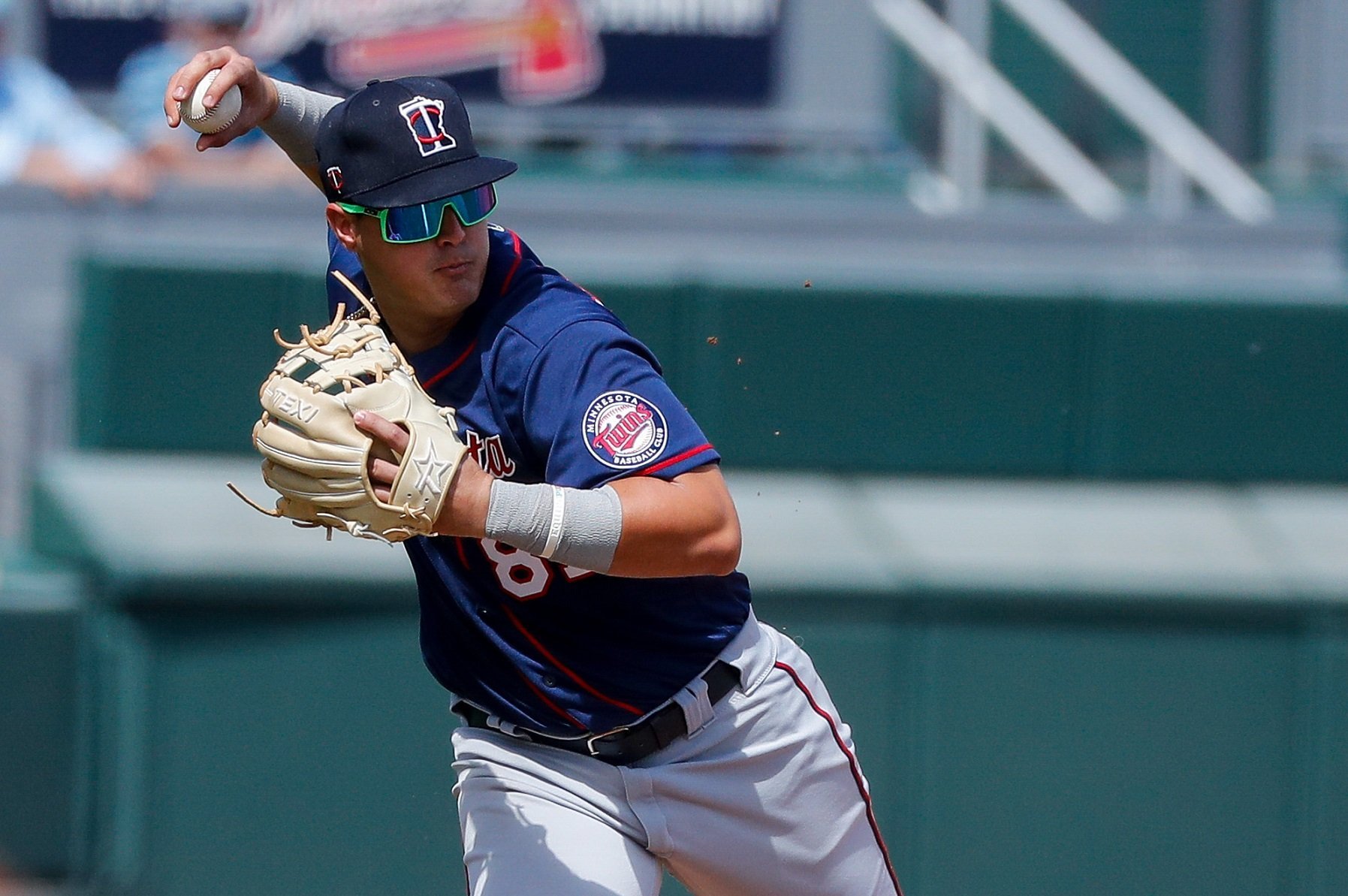 Entering the 2021 season, it's not as if Miranda was a completely unknown commodity. Minnesota selected him in the second-round pack in 2016, and his first two professional seasons were spent in the rookie leagues, where he posted a .722 OPS. In 2018, most of his season was at Low-A as Miranda combined for a .760 OPS. Before the pandemic, he played at High-A and was limited to a .663 OPS. Minnesota eventually left him unprotected in the Rule 5 Draft, but he luckily stayed in the organization. Miranda's 2021 production is what an organization hopes can happen as a player develops through their system. He was a surprise player that produced big power numbers in the minor's upper levels. Here are three prospects that can follow Miranda's footsteps this year for various reasons. Power Production: Austin Martin One of the knocks against Martin throughout his professional career has been his lack of power. When the Blue Jays drafted him, he was coming off a collegiate career where he posted a 1.007 OPS. Last season, he made his professional debut and played the entire season at Double-A. In 93 games, he combined for a .796 OPS with 25 extra-base hits. Before his 30 home run explosion, there were questions about Miranda's power development. After 2021, Miranda's power concerns have been put to rest, and Minnesota hopes for the same kind of transformation from Martin in 2022. Surprise Production: Yunior Severino Initially, the Braves signed him, but MLB granted his free agency after Atlanta was punished for illegal infractions on the international market. Atlanta's loss was Minnesota's gain. Like Miranda, Minnesota left Severino unprotected from the Rule 5 Draft. Last season, he hit .273/.372/.430 (.802) between Low- and High-A. He was younger than the average age of the competition at both levels. Next season, he will be 22-years-old, and he should reach Double-A. There is a chance a team selects him in the Rule 5 Draft, but it's tough to imagine him sticking as a big-league utility player for the entire 2022 season. Upper-Level Production: Aaron Sabato Things didn't go perfectly for Sabato in his first professional season. Minnesota selected him with their first-round pick in 2020, so expectations for him entering the year were high. At Low-A, he hit .189/.365/.357 (.722) with a 117 to 73 strikeout to walk ratio in 85 games. After being promoted to High-A, he posted a 1.015 OPS with 11 extra-base hits in 22 games. Based on his college experience, Sabato should be penciled in to spend the bulk of 2022 in the upper-levels of the minors. Can Sabato duplicate his production from Cedar Rapids as he moves up the organizational ladder? Which player do you think will be this year's Miranda? Are there other players that should be on the list? Leave a COMMENT and start the discussion. MORE FROM TWINS DAILY — Latest Twins coverage from our writers — Recent Twins discussion in our forums — Follow Twins Daily via Twitter, Facebook or email
- 19 comments
-
- 2
-
-
- jose miranda
- aaron sabato
- (and 2 more)
-
José Miranda is coming off a tremendous 2021 season where he cemented himself into Minnesota's long-term plans. Which other prospects will be looking to follow in his footsteps next season? Entering the 2021 season, it's not as if Miranda was a completely unknown commodity. Minnesota selected him in the second-round pack in 2016, and his first two professional seasons were spent in the rookie leagues, where he posted a .722 OPS. In 2018, most of his season was at Low-A as Miranda combined for a .760 OPS. Before the pandemic, he played at High-A and was limited to a .663 OPS. Minnesota eventually left him unprotected in the Rule 5 Draft, but he luckily stayed in the organization. Miranda's 2021 production is what an organization hopes can happen as a player develops through their system. He was a surprise player that produced big power numbers in the minor's upper levels. Here are three prospects that can follow Miranda's footsteps this year for various reasons. Power Production: Austin Martin One of the knocks against Martin throughout his professional career has been his lack of power. When the Blue Jays drafted him, he was coming off a collegiate career where he posted a 1.007 OPS. Last season, he made his professional debut and played the entire season at Double-A. In 93 games, he combined for a .796 OPS with 25 extra-base hits. Before his 30 home run explosion, there were questions about Miranda's power development. After 2021, Miranda's power concerns have been put to rest, and Minnesota hopes for the same kind of transformation from Martin in 2022. Surprise Production: Yunior Severino Initially, the Braves signed him, but MLB granted his free agency after Atlanta was punished for illegal infractions on the international market. Atlanta's loss was Minnesota's gain. Like Miranda, Minnesota left Severino unprotected from the Rule 5 Draft. Last season, he hit .273/.372/.430 (.802) between Low- and High-A. He was younger than the average age of the competition at both levels. Next season, he will be 22-years-old, and he should reach Double-A. There is a chance a team selects him in the Rule 5 Draft, but it's tough to imagine him sticking as a big-league utility player for the entire 2022 season. Upper-Level Production: Aaron Sabato Things didn't go perfectly for Sabato in his first professional season. Minnesota selected him with their first-round pick in 2020, so expectations for him entering the year were high. At Low-A, he hit .189/.365/.357 (.722) with a 117 to 73 strikeout to walk ratio in 85 games. After being promoted to High-A, he posted a 1.015 OPS with 11 extra-base hits in 22 games. Based on his college experience, Sabato should be penciled in to spend the bulk of 2022 in the upper-levels of the minors. Can Sabato duplicate his production from Cedar Rapids as he moves up the organizational ladder? Which player do you think will be this year's Miranda? Are there other players that should be on the list? Leave a COMMENT and start the discussion. MORE FROM TWINS DAILY — Latest Twins coverage from our writers — Recent Twins discussion in our forums — Follow Twins Daily via Twitter, Facebook or email View full article
- 19 replies
-
- 1
-
-
- jose miranda
- aaron sabato
- (and 2 more)
-
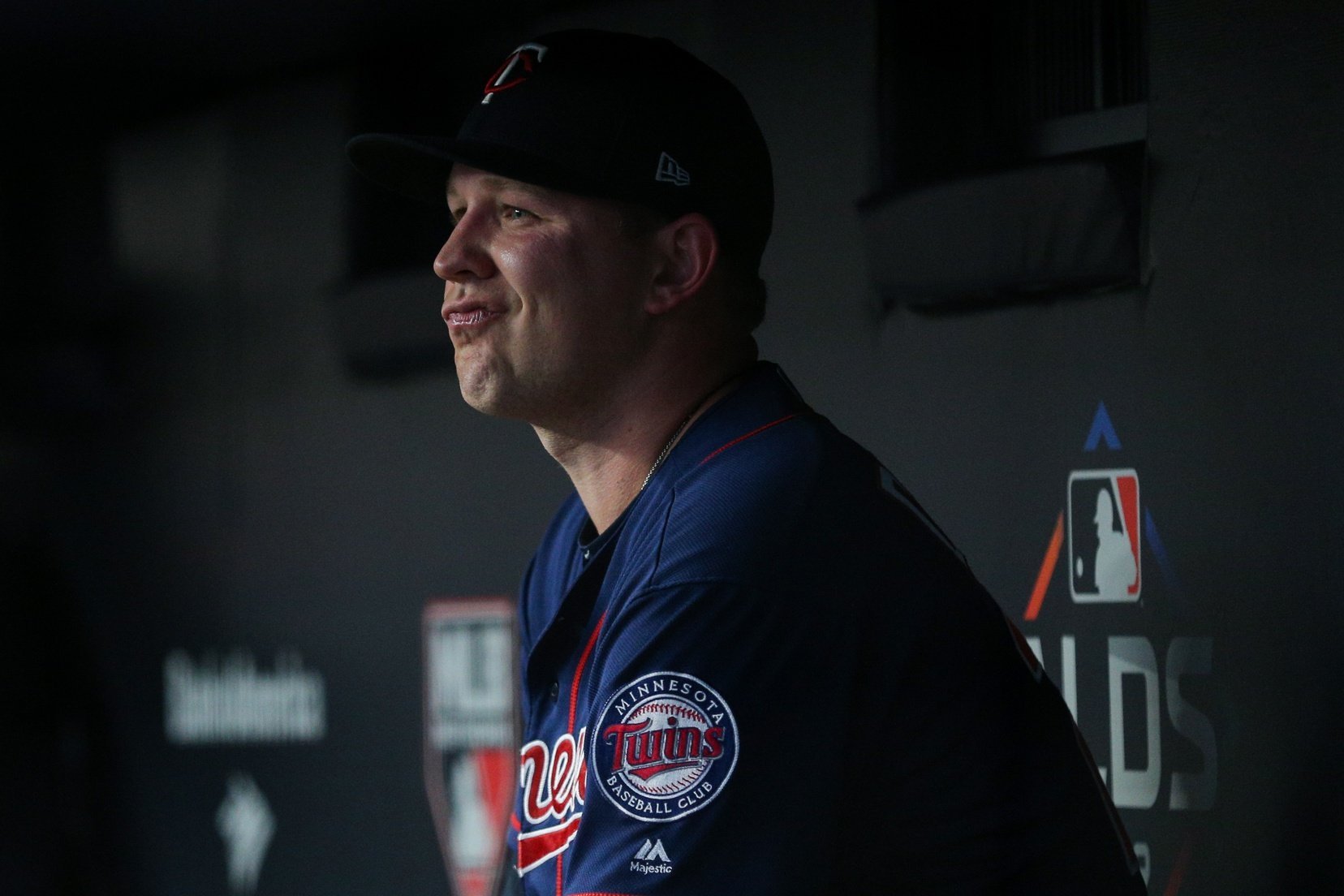 From 2019-20, Duffey had been one of baseball’s best relievers. Across 80 games, he posted a 2.31 ERA with a 0.94 WHIP and 12.5 K/9. In fact, MLB.com ranked Duffey as one of baseball’s best relievers entering the 2021 season. Minnesota used Duffey as a fireman out of the bullpen, and he was successful in this role. Things changed in 2022 as he struggled for the first time since becoming a full-time reliever. So, what are some concerns with his 2021 performance? Concern 1: Surrendering Hard Hits Giving up hard contact is never a good trait for a pitcher, and this problem can be even more apparent with relievers and a smaller sample size. During the 2021 season, Duffey’s average exit velocity (4th percentile) and hard hit% (7th percentile) were among the lowest in baseball. Back in 2019, his hard-hit % ranked in the 48th percentile, so this was quite the drop from the last full season. Last season, his four-seam fastball was one of the pitches that resulted in the aforementioned changes. His slugging percentage on his fastball was .289 in 2020, and he allowed a .374 slugging percentage in 2021. Duffey was pitching from behind more regularly in 2021, which meant he saw an increase in his fastball usage by 5%. His fastball velocity isn’t elite, so good hitters will be able to square it up and make hard contact. Concern 2: Decrease in Strikeouts Another concern with Duffey’s 2021 season was the significant dip in strikeout percentage. During 2019-20, his 12.5 SO/9 is exactly what teams want from a late-inning reliever. His K% ranked in the 92 percentile or higher in each of those seasons. Last season, his K% dropped to the 54th percentile as he posted an 8.8 SO/9 which was a career-worst since moving to the bullpen. Last season, Duffey posted a 40 K% with his four-seamer, but that dropped to 22% in 2021. In the previous three seasons, his curveball has averaged nearly 35 K%, but he only got a 25.4 K% in 2021. His Whiff% with his curveball also dropped almost 14%. Since he was behind in the count more regularly, there’s a good chance he couldn’t use his pitch mix to the best of his advantage. Concern 3: Change in Pitch Usage Duffey also saw increased use in his sinker last season, which doesn’t cause issues on the surface. Using a new pitch can keep batters off-balance, but Duffey’s sinker didn’t do that at all. Opponents posted a .444 batting average with a .556 slugging percentage when facing his sinker. It also had the lowest Whiff% of any of his pitches. Luckily, he only threw his sinker 44 times, but the results were lacking. His other pitches also saw some change in usage. In his first two seasons as a reliever, he saw increased curveball use. Last year, he decreased usage of his curveball by nearly 5%. Some of this change in pitch usage was related to being behind in the count more regularly. This forced him to cut back on his curveball and turn to his fastball, which had disastrous results. Duffey is entering a critical year of his professional career. Next winter, he will hit the free-agent market, and he is coming off a career-worst season. In a contract year, the 2022 campaign will go a long way in determining the kind of market he will face in his first taste of free agency. Relief pitchers can be fickle, and Minnesota hopes that Duffey can alleviate these worries in 2022. What are you most worried about with Duffey’s 2021 performance? Leave a COMMENT and start the discussion. MORE FROM TWINS DAILY — Latest Twins coverage from our writers — Recent Twins discussion in our forums — Follow Twins Daily via Twitter, Facebook or email
 -
Minnesota’s bullpen has plenty of question marks heading into the 2022 season. Tyler Duffey is supposed to be one of the team’s most reliable late-inning options, but his 2021 campaign showcased some worrisome signs. From 2019-20, Duffey had been one of baseball’s best relievers. Across 80 games, he posted a 2.31 ERA with a 0.94 WHIP and 12.5 K/9. In fact, MLB.com ranked Duffey as one of baseball’s best relievers entering the 2021 season. Minnesota used Duffey as a fireman out of the bullpen, and he was successful in this role. Things changed in 2022 as he struggled for the first time since becoming a full-time reliever. So, what are some concerns with his 2021 performance? Concern 1: Surrendering Hard Hits Giving up hard contact is never a good trait for a pitcher, and this problem can be even more apparent with relievers and a smaller sample size. During the 2021 season, Duffey’s average exit velocity (4th percentile) and hard hit% (7th percentile) were among the lowest in baseball. Back in 2019, his hard-hit % ranked in the 48th percentile, so this was quite the drop from the last full season. Last season, his four-seam fastball was one of the pitches that resulted in the aforementioned changes. His slugging percentage on his fastball was .289 in 2020, and he allowed a .374 slugging percentage in 2021. Duffey was pitching from behind more regularly in 2021, which meant he saw an increase in his fastball usage by 5%. His fastball velocity isn’t elite, so good hitters will be able to square it up and make hard contact. Concern 2: Decrease in Strikeouts Another concern with Duffey’s 2021 season was the significant dip in strikeout percentage. During 2019-20, his 12.5 SO/9 is exactly what teams want from a late-inning reliever. His K% ranked in the 92 percentile or higher in each of those seasons. Last season, his K% dropped to the 54th percentile as he posted an 8.8 SO/9 which was a career-worst since moving to the bullpen. Last season, Duffey posted a 40 K% with his four-seamer, but that dropped to 22% in 2021. In the previous three seasons, his curveball has averaged nearly 35 K%, but he only got a 25.4 K% in 2021. His Whiff% with his curveball also dropped almost 14%. Since he was behind in the count more regularly, there’s a good chance he couldn’t use his pitch mix to the best of his advantage. Concern 3: Change in Pitch Usage Duffey also saw increased use in his sinker last season, which doesn’t cause issues on the surface. Using a new pitch can keep batters off-balance, but Duffey’s sinker didn’t do that at all. Opponents posted a .444 batting average with a .556 slugging percentage when facing his sinker. It also had the lowest Whiff% of any of his pitches. Luckily, he only threw his sinker 44 times, but the results were lacking. His other pitches also saw some change in usage. In his first two seasons as a reliever, he saw increased curveball use. Last year, he decreased usage of his curveball by nearly 5%. Some of this change in pitch usage was related to being behind in the count more regularly. This forced him to cut back on his curveball and turn to his fastball, which had disastrous results. Duffey is entering a critical year of his professional career. Next winter, he will hit the free-agent market, and he is coming off a career-worst season. In a contract year, the 2022 campaign will go a long way in determining the kind of market he will face in his first taste of free agency. Relief pitchers can be fickle, and Minnesota hopes that Duffey can alleviate these worries in 2022. What are you most worried about with Duffey’s 2021 performance? Leave a COMMENT and start the discussion. MORE FROM TWINS DAILY — Latest Twins coverage from our writers — Recent Twins discussion in our forums — Follow Twins Daily via Twitter, Facebook or email View full article
-
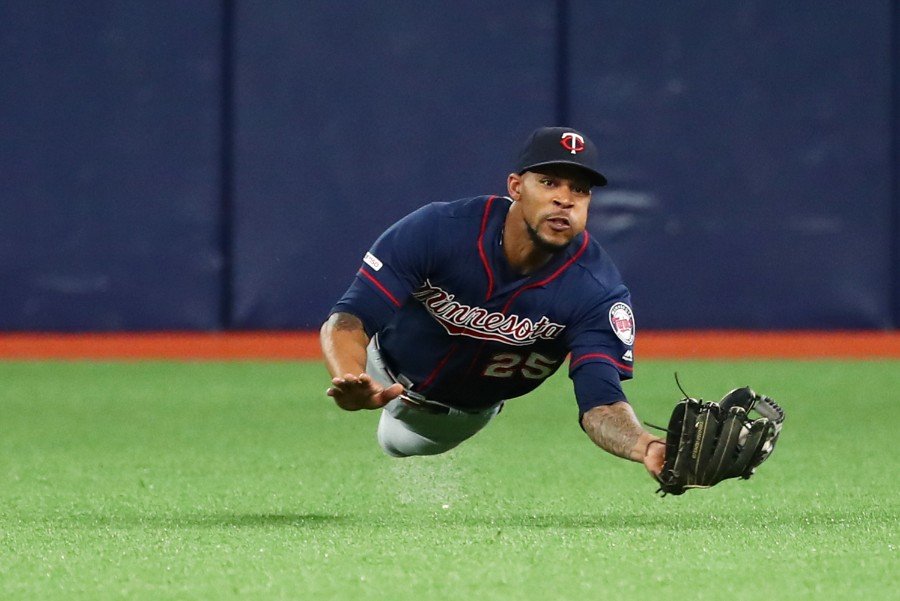 In the days leading into MLB’s lockout, Minnesota accomplished one of the organization’s most important tasks this winter by signing Byron Buxton to a long-term extension. Reports had the two sides close to making a deal throughout the summer, but some hurdles remained. Eventually, they found common ground, and Buxton will be wearing a Twins uniform for the next seven seasons. With any eight-figure contract, there are inherent risks involved. For Buxton, fans are more aware of those risks because of the time he has missed throughout his big-league career. On paper, the contract looks like a very team-friendly deal. Still, Minnesota certainly had the opportunity to go in a different direction and allocate Buxton’s contract to other roster pieces. Risk #1: Long-Term Injury Issues Injuries are part of the Buxton equation, and the team can try various strategies to keep him healthy and on the field. As a 28-year-old, Buxton has recovered from every injury he has faced and returned to his previous on-field performance. There is no guarantee that continues to happen, and Buxton is one serious injury away from his contract looking poorly for the Twins. His injury history is well known, and it’s likely one of the biggest reasons Minnesota was able to sign him. A player of Buxton’s caliber with fewer injury concerns probably garners offers near $200 million on the free-agent market. Last season, Buxton was the best hitter on the planet at the season’s start as he hit .370/.408/.772 (1.180) through his first 24 games. A hip injury caused him to miss over six weeks, and his swing didn’t miss a beat. In three games after returning, he went 4-for-11 with two extra-base hits. Then a hit-by-pitch broke his hand, and he missed two more months. He came back from this most recent injury and batted .314/.375/.686 (1.061) over the team’s final 26 games. There’s no question he has been able to bounce back so far in his career, but what if an injury causes some long-term performance issues? Risk #2: Age Buxton will now be under team control throughout the prime of his career. However, a player with his skill set will see natural regression as he ages. Two of Buxton’s most essential skills are his speed and his fielding, but those are skills impacted by age. His extension keeps him under team control through age 34, but some parts of his game will likely need to be adjusted before the contract expires. Former Twins’ great Torii Hunter may give fans some insight into how players like Buxton can change as Father Time wields his ugly head. For instance, Hunter was an elite defender in the first half of his playing career. Age and injuries made him less effective in center field, and he was eventually forced to move to a corner outfield spot. Hunter adjusted his skills and became an improved hitter in the second half of his career as his defensive skills waned. Buxton is considered more of a five-tool talent than Hunter, but fans can see how center fielders age by looking at Hunter’s career. The risks mentioned above seem to be more prominent with Buxton, but any free agent acquisition faces these same kinds of risks. In recent memory, Josh Donaldson, Minnesota’s biggest free-agent signing, had concerns about his health and how his on-field performance would decline with age. Luckily, his offensive performance has been above average, but injuries have been part of his Twins tenure. Overall, Buxton’s contract comes with risks, but he has provided value even when he misses significant time. Are you worried about the risks involved with Buxton’s extension? Leave a COMMENT and start the discussion. MORE FROM TWINS DAILY — Latest Twins coverage from our writers — Recent Twins discussion in our forums — Follow Twins Daily via Twitter, Facebook or email
 -
The beginning of a new year allows everyone the chance to reflect on the previous year. For the Twins, signing Byron Buxton was critical, but his contract has multiple risks. In the days leading into MLB’s lockout, Minnesota accomplished one of the organization’s most important tasks this winter by signing Byron Buxton to a long-term extension. Reports had the two sides close to making a deal throughout the summer, but some hurdles remained. Eventually, they found common ground, and Buxton will be wearing a Twins uniform for the next seven seasons. With any eight-figure contract, there are inherent risks involved. For Buxton, fans are more aware of those risks because of the time he has missed throughout his big-league career. On paper, the contract looks like a very team-friendly deal. Still, Minnesota certainly had the opportunity to go in a different direction and allocate Buxton’s contract to other roster pieces. Risk #1: Long-Term Injury Issues Injuries are part of the Buxton equation, and the team can try various strategies to keep him healthy and on the field. As a 28-year-old, Buxton has recovered from every injury he has faced and returned to his previous on-field performance. There is no guarantee that continues to happen, and Buxton is one serious injury away from his contract looking poorly for the Twins. His injury history is well known, and it’s likely one of the biggest reasons Minnesota was able to sign him. A player of Buxton’s caliber with fewer injury concerns probably garners offers near $200 million on the free-agent market. Last season, Buxton was the best hitter on the planet at the season’s start as he hit .370/.408/.772 (1.180) through his first 24 games. A hip injury caused him to miss over six weeks, and his swing didn’t miss a beat. In three games after returning, he went 4-for-11 with two extra-base hits. Then a hit-by-pitch broke his hand, and he missed two more months. He came back from this most recent injury and batted .314/.375/.686 (1.061) over the team’s final 26 games. There’s no question he has been able to bounce back so far in his career, but what if an injury causes some long-term performance issues? Risk #2: Age Buxton will now be under team control throughout the prime of his career. However, a player with his skill set will see natural regression as he ages. Two of Buxton’s most essential skills are his speed and his fielding, but those are skills impacted by age. His extension keeps him under team control through age 34, but some parts of his game will likely need to be adjusted before the contract expires. Former Twins’ great Torii Hunter may give fans some insight into how players like Buxton can change as Father Time wields his ugly head. For instance, Hunter was an elite defender in the first half of his playing career. Age and injuries made him less effective in center field, and he was eventually forced to move to a corner outfield spot. Hunter adjusted his skills and became an improved hitter in the second half of his career as his defensive skills waned. Buxton is considered more of a five-tool talent than Hunter, but fans can see how center fielders age by looking at Hunter’s career. The risks mentioned above seem to be more prominent with Buxton, but any free agent acquisition faces these same kinds of risks. In recent memory, Josh Donaldson, Minnesota’s biggest free-agent signing, had concerns about his health and how his on-field performance would decline with age. Luckily, his offensive performance has been above average, but injuries have been part of his Twins tenure. Overall, Buxton’s contract comes with risks, but he has provided value even when he misses significant time. Are you worried about the risks involved with Buxton’s extension? Leave a COMMENT and start the discussion. MORE FROM TWINS DAILY — Latest Twins coverage from our writers — Recent Twins discussion in our forums — Follow Twins Daily via Twitter, Facebook or email View full article
-
As the calendar turns to 2022, take a look back at the top stories at Twins Daily over the last calendar year. There were plenty of significant events and a little fun along the way. If you missed the first half of the series, take a look back at some of the year's other top stories. Below is a rundown of the top-10 stories of the year at Twins Daily. 10. Three Starting Pitchers to Trade for this Winter Published: September 19 Author: Cody Pirkl Trading for starting pitching might be the most logical path to building Minnesota's 2022 rotation, and that was even before Minnesota missed out on many of the top-tier free agent arms. There are multiple teams with controllable arms that offer intriguing trade options. Which player makes the most sense for the Twins? 9. Get Ready for the Opposite of Joe Mauer Published: November 18 Author: Ted Schwerzler With Joe Mauer, the Twins paid a premium for one of baseball's best players. He was coming off an MVP season, and his hometown connections were tough to ignore. Like Mauer, Byron Buxton was a homegrown star on the cusp of free agency. Luckily, the Twins didn't bypass a Buxton extension. Fans may continue to connect Mauer and Buxton because of their injury histories, but Twins fans won't have to watch Buxton in another team's uniform. 8. The 10 Best Twins Target Among Remaining Free Agents Published: January 17 Author: Nick Nelson Last winter, multiple free agents seemed like fits for the 2021 Twins. Two of the names identified ended up signing with the Twins, and both players signed for one-year deals. This leaves the Twins looking for replacements for these players during the current off-season. Also on the list, there were some names that Minnesota was lucky to avoid 7. 4 Possible Teams Interested in a Byron Buxton Trade Published: June 15 Author: Cody Christie During the summer, rumors swirled about the Twins and Buxton not reaching an agreement on a contract extension. It seemed like a very real possibility the team would entertain trading their Gold Glove center fielder. Imagining Buxton in a Yankees or Red Sox uniform might have been tough to swallow for Twins Territory. Luckily, fans won't have to worry about that for the foreseeable future. 6. Sano Sets Strikeout Record Published: September 18 Author: Seth Stohs When he was a top prospect, Miguel Sano breaking a record was something all Twins fans hoped for, but this probably isn't the record most fans had in mind. Not only did he set the record for fastest player to 1,000 career strikeouts, but he also smashed the record. The other players on the list aren't exactly a group of Hall of Fame players, but this is the type of player Sano has become throughout his career. 5. Notebook: Twins Have Offer Out to Veteran SP Published: February 11 Author: Matthew Lenz Twins fans were excited about the possibility of adding a veteran pitcher to Minnesota's starting staff. Unfortunately, the signing became one of the worst free-agent moves under the current regime. Other news covered in this story included the Twins claiming Kyle Garlick, who eventually made the team's Opening Day roster over Brent Rooker. 4. Simmons Wants to Know the Real Story Behind Reliever's Broken Hand Published: October 1 Author: Randballs Stu Randballs Stu offers a little humor to the Twins Daily site, and this piece was one of multiple he has in the top stories of the year. After celebrating the team's playoff-clinching victory, Milwaukee's Devin Williams broke his hand. Andrelton Simmons, a player with a known anti-vaccine stance, questions whether fans are getting the full story with the relief pitcher's injury. 3. What Happened Between Josh Donaldson and Luis Arraez? Published: July 18 Author: Tom Froemming There were plenty of frustrations with the Twins in the middle of the season. During the middle of July, Josh Donaldson got frustrated with Luis Arraez during a game in Detroit. Arraez was slow to get his lead off second base with Donaldson batting. This caused Donaldson to call time and step out. Eventually, the two had a heated discussion with Nelson Cruz playing mediator. 2. 5 Things to Know About Twins Deadline Centerpiece Austin Martin Published: July 30 Author: Nick Nelson After his blockbuster trade to the Twins, fans were excited to know more about Austin Martin. Austin Martin immediately entered the conversation as one of the team's top prospects after being a 2020 top draft pick. His college experience and defensive flexibility make him one of the exciting prospects in the Twins farm system. 1. Rare Unwritten Rule Triggers Name Change for Minnesota Twins Published: May 21 Author: Randballs Stu Baseball's unwritten rules can undoubtedly cause some on-field headaches. Randballs Stu painted a satirical picture of how ridiculous these rules can be when teams follow some of these old-school mentalities. It might be fun to have some Minnesota Cocaine Dentist gear. I wonder if MLB.com still has some available? Which of these stories will you remember the most? Leave a COMMENT and start the discussion. MORE FROM TWINS DAILY — Latest Twins coverage from our writers — Recent Twins discussion in our forums — Follow Twins Daily via Twitter, Facebook or email View full article
-
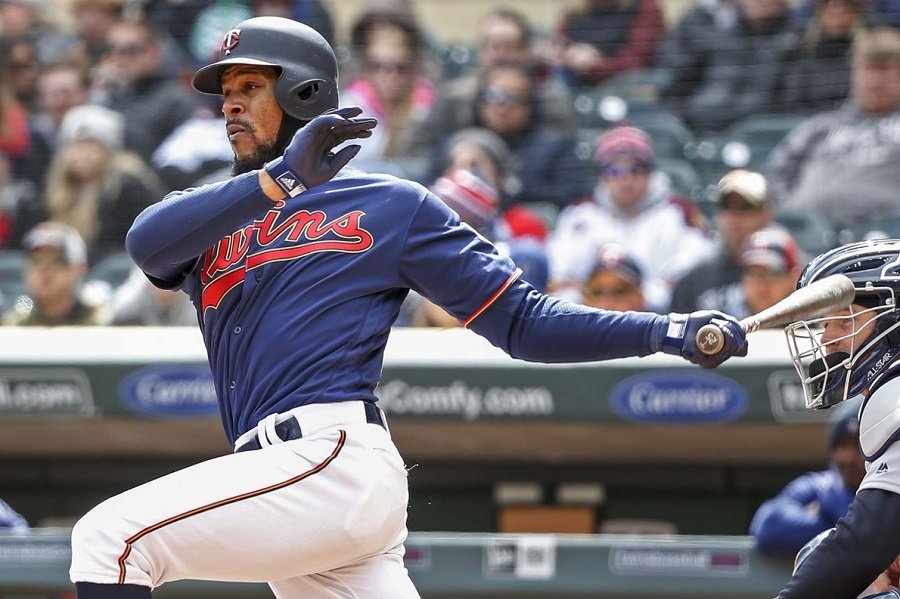 If you missed the first half of the series, take a look back at some of the year's other top stories. Below is a rundown of the top-10 stories of the year at Twins Daily. 10. Three Starting Pitchers to Trade for this Winter Published: September 19 Author: Cody Pirkl Trading for starting pitching might be the most logical path to building Minnesota's 2022 rotation, and that was even before Minnesota missed out on many of the top-tier free agent arms. There are multiple teams with controllable arms that offer intriguing trade options. Which player makes the most sense for the Twins? 9. Get Ready for the Opposite of Joe Mauer Published: November 18 Author: Ted Schwerzler With Joe Mauer, the Twins paid a premium for one of baseball's best players. He was coming off an MVP season, and his hometown connections were tough to ignore. Like Mauer, Byron Buxton was a homegrown star on the cusp of free agency. Luckily, the Twins didn't bypass a Buxton extension. Fans may continue to connect Mauer and Buxton because of their injury histories, but Twins fans won't have to watch Buxton in another team's uniform. 8. The 10 Best Twins Target Among Remaining Free Agents Published: January 17 Author: Nick Nelson Last winter, multiple free agents seemed like fits for the 2021 Twins. Two of the names identified ended up signing with the Twins, and both players signed for one-year deals. This leaves the Twins looking for replacements for these players during the current off-season. Also on the list, there were some names that Minnesota was lucky to avoid 7. 4 Possible Teams Interested in a Byron Buxton Trade Published: June 15 Author: Cody Christie During the summer, rumors swirled about the Twins and Buxton not reaching an agreement on a contract extension. It seemed like a very real possibility the team would entertain trading their Gold Glove center fielder. Imagining Buxton in a Yankees or Red Sox uniform might have been tough to swallow for Twins Territory. Luckily, fans won't have to worry about that for the foreseeable future. 6. Sano Sets Strikeout Record Published: September 18 Author: Seth Stohs When he was a top prospect, Miguel Sano breaking a record was something all Twins fans hoped for, but this probably isn't the record most fans had in mind. Not only did he set the record for fastest player to 1,000 career strikeouts, but he also smashed the record. The other players on the list aren't exactly a group of Hall of Fame players, but this is the type of player Sano has become throughout his career. 5. Notebook: Twins Have Offer Out to Veteran SP Published: February 11 Author: Matthew Lenz Twins fans were excited about the possibility of adding a veteran pitcher to Minnesota's starting staff. Unfortunately, the signing became one of the worst free-agent moves under the current regime. Other news covered in this story included the Twins claiming Kyle Garlick, who eventually made the team's Opening Day roster over Brent Rooker. 4. Simmons Wants to Know the Real Story Behind Reliever's Broken Hand Published: October 1 Author: Randballs Stu Randballs Stu offers a little humor to the Twins Daily site, and this piece was one of multiple he has in the top stories of the year. After celebrating the team's playoff-clinching victory, Milwaukee's Devin Williams broke his hand. Andrelton Simmons, a player with a known anti-vaccine stance, questions whether fans are getting the full story with the relief pitcher's injury. 3. What Happened Between Josh Donaldson and Luis Arraez? Published: July 18 Author: Tom Froemming There were plenty of frustrations with the Twins in the middle of the season. During the middle of July, Josh Donaldson got frustrated with Luis Arraez during a game in Detroit. Arraez was slow to get his lead off second base with Donaldson batting. This caused Donaldson to call time and step out. Eventually, the two had a heated discussion with Nelson Cruz playing mediator. 2. 5 Things to Know About Twins Deadline Centerpiece Austin Martin Published: July 30 Author: Nick Nelson After his blockbuster trade to the Twins, fans were excited to know more about Austin Martin. Austin Martin immediately entered the conversation as one of the team's top prospects after being a 2020 top draft pick. His college experience and defensive flexibility make him one of the exciting prospects in the Twins farm system. 1. Rare Unwritten Rule Triggers Name Change for Minnesota Twins Published: May 21 Author: Randballs Stu Baseball's unwritten rules can undoubtedly cause some on-field headaches. Randballs Stu painted a satirical picture of how ridiculous these rules can be when teams follow some of these old-school mentalities. It might be fun to have some Minnesota Cocaine Dentist gear. I wonder if MLB.com still has some available? Which of these stories will you remember the most? Leave a COMMENT and start the discussion. MORE FROM TWINS DAILY — Latest Twins coverage from our writers — Recent Twins discussion in our forums — Follow Twins Daily via Twitter, Facebook or email
 -
The 2021 season didn't go precisely as the Twins envisioned, but the calendar will shortly turn to 2022. Here is a look back at some of the biggest stories at Twins Daily over the last year. Below is a rundown of the back half of the top-20 stories here at Twins Daily over the last calendar year. Take a look back at some of the most significant events and stop back later to look at the top-10 stories. 20. José Berríos Traded to Blue Jays Published: July 30 Author: Matthew Taylor After the season went south, the José Berríos trade was one of the biggest stories of the year. Not only did it impact the second half of the 2021 season, but the trade also has ramifications felt into the current off-season as the team looks to rebuild the pitching staff. Minnesota was able to get two top-100 prospects, and the Blue Jays eventually signed Berríos to a long-term deal. 19. Trade Deadline Tracker: Twins' News and Rumor Roundup Published: July 29 Author: Matthew Taylor There's no question that Twins fans were interested in the 2021 trade deadline as Minnesota had multiple big-league assets tied into the rumor mill. One of the day's biggest stories was the Brewers trading for old friend Eduardo Escobar. Rumors also swirled about a potential José Berríos trade that happened the next day. 18. Nelson Cruz Saga Illuminates Shrewdness of Falvine Published: February 5 Author: Nash Walker Last winter, one of the team's most significant decisions was whether or not to bring back Nelson Cruz. Minnesota's front office was patient, and the National League never added the designated hitter. This left few contending teams in need of Cruz's services. Falvine got Cruz to sign on their terms, and he'd be part of another big story later in the year. 17. Potential Trade Packages for José Berríos Published: May 29 Author: Matthew Lenz Even at the end of May, it was clear the Twins would be in sell mode before the trade deadline. Not only did Matthew connect the Blue Jays as a potential suitor for a Berríos trade, but he also hit on one of the prospects the team got as part of the return. 16. Are the Twins About to Build a Radically Unconventional Pitching Staff? Published: November 11 Author: Nick Nelson The Twins didn't sign any of the top-tier free-agent starting pitchers, and this article gives insight into what the team might be planning. Thad Levine and the front office may consider a nontraditional approach to filling the rotation. When the lockout ends, this approach will be something to keep an eye on as the roster comes together. 15. End of the Line for Brent Rooker? Published: September 25 Author: Cody Pirkl Brent Rooker finished his age-26 season, and he has yet to put it all together at the big-league level. He has little left to prove at Triple-A, and now the question remains as to what his future may hold with the Twins moving forward. Can he be a bench option for the Twins in 2022, or has he reached the end of the line? 14. Twins Trade Nelson Cruz to the Rays for Two AAA Starting Pitchers Published: July 22 Author: Seth Stohs Tampa Bay didn't wait around until the trade deadline to make their move as they wanted Cruz on their roster for an extra week and a half. Even with Cruz on an expiring deal, the Twins acquired two pitchers that are close to big-league ready. It was Minnesota's first big trade before the deadline, and it wouldn't be their last move. 13. Do the Twins Already Have the Next Brian Dozier? Published: March 1 Author: Cody Christie Brian Dozier was a late bloomer that came through the Twins system to have some monster seasons at the plate. Nick Gordon made his debut in 2021, and he also fits into the late-bloomer category. He may never develop Dozier's power, but he seemed to fit nicely into a utility role in the season's second half. 12. Twins Finalize Opening Day Roster Published: March 29 Author: Seth Stohs Minnesota was coming off of back-to-back AL Central titles, so there was plenty of hope associated with the Opening Day roster. One of the team's final decisions was to keep Kyle Garlick over Rooker. Garlick led the team in home runs throughout the spring, so it took an impressive showing for him to make the squad. 11. Ranking the Top-5 Remaining Free Agent Starters Published: December 1 Author: Cody Christie Minnesota had yet to acquire any starting pitching outside of Dylan Bundy, with the lockout looming. There were some clear names at the top of the free-agent rankings, but things dropped off in a hurry. One of the players has already signed, but the other four players are still available if Minnesota wants to pursue them for 2022. Stop back and check out the top stories of the year. Which of these stories will you remember the most? Leave a COMMENT and start the discussion. MORE FROM TWINS DAILY — Latest Twins coverage from our writers — Recent Twins discussion in our forums — Follow Twins Daily via Twitter, Facebook or email View full article
-
 Below is a rundown of the back half of the top-20 stories here at Twins Daily over the last calendar year. Take a look back at some of the most significant events and stop back later to look at the top-10 stories. 20. José Berríos Traded to Blue Jays Published: July 30 Author: Matthew Taylor After the season went south, the José Berríos trade was one of the biggest stories of the year. Not only did it impact the second half of the 2021 season, but the trade also has ramifications felt into the current off-season as the team looks to rebuild the pitching staff. Minnesota was able to get two top-100 prospects, and the Blue Jays eventually signed Berríos to a long-term deal. 19. Trade Deadline Tracker: Twins' News and Rumor Roundup Published: July 29 Author: Matthew Taylor There's no question that Twins fans were interested in the 2021 trade deadline as Minnesota had multiple big-league assets tied into the rumor mill. One of the day's biggest stories was the Brewers trading for old friend Eduardo Escobar. Rumors also swirled about a potential José Berríos trade that happened the next day. 18. Nelson Cruz Saga Illuminates Shrewdness of Falvine Published: February 5 Author: Nash Walker Last winter, one of the team's most significant decisions was whether or not to bring back Nelson Cruz. Minnesota's front office was patient, and the National League never added the designated hitter. This left few contending teams in need of Cruz's services. Falvine got Cruz to sign on their terms, and he'd be part of another big story later in the year. 17. Potential Trade Packages for José Berríos Published: May 29 Author: Matthew Lenz Even at the end of May, it was clear the Twins would be in sell mode before the trade deadline. Not only did Matthew connect the Blue Jays as a potential suitor for a Berríos trade, but he also hit on one of the prospects the team got as part of the return. 16. Are the Twins About to Build a Radically Unconventional Pitching Staff? Published: November 11 Author: Nick Nelson The Twins didn't sign any of the top-tier free-agent starting pitchers, and this article gives insight into what the team might be planning. Thad Levine and the front office may consider a nontraditional approach to filling the rotation. When the lockout ends, this approach will be something to keep an eye on as the roster comes together. 15. End of the Line for Brent Rooker? Published: September 25 Author: Cody Pirkl Brent Rooker finished his age-26 season, and he has yet to put it all together at the big-league level. He has little left to prove at Triple-A, and now the question remains as to what his future may hold with the Twins moving forward. Can he be a bench option for the Twins in 2022, or has he reached the end of the line? 14. Twins Trade Nelson Cruz to the Rays for Two AAA Starting Pitchers Published: July 22 Author: Seth Stohs Tampa Bay didn't wait around until the trade deadline to make their move as they wanted Cruz on their roster for an extra week and a half. Even with Cruz on an expiring deal, the Twins acquired two pitchers that are close to big-league ready. It was Minnesota's first big trade before the deadline, and it wouldn't be their last move. 13. Do the Twins Already Have the Next Brian Dozier? Published: March 1 Author: Cody Christie Brian Dozier was a late bloomer that came through the Twins system to have some monster seasons at the plate. Nick Gordon made his debut in 2021, and he also fits into the late-bloomer category. He may never develop Dozier's power, but he seemed to fit nicely into a utility role in the season's second half. 12. Twins Finalize Opening Day Roster Published: March 29 Author: Seth Stohs Minnesota was coming off of back-to-back AL Central titles, so there was plenty of hope associated with the Opening Day roster. One of the team's final decisions was to keep Kyle Garlick over Rooker. Garlick led the team in home runs throughout the spring, so it took an impressive showing for him to make the squad. 11. Ranking the Top-5 Remaining Free Agent Starters Published: December 1 Author: Cody Christie Minnesota had yet to acquire any starting pitching outside of Dylan Bundy, with the lockout looming. There were some clear names at the top of the free-agent rankings, but things dropped off in a hurry. One of the players has already signed, but the other four players are still available if Minnesota wants to pursue them for 2022. Stop back and check out the top stories of the year. Which of these stories will you remember the most? Leave a COMMENT and start the discussion. MORE FROM TWINS DAILY — Latest Twins coverage from our writers — Recent Twins discussion in our forums — Follow Twins Daily via Twitter, Facebook or email
-
- 1
-
-
- jose berrios
- nelson cruz
- (and 3 more)
-
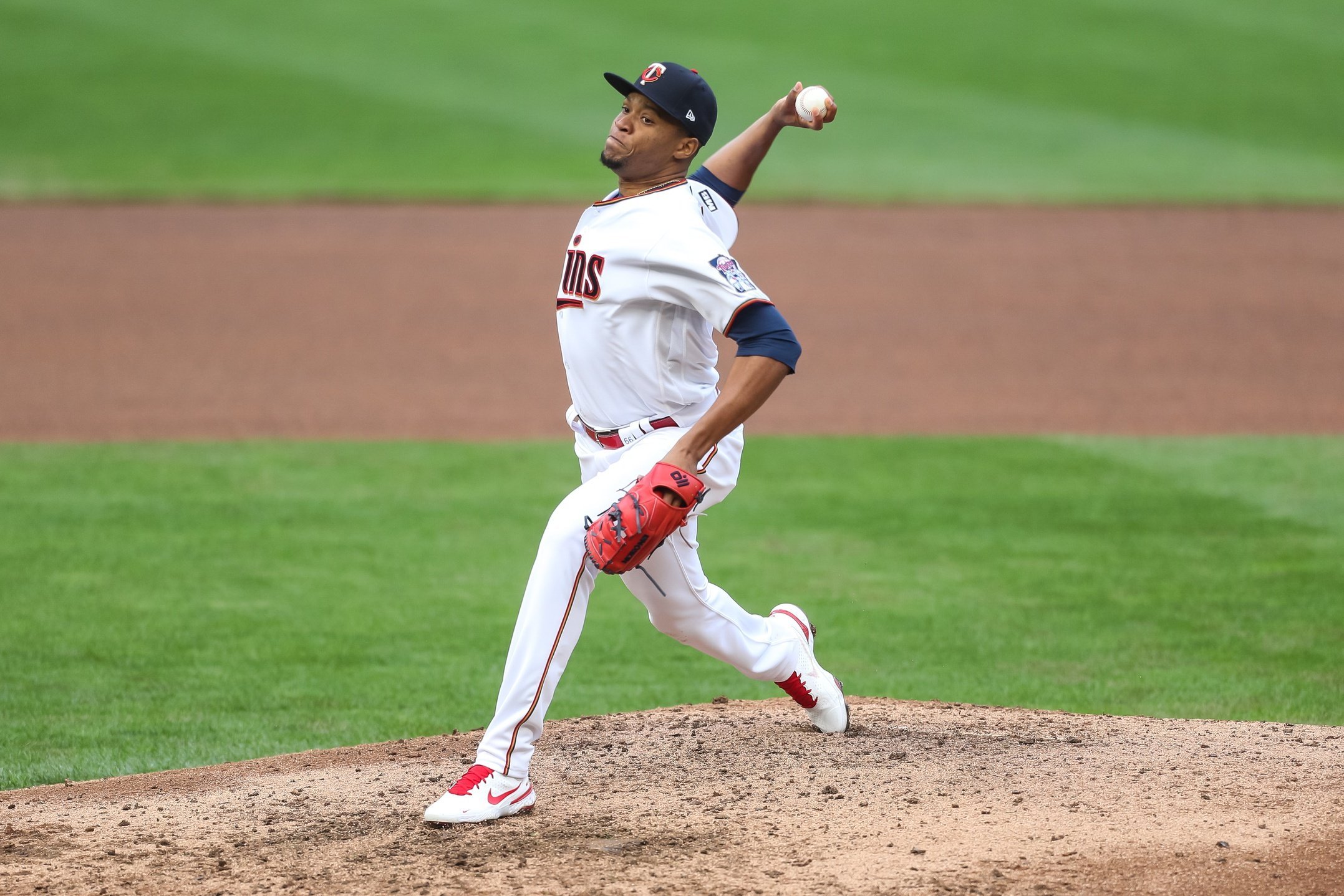 Current Relief Pitchers: Taylor Rogers, Tyler Duffey, Jorge Alcala, Caleb Thielbar, Ralph Garza Jr., Cody Stashak, Jovani Moran, Jharel Cotton Some of the team's veteran pitchers will again figure prominently into the team's bullpen. After a late-season injury, Rogers is a question-mark at the back of the Twins bullpen. It's the first time on the injured list during his big league career, and doctors believe surgery wasn't necessary. After two dominating seasons, Duffey had some minor struggles in 2021, but he still posted a 134 ERA+. After nearly retiring and joining the college coaching ranks, Thielbar has been one of the team's most valuable relievers. Three less experienced arms have a chance to earn late-inning roles with the 2022 Twins. Last season, Alcala had a triceps injury but still made 59 appearances and finished 15 games. Moran dominated the minor's upper-levels with 109 strikeouts in 67 1/3 innings on his way to being named the TD Minor League Relief Pitcher of the Year. His plus changeup is an elite pitch that will make him dangerous at the big-league level for years to come. Stashak missed most of 2021 with a back injury that limited him to fewer than 16 innings. Two waiver claims have survived Minnesota's offseason roster purge and will get a long look for the Opening Day bullpen. Cotton was claimed off waivers from the Texas Rangers in November. Last season at Triple-A, he pitched 42 innings and posted a 57 to 17 strikeout to walk ratio. Minnesota hopes he can start producing those types of strikeout numbers at the big-league level. The Twins claimed Garza Jr. from Houston back in August. In 18 appearances with the Twins, he posted a 3.26 ERA with 1.03 WHIP. 40-Man Roster Options Some of the team's top pitching prospects are considered starters, but many of them missed time during the 2021 season due to injury. There wasn't a 2020 minor league season and more missed time last year likely means these young arms will be on an innings limit. If Minnesota needs a bullpen boost in the second half, young arms can be added to get big-league experience. Lewis Thorpe and Randy Dobnak are two other pitchers on the 40-man roster that may see time in the bullpen. Thorpe is out of minor league options but hasn't found big-league success as a starter. Dobnak started last year in the bullpen, and it ended up being his worst professional season. Right now, Thorpe and Dobnak are in the starting rotation, but the team may sign or trade for other starters. On the Farm Options Not all of the players listed below are guaranteed to be on the team's roster at the start of next season. Still, it offers some insight into the organization's relief pitching depth. Minnesota has multiple relief pitching options populating the rosters throughout the minor leagues. In the upper-minors, Danny Coulombe is a non-roster invite to spring training. Last season, he made 29 appearances for the Twins and posted a 3.67 ERA with a 1.22 WHIP. Minnesota claimed Trevor Megill and Argenis Angulo off waivers in November. Yennier Cano is an intriguing option as he was signed out of Cuba back in 2019. During 2021, he struck out over 11 batters per nine innings at Double- and Triple-A. Ryan Mason has pitched in the Twins system since 2013. Last year he split time at the organization's two highest levels with a 2.67 ERA and a 63 to 28 strikeout to walk ratio. Melvi Acosta made all but one of his appearances at High-A last year, where he struck out 10.3 batters per nine innings. Zach Neff, a 31st round pick in 2018, posted a 4.78 ERA and a 1.14 WHIP in 31 Double-A appearances. At Double-A, Minnesota acquired Alex Scherff in July for Hansel Robles. Last season was his first as a full-time reliever, and he had a 2.45 ERA with 46 strikeouts in 29 1/3 innings. Like Scherff, Evan Sisk was acquired at the deadline, but he was part of the J.A. Happ trade. Sisk struggled in his first taste of Double-A (4.24 ERA) and allowed nine earned runs in 10 AFL innings. Zach Featherstone was knocked around (8.10 ERA) like Sisk in the AFL after posting a 2.13 ERA at High-A. Jordan Gore, a former infielder, is transitioning to a relief role. Last season was his first as a full-time reliever, and he posted a 2.39 ERA in time split between High- and Double-A. Minnesota left him unprotected from the Rule 5 Draft, so some other team may take a flyer on him. Denny Bentley, a 2018 33rd round pick, had a sub-2.80 ERA with 13.4 strikeouts per nine. His walk rate was high, with over five free passes per nine innings and a 1.42 WHIP. Osiris German, Samuel Perez, and Steven Cruz are three names to watch in the lower minors. German and Cruz split time between Low- and High-A. German had 90 strikeouts in 59 1/3 innings, and Perez struck out 14.4 batters per nine innings. Perez signed with the Twins out of independent baseball and had a 1.45 ERA with the FCL Twins. Besides the names mentioned here, many other pitchers at each level can impact the upcoming season. Overall, Minnesota has questions in next year's bullpen, but some young arms can step up in 2022. What do you think about the organization's relief pitching depth? Leave a COMMENT and start the discussion. OTHER POSTS IN THE SERIES — Catchers — First Base — Second Base — Third Base — Shortstop — Center Field — Corner Outfield — Starting Pitching
- 27 comments
-
- 1
-
-
- taylor rogers
- tyler duffey
- (and 3 more)
-
Minnesota's relief core improved in the second half of 2021, but there are questions about who will comprise the 2022 bullpen. There are plenty of bullpen options throughout the Twins system. Current Relief Pitchers: Taylor Rogers, Tyler Duffey, Jorge Alcala, Caleb Thielbar, Ralph Garza Jr., Cody Stashak, Jovani Moran, Jharel Cotton Some of the team's veteran pitchers will again figure prominently into the team's bullpen. After a late-season injury, Rogers is a question-mark at the back of the Twins bullpen. It's the first time on the injured list during his big league career, and doctors believe surgery wasn't necessary. After two dominating seasons, Duffey had some minor struggles in 2021, but he still posted a 134 ERA+. After nearly retiring and joining the college coaching ranks, Thielbar has been one of the team's most valuable relievers. Three less experienced arms have a chance to earn late-inning roles with the 2022 Twins. Last season, Alcala had a triceps injury but still made 59 appearances and finished 15 games. Moran dominated the minor's upper-levels with 109 strikeouts in 67 1/3 innings on his way to being named the TD Minor League Relief Pitcher of the Year. His plus changeup is an elite pitch that will make him dangerous at the big-league level for years to come. Stashak missed most of 2021 with a back injury that limited him to fewer than 16 innings. Two waiver claims have survived Minnesota's offseason roster purge and will get a long look for the Opening Day bullpen. Cotton was claimed off waivers from the Texas Rangers in November. Last season at Triple-A, he pitched 42 innings and posted a 57 to 17 strikeout to walk ratio. Minnesota hopes he can start producing those types of strikeout numbers at the big-league level. The Twins claimed Garza Jr. from Houston back in August. In 18 appearances with the Twins, he posted a 3.26 ERA with 1.03 WHIP. 40-Man Roster Options Some of the team's top pitching prospects are considered starters, but many of them missed time during the 2021 season due to injury. There wasn't a 2020 minor league season and more missed time last year likely means these young arms will be on an innings limit. If Minnesota needs a bullpen boost in the second half, young arms can be added to get big-league experience. Lewis Thorpe and Randy Dobnak are two other pitchers on the 40-man roster that may see time in the bullpen. Thorpe is out of minor league options but hasn't found big-league success as a starter. Dobnak started last year in the bullpen, and it ended up being his worst professional season. Right now, Thorpe and Dobnak are in the starting rotation, but the team may sign or trade for other starters. On the Farm Options Not all of the players listed below are guaranteed to be on the team's roster at the start of next season. Still, it offers some insight into the organization's relief pitching depth. Minnesota has multiple relief pitching options populating the rosters throughout the minor leagues. In the upper-minors, Danny Coulombe is a non-roster invite to spring training. Last season, he made 29 appearances for the Twins and posted a 3.67 ERA with a 1.22 WHIP. Minnesota claimed Trevor Megill and Argenis Angulo off waivers in November. Yennier Cano is an intriguing option as he was signed out of Cuba back in 2019. During 2021, he struck out over 11 batters per nine innings at Double- and Triple-A. Ryan Mason has pitched in the Twins system since 2013. Last year he split time at the organization's two highest levels with a 2.67 ERA and a 63 to 28 strikeout to walk ratio. Melvi Acosta made all but one of his appearances at High-A last year, where he struck out 10.3 batters per nine innings. Zach Neff, a 31st round pick in 2018, posted a 4.78 ERA and a 1.14 WHIP in 31 Double-A appearances. At Double-A, Minnesota acquired Alex Scherff in July for Hansel Robles. Last season was his first as a full-time reliever, and he had a 2.45 ERA with 46 strikeouts in 29 1/3 innings. Like Scherff, Evan Sisk was acquired at the deadline, but he was part of the J.A. Happ trade. Sisk struggled in his first taste of Double-A (4.24 ERA) and allowed nine earned runs in 10 AFL innings. Zach Featherstone was knocked around (8.10 ERA) like Sisk in the AFL after posting a 2.13 ERA at High-A. Jordan Gore, a former infielder, is transitioning to a relief role. Last season was his first as a full-time reliever, and he posted a 2.39 ERA in time split between High- and Double-A. Minnesota left him unprotected from the Rule 5 Draft, so some other team may take a flyer on him. Denny Bentley, a 2018 33rd round pick, had a sub-2.80 ERA with 13.4 strikeouts per nine. His walk rate was high, with over five free passes per nine innings and a 1.42 WHIP. Osiris German, Samuel Perez, and Steven Cruz are three names to watch in the lower minors. German and Cruz split time between Low- and High-A. German had 90 strikeouts in 59 1/3 innings, and Perez struck out 14.4 batters per nine innings. Perez signed with the Twins out of independent baseball and had a 1.45 ERA with the FCL Twins. Besides the names mentioned here, many other pitchers at each level can impact the upcoming season. Overall, Minnesota has questions in next year's bullpen, but some young arms can step up in 2022. What do you think about the organization's relief pitching depth? Leave a COMMENT and start the discussion. OTHER POSTS IN THE SERIES — Catchers — First Base — Second Base — Third Base — Shortstop — Center Field — Corner Outfield — Starting Pitching View full article
-
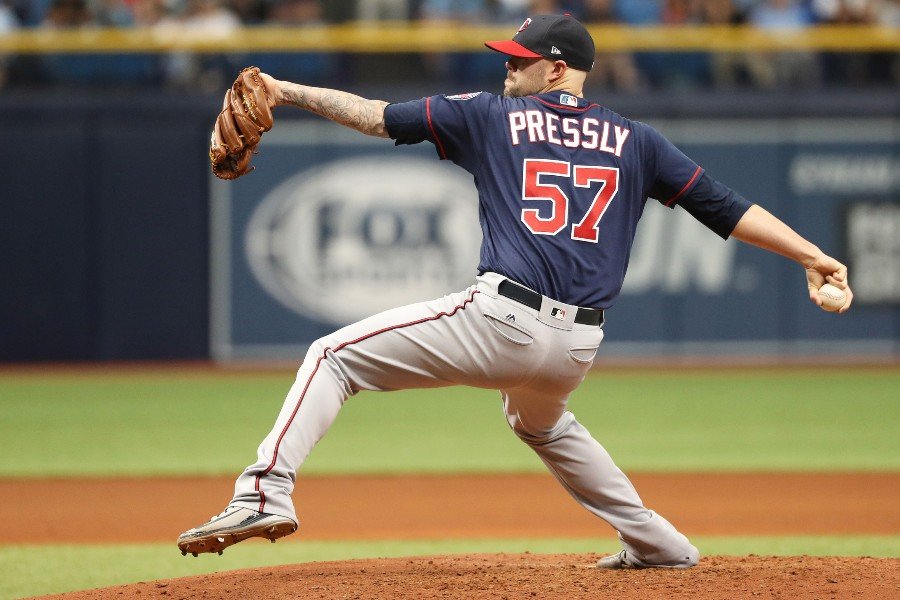 Many fans associated Johan Santana as the best Rule 5 Draft pick in Twins history, but the Florida Marlins drafted him and then traded him to Minnesota as part of a pre-arranged deal. So, who are the best Rule 5 Draft picks in Twins history? 5. Gary Wayne, RP Twins WAR: 2.5 Minnesota selected Wayne from the Expos organization in 1988, and he pitched out of the team's bullpen for four seasons. From 1989-1992, he posted a 3.44 ERA and a 1.31 WHIP as he walked nearly four batters per nine innings. As part of the 1991 club, he only made eight appearances and allowed seven earned runs in 12 1/3 innings. He still gets a World Series ring for his contributions to that club. The Twins traded him to Colorado following the 1992 season, and he'd only pitch two more seasons at the big-league level. 4. Mark Salas, C Twins WAR: 2.7 Salas joined the Twins from the Cardinals organization and became the team's starting catcher. He finished eighth in the 1985 AL Rookie of the Year voting after hitting .300/.332/.458 (.791) with 34 extra-base hits in 120 games. During his three seasons in Minnesota, he posted a 103 OPS+, which he couldn't replicate after leaving the Twins. In 1987, he was traded to the Yankees for Joe Niekro, who helped boost the team's second-half rotation on the way to a World Series title. 3. Ryan Pressly, RP Twins WAR: 3.6 Pressly is the most current player on this list as he has become one of the AL's best relievers for most of the last decade. The Twins took Pressly from the Red Sox organization in 2012, and he became a core piece of Minnesota's bullpen for six seasons. From 2013-2018 with the Twins, he posted a 3.75 ERA with a 1.30 WHIP and a 112 ERA+. Minnesota traded him to Houston at the 2018 deadline for Gilberto Celestino and Jorge Alcala in a trade that has worked for both teams. 2. Doug Corbett, RP Twins WAR: 8.3 Corbett might be an unknown name to younger fans, but he posted tremendous numbers in a short Twins career. Minnesota drafted Corbett from the Reds organization in 1979. He made an immediate impact in 1980 as he posted a 1.98 ERA in 73 appearances and finished third in the AL Rookie of the Year voting. In 1981, he led the American League in appearances and games finished while also being named to the All-Star team. He was traded to the Angels with Rob Wilfong for Tom Brunansky and Mike Walters the following season. 1. Shane Mack, OF Twins WAR: 19.6 Shane Mack is the clear winner for the best Rule 5 Draft pick in Minnesota Twins history. He was taken in the 1989 Rule 5 Draft from the Padres organization and instantly impacted the team in a big way. In five seasons for the Twins, he hit .309/.375/.479 (.854) with a 130 OPS+. His 1992 season was absurd as he accumulated a 6.5 WAR after posting a 5.0 WAR during the team's World Series run in 1991. He only managed three hits during the 1991 World Series, but he went 6-for-18 with two extra-base hits and three RBI during the ALCS. What memories do you have of the players mentioned above? Leave a COMMENT and start the discussion. MORE FROM TWINS DAILY — Latest Twins coverage from our writers — Recent Twins discussion in our forums — Follow Twins Daily via Twitter, Facebook or email
- 22 comments
-
- 3
-
-
- shane mack
- ryan pressly
- (and 3 more)
-
Shortly after the lockout ends, Major League Baseball expects to conduct this winter's Rule 5 Draft. Here is a look into the best players the Twins have ever taken in the Rule 5 Draft. Many fans associated Johan Santana as the best Rule 5 Draft pick in Twins history, but the Florida Marlins drafted him and then traded him to Minnesota as part of a pre-arranged deal. So, who are the best Rule 5 Draft picks in Twins history? 5. Gary Wayne, RP Twins WAR: 2.5 Minnesota selected Wayne from the Expos organization in 1988, and he pitched out of the team's bullpen for four seasons. From 1989-1992, he posted a 3.44 ERA and a 1.31 WHIP as he walked nearly four batters per nine innings. As part of the 1991 club, he only made eight appearances and allowed seven earned runs in 12 1/3 innings. He still gets a World Series ring for his contributions to that club. The Twins traded him to Colorado following the 1992 season, and he'd only pitch two more seasons at the big-league level. 4. Mark Salas, C Twins WAR: 2.7 Salas joined the Twins from the Cardinals organization and became the team's starting catcher. He finished eighth in the 1985 AL Rookie of the Year voting after hitting .300/.332/.458 (.791) with 34 extra-base hits in 120 games. During his three seasons in Minnesota, he posted a 103 OPS+, which he couldn't replicate after leaving the Twins. In 1987, he was traded to the Yankees for Joe Niekro, who helped boost the team's second-half rotation on the way to a World Series title. 3. Ryan Pressly, RP Twins WAR: 3.6 Pressly is the most current player on this list as he has become one of the AL's best relievers for most of the last decade. The Twins took Pressly from the Red Sox organization in 2012, and he became a core piece of Minnesota's bullpen for six seasons. From 2013-2018 with the Twins, he posted a 3.75 ERA with a 1.30 WHIP and a 112 ERA+. Minnesota traded him to Houston at the 2018 deadline for Gilberto Celestino and Jorge Alcala in a trade that has worked for both teams. 2. Doug Corbett, RP Twins WAR: 8.3 Corbett might be an unknown name to younger fans, but he posted tremendous numbers in a short Twins career. Minnesota drafted Corbett from the Reds organization in 1979. He made an immediate impact in 1980 as he posted a 1.98 ERA in 73 appearances and finished third in the AL Rookie of the Year voting. In 1981, he led the American League in appearances and games finished while also being named to the All-Star team. He was traded to the Angels with Rob Wilfong for Tom Brunansky and Mike Walters the following season. 1. Shane Mack, OF Twins WAR: 19.6 Shane Mack is the clear winner for the best Rule 5 Draft pick in Minnesota Twins history. He was taken in the 1989 Rule 5 Draft from the Padres organization and instantly impacted the team in a big way. In five seasons for the Twins, he hit .309/.375/.479 (.854) with a 130 OPS+. His 1992 season was absurd as he accumulated a 6.5 WAR after posting a 5.0 WAR during the team's World Series run in 1991. He only managed three hits during the 1991 World Series, but he went 6-for-18 with two extra-base hits and three RBI during the ALCS. What memories do you have of the players mentioned above? Leave a COMMENT and start the discussion. MORE FROM TWINS DAILY — Latest Twins coverage from our writers — Recent Twins discussion in our forums — Follow Twins Daily via Twitter, Facebook or email View full article
-
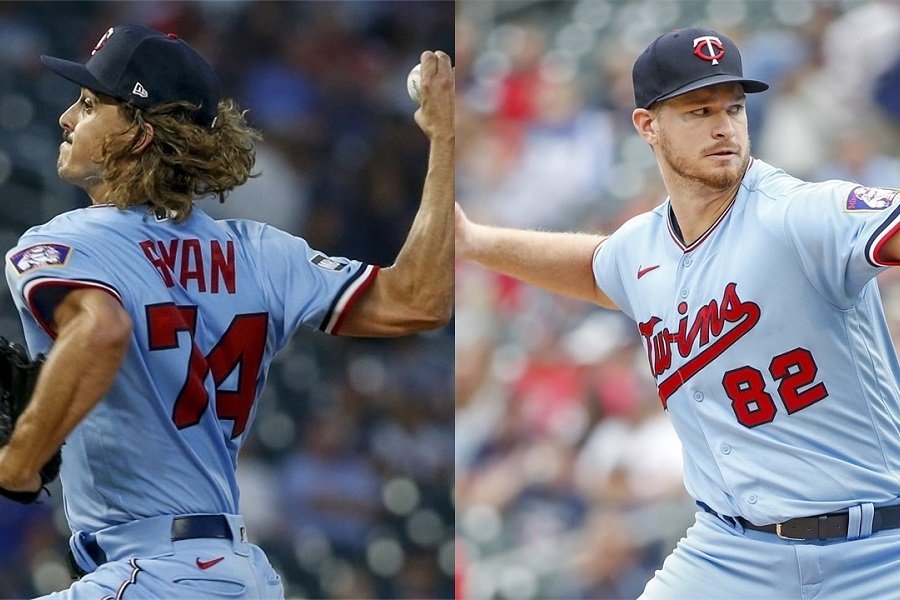 Current Starting Pitchers: Dylan Bundy, Bailey Ober, Joe Ryan, Randy Dobnak, Lewis Thorpe Two young pitchers and three pitchers that struggled last season isn't the recipe needed for a last-place team trying to rebound. Bundy certainly has some intrigue, especially when looking back to his 2020 season. If the Twins can work with his pitch mix, he may improve enough to be a middle-of-the-rotation pitcher. He's the most veteran pitcher on the staff, so there is a possibility the team adds other arms before Opening Day. Ober and Ryan were terrific during their first taste of the big leagues. Many were surprised by Ober's ability to pound the strike zone and work quickly. Ryan's unique fastball made it challenging for hitters to adjust, and he looks to be part of the team's long-term plans. Expectations need to be tempered with both pitchers because there will likely be some growing pains during their sophomore seasons. Last winter, Minnesota signed Dobnak to a unique extension, and then he proceeded to have his worst professional season. The Twins tried to use him in the bullpen to start the year, which was just the start of his season-long issues. Thorpe was limited to less than 40 innings last year, and he struggled at multiple levels. He's out of minor-league options, so he will have to earn a rotation spot this spring, or the team can try him in a bullpen role. 40-Man Roster Options Many of Minnesota's top pitching prospects are scheduled to spend time at Triple-A, and that might be one reason the club didn't spend big money on free agent pitching this winter. Top prospects Jordan Balazovic, Jhoan Duran, Josh Winder, and Cole Sands are all on the 40-man roster and project to spend time in St. Paul. All four of these arms ranked in the team's top-20 prospects in the second half of the season. Griffin Jax has big-league experience, making him a depth option if some of the top prospects aren't ready. Minnesota acquired Drew Strotman and Ryan as part of the Nelson Cruz trade. One of the reasons the Twins acquired him was because he is close to big-league ready. Other players on the 40-man roster include Chris Vallimont and Blayne Enlow. Vallimont posted a 6.03 ERA in 21 Double-A starts last season, so it seems likely for him to get a repeat trip with Wichita. In June, Blayne Enlow underwent Tommy John surgery, so he won't be back into game action until later this summer. This winter, Minnesota had a tough decision regarding adding Enlow to the 40-man roster, but he can eventually be moved to the 60-day IL to open an additional roster spot. On the Farm Options Not all of the players listed below are guaranteed to be on the team's roster at the start of next season. Still, it offers some insight into the organization's starting pitching depth. Minnesota has multiple starting pitching options populating the rosters throughout the minor leagues. At Triple-A, there are multiple players with big-league experience. Jake Faria received a non-roster invite when Minnesota signed him at the beginning of December. Devin Smeltzer was removed from the 40-man roster after injuries limited him to one appearance in 2021. Charlie Barnes posted a 3.79 ERA with a 1.28 in 16 Triple-A starts. Bryan Sammons and Austin Schulfer are both Rule 5 eligible but can slot into roles with St. Paul if they stay in the organization. Some of the team's other top-pitching prospects are penciled in for Double-A. Minnesota acquired Simeon Woods Richardson as part of the Jose Berrios trade. As a 20-year-old, he spent all of 2021 at Double-A and played in the Olympics. The Twins selected Matt Canterino in the second round back in 2019, but he was limited to six starts last season because of an elbow strain. Louie Varland finished the year at High-A, and he will be looking to build off his breakout 2021 season. There are some other names to watch in the minor's lower levels. Much of the organization's 2019 draft class projects to be at High-A, including Cody Laweryson, Sean Mooney, and Sawyer Gipson-Long. Laweryson was young for Cedar Rapids last season, and he posted a 3.86 ERA in the Arizona Fall League. In 13 starts, Mooney posted a 2.79 ERA with a 1.07 WHIP. Gipson-Long struck out over 12 batters per nine innings at Low- and High-A in 2021. Steve Hajjar and Cade Povich were top-100 draft picks in 2021. Hajjar was one of the Big Ten's best pitchers in 2021, and that's why the Twins took him with the 61st pick. He has yet to make his professional debut. Povich dominated in his four starts after being drafted as he allowed one earned run and struck out more than 17 batters per nine innings. Their college experience can help to make them fast risers next season. Marco Raya and Chase Petty are two young pitchers to watch with the FCL Twins. Minnesota drafted Raya in the 4th round back in 2020 out of high school in Texas. Petty was the Twins 2021 first-round pick out of high school in New Jersey. Raya has yet to make a professional appearance, and Petty made two appearances after signing last year. Besides the names mentioned here, many other pitchers at each level can impact the upcoming season. Overall, Minnesota's current starting rotation doesn't look built for a playoff run, but 2022 may be set up for the young pitching core to debut. What do you think about the organization's starting pitching depth? Leave a COMMENT and start the discussion. OTHER POSTS IN THE SERIES — Catchers — First Base — Second Base — Third Base — Shortstop — Center Field — Corner Outfield
- 21 comments
-
- 2
-
-
- joe ryan
- bailey ober
- (and 3 more)
-
Starting pitching must be part of Minnesota’s offseason equation, and Dylan Bundy has been the team's only offseason addition. Will the Twins rely on their young pitching depth in the years ahead? Current Starting Pitchers: Dylan Bundy, Bailey Ober, Joe Ryan, Randy Dobnak, Lewis Thorpe Two young pitchers and three pitchers that struggled last season isn't the recipe needed for a last-place team trying to rebound. Bundy certainly has some intrigue, especially when looking back to his 2020 season. If the Twins can work with his pitch mix, he may improve enough to be a middle-of-the-rotation pitcher. He's the most veteran pitcher on the staff, so there is a possibility the team adds other arms before Opening Day. Ober and Ryan were terrific during their first taste of the big leagues. Many were surprised by Ober's ability to pound the strike zone and work quickly. Ryan's unique fastball made it challenging for hitters to adjust, and he looks to be part of the team's long-term plans. Expectations need to be tempered with both pitchers because there will likely be some growing pains during their sophomore seasons. Last winter, Minnesota signed Dobnak to a unique extension, and then he proceeded to have his worst professional season. The Twins tried to use him in the bullpen to start the year, which was just the start of his season-long issues. Thorpe was limited to less than 40 innings last year, and he struggled at multiple levels. He's out of minor-league options, so he will have to earn a rotation spot this spring, or the team can try him in a bullpen role. 40-Man Roster Options Many of Minnesota's top pitching prospects are scheduled to spend time at Triple-A, and that might be one reason the club didn't spend big money on free agent pitching this winter. Top prospects Jordan Balazovic, Jhoan Duran, Josh Winder, and Cole Sands are all on the 40-man roster and project to spend time in St. Paul. All four of these arms ranked in the team's top-20 prospects in the second half of the season. Griffin Jax has big-league experience, making him a depth option if some of the top prospects aren't ready. Minnesota acquired Drew Strotman and Ryan as part of the Nelson Cruz trade. One of the reasons the Twins acquired him was because he is close to big-league ready. Other players on the 40-man roster include Chris Vallimont and Blayne Enlow. Vallimont posted a 6.03 ERA in 21 Double-A starts last season, so it seems likely for him to get a repeat trip with Wichita. In June, Blayne Enlow underwent Tommy John surgery, so he won't be back into game action until later this summer. This winter, Minnesota had a tough decision regarding adding Enlow to the 40-man roster, but he can eventually be moved to the 60-day IL to open an additional roster spot. On the Farm Options Not all of the players listed below are guaranteed to be on the team's roster at the start of next season. Still, it offers some insight into the organization's starting pitching depth. Minnesota has multiple starting pitching options populating the rosters throughout the minor leagues. At Triple-A, there are multiple players with big-league experience. Jake Faria received a non-roster invite when Minnesota signed him at the beginning of December. Devin Smeltzer was removed from the 40-man roster after injuries limited him to one appearance in 2021. Charlie Barnes posted a 3.79 ERA with a 1.28 in 16 Triple-A starts. Bryan Sammons and Austin Schulfer are both Rule 5 eligible but can slot into roles with St. Paul if they stay in the organization. Some of the team's other top-pitching prospects are penciled in for Double-A. Minnesota acquired Simeon Woods Richardson as part of the Jose Berrios trade. As a 20-year-old, he spent all of 2021 at Double-A and played in the Olympics. The Twins selected Matt Canterino in the second round back in 2019, but he was limited to six starts last season because of an elbow strain. Louie Varland finished the year at High-A, and he will be looking to build off his breakout 2021 season. There are some other names to watch in the minor's lower levels. Much of the organization's 2019 draft class projects to be at High-A, including Cody Laweryson, Sean Mooney, and Sawyer Gipson-Long. Laweryson was young for Cedar Rapids last season, and he posted a 3.86 ERA in the Arizona Fall League. In 13 starts, Mooney posted a 2.79 ERA with a 1.07 WHIP. Gipson-Long struck out over 12 batters per nine innings at Low- and High-A in 2021. Steve Hajjar and Cade Povich were top-100 draft picks in 2021. Hajjar was one of the Big Ten's best pitchers in 2021, and that's why the Twins took him with the 61st pick. He has yet to make his professional debut. Povich dominated in his four starts after being drafted as he allowed one earned run and struck out more than 17 batters per nine innings. Their college experience can help to make them fast risers next season. Marco Raya and Chase Petty are two young pitchers to watch with the FCL Twins. Minnesota drafted Raya in the 4th round back in 2020 out of high school in Texas. Petty was the Twins 2021 first-round pick out of high school in New Jersey. Raya has yet to make a professional appearance, and Petty made two appearances after signing last year. Besides the names mentioned here, many other pitchers at each level can impact the upcoming season. Overall, Minnesota's current starting rotation doesn't look built for a playoff run, but 2022 may be set up for the young pitching core to debut. What do you think about the organization's starting pitching depth? Leave a COMMENT and start the discussion. OTHER POSTS IN THE SERIES — Catchers — First Base — Second Base — Third Base — Shortstop — Center Field — Corner Outfield View full article
-
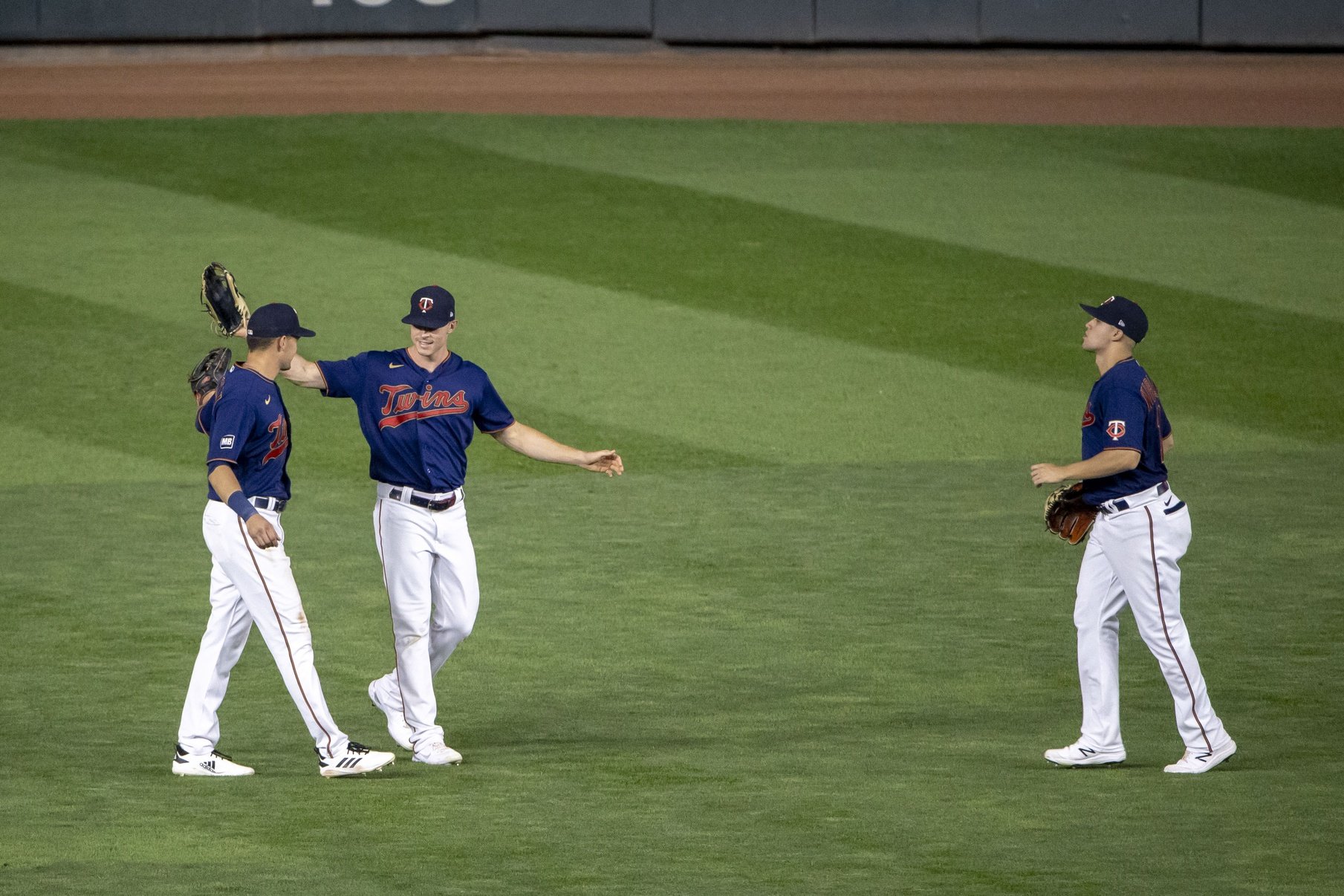 Current Corner Outfielders: Max Kepler, Alex Kirilloff Max Kepler is under team control for the next three seasons, and he is coming off a three-year stretch where he has a 111 OPS+. He provides defensive flexibility with the ability to play centerfield occasionally. This might make him one of the team's most valuable trade assets. Minnesota needs starting pitching, and trading Kepler can open a corner outfield spot for one or more of the names discussed below. Alex Kirilloff got off to a tremendous start to his rookie campaign before a wrist injury sapped his power. He tried to play through the injury, but he was clearly impacted and underwent surgery to repair a ligament tear in his right wrist. Minnesota's best option with Kirilloff is to move him to first base because he is a superior defender compared to the team's other options. Chances are Kirilloff will still get some time in the outfield, but he will get plenty of reps at first base too. 40-Man Roster Options Besides Kirilloff, the Twins turned to another rookie outfielder in 2021. Trevor Larnach showed some positive signs before ending up in a slump that sent him to St. Paul for the remainder of the season. Entering the 2021 season, Larnach had never appeared in a game above the Double-A level, so he was likely pushed a little faster than the organization planned. He should still be in the team's long-term plans, even coming off a poor year. Brent Rooker also had an interesting 2021 campaign. It looked like he had a chance to win a backup outfield job during spring training, but his lack of defensive positions pushed him back to the minors. At 26-years-old, this was intriguing, especially since he had little left to prove at Triple-A with a career .932 OPS. Rooker got over 200 big-league plate appearances in 2021 and posted a 75 OPS+. With his age-27 season looming, he has an uncertain future with the Twins. On the Farm Options Not all of the players listed below are guaranteed to be on the team's roster at the start of next season. Still, it offers some insight into the organization's corner outfield depth. Minnesota has multiple corner outfield options populating the rosters throughout the minor leagues. After signing Derek Fisher, the Twins have eight outfielders projected at the Triple-A level. Obviously, this is more than the team will need at one level. Jake Cave and Kyle Garlick are more veteran options at Triple-A, with big-league experience. Mark Contreras, Jimmy Kerrigan, and Ernie De La Trinidad are all over age-25 and Rule-5 eligible this offseason. Some of these players may shift to Double-A with an overload of Triple-A outfielders. Matt Wallner is projected for the Double-A level, and he is one of the most exciting prospects on this list. Minnesota selected Wallner with the 39th overall pick in 2019, and he's coming off a 1.011 OPS in the Arizona Fall League. Joining Wallner at Double-A will be Leobaldo Cabrera and Michel Helman. Last winter, the Twins signed Cabrera as a minor league free agent, and he combined for a .786 OPS at three different levels. Helman was an 11th round pick in 2018, and he posted a .798 OPS in 111 games at High-A in 2021. In the lower levels of the minors, Kala'i Rosario is an intriguing name to keep an eye on. He was the team's fifth-round pick back in 2020 out of Hawaii. Last year, he made his pro-debut with the FCL Twins and hit .277/.341/.452 (.794) with 19 extra-base hits in 51 games. Rosario should make his full-season debut in 2022. Overall, Minnesota has corner outfield depth that is ready to impact the big-league level. What do you think about the organization's corner outfield depth? Leave a COMMENT and start the discussion. OTHER POSTS IN THE SERIES — Catchers — First Base — Second Base — Third Base — Shortstop — Center Field
- 21 comments
-
- 2
-
-
- max kepler
- alex kirilloff
- (and 3 more)
