



Cody Christie
-
Posts
7,515 -
Joined
-
Last visited
-
Days Won
5
Content Type
Profiles
News
Minnesota Twins Videos
2026 Minnesota Twins Top Prospects Ranking
2022 Minnesota Twins Draft Picks
Minnesota Twins Free Agent & Trade Rumors, Notes, & Tidbits
Guides & Resources
2023 Minnesota Twins Draft Picks
The Minnesota Twins Players Project
2024 Minnesota Twins Draft Picks
2025 Minnesota Twins Draft Pick Tracker
2026 Minnesota Twins Draft Tracker: Picks & Bonuses
Forums
Blogs
Events
Store
Downloads
Gallery
Everything posted by Cody Christie
-
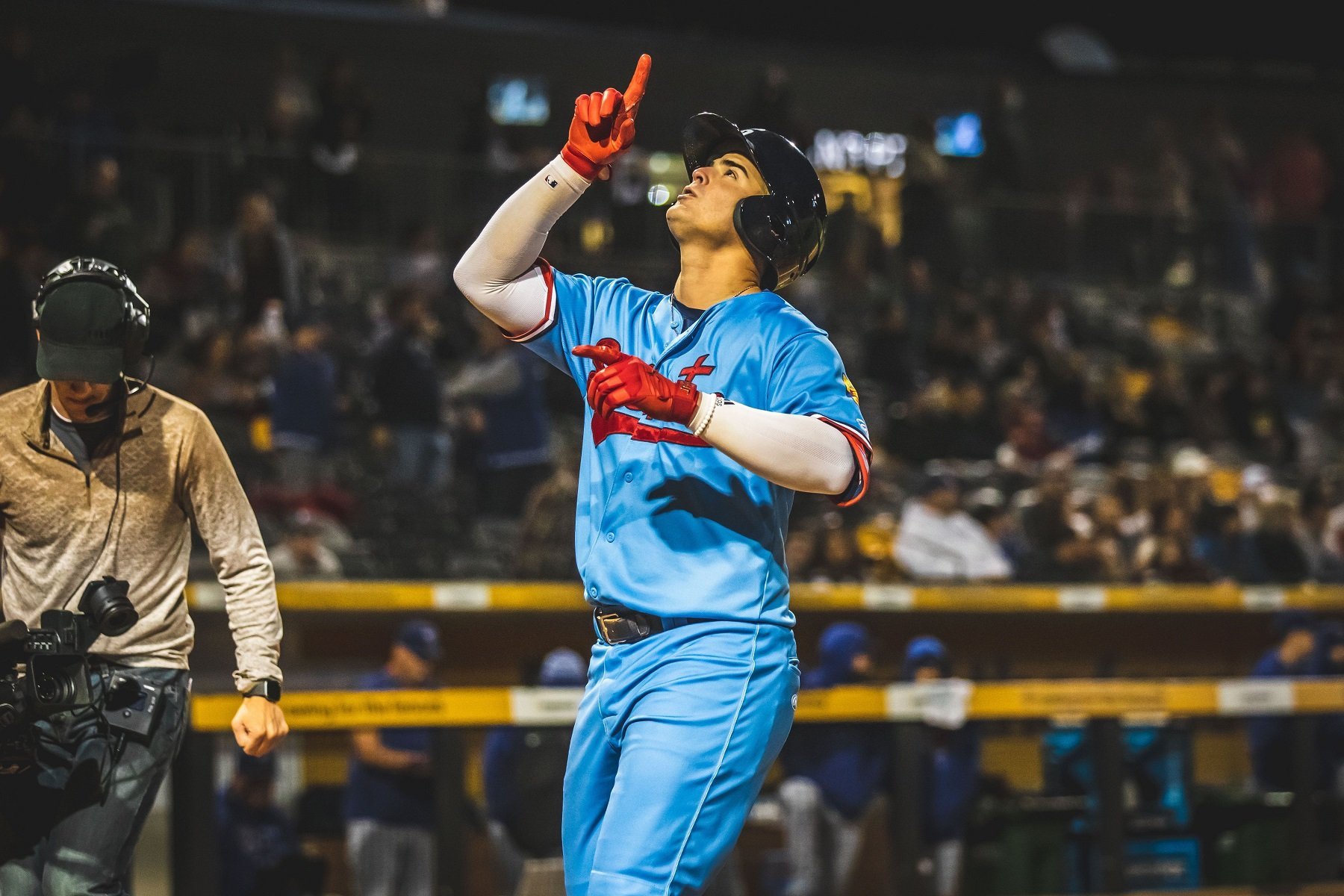 Jose Miranda, 3B Seth's 2022 Prospect Rank: 2 Miranda had always been considered a good prospect, but his 2021 season placed him on the baseball's prospect map. As a 23-year-old, he hit .344/.401/.572 (.973) with 32 doubles and 30 home runs at Double- and Triple-A. Miranda led all minor league baseball with 306 total bases with only 74 strikeouts in 127 games. He was the easy pick for the Twins Daily Minor League Hitter of the Year as he had arguably one of the best seasons ever for a Twins prospect. If Miranda can replicate his 2021 numbers, an argument can be made for him being the best prospect in the Twins organization. Austin Martin and Royce Lewis will rank higher than him on many lists, but Miranda's breakout season is hard to ignore. Baseball America and the Athletic moved him into their top-100 prospect lists, but some of that is based on his previous track record. Miranda should debut in 2022, and fans can get excited about how much his stock has risen. Louie Varland, RHP Seth's 2022 Prospect Rank: 19 Minnesota selected Varland with their 15th round pick in 2019. After signing, his professional debut was cut short because of some soreness in his pitching elbow. Minnesota saw some mechanical issues with Varland's delivery, and they worked with him during the COVID downtime to make adjustments. With an improved fastball in the high-90s, Varland transformed himself from a late-round pick to a pitching prospect to watch. In 2021, he dominated at Low- and High-A with a 2.10 ERA and a 1.09 WHIP in 20 appearances. He posted a 142-to-30 strikeout to walk ratio, including 14.5 strikeouts per nine at Low-A. His college experience meant he was old for Low-A, but he was younger than the average age of the competition when he got to Cedar Rapids. He was named the Twins Daily Minor League Pitcher of the Year at season's end. Varland won't appear on any national top-100 lists, but his 2021 season puts him into the team's long-term pitching plans. Emmanuel Rodriguez, OF Seth's 2022 Prospect Rank: 14 Any prospect that signs for $2.5 million on the international market will get noticed, but players signed as teenagers take time to develop. Last season, Rodriguez made his professional debut and hit ten home runs with a .870 OPS. He finished runner-up to Kala'i Rosario for Twins Daily's Short-Season Hitter of the Year, which has previously gone to players like Matt Wallner and Akil Baddoo. Rodriguez has a long way to go before he makes his big-league debut, but he has all the tools to be one of the team's top prospects in the years ahead. His advanced approach at the plate allows him to get into favorable counts where he can unleash his power. His above-average speed will enable him to steal bases and play above-average defense in centerfield. Entering his age-19 season, Rodriguez will get his first taste of full-season action with a chance to be one of the team's top-10 prospects next winter. Which player's stock has risen the most? Leave a COMMENT and start the discussion. MORE FROM TWINS DAILY — Latest Twins coverage from our writers — Recent Twins discussion in our forums — Follow Twins Daily via Twitter, Facebook or emai
- 7 comments
-
- 2
-

-
- jose miranda
- louis varland
- (and 1 more)
-
 Depth became necessary for Minnesota in 2021, which might transpire again next year. Here are three players that may be surprisingly helpful for the 2022 Twins. All three of these players made their debuts in 2021 after taking different routes to the big-league level. Now entering their sophomore seasons, will they be able to avoid a slump? Gilberto Celestino, CF Twins fans will remember Celestino floundering during his big-league debut last season, but that is only part of his 2021 campaign. Injuries forced the Twins to call him up with no experience above the Double-A level, and this was on the heels of a non-existent 2020 minor-league season. Transitioning to the big-league level can be challenging, but Celestino is a better player than his debut performance. After his struggles at the MLB level, he settled in nicely for the Saints and hit .290/.384/.443 (.827) while playing above-average defense in center. The chances are that Byron Buxton will be injured in 2022. When that happens, Celestino can rely on his success in the high minors to start transitioning that success to the big-league level. He has the tools to settle into an above-average fourth outfielder role with the Twins. Ben Rortvedt, C Rortvedt made his MLB debut last season after Minnesota's two-catcher rotation was unsuccessful. Entering 2022, the Twins have the same three catchers on the roster, so what has changed? Mitch Garver and Ryan Jeffers are penciled in to be the starters, but Rortvedt has some solid defensive skills that make him a more than capable backup. Scouting reports praise his work behind the plate and his ability to manage the running game. If one of the primary catchers is hurt, he is more than capable of handling the backup duties. His hit tool will never make him an everyday catcher, but he has some pop in his bat when he makes contact. At Triple-A, he hit .254/.324/.426 (.750) with 11 extra-base hits in 34 games. There's still a chance the Twins trade one of their catchers for starting pitching, and then Rortvedt takes on an even more critical role. Nick Gordon, UTL Twins fans know Gordon's name well because he was a first-round draft pick and considered a top prospect for multiple seasons. In 2021, he made his big-league debut at age-25 and hit .240/.292/.355 (.647) in 200 at-bats. Gordon was great in June. He got on base one-third of the time and posted a .765 OPS. Fans wanted to see more of Gordon, especially at the club's end of a terrible season. The Twins had little desire to play him at shortstop, his defensive position for his entire pro career. Instead, Minnesota used him at all three outfield positions and second base. Gordon's future value is tied to his ability to play multiple defensive positions while finding a way to get on base regularly. Other Twins prospects have developed power later in their career, but Gordon's ceiling seems more likely to be limited to a utility role. Which player do you think has the most significant impact on the 2022 Twins? Leave a COMMENT and start the discussion. MORE FROM TWINS DAILY — Latest Twins coverage from our writers — Recent Twins discussion in our forums — Follow Twins Daily via Twitter, Facebook or email View full article
 -
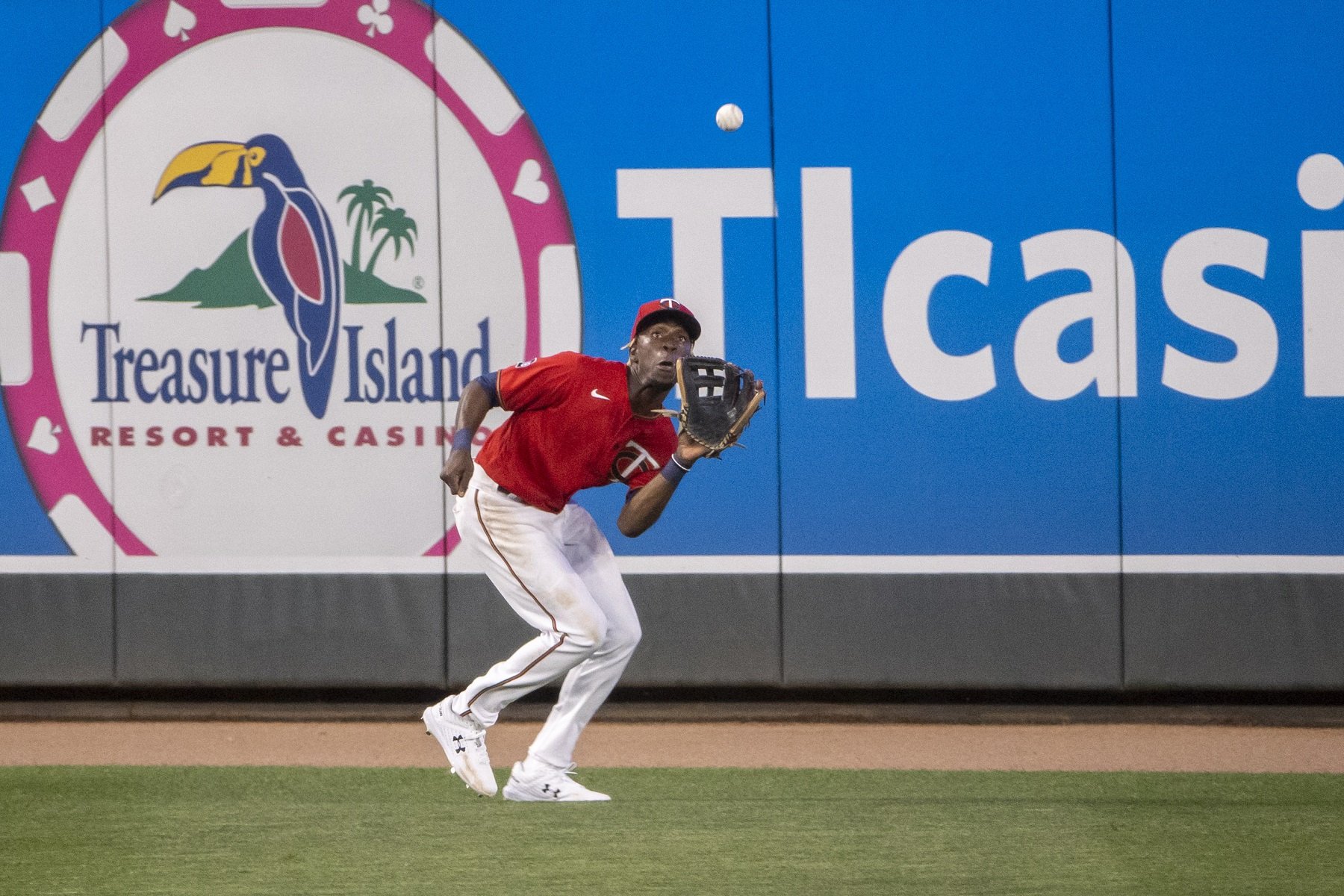 All three of these players made their debuts in 2021 after taking different routes to the big-league level. Now entering their sophomore seasons, will they be able to avoid a slump? Gilberto Celestino, CF Twins fans will remember Celestino floundering during his big-league debut last season, but that is only part of his 2021 campaign. Injuries forced the Twins to call him up with no experience above the Double-A level, and this was on the heels of a non-existent 2020 minor-league season. Transitioning to the big-league level can be challenging, but Celestino is a better player than his debut performance. After his struggles at the MLB level, he settled in nicely for the Saints and hit .290/.384/.443 (.827) while playing above-average defense in center. The chances are that Byron Buxton will be injured in 2022. When that happens, Celestino can rely on his success in the high minors to start transitioning that success to the big-league level. He has the tools to settle into an above-average fourth outfielder role with the Twins. Ben Rortvedt, C Rortvedt made his MLB debut last season after Minnesota's two-catcher rotation was unsuccessful. Entering 2022, the Twins have the same three catchers on the roster, so what has changed? Mitch Garver and Ryan Jeffers are penciled in to be the starters, but Rortvedt has some solid defensive skills that make him a more than capable backup. Scouting reports praise his work behind the plate and his ability to manage the running game. If one of the primary catchers is hurt, he is more than capable of handling the backup duties. His hit tool will never make him an everyday catcher, but he has some pop in his bat when he makes contact. At Triple-A, he hit .254/.324/.426 (.750) with 11 extra-base hits in 34 games. There's still a chance the Twins trade one of their catchers for starting pitching, and then Rortvedt takes on an even more critical role. Nick Gordon, UTL Twins fans know Gordon's name well because he was a first-round draft pick and considered a top prospect for multiple seasons. In 2021, he made his big-league debut at age-25 and hit .240/.292/.355 (.647) in 200 at-bats. Gordon was great in June. He got on base one-third of the time and posted a .765 OPS. Fans wanted to see more of Gordon, especially at the club's end of a terrible season. The Twins had little desire to play him at shortstop, his defensive position for his entire pro career. Instead, Minnesota used him at all three outfield positions and second base. Gordon's future value is tied to his ability to play multiple defensive positions while finding a way to get on base regularly. Other Twins prospects have developed power later in their career, but Gordon's ceiling seems more likely to be limited to a utility role. Which player do you think has the most significant impact on the 2022 Twins? Leave a COMMENT and start the discussion. MORE FROM TWINS DAILY — Latest Twins coverage from our writers — Recent Twins discussion in our forums — Follow Twins Daily via Twitter, Facebook or email
- 55 comments
-
- 7
-
-
- nick gordon
- gilberto celestino
- (and 1 more)
-
Minnesota’s top prospect list is littered with talent in the upper levels of the minors. So, who will be considered the team’s top prospect two years from now? Players like Austin Martin, Royce Lewis, and Jose Miranda should all have made their debuts before the end of the 2023 season. Minnesota’s pitching pipeline also points to many of their arms debuting over the next two years. There are other exciting players to keep an eye on as these players have a chance to develop into the team’s top prospect. Chase Petty, RHP ETA: 2025 Seth’s Top-30 Pitcher Rank: 6 Minnesota selected Petty with the team’s first-round pick in 2021 out of high school in New Jersey. High school pitchers can be extremely risky, and it was an uncharacteristic pick for the current front office regime. However, Petty checks all the boxes. His fastball can reach triple-digits, and it has movement. His slider has the chance at developing into a plus-pitch, and scouting reports state that his changeup continues to improve. Many of the knocks against Petty are tied to him being just over six feet tall, but Twins fans saw José Berríos find big-league success at that height. Petty won’t turn 19-years-old until April, so there is no need to rush him through the system. Emmanuel Rodriguez, CF ETA: 2024 Seth’s Top-30 Hitter Rank: 5 Rodriguez was Minnesota’s top international signee in the 2019 class, and he has already established himself as one of the team’s top international prospects. Last season, he made his professional debut and hit .214/.346/.524 (.870) with 17 extra-base hits, including 10 home runs. Even though he has played just 37 pro games, he is considered an advanced hitter that knows the strike zone well. He showed tremendous power last season even though his listed weight is under 170-pounds. It’s scary to think about what he will be able to do when he adds more muscle to his frame. Right now, he projects to be able to stick in centerfield, but he can be a plus defender in a corner spot if his power continues to develop. Noah Miller, SS ETA: 2025 Seth’s Top-30 Hitter Rank: 4 Miller, like Petty, was taken in the 2021 MLB Draft out of high school. He has many of the skills and athleticism needed to stick at shortstop, making him a valuable prospect in the years ahead. Last season after signing, he played in 22 games and hit .238/.316/.369 (.685) with six extra-base hits and a 26-to-9 strikeout to walk ratio. He turned 19-years-old in November, and he already has a solid frame at 185 pounds. As a switch-hitter, his right-handed swing is considered the better side as he went 6-for-11, including three extra-base hits in his pro debut. Scouting reports already point to his advanced approach at the plate, and the Twins will continue to work to improve his approach. Add that with his above-average defense at a premium defensive position, and signs point to him having one of the highest ceilings in the Twins farm system. Which player do you think will be the team’s top prospect by 2024? Is it a player on this list or someone else? Leave a COMMENT and start the discussion. MORE FROM TWINS DAILY — Latest Twins coverage from our writers — Recent Twins discussion in our forums — Follow Twins Daily via Twitter, Facebook or email View full article
- 23 replies
-
- 1
-
-
- chase petty
- emmanuel rodriguez
- (and 1 more)
-
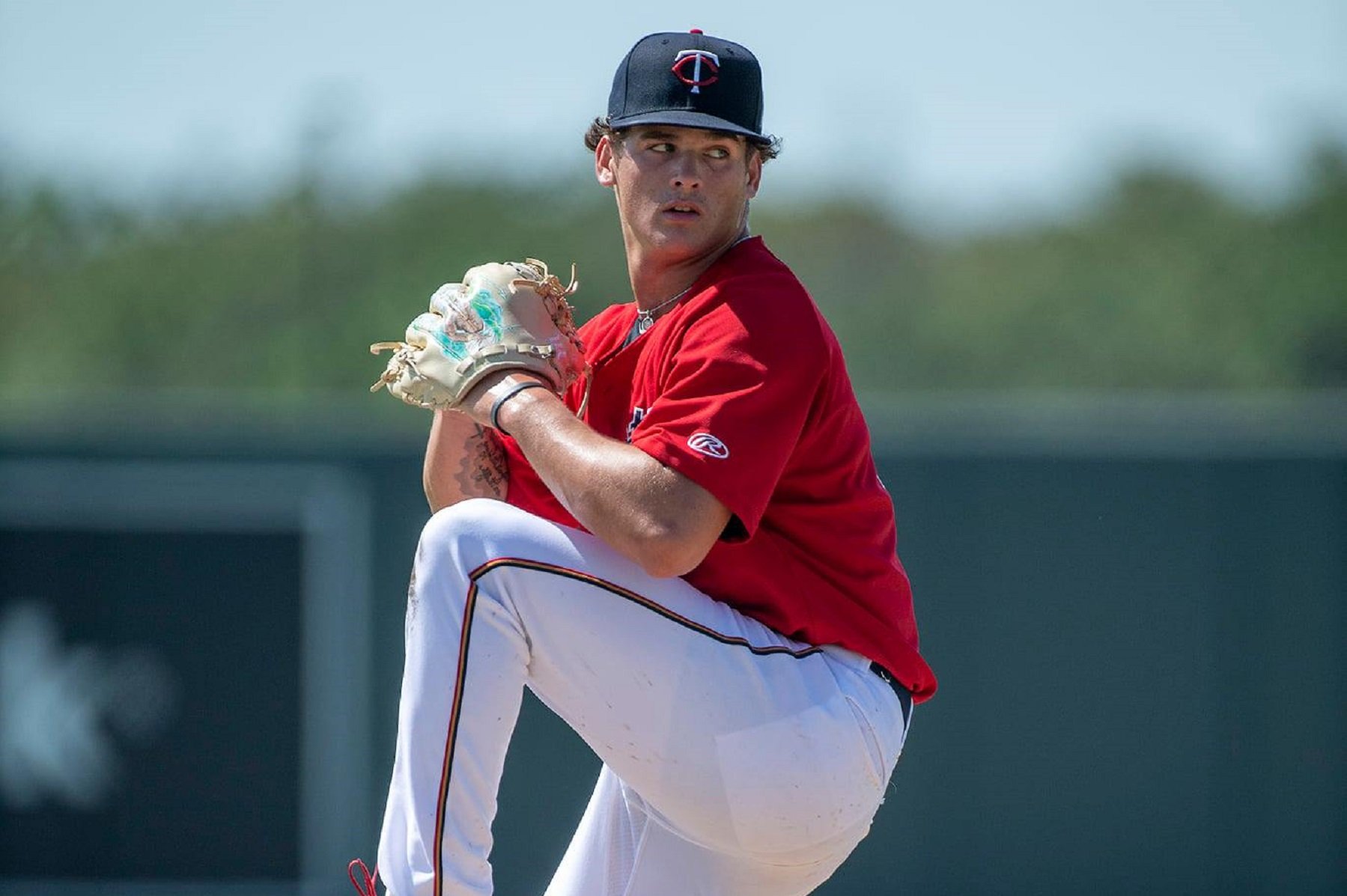 Players like Austin Martin, Royce Lewis, and Jose Miranda should all have made their debuts before the end of the 2023 season. Minnesota’s pitching pipeline also points to many of their arms debuting over the next two years. There are other exciting players to keep an eye on as these players have a chance to develop into the team’s top prospect. Chase Petty, RHP ETA: 2025 Seth’s Top-30 Pitcher Rank: 6 Minnesota selected Petty with the team’s first-round pick in 2021 out of high school in New Jersey. High school pitchers can be extremely risky, and it was an uncharacteristic pick for the current front office regime. However, Petty checks all the boxes. His fastball can reach triple-digits, and it has movement. His slider has the chance at developing into a plus-pitch, and scouting reports state that his changeup continues to improve. Many of the knocks against Petty are tied to him being just over six feet tall, but Twins fans saw José Berríos find big-league success at that height. Petty won’t turn 19-years-old until April, so there is no need to rush him through the system. Emmanuel Rodriguez, CF ETA: 2024 Seth’s Top-30 Hitter Rank: 5 Rodriguez was Minnesota’s top international signee in the 2019 class, and he has already established himself as one of the team’s top international prospects. Last season, he made his professional debut and hit .214/.346/.524 (.870) with 17 extra-base hits, including 10 home runs. Even though he has played just 37 pro games, he is considered an advanced hitter that knows the strike zone well. He showed tremendous power last season even though his listed weight is under 170-pounds. It’s scary to think about what he will be able to do when he adds more muscle to his frame. Right now, he projects to be able to stick in centerfield, but he can be a plus defender in a corner spot if his power continues to develop. Noah Miller, SS ETA: 2025 Seth’s Top-30 Hitter Rank: 4 Miller, like Petty, was taken in the 2021 MLB Draft out of high school. He has many of the skills and athleticism needed to stick at shortstop, making him a valuable prospect in the years ahead. Last season after signing, he played in 22 games and hit .238/.316/.369 (.685) with six extra-base hits and a 26-to-9 strikeout to walk ratio. He turned 19-years-old in November, and he already has a solid frame at 185 pounds. As a switch-hitter, his right-handed swing is considered the better side as he went 6-for-11, including three extra-base hits in his pro debut. Scouting reports already point to his advanced approach at the plate, and the Twins will continue to work to improve his approach. Add that with his above-average defense at a premium defensive position, and signs point to him having one of the highest ceilings in the Twins farm system. Which player do you think will be the team’s top prospect by 2024? Is it a player on this list or someone else? Leave a COMMENT and start the discussion. MORE FROM TWINS DAILY — Latest Twins coverage from our writers — Recent Twins discussion in our forums — Follow Twins Daily via Twitter, Facebook or email
- 23 comments
-
- 2
-
-
- chase petty
- emmanuel rodriguez
- (and 1 more)
-
Johan Santana and Joe Nathan were each top pitchers of their generation. Both were one-and-done on the BBWAA ballot, so who was the more significant snub? Voting for baseball’s Hall of Fame can be a challenging process for fans to understand. Some of baseball’s best players are being held out because of their steroid ties, while others with lesser resumes are inducted. Some deserving players fall off the ballot and follow a much longer path to Cooperstown. Two former Twins greats, Tony Oliva and Jim Kaat, were elected to the Hall of Fame this year through the era committee voting process. Four era committees are divided by baseball’s different eras. The Golden Days Committee elected Oliva and Kaat, and next winter, the era up for consideration is Today’s Game which covers 1988-Present. Johan Santana and Joe Nathan will get the opportunity to appear on this ballot in the years ahead. Johan Santana’s Hall of Fame Case Santana’s Cooperstown case is almost the exact opposite of newly elected Kaat. Santana was baseball’s best pitcher for multiple seasons, but his career was cut short due to injury. Kaat pitched for a long time and compiled solid numbers over a long career. He only received Cy Young votes in one season and finished a distant fourth that season. So what’s more important for a Hall of Fame case, longevity or peak value? Injuries clearly impacted the longevity of Santana’s career, but there have been other players with shortened careers to be elected to Cooperstown. Twins fans are well familiar with Kirby Puckett and the injury that forced him to retire early. When he became eligible, voters had no problem selecting him on the first ballot. According to JAWS, Puckett ranks as the 24th best center fielder, with players like Kenny Lofton, Andruw Jones, Jim Edmonds, and Johnny Damon ranking ahead of him. Sandy Koufax is considered one of the best starting pitchers of all time, and he compares very closely to Santana. Like Santana, Koufax pitched 12 years at the big-league level, which meant he retired before his age-31 season. According to JAWS, Koufax is the 96th best starting pitcher, and Santana is 26 places higher in the rankings. Santana also lost out on a third Cy Young that would have significantly helped his HOF candidacy. Joe Nathan’s Hall of Fame Case While Santana was out of baseball in his early 30s, Nathan didn’t become a big-league regular until his late 20s. Nathan pitched into his early 40s and established himself as one of the top-10 relievers of all time. Unfortunately, relievers are criminally underrepresented in Cooperstown, with it being the only position group to have fewer than ten elected players. According to JAWS, Nathan is the eighth-best reliever which puts him ahead of Lee Smith, Rollie Fingers, and Bruce Sutter. Billy Wagner is a prime example of a reliever similar to Nathan, that has been gaining HOF support. Wagner ranks two spots ahead of Nathan regarding JAWS, and their career numbers are very similar. Wagner was named on 51% of the ballots in his seventh year of eligibility, a jump of over 40% since his first year. Now he has three more voting cycles to gain 24% of the vote. Nathan’s career numbers put him in elite company. Among pitchers with at least 900 innings pitched, only Billy Wagner and Nolan Ryan have a lower Hits per Nine Innings ratio. He topped the 30-save mark in nine seasons, including accumulating 40 or more saves in four seasons. Even as a reliever, he had multiple top-five finishes in the AL Cy Young Award Voting. Also, Nathan ranks in the top-7 all-time relief pitchers using a hybrid average of WAR, WPA, and situational or context-neutral wins (WPA/LI). Nathan was clearly one of the best relievers in baseball history. Santana was baseball’s best starting pitcher for multiple seasons. Their Hall of Fame cases are complicated, but they both deserve to be more than one-and-done on the ballot. Who do you think was the bigger, more significant HOF snub? Will either player be elected to the Hall? Leave a COMMENT and start the discussion. MORE FROM TWINS DAILY — Latest Twins coverage from our writers — Recent Twins discussion in our forums — Follow Twins Daily via Twitter, Facebook, or email View full article
-
Johan Santana or Joe Nathan: Who Is A Bigger Hall of Fame Snub?
Cody Christie posted an article in Twins
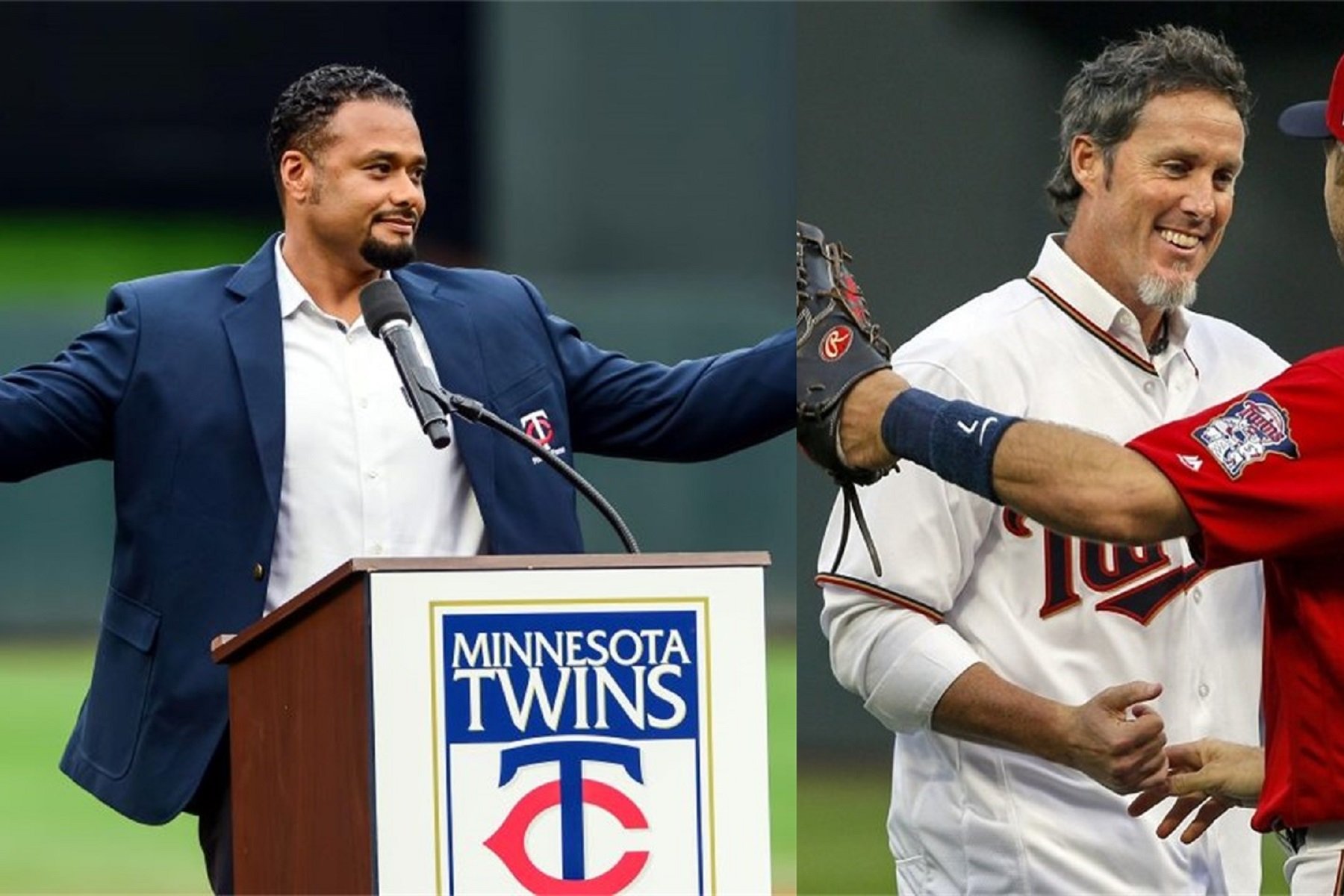 Voting for baseball’s Hall of Fame can be a challenging process for fans to understand. Some of baseball’s best players are being held out because of their steroid ties, while others with lesser resumes are inducted. Some deserving players fall off the ballot and follow a much longer path to Cooperstown. Two former Twins greats, Tony Oliva and Jim Kaat, were elected to the Hall of Fame this year through the era committee voting process. Four era committees are divided by baseball’s different eras. The Golden Days Committee elected Oliva and Kaat, and next winter, the era up for consideration is Today’s Game which covers 1988-Present. Johan Santana and Joe Nathan will get the opportunity to appear on this ballot in the years ahead. Johan Santana’s Hall of Fame Case Santana’s Cooperstown case is almost the exact opposite of newly elected Kaat. Santana was baseball’s best pitcher for multiple seasons, but his career was cut short due to injury. Kaat pitched for a long time and compiled solid numbers over a long career. He only received Cy Young votes in one season and finished a distant fourth that season. So what’s more important for a Hall of Fame case, longevity or peak value? Injuries clearly impacted the longevity of Santana’s career, but there have been other players with shortened careers to be elected to Cooperstown. Twins fans are well familiar with Kirby Puckett and the injury that forced him to retire early. When he became eligible, voters had no problem selecting him on the first ballot. According to JAWS, Puckett ranks as the 24th best center fielder, with players like Kenny Lofton, Andruw Jones, Jim Edmonds, and Johnny Damon ranking ahead of him. Sandy Koufax is considered one of the best starting pitchers of all time, and he compares very closely to Santana. Like Santana, Koufax pitched 12 years at the big-league level, which meant he retired before his age-31 season. According to JAWS, Koufax is the 96th best starting pitcher, and Santana is 26 places higher in the rankings. Santana also lost out on a third Cy Young that would have significantly helped his HOF candidacy. Joe Nathan’s Hall of Fame Case While Santana was out of baseball in his early 30s, Nathan didn’t become a big-league regular until his late 20s. Nathan pitched into his early 40s and established himself as one of the top-10 relievers of all time. Unfortunately, relievers are criminally underrepresented in Cooperstown, with it being the only position group to have fewer than ten elected players. According to JAWS, Nathan is the eighth-best reliever which puts him ahead of Lee Smith, Rollie Fingers, and Bruce Sutter. Billy Wagner is a prime example of a reliever similar to Nathan, that has been gaining HOF support. Wagner ranks two spots ahead of Nathan regarding JAWS, and their career numbers are very similar. Wagner was named on 51% of the ballots in his seventh year of eligibility, a jump of over 40% since his first year. Now he has three more voting cycles to gain 24% of the vote. Nathan’s career numbers put him in elite company. Among pitchers with at least 900 innings pitched, only Billy Wagner and Nolan Ryan have a lower Hits per Nine Innings ratio. He topped the 30-save mark in nine seasons, including accumulating 40 or more saves in four seasons. Even as a reliever, he had multiple top-five finishes in the AL Cy Young Award Voting. Also, Nathan ranks in the top-7 all-time relief pitchers using a hybrid average of WAR, WPA, and situational or context-neutral wins (WPA/LI). Nathan was clearly one of the best relievers in baseball history. Santana was baseball’s best starting pitcher for multiple seasons. Their Hall of Fame cases are complicated, but they both deserve to be more than one-and-done on the ballot. Who do you think was the bigger, more significant HOF snub? Will either player be elected to the Hall? Leave a COMMENT and start the discussion. MORE FROM TWINS DAILY — Latest Twins coverage from our writers — Recent Twins discussion in our forums — Follow Twins Daily via Twitter, Facebook, or email
- 31 comments
-
- 1
-
-
- johan santana
- joe nathan
- (and 2 more)
-
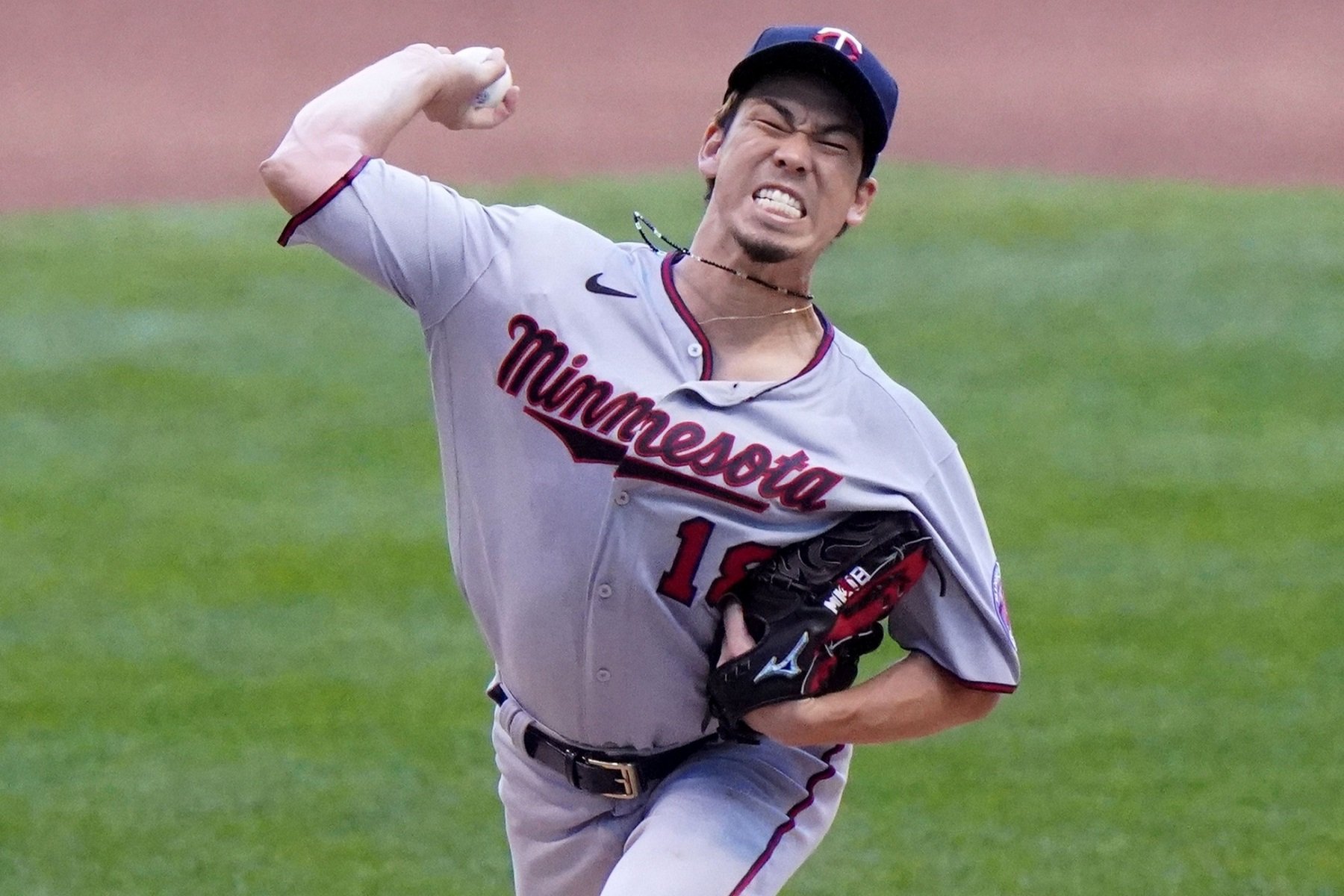 When Kenta Maeda had Tommy John surgery in September, it seemed likely to count him out of the team's starting rotation for the entire 2022 season. Now that might not be the case as he told Japanese reporters that he hopes to be back on the mound in September. According to the article, Maeda is on pace to start playing catch in mid-February. Hopefully, he will be playing catch as part of spring training, but the MLB lockout would need to be over for spring training to start on time. Another reason for optimism with Maeda's recovery is an adjustment made to his Tommy John surgery. Maeda had a brace added to the impacted elbow to speed up his recovery time. This newer development can cut the recovery time from the standard 12-16 months to 9-12 months. Nine months after his surgery puts him on the mound in June, while 12 months would be September. At the time of the surgery, president of baseball operations Derek Falvey said he is "hopeful for sure" that the right-hander will see the mound next year. It will be intriguing to see how the Twins treat Maeda's recovery. By September, the team will know if they are in or out of the playoff race. Maeda has a chance to provide a late-season boost for a contending team. If Minnesota is out of the race, Maeda may still want to get back into a big-league game to prove he is healthy. Minnesota's initial acquisition of Maeda looked like a solid move by the front office, especially for a team searching for starting pitching. Brusdar Graterol looked like he would be a reliever, and that's how the Dodgers have used him. There's no question that Maeda greatly impacted the Twins rotation during the pandemic shortened 2020 campaign. In 11 starts, he dominated by posting a 2.70 ERA with an MLB-best 0.75 WHIP. He compiled an 80-to-10 strikeout to walk ratio and had a 160 ERA+. He set career-best marks in multiple statistical categories, including ground-ball rate (49.0%), walk percentage (4.0%), strikeout percentage (32.3%), swinging-strike rate (17.2%), and opponents' chase rate (40.8%). At the season's end, he finished second to Cleveland's Shane Bieber in the AL Cy Young voting. Last season, Maeda experienced regression before being shut down with his elbow injury. In 21 starts (106 1/3 innings), he posted a 4.66 ERA with a 1.30 WHIP and a 113-to-32 strikeout to walk ratio. Multiple reasons may factor into Maeda's struggles. His elbow may have been bothering him before he went on the IL, and MLB's crackdown on sticky substances may have impacted his spin rate. Dylan Bundy, Bailey Ober, and Joe Ryan are the three pitchers penciled into next year's starting rotation. Maeda would undoubtedly provide a second-half boost if his rehab stays on track. Organizationally, many of Minnesota's top prospects are pitchers close to the big-league level. Late in the season can be a time for younger pitchers to prove they belong. Will Minnesota want to give Maeda starts over some of their top prospects? That is a question to be answered later this year. Do you think Maeda makes an appearance with the 2022 Twins? Leave a COMMENT and start the discussion. MORE FROM TWINS DAILY — Latest Twins coverage from our writers — Recent Twins discussion in our forums — Follow Twins Daily via Twitter, Facebook or email
 -
Returning from Tommy John surgery can take many pitchers close to a year. Kenta Maeda had surgery in September, and he's on track to be back on the mound in 2022. When Kenta Maeda had Tommy John surgery in September, it seemed likely to count him out of the team's starting rotation for the entire 2022 season. Now that might not be the case as he told Japanese reporters that he hopes to be back on the mound in September. According to the article, Maeda is on pace to start playing catch in mid-February. Hopefully, he will be playing catch as part of spring training, but the MLB lockout would need to be over for spring training to start on time. Another reason for optimism with Maeda's recovery is an adjustment made to his Tommy John surgery. Maeda had a brace added to the impacted elbow to speed up his recovery time. This newer development can cut the recovery time from the standard 12-16 months to 9-12 months. Nine months after his surgery puts him on the mound in June, while 12 months would be September. At the time of the surgery, president of baseball operations Derek Falvey said he is "hopeful for sure" that the right-hander will see the mound next year. It will be intriguing to see how the Twins treat Maeda's recovery. By September, the team will know if they are in or out of the playoff race. Maeda has a chance to provide a late-season boost for a contending team. If Minnesota is out of the race, Maeda may still want to get back into a big-league game to prove he is healthy. Minnesota's initial acquisition of Maeda looked like a solid move by the front office, especially for a team searching for starting pitching. Brusdar Graterol looked like he would be a reliever, and that's how the Dodgers have used him. There's no question that Maeda greatly impacted the Twins rotation during the pandemic shortened 2020 campaign. In 11 starts, he dominated by posting a 2.70 ERA with an MLB-best 0.75 WHIP. He compiled an 80-to-10 strikeout to walk ratio and had a 160 ERA+. He set career-best marks in multiple statistical categories, including ground-ball rate (49.0%), walk percentage (4.0%), strikeout percentage (32.3%), swinging-strike rate (17.2%), and opponents' chase rate (40.8%). At the season's end, he finished second to Cleveland's Shane Bieber in the AL Cy Young voting. Last season, Maeda experienced regression before being shut down with his elbow injury. In 21 starts (106 1/3 innings), he posted a 4.66 ERA with a 1.30 WHIP and a 113-to-32 strikeout to walk ratio. Multiple reasons may factor into Maeda's struggles. His elbow may have been bothering him before he went on the IL, and MLB's crackdown on sticky substances may have impacted his spin rate. Dylan Bundy, Bailey Ober, and Joe Ryan are the three pitchers penciled into next year's starting rotation. Maeda would undoubtedly provide a second-half boost if his rehab stays on track. Organizationally, many of Minnesota's top prospects are pitchers close to the big-league level. Late in the season can be a time for younger pitchers to prove they belong. Will Minnesota want to give Maeda starts over some of their top prospects? That is a question to be answered later this year. Do you think Maeda makes an appearance with the 2022 Twins? Leave a COMMENT and start the discussion. MORE FROM TWINS DAILY — Latest Twins coverage from our writers — Recent Twins discussion in our forums — Follow Twins Daily via Twitter, Facebook or email View full article
-
Under the Falvey-Levine regime, the Twins followed a similar offseason strategy. That strategy doesn't benefit the front office's short-term goals in a lockout-shortened winter. As a disappointing 2021 season came to a close, Minnesota's front office faced plenty of questions about the club's future direction. With the team's current roster make-up, it's clear the club doesn't want to enter a long rebuilding phase. Plus, there are multiple reasons why it is a terrible time to try and rebuild. "I fully anticipate, this offseason, we're going to try to find a way to get better for '22 and beyond," Derek Falvey told reporters. "I've approached each of the last three offseasons, really even going back after '17, with an approach: 'How do we find a way to get better now and in the future?' We talk about sustainability. In order to do that, you have to keep an eye on short-term and long-term." Patience and attempts to find good value have been the critical factors in many of the team's offseason moves under the current regime. That strategy has played itself out in recent years. 2021 Offseason Key Moves: Nelson Cruz, Andrelton Simmons, Alexander Colomé, J.A. Happ, Matt Shoemaker Minnesota's five most significant moves last winter came after the start of the new year. The Twins were patient with Cruz as he tested the market, but the NL not having the designated hitter limited his potential landing spots. Simmons was one of the best available free agent shortstops, but the Twins only turned to Simmons after Marcus Semien signed with Toronto. Semien finished third in the AL MVP vote, and Simmons had a career-worst season. The trio of free-agent pitchers signed by the Twins seemed like cheap deals at the time, but there was little upside involved. In hindsight, all three contracts ended up being poor as both starting pitchers were out of the organization by the season's end. Colomé improved throughout the year, but his terrible first month put the Twins into a hole from which they couldn't recover. 2020 Offseason Key Moves: Josh Donaldson, Kenta Maeda, Michael Pineda, Jake Odorizzi, Homer Bailey, Sergio Romo, Alex Avila, Rich Hill, Tyler Clippard This was a massive offseason with Minnesota spending north of $150 million and trading for Kenta Maeda. Like other offseasons, things didn't go exactly as planned. Rumors were linking the Twins to some of the top free-agent pitchers, but none of those deals worked out for various reasons. Luckily, the front office pivoted and signed Josh Donaldson to the biggest free-agent contract in team history. Donaldson's deal fell to the Twins after other free agents went by the wayside. Bailey and Hill's contracts followed a similar pattern of the front office looking for cheaper one-year deals, but once again, there was little upside involved with either arm. As with previous offseasons, Minnesota waited for other teams to make moves, and they examined what was still available. Names at the top of the team's wish list were already signed, so the club had to shift to a different strategy. 2019 Offseason Key Moves: Nelson Cruz, Marwin Gonzalez, Jonathan Schoop, Martin Perez, C.J. Cron Signing Cruz became one of the best free-agent moves in franchise history. He immediately impacted the line-up and helped transform the Twins into the Bomba Squad. At the time, Gonzalez looked like an intriguing signing after his impact on the Astros World Series run. Schoop and Cron projected to add some pop to the line-up, and Perez was a rotational boost. The AL Central was wide open, but the team only made marginal moves. All of the acquisitions provided a boost to the team, and the team went on to win over 100-games. However, Minnesota followed a similar offseason plan as they waited out the market and signed players late into the winter. At the time, Falvey and Levine made it clear that they believed in the club's core. That mantra may hold true for the 2022 offseason, but it's tough to be overconfident in the current core. It's hard to argue with the front office's strategy since the team has won two division titles in the last three years. However, the lockout impacts Minnesota's ability to sign players later in the cycle. The new CBA may also add a wrinkle to the team's offseason plans as there is a potential to add a payroll floor. If this happens, small payroll teams will be looking to add players that have typically been Minnesota's fallback options. Do you feel the front office's off-season strategy doesn't work this winter? Leave a COMMENT and start the discussion. MORE FROM TWINS DAILY — Latest Twins coverage from our writers — Recent Twins discussion in our forums — Follow Twins Daily via Twitter, Facebook or email View full article
-
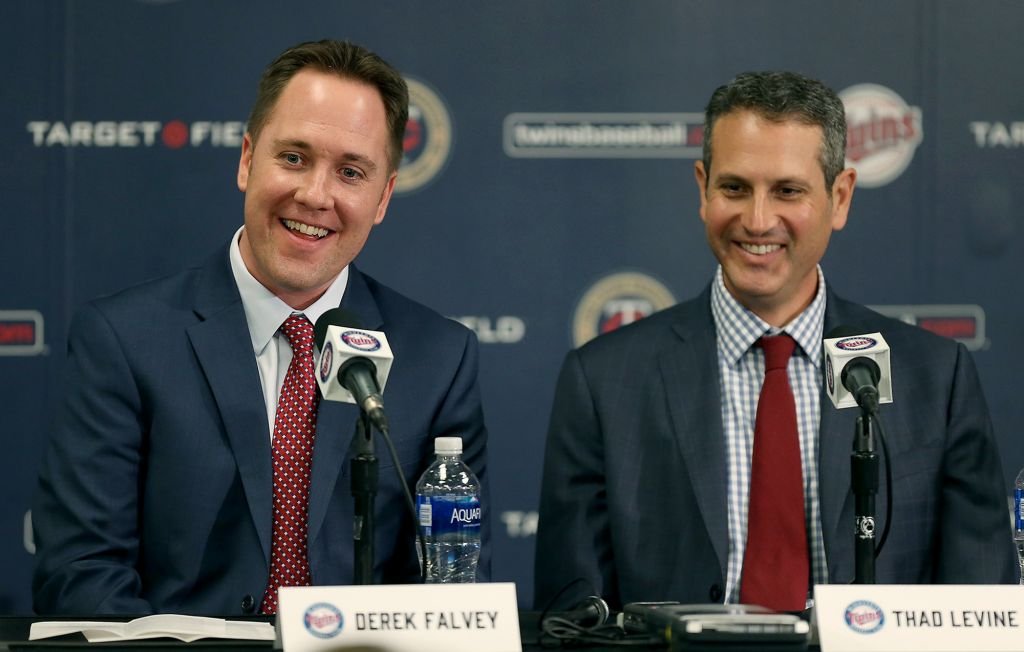 As a disappointing 2021 season came to a close, Minnesota's front office faced plenty of questions about the club's future direction. With the team's current roster make-up, it's clear the club doesn't want to enter a long rebuilding phase. Plus, there are multiple reasons why it is a terrible time to try and rebuild. "I fully anticipate, this offseason, we're going to try to find a way to get better for '22 and beyond," Derek Falvey told reporters. "I've approached each of the last three offseasons, really even going back after '17, with an approach: 'How do we find a way to get better now and in the future?' We talk about sustainability. In order to do that, you have to keep an eye on short-term and long-term." Patience and attempts to find good value have been the critical factors in many of the team's offseason moves under the current regime. That strategy has played itself out in recent years. 2021 Offseason Key Moves: Nelson Cruz, Andrelton Simmons, Alexander Colomé, J.A. Happ, Matt Shoemaker Minnesota's five most significant moves last winter came after the start of the new year. The Twins were patient with Cruz as he tested the market, but the NL not having the designated hitter limited his potential landing spots. Simmons was one of the best available free agent shortstops, but the Twins only turned to Simmons after Marcus Semien signed with Toronto. Semien finished third in the AL MVP vote, and Simmons had a career-worst season. The trio of free-agent pitchers signed by the Twins seemed like cheap deals at the time, but there was little upside involved. In hindsight, all three contracts ended up being poor as both starting pitchers were out of the organization by the season's end. Colomé improved throughout the year, but his terrible first month put the Twins into a hole from which they couldn't recover. 2020 Offseason Key Moves: Josh Donaldson, Kenta Maeda, Michael Pineda, Jake Odorizzi, Homer Bailey, Sergio Romo, Alex Avila, Rich Hill, Tyler Clippard This was a massive offseason with Minnesota spending north of $150 million and trading for Kenta Maeda. Like other offseasons, things didn't go exactly as planned. Rumors were linking the Twins to some of the top free-agent pitchers, but none of those deals worked out for various reasons. Luckily, the front office pivoted and signed Josh Donaldson to the biggest free-agent contract in team history. Donaldson's deal fell to the Twins after other free agents went by the wayside. Bailey and Hill's contracts followed a similar pattern of the front office looking for cheaper one-year deals, but once again, there was little upside involved with either arm. As with previous offseasons, Minnesota waited for other teams to make moves, and they examined what was still available. Names at the top of the team's wish list were already signed, so the club had to shift to a different strategy. 2019 Offseason Key Moves: Nelson Cruz, Marwin Gonzalez, Jonathan Schoop, Martin Perez, C.J. Cron Signing Cruz became one of the best free-agent moves in franchise history. He immediately impacted the line-up and helped transform the Twins into the Bomba Squad. At the time, Gonzalez looked like an intriguing signing after his impact on the Astros World Series run. Schoop and Cron projected to add some pop to the line-up, and Perez was a rotational boost. The AL Central was wide open, but the team only made marginal moves. All of the acquisitions provided a boost to the team, and the team went on to win over 100-games. However, Minnesota followed a similar offseason plan as they waited out the market and signed players late into the winter. At the time, Falvey and Levine made it clear that they believed in the club's core. That mantra may hold true for the 2022 offseason, but it's tough to be overconfident in the current core. It's hard to argue with the front office's strategy since the team has won two division titles in the last three years. However, the lockout impacts Minnesota's ability to sign players later in the cycle. The new CBA may also add a wrinkle to the team's offseason plans as there is a potential to add a payroll floor. If this happens, small payroll teams will be looking to add players that have typically been Minnesota's fallback options. Do you feel the front office's off-season strategy doesn't work this winter? Leave a COMMENT and start the discussion. MORE FROM TWINS DAILY — Latest Twins coverage from our writers — Recent Twins discussion in our forums — Follow Twins Daily via Twitter, Facebook or email
- 37 comments
-
- 2
-
-
- thad levine
- derek falvey
- (and 1 more)
-
David Ortiz had a legendary career, but unfortunately, his best years were outside the Twins organization. He found out that he would be enshrined in Cooperstown on Tuesday night. Ortiz began his big-league career with the Twins back in 1997 after the team acquired him in the 1996 offseason from the Mariners organization. Over the next six seasons, he became a regular in the Twins line-up, and he helped the Twins win the division for the first time since 1991. During his Twins tenure, he hit .266/.348/.461 (.809) with 169 extra-base hits in 455 games. He wasn't on a path to Cooperstown, and Terry Ryan faced a tough decision. Ortiz would start getting expensive through the arbitration process with an expected salary close to $2 million. The Twins front office had multiple reasons for non-tendering Ortiz. Matt LeCroy was an adequate replacement for Ortiz as the team's DH. Also, the club wanted a roster spot to make a Rule 5 pick. Minnesota was being cheap, but there is no guarantee Ortiz would have followed his HOF path if he stayed in Minnesota. After signing with Boston, Ortiz immediately transferred himself into one of the game's best hitters. He finished in the top-5 for AL MVP in his first season outside the Twins organization. Over the next 14 seasons, he hit .290/.386/.570 (.956) with 483 home runs. Ortiz was a 10-time All-Star, a 7-time Silver Slugger winner, and he finished in the top-5 for AL MVP in five straight seasons. October is where Oritz shined as he led the Red Sox to three World Series titles. He played 85 postseason games in his career and posted a .947 OPS with 41 extra-base hits. Ortiz won the ALCS MVP as part of the Red Sox's remarkable comeback over the Yankees in 2004. In 2013, he won World Series MVP as he went 11-for-16 with four extra-base hits and six RBI in the series. He was truly an October legend. Even with his on-field accomplishments, Ortiz wasn't seen as a lock for Cooperstown because of the looming steroid cloud. Back in 2003, 100 players failed a supposedly anonymous steroid survey test. Six years later, The New York Times reported that Ortiz was one of the players that failed the survey test. Other players tied to steroids have struggled to reach the 75% threshold needed for election, but voters were able to look past Ortiz's steroid ties. Congratulations to Ortiz on a Hall of Fame career! Other Twins On the Ballot While other former Twins were on the ballot, many didn't have a chance at being elected in the current cycle. In fact, many were in danger of falling off a crowded ballot. Torii Hunter made his second appearance on the ballot, and the two halves of his career make him an intriguing candidate. He received 21 votes (5.3%) and will remain on the ballot. Joe Nathan is one of the best relievers of all time, but relievers are historically underrepresented in Cooperstown. Nathan finished with 17 votes (4.3%) and fell three votes shy of staying on the ballot. The other former Twins on the ballot were expected to be one-and-done candidates. Justin Morneau was a great player, especially to the current generation of Twins fans. Morneau was named on five ballots (1.3%). AJ Pierzynski played many years at a grueling defensive position, but he doesn't have the resume of other enshrined catchers and he received two votes. HOF Class Includes Oliva and Kaat The Minnesota Twins will be well represented in Cooperstown this summer. Former Twins Tony Oliva and Jim Kaat found out last month that they will be part of the current Hall of Fame class. It was a long time coming for both players as they had waited decades and multiple votes before finally getting the call. Following his election, the Twins also announced that Jim Kaat will become the ninth member of the organization to have his number retired. That ceremony will take place this summer at Target Field. Bonds and Clemens Question Barry Bonds and Roger Clemens entered their tenth and final year on the ballot with their best chance at enshrinement. Leading into the ballot announcement, both players were tracking at over 75% of the announced ballots, but that was no guarantee that they would get the famous call from Cooperstown. There is no question that Bonds and Clemens are two of the best players in baseball history. However, the steroid cloud has surrounded them, which has prevented them from being elected by the writers. Bonds finished second behind Ortiz on the 2022 ballot with 260 votes (66.0%). Clemens was three votes behind Bonds (65.2%). Now, both players will have to wait for their chance on the committee era ballots. What are your thoughts about this year's Hall of Fame voting? Leave a COMMENT and start the discussion. MORE FROM TWINS DAILY — Latest Twins coverage from our writers — Recent Twins discussion in our forums — Follow Twins Daily via Twitter, Facebook or email View full article
- 40 replies
-
- 1
-
-
- david ortiz
- barry bonds
- (and 3 more)
-
David Ortiz Elected to the Hall of Fame, Other Former Twins Fall Short
Cody Christie posted an article in Twins
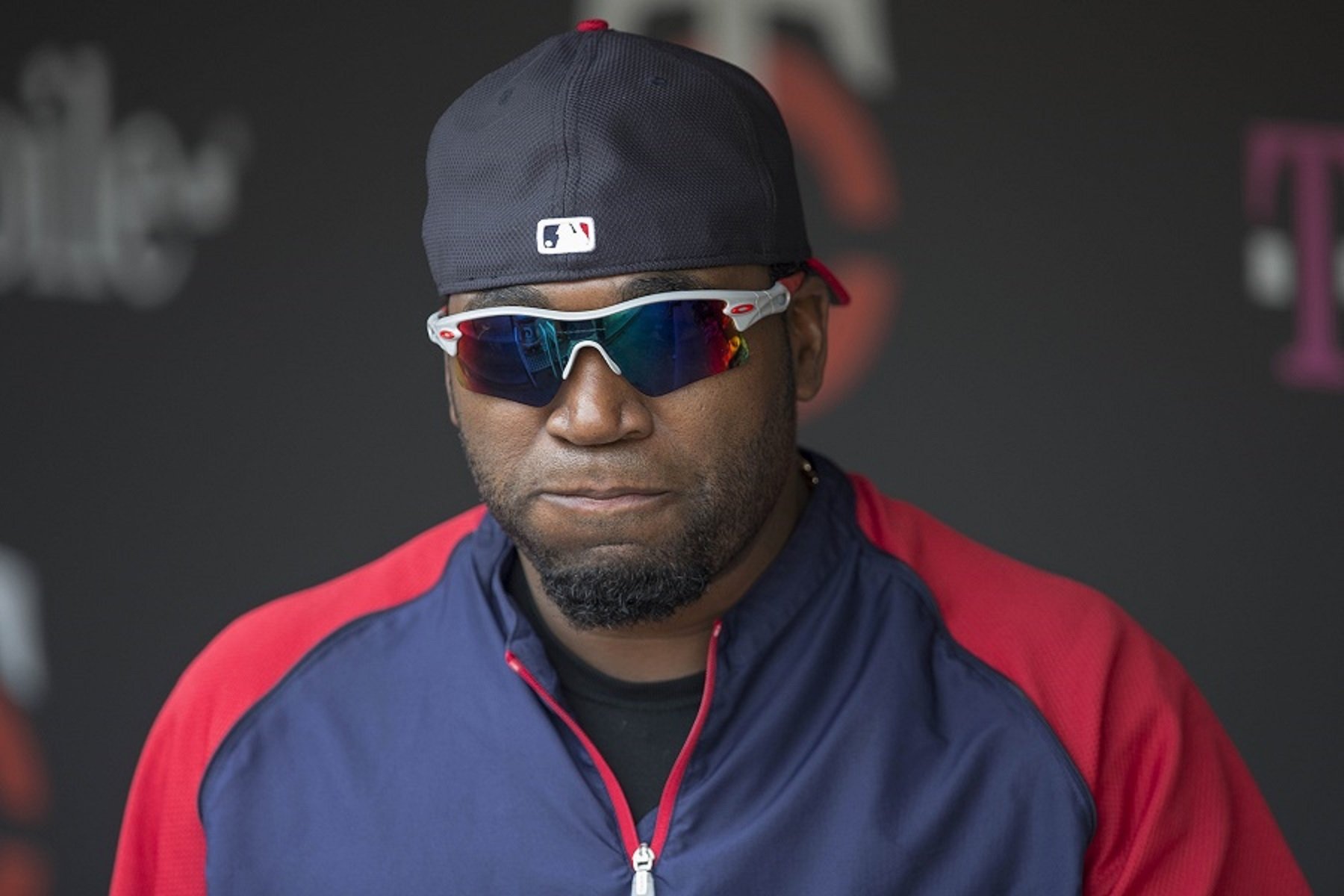 Ortiz began his big-league career with the Twins back in 1997 after the team acquired him in the 1996 offseason from the Mariners organization. Over the next six seasons, he became a regular in the Twins line-up, and he helped the Twins win the division for the first time since 1991. During his Twins tenure, he hit .266/.348/.461 (.809) with 169 extra-base hits in 455 games. He wasn't on a path to Cooperstown, and Terry Ryan faced a tough decision. Ortiz would start getting expensive through the arbitration process with an expected salary close to $2 million. The Twins front office had multiple reasons for non-tendering Ortiz. Matt LeCroy was an adequate replacement for Ortiz as the team's DH. Also, the club wanted a roster spot to make a Rule 5 pick. Minnesota was being cheap, but there is no guarantee Ortiz would have followed his HOF path if he stayed in Minnesota. After signing with Boston, Ortiz immediately transferred himself into one of the game's best hitters. He finished in the top-5 for AL MVP in his first season outside the Twins organization. Over the next 14 seasons, he hit .290/.386/.570 (.956) with 483 home runs. Ortiz was a 10-time All-Star, a 7-time Silver Slugger winner, and he finished in the top-5 for AL MVP in five straight seasons. October is where Oritz shined as he led the Red Sox to three World Series titles. He played 85 postseason games in his career and posted a .947 OPS with 41 extra-base hits. Ortiz won the ALCS MVP as part of the Red Sox's remarkable comeback over the Yankees in 2004. In 2013, he won World Series MVP as he went 11-for-16 with four extra-base hits and six RBI in the series. He was truly an October legend. Even with his on-field accomplishments, Ortiz wasn't seen as a lock for Cooperstown because of the looming steroid cloud. Back in 2003, 100 players failed a supposedly anonymous steroid survey test. Six years later, The New York Times reported that Ortiz was one of the players that failed the survey test. Other players tied to steroids have struggled to reach the 75% threshold needed for election, but voters were able to look past Ortiz's steroid ties. Congratulations to Ortiz on a Hall of Fame career! Other Twins On the Ballot While other former Twins were on the ballot, many didn't have a chance at being elected in the current cycle. In fact, many were in danger of falling off a crowded ballot. Torii Hunter made his second appearance on the ballot, and the two halves of his career make him an intriguing candidate. He received 21 votes (5.3%) and will remain on the ballot. Joe Nathan is one of the best relievers of all time, but relievers are historically underrepresented in Cooperstown. Nathan finished with 17 votes (4.3%) and fell three votes shy of staying on the ballot. The other former Twins on the ballot were expected to be one-and-done candidates. Justin Morneau was a great player, especially to the current generation of Twins fans. Morneau was named on five ballots (1.3%). AJ Pierzynski played many years at a grueling defensive position, but he doesn't have the resume of other enshrined catchers and he received two votes. HOF Class Includes Oliva and Kaat The Minnesota Twins will be well represented in Cooperstown this summer. Former Twins Tony Oliva and Jim Kaat found out last month that they will be part of the current Hall of Fame class. It was a long time coming for both players as they had waited decades and multiple votes before finally getting the call. Following his election, the Twins also announced that Jim Kaat will become the ninth member of the organization to have his number retired. That ceremony will take place this summer at Target Field. Bonds and Clemens Question Barry Bonds and Roger Clemens entered their tenth and final year on the ballot with their best chance at enshrinement. Leading into the ballot announcement, both players were tracking at over 75% of the announced ballots, but that was no guarantee that they would get the famous call from Cooperstown. There is no question that Bonds and Clemens are two of the best players in baseball history. However, the steroid cloud has surrounded them, which has prevented them from being elected by the writers. Bonds finished second behind Ortiz on the 2022 ballot with 260 votes (66.0%). Clemens was three votes behind Bonds (65.2%). Now, both players will have to wait for their chance on the committee era ballots. What are your thoughts about this year's Hall of Fame voting? Leave a COMMENT and start the discussion. MORE FROM TWINS DAILY — Latest Twins coverage from our writers — Recent Twins discussion in our forums — Follow Twins Daily via Twitter, Facebook or email
- 40 comments
-
- 1
-
-
- david ortiz
- barry bonds
- (and 3 more)
-
Not every starting pitching prospect is going to develop into a rotational stalwart. Here are three of the team's top pitching prospects that might be destined for a bullpen role. Finding solid relief pitching can be a challenging task for an organization. Relievers can burn bright for short periods and then burn out quickly. Many of the best relievers in Twins history were pitching prospects that were unsuccessful as starters, including Glen Perkins, Joe Nathan, and Taylor Rogers. The pitchers listed below are still considered starting pitchers, but their eventual development path may shift them to a bullpen role. Jhoan Duran Seth's Top-30 Pitcher Ranking: 8 Minnesota originally acquired Duran as part of the Eduardo Escobar trade. Since then, he has become one of the most exciting pitching prospects to come through the Twins farm system in quite some time. His electric fastball has been clocked at over 100 mph, even if the gun was a little hot. His off-speed offerings include a slider and a famous "splinker." With at least three big-league pitches, it's easy to imagine him sticking as a starter, but injuries impacted his 2021 season. Last season, he started the year on the IL with forearm/elbow issues, which can cause lingering problems. Duran was limited to 16 innings pitched with a 5.06 ERA and a 1.81 WHIP. He flashed some electric stuff and struck out more than a batter per inning. After five appearances, he was placed back in the IL and shut down for the year. Luckily, he avoided surgery, but the bullpen may offer him a way to stay healthy and provide value with his dominant pitch mix. Even Baseball America thinks Duran will be in the bullpen by 2025. Simeon Woods Richardson Seth's Top-30 Pitcher Ranking: 4 Woods Richardson has been part of two different blockbuster trades before his 21st birthday. At last year's trade deadline, the Twins acquired him along with Austin Martin for José Berríos. Both the Blue Jays and the Twins were aggressive with Woods Richardson last season as he pitched the entire season at Double-A, where he was over 4.5 years younger than the average age of the competition. Across 15 starts (53 1/3 innings), he posted a 5.91 ERA with a 1.54 WHIP and a 77 to 34 strikeout to walk ratio. Currently, he utilizes a four-pitch mix, and he can add more velocity as he adds to his frame. He will likely repeat Double-A next season, where he will still be young for the level. Minnesota will give him every opportunity to make it as a starting pitcher, and a move to the bullpen would be multiple years into the future. However, his fastball and changeup are above average pitches that could translate to him becoming a dominant late-inning reliever. Cole Sands Seth's Top-30 Pitcher Ranking: 13 Sands was an intriguing pick when the Twins took him with a fifth-round pick back in 2018. He had posted a 4.73 ERA in three seasons in college, but he had projectability. Now, he has turned both of his offspeed offerings into plus pitches, and his fastball velocity has increased. Last season at Double-A, he posted a 2.46 ERA with 96 strikeouts in 80 innings. These improvements point to his potential to stick as a starter, but a shift to the bullpen may also be on the table. He has yet to pitch more than 98 innings in a season throughout his professional career. If he is going to stick as a starter, he will have to increase his workload in the years ahead. Another issue was his walk rate more than doubled from 1.8 BB/9 in 2019 to 3.9 BB/9 in 2021. He's dealt with some arm problems in the past, so a shift to the bullpen may give him a better opportunity to impact the big-league roster. Which pitching prospect is destined for a bullpen role? Leave a COMMENT and start the discussion. MORE FROM TWINS DAILY — Latest Twins coverage from our writers — Recent Twins discussion in our forums — Follow Twins Daily via Twitter, Facebook or email View full article
-
3 Twins Pitching Prospects Destined for the Bullpen
Cody Christie posted an article in Minor Leagues
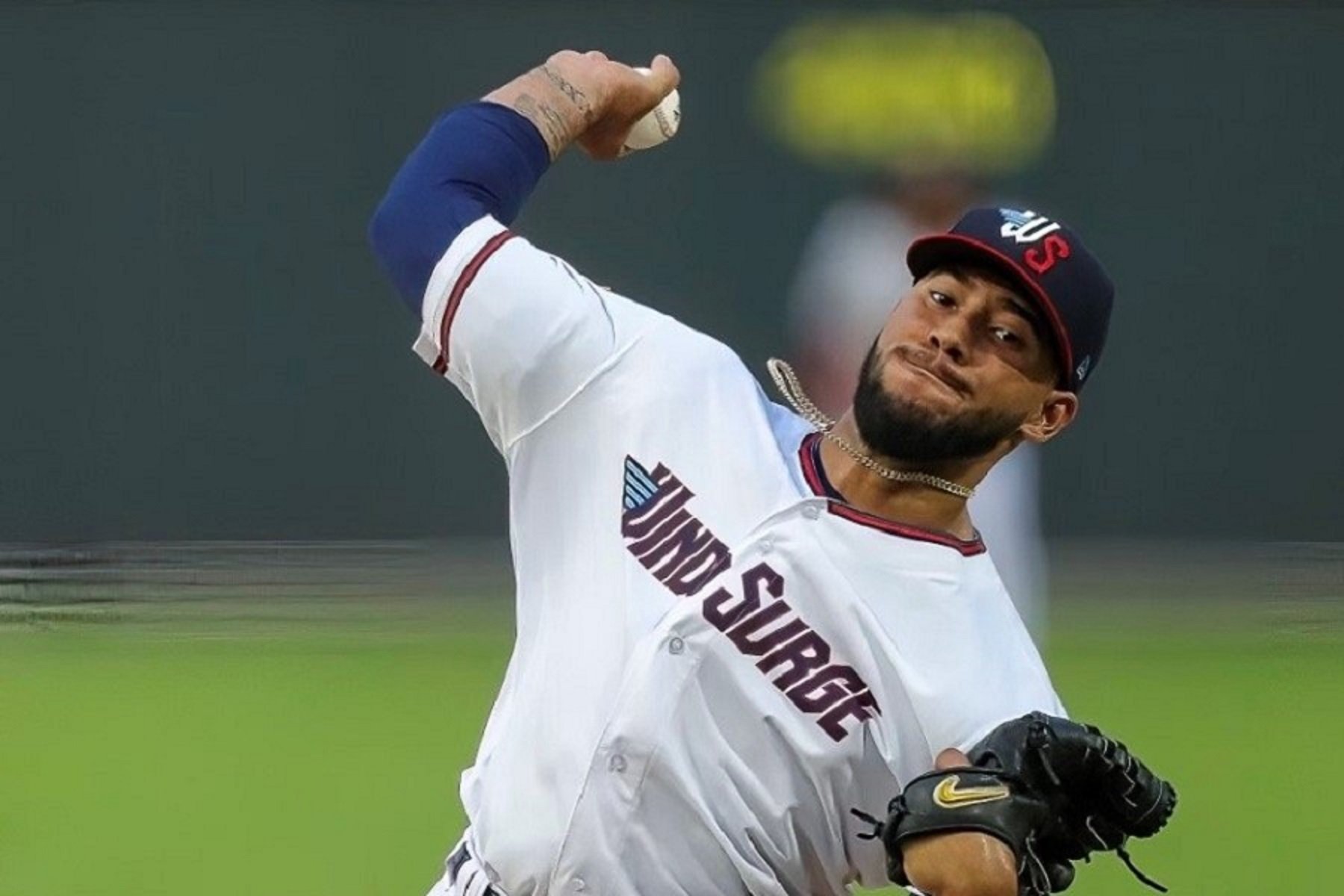 Finding solid relief pitching can be a challenging task for an organization. Relievers can burn bright for short periods and then burn out quickly. Many of the best relievers in Twins history were pitching prospects that were unsuccessful as starters, including Glen Perkins, Joe Nathan, and Taylor Rogers. The pitchers listed below are still considered starting pitchers, but their eventual development path may shift them to a bullpen role. Jhoan Duran Seth's Top-30 Pitcher Ranking: 8 Minnesota originally acquired Duran as part of the Eduardo Escobar trade. Since then, he has become one of the most exciting pitching prospects to come through the Twins farm system in quite some time. His electric fastball has been clocked at over 100 mph, even if the gun was a little hot. His off-speed offerings include a slider and a famous "splinker." With at least three big-league pitches, it's easy to imagine him sticking as a starter, but injuries impacted his 2021 season. Last season, he started the year on the IL with forearm/elbow issues, which can cause lingering problems. Duran was limited to 16 innings pitched with a 5.06 ERA and a 1.81 WHIP. He flashed some electric stuff and struck out more than a batter per inning. After five appearances, he was placed back in the IL and shut down for the year. Luckily, he avoided surgery, but the bullpen may offer him a way to stay healthy and provide value with his dominant pitch mix. Even Baseball America thinks Duran will be in the bullpen by 2025. Simeon Woods Richardson Seth's Top-30 Pitcher Ranking: 4 Woods Richardson has been part of two different blockbuster trades before his 21st birthday. At last year's trade deadline, the Twins acquired him along with Austin Martin for José Berríos. Both the Blue Jays and the Twins were aggressive with Woods Richardson last season as he pitched the entire season at Double-A, where he was over 4.5 years younger than the average age of the competition. Across 15 starts (53 1/3 innings), he posted a 5.91 ERA with a 1.54 WHIP and a 77 to 34 strikeout to walk ratio. Currently, he utilizes a four-pitch mix, and he can add more velocity as he adds to his frame. He will likely repeat Double-A next season, where he will still be young for the level. Minnesota will give him every opportunity to make it as a starting pitcher, and a move to the bullpen would be multiple years into the future. However, his fastball and changeup are above average pitches that could translate to him becoming a dominant late-inning reliever. Cole Sands Seth's Top-30 Pitcher Ranking: 13 Sands was an intriguing pick when the Twins took him with a fifth-round pick back in 2018. He had posted a 4.73 ERA in three seasons in college, but he had projectability. Now, he has turned both of his offspeed offerings into plus pitches, and his fastball velocity has increased. Last season at Double-A, he posted a 2.46 ERA with 96 strikeouts in 80 innings. These improvements point to his potential to stick as a starter, but a shift to the bullpen may also be on the table. He has yet to pitch more than 98 innings in a season throughout his professional career. If he is going to stick as a starter, he will have to increase his workload in the years ahead. Another issue was his walk rate more than doubled from 1.8 BB/9 in 2019 to 3.9 BB/9 in 2021. He's dealt with some arm problems in the past, so a shift to the bullpen may give him a better opportunity to impact the big-league roster. Which pitching prospect is destined for a bullpen role? Leave a COMMENT and start the discussion. MORE FROM TWINS DAILY — Latest Twins coverage from our writers — Recent Twins discussion in our forums — Follow Twins Daily via Twitter, Facebook or email
 -
Across the baseball landscape, teams have turned more regularly to openers and bullpen games to cover innings in a 162-game season. Do the Twins have a perfect pitcher to fit the opener role? Tampa Bay has long been looked at for their front office prowess as they find ways to stay near the top of one of baseball's toughest divisions. Using an opener is one idea that originated in Tampa that other teams have adopted in recent years. In 2019, many teams jumped on the opener bandwagon, and there were mixed results. According to MLB.com, "An 'opener' is a pitcher -- normally a reliever -- who starts a game for purposes of matching up against the top of the opponent's line-up in the first inning, which has traditionally been the highest-scoring inning, before being relieved by a pitcher who would otherwise function as a starter. This allows for a team to counter its opponent's first three batters with the pitcher it feels has the best chance for success against them." Twins manager Rocco Baldelli joined Minnesota from the Tampa Bay organization, so there was some thought to him bringing the opener strategy with him. Baldelli has turned to bullpen games in his tenure, but the opener strategy hasn't been used very often. With the Twins short on starting pitching, there is a chance the team is more likely to use an opener next season to cover more innings. The good news for the club is the team may have a perfect candidate to slide into the opener role. Minnesota originally drafted Griffin Jax from the United States Air Force Academy back in 2016. His military commitment meant he had a unique path to the big leagues, but he debuted in 2021. Across 82 innings, he posted a 6.37 ERA with a 1.35 WHIP and a 65 to 29 strikeout to walk ratio. One of his most significant issues was he allowed 23 home runs. While those numbers don't look great, a silver lining may point to his future value with the club. There's no question that Jax struggled to adjust to the big league level, but he was excellent during his first time through the order. Last year in the first inning, he posted a 2.57 ERA with a 13 to 3 strikeout to walk ratio. Batters only hit .160/.204/.240 (.444) with one home run in the first inning. Looking at these numbers, it is easy to see how Jax may be an opener candidate, but his early inning success wasn't just limited to the first frame. Over half of Jax's innings pitched came in innings 1-3 when he would be facing a line-up for the first time. He held batters to a .184 batting average with a .266 OBP in those frames. He struck out 38 batters in 43 1/3 innings, which is nearly a full strikeout higher compared to his full-season rate. He did allow 12 home runs in innings 1-3, but seven of those homers came in the third inning when a lot of line-ups would be turning over for the first time. Limiting Jax to one time through the order might be the sweet spot to put him in a position to succeed. There are other reasons the Twins might be interested in employing an opener strategy next season. Many of the team's top prospects are pitchers, and there can be challenges transitioning to the big-league level. Some pitchers will be on pitch counts or innings limits, and others are returning from injury. Putting Jax into an opener role can help transition some of these other young pitchers into the rotation. Do you think Jax would be a good candidate to serve as an opener? Are the Twins going to use an opener more regularly next season? Leave a COMMENT and start the discussion. MORE FROM TWINS DAILY — Latest Twins coverage from our writers — Recent Twins discussion in our forums — Follow Twins Daily via Twitter, Facebook or email View full article
-
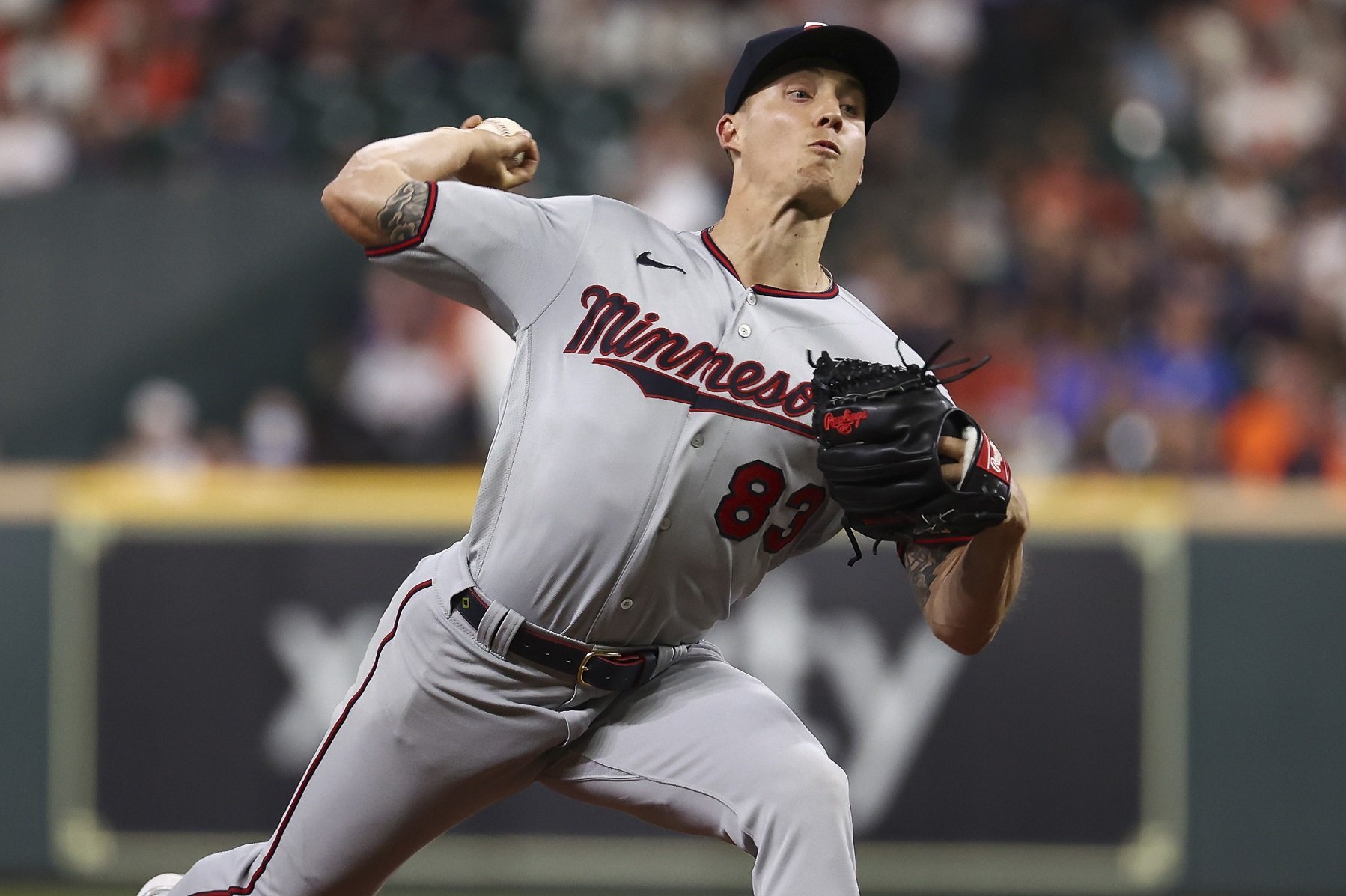 Tampa Bay has long been looked at for their front office prowess as they find ways to stay near the top of one of baseball's toughest divisions. Using an opener is one idea that originated in Tampa that other teams have adopted in recent years. In 2019, many teams jumped on the opener bandwagon, and there were mixed results. According to MLB.com, "An 'opener' is a pitcher -- normally a reliever -- who starts a game for purposes of matching up against the top of the opponent's line-up in the first inning, which has traditionally been the highest-scoring inning, before being relieved by a pitcher who would otherwise function as a starter. This allows for a team to counter its opponent's first three batters with the pitcher it feels has the best chance for success against them." Twins manager Rocco Baldelli joined Minnesota from the Tampa Bay organization, so there was some thought to him bringing the opener strategy with him. Baldelli has turned to bullpen games in his tenure, but the opener strategy hasn't been used very often. With the Twins short on starting pitching, there is a chance the team is more likely to use an opener next season to cover more innings. The good news for the club is the team may have a perfect candidate to slide into the opener role. Minnesota originally drafted Griffin Jax from the United States Air Force Academy back in 2016. His military commitment meant he had a unique path to the big leagues, but he debuted in 2021. Across 82 innings, he posted a 6.37 ERA with a 1.35 WHIP and a 65 to 29 strikeout to walk ratio. One of his most significant issues was he allowed 23 home runs. While those numbers don't look great, a silver lining may point to his future value with the club. There's no question that Jax struggled to adjust to the big league level, but he was excellent during his first time through the order. Last year in the first inning, he posted a 2.57 ERA with a 13 to 3 strikeout to walk ratio. Batters only hit .160/.204/.240 (.444) with one home run in the first inning. Looking at these numbers, it is easy to see how Jax may be an opener candidate, but his early inning success wasn't just limited to the first frame. Over half of Jax's innings pitched came in innings 1-3 when he would be facing a line-up for the first time. He held batters to a .184 batting average with a .266 OBP in those frames. He struck out 38 batters in 43 1/3 innings, which is nearly a full strikeout higher compared to his full-season rate. He did allow 12 home runs in innings 1-3, but seven of those homers came in the third inning when a lot of line-ups would be turning over for the first time. Limiting Jax to one time through the order might be the sweet spot to put him in a position to succeed. There are other reasons the Twins might be interested in employing an opener strategy next season. Many of the team's top prospects are pitchers, and there can be challenges transitioning to the big-league level. Some pitchers will be on pitch counts or innings limits, and others are returning from injury. Putting Jax into an opener role can help transition some of these other young pitchers into the rotation. Do you think Jax would be a good candidate to serve as an opener? Are the Twins going to use an opener more regularly next season? Leave a COMMENT and start the discussion. MORE FROM TWINS DAILY — Latest Twins coverage from our writers — Recent Twins discussion in our forums — Follow Twins Daily via Twitter, Facebook or email
 -
Every team has prospects that need to stay healthy to reach their full potential. Here are three top prospects in the Twins system looking for a healthier 2022. Earlier in the week, Baseball America discussed some of baseball’s top prospects looking to return from injury in 2022. It was tough to gauge prospects from an evaluation standpoint, especially on the heels of a nonexistent 2020 minor league season. There are some prominent names in the Twins’ system, and the three names below have a lot riding on how they look next season. Royce Lewis, SS/OF 2021 Injury: Torn ACL Lewis is widely considered one of Minnesota’s top prospects, as he was the top pick in the 2017 MLB Draft. However, he hasn’t appeared in a minor league game since November 2019, and that’s a long time in the prospect development world. When Lewis was last on the field, he won the MVP of the Arizona Fall League while getting an extended look in the outfield. Lewis was sent to the AFL that year on the heels of a sub-par 2019 regular season where he hit .236/.290/.371 (.661) at High- and Double-A. All signs point to Lewis being on pace to start the 2022 season with the chance to begin the year at Triple-A. However, it’s hard to know what he will look like and how long it will take to shake off the rust. A significant knee injury can impact his best tools like his speed and athletic ability. His long-term defensive position and swing have been questioned in the past. There is a lot for Lewis to prove in 2022. Matt Canterino, RHP 2021 Injury: Strained Elbow Minnesota initially selected Canterino from Rice in the second round of the 2019 MLB Draft. Based on his college experience, his pro debut put him on the prospect map as he posted a 1.44 ERA and a 0.64 WHIP in the low minors. With no 2020 minor league campaign, Canterino worked on his changeup, and reports had this as a dangerous pitch coming out of the shutdown. All signs pointed to Canterino having a breakout 2021 season, but injuries eventually played a factor. Canterino dominated hitters at Cedar Rapids to start 2021 as he struck out 45 batters in 23 innings and only allowed two earned runs. His elbow began bothering him from there, and he was limited to five innings the rest of the season. Canterino’s time at Rice may point to some of his injury issues. Rice University is notoriously known for overworking its pitchers, with many of its graduates having injuries during their professional careers. Canterino has the potential to be Minnesota’s top pitching prospect, but he needs to prove he can get past his 2021 injuries. Jhoan Duran, RHP 2021 Injury: Strained Elbow Duran joined the Twins organization as part of the Eduardo Escobar trade back at the 2018 trade deadline. At the time, he was a teenager in the low minors, but the Twins believed he had a high ceiling. Since the trade, he has established himself as one of the organization’s top pitching prospects with a fastball that can hit triple-digits and various off-speed offerings. He got plenty of attention to start 2021 as radar guns had his fastball clocked at over 100 mph. Already at Triple-A, it looked like Duran was knocking on the door to the big leagues. Unfortunately, that was the highlight of his 2021 season. He was limited to 16 innings before being shut down with a strained elbow. There was some hope he would be back on the mound after six weeks on the IL, but he didn’t make another appearance last year. So far, he has avoided surgery, and this recent injury has some believing Duran may be heading for a bullpen role. Earlier this month, he turned 24 years old, so there is still time to prove that he can stick as a starter. Which player do you feel has the most to prove? Can they all avoid injury in 2022? Leave a COMMENT and start the discussion. MORE FROM TWINS DAILY — Latest Twins coverage from our writers — Recent Twins discussion in our forums — Follow Twins Daily via Twitter, Facebook or email View full article
-
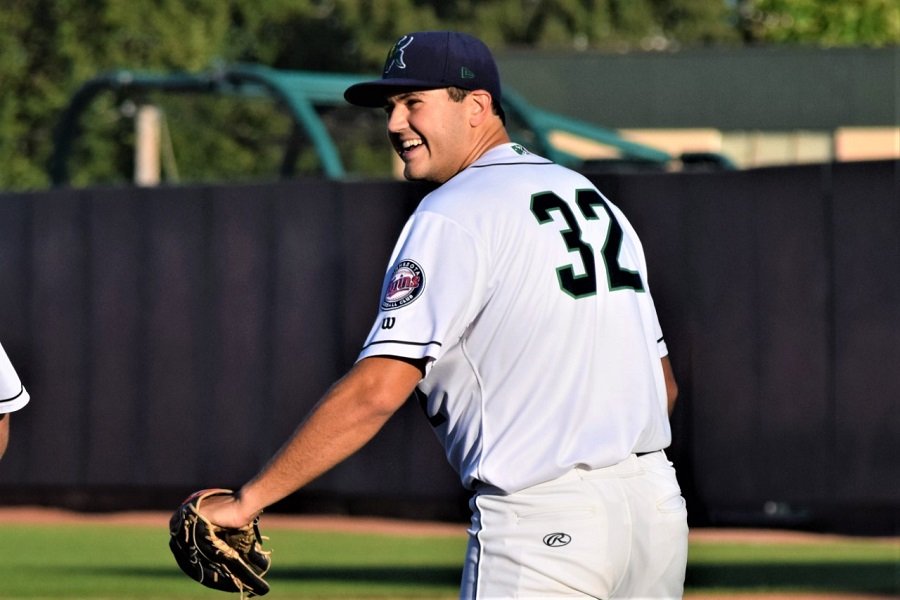 Earlier in the week, Baseball America discussed some of baseball’s top prospects looking to return from injury in 2022. It was tough to gauge prospects from an evaluation standpoint, especially on the heels of a nonexistent 2020 minor league season. There are some prominent names in the Twins’ system, and the three names below have a lot riding on how they look next season. Royce Lewis, SS/OF 2021 Injury: Torn ACL Lewis is widely considered one of Minnesota’s top prospects, as he was the top pick in the 2017 MLB Draft. However, he hasn’t appeared in a minor league game since November 2019, and that’s a long time in the prospect development world. When Lewis was last on the field, he won the MVP of the Arizona Fall League while getting an extended look in the outfield. Lewis was sent to the AFL that year on the heels of a sub-par 2019 regular season where he hit .236/.290/.371 (.661) at High- and Double-A. All signs point to Lewis being on pace to start the 2022 season with the chance to begin the year at Triple-A. However, it’s hard to know what he will look like and how long it will take to shake off the rust. A significant knee injury can impact his best tools like his speed and athletic ability. His long-term defensive position and swing have been questioned in the past. There is a lot for Lewis to prove in 2022. Matt Canterino, RHP 2021 Injury: Strained Elbow Minnesota initially selected Canterino from Rice in the second round of the 2019 MLB Draft. Based on his college experience, his pro debut put him on the prospect map as he posted a 1.44 ERA and a 0.64 WHIP in the low minors. With no 2020 minor league campaign, Canterino worked on his changeup, and reports had this as a dangerous pitch coming out of the shutdown. All signs pointed to Canterino having a breakout 2021 season, but injuries eventually played a factor. Canterino dominated hitters at Cedar Rapids to start 2021 as he struck out 45 batters in 23 innings and only allowed two earned runs. His elbow began bothering him from there, and he was limited to five innings the rest of the season. Canterino’s time at Rice may point to some of his injury issues. Rice University is notoriously known for overworking its pitchers, with many of its graduates having injuries during their professional careers. Canterino has the potential to be Minnesota’s top pitching prospect, but he needs to prove he can get past his 2021 injuries. Jhoan Duran, RHP 2021 Injury: Strained Elbow Duran joined the Twins organization as part of the Eduardo Escobar trade back at the 2018 trade deadline. At the time, he was a teenager in the low minors, but the Twins believed he had a high ceiling. Since the trade, he has established himself as one of the organization’s top pitching prospects with a fastball that can hit triple-digits and various off-speed offerings. He got plenty of attention to start 2021 as radar guns had his fastball clocked at over 100 mph. Already at Triple-A, it looked like Duran was knocking on the door to the big leagues. Unfortunately, that was the highlight of his 2021 season. He was limited to 16 innings before being shut down with a strained elbow. There was some hope he would be back on the mound after six weeks on the IL, but he didn’t make another appearance last year. So far, he has avoided surgery, and this recent injury has some believing Duran may be heading for a bullpen role. Earlier this month, he turned 24 years old, so there is still time to prove that he can stick as a starter. Which player do you feel has the most to prove? Can they all avoid injury in 2022? Leave a COMMENT and start the discussion. MORE FROM TWINS DAILY — Latest Twins coverage from our writers — Recent Twins discussion in our forums — Follow Twins Daily via Twitter, Facebook or email
- 16 comments
-
- 2
-
-
- royce lewis
- matt canterino
- (and 1 more)
-
Looking at Minnesota's current pitching staff, many things are going to have to go right for the team to be competitive in 2022. Here are three names that point to bouncing back next season. Two of the names below struggled mightily last season, and the other pitcher missed multiple seasons throughout his career. All three have something to prove in 2022, which can be exciting for a team like the Twins that need big-league pitching depth. Dylan Bundy Bundy was Minnesota's lone free-agent signing before the lockout, but there might be some reasons to hope he can bounce back in 2022. Bundy surprised many during the pandemic shortened 2020 season with a resurgent year, including finishing in the top-10 for the AL Cy Young. He posted a 3.29 ERA with a 1.04 WHIP and 72 strikeouts in 65 2/3 innings. It looked like Bundy was finally reaching the ceiling many thought he had as one of baseball's top prospects. Last season, Bundy couldn't replicate his 2020 numbers, and that's one of the main reasons the Twins were able to sign him for such a relatively cheap contract. One of Bundy's most prominent issues in 2021 was his inability to strand runners. Bundy has a 70.8 LOB% for his career, but last season that number dipped to 64.0%. Another change last season was he doubled his sinker usage, and batters posted a .609 SLG against it. Minnesota likely pushes Bundy to throw more sliders and batters combined for a .494 SLG versus that pitch in 2021. Randy Dobnak Dobnak's name will be featured on multiple bounce back lists this winter because he can't be as bad as he was in 2021. Last season, Dobnak was pushed out of the rotation coming out of spring training, but it was clear that he wasn't a reliever. In 14 big-league appearances, he allowed 43 earned runs in 50 2/3 innings. At Triple-A, he made four starts and posted a 3.00 ERA with a 1.39 WHIP. A finger injury caused him issues throughout the season, and he was eventually put on the 60-day IL. His terrible, no good, very bad season came to an end, so things can't go much worse for him in 2022. Minnesota doesn't need Dobnak to be a frontline starter, but he needs to fit into the backend of the rotation. Last season, his slider got plenty of hype during spring training as he looked like a whole new pitcher. Then during the season, his slider was his worst pitch as batters posted an .815 SLG against it. Dobnak needs to prove he is healthy, and then he can be relied on to be more than rotational depth. Fans are understandably low on him, but a healthy Dobnak will be a welcome addition to the team's rotation next year. Jharel Cotton Minnesota claimed Cotton off of waivers from Texas this winter, and he certainly offers some intrigue for a pitcher-hungry team. Previously, Cotton was a top-100 prospect in the Oakland organization, and they gave him opportunities to stick as a starter. Last season, he pitched in the big leagues for the first time since 2017 and compiled a 3.52 ERA with a 1.40 WHIP. All his appearances came as a reliever in 2021, but some believe he might provide some valuable innings for the Twins in 2022. One of the reasons for this optimism is the amount of spin Cotton has added to his fastball. According to FanGraphs, his fastball had the second-highest amount of vertical movement in baseball last year among pitchers with at least 30 innings. He also utilizes a changeup with a lot of movement that is more than 10-mph slower than his fastball. By adding in his average slider and it's easy to see how he might fit into the rotation when needed next season. Minnesota will have starting opportunities, and Cotton has a chance to prove he can be more than a reliever. Which pitcher is most likely to bounce back? Leave a COMMENT and start the discussion. MORE FROM TWINS DAILY — Latest Twins coverage from our writers — Recent Twins discussion in our forums — Follow Twins Daily via Twitter, Facebook or email View full article
-
 Two of the names below struggled mightily last season, and the other pitcher missed multiple seasons throughout his career. All three have something to prove in 2022, which can be exciting for a team like the Twins that need big-league pitching depth. Dylan Bundy Bundy was Minnesota's lone free-agent signing before the lockout, but there might be some reasons to hope he can bounce back in 2022. Bundy surprised many during the pandemic shortened 2020 season with a resurgent year, including finishing in the top-10 for the AL Cy Young. He posted a 3.29 ERA with a 1.04 WHIP and 72 strikeouts in 65 2/3 innings. It looked like Bundy was finally reaching the ceiling many thought he had as one of baseball's top prospects. Last season, Bundy couldn't replicate his 2020 numbers, and that's one of the main reasons the Twins were able to sign him for such a relatively cheap contract. One of Bundy's most prominent issues in 2021 was his inability to strand runners. Bundy has a 70.8 LOB% for his career, but last season that number dipped to 64.0%. Another change last season was he doubled his sinker usage, and batters posted a .609 SLG against it. Minnesota likely pushes Bundy to throw more sliders and batters combined for a .494 SLG versus that pitch in 2021. Randy Dobnak Dobnak's name will be featured on multiple bounce back lists this winter because he can't be as bad as he was in 2021. Last season, Dobnak was pushed out of the rotation coming out of spring training, but it was clear that he wasn't a reliever. In 14 big-league appearances, he allowed 43 earned runs in 50 2/3 innings. At Triple-A, he made four starts and posted a 3.00 ERA with a 1.39 WHIP. A finger injury caused him issues throughout the season, and he was eventually put on the 60-day IL. His terrible, no good, very bad season came to an end, so things can't go much worse for him in 2022. Minnesota doesn't need Dobnak to be a frontline starter, but he needs to fit into the backend of the rotation. Last season, his slider got plenty of hype during spring training as he looked like a whole new pitcher. Then during the season, his slider was his worst pitch as batters posted an .815 SLG against it. Dobnak needs to prove he is healthy, and then he can be relied on to be more than rotational depth. Fans are understandably low on him, but a healthy Dobnak will be a welcome addition to the team's rotation next year. Jharel Cotton Minnesota claimed Cotton off of waivers from Texas this winter, and he certainly offers some intrigue for a pitcher-hungry team. Previously, Cotton was a top-100 prospect in the Oakland organization, and they gave him opportunities to stick as a starter. Last season, he pitched in the big leagues for the first time since 2017 and compiled a 3.52 ERA with a 1.40 WHIP. All his appearances came as a reliever in 2021, but some believe he might provide some valuable innings for the Twins in 2022. One of the reasons for this optimism is the amount of spin Cotton has added to his fastball. According to FanGraphs, his fastball had the second-highest amount of vertical movement in baseball last year among pitchers with at least 30 innings. He also utilizes a changeup with a lot of movement that is more than 10-mph slower than his fastball. By adding in his average slider and it's easy to see how he might fit into the rotation when needed next season. Minnesota will have starting opportunities, and Cotton has a chance to prove he can be more than a reliever. Which pitcher is most likely to bounce back? Leave a COMMENT and start the discussion. MORE FROM TWINS DAILY — Latest Twins coverage from our writers — Recent Twins discussion in our forums — Follow Twins Daily via Twitter, Facebook or email
- 12 comments
-
- 5
-
-
- jharel cotton
- randy dobnak
- (and 1 more)
-
Next week, Major League Baseball and the National Baseball Hall of Fame will announce the results from this year's voting cycle. Plenty of former Twins are on the ballot, but do any of them have a chance at Cooperstown? To be elected to Cooperstown, a player must be named on 75% of the ballots submitted by the Baseball Writers' Association of America. Players remain eligible for ten years as long as they continue to receive a minimum of 5% of the vote. Some former Twins players are sitting dangerously close to falling off the ballot. David Ortiz, DH Cooperstown Case Ortiz is currently one of three players trending at over 75% of the known ballots, and he has the highest vote total with 83.5% of the vote. Twins fans are well aware of Ortiz and his case for Cooperstown as he went on to a legendary Red Sox career after Minnesota released him following the 2002 season. Entering this voting cycle, Ortiz's first ballot election wasn't guaranteed because his transition from Twins castoff to legendary slugger came under a cloud of steroid suspicion. It doesn't seem like those suspicions will keep him from being elected as it has with other players on the ballot. Joe Nathan, RP Cooperstown Case Nathan is one of the best relievers in baseball history, but relief pitchers are highly unrepresented in Cooperstown. It also means Nathan is dangerously close to falling off the ballot because of a slew of other worthy candidates on the ballot and a 10-vote limit. Through 170 ballots, Nathan has four votes (2.4%) which means he likely needs another 16 votes to reach the 5% threshold to stay on the ballot for 2023. Billy Wagner, another reliever, has comparable numbers to Nathan, and he is tracking at over 47%. Nathan has a Hall of Fame resume, but he may have to wait for a committee vote in the years ahead. Torii Hunter, OF Cooperstown Case Hunter's case is unique because of how he started and ended his career. He was an elite defender who won nine straight Gold Glove awards as a younger player. In his career's second-half, he became an improved hitter as he posted a 120 OPS+ from 2006-2013. Hunter received 8.1% of the vote in 2021, his first year on the ballot. This season, he has three votes (1.8%), and he will need 17 more votes to reach the 5% threshold. Hunter's closest comparison on the ballot may be Andruw Jones, also known as an elite defender, and he is tracking at over 48% of the known votes. Justin Morneau, 1B Cooperstown Case Morneau collected many accolades throughout his big-league career, including an AL MVP Award and an NL Batting Title. Those accomplishments likely will not be enough to keep him on the ballot past 2022, as he currently has one vote, and he will need to be listed on 19 other ballots to reach 5%. Morneau had some great moments throughout his career, but there's no question that one slide in Toronto changed the course of his career. AJ Pierzynski, C Cooperstown Case Pierzynski is best known in Twins Territory for being part of one of the most famous trades in team history. He'd go on to have a long career at a grueling defensive position, and some writers may consider this as part of the voting process. Like Morneau, he has one vote so far, and he would need a significant boost in the remaining ballots to reach 5%. Are the results playing out as you expected? Do you think Nathan or Hunter deserves to stay on the ballot? Leave a COMMENT and start the discussion. MORE FROM TWINS DAILY — Latest Twins coverage from our writers — Recent Twins discussion in our forums — Follow Twins Daily via Twitter, Facebook or email View full article
-
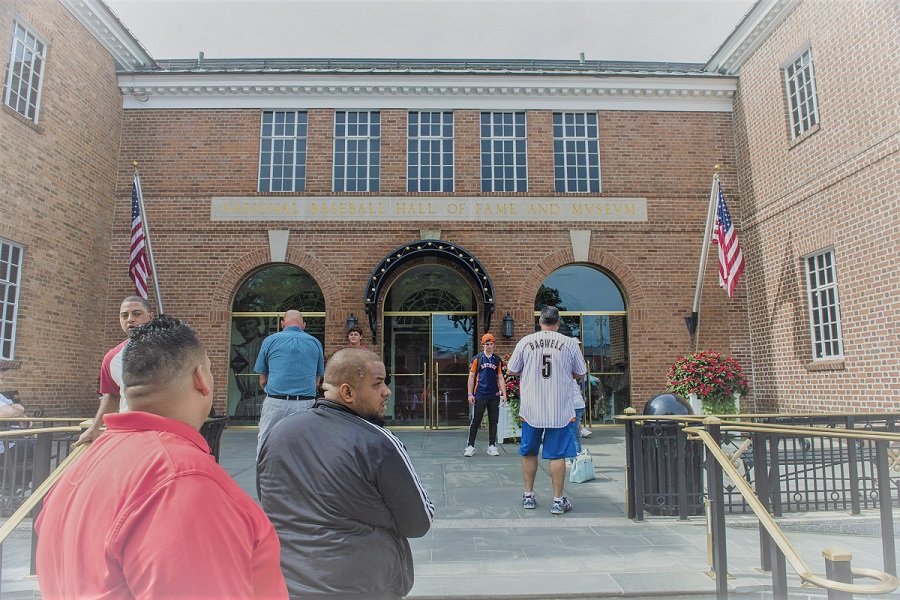 To be elected to Cooperstown, a player must be named on 75% of the ballots submitted by the Baseball Writers' Association of America. Players remain eligible for ten years as long as they continue to receive a minimum of 5% of the vote. Some former Twins players are sitting dangerously close to falling off the ballot. David Ortiz, DH Cooperstown Case Ortiz is currently one of three players trending at over 75% of the known ballots, and he has the highest vote total with 83.5% of the vote. Twins fans are well aware of Ortiz and his case for Cooperstown as he went on to a legendary Red Sox career after Minnesota released him following the 2002 season. Entering this voting cycle, Ortiz's first ballot election wasn't guaranteed because his transition from Twins castoff to legendary slugger came under a cloud of steroid suspicion. It doesn't seem like those suspicions will keep him from being elected as it has with other players on the ballot. Joe Nathan, RP Cooperstown Case Nathan is one of the best relievers in baseball history, but relief pitchers are highly unrepresented in Cooperstown. It also means Nathan is dangerously close to falling off the ballot because of a slew of other worthy candidates on the ballot and a 10-vote limit. Through 170 ballots, Nathan has four votes (2.4%) which means he likely needs another 16 votes to reach the 5% threshold to stay on the ballot for 2023. Billy Wagner, another reliever, has comparable numbers to Nathan, and he is tracking at over 47%. Nathan has a Hall of Fame resume, but he may have to wait for a committee vote in the years ahead. Torii Hunter, OF Cooperstown Case Hunter's case is unique because of how he started and ended his career. He was an elite defender who won nine straight Gold Glove awards as a younger player. In his career's second-half, he became an improved hitter as he posted a 120 OPS+ from 2006-2013. Hunter received 8.1% of the vote in 2021, his first year on the ballot. This season, he has three votes (1.8%), and he will need 17 more votes to reach the 5% threshold. Hunter's closest comparison on the ballot may be Andruw Jones, also known as an elite defender, and he is tracking at over 48% of the known votes. Justin Morneau, 1B Cooperstown Case Morneau collected many accolades throughout his big-league career, including an AL MVP Award and an NL Batting Title. Those accomplishments likely will not be enough to keep him on the ballot past 2022, as he currently has one vote, and he will need to be listed on 19 other ballots to reach 5%. Morneau had some great moments throughout his career, but there's no question that one slide in Toronto changed the course of his career. AJ Pierzynski, C Cooperstown Case Pierzynski is best known in Twins Territory for being part of one of the most famous trades in team history. He'd go on to have a long career at a grueling defensive position, and some writers may consider this as part of the voting process. Like Morneau, he has one vote so far, and he would need a significant boost in the remaining ballots to reach 5%. Are the results playing out as you expected? Do you think Nathan or Hunter deserves to stay on the ballot? Leave a COMMENT and start the discussion. MORE FROM TWINS DAILY — Latest Twins coverage from our writers — Recent Twins discussion in our forums — Follow Twins Daily via Twitter, Facebook or email
- 8 comments
-
- 2
-
-
- david ortiz
- joe nathan
- (and 3 more)
-
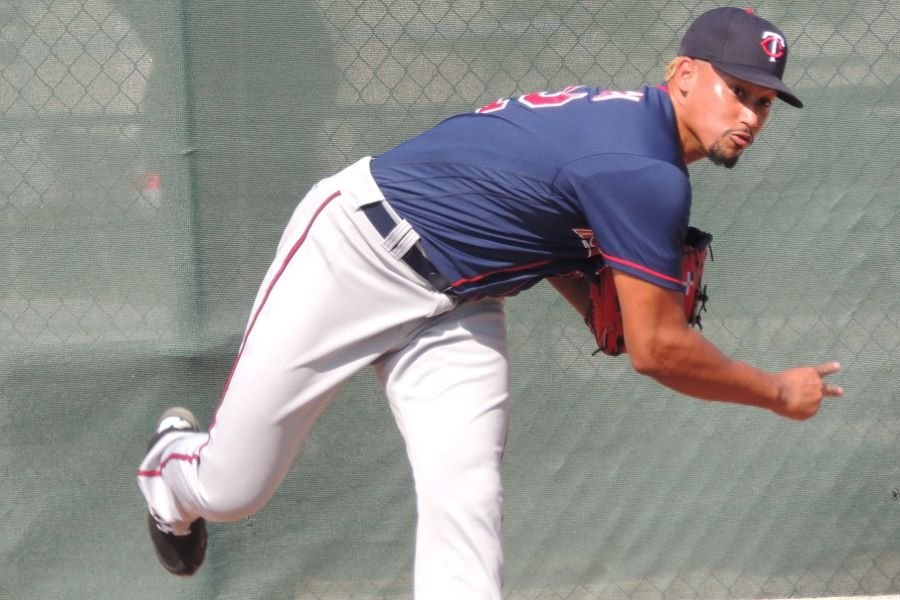 This weekend, the international signing period opens for prospects eligible in 2022. Before new prospects join the organization, MLB Pipeline ranked each organization's top-ranked international prospect. Minnesota has plenty of high-ranking prospects initially signed on the international market. Here is a look at some of the top names. 5. Danny De Andrade, SS Seth's Top-30 Hitter Ranking: NR De Andrade was Minnesota's top-ranked international signee during the 2020-21 signing period. At the time, MLB Pipeline ranked him as the 16th overall prospect and the 8th best shortstop in the class. The Twins handed out a $2.2 million signing bonus to get him into the organization. Last season, he made his professional debut in the Dominican Summer League, where he hit .264/.340/.348 (.688) with 14 extra-base hits in 50 games. Defensively, the majority of his starts came at shortstop, but he is already seeing some time at third base. Some scouts project that third base will be his likely defensive position, but Minnesota will continue to give him every opportunity to stick as a shortstop. 4. Yunior Severino, 2B/3B Seth's Top-30 Hitter Ranking: 16 Severino originally signed for nearly $2 million with the Atlanta Braves, and he was considered one of the best international prospects in the 2016-17 class. Following the 2017 season, he became a free agent after the Braves were punished for international signing violations. Minnesota signed him to a $2.5 million bonus, and he has made his way up the organizational ladder. Last season as a 21-year-old, he hit .273/.372/.430 (.802) with 39 extra-base hits in 98 games split between Low- and High-A. He's a player to keep an eye on as he may have unlocked power potential waiting still yet to surface. 3. Misael Urbina, OF Seth's Top-30 Hitter Ranking: 12 Minnesota signed Urbina as part of the 2018-19 signing period and gave him the third-highest bonus in the class ($2.75 million). He was ranked as the 6th best prospect in the class, and he has shown some solid tools during his professional career. Last season as a 19-year-old, Urbina made his stateside debut with Fort Myers. In 101 games, he hit .191/.299/.286 (.585) with 21 extra-base hits. He was over two years younger than the average age of the competition at his level, and he only had four plate appearances against younger pitchers. Urbina can play all three outfield positions, and his speed is his best tool at this point. He likely gets another shot at Low-A to start 2022. 2. Emmanuel Rodriguez, OF Seth's Top-30 Hitter Ranking: 5 With other well-known hitting prospects, Rodriguez may be a little more unknown by fans. Among the top-30 international prospects in 2019-20, Rodriguez was the 8th ranked prospect. Minnesota signed him for a $2.5 million bonus, and the pandemic meant he spent his first two professional seasons in the instructional leagues. Last year, he played 37 games for the FCL Twins and hit .214/.346/.524 (.870) with 17 extra-base hits, including ten home runs. At season's end, Rodriguez finished runner-up to Kala'i Rosario as the Twins Daily Short-Season Hitter of the Year. 1. Jhoan Duran, RHP Seth's Top-30 Pitcher Ranking: 9 Duran may have taken a step back in 2021, but that still doesn't take anything away from his enormous potential. Arizona signed Duran in December 2014 for $65,000. Minnesota acquired Duran along with Gilberto Celestino for Eduardo Escobar's expiring contract at the 2018 trade deadline. Last season, Duran was limited to five Triple-A as an elbow strain put him on the shelf for the rest of the season. When healthy, he can regularly reach triple-digits with his fastball, and he utilizes a sinker-splitter hybrid pitch that is tough for hitters. Duran needs to prove he is healthy in 2022, and then he might be able to help the big-league pitching staff. Which prospect stands out the most to you? Who do you think makes the most significant impact in the years ahead? Leave a COMMENT and start the discussion. OTHER INTERNATIONAL COVERAGE — Yasser Mercedes — Yilber Herrera — Bryan Acuña — International Signing Period History
- 6 comments
-
- 1
-
-
- jhoan duran
- yunior severino
- (and 3 more)
-
Minnesota has plenty of prospects that were initially signed as international free agents. Here are the top-5 ranked international prospects in the Twins system. This weekend, the international signing period opens for prospects eligible in 2022. Before new prospects join the organization, MLB Pipeline ranked each organization's top-ranked international prospect. Minnesota has plenty of high-ranking prospects initially signed on the international market. Here is a look at some of the top names. 5. Danny De Andrade, SS Seth's Top-30 Hitter Ranking: NR De Andrade was Minnesota's top-ranked international signee during the 2020-21 signing period. At the time, MLB Pipeline ranked him as the 16th overall prospect and the 8th best shortstop in the class. The Twins handed out a $2.2 million signing bonus to get him into the organization. Last season, he made his professional debut in the Dominican Summer League, where he hit .264/.340/.348 (.688) with 14 extra-base hits in 50 games. Defensively, the majority of his starts came at shortstop, but he is already seeing some time at third base. Some scouts project that third base will be his likely defensive position, but Minnesota will continue to give him every opportunity to stick as a shortstop. 4. Yunior Severino, 2B/3B Seth's Top-30 Hitter Ranking: 16 Severino originally signed for nearly $2 million with the Atlanta Braves, and he was considered one of the best international prospects in the 2016-17 class. Following the 2017 season, he became a free agent after the Braves were punished for international signing violations. Minnesota signed him to a $2.5 million bonus, and he has made his way up the organizational ladder. Last season as a 21-year-old, he hit .273/.372/.430 (.802) with 39 extra-base hits in 98 games split between Low- and High-A. He's a player to keep an eye on as he may have unlocked power potential waiting still yet to surface. 3. Misael Urbina, OF Seth's Top-30 Hitter Ranking: 12 Minnesota signed Urbina as part of the 2018-19 signing period and gave him the third-highest bonus in the class ($2.75 million). He was ranked as the 6th best prospect in the class, and he has shown some solid tools during his professional career. Last season as a 19-year-old, Urbina made his stateside debut with Fort Myers. In 101 games, he hit .191/.299/.286 (.585) with 21 extra-base hits. He was over two years younger than the average age of the competition at his level, and he only had four plate appearances against younger pitchers. Urbina can play all three outfield positions, and his speed is his best tool at this point. He likely gets another shot at Low-A to start 2022. 2. Emmanuel Rodriguez, OF Seth's Top-30 Hitter Ranking: 5 With other well-known hitting prospects, Rodriguez may be a little more unknown by fans. Among the top-30 international prospects in 2019-20, Rodriguez was the 8th ranked prospect. Minnesota signed him for a $2.5 million bonus, and the pandemic meant he spent his first two professional seasons in the instructional leagues. Last year, he played 37 games for the FCL Twins and hit .214/.346/.524 (.870) with 17 extra-base hits, including ten home runs. At season's end, Rodriguez finished runner-up to Kala'i Rosario as the Twins Daily Short-Season Hitter of the Year. 1. Jhoan Duran, RHP Seth's Top-30 Pitcher Ranking: 9 Duran may have taken a step back in 2021, but that still doesn't take anything away from his enormous potential. Arizona signed Duran in December 2014 for $65,000. Minnesota acquired Duran along with Gilberto Celestino for Eduardo Escobar's expiring contract at the 2018 trade deadline. Last season, Duran was limited to five Triple-A as an elbow strain put him on the shelf for the rest of the season. When healthy, he can regularly reach triple-digits with his fastball, and he utilizes a sinker-splitter hybrid pitch that is tough for hitters. Duran needs to prove he is healthy in 2022, and then he might be able to help the big-league pitching staff. Which prospect stands out the most to you? Who do you think makes the most significant impact in the years ahead? Leave a COMMENT and start the discussion. OTHER INTERNATIONAL COVERAGE — Yasser Mercedes — Yilber Herrera — Bryan Acuña — International Signing Period History View full article

