



Cody Christie
-
Posts
7,515 -
Joined
-
Last visited
-
Days Won
5
Content Type
Profiles
News
Minnesota Twins Videos
2026 Minnesota Twins Top Prospects Ranking
2022 Minnesota Twins Draft Picks
Minnesota Twins Free Agent & Trade Rumors, Notes, & Tidbits
Guides & Resources
2023 Minnesota Twins Draft Picks
The Minnesota Twins Players Project
2024 Minnesota Twins Draft Picks
2025 Minnesota Twins Draft Pick Tracker
2026 Minnesota Twins Draft Tracker: Picks & Bonuses
Forums
Blogs
Events
Store
Downloads
Gallery
Everything posted by Cody Christie
-
One key injury and Lewis's hot start at Triple-A has the team's top prospect ready to make his big-league debut tonight. Here is a look back at his professional career up to this point. After missing two seasons, Royce Lewis probably didn't imagine making it to the big leagues at the beginning of May. Minnesota had few other options on the 40-man roster. While it appears Carlos Correa has avoided an IL-stint, Lewis still has been promoted to play shortstop while Correa is out and Luis Arraez is on the Covid IL. Lewis's professional career has included some bumps in the road, so let's look back at his time in the Twins organization. Minnesota selected Lewis as the number one overall pick in the 2017 MLB Draft. At the time, there were a handful of other players in the mix for the top pick, including Hunter Greene, MacKenzie Gore, Brendan McKay, and Kyle Wright. Out of the top five picks, Lewis is the lone player yet to make his big-league debut, and four players from that first round have accumulated 1.6 WAR or more in their careers. Shortly after signing, Lewis made his professional debut in the GCL, where he hit .271/.390/.414 (.803) with 11 extra-base hits in 36 games. Minnesota was aggressive and moved him to Low-A for the season's final 18 games, where he was over three years younger than the average age of the competition. He raised his batting average by 25 points after the promotion and still got on base over 36% of the time. It was a solid professional debut for the 18-year-old, and he was a consensus top-30 prospect on all three national top-100 lists. During the 2018 season, Lewis split time between Low- and High-A. In 121 games, he hit .292/.352/.451 (.803) with 29 doubles, three triples, and 14 home runs. Some of his best numbers came in clutch spots as he also posted a .903 OPS with two outs and runners in scoring position. While these numbers are strong, it's essential to consider that he was 19-years old. Only two of his plate appearances came against younger pitchers. Lewis dealt with on-field struggles for the first time as his OPS dropped to .661, and he struck out 123 times in 127 games. He also committed 20 errors at shortstop. However, Lewis was over 3.5 years younger than the competition at Double-A. Minnesota sent Lewis to the Arizona Fall League following the season, where he performed very well. In 22 games, he hit .353/.411/.565 (.975) with nine doubles and three home runs. Only five months past his 20th birthday, the league managers voted Lewis as the AFL MVP. COVID-19 wiped out the 2020 season for all minor league players, but Lewis was part of the group of players that was able to work at the alternate site. Minnesota spoke highly of his development on both sides of the ball during the shutdown. "Offensively, it's been a lot of work on his lower half, and his lower half direction," Twins assistant general manager Jeremy Zoll said. "He performed well with the opportunities he had, and he's poised for a big step forward." Unfortunately, Lewis wasn't able to showcase that step forward in 2021. Entering the 2021 season, his intake physical revealed a torn ACL in his right knee that required surgery. Lewis showed maturity beyond his years when facing the adversity involved with major surgery. He built strength in all parts of his body during the rehab process, but he was clear on the goal. "2022 is going to be scary and spooky, man," Lewis said. "Just watch out. It's truly amazing what Lewis has been able to do in his return to the field during the 2022 campaign. In 23 games for the Saints, he hit .310/.427/.560 (.987) with 14 extra-base hits. He is over three years younger than the average age of the competition at Triple-A, and he is showing no signs of rust that may be associated with missing multiple seasons. His prediction about the 2022 season was correct, but now he will need to translate that success to the big-league level. Congratulations to Lewis on the big-league promotion. What will you remember most about his minor league career? Leave a COMMENT and start the discussion. View full article
-
 When the Blue Jays drafted Austin Martin fifth overall, some evaluators considered him the best player in the 2020 MLB Draft. His collegiate career was nothing short of amazing as he hit .368/.474/.532 (1.007). Martin also played multiple positions in college, so there was hope his athleticism would translate to his professional career and make him a versatile player. Because of the pandemic, Martin couldn’t make his pro debut until the 2021 season, but this didn’t stop the Blue Jays from being aggressive. Martin debuted in Double-A, where he hit .281/.424/.383 (.807) with 14 extra-base hits before being traded. When Martin joined the Twins organization, his OPS dropped to .779, but he was still getting on base nearly 40% of the time. He’s back in Wichita to start 2022, and he is hitting .244/.375/.321 (.696) through the season’s first 20 games. Martin’s pro career hasn’t lived up to his pre-draft expectations, but he is still over a year younger than the average age of the competition at his level. Baseball America updated their top-100 prospect list following the season’s first month, and Austin Martin dropped significantly in their eyes. Here at Twins Daily, the writers also updated their top prospect lists, and Royce Lewis took over the top spot from Martin. It’s clear his stock has dropped, but what are the reasons behind his struggles? One of Martin’s most significant concerns has been his lack of power since leaving college. In 93 games last season, he combined for 25 extra-base hits. So far in 2022, he has been limited to six doubles in 78 at-bats. On the positive side, he has shown the ability to make contact and use the entire field, but he has over 500 minor league plate appearances, and his power is still absent. “We do think there’s some untapped power potential in there,” Twins player development director Alex Hassan said. “We tried to get him to catch the ball a little more out front and be comfortable using the big part of the field and use the pull side a little more.” Martin dealt with a hand issue last season, which may have been one of the reasons for his lack of power. He also tended to crouch and stride toward the plate, which gave him more coverage but took away from his power. If Minnesota can fix this, he has the potential to unlock more power. There are also questions about Martin’s eventual defensive home. In college, he played time at shortstop and third base, but there have been some throwing issues in the past. Since turning pro, he has split time between shortstop and center field. Second base might be his eventual defensive home, and he has made starts at that position during the 2022 campaign. It’s interesting to consider that he has yet to play a pro game at third base, which was the position he played most often in college. However, he’d need to showcase more power if he wanted to move to the hot corner. Power is the key to unlocking Martin’s full potential. Luckily, he is only 23-years-old, and there is no reason to rush him through the upper levels of the minors. He’s played fewer than 65 games in the Twins organization, so there is time for him to continue to develop under the tutelage of Minnesota’s coaches. Are you worried about Martin’s falling stock? Leave a COMMENT and start the discussion.
 -
 There were questions surrounding Austin Martin when the Twins acquired him. Many of those questions remain, so is it time to start worrying about Austin Martin? When the Blue Jays drafted Austin Martin fifth overall, some evaluators considered him the best player in the 2020 MLB Draft. His collegiate career was nothing short of amazing as he hit .368/.474/.532 (1.007). Martin also played multiple positions in college, so there was hope his athleticism would translate to his professional career and make him a versatile player. Because of the pandemic, Martin couldn’t make his pro debut until the 2021 season, but this didn’t stop the Blue Jays from being aggressive. Martin debuted in Double-A, where he hit .281/.424/.383 (.807) with 14 extra-base hits before being traded. When Martin joined the Twins organization, his OPS dropped to .779, but he was still getting on base nearly 40% of the time. He’s back in Wichita to start 2022, and he is hitting .244/.375/.321 (.696) through the season’s first 20 games. Martin’s pro career hasn’t lived up to his pre-draft expectations, but he is still over a year younger than the average age of the competition at his level. Baseball America updated their top-100 prospect list following the season’s first month, and Austin Martin dropped significantly in their eyes. Here at Twins Daily, the writers also updated their top prospect lists, and Royce Lewis took over the top spot from Martin. It’s clear his stock has dropped, but what are the reasons behind his struggles? One of Martin’s most significant concerns has been his lack of power since leaving college. In 93 games last season, he combined for 25 extra-base hits. So far in 2022, he has been limited to six doubles in 78 at-bats. On the positive side, he has shown the ability to make contact and use the entire field, but he has over 500 minor league plate appearances, and his power is still absent. “We do think there’s some untapped power potential in there,” Twins player development director Alex Hassan said. “We tried to get him to catch the ball a little more out front and be comfortable using the big part of the field and use the pull side a little more.” Martin dealt with a hand issue last season, which may have been one of the reasons for his lack of power. He also tended to crouch and stride toward the plate, which gave him more coverage but took away from his power. If Minnesota can fix this, he has the potential to unlock more power. There are also questions about Martin’s eventual defensive home. In college, he played time at shortstop and third base, but there have been some throwing issues in the past. Since turning pro, he has split time between shortstop and center field. Second base might be his eventual defensive home, and he has made starts at that position during the 2022 campaign. It’s interesting to consider that he has yet to play a pro game at third base, which was the position he played most often in college. However, he’d need to showcase more power if he wanted to move to the hot corner. Power is the key to unlocking Martin’s full potential. Luckily, he is only 23-years-old, and there is no reason to rush him through the upper levels of the minors. He’s played fewer than 65 games in the Twins organization, so there is time for him to continue to develop under the tutelage of Minnesota’s coaches. Are you worried about Martin’s falling stock? Leave a COMMENT and start the discussion. View full article
 -
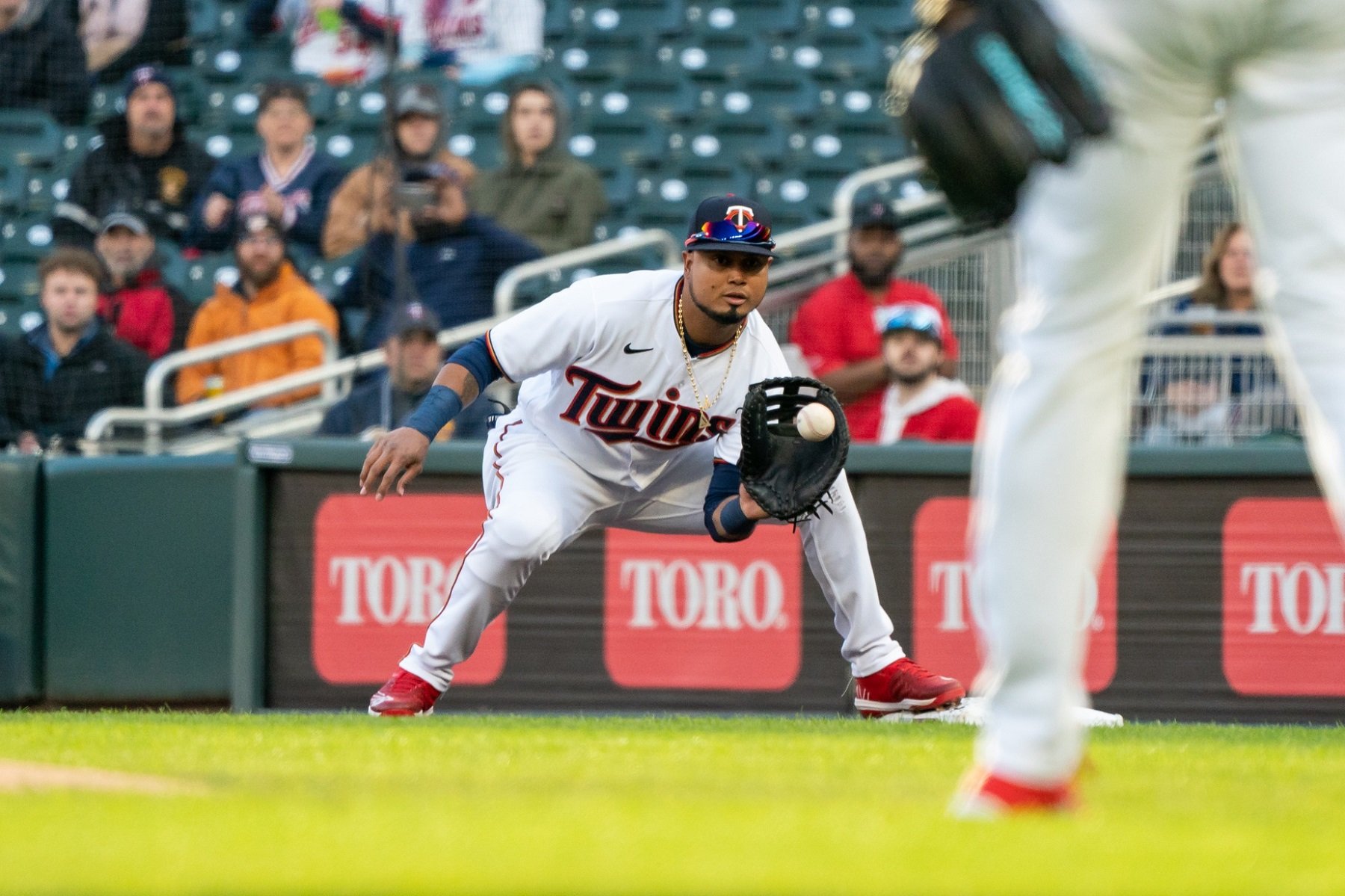 Depth is critical when building a big-league roster, especially if a team is in contention. Minnesota planned on two players getting the bulk of the time at first base, but that plan has already needed to shift. Let’s examine what the Twins can do at first base if injuries continue to impact the roster. Injuries: Miguel Sanó, Alex Kirilloff Minnesota’s plan entering the season was to rotate through Sanó and Kirilloff at first base. Sanó was one of the AL’s worst defenders at first base last season, but his height helps him pull in errant throws. Sanó isn’t in the line-up for his defensive ability, as he has posted an OPS+ of 105 or higher in six of his seven big-league seasons. His recent knee injury pushed him to the IL, and this might be a good time for him to reset as he has a .379 OPS in 2022. If surgery is required, he may miss a significant chunk of the season. Kirilloff is currently rehabbing a wrist injury in St. Paul, but there is no timeline on when he will return to the team. It was clear that he wasn’t 100% healthy at the season’s start, as he went 1-for-17 before being put on the IL. Even with his rehab starts, Kirilloff has yet to collect an extra-base hit this season. Last season, he ranked very well on the defensive side of the ball at first base, but he needs to prove he is healthy before taking over a starting role. Plan B: Luis Arraez Minnesota shifted to Plan B, with Sano and Kirilloff out of the picture. Luis Arraez has taken over the everyday starting first base role even though he doesn’t fit the prototypical first baseman mold. Entering the 2022 season, Arraez had minimal professional experience at first base, but injuries have allowed him to shift from a utility role to a starter. He is below average at other defensive positions, so moving to first may help hide some of his defensive flaws. Plus, the Twins want his bat in the line-up as much as possible because he has posted his highest OPS+ since his rookie season. Arraez has dealt with knee issues in the past, so where would the team turn if he gets hurt? Other Options: Gio Urshela, Gary Sanchez, Jose Miranda Twins manager Rocco Baldelli mentioned that other first base options include Urshela and Sanchez. Both players have combined for 10.0 defensive innings at first base during their big-league careers. It seems unlikely for Sanchez to make regular appearances at first since rosters dropped to 26-men, and the team is only carrying two catchers. Miranda might be the most likely player to see time at first as he has played 270 innings at first base throughout his minor league career. He’s one of the team’s best prospects, and this might be a way for him to play every day at the big-league level. Another name to watch at St. Paul is Curtis Terry, who the team signed to a minor league deal this winter. Terry made his big-league debut last season with the Rangers and went 4-for-45 with two doubles and 15 strikeouts. So far this season, he is hitting .261/.378/.464 (.842) with five doubles and three home runs. He is not on the 40-man roster, so it would likely take a long-term injury for him to get an opportunity. Do you feel the Twins need to worry about their first base depth? Can Arraez handle the position? Should Miranda take over at first? Leave a COMMENT and start the discussion.
- 48 comments
-
- 2
-

-
- miguel sano
- alex kirilloff
- (and 3 more)
-
Miguel Sanó and Alex Kirilloff’s injuries have forced the Twins to be creative when it comes to first base. Should fans be concerned with Minnesota’s first base depth? Depth is critical when building a big-league roster, especially if a team is in contention. Minnesota planned on two players getting the bulk of the time at first base, but that plan has already needed to shift. Let’s examine what the Twins can do at first base if injuries continue to impact the roster. Injuries: Miguel Sanó, Alex Kirilloff Minnesota’s plan entering the season was to rotate through Sanó and Kirilloff at first base. Sanó was one of the AL’s worst defenders at first base last season, but his height helps him pull in errant throws. Sanó isn’t in the line-up for his defensive ability, as he has posted an OPS+ of 105 or higher in six of his seven big-league seasons. His recent knee injury pushed him to the IL, and this might be a good time for him to reset as he has a .379 OPS in 2022. If surgery is required, he may miss a significant chunk of the season. Kirilloff is currently rehabbing a wrist injury in St. Paul, but there is no timeline on when he will return to the team. It was clear that he wasn’t 100% healthy at the season’s start, as he went 1-for-17 before being put on the IL. Even with his rehab starts, Kirilloff has yet to collect an extra-base hit this season. Last season, he ranked very well on the defensive side of the ball at first base, but he needs to prove he is healthy before taking over a starting role. Plan B: Luis Arraez Minnesota shifted to Plan B, with Sano and Kirilloff out of the picture. Luis Arraez has taken over the everyday starting first base role even though he doesn’t fit the prototypical first baseman mold. Entering the 2022 season, Arraez had minimal professional experience at first base, but injuries have allowed him to shift from a utility role to a starter. He is below average at other defensive positions, so moving to first may help hide some of his defensive flaws. Plus, the Twins want his bat in the line-up as much as possible because he has posted his highest OPS+ since his rookie season. Arraez has dealt with knee issues in the past, so where would the team turn if he gets hurt? Other Options: Gio Urshela, Gary Sanchez, Jose Miranda Twins manager Rocco Baldelli mentioned that other first base options include Urshela and Sanchez. Both players have combined for 10.0 defensive innings at first base during their big-league careers. It seems unlikely for Sanchez to make regular appearances at first since rosters dropped to 26-men, and the team is only carrying two catchers. Miranda might be the most likely player to see time at first as he has played 270 innings at first base throughout his minor league career. He’s one of the team’s best prospects, and this might be a way for him to play every day at the big-league level. Another name to watch at St. Paul is Curtis Terry, who the team signed to a minor league deal this winter. Terry made his big-league debut last season with the Rangers and went 4-for-45 with two doubles and 15 strikeouts. So far this season, he is hitting .261/.378/.464 (.842) with five doubles and three home runs. He is not on the 40-man roster, so it would likely take a long-term injury for him to get an opportunity. Do you feel the Twins need to worry about their first base depth? Can Arraez handle the position? Should Miranda take over at first? Leave a COMMENT and start the discussion. View full article
- 48 replies
-
- 1
-
-
- miguel sano
- alex kirilloff
- (and 3 more)
-
Ranking the Top-4 Aprils for Starting Pitchers in Twins History
Cody Christie posted an article in Twins
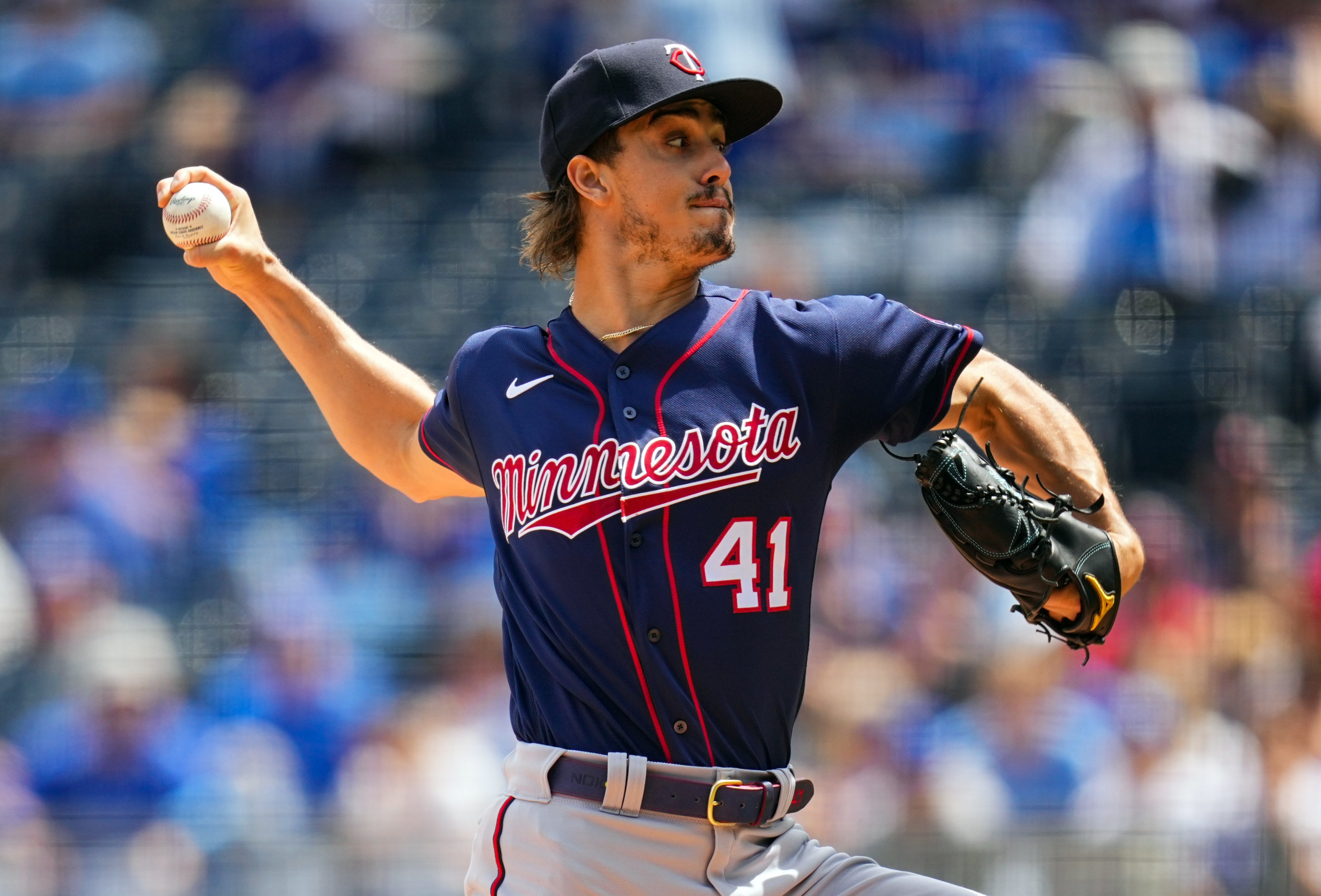 April can be challenging for batters and pitchers with cold weather and other adverse conditions. These pitchers posted impressive numbers even if those numbers didn't translate to the rest of the season. Here are the top-4 Aprils for starting pitchers in Twins history. 4. Bill Krueger (1992): 4 GS, 32.0 IP, 0.84 ERA, 0.69 WHIP, 16 K, 4 BB, 0.99 WPA Bill Krueger is probably a very unfamiliar name to younger Twins fans, but he got off to a tremendous start to the 1992 season. Minnesota was coming off a World Series title, and they wanted to start the season on the right foot. During his first four starts, batters hit .165/.195/.220 (.415) against him as he pounded the strike zone. He picked up the win in all four appearances, but his fifth win didn't come until May 24. He'd pitch closer to his career totals over the next few months, and in August, the Twins traded him to the Montreal Expos for outfielder Darren Reed. 3. Francisco Liriano (2010): 4 GS, 29.0 IP, 0.93 ERA, 0.97 WHP, 27 K, 10 BB, 1.02 WPA The 2010 season was a special time in Minnesota as Target Field opened, and the Twins played to packed home crowds that entire season. Liriano got out of the gate quickly as he averaged more than seven innings per start that month and his three earned runs all came in his first start. He collected over 200 strikeouts by season's end while leading the AL in HR/9. After the calendar turned to May, his ERA quickly started going in the wrong direction, but he pitched close to 200 innings and helped the Twins win the AL Central title. 2. Joe Ryan (2022): 4 GS, 23.0 IP, 1.17 ERA, 0.70 WHIP, 25 K, 6 BB, 0.92 WPA Starting pitching continues to evolve, and Ryan is one of the biggest success stories of the current regime. His 0.6 fWAR ranks in the top-20 among all starters, and he leads all of baseball in H/9. All of the runs scored against him have come off two home runs in his first two outings. He's also showing he can rely less on his fastball as he used it over 65% of the time last season, and he is down to 52% in 2022. It's doubtful for Ryan to keep these numbers for an entire season, but his performance level is far above what one would expect from a rookie. 1. Ervin Santana (2017): 5 GS, 35.0 IP, 0.77 ERA, 0.65 WHIP, 26 K, 10 BB, 1.44 WPA Santana's tenure with the Twins didn't end ideally, so fans may forget how dominant he was at the beginning of the 2017 season. He averaged seven innings per start and pitched a complete game shutout in his third appearance of the year. Even though this is only five seasons ago, it seems like a lifetime when looking at Santana averaging 100 pitches per start. Later in the season, he was named to his second and final All-Star team. He led all baseball with five complete games and three shutouts, and he finished seventh in the AL Cy Young voting. How would you rank these players' April performances? Leave a COMMENT and start the discussion.
- 5 comments
-
- 4
-
-
- joe ryan
- bill krueger
- (and 2 more)
-
Joe Ryan just finished a fantastic month of April, where he ranks near the top of the AL in multiple pitching categories. Where does his first month rank against other terrific starts in Twins history? April can be challenging for batters and pitchers with cold weather and other adverse conditions. These pitchers posted impressive numbers even if those numbers didn't translate to the rest of the season. Here are the top-4 Aprils for starting pitchers in Twins history. 4. Bill Krueger (1992): 4 GS, 32.0 IP, 0.84 ERA, 0.69 WHIP, 16 K, 4 BB, 0.99 WPA Bill Krueger is probably a very unfamiliar name to younger Twins fans, but he got off to a tremendous start to the 1992 season. Minnesota was coming off a World Series title, and they wanted to start the season on the right foot. During his first four starts, batters hit .165/.195/.220 (.415) against him as he pounded the strike zone. He picked up the win in all four appearances, but his fifth win didn't come until May 24. He'd pitch closer to his career totals over the next few months, and in August, the Twins traded him to the Montreal Expos for outfielder Darren Reed. 3. Francisco Liriano (2010): 4 GS, 29.0 IP, 0.93 ERA, 0.97 WHP, 27 K, 10 BB, 1.02 WPA The 2010 season was a special time in Minnesota as Target Field opened, and the Twins played to packed home crowds that entire season. Liriano got out of the gate quickly as he averaged more than seven innings per start that month and his three earned runs all came in his first start. He collected over 200 strikeouts by season's end while leading the AL in HR/9. After the calendar turned to May, his ERA quickly started going in the wrong direction, but he pitched close to 200 innings and helped the Twins win the AL Central title. 2. Joe Ryan (2022): 4 GS, 23.0 IP, 1.17 ERA, 0.70 WHIP, 25 K, 6 BB, 0.92 WPA Starting pitching continues to evolve, and Ryan is one of the biggest success stories of the current regime. His 0.6 fWAR ranks in the top-20 among all starters, and he leads all of baseball in H/9. All of the runs scored against him have come off two home runs in his first two outings. He's also showing he can rely less on his fastball as he used it over 65% of the time last season, and he is down to 52% in 2022. It's doubtful for Ryan to keep these numbers for an entire season, but his performance level is far above what one would expect from a rookie. 1. Ervin Santana (2017): 5 GS, 35.0 IP, 0.77 ERA, 0.65 WHIP, 26 K, 10 BB, 1.44 WPA Santana's tenure with the Twins didn't end ideally, so fans may forget how dominant he was at the beginning of the 2017 season. He averaged seven innings per start and pitched a complete game shutout in his third appearance of the year. Even though this is only five seasons ago, it seems like a lifetime when looking at Santana averaging 100 pitches per start. Later in the season, he was named to his second and final All-Star team. He led all baseball with five complete games and three shutouts, and he finished seventh in the AL Cy Young voting. How would you rank these players' April performances? Leave a COMMENT and start the discussion. View full article
-
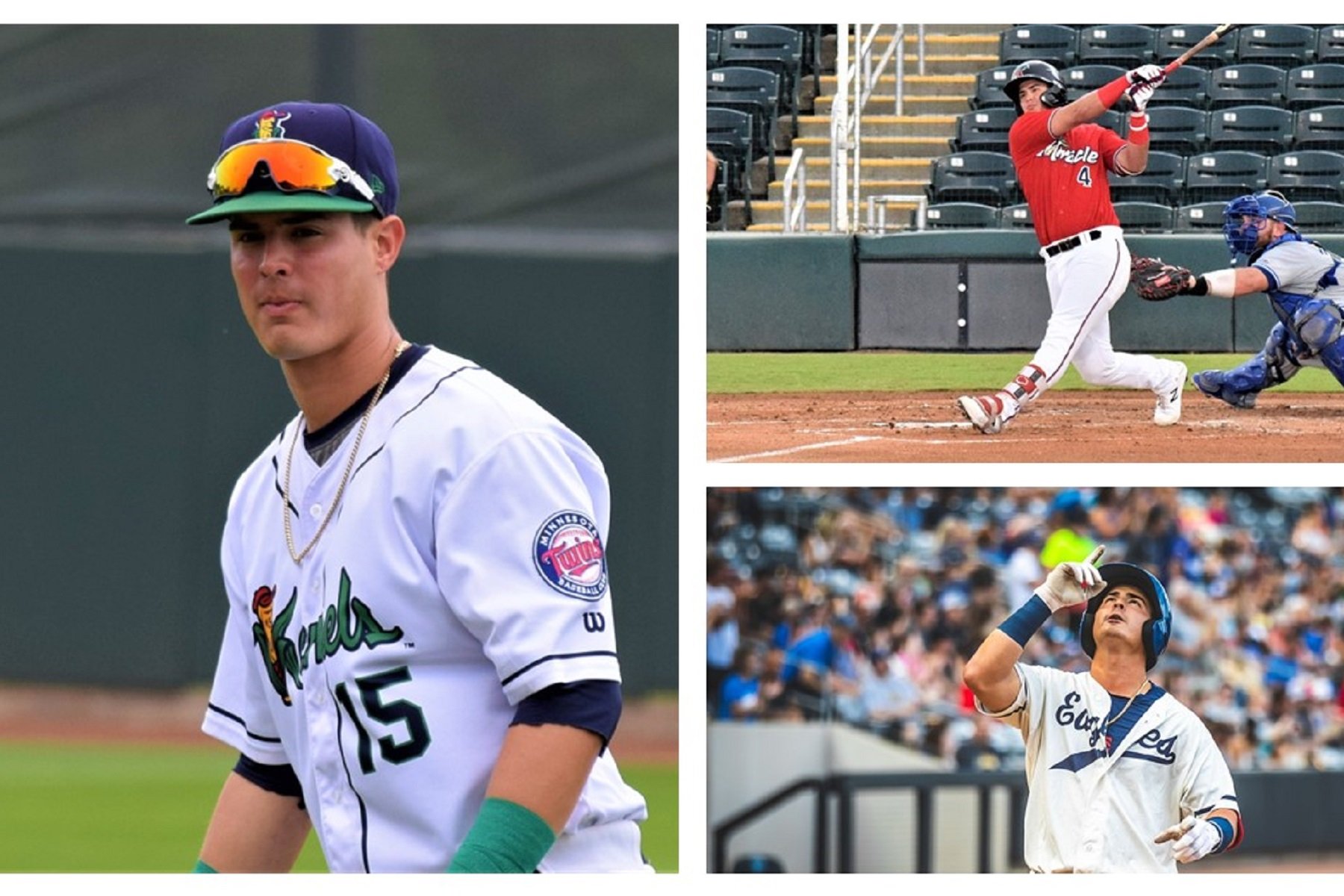 Minnesota drafted Jose Miranda in the 2016 MLB Draft out of high school in Puerto Rico. During that draft, he was the third straight high school position player taken by the club as the Twins also drafted Alex Kirilloff and Ben Rortvedt. MLB Pipeline didn't have him ranked among the top draft prospects by MLB Pipeline, but the Twins saw enough in him to take him with the 73rd pick. "He's a really good player and really skilled," said Twins scouting director Deron Johnson at the time. "We have him compared to a Mike Lowell-type. He's a really good defender with a good swing. He's a good-sized kid. He has a chance to have power for sure." Miranda made his professional debut in the GCL, and there were some early struggles as he transitioned to the pro level. In 55 games, he hit .227/.308/.292 (.600) with nine extra-base hits and a 36-to-19 strikeout to walk ratio. He was over 1.5 years younger than the average age of the competition at his level and only faced younger pitchers in 11 plate appearances. Entering the 2017 season, Minnesota was still aggressive with Miranda even though his pro debut wasn't perfect. He responded by raising his OPS by 224 points with 21 extra-base hits, including 11 home runs in 54 games. One of his most significant developments was his decrease in strikeouts, as he only struck out 24 times. Miranda was still young for his level, and he was showing some of the promise the Twins saw in him when they drafted him. During the 2018 season, Miranda made his full-season debut as he split time between Low- and High-A. In Cedar Rapids, he posted a .760 OPS with 22 doubles and 13 home runs. The Twins continued to be aggressive with him and moved him to High-A for the season's final 27 games. His OPS dipped by 115 points, but he was nearly 2.5 years younger than the average age of the competition at his level. It made sense for the Twins to send Miranda back to High-A in 2019 after he struggled to transition to that level at the end of 2018. He struggled with a .663 OPS in 118 games, but Minnesota still promoted him to Double-A at the end of the season. Clearly, the Twins believed in Miranda, but the results weren't showing up on the field. Following the season, the Twins left him unprotected from the Rule 5 Draft, which could have been one of the biggest mistakes in team history. Obviously, the non-existent 2020 minor league season impacted players in different ways. However, Miranda worked on multiple things during the downtime. The Twins wanted him to be more selective with the pitches he was putting in play. He has such good bat-to-ball skills that he can put a lot of pitches in play, but he had the potential to drive the ball if he started hunting for pitches in the zone. This recipe seemed to be the key to unlocking his full potential. Miranda started the 2021 season at Double-A, and his approach at the plate was evident. In 47 games, he hit .345/.408/.588 (.996) with eight doubles and 13 home runs. After being promoted to Triple-A, he didn't slow down as he posted a .960 OPS with 24 doubles and 17 home runs. Miranda dominated at the minor's highest level, and he'd wind up on two national top-100 lists (Baseball America and MLB.com). So far in 2022, Miranda has hit .256/.295/.442 (.737) with ten doubles and two home runs. He is part of the team's long-term plans after a tremendous 2021 season. What do you remember about Miranda's minor league career? Also, if you would like to look back at Miranda's career to this point, this link shows all articles he has been tagged in.
 -
Jose Miranda's 2021 season will be remembered as one of the most outstanding minor league campaigns in franchise history. Now he is getting the call to the big leagues, so let's look back at all he has accomplished so far. Minnesota drafted Jose Miranda in the 2016 MLB Draft out of high school in Puerto Rico. During that draft, he was the third straight high school position player taken by the club as the Twins also drafted Alex Kirilloff and Ben Rortvedt. MLB Pipeline didn't have him ranked among the top draft prospects by MLB Pipeline, but the Twins saw enough in him to take him with the 73rd pick. "He's a really good player and really skilled," said Twins scouting director Deron Johnson at the time. "We have him compared to a Mike Lowell-type. He's a really good defender with a good swing. He's a good-sized kid. He has a chance to have power for sure." Miranda made his professional debut in the GCL, and there were some early struggles as he transitioned to the pro level. In 55 games, he hit .227/.308/.292 (.600) with nine extra-base hits and a 36-to-19 strikeout to walk ratio. He was over 1.5 years younger than the average age of the competition at his level and only faced younger pitchers in 11 plate appearances. Entering the 2017 season, Minnesota was still aggressive with Miranda even though his pro debut wasn't perfect. He responded by raising his OPS by 224 points with 21 extra-base hits, including 11 home runs in 54 games. One of his most significant developments was his decrease in strikeouts, as he only struck out 24 times. Miranda was still young for his level, and he was showing some of the promise the Twins saw in him when they drafted him. During the 2018 season, Miranda made his full-season debut as he split time between Low- and High-A. In Cedar Rapids, he posted a .760 OPS with 22 doubles and 13 home runs. The Twins continued to be aggressive with him and moved him to High-A for the season's final 27 games. His OPS dipped by 115 points, but he was nearly 2.5 years younger than the average age of the competition at his level. It made sense for the Twins to send Miranda back to High-A in 2019 after he struggled to transition to that level at the end of 2018. He struggled with a .663 OPS in 118 games, but Minnesota still promoted him to Double-A at the end of the season. Clearly, the Twins believed in Miranda, but the results weren't showing up on the field. Following the season, the Twins left him unprotected from the Rule 5 Draft, which could have been one of the biggest mistakes in team history. Obviously, the non-existent 2020 minor league season impacted players in different ways. However, Miranda worked on multiple things during the downtime. The Twins wanted him to be more selective with the pitches he was putting in play. He has such good bat-to-ball skills that he can put a lot of pitches in play, but he had the potential to drive the ball if he started hunting for pitches in the zone. This recipe seemed to be the key to unlocking his full potential. Miranda started the 2021 season at Double-A, and his approach at the plate was evident. In 47 games, he hit .345/.408/.588 (.996) with eight doubles and 13 home runs. After being promoted to Triple-A, he didn't slow down as he posted a .960 OPS with 24 doubles and 17 home runs. Miranda dominated at the minor's highest level, and he'd wind up on two national top-100 lists (Baseball America and MLB.com). So far in 2022, Miranda has hit .256/.295/.442 (.737) with ten doubles and two home runs. He is part of the team's long-term plans after a tremendous 2021 season. What do you remember about Miranda's minor league career? Also, if you would like to look back at Miranda's career to this point, this link shows all articles he has been tagged in. View full article
-
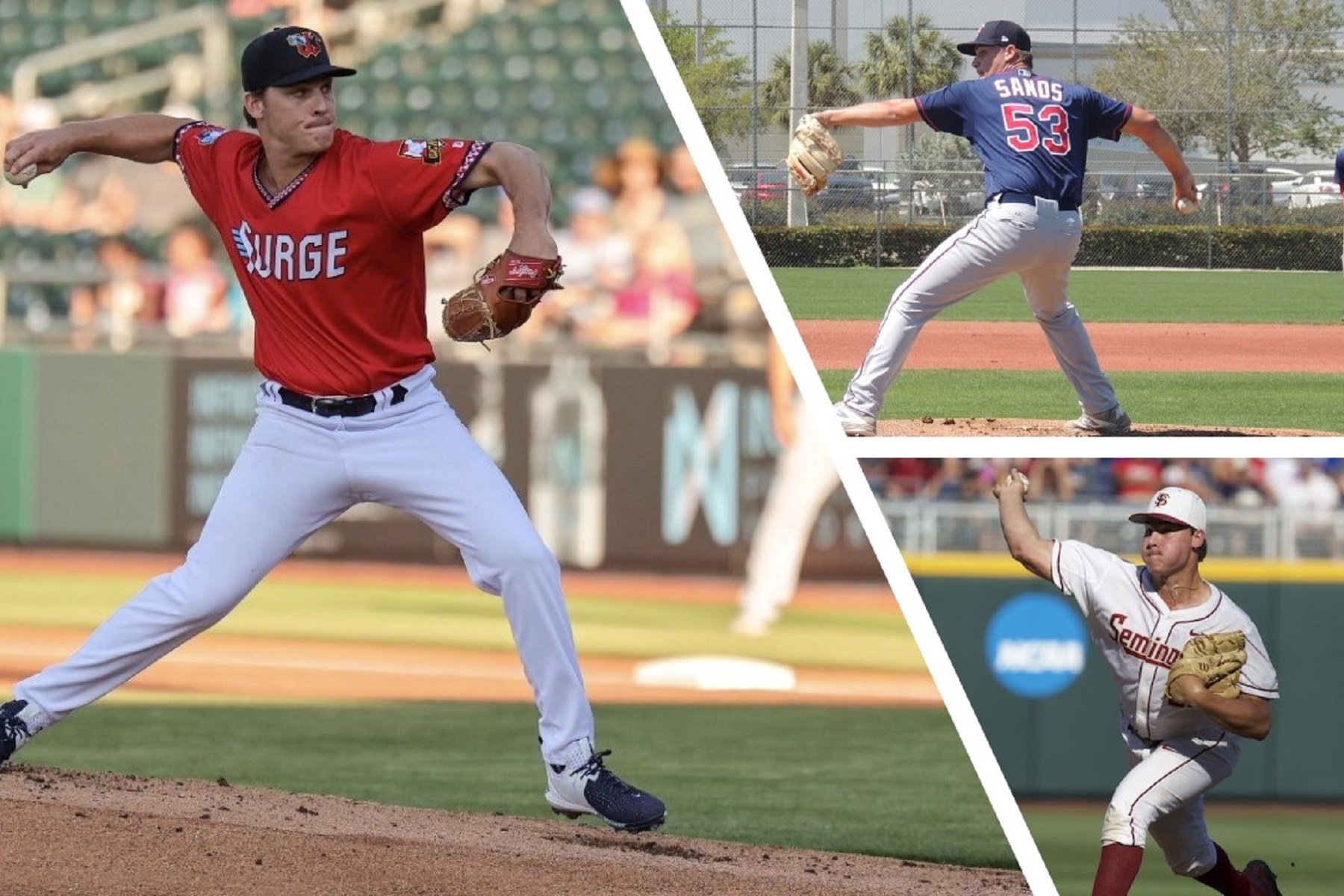 Minnesota drafted Cole Sands in the fifth round of the 2018 MLB Draft out of Florida State University. In three collegiate seasons (228 1/3 innings), he posted a 4.73 ERA with a 1.32 WHIP and 210 strikeouts. His stock fell a little heading into the draft because of some injury concerns. However, he showed the ability to improve throughout his collegiate career as he limited his walk rate and increased his strikeout totals. The Twins waited for Sands to make his professional debut until the start of the 2019 season. If the team was cautious to start his career, they made up for it by pushing him through three levels in his first pro season. At Low-A, he started eight games (41 1/3 innings) and posted a 3.05 ERA with a 1.26 WHIP and a 49-to-11 strikeout to walk ratio. It was a great start to his career, but it improved after his promotion. Sands dominated after being promoted to High-A. Across nine starts (52 innings), he had a 2.25 ERA with a 0.83 WHIP. He struck out more than a batter per inning and only issued seven walks. He was also nearly two years younger than the average age of the competition at that level. Over 57% of his plate appearances came against older batters for the season. His final 2019 appearance came at Double-A, where he allowed two earned runs over 4.0 innings with six strikeouts. During the 2021 campaign, Sands pitched the entire year at Double-A, and he continued to establish himself as one of the organization’s top pitching prospects. In 19 appearances (18 starts), he posted a 2.46 ERA with 1.17 WHIP and 96 strikeouts in 80 1/3 innings. After an impressive season, the Twins rewarded Sands by adding him to the 40-man roster. His 2022 season started off well as he posted some impressive numbers in his first two starts. In both games, he pitched five innings, and he only allowed one earned run, a home run, while striking out 12. His subsequent two appearances were disastrous as he combined to pitch 2 2/3 innings and allowed five earned runs in both outings. “He checks a lot of the traditional boxes that get you excited,” manager Rocco Baldelli said. “I mean he’s a big strong guy with some real arm strength and can spin the ball and can really find the strike zone and can pinpoint what he’s doing.” Minnesota will continue to allow Sands to start games, where he has the opportunity to be a back-of-the-rotation starter. His pitch mix and stuff may also make him an intriguing late-inning reliever if the team decides to go in that direction. His debut didn't go perfectly, but that doesn't take away from what he has accomplished so far in his professional career. What stands out to you about Sands? Leave a COMMENT and start the discussion.
 -
Cole Sands made his big-league debut on Sunday, and he has come a long way since being drafted by the Twins. Here’s a look back at his professional career so far. Minnesota drafted Cole Sands in the fifth round of the 2018 MLB Draft out of Florida State University. In three collegiate seasons (228 1/3 innings), he posted a 4.73 ERA with a 1.32 WHIP and 210 strikeouts. His stock fell a little heading into the draft because of some injury concerns. However, he showed the ability to improve throughout his collegiate career as he limited his walk rate and increased his strikeout totals. The Twins waited for Sands to make his professional debut until the start of the 2019 season. If the team was cautious to start his career, they made up for it by pushing him through three levels in his first pro season. At Low-A, he started eight games (41 1/3 innings) and posted a 3.05 ERA with a 1.26 WHIP and a 49-to-11 strikeout to walk ratio. It was a great start to his career, but it improved after his promotion. Sands dominated after being promoted to High-A. Across nine starts (52 innings), he had a 2.25 ERA with a 0.83 WHIP. He struck out more than a batter per inning and only issued seven walks. He was also nearly two years younger than the average age of the competition at that level. Over 57% of his plate appearances came against older batters for the season. His final 2019 appearance came at Double-A, where he allowed two earned runs over 4.0 innings with six strikeouts. During the 2021 campaign, Sands pitched the entire year at Double-A, and he continued to establish himself as one of the organization’s top pitching prospects. In 19 appearances (18 starts), he posted a 2.46 ERA with 1.17 WHIP and 96 strikeouts in 80 1/3 innings. After an impressive season, the Twins rewarded Sands by adding him to the 40-man roster. His 2022 season started off well as he posted some impressive numbers in his first two starts. In both games, he pitched five innings, and he only allowed one earned run, a home run, while striking out 12. His subsequent two appearances were disastrous as he combined to pitch 2 2/3 innings and allowed five earned runs in both outings. “He checks a lot of the traditional boxes that get you excited,” manager Rocco Baldelli said. “I mean he’s a big strong guy with some real arm strength and can spin the ball and can really find the strike zone and can pinpoint what he’s doing.” Minnesota will continue to allow Sands to start games, where he has the opportunity to be a back-of-the-rotation starter. His pitch mix and stuff may also make him an intriguing late-inning reliever if the team decides to go in that direction. His debut didn't go perfectly, but that doesn't take away from what he has accomplished so far in his professional career. What stands out to you about Sands? Leave a COMMENT and start the discussion. View full article
-
.jpg.53508bc8c200ad9ebaf56d59c5a55347.jpg) Some might look at the Twins farm system and think this was an easy selection, but it turned out to be a two-person race. One starter didn’t allow a run the entire month, and it still wasn’t good enough to walk away with the top honors. Louie Varland, the reigning TD Minor League Pitcher of the Year, had a tremendous month but did crack the top three. Matt Canterino struck out 18 batters in 12 2/3 innings and didn’t receive a vote. Below you will find the top three finishers voted on by the Twins Daily writers. Honorable Mention #2: Brent Headrick Minnesota selected Headrick in the 9th round of the 2019 MLB Draft out of Illinois State University. Last season, he made 15 appearances at Low-A and posted a 4.70 ERA with a 1.58 WHIP in 61 1/3 innings. He posted a 12.6 K/9, but he gave up more than a hit per inning. Things have started significantly better for Headrick in 2022. In four starts (17 2/3 innings), he has posted a 2.55 ERA with a 28-to-4 strikeout to walk ratio. He has cut his H/9 rate from 9.3 last season to 4.6. His 14.3 K/9 is a total usually only seen by dominant relief pitchers, but he posted a 10.8 K/9 in his final collegiate season. All but 13 of his at-bats have come against younger pitchers as he is nearly a year older than the average age of the competition at High-A. Headrick is more than dominating the competition to start the year. Honorable Mention #1: Simeon Woods-Richardson The Twins acquired Woods-Richardson along with Austin Martin as part of the José Berríos trade. Last season, the Twins and the Blue Jays were aggressive with Woods-Richardson as he pitched the entire year at Double-A as a 20-year-old. He struggled with an ERA close to 6.00 and a 1.54 WHIP. It made sense for him to repeat that level in 2022, where he is still over 3.5 years younger than the average age of the competition. There was also a potential for him to be a breakout player, which looks to be coming true. Woods-Richardson made four starts in April and didn’t allow an earned run. In 21 2/3 innings, he posted an 18-to-7 strikeout to walk ratio with a 0.65 WHIP. He has faced a younger batter in only one game for two of his plate appearances on the year. In any other month, Woods-Richardson is the likely winner of this award, but one pitcher was able to outshine him. Starting Pitcher of the Month: John Stankiewicz Stankiewicz pitched three collegiate seasons at Fordham University, but he went undrafted even though he posted a sub-1.75 ERA over his final two seasons. Minnesota signed him last July, and he made seven appearances at Low-A with a 2.70 ERA and a 1.15 WHIP. Those were outstanding numbers for a non-drafted player, but Stankiewicz wasn’t flying up any top prospect lists this winter. He may be getting a little more attention after his first month of the season. Stankiewicz made four April starts and finished with a 0.83 ERA and a 0.74 WHIP. He accumulated 31 strikeouts out of the 80 batters he faced. Before the month ended, Minnesota promoted him to Cedar Rapids. At the time of his promotion, he led the Florida State League in ERA, ranked second in strikeouts, and was third in IP and WHIP. It was a genuinely dominating month of April, and now he gets the opportunity to be one step closer to the big leagues. If you were to rank your top 3 for the month of April, are these the three you would have ranked? In the same order? Leave a COMMENT and start the discussion.
Some might look at the Twins farm system and think this was an easy selection, but it turned out to be a two-person race. One starter didn’t allow a run the entire month, and it still wasn’t good enough to walk away with the top honors. Louie Varland, the reigning TD Minor League Pitcher of the Year, had a tremendous month but did crack the top three. Matt Canterino struck out 18 batters in 12 2/3 innings and didn’t receive a vote. Below you will find the top three finishers voted on by the Twins Daily writers. Honorable Mention #2: Brent Headrick Minnesota selected Headrick in the 9th round of the 2019 MLB Draft out of Illinois State University. Last season, he made 15 appearances at Low-A and posted a 4.70 ERA with a 1.58 WHIP in 61 1/3 innings. He posted a 12.6 K/9, but he gave up more than a hit per inning. Things have started significantly better for Headrick in 2022. In four starts (17 2/3 innings), he has posted a 2.55 ERA with a 28-to-4 strikeout to walk ratio. He has cut his H/9 rate from 9.3 last season to 4.6. His 14.3 K/9 is a total usually only seen by dominant relief pitchers, but he posted a 10.8 K/9 in his final collegiate season. All but 13 of his at-bats have come against younger pitchers as he is nearly a year older than the average age of the competition at High-A. Headrick is more than dominating the competition to start the year. Honorable Mention #1: Simeon Woods-Richardson The Twins acquired Woods-Richardson along with Austin Martin as part of the José Berríos trade. Last season, the Twins and the Blue Jays were aggressive with Woods-Richardson as he pitched the entire year at Double-A as a 20-year-old. He struggled with an ERA close to 6.00 and a 1.54 WHIP. It made sense for him to repeat that level in 2022, where he is still over 3.5 years younger than the average age of the competition. There was also a potential for him to be a breakout player, which looks to be coming true. Woods-Richardson made four starts in April and didn’t allow an earned run. In 21 2/3 innings, he posted an 18-to-7 strikeout to walk ratio with a 0.65 WHIP. He has faced a younger batter in only one game for two of his plate appearances on the year. In any other month, Woods-Richardson is the likely winner of this award, but one pitcher was able to outshine him. Starting Pitcher of the Month: John Stankiewicz Stankiewicz pitched three collegiate seasons at Fordham University, but he went undrafted even though he posted a sub-1.75 ERA over his final two seasons. Minnesota signed him last July, and he made seven appearances at Low-A with a 2.70 ERA and a 1.15 WHIP. Those were outstanding numbers for a non-drafted player, but Stankiewicz wasn’t flying up any top prospect lists this winter. He may be getting a little more attention after his first month of the season. Stankiewicz made four April starts and finished with a 0.83 ERA and a 0.74 WHIP. He accumulated 31 strikeouts out of the 80 batters he faced. Before the month ended, Minnesota promoted him to Cedar Rapids. At the time of his promotion, he led the Florida State League in ERA, ranked second in strikeouts, and was third in IP and WHIP. It was a genuinely dominating month of April, and now he gets the opportunity to be one step closer to the big leagues. If you were to rank your top 3 for the month of April, are these the three you would have ranked? In the same order? Leave a COMMENT and start the discussion.- 14 comments
-
- 3
-
-
- simeon woods richardson
- john stankiewicz
- (and 1 more)
-
April weather can be tough on hitters and pitchers, especially in the minor leagues. Here are three starters that shined even when the weather can get in the way. Some might look at the Twins farm system and think this was an easy selection, but it turned out to be a two-person race. One starter didn’t allow a run the entire month, and it still wasn’t good enough to walk away with the top honors. Louie Varland, the reigning TD Minor League Pitcher of the Year, had a tremendous month but did crack the top three. Matt Canterino struck out 18 batters in 12 2/3 innings and didn’t receive a vote. Below you will find the top three finishers voted on by the Twins Daily writers. Honorable Mention #2: Brent Headrick Minnesota selected Headrick in the 9th round of the 2019 MLB Draft out of Illinois State University. Last season, he made 15 appearances at Low-A and posted a 4.70 ERA with a 1.58 WHIP in 61 1/3 innings. He posted a 12.6 K/9, but he gave up more than a hit per inning. Things have started significantly better for Headrick in 2022. In four starts (17 2/3 innings), he has posted a 2.55 ERA with a 28-to-4 strikeout to walk ratio. He has cut his H/9 rate from 9.3 last season to 4.6. His 14.3 K/9 is a total usually only seen by dominant relief pitchers, but he posted a 10.8 K/9 in his final collegiate season. All but 13 of his at-bats have come against younger pitchers as he is nearly a year older than the average age of the competition at High-A. Headrick is more than dominating the competition to start the year. Honorable Mention #1: Simeon Woods-Richardson The Twins acquired Woods-Richardson along with Austin Martin as part of the José Berríos trade. Last season, the Twins and the Blue Jays were aggressive with Woods-Richardson as he pitched the entire year at Double-A as a 20-year-old. He struggled with an ERA close to 6.00 and a 1.54 WHIP. It made sense for him to repeat that level in 2022, where he is still over 3.5 years younger than the average age of the competition. There was also a potential for him to be a breakout player, which looks to be coming true. Woods-Richardson made four starts in April and didn’t allow an earned run. In 21 2/3 innings, he posted an 18-to-7 strikeout to walk ratio with a 0.65 WHIP. He has faced a younger batter in only one game for two of his plate appearances on the year. In any other month, Woods-Richardson is the likely winner of this award, but one pitcher was able to outshine him. Starting Pitcher of the Month: John Stankiewicz Stankiewicz pitched three collegiate seasons at Fordham University, but he went undrafted even though he posted a sub-1.75 ERA over his final two seasons. Minnesota signed him last July, and he made seven appearances at Low-A with a 2.70 ERA and a 1.15 WHIP. Those were outstanding numbers for a non-drafted player, but Stankiewicz wasn’t flying up any top prospect lists this winter. He may be getting a little more attention after his first month of the season. Stankiewicz made four April starts and finished with a 0.83 ERA and a 0.74 WHIP. He accumulated 31 strikeouts out of the 80 batters he faced. Before the month ended, Minnesota promoted him to Cedar Rapids. At the time of his promotion, he led the Florida State League in ERA, ranked second in strikeouts, and was third in IP and WHIP. It was a genuinely dominating month of April, and now he gets the opportunity to be one step closer to the big leagues. If you were to rank your top 3 for the month of April, are these the three you would have ranked? In the same order? Leave a COMMENT and start the discussion. View full article
-
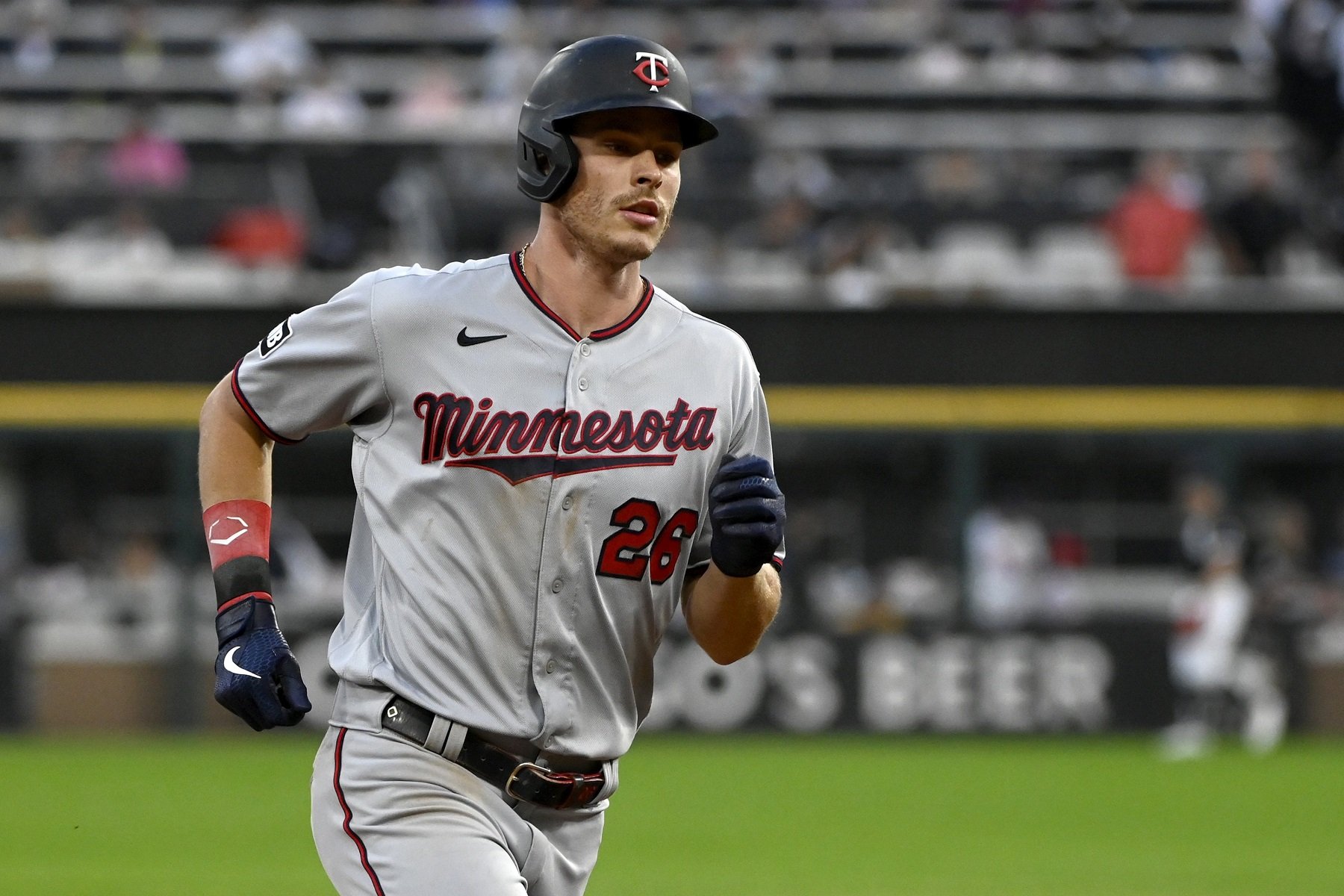 Many Twins sluggers had remarkable 2019 seasons, including Max Kepler. In 134 games, he hit .252/.336/.519 (.855) with 32 doubles and 36 home runs. Obviously, the baseballs used that season have come under question, which is undoubtedly the case with Kepler. He posted an OPS over 100 points higher than his career average, so how does that connect to his start to 2022? Since 2019, Kepler has hit .216/.315/.411 (.726) with a 101 OPS+ with 29 home runs in 185 games. So far this season, Kepler is getting on base at a higher rate (.361 OPS), but his slugging percentage (.300 SLG) is over 130 points lower than his career mark. With offense down across baseball, he still has a 103 OPS+, which puts him above the league average. There are some positive signs in his underlying numbers. For the first time in his career, Kepler has an average exit velocity of over 90 mph, putting him in the 67th percentile among MLB hitters. He has also done an excellent job of working counts in his favor as his BB% ranks in the 88th percentile. Kepler has also been able to avoid striking out, as his K% (77th percentile), Whiff% (88th percentile), and Chase Rate (87th percentile). While all of these numbers look good, some simple fixes might help him break out. One of Kepler’s previous issues has been his tendency to pop up weakly, which results in easy-outs. He is clearly focusing on this issue in 2022, which has resulted in a 5.5 launch angle. He has averaged a 15.1 launch angle for his career, and the MLB average is 12. His low launch angle has resulted in him hitting the ball on the ground over 50% of the time, which is over 12% higher than his career average. If Kepler can adjust his launch angle slightly, he may see better results that correspond to his increase in average exit velocity. Fastballs are one area where Kepler has the most offensive success, and his slugging percentage on those pitches is another area that points to him being close to a breakout. Last season, he posted a .462 slugging percentage when facing fastballs, which was his highest total on any specific pitch type. In 2022, his slugging percentage has dropped to .292 when facing fastballs, but his expected slugging is .513 on those pitches. His hard contact should result in a higher slugging percentage as the weather improves. Finally, Kepler’s batting average on balls in play (BAbip) is another sign of him turning it around in the weeks ahead. So far in 2022, he has a .256 BAbip, his highest total since 2017. His current .220 batting average is also significantly lower than his BAbip, and that may point to him being unlucky. If a few more of these hits fall in, all of his numbers look better to start 2022, but that seems to be a trend with Minnesota’s hitters not named Buxton. At this point in his career, one must wonder if Kepler can make significant changes to his offensive approach. He is in the prime of his career, but he has accumulated nearly 3,000 big-league plate appearances. He can make some minor changes in 2022 to get better results, but will he be able to make those adjustments in a depressed offensive environment? Do you think Kepler can breakout in 2022? Leave a COMMENT and start the discussion.
 -
Carlos Correa has gotten off to a slow start during his Twins tenure, but his career track record points to him getting back on track. So, how can the Twins keep Correa long-term? Minnesota's front office recognized the opportunity they received when they signed Carlos Correa this spring. He's being paid the highest single-season salary for an infielder in MLB history, and he has the opportunity to opt out of his contract at season's end. Many viewed Correa's deal as a one-year contract so that he could test the free-agent market again next winter. However, he may be interested in staying in Minnesota long-term. Earlier this week, Ken Rosenthal reported that Correa is very willing to sign a long-term deal to stay in Minnesota. Correa said. "I love the people here. I love the way I'm treated here. If you guys see the value I bring to this organization and what I do for other people around me and the game that I bring, I would love to have a long-term relationship here if that's what you guys would like." Correa also pointed to how comfortable his family already feels in Minnesota, even though it's very early into his Twins tenure. So, what will it take to keep Correa in Minnesota beyond 2022? Last winter, multiple shortstops signed multi-year free-agent contracts. Texas handed out the two highest free-agent contracts for shortstops to Corey Seager and Marcus Semien. Seager signed for 10-years and $325 million, while Semien got 7-years and $175 million. Boston gave Trevor Story $140 million over six years, and Detroit signed Javier Baez to an identical deal. Correa was ranked highly, so he was likely looking for a total similar to what Seager got from the Rangers. Next winter's shortstop class also has some superstar players. Outside of Correa, Trea Turner will be the top available shortstop, and he will likely get a higher contract than Seager. Other potential free agent shortstops include Xander Bogaerts and Dansby Swanson. Correa is younger than all of these options, and teams will likely view this as a positive when negotiating a long-term deal. Minnesota has seen Correa's work on and off the field, which can open up the opportunity for more long-term discussions. He and his agency will likely want him paid like a top free agent. Taking out his $34 million for the 2022 season, he has $291 million left to reach what Seager got last winter. It seems like an eight-to-nine-year deal for $275-290 million would be the range. That would be a significant investment from a front office that loves payroll flexibility. Luckily, the Twins don't have a lot of contracts on the books in the years ahead, and much of their pitching will be young and cheap. A Correa-level deal fits with the team's current flexibility and future finances. Another aspect of signing Correa is his lack of ties to the Twins organization. Since signing, Correa has made it clear that the Twins are Byron Buxton's team. Buxton is off to a tremendous start that puts him into the conversation as one of baseball's best players. Is Correa satisfied being the Robin to Buxton's Batman, or does he want to be considered the best player on his team? A contract worth over $250 million will probably solve any of those concerns. Do you think the Twins will sign Correa to a long-term deal? What type of contract is fair for both sides? Leave a COMMENT and start the discussion. View full article
-
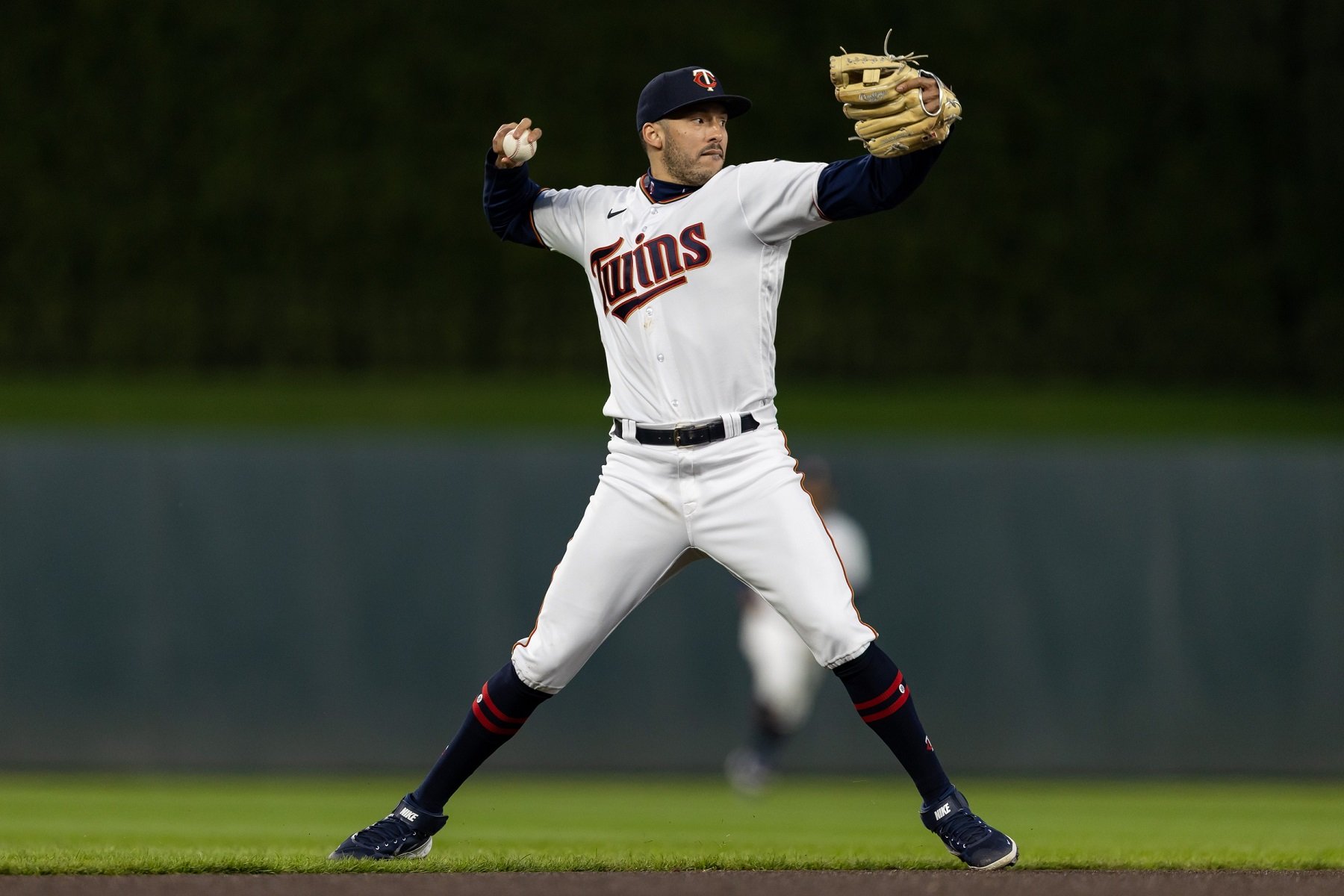 Minnesota's front office recognized the opportunity they received when they signed Carlos Correa this spring. He's being paid the highest single-season salary for an infielder in MLB history, and he has the opportunity to opt out of his contract at season's end. Many viewed Correa's deal as a one-year contract so that he could test the free-agent market again next winter. However, he may be interested in staying in Minnesota long-term. Earlier this week, Ken Rosenthal reported that Correa is very willing to sign a long-term deal to stay in Minnesota. Correa said. "I love the people here. I love the way I'm treated here. If you guys see the value I bring to this organization and what I do for other people around me and the game that I bring, I would love to have a long-term relationship here if that's what you guys would like." Correa also pointed to how comfortable his family already feels in Minnesota, even though it's very early into his Twins tenure. So, what will it take to keep Correa in Minnesota beyond 2022? Last winter, multiple shortstops signed multi-year free-agent contracts. Texas handed out the two highest free-agent contracts for shortstops to Corey Seager and Marcus Semien. Seager signed for 10-years and $325 million, while Semien got 7-years and $175 million. Boston gave Trevor Story $140 million over six years, and Detroit signed Javier Baez to an identical deal. Correa was ranked highly, so he was likely looking for a total similar to what Seager got from the Rangers. Next winter's shortstop class also has some superstar players. Outside of Correa, Trea Turner will be the top available shortstop, and he will likely get a higher contract than Seager. Other potential free agent shortstops include Xander Bogaerts and Dansby Swanson. Correa is younger than all of these options, and teams will likely view this as a positive when negotiating a long-term deal. Minnesota has seen Correa's work on and off the field, which can open up the opportunity for more long-term discussions. He and his agency will likely want him paid like a top free agent. Taking out his $34 million for the 2022 season, he has $291 million left to reach what Seager got last winter. It seems like an eight-to-nine-year deal for $275-290 million would be the range. That would be a significant investment from a front office that loves payroll flexibility. Luckily, the Twins don't have a lot of contracts on the books in the years ahead, and much of their pitching will be young and cheap. A Correa-level deal fits with the team's current flexibility and future finances. Another aspect of signing Correa is his lack of ties to the Twins organization. Since signing, Correa has made it clear that the Twins are Byron Buxton's team. Buxton is off to a tremendous start that puts him into the conversation as one of baseball's best players. Is Correa satisfied being the Robin to Buxton's Batman, or does he want to be considered the best player on his team? A contract worth over $250 million will probably solve any of those concerns. Do you think the Twins will sign Correa to a long-term deal? What type of contract is fair for both sides? Leave a COMMENT and start the discussion.
 -
Max Kepler Poised to Breakout ... Again?
Cody Christie posted a topic in Twins Daily Front Page News
Offensive production is down across baseball to start the 2022 season, and Minnesota has plenty of hitters that fit this mold. Max Kepler is showing signs that he may be poised to breakout. Many Twins sluggers had remarkable 2019 seasons, including Max Kepler. In 134 games, he hit .252/.336/.519 (.855) with 32 doubles and 36 home runs. Obviously, the baseballs used that season have come under question, which is undoubtedly the case with Kepler. He posted an OPS over 100 points higher than his career average, so how does that connect to his start to 2022? Since 2019, Kepler has hit .216/.315/.411 (.726) with a 101 OPS+ with 29 home runs in 185 games. So far this season, Kepler is getting on base at a higher rate (.361 OPS), but his slugging percentage (.300 SLG) is over 130 points lower than his career mark. With offense down across baseball, he still has a 103 OPS+, which puts him above the league average. There are some positive signs in his underlying numbers. For the first time in his career, Kepler has an average exit velocity of over 90 mph, putting him in the 67th percentile among MLB hitters. He has also done an excellent job of working counts in his favor as his BB% ranks in the 88th percentile. Kepler has also been able to avoid striking out, as his K% (77th percentile), Whiff% (88th percentile), and Chase Rate (87th percentile). While all of these numbers look good, some simple fixes might help him break out. One of Kepler’s previous issues has been his tendency to pop up weakly, which results in easy-outs. He is clearly focusing on this issue in 2022, which has resulted in a 5.5 launch angle. He has averaged a 15.1 launch angle for his career, and the MLB average is 12. His low launch angle has resulted in him hitting the ball on the ground over 50% of the time, which is over 12% higher than his career average. If Kepler can adjust his launch angle slightly, he may see better results that correspond to his increase in average exit velocity. Fastballs are one area where Kepler has the most offensive success, and his slugging percentage on those pitches is another area that points to him being close to a breakout. Last season, he posted a .462 slugging percentage when facing fastballs, which was his highest total on any specific pitch type. In 2022, his slugging percentage has dropped to .292 when facing fastballs, but his expected slugging is .513 on those pitches. His hard contact should result in a higher slugging percentage as the weather improves. Finally, Kepler’s batting average on balls in play (BAbip) is another sign of him turning it around in the weeks ahead. So far in 2022, he has a .256 BAbip, his highest total since 2017. His current .220 batting average is also significantly lower than his BAbip, and that may point to him being unlucky. If a few more of these hits fall in, all of his numbers look better to start 2022, but that seems to be a trend with Minnesota’s hitters not named Buxton. At this point in his career, one must wonder if Kepler can make significant changes to his offensive approach. He is in the prime of his career, but he has accumulated nearly 3,000 big-league plate appearances. He can make some minor changes in 2022 to get better results, but will he be able to make those adjustments in a depressed offensive environment? Do you think Kepler can breakout in 2022? Leave a COMMENT and start the discussion. View full article -
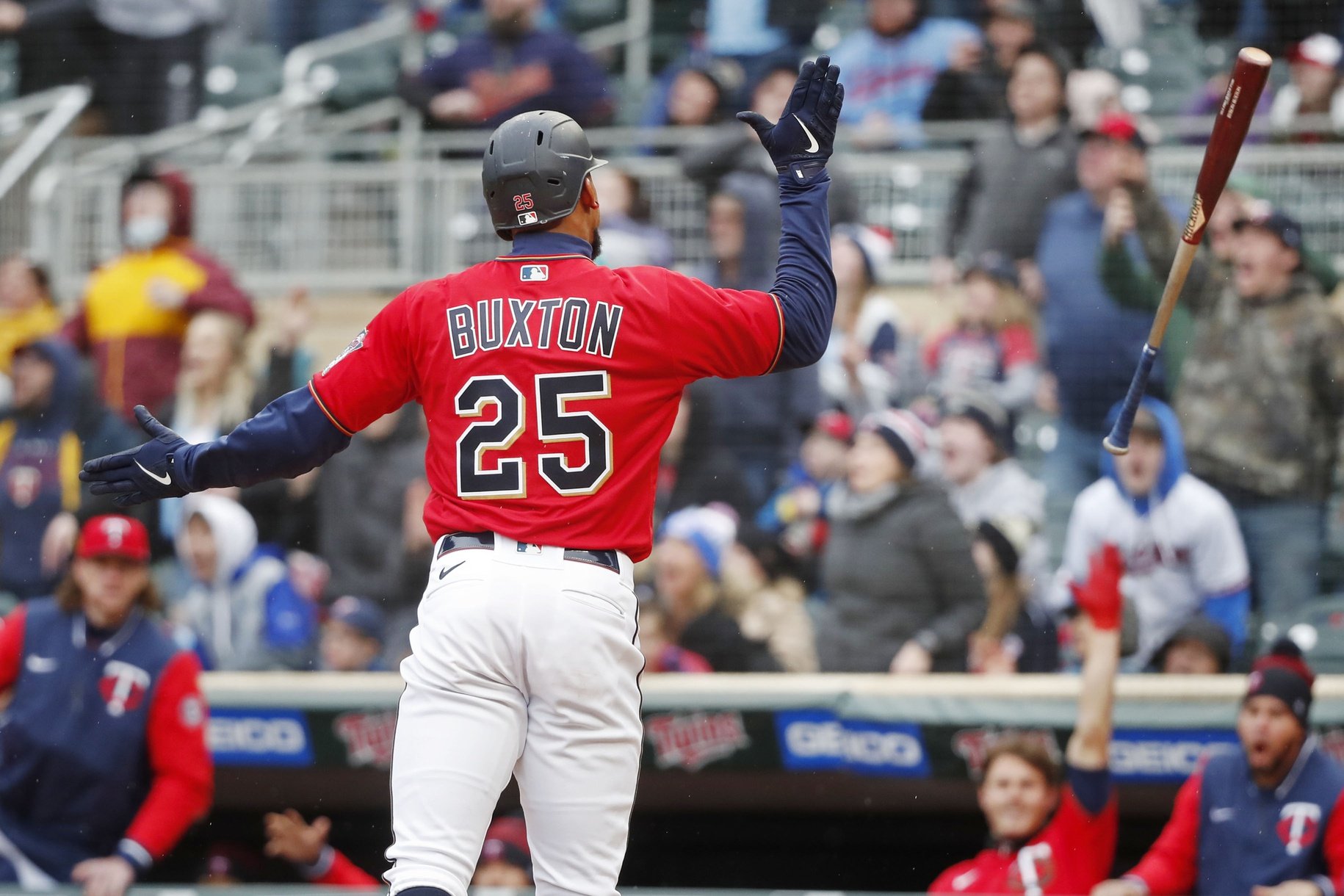 Fans have seen this game changing ability before from Byron Buxton. Last April, he started hot in the season's first month as he hit .427/.466/.897 (1.363) with eight doubles and eight home runs in 18 games. MLB named Buxton the American League Player of the Month, and he had arguably the best offensive month in team history. It was hard to imagine him playing at a higher level, and then the 2022 season began. Over the weekend, Buxton showed his value across multiple games, including some dramatic moments. On Saturday, he went 4-for-4 and reached base in all five plate appearances as the Twins won a blowout. Sunday's game was a nail-biter, and Buxton left the fans happy as he tied the game with a home run in the 7th before a massive three-run walk-off shot in extra-innings. One weekend series doesn't qualify someone to be baseball's best player, but plenty of other signs point to Buxton's greatness. His six home runs tie him for the MLB lead, and he has over 20 fewer at-bats than the other players at the top. His 1.361 OPS would lead all of baseball by close to 200 points, but he doesn't have enough plate appearances to appear on the leaderboard. Baseball's leaders in slugging percentage are tied at .727, but Buxton's OPS is .946 through Sunday's game. At the season's start, MLB Network counted down baseball's top-100 players right now. Buxton ranked as baseball's 39th best player on that countdown, a 52-spot jump from the beginning of the 2021 season. At that time, he was directly behind players like Nick Castellanos, Shane Bieber, and Brandon Woodruff. With his start to the season, he has to move up the list, but would it be enough to get to the top? Players at the top of the list include multiple former MVPs and other budding superstars. Shohei Ohtani, the reigning AL MVP, is coming off a season where he did amazing things as a two-way player. Mike Trout is widely considered the best player of this generation and a perennial MVP candidate. Bryce Harper is the reigning NL MVP, and he continues to live up to the hype surrounding him as an amateur. Fernando Tatis Jr. and Juan Soto are two of the other highly ranked players that have achieved a lot at a young age. So far this season, many of these top players haven't been able to do what Buxton has done on the field. Ohtani is hitting .206/.265/.397 (.662), and he's posted a 4.40 ERA in three starts. Trout was limited to 36 games last season, but he is back to his old ways so far in 2022. Out of qualified players, he leads the AL in OPS and SLG. Harper has posted an OPS of over 1.000 in his two MVP seasons, but this year he has a .766 OPS while still leading the NL in runs. As expected, Soto leads baseball in walks and gets on base nearly 43% of the time. All of these players are great, but none may be able to impact the game quite like Buxton. At this early juncture, Trout is the lone top player producing at his expected level. Other players off to hot starts include Manny Machado, Nolan Arenado, and Wander Franco. There is a lot of season left to separate one player from another, but it's clear that Buxton is playing at an otherworldly level. Do you think he is baseball's best player? Leave a COMMENT and start the discussion.
- 42 comments
-
- 4
-
-
- byron buxton
- mike trout
- (and 3 more)
-
Minnesota locked up Byron Buxton to a long-term deal this winter, and it looks like the Twins made a brilliant investment. After a torrid start to the season, is he in the conversation to be baseball's best player? Fans have seen this game changing ability before from Byron Buxton. Last April, he started hot in the season's first month as he hit .427/.466/.897 (1.363) with eight doubles and eight home runs in 18 games. MLB named Buxton the American League Player of the Month, and he had arguably the best offensive month in team history. It was hard to imagine him playing at a higher level, and then the 2022 season began. Over the weekend, Buxton showed his value across multiple games, including some dramatic moments. On Saturday, he went 4-for-4 and reached base in all five plate appearances as the Twins won a blowout. Sunday's game was a nail-biter, and Buxton left the fans happy as he tied the game with a home run in the 7th before a massive three-run walk-off shot in extra-innings. One weekend series doesn't qualify someone to be baseball's best player, but plenty of other signs point to Buxton's greatness. His six home runs tie him for the MLB lead, and he has over 20 fewer at-bats than the other players at the top. His 1.361 OPS would lead all of baseball by close to 200 points, but he doesn't have enough plate appearances to appear on the leaderboard. Baseball's leaders in slugging percentage are tied at .727, but Buxton's OPS is .946 through Sunday's game. At the season's start, MLB Network counted down baseball's top-100 players right now. Buxton ranked as baseball's 39th best player on that countdown, a 52-spot jump from the beginning of the 2021 season. At that time, he was directly behind players like Nick Castellanos, Shane Bieber, and Brandon Woodruff. With his start to the season, he has to move up the list, but would it be enough to get to the top? Players at the top of the list include multiple former MVPs and other budding superstars. Shohei Ohtani, the reigning AL MVP, is coming off a season where he did amazing things as a two-way player. Mike Trout is widely considered the best player of this generation and a perennial MVP candidate. Bryce Harper is the reigning NL MVP, and he continues to live up to the hype surrounding him as an amateur. Fernando Tatis Jr. and Juan Soto are two of the other highly ranked players that have achieved a lot at a young age. So far this season, many of these top players haven't been able to do what Buxton has done on the field. Ohtani is hitting .206/.265/.397 (.662), and he's posted a 4.40 ERA in three starts. Trout was limited to 36 games last season, but he is back to his old ways so far in 2022. Out of qualified players, he leads the AL in OPS and SLG. Harper has posted an OPS of over 1.000 in his two MVP seasons, but this year he has a .766 OPS while still leading the NL in runs. As expected, Soto leads baseball in walks and gets on base nearly 43% of the time. All of these players are great, but none may be able to impact the game quite like Buxton. At this early juncture, Trout is the lone top player producing at his expected level. Other players off to hot starts include Manny Machado, Nolan Arenado, and Wander Franco. There is a lot of season left to separate one player from another, but it's clear that Buxton is playing at an otherworldly level. Do you think he is baseball's best player? Leave a COMMENT and start the discussion. View full article
- 42 replies
-
- 1
-
-
- byron buxton
- mike trout
- (and 3 more)
-
3 Twins Relievers Show Dangers of Relying on Duffey, Thielbar Too Much
Cody Christie posted an article in Twins
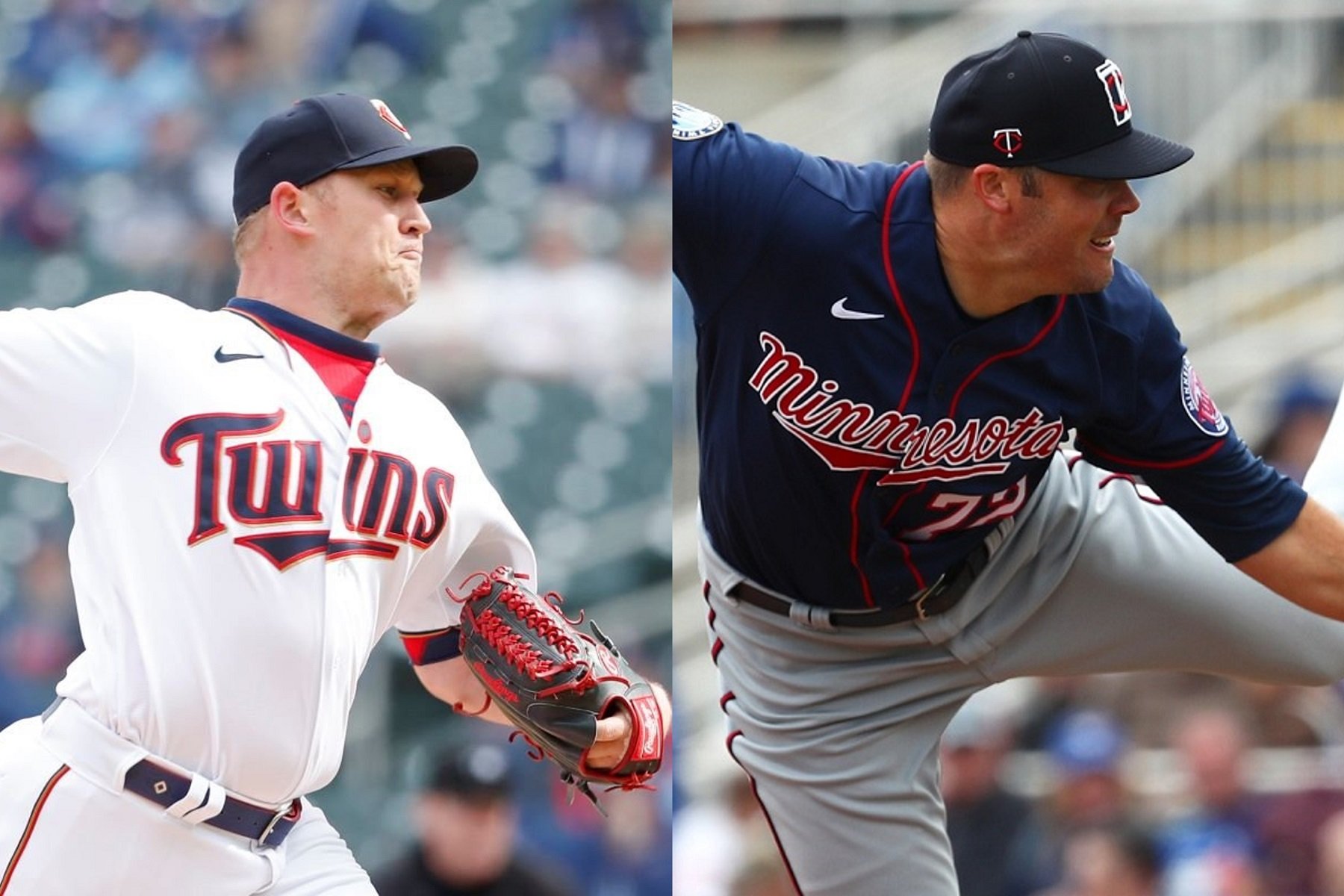 Every team enters the season with a bullpen pecking order, but relievers can be inconsistent, especially in small sample sizes. In recent years, Duffey and Thielbar have been vital members of the Twins bullpen, but both have struggled this season. Here’s a look back at three former relievers that burned bright before falling on hard times. Pat Neshek Twins Peak: Neshek quickly became a fan favorite with his side-arm delivery and early success. During his first two big-league seasons, he posted a 2.68 ERA with a 0.93 WHIP while striking out 127 batters in 107 1/3 innings. He’d make two appearances with the Twins in the 2006 playoffs, but he struggled to find postseason success like many Twins pitchers. During the 2007 season, Neshek was one of five AL players included on the All-Star Final Vote ballot, but he’d fall short of making the team. Neshek established himself as a reliable late-inning reliever before he faced some big-league struggles. Twins Struggles: From 2008 to 2010, Neshek was limited to fewer than 25 big-league innings, and those innings were ineffective. During the 2008 season, he made 15 appearances and allowed seven earned runs before an injury shut him down. Minnesota tried having him rehab, but his 2009 season was wiped out as he recovered from Tommy John surgery. Neshek returned to the mound in 2010 and spent most of the season at Triple-A. His final 11 appearances for the Twins resulted in a 5.00 ERA with a 1.67 WHIP. Even with his Twins tenured ending, Neshek’s career was far from over as he made multiple All-Star appearances and pitched until the 2019 season. Juan Rincón Twins Peak: Rincón pitched parts of eight seasons in Minnesota, but his peak came from 2004 to 2006. He posted a 2.66 ERA during those three years with a 1.19 WHIP and 255 strikeouts across 233 1/3 innings. He was one of Ron Gardenhire’s most reliable late-inning options as the team won multiple AL Central titles. Rincón pitched in three different playoff series and posted a 5.19 ERA in 8 appearances, but four of his five earned runs were in the 2004 ALDS against the Yankees. As he entered his age-28 season, things started to go south for Rincón. Twins Struggles: During his final season and a half in Minnesota, Rincón hit a performance wall. In 2007, his ERA jumped from 2.91 to 5.13 while his strikeout rate dropped and his walk rate increased. Things went even worse during the 2008 season as his ERA was north of 6.00. Minnesota granted him his free agency at the end of June, and he signed with Cleveland two days later. After leaving the Twins, he pitched 93 more big-league innings for the Indians, Tigers, and Rockies, but he never posted an ERA lower than 4.50 with any of the teams. José Mijares Twins Peak: Mijares surprised many during the 2008 season as he made ten appearances and allowed one earned run with a 0.29 WHIP. In the 2009 season, he took on an even more prominent bullpen role. Over 61 2/3 innings, he posted a 2.34 ERA with a 1.18 WHIP with a 55-to-23 strikeout to walk ratio. Mijares, a left-handed pitcher, was particularly effective against lefties as they hit .155/.228/.252 (.481) against him in 2009. He was very successful in an era where left-handed specialists played vital bullpen roles. Twins Struggles: Some of his struggles started during the 2009 ALDS as he couldn’t make it through one full inning without allowing a run. Mijares saw his ERA rise by over an entire run for the 2010 season, and then it went up to 4.59 for the 2011 season. He was never a strikeout machine, but his K/9 dropped from 7.7 to 5.5 in his final Twins season. Mijares made three appearances during the 2010 playoffs and didn’t allow an earned run. After leaving Minnesota, he pitched parts of two seasons with the Royals and Giants while helping San Francisco win the 2012 World Series. Are you worried that Duffey and Thielbar will follow the path of these former relievers? Leave a COMMENT and start the discussion.
- 11 comments
-
- 1
-
-
- pat neshek
- jose mijares
- (and 1 more)
-
Relief pitchers tend to burn bright and die out quickly as the league adjusts to their pitching tendencies. Tyler Duffey and Caleb Thielbar fit this mold, and they are following a similar path as previous Twins relievers. Every team enters the season with a bullpen pecking order, but relievers can be inconsistent, especially in small sample sizes. In recent years, Duffey and Thielbar have been vital members of the Twins bullpen, but both have struggled this season. Here’s a look back at three former relievers that burned bright before falling on hard times. Pat Neshek Twins Peak: Neshek quickly became a fan favorite with his side-arm delivery and early success. During his first two big-league seasons, he posted a 2.68 ERA with a 0.93 WHIP while striking out 127 batters in 107 1/3 innings. He’d make two appearances with the Twins in the 2006 playoffs, but he struggled to find postseason success like many Twins pitchers. During the 2007 season, Neshek was one of five AL players included on the All-Star Final Vote ballot, but he’d fall short of making the team. Neshek established himself as a reliable late-inning reliever before he faced some big-league struggles. Twins Struggles: From 2008 to 2010, Neshek was limited to fewer than 25 big-league innings, and those innings were ineffective. During the 2008 season, he made 15 appearances and allowed seven earned runs before an injury shut him down. Minnesota tried having him rehab, but his 2009 season was wiped out as he recovered from Tommy John surgery. Neshek returned to the mound in 2010 and spent most of the season at Triple-A. His final 11 appearances for the Twins resulted in a 5.00 ERA with a 1.67 WHIP. Even with his Twins tenured ending, Neshek’s career was far from over as he made multiple All-Star appearances and pitched until the 2019 season. Juan Rincón Twins Peak: Rincón pitched parts of eight seasons in Minnesota, but his peak came from 2004 to 2006. He posted a 2.66 ERA during those three years with a 1.19 WHIP and 255 strikeouts across 233 1/3 innings. He was one of Ron Gardenhire’s most reliable late-inning options as the team won multiple AL Central titles. Rincón pitched in three different playoff series and posted a 5.19 ERA in 8 appearances, but four of his five earned runs were in the 2004 ALDS against the Yankees. As he entered his age-28 season, things started to go south for Rincón. Twins Struggles: During his final season and a half in Minnesota, Rincón hit a performance wall. In 2007, his ERA jumped from 2.91 to 5.13 while his strikeout rate dropped and his walk rate increased. Things went even worse during the 2008 season as his ERA was north of 6.00. Minnesota granted him his free agency at the end of June, and he signed with Cleveland two days later. After leaving the Twins, he pitched 93 more big-league innings for the Indians, Tigers, and Rockies, but he never posted an ERA lower than 4.50 with any of the teams. José Mijares Twins Peak: Mijares surprised many during the 2008 season as he made ten appearances and allowed one earned run with a 0.29 WHIP. In the 2009 season, he took on an even more prominent bullpen role. Over 61 2/3 innings, he posted a 2.34 ERA with a 1.18 WHIP with a 55-to-23 strikeout to walk ratio. Mijares, a left-handed pitcher, was particularly effective against lefties as they hit .155/.228/.252 (.481) against him in 2009. He was very successful in an era where left-handed specialists played vital bullpen roles. Twins Struggles: Some of his struggles started during the 2009 ALDS as he couldn’t make it through one full inning without allowing a run. Mijares saw his ERA rise by over an entire run for the 2010 season, and then it went up to 4.59 for the 2011 season. He was never a strikeout machine, but his K/9 dropped from 7.7 to 5.5 in his final Twins season. Mijares made three appearances during the 2010 playoffs and didn’t allow an earned run. After leaving Minnesota, he pitched parts of two seasons with the Royals and Giants while helping San Francisco win the 2012 World Series. Are you worried that Duffey and Thielbar will follow the path of these former relievers? Leave a COMMENT and start the discussion. View full article
-
The Twins had a player to be named later included in the trade for Taylor Rogers and Brent Rooker. On Thursday, Minnesota announced the prospect as right-handed pitcher Brayan Medina. It can certainly be intriguing when a trade includes a player to be named later. Jeremy tried to identify which player might be included in the deal, which can be a tough task. Chris Paddack and Emilio Pagan were the first two pieces of the trade, but here’s a little about prospect the team just added to the deal. Brayan Medina was considered the top Venezuelan pitching prospect when the 2019 international signing period opened. San Diego signed him for $700,000, and he was set to make his debut during the 2020 season. Unfortunately, the pandemic canceled the 2020 season and pushed his pro debut to the 2021 season. Last year, the 18-year-old started in the Dominican Summer League. In 28 2/3 innings, he posted a 4.71 ERA with a 1.50 WHIP and a 42-to-21 strikeout to walk ratio. Medina’s last three appearances came in the Arizona Complex League, where he struggled in limited action. He allowed four earned runs in two of his appearances as he surrendered three home runs. On a positive note, he struck out seven batters in five innings. Still a teenager, Medina has room to add to his 6-foot-1, 180-pound frame, which may increase his velocity in the years ahead. He currently has a three-pitch mix, including a fastball, slider, and changeup. According to MLB Pipeline, his fastball grades as a 60 as it sits in the mid-90s, but he can occasionally pump it up into the high-90s. His slider is his best secondary pitch as it currently grades as a 55, which is above average. His changeup has shown the most improvement since he signed and currently grades as a 50. MLB Pipeline ranked him as the 14th best Padres prospect. FanGraphs isn’t relatively as high on Medina as MLB Pipeline as they ranked him as San Diego’s 29th best prospect. They grade his fastball as a 45 with a future grade of 55. FanGraphs identifies his best secondary pitch as a curveball instead of a slider, but some of that is due to his vertical slot delivery. His curveball currently grades as a 45 with a future grade of 55. Both of these pitches would rank as above average. One of his most significant issues last season was a high walk rate, as he surrendered 24 walks in just under 34 innings. Some of this comes from a violent delivery, but it can also be attributed to the limited amount of innings he has accumulated as a professional. His release point is from a vertical slot, which helps his secondary pitches to be more effective. As a player to be named later, Medina has plenty of potential. His ceiling looks like a mid-rotation starter, but his top two pitches also make him an intriguing bullpen option. In the Twins system, he’d likely rank in the back half of the team’s top-30 prospects. What do you think about Medina’s scouting reports? Leave a COMMENT and start the discussion. View full article
-
Twins Complete Padres Trade with Pitching Prospect Brayan Medina
Cody Christie posted an article in Minor Leagues
 It can certainly be intriguing when a trade includes a player to be named later. Jeremy tried to identify which player might be included in the deal, which can be a tough task. Chris Paddack and Emilio Pagan were the first two pieces of the trade, but here’s a little about prospect the team just added to the deal. Brayan Medina was considered the top Venezuelan pitching prospect when the 2019 international signing period opened. San Diego signed him for $700,000, and he was set to make his debut during the 2020 season. Unfortunately, the pandemic canceled the 2020 season and pushed his pro debut to the 2021 season. Last year, the 18-year-old started in the Dominican Summer League. In 28 2/3 innings, he posted a 4.71 ERA with a 1.50 WHIP and a 42-to-21 strikeout to walk ratio. Medina’s last three appearances came in the Arizona Complex League, where he struggled in limited action. He allowed four earned runs in two of his appearances as he surrendered three home runs. On a positive note, he struck out seven batters in five innings. Still a teenager, Medina has room to add to his 6-foot-1, 180-pound frame, which may increase his velocity in the years ahead. He currently has a three-pitch mix, including a fastball, slider, and changeup. According to MLB Pipeline, his fastball grades as a 60 as it sits in the mid-90s, but he can occasionally pump it up into the high-90s. His slider is his best secondary pitch as it currently grades as a 55, which is above average. His changeup has shown the most improvement since he signed and currently grades as a 50. MLB Pipeline ranked him as the 14th best Padres prospect. FanGraphs isn’t relatively as high on Medina as MLB Pipeline as they ranked him as San Diego’s 29th best prospect. They grade his fastball as a 45 with a future grade of 55. FanGraphs identifies his best secondary pitch as a curveball instead of a slider, but some of that is due to his vertical slot delivery. His curveball currently grades as a 45 with a future grade of 55. Both of these pitches would rank as above average. One of his most significant issues last season was a high walk rate, as he surrendered 24 walks in just under 34 innings. Some of this comes from a violent delivery, but it can also be attributed to the limited amount of innings he has accumulated as a professional. His release point is from a vertical slot, which helps his secondary pitches to be more effective. As a player to be named later, Medina has plenty of potential. His ceiling looks like a mid-rotation starter, but his top two pitches also make him an intriguing bullpen option. In the Twins system, he’d likely rank in the back half of the team’s top-30 prospects. What do you think about Medina’s scouting reports? Leave a COMMENT and start the discussion.
 -
Early seasons numbers need to be taken with a grain of salt. There is plenty of season left for players to find their rhythm, but here are three surprises from the team’s early action. Dylan Bundy Strong Starts When the Twins signed Dylan Bundy, he looked like a veteran pitcher that would add depth to the back of the starting rotation. He was coming off a terrible season for the Angels, where he posted a 6.06 ERA and a 1.36 WHIP. It was easy not to get too excited about what he could mean to the Twins based on his previous performance. However, he has faced two potential playoff teams, and his season couldn’t have started much better. Against Seattle, he pitched five shutout innings while only allowing one hit. On Monday in Boston, he pitched into the sixth inning while racking up six strikeouts and limiting a potent Red Sox lineup to one run. This year, his most significant improvement is a big jump in chase rate as he ranks in the 92nd percentile. His slider, which he uses against righties, resulted in a 60 Whiff%. Bundy is also using his changeup more regularly, so these will be trends to watch in his future starts. Carlos Correa’s Cold Bat Carlos Correa is coming off a tumultuous winter where he tested free agency for the first time, changed agents, and arrived at spring training after other players. Maybe all of those aspects impact his on-field performance, or he is just in the middle of a rough patch. Either way, he is off to the worst start of his career with a .595 OPS with three extra-base hits in the team’s first nine games. Minnesota was certainly expecting more from Correa, and he was likely expecting more from himself. His cold start also brings up another intriguing aspect for the years ahead. Minnesota signed him to a three-year contract with opt-outs at the end of each season. Correa was likely hoping to hit the free-agent market again next winter as he entered his age-28 season and cash in on an even more lucrative deal. If he has a poor performance in 2022, he may reconsider staying with the Twins for 2023. That decision is a long way off at this point, and Twins fans hope his bat warms up as the weather improves. Jhoan Duran’s Strikeout Totals Fans were excited to see what Jhoan Duran could add to the Twins bullpen, especially those that have followed his minor league career. His appearances have turned into must-watch TV with his triple-digit fastball and his already famous splinker. Duran has racked up some strikeout numbers in limited action. Across six innings, he has 11 strikeouts which rank second among all relievers in baseball. The only pitcher ahead of him has appeared in three more games than Duran and pitched one more inning. It will be interesting to see how the Twins use Duran throughout the rest of the season. Minnesota will likely watch his innings pitched and his time between appearances with his previous injury history. Duran has already made appearances in close games during the late-innings. He will likely serve in a closer role at some point in the future, but will he get those opportunities in 2022? Which of these surprises stands out most to you? Are there other surprises on the team? Leave a COMMENT and start the discussion. View full article
- 8 replies
-
- 2
-
-
- dylan bundy
- jhoan duran
- (and 1 more)
-
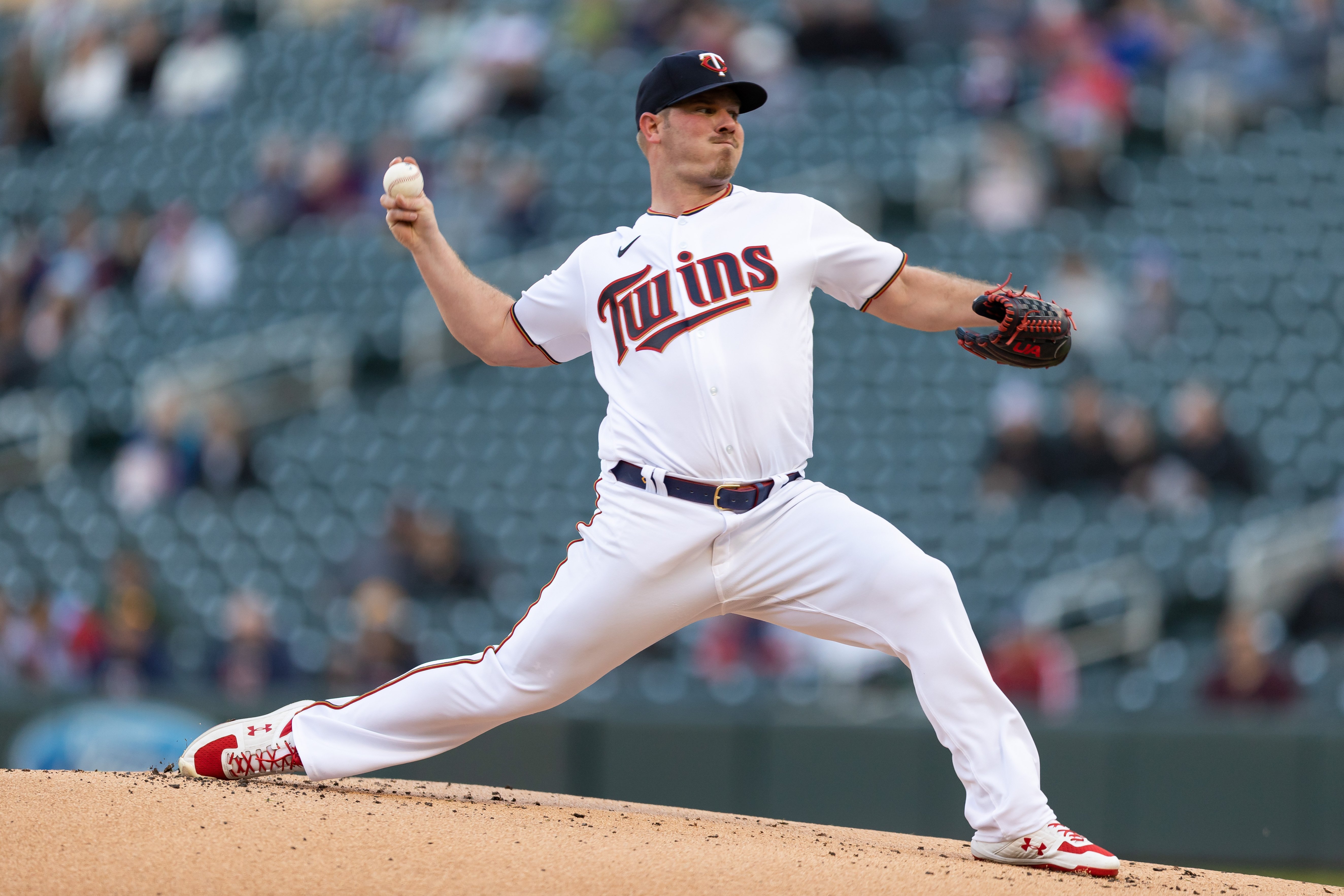 Dylan Bundy Strong Starts When the Twins signed Dylan Bundy, he looked like a veteran pitcher that would add depth to the back of the starting rotation. He was coming off a terrible season for the Angels, where he posted a 6.06 ERA and a 1.36 WHIP. It was easy not to get too excited about what he could mean to the Twins based on his previous performance. However, he has faced two potential playoff teams, and his season couldn’t have started much better. Against Seattle, he pitched five shutout innings while only allowing one hit. On Monday in Boston, he pitched into the sixth inning while racking up six strikeouts and limiting a potent Red Sox lineup to one run. This year, his most significant improvement is a big jump in chase rate as he ranks in the 92nd percentile. His slider, which he uses against righties, resulted in a 60 Whiff%. Bundy is also using his changeup more regularly, so these will be trends to watch in his future starts. Carlos Correa’s Cold Bat Carlos Correa is coming off a tumultuous winter where he tested free agency for the first time, changed agents, and arrived at spring training after other players. Maybe all of those aspects impact his on-field performance, or he is just in the middle of a rough patch. Either way, he is off to the worst start of his career with a .595 OPS with three extra-base hits in the team’s first nine games. Minnesota was certainly expecting more from Correa, and he was likely expecting more from himself. His cold start also brings up another intriguing aspect for the years ahead. Minnesota signed him to a three-year contract with opt-outs at the end of each season. Correa was likely hoping to hit the free-agent market again next winter as he entered his age-28 season and cash in on an even more lucrative deal. If he has a poor performance in 2022, he may reconsider staying with the Twins for 2023. That decision is a long way off at this point, and Twins fans hope his bat warms up as the weather improves. Jhoan Duran’s Strikeout Totals Fans were excited to see what Jhoan Duran could add to the Twins bullpen, especially those that have followed his minor league career. His appearances have turned into must-watch TV with his triple-digit fastball and his already famous splinker. Duran has racked up some strikeout numbers in limited action. Across six innings, he has 11 strikeouts which rank second among all relievers in baseball. The only pitcher ahead of him has appeared in three more games than Duran and pitched one more inning. It will be interesting to see how the Twins use Duran throughout the rest of the season. Minnesota will likely watch his innings pitched and his time between appearances with his previous injury history. Duran has already made appearances in close games during the late-innings. He will likely serve in a closer role at some point in the future, but will he get those opportunities in 2022? Which of these surprises stands out most to you? Are there other surprises on the team? Leave a COMMENT and start the discussion.
- 8 comments
-
- 1
-
-
- dylan bundy
- jhoan duran
- (and 1 more)

.jpg.53508bc8c200ad9ebaf56d59c5a55347.jpg)
