



Cody Christie
-
Posts
7,515 -
Joined
-
Last visited
-
Days Won
5
Content Type
Profiles
News
Minnesota Twins Videos
2026 Minnesota Twins Top Prospects Ranking
2022 Minnesota Twins Draft Picks
Minnesota Twins Free Agent & Trade Rumors, Notes, & Tidbits
Guides & Resources
2023 Minnesota Twins Draft Picks
The Minnesota Twins Players Project
2024 Minnesota Twins Draft Picks
2025 Minnesota Twins Draft Pick Tracker
2026 Minnesota Twins Draft Tracker: Picks & Bonuses
Forums
Blogs
Events
Store
Downloads
Gallery
Everything posted by Cody Christie
-
 There's no question that Alex Kirilloff struggled to start the 2022 season, but things have changed for the team and the player since mid-May. So, how can Kirilloff fit back in the Twins' line-up? During the 2021 season, Alex Kirilloff showcased some impressive hitting skills that made him one of the organization's top prospects. In 59 games, he posted a .722 OPS while combining for 20 extra-base hits. However, a wrist injury during the season sapped a lot of his power, and he made a tough decision. Minnesota was out of the playoff contention, so it made sense to shut down Kirilloff and get him the surgery he needed to be a more effective player. The Twins hoped the surgery and an offseason of recovery would do wonders for Kirilloff's ailing wrist, but things didn't go as planned to start 2022. In 10 big-league games, he went 5-for-29 with no extra-base hits and a 12-to-1 strikeout to walk ratio. Something wasn't clicking with Kirilloff's swing, and the team decided to option him to St. Paul. He wasn't adding much to Minnesota's line-up with his swing at the time, and this allowed him to rediscover his swing in a less pressure-filled environment. It took time and a demotion, but Kirilloff's swing has returned at Triple-A. In 19 games, he is hitting .387/.477/.693 (1.171) with five doubles and six home runs. Entering play on Monday, he was in the middle of an eight-game hit streak, slugging 1.031 with a 1.570 OPS. He's also only 24-years-old so all but seven of his at-bats have come against older pitchers. Kirilloff is destroying the baseball, and he has multiple assets he can add back to the Twins' roster. Minnesota has been experimenting with multiple parts of the roster this season, including regularly playing Luis Arraez at first base. Arraez has gotten off to the best start to his big-league career, so the Twins continue to find ways to get him in the line-up. However, Minnesota's overall production at first base has been poor. The Twins' WAR production ranks 21st among first basemen, according to FanGraphs. Kirilloff's powerful swing can help improve those numbers, and his defense at first is considered very good. Now the question remains, where does Kirilloff fit into the current team's roster? Minnesota's outfield already has five players seeing regular playing time in Byron Buxton, Max Kepler, Trevor Larnach, Kyle Garlick, and Gilberto Celestino. Each of those players brings specific skills that it's hard to imagine Kirilloff taking playing time away from any of them. José Miranda seems to fit a similar skillset to Kirilloff, but he's posted a 1.101 OPS over his last 11 games. Kirilloff and Jose Miranda also bat from different sides of the plate, so that is likely something the team considers before making a move. Roster depth is critical for any contending team, so having Kirilloff mashing the ball at Triple-A is definitely a good sign. He is part of the team's long-term plan, but his place on the current roster is a bit of a puzzle. Minnesota needs more production from first base, but some of Arraez's success this season might be tied to him not changing defensive positions every day. In the end, Kirilloff will be back at some point in 2022, but there isn't a rush to react to a sample size of Triple-A games. How would you fit Kirilloff back into the Twins line-up? Leave a COMMENT and start the discussion. View full article
 -
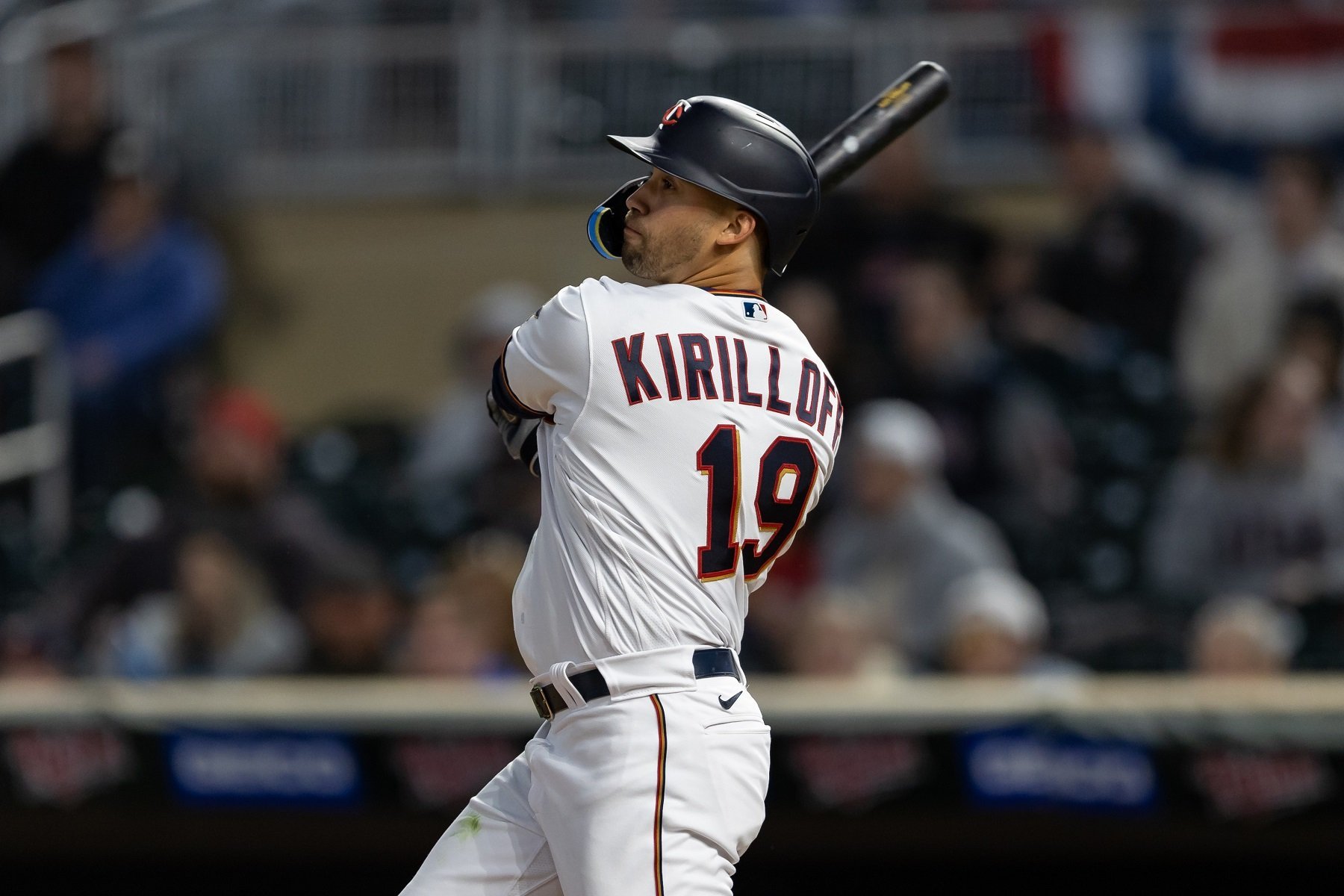 During the 2021 season, Alex Kirilloff showcased some impressive hitting skills that made him one of the organization's top prospects. In 59 games, he posted a .722 OPS while combining for 20 extra-base hits. However, a wrist injury during the season sapped a lot of his power, and he made a tough decision. Minnesota was out of the playoff contention, so it made sense to shut down Kirilloff and get him the surgery he needed to be a more effective player. The Twins hoped the surgery and an offseason of recovery would do wonders for Kirilloff's ailing wrist, but things didn't go as planned to start 2022. In 10 big-league games, he went 5-for-29 with no extra-base hits and a 12-to-1 strikeout to walk ratio. Something wasn't clicking with Kirilloff's swing, and the team decided to option him to St. Paul. He wasn't adding much to Minnesota's line-up with his swing at the time, and this allowed him to rediscover his swing in a less pressure-filled environment. It took time and a demotion, but Kirilloff's swing has returned at Triple-A. In 19 games, he is hitting .387/.477/.693 (1.171) with five doubles and six home runs. Entering play on Monday, he was in the middle of an eight-game hit streak, slugging 1.031 with a 1.570 OPS. He's also only 24-years-old so all but seven of his at-bats have come against older pitchers. Kirilloff is destroying the baseball, and he has multiple assets he can add back to the Twins' roster. Minnesota has been experimenting with multiple parts of the roster this season, including regularly playing Luis Arraez at first base. Arraez has gotten off to the best start to his big-league career, so the Twins continue to find ways to get him in the line-up. However, Minnesota's overall production at first base has been poor. The Twins' WAR production ranks 21st among first basemen, according to FanGraphs. Kirilloff's powerful swing can help improve those numbers, and his defense at first is considered very good. Now the question remains, where does Kirilloff fit into the current team's roster? Minnesota's outfield already has five players seeing regular playing time in Byron Buxton, Max Kepler, Trevor Larnach, Kyle Garlick, and Gilberto Celestino. Each of those players brings specific skills that it's hard to imagine Kirilloff taking playing time away from any of them. José Miranda seems to fit a similar skillset to Kirilloff, but he's posted a 1.101 OPS over his last 11 games. Kirilloff and Jose Miranda also bat from different sides of the plate, so that is likely something the team considers before making a move. Roster depth is critical for any contending team, so having Kirilloff mashing the ball at Triple-A is definitely a good sign. He is part of the team's long-term plan, but his place on the current roster is a bit of a puzzle. Minnesota needs more production from first base, but some of Arraez's success this season might be tied to him not changing defensive positions every day. In the end, Kirilloff will be back at some point in 2022, but there isn't a rush to react to a sample size of Triple-A games. How would you fit Kirilloff back into the Twins line-up? Leave a COMMENT and start the discussion.
 -
Kepler is going to lose more than $100,000. Wowza.
-
Minnesota traveled to Toronto on Thursday night. Several players were unable to enter Canada because of their vaccination status. So, what players can’t make the trip, and who is expected to join the team? This season, Minnesota only makes one trip to Toronto unless the Twins and Blue Jays meet in the playoffs. Thankfully, Major League Baseball adjusts its roster rules for situations like those facing the Twins this weekend. Players not on the 40-man roster can be added for the Toronto series to take the place of non-vaccinated players. Minnesota placed Max Kepler, Caleb Thielbar, Emilio Pagán, and Trevor Megill on the restricted list ahead of this series against the Blue Jays. They did not travel to Toronto with the team. Kepler has touted the Twins clubhouse atmosphere this year as being one of the reasons for his offensive reemergence. There was also an easy way for everyone to be together on this trip if he decided to meet Canada's vaccination requirement. Pagán also released a statement in regards to not being with the team. Here is a comment from Caleb Thielbar: Here are the players expected to take their place. Chi Chi Gonzalez, SP Chi Chi Gonzalez is expected to start Friday’s game in Toronto. Minnesota signed him this winter to add organizational depth, and he has pitched at St. Paul this entire season. In eight games (five starts), he has posted a 3.44 ERA with a 1.26 WHIP and a 35-to-14 strikeout to walk ratio. Gonzalez came to the Twins from the Rockies organization, where he pitched over 100 big-league innings last season with a 6.46 ERA and a 1.53 WHIP. Luckily, Toronto’s lineup is full of right-handed hitters as righties have an OPS that is 114 points lower against Gonzalez this season. Ian Hamilton, RP Minnesota claimed Ian Hamilton off of waivers in February of 2021, and he pitched all of last season in St. Paul. During the 2021 season, he posted a 4.12 ERA with a 1.44 WHIP, but his 13.1 K/9 was undoubtedly a bright spot. So far in 2022, Hamilton has been terrific as he has only allowed one earned run in 10 appearances, and he has struck out 17 batters in 12 2/3 innings. Multiple pitchers were part of the unvaccinated group that was ineligible to travel to Toronto, so Hamilton gets an opportunity to prove he belongs back at the big-league level. Mark Contreras, OF Mark Contreras was on the team's taxi squad for this road trip, so he can be an easy addition to the roster. He made his big-league debut with the Twins earlier this season, but he was limited to two games and three plate appearances. Minnesota drafted Contreras in the 9th round of the 2017 MLB Draft from the University of California, Riverside. He spent his first four minor league seasons moving steadily through the Twins system with a .717 OPS and 141 extra-base hits in 411 games. At 27-years old, he has been older than the average age of the competition at each level in the minors. His first taste of the big leagues was very brief, so it is an excellent opportunity for him to step in and get a more extended look. Jharel Cotton, RP The Twins claimed Jharel Cotton off of waivers from the Texas Rangers this winter. He made four big-league appearances in April and allowed one earned run in 6 2/3 innings with a 7-to-6 strikeout to walk ratio. Minnesota designated him for assignment, and he cleared waivers before accepting his outright assignment to Triple-A. For the Saints, he has made ten appearances and allowed four earned runs on ten hits. His walk rate (3.9 BB/9) and strikeout rate (13.9 K/9) have improved in the minors. Cotton hasn't appeared in a game since May 31, so his arm should be fresh enough to make multiple appearances this weekend if he is needed. View full article
- 103 replies
-
- 1
-

-
- chi chi gonzalez
- ian hamilton
- (and 3 more)
-
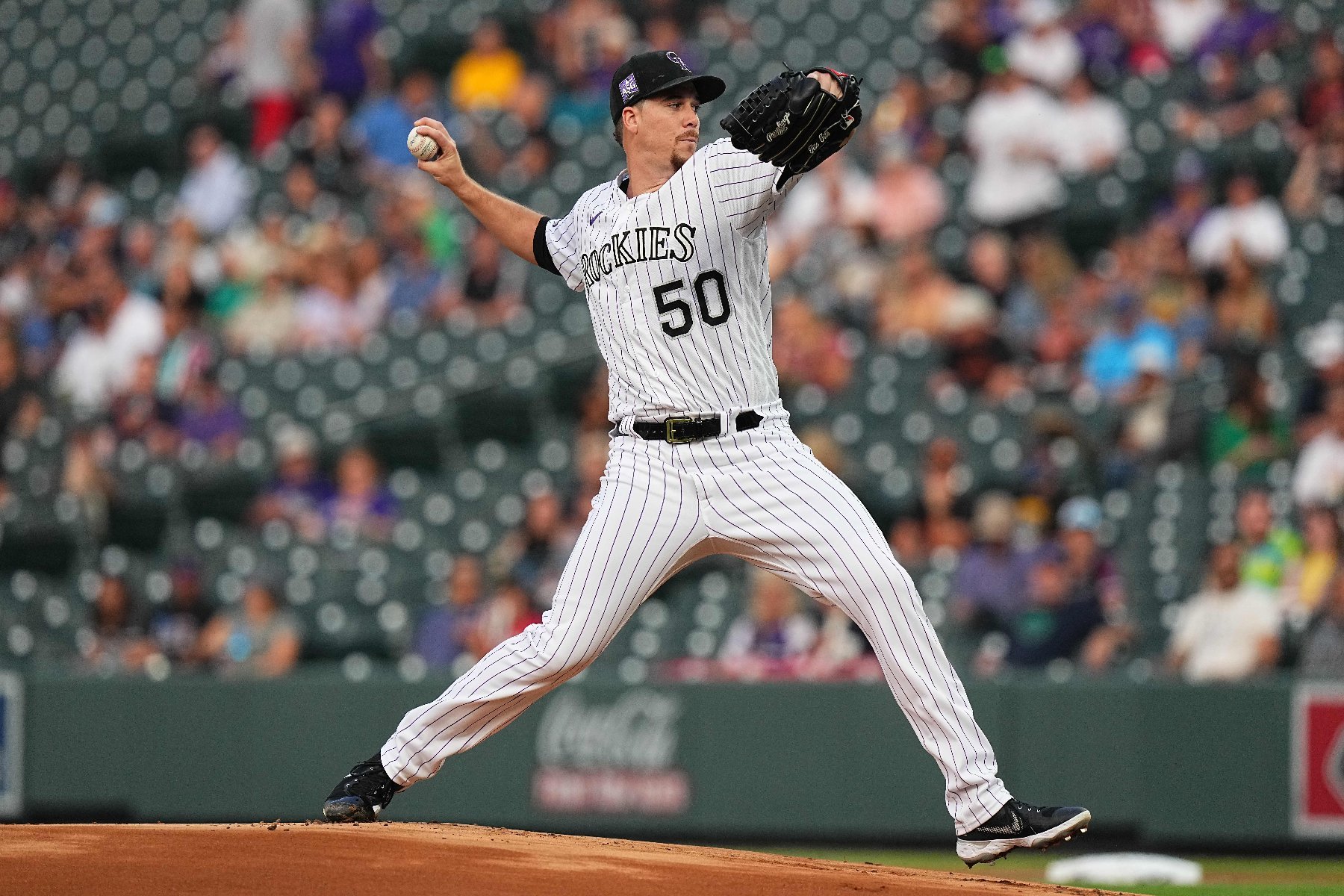 This season, Minnesota only makes one trip to Toronto unless the Twins and Blue Jays meet in the playoffs. Thankfully, Major League Baseball adjusts its roster rules for situations like those facing the Twins this weekend. Players not on the 40-man roster can be added for the Toronto series to take the place of non-vaccinated players. Minnesota placed Max Kepler, Caleb Thielbar, Emilio Pagán, and Trevor Megill on the restricted list ahead of this series against the Blue Jays. They did not travel to Toronto with the team. Kepler has touted the Twins clubhouse atmosphere this year as being one of the reasons for his offensive reemergence. There was also an easy way for everyone to be together on this trip if he decided to meet Canada's vaccination requirement. Pagán also released a statement in regards to not being with the team. Here is a comment from Caleb Thielbar: Here are the players expected to take their place. Chi Chi Gonzalez, SP Chi Chi Gonzalez is expected to start Friday’s game in Toronto. Minnesota signed him this winter to add organizational depth, and he has pitched at St. Paul this entire season. In eight games (five starts), he has posted a 3.44 ERA with a 1.26 WHIP and a 35-to-14 strikeout to walk ratio. Gonzalez came to the Twins from the Rockies organization, where he pitched over 100 big-league innings last season with a 6.46 ERA and a 1.53 WHIP. Luckily, Toronto’s lineup is full of right-handed hitters as righties have an OPS that is 114 points lower against Gonzalez this season. Ian Hamilton, RP Minnesota claimed Ian Hamilton off of waivers in February of 2021, and he pitched all of last season in St. Paul. During the 2021 season, he posted a 4.12 ERA with a 1.44 WHIP, but his 13.1 K/9 was undoubtedly a bright spot. So far in 2022, Hamilton has been terrific as he has only allowed one earned run in 10 appearances, and he has struck out 17 batters in 12 2/3 innings. Multiple pitchers were part of the unvaccinated group that was ineligible to travel to Toronto, so Hamilton gets an opportunity to prove he belongs back at the big-league level. Mark Contreras, OF Mark Contreras was on the team's taxi squad for this road trip, so he can be an easy addition to the roster. He made his big-league debut with the Twins earlier this season, but he was limited to two games and three plate appearances. Minnesota drafted Contreras in the 9th round of the 2017 MLB Draft from the University of California, Riverside. He spent his first four minor league seasons moving steadily through the Twins system with a .717 OPS and 141 extra-base hits in 411 games. At 27-years old, he has been older than the average age of the competition at each level in the minors. His first taste of the big leagues was very brief, so it is an excellent opportunity for him to step in and get a more extended look. Jharel Cotton, RP The Twins claimed Jharel Cotton off of waivers from the Texas Rangers this winter. He made four big-league appearances in April and allowed one earned run in 6 2/3 innings with a 7-to-6 strikeout to walk ratio. Minnesota designated him for assignment, and he cleared waivers before accepting his outright assignment to Triple-A. For the Saints, he has made ten appearances and allowed four earned runs on ten hits. His walk rate (3.9 BB/9) and strikeout rate (13.9 K/9) have improved in the minors. Cotton hasn't appeared in a game since May 31, so his arm should be fresh enough to make multiple appearances this weekend if he is needed.
- 103 comments
-
- 2
-
-
- chi chi gonzalez
- ian hamilton
- (and 3 more)
-
The Twins head to Toronto this weekend, and old friend José Berríos is scheduled to take the mound in the series. So, how have the players performed that were involved in the trade? To give some perspective to this trade, it is important to note that Jose Berríos was under team control through the 2022 season. Since acquiring him, Toronto has signed him to a 7-year, $131 million deal that buys out the prime of his career. Minnesota traded 1 1/2 years of Berríos for Austin Martin and Simeon Woods Richardson. José Berríos 2022 Stats: 5.62 ERA, 1.51 WHIP, 69 ERA+, 36 K, 14 BB, 49 2/3 innings Berrios got what he wanted from Toronto. They paid him as if he were one of baseball's most consistent pitchers through the first six years of his career. His new contract ties him to the Blue Jay through the 2028 season when he will be in his mid-30s. There were no signs that Minnesota was willing to give him that kind of contract, which was one of the main reasons the team was willing to trade him last season. Unfortunately, Berríos is in the middle of his worst start to a season since his rookie campaign. He has allowed three runs or more in six of his ten starts while averaging less than five innings per outing. Two of his most significant issues have been home runs and a steep decline in strikeout rate. He's allowed at least one home run in all but two appearances this year. Entering the season, he averaged more than one strikeout per inning, but he has a 6.5 K/9 so far in 2022. Pitching in the AL East is an entirely different beast from seeing the AL Central's bottom feeders. That being said, Berríos still has time to figure it out this season. Austin Martin 2022 Stats: .258/.377/.333 (.710), 7 2B, 1 3B, 1 HR, 25 K, 22 BB, 40 G Austin Martin was the top-ranked prospect the Twins got from the Blue Jays. He was a consensus top-55 prospect entering the season. Minnesota sent Martin back to Double-A this season which is where he made his professional debut in 2021. Last season, he posted a .796 OPS, which was tied mainly to his .414 OBP. He was touted for his powerful swing in college, but that power hasn't been evident over the last two seasons. So far in 2022, Martin's OPS has dipped over 85 points even with a return trip through the Texas League. He is still over a year younger than the average age of the competition at that level. The vast majority of his defensive innings have come at shortstop, but he has also played second base and all three outfield positions. Martin's stock has certainly dropped since the Twins acquired him, but he is only 23-years-old, and he can still make adjustments as he gets closer to Target Field. Simeon Woods Richardson 2022 Stats: 3.02 ERA, 1.03 WHIP, 42 K, 14 BB, 41 2/3 innings Baseball America and MLB.com included Woods Richardson on their pre-season top-100 prospects, so it's not like he was just a throw-in player in the trade. During the 2021 season, Woods Richardson struggled to adjust to Double-A, but he was over 4.5 years younger than the average age of the competition at that level. In 15 appearances (53 1/3 innings), he posted a 5.91 ERA with a 1.54 WHIP and a 77-to-34 strikeout to walk ratio. It was a choppy season for him because he was also on Team USA's Olympic team in Beijing. In his second stint at Double-A, Woods Richardson has looked like a completely different pitcher this season. He has only faced older batters in eight plate appearances this year, but he has still been one of the Texas League's best starters. In eight starts (41 2/3 innings), he has posted a 3.02 ERA with a 1.03 WHIP and a 42-to-14 strikeout to walk ratio. His strikeout rate has dropped this season, but he has been more effective at limiting hits and home runs. This season, Woods Richardson's performance has moved him up the TD Top-20 Prospect List. It will likely be multiple years before a winner can be declared in this trade. However, the Twins were able to acquire two highly-regarded prospects for a pitcher they weren't going to keep long-term. What are your thoughts as you look back on the trade? Leave a COMMENT and start the discussion. View full article
-
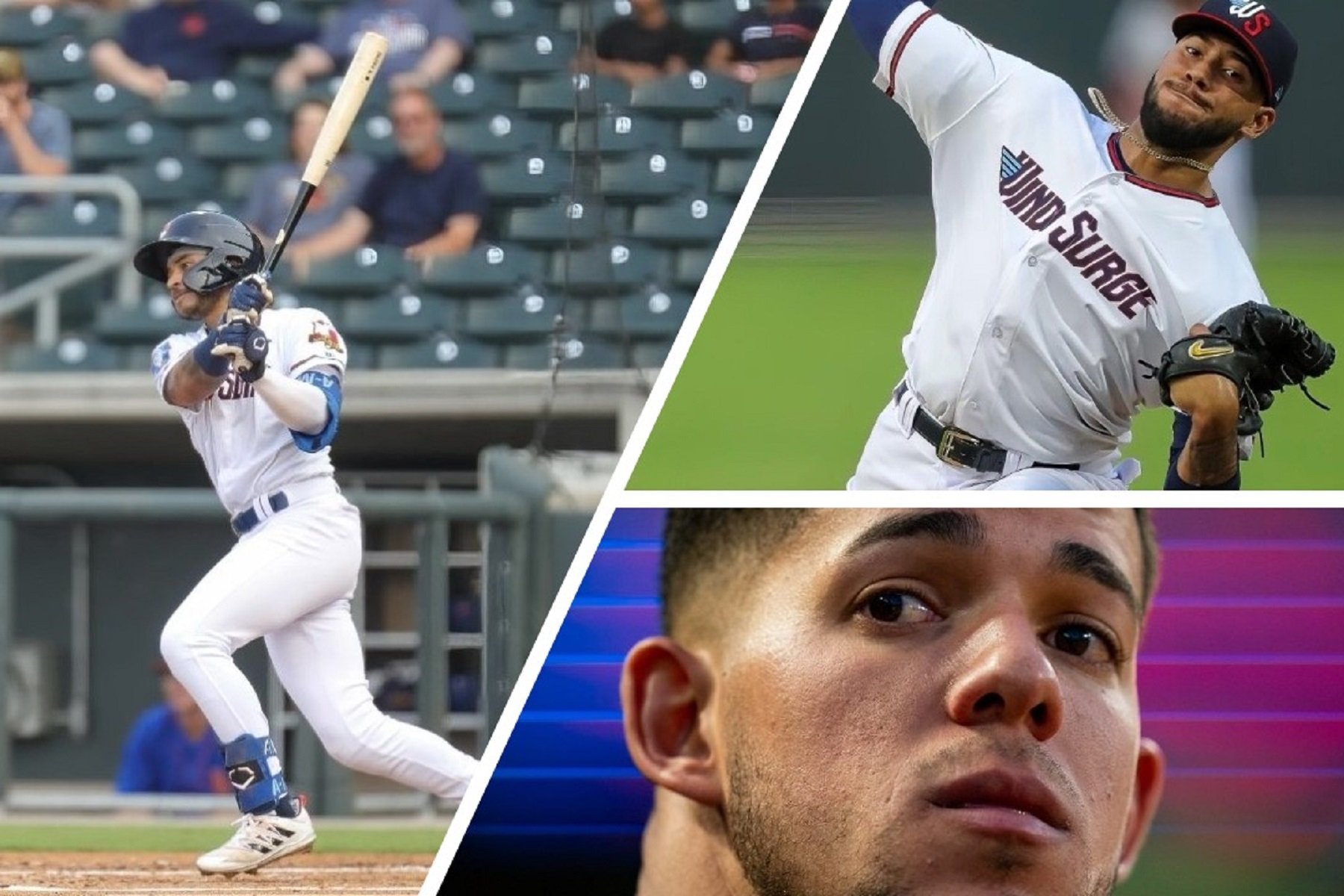 To give some perspective to this trade, it is important to note that Jose Berríos was under team control through the 2022 season. Since acquiring him, Toronto has signed him to a 7-year, $131 million deal that buys out the prime of his career. Minnesota traded 1 1/2 years of Berríos for Austin Martin and Simeon Woods Richardson. José Berríos 2022 Stats: 5.62 ERA, 1.51 WHIP, 69 ERA+, 36 K, 14 BB, 49 2/3 innings Berrios got what he wanted from Toronto. They paid him as if he were one of baseball's most consistent pitchers through the first six years of his career. His new contract ties him to the Blue Jay through the 2028 season when he will be in his mid-30s. There were no signs that Minnesota was willing to give him that kind of contract, which was one of the main reasons the team was willing to trade him last season. Unfortunately, Berríos is in the middle of his worst start to a season since his rookie campaign. He has allowed three runs or more in six of his ten starts while averaging less than five innings per outing. Two of his most significant issues have been home runs and a steep decline in strikeout rate. He's allowed at least one home run in all but two appearances this year. Entering the season, he averaged more than one strikeout per inning, but he has a 6.5 K/9 so far in 2022. Pitching in the AL East is an entirely different beast from seeing the AL Central's bottom feeders. That being said, Berríos still has time to figure it out this season. Austin Martin 2022 Stats: .258/.377/.333 (.710), 7 2B, 1 3B, 1 HR, 25 K, 22 BB, 40 G Austin Martin was the top-ranked prospect the Twins got from the Blue Jays. He was a consensus top-55 prospect entering the season. Minnesota sent Martin back to Double-A this season which is where he made his professional debut in 2021. Last season, he posted a .796 OPS, which was tied mainly to his .414 OBP. He was touted for his powerful swing in college, but that power hasn't been evident over the last two seasons. So far in 2022, Martin's OPS has dipped over 85 points even with a return trip through the Texas League. He is still over a year younger than the average age of the competition at that level. The vast majority of his defensive innings have come at shortstop, but he has also played second base and all three outfield positions. Martin's stock has certainly dropped since the Twins acquired him, but he is only 23-years-old, and he can still make adjustments as he gets closer to Target Field. Simeon Woods Richardson 2022 Stats: 3.02 ERA, 1.03 WHIP, 42 K, 14 BB, 41 2/3 innings Baseball America and MLB.com included Woods Richardson on their pre-season top-100 prospects, so it's not like he was just a throw-in player in the trade. During the 2021 season, Woods Richardson struggled to adjust to Double-A, but he was over 4.5 years younger than the average age of the competition at that level. In 15 appearances (53 1/3 innings), he posted a 5.91 ERA with a 1.54 WHIP and a 77-to-34 strikeout to walk ratio. It was a choppy season for him because he was also on Team USA's Olympic team in Beijing. In his second stint at Double-A, Woods Richardson has looked like a completely different pitcher this season. He has only faced older batters in eight plate appearances this year, but he has still been one of the Texas League's best starters. In eight starts (41 2/3 innings), he has posted a 3.02 ERA with a 1.03 WHIP and a 42-to-14 strikeout to walk ratio. His strikeout rate has dropped this season, but he has been more effective at limiting hits and home runs. This season, Woods Richardson's performance has moved him up the TD Top-20 Prospect List. It will likely be multiple years before a winner can be declared in this trade. However, the Twins were able to acquire two highly-regarded prospects for a pitcher they weren't going to keep long-term. What are your thoughts as you look back on the trade? Leave a COMMENT and start the discussion.
- 29 comments
-
- 5
-
-
- jose berrios
- austin martin
- (and 1 more)
-
Minnesota signed Chris Archer late this spring to add veteran depth to the rotation. As the Twins finish the season’s first third, Archer is becoming a liability for a first-place team. Minnesota’s front office knew what they were getting when they signed Chris Archer to fit into the team’s rotation. He was multiple years past his All-Star caliber seasons in Tampa, and injuries and ineffectiveness allowed the team to sign him for a $3.5 million contract. There was no reason to have high expectations, but the Twins hoped Archer could be effective in a back-of-the-rotation role. Archer has been largely ineffective in his nine starts for the Twins. He has posted a 4.19 ERA with a 1.42 WHIP and a 29-to-16 strikeout to walk ratio. Also, Archer is one of two pitchers to make over five starts and have an ERA+ of 90 or lower. For his career, he has a K/9 close to 10.0, but that total has dipped to 7.6 K/9 in 2022. His Statcast numbers are also well below the league average in virtually every category. Archer is being used similarly to a long-reliever that happens to be starting a game, but this might be the only option with his current skill set. Like a reliever, he relies heavily on two pitches as his slider and four-seam fastball are used more than 84% of the time. Unfortunately, batters have produced an .811 slugging percentage when facing his fastball, so he relies more on his secondary pitches. At this point, Minnesota’s coaches have to expect that the bullpen will pitch significant innings when Archer starts. In his Week in Review, Nick alluded that the bullpen has become a revolving door with players being shuffled back and forth from St. Paul. Luckily, the Twins’ bullpen has been relatively effective, but innings are starting to add up at this early juncture of the season. Minnesota ranks third among American League teams with over 200 innings pitched by relievers. According to Win Probability Added, the Twins’ bullpen has generated over two wins for the club, ranking in baseball’s top-5. However, the team’s fWAR is one of two clubs (Arizona) to have a negative value for the entire season. As innings continue to pile up, one has to wonder if the bullpen will be able to continue to carry this kind of load. Archer is hardly Minnesota’s biggest problem at this point in the season, but it’s hard to imagine the team will be able to continue to use him if he can’t pitch deeper into games. There also aren’t prospects knocking down the door to take his place at the big-league level. Top pitching prospects Jordan Balazovic and Cole Sands are at Triple-A, but neither has performed particularly well with the Saints. Simeon Woods-Richardson and Matt Canterino are performing well at Double-A, but neither is on the 40-man roster. For now, it seems likely for the Twins to continue to trot Archer out there, yet he continues to be a liability for the pitching staff. What have been your impressions of Archer so far in 2022? Can the team continue to use him in his current role? Leave a COMMENT and start the discussion. View full article
-
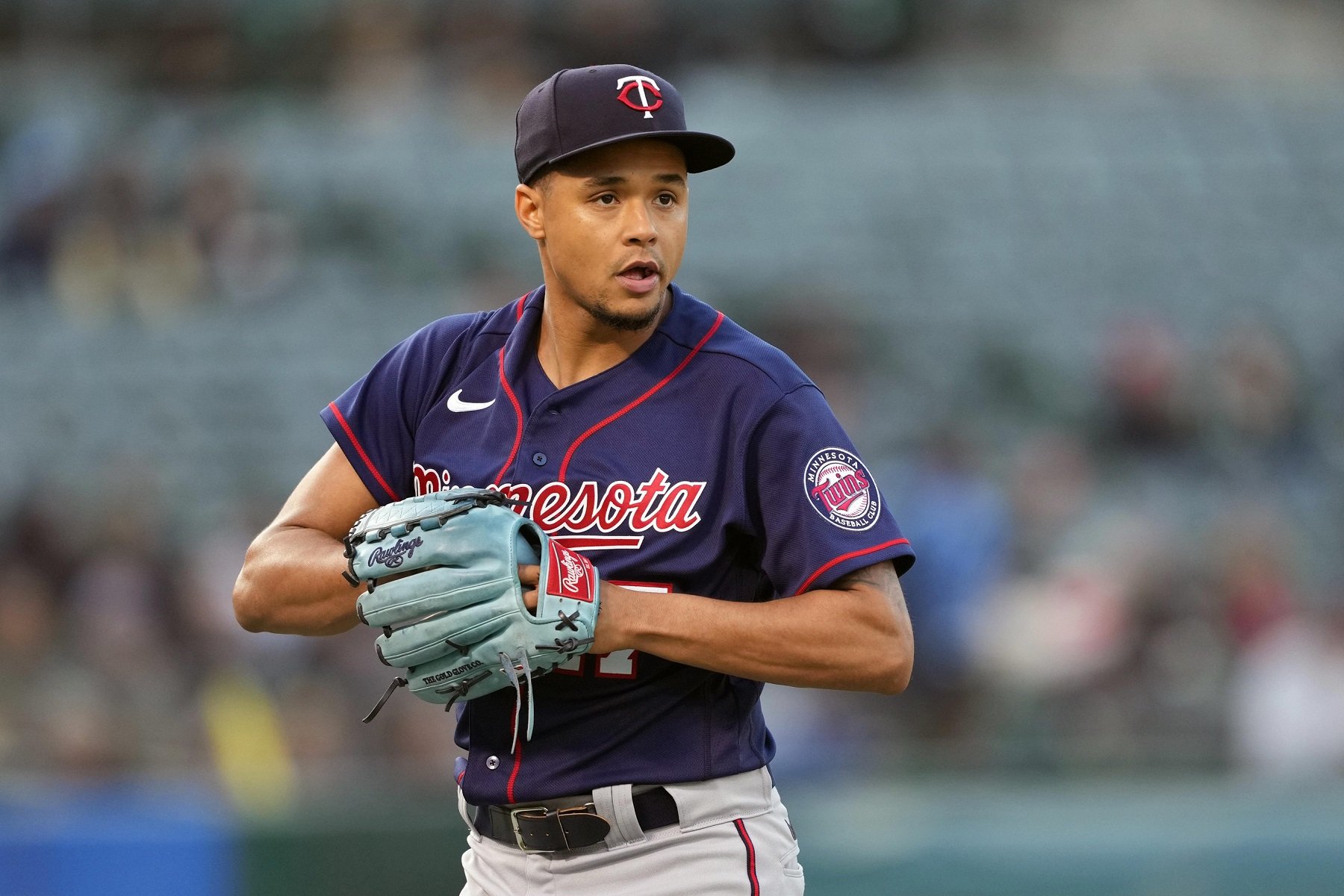 Minnesota’s front office knew what they were getting when they signed Chris Archer to fit into the team’s rotation. He was multiple years past his All-Star caliber seasons in Tampa, and injuries and ineffectiveness allowed the team to sign him for a $3.5 million contract. There was no reason to have high expectations, but the Twins hoped Archer could be effective in a back-of-the-rotation role. Archer has been largely ineffective in his nine starts for the Twins. He has posted a 4.19 ERA with a 1.42 WHIP and a 29-to-16 strikeout to walk ratio. Also, Archer is one of two pitchers to make over five starts and have an ERA+ of 90 or lower. For his career, he has a K/9 close to 10.0, but that total has dipped to 7.6 K/9 in 2022. His Statcast numbers are also well below the league average in virtually every category. Archer is being used similarly to a long-reliever that happens to be starting a game, but this might be the only option with his current skill set. Like a reliever, he relies heavily on two pitches as his slider and four-seam fastball are used more than 84% of the time. Unfortunately, batters have produced an .811 slugging percentage when facing his fastball, so he relies more on his secondary pitches. At this point, Minnesota’s coaches have to expect that the bullpen will pitch significant innings when Archer starts. In his Week in Review, Nick alluded that the bullpen has become a revolving door with players being shuffled back and forth from St. Paul. Luckily, the Twins’ bullpen has been relatively effective, but innings are starting to add up at this early juncture of the season. Minnesota ranks third among American League teams with over 200 innings pitched by relievers. According to Win Probability Added, the Twins’ bullpen has generated over two wins for the club, ranking in baseball’s top-5. However, the team’s fWAR is one of two clubs (Arizona) to have a negative value for the entire season. As innings continue to pile up, one has to wonder if the bullpen will be able to continue to carry this kind of load. Archer is hardly Minnesota’s biggest problem at this point in the season, but it’s hard to imagine the team will be able to continue to use him if he can’t pitch deeper into games. There also aren’t prospects knocking down the door to take his place at the big-league level. Top pitching prospects Jordan Balazovic and Cole Sands are at Triple-A, but neither has performed particularly well with the Saints. Simeon Woods-Richardson and Matt Canterino are performing well at Double-A, but neither is on the 40-man roster. For now, it seems likely for the Twins to continue to trot Archer out there, yet he continues to be a liability for the pitching staff. What have been your impressions of Archer so far in 2022? Can the team continue to use him in his current role? Leave a COMMENT and start the discussion.
 -
Minnesota's offense hasn't lit the world on fire so far in 2022, but the team has done enough to stay in first place. Here are the four hitters who most helped the club over the last month. It may surprise some fans to learn how good the Twins' offense performed during May. Minnesota ranked second in the American League in wRC+, OPS, and OBP. Minnesota has been very effective at the plate, which has helped the club stretch its lead in the AL Central. Each player below played a role in helping the Twins win over the last calendar month. Honorable Mention #3: Gilberto Celestino Gilberto Celestino quietly had a tremendous month at the plate. In 62 plate appearances, he hit .364/.426/.418 (.844) with a 153 wRC+. Byron Buxton struggled throughout May, and Celestino was a worthy replacement in center field. Minnesota has been getting a ton of production from the bottom half of the line-up, and Celestino has provided some dynamic moments when he is on the field. He would likely have been named the team's best hitter in many other months, but Minnesota's line-up was firing on all cylinders. Honorable Mention #2: Carlos Correa Carlos Correa's first month with the Twins couldn't have gone much worse, as he ended April with a .633 OPS. Luckily, his bat began to turn it around in May. In 16 games, he hit .318/.384/.500 (.884) with a 159 wRC+. He was the only player on the team with over 60 plate appearances and a slugging percentage of .500 or higher. His entire slash line was higher than his career totals for the month, so the Twins are getting a better version of Correa than they could have expected. Unfortunately, he was hit by a pitch early in the month and spent time on the IL. Then COVID slowed him down at the month's end, or he might have been in the conversation for the top spot on this list. Honorable Mention #1: Trevor Larnach Since returning from the injured list, Trevor Larnach has been a man on a mission, and an actual argument can be made for him being the team's hitter of the month. In 50 plate appearances, he hit .333/.431/.646 (1.077) with a 209 wRC+. Those totals would lead the team, but he didn't appear in a game from May 6 to May 22. After struggling through much of his rookie season, he has rebounded nicely with a 162 OPS+. Larnach is developing into the type of hitter the team imagined when they drafted him in the first round out of Oregon State in 2018. If he continues to hit this well, Larnach will need to start moving up the team's line-up. Hitter of the Month: Luis Arraez Fans have envisioned a scenario where Luis Arraez would be fighting for a batting title since he made his big-league debut in 2019. It's hard to fathom what Arraez was able to accomplish during May. He got on base over 48% of the time. Let that sink in for a minute. His batting average was close to .380, and his OPS only trailed Larnach for the team lead. Out of players with more than 60 plate appearances, his 187 wRC+ ranks seventh in the AL for May. Also, he ended the month with baseball's best OBP. He rarely strikes out, and he's putting up numbers that haven't been seen in a Twins uniform in quite some time. Arraez or Larnach? That's a tough decision. By OPS and power production, Larnach might be the choice, but Arraez had 80% more plate appearances and a great on-base percentage Do you agree with the rankings? Should someone else have been an honorable mention? Leave a COMMENT and start the discussion. View full article
-
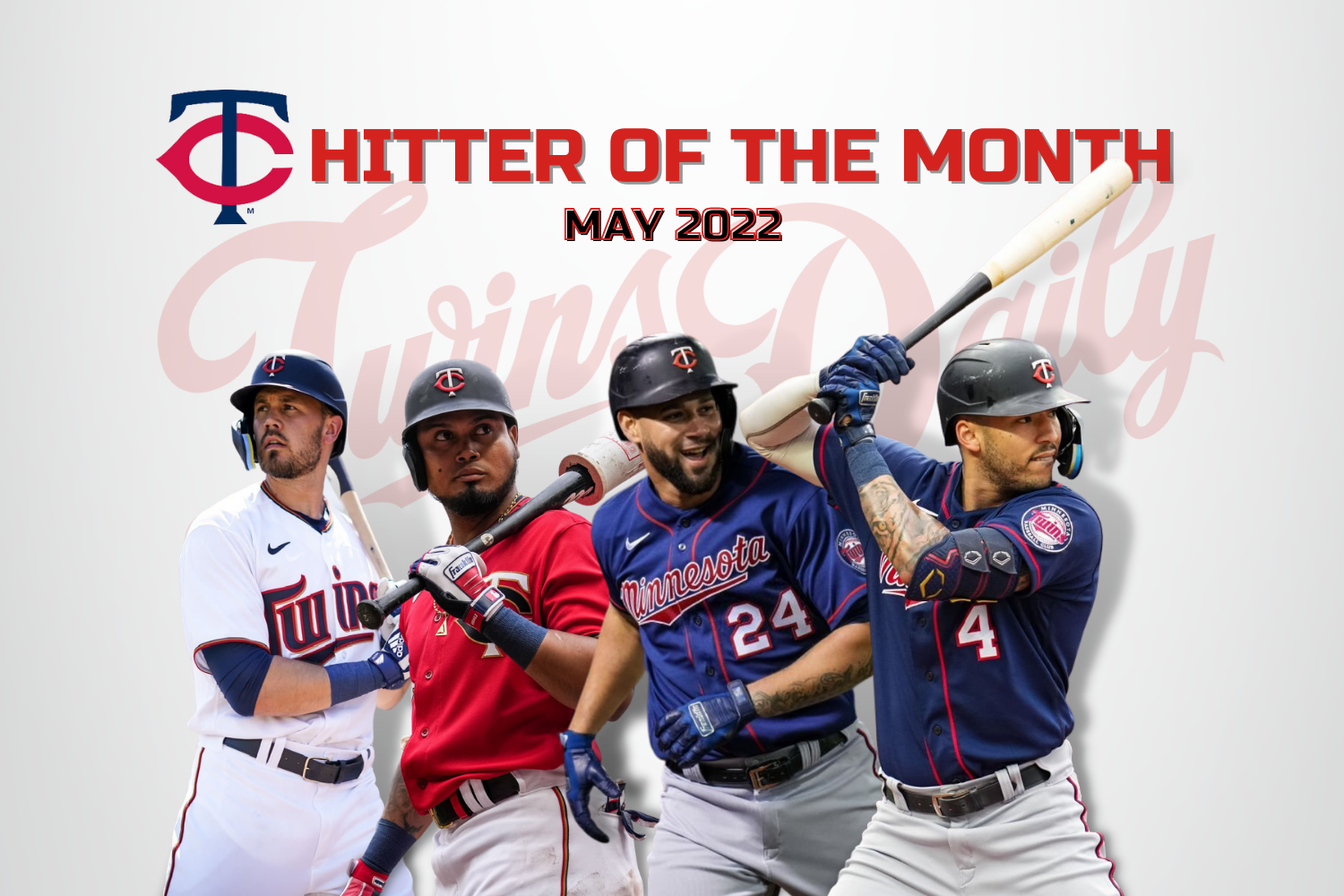 It may surprise some fans to learn how good the Twins' offense performed during May. Minnesota ranked second in the American League in wRC+, OPS, and OBP. Minnesota has been very effective at the plate, which has helped the club stretch its lead in the AL Central. Each player below played a role in helping the Twins win over the last calendar month. Honorable Mention #3: Gilberto Celestino Gilberto Celestino quietly had a tremendous month at the plate. In 62 plate appearances, he hit .364/.426/.418 (.844) with a 153 wRC+. Byron Buxton struggled throughout May, and Celestino was a worthy replacement in center field. Minnesota has been getting a ton of production from the bottom half of the line-up, and Celestino has provided some dynamic moments when he is on the field. He would likely have been named the team's best hitter in many other months, but Minnesota's line-up was firing on all cylinders. Honorable Mention #2: Carlos Correa Carlos Correa's first month with the Twins couldn't have gone much worse, as he ended April with a .633 OPS. Luckily, his bat began to turn it around in May. In 16 games, he hit .318/.384/.500 (.884) with a 159 wRC+. He was the only player on the team with over 60 plate appearances and a slugging percentage of .500 or higher. His entire slash line was higher than his career totals for the month, so the Twins are getting a better version of Correa than they could have expected. Unfortunately, he was hit by a pitch early in the month and spent time on the IL. Then COVID slowed him down at the month's end, or he might have been in the conversation for the top spot on this list. Honorable Mention #1: Trevor Larnach Since returning from the injured list, Trevor Larnach has been a man on a mission, and an actual argument can be made for him being the team's hitter of the month. In 50 plate appearances, he hit .333/.431/.646 (1.077) with a 209 wRC+. Those totals would lead the team, but he didn't appear in a game from May 6 to May 22. After struggling through much of his rookie season, he has rebounded nicely with a 162 OPS+. Larnach is developing into the type of hitter the team imagined when they drafted him in the first round out of Oregon State in 2018. If he continues to hit this well, Larnach will need to start moving up the team's line-up. Hitter of the Month: Luis Arraez Fans have envisioned a scenario where Luis Arraez would be fighting for a batting title since he made his big-league debut in 2019. It's hard to fathom what Arraez was able to accomplish during May. He got on base over 48% of the time. Let that sink in for a minute. His batting average was close to .380, and his OPS only trailed Larnach for the team lead. Out of players with more than 60 plate appearances, his 187 wRC+ ranks seventh in the AL for May. Also, he ended the month with baseball's best OBP. He rarely strikes out, and he's putting up numbers that haven't been seen in a Twins uniform in quite some time. Arraez or Larnach? That's a tough decision. By OPS and power production, Larnach might be the choice, but Arraez had 80% more plate appearances and a great on-base percentage Do you agree with the rankings? Should someone else have been an honorable mention? Leave a COMMENT and start the discussion.
 -
Twins Daily Minnesota Twins Pitcher of the Month - May 2022
Cody Christie posted an article in Twins
.png.9499c747461c97f115dcc2e885f537b3.png) At the season's start, questions swirled about whether or not the Twins starting rotation had enough to compete in the AL Central. Minnesota sits atop the division two months into the season thanks to multiple pitchers producing at a higher level than anticipated. As the calendar turns to June, here are the pitchers that provided the most value to the team over the last month. Honorable Mention #3: Jhoan Duran Minnesota’s bullpen struggled through different parts of May, but Jhoan Duran continues to be a bright spot. In 10 appearances during May, he posted a 1.59 ERA with a 11.1 K/9 and a 1.6 BB/9. He leads all Twins pitchers in Win Probability Added for the month as his 0.87 WPA is 13 points higher than the next closest pitcher. It’s amazing to think about what condition the Twins bullpen would be in if not for Duran’s dominance. He is transitioning from starter to reliever and he is doing it for a first-place team that desperately needs him. Honorable Mention #2: Devin Smeltzer Last month, Devin Smeltzer wasn't a candidate for this honor because he was pitching in the Saints rotation. In fact, the team outrighted Smeltzer off the 40-man roster in November, so he had to earn his way back to the big leagues. He pitched well enough in spring training for the team to consider him for the bullpen, but he went to Triple-A and posted a 3.86 ERA with a 1.29 WHIP. Since being recalled, Smeltzer has been a shot in the arm for the Twins rotation. He's made four starts and pitched into the fifth inning or later in every appearance. On May 26th against Kansas City, Smeltzer was masterful as he pitched seven shutout innings with six strikeouts and only two hits allowed. He ended the month with a 1.50 ERA and a 0.83 WHIP, proving the team should continue giving him a more extended look. Honorable Mention #1: Joe Ryan Joe Ryan was named the TD April Pitcher of the Month, so he has been near the top of this list for the entire year. Ryan made four starts in May and posted a 3.54 ERA with a 1.33 WHIP. For the month, his strikeout numbers decreased, and his walks increased, but his overall performance still puts him among the team's best. He pitched into the fifth inning in all four starts, and he has pitched into the sixth inning in five of his eight starts this season. His lone poor start this month came at the hands of the potent Astro's line-up. He surrendered four earned runs on four hits in that outing and allowed a career-high five walks. Out of Twins players, Baseball-Reference still has him valued at a 1.4 WAR for the season, which is over half of a win higher than any other pitcher. Pitcher of the Month: Sonny Gray Sonny Gray has been everything the Twins hoped he could be when they dealt Chase Petty for him this spring. He led the team in nearly every pitching category during April, including innings pitched, wins, games started, and WAR. In five starts (27 1/3 IP), he posted a 1.65 ERA with a 0.91 WHIP and a 34-to-7 strikeout to walk ratio. His 11.2 K/9 for the month is 2.5 strikeouts higher than his career mark. In four of his five starts, he pitched into the fifth inning or longer, with the lone exception being his first start back off the injured list. Over his final three starts, he averaged over six innings per appearance, and he didn't allow more than two earned runs in any May outing. Among qualified starters, he had the AL's fourth-lowest ERA and the fourth-best K/9. Not only was he the Twins' best pitcher over the last month, but he was also one of the best pitchers in the entire league. Do you agree with the rankings? Should someone else have been an honorable mention? Leave a COMMENT and start the discussion.
At the season's start, questions swirled about whether or not the Twins starting rotation had enough to compete in the AL Central. Minnesota sits atop the division two months into the season thanks to multiple pitchers producing at a higher level than anticipated. As the calendar turns to June, here are the pitchers that provided the most value to the team over the last month. Honorable Mention #3: Jhoan Duran Minnesota’s bullpen struggled through different parts of May, but Jhoan Duran continues to be a bright spot. In 10 appearances during May, he posted a 1.59 ERA with a 11.1 K/9 and a 1.6 BB/9. He leads all Twins pitchers in Win Probability Added for the month as his 0.87 WPA is 13 points higher than the next closest pitcher. It’s amazing to think about what condition the Twins bullpen would be in if not for Duran’s dominance. He is transitioning from starter to reliever and he is doing it for a first-place team that desperately needs him. Honorable Mention #2: Devin Smeltzer Last month, Devin Smeltzer wasn't a candidate for this honor because he was pitching in the Saints rotation. In fact, the team outrighted Smeltzer off the 40-man roster in November, so he had to earn his way back to the big leagues. He pitched well enough in spring training for the team to consider him for the bullpen, but he went to Triple-A and posted a 3.86 ERA with a 1.29 WHIP. Since being recalled, Smeltzer has been a shot in the arm for the Twins rotation. He's made four starts and pitched into the fifth inning or later in every appearance. On May 26th against Kansas City, Smeltzer was masterful as he pitched seven shutout innings with six strikeouts and only two hits allowed. He ended the month with a 1.50 ERA and a 0.83 WHIP, proving the team should continue giving him a more extended look. Honorable Mention #1: Joe Ryan Joe Ryan was named the TD April Pitcher of the Month, so he has been near the top of this list for the entire year. Ryan made four starts in May and posted a 3.54 ERA with a 1.33 WHIP. For the month, his strikeout numbers decreased, and his walks increased, but his overall performance still puts him among the team's best. He pitched into the fifth inning in all four starts, and he has pitched into the sixth inning in five of his eight starts this season. His lone poor start this month came at the hands of the potent Astro's line-up. He surrendered four earned runs on four hits in that outing and allowed a career-high five walks. Out of Twins players, Baseball-Reference still has him valued at a 1.4 WAR for the season, which is over half of a win higher than any other pitcher. Pitcher of the Month: Sonny Gray Sonny Gray has been everything the Twins hoped he could be when they dealt Chase Petty for him this spring. He led the team in nearly every pitching category during April, including innings pitched, wins, games started, and WAR. In five starts (27 1/3 IP), he posted a 1.65 ERA with a 0.91 WHIP and a 34-to-7 strikeout to walk ratio. His 11.2 K/9 for the month is 2.5 strikeouts higher than his career mark. In four of his five starts, he pitched into the fifth inning or longer, with the lone exception being his first start back off the injured list. Over his final three starts, he averaged over six innings per appearance, and he didn't allow more than two earned runs in any May outing. Among qualified starters, he had the AL's fourth-lowest ERA and the fourth-best K/9. Not only was he the Twins' best pitcher over the last month, but he was also one of the best pitchers in the entire league. Do you agree with the rankings? Should someone else have been an honorable mention? Leave a COMMENT and start the discussion.- 8 comments
-
- 5
-
-
- joe ryan
- sonny gray
- (and 2 more)
-
One month ago, the Twins were the lone AL Central team with a record above .500. Minnesota has stretched its division lead over the last month, and the pitchers below played a role in the team's success. At the season's start, questions swirled about whether or not the Twins starting rotation had enough to compete in the AL Central. Minnesota sits atop the division two months into the season thanks to multiple pitchers producing at a higher level than anticipated. As the calendar turns to June, here are the pitchers that provided the most value to the team over the last month. Honorable Mention #3: Jhoan Duran Minnesota’s bullpen struggled through different parts of May, but Jhoan Duran continues to be a bright spot. In 10 appearances during May, he posted a 1.59 ERA with a 11.1 K/9 and a 1.6 BB/9. He leads all Twins pitchers in Win Probability Added for the month as his 0.87 WPA is 13 points higher than the next closest pitcher. It’s amazing to think about what condition the Twins bullpen would be in if not for Duran’s dominance. He is transitioning from starter to reliever and he is doing it for a first-place team that desperately needs him. Honorable Mention #2: Devin Smeltzer Last month, Devin Smeltzer wasn't a candidate for this honor because he was pitching in the Saints rotation. In fact, the team outrighted Smeltzer off the 40-man roster in November, so he had to earn his way back to the big leagues. He pitched well enough in spring training for the team to consider him for the bullpen, but he went to Triple-A and posted a 3.86 ERA with a 1.29 WHIP. Since being recalled, Smeltzer has been a shot in the arm for the Twins rotation. He's made four starts and pitched into the fifth inning or later in every appearance. On May 26th against Kansas City, Smeltzer was masterful as he pitched seven shutout innings with six strikeouts and only two hits allowed. He ended the month with a 1.50 ERA and a 0.83 WHIP, proving the team should continue giving him a more extended look. Honorable Mention #1: Joe Ryan Joe Ryan was named the TD April Pitcher of the Month, so he has been near the top of this list for the entire year. Ryan made four starts in May and posted a 3.54 ERA with a 1.33 WHIP. For the month, his strikeout numbers decreased, and his walks increased, but his overall performance still puts him among the team's best. He pitched into the fifth inning in all four starts, and he has pitched into the sixth inning in five of his eight starts this season. His lone poor start this month came at the hands of the potent Astro's line-up. He surrendered four earned runs on four hits in that outing and allowed a career-high five walks. Out of Twins players, Baseball-Reference still has him valued at a 1.4 WAR for the season, which is over half of a win higher than any other pitcher. Pitcher of the Month: Sonny Gray Sonny Gray has been everything the Twins hoped he could be when they dealt Chase Petty for him this spring. He led the team in nearly every pitching category during April, including innings pitched, wins, games started, and WAR. In five starts (27 1/3 IP), he posted a 1.65 ERA with a 0.91 WHIP and a 34-to-7 strikeout to walk ratio. His 11.2 K/9 for the month is 2.5 strikeouts higher than his career mark. In four of his five starts, he pitched into the fifth inning or longer, with the lone exception being his first start back off the injured list. Over his final three starts, he averaged over six innings per appearance, and he didn't allow more than two earned runs in any May outing. Among qualified starters, he had the AL's fourth-lowest ERA and the fourth-best K/9. Not only was he the Twins' best pitcher over the last month, but he was also one of the best pitchers in the entire league. Do you agree with the rankings? Should someone else have been an honorable mention? Leave a COMMENT and start the discussion. View full article
-
Minnesota’s shortstop depth chart took a hit this week, with Carlos Correa placed on the COVID restricted list and Royce Lewis placed on the injured list. Jermaine Palacios became the next man up and will make his big-league debut in Detroit. Minnesota originally signed Jermaine Palacios back in 2013 as a teenager from Venezuela. In 2014, he made his professional debut in the Dominican Summer League, hitting .270/.404/.399 (.803) with 11 doubles and six triples. He stole 14 bases and walked 35 times in 49 games. There were plenty of positive signs for a 17-year-old that was young for his level. During the 2015 season, Palacios made his stateside debut and posted a 1.061 OPS in 26 games for the GCL Twins. He continued to hit well after being promoted to Low-A. In 31 games, he hit .336/.345/.507 (.852) with 18 extra-base hits in 31 games. His 2016 season was the first time he struggled as injuries limited him to 71 games, and his bat could never get going. For Cedar Rapids, he hit .222/.276/.287 (.564) with 12 extra-base hits. After a rough 2016, Palacios set multiple career highs in 2017 thanks to a relatively healthy campaign. He split time between Low- and High-A, where he was still younger than the competition at each level. In 62 games for Cedar Rapids, Palacios posted a .907 OPS with 30 extra-base hits. His numbers dipped in Fort Myers (.662 OPS), but he was nearly three years younger than the average age of the competition in the FSL. Leading into the 2018 season, the Twins traded Palacios to the Tampa Bay Rays for RHP Jake Odorizzi. During his Twins tenure, Odorizzi pitched three seasons with a 107 ERA+, and he was named an All-Star. Palacios struggled in his first season in the Rays organization with a .575 OPS in 118 High- and Double-A games. His performance didn’t improve in 2019, as his OPS dropped over 30 points, and he was limited to 75 games. He never made it past Double-A in the Rays organization before becoming a minor league free agent. Minnesota re-signed Palacios before the 2021 season, and he played the entire season at Double-A. He hit .259/.341/.439 (.780) with 17 doubles and 19 home runs in 110 games. Also, he went 18-for-26 in stolen base attempts. Last offseason, he played in the Venezuelan Winter League, and he posted a .987 OPS in 42 games. Entering his age-25 season, Palacios wasn’t viewed as a top-20 prospect in the organization, but he had reestablished some value with his 2021 campaign. Palacios reached Triple-A for the first time in 2021 as he has played the entire season in St. Paul. In 39 games, he has hit .262/.325/.376 (.701) with eight doubles and three home runs. On the bases, he has gone 6-for-8 in stolen base attempts. Defensively, he has been used all over the diamond, including every infield position and both corner outfield spots. His versatility will help him at the big-league level, but the Twins have a clear hole at shortstop that he needs to fill. What do you remember most about his minor league career? What can he bring to the Twins in the absence of Correa and Lewis? Leave a COMMENT and start the discussion. View full article
-
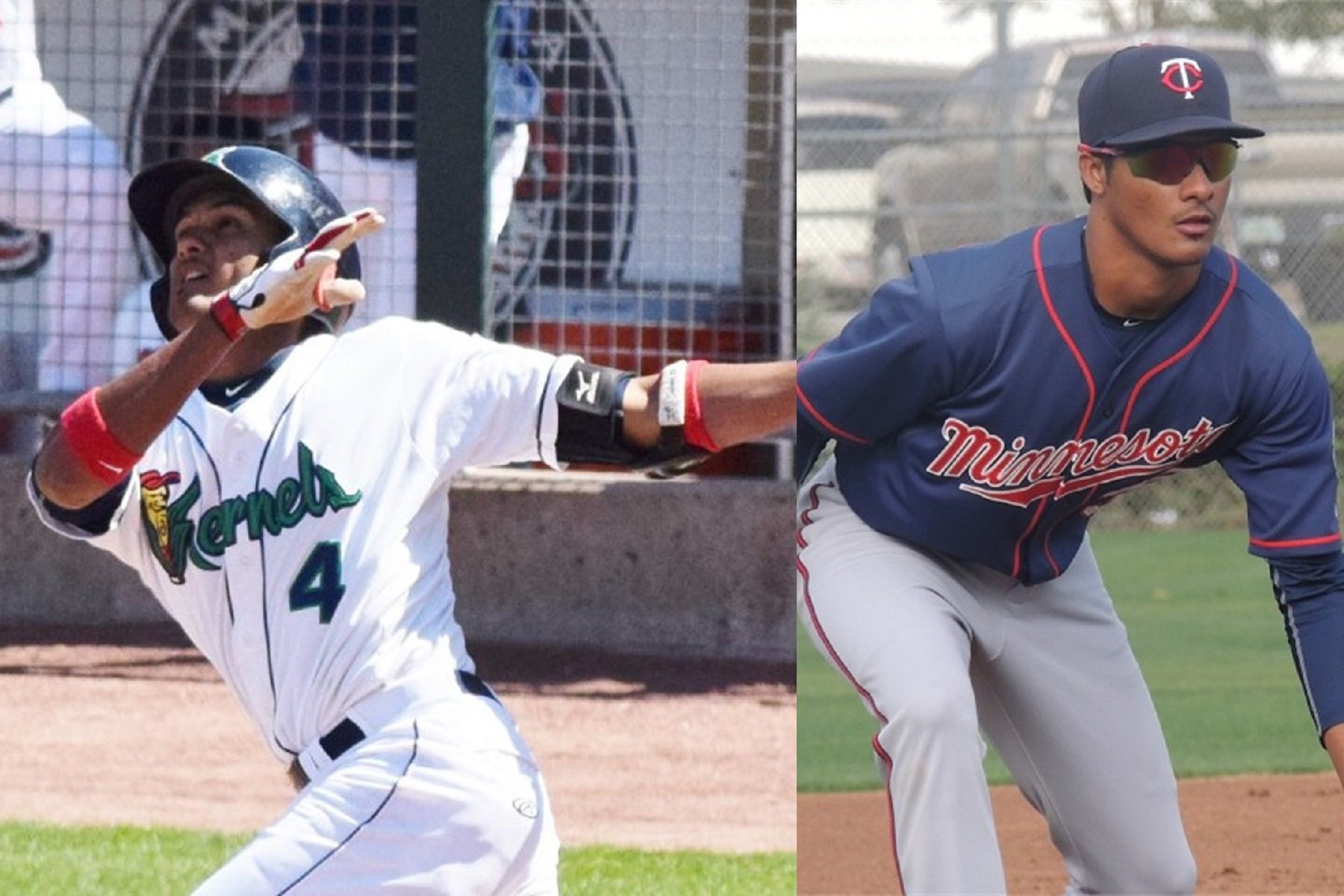 Minnesota originally signed Jermaine Palacios back in 2013 as a teenager from Venezuela. In 2014, he made his professional debut in the Dominican Summer League, hitting .270/.404/.399 (.803) with 11 doubles and six triples. He stole 14 bases and walked 35 times in 49 games. There were plenty of positive signs for a 17-year-old that was young for his level. During the 2015 season, Palacios made his stateside debut and posted a 1.061 OPS in 26 games for the GCL Twins. He continued to hit well after being promoted to Low-A. In 31 games, he hit .336/.345/.507 (.852) with 18 extra-base hits in 31 games. His 2016 season was the first time he struggled as injuries limited him to 71 games, and his bat could never get going. For Cedar Rapids, he hit .222/.276/.287 (.564) with 12 extra-base hits. After a rough 2016, Palacios set multiple career highs in 2017 thanks to a relatively healthy campaign. He split time between Low- and High-A, where he was still younger than the competition at each level. In 62 games for Cedar Rapids, Palacios posted a .907 OPS with 30 extra-base hits. His numbers dipped in Fort Myers (.662 OPS), but he was nearly three years younger than the average age of the competition in the FSL. Leading into the 2018 season, the Twins traded Palacios to the Tampa Bay Rays for RHP Jake Odorizzi. During his Twins tenure, Odorizzi pitched three seasons with a 107 ERA+, and he was named an All-Star. Palacios struggled in his first season in the Rays organization with a .575 OPS in 118 High- and Double-A games. His performance didn’t improve in 2019, as his OPS dropped over 30 points, and he was limited to 75 games. He never made it past Double-A in the Rays organization before becoming a minor league free agent. Minnesota re-signed Palacios before the 2021 season, and he played the entire season at Double-A. He hit .259/.341/.439 (.780) with 17 doubles and 19 home runs in 110 games. Also, he went 18-for-26 in stolen base attempts. Last offseason, he played in the Venezuelan Winter League, and he posted a .987 OPS in 42 games. Entering his age-25 season, Palacios wasn’t viewed as a top-20 prospect in the organization, but he had reestablished some value with his 2021 campaign. Palacios reached Triple-A for the first time in 2021 as he has played the entire season in St. Paul. In 39 games, he has hit .262/.325/.376 (.701) with eight doubles and three home runs. On the bases, he has gone 6-for-8 in stolen base attempts. Defensively, he has been used all over the diamond, including every infield position and both corner outfield spots. His versatility will help him at the big-league level, but the Twins have a clear hole at shortstop that he needs to fill. What do you remember most about his minor league career? What can he bring to the Twins in the absence of Correa and Lewis? Leave a COMMENT and start the discussion.
 -
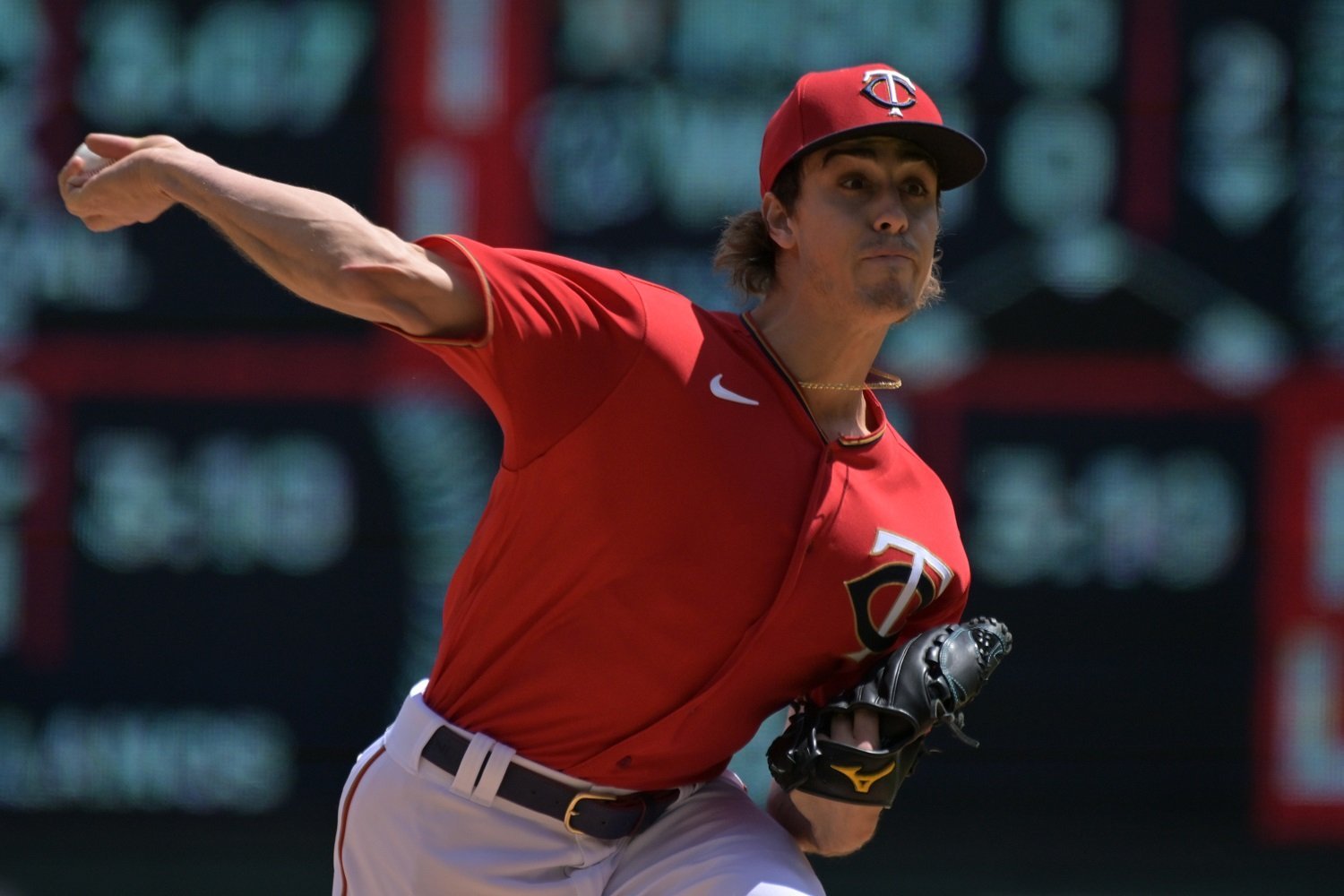 5. Josh Winder, SP/RP Winder looked like he had an inside track for a spot in the team’s rotation during spring training. Minnesota’s signing of Chris Archer pushed Winder out of the rotation, but the team decided they couldn’t leave him in the minors. So far this season, Winder has provided the team value, whether as a reliever or starter. Last Saturday, he was placed on the IL with a right shoulder impingement. Winder was placed on the Triple-A injured list on August 7th last year with a similar injury, and he did not pitch the rest of the minor league season. Minnesota hopes he won’t need that much time to recover this season. 4. Royce Lewis, SS Lewis made quite the impression in his first taste of the big leagues, even though he only played 11 games. In 39 at-bats, he went 12-for-29 (.308 BA) with four doubles and two home runs. Even in such a small sample size, he ranks among the team’s best rookies in WAR. Since being demoted, he has played multiple defensive positions, and he has continued to hit well at Triple-A. Now, only a few questions remain. When will he be back in the big leagues, and will he stay at that level for the remainder of his career? 3. Gilberto Celestino, OF Celestino has been a blessing in disguise for the Twins as Byron Buxton has needed time off or days at designated hitter. During May, FanGraphs has him ranked as one of the team’s most valuable hitters, ahead of Luis Arraez, Carlos Correa, and Byron Buxton. He’s also providing tremendous defensive value as he ranks in the 90th percentile for Outs Above Average. Many might be surprised at how good Celestino has been this season, but his Triple-A performance in 2021 pointed to him breaking out. 2. Jhoan Duran, RP Minnesota’s bullpen picture would look significantly different without Duran’s emergence as a dominant late-inning option. His appearances have turned into must-see moments, with him constantly breaking the team’s record for the fastest pitch. Duran’s splinker also keeps batters off-balance as they have to speed up their swing for triple-digit heat. There’s no question that Duran is one of the reasons behind Minnesota’s success in close games, and by the season’s end, he should establish himself as one of baseball’s most dominant relievers. 1. Joe Ryan, SP Ryan has a legitimate case to be in the running for AL Rookie of the Year as he’d likely be a top-3 finalist among all candidates. Currently, he’d be competing against players like Houston’s Tony Pena and Seattle’s Julio Rodriguez. Ryan has posted a 2.28 ERA with a 0.99 WHIP in eight starts this season. He has a 159 ERA+ with a 42-to-14 strikeout to walk ratio over 43 1/3 innings. If the playoffs started today, Ryan should get the nod as the team’s Game 1 starter. Ryan will need to continue to pitch at an unbelievably high level to win the AL ROY. How would you rank these players? How will these rankings change as the season progresses? Leave a COMMENT and start the discussion.
- 7 comments
-
- 3
-
-
- joe ryan
- jhoan duran
- (and 3 more)
-
Minnesota’s roster is littered with potential candidates for the AL Rookie of the Year. As May comes to a close, here are how the top-5 candidates rank so far in 2022. 5. Josh Winder, SP/RP Winder looked like he had an inside track for a spot in the team’s rotation during spring training. Minnesota’s signing of Chris Archer pushed Winder out of the rotation, but the team decided they couldn’t leave him in the minors. So far this season, Winder has provided the team value, whether as a reliever or starter. Last Saturday, he was placed on the IL with a right shoulder impingement. Winder was placed on the Triple-A injured list on August 7th last year with a similar injury, and he did not pitch the rest of the minor league season. Minnesota hopes he won’t need that much time to recover this season. 4. Royce Lewis, SS Lewis made quite the impression in his first taste of the big leagues, even though he only played 11 games. In 39 at-bats, he went 12-for-29 (.308 BA) with four doubles and two home runs. Even in such a small sample size, he ranks among the team’s best rookies in WAR. Since being demoted, he has played multiple defensive positions, and he has continued to hit well at Triple-A. Now, only a few questions remain. When will he be back in the big leagues, and will he stay at that level for the remainder of his career? 3. Gilberto Celestino, OF Celestino has been a blessing in disguise for the Twins as Byron Buxton has needed time off or days at designated hitter. During May, FanGraphs has him ranked as one of the team’s most valuable hitters, ahead of Luis Arraez, Carlos Correa, and Byron Buxton. He’s also providing tremendous defensive value as he ranks in the 90th percentile for Outs Above Average. Many might be surprised at how good Celestino has been this season, but his Triple-A performance in 2021 pointed to him breaking out. 2. Jhoan Duran, RP Minnesota’s bullpen picture would look significantly different without Duran’s emergence as a dominant late-inning option. His appearances have turned into must-see moments, with him constantly breaking the team’s record for the fastest pitch. Duran’s splinker also keeps batters off-balance as they have to speed up their swing for triple-digit heat. There’s no question that Duran is one of the reasons behind Minnesota’s success in close games, and by the season’s end, he should establish himself as one of baseball’s most dominant relievers. 1. Joe Ryan, SP Ryan has a legitimate case to be in the running for AL Rookie of the Year as he’d likely be a top-3 finalist among all candidates. Currently, he’d be competing against players like Houston’s Tony Pena and Seattle’s Julio Rodriguez. Ryan has posted a 2.28 ERA with a 0.99 WHIP in eight starts this season. He has a 159 ERA+ with a 42-to-14 strikeout to walk ratio over 43 1/3 innings. If the playoffs started today, Ryan should get the nod as the team’s Game 1 starter. Ryan will need to continue to pitch at an unbelievably high level to win the AL ROY. How would you rank these players? How will these rankings change as the season progresses? Leave a COMMENT and start the discussion. View full article
-
Minnesota's much-touted pitching pipeline has provided dividends this year, but farm systems must continue to stockpile talent. One 2021 draft pick is already making his mark on the Twins system. Minnesota selected David Festa in the 13th round of the 2021 MLB Draft out of Seton Hall University. He posted a 3.49 ERA in three collegiate seasons with a 1.27 WHIP and 8.9 K/9. There were some positive signs from his junior year, where he posted career-best totals with a 2.00 ERA, 1.07 WHIP, and two shutouts. He struck out 67 batters in 72 innings, but he showed positive strides toward being an effective pitcher. The Twins hoped to get Festa into the system and build on his collegiate improvements. Shortly after signing, Festa made his professional debut for the FCL Twins. In two starts, he was nearly unhittable as he struck out 8-of-16 batters he faced and didn't walk a batter. Minnesota promoted him to Fort Myers, where he allowed four earned runs in 3 1/3 innings. Festa was nearly a year younger than the average age of the competition at Low-A, and it was a small sample size. The Twins sent Festa back to Fort Myers to start the 2022 season, and he was one of the best pitchers in the Florida State League. Through five starts, Festa had a 1.50 ERA and a 0.75 WHIP in 24 innings while striking out 33 and walking six. He was named the FSL Pitcher of the Week after pitching six no-hit innings with 11 strikeouts. Minnesota rewarded Festa's strong start to the season with a promotion to Cedar Rapids. On Sunday, Festa made his first appearance for the Kernels as Cedar Rapids scheduled him to follow Brent Headrick's start. He allowed one earned run on three hits with no walks and six strikeouts in 4 2/3 innings. The only run he allowed came in the ninth inning when his team was up by six runs. It was a tremendous High-A debut for a Twins pitcher putting himself on the Twins prospect map. Players drafted in the 13th round usually end up being organizational depth, but Festa is emerging as a legitimate top-30 prospect in the Twins organization. So far in 2022, batters are hitting .152/.208/.182 (.389) while striking out in nearly 40% of their at-bats. Festa has faced younger batters in two-thirds of his at-bats, but he has held them to a .334 OPS. Now that he is at High-A, he is over a year younger than the average age of the competition, so he will start facing older competition on a more regular basis. Festa has struck out more than 12 batters per nine innings throughout his professional career. Baseball America didn't rank Festa among the Top-30 Twins prospects entering the 2022 season, but they recently updated their list, and he is now ranked 29th. If he continues to perform this well, it's clear that Festa will establish himself as a pitching prospect to keep an eye on in the years to come. What has impressed you most about Festa so far? Do you think he should be ranked higher in the Twins system? Leave a COMMENT and start the discussion. View full article
-
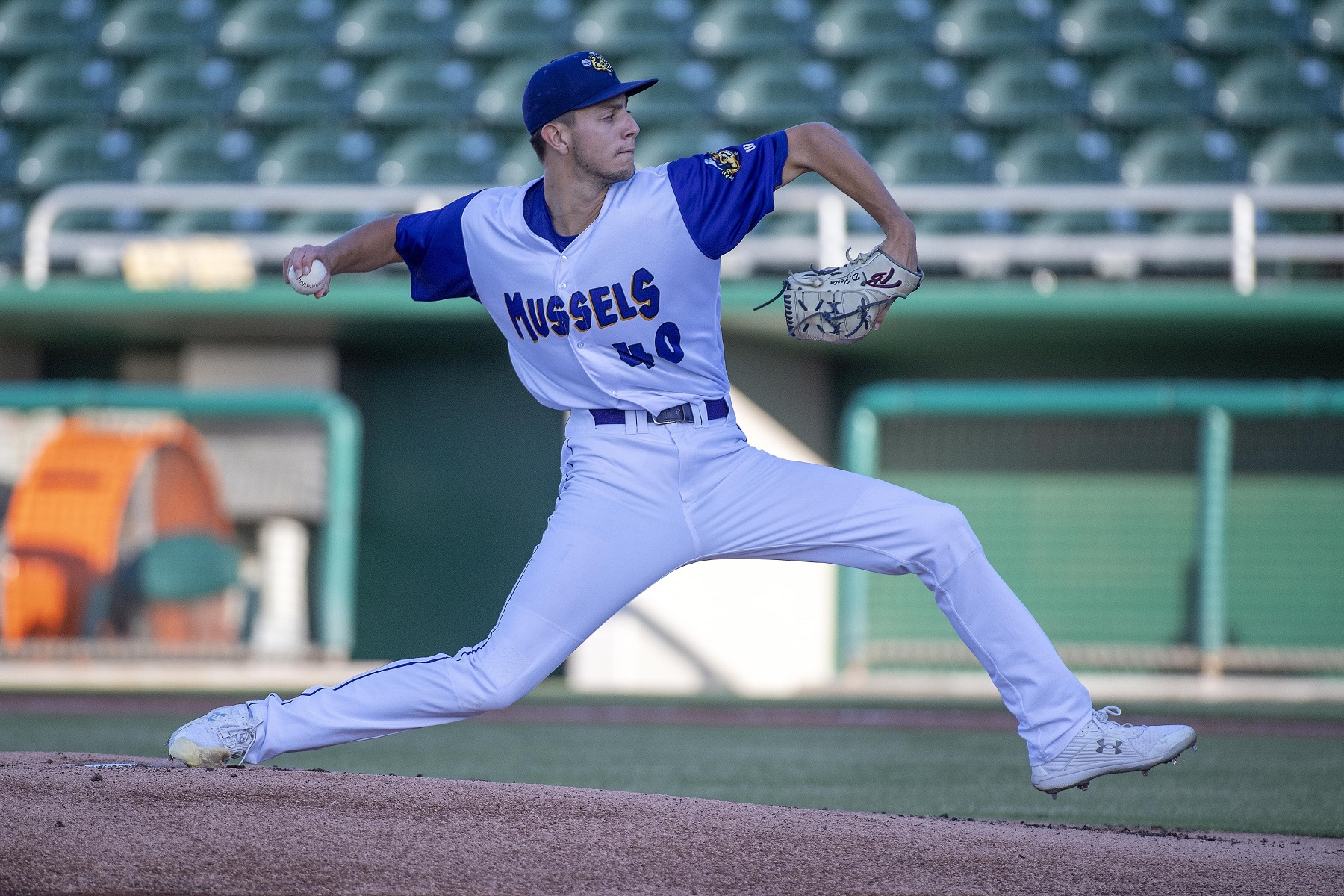 Minnesota selected David Festa in the 13th round of the 2021 MLB Draft out of Seton Hall University. He posted a 3.49 ERA in three collegiate seasons with a 1.27 WHIP and 8.9 K/9. There were some positive signs from his junior year, where he posted career-best totals with a 2.00 ERA, 1.07 WHIP, and two shutouts. He struck out 67 batters in 72 innings, but he showed positive strides toward being an effective pitcher. The Twins hoped to get Festa into the system and build on his collegiate improvements. Shortly after signing, Festa made his professional debut for the FCL Twins. In two starts, he was nearly unhittable as he struck out 8-of-16 batters he faced and didn't walk a batter. Minnesota promoted him to Fort Myers, where he allowed four earned runs in 3 1/3 innings. Festa was nearly a year younger than the average age of the competition at Low-A, and it was a small sample size. The Twins sent Festa back to Fort Myers to start the 2022 season, and he was one of the best pitchers in the Florida State League. Through five starts, Festa had a 1.50 ERA and a 0.75 WHIP in 24 innings while striking out 33 and walking six. He was named the FSL Pitcher of the Week after pitching six no-hit innings with 11 strikeouts. Minnesota rewarded Festa's strong start to the season with a promotion to Cedar Rapids. On Sunday, Festa made his first appearance for the Kernels as Cedar Rapids scheduled him to follow Brent Headrick's start. He allowed one earned run on three hits with no walks and six strikeouts in 4 2/3 innings. The only run he allowed came in the ninth inning when his team was up by six runs. It was a tremendous High-A debut for a Twins pitcher putting himself on the Twins prospect map. Players drafted in the 13th round usually end up being organizational depth, but Festa is emerging as a legitimate top-30 prospect in the Twins organization. So far in 2022, batters are hitting .152/.208/.182 (.389) while striking out in nearly 40% of their at-bats. Festa has faced younger batters in two-thirds of his at-bats, but he has held them to a .334 OPS. Now that he is at High-A, he is over a year younger than the average age of the competition, so he will start facing older competition on a more regular basis. Festa has struck out more than 12 batters per nine innings throughout his professional career. Baseball America didn't rank Festa among the Top-30 Twins prospects entering the 2022 season, but they recently updated their list, and he is now ranked 29th. If he continues to perform this well, it's clear that Festa will establish himself as a pitching prospect to keep an eye on in the years to come. What has impressed you most about Festa so far? Do you think he should be ranked higher in the Twins system? Leave a COMMENT and start the discussion.
 -
The Twins signed baseball's biggest free agent, and the team is on pace to win well over 90-games. Even with these factors, there are reasons Target Field attendance continues to be sparse. So far in 2022, the Twins rank 22nd in baseball attendance, with an average of 17,869 fans per game. This total ranks Minnesota just ahead of non-contending teams like Baltimore, Cincinnati, and Kansas City. Last season, the Twins averaged 16,377 fans, which ranked 19th in baseball. There were some attendance restrictions to start 2021, so the 2019 season paints a better attendance picture. The Bomba-Squad Twins won the AL Central in 2019 and averaged 28,322 fans per game (15th in baseball). Minnesota has hope that attendance will improve in the months ahead. Here are three reasons for optimism. Maybe you have more ideas. Why do you think that attendance has been slow to start the season? Summer Starting Now Memorial Day Weekend tends to mark the unofficial start of summer. College students have wrapped up their semester, and many high schools celebrate their graduation in the coming days. Families from across the Twin Cities can start planning summer trips to Target Field. Local families can start bringing younger students to evening games because school is done for the year. College students can meet up downtown and attend a game together as they return home for the summer. Attendance tends to improve in the months ahead, especially if the weather cooperates and the team continues winning. Cold Weather Cold weather has plagued baseball throughout this spring, keeping fans away from the ballpark. Cold weather is also considered one of the reasons offense is down across baseball. In fact, the leaguewide batting average of .231 was the lowest through April in MLB history, and the .675 OPS was the lowest since 1968, which was The Year of the Pitcher. Offensive numbers tend to improve as the weather warms up throughout the season. Minnesota's .717 OPS currently ranks as MLB's tenth best, and only three AL teams rank ahead of the Twins. Scoring more runs can be exciting and bring more people out to the ballpark. Rebounding from 2020 and 2021 Fans didn't get to attend games in 2020, and the Twins were out of contention before the calendar turned to May during the 2021 season. Attendance tends to lag behind a team's on-field performance. Season ticket totals and renewals corollate to how well a team did the previous year. Minnesota suffered one of the club's most disappointing seasons in recent memory in 2021, so it makes sense that attendance reflects a team on the rebound. The hype around signing Carlos Correa helped sell tickets before the season, but one player can only draw so many fans. If the team continues to play well, attendance will improve, and next year's numbers should look even better. Overall, fans likely won't care about how many people are in the stands at any given home game. Shorter lines for food and bathrooms can be positive with fewer people in attendance. However, more fans in the stands can be a benefit to provide a home-field advantage for a team fighting for playoff contention. Luckily, the team's sparse attendance should begin to improve in the weeks ahead. Do you think fans should be worried about early season attendance? Will crowds come back this summer? Leave a COMMENT and start the discussion. View full article
-
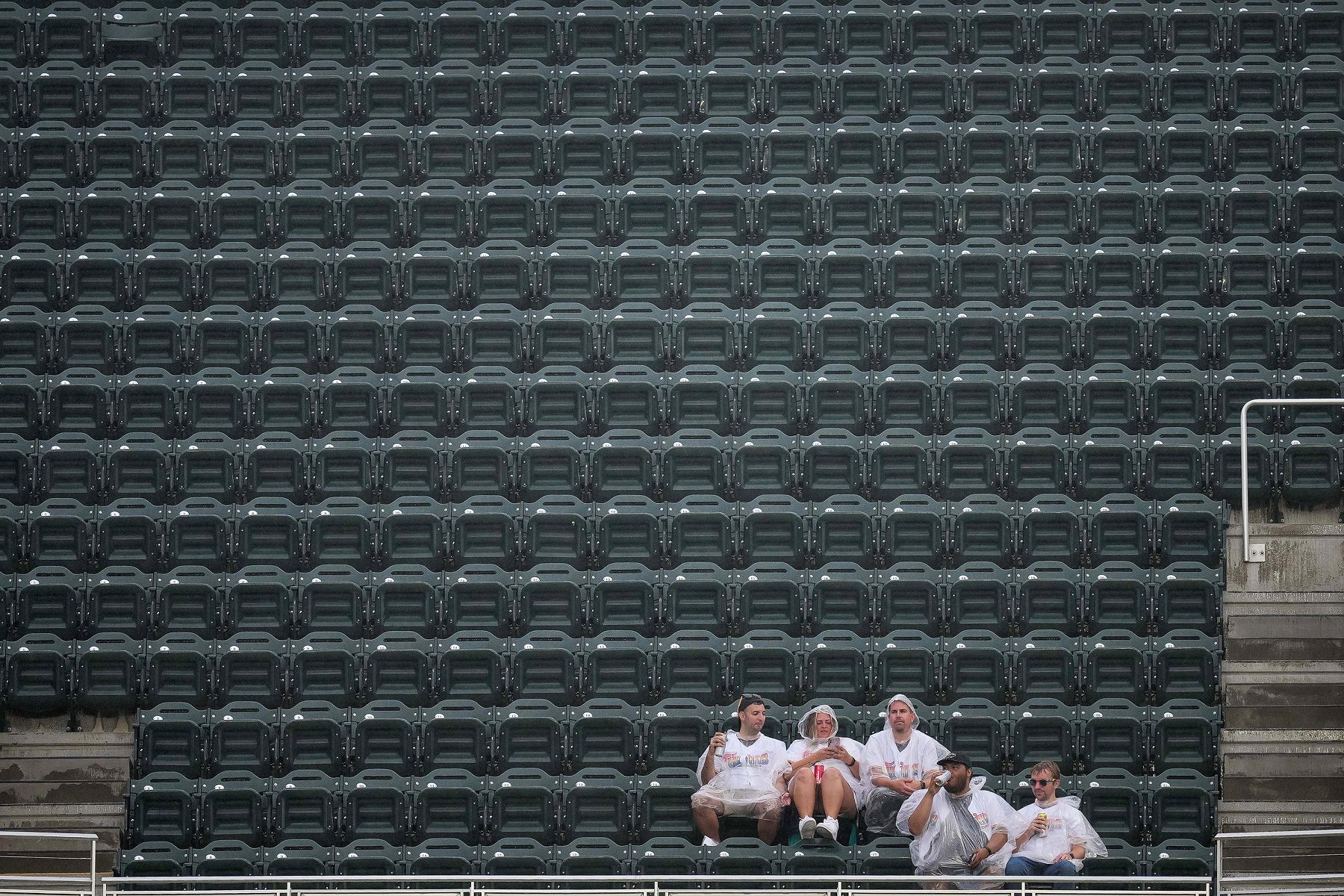 So far in 2022, the Twins rank 22nd in baseball attendance, with an average of 17,869 fans per game. This total ranks Minnesota just ahead of non-contending teams like Baltimore, Cincinnati, and Kansas City. Last season, the Twins averaged 16,377 fans, which ranked 19th in baseball. There were some attendance restrictions to start 2021, so the 2019 season paints a better attendance picture. The Bomba-Squad Twins won the AL Central in 2019 and averaged 28,322 fans per game (15th in baseball). Minnesota has hope that attendance will improve in the months ahead. Here are three reasons for optimism. Maybe you have more ideas. Why do you think that attendance has been slow to start the season? Summer Starting Now Memorial Day Weekend tends to mark the unofficial start of summer. College students have wrapped up their semester, and many high schools celebrate their graduation in the coming days. Families from across the Twin Cities can start planning summer trips to Target Field. Local families can start bringing younger students to evening games because school is done for the year. College students can meet up downtown and attend a game together as they return home for the summer. Attendance tends to improve in the months ahead, especially if the weather cooperates and the team continues winning. Cold Weather Cold weather has plagued baseball throughout this spring, keeping fans away from the ballpark. Cold weather is also considered one of the reasons offense is down across baseball. In fact, the leaguewide batting average of .231 was the lowest through April in MLB history, and the .675 OPS was the lowest since 1968, which was The Year of the Pitcher. Offensive numbers tend to improve as the weather warms up throughout the season. Minnesota's .717 OPS currently ranks as MLB's tenth best, and only three AL teams rank ahead of the Twins. Scoring more runs can be exciting and bring more people out to the ballpark. Rebounding from 2020 and 2021 Fans didn't get to attend games in 2020, and the Twins were out of contention before the calendar turned to May during the 2021 season. Attendance tends to lag behind a team's on-field performance. Season ticket totals and renewals corollate to how well a team did the previous year. Minnesota suffered one of the club's most disappointing seasons in recent memory in 2021, so it makes sense that attendance reflects a team on the rebound. The hype around signing Carlos Correa helped sell tickets before the season, but one player can only draw so many fans. If the team continues to play well, attendance will improve, and next year's numbers should look even better. Overall, fans likely won't care about how many people are in the stands at any given home game. Shorter lines for food and bathrooms can be positive with fewer people in attendance. However, more fans in the stands can be a benefit to provide a home-field advantage for a team fighting for playoff contention. Luckily, the team's sparse attendance should begin to improve in the weeks ahead. Do you think fans should be worried about early season attendance? Will crowds come back this summer? Leave a COMMENT and start the discussion.
 -
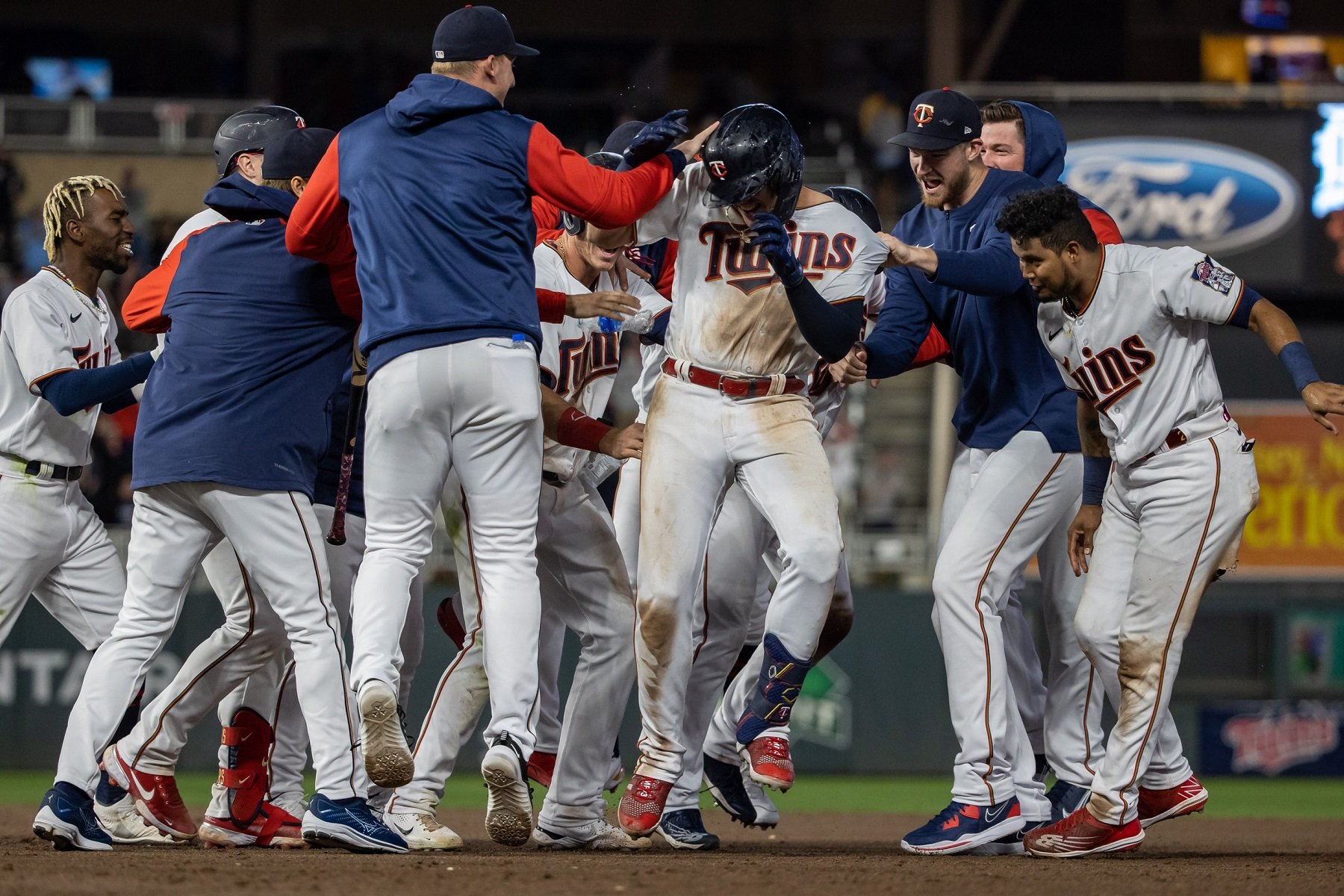 Earlier this week, ESPN’s baseball writing team identified the most watchable teams and players so far this season. The article featured Twins in multiple spots, including being named one of the must-see teams. Minnesota was identified as a team to watch “if you love seeing an experiment in action.” Overall, the premise is the Twins decided not to rebuild after a last-place finish and began rebuilding a competitive roster. Here are four experiments that have worked out well for the Twins. The Superstar Experiment Minnesota was never supposed to be in the market for Carlos Correa, but many pieces fell into place this winter. The Twins used the money saved from the Josh Donaldson trade to sign Correa to a unique contract. Both players bring vastly different personalities to the clubhouse, and those differences may be helping the team’s clubhouse chemistry this season. Twins fans are well aware that Correa can opt out of his contract at the season’s end, and that’s another part of this Twins experiment. Can a superstar player help a team win even without previous or future ties to the organization? The Closer Experiment Taylor Rogers was entering his final year of team control, and the Twins front office traded him just hours before Opening Day. One can debate whether or not that was the right decision, especially now that Chris Paddack underwent his second Tommy John surgery. However, the Twins received Emilio Pagan to add to the bullpen, and the team had a secret weapon in waiting. ESPN named Jhoan Duran one of their pitchers to watch because of his unique splinker. When added with his triple-digit fastball, Duran is one of baseball’s most dominant arms. Minnesota has been careful with his transition to the bullpen, so it will be interesting to see how his role changes throughout the year. The First Base Experiment The Twins started the year with a plan to use Miguel Sano and Alex Kirilloff at first base . Unfortunately, Minnesota got little to no production out of this position as both players dealt with injuries and poor play. So, the front office had to get creative and try another experiment. Players that are 5-foot-10 and 175 pounds aren’t supposed to handle first base, especially when that player averages less than five home runs per season. Luis Arraez hasn’t fit the typical mold for most of his professional career, but it’s clear the Twins are a better team when he is in the lineup regularly. He entered the season with a 114 OPS+, but he’s raised that by over 40 points this season, even in baseball’s muted offensive environment. The Pitching Pipeline Experiment Many Twins fans were clamoring for the team to spend money on starting pitching this winter. That didn’t happen as the team trusted that their young pitching would continue to develop, which has looked like the right bet. Joe Ryan doesn’t fit the mold of a typical ace, but his start to the 2022 season puts him in the AL Rookie of the Year conversation. Bailey Ober, a former 12th-round pick, is proving he can be more than organizational depth. Minnesota decided it couldn’t leave Josh Winder off the roster, and he has been successful as a starter and a reliever. Other top-pitching prospects are also getting closer to the big leagues, so replacements can be ready when the need arises. Minnesota is clearly experimenting with a variety of roster components this year, but everything seems to be mixing together quite nicely. Do you think these experiments can last the entire season? Leave a COMMENT and start the discussion.
- 37 comments
-
- 12
-
-
- luis arraez
- jhoan duran
- (and 3 more)
-
Major League Baseball front offices continue to find unique approaches to keep a team relevant in an ultra-competitive baseball landscape. Twins fans are getting an up-close view of a unique approach that some call “an experiment in action.” Earlier this week, ESPN’s baseball writing team identified the most watchable teams and players so far this season. The article featured Twins in multiple spots, including being named one of the must-see teams. Minnesota was identified as a team to watch “if you love seeing an experiment in action.” Overall, the premise is the Twins decided not to rebuild after a last-place finish and began rebuilding a competitive roster. Here are four experiments that have worked out well for the Twins. The Superstar Experiment Minnesota was never supposed to be in the market for Carlos Correa, but many pieces fell into place this winter. The Twins used the money saved from the Josh Donaldson trade to sign Correa to a unique contract. Both players bring vastly different personalities to the clubhouse, and those differences may be helping the team’s clubhouse chemistry this season. Twins fans are well aware that Correa can opt out of his contract at the season’s end, and that’s another part of this Twins experiment. Can a superstar player help a team win even without previous or future ties to the organization? The Closer Experiment Taylor Rogers was entering his final year of team control, and the Twins front office traded him just hours before Opening Day. One can debate whether or not that was the right decision, especially now that Chris Paddack underwent his second Tommy John surgery. However, the Twins received Emilio Pagan to add to the bullpen, and the team had a secret weapon in waiting. ESPN named Jhoan Duran one of their pitchers to watch because of his unique splinker. When added with his triple-digit fastball, Duran is one of baseball’s most dominant arms. Minnesota has been careful with his transition to the bullpen, so it will be interesting to see how his role changes throughout the year. The First Base Experiment The Twins started the year with a plan to use Miguel Sano and Alex Kirilloff at first base . Unfortunately, Minnesota got little to no production out of this position as both players dealt with injuries and poor play. So, the front office had to get creative and try another experiment. Players that are 5-foot-10 and 175 pounds aren’t supposed to handle first base, especially when that player averages less than five home runs per season. Luis Arraez hasn’t fit the typical mold for most of his professional career, but it’s clear the Twins are a better team when he is in the lineup regularly. He entered the season with a 114 OPS+, but he’s raised that by over 40 points this season, even in baseball’s muted offensive environment. The Pitching Pipeline Experiment Many Twins fans were clamoring for the team to spend money on starting pitching this winter. That didn’t happen as the team trusted that their young pitching would continue to develop, which has looked like the right bet. Joe Ryan doesn’t fit the mold of a typical ace, but his start to the 2022 season puts him in the AL Rookie of the Year conversation. Bailey Ober, a former 12th-round pick, is proving he can be more than organizational depth. Minnesota decided it couldn’t leave Josh Winder off the roster, and he has been successful as a starter and a reliever. Other top-pitching prospects are also getting closer to the big leagues, so replacements can be ready when the need arises. Minnesota is clearly experimenting with a variety of roster components this year, but everything seems to be mixing together quite nicely. Do you think these experiments can last the entire season? Leave a COMMENT and start the discussion. View full article
-
Former Twin Josh Donaldson had his name in the news for all the wrong reasons this weekend. Even with his on-field successes, it’s clear that the Twins were correct in moving on from Donaldson. Over the weekend, Josh Donaldson was involved in an altercation with Chicago's Tim Anderson. Donaldson allegedly called Anderson "Jackie," a reference to Jackie Robinson, that he thought was an inside joke between the two players. Major League Baseball investigated the incident, which involves multiple layers, and suspended Donaldson for one game. During his Twins tenure, Donaldson made headlines for multiple incidents, including calling out Gerrit Cole for his use of sticky substances and an ejection after hitting a home run. Originally, the Twins signed Donaldson as a veteran presence on a team in the middle of their winning window. Across two seasons, he hit .243/.355/.474 (.829) with a 129 OPS+ in 163 games. During the playoffs following the pandemic-shortened 2020 season, Donaldson wasn't available, and the Twins were terrible in 2021. He was entering his age-36 season, and the front office found a way to get out from under his contract. On March 13, the Twins finalized a deal that sent Donaldson to the Yankees along with Isiah Kiner-Falefa and Ben Rortvedt. In return, Minnesota received Gary Sánchez and Gio Urshela. All five players projected to be in each team's plans for the entire 2022 season, but baseball doesn't always work out that way. Yankees Acquisitions: Donaldson (1.6 WAR), Kiner-Falefa (0.3 WAR), Rortvedt (60-day IL) When making a trade, teams usually don't like to surrender the best player involved in the deal. Minnesota clearly did that as Donaldson is having a tremendous season as the Yankees sit five games up in the AL East. Age doesn't seem to be catching up to Donaldson, as he has a 126 OPS+ for the fourth consecutive season. Defensively, he is also having a resurgence as he ranks in the 81st percentile for Outs Above Average (OAA). Even with this kind of production, Donaldson has other baggage that some teams want to avoid. It remains to be seen if he can keep up this production through a 162-game schedule. Kiner-Falefa never appeared in a game for the Twins after being acquired from the Rangers as part of the Mitch Garver trade. So far this season, he has hit .264/.317/.312 (.629) with an 88 OPS+, which is seven points higher than his career mark. His Whiff% is in the 95th percentile, and his OAA (6th percentile) is one of the lowest marks among shortstops. Rortvedt underwent arthroscopic left knee surgery and may not be available until after the All-Star break. Twins Acquisitions: Sánchez (0.4 WAR), Urshela (0.1 WAR) A couple of weeks ago, Ted examined Minnesota's acquisitions from the Donaldson trade. Both players had yet to make a significant mark on the team, but those results may slowly change in the Twins' favor. Sánchez has surprised in multiple ways as he has an OPS+ of over 110 for the first time since he was an All-Star in 2019. He has also improved his framing metrics as he ranks in the 64th percentile, his highest mark since 2018. According to Win Probability Added, Sánchez ranks fourth on the Twins hitters behind Byron Buxton, Max Kepler, and Luis Arraez. In 2019 and 2020, Urshela hit .310/.359/.523 (.881) with a 134 OPS+, and that's the player the Twins were hoping to unlock. So far in 2022, he has been closer to the 2021 version of Urshela that posted a 96 OPS+ in 116 games. His K% is in the 91st percentile, and he provides little defensive value with an OAA in the 11th percentile. Over his last 100 plate appearances, his xwOBA has been above the league average, so there may still be hope for him breaking out of his offensive slump. At the end of the day, it's clear the Twins wanted to be "out of the Josh Donaldson business." His on-the-field performance outweighs the value the Twins got in return, but his other antics can rub a clubhouse the wrong way. Byron Buxton and Carlos Correa provide a different kind of leadership for the Twins, and Minnesota is better off with him off the roster. What are your thoughts as you look back on the Donaldson trade? Leave a COMMENT and start the discussion. View full article
- 67 replies
-
- 1
-
-
- josh donaldson
- isiah kiner falefa
- (and 2 more)
-
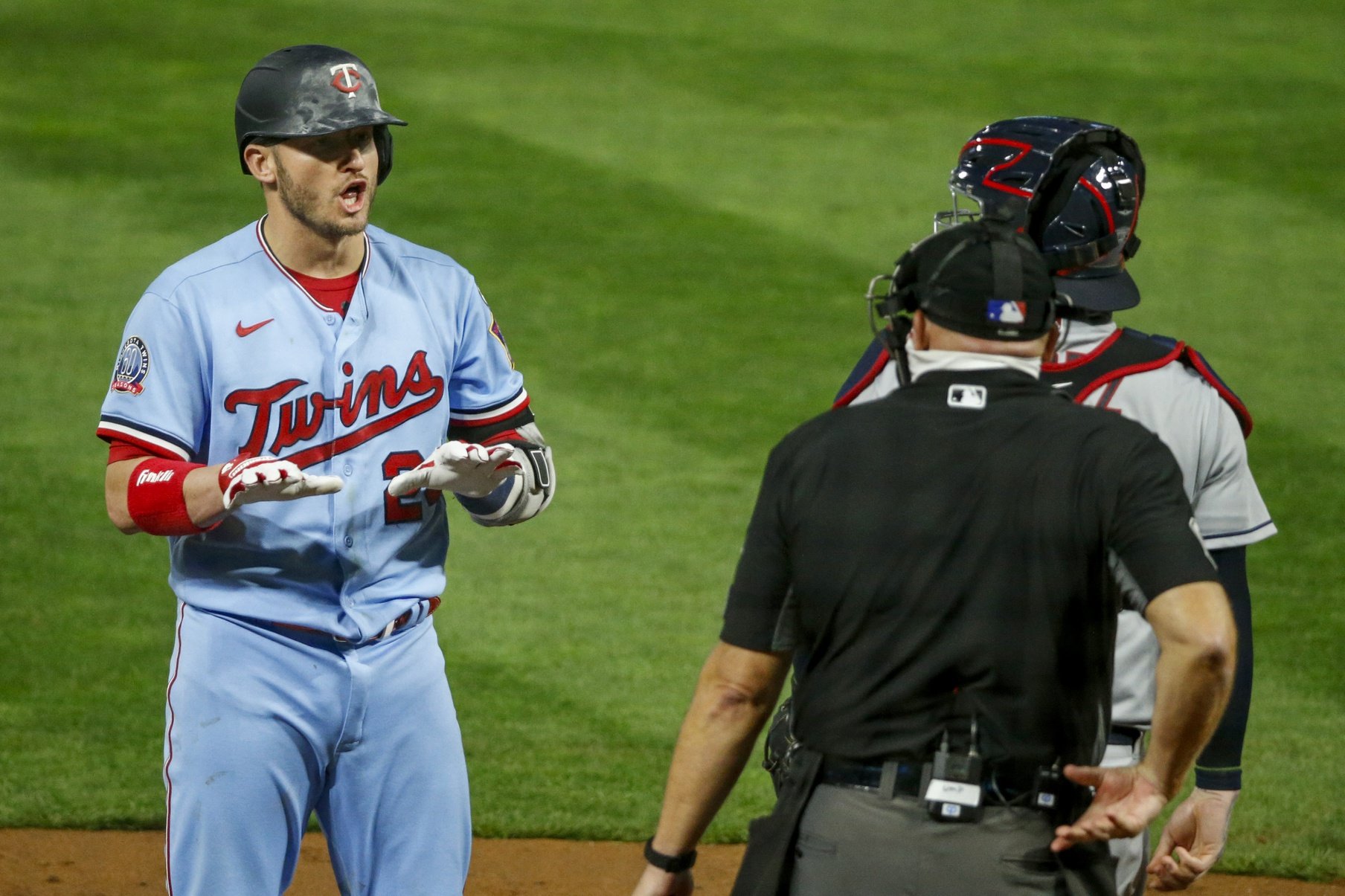 Over the weekend, Josh Donaldson was involved in an altercation with Chicago's Tim Anderson. Donaldson allegedly called Anderson "Jackie," a reference to Jackie Robinson, that he thought was an inside joke between the two players. Major League Baseball investigated the incident, which involves multiple layers, and suspended Donaldson for one game. During his Twins tenure, Donaldson made headlines for multiple incidents, including calling out Gerrit Cole for his use of sticky substances and an ejection after hitting a home run. Originally, the Twins signed Donaldson as a veteran presence on a team in the middle of their winning window. Across two seasons, he hit .243/.355/.474 (.829) with a 129 OPS+ in 163 games. During the playoffs following the pandemic-shortened 2020 season, Donaldson wasn't available, and the Twins were terrible in 2021. He was entering his age-36 season, and the front office found a way to get out from under his contract. On March 13, the Twins finalized a deal that sent Donaldson to the Yankees along with Isiah Kiner-Falefa and Ben Rortvedt. In return, Minnesota received Gary Sánchez and Gio Urshela. All five players projected to be in each team's plans for the entire 2022 season, but baseball doesn't always work out that way. Yankees Acquisitions: Donaldson (1.6 WAR), Kiner-Falefa (0.3 WAR), Rortvedt (60-day IL) When making a trade, teams usually don't like to surrender the best player involved in the deal. Minnesota clearly did that as Donaldson is having a tremendous season as the Yankees sit five games up in the AL East. Age doesn't seem to be catching up to Donaldson, as he has a 126 OPS+ for the fourth consecutive season. Defensively, he is also having a resurgence as he ranks in the 81st percentile for Outs Above Average (OAA). Even with this kind of production, Donaldson has other baggage that some teams want to avoid. It remains to be seen if he can keep up this production through a 162-game schedule. Kiner-Falefa never appeared in a game for the Twins after being acquired from the Rangers as part of the Mitch Garver trade. So far this season, he has hit .264/.317/.312 (.629) with an 88 OPS+, which is seven points higher than his career mark. His Whiff% is in the 95th percentile, and his OAA (6th percentile) is one of the lowest marks among shortstops. Rortvedt underwent arthroscopic left knee surgery and may not be available until after the All-Star break. Twins Acquisitions: Sánchez (0.4 WAR), Urshela (0.1 WAR) A couple of weeks ago, Ted examined Minnesota's acquisitions from the Donaldson trade. Both players had yet to make a significant mark on the team, but those results may slowly change in the Twins' favor. Sánchez has surprised in multiple ways as he has an OPS+ of over 110 for the first time since he was an All-Star in 2019. He has also improved his framing metrics as he ranks in the 64th percentile, his highest mark since 2018. According to Win Probability Added, Sánchez ranks fourth on the Twins hitters behind Byron Buxton, Max Kepler, and Luis Arraez. In 2019 and 2020, Urshela hit .310/.359/.523 (.881) with a 134 OPS+, and that's the player the Twins were hoping to unlock. So far in 2022, he has been closer to the 2021 version of Urshela that posted a 96 OPS+ in 116 games. His K% is in the 91st percentile, and he provides little defensive value with an OAA in the 11th percentile. Over his last 100 plate appearances, his xwOBA has been above the league average, so there may still be hope for him breaking out of his offensive slump. At the end of the day, it's clear the Twins wanted to be "out of the Josh Donaldson business." His on-the-field performance outweighs the value the Twins got in return, but his other antics can rub a clubhouse the wrong way. Byron Buxton and Carlos Correa provide a different kind of leadership for the Twins, and Minnesota is better off with him off the roster. What are your thoughts as you look back on the Donaldson trade? Leave a COMMENT and start the discussion.
- 67 comments
-
- 3
-
-
- josh donaldson
- isiah kiner falefa
- (and 2 more)
.png.9499c747461c97f115dcc2e885f537b3.png)
