



Cody Christie
-
Posts
7,515 -
Joined
-
Last visited
-
Days Won
5
Content Type
Profiles
News
Minnesota Twins Videos
2026 Minnesota Twins Top Prospects Ranking
2022 Minnesota Twins Draft Picks
Minnesota Twins Free Agent & Trade Rumors, Notes, & Tidbits
Guides & Resources
2023 Minnesota Twins Draft Picks
The Minnesota Twins Players Project
2024 Minnesota Twins Draft Picks
2025 Minnesota Twins Draft Pick Tracker
2026 Minnesota Twins Draft Tracker: Picks & Bonuses
Forums
Blogs
Events
Store
Downloads
Gallery
Everything posted by Cody Christie
-

 International Signing Changes Major League Baseball and MLB Players Association agreed to shift the international signing periods because of the pandemic. That means the players listed below are eligible to sign beginning on January 15, 2022, while the signing period ends on December 15, 2022. Players must turn 17 before September 1, 2022, to be eligible. Most of the top prospects already have their organizations identified even with the signing deadline multiple months in the future. How Much Can the Twins Spend? Eight teams have more money to spend than the Twins, but Minnesota is tied with five other teams in the next bonus pool group. Teams with a Round B competitive balance pick (Arizona, Baltimore, Cleveland, Colorado, Kansas City, Pittsburgh, San Diego, St. Louis) have a pool of $6,262,600. The Twins have $5,721,500 in their signing pool along with all the other teams that received a Round A competitive balance pick (Cincinnati, Detroit, Miami, Milwaukee, Tampa Bay). What Players Are Tied to Minnesota? Yasser Mercedes, OF MLB Pipeline Ranking: 17 Mercedes projects to be the Twins’ top signing during the upcoming international signing period. While many prospects list themselves as centerfielders, his speed and defensive ability have the potential to keep him in center field for the long term. MLB Pipeline said, “Mercedes has some of the best tools in this year’s class.” It will take multiple years of development, but Mercedes will be a name to watch in the team’s farm system. Yilber Herrera, SS MLB Pipeline Ranking: 35 MLB Pipeline compares Herrera to a young Jorge Polanco, and that has to get Twins fans excited with how well Polanco has been playing this year. The most significant difference between the two players is that Herrera's arm might be strong enough for him to stick at shortstop long-term. His biggest improvement area is his power, but that is an expectation with teenagers who haven't put on all their muscles. . Bryan Acuna, SS MLB Pipeline Ranking: 39 Acuna, a Venezuela native, is the younger brother of Braves superstar Ronald Acuna Jr. Their father, Ronald Sr, also played professionally but topped out at Double-A. Right now, his best tool is his hit tool, but he has room to grow into his frame and add to some of the other tools. Like many top prospects, he currently plays shortstop, but he has the chance to be above average at multiple positions. Which of these players sounds the most exciting to you? Leave a COMMENT and start the discussion. MORE FROM TWINS DAILY — Latest Twins coverage from our writers — Recent Twins discussion in our forums — Follow Twins Daily via Twitter, Facebook or email
- 14 comments
-
- 3
-

-
- yasser mercedes
- yilber herrera
- (and 1 more)
-
Jake Reed spent his first seven professional seasons in the Twins organization. Now he’s getting his first taste of the big leagues outside the organization. Did Minnesota miss out on a potential bullpen arm? Reed was originally drafted by the Twins in the fifth round back in 2014 out of the University of Oregon. He made a strong first impression as his college experience helped him to dominate the lower levels of the minors. Minnesota sent him to the Arizona Fall League where he continued to pitch well. Things couldn’t have gone much better in his first taste of professional action. During the 2015 season, Reed advanced as far as Double-A and made a return trip to the AFL. Over the next couple seasons, he’d work his way to Triple-A where he compiled some decent numbers. His best Triple-A season came in 2018 as he compiled a 1.89 ERA with a 1.15 WHIP and 50 strikeouts in 47 2/3 innings. He seemed on the cusp of being called up to the big leagues for the Twins. Things didn’t go as smoothly in 2019 as his ERA and WHIP were career worsts, but he struck out 11 batters per nine innings. Minnesota gave him a non-roster invite to big-league camp in 2020, but the COVID pandemic and no minor league season hurt Reed’s chances. Reed fell into a unique group that became first time free agents last winter even though no season was played. Reed signed a minor league deal with the Angels this winter, but he allowed five runs in 10 2/3 innings at Triple-A. His strikeout numbers continued to be through the roof as he struck out 17 batters in eight appearances (14.3 K/9). Organizations with good scouting departments took notice as he signed with the Dodgers and that’s where he’d make his big-league debut. The Dodgers have plenty of pitching depth, so Reed didn’t last long on their 40-man roster. Tampa Bay, another team known for scouting, scooped him up, but he only made one appearance in their organization before being designated for assignment. Now, the Mets have picked him up and it might be a chance for him to stick with an organization. Both his slider and his fastball come in under the league average when it comes to velocity. However, his unique arm action and his ability to generate spin. Batters aren’t prepared to see a ball move the way it does out of Reed’s hand and this makes him more effective. His arm action allows him to release the ball low and then the spin of the ball makes hitters look uncomfortable at the plate. His strikeout rates have continued to rise in recent years and his unique style may be the biggest reason why this has happened. So what does the future hold for Jake Reed? Sometimes changing organizations can make all the difference and he has done plenty of changing this season. On Friday, the Mets placed Reed on the IL with right forearm inflammation, but the hope is he can get back sooner rather than later, especially with the team in the hunt for the NL East title. Do you think the Twins missed something with Reed? Leave a COMMENT and start the discussion. MORE FROM TWINS DAILY — Latest Twins coverage from our writers — Recent Twins discussion in our forums — Follow Twins Daily via Twitter, Facebook or email View full article
-
 Reed was originally drafted by the Twins in the fifth round back in 2014 out of the University of Oregon. He made a strong first impression as his college experience helped him to dominate the lower levels of the minors. Minnesota sent him to the Arizona Fall League where he continued to pitch well. Things couldn’t have gone much better in his first taste of professional action. During the 2015 season, Reed advanced as far as Double-A and made a return trip to the AFL. Over the next couple seasons, he’d work his way to Triple-A where he compiled some decent numbers. His best Triple-A season came in 2018 as he compiled a 1.89 ERA with a 1.15 WHIP and 50 strikeouts in 47 2/3 innings. He seemed on the cusp of being called up to the big leagues for the Twins. Things didn’t go as smoothly in 2019 as his ERA and WHIP were career worsts, but he struck out 11 batters per nine innings. Minnesota gave him a non-roster invite to big-league camp in 2020, but the COVID pandemic and no minor league season hurt Reed’s chances. Reed fell into a unique group that became first time free agents last winter even though no season was played. Reed signed a minor league deal with the Angels this winter, but he allowed five runs in 10 2/3 innings at Triple-A. His strikeout numbers continued to be through the roof as he struck out 17 batters in eight appearances (14.3 K/9). Organizations with good scouting departments took notice as he signed with the Dodgers and that’s where he’d make his big-league debut. The Dodgers have plenty of pitching depth, so Reed didn’t last long on their 40-man roster. Tampa Bay, another team known for scouting, scooped him up, but he only made one appearance in their organization before being designated for assignment. Now, the Mets have picked him up and it might be a chance for him to stick with an organization. Both his slider and his fastball come in under the league average when it comes to velocity. However, his unique arm action and his ability to generate spin. Batters aren’t prepared to see a ball move the way it does out of Reed’s hand and this makes him more effective. His arm action allows him to release the ball low and then the spin of the ball makes hitters look uncomfortable at the plate. His strikeout rates have continued to rise in recent years and his unique style may be the biggest reason why this has happened. So what does the future hold for Jake Reed? Sometimes changing organizations can make all the difference and he has done plenty of changing this season. On Friday, the Mets placed Reed on the IL with right forearm inflammation, but the hope is he can get back sooner rather than later, especially with the team in the hunt for the NL East title. Do you think the Twins missed something with Reed? Leave a COMMENT and start the discussion. MORE FROM TWINS DAILY — Latest Twins coverage from our writers — Recent Twins discussion in our forums — Follow Twins Daily via Twitter, Facebook or email
 -
Predicting Minnesota’s Next 4 Top Prospects to Debut
Cody Christie posted an article in Minor Leagues
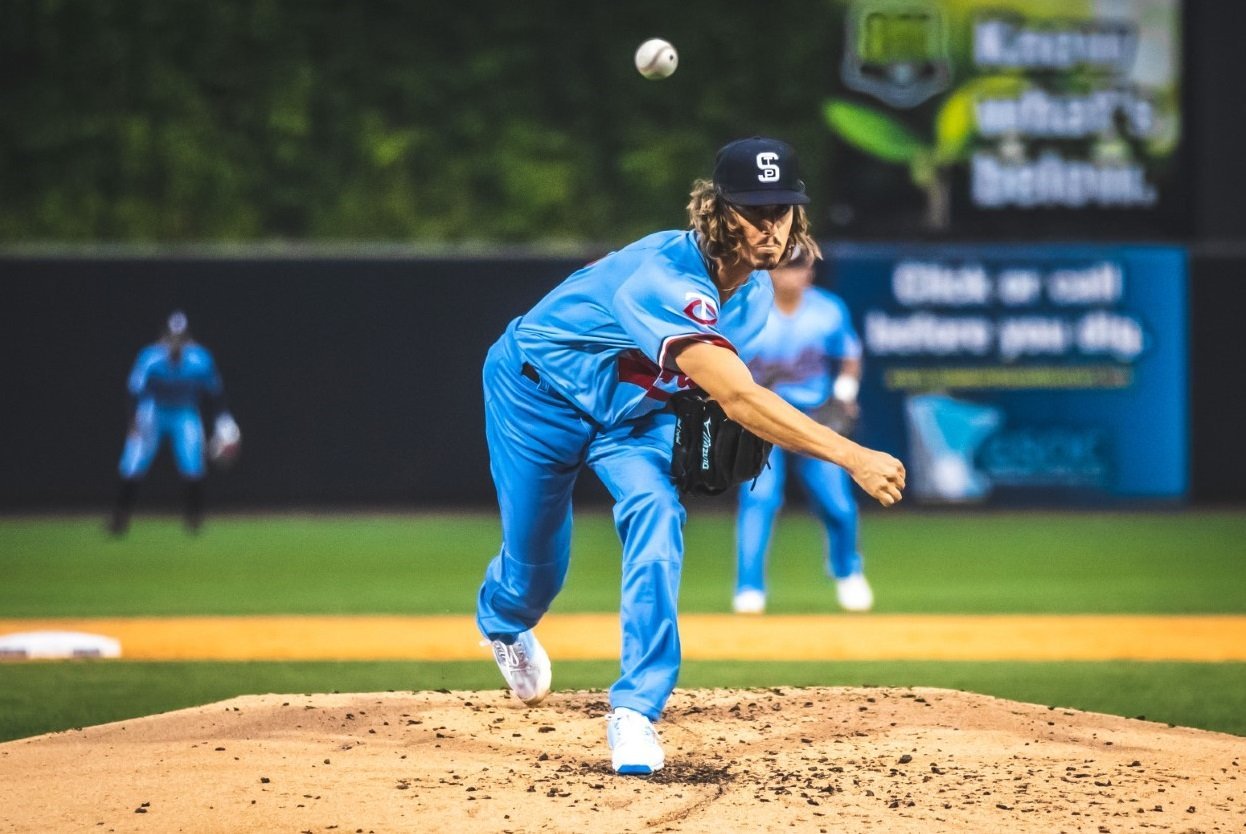 Joe Ryan, RH SP Ryan was one of the key pieces as part of the Nelson Cruz trade and he made his organizational debut last week after returning from the Olympics. His Saints debut was ridiculous as he struck out nine batters in four innings. Ryan, a former water polo player, is known for the life on his fastball and his command of the strike zone. He led the minor-league baseball in strikeout rate in 2019 by fanning 183 batters in 123 2/3 innings. As a 25-year-old, he has already found success in the high minors, and the Twins may want to give him a September audition for the 2022 rotation. Jose Miranda, INF Miranda is having one of the best offensive seasons in team history among players in the high minors, and he is a lock to be the team’s Minor League Player of the Year. There are multiple ways to get him to Minneapolis before the season’s end. Entering 2021, he had struggled with working counts in his favor, which led to a lot of weak contact. Minnesota worked on his approach last season, and the results speak for themselves. St. Paul has been a remarkably better team with Miranda in the line-up, and the team has taken over first place in the division. Jovani Moran, LHRP Moran was left unprotected during this past season’s Rule 5 Draft (and the year before), but he went unselected, which looks like a mistake by MLB’s other organizations. Moran’s stock rose significantly this season as he has compiled strong numbers at Double- and Triple-A. He’s held opponents to hitting .115/.213/.230 (.443) as he has collected 97 strikeouts in 60 innings. His dominant change-up is how he misses bats, as MLB Pipeline calls it a double-plus pitch. Moran is big-league ready, but the Saints are fighting for a division title so the Twins may want to keep him in St. Paul. Austin Martin, SS/CF Martin, one of the pieces of the Jose Berrios trade, is the only player on this list not at Triple-A. He has been playing well at Double-A, and the argument can be made for him as the organization’s top prospect. He is an on-base machine, but there have been some questions raised this year about his power. Defensively, he can play multiple infield positions and centerfield, so this flexibility can allow him to reach the big leagues more quickly. Minnesota has two series against the Blue Jays near the end of September, and that might make for an intriguing big-league debut for Martin. There are a few things to consider when looking at the names above. Three of the players are currently at Triple-A, and St. Paul is in the playoff hunt. Also, none of the players are currently on the 40-man roster, but all but Martin will need to be added this winter. There will be plenty of 40-man roster clean-up to do during the off-season, so the team might not want to add another wrinkle to that equation. All four of these players look more than ready to help the big-league squad. Now the question remains, who will be the first to make it to the show? MORE FROM TWINS DAILY — Latest Twins coverage from our writers — Recent Twins discussion in our forums — Follow Twins Daily via Twitter, Facebook or email
- 30 comments
-
- 4
-
-
- austin martin
- jovani moran
- (and 2 more)
-
Getting a closer look at younger players can offer a glimmer of hope for the future during a lost season. Here are the next four Twins prospects that may make their big-league debuts. Joe Ryan, RH SP Ryan was one of the key pieces as part of the Nelson Cruz trade and he made his organizational debut last week after returning from the Olympics. His Saints debut was ridiculous as he struck out nine batters in four innings. Ryan, a former water polo player, is known for the life on his fastball and his command of the strike zone. He led the minor-league baseball in strikeout rate in 2019 by fanning 183 batters in 123 2/3 innings. As a 25-year-old, he has already found success in the high minors, and the Twins may want to give him a September audition for the 2022 rotation. Jose Miranda, INF Miranda is having one of the best offensive seasons in team history among players in the high minors, and he is a lock to be the team’s Minor League Player of the Year. There are multiple ways to get him to Minneapolis before the season’s end. Entering 2021, he had struggled with working counts in his favor, which led to a lot of weak contact. Minnesota worked on his approach last season, and the results speak for themselves. St. Paul has been a remarkably better team with Miranda in the line-up, and the team has taken over first place in the division. Jovani Moran, LHRP Moran was left unprotected during this past season’s Rule 5 Draft (and the year before), but he went unselected, which looks like a mistake by MLB’s other organizations. Moran’s stock rose significantly this season as he has compiled strong numbers at Double- and Triple-A. He’s held opponents to hitting .115/.213/.230 (.443) as he has collected 97 strikeouts in 60 innings. His dominant change-up is how he misses bats, as MLB Pipeline calls it a double-plus pitch. Moran is big-league ready, but the Saints are fighting for a division title so the Twins may want to keep him in St. Paul. Austin Martin, SS/CF Martin, one of the pieces of the Jose Berrios trade, is the only player on this list not at Triple-A. He has been playing well at Double-A, and the argument can be made for him as the organization’s top prospect. He is an on-base machine, but there have been some questions raised this year about his power. Defensively, he can play multiple infield positions and centerfield, so this flexibility can allow him to reach the big leagues more quickly. Minnesota has two series against the Blue Jays near the end of September, and that might make for an intriguing big-league debut for Martin. There are a few things to consider when looking at the names above. Three of the players are currently at Triple-A, and St. Paul is in the playoff hunt. Also, none of the players are currently on the 40-man roster, but all but Martin will need to be added this winter. There will be plenty of 40-man roster clean-up to do during the off-season, so the team might not want to add another wrinkle to that equation. All four of these players look more than ready to help the big-league squad. Now the question remains, who will be the first to make it to the show? MORE FROM TWINS DAILY — Latest Twins coverage from our writers — Recent Twins discussion in our forums — Follow Twins Daily via Twitter, Facebook or email View full article
-
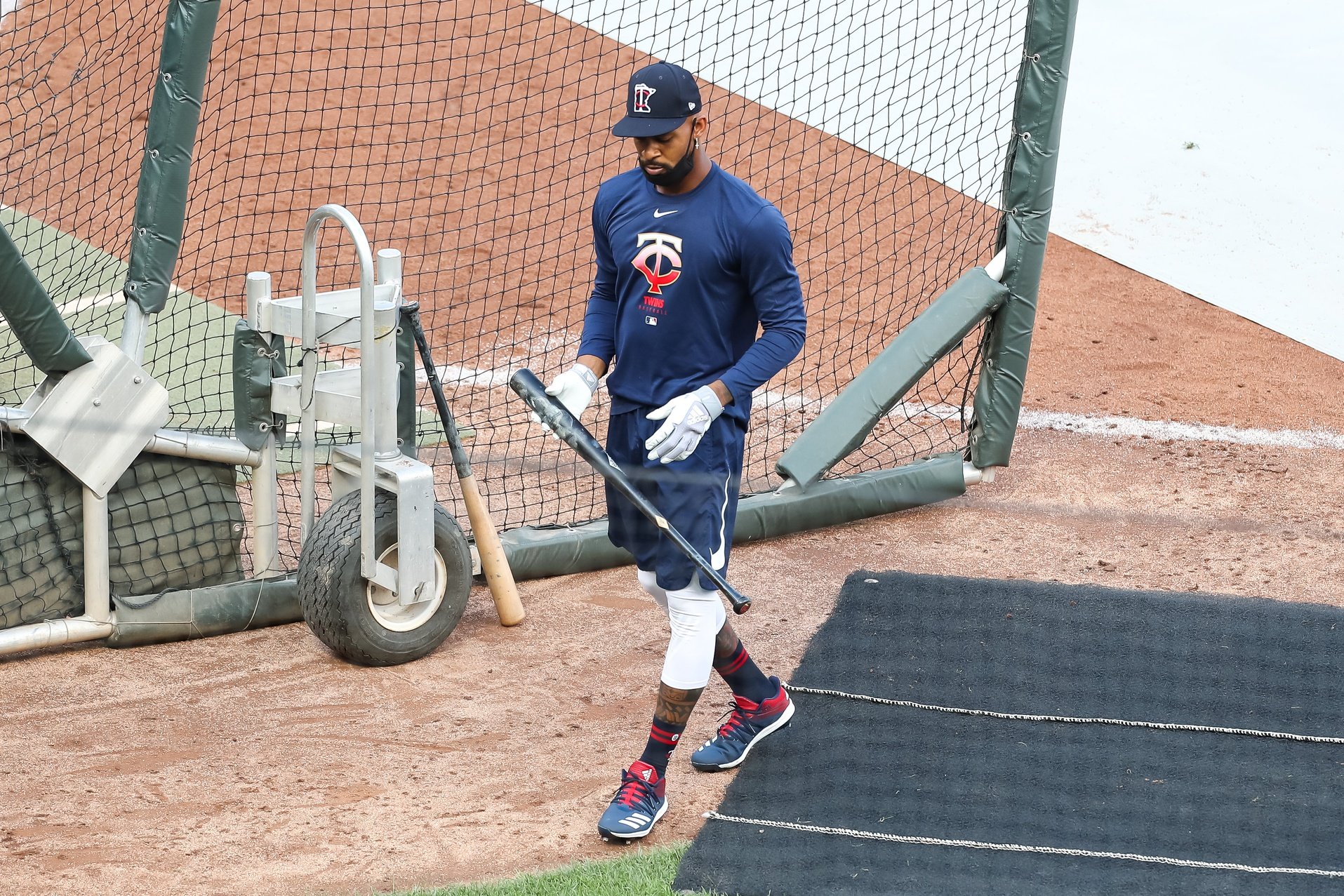
Byron Buxton is nearing a return to the big-league roster, and there are multiple questions he can answer during the season’s final weeks. 1. Is Buxton healthy? For Byron Buxton, this seems to be the eternal question. Buxton has been out of action since late June with a fractured hand. This injury came on the heels of a trip to the IL for a hip injury. However, his most recent injury may have been a blessing in disguise because it allowed his hip injury to heal fully. He certainly still looked hobbled the last time he was in a big-league lineup, now those worries may be behind him. 2. Can Buxton return to an MVP level? There’s no question that Buxton has been playing at an elite level this season. Even during his limited action this season (27 games), he ranks second on the team in fWAR. That may be more of an indictment of the team, but in 110 plate appearances, Buxton has hit .369/.409/.767 with ten home runs and 11 doubles. His swing also looked healthy during his rehab stint with the St. Paul Saints. Since 2019, Buxton has seen a noticeable increase in his power numbers even as he has missed time due to injury. During his last 153 games, he has hit .282/.322/.581 (.903) with a 139 OPS+ to go along with 21 steals. Add in his Gold Glove caliber defense, and he certainly fills out the five-tool scouting report that started when the Twins drafted him. 3. Will the Twins still consider trading him this winter? Buxton is among a group of veteran players the Twins can consider trading this winter. Minnesota made multiple contract offers to Buxton in the weeks before the trade deadline. When Buxton and his representation declined those offers, Minnesota said they would look to trade Buxton at some point before his team control expires at the end of 2022. Buxton’s trade value will only increase if he is healthy and playing at an MVP level. The Twins also have the opportunity to revisit contract discussions with Buxton this winter. From the team’s perspective, Buxton makes the offense better with his powerful swing, and the pitching staff improves with him roaming the outfield. Minnesota is a better team with Buxton on the field, as the team’s record with him in the lineup is significantly better than when he is absent. Following a disappointing 2021, the Twins winning window may have shifted a few years into the future. Will Buxton be part of the next winning Twins team? That may be a question for another day… MORE FROM TWINS DAILY — Latest Twins coverage from our writers — Recent Twins discussion in our forums — Follow Twins Daily via Twitter, Facebook or email View full article
-
 1. Is Buxton healthy? For Byron Buxton, this seems to be the eternal question. Buxton has been out of action since late June with a fractured hand. This injury came on the heels of a trip to the IL for a hip injury. However, his most recent injury may have been a blessing in disguise because it allowed his hip injury to heal fully. He certainly still looked hobbled the last time he was in a big-league lineup, now those worries may be behind him. 2. Can Buxton return to an MVP level? There’s no question that Buxton has been playing at an elite level this season. Even during his limited action this season (27 games), he ranks second on the team in fWAR. That may be more of an indictment of the team, but in 110 plate appearances, Buxton has hit .369/.409/.767 with ten home runs and 11 doubles. His swing also looked healthy during his rehab stint with the St. Paul Saints. Since 2019, Buxton has seen a noticeable increase in his power numbers even as he has missed time due to injury. During his last 153 games, he has hit .282/.322/.581 (.903) with a 139 OPS+ to go along with 21 steals. Add in his Gold Glove caliber defense, and he certainly fills out the five-tool scouting report that started when the Twins drafted him. 3. Will the Twins still consider trading him this winter? Buxton is among a group of veteran players the Twins can consider trading this winter. Minnesota made multiple contract offers to Buxton in the weeks before the trade deadline. When Buxton and his representation declined those offers, Minnesota said they would look to trade Buxton at some point before his team control expires at the end of 2022. Buxton’s trade value will only increase if he is healthy and playing at an MVP level. The Twins also have the opportunity to revisit contract discussions with Buxton this winter. From the team’s perspective, Buxton makes the offense better with his powerful swing, and the pitching staff improves with him roaming the outfield. Minnesota is a better team with Buxton on the field, as the team’s record with him in the lineup is significantly better than when he is absent. Following a disappointing 2021, the Twins winning window may have shifted a few years into the future. Will Buxton be part of the next winning Twins team? That may be a question for another day… MORE FROM TWINS DAILY — Latest Twins coverage from our writers — Recent Twins discussion in our forums — Follow Twins Daily via Twitter, Facebook or email
 -
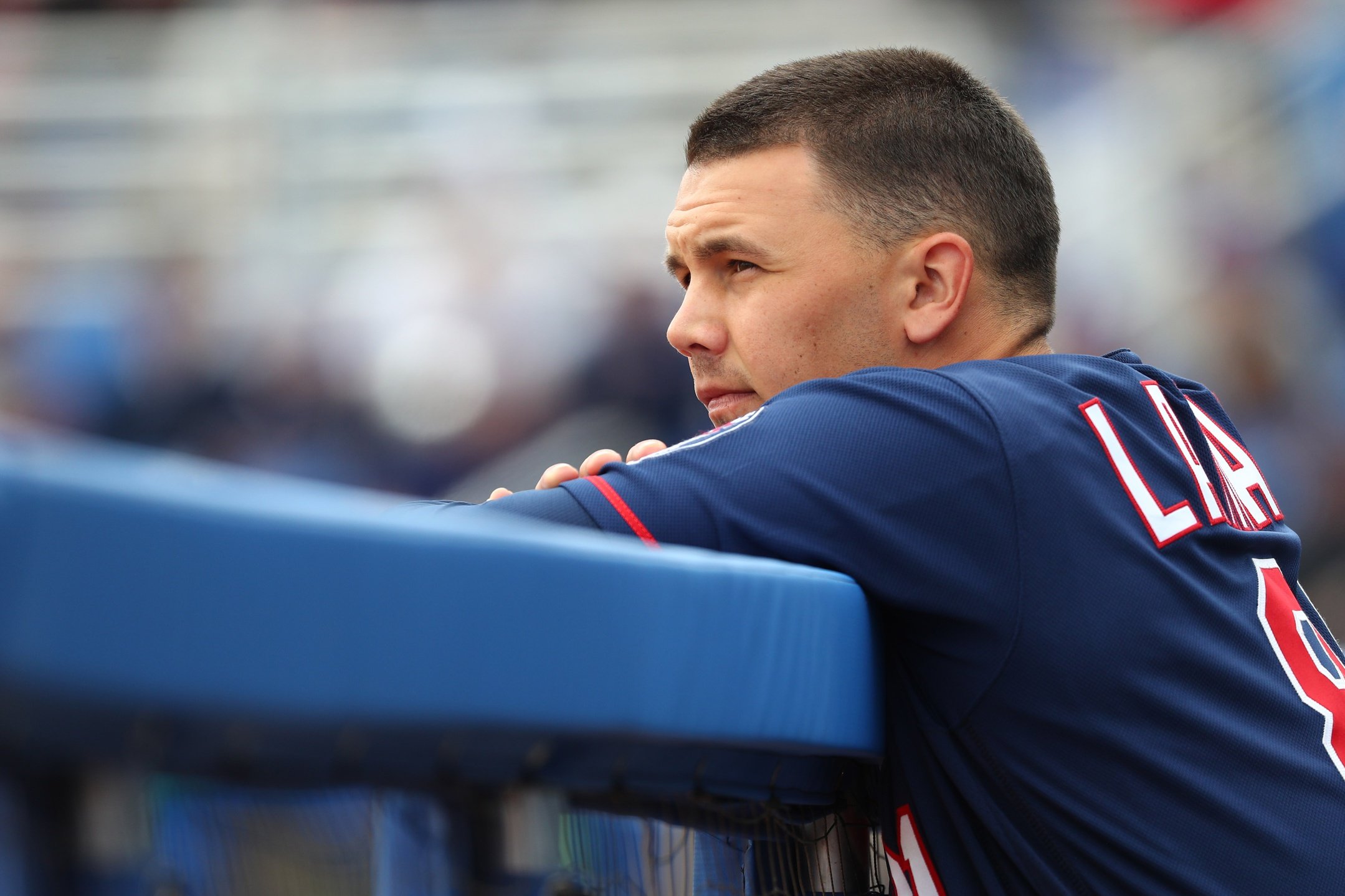
Trevor Larnach was demoted to Triple-A earlier this week after struggling in recent weeks. What lessons can be learned from his rookie campaign? EARLY CALL-UP When the season began, Larnach wasn't expected to be a significant contributor during the 2021 campaign. There was certainly a hope that he would make his big-league debut in the season's second half, but like many parts of the Twins season, things didn't go exactly to plan. Minnesota's mounting names on the IL meant Larnach made his debut in May. Larnach certainly looked like he would hold his own during his first taste of the big leagues. Through his first 32 games, he hit .273/.390/.434 (.824) with 10 extra-base hits in 99 at-bats. There may have been some luck associated with his numbers as he had a .387 BAbip, and he was striking out more than once per game. His powerful swing was certainly legitimate as he hit some of the team’s longest home runs of the year, but the league figured him out, and he struggled to adjust. Larnach got stuck in an offensive rut in the middle of June, and he has yet to recover. He slashed .193/.279/.298 (.577) with 70 strikeouts in 47 games while also accumulating a -1.83 WPA. Also, he has the fifth-lowest SDI total among AL left fielders. Bad defense can be made up at the plate, but he struggled in both areas, which makes a demotion nearly inevitable. If opposing pitchers could avoid throwing Larnach fastballs, there was a good chance he would get himself out. When facing fastballs this year, he has a .294 BA and a .508 SLG, which resulted in him having a maximum exit velocity in the 97th percentile. He posted a slugging percentage of .218 when facing breaking pitches and a .179 slugging percentage versus offspeed pitches. According to Baseball Savant, he has a K% and Whiff% in the 1st percentile. Like all minor leaguers, Larnach didn't get a single inning of competitive action in 2020. He had limited high minors experience because of the pandemic. Back in 2019, he played 43 games at Double-A to end the season. This year, he essentially skipped Triple-A (three games) because the Twins needed him. "There is that added anxiety that comes along with trying to compete at this level, and going through ups and downs," manager Rocco Baldelli said. "I think that's clearly something that everyone has, even if it's not becoming an overwhelming-type thing. So, yeah. Being able to breathe, being able to relax and not have that added burden, I think, can help." There is no doubt that Larnach is part of the Twins' future, and this demotion is part of the learning process. He can rediscover his swing in St. Paul in at-bats that may have a little less pressure. Ups and downs are part of many players' careers, so hopefully, Larnach can look back on this as a great learning opportunity at the end of his rookie campaign. What have you thought about Larnach’s rookie season? Leave a COMMENT and start the discussion. View full article
-
 EARLY CALL-UP When the season began, Larnach wasn't expected to be a significant contributor during the 2021 campaign. There was certainly a hope that he would make his big-league debut in the season's second half, but like many parts of the Twins season, things didn't go exactly to plan. Minnesota's mounting names on the IL meant Larnach made his debut in May. Larnach certainly looked like he would hold his own during his first taste of the big leagues. Through his first 32 games, he hit .273/.390/.434 (.824) with 10 extra-base hits in 99 at-bats. There may have been some luck associated with his numbers as he had a .387 BAbip, and he was striking out more than once per game. His powerful swing was certainly legitimate as he hit some of the team’s longest home runs of the year, but the league figured him out, and he struggled to adjust. Larnach got stuck in an offensive rut in the middle of June, and he has yet to recover. He slashed .193/.279/.298 (.577) with 70 strikeouts in 47 games while also accumulating a -1.83 WPA. Also, he has the fifth-lowest SDI total among AL left fielders. Bad defense can be made up at the plate, but he struggled in both areas, which makes a demotion nearly inevitable. If opposing pitchers could avoid throwing Larnach fastballs, there was a good chance he would get himself out. When facing fastballs this year, he has a .294 BA and a .508 SLG, which resulted in him having a maximum exit velocity in the 97th percentile. He posted a slugging percentage of .218 when facing breaking pitches and a .179 slugging percentage versus offspeed pitches. According to Baseball Savant, he has a K% and Whiff% in the 1st percentile. Like all minor leaguers, Larnach didn't get a single inning of competitive action in 2020. He had limited high minors experience because of the pandemic. Back in 2019, he played 43 games at Double-A to end the season. This year, he essentially skipped Triple-A (three games) because the Twins needed him. "There is that added anxiety that comes along with trying to compete at this level, and going through ups and downs," manager Rocco Baldelli said. "I think that's clearly something that everyone has, even if it's not becoming an overwhelming-type thing. So, yeah. Being able to breathe, being able to relax and not have that added burden, I think, can help." There is no doubt that Larnach is part of the Twins' future, and this demotion is part of the learning process. He can rediscover his swing in St. Paul in at-bats that may have a little less pressure. Ups and downs are part of many players' careers, so hopefully, Larnach can look back on this as a great learning opportunity at the end of his rookie campaign. What have you thought about Larnach’s rookie season? Leave a COMMENT and start the discussion.
 -
Minnesota added a strong draft class and traded for multiple top-100 prospects at the trade deadline resulting in significant shifts in the team's top prospect rankings. Here is a recap of last week's top-30 prospect countdown. Minnesota Twins Top 30 Prospects 30. Marco Raya, RHP: Four-pitch mix has the Twins excited about his future. 29. Jovani Moran, LHP: Dominant change-up has him close to the big leagues. 28. Steve Hajjar, LHP: 2021 Second Round Pick that led the Big 10 in Ks. 27. Wander Javier, SS: Five-tool potential that hasn’t put it all together yet. 26. Alerick Soularie, 2B: One of the best athletes in the Twins system. 25. Chris Vallimont, RHP: Has dynamic stuff, but can his command improve? 24. Louie Varland, RHP: Had dominant stretches at Low- and High-A this season. 23. Nick Gordon, UTL: May have a bright future as a true utility man. 22. Aaron Sabato, 1B: 2020 First Round Pick, whose power is now showing up. 21. Edouard Julien, INF: An on-base machine with some pop and defensive flexibility. 20. Spencer Steer, INF: Powerful infielder with college experience. 19. Cole Sands, RHP: Striking out nearly 12 batters per nine at Double-A. 18. Misael Urbina, OF: Showcasing advanced approach even against older competition. 17. Blayne Enlow, RHP: Tommy John surgery will keep him out until 2022. 16: Brent Rooker, OF: Already 26-years old, but has the system's best power tool. 15. Noah Miller, INF: 2021 Compensation Pick that will take time to develop. 14. Drew Strotman, RHP: Intriguing repertoire of major league quality pitches. 13. Gilberto Celestino, OF: Rushed to the MLB level this year but has plenty of tools. 12. Matt Wallner, OF: High strikeout guy with light-tower power. 11. Josh Winder, RHP: He struck out more than 30% of batters he faced at Double-A. 10. Keoni Cavaco, SS: 2019 First Round Pick with five-tool athleticism. 9. Chase Petty, RHP: 2021 First Round Pick with an electric fastball. 8. Matt Canterino, RHP: Recently returned from injury and racking up strikeouts. 7. Joe Ryan, RHP: Acquired for Cruz, he figures to be in the mix for the 2022 rotation. 6. Jose Miranda, 3B: Likely the organization’s minor league player of the year. 5. Jhoan Duran, RHP: Has immense potential if he can stay healthy. 4. Simeon Woods-Richardson, RHP: Newly acquired pitcher is very young for Double-A. 3. Jordan Balazovic, RHP: Strikeout rate is improving. Triple-A might be his horizon. 2. Austin Martin, SS/CF: Newly acquired prospect is an OBP machine, but will the power come? 1. Royce Lewis, SS: Has one of the highest ceilings of any prospect in baseball. DEBATE AT THE TOP Austin Martin will be ranked higher than Royce Lewis on many national prospect lists, especially with Lewis missing the entire 2021 season. Both players have tremendous potential, but they each come with their own flaws. Martin’s stock might have been low when the Twins dealt for him. He has been getting on-base over 40% of the time this season, but the power he showed in college hasn’t shown up during his pro career. Defensively, he has a lot of flexibility, but that also means there are some questions about his defensive future. Lewis dominated the 2019 Arizona Fall League, but this came on the heels of a season where he struggled offensively at High-A and Double-A. He made strides at the team’s alternate site in 2020, and then a fluke injury put him on the sidelines for all of 2021. Like Martin, there are questions about his defensive future, but he has the athleticism to play in multiple spots. Overall, Lewis may have the higher ceiling, and Martin has the higher floor. MOVEMENT ON THE LIST Because of the influx of new prospects, most prospects on this list dropped from their midseason rankings. Jordan Balazovic and Jose Miranda are two prospects that have seen their stock rise the most during the 2021 season. Miranda has been dominating the upper levels of the minors this season, and he should make his big-league debut before the season’s end. Balazovic started the year on the IL, but he has been healthy since then, and his strikeout rate continues to rise. One of the most significant drops this season has been Aaron Sabato. When the Twins drafted him in 2020, scouting reports touted his powerful swing and advanced approach. His power hadn't made much of an appearance in his first professional season as he was limited to four home runs entering August. Now, he's clubbed six home runs in eight August games. If he continues this powerful pace, there's certainly potential for him to move up this list during the offseason. TOP 30 POSITIONAL BREAKDOWN C- 0 IF- 10 OF- 5 RHP- 13 LHP- 2 Back in February, Nick identified two deficiencies in the Twins system, high-level infield talent, and left-handed pitching. Minnesota has seen some changes in those two categories this season. Austin Martin adds to the team’s high-level infield talent even if he ends up at second base. Jose Miranda’s emergence also adds to the team’s long-term infield plans. As far as left-handed pitchers, there weren’t any on the Twins Daily Top-20 list entering the season, and there weren’t any in the top-20 listed above. However, Jovani Moran (29th) looks like he can be a dominant big-league reliever. Steve Hajjar brings in college experience with the potential to move quickly through the minors. What are your thoughts on the changes to the team’s top prospects? How do you feel about the system as a whole? Leave a COMMENT and start the discussion View full article
-
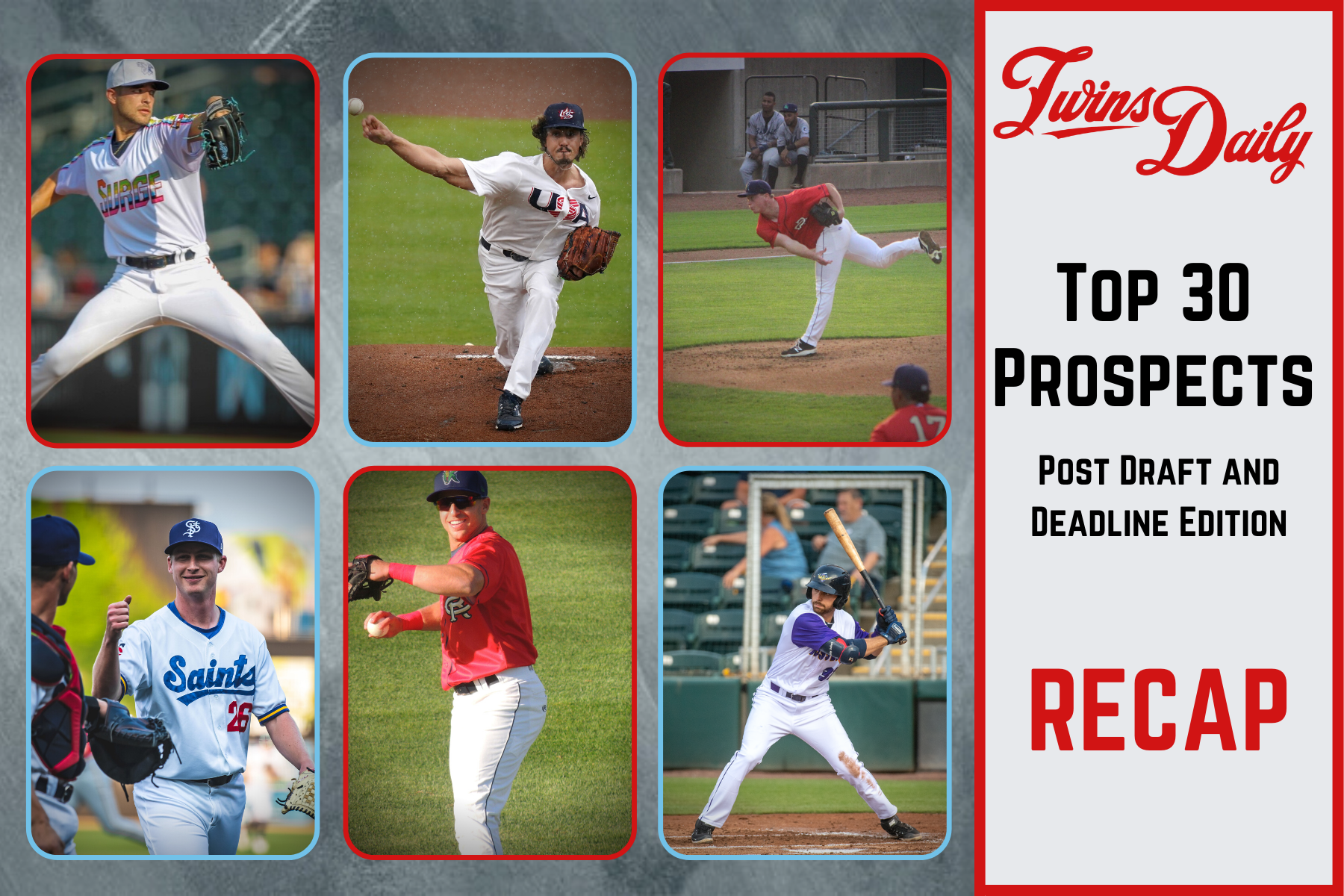 Minnesota Twins Top 30 Prospects 30. Marco Raya, RHP: Four-pitch mix has the Twins excited about his future. 29. Jovani Moran, LHP: Dominant change-up has him close to the big leagues. 28. Steve Hajjar, LHP: 2021 Second Round Pick that led the Big 10 in Ks. 27. Wander Javier, SS: Five-tool potential that hasn’t put it all together yet. 26. Alerick Soularie, 2B: One of the best athletes in the Twins system. 25. Chris Vallimont, RHP: Has dynamic stuff, but can his command improve? 24. Louie Varland, RHP: Had dominant stretches at Low- and High-A this season. 23. Nick Gordon, UTL: May have a bright future as a true utility man. 22. Aaron Sabato, 1B: 2020 First Round Pick, whose power is now showing up. 21. Edouard Julien, INF: An on-base machine with some pop and defensive flexibility. 20. Spencer Steer, INF: Powerful infielder with college experience. 19. Cole Sands, RHP: Striking out nearly 12 batters per nine at Double-A. 18. Misael Urbina, OF: Showcasing advanced approach even against older competition. 17. Blayne Enlow, RHP: Tommy John surgery will keep him out until 2022. 16: Brent Rooker, OF: Already 26-years old, but has the system's best power tool. 15. Noah Miller, INF: 2021 Compensation Pick that will take time to develop. 14. Drew Strotman, RHP: Intriguing repertoire of major league quality pitches. 13. Gilberto Celestino, OF: Rushed to the MLB level this year but has plenty of tools. 12. Matt Wallner, OF: High strikeout guy with light-tower power. 11. Josh Winder, RHP: He struck out more than 30% of batters he faced at Double-A. 10. Keoni Cavaco, SS: 2019 First Round Pick with five-tool athleticism. 9. Chase Petty, RHP: 2021 First Round Pick with an electric fastball. 8. Matt Canterino, RHP: Recently returned from injury and racking up strikeouts. 7. Joe Ryan, RHP: Acquired for Cruz, he figures to be in the mix for the 2022 rotation. 6. Jose Miranda, 3B: Likely the organization’s minor league player of the year. 5. Jhoan Duran, RHP: Has immense potential if he can stay healthy. 4. Simeon Woods-Richardson, RHP: Newly acquired pitcher is very young for Double-A. 3. Jordan Balazovic, RHP: Strikeout rate is improving. Triple-A might be his horizon. 2. Austin Martin, SS/CF: Newly acquired prospect is an OBP machine, but will the power come? 1. Royce Lewis, SS: Has one of the highest ceilings of any prospect in baseball. DEBATE AT THE TOP Austin Martin will be ranked higher than Royce Lewis on many national prospect lists, especially with Lewis missing the entire 2021 season. Both players have tremendous potential, but they each come with their own flaws. Martin’s stock might have been low when the Twins dealt for him. He has been getting on-base over 40% of the time this season, but the power he showed in college hasn’t shown up during his pro career. Defensively, he has a lot of flexibility, but that also means there are some questions about his defensive future. Lewis dominated the 2019 Arizona Fall League, but this came on the heels of a season where he struggled offensively at High-A and Double-A. He made strides at the team’s alternate site in 2020, and then a fluke injury put him on the sidelines for all of 2021. Like Martin, there are questions about his defensive future, but he has the athleticism to play in multiple spots. Overall, Lewis may have the higher ceiling, and Martin has the higher floor. MOVEMENT ON THE LIST Because of the influx of new prospects, most prospects on this list dropped from their midseason rankings. Jordan Balazovic and Jose Miranda are two prospects that have seen their stock rise the most during the 2021 season. Miranda has been dominating the upper levels of the minors this season, and he should make his big-league debut before the season’s end. Balazovic started the year on the IL, but he has been healthy since then, and his strikeout rate continues to rise. One of the most significant drops this season has been Aaron Sabato. When the Twins drafted him in 2020, scouting reports touted his powerful swing and advanced approach. His power hadn't made much of an appearance in his first professional season as he was limited to four home runs entering August. Now, he's clubbed six home runs in eight August games. If he continues this powerful pace, there's certainly potential for him to move up this list during the offseason. TOP 30 POSITIONAL BREAKDOWN C- 0 IF- 10 OF- 5 RHP- 13 LHP- 2 Back in February, Nick identified two deficiencies in the Twins system, high-level infield talent, and left-handed pitching. Minnesota has seen some changes in those two categories this season. Austin Martin adds to the team’s high-level infield talent even if he ends up at second base. Jose Miranda’s emergence also adds to the team’s long-term infield plans. As far as left-handed pitchers, there weren’t any on the Twins Daily Top-20 list entering the season, and there weren’t any in the top-20 listed above. However, Jovani Moran (29th) looks like he can be a dominant big-league reliever. Steve Hajjar brings in college experience with the potential to move quickly through the minors. What are your thoughts on the changes to the team’s top prospects? How do you feel about the system as a whole? Leave a COMMENT and start the discussion
- 15 comments
-
- 2
-
-
- austin martin
- royce lewis
- (and 3 more)
-
Austin Martin is the shiny new prospect. Royce Lewis is a name that is familiar to fans. Which player will be named the team’s top prospect? 5. RHP Jhoan Duran (23 years old) Season Stats (AAA): 16.0 IP (5 G), 5.06 ERA, 1.81 WHIP, 12.4 K/9. 7.3 BB/9 Previous Rankings: 2021 Midseason: 2, 2021 Preseason: 5 Duran is one of the most exciting pitching prospects to come through the Twins system in quite some time. He can consistently hit triple digits with his fastball while mixing in a splitter, curveball, and changeup. One of his pitches sometimes referred to as a splinker, is similar to another big-leaguer. His biggest concerns are control and staying healthy. Currently, he is out with an elbow strain, and he also dealt with a trapezius issue earlier in the year. When he went on the IL at the end of June, the recommendation was for him to be shut down for 5-6 weeks, and surgery will not be needed for the time being. Minnesota can hold its collective breath and hope Duran doesn’t need to go under the knife and miss significant time in 2022. 4. RHP Simeon Woods-Richardson (20 years old) Season Stats (AA): 45.1 IP (11 G), 5.76 ERA, 1.50 WHIP, 13.3 K/9, 5.2 BB/9 Previous Rankings: Joined organization at the trade deadline There are probably plenty of things you don’t know about Woods-Richardson as he was acquired as part of the José Berríos trade. He showcases a traditional mix of pitches, including a fastball, slider, curveball, and changeup. According to MLB Pipeline, all four pitches already grade at a 55 (20-80 scale) or higher. Toronto was aggressive with sending him to Double-A as a 20-year old, and the Twins have assigned him to the same level as he returned from the Olympics. Minnesota will be his third organization since being drafted in 2018, and it should be the organization where he will make his big-league debut. 3. RHP Jordan Balazovic (22 years old) Season Stats (AA): 63.1 IP (13 G), 3.84 ERA, 1.28 WHIP, 10.2 K/9, 3.0 BB/9 Previous Rankings: 2021 Midseason: 3, 2021 Preseason: 6 Minnesota snagged Balazovic back in 2016 in the fifth round out of Canada. Balazovic started the year on the IL, so his first game action didn’t come until the beginning of June. After shaking some dust off, he had a terrific month of July as he posted a 2.86 ERA with a 1.13 WHIP and 31 strikeouts. In nine of his 13 appearances, he has allowed three runs or fewer, including seven appearances with no runs allowed. His strikeout rate is higher than his career mark, and he faces older batters over 80% of the time. Will he get a shot at Triple-A before the season’s done? 2. SS/CF Austin Martin (22 years old) Season Stats (AA): 62 G, .291/.438/.391 (.829), 2 HR, 12 2B, 2 3B,19.4 K%, 15.2 BB% Previous Rankings: Joined organization at the trade deadline While most will have Martin in the #1 spot among Twins prospects, he slots in at #2 here as the organization might have bought low on him. There are a lot of similarities between Lewis and Martin which means they both have immense potential. Since he is new to the organization, here are a few things to learn about him. Martin may be able to play shortstop, but he can also play other infield and outfield positions as needed. He played a lot of third base in college, but the Twins will have him focus on center field. He will hit for average and get on base. The remaining question is how much power he’ll be able to provide. 1. SS Royce Lewis (22 years old) Season Stats: Out for the season after ACL surgery Previous Rankings: 2021 Midseason: 1, 2021 Preseason: 2 Eight out of ten Twins Daily Minor League Writers agree, Royce Lewis returns to the #1 spot in our Twins Top Prospect rankings. He made strides in 2020 at the alternate site. He’s begun some baseball activities recently after spring training ACL reconstruction. Lewis has power. He has speed. He has the potential to stick at shortstop but can be versatile. Other players taken in the 2017 MLB Draft have started to perform, so some might question whether Lewis was the right choice. Martin might have a higher floor than Lewis, but Lewis has one of the highest ceilings of any prospect in baseball. PREVIOUS POSTS IN THIS SERIES -Prospects 6-10 -Prospects 11-15 -Prospects 16-20 -Prospects 21-25 -Prospects 26-30 View full article
-
5-1.png.6666435822dd3c122652912c8e5f1725.png) 5. RHP Jhoan Duran (23 years old) Season Stats (AAA): 16.0 IP (5 G), 5.06 ERA, 1.81 WHIP, 12.4 K/9. 7.3 BB/9 Previous Rankings: 2021 Midseason: 2, 2021 Preseason: 5 Duran is one of the most exciting pitching prospects to come through the Twins system in quite some time. He can consistently hit triple digits with his fastball while mixing in a splitter, curveball, and changeup. One of his pitches sometimes referred to as a splinker, is similar to another big-leaguer. His biggest concerns are control and staying healthy. Currently, he is out with an elbow strain, and he also dealt with a trapezius issue earlier in the year. When he went on the IL at the end of June, the recommendation was for him to be shut down for 5-6 weeks, and surgery will not be needed for the time being. Minnesota can hold its collective breath and hope Duran doesn’t need to go under the knife and miss significant time in 2022. 4. RHP Simeon Woods-Richardson (20 years old) Season Stats (AA): 45.1 IP (11 G), 5.76 ERA, 1.50 WHIP, 13.3 K/9, 5.2 BB/9 Previous Rankings: Joined organization at the trade deadline There are probably plenty of things you don’t know about Woods-Richardson as he was acquired as part of the José Berríos trade. He showcases a traditional mix of pitches, including a fastball, slider, curveball, and changeup. According to MLB Pipeline, all four pitches already grade at a 55 (20-80 scale) or higher. Toronto was aggressive with sending him to Double-A as a 20-year old, and the Twins have assigned him to the same level as he returned from the Olympics. Minnesota will be his third organization since being drafted in 2018, and it should be the organization where he will make his big-league debut. 3. RHP Jordan Balazovic (22 years old) Season Stats (AA): 63.1 IP (13 G), 3.84 ERA, 1.28 WHIP, 10.2 K/9, 3.0 BB/9 Previous Rankings: 2021 Midseason: 3, 2021 Preseason: 6 Minnesota snagged Balazovic back in 2016 in the fifth round out of Canada. Balazovic started the year on the IL, so his first game action didn’t come until the beginning of June. After shaking some dust off, he had a terrific month of July as he posted a 2.86 ERA with a 1.13 WHIP and 31 strikeouts. In nine of his 13 appearances, he has allowed three runs or fewer, including seven appearances with no runs allowed. His strikeout rate is higher than his career mark, and he faces older batters over 80% of the time. Will he get a shot at Triple-A before the season’s done? 2. SS/CF Austin Martin (22 years old) Season Stats (AA): 62 G, .291/.438/.391 (.829), 2 HR, 12 2B, 2 3B,19.4 K%, 15.2 BB% Previous Rankings: Joined organization at the trade deadline While most will have Martin in the #1 spot among Twins prospects, he slots in at #2 here as the organization might have bought low on him. There are a lot of similarities between Lewis and Martin which means they both have immense potential. Since he is new to the organization, here are a few things to learn about him. Martin may be able to play shortstop, but he can also play other infield and outfield positions as needed. He played a lot of third base in college, but the Twins will have him focus on center field. He will hit for average and get on base. The remaining question is how much power he’ll be able to provide. 1. SS Royce Lewis (22 years old) Season Stats: Out for the season after ACL surgery Previous Rankings: 2021 Midseason: 1, 2021 Preseason: 2 Eight out of ten Twins Daily Minor League Writers agree, Royce Lewis returns to the #1 spot in our Twins Top Prospect rankings. He made strides in 2020 at the alternate site. He’s begun some baseball activities recently after spring training ACL reconstruction. Lewis has power. He has speed. He has the potential to stick at shortstop but can be versatile. Other players taken in the 2017 MLB Draft have started to perform, so some might question whether Lewis was the right choice. Martin might have a higher floor than Lewis, but Lewis has one of the highest ceilings of any prospect in baseball. PREVIOUS POSTS IN THIS SERIES -Prospects 6-10 -Prospects 11-15 -Prospects 16-20 -Prospects 21-25 -Prospects 26-30
5. RHP Jhoan Duran (23 years old) Season Stats (AAA): 16.0 IP (5 G), 5.06 ERA, 1.81 WHIP, 12.4 K/9. 7.3 BB/9 Previous Rankings: 2021 Midseason: 2, 2021 Preseason: 5 Duran is one of the most exciting pitching prospects to come through the Twins system in quite some time. He can consistently hit triple digits with his fastball while mixing in a splitter, curveball, and changeup. One of his pitches sometimes referred to as a splinker, is similar to another big-leaguer. His biggest concerns are control and staying healthy. Currently, he is out with an elbow strain, and he also dealt with a trapezius issue earlier in the year. When he went on the IL at the end of June, the recommendation was for him to be shut down for 5-6 weeks, and surgery will not be needed for the time being. Minnesota can hold its collective breath and hope Duran doesn’t need to go under the knife and miss significant time in 2022. 4. RHP Simeon Woods-Richardson (20 years old) Season Stats (AA): 45.1 IP (11 G), 5.76 ERA, 1.50 WHIP, 13.3 K/9, 5.2 BB/9 Previous Rankings: Joined organization at the trade deadline There are probably plenty of things you don’t know about Woods-Richardson as he was acquired as part of the José Berríos trade. He showcases a traditional mix of pitches, including a fastball, slider, curveball, and changeup. According to MLB Pipeline, all four pitches already grade at a 55 (20-80 scale) or higher. Toronto was aggressive with sending him to Double-A as a 20-year old, and the Twins have assigned him to the same level as he returned from the Olympics. Minnesota will be his third organization since being drafted in 2018, and it should be the organization where he will make his big-league debut. 3. RHP Jordan Balazovic (22 years old) Season Stats (AA): 63.1 IP (13 G), 3.84 ERA, 1.28 WHIP, 10.2 K/9, 3.0 BB/9 Previous Rankings: 2021 Midseason: 3, 2021 Preseason: 6 Minnesota snagged Balazovic back in 2016 in the fifth round out of Canada. Balazovic started the year on the IL, so his first game action didn’t come until the beginning of June. After shaking some dust off, he had a terrific month of July as he posted a 2.86 ERA with a 1.13 WHIP and 31 strikeouts. In nine of his 13 appearances, he has allowed three runs or fewer, including seven appearances with no runs allowed. His strikeout rate is higher than his career mark, and he faces older batters over 80% of the time. Will he get a shot at Triple-A before the season’s done? 2. SS/CF Austin Martin (22 years old) Season Stats (AA): 62 G, .291/.438/.391 (.829), 2 HR, 12 2B, 2 3B,19.4 K%, 15.2 BB% Previous Rankings: Joined organization at the trade deadline While most will have Martin in the #1 spot among Twins prospects, he slots in at #2 here as the organization might have bought low on him. There are a lot of similarities between Lewis and Martin which means they both have immense potential. Since he is new to the organization, here are a few things to learn about him. Martin may be able to play shortstop, but he can also play other infield and outfield positions as needed. He played a lot of third base in college, but the Twins will have him focus on center field. He will hit for average and get on base. The remaining question is how much power he’ll be able to provide. 1. SS Royce Lewis (22 years old) Season Stats: Out for the season after ACL surgery Previous Rankings: 2021 Midseason: 1, 2021 Preseason: 2 Eight out of ten Twins Daily Minor League Writers agree, Royce Lewis returns to the #1 spot in our Twins Top Prospect rankings. He made strides in 2020 at the alternate site. He’s begun some baseball activities recently after spring training ACL reconstruction. Lewis has power. He has speed. He has the potential to stick at shortstop but can be versatile. Other players taken in the 2017 MLB Draft have started to perform, so some might question whether Lewis was the right choice. Martin might have a higher floor than Lewis, but Lewis has one of the highest ceilings of any prospect in baseball. PREVIOUS POSTS IN THIS SERIES -Prospects 6-10 -Prospects 11-15 -Prospects 16-20 -Prospects 21-25 -Prospects 26-30- 35 comments
-
- 5
-
-
- royce lewis
- austin martin
- (and 3 more)
-
Baseball prospects can come in all shapes and sizes. In this part of the Twins top-30 prospects, the players range from 19 to 26 years old. Take a look at players that crack the back-end of the team’s top 20. 20. IF Spencer Steer (23 years old) Season Stats (A+/AA): 79 G, .255/.363/.497 (.860), 19 HR, 11 2B, 2 3B, 18.9 K%, 12.7 BB% Previous Rankings: 2021 Midseason: 16, 2021 Preseason: NA Steer was a 2019 third-round pick out of the University of Oregon. Steer’s drop in the rankings is more about the new players in the organization than about him having a poor performance. He started the year in Cedar Rapids, where he slashed .274/.409/.506 (915) in 45 games. The transition to Double-A has seen his OBP drop by 110 points, but he is still slugging .485. In his professional career, this is the first time he has been a year younger than the average age of the competition. At Cedar Rapids, he made nearly all his defensive starts at second base, and now he has been splitting time between second and third in Wichita. 19. RHP Cole Sands (24 years old) Season Stats (AA): 48.1 IP (12 G), 2.79 ERA, 1.12 WHIP, 11.9 K/9, 3.9 BB/9 Previous Rankings: 2021 Midseason: 13, 2021 Preseason: 15 Sands immediately impacted the Twins organization after being taken in the fifth round back in 2018. While pitching at three different levels, he posted a sub-2.70 ERA with a 10.0 K/9 and 1.8 BB/9. Sands missed over a month earlier in the season, and the team has slowly been increasing his workload in recent weeks. Since coming off the IL (5 G), he has posted a 2.70 ERA while holding batters to a .190/.262/.379 slash line. His strikeout totals are up this year which is a positive since he faces older batters in over 60% of his plate appearances. 18. OF Misael Urbina (19 years old) Season Stats (A): 73 G, .193/.295/.294 (.589), 4 HR, 7 2B, 4 3B, 18.6 K%, 11.4 BB% Previous Rankings: 2021 Midseason: 15, 2021 Preseason: 14 Urbina was signed out of Venezuela during the 2018 International Signing Period for $2.75 million. As a 19-year old, he is making his stateside debut this season, and he has only faced younger pitchers in four out of his 323 plate appearances. Even facing older competition, he has shown an advanced eye at the plate and the ability to draw walks. Defensively, he has split time between center field and left field. Urbina has some of the best tools in the Twins system, and he is a player that should move up this list in the years to come. 17. RHP Blayne Enlow (22 years old) Season Stats (A+): 14.2 IP (3 G), 1.84 ERA, 1.30 WHIP, 14.1 K/9, 3.7 BB/9 Previous Rankings: 2021 Midseason: 11, 2021 Preseason: 10 Enlow, a 2017 third-round pick, made quick work of High-A to start the season as he mowed down batters with career-high strikeout rate. Unfortunately, he was forced to undergo Tommy John surgery and will be out until the second half of 2022. Minnesota added pitching depth that will be ranked ahead of Enlow, but that doesn’t take anything away from his long-term potential. 16. OF Brent Rooker (26 years old) Season Stats (AAA): 61 G, .239/.362/.546 (.908), 19 HR, 8 2B, 1 3B, 30.2 K%, 14.3 BB% Season Stats (MLB): 24 G, .168/.225/.358 (.583), 4 HR, 6 2B, 30.3 K%, 5.9 BB% Previous Rankings: 2021 Midseason: 14, 2021 Preseason: 12 Rooker was the 35th overall pick by Minnesota back in the 2017 MLB Draft, and now he’s found himself in a unique spot with the Twins. He has little left to prove at Triple-A as he has posted an OPS north of .900 in 2019 and 2021. His power might be the best in the entire Twins system, but questions remain about how regularly he can make contact. Minnesota is also concerned about him being a defensive liability, but the team has been using him in both corner outfield spots since his call-up. Following the Nelson Cruz trade, Rooker should stick in the Twins lineup for the rest of the season, so that the club can evaluate him for the long term. Check back this week for the rest of the Twins post-draft and post-trade deadline top-30 rankings. Feel free to discuss this group of prospects and ask questions. PREVIOUS POSTS IN THIS SERIES -Prospects 21-25 -Prospects 26-30 View full article
-
.png.e14a520ba642c217289f1423b05550b1.png) 20. IF Spencer Steer (23 years old) Season Stats (A+/AA): 79 G, .255/.363/.497 (.860), 19 HR, 11 2B, 2 3B, 18.9 K%, 12.7 BB% Previous Rankings: 2021 Midseason: 16, 2021 Preseason: NA Steer was a 2019 third-round pick out of the University of Oregon. Steer’s drop in the rankings is more about the new players in the organization than about him having a poor performance. He started the year in Cedar Rapids, where he slashed .274/.409/.506 (915) in 45 games. The transition to Double-A has seen his OBP drop by 110 points, but he is still slugging .485. In his professional career, this is the first time he has been a year younger than the average age of the competition. At Cedar Rapids, he made nearly all his defensive starts at second base, and now he has been splitting time between second and third in Wichita. 19. RHP Cole Sands (24 years old) Season Stats (AA): 48.1 IP (12 G), 2.79 ERA, 1.12 WHIP, 11.9 K/9, 3.9 BB/9 Previous Rankings: 2021 Midseason: 13, 2021 Preseason: 15 Sands immediately impacted the Twins organization after being taken in the fifth round back in 2018. While pitching at three different levels, he posted a sub-2.70 ERA with a 10.0 K/9 and 1.8 BB/9. Sands missed over a month earlier in the season, and the team has slowly been increasing his workload in recent weeks. Since coming off the IL (5 G), he has posted a 2.70 ERA while holding batters to a .190/.262/.379 slash line. His strikeout totals are up this year which is a positive since he faces older batters in over 60% of his plate appearances. 18. OF Misael Urbina (19 years old) Season Stats (A): 73 G, .193/.295/.294 (.589), 4 HR, 7 2B, 4 3B, 18.6 K%, 11.4 BB% Previous Rankings: 2021 Midseason: 15, 2021 Preseason: 14 Urbina was signed out of Venezuela during the 2018 International Signing Period for $2.75 million. As a 19-year old, he is making his stateside debut this season, and he has only faced younger pitchers in four out of his 323 plate appearances. Even facing older competition, he has shown an advanced eye at the plate and the ability to draw walks. Defensively, he has split time between center field and left field. Urbina has some of the best tools in the Twins system, and he is a player that should move up this list in the years to come. 17. RHP Blayne Enlow (22 years old) Season Stats (A+): 14.2 IP (3 G), 1.84 ERA, 1.30 WHIP, 14.1 K/9, 3.7 BB/9 Previous Rankings: 2021 Midseason: 11, 2021 Preseason: 10 Enlow, a 2017 third-round pick, made quick work of High-A to start the season as he mowed down batters with career-high strikeout rate. Unfortunately, he was forced to undergo Tommy John surgery and will be out until the second half of 2022. Minnesota added pitching depth that will be ranked ahead of Enlow, but that doesn’t take anything away from his long-term potential. 16. OF Brent Rooker (26 years old) Season Stats (AAA): 61 G, .239/.362/.546 (.908), 19 HR, 8 2B, 1 3B, 30.2 K%, 14.3 BB% Season Stats (MLB): 24 G, .168/.225/.358 (.583), 4 HR, 6 2B, 30.3 K%, 5.9 BB% Previous Rankings: 2021 Midseason: 14, 2021 Preseason: 12 Rooker was the 35th overall pick by Minnesota back in the 2017 MLB Draft, and now he’s found himself in a unique spot with the Twins. He has little left to prove at Triple-A as he has posted an OPS north of .900 in 2019 and 2021. His power might be the best in the entire Twins system, but questions remain about how regularly he can make contact. Minnesota is also concerned about him being a defensive liability, but the team has been using him in both corner outfield spots since his call-up. Following the Nelson Cruz trade, Rooker should stick in the Twins lineup for the rest of the season, so that the club can evaluate him for the long term. Check back this week for the rest of the Twins post-draft and post-trade deadline top-30 rankings. Feel free to discuss this group of prospects and ask questions. PREVIOUS POSTS IN THIS SERIES -Prospects 21-25 -Prospects 26-30
20. IF Spencer Steer (23 years old) Season Stats (A+/AA): 79 G, .255/.363/.497 (.860), 19 HR, 11 2B, 2 3B, 18.9 K%, 12.7 BB% Previous Rankings: 2021 Midseason: 16, 2021 Preseason: NA Steer was a 2019 third-round pick out of the University of Oregon. Steer’s drop in the rankings is more about the new players in the organization than about him having a poor performance. He started the year in Cedar Rapids, where he slashed .274/.409/.506 (915) in 45 games. The transition to Double-A has seen his OBP drop by 110 points, but he is still slugging .485. In his professional career, this is the first time he has been a year younger than the average age of the competition. At Cedar Rapids, he made nearly all his defensive starts at second base, and now he has been splitting time between second and third in Wichita. 19. RHP Cole Sands (24 years old) Season Stats (AA): 48.1 IP (12 G), 2.79 ERA, 1.12 WHIP, 11.9 K/9, 3.9 BB/9 Previous Rankings: 2021 Midseason: 13, 2021 Preseason: 15 Sands immediately impacted the Twins organization after being taken in the fifth round back in 2018. While pitching at three different levels, he posted a sub-2.70 ERA with a 10.0 K/9 and 1.8 BB/9. Sands missed over a month earlier in the season, and the team has slowly been increasing his workload in recent weeks. Since coming off the IL (5 G), he has posted a 2.70 ERA while holding batters to a .190/.262/.379 slash line. His strikeout totals are up this year which is a positive since he faces older batters in over 60% of his plate appearances. 18. OF Misael Urbina (19 years old) Season Stats (A): 73 G, .193/.295/.294 (.589), 4 HR, 7 2B, 4 3B, 18.6 K%, 11.4 BB% Previous Rankings: 2021 Midseason: 15, 2021 Preseason: 14 Urbina was signed out of Venezuela during the 2018 International Signing Period for $2.75 million. As a 19-year old, he is making his stateside debut this season, and he has only faced younger pitchers in four out of his 323 plate appearances. Even facing older competition, he has shown an advanced eye at the plate and the ability to draw walks. Defensively, he has split time between center field and left field. Urbina has some of the best tools in the Twins system, and he is a player that should move up this list in the years to come. 17. RHP Blayne Enlow (22 years old) Season Stats (A+): 14.2 IP (3 G), 1.84 ERA, 1.30 WHIP, 14.1 K/9, 3.7 BB/9 Previous Rankings: 2021 Midseason: 11, 2021 Preseason: 10 Enlow, a 2017 third-round pick, made quick work of High-A to start the season as he mowed down batters with career-high strikeout rate. Unfortunately, he was forced to undergo Tommy John surgery and will be out until the second half of 2022. Minnesota added pitching depth that will be ranked ahead of Enlow, but that doesn’t take anything away from his long-term potential. 16. OF Brent Rooker (26 years old) Season Stats (AAA): 61 G, .239/.362/.546 (.908), 19 HR, 8 2B, 1 3B, 30.2 K%, 14.3 BB% Season Stats (MLB): 24 G, .168/.225/.358 (.583), 4 HR, 6 2B, 30.3 K%, 5.9 BB% Previous Rankings: 2021 Midseason: 14, 2021 Preseason: 12 Rooker was the 35th overall pick by Minnesota back in the 2017 MLB Draft, and now he’s found himself in a unique spot with the Twins. He has little left to prove at Triple-A as he has posted an OPS north of .900 in 2019 and 2021. His power might be the best in the entire Twins system, but questions remain about how regularly he can make contact. Minnesota is also concerned about him being a defensive liability, but the team has been using him in both corner outfield spots since his call-up. Following the Nelson Cruz trade, Rooker should stick in the Twins lineup for the rest of the season, so that the club can evaluate him for the long term. Check back this week for the rest of the Twins post-draft and post-trade deadline top-30 rankings. Feel free to discuss this group of prospects and ask questions. PREVIOUS POSTS IN THIS SERIES -Prospects 21-25 -Prospects 26-30- 15 comments
-
- 5
-
-
- spencer steer
- cole sands
- (and 3 more)
-
Last month’s MLB draft and trade deadline saw the Twins add multiple young players that now fit into the team’s top 30 prospects. Do any of the new acquisitions fit in the back end of the top-30? 30. RHP Marco Raya (19 years old) Season Stats: Yet to Debut Previous Rankings: 2021 Midseason: NA, 2021 Preseason: NA Raya was the Twins’ fourth-round draft pick in 2020 out of United South High School in Laredo, Texas. His fastball can hit in the low- to mid-90s, and he mixes in three breaking pitches, including a slider, a curveball, and a change-up. At 6-feet tall and 170 pounds, he isn’t tall on the mound, but he is a good athlete, and the Twins are excited about the promise he shows for the future. Currently, he is on the IL with the FCL Twins. 29. LHP Jovani Moran (24 years old) Season Stats (AA/AAA): 50 IP (26 G), 1.98 ERA, 0.70 WHIP, 15.3 K/9, 3.2 BB/9 Previous Rankings: 2021 Midseason: Honorable Mention, 2021 Preseason: NA Moran has one of the best change-ups in the Twins system, and he has been able to use it to dominate the minor’s upper levels this season. Originally, he was taken by the Twins in the seventh round in 2015 out of Carlos Beltran Baseball Academy in Puerto Rico. During July, he struck out nearly 50% of the batter he faced. Right-handed batters have been limited to a .352 OPS against him in 2021. With his success at Triple-A, he seems likely to make his big-league debut before the season's end. 28. LHP Steve Hajjar (21 years old) Season Stats (College): 81.2 IP (14 G), 3.09 ERA, 1.16 WHIP, 12.1 K/9 3.2 BB/9 Previous Rankings: 2021 Midseason: NA, 2021 Preseason: NA Hajjar was Minnesota’s second-round pick in this year’s draft from the University of Michigan. He signed for the full slot value of $1,129,700 but has yet to make his professional debut. At Michigan, he led the Big Ten with 110 strikeouts in 81 2/3 innings. He is 6-foot-5 and weighs 215 pounds, so he is quite the presence on the mound. Typically, his fastball sits in the low-90s, but he can reach the mid-90s with some movement. He mixes in a change-up and a curveball to keep batters off balance. 27. SS Wander Javier (22 years old) Season Stats (A+): 76 G, .219/.274/.409 (.683), 9 HR, 12 2B, 9 3B, 33.8 K%, 6.1 BB% Previous Rankings: 2021 Midseason: 17, 2021 Preseason: NA Javier was initially signed by the Twins in July 2015, and his name has populated the team’s top prospect lists throughout that time. At one point, he was considered a top-100 prospect in baseball, but he hasn’t put it all together to the point where he has been left unprotected in the Rule 5 draft the past two years. He had a tremendous month of June with a .834 OPS, but he struck out 41 times in 112 plate appearances in July. Fans can hope he develops into a five-tool talent, but that dream might have passed at this point. 26. 2B Alerick Soularie (22 years old) Season Stats: Rehab Assignment Previous Rankings: 2021 Midseason: 18, 2021 Preseason: 18 Soularie rolled his ankle during spring training and then broke his foot going down some stairs, which has kept him out of action until late last week. He was taken in the second round in 2020 out of the University of Tennessee and he is 22-years old. Soularie has started his rehab assignment by going 2-for-5 with a home run, two RBI, and two runs scored. He is considered one of the best athletes in the Twins system, and the organization has to be excited to have him back on the field. Check back this week for the rest of the Twins post-draft and post-trade deadline top-30 rankings. Feel free to discuss this group of prospects and ask questions. View full article
-
.png.6f14190c3dcf37d17d281a986a6a17d5.png) 30. RHP Marco Raya (19 years old) Season Stats: Yet to Debut Previous Rankings: 2021 Midseason: NA, 2021 Preseason: NA Raya was the Twins’ fourth-round draft pick in 2020 out of United South High School in Laredo, Texas. His fastball can hit in the low- to mid-90s, and he mixes in three breaking pitches, including a slider, a curveball, and a change-up. At 6-feet tall and 170 pounds, he isn’t tall on the mound, but he is a good athlete, and the Twins are excited about the promise he shows for the future. Currently, he is on the IL with the FCL Twins. 29. LHP Jovani Moran (24 years old) Season Stats (AA/AAA): 50 IP (26 G), 1.98 ERA, 0.70 WHIP, 15.3 K/9, 3.2 BB/9 Previous Rankings: 2021 Midseason: Honorable Mention, 2021 Preseason: NA Moran has one of the best change-ups in the Twins system, and he has been able to use it to dominate the minor’s upper levels this season. Originally, he was taken by the Twins in the seventh round in 2015 out of Carlos Beltran Baseball Academy in Puerto Rico. During July, he struck out nearly 50% of the batter he faced. Right-handed batters have been limited to a .352 OPS against him in 2021. With his success at Triple-A, he seems likely to make his big-league debut before the season's end. 28. LHP Steve Hajjar (21 years old) Season Stats (College): 81.2 IP (14 G), 3.09 ERA, 1.16 WHIP, 12.1 K/9 3.2 BB/9 Previous Rankings: 2021 Midseason: NA, 2021 Preseason: NA Hajjar was Minnesota’s second-round pick in this year’s draft from the University of Michigan. He signed for the full slot value of $1,129,700 but has yet to make his professional debut. At Michigan, he led the Big Ten with 110 strikeouts in 81 2/3 innings. He is 6-foot-5 and weighs 215 pounds, so he is quite the presence on the mound. Typically, his fastball sits in the low-90s, but he can reach the mid-90s with some movement. He mixes in a change-up and a curveball to keep batters off balance. 27. SS Wander Javier (22 years old) Season Stats (A+): 76 G, .219/.274/.409 (.683), 9 HR, 12 2B, 9 3B, 33.8 K%, 6.1 BB% Previous Rankings: 2021 Midseason: 17, 2021 Preseason: NA Javier was initially signed by the Twins in July 2015, and his name has populated the team’s top prospect lists throughout that time. At one point, he was considered a top-100 prospect in baseball, but he hasn’t put it all together to the point where he has been left unprotected in the Rule 5 draft the past two years. He had a tremendous month of June with a .834 OPS, but he struck out 41 times in 112 plate appearances in July. Fans can hope he develops into a five-tool talent, but that dream might have passed at this point. 26. 2B Alerick Soularie (22 years old) Season Stats: Rehab Assignment Previous Rankings: 2021 Midseason: 18, 2021 Preseason: 18 Soularie rolled his ankle during spring training and then broke his foot going down some stairs, which has kept him out of action until late last week. He was taken in the second round in 2020 out of the University of Tennessee and he is 22-years old. Soularie has started his rehab assignment by going 2-for-5 with a home run, two RBI, and two runs scored. He is considered one of the best athletes in the Twins system, and the organization has to be excited to have him back on the field. Check back this week for the rest of the Twins post-draft and post-trade deadline top-30 rankings. Feel free to discuss this group of prospects and ask questions.
30. RHP Marco Raya (19 years old) Season Stats: Yet to Debut Previous Rankings: 2021 Midseason: NA, 2021 Preseason: NA Raya was the Twins’ fourth-round draft pick in 2020 out of United South High School in Laredo, Texas. His fastball can hit in the low- to mid-90s, and he mixes in three breaking pitches, including a slider, a curveball, and a change-up. At 6-feet tall and 170 pounds, he isn’t tall on the mound, but he is a good athlete, and the Twins are excited about the promise he shows for the future. Currently, he is on the IL with the FCL Twins. 29. LHP Jovani Moran (24 years old) Season Stats (AA/AAA): 50 IP (26 G), 1.98 ERA, 0.70 WHIP, 15.3 K/9, 3.2 BB/9 Previous Rankings: 2021 Midseason: Honorable Mention, 2021 Preseason: NA Moran has one of the best change-ups in the Twins system, and he has been able to use it to dominate the minor’s upper levels this season. Originally, he was taken by the Twins in the seventh round in 2015 out of Carlos Beltran Baseball Academy in Puerto Rico. During July, he struck out nearly 50% of the batter he faced. Right-handed batters have been limited to a .352 OPS against him in 2021. With his success at Triple-A, he seems likely to make his big-league debut before the season's end. 28. LHP Steve Hajjar (21 years old) Season Stats (College): 81.2 IP (14 G), 3.09 ERA, 1.16 WHIP, 12.1 K/9 3.2 BB/9 Previous Rankings: 2021 Midseason: NA, 2021 Preseason: NA Hajjar was Minnesota’s second-round pick in this year’s draft from the University of Michigan. He signed for the full slot value of $1,129,700 but has yet to make his professional debut. At Michigan, he led the Big Ten with 110 strikeouts in 81 2/3 innings. He is 6-foot-5 and weighs 215 pounds, so he is quite the presence on the mound. Typically, his fastball sits in the low-90s, but he can reach the mid-90s with some movement. He mixes in a change-up and a curveball to keep batters off balance. 27. SS Wander Javier (22 years old) Season Stats (A+): 76 G, .219/.274/.409 (.683), 9 HR, 12 2B, 9 3B, 33.8 K%, 6.1 BB% Previous Rankings: 2021 Midseason: 17, 2021 Preseason: NA Javier was initially signed by the Twins in July 2015, and his name has populated the team’s top prospect lists throughout that time. At one point, he was considered a top-100 prospect in baseball, but he hasn’t put it all together to the point where he has been left unprotected in the Rule 5 draft the past two years. He had a tremendous month of June with a .834 OPS, but he struck out 41 times in 112 plate appearances in July. Fans can hope he develops into a five-tool talent, but that dream might have passed at this point. 26. 2B Alerick Soularie (22 years old) Season Stats: Rehab Assignment Previous Rankings: 2021 Midseason: 18, 2021 Preseason: 18 Soularie rolled his ankle during spring training and then broke his foot going down some stairs, which has kept him out of action until late last week. He was taken in the second round in 2020 out of the University of Tennessee and he is 22-years old. Soularie has started his rehab assignment by going 2-for-5 with a home run, two RBI, and two runs scored. He is considered one of the best athletes in the Twins system, and the organization has to be excited to have him back on the field. Check back this week for the rest of the Twins post-draft and post-trade deadline top-30 rankings. Feel free to discuss this group of prospects and ask questions.- 26 comments
-
- 4
-
-
- marco raya
- jovani moran
- (and 3 more)
-
Four Players the Twins Could Trade This Winter
Cody Christie replied to Cody Christie's topic in Twins Daily Front Page News
Just jumping in to clarify a few things. Rogers: It was likely a tough decision for the Twins this season to go to arbitration with him. His cost will be even greater next season. He was nearly traded at this deadline. Other teams will be interested in adding him this winter and his market might be even bigger at that time. Buxton: According to reports, the Twins made their offer and Buxton declined the deal. The team said if Buxton turned down that deal that they would look to deal him at the deadline or this winter. Donaldson: The team signed Donaldson to take advantage of the first two years of the contract. Like I mention in the piece, it is going to take the right team and the right deal to get it done, but it seems likely for the Twins to want to move on from Donaldson. Kepler: Because of his years of team control, he might be able to garner the biggest return package out of this group. There isn't a rush to trade him, but a team looking for a left-handed bat might be willing to pay the right price. It's going to be tough for Minnesota to contend in 2022 especially with the current state of the starting staff. These trades can allow the team to accumulate more prospect capital to add more to the system or to bulk up for a trade for other starting pitching. -
Minnesota’s trade deadline was certainly memorable, but multiple veteran players stayed with the organization. Here are four players the Twins could look to trade this winter. Should they? Taylor Rogers It seemed like a certainty for a Taylor Rogers trade to occur before the deadline, but his recent finger injury made it tougher to swing a deal. He is still under team control for 2021, and there isn’t a guarantee the Twins will be in the race next season. On the most recent episode of Gleeman and the Geek, Aaron Gleeman mentioned that multiple teams were interested in adding Rogers even with his injury. Relievers, especially late-inning options, are a valuable commodity, and Rogers seems like one of the most likely candidates to be dealt in the off-season. Byron Buxton Like Rogers, Byron Buxton trade rumors were swirling in the days leading up to the deadline. There are some similarities between the two players because they were both on the IL, and have one more year of team control. Minnesota made multiple contract offers to Buxton in the weeks before the deadline, but Buxton’s rejection of those offers means his name will be out there this winter. Nothing stops the Twins from revisiting a contract extension before other teams are offered him in a trade. That being said, a player with Buxton’s ceiling has the potential to draw trade interest even on an expiring contract. Josh Donaldson Donaldson is a little trickier proposition when looking at potential trades because the Twins would need to pay down part of his contract to find a partner. By multiple metrics, Donaldson is having a solid season for the Twins as he has posted a 133 OPS+ for the second consecutive year. Health questions are part of the Donaldson equation, but he is on pace to play over 120 games for only the second time since 2016. It will take the right kind of team to get a Donaldson trade done, but more teams might be interested in him if he finishes the season healthy. Max Kepler While the names above might be obvious, Kepler has the potential to be one of the organization’s most valuable trade assets. He is under team control through 2024, and the maximum he can earn is $25.3 million. As Twins fans know, it’s a very team-friendly deal, which might make other teams interested in adding him. He has value because he produces consistent numbers while also providing some defensive flexibility. Trevor Larnach and Alex Kirilloff’s emergence in the outfield make Kepler more expendable. Trading teams looking for a left-handed bat with multiple years of team control may be willing to part with the right package. Which player do you think is most likely to be dealt? Leave a COMMENT and start the discussion. MORE FROM TWINS DAILY — Latest Twins coverage from our writers — Recent Twins discussion in our forums — Follow Twins Daily via Twitter, Facebook or email View full article
-
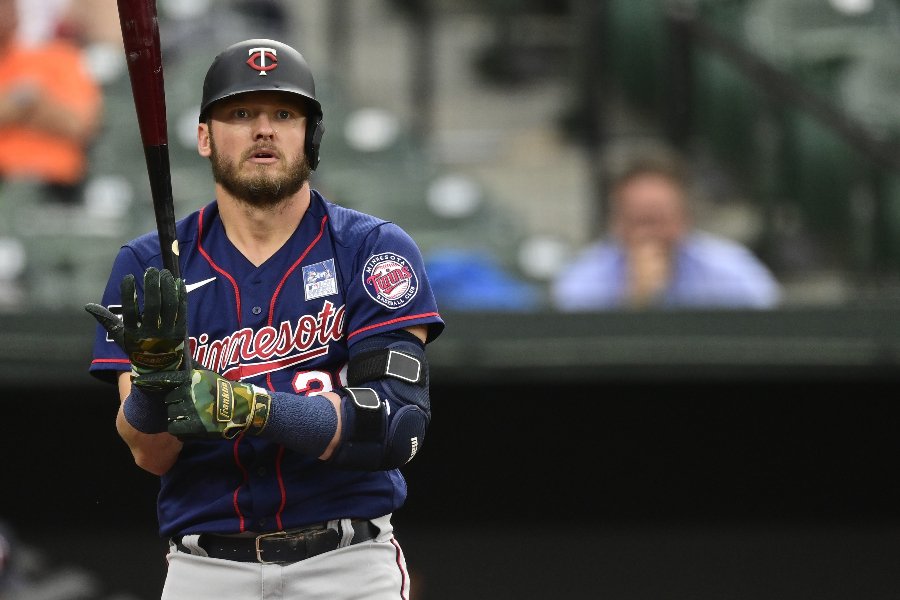 Taylor Rogers It seemed like a certainty for a Taylor Rogers trade to occur before the deadline, but his recent finger injury made it tougher to swing a deal. He is still under team control for 2021, and there isn’t a guarantee the Twins will be in the race next season. On the most recent episode of Gleeman and the Geek, Aaron Gleeman mentioned that multiple teams were interested in adding Rogers even with his injury. Relievers, especially late-inning options, are a valuable commodity, and Rogers seems like one of the most likely candidates to be dealt in the off-season. Byron Buxton Like Rogers, Byron Buxton trade rumors were swirling in the days leading up to the deadline. There are some similarities between the two players because they were both on the IL, and have one more year of team control. Minnesota made multiple contract offers to Buxton in the weeks before the deadline, but Buxton’s rejection of those offers means his name will be out there this winter. Nothing stops the Twins from revisiting a contract extension before other teams are offered him in a trade. That being said, a player with Buxton’s ceiling has the potential to draw trade interest even on an expiring contract. Josh Donaldson Donaldson is a little trickier proposition when looking at potential trades because the Twins would need to pay down part of his contract to find a partner. By multiple metrics, Donaldson is having a solid season for the Twins as he has posted a 133 OPS+ for the second consecutive year. Health questions are part of the Donaldson equation, but he is on pace to play over 120 games for only the second time since 2016. It will take the right kind of team to get a Donaldson trade done, but more teams might be interested in him if he finishes the season healthy. Max Kepler While the names above might be obvious, Kepler has the potential to be one of the organization’s most valuable trade assets. He is under team control through 2024, and the maximum he can earn is $25.3 million. As Twins fans know, it’s a very team-friendly deal, which might make other teams interested in adding him. He has value because he produces consistent numbers while also providing some defensive flexibility. Trevor Larnach and Alex Kirilloff’s emergence in the outfield make Kepler more expendable. Trading teams looking for a left-handed bat with multiple years of team control may be willing to part with the right package. Which player do you think is most likely to be dealt? Leave a COMMENT and start the discussion. MORE FROM TWINS DAILY — Latest Twins coverage from our writers — Recent Twins discussion in our forums — Follow Twins Daily via Twitter, Facebook or email
- 43 comments
-
- 2
-
-
- taylor rogers
- byron buxton
- (and 2 more)
-
Twins Minor League Relief Pitcher of the Month - July 2021
Cody Christie posted an article in Minor Leagues
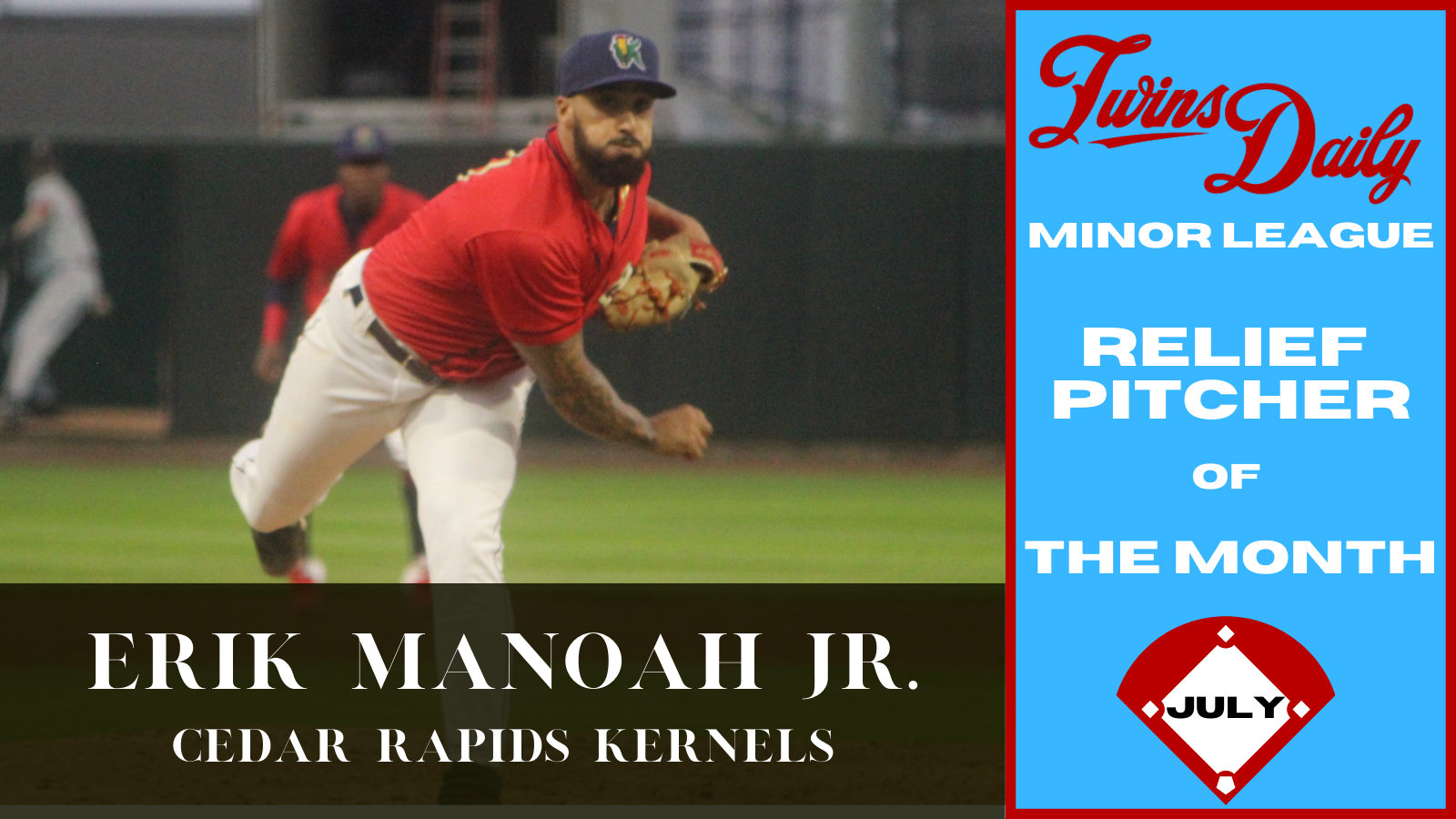 Following a non-existent 2020 minor league season, the line between reliever and starter continues to be blurred for prospects. That being said, a few pitchers were used more regularly out of the bullpen and were able to separate themselves statistically. Before exploring the top four relievers, here are three Honorable Mentions: Jordan Gore, Cedar Rapids Kernels/Wichita Wind Surge - 8 G, 2.77 ERA, 1.00 WHIP, 13.0 IP, 8 H, 8 walks, 21 strikeouts Osiris German, Fort Myers Mighty Mussels/Cedar Rapids Kernels - 9 G, 2.40 ERA, 1.07 WHIP, 15.0 IP, 9 H, 6 walks, 23 strikeouts Ryan Mason, Wichita Wind Surge - 9 G, 0.82 ERA, 1.36 WHIP, 11.0 IP, 10 H, 5 walks, 14 strikeouts. THE TOP FOUR RELIEF PITCHERS #4 - RHP Derek Molina - Cedar Rapids Kernels - 8 G, 3.06 ERA, 0.96 WHIP, 17.2 IP, 12 H, 5 BB, 22 K Molina was drafted by the Twins in the 14th round back in 2017. He ended the 2019 season at High-A and that’s where he’s spent all of 2021. Things didn’t start off great for him during the 2021 campaign as he entered the month of July with a 5.46 ERA with opponents getting on base over 33% of the time against him. There were some positive signs as his strikeout totals were high (40 K in 29 2/3 innings). He seemed to put it all together in July as was asked to pitch two innings or more in every appearance. Opponents were only able to hit .190/.257/.286 (.543), and his five walks were the fewest he’s had in any month. Righties really struggle against Molina as he has held them to a .190 average with 35 strikeouts in 100 at-bats this season. His numbers could have looked even better if he hadn’t allowed two earned runs on the last day of the month. #3 - LHP Jovani Moran - Wichita Wind Surge/St. Paul Saints - 8 G, 2.41 ERA, 0.70 WHIP, 18.2 IP, 6 H, 7 BB, 34 K Moran joined the Twins in 2015 as a 7th round pick from Puerto Rico, and the development of his dominant changeup have made him a reliever to keep an eye on. He made his first five appearances at Triple-A during July, where he is over three years younger than the average age of the competition. He posted some dominant numbers during the month as he faced a total of 71 batters and compiled 34 strikeouts. Yes, he struck out nearly 50% of the batters he faced during the month. Also, he was asked to pitch more than one inning in every appearance during July. Batters struggled to do anything against him as he held them to a .094/.183/.203 slash line. With him now in St. Paul, it is not hard to imagine him making his big league debut before season’s end. #2 - LHP Denny Bentley - Fort Myers Mighty Mussels - 11 G, 1.65 ERA, 0.98 WHIP, 16.1 IP, 8 H, 8 BB, 21 K Bentley, a 33rd round pick back in 2018, was the June Relief Pitcher of the Month, so it’s no surprise to see his name back near the top of the list. For the second straight month, batters hit under .145 against him and got on base only 25% of the time. All three of his earned runs this month came in one appearance as he was asked to make a spot start back on July 6. That means he ended the month with eight straight scoreless appearances. Even as a lefty, Bentley allows a .705 OPS against left-handed hitters, which is nearly 240 points higher than his OPS versus righties. Since he’s pitched at Low-A for the entire season, one has to wonder if he will make the jump to High-A during the season’s second half. And the Twins Minor League Relief Pitcher of the Month is: RHP Erik Manoah Jr. - Cedar Rapids Kernels - 9 G, 0.60 ERA, 0.67 WHIP, 15.0 IP, 7 H, 3 BB, 20 K Manoah might not be a familiar name to Twins fans because he wasn’t even in the organization at season’s start. He began the year pitching in independent baseball as part of the Atlantic League, but he impressed enough to catch the eye of the Twins organization. Originally, he was a 13th round pick of the Mets and he pitched parts of three seasons for that organization before joining the Angels organization. He topped out at High-A with Los Angeles and ended 2019 pitching in the American Association. As the calendar turned to July, Manoah was promoted to Cedar Rapids where he made an immediate impact. Across nine appearances, he only allowed one run and he held batters to hitting .140/.241/.180 (.421). Lefties have only been able to combine for a .313 OPS when facing Manoah. Also, he seems to buckle down in pressure situations as he has 24 strikeouts in 43 at-bats with runners on base. Because of his stints in independent leagues, all but one of his at-bats this season has come against younger batters. Other players might have quit after multiple years in independent leagues, but now he is back on the professional map. And yes, his younger brother Alek pitches for the Toronto Blue Jays. As the Twins have seen this year, an organization can never have too much relief pitching. All of these players had strong month and some may be worthy of promotions in the weeks ahead. Congratulations to Erik Manoah Jr., the Twins Daily Minor League Relief Pitcher of the Month for July 2021.
- 4 comments
-
- 4
-
-
- derek molina
- jovani moran
- (and 2 more)
-
Over the last two days, Twins Daily announced the writer’s picks for top minor league hitter and starting pitcher for July. Now it’s time to discuss the relief pitchers that shined during the season’s third month. Following a non-existent 2020 minor league season, the line between reliever and starter continues to be blurred for prospects. That being said, a few pitchers were used more regularly out of the bullpen and were able to separate themselves statistically. Before exploring the top four relievers, here are three Honorable Mentions: Jordan Gore, Cedar Rapids Kernels/Wichita Wind Surge - 8 G, 2.77 ERA, 1.00 WHIP, 13.0 IP, 8 H, 8 walks, 21 strikeouts Osiris German, Fort Myers Mighty Mussels/Cedar Rapids Kernels - 9 G, 2.40 ERA, 1.07 WHIP, 15.0 IP, 9 H, 6 walks, 23 strikeouts Ryan Mason, Wichita Wind Surge - 9 G, 0.82 ERA, 1.36 WHIP, 11.0 IP, 10 H, 5 walks, 14 strikeouts. THE TOP FOUR RELIEF PITCHERS #4 - RHP Derek Molina - Cedar Rapids Kernels - 8 G, 3.06 ERA, 0.96 WHIP, 17.2 IP, 12 H, 5 BB, 22 K Molina was drafted by the Twins in the 14th round back in 2017. He ended the 2019 season at High-A and that’s where he’s spent all of 2021. Things didn’t start off great for him during the 2021 campaign as he entered the month of July with a 5.46 ERA with opponents getting on base over 33% of the time against him. There were some positive signs as his strikeout totals were high (40 K in 29 2/3 innings). He seemed to put it all together in July as was asked to pitch two innings or more in every appearance. Opponents were only able to hit .190/.257/.286 (.543), and his five walks were the fewest he’s had in any month. Righties really struggle against Molina as he has held them to a .190 average with 35 strikeouts in 100 at-bats this season. His numbers could have looked even better if he hadn’t allowed two earned runs on the last day of the month. #3 - LHP Jovani Moran - Wichita Wind Surge/St. Paul Saints - 8 G, 2.41 ERA, 0.70 WHIP, 18.2 IP, 6 H, 7 BB, 34 K Moran joined the Twins in 2015 as a 7th round pick from Puerto Rico, and the development of his dominant changeup have made him a reliever to keep an eye on. He made his first five appearances at Triple-A during July, where he is over three years younger than the average age of the competition. He posted some dominant numbers during the month as he faced a total of 71 batters and compiled 34 strikeouts. Yes, he struck out nearly 50% of the batters he faced during the month. Also, he was asked to pitch more than one inning in every appearance during July. Batters struggled to do anything against him as he held them to a .094/.183/.203 slash line. With him now in St. Paul, it is not hard to imagine him making his big league debut before season’s end. #2 - LHP Denny Bentley - Fort Myers Mighty Mussels - 11 G, 1.65 ERA, 0.98 WHIP, 16.1 IP, 8 H, 8 BB, 21 K Bentley, a 33rd round pick back in 2018, was the June Relief Pitcher of the Month, so it’s no surprise to see his name back near the top of the list. For the second straight month, batters hit under .145 against him and got on base only 25% of the time. All three of his earned runs this month came in one appearance as he was asked to make a spot start back on July 6. That means he ended the month with eight straight scoreless appearances. Even as a lefty, Bentley allows a .705 OPS against left-handed hitters, which is nearly 240 points higher than his OPS versus righties. Since he’s pitched at Low-A for the entire season, one has to wonder if he will make the jump to High-A during the season’s second half. And the Twins Minor League Relief Pitcher of the Month is: RHP Erik Manoah Jr. - Cedar Rapids Kernels - 9 G, 0.60 ERA, 0.67 WHIP, 15.0 IP, 7 H, 3 BB, 20 K Manoah might not be a familiar name to Twins fans because he wasn’t even in the organization at season’s start. He began the year pitching in independent baseball as part of the Atlantic League, but he impressed enough to catch the eye of the Twins organization. Originally, he was a 13th round pick of the Mets and he pitched parts of three seasons for that organization before joining the Angels organization. He topped out at High-A with Los Angeles and ended 2019 pitching in the American Association. As the calendar turned to July, Manoah was promoted to Cedar Rapids where he made an immediate impact. Across nine appearances, he only allowed one run and he held batters to hitting .140/.241/.180 (.421). Lefties have only been able to combine for a .313 OPS when facing Manoah. Also, he seems to buckle down in pressure situations as he has 24 strikeouts in 43 at-bats with runners on base. Because of his stints in independent leagues, all but one of his at-bats this season has come against younger batters. Other players might have quit after multiple years in independent leagues, but now he is back on the professional map. And yes, his younger brother Alek pitches for the Toronto Blue Jays. As the Twins have seen this year, an organization can never have too much relief pitching. All of these players had strong month and some may be worthy of promotions in the weeks ahead. Congratulations to Erik Manoah Jr., the Twins Daily Minor League Relief Pitcher of the Month for July 2021. View full article
-
Is Jorge Polanco the Veteran Leader for the Twins Turnaround?
Cody Christie posted an article in Twins
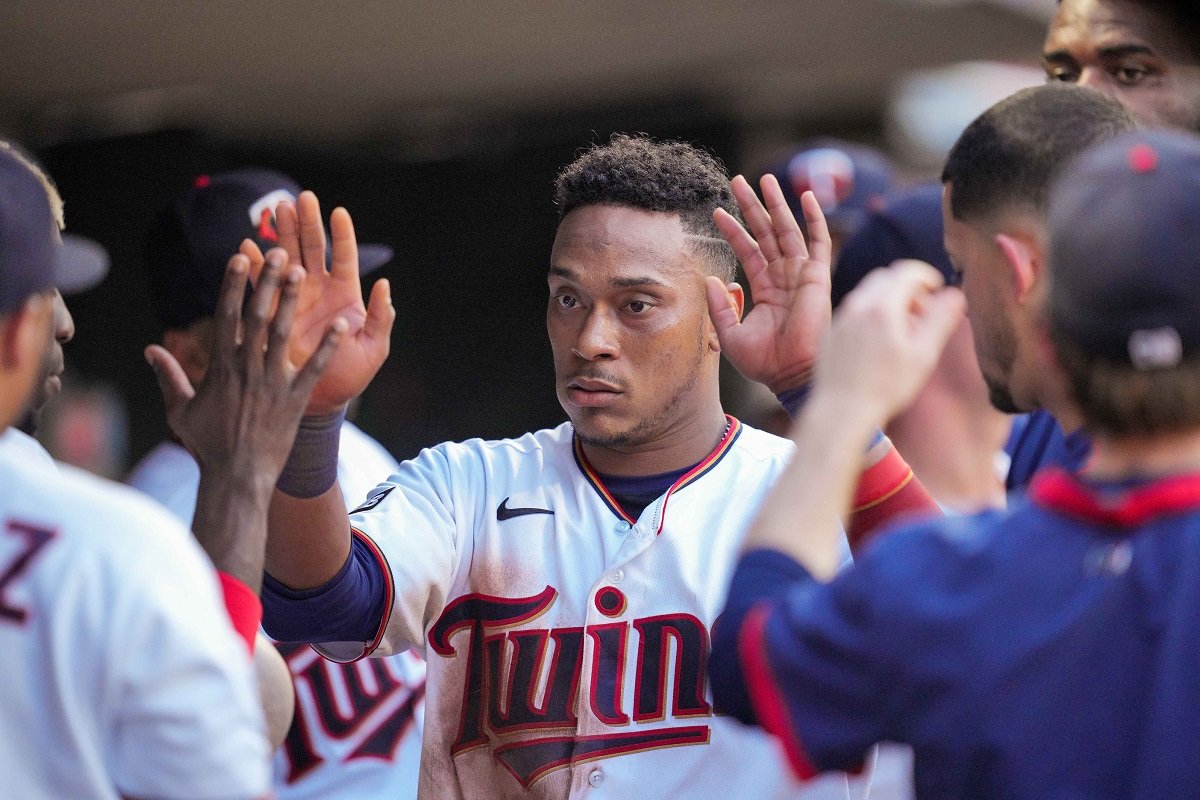 Jorge Polanco must have been riding high back in 2019 as he made his first All-Star Game as the American League’s starting shortstop. He finished that season with career highs in nearly every offensive category, and the Twins were at the top of the AL Central. Life was good. In each of the last two offseasons, he underwent ankle surgery. Polanco’s clearly-hampered swing was evident as he played through the injury. During the 2020 season, he played in 55 of the team’s 60 games, but his slugging percentage dropped over 130 points compared to 2019. Over the team’s final 15 games, he posted a .167 batting average with two extra-base hits. Entering the 2021 season, Minnesota’s offseason plan included moving Polanco from shortstop to second base. He has always been stretched defensively at shortstop, and the switch may also take some pressure off his ailing ankles. He has been good defensively as he ranks just outside the top-3 AL second basemen when it comes to SABR’s Defensive Index. While the defensive switch has worked, his offensive numbers are what really needed to improve. Quietly, Polanco has rediscovered his swing during the 2021 season. Over the team’s last 70 games, he is hitting .297/.355/.524 (.879) with 15 home runs and 17 doubles. If the season ended today, there’s a good chance he would be named the team MVP. On a last-place team, that might not mean a lot, but it might be a sign of him being healthy for the first time in multiple seasons. Polanco is signed through 2023 as part of his 5-year, $25.75 million extension, but vesting/team options can keep in Minnesota through 2025. If he stays with the Twins, he will turn 31-years old in 2025, and the team would control the majority of his prime years. By being with the organization for this long, he also has the opportunity to be the veteran presence on a team that will include a young core of Alex Kirilloff, Trevor Larnach, and other prospects yet to debut. Over the last decade, veteran players like Nelson Cruz, Brian Dozier, and Torii Hunter took on the team leader role to help nurture young players and be the contending team's voice. Polanco hasn't taken on that role yet, but looking into the future makes it easier to imagine him taking on the leadership role the future Twins will need on and off the field. Do you think Polanco is the right veteran leader for the Twins turnaround? Leave a COMMENT and start the discussion. MORE FROM TWINS DAILY — Latest Twins coverage from our writers — Recent Twins discussion in our forums — Follow Twins Daily via Twitter, Facebook or email
 -
Minnesota’s next contending team might not be on the field for a couple of seasons. Can Jorge Polanco provide the veteran leadership needed for the Twins turnaround? Jorge Polanco must have been riding high back in 2019 as he made his first All-Star Game as the American League’s starting shortstop. He finished that season with career highs in nearly every offensive category, and the Twins were at the top of the AL Central. Life was good. In each of the last two offseasons, he underwent ankle surgery. Polanco’s clearly-hampered swing was evident as he played through the injury. During the 2020 season, he played in 55 of the team’s 60 games, but his slugging percentage dropped over 130 points compared to 2019. Over the team’s final 15 games, he posted a .167 batting average with two extra-base hits. Entering the 2021 season, Minnesota’s offseason plan included moving Polanco from shortstop to second base. He has always been stretched defensively at shortstop, and the switch may also take some pressure off his ailing ankles. He has been good defensively as he ranks just outside the top-3 AL second basemen when it comes to SABR’s Defensive Index. While the defensive switch has worked, his offensive numbers are what really needed to improve. Quietly, Polanco has rediscovered his swing during the 2021 season. Over the team’s last 70 games, he is hitting .297/.355/.524 (.879) with 15 home runs and 17 doubles. If the season ended today, there’s a good chance he would be named the team MVP. On a last-place team, that might not mean a lot, but it might be a sign of him being healthy for the first time in multiple seasons. Polanco is signed through 2023 as part of his 5-year, $25.75 million extension, but vesting/team options can keep in Minnesota through 2025. If he stays with the Twins, he will turn 31-years old in 2025, and the team would control the majority of his prime years. By being with the organization for this long, he also has the opportunity to be the veteran presence on a team that will include a young core of Alex Kirilloff, Trevor Larnach, and other prospects yet to debut. Over the last decade, veteran players like Nelson Cruz, Brian Dozier, and Torii Hunter took on the team leader role to help nurture young players and be the contending team's voice. Polanco hasn't taken on that role yet, but looking into the future makes it easier to imagine him taking on the leadership role the future Twins will need on and off the field. Do you think Polanco is the right veteran leader for the Twins turnaround? Leave a COMMENT and start the discussion. MORE FROM TWINS DAILY — Latest Twins coverage from our writers — Recent Twins discussion in our forums — Follow Twins Daily via Twitter, Facebook or email View full article
-
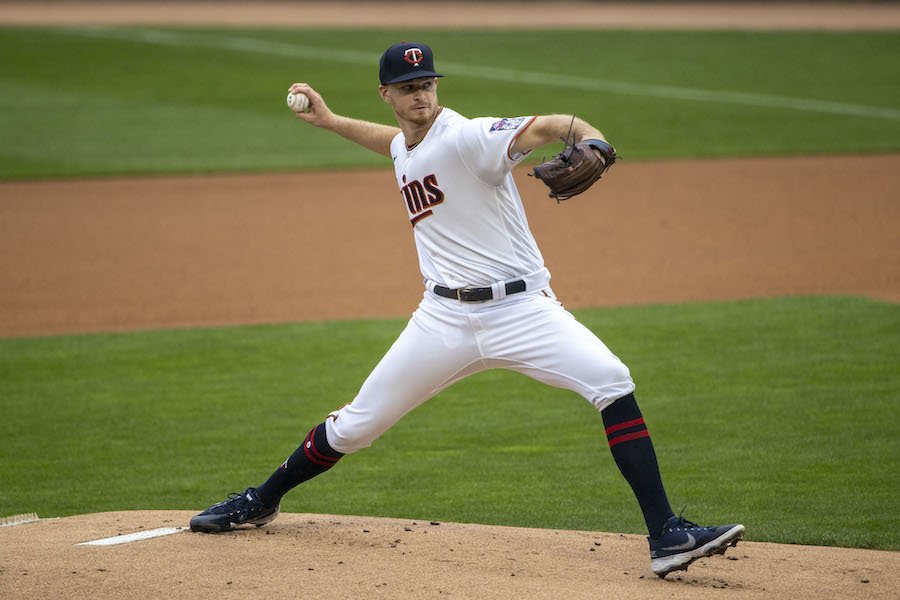 Being a 12th round pick from the College of Charleston isn’t a spot that puts many players on the prospect map. That’s where Bailey Ober got his professional start, and he has undoubtedly made something of his professional career. Only three players from that round have made their big league debuts, and Ober is the only player out of the group to play more than one game. Ober doesn’t fit the mold of the type of pitcher that organizations seek out as the game has continued to evolve. All four of his pitches are below league average when it comes to miles per hour. His Baseball Savant page has more blue than red, which points to him not being very successful so far in his big-league career. However, his recent starts point to some positive signs. Part of Ober’s scouting report has been the deceptive nature of his fastball. He’s 6-foot-9, and his wingspan allows his release point to be closer to the plate than some other pitchers. Also, he has started getting more vertical movement on his fastball that wasn’t present in some of his earlier starts. This movement matches his scouting reports from the minors, and it might be the biggest key for him sticking long-term in the big leagues. During July, Ober saw other improvements as well. He started five games and allowed ten earned runs over 22 2/3 innings. Also, he struck out 25 batters and only issued eight walks. Hitters were only able to compile a .214/.283/.429 slash line, which showed improvement over the .891 OPS he held entering the month. Bailey Ober will never be a top of the rotation starter, but there is always a need for rotational depth. Right now, Kenta Maeda is the lone name penciled in for the 2022 rotation, and there are no guarantees with him. His name was mentioned in multiple rumors at the trade deadline, and the Twins can revisit those deals this winter. There are things Ober can continue to improve on throughout the season’s remaining games. As mentioned earlier, the vertical movement on his fastball is one of his biggest keys. He’s also been giving up plenty of hard-hit balls so far in his career. When he is at his best, he gets players to chase pitches and controls the strike zone. There have already been signs of those improvements in his most recent starts. Innings and pitch count limits are also part of the discussion with Ober and his ability to make improvements. Entering the season, Ober's career high in innings pitched was 78 2/3 innings back in 2019 when he also missed time with elbow issues. He didn't pitch at all in 2020, so the Twins, like many MLB teams this season, are going to be careful with young pitchers. He is already over 63 innings in 2021 and the team likely wants him to pitch over 100 innings. So, what’s the upside with Ober? If he can continue to make improvements, he should be at the back-end of the rotation for multiple seasons. Minnesota has plenty of pitching prospects working their way to the big leagues, so Ober will have to prove that he can succeed over the long term. What have your impressions been of Ober so far in his career? Can he continue to improve? Leave a COMMENT and start the discussion. MORE FROM TWINS DAILY — Latest Twins coverage from our writers — Recent Twins discussion in our forums — Follow Twins Daily via Twitter, Facebook or email

5-1.png.6666435822dd3c122652912c8e5f1725.png)
.png.e14a520ba642c217289f1423b05550b1.png)
.png.6f14190c3dcf37d17d281a986a6a17d5.png)
