



Cody Christie
-
Posts
7,515 -
Joined
-
Last visited
-
Days Won
5
Content Type
Profiles
News
Minnesota Twins Videos
2026 Minnesota Twins Top Prospects Ranking
2022 Minnesota Twins Draft Picks
Minnesota Twins Free Agent & Trade Rumors, Notes, & Tidbits
Guides & Resources
2023 Minnesota Twins Draft Picks
The Minnesota Twins Players Project
2024 Minnesota Twins Draft Picks
2025 Minnesota Twins Draft Pick Tracker
2026 Minnesota Twins Draft Tracker: Picks & Bonuses
Forums
Blogs
Events
Store
Downloads
Gallery
Everything posted by Cody Christie
-
 Byron Buxton is off to a tremendous start to the season and national media outlets are going to start taking notice. However, thoughts of him contending for the Triple-Crown seem to be a little far fetched this early in the season.Two weeks have already passed in this young season and there are plenty of trends to keep an eye on, but it’s only the tip of the iceberg in a 162-game campaign. Sports Illustrated thinks Byron Buxton will make a run at the first offensive Triple Crown since Miguel Cabrera back in 2012. Buxton is up near the top of all three categories (batting average, home runs, and RBI) so let’s examine his chances in each category. Batting Average Buxton’s hot start has resulted in a .469 batting average, which ranked seventh in the AL entering play on Sunday. No player can continue to hit at that rate for an entire season. Ted Williams was the last player to post a batting average over .400 for an entire season and that was in 1941. There have been players that made a run at .400 include Minnesota’s Rod Carew. However, there may be some positive signs in Buxton’s numbers so far this year. Buxton leads all of baseball in barrels per plate appearance (19.4%) and only two players have a higher average exit velocity. For his career, Buxton is a .244/.295/.445 hitter so his numbers this season are significantly higher than any other season in his career. If he can stay healthy, he might be able to post some eye-popping numbers. Batting average seems like it might be the hardest area of the Triple-Crown for him to win. Home Runs Buxton ranks second in the AL in home runs, and he’s missed multiple games with a hamstring issue and the team’s COVID problems. His career high in home runs came back in 2017 when he hit 16 homers in 140 games. He’s well on his way to setting a personal best, but he will probably need to triple his best to be in the conversation for most AL home runs. In the last decade, the fewest amount of home runs to lead the AL was 40 from Nelson Cruz back in 2014. The last under 40 home run leader was in 2009 when Carlos Pena and Mark Teixeira tied with 39 longballs. Buxton has focused on adding strength in recent off-seasons and he might be seeing the fruits of his labor. Buxton had a 12 game stretch last season where he hit eight home runs in 12 games. Back in 2017, he hit 11 home runs in 34 games including a three-homer game in Toronto. RBI Out of the three categories, RBI is the one area that Buxton has little control over. He’s only had over 50 RBI once in his career and that was back in 2017. In previous seasons, he has typically been batting in the ninth spot in the batting order, which isn’t exactly a spot known for driving in a lot of runs. His hot bat this season has seen him batting more regularly in the heart of the order. He has multiple games batting third or fourth in the line-up and the lowest he has batted is sixth. As a team, the Twins have struggled with runners in scoring position this season. Buxton has gone 2-for7 with RISP including a home run and a double. Other Twins players at the top of the line-up will need to get in position for Buxton to drive them in. A healthy Buxton hitting at a torrid pace has a chance to make baseball history, but a Triple Crown takes a lot of things working in a batter’s favor. Buxton might be the early frontrunner for AL MVP, but a Triple Crown doesn’t seem likely. Do you think Buxton has a shot at the Triple Crown? Leave a COMMENT and start the discussion. MORE FROM TWINS DAILY — Latest Twins coverage from our writers — Recent Twins discussion in our forums — Follow Twins Daily via Twitter, Facebook or email Click here to view the article
 -
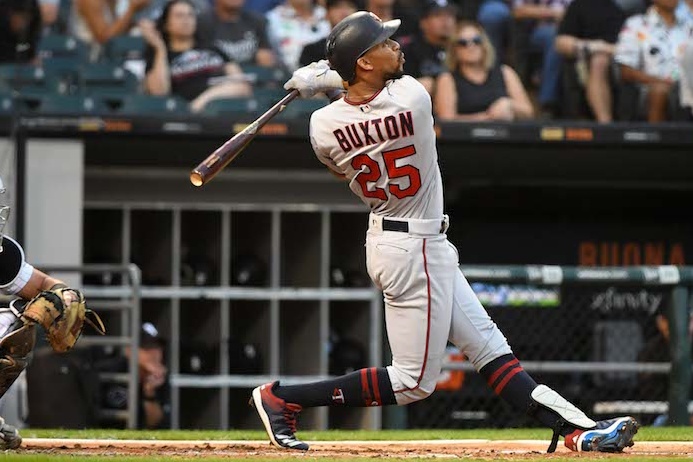 Two weeks have already passed in this young season and there are plenty of trends to keep an eye on, but it’s only the tip of the iceberg in a 162-game campaign. Sports Illustrated thinks Byron Buxton will make a run at the first offensive Triple Crown since Miguel Cabrera back in 2012. Buxton is up near the top of all three categories (batting average, home runs, and RBI) so let’s examine his chances in each category. Batting Average Buxton’s hot start has resulted in a .469 batting average, which ranked seventh in the AL entering play on Sunday. No player can continue to hit at that rate for an entire season. Ted Williams was the last player to post a batting average over .400 for an entire season and that was in 1941. There have been players that made a run at .400 include Minnesota’s Rod Carew. However, there may be some positive signs in Buxton’s numbers so far this year. Buxton leads all of baseball in barrels per plate appearance (19.4%) and only two players have a higher average exit velocity. For his career, Buxton is a .244/.295/.445 hitter so his numbers this season are significantly higher than any other season in his career. If he can stay healthy, he might be able to post some eye-popping numbers. Batting average seems like it might be the hardest area of the Triple-Crown for him to win. Home Runs Buxton ranks second in the AL in home runs, and he’s missed multiple games with a hamstring issue and the team’s COVID problems. His career high in home runs came back in 2017 when he hit 16 homers in 140 games. He’s well on his way to setting a personal best, but he will probably need to triple his best to be in the conversation for most AL home runs. In the last decade, the fewest amount of home runs to lead the AL was 40 from Nelson Cruz back in 2014. The last under 40 home run leader was in 2009 when Carlos Pena and Mark Teixeira tied with 39 longballs. Buxton has focused on adding strength in recent off-seasons and he might be seeing the fruits of his labor. Buxton had a 12 game stretch last season where he hit eight home runs in 12 games. Back in 2017, he hit 11 home runs in 34 games including a three-homer game in Toronto. RBI Out of the three categories, RBI is the one area that Buxton has little control over. He’s only had over 50 RBI once in his career and that was back in 2017. In previous seasons, he has typically been batting in the ninth spot in the batting order, which isn’t exactly a spot known for driving in a lot of runs. His hot bat this season has seen him batting more regularly in the heart of the order. He has multiple games batting third or fourth in the line-up and the lowest he has batted is sixth. As a team, the Twins have struggled with runners in scoring position this season. Buxton has gone 2-for7 with RISP including a home run and a double. Other Twins players at the top of the line-up will need to get in position for Buxton to drive them in. A healthy Buxton hitting at a torrid pace has a chance to make baseball history, but a Triple Crown takes a lot of things working in a batter’s favor. Buxton might be the early frontrunner for AL MVP, but a Triple Crown doesn’t seem likely. Do you think Buxton has a shot at the Triple Crown? Leave a COMMENT and start the discussion. MORE FROM TWINS DAILY — Latest Twins coverage from our writers — Recent Twins discussion in our forums — Follow Twins Daily via Twitter, Facebook or email
 -
Randy Dobnak had a great spring, but numbers during the Grapefruit League can be deceiving. So far in 2021, there have been some struggles and maybe it’s time to realize that Dobnak is not a reliever.Entering the offseason, it seemed likely for Dobnak to be penciled into the back end of the Twins’ starting rotation. Minnesota had three pitchers slated to begin the year as starters and Dobnak seemed to be at least guaranteed a shot at the fifth rotational spot. That plan was altered after the club signed J.A. Happ and Matt Shoemaker. Then the question was raised about whether Dobnak should be pitching out of the bullpen or be sent to the alternate site to continue to be stretched out as a starter. The Twins’ brass felt like Dobnak and his newly signed contract were a better fit as the bullpen’s long man, but the numbers point to this being a poor decision. Entering play on Wednesday, Dobnak had appeared in 22 big-league games with 15 coming as a starter and seven coming in relief. As a starter, he has a 3.41 ERA with a 43 to 18 strikeout to walk ratio while holding batters to a .645 OPS. His relief appearances have resulted in a 4.20 ERA with batters compiling an .870 OPS in almost 70 plate appearances. This isn’t exactly a large sample size, but his numbers as a starter are clearly better. Also, Minnesota has been using Dobnak in situations where he can continue to stay stretched out. He has been limited to just three appearances this year, because the Twins have only seen three of their games decided by more than two runs. This doesn’t exactly lend itself to naturally using a long man out of the bullpen, because Rocco Baldelli has turned to more of his high leverage arms in close and late game scenarios. Having Dobnak stretched out will be useful since the team has 11 games over the next 10 days and the current starters won’t be able to make all of those starts. On the TV broadcast, Justin Morneau alluded to the fact that Dobnak will make a start during the next week. That being said, it’s hard to imagine him being able to pitch deep into a game since he hasn’t started since early in spring training. For Dobnak to get more relief opportunities, it might be beneficial for the Twins to separate Happ and Shoemaker in the rotation. Those two starters are the ones he is most likely going to piggyback with since neither are expected to pitch deep into games on a regular basis. Currently, they pitch on back-to-back days and that doesn’t allow Dobnak to piggyback for both of them Teams are using a variety of strategies this year to cover innings and piggybacking those two starters might be a strategy the Twins will need to start using. There’s likely going to be a time this season where Dobnak is going to be needed in the rotation. For now, his role in the bullpen needs to be altered so he can find more success. Do you think Dobnak should continue to be used as a reliver? Leave a COMMENT and start the discussion. MORE FROM TWINS DAILY — Latest Twins coverage from our writers — Recent Twins discussion in our forums — Follow Twins Daily via Twitter, Facebook or email Click here to view the article
-
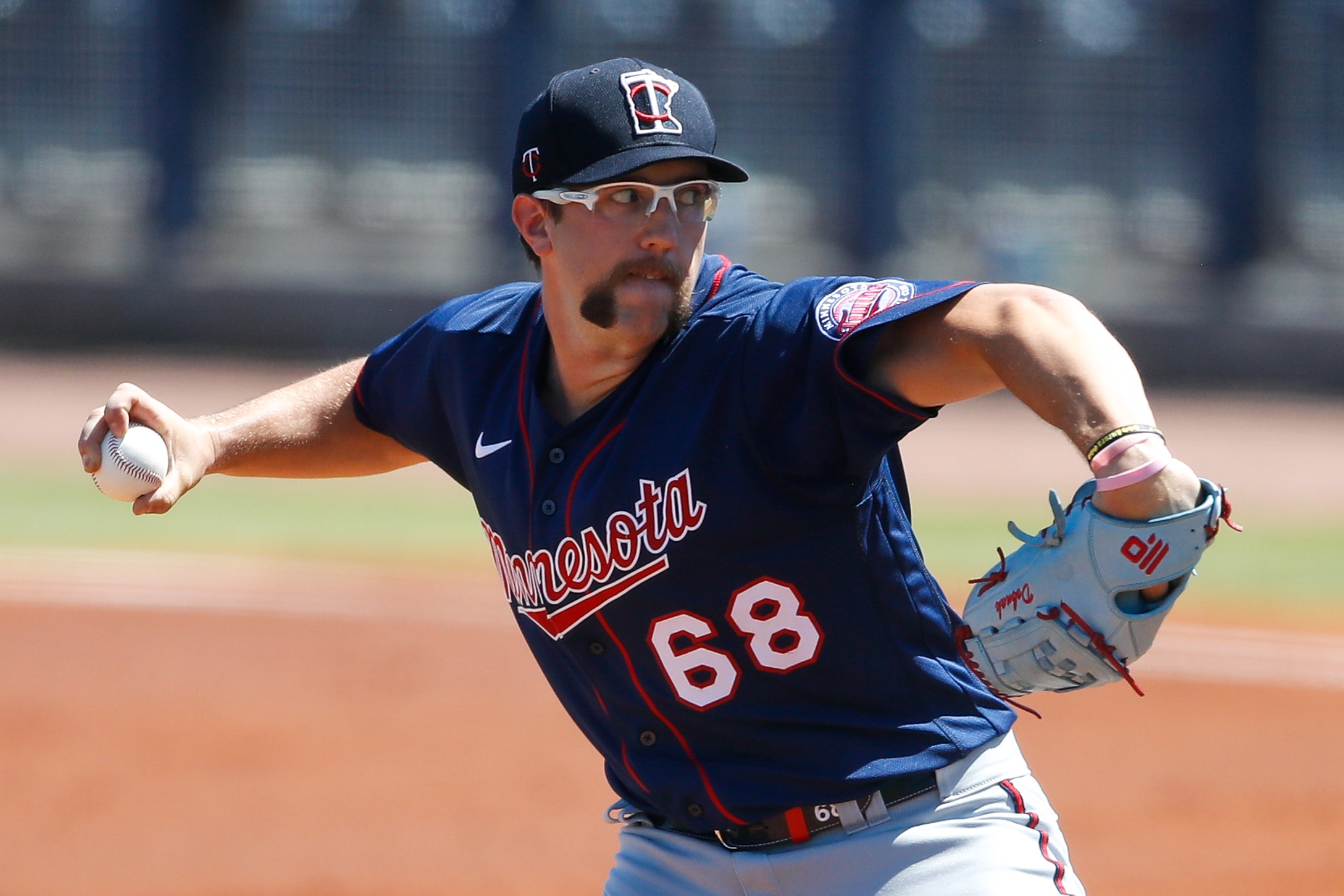 Entering the offseason, it seemed likely for Dobnak to be penciled into the back end of the Twins’ starting rotation. Minnesota had three pitchers slated to begin the year as starters and Dobnak seemed to be at least guaranteed a shot at the fifth rotational spot. That plan was altered after the club signed J.A. Happ and Matt Shoemaker. Then the question was raised about whether Dobnak should be pitching out of the bullpen or be sent to the alternate site to continue to be stretched out as a starter. The Twins’ brass felt like Dobnak and his newly signed contract were a better fit as the bullpen’s long man, but the numbers point to this being a poor decision. Entering play on Wednesday, Dobnak had appeared in 22 big-league games with 15 coming as a starter and seven coming in relief. As a starter, he has a 3.41 ERA with a 43 to 18 strikeout to walk ratio while holding batters to a .645 OPS. His relief appearances have resulted in a 4.20 ERA with batters compiling an .870 OPS in almost 70 plate appearances. This isn’t exactly a large sample size, but his numbers as a starter are clearly better. Also, Minnesota has been using Dobnak in situations where he can continue to stay stretched out. He has been limited to just three appearances this year, because the Twins have only seen three of their games decided by more than two runs. This doesn’t exactly lend itself to naturally using a long man out of the bullpen, because Rocco Baldelli has turned to more of his high leverage arms in close and late game scenarios. https://twitter.com/MatthewTaylorMN/status/1382323416234086407?s=20 Having Dobnak stretched out will be useful since the team has 11 games over the next 10 days and the current starters won’t be able to make all of those starts. On the TV broadcast, Justin Morneau alluded to the fact that Dobnak will make a start during the next week. That being said, it’s hard to imagine him being able to pitch deep into a game since he hasn’t started since early in spring training. For Dobnak to get more relief opportunities, it might be beneficial for the Twins to separate Happ and Shoemaker in the rotation. Those two starters are the ones he is most likely going to piggyback with since neither are expected to pitch deep into games on a regular basis. Currently, they pitch on back-to-back days and that doesn’t allow Dobnak to piggyback for both of them Teams are using a variety of strategies this year to cover innings and piggybacking those two starters might be a strategy the Twins will need to start using. There’s likely going to be a time this season where Dobnak is going to be needed in the rotation. For now, his role in the bullpen needs to be altered so he can find more success. Do you think Dobnak should continue to be used as a reliver? Leave a COMMENT and start the discussion. MORE FROM TWINS DAILY — Latest Twins coverage from our writers — Recent Twins discussion in our forums — Follow Twins Daily via Twitter, Facebook or email
 -
Teams are going to have to get creative throughout the 2021 campaign as pitching staffs are tasked with throwing more than twice as many innings than during the 2020 season. What strategies will the Twins use to cover those innings in the current campaign?Traditional Five-Man Rotation Minnesota is going with a traditional five-man pitching staff to start the 2021 season and they are expected to stick with a five-man rotation for the majority of the season. That doesn’t mean the same five pitchers will occupy the rotation as the innings start to add up. Minnesota signed Matt Shoemaker and J.A. Happ to add rotational depth, and this is only going to help in a season like the current one. The Twins can use multiple strategies throughout the season to keep the starting staff rested. One option is to have a player skip a start. In this situation, the team can call-up a starter from St. Paul or the team can go with a bullpen game, which has become more common in recent years. There’s also a good chance a starter will need some time on the injured list at some point, so this allows the team to utilize some of their pitching depth. Rotating Relievers After signing an extension this spring, Randy Dobnak has struggled to start the 2021 season by allowing five earned runs in three innings. Obviously, this is a very small sample size, and the Twins are confident in Dobnak finding success this season. He is the natural choice to be the team’s sixth starter if needed, but he isn’t the only reliever that will eat innings this season. Last year, only two Twins relievers threw more than 25 innings and both of those players, Matt Wisler and Tyler Clippard, are no longer with the team. Minnesota has used Alex Colomé for multiple innings this year and that might hint at some of Rocco Baldelli’s strategy this season. The team has also switched to a 14-man pitching staff with the addition of Brandon Waddell, who will help cover more innings. He can also occupy a spot that is sent back and forth between Triple-A and the big-leagues. Options Outside the 26-Man Roster Outside the names mentioned above, there is certainly other options not currently on the 26-man roster. Lewis Thorpe and Devin Smeltzer are stretched out to be starters and they can be called on to take over a starting role. Top pitching prospects like Jhoan Duran and Jordan Balazovic are also expected to make their debuts in 2021. Hopefully, they aren’t needed for extended innings, but they are waiting in the wings. Other names on the 40-man roster include Shaun Anderson, Dakota Chalmers and Bailey Ober. Each of these arms can fit into the bullpen picture at some point this season. There are also other options outside the 40-man roster including this year’s Sire of Fort Myers, Derek Law. The Twins have liked to use a steady stream of players from the minors to supplement the big-league relief core in recent years and that trend will likely continue in 2021. Other Teams’ Strategies Last week, MLB.com ran through the different strategies teams will utilize in 2021. Teams like the Angels, Mariners, and Pirates are all planning on using six-man rotations, but none of these clubs are expected to be fighting for a World Series title. Some teams, like the Dodgers, Rangers, and Tigers are going to use a piggybacking strategy where some starters are used in a traditional manner and other appearances they use multiple starters that follow one another. The Rays utilize openers and bullpen games quite often and that expects to be the case again, especially with Blake Snell and Charlie Morton no longer part of the rotation. A lot of teams will be using a revolving five-man rotation which will include skipped starts and other pitchers filling into the rotation’s fifth spot. Minnesota is penciled into another large group of 10 teams that will use a traditional five-man rotation for as long as it will last, but it’s clear the team will be open to using multiple pitching strategies this year. What strategies will the Twins use to cover 1,458 innings this year? Leave COMMENT and start the discussion. MORE FROM TWINS DAILY — Latest Twins coverage from our writers — Recent Twins discussion in our forums — Follow Twins Daily via Twitter, Facebook or email Click here to view the article
-
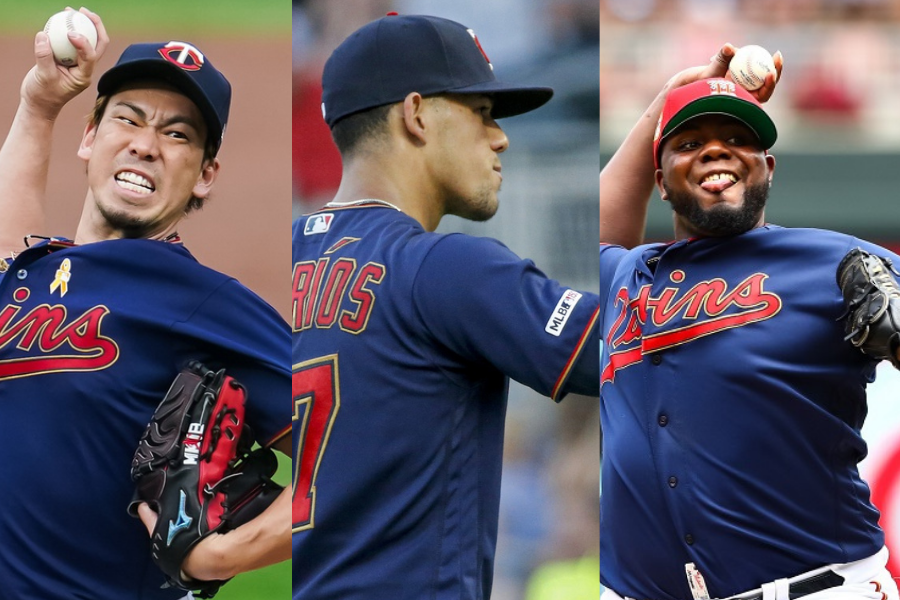 Traditional Five-Man Rotation Minnesota is going with a traditional five-man pitching staff to start the 2021 season and they are expected to stick with a five-man rotation for the majority of the season. That doesn’t mean the same five pitchers will occupy the rotation as the innings start to add up. Minnesota signed Matt Shoemaker and J.A. Happ to add rotational depth, and this is only going to help in a season like the current one. The Twins can use multiple strategies throughout the season to keep the starting staff rested. One option is to have a player skip a start. In this situation, the team can call-up a starter from St. Paul or the team can go with a bullpen game, which has become more common in recent years. There’s also a good chance a starter will need some time on the injured list at some point, so this allows the team to utilize some of their pitching depth. Rotating Relievers After signing an extension this spring, Randy Dobnak has struggled to start the 2021 season by allowing five earned runs in three innings. Obviously, this is a very small sample size, and the Twins are confident in Dobnak finding success this season. He is the natural choice to be the team’s sixth starter if needed, but he isn’t the only reliever that will eat innings this season. Last year, only two Twins relievers threw more than 25 innings and both of those players, Matt Wisler and Tyler Clippard, are no longer with the team. Minnesota has used Alex Colomé for multiple innings this year and that might hint at some of Rocco Baldelli’s strategy this season. The team has also switched to a 14-man pitching staff with the addition of Brandon Waddell, who will help cover more innings. He can also occupy a spot that is sent back and forth between Triple-A and the big-leagues. Options Outside the 26-Man Roster Outside the names mentioned above, there is certainly other options not currently on the 26-man roster. Lewis Thorpe and Devin Smeltzer are stretched out to be starters and they can be called on to take over a starting role. Top pitching prospects like Jhoan Duran and Jordan Balazovic are also expected to make their debuts in 2021. Hopefully, they aren’t needed for extended innings, but they are waiting in the wings. Other names on the 40-man roster include Shaun Anderson, Dakota Chalmers and Bailey Ober. Each of these arms can fit into the bullpen picture at some point this season. There are also other options outside the 40-man roster including this year’s Sire of Fort Myers, Derek Law. The Twins have liked to use a steady stream of players from the minors to supplement the big-league relief core in recent years and that trend will likely continue in 2021. Other Teams’ Strategies Last week, MLB.com ran through the different strategies teams will utilize in 2021. Teams like the Angels, Mariners, and Pirates are all planning on using six-man rotations, but none of these clubs are expected to be fighting for a World Series title. Some teams, like the Dodgers, Rangers, and Tigers are going to use a piggybacking strategy where some starters are used in a traditional manner and other appearances they use multiple starters that follow one another. The Rays utilize openers and bullpen games quite often and that expects to be the case again, especially with Blake Snell and Charlie Morton no longer part of the rotation. A lot of teams will be using a revolving five-man rotation which will include skipped starts and other pitchers filling into the rotation’s fifth spot. Minnesota is penciled into another large group of 10 teams that will use a traditional five-man rotation for as long as it will last, but it’s clear the team will be open to using multiple pitching strategies this year. What strategies will the Twins use to cover 1,458 innings this year? Leave COMMENT and start the discussion. MORE FROM TWINS DAILY — Latest Twins coverage from our writers — Recent Twins discussion in our forums — Follow Twins Daily via Twitter, Facebook or email
 -
Nelson Cruz was a late bloomer, but there is no question that he has evolved into one of the game’s best hitters. Here are the five teams that have felt his wrath most often over the last 17 years.Cruz has posted higher numbers against some teams in a smaller sample size. For the purposes of this post, 100 plate appearances was used as the cutoff. So, his 1.304 OPS versus Miami and his 1.131 OPS versus St. Louis won’t factor into the rankings below. 5. Boston Red Sox .295/.368/.567 (.935), 23 HR, 21 2B, 394 PA Minnesota faces Boston to start this week and Cruz will be looking to improve his numbers against this AL East foe. His 23 home runs against Boston are only the eighth most versus an opponent, but his fewer plate appearances have resulted in a higher OPS. Cruz was only able to post a .660 OPS versus Boston in his first year with the Twins as he went 5-for-26 with three extra-base hits. Last year’s unique schedule meant that the Twins didn’t face the Red Sox. 4. Kansas City Royals .282/.361/.598 (.959), 30 HR, 15 2B, 379 PA Out of teams outside the AL West, the Royals have seen Cruz trot around the bases most regularly. The Angels (50 home runs) and the Athletics (35 home runs) have surrendered the most longballs to Cruz. During the 2020 season, Cruz destroyed the Royals by hitting .429/.515/1.107 (1.622). Out of his 12 hits, six of them were home runs. Back in 2019, his first year in Minnesota, Cruz batted .371/.467/.903 (1.370) with nine home runs and six doubles in 16 games. The Twins face off with the Royals at the beginning of next month. 3. Texas Rangers .301/.389/.573 (.961), 21 HR, 17 2B, 350 PA Cruz started his career with the Rangers, so it’s interesting to see them included on this list. Most of this damage came when he was a member of the Seattle Mariners and Baltimore Orioles. Since joining the Twins, he has been limited to three games and 11 plate appearances against the Rangers. He has one hit, a double, in nine at-bats and a .111/.273/.222 slash line. The Rangers are one of the worst teams in baseball this year, so Cruz might be able to take advantage of their pitching woes. His first opportunity to face Texas is at the beginning of May. 2. Minnesota Twins .300/.347/.626 (.973), 20 HR, 24 2B, 278 PA If you can’t beat him, make sure you sign him to be part of your team. His 24 doubles against Twins pitching are the most against any team outside the AL West. Only the Angels have surrendered more doubles and he has over 470 more plate appearances versus Los Angeles. It also helps that the Twins had some terrible pitching staffs for the majority of his big-league career. Thankfully, the Twins won’t have to face Cruz this season. 1. Baltimore Orioles .356/.427/.636 (1.063), 17 HR, 21 2B, 300 PA Another one of his former teams makes the list, but he was only in Baltimore for one season. Granted, he led all of baseball in home runs that season. For multiple seasons, the Orioles have been considered one of the worst teams in baseball, so it makes sense that Cruz has found success against their lackluster pitching staffs. Back in 2019, Cruz went 10-for-26 against Baltimore with four home runs and six doubles. Minnesota and Cruz will face off against the Orioles at the end of May. Which team will Cruz do the most damage against in 2021? Leave a COMMENT and start the discussion. MORE FROM TWINS DAILY — Latest Twins coverage from our writers — Recent Twins discussion in our forums — Follow Twins Daily via Twitter, Facebook or email Click here to view the article
-
Ranking the Top-5 Teams Nelson Cruz Has Owned During His Career
Cody Christie posted an article in Twins
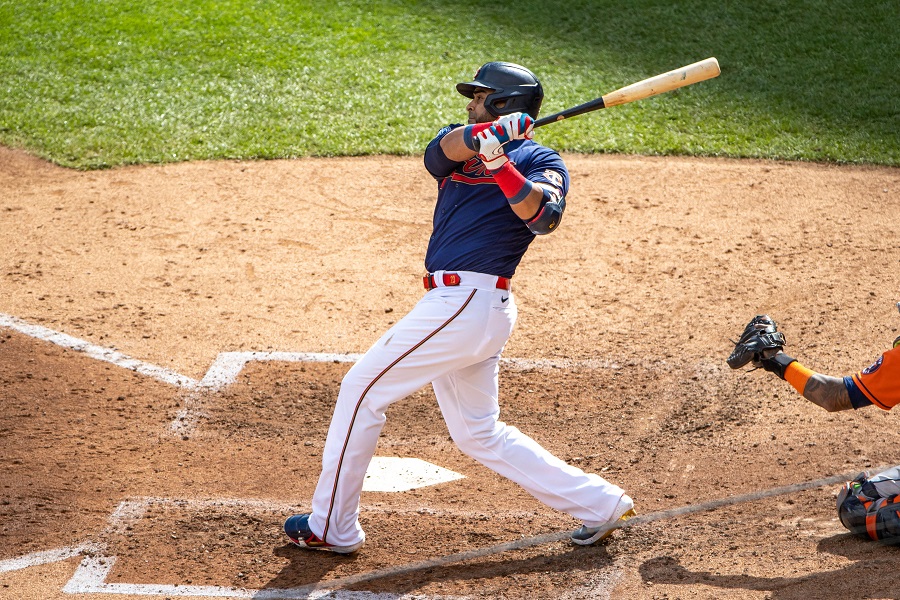 Cruz has posted higher numbers against some teams in a smaller sample size. For the purposes of this post, 100 plate appearances was used as the cutoff. So, his 1.304 OPS versus Miami and his 1.131 OPS versus St. Louis won’t factor into the rankings below. 5. Boston Red Sox .295/.368/.567 (.935), 23 HR, 21 2B, 394 PA Minnesota faces Boston to start this week and Cruz will be looking to improve his numbers against this AL East foe. His 23 home runs against Boston are only the eighth most versus an opponent, but his fewer plate appearances have resulted in a higher OPS. Cruz was only able to post a .660 OPS versus Boston in his first year with the Twins as he went 5-for-26 with three extra-base hits. Last year’s unique schedule meant that the Twins didn’t face the Red Sox. 4. Kansas City Royals .282/.361/.598 (.959), 30 HR, 15 2B, 379 PA Out of teams outside the AL West, the Royals have seen Cruz trot around the bases most regularly. The Angels (50 home runs) and the Athletics (35 home runs) have surrendered the most longballs to Cruz. During the 2020 season, Cruz destroyed the Royals by hitting .429/.515/1.107 (1.622). Out of his 12 hits, six of them were home runs. Back in 2019, his first year in Minnesota, Cruz batted .371/.467/.903 (1.370) with nine home runs and six doubles in 16 games. The Twins face off with the Royals at the beginning of next month. 3. Texas Rangers .301/.389/.573 (.961), 21 HR, 17 2B, 350 PA Cruz started his career with the Rangers, so it’s interesting to see them included on this list. Most of this damage came when he was a member of the Seattle Mariners and Baltimore Orioles. Since joining the Twins, he has been limited to three games and 11 plate appearances against the Rangers. He has one hit, a double, in nine at-bats and a .111/.273/.222 slash line. The Rangers are one of the worst teams in baseball this year, so Cruz might be able to take advantage of their pitching woes. His first opportunity to face Texas is at the beginning of May. 2. Minnesota Twins .300/.347/.626 (.973), 20 HR, 24 2B, 278 PA If you can’t beat him, make sure you sign him to be part of your team. His 24 doubles against Twins pitching are the most against any team outside the AL West. Only the Angels have surrendered more doubles and he has over 470 more plate appearances versus Los Angeles. It also helps that the Twins had some terrible pitching staffs for the majority of his big-league career. Thankfully, the Twins won’t have to face Cruz this season. 1. Baltimore Orioles .356/.427/.636 (1.063), 17 HR, 21 2B, 300 PA Another one of his former teams makes the list, but he was only in Baltimore for one season. Granted, he led all of baseball in home runs that season. For multiple seasons, the Orioles have been considered one of the worst teams in baseball, so it makes sense that Cruz has found success against their lackluster pitching staffs. Back in 2019, Cruz went 10-for-26 against Baltimore with four home runs and six doubles. Minnesota and Cruz will face off against the Orioles at the end of May. Which team will Cruz do the most damage against in 2021? Leave a COMMENT and start the discussion. MORE FROM TWINS DAILY — Latest Twins coverage from our writers — Recent Twins discussion in our forums — Follow Twins Daily via Twitter, Facebook or email
 -
Topps baseball is celebrating their 70th birthday this year and MLB.com teamed up with them to find some of the best cards during those years. Here are five cards that standout for a variety of reasons.As a quick preface, each of these cards won’t make fans rich and they can all be attained fairly easily on the secondary market. This makes it even more fun for those getting into the hobby for the first time. 1985 Topps Kirby Puckett Rookie Card MLB.com named the Puckett rookie as the most iconic card in team history for a variety of reasons. First, he is quite possibly the most popular player in franchise history. It also helps that his playing career corresponds with a trading card boom unlike any other. Puckett was the face of the franchise as the team ran to two World Series titles. Kids across the upper Midwest idolized the team’s star player and his rookie card made fans feel like they were even more invested in his career. Recently, this card has sold for under $5 if fans are fine with it having some imperfections. 1993 Topps Kirby Puckett Big Bat Card I loved this card as a kid growing up in the late 80’s and early 90s. Puckett’s personality was larger than life and that is depicted on this card with the giant bat. The same photo graced the cover of Sports Illustrated magazine in April 1992. The Twins were coming off a dramatic World Series win, and Puckett was the face of the franchise. This card can be acquired for $2 or less, because of how many were produced at the time. 2002 Topps Joe Mauer Draft Picks Card He was the first overall pick, and he was drafted by his hometown team, so the story doesn’t get much better than that. Now, he seems destined for Cooperstown to join other St. Paul legends like Paul Molitor, Dave Winfield, and Jack Morris. Over the last couple years, the card collecting hobby has really picked up and so has the value of Mauer’s first Topps card. For those interested, the time might be right to invest now before Cooperstown comes calling. 1968 Topps Rod Carew All-Star Rookie Card Carew’s actually rookie card was in the Topps 1967 series, but he was featured along with fellow rookie, Hank Allen of the Washington Senators. His 1968 card is his first card where he is featured solo, and it is just a beautiful looking piece of cardboard. The All-Star Rookie trophy on the front helps to accentuate the look of the entire card. Depending on the condition, fans can pick one up for under $20. 1986 Fleer Mickey Hatcher Big Glove Card Hatcher isn’t exactly a Twins’ legend, but this card certainly is one that fans remember across the collecting world. In the card, Hatcher was caught wearing a very oversized glove that looks like it was used either by a team’s mascot or for some type of fan contest between innings. Either way, collectors can get this card for a couple dollars. What’s your favorite card in Twins’ history? Leave a COMMENT and start the discussion. MORE FROM TWINS DAILY — Latest Twins coverage from our writers — Recent Twins discussion in our forums — Follow Twins Daily via Twitter, Facebook or email Click here to view the article
-
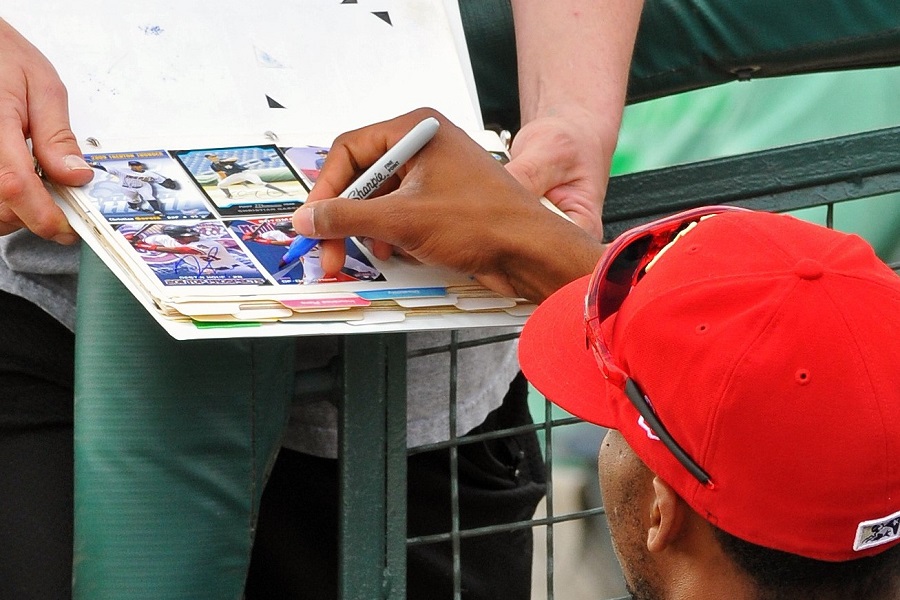 As a quick preface, each of these cards won’t make fans rich and they can all be attained fairly easily on the secondary market. This makes it even more fun for those getting into the hobby for the first time. 1985 Topps Kirby Puckett Rookie Card MLB.com named the Puckett rookie as the most iconic card in team history for a variety of reasons. First, he is quite possibly the most popular player in franchise history. It also helps that his playing career corresponds with a trading card boom unlike any other. Puckett was the face of the franchise as the team ran to two World Series titles. Kids across the upper Midwest idolized the team’s star player and his rookie card made fans feel like they were even more invested in his career. Recently, this card has sold for under $5 if fans are fine with it having some imperfections. 1993 Topps Kirby Puckett Big Bat Card I loved this card as a kid growing up in the late 80’s and early 90s. Puckett’s personality was larger than life and that is depicted on this card with the giant bat. The same photo graced the cover of Sports Illustrated magazine in April 1992. The Twins were coming off a dramatic World Series win, and Puckett was the face of the franchise. This card can be acquired for $2 or less, because of how many were produced at the time. 2002 Topps Joe Mauer Draft Picks Card He was the first overall pick, and he was drafted by his hometown team, so the story doesn’t get much better than that. Now, he seems destined for Cooperstown to join other St. Paul legends like Paul Molitor, Dave Winfield, and Jack Morris. Over the last couple years, the card collecting hobby has really picked up and so has the value of Mauer’s first Topps card. For those interested, the time might be right to invest now before Cooperstown comes calling. https://twitter.com/NoDakTwinsFan/status/1380163376056258561?s=20 1968 Topps Rod Carew All-Star Rookie Card Carew’s actually rookie card was in the Topps 1967 series, but he was featured along with fellow rookie, Hank Allen of the Washington Senators. His 1968 card is his first card where he is featured solo, and it is just a beautiful looking piece of cardboard. The All-Star Rookie trophy on the front helps to accentuate the look of the entire card. Depending on the condition, fans can pick one up for under $20. 1986 Fleer Mickey Hatcher Big Glove Card Hatcher isn’t exactly a Twins’ legend, but this card certainly is one that fans remember across the collecting world. In the card, Hatcher was caught wearing a very oversized glove that looks like it was used either by a team’s mascot or for some type of fan contest between innings. Either way, collectors can get this card for a couple dollars. What’s your favorite card in Twins’ history? Leave a COMMENT and start the discussion. MORE FROM TWINS DAILY — Latest Twins coverage from our writers — Recent Twins discussion in our forums — Follow Twins Daily via Twitter, Facebook or email
 -
Twins’ fans got an up-close and personal view of one of baseball’s hottest hitters this week. Unfortunately, Akil Baddoo was a member of the Twins organization just last season. So, did the Twins give up too early on Baddoo?Baddoo was a second-round pick back in the 2016 MLB Draft out of high school in Georgia. He was actually Minnesota’s fourth pick in that draft behind Alex Kirilloff, Ben Rortvedt, and Jose Miranda. All of those players are still in the Twins organization, but Baddoo was left unprotected in this year’s Rule 5 Draft. Baddoo and the Tigers are showing exactly why the Rule 5 Draft was put in place. When a player is close to big-league ready, an organization can’t stash that player in the minor leagues without putting them on the 40-man roster. Baddoo’s hot start is great, but he will need to prove that he is part of the solution in Detroit, who isn’t expected to win too many games this season. During his time in the Twins organization, Baddoo played four professional seasons and reached as high as High-A. In the minors, he combined to hit .249/.357/.422 with 86 extra-base hits in 233 games. There were some clear offensive skills including a tremendous ability to draw walks along with some good power potential. This might all sound good, but there are reasons why the Twins left him unprotected this past winter. He’s been limited to under 115 games in every professional season including only 29 games back in 2019. Also, Baddoo struck out in nearly 24% of his plate appearance in 2018 and that number rose to 29.8% in 2019. So far in his brief big-league career, he has two strikeouts and no walks yet to his credit. He can play defensively in all three outfield positions, so it will be interesting to see what his long-term position will be at the big-league level. At one point, Baddoo was a borderline top-10 prospect in the Twins organization. In the last published Twins Prospect Handbook following the 2019 season, Tom had Baddoo ranked the highest as the 16th best Twins prospect. Seth had him ranked at 17 and I had him ranked as the 23rd best future Twin. Baddoo was certainly viewed as having potential, but the Twins and the Tigers are in very different places. Detroit is in rebuild mold and they can afford to take a flyer on a player like Baddoo. They aren’t expected to win for multiple seasons, so the Tigers can take the ups and downs that come with a younger player that has no experience at Double- or Triple-A. Moving forward, Baddoo’s outlook hasn’t changed significantly. The Twins have a ton of top-tier outfield prospects that were ahead of Baddoo on the team’s organizational depth chart. Alex Kirilloff, Trevor Larnach, Gilberto Celestino, Brent Rooker, and Matt Wallner are just a few of the outfield prospects that would rank ahead of Baddoo for the Twins. That takes nothing away from what Baddoo might be able to do in his career, but he wasn’t in Minnesota’s long-term plans. What are your thoughts on Baddoo and the storybook start to his big-league career? Leave a COMMENT and start the discussion. MORE FROM TWINS DAILY — Latest Twins coverage from our writers — Recent Twins discussion in our forums — Follow Twins Daily via Twitter, Facebook or email Click here to view the article
-
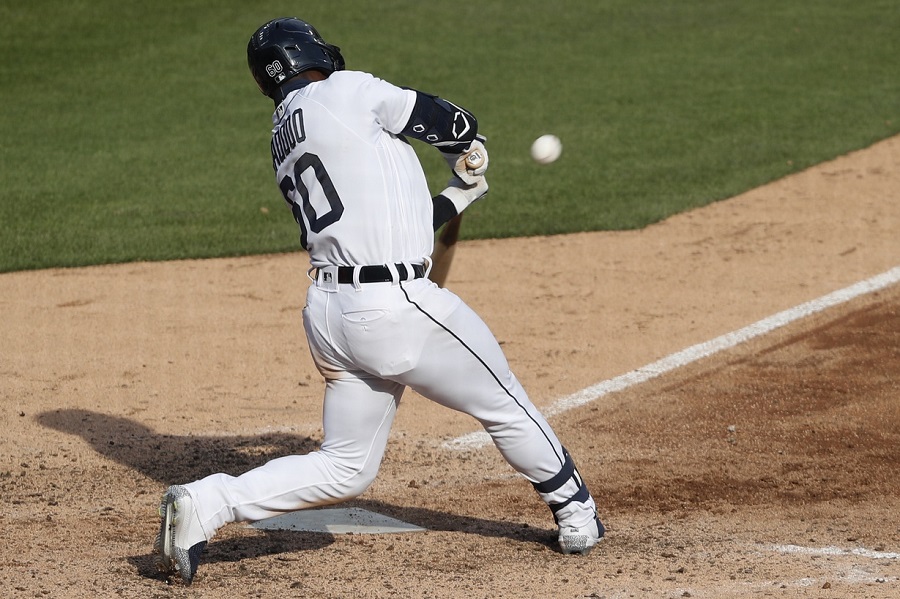 Baddoo was a second-round pick back in the 2016 MLB Draft out of high school in Georgia. He was actually Minnesota’s fourth pick in that draft behind Alex Kirilloff, Ben Rortvedt, and Jose Miranda. All of those players are still in the Twins organization, but Baddoo was left unprotected in this year’s Rule 5 Draft. Baddoo and the Tigers are showing exactly why the Rule 5 Draft was put in place. When a player is close to big-league ready, an organization can’t stash that player in the minor leagues without putting them on the 40-man roster. Baddoo’s hot start is great, but he will need to prove that he is part of the solution in Detroit, who isn’t expected to win too many games this season. During his time in the Twins organization, Baddoo played four professional seasons and reached as high as High-A. In the minors, he combined to hit .249/.357/.422 with 86 extra-base hits in 233 games. There were some clear offensive skills including a tremendous ability to draw walks along with some good power potential. This might all sound good, but there are reasons why the Twins left him unprotected this past winter. He’s been limited to under 115 games in every professional season including only 29 games back in 2019. Also, Baddoo struck out in nearly 24% of his plate appearance in 2018 and that number rose to 29.8% in 2019. So far in his brief big-league career, he has two strikeouts and no walks yet to his credit. He can play defensively in all three outfield positions, so it will be interesting to see what his long-term position will be at the big-league level. At one point, Baddoo was a borderline top-10 prospect in the Twins organization. In the last published Twins Prospect Handbook following the 2019 season, Tom had Baddoo ranked the highest as the 16th best Twins prospect. Seth had him ranked at 17 and I had him ranked as the 23rd best future Twin. Baddoo was certainly viewed as having potential, but the Twins and the Tigers are in very different places. Detroit is in rebuild mold and they can afford to take a flyer on a player like Baddoo. They aren’t expected to win for multiple seasons, so the Tigers can take the ups and downs that come with a younger player that has no experience at Double- or Triple-A. Moving forward, Baddoo’s outlook hasn’t changed significantly. The Twins have a ton of top-tier outfield prospects that were ahead of Baddoo on the team’s organizational depth chart. Alex Kirilloff, Trevor Larnach, Gilberto Celestino, Brent Rooker, and Matt Wallner are just a few of the outfield prospects that would rank ahead of Baddoo for the Twins. That takes nothing away from what Baddoo might be able to do in his career, but he wasn’t in Minnesota’s long-term plans. What are your thoughts on Baddoo and the storybook start to his big-league career? Leave a COMMENT and start the discussion. MORE FROM TWINS DAILY — Latest Twins coverage from our writers — Recent Twins discussion in our forums — Follow Twins Daily via Twitter, Facebook or email
 -
Bryon Buxton and José Berríos are in similar places in their big-league careers with two years remaining before free agency. So, which player is more important to the Twins’ long-term success?Buxton and Berríos were part of a young core of players that were tasked with digging the Twins out of their losing ways. Both were considered among baseball’s best prospects, but now Minnesota might be faced with looking into the future and deciding which player is a better fit for the long-term. Career Value Many fans have become frustrated with Buxton and what seems to be consistent trips to the injured list. There was so much hype surrounding him from prior to the 2012 Draft through his debut and subsequent big-league career. It would be tough for any player to live up to those expectations, but there have certainly been signs of the five-tool player Buxton was touted to be. So far in his career, Buxton has been worth 11.7 WAR according to Baseball Reference and 9.0 WAR according to FanGraphs. Almost half of his WAR total came during the 2017 season when he won a Platinum Glove and hit .253/.314/.413 with 36 extra-base hits in 140 games. Last year, he played in 39 games and batted .254/.267/.577 with 13 home runs and three doubles. It’s clear that he can be the team’s most valuable player when he is on the field. Frustration has also been part of the story for Berríos, but most of this ire has been directed at his inconsistent performance. He’s been a two-time All-Star and much of that is due to some strong first half performances. Throughout his career, he has posted a 3.64 ERA and held batters to a .226/.285/.385 slash line in the first half. In the second half, his ERA rose to 4.84 and batter’s OPS jumped to .756. According to Baseball Reference, Berríos has been worth a 7.3 WAR, while FanGraphs has him listed at 11.4 WAR. Unlike Buxton, there isn’t a clear best season in his big-league career. Baseball Reference places his 2018 season (3.4 WAR) at the top as he posted a 3.84 ERA with 202 strikeouts in just over 192 innings. FanGraphs ranks his 2019 season (4.3 WAR) as the best when he had a 3.68 ERA with 195 strikeouts in 200 1/3 innings. Future Value Buxton and Berríos are both off to tremendous starts to the 2021 campaign but is tasked with looking into the future and figuring out which player will provide the most value in the years to come. Berríos is going to be paid like a top-tier starter either by the Twins or through the free agency process. It’s clear that his representation has been set on that as he has gotten closer to hitting the open market. This likely means he will be earning $100 million or more. Minnesota’s previous record for a free agent starting pitcher was Ervin Santana who signed for four-years and $55 million back in 2015. Before Santana, the Twins signed Ricky Nolasco to a four-year, $49 million deal and fans are well aware of how that turned out. Berríos would become the highest paid pitcher in Twins’ history and expectations of him evolving into an “ace” level pitcher would only increase. Buxton’s future value is a little harder to predict, but that also means an extension would be for less money than Berríos. According to Buxton, he feels like he is in the best spot he has been in as a baseball player. His power surge over the last two years is looking more legit and that only helps his potential future earnings. That being said, speed is part of his game and he will lose a step or two as he continues to age. Minnesota has the option to resign both players and there is nothing stopping the team from making this a reality. However, Berríos and his importance to the rotation seem to be more important to the team’s long-term success. Who do you think is more important moving forward? Leave a COMMENT and start the discussion. MORE FROM TWINS DAILY — Latest Twins coverage from our writers — Recent Twins discussion in our forums — Follow Twins Daily via Twitter, Facebook or email Click here to view the article
-
Buxton or Berríos: Who Is More Important to the Twins’ Long-Term Success?
Cody Christie posted an article in Twins
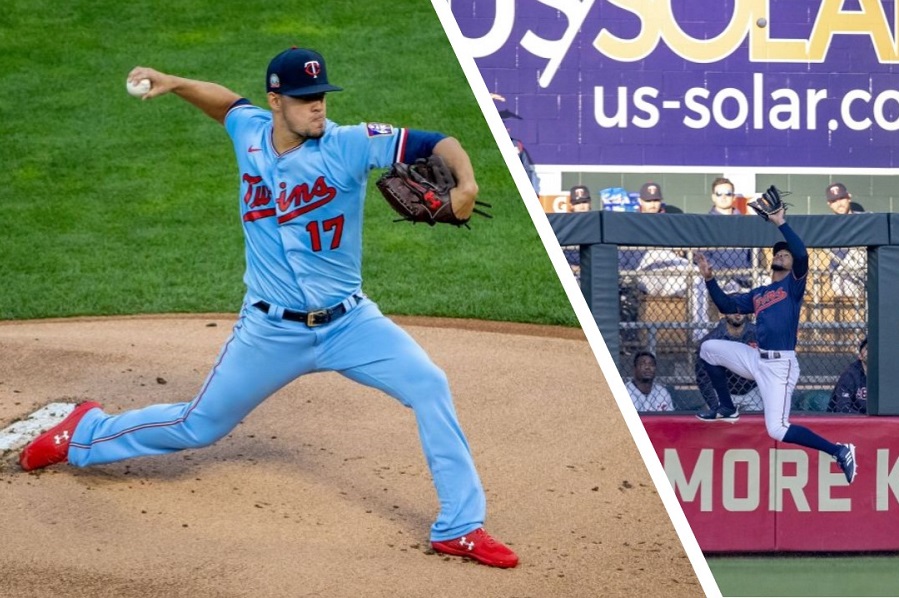 Buxton and Berríos were part of a young core of players that were tasked with digging the Twins out of their losing ways. Both were considered among baseball’s best prospects, but now Minnesota might be faced with looking into the future and deciding which player is a better fit for the long-term. Career Value Many fans have become frustrated with Buxton and what seems to be consistent trips to the injured list. There was so much hype surrounding him from prior to the 2012 Draft through his debut and subsequent big-league career. It would be tough for any player to live up to those expectations, but there have certainly been signs of the five-tool player Buxton was touted to be. So far in his career, Buxton has been worth 11.7 WAR according to Baseball Reference and 9.0 WAR according to FanGraphs. Almost half of his WAR total came during the 2017 season when he won a Platinum Glove and hit .253/.314/.413 with 36 extra-base hits in 140 games. Last year, he played in 39 games and batted .254/.267/.577 with 13 home runs and three doubles. It’s clear that he can be the team’s most valuable player when he is on the field. Frustration has also been part of the story for Berríos, but most of this ire has been directed at his inconsistent performance. He’s been a two-time All-Star and much of that is due to some strong first half performances. Throughout his career, he has posted a 3.64 ERA and held batters to a .226/.285/.385 slash line in the first half. In the second half, his ERA rose to 4.84 and batter’s OPS jumped to .756. According to Baseball Reference, Berríos has been worth a 7.3 WAR, while FanGraphs has him listed at 11.4 WAR. Unlike Buxton, there isn’t a clear best season in his big-league career. Baseball Reference places his 2018 season (3.4 WAR) at the top as he posted a 3.84 ERA with 202 strikeouts in just over 192 innings. FanGraphs ranks his 2019 season (4.3 WAR) as the best when he had a 3.68 ERA with 195 strikeouts in 200 1/3 innings. Future Value Buxton and Berríos are both off to tremendous starts to the 2021 campaign but is tasked with looking into the future and figuring out which player will provide the most value in the years to come. Berríos is going to be paid like a top-tier starter either by the Twins or through the free agency process. It’s clear that his representation has been set on that as he has gotten closer to hitting the open market. This likely means he will be earning $100 million or more. Minnesota’s previous record for a free agent starting pitcher was Ervin Santana who signed for four-years and $55 million back in 2015. Before Santana, the Twins signed Ricky Nolasco to a four-year, $49 million deal and fans are well aware of how that turned out. Berríos would become the highest paid pitcher in Twins’ history and expectations of him evolving into an “ace” level pitcher would only increase. Buxton’s future value is a little harder to predict, but that also means an extension would be for less money than Berríos. According to Buxton, he feels like he is in the best spot he has been in as a baseball player. His power surge over the last two years is looking more legit and that only helps his potential future earnings. That being said, speed is part of his game and he will lose a step or two as he continues to age. Minnesota has the option to resign both players and there is nothing stopping the team from making this a reality. However, Berríos and his importance to the rotation seem to be more important to the team’s long-term success. Who do you think is more important moving forward? Leave a COMMENT and start the discussion. MORE FROM TWINS DAILY — Latest Twins coverage from our writers — Recent Twins discussion in our forums — Follow Twins Daily via Twitter, Facebook or email
 -
Nelson Cruz certainly made his presence known during his first start of the 2021 season. After a two-homer game, the 40-year-old slugger has his sights set on one of baseball’s most important milestones, 500 home runs.Milestones are part of baseball history and the Twins have plenty of attainable marks throughout the 2021 season. 500 home runs used to be a direct ticket to induction into Cooperstown, but the steroid era has put a cloud over this previously important milestone. Out of the players with more than 500 homers, at least five players have been associated with steroids including Barry Bonds, Alex Rodriguez, Sammy Sosa, Rafael Palmeiro, and Manny Ramirez. Cruz has also been tied to steroids as he was one of at least 12 players suspended by Major League Baseball in relation to the Biogenesis drug case. At the time, it was the largest mass suspension in sport’s history. In response to the suspension, Cruz blamed the failed test on substances he took to overcome a stomach infection that caused him to lose 40 pounds in the months leading into the 2012 campaign. Even with this blemish on his resume, one of the biggest reasons Cruz hasn’t reached 500 homers is because he was considered a late bloomer. He didn’t play over 100 games in a big-league season until his age-28 season and he didn’t hit more than 30 homers in a season until he turned 29. He certainly picked up the pace from there with four 40-homer seasons in the 2010s, the most of any player during that decade. Entering play on Tuesday, Cruz sits at 419 career home runs, which places him just 8 home runs outside the top-50 in baseball history. Since 2014, he has averaged over 40 home runs per season when he has played 120 games or more. He’s been the team MVP in every season since putting on a Twins jersey. However, now that he is in his 40s, Father Time might start to take its toll. None of the top-5 seasons by players over the age of 40 saw a player hit more than 18 home runs. Cruz would need to set baseball history in order to reach the 500-home run mark. He entered his age-40 season needing 83 home runs to reach this historic milestone, but no player over 40 has ever hit more than 72 home runs total. Many of the players to have home run success over the age-40 are some of the best power hitters of all-time. Carlton Fisk played until his was 45 years old and added 72 home runs to his career total. Behind him on the list are Darrel Evans (67), Barry Bonds (59), Dave Winfield (59), Raul Ibanez (53), Carl Yastrzemski (48), Stan Musial (46) and Hank Aaron (42). Cruz searched for a two-year contract this past offseason, but Minnesota wasn’t comfortable with a multi-year deal for an aging slugger. There’s a good chance the National League adds the designated hitter as part of the new collective bargaining agreement, so Cruz may end up having more suitors next off-season. For now, Twins’ fans can continue to watch one of the game’s best power hitters in his quest for 500 home runs. Can Cruz reach this milestone? Will he have an opportunity to do it in Minnesota? Leave a COMMENT and start the discussion. MORE FROM TWINS DAILY — Latest Twins coverage from our writers — Recent Twins discussion in our forums — Follow Twins Daily via Twitter, Facebook or email Click here to view the article
-
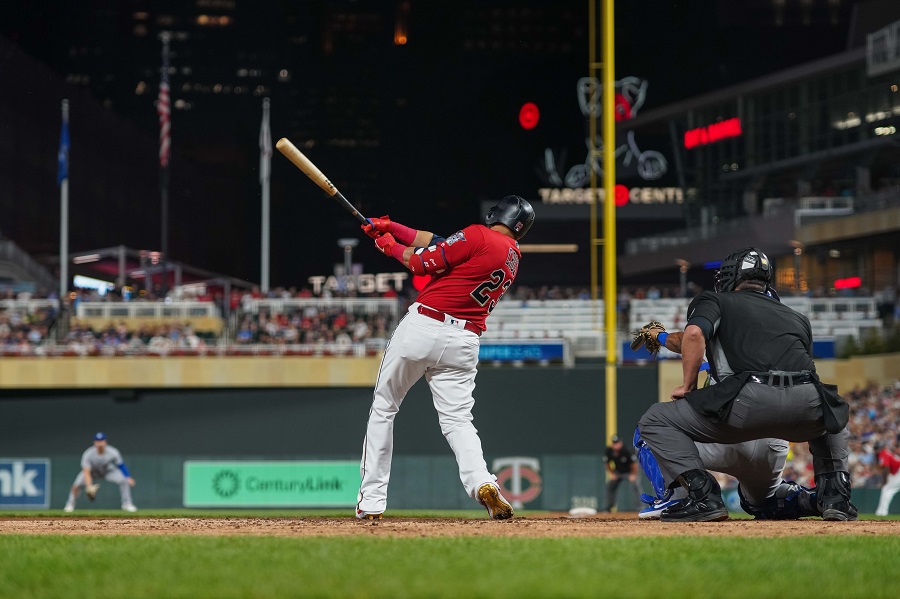 Milestones are part of baseball history and the Twins have plenty of attainable marks throughout the 2021 season. 500 home runs used to be a direct ticket to induction into Cooperstown, but the steroid era has put a cloud over this previously important milestone. Out of the players with more than 500 homers, at least five players have been associated with steroids including Barry Bonds, Alex Rodriguez, Sammy Sosa, Rafael Palmeiro, and Manny Ramirez. Cruz has also been tied to steroids as he was one of at least 12 players suspended by Major League Baseball in relation to the Biogenesis drug case. At the time, it was the largest mass suspension in sport’s history. In response to the suspension, Cruz blamed the failed test on substances he took to overcome a stomach infection that caused him to lose 40 pounds in the months leading into the 2012 campaign. Even with this blemish on his resume, one of the biggest reasons Cruz hasn’t reached 500 homers is because he was considered a late bloomer. He didn’t play over 100 games in a big-league season until his age-28 season and he didn’t hit more than 30 homers in a season until he turned 29. He certainly picked up the pace from there with four 40-homer seasons in the 2010s, the most of any player during that decade. Entering play on Tuesday, Cruz sits at 419 career home runs, which places him just 8 home runs outside the top-50 in baseball history. Since 2014, he has averaged over 40 home runs per season when he has played 120 games or more. He’s been the team MVP in every season since putting on a Twins jersey. However, now that he is in his 40s, Father Time might start to take its toll. None of the top-5 seasons by players over the age of 40 saw a player hit more than 18 home runs. Cruz would need to set baseball history in order to reach the 500-home run mark. He entered his age-40 season needing 83 home runs to reach this historic milestone, but no player over 40 has ever hit more than 72 home runs total. Many of the players to have home run success over the age-40 are some of the best power hitters of all-time. Carlton Fisk played until his was 45 years old and added 72 home runs to his career total. Behind him on the list are Darrel Evans (67), Barry Bonds (59), Dave Winfield (59), Raul Ibanez (53), Carl Yastrzemski (48), Stan Musial (46) and Hank Aaron (42). Cruz searched for a two-year contract this past offseason, but Minnesota wasn’t comfortable with a multi-year deal for an aging slugger. There’s a good chance the National League adds the designated hitter as part of the new collective bargaining agreement, so Cruz may end up having more suitors next off-season. For now, Twins’ fans can continue to watch one of the game’s best power hitters in his quest for 500 home runs. Can Cruz reach this milestone? Will he have an opportunity to do it in Minnesota? Leave a COMMENT and start the discussion. MORE FROM TWINS DAILY — Latest Twins coverage from our writers — Recent Twins discussion in our forums — Follow Twins Daily via Twitter, Facebook or email
 -
Baseball is a game of records and milestones. Players strive to be among the best at their position in numerous categories. Multiple Twins players have attainable milestones throughout the 2021 season.Nelson Cruz: 450 Home Runs It’s crazy to think what Cruz has been able to accomplish over his career, especially since he didn’t play over 100 games in a season until he was 28-years old. Over the last 12 seasons, he has averaged 33 home runs to put him at 417 homers for his career. He hasn’t hit fewer than 33 long balls in a full season since 2013, so there’s a good chance for him to cross the 450 home run mark. The real question might be if the ageless wonder can reach 500 home runs before he retires. He is going to have to be one of the best players in baseball history over the age of 40, but why would anyone doubt him now? Josh Donaldson: 250 Home Runs Donaldson has hit 24 or more home runs in every season where he has played over 100 games. If that trend continues, he can cross the 250 home run plateau as he currently has 225 homers to his credit. Steamer projections have him at 29 home runs and ZiPs projections have him at 22 home runs. Back in 2019, Donaldson hit 37 home runs on his way to being named the National League Comeback Player of the Year. Twins’ fans hope to see more of that version of Donaldson than the one that the club saw during his first year in Minnesota. Even if he misses some time this season, 25 home runs should be well within his reach. Kenta Maeda: 800 Strikeouts Considering he didn’t make his stateside debut until age-28, it’s remarkable to consider how many strikeouts Maeda has accumulated in fewer than 660 big-league innings. He enters 2021 with 721 strikeouts so totaling 800 strikeouts is well within his reach. In Japan, he accumulated over 1,200 strikeouts on the mound, so he is getting close to 2,000 strikeouts combined in Japan and the United States. Last season, he was used entirely as a starter for the first time in his career and he posted a 10.8 SO/9, which was the second-best mark of his career. Jorge Polanco: 300 RBI The hope is that Polanco’s ankles are healthy again and he can get back to his hitting ways from the 2019 season. With Eddie Rosario out of the picture, Polanco has an opportunity to hit more regularly in the middle of the line-up. He already has 245 RBI so he can crack the 250 RBI mark during the season’s first series versus Milwaukee. His career high in RBI was back in 2019 when he collected 79, but he batted second for most of that season. Hitting behind Max Kepler, Josh Donaldson, and Nelson Cruz should provide even more RBI opportunities. Which milestone do you think will fall first? Leave a COMMENT and start the discussion. MORE FROM TWINS DAILY — Latest Twins coverage from our writers — Recent Twins discussion in our forums — Follow Twins Daily via Twitter, Facebook or email Click here to view the article
-
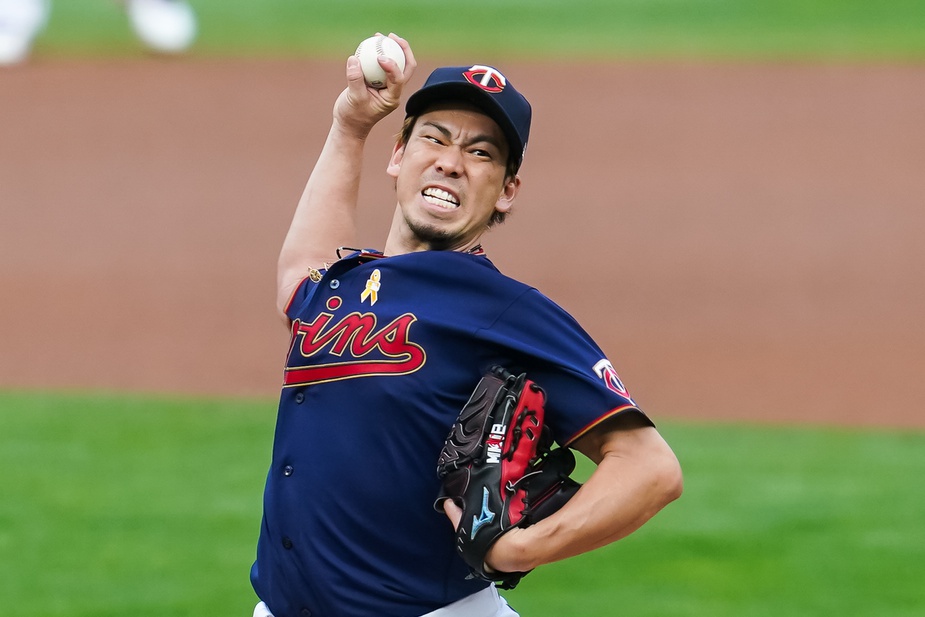 Nelson Cruz: 450 Home Runs It’s crazy to think what Cruz has been able to accomplish over his career, especially since he didn’t play over 100 games in a season until he was 28-years old. Over the last 12 seasons, he has averaged 33 home runs to put him at 417 homers for his career. He hasn’t hit fewer than 33 long balls in a full season since 2013, so there’s a good chance for him to cross the 450 home run mark. The real question might be if the ageless wonder can reach 500 home runs before he retires. He is going to have to be one of the best players in baseball history over the age of 40, but why would anyone doubt him now? Josh Donaldson: 250 Home Runs Donaldson has hit 24 or more home runs in every season where he has played over 100 games. If that trend continues, he can cross the 250 home run plateau as he currently has 225 homers to his credit. Steamer projections have him at 29 home runs and ZiPs projections have him at 22 home runs. Back in 2019, Donaldson hit 37 home runs on his way to being named the National League Comeback Player of the Year. Twins’ fans hope to see more of that version of Donaldson than the one that the club saw during his first year in Minnesota. Even if he misses some time this season, 25 home runs should be well within his reach. Kenta Maeda: 800 Strikeouts Considering he didn’t make his stateside debut until age-28, it’s remarkable to consider how many strikeouts Maeda has accumulated in fewer than 660 big-league innings. He enters 2021 with 721 strikeouts so totaling 800 strikeouts is well within his reach. In Japan, he accumulated over 1,200 strikeouts on the mound, so he is getting close to 2,000 strikeouts combined in Japan and the United States. Last season, he was used entirely as a starter for the first time in his career and he posted a 10.8 SO/9, which was the second-best mark of his career. Jorge Polanco: 300 RBI The hope is that Polanco’s ankles are healthy again and he can get back to his hitting ways from the 2019 season. With Eddie Rosario out of the picture, Polanco has an opportunity to hit more regularly in the middle of the line-up. He already has 245 RBI so he can crack the 250 RBI mark during the season’s first series versus Milwaukee. His career high in RBI was back in 2019 when he collected 79, but he batted second for most of that season. Hitting behind Max Kepler, Josh Donaldson, and Nelson Cruz should provide even more RBI opportunities. Which milestone do you think will fall first? Leave a COMMENT and start the discussion. MORE FROM TWINS DAILY — Latest Twins coverage from our writers — Recent Twins discussion in our forums — Follow Twins Daily via Twitter, Facebook or email
 -
During Joe Maddon’s time in Tampa and Chicago, he was known for using players at multiple defensive positions. Will Rocco Baldelli, a Maddon prodigy, follow his footsteps with Minnesota’s defensive alignments?Catcher Mitch Garver and Ryan Jeffers are penciled in to get the majority of the innings behind the plate. However, Willians Astudillo is making the Opening Day roster and he can be used occasionally at catcher. Garver and Astudillo’s bats are strong enough that they may be used at other defensive positions as well. Jeffers is the best defensive catcher as his pitch framing skills are among baseball’s best. First Base Miguel Sano is set to be the primary first baseman, but his long-term role might end up being DH. Reports praise Alex Kirilloff and his athleticism at first, but he is starting the year in the minor leagues. Mitch Garver might be the team’s best back-up option at first until Kirilloff is called up. Max Kepler and Willians Astudillo also have some experience at first, but the Twins can get creative and use other players at first. Second Base Jorge Polanco has shifted from shortstop to second base, but he certainly isn’t anchored at that position. Luis Arraez will see time at second along with Astudillo. It is going to be intriguing to see how good Polanco can be in his transition to a new position. His previous defensive flaws won’t be magnified as much at second and some think he can be above average at second. Third Base As Twins fans saw last season, Josh Donaldson might not be able to be in the line-up for 162-games. Baldelli will need to find days off for him to get rest as he continues to age. Sano has the most experience at third among Twins players and the team sounds open to him making periodic starts at the hot corner. Arraez and Astudillo will also get opportunities at third. Shortstop If Andrelton Simmons is in the line-up, he is going to be the starting shortstop, because he has proven to be one of the best defenders at that position in baseball history. On the Opening Day roster, Polanco is the most likely player to take over if Simmons needs a day off. On the team’s official depth chart, Arraez is listed as the third option at short, but that would be in an emergency situation. Left Field One of the biggest question marks entering spring was who would take over for Eddie Rosario. Minnesota’s initial answer will be a platoon of Kyle Garlick and Jake Cave. Brent Rooker and Kirilloff were in the mix, but they didn’t make the club. Arraez has a chance to make starts in left, but he has very limited outfield experience and that inexperience showed itself during the spring. Center Field Much like shortstop, Byron Buxton is the primary center fielder, but he isn’t the club’s only option. Kepler has shown the ability to fill in nicely and he is an underrated defender in center. Also, Cave has experience starting in center even if he is the worst defender of the three. Right Field Max Kepler is one of the best defensive right fielders in baseball and he should start here on a regular basis. Many of the same options from left field can fill in for Kepler if he is needed in center field or if he needs rest. Garlick and Cave can shift to either corner spot so that adds even more flexibility. How many different defensive alignments will Baldelli use in 2021? What’s the team’s best defensive line-up? Leave a COMMENT and start the discussion. MORE FROM TWINS DAILY — Latest Twins coverage from our writers — Recent Twins discussion in our forums — Follow Twins Daily via Twitter, Facebook or email Click here to view the article
-
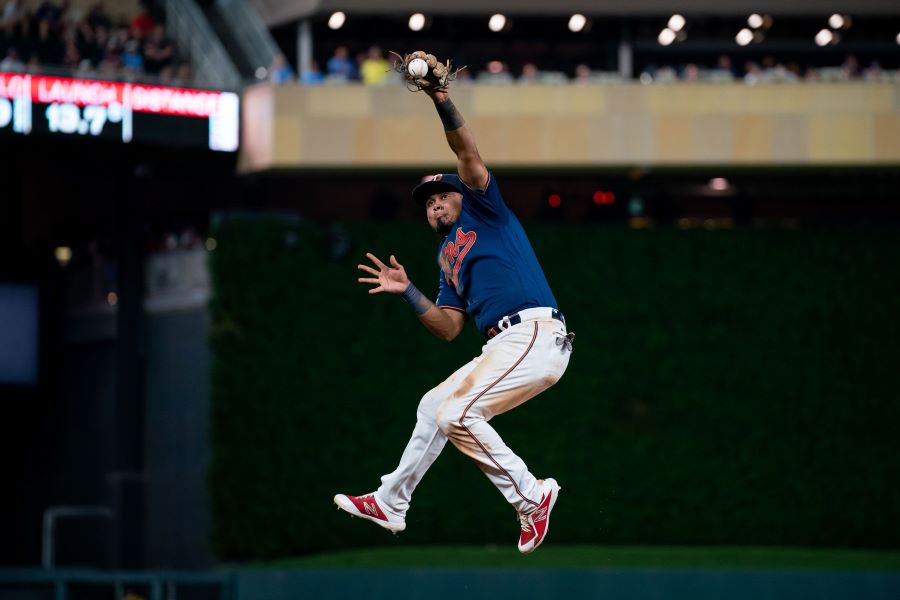 Catcher Mitch Garver and Ryan Jeffers are penciled in to get the majority of the innings behind the plate. However, Willians Astudillo is making the Opening Day roster and he can be used occasionally at catcher. Garver and Astudillo’s bats are strong enough that they may be used at other defensive positions as well. Jeffers is the best defensive catcher as his pitch framing skills are among baseball’s best. First Base Miguel Sano is set to be the primary first baseman, but his long-term role might end up being DH. Reports praise Alex Kirilloff and his athleticism at first, but he is starting the year in the minor leagues. Mitch Garver might be the team’s best back-up option at first until Kirilloff is called up. Max Kepler and Willians Astudillo also have some experience at first, but the Twins can get creative and use other players at first. Second Base Jorge Polanco has shifted from shortstop to second base, but he certainly isn’t anchored at that position. Luis Arraez will see time at second along with Astudillo. It is going to be intriguing to see how good Polanco can be in his transition to a new position. His previous defensive flaws won’t be magnified as much at second and some think he can be above average at second. Third Base As Twins fans saw last season, Josh Donaldson might not be able to be in the line-up for 162-games. Baldelli will need to find days off for him to get rest as he continues to age. Sano has the most experience at third among Twins players and the team sounds open to him making periodic starts at the hot corner. Arraez and Astudillo will also get opportunities at third. Shortstop If Andrelton Simmons is in the line-up, he is going to be the starting shortstop, because he has proven to be one of the best defenders at that position in baseball history. On the Opening Day roster, Polanco is the most likely player to take over if Simmons needs a day off. On the team’s official depth chart, Arraez is listed as the third option at short, but that would be in an emergency situation. Left Field One of the biggest question marks entering spring was who would take over for Eddie Rosario. Minnesota’s initial answer will be a platoon of Kyle Garlick and Jake Cave. Brent Rooker and Kirilloff were in the mix, but they didn’t make the club. Arraez has a chance to make starts in left, but he has very limited outfield experience and that inexperience showed itself during the spring. Center Field Much like shortstop, Byron Buxton is the primary center fielder, but he isn’t the club’s only option. Kepler has shown the ability to fill in nicely and he is an underrated defender in center. Also, Cave has experience starting in center even if he is the worst defender of the three. Right Field Max Kepler is one of the best defensive right fielders in baseball and he should start here on a regular basis. Many of the same options from left field can fill in for Kepler if he is needed in center field or if he needs rest. Garlick and Cave can shift to either corner spot so that adds even more flexibility. How many different defensive alignments will Baldelli use in 2021? What’s the team’s best defensive line-up? Leave a COMMENT and start the discussion. MORE FROM TWINS DAILY — Latest Twins coverage from our writers — Recent Twins discussion in our forums — Follow Twins Daily via Twitter, Facebook or email
 -
Opening Day is on Thursday and the Twins Daily writers have already been making predictions about the 2021 campaign. Here are three bold predictions for the Minnesota Twins.Byron Buxton Finishes in the Top-3 for AL MVP Buxton only has two years remaining until free agency, so there is an incentive for him to stay on the field and produce at a high level. There have been glimpses of his potential at the big-league level, but he hasn’t been able to put it all together over the course of 162-games. Even if he plays 140-150 games, he should accumulate enough WAR to be in the MVP discussion. Last season, he finished eighth highest WAR among AL position players, and he played fewer than 40 games. His defense is always going to provide value, so he will need to put up offensive numbers that match. Can he hit 30+ home runs? Score 120+ runs? Steal 30 bases? It’s fun to consider the possibilities. Twins Players Win Four Gold Gloves The Twins might have the best defense in team history and this can result in a record amount of Gold Gloves. No team has ever won five Gold Gloves in one season and that might not be out of the realm of possibility. Looking around field and there are potential Gold Glove winners at nearly every position. Byron Buxon and Andrelton Simmons are two of the best defenders over the last decade. If healthy, they are both front-runners for the award at their position. Max Kepler has been one of the best defensive right fielders for years and just hasn’t been awarded the top defensive honor. On the mound, Kenta Maeda and Jose Berrios are two of the best pitchers at fielding their position. Add in Jorge Polanco and his switch to a less demanding defensive position and the Twins have six-seven candidates around the diamond. Minnesota Wins the AL Central by 10 Games or More The White Sox are getting a lot of love as the season starts and they look like a team that will be a thorn in the side of the Twins for years to come. It just isn’t going to be this season. Eloy Jimenez and his recent injury showcases their lack of depth around the diamond. Chicago is also relying on some of their young players putting it all together and there is no guarantee that happens. Minnesota will take care of business against the bottom teams in the AL Central and fare better than expected against Chicago and Cleveland. This can give the Twins an opportunity to be the number one seed heading into the AL playoffs and the road to the World Series will come through Target Field. It will be up to the club make sure some winning baseball happens in October. What are your bold predictions for the Twins? Leave a COMMENT and start the discussion. MORE FROM TWINS DAILY — Latest Twins coverage from our writers — Recent Twins discussion in our forums — Follow Twins Daily via Twitter, Facebook or email Click here to view the article
-
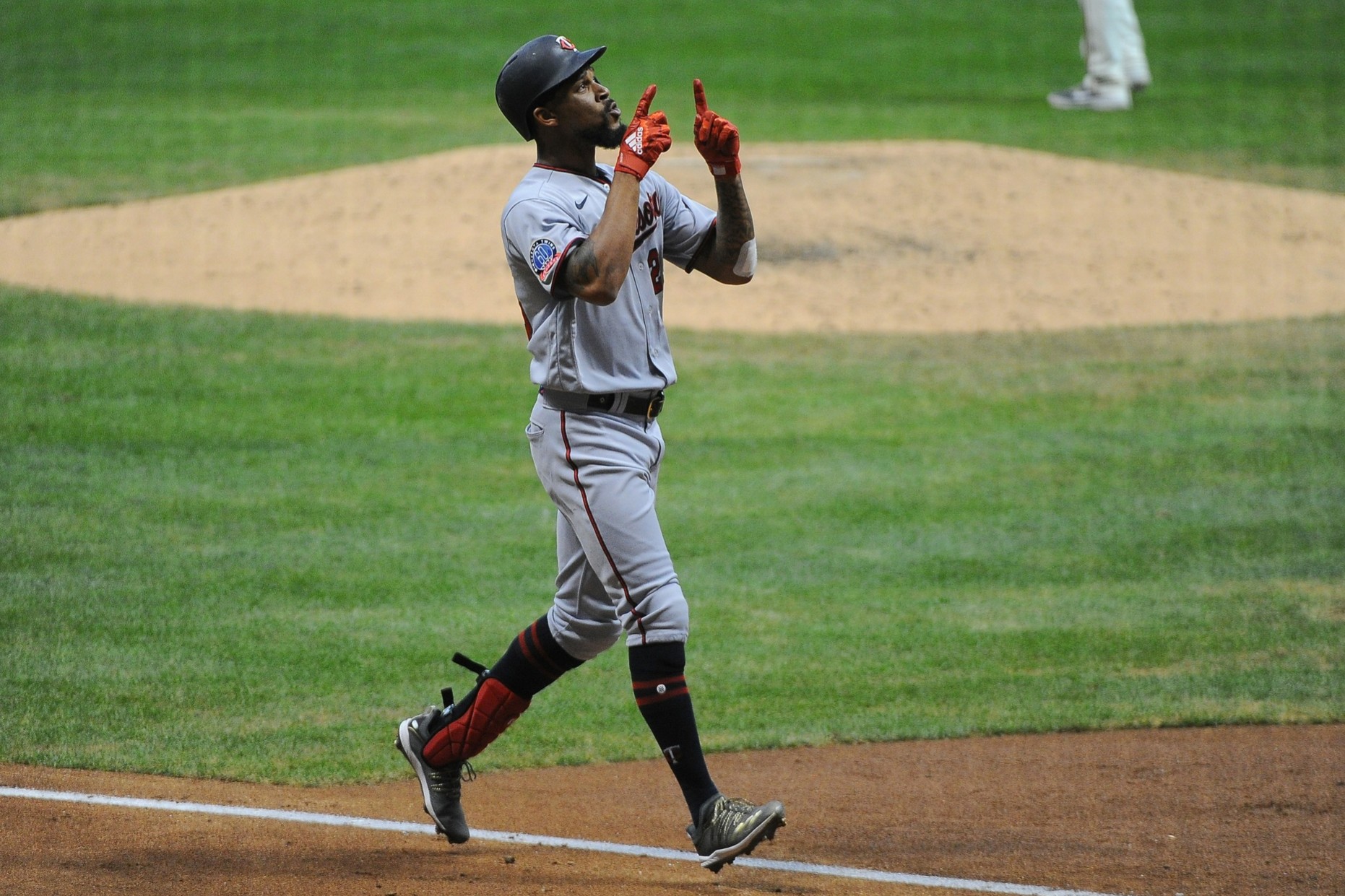 Byron Buxton Finishes in the Top-3 for AL MVP Buxton only has two years remaining until free agency, so there is an incentive for him to stay on the field and produce at a high level. There have been glimpses of his potential at the big-league level, but he hasn’t been able to put it all together over the course of 162-games. Even if he plays 140-150 games, he should accumulate enough WAR to be in the MVP discussion. Last season, he finished eighth highest WAR among AL position players, and he played fewer than 40 games. His defense is always going to provide value, so he will need to put up offensive numbers that match. Can he hit 30+ home runs? Score 120+ runs? Steal 30 bases? It’s fun to consider the possibilities. Twins Players Win Four Gold Gloves The Twins might have the best defense in team history and this can result in a record amount of Gold Gloves. No team has ever won five Gold Gloves in one season and that might not be out of the realm of possibility. Looking around field and there are potential Gold Glove winners at nearly every position. Byron Buxon and Andrelton Simmons are two of the best defenders over the last decade. If healthy, they are both front-runners for the award at their position. Max Kepler has been one of the best defensive right fielders for years and just hasn’t been awarded the top defensive honor. On the mound, Kenta Maeda and Jose Berrios are two of the best pitchers at fielding their position. Add in Jorge Polanco and his switch to a less demanding defensive position and the Twins have six-seven candidates around the diamond. Minnesota Wins the AL Central by 10 Games or More The White Sox are getting a lot of love as the season starts and they look like a team that will be a thorn in the side of the Twins for years to come. It just isn’t going to be this season. Eloy Jimenez and his recent injury showcases their lack of depth around the diamond. Chicago is also relying on some of their young players putting it all together and there is no guarantee that happens. Minnesota will take care of business against the bottom teams in the AL Central and fare better than expected against Chicago and Cleveland. This can give the Twins an opportunity to be the number one seed heading into the AL playoffs and the road to the World Series will come through Target Field. It will be up to the club make sure some winning baseball happens in October. What are your bold predictions for the Twins? Leave a COMMENT and start the discussion. MORE FROM TWINS DAILY — Latest Twins coverage from our writers — Recent Twins discussion in our forums — Follow Twins Daily via Twitter, Facebook or email
 -
Opening Day is right around the corner and many important decisions have already been made. Who gets the final roster spots before the team heads to Milwaukee?Catchers (3): Mitch Garver, Ryan Jeffers, Willians Astudillo Odd Man Out: None Garver and Jeffers have been locks to make the Opening Day roster since the 2020 season ended. Barring injury, Minnesota will rotate these two players throughout much of the season. Willians Astudillo hasn’t been on any previous version of the projected Opening Day roster, but the Twins have been hinting at him making the team. This includes signing Roberto Pena, a veteran catcher, to be a second catcher at Triple-A. Infielders (5): Miguel Sano, Jorge Polanco, Luis Arraez, Josh Donaldson, Andrelton Simmons Odd Man Out: None Like the catching group, the infielders have been virtually set since the Twins signed Andrelton Simmons. Polanco, Arraez, and even Sano can be used at multiple defensive positions, so it’s going to be interesting to see how creative Baldelli will be with his line-up construction. Astudillo can also fit into this group as he has shown plenty of defensive versatility throughout his Twins tenure. Outfield (4): Jake Cave, Byron Buxton, Max Kepler, Brent Rooker Odd Men Out: Kyle Garlick, Alex Kirilloff The biggest Twins news of the week was that Alex Kirilloff was sent to the alternate site after he had a rough spring at the plate. This leaves the Twins with one decision to make as far as the last outfielder to make the club. In recent spring line-ups, Baldelli has been using the trio of Buxton, Kepler, and Rooker as his starting outfield. This leaves Cave as the fourth outfielder and Garlick on the outside looking in. Garlick has been impressive this spring, but he has an option left and the Twins can use him as depth at Triple-A. Designated Hitter (1): Nelson Cruz Boomstick will be bashing homers into his 40s and Twins fans are along for the ride. Rotation (5): Kenta Maeda, Jose Berrios, Michael Pineda, J.A. Happ, Matt Shoemaker Odd Man Out: Randy Dobnak Dobnak isn’t going to be in the rotation to start the season, but that might not last for long. With his new and improved slider, Dobnak might be on track to be one of the AL’s biggest sleepers this season. Berrios may have made some adjustments to his fastball and that can be a scary proposition for hitters in the AL Central. Kenta Maeda will start on Opening Day in Milwaukee as he looks to build off his runner-up finish for the AL Cy Young. Bullpen (8): Taylor Rogers, Tyler Duffey, Alex Colome, Jorge Alcala, Hansel Robles, Caleb Thielbar, Randy Dobnak, Derek Law Odd Men Out: Shaun Anderson, Cody Stashak, Devin Smeltzer Anderson seemed like the type of player that might be able to fill the Matt Wisler type role on the club, but he was optioned to the minor league side. Smeltzer can fill multiple roles at Triple-A before being needed at the big-league level. Stashak and Law were vying for the last spot and Law’s strikeout filled spring put him over the top. Minnesota will also have the opportunity to use 14 pitchers at different times during the season, so some of the players at the bullpen’s back end will be shuffled back and forth between CHS Field and Target Field. Who do you think makes the Opening Day roster? Leave a COMMENT and start the discussion. MORE FROM TWINS DAILY — Latest Twins coverage from our writers — Recent Twins discussion in our forums — Follow Twins Daily via Twitter, Facebook or email Click here to view the article
-
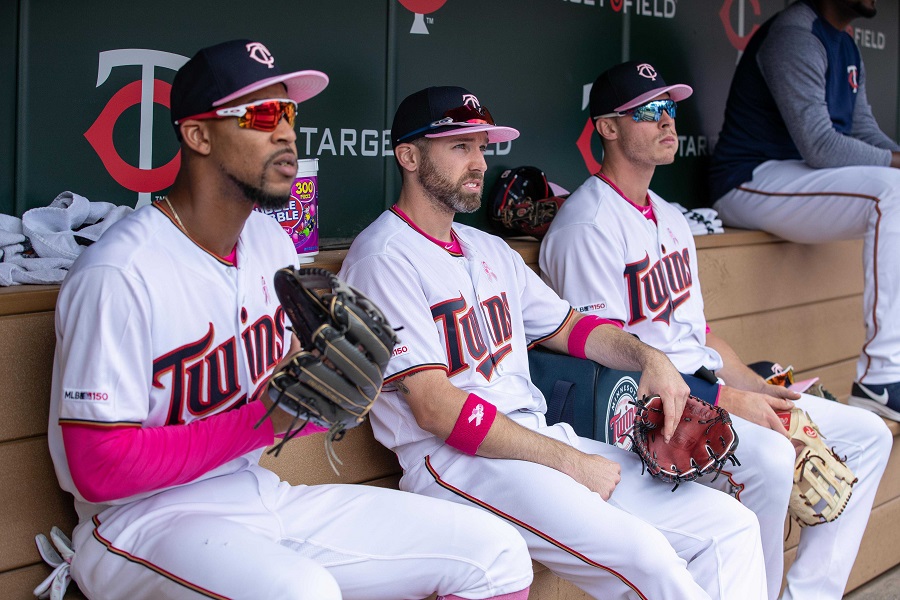 Catchers (3): Mitch Garver, Ryan Jeffers, Willians Astudillo Odd Man Out: None Garver and Jeffers have been locks to make the Opening Day roster since the 2020 season ended. Barring injury, Minnesota will rotate these two players throughout much of the season. Willians Astudillo hasn’t been on any previous version of the projected Opening Day roster, but the Twins have been hinting at him making the team. This includes signing Roberto Pena, a veteran catcher, to be a second catcher at Triple-A. Infielders (5): Miguel Sano, Jorge Polanco, Luis Arraez, Josh Donaldson, Andrelton Simmons Odd Man Out: None Like the catching group, the infielders have been virtually set since the Twins signed Andrelton Simmons. Polanco, Arraez, and even Sano can be used at multiple defensive positions, so it’s going to be interesting to see how creative Baldelli will be with his line-up construction. Astudillo can also fit into this group as he has shown plenty of defensive versatility throughout his Twins tenure. Outfield (4): Jake Cave, Byron Buxton, Max Kepler, Brent Rooker Odd Men Out: Kyle Garlick, Alex Kirilloff The biggest Twins news of the week was that Alex Kirilloff was sent to the alternate site after he had a rough spring at the plate. This leaves the Twins with one decision to make as far as the last outfielder to make the club. In recent spring line-ups, Baldelli has been using the trio of Buxton, Kepler, and Rooker as his starting outfield. This leaves Cave as the fourth outfielder and Garlick on the outside looking in. Garlick has been impressive this spring, but he has an option left and the Twins can use him as depth at Triple-A. Designated Hitter (1): Nelson Cruz Boomstick will be bashing homers into his 40s and Twins fans are along for the ride. Rotation (5): Kenta Maeda, Jose Berrios, Michael Pineda, J.A. Happ, Matt Shoemaker Odd Man Out: Randy Dobnak Dobnak isn’t going to be in the rotation to start the season, but that might not last for long. With his new and improved slider, Dobnak might be on track to be one of the AL’s biggest sleepers this season. Berrios may have made some adjustments to his fastball and that can be a scary proposition for hitters in the AL Central. Kenta Maeda will start on Opening Day in Milwaukee as he looks to build off his runner-up finish for the AL Cy Young. Bullpen (8): Taylor Rogers, Tyler Duffey, Alex Colome, Jorge Alcala, Hansel Robles, Caleb Thielbar, Randy Dobnak, Derek Law Odd Men Out: Shaun Anderson, Cody Stashak, Devin Smeltzer Anderson seemed like the type of player that might be able to fill the Matt Wisler type role on the club, but he was optioned to the minor league side. Smeltzer can fill multiple roles at Triple-A before being needed at the big-league level. Stashak and Law were vying for the last spot and Law’s strikeout filled spring put him over the top. Minnesota will also have the opportunity to use 14 pitchers at different times during the season, so some of the players at the bullpen’s back end will be shuffled back and forth between CHS Field and Target Field. Who do you think makes the Opening Day roster? Leave a COMMENT and start the discussion. MORE FROM TWINS DAILY — Latest Twins coverage from our writers — Recent Twins discussion in our forums — Follow Twins Daily via Twitter, Facebook or email
 -
Twins pitching coach Wes Johnson has focused on slider development since joining the organization and many players have seen positive growth. Here are the best sliders among the Twins top prospects.5. Blayne Enlow Current/Future Slider: 50/50 The last time Enlow appeared in a professional game, he was pitching well at High-A as a 20-year-old. Now he is 22-years old, and he has made some adjustments. His fastball sits in the low-90s, but he has a ton of spin on it, which can make it tough for hitters to make solid contact. When he locates his slider, it can be his best pitch. Some refer to his slider as a cutter because he gets similar action on the pitch. He should be pitching in the upper levels of the minors this year as he continues to improve his repertoire. 4. Yennier Cano, RHP Current/Future Slider: 50/55 Cano might be the least recognizable name on this list as the team signed him out of Cuba back in 2018. His fastball can reach the high-90s but his arm slot allows him to throw a slider, sinker, and splitter. He has experience on the Cuban National Team and in the Puerto Rican Winter League. He’s already 26-years old and he has never pitched higher than High-A. That being said, his fastball and slider combination might be enough for him to earn a middle relief job at the big-league level. 3. Edwar Colina, RHP Current/Future Slider: 50/55 Colina is going to be used in the bullpen and he will likely be relying on two pitches, an overpowering fastball and a slider. His slider is hard for batters to make strong contact because of how hard he throws it. He commands his slider better than his fastball and he can rely on the pitch in almost any count. Colina’s stocky build and starter experience might give way to him becoming a multi-inning reliever in the years to come. Either way, he is a very intriguing relief prospect. 2. Jordan Balazovic, RHP Current/Future Slider: 50/55 Like the top name on this list, Balazovic was a late addition to the team’s alternate site and reports were good. Out of the team’s top two pitching prospects, Balazovic is the only one that throws a slider, and it is his second-best pitch overall. This is the pitch he uses to miss bats and his mechanics allow it to play up against right-handed hitters. As he continues to develop, his slider should also be a weapon against lefties, especially with the presence of his ever-improving changeup. 1. Matt Canterino, RHP Current/Future Slider: 55/60 During last season, Canterino was a late addition to the team’s alternate site, but he is clearly one of the team’s top pitching prospects. His slider and his changeup both project to be plus pitches and his fastball can hit the mid-90s. His four-pitch mix gives him a chance to be a big-league starter and his slider projects to be the best pitch. Since being drafted, he has slowly moved up Twins prospect lists and he can end the 2021 season in the team’s top-5 prospects. How would you rank these players? Does someone else make the list? Leave a COMMENT and start the discussion. OTHER POSTS IN THIS SERIES -Fastball Prospects -Speed Tool Prospects -Hit Tool Prospects -Power Tool Prospects MORE FROM TWINS DAILY — Latest Twins coverage from our writers — Recent Twins discussion in our forums — Follow Twins Daily via Twitter, Facebook or email Click here to view the article
-
- 1
-

-
- blayne enlow
- yennier cano
- (and 3 more)
