



Cody Christie
-
Posts
7,515 -
Joined
-
Last visited
-
Days Won
5
Content Type
Profiles
News
Minnesota Twins Videos
2026 Minnesota Twins Top Prospects Ranking
2022 Minnesota Twins Draft Picks
Minnesota Twins Free Agent & Trade Rumors, Notes, & Tidbits
Guides & Resources
2023 Minnesota Twins Draft Picks
The Minnesota Twins Players Project
2024 Minnesota Twins Draft Picks
2025 Minnesota Twins Draft Pick Tracker
2026 Minnesota Twins Draft Tracker: Picks & Bonuses
Forums
Blogs
Events
Store
Downloads
Gallery
Everything posted by Cody Christie
-
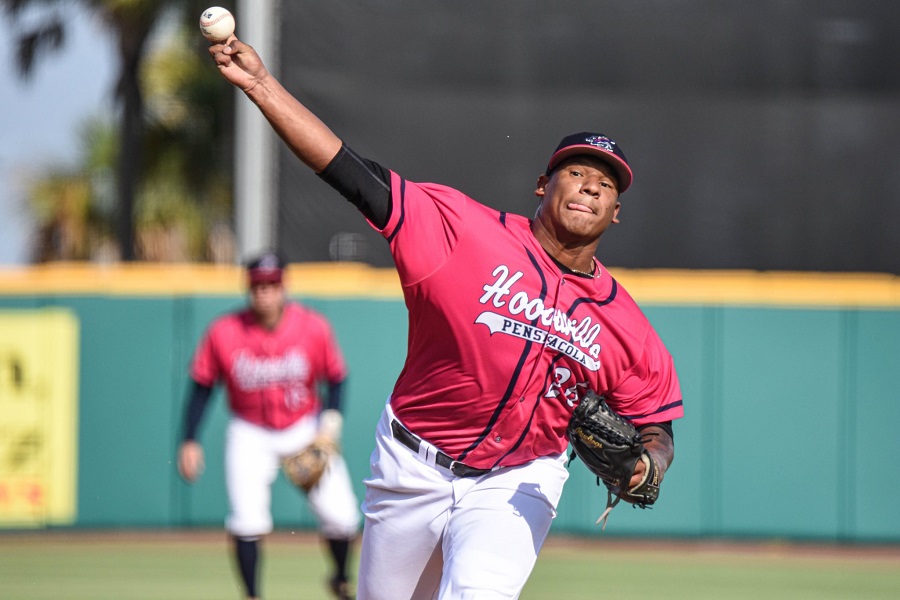 5. Blayne Enlow Current/Future Slider: 50/50 The last time Enlow appeared in a professional game, he was pitching well at High-A as a 20-year-old. Now he is 22-years old, and he has made some adjustments. His fastball sits in the low-90s, but he has a ton of spin on it, which can make it tough for hitters to make solid contact. When he locates his slider, it can be his best pitch. Some refer to his slider as a cutter because he gets similar action on the pitch. He should be pitching in the upper levels of the minors this year as he continues to improve his repertoire. 4. Yennier Cano, RHP Current/Future Slider: 50/55 Cano might be the least recognizable name on this list as the team signed him out of Cuba back in 2018. His fastball can reach the high-90s but his arm slot allows him to throw a slider, sinker, and splitter. He has experience on the Cuban National Team and in the Puerto Rican Winter League. He’s already 26-years old and he has never pitched higher than High-A. That being said, his fastball and slider combination might be enough for him to earn a middle relief job at the big-league level. 3. Edwar Colina, RHP Current/Future Slider: 50/55 Colina is going to be used in the bullpen and he will likely be relying on two pitches, an overpowering fastball and a slider. His slider is hard for batters to make strong contact because of how hard he throws it. He commands his slider better than his fastball and he can rely on the pitch in almost any count. Colina’s stocky build and starter experience might give way to him becoming a multi-inning reliever in the years to come. Either way, he is a very intriguing relief prospect. 2. Jordan Balazovic, RHP Current/Future Slider: 50/55 Like the top name on this list, Balazovic was a late addition to the team’s alternate site and reports were good. Out of the team’s top two pitching prospects, Balazovic is the only one that throws a slider, and it is his second-best pitch overall. This is the pitch he uses to miss bats and his mechanics allow it to play up against right-handed hitters. As he continues to develop, his slider should also be a weapon against lefties, especially with the presence of his ever-improving changeup. 1. Matt Canterino, RHP Current/Future Slider: 55/60 During last season, Canterino was a late addition to the team’s alternate site, but he is clearly one of the team’s top pitching prospects. His slider and his changeup both project to be plus pitches and his fastball can hit the mid-90s. His four-pitch mix gives him a chance to be a big-league starter and his slider projects to be the best pitch. Since being drafted, he has slowly moved up Twins prospect lists and he can end the 2021 season in the team’s top-5 prospects. How would you rank these players? Does someone else make the list? Leave a COMMENT and start the discussion. OTHER POSTS IN THIS SERIES -Fastball Prospects -Speed Tool Prospects -Hit Tool Prospects -Power Tool Prospects MORE FROM TWINS DAILY — Latest Twins coverage from our writers — Recent Twins discussion in our forums — Follow Twins Daily via Twitter, Facebook or email
 -
 In game performances during the spring typically have little bearing on a player’s roster spot, but the Twins were already in a tough spot with Alex Kirilloff. Has he played himself off the Opening Day roster?Things have been complicated from the start with Alex Kirilloff. Under the baseball’s current CBA, it’s in a team’s best interest to keep a young player in the minor leagues so the club can pick up an extra year of service time. As a side note, MLB and the MLBPA will need to work out a new CBA and this issue is likely one that will be addressed and possibly changed. There has been some indication that the Twins were willing to ignore this current practice as they have said that Kirilloff will have every opportunity to make the Opening Day roster, but his performance hasn’t pushed him ahead of others. Entering play on Monday, he has gone 4-for-31 (.129 BA) with two extra-base hits and an eight to one strikeout to walk ratio. His lone home run was a massive 420 foot shot and it came off a left-handed pitcher, so that’s one offensive positive from the spring. Minnesota has clearly been getting their roster ready for Opening Day including lining up the rotation and using batting orders that will be similar to the regular season. In the last two “Opening Day” line-ups, Brent Rooker has been used as the starting left fielder and he has been having a much stronger spring. He is hitting .381/.391/.667 with three doubles and a home run. Rooker is considered a rookie too, but he is already 26-years old so there is less of an urgency to pick up an extra year of service time. Rooker isn’t the only option in left field as Kyle Garlick has been making his presence known in the Twins line-up. Entering play on Monday, he has gone 9-for-24 with four home runs and a double. This spring he leads the team in home runs, RBI, slugging percentage, and OPS. Garlick and Rooker both have minor league options remaining, so that can play into the team’s decision as well. Another wrinkle in this equation is the fact that the Triple-A season was pushed back a month with Opening Day scheduled for May 4. This means Kirilloff can’t go to Triple-A to get in more work and he already missed a full season of development in 2020. St. Paul will be used as an alternate site before the Triple-A season starts, so he can get into a routine there and be called up whenever the team feels he is ready. Minnesota might be ready to see what Kirilloff can do at the big-league level. Twins manager Rocco Baldelli hasn’t been referring to Kirilloff in future tense anymore, because he has done almost everything he needs to prove he is MLB ready. "It's not exactly potential," Baldelli said. "He just hasn't had the opportunities yet at the Major League level to show what he can do. We think he's already a good offensive player. He's handled himself really well.” Kirilloff’s defensive flexibility might also help his chances of making the Opening Day roster. He is athletic enough to play in a corner outfield spot, but he also has a chance to be very good at first base. His defensive value is higher than Rooker and Garlick, so that might make up for his poor offensive numbers. Spring training offers such a small sample size that the numbers produced by players need to be taken with a grain of salt. Kirilloff has struggled, but he still has an opportunity to come north with the club for Opening Day. Do you think Kirilloff cracks the Opening Day roster? Are you worried about his spring performance? Leave a COMMENT and start the discussion. MORE FROM TWINS DAILY — Latest Twins coverage from our writers — Recent Twins discussion in our forums — Follow Twins Daily via Twitter, Facebook or email Click here to view the article
 -
Has Alex Kirilloff Played Himself Off the Opening Day Roster?
Cody Christie posted an article in Twins
 Things have been complicated from the start with Alex Kirilloff. Under the baseball’s current CBA, it’s in a team’s best interest to keep a young player in the minor leagues so the club can pick up an extra year of service time. As a side note, MLB and the MLBPA will need to work out a new CBA and this issue is likely one that will be addressed and possibly changed. There has been some indication that the Twins were willing to ignore this current practice as they have said that Kirilloff will have every opportunity to make the Opening Day roster, but his performance hasn’t pushed him ahead of others. Entering play on Monday, he has gone 4-for-31 (.129 BA) with two extra-base hits and an eight to one strikeout to walk ratio. His lone home run was a massive 420 foot shot and it came off a left-handed pitcher, so that’s one offensive positive from the spring. https://twitter.com/SlangsOnSports/status/1370079829354237956?s=20 Minnesota has clearly been getting their roster ready for Opening Day including lining up the rotation and using batting orders that will be similar to the regular season. In the last two “Opening Day” line-ups, Brent Rooker has been used as the starting left fielder and he has been having a much stronger spring. He is hitting .381/.391/.667 with three doubles and a home run. Rooker is considered a rookie too, but he is already 26-years old so there is less of an urgency to pick up an extra year of service time. Rooker isn’t the only option in left field as Kyle Garlick has been making his presence known in the Twins line-up. Entering play on Monday, he has gone 9-for-24 with four home runs and a double. This spring he leads the team in home runs, RBI, slugging percentage, and OPS. Garlick and Rooker both have minor league options remaining, so that can play into the team’s decision as well. Another wrinkle in this equation is the fact that the Triple-A season was pushed back a month with Opening Day scheduled for May 4. This means Kirilloff can’t go to Triple-A to get in more work and he already missed a full season of development in 2020. St. Paul will be used as an alternate site before the Triple-A season starts, so he can get into a routine there and be called up whenever the team feels he is ready. Minnesota might be ready to see what Kirilloff can do at the big-league level. Twins manager Rocco Baldelli hasn’t been referring to Kirilloff in future tense anymore, because he has done almost everything he needs to prove he is MLB ready. "It's not exactly potential," Baldelli said. "He just hasn't had the opportunities yet at the Major League level to show what he can do. We think he's already a good offensive player. He's handled himself really well.” Kirilloff’s defensive flexibility might also help his chances of making the Opening Day roster. He is athletic enough to play in a corner outfield spot, but he also has a chance to be very good at first base. His defensive value is higher than Rooker and Garlick, so that might make up for his poor offensive numbers. Spring training offers such a small sample size that the numbers produced by players need to be taken with a grain of salt. Kirilloff has struggled, but he still has an opportunity to come north with the club for Opening Day. Do you think Kirilloff cracks the Opening Day roster? Are you worried about his spring performance? Leave a COMMENT and start the discussion. MORE FROM TWINS DAILY — Latest Twins coverage from our writers — Recent Twins discussion in our forums — Follow Twins Daily via Twitter, Facebook or email
 -
Last winter, the Twins traded away Brusdar Graterol, who had one of the best fastballs to ever come through the organization. These players are looking to take over as the team’s top flame thrower.5. Cole Sands, RHP Current/Future Fastball: 50/55 Sands gets a lot of life in the upper half of the strike zone. Typically, he is in the low-90s, but he has the ability to hit 95-96 mph. According to FanGraphs, “his fastball will creep into the mid-90s with big time tail, the kind that can run off the hip of left-handed hitters and back over the plate.” His control has improved during his professional career and there is still room for him to make improvements moving forward. 4. Jordan Balazovic, RHP Current/Future Fastball: 55/55 Outside of Jhoan Duran (see below), Balazovic is the other pitcher in contention for being the team’s top pitching prospect. His fastball doesn’t have quite the velocity as others on this list, but he typically sits in the low- to mid-90s while topping out at 96 mph. His fastball plays up because hitters have a tough time picking it up out of his hand. He uses it a lot at the top of the zone and that means that the strikeouts will continue to pile up. 3. Josh Winder, RHP Current/Future Fastball: 60/60 During last year’s shutdown, Winder might have earned the award for most improved pitcher in the Twins organization. During the 2019 season, his fastball sat in the low-90s, but he can now hit 98 mph consistently and he proved this during instructs. There is good movement on the pitch too, which helps his off-speed pitches to play up. During the 2021 season, he needs to prove his 2020 development is for real. If he does, fans better be prepared for how fast Winder will fly up prospect lists next off-season. 2. Edwar Colina, RHP Current/Future Fastball: 65/65 Colina might not be as well known as some of the other names on this list, because he is destined for a role in the bullpen. His fastball consistently sits in the mid- to upper-90s and he can touch 100 mph. Even with this big velocity, his fastball doesn’t have a ton of movement, so hitters have a better chance of putting it in play. There’s a good chance he is part of the Twins bullpen at some point in 2021 and he can fill a late inning role in the years to come. 1. Jhoan Duran, RHP Current/Future Fastball: 70/70 Minnesota acquired Duran as part of the Eduardo Escobar trade and now he is considered one of the team’s best pitching prospects. He has grown into his frame throughout his time in the Twins organization as he now sits at 6-foot-5 and 230 pounds. His fastball consistently hits in the high 90’s and he can hit triple digits on a regular basis. His four-seam fastball might not even be his best fastball as he has a hybrid “splinker” pitch that can also reach into the mid-90s. His velocity is elite, and the Twins hope he can mix-in more strikeouts as he gets closer to the big leagues this season. How would you rank these players? Does someone else make the list? Leave a COMMENT and start the discussion. OTHER POSTS IN THIS SERIES -Speed Tool Prospects -Hit Tool Prospects -Power Tool Prospects MORE FROM TWINS DAILY — Latest Twins coverage from our writers — Recent Twins discussion in our forums — Follow Twins Daily via Twitter, Facebook or email Click here to view the article
-
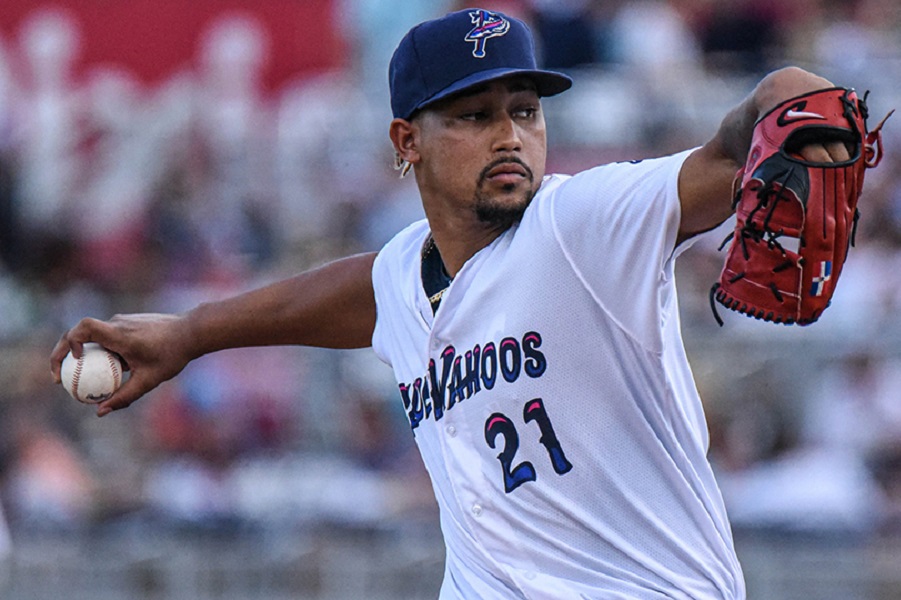 5. Cole Sands, RHP Current/Future Fastball: 50/55 Sands gets a lot of life in the upper half of the strike zone. Typically, he is in the low-90s, but he has the ability to hit 95-96 mph. According to FanGraphs, “his fastball will creep into the mid-90s with big time tail, the kind that can run off the hip of left-handed hitters and back over the plate.” His control has improved during his professional career and there is still room for him to make improvements moving forward. 4. Jordan Balazovic, RHP Current/Future Fastball: 55/55 Outside of Jhoan Duran (see below), Balazovic is the other pitcher in contention for being the team’s top pitching prospect. His fastball doesn’t have quite the velocity as others on this list, but he typically sits in the low- to mid-90s while topping out at 96 mph. His fastball plays up because hitters have a tough time picking it up out of his hand. He uses it a lot at the top of the zone and that means that the strikeouts will continue to pile up. 3. Josh Winder, RHP Current/Future Fastball: 60/60 During last year’s shutdown, Winder might have earned the award for most improved pitcher in the Twins organization. During the 2019 season, his fastball sat in the low-90s, but he can now hit 98 mph consistently and he proved this during instructs. There is good movement on the pitch too, which helps his off-speed pitches to play up. During the 2021 season, he needs to prove his 2020 development is for real. If he does, fans better be prepared for how fast Winder will fly up prospect lists next off-season. 2. Edwar Colina, RHP Current/Future Fastball: 65/65 Colina might not be as well known as some of the other names on this list, because he is destined for a role in the bullpen. His fastball consistently sits in the mid- to upper-90s and he can touch 100 mph. Even with this big velocity, his fastball doesn’t have a ton of movement, so hitters have a better chance of putting it in play. There’s a good chance he is part of the Twins bullpen at some point in 2021 and he can fill a late inning role in the years to come. 1. Jhoan Duran, RHP Current/Future Fastball: 70/70 Minnesota acquired Duran as part of the Eduardo Escobar trade and now he is considered one of the team’s best pitching prospects. He has grown into his frame throughout his time in the Twins organization as he now sits at 6-foot-5 and 230 pounds. His fastball consistently hits in the high 90’s and he can hit triple digits on a regular basis. His four-seam fastball might not even be his best fastball as he has a hybrid “splinker” pitch that can also reach into the mid-90s. His velocity is elite, and the Twins hope he can mix-in more strikeouts as he gets closer to the big leagues this season. How would you rank these players? Does someone else make the list? Leave a COMMENT and start the discussion. OTHER POSTS IN THIS SERIES -Speed Tool Prospects -Hit Tool Prospects -Power Tool Prospects MORE FROM TWINS DAILY — Latest Twins coverage from our writers — Recent Twins discussion in our forums — Follow Twins Daily via Twitter, Facebook or email
 -
Ranking the Twins Top-5 Speed Tool Prospects
Cody Christie posted a topic in Twins Minor League Talk
Bryon Buxton might be the fastest player in the Twins organization, but other prospects are close to chasing him down. Here’s how the team’s top prospects rank when it comes to speed.5. Misael Urbina, OF Current/Future Speed: 60/50 Urbina was the Twins top international signee back in the 2018 and he has continued his physical development since joining the organization. He currently comes in at 6-foot-0 and 175 pounds, which is stocky when it comes to the speed tool. Most scouting reports peg him as being a plus runner and he has shown the ability to steal bases and play terrific outfield defense. He has yet to make his debut in a stateside league, but that will likely change in 2021. 4. Keoni Cavaco, SS Current/Future Speed: 60/55 When the Twins drafted Cavaco, his athleticism was something that saw him rise quickly into the first round. He flashed plus speed entering the draft and those skills translated to his first professional season. According to reports out of the instructional leagues, Cavaco spent last year’s shutdown working on his conditioning and physical make-up. Now he is leaner this should only help his athleticism. It’s also scary to think what that could mean for his plus running skills. His body is going to continue to grow, and this can lead to him to losing some speed. The Twins are going to try and keep him at shortstop, but his size might result in a shift to third base. 3. Gilberto Celestino, OF Current Speed: 60/60 Celestino is a name Twins fans will get very familiar with in the coming years, especially since Byron Buxton’s future is up in the air. Celestino can be the heir apparent to Buxton since the team’s current centerfielder only has two more years of team control. Celestino’s stock has really taken off since coming to the Twins as part of the Ryan Pressly deal. He uses his speed to exhibit plus range in the outfield and he can play all three outfield positions. As gets more experience, his ability to steal bases should improve and he continues to add speed as he has grown into his body. Out of the players on this list, he has the best chance to keep his current speed ranking long-term. 2. Will Holland, SS Current/Future Speed: 65/60 Holland fell to the Twins in the fifth round of the 2019 Draft, but it might have been a blessing in disguise for the organization. He dropped in the draft because of a poor performance during his junior season at Auburn and his pro debut didn’t go much better. His speed helps him on both sides of the ball as his physical tools allow him to play shortstop and second base. Currently, Holland might be the fastest player in the organization because the top player on this list will be out for all of 2021. He has worked with his swing throughout the minor league shutdown, so he has plenty to prove when the new season gets underway. 1. Royce Lewis, SS Current Speed: 70/60 Twins fans may have gotten spoiled with Buxton as he is one of the fastest players at the big-league level. Lewis might not be quite at the same level as Buxton, but he still has blazing fast speed (see Tom’s highlight video below). His recent knee injury might be cause for concern because he might lose a step or two as he recovers. Even considering his injury, he is head and shoulders above the rest of the players on this list when it comes to speed. His best runs times from home to first are under four seconds and there are few players that can do that in professional baseball. How would you rank these players? Does someone else make the list? Leave a COMMENT and start the discussion. OTHER POSTS IN THIS SERIES -Hit Tool Prospects -Power Tool Prospects MORE FROM TWINS DAILY — Latest Twins coverage from our writers — Recent Twins discussion in our forums — Follow Twins Daily via Twitter, Facebook or email Click here to view the article- 5 replies
-
- 1
-

-
- royce lewis
- will holland
- (and 3 more)
-
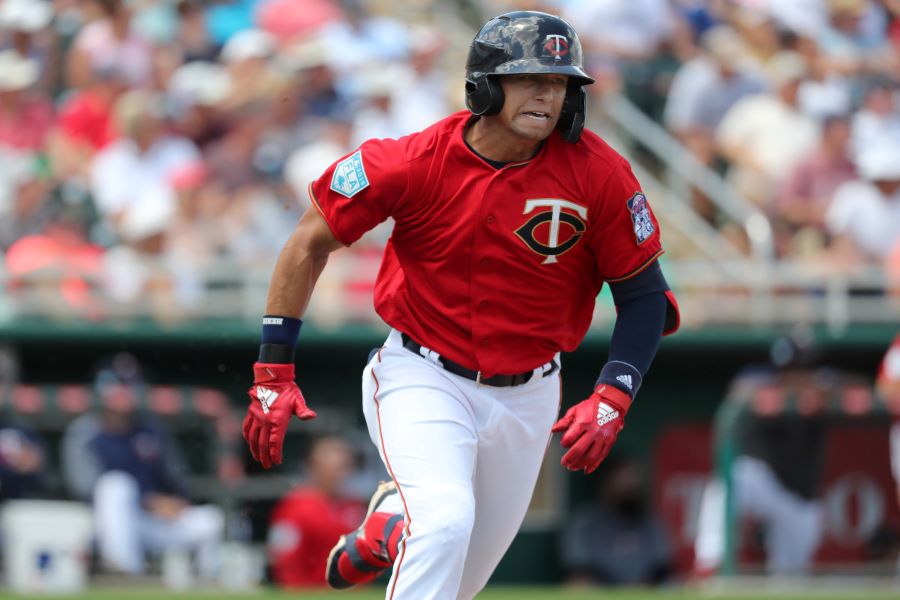 5. Misael Urbina, OF Current/Future Speed: 60/50 Urbina was the Twins top international signee back in the 2018 and he has continued his physical development since joining the organization. He currently comes in at 6-foot-0 and 175 pounds, which is stocky when it comes to the speed tool. Most scouting reports peg him as being a plus runner and he has shown the ability to steal bases and play terrific outfield defense. He has yet to make his debut in a stateside league, but that will likely change in 2021. 4. Keoni Cavaco, SS Current/Future Speed: 60/55 When the Twins drafted Cavaco, his athleticism was something that saw him rise quickly into the first round. He flashed plus speed entering the draft and those skills translated to his first professional season. According to reports out of the instructional leagues, Cavaco spent last year’s shutdown working on his conditioning and physical make-up. Now he is leaner this should only help his athleticism. It’s also scary to think what that could mean for his plus running skills. His body is going to continue to grow, and this can lead to him to losing some speed. The Twins are going to try and keep him at shortstop, but his size might result in a shift to third base. 3. Gilberto Celestino, OF Current Speed: 60/60 Celestino is a name Twins fans will get very familiar with in the coming years, especially since Byron Buxton’s future is up in the air. Celestino can be the heir apparent to Buxton since the team’s current centerfielder only has two more years of team control. Celestino’s stock has really taken off since coming to the Twins as part of the Ryan Pressly deal. He uses his speed to exhibit plus range in the outfield and he can play all three outfield positions. As gets more experience, his ability to steal bases should improve and he continues to add speed as he has grown into his body. Out of the players on this list, he has the best chance to keep his current speed ranking long-term. 2. Will Holland, SS Current/Future Speed: 65/60 Holland fell to the Twins in the fifth round of the 2019 Draft, but it might have been a blessing in disguise for the organization. He dropped in the draft because of a poor performance during his junior season at Auburn and his pro debut didn’t go much better. His speed helps him on both sides of the ball as his physical tools allow him to play shortstop and second base. Currently, Holland might be the fastest player in the organization because the top player on this list will be out for all of 2021. He has worked with his swing throughout the minor league shutdown, so he has plenty to prove when the new season gets underway. 1. Royce Lewis, SS Current Speed: 70/60 Twins fans may have gotten spoiled with Buxton as he is one of the fastest players at the big-league level. Lewis might not be quite at the same level as Buxton, but he still has blazing fast speed (see Tom’s highlight video below). His recent knee injury might be cause for concern because he might lose a step or two as he recovers. Even considering his injury, he is head and shoulders above the rest of the players on this list when it comes to speed. His best runs times from home to first are under four seconds and there are few players that can do that in professional baseball. How would you rank these players? Does someone else make the list? Leave a COMMENT and start the discussion. OTHER POSTS IN THIS SERIES -Hit Tool Prospects -Power Tool Prospects MORE FROM TWINS DAILY — Latest Twins coverage from our writers — Recent Twins discussion in our forums — Follow Twins Daily via Twitter, Facebook or email
 -
Randy Dobnak hasn’t exactly been known as a strikeout artist throughout his big-league career, but sometimes all it takes is one small adjustment. What will a new and improved slider mean for Dobnak’s role in 2021? Minnesota’s front office noticed some with Dobnak’s slider and suggest a small change. By keeping his hand in a more supinated position, he can get more break on his slider and keep hitters off balanced. Over the weekend, he threw three scoreless innings and struck out six of the 10 batters he faced. “It plays really well off my sinker, so we’re just trying to kind of get more break in between it,” Dobnak told reporters after the game. “Trying to create the tunnel and have it break apart more. But I threw it pretty well today, so I’m pretty satisfied with where I am with that.” Dobnak had been working on the tweak for a little over a week and batters were clearly not prepared for the pitch (even against last year’s AL pennant winners). He’s used it in two games so far and he has yet to allow a run in either appearance. While he has been pitching well this spring, Minnesota’s rotation seems to be full to start the year and this leaves Dobnak’s role up in the air. The five starters slated to be in Minnesota’s Opening Day rotation are Kenta Maeda, Jose Berrios, Michael Pineda, Matt Shoemaker, and J.A. Happ. Out of those names, Happ is a little behind the others as he missed the beginning of camp after testing positive for COVID-19. Dobnak can follow Happ in his starts at the beginning of the year as he increases his workload, but even Twins manager Rocco Baldelli doesn’t quite know what role Dobnak will fill. “[Dobnak] has established himself as a quality member of our pitching staff,” Baldelli said. “One way or the other, wherever he slots in, however he gets his innings, I’m pretty sure we are going to find a way to get him involved and let him pitch us to some wins. Exactly how that’s going to go from Opening Day on, I couldn’t tell you at this moment.” Another wrinkle in the Dobnak’s roster spot is the yet to be decided fourth option for Lewis Thorpe. If Thorpe is out of options, the team may need to keep him on the 26-man roster to avoid losing him for on waivers. Dobnak has multiple options remaining and this would allow him to continue to be stretched out as a starter if an injury were to arise in the season’s early games. In the last Twins Daily roster projection, Dobnak made the Opening Day roster and Thorpe was left off, because it had been widely reported that he would be granted a fourth option. Dobnak and Thorpe can easily swap places as the bullpen’s long man. Caleb Thielbar, who appeared in his first spring game on Monday, has also been dealing with a back injury, so there’s a chance he starts the year on the IL. If that happened, Dobnak and Thorpe can both have bullpen spots. Over the course of the 2021 campaign, Dobnak’s role will likely take on multiple forms. Shoemaker is going to have to prove he deserves to stay in the rotation, because the Twins don’t have a ton invested in him. Dobnak will relieve and start at different parts of the season, but his new slider might make it tough to keep him in the bullpen for very long. What do you think Dobnak’s role will be in 2021? Leave a COMMENT and start the discussion. MORE FROM TWINS DAILY — Latest Twins coverage from our writers — Recent Twins discussion in our forums — Follow Twins Daily via Twitter, Facebook or email View full article
-
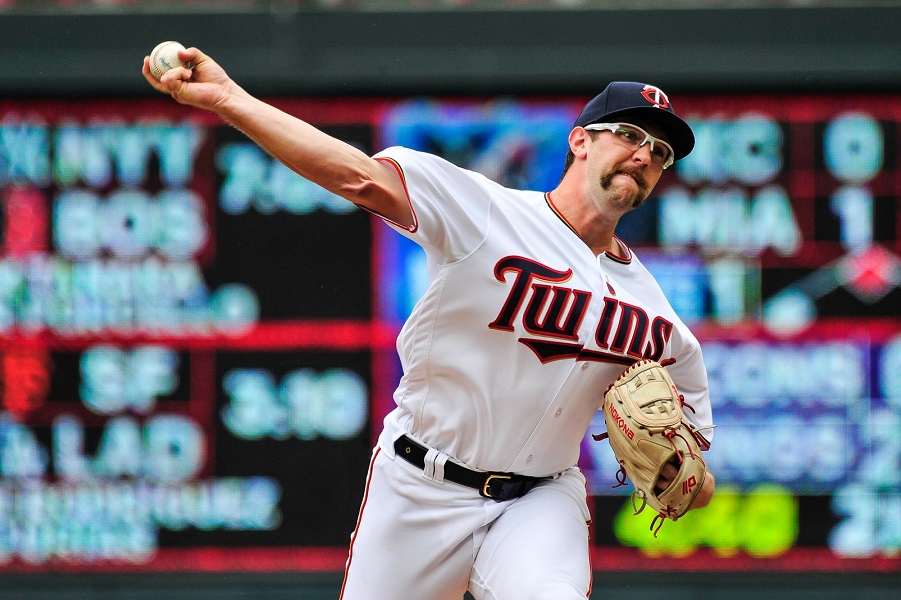 Minnesota’s front office noticed some with Dobnak’s slider and suggest a small change. By keeping his hand in a more supinated position, he can get more break on his slider and keep hitters off balanced. Over the weekend, he threw three scoreless innings and struck out six of the 10 batters he faced. “It plays really well off my sinker, so we’re just trying to kind of get more break in between it,” Dobnak told reporters after the game. “Trying to create the tunnel and have it break apart more. But I threw it pretty well today, so I’m pretty satisfied with where I am with that.” Dobnak had been working on the tweak for a little over a week and batters were clearly not prepared for the pitch (even against last year’s AL pennant winners). He’s used it in two games so far and he has yet to allow a run in either appearance. While he has been pitching well this spring, Minnesota’s rotation seems to be full to start the year and this leaves Dobnak’s role up in the air. The five starters slated to be in Minnesota’s Opening Day rotation are Kenta Maeda, Jose Berrios, Michael Pineda, Matt Shoemaker, and J.A. Happ. Out of those names, Happ is a little behind the others as he missed the beginning of camp after testing positive for COVID-19. Dobnak can follow Happ in his starts at the beginning of the year as he increases his workload, but even Twins manager Rocco Baldelli doesn’t quite know what role Dobnak will fill. “[Dobnak] has established himself as a quality member of our pitching staff,” Baldelli said. “One way or the other, wherever he slots in, however he gets his innings, I’m pretty sure we are going to find a way to get him involved and let him pitch us to some wins. Exactly how that’s going to go from Opening Day on, I couldn’t tell you at this moment.” Another wrinkle in the Dobnak’s roster spot is the yet to be decided fourth option for Lewis Thorpe. If Thorpe is out of options, the team may need to keep him on the 26-man roster to avoid losing him for on waivers. Dobnak has multiple options remaining and this would allow him to continue to be stretched out as a starter if an injury were to arise in the season’s early games. In the last Twins Daily roster projection, Dobnak made the Opening Day roster and Thorpe was left off, because it had been widely reported that he would be granted a fourth option. Dobnak and Thorpe can easily swap places as the bullpen’s long man. Caleb Thielbar, who appeared in his first spring game on Monday, has also been dealing with a back injury, so there’s a chance he starts the year on the IL. If that happened, Dobnak and Thorpe can both have bullpen spots. Over the course of the 2021 campaign, Dobnak’s role will likely take on multiple forms. Shoemaker is going to have to prove he deserves to stay in the rotation, because the Twins don’t have a ton invested in him. Dobnak will relieve and start at different parts of the season, but his new slider might make it tough to keep him in the bullpen for very long. What do you think Dobnak’s role will be in 2021? Leave a COMMENT and start the discussion. MORE FROM TWINS DAILY — Latest Twins coverage from our writers — Recent Twins discussion in our forums — Follow Twins Daily via Twitter, Facebook or email
 -
In each of the last two seasons, Taylor Rogers has been the team’s primary closer, but his performance suffered through different parts of 2020. Can another pitcher become the team’s saves leader in 2021?To be clear, the Twins and manager Rocco Baldelli aren’t going to name a closer. As baseball continues to rethink how bullpens can best be utilized, the Twins are going to look at matchups and put their players in the best opportunities to succeed. That being said, the four players below are the likely candidates to be considered the team’s closer. Taylor Rogers, LHP Career Saves: 41 Rogers was one of the most dominant relievers during the 2018 and 2019 seasons as he took over Minnesota’s closer role. Even with struggles last season, his peripheral numbers point to some bad luck leading to his poor performance. His .400 BABIP was over 70 points higher than any other season. Also, his 10.8 SO/9 was his second highest rate of his career. One pitch to keep an eye on is his slider and the results have been good so far this spring. Twins fans can hope he is back to his old self and the rest of the players on this list are used as set-up men leading into Rogers. Alex Colome, RHP Career Saves: 138 Chicago’s loss is Minnesota’s gain as Colome has been one of the best relievers in recent years. He has the most saves of any player on the Twins staff and he won’t shy away from a late-inning role. With uncertainly surrounding other players on this list, Colome seems like the natural choice to pick up most of the team’s save opportunities. However, relief pitchers can be fickle and maybe there is a bigger reason the White Sox let him go. His 6.4 SO/9 mark from last year was his lowest total since becoming a full-time reliever. If Wes Johnson can work his magic, Colome has a chance to be the team’s leader in saves. Tyler Duffey, RHP Career Saves: 1 Duffey was the team’s best relief pitcher in 2020 and the second half of 2019, but he has been given limited save opportunities. One of the reasons he hasn’t gotten those chance is because he has been so successful being used in a fireman role. Because of the other names on this list, he will likely stay in that role. So far this spring, his velocity has been lower than the team might like, but there is still time to figure it out before the team heads north. If he can’t figure it out, the Twins will have to rely on other arms to take over his important innings. Hansel Robels, RHP Career Saves: 27 Robels struggled in 2020 and that’s one of the reasons the Twins were able to sign him for a relatively cheap deal. Back in 2019, he compiled strong numbers as the Angels primary closer with a 2.48 ERA, 1.02 WHIP and 9.3 SO/9. Last year, albeit in on 16.2 innings, he allowed 19 earned runs, but he posted a career high 10.8 SO/9. It seems more likely for the players listed above to get the majority of the save opportunities, but Robels has some experience, and the Twins can always turn to him if other relievers are struggling at some point during the season. Who do you think will be considered Minnesota’s primary closer in 2021? Leave a COMMENT and start the discussion. MORE FROM TWINS DAILY — Latest Twins coverage from our writers — Recent Twins discussion in our forums — Follow Twins Daily via Twitter, Facebook or email Click here to view the article
-
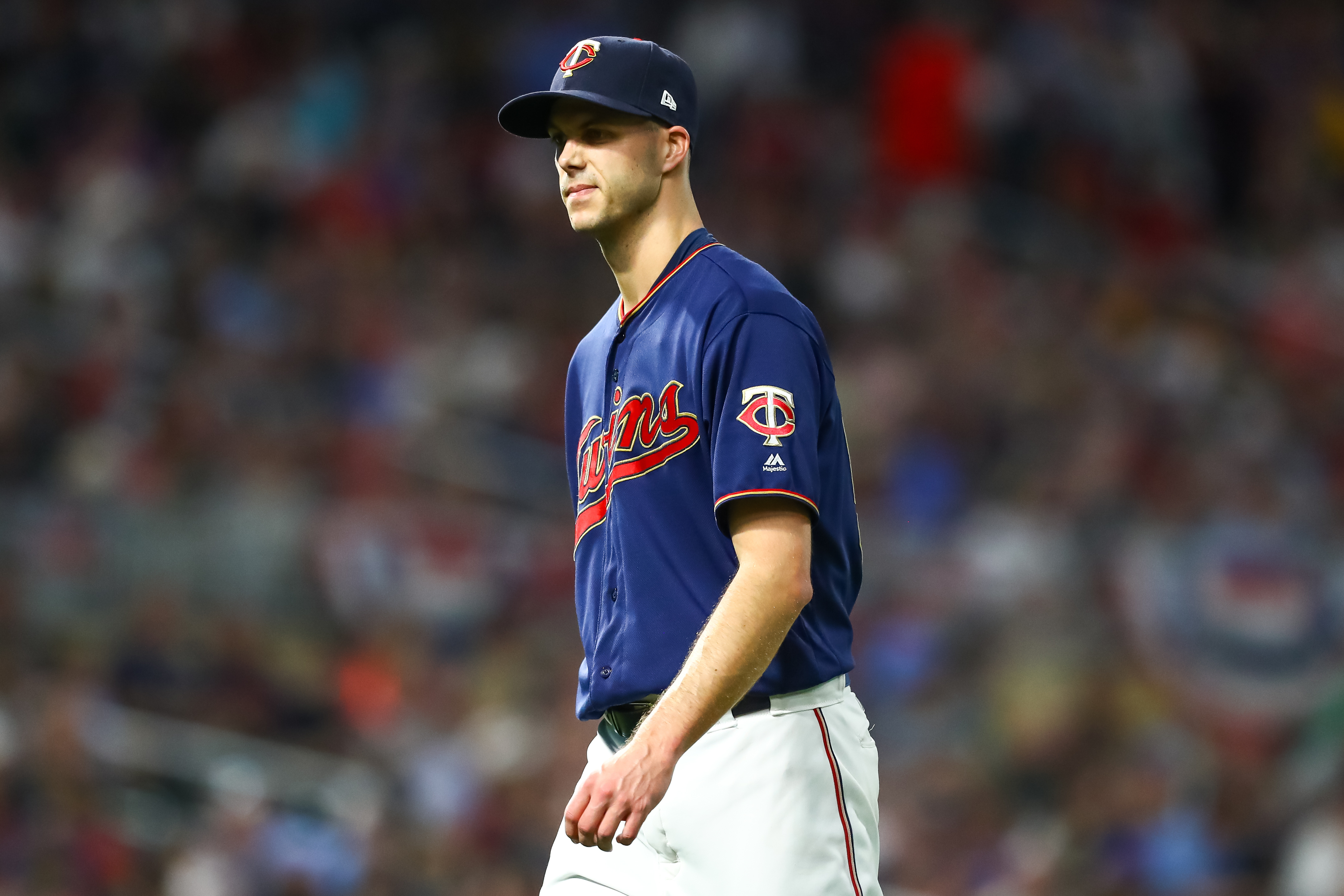 To be clear, the Twins and manager Rocco Baldelli aren’t going to name a closer. As baseball continues to rethink how bullpens can best be utilized, the Twins are going to look at matchups and put their players in the best opportunities to succeed. That being said, the four players below are the likely candidates to be considered the team’s closer. Taylor Rogers, LHP Career Saves: 41 Rogers was one of the most dominant relievers during the 2018 and 2019 seasons as he took over Minnesota’s closer role. Even with struggles last season, his peripheral numbers point to some bad luck leading to his poor performance. His .400 BABIP was over 70 points higher than any other season. Also, his 10.8 SO/9 was his second highest rate of his career. One pitch to keep an eye on is his slider and the results have been good so far this spring. Twins fans can hope he is back to his old self and the rest of the players on this list are used as set-up men leading into Rogers. Alex Colome, RHP Career Saves: 138 Chicago’s loss is Minnesota’s gain as Colome has been one of the best relievers in recent years. He has the most saves of any player on the Twins staff and he won’t shy away from a late-inning role. With uncertainly surrounding other players on this list, Colome seems like the natural choice to pick up most of the team’s save opportunities. However, relief pitchers can be fickle and maybe there is a bigger reason the White Sox let him go. His 6.4 SO/9 mark from last year was his lowest total since becoming a full-time reliever. If Wes Johnson can work his magic, Colome has a chance to be the team’s leader in saves. Tyler Duffey, RHP Career Saves: 1 Duffey was the team’s best relief pitcher in 2020 and the second half of 2019, but he has been given limited save opportunities. One of the reasons he hasn’t gotten those chance is because he has been so successful being used in a fireman role. Because of the other names on this list, he will likely stay in that role. So far this spring, his velocity has been lower than the team might like, but there is still time to figure it out before the team heads north. If he can’t figure it out, the Twins will have to rely on other arms to take over his important innings. https://twitter.com/IAmRickGraham/status/1370476048488529929?s=20 Hansel Robels, RHP Career Saves: 27 Robels struggled in 2020 and that’s one of the reasons the Twins were able to sign him for a relatively cheap deal. Back in 2019, he compiled strong numbers as the Angels primary closer with a 2.48 ERA, 1.02 WHIP and 9.3 SO/9. Last year, albeit in on 16.2 innings, he allowed 19 earned runs, but he posted a career high 10.8 SO/9. It seems more likely for the players listed above to get the majority of the save opportunities, but Robels has some experience, and the Twins can always turn to him if other relievers are struggling at some point during the season. Who do you think will be considered Minnesota’s primary closer in 2021? Leave a COMMENT and start the discussion. MORE FROM TWINS DAILY — Latest Twins coverage from our writers — Recent Twins discussion in our forums — Follow Twins Daily via Twitter, Facebook or email
 -
In recent years, Luis Arraez has been the epitome of the hit tool when it came to Twins prospects. Here are the players that look to follow in his footsteps in the years to come.5. Alerick Soularie, OF Current/Future Hit Tool: 35/50 Scouts have differing views when it comes to Soularie and his hitting skills. In parts of two seasons at Tennessee, he hit .336/.448/.586 with 31 extra-base hits and more walks than strikeouts. These numbers were compiled in what is considered the toughest college baseball conference after starting his collegiate career at a community college. His short, compact swing can help him adjust to different hitting environments and he has enough raw athleticism to make adjustments throughout his career. There’s also a chance his swing can’t adjust to the higher levels of the minors and he fizzles out. 4. Gilberto Celestino, OF Current/Future Hit Tool: 35/55 Celestino was part of the Twins return in the Ryan Pressly trade and his stock has been rising in recent years. He puts the bat on the ball, and he hits it hard on a consistent basis and that trait is only going to improve as he moves up the organizational ladder. Celestino can be the heir apparent to Byron Buxton in centerfield, especially since Buxton only has two years left of team control. On his current path, Celestino projects to a terrific defender in center field and his hitting skills should be more than enough to make him a regular in the Twins outfield. 3. Travis Blankenhorn, 2B Current/Future Hit Tool: 45/50 Blankenhorn is entering his seventh professional season and he is trying to solidify a role at the big-league level. Last year, he appeared in one game and went 1-for-3 with a double. There’s a potential for him to get more use this season, but it will take an injury or two to get him regular at-bats. In the minors, he’s shown the ability to hit at every level and he’s more advanced than other’s below him on this list. He’s on the fringes of being part of the Twins roster, but he might need to shift to another organization to get more regular playing time. 2. Trevor Larnach, OF Current/Future Hit Tool: 45/55 Larnach might not be as advanced as the number one hitter on this list, but he has the potential to be an above average MLB hitter. Some powerful hitters need to swing with max effort to generate their swing, but Larnach isn’t one of those players. His naturally smooth swing allows him to spray balls to all fields. Also, Larnach isn’t afraid to tinker with his swing by watching video and asking questions to coaches and players. “I tease him about being a psychopath in terms of his pursuit of perfection,” Twins minor-league hitting coordinator Donegal Fergus said. “He wants good conversation, and honest feedback and ideas.” 1. Alex Kirilloff, OF Current/Future Hit Tool: 50/60 As Minnesota’s top prospect, Kirilloff’s known for his offensive prowess. He already projects as a league average hitter with a chance to be above average before all things are said and done. He has great plate coverage, and like Larnach, he can spray the ball to all fields. The Twins were confident in him last season and he showed his professional approach while debuting in one of the highest-pressure situations, an elimination game. He hits lefties. He hits righties. He just plain out hits. Fans can hope that he showcases a rare combination of hitting and hitting for power that can make him a generational talent. How would you rank these players? Does someone else make the list? Leave a COMMENT and start the discussion. OTHER POSTS IN THIS SERIES -Power Tool Prospects MORE FROM TWINS DAILY — Latest Twins coverage from our writers — Recent Twins discussion in our forums — Follow Twins Daily via Twitter, Facebook or email Click here to view the article
-
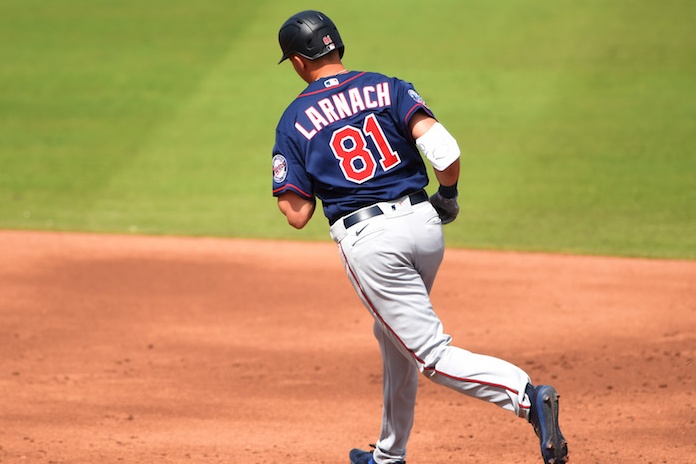 5. Alerick Soularie, OF Current/Future Hit Tool: 35/50 Scouts have differing views when it comes to Soularie and his hitting skills. In parts of two seasons at Tennessee, he hit .336/.448/.586 with 31 extra-base hits and more walks than strikeouts. These numbers were compiled in what is considered the toughest college baseball conference after starting his collegiate career at a community college. His short, compact swing can help him adjust to different hitting environments and he has enough raw athleticism to make adjustments throughout his career. There’s also a chance his swing can’t adjust to the higher levels of the minors and he fizzles out. 4. Gilberto Celestino, OF Current/Future Hit Tool: 35/55 Celestino was part of the Twins return in the Ryan Pressly trade and his stock has been rising in recent years. He puts the bat on the ball, and he hits it hard on a consistent basis and that trait is only going to improve as he moves up the organizational ladder. Celestino can be the heir apparent to Byron Buxton in centerfield, especially since Buxton only has two years left of team control. On his current path, Celestino projects to a terrific defender in center field and his hitting skills should be more than enough to make him a regular in the Twins outfield. 3. Travis Blankenhorn, 2B Current/Future Hit Tool: 45/50 Blankenhorn is entering his seventh professional season and he is trying to solidify a role at the big-league level. Last year, he appeared in one game and went 1-for-3 with a double. There’s a potential for him to get more use this season, but it will take an injury or two to get him regular at-bats. In the minors, he’s shown the ability to hit at every level and he’s more advanced than other’s below him on this list. He’s on the fringes of being part of the Twins roster, but he might need to shift to another organization to get more regular playing time. 2. Trevor Larnach, OF Current/Future Hit Tool: 45/55 Larnach might not be as advanced as the number one hitter on this list, but he has the potential to be an above average MLB hitter. Some powerful hitters need to swing with max effort to generate their swing, but Larnach isn’t one of those players. His naturally smooth swing allows him to spray balls to all fields. Also, Larnach isn’t afraid to tinker with his swing by watching video and asking questions to coaches and players. “I tease him about being a psychopath in terms of his pursuit of perfection,” Twins minor-league hitting coordinator Donegal Fergus said. “He wants good conversation, and honest feedback and ideas.” https://twitter.com/NoDakTwinsFan/status/1369318691142332422?s=20 1. Alex Kirilloff, OF Current/Future Hit Tool: 50/60 As Minnesota’s top prospect, Kirilloff’s known for his offensive prowess. He already projects as a league average hitter with a chance to be above average before all things are said and done. He has great plate coverage, and like Larnach, he can spray the ball to all fields. The Twins were confident in him last season and he showed his professional approach while debuting in one of the highest-pressure situations, an elimination game. He hits lefties. He hits righties. He just plain out hits. Fans can hope that he showcases a rare combination of hitting and hitting for power that can make him a generational talent. How would you rank these players? Does someone else make the list? Leave a COMMENT and start the discussion. OTHER POSTS IN THIS SERIES -Power Tool Prospects MORE FROM TWINS DAILY — Latest Twins coverage from our writers — Recent Twins discussion in our forums — Follow Twins Daily via Twitter, Facebook or email
 -
Leadoff hitters have evolved in recent years with team’s not being anchored to one specific player. Minnesota’s lineup will change a lot over the course of one season and these are the contenders for the leadoff spot.The Incumbent: Max Kepler Last season, Kepler batted leadoff in 34 of the team’s 60 games and he was used there for over 100 games back in 2019. There’s a good chance he is the leader in the clubhouse to be the team’s primary leadoff hitter unless his performance struggles significantly. He hit .281/.324/.625 last year in his at-bats as the first batter in the game. That’s quite the punch for opposing pitchers to have to endure out of the gate. The Contenders: Jorge Polanco, Byron Buxton, Luis Arraez, Mitch Garver Buxton’s raw speed makes him a natural contender to be at the top of the line-up and there has been talk of him filling that role during different parts of his professional development. That being said, he’s only been used as a leadoff hitter in 15 games throughout his career. Obviously, that’s a small sample size, but he has gone 5-for-15 with two home runs and a double in the first at-bat of the game as a leadoff hitter. Overall, as the first batter, he has a .670 OPS and the Twins seem more comfortable having him serve as a second leadoff hitter at the bottom of the line-up. If Polanco’s ankles are healthy, he might be able to get back to his strong hitting fans saw back in the first half of 2019. He’s seen time batting in every spot in the order, but the majority of his time has been spent as the number two hitter where he has an .823 OPS. He does have 160 plate appearances out of the leadoff spot where he has hit .284/.313/.351 with a 21 to 7 strikeout to walk ratio. Rocco Baldelli will likely slide Polanco back into the number two spot in the line-up. Arraez is adjusting to a new role this spring without a specific spot in the starting line-up. That doesn’t mean that he won’t get regular at-bats and few players bring energy to the batter’s box like Arraez. So far in his young career, Arraez has been most frequently used as the number six hitter. In his 17 games batting in the leadoff spot, he has hit .354/.386/.415 with four doubles. As the first batter of the game, he has gone 5-for-13 with a .928 OPS. Garver definitely doesn’t fit the traditional leadoff hitter mold, but Baldelli has loved to use Garver in this role versus left-handed starting pitchers. He’s started 30 games as the leadoff hitter, and he’s compiled some eye-popping numbers. In 141 plate appearances, he’s hit .277/.376/.630 with 12 home runs and four doubles. While those numbers are great, Garver is going to have to prove he is healthy and back to his powerful hitting ways in 2021. Who would you bat leadoff? Leave a COMMENT and start the discussion. MORE FROM TWINS DAILY — Latest Twins coverage from our writers — Recent Twins discussion in our forums — Follow Twins Daily via Twitter, Facebook or email Click here to view the article
-
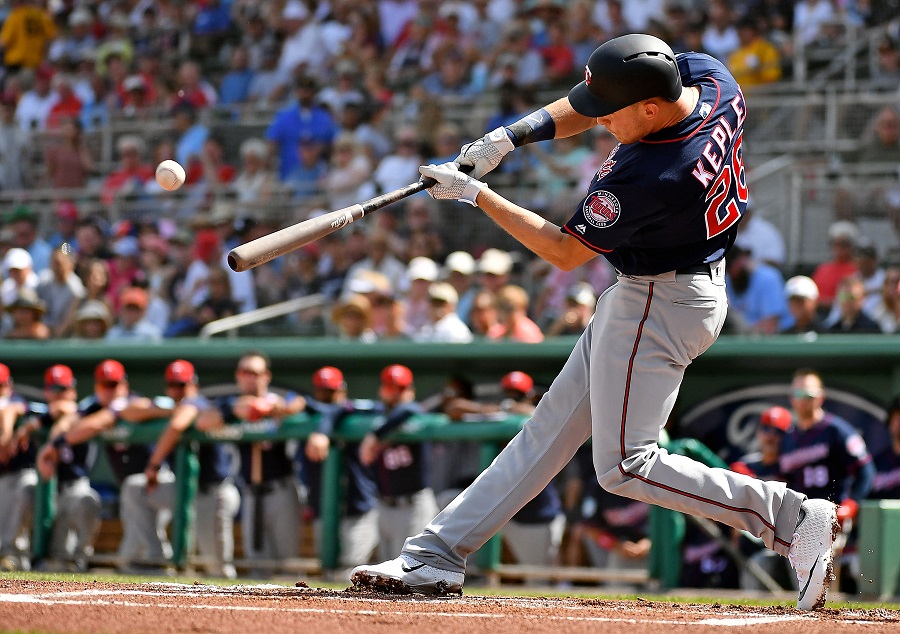 The Incumbent: Max Kepler Last season, Kepler batted leadoff in 34 of the team’s 60 games and he was used there for over 100 games back in 2019. There’s a good chance he is the leader in the clubhouse to be the team’s primary leadoff hitter unless his performance struggles significantly. He hit .281/.324/.625 last year in his at-bats as the first batter in the game. That’s quite the punch for opposing pitchers to have to endure out of the gate. The Contenders: Jorge Polanco, Byron Buxton, Luis Arraez, Mitch Garver Buxton’s raw speed makes him a natural contender to be at the top of the line-up and there has been talk of him filling that role during different parts of his professional development. That being said, he’s only been used as a leadoff hitter in 15 games throughout his career. Obviously, that’s a small sample size, but he has gone 5-for-15 with two home runs and a double in the first at-bat of the game as a leadoff hitter. Overall, as the first batter, he has a .670 OPS and the Twins seem more comfortable having him serve as a second leadoff hitter at the bottom of the line-up. If Polanco’s ankles are healthy, he might be able to get back to his strong hitting fans saw back in the first half of 2019. He’s seen time batting in every spot in the order, but the majority of his time has been spent as the number two hitter where he has an .823 OPS. He does have 160 plate appearances out of the leadoff spot where he has hit .284/.313/.351 with a 21 to 7 strikeout to walk ratio. Rocco Baldelli will likely slide Polanco back into the number two spot in the line-up. Arraez is adjusting to a new role this spring without a specific spot in the starting line-up. That doesn’t mean that he won’t get regular at-bats and few players bring energy to the batter’s box like Arraez. So far in his young career, Arraez has been most frequently used as the number six hitter. In his 17 games batting in the leadoff spot, he has hit .354/.386/.415 with four doubles. As the first batter of the game, he has gone 5-for-13 with a .928 OPS. Garver definitely doesn’t fit the traditional leadoff hitter mold, but Baldelli has loved to use Garver in this role versus left-handed starting pitchers. He’s started 30 games as the leadoff hitter, and he’s compiled some eye-popping numbers. In 141 plate appearances, he’s hit .277/.376/.630 with 12 home runs and four doubles. While those numbers are great, Garver is going to have to prove he is healthy and back to his powerful hitting ways in 2021. Who would you bat leadoff? Leave a COMMENT and start the discussion. MORE FROM TWINS DAILY — Latest Twins coverage from our writers — Recent Twins discussion in our forums — Follow Twins Daily via Twitter, Facebook or email
 -
Ranking the Twins Top-5 Power Tool Prospects
Cody Christie posted a topic in Twins Minor League Talk
Two years ago, the Twins were known as the Bomba Squad on their way to smashing an MLB record for home runs in a season. The players below will be looking to use their powerful approach to join the Bomba Squad in the years ahead.5. Alex Kirilloff, OF/1B Current/Future Power: 55/60 Kirilloff has the potential to be on of the best Twins prospects in quite some time. He can power the ball to all fields, and some think he can hit upwards of 30 home runs. He might be the best pure hitter in the Twins system and there will certainly be power with his smooth swinging approach. His power comes from a swing that has a scooping motion that creates line drives and a better launch angle. Twins fans hope Kirilloff is hitting near the top of the line-up for most of the next decade. 4. Matt Wallner, OF Current/Future Power: 55/65 Wallner, a Minnesota native, is a big boy at 6-foot-4 and 220 pounds and he fits the mold of players drafted by the current regime. He hit for power in all three years of college as he posted a .652 SLG and a 1.113 OPS. Because of these numbers, scouts ranked him as one of the best power bats in the 2019 MLB Draft with some giving him 70 or 80 grades. What’s crazy to consider is the fact that he was still being used as a pitcher in college. In 65 games during his pro debut, he collected 31 extra-base hits and posted an ISO of .194. 3. Trevor Larnach, OF Current/Future Power: 55/65 For some fans, Larnach almost feels like a forgotten prospect because of the presence of Royce Lewis and Alex Kirilloff. Since being draft, Larnach has been a half step behind Kirilloff, but that takes nothing away from what Larnach can mean to the Twins line-up in the up-coming years. He’s the organization’s reigning Minor League Player of the Year. As a left-handed power hitter, Larnach has connected with Justin Morneau to be his hitting mentor. It’s clear that Larnach loves to work on his swing and he’s going to make sure Twins fans don’t forget about him after he makes his big-league debut at some point in 2021. 2. Aaron Sabato, 1B/DH Current/Future Power: 60/65 Sabato is trying to buck a trend, because right-handed hitting college players with limited defense haven’t found much professional success. There’s one reason the Twins drafted Aaron Sabato and it was because of his powerful bat. As a college freshman, he won ACC Rookie of the Year after knocking 18 home runs. He has a rare combination of exceptional strength, bat speed, and launch angle that led to off the charts raw power. Scouts were confident in Sabato’s ability to hit throughout the upper-minors especially with his track-record against elite college pitching. 1. Brent Rooker, OF/1B Current/Future Power: 60/65 Rooker spent his college years putting up impressive power numbers in the college baseball’s best conferences, the SEC. In his junior season, he hit .287/.496/.810 with 23 home runs. Scouts saw some him post some of the best exit velocities in the 2017 draft class and his raw power was off the charts. Minnesota has been aggressive with him as he spent his entire second full professional season at Triple-A where he posted a .928 OPS. Since he is already 26-years old, there’s a good chance he breaks camp on the big-league roster, and this should give him the opportunity to prove his powerful swing translates to baseball’s highest level. How would you rank these players? Does someone else make the list? Leave a COMMENT and start the discussion. MORE FROM TWINS DAILY — Latest Twins coverage from our writers — Recent Twins discussion in our forums — Follow Twins Daily via Twitter, Facebook or email Click here to view the article -
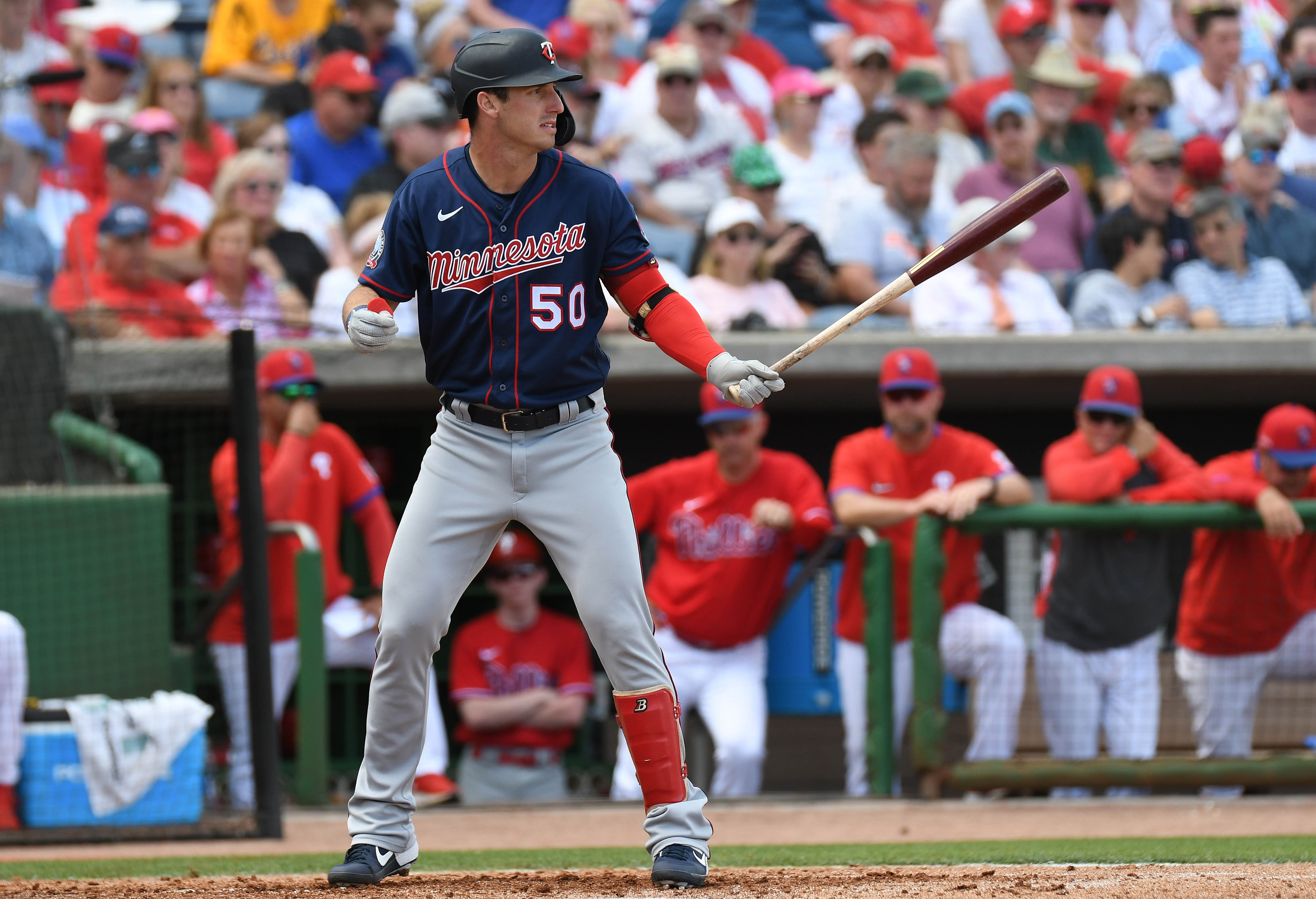 5. Alex Kirilloff, OF/1B Current/Future Power: 55/60 Kirilloff has the potential to be on of the best Twins prospects in quite some time. He can power the ball to all fields, and some think he can hit upwards of 30 home runs. He might be the best pure hitter in the Twins system and there will certainly be power with his smooth swinging approach. His power comes from a swing that has a scooping motion that creates line drives and a better launch angle. Twins fans hope Kirilloff is hitting near the top of the line-up for most of the next decade. 4. Matt Wallner, OF Current/Future Power: 55/65 Wallner, a Minnesota native, is a big boy at 6-foot-4 and 220 pounds and he fits the mold of players drafted by the current regime. He hit for power in all three years of college as he posted a .652 SLG and a 1.113 OPS. Because of these numbers, scouts ranked him as one of the best power bats in the 2019 MLB Draft with some giving him 70 or 80 grades. What’s crazy to consider is the fact that he was still being used as a pitcher in college. In 65 games during his pro debut, he collected 31 extra-base hits and posted an ISO of .194. 3. Trevor Larnach, OF Current/Future Power: 55/65 For some fans, Larnach almost feels like a forgotten prospect because of the presence of Royce Lewis and Alex Kirilloff. Since being draft, Larnach has been a half step behind Kirilloff, but that takes nothing away from what Larnach can mean to the Twins line-up in the up-coming years. He’s the organization’s reigning Minor League Player of the Year. As a left-handed power hitter, Larnach has connected with Justin Morneau to be his hitting mentor. It’s clear that Larnach loves to work on his swing and he’s going to make sure Twins fans don’t forget about him after he makes his big-league debut at some point in 2021. 2. Aaron Sabato, 1B/DH Current/Future Power: 60/65 Sabato is trying to buck a trend, because right-handed hitting college players with limited defense haven’t found much professional success. There’s one reason the Twins drafted Aaron Sabato and it was because of his powerful bat. As a college freshman, he won ACC Rookie of the Year after knocking 18 home runs. He has a rare combination of exceptional strength, bat speed, and launch angle that led to off the charts raw power. Scouts were confident in Sabato’s ability to hit throughout the upper-minors especially with his track-record against elite college pitching. 1. Brent Rooker, OF/1B Current/Future Power: 60/65 Rooker spent his college years putting up impressive power numbers in the college baseball’s best conferences, the SEC. In his junior season, he hit .287/.496/.810 with 23 home runs. Scouts saw some him post some of the best exit velocities in the 2017 draft class and his raw power was off the charts. Minnesota has been aggressive with him as he spent his entire second full professional season at Triple-A where he posted a .928 OPS. Since he is already 26-years old, there’s a good chance he breaks camp on the big-league roster, and this should give him the opportunity to prove his powerful swing translates to baseball’s highest level. How would you rank these players? Does someone else make the list? Leave a COMMENT and start the discussion. MORE FROM TWINS DAILY — Latest Twins coverage from our writers — Recent Twins discussion in our forums — Follow Twins Daily via Twitter, Facebook or email
 -
Last season was an unmitigated disaster for Lewis Thorpe. Now it’s time to unlock the Australian lefty as he enters camp with a new outlook and focus for the 2021 campaign.As a teenager, Lewis Thorpe seemed like he was on a path to being a dominant big-league starter. For multiple offseasons, he was considered a top-100 prospect and he posted some dominating numbers in the minor’s lower levels. Clearly, plenty can happen over the course of pitcher’s professional career as Thorpe missed multiple seasons and he has yet to put it all together at baseball’s highest level. Many fans are aware of what Thorpe’s situation from a season ago. He left spring training for two weeks as he dealt with some personal matters. He had an opportunity to earn a spot in the rotation but missing that much time meant he was among the team’s first group sent over to the minor league side of camp. It had to be frustrating for all parties involved. As the season started, Thorpe was given a second chance, but his results on the field suffered. His fastball velocity dipped from 91.2 mph in 2019 to 89.7 mph in 2020. His Whiff % was in the 14th percentile and his K % was in the third percentile. His strikeouts per nine dropped from 10.1 in 2019 to 5.5 in 2020. There was little to get excited about. This spring something is different with Thorpe. He spent the winter working on his physical and mental health to prove he belongs in the Twins long-term plans. On the physical side, he added almost 30 pounds this off-season and nearly all of it is muscle. This has helped his fastball to tick back up to 93 mph and his head is where it needs to be. "My head wasn't clear, and this year, in the offseason, I committed myself to working out and working on my arm action and getting strength back in my legs," Thorpe said. "It's all coming along really nicely." This season is going to be a make-it or break-it year for Thorpe and there are some subtle changes he can make to improve his performance. One item he can focus on adjusting is the release point of his curveball. He throws this pitch less than his other pitches but there is a clear difference in his release point as he tends to release it 2.4 inches higher than his other pitches. Download attachment: Thorpe Curveball Release.JPG He’s allowed an average exit velocity of 85.5 mph, which is over 2 mph lower than the league average. However, Thorpe has allowed 12% of his balls in play to be barrels. Leave average barrel percentage is 7%. Throughout his minor league career, Thorpe has been able to avoid barrels because of his strong strikeout totals. This spring there have already been some positive signs with his ability to strikeout batters and fans can hope this is a second change that translates to the regular season. "Just pounded the zone, trusted my stuff and it went well," Thorpe said after this weekend’s start. "I got the swings and misses that I wanted. The offspeed was down in the zone and the fastball was up, so it worked out pretty good." If things continue to work out pretty well, the rest of the AL Central might need to be prepared for Lewis Thorpe’s arrival. He's also waiting an arbitrator's decision on if he will get a fourth option year and that could go a long way to deciding his future in Minnesota. What are your expectations for Thorpe this season? Leave a COMMENT and start the discussion. MORE FROM TWINS DAILY — Latest Twins coverage from our writers — Recent Twins discussion in our forums — Follow Twins Daily via Twitter, Facebook or email Click here to view the article
-
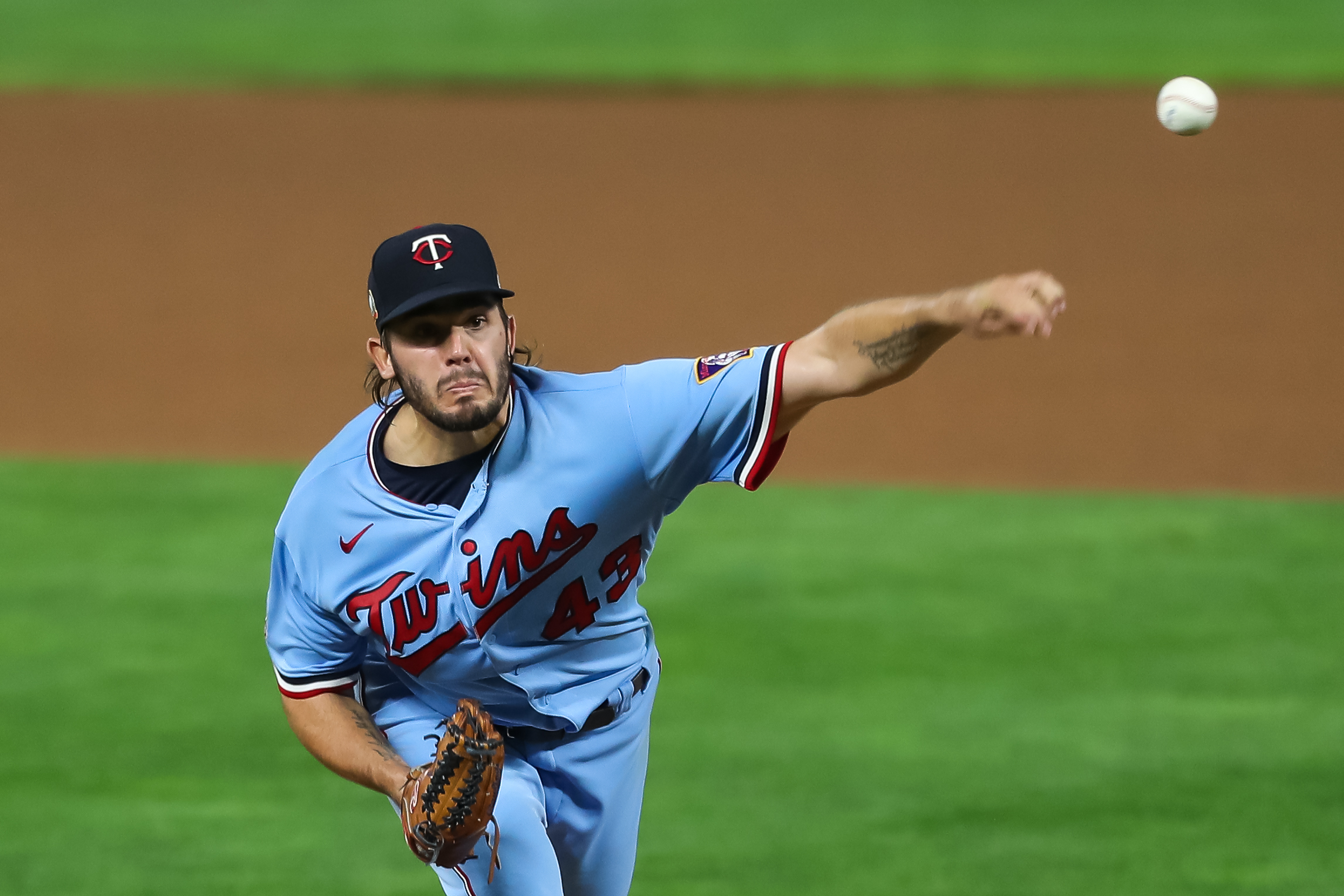 As a teenager, Lewis Thorpe seemed like he was on a path to being a dominant big-league starter. For multiple offseasons, he was considered a top-100 prospect and he posted some dominating numbers in the minor’s lower levels. Clearly, plenty can happen over the course of pitcher’s professional career as Thorpe missed multiple seasons and he has yet to put it all together at baseball’s highest level. Many fans are aware of what Thorpe’s situation from a season ago. He left spring training for two weeks as he dealt with some personal matters. He had an opportunity to earn a spot in the rotation but missing that much time meant he was among the team’s first group sent over to the minor league side of camp. It had to be frustrating for all parties involved. As the season started, Thorpe was given a second chance, but his results on the field suffered. His fastball velocity dipped from 91.2 mph in 2019 to 89.7 mph in 2020. His Whiff % was in the 14th percentile and his K % was in the third percentile. His strikeouts per nine dropped from 10.1 in 2019 to 5.5 in 2020. There was little to get excited about. This spring something is different with Thorpe. He spent the winter working on his physical and mental health to prove he belongs in the Twins long-term plans. On the physical side, he added almost 30 pounds this off-season and nearly all of it is muscle. This has helped his fastball to tick back up to 93 mph and his head is where it needs to be. "My head wasn't clear, and this year, in the offseason, I committed myself to working out and working on my arm action and getting strength back in my legs," Thorpe said. "It's all coming along really nicely." This season is going to be a make-it or break-it year for Thorpe and there are some subtle changes he can make to improve his performance. One item he can focus on adjusting is the release point of his curveball. He throws this pitch less than his other pitches but there is a clear difference in his release point as he tends to release it 2.4 inches higher than his other pitches. He’s allowed an average exit velocity of 85.5 mph, which is over 2 mph lower than the league average. However, Thorpe has allowed 12% of his balls in play to be barrels. Leave average barrel percentage is 7%. Throughout his minor league career, Thorpe has been able to avoid barrels because of his strong strikeout totals. This spring there have already been some positive signs with his ability to strikeout batters and fans can hope this is a second change that translates to the regular season. https://twitter.com/NoDakTwinsFan/status/1368933867873316868?s=20 "Just pounded the zone, trusted my stuff and it went well," Thorpe said after this weekend’s start. "I got the swings and misses that I wanted. The offspeed was down in the zone and the fastball was up, so it worked out pretty good." If things continue to work out pretty well, the rest of the AL Central might need to be prepared for Lewis Thorpe’s arrival. He's also waiting an arbitrator's decision on if he will get a fourth option year and that could go a long way to deciding his future in Minnesota. What are your expectations for Thorpe this season? Leave a COMMENT and start the discussion. MORE FROM TWINS DAILY — Latest Twins coverage from our writers — Recent Twins discussion in our forums — Follow Twins Daily via Twitter, Facebook or email
 -
Minnesota signed Andrelton Simmons to be a bridge to Royce Lewis, but his injury changes the plan. Now, the Twins will have the opportunity to be players in next winter’s historically great free agent shortstop class.Injuries to top prospects can be frustrating to a fan base, especially for a player as highly touted as Royce Lewis. He was supposed to be the team’s shortstop of the future with the chance to take over that role at some point in 2022. His injury might end up being a blessing in disguise, because the Twins can take advantage of a rare plethora of free agent shortstops. In some offseasons the free agent shortstop class can be almost non-existent. This past winter saw multiple above average shortstops hit the market including Marcus Siemen, Didi Gregorius, and Simmons. Only Gregorius signed a multi-year deal, so Siemen and Simmons will have to compete with other star players for free agent deals (Age for 2022 season in parentheses). Francisco Lindor (28): Lindor was dealt out of the AL Central this winter and will spend the 2021 campaign with the Mets. It seems most likely for the Mets and their new ownership to work out a contract extension to lock-up Lindor. He’s one of baseball’s most marketable superstars and he already seems like a natural fit in the Big Apple. It’s going to cost north of $300 million to sign him and that is more money than the Twins are going to be willing to spend. Javier Baez (29): Last season, Baez struggled to the tune of a .598 OPS in over 235 plate appearances. However, in the previous four seasons he averaged 25 home runs and 30 doubles per year with a .822 OPS. On top of that, he’s one of baseball’s best defensive shortstops. There’s also a connection between Jose Berrios and Baez as they are brother in-laws and both hale from Puerto Rico. Maybe bringing Baez into the fold will encourage Berrios to sign an extension with Minnesota. Carlos Correa (27): Correa is the youngest player on this list, but he’s also missed time throughout his big-league career. In fact, the 2016 campaign was his lone season with more than 110 games played. There’s no denying his on-field production when he is on the field. He’s averaged a 5.2 WAR in every season where he has played 99 games or more. Also, he’s a well-rounded infielder as he finished second in SABR’s SDI among AL shortstops last season. The injury history might scare some teams away, but it can also bring down his free agent price. Trevor Story (29): Story debuted in 2016 and he’s done nothing but mash since that point. Among shortstops, he has the most home runs during that time-period even though he has fewer at-bats than the next three players behind him in the standings. Story isn’t as strong defensively as some of the others on this list, but he can more than hold his own. He ranks as the seventh best shortstop according to Defensive Runs Above Average since making his debut. Story might be a sneaky good player for the Twins to target next winter. Corey Seager (28): Seager’s star power has dwindled during his time in LA, especially with MVP winners Mookie Betts and Cody Bellinger anchoring the line-up. Unfortunately, he missed nearly all the 2018 season due to Tommy John surgery, but he came back strongly and led the NL in doubles the next season. Last year, he posted career highs in batting average and slugging percentage as the Dodgers claimed the World Series title. Will LA be willing to let one of their best players leave in free agency because of the team’s other stars? Which player do you think would be the best fit in Minnesota? Will the team spend big on a shortstop even with Lewis returning from injury? Leave a COMMENT and start the discussion. MORE FROM TWINS DAILY — Latest Twins coverage from our writers — Recent Twins discussion in our forums — Follow Twins Daily via Twitter, Facebook or email Click here to view the article
-
Twins Are Now Players In Historically Great Free Agent Shortstop Class
Cody Christie posted an article in Twins
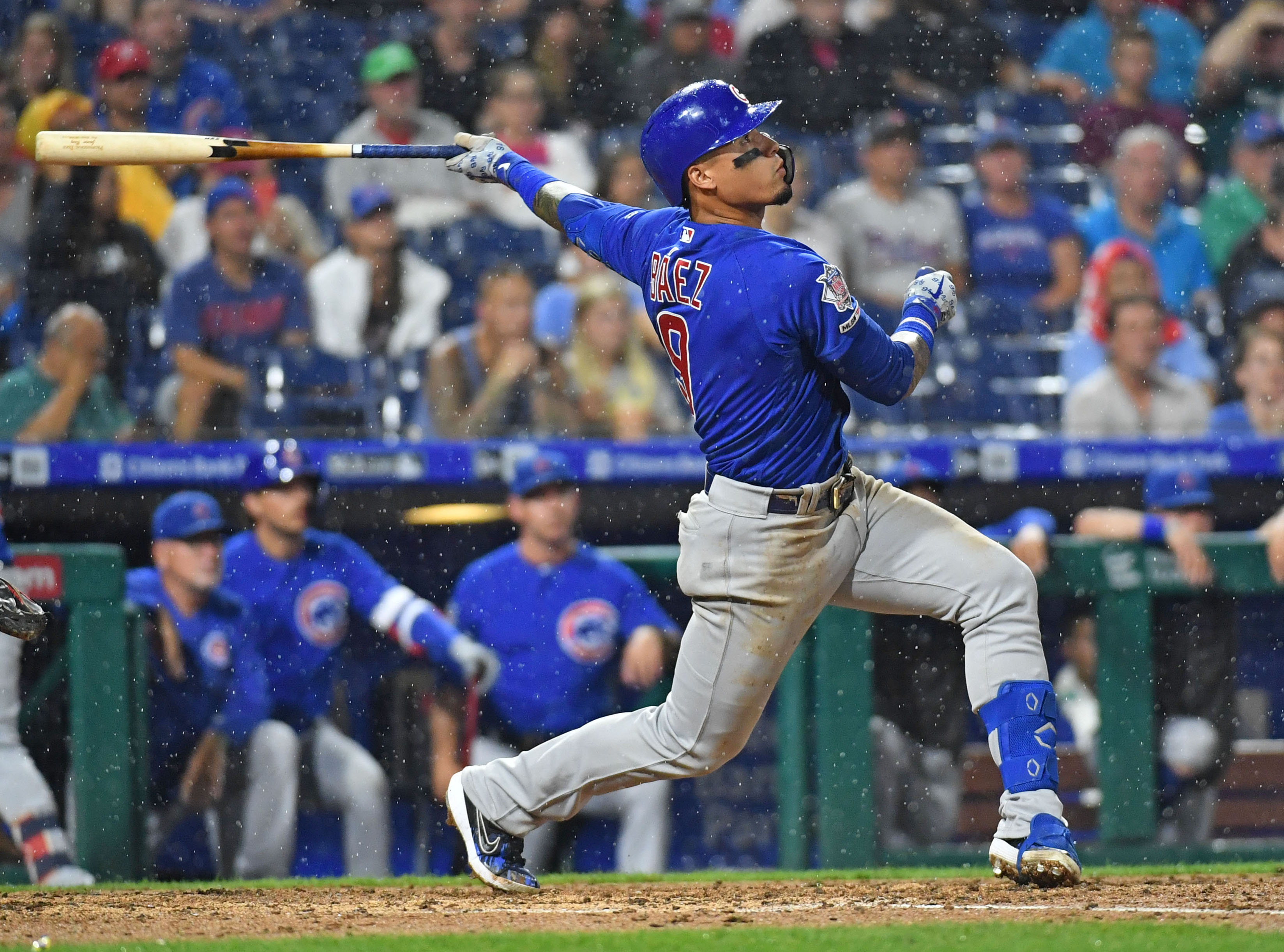 Injuries to top prospects can be frustrating to a fan base, especially for a player as highly touted as Royce Lewis. He was supposed to be the team’s shortstop of the future with the chance to take over that role at some point in 2022. His injury might end up being a blessing in disguise, because the Twins can take advantage of a rare plethora of free agent shortstops. In some offseasons the free agent shortstop class can be almost non-existent. This past winter saw multiple above average shortstops hit the market including Marcus Siemen, Didi Gregorius, and Simmons. Only Gregorius signed a multi-year deal, so Siemen and Simmons will have to compete with other star players for free agent deals (Age for 2022 season in parentheses). Francisco Lindor (28): Lindor was dealt out of the AL Central this winter and will spend the 2021 campaign with the Mets. It seems most likely for the Mets and their new ownership to work out a contract extension to lock-up Lindor. He’s one of baseball’s most marketable superstars and he already seems like a natural fit in the Big Apple. It’s going to cost north of $300 million to sign him and that is more money than the Twins are going to be willing to spend. Javier Baez (29): Last season, Baez struggled to the tune of a .598 OPS in over 235 plate appearances. However, in the previous four seasons he averaged 25 home runs and 30 doubles per year with a .822 OPS. On top of that, he’s one of baseball’s best defensive shortstops. There’s also a connection between Jose Berrios and Baez as they are brother in-laws and both hale from Puerto Rico. Maybe bringing Baez into the fold will encourage Berrios to sign an extension with Minnesota. Carlos Correa (27): Correa is the youngest player on this list, but he’s also missed time throughout his big-league career. In fact, the 2016 campaign was his lone season with more than 110 games played. There’s no denying his on-field production when he is on the field. He’s averaged a 5.2 WAR in every season where he has played 99 games or more. Also, he’s a well-rounded infielder as he finished second in SABR’s SDI among AL shortstops last season. The injury history might scare some teams away, but it can also bring down his free agent price. Trevor Story (29): Story debuted in 2016 and he’s done nothing but mash since that point. Among shortstops, he has the most home runs during that time-period even though he has fewer at-bats than the next three players behind him in the standings. Story isn’t as strong defensively as some of the others on this list, but he can more than hold his own. He ranks as the seventh best shortstop according to Defensive Runs Above Average since making his debut. Story might be a sneaky good player for the Twins to target next winter. Corey Seager (28): Seager’s star power has dwindled during his time in LA, especially with MVP winners Mookie Betts and Cody Bellinger anchoring the line-up. Unfortunately, he missed nearly all the 2018 season due to Tommy John surgery, but he came back strongly and led the NL in doubles the next season. Last year, he posted career highs in batting average and slugging percentage as the Dodgers claimed the World Series title. Will LA be willing to let one of their best players leave in free agency because of the team’s other stars? Which player do you think would be the best fit in Minnesota? Will the team spend big on a shortstop even with Lewis returning from injury? Leave a COMMENT and start the discussion. MORE FROM TWINS DAILY — Latest Twins coverage from our writers — Recent Twins discussion in our forums — Follow Twins Daily via Twitter, Facebook or email
 -
Royce Lewis’ recent injury news means he is following a long line of top Twins prospects that will miss time in their development process. Is this a trend that can be avoided, or are the players destined for injury?This was supposed to be a critical year for Royce Lewis. Back in 2019, he struggled for the first time in his professional career as the Twins were aggressive and pushed him up to Double-A. He was projected to head back to that level in 2021 with a chance to make his big-league debut before season’s end. Unfortunately, that won’t be the case and Lewis will go over 900 days without getting a professional at-bat. Minnesota is no stranger to top prospects being hit by the injury bug. Alex Kirilloff, Twins Daily’s highest rank Twins prospect, missed the entire 2017 campaign due to Tommy John surgery. Even with the missed season, he came back with a vengeance in 2018 as he was one of MiLB’s best hitters that season. Obviously, Kirilloff was able to recover and put himself back on the prospect map, which is something Twins fans can hope for with Lewis. Before Lewis and Kirilloff, Byron Buxton was widely considered the team’s top prospect and many national rankings had him as one of the baseball’s best prospects. Buxton’s injury history has been well documented as he was limited to 103 combined games between his third and fourth professional seasons. Those injury woes have followed him to the big-league level as he as he has only had one season where he has played more than 95 games. Prior to Buxton, Miguel Sano was the team’s top prospect, and he was widely considered one of baseball’s top-10 prospects. He was forced to miss all his age-21 season after needing Tommy John surgery. It still didn’t stop him from making his big-league debut the very next year and he’s been with the Twins ever since. Kyle Gibson had a short stint as the Twins’ best prospect, and he seemed to be rocketing to the MLB level. Entering the 2011 season, Baseball America and Baseball Prospectus had him in their top-55 prospects. Unfortunately, he had Tommy John surgery in November 2011 and wouldn’t be back until the end of the 2012 season. Going further back, there certainly more examples of prospects hit by the injury bug. Francisco Liriano famously blew out his elbow while the 2006 Twins seemed like they would have been unstoppable in the playoffs. Joe Mauer’s career started on a bad note as he needed knee surgery shortly into his rookie campaign. One player some people might forget is Jason Kubel. He seemed destined to be a middle of the order power bat that could bring above average defense at multiple outfield positions. Entering the 2005 season, Baseball America ranked him as baseball’s 17th overall prospect. He was able to return from injury and have a decade long big-league career, but his outlooked was significantly changed after his leg injury. Many of the players on this list went on to have solid big-league careers, but there will also be questions about what could have been. How good could Kubel have been? Would the Twins have won the 2006 World Series with a healthy Liriano? How much better would Mauer’s numbers look with another full season? Lewis finds himself among some of the best Twins players in recent memory, but it is a list that he never wanted to join. MORE FROM TWINS DAILY — Latest Twins coverage from our writers — Recent Twins discussion in our forums — Follow Twins Daily via Twitter, Facebook or email Click here to view the article
-
 This was supposed to be a critical year for Royce Lewis. Back in 2019, he struggled for the first time in his professional career as the Twins were aggressive and pushed him up to Double-A. He was projected to head back to that level in 2021 with a chance to make his big-league debut before season’s end. Unfortunately, that won’t be the case and Lewis will go over 900 days without getting a professional at-bat. Minnesota is no stranger to top prospects being hit by the injury bug. Alex Kirilloff, Twins Daily’s highest rank Twins prospect, missed the entire 2017 campaign due to Tommy John surgery. Even with the missed season, he came back with a vengeance in 2018 as he was one of MiLB’s best hitters that season. Obviously, Kirilloff was able to recover and put himself back on the prospect map, which is something Twins fans can hope for with Lewis. Before Lewis and Kirilloff, Byron Buxton was widely considered the team’s top prospect and many national rankings had him as one of the baseball’s best prospects. Buxton’s injury history has been well documented as he was limited to 103 combined games between his third and fourth professional seasons. Those injury woes have followed him to the big-league level as he as he has only had one season where he has played more than 95 games. Prior to Buxton, Miguel Sano was the team’s top prospect, and he was widely considered one of baseball’s top-10 prospects. He was forced to miss all his age-21 season after needing Tommy John surgery. It still didn’t stop him from making his big-league debut the very next year and he’s been with the Twins ever since. Kyle Gibson had a short stint as the Twins’ best prospect, and he seemed to be rocketing to the MLB level. Entering the 2011 season, Baseball America and Baseball Prospectus had him in their top-55 prospects. Unfortunately, he had Tommy John surgery in November 2011 and wouldn’t be back until the end of the 2012 season. Going further back, there certainly more examples of prospects hit by the injury bug. Francisco Liriano famously blew out his elbow while the 2006 Twins seemed like they would have been unstoppable in the playoffs. Joe Mauer’s career started on a bad note as he needed knee surgery shortly into his rookie campaign. One player some people might forget is Jason Kubel. He seemed destined to be a middle of the order power bat that could bring above average defense at multiple outfield positions. Entering the 2005 season, Baseball America ranked him as baseball’s 17th overall prospect. He was able to return from injury and have a decade long big-league career, but his outlooked was significantly changed after his leg injury. Many of the players on this list went on to have solid big-league careers, but there will also be questions about what could have been. How good could Kubel have been? Would the Twins have won the 2006 World Series with a healthy Liriano? How much better would Mauer’s numbers look with another full season? Lewis finds himself among some of the best Twins players in recent memory, but it is a list that he never wanted to join. MORE FROM TWINS DAILY — Latest Twins coverage from our writers — Recent Twins discussion in our forums — Follow Twins Daily via Twitter, Facebook or email
 -
Spring training is underway, and the Twins are relatively healthy <knock on wood>. If the season started this week, here are the players fans can expect on the Opening Day roster.Catchers (2): Mitch Garver, Ryan Jeffers In the initial roster projection, Willians Astudillo was included as a third catcher and bench option for Rocco Baldelli. Things have shifted with other parts of the roster and this made Astudillo the first player dropped from the 26-man roster. Garver and Jeffers will rotate catcher duties and Astudillo can rake in St. Paul until he is needed at the big-league level. Infielders (5): Miguel Sano, Jorge Polanco, Luis Arraez, Josh Donaldson, Andrelton Simmons Little has changed here with all infield positions solidified and Luis Arraez set to shift into a super-utility role. How will Jorge Polanco adjust to second base? Can Josh Donaldson stay healthy? Will Andrelton Simmons help the Twins to have their best defensive team ever? There are still plenty of questions to be answered, but this group looks solid to start on Opening Day. Outfield (4): Jake Cave, Byron Buxton, Max Kepler, Brent Rooker There’s some talk that the Twins could ignore some of the service time rules and allow Alex Kirilloff to be with the team from season’s start. That is certainly a possibility, but it seems more likely for him to start the year at Triple-A with Jake Cave and Brent Rooker getting outfield at-bats. Byron Buxton bulked up again this winter and Max Kepler might have something to prove in 2021. Designated Hitter (1): Nelson Cruz Cruz is over 40-years old this season and few players have found success after crossing this plateau. Can Cruz join this elite list of players that all made the Hall of Fame? Rotation (5): Kenta Maeda, Jose Berrios, Michael Pineda, J.A. Happ, Matt Shoemaker The biggest change since the first roster projection is Minnesota signed Matt Shoemaker to fill out the fifth spot in the rotation. This pushed Randy Dobnak out of a rotation spot for the time being. After pitchers threw limited innings last year, some teams are considering a six-man rotation to help ease workloads. Dobnak can easily be a fill-in starter or a long reliever to eat innings if another starter has a short outing. Bullpen (9): Taylor Rogers, Tyler Duffey, Alex Colome, Jorge Alcala, Hansel Robles, Caleb Thielbar, Cody Stashak, Randy Dobnak, Shaun Anderson The first seven bullpen spots are relatively set-in stone barring any injuries. This leaves at least one spot available as the team needs to decide if they are going with a 13- or 14-man pitching staff. Last year, teams were limited to 13-pitchers when there were 26-man rosters. That rule has been dropped for 2021, so Minnesota can start the year with a nine-man bullpen to help starters ease back into the workload associated with a full 162-game season. Dobnak moves from the rotation to the bullpen as a long-reliever and Shaun Anderson gets the bump up to the final bullpen spot. Who do you think makes the Opening Day roster? Leave a COMMENT and start the discussion. MORE FROM TWINS DAILY — Latest Twins coverage from our writers — Recent Twins discussion in our forums — Follow Twins Daily via Twitter, Facebook or email Click here to view the article
-
 Catchers (2): Mitch Garver, Ryan Jeffers In the initial roster projection, Willians Astudillo was included as a third catcher and bench option for Rocco Baldelli. Things have shifted with other parts of the roster and this made Astudillo the first player dropped from the 26-man roster. Garver and Jeffers will rotate catcher duties and Astudillo can rake in St. Paul until he is needed at the big-league level. Infielders (5): Miguel Sano, Jorge Polanco, Luis Arraez, Josh Donaldson, Andrelton Simmons Little has changed here with all infield positions solidified and Luis Arraez set to shift into a super-utility role. How will Jorge Polanco adjust to second base? Can Josh Donaldson stay healthy? Will Andrelton Simmons help the Twins to have their best defensive team ever? There are still plenty of questions to be answered, but this group looks solid to start on Opening Day. Outfield (4): Jake Cave, Byron Buxton, Max Kepler, Brent Rooker There’s some talk that the Twins could ignore some of the service time rules and allow Alex Kirilloff to be with the team from season’s start. That is certainly a possibility, but it seems more likely for him to start the year at Triple-A with Jake Cave and Brent Rooker getting outfield at-bats. Byron Buxton bulked up again this winter and Max Kepler might have something to prove in 2021. Designated Hitter (1): Nelson Cruz Cruz is over 40-years old this season and few players have found success after crossing this plateau. Can Cruz join this elite list of players that all made the Hall of Fame? Rotation (5): Kenta Maeda, Jose Berrios, Michael Pineda, J.A. Happ, Matt Shoemaker The biggest change since the first roster projection is Minnesota signed Matt Shoemaker to fill out the fifth spot in the rotation. This pushed Randy Dobnak out of a rotation spot for the time being. After pitchers threw limited innings last year, some teams are considering a six-man rotation to help ease workloads. Dobnak can easily be a fill-in starter or a long reliever to eat innings if another starter has a short outing. Bullpen (9): Taylor Rogers, Tyler Duffey, Alex Colome, Jorge Alcala, Hansel Robles, Caleb Thielbar, Cody Stashak, Randy Dobnak, Shaun Anderson The first seven bullpen spots are relatively set-in stone barring any injuries. This leaves at least one spot available as the team needs to decide if they are going with a 13- or 14-man pitching staff. Last year, teams were limited to 13-pitchers when there were 26-man rosters. That rule has been dropped for 2021, so Minnesota can start the year with a nine-man bullpen to help starters ease back into the workload associated with a full 162-game season. Dobnak moves from the rotation to the bullpen as a long-reliever and Shaun Anderson gets the bump up to the final bullpen spot. Who do you think makes the Opening Day roster? Leave a COMMENT and start the discussion. MORE FROM TWINS DAILY — Latest Twins coverage from our writers — Recent Twins discussion in our forums — Follow Twins Daily via Twitter, Facebook or email

