



Cody Christie
-
Posts
7,515 -
Joined
-
Last visited
-
Days Won
5
Content Type
Profiles
News
Minnesota Twins Videos
2026 Minnesota Twins Top Prospects Ranking
2022 Minnesota Twins Draft Picks
Minnesota Twins Free Agent & Trade Rumors, Notes, & Tidbits
Guides & Resources
2023 Minnesota Twins Draft Picks
The Minnesota Twins Players Project
2024 Minnesota Twins Draft Picks
2025 Minnesota Twins Draft Pick Tracker
2026 Minnesota Twins Draft Tracker: Picks & Bonuses
Forums
Blogs
Events
Store
Downloads
Gallery
Everything posted by Cody Christie
-
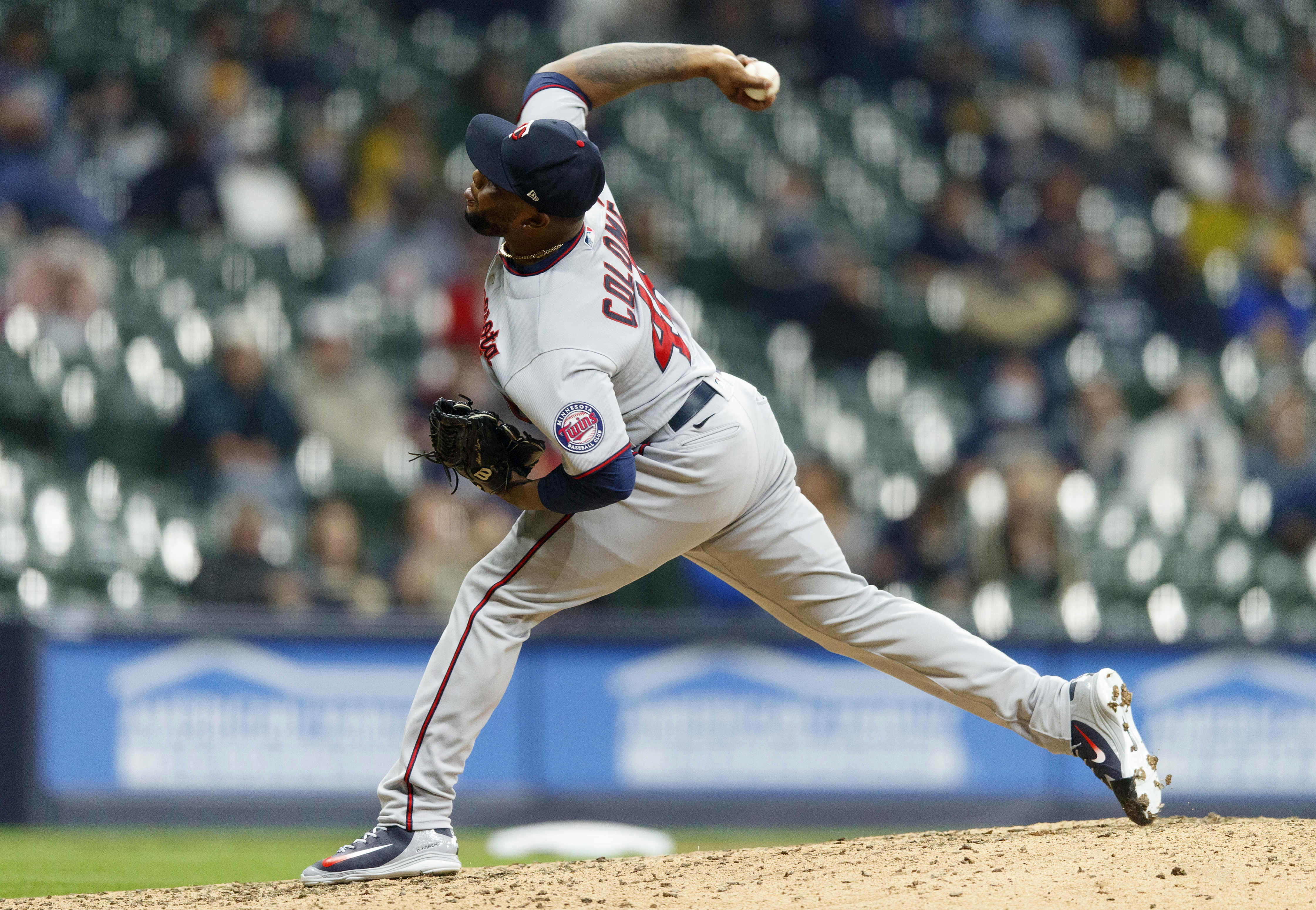 1. Taylor Rogers Much like in 2019, Taylor Rogers has been one of the few options Baldelli can trust in the late innings of games. At season’s start, it seemed like Rogers would be used in more of a set-up role with Colomé getting more of the closing opportunities. Until Colomé can figure it out, Rogers will be used as the closer and he has the team’s highest level of trust. 2. Hansel Robles Robles was brought in to help add veteran depth to the bullpen and he has made a good impression so far this year. His xBA ranks in the 82nd percentile and his wOBA ranks in the top 7% of the league. One of the biggest changes for him this season is his pitch usage. From 2015-18, he used his changeup less than 10% of the time. So far in 2021, he has used his changeup over 50% with his fastball usage dropping from 45% in 2020 to 31% in 2021. 3. Tyler Duffey Duffey has been one of the baseball’s best relievers over the last two seasons. In fact, MLB Network had him in their top-10 relievers entering the season. So far this year, he hasn’t looked like his dominating self as he ranks in the 24th percentile or lower in nearly every Statcast metric. Baldelli still shows trust in Duffey with the hope that he can make some adjustments moving forward. 4. Cody Stashak Stashak is striking out batters at the highest rate of his career with a K% north of 36% that ranks him in the top 6% of the league. On the other hand, batters are barreling up the ball against him quite regularly. His 20 barrel% is in the bottom 1% of the league and it is 6.5 percentage points higher than his previous career high. 5. Jorge Alcala Alcala might have the best raw stuff in the Twins bullpen and an argument can be made for him being given more high leverage spots as the season progresses. One of the toughest things for Alcala has been his inability to get left-handed hitters out on a consistent basis. For his career, lefties have a 1.178 OPS against him in 55 plate appearances. If he wants to earn more high leverage appearances, he needs to improve against southpaws. 6. Caleb Thielbar With Rogers moving into the closer role, Thielbar will be critical for when the team is facing lefties before the ninth inning. Since rejoining the Twins last year, he has posted a 2.53 ERA with 44 strikeouts in 32 innings. 7. St. Paul Train (Derek Law, Luke Farrell, Devin Smeltzer) The Twins will likely continue to shuffle through players at the backend of the bullpen, especially if a player pitches multiple innings the previous day. These players aren’t going to be relied on for high leverage situations, so there doesn’t need to be a lot of trust in using them. 8. Alexander Colomé Colomé’s start to the season has been disastrous. Until he shows signs of improvement, the teams should have little trust in him. How would you rank the bullpen by level of trust? Leave a COMMENT and start the discussion. MORE FROM TWINS DAILY — Latest Twins coverage from our writers — Recent Twins discussion in our forums — Follow Twins Daily via Twitter, Facebook or email
- 13 comments
-
- 1
-

-
- taylor rogers
- alexander colome
- (and 3 more)
-
 It’s looking more like the Twins won’t find themselves in contention this season, especially with a difficult part of their upcoming schedule. That means, the team will be looking to deal away players, so here are five possible trade candidates. Nelson Cruz Cruz is on an expiring deal and he hasn’t been back to the World Series since his time in Texas. He is going to have few opportunities left to make a playoff run. It helps that he continues to be ageless as he is one of baseball’s best hitters even in his age-40 season. Unfortunately, the National League didn’t adopt the DH for the 2021 season, so this cuts out half the teams in the market for Cruz’s services. That being said, his leadership is something any contending team would be lucky to have for a playoff run. Michael Pineda Like Cruz, Pineda is on an expiring contract and he’s performing well in 2021. He’s been one of the team’s most reliable starters this year with a 2.43 ERA and a 0.96 WHIP. In fact, his number have been strong throughout his Twins tenure when he has been on the field. Injuries seem to be striking teams across baseball at a high rate, so there will likely be a contending team with a starter that is injured. If Pineda can stay healthy, multiple suitors should emerge for Pineda’s services down the stretch. Taylor Rogers Minnesota’s bullpen has been a mess, but Rogers has provided a little stability. There are also some benefits for a potential Roger’s trade suitor. He’s under team control through the end of 2022, he’s left-handed, and he comes with the “proven closer” label. Every contending team needs more pitching depth and Rogers can provide an immediate impact. After agreeing to a $6 million deal this year, he is only going to be more expensive in his final arbitration season. This might be another reason the Twins are willing to part ways with him. Jose Berrios After 2021, Berrios is only under team control for one more season. Minnesota seems out of the running this year and there are no guarantees about 2022. So far in 2021, he has posted a career bests in SO/9 (10.0), WHIP (1.138), HR/9 (0.7), and H/9 (7.0). He seems destined to hit the free agent market and the Twins might not be willing to meet his contract demands since he is like to ask for over $100 million. The front office might be able to get more now for Berrios since he isn’t on an expiring contract. Byron Buxton Twins’ fans saw how great Buxton can be during the first month of 2021, but now he is sidelined with another injury. For him to be a tradeable asset, he’d need to comeback from injury and continue to play well in the weeks leading into the deadline. Like Berrios, Buxton is under team control through the end of 2022, so this control might make more team’s willing to pull the trigger. Gilberto Celestino, one of the organization’s top prospects, is someone that can take over for Buxton in the years ahead. What player do you think is the most likely to be dealt? Leave a COMMENT and start the discussion. MORE FROM TWINS DAILY — Latest Twins coverage from our writers — Recent Twins discussion in our forums — Follow Twins Daily via Twitter, Facebook or email View full article
- 47 replies
-
- 1
-
-
- nelson cruz
- byron buxton
- (and 3 more)
-
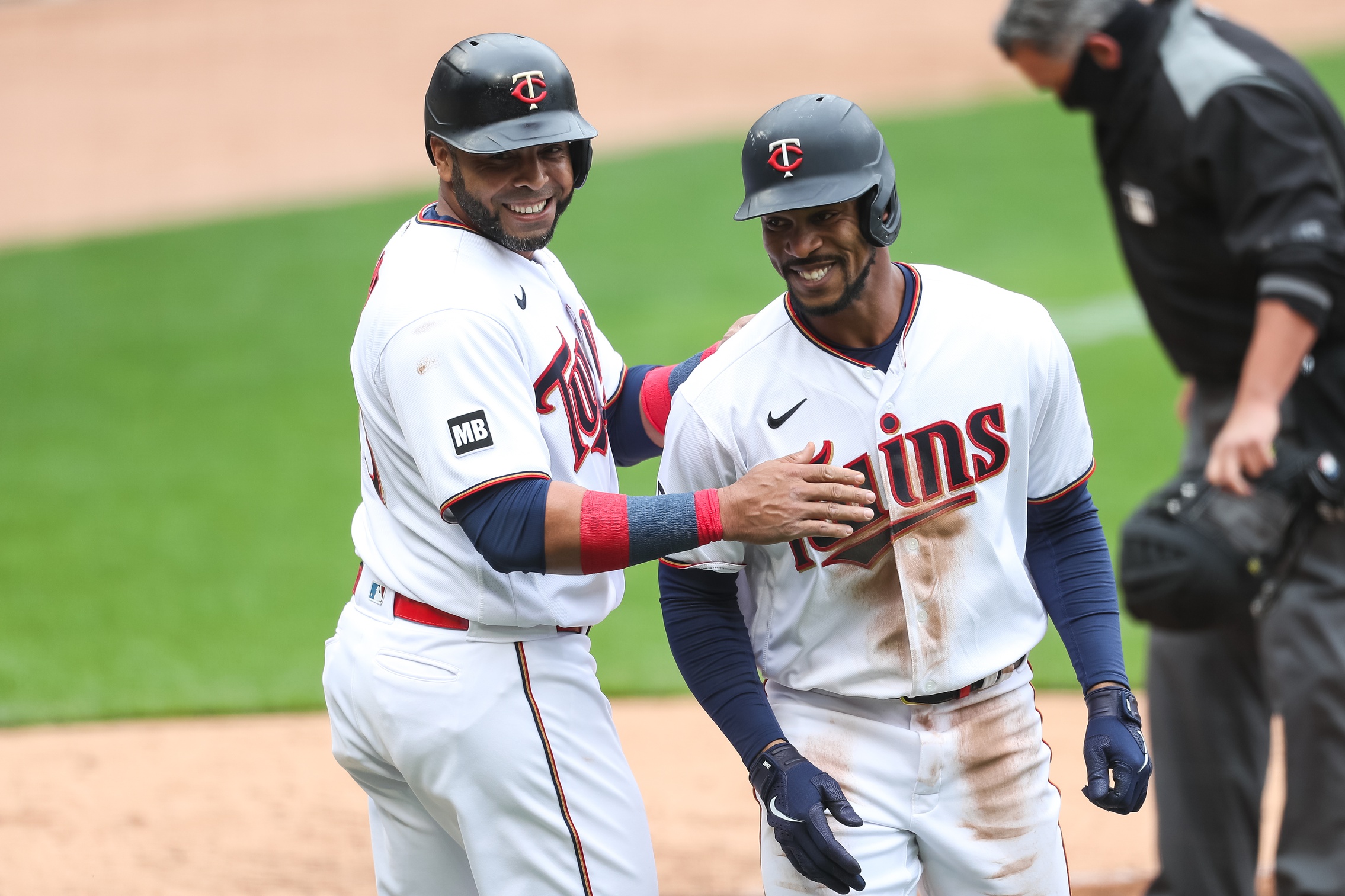 Nelson Cruz Cruz is on an expiring deal and he hasn’t been back to the World Series since his time in Texas. He is going to have few opportunities left to make a playoff run. It helps that he continues to be ageless as he is one of baseball’s best hitters even in his age-40 season. Unfortunately, the National League didn’t adopt the DH for the 2021 season, so this cuts out half the teams in the market for Cruz’s services. That being said, his leadership is something any contending team would be lucky to have for a playoff run. Michael Pineda Like Cruz, Pineda is on an expiring contract and he’s performing well in 2021. He’s been one of the team’s most reliable starters this year with a 2.43 ERA and a 0.96 WHIP. In fact, his number have been strong throughout his Twins tenure when he has been on the field. Injuries seem to be striking teams across baseball at a high rate, so there will likely be a contending team with a starter that is injured. If Pineda can stay healthy, multiple suitors should emerge for Pineda’s services down the stretch. Taylor Rogers Minnesota’s bullpen has been a mess, but Rogers has provided a little stability. There are also some benefits for a potential Roger’s trade suitor. He’s under team control through the end of 2022, he’s left-handed, and he comes with the “proven closer” label. Every contending team needs more pitching depth and Rogers can provide an immediate impact. After agreeing to a $6 million deal this year, he is only going to be more expensive in his final arbitration season. This might be another reason the Twins are willing to part ways with him. Jose Berrios After 2021, Berrios is only under team control for one more season. Minnesota seems out of the running this year and there are no guarantees about 2022. So far in 2021, he has posted a career bests in SO/9 (10.0), WHIP (1.138), HR/9 (0.7), and H/9 (7.0). He seems destined to hit the free agent market and the Twins might not be willing to meet his contract demands since he is like to ask for over $100 million. The front office might be able to get more now for Berrios since he isn’t on an expiring contract. Byron Buxton Twins’ fans saw how great Buxton can be during the first month of 2021, but now he is sidelined with another injury. For him to be a tradeable asset, he’d need to comeback from injury and continue to play well in the weeks leading into the deadline. Like Berrios, Buxton is under team control through the end of 2022, so this control might make more team’s willing to pull the trigger. Gilberto Celestino, one of the organization’s top prospects, is someone that can take over for Buxton in the years ahead. What player do you think is the most likely to be dealt? Leave a COMMENT and start the discussion. MORE FROM TWINS DAILY — Latest Twins coverage from our writers — Recent Twins discussion in our forums — Follow Twins Daily via Twitter, Facebook or email
- 47 comments
-
- 2
-
-

-
- nelson cruz
- byron buxton
- (and 3 more)
-
It’s been a long time since there has been real minor league action to follow and Twins fans might feel a little disconnected from the team’s prospects. Here are four names to keep an eye on during the season’s early action.Triple-A: Trevor Larnach, OF Larnach sometimes feels like the forgotten prospect with names like Alex Kirilloff and Royce Lewis in the organization. He projects to be a very good big-league regular and his timetable made have changed over the last couple days with news that Kirilloff might miss time due to a wrist injury. The Twins have been getting very little production from their corner outfield spots and fans have started to get frustrated watching Jake Cave take uncompetitive at-bats. Larnach was likely on pace to debut in 2021 and now he might be needed in Minnesota sooner rather than later. Double-A: Gilberto Celestino, OF Celestino was originally acquired by the Twins in the Ryan Pressly trade along with Jorge Alcala. He was part of the team’s 60-man player pool last season, which meant he spent of the bulk of the year at the team’s alternate training site. Back in 2019, he spent nearly the entire the year at Cedar Rapids, and he finished by hitting .277/.349/.410 (.759) with 41 extra-base hits in 125 games. He’s a very strong defender in the outfield, so it will be interesting to see if his bat can continue to develop. Byron Buxton is only under contract through next season and Celestino might be his heir apparent. High-A: Matt Canterino, RHP Even amidst a pandemic, Canterino was able to see his prospect stock rise significantly because of reports that came out throughout last year. The velocity on his fastball rose more than a couple miles per hour as he can now hit in the mid-90s on a consistent basis. He should easily be able to stick as a starter when you add in a slider and a changeup that both project to be plus pitches. He was a second round pick out of college in 2019, but he’s only pitched 25 innings as a profession due to last year’s minor league cancellation. Now, he needs to prove his rising stock is legitimate and that might be dangerous for opposing batters in the Midwest League. Low-A: Aaron Sabato, 1B/DH Sabato was Minnesota’s first round pick in 2020, so he will be making his professional debut in 2021. There’s one reason the Twins drafted Sabato and that’s because of his powerful bat. Entering the season, he projected as one of the team’s top power prospects. In two seasons at North Carolina, he hit .332/.459/.698 with 25 home runs and 31 doubles in 83 games. He is going to need to show he can adjust to professional baseball, but he is expected to be a quick riser if he can continue to show plus power at the plate. What are your thoughts on these players? Are there others you will keep an eye on? Leave a COMMENT and start the discussion. MORE FROM TWINS DAILY — Latest Twins coverage from our writers — Recent Twins discussion in our forums — Follow Twins Daily via Twitter, Facebook or email Click here to view the article
-
One Twins Prospect to Watch at Each Minor League Level
Cody Christie posted an article in Minor Leagues
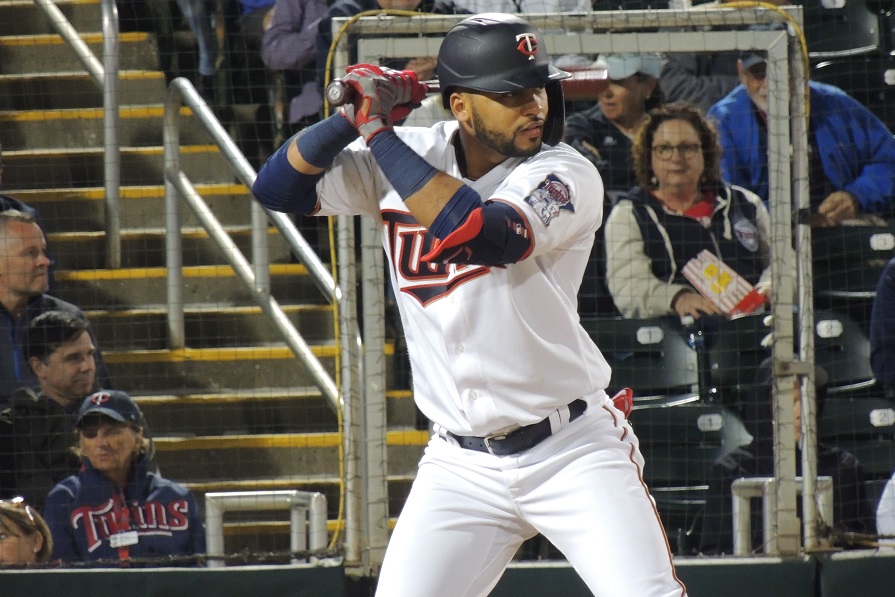 Triple-A: Trevor Larnach, OF Larnach sometimes feels like the forgotten prospect with names like Alex Kirilloff and Royce Lewis in the organization. He projects to be a very good big-league regular and his timetable made have changed over the last couple days with news that Kirilloff might miss time due to a wrist injury. The Twins have been getting very little production from their corner outfield spots and fans have started to get frustrated watching Jake Cave take uncompetitive at-bats. Larnach was likely on pace to debut in 2021 and now he might be needed in Minnesota sooner rather than later. Double-A: Gilberto Celestino, OF Celestino was originally acquired by the Twins in the Ryan Pressly trade along with Jorge Alcala. He was part of the team’s 60-man player pool last season, which meant he spent of the bulk of the year at the team’s alternate training site. Back in 2019, he spent nearly the entire the year at Cedar Rapids, and he finished by hitting .277/.349/.410 (.759) with 41 extra-base hits in 125 games. He’s a very strong defender in the outfield, so it will be interesting to see if his bat can continue to develop. Byron Buxton is only under contract through next season and Celestino might be his heir apparent. High-A: Matt Canterino, RHP Even amidst a pandemic, Canterino was able to see his prospect stock rise significantly because of reports that came out throughout last year. The velocity on his fastball rose more than a couple miles per hour as he can now hit in the mid-90s on a consistent basis. He should easily be able to stick as a starter when you add in a slider and a changeup that both project to be plus pitches. He was a second round pick out of college in 2019, but he’s only pitched 25 innings as a profession due to last year’s minor league cancellation. Now, he needs to prove his rising stock is legitimate and that might be dangerous for opposing batters in the Midwest League. Low-A: Aaron Sabato, 1B/DH Sabato was Minnesota’s first round pick in 2020, so he will be making his professional debut in 2021. There’s one reason the Twins drafted Sabato and that’s because of his powerful bat. Entering the season, he projected as one of the team’s top power prospects. In two seasons at North Carolina, he hit .332/.459/.698 with 25 home runs and 31 doubles in 83 games. He is going to need to show he can adjust to professional baseball, but he is expected to be a quick riser if he can continue to show plus power at the plate. What are your thoughts on these players? Are there others you will keep an eye on? Leave a COMMENT and start the discussion. MORE FROM TWINS DAILY — Latest Twins coverage from our writers — Recent Twins discussion in our forums — Follow Twins Daily via Twitter, Facebook or email
 -
Offense is at historic lows this season, but the Twins have some of baseball’s best hitters. Can the Twins figured out a way to buck this trend?Offensive Down Across Baseball During the season’s first month, batters as a whole hit .232, which would be the worst total in a season ever. Back in 1968, the Year of the Pitcher, batters were able to bat .237 for the season. If you don’t know about that season, just look up Bob Gibson’s numbers from that year. According to the Athletic, on-base percentage (.309) was the lowest since 1968, OPS (.698) was the lowest since 1989, and hits per game (7.63) were the lowest of all-time. Some of the best pitching performances in baseball history also happened in the season’s first month and Minnesota was witness to one of those pitchers. Corbin Burnes ended the month with a 49 to 0 strikeout to walk ratio. The Twins handed him his first loss of the year as he and Jose Berrios locked in a pitcher’s duel where Burnes struck out 11 and Berrios struck out 12. Besides Burnes, both Gerrit Cole and Jacob deGrom posted strikeout rates of 44% or higher. Unfortunately, the Twins don’t have one of these pitchers. Minnesota’s pitchers haven’t exactly joined the pitching revolution. As a staff, the Twins are tied with the Rangers for the worst pitching WAR total in the American League. The club’s 8.87 K/9 ranks 10th and they have given up more home runs per nine innings than any other AL club. According to Statcast, the Twins average exit velocity is the third highest in the AL they have the worst hard-hit percentage. Minnesota pitchers are getting hit and getting hit hard, but they aren’t the only group that is struggling on the team. Positional Struggles Some players in the Twins line-up have been on fire to start the year including Nelson Cruz and Bryon Buxton, the AL Player of the Month. Those aren’t the only positions where the Twins have fared well. According to FanGraphs, the Twins rank in the AL’s top-4 for WAR at multiple positions including second base (2nd overall), third base (1st overall), and left field (4th overall). Catcher has been a rough spot especially since Mitch Garver and Ryan Jeffers were expected to be one of baseball’s best catching duos. Currently, only two AL teams have a lower WAR from the catching position than the Twins. Garver’s bat has shown signs of life, so there is hope for a catcher turn around in the weeks ahead. Jeffers has been relegated to Triple-A where he will try to regain some confidence at the plate and he hit a home run in his first game. Other positions that can see some improvements are first base (9th overall), shortstop (7th), and right field (14th). Luckily, there are some easy fixes when it comes to these positions. Alex Kirilloff has been killing the ball, but a wrist injury might cause him to miss time. Miguel Sano’s return can also provide a boost at first if he can get his swing back on track. Shortstop is another easy fix, because Andrelton Simmons missed time with COVID. Now that he is healthy, the Twins shortstop numbers should improve. Do you think the Twins can continue to improve offensively? Leave a COMMENT and start the discussion. MORE FROM TWINS DAILY — Latest Twins coverage from our writers — Recent Twins discussion in our forums — Follow Twins Daily via Twitter, Facebook or email Click here to view the article
-
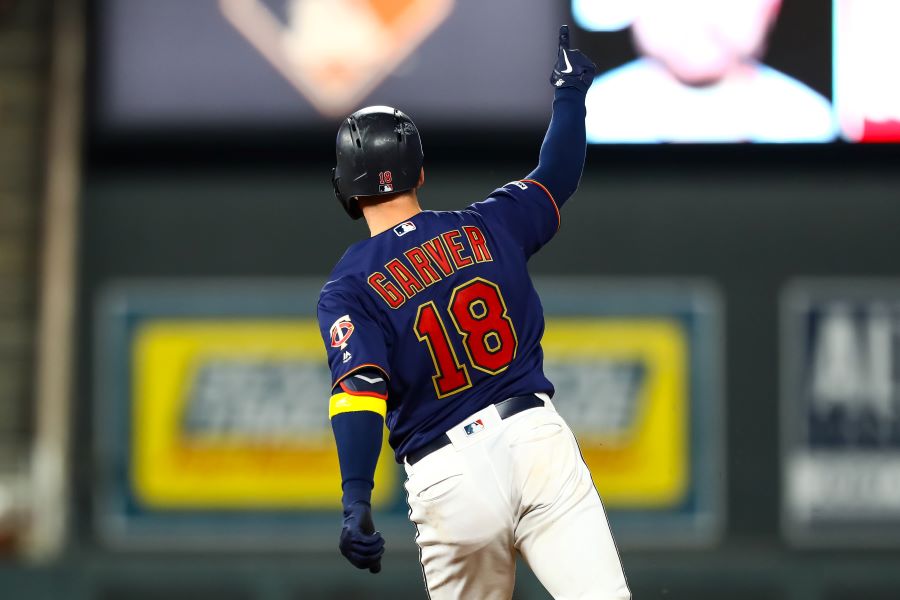 Offensive Down Across Baseball During the season’s first month, batters as a whole hit .232, which would be the worst total in a season ever. Back in 1968, the Year of the Pitcher, batters were able to bat .237 for the season. If you don’t know about that season, just look up Bob Gibson’s numbers from that year. According to the Athletic, on-base percentage (.309) was the lowest since 1968, OPS (.698) was the lowest since 1989, and hits per game (7.63) were the lowest of all-time. Some of the best pitching performances in baseball history also happened in the season’s first month and Minnesota was witness to one of those pitchers. Corbin Burnes ended the month with a 49 to 0 strikeout to walk ratio. The Twins handed him his first loss of the year as he and Jose Berrios locked in a pitcher’s duel where Burnes struck out 11 and Berrios struck out 12. Besides Burnes, both Gerrit Cole and Jacob deGrom posted strikeout rates of 44% or higher. Unfortunately, the Twins don’t have one of these pitchers. Minnesota’s pitchers haven’t exactly joined the pitching revolution. As a staff, the Twins are tied with the Rangers for the worst pitching WAR total in the American League. The club’s 8.87 K/9 ranks 10th and they have given up more home runs per nine innings than any other AL club. According to Statcast, the Twins average exit velocity is the third highest in the AL they have the worst hard-hit percentage. Minnesota pitchers are getting hit and getting hit hard, but they aren’t the only group that is struggling on the team. Positional Struggles Some players in the Twins line-up have been on fire to start the year including Nelson Cruz and Bryon Buxton, the AL Player of the Month. Those aren’t the only positions where the Twins have fared well. According to FanGraphs, the Twins rank in the AL’s top-4 for WAR at multiple positions including second base (2nd overall), third base (1st overall), and left field (4th overall). Catcher has been a rough spot especially since Mitch Garver and Ryan Jeffers were expected to be one of baseball’s best catching duos. Currently, only two AL teams have a lower WAR from the catching position than the Twins. Garver’s bat has shown signs of life, so there is hope for a catcher turn around in the weeks ahead. Jeffers has been relegated to Triple-A where he will try to regain some confidence at the plate and he hit a home run in his first game. Other positions that can see some improvements are first base (9th overall), shortstop (7th), and right field (14th). Luckily, there are some easy fixes when it comes to these positions. Alex Kirilloff has been killing the ball, but a wrist injury might cause him to miss time. Miguel Sano’s return can also provide a boost at first if he can get his swing back on track. Shortstop is another easy fix, because Andrelton Simmons missed time with COVID. Now that he is healthy, the Twins shortstop numbers should improve. Do you think the Twins can continue to improve offensively? Leave a COMMENT and start the discussion. MORE FROM TWINS DAILY — Latest Twins coverage from our writers — Recent Twins discussion in our forums — Follow Twins Daily via Twitter, Facebook or email
 -
Miguel Sano is expected to come off the injured list this week, but things have changed in the Twins line-up. What is Sano’s role moving forward?Sano’s Slow Start Miguel Sano entered the 2021 season as the team’s first baseman, and he seemed locked into that spot after signing an extension entering the 2020 campaign. Prior to his injury, Sano was trying to find himself at the plate. He is hitting .111/.310/.244 (.555) with two extra-base hits, both home runs. One positive among these numbers is the fact that he has already drawn 13 walks, which is just five fewer than his walk total in 53 games last year. Sano is typically among the league leaders when it comes to average exit velocity, hard hit %, and barrel %. During the 2020 campaign, he ranked in the 99th percentile or higher in all three of those areas. This season he is at the completely opposite end of the spectrum with all three being below average. His hard hit % might be the most concerning as that has dipped to the 8th percentile. Kirilloff’s Emergence For most of his professional career, Alex Kirilloff has played in the outfield, but the Twins have been grooming him to get more time at first base. Sano’s trip to the disabled list has allowed Kirilloff to play first on a more regular basis and he is considered a better defender than Sano. In fact, Minnesota might have one of their best defensive infields in team history with Josh Donaldson, Andrelton Simmons, Jorge Polanco, and Kirilloff. It also helps that Kirilloff has been killing the ball even though the results weren’t showing up until this past weekend. Among batters with at least 25 batted ball events, Kirilloff has been barreling up the ball at a higher rate than any player in baseball including Byron Buxton. His hit tool has always been advanced, and he might be putting it all together at the big-league level as a 23-year-old. Besides Kirilloff’s emergence, the Twins also need to continue to find regular playing time for another key player. The Arraez Puzzle Arraez was penciled in as the team’s utility player, but he has become an everyday player. Only two players, Jake Cave and Nelson Cruz, have appeared in more games than Arraez. He has played regularly in the outfield and at multiple infield positions. He started the season on a strong note at the plate, but his bat has cooled off as the first month progressed and now he is heading to the concussion IL. Injuries have allowed Arraez to be in the line-up on a regular basis and finding spots in the line-up tends to work itself out over the course of 162-games. Other players are going to get injured, and Rocco Baldelli prefers to give players regular days off. This means the Twins can rotate through players at multiple positions, especially with the team’s defensive flexibility. When everyone is healthy, Minnesota’s best line-up doesn’t include Sano. That being said, he will continue to be used at first base and designated hitter as the season progresses. It just might be tough for him to refine his offensive approach if Kirilloff continues to get at-bats at first base. What do you think Sano’s role will be moving forward? Leave a COMMENT and start the discussion. MORE FROM TWINS DAILY — Latest Twins coverage from our writers — Recent Twins discussion in our forums — Follow Twins Daily via Twitter, Facebook or email Click here to view the article
-
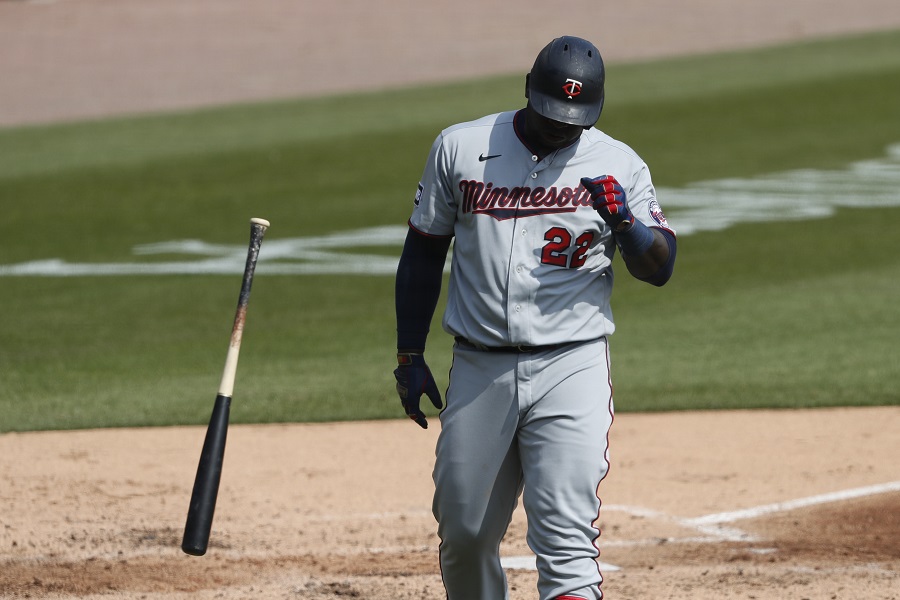 Sano’s Slow Start Miguel Sano entered the 2021 season as the team’s first baseman, and he seemed locked into that spot after signing an extension entering the 2020 campaign. Prior to his injury, Sano was trying to find himself at the plate. He is hitting .111/.310/.244 (.555) with two extra-base hits, both home runs. One positive among these numbers is the fact that he has already drawn 13 walks, which is just five fewer than his walk total in 53 games last year. Sano is typically among the league leaders when it comes to average exit velocity, hard hit %, and barrel %. During the 2020 campaign, he ranked in the 99th percentile or higher in all three of those areas. This season he is at the completely opposite end of the spectrum with all three being below average. His hard hit % might be the most concerning as that has dipped to the 8th percentile. Kirilloff’s Emergence For most of his professional career, Alex Kirilloff has played in the outfield, but the Twins have been grooming him to get more time at first base. Sano’s trip to the disabled list has allowed Kirilloff to play first on a more regular basis and he is considered a better defender than Sano. In fact, Minnesota might have one of their best defensive infields in team history with Josh Donaldson, Andrelton Simmons, Jorge Polanco, and Kirilloff. It also helps that Kirilloff has been killing the ball even though the results weren’t showing up until this past weekend. Among batters with at least 25 batted ball events, Kirilloff has been barreling up the ball at a higher rate than any player in baseball including Byron Buxton. His hit tool has always been advanced, and he might be putting it all together at the big-league level as a 23-year-old. https://twitter.com/NoDakTwinsFan/status/1389277969785425924?s=20 Besides Kirilloff’s emergence, the Twins also need to continue to find regular playing time for another key player. The Arraez Puzzle Arraez was penciled in as the team’s utility player, but he has become an everyday player. Only two players, Jake Cave and Nelson Cruz, have appeared in more games than Arraez. He has played regularly in the outfield and at multiple infield positions. He started the season on a strong note at the plate, but his bat has cooled off as the first month progressed and now he is heading to the concussion IL. Injuries have allowed Arraez to be in the line-up on a regular basis and finding spots in the line-up tends to work itself out over the course of 162-games. Other players are going to get injured, and Rocco Baldelli prefers to give players regular days off. This means the Twins can rotate through players at multiple positions, especially with the team’s defensive flexibility. When everyone is healthy, Minnesota’s best line-up doesn’t include Sano. That being said, he will continue to be used at first base and designated hitter as the season progresses. It just might be tough for him to refine his offensive approach if Kirilloff continues to get at-bats at first base. What do you think Sano’s role will be moving forward? Leave a COMMENT and start the discussion. MORE FROM TWINS DAILY — Latest Twins coverage from our writers — Recent Twins discussion in our forums — Follow Twins Daily via Twitter, Facebook or email
 -
The Twins had more lows than highs during the season’s first month, but that doesn’t mean there weren’t any standout performances. Here is how the team MVP ballot would stack up at the end of April.5. Josh Donaldson (0.7 rWAR, 0.5 fWAR) .286/.368/.469 (.838), 2 HR, 3 2B, 7 BB, 5 K There are plenty of candidates to be on the back end of this ballot. Andrelton Simmons put together some strong numbers, but he missed time due to COVID. Taylor Rogers was a one of the lone bright spots in the bullpen, while Michael Pineda and Jose Berrios provided value in the rotation. However, Donaldson gets the nod after getting on base nearly 37% of the time and having more walks than strikeouts. His current 144 OPS+ is his highest total since the 2017 season. Many Twins fans would like to see him leading this list, but he ended the month healthy and that’s certainly a positive sign <knock on wood>. 4. J.A. Happ (0.6 rWAR, 0.2 fWAR) 2-0, 1.96 ERA, 0.83 WHIP, 13 K, 7 BB, 199 ERA+ Other pitchers rank higher than him in WAR, but Happ’s value has come from what he has meant to the rotation this year. Happ took the mound on April 23rd with the team in the middle of a stretch where they had lost nine out of ten games. He took a no-hitter into the late innings and helped the club to their first victory in over a week. Minnesota lost the next four games before Happ took the mound again and righted the ship. He’s been a steadying veteran presence when the team has needed one the most. 3. Luis Arraez (1.0 rWAR, 0.9 fWAR) .289/.400/.373 (.773), 1 HR, 2 2B, 1 3B, 14 BB, 11 K Arraez started the season on fire by hitting safely in six of the team’s first eight games including three multi-hit games. On April 15, he almost single-handedly brought the Twins a victory by going 4-for-5 with two RBI and a run scored. Over his last 12 games, things haven’t gone as smooth. He’s gone 10-for-40 (.250 BA) during that stretch with two extra-base hits. Defensively, he’s also being moved all over the diamond including getting accustom to playing in the outfield for the first time in his career. If Arraez would have continued his hot start, he might have been higher on this list. 2. Nelson Cruz (1.1 rWAR, 1.1 fWAR) .321/.375/.655 (1.030), 8 HR, 2 2B, 1 3B(!!), 7 BB, 16 K Cruz, the team’s back-to-back team MVP, is right up there in the running again. Oh yeah, he’s also 40-years-old. He’s tied for second in the league in home runs and he is quietly climbing the all-time home run list. His next two home runs will move him into the top-50 all-time. If he ends the year with 30 homers, he’d jump to 41st all-time. If he can hit 40 homers, he’d move into 38th place. Even without defensive value, he provides leadership on and off the field and that’s one of the biggest reasons the Twins wanted to bring him back for the 2021 campaign. 1. Byron Buxton (2.4 rWAR, 2.3 fWAR) .408/.444/.842 (1.287), 8 HR, 9 2B, 3 BB, 17 K By many accounts, Buxton just completed the best month in Twins’ history as his 1.363 OPS was higher than Joe Mauer’s (1.338 OPS) in 2009 and Rod Carew’s (1.313 OPS) in 1977. Good news is that Mauer and Carew would both go on to win MVPs in those seasons. Buxton might be on the same path as he leads the American League in WAR and slugging percentage. His defense continues to be otherworldly and his changes to his offensive approach look to be sustainable. Can he stay healthy? Can he play over 145 games? Those are questions that still remain to be answered. How would your ballot look at the end of the season’s first month? Leave a COMMENT and start the discussion. MORE FROM TWINS DAILY — Latest Twins coverage from our writers — Recent Twins discussion in our forums — Follow Twins Daily via Twitter, Facebook or email Click here to view the article
-
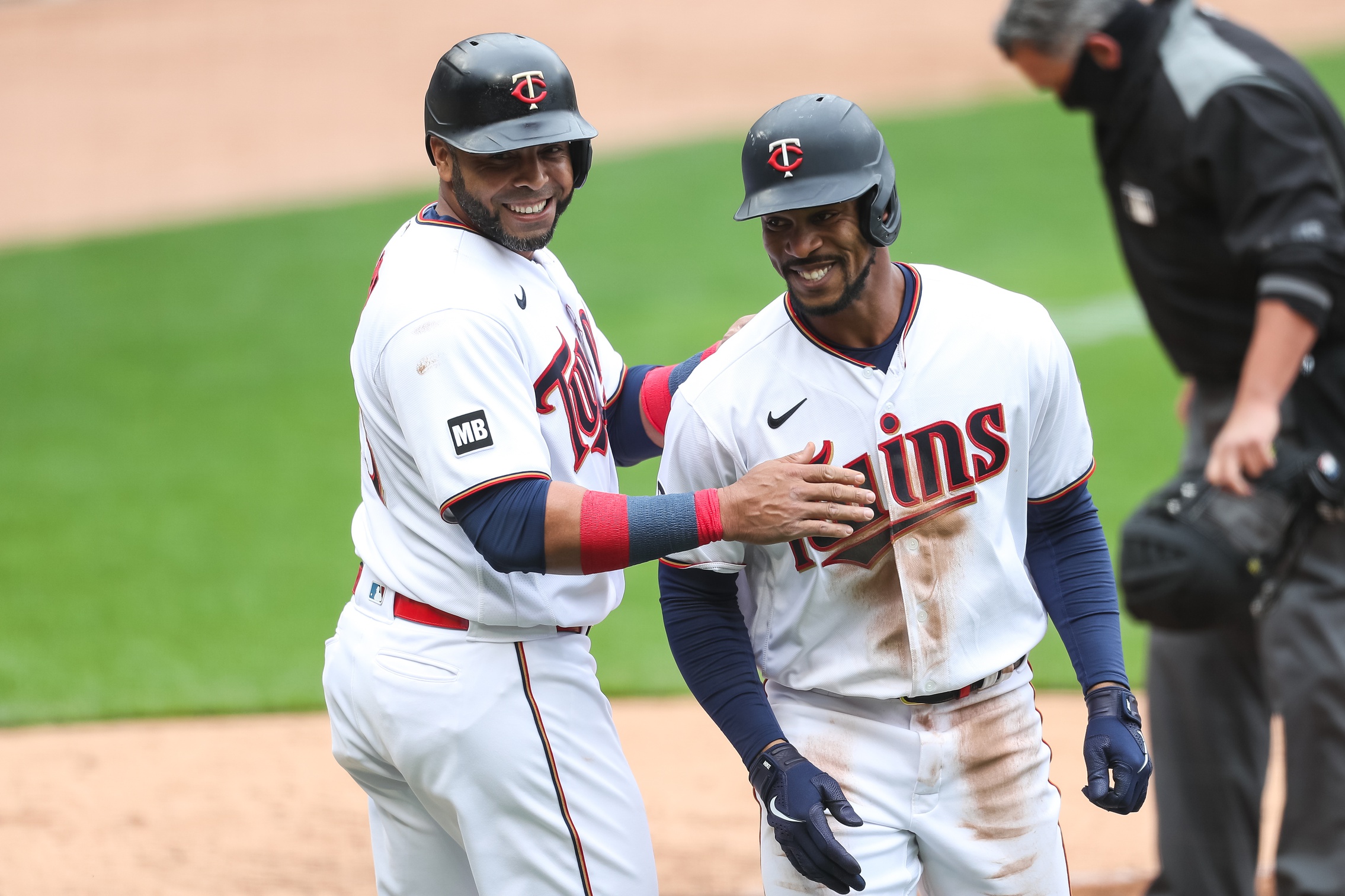 5. Josh Donaldson (0.7 rWAR, 0.5 fWAR) .286/.368/.469 (.838), 2 HR, 3 2B, 7 BB, 5 K There are plenty of candidates to be on the back end of this ballot. Andrelton Simmons put together some strong numbers, but he missed time due to COVID. Taylor Rogers was a one of the lone bright spots in the bullpen, while Michael Pineda and Jose Berrios provided value in the rotation. However, Donaldson gets the nod after getting on base nearly 37% of the time and having more walks than strikeouts. His current 144 OPS+ is his highest total since the 2017 season. Many Twins fans would like to see him leading this list, but he ended the month healthy and that’s certainly a positive sign <knock on wood>. 4. J.A. Happ (0.6 rWAR, 0.2 fWAR) 2-0, 1.96 ERA, 0.83 WHIP, 13 K, 7 BB, 199 ERA+ Other pitchers rank higher than him in WAR, but Happ’s value has come from what he has meant to the rotation this year. Happ took the mound on April 23rd with the team in the middle of a stretch where they had lost nine out of ten games. He took a no-hitter into the late innings and helped the club to their first victory in over a week. Minnesota lost the next four games before Happ took the mound again and righted the ship. He’s been a steadying veteran presence when the team has needed one the most. 3. Luis Arraez (1.0 rWAR, 0.9 fWAR) .289/.400/.373 (.773), 1 HR, 2 2B, 1 3B, 14 BB, 11 K Arraez started the season on fire by hitting safely in six of the team’s first eight games including three multi-hit games. On April 15, he almost single-handedly brought the Twins a victory by going 4-for-5 with two RBI and a run scored. Over his last 12 games, things haven’t gone as smooth. He’s gone 10-for-40 (.250 BA) during that stretch with two extra-base hits. Defensively, he’s also being moved all over the diamond including getting accustom to playing in the outfield for the first time in his career. If Arraez would have continued his hot start, he might have been higher on this list. 2. Nelson Cruz (1.1 rWAR, 1.1 fWAR) .321/.375/.655 (1.030), 8 HR, 2 2B, 1 3B(!!), 7 BB, 16 K Cruz, the team’s back-to-back team MVP, is right up there in the running again. Oh yeah, he’s also 40-years-old. He’s tied for second in the league in home runs and he is quietly climbing the all-time home run list. His next two home runs will move him into the top-50 all-time. If he ends the year with 30 homers, he’d jump to 41st all-time. If he can hit 40 homers, he’d move into 38th place. Even without defensive value, he provides leadership on and off the field and that’s one of the biggest reasons the Twins wanted to bring him back for the 2021 campaign. https://twitter.com/betsyhelfand/status/1388963798367801358?s=20 1. Byron Buxton (2.4 rWAR, 2.3 fWAR) .408/.444/.842 (1.287), 8 HR, 9 2B, 3 BB, 17 K By many accounts, Buxton just completed the best month in Twins’ history as his 1.363 OPS was higher than Joe Mauer’s (1.338 OPS) in 2009 and Rod Carew’s (1.313 OPS) in 1977. Good news is that Mauer and Carew would both go on to win MVPs in those seasons. Buxton might be on the same path as he leads the American League in WAR and slugging percentage. His defense continues to be otherworldly and his changes to his offensive approach look to be sustainable. Can he stay healthy? Can he play over 145 games? Those are questions that still remain to be answered. How would your ballot look at the end of the season’s first month? Leave a COMMENT and start the discussion. MORE FROM TWINS DAILY — Latest Twins coverage from our writers — Recent Twins discussion in our forums — Follow Twins Daily via Twitter, Facebook or email
 -
As the month of April ends, the AL Central standings don’t exactly match the experts’ preseason predictions. Let’s examine each team’s start and decide who are the contenders and who are the pretenders.Kansas City Royals After a surprising start, Kansas City sits atop the AL Central. Danny Duffy is having a career year as he has only allowed one earned run in 23 innings (0.39 ERA) with a 1.04 WHIP. Michael Taylor, a free agent signing, has the team’s highest WAR among position players (1.1 WAR). Another off-season pick-up, Carlos Santana continues to be an on-base machine as his OPS is nearly 30 points higher than his career mark. While this start is fun for Royals fans, it seems unlikely for this team to keep up their current pace of 162 games. Result: Pretender Chicago White Sox Chicago is sitting right where many expected they would be in the thick of the division race. Like the Royals, there are some surprising players leading the way. Yermin Mercedes (1.1 WAR) is leading baseball in batting average and Carlos Rodon (0.9 WAR) shocked the baseball world with a no-hitter. Chicago isn’t going away, especially if their younger players find ways to improve. Result: Contender Cleveland Baseball Team Francisco Lindor, Carlos Carrasco, and Carlos Santana were all key loses for Cleveland this winter, but this club still has some of the best players in the division. Shane Bieber, the reigning AL Cy Young winner, has picked up right where he left off as he has been striking out over 14 batters per nine innings. Jose Ramirez is a perennial MVP candidate that will be relied on to carry even more of the offensive load. Cleveland’s pitching depth is strong enough to keep them in the race, especially if other teams continue to struggle. Result: Contender Minnesota Twins Despite the recent slide, the Twins are still getting the second-best odds to win the Central. That could owe as much to the expectation that Kansas City won't be able to keep up their hot start as to the Twins eventually figuring things out. Minnesota has plenty of problems to solve, but not everything has been negative so far. Byron Buxton looks like an early MVP contender and Nelson Cruz remains ageless. The Twins are struggling, and they need to figure things out before the other contenders are out of reach. Result: Contender Detroit Tigers Detroit was never supposed to be in the running, and they are living up to those expectations. AJ Hinch, the former Astros manager, is at the helm and he is charged with turning around a rebuilding team. The Tigers haven’t had a winning percentage over .500 since 2016 and that trend doesn’t look to end this year. Result: Pretender Who do you think are the contenders and pretenders in the AL Central? Leave a COMMENT and join the discussion. MORE FROM TWINS DAILY — Latest Twins coverage from our writers — Recent Twins discussion in our forums — Follow Twins Daily via Twitter, Facebook or email Click here to view the article
-
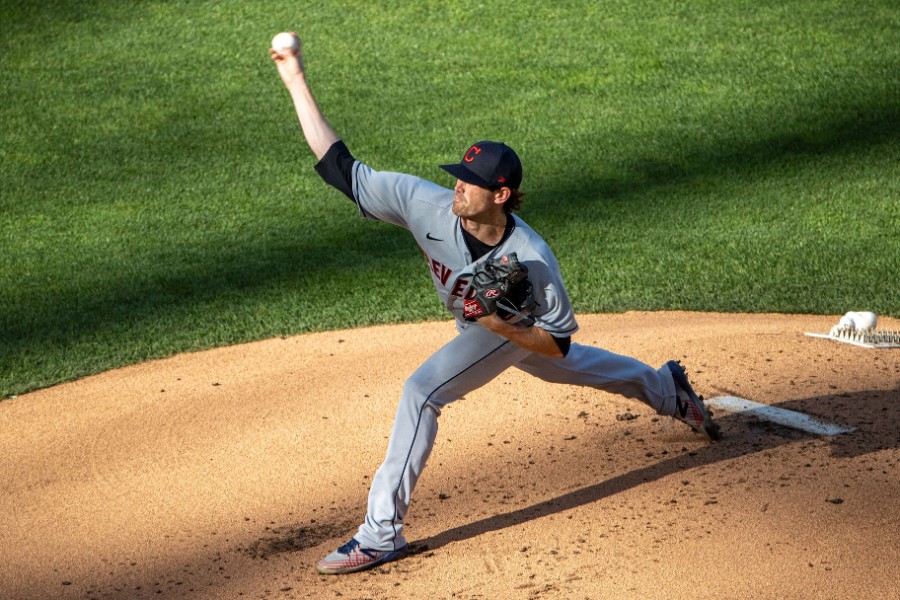 Kansas City Royals After a surprising start, Kansas City sits atop the AL Central. Danny Duffy is having a career year as he has only allowed one earned run in 23 innings (0.39 ERA) with a 1.04 WHIP. Michael Taylor, a free agent signing, has the team’s highest WAR among position players (1.1 WAR). Another off-season pick-up, Carlos Santana continues to be an on-base machine as his OPS is nearly 30 points higher than his career mark. While this start is fun for Royals fans, it seems unlikely for this team to keep up their current pace of 162 games. Result: Pretender Chicago White Sox Chicago is sitting right where many expected they would be in the thick of the division race. Like the Royals, there are some surprising players leading the way. Yermin Mercedes (1.1 WAR) is leading baseball in batting average and Carlos Rodon (0.9 WAR) shocked the baseball world with a no-hitter. Chicago isn’t going away, especially if their younger players find ways to improve. Result: Contender Cleveland Baseball Team Francisco Lindor, Carlos Carrasco, and Carlos Santana were all key loses for Cleveland this winter, but this club still has some of the best players in the division. Shane Bieber, the reigning AL Cy Young winner, has picked up right where he left off as he has been striking out over 14 batters per nine innings. Jose Ramirez is a perennial MVP candidate that will be relied on to carry even more of the offensive load. Cleveland’s pitching depth is strong enough to keep them in the race, especially if other teams continue to struggle. Result: Contender Minnesota Twins Despite the recent slide, the Twins are still getting the second-best odds to win the Central. That could owe as much to the expectation that Kansas City won't be able to keep up their hot start as to the Twins eventually figuring things out. Minnesota has plenty of problems to solve, but not everything has been negative so far. Byron Buxton looks like an early MVP contender and Nelson Cruz remains ageless. The Twins are struggling, and they need to figure things out before the other contenders are out of reach. Result: Contender Detroit Tigers Detroit was never supposed to be in the running, and they are living up to those expectations. AJ Hinch, the former Astros manager, is at the helm and he is charged with turning around a rebuilding team. The Tigers haven’t had a winning percentage over .500 since 2016 and that trend doesn’t look to end this year. Result: Pretender Who do you think are the contenders and pretenders in the AL Central? Leave a COMMENT and join the discussion. MORE FROM TWINS DAILY — Latest Twins coverage from our writers — Recent Twins discussion in our forums — Follow Twins Daily via Twitter, Facebook or email
 -
Plenty of things have gone wrong for the Twins so far including some important members of the bullpen struggling mightily out of the gate. While others will be relied on for late innings, one reliever might be the key to turning the bullpen around.Following a strong rookie campaign, Jorge Alcalá logically had higher expectations entering the 2021 campaign. Things haven’t gone perfectly to start the year, but with a couple of small changes, Alcalá might be the key to turning the Twins bullpen around. Last season, Alcalá appeared in 16 games and posted a 2.63 ERA with a 1.21 WHIP. He struck out nearly 29% of the batters he faced and posted a 163 ERA+. He ranked in the 75th percentile or higher in average exit velocity, hard hit %, barrel %, and K %. Based on those numbers, it was easy to envision Alcalá taking on a high leverage role at some point during the 2021 season. Alcalá has made seven appearances so far in 2021 and only two of those appearances have come in a Twins win. In fact, both of those wins were by six runs or more, so his role hasn’t been in the high leverage situations. On Sunday, Alcalá got five strikeouts in two innings including nine whiffs on 14 swings. This was a welcome sight after he entered play with a 20 K%, which was well below his career average. MLB Statcast has him ranked in the 40th percentile or lower in max exit velocity, hard hit %, xERA, xWOBA, xSLG. The most disturbing stat might be the fact that his barrel % ranks in the bottom 4% of the league as batters are barreling up the ball against him 17.6% of the time. One of the biggest reasons for these poor numbers so far this year might be tied to his pitch usage. During the 2020 season, Alcalá used his fastball and slider for nearly the same percentage of pitches. He used his four-seamer 46.4% of the time, while his slider was used 44.7% of the time. There has been a large increase in his fastball usage this year as he is up to 55%, which means his slider usage has dropped nearly seven points. It seems like increasing his slider usage would be a natural solution for avoiding more barrels. There’s no reason to throw Alcalá directly into a late inning role, especially with some of the other names ahead of him in the bullpen pecking order. That being said, he has been used in mostly low leverage situations or when the team was up big early in the season. He’s less experienced than other bullpen options, but look for his role to increase as the season progresses. Rocco Baldelli needs some arms he can rely on in the bullpen and Alcalá just might be the man to help turn the bullpen around in 2021. What do you think Alcalá can provide to the Twins? What should his role be moving forward? Leave a COMMENT and start the discussion. MORE FROM TWINS DAILY — Latest Twins coverage from our writers — Recent Twins discussion in our forums — Follow Twins Daily via Twitter, Facebook or email Click here to view the article
-
This Reliever Might Be the Key to Turning the Twins Bullpen Around
Cody Christie posted an article in Twins
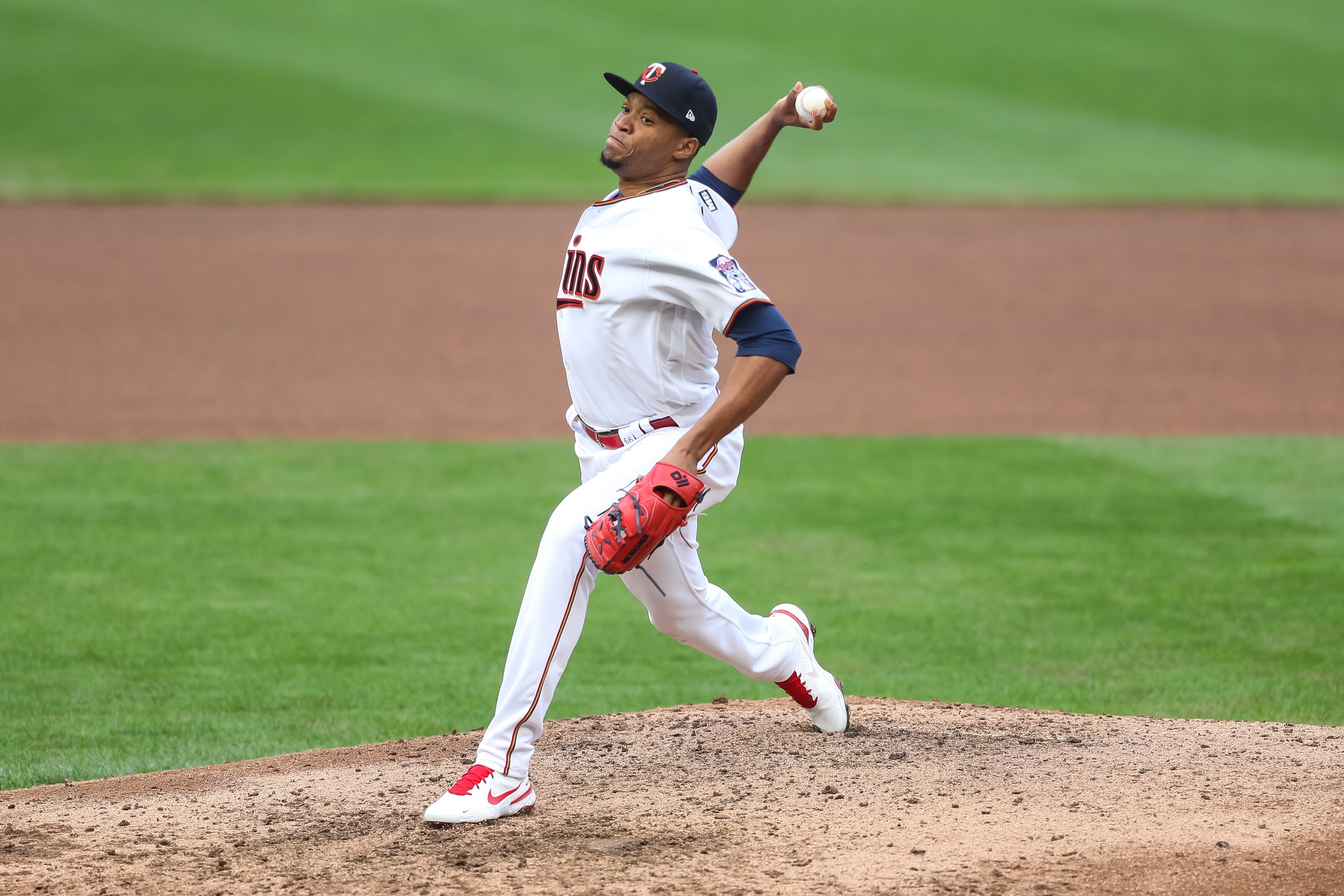 Following a strong rookie campaign, Jorge Alcalá logically had higher expectations entering the 2021 campaign. Things haven’t gone perfectly to start the year, but with a couple of small changes, Alcalá might be the key to turning the Twins bullpen around. Last season, Alcalá appeared in 16 games and posted a 2.63 ERA with a 1.21 WHIP. He struck out nearly 29% of the batters he faced and posted a 163 ERA+. He ranked in the 75th percentile or higher in average exit velocity, hard hit %, barrel %, and K %. Based on those numbers, it was easy to envision Alcalá taking on a high leverage role at some point during the 2021 season. Alcalá has made seven appearances so far in 2021 and only two of those appearances have come in a Twins win. In fact, both of those wins were by six runs or more, so his role hasn’t been in the high leverage situations. On Sunday, Alcalá got five strikeouts in two innings including nine whiffs on 14 swings. This was a welcome sight after he entered play with a 20 K%, which was well below his career average. MLB Statcast has him ranked in the 40th percentile or lower in max exit velocity, hard hit %, xERA, xWOBA, xSLG. The most disturbing stat might be the fact that his barrel % ranks in the bottom 4% of the league as batters are barreling up the ball against him 17.6% of the time. One of the biggest reasons for these poor numbers so far this year might be tied to his pitch usage. During the 2020 season, Alcalá used his fastball and slider for nearly the same percentage of pitches. He used his four-seamer 46.4% of the time, while his slider was used 44.7% of the time. There has been a large increase in his fastball usage this year as he is up to 55%, which means his slider usage has dropped nearly seven points. It seems like increasing his slider usage would be a natural solution for avoiding more barrels. There’s no reason to throw Alcalá directly into a late inning role, especially with some of the other names ahead of him in the bullpen pecking order. That being said, he has been used in mostly low leverage situations or when the team was up big early in the season. He’s less experienced than other bullpen options, but look for his role to increase as the season progresses. Rocco Baldelli needs some arms he can rely on in the bullpen and Alcalá just might be the man to help turn the bullpen around in 2021. What do you think Alcalá can provide to the Twins? What should his role be moving forward? Leave a COMMENT and start the discussion. MORE FROM TWINS DAILY — Latest Twins coverage from our writers — Recent Twins discussion in our forums — Follow Twins Daily via Twitter, Facebook or email
 -
Another baseball front office position is open, and Thad Levine is rumored to be the leading candidate. This isn’t the first time his name has been connected to another job. So, how long will the Twins be able to keep Thad Levine?When a team is successful, it’s only natural for other organizations to want to try and steal some of that success. That can come from hiring away other team’s front office personnel and coaches. The Twins have seen multiple coaches be snagged by other teams over the last handful of years, but the Derek Falvey and Thad Levine combo have stayed together at the top of the organization. However, they may not stay together forever. After just 21 games, the Colorado Rockies are looking for a new person to take over their general manager role. This is the first time since 2014 that Colorado is looking for a new general manager. Jeff Bridich resigned earlier in the week and it sounds like the club will wait until this winter to hire a permanent replacement. According to USA Today’s Bob Nightengale, Levine is “the leading candidate to become only the fourth Rockies’ GM in history.” Levine has ties to the Rockies organization as he served in a variety of roles with the club from 1999-2005 including senior director of baseball operations. He left for Texas after that and joined the Twins back in 2016. Colorado isn’t exactly an easy place to be a general manager. Just this winter, the former GM was forced to trade All-Star third baseman Nolan Arenado in a deal that included the Rockies paying $51 million of his remaining $199 million salary. Trevor Story, now the team’s best player, will be a free agent at season’s end. They also have one of the worst ranked farm systems in baseball, so there isn’t a lot of reason for optimism moving forward. Next season will be Colorado’s 30th and the team has never won a division title. Things aren’t looking that great for 2021 either as the team currently sits at 8-14, the lowest winning percentage in the National League. The Twins were coming off some rough seasons when Levine joined the organization, but they weren’t nearly as big of a mess as the current state of the Rockies. Other organizations have shown interest in Levine over the last three years. Back in 2018, the Mets were interested in interviewing Levine for their GM spot. This past offseason he was one of the top contenders for the President of Baseball Operations position in Philadelphia. He took his name out of the running for that job, because he was committed to his role with the Twins. In fact, he is signed with Minnesota through 2024. It seems likely for Levine to have a chance to take over his own front office at some point in the future. His name is going to continue to be floated out there for nearly every opening. There are clearly some connections to his time in Colorado, but the Rockies are a mess of a franchise. It doesn’t seem like the right opportunity, but that doesn’t mean Levine will be a Twin for life. Do you think Levine will seriously consider the Rockies job? Leave a COMMENT and join the discussion. MORE FROM TWINS DAILY — Latest Twins coverage from our writers — Recent Twins discussion in our forums — Follow Twins Daily via Twitter, Facebook or email Click here to view the article
-
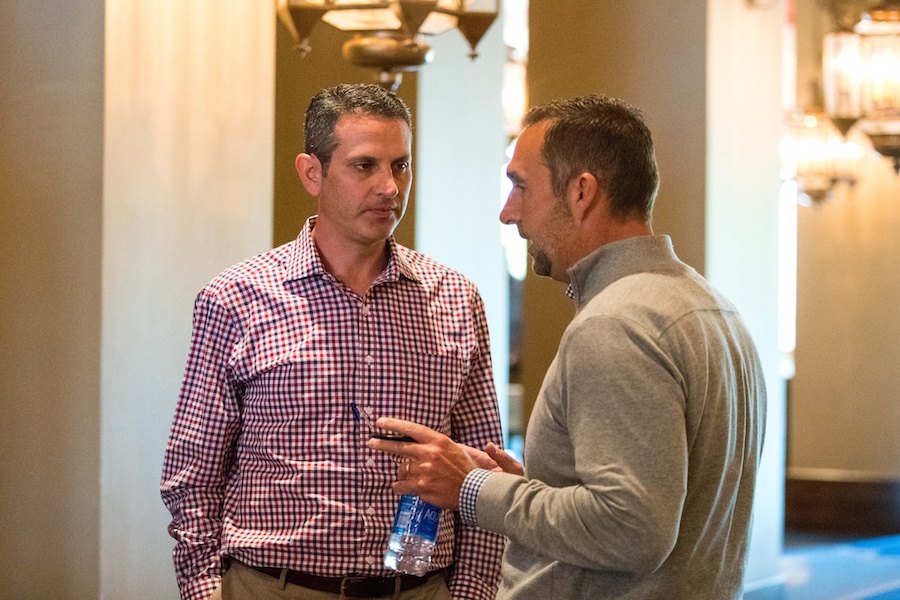 When a team is successful, it’s only natural for other organizations to want to try and steal some of that success. That can come from hiring away other team’s front office personnel and coaches. The Twins have seen multiple coaches be snagged by other teams over the last handful of years, but the Derek Falvey and Thad Levine combo have stayed together at the top of the organization. However, they may not stay together forever. After just 21 games, the Colorado Rockies are looking for a new person to take over their general manager role. This is the first time since 2014 that Colorado is looking for a new general manager. Jeff Bridich resigned earlier in the week and it sounds like the club will wait until this winter to hire a permanent replacement. According to USA Today’s Bob Nightengale, Levine is “the leading candidate to become only the fourth Rockies’ GM in history.” Levine has ties to the Rockies organization as he served in a variety of roles with the club from 1999-2005 including senior director of baseball operations. He left for Texas after that and joined the Twins back in 2016. Colorado isn’t exactly an easy place to be a general manager. Just this winter, the former GM was forced to trade All-Star third baseman Nolan Arenado in a deal that included the Rockies paying $51 million of his remaining $199 million salary. Trevor Story, now the team’s best player, will be a free agent at season’s end. They also have one of the worst ranked farm systems in baseball, so there isn’t a lot of reason for optimism moving forward. Next season will be Colorado’s 30th and the team has never won a division title. Things aren’t looking that great for 2021 either as the team currently sits at 8-14, the lowest winning percentage in the National League. The Twins were coming off some rough seasons when Levine joined the organization, but they weren’t nearly as big of a mess as the current state of the Rockies. Other organizations have shown interest in Levine over the last three years. Back in 2018, the Mets were interested in interviewing Levine for their GM spot. This past offseason he was one of the top contenders for the President of Baseball Operations position in Philadelphia. He took his name out of the running for that job, because he was committed to his role with the Twins. In fact, he is signed with Minnesota through 2024. It seems likely for Levine to have a chance to take over his own front office at some point in the future. His name is going to continue to be floated out there for nearly every opening. There are clearly some connections to his time in Colorado, but the Rockies are a mess of a franchise. It doesn’t seem like the right opportunity, but that doesn’t mean Levine will be a Twin for life. Do you think Levine will seriously consider the Rockies job? Leave a COMMENT and join the discussion. MORE FROM TWINS DAILY — Latest Twins coverage from our writers — Recent Twins discussion in our forums — Follow Twins Daily via Twitter, Facebook or email
 -
Tensions filled the 1960s due to the Vietnam War, the space race, and the civil rights movement. During the same time, the Minnesota Twins were making their first run to the top of the AL. All this and more are covered in a newly released book.Author Thom Henninger, editor of Baseball Digest magazine, has penned previous books about the Twins in this era. Back in 2015, he wrote the book Tony Oliva: The Life and Times of a Minnesota Twins Legend. Now, Henninger has gone back to the 1960s to look even closer at those turbulent times and Minnesota’s first truly great baseball seasons in The Pride of Minnesota: The Twins in the Turbulent 1960’s. Many current fans will recognize a familiar theme facing the Twins in the mid-1960s, “How do you dethrone the mighty Yankees?” New York was the dominant team of the era with names like Mickey Mantle and Roger Maris. In fact, the Yankees had won the American League 18 times in the 24 seasons from 1941-1964. However, change was in the air as age started impact New York and Minnesota was ready to pounce. Minnesota already had a strong core of players, but many players were able to have career years as the Twins fought their way to the 1965 World Series. Mudcat Grant became the first African American pitcher to win at least twenty games in the American League. Tony Oliva built off his tremendous rookie season and won his second straight AL batting title, even though it looked like a long shot. Those weren’t the only key figures during this era. Entering the 1965 season, Billy Martin was hired as third base coach, and this turned out to be a move that would impact the team for the rest of the decade. Zoilo Versalles won MVP in 1965 and Martin’s aggressive baserunning mentality helped Versalles to lead the AL in runs scored and total bases. Sandy Koufax and the Dodgers took the Series in seven games, but the Twins weren’t done making noise in the AL. Rod Carew joined the team in 1967 and lit the American League on fire. He’d win the AL Rookie of the Year award and he helped the Twins fight the Red Sox for the pennant, but Minnesota ultimately fell short. Minnesota was back in 1969 and 1970 as the club won back-to-back division titles before being eliminated both years by the powerful Baltimore Orioles. As the decade came to a close, the Twins had put themselves on the map as a powerhouse team in the American League. Henninger takes fans through all the ups and downs from each of these dramatic pennant races while also chronicling state and world events. In The Pride of Minnesota, Thom Henninger brings fans back to a by-gone era that has many connections to present day. For fans, like me, that are too young to remember, this book paints a picture of what this important era meant to the Twins and to the country as a whole. Others who lived through the era will enjoy reminiscing about the pennant races and players that helped them to fall in love with baseball. Minnesota only won one pennant during this stretch, but these memorable seasons are etched into team lore. What are your memories of the Twins from that era? Leave a COMMENT and start the discussion. MORE FROM TWINS DAILY — Latest Twins coverage from our writers — Recent Twins discussion in our forums — Follow Twins Daily via Twitter, Facebook or email Click here to view the article
-
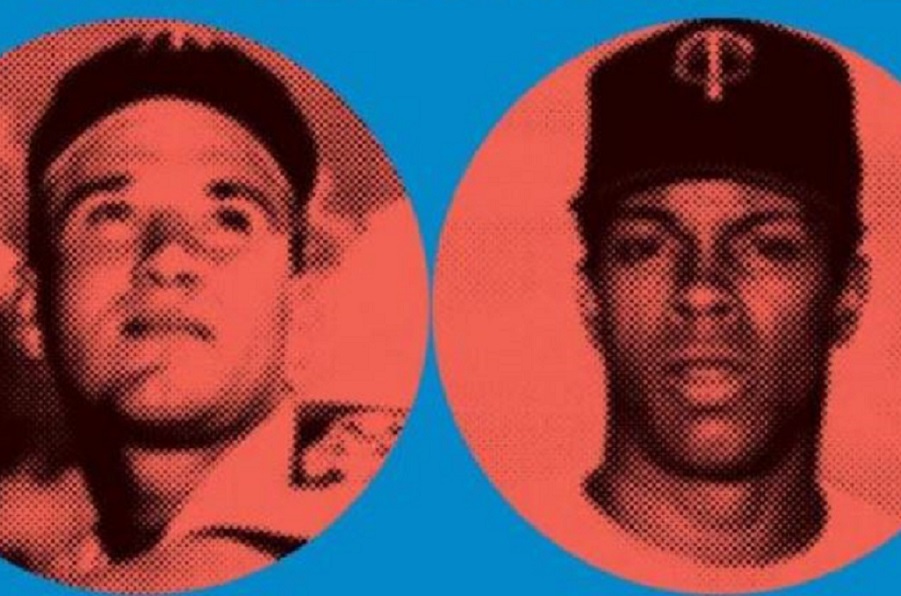 Author Thom Henninger, editor of Baseball Digest magazine, has penned previous books about the Twins in this era. Back in 2015, he wrote the book Tony Oliva: The Life and Times of a Minnesota Twins Legend. Now, Henninger has gone back to the 1960s to look even closer at those turbulent times and Minnesota’s first truly great baseball seasons in The Pride of Minnesota: The Twins in the Turbulent 1960’s. Many current fans will recognize a familiar theme facing the Twins in the mid-1960s, “How do you dethrone the mighty Yankees?” New York was the dominant team of the era with names like Mickey Mantle and Roger Maris. In fact, the Yankees had won the American League 18 times in the 24 seasons from 1941-1964. However, change was in the air as age started impact New York and Minnesota was ready to pounce. Minnesota already had a strong core of players, but many players were able to have career years as the Twins fought their way to the 1965 World Series. Mudcat Grant became the first African American pitcher to win at least twenty games in the American League. Tony Oliva built off his tremendous rookie season and won his second straight AL batting title, even though it looked like a long shot. Those weren’t the only key figures during this era. Entering the 1965 season, Billy Martin was hired as third base coach, and this turned out to be a move that would impact the team for the rest of the decade. Zoilo Versalles won MVP in 1965 and Martin’s aggressive baserunning mentality helped Versalles to lead the AL in runs scored and total bases. Sandy Koufax and the Dodgers took the Series in seven games, but the Twins weren’t done making noise in the AL. Rod Carew joined the team in 1967 and lit the American League on fire. He’d win the AL Rookie of the Year award and he helped the Twins fight the Red Sox for the pennant, but Minnesota ultimately fell short. Minnesota was back in 1969 and 1970 as the club won back-to-back division titles before being eliminated both years by the powerful Baltimore Orioles. As the decade came to a close, the Twins had put themselves on the map as a powerhouse team in the American League. Henninger takes fans through all the ups and downs from each of these dramatic pennant races while also chronicling state and world events. In The Pride of Minnesota, Thom Henninger brings fans back to a by-gone era that has many connections to present day. For fans, like me, that are too young to remember, this book paints a picture of what this important era meant to the Twins and to the country as a whole. Others who lived through the era will enjoy reminiscing about the pennant races and players that helped them to fall in love with baseball. Minnesota only won one pennant during this stretch, but these memorable seasons are etched into team lore. What are your memories of the Twins from that era? Leave a COMMENT and start the discussion. MORE FROM TWINS DAILY — Latest Twins coverage from our writers — Recent Twins discussion in our forums — Follow Twins Daily via Twitter, Facebook or email
 -
Can Alex Kirilloff Be the Twins’ Savior?
Cody Christie posted a topic in Twins Daily Front Page News
Minnesota’s rough start has been tough to swallow, and some changes might be on the horizon. Alex Kirilloff is the team’s top prospect, but can he be the player to turn around the Twins this season?Expectations are sky-high for Alex Kirilloff at the dawning of his big-league career. He made a heralded debut for the Twins in last year’s playoff series against the Astros and put together some strong at-bats after not appearing in a professional game for months. His prospect stock rose significantly based on positive reports of his performance at the team’s alternate site including being named Twins Daily’s top prospect. So far in 2021, his lone big-league appearance was as the team’s 27th man for a doubleheader against Boston. He made appearances in both games and ended the day 0-for-3 with a strikeout. It’s certainly hard to read anything into such a small sample size, but this was coming off the heels of a rough spring training where Kirilloff had an opportunity to win the starting left fielder job. In 12 games, he went 4-for-31 with two extra base hits and eight strikeouts. Even with a poor spring, Kirilloff is still going to have a ton of pressure placed on him when he takes over a regular starting role. It also doesn’t help that the Twins have been struggling in multiple facets of the game. Kirilloff’s presence might offer a small boost to the club. However, he can’t close out games in the ninth inning and his defensive value is limited whether he plays in the outfield or at first base. Luckily, the Twins have plenty of other more experience hitters to hit in the top half of the line-up. This can leave Kirilloff near the back of the batting order, so there is less pressure on him. In his only start, manager Rocco Baldelli penciled him into the sixth spot in the order and later in the game he was removed for a pinch hitter. This will allow him to get acclimated to the big leagues until he proves his bat is ready for this level. One wrinkle in the Kirilloff plan is finding him a defensive position as he joins the club. Reports from the team’s alternate site have Kirilloff playing extensively at first base. Miguel Sano is currently dealing with a tight right hamstring, so he might need time off and Kirilloff would be a natural choice, if/when he is called up. Baseball isn’t a game where one player can take over a game and sole-handedly push them to victory. For instance, look at Mike Trout and his big-league career. He is on a path to quite possibly be considered the best baseball player of all-time. During his 11-year career, the Angels have only qualified for the playoffs one time and they were swept by the Royals. Trout does things on the field that few have done before, but he can’t control every aspect of the game. Bryon Buxton had very high expectations when he was called up to take over a full-time role. Buxton seems to be in the midst of a break-out campaign, but it took time and patience for him to reach this level. It’s important not to rush to judgement with any young player, especially after many prospects saw little or no professional action during the 2020 season. Kirilloff is on track to have a long big-league career, but he alone can’t fix everything that has been going wrong for the Twins in 2021. Minnesota fans are frustrated, but Kirilloff shouldn’t bear the brunt of that negativity if he struggles out of the gate. He’s a long-term building block and not a savior for the franchise. Are expectations too high for Kirilloff? What do you think he can add to the team? Leave a COMMENT and start the discussion. MORE FROM TWINS DAILY — Latest Twins coverage from our writers — Recent Twins discussion in our forums — Follow Twins Daily via Twitter, Facebook or email Click here to view the article -
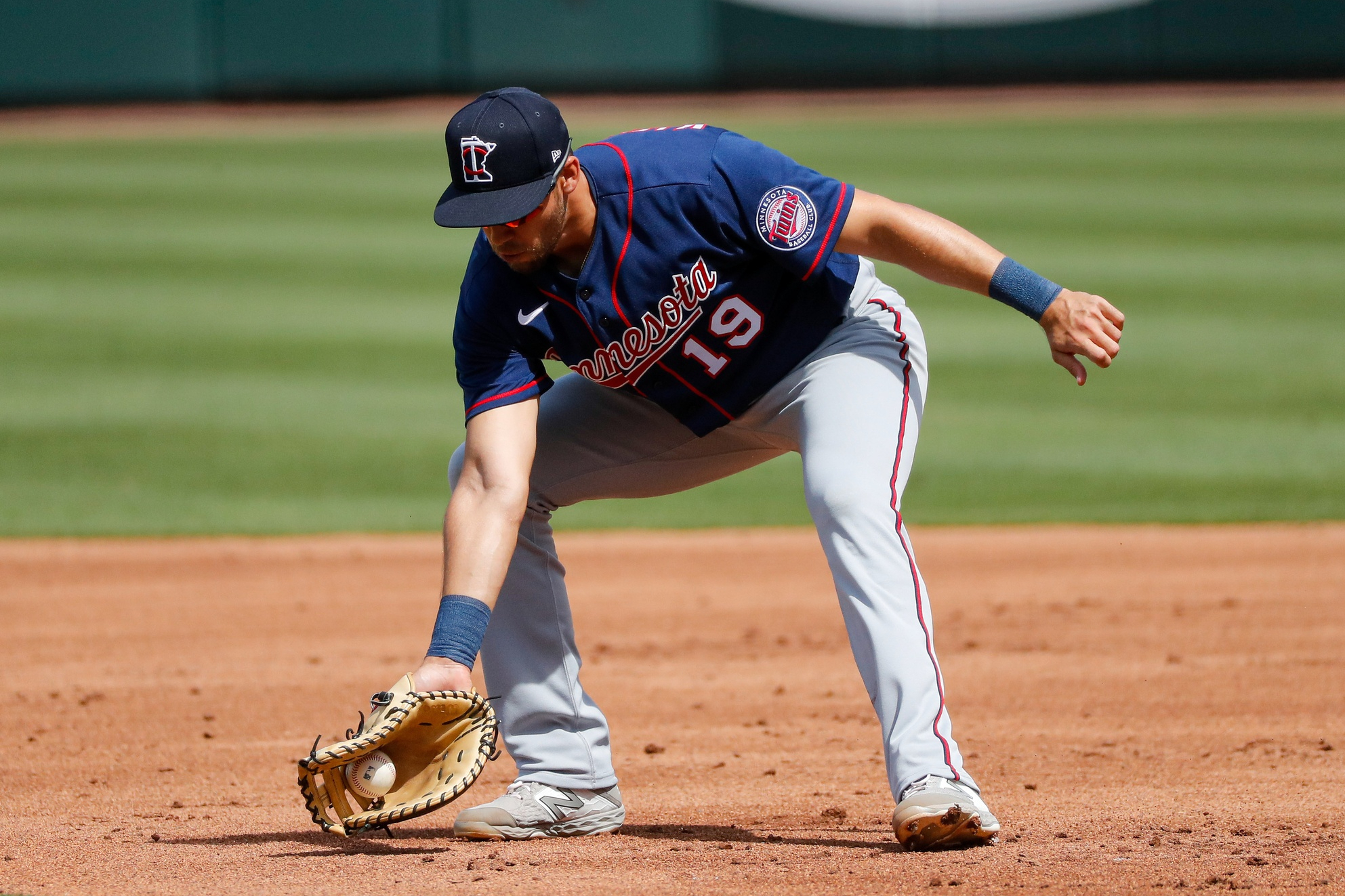 Expectations are sky-high for Alex Kirilloff at the dawning of his big-league career. He made a heralded debut for the Twins in last year’s playoff series against the Astros and put together some strong at-bats after not appearing in a professional game for months. His prospect stock rose significantly based on positive reports of his performance at the team’s alternate site including being named Twins Daily’s top prospect. So far in 2021, his lone big-league appearance was as the team’s 27th man for a doubleheader against Boston. He made appearances in both games and ended the day 0-for-3 with a strikeout. It’s certainly hard to read anything into such a small sample size, but this was coming off the heels of a rough spring training where Kirilloff had an opportunity to win the starting left fielder job. In 12 games, he went 4-for-31 with two extra base hits and eight strikeouts. Even with a poor spring, Kirilloff is still going to have a ton of pressure placed on him when he takes over a regular starting role. It also doesn’t help that the Twins have been struggling in multiple facets of the game. Kirilloff’s presence might offer a small boost to the club. However, he can’t close out games in the ninth inning and his defensive value is limited whether he plays in the outfield or at first base. Luckily, the Twins have plenty of other more experience hitters to hit in the top half of the line-up. This can leave Kirilloff near the back of the batting order, so there is less pressure on him. In his only start, manager Rocco Baldelli penciled him into the sixth spot in the order and later in the game he was removed for a pinch hitter. This will allow him to get acclimated to the big leagues until he proves his bat is ready for this level. One wrinkle in the Kirilloff plan is finding him a defensive position as he joins the club. Reports from the team’s alternate site have Kirilloff playing extensively at first base. Miguel Sano is currently dealing with a tight right hamstring, so he might need time off and Kirilloff would be a natural choice, if/when he is called up. Baseball isn’t a game where one player can take over a game and sole-handedly push them to victory. For instance, look at Mike Trout and his big-league career. He is on a path to quite possibly be considered the best baseball player of all-time. During his 11-year career, the Angels have only qualified for the playoffs one time and they were swept by the Royals. Trout does things on the field that few have done before, but he can’t control every aspect of the game. Bryon Buxton had very high expectations when he was called up to take over a full-time role. Buxton seems to be in the midst of a break-out campaign, but it took time and patience for him to reach this level. It’s important not to rush to judgement with any young player, especially after many prospects saw little or no professional action during the 2020 season. Kirilloff is on track to have a long big-league career, but he alone can’t fix everything that has been going wrong for the Twins in 2021. Minnesota fans are frustrated, but Kirilloff shouldn’t bear the brunt of that negativity if he struggles out of the gate. He’s a long-term building block and not a savior for the franchise. Are expectations too high for Kirilloff? What do you think he can add to the team? Leave a COMMENT and start the discussion. MORE FROM TWINS DAILY — Latest Twins coverage from our writers — Recent Twins discussion in our forums — Follow Twins Daily via Twitter, Facebook or email
 -
The Twins were supposed to be fighting for the top spot in the AL Central, but things haven’t gone exactly to plan. Here are the three biggest problems for the team so far in 2021.Bullpen Blowups Throughout his tenure as Twins manager, Rocco Baldelli has seen some ups and downs when it comes to the team’s relief core. Fans might not remember, but the 2019 bullpen was a mess outside of Taylor Rogers for much of the season. In fact, the club had to go out and acquire multiple relief pitchers at the trade deadline to make sure there was stability heading into season’s final months. For the season, the Twins bullpen has the third highest ERA in the American League. As Nick wrote about in the Week in Review, the bullpen imploded throughout much of last week, which resulted in a 9.19 ERA. Minnesota has also started the bullpen carousel by rotating through different arms at the backend of the 26-man roster. Brandon Waddell, Cody Stashak, Shaun Anderson, and Devin Smeltzer have been brought up or sent down and the Twins will continue this trend throughout the season. Extra days off will mean the bullpen is rested as the team got back on the field on Tuesday. However, the team is going to have double-headers to make up their missed games and that means the bullpen carousel will continue to revolve. Leaving Runners in Scoring Position Recently, the team has struggled with scoring runs and this might be tied to the team’s at-bats with an opportunity to drive in runners. Entering play on Tuesday, the Twins have over 150 plate appearances this season with runners in scoring position. The team has hit .250/.327/.422 with 12 extra-base hits and a 37 to 17 strikeout to walk ratio. Last week, the team batted .175/.271/.200 with RISP. There might be some luck or other factors that have resulted in this poor offensive showing. Health is clearly one factor in the team’s lackluster offensive performance. Josh Donaldson and Byron Buxton have been limited by hamstring injuries and both players will be relied on in the middle of the line-up. Miguel Sano’s swing also seems to be getting close to breaking out as he been putting together some strong at-bats even if all the results haven’t been positive. Another option might be to call up Alex Kirilloff for a permanent spot in the outfield. The team used him as their 27th man in a double header last week and his bat is his strongest tool. Can his addition add a little life to the Twins’ punchless offense? Lack of Routine The start of the 2021 season has been anything but routine for the Twins. After avoiding COVID for much of the 2020 season, the Twins have seen multiple cases in their Tier 1 group including at least three players. Not to mention, the eyes of the world have been focused Minneapolis and the Derek Chauvin murder trial. The Twins had one game postponed because of unrest in the Twin Cities. Baseball, maybe more than any other sport, is a game of routines for players, coaches, and fans. Players have been pulled out of their routines on multiple occasions this year for cancelled games and increase COVID testing. It’s pretty easy to understand why players might not be successful on the field with everything happening in the world. Teams across baseball are finding ways to overcome obstacles even with the on-going turmoil and some of these issues are out of the team’s control. That being said, Minnesota needs to find some solutions to these problems in the days ahead if they aspire to a three-peat atop the AL Central. Which issue will impact the team the most this season? Leave a COMMENT and start the discussion. MORE FROM TWINS DAILY — Latest Twins coverage from our writers — Recent Twins discussion in our forums — Follow Twins Daily via Twitter, Facebook or email Click here to view the article
-
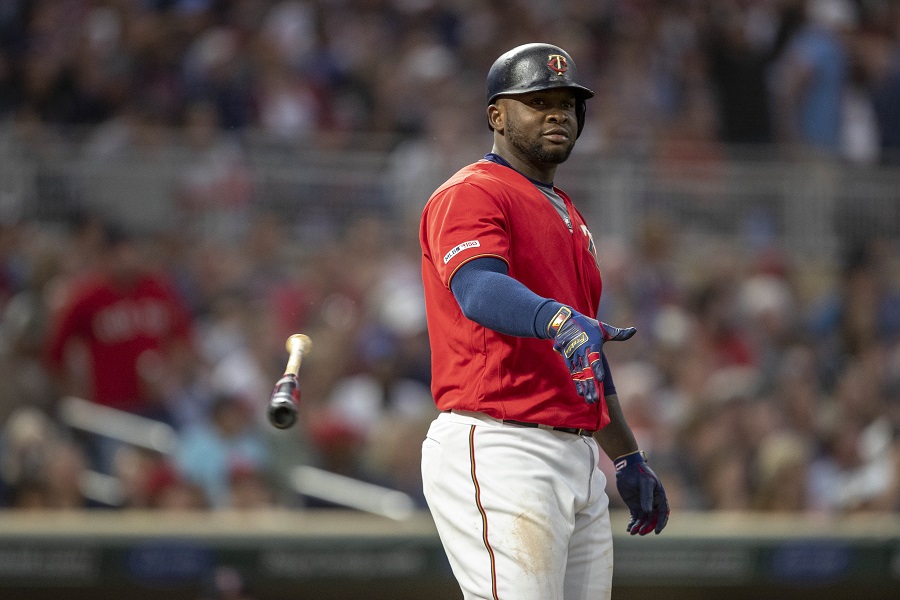 Bullpen Blowups Throughout his tenure as Twins manager, Rocco Baldelli has seen some ups and downs when it comes to the team’s relief core. Fans might not remember, but the 2019 bullpen was a mess outside of Taylor Rogers for much of the season. In fact, the club had to go out and acquire multiple relief pitchers at the trade deadline to make sure there was stability heading into season’s final months. For the season, the Twins bullpen has the third highest ERA in the American League. As Nick wrote about in the Week in Review, the bullpen imploded throughout much of last week, which resulted in a 9.19 ERA. Minnesota has also started the bullpen carousel by rotating through different arms at the backend of the 26-man roster. Brandon Waddell, Cody Stashak, Shaun Anderson, and Devin Smeltzer have been brought up or sent down and the Twins will continue this trend throughout the season. Extra days off will mean the bullpen is rested as the team got back on the field on Tuesday. However, the team is going to have double-headers to make up their missed games and that means the bullpen carousel will continue to revolve. Leaving Runners in Scoring Position Recently, the team has struggled with scoring runs and this might be tied to the team’s at-bats with an opportunity to drive in runners. Entering play on Tuesday, the Twins have over 150 plate appearances this season with runners in scoring position. The team has hit .250/.327/.422 with 12 extra-base hits and a 37 to 17 strikeout to walk ratio. Last week, the team batted .175/.271/.200 with RISP. There might be some luck or other factors that have resulted in this poor offensive showing. Health is clearly one factor in the team’s lackluster offensive performance. Josh Donaldson and Byron Buxton have been limited by hamstring injuries and both players will be relied on in the middle of the line-up. Miguel Sano’s swing also seems to be getting close to breaking out as he been putting together some strong at-bats even if all the results haven’t been positive. Another option might be to call up Alex Kirilloff for a permanent spot in the outfield. The team used him as their 27th man in a double header last week and his bat is his strongest tool. Can his addition add a little life to the Twins’ punchless offense? Lack of Routine The start of the 2021 season has been anything but routine for the Twins. After avoiding COVID for much of the 2020 season, the Twins have seen multiple cases in their Tier 1 group including at least three players. Not to mention, the eyes of the world have been focused Minneapolis and the Derek Chauvin murder trial. The Twins had one game postponed because of unrest in the Twin Cities. Baseball, maybe more than any other sport, is a game of routines for players, coaches, and fans. Players have been pulled out of their routines on multiple occasions this year for cancelled games and increase COVID testing. It’s pretty easy to understand why players might not be successful on the field with everything happening in the world. Teams across baseball are finding ways to overcome obstacles even with the on-going turmoil and some of these issues are out of the team’s control. That being said, Minnesota needs to find some solutions to these problems in the days ahead if they aspire to a three-peat atop the AL Central. Which issue will impact the team the most this season? Leave a COMMENT and start the discussion. MORE FROM TWINS DAILY — Latest Twins coverage from our writers — Recent Twins discussion in our forums — Follow Twins Daily via Twitter, Facebook or email
 -
Minnesota didn’t make an offseason splash like the previous winter’s signing of Josh Donaldson. However, the Twins added multiple pieces to supplement the roster. So how have those free agents done so far this year?Andrelton Simmons, SS Contract: 1-year/$10.5 million Minnesota signed Simmons for his elite defensive skills, but he has provided plenty of offensive value so far in 2021. In 10 games, he has hit .355/.474/.452 with three extra-base hits. His 0.6 WAR ranks fourth on the team and that total is already higher than his entire 2020 season. Obviously, his positive COVID test puts a damper on his start to the year, but hopefully he comes out of it healthy, and he can continue to produce at a high level. Alexander Colomé, RP Contract: 1-year/$6.25 million Things haven’t exactly gone smoothly so far during Colomé’s Twins tenure as he has posted a 5.68 ERA. He’s allowed four earned runs and seven runs have scored with him on the mound. Minnesota’s bullpen has struggled through much of the season’s early innings especially in the last week when the bullpen’s ERA was north of 9.00. He has been a very successful closer in the past so Twins’ fans have to hope he finds his former form in the weeks ahead. J.A. Happ, SP Contract: 1-year/$8 million Happ missed time at the beginning of spring training as he tested positive for COVID. This set him back a little in his preparation, but his early results have been good, especially for a back of the rotation starter. Through two starts, he has allowed three runs on seven hits in 8 2/3 innings with seven strikeouts and four walks. This is more than adequate for a 38-year-old in his 15th big league season. Happ won’t light the world on fire, but he fills a role nicely for the Twins that can be supplemented by the likes of Randy Donak or Lewis Thorpe at different parts of the season. Matt Shoemaker, SP Contract: 1-year/$2 million Like Happ, Shoemaker was slated to be penciled into the back of the rotation with a hope that he could add some rotational depth. Randy Dobnak had a chance to fill in the final rotation spot, but many teams are struggling with how they will cover innings in 2021. So far in 2021, he has allowed five earned runs across 11 innings, which isn’t terrible for a number five starter. He hasn’t pitched over 78 innings since 2016, so the team will need to continue to monitor his health. Hansel Robles, RP Contract: 1-year/$2 million Robles was a little bit of a wild card when the Twins signed him as he struggled with a 10.26 ERA last year. This year he has made six appearances and allowed three earned runs in 5 1/3 innings. His role with the Twins might not yet be fully defined, but the Twins took a flyer on him. If the bullpen continues to struggle, Robles might get an opportunity to pitch in some higher leverage situations. The bullpen has been a mess, so Robles certainly hasn’t been the team’s biggest concern. What have been your impressions of these players so far in 2021? Leave a COMMENT and start the discussion. MORE FROM TWINS DAILY — Latest Twins coverage from our writers — Recent Twins discussion in our forums — Follow Twins Daily via Twitter, Facebook or email Click here to view the article
- 24 replies
-
- 1
-
-
- andrelton simmons
- alexander colome
- (and 3 more)
-
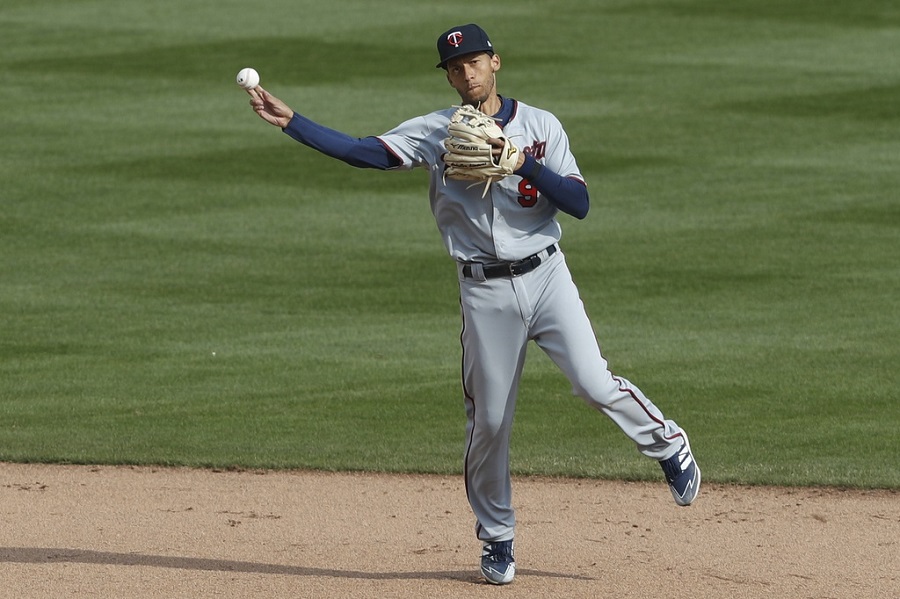 Andrelton Simmons, SS Contract: 1-year/$10.5 million Minnesota signed Simmons for his elite defensive skills, but he has provided plenty of offensive value so far in 2021. In 10 games, he has hit .355/.474/.452 with three extra-base hits. His 0.6 WAR ranks fourth on the team and that total is already higher than his entire 2020 season. Obviously, his positive COVID test puts a damper on his start to the year, but hopefully he comes out of it healthy, and he can continue to produce at a high level. Alexander Colomé, RP Contract: 1-year/$6.25 million Things haven’t exactly gone smoothly so far during Colomé’s Twins tenure as he has posted a 5.68 ERA. He’s allowed four earned runs and seven runs have scored with him on the mound. Minnesota’s bullpen has struggled through much of the season’s early innings especially in the last week when the bullpen’s ERA was north of 9.00. He has been a very successful closer in the past so Twins’ fans have to hope he finds his former form in the weeks ahead. J.A. Happ, SP Contract: 1-year/$8 million Happ missed time at the beginning of spring training as he tested positive for COVID. This set him back a little in his preparation, but his early results have been good, especially for a back of the rotation starter. Through two starts, he has allowed three runs on seven hits in 8 2/3 innings with seven strikeouts and four walks. This is more than adequate for a 38-year-old in his 15th big league season. Happ won’t light the world on fire, but he fills a role nicely for the Twins that can be supplemented by the likes of Randy Donak or Lewis Thorpe at different parts of the season. Matt Shoemaker, SP Contract: 1-year/$2 million Like Happ, Shoemaker was slated to be penciled into the back of the rotation with a hope that he could add some rotational depth. Randy Dobnak had a chance to fill in the final rotation spot, but many teams are struggling with how they will cover innings in 2021. So far in 2021, he has allowed five earned runs across 11 innings, which isn’t terrible for a number five starter. He hasn’t pitched over 78 innings since 2016, so the team will need to continue to monitor his health. Hansel Robles, RP Contract: 1-year/$2 million Robles was a little bit of a wild card when the Twins signed him as he struggled with a 10.26 ERA last year. This year he has made six appearances and allowed three earned runs in 5 1/3 innings. His role with the Twins might not yet be fully defined, but the Twins took a flyer on him. If the bullpen continues to struggle, Robles might get an opportunity to pitch in some higher leverage situations. The bullpen has been a mess, so Robles certainly hasn’t been the team’s biggest concern. What have been your impressions of these players so far in 2021? Leave a COMMENT and start the discussion. MORE FROM TWINS DAILY — Latest Twins coverage from our writers — Recent Twins discussion in our forums — Follow Twins Daily via Twitter, Facebook or email
