



Cody Christie
-
Posts
7,515 -
Joined
-
Last visited
-
Days Won
5
Content Type
Profiles
News
Minnesota Twins Videos
2026 Minnesota Twins Top Prospects Ranking
2022 Minnesota Twins Draft Picks
Minnesota Twins Free Agent & Trade Rumors, Notes, & Tidbits
Guides & Resources
2023 Minnesota Twins Draft Picks
The Minnesota Twins Players Project
2024 Minnesota Twins Draft Picks
2025 Minnesota Twins Draft Pick Tracker
2026 Minnesota Twins Draft Tracker: Picks & Bonuses
Forums
Blogs
Events
Store
Downloads
Gallery
Everything posted by Cody Christie
-
 Brian Dozier was a late round draft pick that took time to develop through the Twins farm system. Minnesota might have another player in their organization that can follow Dozier’s path as a late bloomer.Dozier’s Path to Late Bloomer Minnesota took Brian Dozier in the eighth round of the 2009 MLB Draft out of the University of Southern Mississippi. With his college experience, he only spent parts of four seasons in the minors. He showed very little power throughout the early professional career as he never hit double digit home runs in the minors. In fact, his highest OPS in any minor league season was .890 when he spent part of the season as an older player in the Florida State League. He wouldn’t debut until his age-25 season and his first full season was a year later (2013). Twins fans are well aware of what Dozier was able to accomplish in his time at the big-league level. He clubbed 18 or more home runs from 2013-2017 including 42 home runs in 2016 and 34 home runs in 2017. His 42 home runs are an AL record for home runs by a primary second baseman in a single season. Dozier was clearly a late bloomer, but the Twins were able to allow him to develop because the team was in the midst of multiple losing seasons. Now the Twins have a variety of options around the infield which might be blocking the next Brian Dozier from emerging. The Next Brian Dozier Nick Gordon wasn’t exactly a late round pick or a player with college experience, but he’s at the point in his career where it might be a surprise if he makes a significant contribution at the big-league level. Gordon has seemed to be on the fringes of the 40-man roster for multiple seasons. There must be a reason the front office has kept him around. Last year, Gordon went through a life changing experience as he was hospitalized after contracting COVID-19. He’s a young, health athlete and the virus still took its toll on him. Now he will enter the 2021 season with something to prove to himself and the Twins organization. Minnesota is easing Gordon into the new season, but it doesn’t mean he won’t get the chance to contribute. In 2019, he played 70 games at Triple-A where he was nearly four years younger than the average age of the competition at that level. Even in a small sample size, he was able to post some impressive numbers. He hit .298/.342/.459 (.801) with 36 extra-base hits. Out of his 87 hits, a third of them were doubles which is impressive when all put 24 of his at-bats came against older pitching. Gordon should spend the year in St. Paul and his continued inclusion on the 40-man roster means he has a chance to make his big-league debut during the 2021 campaign. Unfortunately, he is behind multiple players on the depth chart and the Twins aren’t in the same place they were when Dozier made his debut. Also, it’s tough to know what Gordon will look like as the season begins with no game action last season and his extended COVID battle. Injuries can happen to any player and Gordon will need to be ready to take advantage of the opportunity if it is presented to him. Do you think Gordon can be a late bloomer like Dozier? Will he be given the opportunity? Leave a COMMENT and start the discussion. MORE FROM TWINS DAILY — Latest Twins coverage from our writers — Recent Twins discussion in our forums — Follow Twins Daily via Twitter, Facebook or email Click here to view the article
 -
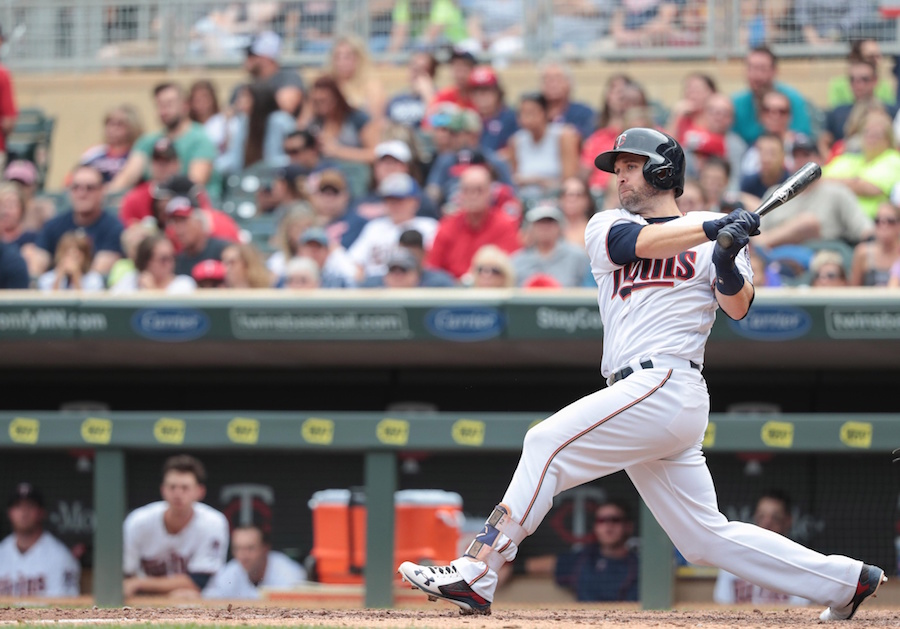 Dozier’s Path to Late Bloomer Minnesota took Brian Dozier in the eighth round of the 2009 MLB Draft out of the University of Southern Mississippi. With his college experience, he only spent parts of four seasons in the minors. He showed very little power throughout the early professional career as he never hit double digit home runs in the minors. In fact, his highest OPS in any minor league season was .890 when he spent part of the season as an older player in the Florida State League. He wouldn’t debut until his age-25 season and his first full season was a year later (2013). Twins fans are well aware of what Dozier was able to accomplish in his time at the big-league level. He clubbed 18 or more home runs from 2013-2017 including 42 home runs in 2016 and 34 home runs in 2017. His 42 home runs are an AL record for home runs by a primary second baseman in a single season. Dozier was clearly a late bloomer, but the Twins were able to allow him to develop because the team was in the midst of multiple losing seasons. Now the Twins have a variety of options around the infield which might be blocking the next Brian Dozier from emerging. The Next Brian Dozier Nick Gordon wasn’t exactly a late round pick or a player with college experience, but he’s at the point in his career where it might be a surprise if he makes a significant contribution at the big-league level. Gordon has seemed to be on the fringes of the 40-man roster for multiple seasons. There must be a reason the front office has kept him around. Last year, Gordon went through a life changing experience as he was hospitalized after contracting COVID-19. He’s a young, health athlete and the virus still took its toll on him. Now he will enter the 2021 season with something to prove to himself and the Twins organization. Minnesota is easing Gordon into the new season, but it doesn’t mean he won’t get the chance to contribute. In 2019, he played 70 games at Triple-A where he was nearly four years younger than the average age of the competition at that level. Even in a small sample size, he was able to post some impressive numbers. He hit .298/.342/.459 (.801) with 36 extra-base hits. Out of his 87 hits, a third of them were doubles which is impressive when all put 24 of his at-bats came against older pitching. Gordon should spend the year in St. Paul and his continued inclusion on the 40-man roster means he has a chance to make his big-league debut during the 2021 campaign. Unfortunately, he is behind multiple players on the depth chart and the Twins aren’t in the same place they were when Dozier made his debut. Also, it’s tough to know what Gordon will look like as the season begins with no game action last season and his extended COVID battle. Injuries can happen to any player and Gordon will need to be ready to take advantage of the opportunity if it is presented to him. Do you think Gordon can be a late bloomer like Dozier? Will he be given the opportunity? Leave a COMMENT and start the discussion. MORE FROM TWINS DAILY — Latest Twins coverage from our writers — Recent Twins discussion in our forums — Follow Twins Daily via Twitter, Facebook or email
 -
Last week, Twins Daily wrapped up the countdown of the organization’s 20 best prospects, but that doesn’t tell the whole story. What big-league players would join the prospects in a list of the team’s five best players under 25 years old?MLB.com tried to identify the top players under 25 under an interesting premise. “If you were starting a team today, and you were able to choose only from players under 25 years old -- that’s Major League stars and Minor League prospects, just so long as they aren’t past their age-24 season in 2021 -- who would you pick?” It can be a tough exercise, especially with Minnesota’s deep farm system. 5. Royce Lewis, SS (21-years old) Lewis might be the team’s second-best prospect, but his recently announced knee surgery puts a hold on his development. There were already questions about his swing and his long-term defensive position. Those questions will remain, especially after not playing a professional game in 2020 or 2021. The potential is there, the work ethic is there, and he projects to be a building block piece in the future. For now, the Twins are going to be left looking for other shortstop options as they wait for Lewis to return to the field. 4. Jhoan Duran, RHP (23-years old) Minnesota’s front office was confident Duran would debut in 2020, but then the pandemic shortened the season. He worked at the Twins alternate site last season and reports continue to be positive. Here at Twins Daily, Duran is the organization’s highest ranked pitching prospect. With a fastball that hits triple-digits and a unique splinker pitch, Duran is one of the most intriguing prospects to come through the Twins organization. He has the making of four above average pitches and the Twins hope he is a pitcher they can build their rotation around for years to come. 3. Ryan Jeffers, C (23-years old) Jeffers is half of one of baseball’s best catching duos and he’s six and a half years younger than Mitch Garver. Because Garver was a late bloomer, the Twins have team control of both players for multiple seasons. Jeffers was Twins Daily’s number four overall prospect and it’s clear to see why people should be excited about him. He has some of the best catch framing skills in baseball and it is going to be intriguing to see how his numbers play over the course of 162-games. Jeffers needs to prove his offensive numbers weren’t a fluke from 2020, but he was known as a hitter out of college. 2. Luis Arraez, UTL (24-years old) Arraez is moving to a utility role for 2021, but there’s no question that Rocco Baldelli will find way to insert him into the line-up on a regular basis. Even though he was hobbled in 2020, he still managed to post a .321 batting average, which means he has a career .331 batting average in 124 big-league games. On many other teams, Arraez would be in the everyday starting line-up, but he’s only one injury away from finding himself back in a fulltime role. FanGraph’s ZiPS projects him to win the AL batting title and it will be Baldelli’s job to make sure he gets enough plate appearances to qualify. 1. Alex Kirilloff, OF (23-years old) Kirilloff is the type of player any team would like to build their franchise around. He had tremendous make-up and a sweet swing that is hard to ignore. MLB.com will likely include him on their top-25 list entering next season after baseball gets a longer look at Minnesota’s top prospect. One of the few questions that remains is whether or not Kirilloff will be on the Opening Day roster. Minnesota’s winning window is open and that’s one of the strongest reasons to have Kirilloff be in the line-up from day one. How good can he be in his age-23 campaign? Other Potential Names (Ages): Jordan Balazovic (22), Trevor Larnach (24), Aaron Sabato (21), Gilberto Celestino (22), Matt Canterino (23), Edwar Colina (23) Would you put any of these other names on the list? Should Lewis drop off because of his injury? Leave a COMMENT and start the discussion. MORE FROM TWINS DAILY — Latest Twins coverage from our writers — Recent Twins discussion in our forums — Follow Twins Daily via Twitter, Facebook or email Click here to view the article
-
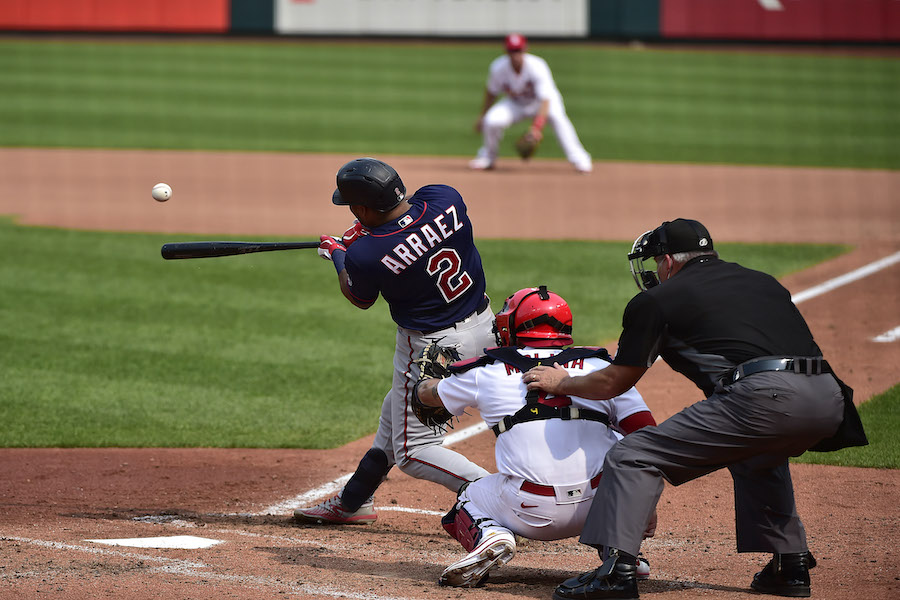 MLB.com tried to identify the top players under 25 under an interesting premise. “If you were starting a team today, and you were able to choose only from players under 25 years old -- that’s Major League stars and Minor League prospects, just so long as they aren’t past their age-24 season in 2021 -- who would you pick?” It can be a tough exercise, especially with Minnesota’s deep farm system. 5. Royce Lewis, SS (21-years old) Lewis might be the team’s second-best prospect, but his recently announced knee surgery puts a hold on his development. There were already questions about his swing and his long-term defensive position. Those questions will remain, especially after not playing a professional game in 2020 or 2021. The potential is there, the work ethic is there, and he projects to be a building block piece in the future. For now, the Twins are going to be left looking for other shortstop options as they wait for Lewis to return to the field. 4. Jhoan Duran, RHP (23-years old) Minnesota’s front office was confident Duran would debut in 2020, but then the pandemic shortened the season. He worked at the Twins alternate site last season and reports continue to be positive. Here at Twins Daily, Duran is the organization’s highest ranked pitching prospect. With a fastball that hits triple-digits and a unique splinker pitch, Duran is one of the most intriguing prospects to come through the Twins organization. He has the making of four above average pitches and the Twins hope he is a pitcher they can build their rotation around for years to come. 3. Ryan Jeffers, C (23-years old) Jeffers is half of one of baseball’s best catching duos and he’s six and a half years younger than Mitch Garver. Because Garver was a late bloomer, the Twins have team control of both players for multiple seasons. Jeffers was Twins Daily’s number four overall prospect and it’s clear to see why people should be excited about him. He has some of the best catch framing skills in baseball and it is going to be intriguing to see how his numbers play over the course of 162-games. Jeffers needs to prove his offensive numbers weren’t a fluke from 2020, but he was known as a hitter out of college. 2. Luis Arraez, UTL (24-years old) Arraez is moving to a utility role for 2021, but there’s no question that Rocco Baldelli will find way to insert him into the line-up on a regular basis. Even though he was hobbled in 2020, he still managed to post a .321 batting average, which means he has a career .331 batting average in 124 big-league games. On many other teams, Arraez would be in the everyday starting line-up, but he’s only one injury away from finding himself back in a fulltime role. FanGraph’s ZiPS projects him to win the AL batting title and it will be Baldelli’s job to make sure he gets enough plate appearances to qualify. 1. Alex Kirilloff, OF (23-years old) Kirilloff is the type of player any team would like to build their franchise around. He had tremendous make-up and a sweet swing that is hard to ignore. MLB.com will likely include him on their top-25 list entering next season after baseball gets a longer look at Minnesota’s top prospect. One of the few questions that remains is whether or not Kirilloff will be on the Opening Day roster. Minnesota’s winning window is open and that’s one of the strongest reasons to have Kirilloff be in the line-up from day one. How good can he be in his age-23 campaign? Other Potential Names (Ages): Jordan Balazovic (22), Trevor Larnach (24), Aaron Sabato (21), Gilberto Celestino (22), Matt Canterino (23), Edwar Colina (23) Would you put any of these other names on the list? Should Lewis drop off because of his injury? Leave a COMMENT and start the discussion. MORE FROM TWINS DAILY — Latest Twins coverage from our writers — Recent Twins discussion in our forums — Follow Twins Daily via Twitter, Facebook or email
 -
Nearly every season, there are players that surprise and make a significant impact at the big-league level. Here are four names to watch this year for the TwinsJorge Alcala, RHP Alcala has 18 big league games under his belt, but the 2021 season can be an opportunity to prove he belongs in Minnesota’s long-term relief plans. Twins manager Rocco Baldelli already showed confidence in Alcala by using him in the seventh inning or later in every September appearance last season. Minnesota’s bullpen looks different for 2021 and this can allow Alcala to take on an even more important role. When the Twins acquired Alcala, he was still being used as a starter, but his transition to reliever has come with excellent results. Minnesota’s bullpen pecking order will likely fluctuate throughout the 2021 season with players serving in different roles depending on the situation. Can Alcala move up the depth chart throughout the season? Jhoan Duran, RHP Last winter, president of baseball operations Derek Falvey said that he expected Jordan Balazovic and Jhoan Duran to both make their MLB debuts in 2020. Obviously, the shortened season stopped that from happening, but both players seem primed for a debut in 2021. Here at Twins Daily, Duran is the highest ranked pitcher in our annual top-20 prospect list and there is plenty to be excited about when thinking about what he can add to the Twins starting staff. He might be the most exciting starting pitching prospect to come through the Twins system in quite some time. With an electric fastball and improving off-speed offerings, Duran can provide a mid-season boost for the Twins, especially if the White Sox are hot on their tails. The question is, how high is his ceiling? Shaun Anderson, RHP Matt Wisler was a breakout pitcher for the Twins last season after the team brought him in and told him to concentrate even more on throwing his slider. He threw it over 83% of the time and found remarkable success. Minnesota felt comfortable enough with finding a Wisler replacement that they let him walk this winter. This season, Shaun Anderson hopes to follow a similar trajectory as Wisler. In 2020, Anderson threw his slider 53% of the time, so there is certainly room for him to use this pitch on a more consistent basis. However, there is a major difference between Wisler and Anderson as Anderson’s fastball averages 94 mph. He also ranks in the 92nd percentile when it comes to fastball spin. Working with Wes Johnson might allow Anderson to find the right mixture of these two pitches. Alex Kirilloff, OF/1B While Duran moved up our rankings to the number one pitching spot, Kirilloff and Royce Lewis both can make a claim as the team’s top overall prospect. At some point in 2021, he is going to take over as a starting outfielder and the Twins hope he stays there for most of the next decade. Back in 2018, he was one of the best hitting prospects in all of baseball, but the 2019 season saw injuries take a toll. He was able to homer four times in five playoff games that season, so the power potential is there. Download attachment: Alex Kirilloff Spray Chart.jpg His hit tool separates him from the crowd as he can spray the ball to all fields. As I have previously written, his minor league spray charts should be hung in a museum. His advanced approach at the plate should help him to transition to the big-league level. Kirilloff avoids swings and misses and he should pencil into the middle of Minnesota’s line-up for years to come. Who do you think will breakout for the Twins in 2021? Leave a COMMENT and start the discussion. MORE FROM TWINS DAILY — Latest Twins coverage from our writers — Recent Twins discussion in our forums — Follow Twins Daily via Twitter, Facebook or email Click here to view the article
-
Predicting Minnesota’s 4 Potential Breakout Players in 2021
Cody Christie posted an article in Twins
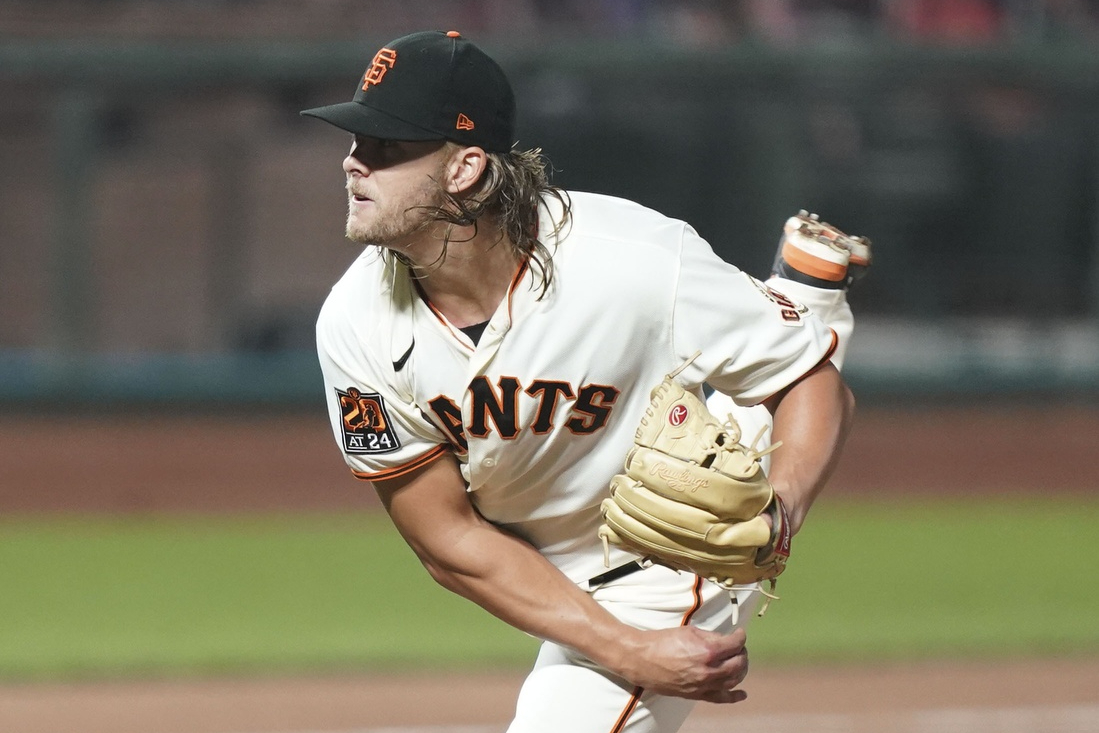 Jorge Alcala, RHP Alcala has 18 big league games under his belt, but the 2021 season can be an opportunity to prove he belongs in Minnesota’s long-term relief plans. Twins manager Rocco Baldelli already showed confidence in Alcala by using him in the seventh inning or later in every September appearance last season. Minnesota’s bullpen looks different for 2021 and this can allow Alcala to take on an even more important role. When the Twins acquired Alcala, he was still being used as a starter, but his transition to reliever has come with excellent results. Minnesota’s bullpen pecking order will likely fluctuate throughout the 2021 season with players serving in different roles depending on the situation. Can Alcala move up the depth chart throughout the season? Jhoan Duran, RHP Last winter, president of baseball operations Derek Falvey said that he expected Jordan Balazovic and Jhoan Duran to both make their MLB debuts in 2020. Obviously, the shortened season stopped that from happening, but both players seem primed for a debut in 2021. Here at Twins Daily, Duran is the highest ranked pitcher in our annual top-20 prospect list and there is plenty to be excited about when thinking about what he can add to the Twins starting staff. He might be the most exciting starting pitching prospect to come through the Twins system in quite some time. With an electric fastball and improving off-speed offerings, Duran can provide a mid-season boost for the Twins, especially if the White Sox are hot on their tails. The question is, how high is his ceiling? Shaun Anderson, RHP Matt Wisler was a breakout pitcher for the Twins last season after the team brought him in and told him to concentrate even more on throwing his slider. He threw it over 83% of the time and found remarkable success. Minnesota felt comfortable enough with finding a Wisler replacement that they let him walk this winter. This season, Shaun Anderson hopes to follow a similar trajectory as Wisler. In 2020, Anderson threw his slider 53% of the time, so there is certainly room for him to use this pitch on a more consistent basis. However, there is a major difference between Wisler and Anderson as Anderson’s fastball averages 94 mph. He also ranks in the 92nd percentile when it comes to fastball spin. Working with Wes Johnson might allow Anderson to find the right mixture of these two pitches. Alex Kirilloff, OF/1B While Duran moved up our rankings to the number one pitching spot, Kirilloff and Royce Lewis both can make a claim as the team’s top overall prospect. At some point in 2021, he is going to take over as a starting outfielder and the Twins hope he stays there for most of the next decade. Back in 2018, he was one of the best hitting prospects in all of baseball, but the 2019 season saw injuries take a toll. He was able to homer four times in five playoff games that season, so the power potential is there. His hit tool separates him from the crowd as he can spray the ball to all fields. As I have previously written, his minor league spray charts should be hung in a museum. His advanced approach at the plate should help him to transition to the big-league level. Kirilloff avoids swings and misses and he should pencil into the middle of Minnesota’s line-up for years to come. Who do you think will breakout for the Twins in 2021? Leave a COMMENT and start the discussion. MORE FROM TWINS DAILY — Latest Twins coverage from our writers — Recent Twins discussion in our forums — Follow Twins Daily via Twitter, Facebook or email
 -
Opportunities don’t last forever and in the baseball world success can turn to also-ran status overnight. Minnesota has won back-to-back division titles, but how long can the organization keep open its window of opportunity?Minnesota’s Front Office Philosophy Thad Levine and Derek Falvey were brought together in Minnesota four winters ago. In that time, the front office has been able to rebuild an organization that had lost 92+ games in five of the previous six seasons. They have been shrewd to hang on to their top prospects with Brusdar Graterol’s trade being the lone exception and the Twins are likely happy with their return in that deal. Having one of baseball’s best farm systems is a key to sustainable contention. Minnesota’s current crop of regulars was moving through the farm system back in 2015-16, which saw them ranked as one of MLB’s top-five farm systems. Since the new front office took over, the Twins have moved back into the top 10 with prospects like Alex Kirilloff, Royce Lewis, and Jhoan Duran ready to make a big-league impact. Even with those players getting close, other key pieces like Byron Buxton and Jose Berrios can reach free agency in the coming years so it becomes a roster balancing act. Entering the 2019 season, Thad Levine was asked about signing one of the big free agent options (Bryce Harper and Manny Machado), but he felt those moves are for teams trying to put their “foot down” and not “trying to wrench a window of opportunity open.” Last winter, the window was open, and the Twins spent big money on Josh Donaldson. Now the Twins can look to the not-so-distant past for a glimpse into their own future. Kansas City’s Approach Kansas City is a lower revenue team, and in recent memory they saw their window open and jumped at the opportunity. KC’s front office used a slash and burn approaching by trading away pieces from one of baseball’s top farm systems. The results are hard to argue with as Kansas City won back-to-back AL pennants along with taking home the 2015 World Series crown. As the old adage goes, flags fly forever, but what are the long-term costs? Looking back on those seasons, Kansas City wasn’t sure how long their window would be open. “You owe it to your fans and your city,” said Royals General Manager Dayton Moore. “You owe it to your ownership and all the people who’ve worked so hard to get your franchise to a certain point.” He capitalized at the right time, but things haven’t gone as smooth in recent years. Since their title run, Kansas City has yet to post a .500 record and things aren’t exactly looking bright for 2021. Their farm system ranks in the middle of the pack with some top tier talent, but they are still trying to rebuild after trading away pieces for their title run. Would Twins fans want the front office to follow a similar approach and go all-in for one or two seasons of success? Baseball’s Harshly Cyclical Nature Kansas City isn’t the only team to see their window close after multiple winning seasons but not all teams end up walking away with a title. Detroit won the AL Central for four consecutive seasons from 2011-14 and they made World Series runs in 2006 and 2012. During that time, they handed out big contracts and traded away top prospects to keep their window open. The team was trying to end a title drought that stretches back further than the Twins (1984). Recently, Detroit has struggled to be relevant again as they have posted sub-.400 winning percentages for four consecutive seasons. "At some point, some teams get into an all-win-now mode because they're right there," Tigers general manager Al Avila said. "It's very hard to get into the playoffs. It's very hard to get into the World Series, much more even to win it. When you feel you have that chance, you've got to go for it." Toronto made back-to-back ALCS runs in 2015-16 with sluggers like Jose Bautista, Josh Donaldson, and Edwin Encarnacion anchoring their line-up. The Blue Jays added veterans like David Price and Troy Tulowitzki to try and get them over the hump, but they never made it to the Fall Classic. Since then, they have lost 86+ games for three straight seasons before finishing above .500 in 2020. Forbes baseball writer Maury Brown believes MLB expects windows to be open for roughly five years. Low revenue clubs can expect to be a little shorter and higher revenue clubs can expect to be a little longer. Multiple prospects need to hit at the same time and the organization needs to make appropriate supplemental moves, but he feels confident the league likes to tout five years as a bit of a “standard.” Minnesota’s revenue is considered in the middle to lower end of baseball, so the time might be now for the Twins to act. The Twins window is clearly open, but it might close faster than fans would like. How long do you think Minnesota’s window will stay open? Should the team go all-in? Leave a COMMENT and start the discussion. MORE FROM TWINS DAILY — Latest Twins coverage from our writers — Recent Twins discussion in our forums — Follow Twins Daily via Twitter, Facebook or email Click here to view the article
-
How Long Can the Twins Keep Their Window of Opportunity Open?
Cody Christie posted an article in Twins
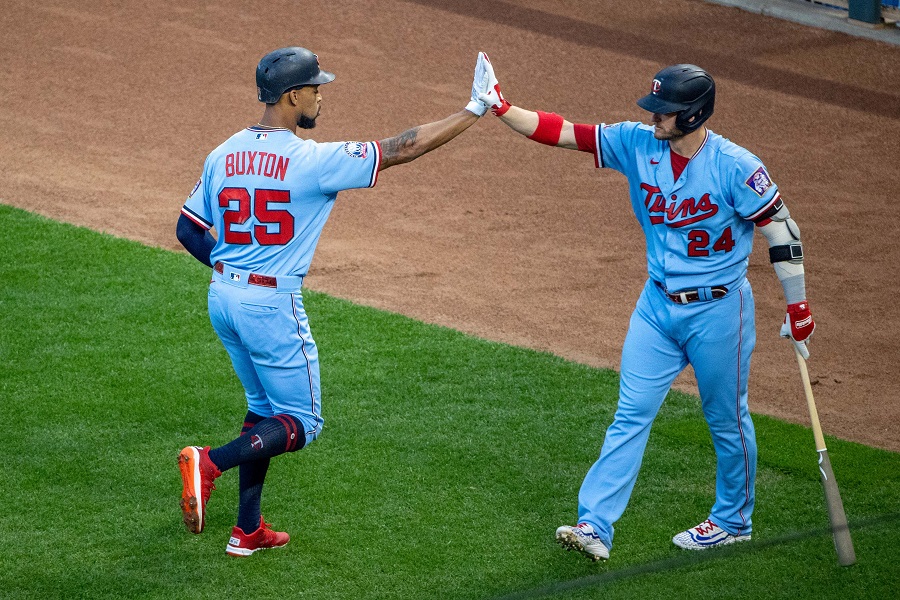 Minnesota’s Front Office Philosophy Thad Levine and Derek Falvey were brought together in Minnesota four winters ago. In that time, the front office has been able to rebuild an organization that had lost 92+ games in five of the previous six seasons. They have been shrewd to hang on to their top prospects with Brusdar Graterol’s trade being the lone exception and the Twins are likely happy with their return in that deal. Having one of baseball’s best farm systems is a key to sustainable contention. Minnesota’s current crop of regulars was moving through the farm system back in 2015-16, which saw them ranked as one of MLB’s top-five farm systems. Since the new front office took over, the Twins have moved back into the top 10 with prospects like Alex Kirilloff, Royce Lewis, and Jhoan Duran ready to make a big-league impact. Even with those players getting close, other key pieces like Byron Buxton and Jose Berrios can reach free agency in the coming years so it becomes a roster balancing act. Entering the 2019 season, Thad Levine was asked about signing one of the big free agent options (Bryce Harper and Manny Machado), but he felt those moves are for teams trying to put their “foot down” and not “trying to wrench a window of opportunity open.” Last winter, the window was open, and the Twins spent big money on Josh Donaldson. Now the Twins can look to the not-so-distant past for a glimpse into their own future. Kansas City’s Approach Kansas City is a lower revenue team, and in recent memory they saw their window open and jumped at the opportunity. KC’s front office used a slash and burn approaching by trading away pieces from one of baseball’s top farm systems. The results are hard to argue with as Kansas City won back-to-back AL pennants along with taking home the 2015 World Series crown. As the old adage goes, flags fly forever, but what are the long-term costs? Looking back on those seasons, Kansas City wasn’t sure how long their window would be open. “You owe it to your fans and your city,” said Royals General Manager Dayton Moore. “You owe it to your ownership and all the people who’ve worked so hard to get your franchise to a certain point.” He capitalized at the right time, but things haven’t gone as smooth in recent years. Since their title run, Kansas City has yet to post a .500 record and things aren’t exactly looking bright for 2021. Their farm system ranks in the middle of the pack with some top tier talent, but they are still trying to rebuild after trading away pieces for their title run. Would Twins fans want the front office to follow a similar approach and go all-in for one or two seasons of success? Baseball’s Harshly Cyclical Nature Kansas City isn’t the only team to see their window close after multiple winning seasons but not all teams end up walking away with a title. Detroit won the AL Central for four consecutive seasons from 2011-14 and they made World Series runs in 2006 and 2012. During that time, they handed out big contracts and traded away top prospects to keep their window open. The team was trying to end a title drought that stretches back further than the Twins (1984). Recently, Detroit has struggled to be relevant again as they have posted sub-.400 winning percentages for four consecutive seasons. "At some point, some teams get into an all-win-now mode because they're right there," Tigers general manager Al Avila said. "It's very hard to get into the playoffs. It's very hard to get into the World Series, much more even to win it. When you feel you have that chance, you've got to go for it." Toronto made back-to-back ALCS runs in 2015-16 with sluggers like Jose Bautista, Josh Donaldson, and Edwin Encarnacion anchoring their line-up. The Blue Jays added veterans like David Price and Troy Tulowitzki to try and get them over the hump, but they never made it to the Fall Classic. Since then, they have lost 86+ games for three straight seasons before finishing above .500 in 2020. Forbes baseball writer Maury Brown believes MLB expects windows to be open for roughly five years. Low revenue clubs can expect to be a little shorter and higher revenue clubs can expect to be a little longer. Multiple prospects need to hit at the same time and the organization needs to make appropriate supplemental moves, but he feels confident the league likes to tout five years as a bit of a “standard.” Minnesota’s revenue is considered in the middle to lower end of baseball, so the time might be now for the Twins to act. The Twins window is clearly open, but it might close faster than fans would like. How long do you think Minnesota’s window will stay open? Should the team go all-in? Leave a COMMENT and start the discussion. MORE FROM TWINS DAILY — Latest Twins coverage from our writers — Recent Twins discussion in our forums — Follow Twins Daily via Twitter, Facebook or email
 -
Back in 2018, many draft experts thought the Twins were reaching to grab Ryan Jeffers in the middle of the second round. Now it’s looking like Minnesota will have the last laugh as Jeffers is looking more and more like the team’s catcher of the future.Position: C Age: 23 (DOB: 6-3-1997) 2020 Stats (MLB): 62 PA, .273/.355/.436, 3 HR, 7 RBI ETA: 2021 2020 Ranking: 5 2019 Ranking: 13 National Top 100 Rankings BA: 60 |MLB: NR | ATH: NR |BP: NR What’s To Like Defense is the name of the game for any prospect that plays an up-the-middle defensive position and Jeffers showed his tremendous defensive value last season. He only caught 162 big-league innings, but he ranked seventh in baseball when it comes to strike rate, which puts him into elite company. According to Baseball Savant, he ranked in the 90th percentile when it came to framing pitches last year. Twins pitchers must love pitching to him, because his smooth receiving skills gain extra strikes for pitchers and help them to get into favorable counts. For two straight offseasons, MLB.com has named Jeffers as the organizations best defensive prospect. Offensively, Jeffers combines plate discipline and a powerful swing that has improved over the last three seasons. Throughout the minors, he posted a 18.5% strikeout rate, but that number jumped to over 30% in his initial big-league run last year. Historically, his walk rate was 10.2% in the minors and he posted a 8.1 BB% in 2020. Expect both of those numbers to improve in 2021 as he gets more experience seeing MLB pitching. Jeffers just missed Baseball Prospectus’ Top-101 list as he was the second to last player removed. ESPN thinks highly of Jeffers as Kiley McDaniel has him ranked higher than any other national ranking (57th). FanGraphs also has Jeffers in their top-60 prospects as they said, “A physical beast with a power over hit offensive profile, Jeffers has the talent to be an everyday catcher but needs to improve his ability to control the running game.” What’s Left To Work On His defense has improved so much throughout his professional career, but there are other areas he can improve. Like FanGraphs wrote, his arm might not be as strong as a team would like from their everyday catcher. Jeffers has continued to work on quickening his release and that continues to help him improve his caught stealing percentage. Last year, base runners were successful in 14 of 16 potential chances, which put Jeffers at 13% below the league average in CS%. Another thing to consider is that MLB might be moving toward electronic strike zones and that could also negatively impact his long-term value. If his defensive value changes, Jeffers needs to continue to produce at the plate. His hit tool is average, which is why last year’s offensive numbers were a pleasant surprise. Some scouting reports have his breaking ball recognition and plate coverage as slightly below average. He posted a .364 BABIP last season and many projections have that total regressing in 2021. Jeffers is going to have to prove that 2020 wasn’t a fluke and that he can continue to make adjustments at baseball’s highest level. What’s Next Jeffers is projected to split catching duties with Mitch Garver throughout the 2021 season. Rocco Baldelli loves to rotate his catchers on a regular basis, so Jeffers should be getting 3-4 starts per week. He will be playing at the big-league level from season’s start, so it will be intriguing to watch his chances at bringing home AL Rookie of the Year honors. He’d need to put up some impressive offensive totals and teammate Alex Kirilloff might have something to say about the award before things are said and done. Does Jeffers have a shot of AL Rookie of the Year honors? Leave a COMMENT and start the discussion. Twins Daily 2021 Top 20 Prospects Honorable Mentions 20. Bailey Ober, RHP 19. Jose Miranda, INF 18. Alerick Soularie, OF 17. Ben Rortvedt, C 16. Edwar Colina, RHP 15. Cole Sands, RHP 14. Misael Urbina, OF 13. Matt Wallner, OF 12. Brent Rooker, OF/1B 11. Gilberto Celestino, OF 10. Blayne Enlow, RHP 9. Matt Canterino, RHP 8. Aaron Sabato, 1B 7. Keoni Cavaco, SS 6. Jordan Balazovic, RHP 5. Jhoan Duran, RHP 4. Ryan Jeffers, C Stop by tomorrow for prospect #3! MORE FROM TWINS DAILY — Latest Twins coverage from our writers — Recent Twins discussion in our forums — Follow Twins Daily via Twitter, Facebook or email Click here to view the article
-
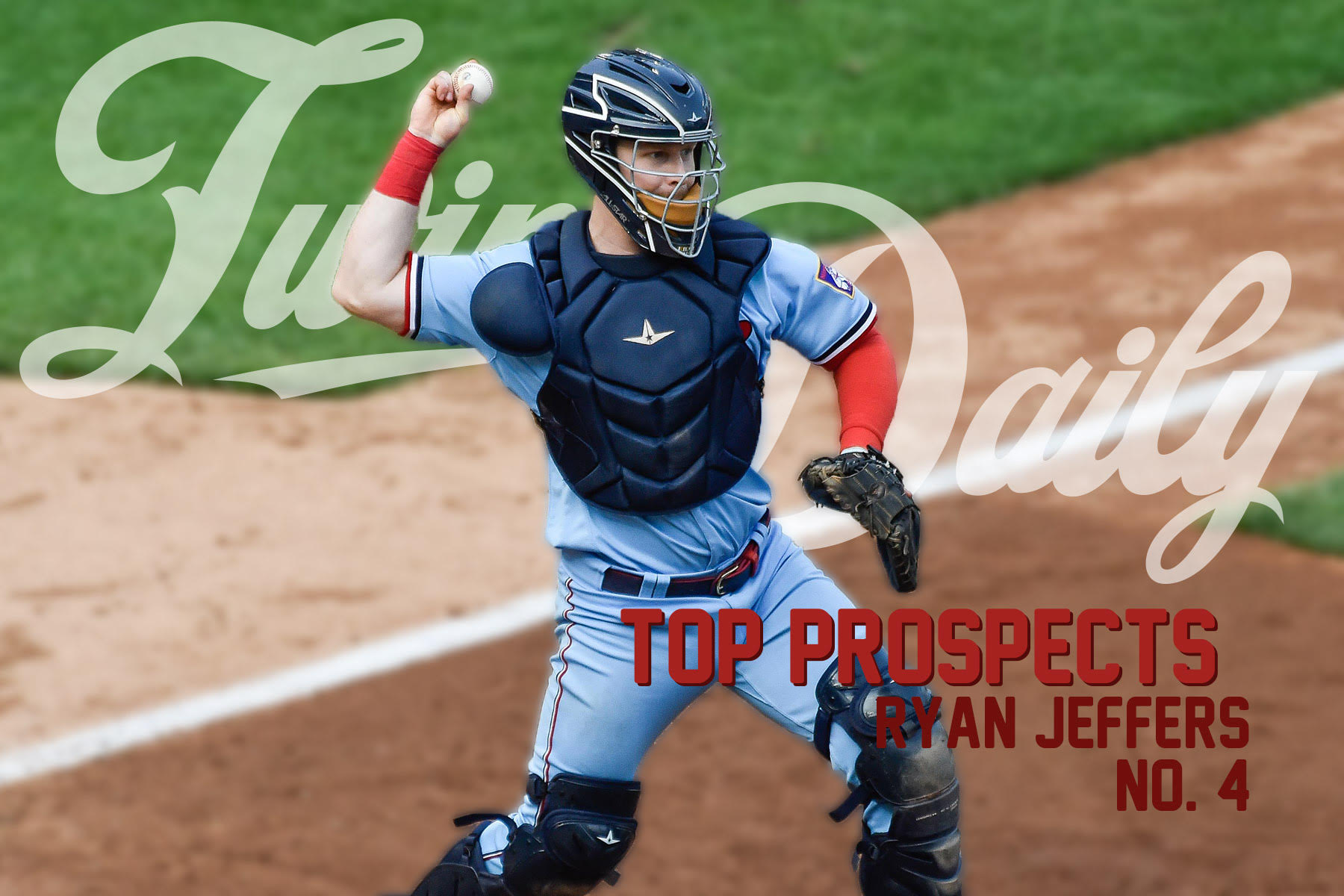 Position: C Age: 23 (DOB: 6-3-1997) 2020 Stats (MLB): 62 PA, .273/.355/.436, 3 HR, 7 RBI ETA: 2021 2020 Ranking: 5 2019 Ranking: 13 National Top 100 Rankings BA: 60 |MLB: NR | ATH: NR |BP: NR What’s To Like Defense is the name of the game for any prospect that plays an up-the-middle defensive position and Jeffers showed his tremendous defensive value last season. He only caught 162 big-league innings, but he ranked seventh in baseball when it comes to strike rate, which puts him into elite company. According to Baseball Savant, he ranked in the 90th percentile when it came to framing pitches last year. Twins pitchers must love pitching to him, because his smooth receiving skills gain extra strikes for pitchers and help them to get into favorable counts. For two straight offseasons, MLB.com has named Jeffers as the organizations best defensive prospect. Offensively, Jeffers combines plate discipline and a powerful swing that has improved over the last three seasons. Throughout the minors, he posted a 18.5% strikeout rate, but that number jumped to over 30% in his initial big-league run last year. Historically, his walk rate was 10.2% in the minors and he posted a 8.1 BB% in 2020. Expect both of those numbers to improve in 2021 as he gets more experience seeing MLB pitching. Jeffers just missed Baseball Prospectus’ Top-101 list as he was the second to last player removed. ESPN thinks highly of Jeffers as Kiley McDaniel has him ranked higher than any other national ranking (57th). FanGraphs also has Jeffers in their top-60 prospects as they said, “A physical beast with a power over hit offensive profile, Jeffers has the talent to be an everyday catcher but needs to improve his ability to control the running game.” What’s Left To Work On His defense has improved so much throughout his professional career, but there are other areas he can improve. Like FanGraphs wrote, his arm might not be as strong as a team would like from their everyday catcher. Jeffers has continued to work on quickening his release and that continues to help him improve his caught stealing percentage. Last year, base runners were successful in 14 of 16 potential chances, which put Jeffers at 13% below the league average in CS%. Another thing to consider is that MLB might be moving toward electronic strike zones and that could also negatively impact his long-term value. If his defensive value changes, Jeffers needs to continue to produce at the plate. His hit tool is average, which is why last year’s offensive numbers were a pleasant surprise. Some scouting reports have his breaking ball recognition and plate coverage as slightly below average. He posted a .364 BABIP last season and many projections have that total regressing in 2021. Jeffers is going to have to prove that 2020 wasn’t a fluke and that he can continue to make adjustments at baseball’s highest level. What’s Next Jeffers is projected to split catching duties with Mitch Garver throughout the 2021 season. Rocco Baldelli loves to rotate his catchers on a regular basis, so Jeffers should be getting 3-4 starts per week. He will be playing at the big-league level from season’s start, so it will be intriguing to watch his chances at bringing home AL Rookie of the Year honors. He’d need to put up some impressive offensive totals and teammate Alex Kirilloff might have something to say about the award before things are said and done. Does Jeffers have a shot of AL Rookie of the Year honors? Leave a COMMENT and start the discussion. Twins Daily 2021 Top 20 Prospects Honorable Mentions 20. Bailey Ober, RHP 19. Jose Miranda, INF 18. Alerick Soularie, OF 17. Ben Rortvedt, C 16. Edwar Colina, RHP 15. Cole Sands, RHP 14. Misael Urbina, OF 13. Matt Wallner, OF 12. Brent Rooker, OF/1B 11. Gilberto Celestino, OF 10. Blayne Enlow, RHP 9. Matt Canterino, RHP 8. Aaron Sabato, 1B 7. Keoni Cavaco, SS 6. Jordan Balazovic, RHP 5. Jhoan Duran, RHP 4. Ryan Jeffers, C Stop by tomorrow for prospect #3! MORE FROM TWINS DAILY — Latest Twins coverage from our writers — Recent Twins discussion in our forums — Follow Twins Daily via Twitter, Facebook or email
 -
Every spring there are questions facing each team as organizations report to their facilities in Florida and Arizona. Here are five questions facing the teams of the AL Central.1. How much can A.J. Hinch help the Tigers? Ron Gardenhire is no longer at the helm in the Motor City with former Astros manager A.J. Hinch taking over a young roster. Hinch was suspended for all of 2020 as part of the fallout related to the Astros cheating scandal. The Tigers are ready to give him a second chance, especially with an organization close to making the turn back to being relevant. Detroit’s farm system that includes some of the game’s top prospects and Hinch will be there to pull all the strings. Hinch will bring a new focus to the Tigers and he might help to change the organization’s direction. He was at the helm of the Astros as they became a juggernaut in the American League. In five seasons, he never had a losing record and the club won over 100 games in three different seasons. Hinch’s data driven approach might help turn around a Tigers team that has averaged over 100 losses in each of the last three full seasons. 2. Will the White Sox suffer a sophomore slump? Chicago got a lot of national love this winter with some of their offseason moves and a young core that fought the Twins for the AL Central last year. However, young rosters are tough to predict because there can be volatility with players as they adjust to playing at baseball’s highest level. Baseball Prospectus uses PECOTA to predict every team’s final record and they have the White Sox finishing eight wins behind Minnesota and two games behind Cleveland. Luis Robert was sensational in the outfield, but there were some slumps at the plate. How will he adjust to a full season of work? Yoan Moncada is a former top prospect and he is still trying to put it all together at the big-league level. More veteran players like Jose Abreu and Yasmani Grandal should help to stabilize the offense. Lance Lynn joins Lucas Giolito and Dallas Keuchel at the top of the Sox rotation. Even if they slump, it’s looking like the White Sox will challenge the Twins for the Central’s top spot. 3. How far will Cleveland fall? It’s amazing to consider the pitchers that Cleveland has dealt away over the last two seasons. Gone are names like Trevor Bauer, Mike Clevenger, and Carlos Carrasco. It helps to have the reigning AL Cy Young winner Shane Bieber and other young arms set to take on more important roles on the pitching staff. PECOTA has Cleveland finishing second in the AL Central, so maybe the team won’t fall too far. Cleveland also dealt away one of baseball’s superstars, Francisco Lindor, to the Mets. As a team that already had offensive issues, trading away a player of Lindor’s caliber certainly will have long-term ramifications. Jose Ramirez will be asked to carry more of the offensive load and new additions like Eddie Rosario and Ahmed Rosario will be looked to fill some of Lindor’s void. 4. How good can Kansas City really be? Kansas City had a sneaky good off-season by adding players like Andrew Benintendi, Carlos Santana, Michael Taylor, and Mike Minor. Players like Jorge Soler and Whit Merrifield each bring their own unique skillset that can help bolster Kansas City’s line-up. Even with these players, PECOTA pegs the Royals for a 71-90 finish, which is closer to the Tigers than to the White Sox. Also, they have less than a 1.0% chance of winning the division. One of Kansas City’s strengths might be their bullpen with players like Greg Holland, Jesse Hahn, Kyle Zimmer, Scott Barlow, and Josh Staumont. Former Twin Ervin Santana has a shot to get some innings in their rotation, but he certainly isn’t a different maker at this point in his career. Their farm system has some top tier talent, but they are still rebuilding after dealing away prospects to make back-to-back World Series runs. 5. Who will win the AL Central? Minnesota is the back-to-back AL Central champions, but other teams are trying to impede on their run for a three-peat. Kansas City and Detroit don’t seem to have the firepower necessary to sustain winning over a full season. This leaves Minnesota, Chicago, and Cleveland vying for the top spot. Some betting lines have the White Sox as favorites, while others have Minnesota and Chicago in a near dead heat. The division still belongs to the Twins especially if the White Sox suffer any kind of slump in 2021. Cleveland’s pitching might be strong enough to keep them in the conversation, but one or two key injuries and they won’t have the depth to stay in the race. How would you answer these questions? Leave a COMMENT and join the discussion. MORE FROM TWINS DAILY — Latest Twins coverage from our writers — Recent Twins discussion in our forums — Follow Twins Daily via Twitter, Facebook or email Click here to view the article
-
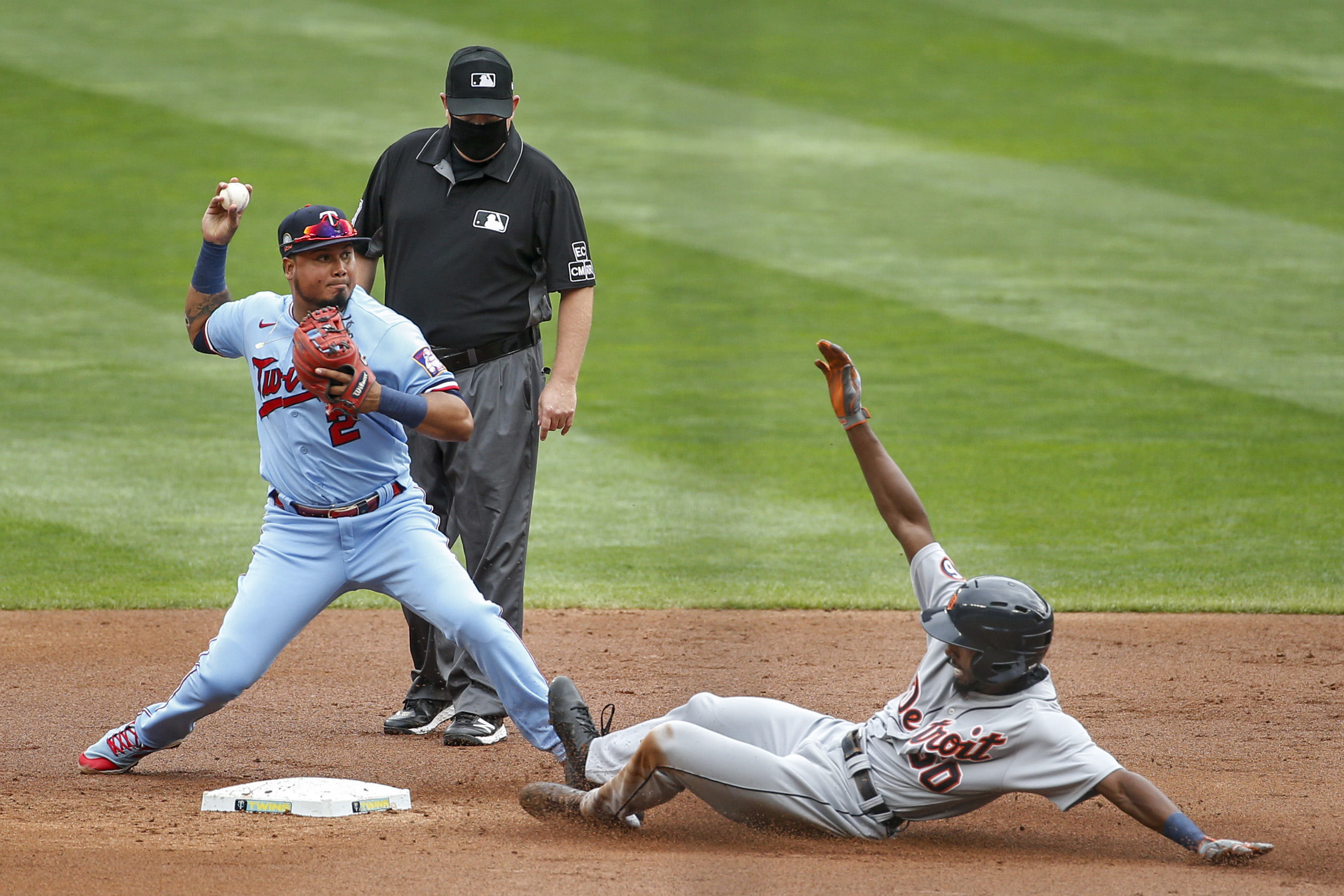 1. How much can A.J. Hinch help the Tigers? Ron Gardenhire is no longer at the helm in the Motor City with former Astros manager A.J. Hinch taking over a young roster. Hinch was suspended for all of 2020 as part of the fallout related to the Astros cheating scandal. The Tigers are ready to give him a second chance, especially with an organization close to making the turn back to being relevant. Detroit’s farm system that includes some of the game’s top prospects and Hinch will be there to pull all the strings. Hinch will bring a new focus to the Tigers and he might help to change the organization’s direction. He was at the helm of the Astros as they became a juggernaut in the American League. In five seasons, he never had a losing record and the club won over 100 games in three different seasons. Hinch’s data driven approach might help turn around a Tigers team that has averaged over 100 losses in each of the last three full seasons. 2. Will the White Sox suffer a sophomore slump? Chicago got a lot of national love this winter with some of their offseason moves and a young core that fought the Twins for the AL Central last year. However, young rosters are tough to predict because there can be volatility with players as they adjust to playing at baseball’s highest level. Baseball Prospectus uses PECOTA to predict every team’s final record and they have the White Sox finishing eight wins behind Minnesota and two games behind Cleveland. Luis Robert was sensational in the outfield, but there were some slumps at the plate. How will he adjust to a full season of work? Yoan Moncada is a former top prospect and he is still trying to put it all together at the big-league level. More veteran players like Jose Abreu and Yasmani Grandal should help to stabilize the offense. Lance Lynn joins Lucas Giolito and Dallas Keuchel at the top of the Sox rotation. Even if they slump, it’s looking like the White Sox will challenge the Twins for the Central’s top spot. 3. How far will Cleveland fall? It’s amazing to consider the pitchers that Cleveland has dealt away over the last two seasons. Gone are names like Trevor Bauer, Mike Clevenger, and Carlos Carrasco. It helps to have the reigning AL Cy Young winner Shane Bieber and other young arms set to take on more important roles on the pitching staff. PECOTA has Cleveland finishing second in the AL Central, so maybe the team won’t fall too far. Cleveland also dealt away one of baseball’s superstars, Francisco Lindor, to the Mets. As a team that already had offensive issues, trading away a player of Lindor’s caliber certainly will have long-term ramifications. Jose Ramirez will be asked to carry more of the offensive load and new additions like Eddie Rosario and Ahmed Rosario will be looked to fill some of Lindor’s void. 4. How good can Kansas City really be? Kansas City had a sneaky good off-season by adding players like Andrew Benintendi, Carlos Santana, Michael Taylor, and Mike Minor. Players like Jorge Soler and Whit Merrifield each bring their own unique skillset that can help bolster Kansas City’s line-up. Even with these players, PECOTA pegs the Royals for a 71-90 finish, which is closer to the Tigers than to the White Sox. Also, they have less than a 1.0% chance of winning the division. One of Kansas City’s strengths might be their bullpen with players like Greg Holland, Jesse Hahn, Kyle Zimmer, Scott Barlow, and Josh Staumont. Former Twin Ervin Santana has a shot to get some innings in their rotation, but he certainly isn’t a different maker at this point in his career. Their farm system has some top tier talent, but they are still rebuilding after dealing away prospects to make back-to-back World Series runs. 5. Who will win the AL Central? Minnesota is the back-to-back AL Central champions, but other teams are trying to impede on their run for a three-peat. Kansas City and Detroit don’t seem to have the firepower necessary to sustain winning over a full season. This leaves Minnesota, Chicago, and Cleveland vying for the top spot. Some betting lines have the White Sox as favorites, while others have Minnesota and Chicago in a near dead heat. The division still belongs to the Twins especially if the White Sox suffer any kind of slump in 2021. Cleveland’s pitching might be strong enough to keep them in the conversation, but one or two key injuries and they won’t have the depth to stay in the race. How would you answer these questions? Leave a COMMENT and join the discussion. MORE FROM TWINS DAILY — Latest Twins coverage from our writers — Recent Twins discussion in our forums — Follow Twins Daily via Twitter, Facebook or email
 -
An argument can be made that Jordan Balazovic is the best pitching prospect in the Twins organization even though he doesn’t rank as the top pitcher on the Twins Daily list. So, what’s changed with Balazovic over the last year?Position: RHP Age: 22 (DOB: 9-17-1998) 2019 Stats (Low-A/High-A): 93.2 IP, 2.69 ERA, 0.98 WHIP, 12.4 K/9, 2.4 BB/9 ETA: 2022 2020 Ranking: 5 2019 Ranking: NA National Top 100 Rankings BA: NR | MLB: 97 | ATH: 63 |BP: NR What’s To Like Canada hasn’t exactly been a hotbed of MLB pitching talent, but Balazovic looks to buck that trend in the years to come. Last year, he was added to the organization’s alternate site in St. Paul before ending the year in the team’s instructional league. By season’s end, he was added to Minnesota’s 40-man roster and that leaves him even closer to making his big-league debut even though he has yet to make an appearance above the High-A level. One positive to come out of last year’s pandemic was Balazovic was able to concentrate on adding weight to his lanky frame. When Minnesota selected him in the fifth round, he was a long and lean 17-year-old that was listed at 6-foot-3 and 175 pounds. Since then, he has added two inches in height and bulked up to 217 pounds. This has helped his fastball move from the high-80s into the mid-90s. Many scouting reports praise him for his pitching deception as hitters can’t pick up the ball well out of his hand. Typically, he uses his fastball at the top of the zone, and it has helped him to post SO/9 totals north of 11.0 over the last two seasons. He throws strikes and he has four pitches that he isn’t afraid to throw in any situation, which make him a very projectable big-league arm. What’s Left To Work On Like many budding pitching prospects, Balazovic continues to refine his secondary pitches. His change-up is the biggest work in progress, but he has made significant strides since joining the organization and it has a chance to be an above average pitch. This pitch will help him to attack left-handed hitters, but he might already be able to do that since lefties only hit .189/.232/.269 against him in 2019. Currently, his slider is his out pitch although he uses his curveball to get strikes as well. He has yet to pitch over 100 innings in any professional season, so that will be an important milestone for 2021. His violent delivery helps to add some deception, but this can also be a concern. Some pitchers with violent deliveries suffer from health or control issues, but neither of these have been a concern so far in Balazovic’s career (knock on wood). What’s Next Last season, Balazovic worked hard to make sure he got invited to the alternate site before the season ended. This allowed the coaching staff to work closely with him and for the front office to get a better idea of how ready he was to take the next step. As mentioned last week, he is good friends with Blayne Enlow, another Twins top pitching prospect, and they keep pushing each other up the organizational ladder. How aggressive will the Twins be with Balazovic this season? It seems most likely that he would spend the majority of the season at Double-A with an outside chance of appearing with St. Paul before the season is complete. Last winter, president of baseball operation Derek Falvey said that he expected Balazovic and Jhoan Duran to make their MLB debuts. It didn’t happen in 2020, so the time might be right in 2021. Do you think Balazovic should be the Twins top pitching prospect? Leave a COMMENT and start the discussion. Twins Daily 2021 Top 20 Prospects Honorable Mentions 20. Bailey Ober, RHP 19. Jose Miranda, INF 18. Alerick Soularie, OF 17. Ben Rortvedt, C 16. Edwar Colina, RHP 15. Cole Sands, RHP 14. Misael Urbina, OF 13. Matt Wallner, OF 12. Brent Rooker, OF/1B 11. Gilberto Celestino, OF 10. Blayne Enlow, RHP 9. Matt Canterino, RHP 8. Aaron Sabato, 1B 7. Keoni Cavaco, SS 6. Jordan Balazovic, RHP Stop by tomorrow for prospect #5! MORE FROM TWINS DAILY — Latest Twins coverage from our writers — Recent Twins discussion in our forums — Follow Twins Daily via Twitter, Facebook or email Click here to view the article
-
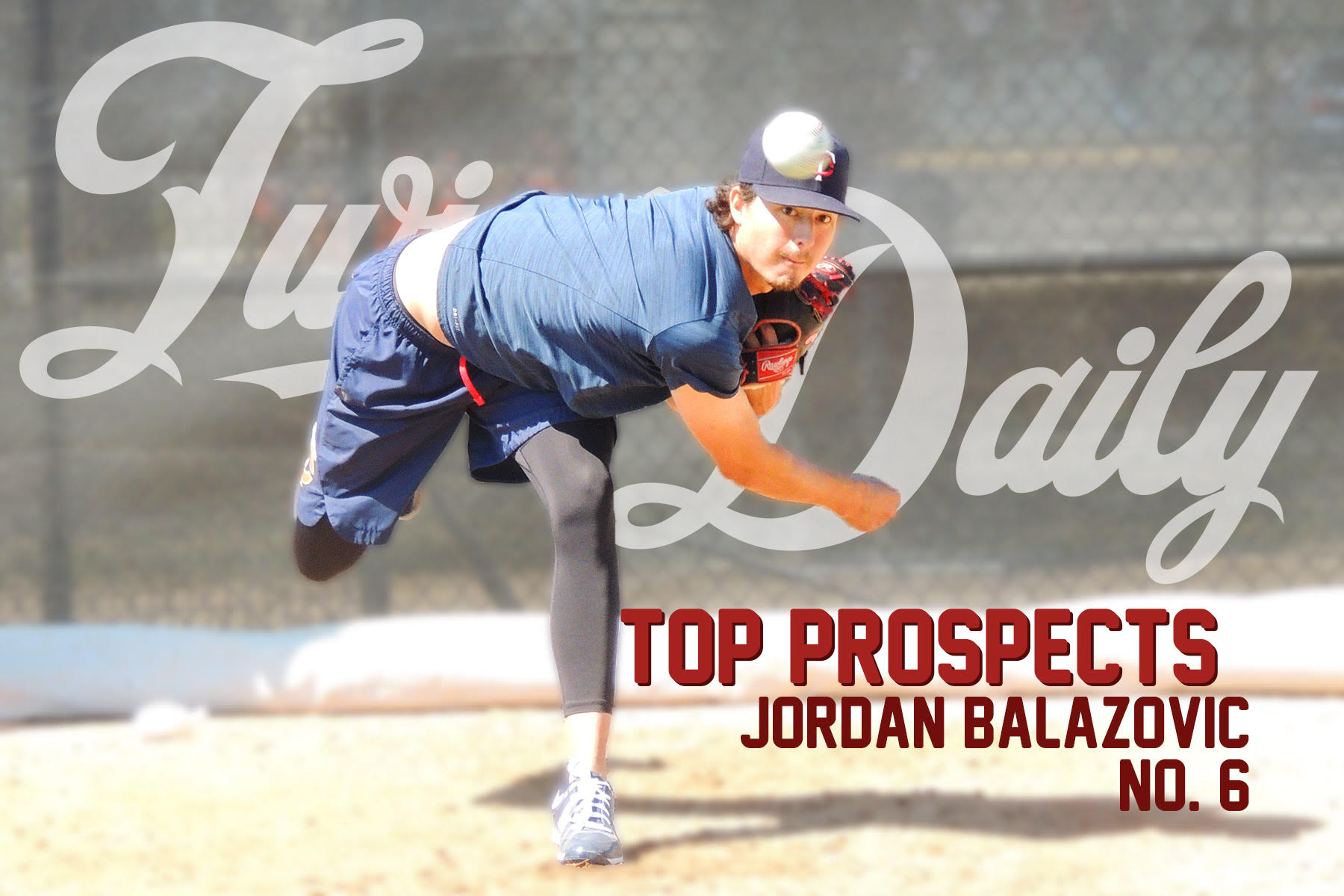 Position: RHP Age: 22 (DOB: 9-17-1998) 2019 Stats (Low-A/High-A): 93.2 IP, 2.69 ERA, 0.98 WHIP, 12.4 K/9, 2.4 BB/9 ETA: 2022 2020 Ranking: 5 2019 Ranking: NA National Top 100 Rankings BA: NR | MLB: 97 | ATH: 63 |BP: NR What’s To Like Canada hasn’t exactly been a hotbed of MLB pitching talent, but Balazovic looks to buck that trend in the years to come. Last year, he was added to the organization’s alternate site in St. Paul before ending the year in the team’s instructional league. By season’s end, he was added to Minnesota’s 40-man roster and that leaves him even closer to making his big-league debut even though he has yet to make an appearance above the High-A level. One positive to come out of last year’s pandemic was Balazovic was able to concentrate on adding weight to his lanky frame. When Minnesota selected him in the fifth round, he was a long and lean 17-year-old that was listed at 6-foot-3 and 175 pounds. Since then, he has added two inches in height and bulked up to 217 pounds. This has helped his fastball move from the high-80s into the mid-90s. Many scouting reports praise him for his pitching deception as hitters can’t pick up the ball well out of his hand. Typically, he uses his fastball at the top of the zone, and it has helped him to post SO/9 totals north of 11.0 over the last two seasons. He throws strikes and he has four pitches that he isn’t afraid to throw in any situation, which make him a very projectable big-league arm. What’s Left To Work On Like many budding pitching prospects, Balazovic continues to refine his secondary pitches. His change-up is the biggest work in progress, but he has made significant strides since joining the organization and it has a chance to be an above average pitch. This pitch will help him to attack left-handed hitters, but he might already be able to do that since lefties only hit .189/.232/.269 against him in 2019. Currently, his slider is his out pitch although he uses his curveball to get strikes as well. He has yet to pitch over 100 innings in any professional season, so that will be an important milestone for 2021. His violent delivery helps to add some deception, but this can also be a concern. Some pitchers with violent deliveries suffer from health or control issues, but neither of these have been a concern so far in Balazovic’s career (knock on wood). What’s Next Last season, Balazovic worked hard to make sure he got invited to the alternate site before the season ended. This allowed the coaching staff to work closely with him and for the front office to get a better idea of how ready he was to take the next step. As mentioned last week, he is good friends with Blayne Enlow, another Twins top pitching prospect, and they keep pushing each other up the organizational ladder. How aggressive will the Twins be with Balazovic this season? It seems most likely that he would spend the majority of the season at Double-A with an outside chance of appearing with St. Paul before the season is complete. Last winter, president of baseball operation Derek Falvey said that he expected Balazovic and Jhoan Duran to make their MLB debuts. It didn’t happen in 2020, so the time might be right in 2021. Do you think Balazovic should be the Twins top pitching prospect? Leave a COMMENT and start the discussion. Twins Daily 2021 Top 20 Prospects Honorable Mentions 20. Bailey Ober, RHP 19. Jose Miranda, INF 18. Alerick Soularie, OF 17. Ben Rortvedt, C 16. Edwar Colina, RHP 15. Cole Sands, RHP 14. Misael Urbina, OF 13. Matt Wallner, OF 12. Brent Rooker, OF/1B 11. Gilberto Celestino, OF 10. Blayne Enlow, RHP 9. Matt Canterino, RHP 8. Aaron Sabato, 1B 7. Keoni Cavaco, SS 6. Jordan Balazovic, RHP Stop by tomorrow for prospect #5! MORE FROM TWINS DAILY — Latest Twins coverage from our writers — Recent Twins discussion in our forums — Follow Twins Daily via Twitter, Facebook or email
 -
Every offseason, MLB Network ranks the top 10 players right now at each position. Three Twins players crack into the top-10 list at their position, but which players were underrated when compared to their peers?Max Kepler, Right Field MLB Network Rank: NR Right field includes some of baseball’s most notable names like Mookie Betts, Aaron Judge, and Bryce Harper along with young studs like Juan Soto and Ronald Acuna Jr. Since the beginning of 2018, Kepler ranks as one of the best right fielders in all of baseball. According to FanGraphs, Kepler has the eighth highest WAR among right fielders over the last three seasons. This puts him ahead of players on MLB’s list including Mike Yastrzemski, Jorge Soler, Joey Gallo, and Charlie Blackmon. Kepler’s defense helps to separate him from the other players on this list. According to SABR’s SDI rankings, Kepler was the AL’s second-best defensive right fielder in 2019 and the only player ahead of him on the list, Mookie Betts, has since been traded to the NL. He probably doesn’t have a chance to rank in the top-5, but there’s a solid argument for him being baseball’s sixth best right fielder. Ryan Jeffers, Catcher MLB Network Rank: NR Minnesota has a catcher rank in MLB’s top-10, but Mitch Garver might not even be the team’s best catcher in 2021. Garver entered the 2020 season as MLB’s fourth best catcher as he trailed J.T. Realmuto, Yasmani Grandal, and Willson Contreras. Garver went from the AL’s Silver Slugger in 2019 to hitting .167/.247/.264 in 26 games last season. This allowed Jeffers his time to shine. Jeffers was seen as a bat first catcher coming out of college, but he has turned himself into a tremendous defensive asset. During his rookie season, he ranked seventh in baseball when it comes to strike rate which places him ahead of many names on MLB’s top-10 list. Offensively, he hit .273/.355/.436 with three home runs in 26 games. To top it off, Garver just turned 30 in January and Jeffers won’t turn 24 until June. Taylor Rogers, Relief Pitcher MLB Network Rank: NR Tyler Duffey represents Minnesota on MLB’s top-10 relief pitcher list and few question how valuable Duffey has been over the last two seasons. However, Rogers has a longer track record and there are some signs that point to his 2020 numbers being more of a fluke. His BABIP rose to a career high .400, but he was still striking out well over a batter per inning. With an even better defense behind him in 2021, there’s a clear opportunity for him to rebound. Since the start of 2018, Rogers ranks fourth among all relief pitchers in WAR including a tremendous 2019 campaign. In that season, he had the third highest win probability added among AL relievers. Many of the players on MLB’s list haven’t ranked in the top-10 before and. Also, their rankings seem to be relying a lot on numbers from last season when many relievers were limited in their number of appearances due to the shortened season. Who do you think are the Twins most underrated players? Leave a COMMENT and start the discussion. MORE FROM TWINS DAILY — Latest Twins coverage from our writers — Recent Twins discussion in our forums — Follow Twins Daily via Twitter, Facebook or email Click here to view the article
-
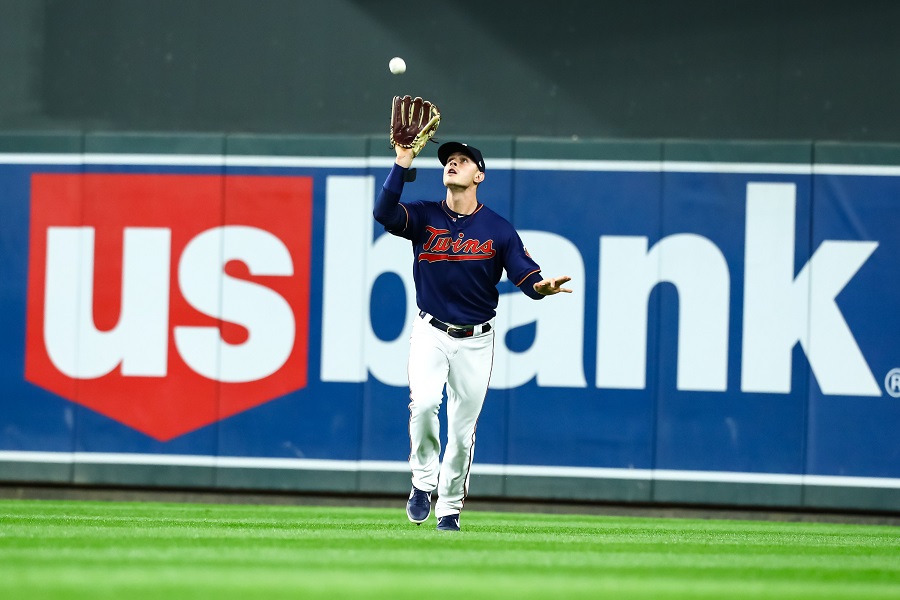 Max Kepler, Right Field MLB Network Rank: NR Right field includes some of baseball’s most notable names like Mookie Betts, Aaron Judge, and Bryce Harper along with young studs like Juan Soto and Ronald Acuna Jr. Since the beginning of 2018, Kepler ranks as one of the best right fielders in all of baseball. According to FanGraphs, Kepler has the eighth highest WAR among right fielders over the last three seasons. This puts him ahead of players on MLB’s list including Mike Yastrzemski, Jorge Soler, Joey Gallo, and Charlie Blackmon. Kepler’s defense helps to separate him from the other players on this list. According to SABR’s SDI rankings, Kepler was the AL’s second-best defensive right fielder in 2019 and the only player ahead of him on the list, Mookie Betts, has since been traded to the NL. He probably doesn’t have a chance to rank in the top-5, but there’s a solid argument for him being baseball’s sixth best right fielder. Ryan Jeffers, Catcher MLB Network Rank: NR Minnesota has a catcher rank in MLB’s top-10, but Mitch Garver might not even be the team’s best catcher in 2021. Garver entered the 2020 season as MLB’s fourth best catcher as he trailed J.T. Realmuto, Yasmani Grandal, and Willson Contreras. Garver went from the AL’s Silver Slugger in 2019 to hitting .167/.247/.264 in 26 games last season. This allowed Jeffers his time to shine. Jeffers was seen as a bat first catcher coming out of college, but he has turned himself into a tremendous defensive asset. During his rookie season, he ranked seventh in baseball when it comes to strike rate which places him ahead of many names on MLB’s top-10 list. Offensively, he hit .273/.355/.436 with three home runs in 26 games. To top it off, Garver just turned 30 in January and Jeffers won’t turn 24 until June. Taylor Rogers, Relief Pitcher MLB Network Rank: NR Tyler Duffey represents Minnesota on MLB’s top-10 relief pitcher list and few question how valuable Duffey has been over the last two seasons. However, Rogers has a longer track record and there are some signs that point to his 2020 numbers being more of a fluke. His BABIP rose to a career high .400, but he was still striking out well over a batter per inning. With an even better defense behind him in 2021, there’s a clear opportunity for him to rebound. Since the start of 2018, Rogers ranks fourth among all relief pitchers in WAR including a tremendous 2019 campaign. In that season, he had the third highest win probability added among AL relievers. Many of the players on MLB’s list haven’t ranked in the top-10 before and. Also, their rankings seem to be relying a lot on numbers from last season when many relievers were limited in their number of appearances due to the shortened season. Who do you think are the Twins most underrated players? Leave a COMMENT and start the discussion. MORE FROM TWINS DAILY — Latest Twins coverage from our writers — Recent Twins discussion in our forums — Follow Twins Daily via Twitter, Facebook or email
 -
Next season will mark the 12th year played at Target Field and the data is pointing to what type of park the Twins will occupy for the foreseeable future. So, is Target Field a pitcher- or hitter-friendly park?There are a multitude of ways to analyze parks and StatCast data is only going to make it easier to pit one park against another. ESPN uses Park Factors as a way of ranking parks. According to their rankings, Target Field started out as a pitcher-friendly environment with the park ranking in the high-teens and low-20s for multiple seasons. That has held true in more recent years as Target Field was the 22nd ranked park when it came to runs scored in 2020. Obviously, a shortened season can impact those numbers, so let’s look back a little further in the time machine. In 2019, the Bomba Squad was on their way to setting the all-time home run record. However, Target Field only ranked 18th when it came to ESPN’s Park Factor. That number also compare similarly to 2018 when Target Field ranked 16th. In 2017 and 2016, Minnesota’s home park ranked in the top-10 for favoring hitters, so there may need to be some other avenues to explore when it comes to Target Field’s reputation. FanGraphs provides a more comprehensive data set when it comes to Park Factors as they look at comparative data over a five-year span. When looking at their Park Factors, a league average park is set to 100. Through the 2020 campaign, Target Field produced a five-year Park Factor of 101, which ranks 11th in baseball. Over the last three years, it has a 99 Park Factor, which ranked tied for 17th. Among AL teams, only Oakland, Seattle, and Tampa have a lower Park Factor. Pitcher List looks at Park Factors from a couple different lenses, Park Factors for Pitcher and for Hitters. When it comes to pitchers, Target Field ranks 16th with a -0.01 Park Factor. For hitters, Pitcher List breaks up the Park Factor into left- and right-handed results. Target Field ranks 22nd for left-handed hitters with a -0.43 Park Factor. Similarly, Target Field also ranks 22nd for righties with a -0.71. The only AL parks with a lower right-handed Park Factor are Fenway, Angel Stadium, and Yankee Stadium. Baseball Prospectus updated their system of Park Factors this off-season and there is clearly some volatility involved with the entire process. StatCast batted ball data was used in hopes of painting a more accurate picture over the short term. One interesting note from their data was the fact that Target Field ranked as one of the worst environments for right-handed hitters in 2020. Out of AL parks, only Comerica Park and Oakland Coliseum ranked lower. Overall, Target Field seems to be a pitcher friendly environment with many site’s Park Factors ranking the park in the middle or lower half when compared to the rest of baseball. As new parks continue to be built, it will be interesting to see how Target Field continues to rank in the years to come. Do you think Target Field is more favorable to pitchers or to hitters? Leave a COMMENT and start the discussion. MORE FROM TWINS DAILY — Latest Twins coverage from our writers — Recent Twins discussion in our forums — Follow Twins Daily via Twitter, Facebook or email Click here to view the article
-
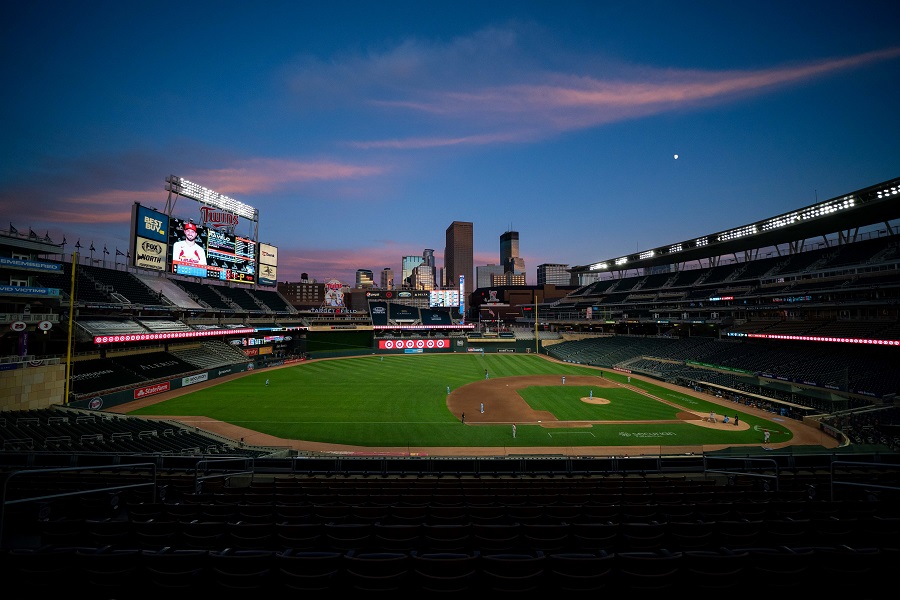 There are a multitude of ways to analyze parks and StatCast data is only going to make it easier to pit one park against another. ESPN uses Park Factors as a way of ranking parks. According to their rankings, Target Field started out as a pitcher-friendly environment with the park ranking in the high-teens and low-20s for multiple seasons. That has held true in more recent years as Target Field was the 22nd ranked park when it came to runs scored in 2020. Obviously, a shortened season can impact those numbers, so let’s look back a little further in the time machine. In 2019, the Bomba Squad was on their way to setting the all-time home run record. However, Target Field only ranked 18th when it came to ESPN’s Park Factor. That number also compare similarly to 2018 when Target Field ranked 16th. In 2017 and 2016, Minnesota’s home park ranked in the top-10 for favoring hitters, so there may need to be some other avenues to explore when it comes to Target Field’s reputation. FanGraphs provides a more comprehensive data set when it comes to Park Factors as they look at comparative data over a five-year span. When looking at their Park Factors, a league average park is set to 100. Through the 2020 campaign, Target Field produced a five-year Park Factor of 101, which ranks 11th in baseball. Over the last three years, it has a 99 Park Factor, which ranked tied for 17th. Among AL teams, only Oakland, Seattle, and Tampa have a lower Park Factor. Pitcher List looks at Park Factors from a couple different lenses, Park Factors for Pitcher and for Hitters. When it comes to pitchers, Target Field ranks 16th with a -0.01 Park Factor. For hitters, Pitcher List breaks up the Park Factor into left- and right-handed results. Target Field ranks 22nd for left-handed hitters with a -0.43 Park Factor. Similarly, Target Field also ranks 22nd for righties with a -0.71. The only AL parks with a lower right-handed Park Factor are Fenway, Angel Stadium, and Yankee Stadium. Baseball Prospectus updated their system of Park Factors this off-season and there is clearly some volatility involved with the entire process. StatCast batted ball data was used in hopes of painting a more accurate picture over the short term. One interesting note from their data was the fact that Target Field ranked as one of the worst environments for right-handed hitters in 2020. Out of AL parks, only Comerica Park and Oakland Coliseum ranked lower. Overall, Target Field seems to be a pitcher friendly environment with many site’s Park Factors ranking the park in the middle or lower half when compared to the rest of baseball. As new parks continue to be built, it will be interesting to see how Target Field continues to rank in the years to come. Do you think Target Field is more favorable to pitchers or to hitters? Leave a COMMENT and start the discussion. MORE FROM TWINS DAILY — Latest Twins coverage from our writers — Recent Twins discussion in our forums — Follow Twins Daily via Twitter, Facebook or email
 -
For the fourth straight year, Enlow ranks in the Twins top-10 prospects as he is one of the organization’s best pitching prospects. What can Enlow prove during the 2021 season?Age: 21 (DOB: 3-21-1999) 2019 Stats (Low-A/High-A): 110.2 IP, 3.82 ERA, 95/38 K/BB, 1.27 WHIP ETA: 2022 2020 Ranking: 10 2019 Ranking: 9 National Top 100 Rankings BA: NR |MLB: NR | ATH: NR |BP: NR What’s To Like Enlow can pump his fastball up to 96 and he typically sits in the 91-94 mph range. While other pitchers might throw harder, Enlow has tremendous spin on his fastball and that makes his fastball even more dangerous. His slider/cutter has drastically improved during his professional career, but he continues to work on locating this pitch on a regular basis. This fall Enlow was one of the team’s top prospects invited to the organization’s instructional camp in Fort Myers. Back in 2019, Enlow pitched nearly 2/3rds of his innings as a 20-year-old in the Florida State League where he was nearly three years younger than the average age of the competition. In 13 appearances, he posted a 1.21 WHIP and a 4.02 ERA with a 51 to 23 strikeout to walk ratio. He showed more consistency than at other levels and it could be a sign of even more positive signs in the future. What’s Left To Work On Enlow is far from a finished product especially since he is still in his early 20s. Since the Twins drafted him out of high school, Enlow has worked on command of his secondary pitches. He can throw four different pitches for strikes but development needs to continue to improve when it comes to pitch execution. If he can make the appropriate adjustments, his strikeout rate should continue to improve. His curveball might be the pitch to keep an eye on during the 2021 campaign. As previously mentioned, it was a pitch that put him on the prospect map as a teenager, but the pitch has regressed a bit as he works to add other secondary pitches. His fastball velocity continues to improve so having a dominating curveball could be a devastating recipe for opposing batters. One intriguing note is that Enlow would have been draft eligible this past year if he had decided to attend LSU. Some thought he had the best curveball in the 2017 Draft and that made the Twins very intrigued to work out an over slot bonus. For a player like Enlow, missing the entire 2020 season was tough to swallow. He is still very young, and he needs to continue to get work with all his pitches in game action. What’s Next There’s an outside chance he could make his big-league debut in 2021, but that would likely mean there were multiple injuries or COVID related issues with the MLB roster. With changes in affiliation levels, Enlow will likely make a short stop at Cedar Rapids, the team’s High-A affiliate, before moving up to Double-A Wichita, where he should spend the majority of the 2021 campaign. MLB.com notes that he and Jordan Balazovic have become good friends and they could push each other into the Twins rotation in the years ahead. The 2021 season can provide a very important opportunity and he has a chance to move up this list by next off-season. Twins Daily 2021 Top 20 Prospects Honorable Mentions 20. Bailey Ober, RHP 19. Jose Miranda, INF 18. Alerick Soularie, OF 17. Ben Rortvedt, C 16. Edwar Colina, RHP 15. Cole Sands, RHP 14. Misael Urbina, OF 13. Matt Wallner, OF 12. Brent Rooker, OF/1B 11. Gilberto Celestino, OF 10. Blayne Enlow, RHP Stop by next week for prospect #9! MORE FROM TWINS DAILY — Latest Twins coverage from our writers — Recent Twins discussion in our forums — Follow Twins Daily via Twitter, Facebook or email Click here to view the article
-
Twins Daily 2021 Top Prospects: #10 RHP Blayne Enlow
Cody Christie posted an article in Minor Leagues
 Age: 21 (DOB: 3-21-1999) 2019 Stats (Low-A/High-A): 110.2 IP, 3.82 ERA, 95/38 K/BB, 1.27 WHIP ETA: 2022 2020 Ranking: 10 2019 Ranking: 9 National Top 100 Rankings BA: NR |MLB: NR | ATH: NR |BP: NR What’s To Like Enlow can pump his fastball up to 96 and he typically sits in the 91-94 mph range. While other pitchers might throw harder, Enlow has tremendous spin on his fastball and that makes his fastball even more dangerous. His slider/cutter has drastically improved during his professional career, but he continues to work on locating this pitch on a regular basis. This fall Enlow was one of the team’s top prospects invited to the organization’s instructional camp in Fort Myers. Back in 2019, Enlow pitched nearly 2/3rds of his innings as a 20-year-old in the Florida State League where he was nearly three years younger than the average age of the competition. In 13 appearances, he posted a 1.21 WHIP and a 4.02 ERA with a 51 to 23 strikeout to walk ratio. He showed more consistency than at other levels and it could be a sign of even more positive signs in the future. What’s Left To Work On Enlow is far from a finished product especially since he is still in his early 20s. Since the Twins drafted him out of high school, Enlow has worked on command of his secondary pitches. He can throw four different pitches for strikes but development needs to continue to improve when it comes to pitch execution. If he can make the appropriate adjustments, his strikeout rate should continue to improve. His curveball might be the pitch to keep an eye on during the 2021 campaign. As previously mentioned, it was a pitch that put him on the prospect map as a teenager, but the pitch has regressed a bit as he works to add other secondary pitches. His fastball velocity continues to improve so having a dominating curveball could be a devastating recipe for opposing batters. One intriguing note is that Enlow would have been draft eligible this past year if he had decided to attend LSU. Some thought he had the best curveball in the 2017 Draft and that made the Twins very intrigued to work out an over slot bonus. For a player like Enlow, missing the entire 2020 season was tough to swallow. He is still very young, and he needs to continue to get work with all his pitches in game action. What’s Next There’s an outside chance he could make his big-league debut in 2021, but that would likely mean there were multiple injuries or COVID related issues with the MLB roster. With changes in affiliation levels, Enlow will likely make a short stop at Cedar Rapids, the team’s High-A affiliate, before moving up to Double-A Wichita, where he should spend the majority of the 2021 campaign. MLB.com notes that he and Jordan Balazovic have become good friends and they could push each other into the Twins rotation in the years ahead. The 2021 season can provide a very important opportunity and he has a chance to move up this list by next off-season. Twins Daily 2021 Top 20 Prospects Honorable Mentions 20. Bailey Ober, RHP 19. Jose Miranda, INF 18. Alerick Soularie, OF 17. Ben Rortvedt, C 16. Edwar Colina, RHP 15. Cole Sands, RHP 14. Misael Urbina, OF 13. Matt Wallner, OF 12. Brent Rooker, OF/1B 11. Gilberto Celestino, OF 10. Blayne Enlow, RHP Stop by next week for prospect #9! MORE FROM TWINS DAILY — Latest Twins coverage from our writers — Recent Twins discussion in our forums — Follow Twins Daily via Twitter, Facebook or email
 -
After a flurry of moves last week, the Twins roster is slowly coming into focus for the 2021 season. With pitchers and catchers reporting later this month, let’s examine who could come north with the Twins for Opening Day.Catchers (3): Mitch Garver, Ryan Jeffers, Willians Astudillo Garver and Jeffers might be the best catching duo in all of baseball, especially if Garver can rebound after a rough 2020 campaign. Jeffers was tremendous last season and he has the potential to take home AL Rookie of the Year honors if he continue to produce at the same level. Astudillo is coming off a tremendous winter season in the Venezuelan Winter League where he finished as the MVP runner-up. His defensive versatility gives Rocco Baldelli some flexibility on Opening Day. Infielders (5): Miguel Sano, Jorge Polanco, Luis Arraez, Josh Donaldson, Andrelton Simmons Donaldson and Simmons on the same side of the infield is quite the defensive pairing as both players have won Gold Gloves in the past. Moving Polanco to second base will help to improve his value by taking away some of the weaknesses he showed at shortstop. Sano was solid at first base in 2020 and he will only get better as he learns the nuances of his new defensive position. One of the toughest tasks for Baldelli might be finding enough at-bats for Arraez as he shifts to a utility role. Outfield (4): Jake Cave, Byron Buxton, Max Kepler, Brent Rooker One name noticeably missing from this list is Alex Kirilloff. Due to MLB’s arbitration rules, Minnesota will likely keep Kirilloff in the minors to start the year, so the club can pick up another year of team control. This means Cave and Rooker are the likely winners in this scenario because both should start the year on the big-league roster. The Twins can also use Arraez and Astudillo in the outfield, but that is not likely a preferable option. However, Baldelli might want to find extra at-bats for these players and the outfield can offer an open position until Kirilloff is called up. Designated Hitter (1): Nelson Cruz The Boomstick is back to anchor the middle of the Twins line-up. Father Time hasn’t caught up to him yet and the Twins are hoping the 2021 season matches his output from his first two seasons in Minnesota. Rotation (5): Kenta Maeda, Jose Berrios, Michael Pineda, J.A. Happ, Randy Dobnak Berrios has been the Opening Day starter in each of the last two seasons, so it will be interesting to see what direction Baldelli goes for the team’s first game. Maeda is coming off a runner-up finish for the AL Cy Young, so he could get the honor of starting Opening Day. Pineda is looking to play his first full season in Minnesota after missing time due to Tommy John surgery and suspension. J.A. Happ slides nicely into the back end of the rotation and Dobnak should round things out unless the team makes another move in the coming weeks. Bullpen (8): Taylor Rogers, Tyler Duffey, Alex Colome, Jorge Alcala, Hansel Robles, Caleb Thielbar, Cody Stashak, Ian Hamilton This bullpen has the potential to be one of the team’s strengths in 2021. Rogers had a rough 2020 season, but some of the peripheral numbers point to him bouncing back. Duffey might be the team’s best relief option and he is a weapon the club can utilize in a variety of roles. Colome has been an All-Star level closer for multiple seasons so it will be interesting to see what role he fills in Minnesota. Alcala can be the Twins breakout player in the bullpen, and he might be one of the team’s most valuable set-up men this season. Hamilton might be the biggest question mark with Edwar Colina, Devin Smeltzer, and Lewis Thorpe having a chance to beat him out. Who do you think makes the Opening Day roster? Leave a COMMENT and start the discussion. MORE FROM TWINS DAILY — Latest Twins coverage from our writers — Recent Twins discussion in our forums — Follow Twins Daily via Twitter, Facebook or email Click here to view the article
-
 Catchers (3): Mitch Garver, Ryan Jeffers, Willians Astudillo Garver and Jeffers might be the best catching duo in all of baseball, especially if Garver can rebound after a rough 2020 campaign. Jeffers was tremendous last season and he has the potential to take home AL Rookie of the Year honors if he continue to produce at the same level. Astudillo is coming off a tremendous winter season in the Venezuelan Winter League where he finished as the MVP runner-up. His defensive versatility gives Rocco Baldelli some flexibility on Opening Day. Infielders (5): Miguel Sano, Jorge Polanco, Luis Arraez, Josh Donaldson, Andrelton Simmons Donaldson and Simmons on the same side of the infield is quite the defensive pairing as both players have won Gold Gloves in the past. Moving Polanco to second base will help to improve his value by taking away some of the weaknesses he showed at shortstop. Sano was solid at first base in 2020 and he will only get better as he learns the nuances of his new defensive position. One of the toughest tasks for Baldelli might be finding enough at-bats for Arraez as he shifts to a utility role. Outfield (4): Jake Cave, Byron Buxton, Max Kepler, Brent Rooker One name noticeably missing from this list is Alex Kirilloff. Due to MLB’s arbitration rules, Minnesota will likely keep Kirilloff in the minors to start the year, so the club can pick up another year of team control. This means Cave and Rooker are the likely winners in this scenario because both should start the year on the big-league roster. The Twins can also use Arraez and Astudillo in the outfield, but that is not likely a preferable option. However, Baldelli might want to find extra at-bats for these players and the outfield can offer an open position until Kirilloff is called up. Designated Hitter (1): Nelson Cruz The Boomstick is back to anchor the middle of the Twins line-up. Father Time hasn’t caught up to him yet and the Twins are hoping the 2021 season matches his output from his first two seasons in Minnesota. Rotation (5): Kenta Maeda, Jose Berrios, Michael Pineda, J.A. Happ, Randy Dobnak Berrios has been the Opening Day starter in each of the last two seasons, so it will be interesting to see what direction Baldelli goes for the team’s first game. Maeda is coming off a runner-up finish for the AL Cy Young, so he could get the honor of starting Opening Day. Pineda is looking to play his first full season in Minnesota after missing time due to Tommy John surgery and suspension. J.A. Happ slides nicely into the back end of the rotation and Dobnak should round things out unless the team makes another move in the coming weeks. Bullpen (8): Taylor Rogers, Tyler Duffey, Alex Colome, Jorge Alcala, Hansel Robles, Caleb Thielbar, Cody Stashak, Ian Hamilton This bullpen has the potential to be one of the team’s strengths in 2021. Rogers had a rough 2020 season, but some of the peripheral numbers point to him bouncing back. Duffey might be the team’s best relief option and he is a weapon the club can utilize in a variety of roles. Colome has been an All-Star level closer for multiple seasons so it will be interesting to see what role he fills in Minnesota. Alcala can be the Twins breakout player in the bullpen, and he might be one of the team’s most valuable set-up men this season. Hamilton might be the biggest question mark with Edwar Colina, Devin Smeltzer, and Lewis Thorpe having a chance to beat him out. Who do you think makes the Opening Day roster? Leave a COMMENT and start the discussion. MORE FROM TWINS DAILY — Latest Twins coverage from our writers — Recent Twins discussion in our forums — Follow Twins Daily via Twitter, Facebook or email
 -
The Twins have signed up Nelson Cruz for a another round with the Bomba Squad. He will turn 41-years old this season, so let’s examine the top seasons from hitters over 40-years old.To be clear, Cruz is going to have to put himself into elite company if he wants to crack into this top-5 list. Every name below is a member of the Hall of Fame and some of the players are considered among the best to every play the game. 5. Sam Rice, 1930 (Age-40) 4.6 WAR, .349/.407/.457, 1 HR, 73 RBI, 123 wRC+ In a weird way, the Twins can claim Rice since he was a member of the Washington Senators and that franchise would eventually move to Minnesota. The 1930 campaign saw Rice compile a career high WAR, which is pretty crazy to consider it was 16th year. Few home runs were hit during Rice’s playing career, but he scored a career high 121 runs. He’d play through his age 44 season, but the 1930 season was his last where he played more than 120 games. 4. Carlton Fisk, 1990 (Age-42) 5.0 WAR, .285/.378/.451, 18 HR, 65 RBI, 133 wRC+ Fisk would play until his age-45 season and he made his last All-Star team as a 43-year-old, when he played over 100 games for the final time. In 1990, he posted a batting average of over .285 for only the second time since the late 1970s. His entire slash line was higher than his career marks with the exception of his slugging percentage. Over his final six seasons, he averaged less than 90 games player per year. Twins fans can hope for Cruz to be better than his career marks this year, but it’s also critical for him to play more than 90 games. 3. Luke Appling, 1949 (Age-42) 5.2 WAR, .301/.439/.394, 5 HR, 82 RBI, 130 wRC+ In 1949, Appling was four seasons removed from a missed year and a half due to military service. He put together a tremendous season, but he’d only manage to play 50 games in 1950 before retiring. His batting average was nine points lower than his career mark but his on-base percentage was 40 points higher. It was one of his best defensive seasons as the White Sox continued to trot him out to play shortstop and third base. His single digit home runs might stand out to some fans, but he never had a season with double-digit home runs. His career high in longballs came in his age-40 season when he ended the year with 8 homers. 2. Honus Wagner, 1915 (Age-41) 5.5 WAR, .274./.325/.422, 6 HR, 78 RBI, 125 wRC+ Wagner is an interesting case because he was still providing solid defensive value in his age-41 season. Granted defensive metrics were all but non-existent before the 2000s, but he was still playing multiple defensive positions including shortstop. All of Wagner’s slash line was lower than his career totals, but it’s hard to match those marks when you are a .328/.391/.467 hitter. It was his last season where he’d play over 150 games and it was his last season with a positive defensive value. 1. Willie Mays, 1971 (Age-40) 5.9 WAR, .271/.425/.482, 18 HR, 61 RBI, 157 wRC+ It’s fitting that arguably the greatest all-around player in baseball history tops this list. His last full season in a Giants uniform saw some memorable feats. He’d lead the National League in walks for the only time in his career. What’s more amazing is that he had never had more than 82 walks in a season he set a career high with 112 free passes in 1971. All those walks helped him to post a career high .424 on-base percentage which also lead the National League. It was final season playing over 130 games and he’d be out of baseball after 1973. One thing is clear by looking at this list and that is Cruz doesn’t have many years left at the big-league level. Do you think Cruz can do better than any of the players named above? Leave a COMMENT and start the discussion. MORE FROM TWINS DAILY — Latest Twins coverage from our writers — Recent Twins discussion in our forums — Follow Twins Daily via Twitter, Facebook or email Click here to view the article
-
 To be clear, Cruz is going to have to put himself into elite company if he wants to crack into this top-5 list. Every name below is a member of the Hall of Fame and some of the players are considered among the best to every play the game. 5. Sam Rice, 1930 (Age-40) 4.6 WAR, .349/.407/.457, 1 HR, 73 RBI, 123 wRC+ In a weird way, the Twins can claim Rice since he was a member of the Washington Senators and that franchise would eventually move to Minnesota. The 1930 campaign saw Rice compile a career high WAR, which is pretty crazy to consider it was 16th year. Few home runs were hit during Rice’s playing career, but he scored a career high 121 runs. He’d play through his age 44 season, but the 1930 season was his last where he played more than 120 games. 4. Carlton Fisk, 1990 (Age-42) 5.0 WAR, .285/.378/.451, 18 HR, 65 RBI, 133 wRC+ Fisk would play until his age-45 season and he made his last All-Star team as a 43-year-old, when he played over 100 games for the final time. In 1990, he posted a batting average of over .285 for only the second time since the late 1970s. His entire slash line was higher than his career marks with the exception of his slugging percentage. Over his final six seasons, he averaged less than 90 games player per year. Twins fans can hope for Cruz to be better than his career marks this year, but it’s also critical for him to play more than 90 games. 3. Luke Appling, 1949 (Age-42) 5.2 WAR, .301/.439/.394, 5 HR, 82 RBI, 130 wRC+ In 1949, Appling was four seasons removed from a missed year and a half due to military service. He put together a tremendous season, but he’d only manage to play 50 games in 1950 before retiring. His batting average was nine points lower than his career mark but his on-base percentage was 40 points higher. It was one of his best defensive seasons as the White Sox continued to trot him out to play shortstop and third base. His single digit home runs might stand out to some fans, but he never had a season with double-digit home runs. His career high in longballs came in his age-40 season when he ended the year with 8 homers. 2. Honus Wagner, 1915 (Age-41) 5.5 WAR, .274./.325/.422, 6 HR, 78 RBI, 125 wRC+ Wagner is an interesting case because he was still providing solid defensive value in his age-41 season. Granted defensive metrics were all but non-existent before the 2000s, but he was still playing multiple defensive positions including shortstop. All of Wagner’s slash line was lower than his career totals, but it’s hard to match those marks when you are a .328/.391/.467 hitter. It was his last season where he’d play over 150 games and it was his last season with a positive defensive value. 1. Willie Mays, 1971 (Age-40) 5.9 WAR, .271/.425/.482, 18 HR, 61 RBI, 157 wRC+ It’s fitting that arguably the greatest all-around player in baseball history tops this list. His last full season in a Giants uniform saw some memorable feats. He’d lead the National League in walks for the only time in his career. What’s more amazing is that he had never had more than 82 walks in a season he set a career high with 112 free passes in 1971. All those walks helped him to post a career high .424 on-base percentage which also lead the National League. It was final season playing over 130 games and he’d be out of baseball after 1973. One thing is clear by looking at this list and that is Cruz doesn’t have many years left at the big-league level. Do you think Cruz can do better than any of the players named above? Leave a COMMENT and start the discussion. MORE FROM TWINS DAILY — Latest Twins coverage from our writers — Recent Twins discussion in our forums — Follow Twins Daily via Twitter, Facebook or email
 -
Teams and fan bases can have remorse when it comes to players that got away and found success with other organizations. Here are three players the Twins wish were back on their roster for the 2021 season.Lance Lynn, RHP White Sox Twins Career (2018): 5.10 ERA, 1.63 WHIP, 100 K, 62 BB, 102 1/3 Innings Lynn’s time in Minnesota was unmemorable as he signed late into spring and never really seemed like he wanted to be in a Twins uniform. MLB.com named him as the player the Twins wish they could have back. He has arguably been one of the baseball’s best pitchers before and after his time in Minnesota. For 2021, he will be in a White Sox uniform, so the Twins should see plenty of their former starter. When the team traded Lynn, they were able to get a small return, but it’s clear he would add depth to the rotation. What’s not clear is how much he’d want to be back in Minnesota after his first stint went so poorly. Liam Hendriks, RHP White Sox Twins Career (2011-13): 6.06 ERA, 1.59 WHIP, 100 K, 46 BB, 156 Innings Some bad news for Twins fans is that two of the players on this list are now going to be key contributors for their top division rival. Hendriks has been arguably the best relief pitcher in baseball over the last two seasons and now he will be closing down games on Chicago’s Southside. Minnesota dropped Hendriks from the 40-man roster when he still had options left and the team hadn’t even tried him out in a relief role. He has resurrected his career and he’d be a great addition to put with Tyler Duffey and Taylor Rogers at the back of the bullpen. However, the White Sox paid him way too much money and it might end up being a contract they regret. Eduardo Escobar, INF Diamondbacks Twins Career (2012-18): .258/.308/.421, 63 HR, 138 2B, 284 RBI, 671 Games When the Twins dealt Escobar, it made sense because the team wasn’t in contention and he was heading towards free agency. Minnesota was able to get quite the haul for Escobar including one of their top pitching prospects and a very good outfielder. Escobar struggled in 2020, but his 2019 season was fantastic, and he brought a lot of positive energy to the team during his Twins tenure. His versatility makes him a potential weapon as he can be penciled in at a variety of positions and still produce. For the 2021 Twins, he had the potential to add some depth to the infield, but Minnesota might have that covered with Andrelton Simmons’ signing last week. Other Options: Aaron Hicks, Eddie Rosario, CJ Cron, Ryan Pressly Pressly has been a tremendous bullpen weapon since leaving the Twins, but the team got back some very good pieces when they traded him away. Minnesota gave up on Hicks and since joining the Yankees, he has accumulated 9.8 WAR over five seasons. Rosario will be back in the AL Central after signing with Cleveland. Will Minnesota miss Rosario’s leadership and energy? If the Twins don’t sign Cruz, CJ Cron can help fill the void at designated hitter. Which of these players do you wish was still in Minnesota? Leave a COMMENT and start the discussion. MORE FROM TWINS DAILY — Latest Twins coverage from our writers — Recent Twins discussion in our forums — Follow Twins Daily via Twitter, Facebook or email Click here to view the article


