



Cody Christie
-
Posts
7,515 -
Joined
-
Last visited
-
Days Won
5
Content Type
Profiles
News
Minnesota Twins Videos
2026 Minnesota Twins Top Prospects Ranking
2022 Minnesota Twins Draft Picks
Minnesota Twins Free Agent & Trade Rumors, Notes, & Tidbits
Guides & Resources
2023 Minnesota Twins Draft Picks
The Minnesota Twins Players Project
2024 Minnesota Twins Draft Picks
2025 Minnesota Twins Draft Pick Tracker
2026 Minnesota Twins Draft Tracker: Picks & Bonuses
Forums
Blogs
Events
Store
Downloads
Gallery
Everything posted by Cody Christie
-
 Minnesota, like many teams, is constantly searching for big-league pitching depth. Last winter, the Twins headed into the offseason looking to add multiple players to their rotation. Pineda was disappointed in how his season ended in 2019 and it seems natural that he wanted to make it up to the Twins. Now, he is again heading back to free agency, so what would it take to keep him in Minnesota?Michael Pineda 2020 Stats (5 games): 3.38 ERA, 1.20 WHIP, 130 ERA+, 2.22 FIP, 0.4 WAR Current Contract (Signed thru 2021, 2 years/$20 million) Michael Pineda’s time in Minnesota has certainly been turbulent. He was recovering from Tommy John surgery when the team signed him so that cost him a season and then he was suspended for using a diuretic. Still, he will only be 32-years old next season and the Twins need pitching depth moving forward. He seems like the most natural person to extend a contract to this winter. Pros of Extending Now Few know what the free agent market will look like this winter and there is even less certainty about next off-season. Minnesota has a certain comfort level with Pineda after negotiating two different contracts. Pineda is never going to be a front-line starter, but he provides tremendous value as a middle of the rotation arm with up-side. The Twins could work through an extension now to add some certainty to the rotation moving forward. Especially with Jose Berrios only having two years left of team control. Cons of Extending Now Pineda will be 32 for the entire 2021 campaign and he has already missed multiple professional seasons due to arm issues. The Twins could wait out this season, judge his performance, and decide about his long-term future. This would allow multiple teams to be in on the bidding process, but Minnesota would know him better than other teams and be able to make a smart financial decision. He has only pitched part of two seasons in a Twins uniform so there certainly can be some question marks about his performance moving forward. Possible Extension There seem to be a couple different routes for the Twins to pursue when it comes to Pineda and a lot comes down to what the player and his agent view as his value. It seems natural for the Twins to want to continue their current contract situation with Pineda being offered 2-year, $20 million deals ever other off-season. However, he might want to cash in with a bigger payday that pushes him out of the Twins financial picture. How much would you give Pineda in an extension? Leave a COMMENT and start the discussion. MORE FROM TWINS DAILY — Latest Twins coverage from our writers — Recent Twins discussion in our forums — Follow Twins Daily via Twitter, Facebook or email Click here to view the article
 -
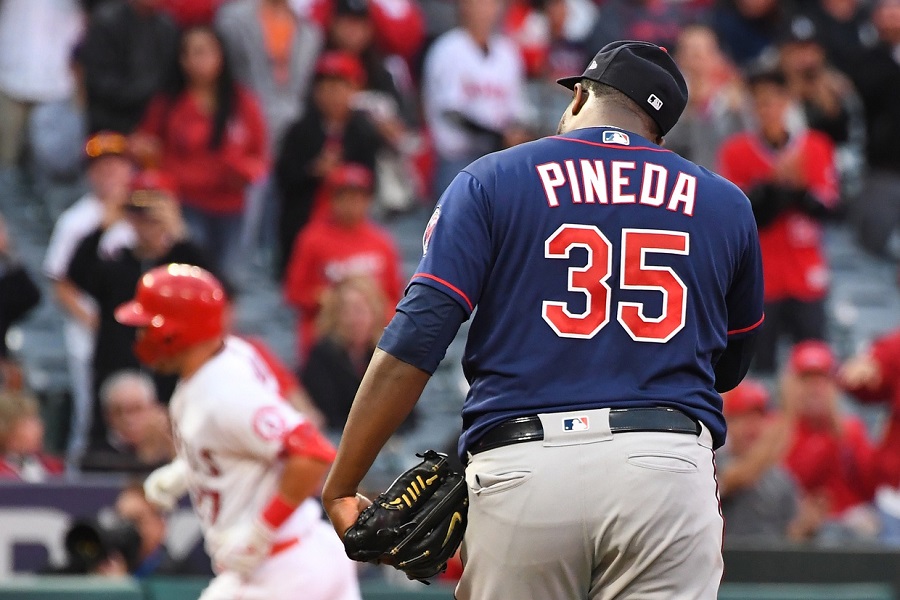 Michael Pineda 2020 Stats (5 games): 3.38 ERA, 1.20 WHIP, 130 ERA+, 2.22 FIP, 0.4 WAR Current Contract (Signed thru 2021, 2 years/$20 million) Michael Pineda’s time in Minnesota has certainly been turbulent. He was recovering from Tommy John surgery when the team signed him so that cost him a season and then he was suspended for using a diuretic. Still, he will only be 32-years old next season and the Twins need pitching depth moving forward. He seems like the most natural person to extend a contract to this winter. Pros of Extending Now Few know what the free agent market will look like this winter and there is even less certainty about next off-season. Minnesota has a certain comfort level with Pineda after negotiating two different contracts. Pineda is never going to be a front-line starter, but he provides tremendous value as a middle of the rotation arm with up-side. The Twins could work through an extension now to add some certainty to the rotation moving forward. Especially with Jose Berrios only having two years left of team control. Cons of Extending Now Pineda will be 32 for the entire 2021 campaign and he has already missed multiple professional seasons due to arm issues. The Twins could wait out this season, judge his performance, and decide about his long-term future. This would allow multiple teams to be in on the bidding process, but Minnesota would know him better than other teams and be able to make a smart financial decision. He has only pitched part of two seasons in a Twins uniform so there certainly can be some question marks about his performance moving forward. Possible Extension There seem to be a couple different routes for the Twins to pursue when it comes to Pineda and a lot comes down to what the player and his agent view as his value. It seems natural for the Twins to want to continue their current contract situation with Pineda being offered 2-year, $20 million deals ever other off-season. However, he might want to cash in with a bigger payday that pushes him out of the Twins financial picture. How much would you give Pineda in an extension? Leave a COMMENT and start the discussion. MORE FROM TWINS DAILY — Latest Twins coverage from our writers — Recent Twins discussion in our forums — Follow Twins Daily via Twitter, Facebook or email
 -
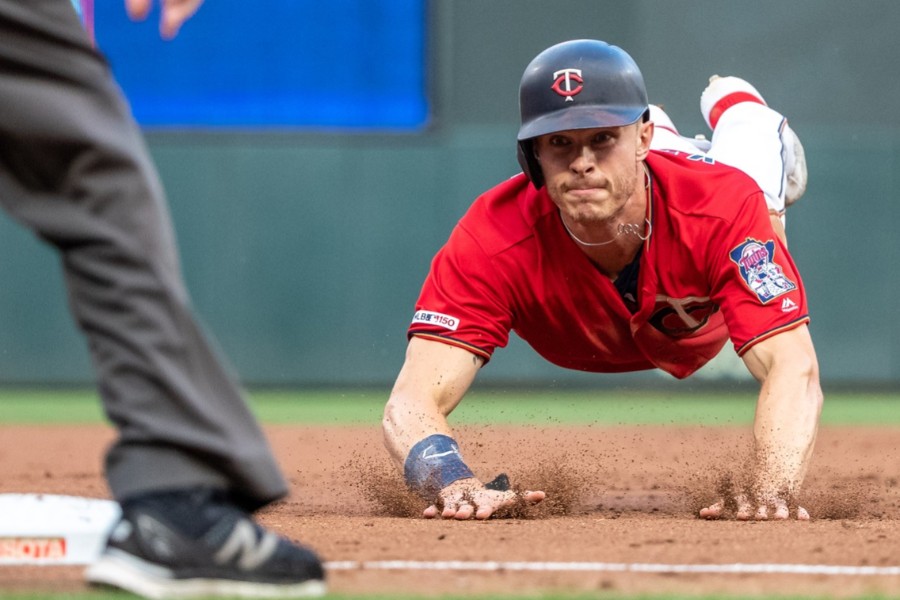
There are certainly high expectations when a player is taken second overall in the MLB Draft. This is the case with Byron Buxton as he was considered the best prospect in baseball for multiple seasons. Things aren’t as shiny now that he has played multiple big-league seasons. Injuries have been part of his professional career so how can the Twins find the right balance while keeping Buxton in a Twins uniform in the years to come.Byron Buxton 2020 Stats (39 games): .844 OPS, 124 OPS+, 1.9 WAR Current Contract (2nd-Year Arbitration Eligible, Free Agent: 2023) In his second year of arbitration, Buxton is likely heading for a contract close to $6 million. To put that in perspective, FanGraphs put Buxton’s value as worth almost $10 million last season and over $21 million during the 2019 campaign. There’s no question about the value he provides to the Twins, but the biggest issue is his ability to stay on the field and be healthy. Pros of Extending Now Buxton has shown the potential to be one of the best players in baseball. There’s little question that his presence on the field helps the Twins to win, especially with his elite defensive skills. He can make pitchers better by tracking down balls in the outfield and his offensive skills can be a second thought. Minnesota has tried to work with Buxton to keep him on the field by positioning him further back on defense and working with him to jump off two feet at the wall. These small changes could keep him on the field while making bigger plays. Cons of Extending Now He hasn’t been on the field and this isn’t exactly a secret. Buxton still has the potential to be one of baseball’s best players, but his health continues to be a concern. Even in a shortened 2020 season, he was limited to less than 40 games. He likely should have been the winner of the Gold Glove, but his lack of time on the field cost him the award. He’s only played over 92 games once in his six big-league seasons and that’s something a front office can’t ignore. Possible Extension Last week, I tossed out a bold idea that the Twins should consider trading Buxton this winter. That likely isn’t going to happen because he still has two years of team control and there have been glimpses of how important he can be to the Twins roster. It’s difficult to predict what an extension would look like for a player like Buxton. He can be the team’s best player, but injuries have been part of his story at the big-league level. He can be as valuable as Mike Trout and Mookie Betts, but there’s no guarantee he will be on the field. Can the Twins pay him like an elite player even if they can’t predict how much he will be on the field? How much would you give Buxton in an extension? Leave a COMMENT and start the discussion. MORE FROM TWINS DAILY — Latest Twins coverage from our writers — Recent Twins discussion in our forums — Follow Twins Daily via Twitter, Facebook or email Click here to view the article
-
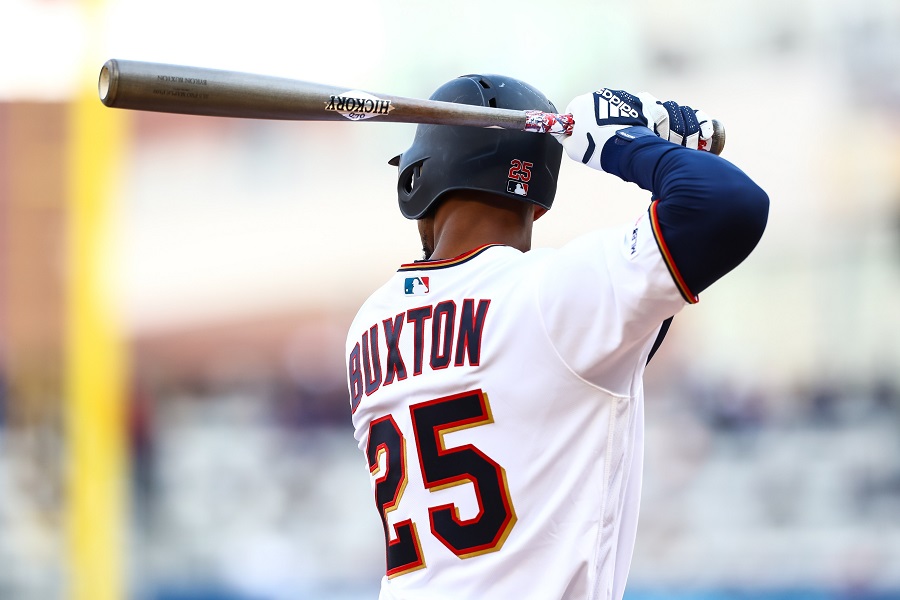 Byron Buxton 2020 Stats (39 games): .844 OPS, 124 OPS+, 1.9 WAR Current Contract (2nd-Year Arbitration Eligible, Free Agent: 2023) In his second year of arbitration, Buxton is likely heading for a contract close to $6 million. To put that in perspective, FanGraphs put Buxton’s value as worth almost $10 million last season and over $21 million during the 2019 campaign. There’s no question about the value he provides to the Twins, but the biggest issue is his ability to stay on the field and be healthy. Pros of Extending Now Buxton has shown the potential to be one of the best players in baseball. There’s little question that his presence on the field helps the Twins to win, especially with his elite defensive skills. He can make pitchers better by tracking down balls in the outfield and his offensive skills can be a second thought. Minnesota has tried to work with Buxton to keep him on the field by positioning him further back on defense and working with him to jump off two feet at the wall. These small changes could keep him on the field while making bigger plays. Cons of Extending Now He hasn’t been on the field and this isn’t exactly a secret. Buxton still has the potential to be one of baseball’s best players, but his health continues to be a concern. Even in a shortened 2020 season, he was limited to less than 40 games. He likely should have been the winner of the Gold Glove, but his lack of time on the field cost him the award. He’s only played over 92 games once in his six big-league seasons and that’s something a front office can’t ignore. Possible Extension Last week, I tossed out a bold idea that the Twins should consider trading Buxton this winter. That likely isn’t going to happen because he still has two years of team control and there have been glimpses of how important he can be to the Twins roster. It’s difficult to predict what an extension would look like for a player like Buxton. He can be the team’s best player, but injuries have been part of his story at the big-league level. He can be as valuable as Mike Trout and Mookie Betts, but there’s no guarantee he will be on the field. Can the Twins pay him like an elite player even if they can’t predict how much he will be on the field? How much would you give Buxton in an extension? Leave a COMMENT and start the discussion. MORE FROM TWINS DAILY — Latest Twins coverage from our writers — Recent Twins discussion in our forums — Follow Twins Daily via Twitter, Facebook or email
 -
Extensions can be tough especially for players that have grown and developed in one organization. There is a connection between the player, the team, and the fans. When the Twins drafted Jose Berrios, there was an emotional moment as he was surrounded by many of the people that helped to make his dream a reality. Now he is heading for a life-changing contract that may or may not be coming from the Minnesota Twins.Jose Berrios 2020 Stats (12 games): 4.00 ERA, 1.31 WHIP, 109 ERA+, 4.06 FIP, 0.7 WAR Current Contract (2nd-Year Arbitration Eligible, Free Agent: 2023) In his second year of arbitration, Berrios is slated to make somewhere between $5-7.5 million. Last season, the Twins and Berrios couldn’t agree on a salary, so they had to go through an arbitration hearing. He had requested a salary of $4.4 million and the Twins offered $4.025 million. These hearings can be tough for the player and the team as they argue over a player’s value compared to similar players in previous seasons. It will be interesting to see if the two sides go through the hearing process again this year. Pros of Extending Now Minnesota has struggled to develop starting pitching in the organization for many years and Berrios is one of the lone players to prove he can be an effective starter at the big-league level. He’s already been a two-time All Star and the closer he gets to free agency, the more expensive an extension would cost. An extension this winter would allow Berrios and his family to be set-up for life and it would give the Twins some certainty with their costs moving forward. It isn’t going to be cheap to sign him, so sooner rather than later might be the key. Cons of Extending Now The Twins have previously approached Berrios with potential contract extensions, but he seems satisfied to go year-to-year through the arbitration process and betting on himself improving each season. “Every player wants to sign a multiyear deal, but we know it’s a business,” Berrios told the Star Tribune in spring training 2019. “I have to manage my business, too. … We’re waiting for the best for both sides. If it doesn’t happen this year, maybe next year.” Another year has passed, and an extension has yet to be signed. Possible Extension It’s likely for Berrios to make around $7 million in 2021 and then see a raise to around $10 million for 2022 before heading to free agency. An extension is going to be a little trickier since he has already entered the arbitration process and he is closer to free agency. Berrios isn’t going to take a hometown discount to stay with the Twins so that likely means he will be looking at a contract north of $100 million. According to Baseball Reference, one of the most similar pitchers to him through age 26 is Trevor Bauer and he is headed for a massive payday this winter. How much would you give Berrios in an extension? Leave a COMMENT and start the discussion. MORE FROM TWINS DAILY — Latest Twins coverage from our writers — Recent Twins discussion in our forums — Follow Twins Daily via Twitter, Facebook or email Click here to view the article
-
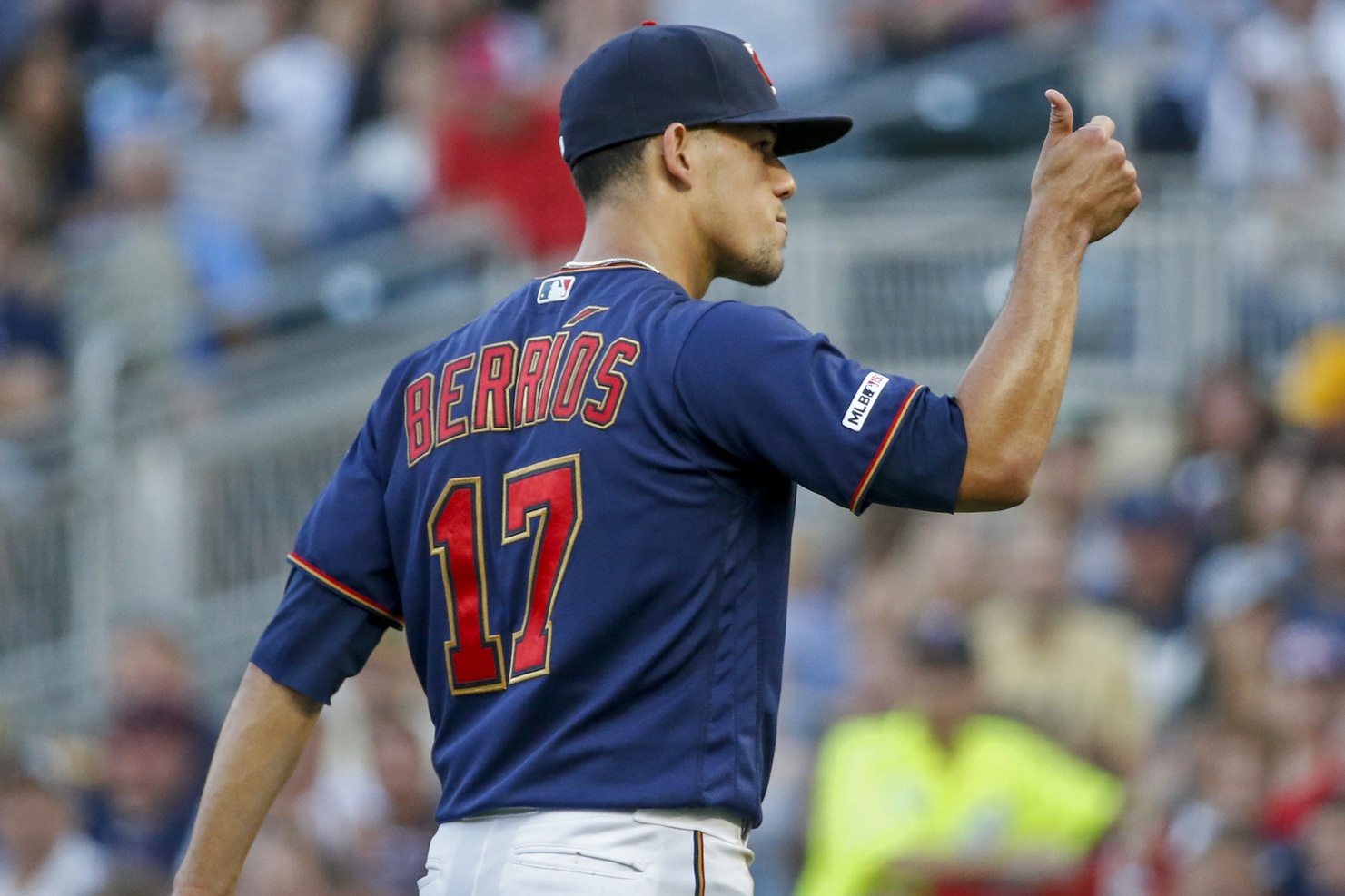 Jose Berrios 2020 Stats (12 games): 4.00 ERA, 1.31 WHIP, 109 ERA+, 4.06 FIP, 0.7 WAR Current Contract (2nd-Year Arbitration Eligible, Free Agent: 2023) In his second year of arbitration, Berrios is slated to make somewhere between $5-7.5 million. Last season, the Twins and Berrios couldn’t agree on a salary, so they had to go through an arbitration hearing. He had requested a salary of $4.4 million and the Twins offered $4.025 million. These hearings can be tough for the player and the team as they argue over a player’s value compared to similar players in previous seasons. It will be interesting to see if the two sides go through the hearing process again this year. Pros of Extending Now Minnesota has struggled to develop starting pitching in the organization for many years and Berrios is one of the lone players to prove he can be an effective starter at the big-league level. He’s already been a two-time All Star and the closer he gets to free agency, the more expensive an extension would cost. An extension this winter would allow Berrios and his family to be set-up for life and it would give the Twins some certainty with their costs moving forward. It isn’t going to be cheap to sign him, so sooner rather than later might be the key. Cons of Extending Now The Twins have previously approached Berrios with potential contract extensions, but he seems satisfied to go year-to-year through the arbitration process and betting on himself improving each season. “Every player wants to sign a multiyear deal, but we know it’s a business,” Berrios told the Star Tribune in spring training 2019. “I have to manage my business, too. … We’re waiting for the best for both sides. If it doesn’t happen this year, maybe next year.” Another year has passed, and an extension has yet to be signed. Possible Extension It’s likely for Berrios to make around $7 million in 2021 and then see a raise to around $10 million for 2022 before heading to free agency. An extension is going to be a little trickier since he has already entered the arbitration process and he is closer to free agency. Berrios isn’t going to take a hometown discount to stay with the Twins so that likely means he will be looking at a contract north of $100 million. According to Baseball Reference, one of the most similar pitchers to him through age 26 is Trevor Bauer and he is headed for a massive payday this winter. How much would you give Berrios in an extension? Leave a COMMENT and start the discussion. MORE FROM TWINS DAILY — Latest Twins coverage from our writers — Recent Twins discussion in our forums — Follow Twins Daily via Twitter, Facebook or email
 -
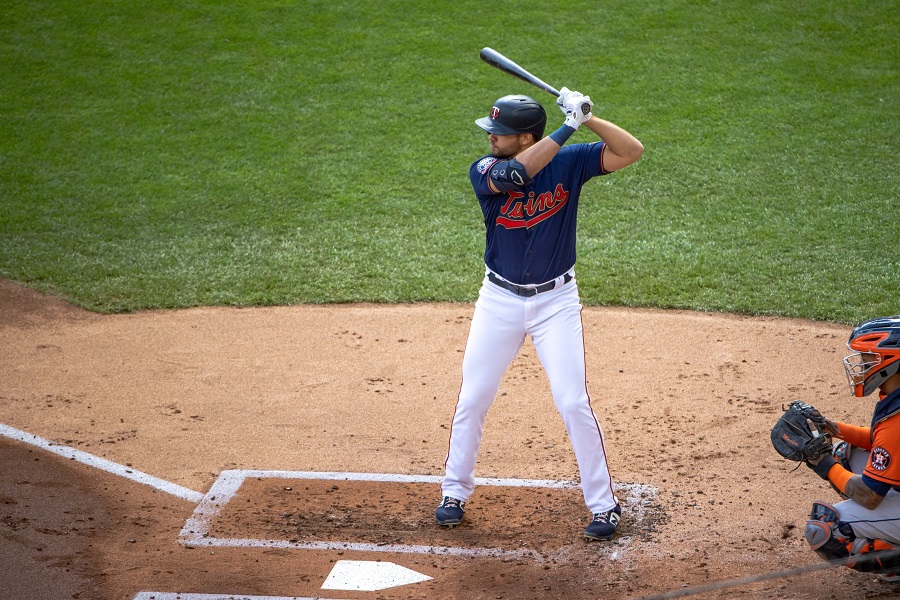 Alex Kirilloff 2020 Stats (1 game): 1-for-4 in AL Wild Card Series Current Contract (Arbitration Eligible: 2024, Free Agent 2027) Kirilloff technically hasn’t accumulated any service time since his long big-league appearance came in Minnesota’s final playoff game last season. The Twins are clearly high on Kirilloff after trusting him to appear in such a high-pressure game. He has at least six more years of team control, so it might seem ridiculous to consider signing him long-term. Pros of Extending Now It would offer the team some financial certainty and it would remove any idea of trying to manipulate service time to start 2021. With Eddie Rosario likely a non-tender candidate, Kirilloff is the most obvious choice to take over at a corner outfield spot. However, the Twins could keep him down for multiple months to gain an extra year of team control. By working out an extension now, this wouldn’t be needed, and the team could have their best roster on the field from season’s start. Cons of Extending Now While Minnesota is certainly high on him, there is no guarantee he will be able to succeed at baseball’s highest level. He’s already missed an entire professional season due to Tommy John surgery, so there is no rush to get a contract extension on the books. The Twins could likely let him work through his first two seasons at big-league level and then offer him a similar contract extension. He’s on pace to be one of the team’s best players over the next decade, but few teams have followed the path of offering early extensions. Possible Extension Other teams have taken this strategy with young players to lock in their costs moving forward. Chicago did this last year with Luis Robert as they signed him to a six-year, $50 million extension with two $20 million team options on the backend which keeps him on the southside through his age-29 season. This seems like the ideal extension for Kirilloff. Would Minnesota consider something similar? MORE FROM TWINS DAILY — Latest Twins coverage from our writers — Recent Twins discussion in our forums — Follow Twins Daily via Twitter, Facebook or email
 -
In recent years, the Twins have done a good job of locking up multiple parts of their young core. Jorge Polanco, Max Kepler, and Miguel Sano will all be in a Twins uniform for at least the next two years with multiple options that can be exercised. With an eye to the future, here is one other player Minnesota can look to extend this winter.Alex Kirilloff 2020 Stats (1 game): 1-for-4 in AL Wild Card Series Current Contract (Arbitration Eligible: 2024, Free Agent 2027) Kirilloff technically hasn’t accumulated any service time since his long big-league appearance came in Minnesota’s final playoff game last season. The Twins are clearly high on Kirilloff after trusting him to appear in such a high-pressure game. He has at least six more years of team control, so it might seem ridiculous to consider signing him long-term. Pros of Extending Now It would offer the team some financial certainty and it would remove any idea of trying to manipulate service time to start 2021. With Eddie Rosario likely a non-tender candidate, Kirilloff is the most obvious choice to take over at a corner outfield spot. However, the Twins could keep him down for multiple months to gain an extra year of team control. By working out an extension now, this wouldn’t be needed, and the team could have their best roster on the field from season’s start. Cons of Extending Now While Minnesota is certainly high on him, there is no guarantee he will be able to succeed at baseball’s highest level. He’s already missed an entire professional season due to Tommy John surgery, so there is no rush to get a contract extension on the books. The Twins could likely let him work through his first two seasons at big-league level and then offer him a similar contract extension. He’s on pace to be one of the team’s best players over the next decade, but few teams have followed the path of offering early extensions. Possible Extension Other teams have taken this strategy with young players to lock in their costs moving forward. Chicago did this last year with Luis Robert as they signed him to a six-year, $50 million extension with two $20 million team options on the backend which keeps him on the southside through his age-29 season. This seems like the ideal extension for Kirilloff. Would Minnesota consider something similar? MORE FROM TWINS DAILY — Latest Twins coverage from our writers — Recent Twins discussion in our forums — Follow Twins Daily via Twitter, Facebook or email Click here to view the article
-
The 2020 season marked the 60th anniversary of the Washington Senators being relocated to Minnesota to become the Twins. Since the franchise moved, there have been many iconic players to don a Twins uniform and there have been plenty of players known for their ability to knock the ball out of the park. Here are the Twins home run leaders for each letter of the alphabet.A: Bob Allison (211 Home Runs) Allison is possibly one of the most underappreciated sluggers in Twins history. His first All-Star appearance and his first 30-home run campaign came in a Senators’ uniform. Even with his season’s in Washington, he ranks sixth all-time in home runs in a Twins uniform. B: Tom Brunansky (163 Home Runs) Brunansky hit 20 or more home runs for eight straight seasons from 1982-1989. He also became the Twins first Home Run Derby participant when the Twins hosted the 1985 All-Star Game at the Metrodome. In that contest, he finished two home runs behind Dave Parker and tied with some all-time greats like Carlton Fisk, Eddie Murray, and Jim Rice. C: Michael Cuddyer (141 Home Runs) Cuddyer will appear on the Hall of Fame ballot for the first time this year and his home run total puts him in the top-12 in Twins history. He’d make his first All-Star appearance as a 32-year old in his final season with the Twins and he went on to win the NL batting title in 2013 with the Rockies. D: Brian Dozier (167 Home Runs) Dozier was a late bloomer when it came to Twins prospect as he wouldn’t make his big-league debut until he was 25. His first season with 30 or more home runs was 2016 when he was already 29-years old. His 42 home runs in 2016 are the most all-time in Twins history by a player not named Harmon Killebrew. E: Eduardo Escobar (63 Home Runs) Escobar is the gift that keeps on giving as the Twins seem to still be benefiting from his trade to the Diamondbacks. His best home run season came in Arizona, but he hit 21 home runs for the Twins in 2017 and he probably would have crossed that mark again in 2018 if he weren’t traded at the deadline. F: Dan Ford (57 Home Runs) This would be a lot of fun if Lew Ford ended up with the top spot, but he only hit 32 home runs as a Twin. Dan Ford played 11 seasons as a big-leaguer and broke into the AL as a 23-year old in 1975. He hit double-digit home runs in all four seasons with Minnesota. G: Gary Gaetti (201 Home Runs) A long-time fan favorite, Gaetti is one of only eight players to clock over 200 home runs with the Twins. He’d play at the big-league level until he was 41-years old in a career that spanned 20 seasons. He’d end his career with 360 long balls which is no small feat for a player that was also a strong defensive presence. H: Kent Hrbek (293 Home Runs) Bloomington’s own has his number retired by his hometown team and only one player in team history has hit more home runs. He retired at age-34, so it’s interesting to think about how many home runs he could have ended up with if he had played well into his 30s. I: None No Twins player has ever hit a home run with the last name starting with I. J: Jacque Jones (132 Home Runs) Jones ranks 13th on the Twins all-time home run list, but he is only one home run ahead of Miguel Sano. He played seven seasons in a Twins uniform and he would only accumulate 33 home runs outside of Minnesota. In 2002, he finished eight among position players in WAR when hie hit 27 home runs. K: Harmon Killebrew (475 Home Runs) The best home run hitter in Twins history and it’s not even close. No other player hit over 300 home runs for the Twins. He led the American League in home runs six different seasons, and he is one of two Twins players to hit more than 40 home runs in one season. Oh yeah, he did that seven different times. L: Tim Laudner (77 Home Runs) Laudner played all nine of his big-league seasons in Minnesota and hit double digit home runs in four different campaigns. His lone All-Star appearance came as a 30-year old when he hit .251/.316/.408 with 13 home runs and 18 doubles. M: Justin Morneau (221 Home Runs) The more powerful half of the M&M duo, Morneau hit 18 or more home runs in seven consecutive seasons. Only a handful of Twins players have hit more than 30 home runs in a season which Morneau did three different times. He has the third most home runs in team history. N: Eduardo Nunez (20 Home Runs) He helped the Red Sox win the World Series, but his lone All-Star appearance cam with the 2016 Minnesota Twins. He’s never hit more than 16 home runs in one season, but his defensive versatility allowed him to play parts of 10 different seasons at the big leagues. O: Tony Oliva (220 Home Runs) Outside of Joe Mauer, Oliva might be the greatest Twins player that hasn’t been elected to the Hall of Fame. He became the first designated hitter to hit a home run while hitting 13 or more home runs in 11 different seasons. Only three players have hit more home runs for the Twins. P: Kirby Puckett (207 Home Runs) Puckett’s most famous homer came in Game 6 of the 1991 World Series, but he hit plenty of other home runs in a Twins uniform. He hit double digit home runs in nine different seasons, and he hit 20 or more home runs in six different years. He ranks seventh in club history. Q: Frank Quilici (5 Home Runs) Surprisingly, his five home runs aren’t the lowest total on this list. He played parts of five different seasons with the Twins and ended his career as a .214/.281/.287 hitter. He was part of Minnesota’s first World Series team in 1965 and he played on the 1970 team that lost to Baltimore in the ALCS. R: Eddie Rosario (119 Home Runs) Rosario’s time in Minnesota might be done and if it is, he will finish his Twins tenure with the 15th most home runs in club history. As part of the 2019 Bomba Squad, he hit a career high 32 home runs. He has hit 10 or more home runs in every big-league season. S: Miguel Sano (131 Home Runs) After six seasons, Sano already ranks 14th in team history when it comes to home runs. If he hits 13 or more home runs next season, he will pass Joe Mauer and move into 11th on the Twins all-time list and he’s 22 home runs away from breaking into the top-10. T: Cesar Tovar (38 Home Runs) Tovar hit double-digit home runs in two seasons, but he was more known as a doubles hitter. He led the American League in doubles and triples back in 1970 and he had the most hits in the league during the 1970 campaign. U: Ted Uhlaender (23 Home Runs) His lone double-digit home run season came after he left the Twins organization. As a center fielder, he wasn’t known for his power, but he got on base over 30% of the time. V: Zoilo Versalles (86 Home Runs) The 1965 AL MVP led the league in runs, doubles, and triples that season. Versalles is one of three Cuban born players to take home MVP honors including Jose Abreu in 2020. He only hit double-digits in home runs in four seasons, but all those seasons were with the Twins. W: Josh Willingham (61 Home Runs) Willingham only played parts of three season with the Twins but only four Twins players have hit more than his 35 home runs in 2012. His career took a steep downturn from there as he never hit more than 14 home runs in another season. X: None No Twins player has ever hit a home run with the last name starting with X. Y: Delmon Young (47 Home Runs) Young was acquired to be the powerful right-handed bat to break-up Minnesota’s lefties (Mauer and Morneau). He hit a career high 21 home runs in 2010 before going on to have some postseason success with the Detroit Tigers when he won the 2012 ALCS MVP. Z: Jerry Zimmerman (3 Home Runs) Zimmerman play parts of seven seasons with the Twins, but he only played more than 85 games in one season. He hit one home run in each season from 1965-1967 to end up with the most home runs for the letter Z. What names stand out to you on this list? What home run from these players do you remember the most? Leave a COMMENT and start the discussion. MORE FROM TWINS DAILY — Latest Twins coverage from our writers — Recent Twins discussion in our forums — Follow Twins Daily via Twitter, Facebook or email Click here to view the article
-
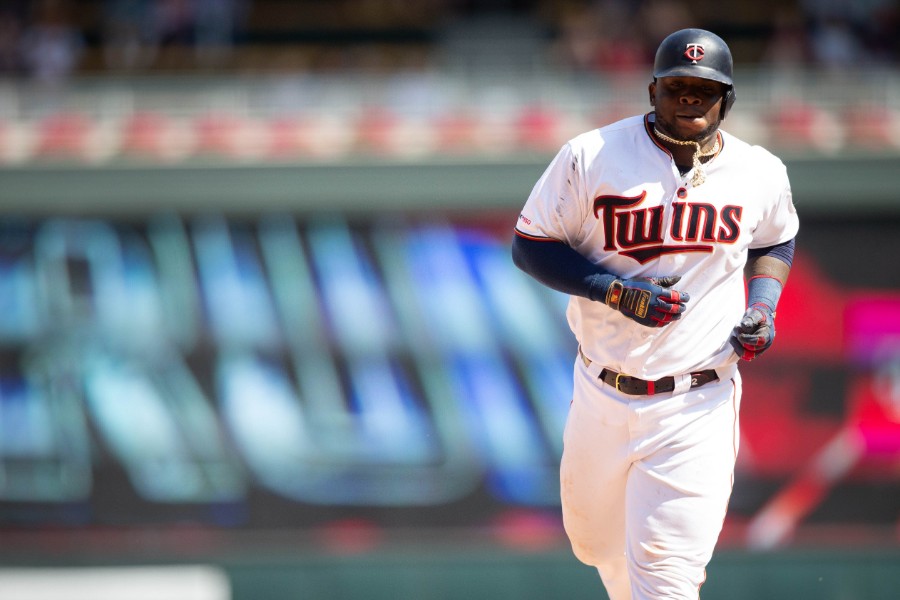 A: Bob Allison (211 Home Runs) Allison is possibly one of the most underappreciated sluggers in Twins history. His first All-Star appearance and his first 30-home run campaign came in a Senators’ uniform. Even with his season’s in Washington, he ranks sixth all-time in home runs in a Twins uniform. B: Tom Brunansky (163 Home Runs) Brunansky hit 20 or more home runs for eight straight seasons from 1982-1989. He also became the Twins first Home Run Derby participant when the Twins hosted the 1985 All-Star Game at the Metrodome. In that contest, he finished two home runs behind Dave Parker and tied with some all-time greats like Carlton Fisk, Eddie Murray, and Jim Rice. C: Michael Cuddyer (141 Home Runs) Cuddyer will appear on the Hall of Fame ballot for the first time this year and his home run total puts him in the top-12 in Twins history. He’d make his first All-Star appearance as a 32-year old in his final season with the Twins and he went on to win the NL batting title in 2013 with the Rockies. D: Brian Dozier (167 Home Runs) Dozier was a late bloomer when it came to Twins prospect as he wouldn’t make his big-league debut until he was 25. His first season with 30 or more home runs was 2016 when he was already 29-years old. His 42 home runs in 2016 are the most all-time in Twins history by a player not named Harmon Killebrew. E: Eduardo Escobar (63 Home Runs) Escobar is the gift that keeps on giving as the Twins seem to still be benefiting from his trade to the Diamondbacks. His best home run season came in Arizona, but he hit 21 home runs for the Twins in 2017 and he probably would have crossed that mark again in 2018 if he weren’t traded at the deadline. F: Dan Ford (57 Home Runs) This would be a lot of fun if Lew Ford ended up with the top spot, but he only hit 32 home runs as a Twin. Dan Ford played 11 seasons as a big-leaguer and broke into the AL as a 23-year old in 1975. He hit double-digit home runs in all four seasons with Minnesota. G: Gary Gaetti (201 Home Runs) A long-time fan favorite, Gaetti is one of only eight players to clock over 200 home runs with the Twins. He’d play at the big-league level until he was 41-years old in a career that spanned 20 seasons. He’d end his career with 360 long balls which is no small feat for a player that was also a strong defensive presence. H: Kent Hrbek (293 Home Runs) Bloomington’s own has his number retired by his hometown team and only one player in team history has hit more home runs. He retired at age-34, so it’s interesting to think about how many home runs he could have ended up with if he had played well into his 30s. I: None No Twins player has ever hit a home run with the last name starting with I. J: Jacque Jones (132 Home Runs) Jones ranks 13th on the Twins all-time home run list, but he is only one home run ahead of Miguel Sano. He played seven seasons in a Twins uniform and he would only accumulate 33 home runs outside of Minnesota. In 2002, he finished eight among position players in WAR when hie hit 27 home runs. K: Harmon Killebrew (475 Home Runs) The best home run hitter in Twins history and it’s not even close. No other player hit over 300 home runs for the Twins. He led the American League in home runs six different seasons, and he is one of two Twins players to hit more than 40 home runs in one season. Oh yeah, he did that seven different times. L: Tim Laudner (77 Home Runs) Laudner played all nine of his big-league seasons in Minnesota and hit double digit home runs in four different campaigns. His lone All-Star appearance came as a 30-year old when he hit .251/.316/.408 with 13 home runs and 18 doubles. M: Justin Morneau (221 Home Runs) The more powerful half of the M&M duo, Morneau hit 18 or more home runs in seven consecutive seasons. Only a handful of Twins players have hit more than 30 home runs in a season which Morneau did three different times. He has the third most home runs in team history. N: Eduardo Nunez (20 Home Runs) He helped the Red Sox win the World Series, but his lone All-Star appearance cam with the 2016 Minnesota Twins. He’s never hit more than 16 home runs in one season, but his defensive versatility allowed him to play parts of 10 different seasons at the big leagues. O: Tony Oliva (220 Home Runs) Outside of Joe Mauer, Oliva might be the greatest Twins player that hasn’t been elected to the Hall of Fame. He became the first designated hitter to hit a home run while hitting 13 or more home runs in 11 different seasons. Only three players have hit more home runs for the Twins. P: Kirby Puckett (207 Home Runs) Puckett’s most famous homer came in Game 6 of the 1991 World Series, but he hit plenty of other home runs in a Twins uniform. He hit double digit home runs in nine different seasons, and he hit 20 or more home runs in six different years. He ranks seventh in club history. Q: Frank Quilici (5 Home Runs) Surprisingly, his five home runs aren’t the lowest total on this list. He played parts of five different seasons with the Twins and ended his career as a .214/.281/.287 hitter. He was part of Minnesota’s first World Series team in 1965 and he played on the 1970 team that lost to Baltimore in the ALCS. R: Eddie Rosario (119 Home Runs) Rosario’s time in Minnesota might be done and if it is, he will finish his Twins tenure with the 15th most home runs in club history. As part of the 2019 Bomba Squad, he hit a career high 32 home runs. He has hit 10 or more home runs in every big-league season. S: Miguel Sano (131 Home Runs) After six seasons, Sano already ranks 14th in team history when it comes to home runs. If he hits 13 or more home runs next season, he will pass Joe Mauer and move into 11th on the Twins all-time list and he’s 22 home runs away from breaking into the top-10. T: Cesar Tovar (38 Home Runs) Tovar hit double-digit home runs in two seasons, but he was more known as a doubles hitter. He led the American League in doubles and triples back in 1970 and he had the most hits in the league during the 1970 campaign. U: Ted Uhlaender (23 Home Runs) His lone double-digit home run season came after he left the Twins organization. As a center fielder, he wasn’t known for his power, but he got on base over 30% of the time. V: Zoilo Versalles (86 Home Runs) The 1965 AL MVP led the league in runs, doubles, and triples that season. Versalles is one of three Cuban born players to take home MVP honors including Jose Abreu in 2020. He only hit double-digits in home runs in four seasons, but all those seasons were with the Twins. W: Josh Willingham (61 Home Runs) Willingham only played parts of three season with the Twins but only four Twins players have hit more than his 35 home runs in 2012. His career took a steep downturn from there as he never hit more than 14 home runs in another season. X: None No Twins player has ever hit a home run with the last name starting with X. Y: Delmon Young (47 Home Runs) Young was acquired to be the powerful right-handed bat to break-up Minnesota’s lefties (Mauer and Morneau). He hit a career high 21 home runs in 2010 before going on to have some postseason success with the Detroit Tigers when he won the 2012 ALCS MVP. Z: Jerry Zimmerman (3 Home Runs) Zimmerman play parts of seven seasons with the Twins, but he only played more than 85 games in one season. He hit one home run in each season from 1965-1967 to end up with the most home runs for the letter Z. What names stand out to you on this list? What home run from these players do you remember the most? Leave a COMMENT and start the discussion. MORE FROM TWINS DAILY — Latest Twins coverage from our writers — Recent Twins discussion in our forums — Follow Twins Daily via Twitter, Facebook or email
 -
Is the Time Right to Trade Byron Buxton?
Cody Christie posted a topic in Twins Daily Front Page News
Last winter the Twins made a franchise altering trade by acquiring Kenta Maeda from the Dodgers. Maeda finished runner up in the AL Cy Young race after a dominating first season in a Twins uniform. On the heels of a season with less revenue, teams might have to get creative this winter to add impact players to the 2021 roster. So, does that mean the time is right to trade Byron Buxton?Byron Buxton is coming off a strong season where he led the Twins in WAR even though he only appeared in 39 of the team’s 60 games. He combined to hit .254/.267/.577 (.844) with 13 home runs and three doubles. Granted it was a small sample size, but his OPS and his slugging percentage were both career highs. It might seem silly to trade away a player of his caliber, but this is going to be an offseason unlike any other. Buxton’s name has come up in trade talks before. At the 2019 trade deadline, the Twins were looking to upgrade their rotation for a potential playoff run. One of the teams Minnesota had discussions with was the New York Mets. The Twins were interested in acquiring starting pitcher Noah Syndergaard, but talks stalled when the Mets insisted that Buxton be included in any trade. Minnesota wasn’t willing to deal Buxton then, so what might have changed? One of the reasons the Twins might be more willing to deal Buxton is his current contract situation. Minnesota only has team control of Buxton for two more seasons as he enters his second year as an arbitration eligible player. He will likely be making somewhere between $4-6 million this season and next year would be a higher in his final arbitration year. Two years of team control might be the sweet spot for trading away a player, because the team acquiring him isn’t getting an expiring contract. The Twins can also go in a different direction with Buxton if they wanted to try and sign him to an extension. Minnesota was able to work out extensions with some of the other young core players like Max Kepler, Jorge Polanco and Miguel Sano. Would Buxton be willing to sign a deal that bought out his remaining arbitration years while also giving the Twins more team control? Approaching a Buxton extension is a little trickier than the names mentioned above, because of the way his career has transpired. There’s no question that he is a dynamic player, but injuries are part of his career that can’t be ignored. He’s only played more than 92 games in one big league season. The Twins have tried some creative approaches to keeping him on the field including having him start further back defensively and trying to jump off of two feet instead of one foot when attempting catches at the wall. Other teams know his injury history too and that might make a deal tougher to find. Minnesota would have a big hole to fill in center field if Buxton were traded. Max Kepler can take over in center, but he has expressed concerns in the past about the wear his body goes through when playing at a more demanding defensive position. Other options on the 40-man roster include Jake Cave, Gilberto Celestino and LaMonte Wade Jr. A more intriguing choice would be promoting Royce Lewis, but he has only played a handful of games above the High-A level and he’s played limited defensive innings in center. Buxton’s trade value may never be higher as he enters the prime of his career and he has two years of team control. Minnesota is a better team when he is on the field, but this off-season is going to force teams to make some tough choices. Trading Buxton would be a difficult decision, but if the deal was right, it might be the time to move in a new direction. Do you think the time is right to trade Byron Buxton? Leave a COMMENT and start the discussion. MORE FROM TWINS DAILY — Latest Twins coverage from our writers — Recent Twins discussion in our forums — Follow Twins Daily via Twitter, Facebook or email Click here to view the article -
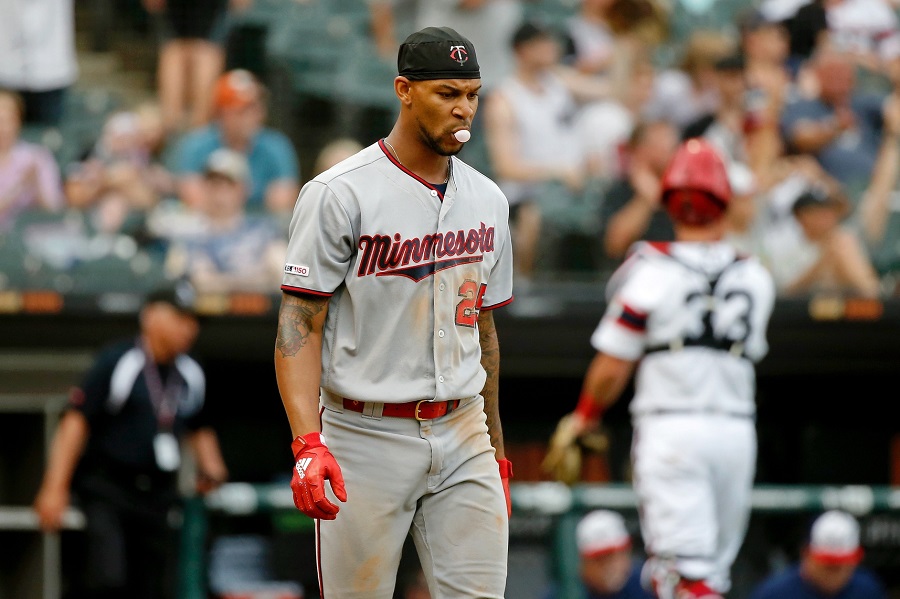 Byron Buxton is coming off a strong season where he led the Twins in WAR even though he only appeared in 39 of the team’s 60 games. He combined to hit .254/.267/.577 (.844) with 13 home runs and three doubles. Granted it was a small sample size, but his OPS and his slugging percentage were both career highs. It might seem silly to trade away a player of his caliber, but this is going to be an offseason unlike any other. Buxton’s name has come up in trade talks before. At the 2019 trade deadline, the Twins were looking to upgrade their rotation for a potential playoff run. One of the teams Minnesota had discussions with was the New York Mets. The Twins were interested in acquiring starting pitcher Noah Syndergaard, but talks stalled when the Mets insisted that Buxton be included in any trade. Minnesota wasn’t willing to deal Buxton then, so what might have changed? One of the reasons the Twins might be more willing to deal Buxton is his current contract situation. Minnesota only has team control of Buxton for two more seasons as he enters his second year as an arbitration eligible player. He will likely be making somewhere between $4-6 million this season and next year would be a higher in his final arbitration year. Two years of team control might be the sweet spot for trading away a player, because the team acquiring him isn’t getting an expiring contract. The Twins can also go in a different direction with Buxton if they wanted to try and sign him to an extension. Minnesota was able to work out extensions with some of the other young core players like Max Kepler, Jorge Polanco and Miguel Sano. Would Buxton be willing to sign a deal that bought out his remaining arbitration years while also giving the Twins more team control? Approaching a Buxton extension is a little trickier than the names mentioned above, because of the way his career has transpired. There’s no question that he is a dynamic player, but injuries are part of his career that can’t be ignored. He’s only played more than 92 games in one big league season. The Twins have tried some creative approaches to keeping him on the field including having him start further back defensively and trying to jump off of two feet instead of one foot when attempting catches at the wall. Other teams know his injury history too and that might make a deal tougher to find. Minnesota would have a big hole to fill in center field if Buxton were traded. Max Kepler can take over in center, but he has expressed concerns in the past about the wear his body goes through when playing at a more demanding defensive position. Other options on the 40-man roster include Jake Cave, Gilberto Celestino and LaMonte Wade Jr. A more intriguing choice would be promoting Royce Lewis, but he has only played a handful of games above the High-A level and he’s played limited defensive innings in center. Buxton’s trade value may never be higher as he enters the prime of his career and he has two years of team control. Minnesota is a better team when he is on the field, but this off-season is going to force teams to make some tough choices. Trading Buxton would be a difficult decision, but if the deal was right, it might be the time to move in a new direction. Do you think the time is right to trade Byron Buxton? Leave a COMMENT and start the discussion. MORE FROM TWINS DAILY — Latest Twins coverage from our writers — Recent Twins discussion in our forums — Follow Twins Daily via Twitter, Facebook or email
 -
Ballots for the 2021 Hall of Fame are being mailed out this week to eligible voters. Last season, Derek Jeter and Larry Walker were elected, but this year’s ballot doesn’t have any locks like Jeter was a year ago. Three former Twins will make their first appearance on the ballot. While Michael Cuddyer and LaTroy Hawkins have little chance of being elected, Torii Hunter’s resume is a little more intriguing.Hunter was a first-round pick by the Twins back in 1993 and he went on to have a 19-year big-league career. Known for his defensive prowess, he won nine straight Gold Gloves from 2001-09. He was no slouch at the plate either as he hit .277/.331/.461 (.793) while being awarded two Silver Sluggers. He was selected to five All-Star teams and there were five times he finished in the top-20 for the AL MVP. Those numbers are only part of the Hall of Fame equation. Center field is a tough position to judge when it comes to Hall of Fame credentials. Some of the game’s all-time best players like Willie Mays, Ty Cobb, and Ken Griffey Jr. played the position and this can skew the numbers a little bit. Overall, there have been 24 center fielders elected to the Hall of Fame, which means not everyone was of the same caliber as the names mentioned above. So, what does a center fielder need to do to get to Cooperstown? JAWS, a scoring system used to measure a player’s HOF worthiness, helps to separate players at each position. According to Baseball Reference, “A player’s JAWS is their career WAR averaged with their 7-year peak WAR.” Hunter doesn’t exactly fare well when using JAWS as he ranks the 34th best center fielder. There are four HOF players that rank lower than him, but all of them played in the 1930’s or earlier. The players directly ahead of him on the list include Curtis Granderson, Ellis Burks, and Andrew McCutchen. None of those players scream that they should be in Cooperstown. Andruw Jones is a player that might fit a similar mold to Hunter’s career. Like Hunter, Jones was known for his defensive prowess on his way to winning 10 Gold Gloves. In fact, Jones is one of only three center fielders with more Gold Gloves than Hunter (Mays- 12, Griffey Jr.- 10). Unfortunately, their trophy rooms might be the only thing that puts Hunter and Jones in the same HOF conversation. According to JAWS, Jones is the third best center fielder that has yet to be enshrined in Cooperstown behind Carlos Beltran and Kenny Lofton. That puts him well ahead of Hunter’s JAWS total. What might be even more discouraging is the fact that players like Lofton (10th place JAWS) and Jim Edmonds (15th place JAWS) fell off the HOF ballot after only one appearance. Even Jones has struggled on the ballot as he reached 19.4% in 2020 in his third year of eligibility. Hunter will always have a special place in the hearts of Minnesota Twins fans. His energy and leadership help to define the teams that put Twins baseball back on the map. Looking at the numbers, it’s hard to imagine he has much of a case for Cooperstown. Do you think Hunter has a shot at Cooperstown? Leave a COMMENT and start the discussion. MORE FROM TWINS DAILY — Latest Twins coverage from our writers — Recent Twins discussion in our forums — Follow Twins Daily via Twitter, Facebook or email Click here to view the article
-
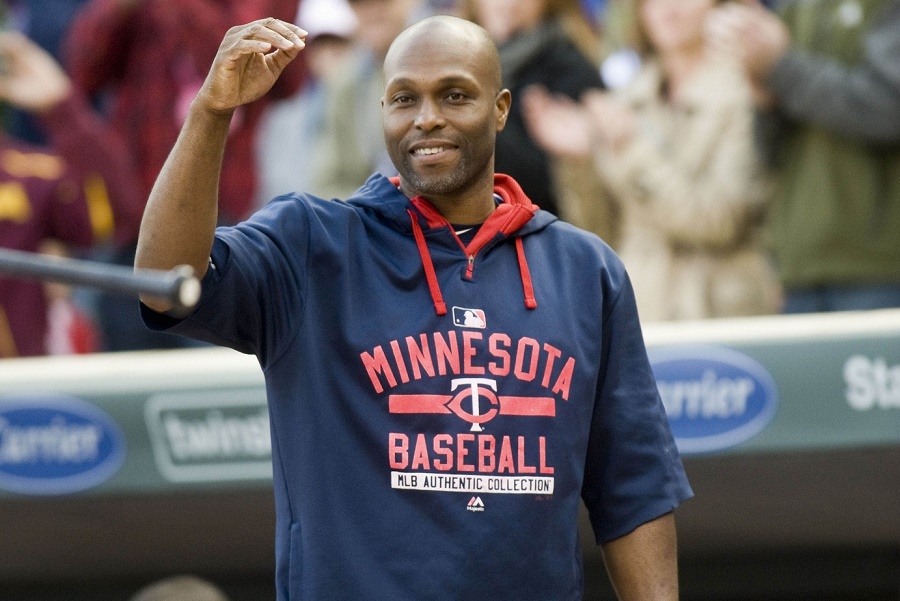 Hunter was a first-round pick by the Twins back in 1993 and he went on to have a 19-year big-league career. Known for his defensive prowess, he won nine straight Gold Gloves from 2001-09. He was no slouch at the plate either as he hit .277/.331/.461 (.793) while being awarded two Silver Sluggers. He was selected to five All-Star teams and there were five times he finished in the top-20 for the AL MVP. Those numbers are only part of the Hall of Fame equation. Center field is a tough position to judge when it comes to Hall of Fame credentials. Some of the game’s all-time best players like Willie Mays, Ty Cobb, and Ken Griffey Jr. played the position and this can skew the numbers a little bit. Overall, there have been 24 center fielders elected to the Hall of Fame, which means not everyone was of the same caliber as the names mentioned above. So, what does a center fielder need to do to get to Cooperstown? JAWS, a scoring system used to measure a player’s HOF worthiness, helps to separate players at each position. According to Baseball Reference, “A player’s JAWS is their career WAR averaged with their 7-year peak WAR.” Hunter doesn’t exactly fare well when using JAWS as he ranks the 34th best center fielder. There are four HOF players that rank lower than him, but all of them played in the 1930’s or earlier. The players directly ahead of him on the list include Curtis Granderson, Ellis Burks, and Andrew McCutchen. None of those players scream that they should be in Cooperstown. Andruw Jones is a player that might fit a similar mold to Hunter’s career. Like Hunter, Jones was known for his defensive prowess on his way to winning 10 Gold Gloves. In fact, Jones is one of only three center fielders with more Gold Gloves than Hunter (Mays- 12, Griffey Jr.- 10). Unfortunately, their trophy rooms might be the only thing that puts Hunter and Jones in the same HOF conversation. According to JAWS, Jones is the third best center fielder that has yet to be enshrined in Cooperstown behind Carlos Beltran and Kenny Lofton. That puts him well ahead of Hunter’s JAWS total. What might be even more discouraging is the fact that players like Lofton (10th place JAWS) and Jim Edmonds (15th place JAWS) fell off the HOF ballot after only one appearance. Even Jones has struggled on the ballot as he reached 19.4% in 2020 in his third year of eligibility. Hunter will always have a special place in the hearts of Minnesota Twins fans. His energy and leadership help to define the teams that put Twins baseball back on the map. Looking at the numbers, it’s hard to imagine he has much of a case for Cooperstown. Do you think Hunter has a shot at Cooperstown? Leave a COMMENT and start the discussion. MORE FROM TWINS DAILY — Latest Twins coverage from our writers — Recent Twins discussion in our forums — Follow Twins Daily via Twitter, Facebook or email
 -
Most Twins fans know about the trade that sent AJ Pierzynski to the San Francisco Giants for a trio of players. In fact, it might be one of the greatest trades in Twins history. Minnesota made that deal back in November 2003 and the ripple effects of that trade are still being felt in the organization. Let’s examine the “AJ Pierzynski Transaction Tree.”Initial Deal: November 14, 2003 Joe Mauer was waiting in the wings to talk over as the team’s full-time catcher. During the previous minor league season, Mauer posted an .832 OPS with 37 extra-base hits while making it all the way to Double-A. He was widely considered baseball’s best prospect and Baseball America had awarded him their Minor League Player of the Year. Pierzynski was no slouch either as he was an All-Star in 2002 and he was coming off a season where he posted an .824 OPS with 49 extra-base hits. The three players acquired from the Giants were Boof Bonser, Francisco Liriano and Joe Nathan. Nathan became one of the baseball’s best closers on the way to being inducted into the Twins Hall of Fame. Liriano was electric in the minor leagues and he went on to pitch part of seven seasons for the Twins. Even Bonser pitched nearly 400 innings in Minnesota and he became the next branch in this transaction tree. Bonser Trade: December 10, 2009 As a 28-year old, Bonser was on his way out in Minnesota after the Twins designated him for assignment. Carl Pavano agreed to go to arbitration with the club and this made Bonser expendable. Also, Bonser missed the entire 2009 campaign following shoulder surgery, so it was a surprise the team was able to get anything for him. Bonser was dealt for a player to be named later that turned out to be Chris Province, a 2007 fourth round pick. He pitched well in the Arizona Fall League that season as a 25-year old, but his time in the Twins organization would be short-lived. In 2010, he pitched most of the season at Double-A where he posted a 5.58 ERA with a 1.65 WHIP. He made a few Triple-A appearances, but his career was done after a brief stint in the Puerto Rican Winter League. Liriano Trade: July 28, 2012 Joe Nathan would leave the Twins after the 2011 season as the team declined to pick up his $12.5 million option but paid him a $2 million buyout. This ended his part of the transaction tree, but the Twins were able to leverage Liriano to add some pieces to the organization. At the 2012 trade deadline, Minnesota dealt Liriano to the White Sox for Eduardo Escobar and Pedro Hernandez. Hernandez pitched just under 57 innings for the Twins and posted a 6.83 ERA with a 1.82 WHIP. He would only make one more big-league appearance and that came in 2014 with Colorado. Escobar was the key pick-up as he had 671 games in a Twins uniform while playing nearly every defensive position. At the plate, he posted a .729 OPS while getting on base 30.8% of the time. He was a solid contributor, but he was heading to free agency after the 2018 season. Escobar Trade: July 27, 2018 Minnesota was out of contention during the 2018 campaign, so the front office made multiple moves with the trade deadline approaching. Arizona sent three prospects to Minnesota in return for what could have been less than 200 at-bats from Escobar. He eventually resigned with the D-Backs, but that wasn’t a guarantee at the time of the deal. As I wrote about last week, Jhoan Duran was the biggest return for Escobar as he is considered one of the Twins top two starting pitching prospects. Ernie De La Trinidad and Gabriel Maciel have also added depth to the organization. When it comes to Duran, pitching prospects are never a sure thing. That being said, his ceiling seems to be a solid regular starting pitcher and if that doesn’t work, he projects to be a very good relief option. Download attachment: Transaction Tree.jpg More than two and a half decades after taking Pierzynski in the 1994 MLB Draft, the Twins organization is still feeling the ramifications of his transaction tree. What are your thoughts on these deals? Leave a COMMENT and start the discussion. MORE FROM TWINS DAILY — Latest Twins coverage from our writers — Recent Twins discussion in our forums — Follow Twins Daily via Twitter, Facebook or email Click here to view the article
-
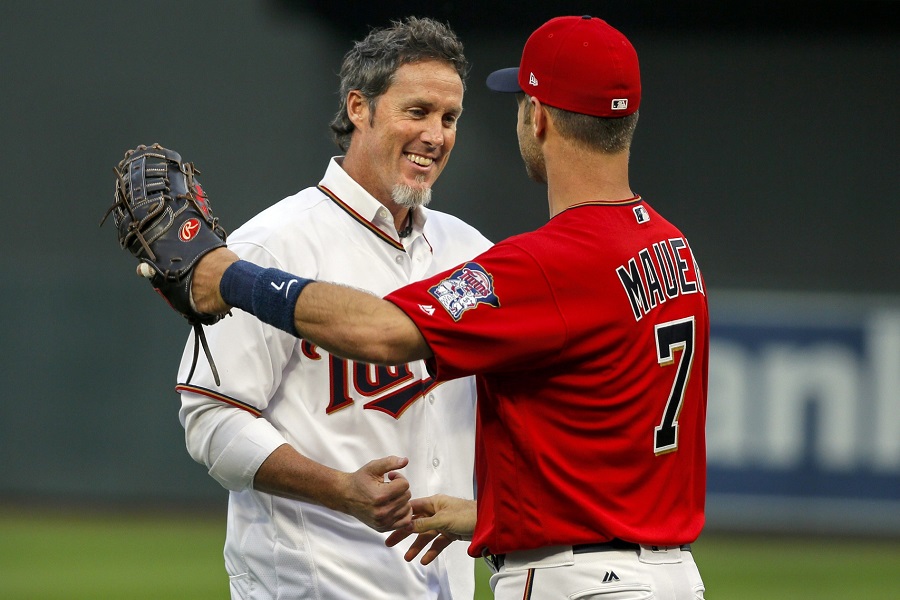 Initial Deal: November 14, 2003 Joe Mauer was waiting in the wings to talk over as the team’s full-time catcher. During the previous minor league season, Mauer posted an .832 OPS with 37 extra-base hits while making it all the way to Double-A. He was widely considered baseball’s best prospect and Baseball America had awarded him their Minor League Player of the Year. Pierzynski was no slouch either as he was an All-Star in 2002 and he was coming off a season where he posted an .824 OPS with 49 extra-base hits. The three players acquired from the Giants were Boof Bonser, Francisco Liriano and Joe Nathan. Nathan became one of the baseball’s best closers on the way to being inducted into the Twins Hall of Fame. Liriano was electric in the minor leagues and he went on to pitch part of seven seasons for the Twins. Even Bonser pitched nearly 400 innings in Minnesota and he became the next branch in this transaction tree. Bonser Trade: December 10, 2009 As a 28-year old, Bonser was on his way out in Minnesota after the Twins designated him for assignment. Carl Pavano agreed to go to arbitration with the club and this made Bonser expendable. Also, Bonser missed the entire 2009 campaign following shoulder surgery, so it was a surprise the team was able to get anything for him. Bonser was dealt for a player to be named later that turned out to be Chris Province, a 2007 fourth round pick. He pitched well in the Arizona Fall League that season as a 25-year old, but his time in the Twins organization would be short-lived. In 2010, he pitched most of the season at Double-A where he posted a 5.58 ERA with a 1.65 WHIP. He made a few Triple-A appearances, but his career was done after a brief stint in the Puerto Rican Winter League. Liriano Trade: July 28, 2012 Joe Nathan would leave the Twins after the 2011 season as the team declined to pick up his $12.5 million option but paid him a $2 million buyout. This ended his part of the transaction tree, but the Twins were able to leverage Liriano to add some pieces to the organization. At the 2012 trade deadline, Minnesota dealt Liriano to the White Sox for Eduardo Escobar and Pedro Hernandez. Hernandez pitched just under 57 innings for the Twins and posted a 6.83 ERA with a 1.82 WHIP. He would only make one more big-league appearance and that came in 2014 with Colorado. Escobar was the key pick-up as he had 671 games in a Twins uniform while playing nearly every defensive position. At the plate, he posted a .729 OPS while getting on base 30.8% of the time. He was a solid contributor, but he was heading to free agency after the 2018 season. Escobar Trade: July 27, 2018 Minnesota was out of contention during the 2018 campaign, so the front office made multiple moves with the trade deadline approaching. Arizona sent three prospects to Minnesota in return for what could have been less than 200 at-bats from Escobar. He eventually resigned with the D-Backs, but that wasn’t a guarantee at the time of the deal. As I wrote about last week, Jhoan Duran was the biggest return for Escobar as he is considered one of the Twins top two starting pitching prospects. Ernie De La Trinidad and Gabriel Maciel have also added depth to the organization. When it comes to Duran, pitching prospects are never a sure thing. That being said, his ceiling seems to be a solid regular starting pitcher and if that doesn’t work, he projects to be a very good relief option. More than two and a half decades after taking Pierzynski in the 1994 MLB Draft, the Twins organization is still feeling the ramifications of his transaction tree. What are your thoughts on these deals? Leave a COMMENT and start the discussion. MORE FROM TWINS DAILY — Latest Twins coverage from our writers — Recent Twins discussion in our forums — Follow Twins Daily via Twitter, Facebook or email
 -
The White Sox made headline last week after naming 76-year old Tony La Russa as the team’s next acting manager. This decision seems like it was driven by Jerry Reinsdorf, the owner of the White Sox and the Bulls. La Russa had previously served in the same role before being fired and going on to win the World Series with Oakland and St. Louis. Since his hiring, there has been plenty of controversial information that has come to light.Hiring Tony La Russa When the White Sox hired Tony La Russa, it was a bit of a shock. He hasn’t managed since 2011 with the Cardinals and his tenure with that club didn’t exactly end on the highest note. He’s been elected to MLB’s Hall of Fame and there is no question that he has changed the game with managerial style. He approached relief pitching in a different way and he helped to lead multiple franchises to a World Series. That can’t be said for many mangers. Based on many reports, it sounds like the front office for the White Sox had little interest in La Russa becoming the White Sox manager. This was a decision driven by the ownership group. The White Sox have a diverse, young core on their roster and baseball has greatly changed since the last time he was a manager. Former Astros manager AJ Hinch seed like a better option, but the White Sox never offered him an interview after learning the ownership group was offering the position to La Russa. DUI Arrest Since La Russa was hired, ESPN has reported that he was arrested for a DUI shortly before he was hired. This is his second arrest for this offense and the recent details are grim. He told officers, “Do you see my ring? I’m a Hall of Famer baseball person. I’m legit. I’m a Hall of Famer, brother.” It was his second known drunken driving arrest after falling asleep at the wheel during spring training in 2007. At the time he said, “It was an embarrassment, so I apologize to anyone who is close to me, members of the Cardinals organization, our fans, I regret it, take responsibility and I’m not sure there is anything else I can say.” Free Agent Ramifications Their manager has made raciest comments in the past, he has struggled with alcohol issues, and he hasn’t managed in nearly a decade. Stroman’s reaction might be indicative to a larger reaction from the free agent pool this season. Regularly, free agents might be willing to sign with an upstart White Sox team, buy the current organization doesn’t meet their core values. For the overall good of baseball, this might be a dark cloud. For teams in the AL Central, this might be an opening that allows the Twins to contend for multiple seasons while keeping other teams out of contention. How do you feel about the White Sox’s recent issues? Leave a comment and start the discussion MORE FROM TWINS DAILY — Latest Twins coverage from our writers — Recent Twins discussion in our forums — Follow Twins Daily via Twitter, Facebook or email Click here to view the article
-
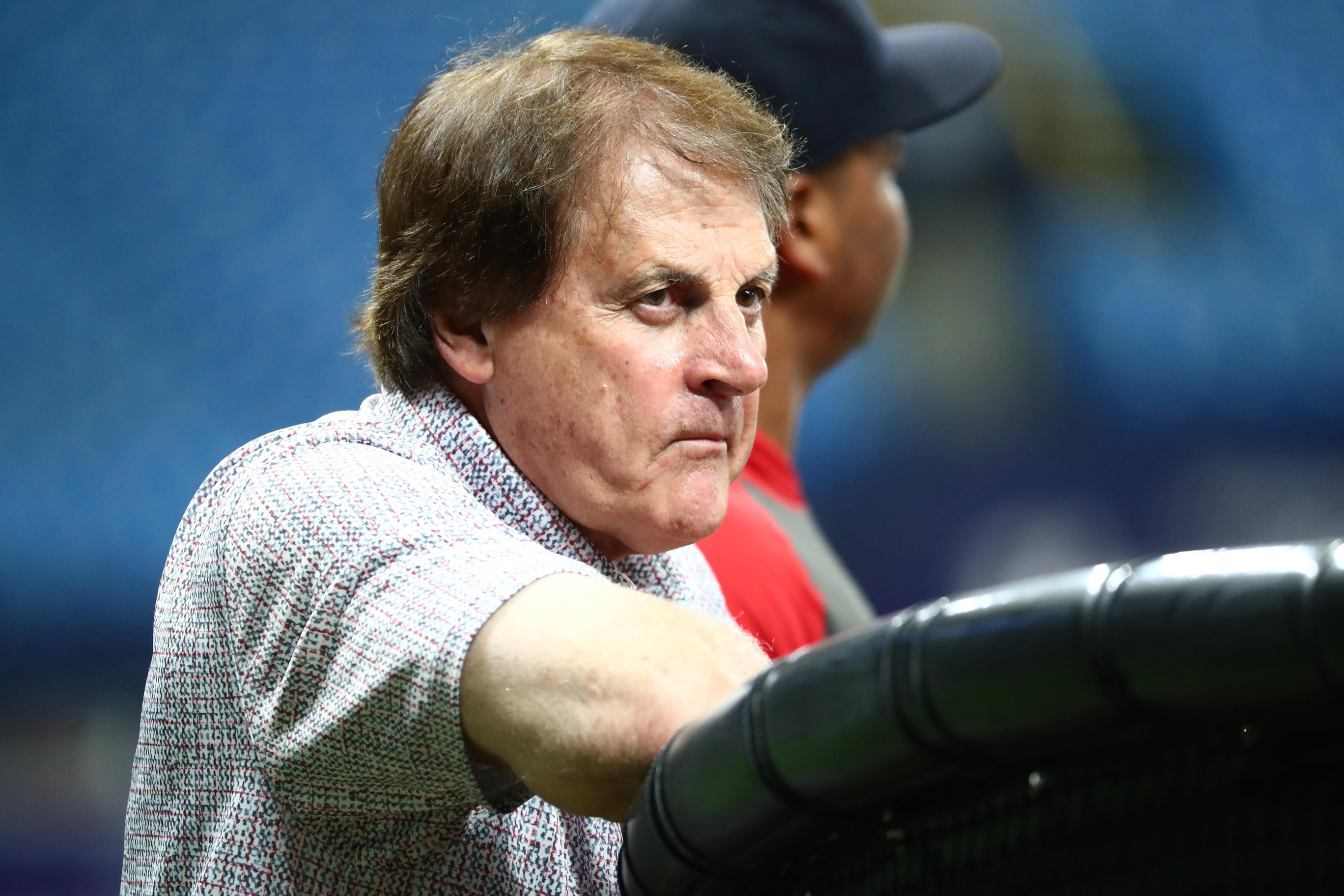 Hiring Tony La Russa When the White Sox hired Tony La Russa, it was a bit of a shock. He hasn’t managed since 2011 with the Cardinals and his tenure with that club didn’t exactly end on the highest note. He’s been elected to MLB’s Hall of Fame and there is no question that he has changed the game with managerial style. He approached relief pitching in a different way and he helped to lead multiple franchises to a World Series. That can’t be said for many mangers. Based on many reports, it sounds like the front office for the White Sox had little interest in La Russa becoming the White Sox manager. This was a decision driven by the ownership group. The White Sox have a diverse, young core on their roster and baseball has greatly changed since the last time he was a manager. Former Astros manager AJ Hinch seed like a better option, but the White Sox never offered him an interview after learning the ownership group was offering the position to La Russa. DUI Arrest Since La Russa was hired, ESPN has reported that he was arrested for a DUI shortly before he was hired. This is his second arrest for this offense and the recent details are grim. He told officers, “Do you see my ring? I’m a Hall of Famer baseball person. I’m legit. I’m a Hall of Famer, brother.” It was his second known drunken driving arrest after falling asleep at the wheel during spring training in 2007. At the time he said, “It was an embarrassment, so I apologize to anyone who is close to me, members of the Cardinals organization, our fans, I regret it, take responsibility and I’m not sure there is anything else I can say.” Free Agent Ramifications Their manager has made raciest comments in the past, he has struggled with alcohol issues, and he hasn’t managed in nearly a decade. Stroman’s reaction might be indicative to a larger reaction from the free agent pool this season. Regularly, free agents might be willing to sign with an upstart White Sox team, buy the current organization doesn’t meet their core values. https://twitter.com/Ken_Rosenthal/status/1326209173659463681?s=20 For the overall good of baseball, this might be a dark cloud. For teams in the AL Central, this might be an opening that allows the Twins to contend for multiple seasons while keeping other teams out of contention. How do you feel about the White Sox’s recent issues? Leave a comment and start the discussion MORE FROM TWINS DAILY — Latest Twins coverage from our writers — Recent Twins discussion in our forums — Follow Twins Daily via Twitter, Facebook or email
 -
There are a lot of decisions let to be made this offseason, but the Twins might already have an advantage heading into what will be left of the baseball hot stove. Even with some key players set to hit the open market, Minnesota has one of the best rosters in all of baseball. What can push them over the top to have baseball’s best roster?According to FanGraphs, the Twins have the fourth best roster (38.5 WAR) heading into the offseason. The teams ahead of the Twins include the Los Angeles Dodgers (44.3 WAR) the San Diego Padres (39.8 WAR), and the New York Yankees (38.5 WAR). This puts the Twins with the American League’s second-best roster, but Minnesota has clear holes to fill that can push them closer to the same level as the Dodgers. Big Name Trades Two of MLB’s best players, Francisco Lindor and Nolan Arenado, have a chance to be traded this winter. Cleveland has been trying to shed payroll for multiple seasons and Lindor is scheduled to make more than $20 million through arbitration this year, but he would be a free agent at season’s end. Arenado has the potential to be under contract for roughly $35 million per season through the 2026 campaign, but he can opt out after the 2021 season. Arenado doesn’t seem to fit into Minnesota’s future plans as the club already has Josh Donaldson under contract and they play the same defensive position. Lindor is intriguing as his addition can allow Jorge Polanco to move to a super utility role that Marwin Gonzalez has served over the last couple seasons. However, a trade in the division would be tough and the team trading for Lindor is only guaranteed that he would play one season for the club acquiring him. Do the Twins Already Have MLB’s Best Line-Up? Entering the off-season, the Twins might already have the best line-up in baseball. By looking at only position players, the closest teams to Minnesota are both clubs out of Chicago and the Dodgers. Unfortunately, this includes the Twins keeping Eddie Rosario, which seems highly unlikely. The other major roster hole not addressed by this chart is the fact that Minnesota’s best hitter, Nelson Cruz, is now a free agent. To have baseball’s best roster, the Twins are going to have to make multiple decisions this winter to complete holes in the line-up, the rotation, and the bullpen. Filling Roster Holes Eddie Rosario’s hole in the line-up seems easily filled by Alex Kirilloff. The club thought highly enough of him that he made his debut in the Twins Wild Card Series against the Astros and it seems likely for him to play the majority of the team’s games in the outfield next season. Designated hitter is another story as Nelson Cruz already turned 40-years old and reports have him looking for a two-year contract. One of the easiest ways for the team to improve their overall WAR would be to sign the best available designated hitter and that might be Marcell Ozuna. He is over a decade younger than Cruz and he is coming off a season where he led the National League in home runs while positing a 1.067 OPS. There are a lot of questions about how the free agent market will transpire this year, but rival executives expect the Twins to be aggressive in the months ahead. There’s lots left to do, but the Twins are definitely in their window of opportunity. What do you think the Twins can do to pass the Dodgers? Leave a COMMENT and start the discussion. MORE FROM TWINS DAILY — Latest Twins coverage from our writers — Recent Twins discussion in our forums — Follow Twins Daily via Twitter, Facebook or email Click here to view the article
-
 According to FanGraphs, the Twins have the fourth best roster (38.5 WAR) heading into the offseason. The teams ahead of the Twins include the Los Angeles Dodgers (44.3 WAR) the San Diego Padres (39.8 WAR), and the New York Yankees (38.5 WAR). This puts the Twins with the American League’s second-best roster, but Minnesota has clear holes to fill that can push them closer to the same level as the Dodgers. Big Name Trades Two of MLB’s best players, Francisco Lindor and Nolan Arenado, have a chance to be traded this winter. Cleveland has been trying to shed payroll for multiple seasons and Lindor is scheduled to make more than $20 million through arbitration this year, but he would be a free agent at season’s end. Arenado has the potential to be under contract for roughly $35 million per season through the 2026 campaign, but he can opt out after the 2021 season. Arenado doesn’t seem to fit into Minnesota’s future plans as the club already has Josh Donaldson under contract and they play the same defensive position. Lindor is intriguing as his addition can allow Jorge Polanco to move to a super utility role that Marwin Gonzalez has served over the last couple seasons. However, a trade in the division would be tough and the team trading for Lindor is only guaranteed that he would play one season for the club acquiring him. Do the Twins Already Have MLB’s Best Line-Up? Entering the off-season, the Twins might already have the best line-up in baseball. By looking at only position players, the closest teams to Minnesota are both clubs out of Chicago and the Dodgers. Unfortunately, this includes the Twins keeping Eddie Rosario, which seems highly unlikely. https://twitter.com/mike_petriello/status/1324758599424450562?s=20 The other major roster hole not addressed by this chart is the fact that Minnesota’s best hitter, Nelson Cruz, is now a free agent. To have baseball’s best roster, the Twins are going to have to make multiple decisions this winter to complete holes in the line-up, the rotation, and the bullpen. Filling Roster Holes Eddie Rosario’s hole in the line-up seems easily filled by Alex Kirilloff. The club thought highly enough of him that he made his debut in the Twins Wild Card Series against the Astros and it seems likely for him to play the majority of the team’s games in the outfield next season. Designated hitter is another story as Nelson Cruz already turned 40-years old and reports have him looking for a two-year contract. One of the easiest ways for the team to improve their overall WAR would be to sign the best available designated hitter and that might be Marcell Ozuna. He is over a decade younger than Cruz and he is coming off a season where he led the National League in home runs while positing a 1.067 OPS. There are a lot of questions about how the free agent market will transpire this year, but rival executives expect the Twins to be aggressive in the months ahead. There’s lots left to do, but the Twins are definitely in their window of opportunity. What do you think the Twins can do to pass the Dodgers? Leave a COMMENT and start the discussion. MORE FROM TWINS DAILY — Latest Twins coverage from our writers — Recent Twins discussion in our forums — Follow Twins Daily via Twitter, Facebook or email
 -
It’s been a little over two years since the Twins traded Eduardo Escobar to the Arizona Diamondbacks for a trio of minor league players. One of those players, Jhoan Duran, is one of the team’s top starting pitching prospect. Escobar was on his way to free agency at season’s end and Minnesota was able to get some value for the infielder. After two years, how have the Twins fared in the Eduardo Escobar trade?Time can change the view of a trade, so here’s what was said back in 2018 at the time of the deal. What Did People Say at the Time of the Trade? Arizona’s manager Torey Lovullo said, “We’re really excited about Eduardo Escobar. He’s got a tremendous track record in this game, he’s a great teammate, he’s a great player. He’ll fit right in.” At the time, Twins general manager Thad Levine said, both scouts and data analysts found the team’s haul in the deal “very exciting.” When referencing the Escobar trade and the Ryan Pressly deal, he said, “I believe four of them will go right into our top 30 prospects, and that’s meaningful. What we were able to accomplish yesterday may not pay dividends tomorrow, but on the horizon, that just got brighter.” Baseball America was very high on Duran at the time of the deal as he was the 10th ranked prospect in the Diamondback organization. They wrote, “He's coveted for his size, projectability and arm strength. His four-seam fastball reaches into the upper 90s and has peaked at 98 mph this season, and he's also shown a two-seam fastball in the low 90s that has flashed plus at low Class A Kane County. He has feel to spin his curveball, but the pitch still needs further refinement to keep hitters from picking it up early. His changeup is well below-average.” The other two players acquire along with Duran were Gabriel Maciel and Ernie De La Trinidad. Baseball America said, “Maciel is a touch undersized but has shown the ability to spray the ball around the park. Even so, scouts see well below-average power with plus speed. He plays an average center field right now, but with his speed has a chance to develop into an above-average defender.” Regarding De La Trinidad, Baseball America said, “De La Trinidad has plenty of power for a player listed at just 5-foot-9 and 165 pounds. His eight home runs are second on Kane County, behind only Jazz Chisholm… He plays hard and gets the most out of his ability, but there is no single carrying tool on his card and he does not project as a big league regular.” Escobar’s Arizona Time The Diamondbacks were trading for only a partial season of Escobar even though they did go on to resign him. In those 54 games in 2018, he hit .268/.320/.444 with eight home runs and 11 doubles. At the time of the trade the Diamondbacks were trailing the Los Angeles Dodgers by 1.5 games in the NL West and they were a half-game behind the Atlanta Braves in the NL wild-card race. Things didn’t go well down the stretch as Arizona ended the season with an 82-80 record which was 9.5 games back in the division. Escobar resigned with the Diamondbacks for three years and $21 million, so he has one more year remaining on that current contract. In 2019, he hit .269/.320/.511 with 35 home runs, 29 doubles, and a league leading 10 triples. The 2020 seasons didn’t go as well for him as his OPS dropped by over 200 points. Minnesota’s Trade Return Back in 2019, Duran was able to reach Double-A as a 21-year-old and the Twins added him to the 40-man roster following the season. His fastball is his key to getting to the big leagues as he can hit triple-digits on the radar gun. His best secondary pitch, a splitter/sinker hybrid pitch, is one that Baseball America has written multiple articles about. This pitch typically sits in the 88-94 mph range and he adds in a curveball that continues to improve. Maciel split the 2019 season between Low- and High-A where he hit .283/.366/.366 with 18 extra-base hits and a 61 to 44 strikeout to walk ratio. Also, he played all three outfield positions. De La Trinidad split the 2019 season between High- and Double-A where he hit .228/.309/.320 with 15 extra base hits and a 68 to 31 strikeout to walk ratio. Without any minor league games, it’s hard to know what kind of improvements any of these players made in 2020. Duran got to work the entire year at the team’s alternate site and the Twins continue to be very high on his potential. Who Won the Trade? Any value the Twins could get for Escobar is positive since he was essential a rental player. Minnesota has a deep farm system and Duran is one of the organization’s top pitching prospects. At best, he should fit into the Twins rotation for the better part of the next decade. If he can’t make it as a starter, his pitch combination could make him a lethal bullpen option. Maciel and De La Trinidad have an outside shot at making the big leagues, but the Twins clearly won with their acquisition of Duran. Looking back, what do you think about the trade? Leave a COMMENT and start the discussion. MORE FROM TWINS DAILY — Latest Twins coverage from our writers — Recent Twins discussion in our forums — Follow Twins Daily via Twitter, Facebook or email Click here to view the article
-
 Time can change the view of a trade, so here’s what was said back in 2018 at the time of the deal. What Did People Say at the Time of the Trade? Arizona’s manager Torey Lovullo said, “We’re really excited about Eduardo Escobar. He’s got a tremendous track record in this game, he’s a great teammate, he’s a great player. He’ll fit right in.” At the time, Twins general manager Thad Levine said, both scouts and data analysts found the team’s haul in the deal “very exciting.” When referencing the Escobar trade and the Ryan Pressly deal, he said, “I believe four of them will go right into our top 30 prospects, and that’s meaningful. What we were able to accomplish yesterday may not pay dividends tomorrow, but on the horizon, that just got brighter.” Baseball America was very high on Duran at the time of the deal as he was the 10th ranked prospect in the Diamondback organization. They wrote, “He's coveted for his size, projectability and arm strength. His four-seam fastball reaches into the upper 90s and has peaked at 98 mph this season, and he's also shown a two-seam fastball in the low 90s that has flashed plus at low Class A Kane County. He has feel to spin his curveball, but the pitch still needs further refinement to keep hitters from picking it up early. His changeup is well below-average.” The other two players acquire along with Duran were Gabriel Maciel and Ernie De La Trinidad. Baseball America said, “Maciel is a touch undersized but has shown the ability to spray the ball around the park. Even so, scouts see well below-average power with plus speed. He plays an average center field right now, but with his speed has a chance to develop into an above-average defender.” Regarding De La Trinidad, Baseball America said, “De La Trinidad has plenty of power for a player listed at just 5-foot-9 and 165 pounds. His eight home runs are second on Kane County, behind only Jazz Chisholm… He plays hard and gets the most out of his ability, but there is no single carrying tool on his card and he does not project as a big league regular.” Escobar’s Arizona Time The Diamondbacks were trading for only a partial season of Escobar even though they did go on to resign him. In those 54 games in 2018, he hit .268/.320/.444 with eight home runs and 11 doubles. At the time of the trade the Diamondbacks were trailing the Los Angeles Dodgers by 1.5 games in the NL West and they were a half-game behind the Atlanta Braves in the NL wild-card race. Things didn’t go well down the stretch as Arizona ended the season with an 82-80 record which was 9.5 games back in the division. Escobar resigned with the Diamondbacks for three years and $21 million, so he has one more year remaining on that current contract. In 2019, he hit .269/.320/.511 with 35 home runs, 29 doubles, and a league leading 10 triples. The 2020 seasons didn’t go as well for him as his OPS dropped by over 200 points. Minnesota’s Trade Return Back in 2019, Duran was able to reach Double-A as a 21-year-old and the Twins added him to the 40-man roster following the season. His fastball is his key to getting to the big leagues as he can hit triple-digits on the radar gun. His best secondary pitch, a splitter/sinker hybrid pitch, is one that Baseball America has written multiple articles about. This pitch typically sits in the 88-94 mph range and he adds in a curveball that continues to improve. Maciel split the 2019 season between Low- and High-A where he hit .283/.366/.366 with 18 extra-base hits and a 61 to 44 strikeout to walk ratio. Also, he played all three outfield positions. De La Trinidad split the 2019 season between High- and Double-A where he hit .228/.309/.320 with 15 extra base hits and a 68 to 31 strikeout to walk ratio. Without any minor league games, it’s hard to know what kind of improvements any of these players made in 2020. Duran got to work the entire year at the team’s alternate site and the Twins continue to be very high on his potential. Who Won the Trade? Any value the Twins could get for Escobar is positive since he was essential a rental player. Minnesota has a deep farm system and Duran is one of the organization’s top pitching prospects. At best, he should fit into the Twins rotation for the better part of the next decade. If he can’t make it as a starter, his pitch combination could make him a lethal bullpen option. Maciel and De La Trinidad have an outside shot at making the big leagues, but the Twins clearly won with their acquisition of Duran. Looking back, what do you think about the trade? Leave a COMMENT and start the discussion. MORE FROM TWINS DAILY — Latest Twins coverage from our writers — Recent Twins discussion in our forums — Follow Twins Daily via Twitter, Facebook or email
 -
On Tuesday night, MLB and Rawlings handed out the 2020 Gold Glove Awards. Minnesota entered the night with two finalists, Kenta Maeda and Byron Buxton. Buxton had a chance to walk away with his second Gold Glove, while Maeda might not even be the best defensive pitcher on his team. Minnesota has prided itself on defense as an organization, so how did the Twins fare during the 2020 campaign?Defensive metrics have come a long way over the last decade. With StatCast tracking every batted ball, the amount of information available to fans is at an all-time high. One newer defensive metric was developed by the Society for American Baseball Research (SABR) and it is called the SABR Defensive Index (SDI). According to SABR's website, the SDI "draws on and aggregates two types of existing defensive metrics: those derived from batted ball location-based data and those collected from play-by-play accounts." First Base: Miguel Sano SDI Total: -1.5 SDI (12th in the AL) Sano’s first year as a full-time first baseman had its ups and downs. He’s athletic enough to adjust to a new position, but there were clearly moments where he was still getting acclimated to his new defensive role. Only two qualifying AL first basemen finished behind Sano (Vladimir Guerrero Jr. and Luke Voit) in the SDI rankings. In the years ahead, it will be intriguing to see if his defense improves as he gets more experience at first base. Shortstop: Jorge Polanco SDI Total: -0.4 SDI (8th in the AL) Polanco is never going to be an above average defensive shortstop and he’s played the last two seasons on an ankle that needed offseason surgery. Minnesota’s positioning of Polanco seemed to help him make more plays this season and having Josh Donaldson on the same side of the infield certainly helps. Last season, Polanco finished with a -1.9 SDI which was good for 8th among AL shortstops. Above Polanco on this year’s SDI rankings is Detroit’s Niko Goodrum, a former player in the Twins organization. Center Field: Byron Buxton SDI Total: 5.5 SDI (2nd in the AL) Even though Buxton was limited to 39 games this season, he still finished in the top four among all AL defenders according to SDI. Unfortunately, he fell short of his second Gold Glove as Chicago’s Luis Robert finished ahead of him by just 0.1 SDI points. Buxton didn’t accumulate enough defensive innings in 2018 or 2019 to appear on the SDI Leaderboard. Back in 2017, he won the Platinum Glove as the AL’s best fielder. There’s no question that health has impacted his career, but Buxton only having one Gold Glove at this point is disappointing. Right Field: Max Kepler SDI Total: 1.4 SDI (7th in the AL) Kepler finished the 2019 SDI rankings as the second-best AL right fielder (5.7 SDI) but he trailed Mookie Betts by 5 SDI points. With Betts out of the AL, this could have been an opportunity for Kepler to earn his first Gold Glove. Joey Gallo put up unbelievable numbers in a 60-game season as he more than doubled the SDI total of other right fielders. Kepler has been a borderline Gold Glove candidate in recent years, so it will be interesting to see if he can play a full season in right field and come away with the award. Left Field: Eddie Rosario SDI Total: 1.1 SDI (4th in the AL) Rosario isn’t exactly known for his defensive prowess as he finished the 2019 campaign with the third worst SDI total among AL left fielders (-5.7 SDI). The 2020 season exemplifies how a small sample size can make a player look better or worse than their career numbers. Rosario nearly finished as the third best left fielder in the AL which is hard to believe that he should have been a Gold Glove finalist. Next season, the Twins might have a different player in left field so that could change their defensive outlook. Pitcher: Kenta Maeda SDI Total: 1.0 SDI (2nd in the AL) Maeda’s first year in a Twins uniform was certainly memorable, but few people may remember it for his defense on the mound. He ended up finishing tied for second in AL SDI with Zach Plesac with Griffin Canning winning the Gold Glove with the highest SDI total. Last year in the NL, Maeda finished with a 1.4 SDI which put him in the top-20 among pitchers. Jose Berrios finished tied for eighth in the AL, which should make Mitch Garver happy. How did you feel about the Twins defense this season? Leave a COMMENT and start the discussion. MORE FROM TWINS DAILY — Latest Twins coverage from our writers — Recent Twins discussion in our forums — Follow Twins Daily via Twitter, Facebook or email Click here to view the article
-
Golden Opportunity: Using SDI to Evaluate the Twins Defense
Cody Christie posted an article in Twins
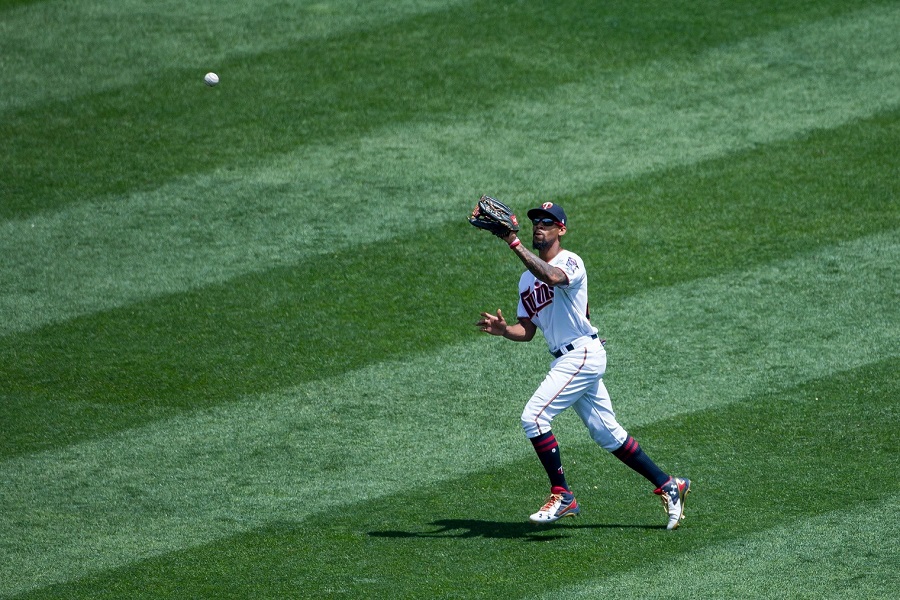 Defensive metrics have come a long way over the last decade. With StatCast tracking every batted ball, the amount of information available to fans is at an all-time high. One newer defensive metric was developed by the Society for American Baseball Research (SABR) and it is called the SABR Defensive Index (SDI). According to SABR's website, the SDI "draws on and aggregates two types of existing defensive metrics: those derived from batted ball location-based data and those collected from play-by-play accounts." First Base: Miguel Sano SDI Total: -1.5 SDI (12th in the AL) Sano’s first year as a full-time first baseman had its ups and downs. He’s athletic enough to adjust to a new position, but there were clearly moments where he was still getting acclimated to his new defensive role. Only two qualifying AL first basemen finished behind Sano (Vladimir Guerrero Jr. and Luke Voit) in the SDI rankings. In the years ahead, it will be intriguing to see if his defense improves as he gets more experience at first base. Shortstop: Jorge Polanco SDI Total: -0.4 SDI (8th in the AL) Polanco is never going to be an above average defensive shortstop and he’s played the last two seasons on an ankle that needed offseason surgery. Minnesota’s positioning of Polanco seemed to help him make more plays this season and having Josh Donaldson on the same side of the infield certainly helps. Last season, Polanco finished with a -1.9 SDI which was good for 8th among AL shortstops. Above Polanco on this year’s SDI rankings is Detroit’s Niko Goodrum, a former player in the Twins organization. Center Field: Byron Buxton SDI Total: 5.5 SDI (2nd in the AL) Even though Buxton was limited to 39 games this season, he still finished in the top four among all AL defenders according to SDI. Unfortunately, he fell short of his second Gold Glove as Chicago’s Luis Robert finished ahead of him by just 0.1 SDI points. Buxton didn’t accumulate enough defensive innings in 2018 or 2019 to appear on the SDI Leaderboard. Back in 2017, he won the Platinum Glove as the AL’s best fielder. There’s no question that health has impacted his career, but Buxton only having one Gold Glove at this point is disappointing. Right Field: Max Kepler SDI Total: 1.4 SDI (7th in the AL) Kepler finished the 2019 SDI rankings as the second-best AL right fielder (5.7 SDI) but he trailed Mookie Betts by 5 SDI points. With Betts out of the AL, this could have been an opportunity for Kepler to earn his first Gold Glove. Joey Gallo put up unbelievable numbers in a 60-game season as he more than doubled the SDI total of other right fielders. Kepler has been a borderline Gold Glove candidate in recent years, so it will be interesting to see if he can play a full season in right field and come away with the award. Left Field: Eddie Rosario SDI Total: 1.1 SDI (4th in the AL) Rosario isn’t exactly known for his defensive prowess as he finished the 2019 campaign with the third worst SDI total among AL left fielders (-5.7 SDI). The 2020 season exemplifies how a small sample size can make a player look better or worse than their career numbers. Rosario nearly finished as the third best left fielder in the AL which is hard to believe that he should have been a Gold Glove finalist. Next season, the Twins might have a different player in left field so that could change their defensive outlook. Pitcher: Kenta Maeda SDI Total: 1.0 SDI (2nd in the AL) Maeda’s first year in a Twins uniform was certainly memorable, but few people may remember it for his defense on the mound. He ended up finishing tied for second in AL SDI with Zach Plesac with Griffin Canning winning the Gold Glove with the highest SDI total. Last year in the NL, Maeda finished with a 1.4 SDI which put him in the top-20 among pitchers. Jose Berrios finished tied for eighth in the AL, which should make Mitch Garver happy. How did you feel about the Twins defense this season? Leave a COMMENT and start the discussion. MORE FROM TWINS DAILY — Latest Twins coverage from our writers — Recent Twins discussion in our forums — Follow Twins Daily via Twitter, Facebook or email
 -
Every offseason comes with a fair share of decisions. Last year, the Twins went looking for a starting pitcher on the open market and came up empty. This allowed the team to shift their focus to signing Josh Donaldson and trading for Kenta Maeda. With decreased revenues expected across baseball, here is the plan that the Twins should follow using the Twins Daily Payroll Tool.Filling Out the Line-Up Alex Kirilloff is going to be a big part of the 2021 Twins even if he isn’t in the line-up on Opening Day. The Twins thought highly enough of him to put him into the playoff line-up in a do-or-die situation and there have been other glowing reports out of the Twin Cities. He slides in nicely to the spot vacated after the Twins non-tender Eddie Rosario. Kirilloff is cheaper and has the potential to produce at a similar level for a fraction of the cost. Nelson Cruz has been amazing in a Twins uniform, but there are no certainties surrounding a player over the age of 40. Marcell Ozuna seems like a better option to fill the designated hitter role. He is a decade younger than Cruz and he is coming off a season where he hit .338/.431/.636 while leading the NL in home runs, RBI, and total bases. With Ozuna’s big contract, money is saved with the reserve players. Jake Cave can come back as a starting outfielder to begin the year before Kirilloff becomes the regular player. Travis Blankenhorn takes over the role vacated by Marwin Gonzalez as the super utility player. Ehire Adrianza steps back in as the back up player at multiple positions and Ryan Jeffers starts the season as the backup catcher with a good chance to be used more regularly than Garver. Download attachment: My Blueprint.JPG Rotation Roulette Three out of the five rotation spots for the Twins are decided with Kenta Maeda, Jose Berrios, and Michael Pineda penciled in. This leaves decisions to make in the back half of the rotation. One strategy would be to sign someone big for the fourth spot in their rotation and leave the fifth spot to someone else already in the organization. The Texas Rangers already announced they would decline the option on Corey Kluber and it seems like a no-brainer for the Twins front office to be interested. Derek Falvey, Minnesota’s President of Baseball Operations, worked with the Kluber when he was a member of the Cleveland Indians. Kluber was a three-time All-Star with Cleveland and won two Cy Young awards. The back of Minnesota’s rotation can easily be filled with a cornucopia of players from within the organization. Randy Dobnak seems like the logical first choice, but there are plenty of other options including Cody Stashak, Lewis Thorpe, Jhoan Duran and Jordan Balazovic. Teams don’t need a lot out of the fifth spot in the rotation and these players can more than fill that role. Completing the Bullpen Bullpens have become so important in the modern game especially with starters pitching fewer innings. This year’s playoffs were a prime example with the Dodgers and the Rays riding their bullpens to a thrilling World Series. While these teams relied on a variety of arms, the Twins strategy might need to change if they spend on the players mentioned above. The bullpen outlined above might be worse than last year’s conglomeration with Sergio Romo’s option declined and other players pushed into different roles. Tyler Duffey and Jorge Alcala will be absolute weapons in late innings. The Twins can hope for a bounce back year from Taylor Rogers. The front office might also be able to find another Matt Wisler type player from another organization. Do you think this blueprint pushes the Twins to the next level? Leave a COMMENT and start the discussion. MORE FROM TWINS DAILY — Latest Twins coverage from our writers — Recent Twins discussion in our forums — Follow Twins Daily via Twitter, Facebook or email Click here to view the article

