



Cody Christie
-
Posts
7,515 -
Joined
-
Last visited
-
Days Won
5
Content Type
Profiles
News
Minnesota Twins Videos
2026 Minnesota Twins Top Prospects Ranking
2022 Minnesota Twins Draft Picks
Minnesota Twins Free Agent & Trade Rumors, Notes, & Tidbits
Guides & Resources
2023 Minnesota Twins Draft Picks
The Minnesota Twins Players Project
2024 Minnesota Twins Draft Picks
2025 Minnesota Twins Draft Pick Tracker
2026 Minnesota Twins Draft Tracker: Picks & Bonuses
Forums
Blogs
Events
Store
Downloads
Gallery
Everything posted by Cody Christie
-
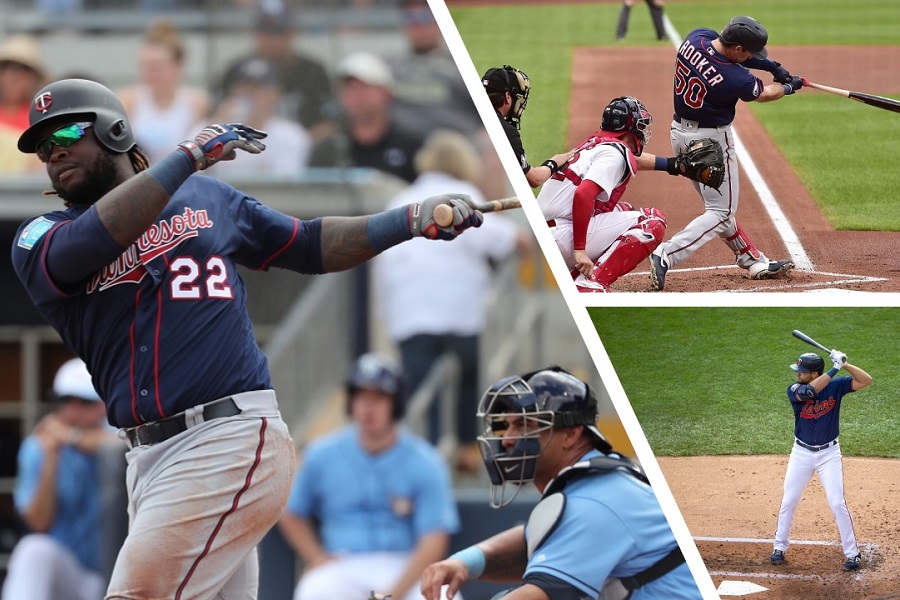 Current First Baseman: Miguel Sano Last winter, the Twins locked up Miguel Sano to a three-year, $30 million contract extension that includes a $14 million team option for 2023 or a $2.75 million buyout. Sano struggled early in the 2020 season as he missed most of Summer Camp after a positive COVID-19 diagnosis. Through his first 13 games, he went 5-for-45 (.111 BA) with 23 strikeouts and a .504 OPS. He led all of baseball with 90 strikeouts, but he was able to hit double digit home runs for the sixth consecutive season. Sano’s defensive transition had its ups and downs as one would expect. There were games where it was a little more obvious that his footwork and approach were lacking at first base, but that can certainly be expected at a position where he lacked familiarity. According to SABR’s Defensive Index, only two AL first baseman had a lower SDI total. Sano can move to DH depending on what the Twins decide with Nelson Cruz. 40-Man Options Besides Sano, the Twins have other 40-man roster options to play first base. Two of the team’s top prospects, Alex Kirilloff and Brent Rooker, made their debuts last season. During the 2019 campaign, Kirilloff hit .283/.343/.413 with 29 extra-base hits in 94 games while playing nearly 42% of his defensive innings at first base. This came on the heels of a tremendous 2018 campaign where he posted a .970 OPS and was named MiLB’s Breakout Player of the Year. Minnesota’s front office has a lot of trust in him and he seems like a likely candidate to take over for Eddie Rosario in the outfield. Rooker got off to a tremendous start last season before suffering a fractured forearm that ended his season. In seven games, he hit .316/.381/.579 with three extra-base hits and five RBI. Back in 2019, he made his Triple-A debut and hit .282/.399/.530 with 30 extra-base hits, but he was limited to 67 games while dealing with a wrist injury and a groin injury. Rooker should be ready for season’s start and there are multiple roles he can fill on the 2021 Twins. On the Farm Options Outside of the options mentioned above, there are other first base options in the minor leagues including some strong prospects. Minnesota took Gabe Snyder with their 21st round pick back in 2018 after he spent four years at Wright State. His 2019 campaign was spent entirely at Low-A where he hit .259/.338/.462 with 44 extra-base hits in 114 games. With his college experience, he has been old for each level he has played at during his professional career. Snyder turns 26 in March and the team should push him to Double-A. In the 2020 MLB Draft, Minnesota took Aaron Sabato with the 27th overall pick after two impressive seasons at the University of North Carolina. Sabato was known as a slugger after hitting .332/.459/.698 (1.158) with 57 extra-base hits in 83 games. The jury is still out on if he will have the defensive skills to play a position in the big-leagues or if he will be limited to playing DH. Weiss was the Twins 23rd round pick in 2018 out of Cal State-Northridge. He played at three different levels in 2019 with High-A being the highest level he reached. Weiss was also older than the competition at every stop in his professional career. Phillips is roughly a year behind Weiss as he was taken out of college in 2019. It will be interesting to see how aggressive the Twins are with these two players following the absence of a 2020 minor league season. What do you think about the future of first base in Minnesota? Leave a COMMENT and start the discussion. OTHER POSTS IN THE SERIES -Shortstop -Third Base MORE FROM TWINS DAILY — Latest Twins coverage from our writers — Recent Twins discussion in our forums — Follow Twins Daily via Twitter, Facebook or email
 -
 Minnesota surprised some last offseason by signing Josh Donaldson to a four-year, $92 million contract. The former MVP was coming off a tremendous season with Atlanta where he posted a .900 OPS and won MLB’s Comeback Player of the Year. Donaldson has the biggest free agent contract in team history, but what does that mean for the future of third base in Minnesota?Current Third Baseman: Josh Donaldson Donaldson’s first season in a Twins uniform didn’t go exactly as planned as he was limited to 28 games. When he was on the field, he hit .222/.373/.469 with eight extra-base hits in 81 at-bats. Injuries have been the story of the second half of Donaldson’s career. Outside of his 2019 season in Atlanta, he missed time in 2017, 2018, and 2020. Minnesota was well aware of Donaldson’s injury history and now he is under contract for at least the next three seasons. For all players, the 2020 season came with unique challenges and this can impact players in different ways. Minnesota can hope that a more normal 2021 season will allow Donaldson to get back being close to the player he was in Atlanta a few seasons ago. On the other hand, Minnesota is going to need to have some back-up options if Donaldson’s calf issues continue to plague him. 40-Man Options Besides Donaldson, the Twins have other 40-man roster options to play third base even with the possible departures of Marwin Gonzalez and Ehire Adrianza as free agents. Travis Blankenhorn got a brief call-up last year as he appeared in one game and went 1-for-3 with a double. There is a chance he is given the opportunity to serve in the team’s utility role during the 2021 campaign. Another option for the Twins is to sign or trade for a shortstop and this allows Jorge Polanco to move into a utility role. Polanco has undergone off-season ankle surgery in each of the last two off-seasons and the Twins might want to add some infield insurance On the Farm Options Outside of the options mentioned above, there are other third base options in the minor leagues including some strong prospects. Download attachment: Twins Minor League 3B.JPG Miranda, a 2016 second round pick, was available to be selected in last week’s Rule 5 Draft, but no other organizations selected him. He showed a good balance of power and plate discipline in 2019, and he can play multiple infield positions. Bechtold, a 2017 fifth round pick, split time between Low- and High-A back in 2019. Both players will see time at Double or Triple-A next season. Mack, Steer and Gray all spent some of the 2019 season in Elizabethton with Gray and Steer making appearances at Low-A before season’s end. Mack was taken out of high school while Gray and Steer have multiple years of collegiate experience. All three players have a chance to reach Double-A by the end of the 2021 season. What do you think about the future of third base in Minnesota? Leave a COMMENT and start the discussion. OTHER POST IN THE SERIES - SHORTSTOP MORE FROM TWINS DAILY — Latest Twins coverage from our writers — Recent Twins discussion in our forums — Follow Twins Daily via Twitter, Facebook or email Click here to view the article
 -
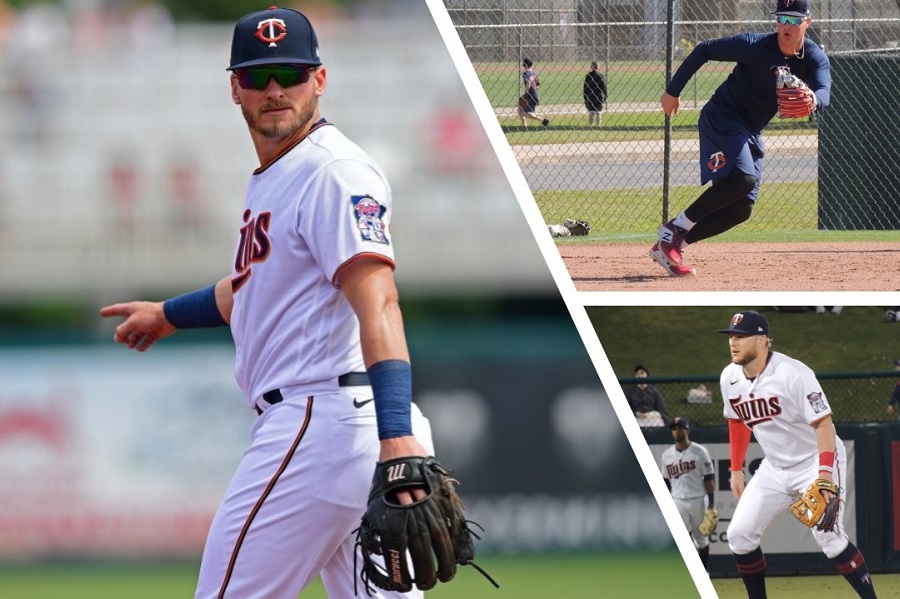 Current Third Baseman: Josh Donaldson Donaldson’s first season in a Twins uniform didn’t go exactly as planned as he was limited to 28 games. When he was on the field, he hit .222/.373/.469 with eight extra-base hits in 81 at-bats. Injuries have been the story of the second half of Donaldson’s career. Outside of his 2019 season in Atlanta, he missed time in 2017, 2018, and 2020. Minnesota was well aware of Donaldson’s injury history and now he is under contract for at least the next three seasons. For all players, the 2020 season came with unique challenges and this can impact players in different ways. Minnesota can hope that a more normal 2021 season will allow Donaldson to get back being close to the player he was in Atlanta a few seasons ago. On the other hand, Minnesota is going to need to have some back-up options if Donaldson’s calf issues continue to plague him. 40-Man Options Besides Donaldson, the Twins have other 40-man roster options to play third base even with the possible departures of Marwin Gonzalez and Ehire Adrianza as free agents. Travis Blankenhorn got a brief call-up last year as he appeared in one game and went 1-for-3 with a double. There is a chance he is given the opportunity to serve in the team’s utility role during the 2021 campaign. Another option for the Twins is to sign or trade for a shortstop and this allows Jorge Polanco to move into a utility role. Polanco has undergone off-season ankle surgery in each of the last two off-seasons and the Twins might want to add some infield insurance On the Farm Options Outside of the options mentioned above, there are other third base options in the minor leagues including some strong prospects. Miranda, a 2016 second round pick, was available to be selected in last week’s Rule 5 Draft, but no other organizations selected him. He showed a good balance of power and plate discipline in 2019, and he can play multiple infield positions. Bechtold, a 2017 fifth round pick, split time between Low- and High-A back in 2019. Both players will see time at Double or Triple-A next season. Mack, Steer and Gray all spent some of the 2019 season in Elizabethton with Gray and Steer making appearances at Low-A before season’s end. Mack was taken out of high school while Gray and Steer have multiple years of collegiate experience. All three players have a chance to reach Double-A by the end of the 2021 season. What do you think about the future of third base in Minnesota? Leave a COMMENT and start the discussion. OTHER POST IN THE SERIES - SHORTSTOP MORE FROM TWINS DAILY — Latest Twins coverage from our writers — Recent Twins discussion in our forums — Follow Twins Daily via Twitter, Facebook or email
 -
In recent years, shortstop has been a revolving door for the Minnesota Twins. Since Cristian Guzman left in 2004, no player has been the team’s Opening Day starter in three consecutive seasons. During the current 16-year stretch, 11 different players have opened the year as the team’s shortstop. Jorge Polanco is under contract for multiple more seasons, but what does that mean for the future of shortstop in Minnesota?Current Shortstop: Jorge Polanco Polanco is signed thru the 2023 season when he would be age-29, but the team has a $10.5 million option for 2024 and a $12 million for 2025. After signing his extension, Polanco rewarded the Twins with a tremendous first half to the 2019 campaign as he hit .312/.368/.514 with 41 extra-base hits in 85 games. He’d be named as the starter for the AL All-Star team, but things have changed over the last calendar year. In the second half of 2019, his OPS dropped by nearly 100 points and there have been some defensive concerns throughout his professional career. The 2020 campaign didn’t go much better as he posted a career worst .658 OPS. In each of the last two offseason, Polanco has been forced to have surgery on his right ankle. So, what does this mean moving forward? 40-Man Options With Ehire Adrianza hitting free agency, there’s only one other 40-man option with significant shortstop experience. Nick Gordon was the team’s first round pick back in 2014 and he spent the 2019 season at Triple-A where he hit .298/.342/.459 in 70 games. Unfortunately, he spent much of the 2020 season trying to recover from a positive COVID-19 diagnosis. He was never able to report to the team’s alternate site camp in St. Paul. By the time he recovered, he spent the rest of the season recovering in Fort Myers. While Gordon has shortstop experience, the 2019 season was the first time he spent roughly half his defensive innings at second base. The lack of a minor league season and his battle with COVID-19 really hurt Gordon’s chances to make improvements in 2020. He already turned 25 and he has yet to make his big-league debut. On the Farm Options Outside of Gordon, there are other shortstop options in the minor leagues including some of the team’s top prospects. Download attachment: Twins Minor League SS.JPG Lewis has been considered the organization’s top prospect and he spent the entire 2020 season at the team’s alternate site. He struggled through parts of 2019 at High- and Double-A before going to the Arizona Fall League and being named the league’s MVP. Questions have been raised about his long-term ability to stick at shortstop, but he still should be knocking on the door to the big leagues in 2021. Lin was picked up on a minor league deal at the beginning of December. He was a former top-20 prospect for the Red Sox before serving in a utility role over the last four seasons. For his career, he is a .223/.298/.316 with 13 extra-base hits in nearly 220 big-league plate appearances. He has also shown the ability to play nearly every defensive position. Javier and Holland have taken different routes to this point in their career. Javier signed for $4 million as an international free agent back in 2015, but he has been limited to 130 games as a professional. Holland was drafted out of Auburn University in 2019 after posting an .812 OPS over three collegiate seasons. Both have a chance to reach Double-A next season. Cavaco will be one of the more intriguing names to watch on this list since he was a first-round draft pick under the current front office regime. Coming into the draft, he was viewed a late riser, but the Twins liked the tools he possessed. Will the Twins bump him up to Low-A as a teenager? What do you think about the future of shortstop in Minnesota? Leave a COMMENT and start the discussion. MORE FROM TWINS DAILY — Latest Twins coverage from our writers — Recent Twins discussion in our forums — Follow Twins Daily via Twitter, Facebook or email Click here to view the article
-
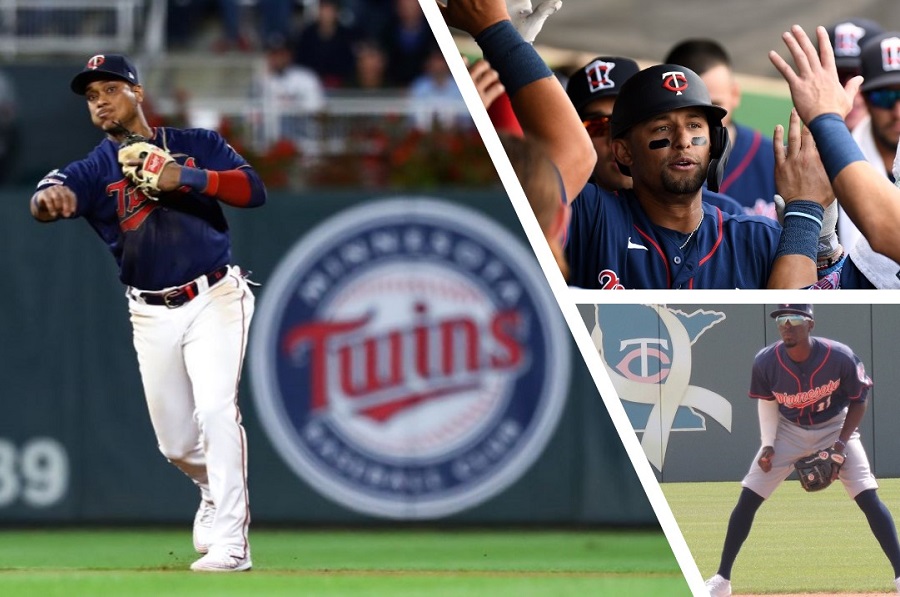 Current Shortstop: Jorge Polanco Polanco is signed thru the 2023 season when he would be age-29, but the team has a $10.5 million option for 2024 and a $12 million for 2025. After signing his extension, Polanco rewarded the Twins with a tremendous first half to the 2019 campaign as he hit .312/.368/.514 with 41 extra-base hits in 85 games. He’d be named as the starter for the AL All-Star team, but things have changed over the last calendar year. In the second half of 2019, his OPS dropped by nearly 100 points and there have been some defensive concerns throughout his professional career. The 2020 campaign didn’t go much better as he posted a career worst .658 OPS. In each of the last two offseason, Polanco has been forced to have surgery on his right ankle. So, what does this mean moving forward? 40-Man Options With Ehire Adrianza hitting free agency, there’s only one other 40-man option with significant shortstop experience. Nick Gordon was the team’s first round pick back in 2014 and he spent the 2019 season at Triple-A where he hit .298/.342/.459 in 70 games. Unfortunately, he spent much of the 2020 season trying to recover from a positive COVID-19 diagnosis. He was never able to report to the team’s alternate site camp in St. Paul. By the time he recovered, he spent the rest of the season recovering in Fort Myers. While Gordon has shortstop experience, the 2019 season was the first time he spent roughly half his defensive innings at second base. The lack of a minor league season and his battle with COVID-19 really hurt Gordon’s chances to make improvements in 2020. He already turned 25 and he has yet to make his big-league debut. On the Farm Options Outside of Gordon, there are other shortstop options in the minor leagues including some of the team’s top prospects. Lewis has been considered the organization’s top prospect and he spent the entire 2020 season at the team’s alternate site. He struggled through parts of 2019 at High- and Double-A before going to the Arizona Fall League and being named the league’s MVP. Questions have been raised about his long-term ability to stick at shortstop, but he still should be knocking on the door to the big leagues in 2021. Lin was picked up on a minor league deal at the beginning of December. He was a former top-20 prospect for the Red Sox before serving in a utility role over the last four seasons. For his career, he is a .223/.298/.316 with 13 extra-base hits in nearly 220 big-league plate appearances. He has also shown the ability to play nearly every defensive position. Javier and Holland have taken different routes to this point in their career. Javier signed for $4 million as an international free agent back in 2015, but he has been limited to 130 games as a professional. Holland was drafted out of Auburn University in 2019 after posting an .812 OPS over three collegiate seasons. Both have a chance to reach Double-A next season. Cavaco will be one of the more intriguing names to watch on this list since he was a first-round draft pick under the current front office regime. Coming into the draft, he was viewed a late riser, but the Twins liked the tools he possessed. Will the Twins bump him up to Low-A as a teenager? What do you think about the future of shortstop in Minnesota? Leave a COMMENT and start the discussion. MORE FROM TWINS DAILY — Latest Twins coverage from our writers — Recent Twins discussion in our forums — Follow Twins Daily via Twitter, Facebook or email
 -
Last week, former Twin Lance Lynn was traded back into the AL Central as the Rangers dealt him to the White Sox. His career has certainly taken a different path since he left the division, but the Twins were able to acquire a pair of prospects back in 2018. New York sent infielder Tyler Austin and right-hander Luis Rijo to Minnesota, so who ended up winning this trade?Time can change the view of a trades, so here’ what was said back in 2018 at the time of the deal. What Did People Say at the Time of the Trade? Lynn had only made 20 starts for the Twins at the time of the deal and he was excited to be heading to a contender. "As a fan of the game growing up, it's exciting for me as a young kid seeing them in their heyday winning a lot of World Series championships," Lynn said at the time. "You look at their team now, they're going for it. I'm excited for that opportunity and that challenge. It's going to be a different experience. I'm just going to go in there and try to do everything I can to help wherever that may be." Baseball Prospectus discussed Austin’s prospect status before he finally broke into the big leagues. “the Yankees have mostly used Austin as an up-and-down fill-in when their better plans at first base or designated hitter have gone awry. He’s continued to put up big numbers for the International League in his Triple-A stints, and he’s consistently hit for power if not average when in the bigs.” At the time, Tom wrote at Twins Daily and gave the Twins an A-grade for this trade. Lynn had been lackluster during his Twins tenure and Tom was surprised Lynn had this kind of trade value. He wrote, “Honestly, if this was Lynn for Luis Rijo straight up, I would have been impressed. Rijo has an insane 8.36 K:BB ratio in 125 ⅓ innings over his minor league career. He also tops out at 93 mph, so it’s not like it’s all just smoke and mirrors.” Lynn’s New York Tenure Lynn was joining a Yankees pitching staff that already had five starters in front of him. Luis Severino, Masahiro Tanaka, CC Sabathia, Sonny Gray and JA Happ were ahead of Lynn in the rotation. Even with that depth, nine of Lynn’s 11 appearances with New York came as a starter. He posted a 4.14 ERA and a 1.33 WHIP in 54 1/3 innings. He posted a 102 ERA+ and struck out 61 while only walking 14. It was an improvement over his time with the Twins. In the playoffs, Lynn made two relief appearances in the ALDS and things didn’t go as well. He allowed three runs in 2 1/3 innings with a 2.14 WHIP and as many walks (2) as strikeouts (2). New York fell to Boston in four games and Lynn signed a free agent deal with Texas that winter. Minnesota’s Return Austin played 37 games for the Twins over the next two seasons and hit .236/.298/.488 with nine home runs and five doubles. He struck out in nearly 32% of his plate appearances and the Twins dealt him to the San Francisco Giants for outfielder Malique Ziegler. Since joining the Twins, Ziegler played in 18 games at High-A where he posted a .442 OPS and dealt with some injuries. He turned 24-years old in September and a lost 2020 season hurt his chances to get closer to the big leagues. Luis Rijo is a little more intriguing even though the Twins have left him unprotected in each of the last two Rule 5 Drafts. His last appearances came at Low-A back 2019, so that’s likely one of the biggest reasons a team hasn’t claimed him. In that season, he posted a 2.86 ERA with 99 strikeouts over 107 innings. All those appearances were as a starter, but the bullpen might be an intriguing option moving forward, especially since his fastball already sits in the mid-90s. Who Won the Trade? Another part of the trade was the fact Minnesota had to eat $4.5 million of Lynn’s contract. This likely allowed the Twins to get any kind of value back in this trade. While Austin didn’t exactly pan out, Rijo still has potential to be a viable pitcher at the big-league level and he might have a better chance to contribute if he can make a successful transition to the bullpen. It was lucky the Twins could get anything for Lynn after the way his career started with the team. Looking back, what do you think about the trade? Leave a COMMENT and start the discussion. If you missed any of the previous posts in this series: -Brian Dozier Trade -Ryan Pressly Trade -Eduardo Escobar Trade MORE FROM TWINS DAILY — Latest Twins coverage from our writers — Recent Twins discussion in our forums — Follow Twins Daily via Twitter, Facebook or email Click here to view the article
-
Trade Retrospective: How Did the Twins Do in the Lance Lynn Trade?
Cody Christie posted an article in Twins
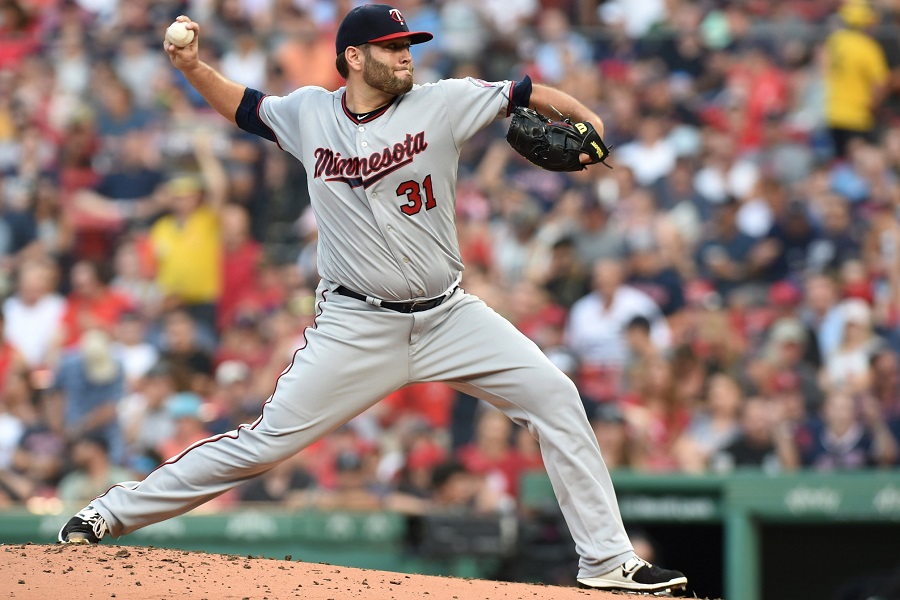 Time can change the view of a trades, so here’ what was said back in 2018 at the time of the deal. What Did People Say at the Time of the Trade? Lynn had only made 20 starts for the Twins at the time of the deal and he was excited to be heading to a contender. "As a fan of the game growing up, it's exciting for me as a young kid seeing them in their heyday winning a lot of World Series championships," Lynn said at the time. "You look at their team now, they're going for it. I'm excited for that opportunity and that challenge. It's going to be a different experience. I'm just going to go in there and try to do everything I can to help wherever that may be." Baseball Prospectus discussed Austin’s prospect status before he finally broke into the big leagues. “the Yankees have mostly used Austin as an up-and-down fill-in when their better plans at first base or designated hitter have gone awry. He’s continued to put up big numbers for the International League in his Triple-A stints, and he’s consistently hit for power if not average when in the bigs.” At the time, Tom wrote at Twins Daily and gave the Twins an A-grade for this trade. Lynn had been lackluster during his Twins tenure and Tom was surprised Lynn had this kind of trade value. He wrote, “Honestly, if this was Lynn for Luis Rijo straight up, I would have been impressed. Rijo has an insane 8.36 K:BB ratio in 125 ⅓ innings over his minor league career. He also tops out at 93 mph, so it’s not like it’s all just smoke and mirrors.” Lynn’s New York Tenure Lynn was joining a Yankees pitching staff that already had five starters in front of him. Luis Severino, Masahiro Tanaka, CC Sabathia, Sonny Gray and JA Happ were ahead of Lynn in the rotation. Even with that depth, nine of Lynn’s 11 appearances with New York came as a starter. He posted a 4.14 ERA and a 1.33 WHIP in 54 1/3 innings. He posted a 102 ERA+ and struck out 61 while only walking 14. It was an improvement over his time with the Twins. In the playoffs, Lynn made two relief appearances in the ALDS and things didn’t go as well. He allowed three runs in 2 1/3 innings with a 2.14 WHIP and as many walks (2) as strikeouts (2). New York fell to Boston in four games and Lynn signed a free agent deal with Texas that winter. Minnesota’s Return Austin played 37 games for the Twins over the next two seasons and hit .236/.298/.488 with nine home runs and five doubles. He struck out in nearly 32% of his plate appearances and the Twins dealt him to the San Francisco Giants for outfielder Malique Ziegler. Since joining the Twins, Ziegler played in 18 games at High-A where he posted a .442 OPS and dealt with some injuries. He turned 24-years old in September and a lost 2020 season hurt his chances to get closer to the big leagues. Luis Rijo is a little more intriguing even though the Twins have left him unprotected in each of the last two Rule 5 Drafts. His last appearances came at Low-A back 2019, so that’s likely one of the biggest reasons a team hasn’t claimed him. In that season, he posted a 2.86 ERA with 99 strikeouts over 107 innings. All those appearances were as a starter, but the bullpen might be an intriguing option moving forward, especially since his fastball already sits in the mid-90s. Who Won the Trade? Another part of the trade was the fact Minnesota had to eat $4.5 million of Lynn’s contract. This likely allowed the Twins to get any kind of value back in this trade. While Austin didn’t exactly pan out, Rijo still has potential to be a viable pitcher at the big-league level and he might have a better chance to contribute if he can make a successful transition to the bullpen. It was lucky the Twins could get anything for Lynn after the way his career started with the team. Looking back, what do you think about the trade? Leave a COMMENT and start the discussion. If you missed any of the previous posts in this series: -Brian Dozier Trade -Ryan Pressly Trade -Eduardo Escobar Trade MORE FROM TWINS DAILY — Latest Twins coverage from our writers — Recent Twins discussion in our forums — Follow Twins Daily via Twitter, Facebook or email
 -
This winter Trevor Bauer is widely considered the best free agent pitcher on the planet. He’s is coming off a tremendous 2020 campaign where he won the NL Cy Young Award, which puts him in place for a contract north of $100 million. Some Twins fans are clamoring for the team to sign Bauer, but how does he compare to one of Minnesota’s best starters?The Trevor Bauer Argument Trevor Bauer dominated the 2020 season as he posted a 1.73 ERA with a 0.80 WHIP while leading the National League in ERA, CG, ERA+, WHIP, and H/9. It was a truly dominant season, but he only made 11 starts. To put this in perspective, he was traded from Cleveland to Cincinnati in 2019 and made 10 starts. During that span, his ERA was 6.39 and his WHIP was 1.35. Sample size is an important thing to consider in baseball and all professional sports. Looking at Bauer’s full career, adds a little more intrigue to the argument. Through his first six big-league seasons, he had a 4.36 ERA with a 1.36 WHIP. His ERA+ was 99 and his FIP was 4.15, so there was certainly some room for improvement. Even with his 2018 All-Star season and last year’s Cy Young campaign, he has a career 3.90 ERA and 1.27 WHIP. There’s only been one season where he has thrown over 190 innings and he only has an ERA less than 4.18 in two seasons. Will the team signing Bauer get the 2018 and 2020 version or the version that has been present throughout the rest of his career? The Jose Berrios Argument Minnesota could try and sign Jose Berrios to an extension this winter, but it will likely cost the club north of $100 million. Berrios is under team control for the next two seasons before reaching free agency as a 29-year old. The Twins have approached him about an extension in the past, but he betted on himself and is taking the arbitration process one year at a time. This could be the smart play for Berrios as he has direct control over his future because his future earnings will increase if he plays well. Compared to Bauer, Berrios has plenty of things in his favor. Outside of the abbreviated 2020 season, he had posted sub-3.90 ERA marks in three consecutive seasons. Bauer has only been able to match that total in one season where he made more than 11 starts. For his career, Berrios also has a better strikeout per walk total and a very similar WHIP to Bauer while pitching over 190 innings in 2018 and 2019. Trevor Bauer is a very good pitcher, and he has made some tremendous strides over the last three seasons. However, the Twins already have a similar pitcher under team control. Adding Bauer to the Twins rotation would certainly improve the rotation, but Minnesota also needs to figure out a way to keep a pitcher that has developed in their own organization. Who would you rather have over the next five years, Bauer or Berrios? Leave a COMMENT and start the discussion. MORE FROM TWINS DAILY — Latest Twins coverage from our writers — Recent Twins discussion in our forums — Follow Twins Daily via Twitter, Facebook or email Click here to view the article
-
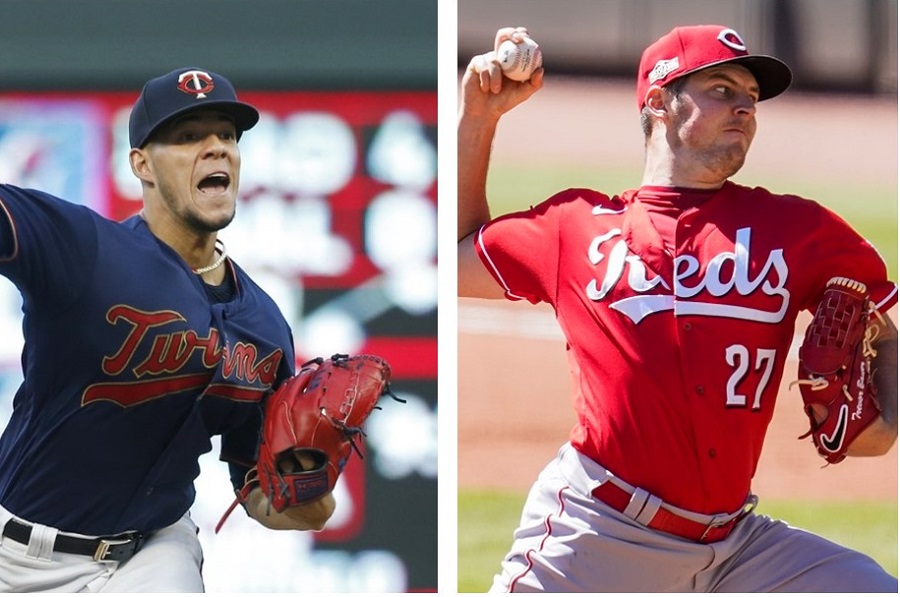 The Trevor Bauer Argument Trevor Bauer dominated the 2020 season as he posted a 1.73 ERA with a 0.80 WHIP while leading the National League in ERA, CG, ERA+, WHIP, and H/9. It was a truly dominant season, but he only made 11 starts. To put this in perspective, he was traded from Cleveland to Cincinnati in 2019 and made 10 starts. During that span, his ERA was 6.39 and his WHIP was 1.35. Sample size is an important thing to consider in baseball and all professional sports. Looking at Bauer’s full career, adds a little more intrigue to the argument. Through his first six big-league seasons, he had a 4.36 ERA with a 1.36 WHIP. His ERA+ was 99 and his FIP was 4.15, so there was certainly some room for improvement. Even with his 2018 All-Star season and last year’s Cy Young campaign, he has a career 3.90 ERA and 1.27 WHIP. There’s only been one season where he has thrown over 190 innings and he only has an ERA less than 4.18 in two seasons. Will the team signing Bauer get the 2018 and 2020 version or the version that has been present throughout the rest of his career? The Jose Berrios Argument Minnesota could try and sign Jose Berrios to an extension this winter, but it will likely cost the club north of $100 million. Berrios is under team control for the next two seasons before reaching free agency as a 29-year old. The Twins have approached him about an extension in the past, but he betted on himself and is taking the arbitration process one year at a time. This could be the smart play for Berrios as he has direct control over his future because his future earnings will increase if he plays well. Compared to Bauer, Berrios has plenty of things in his favor. Outside of the abbreviated 2020 season, he had posted sub-3.90 ERA marks in three consecutive seasons. Bauer has only been able to match that total in one season where he made more than 11 starts. For his career, Berrios also has a better strikeout per walk total and a very similar WHIP to Bauer while pitching over 190 innings in 2018 and 2019. Trevor Bauer is a very good pitcher, and he has made some tremendous strides over the last three seasons. However, the Twins already have a similar pitcher under team control. Adding Bauer to the Twins rotation would certainly improve the rotation, but Minnesota also needs to figure out a way to keep a pitcher that has developed in their own organization. Who would you rather have over the next five years, Bauer or Berrios? Leave a COMMENT and start the discussion. MORE FROM TWINS DAILY — Latest Twins coverage from our writers — Recent Twins discussion in our forums — Follow Twins Daily via Twitter, Facebook or email
 -
The highlight of the Winter Meeting’s final day is the Rule 5 draft. The Rule 5 draft works very closely with the 40-man roster rules. Teams must add players to their 40-man roster to avoid exposure in the Rule 5 draft where players could be lost to another organization. Will the Twins select any players? What players could the Twins lose?Check back to this article through the morning for updates as the Rule 5 draft occurs. Minnesota’s current 40-man roster sits with 35 active players which includes 18 pitchers, four catchers, six infielders and seven outfielders. At the end of last month, the Twins added three players to the 40-man roster to protect them from the Rule 5 draft. These players were catcher Ben Rortvedt and right-handed pitchers Jordan Balazovic and Bailey Ober. Another player to consider is Fernando Romero who spent the entire season on the restricted list due to visa issues and he is not currently on the 40-man roster. With payrolls expected to decrease next year because of the pandemic, inexpensive talent will be at a premium, so we could see more Rule 5 Draft activity than usual this offseason. As you may know, it costs $100,000 to make a Rule 5 selection. Then that player must remain on the draft team's active roster all year or be offered back to the original team for $50,000. Trades can be worked out as well. Who are some members of the Twins organization that have a chance to be selected? Here’s a quick list: OF Akil Baddoo: Baddoo was the Twins second-round pick back in 2016 out of high school. He played all of 2019 as a 20-year old at Fort Myers, but he was limited to 29 games after undergoing Tommy John surgery. His power and speed could be a valuable asset, especially since he can play centerfield. Would a team be willing to use him as a back-up outfielder for the season? SS Wander Javier: Javier has been one of the team’s top prospects since he was signed, but he missed the entire 2018 season due to Tommy John surgery. The Twins left him unprotected last year and he went unclaimed. He has all the tools and that’s one of the reasons the Twins were high on him when he signed with the club. After another missed season, it seems unlikely for a team to claim him, but the talent is there. RHP Luis Rijo: Like Javier, Rijo was left unprotected last winter and he went unclaimed. Back in 2019, he pitched the entire season at Low-A where he posted a 2.86 ERA and 99 strikeouts in 107 innings as a starter. He has three pitches and can hit the mid-90s with his fastball, which could definitely be intriguing to a rebuilding club. Would a team be able to stash him in their bullpen for the year and help him develop? 3B Jose Miranda: Minnesota selected Miranda in the second round of the 2016 MLB Draft. Since that time, he was worked his way through the system as he played nearly all of 2019 at High-A. He’s hit double-digit home runs in two of the last three seasons and he has topped 25 doubles for two consecutive years. His ability to play multiple defensive positions could allow a team to keep him on their bench in a utility role. Other Twins players that could potential be selected include: RHP Griffin Jax, 2B Yunior Severino, OF Gabriel Maciel, LHP Charlie Barnes, LHP Jovani Moran, RHP Tyler Wells, LHP Bryan Sammons, 1B/OF Trey Cabbage, 1B Zander Wiel. ----- Outfielder Akil Baddoo was selected with the third overall pick in the Rule 5 Draft. He will join the Tigers organization after missing nearly two full seasons of competitive play. He underwent Tommy John surgery in 2019, but he is expected to be healthy for 2021. Right-handed pitcher Tyler Wells was selected in the second round of the Rule 5 Draft by the Baltimore Orioles. Like Baddoo, Wells underwent Tommy John surgery in 2019. Before the injury, he had a 2.49 ERA and a 121 to 31 strikeout to walk ratio in 119 1/3 innings between High- and Double-A. Right-handed pitcher Ricky Ramirez was lost to the Orioles in the Triple-A phase of the Rule 5 Draft. He was the team’s 15th round pick back in 2017. During the 2019 season, posted a 3.80 ERA with a 50 to 18 strikeout to walk ratio in 42 2/3 innings. He has never pitched higher than the Florida State League. Right-handed pitcher Joe Record was selected by the Astros in the minor league portion of the Rule 5 Draft. He only made 35 appearances in the Twins organization after being selected in the 28th round of the 2017 MLB Draft. Record, a hard thrower, had a 5.07 ERA and a 68 to 16 strikeout to walk ratio over 55 innings back in 2019. In the minor league portion of the Rule 5 Draft, the Twins selected right-handed pitcher Jhonleider Salinas from the Tampa Bay organization. At 6-foot-7, the 25-year old Venezuelan can be an opposing presence on the mound. He split 2019 between High- and Double-A where he had a 3.27 ERA and a 68 to 33 strikeout to walk ratio in 66 innings. Minnesota also picked left-handed pitcher Josh Mitchell from the Royals organization in the minor league portion of the Rule 5 Draft. He was a 22nd round pick back in 2017 from the University of Pittsburgh. He pitched all of 2019 at High-A where he had a 3.30 ERA and a 47 to 13 strikeout to walk ratio in 43 2/3 innings. Outfielder Jacob Pearson was picked up by the Atlanta Braves from the Twins organization. Originally, Pearson came to the Twins from the Angles organization for international bonus pool money that was used for signing Shohei Ohtani. During the 2019 season, Pearson hit .233/.303/.338 with 30 extra-base hits in 117 games. Feel free to discuss the Rule 5 draft here as it happens or rumors before and after. The article will be updated after the MLB portion of the Rule 5 and after the Minor League portion of the Rule 5. MORE FROM TWINS DAILY — Latest Twins coverage from our writers — Recent Twins discussion in our forums — Follow Twins Daily via Twitter, Facebook or email Click here to view the article
- 45 replies
-
- 1
-

-
- akil baddoo
- wander javier
- (and 2 more)
-
 Check back to this article through the morning for updates as the Rule 5 draft occurs. Minnesota’s current 40-man roster sits with 35 active players which includes 18 pitchers, four catchers, six infielders and seven outfielders. At the end of last month, the Twins added three players to the 40-man roster to protect them from the Rule 5 draft. These players were catcher Ben Rortvedt and right-handed pitchers Jordan Balazovic and Bailey Ober. Another player to consider is Fernando Romero who spent the entire season on the restricted list due to visa issues and he is not currently on the 40-man roster. With payrolls expected to decrease next year because of the pandemic, inexpensive talent will be at a premium, so we could see more Rule 5 Draft activity than usual this offseason. As you may know, it costs $100,000 to make a Rule 5 selection. Then that player must remain on the draft team's active roster all year or be offered back to the original team for $50,000. Trades can be worked out as well. Who are some members of the Twins organization that have a chance to be selected? Here’s a quick list: OF Akil Baddoo: Baddoo was the Twins second-round pick back in 2016 out of high school. He played all of 2019 as a 20-year old at Fort Myers, but he was limited to 29 games after undergoing Tommy John surgery. His power and speed could be a valuable asset, especially since he can play centerfield. Would a team be willing to use him as a back-up outfielder for the season? SS Wander Javier: Javier has been one of the team’s top prospects since he was signed, but he missed the entire 2018 season due to Tommy John surgery. The Twins left him unprotected last year and he went unclaimed. He has all the tools and that’s one of the reasons the Twins were high on him when he signed with the club. After another missed season, it seems unlikely for a team to claim him, but the talent is there. RHP Luis Rijo: Like Javier, Rijo was left unprotected last winter and he went unclaimed. Back in 2019, he pitched the entire season at Low-A where he posted a 2.86 ERA and 99 strikeouts in 107 innings as a starter. He has three pitches and can hit the mid-90s with his fastball, which could definitely be intriguing to a rebuilding club. Would a team be able to stash him in their bullpen for the year and help him develop? 3B Jose Miranda: Minnesota selected Miranda in the second round of the 2016 MLB Draft. Since that time, he was worked his way through the system as he played nearly all of 2019 at High-A. He’s hit double-digit home runs in two of the last three seasons and he has topped 25 doubles for two consecutive years. His ability to play multiple defensive positions could allow a team to keep him on their bench in a utility role. Other Twins players that could potential be selected include: RHP Griffin Jax, 2B Yunior Severino, OF Gabriel Maciel, LHP Charlie Barnes, LHP Jovani Moran, RHP Tyler Wells, LHP Bryan Sammons, 1B/OF Trey Cabbage, 1B Zander Wiel. ----- Outfielder Akil Baddoo was selected with the third overall pick in the Rule 5 Draft. He will join the Tigers organization after missing nearly two full seasons of competitive play. He underwent Tommy John surgery in 2019, but he is expected to be healthy for 2021. Right-handed pitcher Tyler Wells was selected in the second round of the Rule 5 Draft by the Baltimore Orioles. Like Baddoo, Wells underwent Tommy John surgery in 2019. Before the injury, he had a 2.49 ERA and a 121 to 31 strikeout to walk ratio in 119 1/3 innings between High- and Double-A. Right-handed pitcher Ricky Ramirez was lost to the Orioles in the Triple-A phase of the Rule 5 Draft. He was the team’s 15th round pick back in 2017. During the 2019 season, posted a 3.80 ERA with a 50 to 18 strikeout to walk ratio in 42 2/3 innings. He has never pitched higher than the Florida State League. Right-handed pitcher Joe Record was selected by the Astros in the minor league portion of the Rule 5 Draft. He only made 35 appearances in the Twins organization after being selected in the 28th round of the 2017 MLB Draft. Record, a hard thrower, had a 5.07 ERA and a 68 to 16 strikeout to walk ratio over 55 innings back in 2019. In the minor league portion of the Rule 5 Draft, the Twins selected right-handed pitcher Jhonleider Salinas from the Tampa Bay organization. At 6-foot-7, the 25-year old Venezuelan can be an opposing presence on the mound. He split 2019 between High- and Double-A where he had a 3.27 ERA and a 68 to 33 strikeout to walk ratio in 66 innings. Minnesota also picked left-handed pitcher Josh Mitchell from the Royals organization in the minor league portion of the Rule 5 Draft. He was a 22nd round pick back in 2017 from the University of Pittsburgh. He pitched all of 2019 at High-A where he had a 3.30 ERA and a 47 to 13 strikeout to walk ratio in 43 2/3 innings. Outfielder Jacob Pearson was picked up by the Atlanta Braves from the Twins organization. Originally, Pearson came to the Twins from the Angles organization for international bonus pool money that was used for signing Shohei Ohtani. During the 2019 season, Pearson hit .233/.303/.338 with 30 extra-base hits in 117 games. Feel free to discuss the Rule 5 draft here as it happens or rumors before and after. The article will be updated after the MLB portion of the Rule 5 and after the Minor League portion of the Rule 5. MORE FROM TWINS DAILY — Latest Twins coverage from our writers — Recent Twins discussion in our forums — Follow Twins Daily via Twitter, Facebook or email
 -
There’s no question that Chuck Knoblauch, a rookie at the time, was a vital part of the Twins run to the 1991 World Series. He hit .281/.351/.350 with 31 extra-base hits and 25 steals on his way to being named the AL Rookie of the Year. His tenure in Minnesota didn’t end as well, but his trade to the Yankees impacted the organization for nearly two decades after his departure. Let’s dive into the wormhole that is the Chuck Knoblauch Transaction Tree.Initial Trade: February 6, 1998 Knoblauch wanted a new home, and the Yankees were looking for a lead-off hitter for teams that won three straight championships. The Twins were able to acquire Brian Buchanan, Cristian Guzman, Eric Milton, and Danny Mota. Mota never panned out as he only appeared in four games with the Twins, but the rest of the players impacted the Twins roster for multiple years. Milton was the first of the three players to join the Twins. He was a member of the Twins rotation for five straight seasons including the club’s 2002 and 2003 AL Central Championships. He was an All-Star in 2001 and he compiled a 4.76 ERA with a 1.29 WHIP throughout his Twins tenure. However, Milton wouldn’t be the first player to be dealt away. That honor goes to Buchanan who didn’t debut until he was 26-years old. He played parts of three seasons in Minnesota by hitting .258/.319/.428. Guzman was a vital contributor to the organization’s resurgence in the early 2000s. He was an All-Star in 2001 and led all of baseball in triples three different times. Buchanan Trade: July 12, 2002 The Buchanan branch of this trade tree is the longest as its impacts were felt into the Target Field era. His initial trade was to the San Diego Padres for High-A shortstop prospect named Jason Bartlett. In his first tenure with the Twins, Bartlett hit .272/.341/.362 while averaging 16 extra-base hits per season. He’d become part of a much more memorable trade in the years to come. Milton Trade: December 3, 2003 Milton’s trade to Philadelphia brought back a trio of players including two impactful players. Minnesota acquired Nick Punto, Carlos Silva, and Bobby Korecky. Korecky spent five years in the Twins organization, but he only made 16 big-league appearances as a 28-year old reliever. Punto and Silva had both already made their debuts with Philadelphia at the time of the trade. Silva had pitched in 130 games as a reliever, but the Twins brought him in to be a starter. In four seasons, he pitched over 770 innings with a 4.42 ERA with a 1.36 WHIP. Punto became a fan favorite for his headfirst slides and his ability to play multiple defensive positions. He’d play seven seasons as a Twin while hitting .248/.323/.324. Guzman Signing: November 16, 2004 Guzman was the last piece of the initial Knoblauch trade to leave Minnesota and when he signed with Washington, the Twins received a compensation draft pick. It ended up being a third-round pick and the Minnesota used the pick to select Brian Duensing. He’d go on to pitch nearly 650 innings as a starter and a reliver. Over seven seasons, he posted a 4.13 ERA with a 99 ERA+ and a 1.38 WHIP. He’d actually become the last leaf on this transaction tree when he departed after the 2015 season. Bartlett Trade: November 28, 2007 Granted this was much more than a Bartlett trade, but he was the connection back to Knoblauch. Minnesota wanted a powerful right-handed bat to break up the lefties in the line-up, so a six-player deal was negotiated with Tampa Bay. The Rays received Matt Garza, Eddie Morlan, and Bartlett while the Twins received Delmon Young, Brendan Harris, and Jason Pridie. Pridie only appeared in a handful of games for the Twins but Young and Harris continued the transaction tree. Young was the number one overall pick in the 2003 MLB Draft, and he was coming off a season where he finished runner-up to Dustin Pedroia for the AL Rookie of the Year. He never really lived up to the billing as one of the game’s best prospects as he posted a .753 OPS over four seasons in Minnesota. Harris started over 120 games in two different seasons for the Twins and hit .251/.309/.360 with some defensive versatility. Harris Trade: December 9, 2010 Minnesota was riding high after the first season at Target Field and the team was looking for a change in the infield. Shortly after this trade, the Twins signed shortstop Tsuyoshi Nishioka to a three-year deal. This meant some of their other infielders were expendable, so the Twins packaged JJ Hardy and Harris in a deal that brought back Brett Jacobson and Jim Hoey from the Orioles. Jacobson never made it out of Double-A and Hoey allowed 15 earned runs in 24 2/3 innings with the Twins. Young Trade: August 15, 2011 The last trade tied to Knoblauch occurred after the trade deadline back in 2011. Young was sent to Detroit where he’d win the ALCS MVP a season later. Minnesota received Cole Nelson, who never made it past High-A, and Lester Oliveros. Oliveros was an intriguing arm, but he never put it all together as a relief option. In parts of three seasons, he’d pitch less than 30 innings with an ERA north of 5.00. Download attachment: Knoblauch Twins Trade.jpg From 1989, when the Twins drafted Knoblauch, through the 2015 season, the Twins had some connection to Knoblauch and his transaction tree. What are your thoughts or memories of some of these deals? Leave a COMMENT and start the discussion. MORE FROM TWINS DAILY — Latest Twins coverage from our writers — Recent Twins discussion in our forums — Follow Twins Daily via Twitter, Facebook or email Click here to view the article
-
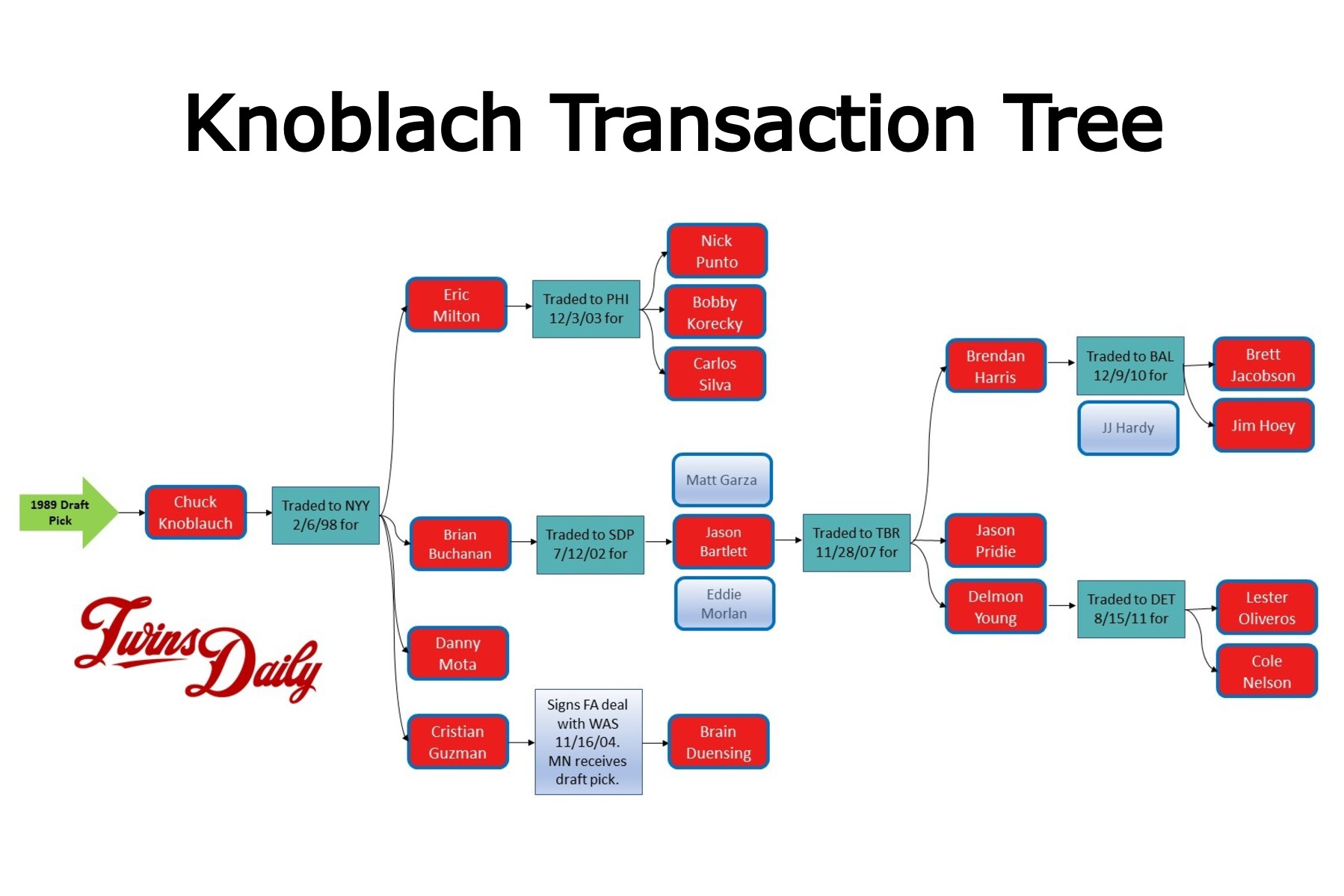 Initial Trade: February 6, 1998 Knoblauch wanted a new home, and the Yankees were looking for a lead-off hitter for teams that won three straight championships. The Twins were able to acquire Brian Buchanan, Cristian Guzman, Eric Milton, and Danny Mota. Mota never panned out as he only appeared in four games with the Twins, but the rest of the players impacted the Twins roster for multiple years. Milton was the first of the three players to join the Twins. He was a member of the Twins rotation for five straight seasons including the club’s 2002 and 2003 AL Central Championships. He was an All-Star in 2001 and he compiled a 4.76 ERA with a 1.29 WHIP throughout his Twins tenure. However, Milton wouldn’t be the first player to be dealt away. That honor goes to Buchanan who didn’t debut until he was 26-years old. He played parts of three seasons in Minnesota by hitting .258/.319/.428. Guzman was a vital contributor to the organization’s resurgence in the early 2000s. He was an All-Star in 2001 and led all of baseball in triples three different times. Buchanan Trade: July 12, 2002 The Buchanan branch of this trade tree is the longest as its impacts were felt into the Target Field era. His initial trade was to the San Diego Padres for High-A shortstop prospect named Jason Bartlett. In his first tenure with the Twins, Bartlett hit .272/.341/.362 while averaging 16 extra-base hits per season. He’d become part of a much more memorable trade in the years to come. Milton Trade: December 3, 2003 Milton’s trade to Philadelphia brought back a trio of players including two impactful players. Minnesota acquired Nick Punto, Carlos Silva, and Bobby Korecky. Korecky spent five years in the Twins organization, but he only made 16 big-league appearances as a 28-year old reliever. Punto and Silva had both already made their debuts with Philadelphia at the time of the trade. Silva had pitched in 130 games as a reliever, but the Twins brought him in to be a starter. In four seasons, he pitched over 770 innings with a 4.42 ERA with a 1.36 WHIP. Punto became a fan favorite for his headfirst slides and his ability to play multiple defensive positions. He’d play seven seasons as a Twin while hitting .248/.323/.324. Guzman Signing: November 16, 2004 Guzman was the last piece of the initial Knoblauch trade to leave Minnesota and when he signed with Washington, the Twins received a compensation draft pick. It ended up being a third-round pick and the Minnesota used the pick to select Brian Duensing. He’d go on to pitch nearly 650 innings as a starter and a reliver. Over seven seasons, he posted a 4.13 ERA with a 99 ERA+ and a 1.38 WHIP. He’d actually become the last leaf on this transaction tree when he departed after the 2015 season. Bartlett Trade: November 28, 2007 Granted this was much more than a Bartlett trade, but he was the connection back to Knoblauch. Minnesota wanted a powerful right-handed bat to break up the lefties in the line-up, so a six-player deal was negotiated with Tampa Bay. The Rays received Matt Garza, Eddie Morlan, and Bartlett while the Twins received Delmon Young, Brendan Harris, and Jason Pridie. Pridie only appeared in a handful of games for the Twins but Young and Harris continued the transaction tree. Young was the number one overall pick in the 2003 MLB Draft, and he was coming off a season where he finished runner-up to Dustin Pedroia for the AL Rookie of the Year. He never really lived up to the billing as one of the game’s best prospects as he posted a .753 OPS over four seasons in Minnesota. Harris started over 120 games in two different seasons for the Twins and hit .251/.309/.360 with some defensive versatility. Harris Trade: December 9, 2010 Minnesota was riding high after the first season at Target Field and the team was looking for a change in the infield. Shortly after this trade, the Twins signed shortstop Tsuyoshi Nishioka to a three-year deal. This meant some of their other infielders were expendable, so the Twins packaged JJ Hardy and Harris in a deal that brought back Brett Jacobson and Jim Hoey from the Orioles. Jacobson never made it out of Double-A and Hoey allowed 15 earned runs in 24 2/3 innings with the Twins. Young Trade: August 15, 2011 The last trade tied to Knoblauch occurred after the trade deadline back in 2011. Young was sent to Detroit where he’d win the ALCS MVP a season later. Minnesota received Cole Nelson, who never made it past High-A, and Lester Oliveros. Oliveros was an intriguing arm, but he never put it all together as a relief option. In parts of three seasons, he’d pitch less than 30 innings with an ERA north of 5.00. From 1989, when the Twins drafted Knoblauch, through the 2015 season, the Twins had some connection to Knoblauch and his transaction tree. What are your thoughts or memories of some of these deals? Leave a COMMENT and start the discussion. MORE FROM TWINS DAILY — Latest Twins coverage from our writers — Recent Twins discussion in our forums — Follow Twins Daily via Twitter, Facebook or email
 -
Back in 2018, the Twins made five trades in the days leading into the trade deadline. Minnesota was able to acquire 12 players and some of those players are now moving up the organization’s top prospect rankings. Brian Dozier was a Minnesota fan favorite, but his trade for Logan Forsythe, Luke Raley, and Devin Smeltzer has had ripple effects over the last two years.Time can change the view of a trade, so here’s what was said back in 2018 at the time of the deal. What Did People Say at the Time of the Trade? Los Angeles had been interested in Dozier for multiple years, but a deal never materialized. Minnesota’s asking price included Walker Buehler or Cody Bellinger and it’s clear now why the Dodgers wanted to hang on to these young assets. The Dodgers eventually dealt Jose De Leon to Tampa Bay for Logan Forsythe who became part of this trade. "Our lineup against left-handed pitching has been a concern of ours, particularly over the last month or two," said Dodgers general manager Farhan Zaidi. "When teams can game plan and stack their pitching when they think you have a weakness on a certain side, to bring in a right-handed bat gives our lineup really good balance." Twins chief baseball officer Derek Falvey said, "Brian has been a meaningful part of this franchise. This an opportunity for him to go to a winning ballclub that was in the World Series last year and with their roster is looking to maybe finish it off this time. We just felt like for us as an organization, this was the right time to make this decision. We were able to acquire some talent we feel can help us build toward a championship future." Logan Forsythe was included in the deal to off-set Dozier’s salary and this allowed the Twins to acquire a couple of intriguing prospects in Luke Raley and Devin Smeltzer. Raley was LA’s 26th best prospect entering the season, and this is what Baseball America had to say about him at the time. “Raley is a muscular lefthanded hitter with a potent bat. He shows power to all fields, and has the bat speed and swing path to get to it without sacrificing average…Raley isn’t overly explosive or toolsy, but he does a lot of things well and optimistic evaluators see the chance for him to become an everyday left fielder who hits 20 or more home runs a season” As far as Smeltzer, Baseball America said, “Smeltzer has decent command and an above-average changeup, but his fastball has ticked down from 90-93 mph to 88-90 in his starts this season… Smeltzer throws strikes, and his ticket to the majors will be if he can improve against lefthanded batters (currently batting .289/.326/.446 against him) and rise as a lefty specialist.” Dozier’s Los Angeles Time After joining the Dodgers, Dozier played in 47 regular season games while hitting .182/.300/.350 (.650) with five home runs and nine doubles. Los Angeles made a run to the World Series that year and Dozier played in 11 of the team’s postseason games. He went 2-for-16 with no extra-base hits and five walks. Boston walked away with the title and Dozier walked away in free agency. Baseball Reference gives him a 0.2 WAR for his LA stint, and he had a negative win probability added in the postseason. Minnesota’s Trade Return Forsythe played in 50 games for the Twins and he saw his numbers improve compared to what he had done in Los Angeles that season. He hit .258 with a .356 OBP, but he didn’t hit for much power. He was a free agent following the season and went on to sign with the Texas Rangers. Raley headed to Double-A with the Twins and hit .276/.371/.449 with eight extra-base hits in just under 100 at-bats. He headed to the Arizona Fall League and went 3-for-14 while only appearing in four games. His 2019 season was limited due to a dislocated tendon in his left ankle, which limited him to 38 games. It’s too bad because he was off to a strong start at Triple-A as he already had eight home runs and an .878 OPS. He’d go back to the AFL following the season and hit .244/.312/.439 with nine extra-base hits in 82 at-bats. Last winter, Raley was traded back to the Dodgers as part of the Kenta Maeda deal. This means Smeltzer is the lone piece of this trade still in the Twins organization. While the Dodgers had been using Smeltzer as a reliever, Minnesota gave him an opportunity to start in 2019. Between Double- and Triple-A, he posted a 2.76 ERA with a 1.05 WHIP and 104 strikeouts in 104 1/3 innings. At the big-league level, he also showed some promise as he started six games and appeared in 11 games total. As a starter, he had a 4.11 ERA with a 1.17 WHIP over 30 2/3 innings. He struck out 22 and limited batters to hitting .239/.294/.410. This season Smeltzer appeared in seven games and pitched multiple innings in all but one appearance. In his first appearance, he got shelled for five earned runs, but he’d post a 4.50 ERA the rest of the way. Who Won the Trade? At the time, Tom wrote at Twins Daily and gave the Twins a D-grade for this trade. One of his biggest reasons for that was the inclusion of Forsythe in the deal and the possibility that the Twins might not have maximized their return with the other trades that took place leading into the deadline. Hindsight might be 20-20, but this trade is now looking a little more favorable for the Twins. Dozier didn’t do much with his time in LA and the Twins weren’t likely going to extend him a qualifying offer. Minnesota has better corner outfield prospects than Raley, so it was probably easier for the team to include him in the Maeda deal. Plus, the Twins got back the runner-up for AL Cy Young this year, so not too shabby. Smeltzer may never reproduce his 2019 numbers, but he looks like he might be able to fill a big-league role for multiple seasons. Looking back, what do you think about the trade? Leave a COMMENT and start the discussion. If you missed any of the previous posts in this series: -Ryan Pressly Trade -Eduardo Escobar Trade MORE FROM TWINS DAILY — Latest Twins coverage from our writers — Recent Twins discussion in our forums — Follow Twins Daily via Twitter, Facebook or email Click here to view the article
-
Trade Retrospective: How Did the Twins Do in the Brian Dozier Trade?
Cody Christie posted an article in Twins
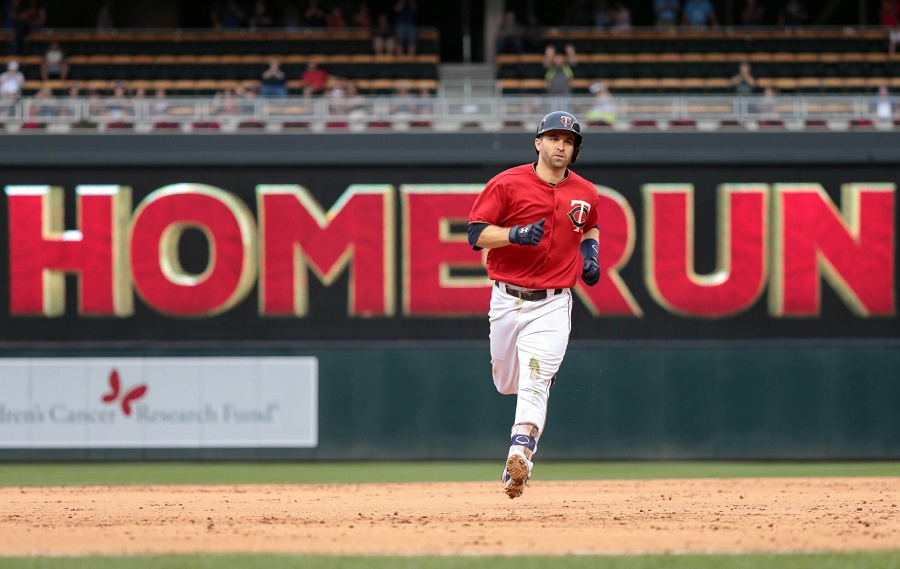 Time can change the view of a trade, so here’s what was said back in 2018 at the time of the deal. What Did People Say at the Time of the Trade? Los Angeles had been interested in Dozier for multiple years, but a deal never materialized. Minnesota’s asking price included Walker Buehler or Cody Bellinger and it’s clear now why the Dodgers wanted to hang on to these young assets. The Dodgers eventually dealt Jose De Leon to Tampa Bay for Logan Forsythe who became part of this trade. "Our lineup against left-handed pitching has been a concern of ours, particularly over the last month or two," said Dodgers general manager Farhan Zaidi. "When teams can game plan and stack their pitching when they think you have a weakness on a certain side, to bring in a right-handed bat gives our lineup really good balance." Twins chief baseball officer Derek Falvey said, "Brian has been a meaningful part of this franchise. This an opportunity for him to go to a winning ballclub that was in the World Series last year and with their roster is looking to maybe finish it off this time. We just felt like for us as an organization, this was the right time to make this decision. We were able to acquire some talent we feel can help us build toward a championship future." Logan Forsythe was included in the deal to off-set Dozier’s salary and this allowed the Twins to acquire a couple of intriguing prospects in Luke Raley and Devin Smeltzer. Raley was LA’s 26th best prospect entering the season, and this is what Baseball America had to say about him at the time. “Raley is a muscular lefthanded hitter with a potent bat. He shows power to all fields, and has the bat speed and swing path to get to it without sacrificing average…Raley isn’t overly explosive or toolsy, but he does a lot of things well and optimistic evaluators see the chance for him to become an everyday left fielder who hits 20 or more home runs a season” As far as Smeltzer, Baseball America said, “Smeltzer has decent command and an above-average changeup, but his fastball has ticked down from 90-93 mph to 88-90 in his starts this season… Smeltzer throws strikes, and his ticket to the majors will be if he can improve against lefthanded batters (currently batting .289/.326/.446 against him) and rise as a lefty specialist.” Dozier’s Los Angeles Time After joining the Dodgers, Dozier played in 47 regular season games while hitting .182/.300/.350 (.650) with five home runs and nine doubles. Los Angeles made a run to the World Series that year and Dozier played in 11 of the team’s postseason games. He went 2-for-16 with no extra-base hits and five walks. Boston walked away with the title and Dozier walked away in free agency. Baseball Reference gives him a 0.2 WAR for his LA stint, and he had a negative win probability added in the postseason. Minnesota’s Trade Return Forsythe played in 50 games for the Twins and he saw his numbers improve compared to what he had done in Los Angeles that season. He hit .258 with a .356 OBP, but he didn’t hit for much power. He was a free agent following the season and went on to sign with the Texas Rangers. Raley headed to Double-A with the Twins and hit .276/.371/.449 with eight extra-base hits in just under 100 at-bats. He headed to the Arizona Fall League and went 3-for-14 while only appearing in four games. His 2019 season was limited due to a dislocated tendon in his left ankle, which limited him to 38 games. It’s too bad because he was off to a strong start at Triple-A as he already had eight home runs and an .878 OPS. He’d go back to the AFL following the season and hit .244/.312/.439 with nine extra-base hits in 82 at-bats. Last winter, Raley was traded back to the Dodgers as part of the Kenta Maeda deal. This means Smeltzer is the lone piece of this trade still in the Twins organization. While the Dodgers had been using Smeltzer as a reliever, Minnesota gave him an opportunity to start in 2019. Between Double- and Triple-A, he posted a 2.76 ERA with a 1.05 WHIP and 104 strikeouts in 104 1/3 innings. At the big-league level, he also showed some promise as he started six games and appeared in 11 games total. As a starter, he had a 4.11 ERA with a 1.17 WHIP over 30 2/3 innings. He struck out 22 and limited batters to hitting .239/.294/.410. This season Smeltzer appeared in seven games and pitched multiple innings in all but one appearance. In his first appearance, he got shelled for five earned runs, but he’d post a 4.50 ERA the rest of the way. Who Won the Trade? At the time, Tom wrote at Twins Daily and gave the Twins a D-grade for this trade. One of his biggest reasons for that was the inclusion of Forsythe in the deal and the possibility that the Twins might not have maximized their return with the other trades that took place leading into the deadline. Hindsight might be 20-20, but this trade is now looking a little more favorable for the Twins. Dozier didn’t do much with his time in LA and the Twins weren’t likely going to extend him a qualifying offer. Minnesota has better corner outfield prospects than Raley, so it was probably easier for the team to include him in the Maeda deal. Plus, the Twins got back the runner-up for AL Cy Young this year, so not too shabby. Smeltzer may never reproduce his 2019 numbers, but he looks like he might be able to fill a big-league role for multiple seasons. Looking back, what do you think about the trade? Leave a COMMENT and start the discussion. If you missed any of the previous posts in this series: -Ryan Pressly Trade -Eduardo Escobar Trade MORE FROM TWINS DAILY — Latest Twins coverage from our writers — Recent Twins discussion in our forums — Follow Twins Daily via Twitter, Facebook or email
 -
At the age-29, Joe Nathan was a failed shortstop and a failed starting pitcher that had already undergone Tommy John surgery. There was little indication that he would find success at the big-league level and even fewer odds of him starting down a path that has a chance to end in Cooperstown. Relief pitchers have seen their roles change in the modern game and that can help Nathan’s case.Case for Induction Even with the late start to his career, Nathan pitched into his 40s while making six All-Star teams. He accumulated six seasons with an ERA under 2.00 with a career 9.5 SO/9. One of the biggest stats attached to Hall of Fame relievers is saves and he finished eighth in careers saves and there were seven times he ranked in the top five in saves. Nathan also ranks sixth all-time in win probability added among relief pitchers. Jay Jaffe, the man that literally wrote the book on Cooperstown cases, has Nathan among the two best relief pitchers outside the Hall. While Jaffe usually turns to JAWS, a scoring system he created for HOF players, he examines relievers through a different lens. Jaffe places Nathan in his top-7 overall relief pitchers through his hybrid average of WAR, WPA, and situational or context-neutral wins (WPA/LI). That certainly puts him among the best relief arms in baseball history. Case Against Induction Nathan didn’t become a big-league regular until late into his 20s and this makes it hard to accumulate some of the statistical measures connected to other Hall of Fame relief pitchers. Currently, there are only eight relief pitchers that have been inducted, the fewest of any Cooperstown group. This is going to make it quite the uphill climb for Nathan to have a chance at immortality. Billy Wagner is a player currently on the Hall of Fame ballot to keep an eye on when it comes Nathan’s chances. Wagner was only on 10.5% of the ballots during his first year of eligibility back in 2017. That number was all the way up to 31.7% in 2020 as he is slowly gaining traction. Nathan has a slight edge in WPA compared to Wagner, while Wagner was able to accumulate more career WAR. If Wagner can gain election, it can help Nathan’s chances when he becomes eligible in 2022. Prediction Nathan is going to have a tough road to Cooperstown even though he is among the best relief pitchers in baseball history. Voters might begin to recognize the importance of relievers especially with their increased usage in the modern game. He is going to need some help to stay on the ballot, but he has a chance to slowly build a case like what has happened with Wagner in recent years. What’s your prediction for when Nathan appears on the Hall of Fame ballot? Leave a COMMENT and start the discussion. MORE FROM TWINS DAILY — Latest Twins coverage from our writers — Recent Twins discussion in our forums — Follow Twins Daily via Twitter, Facebook or email Click here to view the article
-
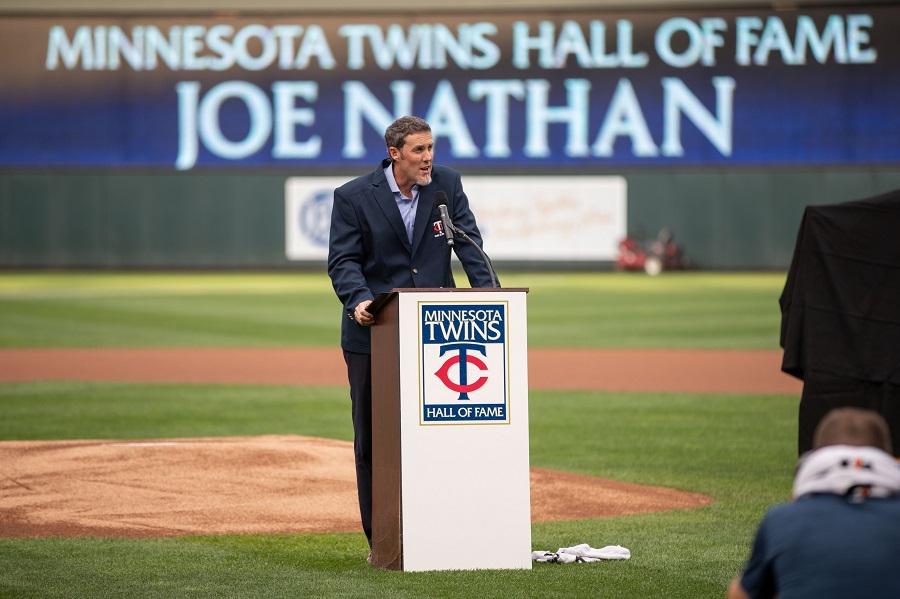 Case for Induction Even with the late start to his career, Nathan pitched into his 40s while making six All-Star teams. He accumulated six seasons with an ERA under 2.00 with a career 9.5 SO/9. One of the biggest stats attached to Hall of Fame relievers is saves and he finished eighth in careers saves and there were seven times he ranked in the top five in saves. Nathan also ranks sixth all-time in win probability added among relief pitchers. Jay Jaffe, the man that literally wrote the book on Cooperstown cases, has Nathan among the two best relief pitchers outside the Hall. While Jaffe usually turns to JAWS, a scoring system he created for HOF players, he examines relievers through a different lens. Jaffe places Nathan in his top-7 overall relief pitchers through his hybrid average of WAR, WPA, and situational or context-neutral wins (WPA/LI). That certainly puts him among the best relief arms in baseball history. Case Against Induction Nathan didn’t become a big-league regular until late into his 20s and this makes it hard to accumulate some of the statistical measures connected to other Hall of Fame relief pitchers. Currently, there are only eight relief pitchers that have been inducted, the fewest of any Cooperstown group. This is going to make it quite the uphill climb for Nathan to have a chance at immortality. Billy Wagner is a player currently on the Hall of Fame ballot to keep an eye on when it comes Nathan’s chances. Wagner was only on 10.5% of the ballots during his first year of eligibility back in 2017. That number was all the way up to 31.7% in 2020 as he is slowly gaining traction. Nathan has a slight edge in WPA compared to Wagner, while Wagner was able to accumulate more career WAR. If Wagner can gain election, it can help Nathan’s chances when he becomes eligible in 2022. Prediction Nathan is going to have a tough road to Cooperstown even though he is among the best relief pitchers in baseball history. Voters might begin to recognize the importance of relievers especially with their increased usage in the modern game. He is going to need some help to stay on the ballot, but he has a chance to slowly build a case like what has happened with Wagner in recent years. What’s your prediction for when Nathan appears on the Hall of Fame ballot? Leave a COMMENT and start the discussion. MORE FROM TWINS DAILY — Latest Twins coverage from our writers — Recent Twins discussion in our forums — Follow Twins Daily via Twitter, Facebook or email
 -
Johan Santana was on the Hall of Fame ballot for the first time back in 2018. It was a loaded ballot with seven players on that ballot that have been inducted over the last couple years. Santana was listed on 10 ballots, so he didn’t meet the 5% requirement to stay on the ballot. It’s hard to ignore how good Santana was in his prime, but longevity is also something that comes into play. Let’s dive into Santana’s case for Cooperstown.Case for Induction Santana isn’t the only player who had his career cut short due to injury and there are multiple examples of players like this in the Hall of Fame. Twins fans are well aware of the eye injury that ended Kirby Puckett’s career. Sandy Koufax retired at the age of 30 because of elbow problems and arthritis. Both players were first ballot Hall of Famers. Santana’s peak puts him near the same level as Koufax, who is considered one of the best pitchers all-time. According to JAWS, Santana ranks nearly a full point higher than Koufax. He also had more top five finishes in Cy Young voting and more top-5 finishes in player WAR. Santana finished with a higher ERA+, strikeout to walk ratio, and fewer walks per nine innings. While Koufax pitched in an era of pitching dominance, Santana’s era was known for offensive dominance. Since the expansion era (post-1993), Santana’s 136 ERA+ ranks sixth among starting pitchers. Take a look at the names ahead of him: Clayton Kershaw, Pedro Martinez, Roger Clemens, Brandon Webb, and Chris Sale. Martinez is already in the Hall. Kershaw and Sale look well on their way. ERA+ has Santana ranked higher than Randy Johnson and Greg Maddux, two previous Hall of Fame inductees. Case Against Induction Much like with Tony Oliva, Santana didn’t have the longevity to accumulate many of the important cumulative stat totals that are associated with being elected to the Hall of Fame. He couldn’t pitch over 3,000 innings or strikeout 2,000 batter or accumulate a larger career WAR total. Even though he is ahead of Koufax according to JAWS, he is behind players like Chuck Finely and Kevin Appier who don’t exactly feel like they should be in Cooperstown. One of the biggest reasons Santana might have been overlooked is the controversial 2005 Cy Young Award. The Athletic wrote about it earlier this week and I have previously discussed the topic here at Twins Daily. During the 2005 season, he led the AL in WHIP, strikeouts, most strikeouts per nine and fewest hits per nine. He won the 2004 and 2006 Cy Young, so a three-peat would have put him in rare company with only 11 three-time Cy Young winners. Prediction Fans have been able to see how starting pitching has changed in recent years. Gone are the days of pitchers going deep into games and seeing a line-up for a third time. Hall of Fame voters might also have to change their expectations when evaluating who gets into Cooperstown. Now, Santana must wait until he appears on the Veterans Committee ballot. It’s going to take time, but Santana is a Hall of Famer in my book. Did Santana deserve to stay on the ballot for more than one season? Leave a COMMENT and start the discussion. MORE FROM TWINS DAILY — Latest Twins coverage from our writers — Recent Twins discussion in our forums — Follow Twins Daily via Twitter, Facebook or email Click here to view the article
-
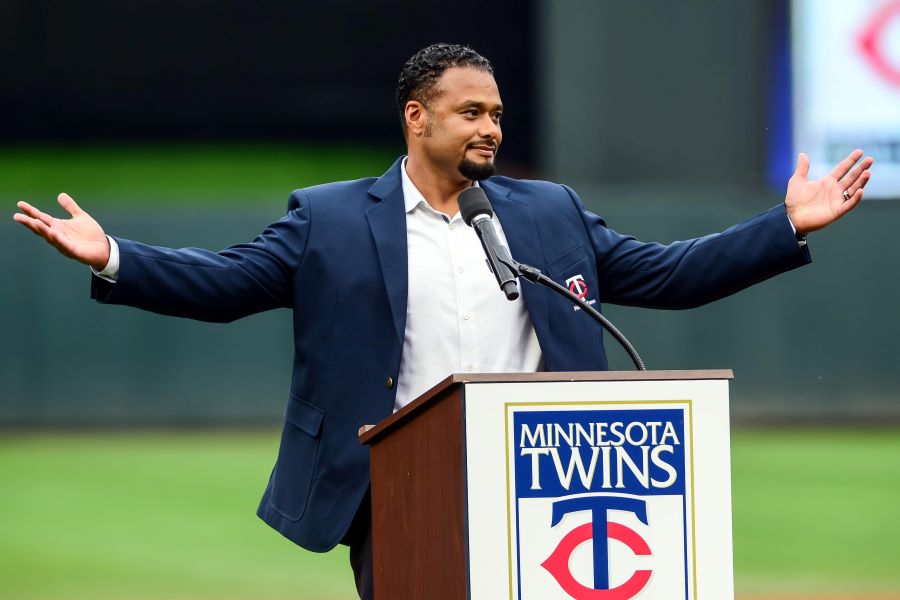 Case for Induction Santana isn’t the only player who had his career cut short due to injury and there are multiple examples of players like this in the Hall of Fame. Twins fans are well aware of the eye injury that ended Kirby Puckett’s career. Sandy Koufax retired at the age of 30 because of elbow problems and arthritis. Both players were first ballot Hall of Famers. Santana’s peak puts him near the same level as Koufax, who is considered one of the best pitchers all-time. According to JAWS, Santana ranks nearly a full point higher than Koufax. He also had more top five finishes in Cy Young voting and more top-5 finishes in player WAR. Santana finished with a higher ERA+, strikeout to walk ratio, and fewer walks per nine innings. https://twitter.com/NoDakTwinsFan/status/937720911200968704?ref_src=twsrc%5Etfw%7Ctwcamp%5Etweetembed%7Ctwterm%5E937720911200968704%7Ctwgr%5E%7Ctwcon%5Es1_&ref_url=http%3A%2F%2Ftwinsdaily.com%2F_%2Fminnesota-twins-news%2Fjohan-santanae28099s-cooperstown-case-the-koufax-argument-r6250 While Koufax pitched in an era of pitching dominance, Santana’s era was known for offensive dominance. Since the expansion era (post-1993), Santana’s 136 ERA+ ranks sixth among starting pitchers. Take a look at the names ahead of him: Clayton Kershaw, Pedro Martinez, Roger Clemens, Brandon Webb, and Chris Sale. Martinez is already in the Hall. Kershaw and Sale look well on their way. ERA+ has Santana ranked higher than Randy Johnson and Greg Maddux, two previous Hall of Fame inductees. Case Against Induction Much like with Tony Oliva, Santana didn’t have the longevity to accumulate many of the important cumulative stat totals that are associated with being elected to the Hall of Fame. He couldn’t pitch over 3,000 innings or strikeout 2,000 batter or accumulate a larger career WAR total. Even though he is ahead of Koufax according to JAWS, he is behind players like Chuck Finely and Kevin Appier who don’t exactly feel like they should be in Cooperstown. One of the biggest reasons Santana might have been overlooked is the controversial 2005 Cy Young Award. The Athletic wrote about it earlier this week and I have previously discussed the topic here at Twins Daily. During the 2005 season, he led the AL in WHIP, strikeouts, most strikeouts per nine and fewest hits per nine. He won the 2004 and 2006 Cy Young, so a three-peat would have put him in rare company with only 11 three-time Cy Young winners. Prediction Fans have been able to see how starting pitching has changed in recent years. Gone are the days of pitchers going deep into games and seeing a line-up for a third time. Hall of Fame voters might also have to change their expectations when evaluating who gets into Cooperstown. Now, Santana must wait until he appears on the Veterans Committee ballot. It’s going to take time, but Santana is a Hall of Famer in my book. Did Santana deserve to stay on the ballot for more than one season? Leave a COMMENT and start the discussion. MORE FROM TWINS DAILY — Latest Twins coverage from our writers — Recent Twins discussion in our forums — Follow Twins Daily via Twitter, Facebook or email
 -
Tony Oliva hasn’t played a game since 1976, but he has been getting closer to induction in recent years. Back in 2014, he fell one shy of induction by the Hall of Fame’s Golden Era Committee. His next opportunity was supposed to come in 2017, but that was pushed back to 2020 and now it won’t happen until 2021. The wait might finally be over for one of the best hitters in Twins history.Case for Induction Since 1900, only two hitters have won a batting title in their rookie season, Tony Oliva and Ichiro Suzuki. He was able to lead the league in runs, hits, doubles, and average on the way to winning the AL Rookie of the Year. He’d go on to win the batting title again in his second season as he was in the midst of eight straight All-Star seasons. Overall, he won three batting titles, led the AL in hits five times, and took home a Gold Glove. Oliva finished runner up for the AL MVP in two different seasons and he was in the top-20 in eight different campaigns. In 1965, he finished behind teammate Zoilo Versalles even though Oliva’s OPS was 89 points higher. Five years later, Oliva had quite possibly his best professional season, but he finished behind Baltimore’s Boog Powell. According to Baseball Reference, Oliva’s WAR that season was nearly two points higher than Powell. Case Against Induction Multiple knee injuries kept Oliva from achieving more in his career. He was forced to move designated hitter after the position was created and his injuries eventually meant he had to retire after only 15 seasons. He finished as a .304/.353/.476 hitter but fell short of some of the important cumulative stat totals as he was limited to less than 2,000 hits. JAWS, a scoring system used as a means to measure a player’s Hall of Fame worthiness, also doesn’t help Oliva’s campaign. Among right fielders, he ranks 34th overall, which puts him right ahead of players like Rocky Colavito and Rusty Staub. The three players directly ahead of him (Sam Rice, Harry Hooper, and Kiki Cuyler) have all been elected. There are also multiple players behind him on the list including the recently elected Harold Baines. Prediction Oliva was so close back in 2014 that it seems like he should have a very good chance to finally get the honor in 2021. Some fans started the group Vote Tony O back in 2011 to help his campaign which includes a website and social media accounts dedicated to helping Oliva’s candidacy. He might need one more big push over the next calendar year so he can be the next Twins player on the Cooperstown stage. Do you think Oliva will finally be elected in 2021? Leave a COMMENT and start the discussion. MORE FROM TWINS DAILY — Latest Twins coverage from our writers — Recent Twins discussion in our forums — Follow Twins Daily via Twitter, Facebook or email Click here to view the article
-
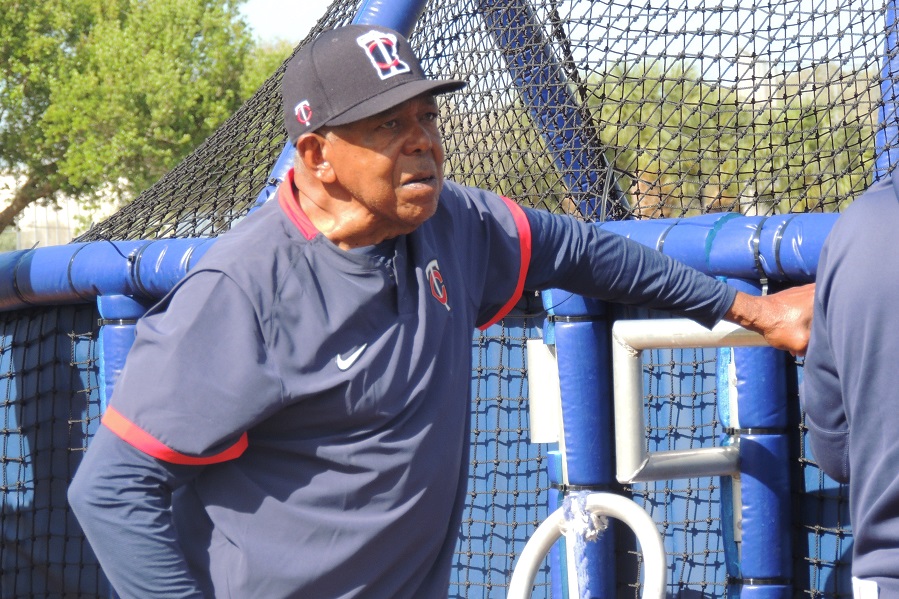 Case for Induction Since 1900, only two hitters have won a batting title in their rookie season, Tony Oliva and Ichiro Suzuki. He was able to lead the league in runs, hits, doubles, and average on the way to winning the AL Rookie of the Year. He’d go on to win the batting title again in his second season as he was in the midst of eight straight All-Star seasons. Overall, he won three batting titles, led the AL in hits five times, and took home a Gold Glove. Oliva finished runner up for the AL MVP in two different seasons and he was in the top-20 in eight different campaigns. In 1965, he finished behind teammate Zoilo Versalles even though Oliva’s OPS was 89 points higher. Five years later, Oliva had quite possibly his best professional season, but he finished behind Baltimore’s Boog Powell. According to Baseball Reference, Oliva’s WAR that season was nearly two points higher than Powell. Case Against Induction Multiple knee injuries kept Oliva from achieving more in his career. He was forced to move designated hitter after the position was created and his injuries eventually meant he had to retire after only 15 seasons. He finished as a .304/.353/.476 hitter but fell short of some of the important cumulative stat totals as he was limited to less than 2,000 hits. JAWS, a scoring system used as a means to measure a player’s Hall of Fame worthiness, also doesn’t help Oliva’s campaign. Among right fielders, he ranks 34th overall, which puts him right ahead of players like Rocky Colavito and Rusty Staub. The three players directly ahead of him (Sam Rice, Harry Hooper, and Kiki Cuyler) have all been elected. There are also multiple players behind him on the list including the recently elected Harold Baines. Prediction Oliva was so close back in 2014 that it seems like he should have a very good chance to finally get the honor in 2021. Some fans started the group Vote Tony O back in 2011 to help his campaign which includes a website and social media accounts dedicated to helping Oliva’s candidacy. He might need one more big push over the next calendar year so he can be the next Twins player on the Cooperstown stage. Do you think Oliva will finally be elected in 2021? Leave a COMMENT and start the discussion. MORE FROM TWINS DAILY — Latest Twins coverage from our writers — Recent Twins discussion in our forums — Follow Twins Daily via Twitter, Facebook or email
 -
Joe Mauer’s career seemed like it started with a storybook beginning as he became the first overall pick in the MLB Draft by his hometown team. While his career didn’t exactly follow the perfect path, he was able to do many things that had never been seen from the catching position. Concussions and a position switch later in his career will impact his Cooperstown case, but he might be the best Twins player not yet in the Hall of Fame.Case for Induction There are currently 19 catchers that have been inducted into the Hall of Fame and Mauer is clearly above the threshold set by previous backstops. According to JAWS, Mauer ranks as the seventh best catcher all-time with all six players ahead of him already inducted and the four players behind him also enshrined. Mauer’s WAR, seven-year peak WAR, and JAWS total are all above the average of the Hall of Famers at his position. He topped the .400 mark in on-base percentage in six of his seasons as a catcher, a total exceeded by only four other catchers, none of whom started their careers after 1930. Since MLB began tracking Win Probability Added in 1974, Mike Piazza is the lone catcher ahead of Mauer in the WPA rankings. Mauer also does well when it comes to Clutch because he was able to compile a .943 OPS in nearly 850 plate appearances with two outs and runners in scoring position. Plus, he is the only AL catcher to win a batting title and he did it three times. Case Against Induction Mauer played 15 big league seasons, but the last five came after concussions forced him to move from behind the plate to first base. Many Hall of Fame catchers end up changing positions in the later parts of their careers, but its usually a gradual shift instead of the abruptness that came with Mauer’s change. Another knock against Mauer’s resume is the fact that he retired at the age of 35. All the other catchers ahead of him when it comes to JAWS played more seasons than Mauer. To put this in perspective, Nelson Cruz is three years older than Mauer. Longevity is something Hall of Fame voters appreciate because it allows for a player to accumulate some of the counting stats (3,000 hits, 500 home runs, etc.) that are usually guarantees of induction. Prediction Mauer will become eligible for the first time in 2024 and he has a very strong case to be elected. Some writers don’t feel that he will be a first ballot electee, because of his relatively brief career. However, the voting electorate continues to change with the possibility of these younger voters using a more analytics-based approach. Mauer will get elected but it might take a few years of being on the ballot. Do you think Mauer should be a first ballot selection? Leave a COMMENT and start the discussion. MORE FROM TWINS DAILY — Latest Twins coverage from our writers — Recent Twins discussion in our forums — Follow Twins Daily via Twitter, Facebook or email Click here to view the article
-
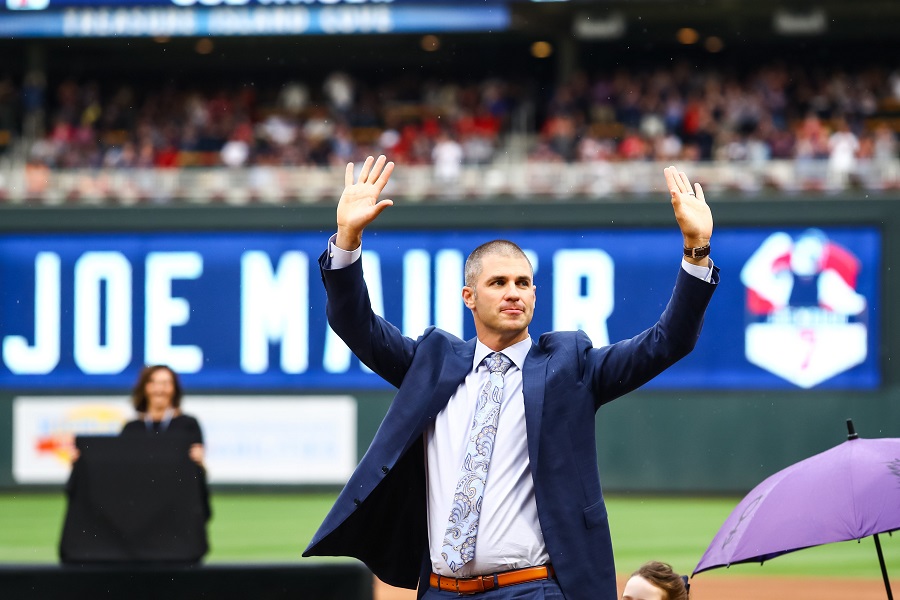 Case for Induction There are currently 19 catchers that have been inducted into the Hall of Fame and Mauer is clearly above the threshold set by previous backstops. According to JAWS, Mauer ranks as the seventh best catcher all-time with all six players ahead of him already inducted and the four players behind him also enshrined. Mauer’s WAR, seven-year peak WAR, and JAWS total are all above the average of the Hall of Famers at his position. He topped the .400 mark in on-base percentage in six of his seasons as a catcher, a total exceeded by only four other catchers, none of whom started their careers after 1930. Since MLB began tracking Win Probability Added in 1974, Mike Piazza is the lone catcher ahead of Mauer in the WPA rankings. Mauer also does well when it comes to Clutch because he was able to compile a .943 OPS in nearly 850 plate appearances with two outs and runners in scoring position. Plus, he is the only AL catcher to win a batting title and he did it three times. Case Against Induction Mauer played 15 big league seasons, but the last five came after concussions forced him to move from behind the plate to first base. Many Hall of Fame catchers end up changing positions in the later parts of their careers, but its usually a gradual shift instead of the abruptness that came with Mauer’s change. Another knock against Mauer’s resume is the fact that he retired at the age of 35. All the other catchers ahead of him when it comes to JAWS played more seasons than Mauer. To put this in perspective, Nelson Cruz is three years older than Mauer. Longevity is something Hall of Fame voters appreciate because it allows for a player to accumulate some of the counting stats (3,000 hits, 500 home runs, etc.) that are usually guarantees of induction. Prediction Mauer will become eligible for the first time in 2024 and he has a very strong case to be elected. Some writers don’t feel that he will be a first ballot electee, because of his relatively brief career. However, the voting electorate continues to change with the possibility of these younger voters using a more analytics-based approach. Mauer will get elected but it might take a few years of being on the ballot. Do you think Mauer should be a first ballot selection? Leave a COMMENT and start the discussion. MORE FROM TWINS DAILY — Latest Twins coverage from our writers — Recent Twins discussion in our forums — Follow Twins Daily via Twitter, Facebook or email
 -
Teams can approach contracts in a multitude of ways. Do you sign a young player before arbitration to buy out some more years of team control? Do you extend a current player to keep him in the organization? Do you reward a player for an exceptional year on the field? It’s a balancing act to make the right choice for an organization and Kenta Maeda certainly provides an interesting choice for the Twins.Kenta Maeda 2020 Stats (11 games): 2.70 ERA, 0.75 WHIP, 161 ERA+, 3.00 FIP, 1.6 WAR Current Contract (Signed thru 2023, 8 years/$25 million) Maeda is currently on an unbelievably team friendly contract. His base salary over the next three seasons is just north of $3 million. The Dodgers were able to sign him to this contract because their medical staff found “irregularities” during his physical. He can earn bonuses to increase the value of his contract including an annual roster bonus ($150,000), games started bonus (up to $6.5 million), and innings pitched bonus (up to $3.5 million). Even if he hits all these bonuses, he’s still a relative bargain for a top of the rotation starter. Pros of Extending Now One of the biggest benefits to extending now would be locking in some cost certainty moving forward while also rewarding one of baseball’s best pitchers last season. The Twins already have Maeda under team control through his age-35 season, so it’s tough to know what the team is thinking moving forward. Maeda should be paid like one of the best starting pitchers in baseball, but one must wonder if he can reproduce his 2020 numbers in a season where he appears in more than 11 games. Cons of Extending Now He will be 35-years old at the end of the contract and Minnesota will have a better idea if they want to keep him in their rotation moving forward. There’s no need to rush into an extension with Maeda, but the team might want to reward him for his impressive debut season with the Twins. Minnesota seemed to be able to get the best out of Maeda last year, but baseball’s financial future is clouded in uncertainty. No one knows what revenues will look like in the years ahead so a cost-controlled contract, like Maeda’s, is a valuable asset. Possible Extension Since he made his debut in 2016, FanGraphs estimates that Maeda has provided over $90 million in value to the Twins and the Dodgers. Last season alone, he was worth nearly $17 million even though he made fewer than 12 starts. Zack Wheeler’s free agent deal last off-season (5-years, $118 million) seems like a contract that Maeda could garner on the open market. Would the Twins be willing to alter Maeda’s current deal to give him more guaranteed money? What do you think the Twins should do with Maeda? Leave a COMMENT and start the discussion. MORE FROM TWINS DAILY — Latest Twins coverage from our writers — Recent Twins discussion in our forums — Follow Twins Daily via Twitter, Facebook or email Click here to view the article
-
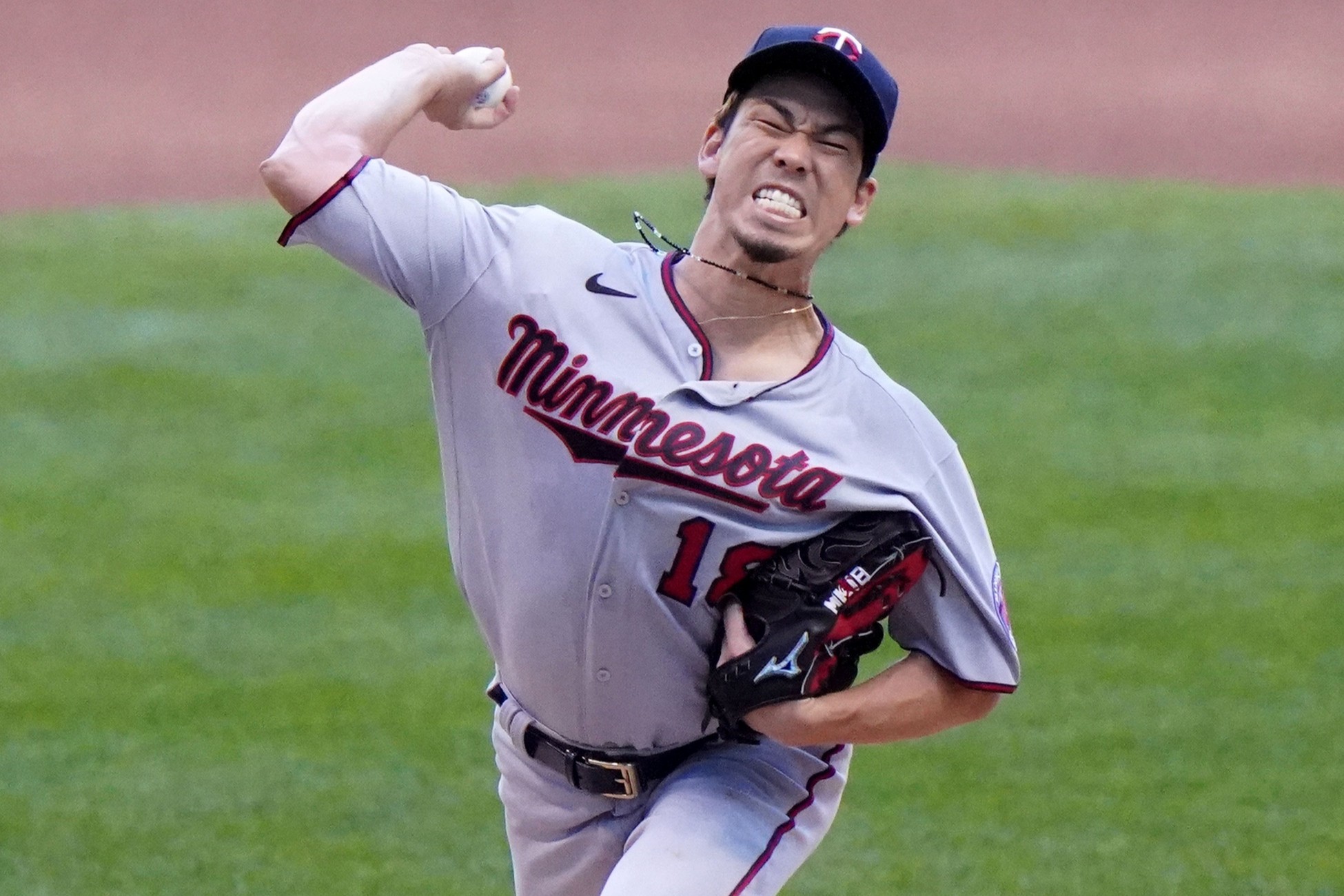 Kenta Maeda 2020 Stats (11 games): 2.70 ERA, 0.75 WHIP, 161 ERA+, 3.00 FIP, 1.6 WAR Current Contract (Signed thru 2023, 8 years/$25 million) Maeda is currently on an unbelievably team friendly contract. His base salary over the next three seasons is just north of $3 million. The Dodgers were able to sign him to this contract because their medical staff found “irregularities” during his physical. He can earn bonuses to increase the value of his contract including an annual roster bonus ($150,000), games started bonus (up to $6.5 million), and innings pitched bonus (up to $3.5 million). Even if he hits all these bonuses, he’s still a relative bargain for a top of the rotation starter. Pros of Extending Now One of the biggest benefits to extending now would be locking in some cost certainty moving forward while also rewarding one of baseball’s best pitchers last season. The Twins already have Maeda under team control through his age-35 season, so it’s tough to know what the team is thinking moving forward. Maeda should be paid like one of the best starting pitchers in baseball, but one must wonder if he can reproduce his 2020 numbers in a season where he appears in more than 11 games. Cons of Extending Now He will be 35-years old at the end of the contract and Minnesota will have a better idea if they want to keep him in their rotation moving forward. There’s no need to rush into an extension with Maeda, but the team might want to reward him for his impressive debut season with the Twins. Minnesota seemed to be able to get the best out of Maeda last year, but baseball’s financial future is clouded in uncertainty. No one knows what revenues will look like in the years ahead so a cost-controlled contract, like Maeda’s, is a valuable asset. Possible Extension Since he made his debut in 2016, FanGraphs estimates that Maeda has provided over $90 million in value to the Twins and the Dodgers. Last season alone, he was worth nearly $17 million even though he made fewer than 12 starts. Zack Wheeler’s free agent deal last off-season (5-years, $118 million) seems like a contract that Maeda could garner on the open market. Would the Twins be willing to alter Maeda’s current deal to give him more guaranteed money? What do you think the Twins should do with Maeda? Leave a COMMENT and start the discussion. MORE FROM TWINS DAILY — Latest Twins coverage from our writers — Recent Twins discussion in our forums — Follow Twins Daily via Twitter, Facebook or email
