



Cody Christie
-
Posts
7,515 -
Joined
-
Last visited
-
Days Won
5
Content Type
Profiles
News
Minnesota Twins Videos
2026 Minnesota Twins Top Prospects Ranking
2022 Minnesota Twins Draft Picks
Minnesota Twins Free Agent & Trade Rumors, Notes, & Tidbits
Guides & Resources
2023 Minnesota Twins Draft Picks
The Minnesota Twins Players Project
2024 Minnesota Twins Draft Picks
2025 Minnesota Twins Draft Pick Tracker
2026 Minnesota Twins Draft Tracker: Picks & Bonuses
Forums
Blogs
Events
Store
Downloads
Gallery
Everything posted by Cody Christie
-
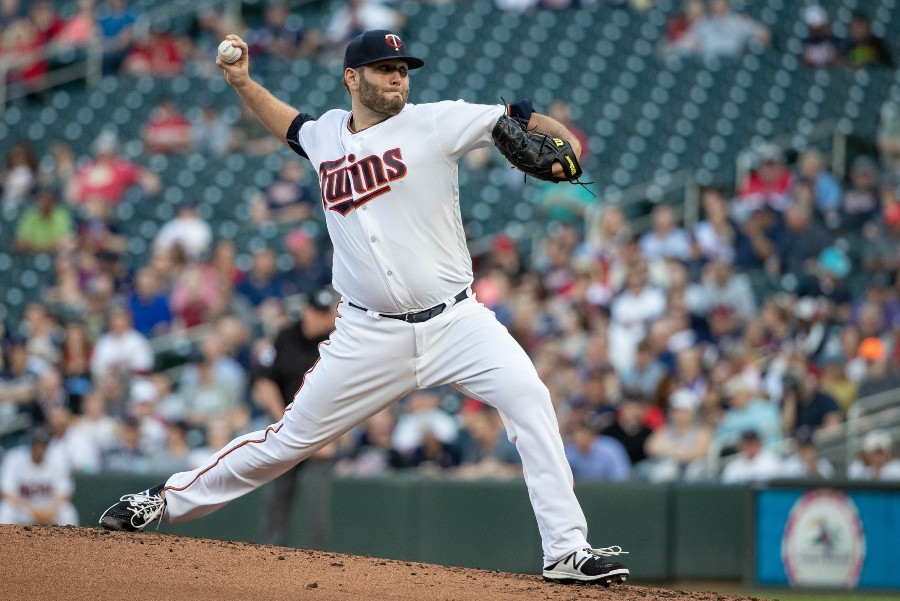 Lance Lynn, RHP White Sox Twins Career (2018): 5.10 ERA, 1.63 WHIP, 100 K, 62 BB, 102 1/3 Innings Lynn’s time in Minnesota was unmemorable as he signed late into spring and never really seemed like he wanted to be in a Twins uniform. MLB.com named him as the player the Twins wish they could have back. He has arguably been one of the baseball’s best pitchers before and after his time in Minnesota. For 2021, he will be in a White Sox uniform, so the Twins should see plenty of their former starter. When the team traded Lynn, they were able to get a small return, but it’s clear he would add depth to the rotation. What’s not clear is how much he’d want to be back in Minnesota after his first stint went so poorly. Liam Hendriks, RHP White Sox Twins Career (2011-13): 6.06 ERA, 1.59 WHIP, 100 K, 46 BB, 156 Innings Some bad news for Twins fans is that two of the players on this list are now going to be key contributors for their top division rival. Hendriks has been arguably the best relief pitcher in baseball over the last two seasons and now he will be closing down games on Chicago’s Southside. Minnesota dropped Hendriks from the 40-man roster when he still had options left and the team hadn’t even tried him out in a relief role. He has resurrected his career and he’d be a great addition to put with Tyler Duffey and Taylor Rogers at the back of the bullpen. However, the White Sox paid him way too much money and it might end up being a contract they regret. Eduardo Escobar, INF Diamondbacks Twins Career (2012-18): .258/.308/.421, 63 HR, 138 2B, 284 RBI, 671 Games When the Twins dealt Escobar, it made sense because the team wasn’t in contention and he was heading towards free agency. Minnesota was able to get quite the haul for Escobar including one of their top pitching prospects and a very good outfielder. Escobar struggled in 2020, but his 2019 season was fantastic, and he brought a lot of positive energy to the team during his Twins tenure. His versatility makes him a potential weapon as he can be penciled in at a variety of positions and still produce. For the 2021 Twins, he had the potential to add some depth to the infield, but Minnesota might have that covered with Andrelton Simmons’ signing last week. Other Options: Aaron Hicks, Eddie Rosario, CJ Cron, Ryan Pressly Pressly has been a tremendous bullpen weapon since leaving the Twins, but the team got back some very good pieces when they traded him away. Minnesota gave up on Hicks and since joining the Yankees, he has accumulated 9.8 WAR over five seasons. Rosario will be back in the AL Central after signing with Cleveland. Will Minnesota miss Rosario’s leadership and energy? If the Twins don’t sign Cruz, CJ Cron can help fill the void at designated hitter. Which of these players do you wish was still in Minnesota? Leave a COMMENT and start the discussion. MORE FROM TWINS DAILY — Latest Twins coverage from our writers — Recent Twins discussion in our forums — Follow Twins Daily via Twitter, Facebook or email
 -
 There’s no question that Nelson Cruz has been the heart and soul of the Twins line-up over the last two seasons, but the team doesn’t want to be left out to dry. Spring training is scheduled to start later this month and the remaining free agents are going to continue to come off the board. Minnesota may be forced to move on from Cruz.There is no salary cap in baseball, but many teams have a self-imposed limit this winter for a variety of reasons. Revenues were limited in a pandemic shortened 2020 campaign and there are still plenty of questions about how much those revenues will improve in 2021. Minnesota’s current payroll sits around $110-113 million with the team anticipated to spend around $125 million. This leaves room for one more big signing or a pair of smaller additions. Many early reports had Cruz asking for a two-year contract and when looking at his last two seasons, that might seem like a no-brainer. Since joining the Twins, he has hit .308/.394/.626 with 57 home runs and 32 doubles in 173 games. However, his increasing age continues to be the elephant in the room. He turned 40-years-old last July, and he will be 41 about halfway through the 2021 campaign. Does any team want to have significant money tied to a 42-year-old DH? With their remaining payroll, the Twins can go in a few different directions to help the 2021 squad. Many of the players listed below will sign in the coming weeks and Minnesota doesn’t want to be left with money on the table. Adding to the rotation seems like an intriguing option for the Twins and signing Cruz likely means the Twins would enter 2021 with their current rotation. Trevor Bauer won’t exactly fit into the team’s self-imposed payroll restrictions, but names like James Paxton, Jake Odorizzi, and Taijuan Walker are still available. Any of these options can fit into the middle of Minnesota’s rotation and be relied on for starts in the postseason. For designated hitter, the top name left on the market is Marcell Ozuna, who is a decade younger than Cruz. He is coming off a tremendous season with the Braves, but he would likely come with a longer commitment and higher salary than Cruz. Minnesota might not want to invest long-term at DH with many of the team’s top prospects projected to be corner outfielders or first base types (Alex Kirilloff, Trevor Larnach, Brent Rooker, etc.) Adding to the bullpen is also an option, but it remains to be seen if the Twins would consider spending money on relievers when the current regime has found luck in cheap options that turn into valuable assets. Alex Colome and Trevor Rosenthal are the two biggest names available and the Twins might be able to add both players with their remaining payroll flexibility. It still seems likely for Cruz to wind up back in a Twins uniform, especially with no decision yet made about the DH in the National League. However, time is ticking away, and Minnesota might not want to hold out much longer. Will the Twins be forced to move on from Cruz? Leave a COMMENT and start the discussion. MORE FROM TWINS DAILY — Latest Twins coverage from our writers — Recent Twins discussion in our forums — Follow Twins Daily via Twitter, Facebook or email Click here to view the article
 -
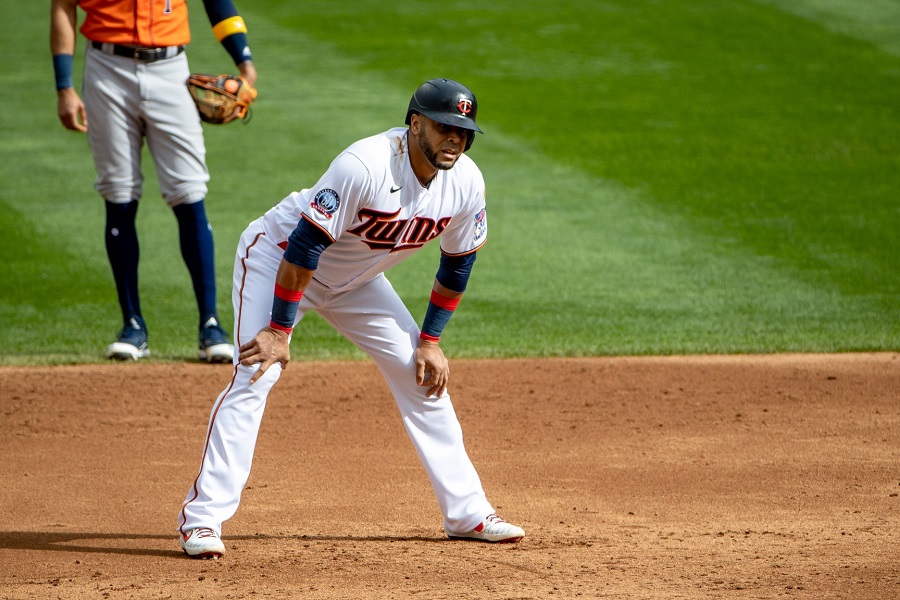 There is no salary cap in baseball, but many teams have a self-imposed limit this winter for a variety of reasons. Revenues were limited in a pandemic shortened 2020 campaign and there are still plenty of questions about how much those revenues will improve in 2021. Minnesota’s current payroll sits around $110-113 million with the team anticipated to spend around $125 million. This leaves room for one more big signing or a pair of smaller additions. Many early reports had Cruz asking for a two-year contract and when looking at his last two seasons, that might seem like a no-brainer. Since joining the Twins, he has hit .308/.394/.626 with 57 home runs and 32 doubles in 173 games. However, his increasing age continues to be the elephant in the room. He turned 40-years-old last July, and he will be 41 about halfway through the 2021 campaign. Does any team want to have significant money tied to a 42-year-old DH? With their remaining payroll, the Twins can go in a few different directions to help the 2021 squad. Many of the players listed below will sign in the coming weeks and Minnesota doesn’t want to be left with money on the table. Adding to the rotation seems like an intriguing option for the Twins and signing Cruz likely means the Twins would enter 2021 with their current rotation. Trevor Bauer won’t exactly fit into the team’s self-imposed payroll restrictions, but names like James Paxton, Jake Odorizzi, and Taijuan Walker are still available. Any of these options can fit into the middle of Minnesota’s rotation and be relied on for starts in the postseason. For designated hitter, the top name left on the market is Marcell Ozuna, who is a decade younger than Cruz. He is coming off a tremendous season with the Braves, but he would likely come with a longer commitment and higher salary than Cruz. Minnesota might not want to invest long-term at DH with many of the team’s top prospects projected to be corner outfielders or first base types (Alex Kirilloff, Trevor Larnach, Brent Rooker, etc.) Adding to the bullpen is also an option, but it remains to be seen if the Twins would consider spending money on relievers when the current regime has found luck in cheap options that turn into valuable assets. Alex Colome and Trevor Rosenthal are the two biggest names available and the Twins might be able to add both players with their remaining payroll flexibility. It still seems likely for Cruz to wind up back in a Twins uniform, especially with no decision yet made about the DH in the National League. However, time is ticking away, and Minnesota might not want to hold out much longer. Will the Twins be forced to move on from Cruz? Leave a COMMENT and start the discussion. MORE FROM TWINS DAILY — Latest Twins coverage from our writers — Recent Twins discussion in our forums — Follow Twins Daily via Twitter, Facebook or email
 -
Andrelton Simmons’ addition to the Twins means the club now has Gold Glove caliber defenders at multiple defensive positions. Can the 2021 Twins provide the best team defense in franchise history?Defensive metrics have come a long way over the last two decades and new technology continues to help front offices evaluate their defensive talent. Many key advanced fielding stats like Ultimate Zone Rating (UZR) and Defensive Runs Above Average (Def) began being calculated in 2002. Over the last 20+ seasons, the Twins made defense an organizational hallmark and these teams rank as the best defenders during that stretch. 5. 2003 Twins (23.2 Def, 23.2 UZR) Top Defenders: Torii Hunter (18.4 Def, 16.2 UZR, Gold Glove), Corey Koskie (10.1 Def, 8.2 UZR), AJ Pierzynski (9.0 Def) The 2003 Twins were on their way to claiming a second straight AL Central title and there were some clear standout defenders. Hunter was the team’s top defender, and he was awarded his third Gold Glove on the way to winning seven straight honors for the Twins. His defensive numbers in 2003 were otherworldly as he posted career highs in Def and UZR. Koskie was underrated as a defensive third baseman and he should have won a Gold Glove at some point in his career (see below) 4. 2010 Twins (33.8 Def, 28.1 UZR) Top Defenders: Joe Mauer (12.2 Def, Gold Glove), JJ Hardy (11.8 Def, 7.4 UZR), Orlando Hudson (10.5 Def, 8.7 UZR), Denard Span (9.3 Def, 7.0 UZR) This one might hurt for some Twins fans as JJ Hardy’s lone season in Minnesota saw him put up some strong defensive numbers at shortstop. Since that season, the Twins have rotated through carousel of players that were stretched to play shortstop. Mauer would win his third straight Gold Glove behind the plate, but it would be his last as he was eventually forced to move to first base. Orlando Hudson and Hardy formed quite the double-play combo and Span only strengthened the team’s up the middle defense. 3. 2006 Twins (34.8 Def, 30.8 UZR) Top Defenders: Jason Bartlett (16.1 Def, 11.6 UZR), Nick Punto (14.1 Def, 13.1 UZR), Joe Mauer (8.1 Def) Jason Bartlett and Nick Punto might surprise some to be at the team’s top defenders over the course of a season. Bartlett was helped by the fact that he played fewer than 880 innings so a player can hide more of their defensive flaws in a smaller sample size. Punto’s numbers above were at third base, but he also posted a 5.3 Def and a 4.6 UZR at shortstop albeit in 146.2 innings. It was one of Mauer’s worst defensive seasons as a catcher and he was still one of the best defenders on the team. 2. 2005 Twins (41.9 Def, 31.9 UZR) Top Defenders: Juan Castro (16.1 Def, 13.2 UZR), Jason Bartlett (15.6 Def, 12.6 UZR), Joe Mauer (8.6 Def), Torii Hunter (3.4 Def, 2.5 UZR, Gold Glove) For the fifth consecutive season, Hunter was awarded the Gold Glove, but he was limited to just over 810 innings in center. Minnesota turned to Lew Ford for 548 innings in center field and he finished fifth on the team with a 4.9 Def. Castro and Bartlett have high totals, but neither player played more than 590 innings at shortstop. In fact, Mauer and Justin Morneau were the only players to play close to 1,000 defensive innings at one position. Morneau’s 13.5 UZR was the team’s highest total and it was the highest mark he’d have in his entire career. 1. 2002 Twins (60.4 Def, 60.4 UZR) Top Defenders: Corey Koskie (21.9 Def, 19.9 UZR), Jacque Jones (11.5 Def, 17.6 UZR), AJ Pierzynski (8.9 Def), Torii Hunter (5.1 Def, 3.0 UZR, Gold Glove) ESPN dubbed them, “The Team That Saved Baseball,” and a lot of the credit can be given to the defensive side of the ball. Koskie might have been the AL’s best defensive player as his Def and UZR ranked him at the top of the league ahead of players like Darin Erstad and Alex Rodriguez. Minnesota had three players rank in the AL’s top six when it came to UZR (Koskie, Jones, and Doug Mientkiewicz). Koskie lost the Gold Glove to Eric Chavez, but the Twins had the last laugh as they defeated Oakland in the ALDS. Do you think the 2021 Twins can match the defensive numbers from 2002? Leave a COMMENT and start the discussion. MORE FROM TWINS DAILY — Latest Twins coverage from our writers — Recent Twins discussion in our forums — Follow Twins Daily via Twitter, Facebook or email Click here to view the article
-
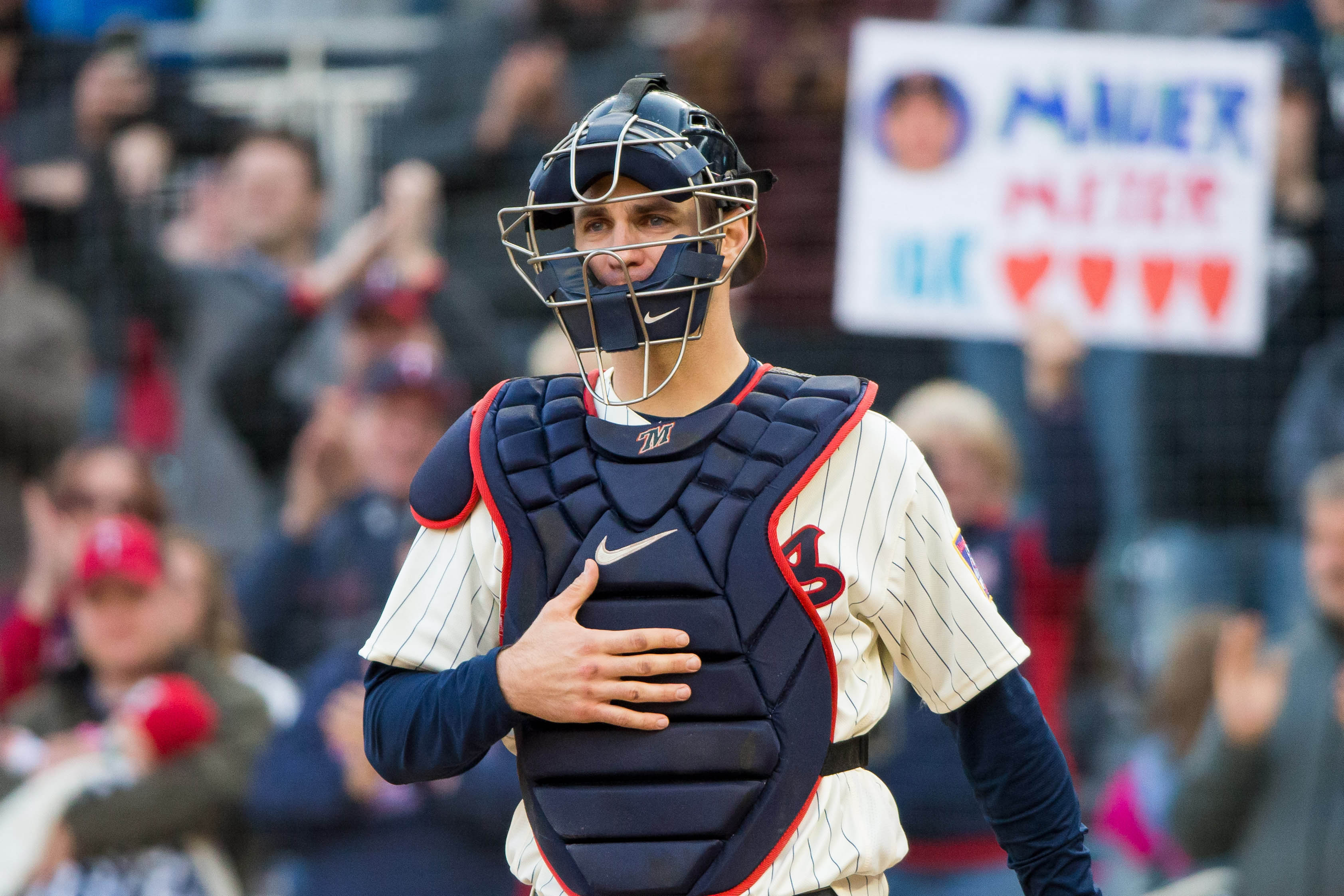 Defensive metrics have come a long way over the last two decades and new technology continues to help front offices evaluate their defensive talent. Many key advanced fielding stats like Ultimate Zone Rating (UZR) and Defensive Runs Above Average (Def) began being calculated in 2002. Over the last 20+ seasons, the Twins made defense an organizational hallmark and these teams rank as the best defenders during that stretch. 5. 2003 Twins (23.2 Def, 23.2 UZR) Top Defenders: Torii Hunter (18.4 Def, 16.2 UZR, Gold Glove), Corey Koskie (10.1 Def, 8.2 UZR), AJ Pierzynski (9.0 Def) The 2003 Twins were on their way to claiming a second straight AL Central title and there were some clear standout defenders. Hunter was the team’s top defender, and he was awarded his third Gold Glove on the way to winning seven straight honors for the Twins. His defensive numbers in 2003 were otherworldly as he posted career highs in Def and UZR. Koskie was underrated as a defensive third baseman and he should have won a Gold Glove at some point in his career (see below) 4. 2010 Twins (33.8 Def, 28.1 UZR) Top Defenders: Joe Mauer (12.2 Def, Gold Glove), JJ Hardy (11.8 Def, 7.4 UZR), Orlando Hudson (10.5 Def, 8.7 UZR), Denard Span (9.3 Def, 7.0 UZR) This one might hurt for some Twins fans as JJ Hardy’s lone season in Minnesota saw him put up some strong defensive numbers at shortstop. Since that season, the Twins have rotated through carousel of players that were stretched to play shortstop. Mauer would win his third straight Gold Glove behind the plate, but it would be his last as he was eventually forced to move to first base. Orlando Hudson and Hardy formed quite the double-play combo and Span only strengthened the team’s up the middle defense. 3. 2006 Twins (34.8 Def, 30.8 UZR) Top Defenders: Jason Bartlett (16.1 Def, 11.6 UZR), Nick Punto (14.1 Def, 13.1 UZR), Joe Mauer (8.1 Def) Jason Bartlett and Nick Punto might surprise some to be at the team’s top defenders over the course of a season. Bartlett was helped by the fact that he played fewer than 880 innings so a player can hide more of their defensive flaws in a smaller sample size. Punto’s numbers above were at third base, but he also posted a 5.3 Def and a 4.6 UZR at shortstop albeit in 146.2 innings. It was one of Mauer’s worst defensive seasons as a catcher and he was still one of the best defenders on the team. 2. 2005 Twins (41.9 Def, 31.9 UZR) Top Defenders: Juan Castro (16.1 Def, 13.2 UZR), Jason Bartlett (15.6 Def, 12.6 UZR), Joe Mauer (8.6 Def), Torii Hunter (3.4 Def, 2.5 UZR, Gold Glove) For the fifth consecutive season, Hunter was awarded the Gold Glove, but he was limited to just over 810 innings in center. Minnesota turned to Lew Ford for 548 innings in center field and he finished fifth on the team with a 4.9 Def. Castro and Bartlett have high totals, but neither player played more than 590 innings at shortstop. In fact, Mauer and Justin Morneau were the only players to play close to 1,000 defensive innings at one position. Morneau’s 13.5 UZR was the team’s highest total and it was the highest mark he’d have in his entire career. 1. 2002 Twins (60.4 Def, 60.4 UZR) Top Defenders: Corey Koskie (21.9 Def, 19.9 UZR), Jacque Jones (11.5 Def, 17.6 UZR), AJ Pierzynski (8.9 Def), Torii Hunter (5.1 Def, 3.0 UZR, Gold Glove) ESPN dubbed them, “The Team That Saved Baseball,” and a lot of the credit can be given to the defensive side of the ball. Koskie might have been the AL’s best defensive player as his Def and UZR ranked him at the top of the league ahead of players like Darin Erstad and Alex Rodriguez. Minnesota had three players rank in the AL’s top six when it came to UZR (Koskie, Jones, and Doug Mientkiewicz). Koskie lost the Gold Glove to Eric Chavez, but the Twins had the last laugh as they defeated Oakland in the ALDS. Do you think the 2021 Twins can match the defensive numbers from 2002? Leave a COMMENT and start the discussion. MORE FROM TWINS DAILY — Latest Twins coverage from our writers — Recent Twins discussion in our forums — Follow Twins Daily via Twitter, Facebook or email
 -
All five players on this list are 23-years old or younger and each player has a chance to impact the big-league roster in 2021. The real question is, who is number one?In a season without minor league games, it is hard to know what happened on the back fields at spring training, at the alternate site in St. Paul, or in instructional leagues this fall. For better or for worse, the names on this list will form the core of the Minnesota Twins for the majority of the next decade. 5. Jhoan Duran- RHP (23-years old) Acquired: Along with Gabriel Maciel and Ernie De La Trinidad in the Eduard Escobar trade ETA: 2021 Duran can pump it across the plate with a triple-digit fastball that regularly sits in the high 90s. He combines that with a very good pitch that is a cross between a splitter and a sinker. His off-speed pitches include a curveball and a changeup that he can use to keep hitters off balance. At 6-foot-5 and 230 pounds, his frame continues to fill out. His command continues to improve and his ability to triple-digit velocity and other sinking pitches will make it tough for big league hitters to make consistent contact. 4. Ryan Jeffers- C (23-years old) Acquired: 2018 2nd Round Pick ETA: 2020 When the Twins drafted Jeffers, he was seen as a bat-only player as many scouts felt like he would be a hindrance behind the plate. Things certainly have changed as MLB.com just named him the organization’s best defensive prospect. He burst onto the scene last year and he is the highest riser on this list. Minnesota is projected to use Jeffers and Mitch Garver in a two-catcher system for 2021. Last season, he hit .273/.355/.436, so there could be some expected regression, but he will continue to have strong defensive value. 3. Trevor Larnach- OF (23-years old) Acquired: 2018 1st Round Pick ETA: 2021 In some other organizations, Larnach would have a shot at being the team’s top prospect, but Minnesota has some bigger names ahead of him. His polished swing is going to make him a home run threat at the big-league level. He’s a large man and that prevents him from adding much value on the defensive side of the ball. During the 2019 campaign, he was the organization’s choice for Twins Minor League Player of the Year. He should start 2021 in St. Paul before making his big-league debut sometime next season. 2. Royce Lewis- SS (21-years old) Acquired: 2017 1st Round Pick ETA: 2022 Since the Twins drafted him, Lewis has been considered the top prospect in the Twins organization. Within the industry, there seems to be a shift this winter as more national outlets are putting Kirilloff at the top of the list. There are questions with Lewis about his swing mechanics and his future defensive position and this makes it tough to know what the future might hold. He is making changes to his swing, but some of the flaws are still present. Likely, he has a higher ceiling than Kirilloff, but his floor is also lower and that’s why I have a new number one prospect on my list. 1. Alex Kirilloff- OF/1B (23-years old) Acquired: 2016 1st Round Pick ETA: 2020 In the last draft under Terry Ryan, the Twins took a high school outfielder known for his advanced swing and a tremendous make-up. He has a tremendous plate coverage, and he uses a free-swinging approach to drive balls to all parts of the field. Defensively, he will end up playing right field, first base or designated hitter so that will decrease some of his value. However, he has proven that he is a hitter, and he is projected to hit for power. Minnesota is going to be able to rely on him in the middle of their batting order for the majority of the next decade. How would you rank the top five prospects? Leave a COMMENT and start the discussion. OTHER POSTS IN THE SERIES — Prospects 16-20 — Prospects 11-15 — Prospects 6-10 MORE FROM TWINS DAILY — Latest Twins coverage from our writers — Recent Twins discussion in our forums — Follow Twins Daily via Twitter, Facebook or email Click here to view the article
-
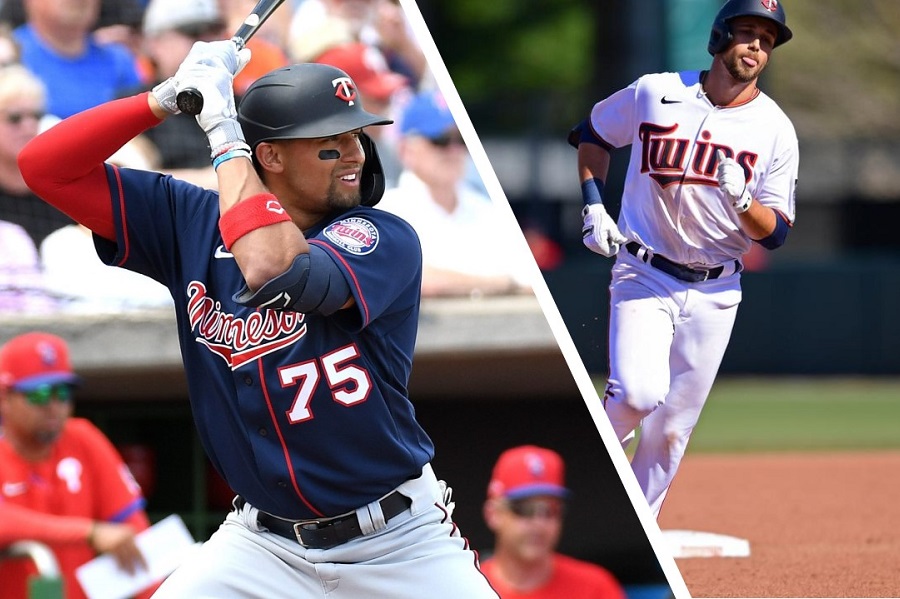 In a season without minor league games, it is hard to know what happened on the back fields at spring training, at the alternate site in St. Paul, or in instructional leagues this fall. For better or for worse, the names on this list will form the core of the Minnesota Twins for the majority of the next decade. 5. Jhoan Duran- RHP (23-years old) Acquired: Along with Gabriel Maciel and Ernie De La Trinidad in the Eduard Escobar trade ETA: 2021 Duran can pump it across the plate with a triple-digit fastball that regularly sits in the high 90s. He combines that with a very good pitch that is a cross between a splitter and a sinker. His off-speed pitches include a curveball and a changeup that he can use to keep hitters off balance. At 6-foot-5 and 230 pounds, his frame continues to fill out. His command continues to improve and his ability to triple-digit velocity and other sinking pitches will make it tough for big league hitters to make consistent contact. 4. Ryan Jeffers- C (23-years old) Acquired: 2018 2nd Round Pick ETA: 2020 When the Twins drafted Jeffers, he was seen as a bat-only player as many scouts felt like he would be a hindrance behind the plate. Things certainly have changed as MLB.com just named him the organization’s best defensive prospect. He burst onto the scene last year and he is the highest riser on this list. Minnesota is projected to use Jeffers and Mitch Garver in a two-catcher system for 2021. Last season, he hit .273/.355/.436, so there could be some expected regression, but he will continue to have strong defensive value. 3. Trevor Larnach- OF (23-years old) Acquired: 2018 1st Round Pick ETA: 2021 In some other organizations, Larnach would have a shot at being the team’s top prospect, but Minnesota has some bigger names ahead of him. His polished swing is going to make him a home run threat at the big-league level. He’s a large man and that prevents him from adding much value on the defensive side of the ball. During the 2019 campaign, he was the organization’s choice for Twins Minor League Player of the Year. He should start 2021 in St. Paul before making his big-league debut sometime next season. 2. Royce Lewis- SS (21-years old) Acquired: 2017 1st Round Pick ETA: 2022 Since the Twins drafted him, Lewis has been considered the top prospect in the Twins organization. Within the industry, there seems to be a shift this winter as more national outlets are putting Kirilloff at the top of the list. There are questions with Lewis about his swing mechanics and his future defensive position and this makes it tough to know what the future might hold. He is making changes to his swing, but some of the flaws are still present. Likely, he has a higher ceiling than Kirilloff, but his floor is also lower and that’s why I have a new number one prospect on my list. 1. Alex Kirilloff- OF/1B (23-years old) Acquired: 2016 1st Round Pick ETA: 2020 In the last draft under Terry Ryan, the Twins took a high school outfielder known for his advanced swing and a tremendous make-up. He has a tremendous plate coverage, and he uses a free-swinging approach to drive balls to all parts of the field. Defensively, he will end up playing right field, first base or designated hitter so that will decrease some of his value. However, he has proven that he is a hitter, and he is projected to hit for power. Minnesota is going to be able to rely on him in the middle of their batting order for the majority of the next decade. How would you rank the top five prospects? Leave a COMMENT and start the discussion. OTHER POSTS IN THE SERIES — Prospects 16-20 — Prospects 11-15 — Prospects 6-10 MORE FROM TWINS DAILY — Latest Twins coverage from our writers — Recent Twins discussion in our forums — Follow Twins Daily via Twitter, Facebook or email
 -
Over the years, Minnesota has struggled to develop pitching. Three pitchers crack into this portion of their top-10 prospects and all three can make it to Target Field in 2021.All but one of the players below was acquired during the current front office regime. This speaks volumes to how the organization’s player development system has evolved. Teams need their high draft picks to 10. Keoni Cavaco- SS/3B (19-years old) Acquired: 2019 1st Round Pick ETA: 2024 Cavaco was an intriguing prospect from the time the Twins drafted him. He was left off many of the summer showcase rosters entering his senior season because he was undersized, and he wasn’t expected to be a first-round pick. A growth spurt during his senior year saw his draft stock improve immensely and the Twins jumped at the opportunity. His professional debut was a disaster as he posted .172 BA with strikeouts on 38% of his plate appearances. He has the tools and the power projection to make him a player to be excited about. 9. Blayne Enlow- RHP (21-years old) Acquired: 2017 3rd Round Pick ETA: 2022 Enlow was part of the current front office’s first draft class as the Twins were able to work out an over-slot deal to keep him from going to LSU. His fastball typically sits in the mid- to low-90s, but it has some tremendous spin that can make it tough on hitters. His slider/cutter might be his best pitch when he is able to control it near the zone. He has shown the ability to throw four different pitches, but he continues to work on his secondary pitches. Enlow turns 22-years old in March, and he is a player I expect to have a big 2021 season. 8. Matt Canterino- RHP (23-years old) Acquired: 2019 2nd Round Pick ETA: 2022 Canterino is a strike thrower and he might have gotten more dangerous in 2020 as he developed a changeup at the team’s alternate site. His slider and curveball were already good pitches so adding a changeup can solidify him as a mid-rotation starter. At 6-foot-2 and 222 pounds, he is stocky on the mound and this can make some believe that he will end up as a reliever. He will get plenty of opportunities to stick as a starter with his college experience and his continued pitch development. 7. Aaron Sabato- 1B (21-years old) Acquired: 2020 1st Round Pick ETA: 2024 In a draft unlike any other, the Twins went with Sabato, a relatively safe pick. He projects to only be able to play first base or be a DH, but his bat might have been the one of the only sure things in the 2020 Draft. He can control the strike zone even with his powerful swing. MLB.com ranks him as baseball’s seventh best first base prospect and he will move up multiple spots this year as players graduate off the list. It’s hard to get too excited about a player with limited defensive skills, but his bat might be good enough to forget about the other side of the ball. 6. Jordan Balazovic- RHP (22-years old) Acquired: 2016 5th Round Pick ETA: 2021 Looking back on the 2016 draft and many teams are going to be sorry (say it with a Canadian accent) they passed over Balazovic. He can control the strike zone with four different pitches and all of them can be used to coax strikeouts. Also, the pandemic might have helped his development as he added weight to fill out his 6-foot-5 frame. When the Twins drafted him, he weighed 175 pounds and now he is north of 215 pounds. He was added to the team’s 40-man roster this off-season and that should give him a chance to make his debut in 2021. Which of these players makes it to Target Field first? Leave a COMMENT and start the discussion. OTHER POSTS IN THE SERIES — Prospects 16-20 — Prospects 11-15 — Prospects 1-5 Coming Tomorrow MORE FROM TWINS DAILY — Latest Twins coverage from our writers — Recent Twins discussion in our forums — Follow Twins Daily via Twitter, Facebook or email Click here to view the article
-
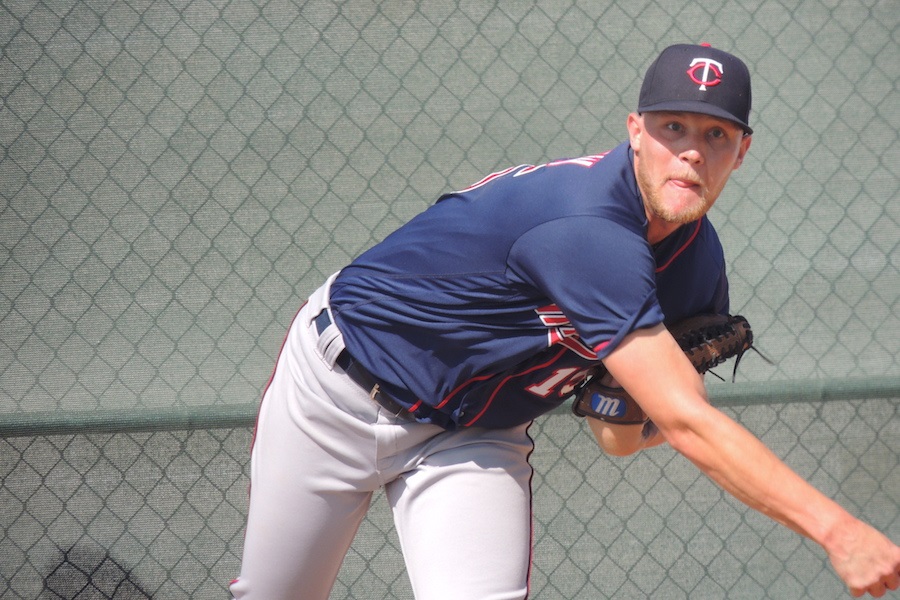 All but one of the players below was acquired during the current front office regime. This speaks volumes to how the organization’s player development system has evolved. Teams need their high draft picks to 10. Keoni Cavaco- SS/3B (19-years old) Acquired: 2019 1st Round Pick ETA: 2024 Cavaco was an intriguing prospect from the time the Twins drafted him. He was left off many of the summer showcase rosters entering his senior season because he was undersized, and he wasn’t expected to be a first-round pick. A growth spurt during his senior year saw his draft stock improve immensely and the Twins jumped at the opportunity. His professional debut was a disaster as he posted .172 BA with strikeouts on 38% of his plate appearances. He has the tools and the power projection to make him a player to be excited about. 9. Blayne Enlow- RHP (21-years old) Acquired: 2017 3rd Round Pick ETA: 2022 Enlow was part of the current front office’s first draft class as the Twins were able to work out an over-slot deal to keep him from going to LSU. His fastball typically sits in the mid- to low-90s, but it has some tremendous spin that can make it tough on hitters. His slider/cutter might be his best pitch when he is able to control it near the zone. He has shown the ability to throw four different pitches, but he continues to work on his secondary pitches. Enlow turns 22-years old in March, and he is a player I expect to have a big 2021 season. 8. Matt Canterino- RHP (23-years old) Acquired: 2019 2nd Round Pick ETA: 2022 Canterino is a strike thrower and he might have gotten more dangerous in 2020 as he developed a changeup at the team’s alternate site. His slider and curveball were already good pitches so adding a changeup can solidify him as a mid-rotation starter. At 6-foot-2 and 222 pounds, he is stocky on the mound and this can make some believe that he will end up as a reliever. He will get plenty of opportunities to stick as a starter with his college experience and his continued pitch development. 7. Aaron Sabato- 1B (21-years old) Acquired: 2020 1st Round Pick ETA: 2024 In a draft unlike any other, the Twins went with Sabato, a relatively safe pick. He projects to only be able to play first base or be a DH, but his bat might have been the one of the only sure things in the 2020 Draft. He can control the strike zone even with his powerful swing. MLB.com ranks him as baseball’s seventh best first base prospect and he will move up multiple spots this year as players graduate off the list. It’s hard to get too excited about a player with limited defensive skills, but his bat might be good enough to forget about the other side of the ball. 6. Jordan Balazovic- RHP (22-years old) Acquired: 2016 5th Round Pick ETA: 2021 Looking back on the 2016 draft and many teams are going to be sorry (say it with a Canadian accent) they passed over Balazovic. He can control the strike zone with four different pitches and all of them can be used to coax strikeouts. Also, the pandemic might have helped his development as he added weight to fill out his 6-foot-5 frame. When the Twins drafted him, he weighed 175 pounds and now he is north of 215 pounds. He was added to the team’s 40-man roster this off-season and that should give him a chance to make his debut in 2021. Which of these players makes it to Target Field first? Leave a COMMENT and start the discussion. OTHER POSTS IN THE SERIES — Prospects 16-20 — Prospects 11-15 — Prospects 1-5 Coming Tomorrow MORE FROM TWINS DAILY — Latest Twins coverage from our writers — Recent Twins discussion in our forums — Follow Twins Daily via Twitter, Facebook or email
 -
Not all organizations have prospect depth that stretches outside of their top-10 prospects. The Twins have multiple names on this list that will impact the big-league roster in 2021.Evaluating prospects in a pandemic certainly presents multiple challenges. Two of these players made their MLB debut last season and others on this list continue to rise. Minnesota’s system is deep and any of these names can impact the big-league roster in the years ahead. 15. Edwar Colina- RHP (23-years old) Acquired: 2015 International Free Agent ETA: 2021 Colina made one lone big-league appearance in 2020, but it didn’t go so well. Obviously, this is a small sample size, and it doesn’t take anything away from his potential big-league impact. He can consistently hit in the upper-90s with his fastball, but it doesn’t have a lot of movement. His slider is his best secondary pitch, and he can control in different parts of the zone. He moved to the bullpen at the end of the 2019 campaign and that might be his best role at the big-league level. 14. Matt Wallner- OF (23-years old) Acquired: 2019 First Round Pick ETA: 2022 Power is the name of the game for Wallner. He fits the current regimes draft mold of finding experienced college hitters with a lot of pop in their bat. At 6-foot-4 and 220 pounds, he is an opposing force in the batter’s box. Because of his college experience, the Twins can be aggressive with him in 2021 as he has yet to appear in a game above Low-A. That being said, he is only 23-years old, so the team can give him a chance to find his swing as he moves up the organizational ladder. 13. Misael Urbina- OF (18-years old) Acquired: 2018 International Free Agent ETA: 2023 Urbina was one of the highest ranked prospects during the 2018 international signing period. He is still projected to play center field, but if he continues to add muscle, his destination might be a corner outfield spot. For his age, he shows skills that are very advanced at the plate. Since the Twins minor league affiliates were reorganized, Urbina can spend 2021 at Low-A in Fort Myers, where the team will be housing many of their younger players. 12. Brent Rooker- OF (26-years old) Acquired: 2017 First Round Pick ETA: 2020 Twins fans got a brief glimpse of Rooker last season as he made a positive impression before being hit by a pitch that ended his season. Throughout his professional career, he has been able to crush fastballs, but he has struggled to adjust to breaking pitches. He’s already 26-years old, so the Twins are going to have team control of him through the prime of his career. If Minnesota doesn’t sign a DH, Rooker is a player that can slide into this role. Most likely, he will start the season at St. Paul, where he will be a quick phone call away from being back in the Twins line-up. 11. Gilberto Celestino- OF (21-years old) Acquired: Along with Jorge Alcala in the Ryan Pressly trade ETA: 2021 When the Twins acquired Celestino, defense was his calling card, but his offensive skills have developed quite nicely since the trade. He continues to be one of the best outfield defenders in system. His size likely means he won’t hit for a ton of power. However, he makes consistent contact, and his other skills will likely allow him to fit into a regular role at the big-league level. This winter, he played in a handful of games in the Dominican Winter League and went 1-for-7 at the plate. Which of these players has a brighter future? Leave a COMMENT and start the discussion. OTHER POSTS IN THE SERIES — Prospects 16-20 — Prospects 1-10 Coming Soon MORE FROM TWINS DAILY — Latest Twins coverage from our writers — Recent Twins discussion in our forums — Follow Twins Daily via Twitter, Facebook or email Click here to view the article
-
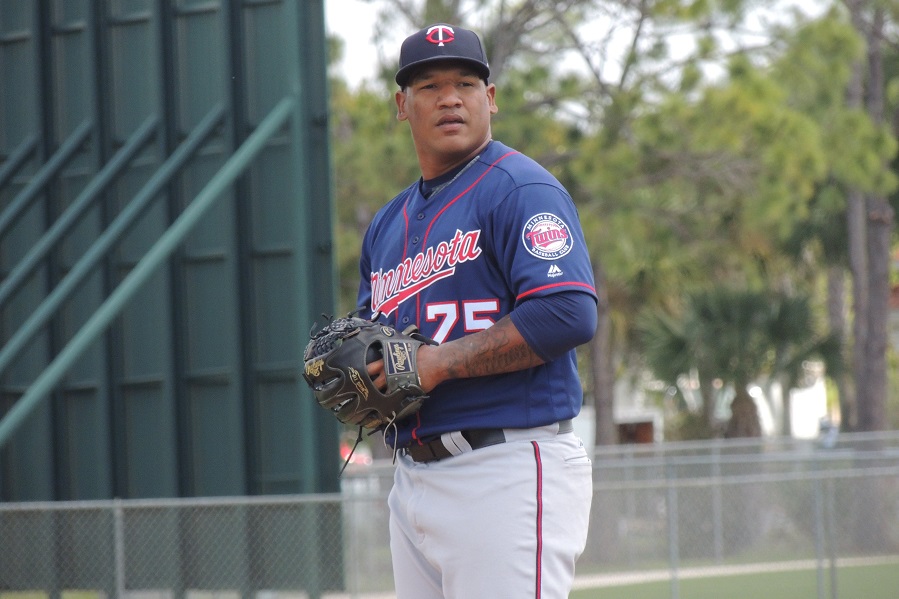 Evaluating prospects in a pandemic certainly presents multiple challenges. Two of these players made their MLB debut last season and others on this list continue to rise. Minnesota’s system is deep and any of these names can impact the big-league roster in the years ahead. 15. Edwar Colina- RHP (23-years old) Acquired: 2015 International Free Agent ETA: 2021 Colina made one lone big-league appearance in 2020, but it didn’t go so well. Obviously, this is a small sample size, and it doesn’t take anything away from his potential big-league impact. He can consistently hit in the upper-90s with his fastball, but it doesn’t have a lot of movement. His slider is his best secondary pitch, and he can control in different parts of the zone. He moved to the bullpen at the end of the 2019 campaign and that might be his best role at the big-league level. 14. Matt Wallner- OF (23-years old) Acquired: 2019 First Round Pick ETA: 2022 Power is the name of the game for Wallner. He fits the current regimes draft mold of finding experienced college hitters with a lot of pop in their bat. At 6-foot-4 and 220 pounds, he is an opposing force in the batter’s box. Because of his college experience, the Twins can be aggressive with him in 2021 as he has yet to appear in a game above Low-A. That being said, he is only 23-years old, so the team can give him a chance to find his swing as he moves up the organizational ladder. 13. Misael Urbina- OF (18-years old) Acquired: 2018 International Free Agent ETA: 2023 Urbina was one of the highest ranked prospects during the 2018 international signing period. He is still projected to play center field, but if he continues to add muscle, his destination might be a corner outfield spot. For his age, he shows skills that are very advanced at the plate. Since the Twins minor league affiliates were reorganized, Urbina can spend 2021 at Low-A in Fort Myers, where the team will be housing many of their younger players. 12. Brent Rooker- OF (26-years old) Acquired: 2017 First Round Pick ETA: 2020 Twins fans got a brief glimpse of Rooker last season as he made a positive impression before being hit by a pitch that ended his season. Throughout his professional career, he has been able to crush fastballs, but he has struggled to adjust to breaking pitches. He’s already 26-years old, so the Twins are going to have team control of him through the prime of his career. If Minnesota doesn’t sign a DH, Rooker is a player that can slide into this role. Most likely, he will start the season at St. Paul, where he will be a quick phone call away from being back in the Twins line-up. 11. Gilberto Celestino- OF (21-years old) Acquired: Along with Jorge Alcala in the Ryan Pressly trade ETA: 2021 When the Twins acquired Celestino, defense was his calling card, but his offensive skills have developed quite nicely since the trade. He continues to be one of the best outfield defenders in system. His size likely means he won’t hit for a ton of power. However, he makes consistent contact, and his other skills will likely allow him to fit into a regular role at the big-league level. This winter, he played in a handful of games in the Dominican Winter League and went 1-for-7 at the plate. Which of these players has a brighter future? Leave a COMMENT and start the discussion. OTHER POSTS IN THE SERIES — Prospects 16-20 — Prospects 1-10 Coming Soon MORE FROM TWINS DAILY — Latest Twins coverage from our writers — Recent Twins discussion in our forums — Follow Twins Daily via Twitter, Facebook or email
 -
Most national prospect list have been released over the last few weeks. Here is a look at some of the Twins top talent that fall at the back end of Cody’s Top 20 Twins Prospects.Evaluating prospects in a pandemic certainly presents multiple challenges. Three of these names have yet to make their professional debut and that adds another wrinkle to the evaluation process. Minnesota’s system is deep and any of these names could impact the big-league roster in the years ahead. 20. Danny De Andrade- SS (16-years old) Acquired: 2021 International Free Agent ETA: 2025 The 2021 international signing period opened on January 15 and the Twins were expected to be aggressive. De Andrade was the organization’s highest rated signee, but he’s only 16-years old and he’s a long way from making his Target Field debut. Many players at his age are listed as shortstops, but there is no guarantee he will stick at that position. At 6-feet tall and 160 pounds, there is some room to add weight and even more power in the batter’s box. Scouting reports already praise him for his ability to drive the ball to all fields so he will be an exciting player to follow in the year’s ahead. 19. Jose Miranda- INF (22-years old) Acquired: 2016 2nd Round Pick ETA: 2021 Miranda has steadily been working his way through the Twins system since the club drafted him back in 2016. As a 21-year-old, he spent nearly all of 2019 at High-A, but he was able to make one appearance at Double-A. This winter he has been playing in the Puerto Rican Winter League and he’s had a strong offensive showing in 15 games. He hit .302/.377/.472 with six doubles and a home run. Fans can expect him to spend most of 2021 at both of the organization’s highest minor league levels with an outside chance of him making his big-league debut. 18. Emmanuel Rodriguez- OF (17-years old) Acquired: 2019 International Free Agent ETA: 2025 Rodriguez was Minnesota’s top international signing from the 2019 signing period, when MLB.com ranked him as the eighth best player available. He has yet to make his professional debut because of the pandemic. His best tool is his hit tool, and he is often praised for his baseball instincts. Some compared him to a young Eddie Rosario. When he signed, he was listed at 165-pounds and there are reports that he added upwards of 20 pounds since that point. He trained at home all last year so it will be nice for him to get a chance to work with Twins coaches more regularly in 2021. 17. Alerick Soularie- OF/2B (21-years old) Acquired: 2020 Second Round Pick ETA: 2024 Soularie is the third name on this list that has yet to make his professional debut. The Twins took him in the second round of last year’s draft out of Tennessee where he hit .336/.448/.586 in just over a season’s worth of at-bats. In college, he played a lot of outfield in college, but the Twins are likely going to shift him to second base since he profiles better that that position. Some scouts question his approach at the plate, but his raw athleticism should help him to make adjustments when he is able to make his professional debut. 16. Cole Sands- RHP (23-years old) Acquired: 2018 5th Round Pick ETA: 2021 Injuries have been part of his professional career as IL trips cost him parts of the 2018 and 2019 campaign. On the mound, his stuff is hard to ignore as he has a mid-90s fastball with some good movement that he combines with a plus breaking ball. Missing the 2020 season was tough on him because it would have allowed him to prove he can stay healthy and build up his innings total. Next winter, he will need to be added to the 40-man roster, so he has a lot to prove during the 2021 campaign. Which of these prospects stands out to you? Leave a COMMENT and start the discussion. MORE FROM TWINS DAILY — Latest Twins coverage from our writers — Recent Twins discussion in our forums — Follow Twins Daily via Twitter, Facebook or email Click here to view the article
-
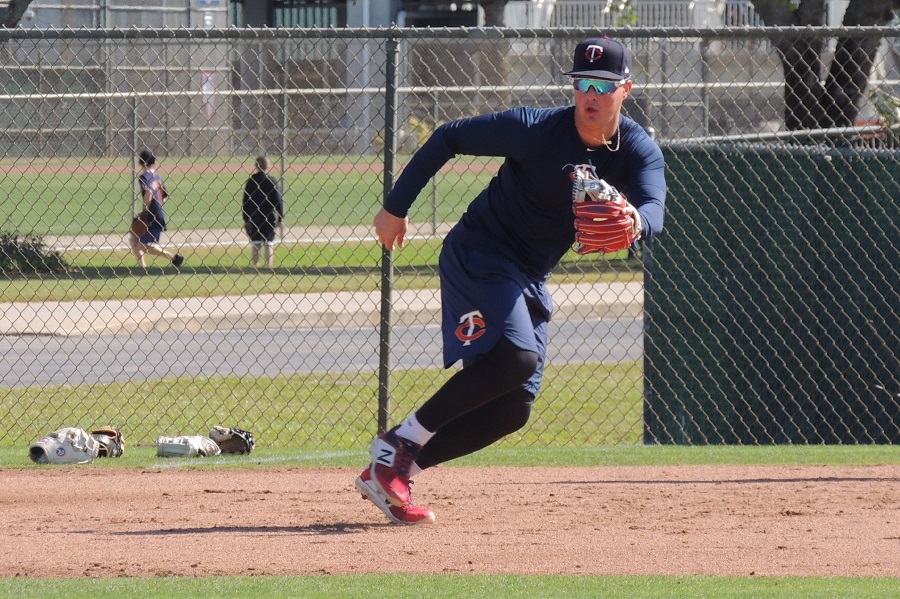 Evaluating prospects in a pandemic certainly presents multiple challenges. Three of these names have yet to make their professional debut and that adds another wrinkle to the evaluation process. Minnesota’s system is deep and any of these names could impact the big-league roster in the years ahead. 20. Danny De Andrade- SS (16-years old) Acquired: 2021 International Free Agent ETA: 2025 The 2021 international signing period opened on January 15 and the Twins were expected to be aggressive. De Andrade was the organization’s highest rated signee, but he’s only 16-years old and he’s a long way from making his Target Field debut. Many players at his age are listed as shortstops, but there is no guarantee he will stick at that position. At 6-feet tall and 160 pounds, there is some room to add weight and even more power in the batter’s box. Scouting reports already praise him for his ability to drive the ball to all fields so he will be an exciting player to follow in the year’s ahead. 19. Jose Miranda- INF (22-years old) Acquired: 2016 2nd Round Pick ETA: 2021 Miranda has steadily been working his way through the Twins system since the club drafted him back in 2016. As a 21-year-old, he spent nearly all of 2019 at High-A, but he was able to make one appearance at Double-A. This winter he has been playing in the Puerto Rican Winter League and he’s had a strong offensive showing in 15 games. He hit .302/.377/.472 with six doubles and a home run. Fans can expect him to spend most of 2021 at both of the organization’s highest minor league levels with an outside chance of him making his big-league debut. 18. Emmanuel Rodriguez- OF (17-years old) Acquired: 2019 International Free Agent ETA: 2025 Rodriguez was Minnesota’s top international signing from the 2019 signing period, when MLB.com ranked him as the eighth best player available. He has yet to make his professional debut because of the pandemic. His best tool is his hit tool, and he is often praised for his baseball instincts. Some compared him to a young Eddie Rosario. When he signed, he was listed at 165-pounds and there are reports that he added upwards of 20 pounds since that point. He trained at home all last year so it will be nice for him to get a chance to work with Twins coaches more regularly in 2021. 17. Alerick Soularie- OF/2B (21-years old) Acquired: 2020 Second Round Pick ETA: 2024 Soularie is the third name on this list that has yet to make his professional debut. The Twins took him in the second round of last year’s draft out of Tennessee where he hit .336/.448/.586 in just over a season’s worth of at-bats. In college, he played a lot of outfield in college, but the Twins are likely going to shift him to second base since he profiles better that that position. Some scouts question his approach at the plate, but his raw athleticism should help him to make adjustments when he is able to make his professional debut. 16. Cole Sands- RHP (23-years old) Acquired: 2018 5th Round Pick ETA: 2021 Injuries have been part of his professional career as IL trips cost him parts of the 2018 and 2019 campaign. On the mound, his stuff is hard to ignore as he has a mid-90s fastball with some good movement that he combines with a plus breaking ball. Missing the 2020 season was tough on him because it would have allowed him to prove he can stay healthy and build up his innings total. Next winter, he will need to be added to the 40-man roster, so he has a lot to prove during the 2021 campaign. Which of these prospects stands out to you? Leave a COMMENT and start the discussion. MORE FROM TWINS DAILY — Latest Twins coverage from our writers — Recent Twins discussion in our forums — Follow Twins Daily via Twitter, Facebook or email
 -
Many teams would be ecstatic to have the likes of Alex Kirilloff and Royce Lewis headlining their farm system. For Twins fans, a debate can be argued about who is the organization’s top prospect.Most national prospect rankings have been released over the last few weeks and these lists are especially tough this year when many of these players haven’t seen game action since the conclusion of the 2019 campaign. As I created my top-20 Twins prospect rankings, the top spot was one of the toughest to decide. Let’s look at the cases for Alex Kirilloff and Royce Lewis as the Twins’ top prospect. Alex Kirilloff, OF/1B 2021 Number 1 Rankings: Baseball America, FanGraphs Pros: Praise couldn’t have been much higher for Kirilloff last season as the team called him up to make his debut in the do-or-die game against the Astros. Eddie Rosario’s departure means Kirilloff is likely being handed the keys to a starting spot for the majority of 2021. Since he was drafted, he has been praised for his advanced approach at the plate and that has remained true even though he missed an entire season due to Tommy John surgery. His powerful swing is going to put him in the middle of the Twins line-up for the majority of the next decade. He sprays the balls to all fields, and he’s added muscle in recent years that is only going to make him more dangerous at the big-league level. Cons: Kirilloff’s added bulk means his defensive options will be limited at the big-league level. He will be relegated to a corner outfield spot or first base, which can limit some of his defensive value. As with many power hitters, Kirilloff tends to swing at a lot of pitches which can result in a higher number of strikeouts. Royce Lewis, SS Number 1 Rankings: MLB.com, Baseball Prospectus Pros: Lewis has been praised for his athleticism since the Twins drafted him. He’s used his athletic ability to play multiple defensive positions, but Minnesota would like him to stick at shortstop. In the lower levels of the minors, he killed the ball posting an .800+ OPS in rookie ball and Low-A. He finished the 2019 campaign in the Arizona Fall League and was named MVP after hitting .353/.411/.565. His on- and off-field leadership are also something to consider as his makeup is one of the reasons the Twins drafted him first overall. He’s going to work hard to improve his game on both sides of the ball. One of those adjustments was to his swing which was tweaked while working with Twins coaches at the alternate site. FanGraphs wrote, “He’s starting with an open stance now, and the angle of his bat as he sets up is also different (more north/south and away from his shoulder.” Fans will have to wait to see if those tweaks improve his 2021 numbers. Cons: Speaking of his swing, that has been one of his biggest struggles as he has reached the high minors. For those that haven’t seen Lewis hit, he utilizes a big leg kick and a lot of movement with his hands. At High- and Double-A, his OPS dropped to under .690, but he is open to making tweaks to his swing as mentioned above. Defensively, some have questioned whether he can stick at shortstop. He may wind up playing a combination of infield and outfield positions. It seems like Lewis has the potential for a higher ceiling, but Kirilloff has a much higher floor. Which prospect would you rank number one? Stop by later this week as I unveil my top-20 prospects. MORE FROM TWINS DAILY — Latest Twins coverage from our writers — Recent Twins discussion in our forums — Follow Twins Daily via Twitter, Facebook or email Click here to view the article
-
Who’s the Top Twins Prospect? Alex Kirilloff vs. Royce Lewis
Cody Christie posted an article in Minor Leagues
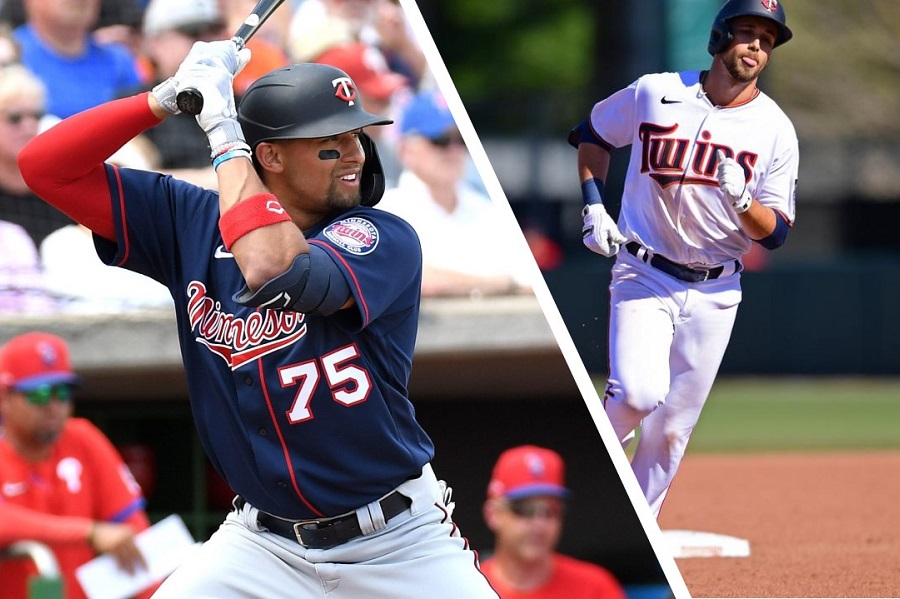 Most national prospect rankings have been released over the last few weeks and these lists are especially tough this year when many of these players haven’t seen game action since the conclusion of the 2019 campaign. As I created my top-20 Twins prospect rankings, the top spot was one of the toughest to decide. Let’s look at the cases for Alex Kirilloff and Royce Lewis as the Twins’ top prospect. Alex Kirilloff, OF/1B 2021 Number 1 Rankings: Baseball America, FanGraphs Pros: Praise couldn’t have been much higher for Kirilloff last season as the team called him up to make his debut in the do-or-die game against the Astros. Eddie Rosario’s departure means Kirilloff is likely being handed the keys to a starting spot for the majority of 2021. Since he was drafted, he has been praised for his advanced approach at the plate and that has remained true even though he missed an entire season due to Tommy John surgery. His powerful swing is going to put him in the middle of the Twins line-up for the majority of the next decade. He sprays the balls to all fields, and he’s added muscle in recent years that is only going to make him more dangerous at the big-league level. Cons: Kirilloff’s added bulk means his defensive options will be limited at the big-league level. He will be relegated to a corner outfield spot or first base, which can limit some of his defensive value. As with many power hitters, Kirilloff tends to swing at a lot of pitches which can result in a higher number of strikeouts. Royce Lewis, SS Number 1 Rankings: MLB.com, Baseball Prospectus Pros: Lewis has been praised for his athleticism since the Twins drafted him. He’s used his athletic ability to play multiple defensive positions, but Minnesota would like him to stick at shortstop. In the lower levels of the minors, he killed the ball posting an .800+ OPS in rookie ball and Low-A. He finished the 2019 campaign in the Arizona Fall League and was named MVP after hitting .353/.411/.565. His on- and off-field leadership are also something to consider as his makeup is one of the reasons the Twins drafted him first overall. He’s going to work hard to improve his game on both sides of the ball. One of those adjustments was to his swing which was tweaked while working with Twins coaches at the alternate site. FanGraphs wrote, “He’s starting with an open stance now, and the angle of his bat as he sets up is also different (more north/south and away from his shoulder.” Fans will have to wait to see if those tweaks improve his 2021 numbers. Cons: Speaking of his swing, that has been one of his biggest struggles as he has reached the high minors. For those that haven’t seen Lewis hit, he utilizes a big leg kick and a lot of movement with his hands. At High- and Double-A, his OPS dropped to under .690, but he is open to making tweaks to his swing as mentioned above. Defensively, some have questioned whether he can stick at shortstop. He may wind up playing a combination of infield and outfield positions. It seems like Lewis has the potential for a higher ceiling, but Kirilloff has a much higher floor. Which prospect would you rank number one? Stop by later this week as I unveil my top-20 prospects. MORE FROM TWINS DAILY — Latest Twins coverage from our writers — Recent Twins discussion in our forums — Follow Twins Daily via Twitter, Facebook or email
 -
Matt Capps for Wilson Ramos is a trade that will live in infamy for many fans. Did the Twins have reasons for trading away the future All-Star?Flags fly forever or so the saying goes. During the 2010 season, the Twins had a roster that seemed built for October success. Joe Mauer and Justin Morneau were in the middle of a powerful line-up that helped to open Target Field with a bang. One of the team’s biggest weaknesses was the bullpen and this meant Terry Ryan went shopping at the deadline to look for a “proven closer.” Minnesota’s bullpen wasn’t completely inept during the season’s first half as players like Matt Guerrier, Jesse Crain, and Jose Mijares fit into their designated roles. Jon Rauch was given the opportunity to be the team’s primary closer. Prior to the trade deadline, Rauch posted a 3.05 ERA as opponents hit .283/.321/.395 against him in 37 games. He was doing the job, but more bullpen depth seemed like it would bolster the team for the stretch run. Matt Capps served as Pittsburgh’s closer for parts of three seasons before being non-tendered and eventually signing with the Washington Nationals. During the first half of 2010, he’d make his first All-Star team as he had a 2.74 ERA with a 1.30 WHIP in 46 innings. His ERA was strong, but he gave up a lot of contact and didn’t strike out many batters (under 7.0 K/9 for his career) which can be cause for concern from a reliever. From the Twins perspective, they were acquiring a reliever with control over the next season and a half and their competitive window seemed to be open. He was worth 0.9 WAR during his Twins tenure, but it was more about what the Twins gave up acquiring that slight bullpen boost. To make matters worse, Minnesota doubled down on Capps and signed him to an extension. When that contract ended, he wouldn’t pitch in the big leagues again. Wilson Ramos and Joe Testa were the two players sent to Washington for the rights to Capps. Ramos was a consensus top-65 prospect in all of baseball entering the 2010 season. Before being traded, he also had an impressive big-league debut as he collected seven hits in his first two games. That being said, Minnesota had just signed Joe Mauer to the richest contract in team history and it seemed like he was going to be behind the plate for the foreseeable future. This might have made Ramos more expendable to the team. During his Washington tenure, Ramos turned into a solid piece of their big-league roster. He’d finish fourth in the NL Rookie of the Year voting after hitting .267/.334/.445 with 38 extra-base hits in 113 games. His final season in Washington was his best as he posted an .850 OPS with 22 home runs and 25 doubles on the way to winning the Silver Slugger award and being selected to his first All-Star Game. In total, he produced 10.5 WAR in his seven seasons of team control that the Twins let go for under 100 innings of Capps. It’s clear why Washington wanted to make this trade as Ramos became their primary catcher for most of a decade. For the Twins, Mauer was still the team’s primary catcher for the next three seasons before being forced to move to first base. Even considering this, it doesn’t seem like the Twins were able to maximize the value of one of baseball’s top catching prospects. Capps was very good in 2010 and there’s no question that he helped the Twins solidify their bullpen. There was no way the team knew what would happen in the playoffs. Minnesota is often criticized for not going for it and hanging on to their prospects when they have a chance to make a deeper playoff run. This was a time when the front office decided to go against this traditional mantra and the results speak for themselves. What are your thoughts after looking back at this trade? Leave a COMMENT and start the discussion. OTHER POSTS IN THE SERIES — Tom Brunansky — Johan Santana MORE FROM TWINS DAILY — Latest Twins coverage from our writers — Recent Twins discussion in our forums — Follow Twins Daily via Twitter, Facebook or email Click here to view the article
-
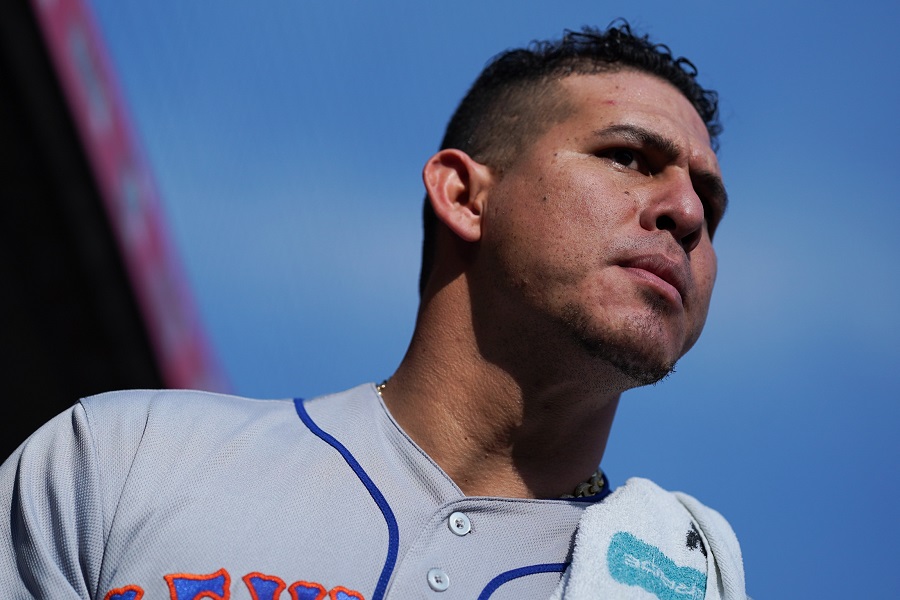 Flags fly forever or so the saying goes. During the 2010 season, the Twins had a roster that seemed built for October success. Joe Mauer and Justin Morneau were in the middle of a powerful line-up that helped to open Target Field with a bang. One of the team’s biggest weaknesses was the bullpen and this meant Terry Ryan went shopping at the deadline to look for a “proven closer.” Minnesota’s bullpen wasn’t completely inept during the season’s first half as players like Matt Guerrier, Jesse Crain, and Jose Mijares fit into their designated roles. Jon Rauch was given the opportunity to be the team’s primary closer. Prior to the trade deadline, Rauch posted a 3.05 ERA as opponents hit .283/.321/.395 against him in 37 games. He was doing the job, but more bullpen depth seemed like it would bolster the team for the stretch run. Matt Capps served as Pittsburgh’s closer for parts of three seasons before being non-tendered and eventually signing with the Washington Nationals. During the first half of 2010, he’d make his first All-Star team as he had a 2.74 ERA with a 1.30 WHIP in 46 innings. His ERA was strong, but he gave up a lot of contact and didn’t strike out many batters (under 7.0 K/9 for his career) which can be cause for concern from a reliever. From the Twins perspective, they were acquiring a reliever with control over the next season and a half and their competitive window seemed to be open. He was worth 0.9 WAR during his Twins tenure, but it was more about what the Twins gave up acquiring that slight bullpen boost. To make matters worse, Minnesota doubled down on Capps and signed him to an extension. When that contract ended, he wouldn’t pitch in the big leagues again. Wilson Ramos and Joe Testa were the two players sent to Washington for the rights to Capps. Ramos was a consensus top-65 prospect in all of baseball entering the 2010 season. Before being traded, he also had an impressive big-league debut as he collected seven hits in his first two games. That being said, Minnesota had just signed Joe Mauer to the richest contract in team history and it seemed like he was going to be behind the plate for the foreseeable future. This might have made Ramos more expendable to the team. During his Washington tenure, Ramos turned into a solid piece of their big-league roster. He’d finish fourth in the NL Rookie of the Year voting after hitting .267/.334/.445 with 38 extra-base hits in 113 games. His final season in Washington was his best as he posted an .850 OPS with 22 home runs and 25 doubles on the way to winning the Silver Slugger award and being selected to his first All-Star Game. In total, he produced 10.5 WAR in his seven seasons of team control that the Twins let go for under 100 innings of Capps. It’s clear why Washington wanted to make this trade as Ramos became their primary catcher for most of a decade. For the Twins, Mauer was still the team’s primary catcher for the next three seasons before being forced to move to first base. Even considering this, it doesn’t seem like the Twins were able to maximize the value of one of baseball’s top catching prospects. Capps was very good in 2010 and there’s no question that he helped the Twins solidify their bullpen. There was no way the team knew what would happen in the playoffs. Minnesota is often criticized for not going for it and hanging on to their prospects when they have a chance to make a deeper playoff run. This was a time when the front office decided to go against this traditional mantra and the results speak for themselves. What are your thoughts after looking back at this trade? Leave a COMMENT and start the discussion. OTHER POSTS IN THE SERIES — Tom Brunansky — Johan Santana MORE FROM TWINS DAILY — Latest Twins coverage from our writers — Recent Twins discussion in our forums — Follow Twins Daily via Twitter, Facebook or email
 -
Spring training is scheduled to start in less than a month and the Twins have done minimal this winter. So, where can the Twins add the most value before the team reports to Florida?There holes left to fill on the Twins roster, but luckily for Twins fans, there are plenty of options still available. Here’s a look at three positions where Minnesota could add the most value. WAR total comparisons are from FanGraphs ZiPS projections for the 2021 season. Designated Hitter It’s ridiculous that the National League still doesn’t know if they will have a designated hitter in 2021. Teams are supposed to proceed as if there won’t be a NL DH, but it makes it tough for free agents like Nelson Cruz to know their market. Cruz and the Twins have been in contact throughout the off-season and the two parties seem like a natural match with the current DH market. However, there are other options for the Twins to consider. If the Twins choose not to sign a DH, the organization’s options to fill the role are Brent Rooker and Alex Kirilloff. Rooker had an impactful debut before being hit with a pitch that ended his season. Kirilloff seems more likely to take over Rosario’s role in the outfield, but he could still get at-bats as the DH. Marcell Ozuna represents Minnesota’s best chance to add the most value at DH. He’s a decade younger than Cruz and he is coming off a tremendous season in Atlanta. Obviously, his price tag is going to include a longer commitment and more money than Cruz. Michael Brantley is a different style hitter than Cruz and Ozuna, but he also offers more defensive flexibility than some of the other DH options. Current DH Options: Rooker (0.5 WAR), Kirilloff (1.5 WAR) Free Agent DH: Ozuna (3.6 WAR), Cruz (3.1 WAR), Brantley (2.9 WAR) Back-End Starting Pitching Minnesota’s top three starters are already penciled in with Kenta Maeda, Jose Berrios, and Michael Pineda. This means the club is looking for other options to fill out the back half of the rotation. In-house options like Randy Dobnak, Devin Smeltzer, Lewis Thorpe, and Jhoan Duran could eat innings in the fifth starter spot. However, the team likely doesn’t want to rely on those arms filling in back-end roles. Minnesota isn’t going to spend the money it takes to sign Trevor Bauer, so the Twins are likely looking at the other names at the top of the free agent list. This includes Masahiro Tanaka, James Paxton, Jake Odorizzi, Taijuan Walker, and Jose Quintana. ZiPS loves Dobnak so only the first three free agent pitchers would be an upgrade over him to the Twins rotation. Current 4/5 Starters: Dobnak (1.5 WAR), Smeltzer (0.8 WAR), Thorpe (0.5 WAR), Duran (0.8 WAR) Free Agent Starters: Paxton (2.7 WAR), Tanaka (2.3 WAR), Odorizzi (1.8 WAR), Walker (1.2 WAR), Quintana (1.3 WAR) Infield Depth The Twins need to add infield depth with Marwin Gonzalez and Ehire Adrianaza both becoming free agents. Throughout the offseason, there has been talk about moving Jorge Polanco to a super utility role and the Twins acquiring a better defensive shortstop. One option would be to trade for a shortstop with an expiring contract like Javier Baez or Trevor Story, but there are plenty of good free agent options still available that would allow the team to keep prospects. If the Twins want a starting shortstop, there are clearly three players at the top of the free agent market. Andrelton Simmons, Didi Gregorius, and Marcus Semien are all very intriguing options and the idea of having Simmons and Donaldson on the same side of the infield is a defensive dream. Semien is projected is the only player projected for a higher WAR than Polanco. Other utility options include Jurickson Profar, Enrique Hernandez, and Tommy La Stella, but none of them are considered everyday shortstops. Current SS/Utility Infielders: Polanco (2.8 WAR), Gordon (1.1 WAR), Miranda (0.8 WAR), Blankenhorn (-0.2 WAR) Free Agent SS/Utility Players: Semien (3.9 WAR), Simmons (2.7 WAR), Gregorius (2.3 WAR), Profar (1.6 WAR), La Stella (0.7 WAR), Hernandez (0.6 WAR) If the Twins want to add the most value, it looks like they should turn to Ozuna, Paxton, and Semien. That trio of players would likely come with a hefty price tag, so the Twins might have to be creative as they complete their roster. Where do you think the Twins can add the most value? Leave a COMMENT and start the discussion. MORE FROM TWINS DAILY — Latest Twins coverage from our writers — Recent Twins discussion in our forums — Follow Twins Daily via Twitter, Facebook or email Click here to view the article
-
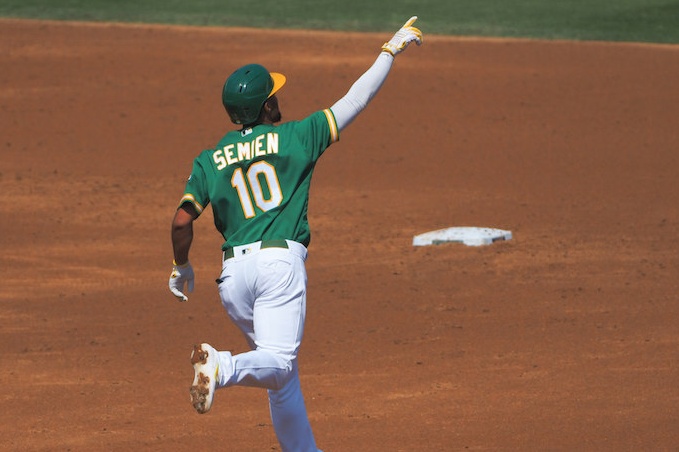 There holes left to fill on the Twins roster, but luckily for Twins fans, there are plenty of options still available. Here’s a look at three positions where Minnesota could add the most value. WAR total comparisons are from FanGraphs ZiPS projections for the 2021 season. Designated Hitter It’s ridiculous that the National League still doesn’t know if they will have a designated hitter in 2021. Teams are supposed to proceed as if there won’t be a NL DH, but it makes it tough for free agents like Nelson Cruz to know their market. Cruz and the Twins have been in contact throughout the off-season and the two parties seem like a natural match with the current DH market. However, there are other options for the Twins to consider. If the Twins choose not to sign a DH, the organization’s options to fill the role are Brent Rooker and Alex Kirilloff. Rooker had an impactful debut before being hit with a pitch that ended his season. Kirilloff seems more likely to take over Rosario’s role in the outfield, but he could still get at-bats as the DH. Marcell Ozuna represents Minnesota’s best chance to add the most value at DH. He’s a decade younger than Cruz and he is coming off a tremendous season in Atlanta. Obviously, his price tag is going to include a longer commitment and more money than Cruz. Michael Brantley is a different style hitter than Cruz and Ozuna, but he also offers more defensive flexibility than some of the other DH options. Current DH Options: Rooker (0.5 WAR), Kirilloff (1.5 WAR) Free Agent DH: Ozuna (3.6 WAR), Cruz (3.1 WAR), Brantley (2.9 WAR) Back-End Starting Pitching Minnesota’s top three starters are already penciled in with Kenta Maeda, Jose Berrios, and Michael Pineda. This means the club is looking for other options to fill out the back half of the rotation. In-house options like Randy Dobnak, Devin Smeltzer, Lewis Thorpe, and Jhoan Duran could eat innings in the fifth starter spot. However, the team likely doesn’t want to rely on those arms filling in back-end roles. Minnesota isn’t going to spend the money it takes to sign Trevor Bauer, so the Twins are likely looking at the other names at the top of the free agent list. This includes Masahiro Tanaka, James Paxton, Jake Odorizzi, Taijuan Walker, and Jose Quintana. ZiPS loves Dobnak so only the first three free agent pitchers would be an upgrade over him to the Twins rotation. Current 4/5 Starters: Dobnak (1.5 WAR), Smeltzer (0.8 WAR), Thorpe (0.5 WAR), Duran (0.8 WAR) Free Agent Starters: Paxton (2.7 WAR), Tanaka (2.3 WAR), Odorizzi (1.8 WAR), Walker (1.2 WAR), Quintana (1.3 WAR) Infield Depth The Twins need to add infield depth with Marwin Gonzalez and Ehire Adrianaza both becoming free agents. Throughout the offseason, there has been talk about moving Jorge Polanco to a super utility role and the Twins acquiring a better defensive shortstop. One option would be to trade for a shortstop with an expiring contract like Javier Baez or Trevor Story, but there are plenty of good free agent options still available that would allow the team to keep prospects. If the Twins want a starting shortstop, there are clearly three players at the top of the free agent market. Andrelton Simmons, Didi Gregorius, and Marcus Semien are all very intriguing options and the idea of having Simmons and Donaldson on the same side of the infield is a defensive dream. Semien is projected is the only player projected for a higher WAR than Polanco. Other utility options include Jurickson Profar, Enrique Hernandez, and Tommy La Stella, but none of them are considered everyday shortstops. Current SS/Utility Infielders: Polanco (2.8 WAR), Gordon (1.1 WAR), Miranda (0.8 WAR), Blankenhorn (-0.2 WAR) Free Agent SS/Utility Players: Semien (3.9 WAR), Simmons (2.7 WAR), Gregorius (2.3 WAR), Profar (1.6 WAR), La Stella (0.7 WAR), Hernandez (0.6 WAR) If the Twins want to add the most value, it looks like they should turn to Ozuna, Paxton, and Semien. That trio of players would likely come with a hefty price tag, so the Twins might have to be creative as they complete their roster. Where do you think the Twins can add the most value? Leave a COMMENT and start the discussion. MORE FROM TWINS DAILY — Latest Twins coverage from our writers — Recent Twins discussion in our forums — Follow Twins Daily via Twitter, Facebook or email
 -
There is no question how important signing international players is to MLB organization. One strong signing class can alter a franchise’s future as Minnesota’s current core includes Miguel Sano, Max Kepler, and Jorge Polanco, who were all signed during the same international signing period.Normally, the signing period opens in July, but this year it got pushed back as teams dealt with the pandemic. Now it will open at 8 AM Central Friday, January 15 with some big names to keep an eye on. Top of the Class Many consider Cuban outfielder Yoelqui Cespedes to be the top available player during the signing period. He is the younger half-brother of outfielder Yoenis Cespedes. Since he is already 23-years old, he could move quickly to get to the big-leagues and there are many that consider him a five-tool talent. Other top players expected to sign include Oscar Colas, Wilman Diaz, Carlos Colmenarez, and Armando Cruz. However, the Twins are not expected to sign any of the top five players in this class. Recent Minnesota Signings Minnesota has been focused on outfielders in the international market over the last three seasons. Back in 2017, the club signed Venezuelan outfield Carlos Aguiar for a $1 million signing bonus. Minnesota’s 2018 class included Venezuelan center fielder Misael Urbina. Last year’s two biggest names were Emmanuel Rodriguez ($2.5 million) and Malfrin Sosa ($900,000) out of the Dominican Republic. How Can the Twins Spend? Minnesota has $6.431 million to spend in the current international signing period. This is tied for the highest total with Cincinnati, Detroit, Miami, Milwaukee, and Tampa Bay. MLB.com is expecting the Twins to be very aggressive as the signing period opens. Who Will the Twins Target? After focusing on outfielders for three years, the Twins will turn to the infield at the top of their 2020-21 signing class. Minnesota has been rumored to be tied to Venezuelan shortstop Danny De Andrade, who MLB.com ranks as the 16th best prospect in the entire class. The 16-year-old comes in at 6-feet tall while weighing 160 pounds. Even though he is Venezuelan, he has been training for multiple years in the Dominican Republic with Jamie Ramos, a member of MLB’s Trainer Partnership Program. His defensive skills are strong enough to stick at shortstop, but there is some concern that he will need to move to third base because of his size. He can drive the ball to all fields and his bat speed helps to separate him from other international prospects. His body has plenty of room to add strength and he is very projectable. The Twins are also connected to shortstop, Fredy LaFlor, MLB.com’s number 28 prospect in the class. They compare him to a young Eduardo Escobar and that would certainly make Minnesota fans happy. Scouting reports have him starting his career at shortstop, but he also can shift to center field or second base. He’s a switch hitter with a quick swing. What are your thoughts on this year’s international signing class? Leave a COMMENT and start the discussion. MORE FROM TWINS DAILY — Latest Twins coverage from our writers — Recent Twins discussion in our forums — Follow Twins Daily via Twitter, Facebook or email Click here to view the article
-
 Normally, the signing period opens in July, but this year it got pushed back as teams dealt with the pandemic. Now it will open at 8 AM Central Friday, January 15 with some big names to keep an eye on. Top of the Class Many consider Cuban outfielder Yoelqui Cespedes to be the top available player during the signing period. He is the younger half-brother of outfielder Yoenis Cespedes. Since he is already 23-years old, he could move quickly to get to the big-leagues and there are many that consider him a five-tool talent. Other top players expected to sign include Oscar Colas, Wilman Diaz, Carlos Colmenarez, and Armando Cruz. However, the Twins are not expected to sign any of the top five players in this class. Recent Minnesota Signings Minnesota has been focused on outfielders in the international market over the last three seasons. Back in 2017, the club signed Venezuelan outfield Carlos Aguiar for a $1 million signing bonus. Minnesota’s 2018 class included Venezuelan center fielder Misael Urbina. Last year’s two biggest names were Emmanuel Rodriguez ($2.5 million) and Malfrin Sosa ($900,000) out of the Dominican Republic. How Can the Twins Spend? Minnesota has $6.431 million to spend in the current international signing period. This is tied for the highest total with Cincinnati, Detroit, Miami, Milwaukee, and Tampa Bay. MLB.com is expecting the Twins to be very aggressive as the signing period opens. Who Will the Twins Target? After focusing on outfielders for three years, the Twins will turn to the infield at the top of their 2020-21 signing class. Minnesota has been rumored to be tied to Venezuelan shortstop Danny De Andrade, who MLB.com ranks as the 16th best prospect in the entire class. The 16-year-old comes in at 6-feet tall while weighing 160 pounds. https://twitter.com/NoDakTwinsFan/status/1349801710751985668?s=20 Even though he is Venezuelan, he has been training for multiple years in the Dominican Republic with Jamie Ramos, a member of MLB’s Trainer Partnership Program. His defensive skills are strong enough to stick at shortstop, but there is some concern that he will need to move to third base because of his size. He can drive the ball to all fields and his bat speed helps to separate him from other international prospects. His body has plenty of room to add strength and he is very projectable. The Twins are also connected to shortstop, Fredy LaFlor, MLB.com’s number 28 prospect in the class. They compare him to a young Eduardo Escobar and that would certainly make Minnesota fans happy. Scouting reports have him starting his career at shortstop, but he also can shift to center field or second base. He’s a switch hitter with a quick swing. What are your thoughts on this year’s international signing class? Leave a COMMENT and start the discussion. MORE FROM TWINS DAILY — Latest Twins coverage from our writers — Recent Twins discussion in our forums — Follow Twins Daily via Twitter, Facebook or email
 -
Every year, there is plenty to debate when it comes to baseball who should or shouldn’t be elected to Cooperstown’s hallowed halls. Last year, there were two players inducted from the BWAA ballot, Derek Jeter and Larry Walker. This year’s ballot is full of a lot of question marks and there is a chance that no players are inducted when results are announced in the coming days.Over the last handful of years, there has been an unclogging of the ballot, especially since voters are limited to 10 names per ballot. This has allowed the writers to take a longer look at some of the other top candidates that remain. If I were lucky enough to have a ballot, this is how I would vote: Class of 2021 I usually predict the players to be elected in any given voting cycle, but this year, it doesn’t appear any candidate will cross the 75% threshold. At last check, Curt Schilling was the closest candidate, however, his off the field behavior will likely keep him from reaching that mark in 2021. Many players are making big jumps this year, but they all will likely have to wait until 2022 to get the famous call from Cooperstown. Future Inductees Scott Rolen (2020 Results: 35.3%, 4th Year) Rolen is a new addition to my ballot this year and I added him for a variety of reasons. He might have been the best third base defender of his era and he had the offensive skills to warrant consideration for baseball’s highest honor. His case is similar to last year’s inductee, Larry Walker, who was helped by strong defensive numbers since he didn’t have the offensive counting stats that usually lead to induction. His career WAR, Peak WAR, and JAWS are all higher than the average of the current HOF third basemen. With the current ballots revealed, Rolen has made a big jump which should put him close to being elected on the 2022 ballot. Billy Wagner (2020 Results: 31.7%, 6th Year) Baseball is constantly evolving, and relief pitchers have been a group underrepresented when it comes to HOF election. Wagner is the best reliever not yet elected to Cooperstown and he put up numbers better than some of those already enshrined. He holds the record for highest strikeout rate of any pitcher with a minimum of 800 innings pitched. However, his innings total is well below other enshrined relievers, so he is going to have to rely on rate stats. He does have the most strikeouts among left-handed relievers. Former Twin Joe Nathan will be paying close attention to Wagner’s case in the coming years. May Never Get In (But Still On My Ballot) Andrew Jones (19.4%, 4th Year), Roger Clemens (61.0%, 9th Year), Barry Bonds (60.7%, 9th Year) These three players are tough pencil in for a variety of reasons. Jones was one of the best defensive players of all-time and he has gained a lot of support during the current voting cycle as he will likely end with around 40% of the vote. There’s no question that Clemens and Bonds are two of the best players to ever play the game. However, steroid use is part of their story and some voters have not been able to ignore that fact. Outside of baseball, Bonds and Jones have been accused of domestic abuse while Clemens is accused of having an affair with a much younger woman. Bonds and Clemens are trending at over 70% of the vote so far, but it would take a big jump on the remaining ballots to clear 75%. To provide transparency, I removed Omar Vizquel from my ballot this year as MLB continues to investigate some of his off-field behavior including domestic abuse. He was a borderline candidate, and these issues were enough to take him off. To see the full 2021 BBWAA Hall of Fame Ballot, CLICK HERE. On January 26, the BBWAA will announce the results of the 2021 Hall of Fame balloting. Any players chosen will be inducted during Hall of Fame Weekend starting on Sunday, July 25 at 12:30 pm CST. This would also include last year’s class of 2020. Who makes your Hall of Fame ballot? Leave a COMMENT and start the discussion. MORE FROM TWINS DAILY — Latest Twins coverage from our writers — Recent Twins discussion in our forums — Follow Twins Daily via Twitter, Facebook or email Click here to view the article
-
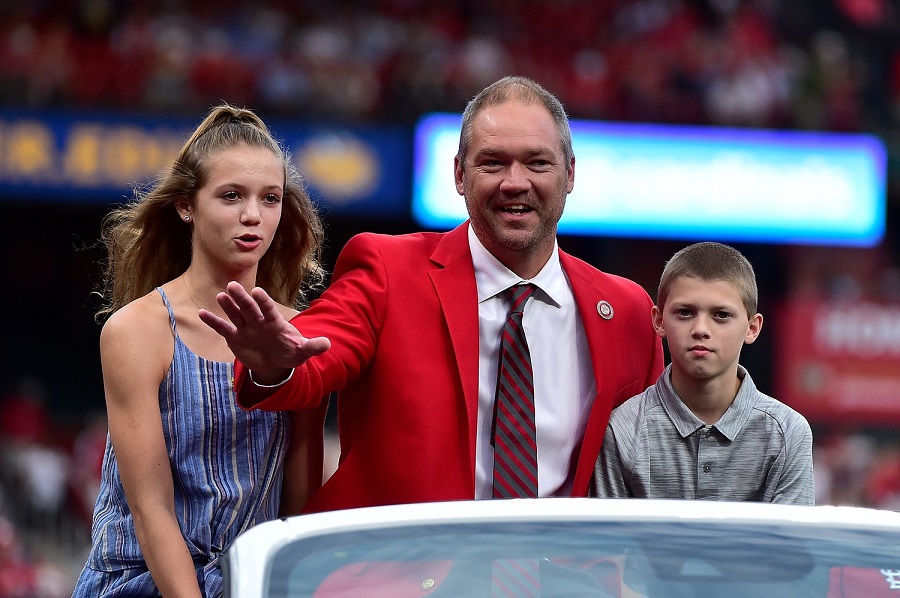 Over the last handful of years, there has been an unclogging of the ballot, especially since voters are limited to 10 names per ballot. This has allowed the writers to take a longer look at some of the other top candidates that remain. If I were lucky enough to have a ballot, this is how I would vote: Class of 2021 I usually predict the players to be elected in any given voting cycle, but this year, it doesn’t appear any candidate will cross the 75% threshold. At last check, Curt Schilling was the closest candidate, however, his off the field behavior will likely keep him from reaching that mark in 2021. Many players are making big jumps this year, but they all will likely have to wait until 2022 to get the famous call from Cooperstown. Future Inductees Scott Rolen (2020 Results: 35.3%, 4th Year) Rolen is a new addition to my ballot this year and I added him for a variety of reasons. He might have been the best third base defender of his era and he had the offensive skills to warrant consideration for baseball’s highest honor. His case is similar to last year’s inductee, Larry Walker, who was helped by strong defensive numbers since he didn’t have the offensive counting stats that usually lead to induction. His career WAR, Peak WAR, and JAWS are all higher than the average of the current HOF third basemen. With the current ballots revealed, Rolen has made a big jump which should put him close to being elected on the 2022 ballot. Billy Wagner (2020 Results: 31.7%, 6th Year) Baseball is constantly evolving, and relief pitchers have been a group underrepresented when it comes to HOF election. Wagner is the best reliever not yet elected to Cooperstown and he put up numbers better than some of those already enshrined. He holds the record for highest strikeout rate of any pitcher with a minimum of 800 innings pitched. However, his innings total is well below other enshrined relievers, so he is going to have to rely on rate stats. He does have the most strikeouts among left-handed relievers. Former Twin Joe Nathan will be paying close attention to Wagner’s case in the coming years. May Never Get In (But Still On My Ballot) Andrew Jones (19.4%, 4th Year), Roger Clemens (61.0%, 9th Year), Barry Bonds (60.7%, 9th Year) These three players are tough pencil in for a variety of reasons. Jones was one of the best defensive players of all-time and he has gained a lot of support during the current voting cycle as he will likely end with around 40% of the vote. There’s no question that Clemens and Bonds are two of the best players to ever play the game. However, steroid use is part of their story and some voters have not been able to ignore that fact. Outside of baseball, Bonds and Jones have been accused of domestic abuse while Clemens is accused of having an affair with a much younger woman. Bonds and Clemens are trending at over 70% of the vote so far, but it would take a big jump on the remaining ballots to clear 75%. To provide transparency, I removed Omar Vizquel from my ballot this year as MLB continues to investigate some of his off-field behavior including domestic abuse. He was a borderline candidate, and these issues were enough to take him off. To see the full 2021 BBWAA Hall of Fame Ballot, CLICK HERE. On January 26, the BBWAA will announce the results of the 2021 Hall of Fame balloting. Any players chosen will be inducted during Hall of Fame Weekend starting on Sunday, July 25 at 12:30 pm CST. This would also include last year’s class of 2020. Who makes your Hall of Fame ballot? Leave a COMMENT and start the discussion. MORE FROM TWINS DAILY — Latest Twins coverage from our writers — Recent Twins discussion in our forums — Follow Twins Daily via Twitter, Facebook or email
 -
Liam Hendriks is back in the AL Central and that might not be good news for Minnesota Twins fans. Hendriks has evolved into arguably the game’s best relief pitcher over the last two seasons and now he has $54 million reasons to be excited about joining the Chicago White Sox. It wasn’t very long ago when Hendriks was a prospect in the Twins organization with a bright future ahead of him. So, let’s look back and see what happened between the Twins and Liam Hendriks.Hendriks originally signed with the Twins in early 2007 as a teenager out of Australia. He’d make his professional debut with the GCL Twins and post a 2.05 ERA with a 1.18 WHIP while striking out 52 batters in 44 innings. That winter, he pitched for Australia in the final Olympic Qualification Tournament, but then he needed back surgery that cost him the entire 2008 campaign. In 2009, he returned to the mound and the majority of his starts came at Low-A where he was nearly two years younger than the average age of the competition. For the season, he made 14 starts and posted a 3.55 ERA with a 1.29 WHIP. He was limited to fewer than 84 innings, but he struck out 75 and only walked 16 batters. The 2010 season was his coming out party as he dominated both Low- and High-A on his way to flying up Twins prospect lists. He pitched over 100 innings for the first time in his career while posting a 1.74 ERA and a 0.84 WHIP. Hendriks posted career bests in strikeouts per nine, walks per nine, and hits per nine. At season’s end, Seth and I ranked him as the team’s third best pitching prospect even though he had yet to make his Double-A debut. Minnesota didn’t mess around with Hendriks during the 2011 season and that was easy to do when the club was on their way to losing close to 100 games. The bulk of his innings came at Double-A and he was successful at that level by posting a 2.70 ERA and a 1.14 WHIP. From there, the Twins pushed him to Triple-A and he allowed 25 earned runs in just over 49 innings. September wasn’t going to be pretty for the Twins, but Hendriks was still pushed to make his big-league debut. In four starts, he allowed 16 runs in 23 1/3 innings with a 16 to 6 strikeout to walk ratio. Hendriks was still only 23-years old, so there was plenty of promise in his right arm. He dominated the next year during his time at Triple-A with a 2.20 ERA and a 0.98 WHIP. However, that performance didn’t translate to the big-league level as he struggled to post a 6.43 ERA and a 1.55 WHIP. As far as his time as a starter, it was getting close to being sink or swim time. As a 24-year-old, Hendriks was not nearly as successful at Triple-A, but it was going to be hard to live up to his 2012 numbers. The 2013 season wound up being his final year in the Twins organization. He bounced around between Triple-A and the big leagues throughout the season even though the Twins were on their way to losing 96 games. Minnesota’s rotation that year included Kevin Correia, Mike Pelfrey, Scott Diamond, and Sam Deduno. Hendriks struggled, but it’s not like the team had a lot of big names blocking his path. The Twins never gave Hendriks a shot in the bullpen and they designated him for assignment in December 2013 while he still had minor league options remaining. Minnesota was in the midst of a terrible run of baseball where the club lost 92+ games in six out of seven seasons. Maybe the front office thought he would sneak through waivers or maybe they didn’t think he could be successful in the bullpen. Either way it looks like the Twins missed out on one of baseball’s best relievers. It’s not as if the Twins were the only organization that missed the boat on Hendriks. He spent the next few years bouncing between multiple organizations. The Cubs claimed him from the Twins and 10 days later the Orioles claimed him. He didn’t pitch for either of these organizations as he was claimed by Toronto in February 2014. He’d pitch parts of the next two seasons with the Blue Jays and the Royals before finally finding himself, literally and figuratively, in Oakland. It’s hard to predict what path Hendriks would have taken had he stayed in Minnesota. Perhaps being designated for assignment that many times put a chip on his shoulder. He also might have needed to end up in Oakland for that club to find his magic spark on the mound. Either way, it seems like he will be causing headaches for Twins fans in the years to come. What are your thoughts on the way Hendriks was handled by the Twins? Leave a COMMENT and start the discussion. MORE FROM TWINS DAILY — Latest Twins coverage from our writers — Recent Twins discussion in our forums — Follow Twins Daily via Twitter, Facebook or email Click here to view the article
-
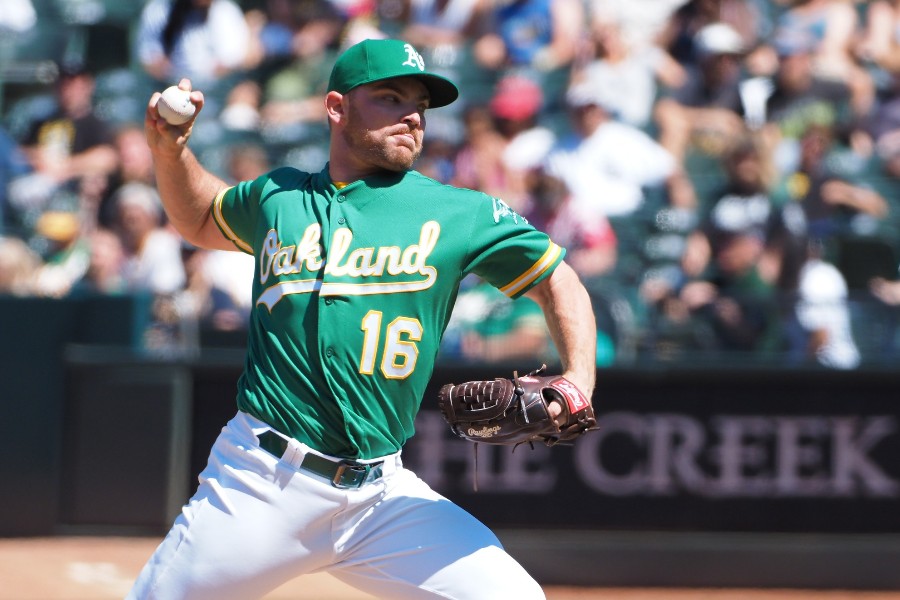 Hendriks originally signed with the Twins in early 2007 as a teenager out of Australia. He’d make his professional debut with the GCL Twins and post a 2.05 ERA with a 1.18 WHIP while striking out 52 batters in 44 innings. That winter, he pitched for Australia in the final Olympic Qualification Tournament, but then he needed back surgery that cost him the entire 2008 campaign. In 2009, he returned to the mound and the majority of his starts came at Low-A where he was nearly two years younger than the average age of the competition. For the season, he made 14 starts and posted a 3.55 ERA with a 1.29 WHIP. He was limited to fewer than 84 innings, but he struck out 75 and only walked 16 batters. The 2010 season was his coming out party as he dominated both Low- and High-A on his way to flying up Twins prospect lists. He pitched over 100 innings for the first time in his career while posting a 1.74 ERA and a 0.84 WHIP. Hendriks posted career bests in strikeouts per nine, walks per nine, and hits per nine. At season’s end, Seth and I ranked him as the team’s third best pitching prospect even though he had yet to make his Double-A debut. Minnesota didn’t mess around with Hendriks during the 2011 season and that was easy to do when the club was on their way to losing close to 100 games. The bulk of his innings came at Double-A and he was successful at that level by posting a 2.70 ERA and a 1.14 WHIP. From there, the Twins pushed him to Triple-A and he allowed 25 earned runs in just over 49 innings. September wasn’t going to be pretty for the Twins, but Hendriks was still pushed to make his big-league debut. In four starts, he allowed 16 runs in 23 1/3 innings with a 16 to 6 strikeout to walk ratio. Hendriks was still only 23-years old, so there was plenty of promise in his right arm. He dominated the next year during his time at Triple-A with a 2.20 ERA and a 0.98 WHIP. However, that performance didn’t translate to the big-league level as he struggled to post a 6.43 ERA and a 1.55 WHIP. As far as his time as a starter, it was getting close to being sink or swim time. As a 24-year-old, Hendriks was not nearly as successful at Triple-A, but it was going to be hard to live up to his 2012 numbers. The 2013 season wound up being his final year in the Twins organization. He bounced around between Triple-A and the big leagues throughout the season even though the Twins were on their way to losing 96 games. Minnesota’s rotation that year included Kevin Correia, Mike Pelfrey, Scott Diamond, and Sam Deduno. Hendriks struggled, but it’s not like the team had a lot of big names blocking his path. The Twins never gave Hendriks a shot in the bullpen and they designated him for assignment in December 2013 while he still had minor league options remaining. Minnesota was in the midst of a terrible run of baseball where the club lost 92+ games in six out of seven seasons. Maybe the front office thought he would sneak through waivers or maybe they didn’t think he could be successful in the bullpen. Either way it looks like the Twins missed out on one of baseball’s best relievers. It’s not as if the Twins were the only organization that missed the boat on Hendriks. He spent the next few years bouncing between multiple organizations. The Cubs claimed him from the Twins and 10 days later the Orioles claimed him. He didn’t pitch for either of these organizations as he was claimed by Toronto in February 2014. He’d pitch parts of the next two seasons with the Blue Jays and the Royals before finally finding himself, literally and figuratively, in Oakland. It’s hard to predict what path Hendriks would have taken had he stayed in Minnesota. Perhaps being designated for assignment that many times put a chip on his shoulder. He also might have needed to end up in Oakland for that club to find his magic spark on the mound. Either way, it seems like he will be causing headaches for Twins fans in the years to come. What are your thoughts on the way Hendriks was handled by the Twins? Leave a COMMENT and start the discussion. MORE FROM TWINS DAILY — Latest Twins coverage from our writers — Recent Twins discussion in our forums — Follow Twins Daily via Twitter, Facebook or email

