



Cody Christie
-
Posts
7,515 -
Joined
-
Last visited
-
Days Won
5
Content Type
Profiles
News
Minnesota Twins Videos
2026 Minnesota Twins Top Prospects Ranking
2022 Minnesota Twins Draft Picks
Minnesota Twins Free Agent & Trade Rumors, Notes, & Tidbits
Guides & Resources
2023 Minnesota Twins Draft Picks
The Minnesota Twins Players Project
2024 Minnesota Twins Draft Picks
2025 Minnesota Twins Draft Pick Tracker
2026 Minnesota Twins Draft Tracker: Picks & Bonuses
Forums
Blogs
Events
Store
Downloads
Gallery
Everything posted by Cody Christie
-
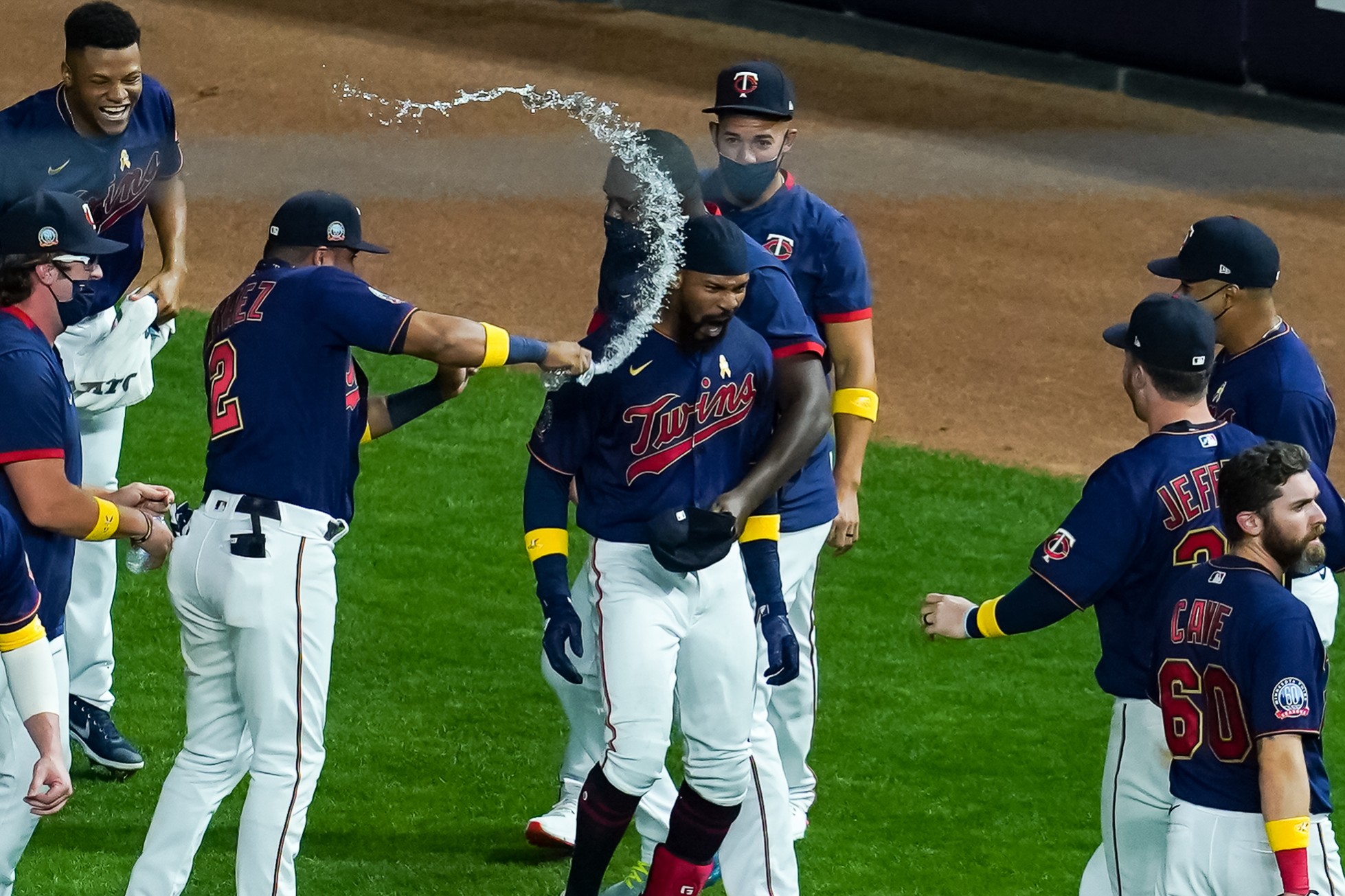 Filling Out the Line-Up Alex Kirilloff is going to be a big part of the 2021 Twins even if he isn’t in the line-up on Opening Day. The Twins thought highly enough of him to put him into the playoff line-up in a do-or-die situation and there have been other glowing reports out of the Twin Cities. He slides in nicely to the spot vacated after the Twins non-tender Eddie Rosario. Kirilloff is cheaper and has the potential to produce at a similar level for a fraction of the cost. Nelson Cruz has been amazing in a Twins uniform, but there are no certainties surrounding a player over the age of 40. Marcell Ozuna seems like a better option to fill the designated hitter role. He is a decade younger than Cruz and he is coming off a season where he hit .338/.431/.636 while leading the NL in home runs, RBI, and total bases. With Ozuna’s big contract, money is saved with the reserve players. Jake Cave can come back as a starting outfielder to begin the year before Kirilloff becomes the regular player. Travis Blankenhorn takes over the role vacated by Marwin Gonzalez as the super utility player. Ehire Adrianza steps back in as the back up player at multiple positions and Ryan Jeffers starts the season as the backup catcher with a good chance to be used more regularly than Garver. Rotation Roulette Three out of the five rotation spots for the Twins are decided with Kenta Maeda, Jose Berrios, and Michael Pineda penciled in. This leaves decisions to make in the back half of the rotation. One strategy would be to sign someone big for the fourth spot in their rotation and leave the fifth spot to someone else already in the organization. The Texas Rangers already announced they would decline the option on Corey Kluber and it seems like a no-brainer for the Twins front office to be interested. Derek Falvey, Minnesota’s President of Baseball Operations, worked with the Kluber when he was a member of the Cleveland Indians. Kluber was a three-time All-Star with Cleveland and won two Cy Young awards. The back of Minnesota’s rotation can easily be filled with a cornucopia of players from within the organization. Randy Dobnak seems like the logical first choice, but there are plenty of other options including Cody Stashak, Lewis Thorpe, Jhoan Duran and Jordan Balazovic. Teams don’t need a lot out of the fifth spot in the rotation and these players can more than fill that role. Completing the Bullpen Bullpens have become so important in the modern game especially with starters pitching fewer innings. This year’s playoffs were a prime example with the Dodgers and the Rays riding their bullpens to a thrilling World Series. While these teams relied on a variety of arms, the Twins strategy might need to change if they spend on the players mentioned above. The bullpen outlined above might be worse than last year’s conglomeration with Sergio Romo’s option declined and other players pushed into different roles. Tyler Duffey and Jorge Alcala will be absolute weapons in late innings. The Twins can hope for a bounce back year from Taylor Rogers. The front office might also be able to find another Matt Wisler type player from another organization. Do you think this blueprint pushes the Twins to the next level? Leave a COMMENT and start the discussion. MORE FROM TWINS DAILY — Latest Twins coverage from our writers — Recent Twins discussion in our forums — Follow Twins Daily via Twitter, Facebook or email
 -
 In recent seasons, shifting has become commonplace in the baseball world. Teams will try to find any advantage and the increase in available data allows for coaches to make informed decisions about each batter’s hitting tendencies. Even with all of the defensive advantages to shifting, baseball might try to limit shifts in the coming years. What would happen if baseball killed the shift?In his time as MLB commissioner, Rob Manfred has overseen changes to multiple parts of the game with pace of play being one of his biggest focuses. Now, he is looking to make a change to team’s ability to shift players on the defensive side of the ball. In a recent interview, he had this to say: Since taking over as commissioner in 2015, Manfred has mentioned limiting shifts to help stimulate offense. As recently as 2018, he thought that limiting shifts could help to boost offensive production and he claimed had “strong” backing from baseball’s competition committee. However, this kind of rule change would also need approval from the player’s union. As Parker recently wrote about, Twins third baseman Josh Donaldson might be in favor of shifting being limited and there are likely other players that would take his side. Less shifting means batters are getting more hits and all hitters are going to want to see their offensive numbers improve. However, a USA Today survey showed that 54 out 62 players polled were against making changes to the defensive shift rules. Some feel that shifting is a product of the modern analytical game, but it has been happening for over 60 years. During the 2020 season, the Twins shifted the seventh most of all MLB teams which was 41.3% of the time. This was more than many analytically focused teams like the Rays, Cubs, and Red Sox. In fact, this has been a trend since the Twins brought in Thad Levine and Derek Falvey: Twins Season: MLB Rank, Percentage of Plays 2019: 7th, 35.5% 2018: 3rd, 28.5% 2017: 8th, 14.1% 2016: 15th, 12.6% Baseball has been discussing this topic for years, but a clear plan has yet to be laid out by the commissioner or the competition committee. It likely comes down to the idea that each team would be required to have two infielders on each side of second base. That might seem straightforward, but there would be a lot of other details that need to be ironed out. Do infielders have to be on the dirt? How close could a player be to second base to be considered on the right or left side? Can a fielder move after a pitcher starts their wind-up? All these details would need to be decided as part of the new negotiated rule. If MLB wants to improve pace of play, limiting shifting seems like a strange starting point. Shifts are already helping to limit playing time because fewer hits are happening on the field. Analytics aren’t going away so teams are going to continue to find ways to gain an advantage. Do you think MLB needs to add a rule about defensive shifts? MORE FROM TWINS DAILY — Latest Twins coverage from our writers — Recent Twins discussion in our forums — Follow Twins Daily via Twitter, Facebook or email Click here to view the article
 -
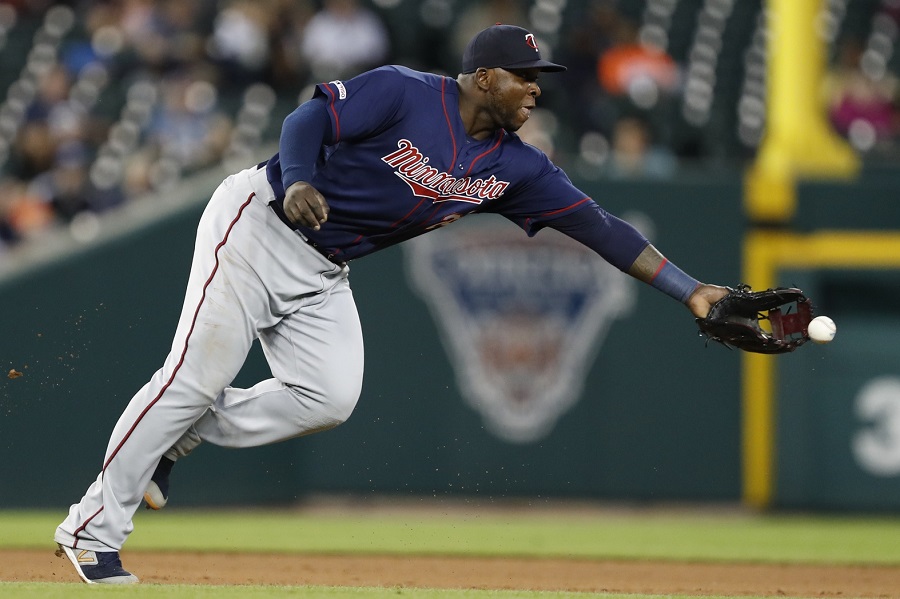 In his time as MLB commissioner, Rob Manfred has overseen changes to multiple parts of the game with pace of play being one of his biggest focuses. Now, he is looking to make a change to team’s ability to shift players on the defensive side of the ball. In a recent interview, he had this to say: https://twitter.com/BNightengale/status/1319728868547268608?s=20 Since taking over as commissioner in 2015, Manfred has mentioned limiting shifts to help stimulate offense. As recently as 2018, he thought that limiting shifts could help to boost offensive production and he claimed had “strong” backing from baseball’s competition committee. However, this kind of rule change would also need approval from the player’s union. As Parker recently wrote about, Twins third baseman Josh Donaldson might be in favor of shifting being limited and there are likely other players that would take his side. Less shifting means batters are getting more hits and all hitters are going to want to see their offensive numbers improve. However, a USA Today survey showed that 54 out 62 players polled were against making changes to the defensive shift rules. Some feel that shifting is a product of the modern analytical game, but it has been happening for over 60 years. During the 2020 season, the Twins shifted the seventh most of all MLB teams which was 41.3% of the time. This was more than many analytically focused teams like the Rays, Cubs, and Red Sox. In fact, this has been a trend since the Twins brought in Thad Levine and Derek Falvey: Twins Season: MLB Rank, Percentage of Plays 2019: 7th, 35.5% 2018: 3rd, 28.5% 2017: 8th, 14.1% 2016: 15th, 12.6% Baseball has been discussing this topic for years, but a clear plan has yet to be laid out by the commissioner or the competition committee. It likely comes down to the idea that each team would be required to have two infielders on each side of second base. That might seem straightforward, but there would be a lot of other details that need to be ironed out. Do infielders have to be on the dirt? How close could a player be to second base to be considered on the right or left side? Can a fielder move after a pitcher starts their wind-up? All these details would need to be decided as part of the new negotiated rule. If MLB wants to improve pace of play, limiting shifting seems like a strange starting point. Shifts are already helping to limit playing time because fewer hits are happening on the field. Analytics aren’t going away so teams are going to continue to find ways to gain an advantage. Do you think MLB needs to add a rule about defensive shifts? MORE FROM TWINS DAILY — Latest Twins coverage from our writers — Recent Twins discussion in our forums — Follow Twins Daily via Twitter, Facebook or email
 -
Every MLB franchise wants to be in the positions occupied by the Los Angeles Dodgers and the Tampa Bay Rays. Getting to the World Series is no easy feat, but both these teams were at the top of their respective leagues for the majority of the regular season. So, what do the World Series teams have that the Twins are missing?LA’s Superstars In baseball, superstar players can’t impact the game in the same way as some of the other major sports, but it certainly helps to have top tier players performing at their best. The Dodger outfield is anchored by two former MVPs in Cody Bellinger and Mookie Betts and Clayton Kershaw has been one of this generation’s best starting pitchers. Betts has been good throughout his career, but he has used this year’s World Series to put himself in the conversation as quite possibly the best player in baseball. Few teams have players in the same category as the names above, including Minnesota. The Twins signed Josh Donaldson, a former MVP winner, to help change that narrative. However, he was hurt for the majority of the 2020 season and the prime of his career might be behind him. Other players like Miguel Sano and Byron Buxton were touted as future superstars and both have suffered through some ups and downs in their career. Buxton might have the best chance to be Minnesota’s superstar player, but he will need to prove it again in 2021. Tampa’s Bullpen Well this is awkward. Two key members of the Rays bullpen, Nick Anderson and John Curtiss, were both drafted by the Minnesota Twins and neither was given much of an opportunity with the big-league club. Curtiss pitched 15 innings for the Twins and posted a 7.20 ERA while Anderson never made it out of Triple-A. Bullpen usage continues to increase as starters are asked to get fewer outs. Tampa Bay is in their current position because of a heavy reliance on their relief arms and other teams can follow this trend in the years ahead. The Twins have some tough choices with their own bullpen during the coming offseason. Taylor Rogers can make as much as $7 million through arbitration, but he is coming off his worst big-league season. Sergio Romo has a team option for $4.75 million, but he turns 38 in March. Other players like Tyler Clippard and Trevor May are free agents in what is expected to be an offseason where all team’s cut payroll. Minnesota might be able to find someone like Matt Wisler or Caleb Thielbar, but that might be even tougher following a year where there was no minor league season. Both Team’s Starting Pitching Depth Even with bullpens getting more usage, starting pitching is still such an important part of any extended playoff run. LA’s one-two punch of Walker Buehler and Clayton Kershaw allow other pitchers to take on relief roles for the postseason. Add in the likes of Julio Urias, Tony Gonsolin, and Dustin May and it’s easy to see why the Dodgers were willing to part with Kenta Maeda. Tampa might not have some of the big names like LA, but many teams would love to have their top-4 pitchers (Tyler Glasnow, Ryan Yarbrough, Blake Snell, Charlie Morton). Minnesota is entering their second straight offseason with multiple openings in their starting rotation. Jose Berrios, Michael Pineda, and Kenta Maeda are penciled into the top-3 spots, so how can the Twins find a way to complete their rotation. Trevor Bauer will be the biggest free agent starter this winter, but he is going to have multiple suitors and the Twins are unlikely to spend the money it takes to add him. Does it make sense to bring back someone like Jake Odorizzi or Rich Hill? Would those names put the Twins in the same territory as the Dodgers and the Rays? What do the Twins need to do to get to the same level as the Dodgers and the Rays? MORE FROM TWINS DAILY — Latest Twins coverage from our writers — Recent Twins discussion in our forums — Follow Twins Daily via Twitter, Facebook or email Click here to view the article
-
3 Things the World Series Teams Have That the Twins Are Missing
Cody Christie posted an article in Twins
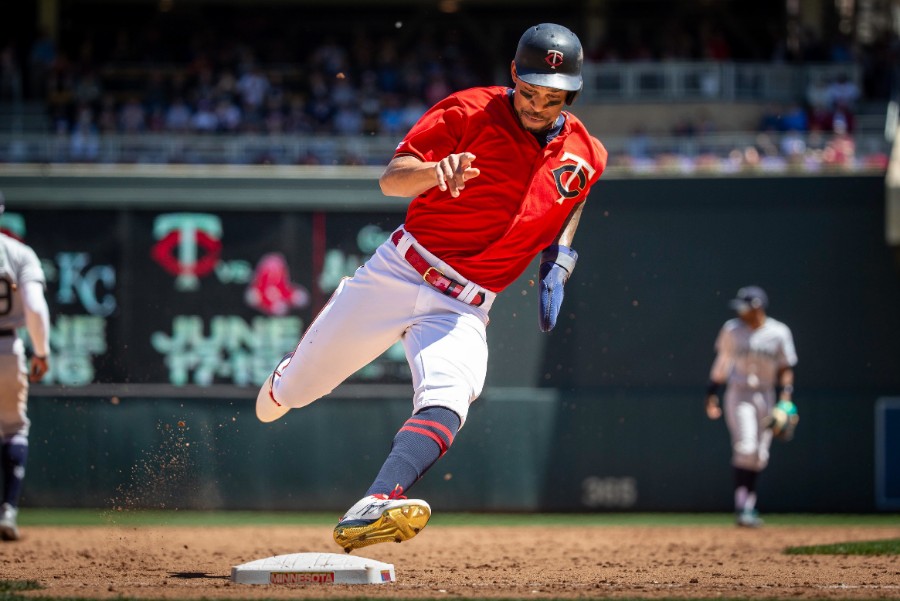 LA’s Superstars In baseball, superstar players can’t impact the game in the same way as some of the other major sports, but it certainly helps to have top tier players performing at their best. The Dodger outfield is anchored by two former MVPs in Cody Bellinger and Mookie Betts and Clayton Kershaw has been one of this generation’s best starting pitchers. Betts has been good throughout his career, but he has used this year’s World Series to put himself in the conversation as quite possibly the best player in baseball. Few teams have players in the same category as the names above, including Minnesota. The Twins signed Josh Donaldson, a former MVP winner, to help change that narrative. However, he was hurt for the majority of the 2020 season and the prime of his career might be behind him. Other players like Miguel Sano and Byron Buxton were touted as future superstars and both have suffered through some ups and downs in their career. Buxton might have the best chance to be Minnesota’s superstar player, but he will need to prove it again in 2021. Tampa’s Bullpen Well this is awkward. Two key members of the Rays bullpen, Nick Anderson and John Curtiss, were both drafted by the Minnesota Twins and neither was given much of an opportunity with the big-league club. Curtiss pitched 15 innings for the Twins and posted a 7.20 ERA while Anderson never made it out of Triple-A. Bullpen usage continues to increase as starters are asked to get fewer outs. Tampa Bay is in their current position because of a heavy reliance on their relief arms and other teams can follow this trend in the years ahead. The Twins have some tough choices with their own bullpen during the coming offseason. Taylor Rogers can make as much as $7 million through arbitration, but he is coming off his worst big-league season. Sergio Romo has a team option for $4.75 million, but he turns 38 in March. Other players like Tyler Clippard and Trevor May are free agents in what is expected to be an offseason where all team’s cut payroll. Minnesota might be able to find someone like Matt Wisler or Caleb Thielbar, but that might be even tougher following a year where there was no minor league season. Both Team’s Starting Pitching Depth Even with bullpens getting more usage, starting pitching is still such an important part of any extended playoff run. LA’s one-two punch of Walker Buehler and Clayton Kershaw allow other pitchers to take on relief roles for the postseason. Add in the likes of Julio Urias, Tony Gonsolin, and Dustin May and it’s easy to see why the Dodgers were willing to part with Kenta Maeda. Tampa might not have some of the big names like LA, but many teams would love to have their top-4 pitchers (Tyler Glasnow, Ryan Yarbrough, Blake Snell, Charlie Morton). Minnesota is entering their second straight offseason with multiple openings in their starting rotation. Jose Berrios, Michael Pineda, and Kenta Maeda are penciled into the top-3 spots, so how can the Twins find a way to complete their rotation. Trevor Bauer will be the biggest free agent starter this winter, but he is going to have multiple suitors and the Twins are unlikely to spend the money it takes to add him. Does it make sense to bring back someone like Jake Odorizzi or Rich Hill? Would those names put the Twins in the same territory as the Dodgers and the Rays? What do the Twins need to do to get to the same level as the Dodgers and the Rays? MORE FROM TWINS DAILY — Latest Twins coverage from our writers — Recent Twins discussion in our forums — Follow Twins Daily via Twitter, Facebook or email
 -
Recently, MLB allowed teams to host instructional camps at their spring training venues in Florida and Arizona. Teams can have up to 50 players come and work with the organization’s coaches for the first time since March. Many of Minnesota’s top prospects just wrapped up their time at the team’s alternate site in St. Paul, so who are the Twins best players at instructional camp?5. RHP Matt Canterino 2019 Stats (Rookie, Low-A): 1.44 ERA, 0.64 WHIP, 31 K, 8 BB, 25 IP After being a three-year starter at Rice, Canterino was the Twins second-round pick in 2019. He saw limited time during his first professional season because of the innings he had accumulated in college. He struck out 11 batters per nine innings and he only allowed earned runs in two of his five appearances after being promoted to Low-A. He controls the strike zone and his college experience could help him to move through the Twins system. 4. RHP Blayne Enlow 2019 Stats (Low-A, High-A): 3.82 ERA, 1.27 WHIP, 95 K, 38 BB, 110 2/3 IP Enlow pitched nearly 2/3rds of his innings as a 20-year old in the Florida State League where he was nearly three years younger than the average age of the competition. For players like Enlow, missing the 2020 season was critical to developing towards the big-league level. Next spring, he will turn 22 and he has yet to pitch an inning above High-A and there are no guarantees a minor league season will happen in 2021. He’s the second-best pitching prospect in instructional camp and he should get a lot of work in over the next month. 3. 1B Aaron Sabato 2020 Stats (College): .292/.478/.708 (1.185), 7 HR, 6 2B, 16 K, 22 BB, 19 G Unlike the other players on this list, Sabato got to play a handful of games in 2020 before the pandemic shutdown most of the amateur baseball world. He destroyed the ball during his sophomore year at the University of North Carolina before becoming a draft eligible sophomore. His bat is legit and the biggest knock against him entering the draft was his lack of defensive position. Minnesota’s brass still felt like he was worth of a first-round selection and now the team will get a chance to work with him for the first time. 2. SS Keoni Cavaco 2019 Stats (Rookie): .172/.217/.253 (.470), 1 HR, 4 2B, 35 K 4 BB, 25 G Cavaco was the Twins first round pick back in 2019 and his first taste of professional baseball didn’t go exactly to plan. Teams saw him as late riser entering the draft and the Twins were intrigued by his combination of tools. He had to be chomping at the bit to get back on the field because of those initial struggles and the lack of a 2020 campaign. He’s still only 19-years old and he has a lot of development left to prove the Twins were right to make him the 13th overall pick. 1. RHP Jordan Balazovic 2019 Stats (Low-A, High-A): 2.69 ERA, 0.98 WHIP, 129 K, 25 BB, 93 2/3 IP Balazovic has seen his stock consistently rise since joining the Twins organization as a third-round pick back in 2017. Entering the 2020 season, both Baseball America and MLB.com had him ranked in their top-100 prospects. Minnesota didn’t include him in their original 60-man player pool, but he was added to the alternate site near the beginning of September. He’s only pitched 73 innings above Low-A, so it seems unlikely for him to debut in 2021 but working with the Twins coaching staff can only help his stock moving forward. Click here to see who else made the instructional league roster. Which prospects benefit the most from this shortened instructional league setting? Leave a COMMENT and join the discussion. MORE FROM TWINS DAILY — Latest Twins coverage from our writers — Recent Twins discussion in our forums — Follow Twins Daily via Twitter, Facebook or email Click here to view the article
-
Ranking the Twins Top 5 Prospects at Instructional Camp
Cody Christie posted an article in Minor Leagues
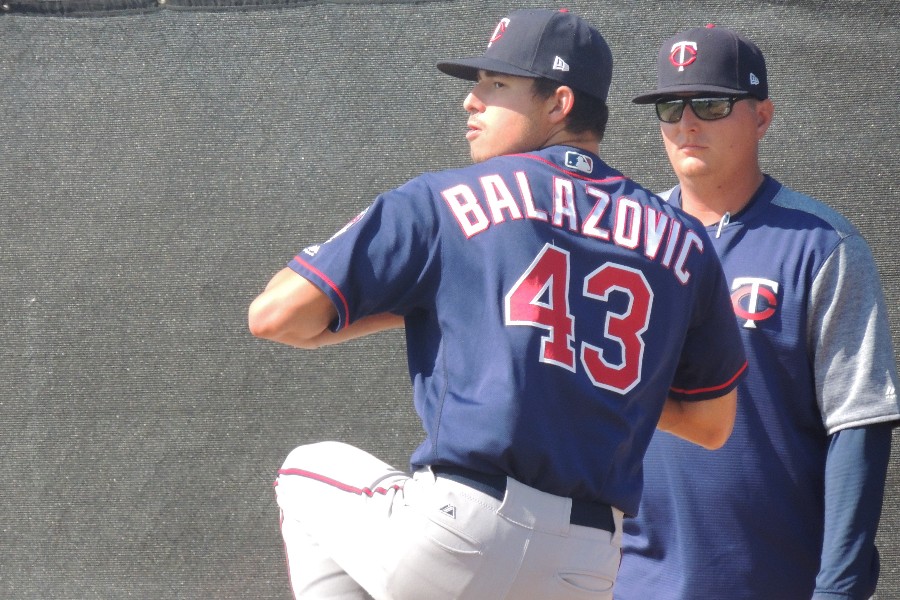 5. RHP Matt Canterino 2019 Stats (Rookie, Low-A): 1.44 ERA, 0.64 WHIP, 31 K, 8 BB, 25 IP After being a three-year starter at Rice, Canterino was the Twins second-round pick in 2019. He saw limited time during his first professional season because of the innings he had accumulated in college. He struck out 11 batters per nine innings and he only allowed earned runs in two of his five appearances after being promoted to Low-A. He controls the strike zone and his college experience could help him to move through the Twins system. 4. RHP Blayne Enlow 2019 Stats (Low-A, High-A): 3.82 ERA, 1.27 WHIP, 95 K, 38 BB, 110 2/3 IP Enlow pitched nearly 2/3rds of his innings as a 20-year old in the Florida State League where he was nearly three years younger than the average age of the competition. For players like Enlow, missing the 2020 season was critical to developing towards the big-league level. Next spring, he will turn 22 and he has yet to pitch an inning above High-A and there are no guarantees a minor league season will happen in 2021. He’s the second-best pitching prospect in instructional camp and he should get a lot of work in over the next month. 3. 1B Aaron Sabato 2020 Stats (College): .292/.478/.708 (1.185), 7 HR, 6 2B, 16 K, 22 BB, 19 G Unlike the other players on this list, Sabato got to play a handful of games in 2020 before the pandemic shutdown most of the amateur baseball world. He destroyed the ball during his sophomore year at the University of North Carolina before becoming a draft eligible sophomore. His bat is legit and the biggest knock against him entering the draft was his lack of defensive position. Minnesota’s brass still felt like he was worth of a first-round selection and now the team will get a chance to work with him for the first time. 2. SS Keoni Cavaco 2019 Stats (Rookie): .172/.217/.253 (.470), 1 HR, 4 2B, 35 K 4 BB, 25 G Cavaco was the Twins first round pick back in 2019 and his first taste of professional baseball didn’t go exactly to plan. Teams saw him as late riser entering the draft and the Twins were intrigued by his combination of tools. He had to be chomping at the bit to get back on the field because of those initial struggles and the lack of a 2020 campaign. He’s still only 19-years old and he has a lot of development left to prove the Twins were right to make him the 13th overall pick. 1. RHP Jordan Balazovic 2019 Stats (Low-A, High-A): 2.69 ERA, 0.98 WHIP, 129 K, 25 BB, 93 2/3 IP Balazovic has seen his stock consistently rise since joining the Twins organization as a third-round pick back in 2017. Entering the 2020 season, both Baseball America and MLB.com had him ranked in their top-100 prospects. Minnesota didn’t include him in their original 60-man player pool, but he was added to the alternate site near the beginning of September. He’s only pitched 73 innings above Low-A, so it seems unlikely for him to debut in 2021 but working with the Twins coaching staff can only help his stock moving forward. Click here to see who else made the instructional league roster. Which prospects benefit the most from this shortened instructional league setting? Leave a COMMENT and join the discussion. MORE FROM TWINS DAILY — Latest Twins coverage from our writers — Recent Twins discussion in our forums — Follow Twins Daily via Twitter, Facebook or email
 -
Entering the off-season, the Twins have multiple spots open in their rotation. While these openings can be filled by internal options, Minnesota has an opportunity to look outside the organization for more depth in the starting rotation. Colorado’s Jon Gray is one name that will circulate the trade rumor mill this winter and the Twins need to be part of that discussion.The 2020 season did not go well for plenty of players as the Twins saw with Jake Odorizzi. With many unique circumstances surrounding a shortened season, it’s going to be tough for teams to evaluate starters on 8-12 appearances. Gray certainly fits that mold as he was limited to eight starts and had a 6.69 ERA and a 5.1 SO/9, both totals were the worst of his career. Gray’s season was cut short after suffering right shoulder inflammation and then he didn’t have time to build back up before season’s end. His 2020 struggles might be tied to him pitching through this injury. Over the last four seasons, he has posted a 4.50 ERA with 1.34 WHIP and 8.9 SO/9, so there have been ups and downs in recent years. Looking into his contract situation, Gray is arbitration eligible for the final time this winter. He made $5.6 million through arbitration last year and MLB Trade Rumors projects him to be in roughly that same range for the coming season ($5.6-6.5 million). To put that in perspective, the Twins paid two members of their rotation more than that last season (Jake Odorizzi, $17.8 million; Michael Pineda, $10 million). Pitching in Coors Field for 50% of a player’s starts can be tough on the overall numbers by the end of multiple seasons. Against Gray, opponents have hit .268/.320/.435 (.755), but within those numbers is a .327 BAbip which means a certain amount of luck might be involved for hitters. His second most starts have come at Petco Park, a pitcher friendly ballpark, and batter’s OPS is over 120 points lower. Putting Gray at Target Field for half his starts likely puts him somewhere in the middle of those two extremes. Another area to consider with Gray is his pitch selection and the possibility of unlocking even more potential. The Twins did this with Kenta Maeda this past season as he saw increased use in his slider and changeup which meant he was using his four seamer less often. Fans saw those positive results as Maeda was the team’s most consistent starting pitcher for the entire season. Gray relies on five pitches, a four seamer (48.3%), a slider (29.2%), a changeup (13.1%), a curve (8.4%) and a sinker (1.1%). His biggest change last season was an increased use of his changeup which increased by over 10% from the 2019 season. His fastball velocity consistently ranks high, but there isn’t a lot of movement on this pitch. Could Wes Johnson work some of his magic and get Gray to rely more on his secondary pitches? Everything with Gray is going to come down to the health of his throwing shoulder. He might be worth the risk if the Twins get a look at his medicals and everything checks out. The cost likely wouldn’t be very high with one arbitration year left and his poor performance in 2020. Do you think the Twins should make a play for Jon Gray? Leave a COMMENT and start the discussion. MORE FROM TWINS DAILY — Latest Twins coverage from our writers — Recent Twins discussion in our forums — Follow Twins Daily via Twitter, Facebook or email Click here to view the article
-
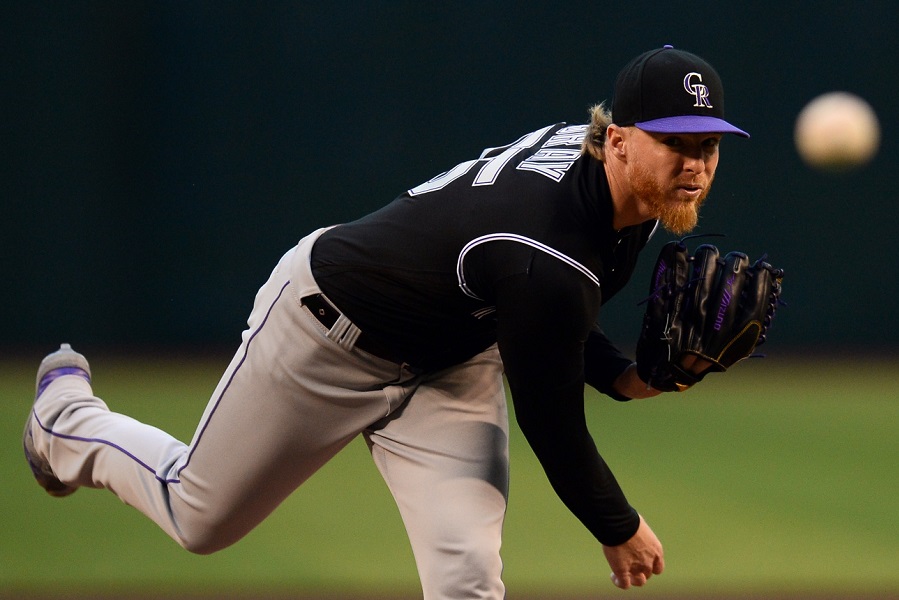 The 2020 season did not go well for plenty of players as the Twins saw with Jake Odorizzi. With many unique circumstances surrounding a shortened season, it’s going to be tough for teams to evaluate starters on 8-12 appearances. Gray certainly fits that mold as he was limited to eight starts and had a 6.69 ERA and a 5.1 SO/9, both totals were the worst of his career. Gray’s season was cut short after suffering right shoulder inflammation and then he didn’t have time to build back up before season’s end. His 2020 struggles might be tied to him pitching through this injury. Over the last four seasons, he has posted a 4.50 ERA with 1.34 WHIP and 8.9 SO/9, so there have been ups and downs in recent years. Looking into his contract situation, Gray is arbitration eligible for the final time this winter. He made $5.6 million through arbitration last year and MLB Trade Rumors projects him to be in roughly that same range for the coming season ($5.6-6.5 million). To put that in perspective, the Twins paid two members of their rotation more than that last season (Jake Odorizzi, $17.8 million; Michael Pineda, $10 million). Pitching in Coors Field for 50% of a player’s starts can be tough on the overall numbers by the end of multiple seasons. Against Gray, opponents have hit .268/.320/.435 (.755), but within those numbers is a .327 BAbip which means a certain amount of luck might be involved for hitters. His second most starts have come at Petco Park, a pitcher friendly ballpark, and batter’s OPS is over 120 points lower. Putting Gray at Target Field for half his starts likely puts him somewhere in the middle of those two extremes. Another area to consider with Gray is his pitch selection and the possibility of unlocking even more potential. The Twins did this with Kenta Maeda this past season as he saw increased use in his slider and changeup which meant he was using his four seamer less often. Fans saw those positive results as Maeda was the team’s most consistent starting pitcher for the entire season. Gray relies on five pitches, a four seamer (48.3%), a slider (29.2%), a changeup (13.1%), a curve (8.4%) and a sinker (1.1%). His biggest change last season was an increased use of his changeup which increased by over 10% from the 2019 season. His fastball velocity consistently ranks high, but there isn’t a lot of movement on this pitch. Could Wes Johnson work some of his magic and get Gray to rely more on his secondary pitches? Everything with Gray is going to come down to the health of his throwing shoulder. He might be worth the risk if the Twins get a look at his medicals and everything checks out. The cost likely wouldn’t be very high with one arbitration year left and his poor performance in 2020. Do you think the Twins should make a play for Jon Gray? Leave a COMMENT and start the discussion. MORE FROM TWINS DAILY — Latest Twins coverage from our writers — Recent Twins discussion in our forums — Follow Twins Daily via Twitter, Facebook or email
 -
Josh Donaldson is sick and tired of poor umpiring and he doesn’t care who knows it. In one of the team’s most memorable moments this season, Donaldson was ejected after hitting a home run and kicking dirt on the plate as he touched home. It might not have been the best way to respond, but he was unhappy about a bad strike call. Now, the Twins third baseman is calling out umpires during the MLB Postseason and he might be right about how poor balls and strikes have been called in recent years.Former Twins player Trevor Plouffe started the conversation on Twitter when he brought up the fact that umpires “aren’t held accountable” and thy have “as much job protection as a Supreme Court justice.” Josh Donaldson responded by saying, “It’s embarrassing. It’s tough to watch any game.” He went on to say, “This isn’t high school where you can say that’s too close to take. As a MLB hitter our job is to take close pitches that are out of zone.” Plouffe went on to talk about the difference between a hitter’s count or a pitcher’s count and Brandon Warne brought up some interesting numbers. First, let’s examine Donaldson and his 2020 season. Not all the pitches he took went against him. In fact, he took 10 pitches in the zone that were called balls, which is very similar to his numbers stretching back to 2017. His biggest discrepancy was on pitches outside the zone that were called for strikes. From 2017-2019, Donaldson saw 2.7% of those pitches called for strikes. In 2020, that percentage jumped all the way to 3.8%, the highest mark of his career. Complaining about umpires has been part of the fabric of baseball. One of the biggest changes is the fact that technology has allowed fans from home to see pitches and plays multiple times in slow motion where an umpire must make a call in real-time. Baseball broadcasts also put up a strike zone box, which makes it easy for fans to see if an umpire made the correct call. So, how have umpires fared when calling balls and strikes in recent years? During the 2019 season, MLB umpires made 33,277 incorrect calls which means there were 13.8/game and 1.5/inning. Looking back to 2018, MLB umpires made 34,294 incorrect calls for an average of 14/game and 1.6/inning. While those numbers may seem high, a 2019 Boston University study showed that bad calls have been declining every year since 2008. The 2020 season was unique in many ways with most teams playing 60 games and other rule changes for extra-innings and double-headers impacting how long games lasted. This meant umpires had fewer opportunities to make mistakes and the data backs that up. In 2020, MLB umpires made 11,920 incorrect calls for an average of 13.3/game, but with fewer innings the bad calls per inning was up to 1.54/inning. Do you agree with Donaldson? Do you feel umpires have gotten worse at calling balls and strikes? Leave a COMMENT and start the discussion. MORE FROM TWINS DAILY — Latest Twins coverage from our writers — Recent Twins discussion in our forums — Follow Twins Daily via Twitter, Facebook or email Click here to view the article
-
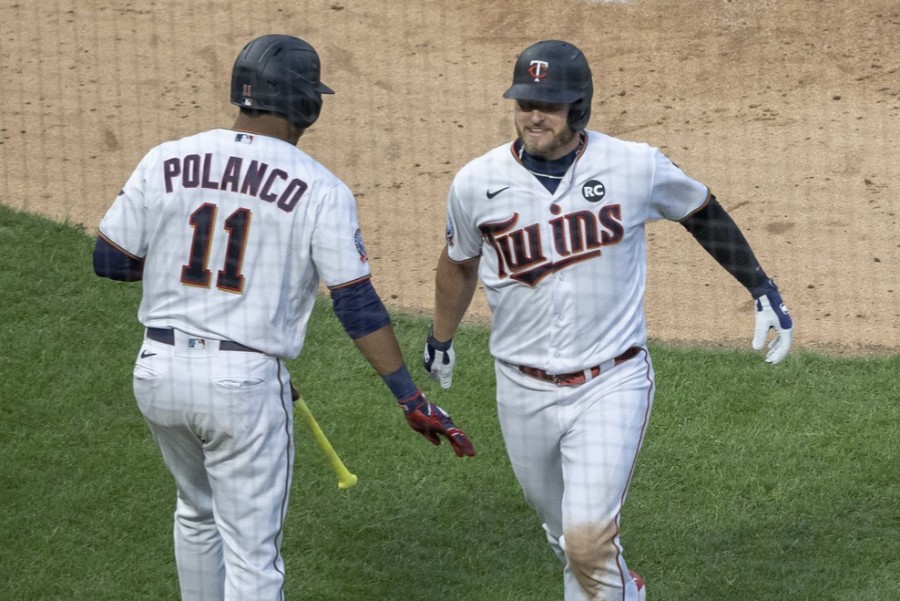 Former Twins player Trevor Plouffe started the conversation on Twitter when he brought up the fact that umpires “aren’t held accountable” and thy have “as much job protection as a Supreme Court justice.” Josh Donaldson responded by saying, “It’s embarrassing. It’s tough to watch any game.” He went on to say, “This isn’t high school where you can say that’s too close to take. As a MLB hitter our job is to take close pitches that are out of zone.” Plouffe went on to talk about the difference between a hitter’s count or a pitcher’s count and Brandon Warne brought up some interesting numbers. https://twitter.com/Brandon_Warne/status/1313693693329715201?s=20 First, let’s examine Donaldson and his 2020 season. Not all the pitches he took went against him. In fact, he took 10 pitches in the zone that were called balls, which is very similar to his numbers stretching back to 2017. His biggest discrepancy was on pitches outside the zone that were called for strikes. From 2017-2019, Donaldson saw 2.7% of those pitches called for strikes. In 2020, that percentage jumped all the way to 3.8%, the highest mark of his career. Complaining about umpires has been part of the fabric of baseball. One of the biggest changes is the fact that technology has allowed fans from home to see pitches and plays multiple times in slow motion where an umpire must make a call in real-time. Baseball broadcasts also put up a strike zone box, which makes it easy for fans to see if an umpire made the correct call. So, how have umpires fared when calling balls and strikes in recent years? During the 2019 season, MLB umpires made 33,277 incorrect calls which means there were 13.8/game and 1.5/inning. Looking back to 2018, MLB umpires made 34,294 incorrect calls for an average of 14/game and 1.6/inning. While those numbers may seem high, a 2019 Boston University study showed that bad calls have been declining every year since 2008. The 2020 season was unique in many ways with most teams playing 60 games and other rule changes for extra-innings and double-headers impacting how long games lasted. This meant umpires had fewer opportunities to make mistakes and the data backs that up. In 2020, MLB umpires made 11,920 incorrect calls for an average of 13.3/game, but with fewer innings the bad calls per inning was up to 1.54/inning. Do you agree with Donaldson? Do you feel umpires have gotten worse at calling balls and strikes? Leave a COMMENT and start the discussion. MORE FROM TWINS DAILY — Latest Twins coverage from our writers — Recent Twins discussion in our forums — Follow Twins Daily via Twitter, Facebook or email
 -
Three AL Central teams qualified for MLB’s expanded playoffs and all three were bounced out of the Wild Card Series. After beating up on each other, the future of the division is up in the air. What went right and what went wrong for all three teams in October?Cleveland Indians What went right? The Indians seemed to be set up well to find a way to win. Shane Bieber was the American League’s best pitcher for the entire season and the rest of the rotation was strong with Zach Plesac, Carlos Carrasco, and Triston McKenzie making strong contributions. After struggling through parts of 2019, Jose Ramirez posted a .993 OPS while leading the AL in runs. Cesar Hernandez, an eight-year vet, made an impact by leading the AL with 20 doubles. The club won 9 of its final 11 games to pass the White Sox and finish in second place in the division. What went wrong? Cleveland was one of the hottest teams entering the playoffs, but the Yankees were just that much hotter as the Bronx Bombers got healthy at just the right time. New York pounced on Beiber for seven runs in Game 1 as Gerrit Cole cruised through seven innings with 13 strikeouts. Cleveland jumped out to an early 4-0 lead in Game 2, but New York scored nine runs in the last six innings to seal the deal. When Cleveland needed it the most, their pitching didn’t hold up and their season came to an end. What’s next? Francisco Lindor has one arbitration year remaining before he can hit the open market. He’s one of the top players in baseball and he plays a premier defensive position. He turns 27-years old so he could just be entering his prime year and it seems likely for the Indians to try and move him before the start of next season. Chicago White Sox What went right? It seemed like almost everything was going well for the White Sox as the season entered its final weeks. Jose Abreu played like an MVP candidate, Tim Anderson continued to be a masterful hitter, and Luis Robert broke onto the scene as one of the most exciting young players in the game. With eight games remaining, the team held a comfortable three game lead as they looked to lock up their first AL Central title since 2008. Things seemingly couldn’t have gone much better in what was certainly a strange 2020 campaign. What went wrong? After losing seven of their final eight contests, Chicago went from the AL Central frontrunner to the AL’s seventh seed and a first-round match-up against Oakland. The A’s couldn’t solve Lucas Giolito in game 1 and it looked like the White Sox could be the only Central team to make it out of the Wild Card round. In Game 2, Oakland got out to an early 4-0 lead and two unearned runs turned out to be the difference in the game. Both teams went with a bullpen game in Game 3 with no pitchers throwing more than two innings. Chicago outhit Oakland in every game, but the A’s walked away winners. What’s next? Chicago’s young core showed plenty of promising signs and they certainly look like they will be a threat in the AL Central for years to come. With few holes in the line-up, the White Sox could be looking to add to their pitching staff this off-season. Last off-season, the front office gave out some large contracts to fill areas of need and that could be the case again this year. They fired their manager Rick Renteria too, so that's another hole to fill. Minnesota Twins What went right? For the second straight year, the Twins ended up as AL Central Champions. A year removed from the Bomba Squad, the Twins sought ways to improve their starting staff and acquiring Kenta Maeda turned out to be the team’s best off-season move. He helped the Twins’ pitching staff to finish second overall in fWAR behind Cleveland. Minnesota’s bullpen was also a strength for much of the season as they finished tied with Tampa Bay for the AL’s highest fWAR. Nelson Cruz led the offense through the first part of the season and Byron Buxton showed again why he is one of baseball’s most dynamic players. What went wrong? Minnesota struggled to consistently score runs as the team finished 10th in the AL behind non-playoff teams like the Angels and the Red Sox. Injuries played a big part in Minnesota’s struggles. Josh Donaldson (calf), Byron Buxton (concussion), Jorge Polanco (ankle) and Luis Arraez (knee) were all playing through injuries down the stretch. Houston limited the Twins offense to two runs in the two-game series and Minnesota was eliminated before the calendar turned to October. What’s next? Minnesota has four free agent hitters and up to five free agent pitchers if the team doesn’t pick-up Sergio Romo’s $5 million option for next season. The Twins are going to need to add to their starting rotation depth with Jake Odorizzi and Rich Hill becoming free agents. Another option is turning the reins over to a young core of top prospects that are on the cusp of being big league ready. What do you think happens next in the AL Central? Leave a COMMENT and start the discussion. MORE FROM TWINS DAILY — Latest Twins coverage from our writers — Recent Twins discussion in our forums — Follow Twins Daily via Twitter, Facebook or email Click here to view the article
-
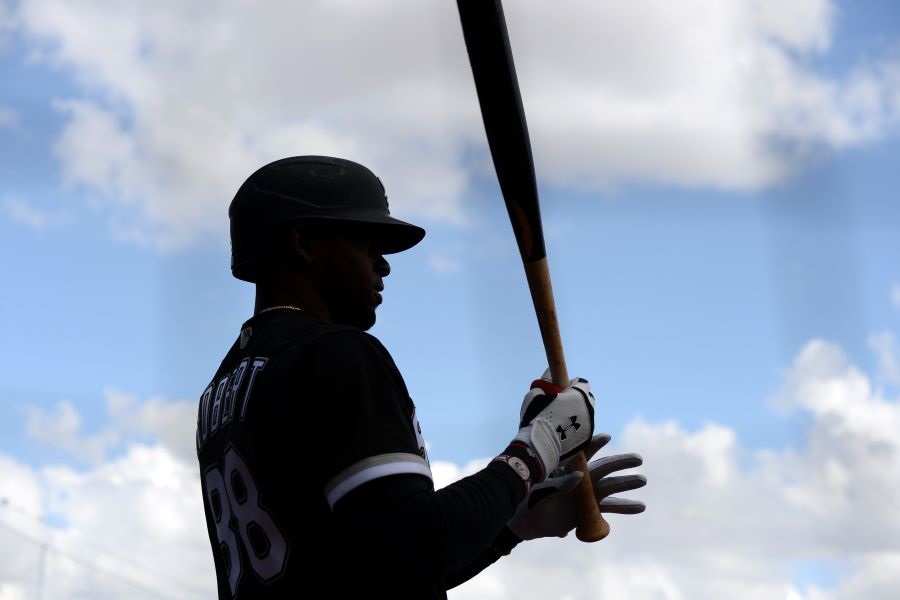 Cleveland Indians What went right? The Indians seemed to be set up well to find a way to win. Shane Bieber was the American League’s best pitcher for the entire season and the rest of the rotation was strong with Zach Plesac, Carlos Carrasco, and Triston McKenzie making strong contributions. After struggling through parts of 2019, Jose Ramirez posted a .993 OPS while leading the AL in runs. Cesar Hernandez, an eight-year vet, made an impact by leading the AL with 20 doubles. The club won 9 of its final 11 games to pass the White Sox and finish in second place in the division. What went wrong? Cleveland was one of the hottest teams entering the playoffs, but the Yankees were just that much hotter as the Bronx Bombers got healthy at just the right time. New York pounced on Beiber for seven runs in Game 1 as Gerrit Cole cruised through seven innings with 13 strikeouts. Cleveland jumped out to an early 4-0 lead in Game 2, but New York scored nine runs in the last six innings to seal the deal. When Cleveland needed it the most, their pitching didn’t hold up and their season came to an end. What’s next? Francisco Lindor has one arbitration year remaining before he can hit the open market. He’s one of the top players in baseball and he plays a premier defensive position. He turns 27-years old so he could just be entering his prime year and it seems likely for the Indians to try and move him before the start of next season. Chicago White Sox What went right? It seemed like almost everything was going well for the White Sox as the season entered its final weeks. Jose Abreu played like an MVP candidate, Tim Anderson continued to be a masterful hitter, and Luis Robert broke onto the scene as one of the most exciting young players in the game. With eight games remaining, the team held a comfortable three game lead as they looked to lock up their first AL Central title since 2008. Things seemingly couldn’t have gone much better in what was certainly a strange 2020 campaign. What went wrong? After losing seven of their final eight contests, Chicago went from the AL Central frontrunner to the AL’s seventh seed and a first-round match-up against Oakland. The A’s couldn’t solve Lucas Giolito in game 1 and it looked like the White Sox could be the only Central team to make it out of the Wild Card round. In Game 2, Oakland got out to an early 4-0 lead and two unearned runs turned out to be the difference in the game. Both teams went with a bullpen game in Game 3 with no pitchers throwing more than two innings. Chicago outhit Oakland in every game, but the A’s walked away winners. What’s next? Chicago’s young core showed plenty of promising signs and they certainly look like they will be a threat in the AL Central for years to come. With few holes in the line-up, the White Sox could be looking to add to their pitching staff this off-season. Last off-season, the front office gave out some large contracts to fill areas of need and that could be the case again this year. They fired their manager Rick Renteria too, so that's another hole to fill. Minnesota Twins What went right? For the second straight year, the Twins ended up as AL Central Champions. A year removed from the Bomba Squad, the Twins sought ways to improve their starting staff and acquiring Kenta Maeda turned out to be the team’s best off-season move. He helped the Twins’ pitching staff to finish second overall in fWAR behind Cleveland. Minnesota’s bullpen was also a strength for much of the season as they finished tied with Tampa Bay for the AL’s highest fWAR. Nelson Cruz led the offense through the first part of the season and Byron Buxton showed again why he is one of baseball’s most dynamic players. What went wrong? Minnesota struggled to consistently score runs as the team finished 10th in the AL behind non-playoff teams like the Angels and the Red Sox. Injuries played a big part in Minnesota’s struggles. Josh Donaldson (calf), Byron Buxton (concussion), Jorge Polanco (ankle) and Luis Arraez (knee) were all playing through injuries down the stretch. Houston limited the Twins offense to two runs in the two-game series and Minnesota was eliminated before the calendar turned to October. What’s next? Minnesota has four free agent hitters and up to five free agent pitchers if the team doesn’t pick-up Sergio Romo’s $5 million option for next season. The Twins are going to need to add to their starting rotation depth with Jake Odorizzi and Rich Hill becoming free agents. Another option is turning the reins over to a young core of top prospects that are on the cusp of being big league ready. What do you think happens next in the AL Central? Leave a COMMENT and start the discussion. MORE FROM TWINS DAILY — Latest Twins coverage from our writers — Recent Twins discussion in our forums — Follow Twins Daily via Twitter, Facebook or email
 -
There are plenty of decisions for Minnesota’s front office to consider in the months ahead. The Twins have won back-to-back AL Central titles, but their playoff frustrations have continued. No one knows what the beginning of next season will look like and there is wide speculation about teams reducing payroll after a shortened 2020 season. One strategy the team can explore is turning the reins over to a young core of top prospects that are on the cusp of being big league ready.Alex Kirilloff is Here to Stay Minnesota made it clear how highly they thought of Alex Kirilloff by having him on the postseason roster and starting him in an elimination game. There are a couple different ways to get Kirilloff in the line-up as a regular in 2021. Eddie Rosario is in his final year of arbitration and he is scheduled to get a raise to around $10 million. He likely isn’t worth that much especially if the Twins are trying to cut costs. If Rosario isn’t offered arbitration, the Twins could start next year with an outfield of Kirilloff along with Byron Buxton and Max Kepler. Kirilloff also can slide in at first base and the easiest way to make this happen is to not try and resign Nelson Cruz. Sano could move from first to being the team’s full-time designated hitter and Kirilloff could become Minnesota’s first baseman for the better part of the next decade. Finding Room for Brent Rooker Before the Twins turned to Kirilloff, Brent Rooker was the player the Twins turned to from the alternate site. Unfortunately, his season ended early after being hit by a pitch from Cleveland’s Zach Plesac. The 25-year old was still able to make a strong impression in his first taste of the big leagues. In 21 plate appearances, he went 6-for-19 with half of his hits being for extra bases. Much like with Kirilloff, the Twins could find a scenario where Rooker takes over at first base with Sano moving to DH. Minnesota could decide what can be better for the team’s defense which seems like Kirilloff in the outfield and Rooker at first base. Would the Twins want two unproven bats in the line-up from season’s start? Meet Ryan Jeffers, Everyday Catcher Ryan Jeffers quickly made his presence known on the Twins roster this season and there is little chance he will be going anywhere in the years ahead. Things get tricky when considering that Mitch Garver struggled in 2020 after one of the best hitting seasons ever for a catcher. Over the last couple of seasons, the front office has preferred to have one younger catcher, Mitch Garver, and pair him with a more veteran backstop (Jason Castro, Alex Avila). Both Castro and Avila made a good complement to Garver because they bat left-handed. Would the Twins be willing to trade Garver and resign a player like Avila as the back-up to Jeffers? Others on the Way Outside of the trio of players mentioned above, there are also other players closing in on Target Field. Trevor Larnach was the team’s 2019 Minor League Player of the Year and he adds some depth in the outfield. If Buxton misses time, an outfield of Kirilloff, Kepler and Larnach could certainly be intriguing. Another option could be to trade Larnach to fill a need at another spot on the roster. Royce Lewis is going to be talked about a lot this offseason and rightfully so. He is the team’s consensus top prospect, and he is one of baseball’s top prospects. With no minor league season, it’s tough to know how he progressed at the team’s alternate site. He ended 2019 at Double-A and there was a chance he made his big-league debut this season. Would the Twins be willing to trade Jorge Polanco and his team friendly deal? By midseason next year, the Twins line-up could include: C: Ryan Jeffers 1B: Brent Rooker 2B: Luis Arraez 3B: Josh Donaldson SS: Royce Lewis LF: Alex Kirilloff CF: Byron Buxton RF: Max Kepler DH: Miguel Sano The Twins farm system has kept them relevant and it continues to be the key to sustainable contention. Do you think the Twins should go with a youth movement in 2021? Leave a COMMENT and start the discussion. MORE FROM TWINS DAILY — Latest Twins coverage from our writers — Recent Twins discussion in our forums — Follow Twins Daily via Twitter, Facebook or email Click here to view the article
-
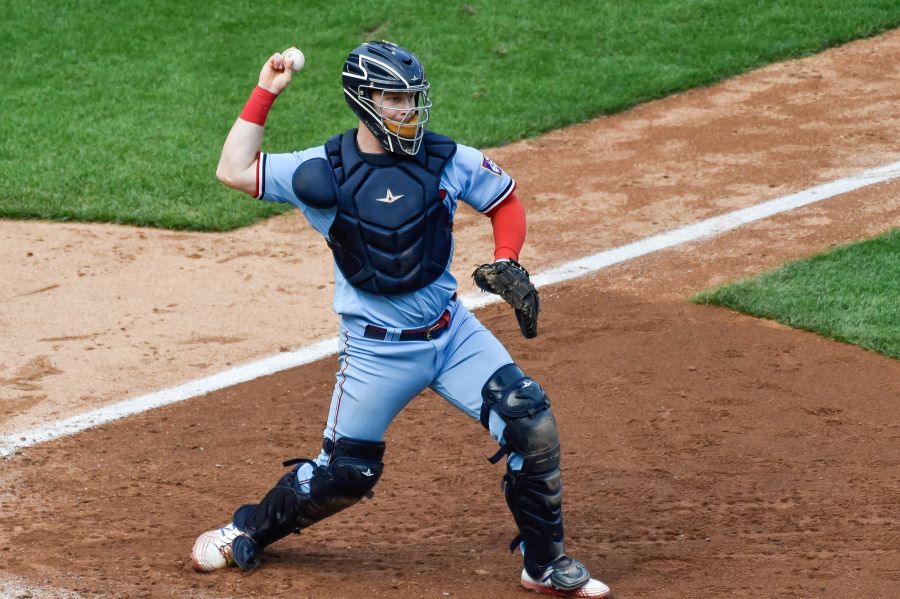 Alex Kirilloff is Here to Stay Minnesota made it clear how highly they thought of Alex Kirilloff by having him on the postseason roster and starting him in an elimination game. There are a couple different ways to get Kirilloff in the line-up as a regular in 2021. Eddie Rosario is in his final year of arbitration and he is scheduled to get a raise to around $10 million. He likely isn’t worth that much especially if the Twins are trying to cut costs. If Rosario isn’t offered arbitration, the Twins could start next year with an outfield of Kirilloff along with Byron Buxton and Max Kepler. Kirilloff also can slide in at first base and the easiest way to make this happen is to not try and resign Nelson Cruz. Sano could move from first to being the team’s full-time designated hitter and Kirilloff could become Minnesota’s first baseman for the better part of the next decade. Finding Room for Brent Rooker Before the Twins turned to Kirilloff, Brent Rooker was the player the Twins turned to from the alternate site. Unfortunately, his season ended early after being hit by a pitch from Cleveland’s Zach Plesac. The 25-year old was still able to make a strong impression in his first taste of the big leagues. In 21 plate appearances, he went 6-for-19 with half of his hits being for extra bases. Much like with Kirilloff, the Twins could find a scenario where Rooker takes over at first base with Sano moving to DH. Minnesota could decide what can be better for the team’s defense which seems like Kirilloff in the outfield and Rooker at first base. Would the Twins want two unproven bats in the line-up from season’s start? Meet Ryan Jeffers, Everyday Catcher Ryan Jeffers quickly made his presence known on the Twins roster this season and there is little chance he will be going anywhere in the years ahead. Things get tricky when considering that Mitch Garver struggled in 2020 after one of the best hitting seasons ever for a catcher. Over the last couple of seasons, the front office has preferred to have one younger catcher, Mitch Garver, and pair him with a more veteran backstop (Jason Castro, Alex Avila). Both Castro and Avila made a good complement to Garver because they bat left-handed. Would the Twins be willing to trade Garver and resign a player like Avila as the back-up to Jeffers? Others on the Way Outside of the trio of players mentioned above, there are also other players closing in on Target Field. Trevor Larnach was the team’s 2019 Minor League Player of the Year and he adds some depth in the outfield. If Buxton misses time, an outfield of Kirilloff, Kepler and Larnach could certainly be intriguing. Another option could be to trade Larnach to fill a need at another spot on the roster. Royce Lewis is going to be talked about a lot this offseason and rightfully so. He is the team’s consensus top prospect, and he is one of baseball’s top prospects. With no minor league season, it’s tough to know how he progressed at the team’s alternate site. He ended 2019 at Double-A and there was a chance he made his big-league debut this season. Would the Twins be willing to trade Jorge Polanco and his team friendly deal? By midseason next year, the Twins line-up could include: C: Ryan Jeffers 1B: Brent Rooker 2B: Luis Arraez 3B: Josh Donaldson SS: Royce Lewis LF: Alex Kirilloff CF: Byron Buxton RF: Max Kepler DH: Miguel Sano The Twins farm system has kept them relevant and it continues to be the key to sustainable contention. Do you think the Twins should go with a youth movement in 2021? Leave a COMMENT and start the discussion. MORE FROM TWINS DAILY — Latest Twins coverage from our writers — Recent Twins discussion in our forums — Follow Twins Daily via Twitter, Facebook or email
 -
Injuries are part of professional sports and one key injury can significantly alter the course of a franchise. This season in Minnesota’s most important game neither Josh Donaldson or Byron Buxton were on the field and both players have a lengthy injury history. Donaldson and Buxton can impact multiple facets of the game, so who’s injury history is more concerning?Josh Donaldson’s Recent Injury History 2017: Right-calf strain (38 games missed) 2018: Right shoulder inflammation, left-calf strain (110 games missed) 2020: Right-calf strain (32 games missed) Minnesota was well aware of Josh Donald’s calf issues when they signed him this off-season. He was coming off a healthy season in Atlanta and the Twins felt their training staff could continue to keep him healthy in the years ahead. That didn’t happen as he missed over half of the regular season and he was forced to sit out both the team’s playoff games. Now the Twins have three more guaranteed years left with Donaldson and a team option for a fourth year, which includes a large $8 million buyout. This year was certainly strange with players not being able to go through their normal ramp-up to a season with a shortened Summer Camp leading into the year. Would Donaldson have fared better if the season had been longer and the Twins medical staff could work with him on a more regular basis? Donaldson will turn 35 before the start of next season and age is always a question when it comes to recovering from injuries. Big expectations surrounded the team’s signing of Donaldson and there are plenty of question marks at the end of his first year. Byron Buxton’s Recent Injury History 2017: Groin strain, migraines (22 games missed) 2018: Migraines, fractures toe, strained wrist (134 games missed) 2019: Wrist contusion, concussion, left shoulder dislocation, labrum surgery (75 games missed) 2020: Concussion symptoms, left shoulder injury, sprained left-foot (21 games missed) There’s no question Byron Buxton can be one of the most exciting players in baseball when he is healthy and on the field. Unfortunately, Twins fans have only seen Buxton play over 95 games once in his big-league career. Minnesota took a proactive approach with Buxton this year by trying to alter some of his in-game behavior, but a high and tight fastball resulted in a head contusion and concussion symptoms. One way the Twins tried to alter Buxton’s behavior this year was to have him play deeper in centerfield. This allows him to start closer to the wall so he can minimize the risks involved with colliding with the wall. Another change has been the coaching staff working with him to try and jump off two feet instead of one foot. This was supposed to give him more control of his body in the air, but there were times this season where Buxton struggled to do this in the heat of the moment. Even with his injury history, Buxton is one of the most valuable Twins as evident by him ending 2020 with the team’s highest WAR total according to Baseball Reference. There were multiple defensive plays this season where Buxton made a concerted effort to avoid crashing into the wall or diving for the ball. One pitch altered the end of his season, but Twins fans have seen that with another centerfielder in team history. Donaldson and Buxton now have a full off-season to get ready for what will hopefully be a more regular 2021 campaign. Moving forward, fans are going to continue to have questions every time either one of these players is out of the line-up. If the current Twins core wants to find postseason success, Donaldson and Buxton need to be on the field and playing at something close to peak performance. Whose injury history are you more worried about? Leave a COMMENT and start the discussion. MORE FROM TWINS DAILY — Latest Twins coverage from our writers — Recent Twins discussion in our forums — Follow Twins Daily via Twitter, Facebook or email Click here to view the article
-
More Concerning Injury History: Byron Buxton or Josh Donaldson?
Cody Christie posted an article in Twins
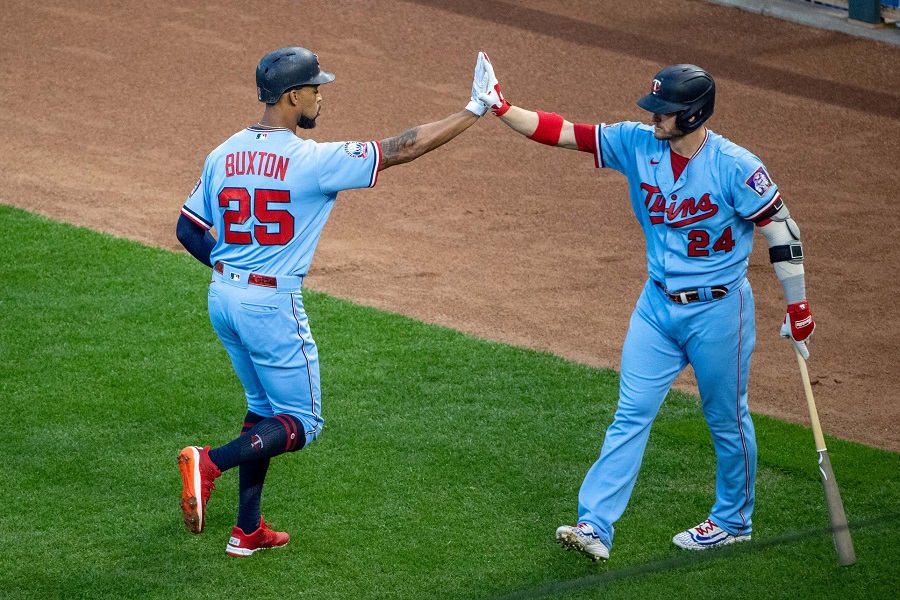 Josh Donaldson’s Recent Injury History 2017: Right-calf strain (38 games missed) 2018: Right shoulder inflammation, left-calf strain (110 games missed) 2020: Right-calf strain (32 games missed) Minnesota was well aware of Josh Donald’s calf issues when they signed him this off-season. He was coming off a healthy season in Atlanta and the Twins felt their training staff could continue to keep him healthy in the years ahead. That didn’t happen as he missed over half of the regular season and he was forced to sit out both the team’s playoff games. Now the Twins have three more guaranteed years left with Donaldson and a team option for a fourth year, which includes a large $8 million buyout. This year was certainly strange with players not being able to go through their normal ramp-up to a season with a shortened Summer Camp leading into the year. Would Donaldson have fared better if the season had been longer and the Twins medical staff could work with him on a more regular basis? Donaldson will turn 35 before the start of next season and age is always a question when it comes to recovering from injuries. Big expectations surrounded the team’s signing of Donaldson and there are plenty of question marks at the end of his first year. Byron Buxton’s Recent Injury History 2017: Groin strain, migraines (22 games missed) 2018: Migraines, fractures toe, strained wrist (134 games missed) 2019: Wrist contusion, concussion, left shoulder dislocation, labrum surgery (75 games missed) 2020: Concussion symptoms, left shoulder injury, sprained left-foot (21 games missed) There’s no question Byron Buxton can be one of the most exciting players in baseball when he is healthy and on the field. Unfortunately, Twins fans have only seen Buxton play over 95 games once in his big-league career. Minnesota took a proactive approach with Buxton this year by trying to alter some of his in-game behavior, but a high and tight fastball resulted in a head contusion and concussion symptoms. One way the Twins tried to alter Buxton’s behavior this year was to have him play deeper in centerfield. This allows him to start closer to the wall so he can minimize the risks involved with colliding with the wall. Another change has been the coaching staff working with him to try and jump off two feet instead of one foot. This was supposed to give him more control of his body in the air, but there were times this season where Buxton struggled to do this in the heat of the moment. Even with his injury history, Buxton is one of the most valuable Twins as evident by him ending 2020 with the team’s highest WAR total according to Baseball Reference. There were multiple defensive plays this season where Buxton made a concerted effort to avoid crashing into the wall or diving for the ball. One pitch altered the end of his season, but Twins fans have seen that with another centerfielder in team history. Donaldson and Buxton now have a full off-season to get ready for what will hopefully be a more regular 2021 campaign. Moving forward, fans are going to continue to have questions every time either one of these players is out of the line-up. If the current Twins core wants to find postseason success, Donaldson and Buxton need to be on the field and playing at something close to peak performance. Whose injury history are you more worried about? Leave a COMMENT and start the discussion. MORE FROM TWINS DAILY — Latest Twins coverage from our writers — Recent Twins discussion in our forums — Follow Twins Daily via Twitter, Facebook or email
 -
5 Overreactions to the Twins Game 1 Loss
Cody Christie posted a topic in Twins Daily Front Page News
The Twins entered play on Tuesday with losses in 16-straight playoff games and the team hadn’t be favored in a playoff series since 2006. That series didn’t turn out so well as Minnesota ended up being swept by Oakland. Now the Twins are going to have to win two straight games against the Astros to make it out of the Wild Card Series. Fans are going to overreact to many things from one game and here are five of the easiest to pinpoint.Overreaction 1: The Twins can’t score with runners in scoring position. The first inning was rough as the Twins loaded the bases with one out in the frame. Eddie Rosario hit a scalding line drive at over 100 mph that happened to find the glove of the first baseman. With two outs, Miguel Sano hit a slow roller and nearly beat it out for an infield hit. His sprint speed on the play was 28.9 ft/sec which is 1.5 ft/sec fast than his average this season. The Twins didn’t score, but the club made Greinke throw 30 pitches in the frame. Even though Minnesota didn’t capitalize, the Twins got Greinke out of the game early enough to give them time to strike against the bullpen. Overreaction 2: Kenta Maeda is the Twins best playoff pitcher since Jack Morris. Kenta Maeda wasn’t perfect on Tuesday with three walks and five strikeouts over five shutout innings. He got out of one bases loaded jam to keep a zero on the board, but many fans might have forgotten about how good a former pitcher was in October. Johan Santana was outstanding during the playoffs near the end of his Twins tenure. In his last three postseason starts, he allowed three earned runs over 20 innings with 20 strikeouts and five walks. The Twins only won one of those games and it was the team’s last postseason win. Overreaction 3: Rocco Baldelli overmanaged his catchers. Ryan Jeffers was the correct choice to start the game and he put together two solid at-bats that both resulted in line outs at over 100 mph. Overall, this sounds great, but Baldelli turned to Mitch Garver as a pinch hitter for Jeffers in the bottom of the 7th. Garver struggled mightily down the stretch after returning from injury. He promptly struck out on four pitches and then he was replaced behind the plate by Alex Avila. Last season, Garver had an offensive season for the ages when it came to catchers, but that isn’t the player he has been this year. Jeffers should have stayed in the game to get the at-bat and this might be the easiest decision to question. Overreaction 4: Minnesota’s bullpen is broken. Tyler Duffey has been outstanding for most of the last two seasons and he gave up the Twins first run of the game. Sergio Romo allowed back-to-back singles to start the top of the ninth inning. He saw the Twins middle infield botch the final out of the inning on an easy throw to second base. Romo ran the next count full before walking in the go-ahead run. Caleb Thielbar came into a no-win situation with the lead already gone and Houston’s best hitters coming up with the bases loaded. Minnesota used their best arms in the appropriate spots and it just didn’t work out. Overreaction 5: Jorge Polanco is a bad defensive shortstop. No one can argue that Polanco’s error wasn’t a turning point in the game. On a play that looked very routine, the Twins middle infield duo messed up the play. While fans are going to remember this play, Polanco was remarkably better on the defensive side of the ball. He committed only two errors the entire season and FanGraphs Defensive Runs Above Average had him ranked as the fourth best shortstop in the AL. Polanco is never going to win a Gold Glove at shortstop, but he made positive strides this season and it’s disappointing that one play could define his season. What are some of your reactions to the first game against the Astros? Leave a COMMENT and start the discussion. MORE FROM TWINS DAILY — Latest Twins coverage from our writers — Recent Twins discussion in our forums — Follow Twins Daily via Twitter, Facebook or email Click here to view the article -
 Overreaction 1: The Twins can’t score with runners in scoring position. The first inning was rough as the Twins loaded the bases with one out in the frame. Eddie Rosario hit a scalding line drive at over 100 mph that happened to find the glove of the first baseman. With two outs, Miguel Sano hit a slow roller and nearly beat it out for an infield hit. His sprint speed on the play was 28.9 ft/sec which is 1.5 ft/sec fast than his average this season. The Twins didn’t score, but the club made Greinke throw 30 pitches in the frame. Even though Minnesota didn’t capitalize, the Twins got Greinke out of the game early enough to give them time to strike against the bullpen. Overreaction 2: Kenta Maeda is the Twins best playoff pitcher since Jack Morris. Kenta Maeda wasn’t perfect on Tuesday with three walks and five strikeouts over five shutout innings. He got out of one bases loaded jam to keep a zero on the board, but many fans might have forgotten about how good a former pitcher was in October. Johan Santana was outstanding during the playoffs near the end of his Twins tenure. In his last three postseason starts, he allowed three earned runs over 20 innings with 20 strikeouts and five walks. The Twins only won one of those games and it was the team’s last postseason win. Overreaction 3: Rocco Baldelli overmanaged his catchers. Ryan Jeffers was the correct choice to start the game and he put together two solid at-bats that both resulted in line outs at over 100 mph. Overall, this sounds great, but Baldelli turned to Mitch Garver as a pinch hitter for Jeffers in the bottom of the 7th. Garver struggled mightily down the stretch after returning from injury. He promptly struck out on four pitches and then he was replaced behind the plate by Alex Avila. Last season, Garver had an offensive season for the ages when it came to catchers, but that isn’t the player he has been this year. Jeffers should have stayed in the game to get the at-bat and this might be the easiest decision to question. Overreaction 4: Minnesota’s bullpen is broken. Tyler Duffey has been outstanding for most of the last two seasons and he gave up the Twins first run of the game. Sergio Romo allowed back-to-back singles to start the top of the ninth inning. He saw the Twins middle infield botch the final out of the inning on an easy throw to second base. Romo ran the next count full before walking in the go-ahead run. Caleb Thielbar came into a no-win situation with the lead already gone and Houston’s best hitters coming up with the bases loaded. Minnesota used their best arms in the appropriate spots and it just didn’t work out. Overreaction 5: Jorge Polanco is a bad defensive shortstop. No one can argue that Polanco’s error wasn’t a turning point in the game. On a play that looked very routine, the Twins middle infield duo messed up the play. While fans are going to remember this play, Polanco was remarkably better on the defensive side of the ball. He committed only two errors the entire season and FanGraphs Defensive Runs Above Average had him ranked as the fourth best shortstop in the AL. Polanco is never going to win a Gold Glove at shortstop, but he made positive strides this season and it’s disappointing that one play could define his season. What are some of your reactions to the first game against the Astros? Leave a COMMENT and start the discussion. MORE FROM TWINS DAILY — Latest Twins coverage from our writers — Recent Twins discussion in our forums — Follow Twins Daily via Twitter, Facebook or email
 -
Everyone is aware of what happened to the Astros this off-season and now the Twins get the chance to knockout a team that has been a perennial favorite in the American League. Both lineups have struggled through different parts of the 2020 season, so which team has an edge heading into their three-game series? The answer may surprise you.Catcher Mitch Garver and Ryan Jeffers vs. Martin Maldonado and Dustin Garneau Catching depth will be critical in a three-game series with no off-days. Houston’s Martin Maldonado will likely start two of the three games and he compiled a .727 OPS this year with a 98 OPS+. It’s going to be interesting to see how Rocco Baldelli uses his catching duo. Mitch Garver has struggled throughout the season to replicate his breakout 2020 campaign. Ryan Jeffers might be better than advertised on both sides of the ball and he ended the regular season with a .791 OPS and a 118 OPS+. If he starts two of the three games, the Twins have the advantage. Advantage: Twins First Base Miguel Sano vs. Yuli Gurriel Twins fans are aware of Sano’s up and downs throughout the 2020 season. He is a very streaky hitter and he has been for his entire career. Over the team’s final 11 games, Sano hit .095/.116/.238 with 22 strikeouts in 42 at-bats. Back in 2019, Gurriel posted an .884 OPS on his way to hitting 31 home runs and 40 doubles. He’s 36-years old this season and he posted a career worst .658 OPS and a 76 OPS+. Twins fans will have to hope Sano can find one of his hot streaks as the postseason begins. Advantage: Twins Second Base Luis Arraez vs. Jose Altuve It’s no secret that Luis Arraez is playing through a knee injury, but he came back from the IL this weekend with a flurry by collecting three doubles in one game. Even with some early season struggles, he ended the year with a .321 batting average and a .765 OPS. In the wake of the Astros cheating scandal, Jose Altuve struggled this season for the first time in his career. In 48 games, he hit .219/.286/.344 with a 71 OPS+. His career track record is so much better even with the cheating allegations. Will he be able to turn it on for October? Advantage: Astros Third Base Josh Donaldson or Marwin Gonzalez vs. Alex Bregman Josh Donaldson left a game against the Reds on Friday with a calf injury and he hasn’t been back on the field yet. He was limited to 28 games this season because of this reoccurring injury but he was still able to post an .842 OPS and a 131 OPS+. Alex Bregman has been in the MVP conversation in each of the last two seasons, but he lost over 200 points from his OPS this year compared to 2019. Donaldson will likely be a game-time decision and the back-up option is Marwin Gonzalez. Maybe Gonzalez can have something to prove to his old team, but Donaldson’s injury gives the edge to Houston. Advantage: Astros Shortstop Jorge Polanco vs. Carlos Correa After making the All-Star team last season, Jorge Polanco struggled at the plate in 2020. His OPS dipped from .841 to .658 and his OPS+ also dropped by nearly 40 points. Correa posted a career worst .709 OPS which was a drop of over 200 points. He still got on base 32.6% of the time, but he was lacking in the power department. Like many other Houston hitters, fans have to wonder how much he was benefiting from their in-game video systems. Looking at the numbers, this is a close match-up and Houston gets the slight edge. Advantage: Astros Left Field Eddie Rosario vs. Kyle Tucker Eddie Rosario did about what fans expect from him every season. He’s posted an OPS around .800 for three consecutive years and he gets on base roughly 31% of the time. His 19 walks in 57 games nearly matched his 22 walks from 137 games last year, but it remains to be seen if that patience will carry over into the postseason. Twins fans may not know about Kyle Tucker, but he might have been a savior for the Astros offense in 2020. As a 23-year old, he compiled an .837 OPS and a 123 OPS+ while leading the AL with six triples. Twins fans can hope he has some October growing pains, but Houston still has the advantage. Advantage: Astros Center Field Byron Buxton or Jake Cave vs. George Springer Much like with Donaldson, there are questions surrounding Byron Buxton’s health heading into October. He was hit in the head with a fastball over the weekend and he was suffering from mild concussion like symptoms. If Buxton remains out, Jake Cave is the next man up and he has a tough time comparing to Houston’s center fielder. George Springer posted an OPS of nearly .900 and an OPS+ of 140 while watching other key Astros hitters take a step back at the plate. If Buxton is healthy, this is a much tougher match-up. Advantage: Astros Right Field Max Kepler vs. Josh Reddick Max Kepler wasn’t able to reproduce his 2019 numbers, but his 2020 slash line of .228/.321/.439 is very close to his career averages. Also, he was able to post an OPS+ of over 100 for the second consecutive season. Reddick is in his 12th big league season and age might be catching up to him. After posting a career high .847 OPS back in 2017, his OPS has dropped in recent years and he finished 2020 with a .693 OPS. Even with Kepler’s struggles this season, he gets the edge over Reddick. Advantage: Twins Designated Hitter Nelson Cruz vs. Michael Brantley Twins fans saw what Nelson Cruz meant to this team as he carried much of the offensive load during the early part of the season. Even though he turned 40 before the season’s first game, his 169 OPS+ was a point higher than his first season in a Twins uniform. Michael Brantley did what the Astros asked of him as he posted an OPS+ of over 120 for the third straight season. His 15 doubles were the most on the team, but Cruz is clearly the better hitter this season. Advantage: Twins Minnesota’s key injuries to Donaldson and Buxton can certainly make this lineup battle a little closer. Even with their offensive struggles this season, Houston gets the slight edge heading into the series. How worried are you about the Astros lineup? Leave a COMMENT and start the discussion. MORE FROM TWINS DAILY — Latest Twins coverage from our writers — Recent Twins discussion in our forums — Follow Twins Daily via Twitter, Facebook or email Click here to view the article
-
 Catcher Mitch Garver and Ryan Jeffers vs. Martin Maldonado and Dustin Garneau Catching depth will be critical in a three-game series with no off-days. Houston’s Martin Maldonado will likely start two of the three games and he compiled a .727 OPS this year with a 98 OPS+. It’s going to be interesting to see how Rocco Baldelli uses his catching duo. Mitch Garver has struggled throughout the season to replicate his breakout 2020 campaign. Ryan Jeffers might be better than advertised on both sides of the ball and he ended the regular season with a .791 OPS and a 118 OPS+. If he starts two of the three games, the Twins have the advantage. Advantage: Twins First Base Miguel Sano vs. Yuli Gurriel Twins fans are aware of Sano’s up and downs throughout the 2020 season. He is a very streaky hitter and he has been for his entire career. Over the team’s final 11 games, Sano hit .095/.116/.238 with 22 strikeouts in 42 at-bats. Back in 2019, Gurriel posted an .884 OPS on his way to hitting 31 home runs and 40 doubles. He’s 36-years old this season and he posted a career worst .658 OPS and a 76 OPS+. Twins fans will have to hope Sano can find one of his hot streaks as the postseason begins. Advantage: Twins Second Base Luis Arraez vs. Jose Altuve It’s no secret that Luis Arraez is playing through a knee injury, but he came back from the IL this weekend with a flurry by collecting three doubles in one game. Even with some early season struggles, he ended the year with a .321 batting average and a .765 OPS. In the wake of the Astros cheating scandal, Jose Altuve struggled this season for the first time in his career. In 48 games, he hit .219/.286/.344 with a 71 OPS+. His career track record is so much better even with the cheating allegations. Will he be able to turn it on for October? Advantage: Astros Third Base Josh Donaldson or Marwin Gonzalez vs. Alex Bregman Josh Donaldson left a game against the Reds on Friday with a calf injury and he hasn’t been back on the field yet. He was limited to 28 games this season because of this reoccurring injury but he was still able to post an .842 OPS and a 131 OPS+. Alex Bregman has been in the MVP conversation in each of the last two seasons, but he lost over 200 points from his OPS this year compared to 2019. Donaldson will likely be a game-time decision and the back-up option is Marwin Gonzalez. Maybe Gonzalez can have something to prove to his old team, but Donaldson’s injury gives the edge to Houston. Advantage: Astros Shortstop Jorge Polanco vs. Carlos Correa After making the All-Star team last season, Jorge Polanco struggled at the plate in 2020. His OPS dipped from .841 to .658 and his OPS+ also dropped by nearly 40 points. Correa posted a career worst .709 OPS which was a drop of over 200 points. He still got on base 32.6% of the time, but he was lacking in the power department. Like many other Houston hitters, fans have to wonder how much he was benefiting from their in-game video systems. Looking at the numbers, this is a close match-up and Houston gets the slight edge. Advantage: Astros Left Field Eddie Rosario vs. Kyle Tucker Eddie Rosario did about what fans expect from him every season. He’s posted an OPS around .800 for three consecutive years and he gets on base roughly 31% of the time. His 19 walks in 57 games nearly matched his 22 walks from 137 games last year, but it remains to be seen if that patience will carry over into the postseason. Twins fans may not know about Kyle Tucker, but he might have been a savior for the Astros offense in 2020. As a 23-year old, he compiled an .837 OPS and a 123 OPS+ while leading the AL with six triples. Twins fans can hope he has some October growing pains, but Houston still has the advantage. Advantage: Astros Center Field Byron Buxton or Jake Cave vs. George Springer Much like with Donaldson, there are questions surrounding Byron Buxton’s health heading into October. He was hit in the head with a fastball over the weekend and he was suffering from mild concussion like symptoms. If Buxton remains out, Jake Cave is the next man up and he has a tough time comparing to Houston’s center fielder. George Springer posted an OPS of nearly .900 and an OPS+ of 140 while watching other key Astros hitters take a step back at the plate. If Buxton is healthy, this is a much tougher match-up. Advantage: Astros Right Field Max Kepler vs. Josh Reddick Max Kepler wasn’t able to reproduce his 2019 numbers, but his 2020 slash line of .228/.321/.439 is very close to his career averages. Also, he was able to post an OPS+ of over 100 for the second consecutive season. Reddick is in his 12th big league season and age might be catching up to him. After posting a career high .847 OPS back in 2017, his OPS has dropped in recent years and he finished 2020 with a .693 OPS. Even with Kepler’s struggles this season, he gets the edge over Reddick. Advantage: Twins Designated Hitter Nelson Cruz vs. Michael Brantley Twins fans saw what Nelson Cruz meant to this team as he carried much of the offensive load during the early part of the season. Even though he turned 40 before the season’s first game, his 169 OPS+ was a point higher than his first season in a Twins uniform. Michael Brantley did what the Astros asked of him as he posted an OPS+ of over 120 for the third straight season. His 15 doubles were the most on the team, but Cruz is clearly the better hitter this season. Advantage: Twins Minnesota’s key injuries to Donaldson and Buxton can certainly make this lineup battle a little closer. Even with their offensive struggles this season, Houston gets the slight edge heading into the series. How worried are you about the Astros lineup? Leave a COMMENT and start the discussion. MORE FROM TWINS DAILY — Latest Twins coverage from our writers — Recent Twins discussion in our forums — Follow Twins Daily via Twitter, Facebook or email
 -
 Best Home Winning Percentage Minnesota enters the weekend with the highest home winning percentage in baseball history. The Twins enter play on Friday with a 23-5 record at home, which calculates out to a .821 home winning percentage. In 1932, the Yankees went 60-15 at home and finished with an .805 winning percentage. In a quirky season, the Twins have also played an extra game at Target Field and that gets them closer to this record. To beat the Yankees record, the Twins need to win two out of their final three games against the Reds who are also fighting for a playoff spot. Bomba Squad Part Deuce? A year after setting the all-time home run record, the Twins are quietly close to leading the American League in home runs for the second consecutive season. It’s down to a three-team race with the White Sox currently leading the Twins and the Yankees by one home run. The Bomba Squad likely wants to beat Chicago and New York in the playoffs than beat them out for the home run title, but who says the team can’t have both. Hit a bunch of homers against the Reds pitching staff and let the rest take care of itself. Lots of Sano Records in the Forecast Miguel Sano has been his usual self this year with some incredible hot streaks and some incredible low streaks. He’s on pace to lead the American League in strikeouts, but The Athletic’s Jayson Stark points out some dubious company Sano can enter this weekend. Sano can become just the third strikeout champ to have twice as many Ks as hits joining Rob Deer (1991) and Mark Reynolds (2010). That isn’t the only feat facing Sano this weekend. He enters the weekend with 11 singles and 12 home runs so far in 2020. Plenty of hitters have done this before, but no strikeout leader has finished a season with more home runs than singles. Sano has struggled in recent games, so some home runs before the playoffs might get him back on track. If Sano collects another homer, he can tie Jacque Jones for 13th on the Twins all-time home run list. He’s also climbing the Twins leaderboard for most home runs through a player’s age-27 season. Sano (131 HR) is two home runs behind Justin Morneau (133 HR) for fourth on that list. Out of the other players on the list, only Harmon Killebrew played fewer games than Sano. When Sano makes contact, it is usually with authority and he is on pace to lead the AL in average exit velocity this season. Currently, he sits at a 95.4 mph average exit velocity which is second best in baseball behind Fernando Tatis Jr. Other AL challengers include Matt Chapman (93.6), Mike Trout (93.6) and Teoscar Hernandez (93.4), but there may not be enough games left for the anyone to catch him. Walk-Off Winners With Minnesota’s walk-off win earlier in the week, the team has already had as many walk-off wins as in all of 2019. Last season, Twins walk-off wins were more allusive because the team scored 939 runs on their way to the all-time home run title. This season Minnesota’s +57 run differential is the second highest in the AL (trailing Chicago by 11 runs). Cruz, Polanco, Buxton and Kepler have all ended a game in dramatic fashion. Can the team add one more walk-off against Cincinnati? Watch Me WHIP Kenta Maeda won’t be pitching this weekend, but at the season’s conclusion he will enter some elite company when it comes to his WHIP total this year. Only two pitchers in baseball history, Clayton Kershaw and Pedro Martinez, have posted a WHIP lower than Maeda’s 0.75 WHIP this season. Martinez did it in 2000 on his way to his third Cy Young in four seasons, while Kershaw did it in 2016 when he was limited to under 150 innings. What will you be watching for this weekend? Leave a COMMENT and start the discussion. MORE FROM TWINS DAILY — Latest Twins coverage from our writers — Recent Twins discussion in our forums — Follow Twins Daily via Twitter, Facebook or email
 -
The strange and unique 2020 regular season is coming to a close, but there is plenty of things left to be decided for the Twins. Weird records were bound to come to fruition within the confines of a 60-game season. Plenty of fans will look back at the 2020 campaign for what it was: a strange and unusual time in baseball history. Here are just a handful of the records on the table for the Twins this weekend.Best Home Winning Percentage Minnesota enters the weekend with the highest home winning percentage in baseball history. The Twins enter play on Friday with a 23-5 record at home, which calculates out to a .821 home winning percentage. In 1932, the Yankees went 60-15 at home and finished with an .805 winning percentage. In a quirky season, the Twins have also played an extra game at Target Field and that gets them closer to this record. To beat the Yankees record, the Twins need to win two out of their final three games against the Reds who are also fighting for a playoff spot. Bomba Squad Part Deuce? A year after setting the all-time home run record, the Twins are quietly close to leading the American League in home runs for the second consecutive season. It’s down to a three-team race with the White Sox currently leading the Twins and the Yankees by one home run. The Bomba Squad likely wants to beat Chicago and New York in the playoffs than beat them out for the home run title, but who says the team can’t have both. Hit a bunch of homers against the Reds pitching staff and let the rest take care of itself. Lots of Sano Records in the Forecast Miguel Sano has been his usual self this year with some incredible hot streaks and some incredible low streaks. He’s on pace to lead the American League in strikeouts, but The Athletic’s Jayson Stark points out some dubious company Sano can enter this weekend. Sano can become just the third strikeout champ to have twice as many Ks as hits joining Rob Deer (1991) and Mark Reynolds (2010). That isn’t the only feat facing Sano this weekend. He enters the weekend with 11 singles and 12 home runs so far in 2020. Plenty of hitters have done this before, but no strikeout leader has finished a season with more home runs than singles. Sano has struggled in recent games, so some home runs before the playoffs might get him back on track. If Sano collects another homer, he can tie Jacque Jones for 13th on the Twins all-time home run list. He’s also climbing the Twins leaderboard for most home runs through a player’s age-27 season. Sano (131 HR) is two home runs behind Justin Morneau (133 HR) for fourth on that list. Out of the other players on the list, only Harmon Killebrew played fewer games than Sano. When Sano makes contact, it is usually with authority and he is on pace to lead the AL in average exit velocity this season. Currently, he sits at a 95.4 mph average exit velocity which is second best in baseball behind Fernando Tatis Jr. Other AL challengers include Matt Chapman (93.6), Mike Trout (93.6) and Teoscar Hernandez (93.4), but there may not be enough games left for the anyone to catch him. Walk-Off Winners With Minnesota’s walk-off win earlier in the week, the team has already had as many walk-off wins as in all of 2019. Last season, Twins walk-off wins were more allusive because the team scored 939 runs on their way to the all-time home run title. This season Minnesota’s +57 run differential is the second highest in the AL (trailing Chicago by 11 runs). Cruz, Polanco, Buxton and Kepler have all ended a game in dramatic fashion. Can the team add one more walk-off against Cincinnati? Watch Me WHIP Kenta Maeda won’t be pitching this weekend, but at the season’s conclusion he will enter some elite company when it comes to his WHIP total this year. Only two pitchers in baseball history, Clayton Kershaw and Pedro Martinez, have posted a WHIP lower than Maeda’s 0.75 WHIP this season. Martinez did it in 2000 on his way to his third Cy Young in four seasons, while Kershaw did it in 2016 when he was limited to under 150 innings. What will you be watching for this weekend? Leave a COMMENT and start the discussion. MORE FROM TWINS DAILY — Latest Twins coverage from our writers — Recent Twins discussion in our forums — Follow Twins Daily via Twitter, Facebook or email Click here to view the article
-
It is hard not to be impressed with Kenta Maeda’s first season in a Twins uniform. He might be in the conversation for winning the Cy Young, if not for the season being compiled by Cleveland’s Shane Bieber. For better or for worse, playoff baseball is where a pitcher can go from great to legendary. Maeda has that opportunity with the Twins this season and his playoff track record puts him in rarified air.Maeda’s first playoff experience came as a starter back in 2016 and things were a little rocky. In his first start, the Nationals knocked him around for four runs on five hits in three innings. The Dodgers were still able to win the series and Maeda would get two opportunities to start against the Cubs in the NLDS. In Game 1, the Cubs got to him early for three runs in the first two innings. He would pitch four frames with two strikeouts and three walks. His turn in the rotation came up again in Game 5 and this time he couldn’t make it out of the fourth. He struck out six in 3 2/3 innings and he held Chicago to one earned run on three hits. The Dodgers would lose the series and Maeda’s time as a playoff starter was also over in LA. Over the next two seasons, the Dodgers would make back-to-back runs to the World Series and Maeda was one of their best bullpen weapons. He made 21 playoff relief appearances from 2017-2019 and only allowed four earned runs on 15 hits with a 27 to 5 strikeout to walk ratio and two of his walks were intentional. Opponents hit .185/.233/.272 against him with five extra-base hits in 81 at-bats. There was only one game where he allowed more than one earned run in a relief appearance. Another one of his earned runs came in the 2017 World Series against the Astros when Houston likely knew what pitches were being thrown. What might be even more astonishing is the fact he pitched 2 2/3 innings during Game 3 in Houston, and he limited batters to one hit. Even if Houston knew what pitch was coming, the Astros still couldn’t hit it. While it’s hard to ignore his previous playoff performance, the 2020 version of Maeda is more dominant than his years in Los Angeles. His four-seam usage is down to 18.9% from a career high 41.9% back in 2018. He has been relying more on his slider (39.7%) and changeup (28.8%) and one of the biggest changes has been his willingness to throw his slider to left-handed batters. Last year, he only threw his slider to lefties 11.1% of the time and this season he has used it over 30% of the time. Maeda’s playoff experience certainly doesn’t hurt, but the Twins are only going to be able to use him once in their three-game first round series. Minnesota’s recent playoff experience has been a little painful as the Twins haven’t won a playoff game since 2004 and they haven’t won a playoff series since 2002. Maeda will look to help the Twins end both of those streaks, and while he has been great this season, legends are born in October. Do you think Maeda’s previous playoff performance will impact his 2020 performance? Leave a COMMENT and start the discussion. MORE FROM TWINS DAILY — Latest Twins coverage from our writers — Recent Twins discussion in our forums — Follow Twins Daily via Twitter, Facebook or email Click here to view the article
-
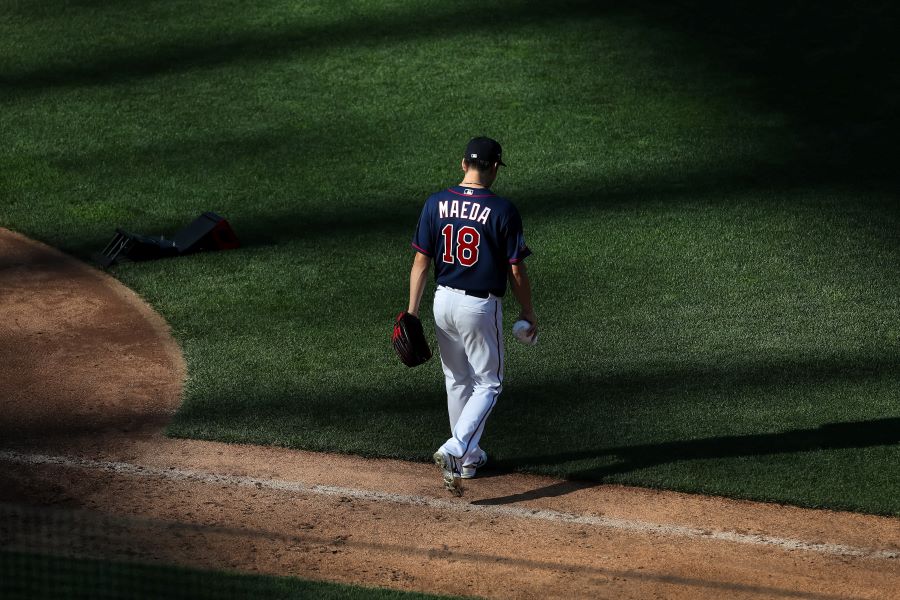 Maeda’s first playoff experience came as a starter back in 2016 and things were a little rocky. In his first start, the Nationals knocked him around for four runs on five hits in three innings. The Dodgers were still able to win the series and Maeda would get two opportunities to start against the Cubs in the NLDS. In Game 1, the Cubs got to him early for three runs in the first two innings. He would pitch four frames with two strikeouts and three walks. His turn in the rotation came up again in Game 5 and this time he couldn’t make it out of the fourth. He struck out six in 3 2/3 innings and he held Chicago to one earned run on three hits. The Dodgers would lose the series and Maeda’s time as a playoff starter was also over in LA. Over the next two seasons, the Dodgers would make back-to-back runs to the World Series and Maeda was one of their best bullpen weapons. He made 21 playoff relief appearances from 2017-2019 and only allowed four earned runs on 15 hits with a 27 to 5 strikeout to walk ratio and two of his walks were intentional. Opponents hit .185/.233/.272 against him with five extra-base hits in 81 at-bats. There was only one game where he allowed more than one earned run in a relief appearance. Another one of his earned runs came in the 2017 World Series against the Astros when Houston likely knew what pitches were being thrown. What might be even more astonishing is the fact he pitched 2 2/3 innings during Game 3 in Houston, and he limited batters to one hit. Even if Houston knew what pitch was coming, the Astros still couldn’t hit it. While it’s hard to ignore his previous playoff performance, the 2020 version of Maeda is more dominant than his years in Los Angeles. His four-seam usage is down to 18.9% from a career high 41.9% back in 2018. He has been relying more on his slider (39.7%) and changeup (28.8%) and one of the biggest changes has been his willingness to throw his slider to left-handed batters. Last year, he only threw his slider to lefties 11.1% of the time and this season he has used it over 30% of the time. Maeda’s playoff experience certainly doesn’t hurt, but the Twins are only going to be able to use him once in their three-game first round series. Minnesota’s recent playoff experience has been a little painful as the Twins haven’t won a playoff game since 2004 and they haven’t won a playoff series since 2002. Maeda will look to help the Twins end both of those streaks, and while he has been great this season, legends are born in October. Do you think Maeda’s previous playoff performance will impact his 2020 performance? Leave a COMMENT and start the discussion. MORE FROM TWINS DAILY — Latest Twins coverage from our writers — Recent Twins discussion in our forums — Follow Twins Daily via Twitter, Facebook or email

