



Cody Christie
-
Posts
7,515 -
Joined
-
Last visited
-
Days Won
5
Content Type
Profiles
News
Minnesota Twins Videos
2026 Minnesota Twins Top Prospects Ranking
2022 Minnesota Twins Draft Picks
Minnesota Twins Free Agent & Trade Rumors, Notes, & Tidbits
Guides & Resources
2023 Minnesota Twins Draft Picks
The Minnesota Twins Players Project
2024 Minnesota Twins Draft Picks
2025 Minnesota Twins Draft Pick Tracker
2026 Minnesota Twins Draft Tracker: Picks & Bonuses
Forums
Blogs
Events
Store
Downloads
Gallery
Everything posted by Cody Christie
-
Bullpens can be fickle from one year to the next. Take the case of Zack Littell. Last season, he was one of Minnesota’s most trustworthy arms as he was entering the game in the late innings in some tough spots. One year later, the Twins were able to pass him through waivers and take him off the 40-man roster. With less than a week remaining, how should the Twins bullpen rank heading into October?October is going to look different this season with no off days in scheduled in each of the first three rounds. There is some time off between each round, but bullpens are going to be even more important in this tight schedule. These power rankings aren’t about who should be used in a specific spot because the manager can be creative in the playoffs. The rankings below are about who is pitching well and who has the best stuff to succeed in October. 10. Sean Poppen (4.70 ERA, 1.70 WHIP, 10 K, 7 2/3 IP) Poppen has seen limited time for the Twins this year and it seems unlikely that he would be called on in October. His lone role might be to eat some innings if there was a blowout. He also hasn’t pitched in a game in nearly two weeks. Twins fans don’t want to see him on the mound in the playoffs, because that likely means something went wrong in the game. 9. Caleb Thielbar (1.69 ERA, 1.31 WHIP, 20 K, 16 IP) Thielbar has been a feel-good story for the Twins this season as his pitching performance certainly has matched a player that hasn’t pitching in the big leagues since 2015. If you take out his first appearance, he has a 0.66 ERA while holding batters to a .149/.259/.149 (.408) slash-line. Also, he has been asked to get more than three outs four of his fourteen games, which is likely something he wouldn’t be asked to do in the postseason. On other teams, he’d rank much higher. 8. Cody Stashak (3.09 ERA, 0.86 WHIP, 15 K, 11 2/3 IP) Stashak has been really good and him being this low shows the depth of the Twins bullpen. He’s only allowed runs in two of his nine appearances and he has multiple strikeouts in over half of his outings. His one bad appearance was an inning where he allowed three runs to Kansas City. Rocco Baldelli has shown faith in using him in the late innings of close games. With few off days in each series, Stashak might be needed for some big outs. 7. Jorge Alcala (2.91 ERA, 1.20 WHIP, 27 K, 21 2/3 IP) Alcala might have helped Twins fans to forget about Brusdar Graterol since he is basically filling the same role on the team. He’s also been better than Graterol this season. His fastball will certainly play in October and he’s used his slider nearly as often. His Baseball Savant page is also the thing of dreams as he ranks as ranks higher than the 80th percentile in all but one category. He could be the team’s closer of the future and October could be his month to shine on the big stage. 6. Matt Wisler (1.11 ERA, 1.03 WHIP, 34 K, 24 1/3 IP) Wilser has been the Twins diamond in the rough this year. Claimed off waivers, the Twins have helped him to morph into one of the American League’s best relief pitchers. According to Baseball Reference, he is tied with Jose Berrios for the fourth highest WAR on the team behind Byron Buxton, Kenta Maeda, and Nelson Cruz. He’s been used as an opener, earned a save, and has five holds to his name. His versatility could be useful with how effective he continues to be. 5. Tyler Clippard (2.78 ERA, 0.93 WHIP, 22 K, 22 2/3 IP) Minnesota saw plenty of Clippard last year in Cleveland and he’s been nearly as good so far this year. He could actually move down this list with some recent poor performances. In three of his last four appearances, runs have been scored against him, so his worst stretch of the season might be coming at the wrong time. Baldelli will likely continue to turn to him because he is a 14-year veteran with 14 playoff appearances during his career. 4. Sergio Romo (2.89 ERA, 0.91 WHIP, 22 K, 18 2/3 IP) Since the Twins acquired him last year, Romo has been getting plenty of late inning opportunities out of the Twins bullpen. Taylor Rogers has struggled at times this year and this has led the Twins to continue to use Romo in late inning situations. Fans saw this as recently as Sunday night in Chicago with Rogers getting the eighth and Romo getting the ninth. Things got a little shaky in that game, but he has a long playoff track record and he’s going to be trusted to get outs in the eighth and ninth inning. 3. Taylor Rogers (4.58 ERA, 1.53 WHIP, 22 K, 17 2/3 IP) Rogers and his struggles have been well documented throughout this season. In such a small sample size, luck might be accounting for some of his poor performance. His BABIP is one of the highest among all relief pitchers and his 4.58 ERA comes with a 2.84 FIP. Some of his issues this year might also be tied to the use of his breaking pitches. As Nick wrote about last week, his curve spin rate has flattened out and this could be one reason for more solid contact against him. Whether it’s luck or a poor breaking ball, the Twins need Rogers to be in peak form by the start of next week. 2. Trevor May (4.35 ERA, 1.16 WHIP, 34 K, 20 2/3 IP) Back on September 6, May blew up in a loss to Detroit as he allowed three runs on four hits and saw his ERA rise to 5.74. In his last five appearances, he has been nearly unhittable with opponents limited to two hits, both singles. He has struck out eight in five innings and nearly 60% of his WPA for the season has come during this recent stretch. Even though his season hasn’t been perfect, he’s been Minnesota’s hottest reliever to end the season. 1. Tyler Duffey (1.69 ERA, 0.80 WHIP, 28 K, 21 1/3 IP) Duffey is the Twins best relief pitcher and it might not be close. If an opponent’s heart of the line-up is coming up in a key spot, Duffey gets the call in the bullpen. These types of situations will only be more amplified in the upcoming postseason. So far this season, he has pitched in any inning from the fourth to the eighth, because Baldelli trusts him in any situation. He isn’t the Twins closer, because he is better than any of the closing options for the Twins. How would you rank the Twins bullpen? Leave a COMMENT and start the discussion. MORE FROM TWINS DAILY — Latest Twins coverage from our writers — Recent Twins discussion in our forums — Follow Twins Daily via Twitter, Facebook or email Click here to view the article
-
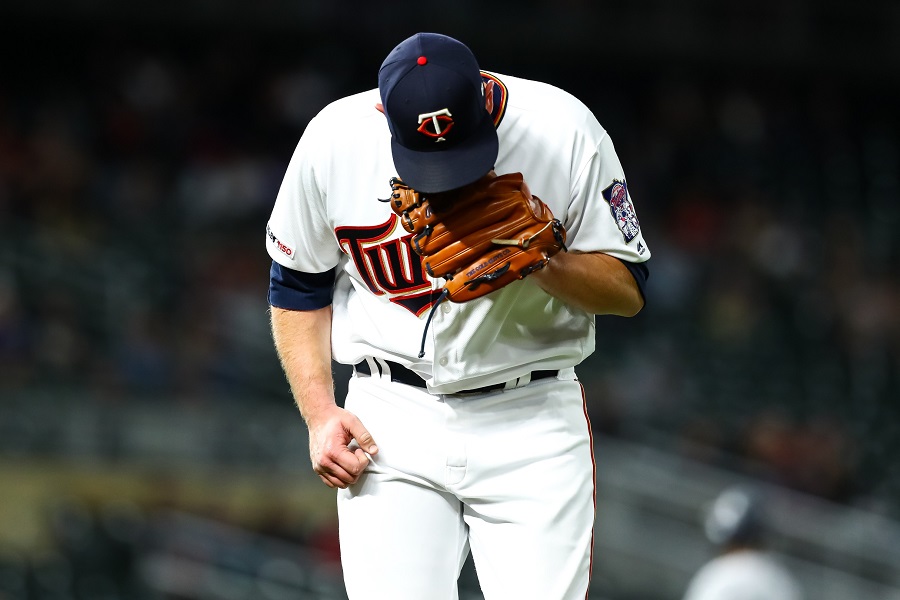 October is going to look different this season with no off days in scheduled in each of the first three rounds. There is some time off between each round, but bullpens are going to be even more important in this tight schedule. These power rankings aren’t about who should be used in a specific spot because the manager can be creative in the playoffs. The rankings below are about who is pitching well and who has the best stuff to succeed in October. 10. Sean Poppen (4.70 ERA, 1.70 WHIP, 10 K, 7 2/3 IP) Poppen has seen limited time for the Twins this year and it seems unlikely that he would be called on in October. His lone role might be to eat some innings if there was a blowout. He also hasn’t pitched in a game in nearly two weeks. Twins fans don’t want to see him on the mound in the playoffs, because that likely means something went wrong in the game. 9. Caleb Thielbar (1.69 ERA, 1.31 WHIP, 20 K, 16 IP) Thielbar has been a feel-good story for the Twins this season as his pitching performance certainly has matched a player that hasn’t pitching in the big leagues since 2015. If you take out his first appearance, he has a 0.66 ERA while holding batters to a .149/.259/.149 (.408) slash-line. Also, he has been asked to get more than three outs four of his fourteen games, which is likely something he wouldn’t be asked to do in the postseason. On other teams, he’d rank much higher. 8. Cody Stashak (3.09 ERA, 0.86 WHIP, 15 K, 11 2/3 IP) Stashak has been really good and him being this low shows the depth of the Twins bullpen. He’s only allowed runs in two of his nine appearances and he has multiple strikeouts in over half of his outings. His one bad appearance was an inning where he allowed three runs to Kansas City. Rocco Baldelli has shown faith in using him in the late innings of close games. With few off days in each series, Stashak might be needed for some big outs. 7. Jorge Alcala (2.91 ERA, 1.20 WHIP, 27 K, 21 2/3 IP) Alcala might have helped Twins fans to forget about Brusdar Graterol since he is basically filling the same role on the team. He’s also been better than Graterol this season. His fastball will certainly play in October and he’s used his slider nearly as often. His Baseball Savant page is also the thing of dreams as he ranks as ranks higher than the 80th percentile in all but one category. He could be the team’s closer of the future and October could be his month to shine on the big stage. 6. Matt Wisler (1.11 ERA, 1.03 WHIP, 34 K, 24 1/3 IP) Wilser has been the Twins diamond in the rough this year. Claimed off waivers, the Twins have helped him to morph into one of the American League’s best relief pitchers. According to Baseball Reference, he is tied with Jose Berrios for the fourth highest WAR on the team behind Byron Buxton, Kenta Maeda, and Nelson Cruz. He’s been used as an opener, earned a save, and has five holds to his name. His versatility could be useful with how effective he continues to be. 5. Tyler Clippard (2.78 ERA, 0.93 WHIP, 22 K, 22 2/3 IP) Minnesota saw plenty of Clippard last year in Cleveland and he’s been nearly as good so far this year. He could actually move down this list with some recent poor performances. In three of his last four appearances, runs have been scored against him, so his worst stretch of the season might be coming at the wrong time. Baldelli will likely continue to turn to him because he is a 14-year veteran with 14 playoff appearances during his career. 4. Sergio Romo (2.89 ERA, 0.91 WHIP, 22 K, 18 2/3 IP) Since the Twins acquired him last year, Romo has been getting plenty of late inning opportunities out of the Twins bullpen. Taylor Rogers has struggled at times this year and this has led the Twins to continue to use Romo in late inning situations. Fans saw this as recently as Sunday night in Chicago with Rogers getting the eighth and Romo getting the ninth. Things got a little shaky in that game, but he has a long playoff track record and he’s going to be trusted to get outs in the eighth and ninth inning. 3. Taylor Rogers (4.58 ERA, 1.53 WHIP, 22 K, 17 2/3 IP) Rogers and his struggles have been well documented throughout this season. In such a small sample size, luck might be accounting for some of his poor performance. His BABIP is one of the highest among all relief pitchers and his 4.58 ERA comes with a 2.84 FIP. Some of his issues this year might also be tied to the use of his breaking pitches. As Nick wrote about last week, his curve spin rate has flattened out and this could be one reason for more solid contact against him. Whether it’s luck or a poor breaking ball, the Twins need Rogers to be in peak form by the start of next week. 2. Trevor May (4.35 ERA, 1.16 WHIP, 34 K, 20 2/3 IP) Back on September 6, May blew up in a loss to Detroit as he allowed three runs on four hits and saw his ERA rise to 5.74. In his last five appearances, he has been nearly unhittable with opponents limited to two hits, both singles. He has struck out eight in five innings and nearly 60% of his WPA for the season has come during this recent stretch. Even though his season hasn’t been perfect, he’s been Minnesota’s hottest reliever to end the season. 1. Tyler Duffey (1.69 ERA, 0.80 WHIP, 28 K, 21 1/3 IP) Duffey is the Twins best relief pitcher and it might not be close. If an opponent’s heart of the line-up is coming up in a key spot, Duffey gets the call in the bullpen. These types of situations will only be more amplified in the upcoming postseason. So far this season, he has pitched in any inning from the fourth to the eighth, because Baldelli trusts him in any situation. He isn’t the Twins closer, because he is better than any of the closing options for the Twins. How would you rank the Twins bullpen? Leave a COMMENT and start the discussion. MORE FROM TWINS DAILY — Latest Twins coverage from our writers — Recent Twins discussion in our forums — Follow Twins Daily via Twitter, Facebook or email
 -
 For 13 years, Ron Gardenhire was at the helm of the Minnesota Twins. He would win six division titles and finish his Twins tenure with the second most wins in franchise history. On Saturday, he announced his retirement from baseball, but his legacy will be long lasting in Twins Territory.News broke on Sunday that Ron Gardenhire was retiring, effective immediately. The former Twins manager had been Detroit’s skipper for the last three seasons. He’s had a losing record in every season for the Tigers as they have been in full rebuild mode. Initially, his plan was to retire at the conclusion of the 2020 season, but a case of food poisoning and underlying health conditions pushed him into an early exit. In a press release, Gardenhire said, ““This is a bittersweet day for myself and my family. I’d like to take this opportunity to thank the countless players and coaches that I’ve had the honor of working alongside for the last 16 seasons as manager. I’d also like to thank the Detroit Tigers and Minnesota Twins for giving me the privilege of leading their clubhouses. While I’m stepping away from managing, I’ll be watching this group of Tigers closely in the next few years. There’s a lot of talent on this team, and a lot coming through the farm system. Tigers fans are going to enjoy the exciting times on the horizon.” Gardy’s Twins tenure started back in 1986 in his final year as a professional player. He played 117 games for the club’s Triple-A affiliate and hit .272/.347/.380 with 26 extra-base hits and a 70 to 45 strike out to walk ratio. He must have impressed the Twins, because he retired following the season and immediately started coaching in the Twins system. He quickly made his mark in his first three years as a minor league manager. He led teams in the Midwest League (Class A) and Southern League (Class AA) to one second place and two first place finishes. From there, he was promoted to being a coach on the big-league squad and he served as a coach for over the next decade (1991-2001). When Tom Kelly retired, Gardy took over with a flurry. In his first season as manager, he would lead the Twins to the AL Central crown and all the way to the ALCS before eventually losing to the eventual World Series champions, the Anaheim Angels. The Twins have yet to win a playoff series since that run, but Gardenhire’s impact was far from over. Minnesota would complete a three-peat of AL Central titles in 2004 before winning the title again in 2006. The club lost to the White Sox in Game 163 to end the 2008 season before coming back and winning a Game 163 against the Tigers to close out the Metrodome one year later. His final AL Central crown came in 2010 when he won his lone the AL Manager of the Year award. Many great players came to stardom under Gardenhire’s watchful eye. Johan Santana went on one of the greatest pitching runs in franchise history as he won two Cy Young awards before being traded to the Mets. Joe Mauer made his debut in 2004 and played a large portion of his potential Hall of Fame career under Gardenhire. Other players like Torii Hunter, Corey Koskie, Denard Span, Joe Nathan, Justin Morneau, and Michael Cuddyer would have long careers tied to Gardy’s tenure. Gardenhire’s personality was what separated him from previous Twins managers. He was able to connect with players and fans and he brought a passion that would overflow into the game. His club record 71 ejections would attest to that fact. If Twins teams were in contention, he pulled the right strings to be able to keep them in the race. Overall, he seemed to be able to get the best out of his players and to guide young players as they entered the league. Following the 2010 season, things went the wrong way in a hurry for Gardenhire and the Twins. For four straight seasons, the club lost over 90 games in the worst stretch of losing in franchise history. At his final Twins press conference, he said, “Sometimes people need to hear a different voice. They need a new face. I just want this organization to win; I’ll be rooting just like everybody else.” His 27 years in the Twins organization were over, but he was still part of the Twins family. Twins President Dave St. Peter said, “Baseball has always been better with Ron Gardenhire part of it. His legacy is highlighted by the hugely positive impact he made on players and staff. I will always remember his authentic connection to the fans. The Gardenhire family will always be part of the Twins family.” Twins fans might not have agreed with every on-field decision during the Gardenhire era, but his legacy will be felt throughout Twins Territory for years to come. Congratulations on retirement to Gardenhire and his family. May he stay healthy and enjoy the years ahead. What are some of your favorite Gardy memories? Leave a COMMENT and start the discussion. MORE FROM TWINS DAILY — Latest Twins coverage from our writers — Recent Twins discussion in our forums — Follow Twins Daily via Twitter, Facebook or email Click here to view the article
 -
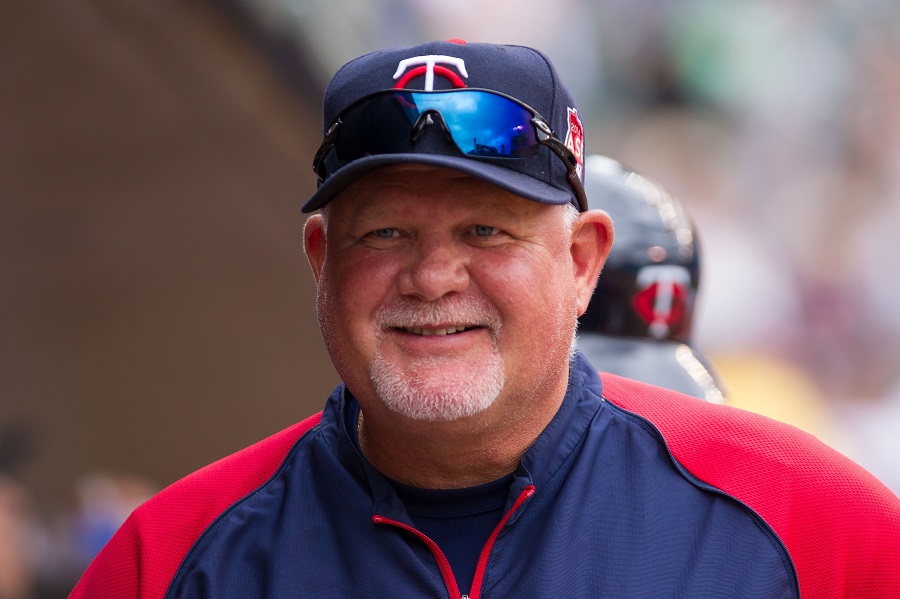 News broke on Sunday that Ron Gardenhire was retiring, effective immediately. The former Twins manager had been Detroit’s skipper for the last three seasons. He’s had a losing record in every season for the Tigers as they have been in full rebuild mode. Initially, his plan was to retire at the conclusion of the 2020 season, but a case of food poisoning and underlying health conditions pushed him into an early exit. In a press release, Gardenhire said, ““This is a bittersweet day for myself and my family. I’d like to take this opportunity to thank the countless players and coaches that I’ve had the honor of working alongside for the last 16 seasons as manager. I’d also like to thank the Detroit Tigers and Minnesota Twins for giving me the privilege of leading their clubhouses. While I’m stepping away from managing, I’ll be watching this group of Tigers closely in the next few years. There’s a lot of talent on this team, and a lot coming through the farm system. Tigers fans are going to enjoy the exciting times on the horizon.” Gardy’s Twins tenure started back in 1986 in his final year as a professional player. He played 117 games for the club’s Triple-A affiliate and hit .272/.347/.380 with 26 extra-base hits and a 70 to 45 strike out to walk ratio. He must have impressed the Twins, because he retired following the season and immediately started coaching in the Twins system. He quickly made his mark in his first three years as a minor league manager. He led teams in the Midwest League (Class A) and Southern League (Class AA) to one second place and two first place finishes. From there, he was promoted to being a coach on the big-league squad and he served as a coach for over the next decade (1991-2001). When Tom Kelly retired, Gardy took over with a flurry. In his first season as manager, he would lead the Twins to the AL Central crown and all the way to the ALCS before eventually losing to the eventual World Series champions, the Anaheim Angels. The Twins have yet to win a playoff series since that run, but Gardenhire’s impact was far from over. Minnesota would complete a three-peat of AL Central titles in 2004 before winning the title again in 2006. The club lost to the White Sox in Game 163 to end the 2008 season before coming back and winning a Game 163 against the Tigers to close out the Metrodome one year later. His final AL Central crown came in 2010 when he won his lone the AL Manager of the Year award. Many great players came to stardom under Gardenhire’s watchful eye. Johan Santana went on one of the greatest pitching runs in franchise history as he won two Cy Young awards before being traded to the Mets. Joe Mauer made his debut in 2004 and played a large portion of his potential Hall of Fame career under Gardenhire. Other players like Torii Hunter, Corey Koskie, Denard Span, Joe Nathan, Justin Morneau, and Michael Cuddyer would have long careers tied to Gardy’s tenure. Gardenhire’s personality was what separated him from previous Twins managers. He was able to connect with players and fans and he brought a passion that would overflow into the game. His club record 71 ejections would attest to that fact. If Twins teams were in contention, he pulled the right strings to be able to keep them in the race. Overall, he seemed to be able to get the best out of his players and to guide young players as they entered the league. Following the 2010 season, things went the wrong way in a hurry for Gardenhire and the Twins. For four straight seasons, the club lost over 90 games in the worst stretch of losing in franchise history. At his final Twins press conference, he said, “Sometimes people need to hear a different voice. They need a new face. I just want this organization to win; I’ll be rooting just like everybody else.” His 27 years in the Twins organization were over, but he was still part of the Twins family. Twins President Dave St. Peter said, “Baseball has always been better with Ron Gardenhire part of it. His legacy is highlighted by the hugely positive impact he made on players and staff. I will always remember his authentic connection to the fans. The Gardenhire family will always be part of the Twins family.” Twins fans might not have agreed with every on-field decision during the Gardenhire era, but his legacy will be felt throughout Twins Territory for years to come. Congratulations on retirement to Gardenhire and his family. May he stay healthy and enjoy the years ahead. What are some of your favorite Gardy memories? Leave a COMMENT and start the discussion. MORE FROM TWINS DAILY — Latest Twins coverage from our writers — Recent Twins discussion in our forums — Follow Twins Daily via Twitter, Facebook or email
 -
In the midst of a pandemic, there has been plenty to question about MLB’s approach to the 2020 season. Luckily, baseball is in the home stretch and it looks like the 60-game season will be completed on time. Next on the checklist is to unravel a new expanded playoff format that took on a much different look earlier this week.Expanded Playoffs In the hours before the season began, MLB and the Players Association agreed to a deal that would expand the playoffs from 10-teams to 16-teams. This means more than half of baseball’s teams will qualify for postseason play. MLB did more than just add more teams and some of those changes could make this year’s playoffs tough to digest for more traditional fans. The first round will be a best of three-series with all the games played in the ballpark of the higher seed. With no fans in the stands, the biggest advantages for the home teams are being able to sleep in their own beds and to be the last team to bat in the final inning. After this first round, things will change for the Division Series, League Championship Series and World Series. Neutral Site Bubbles MLB and the Players Association agreed to a deal earlier this week that would set up two neutral site bubbles for every round beyond the first round. All American League teams will play their games in California between Dodgers Stadium in Los Angeles and Petco Park in San Diego. All National League teams will play their games in Texas between Minute Maid Park in Houston and Globe Life Park in Arlington. The World Series will also be held at Globe Life Park. All players will be tested daily inside the bubbles. It also sounds like families will be able to enter the bubble and stay with players on contending teams. They must quarantine with the players for seven days leading into the postseason and remain together while their spouse is still playing. Families of managers and coaches will not have this option because of the capacity issues in the hotels. No Off Days Another change that will be added to this year’s playoffs is nearly all off days have been eliminated. The first-round series would be played over three consecutive days, the Division Series would be played over five consecutive days, and the League Championship Series would be played over seven consecutive days. Only the World Series would keep it regular off days following Game 2 and Game 5. For teams and managers, a condensed schedule could mean more strategy throughout each series. Bullpens will be come even more important, which certainly could help the Twins since they have a strong bullpen. Another change could be that back-up catchers play more of a role in a shortened series. Teams might not want their starting catcher to log three straight starts behind the plate, especially since playoff games tend to be longer than regular season contests. What do you think about the changes to MLB’s playoff format? Will the bubble system work? Leave a COMMENT and start the discussion. MORE FROM TWINS DAILY — Latest Twins coverage from our writers — Recent Twins discussion in our forums — Follow Twins Daily via Twitter, Facebook or email Click here to view the article
-
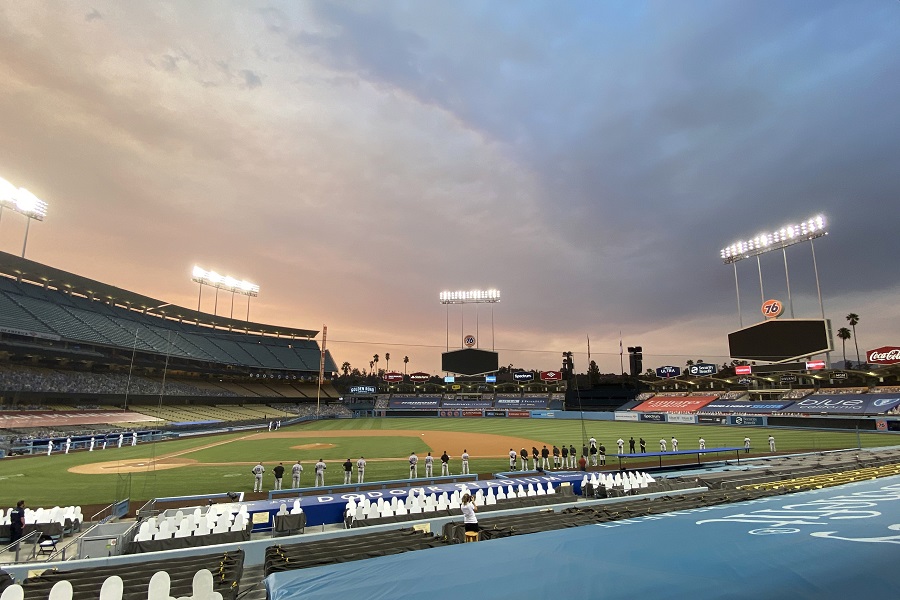 Expanded Playoffs In the hours before the season began, MLB and the Players Association agreed to a deal that would expand the playoffs from 10-teams to 16-teams. This means more than half of baseball’s teams will qualify for postseason play. MLB did more than just add more teams and some of those changes could make this year’s playoffs tough to digest for more traditional fans. The first round will be a best of three-series with all the games played in the ballpark of the higher seed. With no fans in the stands, the biggest advantages for the home teams are being able to sleep in their own beds and to be the last team to bat in the final inning. After this first round, things will change for the Division Series, League Championship Series and World Series. Neutral Site Bubbles MLB and the Players Association agreed to a deal earlier this week that would set up two neutral site bubbles for every round beyond the first round. All American League teams will play their games in California between Dodgers Stadium in Los Angeles and Petco Park in San Diego. All National League teams will play their games in Texas between Minute Maid Park in Houston and Globe Life Park in Arlington. The World Series will also be held at Globe Life Park. All players will be tested daily inside the bubbles. It also sounds like families will be able to enter the bubble and stay with players on contending teams. They must quarantine with the players for seven days leading into the postseason and remain together while their spouse is still playing. Families of managers and coaches will not have this option because of the capacity issues in the hotels. No Off Days Another change that will be added to this year’s playoffs is nearly all off days have been eliminated. The first-round series would be played over three consecutive days, the Division Series would be played over five consecutive days, and the League Championship Series would be played over seven consecutive days. Only the World Series would keep it regular off days following Game 2 and Game 5. For teams and managers, a condensed schedule could mean more strategy throughout each series. Bullpens will be come even more important, which certainly could help the Twins since they have a strong bullpen. Another change could be that back-up catchers play more of a role in a shortened series. Teams might not want their starting catcher to log three straight starts behind the plate, especially since playoff games tend to be longer than regular season contests. What do you think about the changes to MLB’s playoff format? Will the bubble system work? Leave a COMMENT and start the discussion. MORE FROM TWINS DAILY — Latest Twins coverage from our writers — Recent Twins discussion in our forums — Follow Twins Daily via Twitter, Facebook or email
 -
Minnesota is a virtual lock to make the playoffs and their possible first round opponent is becoming a little clearer. While a division title is still attainable, there are other things that are more important for the team to make a sustained run in October. Here are three questions the team needs to answer before heading into the playoffs.1. Can the line-up get healthy? Two of Minnesota’s scheduled regulars, Mitch Garver and Luis Arraez, are both on the injured list. The good news is Garver has been getting at-bats and working behind the plate at the team’s alternate training site in St. Paul. Rocco Baldelli told the media that Garver could join the team on the road trip if everything continues to go well. Ryan Jeffers has done more than hold his own with Garver out as his pitch framing has been outstanding and his has a .819 OPS. Arraez has been fighting with knee issues that date all the way back to spring training. He has been playing through the issue and this is the first time he went on the injured list this season. He can’t come off the IL until September 19 which will give him a little over a week to get ready for the playoffs. Marwin Gonzalez and Ehire Adrianza can fill-in at second but both have been struggling offensively. 2. How will the team line-up the rotation for the first round? It’s clear that Kenta Maeda will be starting in Minnesota’s first game of the playoffs. He’s been the best starting pitcher on the staff, and he has plenty of playoff experience from his time with the Dodgers. He’s currently projected to start on Thursday to close out the White Sox series and then he should get one more start before the regular season concludes. Outside of Maeda, it seems likely for the Twins to give Jose Berrios the nod in the second game of the playoffs. He had a shaky start to the season, but he seems to be getting back to form as of late. In his last four starts, he has held batters to a .183 BA and he has struck out 31 in 22 2/3 innings. He has been trending in the right direction and hopefully he is peaking at the right time. The third spot in the playoff rotation isn’t as clear, but it might be Michael Pineda’s spot to lose at this point. Randy Dobnak was terrific to start the year, but his last start was a little concerning as he hit two batters and allowed five runs on only two hits in one inning. Rich Hill has seen his strikeout totals increase in each of his last two starts, but he has yet to pitch more than five innings. Jake Odorizzi is coming back from injury and the team might not trust him in a winner-take-all game. 3. What’s the bullpen pecking order? Even with some recent struggles, Minnesota’s bullpen was outstanding to start the season. However, managing a bullpen in the postseason can be a little trickier. Baldelli seems to be set on Taylor Rogers being used in the closer role even though he has given up 21 hits in 16 1/3 innings. Sergio Romo and Tyler Clippard continue to get work in the late innings. Tyler Duffey might be the bullpen’s best pitcher and Baldelli has show flexibility to use Duffey in a variety of situations. Matt Wisler has been outstanding in nearly every role he has been given. Jorge Alcala has shown some of the flame throwing ability that made him one of the team’s top pitching prospects. There could also be some bullpen spots for starters that don’t make the playoff rotation. This could add even more depth to an already strong relief core. How do you think the Twins will answer these questions? Leave a COMMENT and start the discussion. MORE FROM TWINS DAILY — Latest Twins coverage from our writers — Recent Twins discussion in our forums — Follow Twins Daily via Twitter, Facebook or email Click here to view the article
-
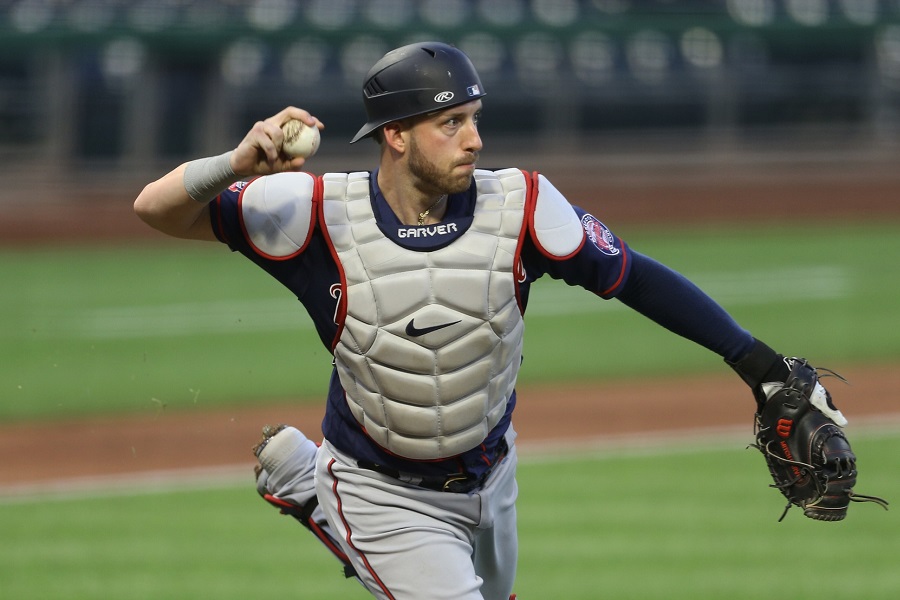 1. Can the line-up get healthy? Two of Minnesota’s scheduled regulars, Mitch Garver and Luis Arraez, are both on the injured list. The good news is Garver has been getting at-bats and working behind the plate at the team’s alternate training site in St. Paul. Rocco Baldelli told the media that Garver could join the team on the road trip if everything continues to go well. Ryan Jeffers has done more than hold his own with Garver out as his pitch framing has been outstanding and his has a .819 OPS. Arraez has been fighting with knee issues that date all the way back to spring training. He has been playing through the issue and this is the first time he went on the injured list this season. He can’t come off the IL until September 19 which will give him a little over a week to get ready for the playoffs. Marwin Gonzalez and Ehire Adrianza can fill-in at second but both have been struggling offensively. 2. How will the team line-up the rotation for the first round? It’s clear that Kenta Maeda will be starting in Minnesota’s first game of the playoffs. He’s been the best starting pitcher on the staff, and he has plenty of playoff experience from his time with the Dodgers. He’s currently projected to start on Thursday to close out the White Sox series and then he should get one more start before the regular season concludes. Outside of Maeda, it seems likely for the Twins to give Jose Berrios the nod in the second game of the playoffs. He had a shaky start to the season, but he seems to be getting back to form as of late. In his last four starts, he has held batters to a .183 BA and he has struck out 31 in 22 2/3 innings. He has been trending in the right direction and hopefully he is peaking at the right time. The third spot in the playoff rotation isn’t as clear, but it might be Michael Pineda’s spot to lose at this point. Randy Dobnak was terrific to start the year, but his last start was a little concerning as he hit two batters and allowed five runs on only two hits in one inning. Rich Hill has seen his strikeout totals increase in each of his last two starts, but he has yet to pitch more than five innings. Jake Odorizzi is coming back from injury and the team might not trust him in a winner-take-all game. 3. What’s the bullpen pecking order? Even with some recent struggles, Minnesota’s bullpen was outstanding to start the season. However, managing a bullpen in the postseason can be a little trickier. Baldelli seems to be set on Taylor Rogers being used in the closer role even though he has given up 21 hits in 16 1/3 innings. Sergio Romo and Tyler Clippard continue to get work in the late innings. Tyler Duffey might be the bullpen’s best pitcher and Baldelli has show flexibility to use Duffey in a variety of situations. Matt Wisler has been outstanding in nearly every role he has been given. Jorge Alcala has shown some of the flame throwing ability that made him one of the team’s top pitching prospects. There could also be some bullpen spots for starters that don’t make the playoff rotation. This could add even more depth to an already strong relief core. How do you think the Twins will answer these questions? Leave a COMMENT and start the discussion. MORE FROM TWINS DAILY — Latest Twins coverage from our writers — Recent Twins discussion in our forums — Follow Twins Daily via Twitter, Facebook or email
 -
Following two off-days, the Twins are going to enter the toughest part of their remaining schedule. The club will have seven games scheduled against the other teams atop the AL Central standings and fans might know the fate of the division by the end of next week. This grueling part of the schedule should result in a playoff like atmosphere for all clubs involved as they try to clinch one of the top-3 seeds in the American League.Cleveland Indians (Twins up 4-3 in season series) What We Know The Indians haven’t had an off-day since last Thursday, so they won’t be exactly rested heading into a three-game series this weekend. Unfortunately for the Twins, Shane Bieber is lined up to pitch Game 1 at Target Field. He’s faced the Twins twice this season and picked up the win in both contests while striking out 10 batters or more. Minnesota hitters have gone 7-for-49 (.143 BA) against him with one extra-base hit. He’s the front runner for the AL Cy Young and he’s the type of pitcher that could wreak havoc in a playoff series. What’s Left to Find Out Cleveland’s offense has been anemic for a majority of the season, so will they find enough offense to win the division? Only five teams have a lower OPS than the Indians and their wRC+ is also near the bottom of all of baseball. Jose Ramirez, Francisco Lindor and Franmil Reyes have carried the offensive load, but who’s to say if they will be able to carry the team all the way to October glory. Cleveland’s pitching is good enough to keep them in any game and they will have to take a wait and see approach with the team’s offense. Chicago White Sox (Twins up 4-2 in season series) What We Know Chicago was a wild card coming into the season, because few knew how their young players were going to gel at the big-league level. It turns out their offense is legitimate as they have the American League’s highest wRC+ and highest OPS. They also have barreled up the ball over 10% of the time and only the Padres have done it more often. Eloy Jimenez, Jose Abreu and Luis Robert all have Hard Hit %’s north of 40%. For Twins fans, their offense is reminiscent of what was expected from Minnesota this season, even though that hasn’t come to fruition. What’s Left to Find Out It has become clear throughout the Twins six games with Chicago that the White Sox defense certainly struggles. Could these defensive woes be an Achilles heel for the club? Minnesota currently has the highest Defensive Runs Above Average (DEF) in baseball and the fourth highest Defensive Runs Saved (DRS). In comparison, Chicago’s defense doesn’t rank that low. They rank one spot better than the Twins in DRS, the highest total in the AL, and they are third in baseball in DEF. Chicago’s defensive blunders come through in other statistics such as having 29 errors, which is the fourth highest in baseball. All three top teams in the AL Central will make the postseason, so some of the drama is removed from these late-season games. However, there are bragging rights that come with being the team that wins the division and having homefield advantage in the first round would certainly be helpful. The Twins don’t need to win the division, but the club is in control of its own destiny over the next seven games. How do you feel about the up-coming seven games? Leave a COMMENT and start the discussion. MORE FROM TWINS DAILY — Latest Twins coverage from our writers — Recent Twins discussion in our forums — Follow Twins Daily via Twitter, Facebook or email Click here to view the article
-
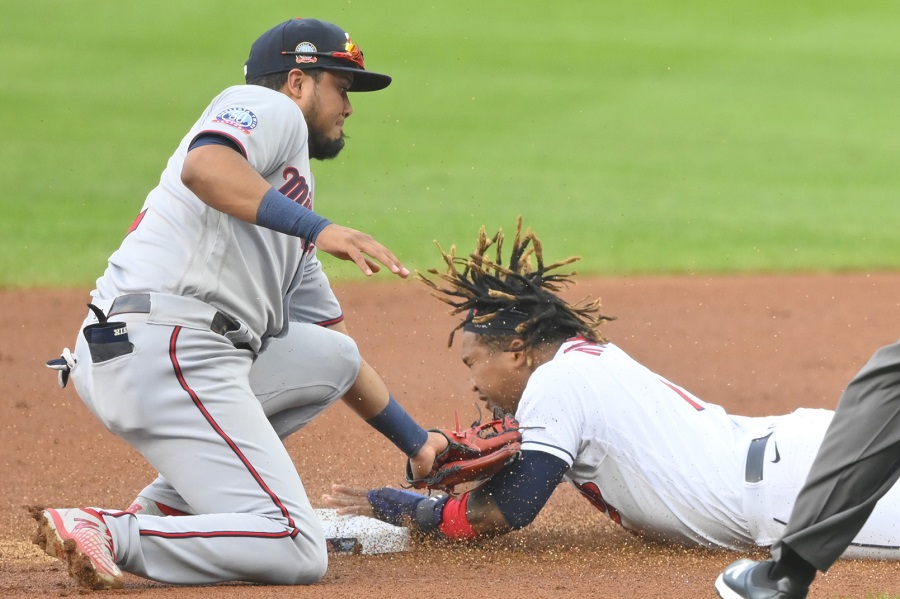 Cleveland Indians (Twins up 4-3 in season series) What We Know The Indians haven’t had an off-day since last Thursday, so they won’t be exactly rested heading into a three-game series this weekend. Unfortunately for the Twins, Shane Bieber is lined up to pitch Game 1 at Target Field. He’s faced the Twins twice this season and picked up the win in both contests while striking out 10 batters or more. Minnesota hitters have gone 7-for-49 (.143 BA) against him with one extra-base hit. He’s the front runner for the AL Cy Young and he’s the type of pitcher that could wreak havoc in a playoff series. What’s Left to Find Out Cleveland’s offense has been anemic for a majority of the season, so will they find enough offense to win the division? Only five teams have a lower OPS than the Indians and their wRC+ is also near the bottom of all of baseball. Jose Ramirez, Francisco Lindor and Franmil Reyes have carried the offensive load, but who’s to say if they will be able to carry the team all the way to October glory. Cleveland’s pitching is good enough to keep them in any game and they will have to take a wait and see approach with the team’s offense. Chicago White Sox (Twins up 4-2 in season series) What We Know Chicago was a wild card coming into the season, because few knew how their young players were going to gel at the big-league level. It turns out their offense is legitimate as they have the American League’s highest wRC+ and highest OPS. They also have barreled up the ball over 10% of the time and only the Padres have done it more often. Eloy Jimenez, Jose Abreu and Luis Robert all have Hard Hit %’s north of 40%. For Twins fans, their offense is reminiscent of what was expected from Minnesota this season, even though that hasn’t come to fruition. What’s Left to Find Out It has become clear throughout the Twins six games with Chicago that the White Sox defense certainly struggles. Could these defensive woes be an Achilles heel for the club? Minnesota currently has the highest Defensive Runs Above Average (DEF) in baseball and the fourth highest Defensive Runs Saved (DRS). In comparison, Chicago’s defense doesn’t rank that low. They rank one spot better than the Twins in DRS, the highest total in the AL, and they are third in baseball in DEF. Chicago’s defensive blunders come through in other statistics such as having 29 errors, which is the fourth highest in baseball. All three top teams in the AL Central will make the postseason, so some of the drama is removed from these late-season games. However, there are bragging rights that come with being the team that wins the division and having homefield advantage in the first round would certainly be helpful. The Twins don’t need to win the division, but the club is in control of its own destiny over the next seven games. How do you feel about the up-coming seven games? Leave a COMMENT and start the discussion. MORE FROM TWINS DAILY — Latest Twins coverage from our writers — Recent Twins discussion in our forums — Follow Twins Daily via Twitter, Facebook or email
 -
In Major League Baseball, one of the biggest keys to long-term success is developing a stable farm system that can produce consistent big-league caliber players. Minnesota’s current roster is full of players that were drafted or signed by the Twins and then those players were developed in the organization. What has the new front office done since taking over to make the farm system even better?Back in 2016, the Twins revamped their front office by hiring Derek Falvey and Thad Levine. One of their biggest tasks in their first year on the job was preparing to have the number one overall pick in the 2017 MLB Draft. That draft was just the start of how they were able to add to Minnesota’s well stocked farm system. Download attachment: Farm System Rankings.JPG Minnesota’s current crop of regulars was moving through the system back in 2015-16 and that’s why the farm system ranked so highly. The new front office crew saw some of their impact after the 2017 MLB Draft and that continued into the following year’s draft. The results of their time at the helm are already being felt at the big-league level. 2017 Draft There were multiple options with the top overall pick back in 2017 with names like Hunter Greene, MacKenzie Gore, Brendan McKay and Kyle Wright all in the discussion. Minnesota decided Royce Lewis was the best option and he has been the organization’s highest-ranking prospect since he was drafted. Last season, Lewis finished at Double-A and under normal circumstances, he might have made his big-league debut this season. Lewis wasn’t the only strong pick in this draft. Brent Rooker was recently called up and he has been contributing to a team in the middle of a pennant race. Time will tell if he can develop into a big league regular, but his powerful swing should keep him on the roster. In the same draft, Minnesota had to offer Blayne Enlow a big signing bonus to lure him away from LSU and now he is one of the organization’s top pitching prospects. He might be a couple years away from debuting, but he add to the depth of the farm system. 2018 Draft Coming off a surprise run to the playoffs, the Twins had a much lower draft pick in 2018, but that didn’t stop them from finding players to restock the farm. Trevor Larnach was the team’s first round selection and he has developed into one of the best hitting prospects in the organization. He was the Twins Daily Minor League Hitter of the Year and the Florida State League Player of the Year. He finished last year at Double-A and now he has been part of the team’s 60-man roster that is working out in St. Paul. Another player from this draft, Ryan Jeffers, has played a pivotal role with the club due to Mitch Garver’s injury. When he was drafted, he was seen as a bat-only catcher, but he was given very little coaching on his catching defense throughout his collegiate career. Now, his 51.2% strike rate has him in the top-20 among all MLB backstops when it comes to catcher framing. Trades Add Depth Making trades is another way to stock a farm system and the Twins front office has already seen some of the rewards of those trades. Zack Littell was acquired back at the 2017 trade deadline as part of the Jaime Garcia trade and he has fit nicely into the Twins bullpen when healthy. At that same deadline, Minnesota added LHP Tyler Watson who pitched all last season at High-A with a 3.62 ERA and a 1.21 WHIP. The 2018 trade deadline was where Minnesota was able to revamp the farm. Trading Eduardo Escobar to the Diamondbacks got the Twins back a trio of prospects including RHP Jhoan Duran, who is considered one of the team’s top pitching prospects. Also, Minnesota traded away Ryan Pressly for RHP Jorge Alcala and OF Gilberto Celestino. Alcala has shown electric stuff out of the Twins bullpen this year and Celestino could become a regular at the big-league level in the years ahead. For the Twins, this trade could pay dividends for multiple years into the future. How do you feel about the Twins consistency in their farm system? Leave a COMMENT and start the discussion. MORE FROM TWINS DAILY — Latest Twins coverage from our writers — Recent Twins discussion in our forums — Follow Twins Daily via Twitter, Facebook or Click here to view the article
-
Minnesota’s Farm System is Key to Sustainable Contention
Cody Christie posted an article in Minor Leagues
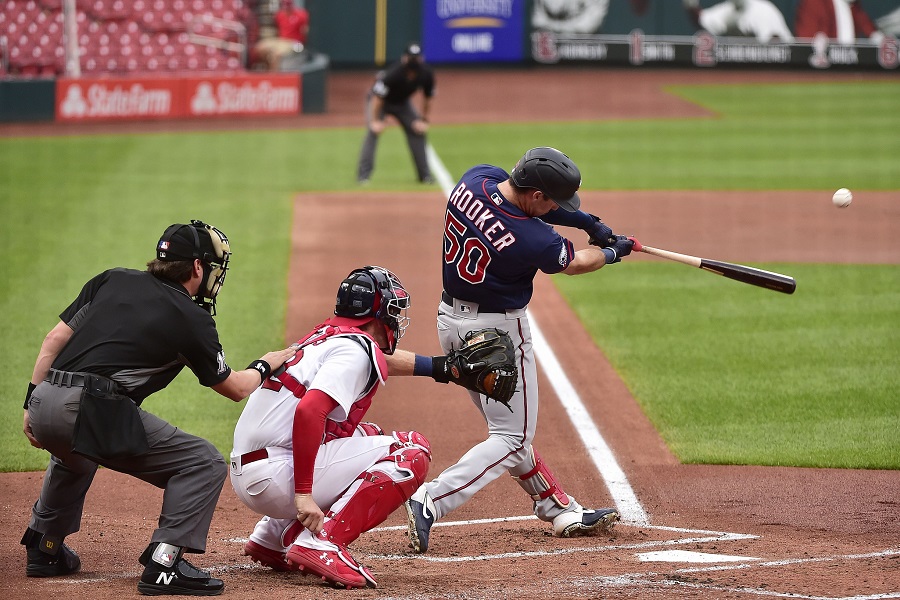 Back in 2016, the Twins revamped their front office by hiring Derek Falvey and Thad Levine. One of their biggest tasks in their first year on the job was preparing to have the number one overall pick in the 2017 MLB Draft. That draft was just the start of how they were able to add to Minnesota’s well stocked farm system. Minnesota’s current crop of regulars was moving through the system back in 2015-16 and that’s why the farm system ranked so highly. The new front office crew saw some of their impact after the 2017 MLB Draft and that continued into the following year’s draft. The results of their time at the helm are already being felt at the big-league level. 2017 Draft There were multiple options with the top overall pick back in 2017 with names like Hunter Greene, MacKenzie Gore, Brendan McKay and Kyle Wright all in the discussion. Minnesota decided Royce Lewis was the best option and he has been the organization’s highest-ranking prospect since he was drafted. Last season, Lewis finished at Double-A and under normal circumstances, he might have made his big-league debut this season. Lewis wasn’t the only strong pick in this draft. Brent Rooker was recently called up and he has been contributing to a team in the middle of a pennant race. Time will tell if he can develop into a big league regular, but his powerful swing should keep him on the roster. In the same draft, Minnesota had to offer Blayne Enlow a big signing bonus to lure him away from LSU and now he is one of the organization’s top pitching prospects. He might be a couple years away from debuting, but he add to the depth of the farm system. 2018 Draft Coming off a surprise run to the playoffs, the Twins had a much lower draft pick in 2018, but that didn’t stop them from finding players to restock the farm. Trevor Larnach was the team’s first round selection and he has developed into one of the best hitting prospects in the organization. He was the Twins Daily Minor League Hitter of the Year and the Florida State League Player of the Year. He finished last year at Double-A and now he has been part of the team’s 60-man roster that is working out in St. Paul. Another player from this draft, Ryan Jeffers, has played a pivotal role with the club due to Mitch Garver’s injury. When he was drafted, he was seen as a bat-only catcher, but he was given very little coaching on his catching defense throughout his collegiate career. Now, his 51.2% strike rate has him in the top-20 among all MLB backstops when it comes to catcher framing. Trades Add Depth Making trades is another way to stock a farm system and the Twins front office has already seen some of the rewards of those trades. Zack Littell was acquired back at the 2017 trade deadline as part of the Jaime Garcia trade and he has fit nicely into the Twins bullpen when healthy. At that same deadline, Minnesota added LHP Tyler Watson who pitched all last season at High-A with a 3.62 ERA and a 1.21 WHIP. The 2018 trade deadline was where Minnesota was able to revamp the farm. Trading Eduardo Escobar to the Diamondbacks got the Twins back a trio of prospects including RHP Jhoan Duran, who is considered one of the team’s top pitching prospects. Also, Minnesota traded away Ryan Pressly for RHP Jorge Alcala and OF Gilberto Celestino. Alcala has shown electric stuff out of the Twins bullpen this year and Celestino could become a regular at the big-league level in the years ahead. For the Twins, this trade could pay dividends for multiple years into the future. How do you feel about the Twins consistency in their farm system? Leave a COMMENT and start the discussion. MORE FROM TWINS DAILY — Latest Twins coverage from our writers — Recent Twins discussion in our forums — Follow Twins Daily via Twitter, Facebook or
 -
Next winter’s MLB free agency is going to take on a very different look and feel. Clubs have seen their revenues drastically cut and teams aren’t going to want to deal out big contracts with such an uncertain future facing the sport. Players like Nelson Cruz and Alex Avila will likely do fine in free agency because of their skill set and the role they can fill on multiple clubs, but other Twins players are going to have a little tougher time finding the right free agent deal.Trevor May May will turn 31-years old later this month and this winter will mark his first chance to be a free agent. Over the last two seasons, he has developed into one of the team’s best and most trusted relief arms. In just over 78 innings, he’s posted a 3.22 ERA with a 1.09 WHIP and 101 strikeouts. His high leverage usage also means he is in the top-20 for win probability added among AL relief arms. It stinks that May is hitting free agency for the first time during the current financial situation. He has been one of the league’s best relievers and he deserves to be paid appropriately. Likely, this won’t happen with the way free agency is going to be approached by many front offices. Jake Odorizzi Odorizzi could have been a free agent last off-season, but he decided to take the team’s one-year qualifying offer and head back to Minnesota. He was coming off an All-Star season, so the time seemed right to hit the open market, but last year’s free agent pitching class had a lot of names ahead of Odorizzi. At the time, it seemed like a good decision for him and the Twins with the one-year deal. It would give him the chance to stay with a coaching staff he liked and to build off his 2019 campaign. Unfortunately, he and his agent didn’t have a crystal ball to see everything that would happen in 2020. MLB’s season was delayed, and this gave Odorizzi fewer opportunities to showcase his abilities. He’s also been on the injured list multiple times and he hasn’t performed well on the mound. Everything that could go wrong has gone wrong and now free agency is waiting for him. Ehire Adrianza Adrianza is in an interesting spot, because his skill set is readily available on the open market. In fact, Minnesota had a similar player in Ildemaro Vargas on the roster this season before he was claimed by the Cubs. In his first three seasons with the Twins, he averaged 89 games and slashed .260/.321/.391 with decent defense at multiple infield positions. Basically, what a team would want from a utility infielder. The 2020 season hasn’t been kind to Adrianza as he has been limited to a .466 OPS with 14 strikeouts in 59 at-bats. He’s making $1.6 million this season and it seems like his role on the team could be filled by a similar player in the organization like Nick Gordon. Adrianza is a superior defender to other internal options, but his value continues to be limited and he will be 31-years old next season. He seems like a player that might be forced to take a minor league deal before forcing his way onto a big-league roster. What do you think about this free agent trio? What will their market be this winter? Leave a COMMENT and start the discussion. MORE FROM TWINS DAILY — Latest Twins coverage from our writers — Recent Twins discussion in our forums — Follow Twins Daily via Twitter, Facebook or email Click here to view the article
-
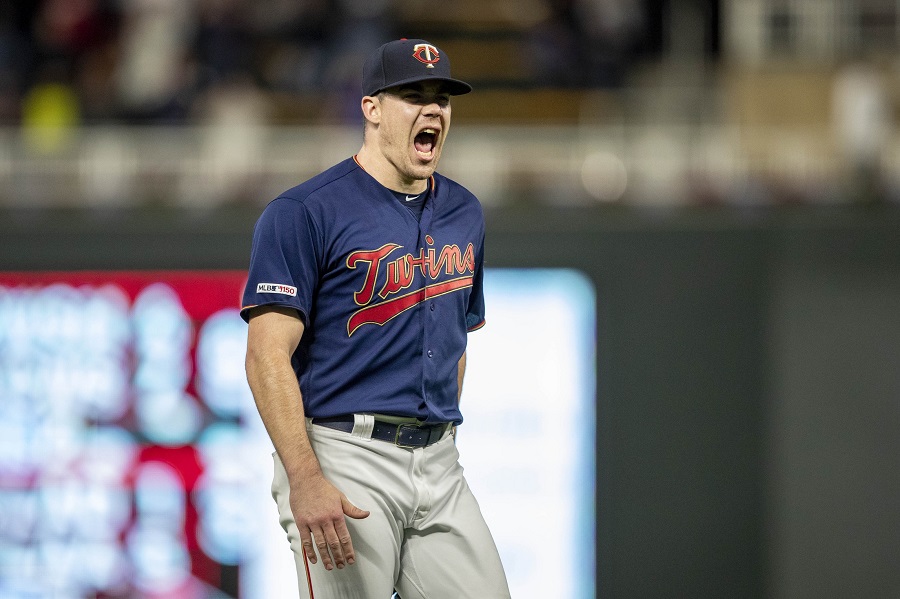 Trevor May May will turn 31-years old later this month and this winter will mark his first chance to be a free agent. Over the last two seasons, he has developed into one of the team’s best and most trusted relief arms. In just over 78 innings, he’s posted a 3.22 ERA with a 1.09 WHIP and 101 strikeouts. His high leverage usage also means he is in the top-20 for win probability added among AL relief arms. It stinks that May is hitting free agency for the first time during the current financial situation. He has been one of the league’s best relievers and he deserves to be paid appropriately. Likely, this won’t happen with the way free agency is going to be approached by many front offices. Jake Odorizzi Odorizzi could have been a free agent last off-season, but he decided to take the team’s one-year qualifying offer and head back to Minnesota. He was coming off an All-Star season, so the time seemed right to hit the open market, but last year’s free agent pitching class had a lot of names ahead of Odorizzi. At the time, it seemed like a good decision for him and the Twins with the one-year deal. It would give him the chance to stay with a coaching staff he liked and to build off his 2019 campaign. Unfortunately, he and his agent didn’t have a crystal ball to see everything that would happen in 2020. MLB’s season was delayed, and this gave Odorizzi fewer opportunities to showcase his abilities. He’s also been on the injured list multiple times and he hasn’t performed well on the mound. Everything that could go wrong has gone wrong and now free agency is waiting for him. Ehire Adrianza Adrianza is in an interesting spot, because his skill set is readily available on the open market. In fact, Minnesota had a similar player in Ildemaro Vargas on the roster this season before he was claimed by the Cubs. In his first three seasons with the Twins, he averaged 89 games and slashed .260/.321/.391 with decent defense at multiple infield positions. Basically, what a team would want from a utility infielder. The 2020 season hasn’t been kind to Adrianza as he has been limited to a .466 OPS with 14 strikeouts in 59 at-bats. He’s making $1.6 million this season and it seems like his role on the team could be filled by a similar player in the organization like Nick Gordon. Adrianza is a superior defender to other internal options, but his value continues to be limited and he will be 31-years old next season. He seems like a player that might be forced to take a minor league deal before forcing his way onto a big-league roster. What do you think about this free agent trio? What will their market be this winter? Leave a COMMENT and start the discussion. MORE FROM TWINS DAILY — Latest Twins coverage from our writers — Recent Twins discussion in our forums — Follow Twins Daily via Twitter, Facebook or email
 -
Entering the season, the AL Central looked to be a two or three team race. Many expected Minnesota and Cleveland to be in the hunt with Chicago’s up-start line-up being a wild card. With nearly two-thirds of the schedule in the books, the division is a three-team race and Minnesota’s playoff picture is becoming a little clearer.So You’re Telling Me There’s A Chance Minnesota’s strong start to the shortened season greatly increased the club’s chances of qualifying for the postseason, especially considering the newly implemented expanded playoff format. The Twins are currently the seventh overall seed in the American League, but they have over a 90% chance of making the playoffs with the second highest change of winning one of the two wild card spots. Looking around the division and its looking increasingly likely that the AL Central will have three playoff teams and there is an outside chance at four clubs qualifying. Chicago and Cleveland have been back and forth at the top of the AL Central, but each club has over a 98% chance of making the playoffs. Tampa Bay and Oakland, the AL’s top-two teams, have the best odds to make the postseason tournament. Looking in the Rearview Mirror Behind the Twins in the AL standings are a group of teams that wouldn’t have even thought about being in playoff position under the old format. Toronto has a good young core of players, but they are a few years away from being strong contenders. That being said, they have an over .500 record and they a greater than 60% chance qualifying for the postseason. Another AL Central foe, the Tigers, sit behind the Blue Jays in the American League standings. Minnesota has had its fair share of trouble with the Tigers this season and now the Motor City Kitties head to Minneapolis for five games this weekend. Detroit is the final AL team with a record above .500 so the Twins would have to fall behind the Tigers to be out of playoff contention. Playoff Bound? At season’s start, Minnesota had the easiest strength of schedule compared to team’s records from last year. Obviously, the AL Central has been much more competitive than originally thought. Cleveland has the easiest strength of schedule (.479 winning %) among the contended AL Central teams. Chicago (.496) and Minnesota (.499) have nearly identical strength of schedules the rest of the way. The Tigers (.508) have the third hardest remaining schedule in the league. If the playoffs started today, the Twins would play a three-game series in Oakland to decided who makes it out of the first round. For a healthy Twins team, that would be a series the team could win. The A’s have also been off the field all week after someone in their organization tested positive for the coronavirus so they are going to be playing catch-up to get all 60-games played before season’s end. Houston trails Oakland by a handful of games in the AL West race so there is a possibility the Twins could end up heading to Texas. There’s also a chance the AL Central winner (Chicago or Cleveland) ends up with the number two overall seed and that could result in an intriguing match-up for the Twins. Luckily, the Yankees are in second place in the AL East, so a match-up with the Bronx Bombers is unlikely at this point. Realistically, everything is going to come down to a short three-game series at the start of the playoffs. The Twins haven’t won a single playoff game since 2004 and they haven’t won a playoff series since defeating Oakland back in 2002. It’s a weird season and the playoff race is only going to make it weirder. What are your thoughts on the Twins playoff chances? Leave a COMMENT and start the discussion. MORE FROM TWINS DAILY — Latest Twins coverage from our writers — Recent Twins discussion in our forums — Follow Twins Daily via Twitter, Facebook or email Click here to view the article
-
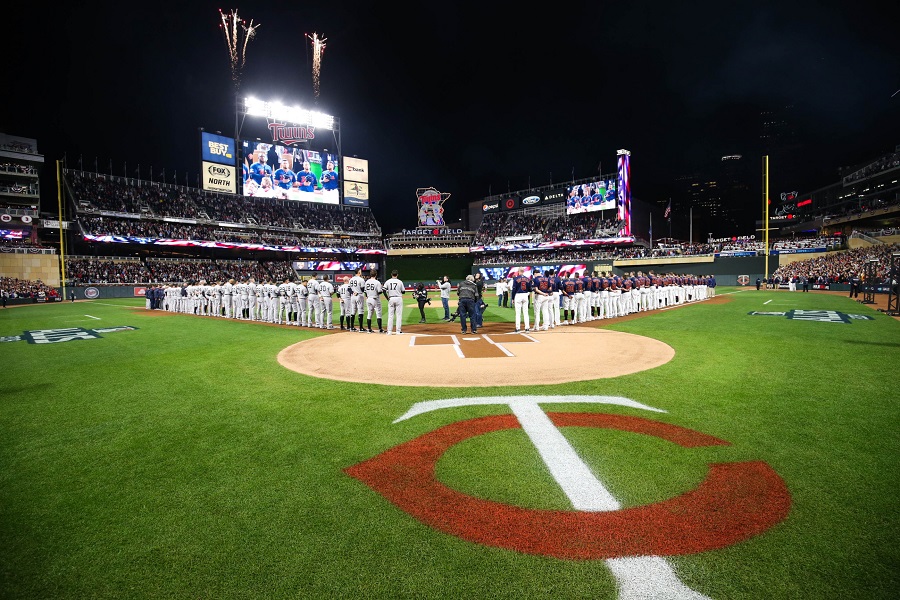 So You’re Telling Me There’s A Chance Minnesota’s strong start to the shortened season greatly increased the club’s chances of qualifying for the postseason, especially considering the newly implemented expanded playoff format. The Twins are currently the seventh overall seed in the American League, but they have over a 90% chance of making the playoffs with the second highest change of winning one of the two wild card spots. Looking around the division and its looking increasingly likely that the AL Central will have three playoff teams and there is an outside chance at four clubs qualifying. Chicago and Cleveland have been back and forth at the top of the AL Central, but each club has over a 98% chance of making the playoffs. Tampa Bay and Oakland, the AL’s top-two teams, have the best odds to make the postseason tournament. Looking in the Rearview Mirror Behind the Twins in the AL standings are a group of teams that wouldn’t have even thought about being in playoff position under the old format. Toronto has a good young core of players, but they are a few years away from being strong contenders. That being said, they have an over .500 record and they a greater than 60% chance qualifying for the postseason. Another AL Central foe, the Tigers, sit behind the Blue Jays in the American League standings. Minnesota has had its fair share of trouble with the Tigers this season and now the Motor City Kitties head to Minneapolis for five games this weekend. Detroit is the final AL team with a record above .500 so the Twins would have to fall behind the Tigers to be out of playoff contention. Playoff Bound? At season’s start, Minnesota had the easiest strength of schedule compared to team’s records from last year. Obviously, the AL Central has been much more competitive than originally thought. Cleveland has the easiest strength of schedule (.479 winning %) among the contended AL Central teams. Chicago (.496) and Minnesota (.499) have nearly identical strength of schedules the rest of the way. The Tigers (.508) have the third hardest remaining schedule in the league. If the playoffs started today, the Twins would play a three-game series in Oakland to decided who makes it out of the first round. For a healthy Twins team, that would be a series the team could win. The A’s have also been off the field all week after someone in their organization tested positive for the coronavirus so they are going to be playing catch-up to get all 60-games played before season’s end. Houston trails Oakland by a handful of games in the AL West race so there is a possibility the Twins could end up heading to Texas. There’s also a chance the AL Central winner (Chicago or Cleveland) ends up with the number two overall seed and that could result in an intriguing match-up for the Twins. Luckily, the Yankees are in second place in the AL East, so a match-up with the Bronx Bombers is unlikely at this point. Realistically, everything is going to come down to a short three-game series at the start of the playoffs. The Twins haven’t won a single playoff game since 2004 and they haven’t won a playoff series since defeating Oakland back in 2002. It’s a weird season and the playoff race is only going to make it weirder. What are your thoughts on the Twins playoff chances? Leave a COMMENT and start the discussion. MORE FROM TWINS DAILY — Latest Twins coverage from our writers — Recent Twins discussion in our forums — Follow Twins Daily via Twitter, Facebook or email
 -
Minnesota’s starting rotation has dealt with a variety of injuries and poor play throughout the 2020 season. Jake Odorizzi, Rich Hill and Homer Bailey were all expected to make contributions to the rotation and all three have spent time on the injured list. Pineda is set to make his 2020 debut on Tuesday against the White Sox, so what can fans expect from him?The Last Time Fans Saw Him Pineda was back last season after missing all of 2018 due to Tommy John surgery. As with most pitchers returning from this procedure, it took him awhile to get back to his old self. In the first half, he posted a 4.56 ERA with a 1.18 WHIP as batters hit .261/.296/.455 (.751) against him. He locked in from there by lowering his ERA to 3.04 and he struck out 56 batters over his final 53 1/3 innings. Pineda might have been Minnesota’s most consistent starter down the stretch. One of the biggest changes for Pineda was an increase use in his four-seamer and a decrease use in his slider. In his last season prior to surgery, he used his four-seamer 47.7% of the time and his slider 37.8% of the time. Last season with the Twins, his slider usage dropped to a career low usage of 29.5% and his four-seamer was used over 54% of the time. Some of this change might have been from his return from surgery and trying to find his feel for pitching again. Reports from St. Paul In a normal season, Pineda would have been able to go and pitch in minor league games to get himself prepared to be back on a big-league mound. For 2020, things look a little different as Pineda has been pitching at the Twins secondary site at St. Paul’s CHS Field. Luckily, Josh Donaldson is also rehabbing at that site and this gives both veteran players a chance to be a little better prepared for their return. As far as reports from St. Paul, it sounds like Pineda has been able to hit 94 mph with his fastball. Last season, his four-seamer averaged 92.5 mph, but he averaged 93.9 mph prior to his surgery. He is also stretched out enough to pitch at least five innings. Minnesota has been regularly using a bullpen game, so adding Pineda could mean the team can have a fresher bullpen for the remainder of the season. Now What? Pineda steps into a Twins rotation that already includes Jose Berrios, Kenta Maeda, Randy Dobnak and Rich Hill. Having a complete five-man rotation is something the Twins have been missing for much of the season. The team also has three off-days over the next two weeks, which means the team doesn’t need to use a fifth starter or they can give all their starters extra days of rest. What kind of impact will Pineda be able to have in one month of the season? He has the chance to make around five starts and then everything is going to come down to a three-game series in the first round of the new expanded playoffs. If Pineda looks good, he could slide into starting one of those three games. Starting pitching depth is never a bad thing, especially with the rash of injuries across baseball this year. Pineda can provide a boost at a time when the Twins have been struggling on the field. What are your expectations for Pineda? Leave a COMMENT and start the discussion. MORE FROM TWINS DAILY — Latest Twins coverage from our writers — Recent Twins discussion in our forums — Follow Twins Daily via Twitter, Facebook or email Click here to view the article
-
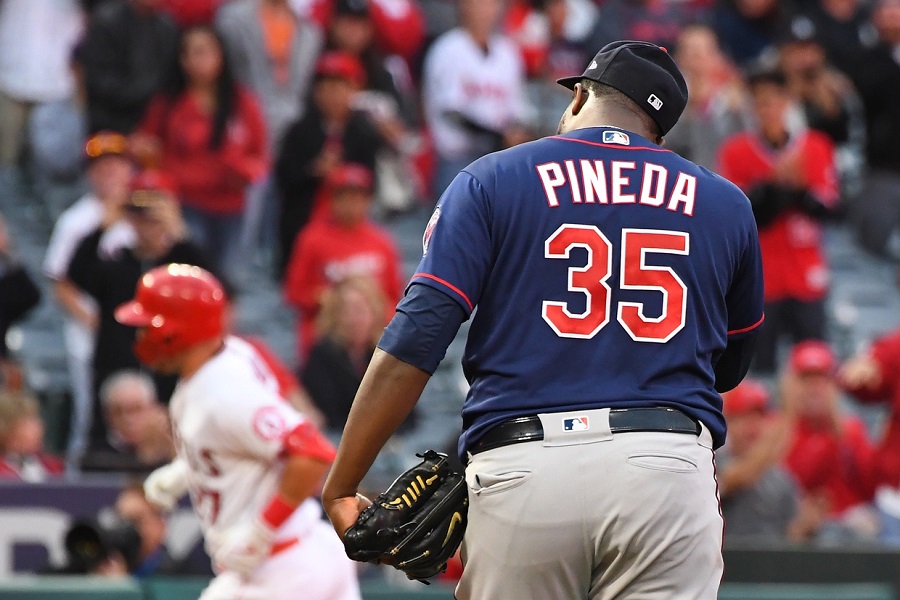 The Last Time Fans Saw Him Pineda was back last season after missing all of 2018 due to Tommy John surgery. As with most pitchers returning from this procedure, it took him awhile to get back to his old self. In the first half, he posted a 4.56 ERA with a 1.18 WHIP as batters hit .261/.296/.455 (.751) against him. He locked in from there by lowering his ERA to 3.04 and he struck out 56 batters over his final 53 1/3 innings. Pineda might have been Minnesota’s most consistent starter down the stretch. One of the biggest changes for Pineda was an increase use in his four-seamer and a decrease use in his slider. In his last season prior to surgery, he used his four-seamer 47.7% of the time and his slider 37.8% of the time. Last season with the Twins, his slider usage dropped to a career low usage of 29.5% and his four-seamer was used over 54% of the time. Some of this change might have been from his return from surgery and trying to find his feel for pitching again. Reports from St. Paul In a normal season, Pineda would have been able to go and pitch in minor league games to get himself prepared to be back on a big-league mound. For 2020, things look a little different as Pineda has been pitching at the Twins secondary site at St. Paul’s CHS Field. Luckily, Josh Donaldson is also rehabbing at that site and this gives both veteran players a chance to be a little better prepared for their return. As far as reports from St. Paul, it sounds like Pineda has been able to hit 94 mph with his fastball. Last season, his four-seamer averaged 92.5 mph, but he averaged 93.9 mph prior to his surgery. He is also stretched out enough to pitch at least five innings. Minnesota has been regularly using a bullpen game, so adding Pineda could mean the team can have a fresher bullpen for the remainder of the season. Now What? Pineda steps into a Twins rotation that already includes Jose Berrios, Kenta Maeda, Randy Dobnak and Rich Hill. Having a complete five-man rotation is something the Twins have been missing for much of the season. The team also has three off-days over the next two weeks, which means the team doesn’t need to use a fifth starter or they can give all their starters extra days of rest. What kind of impact will Pineda be able to have in one month of the season? He has the chance to make around five starts and then everything is going to come down to a three-game series in the first round of the new expanded playoffs. If Pineda looks good, he could slide into starting one of those three games. Starting pitching depth is never a bad thing, especially with the rash of injuries across baseball this year. Pineda can provide a boost at a time when the Twins have been struggling on the field. What are your expectations for Pineda? Leave a COMMENT and start the discussion. MORE FROM TWINS DAILY — Latest Twins coverage from our writers — Recent Twins discussion in our forums — Follow Twins Daily via Twitter, Facebook or email
 -
The Twins 2020 All-Stars Could Have Been
Cody Christie posted a topic in Twins Daily Front Page News
MLB’s crazy 2020 season is over halfway complete, and this would have been the time to announce All-Star rosters. In a shortened season, it is even tougher to evaluate who is having a strong season because players statistics can be chalked up to a small sample size. That being said, the Twins would have likely ended up with multiple All-Stars including one near lock to be in the starting line-up.Cases could me made for all five of the players below to be included on the 2020 AL All-Star squad. Here’s how I’d rank the Twins as far as their chances to make the team after the season’s mid-point. 5. Miguel Sano, 1B It’s no secret that Sano struggled getting out of the gate this season. He spent a large chunk of the team’s Summer Camp quarantined in his basement after testing positive for the coronavirus. In the team’s first five games, he went 1-for-17 with eight strikeouts and no walks. Since that point, he has been one of baseball’s best sluggers by slashing .292/.407/.667 with 15 extra-base hits in 22 games. Chicago’s Jose Abreu would likely have gotten the starting spot, but Sano has the AL’s third highest WAR among first basemen. He also has a higher WAR than Abreu since last year’s All-Star Game. 4. Tyler Duffey, RP When completing an All-Star roster, managers like to have flame throwing arms to come in for the late innings. Duffey has been outstanding since the middle of last season. In fact, FanGraphs has him trailing only Liam Hendrick and Nick Anderson in WAR since the middle of last year. This even puts him ahead of Twins closer Taylor Rogers. So far this season, Duffey has limited batters to one run on five hits in 11 innings. Over the last two seasons, he has a 96 to 14 strikeout to walk ratio in just under 70 innings. He’s one of baseball’s best relievers and he would have been highly considered for an All-Star spot. 3. Randy Dobnak, SP Dobnak is near the top of the AL in wins and ERA, which is pretty good for a player that wasn’t even a lock to be in the rotation during spring training. Baseball Reference ranks him third on the team in WAR behind the two players ahead of him on this list. He has been terrific since his debut last season with tremendous career numbers like a 1.69 ERA, 1.02 WHIP, and a 39 to 12 strikeout to walk ratio. He might not be the big names fans typically look for in the Mid-Summer Classic but both CBS and MLB.com mentioned him as a potential All-Star. 2. Kenta Maeda, SP In some other seasons, Maeda might be in the conversation to start the All-Star Game with his first half performance. Unfortunately, he’s in the same league with starters like Shane Bieber, Gerrit Cole and Zack Greinke so it’s tough to beat out those names. He still would have likely been a lock to be included on the AL’s roster. He’s ranks fourth in the AL in ERA, first in WHIP, first in hits per nine, and fifth in win probability added. Maeda has been even better than advertised as he seems like the ace on one of baseball’s best teams. 1. Nelson Cruz, DH Cruz would have been a slam dunk to be the AL’s starter at designated hitter. He seems to continue to get better with age as he ranks first in the AL in slugging, OPS and home runs. At different points this season, he carried the Twins offensive load especially with injuries to other key members of the Bomba Squad. His leadership on and off the field have altered Minnesota’s baseball culture and there can’t be enough superlatives thrown his way. Oh, by the way, he turned 40-years old at the beginning of July. Truly amazing. Who do you think would have made the All-Star team for the Twins? Leave a COMMENT and start the discussion. MORE FROM TWINS DAILY — Latest Twins coverage from our writers — Recent Twins discussion in our forums — Follow Twins Daily via Twitter, Facebook or email Click here to view the article -
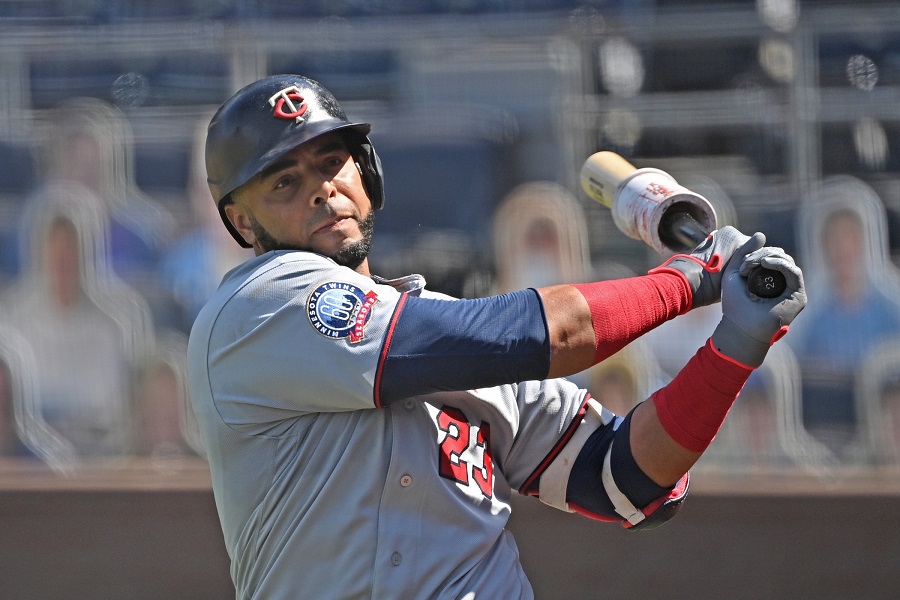 Cases could me made for all five of the players below to be included on the 2020 AL All-Star squad. Here’s how I’d rank the Twins as far as their chances to make the team after the season’s mid-point. 5. Miguel Sano, 1B It’s no secret that Sano struggled getting out of the gate this season. He spent a large chunk of the team’s Summer Camp quarantined in his basement after testing positive for the coronavirus. In the team’s first five games, he went 1-for-17 with eight strikeouts and no walks. Since that point, he has been one of baseball’s best sluggers by slashing .292/.407/.667 with 15 extra-base hits in 22 games. Chicago’s Jose Abreu would likely have gotten the starting spot, but Sano has the AL’s third highest WAR among first basemen. He also has a higher WAR than Abreu since last year’s All-Star Game. 4. Tyler Duffey, RP When completing an All-Star roster, managers like to have flame throwing arms to come in for the late innings. Duffey has been outstanding since the middle of last season. In fact, FanGraphs has him trailing only Liam Hendrick and Nick Anderson in WAR since the middle of last year. This even puts him ahead of Twins closer Taylor Rogers. So far this season, Duffey has limited batters to one run on five hits in 11 innings. Over the last two seasons, he has a 96 to 14 strikeout to walk ratio in just under 70 innings. He’s one of baseball’s best relievers and he would have been highly considered for an All-Star spot. 3. Randy Dobnak, SP Dobnak is near the top of the AL in wins and ERA, which is pretty good for a player that wasn’t even a lock to be in the rotation during spring training. Baseball Reference ranks him third on the team in WAR behind the two players ahead of him on this list. He has been terrific since his debut last season with tremendous career numbers like a 1.69 ERA, 1.02 WHIP, and a 39 to 12 strikeout to walk ratio. He might not be the big names fans typically look for in the Mid-Summer Classic but both CBS and MLB.com mentioned him as a potential All-Star. 2. Kenta Maeda, SP In some other seasons, Maeda might be in the conversation to start the All-Star Game with his first half performance. Unfortunately, he’s in the same league with starters like Shane Bieber, Gerrit Cole and Zack Greinke so it’s tough to beat out those names. He still would have likely been a lock to be included on the AL’s roster. He’s ranks fourth in the AL in ERA, first in WHIP, first in hits per nine, and fifth in win probability added. Maeda has been even better than advertised as he seems like the ace on one of baseball’s best teams. 1. Nelson Cruz, DH Cruz would have been a slam dunk to be the AL’s starter at designated hitter. He seems to continue to get better with age as he ranks first in the AL in slugging, OPS and home runs. At different points this season, he carried the Twins offensive load especially with injuries to other key members of the Bomba Squad. His leadership on and off the field have altered Minnesota’s baseball culture and there can’t be enough superlatives thrown his way. Oh, by the way, he turned 40-years old at the beginning of July. Truly amazing. Who do you think would have made the All-Star team for the Twins? Leave a COMMENT and start the discussion. MORE FROM TWINS DAILY — Latest Twins coverage from our writers — Recent Twins discussion in our forums — Follow Twins Daily via Twitter, Facebook or email
 -
In a strange and shortened MLB season, the trade deadline is certainly going to take on a different feel. Sixteen total playoff teams means that most teams are still in the postseason hunt. This could result in a much different feel as the trade deadline approaches. What teams are going to be willing to trade? How are teams going to approach taking on salary in a year with less revenue? Let’s find out…Minnesota’s Weaknesses Entering the season, Minnesota was perceived to have one of the strongest line-ups in baseball. That hasn’t been the case so far as the Twins have struggled through injuries to regular starters like Mitch Garver, Byron Buxton, Josh Donaldson, and Luis Arraez. This has resulted in making nearly everyday players out of Ryan Jeffers, Jake Cave, Marwin Gonzalez and Ildemaro Vargas. It’s easy to think the Twins need replacements for these players, but the best thing for the team would be for their injured players to be healthy and producing as the team enters the playoffs. Last season, Minnesota’s biggest weakness was pitching, and this was especially true for the bullpen. This is why the team made multiple deadline deals for bullpen help. The Twins relief core has turned into one of the team’s strengths over the last year and that might mean the team isn’t looking to upgrade unless there is some player control involved. Minnesota’s starting rotation has seen multiple injuries, but the team depth in this department. Possible Trade Options Lance Lynn, Texas Lynn has been good since leaving the Twins in 2018. Last season with Texas, he posted a 3.67 ERA and a 1.22 WHIP in over 200 innings. He struck out 246 batters and only walked 59 on his way to finishing in the top-five for the Cy Young. In just over 100 innings with the Twins, Lynn had an ERA north of 5.00 and he didn’t exactly leave the team on good terms. He is under team control through 2021 and the Rangers are within a handful of games of a playoff spot, and he could be one player for the team to avoid. Trevor Rosenthal, Kansas City Minnesota might be hesitant about trading with another team in the division, but Rosenthal might be the ideal candidate. He was signed to a minor league deal in Kansas City and he has been outstanding through the season’s first half. So far, he has limited batters to two runs on seven hits in 12 appearances (11 1/3 innings). This includes a 1.06 WHIP and a 15 to 5 strike out to walk ratio. Kansas City is in a similar position to the Rangers so the team will have to decide if they want to trade pieces away. Keone Kela, Pittsburgh Unlike the team’s above, Pittsburgh is clearly not making the playoffs, but Kela is going to have to prove he is healthy over the next week. He left a game last Friday after five pitches as the Pirates revealed he had right forearm tightness. He is a free agent at season’s end, and it seems likely for him to be dealt if he is healthy. Kela has been limited this season because of a positive coronavirus test and this most recent injury. Dylan Bundy, Los Angeles Bundy might be one of the hottest names tossed around in rumors leading up to the deadline. The Angels have struggled this season and currently have one of baseball’s worst records. He is under team control through the 2021 season. So far this season, he ranks in the 80th percentile when it comes to fastball spin rate, hard-hit rate, and opponents’ exit velocity. Increased use in his slider has been part of his success and that has been something the Twins have harnessed with other current pitchers. Mychal Givens, Baltimore Givens has been dominant out of the Orioles bullpen this year and he has some intriguing traits the Twins might be interested in. Firstly, he is under team control through the end of 2021. Secondly, his slider has gotten hitters to whiff on it over 40% of the time. His fastball sits in the mid-90s and his increased usage of his slider is certainly intriguing. Minnesota might not need a ton of bullpen help but Givens could certainly provide a boost. There are three right-handed hitters that could be intriguing with some of Minnesota’s top right-handed bats on the injured list. Another possible pitching option is a man that’s boisterous on social media, but he is a free agent at season’s end and that could make him tradeable. What’s Going to Happen? Overall, it seems likely for the trade deadline to be relatively quiet when compared to recent years. Few owners and front offices are going to be willing to take on significant contracts with the uncertainty facing baseball in 2021. Baseball has dodged a few bullets this season, but no one is sure of the long-term ramifications of no fans in the stands and other lost revenue. Minnesota also has the luxury of Michael Pineda being added back to the rotation at the end of August. His addition could be construed as trading for rotation help. Jake Odorizzi, Rich Hill, and Homer Bailey have all seen time on the injured list this year and adding Pineda only strengthens the depth of a rotation that has been stretched this season. The last time the Twins saw Pineda, he was amid a tremendous stretch on the mound and he will have the month of September to get back on track. What do you think the Twins will do at the trade deadline? Add an arm? Add to the line-up? Leave a COMMENT and start the discussion. MORE FROM TWINS DAILY — Latest Twins coverage from our writers — Recent Twins discussion in our forums — Follow Twins Daily via Twitter, Facebook or email Click here to view the article
-
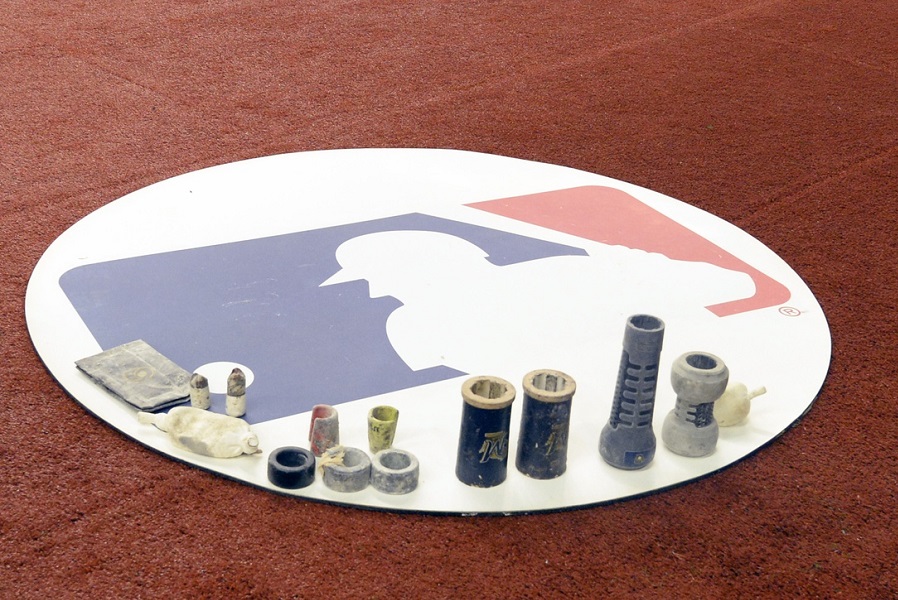 Minnesota’s Weaknesses Entering the season, Minnesota was perceived to have one of the strongest line-ups in baseball. That hasn’t been the case so far as the Twins have struggled through injuries to regular starters like Mitch Garver, Byron Buxton, Josh Donaldson, and Luis Arraez. This has resulted in making nearly everyday players out of Ryan Jeffers, Jake Cave, Marwin Gonzalez and Ildemaro Vargas. It’s easy to think the Twins need replacements for these players, but the best thing for the team would be for their injured players to be healthy and producing as the team enters the playoffs. Last season, Minnesota’s biggest weakness was pitching, and this was especially true for the bullpen. This is why the team made multiple deadline deals for bullpen help. The Twins relief core has turned into one of the team’s strengths over the last year and that might mean the team isn’t looking to upgrade unless there is some player control involved. Minnesota’s starting rotation has seen multiple injuries, but the team depth in this department. Possible Trade Options Lance Lynn, Texas Lynn has been good since leaving the Twins in 2018. Last season with Texas, he posted a 3.67 ERA and a 1.22 WHIP in over 200 innings. He struck out 246 batters and only walked 59 on his way to finishing in the top-five for the Cy Young. In just over 100 innings with the Twins, Lynn had an ERA north of 5.00 and he didn’t exactly leave the team on good terms. He is under team control through 2021 and the Rangers are within a handful of games of a playoff spot, and he could be one player for the team to avoid. Trevor Rosenthal, Kansas City Minnesota might be hesitant about trading with another team in the division, but Rosenthal might be the ideal candidate. He was signed to a minor league deal in Kansas City and he has been outstanding through the season’s first half. So far, he has limited batters to two runs on seven hits in 12 appearances (11 1/3 innings). This includes a 1.06 WHIP and a 15 to 5 strike out to walk ratio. Kansas City is in a similar position to the Rangers so the team will have to decide if they want to trade pieces away. Keone Kela, Pittsburgh Unlike the team’s above, Pittsburgh is clearly not making the playoffs, but Kela is going to have to prove he is healthy over the next week. He left a game last Friday after five pitches as the Pirates revealed he had right forearm tightness. He is a free agent at season’s end, and it seems likely for him to be dealt if he is healthy. Kela has been limited this season because of a positive coronavirus test and this most recent injury. Dylan Bundy, Los Angeles Bundy might be one of the hottest names tossed around in rumors leading up to the deadline. The Angels have struggled this season and currently have one of baseball’s worst records. He is under team control through the 2021 season. So far this season, he ranks in the 80th percentile when it comes to fastball spin rate, hard-hit rate, and opponents’ exit velocity. Increased use in his slider has been part of his success and that has been something the Twins have harnessed with other current pitchers. Mychal Givens, Baltimore Givens has been dominant out of the Orioles bullpen this year and he has some intriguing traits the Twins might be interested in. Firstly, he is under team control through the end of 2021. Secondly, his slider has gotten hitters to whiff on it over 40% of the time. His fastball sits in the mid-90s and his increased usage of his slider is certainly intriguing. Minnesota might not need a ton of bullpen help but Givens could certainly provide a boost. There are three right-handed hitters that could be intriguing with some of Minnesota’s top right-handed bats on the injured list. Another possible pitching option is a man that’s boisterous on social media, but he is a free agent at season’s end and that could make him tradeable. What’s Going to Happen? Overall, it seems likely for the trade deadline to be relatively quiet when compared to recent years. Few owners and front offices are going to be willing to take on significant contracts with the uncertainty facing baseball in 2021. Baseball has dodged a few bullets this season, but no one is sure of the long-term ramifications of no fans in the stands and other lost revenue. Minnesota also has the luxury of Michael Pineda being added back to the rotation at the end of August. His addition could be construed as trading for rotation help. Jake Odorizzi, Rich Hill, and Homer Bailey have all seen time on the injured list this year and adding Pineda only strengthens the depth of a rotation that has been stretched this season. The last time the Twins saw Pineda, he was amid a tremendous stretch on the mound and he will have the month of September to get back on track. What do you think the Twins will do at the trade deadline? Add an arm? Add to the line-up? Leave a COMMENT and start the discussion. MORE FROM TWINS DAILY — Latest Twins coverage from our writers — Recent Twins discussion in our forums — Follow Twins Daily via Twitter, Facebook or email
 -
Mitch Garver is coming of a historic offensive season for a catcher, but there have certainly been some struggles during the 2020 season as he tries to find his swing. His recent trip to the injured list means the Twins have called up top catching prospect Ryan Jeffers. He has less than 100 plate appearances above High-A but that might not stop him from becoming a vital part of the Twins’ short- and long-term plans.Two Catcher Rotation Last season, the Twins used a two-catcher rotation with tremendous success. Mitch Garver played in 93 games on his way to winning the AL’s Silver Slugger Award for catchers. Jason Castro was a veteran secondary option and he played in 79 contests. Together, these two helped Twins catchers to lead baseball in home runs (48), SLG (.503) and wOBA (.351). One of the more impressive stats might have been that Twins catchers scored 33 more runs than any other catching combination in the big-leagues. Minnesota brought in Alex Avila this off-season to fill the catcher spot vacated by Jason Castro. Avila has been an All-Star and won a Silver Slugger, but that was almost a decade ago. This season he has put together professional at-bats and he has done that by getting on base over 40% of the time. The problem is Jeffers might be better than advertised. Stealing Strikes One of the biggest criticisms throughout Garver’s professional career has been his defensive play behind the plate. He has improved greatly, and his catcher framing is one of his biggest areas of improvement. According to Baseball Savant, there are three zones where he ranks above average over the last two seasons, at the bottom of the zone and to the left and right of the plate. Jeffers might be even better at coaxing strikes from umpires, especially pitches on the outer edges. Jose Berrios had been in a season long slump and Jeffers helped to get a few extra borderline pitches to go his way. This might have gone a long way in helping Berrios look like his former self. Defensively, Jeffers has come a long way especially considering he didn’t have a catching coach in college, and he had to watch YouTube videos to improve behind the plate. Just watching him pull those balls back into the zone is a thing of beauty if you’re a Twins fan. Catch You Later It’s not hard to imagine a scenario where Garver and Jeffers become Minnesota’s catching duo behind the plate. This season might be hard to make that happen, because no one knows how long Garver will be out with his current injury, a right intercostal strain. The Twins will get multiple weeks to see what Jeffers can do both offensively and defensively. Following this year’s draft, I had Jeffers ranked as the number six overall prospect in the Twins organization. Over the last two seasons, the Twins have used Garver with a veteran left-handed catcher. This made it easier to platoon the two hitters even if Garver was used more than a traditional platoon. Jeffers struggles more against lefties as his OPS was over 110 points lower versus southpaws. On the other hand, Garver destroyed lefties last season with a 1.170 OPS in over 100 at-bats. Garver can’t reach free agency until 2024 where he will be almost into his mid-30s. Jeffers is over six-years younger than Garver and he has the potential to be a solid contributor on both sides of the ball. No matter how the team uses their duo moving forward, it’s clear the team’s catching duties are in good hands. How do you feel about Minnesota’s future behind the plate? Leave a COMMENT and start the discussion. MORE FROM TWINS DAILY — Latest Twins coverage from our writers — Recent Twins discussion in our forums — Follow Twins Daily via Twitter, Facebook or email Click here to view the article
-
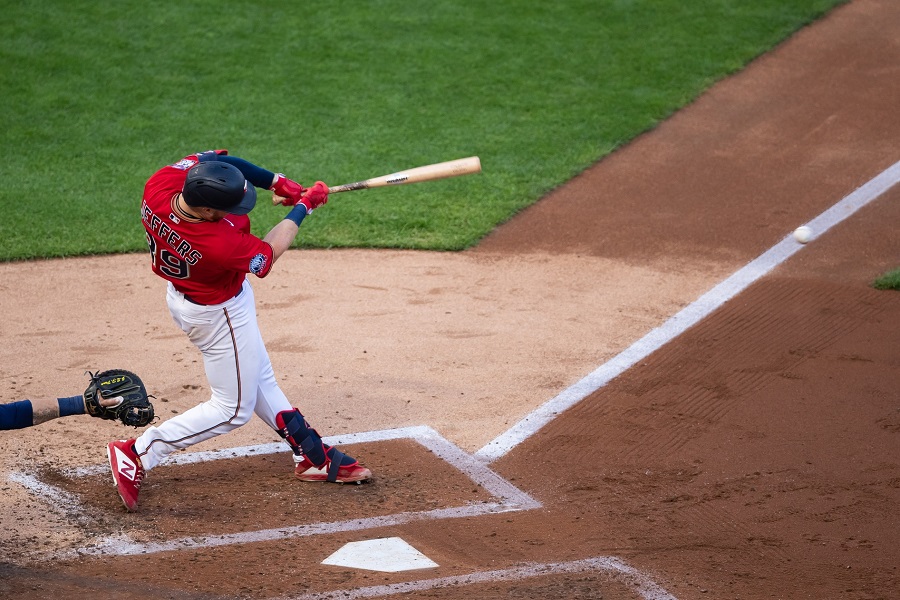 Two Catcher Rotation Last season, the Twins used a two-catcher rotation with tremendous success. Mitch Garver played in 93 games on his way to winning the AL’s Silver Slugger Award for catchers. Jason Castro was a veteran secondary option and he played in 79 contests. Together, these two helped Twins catchers to lead baseball in home runs (48), SLG (.503) and wOBA (.351). One of the more impressive stats might have been that Twins catchers scored 33 more runs than any other catching combination in the big-leagues. Minnesota brought in Alex Avila this off-season to fill the catcher spot vacated by Jason Castro. Avila has been an All-Star and won a Silver Slugger, but that was almost a decade ago. This season he has put together professional at-bats and he has done that by getting on base over 40% of the time. The problem is Jeffers might be better than advertised. Stealing Strikes One of the biggest criticisms throughout Garver’s professional career has been his defensive play behind the plate. He has improved greatly, and his catcher framing is one of his biggest areas of improvement. According to Baseball Savant, there are three zones where he ranks above average over the last two seasons, at the bottom of the zone and to the left and right of the plate. Jeffers might be even better at coaxing strikes from umpires, especially pitches on the outer edges. Jose Berrios had been in a season long slump and Jeffers helped to get a few extra borderline pitches to go his way. This might have gone a long way in helping Berrios look like his former self. Defensively, Jeffers has come a long way especially considering he didn’t have a catching coach in college, and he had to watch YouTube videos to improve behind the plate. https://twitter.com/HagemanParker/status/1297289522024271872?s=20 Just watching him pull those balls back into the zone is a thing of beauty if you’re a Twins fan. Catch You Later It’s not hard to imagine a scenario where Garver and Jeffers become Minnesota’s catching duo behind the plate. This season might be hard to make that happen, because no one knows how long Garver will be out with his current injury, a right intercostal strain. The Twins will get multiple weeks to see what Jeffers can do both offensively and defensively. Following this year’s draft, I had Jeffers ranked as the number six overall prospect in the Twins organization. Over the last two seasons, the Twins have used Garver with a veteran left-handed catcher. This made it easier to platoon the two hitters even if Garver was used more than a traditional platoon. Jeffers struggles more against lefties as his OPS was over 110 points lower versus southpaws. On the other hand, Garver destroyed lefties last season with a 1.170 OPS in over 100 at-bats. Garver can’t reach free agency until 2024 where he will be almost into his mid-30s. Jeffers is over six-years younger than Garver and he has the potential to be a solid contributor on both sides of the ball. No matter how the team uses their duo moving forward, it’s clear the team’s catching duties are in good hands. How do you feel about Minnesota’s future behind the plate? Leave a COMMENT and start the discussion. MORE FROM TWINS DAILY — Latest Twins coverage from our writers — Recent Twins discussion in our forums — Follow Twins Daily via Twitter, Facebook or email
 -
For many years, Byron Buxton or Miguel Sano were considered among the best Twins prospects to come through the organization’s farm system. Now, both players are entering the prime of their careers and there have been some bumps in the road to get to this point. Fans might have had unreasonable expectations, but which player has been a bigger disappointment so far?Player development certainly isn’t a linear path and it can take years for a player to put it all together at the big-league level. Buxton and Sano have both shown flashes of their full potential, but injuries and inconsistencies might be holding them back. Miguel Sano Pros: Sano was signed back in 2009 after an MLB investigation into his actual age. MLB couldn’t verify his true age, but that didn’t stop the Twins from making him an offer. He quickly jumped into Twins prospect rankings and he was a consensus top-100 prospect throughout his minor league career. Across eight minor league seasons, he posted a .374 OBP and a .557 SLG while hitting 20 or more home runs in three straight seasons. He looked ready to be the power hitter the Twins signed as a teenager. Back in the first half of 2017, Sano burst onto the scene on the way to being selected to his first All-Star Game. He hit .276/.368/.538 (.906) with 21 home runs and 12 doubles before the All-Star break. Last season, there were even more positive signs from Sano. He hit over 30 home runs for the first time and posted a career high .923 OPS. Bombas were flying and Sano was happy to be part of the squad. Cons: Sano hasn’t played more than 114 games since 2016 and his career high is 116 games which means he has never had over 500 plate appearances in a season. His strikeout totals have been rough as his 162-game average throughout his career is 249 strikeouts. This season, he has struck out in over 50% of his at-bats. Strikeouts have certainly been on the rise, but Sano has been on another level. Since the start of 2019, Sano has the highest strike out percentage by 4% among batters with a minimum of 500 PA. There have been negative things off-the-field that might have impacted Sano’s career as well. Minnesota signed him to be a middle of the order bat with the potential to be a superstar. Now, he might be relegated to being a good player on some strong Twins teams. Byron Buxton Pros: Buxton is the dream player for any scout or organization. He oozes talent when he is on the field and clicking on every level. His defense is other worldly, his speed is unmatched, and his has shown glimpses of what could be his true offensive potential. The 2017 campaign showed Buxton at what might have been his highest level. By season’s end, he’d win the AL’s Platinum Glove for his defensive performance and he hit .300/.347/546 in the second half to power the Twins to the second Wild Card spot. During the 2019 season, he might have been the team’s MVP in the season’s first half. He posted a .314 OBP and a .502 SLG while being near the top of the AL in doubles. The 2020 season has already seen some impressive numbers for Buxton as he has five home runs and the AL’s highest Defensive WAR. He has all five tools and it’s hard to ignore when everything is clicking. Cons: Injuries have been the overriding concerns so far in Buxton’s career. He’s only managed to play more than 92 games in one season over the last six years. He’s tried to play through some injuries in the past and this negatively impacted his performance on the field. His outfield aerobatics are certainly thrilling when he makes a catch that other players wouldn’t even attempt but slamming into the wall and being out for multiple weeks doesn’t help the team win games. Minnesota has worked to make changes with Buxton and some of the results might be transpiring on the field this year. Fans might have wanted him to develop into the next Mike Trout, but that is unrealistic for any player. Buxton can still impact the game on nearly every level if he is healthy and on the field. Who have you been more disappointed in so far in the career? Leave a COMMENT and start the discussion. MORE FROM TWINS DAILY — Latest Twins coverage from our writers — Recent Twins discussion in our forums — Follow Twins Daily via Twitter, Facebook or email Click here to view the article

