



Cody Christie
-
Posts
7,515 -
Joined
-
Last visited
-
Days Won
5
Content Type
Profiles
News
Minnesota Twins Videos
2026 Minnesota Twins Top Prospects Ranking
2022 Minnesota Twins Draft Picks
Minnesota Twins Free Agent & Trade Rumors, Notes, & Tidbits
Guides & Resources
2023 Minnesota Twins Draft Picks
The Minnesota Twins Players Project
2024 Minnesota Twins Draft Picks
2025 Minnesota Twins Draft Pick Tracker
2026 Minnesota Twins Draft Tracker: Picks & Bonuses
Forums
Blogs
Events
Store
Downloads
Gallery
Everything posted by Cody Christie
-

Buyers or Sellers: Lessons Learned From the 2017 Trade Deadline
Cody Christie posted an article in Minor Leagues
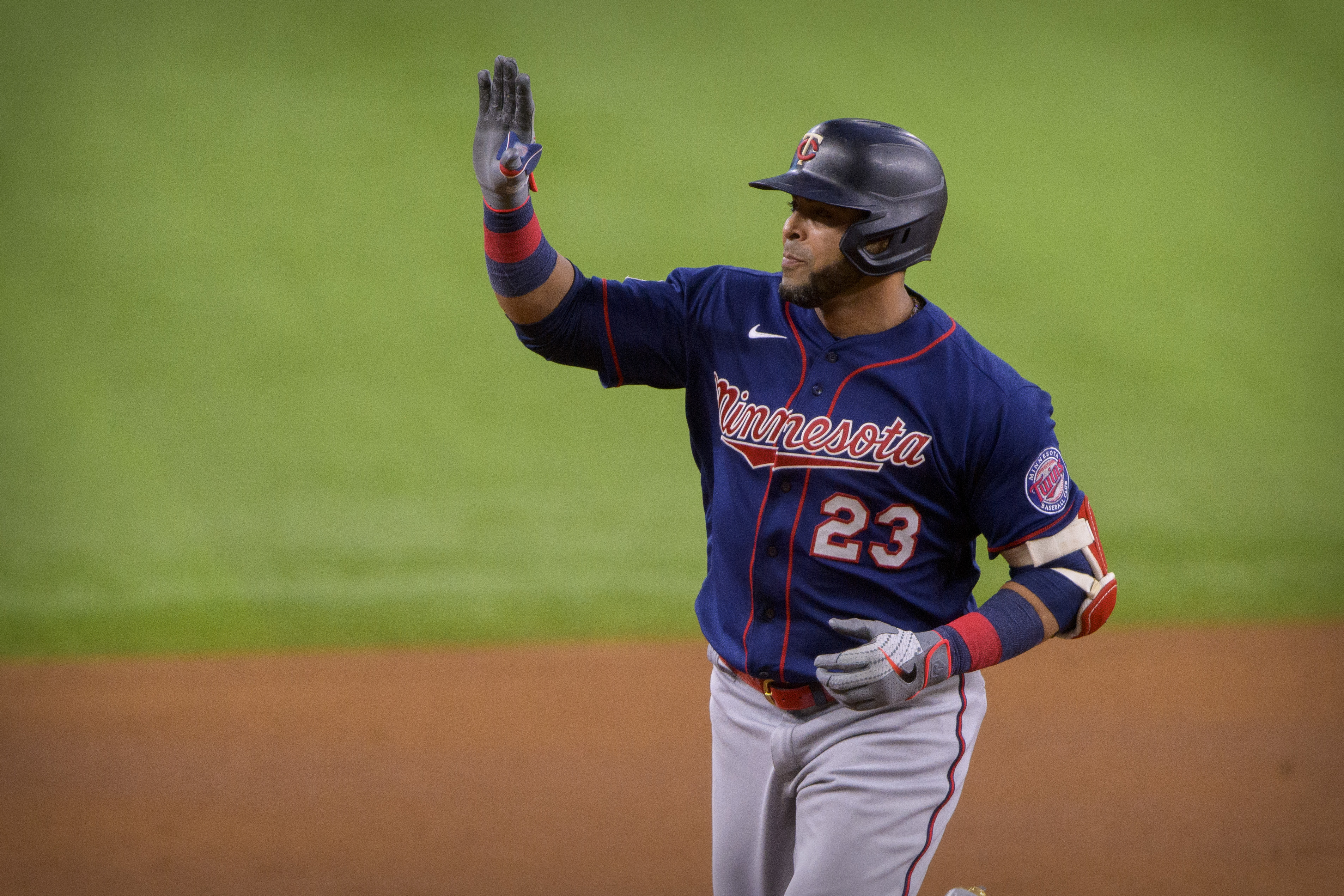 Minnesota was one of the biggest surprises during the 2017 season after losing an MLB high 103-games the previous season. As the calendar turned to July, the Twins found themselves two games behind the Cleveland and the team stayed within striking distance for much of the month. However, as July ended and the trade deadline approached, the club lost seven of nine games and sat 6.5 games back in the division. The team went from buyers to sellers over a few days and that’s how the deadline played out. Falvey and Levine made it clear entering the deadline that the team wasn’t going to sway from their long-term vision. "In order to accomplish that, we maybe started the year not anticipating being a clear buyer at the Deadline," Levine said at the time. "I don't think we feel that's changed dramatically, other than maybe adding his one qualifier: We're probably not going to be inclined to spend lavishly on short-term assets, but we would be very open to spending aggressively on assets that we could use to propel our team forward this year and for years to come.” The 2017 season impacted the team’s decision making at the trade deadline, because it shifted them from being likely sellers to contemplating buying. The team held on to veterans like Brian Dozier, Ervin Santana, and Joe Mauer. There was also the debacle that was the Jaime Garcia trade as the front office went from buyers to sellers in less than a week. After the deadline, the team went on a run to finish in the second Wild Card spot, but there might be some lessons learned by the front office. During the 2021 season, Minnesota is having another surprising season, but it is for all the wrong reasons. The Twins entered the season believing they would be fighting for a third straight AL Central title and now the club sits double digit games out of first. Looking at the team’s upcoming schedule and it’s easy to imagine a scenario where the club might be facing a 2017 decision before the trade deadline. Leading into the All-Star Game, the Twins have 12 straight intra-division games including six against the division leading White Sox. The Twins have too much talent to be this far below .500 for the entire season, so they may accidentally improve as the season progresses. Minnesota’s pitching has improved, and the offense has become more of the force they were expected to be at season’s start. There’s certainly a realistic chance of the Twins being within 6.5 games or better at the trade deadline. This can put them in a similar position as 2017, but this time the team was expected to be a contender. Many expect the Twins to be sellers before the trade deadline, but they hold their destiny in their own hands. Veterans like Nelson Cruz, Andrelton Simmons, and Michael Pineda can be dealt, but the club might also find themselves back in the playoff race with plenty of lessons learned from 2017. Do you think the front office learned from 2017 deadline? How will it impact the 2021 trade deadline? Leave a COMMENT and start the discussion. MORE FROM TWINS DAILY — Latest Twins coverage from our writers — Recent Twins discussion in our forums — Follow Twins Daily via Twitter, Facebook or email
 -
Derek Falvey and Thad Levine had some tough decisions to make during their first year at the helm of the Minnesota Twins. Are there any lessons that can be learned from the 2017 trade deadline? Minnesota was one of the biggest surprises during the 2017 season after losing an MLB high 103-games the previous season. As the calendar turned to July, the Twins found themselves two games behind the Cleveland and the team stayed within striking distance for much of the month. However, as July ended and the trade deadline approached, the club lost seven of nine games and sat 6.5 games back in the division. The team went from buyers to sellers over a few days and that’s how the deadline played out. Falvey and Levine made it clear entering the deadline that the team wasn’t going to sway from their long-term vision. "In order to accomplish that, we maybe started the year not anticipating being a clear buyer at the Deadline," Levine said at the time. "I don't think we feel that's changed dramatically, other than maybe adding his one qualifier: We're probably not going to be inclined to spend lavishly on short-term assets, but we would be very open to spending aggressively on assets that we could use to propel our team forward this year and for years to come.” The 2017 season impacted the team’s decision making at the trade deadline, because it shifted them from being likely sellers to contemplating buying. The team held on to veterans like Brian Dozier, Ervin Santana, and Joe Mauer. There was also the debacle that was the Jaime Garcia trade as the front office went from buyers to sellers in less than a week. After the deadline, the team went on a run to finish in the second Wild Card spot, but there might be some lessons learned by the front office. During the 2021 season, Minnesota is having another surprising season, but it is for all the wrong reasons. The Twins entered the season believing they would be fighting for a third straight AL Central title and now the club sits double digit games out of first. Looking at the team’s upcoming schedule and it’s easy to imagine a scenario where the club might be facing a 2017 decision before the trade deadline. Leading into the All-Star Game, the Twins have 12 straight intra-division games including six against the division leading White Sox. The Twins have too much talent to be this far below .500 for the entire season, so they may accidentally improve as the season progresses. Minnesota’s pitching has improved, and the offense has become more of the force they were expected to be at season’s start. There’s certainly a realistic chance of the Twins being within 6.5 games or better at the trade deadline. This can put them in a similar position as 2017, but this time the team was expected to be a contender. Many expect the Twins to be sellers before the trade deadline, but they hold their destiny in their own hands. Veterans like Nelson Cruz, Andrelton Simmons, and Michael Pineda can be dealt, but the club might also find themselves back in the playoff race with plenty of lessons learned from 2017. Do you think the front office learned from 2017 deadline? How will it impact the 2021 trade deadline? Leave a COMMENT and start the discussion. MORE FROM TWINS DAILY — Latest Twins coverage from our writers — Recent Twins discussion in our forums — Follow Twins Daily via Twitter, Facebook or email View full article
- 75 replies
-
- 1
-

-
- derek falvey
- thad levine
- (and 3 more)
-
Do the Twins Have a Self-Scouting Issue?
Cody Christie posted a topic in Twins Daily Front Page News
LaMonte Wade, Akil Baddoo, and Nick Anderson have all gone on to find success with other organizations. Teams need to be strong when it comes to scouting, so do the Twins have an issue when it comes to scouting their own talent? There’s no question that successful organizations need to have a strong scouting department. It is the job of this group to find talent at any level and decide if those players are a good fit for an organization. One undervalued scouting skill might be the ability of an organization to evaluate their own talent and decide which pieces are most critical for an organization’s long-term success. Unfortunately, these three players have all found success with other organizations without getting a long look at the big-league level by the Twins. Akil Baddoo, Detroit Tigers Minnesota drafted Baddoo in the second round back in 2016 and he played his first four professional seasons in the organization. Back in 2019, he topped out at High-A where he hit .214/.290/.393 in 29 games. Entering the 2021 season, he didn’t have an at-bat at the Double-A level and the lost 2020 season certainly took away some development time, so the Twins left him unprotected in the Rule 5 Draft. Now, it’s looking like the Twins might have given up on him too soon. Detroit is in rebuild mode so they can afford to take some chances in the Rule 5 Draft, and they were willing to give Baddoo a shot at the big-league level. His hot start to the season was well documented as he had a 1.024 OPS through his first 15 games. He may not be getting the hype he was at season’s start, but he entered play on Monday with a 142 OPS+ while leading the American League in triples. Minnesota had a lot of minor league outfield depth, but Baddoo is looking more like he can be a contributor for years to come. LaMonte Wade Jr., San Francisco Giants Wade was a ninth-round pick by the Twins in the 2015 MLB Draft and the Twins had used him throughout parts of the 2019 and 2020 season. In those two years, he compiled an 87 OPS+ in 42 games and he looked to have a shot at making the 2021 Twins. The decision came down to picking Wade or Jake Cave as the team’s fourth outfielder. Minnesota was able to trade Wade to the Giants in exchange for Shaun Anderson, who was recently claimed off waivers by the Rangers. It was a deal that couldn’t have gone more poorly for the Twins. In his age-27 season, Wade has found a role with the Giants, the first team to 50 wins this season. Through his first 28 games, he has posted a 136 OPS+ while playing all three outfield positions and first base. Cave compiled a 43 OPS+ in 31 games this year before ending up on the 60-day injured list with a stress reaction in his lower back. Wade is finding big-league success on one of baseball’s best teams while the Twins have been forced to shuffle through a variety of outfielders. Nick Anderson, Tampa Bay Rays Anderson, a Minnesota native, had to work his way into professional baseball after attending college at Mayville State University in North Dakota. The Twins signed him out of independent baseball and used him as a reliever in four different seasons as he topped out at Triple-A. In November 2018, the Twins traded him to the Miami Marlins for Brian Schales and Anderson has pitched at the big-league level ever since that deal. Anderson was a critical piece of the Rays bullpen that drove them to the 2020 World Series. Throughout the 2019-20 seasons, he has combined for a 155 ERA+ with a 0.96 WHIP and 15 SO/9. His 2021 season hasn’t started yet as he recovers from a partial torn ligament in his right elbow. The injury didn’t require surgery and he is supposed to return for the season’s second half. This will be a welcome boost to a Rays club that is fighting for an AL East crown. He would also be a welcome addition to a Twins bullpen that has seen it’s fair share of struggles this season. It’s great to see these players writing their own success story, but it’s too bad those achievements didn’t come in a Twins uniform. Minnesota needs to hang on to players like these that can add to their organizational depth and that process might start with looking in the mirror at their own self-scouting. Do you think the Twins have a self-scouting issue? Leave a COMMENT and start the discussion. MORE FROM TWINS DAILY — Latest Twins coverage from our writers — Recent Twins discussion in our forums — Follow Twins Daily via Twitter, Facebook or email View full article- 37 replies
-
- 1
-
-
- akil badoo
- nick anderson
- (and 3 more)
-
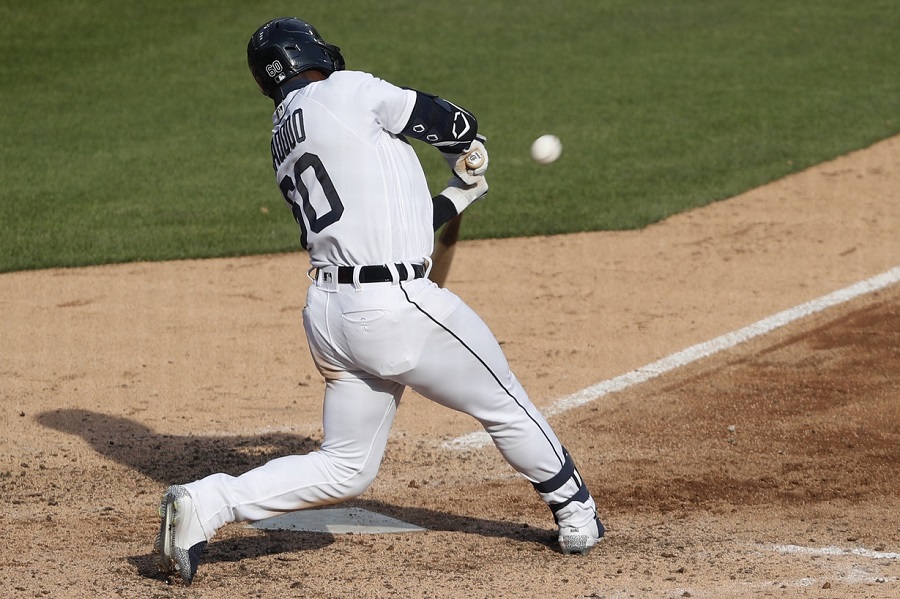 There’s no question that successful organizations need to have a strong scouting department. It is the job of this group to find talent at any level and decide if those players are a good fit for an organization. One undervalued scouting skill might be the ability of an organization to evaluate their own talent and decide which pieces are most critical for an organization’s long-term success. Unfortunately, these three players have all found success with other organizations without getting a long look at the big-league level by the Twins. Akil Baddoo, Detroit Tigers Minnesota drafted Baddoo in the second round back in 2016 and he played his first four professional seasons in the organization. Back in 2019, he topped out at High-A where he hit .214/.290/.393 in 29 games. Entering the 2021 season, he didn’t have an at-bat at the Double-A level and the lost 2020 season certainly took away some development time, so the Twins left him unprotected in the Rule 5 Draft. Now, it’s looking like the Twins might have given up on him too soon. Detroit is in rebuild mode so they can afford to take some chances in the Rule 5 Draft, and they were willing to give Baddoo a shot at the big-league level. His hot start to the season was well documented as he had a 1.024 OPS through his first 15 games. He may not be getting the hype he was at season’s start, but he entered play on Monday with a 142 OPS+ while leading the American League in triples. Minnesota had a lot of minor league outfield depth, but Baddoo is looking more like he can be a contributor for years to come. LaMonte Wade Jr., San Francisco Giants Wade was a ninth-round pick by the Twins in the 2015 MLB Draft and the Twins had used him throughout parts of the 2019 and 2020 season. In those two years, he compiled an 87 OPS+ in 42 games and he looked to have a shot at making the 2021 Twins. The decision came down to picking Wade or Jake Cave as the team’s fourth outfielder. Minnesota was able to trade Wade to the Giants in exchange for Shaun Anderson, who was recently claimed off waivers by the Rangers. It was a deal that couldn’t have gone more poorly for the Twins. In his age-27 season, Wade has found a role with the Giants, the first team to 50 wins this season. Through his first 28 games, he has posted a 136 OPS+ while playing all three outfield positions and first base. Cave compiled a 43 OPS+ in 31 games this year before ending up on the 60-day injured list with a stress reaction in his lower back. Wade is finding big-league success on one of baseball’s best teams while the Twins have been forced to shuffle through a variety of outfielders. Nick Anderson, Tampa Bay Rays Anderson, a Minnesota native, had to work his way into professional baseball after attending college at Mayville State University in North Dakota. The Twins signed him out of independent baseball and used him as a reliever in four different seasons as he topped out at Triple-A. In November 2018, the Twins traded him to the Miami Marlins for Brian Schales and Anderson has pitched at the big-league level ever since that deal. Anderson was a critical piece of the Rays bullpen that drove them to the 2020 World Series. Throughout the 2019-20 seasons, he has combined for a 155 ERA+ with a 0.96 WHIP and 15 SO/9. His 2021 season hasn’t started yet as he recovers from a partial torn ligament in his right elbow. The injury didn’t require surgery and he is supposed to return for the season’s second half. This will be a welcome boost to a Rays club that is fighting for an AL East crown. He would also be a welcome addition to a Twins bullpen that has seen it’s fair share of struggles this season. It’s great to see these players writing their own success story, but it’s too bad those achievements didn’t come in a Twins uniform. Minnesota needs to hang on to players like these that can add to their organizational depth and that process might start with looking in the mirror at their own self-scouting. Do you think the Twins have a self-scouting issue? Leave a COMMENT and start the discussion. MORE FROM TWINS DAILY — Latest Twins coverage from our writers — Recent Twins discussion in our forums — Follow Twins Daily via Twitter, Facebook or email
- 37 comments
-
- 5
-
-
- akil badoo
- nick anderson
- (and 3 more)
-
Both Byron Buxton and José Berríos are both heading to free agency at the end of next season. Neither player is in a spot to accept a team-friendly deal, so who would be a better investment with a contract near $100 million? The José Berríos Argument Minnesota has struggled to develop pitching for decades and Berríos is one of the lone bright spots in recent memory. He’s a two-time All-Star and he might be heading for his third selection this season. For his career, he has a 105 ERA+ as his debut season was his only year with an ERA+ below 100. Twins fans have wanted him to develop into an “ace” and while that may not have happened, he has been an above average MLB pitcher throughout his career. Some players of similar ages have gotten anywhere from $40-$85 million. Would Berríos accept a deal for 5-years and $100 million? That would put him ahead of all these other players in his age group and it might be enough to keep him from hitting the open market. According to FanGraphs value calculations, Berríos has been worth $99.6 million during his big-league career. In ever full season since 2017, he has been worth north of $21.5 million. Another thing to consider is the fact that he is just entering his prime as a pitcher. The Twins know him well and he can be an anchor at the top of their rotation for years to come. The Byron Buxton Argument Many Twins fans might think Berrios is an easy choice when it comes to handing out $100 million. However, Buxton is a game changing player that is the true definition of a five-tool player. Injuries and bad luck have been part of his big-league career, but that takes nothing away from what he has been able to accomplish. When he is on the field, he is a difference maker on both sides of the ball and the results speak for themselves. Over the last three seasons, the Twins are 100-52 when Buxton plays, and they are below .500 without him. Even with his injury history, FanGraphs value calculations have Buxton worth $90.9 million throughout his career. He’s been worth over $20 million in three different seasons, including this year where he has been limited to 27 games. He was playing at a level of a player worth $35 million or more per season. Buxton is also the type of player that fans may regret seeing in another uniform because of the value he can provide to a team. George Springer signed a $150 million deal last winter and Buxton can be an even better player than Springer when he is on the field. It seems unlikely for the Twins to spend $100 million on both these players so the front office may need to decide who is going to provide the most value in the years ahead. Who do you think is a better investment? Leave a COMMENT and start the discussion. MORE FROM TWINS DAILY — Latest Twins coverage from our writers — Recent Twins discussion in our forums — Follow Twins Daily via Twitter, Facebook or email View full article
- 47 replies
-
- 1
-
-
- jose berrios
- byron buxton
- (and 1 more)
-
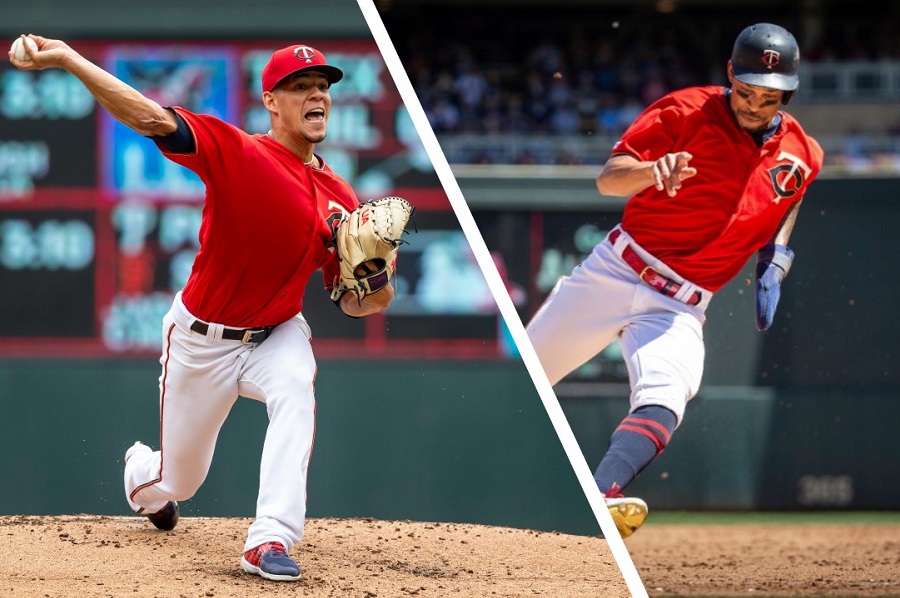 The José Berríos Argument Minnesota has struggled to develop pitching for decades and Berríos is one of the lone bright spots in recent memory. He’s a two-time All-Star and he might be heading for his third selection this season. For his career, he has a 105 ERA+ as his debut season was his only year with an ERA+ below 100. Twins fans have wanted him to develop into an “ace” and while that may not have happened, he has been an above average MLB pitcher throughout his career. Some players of similar ages have gotten anywhere from $40-$85 million. Would Berríos accept a deal for 5-years and $100 million? That would put him ahead of all these other players in his age group and it might be enough to keep him from hitting the open market. According to FanGraphs value calculations, Berríos has been worth $99.6 million during his big-league career. In ever full season since 2017, he has been worth north of $21.5 million. Another thing to consider is the fact that he is just entering his prime as a pitcher. The Twins know him well and he can be an anchor at the top of their rotation for years to come. The Byron Buxton Argument Many Twins fans might think Berrios is an easy choice when it comes to handing out $100 million. However, Buxton is a game changing player that is the true definition of a five-tool player. Injuries and bad luck have been part of his big-league career, but that takes nothing away from what he has been able to accomplish. When he is on the field, he is a difference maker on both sides of the ball and the results speak for themselves. Over the last three seasons, the Twins are 100-52 when Buxton plays, and they are below .500 without him. Even with his injury history, FanGraphs value calculations have Buxton worth $90.9 million throughout his career. He’s been worth over $20 million in three different seasons, including this year where he has been limited to 27 games. He was playing at a level of a player worth $35 million or more per season. Buxton is also the type of player that fans may regret seeing in another uniform because of the value he can provide to a team. George Springer signed a $150 million deal last winter and Buxton can be an even better player than Springer when he is on the field. It seems unlikely for the Twins to spend $100 million on both these players so the front office may need to decide who is going to provide the most value in the years ahead. Who do you think is a better investment? Leave a COMMENT and start the discussion. MORE FROM TWINS DAILY — Latest Twins coverage from our writers — Recent Twins discussion in our forums — Follow Twins Daily via Twitter, Facebook or email
- 47 comments
-
- 2
-
-
- jose berrios
- byron buxton
- (and 1 more)
-
If the Twins trade away veterans on expiring contract, they are going to need replacements until season’s end. Here is some of the roster shuffle that will occur as veterans are dealt. Injuries are obviously impacting multiple players listed below. In a perfect world, the Twins would be able to trade away all their veterans for valuable pieces, but almost nothing has gone perfectly for the Twins in 2021. That being said, here’s some of the roster shuffle that will occur over the next month. DH: Miguel Sano Replaces Nelson Cruz Miguel Sano seems destined to be the team’s DH throughout the remaining years on his contract. There are only a handful of contending teams that need help at DH, but the most logical choice might be the AL’s best team. Brent Rooker is another possibility to get some DH at-bats in the season’s second half. At Triple-A this year, he has an .861 OPS with 10 home runs and three doubles and it seems like he’s become Minnesota’s forgotten prospect. Moving Sano off first base also allows Alex Kirilloff to start getting more consistent reps at first, which is his expected long-term defensive position. SS: Jorge Polanco Replaces Andrelton Simmons Minnesota is likely hesitant to move Polanco back to shortstop, but the team’s other options are limited. Royce Lewis was supposed to be the heir apparent, but he’s out for the year. He likely won’t be ready at the beginning of 2022, so the Twins will be players in the best free agent shortstop class in baseball history. There are some benefits to moving Polanco back to short. This allows the team to get a longer look at Nick Gordon as the team has kept him on the active roster over Gilberto Celestino and Willians Astudillo. At Triple-A, J.T. Riddle has gotten most defensive starts at shortstop, but he only has .675 OPS and he’s not part of the team’s long-term plans. SP: [Break In Case of Emergency] Replaces Michael Pineda This is going to be the toughest spot to replace, because Twins pitching has be historically bad this season. Minnesota has already added Randy Dobnak and Bailey Ober to the rotation, but where does the team turn to next? Top pitching prospect Jhoan Duran was put on the IL this week with a strained right elbow, so it doesn’t seem likely for him to pitch bulk innings at the big-league level this season. Jordan Balazovic, the team’s other top pitching prospect, has allowed 10 earned runs in 14 innings so far in 2021. Charlie Barnes and Griffin Jax can be given longer looks as rotational options, but these aren’t the exciting prospects fans have eagerly been waiting to see. RP: Jorge Alcala Replaces Hansel Robles Outside of Taylor Rogers, Robles has been the team’s most consistent reliever. To take over his late inning role, I’m all on board the Jorge Alcala train. He’s been working on increasing his changeup usage so he can be more effective versus left-handed batters. He has the potential to be a late-inning shutdown arm and the team needs to give him the opportunity to prove if he can sink or swim in this role. Minnesota’s bullpen will need an overhaul for 2022, but the team can use the rest of 2021 as a tryout for players in different roles. Can these play better than the players they are replacing? Leave a COMMENT and start the discussion. MORE FROM TWINS DAILY — Latest Twins coverage from our writers — Recent Twins discussion in our forums — Follow Twins Daily via Twitter, Facebook or email View full article
- 40 replies
-
- 1
-
-
- miguel sano
- jorge polanco
- (and 3 more)
-
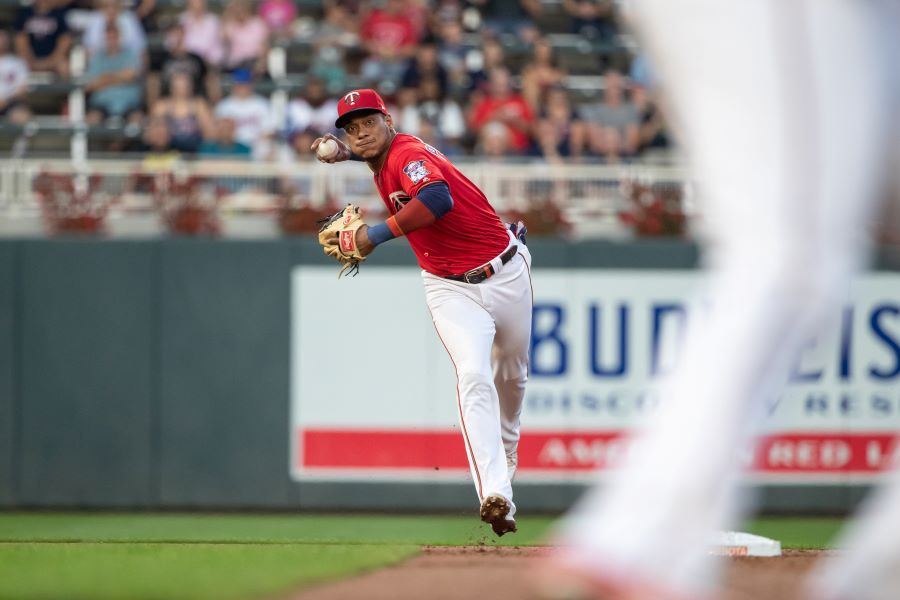 Injuries are obviously impacting multiple players listed below. In a perfect world, the Twins would be able to trade away all their veterans for valuable pieces, but almost nothing has gone perfectly for the Twins in 2021. That being said, here’s some of the roster shuffle that will occur over the next month. DH: Miguel Sano Replaces Nelson Cruz Miguel Sano seems destined to be the team’s DH throughout the remaining years on his contract. There are only a handful of contending teams that need help at DH, but the most logical choice might be the AL’s best team. Brent Rooker is another possibility to get some DH at-bats in the season’s second half. At Triple-A this year, he has an .861 OPS with 10 home runs and three doubles and it seems like he’s become Minnesota’s forgotten prospect. Moving Sano off first base also allows Alex Kirilloff to start getting more consistent reps at first, which is his expected long-term defensive position. SS: Jorge Polanco Replaces Andrelton Simmons Minnesota is likely hesitant to move Polanco back to shortstop, but the team’s other options are limited. Royce Lewis was supposed to be the heir apparent, but he’s out for the year. He likely won’t be ready at the beginning of 2022, so the Twins will be players in the best free agent shortstop class in baseball history. There are some benefits to moving Polanco back to short. This allows the team to get a longer look at Nick Gordon as the team has kept him on the active roster over Gilberto Celestino and Willians Astudillo. At Triple-A, J.T. Riddle has gotten most defensive starts at shortstop, but he only has .675 OPS and he’s not part of the team’s long-term plans. SP: [Break In Case of Emergency] Replaces Michael Pineda This is going to be the toughest spot to replace, because Twins pitching has be historically bad this season. Minnesota has already added Randy Dobnak and Bailey Ober to the rotation, but where does the team turn to next? Top pitching prospect Jhoan Duran was put on the IL this week with a strained right elbow, so it doesn’t seem likely for him to pitch bulk innings at the big-league level this season. Jordan Balazovic, the team’s other top pitching prospect, has allowed 10 earned runs in 14 innings so far in 2021. Charlie Barnes and Griffin Jax can be given longer looks as rotational options, but these aren’t the exciting prospects fans have eagerly been waiting to see. RP: Jorge Alcala Replaces Hansel Robles Outside of Taylor Rogers, Robles has been the team’s most consistent reliever. To take over his late inning role, I’m all on board the Jorge Alcala train. He’s been working on increasing his changeup usage so he can be more effective versus left-handed batters. He has the potential to be a late-inning shutdown arm and the team needs to give him the opportunity to prove if he can sink or swim in this role. Minnesota’s bullpen will need an overhaul for 2022, but the team can use the rest of 2021 as a tryout for players in different roles. Can these play better than the players they are replacing? Leave a COMMENT and start the discussion. MORE FROM TWINS DAILY — Latest Twins coverage from our writers — Recent Twins discussion in our forums — Follow Twins Daily via Twitter, Facebook or email
- 40 comments
-
- 5
-
-

-
- miguel sano
- jorge polanco
- (and 3 more)
-
Things obviously weren’t supposed to be this bad for the 2021 Twins. Can the team improve moving forward just by accident or will they continue to be cellar dwellers? The Twins roster isn’t this bad. Heck, the team entered play on Monday half of a game ahead of the Detroit Tigers in the AL Central standings. Yes, this is the same Tigers squad that has lost 98 or more games in each of the last three full seasons. Detroit is trotting out plenty of replacement level players and prospects as a club that is clearly rebuilding. Yet, the Twins find themselves playing catch up in the division with nearly half the season finished. Minnesota’s failings have been well documented at Twins Daily. So far, the pitching staff has been arguably the worst in team history, but an influx of younger pitchers in the second half might help to boost the team. Matt Shoemaker and J.A. Happ have not worked out as planned but adding in other players like Bailey Ober and top prospect Jordan Balazovic might bring some excitement to a non-contending team. Unfortunately, many prospects will be on an innings limit due to the lack of a 2020 minor league season and Jhoan Duran, the team’s other top prospect, recently landed on the IL. From a draft standpoint, it helps to for the Twins to continue to be bad, because that results in a higher draft pick during the 2022 MLB Draft. Minnesota will likely deal away players on expiring contracts like Nelson Cruz, Michael Pineda, and Andrelton Simmons and this might result in the team being even worse after the trade deadline. However, the players replacing these veterans will also likely have something to prove. So, what parts can improve as the season progresses? Byron Buxton has been the team’s best player when he has been on the field. In Monday’s update of the All-Star Game fan vote, he is still in the top-3 among AL outfielders and that lines him up to be in a starting role. If he continues to play this way, he can insert himself back into the MVP conversation. Buxton isn’t the only position where the Twins can see some accidental improvement. Max Kepler recently returned from injury, and he can help improve a right field group that has accumulated the sixth lowest AL WAR total. Before his gruesome injury, Mitch Garver seemed to be swinging the bat like the 2019 version of himself. He can add even more offensive depth when he returns. Minnesota has been underperforming throughout the 2021 season and there is too much talent on the roster for the team to play at such a low level. Entering play on Monday night, Baseball Prospectus has the Twins projected to finish the season at 83-79, which is quite the turnaround. Cleveland and Chicago are projected to finish at 87-75, which certainly puts the Twins in the conversation for the division by season’s end. Before the All-Star Game, the Twins have 25 straight games against the AL Central, which means the team has their fate in their own hands. Minnesota has a chance to improve, and it may be an accident waiting to happen. Do you think the Twins will accidently improve? Leave a COMMENT and start the discussion. MORE FROM TWINS DAILY — Latest Twins coverage from our writers — Recent Twins discussion in our forums — Follow Twins Daily via Twitter, Facebook or email View full article
- 14 replies
-
- 1
-
-
- byron buxton
- max kepler
- (and 3 more)
-
 The Twins roster isn’t this bad. Heck, the team entered play on Monday half of a game ahead of the Detroit Tigers in the AL Central standings. Yes, this is the same Tigers squad that has lost 98 or more games in each of the last three full seasons. Detroit is trotting out plenty of replacement level players and prospects as a club that is clearly rebuilding. Yet, the Twins find themselves playing catch up in the division with nearly half the season finished. Minnesota’s failings have been well documented at Twins Daily. So far, the pitching staff has been arguably the worst in team history, but an influx of younger pitchers in the second half might help to boost the team. Matt Shoemaker and J.A. Happ have not worked out as planned but adding in other players like Bailey Ober and top prospect Jordan Balazovic might bring some excitement to a non-contending team. Unfortunately, many prospects will be on an innings limit due to the lack of a 2020 minor league season and Jhoan Duran, the team’s other top prospect, recently landed on the IL. From a draft standpoint, it helps to for the Twins to continue to be bad, because that results in a higher draft pick during the 2022 MLB Draft. Minnesota will likely deal away players on expiring contracts like Nelson Cruz, Michael Pineda, and Andrelton Simmons and this might result in the team being even worse after the trade deadline. However, the players replacing these veterans will also likely have something to prove. So, what parts can improve as the season progresses? Byron Buxton has been the team’s best player when he has been on the field. In Monday’s update of the All-Star Game fan vote, he is still in the top-3 among AL outfielders and that lines him up to be in a starting role. If he continues to play this way, he can insert himself back into the MVP conversation. Buxton isn’t the only position where the Twins can see some accidental improvement. Max Kepler recently returned from injury, and he can help improve a right field group that has accumulated the sixth lowest AL WAR total. Before his gruesome injury, Mitch Garver seemed to be swinging the bat like the 2019 version of himself. He can add even more offensive depth when he returns. Minnesota has been underperforming throughout the 2021 season and there is too much talent on the roster for the team to play at such a low level. Entering play on Monday night, Baseball Prospectus has the Twins projected to finish the season at 83-79, which is quite the turnaround. Cleveland and Chicago are projected to finish at 87-75, which certainly puts the Twins in the conversation for the division by season’s end. Before the All-Star Game, the Twins have 25 straight games against the AL Central, which means the team has their fate in their own hands. Minnesota has a chance to improve, and it may be an accident waiting to happen. Do you think the Twins will accidently improve? Leave a COMMENT and start the discussion. MORE FROM TWINS DAILY — Latest Twins coverage from our writers — Recent Twins discussion in our forums — Follow Twins Daily via Twitter, Facebook or email
- 14 comments
-
- 1
-
-
- byron buxton
- max kepler
- (and 3 more)
-
Derek Falvey was brought over from Cleveland to help the Twins build a pitching pipeline. Those dreams have yet to come to fruition as the 2021 Twins might be the worst pitching staff in team history. On Tuesday night, Twins fans that stayed up late to watch a West Coast game were treated with a real clunker. Minnesota faced off against a bad Seattle team and it escalated into an embarrassing loss. J.A. Happ allowed six earned runs in four innings to an anemic Mariners offense. Happ is only one issue with a pitching staff that might be the worst in franchise history. Out of the 15 American League teams, Minnesota ranks 13th or lower in ERA, hits, R, HR, and strikeouts, but it goes even further than that. While all those numbers show how bad the Twins have been this season, there are ways to compare the current team to former seasons. ERA- and FIP- are all statistics that allow fans to compare pitchers across different eras because it adjusts for the league and the park. For each area, 100 is league average and each point above or below 100 represents a percent above or below league average. If a team has a 90 ERA- that means they were 10 percentage points better than the league average. When it comes to ERA-, there is only one Minnesota team with a worse total than the 2021 Twins. The 1995 Twins finished the year with a 56-88 record and their starting staff was composed of a 22-year-old Brad Radke, Kevin Tapani, Mike Trombley, Frankie Rodriguez, Scott Erickson, and Jose Para. As a club, they had the ranked last or second to last in the American League when it came to ERA, HR, R, W, IP, and H. Entering play on Wednesday, the 2021 Twins (119 ERA-) were only one point behind the 1995 team (120 ERA-), so they certainly can end up in the bottom spot by season’s end. FIP is used to estimate a pitcher’s run prevention independent of the defensive performance behind the player. The 2021 Twins also have the second worse FIP- in team history, but this time the 1982 squad has the worst total. That squad finished 60-102, which was last place in the AL West. Starters on the team included Bobby Castillo, Brad Havens, Albert Williams, Frank Viola, and Jack O’Connor. Like the 1995 team, they ranked at or near the bottom of the AL in ERA, HR, ER, R, and BB. What makes it even more frustrating is how good last year’s staff was in comparison to the current team. Kenta Maeda was the runner-up for the Cy Young and he wasn’t the only one to find success. All four of Minnesota’s top four starters were above league average when it comes to ERA-. Minnesota’s bullpen also had many reliable arms whereas the 2021 team’s bullpen has been a train wreck. In the not-so-distant future, it seems likely for the 2021 Twins to cut ties to some of their veteran pitching options and start seeing what the team has for younger arms. Bailey Ober and Griffin Jax have been added to the staff and other prospects will be following closely behind. Minnesota’s top two pitching prospects, Jhoan Duran and Jordan Balazovic, have both showcased dominant stuff in the upper levels of the minors this season and their big-league debuts made come sooner rather than later. Do you think this is the worst pitching staff in team history? Leave a COMMENT and join the discussion. MORE FROM TWINS DAILY — Latest Twins coverage from our writers — Recent Twins discussion in our forums — Follow Twins Daily via Twitter, Facebook or email View full article
-
Do the 2021 Twins Have the Worst Pitching Staff in Team History?
Cody Christie posted an article in Twins
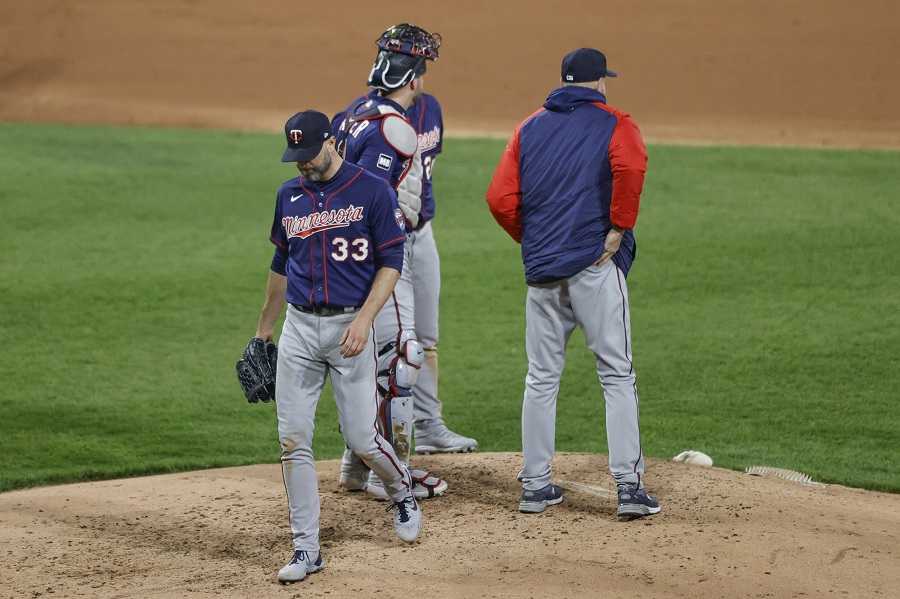 On Tuesday night, Twins fans that stayed up late to watch a West Coast game were treated with a real clunker. Minnesota faced off against a bad Seattle team and it escalated into an embarrassing loss. J.A. Happ allowed six earned runs in four innings to an anemic Mariners offense. Happ is only one issue with a pitching staff that might be the worst in franchise history. Out of the 15 American League teams, Minnesota ranks 13th or lower in ERA, hits, R, HR, and strikeouts, but it goes even further than that. While all those numbers show how bad the Twins have been this season, there are ways to compare the current team to former seasons. ERA- and FIP- are all statistics that allow fans to compare pitchers across different eras because it adjusts for the league and the park. For each area, 100 is league average and each point above or below 100 represents a percent above or below league average. If a team has a 90 ERA- that means they were 10 percentage points better than the league average. When it comes to ERA-, there is only one Minnesota team with a worse total than the 2021 Twins. The 1995 Twins finished the year with a 56-88 record and their starting staff was composed of a 22-year-old Brad Radke, Kevin Tapani, Mike Trombley, Frankie Rodriguez, Scott Erickson, and Jose Para. As a club, they had the ranked last or second to last in the American League when it came to ERA, HR, R, W, IP, and H. Entering play on Wednesday, the 2021 Twins (119 ERA-) were only one point behind the 1995 team (120 ERA-), so they certainly can end up in the bottom spot by season’s end. FIP is used to estimate a pitcher’s run prevention independent of the defensive performance behind the player. The 2021 Twins also have the second worse FIP- in team history, but this time the 1982 squad has the worst total. That squad finished 60-102, which was last place in the AL West. Starters on the team included Bobby Castillo, Brad Havens, Albert Williams, Frank Viola, and Jack O’Connor. Like the 1995 team, they ranked at or near the bottom of the AL in ERA, HR, ER, R, and BB. What makes it even more frustrating is how good last year’s staff was in comparison to the current team. Kenta Maeda was the runner-up for the Cy Young and he wasn’t the only one to find success. All four of Minnesota’s top four starters were above league average when it comes to ERA-. Minnesota’s bullpen also had many reliable arms whereas the 2021 team’s bullpen has been a train wreck. In the not-so-distant future, it seems likely for the 2021 Twins to cut ties to some of their veteran pitching options and start seeing what the team has for younger arms. Bailey Ober and Griffin Jax have been added to the staff and other prospects will be following closely behind. Minnesota’s top two pitching prospects, Jhoan Duran and Jordan Balazovic, have both showcased dominant stuff in the upper levels of the minors this season and their big-league debuts made come sooner rather than later. Do you think this is the worst pitching staff in team history? Leave a COMMENT and join the discussion. MORE FROM TWINS DAILY — Latest Twins coverage from our writers — Recent Twins discussion in our forums — Follow Twins Daily via Twitter, Facebook or email
- 31 comments
-
- 1
-
-
- j.a. happ
- matt shoemaker
- (and 3 more)
-
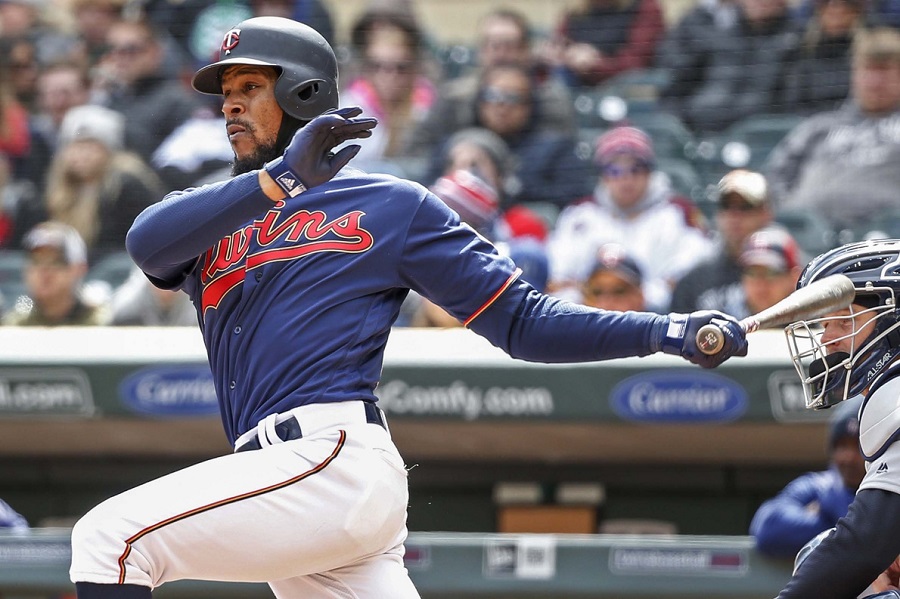 According to the Star Tribune’s Patrick Reusse, Buxton might be unhappy with the Twins. There are a variety of reasons Buxton might be displeased including the handling of his service time back at the end of 2018. If he had been called up in September that year, he would reach free agency this winter. Instead, he has one more year of team control. From the Twins perspective, this extra year is very valuable, because it allows the team to keep him for 2022 or it adds to what the team can get in a trade. Obviously, Buxton is going to need to come back and show that he is healthy for other teams to seriously consider a trade So, what teams need a centerfield upgrade for October? New York Yankees Twins fans might not want to hear it, but the Yankees make a lot of sense when it comes to a Buxton deal. Former Twin Aaron Hicks is recovering from left wrist surgery. New York has been shuffling through a lot of non-traditional center field options in recent weeks like Aaron Judge and Brett Gardner. Among AL teams, only the Mariners and Tigers have gotten less WAR in centerfield than the Yankees. It’s also been widely reported that Yankees GM Brian Cashman is open to dealing for a center field upgrade. Houston Astros Houston saw their long-time centerfielder, George Springer, leave via free agency last winter and now the club might be looking for an upgrade for a postseason run. The Astros find themselves in the second Wild Card position and their primary center fielder, Myles Straw, is not exactly a household name. Only two positions on the Astros, CF and C, have produced an OPS under .800 this year. Straw entered play on Tuesday with a .637 OPS and 10 extra-base hits in 61 games. Among AL teams, the Astros have gotten the 10th lowest WAR total out of the center field position. Milwaukee Brewers The Brewers are in the thick of the NL Central race and they have the NL Wild Card spot to fall back on if they lose out in the division title. Only one NL team, the Braves, have accumulate less WAR in center than the Brewers. Most of Milwaukee’s negative WAR total has come on the offensive side where their center fielders have combined for a -15.6 offensive runs above average which is the worst in baseball. As a small market team, Milwaukee needs to take advantage of every postseason opportunity, especially since the club has made the playoffs in three of the last four years. Boston Red Sox After finishing in last place last season, the Red Sox are back in the hunt for the AL East crown. There have been offensive struggles at multiple positions in their line-up, so Buxton provides an opportunity for an offensive upgrade. Enrique Hernandez has played the most games in center, but his .669 OPS isn’t exactly lighting the world on fire. Also, Boston hasn’t been getting a lot of production at first base, so maybe they would be interested in a package deal that includes Buxton and Sano. Do you think Buxton gets dealt to one of these teams? What other teams could make the list? Leave a COMMENT and start the discussion. MORE FROM TWINS DAILY — Latest Twins coverage from our writers — Recent Twins discussion in our forums — Follow Twins Daily via Twitter, Facebook or email
- 82 comments
-
- 3
-
-
- byron buxton
- aaron judge
- (and 3 more)
-
Byron Buxton might be unhappy in Minnesota, and this can lead to plenty of speculation about his future. Here are four contending teams that might be interested in a Buxton deal before the deadline. According to the Star Tribune’s Patrick Reusse, Buxton might be unhappy with the Twins. There are a variety of reasons Buxton might be displeased including the handling of his service time back at the end of 2018. If he had been called up in September that year, he would reach free agency this winter. Instead, he has one more year of team control. From the Twins perspective, this extra year is very valuable, because it allows the team to keep him for 2022 or it adds to what the team can get in a trade. Obviously, Buxton is going to need to come back and show that he is healthy for other teams to seriously consider a trade So, what teams need a centerfield upgrade for October? New York Yankees Twins fans might not want to hear it, but the Yankees make a lot of sense when it comes to a Buxton deal. Former Twin Aaron Hicks is recovering from left wrist surgery. New York has been shuffling through a lot of non-traditional center field options in recent weeks like Aaron Judge and Brett Gardner. Among AL teams, only the Mariners and Tigers have gotten less WAR in centerfield than the Yankees. It’s also been widely reported that Yankees GM Brian Cashman is open to dealing for a center field upgrade. Houston Astros Houston saw their long-time centerfielder, George Springer, leave via free agency last winter and now the club might be looking for an upgrade for a postseason run. The Astros find themselves in the second Wild Card position and their primary center fielder, Myles Straw, is not exactly a household name. Only two positions on the Astros, CF and C, have produced an OPS under .800 this year. Straw entered play on Tuesday with a .637 OPS and 10 extra-base hits in 61 games. Among AL teams, the Astros have gotten the 10th lowest WAR total out of the center field position. Milwaukee Brewers The Brewers are in the thick of the NL Central race and they have the NL Wild Card spot to fall back on if they lose out in the division title. Only one NL team, the Braves, have accumulate less WAR in center than the Brewers. Most of Milwaukee’s negative WAR total has come on the offensive side where their center fielders have combined for a -15.6 offensive runs above average which is the worst in baseball. As a small market team, Milwaukee needs to take advantage of every postseason opportunity, especially since the club has made the playoffs in three of the last four years. Boston Red Sox After finishing in last place last season, the Red Sox are back in the hunt for the AL East crown. There have been offensive struggles at multiple positions in their line-up, so Buxton provides an opportunity for an offensive upgrade. Enrique Hernandez has played the most games in center, but his .669 OPS isn’t exactly lighting the world on fire. Also, Boston hasn’t been getting a lot of production at first base, so maybe they would be interested in a package deal that includes Buxton and Sano. Do you think Buxton gets dealt to one of these teams? What other teams could make the list? Leave a COMMENT and start the discussion. MORE FROM TWINS DAILY — Latest Twins coverage from our writers — Recent Twins discussion in our forums — Follow Twins Daily via Twitter, Facebook or email View full article
- 82 replies
-
- 1
-
-
- byron buxton
- aaron judge
- (and 3 more)
-
Major League Baseball is in a bit of a self-made crisis when it comes to pitchers and their use of substances to generate spin. With baseball starting to crack down, are the Twins not using enough spin to try and win? Offense has been down across baseball this year as pitchers have dominated for much of the 2021 campaign. This can be directly related to an increase in pitch velocity, movement, and spin rates. Some of these increases are tied to sticky substances used by pitchers to increase their control and spin rate. Minnesota’s pitchers haven’t been taking advantage of this decrease in offense, so how does spin rate factor into their results? Starting in 2020, Statcast posted an active spin leaderboard, which can also include an active spin %. They offer a longer explanation at their site, but the nuts-and-bolts description is the spin that contributes to movement including up or down and side to side. Twins Four-seam Leaderboard (Active Spin %) Hansel Robles (99 %), Cody Stashak (98 %), Alex Colome (97 %) Currently, Robles ranks as the player getting the 12th most active spin on his four-seam fastball. Batters have posted a .200 BA and a .360 SLG when facing this pitch, which are far superior to the numbers he saw last year (.355 BA, .742 SLG). Stashak’s fastball hasn’t been as effective this year and he has switched to using his slider more than his four-seamer. Colome uses his cutter almost twice as much as his four-seamer, but opponents have combined for a .500 SLG when getting a fastball to hit. Twins Changeup Leaderboard (Active Spin %) J.A. Happ (98 %), Jose Berrios (95%), Hansel Robles (94%) For the second consecutive season, Happ is using his changeup less often, but opponents are hitting about 90 points lower against this pitch. Berrios has been known for the movement on his pitches since he was an amateur so it’s no surprise to see him near the top of the leaderboard when it comes to multiple pitches in his repertoire. Berrios uses his changeup mainly against lefties as batters have posted a .636 SLG against it so far in 2021. Robles uses his changeup 44% of the time and he has generated a 26% Whiff% with this pitch. Twins Slider Leaderboard (Active Spin %) Taylor Rogers (43%), Caleb Thielbar (42%), Jorge Alcala (32%) Even though these are the leaders on the Twins, none of these pitchers rank in the top-100 compared to the rest of baseball. Rogers and his lanky frame/delivery make for a slider that is tough for both righties and lefties in the batter’s box. For the first time in his career, Rogers is using his slider more than his sinker. Alcala ranks well on the Twins, and he might be the team’s closer of the future if he can continue to develop another pitch. Twins Sinker Leaderboard (Active Spin %) Jose Berrios (95%), Taylor Rogers (95%), Matt Shoemaker (92%) At this point, Minnesota fans might want to avoid any leaderboard with Matt Shoemaker. However, Berrios and Rogers have been two of the most consistent Twins pitchers this season as they rank near baseball’s top-30 in this category. Also, Berrios has seen increased sinker usage in each of the last two seasons. Batters posted a .561 SLG against Rogers’ sinker last season and he has improved that number by nearly 160 points in 2021. The Twins don’t have a pitcher in the mold of Gerrit Cole or Trevor Bauer that rely heavily on spin to be effective. Maybe this crackdown will help level the playing field for Twins pitchers and batters. Will baseball’s crackdown on sticky substances impact the Twins? Leave a COMMENT and start the discussion. MORE FROM TWINS DAILY — Latest Twins coverage from our writers — Recent Twins discussion in our forums — Follow Twins Daily via Twitter, Facebook or email View full article
-
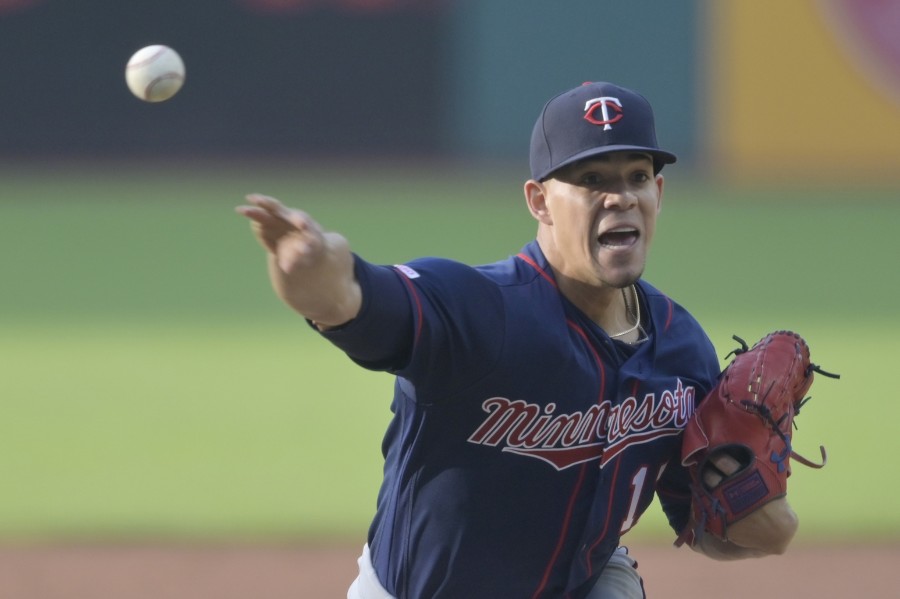 Offense has been down across baseball this year as pitchers have dominated for much of the 2021 campaign. This can be directly related to an increase in pitch velocity, movement, and spin rates. Some of these increases are tied to sticky substances used by pitchers to increase their control and spin rate. Minnesota’s pitchers haven’t been taking advantage of this decrease in offense, so how does spin rate factor into their results? Starting in 2020, Statcast posted an active spin leaderboard, which can also include an active spin %. They offer a longer explanation at their site, but the nuts-and-bolts description is the spin that contributes to movement including up or down and side to side. Twins Four-seam Leaderboard (Active Spin %) Hansel Robles (99 %), Cody Stashak (98 %), Alex Colome (97 %) Currently, Robles ranks as the player getting the 12th most active spin on his four-seam fastball. Batters have posted a .200 BA and a .360 SLG when facing this pitch, which are far superior to the numbers he saw last year (.355 BA, .742 SLG). Stashak’s fastball hasn’t been as effective this year and he has switched to using his slider more than his four-seamer. Colome uses his cutter almost twice as much as his four-seamer, but opponents have combined for a .500 SLG when getting a fastball to hit. Twins Changeup Leaderboard (Active Spin %) J.A. Happ (98 %), Jose Berrios (95%), Hansel Robles (94%) For the second consecutive season, Happ is using his changeup less often, but opponents are hitting about 90 points lower against this pitch. Berrios has been known for the movement on his pitches since he was an amateur so it’s no surprise to see him near the top of the leaderboard when it comes to multiple pitches in his repertoire. Berrios uses his changeup mainly against lefties as batters have posted a .636 SLG against it so far in 2021. Robles uses his changeup 44% of the time and he has generated a 26% Whiff% with this pitch. Twins Slider Leaderboard (Active Spin %) Taylor Rogers (43%), Caleb Thielbar (42%), Jorge Alcala (32%) Even though these are the leaders on the Twins, none of these pitchers rank in the top-100 compared to the rest of baseball. Rogers and his lanky frame/delivery make for a slider that is tough for both righties and lefties in the batter’s box. For the first time in his career, Rogers is using his slider more than his sinker. Alcala ranks well on the Twins, and he might be the team’s closer of the future if he can continue to develop another pitch. Twins Sinker Leaderboard (Active Spin %) Jose Berrios (95%), Taylor Rogers (95%), Matt Shoemaker (92%) At this point, Minnesota fans might want to avoid any leaderboard with Matt Shoemaker. However, Berrios and Rogers have been two of the most consistent Twins pitchers this season as they rank near baseball’s top-30 in this category. Also, Berrios has seen increased sinker usage in each of the last two seasons. Batters posted a .561 SLG against Rogers’ sinker last season and he has improved that number by nearly 160 points in 2021. The Twins don’t have a pitcher in the mold of Gerrit Cole or Trevor Bauer that rely heavily on spin to be effective. Maybe this crackdown will help level the playing field for Twins pitchers and batters. Will baseball’s crackdown on sticky substances impact the Twins? Leave a COMMENT and start the discussion. MORE FROM TWINS DAILY — Latest Twins coverage from our writers — Recent Twins discussion in our forums — Follow Twins Daily via Twitter, Facebook or email
- 10 comments
-
- 2
-
-
- jose berrios
- taylor rogers
- (and 3 more)
-
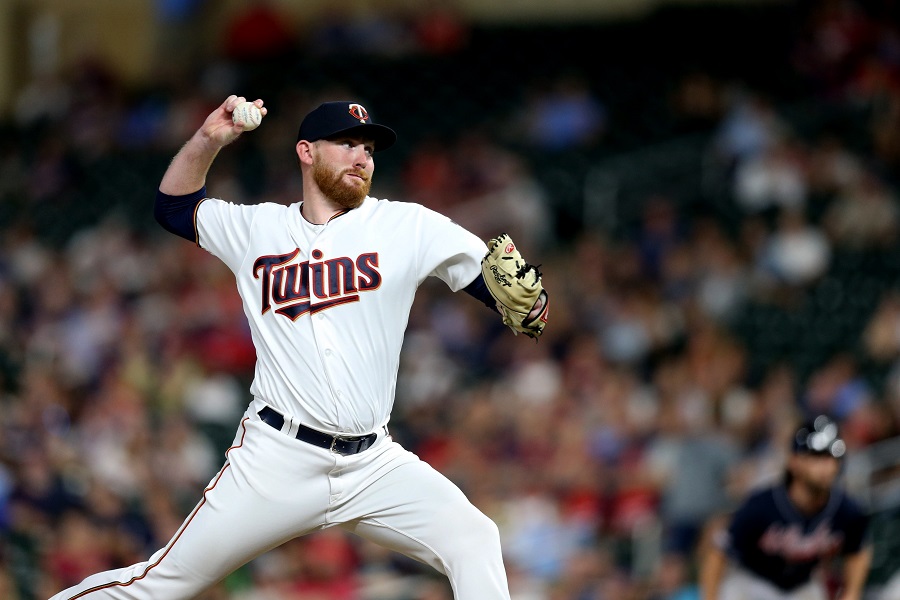 Relievers can be one of the trickiest groups for teams to evaluate. One relief pitcher can look great, and another can look terrible with such small sample sizes attached to their performances. Minnesota saw multiple relievers leave last winter and not all of them have found success with their new teams. However, one pitcher might be proving the Twins gave up on him a little too early. Zack Littell joined the Twins in 2017 as part of an interesting trade deadline. Minnesota acquired Jaime Garcia from the Braves and then after making one start, he was dealt to the Yankees. Littell was part of the return from New York, and he was amid a tremendous minor league campaign where he posted a 2.12 ERA and a 1.12 WHIP. Littell’s time in Minnesota was filled with ups and downs. After finding some success in the upper minors, Littell seemed to be part of Minnesota’s future bullpen with the numbers he compiled in 2019. As a 23-year-old, he posted a 2.68 ERA with a 1.16 WHIP with a 32 to 9 strikeout to walk ratio. He was striking out less than a batter per inning, but his ERA+ and FIP pointed to him being an above average relief option. He was also one of the team’s most reliable relief arms down the stretch. Things couldn’t have gone much worse for Littell in 2020. He made six appearances with the Twins and allowed five home runs. He made multiple trips to the injured list as his elbow was bothering him. This probably made it easier for Minnesota to designate him for assignment and remove him from the 40-man roster without another team making a claim. This still left the team in a little bit of a dilemma as he would need to be added back to the 40-man this winter or become a minor league free agent. He became a free agent and signed a minor league deal with the San Francisco Giants. In a division with the Dodgers and Padres, the Giants weren’t supposed to be in contention, but they entered play on Monday with a one game division lead. Littell has been part of the surprise club as he has posted a 1.47 ERA with a 0.98 WHIP across 20 appearances. The team even turned to him to make a start for the club. His strikeouts per nine are higher than his career average and he’s doing a better job of keeping the ball in the park. Last year’s elbow issues seem to be behind him. There are likely multiple reasons that Minnesota let Littell go whether they were worried about his elbow or low strikeout numbers. However, his success is tough to swallow when the Twins have struggled to get consistent production out of the bullpen in 2021. Do you think the Twins gave up on Littell too early? Leave a COMMENT and start the discussion. MORE FROM TWINS DAILY — Latest Twins coverage from our writers — Recent Twins discussion in our forums — Follow Twins Daily via Twitter, Facebook or email
 -
Minnesota’s relief core has struggled through much of 2021. It doesn’t help to see a former Twins pitcher finding success after the team gave up on him and got nothing in return. Relievers can be one of the trickiest groups for teams to evaluate. One relief pitcher can look great, and another can look terrible with such small sample sizes attached to their performances. Minnesota saw multiple relievers leave last winter and not all of them have found success with their new teams. However, one pitcher might be proving the Twins gave up on him a little too early. Zack Littell joined the Twins in 2017 as part of an interesting trade deadline. Minnesota acquired Jaime Garcia from the Braves and then after making one start, he was dealt to the Yankees. Littell was part of the return from New York, and he was amid a tremendous minor league campaign where he posted a 2.12 ERA and a 1.12 WHIP. Littell’s time in Minnesota was filled with ups and downs. After finding some success in the upper minors, Littell seemed to be part of Minnesota’s future bullpen with the numbers he compiled in 2019. As a 23-year-old, he posted a 2.68 ERA with a 1.16 WHIP with a 32 to 9 strikeout to walk ratio. He was striking out less than a batter per inning, but his ERA+ and FIP pointed to him being an above average relief option. He was also one of the team’s most reliable relief arms down the stretch. Things couldn’t have gone much worse for Littell in 2020. He made six appearances with the Twins and allowed five home runs. He made multiple trips to the injured list as his elbow was bothering him. This probably made it easier for Minnesota to designate him for assignment and remove him from the 40-man roster without another team making a claim. This still left the team in a little bit of a dilemma as he would need to be added back to the 40-man this winter or become a minor league free agent. He became a free agent and signed a minor league deal with the San Francisco Giants. In a division with the Dodgers and Padres, the Giants weren’t supposed to be in contention, but they entered play on Monday with a one game division lead. Littell has been part of the surprise club as he has posted a 1.47 ERA with a 0.98 WHIP across 20 appearances. The team even turned to him to make a start for the club. His strikeouts per nine are higher than his career average and he’s doing a better job of keeping the ball in the park. Last year’s elbow issues seem to be behind him. There are likely multiple reasons that Minnesota let Littell go whether they were worried about his elbow or low strikeout numbers. However, his success is tough to swallow when the Twins have struggled to get consistent production out of the bullpen in 2021. Do you think the Twins gave up on Littell too early? Leave a COMMENT and start the discussion. MORE FROM TWINS DAILY — Latest Twins coverage from our writers — Recent Twins discussion in our forums — Follow Twins Daily via Twitter, Facebook or email View full article
-
Minnesota’s run of excellent closers stretches over much of the last two decades. From Joe Nathan to Glen Perkins and now Taylor Rogers, Twins fans have been privy to some great late inning arms. Now, one pitch might turn this pitcher into the Twins future closer. Many relief pitchers can be successful by relying on two to three pitches. For instance, Taylor Rogers has found a lot of success at the big-league level by throwing a two-pitch mix with his fastball and a slider. Relievers can use their best pitches, because they don’t have to worry about facing a hitter multiple times in the same game. Some pitchers are forced to adjust their repertoire if they aren’t finding success. Jorge Alcalá was part of one of the biggest trades under the Derek Falvey and Thad Levine regime. He came to the Twins along with Gilberto Celestino as part of the Ryan Pressly deal. At the time of here is what Baseball America said, “Alcalá has a plus-plus fastball, but there are times as a starter where he gears down to try to maintain his stamina. At his best, he’s reached triple digits in the past. There are days when Alcalá looks like a one-pitch pitcher trying to start, but seen on the right days, he has the makings of being a devastating bullpen option.” Alcalá has shown flashes on turning into a devastating bullpen option, but lefties have given him headaches during his big-league career. Entering play on Wednesday, left-handed hitters had posted a .306/.397/.629 (1.026) slash-line when facing Alcalá. Compare that to the .389 OPS righties had compiled against him and it’s easy to see that something was going to have to change if he was going to progress to being used in more high leverage situations. During his big-league tenure, Alcalá has focused on throwing a fastball and a slider and since that hadn’t worked against lefties, the Twins encouraged him to work on his changeup. He threw the pitch to lefties 24 times during the 2020 season and held them to a .125 BA and a .250 SLG. His changeup breaks down and in on lefties which can make it a tough pitch to square up if he is locating it. “(Alcalá is) making adjustments,” Twins manager Rocco Baldelli said. “He’s going out there and figuring out that sometimes facing left-handed hitters as a whole and facing left-handers and right-handers is going to be different, and you’re going to have to have — I end up calling them tricks, sometimes, but you end up coming to have a different approach.” Alcalá is going to have to keep working with the pitch and he knows the importance of what it will mean for the future of his career. “What you practice is the result you get,” Alcalá told reporters through an interpreter. “If it’s working for me in the bullpen or in practice, I think it’s going to work for me during the game. That’s my mindset. His changeup is still a work in progress, but it is the pitch that might transform him from middle reliever into a dominant late-inning option. Do you think one pitch can make the difference for Alcalá? Leave a COMMENT and star the discussion. MORE FROM TWINS DAILY — Latest Twins coverage from our writers — Recent Twins discussion in our forums — Follow Twins Daily via Twitter, Facebook or email View full article
- 13 replies
-
- 1
-
-
- taylor rogers
- jorge alcala
- (and 3 more)
-
One Pitch Might Turn This Pitcher Into the Twins Future Closer
Cody Christie posted an article in Twins
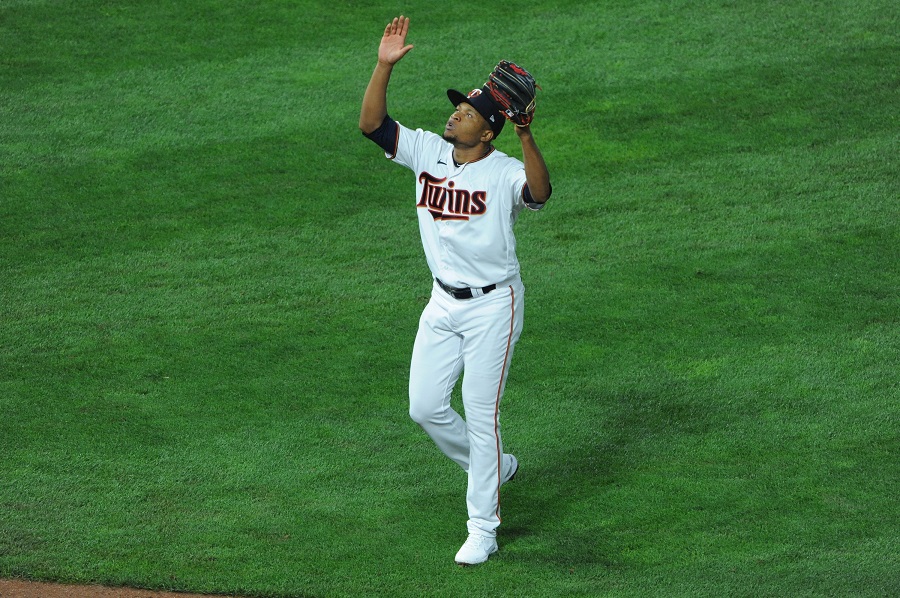 Many relief pitchers can be successful by relying on two to three pitches. For instance, Taylor Rogers has found a lot of success at the big-league level by throwing a two-pitch mix with his fastball and a slider. Relievers can use their best pitches, because they don’t have to worry about facing a hitter multiple times in the same game. Some pitchers are forced to adjust their repertoire if they aren’t finding success. Jorge Alcalá was part of one of the biggest trades under the Derek Falvey and Thad Levine regime. He came to the Twins along with Gilberto Celestino as part of the Ryan Pressly deal. At the time of here is what Baseball America said, “Alcalá has a plus-plus fastball, but there are times as a starter where he gears down to try to maintain his stamina. At his best, he’s reached triple digits in the past. There are days when Alcalá looks like a one-pitch pitcher trying to start, but seen on the right days, he has the makings of being a devastating bullpen option.” Alcalá has shown flashes on turning into a devastating bullpen option, but lefties have given him headaches during his big-league career. Entering play on Wednesday, left-handed hitters had posted a .306/.397/.629 (1.026) slash-line when facing Alcalá. Compare that to the .389 OPS righties had compiled against him and it’s easy to see that something was going to have to change if he was going to progress to being used in more high leverage situations. During his big-league tenure, Alcalá has focused on throwing a fastball and a slider and since that hadn’t worked against lefties, the Twins encouraged him to work on his changeup. He threw the pitch to lefties 24 times during the 2020 season and held them to a .125 BA and a .250 SLG. His changeup breaks down and in on lefties which can make it a tough pitch to square up if he is locating it. “(Alcalá is) making adjustments,” Twins manager Rocco Baldelli said. “He’s going out there and figuring out that sometimes facing left-handed hitters as a whole and facing left-handers and right-handers is going to be different, and you’re going to have to have — I end up calling them tricks, sometimes, but you end up coming to have a different approach.” Alcalá is going to have to keep working with the pitch and he knows the importance of what it will mean for the future of his career. “What you practice is the result you get,” Alcalá told reporters through an interpreter. “If it’s working for me in the bullpen or in practice, I think it’s going to work for me during the game. That’s my mindset. His changeup is still a work in progress, but it is the pitch that might transform him from middle reliever into a dominant late-inning option. Do you think one pitch can make the difference for Alcalá? Leave a COMMENT and star the discussion. MORE FROM TWINS DAILY — Latest Twins coverage from our writers — Recent Twins discussion in our forums — Follow Twins Daily via Twitter, Facebook or email
- 13 comments
-
- 1
-
-
- taylor rogers
- jorge alcala
- (and 3 more)
-
As I wrote in the article, Gore is young for AAA and he has dealt with a blister issue this year.
- 9 replies
-
- 1
-
-
- royce lewis
- hunter greene
- (and 2 more)
-
It’s been nearly four seasons since the Twins had the number one pick in the 2017 MLB Draft. As time passes, more players from this draft are starting to debut, so did the Twins make the right pick? There are a lot of pressures that come with having the draft’s first pick and that pressure was felt by the newly hired front office duo of Derek Falvey and Thad Levine. Multiple names were in the conversation for first overall pick and two of the top-five picks have already made their big-league debuts. Let’s see what the Twins passed over to take Lewis. Royce Lewis, Pick 1- Minnesota Twins Lewis is out for all of 2021 after needing to undergo ACL surgery this spring. That being said, he is only 22 years old, and his future still looks promising. When he was last on the field, he won MVP honors in the Arizona Fall League after hitting .353/.411/.565 (.975) with 12 extra-base hits in 22 games. This was on the heels of a 2019 season that saw him reach Double-A, but he also struggled offensively as he combined for a .661 OPS. He entered the 2021 season as a top-35 prospect on all three major national rankings. At Twins Daily, he was ranked as the organization’s number two overall prospect behind Alex Kirilloff. Hunter Greene, Pick 2- Cincinnati Reds Leading into the draft, Greene was on the cover of Sports Illustrated comparing him to Lebron James and Babe Ruth. No pressure, right? As a teenager, he could hit over 100 mph so there was plenty to be excited about. His first two professional seasons didn’t exactly go perfectly as he struggled with command while striking out a ton of batters. Then an elbow injury struck, and he underwent Tommy John surgery which means this year was his first back on the mound since 2018. At Double-A this season, Greene is almost four years younger than the average age of the competition. He’s also living up to his high draft status for the first time. In six starts (35 innings), he has a 2.31 ERA with a 51 to 10 strikeout to walk ratio. Greene has yet to face a batter younger than himself and he has held hitters to a .541 OPS. MLB.com was the only major prospect ranking to include Greene coming into the season and that will likely change heading into 2022. MacKenzie Gore, Pick 3- San Diego Padres Gore didn’t make the cover of Sports Illustrated as an amateur, but he might wind up being the best high school pitcher taken in 2017. Entering the 2021 season, Gore was considered a top-12 prospect in baseball by all three major rankings. In his last full season (2019), he split time between High-A and Double-A. For the season, he posted a 1.69 ERA with a 0.83 WHIP while striking out 12 batters per nine innings. So far in 2021, he has made four starts at Triple-A and there have been some struggles as he has allowed 11 earned runs in 16 2/3 innings. He’s also dealing with a blister issue that has kept him from making all his turns in the rotation. It’s early in the season and he is a 22-year-old getting his first taste of Triple-A. His future still looks bright. Brendan McKay, Pick 4- Tampa Bay Rays McKay was an intriguing amateur as he was a two-way player during his collegiate career at Louisville. When it came to the draft, some teams saw him as a pitcher and other’s saw him as a hitter. As the draft approached, he was interested in going to an organization that would continue to allow him to continue be a two-way player. There have been some mixed results, so far in his professional career. As a hitter, he has combined for a .679 OPS throughout his minor league career. At the big-league level, he has gone 2-for-10 with a home run and a walk. McKay was a powerful hitter in college as he posted a .966 OPS in three collegiate seasons, so his bat hasn’t lived up to the hype. As a pitcher, he has posted a 1.78 ERA with a 0.84 WHIP with 226 strikeouts in 172 minor league innings. His big-league appearances (13 games) have resulted in a 5.14 ERA and a 1.41 WHIP. He has yet to make a pitching appearance this season after having season-ending shoulder surgery in August 2020. Obviously, it is going to take years to know if Lewis was the right pick. With the Twins pitching struggles, some of the other arms look intriguing in retrospect. Twins fans can hope that Lewis ends up being a multi-time All-Star that is the face of the franchise. If you could go back and make the pick, would Lewis be your first choice? Leave a COMMENT and start the discussion. MORE FROM TWINS DAILY — Latest Twins coverage from our writers — Recent Twins discussion in our forums — Follow Twins Daily via Twitter, Facebook or email View full article
- 9 replies
-
- 1
-
-
- royce lewis
- hunter greene
- (and 2 more)
-
2017 MLB Draft Retrospective: Was Royce Lewis the Right Choice?
Cody Christie posted an article in Minor Leagues
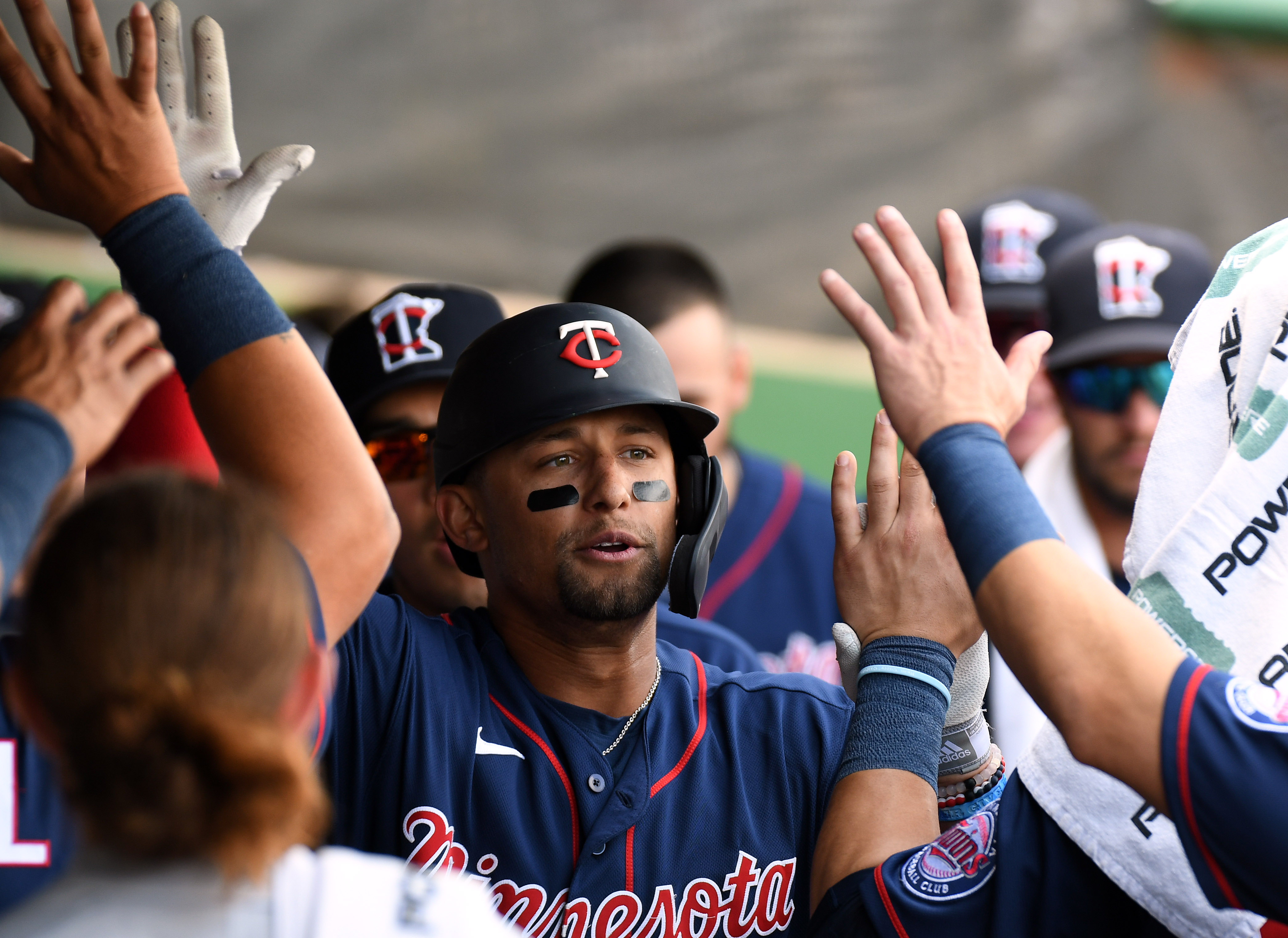 There are a lot of pressures that come with having the draft’s first pick and that pressure was felt by the newly hired front office duo of Derek Falvey and Thad Levine. Multiple names were in the conversation for first overall pick and two of the top-five picks have already made their big-league debuts. Let’s see what the Twins passed over to take Lewis. Royce Lewis, Pick 1- Minnesota Twins Lewis is out for all of 2021 after needing to undergo ACL surgery this spring. That being said, he is only 22 years old, and his future still looks promising. When he was last on the field, he won MVP honors in the Arizona Fall League after hitting .353/.411/.565 (.975) with 12 extra-base hits in 22 games. This was on the heels of a 2019 season that saw him reach Double-A, but he also struggled offensively as he combined for a .661 OPS. He entered the 2021 season as a top-35 prospect on all three major national rankings. At Twins Daily, he was ranked as the organization’s number two overall prospect behind Alex Kirilloff. Hunter Greene, Pick 2- Cincinnati Reds Leading into the draft, Greene was on the cover of Sports Illustrated comparing him to Lebron James and Babe Ruth. No pressure, right? As a teenager, he could hit over 100 mph so there was plenty to be excited about. His first two professional seasons didn’t exactly go perfectly as he struggled with command while striking out a ton of batters. Then an elbow injury struck, and he underwent Tommy John surgery which means this year was his first back on the mound since 2018. At Double-A this season, Greene is almost four years younger than the average age of the competition. He’s also living up to his high draft status for the first time. In six starts (35 innings), he has a 2.31 ERA with a 51 to 10 strikeout to walk ratio. Greene has yet to face a batter younger than himself and he has held hitters to a .541 OPS. MLB.com was the only major prospect ranking to include Greene coming into the season and that will likely change heading into 2022. MacKenzie Gore, Pick 3- San Diego Padres Gore didn’t make the cover of Sports Illustrated as an amateur, but he might wind up being the best high school pitcher taken in 2017. Entering the 2021 season, Gore was considered a top-12 prospect in baseball by all three major rankings. In his last full season (2019), he split time between High-A and Double-A. For the season, he posted a 1.69 ERA with a 0.83 WHIP while striking out 12 batters per nine innings. So far in 2021, he has made four starts at Triple-A and there have been some struggles as he has allowed 11 earned runs in 16 2/3 innings. He’s also dealing with a blister issue that has kept him from making all his turns in the rotation. It’s early in the season and he is a 22-year-old getting his first taste of Triple-A. His future still looks bright. Brendan McKay, Pick 4- Tampa Bay Rays McKay was an intriguing amateur as he was a two-way player during his collegiate career at Louisville. When it came to the draft, some teams saw him as a pitcher and other’s saw him as a hitter. As the draft approached, he was interested in going to an organization that would continue to allow him to continue be a two-way player. There have been some mixed results, so far in his professional career. As a hitter, he has combined for a .679 OPS throughout his minor league career. At the big-league level, he has gone 2-for-10 with a home run and a walk. McKay was a powerful hitter in college as he posted a .966 OPS in three collegiate seasons, so his bat hasn’t lived up to the hype. As a pitcher, he has posted a 1.78 ERA with a 0.84 WHIP with 226 strikeouts in 172 minor league innings. His big-league appearances (13 games) have resulted in a 5.14 ERA and a 1.41 WHIP. He has yet to make a pitching appearance this season after having season-ending shoulder surgery in August 2020. Obviously, it is going to take years to know if Lewis was the right pick. With the Twins pitching struggles, some of the other arms look intriguing in retrospect. Twins fans can hope that Lewis ends up being a multi-time All-Star that is the face of the franchise. If you could go back and make the pick, would Lewis be your first choice? Leave a COMMENT and start the discussion. MORE FROM TWINS DAILY — Latest Twins coverage from our writers — Recent Twins discussion in our forums — Follow Twins Daily via Twitter, Facebook or email
- 9 comments
-
- 2
-
-
- royce lewis
- hunter greene
- (and 2 more)
-
 3. Trusting the Bullpen Castoffs Wes Johnson has done some amazing things with bullpen arms in the past and the Twins entered 2021 thinking that he would be able to replicate these results with a new group of bullpen castoffs. Now it’s the beginning of June and Minnesota has rotated through Shaun Anderson, Derek Law, Juan Minaya, and Brandon Waddell. There were some big shoes to fill in the bullpen (see below), but all these new additions faced struggles. From season’s start, almost nothing seemed to work when it came to the bullpen. It’s also tough to adequately assess relievers when they have such a small sample size of work. It also didn’t help that Randy Dobnak was pushed from the rotation and didn’t really find success in a relief role. One light at the end of the tunnel might be Luke Farrell as he is the lone bullpen castoff that has found success. However, it might be too little, too late for Minnesota this year. 2. Signing Alex Colome Minnesota lost multiple bullpen arms during the winter and there needed to be some replacements found for Tyler Clippard, Trevor May, Sergio Romo, and Matt Wisler. None of these players have shined with their new teams. Clippard is on the 60-day injured list with a shoulder issue. Both Romo and Wisler have ERAs north of 5.80. May’s strikeout numbers have dropped, and he has the highest WHIP since his rookie season. Needless to say, relief pitchers can be fickle especially on the heels of a shortened 2020 campaign. Colome looked like a savvy signing at the time as he was coming off two tremendous seasons in Chicago. In 83 1/3 innings, he had a 2.27 ERA with a 1.03 WHIP and 42 saves. Overall, the results were certainly there since he moved to the bullpen fulltime in 2016. Maybe the White Sox knew a little bit more about Colome’s current situation as they let him go after two tremendous seasons. Minnesota certainly hasn’t seen the previous version of Colome this season. He has a -2.24 win probability added (WPA), which means he’s cost the Twins over two wins so far this season. Also, he has the lowest WAR in baseball among relief pitchers. Things have gone better recently as he has posted a 3.09 ERA with 11 strikeouts in 11 2/3 innings since the start of May. During that stretch, he has still provided negative WPA and it’s not like the Twins have a lot of other bullpen options. 1. Signing Matt Shoemaker The Matt Shoemaker experience has been a rough one and it seems likely that his time with the Twins will quickly be coming to an end. He leads the American League in losses and earned runs. Among AL starters with more than 50 innings pitched, he is the only pitcher with a negative WAR total for the year. Unfortunately, the Twins have six pitchers currently on the IL including starters like Kenta Maeda, Lewis Thorpe, and Devin Smeltzer so the club has to keep him around for depth. Entering the season, he had a 3.86 career ERA, but he had been limited to 18 starts since the end of 2017. His list of injuries including multiple forearm injuries, a torn ACL, shoulder inflammation, and a fractured skull from a line drive off his head. Injuries haven’t been the issue this year as he already pitched more innings than his totals in each of the last three years. It’s not as if a lot was expected from Shoemaker. He was signed for $2 million and was coming of a string of significant injury issues over the last several years. There were signs of hope as his fastball velocity increased last year and his sinker and splitter were improving. Obviously, those things haven’t worked out like the front office had planned. How would you rank the Twins offseason mistakes? Leave a COMMENT and start the discussion. MORE FROM TWINS DAILY — Latest Twins coverage from our writers — Recent Twins discussion in our forums — Follow Twins Daily via Twitter, Facebook or email
- 24 comments
-
- 4
-
-
- matt shoemaker
- alex colome
- (and 3 more)
-
Something went wrong with Minnesota’s offseason blueprint in 2021. There is plenty of blame to be shared, but here are the Twins top three offseason mistakes. 3. Trusting the Bullpen Castoffs Wes Johnson has done some amazing things with bullpen arms in the past and the Twins entered 2021 thinking that he would be able to replicate these results with a new group of bullpen castoffs. Now it’s the beginning of June and Minnesota has rotated through Shaun Anderson, Derek Law, Juan Minaya, and Brandon Waddell. There were some big shoes to fill in the bullpen (see below), but all these new additions faced struggles. From season’s start, almost nothing seemed to work when it came to the bullpen. It’s also tough to adequately assess relievers when they have such a small sample size of work. It also didn’t help that Randy Dobnak was pushed from the rotation and didn’t really find success in a relief role. One light at the end of the tunnel might be Luke Farrell as he is the lone bullpen castoff that has found success. However, it might be too little, too late for Minnesota this year. 2. Signing Alex Colome Minnesota lost multiple bullpen arms during the winter and there needed to be some replacements found for Tyler Clippard, Trevor May, Sergio Romo, and Matt Wisler. None of these players have shined with their new teams. Clippard is on the 60-day injured list with a shoulder issue. Both Romo and Wisler have ERAs north of 5.80. May’s strikeout numbers have dropped, and he has the highest WHIP since his rookie season. Needless to say, relief pitchers can be fickle especially on the heels of a shortened 2020 campaign. Colome looked like a savvy signing at the time as he was coming off two tremendous seasons in Chicago. In 83 1/3 innings, he had a 2.27 ERA with a 1.03 WHIP and 42 saves. Overall, the results were certainly there since he moved to the bullpen fulltime in 2016. Maybe the White Sox knew a little bit more about Colome’s current situation as they let him go after two tremendous seasons. Minnesota certainly hasn’t seen the previous version of Colome this season. He has a -2.24 win probability added (WPA), which means he’s cost the Twins over two wins so far this season. Also, he has the lowest WAR in baseball among relief pitchers. Things have gone better recently as he has posted a 3.09 ERA with 11 strikeouts in 11 2/3 innings since the start of May. During that stretch, he has still provided negative WPA and it’s not like the Twins have a lot of other bullpen options. 1. Signing Matt Shoemaker The Matt Shoemaker experience has been a rough one and it seems likely that his time with the Twins will quickly be coming to an end. He leads the American League in losses and earned runs. Among AL starters with more than 50 innings pitched, he is the only pitcher with a negative WAR total for the year. Unfortunately, the Twins have six pitchers currently on the IL including starters like Kenta Maeda, Lewis Thorpe, and Devin Smeltzer so the club has to keep him around for depth. Entering the season, he had a 3.86 career ERA, but he had been limited to 18 starts since the end of 2017. His list of injuries including multiple forearm injuries, a torn ACL, shoulder inflammation, and a fractured skull from a line drive off his head. Injuries haven’t been the issue this year as he already pitched more innings than his totals in each of the last three years. It’s not as if a lot was expected from Shoemaker. He was signed for $2 million and was coming of a string of significant injury issues over the last several years. There were signs of hope as his fastball velocity increased last year and his sinker and splitter were improving. Obviously, those things haven’t worked out like the front office had planned. How would you rank the Twins offseason mistakes? Leave a COMMENT and start the discussion. MORE FROM TWINS DAILY — Latest Twins coverage from our writers — Recent Twins discussion in our forums — Follow Twins Daily via Twitter, Facebook or email View full article
- 24 replies
-
- 1
-
-
- matt shoemaker
- alex colome
- (and 3 more)

