


Twins Video
Earlier this week, MLB.com wrote about the league's rising attendance this season, including reaching a new milestone. It will be the second consecutive year that attendance has risen, and MLB believes those increases are tied to the rule changes instituted leading into the 2023 campaign. According to the report, it will be the first time baseball has had consecutive years of attendance gains since the 2011-12 seasons. MLB also notes that attendance is up 10% compared to 2022 and will be the highest-attended season since 2017.
Last winter, the Twins wanted to build off MLB's momentum and set a goal of surpassing the 2 million fan mark for the first time since before the pandemic. Minnesota will fall short of that goal, though. They're the boat the rising tide can't lift. So, why did this happen, and what are the long-term ramifications for the organization?
At the onset of the offseason, it made sense for the Twins’ brass to expect a rise in attendance. Vibes around the team were positive, after the club won its first playoff series in over two decades. On-field success usually translates to more interest in the club and higher season ticket sales. It didn't materialize in this case, though, and it's not hard to see why.
On-field success usually also translates to more investment in the club and higher expectations entering the following season. Those things didn't materialize last offseason, either. In February, Twins executive chair Joe Pohlad announced that they needed to “right-size” the business, resulting in a payroll cut of over $30 million, which had become evident over a maddeningly inactive winter. This cut meant the Twins front office had little to spend, and had to trade Jorge Polanco to free up payroll space. Minnesota was in the middle of a winning window, and the ownership’s senseless penny-pinching disheartened fans.
The team’s complex television situation is another factor in this year’s attendance drop. Last winter, the Twins were television free agents who could have gone in a new direction to maximize their accessibility. Instead, the club re-signed with Diamond Sports Group, a company dealing with bankruptcy issues over the last two seasons and mired in disputes with the major carriers through whom fans watched. Minnesota received an estimated $35-45 million in their new deal, but that influx didn’t result in any additional offseason moves. After the season began, the contract between Bally Spots North and Comcast expired without an agreement on a renewal, which kept the Twins off of many television screens in the Upper Midwest for multiple months. Fewer eyes on games is going to mean less interest in the current team, and thus lower attendance.
Minnesota has had three seasons where more than 3 million fans attended games, including 1988, 2010, and 2011. All of those seasons have reasons why fan interest was high. In 1988, the club was coming off the team’s first World Series championship. In 2010 and 2011, Target Field was brand new, and fans wanted to experience outdoor baseball for the first time in decades. The Twins’ last season with more than 2 million fans was the 2019 campaign, when the Bomba Squad set the all-time home run record.
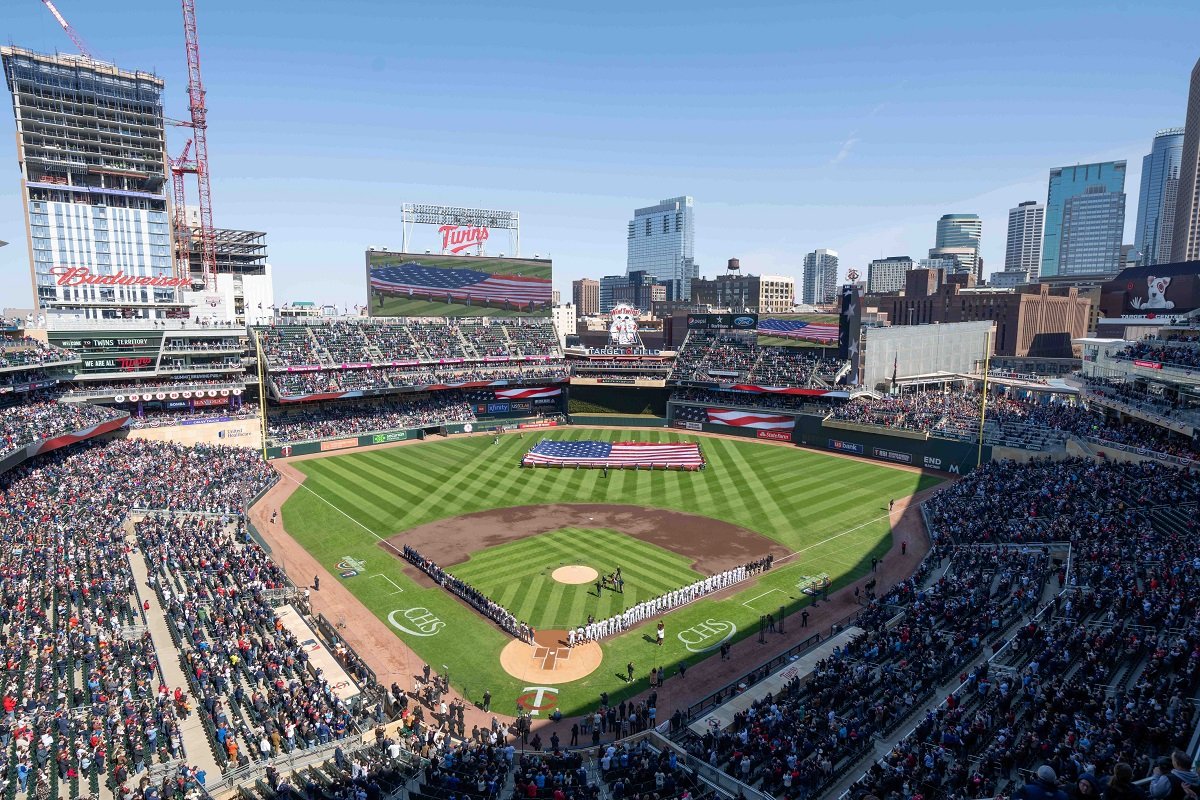
The Twins are averaging just over 24,000 fans per game during the 2024 season. That ranks 23rd across MLB, with only five AL teams behind them in the rankings. The Twins would need to average over 27,000 fans per game in their final homestand to surpass last year’s 1,974,124 attendance total. That seems unlikely, with the team’s recent play and three games during that stretch against the unbeloved Marlins.
Some fans will point to the team’s shortcomings this season and suggest the ownership group will see the error of their ways and invest in the 2025 roster. Unfortunately, the Pohlads have operated the Twins like a business throughout their tenure, and that isn’t going to change next season. Lower-than-expected attendance and a chance the team misses the playoffs are scary propositions for next season’s expected payroll. Leadership myopic enough to slash payroll after such a potentially galvanizing season is likely to follow the same pattern in the face of a frustrating one that saw revenue sag.
Thanks to their huge volume of games, MLB is the most attended sports league in the world. However, the Twins need to make some fundamental changes if they want to increase their attendance in the coming years. It sure looks like they'll make merely cosmetic changes, and probably not even ones that take them in the right direction.
Is the team’s attendance drop surprising? How will attendance impact next season’s payroll? Leave a comment and start the discussion.
Do you approve of the job the Twins front office is doing?

Follow Twins Daily For Minnesota Twins News & Analysis



- nclahammer, Schmoeman5 and Karbo
-
 2
2
-
 1
1


Recommended Comments
Create an account or sign in to comment
You need to be a member in order to leave a comment
Create an account
Sign up for a new account in our community. It's easy!
Register a new accountSign in
Already have an account? Sign in here.
Sign In Now