


Twins Video
Velocity has been the conversation around Bailey Ober for more than a year now. It started during last spring training and never really went away. A hip issue disrupted his mechanics, and for a pitcher listed at 6-foot-9, that matters more than it might for most guys. There are a lot of long levers and heavy machine parts in a delivery like Ober’s, and when even one of them is out of sync, everything can fall apart.
In 2026, the radar gun still isn't telling the story fans were hoping for. But Ober isn't chasing his old velocity. Instead, he's building something different.
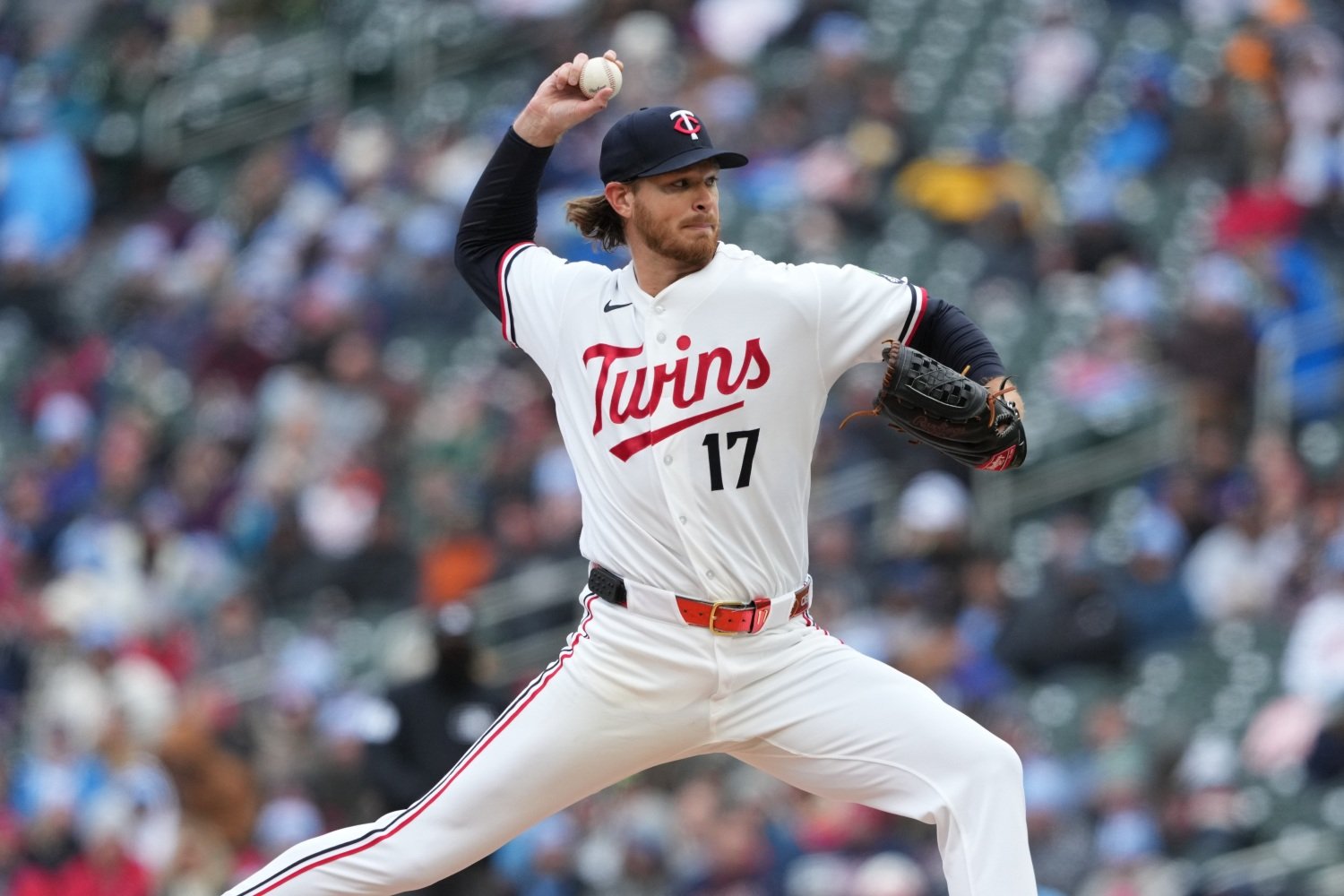
The most noticeable change is subtle. Ober’s arm angle is a tick lower this season. It's not dramatic enough to jump out without a side-by-side look (see below), but it's there. That slight adjustment could be tied directly to the movement changes he appears to be chasing. A lower slot can create different shapes, especially on pitches like his slider and sweeper, which will be critical for him to succeed at lower velocities.
At the same time, he's sacrificing a bit of what made him unique. Ober has long been known for elite extension (97th percentile in 2025), releasing the ball closer to the plate than most pitchers. That trait helped his fastball play above its velocity. This year, he's giving some of that back in exchange for better posture and balance through his delivery.

That tradeoff is not insignificant. If the extension is down, then the perceived velocity hitters see is dropping even more than what the radar gun shows. In other words, the margin for error is smaller. But Ober seems to understand that, and is betting on command and execution instead.
His pitch mix backs that up. In his first two starts, Ober leaned heavily on his changeup, throwing it 37% of the time. That's a massive jump from anything he's done previously, where he had never crossed the 30% mark. It's not just a tweak. It's a philosophical shift.
The changeup has always been one of his best pitches, and using it that often suggests a willingness to pitch backward, disrupt timing, and avoid relying on a fastball that may be more of a liability now. He’s held batters to an .083 batting average against the pitch, with a 25.0% whiff rate. When that pitch is well-located, it also limits his vulnerability to power. His fastball has been hit hard in his first two starts of the young season, but he's only allowed three well-struck balls against changeups—and then, not especially dangerous hard contact, anyway. Two of those hard-hit balls turned into outs, and the other was a mere single.
There are also signs that the raw stuff might be ticking in a different direction. Nearly every pitch in his arsenal has seen at least a small bump in spin rate. The biggest gain comes from the sweeper, which has surged from 2,099 RPM to 2,280. That kind of increase can turn a fringe pitch into something much more impactful, and indeed, Ober's sweeper has three extra inches of glove-side movement so far. Because of that small change in arm angle (and an even subtler move toward the center of the rubber), he's releasing the ball a few inches farther toward third base, too, so the ball has room to move that way without sweeping so far off the plate as not to tempt batters to swing.

Even the smallest details point to a deliberate reset. Ober is listed at 254 pounds in the game notes, down slightly from the 260 he has carried in the past. It's not a dramatic change, but it suggests a focus on mobility and repeatability. For someone trying to clean up mechanics and stay in sync, that matters.
Manager Derek Shelton made it clear that this process is still ongoing.
“[Ober] did a good job in the Baltimore [game]. He made one bad pitch, the pitch to O’Neill, and he gave up two singles before that, but overall, he was pretty effective, and if we go through and starters, you know, make one bad pitch or two bad pitches, I think we're gonna be in a pretty good spot," Shelton said before handing the ball to Ober in the home opener Friday. "The only thing that we really want our starters to do is give us a chance to win the game. And if we do that, then we can kind of go from there.”
That context is important. Ober isn't just adjusting on the fly in games. He's still building up after a spring focused on reworking his approach on the mound.
There's no denying that Ober looks different. The velocity dip is real, and the tradeoffs he's making aren't small. But this is not a pitcher clinging to what he used to be. This is someone actively reshaping his profile to fit what he is now.
If the command sharpens, if the changeup heavy approach sticks, and if the added spin translates into more consistent movement, Ober doesn't need to be the same pitcher he was before. He just needs to be a better version of the one he is becoming.
What are your thoughts on the changes so far from Ober? Leave a comment and start the discussion.

Are you optimistic about the Twins right now?

Follow Twins Daily For Minnesota Twins News & Analysis



- Mia Bednar, Patzky, nclahammer and 3 others
-
 6
6



Recommended Comments
Create an account or sign in to comment
You need to be a member in order to leave a comment
Create an account
Sign up for a new account in our community. It's easy!
Register a new accountSign in
Already have an account? Sign in here.
Sign In Now