Cody Schoenmann
-
Posts
768 -
Joined
-
Last visited
-
Days Won
1
Content Type
Profiles
News
Minnesota Twins Videos
2026 Minnesota Twins Top Prospects Ranking
2022 Minnesota Twins Draft Picks
Minnesota Twins Free Agent & Trade Rumors, Notes, & Tidbits
Guides & Resources
2023 Minnesota Twins Draft Picks
The Minnesota Twins Players Project
2024 Minnesota Twins Draft Picks
2025 Minnesota Twins Draft Pick Tracker
2026 Minnesota Twins Draft Tracker: Picks & Bonuses
Forums
Blogs
Events
Store
Downloads
Gallery
Everything posted by Cody Schoenmann
-
 Yes, Woods Richardson's Location+ was 100.7 at Triple-A.
 -
I don't have access to what their Stuff+ was at the Major League level, but I can provide you their Stuff+ while pitching at Triple-A: Varland - 101.1 Stuff+ Winder - 98.8 Stuff+ Headrick - 96.4 Stuff+ Sands - 95.2 Stuff+
-
FanGraphs doesn't have that information. It's on Eno Sarris' Pitcher Report Google Sheets spreadsheet, but you need to have a subscription to The Athletic to access it, so I didn't provide a link to it. I read the list wrong initially, and that's my bad, but Miller is actually 3rd on the list. First on the list is Oakland Athletics' prospect Mason Miller (131.3 Stuff+) and in second place is fellow Athletics prospect Joe Boyle (131.2 Stuff+). Mason Miller, Boyle, and Bobby Miller all have nasty stuff!
-
Simeon Woods Richardson's career with the Minnesota Twins organization has been a story of highs, lows, and great uncertainty. Does the 23-year-old former Top 100 prospect have a future with the Twins? Image courtesy of Jesse Johnson - USA TODAY Sports Simeon Woods Richardson is a young and spry 23-year-old, and he wants you to know that. In an interview with ABC 6 News Rochester, Zone Coverage, and Twins Daily's Theodore Tollefson, Woods Richardson stated, "I’m still one of the youngest guys here. I may not carry myself like it, but I’m still one of the youngest guys here." Being young and spry is, of course, a favorable situation to find oneself in. To be young is to be strong, full of energy and stamina, and sharp-minded. These qualities ought to be used on something of purpose, and Woods Richardson is using his in an attempt to make a living as a professional baseball pitcher. I, as a fellow "young and spry" 23-year-old, am using mine in an attempt to be a public school teacher. Now, Woods Richardson has the potential to make millions of dollars, have access to the best healthcare in the world, and travel around the United States and the Canadian province of Ontario for free. I, on the other hand, have the opportunity to make roughly $50,000 a year, access to unreliable state healthcare, and the ability to travel to the Wisconsin Dells, barring I get an increase on my credit card spending limit (please, Discover, I want to go to Mt. Olympus). Obviously, one unnamed individual is winning here, but author Kurt Vonnegut once proclaimed, "Teaching, may I say, is the noblest profession of all in a democracy." Notice how he didn't mention professional baseball players? Regardless, Woods Richardson is prime to contribute to a Major League Baseball team. Unfortunately, he has yet to do so. Since being drafted by the New York Mets in the 2018 MLB Draft out of I. H. Kempner High School in Sugar Land, Texas, Woods Richardson has been a part of two prominent league-altering trades and three organizations. Here is a brief history of said trades: (July 28, 2019) The New York Mets traded pitching prospects Anthony Kay and Simeon Woods Richardson to the Toronto Blue Jays for right-handed starting pitcher Marcus Stroman and cash considerations. (July 30, 2021) The Toronto Blue Jays traded pitching prospect Simeon Woods Richardson and infield/outfield prospect Austin Martin to the Minnesota Twins for starting pitcher Jose Berríos. A silver lining for Woods Richardson being a prominent component of significant trades is that he is a wanted commodity. Unfortunately, he has yet to find consistent footing with a sole organization. Woods Richardson never pitched for the Mets or Blue Jays at the Major League level. However, he has made two Major League appearances for the Twins, including his Major League debut against the Detroit Tigers on October 2, 2022. Woods Richardson impressed in his Major League debut, facing 20 total batters over five innings pitched, giving up two earned runs while walking two and striking out three. Woods Richardson didn't make the Twins 2023 Opening Day roster and made only one Major League appearance, facing 24 total batters and giving up five earned runs while walking three and striking out five over 4 2/3 innings of stretch relief against the Washington Nationals on April 22. On April 23, Woods Richardson was demoted to Triple-A St. Paul and spent the rest of the 2023 season with the Saints. Woods Richardson struggled mightily upon his demotion, sporting a 7.38 ERA and 1.85 WHIP in early June. Luckily, a switch flipped for Woods Richardson, and he was able to manufacture the lowest ERA, opponent BA, SLG, OPS, and wOBA of all Triple-A starting pitchers from mid-June to mid-September. Woods Richardson's quick turnaround is what the kids like to call “an unprecedented stark contrast in performance.” Woods Richardson finished his 2023 Triple-A campaign with a 4.91 ERA, 1.50 WHIP, and .253 opponent BA with 109 hits allowed, 13 home runs allowed, 61 walks, and 96 strikeouts. Though these numbers are overall uninspiring, considering where Woods Richardson was in mid-June, his late-season turnaround is unequivocally impressive. Combining Woods Richardson's immense early struggles with his incredible finish to the season, it is difficult to get a grasp on his potential as a future Major League starting pitcher. Though this is the case, it appears that Woods Richardson is destined to be a productive Major League-caliber starting pitcher, and his Stuff+ at the Triple-A level greatly infers that. Stuff+ is a pitching-specific sabermetric created by Max Bay and Eno Sarris. According to FanGraphs, Stuff+ looks only at the physical characteristics of a pitch. Important features include, but are not limited to, release point, velocity, vertical and horizontal movement, and spin rate. Woods Richardson threw 1,985 pitches over 24 appearances at the Triple-A level this season, and according to Eno Sarris' Pitcher Report spreadsheet, Woods Richardson finished the 2023 season ranked 10th out of 1239 Triple-A pitchers in Stuff+ with a rating of 116.9. For reference, rookie pitchers who made immediate contributions for their clubs, Bobby Miller (124.9) and Tanner Bibee (120.2), finished ahead of Woods Richardson in 3rd and 8th place, respectively. Woods Richardson also finished ahead of fellow young pitchers who pitched well during their debut 2023 seasons in AJ Smith-Shawvver (113.9) and Gavin Williams (113.6), who finished in 19th and 20th place, respectively. Now, Stuff+ doesn't attempt to predict whether a pitcher will be successful or not, but what it does do is measure how effective or "nasty" their pitches are. Young pitchers who throw nasty pitches, like Miller and Bibee, tend to be successful at the Major League level. What is interesting about Woods Richardson is that his pitches are "nasty" in a different way from the traditionally effective Miller and Bibee. Whereas Miller and Bibee can overpower hitters with overpowering fastballs and complementary offspeed pitches, Woods Richardson tends to outmatch hitters due to his unique release point and pitch movement combination. According to FanGraphs, Stuff+ values the release point of a pitcher. So, some pitchers with unique release points, movement combinations, and, in turn, effective pitch deception tactics score very well despite lower velocities. Woods Richardson has a unique overhead release point. Also, Woods Richardson, a right-handed pitcher, maxes out at 92-93 MPH. Combined, these two Woods Richardson-specific quirks create deception and play into the more obscure elements of pitching that Stuff+ values, making him a prime candidate to be highly valued by Bay and Sarris' Stuff+ model. Interestingly, Sarris' Pitcher Report model projects Woods Richardson to have a lackluster 2024 season as the 629th-best pitcher out of the 4017 qualified pitchers between the Majors and all Minor League levels. To add context, here is how Sarris' model projects Woods Richardson's 2024 campaign to play out: 4.73 ERA, 4.51 FIP, 1.37 WHIP, 21% K%, 9.5% BB%, .290 BABIP, 116 Stuff+, 142 strikeouts, 4.6 innings pitched/game, 146 innings pitched Sarris has Woods Richardson projected to finish just behind pending free agent Lucas Giolito (628th place) and ahead of Philadelphia Phillies starter Ranger Suarez (636th place) in performance during the 2024 season. Woods Richardson's projected statistics are undesirable at the surface level, particularly after how well the Twins starting rotation performed during the 2023 season. However, getting this performance out of a fringe-fifth starter would be ideal. "Fringe-fifth starter" is precisely how I would describe Woods Richardson's impending role with the Twins for the 2024 season, much like his role during the 2023 season. Going into the 2024 season, Woods Richardson is going to have to come into Spring Training prepared after what is hopefully a productive offseason to apply himself and compete with fellow "fringe-fifth starters" in fellow 40-man roster spot occupiers in Louie Varland, Brent Headrick, Josh Winder, and Cole Sands for a more meaningful role. Woods Richardson has the tools and skill to succeed at the Major League level, as evidenced by his impressive Stuff+ and remarkable last three months of his 2023 Triple-A campaign. Nonetheless, he still needs to prove himself to be a viable Major League pitcher if he wants to be part of the Twins' plans beyond 2024. Do you think Woods Richardson has a future with the Twins? What do you make of Woods Richardson's remarkable three-month stretch to end his 2023 Triple-A season? Comment below. View full article
-
Does Simeon Woods Richardson Have a Future With the Twins?
Cody Schoenmann posted an article in Twins
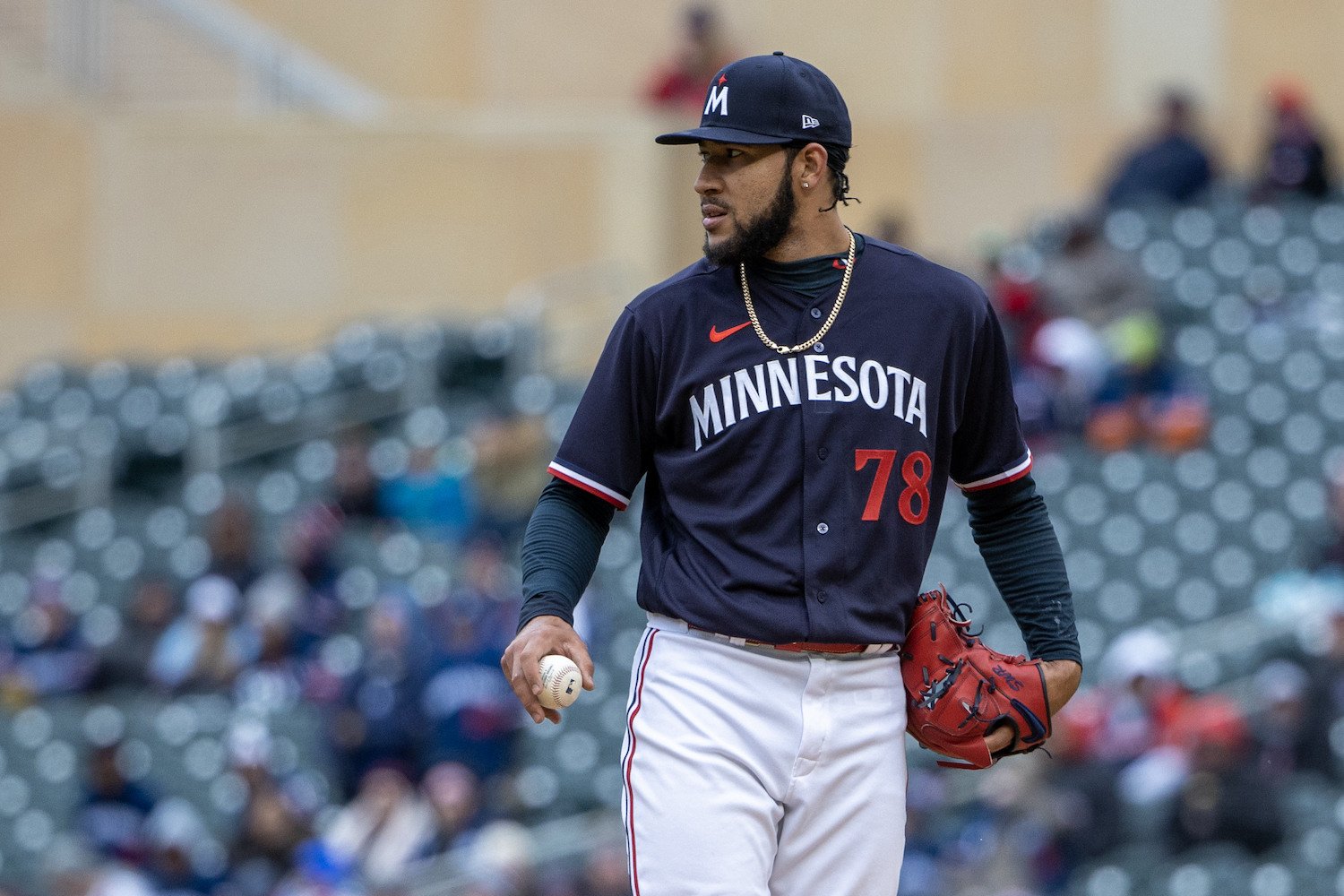 Simeon Woods Richardson is a young and spry 23-year-old, and he wants you to know that. In an interview with ABC 6 News Rochester, Zone Coverage, and Twins Daily's Theodore Tollefson, Woods Richardson stated, "I’m still one of the youngest guys here. I may not carry myself like it, but I’m still one of the youngest guys here." Being young and spry is, of course, a favorable situation to find oneself in. To be young is to be strong, full of energy and stamina, and sharp-minded. These qualities ought to be used on something of purpose, and Woods Richardson is using his in an attempt to make a living as a professional baseball pitcher. I, as a fellow "young and spry" 23-year-old, am using mine in an attempt to be a public school teacher. Now, Woods Richardson has the potential to make millions of dollars, have access to the best healthcare in the world, and travel around the United States and the Canadian province of Ontario for free. I, on the other hand, have the opportunity to make roughly $50,000 a year, access to unreliable state healthcare, and the ability to travel to the Wisconsin Dells, barring I get an increase on my credit card spending limit (please, Discover, I want to go to Mt. Olympus). Obviously, one unnamed individual is winning here, but author Kurt Vonnegut once proclaimed, "Teaching, may I say, is the noblest profession of all in a democracy." Notice how he didn't mention professional baseball players? Regardless, Woods Richardson is prime to contribute to a Major League Baseball team. Unfortunately, he has yet to do so. Since being drafted by the New York Mets in the 2018 MLB Draft out of I. H. Kempner High School in Sugar Land, Texas, Woods Richardson has been a part of two prominent league-altering trades and three organizations. Here is a brief history of said trades: (July 28, 2019) The New York Mets traded pitching prospects Anthony Kay and Simeon Woods Richardson to the Toronto Blue Jays for right-handed starting pitcher Marcus Stroman and cash considerations. (July 30, 2021) The Toronto Blue Jays traded pitching prospect Simeon Woods Richardson and infield/outfield prospect Austin Martin to the Minnesota Twins for starting pitcher Jose Berríos. A silver lining for Woods Richardson being a prominent component of significant trades is that he is a wanted commodity. Unfortunately, he has yet to find consistent footing with a sole organization. Woods Richardson never pitched for the Mets or Blue Jays at the Major League level. However, he has made two Major League appearances for the Twins, including his Major League debut against the Detroit Tigers on October 2, 2022. Woods Richardson impressed in his Major League debut, facing 20 total batters over five innings pitched, giving up two earned runs while walking two and striking out three. Woods Richardson didn't make the Twins 2023 Opening Day roster and made only one Major League appearance, facing 24 total batters and giving up five earned runs while walking three and striking out five over 4 2/3 innings of stretch relief against the Washington Nationals on April 22. On April 23, Woods Richardson was demoted to Triple-A St. Paul and spent the rest of the 2023 season with the Saints. Woods Richardson struggled mightily upon his demotion, sporting a 7.38 ERA and 1.85 WHIP in early June. Luckily, a switch flipped for Woods Richardson, and he was able to manufacture the lowest ERA, opponent BA, SLG, OPS, and wOBA of all Triple-A starting pitchers from mid-June to mid-September. Woods Richardson's quick turnaround is what the kids like to call “an unprecedented stark contrast in performance.” Woods Richardson finished his 2023 Triple-A campaign with a 4.91 ERA, 1.50 WHIP, and .253 opponent BA with 109 hits allowed, 13 home runs allowed, 61 walks, and 96 strikeouts. Though these numbers are overall uninspiring, considering where Woods Richardson was in mid-June, his late-season turnaround is unequivocally impressive. Combining Woods Richardson's immense early struggles with his incredible finish to the season, it is difficult to get a grasp on his potential as a future Major League starting pitcher. Though this is the case, it appears that Woods Richardson is destined to be a productive Major League-caliber starting pitcher, and his Stuff+ at the Triple-A level greatly infers that. Stuff+ is a pitching-specific sabermetric created by Max Bay and Eno Sarris. According to FanGraphs, Stuff+ looks only at the physical characteristics of a pitch. Important features include, but are not limited to, release point, velocity, vertical and horizontal movement, and spin rate. Woods Richardson threw 1,985 pitches over 24 appearances at the Triple-A level this season, and according to Eno Sarris' Pitcher Report spreadsheet, Woods Richardson finished the 2023 season ranked 10th out of 1239 Triple-A pitchers in Stuff+ with a rating of 116.9. For reference, rookie pitchers who made immediate contributions for their clubs, Bobby Miller (124.9) and Tanner Bibee (120.2), finished ahead of Woods Richardson in 3rd and 8th place, respectively. Woods Richardson also finished ahead of fellow young pitchers who pitched well during their debut 2023 seasons in AJ Smith-Shawvver (113.9) and Gavin Williams (113.6), who finished in 19th and 20th place, respectively. Now, Stuff+ doesn't attempt to predict whether a pitcher will be successful or not, but what it does do is measure how effective or "nasty" their pitches are. Young pitchers who throw nasty pitches, like Miller and Bibee, tend to be successful at the Major League level. What is interesting about Woods Richardson is that his pitches are "nasty" in a different way from the traditionally effective Miller and Bibee. Whereas Miller and Bibee can overpower hitters with overpowering fastballs and complementary offspeed pitches, Woods Richardson tends to outmatch hitters due to his unique release point and pitch movement combination. According to FanGraphs, Stuff+ values the release point of a pitcher. So, some pitchers with unique release points, movement combinations, and, in turn, effective pitch deception tactics score very well despite lower velocities. Woods Richardson has a unique overhead release point. Also, Woods Richardson, a right-handed pitcher, maxes out at 92-93 MPH. Combined, these two Woods Richardson-specific quirks create deception and play into the more obscure elements of pitching that Stuff+ values, making him a prime candidate to be highly valued by Bay and Sarris' Stuff+ model. Interestingly, Sarris' Pitcher Report model projects Woods Richardson to have a lackluster 2024 season as the 629th-best pitcher out of the 4017 qualified pitchers between the Majors and all Minor League levels. To add context, here is how Sarris' model projects Woods Richardson's 2024 campaign to play out: 4.73 ERA, 4.51 FIP, 1.37 WHIP, 21% K%, 9.5% BB%, .290 BABIP, 116 Stuff+, 142 strikeouts, 4.6 innings pitched/game, 146 innings pitched Sarris has Woods Richardson projected to finish just behind pending free agent Lucas Giolito (628th place) and ahead of Philadelphia Phillies starter Ranger Suarez (636th place) in performance during the 2024 season. Woods Richardson's projected statistics are undesirable at the surface level, particularly after how well the Twins starting rotation performed during the 2023 season. However, getting this performance out of a fringe-fifth starter would be ideal. "Fringe-fifth starter" is precisely how I would describe Woods Richardson's impending role with the Twins for the 2024 season, much like his role during the 2023 season. Going into the 2024 season, Woods Richardson is going to have to come into Spring Training prepared after what is hopefully a productive offseason to apply himself and compete with fellow "fringe-fifth starters" in fellow 40-man roster spot occupiers in Louie Varland, Brent Headrick, Josh Winder, and Cole Sands for a more meaningful role. Woods Richardson has the tools and skill to succeed at the Major League level, as evidenced by his impressive Stuff+ and remarkable last three months of his 2023 Triple-A campaign. Nonetheless, he still needs to prove himself to be a viable Major League pitcher if he wants to be part of the Twins' plans beyond 2024. Do you think Woods Richardson has a future with the Twins? What do you make of Woods Richardson's remarkable three-month stretch to end his 2023 Triple-A season? Comment below.
 -
yeah, that was a rough mess up on my end lol. I fixed it, thanks for letting me know.
-
The Twins finished 24th overall in the MLB with 86 stolen bases during the 2023 regular season. Though this is an improvement from when they finished last in the MLB with only 38 stolen bases in 2022, their 2023 numbers lagged behind most teams. The Twins are suited to be an effective base-stealing team, and they should increase their stolen base attempts in 2024. Image courtesy of David Kohl - USA TODAY Sports A good person is someone who attempts to live a sound moral life in an entirely corrupt world. That means avoiding the temptation of morally corrupt actions like fraud, violence, lying, and theft and instead doing what is right in the name of actively attempting to be a good person. Though this is a valuable and essential standard of life to pursue, one of these morally corrupt acts has an entirely different meaning when discussing baseball: theft. Also known as "stealing" in the baseball lexicon, attempting to swipe a base is a perfectly reasonable and even encouraged act to engage and dabble with. Unfortunately, the Twins have been one of the more steal-averse teams in baseball since Rocco Baldelli took over as manager in 2019. To add context, here is where the Twins have ranked in stolen bases as a team each season since 2019: 2019 - 28 (30th in MLB) 2020 - 14 (30th in MLB) 2021 - 54 (25th in MLB) 2022 - 38 (30th in MLB) 2023 - 86 (24th in MLB) Three out of the last five seasons, the Twins have finished in last place in stolen bases in Major League Baseball. The highest the Twins have finished was in 24th place, which is still in the bottom half of the league. Twins utility player Willi Castro led the team with 33 stolen bases (SB), and if it weren't for Castro the Twins would have had 53 stolen bases during the 2023 season, which would have been last in Major League Baseball. Of course, this isn't an appropriate way to view the situation because Castro played for the Twins and had 33 steals, the butterfly effect, etc. Nonetheless, Castro, the manufacturer of 38% of the Twins stolen bases, puts their unwillingness to attempt to steal them into a fascinating light. Castro was incredibly efficient as a base stealer, stealing 33 bases on 38 attempts (87%), and finished 10th in Major League Baseball in total steals. What is interesting about Castro being a highly efficient base stealer is that he possesses an above-average but non-elite 82nd-percentile sprint speed. An 82nd-percentile sprint speed means Castro can cover 28.6 feet/second, but to be considered a player with an elite sprint speed, one needs to be able to cover 30 feet/second. So, Castro could efficiently steal a high volume of bases while being a non-elite base runner sprint speed-wise. Interestingly enough, this is the case with a handful of the nine players who stole more bases than Castro: Ronald Acuña Jr. (Braves) - 73 SB, 67th-percentile sprint speed Esteury Ruiz (Athletics) - 67 SB, 97th-percentile sprint speed Corbin Carroll (Diamondbacks) - 54 SB, 99th-percentile sprint speed Bobby Witt Jr. (Royals) - 49 SB, 100th-percentile sprint speed CJ Abrams (Nationals) - 47 SB, 82nd-percentile sprint speed Nico Hoerner (Cubs) - 43 SB, 80th-percentile sprint speed Ha-Seong Kim (Padres) - 38 SB, 79th-percentile sprint speed Julio Rodriguez (Mariners) - 37 SB, 96th-percentile sprint speed Elly De La Cruz (Reds) - 35 SB, 100th-percentile sprint speed Willi Castro (Twins) - 33 SB, 82nd-percentile sprint speed Now, while this list is populated with 97th-to-100th-percentile sprint speed base-stealers in Carroll, Witt Jr., Rodriguez, and De La Cruz, there are more players with non-elite sprint speeds in Acuña Jr. (the league leader in steals), Abrams, Hoerner, Kim, and Castro. Though these respective players all have differentiating sprint speeds, the one thing they have in common regarding stolen bases is a high number of attempts. Here is how many stolen bases (SB), caught stealing (CS), and overall successful stolen base percentage (rounded) the previously listed players had during the 2023 regular season: Acuña Jr. - (73 SB, 14 CS, 84% sucess rate) Ruiz - (67 SB, 13 CS, 84% success rate) Carroll - (54 SB, 5 CS, 92% success rate) Witt Jr. - (49 SB, 15 CS, 77% sucess rate) Abrams - (47 SB, 4 CS, 92% success rate) Hoerner - (43 SB, 7 CS, 86% success rate) Kim - (38 SB, 9 CS, 81% success rate) Rodriguez - (37 SB, 10 CS, 79% success rate) De La Cruz - (35 SB, 8 CS, 81% success rate) Castro - (33 SB, 5 CS, 87% success rate) Every player listed has at least 40 stolen base attempts and a success rate of over 75%. Having this many players steal such a high number of bases at an over 75% success rate is astonishing, and much of this phenomenon likely has to do with the MLB increasing the size of the bases from 15 square inches to 18 square inches and limiting pitchers to two pick-off attempts per plate appearance. The MLB and its consultants brainstormed and eventually created and implemented these rules to revitalize what was a dying art of stealing bases, and they have accomplished exactly that. Teams like the Cincinnati Reds (190 stolen bases in 2023), Arizona Diamondbacks (166 stolen bases in 2023), and divisional foe Kansas City Royals (163 stolen bases in 2023) have taken full advantage of these rule changes, and the Twins should heavily consider doing the same. Not only did the Red, Diamondbacks, and Royals have three of the best base stealers in the MLB during the 2023 regular season in the previously mentioned De La Cruz, Carroll, and Witt Jr., respectively, but they also had complementary players who similarly stole a high volume of bases. For example, the Reds had TJ Friedl with 27 stolen bases and a 73rd-percentile sprint speed, the Diamondbacks had Jake McCarthy with 26 stolen bases and a 98th-percentile sprint speed, and the Royals had Dairon Blanco with 24 stolen bases and a 100th-percentile sprint speed. To complement Castro and his 33 stolen bases, the Twins had Michael A. Taylor with 13 steals and an 85th-percentile sprint speed. An 85th-percentile sprint speed is in no way lackluster, but the drop off in total number of stolen bases from Friedl, McCarthy, and Blanco to Taylor is significant. To further emphasize how the Twins didn't adequately attempt to steal bases beyond Castro, here are the Twins who finished in third through fifth place leaders in stolen bases with their sprint speed percentiles: 3rd: Byron Buxton - 9 SB, 94th-percentile sprint speed 4th: Royce Lewis - 6 SB, 73rd-percentile sprint speed 5th: Andrew Stevenson - 4 SB, 93rd-percentile sprint speed The point of this exercise isn't to be hypercritical of the Twins and their unwillingness to steal bases at the same rate as other teams with fast players but rather to show that they have players with similar above-average and even elite sprint speeds to teams that steal at a high rate like the Reds, Diamondbacks, and Royals. Taylor and Stevenson might not be members of the Twins' 2024 Opening Day 26-man roster, but Castro, Buxton, and Lewis will be. The Twins will also have players who can adequately steal bases in Jorge Polanco (55th-percentile sprint speed), Edouard Julien (41st-percentile sprint speed), Max Kepler (52nd-percentile sprint speed), and potentially speedy utility player Austin Martin. Utility player Nick Gordon (49th-percentile sprint speed) is also a capable base stealer, but whether he will make the Twins' 2024 Opening Day roster is in great question. Castro, Buxton, and potentially Martin are adequate base-stealing options and should be attempting steals at a higher rate. As evidenced by their sprint speeds, Lewis, Polanco, Julien, and Kepler are not elite base-stealing options, but Acuña Jr. just stole 73 bases with a 67th-percentile sprint speed by masterfully mixing an opportunistic mindset with a high baserunning IQ. It would be a dramatic waste of time to suggest that the Twins begin attempting steal bases at the same rate as the Reds, Diamondbacks, and Royals. Instead, the Twins should aspire to become a middle-of-the-pack base-stealing team and steal 100 or more bases, which they have yet to do since stealing 135 bases in 2012. Acuña Jr., Abrams, Hoerner, Kim, and current Twins utility player Castro prove that players can be highly effective base stealers despite not having elite sprint speeds. The Twins have capable base stealers, and it would be in their best interest to become a team that attempts to steal more often during the 2024 season. Should the Twins attempt to steal more often in 2024? Who do you think should attempt to steal bases besides Castro? Comment below. View full article
-
Stealing the Show: Why Twins Should Prioritize Stolen Bases in 2024
Cody Schoenmann posted an article in Twins
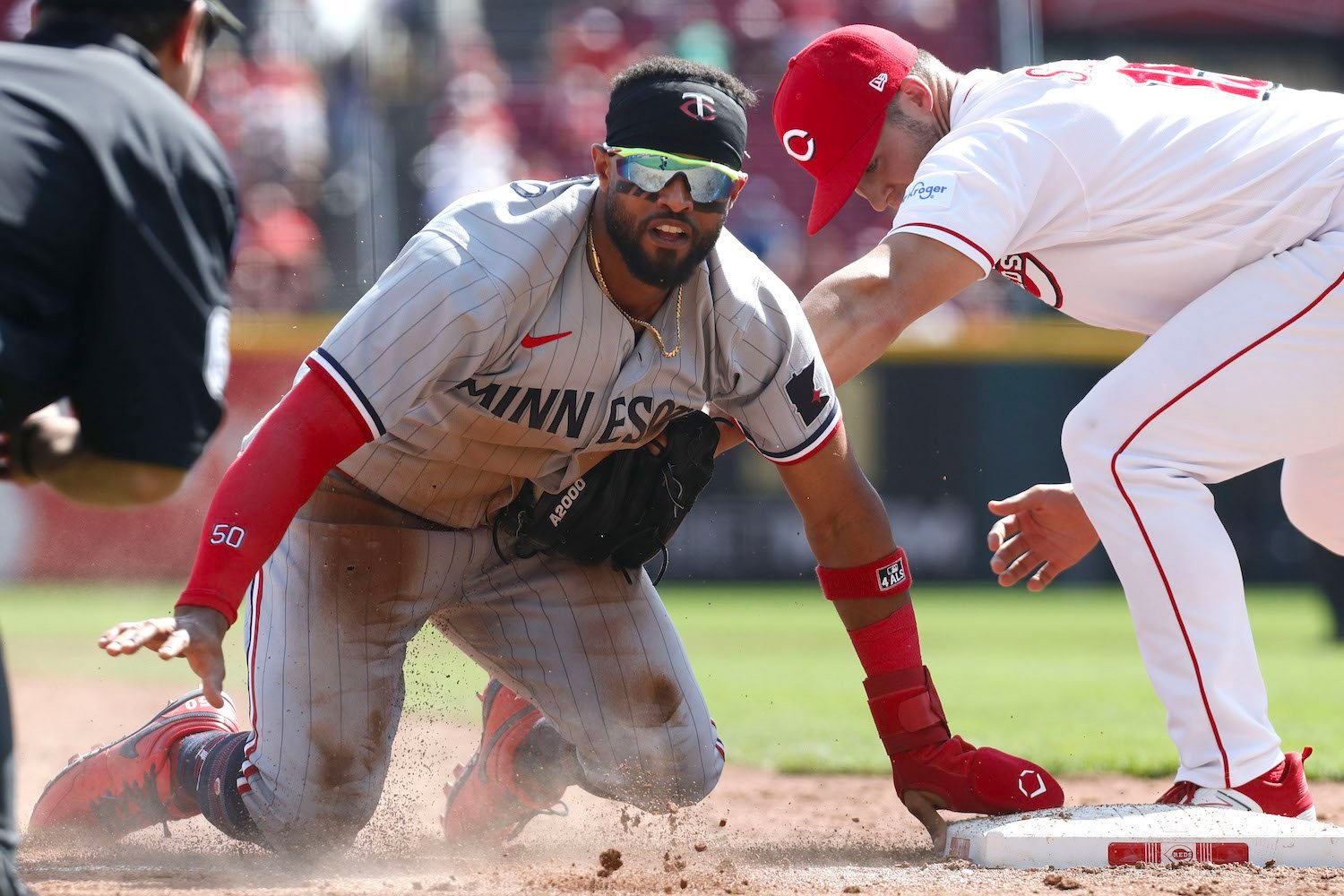 A good person is someone who attempts to live a sound moral life in an entirely corrupt world. That means avoiding the temptation of morally corrupt actions like fraud, violence, lying, and theft and instead doing what is right in the name of actively attempting to be a good person. Though this is a valuable and essential standard of life to pursue, one of these morally corrupt acts has an entirely different meaning when discussing baseball: theft. Also known as "stealing" in the baseball lexicon, attempting to swipe a base is a perfectly reasonable and even encouraged act to engage and dabble with. Unfortunately, the Twins have been one of the more steal-averse teams in baseball since Rocco Baldelli took over as manager in 2019. To add context, here is where the Twins have ranked in stolen bases as a team each season since 2019: 2019 - 28 (30th in MLB) 2020 - 14 (30th in MLB) 2021 - 54 (25th in MLB) 2022 - 38 (30th in MLB) 2023 - 86 (24th in MLB) Three out of the last five seasons, the Twins have finished in last place in stolen bases in Major League Baseball. The highest the Twins have finished was in 24th place, which is still in the bottom half of the league. Twins utility player Willi Castro led the team with 33 stolen bases (SB), and if it weren't for Castro the Twins would have had 53 stolen bases during the 2023 season, which would have been last in Major League Baseball. Of course, this isn't an appropriate way to view the situation because Castro played for the Twins and had 33 steals, the butterfly effect, etc. Nonetheless, Castro, the manufacturer of 38% of the Twins stolen bases, puts their unwillingness to attempt to steal them into a fascinating light. Castro was incredibly efficient as a base stealer, stealing 33 bases on 38 attempts (87%), and finished 10th in Major League Baseball in total steals. What is interesting about Castro being a highly efficient base stealer is that he possesses an above-average but non-elite 82nd-percentile sprint speed. An 82nd-percentile sprint speed means Castro can cover 28.6 feet/second, but to be considered a player with an elite sprint speed, one needs to be able to cover 30 feet/second. So, Castro could efficiently steal a high volume of bases while being a non-elite base runner sprint speed-wise. Interestingly enough, this is the case with a handful of the nine players who stole more bases than Castro: Ronald Acuña Jr. (Braves) - 73 SB, 67th-percentile sprint speed Esteury Ruiz (Athletics) - 67 SB, 97th-percentile sprint speed Corbin Carroll (Diamondbacks) - 54 SB, 99th-percentile sprint speed Bobby Witt Jr. (Royals) - 49 SB, 100th-percentile sprint speed CJ Abrams (Nationals) - 47 SB, 82nd-percentile sprint speed Nico Hoerner (Cubs) - 43 SB, 80th-percentile sprint speed Ha-Seong Kim (Padres) - 38 SB, 79th-percentile sprint speed Julio Rodriguez (Mariners) - 37 SB, 96th-percentile sprint speed Elly De La Cruz (Reds) - 35 SB, 100th-percentile sprint speed Willi Castro (Twins) - 33 SB, 82nd-percentile sprint speed Now, while this list is populated with 97th-to-100th-percentile sprint speed base-stealers in Carroll, Witt Jr., Rodriguez, and De La Cruz, there are more players with non-elite sprint speeds in Acuña Jr. (the league leader in steals), Abrams, Hoerner, Kim, and Castro. Though these respective players all have differentiating sprint speeds, the one thing they have in common regarding stolen bases is a high number of attempts. Here is how many stolen bases (SB), caught stealing (CS), and overall successful stolen base percentage (rounded) the previously listed players had during the 2023 regular season: Acuña Jr. - (73 SB, 14 CS, 84% sucess rate) Ruiz - (67 SB, 13 CS, 84% success rate) Carroll - (54 SB, 5 CS, 92% success rate) Witt Jr. - (49 SB, 15 CS, 77% sucess rate) Abrams - (47 SB, 4 CS, 92% success rate) Hoerner - (43 SB, 7 CS, 86% success rate) Kim - (38 SB, 9 CS, 81% success rate) Rodriguez - (37 SB, 10 CS, 79% success rate) De La Cruz - (35 SB, 8 CS, 81% success rate) Castro - (33 SB, 5 CS, 87% success rate) Every player listed has at least 40 stolen base attempts and a success rate of over 75%. Having this many players steal such a high number of bases at an over 75% success rate is astonishing, and much of this phenomenon likely has to do with the MLB increasing the size of the bases from 15 square inches to 18 square inches and limiting pitchers to two pick-off attempts per plate appearance. The MLB and its consultants brainstormed and eventually created and implemented these rules to revitalize what was a dying art of stealing bases, and they have accomplished exactly that. Teams like the Cincinnati Reds (190 stolen bases in 2023), Arizona Diamondbacks (166 stolen bases in 2023), and divisional foe Kansas City Royals (163 stolen bases in 2023) have taken full advantage of these rule changes, and the Twins should heavily consider doing the same. Not only did the Red, Diamondbacks, and Royals have three of the best base stealers in the MLB during the 2023 regular season in the previously mentioned De La Cruz, Carroll, and Witt Jr., respectively, but they also had complementary players who similarly stole a high volume of bases. For example, the Reds had TJ Friedl with 27 stolen bases and a 73rd-percentile sprint speed, the Diamondbacks had Jake McCarthy with 26 stolen bases and a 98th-percentile sprint speed, and the Royals had Dairon Blanco with 24 stolen bases and a 100th-percentile sprint speed. To complement Castro and his 33 stolen bases, the Twins had Michael A. Taylor with 13 steals and an 85th-percentile sprint speed. An 85th-percentile sprint speed is in no way lackluster, but the drop off in total number of stolen bases from Friedl, McCarthy, and Blanco to Taylor is significant. To further emphasize how the Twins didn't adequately attempt to steal bases beyond Castro, here are the Twins who finished in third through fifth place leaders in stolen bases with their sprint speed percentiles: 3rd: Byron Buxton - 9 SB, 94th-percentile sprint speed 4th: Royce Lewis - 6 SB, 73rd-percentile sprint speed 5th: Andrew Stevenson - 4 SB, 93rd-percentile sprint speed The point of this exercise isn't to be hypercritical of the Twins and their unwillingness to steal bases at the same rate as other teams with fast players but rather to show that they have players with similar above-average and even elite sprint speeds to teams that steal at a high rate like the Reds, Diamondbacks, and Royals. Taylor and Stevenson might not be members of the Twins' 2024 Opening Day 26-man roster, but Castro, Buxton, and Lewis will be. The Twins will also have players who can adequately steal bases in Jorge Polanco (55th-percentile sprint speed), Edouard Julien (41st-percentile sprint speed), Max Kepler (52nd-percentile sprint speed), and potentially speedy utility player Austin Martin. Utility player Nick Gordon (49th-percentile sprint speed) is also a capable base stealer, but whether he will make the Twins' 2024 Opening Day roster is in great question. Castro, Buxton, and potentially Martin are adequate base-stealing options and should be attempting steals at a higher rate. As evidenced by their sprint speeds, Lewis, Polanco, Julien, and Kepler are not elite base-stealing options, but Acuña Jr. just stole 73 bases with a 67th-percentile sprint speed by masterfully mixing an opportunistic mindset with a high baserunning IQ. It would be a dramatic waste of time to suggest that the Twins begin attempting steal bases at the same rate as the Reds, Diamondbacks, and Royals. Instead, the Twins should aspire to become a middle-of-the-pack base-stealing team and steal 100 or more bases, which they have yet to do since stealing 135 bases in 2012. Acuña Jr., Abrams, Hoerner, Kim, and current Twins utility player Castro prove that players can be highly effective base stealers despite not having elite sprint speeds. The Twins have capable base stealers, and it would be in their best interest to become a team that attempts to steal more often during the 2024 season. Should the Twins attempt to steal more often in 2024? Who do you think should attempt to steal bases besides Castro? Comment below.
- 36 comments
-
- 2
-

-
- willi castro
- ronald acuna jr.
- (and 3 more)
-
With the Twins annual end-of-season 40-man roster reconstruction on the horizon, they will be forced to make tough decisions on who to release and who to add. One of the more fascinating players who may be affected by the 40-man roster reconstruction is former top prospect Jordan Balazovic. What should the Twins do with him? Image courtesy of Kelley L Cox - USA TODAY Sports After thanking players, coaching staff, and fans, the first line of action the Twins front office makes upon the conclusion of the season is the annual 40-man roster cleanse or reconstruction. Typically, around five to seven players on the 40-man roster are placed on waivers. Upon being placed on waivers, these players can be claimed by a different organization, outrighted to Triple-A, or released. Around this time last season, the Twins placed Jake Cave, Jermaine Palacios, Caleb Hamilton, Devin Smeltzer, and Jhon Romero on waivers, removing them from the 40-man roster. Cave, Palacios, and Hamilton were eventually claimed by different organizations, and Smeltzer and Romero were assigned to Triple-A. Following the World Series, Smeltzer and Romero became minor-league free agents, and none of the five players listed played for the Twins in 2023. Organizations undergo these rather substantial roster purges to open up 40-man roster spots to add minor-league players they don’t want to subject to the Rule 5 Draft and because they need space to make trades or sign free agents. With Sonny Gray, Dallas Keuchel, Kenta Maeda, Tyler Mahle, Emilio Pagán, Donovan Solano, Joey Gallo, and Michael A. Taylor set to become free agents once the 2023 season officially concludes, the Twins will have eight 40-man roster spots opened up initially. Matt Canterino, José De León, Jovani Moran, Oliver Ortega, Jose Miranda, and Nick Gordon must also be activated from the 60-day IL once the 2023 season concludes. So, with eight players entering free agency and six being activated from the 60-day IL, the Twins will have two 40-man roster spots available before they begin their reconstruction. Having two roster spots available is a suitable start. Regardless, the Twins will need to open up more spots to add Rule 5 Draft-eligible minor leaguers to the 40-man roster to avoid the possibility of them getting poached by other teams. The Twins front office has been one of the more active groups in the last three offseasons, so they will need to make space to fulfill any future free-agent signings or trades. Waiving Cave, Palacios, Hamilton, Smeltzer, and Romero were relatively uncontroversial and obvious moves to make last season. Regardless, this season, the upcoming decision the Twins front office is tasked to make will be much more complex. To illustrate how the Twins will be forced to make complicated decisions, let’s look at which members of the Twins’ 40-man roster are potential candidates to be waived: Jorge Alcala, De León, Canterino, Brent Headrick, Ronny Henriquez, Moran, Ortega, Cole Sands, Josh Winder, Simeon Woods Richardson, Jordan Balazovic, Jordan Luplow, Andrew Stevenson, and Gordon The vast majority of players listed are relief pitchers who would fulfill the Twins’ eighth bullpen spot that tends to be given to a young pitcher who is a viable stretch relief option that can be used in an emergency to eat up innings. During the 2023 regular season, Sands, Headrick, or Winder often occupied this role. Though these types of pitchers are interchangeable and replaceable in theory, the pitchers listed above did an adequate job, and their spots on the Twins’ 40-man roster likely aren’t in jeopardy. That being said, there is a young pitcher on the 40-man roster who doesn’t fit that description, and that pitcher is once-prized Twins’ prospect Jordan Balazovic. Balazovic made his Twins debut in 2023, appearing in relief against the Detroit Tigers on June 18. In his debut, Balazovic faced 13 batters through 3 2/3 innings pitched and helped the Twins get through a blowout loss without unnecessarily expending their high-leverage relievers. Though Balazovic played the role of stretch reliever in his Major League debut, he quickly became part of the mid-to-high leverage short reliever mix, not throwing more than one inning of relief in his subsequent five appearances. Balazovic performed admirably during his first taste as a short reliever with the Twins. To add context to how well he performed, here are Balazovic’s numbers from June 18 to July 24. 14 innings pitched, 56 total batters faced, 1.29 ERA, 4.54 FIP, 4.46 xFIP, 12 hits, two earned runs, two home runs, four walks, ten strikeouts, 6.4 K/9, 2.6 BB/9, .250 BABIP, 100 LOB%, 13.3 HR/FB% On the surface, Balazovic performed very well, as shown by his impressive 1.29 ERA through 56 total batters faced, but his underlying metrics told a different story. Balazovic’s FIP, which, according to Fangraphs, illustrates what a player’s ERA would look like over a given period of time if the pitcher were to have experienced league-average results on balls in play and league-average timing, was 4.54 during that period of time. Combining Balazovic's high FIP, 6.43 K/9, and substantially below average HR/FB% of 13.3%, he was due for robust regression, which is precisely what happened. On July 27, Balazovic had a rather implosive relief outing in which he gave up three earned runs after facing just seven batters in 1 1/3 innings pitched against the Seattle Mariners. Many of Balazovic's future performances had similar outcomes, and from July 26 through August 19, Balazovic pitched to an 8.71 ERA, 8.00 FIP, and 21.4% HR/FB% before getting demoted to the Triple-A St. Paul Saints on August 19. Balazovic didn't make another appearance for the Twins in the regular or postseason and ended his rookie season with a lackluster 4.44 ERA and 6.01 FIP through 24 1/3 innings pitched. The season has reached its conclusion, and the Twins find themselves in a complicated position as they need to decide if they want to keep Balazovic on the 40-man roster or replace him with a Rule 5 Draft-eligible minor league player who has a greater chance of positively contributing to the team in the near-to-distant future, or a free agency or trade acquisition further down the line. Before we decide the best route the Twins could take with Balazovic and his future with the team, let's first identify which minor league players are Rule 5 Draft-eligible. Here are the noteworthy minor league players that could realistically get poached by a different franchise in the Rule 5 Draft: Austin Martin, Emmanuel Rodriguez, Yunior Severino, Jair Camargo, DaShawn Keirsey Jr., Jose Salas, Ricardo Olivar, Aaron Sabato, Anthony Prato, Michael Helman, Cody Laweryson, and Chris Williams Of the minor leaguers listed, the only players guaranteed to be added to the 40-man roster are Martin, Rodriguez, Camargo and, more likely than not, Severino. The "bubble" players who could realistically get added are Keirsey, Olivar, Prato, Helman, Laweryson, and Williams. Many of these players are already in Triple-A. The players listed could potentially contribute for the Twins immediately. Even so, there is the possibility that no other teams would claim them, meaning the Twins could keep them in the organization without using a 40-man roster spot. Salas and Sabato won't be added to the 40-man roster. Although Salas is too young and underdeveloped for any Major League team to add them to their 26-man roster, Sabato may get claimed by a non-contending team like the Oakland Athletics or Kansas City Royals. The Twins will find a way to get Martin, Rodriguez, Camargo and likely Severino and Keirsey Jr. on the 40-man roster. To get these five players on the roster, the Twins could part ways with relatively expendable players, and the once-prized prospect Balazovic could be one of the players. When deciding which three and potentially more players the Twins will waive, we must determine which players on the 40-man roster are more valuable than others, and much of that can be determined by opportunity and potential. Based on the opportunity given to them by the Twins and their potential, Woods Richardson, Headrick, Sands, Canterino, and Winder appear to be locks to be on the 40-man roster next season. So, after using deductive reasoning, that leaves us with Luplow, Stevenson, De León, Alcala, Moran, Henriquez, Ortega, Gordon, and Balazovic as the top candidates to be expunged from the 40-man roster. Of the nine players listed, here is where I believe they stand in likelihood of being waived to make room for Rule 5 Draft-eligible players: (*1 is most likely and 9 is least likely) Luplow Gordon De León Ortega Balazovic Henriquez Moran Stevenson Alcala With the Twins likely adding five Rule 5 Draft-eligible players to the 40-man roster and needing space to execute trades and sign free agents, it might be in their best interest to place Balazovic on waivers to make space. However, four or five players are seemingly more likely to be waived before him. Luplow, Gordon, and De León feel like the most obvious players the Twins could waive, but the two provide a veteran presence and potential to contribute to a playoff-hopeful 26-man roster. The Twins front office, known for valuing veteran depth pieces, could realistically keep the two, leaving Ortega, Henriquez, Moran, and Balazovic more susceptible. Stevenson contributed toward the Twins' postseason run and was a member of the 26-man playoff roster, so it appears the Twins are inclined to keep him around for the time being. Alcala seems to be part of the Twins rotation plans going forward, so he likely won't be waived either. Balazovic was once an MLB.com top-100 prospect on the verge of being a core member of the Twins starting rotation for seasons to come. Unfortunately, after undergoing unfortunate injuries, off-field issues, and poor performance at Triple-A and the Major Leagues, Balazovic has quickly become an expendable asset on the Twins' 40-man roster. The Twins' annual 40-man roster reconstruction will soon occur. With the Twins needing to create roster spots to add Rule 5 Draft-eligible players in prevention of them getting poached by other teams and the need to create roster spots to manufacture trades and sign free agents, the Twins could realistically waive Balazovic among other players to create the necessary space needed. What do you think of Balazovic's future with the Twins? Should the Twins waive him to create space on the 40-man roster? Comment below. View full article
-
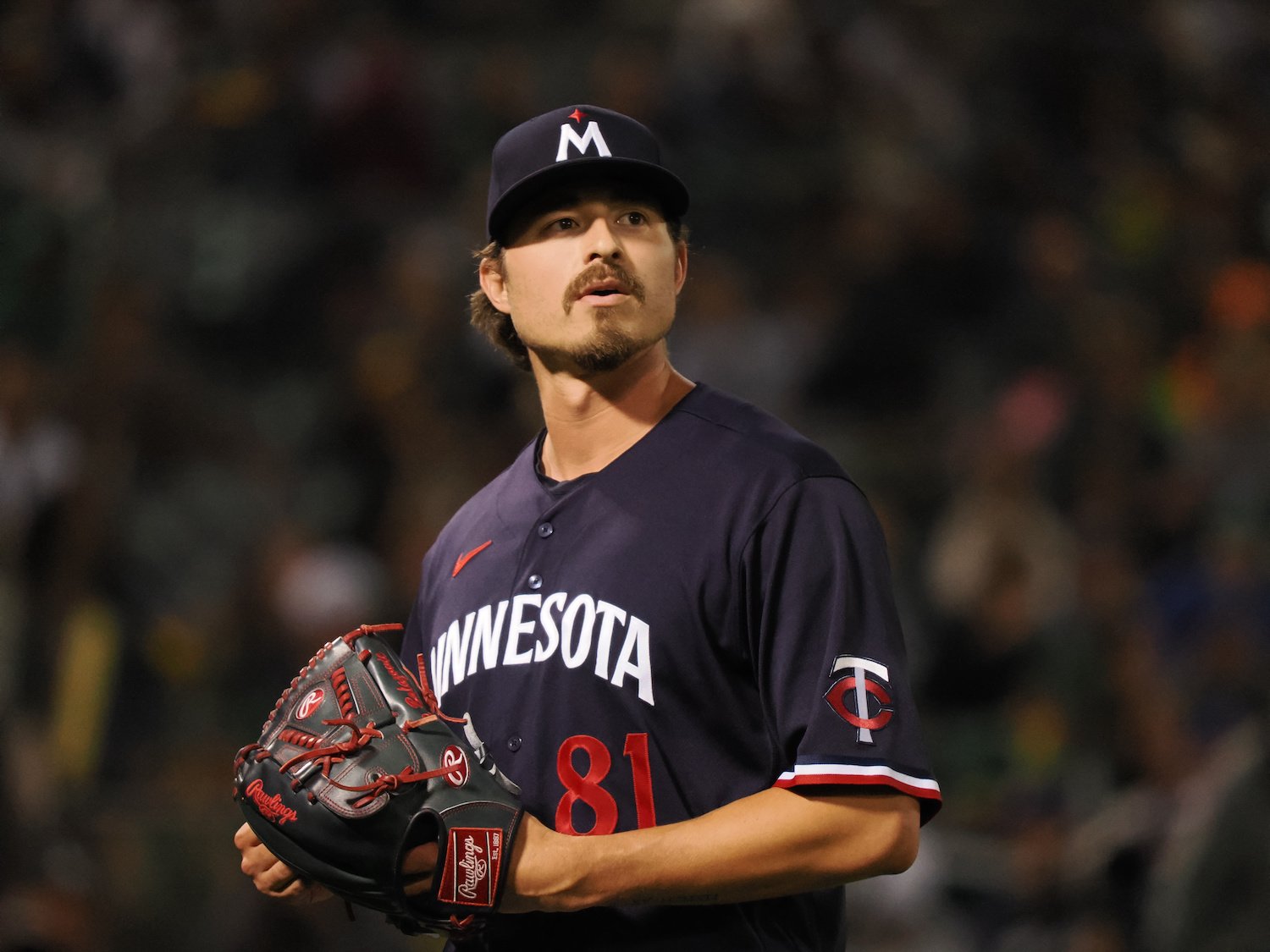 After thanking players, coaching staff, and fans, the first line of action the Twins front office makes upon the conclusion of the season is the annual 40-man roster cleanse or reconstruction. Typically, around five to seven players on the 40-man roster are placed on waivers. Upon being placed on waivers, these players can be claimed by a different organization, outrighted to Triple-A, or released. Around this time last season, the Twins placed Jake Cave, Jermaine Palacios, Caleb Hamilton, Devin Smeltzer, and Jhon Romero on waivers, removing them from the 40-man roster. Cave, Palacios, and Hamilton were eventually claimed by different organizations, and Smeltzer and Romero were assigned to Triple-A. Following the World Series, Smeltzer and Romero became minor-league free agents, and none of the five players listed played for the Twins in 2023. Organizations undergo these rather substantial roster purges to open up 40-man roster spots to add minor-league players they don’t want to subject to the Rule 5 Draft and because they need space to make trades or sign free agents. With Sonny Gray, Dallas Keuchel, Kenta Maeda, Tyler Mahle, Emilio Pagán, Donovan Solano, Joey Gallo, and Michael A. Taylor set to become free agents once the 2023 season officially concludes, the Twins will have eight 40-man roster spots opened up initially. Matt Canterino, José De León, Jovani Moran, Oliver Ortega, Jose Miranda, and Nick Gordon must also be activated from the 60-day IL once the 2023 season concludes. So, with eight players entering free agency and six being activated from the 60-day IL, the Twins will have two 40-man roster spots available before they begin their reconstruction. Having two roster spots available is a suitable start. Regardless, the Twins will need to open up more spots to add Rule 5 Draft-eligible minor leaguers to the 40-man roster to avoid the possibility of them getting poached by other teams. The Twins front office has been one of the more active groups in the last three offseasons, so they will need to make space to fulfill any future free-agent signings or trades. Waiving Cave, Palacios, Hamilton, Smeltzer, and Romero were relatively uncontroversial and obvious moves to make last season. Regardless, this season, the upcoming decision the Twins front office is tasked to make will be much more complex. To illustrate how the Twins will be forced to make complicated decisions, let’s look at which members of the Twins’ 40-man roster are potential candidates to be waived: Jorge Alcala, De León, Canterino, Brent Headrick, Ronny Henriquez, Moran, Ortega, Cole Sands, Josh Winder, Simeon Woods Richardson, Jordan Balazovic, Jordan Luplow, Andrew Stevenson, and Gordon The vast majority of players listed are relief pitchers who would fulfill the Twins’ eighth bullpen spot that tends to be given to a young pitcher who is a viable stretch relief option that can be used in an emergency to eat up innings. During the 2023 regular season, Sands, Headrick, or Winder often occupied this role. Though these types of pitchers are interchangeable and replaceable in theory, the pitchers listed above did an adequate job, and their spots on the Twins’ 40-man roster likely aren’t in jeopardy. That being said, there is a young pitcher on the 40-man roster who doesn’t fit that description, and that pitcher is once-prized Twins’ prospect Jordan Balazovic. Balazovic made his Twins debut in 2023, appearing in relief against the Detroit Tigers on June 18. In his debut, Balazovic faced 13 batters through 3 2/3 innings pitched and helped the Twins get through a blowout loss without unnecessarily expending their high-leverage relievers. Though Balazovic played the role of stretch reliever in his Major League debut, he quickly became part of the mid-to-high leverage short reliever mix, not throwing more than one inning of relief in his subsequent five appearances. Balazovic performed admirably during his first taste as a short reliever with the Twins. To add context to how well he performed, here are Balazovic’s numbers from June 18 to July 24. 14 innings pitched, 56 total batters faced, 1.29 ERA, 4.54 FIP, 4.46 xFIP, 12 hits, two earned runs, two home runs, four walks, ten strikeouts, 6.4 K/9, 2.6 BB/9, .250 BABIP, 100 LOB%, 13.3 HR/FB% On the surface, Balazovic performed very well, as shown by his impressive 1.29 ERA through 56 total batters faced, but his underlying metrics told a different story. Balazovic’s FIP, which, according to Fangraphs, illustrates what a player’s ERA would look like over a given period of time if the pitcher were to have experienced league-average results on balls in play and league-average timing, was 4.54 during that period of time. Combining Balazovic's high FIP, 6.43 K/9, and substantially below average HR/FB% of 13.3%, he was due for robust regression, which is precisely what happened. On July 27, Balazovic had a rather implosive relief outing in which he gave up three earned runs after facing just seven batters in 1 1/3 innings pitched against the Seattle Mariners. Many of Balazovic's future performances had similar outcomes, and from July 26 through August 19, Balazovic pitched to an 8.71 ERA, 8.00 FIP, and 21.4% HR/FB% before getting demoted to the Triple-A St. Paul Saints on August 19. Balazovic didn't make another appearance for the Twins in the regular or postseason and ended his rookie season with a lackluster 4.44 ERA and 6.01 FIP through 24 1/3 innings pitched. The season has reached its conclusion, and the Twins find themselves in a complicated position as they need to decide if they want to keep Balazovic on the 40-man roster or replace him with a Rule 5 Draft-eligible minor league player who has a greater chance of positively contributing to the team in the near-to-distant future, or a free agency or trade acquisition further down the line. Before we decide the best route the Twins could take with Balazovic and his future with the team, let's first identify which minor league players are Rule 5 Draft-eligible. Here are the noteworthy minor league players that could realistically get poached by a different franchise in the Rule 5 Draft: Austin Martin, Emmanuel Rodriguez, Yunior Severino, Jair Camargo, DaShawn Keirsey Jr., Jose Salas, Ricardo Olivar, Aaron Sabato, Anthony Prato, Michael Helman, Cody Laweryson, and Chris Williams Of the minor leaguers listed, the only players guaranteed to be added to the 40-man roster are Martin, Rodriguez, Camargo and, more likely than not, Severino. The "bubble" players who could realistically get added are Keirsey, Olivar, Prato, Helman, Laweryson, and Williams. Many of these players are already in Triple-A. The players listed could potentially contribute for the Twins immediately. Even so, there is the possibility that no other teams would claim them, meaning the Twins could keep them in the organization without using a 40-man roster spot. Salas and Sabato won't be added to the 40-man roster. Although Salas is too young and underdeveloped for any Major League team to add them to their 26-man roster, Sabato may get claimed by a non-contending team like the Oakland Athletics or Kansas City Royals. The Twins will find a way to get Martin, Rodriguez, Camargo and likely Severino and Keirsey Jr. on the 40-man roster. To get these five players on the roster, the Twins could part ways with relatively expendable players, and the once-prized prospect Balazovic could be one of the players. When deciding which three and potentially more players the Twins will waive, we must determine which players on the 40-man roster are more valuable than others, and much of that can be determined by opportunity and potential. Based on the opportunity given to them by the Twins and their potential, Woods Richardson, Headrick, Sands, Canterino, and Winder appear to be locks to be on the 40-man roster next season. So, after using deductive reasoning, that leaves us with Luplow, Stevenson, De León, Alcala, Moran, Henriquez, Ortega, Gordon, and Balazovic as the top candidates to be expunged from the 40-man roster. Of the nine players listed, here is where I believe they stand in likelihood of being waived to make room for Rule 5 Draft-eligible players: (*1 is most likely and 9 is least likely) Luplow Gordon De León Ortega Balazovic Henriquez Moran Stevenson Alcala With the Twins likely adding five Rule 5 Draft-eligible players to the 40-man roster and needing space to execute trades and sign free agents, it might be in their best interest to place Balazovic on waivers to make space. However, four or five players are seemingly more likely to be waived before him. Luplow, Gordon, and De León feel like the most obvious players the Twins could waive, but the two provide a veteran presence and potential to contribute to a playoff-hopeful 26-man roster. The Twins front office, known for valuing veteran depth pieces, could realistically keep the two, leaving Ortega, Henriquez, Moran, and Balazovic more susceptible. Stevenson contributed toward the Twins' postseason run and was a member of the 26-man playoff roster, so it appears the Twins are inclined to keep him around for the time being. Alcala seems to be part of the Twins rotation plans going forward, so he likely won't be waived either. Balazovic was once an MLB.com top-100 prospect on the verge of being a core member of the Twins starting rotation for seasons to come. Unfortunately, after undergoing unfortunate injuries, off-field issues, and poor performance at Triple-A and the Major Leagues, Balazovic has quickly become an expendable asset on the Twins' 40-man roster. The Twins' annual 40-man roster reconstruction will soon occur. With the Twins needing to create roster spots to add Rule 5 Draft-eligible players in prevention of them getting poached by other teams and the need to create roster spots to manufacture trades and sign free agents, the Twins could realistically waive Balazovic among other players to create the necessary space needed. What do you think of Balazovic's future with the Twins? Should the Twins waive him to create space on the 40-man roster? Comment below.
 -
Pulling Joe Ryan Was the Correct Decision
Cody Schoenmann replied to Cody Schoenmann's topic in Twins Daily Front Page News
why didn't the tralfamadorians warn us that Thielbar was going to give up a HR? lol -
Pulling Joe Ryan Was the Correct Decision
Cody Schoenmann replied to Cody Schoenmann's topic in Twins Daily Front Page News
I've never understood people who think that when a pitcher gets pulled earlier than they think is appropriate, that pitcher is now angry enough to the point where they want to uproot their lives and leave an organization. This was the case with how a lot of people viewed Sonny Gray and Rocco's relationship during the 2022 and 2023 season too. A lot of people wanted Gray to hate Rocco and his "quick hooks" to the point where they created a reality that simply didn't exist. Sonny never hated Rocco, and it is highly unlikely Ryan is mad at the Twins as I am very confident that the Twins communicated the plan with Ryan before the game. -
Pulling Joe Ryan Was the Correct Decision
Cody Schoenmann replied to Cody Schoenmann's topic in Twins Daily Front Page News
I agree. As I noted in the article, the Twins 4-9 hitters is what failed them in Game 4. -
Pulling Joe Ryan Was the Correct Decision
Cody Schoenmann replied to Cody Schoenmann's topic in Twins Daily Front Page News
After Ryan gave up the home run, I feel like Twins fans and decision-makers could tell it would have gone how most of his starts went after coming off the 15-day IL toward the end of the season. It likely wouldn't have been a complete disaster, but there is a good chance the Astros would have scored more than the 3 runs they did if Ryan stayed in past the second. -
Pulling Joe Ryan Was the Correct Decision
Cody Schoenmann replied to Cody Schoenmann's topic in Twins Daily Front Page News
Baldelli managed really well during the Wild Card Series and ALDS imo. From platooning to pitching decisions, I don't really have a gripe with any decision he made. Maybe they should have opted to bench or take Kirilloff off the roster with an injury designation sooner, but that's about it. No worthwhile manager would have kept Ryan in to face a team's lineup the second time through after already giving up a HR in an elimination game. -
Pulling Joe Ryan Was the Correct Decision
Cody Schoenmann replied to Cody Schoenmann's topic in Twins Daily Front Page News
I agree with your perspective, Out of five relievers who pitched after Ryan left only one gave up a run(s) and it was Thielbar, who happens to be one of their best relievers. Thielbar simply didn't perform like he usually does in Game 4, and although that's unfortunate it's not like using Thielbar against the lefty dominant portion of the Astros lineup is a bad idea. The process was sound, it just didn't work out for one reliever out of five. The Twins pitching isn't what failed them in Game 4, and it is a near-guarantee Ryan would have given up more than just the one run he gave up if they had left him in longer. -
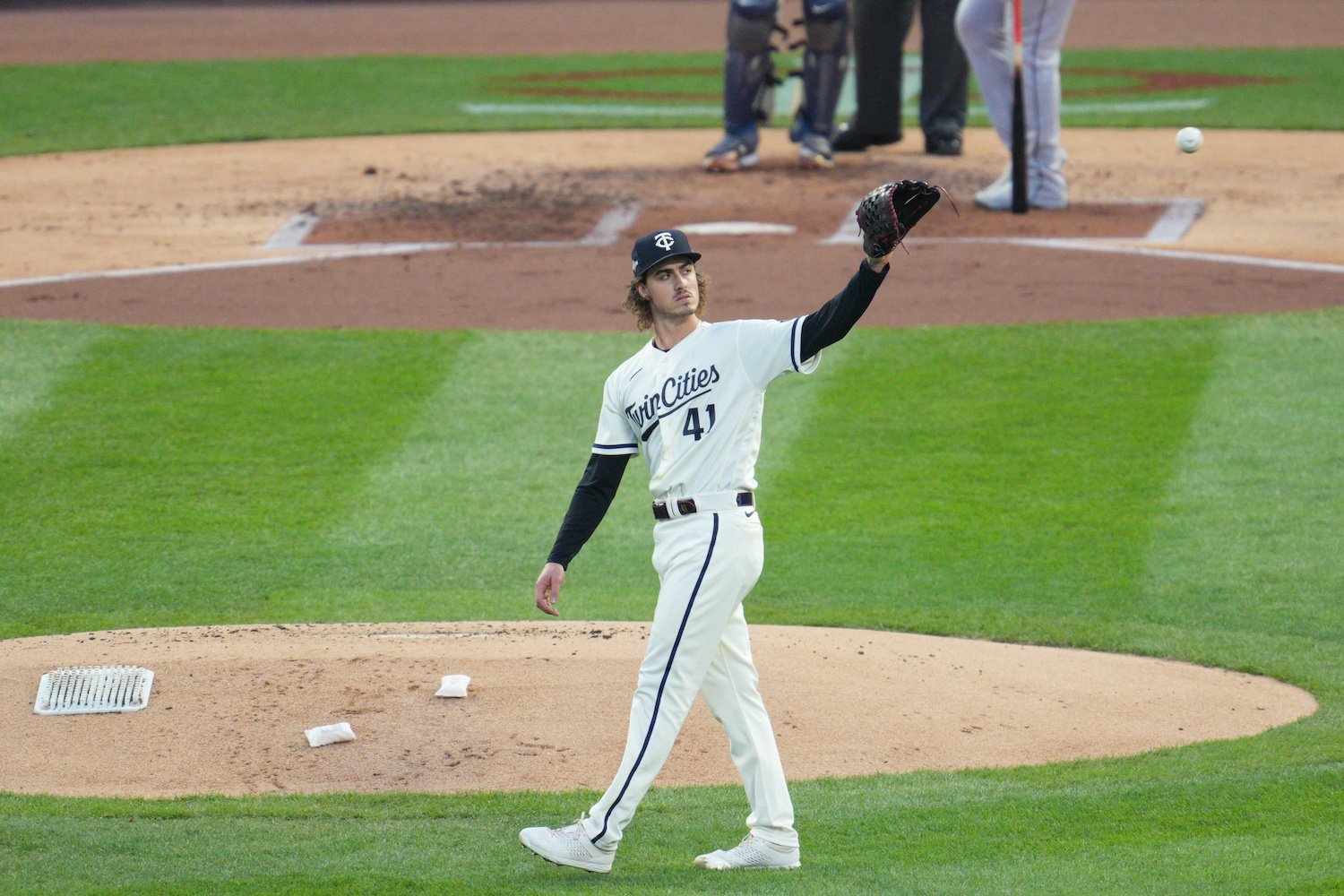 As the game of baseball and those who consume the game on a day-to-day basis continue to progress, the symbiotic relationship between the two appears to be heading toward a collective understanding: It is okay to pull pitchers when they are struggling instead of keeping them in for the sake of keeping them in. Like most efforts of progression, there are those stuck in what the status quo once was unwilling to open their minds, usually due to a stubborn belief system or the desire to combat change, typically induced by fear of the future and its unknown nature. Regardless, we find ourselves in a situation where Twins manager Rocco Baldelli and the organization still get critiqued for their tendency to have a "quick hook." Despite this outdated narrative continuing to run rampant, the Twins ranked fourth in Major League Baseball for innings pitched for starters, with 895 out of 1451 1/3 (62%) innings pitched by Twins pitchers thrown by starting pitchers. False narratives like the one surrounding Baldelli, the Twins, and the nature of "quick hooks" will continue as long as people elect to neglect the reality of situations. Often, the neglect is intentional. So, when the Twins pulled starting pitcher Joe Ryan after pitching two innings and facing just eight Houston Astros batters, numerous fans were unsurprisingly hypercritical of the situation and pounced on the chance to fault Baldelli and his "quick hook." Ryan began his Game 4 start against the defending World Series champion Houston Astros by getting second baseman Jose Altuve to ground to Twins' shortstop Carlos Correa on one pitch, third baseman Alex Bregman to fly out to centerfielder Michael A. Taylor, and the ever-daunting left fielder Yordan Alvarez to fly out to left fielder Willi Castro. Ryan looked effective, and there was no reason to doubt he would return for the second inning to face the Astros four, five, and six hitters. The Twins used three of their middle-to-high leverage relievers in Emilio Pagán, Kenta Maeda, and Griffin Jax the game before, and with Ryan mowing through the first three hitters, there was no reason not to attempt to get as much quality usage out of Ryan as possible. Twins third baseman Royce Lewis hit a solo home run in the bottom of the first, and the crowd at Target Field lit up. Everything was looking up for the Twins in the do-or-die Game 4, and Ryan came back out the bottom of the second holding a 1-0 lead. Ryan got Astros star right fielder Kyle Tucker to strike out, and Target Field exploded. Ryan was dealing, and many started wondering if this was the beginning of another Pablo López-esque style start that could help the Twins survive Game 4 and present them the favorable opportunity of facing the Astros in Houston with López on the mound for a win-or-go-home Game 5. Then, Astros left fielder Michael Brantley hit a 399-foot home run to deep right-center field, and the game was tied 1-1. Ryan, who sported a 20.5% home run to fly ball ratio (HR/FB) since the All-Star Break, gave up yet another home run, and all the momentum the Twins had, if you believe in such a thing, had dissipated. Brantley's home run was followed by a relatively innocent infield single by Astros centerfielder Chas McCormick, and many began to worry if Ryan, like he did many times after straining his left groin while warming up to face the Atlanta Braves on June 27, was going to implode. Luckily, McCormick's infield single was followed by Astros shortstop Jeremy Pena ground into a fielder's choice to his predecessor Correa, and the Twins were able to get by unscathed and remained tied 1-1 going into the bottom of the second. Shortly after Ryan and the Twins entered the dugout, Twins reporters noted that reliever Brock Stewart was warming up in the bullpen. Soon after this was announced, FOX Sports cameras spotted Baldelli shaking Ryan's hand in the dugout, all but confirming his departure from the tied game. Stewart entered the game for the Twins at the top of the third inning, and Ryan's night was officially done after just 26 pitches. Admittedly, getting taken out of the game after throwing just 26 pitches and giving up one run would be a peculiar move to make by a manager in a traditional start. Emphasis on "traditional." Game 4 of the ALDS, where your team is down 1-2 in a five-game series, is in no way a traditional start. It would have been negligent for Baldelli and the Twins to treat it like one. López, Gray, and Ober were all unavailable, as they had all made a start or pitched in the previous four days, so the Twins' only options were to either start Ryan or have a pure bullpen game where Maeda, Chris Paddack, or Louie Varland could have started. The Twins elected to start Ryan and shift to a bullpen game after just two innings, so it was functionally the same thing. As noted earlier, Ryan has struggled since straining his left groin before his start against the Atlanta Braves on June 27. Going into the playoffs, I believed that Ryan had solidified himself as the Twins' third starting pitcher, but I was still cautious about his ability to perform at the level he had been before June 27. To add context, here are Ryan's numbers since returning from the 15-day IL on August 26: 4.79 ERA, 4.13 FIP, 3.57 xFIP, .345 BABIP, 1.77 HR/9, 16.3% HR/FB, 32.3% GB%, 75.3% LOB%, 149 TBF, 35 2/3 IP, 37 hits allowed, 19 earned runs allowed, seven home runs given up, nine walks, and 45 strikeouts. None of these statistics are particularly inspiring, but what stands out the most is Ryan's 1.77 HR/9 and 16.3% HR/FB. When Ryan was pitching injured from June 27 to July 31, he had a 4.13 HR/9 and 31% HR/FB, so he significantly improved his performance during the seven-game stretch from August 26-September 29, but he was underperforming nonetheless. To put Ryan's post-15-day IL stint performance into perspective, Fangraph deems any HR/FB of 13% or higher as "Awful," and Ryan had an HR/FB of 16.3%. So, despite the vast improvement, Ryan still gave up an awfully high amount of home runs. After Ryan gave up yet another home run to the Houston Astros before getting through their lineup just once, it is no surprise Baldelli and the Twins elected to take him out of the game after the conclusion of the second inning. Reliever Caleb Thielbar eventually gave up a two-run home run to Astros first baseman Jose Abreu in the top of the fourth, propelling the Astros to a 3-1 lead. The Astros held their lead, and the Twins eventually lost 3-2 and were eliminated from playoff contention, ending what was the Twins' best overall season since 2002. Though the Twins ended up losing and getting eliminated from playoff contention, their bullpen medley concocted of Stewart, Thielbar, Paddack, Jax, and Jhoan Duran gave up only two runs through seven innings pitched in a stellar performance. The Twins electing to go with what was functionally a bullpen game in Game 4 isn't what led to their demise. Instead, it was the Twins' four through nine hitters that went a combined 0-19 that let them down in the end. Pulling the home-run-prone Ryan was the correct decision for Baldelli and the Twins, and the bullpen's stellar performance is evidence. What do you think of the Twins pulling Ryan after the second inning? Was it the correct decision? Comment below.
 -
The Twins decision to pull Joe Ryan after facing just eight Astros hitters has sparked some level of controversy among Twins fans. Here is why it was the correct decision. Image courtesy of Matt Blewett - USA TODAY Sports As the game of baseball and those who consume the game on a day-to-day basis continue to progress, the symbiotic relationship between the two appears to be heading toward a collective understanding: It is okay to pull pitchers when they are struggling instead of keeping them in for the sake of keeping them in. Like most efforts of progression, there are those stuck in what the status quo once was unwilling to open their minds, usually due to a stubborn belief system or the desire to combat change, typically induced by fear of the future and its unknown nature. Regardless, we find ourselves in a situation where Twins manager Rocco Baldelli and the organization still get critiqued for their tendency to have a "quick hook." Despite this outdated narrative continuing to run rampant, the Twins ranked fourth in Major League Baseball for innings pitched for starters, with 895 out of 1451 1/3 (62%) innings pitched by Twins pitchers thrown by starting pitchers. False narratives like the one surrounding Baldelli, the Twins, and the nature of "quick hooks" will continue as long as people elect to neglect the reality of situations. Often, the neglect is intentional. So, when the Twins pulled starting pitcher Joe Ryan after pitching two innings and facing just eight Houston Astros batters, numerous fans were unsurprisingly hypercritical of the situation and pounced on the chance to fault Baldelli and his "quick hook." Ryan began his Game 4 start against the defending World Series champion Houston Astros by getting second baseman Jose Altuve to ground to Twins' shortstop Carlos Correa on one pitch, third baseman Alex Bregman to fly out to centerfielder Michael A. Taylor, and the ever-daunting left fielder Yordan Alvarez to fly out to left fielder Willi Castro. Ryan looked effective, and there was no reason to doubt he would return for the second inning to face the Astros four, five, and six hitters. The Twins used three of their middle-to-high leverage relievers in Emilio Pagán, Kenta Maeda, and Griffin Jax the game before, and with Ryan mowing through the first three hitters, there was no reason not to attempt to get as much quality usage out of Ryan as possible. Twins third baseman Royce Lewis hit a solo home run in the bottom of the first, and the crowd at Target Field lit up. Everything was looking up for the Twins in the do-or-die Game 4, and Ryan came back out the bottom of the second holding a 1-0 lead. Ryan got Astros star right fielder Kyle Tucker to strike out, and Target Field exploded. Ryan was dealing, and many started wondering if this was the beginning of another Pablo López-esque style start that could help the Twins survive Game 4 and present them the favorable opportunity of facing the Astros in Houston with López on the mound for a win-or-go-home Game 5. Then, Astros left fielder Michael Brantley hit a 399-foot home run to deep right-center field, and the game was tied 1-1. Ryan, who sported a 20.5% home run to fly ball ratio (HR/FB) since the All-Star Break, gave up yet another home run, and all the momentum the Twins had, if you believe in such a thing, had dissipated. Brantley's home run was followed by a relatively innocent infield single by Astros centerfielder Chas McCormick, and many began to worry if Ryan, like he did many times after straining his left groin while warming up to face the Atlanta Braves on June 27, was going to implode. Luckily, McCormick's infield single was followed by Astros shortstop Jeremy Pena ground into a fielder's choice to his predecessor Correa, and the Twins were able to get by unscathed and remained tied 1-1 going into the bottom of the second. Shortly after Ryan and the Twins entered the dugout, Twins reporters noted that reliever Brock Stewart was warming up in the bullpen. Soon after this was announced, FOX Sports cameras spotted Baldelli shaking Ryan's hand in the dugout, all but confirming his departure from the tied game. Stewart entered the game for the Twins at the top of the third inning, and Ryan's night was officially done after just 26 pitches. Admittedly, getting taken out of the game after throwing just 26 pitches and giving up one run would be a peculiar move to make by a manager in a traditional start. Emphasis on "traditional." Game 4 of the ALDS, where your team is down 1-2 in a five-game series, is in no way a traditional start. It would have been negligent for Baldelli and the Twins to treat it like one. López, Gray, and Ober were all unavailable, as they had all made a start or pitched in the previous four days, so the Twins' only options were to either start Ryan or have a pure bullpen game where Maeda, Chris Paddack, or Louie Varland could have started. The Twins elected to start Ryan and shift to a bullpen game after just two innings, so it was functionally the same thing. As noted earlier, Ryan has struggled since straining his left groin before his start against the Atlanta Braves on June 27. Going into the playoffs, I believed that Ryan had solidified himself as the Twins' third starting pitcher, but I was still cautious about his ability to perform at the level he had been before June 27. To add context, here are Ryan's numbers since returning from the 15-day IL on August 26: 4.79 ERA, 4.13 FIP, 3.57 xFIP, .345 BABIP, 1.77 HR/9, 16.3% HR/FB, 32.3% GB%, 75.3% LOB%, 149 TBF, 35 2/3 IP, 37 hits allowed, 19 earned runs allowed, seven home runs given up, nine walks, and 45 strikeouts. None of these statistics are particularly inspiring, but what stands out the most is Ryan's 1.77 HR/9 and 16.3% HR/FB. When Ryan was pitching injured from June 27 to July 31, he had a 4.13 HR/9 and 31% HR/FB, so he significantly improved his performance during the seven-game stretch from August 26-September 29, but he was underperforming nonetheless. To put Ryan's post-15-day IL stint performance into perspective, Fangraph deems any HR/FB of 13% or higher as "Awful," and Ryan had an HR/FB of 16.3%. So, despite the vast improvement, Ryan still gave up an awfully high amount of home runs. After Ryan gave up yet another home run to the Houston Astros before getting through their lineup just once, it is no surprise Baldelli and the Twins elected to take him out of the game after the conclusion of the second inning. Reliever Caleb Thielbar eventually gave up a two-run home run to Astros first baseman Jose Abreu in the top of the fourth, propelling the Astros to a 3-1 lead. The Astros held their lead, and the Twins eventually lost 3-2 and were eliminated from playoff contention, ending what was the Twins' best overall season since 2002. Though the Twins ended up losing and getting eliminated from playoff contention, their bullpen medley concocted of Stewart, Thielbar, Paddack, Jax, and Jhoan Duran gave up only two runs through seven innings pitched in a stellar performance. The Twins electing to go with what was functionally a bullpen game in Game 4 isn't what led to their demise. Instead, it was the Twins' four through nine hitters that went a combined 0-19 that let them down in the end. Pulling the home-run-prone Ryan was the correct decision for Baldelli and the Twins, and the bullpen's stellar performance is evidence. What do you think of the Twins pulling Ryan after the second inning? Was it the correct decision? Comment below. View full article
-
good call! I used the wrong word, that's my bad lol. I changed it.
-
I love describing López as an artist. I think that is the perfect way to describe how he pitches.
-
Few who have played for the Twins have possessed a presence like Pablo López, and him being the starting pitcher on the day the 18-game playoff losing streak ended is a form of poetic justice Twins Territory hadn't seen in quite some time. Image courtesy of Jesse Johnson - USA TODAY Sports In his short story titled "The Swan," author Roald Dahl wrote, "Some people, when they have taken too much and have been driven beyond the point of endurance, simply crumble and collapse and give up. Others however, though they are not many, who will for some reason always be unconquerable. You meet them in time of war and also in time of peace. They have an indomitable spirit. And nothing, neither pain, nor torture, nor threat of death will cause them to give up." Pablo López is one of those people. Through expressing a sense of wisdom, mental fortitude, and gratitude that few professional athletes, let alone people, possess, López has quickly become a beacon of light for the Minnesota Twins not only on the field but as a franchise itself. With professional sports being a market saturated full of false prophets, knowing which athletes to feel morally sound about trusting and supporting while watching and consuming sports content is becoming more complex nowadays. Luckily, Twins' fans can feel confident in López being an honorable person off the field and a force to be reckoned with on the diamond. López is a thoughtful, intelligent, and inspirational ace-level starting pitcher, which is an archetype the Twins have long yearned for. To show how López is a beacon of light that fell into the Twins' lap, let's look at his early life growing up in Venezuela. López's parents, Danny and Agnedis, were both doctors in Venezuela. After graduating high school at 16, López was accepted into medical school but opted to pursue a career in professional baseball after receiving an international contract offer from the Seattle Mariners. López rationale behind pursuing a professional baseball career over going to medical school was that as human beings get older, we dwindle physically. Yet, our minds get sharper and wiser. After weighing his options, López pursued a professional baseball career while his body was young, strong, and spry. López will likely eventually contemplate attending medical school once his playing career ends. After signing a four-year $73.5 million contract with the Twins at the beginning of the 2023 season, López could undoubtedly afford the cost of tuition out of pocket. The last face of the franchise-level Venezuelan-born Twins starting pitcher happens to be the greatest starting pitcher in Minnesota Twins history, Johan Santana. When López was traded to the Twins this past offseason, one of the first things he mentioned during his introductory press conference was how much he idolized Santana growing up. López, like Santana, was born and raised in Venezuela. López was born in Cabimas, which is roughly 383 miles away from Santana's hometown of Tovar. López idolizing Santana would essentially be the distance equivalent of a child from Warroad, Minnesota idolizing Twins pitcher Louie Varland, who is from Saint Paul. No matter the distance, the connection one can feel to a professional athlete from the same state, or in López's case, country, can be magnetically strong. After López sang his praises for Santana during his introductory press conference as a Twin, he decided to make a bold statement by ceremoniously wearing his jersey to Game 1 of the Wild Card Round nearly ten months later. A week before the beginning of the postseason, López said. "Pressure is a privilege. That means a lot of good things can be expected from you and it's all about embracing the opportunity, embracing the challenge and then at the same time, not trying to do too much." López, like any human, felt immense pressure before his Game 1 start, but one could be convinced otherwise seeing López dawning Santana's jersey. López followed up wearing Santana's jersey pre-game by pitching 5 2/3 innings, giving up only one earned run, and leading the Twins to their first playoff win since Santana started Game 1 of the 2004 ALDS against the New York Yankees. Later that day, Santana congratulated López while telling him that his jersey looked great on him. Being the starting pitcher in the Twins' first playoff game win since 2004 and then being congratulated and complimented by his childhood idol undoubtedly was the perfect ending to what was likely one of the best days of López's life. Now, we as fans are mere witnesses to López, his professional baseball career, and his relationship with Santana. We will likely never directly interact with López unless we get lucky enough to meet him at, say, Twins Fest or before a game while he is signing autographs. Though this is the case, it is an honor to be but a spectator and witness a player and person the likes of López pitch and represent our favorite team. Pablo Lopez being the starting pitcher who took the mound on the Twins' first playoff win in nearly 19 years is the divine summation of what was an incredible debut season with his new ball club, and his relationship with Santana adds another layer that further cements himself in the good graces of Twins faithful. Twins fans have long wished for a front-end starting pitcher who could face the pressure of formidable moments head-on, achieve success, and not crumble under the weight as many have in past postseasons. López, the indomitable spirit he is, answered that wish and will forever be a Twins icon for it. What do you think of López's Game 1 performance? Do you think his connection to Santana makes it more special? Comment below. View full article
-
Pablo López and How Pressure Molded an Indomitable Spirit
Cody Schoenmann posted an article in Twins
 In his short story titled "The Swan," author Roald Dahl wrote, "Some people, when they have taken too much and have been driven beyond the point of endurance, simply crumble and collapse and give up. Others however, though they are not many, who will for some reason always be unconquerable. You meet them in time of war and also in time of peace. They have an indomitable spirit. And nothing, neither pain, nor torture, nor threat of death will cause them to give up." Pablo López is one of those people. Through expressing a sense of wisdom, mental fortitude, and gratitude that few professional athletes, let alone people, possess, López has quickly become a beacon of light for the Minnesota Twins not only on the field but as a franchise itself. With professional sports being a market saturated full of false prophets, knowing which athletes to feel morally sound about trusting and supporting while watching and consuming sports content is becoming more complex nowadays. Luckily, Twins' fans can feel confident in López being an honorable person off the field and a force to be reckoned with on the diamond. López is a thoughtful, intelligent, and inspirational ace-level starting pitcher, which is an archetype the Twins have long yearned for. To show how López is a beacon of light that fell into the Twins' lap, let's look at his early life growing up in Venezuela. López's parents, Danny and Agnedis, were both doctors in Venezuela. After graduating high school at 16, López was accepted into medical school but opted to pursue a career in professional baseball after receiving an international contract offer from the Seattle Mariners. López rationale behind pursuing a professional baseball career over going to medical school was that as human beings get older, we dwindle physically. Yet, our minds get sharper and wiser. After weighing his options, López pursued a professional baseball career while his body was young, strong, and spry. López will likely eventually contemplate attending medical school once his playing career ends. After signing a four-year $73.5 million contract with the Twins at the beginning of the 2023 season, López could undoubtedly afford the cost of tuition out of pocket. The last face of the franchise-level Venezuelan-born Twins starting pitcher happens to be the greatest starting pitcher in Minnesota Twins history, Johan Santana. When López was traded to the Twins this past offseason, one of the first things he mentioned during his introductory press conference was how much he idolized Santana growing up. López, like Santana, was born and raised in Venezuela. López was born in Cabimas, which is roughly 383 miles away from Santana's hometown of Tovar. López idolizing Santana would essentially be the distance equivalent of a child from Warroad, Minnesota idolizing Twins pitcher Louie Varland, who is from Saint Paul. No matter the distance, the connection one can feel to a professional athlete from the same state, or in López's case, country, can be magnetically strong. After López sang his praises for Santana during his introductory press conference as a Twin, he decided to make a bold statement by ceremoniously wearing his jersey to Game 1 of the Wild Card Round nearly ten months later. A week before the beginning of the postseason, López said. "Pressure is a privilege. That means a lot of good things can be expected from you and it's all about embracing the opportunity, embracing the challenge and then at the same time, not trying to do too much." López, like any human, felt immense pressure before his Game 1 start, but one could be convinced otherwise seeing López dawning Santana's jersey. López followed up wearing Santana's jersey pre-game by pitching 5 2/3 innings, giving up only one earned run, and leading the Twins to their first playoff win since Santana started Game 1 of the 2004 ALDS against the New York Yankees. Later that day, Santana congratulated López while telling him that his jersey looked great on him. Being the starting pitcher in the Twins' first playoff game win since 2004 and then being congratulated and complimented by his childhood idol undoubtedly was the perfect ending to what was likely one of the best days of López's life. Now, we as fans are mere witnesses to López, his professional baseball career, and his relationship with Santana. We will likely never directly interact with López unless we get lucky enough to meet him at, say, Twins Fest or before a game while he is signing autographs. Though this is the case, it is an honor to be but a spectator and witness a player and person the likes of López pitch and represent our favorite team. Pablo Lopez being the starting pitcher who took the mound on the Twins' first playoff win in nearly 19 years is the divine summation of what was an incredible debut season with his new ball club, and his relationship with Santana adds another layer that further cements himself in the good graces of Twins faithful. Twins fans have long wished for a front-end starting pitcher who could face the pressure of formidable moments head-on, achieve success, and not crumble under the weight as many have in past postseasons. López, the indomitable spirit he is, answered that wish and will forever be a Twins icon for it. What do you think of López's Game 1 performance? Do you think his connection to Santana makes it more special? Comment below.
 -
Despite undergoing extended shaky stretches during the regular season, reliever Griffin Jax effectively held an eighth-inning lead in back-to-back playoff games. With the lights shining bright, Jax confronted the pressure of the moment head-on and passed with flying colors. Image courtesy of Jesse Johnson - USA TODAY Sports A week before the Major League Baseball playoffs started, Twins ace and impending Game 1 starter Pablo López said. "Pressure is a privilege. That means a lot of good things can be expected from you and it's all about embracing the opportunity, embracing the challenge and then at the same time, not trying to do too much." The pressure was looming for López and the Twins as they were on track to yet again attempt to end the daunting 18-game postseason losing streak that has been a ubiquitous dark cloud hanging over Twins Territory's head since October 5, 2004. Fast-forward to Tuesday night, where the Twins own a 3-1 lead through seven innings. The starter, López, pitched a respectable 5 2/3 innings, Louie Varland got the Twins out of a jam (with help from Michael A. Taylor), and Caleb Thielbar pitched a flawless top of the seventh inning. Then, in stepped Jax for the eighth. Jax began his first career postseason relief appearance by giving up a hard-hit opposite double to Blue Jays right-handed hitting first baseman Vladimir Guerrero Jr. Instantly, those who follow the Twins got flashbacks of how Jax's outing would implode during the regular season. A leadoff double would lead to a run-scoring bloop single, which would then be followed by a dribbler down the third base line that had somehow found a hole, and the opposing team had scored two runs in less than five minutes. After watching what felt like a new iteration of a tragic story that has played out many times, it was nearly impossible not to begin ruminating on worst-case scenarios. Luckily, this outing for Jax and Twins faithful was different. Jax's response to giving up a double to Guerrero Jr. was aggressively going after Blue Jays star shortstop Bo Bichette. Jax attacked the zone, throwing two straight 89 mph sweepers for strikes. During an episode of The Athletic Baseball Show, baseball analytics writer Eno Sarris of The Athletic stated that an elite velocity for a sweeper is any pitch that is thrown over 86 mph, so Jax was throwing what could be deemed an elite offspeed pitch. Jax, who threw his sweeper 52.8% of the time during the regular season, threw another 89 mph sweeper on the outside corner to Bichette and struck him out on three pitches. After striking out Bichette, Jax was set to face Blue Jays second baseman Cavan Biggio with one out and a runner on second in Guerrero Jr. During the plate appearance, Biggio's bat didn't leave his shoulders, and Jax struck him out looking on three straight sweepers. After the double to Guerrero Jr., Jax struck out Bichette and Biggio on six straight pitches. Jax was through the nepotism trio and was set to face Alejandro Kirk, hoping to get out of the inning and hold the Twins' 3-1 lead. Jax started Kirk off with a first pitch 96 mph sinker that led to Kirk grounding out to Twins first baseman Donovan Solano and ending the Blue Jays' late-game comeback attempt. Jax was able to rebound from Guerrero Jr.'s leadoff double and steer them closer to winning their first playoff game in nearly 19 years. The Twins went on to win 3-1, with Royce Lewis's two home runs and a dominant performance from López and the bullpen, including Jax, being the talking points from Game 1. Heading into Game 2, many wondered if the Twins would use the same bullpen arms as the only reliever to throw more than 10 pitches was closer Jhoan Duran, who threw 14. Game 2 started similarly to Game 1, with starting pitcher Sonny Gray throwing five innings of shutout ball, helping the Twins get out to an early 2-0 lead. Varland once again was the first reliever out of the bullpen but was subsequently replaced by Thielbar as he gave up two hits over only 1/3 of an inning pitched. Thielbar finished the inning by coaxing Matt Chapman into a double play. The Twins' bullpen got out of the sixth inning without giving up a run. Brock Stewart, who was arguably the Twins' best reliever while healthy in the regular season, dominated in the seventh, getting the Blue Jays' hitters out in order while having to throw just 13 pitches. Then, just like the day before, Jax began warming up to pitch the eighth inning with a two-run lead prepared to bombard the Blue Jays' lineup with his elite sweeper. Like the day before, Jax began the eighth inning facing Guerrero Jr. Rather than giving up a double, Jax got Guerrero Jr. to line out to Twins' centerfielder Michael A. Taylor. Jax followed up Guerrero Jr. by getting Bichette to ground out to Twins shortstop Carlos Correa and Biggio to ground to himself. Although Biggio's weak dribbler was a relatively routine play, Jax took a football-esque hit from Biggio but held on to the ball, leading to the Twins holding their 2-0 lead into the ninth inning. *It should be noted that Yahoo Sports is technically wrong as Garth Jax played for only the Arizona Cardinals in the 1990s, not the Dallas Cowboys. As noted by Yahoo Sports, Jax's father, Garth Jax, was a linebacker who played in the National Football League from 1986-1995. Evidently, Jax knew how to take a hit. The Twins beat the Blue Jays 2-0 and advanced in the playoffs for the first time since beating the infamous "Moneyball" Oakland Athletics in the 2002 ALDS. To further emphasize how well Jax pitched, here are Jax's standard and Statcast numbers from his first two postseason appearances: Seven Total Batters Faced (TBF), .143 BA, two strikeouts, zero walks, zero home runs given up .298 xBA, 29% K%, 80% HardHit%, 95 MPH average EV, -10 average LA, 145 ft distance (average distance of balls put in play off Jax), 108 MPH MAX EV, 394 ft MAX Distance Admittedly, Jax's numbers are the culmination of a small sample size. Nonetheless, given the extra weight of postseason baseball, his standard and Statcast numbers are impressive and align with when Jax performs at his best during the regular season. Many factors went into the Twins sweeping the Blue Jays, but the Twins pitching dominance, particularly from the bullpen and Jax, was arguably the leading cause. Despite posting a respectable 3.86 ERA to end the 2023 regular season, his season was a story of ups and downs. To illustrate Jax's fluctuating performance, here are his month-by-month ERA and FIP numbers: March/April - 4.63 ERA, 2.18 FIP May - 5.56 ERA, 2.73 FIP June - 0.00 ERA, 2.04 FIP July - 2.61 ERA, 4.80 FIP August - 9.00 ERA, 6.06 FIP September/October - 2.45 ERA, 2.53 FIP Jax struggled to begin the 2023 season ERA-wise, but, as his FIP suggested, his underlying numbers indicated that his performance would turn around quickly. Jax's performance dramatically shifted in June, and he became one of the best relievers in Major League Baseball, winning the Twins Daily Pitcher of the Month award for June over fellow dominant reliever Stewart. Jax followed his June dominance with a respectable July but again fell off a cliff in August before rebounding again in September. Regardless, Jax confronted the immeasurable pressure of postseason baseball and played a crucial role in helping the Twins end both their playoff game and series losing streak and contributed to bringing a sense of happiness to Twins Territory that has been absent for quite some time. As we advance, Jax will need to continue this form of dominance if the Twins dare to beat the defending World Champion Astros, advance to the ALCS, and potentially reach the World Series for the first time since 1991. What do you think of Jax's Wild Card Round performance? Do you trust him to pitch the eighth inning in the ALDS? Comment below. View full article
-
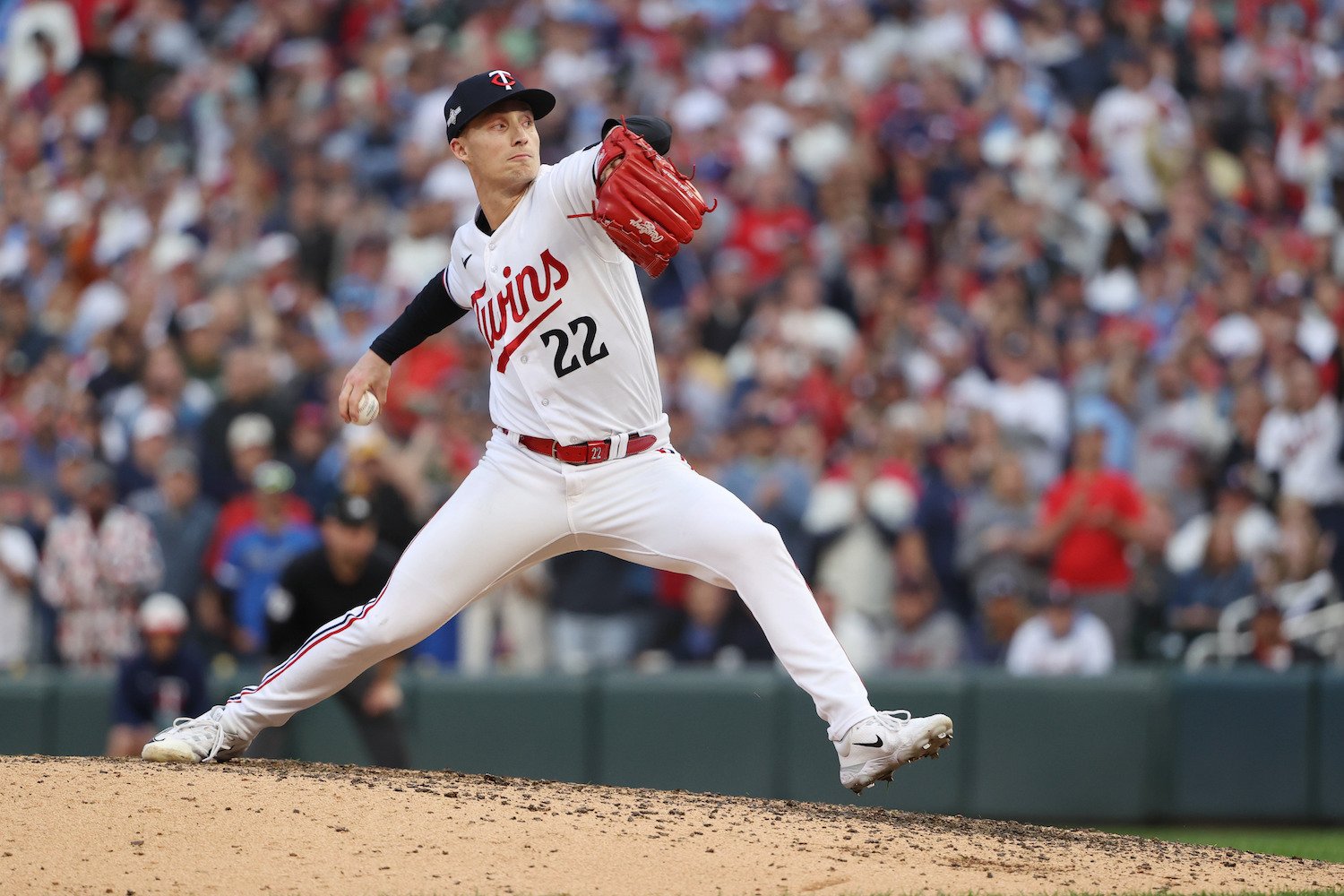 A week before the Major League Baseball playoffs started, Twins ace and impending Game 1 starter Pablo López said. "Pressure is a privilege. That means a lot of good things can be expected from you and it's all about embracing the opportunity, embracing the challenge and then at the same time, not trying to do too much." The pressure was looming for López and the Twins as they were on track to yet again attempt to end the daunting 18-game postseason losing streak that has been a ubiquitous dark cloud hanging over Twins Territory's head since October 5, 2004. Fast-forward to Tuesday night, where the Twins own a 3-1 lead through seven innings. The starter, López, pitched a respectable 5 2/3 innings, Louie Varland got the Twins out of a jam (with help from Michael A. Taylor), and Caleb Thielbar pitched a flawless top of the seventh inning. Then, in stepped Jax for the eighth. Jax began his first career postseason relief appearance by giving up a hard-hit opposite double to Blue Jays right-handed hitting first baseman Vladimir Guerrero Jr. Instantly, those who follow the Twins got flashbacks of how Jax's outing would implode during the regular season. A leadoff double would lead to a run-scoring bloop single, which would then be followed by a dribbler down the third base line that had somehow found a hole, and the opposing team had scored two runs in less than five minutes. After watching what felt like a new iteration of a tragic story that has played out many times, it was nearly impossible not to begin ruminating on worst-case scenarios. Luckily, this outing for Jax and Twins faithful was different. Jax's response to giving up a double to Guerrero Jr. was aggressively going after Blue Jays star shortstop Bo Bichette. Jax attacked the zone, throwing two straight 89 mph sweepers for strikes. During an episode of The Athletic Baseball Show, baseball analytics writer Eno Sarris of The Athletic stated that an elite velocity for a sweeper is any pitch that is thrown over 86 mph, so Jax was throwing what could be deemed an elite offspeed pitch. Jax, who threw his sweeper 52.8% of the time during the regular season, threw another 89 mph sweeper on the outside corner to Bichette and struck him out on three pitches. After striking out Bichette, Jax was set to face Blue Jays second baseman Cavan Biggio with one out and a runner on second in Guerrero Jr. During the plate appearance, Biggio's bat didn't leave his shoulders, and Jax struck him out looking on three straight sweepers. After the double to Guerrero Jr., Jax struck out Bichette and Biggio on six straight pitches. Jax was through the nepotism trio and was set to face Alejandro Kirk, hoping to get out of the inning and hold the Twins' 3-1 lead. Jax started Kirk off with a first pitch 96 mph sinker that led to Kirk grounding out to Twins first baseman Donovan Solano and ending the Blue Jays' late-game comeback attempt. Jax was able to rebound from Guerrero Jr.'s leadoff double and steer them closer to winning their first playoff game in nearly 19 years. The Twins went on to win 3-1, with Royce Lewis's two home runs and a dominant performance from López and the bullpen, including Jax, being the talking points from Game 1. Heading into Game 2, many wondered if the Twins would use the same bullpen arms as the only reliever to throw more than 10 pitches was closer Jhoan Duran, who threw 14. Game 2 started similarly to Game 1, with starting pitcher Sonny Gray throwing five innings of shutout ball, helping the Twins get out to an early 2-0 lead. Varland once again was the first reliever out of the bullpen but was subsequently replaced by Thielbar as he gave up two hits over only 1/3 of an inning pitched. Thielbar finished the inning by coaxing Matt Chapman into a double play. The Twins' bullpen got out of the sixth inning without giving up a run. Brock Stewart, who was arguably the Twins' best reliever while healthy in the regular season, dominated in the seventh, getting the Blue Jays' hitters out in order while having to throw just 13 pitches. Then, just like the day before, Jax began warming up to pitch the eighth inning with a two-run lead prepared to bombard the Blue Jays' lineup with his elite sweeper. Like the day before, Jax began the eighth inning facing Guerrero Jr. Rather than giving up a double, Jax got Guerrero Jr. to line out to Twins' centerfielder Michael A. Taylor. Jax followed up Guerrero Jr. by getting Bichette to ground out to Twins shortstop Carlos Correa and Biggio to ground to himself. Although Biggio's weak dribbler was a relatively routine play, Jax took a football-esque hit from Biggio but held on to the ball, leading to the Twins holding their 2-0 lead into the ninth inning. *It should be noted that Yahoo Sports is technically wrong as Garth Jax played for only the Arizona Cardinals in the 1990s, not the Dallas Cowboys. As noted by Yahoo Sports, Jax's father, Garth Jax, was a linebacker who played in the National Football League from 1986-1995. Evidently, Jax knew how to take a hit. The Twins beat the Blue Jays 2-0 and advanced in the playoffs for the first time since beating the infamous "Moneyball" Oakland Athletics in the 2002 ALDS. To further emphasize how well Jax pitched, here are Jax's standard and Statcast numbers from his first two postseason appearances: Seven Total Batters Faced (TBF), .143 BA, two strikeouts, zero walks, zero home runs given up .298 xBA, 29% K%, 80% HardHit%, 95 MPH average EV, -10 average LA, 145 ft distance (average distance of balls put in play off Jax), 108 MPH MAX EV, 394 ft MAX Distance Admittedly, Jax's numbers are the culmination of a small sample size. Nonetheless, given the extra weight of postseason baseball, his standard and Statcast numbers are impressive and align with when Jax performs at his best during the regular season. Many factors went into the Twins sweeping the Blue Jays, but the Twins pitching dominance, particularly from the bullpen and Jax, was arguably the leading cause. Despite posting a respectable 3.86 ERA to end the 2023 regular season, his season was a story of ups and downs. To illustrate Jax's fluctuating performance, here are his month-by-month ERA and FIP numbers: March/April - 4.63 ERA, 2.18 FIP May - 5.56 ERA, 2.73 FIP June - 0.00 ERA, 2.04 FIP July - 2.61 ERA, 4.80 FIP August - 9.00 ERA, 6.06 FIP September/October - 2.45 ERA, 2.53 FIP Jax struggled to begin the 2023 season ERA-wise, but, as his FIP suggested, his underlying numbers indicated that his performance would turn around quickly. Jax's performance dramatically shifted in June, and he became one of the best relievers in Major League Baseball, winning the Twins Daily Pitcher of the Month award for June over fellow dominant reliever Stewart. Jax followed his June dominance with a respectable July but again fell off a cliff in August before rebounding again in September. Regardless, Jax confronted the immeasurable pressure of postseason baseball and played a crucial role in helping the Twins end both their playoff game and series losing streak and contributed to bringing a sense of happiness to Twins Territory that has been absent for quite some time. As we advance, Jax will need to continue this form of dominance if the Twins dare to beat the defending World Champion Astros, advance to the ALCS, and potentially reach the World Series for the first time since 1991. What do you think of Jax's Wild Card Round performance? Do you trust him to pitch the eighth inning in the ALDS? Comment below.
 -
The first Twins game i went to was at the Metrodome in 2008 i believe. They were playing the Nationals, and I think Wily Mo Peña hit a home run if i’m remembering it right. Either way, going to games at the Metrodome are my first Twins memories as well. I remember the inaugural season at Target Field in 2010 being a huge deal. The first time I went to Target Field was the game where Denard Span hit three triples against the Tigers. Crazy that all of this and much more could happen without a playoff win occurring. What a season 2023 has been!