



Cody Schoenmann
-
Posts
768 -
Joined
-
Last visited
-
Days Won
1
Content Type
Profiles
News
Minnesota Twins Videos
2026 Minnesota Twins Top Prospects Ranking
2022 Minnesota Twins Draft Picks
Minnesota Twins Free Agent & Trade Rumors, Notes, & Tidbits
Guides & Resources
2023 Minnesota Twins Draft Picks
The Minnesota Twins Players Project
2024 Minnesota Twins Draft Picks
2025 Minnesota Twins Draft Pick Tracker
2026 Minnesota Twins Draft Tracker: Picks & Bonuses
Forums
Blogs
Events
Store
Downloads
Gallery
Everything posted by Cody Schoenmann
-
 I can’t recommend Aftersun enough. It’s atop my favorite A24 films alongside Midsommar, Beau is Afraid, and The Lighthouse.
 -
Join the discussion on today's introspective Table Setter. Image courtesy of © D. Ross Cameron-USA TODAY Sports (Warning: Minor Film Spoilers) Last August, I watched Charlotte Wells's film Aftersun for the first time. For those unaware, Aftersun (in the simplest sense) is a 2022 coming-of-age drama film about a father (played by the wonderful Paul Mescal) and his (played by the marvelous Frankie Corio) on holiday in Turkey in the late '90s. Mescal's character lives a significant distance away from his daughter, and the vacation is one of the few times they will see each other all year. I won't spoil the plot any further, but no film has ever explored memory, depression, and the relationship between a parent and their child the way Aftersun has, making it the most gut-wrenching film I've seen. This particular out-of-context scene still tears me apart: Before Aftersun, the film that previously held the title of "the saddest film Cody's ever seen" was Charlie Kaufman and Michael Gondry's Eternal Sunshine of the Spotless Mind. The film follows Clementine (Kate Winslet) as she undergoes a procedure to erase memories of her ex-boyfriend Joel (Jim Carrey) from her mind. Joel finds out Clementine underwent the procedure and decides to undergo it himself, in an act of spite and anger. The film then slowly dissolves into a tale of (once again) memories, love, and yearning for what was and what could have been. This other particular out-of-context scene tore me apart: For some reason, movies that explore memory through an artistic lens strike a deep chord with me. I would say it's a quarter-life crisis, but I've always been like this. I can't pinpoint it, but I think it's because I can't process the constant change around me, so I hold on to what was. But even those memories become fragmented as I slowly drift away from the moment that actually was. It's hard to confront these realities, but films like Aftersun and Eternal Sunshine make me face them head-on, which I think is healthy. What isn't healthy is that I've closely followed the Twins since 2017, the season Ervin Santana pitched like an ace, and they got blown out in a Wild Card Game at Yankee Stadium. Since then, I have experienced much heartbreak, but no singular moment in Twins history has affected me as profoundly as what occurred in the 10th inning of a game against the Athletics in Oakland, California, on April 21, 2021. The moment makes me so upset I can't talk about it, so here's a video: Often, people uncover old wounds in the name of expurgating repressed negative emotions, but there is a specific reason why I am mentioning this game. Hypothetically, if I could undergo the same procedure Clementine and Joel underwent in Eternal Sunshine to erase one Twins-centric memory from my mind, it would be this game and, more specifically, this moment. I hadn't been this angry about a sporting event since Nick Foles and the Philadelphia Eagles picked apart the Vikings in the 2017 NFC Championship Game. I don't know what it was, but watching Luis Arráez soar the ball over Willians Astudillo's head brought all of the repressed anger, fear, and anxiety from the pandemic (that was still going on, mind you) to a head, causing me to have a meltdown. Weirdly, my response was to drive to the nearest Wendy's and order a Baconator with fries, a Sprite, and ketchup packets. [Ed. note: This doesn't seem all that weird to me; it's called self-destruction, and it's the American way.] I ate the Baconator silently while trying to calm myself down as I sat in a mostly deserted parking lot in Onalaska, Wisconsin. I thought solitude would come in the form of a Wendy's Baconator, which is weird because it's like my third- or fourth-favorite fast food burger. People often say time heals all wounds, but it doesn't. It can work as a Band-Aid, yes, but it doesn't heal. Sadly, we don't have the privilege of undergoing surgery that rescues us from our most stinging wounds, particularly those caused by the Twins. The closest thing we have in benevolent capitalist withholding of the unkillable blackouts, saving some of us from experiencing those nightmares in the first place. If we could perform those deletions, though, would you? If so, which Twins-centric memory would you have removed from your memory bank? Join the discussion and comment below. View full article
-
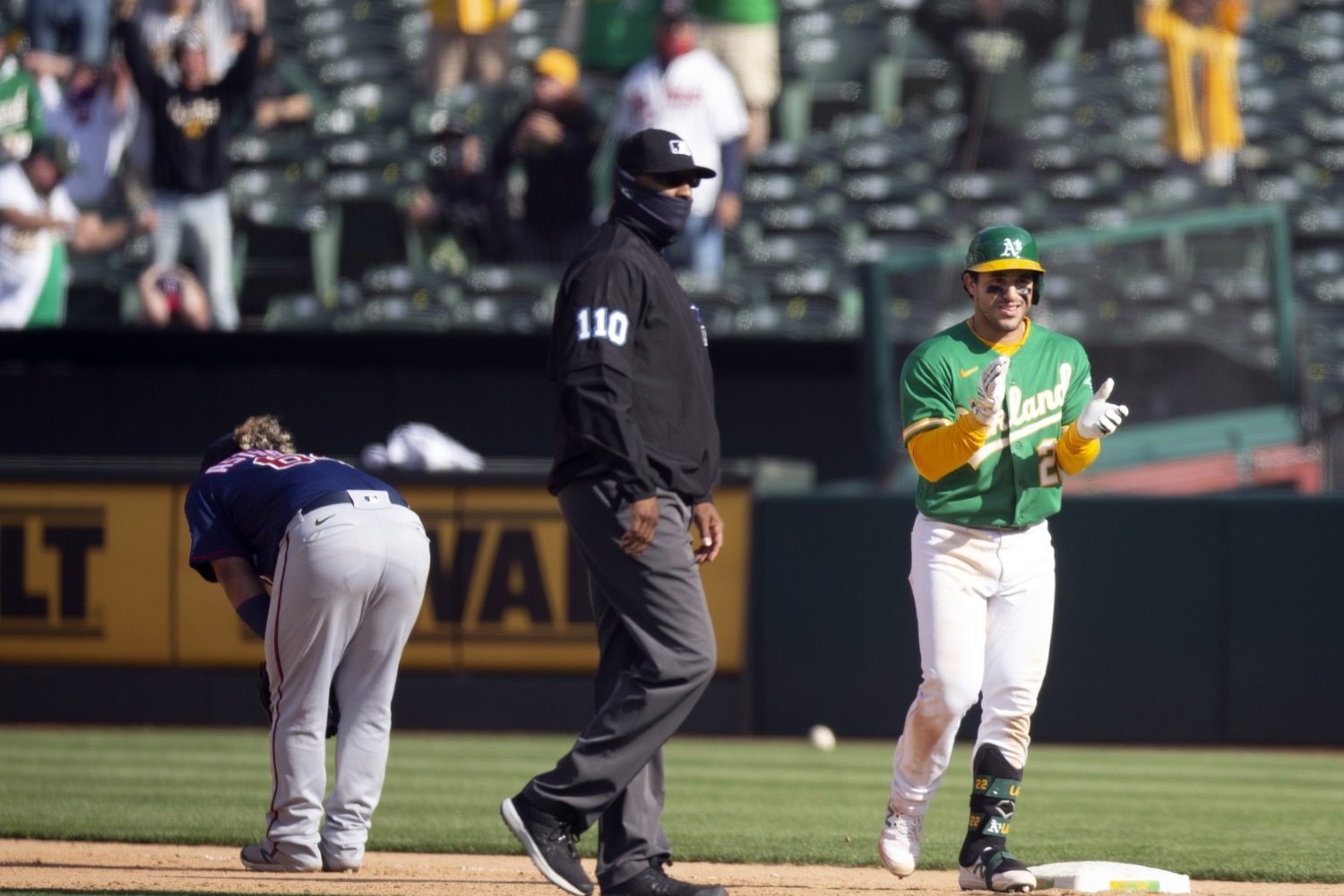 (Warning: Minor Film Spoilers) Last August, I watched Charlotte Wells's film Aftersun for the first time. For those unaware, Aftersun (in the simplest sense) is a 2022 coming-of-age drama film about a father (played by the wonderful Paul Mescal) and his (played by the marvelous Frankie Corio) on holiday in Turkey in the late '90s. Mescal's character lives a significant distance away from his daughter, and the vacation is one of the few times they will see each other all year. I won't spoil the plot any further, but no film has ever explored memory, depression, and the relationship between a parent and their child the way Aftersun has, making it the most gut-wrenching film I've seen. This particular out-of-context scene still tears me apart: Before Aftersun, the film that previously held the title of "the saddest film Cody's ever seen" was Charlie Kaufman and Michael Gondry's Eternal Sunshine of the Spotless Mind. The film follows Clementine (Kate Winslet) as she undergoes a procedure to erase memories of her ex-boyfriend Joel (Jim Carrey) from her mind. Joel finds out Clementine underwent the procedure and decides to undergo it himself, in an act of spite and anger. The film then slowly dissolves into a tale of (once again) memories, love, and yearning for what was and what could have been. This other particular out-of-context scene tore me apart: For some reason, movies that explore memory through an artistic lens strike a deep chord with me. I would say it's a quarter-life crisis, but I've always been like this. I can't pinpoint it, but I think it's because I can't process the constant change around me, so I hold on to what was. But even those memories become fragmented as I slowly drift away from the moment that actually was. It's hard to confront these realities, but films like Aftersun and Eternal Sunshine make me face them head-on, which I think is healthy. What isn't healthy is that I've closely followed the Twins since 2017, the season Ervin Santana pitched like an ace, and they got blown out in a Wild Card Game at Yankee Stadium. Since then, I have experienced much heartbreak, but no singular moment in Twins history has affected me as profoundly as what occurred in the 10th inning of a game against the Athletics in Oakland, California, on April 21, 2021. The moment makes me so upset I can't talk about it, so here's a video: Often, people uncover old wounds in the name of expurgating repressed negative emotions, but there is a specific reason why I am mentioning this game. Hypothetically, if I could undergo the same procedure Clementine and Joel underwent in Eternal Sunshine to erase one Twins-centric memory from my mind, it would be this game and, more specifically, this moment. I hadn't been this angry about a sporting event since Nick Foles and the Philadelphia Eagles picked apart the Vikings in the 2017 NFC Championship Game. I don't know what it was, but watching Luis Arráez soar the ball over Willians Astudillo's head brought all of the repressed anger, fear, and anxiety from the pandemic (that was still going on, mind you) to a head, causing me to have a meltdown. Weirdly, my response was to drive to the nearest Wendy's and order a Baconator with fries, a Sprite, and ketchup packets. [Ed. note: This doesn't seem all that weird to me; it's called self-destruction, and it's the American way.] I ate the Baconator silently while trying to calm myself down as I sat in a mostly deserted parking lot in Onalaska, Wisconsin. I thought solitude would come in the form of a Wendy's Baconator, which is weird because it's like my third- or fourth-favorite fast food burger. People often say time heals all wounds, but it doesn't. It can work as a Band-Aid, yes, but it doesn't heal. Sadly, we don't have the privilege of undergoing surgery that rescues us from our most stinging wounds, particularly those caused by the Twins. The closest thing we have in benevolent capitalist withholding of the unkillable blackouts, saving some of us from experiencing those nightmares in the first place. If we could perform those deletions, though, would you? If so, which Twins-centric memory would you have removed from your memory bank? Join the discussion and comment below.
 -
Today, we look at the newest Twins top prospect. Find out what made the 20-year-old outfielder so enticing that we were forced to wedge him into our Twins Daily prospect rankings at such a high, unique place. Image courtesy of Everett Aqua Sox New beginnings! Scary to some, enticing to others, few phenomenae are stronger than novelty. Acquired alongside fellow prospect Darren Bowen and veteran pitchers Anthony DeSclafani and Justin Topa in the trade that sent dearly departed second baseman Jorge Polanco to the Seattle Mariners, this 20-year-old outfield prospect has earned the third-and-a-half (is that right?) spot in our 2024 top prospect rankings. Gabriel Gonzalez Age: 20 (DOB: 01/04/2004) 2023 Stats (A, A+): 535 PA, .298/.361/.476, 142 H, 23 2B, 18 HR, 10 SB, 116 wRC+ ETA: 2026 2023 Ranking: NR National Top 100 Rankings BA: NR | MLB: 79 | ATH: 96 | BP: NR What's to Like Signed as a 17-year-old from Venezuela for $1.3 million, González joined the Mariners organization on Feb. 5, 2021. Upon signing, González began his professional career with the organization's Dominican Summer League club, hitting .287/.371/.521 with seven home runs, a 9.5% walk rate, 16.3% strikeout rate, .234 isolated power (ISO), and 141 wRC+ over 221 plate appearances. Since his debut season, "El Dron" has progressed from the Florida Complex team to High-A in less than two years. Although the now-20-year-old was likely pushed too quickly through the Mariners system (you'll find out why later), he has been able to excel at nearly every level. Most notably, González thrived last season with the Mariners' Low-A team, showing a knack for making contact at a significant rate. Over 485 combined plate appearances with the Low-A Modesto Nuts, González generated an impressive 13.8% strikeout rate. His refined approach at the plate helped him thrive in Low-A, hitting .348/.403/.530 with 11 home runs and 24 doubles in his time there. González has the profile of a power-hitting corner outfielder, and while his home run numbers don't pop off the page, there is reason to suspect he could top 20 home runs his first season in the Twins' system. Although González is listed as 5-foot-10 and 165 pounds, he is more filled out than those outdated measurements would insinuate. Defensively, he will be limited to a corner outfield spot--if he doesn't undergo a complete transition to becoming a first base/designated hitter prototype. Although sliding to a position lower on the defensive spectrum is a negative occurrence, González's elite hand-eye coordination and overall hitting profile suggest he could seamlessly transform into a high-power, high-walk-rate slugger capable of carrying the weight of deficient defensive value. Evidently, González's calling card is his bat, so don't be surprised if he can unlock a new gear with the Twins' player development staff, who are known to accentuate hitting prospects' strengths. What's Left to Work On González swings at a high volume of pitches, even outside the zone. Although he could mask this shortcoming in lower minor-league levels, High-A pitchers exploited his desire to swing the bat. With the High-A Everett AquaSox, González's slash line dropped to an uninspiring .215/.290/.387. González also struggles to generate walks, as evidenced by an insipid 5.1% walk rate. His tendency to swing at pitches outside the zone is the primary knock on his offensive profile and should be monitored as he enters the Twins' pipeline. Twins Daily's Jamie Cameron noted in his post-trade breakdown of González that the former Seattle prospect has "relatively mild" platoon splits. Evidenced by his .916 OPS against left-handed pitchers in the minors, González hits opposite-handed pitchers well. In contrast, he generated an .803 OPS against right-handed pitchers. A 113-point difference is significant, but with one number being elite and the other above-average, there is no genuine concern that he will be limited to being a platoon bat if he reaches MLB. Finally, as alluded to earlier, González (a below-average runner) is limited defensively, meaning he will likely continue to move down the defensive spectrum. Regardless, with González being only 20 and maxing out at High-A last season, nothing is a sure thing. He could easily surprise us and maintain the speed and glove to stay in the outfield, or he might need to transition to first base. What's Next González will likely begin his first Twins season in High-A with the Cedar Rapid Kernels, playing right field and hitting in the heart of the Kernels' order alongside fellow prospects Kala'i Rosario, Luke Keaschall, and Andrew Cossetti. It is too early to know what adjustments the Twins will have Cedar Rapids coaches help González make, but it is fair to assume they will attempt to emphasize having him swing more selectively. The Twins highly value hitting the ball hard and in the air, so they will undoubtedly have González lean into his plus raw power tool to maximize his ability to hit the ball over the fence. Could he eventually become part of a trade package for a starting pitcher like Mitch Keller or Jesús Luzardo? We shall see, but for now, he is one of the best position player prospects in the Twins minor league system. What do you think of González and his future? Will he continue as an outfielder or transition into a first baseman? Which of his glows and areas of growth intrigue you the most? Was rating him as the Twins' third-and-a-half best prospect fair? How do you think his first season with Twins player development will go? Join the discussion and comment below. View full article
-
Twins Daily 2024 Top Prospects: #3.5 Gabriel González, OF
Cody Schoenmann posted an article in Twins
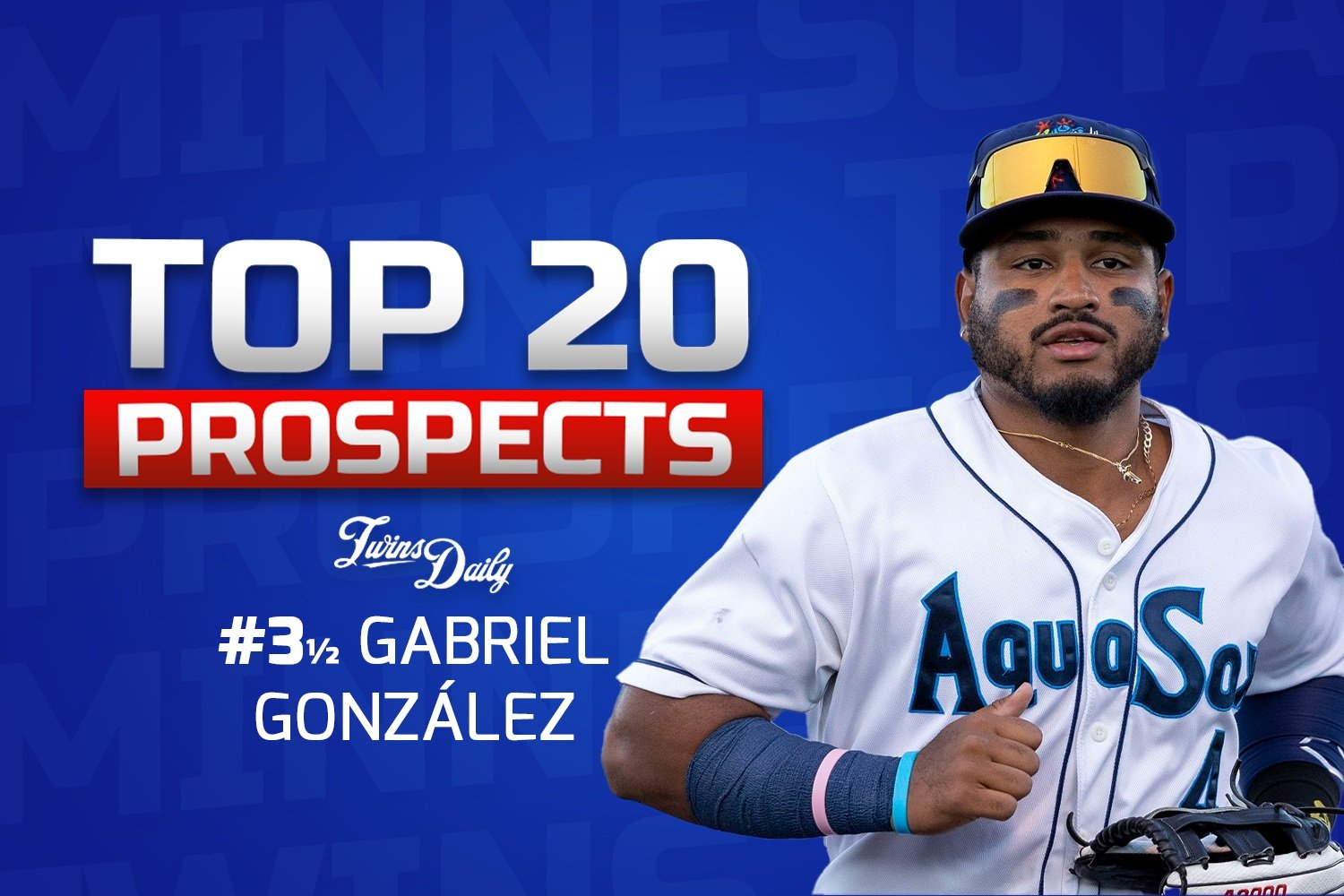 New beginnings! Scary to some, enticing to others, few phenomenae are stronger than novelty. Acquired alongside fellow prospect Darren Bowen and veteran pitchers Anthony DeSclafani and Justin Topa in the trade that sent dearly departed second baseman Jorge Polanco to the Seattle Mariners, this 20-year-old outfield prospect has earned the third-and-a-half (is that right?) spot in our 2024 top prospect rankings. Gabriel Gonzalez Age: 20 (DOB: 01/04/2004) 2023 Stats (A, A+): 535 PA, .298/.361/.476, 142 H, 23 2B, 18 HR, 10 SB, 116 wRC+ ETA: 2026 2023 Ranking: NR National Top 100 Rankings BA: NR | MLB: 79 | ATH: 96 | BP: NR What's to Like Signed as a 17-year-old from Venezuela for $1.3 million, González joined the Mariners organization on Feb. 5, 2021. Upon signing, González began his professional career with the organization's Dominican Summer League club, hitting .287/.371/.521 with seven home runs, a 9.5% walk rate, 16.3% strikeout rate, .234 isolated power (ISO), and 141 wRC+ over 221 plate appearances. Since his debut season, "El Dron" has progressed from the Florida Complex team to High-A in less than two years. Although the now-20-year-old was likely pushed too quickly through the Mariners system (you'll find out why later), he has been able to excel at nearly every level. Most notably, González thrived last season with the Mariners' Low-A team, showing a knack for making contact at a significant rate. Over 485 combined plate appearances with the Low-A Modesto Nuts, González generated an impressive 13.8% strikeout rate. His refined approach at the plate helped him thrive in Low-A, hitting .348/.403/.530 with 11 home runs and 24 doubles in his time there. González has the profile of a power-hitting corner outfielder, and while his home run numbers don't pop off the page, there is reason to suspect he could top 20 home runs his first season in the Twins' system. Although González is listed as 5-foot-10 and 165 pounds, he is more filled out than those outdated measurements would insinuate. Defensively, he will be limited to a corner outfield spot--if he doesn't undergo a complete transition to becoming a first base/designated hitter prototype. Although sliding to a position lower on the defensive spectrum is a negative occurrence, González's elite hand-eye coordination and overall hitting profile suggest he could seamlessly transform into a high-power, high-walk-rate slugger capable of carrying the weight of deficient defensive value. Evidently, González's calling card is his bat, so don't be surprised if he can unlock a new gear with the Twins' player development staff, who are known to accentuate hitting prospects' strengths. What's Left to Work On González swings at a high volume of pitches, even outside the zone. Although he could mask this shortcoming in lower minor-league levels, High-A pitchers exploited his desire to swing the bat. With the High-A Everett AquaSox, González's slash line dropped to an uninspiring .215/.290/.387. González also struggles to generate walks, as evidenced by an insipid 5.1% walk rate. His tendency to swing at pitches outside the zone is the primary knock on his offensive profile and should be monitored as he enters the Twins' pipeline. Twins Daily's Jamie Cameron noted in his post-trade breakdown of González that the former Seattle prospect has "relatively mild" platoon splits. Evidenced by his .916 OPS against left-handed pitchers in the minors, González hits opposite-handed pitchers well. In contrast, he generated an .803 OPS against right-handed pitchers. A 113-point difference is significant, but with one number being elite and the other above-average, there is no genuine concern that he will be limited to being a platoon bat if he reaches MLB. Finally, as alluded to earlier, González (a below-average runner) is limited defensively, meaning he will likely continue to move down the defensive spectrum. Regardless, with González being only 20 and maxing out at High-A last season, nothing is a sure thing. He could easily surprise us and maintain the speed and glove to stay in the outfield, or he might need to transition to first base. What's Next González will likely begin his first Twins season in High-A with the Cedar Rapid Kernels, playing right field and hitting in the heart of the Kernels' order alongside fellow prospects Kala'i Rosario, Luke Keaschall, and Andrew Cossetti. It is too early to know what adjustments the Twins will have Cedar Rapids coaches help González make, but it is fair to assume they will attempt to emphasize having him swing more selectively. The Twins highly value hitting the ball hard and in the air, so they will undoubtedly have González lean into his plus raw power tool to maximize his ability to hit the ball over the fence. Could he eventually become part of a trade package for a starting pitcher like Mitch Keller or Jesús Luzardo? We shall see, but for now, he is one of the best position player prospects in the Twins minor league system. What do you think of González and his future? Will he continue as an outfielder or transition into a first baseman? Which of his glows and areas of growth intrigue you the most? Was rating him as the Twins' third-and-a-half best prospect fair? How do you think his first season with Twins player development will go? Join the discussion and comment below.
 -
The Table Setter, Feb. 6, 2024: Keep Your Witts About You, Junior
Cody Schoenmann posted an article in Twins
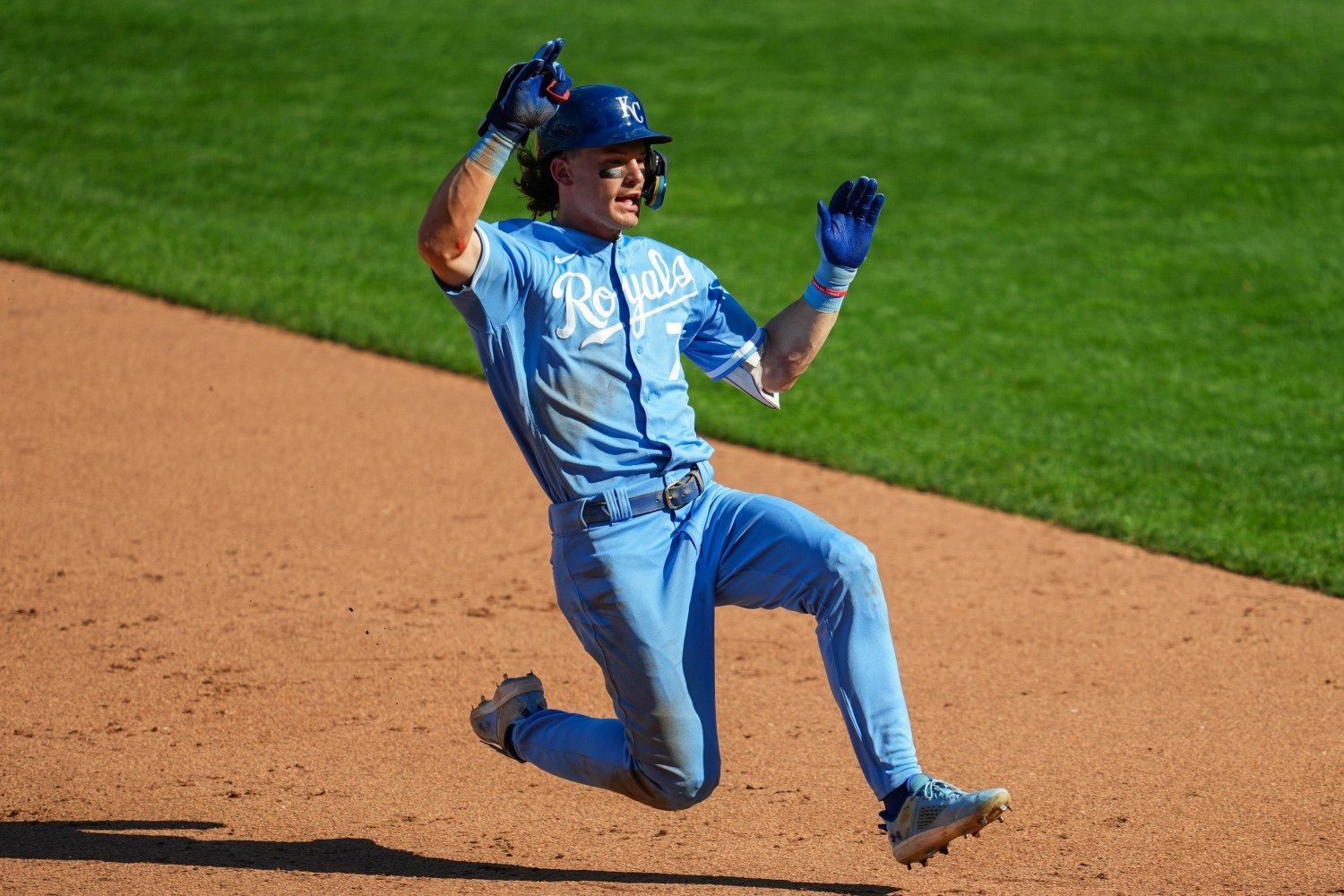 At 12:06 PM Monday, Jeff Passan of ESPN reported that the Kansas City Royals and shortstop Bobby Witt Jr. have agreed on an 11-year, $288.7-million extension, including player opt-outs in the seventh, eighth, ninth, and 10th years. Witt's deal also includes a club option after the 11th season that would tack on an extra three years and $89 million, meaning the deal could max out at 14 years and $377 million. Admittedly, I love this move for Witt and the Royals, and earlier this offseason, I predicted the 23-year-old phenom would win the AL MVP award this upcoming season. (I'm not self-promoting; I just want to show that I'm not lying.) Will Witt's extension and the immense number of signings and trades the Royals have executed this offseason propel them ahead of the Twins, Guardians, or even the Tigers in the AL Central standings in 2024? Probably not, but you can't knock them for trying. You can, on the other hand, knock them for making flawed moves. Who in the name of Nick Punto is signing Adam Frazier to a $4.5-million contract in 2024? Either way, as highlighted by writer Cody Christie in his most recent piece at Twins Daily, most Twins fans are increasingly frustrated by the Royals being as aggressive as the Twins, or even more so. Angst and dread are the ethos of a Minnesota sports fan, so this response is more than fitting, and I get it; I am bitter, too. So, why don't we act like any other rational person would and make Witt Jr.'s extension about ourselves? When scouring the Twins major and minor league rosters, the player who makes the most sense to get a Witt-esque contract is none other than Royce Lewis. Sir, not only do you rake, but you are also worth more money than you are getting paid now. What could an extension look like? Less than what Witt got, but in the same ballpark. Lewis, 24, is only one year older than Witt Jr., and while injuries have plagued the early part of his MLB career, there is reason to suspect he is beyond that unfortunate double blip. Scott Boras represents Lewis, so contract length would be crucial in extension negotiations. Still, I could realistically see the Junipero Serra Catholic High School product netting an eight-year, $190 million contract with player and club options sprinkled in. I doubt Lewis will get a contract extension this offseason, but if he can put together a healthy season while producing at the rate he did in 58 games last season, he could net the richest contract in franchise history. There is no reason to get ahead of ourselves (this is a hypothetical situation, after all), but it is fun to talk about nonetheless. Also, the whole point of the Table Setter is to spark discussion in the comment section. Before I hand the metaphorical mic over to you, some other occurrences occurred on what was a heady day in MLB. Other Pertinent MLB Notes The San Francisco Giants acquired left-handed pitcher Ethan Small from the Milwaukee Brewers for cash considerations. All offseason, the Giants were swinging around significant cash considerations to prized free agents Shohei Ohtani and Yoshinobu Yamamoto, but in the end, their efforts came up small, literally. In response, the Brewers and pitcher Jakob Junis agreed to a one-year, $7-million deal, according to Mark Feinsand of MLB.com. Junis pitched for the Giants in 2023 in a hybrid starter/reliever role. Look for recently acquired Anthony DeSclafani to fill a similar role for the Twins this season. The Los Angeles Dodgers traded left-handed reliever Caleb Ferguson to the New York Yankees for 30-year-old relief pitcher Matt Gage and minor-league right-handed pitcher Christian Zazueta. Immediately after, the Dodgers spent the money saved from parting ways with the under-appreciated Ferguson to re-sign reliever Ryan Brasier to a two-year, $9-million contract. Cincinnati native Josh Harrison netted a minor-league deal with his hometown Reds. What are your thoughts on Witt's extension? Should the Twins extend Lewis in response? Does the Giants' acquisition of Small or the Brewers' signing Junis pique your interest? What do you make of the Dodgers flipping Ferguson to the Yankees to re-sign Brasier? Do you have a favorite memory of Harrison as we head toward the conclusion of his MLB career? Join the discussion and comment below.
- 9 comments
-
- 2
-

-
- bobby witt jr
- royce lewis
- (and 5 more)
-
Join us on your coffee break for thoughts on Bobby Witt Jr.'s extension, whether a similar deal would make sense for Royce Lewis, and the state of the AL Central, on today's gloomy yet reflective table setter. Image courtesy of © Jay Biggerstaff-USA TODAY Sports At 12:06 PM Monday, Jeff Passan of ESPN reported that the Kansas City Royals and shortstop Bobby Witt Jr. have agreed on an 11-year, $288.7-million extension, including player opt-outs in the seventh, eighth, ninth, and 10th years. Witt's deal also includes a club option after the 11th season that would tack on an extra three years and $89 million, meaning the deal could max out at 14 years and $377 million. Admittedly, I love this move for Witt and the Royals, and earlier this offseason, I predicted the 23-year-old phenom would win the AL MVP award this upcoming season. (I'm not self-promoting; I just want to show that I'm not lying.) Will Witt's extension and the immense number of signings and trades the Royals have executed this offseason propel them ahead of the Twins, Guardians, or even the Tigers in the AL Central standings in 2024? Probably not, but you can't knock them for trying. You can, on the other hand, knock them for making flawed moves. Who in the name of Nick Punto is signing Adam Frazier to a $4.5-million contract in 2024? Either way, as highlighted by writer Cody Christie in his most recent piece at Twins Daily, most Twins fans are increasingly frustrated by the Royals being as aggressive as the Twins, or even more so. Angst and dread are the ethos of a Minnesota sports fan, so this response is more than fitting, and I get it; I am bitter, too. So, why don't we act like any other rational person would and make Witt Jr.'s extension about ourselves? When scouring the Twins major and minor league rosters, the player who makes the most sense to get a Witt-esque contract is none other than Royce Lewis. Sir, not only do you rake, but you are also worth more money than you are getting paid now. What could an extension look like? Less than what Witt got, but in the same ballpark. Lewis, 24, is only one year older than Witt Jr., and while injuries have plagued the early part of his MLB career, there is reason to suspect he is beyond that unfortunate double blip. Scott Boras represents Lewis, so contract length would be crucial in extension negotiations. Still, I could realistically see the Junipero Serra Catholic High School product netting an eight-year, $190 million contract with player and club options sprinkled in. I doubt Lewis will get a contract extension this offseason, but if he can put together a healthy season while producing at the rate he did in 58 games last season, he could net the richest contract in franchise history. There is no reason to get ahead of ourselves (this is a hypothetical situation, after all), but it is fun to talk about nonetheless. Also, the whole point of the Table Setter is to spark discussion in the comment section. Before I hand the metaphorical mic over to you, some other occurrences occurred on what was a heady day in MLB. Other Pertinent MLB Notes The San Francisco Giants acquired left-handed pitcher Ethan Small from the Milwaukee Brewers for cash considerations. All offseason, the Giants were swinging around significant cash considerations to prized free agents Shohei Ohtani and Yoshinobu Yamamoto, but in the end, their efforts came up small, literally. In response, the Brewers and pitcher Jakob Junis agreed to a one-year, $7-million deal, according to Mark Feinsand of MLB.com. Junis pitched for the Giants in 2023 in a hybrid starter/reliever role. Look for recently acquired Anthony DeSclafani to fill a similar role for the Twins this season. The Los Angeles Dodgers traded left-handed reliever Caleb Ferguson to the New York Yankees for 30-year-old relief pitcher Matt Gage and minor-league right-handed pitcher Christian Zazueta. Immediately after, the Dodgers spent the money saved from parting ways with the under-appreciated Ferguson to re-sign reliever Ryan Brasier to a two-year, $9-million contract. Cincinnati native Josh Harrison netted a minor-league deal with his hometown Reds. What are your thoughts on Witt's extension? Should the Twins extend Lewis in response? Does the Giants' acquisition of Small or the Brewers' signing Junis pique your interest? What do you make of the Dodgers flipping Ferguson to the Yankees to re-sign Brasier? Do you have a favorite memory of Harrison as we head toward the conclusion of his MLB career? Join the discussion and comment below. View full article
-
The argument is structured around the projection systems, and I think Bibee is ranked below López, Ragans, and Skubal in every model besides ZiPS (I don’t know off hand, so don’t quote me on that lol). I like Bibee a lot, don’t get me wrong, but I don’t think he has the same ceiling as López, Ragans, or Skubal. Nevertheless, I should have mentioned him alongside Bieber, McKenzie, Cease, and Ryan.
- 22 replies
-
- 4
-
-
- pablo lópez
- cole ragans
- (and 1 more)
-
A pair of up-and-coming star intradivisional pitchers could jeopardize Pablo López's spot as the best starting pitcher in the AL Central. Image courtesy of © Jesse Johnson-USA TODAY Sports Last October, starting pitcher Pablo López was at the center of two of the most meaningful moments in Twins' history. In his first postseason start with the Twins, López helped end the organization's 18-game playoff losing streak, giving up one earned run while striking out three Toronto Blue Jays hitters over 5 2/3 innings pitched. Five days later, the 27-year-old native of Venezuela took the mound in Houston, tossing seven shutout innings against the daunting Astros, guiding the Twins to a series tie with the then-defending World Series champions. López's stellar performances earned him folk hero status among Twins faithful, while earning him the title of "best Twins starting pitcher since Johan Santana" for the upcoming season. Fast forward three months, and Twins fans are just as enamored of the right-handed hurler. Typically, when a player is idolized within a fan base, that same sense of admiration isn't matched nationally. However, López has been treated with the same level of respect from the game's most prestigious writers and projection models. Here is how López is ranked around the league: Eno Sarris' Stuff+ Powered Projections: 12th Nick Pollack's Top 200 Pitchers for 2024: 6th FanGraphs's 2024 ZiPS Projections: 10th FanGraphs's STEAMER Projections: 7th Baseball Prospectus's PECOTA Projections: 11th Sarris' and Pollack's projections are fantasy baseball-specific, but the point remains. Although there is plenty of reason to be drawn toward López as a person and the intangibles he provides as an ace-level starting pitcher, the driving force behind the optimism surrounding the former Marlin is his 2023 numbers. Over 194 innings pitched in 32 starts, López fashioned the highest strikeout rate of his career (29.2%) while increasing the velocity on his fastball (which had the most ride in his career), adding a sweeper that quickly became one of the best in baseball and strengthening his already formidable changeup, becoming the best starting pitcher in the AL Central. López deserves the praise he has received this offseason, and while there is reason to believe he will become the first Twins pitcher to win the AL Cy Young Award since Santana in 2006, the opal of Twins' fans eyes has close company within his division. Upon first glance at fellow AL Central starting pitchers, the names that catch one's attention are Dylan Cease, Shane Bieber, Triston McKenzie, and Joe Ryan. While Bieber, McKenzie, Ryan, and (most notably) Cease deserve to be considered front-of-the-rotation starting pitchers, a pair of less-known young starting pitchers have become projection-model darlings who could challenge López's spot as the best starting pitcher in the AL Central. Cole Ragans - Kansas City Royals Ragans, 26, made his MLB debut with the Texas Rangers in 2022, manufacturing a 4.95 ERA, 4.91 FIP, and lackluster 15.5% strikeout rate over 40 innings and 174 total batters faced that season. Jump to 2023, and the former first-round pick was traded (alongside outfield prospect Roni Cabrera) to the Royals, in exchange for reliever Aroldis Chapman on June 30. Upon joining the Royals starting rotation, Ragans exploded onto the scene, generating a 1.69 ERA, 1.92 FIP, and an astounding 11.6 K/9 over 53 1/3 innings and 207 batters faced. Ragans's fastball sits around 96.5 MPH (89th percentile) while consistently touching 99 MPH, but his late-season dominance came from his ability to use an assortment of five superb pitches. Here are the five offerings Ragans has, along with their usage rate: Fastball (40.1%) Changeup (23.7%) Cutter (13.3%) Curveball (12.5%) Slider (10.4%) Ragans's performance dipped toward the end of September, as he stumbled to a 5.40 ERA and 4.13 FIP and saw his strikeout rate sag. In a small sample, Ragans illustrated that he could pitch at a high level, despite having a poor defense behind him. Heading into 2024 with an improved defense, Ragans projects to perform more closely to the pitcher he was his first month in Kansas City: Sarris' Projections: 28th Pollack's Projections: 20th ZiPS: 125th STEAMER: 37th PECOTA: 26th Ragans isn't viewed as favorably as López--rightfully so--but to be ranked as a top-30 starting pitcher by three of the most reputable projection systems after two months of sustained success is no small feat. Alongside Bieber, McKenzie, and Cease, Ragans is one of the best starting pitchers in the AL Central. If he can sustain his late-season success with an improved Royals defense and fine-tuned cutter and slider, the North Florida Christian High School product should join the ranks of López and this fellow young lefty as the best starting pitchers in the AL Central. Tarik Skubal - Detroit Tigers Skubal, 27, made his MLB debut with the Tigers in 2020, producing a 5.63 ERA, 4.48 FIP, and 10.41 K/9 over 117 2/3 IP and 477 BF. Although the former 9th-round pick's results were subpar, he demonstrated potential, evidenced by his eye-popping strikeout rate. Year over year, Skubal's numbers improved, until he truly broke out in 2022, posting a 3.52 ERA, 2.96 FIP, and slightly less impressive 9.0 K/9. The Seattle University product's breakout continued into 2023, culminating in a 2.80 ERA, 2.00 FIP, and astonishing 11.4 K/9 over 80 1/3 IP and 310 BF returning from flexor tendon surgery that prematurely ended his 2022. Skubal demonstrated the best fastball velocity (averaging 95.8 MPH) and slider and changeup shapes of his career. He sports a vast pitch mix: Four-seam fastball (36%) Changeup (24.5%) Slider (20.6%) Sinker (12.2%) Knuckle Curve (6.8%) Like Ragans, Skubal sports a five-pitch mix, with his four-seam fastball and changeup being his most effective pitches. Adding Skubal's expansive repertoire of plus pitches to his breakout performance in 2022 and dominating return from injury in 2023, the 255th pick in the 2019 draft has quickly become a prime candidate to become one of the best pitchers in baseball in 2024, and the projection models agree: Sarris' Projections: 16th Pollack's Projections: 15th ZiPS: 47th STEAMER: 8th PECOTA: 6th Beyond ZiPS (which rates Ragans and Skubal low), Skubal ranks nine spots behind López in Pollack's rankings, four spots behind in Sarris' rankings, and just one spot behind ranking in STEAMER. Interestingly, PECOTA placed Skubal five spots ahead of López. Although López is currently ranked higher by most projection models and ranking systems, don't be surprised if a hot start in 2024 propels Skubal up the ranks. As noted, Skubal is injury-prone, which lowers his ceiling, but if he can throw over 150 healthy innings (a career mark he has yet to surpass) next season, he could quickly become an under-the-radar AL Cy Young Award candidate. Heading into the 2024 MLB season, López is perceived to be the best starting pitcher in the AL Central. Though this prestigious title is well-deserved, it's far from certain, now or looking ahead. With his 2023 co-ace now twirling for the Cardinals, López faces more of a burden than ever, and if he's not able to hold onto his primacy in this individual sense, the Twins might struggle to remain ahead of the pack in a collective one. Will López remain the best starting pitcher in the AL Central in 2024? Could Ragans or Skubal could surpass him? Could Cease, Bieber, McKenzie, or Ryan surpass López? How would you rank the seven starting pitchers mentioned? Join the discussion and comment below. View full article
-
Will Pablo López Remain the AL Central's Best Starting Pitcher in 2024?
Cody Schoenmann posted an article in Twins
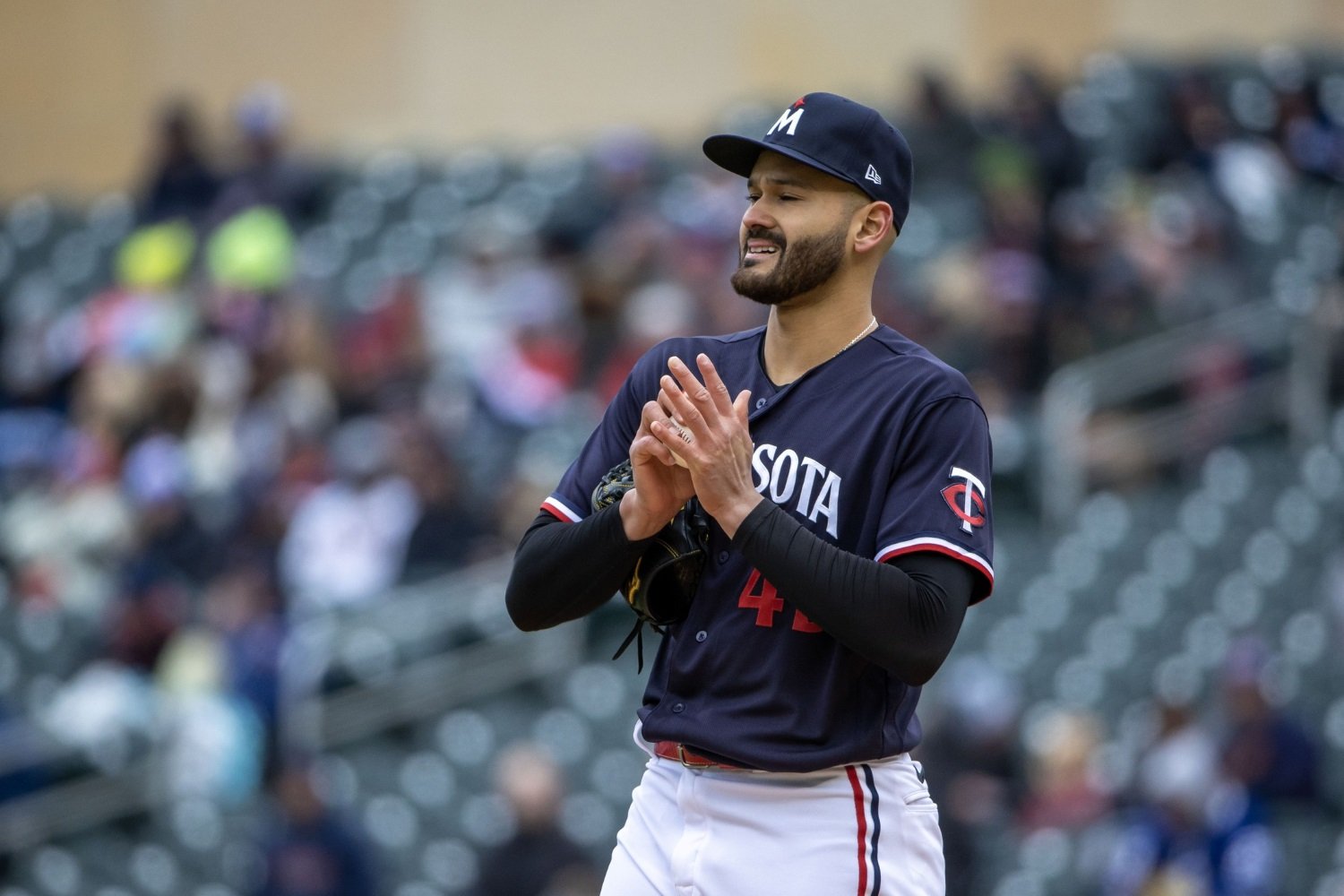 Last October, starting pitcher Pablo López was at the center of two of the most meaningful moments in Twins' history. In his first postseason start with the Twins, López helped end the organization's 18-game playoff losing streak, giving up one earned run while striking out three Toronto Blue Jays hitters over 5 2/3 innings pitched. Five days later, the 27-year-old native of Venezuela took the mound in Houston, tossing seven shutout innings against the daunting Astros, guiding the Twins to a series tie with the then-defending World Series champions. López's stellar performances earned him folk hero status among Twins faithful, while earning him the title of "best Twins starting pitcher since Johan Santana" for the upcoming season. Fast forward three months, and Twins fans are just as enamored of the right-handed hurler. Typically, when a player is idolized within a fan base, that same sense of admiration isn't matched nationally. However, López has been treated with the same level of respect from the game's most prestigious writers and projection models. Here is how López is ranked around the league: Eno Sarris' Stuff+ Powered Projections: 12th Nick Pollack's Top 200 Pitchers for 2024: 6th FanGraphs's 2024 ZiPS Projections: 10th FanGraphs's STEAMER Projections: 7th Baseball Prospectus's PECOTA Projections: 11th Sarris' and Pollack's projections are fantasy baseball-specific, but the point remains. Although there is plenty of reason to be drawn toward López as a person and the intangibles he provides as an ace-level starting pitcher, the driving force behind the optimism surrounding the former Marlin is his 2023 numbers. Over 194 innings pitched in 32 starts, López fashioned the highest strikeout rate of his career (29.2%) while increasing the velocity on his fastball (which had the most ride in his career), adding a sweeper that quickly became one of the best in baseball and strengthening his already formidable changeup, becoming the best starting pitcher in the AL Central. López deserves the praise he has received this offseason, and while there is reason to believe he will become the first Twins pitcher to win the AL Cy Young Award since Santana in 2006, the opal of Twins' fans eyes has close company within his division. Upon first glance at fellow AL Central starting pitchers, the names that catch one's attention are Dylan Cease, Shane Bieber, Triston McKenzie, and Joe Ryan. While Bieber, McKenzie, Ryan, and (most notably) Cease deserve to be considered front-of-the-rotation starting pitchers, a pair of less-known young starting pitchers have become projection-model darlings who could challenge López's spot as the best starting pitcher in the AL Central. Cole Ragans - Kansas City Royals Ragans, 26, made his MLB debut with the Texas Rangers in 2022, manufacturing a 4.95 ERA, 4.91 FIP, and lackluster 15.5% strikeout rate over 40 innings and 174 total batters faced that season. Jump to 2023, and the former first-round pick was traded (alongside outfield prospect Roni Cabrera) to the Royals, in exchange for reliever Aroldis Chapman on June 30. Upon joining the Royals starting rotation, Ragans exploded onto the scene, generating a 1.69 ERA, 1.92 FIP, and an astounding 11.6 K/9 over 53 1/3 innings and 207 batters faced. Ragans's fastball sits around 96.5 MPH (89th percentile) while consistently touching 99 MPH, but his late-season dominance came from his ability to use an assortment of five superb pitches. Here are the five offerings Ragans has, along with their usage rate: Fastball (40.1%) Changeup (23.7%) Cutter (13.3%) Curveball (12.5%) Slider (10.4%) Ragans's performance dipped toward the end of September, as he stumbled to a 5.40 ERA and 4.13 FIP and saw his strikeout rate sag. In a small sample, Ragans illustrated that he could pitch at a high level, despite having a poor defense behind him. Heading into 2024 with an improved defense, Ragans projects to perform more closely to the pitcher he was his first month in Kansas City: Sarris' Projections: 28th Pollack's Projections: 20th ZiPS: 125th STEAMER: 37th PECOTA: 26th Ragans isn't viewed as favorably as López--rightfully so--but to be ranked as a top-30 starting pitcher by three of the most reputable projection systems after two months of sustained success is no small feat. Alongside Bieber, McKenzie, and Cease, Ragans is one of the best starting pitchers in the AL Central. If he can sustain his late-season success with an improved Royals defense and fine-tuned cutter and slider, the North Florida Christian High School product should join the ranks of López and this fellow young lefty as the best starting pitchers in the AL Central. Tarik Skubal - Detroit Tigers Skubal, 27, made his MLB debut with the Tigers in 2020, producing a 5.63 ERA, 4.48 FIP, and 10.41 K/9 over 117 2/3 IP and 477 BF. Although the former 9th-round pick's results were subpar, he demonstrated potential, evidenced by his eye-popping strikeout rate. Year over year, Skubal's numbers improved, until he truly broke out in 2022, posting a 3.52 ERA, 2.96 FIP, and slightly less impressive 9.0 K/9. The Seattle University product's breakout continued into 2023, culminating in a 2.80 ERA, 2.00 FIP, and astonishing 11.4 K/9 over 80 1/3 IP and 310 BF returning from flexor tendon surgery that prematurely ended his 2022. Skubal demonstrated the best fastball velocity (averaging 95.8 MPH) and slider and changeup shapes of his career. He sports a vast pitch mix: Four-seam fastball (36%) Changeup (24.5%) Slider (20.6%) Sinker (12.2%) Knuckle Curve (6.8%) Like Ragans, Skubal sports a five-pitch mix, with his four-seam fastball and changeup being his most effective pitches. Adding Skubal's expansive repertoire of plus pitches to his breakout performance in 2022 and dominating return from injury in 2023, the 255th pick in the 2019 draft has quickly become a prime candidate to become one of the best pitchers in baseball in 2024, and the projection models agree: Sarris' Projections: 16th Pollack's Projections: 15th ZiPS: 47th STEAMER: 8th PECOTA: 6th Beyond ZiPS (which rates Ragans and Skubal low), Skubal ranks nine spots behind López in Pollack's rankings, four spots behind in Sarris' rankings, and just one spot behind ranking in STEAMER. Interestingly, PECOTA placed Skubal five spots ahead of López. Although López is currently ranked higher by most projection models and ranking systems, don't be surprised if a hot start in 2024 propels Skubal up the ranks. As noted, Skubal is injury-prone, which lowers his ceiling, but if he can throw over 150 healthy innings (a career mark he has yet to surpass) next season, he could quickly become an under-the-radar AL Cy Young Award candidate. Heading into the 2024 MLB season, López is perceived to be the best starting pitcher in the AL Central. Though this prestigious title is well-deserved, it's far from certain, now or looking ahead. With his 2023 co-ace now twirling for the Cardinals, López faces more of a burden than ever, and if he's not able to hold onto his primacy in this individual sense, the Twins might struggle to remain ahead of the pack in a collective one. Will López remain the best starting pitcher in the AL Central in 2024? Could Ragans or Skubal could surpass him? Could Cease, Bieber, McKenzie, or Ryan surpass López? How would you rank the seven starting pitchers mentioned? Join the discussion and comment below.
- 22 comments
-
- 2
-
-
- pablo lópez
- cole ragans
- (and 1 more)
-
Does Signing Kiké Hernández Still Make Sense for the Twins?
Cody Schoenmann posted an article in Twins
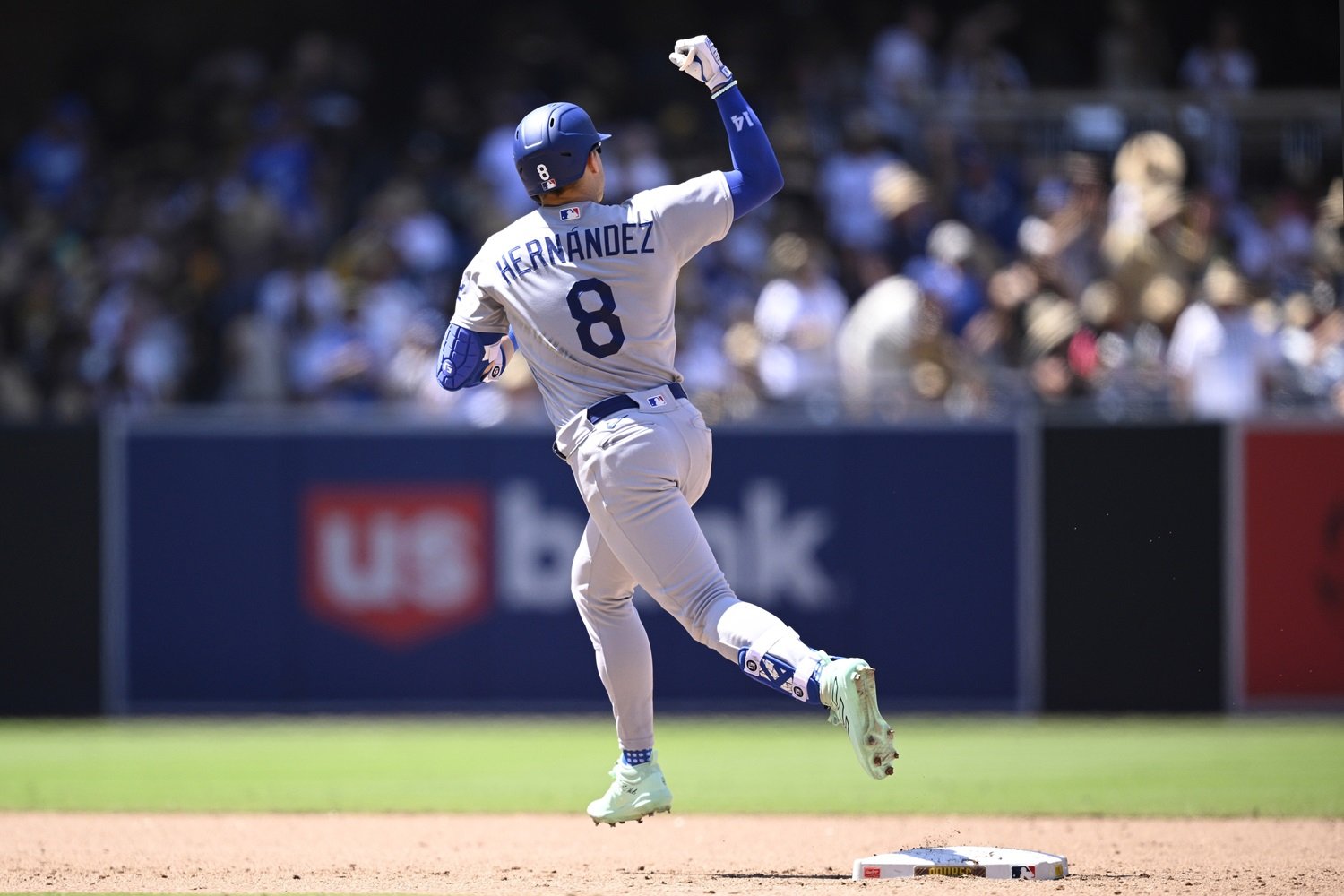 Soon after Jeff Passan of ESPN reported the Twins had traded second baseman Jorge Polanco and his $10.5 million contract to the Seattle Mariners for veteran right-handed pitchers Anthony DeSclafani and Justin Topa and prospects Gabriel González (79th ranked prospect on MLB.com) and Darren Bowen, signals of what the team will do next soon began trickling out. Dan Hayes of The Athletic reported that between parting with Polanco's contract and the Mariners taking on most of DeSclafani and Topa's 2024 contracts, the Twins had freed up $6.5 million to spend on free agency. The same night, Do-Hyoung Park of MLB.com provided insight into where the Twins' newfound money could be spent: Late Friday night, Darren Wolfson of KSTP reported the Twins had signed first baseman/designated hitter Carlos Santana to a one-year contract. Minutes later, Jon Heyman of the New York Post added that the Twins will pay the 37-year-old switch hitter $5.25 million plus incentives next season. Though the Twins have already spent 84% of the money saved from trading Polanco to Seattle, there is reason to suspect the front office will add one more veteran piece. Though a right-handed hitting first baseman/designated hitter is no longer needed, the Twins would benefit from acquiring a player who could provide depth in both the infield and outfield. Interestingly, Hayes noted in an article published four days ago that the Twins could "look" at signing veteran utility player Kiké Hernández. Hernández, 32, spent the 2023 MLB season with the Boston Red Sox and Los Angeles Dodgers. In the 140 games he spent between the two franchises, the one-time World Series champion hit .237/.289/.357 with 110 hits, 11 home runs, four stolen bases, 6.7% walk percentage, 19.1% strikeout percentage, and 72 wRC+ while generating -1.3 Wins Above Replacement at FanGraphs over 508 plate appearances. Though Hernández put together a lackluster season at the plate, the bulk of his struggles came defensively. Of 262 qualified players, Hernández was the second worst defender in baseball, generating a -17 Outs Above Average (OAA) at centerfield in 2023. FanGraphs's defensive metric, Defensive Runs Above Average (DEF), measures a player's defensive value relative to the league average. In 2023, Hernández generated a -6.7 DEF at shortstop, ranking him 1388 of 1430 qualified defenders. Hernández was objectively horrible in the field in 2023, and if it weren't for Philadelphia Phillies left fielder Kyle Schwarber (who ranked last in OAA and DEF), he reasonably could have been labeled the worst defensive player in MLB last season. Hernández hasn't been a league-average player since his first season with Boston in 2021, where he generated a 109 wRC+ over 134 games. Since then, Hernández has generated a 74 wRC+ in 2022 and a 72 wRC+ in 2023. If it weren't for 2016, a season in which Hernández culminated a 67 wRC+ over 109 during his first stint with the Dodgers, 2023 would have been the American Military Academy product's worst season in MLB. Although the last few years of Hernández's career in Boston have been bleak, there is reason to believe he can contribute to a contending team. On July 25, the Red Sox traded Hernández to the Dodgers for right-handed pitching prospects Nick Robertson and Justin Hagenman and $2.5 million in cash considerations. Before getting traded, it was clear Hernández needed a fresh start, and he couldn't have landed in a better situation than his former team. To emphasize this point, here are Hernández's splits between the two teams last season: Red Sox: .222/.279/.320, 323 PA, 66 hits, six home runs, three stolen bases, 6.8% walk percentage, 21.1% strikeout percentage, 59 wRC+ Dodgers: .262/.308/.423, 185 PA, 44 hits, five home runs, one stolen base, 6.5% walk percentage, 15.7% strikeout percentage, 96 wRC+ Highlighted by a 37-point jump in wRC+, Hernández excelled in Los Angeles, showing a sustainable improvement in nearly every offensive category in a significantly smaller sample size. Interestingly, Hernández performed better at a much less hitter-friendly park. According to Baseball Savant's Statcast Park Factors, Fenway Park is the second-most hitter-friendly park, generating a 108 Park Factor. Dodger is the 19th-most hitter-friendly park, generating a Park Factor of 99. Although no empirical evidence could support this notion, a change of scenery from Boston to Los Angeles appeared to help Hernández improve the second half of last season. The Twins' 40-man roster is fully occupied, but the front office could waive reliever Daniel Duarte or outfielder Bubba Thompson to clear up the space necessary to sign Hernández. Although deciding to part ways with one of Duarte or Thompson would be an innocuous transaction, adding Hernández would create a logjam on the team's 26-man roster. The Twins' primary utility players for the 2024 season are projected to be Kyle Farmer, Nick Gordon, and Willi Castro, with seventh-ranked prospect Austin Martin waiting at Triple-A. Although Farmer is limited to the infield, Gordon, Castro, and Martin's flexibility expands into the outfield, a skillset that goes hand-in-hand with what Hernández would provide. If the Twins were to sign Hernández, the team's decision-makers would likely need to option Castro to Triple-A or designate Gordon for assignment to avoid redundancy. If presented with this ultimatum, the front office would elect to designate Gordon for assignment and subsequently waive him. Although Gordon had a breakout 2022 season, the 28-year-old struggled at the beginning of his 2023 campaign before fracturing his right shin in May and missing the rest of the season. Hernández is a superior player to Gordon, and, as a contact-skilled right-handed hitter, the San Juan, Puerto Rico native would provide a sense of balance to a lineup predominately comprised of high-variance all-or-nothing hitters. Hernández struggled at the plate and on the field in 2023. Although his 2023 numbers are cause for concern, it is fair to assume that a significant portion of his struggles stemmed from the Red Sox asking him to fill a role he was never suited to. Hernández's value lies in being a contact-first utility player who can adequately play seven out of nine positions on the field. The Twins could plausibly sign Hernández with the remaining money freed up from sending Polanco to Seattle, and although pricier right-handed hitting outfielders like Duvall, Pham, or Taylor are more enticing, none provide the same skillset and positional flexibility as Hernández. Does Hernández intrigue you? Would you prefer Hernández or Gordon? Are the Twins better off spending their limited money on a right-handed hitting outfielder like Duvall, Pham, or Taylor? Join the discussion and comment below.
 -
Would it make sense for the Twins to sign the 32-year-old utility player? Image courtesy of © Orlando Ramirez-USA TODAY Sports Soon after Jeff Passan of ESPN reported the Twins had traded second baseman Jorge Polanco and his $10.5 million contract to the Seattle Mariners for veteran right-handed pitchers Anthony DeSclafani and Justin Topa and prospects Gabriel González (79th ranked prospect on MLB.com) and Darren Bowen, signals of what the team will do next soon began trickling out. Dan Hayes of The Athletic reported that between parting with Polanco's contract and the Mariners taking on most of DeSclafani and Topa's 2024 contracts, the Twins had freed up $6.5 million to spend on free agency. The same night, Do-Hyoung Park of MLB.com provided insight into where the Twins' newfound money could be spent: Late Friday night, Darren Wolfson of KSTP reported the Twins had signed first baseman/designated hitter Carlos Santana to a one-year contract. Minutes later, Jon Heyman of the New York Post added that the Twins will be paying the 37-year-old switch hitter $5.25 million plus incentives next season. Though the Twins have already spent 84% of the money saved from trading Polanco to Seattle, there is reason to suspect the front office will add one more veteran piece. Though a right-handed hitting first baseman/designated hitter is no longer needed, the Twins would benefit from acquiring a player who could provide depth in both the infield and outfield. Interestingly, Hayes noted in an article published four days ago that the Twins could "look" at signing veteran utility player Kiké Hernández. Hernández, 32, spent the 2023 MLB season with the Boston Red Sox and Los Angeles Dodgers. In the 140 games he spent between the two franchises, the one-time World Series champion hit .237/.289/.357 with 110 hits, 11 home runs, four stolen bases, 6.7% walk percentage, 19.1% strikeout percentage, and 72 wRC+ while generating -1.3 Wins Above Replacement at FanGraphs over 508 plate appearances. Though Hernández put together a lackluster season at the plate, the bulk of his struggles came defensively. Of 262 qualified players, Hernández was the second worst defender in baseball, generating a -17 Outs Above Average (OAA) at centerfield in 2023. FanGraphs's defensive metric, Defensive Runs Above Average (DEF), measures a player's defensive value relative to the league average. In 2023, Hernández generated a -6.7 DEF at shortstop, ranking him 1388 of 1430 qualified defenders. Hernández was objectively horrible in the field in 2023, and if it weren't for Philadelphia Phillies left fielder Kyle Schwarber (who ranked last in OAA and DEF), he reasonably could have been labeled the worst defensive player in MLB last season. Hernández hasn't been a league-average player since his first season with Boston in 2021, where he generated a 109 wRC+ over 134 games. Since then, Hernández has generated a 74 wRC+ in 2022 and a 72 wRC+ in 2023. If it weren't for 2016, a season in which Hernández culminated a 67 wRC+ over 109 during his first stint with the Dodgers, 2023 would have been the American Military Academy product's worst season in MLB. Although the last few years of Hernández's career in Boston have been bleak, there is reason to believe he can contribute to a contending team. On July 25, the Red Sox traded Hernández to the Dodgers for right-handed pitching prospects Nick Robertson and Justin Hagenman and $2.5 million in cash considerations. Before getting traded, it was clear Hernández needed a fresh start, and he couldn't have landed in a better situation than his former team. To emphasize this point, here are Hernández's splits between the two teams last season: Red Sox: .222/.279/.320, 323 PA, 66 hits, six home runs, three stolen bases, 6.8% walk percentage, 21.1% strikeout percentage, 59 wRC+ Dodgers: .262/.308/.423, 185 PA, 44 hits, five home runs, one stolen base, 6.5% walk percentage, 15.7% strikeout percentage, 96 wRC+ Highlighted by a 37-point jump in wRC+, Hernández excelled in Los Angeles, showing a sustainable improvement in nearly every offensive category in a significantly smaller sample size. Interestingly, Hernández performed better at a much less hitter-friendly park. According to Baseball Savant's Statcast Park Factors, Fenway Park is the second-most hitter-friendly park, generating a 108 Park Factor. Dodger is the 19th-most hitter-friendly park, generating a Park Factor of 99. Although no empirical evidence could support this notion, a change of scenery from Boston to Los Angeles appeared to help Hernández improve the second half of last season. The Twins' 40-man roster is fully occupied, but the front office could waive reliever Daniel Duarte or outfielder Bubba Thompson to clear up the space necessary to sign Hernández. Although deciding to part ways with one of Duarte or Thompson would be an innocuous transaction, adding Hernández would create a logjam on the team's 26-man roster. The Twins' primary utility players for the 2024 season are projected to be Kyle Farmer, Nick Gordon, and Willi Castro, with seventh-ranked prospect Austin Martin waiting at Triple-A. Although Farmer is limited to the infield, Gordon, Castro, and Martin's flexibility expands into the outfield, a skillset that goes hand-in-hand with what Hernández would provide. If the Twins were to sign Hernández, the team's decision-makers would likely need to option Castro to Triple-A or designate Gordon for assignment to avoid redundancy. If presented with this ultimatum, the front office would elect to designate Gordon for assignment and subsequently waive him. Although Gordon had a breakout 2022 season, the 28-year-old struggled at the beginning of his 2023 campaign before fracturing his right shin in May and missing the rest of the season. Hernández is a superior player to Gordon, and, as a contact-skilled right-handed hitter, the San Juan, Puerto Rico native would provide a sense of balance to a lineup predominately comprised of high-variance all-or-nothing hitters. Hernández struggled at the plate and on the field in 2023. Although his 2023 numbers are cause for concern, it is fair to assume that a significant portion of his struggles stemmed from the Red Sox asking him to fill a role he was never suited to. Hernández's value lies in being a contact-first utility player who can adequately play seven out of nine positions on the field. The Twins could plausibly sign Hernández with the remaining money freed up from sending Polanco to Seattle, and although pricier right-handed hitting outfielders like Duvall, Pham, or Taylor are more enticing, none provide the same skillset and positional flexibility as Hernández. Does Hernández intrigue you? Would you prefer Hernández or Gordon? Are the Twins better off spending their limited money on a right-handed hitting outfielder like Duvall, Pham, or Taylor? Join the discussion and comment below. View full article
-
After undergoing notable peaks and valleys during his second season in the Twins' minor-league system, former second-round pick Tanner Schobel earns the 10th spot on Twins Daily's 2024 prospect rankings. Image courtesy of Thiéres Rabelo Now that we're into the top 10, we're going to feature each prospect of our countdown in their own, individual post. More talent, more details, more debate. Tanner Schobel Age: 22 (DOB: 6/4/2001) 2022 Stats (A+/AA): 554 PA, .265/.352/.424, 16 HR, 16 2B, 12 SB, 107 wRC+ ETA: 2025 2023 Ranking: 18 National Top 100 Rankings BA: NR | MLB: NR | ATH: NR | BP: NR What's to Like After hitting just one home run between Rookie ball and Low A during his 32-game pro debut in 2022, Schobel answered doubts about his ability to hit for power during his second year in the system in 2023. He slugged .493 and hit 14 home runs in 77 games in High A. While finding the same pop that anchored his breakout redshirt sophomore season at Virginia Tech (where he hit 19 home runs), Schobel demonstrated a strong sense of patience at the plate and a knack for baserunning, displaying an above-average 11.2% walk rate while swiping 12 bases. Schobel was drafted as a shortstop out of Va. Tech, but quickly transitioned into splitting time between second and third base. Across three minor-league levels, Schobel has shown the ability to adequately patrol second base and the hot corner, leading pundits to believe he could play those positions at the major league level. The 22-year-old's defensive flexibility and consistent display of patience and discipline at the plate have stirred a strong sense of optimism surrounding Schobel this upcoming season, a primary reason why he has jumped eight spots since last year's rankings. What separates Schobel from fellow infield prospects in the Twins system is that he has adequate, if not above-average, tools all across the board; those should translate well through the high minors and into MLB. He has a smooth glove, a strong arm, and a solid hitting profile, while being widely recognized as an intelligent player with a strong understanding of the game and its intricacies. Schobel was a standout player in high school at Walsingham Academy and in college, so there should be little surprise that he has taken advantage of every opportunity presented since being drafted by the Twins in 2022. What's Left to Work On Despite rediscovering some power at High A, Schobel regressed after getting promoted to Double A, hitting just two home runs in 207 plate appearances with the Wind Surge. Schobel's lack of power can best be illustrated by his drop in Isolated Power (ISO) between the two levels: High-A: .205 ISO Double-A: .079 ISO Experiencing a .126-point drop in ISO after being promoted is a significant concern, especially when Schobel underwent the same sort of power outage the year before. In reality, Schobel is likely a 12-to-15-home run hitter over a 162-game stretch, which could dampen his value. Schobel will need to show the ability to consistently hit for power (while maintaining his above-average approach at the plate) if he wants to continue progressing through the high minors and eventually compete for an opportunity at the highest level. One of the more concerning elements of Schobel's decline at Double A was his struggle with getting the ball out of the infield. Over 77 games at High A, over 83% of Schobel's fly balls left the infield, meaning the balls he lifted in the air could land as extra-base hits or home runs. Upon his promotion to Double A, Schobel's infield fly ball percentage (IFFB%) jumped from 16.5% to 26.2%. Double-A pitchers got Schobel to pop out at an alarming rate, leading to his power decrease. If Schobel wants to pass the crucial Double-A test, he needs to focus on driving the ball. What's Next Schobel will likely open 2024 at Double-A Wichita, the same level where he finished the 2023 minor-league season. Schobel will be given every opportunity to continue refining his already sound approach at the plate, while attempting to hit for power at a more consistent rate. If he can take advantage of his opportunity, Schobel will likely earn a promotion to Triple A by season's end, with expectations of an eventual MLB debut in 2025. Schobel is a high-floor prospect, on track to become a contributing depth option for the Twins soon. Though this is a positive trajectory for a second-round pick, he must adjust and improve on the primary concerns surrounding him if he wants to be considered a starting-caliber MLB player in the future. What do you think of Schobel? Will he be able to hit for power consistently in 2024? Will he get promoted to Triple-A? Join the discussion and comment below. View full article
-
Twins Daily 2024 Top Prospects: #10 Tanner Schobel, 2B/3B
Cody Schoenmann posted an article in Twins
 Now that we're into the top 10, we're going to feature each prospect of our countdown in their own, individual post. More talent, more details, more debate. Tanner Schobel Age: 22 (DOB: 6/4/2001) 2022 Stats (A+/AA): 554 PA, .265/.352/.424, 16 HR, 16 2B, 12 SB, 107 wRC+ ETA: 2025 2023 Ranking: 18 National Top 100 Rankings BA: NR | MLB: NR | ATH: NR | BP: NR What's to Like After hitting just one home run between Rookie ball and Low A during his 32-game pro debut in 2022, Schobel answered doubts about his ability to hit for power during his second year in the system in 2023. He slugged .493 and hit 14 home runs in 77 games in High A. While finding the same pop that anchored his breakout redshirt sophomore season at Virginia Tech (where he hit 19 home runs), Schobel demonstrated a strong sense of patience at the plate and a knack for baserunning, displaying an above-average 11.2% walk rate while swiping 12 bases. Schobel was drafted as a shortstop out of Va. Tech, but quickly transitioned into splitting time between second and third base. Across three minor-league levels, Schobel has shown the ability to adequately patrol second base and the hot corner, leading pundits to believe he could play those positions at the major league level. The 22-year-old's defensive flexibility and consistent display of patience and discipline at the plate have stirred a strong sense of optimism surrounding Schobel this upcoming season, a primary reason why he has jumped eight spots since last year's rankings. What separates Schobel from fellow infield prospects in the Twins system is that he has adequate, if not above-average, tools all across the board; those should translate well through the high minors and into MLB. He has a smooth glove, a strong arm, and a solid hitting profile, while being widely recognized as an intelligent player with a strong understanding of the game and its intricacies. Schobel was a standout player in high school at Walsingham Academy and in college, so there should be little surprise that he has taken advantage of every opportunity presented since being drafted by the Twins in 2022. What's Left to Work On Despite rediscovering some power at High A, Schobel regressed after getting promoted to Double A, hitting just two home runs in 207 plate appearances with the Wind Surge. Schobel's lack of power can best be illustrated by his drop in Isolated Power (ISO) between the two levels: High-A: .205 ISO Double-A: .079 ISO Experiencing a .126-point drop in ISO after being promoted is a significant concern, especially when Schobel underwent the same sort of power outage the year before. In reality, Schobel is likely a 12-to-15-home run hitter over a 162-game stretch, which could dampen his value. Schobel will need to show the ability to consistently hit for power (while maintaining his above-average approach at the plate) if he wants to continue progressing through the high minors and eventually compete for an opportunity at the highest level. One of the more concerning elements of Schobel's decline at Double A was his struggle with getting the ball out of the infield. Over 77 games at High A, over 83% of Schobel's fly balls left the infield, meaning the balls he lifted in the air could land as extra-base hits or home runs. Upon his promotion to Double A, Schobel's infield fly ball percentage (IFFB%) jumped from 16.5% to 26.2%. Double-A pitchers got Schobel to pop out at an alarming rate, leading to his power decrease. If Schobel wants to pass the crucial Double-A test, he needs to focus on driving the ball. What's Next Schobel will likely open 2024 at Double-A Wichita, the same level where he finished the 2023 minor-league season. Schobel will be given every opportunity to continue refining his already sound approach at the plate, while attempting to hit for power at a more consistent rate. If he can take advantage of his opportunity, Schobel will likely earn a promotion to Triple A by season's end, with expectations of an eventual MLB debut in 2025. Schobel is a high-floor prospect, on track to become a contributing depth option for the Twins soon. Though this is a positive trajectory for a second-round pick, he must adjust and improve on the primary concerns surrounding him if he wants to be considered a starting-caliber MLB player in the future. What do you think of Schobel? Will he be able to hit for power consistently in 2024? Will he get promoted to Triple-A? Join the discussion and comment below.
 -
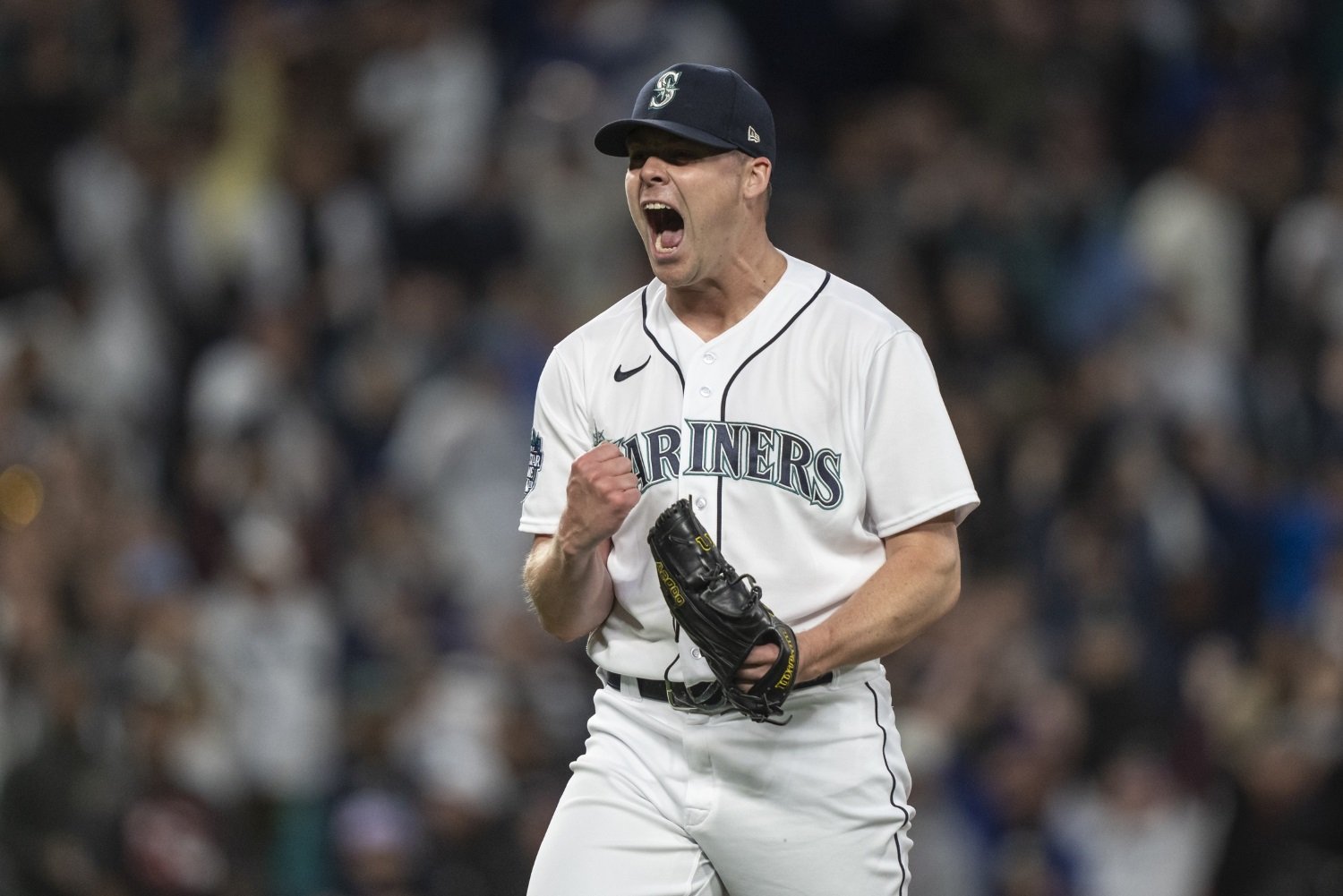 On Monday evening, Jeff Passan of ESPN reported that the Twins had traded second baseman Jorge Polanco to the Seattle Mariners, for right-handed pitchers Anthony DeSclafani and Justin Topa and prospects Gabriel González (79th-ranked prospect on MLB.com) and Darren Bowen. Immediately, MLB pundits and fans began frantically dissecting the trade, attempting to rationalize it for both parties. Polanco will become the Mariners' everyday second baseman; DeSclafani will likely slot in as the Twins' fifth starter, and Gonzalez and Bowen will jump into the Twins' top prospect lists, with plans to continue developing as members of a new farm system. As plans continue to get laid out, it is important not to overshadow the most underrated player involved in the trade: Topa. Drafted in the 17th round of the 2013 MLB Draft by the Pittsburgh Pirates, Topa didn't make his MLB debut until 2020, with the Milwaukee Brewers. Spread across his age 29, 30, and 31 seasons, Topa pitched only 17 1/3 combined innings with the Brewers, averaging a 12.32 ERA, 3.63 xERA, 5.56 FIP, and 4.52 xFIP over 88 total batters faced. Eventually, the Brewers traded Topa to the Mariners for prospect Joseph Hernandez, before the 2023 season. Upon landing in Seattle, Topa broke out, generating a 2.61 ERA, 2.93 xERA, 3.15 FIP, and 3.55 xFIP over 69 innings pitched and 279 total batters faced with the contending Mariners. Topa's splits in specific statistics between 2022 further emphasize his substantial performance improvement. In 7 1/3 innings pitched with the Brewers in 2022, Topa posted a 4.91 K/9 and 4.91 BB/9, while leaving only 53.8% of runners on base. Only a season later, Topa spiked to a 7.98 K/9, lowered his BB/9 to a mere 2.35, and left 73.3% of runners on base in a much larger sample size. Nicknamed "Topaz" in Seattle, the 32-year-old hurler proved to be a hidden gem during his emergent rookie campaign, despite not dramatically altering his motion or increasing his velocity. During the 2022 offseason, Topa mixed a cutter into his pitching repertoire, and it quickly became his best pitch. Topa's sinker doesn't miss bats, per se. Yet, he gets positive outcomes with it repeatedly, through pinpoint precision, generating a +10 run value on the pitch, making it the 18th most effective sinker in baseball last season. Interestingly, most of Topa's positive outcomes were generated by getting hitters to ground out. Topa's sinker generated a 69.5% groundball rate in 2023. Mixing his sinker (which he used 44.6% of the time) with his slider, cutter, and changeup, Topa manufactured a 56.7% overall groundball rate, generating the 41st-highest groundball rate in 2023 among pitchers with at least 10 innings pitched. Using the same minimum number of innings pitched, the only Twins reliever with a higher groundball rate than Topa in 2023 was Jhoan Durán, who finished fourth among those who qualified, with a 65.9% groundball rate. Very unlike Durán, though, Topa comes from a very lot slot--essentially a side-arm one, though he stays tall through his delivery. Of 375 pitchers who faced at least 200 batters last year, only 15 had a lower average release point than Topa. An intriguing juxtaposition to a bullpen constructed of predominately flyball relievers, Topa will provide a unique skill set that was relatively absent, beyond Durán. Suppose the Twins' primary defensive infield combination of Royce Lewis at third, Carlos Correa at shortstop, Edouard Julien at second base, and Alex Kirilloff at first base can improve on a somewhat subpar year defensive output in 2023. In that case, there is reason to suspect Topa could thrive in Minnesota. The Twins relied heavily on the platoon advantage when constructing lineups, pinch-hitting, and deciding which relievers to use in each scenario. Assuming the team acts in the same manner in 2024, there is reason to suspect Topa may be one of the team's platoon-proof relievers. To further explain, here are Topa's splits in 2023: Versus LHH: .216/.307/.352, 101 batters faced, 23 strikeouts, 19 hits, ten walks, and two home runs Versus RHH: .253/.288/.313, 178 batters faced, 38 strikeouts, 42 hits, eight walks, and two home runs When looking at the Twins' bullpen hierarchy, there is reason to believe Topa will effectively become a one-for-one replacement for Emilio Pagán, joining the mix of Griffin Jax, Brock Stewart, and Caleb Thielbar as the team's primary high-leverage supporting cast in front of Durán. Topa thrived with the Mariners in 2023, and although the Long Island University product only has one year of sustained success, it appears the Twins will be comfortable handing him a significant role in their 2024 bullpen. The acquisition of Topa, who has three years of team control and is eligible to be optioned to the minors for two more seasons, was a savvy addition by the Twins front office. In parting with Polanco, the Twins provided depth to their starting rotation while fortifying their bullpen, two of the team's most significant areas of need this offseason. Acquiring a fifth starter and high-leverage reliever while bolstering an already strong farm system is an impressive tightrope act by the club's decision-makers. Amid the spectacle of parting ways with the longest-tenured active Twin, the organization acquired four players, two of whom are slated to be immediate contributors. Although DeSclafani's success as a starter will need to carry more weight toward the team's ability to succeed in 2024, Topa will step into a role where the ability to produce at a positive rate will be necessary if he wants to become and stay one of the Twins primary high-leverage relievers. What do you think of the Twins trading Polanco to the Mariners? How will Topa perform in 2024? Will he pitch the same number of innings Pagán threw in 2023? Join the discussion and comment below.
 -
How significant of a role will the recently acquired reliever play for the Twins in 2024, and which matchups suit him best? Image courtesy of © Stephen Brashear - USA Today Sports On Monday evening, Jeff Passan of ESPN reported that the Twins had traded second baseman Jorge Polanco to the Seattle Mariners, for right-handed pitchers Anthony DeSclafani and Justin Topa and prospects Gabriel González (79th-ranked prospect on MLB.com) and Darren Bowen. Immediately, MLB pundits and fans began frantically dissecting the trade, attempting to rationalize it for both parties. Polanco will become the Mariners' everyday second baseman; DeSclafani will likely slot in as the Twins' fifth starter, and Gonzalez and Bowen will jump into the Twins' top prospect lists, with plans to continue developing as members of a new farm system. As plans continue to get laid out, it is important not to overshadow the most underrated player involved in the trade: Topa. Drafted in the 17th round of the 2013 MLB Draft by the Pittsburgh Pirates, Topa didn't make his MLB debut until 2020, with the Milwaukee Brewers. Spread across his age 29, 30, and 31 seasons, Topa pitched only 17 1/3 combined innings with the Brewers, averaging a 12.32 ERA, 3.63 xERA, 5.56 FIP, and 4.52 xFIP over 88 total batters faced. Eventually, the Brewers traded Topa to the Mariners for prospect Joseph Hernandez, before the 2023 season. Upon landing in Seattle, Topa broke out, generating a 2.61 ERA, 2.93 xERA, 3.15 FIP, and 3.55 xFIP over 69 innings pitched and 279 total batters faced with the contending Mariners. Topa's splits in specific statistics between 2022 further emphasize his substantial performance improvement. In 7 1/3 innings pitched with the Brewers in 2022, Topa posted a 4.91 K/9 and 4.91 BB/9, while leaving only 53.8% of runners on base. Only a season later, Topa spiked to a 7.98 K/9, lowered his BB/9 to a mere 2.35, and left 73.3% of runners on base in a much larger sample size. Nicknamed "Topaz" in Seattle, the 32-year-old hurler proved to be a hidden gem during his emergent rookie campaign, despite not dramatically altering his motion or increasing his velocity. During the 2022 offseason, Topa mixed a cutter into his pitching repertoire, and it quickly became his best pitch. Topa's sinker doesn't miss bats, per se. Yet, he gets positive outcomes with it repeatedly, through pinpoint precision, generating a +10 run value on the pitch, making it the 18th most effective sinker in baseball last season. Interestingly, most of Topa's positive outcomes were generated by getting hitters to ground out. Topa's sinker generated a 69.5% groundball rate in 2023. Mixing his sinker (which he used 44.6% of the time) with his slider, cutter, and changeup, Topa manufactured a 56.7% overall groundball rate, generating the 41st-highest groundball rate in 2023 among pitchers with at least 10 innings pitched. Using the same minimum number of innings pitched, the only Twins reliever with a higher groundball rate than Topa in 2023 was Jhoan Durán, who finished fourth among those who qualified, with a 65.9% groundball rate. Very unlike Durán, though, Topa comes from a very lot slot--essentially a side-arm one, though he stays tall through his delivery. Of 375 pitchers who faced at least 200 batters last year, only 15 had a lower average release point than Topa. An intriguing juxtaposition to a bullpen constructed of predominately flyball relievers, Topa will provide a unique skill set that was relatively absent, beyond Durán. Suppose the Twins' primary defensive infield combination of Royce Lewis at third, Carlos Correa at shortstop, Edouard Julien at second base, and Alex Kirilloff at first base can improve on a somewhat subpar year defensive output in 2023. In that case, there is reason to suspect Topa could thrive in Minnesota. The Twins relied heavily on the platoon advantage when constructing lineups, pinch-hitting, and deciding which relievers to use in each scenario. Assuming the team acts in the same manner in 2024, there is reason to suspect Topa may be one of the team's platoon-proof relievers. To further explain, here are Topa's splits in 2023: Versus LHH: .216/.307/.352, 101 batters faced, 23 strikeouts, 19 hits, ten walks, and two home runs Versus RHH: .253/.288/.313, 178 batters faced, 38 strikeouts, 42 hits, eight walks, and two home runs When looking at the Twins' bullpen hierarchy, there is reason to believe Topa will effectively become a one-for-one replacement for Emilio Pagán, joining the mix of Griffin Jax, Brock Stewart, and Caleb Thielbar as the team's primary high-leverage supporting cast in front of Durán. Topa thrived with the Mariners in 2023, and although the Long Island University product only has one year of sustained success, it appears the Twins will be comfortable handing him a significant role in their 2024 bullpen. The acquisition of Topa, who has three years of team control and is eligible to be optioned to the minors for two more seasons, was a savvy addition by the Twins front office. In parting with Polanco, the Twins provided depth to their starting rotation while fortifying their bullpen, two of the team's most significant areas of need this offseason. Acquiring a fifth starter and high-leverage reliever while bolstering an already strong farm system is an impressive tightrope act by the club's decision-makers. Amid the spectacle of parting ways with the longest-tenured active Twin, the organization acquired four players, two of whom are slated to be immediate contributors. Although DeSclafani's success as a starter will need to carry more weight toward the team's ability to succeed in 2024, Topa will step into a role where the ability to produce at a positive rate will be necessary if he wants to become and stay one of the Twins primary high-leverage relievers. What do you think of the Twins trading Polanco to the Mariners? How will Topa perform in 2024? Will he pitch the same number of innings Pagán threw in 2023? Join the discussion and comment below. View full article
-
 This past weekend, I attended my first Twins Daily Winter Meltdown event, and it was the most fun I have had in a long time. It was great to finally meet the writers, readers, and members of Twins media, who create one of the most welcoming and talented communities in sports. Thank you to everyone for a great weekend; it was lovely to meet all of you. Now, let's get into the most significant move of the Twins offseason. Twins Trade Jorge Polanco to the Seattle Mariners for Four Players Monday evening, Jeff Passan of ESPN reported that the Twins traded second baseman Jorge Polanco to the Seattle Mariners for starting pitcher Anthony DeSclafani, reliever Justin Topa, outfield prospect Gabriel Gonzalez, and pitching prospect Darren Bowen. Although disheartening to many, the Twins trading Polanco doesn't come as a surprise. With the team trimming payroll, Edouard Julien looking like he could become an everyday second baseman (with Kyle Farmer providing adequate depth behind him), and second-ranked prospect Brooks Lee close to making his MLB debut, it is no surprise Polanco was the first trade piece to go this offseason. As the rotation is now constructed, DeSclafani looks to become the team's fifth starter, with Topa joining the bullpen and the two prospects joining the Twins' minor-league system. González is currently ranked as the 79th overall prospect in baseball, according to MLB Pipeline, and should immediately become the Twins' fourth- or fifth-ranked prospect. Bowen (a mid-level pitching prospect) will also likely enter the Twins top-30 prospect rankings. We here at Twins Daily will do our best to provide an immense amount of coverage on the Polanco trade, so make sure to check the website over the next handful of days for articles breaking down the trade, its implications, the players involved, and what this means for the Twins going forward. If you missed it this morning, go back and see why John Bonnes is no fan of the move, at least in isolation. Other Relevant Notes on the Polanco to Seattle Trade: MLB Network insider Jon Morosi noted the Twins had shown interest in starting pitcher Michael Lorenzen before acquiring DeSclafani. Could they still pursue the 32-year-old starting pitcher's services? Twins reporter Do Hyoung Park of MLB.com stated that president of baseball operations Derek Falvey suggested the Twins' attention now turns to the position player side, with a right-handed bat being the focus. Would Garrett Cooper or Tommy Pham make sense? Dan Hayes of The Athletic mentioned the Twins will look to allocate the $8 million they got from the Mariners to pay down DeSclafani's $12 million salary back into the roster. Could that money be used to re-sign Michael A. Taylor? Update on Carlos Correa's Foot As someone who doesn't have a foot, er, fascination, I never expected to think about nor discuss one specific person's feet as much as I do lately. Yet, Carlos Correa has brought me to this place. Last May, Correa was diagnosed with plantar fasciitis. Then, in September, he suffered a complete tear in his foot, which somehow helped him manage his pain throughout the postseason. (This is a common breakthrough in plantar fasciitis, they say. I imagine it's not a fun one, though.) Correa's condition prompted me to research feet. I scoured the internet, reading peer-reviewed articles, watching massage videos, and listening to Quentin Tarantino interviews to learn everything I could about feet. Finally, after months, I can move on and shift my attention to other matters I am qualified to speak on, like Byron Buxton's knee and Royce Lewis's hamstring. My release from needing to educate myself on feet came after Hayes published an article providing updates on Correa's recovery. Hayes noted in the piece that Correa's recovery "took longer than expected," but the 29-year-old shortstop is "finally feeling more spry." Correa has finally turned a corner and appears to have fully recovered from the foot-related ailment that significantly hindered his second season with the Twins. News of Correa's convalescence opens the door for the former first-overall pick to regain his 2022 form, where he generated 4.4 Wins Above Replacement at FanGraphs (fWAR) during his inaugural season with the Twins. Correa looks to bounce back from the worst offensive career in his MLB career while maintaining his above-average defensive prowess at shortstop. Miscellaneous MLB Notes The Los Angeles Angels signed former Twins outfielder Aaron Hicks to a one-year, $740,000 deal. He's still being paid the balance of his big extension with the Yankees, for two more seasons, so Anaheim only absorbs the league minimum in salary. Former Twins reliever Danny Coulombe and the Baltimore Orioles avoided arbitration, agreeing to a one-year, $2.3 million deal with a club option for 2025. Morosi reported the Toronto Blue Jays have "sincere interest" in J.D. Martinez and Justin Turner. Unconfirmed late-night reports (from Carlos Baerga's Instagram, which is mostly foot-free) suggest they might already have locked up Turner. What are your thoughts on the Polanco trade? Did the Twins win or lose the deal? Are you excited about the package the Twins got in return? Does the acquisition of DeSclafani move Louie Varland to the bullpen? Will Correa have a bounce-back 2024 campaign? Any thoughts on Hicks, Coulombe, or the Blue Jays? Join the discussion and comment below.
- 6 comments
-
- 4
-
-
- jorge polanco
- anthony desclafani
- (and 5 more)
-
Join the discussion on the Twins trading Jorge Polanco to the Seattle Mariners, the package in return, Carlos Correa's feet, and other MLB-related notes in today's electrifying table setter. Image courtesy of © Jesse Johnson-USA TODAY Sports This past weekend, I attended my first Twins Daily Winter Meltdown event, and it was the most fun I have had in a long time. It was great to finally meet the writers, readers, and members of Twins media, who create one of the most welcoming and talented communities in sports. Thank you to everyone for a great weekend; it was lovely to meet all of you. Now, let's get into the most significant move of the Twins offseason. Twins Trade Jorge Polanco to the Seattle Mariners for Four Players Monday evening, Jeff Passan of ESPN reported that the Twins traded second baseman Jorge Polanco to the Seattle Mariners for starting pitcher Anthony DeSclafani, reliever Justin Topa, outfield prospect Gabriel Gonzalez, and pitching prospect Darren Bowen. Although disheartening to many, the Twins trading Polanco doesn't come as a surprise. With the team trimming payroll, Edouard Julien looking like he could become an everyday second baseman (with Kyle Farmer providing adequate depth behind him), and second-ranked prospect Brooks Lee close to making his MLB debut, it is no surprise Polanco was the first trade piece to go this offseason. As the rotation is now constructed, DeSclafani looks to become the team's fifth starter, with Topa joining the bullpen and the two prospects joining the Twins' minor-league system. González is currently ranked as the 79th overall prospect in baseball, according to MLB Pipeline, and should immediately become the Twins' fourth- or fifth-ranked prospect. Bowen (a mid-level pitching prospect) will also likely enter the Twins top-30 prospect rankings. We here at Twins Daily will do our best to provide an immense amount of coverage on the Polanco trade, so make sure to check the website over the next handful of days for articles breaking down the trade, its implications, the players involved, and what this means for the Twins going forward. If you missed it this morning, go back and see why John Bonnes is no fan of the move, at least in isolation. Other Relevant Notes on the Polanco to Seattle Trade: MLB Network insider Jon Morosi noted the Twins had shown interest in starting pitcher Michael Lorenzen before acquiring DeSclafani. Could they still pursue the 32-year-old starting pitcher's services? Twins reporter Do Hyoung Park of MLB.com stated that president of baseball operations Derek Falvey suggested the Twins' attention now turns to the position player side, with a right-handed bat being the focus. Would Garrett Cooper or Tommy Pham make sense? Dan Hayes of The Athletic mentioned the Twins will look to allocate the $8 million they got from the Mariners to pay down DeSclafani's $12 million salary back into the roster. Could that money be used to re-sign Michael A. Taylor? Update on Carlos Correa's Foot As someone who doesn't have a foot, er, fascination, I never expected to think about nor discuss one specific person's feet as much as I do lately. Yet, Carlos Correa has brought me to this place. Last May, Correa was diagnosed with plantar fasciitis. Then, in September, he suffered a complete tear in his foot, which somehow helped him manage his pain throughout the postseason. (This is a common breakthrough in plantar fasciitis, they say. I imagine it's not a fun one, though.) Correa's condition prompted me to research feet. I scoured the internet, reading peer-reviewed articles, watching massage videos, and listening to Quentin Tarantino interviews to learn everything I could about feet. Finally, after months, I can move on and shift my attention to other matters I am qualified to speak on, like Byron Buxton's knee and Royce Lewis's hamstring. My release from needing to educate myself on feet came after Hayes published an article providing updates on Correa's recovery. Hayes noted in the piece that Correa's recovery "took longer than expected," but the 29-year-old shortstop is "finally feeling more spry." Correa has finally turned a corner and appears to have fully recovered from the foot-related ailment that significantly hindered his second season with the Twins. News of Correa's convalescence opens the door for the former first-overall pick to regain his 2022 form, where he generated 4.4 Wins Above Replacement at FanGraphs (fWAR) during his inaugural season with the Twins. Correa looks to bounce back from the worst offensive career in his MLB career while maintaining his above-average defensive prowess at shortstop. Miscellaneous MLB Notes The Los Angeles Angels signed former Twins outfielder Aaron Hicks to a one-year, $740,000 deal. He's still being paid the balance of his big extension with the Yankees, for two more seasons, so Anaheim only absorbs the league minimum in salary. Former Twins reliever Danny Coulombe and the Baltimore Orioles avoided arbitration, agreeing to a one-year, $2.3 million deal with a club option for 2025. Morosi reported the Toronto Blue Jays have "sincere interest" in J.D. Martinez and Justin Turner. Unconfirmed late-night reports (from Carlos Baerga's Instagram, which is mostly foot-free) suggest they might already have locked up Turner. What are your thoughts on the Polanco trade? Did the Twins win or lose the deal? Are you excited about the package the Twins got in return? Does the acquisition of DeSclafani move Louie Varland to the bullpen? Will Correa have a bounce-back 2024 campaign? Any thoughts on Hicks, Coulombe, or the Blue Jays? Join the discussion and comment below. View full article
-
 Yesterday, Matt Trueblood's table setter delved into a veteran pitcher who signed a deal with a contending team, a veteran pitcher who signed a deal with a non-contending team, and Joe Mauer's Hall of Fame Candidacy. Today, I am going to do the same. Why? The most likely reason is that I am an unoriginal sell-out, but it also could be because, to quote Rust Cohle from season one of True Detective, "Time is a flat circle. Everything we've ever done or will do, we're gonna do over and over and over and over again. Forever." Whatever it is, well, it's Groundhog Day again. Veteran Pitcher Signs with Contending Team On Monday, 35-year-old Canadian starting pitcher James Paxton signed a one-year deal worth around $12 million with the Los Angeles Dodgers. After a season in which he posted 4.50 ERA, 4.68 FIP, and 1.0 Wins Above Replacement at FanGraphs (fWAR) with the Boston Red Sox, Paxton looks to become the World Series-hopeful Dodgers' fifth starter, a role previously occupied by 24-year-old rookie Emmet Sheehan. The Dodgers' signing of Paxton signals that the organization's decision-makers wanted to acquire a back-of-the-rotation starting pitcher to supplement a unit they effectively rebuilt from scratch earlier this offseason. Although oft-injured, Paxton consistently hit 96-97 MPH with his fastball over 96 innings pitched (IP) while posting a formidable 24.5% strikeout rate with Boston last season. Paxton needs to improve his breaking ball velocity and movement to become the All-Star-caliber hurler he once was with the Seattle Mariners. Nevertheless, this deal feels mutually beneficial. Veteran Pitcher Signs With Non-Contending Team On the flip side, 35-year-old left-handed reliever Aroldis Chapman signed a one-year, $10.5-million deal with the Pittsburgh Pirates. The Pirates, a salary-restricted small-market team with much more significant pressing needs elsewhere, elected to create one of the most formidable on-paper back-of-the-bullpen duos in Chapman and All-Star closer David Bednar. In 2023, Chapman managed a 3.09 ERA, 2.52 FIP, and 1.8 fWAR over 58 1/3 IP with the Kansas City Royals and Texas Rangers. Though he won his second World Series championship with the Rangers, the majority of Chapman's success came in the first half of the season with the Royals. The flamethrower allowed a 22.2% home run rate on fly balls (HR/FB) and only managed to strand 74.1% of baserunners (LOB%) over 29 innings pitched with the Rangers from Jul. 2 through Sept. 28. Nevertheless, if Chapman stays healthy, he projects to be a win-win signing for the Pirates. Either the Buccos are contending with Chapman as a dominant force at the back end of their bullpen, or they can ship him off to a contending team for a respectable package, similar to what the Royals did in 2023. Chapman is nearing the end of his career, and it will be interesting to see if he can maintain his signature mix of high velocity and supreme productivity in Pittsburgh. Twins Daily Is Bringing Up Joe Mauer's Hall of Fame Candidacy Again? Why, of course. For the last 23 days, Twins Daily has published at least one article or video on the subject of Joe Mauer's Hall of Fame candidacy. (I don't know if this is true, and I refuse to be fact-checked.) Regardless, today is different, and the reason is that if he can accumulate 65.8% of the remaining vote by 5 PM Central tonight, Mauer will become the first Twins player to become a first-ballot Hall of famer since Kirby Puckett in 2002. Cathartically, this will be the last anticipatory piece on Mauer's Hall of Fame candidacy, and can now look forward to providing heavy coverage of the event, remembering and reexamining Mauer's career from various angles. Ideally, Mauer's election into the Baseball Hall of Fame will naturally lead into the Twins signing or trading for a frontline starting pitcher or power-hitting first baseman/corner outfielder, but know that we will milk this as long as necessary. Miscellaneous MLB Notes: The St. Louis Cardinals signed utility player Tommy Edman to a two-year, $16.5-million contract to avoid arbitration. Edman, 28, will become a free agent at the end of the deal. Another position player is switching to pitching, as former infielder Alex Blandino will attempt to become a knuckleballer this upcoming season in the Cincinnati Reds' minor-league system. The Detroit Tigers traded infielder Tyler Nevin to the Baltimore Orioles for cash. How do you think Paxton will fare with the Dodgers? Will the Pirates become contenders with Chapman, or will they trade him to a winning team at this summer's trade deadline? Will Mauer make it into the Hall of Fame? Do any of the "Miscellaneous MLB Notes" stick out to you? Join the discussion and comment below.
- 12 comments
-
- 4
-
-
- james paxton
- aroldis chapman
- (and 2 more)
-
Come talk James Paxton, Aroldis Chapman, Joe Mauer, and more on today's anticipatory table setter. Image courtesy of © Joe Rondone/Arizona Republic / USA TODAY NETWORK Yesterday, Matt Trueblood's table setter delved into a veteran pitcher who signed a deal with a contending team, a veteran pitcher who signed a deal with a non-contending team, and Joe Mauer's Hall of Fame Candidacy. Today, I am going to do the same. Why? The most likely reason is that I am an unoriginal sell-out, but it also could be because, to quote Rust Cohle from season one of True Detective, "Time is a flat circle. Everything we've ever done or will do, we're gonna do over and over and over and over again. Forever." Whatever it is, well, it's Groundhog Day again. Veteran Pitcher Signs with Contending Team On Monday, 35-year-old Canadian starting pitcher James Paxton signed a one-year deal worth around $12 million with the Los Angeles Dodgers. After a season in which he posted 4.50 ERA, 4.68 FIP, and 1.0 Wins Above Replacement at FanGraphs (fWAR) with the Boston Red Sox, Paxton looks to become the World Series-hopeful Dodgers' fifth starter, a role previously occupied by 24-year-old rookie Emmet Sheehan. The Dodgers' signing of Paxton signals that the organization's decision-makers wanted to acquire a back-of-the-rotation starting pitcher to supplement a unit they effectively rebuilt from scratch earlier this offseason. Although oft-injured, Paxton consistently hit 96-97 MPH with his fastball over 96 innings pitched (IP) while posting a formidable 24.5% strikeout rate with Boston last season. Paxton needs to improve his breaking ball velocity and movement to become the All-Star-caliber hurler he once was with the Seattle Mariners. Nevertheless, this deal feels mutually beneficial. Veteran Pitcher Signs With Non-Contending Team On the flip side, 35-year-old left-handed reliever Aroldis Chapman signed a one-year, $10.5-million deal with the Pittsburgh Pirates. The Pirates, a salary-restricted small-market team with much more significant pressing needs elsewhere, elected to create one of the most formidable on-paper back-of-the-bullpen duos in Chapman and All-Star closer David Bednar. In 2023, Chapman managed a 3.09 ERA, 2.52 FIP, and 1.8 fWAR over 58 1/3 IP with the Kansas City Royals and Texas Rangers. Though he won his second World Series championship with the Rangers, the majority of Chapman's success came in the first half of the season with the Royals. The flamethrower allowed a 22.2% home run rate on fly balls (HR/FB) and only managed to strand 74.1% of baserunners (LOB%) over 29 innings pitched with the Rangers from Jul. 2 through Sept. 28. Nevertheless, if Chapman stays healthy, he projects to be a win-win signing for the Pirates. Either the Buccos are contending with Chapman as a dominant force at the back end of their bullpen, or they can ship him off to a contending team for a respectable package, similar to what the Royals did in 2023. Chapman is nearing the end of his career, and it will be interesting to see if he can maintain his signature mix of high velocity and supreme productivity in Pittsburgh. Twins Daily Is Bringing Up Joe Mauer's Hall of Fame Candidacy Again? Why, of course. For the last 23 days, Twins Daily has published at least one article or video on the subject of Joe Mauer's Hall of Fame candidacy. (I don't know if this is true, and I refuse to be fact-checked.) Regardless, today is different, and the reason is that if he can accumulate 65.8% of the remaining vote by 5 PM Central tonight, Mauer will become the first Twins player to become a first-ballot Hall of famer since Kirby Puckett in 2002. Cathartically, this will be the last anticipatory piece on Mauer's Hall of Fame candidacy, and can now look forward to providing heavy coverage of the event, remembering and reexamining Mauer's career from various angles. Ideally, Mauer's election into the Baseball Hall of Fame will naturally lead into the Twins signing or trading for a frontline starting pitcher or power-hitting first baseman/corner outfielder, but know that we will milk this as long as necessary. Miscellaneous MLB Notes: The St. Louis Cardinals signed utility player Tommy Edman to a two-year, $16.5-million contract to avoid arbitration. Edman, 28, will become a free agent at the end of the deal. Another position player is switching to pitching, as former infielder Alex Blandino will attempt to become a knuckleballer this upcoming season in the Cincinnati Reds' minor-league system. The Detroit Tigers traded infielder Tyler Nevin to the Baltimore Orioles for cash. How do you think Paxton will fare with the Dodgers? Will the Pirates become contenders with Chapman, or will they trade him to a winning team at this summer's trade deadline? Will Mauer make it into the Hall of Fame? Do any of the "Miscellaneous MLB Notes" stick out to you? Join the discussion and comment below. View full article
-
Could Rhys Hoskins Be the Twins' Splashy Free Agency Signing?
Cody Schoenmann posted an article in Twins
 In a recent article published on Twins Daily, writer Peter Labuza laid out how court proceedings involving Diamond Sports Group, a subsidiary of Sinclair Broadcasting and owner of the many regional sports networks better known as Bally Sports, could lead to the Twins receiving a cash infusion. Though the exact details of their new deal (and how much revenue will be brought in) are still unclear, the organization could be set to unlock its payroll freeze and make a late-offseason free agency push. Free agent left-handed hitting outfielder/first baseman Cody Bellinger would be the ideal candidate to sign, but his impending contract (estimated to land between $25-30 million AAV for five to seven seasons) will likely still be too rich even for a team with renewed payroll hope. Signing Scott Boras-represented starters like Blake Snell or Jordan Montgomery would also make sense for the team, but here, too, the asking prices likely remain prohibitive. If Twins ownership were to let the front office pursue an expensive free agent, they would likely want that player to land between the $15-20 million AAV range at a maximum. Although this is still on the high side (especially for a mid-market team with an unstable regional broadcasting situation), the commitment would be less of a burden if the player performs poorly or future regional broadcasting deal uncertainties arise. Defensively limited veteran position players Jorge Soler, J.D. Martinez, and Justin Turner could be acquired for a one- to two-year deal in this price range. Although these targets are enticing for the World Series-hopeful Twins, another position player could provide more long-term upside for a similar price: Rhys Hoskins. Hoskins, 30, missed the 2023 MLB season after suffering a torn ACL during spring training. Before that, though, Hoskins was a cog in the formidable Phillies lineup, posting a wRC+ above 120 in five of the six seasons he spent in Philadelphia. His primary strength for the Phillies was hitting for power, evidenced by launching 148 home runs while averaging a .250 Isolated Power (ISO) and .492 Slugging Percentage (SLG) over 2,877 plate appearances with the Phils. Hoskins began his career with the Phillies as their primary left fielder, in 2017 and 2018. He has since become their full-time first baseman, while sprinkling an occasional start at designated hitter. If the Twins were to sign Hoskins, he would become a platoon partner with Alex Kirilloff at first base, playing the position when the team faces a left-handed starting pitcher. Hoskins's splits in 2022 (his most recent healthy season) indicate becoming part of a platoon would suit him well. Hoskins hit .286/.387/.558 with 42 hits and eight home runs over 174 plate appearances against left-handed pitching in 2022, so entering a part platoon role with Kirilloff at first base would suit him well. In the same season, Hoskins hit .233/.313/.430 with 103 hits and 22 home runs over 498 plate appearances against right-handed pitching. Hoskins manufactured adequate numbers against right-handed pitching in a larger sample size, which indicates he could be used as a viable power-hitting designated hitter against same-handed pitchers. Hoskins's ability to produce against pitchers from both sides also suggests he could become the team's full-time first baseman if the oft-injured Kirilliff were sidelined for an extended period in 2024. Asking Hoskins (30 years old and coming off a torn ACL) to play either corner outfield position would likely be a stretch. Yet, with Max Kepler, Matt Wallner, Nick Gordon, Willi Castro, and Kirilloff expected to be healthy for Opening Day, the organization should have adequate positional depth to ensure that Hoskins (who produced -8 Outs Above Average in 2022 at first base) wouldn't need to overextend himself defensively. Considering this, Hoskins would effectively replace the 450 plate appearances Donovan Solano manufactured in 2023. In 2023, the Twins ranked third in MLB with 233 home runs. With the departures of Michael A. Taylor (21 home runs) and Joey Gallo (21 home runs), the team will be without two of their top three home run hitters (Kepler led the team with 24 home runs). Replacing 42 combined home runs would be complicated for any team, but FanGraphs's STEAMER projections anticipate Hoskins will hit 30 home runs this season. The way the roster is constructed, the Twins will continue to hit home runs in 2024, but Hoskins can potentially replace 71 percent of the missing home run production on his own. If Hoskins was signed, there would be reason to expect the Twins to match, if not exceed, last year's home run total. Since the beginning of the offseason, most pundits have predicted Hoskins would net a one-year contract worth $15-20 million. Although this was the assumption from most, it is late January, and Hoskins has yet to sign. If Hoskins and his agent Boras were asking for a one-year deal, he probably would have signed by now. Hoskins not signing yet indicates that he and Boras are holding out for a team to offer a longer-team contract. Signing the Cal State Sacramento product would be an advantageous low-risk, high-reward contract for the Twins, but if the team's decision-makers were to need to offer a third or fourth year to acquire the 30-year-old's services, they could reasonably get cold feet. Hopefully, the broadcast situation will come to a relatively speedy and lucrative conclusion. That would loosen the Twins' budgetary belts, but probably not enough to allow them to sign one of the remaining free agents who expect nine-figure commitments. Perhaps, then, Hoskins is the ideal target. Should the Twins make a late offseason free agency push if they get money from a regional broadcasting deal? Does Hoskins intrigue you? Should they pursue Soler, Martinez, or Turner? Join the discussion and comment below.
 -
With money presumably coming soon from a new regional broadcasting deal, could this right-handed hitting power bat be the Twins' signature offseason signing? Image courtesy of Nathan Ray Seebeck - USA TODAY Sports In a recent article published on Twins Daily, writer Peter Labuza laid out how court proceedings involving Diamond Sports Group, a subsidiary of Sinclair Broadcasting and owner of the many regional sports networks better known as Bally Sports, could lead to the Twins receiving a cash infusion. Though the exact details of their new deal (and how much revenue will be brought in) are still unclear, the organization could be set to unlock its payroll freeze and make a late-offseason free agency push. Free agent left-handed hitting outfielder/first baseman Cody Bellinger would be the ideal candidate to sign, but his impending contract (estimated to land between $25-30 million AAV for five to seven seasons) will likely still be too rich even for a team with renewed payroll hope. Signing Scott Boras-represented starters like Blake Snell or Jordan Montgomery would also make sense for the team, but here, too, the asking prices likely remain prohibitive. If Twins ownership were to let the front office pursue an expensive free agent, they would likely want that player to land between the $15-20 million AAV range at a maximum. Although this is still on the high side (especially for a mid-market team with an unstable regional broadcasting situation), the commitment would be less of a burden if the player performs poorly or future regional broadcasting deal uncertainties arise. Defensively limited veteran position players Jorge Soler, J.D. Martinez, and Justin Turner could be acquired for a one- to two-year deal in this price range. Although these targets are enticing for the World Series-hopeful Twins, another position player could provide more long-term upside for a similar price: Rhys Hoskins. Hoskins, 30, missed the 2023 MLB season after suffering a torn ACL during spring training. Before that, though, Hoskins was a cog in the formidable Phillies lineup, posting a wRC+ above 120 in five of the six seasons he spent in Philadelphia. His primary strength for the Phillies was hitting for power, evidenced by launching 148 home runs while averaging a .250 Isolated Power (ISO) and .492 Slugging Percentage (SLG) over 2,877 plate appearances with the Phils. Hoskins began his career with the Phillies as their primary left fielder, in 2017 and 2018. He has since become their full-time first baseman, while sprinkling an occasional start at designated hitter. If the Twins were to sign Hoskins, he would become a platoon partner with Alex Kirilloff at first base, playing the position when the team faces a left-handed starting pitcher. Hoskins's splits in 2022 (his most recent healthy season) indicate becoming part of a platoon would suit him well. Hoskins hit .286/.387/.558 with 42 hits and eight home runs over 174 plate appearances against left-handed pitching in 2022, so entering a part platoon role with Kirilloff at first base would suit him well. In the same season, Hoskins hit .233/.313/.430 with 103 hits and 22 home runs over 498 plate appearances against right-handed pitching. Hoskins manufactured adequate numbers against right-handed pitching in a larger sample size, which indicates he could be used as a viable power-hitting designated hitter against same-handed pitchers. Hoskins's ability to produce against pitchers from both sides also suggests he could become the team's full-time first baseman if the oft-injured Kirilliff were sidelined for an extended period in 2024. Asking Hoskins (30 years old and coming off a torn ACL) to play either corner outfield position would likely be a stretch. Yet, with Max Kepler, Matt Wallner, Nick Gordon, Willi Castro, and Kirilloff expected to be healthy for Opening Day, the organization should have adequate positional depth to ensure that Hoskins (who produced -8 Outs Above Average in 2022 at first base) wouldn't need to overextend himself defensively. Considering this, Hoskins would effectively replace the 450 plate appearances Donovan Solano manufactured in 2023. In 2023, the Twins ranked third in MLB with 233 home runs. With the departures of Michael A. Taylor (21 home runs) and Joey Gallo (21 home runs), the team will be without two of their top three home run hitters (Kepler led the team with 24 home runs). Replacing 42 combined home runs would be complicated for any team, but FanGraphs's STEAMER projections anticipate Hoskins will hit 30 home runs this season. The way the roster is constructed, the Twins will continue to hit home runs in 2024, but Hoskins can potentially replace 71 percent of the missing home run production on his own. If Hoskins was signed, there would be reason to expect the Twins to match, if not exceed, last year's home run total. Since the beginning of the offseason, most pundits have predicted Hoskins would net a one-year contract worth $15-20 million. Although this was the assumption from most, it is late January, and Hoskins has yet to sign. If Hoskins and his agent Boras were asking for a one-year deal, he probably would have signed by now. Hoskins not signing yet indicates that he and Boras are holding out for a team to offer a longer-team contract. Signing the Cal State Sacramento product would be an advantageous low-risk, high-reward contract for the Twins, but if the team's decision-makers were to need to offer a third or fourth year to acquire the 30-year-old's services, they could reasonably get cold feet. Hopefully, the broadcast situation will come to a relatively speedy and lucrative conclusion. That would loosen the Twins' budgetary belts, but probably not enough to allow them to sign one of the remaining free agents who expect nine-figure commitments. Perhaps, then, Hoskins is the ideal target. Should the Twins make a late offseason free agency push if they get money from a regional broadcasting deal? Does Hoskins intrigue you? Should they pursue Soler, Martinez, or Turner? Join the discussion and comment below. View full article
-
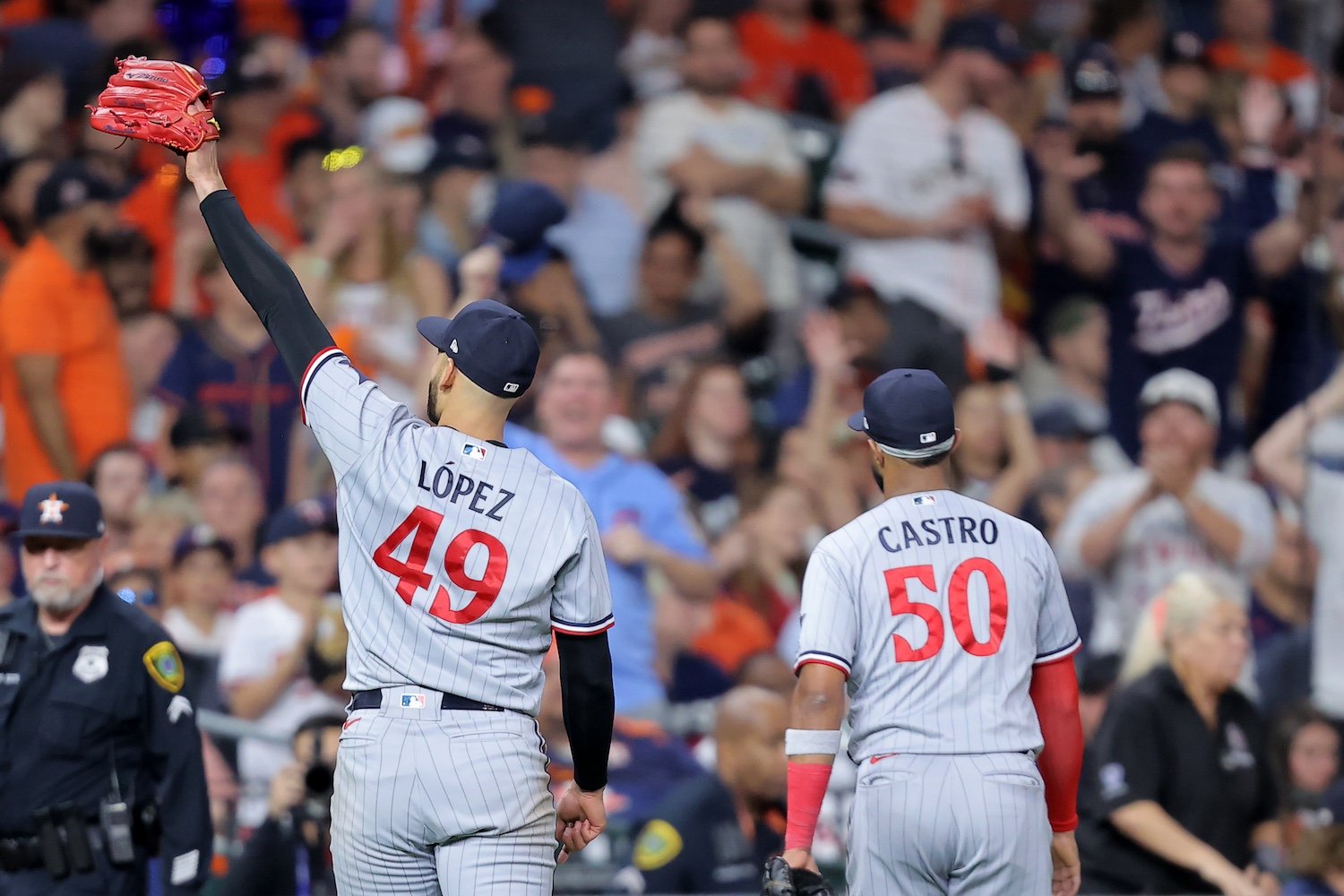 Entering the 2023 MLB season, a peculiar mixture of cautious optimism and impenetrable angst overhung the Twins. Carlos Correa was signed long-term, but his ankle could give out. Frontline starting pitcher Pablo López was acquired, but the team had to part ways with the beloved Luis Arráez to do so. The team had a respectable first half of the 2022 season, but the wheels fell off after the All-Star break, and they missed the postseason. Fans wanted to give themselves to the Twins, but, as with all professional Minnesota sports teams, empirical rationality wouldn't let them. Fast-forward to the following offseason, and the mood is vexingly similar, despite the organization winning their first playoff game since 2004. Much of the frustration surrounding the team is due to ownership imposing significant, unnecessary payroll cuts in response to not having a regional broadcasting deal. The Pohlad family had the opportunity to strike the iron while it was hot and allow the front office to fortify an already formidable roster, yet they are electing to wallow in self-inflicted paralysis in the name of saving tens of millions of dollars in the short term. The way Twins ownership is choosing to act is disheartening. It should be criticized, but that doesn't mean those who follow the team need to take a broadly pessimistic approach to a group that just provided fans the best moment this franchise has enjoyed since defeating the "Moneyball" A's in 2002. Suffering because of a sports team is a quintessentially Minnesotan behavior, but wouldn't it be nice to defy that stereotype? Over the past three seasons, the Twins' payroll has steadily increased, despite continually placing between 16th and 18th in MLB: 2021: $125.27 million (16 of 30) 2022: $134.40 million (18 of 30) 2023: $153.71 million (17 of 30) Twins ownership's choice to steadily increase payroll five out of the last six offseasons (2020 notwithstanding) has allowed the organization to become one of the two consistently contending teams in the lowly AL Central, alongside the Cleveland Guardians. Though the team has voluntarily regressed to their 2021 salary numbers, that doesn't mean the on-field product will be subject to the same backward trend. After ending the 18-game playoff losing streak and winning their first postseason series since 2002, the second-most significant highlight of the Twins' 2023 season was the unexpected youth movement headlined by three rookie position players: Royce Lewis, Edouard Julien, and Matt Wallner. This triumvirate, which generated 155 (Lewis), 136 (Julien), and 144 (Wallner) wRC+ marks over 901 combined plate appearances in 2023, is set to make an estimated $2.22 million in 2024. Beyond these three young core pieces of the franchise, other key contributors are estimated to be above-average players at owner-friendly rates as well: Joe Ryan: $740,000 Bailey Ober: $740,000 Louie Varland: $740,000 Jhoan Duran: $740,000 Griffin Jax: $740,000 Brock Stewart: $740,000 Kody Funderburk: $740,000 Ryan Jeffers: $2,425,000 Alex Kirilloff: $1,350,000 The 12 core contributors noted are expected to make $11,175,000 in 2024. This is also commonly referred to as "$175,000 more than what Joey Gallo made in 2023." To further illustrate how much of a bargain these players are for the World Series-hopeful Twins, the 12 of them (only one of whom will be over 30 years old in 2024) are projected to generate a combined 18.2 Wins Above Replacement at FanGraphs (fWAR) in 2024. Mixing this assortment of young, cost-effective talent with a veteran core of López, Correa, Byron Buxton, Jorge Polanco, and Max Kepler, the Twins have 17 of their 26-man roster filled and are expected to manufacture 32.9 fWAR at the price of $88,401,190 in 2024. President of baseball operations Derek Falvey and the Twins front office have done an admirable job constructing a balanced, winning roster for less than $100 million in total. Though the team's decision-makers' ability to assemble a roster that is projected to still win the AL Central despite abruptly being forced to cut payroll is honorable, it doesn't absolve the owners of their short-sightedness. Luckily, the Twins don't have any dire areas of need to address this offseason, but there are various moves the organization ought to explore making before entering the 2024 season. The list of additions the Twins need to consider includes: A frontline or back-of-the-rotation starting pitcher A mid- to high-leverage reliever An adequate center field insurance policy for the oft-injured Buxton A right-handed batter who could play first base, both corner outfield spots, and hit for power In a typical offseason, these areas of need could be adequately addressed for roughly $25-30 million, hypothetically increasing the Twins' payroll for 2024. If the Twins were receiving the roughly $60 million they were getting from Bally Sports North, how the front office addressed these needs could have been much different. The Twins could have offered Marcus Stroman a contract worth more than the two years and $37 million the New York Yankees gave him. The team could have offered Kevin Kiermaier more than the $10.5 million the Toronto Blue Jays gave him for one season. Instead, they will likely fill the roles these reliable veterans could have occupied with unproven commodities like Varland and Willi Castro. Frustration will remain prevalent, but it is crucial not to lose sight of the advantageous situation the Twins find themselves in. Whether a franchise resides in a large market with an owner (or ownership group) who is willing to splurge on free agents and trade targets (i.e., the Los Angeles Dodgers) or exists in a small market with a frugal owner (i.e., the Tampa Bay Rays), the most successful teams garner long-term success through signing international free agents and drafting and developing players in a sustainably successful manner. The Twins, who live in the middle section of that spectrum, sign, draft, and develop at a sustainably successful rate, which drives their success. It is reasonable to be upset at Twins ownership for not allowing the front office the luxury to spend on free agents the likes of Stroman or Kiermaier (who could help the team take the next step toward their World Series aspirations), but the organization still has one of the most robust foundations in the league. This type of talent base allows for short- and long-term success. Though fans shouldn't have to endure this form of disappointment, it is vital not to lose sight of the bigger picture, something ownership has done by shortsightedly cutting payroll. Does this unfortunate reality give you a greater appreciation of the team's front office and player development department? How are you balancing excitement about the team with anger at the owners? Join the discussion and comment below.
- 66 comments
-
- 7
-
-
- carlos correa
- pablo lopez
- (and 2 more)
-
Could an unexpected offseason trend affect the Twins' bullpen hierarchy (and their starting rotation) in the near future? Image courtesy of Brad Rempel - USA TODAY Sports In an article published Nov. 20 in the New York Post entitled "Teams turning to their bullpens to solve starter shortage," baseball columnist Joel Sherman wrote: "It is clear teams are going to have to find starters not just everywhere from the Americas to Asia, but also in their own bullpens." What Sherman was alluding to was the then-recent three-year, $30-million deal Reynaldo López signed with the Atlanta Braves. The erstwhile White Sox reliever was going to get a chance to start for Atlanta. Entering free agency, everyone was under the assumption that López was going to be paid handsomely, but with the anticipation of being a high-leverage set-up man or closer. Interestingly, López isn't a unique case. Last year, former relievers Seth Lugo (San Diego Padres) and Zack Littell (Tampa Bay Rays) were acquired to undergo the same transition. Both were unmitigated success stories, as Lugo earned a three-year, $45-million contract with the Kansas City Royals as a starter, and Littell has become a fixture in the Rays rotation. This offseason, Michael King, Jordan Hicks, and López (all relievers last season) were either signed or traded for with the intent (or at least the thought) of their becoming full-time starters. Also, A.J. Puk, who earned 15 saves as the Miami Marlins closer last season, is reportedly transitioning to becoming a starter, which is the role he filled coming up through the Oakland Athletics system. With this trend becoming more prevalent every offseason, could the Twins join in on the movement? At first glance, the Twin who makes the most sense to undergo the same transition is starter-turned-reliever Louie Varland. Unlike the pitchers mentioned above, Varland's transition to reliever was meant to be temporary. The plan was to maximize Varland's fastball (which worked, as his fastball (which traditionally sits around 95.3 MPH) spiked to 100.1 MPH at its peak) and have him operate out of the bullpen as an electric high-leverage arm during the postseason. The plan looked brilliant as Varland struck out one and gave up zero runs over 2/3 innings pitched during the postseason. Still, the long-term plan for the 26-year-old Minnesota native is to have him become a fixture of the team's starting rotation. More intriguingly, another Twins reliever could attempt to leverage the recent trend around MLB and become a member of the team's rotation: Jhoan Durán. In the past, Durán has expressed a desire to be a starter, which is the role he played until he was on the doorstep of the big leagues in spring 2023. Durán has quickly become one of baseball's best relievers, but would it be in the Twins' best interest to consider transitioning him into becoming a starter? Let's weigh the pros and cons: Pros The main argument for turning Durán back into a starting pitcher is that the Twins could use him for more innings. Over the past two seasons, Durán has averaged roughly 65 innings pitched in (primarily) high-leverage relief appearances. In 2023, MLB pitchers averaged 5 1/3 innings per start. Drag that number out over 30 starts, and you get 153 innings. If Durán were to pitch around 153 innings, the quality of his stuff and average velocity on his pitches (most notably his fastball and splinker) would likely diminish in the name of sustainability. Health permitting, however, there is little reason to doubt that Durán would immediately become the Twins' second-best starting pitcher, with the potential to become a bona fide ace. Durán already has a three-pitch repertoire, including an elite fastball and a curveball and splitter as above-average complementary pitches. He might need to implement a fourth and potentially fifth pitch to become a starter. Because he already has three pitches that move mostly in the vertical plane, it could be in his best interest to implement one of multiple pitches that move to the arm side and/or glove side. Durán's arm-side pitch would likely be a more traditional changeup, or a variation on his splitter that involves a bit less velocity and a bit more pronation; his glove-side pitch would likely be a sweeper. Though it is hard to know what Durán would add in this hypothetical situation, it is fair to assume whichever pitch he and the Twins coaching staff elected to implement would suffice. Admittedly, Durán struggled as a starting pitcher in the Diamondbacks and Twins minor leagues, but his last relevant season as a starter came in 2019. Since that time, the 26-year-old has been able to sufficiently improve his command and secondary pitches, while seemingly mitigating (if not entirely erasing) any genuine concern over a significant injury taking place. Much of Durán's good bill of health is likely due to him only throwing around 65 innings per year. Yet, although there is sufficient reason to be skeptical, he has earned the benefit of the doubt when speculating whether his favorable health status would be sustainable if pushed to five or six innings per appearance. Cons Though he isn't in the same tier as the best relievers in the game (like Félix Bautista, Devin Williams, or Josh Hader), Durán has quickly become one of the best second-tier closers in MLB alongside Emmanuel Clase, David Bednar, and Camilo Doval. If Durán were to transition into a starter, the Twins would be without one of the best relievers in the game, which would significantly hamper the quality of the team's bullpen. If Durán were to become a reliever, Brock Stewart or Griffin Jax would probably become the team's closer, with Caleb Thielbar, Kody Funderburk, and potentially Varland needing to be the organization's primary high-leverage middle relievers. The construction of the team's high-leverage relievers wouldn't change much, but losing one of the best closers in the game would inevitably diminish the effectiveness of an already middling bullpen. If Durán were to become a starter, the team would need to acquire a different top-tier reliever, which would come at the expense of significant prospect capital or a hefty price tag. Earlier today, Ted Schwerzler suggested one possible solution to that problem, but it also illustrates the cost involved. Would the tradeoff be worth it if Durán became one of the best starters in the Twins' rotation? Presumably so. But if the bullpen were to sink into becoming one of the worst units in the league, what good would a lead through six or seven innings be? As noted earlier, there is little reason to doubt that Durán's pitch quality and ability to stay healthy would be sustainably sufficient as a starter. Though this is the case, there is still reason to worry about the possibility of Durán struggling to stay healthy and effective as a starter. He excels in one- or two-inning roles, but that is because he can maximize his pitching repertoire while not needing to physically strain himself over multiple innings and 80 or more pitches. Durán's velocity, break, location, and durability would all drop due to being stretched out over more innings. The only question is, how much? Although the Twins converting Durán into a starting pitcher is highly unlikely, the recent offseason trend of relievers signing as starters and Durán recently expressing a desire to become a starter once again leave the opportunity for a significant transition a still-plausible outcome. Do you think the Twins should transition Durán into a starter? Would it be worth making the bullpen worse in exchange for improving the starting rotation? What do you make of this unexpected offseason trend? Are there any pros or cons that you can think of that weren't addressed? Join the discussion and comment below. View full article
-
Unexpected Offseason Trend Re-Opens Questions Surrounding Jhoan Durán
Cody Schoenmann posted an article in Twins
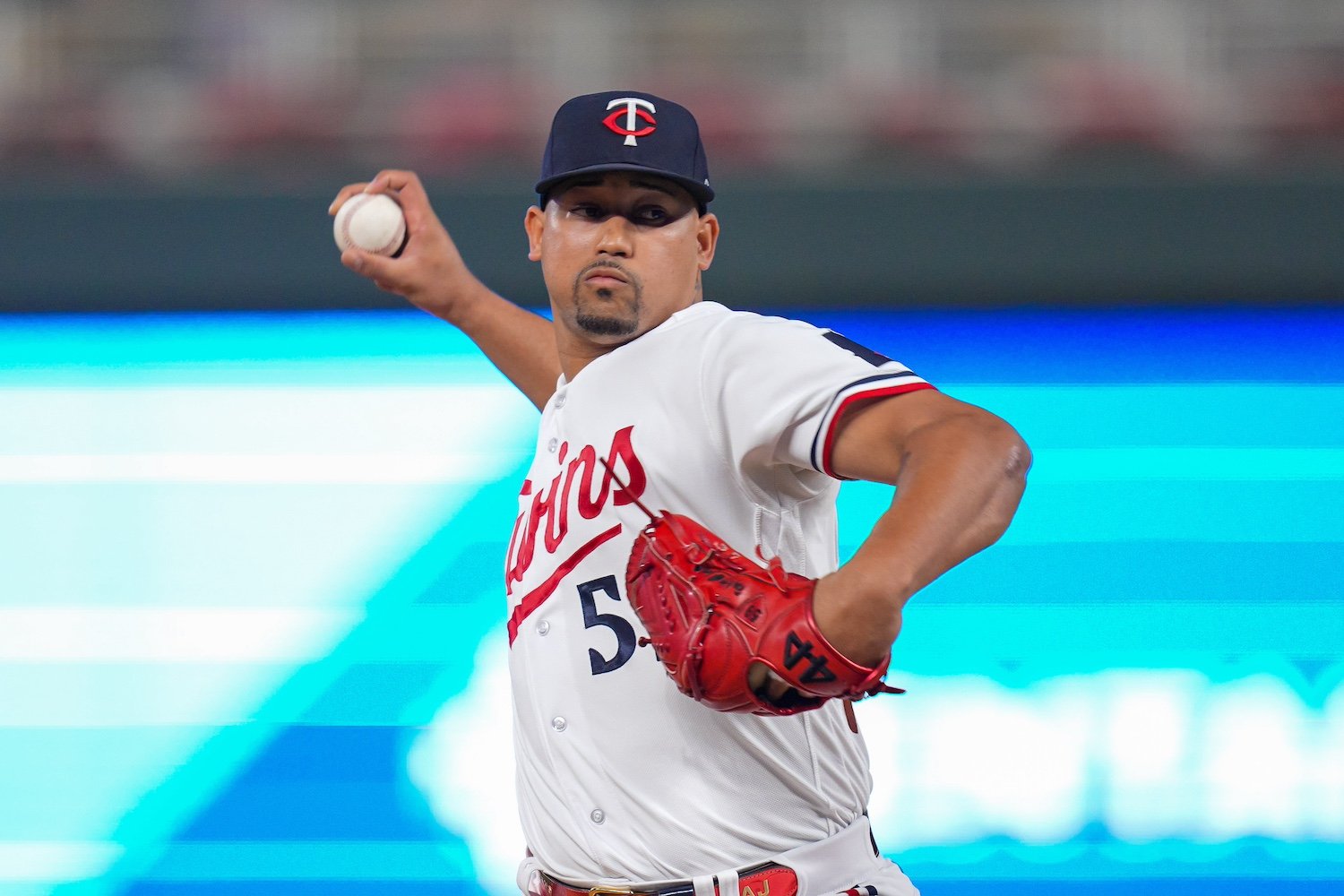 In an article published Nov. 20 in the New York Post entitled "Teams turning to their bullpens to solve starter shortage," baseball columnist Joel Sherman wrote: "It is clear teams are going to have to find starters not just everywhere from the Americas to Asia, but also in their own bullpens." What Sherman was alluding to was the then-recent three-year, $30-million deal Reynaldo López signed with the Atlanta Braves. The erstwhile White Sox reliever was going to get a chance to start for Atlanta. Entering free agency, everyone was under the assumption that López was going to be paid handsomely, but with the anticipation of being a high-leverage set-up man or closer. Interestingly, López isn't a unique case. Last year, former relievers Seth Lugo (San Diego Padres) and Zack Littell (Tampa Bay Rays) were acquired to undergo the same transition. Both were unmitigated success stories, as Lugo earned a three-year, $45-million contract with the Kansas City Royals as a starter, and Littell has become a fixture in the Rays rotation. This offseason, Michael King, Jordan Hicks, and López (all relievers last season) were either signed or traded for with the intent (or at least the thought) of their becoming full-time starters. Also, A.J. Puk, who earned 15 saves as the Miami Marlins closer last season, is reportedly transitioning to becoming a starter, which is the role he filled coming up through the Oakland Athletics system. With this trend becoming more prevalent every offseason, could the Twins join in on the movement? At first glance, the Twin who makes the most sense to undergo the same transition is starter-turned-reliever Louie Varland. Unlike the pitchers mentioned above, Varland's transition to reliever was meant to be temporary. The plan was to maximize Varland's fastball (which worked, as his fastball (which traditionally sits around 95.3 MPH) spiked to 100.1 MPH at its peak) and have him operate out of the bullpen as an electric high-leverage arm during the postseason. The plan looked brilliant as Varland struck out one and gave up zero runs over 2/3 innings pitched during the postseason. Still, the long-term plan for the 26-year-old Minnesota native is to have him become a fixture of the team's starting rotation. More intriguingly, another Twins reliever could attempt to leverage the recent trend around MLB and become a member of the team's rotation: Jhoan Durán. In the past, Durán has expressed a desire to be a starter, which is the role he played until he was on the doorstep of the big leagues in spring 2023. Durán has quickly become one of baseball's best relievers, but would it be in the Twins' best interest to consider transitioning him into becoming a starter? Let's weigh the pros and cons: Pros The main argument for turning Durán back into a starting pitcher is that the Twins could use him for more innings. Over the past two seasons, Durán has averaged roughly 65 innings pitched in (primarily) high-leverage relief appearances. In 2023, MLB pitchers averaged 5 1/3 innings per start. Drag that number out over 30 starts, and you get 153 innings. If Durán were to pitch around 153 innings, the quality of his stuff and average velocity on his pitches (most notably his fastball and splinker) would likely diminish in the name of sustainability. Health permitting, however, there is little reason to doubt that Durán would immediately become the Twins' second-best starting pitcher, with the potential to become a bona fide ace. Durán already has a three-pitch repertoire, including an elite fastball and a curveball and splitter as above-average complementary pitches. He might need to implement a fourth and potentially fifth pitch to become a starter. Because he already has three pitches that move mostly in the vertical plane, it could be in his best interest to implement one of multiple pitches that move to the arm side and/or glove side. Durán's arm-side pitch would likely be a more traditional changeup, or a variation on his splitter that involves a bit less velocity and a bit more pronation; his glove-side pitch would likely be a sweeper. Though it is hard to know what Durán would add in this hypothetical situation, it is fair to assume whichever pitch he and the Twins coaching staff elected to implement would suffice. Admittedly, Durán struggled as a starting pitcher in the Diamondbacks and Twins minor leagues, but his last relevant season as a starter came in 2019. Since that time, the 26-year-old has been able to sufficiently improve his command and secondary pitches, while seemingly mitigating (if not entirely erasing) any genuine concern over a significant injury taking place. Much of Durán's good bill of health is likely due to him only throwing around 65 innings per year. Yet, although there is sufficient reason to be skeptical, he has earned the benefit of the doubt when speculating whether his favorable health status would be sustainable if pushed to five or six innings per appearance. Cons Though he isn't in the same tier as the best relievers in the game (like Félix Bautista, Devin Williams, or Josh Hader), Durán has quickly become one of the best second-tier closers in MLB alongside Emmanuel Clase, David Bednar, and Camilo Doval. If Durán were to transition into a starter, the Twins would be without one of the best relievers in the game, which would significantly hamper the quality of the team's bullpen. If Durán were to become a reliever, Brock Stewart or Griffin Jax would probably become the team's closer, with Caleb Thielbar, Kody Funderburk, and potentially Varland needing to be the organization's primary high-leverage middle relievers. The construction of the team's high-leverage relievers wouldn't change much, but losing one of the best closers in the game would inevitably diminish the effectiveness of an already middling bullpen. If Durán were to become a starter, the team would need to acquire a different top-tier reliever, which would come at the expense of significant prospect capital or a hefty price tag. Earlier today, Ted Schwerzler suggested one possible solution to that problem, but it also illustrates the cost involved. Would the tradeoff be worth it if Durán became one of the best starters in the Twins' rotation? Presumably so. But if the bullpen were to sink into becoming one of the worst units in the league, what good would a lead through six or seven innings be? As noted earlier, there is little reason to doubt that Durán's pitch quality and ability to stay healthy would be sustainably sufficient as a starter. Though this is the case, there is still reason to worry about the possibility of Durán struggling to stay healthy and effective as a starter. He excels in one- or two-inning roles, but that is because he can maximize his pitching repertoire while not needing to physically strain himself over multiple innings and 80 or more pitches. Durán's velocity, break, location, and durability would all drop due to being stretched out over more innings. The only question is, how much? Although the Twins converting Durán into a starting pitcher is highly unlikely, the recent offseason trend of relievers signing as starters and Durán recently expressing a desire to become a starter once again leave the opportunity for a significant transition a still-plausible outcome. Do you think the Twins should transition Durán into a starter? Would it be worth making the bullpen worse in exchange for improving the starting rotation? What do you make of this unexpected offseason trend? Are there any pros or cons that you can think of that weren't addressed? Join the discussion and comment below.
- 67 comments
-
- 4
-
-

-
- reynaldo lópez
- louis varland
- (and 1 more)

