Greggory Masterson
-
Posts
819 -
Joined
-
Last visited
-
Days Won
2
Content Type
Profiles
News
Minnesota Twins Videos
2026 Minnesota Twins Top Prospects Ranking
2022 Minnesota Twins Draft Picks
Minnesota Twins Free Agent & Trade Rumors, Notes, & Tidbits
Guides & Resources
2023 Minnesota Twins Draft Picks
The Minnesota Twins Players Project
2024 Minnesota Twins Draft Picks
2025 Minnesota Twins Draft Pick Tracker
2026 Minnesota Twins Draft Tracker: Picks & Bonuses
Forums
Blogs
Events
Store
Downloads
Gallery
Everything posted by Greggory Masterson
-
 I actually outlined that in my writeup from last year. Here’s the section on the AJ trade, accurate as of the beginning of the 2024 season: I may be a great lout, but let’s look at the Twins' own history for context. Many cite the 2003 trade that sent A.J. Pierzynski to San Francisco as the greatest heist in Twins history. Pierzynski played for the Giants for one year (0.3 WAR) and was released. In return, the Twins gained Boof Bonser (-0.2 WAR), fireballer Francisco Liriano (9.3 WAR), and the greatest closer in team history, Joe Nathan (18.4 WAR). It was undeniably a franchise-altering move that also paved the way for Joe Mauer’s ascent. It gets better, though. Nathan walked in free agency after nine seasons, and Bonser was traded for Chris Province, who never made the big leagues, but Liriano was traded in 2012. In return, the White Sox sent pitcher Pedro Hernández (-0.7 WAR) and utility infielder Eduardo Escobar. Escobar had a productive seven-season career in Minnesota (5.7 WAR) and was traded in 2018 to Arizona during a deadline fire sale. The Diamondbacks returned a package that included Gabriel Maciel and Ernie De La Trinidad, who left the organization before reaching the majors. It also brought back hard-throwing pitching prospect Jhoan Durán (4.7 WAR). Durán will continue accumulating value for Minnesota, and the returns for Pierzynski currently add up to 37.2 WAR, which is substantial. Compared to the 0.3 WAR Pierzynski put up in San Francisco, there’s no way to take the trades as anything other than a win. However, it’s just over half of the value of the Young trade, and there’s only one piece in Minnesota still chugging along, compared to four in Tampa. The Pierzynski also took place four seasons earlier than the Young trade.
 -
If you really want to get granular, the Delmon trade technically started with Knoblauch->Buchanan->Bartlett
-
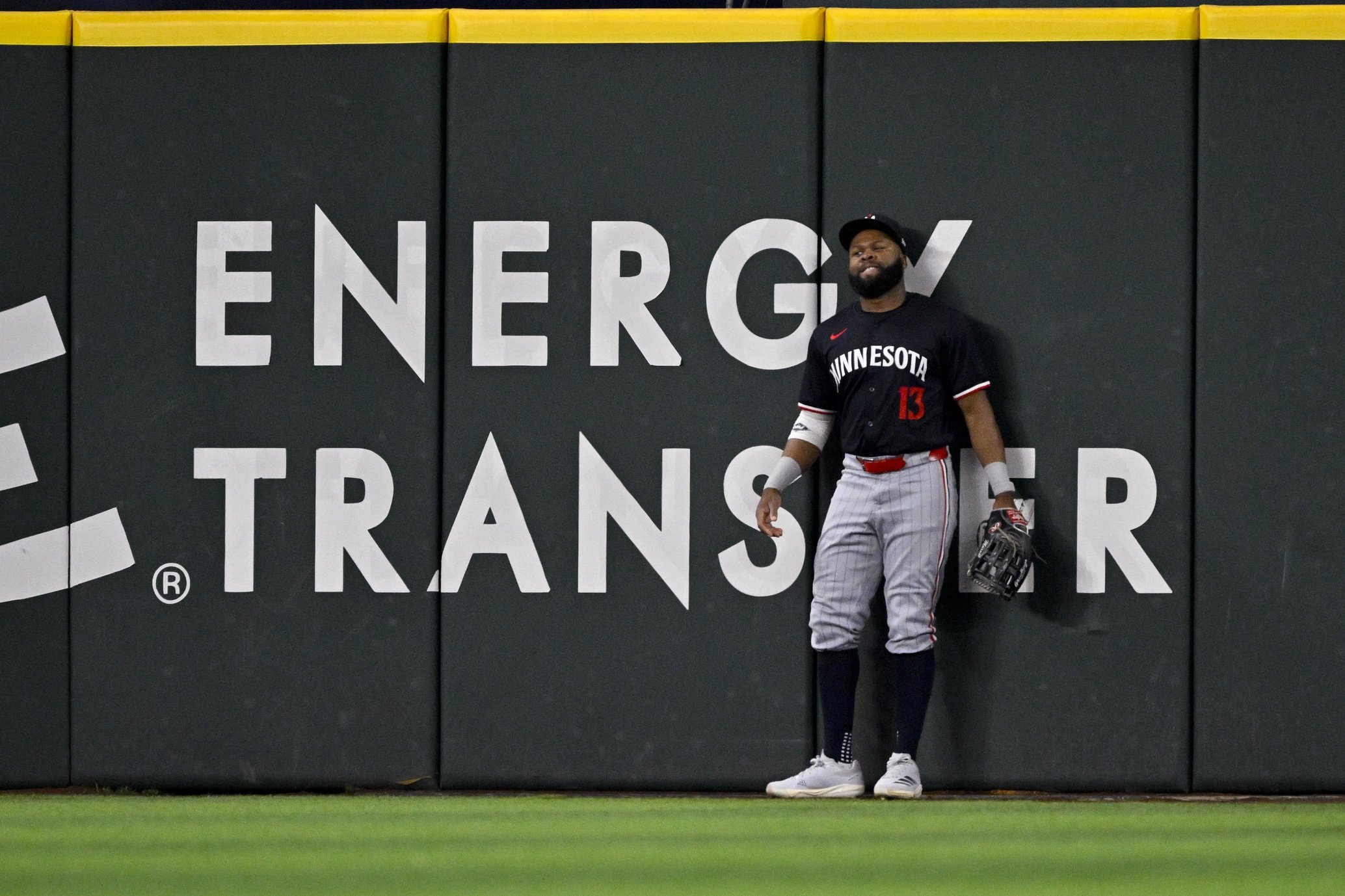 Alright, I’m going to start this article with a warning: we’re about to get into the weeds about something that genuinely doesn’t mean anything. But isn’t that what baseball is built on? Anyway, you’ve been warned. About a year ago, on this very site, I posted a step-by-step retelling of the fallout of the 2007 trade between the Minnesota Twins and Tampa Bay Devil Rays that sent Jason Bartlett and Matt Garza to Florida for Delmon Young. It’s now a year out of date, but it’s a good read covering what happened between 2007 and 2023 as a result of that trade. Here’s the synopsis: Delmon Young was not very good, but Bartlett and Garza were. Then Bartlett and Garza got flipped to bring more talent to Tampa, and some of that talent was flipped, and some of the resulting talent was flipped. The Rays still have seven guys in the organization who can be traced back to Young’s trade, and they’ve gained 60-some wins above replacement from those players. The Twins got approximately 1 win above replacement from Young. I’m not the first to notice this tree. There’s even a website with a handy visual that tells the story. But I do find some responsibility to serve as something of an arbiter of the math, given that my article is the third result if you Google “Delmon Young trade tree.” Toward the end of last year’s write-up, I noted that the most recent move muddied the water a bit on the trade tree. On December 16th, the Rays traded pitcher Tyler Glasnow and outfielder Manuel Margot to the Dodgers for starter Ryan Pepiot and outfielder Jonny DeLuca. The Rays acquired Glasnow in a trade for Chris Archer, who was acquired in a trade for Garza, who was a member of the original Delmon Young trade. However, Margot was not a product of that trade tree, and he was the only MLB player ever included as part of a trade in the tree. That presents a bit of a conundrum for record keepers. One of the magical parts of the Delmon Young Trade Tree was that the Rays continued to flip assets for new blood almost exclusively in trades by themselves. Archer was traded for Shane Baz, Austin Meadows, and Glasnow. There were no outside players involved. Occasionally, a minor leaguer was sent out with the Rays' big leaguers, but there was never a branch that included another big leaguer. It was all clean until Margot. So what were we, the sickos who care to track these things, supposed to do? Pepiot and DeLuca’s value couldn’t be isolated to Glasnow’s return. They were the return for Glasnow and Margot. Do we only count half of their value since the other half could be attributed to the return for Margot? Surely not, because Glasnow was the headliner. Do we chop the branch off, since it’s not holy and pure? That’s not very satisfying, either. Per Baseball Reference, Pepiot and DeLuca netted 2.7 WAR for the Rays this year, and the trade was headlined by a product of the tree. You can’t just write that off. But like Gandalf riding over the horizon at sunrise, something magical happened. Before Margot had a chance to play a single game in Dodger Blue, he was traded. He was wiped from the organization. The day is saved. Eagle-eyed readers will notice something: it wasn’t just any team that rid the Dodgers of Margot — it was the Minnesota Twins. It was the ne’er-do-wells who instigated this whole story, swooping in to save the day as if they didn’t want the tale to end. And so Margot was excised from the tree entirely — or was he? Yes, the Dodgers didn’t keep him, but he was still acquired for a prospect that the Twins valued — infielder Noah Miller. How do we solve this? I’m willing to squint and take artistic liberties and view this as a three-team trade. Minnesota acquired Margot and Rayne Doncon. Los Angeles acquired Glasnow and Miller. Tampa Bay acquired Pepiot and DeLuca. Everyone is happy. But here’s the next question: does Margot appear on the ledger of the Delmon Young Trade Tree on the side of the Twins? The Twins haven’t accumulated any value since the mid-2010s. It would be great to include another player on the Twins’ side, allowing them to recoup a little value. I mean, Margot was ostensibly traded from Tampa to Minnesota in the Glasnow trade. It only makes sense. Here’s the kicker: including Margot actually makes the Delmon Young trade worse. Remember the 1 WAR the Twins gained from Young’s tenure in Minnesota? It’s almost all negated by Margot’s -0.9 WAR in 2024. The Twins simply cannot catch a break. This required too much brain power to mull over. I don’t even want to start on whether Noah Miller’s potential MLB career should now be counted as value lost by the Twins in the Delmon Young trade. All I can do at this point is pray that Rayne Doncon turns into something.
 -
Here’s a couple of left fielders who make your heart stop when a ball is lofted their way. They also share a connection. You might even say Delmon Young caused Manuel Margot. Image courtesy of Jerome Miron-Imagn Images Alright, I’m going to start this article with a warning: we’re about to get into the weeds about something that genuinely doesn’t mean anything. But isn’t that what baseball is built on? Anyway, you’ve been warned. About a year ago, on this very site, I posted a step-by-step retelling of the fallout of the 2007 trade between the Minnesota Twins and Tampa Bay Devil Rays that sent Jason Bartlett and Matt Garza to Florida for Delmon Young. It’s now a year out of date, but it’s a good read covering what happened between 2007 and 2023 as a result of that trade. Here’s the synopsis: Delmon Young was not very good, but Bartlett and Garza were. Then Bartlett and Garza got flipped to bring more talent to Tampa, and some of that talent was flipped, and some of the resulting talent was flipped. The Rays still have seven guys in the organization who can be traced back to Young’s trade, and they’ve gained 60-some wins above replacement from those players. The Twins got approximately 1 win above replacement from Young. I’m not the first to notice this tree. There’s even a website with a handy visual that tells the story. But I do find some responsibility to serve as something of an arbiter of the math, given that my article is the third result if you Google “Delmon Young trade tree.” Toward the end of last year’s write-up, I noted that the most recent move muddied the water a bit on the trade tree. On December 16th, the Rays traded pitcher Tyler Glasnow and outfielder Manuel Margot to the Dodgers for starter Ryan Pepiot and outfielder Jonny DeLuca. The Rays acquired Glasnow in a trade for Chris Archer, who was acquired in a trade for Garza, who was a member of the original Delmon Young trade. However, Margot was not a product of that trade tree, and he was the only MLB player ever included as part of a trade in the tree. That presents a bit of a conundrum for record keepers. One of the magical parts of the Delmon Young Trade Tree was that the Rays continued to flip assets for new blood almost exclusively in trades by themselves. Archer was traded for Shane Baz, Austin Meadows, and Glasnow. There were no outside players involved. Occasionally, a minor leaguer was sent out with the Rays' big leaguers, but there was never a branch that included another big leaguer. It was all clean until Margot. So what were we, the sickos who care to track these things, supposed to do? Pepiot and DeLuca’s value couldn’t be isolated to Glasnow’s return. They were the return for Glasnow and Margot. Do we only count half of their value since the other half could be attributed to the return for Margot? Surely not, because Glasnow was the headliner. Do we chop the branch off, since it’s not holy and pure? That’s not very satisfying, either. Per Baseball Reference, Pepiot and DeLuca netted 2.7 WAR for the Rays this year, and the trade was headlined by a product of the tree. You can’t just write that off. But like Gandalf riding over the horizon at sunrise, something magical happened. Before Margot had a chance to play a single game in Dodger Blue, he was traded. He was wiped from the organization. The day is saved. Eagle-eyed readers will notice something: it wasn’t just any team that rid the Dodgers of Margot — it was the Minnesota Twins. It was the ne’er-do-wells who instigated this whole story, swooping in to save the day as if they didn’t want the tale to end. And so Margot was excised from the tree entirely — or was he? Yes, the Dodgers didn’t keep him, but he was still acquired for a prospect that the Twins valued — infielder Noah Miller. How do we solve this? I’m willing to squint and take artistic liberties and view this as a three-team trade. Minnesota acquired Margot and Rayne Doncon. Los Angeles acquired Glasnow and Miller. Tampa Bay acquired Pepiot and DeLuca. Everyone is happy. But here’s the next question: does Margot appear on the ledger of the Delmon Young Trade Tree on the side of the Twins? The Twins haven’t accumulated any value since the mid-2010s. It would be great to include another player on the Twins’ side, allowing them to recoup a little value. I mean, Margot was ostensibly traded from Tampa to Minnesota in the Glasnow trade. It only makes sense. Here’s the kicker: including Margot actually makes the Delmon Young trade worse. Remember the 1 WAR the Twins gained from Young’s tenure in Minnesota? It’s almost all negated by Margot’s -0.9 WAR in 2024. The Twins simply cannot catch a break. This required too much brain power to mull over. I don’t even want to start on whether Noah Miller’s potential MLB career should now be counted as value lost by the Twins in the Delmon Young trade. All I can do at this point is pray that Rayne Doncon turns into something. View full article
-
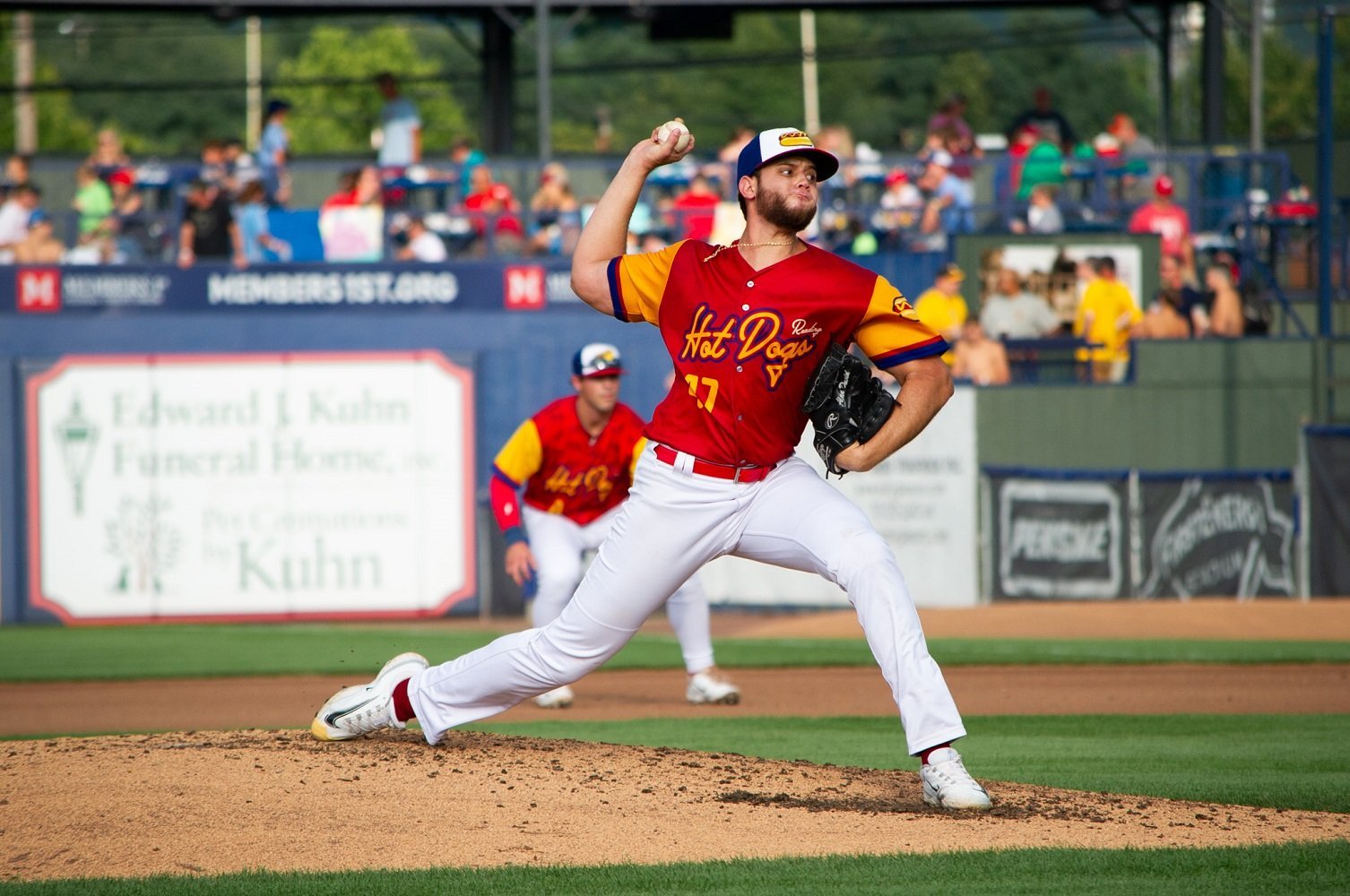 The Twins' bullpen is exciting this season, at least on paper. Before making a single addition, the corps ranks first in FanGraphs’s WAR projection for the 2025 season. Now, obviously, that comes with the caveat that the game is played on the field, not on a spreadsheet, and all that. But it is a sign of both the depth and the star power of this pen. Enter Eiberson Castellano. The Twins picked Castellano in the Rule 5 Draft last week. He comes to Minnesota with some potential to be a starter (with a three-pitch mix), but the Twins will surely use him out of the bullpen for the time being. As a Rule 5 draftee, he needs to stay on the active roster or MLB injured list for the full season, so the 23-year-old with 40 innings above Single-A will probably be used in low-leverage as much as the Twins can manage. The club has also commented that the newest Twin will be deployed as a multi-inning reliever. This role keeps him somewhat stretched out, which is vital for his development as a starter (assuming they have any hopes that he can continue to start after 2025). But having a long reliever will also help keep the rest of the guys fresh. Let’s talk briefly about the rest of the guys. Right now, the Twins have seven other relievers who appear to be locks in the bullpen picture for one reason or another: Jhoan Duran, Griffin Jax, Cole Sands, Brock Stewart, Jorge Alcala, Justin Topa, and Michael Tonkin. That’s not including arms like Louie Varland, Kody Funderburk, Brent Headrick, Ronny Henriquez (who is already out of options), or the inevitable breakout minor league signing, (Did you see they signed an old friend from the Jaime Garcia trade, Huascar Ynoa last week?) Even someone like Matt Canterino could play a role. The first six names mentioned are reasonably potential setup guys, at minimum. You’d feel fine seeing any of those six in the seventh inning, and Durán and Jax are a couple of the top relievers in baseball. Tonkin is a rubber arm middle reliever. Of course, it would be nice if one of those seven was left-handed, but a good arm is a good arm. So what do you add to that mix? Someone who can eat innings when the game isn’t on the line—several at a time. Tonkin can carry some of that load, but it would also be beneficial not to have to burn A-bullpen arms when the game is out of reach or a starter exits early. Some may point to such failed bullpen setups as the 2021 Twins, during which the team tried to carry Randy Dobnak as a long reliever but couldn’t find enough work for him. That’s probably the most significant risk in carrying a completely unproven rookie and trying to hide him for six months. However, it’s likely easier to get by having the six guys the Twins have over the likes of 2021 Alex Colome and Hansel Robles. Beyond that, they were actively trying to find Dobnak work—given that he was also their sixth starter on the depth chart—whereas the team probably won’t shed a tear if Castellano goes a week without pitching. Now, though, instead of sending Alcala or Sands to throw 50 pitches in relief, that can be Castellano’s job. None of the arms that you prefer in close games need to stretch out to just cover innings. Tonkin (and his propensity to suck up innings like a Hoover) helps, but having a dedicated guy you can run out there helps more in a bullpen with this much back-end talent than it would in some other bullpens. Put another way, the Twins are better served with Castellano in their bullpen than they would be finding a veteran middle reliever or another setup man to add to the mix. Every inning that Castellano eats is an inning that doesn’t disqualify another pitcher from throwing tomorrow, and if he throws multiple innings, that might be multiple back-end arms preserved for another day. Then you can add in the potential long-term benefit—the club has reportedly loved Castellano for a while, and he might have a real future in the organization if he can survive the season. But of course, that’s next year. There are some obvious caveats. There are questions in the top six—Stewart and Topa’s health, Alcala’s struggles late in 2024, a lack of an extensive track record for Sands and Topa, rumors that Jax might move to the starting rotation, and Durán’s diminished fastball velocity. But show me an MLB team and I’ll show you a bullpen that gives fans a stomach ache for one reason or another. It would be great if someone, anyone, in this mix was a lefty as well. Castellano might also just not be good enough right now (or ever) to keep his ERA below 6.00. On the other hand, the Twins do have depth. There are arms in the organization that probably deserve a shot at being in the pen, and it’s not hard to imagine guys like Varland, Canterino, or even Connor Prielipp being arms the team would feel comfortable with from the seventh inning on, and some of those guys are lefties. And if Castellano doesn’t make the cut, so be it. I’m sure the Phillies would accept him back for the $50,000, and the Twins could pivot from there. However, if there’s a bullpen that could benefit from a true long reliever, it’s the one that the Twins have constructed this season. And it doesn’t hurt to have a guy literally locked into that spot.
 -
Trying to hide a guy in the bullpen for an entire year is a little tricky, but this Twins bullpen is built to do just that. In fact, they almost needed a guy like Eiberson Castellano at this point. Image courtesy of Reading Fightin Phils The Twins' bullpen is exciting this season, at least on paper. Before making a single addition, the corps ranks first in FanGraphs’s WAR projection for the 2025 season. Now, obviously, that comes with the caveat that the game is played on the field, not on a spreadsheet, and all that. But it is a sign of both the depth and the star power of this pen. Enter Eiberson Castellano. The Twins picked Castellano in the Rule 5 Draft last week. He comes to Minnesota with some potential to be a starter (with a three-pitch mix), but the Twins will surely use him out of the bullpen for the time being. As a Rule 5 draftee, he needs to stay on the active roster or MLB injured list for the full season, so the 23-year-old with 40 innings above Single-A will probably be used in low-leverage as much as the Twins can manage. The club has also commented that the newest Twin will be deployed as a multi-inning reliever. This role keeps him somewhat stretched out, which is vital for his development as a starter (assuming they have any hopes that he can continue to start after 2025). But having a long reliever will also help keep the rest of the guys fresh. Let’s talk briefly about the rest of the guys. Right now, the Twins have seven other relievers who appear to be locks in the bullpen picture for one reason or another: Jhoan Duran, Griffin Jax, Cole Sands, Brock Stewart, Jorge Alcala, Justin Topa, and Michael Tonkin. That’s not including arms like Louie Varland, Kody Funderburk, Brent Headrick, Ronny Henriquez (who is already out of options), or the inevitable breakout minor league signing, (Did you see they signed an old friend from the Jaime Garcia trade, Huascar Ynoa last week?) Even someone like Matt Canterino could play a role. The first six names mentioned are reasonably potential setup guys, at minimum. You’d feel fine seeing any of those six in the seventh inning, and Durán and Jax are a couple of the top relievers in baseball. Tonkin is a rubber arm middle reliever. Of course, it would be nice if one of those seven was left-handed, but a good arm is a good arm. So what do you add to that mix? Someone who can eat innings when the game isn’t on the line—several at a time. Tonkin can carry some of that load, but it would also be beneficial not to have to burn A-bullpen arms when the game is out of reach or a starter exits early. Some may point to such failed bullpen setups as the 2021 Twins, during which the team tried to carry Randy Dobnak as a long reliever but couldn’t find enough work for him. That’s probably the most significant risk in carrying a completely unproven rookie and trying to hide him for six months. However, it’s likely easier to get by having the six guys the Twins have over the likes of 2021 Alex Colome and Hansel Robles. Beyond that, they were actively trying to find Dobnak work—given that he was also their sixth starter on the depth chart—whereas the team probably won’t shed a tear if Castellano goes a week without pitching. Now, though, instead of sending Alcala or Sands to throw 50 pitches in relief, that can be Castellano’s job. None of the arms that you prefer in close games need to stretch out to just cover innings. Tonkin (and his propensity to suck up innings like a Hoover) helps, but having a dedicated guy you can run out there helps more in a bullpen with this much back-end talent than it would in some other bullpens. Put another way, the Twins are better served with Castellano in their bullpen than they would be finding a veteran middle reliever or another setup man to add to the mix. Every inning that Castellano eats is an inning that doesn’t disqualify another pitcher from throwing tomorrow, and if he throws multiple innings, that might be multiple back-end arms preserved for another day. Then you can add in the potential long-term benefit—the club has reportedly loved Castellano for a while, and he might have a real future in the organization if he can survive the season. But of course, that’s next year. There are some obvious caveats. There are questions in the top six—Stewart and Topa’s health, Alcala’s struggles late in 2024, a lack of an extensive track record for Sands and Topa, rumors that Jax might move to the starting rotation, and Durán’s diminished fastball velocity. But show me an MLB team and I’ll show you a bullpen that gives fans a stomach ache for one reason or another. It would be great if someone, anyone, in this mix was a lefty as well. Castellano might also just not be good enough right now (or ever) to keep his ERA below 6.00. On the other hand, the Twins do have depth. There are arms in the organization that probably deserve a shot at being in the pen, and it’s not hard to imagine guys like Varland, Canterino, or even Connor Prielipp being arms the team would feel comfortable with from the seventh inning on, and some of those guys are lefties. And if Castellano doesn’t make the cut, so be it. I’m sure the Phillies would accept him back for the $50,000, and the Twins could pivot from there. However, if there’s a bullpen that could benefit from a true long reliever, it’s the one that the Twins have constructed this season. And it doesn’t hurt to have a guy literally locked into that spot. View full article
-
I read Intangibles a couple years ago, and it’s a great summary of some really good studies with some insightful commentary from athletes and coaches. A great book and especially approachable if you’re first starting to ask yourself questions like “what is team chemistry.” I’d recommend it to any sports fan.
-
I'm gonna need more constructive feedback than that if you have any hopes of me improving my writing.
-
I don’t wade into the Bauer topic but I think this is the time I’m going to break the rule because it’s relevant to the conversation. I’m going to paste a Twitter thread I wrote a year and a half ago about Aroldis Chapman because the ideas carry over here and it shows how there are levels, grades, and flavors to this topic. See below: ““If there are character or personality flaws that detract from that, understandable.” Let’s talk about that. There are a lot of dirtbags on your favorite team already, it’s just how it works. [Chapman’s transgressions] is something ******* else. Having highly competitive millionaires who have been famous for a long time breeds dirtbaggery. You deal with a certain level no matter what. Everyone knows it, and it can cause insignificant to severe interpersonal strife, depending on who each party is. However, when you’re talking about a guy who did that to his girlfriend, he’s always going to be “that guy who [Chapman’s transgressions]” in some teammates’ eyes. You might even be able to debate whether that’s right or wrong, but it’s the truth. It probably doesn’t lead to direct conflict. If he shows up in the clubhouse, your favorite player (who is of course the paragon of kindness and virtue) isn’t waiting there with a sign that says “No Aroldises Allowed.” But it’s immovably buried in at least some teammates’ minds. It sits dormant until something goes wrong. Bad loss, bad performance, card game, whatever. There are many people who will not come to that guy’s defense. They’re primed not to. In their minds, he’s irredeemable. It doesn’t matter if it’s related to baseball, they won’t like him. And liking someone, always having every teammates’ back, etc. isn’t something that’s necessary, but you never know what those feelings could lead to, especially in the heat of the moment. These are unnecessary impediments to team success, even if they are overcome.”
-
So Herr didn’t have the Bad Clubhouse Guy label, and yet he didn’t match with the team, and by accounts actively made it worse. That seems like an argument to consider each guy individually. Young didn’t have many positive reports from the clubhouse, that’s for sure—but do we know anything about what that caused on the field?
-
That’s actually a really interesting topic this vein—was Tommy Herr regarded as a “bad clubhouse guy”? Or was it a more situational issue where this guy in particular served as an obstacle for this team in particular?
-
Trust me, Doc, I am one of the biggest proponents of clubhouse chemistry being a real thing that you’re going to find. I believe it’s 100% real and is a real factor in clubs not reaching their peak performance level, both at the individual- and team-level (I’ve written about things like leadership, cohesion, and conflict on this site before). My contention here is that we’re too quick to oversimplify our discussions about guys with the “bad clubhouse guy” label without asking what specifically this guy in particular might do to detract from performance on the field. I appreciate your thoughts here, and we’re not that far off (I would first just change the order of your reasons not to sign them to 3, 2, 1)
-
I don’t want to do that
-
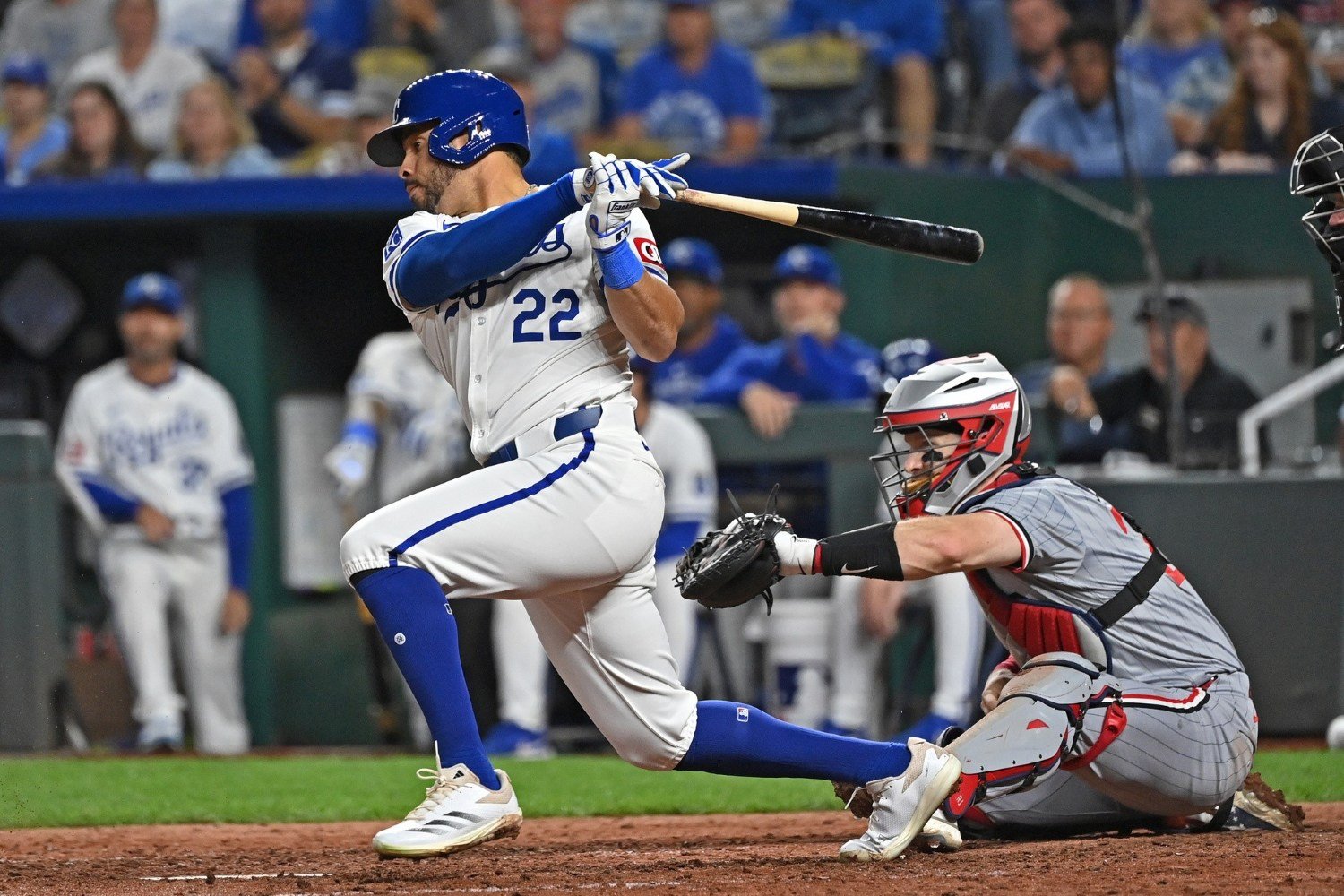 The Twins are notorious among their own fans for bargain hunting over the offseason, and this offseason has turned that dial to 11. As we bandy about names, some inevitably get dismissed with a firm “I don’t want him in the clubhouse.” But Bad Clubhouse Guy™️ is a label that borders on being a heuristic. Let’s take a look at two potential discount-bin signings the Twins might be interested in (after the all-but-inevitable trades of Chris Paddack and Christian Vázquez, of course). Yasmani Grandal If the Twins do indeed trade Vázquez for salary relief, they’re probably going to need to reallocate some of his money toward a new, veteran backup catcher. They have shown little confidence in rookie Jair Camargo to this point and seem to prefer that he remain in the next-man-up role. Grandal is one high-profile candidate for a one-year, low-cost deal. Grandal has a reputation as a defensive wizard, most prominently in his otherworldly framing ability. That checks one box for a backup catcher. Honestly, that’s probably the biggest box. But Grandal can also swing it a bit—not as well as he did a few years ago when he was the platonic ideal of a three-true-outcome hitter, but he’s never had a worse year at the plate than Vazquez did the past two seasons. He’s also a switch-hitter and performed better against righties last season, which can be beneficial for pairing him with righty Ryan Jeffers. However, Grandal has earned himself a bit of a reputation. He’s generally been perceived as a prickly guy, which isn’t the greatest trait for a catcher. He also allegedly hit Tim Anderson in the face when they were both members of the 2023 White Sox, perhaps the most dysfunctional clubhouse in modern times. That’s enough to scare some people off. I mean, if it’s true, he punched a teammate and potentially brings a stink. Tommy Pham Pham’s story is one of the funniest in recent memory, but let’s talk about why he fits the Twins. He’s a right-handed corner outfielder. Yep, that’s the whole deal. The Twins love to platoon, and Pham, a 36-year-old 11-year veteran, can do that—ur at least he did until 2024, a year in which we saw a dropoff that might scare some teams off. However, teams are probably more scared off by the other things. In no particular order, Tommy Pham has been stabbed outside a gentlemen’s club; slapped Joc Pederson over a fantasy football dispute; gotten into arguments with fans on the field; said some out-of-pocket things to the media and on his social media; and publicly disrespected his former teammates for not working hard enough. That’s a bit of baggage. That’s enough baggage that might lead a fan or executive alike to say “How about not; what’s Adam Duvall up to?” Yet, Pham has remained employed since 2014. Grandal is likewise in the twilight of a 13-year career, and he keeps getting jobs. What is a Bad Clubhouse Guy, Anyway? I mean, that’s the million-dollar question (literally). We tend to throw this singular label around (or some variant, such as clubhouse cancer) pretty liberally, to describe a wide range of behaviors and personalities. But bad clubhouse guys aren’t all created equal. Just look at Grandal and Pham. Their cardinal sins are hitting someone in the face, but there’s a huge difference between the two stories. Grandal allegedly smacked a teammate in the face, whereas Pham smacked an opponent. But the context for both matters, as well, as Grandal was a member of one of the worst clubhouses in recent memory, and it doesn’t take a lot of imagination to figure out why someone might want to hit Anderson. (Ask José Ramírez for confirmation.) Pham slapped a man over fantasy football waiver-wire shenanigans. Obviously, if given the choice between two players with the exact same skills and contract, you’re going to go with the one without the questionable behavior. But how much do those factors actually matter in the grand scheme of things? For instance, despite his foibles, Pham has been lauded as an excellent teammate. He’s a hard worker, blunt in his honest feedback for his teammates and coaches, and a sparkplug. He's unselfish, to the point that he eschewed a chance to collect five hits in a World Series game by asking to be pinch-hit for late in Game 2 of the 2023 Fall Classic. The plate appearance he conferred upon Jace Peterson was the only one Peterson would get in the Series. There are players like this across sports. One of my favorite examples is Stephen Jackson of the NBA—the second guy to run into the stands to fight fans during 2004’s Malice at the Palace incident. The man was a nuisance on the court and has a lengthy rap sheet that includes a felony. Yet, his teammates loved him. He was a ride-or-die teammate who played 14 years and won a championship. He was the second guy into the stands that night because he had an outnumbered teammate (in Ron Artest) to defend. Obviously, you do not want those things to happen with someone on your team, but you’d probably prefer a player like that over a player who released a video of his teammate admitting to cheating on his wife (Wolves fans: if you know you know). There are any number of behaviors that can saddle a player with a label like that. Social scientists have attempted to quantify these locker-room or clubhouse dynamics. For example, Cope and colleagues did a study in 2011 that attempted to identify informal roles on athletic teams and three negative roles emerged—cancer, distracter, and malingerer. Cancers pollute the locker room with negative emotion. Distracters somehow take focus away from the team and toward themselves, often away from the field of play. Malingerers keep themselves off the field due to injury longer than they need to. Each of these three roles has a different effect on the team. If even the stuffy social scientists can identify that there are levels and flavors to negative behavior on a sports team, there must be something there. Is the player going to ruin his teammates’ days? Is he a candidate to miss games due to off-field choices? All of these questions are worth asking. Ask any scout what he sees as a bad makeup guy, and you’ll end up with as many questions as answers. That lack of a cohesive answer only adds to the tendency to group every player with one negative trait or incident into one single bucket. Instead of slapping the same label on every guy, a team should ask themselves what the possible range of consequences to this guy might be. It’s enough to drive guys’ prices down just to have the label, and a team that can recognize which red flags are true dangers can benefit. Nor is it fair to assume that any of us—ball player, ne'er-do-well blogger, insurance company CEO, anyone—are the same person in all situations and settings. They call it clubhouse chemistry because there are real interactions that change the people involved, personally and professionally. Not every person who runs into or creates trouble in one place will do the same in another. At the very least, the primary rationale for being against a signing of a Grandal or Pham should be their talent level—so long as we don’t have true, consequential negative traits beyond “he’s kinda a hothead.” Of course, it’s also worth factoring in the team’s context. One of the prevailing storylines for the 2018 Twins was that there were too many strong personalities and disgruntled players in the clubhouse. We ourselves will never know what’s going on behind closed doors, but it can be a legitimate concern. However, if a team like the Twins believes that they have the infrastructure to deal with a player who isn’t a walk in the park, let’s have at it. There were some rumored problems in the clubhouse at the end of last year that could lead to trepidation about adding another big personality whose performance isn’t a needle-mover, but we should all at least be open to the possibility without pulling out the same Bad Guy stamp every time.
 -
These two guys have reputations that precede them, and they may have earned them. However, does it mean what everyone thinks it means, and can smart teams take advantage of the ways in which it doesn't? Image courtesy of © Peter Aiken-Imagn Images The Twins are notorious among their own fans for bargain hunting over the offseason, and this offseason has turned that dial to 11. As we bandy about names, some inevitably get dismissed with a firm “I don’t want him in the clubhouse.” But Bad Clubhouse Guy™️ is a label that borders on being a heuristic. Let’s take a look at two potential discount-bin signings the Twins might be interested in (after the all-but-inevitable trades of Chris Paddack and Christian Vázquez, of course). Yasmani Grandal If the Twins do indeed trade Vázquez for salary relief, they’re probably going to need to reallocate some of his money toward a new, veteran backup catcher. They have shown little confidence in rookie Jair Camargo to this point and seem to prefer that he remain in the next-man-up role. Grandal is one high-profile candidate for a one-year, low-cost deal. Grandal has a reputation as a defensive wizard, most prominently in his otherworldly framing ability. That checks one box for a backup catcher. Honestly, that’s probably the biggest box. But Grandal can also swing it a bit—not as well as he did a few years ago when he was the platonic ideal of a three-true-outcome hitter, but he’s never had a worse year at the plate than Vazquez did the past two seasons. He’s also a switch-hitter and performed better against righties last season, which can be beneficial for pairing him with righty Ryan Jeffers. However, Grandal has earned himself a bit of a reputation. He’s generally been perceived as a prickly guy, which isn’t the greatest trait for a catcher. He also allegedly hit Tim Anderson in the face when they were both members of the 2023 White Sox, perhaps the most dysfunctional clubhouse in modern times. That’s enough to scare some people off. I mean, if it’s true, he punched a teammate and potentially brings a stink. Tommy Pham Pham’s story is one of the funniest in recent memory, but let’s talk about why he fits the Twins. He’s a right-handed corner outfielder. Yep, that’s the whole deal. The Twins love to platoon, and Pham, a 36-year-old 11-year veteran, can do that—ur at least he did until 2024, a year in which we saw a dropoff that might scare some teams off. However, teams are probably more scared off by the other things. In no particular order, Tommy Pham has been stabbed outside a gentlemen’s club; slapped Joc Pederson over a fantasy football dispute; gotten into arguments with fans on the field; said some out-of-pocket things to the media and on his social media; and publicly disrespected his former teammates for not working hard enough. That’s a bit of baggage. That’s enough baggage that might lead a fan or executive alike to say “How about not; what’s Adam Duvall up to?” Yet, Pham has remained employed since 2014. Grandal is likewise in the twilight of a 13-year career, and he keeps getting jobs. What is a Bad Clubhouse Guy, Anyway? I mean, that’s the million-dollar question (literally). We tend to throw this singular label around (or some variant, such as clubhouse cancer) pretty liberally, to describe a wide range of behaviors and personalities. But bad clubhouse guys aren’t all created equal. Just look at Grandal and Pham. Their cardinal sins are hitting someone in the face, but there’s a huge difference between the two stories. Grandal allegedly smacked a teammate in the face, whereas Pham smacked an opponent. But the context for both matters, as well, as Grandal was a member of one of the worst clubhouses in recent memory, and it doesn’t take a lot of imagination to figure out why someone might want to hit Anderson. (Ask José Ramírez for confirmation.) Pham slapped a man over fantasy football waiver-wire shenanigans. Obviously, if given the choice between two players with the exact same skills and contract, you’re going to go with the one without the questionable behavior. But how much do those factors actually matter in the grand scheme of things? For instance, despite his foibles, Pham has been lauded as an excellent teammate. He’s a hard worker, blunt in his honest feedback for his teammates and coaches, and a sparkplug. He's unselfish, to the point that he eschewed a chance to collect five hits in a World Series game by asking to be pinch-hit for late in Game 2 of the 2023 Fall Classic. The plate appearance he conferred upon Jace Peterson was the only one Peterson would get in the Series. There are players like this across sports. One of my favorite examples is Stephen Jackson of the NBA—the second guy to run into the stands to fight fans during 2004’s Malice at the Palace incident. The man was a nuisance on the court and has a lengthy rap sheet that includes a felony. Yet, his teammates loved him. He was a ride-or-die teammate who played 14 years and won a championship. He was the second guy into the stands that night because he had an outnumbered teammate (in Ron Artest) to defend. Obviously, you do not want those things to happen with someone on your team, but you’d probably prefer a player like that over a player who released a video of his teammate admitting to cheating on his wife (Wolves fans: if you know you know). There are any number of behaviors that can saddle a player with a label like that. Social scientists have attempted to quantify these locker-room or clubhouse dynamics. For example, Cope and colleagues did a study in 2011 that attempted to identify informal roles on athletic teams and three negative roles emerged—cancer, distracter, and malingerer. Cancers pollute the locker room with negative emotion. Distracters somehow take focus away from the team and toward themselves, often away from the field of play. Malingerers keep themselves off the field due to injury longer than they need to. Each of these three roles has a different effect on the team. If even the stuffy social scientists can identify that there are levels and flavors to negative behavior on a sports team, there must be something there. Is the player going to ruin his teammates’ days? Is he a candidate to miss games due to off-field choices? All of these questions are worth asking. Ask any scout what he sees as a bad makeup guy, and you’ll end up with as many questions as answers. That lack of a cohesive answer only adds to the tendency to group every player with one negative trait or incident into one single bucket. Instead of slapping the same label on every guy, a team should ask themselves what the possible range of consequences to this guy might be. It’s enough to drive guys’ prices down just to have the label, and a team that can recognize which red flags are true dangers can benefit. Nor is it fair to assume that any of us—ball player, ne'er-do-well blogger, insurance company CEO, anyone—are the same person in all situations and settings. They call it clubhouse chemistry because there are real interactions that change the people involved, personally and professionally. Not every person who runs into or creates trouble in one place will do the same in another. At the very least, the primary rationale for being against a signing of a Grandal or Pham should be their talent level—so long as we don’t have true, consequential negative traits beyond “he’s kinda a hothead.” Of course, it’s also worth factoring in the team’s context. One of the prevailing storylines for the 2018 Twins was that there were too many strong personalities and disgruntled players in the clubhouse. We ourselves will never know what’s going on behind closed doors, but it can be a legitimate concern. However, if a team like the Twins believes that they have the infrastructure to deal with a player who isn’t a walk in the park, let’s have at it. There were some rumored problems in the clubhouse at the end of last year that could lead to trepidation about adding another big personality whose performance isn’t a needle-mover, but we should all at least be open to the possibility without pulling out the same Bad Guy stamp every time. View full article
-
Hey wait a minute that's my line!
-
Twins Fans: You’re Gonna Get Amed Rosario and You’re Gonna Like It
Greggory Masterson posted an article in Twins
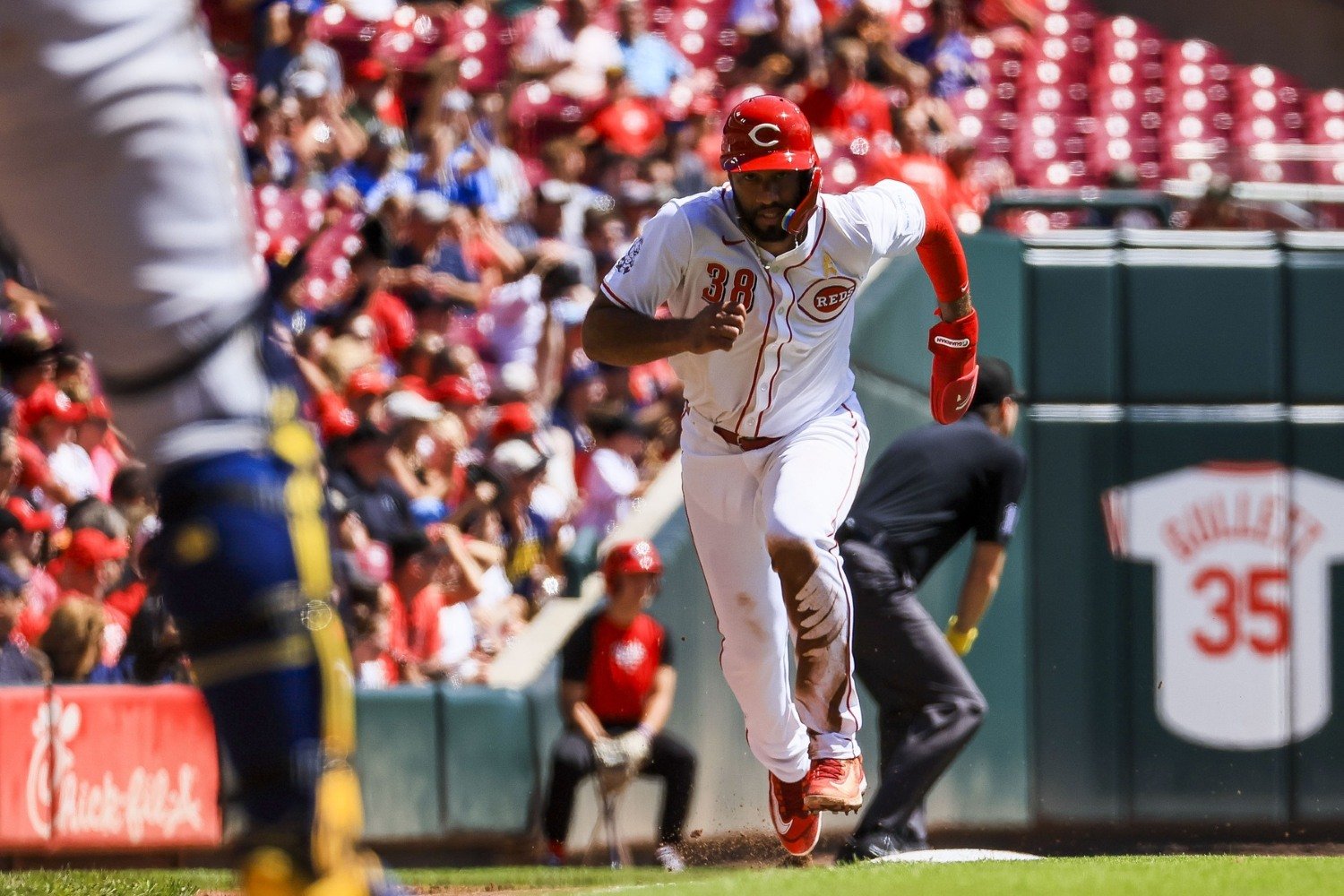 After a baseball executive has been around a while, observant fans can see a move coming from a mile away. With Derek Falvey in 2025, it’s almost too obvious that Amed Rosario will be a Twin. Rosario is a 29-year-old right-handed utility player who spent last season with the Rays, Dodgers, and Reds. A key piece in the trade that brought Francisco Lindor to New York, Rosario enjoyed a couple of quality years in Cleveland as the team’s starting shortstop, before playing his way out of their plans in 2023. Now, coming off an up-and-down year across three teams and projected to make modest money, he’s everything the Twins want and need. Let’s see if you see what I see. First, Rosario is right-handed. In recent years, Twins teams have had benches almost exclusively built out of righties and switch hitters. You may have heard this before, but the club likes to platoon, so stocking the bench with potential platoon partners to their left-handed starters comes naturally. Rosario, specifically, has been a slightly below-average hitter for his career, but he’s always hit well against lefties—about 20% above league average since 2017. I’m going to use the phrase “whether you like it or not” a few times here, so forgive me. Whether you like it or not, Rocco Baldelli is going to platoon. Right now, the Twins’ two starting corner outfielders—Matt Wallner and Trevor Larnach—are left-handed, and potential (maybe, who knows?) second baseman or designated hitter Edouard Julien is, too. They’re going to look to pair at least one or two of those guys with a platoon partner, and a team can do a lot worse than Rosario’s 125 OPS+ against lefties. “But Gregg,” I hear you say at your screen, “Rosario is a shortstop. You said that 217 words ago! He can’t platoon with the outfielders.” Oh, Rosario can do more than that. He’s technically played everywhere except catcher and first base, with at least 14 appearances at second, third, shortstop, and right field in 2024. He’s not going to be a center fielder, and he’s looked iffy in the outfield, but he’s plenty athletic, and whether you like it or not, it’s not hard to imagine that the Twins could believe they could make him play passable defense. They did something similar with Willi Castro, though Castro looked better out there before coming to Minnesota. He’s almost a diet Castro in terms of his positional flexibility, though he probably won’t match Castro’s performance at any single position, except maybe second base. If the Twins had a second Willi Castro or a Willi Castro Lite to replace Castro in the event of an offseason trade or an injury that forces Castro into a consistent starting spot, you know he’d be playing everywhere. There have been some complaints that the Twins focus too much on finding utility players like Rosario, but whether you like it or not, it’s kinda their type. He can play just about anywhere you need him to, and the Twins love to find a need. There will be playing time to go around, with questions about the health of Carlos Correa and Royce Lewis, as well as the lack of a firm answer at second base. One of the downsides of Castro taking a more pronounced role was losing his skills as a pinch-runner and base stealer. Castro rarely came off the bench in 2024, so there’s certainly a role there for Rosario, who is a career 75% base stealer and has a faster sprint speed than Castro or Austin Martin (who is another contender for such a role). Rosario’s 29 ft/s sprint speed would have been the fastest on the team in 2024 outside of Byron Buxton. Digging a bit deeper, Rosario has a batting profile that echoes several of the Twins' recent offseason moves. Despite a reputation for only valuing “all-or-nothing power hitters” that we can probably at least in part blame Joey Gallo for, many of their recent veteran additions have been quite the opposite. Manuel Margot, Carlos Santana, and Donovan Solano, for example, have each been lauded for their abilities to put the bat on the ball. In many of these cases, it seems that the Twins have tried to take players with bat-to-ball skills and add power to their profiles. By their estimation (seemingly), it’s harder to coach bat-to-ball than consistent damage on contact. Rosario’s key offensive trait is his ability to put wood on the ball and not strike out. It’s not to quite the extent we’ve seen with the players mentioned above, but it’s undoubtedly his deal. He swings at everything and usually makes contact, sporting a batting average of .273 for his career and .280 last season. Whether you like it or not, the Twins appear to think that they can take a guy like that and up his power. Rosario can make really hard contact, but it’s supremely sporadic, and if the Twins think they can unlock a little bit more of that, the puzzle pieces keep falling into place. Rosario will likely come at a low cost—under $3 million this year by most estimates, fitting nicely into the Twins’ inactive offseason. He can play everywhere, platoon, pinch-run off the bench, and maybe even be “fixed” at the plate. Doesn’t this sound like the dream addition for Derek Falvey and Rocco Baldelli? I’m not sure if I’ve talked myself into Amed Rosario: 2025 Twin or if I’ve just become resigned to the fact that he’s already a Twin. It just makes too much sense.
 -
It doesn’t matter what offseason additions you circled in the Sears catalog. When you wake up on Christmas morning, this former top-10 prospect will be under that tree. Image courtesy of © Katie Stratman-Imagn Images After a baseball executive has been around a while, observant fans can see a move coming from a mile away. With Derek Falvey in 2025, it’s almost too obvious that Amed Rosario will be a Twin. Rosario is a 29-year-old right-handed utility player who spent last season with the Rays, Dodgers, and Reds. A key piece in the trade that brought Francisco Lindor to New York, Rosario enjoyed a couple of quality years in Cleveland as the team’s starting shortstop, before playing his way out of their plans in 2023. Now, coming off an up-and-down year across three teams and projected to make modest money, he’s everything the Twins want and need. Let’s see if you see what I see. First, Rosario is right-handed. In recent years, Twins teams have had benches almost exclusively built out of righties and switch hitters. You may have heard this before, but the club likes to platoon, so stocking the bench with potential platoon partners to their left-handed starters comes naturally. Rosario, specifically, has been a slightly below-average hitter for his career, but he’s always hit well against lefties—about 20% above league average since 2017. I’m going to use the phrase “whether you like it or not” a few times here, so forgive me. Whether you like it or not, Rocco Baldelli is going to platoon. Right now, the Twins’ two starting corner outfielders—Matt Wallner and Trevor Larnach—are left-handed, and potential (maybe, who knows?) second baseman or designated hitter Edouard Julien is, too. They’re going to look to pair at least one or two of those guys with a platoon partner, and a team can do a lot worse than Rosario’s 125 OPS+ against lefties. “But Gregg,” I hear you say at your screen, “Rosario is a shortstop. You said that 217 words ago! He can’t platoon with the outfielders.” Oh, Rosario can do more than that. He’s technically played everywhere except catcher and first base, with at least 14 appearances at second, third, shortstop, and right field in 2024. He’s not going to be a center fielder, and he’s looked iffy in the outfield, but he’s plenty athletic, and whether you like it or not, it’s not hard to imagine that the Twins could believe they could make him play passable defense. They did something similar with Willi Castro, though Castro looked better out there before coming to Minnesota. He’s almost a diet Castro in terms of his positional flexibility, though he probably won’t match Castro’s performance at any single position, except maybe second base. If the Twins had a second Willi Castro or a Willi Castro Lite to replace Castro in the event of an offseason trade or an injury that forces Castro into a consistent starting spot, you know he’d be playing everywhere. There have been some complaints that the Twins focus too much on finding utility players like Rosario, but whether you like it or not, it’s kinda their type. He can play just about anywhere you need him to, and the Twins love to find a need. There will be playing time to go around, with questions about the health of Carlos Correa and Royce Lewis, as well as the lack of a firm answer at second base. One of the downsides of Castro taking a more pronounced role was losing his skills as a pinch-runner and base stealer. Castro rarely came off the bench in 2024, so there’s certainly a role there for Rosario, who is a career 75% base stealer and has a faster sprint speed than Castro or Austin Martin (who is another contender for such a role). Rosario’s 29 ft/s sprint speed would have been the fastest on the team in 2024 outside of Byron Buxton. Digging a bit deeper, Rosario has a batting profile that echoes several of the Twins' recent offseason moves. Despite a reputation for only valuing “all-or-nothing power hitters” that we can probably at least in part blame Joey Gallo for, many of their recent veteran additions have been quite the opposite. Manuel Margot, Carlos Santana, and Donovan Solano, for example, have each been lauded for their abilities to put the bat on the ball. In many of these cases, it seems that the Twins have tried to take players with bat-to-ball skills and add power to their profiles. By their estimation (seemingly), it’s harder to coach bat-to-ball than consistent damage on contact. Rosario’s key offensive trait is his ability to put wood on the ball and not strike out. It’s not to quite the extent we’ve seen with the players mentioned above, but it’s undoubtedly his deal. He swings at everything and usually makes contact, sporting a batting average of .273 for his career and .280 last season. Whether you like it or not, the Twins appear to think that they can take a guy like that and up his power. Rosario can make really hard contact, but it’s supremely sporadic, and if the Twins think they can unlock a little bit more of that, the puzzle pieces keep falling into place. Rosario will likely come at a low cost—under $3 million this year by most estimates, fitting nicely into the Twins’ inactive offseason. He can play everywhere, platoon, pinch-run off the bench, and maybe even be “fixed” at the plate. Doesn’t this sound like the dream addition for Derek Falvey and Rocco Baldelli? I’m not sure if I’ve talked myself into Amed Rosario: 2025 Twin or if I’ve just become resigned to the fact that he’s already a Twin. It just makes too much sense. View full article
-
Episode 26: Winter Meetings Preview
Greggory Masterson replied to Greggory Masterson's topic in Twins Daily Front Page News
La Makina went through my mind while we were recording, but I can’t believe I didn’t think of Dick Mountain (we’re a family company anyway) -
Episode 26: Winter Meetings Preview
Greggory Masterson posted a topic in Twins Daily Front Page News
The Winter Meetings are here! What are the Twins going to do? Sweet Lou, Comrade Cody, and Ol Gregg discuss what might happen for the Twins at the Winter Meeting and if you should care at all. They also speculate on Juan Soto an hour before he signed with the Mets and Gregg takes aim at those taking aim at turkey. Listen using Apple Podcasts: https://podcasts.apple.com/us/podcast/the-twins-off-daily-podcast/id1741266056 Listen using Spotify: https://open.spotify.com/show/4tb78XlurcPTYYSsARdbD7 Listen using iHeartRadio: https://www.iheart.com/podcast/263-the-twins-off-daily-podcas-167548600/ Listen using Pocket Casts: https://pca.st/nvclbt0w Watch on YouTube: https://www.youtube.com/@twinsdaily View full article -
 Sweet Lou, Comrade Cody, and Ol Gregg discuss what might happen for the Twins at the Winter Meeting and if you should care at all. They also speculate on Juan Soto an hour before he signed with the Mets and Gregg takes aim at those taking aim at turkey. Listen using Apple Podcasts: https://podcasts.apple.com/us/podcast/the-twins-off-daily-podcast/id1741266056 Listen using Spotify: https://open.spotify.com/show/4tb78XlurcPTYYSsARdbD7 Listen using iHeartRadio: https://www.iheart.com/podcast/263-the-twins-off-daily-podcas-167548600/ Listen using Pocket Casts: https://pca.st/nvclbt0w Watch on YouTube: https://www.youtube.com/@twinsdaily
 -
I would love to write them up as a singular analysis. However, a list of 50ish trades isn't the most fun to read. Yesterday I covered the challenge trades and sells over the offseason: old nurse if you didn't see this yesterday I wanted to point it out here. Wade was still a rookie but he had made the majors so I included him in the challenge trade section Anyway beyond that, at the Trade Deadline, I covered the times that Falvey has bought in-season: And a year and a half ago I detailed every time the team sold at the deadline (I skipped this this year because the Twins were not going to be sellers):
- 26 replies
-
- 2
-

-
- sonny gray
- jermaine palacios
- (and 5 more)
-
Derek Falvey's Offseason Trade History Might be Better than You Think
Greggory Masterson posted an article in Twins
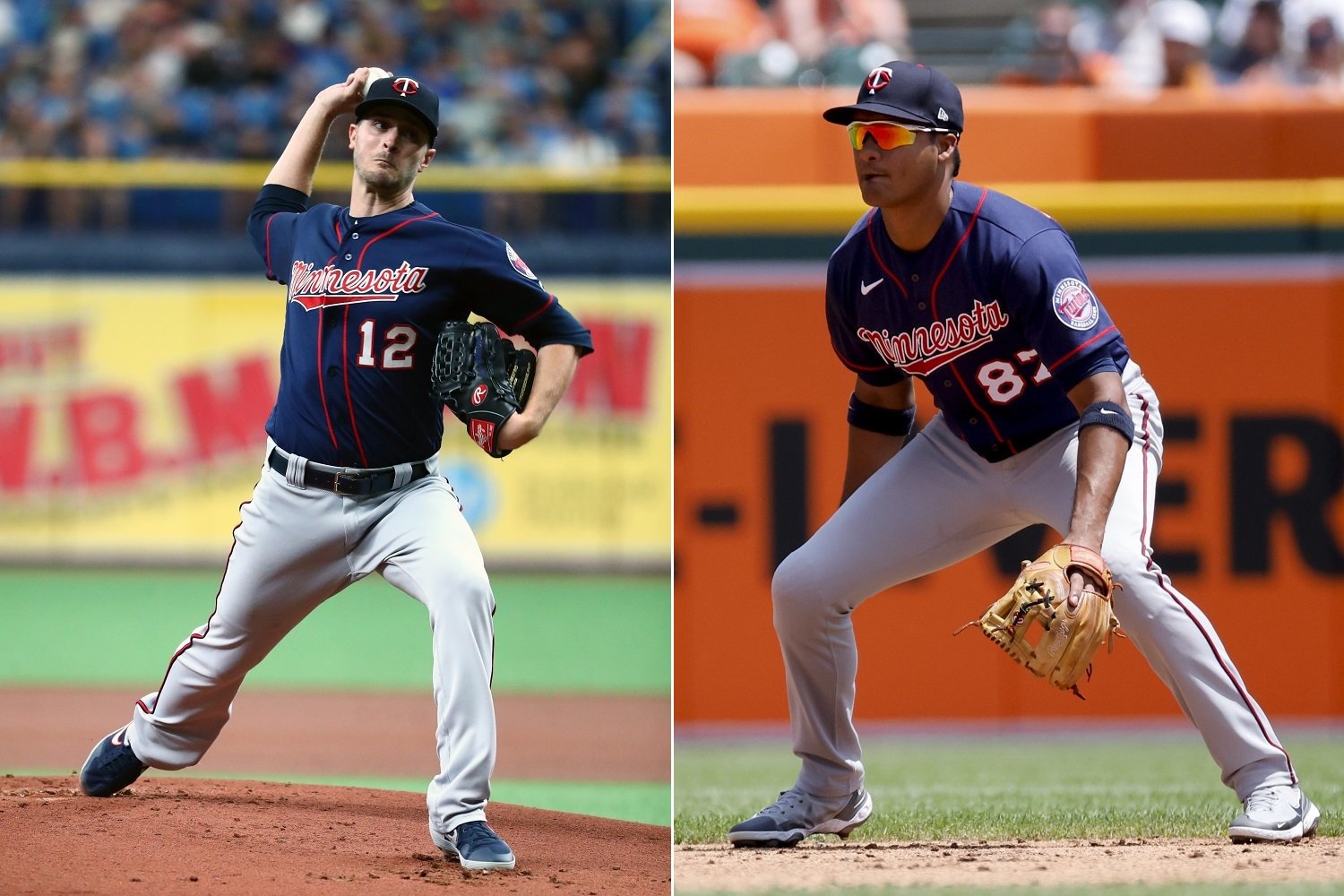 You know what, I’m tired of writing these intros. This is my seventh full trade review over the last two years. You know the drill. Here’s every time Derek Falvey has traded prospects for a veteran over the offseason in his career leading the Twins. Before we begin, some housekeeping. I provided stats for each player with their new team. Performance isn’t considered if they were again traded or signed elsewhere as free agents after the trade being discussed. Obviously, this analysis doesn’t include future performance, either. This information is accurate as of November 19th, 2024. Those with an * indicate that the player is still in the organization they were traded to, so the full picture isn’t available. I will also be providing some context for each trade. Comparing statistics does not necessarily indicate which team won the trade, so I have done my best to explain why the trade occurred. For an example of why comparing statistics isn’t ideal, let’s skip to the 2022 Sonny Gray trade. Statistically, the Twins won the trade. Gray was good for 7.7 bWAR and was the 2023 AL Cy Young runner-up. However, Chase Petty, a former first-round pick, still has time to accrue value for Cincinnati, so we can’t definitively close the book on that trade yet. Also, again, this list only contains offseason trades. If you want to go into the club's trade deadline buying history, you can do that here. Without further ado, here’s my subjective order, from best to worst. 2/18/18: Minnesota acquires Jake Odorizzi (337.0 IP, 107 ERA+, 4.9 bWAR) from Tampa Bay for Jermaine Palacios (did not reach Tampa Bay), +4.9 bWAR for Minnesota. For quite some time, this trade was the undisputed crown jewel of this era of Twins baseball. Odorizzi sat in the front half of three Minnesota pitching rotations between 2018 and 2020, providing consistent performance, though he was not a star. Palacios never reached the majors with Tampa, but debuted with Minnesota in 2022 after signing a minor league deal. 3/13/22: Minnesota acquires Sonny Gray (303.2 IP, 142 ERA+, 7.7 bWAR), Francis Peguero (did not reach Minnesota) from Cincinnati for Chase Petty* (has not reached Cincinnati), +7.7 bWAR for Minnesota. Looking to shore up a rotation with several holes in it, Minnesota traded future value in Petty for present value in Gray, effectively trading a pitcher now for a pitcher tomorrow. Gray led the staff for two years and finished second in the AL Cy Young in 2023. The Twins also got a compensation pick for losing Gray to free agency, and that became infielder Kyle DeBarge. Peguero was released following the 2023 season. Petty had been drafted in the first round just months before and has impressed in the low minors thus far. As the book is still out on Petty, I’m keeping Odorizzi in the top spot. 3/27/23: Minnesota acquires Michael A. Taylor (388 PA, 94 OPS+, 1.9 bWAR), from Kansas City for Evan Sisk* (has not reached Kansas City), Steven Cruz* (18.1 IP, 132 ERA+, 0.3 bWAR), +1.3 bWAR for Minnesota. Taylor served as the everyday centerfielder in 2023, given injuries to both Byron Buxton and Nick Gordon. The Gold Glove center fielder performed as expected defensively, and showed some pop, though his bat has been mediocre overall. Cruz has pitched sparingly for Kansas City in 2023 and 2024 and Sisk spent the year at Triple-A but was added to the Royals' 40-man roster this month. 11/18/22: Minnesota acquires Kyle Farmer (611 PA, 91 OPS+, 1.4 bWAR) from Cincinnati for Casey Legumina (22.0 IP, 67ERA+, -0.5 bWAR), +1.9 bWAR for Minnesota. Without a starting-caliber shortstop (prior to the Carlos Correa signing), the Twins traded for Farmer. He’s since started games at second, third, and short—and seen time at first base and left field—as the top bench infielder in 2023 and is a platoon bat versus lefties. He struggled in 2024, posting a negative bWAR while earning $6.3 million for a team that faced payroll constraints. Legumina had not debuted at the time of the trade, but he has since thrown 22 mediocre innings and is getting his first taste of MLB. 2/26/24: Minnesota acquires Manuel Margot (343 PA, 90 OPS+, -0.5 bWAR), Rayne Doncon* (has not reached Minnesota) from Los Angeles for Noah Miller* (has not reached Los Angeles) -0.5 bWAR for Minnesota. Acquired to be Byron Buxton insurance, the formerly terrific center field defender Margot was borderline unplayable defensively and even struggled in left. At the plate, he set the all-time record for most pinch hitting appearances without a single hit in an entire season. But hey, he hit lefties well if he started the game. The final outcome of this trade will be decided after Doncon and Miller’s Twins and Dodgers careers are decided, which might be in the 2030s. For now, I’ll leave it here. 1/10/23: Minnesota acquires A.J. Alexy (did not reach Minnesota) from Washington for Cristian Jimenez (did not reach Washington), +0.0 bWAR for Minnesota. Alexy was a fringe roster addition as a depth reliever. He was waived shortly after the trade and claimed by the White Sox. Jimenez is out of affiliated ball. 3/16/18: Minnesota acquires Jake Cave (922 PA, 93 OPS+, 2.3 bWAR) from New York (AL) for Luis Gil* (151.2 IP, 117 ERA+, 3.7 bWAR), -1.4 bWAR for Minnesota. Cave had yet to debut in MLB, but I include this because he almost immediately became a Twin. Cave spent a couple of years as a good fourth outfielder before spending a couple of years as a poor fourth outfielder. Gil just won Rookie of the Year after rebounding from years of fighting injury and might be a middle-of-the-rotation asset for New York for years to come. It would be awesome to have him around. Overall WAR added: 13.9 On the whole, the Twins have been successful in buying over the offseason, bringing in MLB players in exchange for unproven prospects. Given the nature of buying, it almost always looks better in the near term than it will years later, as the prospects traded away develop. Luis Gil stings, and the Manuel Margot one can only be described now as an oddity. However, beyond those two, the only one that looks like it has even a moderate chance of biting the club is Petty in Cincinnati. I’d assume that the Twins would make that deal again, anyway.
- 26 comments
-
- 4
-
-
- sonny gray
- jermaine palacios
- (and 5 more)
-
The Twins have been pretty successful trading prospects for established big leaguers over the offseason under Derek Falvey. If you disagree, I invite you to read the list and then tell me I'm wrong. Image courtesy of © David Berding-Imagn Images (Odorizzi), © Rick Osentoski-Imagn Images (Palacios) You know what, I’m tired of writing these intros. This is my seventh full trade review over the last two years. You know the drill. Here’s every time Derek Falvey has traded prospects for a veteran over the offseason in his career leading the Twins. Before we begin, some housekeeping. I provided stats for each player with their new team. Performance isn’t considered if they were again traded or signed elsewhere as free agents after the trade being discussed. Obviously, this analysis doesn’t include future performance, either. This information is accurate as of November 19th, 2024. Those with an * indicate that the player is still in the organization they were traded to, so the full picture isn’t available. I will also be providing some context for each trade. Comparing statistics does not necessarily indicate which team won the trade, so I have done my best to explain why the trade occurred. For an example of why comparing statistics isn’t ideal, let’s skip to the 2022 Sonny Gray trade. Statistically, the Twins won the trade. Gray was good for 7.7 bWAR and was the 2023 AL Cy Young runner-up. However, Chase Petty, a former first-round pick, still has time to accrue value for Cincinnati, so we can’t definitively close the book on that trade yet. Also, again, this list only contains offseason trades. If you want to go into the club's trade deadline buying history, you can do that here. Without further ado, here’s my subjective order, from best to worst. 2/18/18: Minnesota acquires Jake Odorizzi (337.0 IP, 107 ERA+, 4.9 bWAR) from Tampa Bay for Jermaine Palacios (did not reach Tampa Bay), +4.9 bWAR for Minnesota. For quite some time, this trade was the undisputed crown jewel of this era of Twins baseball. Odorizzi sat in the front half of three Minnesota pitching rotations between 2018 and 2020, providing consistent performance, though he was not a star. Palacios never reached the majors with Tampa, but debuted with Minnesota in 2022 after signing a minor league deal. 3/13/22: Minnesota acquires Sonny Gray (303.2 IP, 142 ERA+, 7.7 bWAR), Francis Peguero (did not reach Minnesota) from Cincinnati for Chase Petty* (has not reached Cincinnati), +7.7 bWAR for Minnesota. Looking to shore up a rotation with several holes in it, Minnesota traded future value in Petty for present value in Gray, effectively trading a pitcher now for a pitcher tomorrow. Gray led the staff for two years and finished second in the AL Cy Young in 2023. The Twins also got a compensation pick for losing Gray to free agency, and that became infielder Kyle DeBarge. Peguero was released following the 2023 season. Petty had been drafted in the first round just months before and has impressed in the low minors thus far. As the book is still out on Petty, I’m keeping Odorizzi in the top spot. 3/27/23: Minnesota acquires Michael A. Taylor (388 PA, 94 OPS+, 1.9 bWAR), from Kansas City for Evan Sisk* (has not reached Kansas City), Steven Cruz* (18.1 IP, 132 ERA+, 0.3 bWAR), +1.3 bWAR for Minnesota. Taylor served as the everyday centerfielder in 2023, given injuries to both Byron Buxton and Nick Gordon. The Gold Glove center fielder performed as expected defensively, and showed some pop, though his bat has been mediocre overall. Cruz has pitched sparingly for Kansas City in 2023 and 2024 and Sisk spent the year at Triple-A but was added to the Royals' 40-man roster this month. 11/18/22: Minnesota acquires Kyle Farmer (611 PA, 91 OPS+, 1.4 bWAR) from Cincinnati for Casey Legumina (22.0 IP, 67ERA+, -0.5 bWAR), +1.9 bWAR for Minnesota. Without a starting-caliber shortstop (prior to the Carlos Correa signing), the Twins traded for Farmer. He’s since started games at second, third, and short—and seen time at first base and left field—as the top bench infielder in 2023 and is a platoon bat versus lefties. He struggled in 2024, posting a negative bWAR while earning $6.3 million for a team that faced payroll constraints. Legumina had not debuted at the time of the trade, but he has since thrown 22 mediocre innings and is getting his first taste of MLB. 2/26/24: Minnesota acquires Manuel Margot (343 PA, 90 OPS+, -0.5 bWAR), Rayne Doncon* (has not reached Minnesota) from Los Angeles for Noah Miller* (has not reached Los Angeles) -0.5 bWAR for Minnesota. Acquired to be Byron Buxton insurance, the formerly terrific center field defender Margot was borderline unplayable defensively and even struggled in left. At the plate, he set the all-time record for most pinch hitting appearances without a single hit in an entire season. But hey, he hit lefties well if he started the game. The final outcome of this trade will be decided after Doncon and Miller’s Twins and Dodgers careers are decided, which might be in the 2030s. For now, I’ll leave it here. 1/10/23: Minnesota acquires A.J. Alexy (did not reach Minnesota) from Washington for Cristian Jimenez (did not reach Washington), +0.0 bWAR for Minnesota. Alexy was a fringe roster addition as a depth reliever. He was waived shortly after the trade and claimed by the White Sox. Jimenez is out of affiliated ball. 3/16/18: Minnesota acquires Jake Cave (922 PA, 93 OPS+, 2.3 bWAR) from New York (AL) for Luis Gil* (151.2 IP, 117 ERA+, 3.7 bWAR), -1.4 bWAR for Minnesota. Cave had yet to debut in MLB, but I include this because he almost immediately became a Twin. Cave spent a couple of years as a good fourth outfielder before spending a couple of years as a poor fourth outfielder. Gil just won Rookie of the Year after rebounding from years of fighting injury and might be a middle-of-the-rotation asset for New York for years to come. It would be awesome to have him around. Overall WAR added: 13.9 On the whole, the Twins have been successful in buying over the offseason, bringing in MLB players in exchange for unproven prospects. Given the nature of buying, it almost always looks better in the near term than it will years later, as the prospects traded away develop. Luis Gil stings, and the Manuel Margot one can only be described now as an oddity. However, beyond those two, the only one that looks like it has even a moderate chance of biting the club is Petty in Cincinnati. I’d assume that the Twins would make that deal again, anyway. View full article