



Greggory Masterson
-
Posts
801 -
Joined
-
Last visited
-
Days Won
2
Content Type
Profiles
News
Minnesota Twins Videos
2026 Minnesota Twins Top Prospects Ranking
2022 Minnesota Twins Draft Picks
Minnesota Twins Free Agent & Trade Rumors, Notes, & Tidbits
Guides & Resources
2023 Minnesota Twins Draft Picks
The Minnesota Twins Players Project
2024 Minnesota Twins Draft Picks
2025 Minnesota Twins Draft Pick Tracker
2026 Minnesota Twins Draft Tracker: Picks & Bonuses
Forums
Blogs
Events
Store
Downloads
Gallery
Everything posted by Greggory Masterson
-
 Image courtesy of Reese Strickland-Imagn Images I suppose I didn’t have a choice but to be a baseball fan. It’s in my blood, to some degree. My great-uncle died of head trauma, after years of wearing beanballs as a barnstormer in the 30s and 40s. He and my grandfather had the chance to play against Satchel Paige and Ted “Double Duty” Radcliffe when they played for the Bismarck Club (sometimes known as the Churchills) in 1935. Apparently, Grandpa got a hit, but I’m skeptical. But Grandpa passed down his love of baseball to his son, and his son passed it down to me. Really, baseball is something you inherit from someone, whether it’s your parent, grandparent, aunt or uncle, or even your persistent friend who begs you to come out to the ballyard some Sunday afternoon; I myself made a baseball fan out of a nerdish grad school classmate with an afternoon Triple-A game. You don’t stumble into being a baseball fan; you’re led. If you became a baseball fan when you were a child, it probably involved a game of catch. I think my uncle was the first one to really play catch with me, but I also played with my dad plenty. At some point, though, you have your last game of catch with your father. You typically don’t know it. It’s something the two of you have always done, but over time, you play less and less catch. Suddenly, you haven’t played in years. And you didn’t even know it. Maybe it’s when you left for college. Maybe it’s when you hung up your glove after two agonizing years of tee ball. Maybe your dad throws out his shoulder, as many middle-aged men do, and you never get back to it. Maybe Dad left too soon, earlier than either of you hoped or expected. It's what Field of Dreams is famous for. Really, ask yourself, if Kevin Costner asked Dwier Brown anything other than if he'd "wanna have a catch," would you remember the film for anything other than its poor pacing and dialogue? It doesn't truly become a tear-jerker until we start thinking about playing catch with our own fathers, grandfathers, uncles, what have you—because it's something that nearly every baseball fan of a certain age or experience understands: that one last catch with Dad. You didn't know during your last catch that it was your last catch. Or, for some, it's the yearning for their first catch with their father—a catch that never actually happened. I had the privilege of knowing I was playing catch for the last time with my father. When I was 24, and Dad was 58, he was diagnosed with early-onset Alzheimer’s—a disease that slowly (though much faster than you’d ever hope) and irreversibly erodes the brain, leading to a loss of memory and executive function. It’s a terrible, terrible disease to watch someone experience, and I can only imagine (although I may someday know, or even not-quite-know) how terrible it is to live through. A few months after his diagnosis, I was visiting home. My younger brother was spending the summer in our hometown before leaving for graduate school, and we’d planned to play catch that afternoon. My brother called me a bit later, saying he’d gotten busy with some friends and not to wait up for him. So my dad, sensing the opportunity, asked if I’d like to play catch for a bit. I have no idea when he’d last thrown a baseball, let alone when we’d last played catch together. His arm was shot from years of throwing us batting practice, and I’d hung up my cleats after my junior year to focus on other sports. I clocked what was happening in the moment, and I think he did, too. He made it through about ten overhand throws, his shoulder stiff from years of disuse, before switching to underhand. We played for maybe ten minutes before putting our gloves away for good. But for those ten minutes, we were both 20 years younger. It’s been seven summers since that game of catch. By his 59th birthday, he required a walker to get around, after a lower back injury that he never recovered from. These days, Dad doesn’t do much talking. Or moving. Or even looking around. Once in a while, on a good day, you’ll look him in the eyes, and you’ll know that he knows who you are. We both knew we’d reach a day like today. So I like to think something divine kept my brother away from our backyard that day. We both needed that game of catch. To this day, I consider myself the luckiest man on the face of the earth to have had it—tied for first place with thousands of people I'll never meet, and with Dad. My story isn’t special. As I said, most people reading this of a certain age or experience have their own version of this story. There are an enormous number of people who would do anything to play catch with Dad one more time. I suspect many baseball fans think about exactly that every time the Field of Dreams game is played in Dyersville, Iowa. There’s the beauty of the players walking out of the corn, but there’s also the reminder of that final question. Hey, Dad. Wanna have a catch? I’d planned on telling a version of this story about the man who coached me not only in baseball, but also in football, basketball, and track, at a later date. You know, that later date. But Thursday’s Twins-Phillies game hit home for me in a way that I wasn’t expecting. Every time MLB plays a game in that corn, I lower my head and shed a tear thinking about my own father. But this time was different. Because when I lowered my head on Thursday to think about the big strong man that I used to play catch with, I saw my own newborn daughter, my firstborn, sleeping in my lap. She’d been born less than a week before; it was her first Twins game sitting in front of the TV with me. The Field of Dreams Game could have set an impossibly high bar, but given how the game played, I’m sure there are more magical Twins games in her future, if I’m successful in leading her to baseball fandom. I have no idea if she’ll be a baseball fan. She might not even be a sports fan of any sort, and that’s okay with me. But I hope that someday she’ll ask me some version of that question. Hey Dad. Wanna have a catch? Although she’ll never get a chance to play catch with her grandfather, maybe she’ll feel his love playing catch with me. I felt that same connection to my own grandfather when my dad taught me how to throw his dad’s palmball, even though I’d never met him. And I hope that, until she’s ready to see me years later when I’m worn down by life, I can be half the man that I see my own dad as, when I imagine his former, able body walking out of the corn. View full article
 -
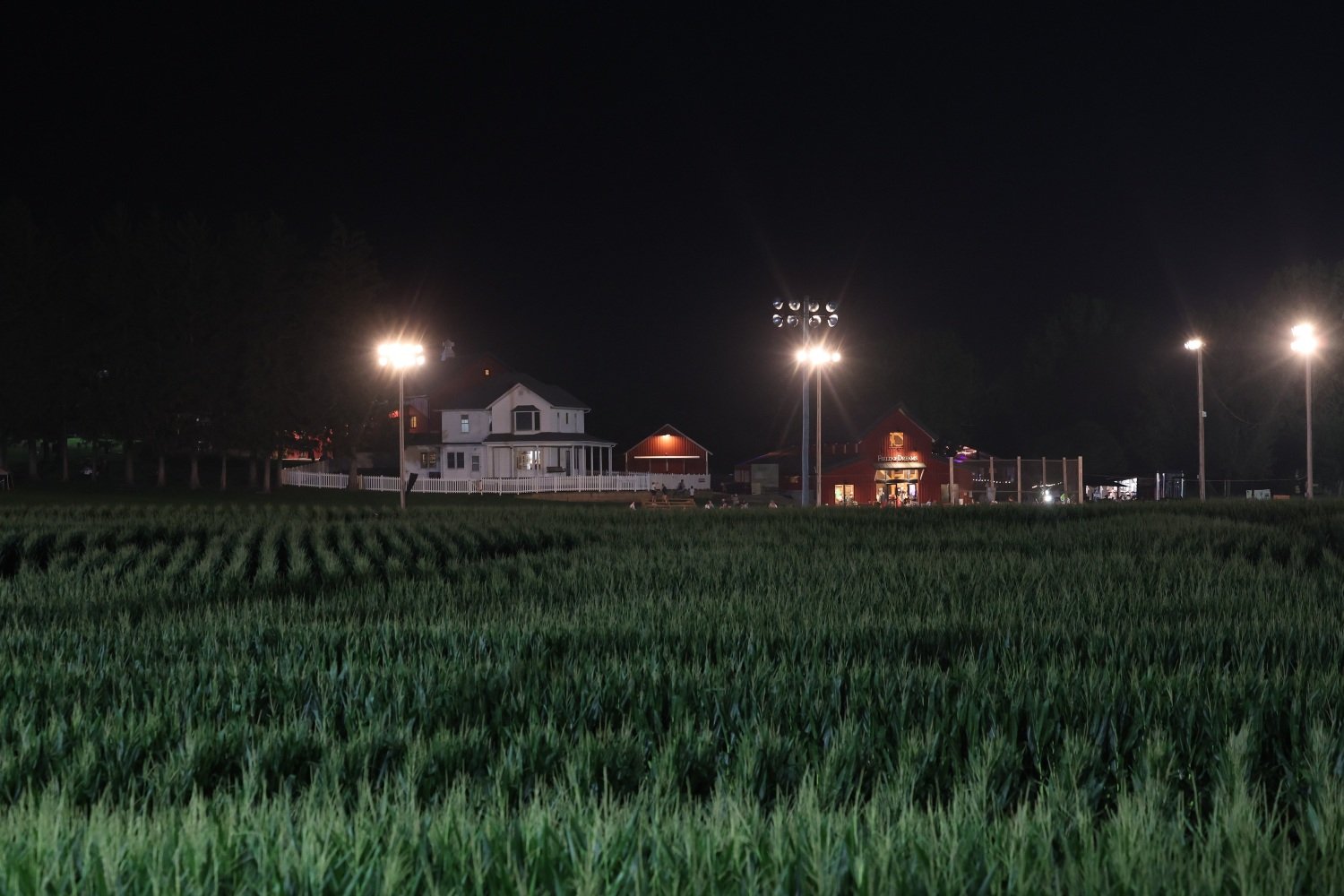 I suppose I didn’t have a choice but to be a baseball fan. It’s in my blood, to some degree. My great-uncle died of head trauma, after years of wearing beanballs as a barnstormer in the 30s and 40s. He and my grandfather had the chance to play against Satchel Paige and Ted “Double Duty” Radcliffe when they played for the Bismarck Club (sometimes known as the Churchills) in 1935. Apparently, Grandpa got a hit, but I’m skeptical. But Grandpa passed down his love of baseball to his son, and his son passed it down to me. Really, baseball is something you inherit from someone, whether it’s your parent, grandparent, aunt or uncle, or even your persistent friend who begs you to come out to the ballyard some Sunday afternoon; I myself made a baseball fan out of a nerdish grad school classmate with an afternoon Triple-A game. You don’t stumble into being a baseball fan; you’re led. If you became a baseball fan when you were a child, it probably involved a game of catch. I think my uncle was the first one to really play catch with me, but I also played with my dad plenty. At some point, though, you have your last game of catch with your father. You typically don’t know it. It’s something the two of you have always done, but over time, you play less and less catch. Suddenly, you haven’t played in years. And you didn’t even know it. Maybe it’s when you left for college. Maybe it’s when you hung up your glove after two agonizing years of tee ball. Maybe your dad throws out his shoulder, as many middle-aged men do, and you never get back to it. Maybe Dad left too soon, earlier than either of you hoped or expected. It's what Field of Dreams is famous for. Really, ask yourself, if Kevin Costner asked Dwier Brown anything other than if he'd "wanna have a catch," would you remember the film for anything other than its poor pacing and dialogue? It doesn't truly become a tear-jerker until we start thinking about playing catch with our own fathers, grandfathers, uncles, what have you—because it's something that nearly every baseball fan of a certain age or experience understands: that one last catch with Dad. You didn't know during your last catch that it was your last catch. Or, for some, it's the yearning for their first catch with their father—a catch that never actually happened. I had the privilege of knowing I was playing catch for the last time with my father. When I was 24, and Dad was 58, he was diagnosed with early-onset Alzheimer’s—a disease that slowly (though much faster than you’d ever hope) and irreversibly erodes the brain, leading to a loss of memory and executive function. It’s a terrible, terrible disease to watch someone experience, and I can only imagine (although I may someday know, or even not-quite-know) how terrible it is to live through. A few months after his diagnosis, I was visiting home. My younger brother was spending the summer in our hometown before leaving for graduate school, and we’d planned to play catch that afternoon. My brother called me a bit later, saying he’d gotten busy with some friends and not to wait up for him. So my dad, sensing the opportunity, asked if I’d like to play catch for a bit. I have no idea when he’d last thrown a baseball, let alone when we’d last played catch together. His arm was shot from years of throwing us batting practice, and I’d hung up my cleats after my junior year to focus on other sports. I clocked what was happening in the moment, and I think he did, too. He made it through about ten overhand throws, his shoulder stiff from years of disuse, before switching to underhand. We played for maybe ten minutes before putting our gloves away for good. But for those ten minutes, we were both 20 years younger. It’s been seven summers since that game of catch. By his 59th birthday, he required a walker to get around, after a lower back injury that he never recovered from. These days, Dad doesn’t do much talking. Or moving. Or even looking around. Once in a while, on a good day, you’ll look him in the eyes, and you’ll know that he knows who you are. We both knew we’d reach a day like today. So I like to think something divine kept my brother away from our backyard that day. We both needed that game of catch. To this day, I consider myself the luckiest man on the face of the earth to have had it—tied for first place with thousands of people I'll never meet, and with Dad. My story isn’t special. As I said, most people reading this of a certain age or experience have their own version of this story. There are an enormous number of people who would do anything to play catch with Dad one more time. I suspect many baseball fans think about exactly that every time the Field of Dreams game is played in Dyersville, Iowa. There’s the beauty of the players walking out of the corn, but there’s also the reminder of that final question. Hey, Dad. Wanna have a catch? I’d planned on telling a version of this story about the man who coached me not only in baseball, but also in football, basketball, and track, at a later date. You know, that later date. But Thursday’s Twins-Phillies game hit home for me in a way that I wasn’t expecting. Every time MLB plays a game in that corn, I lower my head and shed a tear thinking about my own father. But this time was different. Because when I lowered my head on Thursday to think about the big strong man that I used to play catch with, I saw my own newborn daughter, my firstborn, sleeping in my lap. She’d been born less than a week before; it was her first Twins game sitting in front of the TV with me. The Field of Dreams Game could have set an impossibly high bar, but given how the game played, I’m sure there are more magical Twins games in her future, if I’m successful in leading her to baseball fandom. I have no idea if she’ll be a baseball fan. She might not even be a sports fan of any sort, and that’s okay with me. But I hope that someday she’ll ask me some version of that question. Hey Dad. Wanna have a catch? Although she’ll never get a chance to play catch with her grandfather, maybe she’ll feel his love playing catch with me. I felt that same connection to my own grandfather when my dad taught me how to throw his dad’s palmball, even though I’d never met him. And I hope that, until she’s ready to see me years later when I’m worn down by life, I can be half the man that I see my own dad as, when I imagine his former, able body walking out of the corn.
 -
The premise of the backend in this writeup is that a) Sabato could fill one of the most gaping holes on this roster, even if it’s minor and b) they aren’t using this roster spot efficiently anyway. Even beyond Jackson and Sabato, it’s unclear how they would use that spot efficiently, short of calling up Jenkins, who himself would be the 5th or 6th outfielder and would push Lewis or Keaschall out of the lineup vs RHP and is not good against lefties. Gonzalez could be another option, but he’s not hitting at AAA and would be filling the same role. If you have an internal option in mind, I’d love to hear it.
-
I will counter this question with a question: how many teams carry a third catcher who has started one game at catcher in the last month
-
The Twins only had 4 draft picks in 2020. Culpepper was a 2022 guy. They lost their 3rd round pick signing Josh Donaldson, and their second round pick was Alerick Soularie, who they cut in 2024
-
Image courtesy of Rob Thompson, St. Paul Saints (photo of Aaron Sabato) The Twins selected Aaron Sabato with the 27th pick in the 2020 MLB Draft, and the first baseman has had a rough go of it in the seven seasons since then. However, now might be the time to finally give him the call. When you draft a player with the First Base Only tag, he has to hit. Sabato was the highest-drafted first baseman in 2020—a draft mired by the uncertainty of only having a few weeks of scouting for players whose seasons were shut down in March—mostly because Spencer Torkelson was drafted as a third baseman. Unfortunately, Sabato’s minor league career is littered with not hitting. Or at least not hitting enough. He’s got a pretty standard first-base-only profile: a lot of strikeouts, a lot of homers, a low batting average, and enough walks to keep his on-base percentage above water. That batting average has, for the most part, been low enough to keep him from being taken seriously as a prospect. Across six minor league seasons, he’s mustered just a .230 average and has struck out over 30% of the time. That type of hitter generally doesn’t have a long major league career, or one at all. But Sabato has managed to hang around in the Twins organization, and every season, he’ll have a few weeks in a row that lead fans to think he might finally be putting it together. This season is as close as we’ve gotten to the fabled “putting it together.” Sabato began the 2026 season—his age-27 season—with Triple-A St. Paul. He played sparingly, in just four of the team’s first 17 games, registering 14 plate appearances and striking out in seven of them. Then he started getting opportunities. Starting with a three-hit night on April 16, he played nine of the team’s final 13 April games, slashing .310/.375/.621 (.996) with three doubles and two home runs across 32 plate appearances. And he really hasn’t looked back. Since April 16th, when he started playing consistently, he’s hitting .293 with 47 extra-base hits (20 home runs) and an OPS of .961. Even factoring in those bad first handful of games, his OPS sits at .936. The International League is a high-offense league, so raw OPS can be deceiving, but he sits about 30% above league average by wRC+. His .287 batting average at Triple-A in 2026 is the best mark at any level of his career, outside of his .305 average in 39 games at Double-A last season. His next-best year-end average in a sample of more than 50 games was .245 last season at Triple-A. His wRC+ has only been this high twice—in 39 games at Double-A last season and in 22 games at High-A in 2021. This might be a fluke, or it might be a player in the prime of his career having found an approach that clicks. He’s managed to produce against fastballs, off-speed, and breaking pitches alike—though he’s absolutely feasted on fastballs, with a .326 average and .433 wOBA. He’s still swinging and missing plenty, but he’s cut his strikeout rate down to 24% this year (which will increase if he gets a call-up). He’s cut down his walks over the last two years, but that has been a product of a more aggressive approach with pitches both inside and outside of the zone. Even with a reduced walk rate, the improvement in his batting average has given him a .356 OBP on the year, better than any season of his career outside of Single-A. And he’s pulling the ball more than he ever has, with a pull air percentage of 17%, which is merely on the higher side of average (72nd percentile), but the best mark of his career. And contextually, he’s a great fit for the Twins right now. Sabato has a staggering 1.243 OPS against lefties this season, slashing .364/.470/.773 against southpaws. The major league club, on the other hand, ranks in the bottom five in baseball against left-handed pitchers in batting average, OPS, wRC+, and wOBA. It’s dire, with only five Twins with more than 10 plate appearances who have been league-average or better performers against lefties (wRC+, where 100 is average, in parentheses): Ryan Jeffers (165), Austin Martin (124), Royce Lewis (117), Byron Buxton (104), Kody Clemens (103). And it’s not even close after that. The next-best hitter is Josh Bell, who has a .667 OPS that’s 14% below league average. Right now, Victor Caratini is being trusted with first base against lefties, and he’s following close behind with a .607 OPS against southpaws this season, 21% below league average. The two have accounted for 64% of the team’s plate appearances against lefties at first base and designated hitter. It would be foolish to sit here and say “Well Sabato couldn’t be worse!” because he absolutely could. If he’s walking less and his strikeout rate jumps in his transition to the majors, he can absolutely be worse. If MLB pitchers can attack him with offspeed and breaking pitches for strikes, they’ll take away his biggest strength, demolishing fastballs. And even when he gets fastballs, it’s unclear that he’ll be able to keep up with MLB velocity, as the average fastball he’s seen thus far this season is around 94 MPH. But the bar for him to clear isn’t that high. If he were to muster just league-average offense against lefties, he would be a significant addition to this lineup. And there’s plenty of room for him. Tristan Gray and Alex Jackson are currently on the big-league roster (or at least one of them is, pending Kaelen Culpepper's corresponding move), but they are rarely playing. Gray has started just three of nine games since replacing an injured Byron Buxton a week and a half ago. Jackson has started three games since Ryan Jeffers returned from injury on July 10th, two of which were at first base against a lefty (in very limited action versus lefties, Jackson has a .382 OPS across 24 plate appearances). It’s rare that a team could reasonably have room for a first baseman who would strictly fill the short side of a platoon, but the Twins are in that position now. Even after Culpepper's promotion, or if Walker Jenkins were to be called up, there could still be room for someone like Sabato to try to keep the line moving against lefties, if they valued a platoon hitter and didn’t bite on one of several potential right-handed bats currently designated for assignment. Or perhaps he could be their September position player call-up when the roster expands by one hitter and one pitcher. Sabato doesn’t have a high ceiling in the majors, and projection systems like ZiPS don’t forecast him being even an average hitter at a position you need to hit. But right now, what’s the risk in giving him a shot a few times a week against left-handed pitchers? And it would be fun—if you dig big dudes who ding dongs, anyway. View full article
-
Might Be Something There With This Former First-Round Pick
Greggory Masterson posted an article in Twins
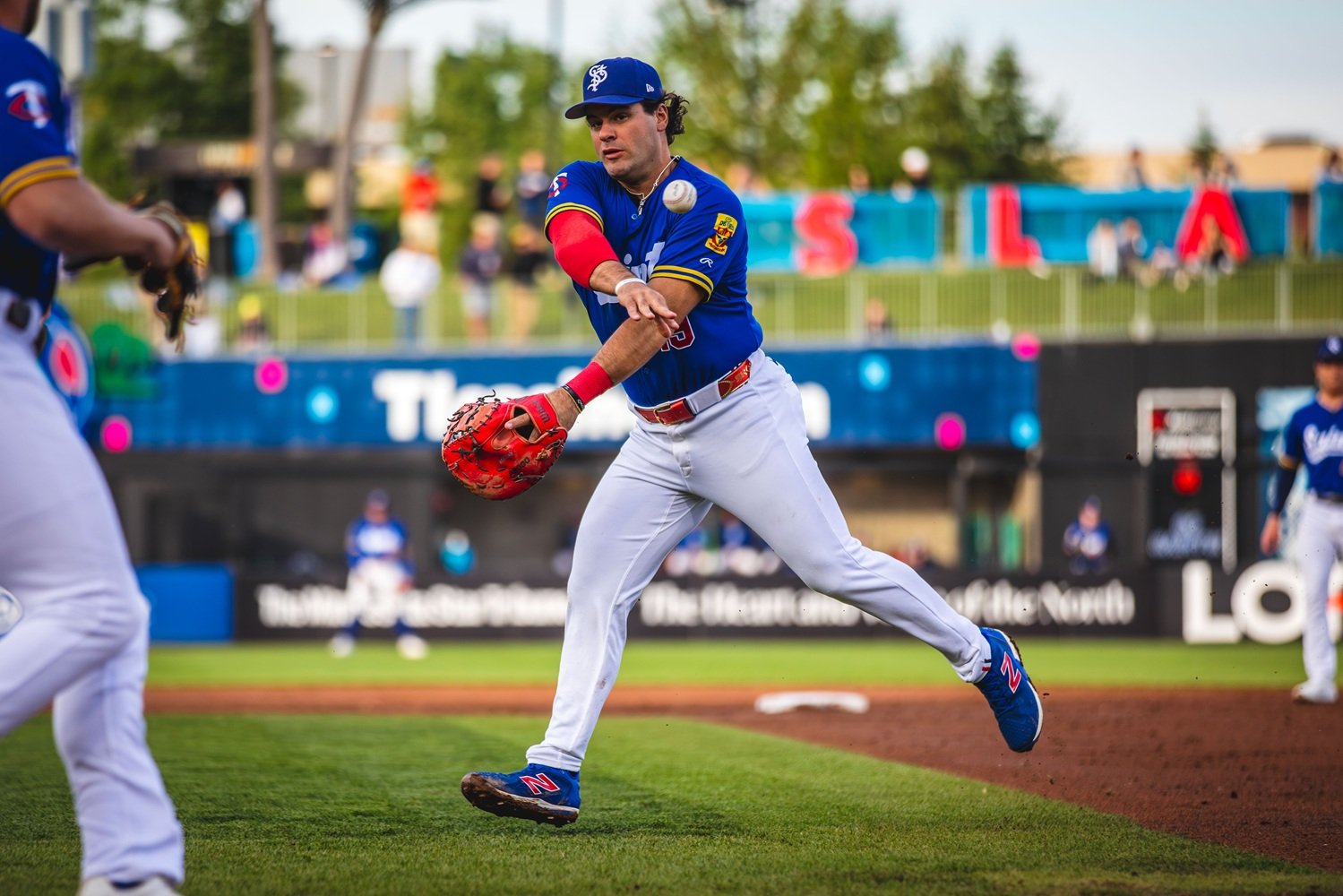 The Twins selected Aaron Sabato with the 27th pick in the 2020 MLB Draft, and the first baseman has had a rough go of it in the seven seasons since then. However, now might be the time to finally give him the call. When you draft a player with the First Base Only tag, he has to hit. Sabato was the highest-drafted first baseman in 2020—a draft mired by the uncertainty of only having a few weeks of scouting for players whose seasons were shut down in March—mostly because Spencer Torkelson was drafted as a third baseman. Unfortunately, Sabato’s minor league career is littered with not hitting. Or at least not hitting enough. He’s got a pretty standard first-base-only profile: a lot of strikeouts, a lot of homers, a low batting average, and enough walks to keep his on-base percentage above water. That batting average has, for the most part, been low enough to keep him from being taken seriously as a prospect. Across six minor league seasons, he’s mustered just a .230 average and has struck out over 30% of the time. That type of hitter generally doesn’t have a long major league career, or one at all. But Sabato has managed to hang around in the Twins organization, and every season, he’ll have a few weeks in a row that lead fans to think he might finally be putting it together. This season is as close as we’ve gotten to the fabled “putting it together.” Sabato began the 2026 season—his age-27 season—with Triple-A St. Paul. He played sparingly, in just four of the team’s first 17 games, registering 14 plate appearances and striking out in seven of them. Then he started getting opportunities. Starting with a three-hit night on April 16, he played nine of the team’s final 13 April games, slashing .310/.375/.621 (.996) with three doubles and two home runs across 32 plate appearances. And he really hasn’t looked back. Since April 16th, when he started playing consistently, he’s hitting .293 with 47 extra-base hits (20 home runs) and an OPS of .961. Even factoring in those bad first handful of games, his OPS sits at .936. The International League is a high-offense league, so raw OPS can be deceiving, but he sits about 30% above league average by wRC+. His .287 batting average at Triple-A in 2026 is the best mark at any level of his career, outside of his .305 average in 39 games at Double-A last season. His next-best year-end average in a sample of more than 50 games was .245 last season at Triple-A. His wRC+ has only been this high twice—in 39 games at Double-A last season and in 22 games at High-A in 2021. This might be a fluke, or it might be a player in the prime of his career having found an approach that clicks. He’s managed to produce against fastballs, off-speed, and breaking pitches alike—though he’s absolutely feasted on fastballs, with a .326 average and .433 wOBA. He’s still swinging and missing plenty, but he’s cut his strikeout rate down to 24% this year (which will increase if he gets a call-up). He’s cut down his walks over the last two years, but that has been a product of a more aggressive approach with pitches both inside and outside of the zone. Even with a reduced walk rate, the improvement in his batting average has given him a .356 OBP on the year, better than any season of his career outside of Single-A. And he’s pulling the ball more than he ever has, with a pull air percentage of 17%, which is merely on the higher side of average (72nd percentile), but the best mark of his career. And contextually, he’s a great fit for the Twins right now. Sabato has a staggering 1.243 OPS against lefties this season, slashing .364/.470/.773 against southpaws. The major league club, on the other hand, ranks in the bottom five in baseball against left-handed pitchers in batting average, OPS, wRC+, and wOBA. It’s dire, with only five Twins with more than 10 plate appearances who have been league-average or better performers against lefties (wRC+, where 100 is average, in parentheses): Ryan Jeffers (165), Austin Martin (124), Royce Lewis (117), Byron Buxton (104), Kody Clemens (103). And it’s not even close after that. The next-best hitter is Josh Bell, who has a .667 OPS that’s 14% below league average. Right now, Victor Caratini is being trusted with first base against lefties, and he’s following close behind with a .607 OPS against southpaws this season, 21% below league average. The two have accounted for 64% of the team’s plate appearances against lefties at first base and designated hitter. It would be foolish to sit here and say “Well Sabato couldn’t be worse!” because he absolutely could. If he’s walking less and his strikeout rate jumps in his transition to the majors, he can absolutely be worse. If MLB pitchers can attack him with offspeed and breaking pitches for strikes, they’ll take away his biggest strength, demolishing fastballs. And even when he gets fastballs, it’s unclear that he’ll be able to keep up with MLB velocity, as the average fastball he’s seen thus far this season is around 94 MPH. But the bar for him to clear isn’t that high. If he were to muster just league-average offense against lefties, he would be a significant addition to this lineup. And there’s plenty of room for him. Tristan Gray and Alex Jackson are currently on the big-league roster (or at least one of them is, pending Kaelen Culpepper's corresponding move), but they are rarely playing. Gray has started just three of nine games since replacing an injured Byron Buxton a week and a half ago. Jackson has started three games since Ryan Jeffers returned from injury on July 10th, two of which were at first base against a lefty (in very limited action versus lefties, Jackson has a .382 OPS across 24 plate appearances). It’s rare that a team could reasonably have room for a first baseman who would strictly fill the short side of a platoon, but the Twins are in that position now. Even after Culpepper's promotion, or if Walker Jenkins were to be called up, there could still be room for someone like Sabato to try to keep the line moving against lefties, if they valued a platoon hitter and didn’t bite on one of several potential right-handed bats currently designated for assignment. Or perhaps he could be their September position player call-up when the roster expands by one hitter and one pitcher. Sabato doesn’t have a high ceiling in the majors, and projection systems like ZiPS don’t forecast him being even an average hitter at a position you need to hit. But right now, what’s the risk in giving him a shot a few times a week against left-handed pitchers? And it would be fun—if you dig big dudes who ding dongs, anyway.
 -
Dozens of players are traded every deadline. Fans love some and hate others. Fans also beg for their favorite players to come back. Admit it, you want them to trade for Luis Arraez, Sonny Gray, Louis Varland, and, if you're a real sicko, Tyler Wells. But for Twins fans, what would be the funniest possible Welcome Home trade candidates? Here's my top five. 5. Randy Dobnak, SP (KC) Randy Dobnak went from beloved folk hero to unwitting villain faster than any player I have ever seen because he had the temerity to commit two unforgivable sins. First, he was the last man standing in 2019 as the club's third-best starter after injury, ineffectiveness, and a lack of reinforcements sapped the Twins of all their starting depth. Second, he had the gall to sign a very modest contract that paid him nine million dollars over five years before getting injured. Twins fans have never forgiven him for that. He's a great story, perhaps bordering on a sideshow, a husky sinkerballer with a horseshoe mustache and a winning smile who was signed out of independent baseball and drove Uber in the offseason. After years marred by injury and ineffectiveness, Dobnak left the Twins organization not as an MLB rotation piece but as perhaps the most beloved St. Paul Saint of the Triple-A era. Why would the Twins trade for Dobnak? They've shown a penchant for using bulk relievers this season, and they might need a little more rotation depth even after acquiring Dean Kremer. And Dobnak has thrown 26 innings to the tune of a 1.04 ERA for the Kansas City Royals, including seven shutout innings against the Twins last week. 4. Isiah Kiner-Falefa, UT (BOS) Isiah Kiner-Falefa had perhaps the shortest tenure as a Minnesota Twin in the modern era, as it didn't even last 24 hours. He was acquired in the 2022 offseason for Mitch Garver, alongside Ronny Henriquez. The following day, he was packaged with Josh Donaldson and Ben Rortvedt and sent to the Yankees for Gary Sánchez and Gio Urshela. The Twins have trotted out several utility infielders to play shortstop for them this season, so what's one more? It's not like Kaelen Culpepper is beating down the doors. It's still early, anyway. They still have time to trade for him and then hours later send him somewhere else. 3. Brent Headrick, RP & Luis Gil, SP (NYY) - Specifically in return for Ryan Jeffers There's a lot going on with this one, but hear me out. Brent Headrick was a DFA casualty in 2025 (when the Twins bullpen was good), snatched away by the Yankees in February of 2025. He's put up a 1.84 ERA across 78 innings out of New York's bullpen and would have been a very good addition for the Twins—if they didn't already have four lefties in their bullpen after trading for A.J. Minter. Luis Gil was traded to the Yankees ahead of the 2018 season for Jake Cave. Gil was 19 at the time (a year older than Jhomnardo Reyes, who was just traded for Kremer, much to the chagrin of many fans), but he was excellent for the Yankees between 2024 and 2025, starting 40 games with a 3.45 ERA and winning Rookie of the Year in 2024. He's a great example of why self-scouting is so important, though he's struggled this season and is currently on the injured list. Were the Twins to trade Jeffers for this package, not too dissimilar to the Anthony Volpe-Camilo Doval (two Yankees who have been spiraling lately) package that circulated the baseball world last week, basically everyone would be mad. The anti-Jeffers-trade crew would be upset he was traded. The pro-Jeffers-trade crew would be upset at the return. The people who have never forgiven the Twins for trading away Gil would say it's too little too late. 2. Tyler Mahle, SP (SF) Tyler Mahle was the headliner for the Twins' most significant trade deadline during the Derek Falvey era. The Twins sent Spencer Steer, Christian Encarnacion-Strand, and Steve Hajjar to Cincinnati for his services at the 2022 deadline for the last year and a half of Mahle's contract. They received nine starts for this investment, as Mahle was lost for the season twice in two years. He was solid when healthy (and to hear him tell it, he always was), but he just wasn't healthy. And Steer had a great start in Cincinnati, further frustrating Twins fans. Mahle continued to struggle with injury since leaving the Twins, but he had a 2.82 ERA in 16 starts with Texas last season, and since returning from a hamstring injury this season, he's got a 3.06 ERA in six starts. The Twins already made a trade for a backend starter in Kremer, but if they decided to shift some more assets around or bolster their rotation a bit more, Mahle could be a solution. As long as they don't Google "Tyler Mahle hamstring injury," anyway. "Oh but Gregg, you buffoon, the Braves just made a trade for Mahle last night!" I hear you say. Well, starting pitchers can be traded twice during a single deadline. Maybe the Braves will get cold feet. Ever heard of Jaime García?? 1. Emilio Pagán , RP (CIN) Emilio Pagán's 2022 is up there with the worst seasons for a reliever in Twins history. Not necessarily because he was the worst reliever, but because he had a penchant for giving up bombs at the most inopportune times: in the bottom of the ninth, against Cleveland, and in a pennant race. His meltdowns did put the Twins in position to draft Walker Jenkins, and he was actually pretty good in middle relief for the division-winning 2023 Twins, but Minnesotans never forget a slight. Pagán signed a two-year deal with Cincinnati ahead of the 2024 season and was a pretty effective closer for them in 2025, netting him another contract worth $10 million in 2026 with a player option for another $10 million in 2027. He's struggled this season and missed some time due to injury, but he had a 1.93 ERA in July and pitched himself back into the closer role just in time for the Reds to shop him. If you removed the Twins history component, he'd probably be on some lists for good fits with the Twins, as a low-end overpaid closer is a nice slot for the Twins who want to improve the pen without giving up much in the way of prospects. And if you haven't heard, Dan Hayes and Ken Rosenthal at The Athletic threw out Pagán's name as an option for the Twins. Honorable Mentions: Spencer Steer. Steven Okert, Michael Tonkin (as a signing, only to be waived August 10th), Dallas Keuchel, Trevor Richards, Daniel Susac View full article
- 14 replies
-
- 1
-

-
- randy dobnak
- isiah kiner falefa
- (and 4 more)
-
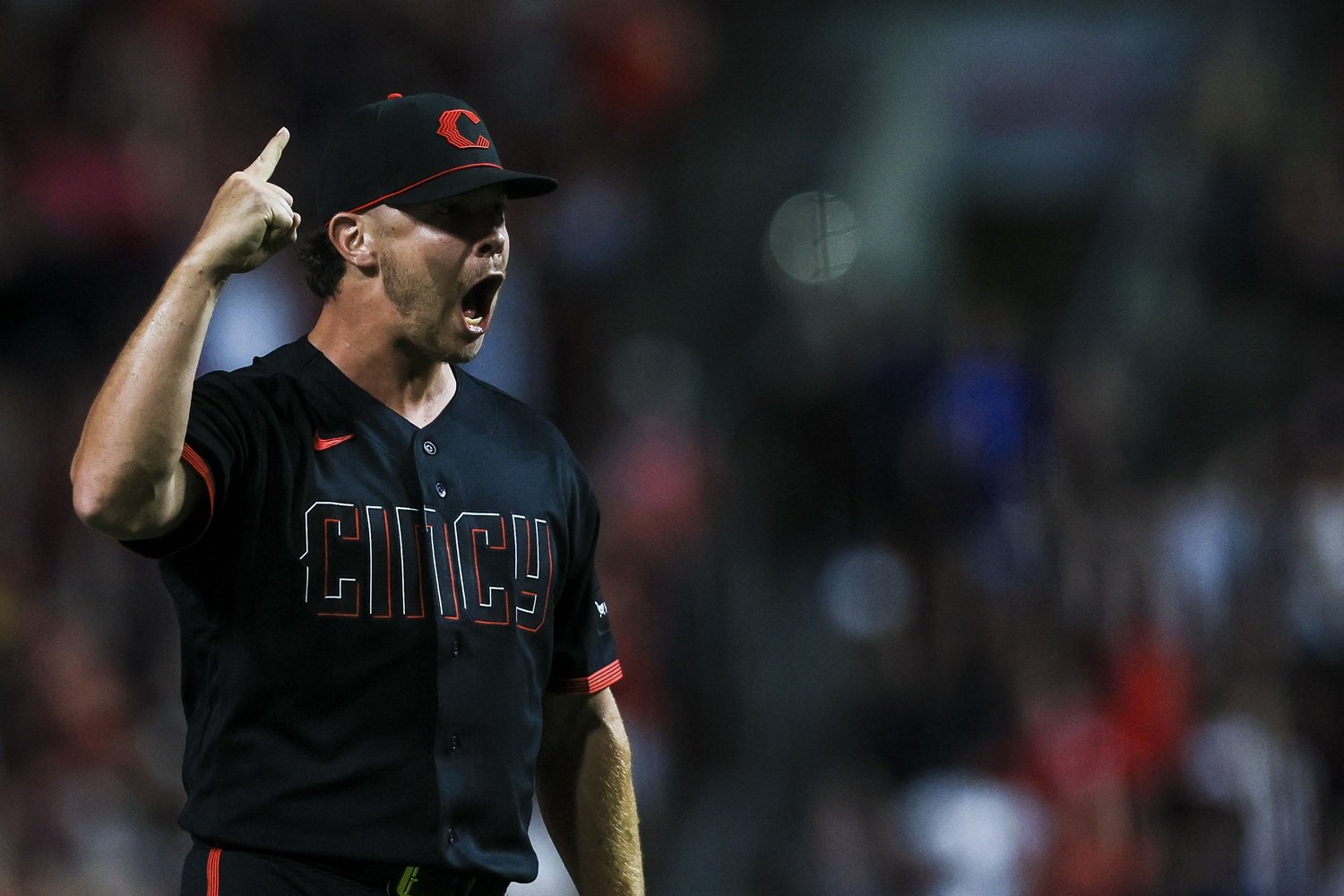 Dozens of players are traded every deadline. Fans love some and hate others. Fans also beg for their favorite players to come back. Admit it, you want them to trade for Luis Arraez, Sonny Gray, Louis Varland, and, if you're a real sicko, Tyler Wells. But for Twins fans, what would be the funniest possible Welcome Home trade candidates? Here's my top five. 5. Randy Dobnak, SP (KC) Randy Dobnak went from beloved folk hero to unwitting villain faster than any player I have ever seen because he had the temerity to commit two unforgivable sins. First, he was the last man standing in 2019 as the club's third-best starter after injury, ineffectiveness, and a lack of reinforcements sapped the Twins of all their starting depth. Second, he had the gall to sign a very modest contract that paid him nine million dollars over five years before getting injured. Twins fans have never forgiven him for that. He's a great story, perhaps bordering on a sideshow, a husky sinkerballer with a horseshoe mustache and a winning smile who was signed out of independent baseball and drove Uber in the offseason. After years marred by injury and ineffectiveness, Dobnak left the Twins organization not as an MLB rotation piece but as perhaps the most beloved St. Paul Saint of the Triple-A era. Why would the Twins trade for Dobnak? They've shown a penchant for using bulk relievers this season, and they might need a little more rotation depth even after acquiring Dean Kremer. And Dobnak has thrown 26 innings to the tune of a 1.04 ERA for the Kansas City Royals, including seven shutout innings against the Twins last week. 4. Isiah Kiner-Falefa, UT (BOS) Isiah Kiner-Falefa had perhaps the shortest tenure as a Minnesota Twin in the modern era, as it didn't even last 24 hours. He was acquired in the 2022 offseason for Mitch Garver, alongside Ronny Henriquez. The following day, he was packaged with Josh Donaldson and Ben Rortvedt and sent to the Yankees for Gary Sánchez and Gio Urshela. The Twins have trotted out several utility infielders to play shortstop for them this season, so what's one more? It's not like Kaelen Culpepper is beating down the doors. It's still early, anyway. They still have time to trade for him and then hours later send him somewhere else. 3. Brent Headrick, RP & Luis Gil, SP (NYY) - Specifically in return for Ryan Jeffers There's a lot going on with this one, but hear me out. Brent Headrick was a DFA casualty in 2025 (when the Twins bullpen was good), snatched away by the Yankees in February of 2025. He's put up a 1.84 ERA across 78 innings out of New York's bullpen and would have been a very good addition for the Twins—if they didn't already have four lefties in their bullpen after trading for A.J. Minter. Luis Gil was traded to the Yankees ahead of the 2018 season for Jake Cave. Gil was 19 at the time (a year older than Jhomnardo Reyes, who was just traded for Kremer, much to the chagrin of many fans), but he was excellent for the Yankees between 2024 and 2025, starting 40 games with a 3.45 ERA and winning Rookie of the Year in 2024. He's a great example of why self-scouting is so important, though he's struggled this season and is currently on the injured list. Were the Twins to trade Jeffers for this package, not too dissimilar to the Anthony Volpe-Camilo Doval (two Yankees who have been spiraling lately) package that circulated the baseball world last week, basically everyone would be mad. The anti-Jeffers-trade crew would be upset he was traded. The pro-Jeffers-trade crew would be upset at the return. The people who have never forgiven the Twins for trading away Gil would say it's too little too late. 2. Tyler Mahle, SP (SF) Tyler Mahle was the headliner for the Twins' most significant trade deadline during the Derek Falvey era. The Twins sent Spencer Steer, Christian Encarnacion-Strand, and Steve Hajjar to Cincinnati for his services at the 2022 deadline for the last year and a half of Mahle's contract. They received nine starts for this investment, as Mahle was lost for the season twice in two years. He was solid when healthy (and to hear him tell it, he always was), but he just wasn't healthy. And Steer had a great start in Cincinnati, further frustrating Twins fans. Mahle continued to struggle with injury since leaving the Twins, but he had a 2.82 ERA in 16 starts with Texas last season, and since returning from a hamstring injury this season, he's got a 3.06 ERA in six starts. The Twins already made a trade for a backend starter in Kremer, but if they decided to shift some more assets around or bolster their rotation a bit more, Mahle could be a solution. As long as they don't Google "Tyler Mahle hamstring injury," anyway. "Oh but Gregg, you buffoon, the Braves just made a trade for Mahle last night!" I hear you say. Well, starting pitchers can be traded twice during a single deadline. Maybe the Braves will get cold feet. Ever heard of Jaime García?? 1. Emilio Pagán , RP (CIN) Emilio Pagán's 2022 is up there with the worst seasons for a reliever in Twins history. Not necessarily because he was the worst reliever, but because he had a penchant for giving up bombs at the most inopportune times: in the bottom of the ninth, against Cleveland, and in a pennant race. His meltdowns did put the Twins in position to draft Walker Jenkins, and he was actually pretty good in middle relief for the division-winning 2023 Twins, but Minnesotans never forget a slight. Pagán signed a two-year deal with Cincinnati ahead of the 2024 season and was a pretty effective closer for them in 2025, netting him another contract worth $10 million in 2026 with a player option for another $10 million in 2027. He's struggled this season and missed some time due to injury, but he had a 1.93 ERA in July and pitched himself back into the closer role just in time for the Reds to shop him. If you removed the Twins history component, he'd probably be on some lists for good fits with the Twins, as a low-end overpaid closer is a nice slot for the Twins who want to improve the pen without giving up much in the way of prospects. And if you haven't heard, Dan Hayes and Ken Rosenthal at The Athletic threw out Pagán's name as an option for the Twins. Honorable Mentions: Spencer Steer. Steven Okert, Michael Tonkin (as a signing, only to be waived August 10th), Dallas Keuchel, Trevor Richards, Daniel Susac
- 14 comments
-
- 2
-

-
- randy dobnak
- isiah kiner falefa
- (and 4 more)
-
This is the continuation of my takeaways from a 90-minute conversation between Derek Falvey and the MLB Fan Council, of which I am a member. For part one, in which I walked through the timeline of an MLB trade deadline, check out my piece from Thursday. Today, I want to share a wide array of topics that were discussed during our call that don’t really fall into a cohesive narrative. More of a list of fun facts, answers to questions, and potpourri. Or, in Falvey’s case, maybe POBOABOpourri. What does shopping a player look like? No, GMs rarely call each other and ask “Would you like one lightly-used Matt Wallner?” The conversations are much more coy. As I mentioned in the last article, there are a dozen or so conversations between teams before a trade is finalized. Instead, they start by asking “Are you looking for anything” and attempt to steer the other team into the direction of a player they’re trying to shop. Why? Because it helps define what the other team likes and how they evaluate. It’s data that they can use in the future. And hey, they might even be interested in a player you have even less interest in holding on to, or maybe they’ll start courting you for a player you hadn’t previously considered moving, but would for the right price. You wouldn’t know that if you just led with the guy you’re wanting to get rid of. These coy conversations also set up three-way trades, because there might be a player type you can’t provide, but if a third team was involved, both parties could leave satisfied. Falvey also stressed that when talks started to heat up in this way, he’d try to let the player or their agent know that they were being discussed, even in somewhat preliminary discussions. Is it different making trades as a small market club? Falvey worked for bottom-half payroll teams in both Cleveland and Minnesota. For the most part, small-market teams rely more heavily on their prospect pool, because it’s cheap, controllable talent. It’s harder to pry prospects away from those clubs than it is for a big-market club that is more readily able to fill in holes in their roster in free agency. This isn’t always true, but on average, that’s a big difference between small- and large-market clubs. Do you start your offer pie-in-the-sky and hope the other team bites? Sure, if your player is in high demand. But if he’s not in high demand, or no one wants to swim in those waters, you best bring it down. Setting the bar too high can close off some discussions, and other teams might look at your lofty asking price and send a package you might have taken to some other team for a lower return. I mentioned this in the first piece, but Falvey noted a few times that one of the keys to making trades is recognizing the cadence of other teams’ approaches. Some other GMs are known to set the bar very high and be willing to drop it, but others set the bar at a more reasonable level and do not budge. One fun tidbit that Falvey shared regarded the discrepancy between second-place offers. In some trades, the second best offer was very comparable to the winning offer, and a GM is essentially picking which flavor of ice cream he likes best. Other times, the gap between the winning offer and the runner-up is enormous. He chuckled, recalling some trades (none identified) that fans reacted to with a “that’s it?” manner, to which he’d say “You should have seen the other offers.” How do GMs communicate with each other? Mostly via text. Rarely does anyone call each other anymore, though some GMs only talk by phone. On the other side of the spectrum, GIFs and emojis have been known to find their way into trade discussions. Falvey specifically recalls being hit with a simple “☹” in response to a trade he proposed, and once when he forgot to reply to a fellow GM, he received a GIF of a prairie dog sticking its head out of a hole. Most clubs have similar player evaluation systems. How do you navigate trades when both teams are working from the same data? Falvey confirmed that most clubs are working with a lot of the same data. Furthermore, every club has access to previous trade data. There’s a figurative book in every front office that shows the value of previous trades, so anyone can figure out the answer to “What is a #2 starter with 2.5 years of control worth?” based on trades from past years. If that’s worth an A prospect and two B prospects, that’s the price. But clubs do differ in their evaluation of players nonetheless. From a prospect perspective, consider top 100 lists from MLB Pipeline, Baseball America, ESPN, and The Athletic. There’s a lot of similarities between those lists, but there’s certainly disagreement on some names. The further down the minor league system, or the further down the list you go, the more disagreement there is. In the one A and two Bs example, you might be able to find a team that sees two of your C-level prospects as B-level. But with MLB players, the evaluation is more straightforward and concerned with years of control. Furthermore, teams are more likely to spend from areas of strength, and teams value players who address their weaknesses, which is effectively a difference in player valuation between organizations. Falvey also noted the role of player development in this process. Part of choosing the right prospect is knowing what your player development system can do. If there are specific weaknesses in a player’s game that your organization is competent in improving, that player is more valuable to you. Likewise, if your player development system struggles to develop certain skills, a player who needs that emphasis is less valuable. Scouts and analysts are both in the war room. How much disagreement is there between them? The ol’ Moneyball movie conundrum. Falvey stressed that this rivalry just isn’t what it’s made out to be. He’d ensure that scouts and analysts, on both the pro and amateur side, were in contact with each other frequently, not just during decision-making time. It’s important for everyone in the room, the war room here specifically, to understand the perspectives of people from different areas, even when they disagree. And they should disagree, he noted. Early in his career, he was consensus-seeking. But as he matured, he realized that there would never be consensus in any room where a real decision was being made. Silence probably meant someone was scared of speaking up. How is a Player to be Named Later (PTBNL) determined? Generally, PTBNLs are added to trades because the team needs to spend a little more time scouting the players in question. A list is submitted of players who can potentially be named later, and the team has a few weeks or months to continue scouting from that list before determining which player they would like to receive. PTBNLs can range in importance from the main piece of the return to a throw-in. As noted in the previous piece, many trades are agreed to close to the deadline, and a PTBNL can allow a team that didn’t have the time to fully scout the potential returns the weeks they need before completing a trade. These players can be chosen after the deadline. How do trades with players who have no-trade clauses (NTC) work? Players can work provisions into their contracts preventing them from being traded without their consent. Sometimes this is to any team; other times players will submit a limited list. But these guys still get traded. GMs keep in contact with agents to probe interest, because (as Twins fans know) teams can still call about guys with NTCs. Players are free to change their minds, or they might have strategically chosen teams that they know they might get traded to so they have a little leverage in an eventual move. Agents are pretty forthcoming with the players’ stances. Sometimes the conversation is between the player and GM as well. Falvey stressed that whenever something like this happened, he’d try to reach out to the player or their agent early, so as not to spring it on them at the end of negotiations, only for them to block the move. Leaks. Let’s talk about leaks Why do they happen? Members of front offices like to curry favor with reporters and will treat information like a commodity. Or they’ll use it to trade information with other clubs, and once another club has it, who knows where it goes. Or maybe they just want to feel important. Falvey noted that when a leak happened in his front offices, which was pretty uncommon, the circle who got to know things would shrink. Not only is it annoying, but it can also have negative consequences. Falvey mentioned that sometimes players would learn they were being traded before he had a chance to inform them. Or, perhaps worse, a trade would be reported as close to final when it never actually happened. Sometimes news would leak that a player was close to being traded to Team X, and he’d get messages from the GM of Team Y - who the player was actually going to - asking what happened to the deal they agreed to. Messes all around. Did you ever write a lineup card? Haha, no. If asked for an opinion, Falvey would put his hands up and shake his head. The closest Falvey ever got to writing a lineup card was in daily discussions between the manager and the medical staff, discussing which relievers were showing signs of injury or fatigue. Rarely, if ever, did a manager insist on using a player that the medical staff encouraged him to keep off his feet for the day if at all possible. Why would anyone trade with the Tampa Bay Rays? Someone asked a version of the question, “Why would you trade with a good organization? Don’t they know something you don’t?” which prompted someone to quote the Sam Miller tweet “LOVE this trade for the Rays. Who'd they give up? And who'd they get?” Falvey had a chuckle, and I reminded everyone of the Twins’ trades with the Rays for Joe Ryan, Taj Bradley, Yoendrys Gómez, and Jake Odorizzi. But it’s a good question. Falvey indicated that you can’t be scared of trading with anyone, though if a respected organization starts asking about a player far down your system’s internal list, your ears might prick up. In the same way, it sometimes happens that several teams will ask for a specific player in your organization in a way that might also change your evaluation of that player, or at least reconsider his case. Once again, Falvey brought up the cadence point and referred to the playbook that front offices build around rival teams. If you know how they approach discussions or how they conduct business around the trade deadline, you can anticipate their moves and act in a way that sets you up for success at the negotiation tables. View full article
-
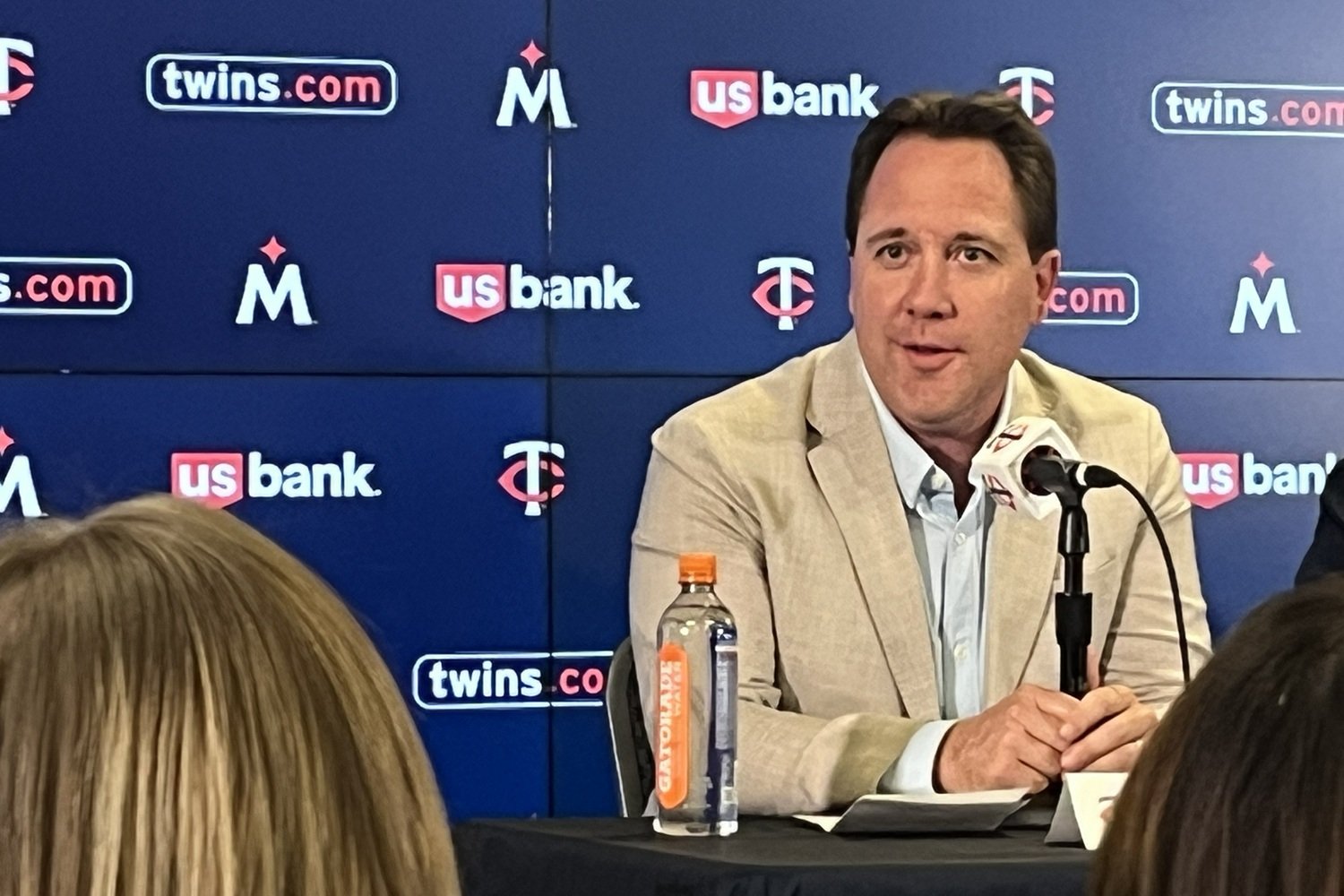 This is the continuation of my takeaways from a 90-minute conversation between Derek Falvey and the MLB Fan Council, of which I am a member. For part one, in which I walked through the timeline of an MLB trade deadline, check out my piece from Thursday. Today, I want to share a wide array of topics that were discussed during our call that don’t really fall into a cohesive narrative. More of a list of fun facts, answers to questions, and potpourri. Or, in Falvey’s case, maybe POBOABOpourri. What does shopping a player look like? No, GMs rarely call each other and ask “Would you like one lightly-used Matt Wallner?” The conversations are much more coy. As I mentioned in the last article, there are a dozen or so conversations between teams before a trade is finalized. Instead, they start by asking “Are you looking for anything” and attempt to steer the other team into the direction of a player they’re trying to shop. Why? Because it helps define what the other team likes and how they evaluate. It’s data that they can use in the future. And hey, they might even be interested in a player you have even less interest in holding on to, or maybe they’ll start courting you for a player you hadn’t previously considered moving, but would for the right price. You wouldn’t know that if you just led with the guy you’re wanting to get rid of. These coy conversations also set up three-way trades, because there might be a player type you can’t provide, but if a third team was involved, both parties could leave satisfied. Falvey also stressed that when talks started to heat up in this way, he’d try to let the player or their agent know that they were being discussed, even in somewhat preliminary discussions. Is it different making trades as a small market club? Falvey worked for bottom-half payroll teams in both Cleveland and Minnesota. For the most part, small-market teams rely more heavily on their prospect pool, because it’s cheap, controllable talent. It’s harder to pry prospects away from those clubs than it is for a big-market club that is more readily able to fill in holes in their roster in free agency. This isn’t always true, but on average, that’s a big difference between small- and large-market clubs. Do you start your offer pie-in-the-sky and hope the other team bites? Sure, if your player is in high demand. But if he’s not in high demand, or no one wants to swim in those waters, you best bring it down. Setting the bar too high can close off some discussions, and other teams might look at your lofty asking price and send a package you might have taken to some other team for a lower return. I mentioned this in the first piece, but Falvey noted a few times that one of the keys to making trades is recognizing the cadence of other teams’ approaches. Some other GMs are known to set the bar very high and be willing to drop it, but others set the bar at a more reasonable level and do not budge. One fun tidbit that Falvey shared regarded the discrepancy between second-place offers. In some trades, the second best offer was very comparable to the winning offer, and a GM is essentially picking which flavor of ice cream he likes best. Other times, the gap between the winning offer and the runner-up is enormous. He chuckled, recalling some trades (none identified) that fans reacted to with a “that’s it?” manner, to which he’d say “You should have seen the other offers.” How do GMs communicate with each other? Mostly via text. Rarely does anyone call each other anymore, though some GMs only talk by phone. On the other side of the spectrum, GIFs and emojis have been known to find their way into trade discussions. Falvey specifically recalls being hit with a simple “☹” in response to a trade he proposed, and once when he forgot to reply to a fellow GM, he received a GIF of a prairie dog sticking its head out of a hole. Most clubs have similar player evaluation systems. How do you navigate trades when both teams are working from the same data? Falvey confirmed that most clubs are working with a lot of the same data. Furthermore, every club has access to previous trade data. There’s a figurative book in every front office that shows the value of previous trades, so anyone can figure out the answer to “What is a #2 starter with 2.5 years of control worth?” based on trades from past years. If that’s worth an A prospect and two B prospects, that’s the price. But clubs do differ in their evaluation of players nonetheless. From a prospect perspective, consider top 100 lists from MLB Pipeline, Baseball America, ESPN, and The Athletic. There’s a lot of similarities between those lists, but there’s certainly disagreement on some names. The further down the minor league system, or the further down the list you go, the more disagreement there is. In the one A and two Bs example, you might be able to find a team that sees two of your C-level prospects as B-level. But with MLB players, the evaluation is more straightforward and concerned with years of control. Furthermore, teams are more likely to spend from areas of strength, and teams value players who address their weaknesses, which is effectively a difference in player valuation between organizations. Falvey also noted the role of player development in this process. Part of choosing the right prospect is knowing what your player development system can do. If there are specific weaknesses in a player’s game that your organization is competent in improving, that player is more valuable to you. Likewise, if your player development system struggles to develop certain skills, a player who needs that emphasis is less valuable. Scouts and analysts are both in the war room. How much disagreement is there between them? The ol’ Moneyball movie conundrum. Falvey stressed that this rivalry just isn’t what it’s made out to be. He’d ensure that scouts and analysts, on both the pro and amateur side, were in contact with each other frequently, not just during decision-making time. It’s important for everyone in the room, the war room here specifically, to understand the perspectives of people from different areas, even when they disagree. And they should disagree, he noted. Early in his career, he was consensus-seeking. But as he matured, he realized that there would never be consensus in any room where a real decision was being made. Silence probably meant someone was scared of speaking up. How is a Player to be Named Later (PTBNL) determined? Generally, PTBNLs are added to trades because the team needs to spend a little more time scouting the players in question. A list is submitted of players who can potentially be named later, and the team has a few weeks or months to continue scouting from that list before determining which player they would like to receive. PTBNLs can range in importance from the main piece of the return to a throw-in. As noted in the previous piece, many trades are agreed to close to the deadline, and a PTBNL can allow a team that didn’t have the time to fully scout the potential returns the weeks they need before completing a trade. These players can be chosen after the deadline. How do trades with players who have no-trade clauses (NTC) work? Players can work provisions into their contracts preventing them from being traded without their consent. Sometimes this is to any team; other times players will submit a limited list. But these guys still get traded. GMs keep in contact with agents to probe interest, because (as Twins fans know) teams can still call about guys with NTCs. Players are free to change their minds, or they might have strategically chosen teams that they know they might get traded to so they have a little leverage in an eventual move. Agents are pretty forthcoming with the players’ stances. Sometimes the conversation is between the player and GM as well. Falvey stressed that whenever something like this happened, he’d try to reach out to the player or their agent early, so as not to spring it on them at the end of negotiations, only for them to block the move. Leaks. Let’s talk about leaks Why do they happen? Members of front offices like to curry favor with reporters and will treat information like a commodity. Or they’ll use it to trade information with other clubs, and once another club has it, who knows where it goes. Or maybe they just want to feel important. Falvey noted that when a leak happened in his front offices, which was pretty uncommon, the circle who got to know things would shrink. Not only is it annoying, but it can also have negative consequences. Falvey mentioned that sometimes players would learn they were being traded before he had a chance to inform them. Or, perhaps worse, a trade would be reported as close to final when it never actually happened. Sometimes news would leak that a player was close to being traded to Team X, and he’d get messages from the GM of Team Y - who the player was actually going to - asking what happened to the deal they agreed to. Messes all around. Did you ever write a lineup card? Haha, no. If asked for an opinion, Falvey would put his hands up and shake his head. The closest Falvey ever got to writing a lineup card was in daily discussions between the manager and the medical staff, discussing which relievers were showing signs of injury or fatigue. Rarely, if ever, did a manager insist on using a player that the medical staff encouraged him to keep off his feet for the day if at all possible. Why would anyone trade with the Tampa Bay Rays? Someone asked a version of the question, “Why would you trade with a good organization? Don’t they know something you don’t?” which prompted someone to quote the Sam Miller tweet “LOVE this trade for the Rays. Who'd they give up? And who'd they get?” Falvey had a chuckle, and I reminded everyone of the Twins’ trades with the Rays for Joe Ryan, Taj Bradley, Yoendrys Gómez, and Jake Odorizzi. But it’s a good question. Falvey indicated that you can’t be scared of trading with anyone, though if a respected organization starts asking about a player far down your system’s internal list, your ears might prick up. In the same way, it sometimes happens that several teams will ask for a specific player in your organization in a way that might also change your evaluation of that player, or at least reconsider his case. Once again, Falvey brought up the cadence point and referred to the playbook that front offices build around rival teams. If you know how they approach discussions or how they conduct business around the trade deadline, you can anticipate their moves and act in a way that sets you up for success at the negotiation tables.
 -
Image courtesy of Vincent Carchietta-Imagn Images While other teams drag their feet toward the August 3 MLB trade deadline, the Twins got the festivities started early and pounced on a trade for Mets reliever A.J. Minter Thursday night. Minter is on an expiring deal, and is due approximately $3.5 million for the rest of the season. Everyone and their mothers are aware that the Twins need relief pitching if they want to make a push for the postseason, even if their ragtag bullpen has been holding it together in the month of July. In fact, Minter joins a unit that's just hitting its stride. Their collective FIP was 4.19 in relief in March and April; 4.42 in May; and 5.61 in June, but it's 3.65 in July, and their bullpen ERA for the month is even lower. Minter clearly fits into the Twins’ late-inning mix alongside Andrew Morris and Yoendrys Gómez, two right-handed pitchers who have been trusted with the eighth and ninth innings in most recent games. The Twins have not had a trusted lefty reliever to turn to since losing Anthony Banda for the season to a lat strain; this addresses the easiest and most urgent need in their pen. Other left-handed short relievers who have seen action for the Twins include Taylor Rogers and Kody Funderburk, who have had some bright spots this season but have been marred by inconsistency. Rogers has an ERA of 5.03, and Funderburk has skated by with a 3.52 ERA despite walking 15% of the batters he’s faced. Rogers has struggled to find his command at times, as well. Minter, on the other hand, has been excellent at limiting walks this year, only walking two batters in 23 innings. Limiting walks to this degree is probably unsustainable, but in his career, he’s issued walks at about half the frequency as Funderburk has this season. Multiple injury issues have limited Minter to 67 2/3 innings since the beginning of 2024. However, he’s got a combined 2.37 ERA (about 80% better than the average pitcher) during that span. It's 2.35 this year and 3.18 for his career. Given the state of the Twins bullpen, he easily slots in as the top lefty and somewhere in the top three pitchers overall. Presumably, Derek Shelton will now feel empowered to play matchups with Morris, Gómez and Minter at the back ends of games, pending further additions to the group. The Twins have had the 8th worst ERA in baseball from their lefty relievers at 4.21, and that figure includes Kendry Rojas’s 2.76 ERA in 16 1/3 innings as a long reliever. They desperately needed to improve their lefty relief corps, particularly in light of Banda being lost. Minter's raw stuff has been eroded by injury and age (he's 32), and he doesn’t throw as hard as he used to. In his prime, he averaged about 97 MPH on his four-seamer, but it’s been slipping since 2022. In 2026, it’s averaging about 93 MPH, and his four-seamer has been hit hard, so that’s something to keep an eye on. Minter throws almost exclusively fastballs, throwing a cutter over half the time and his four-seamer about a third of the time. Combine those two with a seldom-thrown sinker, and fastballs make up about 90% of his arsenal. At this stage in his career, his cutter is his dominant pitch to both lefties and righties, though slightly more frequently against lefties. There’s about five miles per hour of separation from his four-seamer, and it can play a bit more like a slider. He’s also got a changeup that he’ll use against righties as a chase pitch, throwing it about 15% of the time to them. In contrast with the tall, lanky, east-west movers that are Rogers and Funderburk, Minter is a sturdy but shortish athlete who throws from a three-quarters slot and can work north and south. His four-seamer has lost a bit of carry this season; the Twins might work with him to restore it. Still, he can stretch the zone vertically better than either of his new lefty colleagues—assuming both of them remain part of the cohort. Minter's roster spot will have to come at someone's expense; it might be Funderburk or Rogers. From a thousand-foot view, Minter is something of an ideal pitcher for the Twins to invest in for the stretch run. He's not one of the 10 top relievers on the market this deadline, which is reflected in the modest cost to acquire him early, but he has both playoff and late-inning experience aplenty, and he fills the gap left by Banda with more left-handed talent than the Twins have had from their bullpen this season. He slots in just fine throwing the seventh, eighth, or ninth inning, depending on the situation. And he allows the Twins to focus on adding more in the coming days, without worrying about checking the lefty reliever box off of their list. It ain’t the sexiest, and there are injury and age questions, but it’s a quality addition for a team trying to sneak into the playoffs without selling the farm. View full article
-
How Does A.J. Minter Slot into Minnesota’s Late-Inning Bullpen Mix?
Greggory Masterson posted an article in Twins
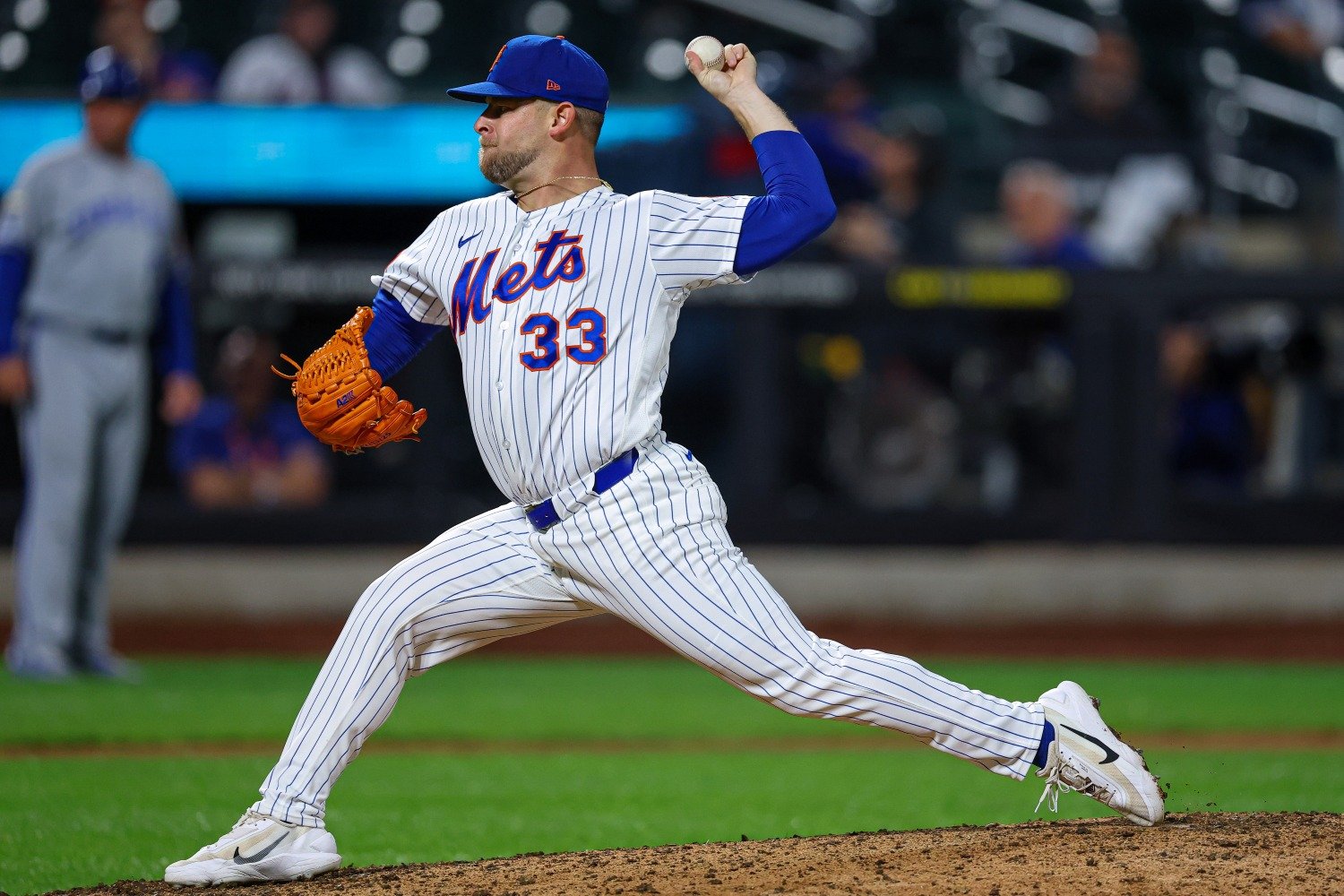 While other teams drag their feet toward the August 3 MLB trade deadline, the Twins got the festivities started early and pounced on a trade for Mets reliever A.J. Minter Thursday night. Minter is on an expiring deal, and is due approximately $3.5 million for the rest of the season. Everyone and their mothers are aware that the Twins need relief pitching if they want to make a push for the postseason, even if their ragtag bullpen has been holding it together in the month of July. In fact, Minter joins a unit that's just hitting its stride. Their collective FIP was 4.19 in relief in March and April; 4.42 in May; and 5.61 in June, but it's 3.65 in July, and their bullpen ERA for the month is even lower. Minter clearly fits into the Twins’ late-inning mix alongside Andrew Morris and Yoendrys Gómez, two right-handed pitchers who have been trusted with the eighth and ninth innings in most recent games. The Twins have not had a trusted lefty reliever to turn to since losing Anthony Banda for the season to a lat strain; this addresses the easiest and most urgent need in their pen. Other left-handed short relievers who have seen action for the Twins include Taylor Rogers and Kody Funderburk, who have had some bright spots this season but have been marred by inconsistency. Rogers has an ERA of 5.03, and Funderburk has skated by with a 3.52 ERA despite walking 15% of the batters he’s faced. Rogers has struggled to find his command at times, as well. Minter, on the other hand, has been excellent at limiting walks this year, only walking two batters in 23 innings. Limiting walks to this degree is probably unsustainable, but in his career, he’s issued walks at about half the frequency as Funderburk has this season. Multiple injury issues have limited Minter to 67 2/3 innings since the beginning of 2024. However, he’s got a combined 2.37 ERA (about 80% better than the average pitcher) during that span. It's 2.35 this year and 3.18 for his career. Given the state of the Twins bullpen, he easily slots in as the top lefty and somewhere in the top three pitchers overall. Presumably, Derek Shelton will now feel empowered to play matchups with Morris, Gómez and Minter at the back ends of games, pending further additions to the group. The Twins have had the 8th worst ERA in baseball from their lefty relievers at 4.21, and that figure includes Kendry Rojas’s 2.76 ERA in 16 1/3 innings as a long reliever. They desperately needed to improve their lefty relief corps, particularly in light of Banda being lost. Minter's raw stuff has been eroded by injury and age (he's 32), and he doesn’t throw as hard as he used to. In his prime, he averaged about 97 MPH on his four-seamer, but it’s been slipping since 2022. In 2026, it’s averaging about 93 MPH, and his four-seamer has been hit hard, so that’s something to keep an eye on. Minter throws almost exclusively fastballs, throwing a cutter over half the time and his four-seamer about a third of the time. Combine those two with a seldom-thrown sinker, and fastballs make up about 90% of his arsenal. At this stage in his career, his cutter is his dominant pitch to both lefties and righties, though slightly more frequently against lefties. There’s about five miles per hour of separation from his four-seamer, and it can play a bit more like a slider. He’s also got a changeup that he’ll use against righties as a chase pitch, throwing it about 15% of the time to them. In contrast with the tall, lanky, east-west movers that are Rogers and Funderburk, Minter is a sturdy but shortish athlete who throws from a three-quarters slot and can work north and south. His four-seamer has lost a bit of carry this season; the Twins might work with him to restore it. Still, he can stretch the zone vertically better than either of his new lefty colleagues—assuming both of them remain part of the cohort. Minter's roster spot will have to come at someone's expense; it might be Funderburk or Rogers. From a thousand-foot view, Minter is something of an ideal pitcher for the Twins to invest in for the stretch run. He's not one of the 10 top relievers on the market this deadline, which is reflected in the modest cost to acquire him early, but he has both playoff and late-inning experience aplenty, and he fills the gap left by Banda with more left-handed talent than the Twins have had from their bullpen this season. He slots in just fine throwing the seventh, eighth, or ninth inning, depending on the situation. And he allows the Twins to focus on adding more in the coming days, without worrying about checking the lefty reliever box off of their list. It ain’t the sexiest, and there are injury and age questions, but it’s a quality addition for a team trying to sneak into the playoffs without selling the farm.
- 37 comments
-
- 12
-
-
- aj minter
- 2026 trade deadline
- (and 4 more)
-
The whole "smartest guy in the room" thing never landed for me. Not because I'm some Derek Falvey acolyte, but because it never made sense as a criticism. You can say he's good or bad at his job, or he makes good or bad decisions, but what does "He thinks he's the smartest guy in the room" even mean? Was he supposed to make a trade or signing, then say. "I don't know if this was a good move; I'm not very bright," to the media? It was his job to do what he thought was the smart thing to do!
-
Listen, this is is just what Falvey says *most* front offices do. I’ve seen enough deadline deals to be convinced that at least one trade a year is completed between two inebriated GMs, or maybe even a mascot and an organist.
-
One of the many benefits to doing it this way is that different members of the front office have connections with different teams. The lead is always going to be kept in the loop, but a lot of trades are at least started by an Assistant GM saying “Hey I have the framework of a trade worked out with Team X’s top assistant. Do you like any of these options?” The leads for both teams will have final say, but you can go through 5 times the ideas with 5 guys working the phones instead of 1
-
I think that you can say a lot of things about Derek Falvey as a GM, but it’s hard to find someone willing to say anything bad about him as a human. When a member of the league office introduced him to us at the start of the discussion, he noted that Falvey was one of his favorite people in all of baseball. The meeting was scheduled for 60 minutes, but Derek just kept taking questions and went 30 minutes over.
-
Image courtesy of © Jesse Johnson-Imagn Images The 2026 MLB trade deadline is less than a week away, and teams are actively working the phones trying to improve their short-term or long-term outlooks (or both). We get the alerts and see the news, but what does it actually look like from inside an MLB front office? Derek Falvey sat down with a group of members of MLB’s Fan Council on Tuesday to discuss just that. The Fan Council is an effort by MLB to do fan outreach, hold focus groups, and generally educate fans on behind-the-scenes stuff. You may have heard about our meeting on competitive balance, which caused quite a stir: there was an article from Evan Drellich of The Athletic, and a Foul Territory episode. I’m a member. I have no idea why. I just got a DM from MLB in the spring of 2025 inviting me to join. I thought it was a scam at first. There are about 120 members, with about four representatives per team. The only other Twins fan I’m aware of is Tyler the Twins Guy, whom you can follow on Twitter here. Anyway, on to the topic at hand. Falvey graciously met with us this week to answer all of our questions about how the deadline looks from inside a front office. We weren’t allowed to ask any questions about specific players or trades, out of respect for the players involved. Instead, the focus was on the deadline itself. I want to share some of that information with you, starting with a timeline for your average MLB trade deadline. The Months Leading up to the Deadline Even months out from the deadline, conversations are beginning. There’s not much concrete discussion going on here, to the dismay of fans who want their team to fill a need early. Many teams don’t know which direction they’re going, but teams are keeping in touch with each other throughout, trying to understand what every other club needs. Many of these conversations aren’t GM-to-GM (or whatever the club calls their lead; I’ll say GM for brevity). Instead, other senior officials—assistant GMs and directors—handle many of these conversations. Most of the dialogue is over text. This is pretty consistent throughout the league, though there are some teams who still primarily communicate GM-to-GM. This work is divided up because it’s hard for one person to keep 29 lines of communication open at all times. The other officials will keep the GM in the loop, but they’ll be tapping into connections in other organizations that their colleagues might not have. Every call is noted afterward on some sort of shared server or program, so that it can be reviewed ahead of any future conversations. These conversations are not fast. Falvey estimated that there are 10-20 touch-bases (on average) between two teams before a trade actually comes to fruition. There are a lot of hypotheticals thrown out, most of which never progress—but this is also how funkier trades, such as three-team trades, start. A lot of the time, it’s best for the GM not to do this inefficient spitballing, which is why most clubs deputize the early conversations. June-Mid July By early June, teams start to sort themselves into buyers and sellers, and more concrete conversations can be had. It’s still pretty spread out among members of the front office, and it’s more in theoretical terms. One team will ask another, “Are you looking for something? Do any of our players fit that bill? What’s the range of prospects you’re looking for?” The MLB Draft being moved to the All-Star break has been a detriment to trade deadline discussions, because although much of the decision-making and discussion is among the amateur scouting staff and executives, the GM and others from broader baseball operations are also part of those discussions, which shifts their focus away from trades. Many teams have scouts who spend time on both amateur and pro coverage, and they can't switch from one to the other (thereby laying the groundwork for trades) until after the draft. This is when a war room starts to come together. Decision-makers, analysts, pro scouts, and even some members of the clubhouse are chosen to give input on trades and targets, and many lower-ranking members of baseball operations are included for education. A lot of information is gathered during this phase, including reports on players’ off-field reputations and clubhouse presence, but few trades are actually made. Final Weeks Members of the war room who don’t live in the team's home city (such as some pro scouts) make their way to HQ to be present for discussions. The phones are still being worked, but teams are getting closer, and their discussions become more concrete after the draft; GMs start communicating more directly. Falvey mentioned that one of the most crucial parts of this time is understanding the cadence of other front offices. With enough time in the game, a GM will start to learn the patterns of rival GMs. Sometimes when a GM gives you a final offer, you know he doesn’t mean it, because he’s done this to you before. For other GMs, you need to learn what their final offer voice sounds like, lest you miss your chance to complete a trade because you assume they’ll circle back. (Again, he did not use any names, but you might be able to think of an example of this.) These are long days, making sure no stone goes unturned. Some trades start trickling through at this point, and the landscape becomes ever clearer, even if that’s because your target just got acquired by a different team. Deadline Day This is where the fun happens. Trades are flying all over the place, and teams are sometimes learning about them at the same time as fans. When a trade takes place, there are several things front offices have to do that fans might not immediately think of. Every GM is different, but Falvey said he wanted to talk to any player he traded away, giving him the news first. Falvey said he wouldn’t beat around the bush; he’d lead the conversation with the news. Many players know that they might be on the block. He might also have contacted his agent days ahead of time to make the player aware that they might be moved—even if they aren’t—so they aren't blindsided. He also mentioned being aware of whether the player had been traded before, or other factors like that that can influence how much information a player needs, or how they might react: sadness, shock, anger, happiness even. At times, leaks will break the news before it’s official, which puts a GM in a tough spot. A lot of these calls are uncomfortable, but Falvey found it important to do them himself. If a player wants to know why he was traded, he’s owed that, too. GMs will also get the process of the player joining a new organization started by giving them a phone number from the other club who will be reaching out to coordinate travel and logistics. The immediate focus is to get the player and his belongings to the new city. He, or someone in the organization (depending on the level of player acquired), would also start communicating with any new players coming back in the trade. Part of their background research on each player is understanding who they are and how they might fit into a clubhouse, but teams will also share some information with the new organization about what they’ve been working on. For instance, if a guy has been tinkering with his swing or doing extra defensive drills, it’s helpful to know what he’s focused on at that moment. Beyond that, they’ll learn as much about the player’s history as possible to start forming a human connection with them. Medicals are also being surveyed during this time. Even after a trade is agreed to, there’s work to do. Teams need to do their due diligence on the player they’re bringing in, and a spotty medical record has thwarted many trades. Again, you can probably think of trades in Twins history where this is relevant. Furthermore, team owners need to be consulted about any major money being added to the team’s payroll. And if the trade involves a transfer of funds, such as one team retaining a portion of a player’s salary after trading him away, the league office needs to approve the transaction. The Final Hour Falvey noted that the final hour is the most fun, but also the most dangerous. More deals get completed in that hour than any other hour leading up to it, and there are a lot of moving parts to keep track of—which is part of the reason that it’s helpful to have multiple people working the phones. Some teams will mistime the final hour, though that’s sometimes to their benefit. Many of the most reckless trades occur during this period, and some are proposed with too little time to do proper due diligence. As noted, there are medical reports to review, and many trades require league office approval, which must happen before the deadline. Some trades that a team might have otherwise agreed to dissolve during this time. It’s not as relevant for a player on an expiring contract—with those guys, you are more desperate to move on from them or acquire them for the here and now. But if the trade involves a player with multiple years of control (say, a mid-20s starting pitcher), there might not be enough time between a proposal and the deadline to conduct a proper review of his medical records. If there’s an underlying injury, the deal is liable to blow up within months of the player’s acquisition. The losers of this period are often the teams who’ve been holding their cards tight to the chest. Without transparency, the background work required to make a significant deal won’t happen ahead of time, and the other team will often choose not to make a deal, rather than jumping into an enticing one. This is, again, an example of why all the weeks of communication between teams is so important. Hopefully, the last hour is reserved for finalizing deals, or selecting the best package, rather than running through brand new ideas. Again, Falvey couldn’t name names, but I’d bet you might have heard of one of these in recent years (or weeks) (or days). The Aftermath This was my question for Falvey. What are the moments immediately after the clock hits zero like? What about the following hours? Do you look around and start questioning “What have we done?” Falvey noted that deals aren’t all announced by the buzzer, and, like fans, the team also waits to watch any straggling deals come in between other clubs. But the adrenaline doesn’t go away for a while. It’s mostly excitement in the room, no matter which direction the deadline went for the team, but there’s a lot of variance in what kind of excitement that is from year to year. But then, at least for the GM, you need to rebalance yourself. The media gets access very quickly, and you have to be professional, no matter what transpired over the past several hours. Maybe on the car ride home you can soak it in and start really thinking through it, but it’s going to be a few hours. There’s also the matter of talking to stakeholders. Ownership needs to be appeased, and you have a clubhouse to answer to. Some GMs will travel with the team during deadline week, but Falvey preferred to stay in Minneapolis. If the club was on the road, he flew out the next day. Sometimes the team needs to have a full meeting to discuss what happened. Other times, key players will get meetings and are trusted to communicate with their teammates. Nevertheless, Falvey saw it as important to be there and be available to answer questions from anyone who had them. There are a lot of uncomfortable conversations to be had, even with the players who weren’t traded. They might be upset about players who were traded away. Sometimes rumors come out that the club knows aren’t true, but they need to explain it to players who weren’t in the war room. After-Action Reviews Falvey stated that within days following the deadline, he liked to hold after-action reviews to discuss what went well, what went poorly, and what needs to change in future years. He liked to note the thought process behind all moves that did or didn’t happen. It’s easy to look back in hindsight, but having a record showing why a deal did or didn’t happen (or how the team evaluated a player) is vital for the group's growth. It helps to identify what the group did well or poorly and can be revisited years down the line. I hope this writeup has been informative. I'm no GM, so a lot of this stuff was new, and the things that weren't new were interesting to hear from Falvey's perspective. I’ve gotten to peek behind the curtain of a few of these processes as a member of the Fan Council, but none thus far has been Twins-relevant enough to devote a writeup. I also have a whole host of assorted topics that Falvey discussed, and I’m going to be writing a Part 2 shortly. Look out for that to learn about how GMs use emojis and GIFs to make trades. View full article
-
Behind the Scenes of a Trade Deadline, with Derek Falvey
Greggory Masterson posted an article in Twins
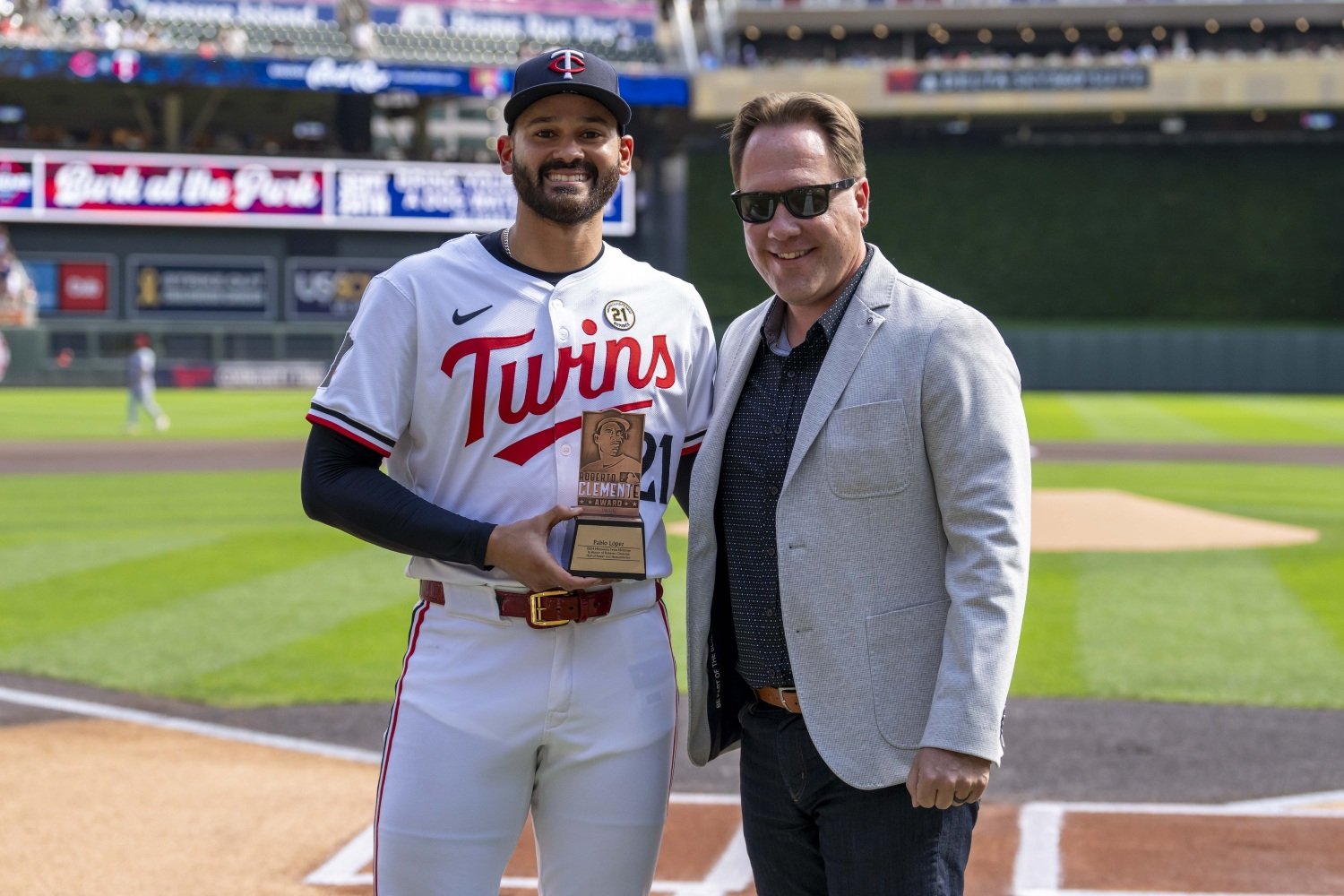 The 2026 MLB trade deadline is less than a week away, and teams are actively working the phones trying to improve their short-term or long-term outlooks (or both). We get the alerts and see the news, but what does it actually look like from inside an MLB front office? Derek Falvey sat down with a group of members of MLB’s Fan Council on Tuesday to discuss just that. The Fan Council is an effort by MLB to do fan outreach, hold focus groups, and generally educate fans on behind-the-scenes stuff. You may have heard about our meeting on competitive balance, which caused quite a stir: there was an article from Evan Drellich of The Athletic, and a Foul Territory episode. I’m a member. I have no idea why. I just got a DM from MLB in the spring of 2025 inviting me to join. I thought it was a scam at first. There are about 120 members, with about four representatives per team. The only other Twins fan I’m aware of is Tyler the Twins Guy, whom you can follow on Twitter here. Anyway, on to the topic at hand. Falvey graciously met with us this week to answer all of our questions about how the deadline looks from inside a front office. We weren’t allowed to ask any questions about specific players or trades, out of respect for the players involved. Instead, the focus was on the deadline itself. I want to share some of that information with you, starting with a timeline for your average MLB trade deadline. The Months Leading up to the Deadline Even months out from the deadline, conversations are beginning. There’s not much concrete discussion going on here, to the dismay of fans who want their team to fill a need early. Many teams don’t know which direction they’re going, but teams are keeping in touch with each other throughout, trying to understand what every other club needs. Many of these conversations aren’t GM-to-GM (or whatever the club calls their lead; I’ll say GM for brevity). Instead, other senior officials—assistant GMs and directors—handle many of these conversations. Most of the dialogue is over text. This is pretty consistent throughout the league, though there are some teams who still primarily communicate GM-to-GM. This work is divided up because it’s hard for one person to keep 29 lines of communication open at all times. The other officials will keep the GM in the loop, but they’ll be tapping into connections in other organizations that their colleagues might not have. Every call is noted afterward on some sort of shared server or program, so that it can be reviewed ahead of any future conversations. These conversations are not fast. Falvey estimated that there are 10-20 touch-bases (on average) between two teams before a trade actually comes to fruition. There are a lot of hypotheticals thrown out, most of which never progress—but this is also how funkier trades, such as three-team trades, start. A lot of the time, it’s best for the GM not to do this inefficient spitballing, which is why most clubs deputize the early conversations. June-Mid July By early June, teams start to sort themselves into buyers and sellers, and more concrete conversations can be had. It’s still pretty spread out among members of the front office, and it’s more in theoretical terms. One team will ask another, “Are you looking for something? Do any of our players fit that bill? What’s the range of prospects you’re looking for?” The MLB Draft being moved to the All-Star break has been a detriment to trade deadline discussions, because although much of the decision-making and discussion is among the amateur scouting staff and executives, the GM and others from broader baseball operations are also part of those discussions, which shifts their focus away from trades. Many teams have scouts who spend time on both amateur and pro coverage, and they can't switch from one to the other (thereby laying the groundwork for trades) until after the draft. This is when a war room starts to come together. Decision-makers, analysts, pro scouts, and even some members of the clubhouse are chosen to give input on trades and targets, and many lower-ranking members of baseball operations are included for education. A lot of information is gathered during this phase, including reports on players’ off-field reputations and clubhouse presence, but few trades are actually made. Final Weeks Members of the war room who don’t live in the team's home city (such as some pro scouts) make their way to HQ to be present for discussions. The phones are still being worked, but teams are getting closer, and their discussions become more concrete after the draft; GMs start communicating more directly. Falvey mentioned that one of the most crucial parts of this time is understanding the cadence of other front offices. With enough time in the game, a GM will start to learn the patterns of rival GMs. Sometimes when a GM gives you a final offer, you know he doesn’t mean it, because he’s done this to you before. For other GMs, you need to learn what their final offer voice sounds like, lest you miss your chance to complete a trade because you assume they’ll circle back. (Again, he did not use any names, but you might be able to think of an example of this.) These are long days, making sure no stone goes unturned. Some trades start trickling through at this point, and the landscape becomes ever clearer, even if that’s because your target just got acquired by a different team. Deadline Day This is where the fun happens. Trades are flying all over the place, and teams are sometimes learning about them at the same time as fans. When a trade takes place, there are several things front offices have to do that fans might not immediately think of. Every GM is different, but Falvey said he wanted to talk to any player he traded away, giving him the news first. Falvey said he wouldn’t beat around the bush; he’d lead the conversation with the news. Many players know that they might be on the block. He might also have contacted his agent days ahead of time to make the player aware that they might be moved—even if they aren’t—so they aren't blindsided. He also mentioned being aware of whether the player had been traded before, or other factors like that that can influence how much information a player needs, or how they might react: sadness, shock, anger, happiness even. At times, leaks will break the news before it’s official, which puts a GM in a tough spot. A lot of these calls are uncomfortable, but Falvey found it important to do them himself. If a player wants to know why he was traded, he’s owed that, too. GMs will also get the process of the player joining a new organization started by giving them a phone number from the other club who will be reaching out to coordinate travel and logistics. The immediate focus is to get the player and his belongings to the new city. He, or someone in the organization (depending on the level of player acquired), would also start communicating with any new players coming back in the trade. Part of their background research on each player is understanding who they are and how they might fit into a clubhouse, but teams will also share some information with the new organization about what they’ve been working on. For instance, if a guy has been tinkering with his swing or doing extra defensive drills, it’s helpful to know what he’s focused on at that moment. Beyond that, they’ll learn as much about the player’s history as possible to start forming a human connection with them. Medicals are also being surveyed during this time. Even after a trade is agreed to, there’s work to do. Teams need to do their due diligence on the player they’re bringing in, and a spotty medical record has thwarted many trades. Again, you can probably think of trades in Twins history where this is relevant. Furthermore, team owners need to be consulted about any major money being added to the team’s payroll. And if the trade involves a transfer of funds, such as one team retaining a portion of a player’s salary after trading him away, the league office needs to approve the transaction. The Final Hour Falvey noted that the final hour is the most fun, but also the most dangerous. More deals get completed in that hour than any other hour leading up to it, and there are a lot of moving parts to keep track of—which is part of the reason that it’s helpful to have multiple people working the phones. Some teams will mistime the final hour, though that’s sometimes to their benefit. Many of the most reckless trades occur during this period, and some are proposed with too little time to do proper due diligence. As noted, there are medical reports to review, and many trades require league office approval, which must happen before the deadline. Some trades that a team might have otherwise agreed to dissolve during this time. It’s not as relevant for a player on an expiring contract—with those guys, you are more desperate to move on from them or acquire them for the here and now. But if the trade involves a player with multiple years of control (say, a mid-20s starting pitcher), there might not be enough time between a proposal and the deadline to conduct a proper review of his medical records. If there’s an underlying injury, the deal is liable to blow up within months of the player’s acquisition. The losers of this period are often the teams who’ve been holding their cards tight to the chest. Without transparency, the background work required to make a significant deal won’t happen ahead of time, and the other team will often choose not to make a deal, rather than jumping into an enticing one. This is, again, an example of why all the weeks of communication between teams is so important. Hopefully, the last hour is reserved for finalizing deals, or selecting the best package, rather than running through brand new ideas. Again, Falvey couldn’t name names, but I’d bet you might have heard of one of these in recent years (or weeks) (or days). The Aftermath This was my question for Falvey. What are the moments immediately after the clock hits zero like? What about the following hours? Do you look around and start questioning “What have we done?” Falvey noted that deals aren’t all announced by the buzzer, and, like fans, the team also waits to watch any straggling deals come in between other clubs. But the adrenaline doesn’t go away for a while. It’s mostly excitement in the room, no matter which direction the deadline went for the team, but there’s a lot of variance in what kind of excitement that is from year to year. But then, at least for the GM, you need to rebalance yourself. The media gets access very quickly, and you have to be professional, no matter what transpired over the past several hours. Maybe on the car ride home you can soak it in and start really thinking through it, but it’s going to be a few hours. There’s also the matter of talking to stakeholders. Ownership needs to be appeased, and you have a clubhouse to answer to. Some GMs will travel with the team during deadline week, but Falvey preferred to stay in Minneapolis. If the club was on the road, he flew out the next day. Sometimes the team needs to have a full meeting to discuss what happened. Other times, key players will get meetings and are trusted to communicate with their teammates. Nevertheless, Falvey saw it as important to be there and be available to answer questions from anyone who had them. There are a lot of uncomfortable conversations to be had, even with the players who weren’t traded. They might be upset about players who were traded away. Sometimes rumors come out that the club knows aren’t true, but they need to explain it to players who weren’t in the war room. After-Action Reviews Falvey stated that within days following the deadline, he liked to hold after-action reviews to discuss what went well, what went poorly, and what needs to change in future years. He liked to note the thought process behind all moves that did or didn’t happen. It’s easy to look back in hindsight, but having a record showing why a deal did or didn’t happen (or how the team evaluated a player) is vital for the group's growth. It helps to identify what the group did well or poorly and can be revisited years down the line. I hope this writeup has been informative. I'm no GM, so a lot of this stuff was new, and the things that weren't new were interesting to hear from Falvey's perspective. I’ve gotten to peek behind the curtain of a few of these processes as a member of the Fan Council, but none thus far has been Twins-relevant enough to devote a writeup. I also have a whole host of assorted topics that Falvey discussed, and I’m going to be writing a Part 2 shortly. Look out for that to learn about how GMs use emojis and GIFs to make trades.
 -
I thought long and hard about this one as I was putting it together, because depth is about the number of guys, but Joe Mauer was the best prospect in baseball in 2004/2005. However, except for 2002 (Bowen #8), the Twins list didn't contain another catcher in the organization's top 20, and even in 2002, it was just Bowen 2005: Mauer (1) 2004: Mauer (1), Bowen (24), Morales (28) 2003: Mauer (1), Bowen (31) 2002: Mauer (1), Bowen (8) Obviously, Lackey at the top is not Joe Mauer, but he is a consensus Top-30 prospect in baseball, and I believe I've seen him as high as 14. Again, not Mauer, but BA ranks Lackey as the 3rd best catching prospect in baseball at #25, and the breadth of options behind him is more impressive than Bowen or Bowen and Morales. If the question is breadth, I have to go with this current class. But if the question is talent, it's really hard to ignore a first-ballot Hall of Famer, even if the "supporting cast" of prospects is lacking
- 16 replies
-
- 3
-
-
- vahn lackey
- eduardo tait
- (and 8 more)
-
It’s genuinely one of the most saddening episodes I’ve ever seen on the field. I believe the context was that there were catcher injuries leading to him getting back there, and it was so bad they removed him mid-inning for someone who’d never played catcher in the majors edit: I take that back, Fick had caught in the majors prior to that
-
Fortunately, this was actually from his brief stint with the Nationals. Twins fans didn’t have to see what transpired that day unless they went looking for it. Frank Robinson cried.
- 16 replies
-
- 1
-

-
- vahn lackey
- eduardo tait
- (and 8 more)
-
I didn't say that he was a poor catcher. I said that he's more of a work in progress than Lackey, and it's unclear that he'll stick at catcher, which is a question for most catchers, other than the elite amateur defenders. Per Baseball America: "He has plus arm strength with great carry on his throws, but his footwork needs refinement and his exchange needs to be quicker. Tinney’s receiving is unspectacular now, but he should become solid with continued development and professional instruction." 50 FV defensively Per MLB Pipeline: "Tinney can flash well-above-average arm strength, though it plays more as plus and he needs to improve his transfer and the accuracy of his throws. He lacks quickness and agility behind the plate, though he has become a better receiver and framer this spring and perhaps can become average in both regards." Graded as a 45 defender. Fangraphs grades his defense 40/45. Those are those baseline defensive traits I mentioned. Strong arm, but he's shown progress, and people have confidence that there's room to grow. Especially as a 6'4/240 20-year-old, his being a clear-cut long-term catcher defensively is a question. I personally have confidence he can work to be good enough that he can catch in the big leagues, but I don't know how confident I am that he can be an everyday-caliber defensive catcher (though his offense could make up for that). I agree that his defensive warts might be overblown by some, and that might be in part due to people's tendency to think that any good offensive catcher must be a bad defender (and vice versa), and also comparing him alongside Lackey isn't really fair to any catching prospect. But yes, he's more of a work in progress, and there are questions about how much catching he's going to grow into.
- 16 replies
-
- 6
-
-
- vahn lackey
- eduardo tait
- (and 8 more)
-
The Twins' Minor-League Catching Depth Has Never Been This Good
Greggory Masterson posted an article in Twins
 It wasn’t a surprise when the Twins drafted Georgia Tech catcher Vahn Lackey with the third overall pick in the 2026 MLB Draft. Their second pick, Texas catcher Carson Tinney, though, was a surprise. It’s not common to see a team use their first two picks on college catchers who will (theoretically, anyway) be moving through the system at something approximating the same speed, as long as everything goes well. Lackey was a legitimate candidate to be the top pick in the draft, and he’s among the best catching prospects to enter professional baseball in the last decade. There’s a non-zero chance that Twins fans could see him next season, though it’s probably more likely that he reaches the majors in 2028. Either way, he's the heir apparent following Ryan Jeffers's inevitable departure. Few, if any, would rank him any lower than second in the Twins system behind 2023 first-round pick Walker Jenkins; Twins Daily ranked him No. 2 in our most recent reranking. Tinney, on the other hand, is a bit more of a work in progress. His ability to stick behind the plate is uncertain, but he was drafted for having some baseline talent defensively and a ton of raw power. He’s got some swing-and-miss in his profile, and he’s a large human, about 6-foot-4 and 240 pounds. He could have a career as a first baseman if his defense doesn’t come through, assuming he’s able to be productive with the bat. He’s a borderline top-10 organizational prospect, and Twins Daily ranked him 13th. There’s another prominent name to discuss here, though. What made the Tinney selection even more surprising was that the Twins recently traded for a catching prospect. Acquired as part of the Jhoan Durán trade to Philadelphia, Eduardo Tait was the top catcher in the system prior to Lackey’s selection. The 19-year-old made it to High-A last season, but he’s struggled somewhat this go-around after appearing on global top-100 lists including MLB Pipeline and Baseball Prospectus before the 2026 season, ranking in the top five organizationally at most publications. Given his struggles, he’s slipped down lists, but he’s still solidly within the Twins Daily top prospect list at #7. And there are others. Khadim Diaw was the Twins’ third-round pick in 2024. A good athlete, Diaw is questionable to stick at catcher and is seeing time in the outfield, as well. He’s consistently been ranked in the mid-teens to mid-20s on Twins lists, and Twins Daily has him ranked right behind Tinney at No. 14. There’s also Enrique Jimenez, a switch-hitting catcher acquired for Chris Paddack and Randy Dobnak last July who is just 20 and at High-A. Jimenez profiles as a backup catcher, but teams need those. He’s caught on to a few organizational lists in the late 20s. Ricardo Olivar is another Diaw-like prospect who plays catcher and outfield, and it’s questionable that he is an MLB catcher. Furthermore, the Twins have a 17-year-old catcher in Miguel Caraballo, whom they just acquired in a trade during the most recent Rule 5 Draft. Caraballo has also appeared at the end of some top-30 lists. After bringing up all of these names, I first want to point out that among this list, only Olivar and Diaw were in the organization last June. This crop of catching prospects is almost entirely newly acquired, either through trade or draft. The cupboards were bare, with names like Jair Camargo and Diego Cartaya headlining the Twins’ catching prospects, both of whom are no longer in the organization, alongside Olivar. So there has been a major improvement since the beginning of 2025, but this class of catchers is notable in the context of Twins history. I’m going to do a quick exercise using Baseball America’s top 30 Twins prospects year-by-year. It's not a perfect system, but Baseball America consistently gives good prospect rankings, and they have one of the most complete catalogs available. Rankings are mostly available going back to the 1999 season. Although they had Jimenez listed as their 30th Twins prospect, he slipped off at their midseason update, leaving “only” four Twins catchers in their top 30: Lackey (2), Tait (6), Tinney (11), and Diaw (18). The last time the Twins had four catchers in their top 20 prospects? According to Baseball America, never. They did have four catchers in their top 23 back in 2001. Those names were Justin Morneau (5), Rob Bowen (7), AJ Pierzynski (18), and Chad Moeller (23). All four of them went on to have MLB careers ranging from MVP to journeyman third catcher. But hey, if that was the outcome for these four names, I’d be ecstatic. As mentioned, the cupboards have been bare lately. Since 2021, when Jeffers was ranked as the Twins’ No. 4 prospect, the highest a catching prospect has been ranked by Baseball America was 16th by Olivar. In 2022 and 2023, they didn’t rank a single Twins catcher in their top 30. Of course, overall system depth varies year-to-year, and one year’s 10th-best prospect might be another year’s 18th-best prospect. But the Twins have a top-10 system in baseball right now, so those rankings do mean something. Jimenez, who would be the Twins' 5th-best prospect (I’d assume, given his spot on the list at the beginning of the season and his solid production thus far in 2026), would probably be the Twins’ top catching prospect in 2022 and 2023. Right now, he’s buried. Since I did some research and you might be curious, here are some more things I found through this analysis. In addition to 2022 and 2023, the Twins did not have a catcher listed by Baseball America among their top 30 in 2015, 2011, 2007, and 2006. The last time they had a catcher listed second or better was Wilson Ramos in 2010, then Joe Mauer, No. 1 from 2002 to 2005. Other catchers in their top 5 were Jeffers (4th, 2021), Ramos (3rd, 2008-2009), Morneau (5th, 2001), and Matt LeCroy (3rd, 2000; 5th, 1999). They’ve only even had two in their top 10 twice, Mauer and Bowen (8) in 2002 and Morneau and Bowen in 2001. Note: The rankings for 2000 only went 10 deep, and only LeCroy (3) made the top 10. I’m unsure where Pierzynski and Co. were on that list. It’s possible that between LeCroy and the four names from 2001, the Twins did indeed have five catchers or four in the top 20, but I can neither confirm nor deny. Similarly, in 1999, only the top 15 is available. That list included LeCroy (5) and Pierzynski (14). Needless to say, the Twins are in a long-term catching position that they have not been in for quite some time. Catcher development is hard to predict, but they have one of the surest bets to be a long-term catcher in Lackey, quality Plan Bs (or co-catchers with Lackey) in Tait and Tinney, and a host of depth options in Diaw, Jimenez, Olivar, and Caraballo. Hopefully, at least two of those names turn out to be real talents behind the dish. Catching depth is valuable in trade, as well. It might have seemed unconscionable to include a talent like Tait in a trade in November, given how bare the catching cupboard was, but today, his spot in the system is far easier to backfill (even if far easier might still mean pretty difficult). Overall, the Twins are far better set at catcher than they were 13 months ago, and although there are no sure things when it comes to baseball prospects, this is a better situation than they’ve had in decades. The cries from fans, almost overnight, switched from “when will the Twins get their catcher of the future?” to “why are the Twins obsessed with catchers?”
- 16 comments
-
- 6
-
-

-
- vahn lackey
- eduardo tait
- (and 8 more)
-
Image courtesy of Jordan Johnson-Imagn Images It wasn’t a surprise when the Twins drafted Georgia Tech catcher Vahn Lackey with the third overall pick in the 2026 MLB Draft. Their second pick, Texas catcher Carson Tinney, though, was a surprise. It’s not common to see a team use their first two picks on college catchers who will (theoretically, anyway) be moving through the system at something approximating the same speed, as long as everything goes well. Lackey was a legitimate candidate to be the top pick in the draft, and he’s among the best catching prospects to enter professional baseball in the last decade. There’s a non-zero chance that Twins fans could see him next season, though it’s probably more likely that he reaches the majors in 2028. Either way, he's the heir apparent following Ryan Jeffers's inevitable departure. Few, if any, would rank him any lower than second in the Twins system behind 2023 first-round pick Walker Jenkins; Twins Daily ranked him No. 2 in our most recent reranking. Tinney, on the other hand, is a bit more of a work in progress. His ability to stick behind the plate is uncertain, but he was drafted for having some baseline talent defensively and a ton of raw power. He’s got some swing-and-miss in his profile, and he’s a large human, about 6-foot-4 and 240 pounds. He could have a career as a first baseman if his defense doesn’t come through, assuming he’s able to be productive with the bat. He’s a borderline top-10 organizational prospect, and Twins Daily ranked him 13th. There’s another prominent name to discuss here, though. What made the Tinney selection even more surprising was that the Twins recently traded for a catching prospect. Acquired as part of the Jhoan Durán trade to Philadelphia, Eduardo Tait was the top catcher in the system prior to Lackey’s selection. The 19-year-old made it to High-A last season, but he’s struggled somewhat this go-around after appearing on global top-100 lists including MLB Pipeline and Baseball Prospectus before the 2026 season, ranking in the top five organizationally at most publications. Given his struggles, he’s slipped down lists, but he’s still solidly within the Twins Daily top prospect list at #7. And there are others. Khadim Diaw was the Twins’ third-round pick in 2024. A good athlete, Diaw is questionable to stick at catcher and is seeing time in the outfield, as well. He’s consistently been ranked in the mid-teens to mid-20s on Twins lists, and Twins Daily has him ranked right behind Tinney at No. 14. There’s also Enrique Jimenez, a switch-hitting catcher acquired for Chris Paddack and Randy Dobnak last July who is just 20 and at High-A. Jimenez profiles as a backup catcher, but teams need those. He’s caught on to a few organizational lists in the late 20s. Ricardo Olivar is another Diaw-like prospect who plays catcher and outfield, and it’s questionable that he is an MLB catcher. Furthermore, the Twins have a 17-year-old catcher in Miguel Caraballo, whom they just acquired in a trade during the most recent Rule 5 Draft. Caraballo has also appeared at the end of some top-30 lists. After bringing up all of these names, I first want to point out that among this list, only Olivar and Diaw were in the organization last June. This crop of catching prospects is almost entirely newly acquired, either through trade or draft. The cupboards were bare, with names like Jair Camargo and Diego Cartaya headlining the Twins’ catching prospects, both of whom are no longer in the organization, alongside Olivar. So there has been a major improvement since the beginning of 2025, but this class of catchers is notable in the context of Twins history. I’m going to do a quick exercise using Baseball America’s top 30 Twins prospects year-by-year. It's not a perfect system, but Baseball America consistently gives good prospect rankings, and they have one of the most complete catalogs available. Rankings are mostly available going back to the 1999 season. Although they had Jimenez listed as their 30th Twins prospect, he slipped off at their midseason update, leaving “only” four Twins catchers in their top 30: Lackey (2), Tait (6), Tinney (11), and Diaw (18). The last time the Twins had four catchers in their top 20 prospects? According to Baseball America, never. They did have four catchers in their top 23 back in 2001. Those names were Justin Morneau (5), Rob Bowen (7), AJ Pierzynski (18), and Chad Moeller (23). All four of them went on to have MLB careers ranging from MVP to journeyman third catcher. But hey, if that was the outcome for these four names, I’d be ecstatic. As mentioned, the cupboards have been bare lately. Since 2021, when Jeffers was ranked as the Twins’ No. 4 prospect, the highest a catching prospect has been ranked by Baseball America was 16th by Olivar. In 2022 and 2023, they didn’t rank a single Twins catcher in their top 30. Of course, overall system depth varies year-to-year, and one year’s 10th-best prospect might be another year’s 18th-best prospect. But the Twins have a top-10 system in baseball right now, so those rankings do mean something. Jimenez, who would be the Twins' 5th-best prospect (I’d assume, given his spot on the list at the beginning of the season and his solid production thus far in 2026), would probably be the Twins’ top catching prospect in 2022 and 2023. Right now, he’s buried. Since I did some research and you might be curious, here are some more things I found through this analysis. In addition to 2022 and 2023, the Twins did not have a catcher listed by Baseball America among their top 30 in 2015, 2011, 2007, and 2006. The last time they had a catcher listed second or better was Wilson Ramos in 2010, then Joe Mauer, No. 1 from 2002 to 2005. Other catchers in their top 5 were Jeffers (4th, 2021), Ramos (3rd, 2008-2009), Morneau (5th, 2001), and Matt LeCroy (3rd, 2000; 5th, 1999). They’ve only even had two in their top 10 twice, Mauer and Bowen (8) in 2002 and Morneau and Bowen in 2001. Note: The rankings for 2000 only went 10 deep, and only LeCroy (3) made the top 10. I’m unsure where Pierzynski and Co. were on that list. It’s possible that between LeCroy and the four names from 2001, the Twins did indeed have five catchers or four in the top 20, but I can neither confirm nor deny. Similarly, in 1999, only the top 15 is available. That list included LeCroy (5) and Pierzynski (14). Needless to say, the Twins are in a long-term catching position that they have not been in for quite some time. Catcher development is hard to predict, but they have one of the surest bets to be a long-term catcher in Lackey, quality Plan Bs (or co-catchers with Lackey) in Tait and Tinney, and a host of depth options in Diaw, Jimenez, Olivar, and Caraballo. Hopefully, at least two of those names turn out to be real talents behind the dish. Catching depth is valuable in trade, as well. It might have seemed unconscionable to include a talent like Tait in a trade in November, given how bare the catching cupboard was, but today, his spot in the system is far easier to backfill (even if far easier might still mean pretty difficult). Overall, the Twins are far better set at catcher than they were 13 months ago, and although there are no sure things when it comes to baseball prospects, this is a better situation than they’ve had in decades. The cries from fans, almost overnight, switched from “when will the Twins get their catcher of the future?” to “why are the Twins obsessed with catchers?” View full article
