



Greggory Masterson
-
Posts
819 -
Joined
-
Last visited
-
Days Won
2
Content Type
Profiles
News
Minnesota Twins Videos
2026 Minnesota Twins Top Prospects Ranking
2022 Minnesota Twins Draft Picks
Minnesota Twins Free Agent & Trade Rumors, Notes, & Tidbits
Guides & Resources
2023 Minnesota Twins Draft Picks
The Minnesota Twins Players Project
2024 Minnesota Twins Draft Picks
2025 Minnesota Twins Draft Pick Tracker
2026 Minnesota Twins Draft Tracker: Picks & Bonuses
Forums
Blogs
Events
Store
Downloads
Gallery
Everything posted by Greggory Masterson
-
 The Twins have spent years being one of the slowest teams in the league. They still are, but that hasn’t stopped them from sneaking their way from first to second, over and over again. Image courtesy of © Bruce Kluckhohn-USA TODAY Sports The Twins are not fast. The team is in the bottom third of the league in terms of stolen bases and caught-stealing percentage. They’ve been at the bottom of the league in steals for years. It’s by design—they don’t employ fast players. But the other stat can’t be blamed on the team’s slowest guys. The Twins’ most prolific speed guys also lead the team in steals: Willi Castro (12), Austin Martin (7), and Byron Buxton (6). Those are low numbers, but it gets worse. Castro (60% success rate) and Martin (70%) have been inefficient, probably giving away more runs than they’re taking while trying to steal. Buxton (75%), previously the most efficient base stealer in baseball history, has been technically neutral, but below the ever-rising league average. The three of them have stolen a combined 25 bases in 37 tries, an inefficient 68-percent success rate. The rule of thumb is that a player or team should successfully steal around 75 percent of the time, and since last year's rule changes, the league is closer to 80%. Beyond that trio, the Twins don’t have much in the way of stolen base threats. Max Kepler and Manuel Margot ran very well when they were younger, but neither have attempted many steals in their career and neither has ever been especially successful. Edouard Julien stole many bases in the minors, but much of that success was based on gaming the pitch clock in the lower levels. Due to reduced speed and injury risk, Royce Lewis hasn’t attempted a stolen base since 2023. And yet, Twins who aren’t named Castro, Martin, and Buxton are a combined 36 for 44 (82%) on stolen bases. They’re 33 for 36 (92%) if you exclude Kyle Farmer’s season-long baserunning shenanigans (three for eight stealing bases and several other TOOTBLANS). How are they doing it? Sheer cunning. Julien (6), Margot (4), Carlos Santana (4), Trevor Larnach (4), Ryan Jeffers (3), Matt Wallner (3), Brooks Lee (3), and Kepler (1) have each stolen bases without being thrown out this season. Christian Vázquez (3 steals) has been caught once, and José Miranda (2) twice. That’s not a list of names that make pitchers sweat while they’re in the stretch, yet they’ve managed to gain ground for the team with remarkable efficiency. QnZ6enJfVjBZQUhRPT1fQlFWWUJsMEJCVmNBRDFFRFZnQUFBVmRWQUFNR0FRUUFVMU5YVkFzRUNRQUFDUU1D.mp4 That last sentence probably contained the key: they’re not making pitchers sweat. If you were a pitcher and Carlos Santana was standing at first base, how much attention would you give him? Probably not much. He’s no Rickey Henderson. He’s not even Gunnar Henderson. But Santana has stolen 17 bases in a row, dating back to 2018. Move over Byron Buxton; there’s a new efficiency king in town. The Twins have become remarkably good at stealing off the pitcher this season. It’s a skill that even the fastest players in baseball need to learn to be successful. Good jumps can make good runners great and great runners elite. Heck, Rod Carew himself has referenced how Billy Martin taught him how to steal home in 1969, and he responded by setting the all-time record for stealing home in a season. Stealing off the pitcher doesn’t make a slow runner a good runner, but gaining an extra 90 feet can be the difference between scoring a run and a man left on; it’s incredibly valuable. Sometimes, stealing off the pitcher means that the pitcher’s delivery doesn’t allow the catcher to get a throw down to second in time to catch a base stealer. Other times, stealing off the pitcher comes down to recognizing the pitcher isn’t paying attention at all. QVlWeEtfVjBZQUhRPT1fVlZCVkFsVlhCMUVBV2xzTEJ3QUFBUUpRQUFBR0FWUUFWRkZUQWdRREFncFJBd1pS.mp4 The latter is where the Twins have excelled in 2024. A lackadaisical pitcher, all but forgetting that a baserunner is on, can almost gift a runner, regardless of speed, a free base—assuming that the runner picks up on the pitcher’s lack of attention. Observant runners and good base coaches can make that happen. Many times this year, slower Twins runners like Santana, Wallner, and Larnach have walked out to big leads and run on first motion as the pitcher delivers from the stretch. One of the benefits of being speed-challenged is that the pitcher often doesn’t waste effort on a throwover, which allows for running on first motion. The pitch clock also serves as a cue at times. A few times this year, a runner has been able to anticipate the ball being delivered because of the clock approaching one and can take off for a second before the ball is even delivered. This practice is a recent development for Minnesota. Excluding their “speed guys” in 2023 (Castro, Buxton, Lewis, Michael A. Taylor, Andrew Stevenson), they went 21 for 31 (68%). In 2022, excluding their speed guys (Buxton, Nick Gordon, Gilberto Celestino), they went 22 for 34 (65%). In 2021, excluding their speed guys (Jorge Polanco, Kepler, Gordon, Buxton), they went 14 for 21 (67%). No, this new trick isn’t the difference between a great running team and a poor one, but it is a little thing that helps to win games. And for a team that has been panned for not doing the little things in recent years, it’s a pleasant development. They’re a slow team that runs better than their raw speed would suggest. It should be a notch in the players’ and the coaches’ belts. And maybe if they do it enough, it will provide another thing that pitchers must keep in mind when a tottering corner bat reaches first base in the playoffs. It’s the little things, and their slower players have been providing more value via stealing bases than their fast players this season. View full article
 -
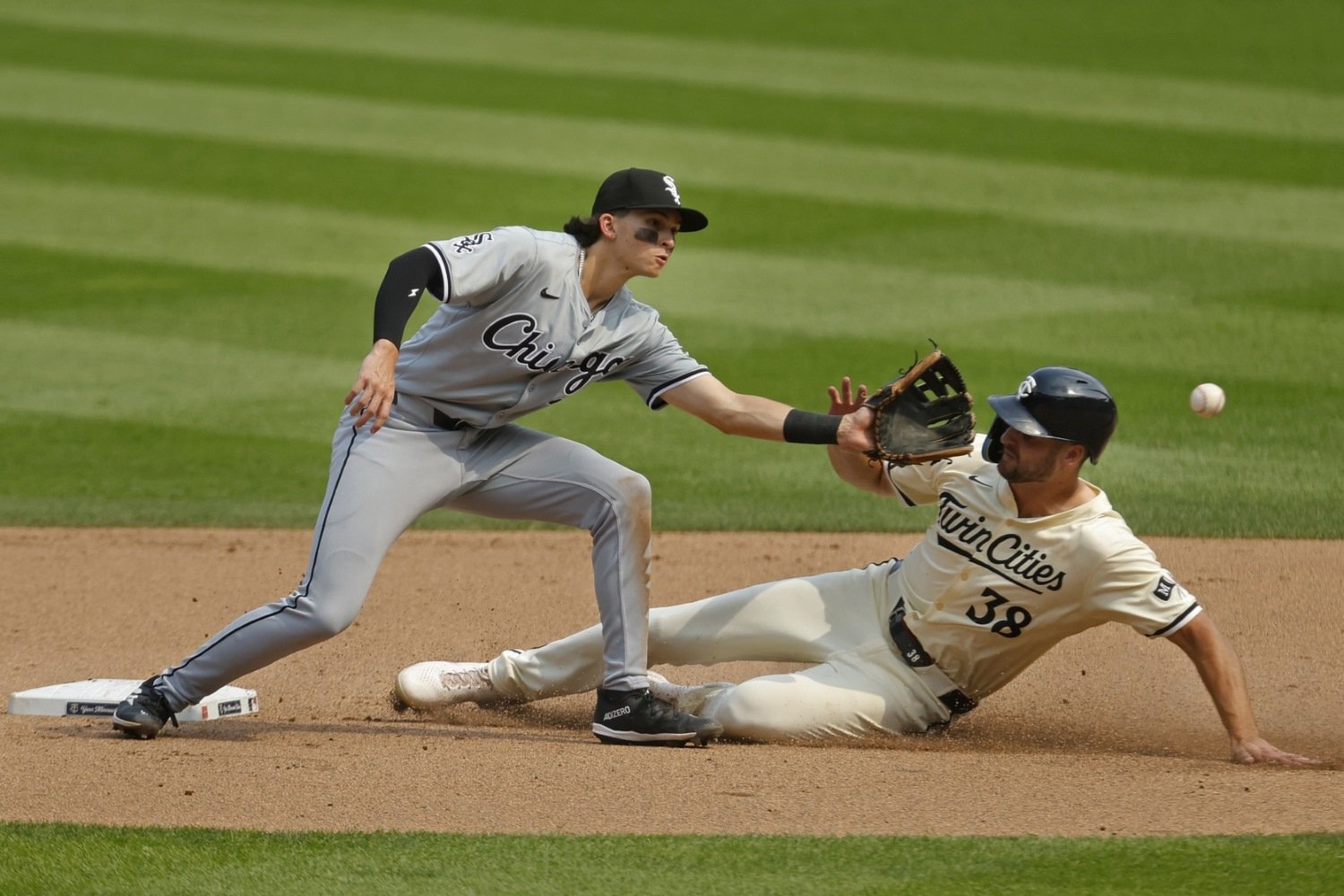 The Twins are not fast. The team is in the bottom third of the league in terms of stolen bases and caught-stealing percentage. They’ve been at the bottom of the league in steals for years. It’s by design—they don’t employ fast players. But the other stat can’t be blamed on the team’s slowest guys. The Twins’ most prolific speed guys also lead the team in steals: Willi Castro (12), Austin Martin (7), and Byron Buxton (6). Those are low numbers, but it gets worse. Castro (60% success rate) and Martin (70%) have been inefficient, probably giving away more runs than they’re taking while trying to steal. Buxton (75%), previously the most efficient base stealer in baseball history, has been technically neutral, but below the ever-rising league average. The three of them have stolen a combined 25 bases in 37 tries, an inefficient 68-percent success rate. The rule of thumb is that a player or team should successfully steal around 75 percent of the time, and since last year's rule changes, the league is closer to 80%. Beyond that trio, the Twins don’t have much in the way of stolen base threats. Max Kepler and Manuel Margot ran very well when they were younger, but neither have attempted many steals in their career and neither has ever been especially successful. Edouard Julien stole many bases in the minors, but much of that success was based on gaming the pitch clock in the lower levels. Due to reduced speed and injury risk, Royce Lewis hasn’t attempted a stolen base since 2023. And yet, Twins who aren’t named Castro, Martin, and Buxton are a combined 36 for 44 (82%) on stolen bases. They’re 33 for 36 (92%) if you exclude Kyle Farmer’s season-long baserunning shenanigans (three for eight stealing bases and several other TOOTBLANS). How are they doing it? Sheer cunning. Julien (6), Margot (4), Carlos Santana (4), Trevor Larnach (4), Ryan Jeffers (3), Matt Wallner (3), Brooks Lee (3), and Kepler (1) have each stolen bases without being thrown out this season. Christian Vázquez (3 steals) has been caught once, and José Miranda (2) twice. That’s not a list of names that make pitchers sweat while they’re in the stretch, yet they’ve managed to gain ground for the team with remarkable efficiency. QnZ6enJfVjBZQUhRPT1fQlFWWUJsMEJCVmNBRDFFRFZnQUFBVmRWQUFNR0FRUUFVMU5YVkFzRUNRQUFDUU1D.mp4 That last sentence probably contained the key: they’re not making pitchers sweat. If you were a pitcher and Carlos Santana was standing at first base, how much attention would you give him? Probably not much. He’s no Rickey Henderson. He’s not even Gunnar Henderson. But Santana has stolen 17 bases in a row, dating back to 2018. Move over Byron Buxton; there’s a new efficiency king in town. The Twins have become remarkably good at stealing off the pitcher this season. It’s a skill that even the fastest players in baseball need to learn to be successful. Good jumps can make good runners great and great runners elite. Heck, Rod Carew himself has referenced how Billy Martin taught him how to steal home in 1969, and he responded by setting the all-time record for stealing home in a season. Stealing off the pitcher doesn’t make a slow runner a good runner, but gaining an extra 90 feet can be the difference between scoring a run and a man left on; it’s incredibly valuable. Sometimes, stealing off the pitcher means that the pitcher’s delivery doesn’t allow the catcher to get a throw down to second in time to catch a base stealer. Other times, stealing off the pitcher comes down to recognizing the pitcher isn’t paying attention at all. QVlWeEtfVjBZQUhRPT1fVlZCVkFsVlhCMUVBV2xzTEJ3QUFBUUpRQUFBR0FWUUFWRkZUQWdRREFncFJBd1pS.mp4 The latter is where the Twins have excelled in 2024. A lackadaisical pitcher, all but forgetting that a baserunner is on, can almost gift a runner, regardless of speed, a free base—assuming that the runner picks up on the pitcher’s lack of attention. Observant runners and good base coaches can make that happen. Many times this year, slower Twins runners like Santana, Wallner, and Larnach have walked out to big leads and run on first motion as the pitcher delivers from the stretch. One of the benefits of being speed-challenged is that the pitcher often doesn’t waste effort on a throwover, which allows for running on first motion. The pitch clock also serves as a cue at times. A few times this year, a runner has been able to anticipate the ball being delivered because of the clock approaching one and can take off for a second before the ball is even delivered. This practice is a recent development for Minnesota. Excluding their “speed guys” in 2023 (Castro, Buxton, Lewis, Michael A. Taylor, Andrew Stevenson), they went 21 for 31 (68%). In 2022, excluding their speed guys (Buxton, Nick Gordon, Gilberto Celestino), they went 22 for 34 (65%). In 2021, excluding their speed guys (Jorge Polanco, Kepler, Gordon, Buxton), they went 14 for 21 (67%). No, this new trick isn’t the difference between a great running team and a poor one, but it is a little thing that helps to win games. And for a team that has been panned for not doing the little things in recent years, it’s a pleasant development. They’re a slow team that runs better than their raw speed would suggest. It should be a notch in the players’ and the coaches’ belts. And maybe if they do it enough, it will provide another thing that pitchers must keep in mind when a tottering corner bat reaches first base in the playoffs. It’s the little things, and their slower players have been providing more value via stealing bases than their fast players this season.
- 11 comments
-
- 7
-

-
- carlos santana
- matt wallner
- (and 3 more)
-
The Twins commemorated the 1924 Washington Senators World Series victory last week, the first of three championships in franchise history. They recently finished a series against another team who used to play as the Senators. Any fans disinterested in the club before it reached Minnesota probably hate baseball. The Twins got their start in 1901 as the Washington Senators. Sure, they began playing baseball in Bloomington 60 years later, but they didn’t fall out of a coconut red pine tree. They have a proud history as one of the eight charter member franchises of the American League. As such, they are responsible for maintaining that place in baseball history. Many Minnesota fans may be hesitant to embrace that responsibility. Some may not even be aware of the franchise’s history prior to 1961. There was some confusion amid the Twins’ celebration of the 1924 World Series and (hilarious, out-of-context) retiring of the W alongside Twins greats and Jackie Robinson’s 42 two weeks ago. In 1961, Calvin Griffith moved the Washington Senators (sometimes referred to as the Nationals) to Minnesota and renamed them the Twins. Baseball was moving to the West, and Griffith saw an opportunity to place a team in the Upper Midwest. Teams moved all the time, back then. Of the eight charter members of the American League, only four remained in the city they started. The Athletics had moved from Philadelphia to Kansas City in 1955. They kept their name the whole way, but the Brewers decamped from Milwaukee to St. Louis and rebranded themselves the Browns--then, when they flitted off to Baltimore, they became the Orioles. (The original Baltimore Orioles folded.) It’s what teams did, and continue to do. Sometimes they kept their names, like the Athletics or the Boston-Milwaukee-Atlanta team that really wanted to hang onto their branding. Other teams remained in place and changed names, like the Cleveland Bluebirds-turned-Bronchos-turned-Naps, who also finally settled on one name for a long while before becoming the Guardians a few years ago. That movement or name change doesn’t mean that the franchise ended. The players were still there. The most obvious example for Minnesota fans is Harmon Killebrew. Killer played for the franchise 21 of his 22 years in MLB. Six of those seasons came for the Washington Senators, which includes an All-Star appearance in 1959. Other Twins legends, like Earl Battey, Bob Allison, Camilo Pasqual, Jim Kaat, and Zoilo Versalles came over in the relocation. At that time, they were as much Senators as they were Twins. Sure, they didn’t play in Minnesota before 1961, but they never left their organization to get here. It was the same guys, in a different shirt. This might be controversial to say, but the team does not belong to the city; it just lives there. Just ask baseball fans in Philadelphia, Kansas City, and now Oakland. We're 140 years past the idea that professional-caliber teams would be made up principally of players from the city they represented. Once that representation ceases to be geographically determined, one has to acknowledge that some of our loyalty is to the organization, rather than the place. How much of each it ought to be is a personal choice for each fan. Baseball continued in the nation’s capital. Immediately after the Senators left for Minnesota, MLB expanded and placed a new Washington Senators in D.C. The District of Columbia kept baseball, but that’s a new team, even if it has a different name. Killebrew, Allison, Pasqual, Kaat, and Versalles were replaced by Dick Donovan, Joe McClain, and Bennie Daniels. The rose by another name didn’t smell as sweet. What claim did the new Senators have over the old Senators? They didn’t get to claim Killebrew and company. They had their own story to write. And they wrote that story in Washington until 1971, when the franchise relocated to Arlington and became the Rangers. Three decades later, the Capitol got another shot at baseball in the form of the Washington Expos’ relocation and rebranding as the Nationals. But, again, they brought their own story to the D.C. Why does this history lesson matter? Well, for one, it lays out the complexity of the revolving door of baseball teams in Washington. But it also highlights a conundrum—a confusion over who retains the Washington Senators' history. As a Minnesota baseball fan, that might not matter to you. But it should. No player’s story better drives home the point than Walter Johnson. The Big Train, depending on your definition, may be the greatest pitcher in the history of baseball. All-time, he ranks 1st in shutouts, 2nd in wins (417), 3rd in innings pitched (5,914), 7th in ERA (2.17), and 9th in strikeouts (3,508). Baseball Reference ranks him 2nd in career pitching WAR, and FanGraphs ranks him 4th. Johnson played his entire 21-year career for the Senators, between 1907 and 1927. He deserves to be celebrated, even by current baseball fans. But who will do it, if not the Twins—the franchise for which he threw almost 6,000 innings? The Texas Rangers lay no claim to him. Those Senators didn’t exist within Johnson’s lifetime, and they were only in town for 11 years. It’d be sacrilege to have a Walter Johnson night in Arlington. The Nationals have a better case, but it’s still weak. The franchise now resides in D.C., and at times the Senators of yore went by the name Nationals, but this franchise, which started in Montreal decades after Johnson’s passing, has no connection to him other than living in the same place 80 years after his career ended. I’ll be dead before the former Montreal Expos have the honor of calling Walter Johnson one of their own, at least in any exclusive sense. That duty, and privilege, falls to the Twins—the franchise that employed Johnson for 21 years. There's real connective tissue between him and these Twins. For better and worse, the Twins organization's history can't be told without Calvin Griffith, whose father Clark pitched alongside Johnson and then became the president of the team, before passing it to his stepson. Calvin, the same man whose casual racism cost the Twins Rod Carew in the 1970s, was a bat boy for Johnson the year he did what Carew never quite could--bat .400 in a championship season. It's not all happy history, but the Griffith family is a vital part of Twins history, and the Griffith family became a baseball family in Washington. Sure, you might say that Johnson belongs to Washington baseball and its fans, and you have a point. Because a franchise and the place where it resides are not one and the same, a player, a team, and a local fan base can all belong to each other, with overlapping, countervailing, and interleaved loyalties. You can apply that same logic to Minnesota baseball fans, to explain why those fans might have no connection to Johnson. But it’s not about Minnesotans and Minnecentrism. It’s about baseball history. You don’t have to claim Walter Johnson as a Minnesota baseball legend. But the Minnesota Twins—the former Washington Senators, who live here now—do need to claim him, because no other franchise properly can. Walter Johnson is a giant in baseball history, but there are also 39 more years of non-Big Train baseball for the franchise in Washington. There are 60 years of stories to be preserved. If the Twins don’t take it upon themselves to keep that history alive, who will? Sure as hell not the ex-Expos. View full article
- 16 replies
-
- 2
-
-

-
- walter johnson
- clark griffith
- (and 1 more)
-
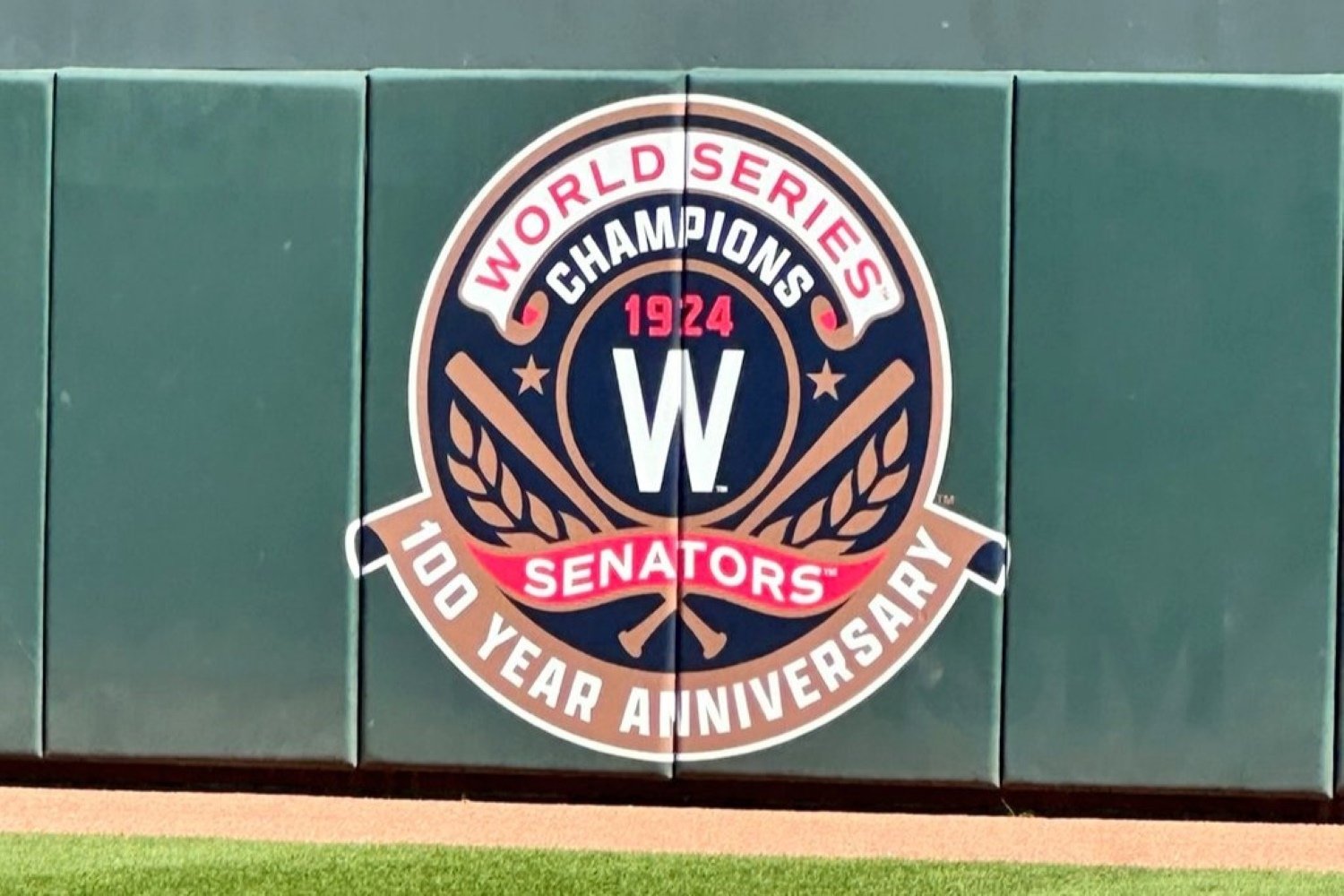 The Twins got their start in 1901 as the Washington Senators. Sure, they began playing baseball in Bloomington 60 years later, but they didn’t fall out of a coconut red pine tree. They have a proud history as one of the eight charter member franchises of the American League. As such, they are responsible for maintaining that place in baseball history. Many Minnesota fans may be hesitant to embrace that responsibility. Some may not even be aware of the franchise’s history prior to 1961. There was some confusion amid the Twins’ celebration of the 1924 World Series and (hilarious, out-of-context) retiring of the W alongside Twins greats and Jackie Robinson’s 42 two weeks ago. In 1961, Calvin Griffith moved the Washington Senators (sometimes referred to as the Nationals) to Minnesota and renamed them the Twins. Baseball was moving to the West, and Griffith saw an opportunity to place a team in the Upper Midwest. Teams moved all the time, back then. Of the eight charter members of the American League, only four remained in the city they started. The Athletics had moved from Philadelphia to Kansas City in 1955. They kept their name the whole way, but the Brewers decamped from Milwaukee to St. Louis and rebranded themselves the Browns--then, when they flitted off to Baltimore, they became the Orioles. (The original Baltimore Orioles folded.) It’s what teams did, and continue to do. Sometimes they kept their names, like the Athletics or the Boston-Milwaukee-Atlanta team that really wanted to hang onto their branding. Other teams remained in place and changed names, like the Cleveland Bluebirds-turned-Bronchos-turned-Naps, who also finally settled on one name for a long while before becoming the Guardians a few years ago. That movement or name change doesn’t mean that the franchise ended. The players were still there. The most obvious example for Minnesota fans is Harmon Killebrew. Killer played for the franchise 21 of his 22 years in MLB. Six of those seasons came for the Washington Senators, which includes an All-Star appearance in 1959. Other Twins legends, like Earl Battey, Bob Allison, Camilo Pasqual, Jim Kaat, and Zoilo Versalles came over in the relocation. At that time, they were as much Senators as they were Twins. Sure, they didn’t play in Minnesota before 1961, but they never left their organization to get here. It was the same guys, in a different shirt. This might be controversial to say, but the team does not belong to the city; it just lives there. Just ask baseball fans in Philadelphia, Kansas City, and now Oakland. We're 140 years past the idea that professional-caliber teams would be made up principally of players from the city they represented. Once that representation ceases to be geographically determined, one has to acknowledge that some of our loyalty is to the organization, rather than the place. How much of each it ought to be is a personal choice for each fan. Baseball continued in the nation’s capital. Immediately after the Senators left for Minnesota, MLB expanded and placed a new Washington Senators in D.C. The District of Columbia kept baseball, but that’s a new team, even if it has a different name. Killebrew, Allison, Pasqual, Kaat, and Versalles were replaced by Dick Donovan, Joe McClain, and Bennie Daniels. The rose by another name didn’t smell as sweet. What claim did the new Senators have over the old Senators? They didn’t get to claim Killebrew and company. They had their own story to write. And they wrote that story in Washington until 1971, when the franchise relocated to Arlington and became the Rangers. Three decades later, the Capitol got another shot at baseball in the form of the Washington Expos’ relocation and rebranding as the Nationals. But, again, they brought their own story to the D.C. Why does this history lesson matter? Well, for one, it lays out the complexity of the revolving door of baseball teams in Washington. But it also highlights a conundrum—a confusion over who retains the Washington Senators' history. As a Minnesota baseball fan, that might not matter to you. But it should. No player’s story better drives home the point than Walter Johnson. The Big Train, depending on your definition, may be the greatest pitcher in the history of baseball. All-time, he ranks 1st in shutouts, 2nd in wins (417), 3rd in innings pitched (5,914), 7th in ERA (2.17), and 9th in strikeouts (3,508). Baseball Reference ranks him 2nd in career pitching WAR, and FanGraphs ranks him 4th. Johnson played his entire 21-year career for the Senators, between 1907 and 1927. He deserves to be celebrated, even by current baseball fans. But who will do it, if not the Twins—the franchise for which he threw almost 6,000 innings? The Texas Rangers lay no claim to him. Those Senators didn’t exist within Johnson’s lifetime, and they were only in town for 11 years. It’d be sacrilege to have a Walter Johnson night in Arlington. The Nationals have a better case, but it’s still weak. The franchise now resides in D.C., and at times the Senators of yore went by the name Nationals, but this franchise, which started in Montreal decades after Johnson’s passing, has no connection to him other than living in the same place 80 years after his career ended. I’ll be dead before the former Montreal Expos have the honor of calling Walter Johnson one of their own, at least in any exclusive sense. That duty, and privilege, falls to the Twins—the franchise that employed Johnson for 21 years. There's real connective tissue between him and these Twins. For better and worse, the Twins organization's history can't be told without Calvin Griffith, whose father Clark pitched alongside Johnson and then became the president of the team, before passing it to his stepson. Calvin, the same man whose casual racism cost the Twins Rod Carew in the 1970s, was a bat boy for Johnson the year he did what Carew never quite could--bat .400 in a championship season. It's not all happy history, but the Griffith family is a vital part of Twins history, and the Griffith family became a baseball family in Washington. Sure, you might say that Johnson belongs to Washington baseball and its fans, and you have a point. Because a franchise and the place where it resides are not one and the same, a player, a team, and a local fan base can all belong to each other, with overlapping, countervailing, and interleaved loyalties. You can apply that same logic to Minnesota baseball fans, to explain why those fans might have no connection to Johnson. But it’s not about Minnesotans and Minnecentrism. It’s about baseball history. You don’t have to claim Walter Johnson as a Minnesota baseball legend. But the Minnesota Twins—the former Washington Senators, who live here now—do need to claim him, because no other franchise properly can. Walter Johnson is a giant in baseball history, but there are also 39 more years of non-Big Train baseball for the franchise in Washington. There are 60 years of stories to be preserved. If the Twins don’t take it upon themselves to keep that history alive, who will? Sure as hell not the ex-Expos.
- 16 comments
-
- 14
-
-
-
- walter johnson
- clark griffith
- (and 1 more)
-
 Lou, Cody, and Gregg are joined by Episode 0 star Matt Braun to try to dissect 14 games in 13 day with its share of ups and downs. They consider fearmongering about the state of the bullpen, question whether the Twins have the best catching duo in baseball, complain about the Washington Senators, misquote Star Wars, and so much more. Listen using Apple Podcasts: https://podcasts.apple.com/us/podcast/the-twins-off-daily-podcast/id1741266056 Listen using Spotify: https://open.spotify.com/show/4tb78XlurcPTYYSsARdbD7
 -
We have a lot of ground to cover, let's get to it. Lou, Cody, and Gregg are joined by Episode 0 star Matt Braun to try to dissect 14 games in 13 day with its share of ups and downs. They consider fearmongering about the state of the bullpen, question whether the Twins have the best catching duo in baseball, complain about the Washington Senators, misquote Star Wars, and so much more. Listen using Apple Podcasts: https://podcasts.apple.com/us/podcast/the-twins-off-daily-podcast/id1741266056 Listen using Spotify: https://open.spotify.com/show/4tb78XlurcPTYYSsARdbD7 View full article
-
In the latest episode of the Off-Daily podcast, the crew takes a look at the ups and downs of facing Chicago. Sweet Lou and Ol Gregg are joined by Adam Friedman to recap the two Chicago series. They also discuss Joe Ryan leaving Wednesday's game, look ahead to a pivotal four-game series against Cleveland, the morality of being lefthanded, and more. Listen using Apple Podcasts: https://podcasts.apple.com/us/podcast/the-twins-off-daily-podcast/id1741266056 Listen using Spotify: https://open.spotify.com/show/4tb78XlurcPTYYSsARdbD7 View full article
-
 Sweet Lou and Ol Gregg are joined by Adam Friedman to recap the two Chicago series. They also discuss Joe Ryan leaving Wednesday's game, look ahead to a pivotal four-game series against Cleveland, the morality of being lefthanded, and more. Listen using Apple Podcasts: https://podcasts.apple.com/us/podcast/the-twins-off-daily-podcast/id1741266056 Listen using Spotify: https://open.spotify.com/show/4tb78XlurcPTYYSsARdbD7
 -
Let's reminisce about the trade deadline that wasn't. Sweet Lou and Ol' Gregg run a skeleton crew as they get some gripes off their chest about the Twins' quiet deadline and a mixed bag series of games. They also discuss the outlook of the starting rotation, add a new podcast game to the lineup, Lou insults a ballpark favorite, and Gregg tries out a couple new voices. Listen using Apple Podcasts: https://podcasts.apple.com/us/podcast/the-twins-off-daily-podcast/id1741266056 Listen using Spotify: https://open.spotify.com/show/4tb78XlurcPTYYSsARdbD7 View full article
-
 Sweet Lou and Ol' Gregg run a skeleton crew as they get some gripes off their chest about the Twins' quiet deadline and a mixed bag series of games. They also discuss the outlook of the starting rotation, add a new podcast game to the lineup, Lou insults a ballpark favorite, and Gregg tries out a couple new voices. Listen using Apple Podcasts: https://podcasts.apple.com/us/podcast/the-twins-off-daily-podcast/id1741266056 Listen using Spotify: https://open.spotify.com/show/4tb78XlurcPTYYSsARdbD7
 -
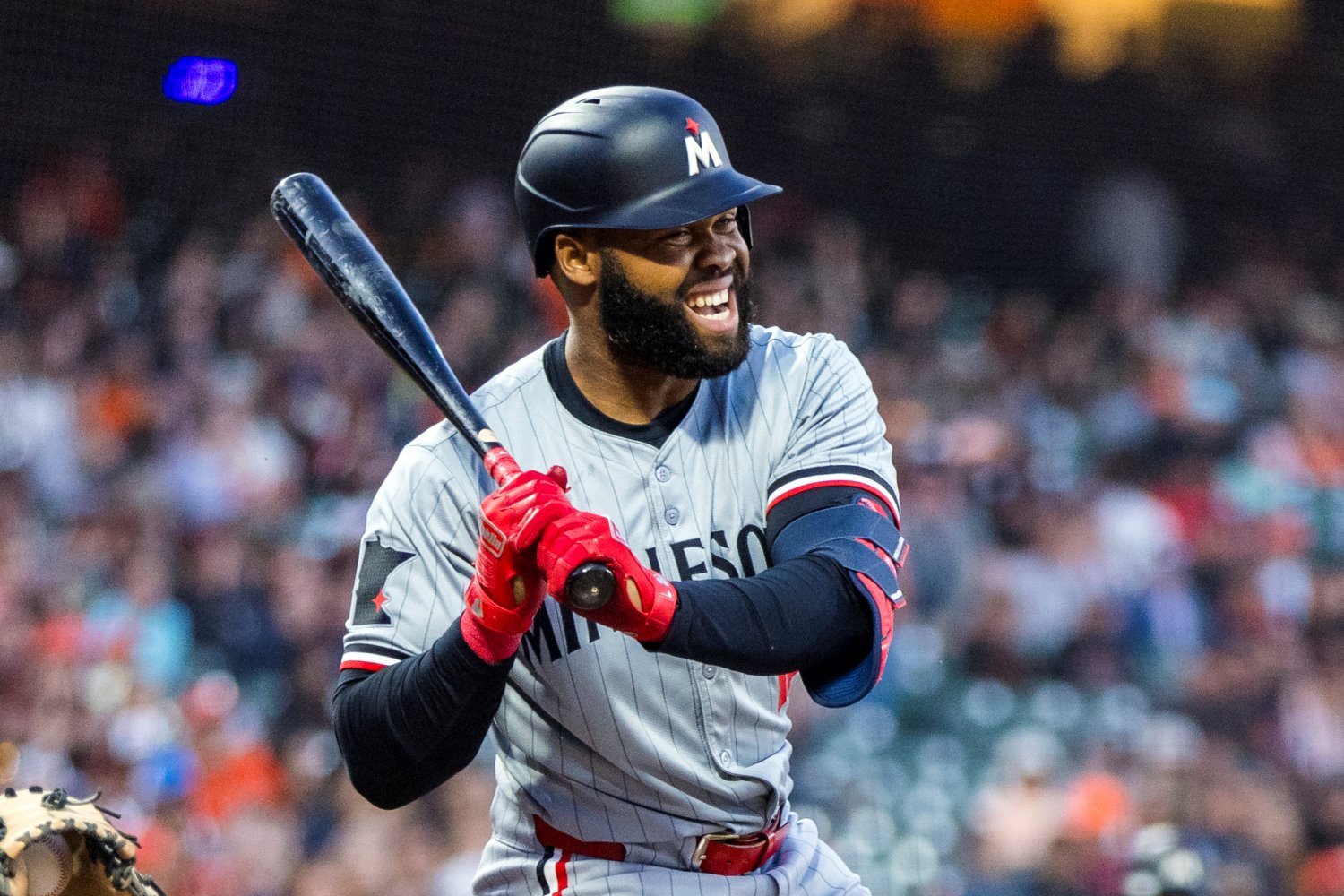 Manuel Margot effectively has one job: hitting lefty pitching. Manuel Margot has hit lefty pitching, but please don’t make him pinch-hit lefty (or any other kind of) pitching. In a Rocco Baldelli offense, the lineup is malleable, all the way to the final out. Based on the matchup with the opposing pitcher, any player can play on any given day, in any inning. Baldelli is ready to empty the bench and play a matchup game if the other team brings in a lefty reliever. Margot has been called on all year in those situations, and he has not delivered, beginning with his five-pinch-hitting appearances in the team’s first six games. His 29 pinch-hitting appearances, as of Jul. 25, are the most in baseball. His zero hits are, ah, tied for last in baseball. He has started 43 games, but came in as a pinch hitter for an additional 29. Forty percent of the games he’s played in have featured a pinch-hit appearance. For a role player, that’s enough to tank a season. On the year, Margot has a .138 OPS pinch-hitting, because he’s taken four walks, but even those can’t save his 0-25 line. He’s having the worst season of his career overall, with a .628 OPS, about 20% below average. He’s never been a great hitter, but his career average is about 10% below average. Yet somehow, outside of pinch-hitting, Margot has done his job at the plate. If you torture data long enough, it will confess to anything. Let’s dig in. First, Margot was acquired to hit lefty pitching. The Twins have struggled for years getting production versus lefties from their corner outfield spots, mainly because their most prominent options there are lefties themselves. On the season, Margot has hit lefty pitchers very well, at .298 with a .789 OPS (24% above average). That actually matches his career averages against southpaws. He’s a bit inconsistent year-to-year, but overall, he’s got a 122 OPS+ against lefties for his career. That .789 OPS includes his pinch-hitting appearances, by the way. If you exclude his pinch-hitting appearances, he has a .354 average and a .903 OPS (50% above average) in 86 plate appearances. Managers stomp their feet and make tugboat noises while their eyes become giant hearts and pop out of their sockets when they see a platoon hitter like that. In games he starts against lefties, he’s got an .898 OPS, and has typically batted leadoff. The ugly side of this coin, of course, is that he’s doing almost nothing against righties, slashing a pitiful .183/.246/.248 overall. It’d be better to have Christian Vázquez at the plate than Margot. However, with the team the Twins have constructed, Margot shouldn’t be needed against righties, so it’s a bit beside the point. However, if Margot can’t be trusted to do anything productive as a pinch-hitter, it slightly crimps Baldelli’s style. Margot has never been a good pinch-hitter, but this season has taken it to a new level. His pinch-hitting OPS had been .584 in previous years, about 40% below league average over 66 plate appearances. (Notice that he's had 66 pinch-hitting appearances in the eight years leading up to 2024, but 29 already this season.) That’s over 100 points of OPS below his career OPS of .694. That’s not uncommon, as most players end up about 15% worse as pinch-hitters. It’s not an easy job. In 2024, the league OPS is .708, and the OPS among pinch-hitters is .625. His performance exists in the context of what came before him, but Margot’s performance this year has been comical. One of the strangest bits of data for Margot this year has been his performance after pinch-hitting. He’s had some clutch hits in games he didn’t start, but they’ve all been after his first plate appearance. After his initial pinch-hitting appearances, he’s slashing .286/.318/.429 in 22 other plate appearances. As I mentioned, the further we break down his season’s performance into things like “22 plate appearances after coming in as a pinch-hitter and getting additional plate appearances,” the less meaningful it gets, but this all paints a picture of an oddity who cannot, for the life of him, do this one very specific task. In the past 10 years, the greatest number of plate appearances as a pinch-hitter without a single hit by the end of the season is 24 (Alec Burleson, 2023; Tucker Barnhart, 2019). Make it the last 50 years, and only 11 players have had more than 20 pinch-hit trips without a hit. The record belongs to Jonny Gomes, who had 34 plate appearances in the role without getting a hit in 2011. In any given year, it typically maxes out around 15. Maybe Margot gets one before the year ends, but his 29 is incredibly glaring right now. He's already second to Gomes in the last half-century. Unfortunately, his role in a Rocco Baldelli offense requires production as a pinch-hitter. His offensive job (we don’t need to focus on his defense today, thankfully) this season is to hit lefties, either as a starter or off the bench. If he can only do one of those well, that hamstrings Baldelli--which may be a good thing, depending on your feelings about Baldelli’s management. For much of the year, there hasn’t been a great alternative for a bench bat, especially in games that Ryan Jeffers catches, as Kyle Farmer has often been the other platoon hitter. Hopefully, as the season reaches its stretch run, Margot’s pinch-hitting duties will be redistributed to others, including Carlos Santana or José Miranda. The true sicko in me wants Margot to continue to be the most-used pinch hitter in MLB, but that’s probably not what’s best for the team. Even Matt Wallner and Trevor Larnach’s paltry hitting against lefties (.414 and .565 OPS, respectively) would far outpace Margot’s pinch-hitting this year, which is relevant because Wallner and Larnach are the hitters Margot would primarily hit for. This is a lot of hand-wringing about 29 plate appearances, and there’s a lot of noise in isolating 10% of a player’s plate appearances for a season, but it’s gotten to the point it needs to be acknowledged. No, Margot’s true talent level probably isn’t a .143 OPS as a pinch hitter, but, man, there’s something goofy afoot.
 -
It’s past the point of absurdity. The man who leads baseball in pinch-hitting appearances does not have a single hit. How long will this go on? Image courtesy of © John Hefti-USA TODAY Sports Manuel Margot effectively has one job: hitting lefty pitching. Manuel Margot has hit lefty pitching, but please don’t make him pinch-hit lefty (or any other kind of) pitching. In a Rocco Baldelli offense, the lineup is malleable, all the way to the final out. Based on the matchup with the opposing pitcher, any player can play on any given day, in any inning. Baldelli is ready to empty the bench and play a matchup game if the other team brings in a lefty reliever. Margot has been called on all year in those situations, and he has not delivered, beginning with his five-pinch-hitting appearances in the team’s first six games. His 29 pinch-hitting appearances, as of Jul. 25, are the most in baseball. His zero hits are, ah, tied for last in baseball. He has started 43 games, but came in as a pinch hitter for an additional 29. Forty percent of the games he’s played in have featured a pinch-hit appearance. For a role player, that’s enough to tank a season. On the year, Margot has a .138 OPS pinch-hitting, because he’s taken four walks, but even those can’t save his 0-25 line. He’s having the worst season of his career overall, with a .628 OPS, about 20% below average. He’s never been a great hitter, but his career average is about 10% below average. Yet somehow, outside of pinch-hitting, Margot has done his job at the plate. If you torture data long enough, it will confess to anything. Let’s dig in. First, Margot was acquired to hit lefty pitching. The Twins have struggled for years getting production versus lefties from their corner outfield spots, mainly because their most prominent options there are lefties themselves. On the season, Margot has hit lefty pitchers very well, at .298 with a .789 OPS (24% above average). That actually matches his career averages against southpaws. He’s a bit inconsistent year-to-year, but overall, he’s got a 122 OPS+ against lefties for his career. That .789 OPS includes his pinch-hitting appearances, by the way. If you exclude his pinch-hitting appearances, he has a .354 average and a .903 OPS (50% above average) in 86 plate appearances. Managers stomp their feet and make tugboat noises while their eyes become giant hearts and pop out of their sockets when they see a platoon hitter like that. In games he starts against lefties, he’s got an .898 OPS, and has typically batted leadoff. The ugly side of this coin, of course, is that he’s doing almost nothing against righties, slashing a pitiful .183/.246/.248 overall. It’d be better to have Christian Vázquez at the plate than Margot. However, with the team the Twins have constructed, Margot shouldn’t be needed against righties, so it’s a bit beside the point. However, if Margot can’t be trusted to do anything productive as a pinch-hitter, it slightly crimps Baldelli’s style. Margot has never been a good pinch-hitter, but this season has taken it to a new level. His pinch-hitting OPS had been .584 in previous years, about 40% below league average over 66 plate appearances. (Notice that he's had 66 pinch-hitting appearances in the eight years leading up to 2024, but 29 already this season.) That’s over 100 points of OPS below his career OPS of .694. That’s not uncommon, as most players end up about 15% worse as pinch-hitters. It’s not an easy job. In 2024, the league OPS is .708, and the OPS among pinch-hitters is .625. His performance exists in the context of what came before him, but Margot’s performance this year has been comical. One of the strangest bits of data for Margot this year has been his performance after pinch-hitting. He’s had some clutch hits in games he didn’t start, but they’ve all been after his first plate appearance. After his initial pinch-hitting appearances, he’s slashing .286/.318/.429 in 22 other plate appearances. As I mentioned, the further we break down his season’s performance into things like “22 plate appearances after coming in as a pinch-hitter and getting additional plate appearances,” the less meaningful it gets, but this all paints a picture of an oddity who cannot, for the life of him, do this one very specific task. In the past 10 years, the greatest number of plate appearances as a pinch-hitter without a single hit by the end of the season is 24 (Alec Burleson, 2023; Tucker Barnhart, 2019). Make it the last 50 years, and only 11 players have had more than 20 pinch-hit trips without a hit. The record belongs to Jonny Gomes, who had 34 plate appearances in the role without getting a hit in 2011. In any given year, it typically maxes out around 15. Maybe Margot gets one before the year ends, but his 29 is incredibly glaring right now. He's already second to Gomes in the last half-century. Unfortunately, his role in a Rocco Baldelli offense requires production as a pinch-hitter. His offensive job (we don’t need to focus on his defense today, thankfully) this season is to hit lefties, either as a starter or off the bench. If he can only do one of those well, that hamstrings Baldelli--which may be a good thing, depending on your feelings about Baldelli’s management. For much of the year, there hasn’t been a great alternative for a bench bat, especially in games that Ryan Jeffers catches, as Kyle Farmer has often been the other platoon hitter. Hopefully, as the season reaches its stretch run, Margot’s pinch-hitting duties will be redistributed to others, including Carlos Santana or José Miranda. The true sicko in me wants Margot to continue to be the most-used pinch hitter in MLB, but that’s probably not what’s best for the team. Even Matt Wallner and Trevor Larnach’s paltry hitting against lefties (.414 and .565 OPS, respectively) would far outpace Margot’s pinch-hitting this year, which is relevant because Wallner and Larnach are the hitters Margot would primarily hit for. This is a lot of hand-wringing about 29 plate appearances, and there’s a lot of noise in isolating 10% of a player’s plate appearances for a season, but it’s gotten to the point it needs to be acknowledged. No, Margot’s true talent level probably isn’t a .143 OPS as a pinch hitter, but, man, there’s something goofy afoot. View full article
-
 Lou, Cody, and Gregg are joined by Twins Daily Managing Editor Matthew Trueblood as we cover an array of topics. From newly drafted prospects to trade deadline wish lists and Minnesotan Minnesota Twins to the difference between parody and satire, this episode has everything. Listen using Apple Podcasts: https://podcasts.apple.com/us/podcast/the-twins-off-daily-podcast/id1741266056 Listen using Spotify: https://open.spotify.com/show/4tb78XlurcPTYYSsARdbD7
 -
This might be the deadline-iest deadline ever. Lou, Cody, and Gregg are joined by Twins Daily Managing Editor Matthew Trueblood as we cover an array of topics. From newly drafted prospects to trade deadline wish lists and Minnesotan Minnesota Twins to the difference between parody and satire, this episode has everything. Listen using Apple Podcasts: https://podcasts.apple.com/us/podcast/the-twins-off-daily-podcast/id1741266056 Listen using Spotify: https://open.spotify.com/show/4tb78XlurcPTYYSsARdbD7 View full article
-
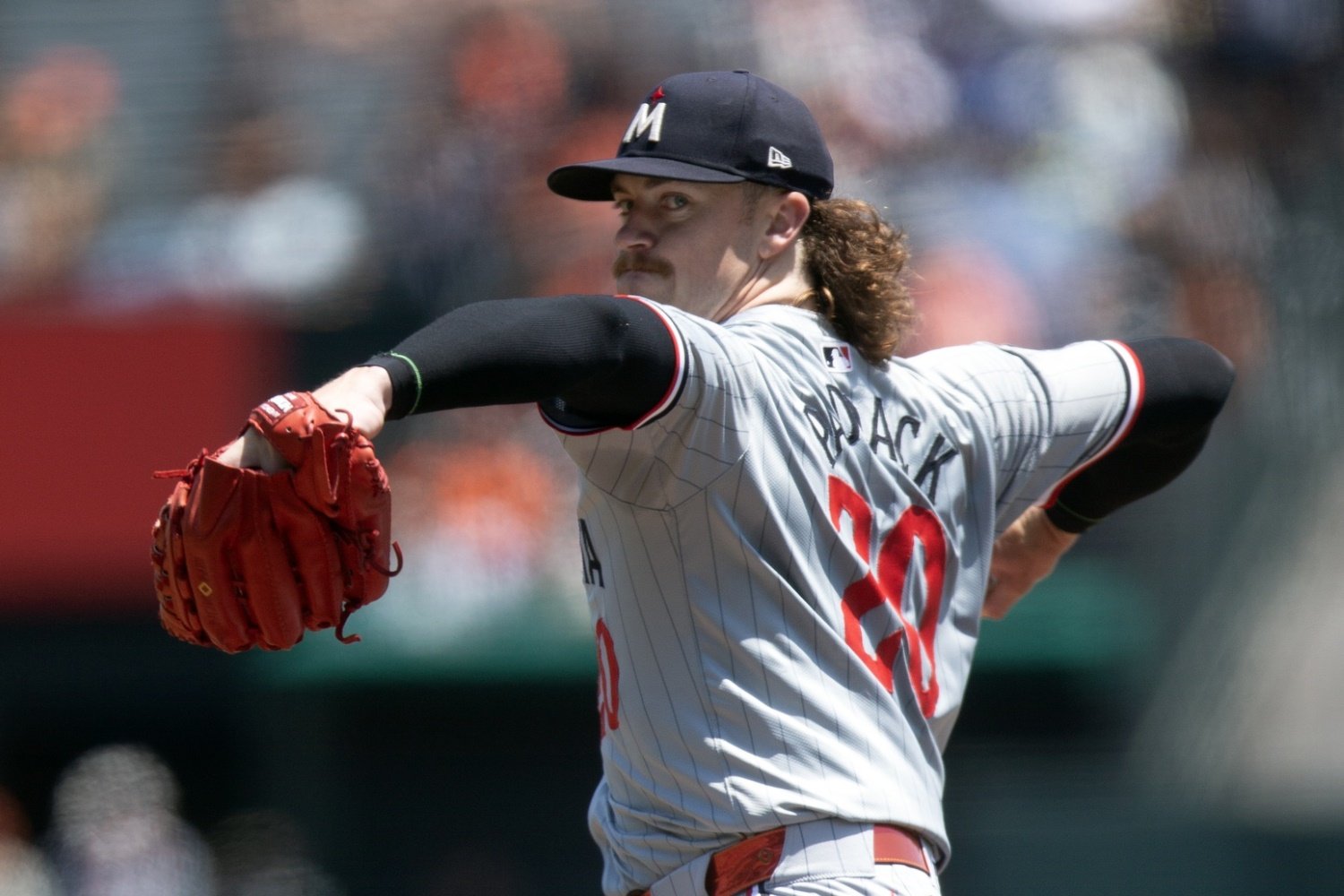 Throughout the first half, fans have frequently speculated about whether the Twins would be shopping in the starting pitcher department at the 2024 trade deadline. Chris Paddack’s recent forearm injury all but confirmed that they will be. Paddack is in his first full season back from his second Tommy John surgery, and he already took a trip to the injured list at the end of June for arm fatigue. After returning ahead of the All-Star break, he started two games, but over the break, he felt some forearm soreness that re-shelved him. Paddack’s season was somewhat wait-and-see. The Twins signed him to a low-end extension in 2023 as he recovered from Tommy John, because they saw something in the 28-year-old. Throughout his Twins (and Padres) career, there have been questions about his effectiveness, with high highs (such as his 2019 rookie season) and low lows (two torn UCLs). This season has been a bit of the same story for Paddack, as he’s been inconsistent. He’s had great starts, like his eight innings of two-run ball against Cleveland in May; and he’s had terrible starts, like his five innings of nine-run ball against Baltimore in April. The Twins had four months to figure out who Paddack was. Given that the team’s top three pitchers were already somewhat established coming into the season—some arrangement of Pablo López, Joe Ryan, and Bailey Ober—it’s understandable that the club would be interested in slow-playing Paddack, letting him prove his worth. Now, though, he’s out through at least the deadline. They have all the information they’re going to get. Internal replacements for Paddack are scarce. Simeon Woods Richardson has already replaced Louie Varland in the rotation, and Varland has not been promising as a starter in St. Paul this season. The only other pitcher to start a game for the Twins this year is rookie David Festa, whose two spot starts for Paddack left much to be desired. Other options internally would include Randy Dobnak, Caleb Boushley, or newly-promoted Triple-A starter Zebby Mathews. But the Twins need someone who can start a playoff game, and Paddack, at this point, can’t be counted on for that. Woods Richardson would be the best bet, but there’s not a ton of confidence in the rookie, who has overperformed both his expectations and his expected numbers this year. If he does start in the playoffs, it would more likely be at the beginning of a bullpen-heavy game. Making a trade for a Yusei Kikuchi, Nathan Eovaldi, or Jack Flaherty is the best way to counter this injury for Paddack and fill the playoff rotation spot. However, the injury and uncertainty might lower the bar for an acquisition below the Bailey Ober threshold. It’s not sexy, but without Paddack, the Twins need to at least find someone who can throw competent innings down the stretch. Even if that pitcher doesn’t start a playoff game, or only goes once through the order, relying on some combination of Varland, Festa, and Dobnak to take the mound every fifth day is unbecoming of a team chasing Cleveland for the division. That opens the door for someone in the Michael Lorenzen or Tyler Anderson range. Even recently-waived James Paxton could be an option, if the goal is simply to find someone to throw innings down the stretch, a la 2023 Dallas Keuchel. This discussion might seem like it’s ruling out a return for Paddack this season, but it’s not. Although we don’t have a timetable for his return, it’s possible that he recovers and is ready to pitch again this year. At this point, though, the Twins probably shouldn’t be planning on that. We’re weeks from that hypothetical (but not improbable) return, and by the time they have an answer, it might be too late. That’s not even factoring in potential injury to the rest of the rotation. If Paddack is eventually back and healthy and the Twins have made a move to fill his spot in the rotation, there are a few different ways the rest of the season can go. First, as just mentioned, it’s possible that, by his return, the starting rotation (which has been largely healthy all year) is in need of an injury fill-in. That’s straightforward, though disappointing. Another disappointing option could be Paddack replacing Woods Richardson, while the rookie takes a few weeks to rest and consolidate in St. Paul as the season winds down. Paddack (as well as the rest of the rotation) is under contract for 2025, so it’s not like they’ll be cutting bait on him. Another option may be a transition to the bullpen for the stretch run and postseason. Paddack agreed to play such a role last season, knowing he wouldn't have time to ramp up as a starter after rehabbing from the previous year's surgery. He only pitched five innings in relief across three appearances in the regular season, but he pitched well in the postseason, with two appearances totaling 3 2/3 innings, no runs, and six strikeouts. If he returns in mid-August and the rotation is full, that move might benefit the recovering pitcher whose 88 innings are already his most since 2021 (108) and the third-most of his six-year career. No matter what the plan or outcome of Paddack’s latest injury may be, it’s clear that the Twins need to do something, and soon. They don’t have the luxury of being able to see into the future with Paddack’s arm. The odds of a move, big or small, went up drastically when Paddack hit the injured list again, which should excite fans who have been clamoring for a move (though we never celebrate an injury, of course). Of course, all of this speculation is moot if the team is too hamstrung by budget constraints to add any players at all. Here's hoping that, given the fairly clear and increased degree of need at hand, the team is able to work around the financial constraints foisted on them by ownership, and that soon, we can stop talking about that at the end of this kind of article. The organization's voluntary self-defeat is no fun for anyone, from fans to the very people entrusted with building the team each year.
- 69 comments
-
- 10
-
-
- chris paddack
- simeon woods richardson
- (and 1 more)
-
Chris Paddack is on the injured list for the second time this month, and with the trade deadline less than a week away, his injury signals that it’s time for the Twins to stop pussyfooting around and make a move. Image courtesy of © D. Ross Cameron-USA TODAY Sports Throughout the first half, fans have frequently speculated about whether the Twins would be shopping in the starting pitcher department at the 2024 trade deadline. Chris Paddack’s recent forearm injury all but confirmed that they will be. Paddack is in his first full season back from his second Tommy John surgery, and he already took a trip to the injured list at the end of June for arm fatigue. After returning ahead of the All-Star break, he started two games, but over the break, he felt some forearm soreness that re-shelved him. Paddack’s season was somewhat wait-and-see. The Twins signed him to a low-end extension in 2023 as he recovered from Tommy John, because they saw something in the 28-year-old. Throughout his Twins (and Padres) career, there have been questions about his effectiveness, with high highs (such as his 2019 rookie season) and low lows (two torn UCLs). This season has been a bit of the same story for Paddack, as he’s been inconsistent. He’s had great starts, like his eight innings of two-run ball against Cleveland in May; and he’s had terrible starts, like his five innings of nine-run ball against Baltimore in April. The Twins had four months to figure out who Paddack was. Given that the team’s top three pitchers were already somewhat established coming into the season—some arrangement of Pablo López, Joe Ryan, and Bailey Ober—it’s understandable that the club would be interested in slow-playing Paddack, letting him prove his worth. Now, though, he’s out through at least the deadline. They have all the information they’re going to get. Internal replacements for Paddack are scarce. Simeon Woods Richardson has already replaced Louie Varland in the rotation, and Varland has not been promising as a starter in St. Paul this season. The only other pitcher to start a game for the Twins this year is rookie David Festa, whose two spot starts for Paddack left much to be desired. Other options internally would include Randy Dobnak, Caleb Boushley, or newly-promoted Triple-A starter Zebby Mathews. But the Twins need someone who can start a playoff game, and Paddack, at this point, can’t be counted on for that. Woods Richardson would be the best bet, but there’s not a ton of confidence in the rookie, who has overperformed both his expectations and his expected numbers this year. If he does start in the playoffs, it would more likely be at the beginning of a bullpen-heavy game. Making a trade for a Yusei Kikuchi, Nathan Eovaldi, or Jack Flaherty is the best way to counter this injury for Paddack and fill the playoff rotation spot. However, the injury and uncertainty might lower the bar for an acquisition below the Bailey Ober threshold. It’s not sexy, but without Paddack, the Twins need to at least find someone who can throw competent innings down the stretch. Even if that pitcher doesn’t start a playoff game, or only goes once through the order, relying on some combination of Varland, Festa, and Dobnak to take the mound every fifth day is unbecoming of a team chasing Cleveland for the division. That opens the door for someone in the Michael Lorenzen or Tyler Anderson range. Even recently-waived James Paxton could be an option, if the goal is simply to find someone to throw innings down the stretch, a la 2023 Dallas Keuchel. This discussion might seem like it’s ruling out a return for Paddack this season, but it’s not. Although we don’t have a timetable for his return, it’s possible that he recovers and is ready to pitch again this year. At this point, though, the Twins probably shouldn’t be planning on that. We’re weeks from that hypothetical (but not improbable) return, and by the time they have an answer, it might be too late. That’s not even factoring in potential injury to the rest of the rotation. If Paddack is eventually back and healthy and the Twins have made a move to fill his spot in the rotation, there are a few different ways the rest of the season can go. First, as just mentioned, it’s possible that, by his return, the starting rotation (which has been largely healthy all year) is in need of an injury fill-in. That’s straightforward, though disappointing. Another disappointing option could be Paddack replacing Woods Richardson, while the rookie takes a few weeks to rest and consolidate in St. Paul as the season winds down. Paddack (as well as the rest of the rotation) is under contract for 2025, so it’s not like they’ll be cutting bait on him. Another option may be a transition to the bullpen for the stretch run and postseason. Paddack agreed to play such a role last season, knowing he wouldn't have time to ramp up as a starter after rehabbing from the previous year's surgery. He only pitched five innings in relief across three appearances in the regular season, but he pitched well in the postseason, with two appearances totaling 3 2/3 innings, no runs, and six strikeouts. If he returns in mid-August and the rotation is full, that move might benefit the recovering pitcher whose 88 innings are already his most since 2021 (108) and the third-most of his six-year career. No matter what the plan or outcome of Paddack’s latest injury may be, it’s clear that the Twins need to do something, and soon. They don’t have the luxury of being able to see into the future with Paddack’s arm. The odds of a move, big or small, went up drastically when Paddack hit the injured list again, which should excite fans who have been clamoring for a move (though we never celebrate an injury, of course). Of course, all of this speculation is moot if the team is too hamstrung by budget constraints to add any players at all. Here's hoping that, given the fairly clear and increased degree of need at hand, the team is able to work around the financial constraints foisted on them by ownership, and that soon, we can stop talking about that at the end of this kind of article. The organization's voluntary self-defeat is no fun for anyone, from fans to the very people entrusted with building the team each year. View full article
-
 It's the last day of the Twins' All-Star break, so we're doing a mailbag. Topics include Carlos Santana's role on a playoff roster, how long Carlos Correa will be a Twin, Gregg's longstanding beef with TC Bear, something from an "S. Hayek," and much, much more. Listen using Apple Podcasts: https://podcasts.apple.com/us/podcast/the-twins-off-daily-podcast/id1741266056 Listen using Spotify: https://open.spotify.com/show/4tb78XlurcPTYYSsARdbD7
 -
Baseball is almost back. Let's talk about it. It's the last day of the Twins' All-Star break, so we're doing a mailbag. Topics include Carlos Santana's role on a playoff roster, how long Carlos Correa will be a Twin, Gregg's longstanding beef with TC Bear, something from an "S. Hayek," and much, much more. Listen using Apple Podcasts: https://podcasts.apple.com/us/podcast/the-twins-off-daily-podcast/id1741266056 Listen using Spotify: https://open.spotify.com/show/4tb78XlurcPTYYSsARdbD7 View full article
-
Now that the All-Star Game is over, it's time to focus on trade season. Lou, Cody, and Gregg break down the upcoming trade deadline on July 30. They discuss their expectations league-wide and for the Twins, as well as needs and targets for the Twins, hypothetical zany scenarios (Should the Twins TRADE Pablo Lopez?), and our favorite recent deadlines. Listen using Apple Podcasts: https://podcasts.apple.com/us/podcast/the-twins-off-daily-podcast/id1741266056 Listen using Spotify: https://open.spotify.com/show/4tb78XlurcPTYYSsARdbD7 View full article
-
 Lou, Cody, and Gregg break down the upcoming trade deadline on July 30. They discuss their expectations league-wide and for the Twins, as well as needs and targets for the Twins, hypothetical zany scenarios (Should the Twins TRADE Pablo Lopez?), and our favorite recent deadlines. Listen using Apple Podcasts: https://podcasts.apple.com/us/podcast/the-twins-off-daily-podcast/id1741266056 Listen using Spotify: https://open.spotify.com/show/4tb78XlurcPTYYSsARdbD7
 -
 We're in the throes of the All-Star Break and we've got a lot to get off our chests. Lou, Cody, and Gregg get together to complain about home run celebrations, the draft. the traffic in Milwaukee, and package delivery etiquette. Listen using Apple Podcasts: https://podcasts.apple.com/us/podcast/the-twins-off-daily-podcast/id1741266056 Listen using Spotify: https://open.spotify.com/show/4tb78XlurcPTYYSsARdbD7
 -
Two podcasts in one day! Unbelievable! We're in the throes of the All-Star Break and we've got a lot to get off our chests. Lou, Cody, and Gregg get together to complain about home run celebrations, the draft. the traffic in Milwaukee, and package delivery etiquette. Listen using Apple Podcasts: https://podcasts.apple.com/us/podcast/the-twins-off-daily-podcast/id1741266056 Listen using Spotify: https://open.spotify.com/show/4tb78XlurcPTYYSsARdbD7 View full article
-
How'd the Twins do going into the break? Let's talk about it! Sweet Lou and Ol Gregg are joined by Producer Theo to go over midseason grades for the Twins' hitters and pitchers, expectations for the rest of the year, areas for improvement, and classic baseball names. Listen using Apple Podcasts: https://podcasts.apple.com/us/podcast/the-twins-off-daily-podcast/id1741266056 Listen using Spotify: https://open.spotify.com/show/4tb78XlurcPTYYSsARdbD7 View full article
-
 Sweet Lou and Ol Gregg are joined by Producer Theo to go over midseason grades for the Twins' hitters and pitchers, expectations for the rest of the year, areas for improvement, and classic baseball names. Listen using Apple Podcasts: https://podcasts.apple.com/us/podcast/the-twins-off-daily-podcast/id1741266056 Listen using Spotify: https://open.spotify.com/show/4tb78XlurcPTYYSsARdbD7
 -
It's the All-Star break, which is technically just a collection of off-days! Sweet Lou and Ol Gregg continue the All-Star Break bonanza and discuss the Twins' two All-Stars: Carlos Correa and Willi Castro. They also delve into forgotten Twins All-Stars of years past, propose a skills completion, and predict the Twins' 2025 All-Stars Listen using Apple Podcasts: https://podcasts.apple.com/us/podcast/the-twins-off-daily-podcast/id1741266056 Listen using Spotify: https://open.spotify.com/show/4tb78XlurcPTYYSsARdbD7 View full article
