



Hans Birkeland
-
Posts
458 -
Joined
-
Days Won
1
Content Type
Profiles
News
Minnesota Twins Videos
2026 Minnesota Twins Top Prospects Ranking
2022 Minnesota Twins Draft Picks
Minnesota Twins Free Agent & Trade Rumors, Notes, & Tidbits
Guides & Resources
2023 Minnesota Twins Draft Picks
The Minnesota Twins Players Project
2024 Minnesota Twins Draft Picks
2025 Minnesota Twins Draft Pick Tracker
2026 Minnesota Twins Draft Tracker: Picks & Bonuses
Forums
Blogs
Events
Store
Downloads
Gallery
Everything posted by Hans Birkeland
-
Should the Twins Pursue Wil Myers?
Hans Birkeland replied to Cody Schoenmann's topic in Twins Daily Front Page News
Take a look at their rotation though. Hunter Greene is the best of the bunch, but he still hasn't ever put it together. Nick Lodolo looked fun for a bit, then he struggled and got hurt. Right now its Andrew Abott (who's been great but its 4 starts) Ben Lively and Luke Weaver, who may be the worst starter in baseball. -
Should the Twins Pursue Wil Myers?
Hans Birkeland replied to Cody Schoenmann's topic in Twins Daily Front Page News
Prone to huge slumps with a lot of swing and miss- we have enough of those guys.- 48 replies
-
- 6
-

-
- wil myers
- max kepler
- (and 1 more)
-
This Team is Just the Timberwolves
Hans Birkeland replied to Hans Birkeland's topic in Twins Daily Front Page News
True, baseball history is littered with teams that faced some sort of reckoning halfway through the season and ended up making deep playoff runs (most recently the Nats in 2019, Braves 2021, Phillies 2022). But then, its also filled with teams that faced a reckoning and collapsed. -
The Twins have been a frustrating watch this year, with the occasional virtuoso performance alternating with resounding duds against inferior competition. Nonetheless, they hold a roughly .500 record that leaves them in line for a playoff berth. We've seen this before in Minnesota sports, just look at the 2022-2023 Timberwolves. Image courtesy of Jordan Johnson-USA TODAY Sports The Twins have been a frustrating watch this year, with the occasional virtuoso performance alternating with resounding duds against inferior competition. Nonetheless, they hold a roughly .500 record that leaves them in line for a playoff berth. We've seen this before in Minnesota sports, just look at the 2022-2023 Timberwolves. The Minnesota sports scene is an odd mix. You have the over-performing Vikings that figure to take a step back this year with some difficult salary cap constraints, the underperforming Twins with a seemingly playoff-ready roster including three frontline pitchers (four if you’re a big Bailey Ober fan) and multiple superstar-level bats (in theory) complementing perhaps the best closer in the game in Jhoan Duran. Then there are the Timberwolves, who combined immaturity and odd roster fits to form a .500ish team that lost in the first round of the playoffs. If the Twins could channel any of the Vikings’ more-than-the-sum-of-its-parts mojo, they would be considered World Series contenders. Obviously, they haven’t to any degree, and they may not even win the dreadful AL Central. They’ve become the Timberwolves, and the comparison runs pretty deep. You can break it down player by player: Byron Buxton as Karl-Anthony Towns: The longtime superstar who battles injuries and maddening slumps. Buxton does appear to have a much better head on his shoulders, though. Carlos Correa as Rudy Gobert: The key acquisition that cost a lot and while good, hasn’t played to the level he had established earlier in his career, perhaps due to injury. Came to the team with some baggage. Alex Kirilloff as Naz Reid: The burgeoning offensive force who doesn’t play much defense and has missed time with wrist injuries. Royce Lewis as Anthony Edwards: The young superstar and former number overall pick who has taken his lumps on his way to the top. Charismatic and doesn’t get in the way of the other big guns. Jorge Polanco as Mike Conley: The seasoned vet who doesn’t have the legs he used to, but still gives a professional performance despite the clown show going on around him. Jhoan Duran as Jaden McDaniels: Freak athlete at the top of his field. Seems calm; isn’t. Joe Ryan as Kyle Anderson: Has an odd shooting/throwing motion, but makes up for it with elite ability to put the ball where it needs to go. Max Kepler as Jordan McLaughlin: Seen once as a rising contributor with a great skill set for what the team needs, but has faded with his weaknesses exposed (contact quality and shooting ability, respectively). Trevor Larnach as Jaylen Nowell: Lightning in a bottle on occasion, but injuries and inconsistency have clouded his future with the team. Sonny Gray as Taurean Prince: Hired gun and veteran emotional leader who gives amazing performances mixed in with inexplicable control issues. Plays about 75% of the time. Pablo López as Nickeil Walker-Alexander: Acquired in a trade for a popular (or at least high-profile) player who shows all the tools to be a scoring prevention genius, but too inconsistent to really get there. Eduoard Julien as Nate Knight: Some intriguing upside if only he weren’t such a bad defender. Matt Wallner as Luka Garza: Some real offensive skills, but the team is stacked at his position and his defense isn’t great. Jorge López as Austin Rivers: Got some run early on, but a little erratic and slipped down the pecking order. That was fun, but the similarities run even deeper. The Wolves tended to play well against the good teams in the league, splitting the season series against the champion Denver Nuggets, Philadelphia, New York, Memphis, Golden State and Miami while winning series against Cleveland, both LA teams, Sacramento, Dallas (prior to tanking), New Orleans, and Atlanta. They also lost series to Portland, Washington, Charlotte, and most egregiously, Detroit. Sound familiar? The Twins have played at their worst against the Guardians, White Sox, Angels, Nationals, and now the Tigers. Like the Wolves, they play well when expected to lose, like when facing the Yankees, Astros, Blue Jays, Padres and I’ll even throw the Dodgers in there, since that was one inch from being a series win on the road and two inches from being a sweep. They’ll probably surprise us one way or the other in the Boston series. Both teams also lost a vocal leader in Patrick Beverly and Wes Johnson, though those impacts are arguable. Mainly, both teams have alternated weeks where they were ascending and unstoppable with weeks where the sky has fallen by virtue of key injuries, strange officiating and most importantly, lifeless offense that looked unsalvageable. With that said, the Wolves were never too far off of a playoff spot, and considering their star power and assortment of quality defenders following the DeAngelo Russel trade, they were seen as somewhat of a dark horse down the stretch, with Memphis and Sacramento looking like upset candidates should the Wolves meet them in the playoffs. The West wasn’t a great conference, like the AL Central, and a .500 record was good enough to get to the dance. But, as we know, Reid fractured his wrist, McDaniels his hand, and Gobert was limited by back troubles when the playoffs began. To make matters worse, the Wolves ended up facing the eventual champion Nuggets in the first round of the playoffs, and got steamrolled in five games. That may sound grim to compare a tragic season that began with such high hopes to the Twins, who at the very least don’t seem to let immaturity get the best of them (can you imagine Correa taking a swing at Joe Ryan?). But the Wolves won a playoff game. Baby steps. View full article
- 19 replies
-
- 1
-
-
- byron buxton
- carlos correa
- (and 3 more)
-
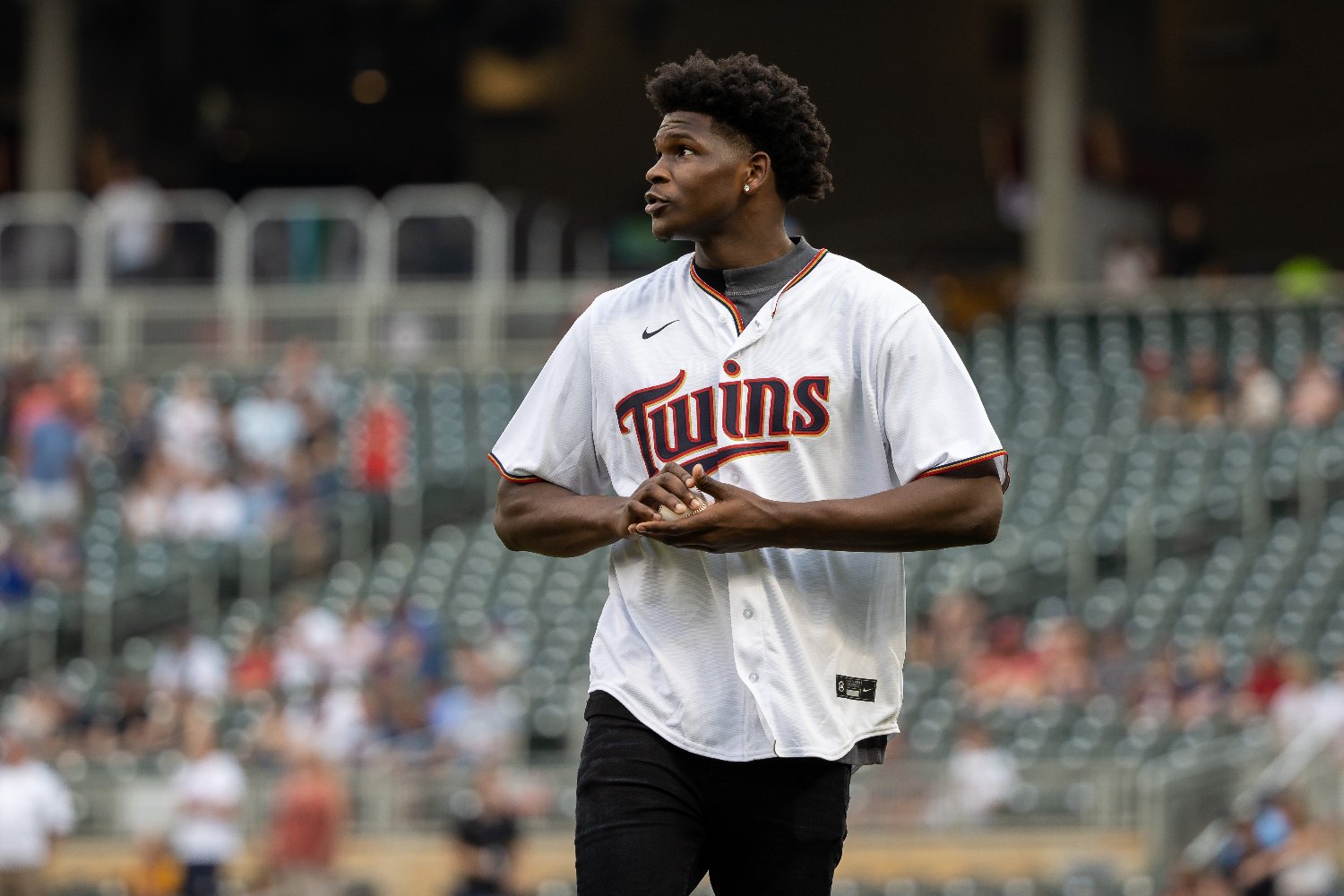 The Minnesota sports scene is an odd mix. You have the over-performing Vikings that figure to take a step back this year with some difficult salary cap constraints, the underperforming Twins with a seemingly playoff-ready roster including three frontline pitchers (four if you’re a big Bailey Ober fan) and multiple superstar-level bats (in theory) complementing perhaps the best closer in the game in Jhoan Duran. Then there are the Timberwolves, who combined immaturity and odd roster fits to form a .500ish team that lost in the first round of the playoffs. If the Twins could channel any of the Vikings’ more-than-the-sum-of-its-parts mojo, they would be considered World Series contenders. Obviously, they haven’t to any degree, and they may not even win the dreadful AL Central. They’ve become the Timberwolves, and the comparison runs pretty deep. You can break it down player by player: Byron Buxton as Karl-Anthony Towns: The longtime superstar who battles injuries and maddening slumps. Buxton does appear to have a much better head on his shoulders, though. Carlos Correa as Rudy Gobert: The key acquisition that cost a lot and while good, hasn’t played to the level he had established earlier in his career, perhaps due to injury. Came to the team with some baggage. Alex Kirilloff as Naz Reid: The burgeoning offensive force who doesn’t play much defense and has missed time with wrist injuries. Royce Lewis as Anthony Edwards: The young superstar and former number overall pick who has taken his lumps on his way to the top. Charismatic and doesn’t get in the way of the other big guns. Jorge Polanco as Mike Conley: The seasoned vet who doesn’t have the legs he used to, but still gives a professional performance despite the clown show going on around him. Jhoan Duran as Jaden McDaniels: Freak athlete at the top of his field. Seems calm; isn’t. Joe Ryan as Kyle Anderson: Has an odd shooting/throwing motion, but makes up for it with elite ability to put the ball where it needs to go. Max Kepler as Jordan McLaughlin: Seen once as a rising contributor with a great skill set for what the team needs, but has faded with his weaknesses exposed (contact quality and shooting ability, respectively). Trevor Larnach as Jaylen Nowell: Lightning in a bottle on occasion, but injuries and inconsistency have clouded his future with the team. Sonny Gray as Taurean Prince: Hired gun and veteran emotional leader who gives amazing performances mixed in with inexplicable control issues. Plays about 75% of the time. Pablo López as Nickeil Walker-Alexander: Acquired in a trade for a popular (or at least high-profile) player who shows all the tools to be a scoring prevention genius, but too inconsistent to really get there. Eduoard Julien as Nate Knight: Some intriguing upside if only he weren’t such a bad defender. Matt Wallner as Luka Garza: Some real offensive skills, but the team is stacked at his position and his defense isn’t great. Jorge López as Austin Rivers: Got some run early on, but a little erratic and slipped down the pecking order. That was fun, but the similarities run even deeper. The Wolves tended to play well against the good teams in the league, splitting the season series against the champion Denver Nuggets, Philadelphia, New York, Memphis, Golden State and Miami while winning series against Cleveland, both LA teams, Sacramento, Dallas (prior to tanking), New Orleans, and Atlanta. They also lost series to Portland, Washington, Charlotte, and most egregiously, Detroit. Sound familiar? The Twins have played at their worst against the Guardians, White Sox, Angels, Nationals, and now the Tigers. Like the Wolves, they play well when expected to lose, like when facing the Yankees, Astros, Blue Jays, Padres and I’ll even throw the Dodgers in there, since that was one inch from being a series win on the road and two inches from being a sweep. They’ll probably surprise us one way or the other in the Boston series. Both teams also lost a vocal leader in Patrick Beverly and Wes Johnson, though those impacts are arguable. Mainly, both teams have alternated weeks where they were ascending and unstoppable with weeks where the sky has fallen by virtue of key injuries, strange officiating and most importantly, lifeless offense that looked unsalvageable. With that said, the Wolves were never too far off of a playoff spot, and considering their star power and assortment of quality defenders following the DeAngelo Russel trade, they were seen as somewhat of a dark horse down the stretch, with Memphis and Sacramento looking like upset candidates should the Wolves meet them in the playoffs. The West wasn’t a great conference, like the AL Central, and a .500 record was good enough to get to the dance. But, as we know, Reid fractured his wrist, McDaniels his hand, and Gobert was limited by back troubles when the playoffs began. To make matters worse, the Wolves ended up facing the eventual champion Nuggets in the first round of the playoffs, and got steamrolled in five games. That may sound grim to compare a tragic season that began with such high hopes to the Twins, who at the very least don’t seem to let immaturity get the best of them (can you imagine Correa taking a swing at Joe Ryan?). But the Wolves won a playoff game. Baby steps.
- 19 comments
-
- 6
-
-

-
- byron buxton
- carlos correa
- (and 3 more)
-
Twins 2, Tigers 0: Twins Win as Tigers Offense Reverts to Form
Hans Birkeland posted an article in Twins
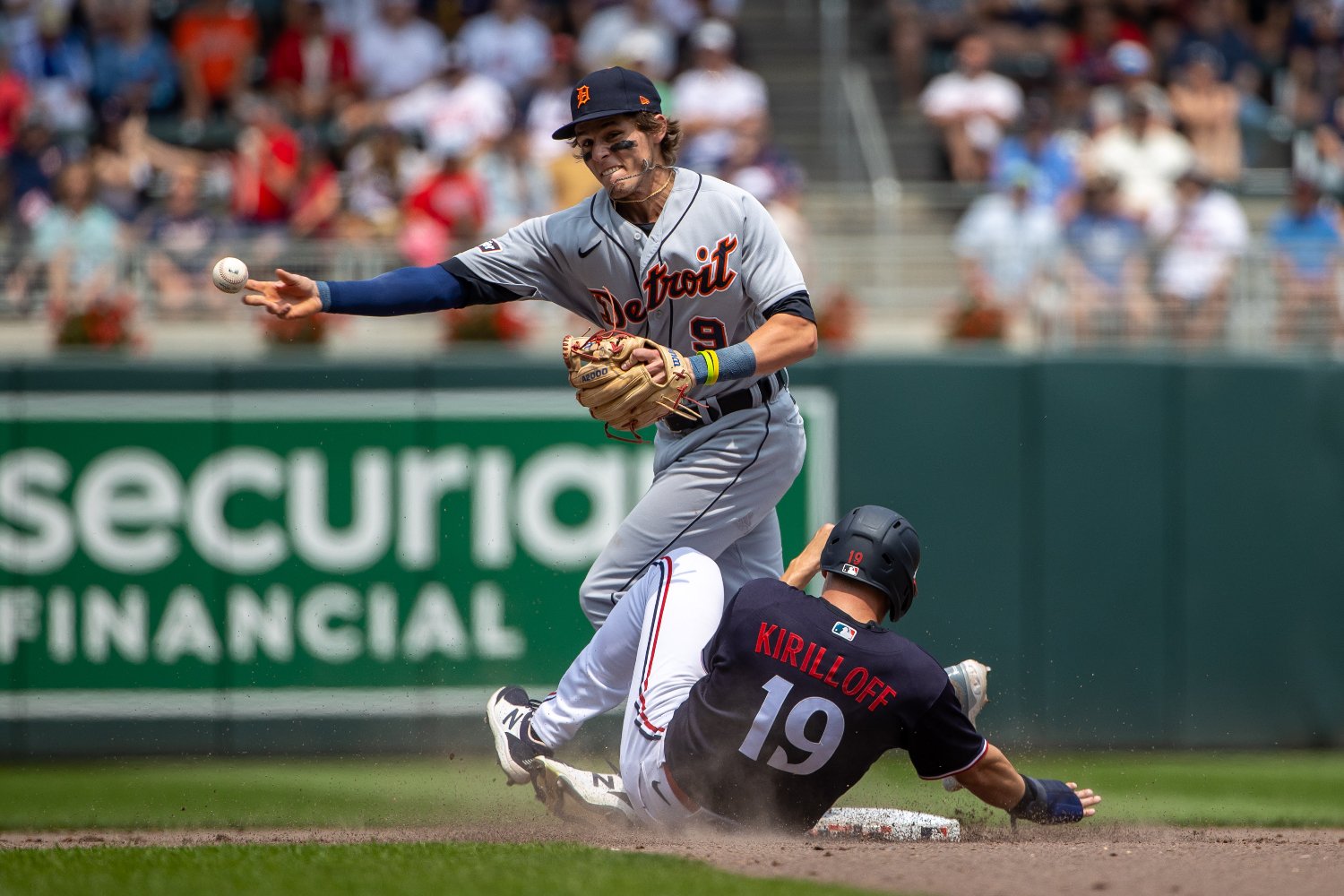 Box Score Bulk pitcher: Brent Headrick: 2 1/3IP 1H, 0ER, 1BB, 2SO (35 Pitches, 24 Strikes, 68.5%) Home Runs: None Top 3 WPA: Headrick (0.140), Alex Kirilloff (0.132), Emilio Pagan (0.099) Win Probability Chart (Via Fangraphs): The Opener works Jose De Leon and Emilio Pagan gave the Twins 3 2/3 perfect innings to start the game, then gave way to Brent Headrick, who finished off the fourth and ran into the first bit of trouble in the fifth before getting bailed out by a brilliant relay throw from Correa to Jeffers that cut down Zach Short trying to score from first on Miguel Cabrera’s double. He pitched an easy sixth inning to cap off his day. Brock Stewart had a five pitch seventh, Griffin Jax an eight pitch eighth, and Jhoan Duran sealed the win. Twins make Joey Wentz look great Featuring a fastball spotted on the outer edges all day, a cutter and curveball he threw for strikes, Wentz was perfect through four innings. The Twins failed to adjust to his arsenal, which baffled them similarly last year when he went four innings and gave up one hit to the Twins on May 31st before leaving with an arm injury that ultimately cost him two months. Forced to pitch longer this time around, Wentz ran into trouble in the fifth, managing to walk Royce Lewis and allowing two singles and an RBI groundout. His stuff may have been less crisp, or the Twins may have made the adjustment that they just need to put something into play. In any case, that fifth inning resulted in double the amount of runs the Twins had scored in their past 20 innings combined. Tigers botch challenge, pay for it immediately After an unsuccessful challenge on the play that retired Short at home, The Twins finally put a rally together, with Royce Lewis’ second career walk, and singles from Willi Castro and Alex Kirilloff bringing in the games first run. Ryan Jeffers then blistered a one-out ground ball (106 MPH) that Short picked off expertly and almost pulled an Isaac Paredes and started an inning-ending double play. However, Kirilloff barreled into the second baseman Nick Maton like it was 1993, taking his legs out and allowing Jeffers to reach first with the second run coming across. A challenge may have resulted in Kirilloff being called out via the “Chase Utley rule,” but there was no challenge to be had. Buxton continues to struggle He worked counts a little better but the holes in Buxton’s swing looked enormous as he struck out twice against the lefty Wentz, missing both belt-high fastballs and back-up breaking balls. He flew out to fairly deep right center field in the sixth on an elevated fastball on the outer half of the plate (101.6 MPH) which counts as progress at this point. He then struck out looking at three strikes in the eighth facing Tigers lefty reliever Tyler Alexander. He is now 0-12 with seven strikeouts since returning from the IL on Thursday. What’s Next: Louie Varland (3-2, 4.70 ERA) tries to bounce back from consecutive poor outings against the Rays and Blue Jays against the light-hitting Tigers. He will face the Tigers’ bullpen, with Detroit missing a multitude of starters on the IL for extended periods. Postgame Interviews: Bullpen Usage Chart: TUE WED THU FRI SAT TOT De León 24 0 0 0 24 48 Pagán 0 0 24 0 21 45 Headrick 0 0 0 0 35 35 J. López 0 0 32 0 0 32 Durán 0 12 0 0 15 27 Morán 0 0 22 0 0 22 Jax 0 11 0 0 8 19 Stewart 0 14 0 0 5 19
 -
The Twins continued to struggle offensively, but the bullpen and Brent Headrick kept the Tigers off the board, allowing a two-run fifth inning to stand up. Royce Lewis started two key double plays and Alex Kirilloff drove in a run off a lefty to key the win. Image courtesy of Jesse Johnson-USA TODAY Sports The Twins continued to struggle offensively, but the bullpen and Brent Headrick kept the Tigers off the board, allowing a two-run fifth inning to stand up. Royce Lewis started two key double plays and Alex Kirilloff drove in a run off a lefty to key the win. Box Score Bulk pitcher: Brent Headrick: 2 1/3IP 1H, 0ER, 1BB, 2SO (35 Pitches, 24 Strikes, 68.5%) Home Runs: None Top 3 WPA: Headrick (0.140), Alex Kirilloff (0.132), Emilio Pagan (0.099) Win Probability Chart (Via Fangraphs): The Opener works Jose De Leon and Emilio Pagan gave the Twins 3 2/3 perfect innings to start the game, then gave way to Brent Headrick, who finished off the fourth and ran into the first bit of trouble in the fifth before getting bailed out by a brilliant relay throw from Correa to Jeffers that cut down Zach Short trying to score from first on Miguel Cabrera’s double. He pitched an easy sixth inning to cap off his day. Brock Stewart had a five pitch seventh, Griffin Jax an eight pitch eighth, and Jhoan Duran sealed the win. Twins make Joey Wentz look great Featuring a fastball spotted on the outer edges all day, a cutter and curveball he threw for strikes, Wentz was perfect through four innings. The Twins failed to adjust to his arsenal, which baffled them similarly last year when he went four innings and gave up one hit to the Twins on May 31st before leaving with an arm injury that ultimately cost him two months. Forced to pitch longer this time around, Wentz ran into trouble in the fifth, managing to walk Royce Lewis and allowing two singles and an RBI groundout. His stuff may have been less crisp, or the Twins may have made the adjustment that they just need to put something into play. In any case, that fifth inning resulted in double the amount of runs the Twins had scored in their past 20 innings combined. Tigers botch challenge, pay for it immediately After an unsuccessful challenge on the play that retired Short at home, The Twins finally put a rally together, with Royce Lewis’ second career walk, and singles from Willi Castro and Alex Kirilloff bringing in the games first run. Ryan Jeffers then blistered a one-out ground ball (106 MPH) that Short picked off expertly and almost pulled an Isaac Paredes and started an inning-ending double play. However, Kirilloff barreled into the second baseman Nick Maton like it was 1993, taking his legs out and allowing Jeffers to reach first with the second run coming across. A challenge may have resulted in Kirilloff being called out via the “Chase Utley rule,” but there was no challenge to be had. Buxton continues to struggle He worked counts a little better but the holes in Buxton’s swing looked enormous as he struck out twice against the lefty Wentz, missing both belt-high fastballs and back-up breaking balls. He flew out to fairly deep right center field in the sixth on an elevated fastball on the outer half of the plate (101.6 MPH) which counts as progress at this point. He then struck out looking at three strikes in the eighth facing Tigers lefty reliever Tyler Alexander. He is now 0-12 with seven strikeouts since returning from the IL on Thursday. What’s Next: Louie Varland (3-2, 4.70 ERA) tries to bounce back from consecutive poor outings against the Rays and Blue Jays against the light-hitting Tigers. He will face the Tigers’ bullpen, with Detroit missing a multitude of starters on the IL for extended periods. Postgame Interviews: Bullpen Usage Chart: TUE WED THU FRI SAT TOT De León 24 0 0 0 24 48 Pagán 0 0 24 0 21 45 Headrick 0 0 0 0 35 35 J. López 0 0 32 0 0 32 Durán 0 12 0 0 15 27 Morán 0 0 22 0 0 22 Jax 0 11 0 0 8 19 Stewart 0 14 0 0 5 19 View full article
- 73 replies
-
- 1
-
-
- byron buxton
- brent headrick
- (and 3 more)
-
Know Your Role: Lineup Edition
Hans Birkeland replied to Hans Birkeland's topic in Twins Daily Front Page News
I think logically it made a lot more sense to take out Harvey than Snell. The Mets had prime Jeurys Familia sitting there, the Rays were bringing in Nick Anderson, who had given up runs in six straight appearances to that point in the postseason. I think both sides miss the plot with regularity, The Rays got burned by being too stat-oriented, the Mets got burned by being too old-school.- 27 replies
-
- 2
-
-
- byron buxton
- doug mientkiewicz
- (and 3 more)
-
Know Your Role: Lineup Edition
Hans Birkeland replied to Hans Birkeland's topic in Twins Daily Front Page News
That was in the ninth, not the sixth. Snell was pulled with 73 pitches. Harvey gave up a leadoff walk and still wasn't taken out with over 100 pitches. -
Know Your Role: Lineup Edition
Hans Birkeland replied to Hans Birkeland's topic in Twins Daily Front Page News
I almost mentioned this Snell hook, a great example of what I'm talking about from a pitching perspective. -
Know Your Role: Lineup Edition
Hans Birkeland replied to Hans Birkeland's topic in Twins Daily Front Page News
If it was against a lefty I'd feel good about putting Farmer third in a pinch. But otherwise you try not to upend the apple cart as much as possible. If he's on the IL look at putting Lewis in the three spot. If it's a couple days maybe try Larnach or Julien. Keeping guys loose and confident is the goal. If prioritizing that is believing in mermaids I got nothing for ya.- 27 replies
-
- 1
-
-
- byron buxton
- doug mientkiewicz
- (and 3 more)
-
Know Your Role: Lineup Edition
Hans Birkeland replied to Hans Birkeland's topic in Twins Daily Front Page News
If you want evidence that leadoff hitters and nine hitters see more strikes I'm sure you can find that on Fangraphs or something but there's a difference between having Derek Jeter look good defensively and the numbers saying otherwise, and knowing logically that pitchers don't want to walk the nine hitter and they don't want to face the two hitter with men on base. I'm sure there are a few pitchers (Sergio Romo) that have better command of their breaking pitches than anything else they throw, but those guys are few and far between. Mainly I'm just happy to be perceived on the scout side of the scout vs stat debate. 14 year old me would be appalled! -
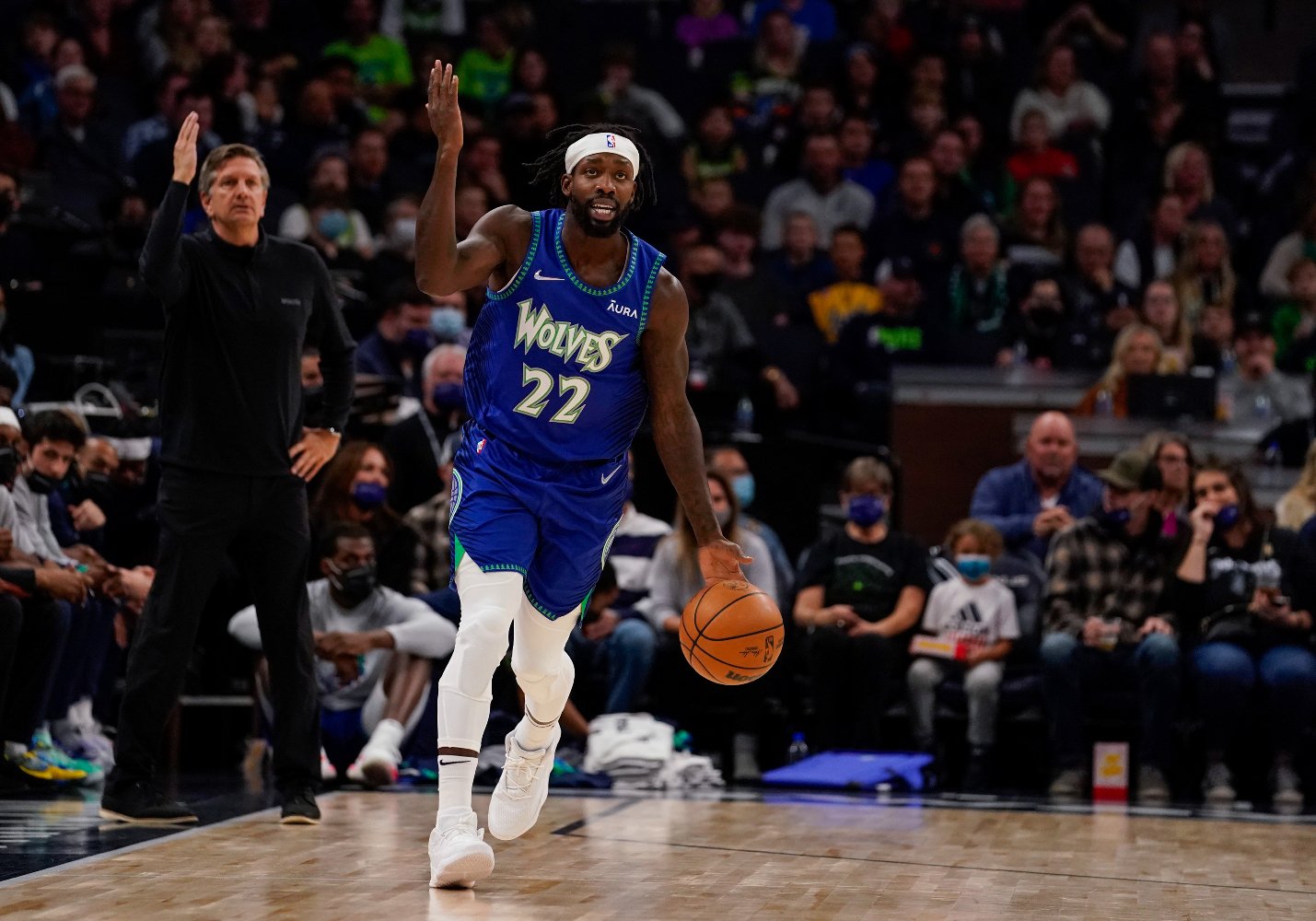 Doug Mientkiewicz was on A.J. Pierzynski’s podcast recently, doing his best Jose Canseco impression and lamenting that the Twins wanted Byron Buxton to experience success in the minors and prioritized that, in Mientkiewicz’s eyes, over his development. That was eye-opening given Buxton’s initial struggles in the majors. Buxton was put in the leadoff spot, according to Mientkiewicz, because he would see more fastballs and would have more success. He could crush fastballs at that point. His weakness was the slider, and in that sense Buxton’s High-A numbers were inflated at the expense of his own development. If this is true, it is pretty damning for the Twins, but not overly surprising. Another area where numbers are given priority over the humans behind them is with lineup construction, and specifically the murky nature of what each hitter’s role is on the team. The roster is full of both good players that need to start hitting, and not-great players the team is stuck with. The only real goal is winning with the guys they have by executing game plans, in-game situations, hitter’s counts. All of it. I’m sure Mientkiewicz would describe this as “knowing how to win.” Teams in all sports need to have success in this somewhat subjective realm. The Vikings won thirteen games this past season by emphasizing winning in-game situations, and their record in one-score games would seem to confirm that. The Timberwolves returned to the playoffs two years ago, and one of the main catalysts was point guard Patrick Beverly, who personally took all of his teammates aside and demanded to know what their “role” was. There is an argument that the Vikings had success because they were lucky and the Wolves had success because they had star players and a good coach, but both franchises had surprising turnarounds either way. When a team has an acute problem and the personnel isn’t the issue, there are only so many options. You can fire the coach like the Vikings, fire the front office like the Angels (but also like the Vikings), or try something new, maybe something a little old school. You can channel some Pat Bev energy and establish defined roles for the lineup, for one. Certainly, injuries have played a part in the infinite number of lineup combinations Rocco Baldelli has utilized thus far. However, getting back to basics and letting individual guys know what spot in the lineup they are going to hit could have some intrinsic benefit. Carlos Correa, for instance, batted in the two hole last year 105 times and the three hole 28 times. This year, he has hit second 33 times, third 18 times, and apparently is now the team’s cleanup hitter. And he’s had a more consistent role than many others: Jorge Polanco has been slowed by injuries this year, yet he still has found himself more than once in each of the leadoff, second, third, fourth and fifth spots in the lineup. Byron Buxton isn’t sure if he’s the leadoff hitter, third place or fourth place hitter. Alex Kirilloff has between four and eight starts in the second, third, fourth and fifth spots in the order. Joey Gallo has more than four starts in the first, fifth, sixth and seventh spots. And now Royce Lewis has only played ten games so far, but has started in five different spots in the batting order. Stability can be beneficial, because different spots in the lineup present different challenges. Leadoff hitters see fewer breaking balls, while number nine hitters see more strikes, as do guys hitting in front of a team’s best hitter. Cleanup hitters might feel their duty is to hit for power and drive in runs, even if that doesn’t come naturally to them as an individual. Leadoff hitters might feel they need to take a pitch or two, even if ambushing the first strike they see is a strength for them. Shuffling between slots can definitely impact a hitter’s confidence because of the pitches they see and their overall mindset, especially if they are a player who thrives off of having a consistent routine. The Twins have depth and a positionally flexible lineup and bench, so there will always be three to four spots that could change on any given day. But it might help to establish that Polanco is the leadoff hitter when he’s healthy. Perhaps Kirilloff has done enough to warrant being the number two hitter. Correa can be the third place hitter, and Buxton can hit cleanup. If the team is confident that Lewis is ascendant, cement him in the number five spot. Gallo can take sixth and the catcher, Michael A. Taylor and your remaining corner outfielder of the month can shuffle around in the final three spots. It should be noted that the hitter who has had the most stability in his lineup position, Taylor (who has hit ninth in 43 out of 51 starts this year), has probably outperformed his preseason projection more than anyone else on the team. The other issue is platooning, and I’m going to jump out on a limb here. The 2021 Giants won 107 games by breaking their backs to have the platoon advantage whenever and wherever possible. Since then, their offense has, for the most part, stalled, with a lot of their lefty mashers regressing against those who they previously feasted upon. It could be a market inefficiency that not fixating on always having the platoon advantage can allow hitters to settle in a little more, get some reps against same-sided pitchers, and more organically be exposed to opposite-handed pitchers. It also might be true that with more pitchers using data to tinker with new pitches, and often pitches that fade arm-side, the platoon advantage for a hitter just doesn’t mean what it once did. If this sounds off base, I implore you to find a more logical explanation for the Twins futility against left-handed pitchers since 2020, with players like Mitch Garver, Miguel Sano, Byron Buxton, Josh Donaldson, Gary Sanchez and Ryan Jeffers inexplicably losing half their OPS against lefties for years at a time once a light was shone on how successful they had been against them. Fixating on the platoon advantage also means subbing out fairly good hitters early in the game, a meager benefit whose cost is potentially prohibitive. Pinch hitting for Kirilloff against the Giants in the second inning a few weeks ago is the best (worst?) example of the kind of over-platooning that can cost the team in the short term (it would be nice to have the team’s best hitter available in the late innings) and long-term (Kirilloff looks like he has the kind of swing and approach to hold his own against lefties if given enough chances). I’m not saying to ignore all platoon advantages, but maybe instead of benching every lefty possible when facing a left-handed starter, just bench one or two. This team has a lot of talent, and the impression I get is that in addition to injuries, the team is messing around with its talent to the point that they are getting in their own way. These guys should hit, and simplifying the job is not only a good way to climb out of any rut, it may be a good long-term play, as well.
- 27 comments
-
- 10
-
-

-
- byron buxton
- doug mientkiewicz
- (and 3 more)
-
The Twins keep underperforming their talent level on offense, with even their more established players struggling with inconsistency and high strikeout rates. Could an ancient tactic from an old friend hold the key to unlocking the lineup's potential? Image courtesy of Nick Wosika, USA Today The Twins keep underperforming their talent level on offense, with even their more established players struggling with inconsistency and high strikeout rates. Could an ancient tactic from an old friend hold the key to unlocking the lineup's potential? Doug Mientkiewicz was on A.J. Pierzynski’s podcast recently, doing his best Jose Canseco impression and lamenting that the Twins wanted Byron Buxton to experience success in the minors and prioritized that, in Mientkiewicz’s eyes, over his development. That was eye-opening given Buxton’s initial struggles in the majors. Buxton was put in the leadoff spot, according to Mientkiewicz, because he would see more fastballs and would have more success. He could crush fastballs at that point. His weakness was the slider, and in that sense Buxton’s High-A numbers were inflated at the expense of his own development. If this is true, it is pretty damning for the Twins, but not overly surprising. Another area where numbers are given priority over the humans behind them is with lineup construction, and specifically the murky nature of what each hitter’s role is on the team. The roster is full of both good players that need to start hitting, and not-great players the team is stuck with. The only real goal is winning with the guys they have by executing game plans, in-game situations, hitter’s counts. All of it. I’m sure Mientkiewicz would describe this as “knowing how to win.” Teams in all sports need to have success in this somewhat subjective realm. The Vikings won thirteen games this past season by emphasizing winning in-game situations, and their record in one-score games would seem to confirm that. The Timberwolves returned to the playoffs two years ago, and one of the main catalysts was point guard Patrick Beverly, who personally took all of his teammates aside and demanded to know what their “role” was. There is an argument that the Vikings had success because they were lucky and the Wolves had success because they had star players and a good coach, but both franchises had surprising turnarounds either way. When a team has an acute problem and the personnel isn’t the issue, there are only so many options. You can fire the coach like the Vikings, fire the front office like the Angels (but also like the Vikings), or try something new, maybe something a little old school. You can channel some Pat Bev energy and establish defined roles for the lineup, for one. Certainly, injuries have played a part in the infinite number of lineup combinations Rocco Baldelli has utilized thus far. However, getting back to basics and letting individual guys know what spot in the lineup they are going to hit could have some intrinsic benefit. Carlos Correa, for instance, batted in the two hole last year 105 times and the three hole 28 times. This year, he has hit second 33 times, third 18 times, and apparently is now the team’s cleanup hitter. And he’s had a more consistent role than many others: Jorge Polanco has been slowed by injuries this year, yet he still has found himself more than once in each of the leadoff, second, third, fourth and fifth spots in the lineup. Byron Buxton isn’t sure if he’s the leadoff hitter, third place or fourth place hitter. Alex Kirilloff has between four and eight starts in the second, third, fourth and fifth spots in the order. Joey Gallo has more than four starts in the first, fifth, sixth and seventh spots. And now Royce Lewis has only played ten games so far, but has started in five different spots in the batting order. Stability can be beneficial, because different spots in the lineup present different challenges. Leadoff hitters see fewer breaking balls, while number nine hitters see more strikes, as do guys hitting in front of a team’s best hitter. Cleanup hitters might feel their duty is to hit for power and drive in runs, even if that doesn’t come naturally to them as an individual. Leadoff hitters might feel they need to take a pitch or two, even if ambushing the first strike they see is a strength for them. Shuffling between slots can definitely impact a hitter’s confidence because of the pitches they see and their overall mindset, especially if they are a player who thrives off of having a consistent routine. The Twins have depth and a positionally flexible lineup and bench, so there will always be three to four spots that could change on any given day. But it might help to establish that Polanco is the leadoff hitter when he’s healthy. Perhaps Kirilloff has done enough to warrant being the number two hitter. Correa can be the third place hitter, and Buxton can hit cleanup. If the team is confident that Lewis is ascendant, cement him in the number five spot. Gallo can take sixth and the catcher, Michael A. Taylor and your remaining corner outfielder of the month can shuffle around in the final three spots. It should be noted that the hitter who has had the most stability in his lineup position, Taylor (who has hit ninth in 43 out of 51 starts this year), has probably outperformed his preseason projection more than anyone else on the team. The other issue is platooning, and I’m going to jump out on a limb here. The 2021 Giants won 107 games by breaking their backs to have the platoon advantage whenever and wherever possible. Since then, their offense has, for the most part, stalled, with a lot of their lefty mashers regressing against those who they previously feasted upon. It could be a market inefficiency that not fixating on always having the platoon advantage can allow hitters to settle in a little more, get some reps against same-sided pitchers, and more organically be exposed to opposite-handed pitchers. It also might be true that with more pitchers using data to tinker with new pitches, and often pitches that fade arm-side, the platoon advantage for a hitter just doesn’t mean what it once did. If this sounds off base, I implore you to find a more logical explanation for the Twins futility against left-handed pitchers since 2020, with players like Mitch Garver, Miguel Sano, Byron Buxton, Josh Donaldson, Gary Sanchez and Ryan Jeffers inexplicably losing half their OPS against lefties for years at a time once a light was shone on how successful they had been against them. Fixating on the platoon advantage also means subbing out fairly good hitters early in the game, a meager benefit whose cost is potentially prohibitive. Pinch hitting for Kirilloff against the Giants in the second inning a few weeks ago is the best (worst?) example of the kind of over-platooning that can cost the team in the short term (it would be nice to have the team’s best hitter available in the late innings) and long-term (Kirilloff looks like he has the kind of swing and approach to hold his own against lefties if given enough chances). I’m not saying to ignore all platoon advantages, but maybe instead of benching every lefty possible when facing a left-handed starter, just bench one or two. This team has a lot of talent, and the impression I get is that in addition to injuries, the team is messing around with its talent to the point that they are getting in their own way. These guys should hit, and simplifying the job is not only a good way to climb out of any rut, it may be a good long-term play, as well. View full article
-
It shouldn't be possible- If I would have told you prior to the season that the starting pitching was great, no one in the lineup was injured for more than a few weeks at a time, Alex Kirilloff is healthy and putting up a nearly .900 OPS, Joey Gallo actually bounced back, and Royce Lewis came back before June and hit right away, would you peg them for a .500 record? Something is missing.
- 15 comments
-
- 1
-
-
- joe maddon
- byron buxton
- (and 3 more)
-
The Twins’ bats continued to languish against Toronto’s bullpen attack, being held scoreless for six innings and falling behind 3-0. But Joe Ryan kept the game close despite an effective approach by the Blue Jays’ hitters, and Carlos Correa made up for a lot of missed RBI chances the first half of the season with a go-ahead grand slam in the eighth. Max Kepler added a three-run homer and the bullpen held on to clinch a series win against the previously hot Blue Jays. Image courtesy of John E. Sokolowski-USA TODAY Sports The Twins’ bats continued to languish against Toronto’s bullpen attack, being held scoreless for six innings and falling behind 3-0. But Joe Ryan kept the game close despite an effective approach by the Blue Jays’ hitters, and Carlos Correa made up for a lot of missed RBI chances the first half of the season with a go-ahead grand slam in the eighth. Max Kepler added a three-run homer and the bullpen held on to clinch a series win against the previously hot Blue Jays. Box Score SP: Joe Ryan: 6 IP, 6 H, 3 ER, 1 BB, 4 K (84 Pitches, 56 Strikes, 66.6%) Home Runs: Larnach (6), Correa (8), Kepler (7) Top 3 WPA: Correa (0.474), Julien (0.171), Solano (0.120) Win Probability Chart (Via Fangraphs): Ryan looked to have decent command and stuff coming off a largely dominant outing against Cleveland last Sunday. He missed with most of his offspeed offerings the first time through the lineup, however, and the Blue Jays seemed to have a game plan to be aggressive early in the count, sit fastball and hit the ball the other way. Their best contact hitters, Bichette, Guerrero and Merrifield used this approach to great effect in scoring the two runs that Ryan allowed. Ryan threw the split-change and sweeper for more strikes the second and third time through the order, with a split-change to strike out Bichette a notable highlight. It does seem that the book on Ryan has evolved, given that he now throws an effective split-change and decent sweeper, toward attacking the opposite field early in counts. Ryan bent but didn’t break and gave the Twins his tenth quality start of the year. Trevor Richards mystifies Twins hitters with something called a changeup The Blue Jays countered Ryan with one of their more fungible relievers, Trevor Richards, operating as an opener. Richards came in with a 3.61 ERA and five home runs allowed in 27 innings, but flummoxed the Twins with his changeup heavy pitch mix. After allowing a solid double to the left field corner off the bat of Eduoard Julien to start the game, he retired Donovan Solano on a fly ball, struck out Alex Kirilloff and got Carlos Correa to pop out weakly. He then mowed down the rest of the Twins order, setting down Trevor Larnach, Willi Castro, Max Kepler, Ryan Jeffers and Michael A. Taylor on strikes, all on the changeup. Ed Julien sets the tone early With everyone on the team striking out (twelve of the first sixteen outs recorded that way) Julien took some great at-bats and ended up going 2-for-3 with a double and a walk, his lone out occurring when he took a borderline pitch on a 3-2 count from Bowden Francis for strike three. After looking pressed following his nightmare game a couple of Sundays ago against these same Jays, Julien looked the part of a patient spark plug, taking balls and not uppercutting his swing quite as much on balls in the zone. His bloop hit against Adam Cimber was key to their seven run eighth inning. Correa changes the game After Kirilloff struck out with the bases loaded and no outs, the second time he struck out with a runner on third and less than two outs, Correa stepped up and launched a 75 MPH slurve from Adam Cimber for a go ahead grand slam. The choice of Cimber was curious, as he has not been particularly effective on the year and gave up the go-ahead run of Friday’s game just hours earlier. He had also allowed three straight singles prior to the strikeout of Kirilloff. Their best reliever, Jordan Romano, didn’t pitch on Friday and was looming in the ninth if Toronto was able to maintain its lead, so it's odd he wasn’t allowed to come in and get more than three outs, something he does relatively often. Kepler shows signs of life Max Kepler has been the subject of most Twins fans ire in recent weeks, despite carrying a nearly .800 OPS and great defense prior to his most recent leg injury. He certainly has been brutal since returning, going 4-for-33 with no power and a crucial baserunning mistake in Tampa Bay. But one thing about Kepler is that whenever he seems his most hopeless is when he tends to impact a game with a big swing, and he delivered, following Correa’s grand slam with a three run shot of his own. This was important because had Kepler tapped into a double play like we all thought, a 5-3 lead would have been handed to José De León, who had not pitched in high-leverage games coming into today’s game. Making it 8-3 gave some breathing room to De León, who was about to face the meat of Toronto’s lineup. Kepler also singled against a tough lefty, Tim Mayza, earlier in the game. Bullpen takes care of business without Duran After Jhoan Duran threw 38 pitches to seal the win on Friday, it would have been justifiable to have Joe Ryan start the seventh inning, as he had thrown just 84 pitches to that point. Instead, Baldelli turned to Jorge López, and for the first time in years, López turned in a clean inning, allowing just an infield single to George Springer. De León came in for the eighth after the Twins took the lead and set down the 3-4-5 section of the Jays’ lineup in order. He ran into a little trouble in the ninth, allowing three straight batters to reach and handing the ball to Brock Stewart, who threw one pitch and got the last two outs to book the win. What’s Next Louie Varland (3-2, 4.40 ERA) faces off against Blue Jays ace Kevin Gausman (5-3, 2.63 ERA) as the Twins look to complete a surprising sweep of a quality Toronto team at Rogers Centre. Varland is coming off his worst start of the year in St. Petersburg, when he gave up seven runs to the Rays over six innings. Gausman was last seen striking out 13 Astros over seven innings in a win on Tuesday and his splitter will be a tough test for the strikeout-prone Twins lineup. Postgame Interviews Bullpen Usage Chart TUE WED THU FRI SAT TOT De León 0 0 26 0 31 57 Durán 0 2 0 38 0 40 Stewart 0 13 0 24 1 38 Jax 0 0 10 13 0 23 Pagán 20 0 0 0 0 20 J. López 0 0 0 0 13 13 Morán 0 0 0 7 0 7 Winder 0 0 0 0 0 0 View full article
-
Twins 9, Blue Jays 4: Offense Wakes Up Late, Twins Take Series in Toronto
Hans Birkeland posted an article in Twins
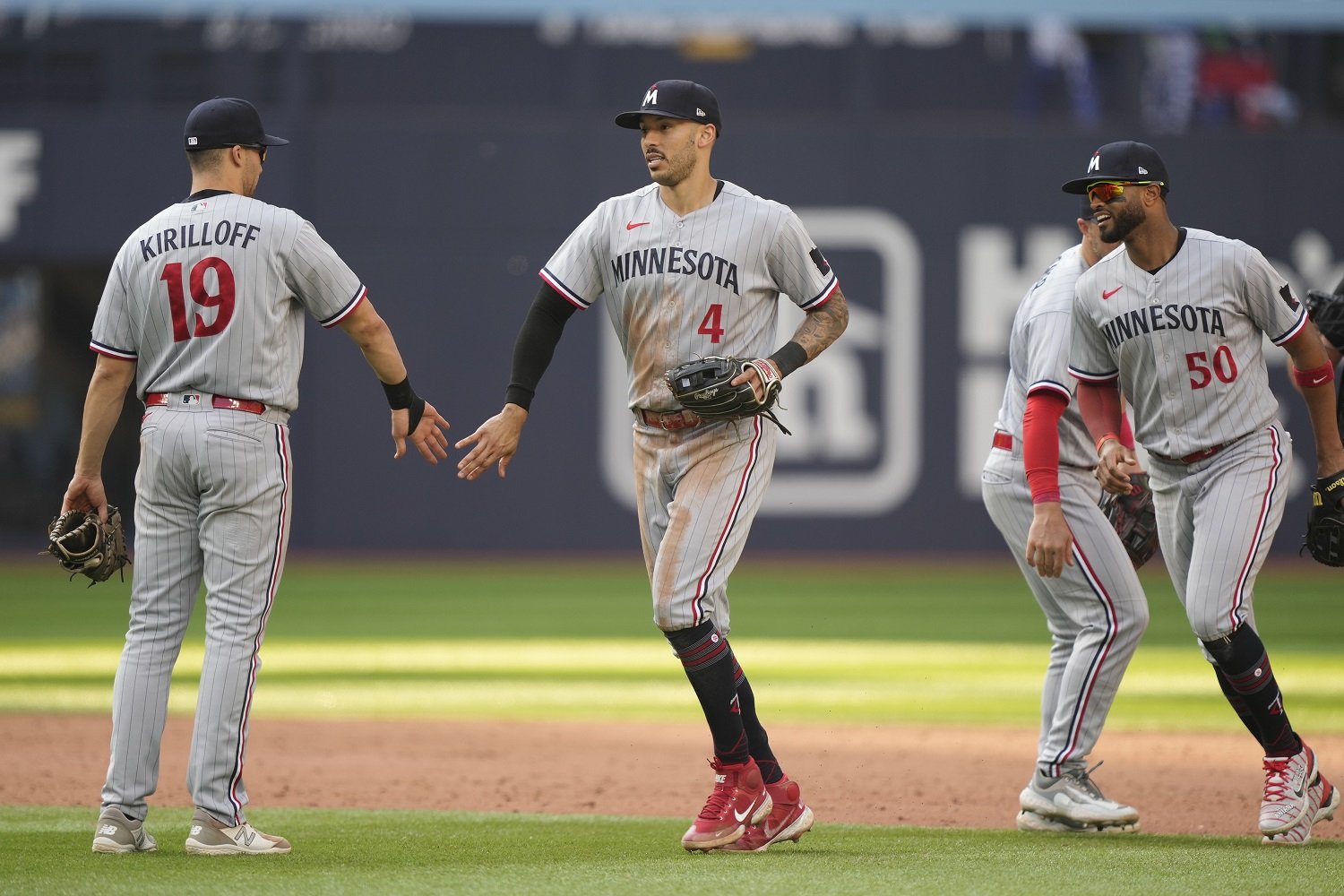 Box Score SP: Joe Ryan: 6 IP, 6 H, 3 ER, 1 BB, 4 K (84 Pitches, 56 Strikes, 66.6%) Home Runs: Larnach (6), Correa (8), Kepler (7) Top 3 WPA: Correa (0.474), Julien (0.171), Solano (0.120) Win Probability Chart (Via Fangraphs): Ryan looked to have decent command and stuff coming off a largely dominant outing against Cleveland last Sunday. He missed with most of his offspeed offerings the first time through the lineup, however, and the Blue Jays seemed to have a game plan to be aggressive early in the count, sit fastball and hit the ball the other way. Their best contact hitters, Bichette, Guerrero and Merrifield used this approach to great effect in scoring the two runs that Ryan allowed. Ryan threw the split-change and sweeper for more strikes the second and third time through the order, with a split-change to strike out Bichette a notable highlight. It does seem that the book on Ryan has evolved, given that he now throws an effective split-change and decent sweeper, toward attacking the opposite field early in counts. Ryan bent but didn’t break and gave the Twins his tenth quality start of the year. Trevor Richards mystifies Twins hitters with something called a changeup The Blue Jays countered Ryan with one of their more fungible relievers, Trevor Richards, operating as an opener. Richards came in with a 3.61 ERA and five home runs allowed in 27 innings, but flummoxed the Twins with his changeup heavy pitch mix. After allowing a solid double to the left field corner off the bat of Eduoard Julien to start the game, he retired Donovan Solano on a fly ball, struck out Alex Kirilloff and got Carlos Correa to pop out weakly. He then mowed down the rest of the Twins order, setting down Trevor Larnach, Willi Castro, Max Kepler, Ryan Jeffers and Michael A. Taylor on strikes, all on the changeup. Ed Julien sets the tone early With everyone on the team striking out (twelve of the first sixteen outs recorded that way) Julien took some great at-bats and ended up going 2-for-3 with a double and a walk, his lone out occurring when he took a borderline pitch on a 3-2 count from Bowden Francis for strike three. After looking pressed following his nightmare game a couple of Sundays ago against these same Jays, Julien looked the part of a patient spark plug, taking balls and not uppercutting his swing quite as much on balls in the zone. His bloop hit against Adam Cimber was key to their seven run eighth inning. Correa changes the game After Kirilloff struck out with the bases loaded and no outs, the second time he struck out with a runner on third and less than two outs, Correa stepped up and launched a 75 MPH slurve from Adam Cimber for a go ahead grand slam. The choice of Cimber was curious, as he has not been particularly effective on the year and gave up the go-ahead run of Friday’s game just hours earlier. He had also allowed three straight singles prior to the strikeout of Kirilloff. Their best reliever, Jordan Romano, didn’t pitch on Friday and was looming in the ninth if Toronto was able to maintain its lead, so it's odd he wasn’t allowed to come in and get more than three outs, something he does relatively often. Kepler shows signs of life Max Kepler has been the subject of most Twins fans ire in recent weeks, despite carrying a nearly .800 OPS and great defense prior to his most recent leg injury. He certainly has been brutal since returning, going 4-for-33 with no power and a crucial baserunning mistake in Tampa Bay. But one thing about Kepler is that whenever he seems his most hopeless is when he tends to impact a game with a big swing, and he delivered, following Correa’s grand slam with a three run shot of his own. This was important because had Kepler tapped into a double play like we all thought, a 5-3 lead would have been handed to José De León, who had not pitched in high-leverage games coming into today’s game. Making it 8-3 gave some breathing room to De León, who was about to face the meat of Toronto’s lineup. Kepler also singled against a tough lefty, Tim Mayza, earlier in the game. Bullpen takes care of business without Duran After Jhoan Duran threw 38 pitches to seal the win on Friday, it would have been justifiable to have Joe Ryan start the seventh inning, as he had thrown just 84 pitches to that point. Instead, Baldelli turned to Jorge López, and for the first time in years, López turned in a clean inning, allowing just an infield single to George Springer. De León came in for the eighth after the Twins took the lead and set down the 3-4-5 section of the Jays’ lineup in order. He ran into a little trouble in the ninth, allowing three straight batters to reach and handing the ball to Brock Stewart, who threw one pitch and got the last two outs to book the win. What’s Next Louie Varland (3-2, 4.40 ERA) faces off against Blue Jays ace Kevin Gausman (5-3, 2.63 ERA) as the Twins look to complete a surprising sweep of a quality Toronto team at Rogers Centre. Varland is coming off his worst start of the year in St. Petersburg, when he gave up seven runs to the Rays over six innings. Gausman was last seen striking out 13 Astros over seven innings in a win on Tuesday and his splitter will be a tough test for the strikeout-prone Twins lineup. Postgame Interviews Bullpen Usage Chart TUE WED THU FRI SAT TOT De León 0 0 26 0 31 57 Durán 0 2 0 38 0 40 Stewart 0 13 0 24 1 38 Jax 0 0 10 13 0 23 Pagán 20 0 0 0 0 20 J. López 0 0 0 0 13 13 Morán 0 0 0 7 0 7 Winder 0 0 0 0 0 0
- 41 comments
-
- 4
-
-
- carlos correa
- edouard julien
- (and 3 more)
-
The hitters are good, the pitchers are good, everyone is hurt and the team is fading fast. I traveled through time to give you the beat report from June 6th, 2025: These Twins are hard to figure out. Sure, they lead the league in run differential but something seems to be missing for the club, now 25-35 and one game out of first place in the AL Central after being swept by Cleveland while being outscored by three runs. “We’re taking good at-bats; we just can’t seem to scrape across that one crucial run when we need it most. I tried shaving my privates and confessing all my sins, but nothing seems to work,” said manager Joe Maddon. The team is at a crossroads. They’ve pitched well, with Joe Ryan, Bailey Ober and Matt Wallner all posting ERAs under 2.00. They’ve hit well overall too, with eight lineup regulars hitting above a .900 OPS, and only minor league signing Max Kepler below that mark. The bullpen has had good moments too, as Derek Falvey describes: “Imagine where we’d be without Jhoan Duran. Since he learned how to throw so hard that he broke the space time continuum and subtracted runs the other team has already scored, he’s really been a boost. It’s a shame we can only use him for three innings once a month.” He continued: “Having a -1.20 ERA guy at the back of the bullpen is super sick.” The team has also rallied around Royce Lewis, who missed 2024 with what is being colloquially described as Royce Lewis Surgery, and is recovering from a gunshot wound currently. Lewis’ positivity is something his teammates are inspired by, and they hope for a quick recovery for Lewis, who was hitting .400 with nine home runs in fourteen games this year. “I’d be lying if I said I didn’t want to be out there with my teammates,” said Lewis, “But at the end of the day I can only control what I can control. Even though the gunman looked like Gabriel Arias, we can’t know for sure, so I’m just going to put in my work and get back on the field, hopefully by 2027.” The first place Guardians certainly know how to win games, although their record sits below .500 at the moment. They expect Jose Ramirez back soon from a facial laceration suffered when his helmet popped off during a swing, tripped Ryan Jeffers (who suffered a torn ACL) and popped back and grazed Ramirez’s cheek. Jeffers was leading the All-Star voting at catcher at the time. Said Ramirez: "The doctors told me if I didn't stick so much chew in my cheeks this wouldn't have happened. It was the wake-up call I needed to quit tobacco for good. Thanks Ryan Jeffers." When asked, Jeffers added the following: "The doctors told me if they find a donor I might be able to walk again." The Guardians are hitting for a .490 OPS as a team, but that hasn’t caused them to change their approach. Manager Terry Francona has grown a curly mustache and admits his only goal is to frustrate more talented teams by trying to put every ball in play. The plan hasn’t worked exactly- Cleveland is 0-18 against the Astros, Rays and Yankees, but a perfect 7-0 against the Twins, despite playing them only six times. “I’m proud of our guys,” said Francona, “Sure, George Valera had a .600 slugging percentage in Triple-A but seeing him get a bloop hit against an All-Star like Bailey Ober, advancing to second on the gunshot to Lewis and getting to third when we bunted and Ober forgot he was right-handed, and scoring when God himself descended from heaven and gave the middle finger to the Twins dugout which distracted everyone and allowed him to score, that was nice work. We have a scrappy group.” Despite ranking number one in pitching and hitting as a team, a first for the franchise this deep into the season, the Twins are being talked about as sellers at the deadline. Falvey admitted as such to the media Friday: “Look, we aren't where we want to be. Fortunately for me and Thad, we signed under-the-table ten year extensions before the tie-breaking loss to the Tigers in game 162 of 2023. This team has a lot of talent but clearly we need to reshuffle things if we want to compete going forward. We saw the Guardians just trade their ace Triston McKenzie for nineteen top one hundred prospects last week so we have to keep pace.” Asked if Carlos Correa would ever escape from Russian state prison, Falvey laughed. “We don’t expect Carlos back this year. His ankle is fine, we think if he can strike a deal to serve in the Russian army for a couple years he can return stateside by 2028.” DH Byron Buxton is another story. It came out last week that he has been playing with a serrated knife plunged into his lower abdomen, meaning his pursuit of the major league home run record may have to wait. When asked about the injury, he told Do-Young Park of MLB.com, “Have you ever had a knife in your dick? I would advise against it.” All that said, the Twins are an exciting team this year. Hopefully a little patience goes a long way and they hit their stride, unlike in 2024 when their twenty game win streak to start the year was curtailed when the visiting clubhouse at Guaranteed Rate Field had a sewage explosion and everyone on the team got Hepatitis A and Cole Sands died. “We’re a good team,” said leadoff hitter Willi Castro, ”Obviously we’ve had a few breaks not go our way but there’s a lot of fight in this team. Not many teams can navigate the number of funerals we attend, but if we keep scoring runs and pitching the way we have, we’ll be fine.” Up next: Tuesday’s opening game against the Royals has been suspended because pitcher Louie Varland has obtained WMDs. Varland claims he doesn't know how he got them, he was just trying to get ahead in the count.
- 15 comments
-
- 3
-
-
-
- joe maddon
- byron buxton
- (and 3 more)
-
The Twins struggled to string hits together against Logan Allen, and the Guardians rallied late against Sonny Gray to take game three of the series. Image courtesy of Bruce Kluckhohn-USA TODAY Sports The Twins struggled to string hits together against Logan Allen, and the Guardians rallied late against Sonny Gray to take game three of the series. Box Score: SP: Sonny Gray: 6.2 IP 10 H 3 ER 0 BB 2 SO (90 Pitches, 62 Strikes, 68.8%) Home Runs: Jorge Polanco (5) Bottom 3 WPA: Willi Castro (-0.195), Gray (-0.168), Royce Lewis (-0.081) Win Probability Chart (Via Fangraphs): Logan T. Allen holds Twins in check After Jorge Polanco launched a middle-middle fastball for a home run the first at-bat of the game against Guardians starter Logan Allen, it looked like it might be open season against the young lefty. However, following Polanco the Twins were very passive against the fastball, letting a lot of them go by for strike one or two and setting the Twins’ hitters up to survive against Allen’s plus offspeed stuff. Donovan Solano had the best at-bats and collected two hits against Allen, including his go-ahead double in the fifth inning. Sonny Gray efficient, a little too hittable Sonny Gray had good command of a handful of pitches, throwing his two seamer, cutter, curveball and slider to good effect. The Guardians seemed content to shorten up and slice singles up the middle or to the opposite field. Gray’s adjustment was to paint the corners, but the Guardian’s approach allowed them to still put runners on base in almost every inning, with ten hits allowed. Unlike in his outing at Progressive field a month ago, Gray managed to limit the damage (and replacing Jose Miranda with Royce Lewis at third base surely helped). The contact against Gray got harder as the game progressed, with a line drive by Josh Naylor in the sixth (104 MPH) particularly well struck. That led to Will Brennan’s go-ahead two-run homer in the seventh, launched at 105 MPH and effectively ending the day for Gray. Is Christian Vazquez back? After posting a .446 OPS in May and ceding some playing time to the hot hitting Ryan Jeffers, Christian Vazquez has started to show some signs of life, with five hits in his last eleven at-bats, including two extra-base hits. He started a rally in the fifth, lining a double the opposite way on a fastball off the plate outside from Allen and scoring the go-ahead run on Solano’s double. Vazquez being a .260 hitter with the occasional double brings a new dimension to the team’s catching core. Him hitting for a .250 OBP, as he did in May, surely does not. Big swing brutalizes Twins After getting the first two men on in the sixth inning against a tiring Allen, Ryan Jeffers laid down a well-executed sacrifice bunt to bring up Willi Castro with one out and two runners in scoring position, hoping to expand on a 2-1 lead. Castro then laced a line drive (.440 xBA) right to Jose Ramirez, who stepped on third base to double up Kyle Farmer and end the threat. Gabriel Arias then led off the seventh inning by getting way out in front of a Gray curveball, but managing to doink it out to left-center field. With Gray’s pitch count still in great shape, Will Brennan then did what was all too obvious, blasting another Gray curveball for a game-swinging home run, Gray’s first home run allowed on the year, and Cleveland’s 34th on the year, good for last in the league. What’s Next: Joe Ryan (7-2, 2.77 ERA) goes for the series win against Cleveland co-ace Triston McKenzie making his first start of the season due to injury. Ryan is coming off his worst start of the year, surrendering five runs over four innings against Houston, while McKenzie is recovered from a shoulder issue that cost him the first two months of the season. He was a big part of Cleveland’s 2022 success, pitching to a 2.96 ERA over 191 innings. Postgame Interviews Coming Soon. Bullpen Usage Chart TUE WED THU FRI SAT TOT Sands 48 0 0 0 0 48 J. López 0 16 0 0 31 47 Pagán 0 0 33 0 4 37 Morán 1 0 0 13 19 33 Stewart 0 13 0 15 0 28 Durán 0 0 0 26 0 26 Jax 8 0 12 0 0 20 De León 0 16 0 0 0 16 View full article
- 23 replies
-
- 1
-
-
- jorge polanco
- ryan jeffers
- (and 2 more)
-
Guardians 4, Twins 2: Gray Allows First Home Run of Season, Twins Lose
Hans Birkeland posted an article in Twins
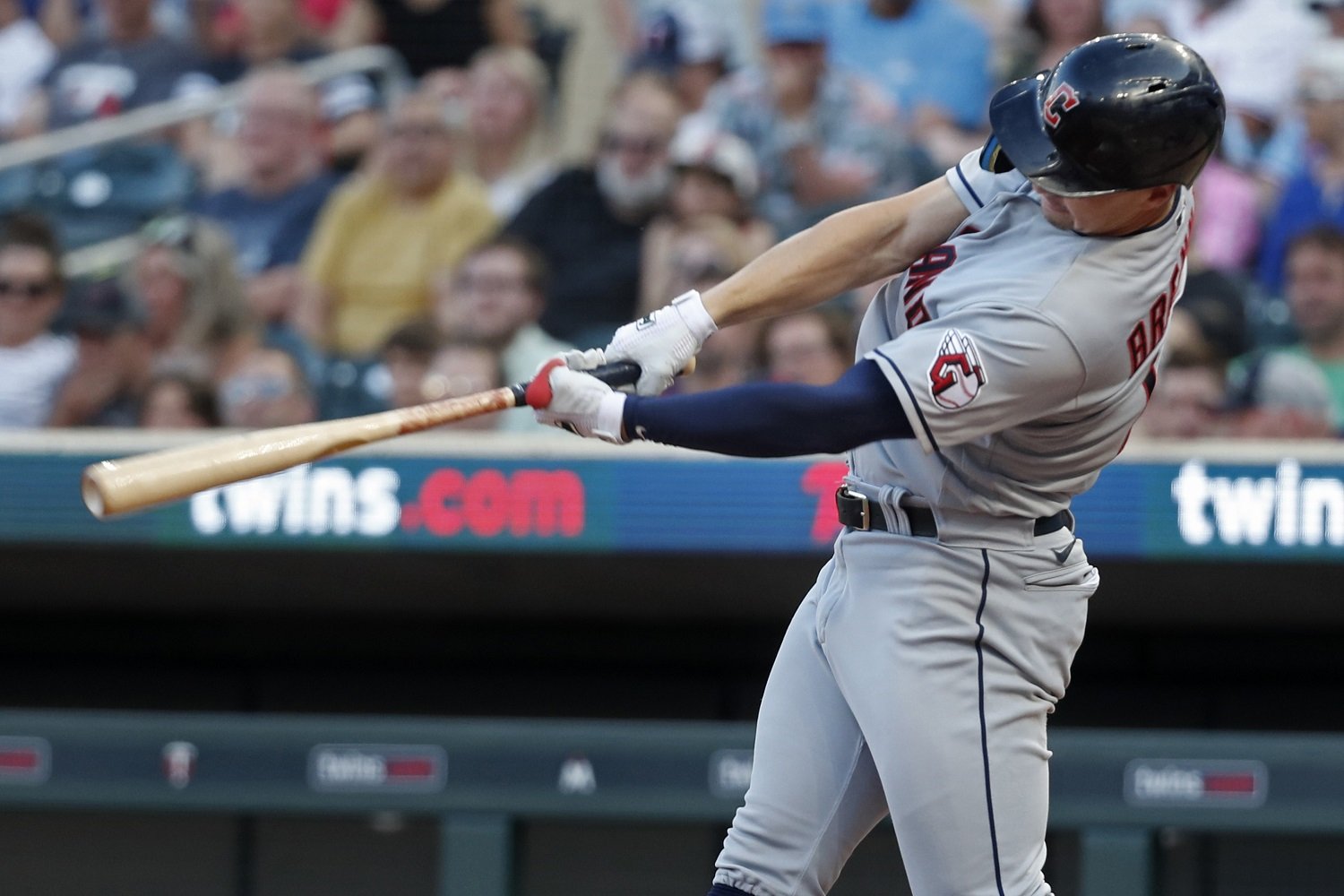 Box Score: SP: Sonny Gray: 6.2 IP 10 H 3 ER 0 BB 2 SO (90 Pitches, 62 Strikes, 68.8%) Home Runs: Jorge Polanco (5) Bottom 3 WPA: Willi Castro (-0.195), Gray (-0.168), Royce Lewis (-0.081) Win Probability Chart (Via Fangraphs): Logan T. Allen holds Twins in check After Jorge Polanco launched a middle-middle fastball for a home run the first at-bat of the game against Guardians starter Logan Allen, it looked like it might be open season against the young lefty. However, following Polanco the Twins were very passive against the fastball, letting a lot of them go by for strike one or two and setting the Twins’ hitters up to survive against Allen’s plus offspeed stuff. Donovan Solano had the best at-bats and collected two hits against Allen, including his go-ahead double in the fifth inning. Sonny Gray efficient, a little too hittable Sonny Gray had good command of a handful of pitches, throwing his two seamer, cutter, curveball and slider to good effect. The Guardians seemed content to shorten up and slice singles up the middle or to the opposite field. Gray’s adjustment was to paint the corners, but the Guardian’s approach allowed them to still put runners on base in almost every inning, with ten hits allowed. Unlike in his outing at Progressive field a month ago, Gray managed to limit the damage (and replacing Jose Miranda with Royce Lewis at third base surely helped). The contact against Gray got harder as the game progressed, with a line drive by Josh Naylor in the sixth (104 MPH) particularly well struck. That led to Will Brennan’s go-ahead two-run homer in the seventh, launched at 105 MPH and effectively ending the day for Gray. Is Christian Vazquez back? After posting a .446 OPS in May and ceding some playing time to the hot hitting Ryan Jeffers, Christian Vazquez has started to show some signs of life, with five hits in his last eleven at-bats, including two extra-base hits. He started a rally in the fifth, lining a double the opposite way on a fastball off the plate outside from Allen and scoring the go-ahead run on Solano’s double. Vazquez being a .260 hitter with the occasional double brings a new dimension to the team’s catching core. Him hitting for a .250 OBP, as he did in May, surely does not. Big swing brutalizes Twins After getting the first two men on in the sixth inning against a tiring Allen, Ryan Jeffers laid down a well-executed sacrifice bunt to bring up Willi Castro with one out and two runners in scoring position, hoping to expand on a 2-1 lead. Castro then laced a line drive (.440 xBA) right to Jose Ramirez, who stepped on third base to double up Kyle Farmer and end the threat. Gabriel Arias then led off the seventh inning by getting way out in front of a Gray curveball, but managing to doink it out to left-center field. With Gray’s pitch count still in great shape, Will Brennan then did what was all too obvious, blasting another Gray curveball for a game-swinging home run, Gray’s first home run allowed on the year, and Cleveland’s 34th on the year, good for last in the league. What’s Next: Joe Ryan (7-2, 2.77 ERA) goes for the series win against Cleveland co-ace Triston McKenzie making his first start of the season due to injury. Ryan is coming off his worst start of the year, surrendering five runs over four innings against Houston, while McKenzie is recovered from a shoulder issue that cost him the first two months of the season. He was a big part of Cleveland’s 2022 success, pitching to a 2.96 ERA over 191 innings. Postgame Interviews Coming Soon. Bullpen Usage Chart TUE WED THU FRI SAT TOT Sands 48 0 0 0 0 48 J. López 0 16 0 0 31 47 Pagán 0 0 33 0 4 37 Morán 1 0 0 13 19 33 Stewart 0 13 0 15 0 28 Durán 0 0 0 26 0 26 Jax 8 0 12 0 0 20 De León 0 16 0 0 0 16
- 23 comments
-
- 1
-
-
- jorge polanco
- ryan jeffers
- (and 2 more)
-
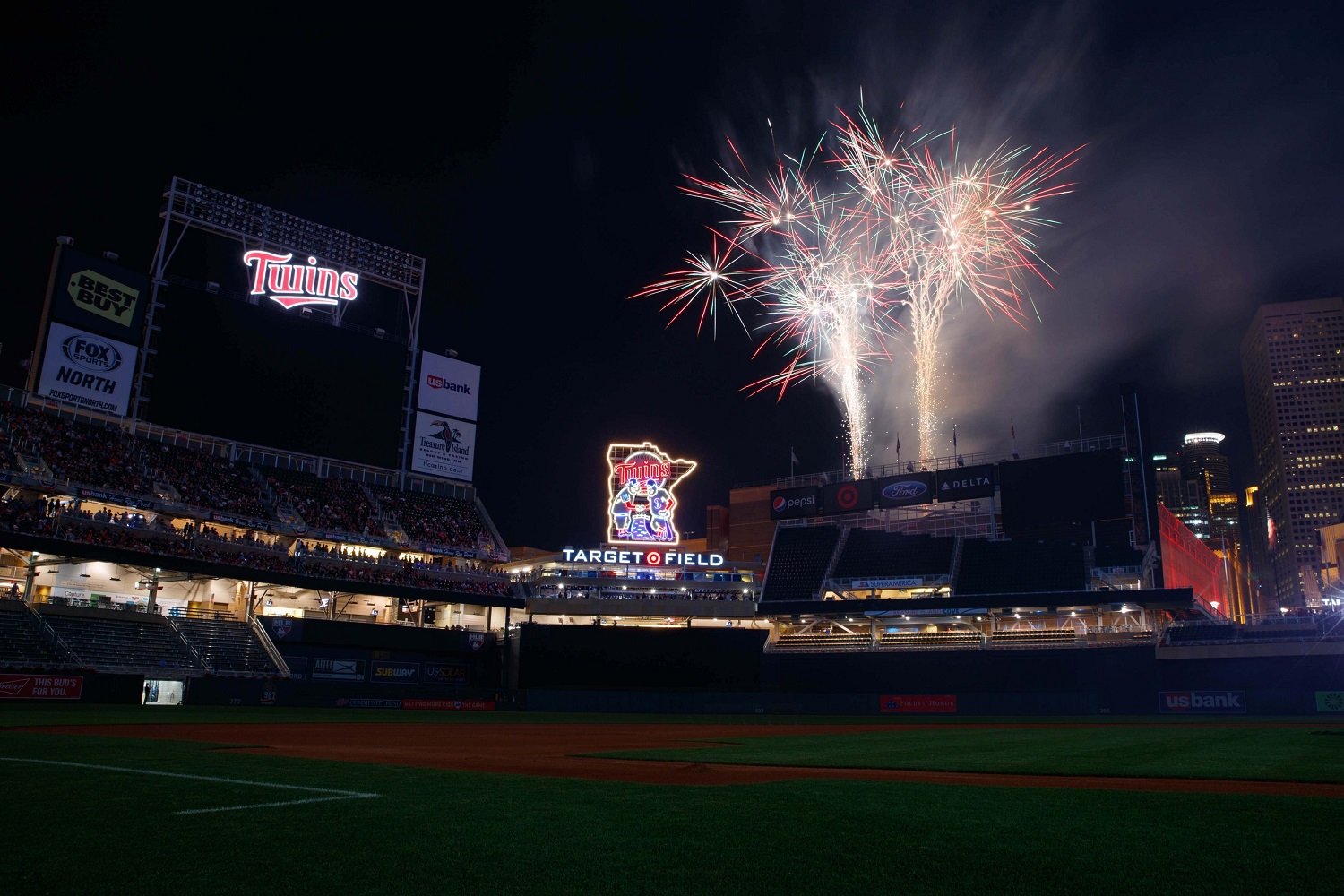 The Twins are at a crossroads right now. They continue to churn out good pitching performances but alternate between having their offense completely shut down, or shut down just enough that their bullpen is pressed into needing perfection to seal wins. Can you remember the last time the team got blown out? It was arguably Kenta Maeda’s last start against the Yankees. A month ago. The pythagorean record sits at 31-20, which would be the mark of a truly contending, put-together team. Their run differential would be second best in the vaunted AL East. The easiest explanation for their 26-25 record is that they aren’t playing well. They aren’t executing and are losing the game-within-a-game battles pretty consistently. The lineup is struggling, but outside some recent minor IL visits, they aren’t missing much due to injury. So how does a team full of decent hitters start to hit? To quote your grandpa’s favorite random sportswriter, they just need a spark. Sparks are ephemeral things, and the more analytically inclined of us who follow baseball don’t really buy into the notion that they exist. But watch the games; the opposition is getting all sorts of sparks against the Twins. What does a spark look like? The best example in my mind occurred in the 2020 NLCS between the Dodgers and Braves. The Braves were up 3-1 in the series and out to an early lead in game five, with the Dodgers starter, Dustin May, already out of the game. With runners on second and third and one out, Dansby Swanson blooped a ball to right field. Mookie Betts, in his first season as a Dodger and struggling in the series, came in and made an incredible catch, stayed on his feet and fired a strike to home plate which Marcell Ozuna appeared to beat. But Ozuna had left early and was called out on review. The play was overturned and instead of being 3-0 Braves with a runner in scoring position, the inning was over, with the deficit still two runs. Corey Seager then led off the next inning with a home run and the Dodgers were back in it. They never looked back and steamrolled through the rest of the postseason. Now, you can regard this play as a baserunning error on Ozuna’s part (would he have scored if he tagged up properly, though?), or that a swing in fortunes like that shouldn’t constitute a spark, but the energy in the park shifted considerably in that moment, and from that point on the more talented team had control of the series. Willi Castro has done his level best to provide a spark to the Twins offense, dropping clutch bunts, making key defensive plays, hitting go-ahead home runs and even stealing home. But Willi Castro can’t play much better than this. The team’s identity can’t hinge on Willi Castro. The straw that stirs the drink can’t be the 26th man on the roster who only made the roster in the first place due to spring training injuries. This team needs a big moment from one of its up-and-coming/core players. So let's wishcase are a few scenarios that could get the team going: Ed Julien gets red hot This feels possible, depending on how long Jorge Polanco is sidelined. If Julien gets a few weeks of run and gets some big, game-swinging hits, his ascension could spark the rest of the offense. Byron Buxton plays center and makes a game-saving catch The win-loss record disparity of when Buxton plays and when he doesn’t has been cited for years. The team plays better when their best player is involved. But right now they are only getting half of Buxton, and maybe that has something to do with their stagnation as an offense. Having Jorge López out there in the eighth, protecting a one run lead and seeing Buxton save multiple runs with a diving play in the gap, could certainly galvanize the team. It is risky though with his injury history, and it's hard to argue with the sheer volume of offense Buxton is providing playing nearly every day. Jorge Polanco walks it off Polanco has produced when in the lineup, but he hasn’t been in it much. A walk-off or otherwise game-changing hit might provide a spark that only the most seasoned and reliable hitter on the team can provide. Royce Lewis is hot out of the gate No one on the team, outside of maybe Buxton, can provide the energy that Lewis can. He has personality and flair, and looked like he was saving the 2022 team from stagnating before his unfortunate injury. If he comes up and immediately contributes, the team will feel it. Alex Kirilloff adjusts to pitcher’s adjustments I wrote a few weeks ago before he was called up, that we don’t really know how pitchers will attack Kirilloff since we’ve seen so little of him. Well he is now plopped right in the middle of the lineup after his hot start, and pitchers are trying to jam him inside; they don’t want him to extend his arms and drive outside pitches, something he does better than perhaps anyone on the team. If he can find a way to handle pitches inside, that will force pitchers to pick their poison, and the Twins will have their fourth lineup staple alongside Buxton, Correa and Polanco. All five of these scenarios have their warts, but if this team doesn’t get it going, they could leave open the possibility that they will become too injured to ever get going. That is precisely what happened to the White Sox last year, when in waiting for a spark for their talented lineup, they lost Yoan Moncada, Luis Robert, Eloy Jimenez and Tim Anderson for various stretches and never recovered. It is looking feasible that 83 wins could win the AL Central. Maybe this Twins team never gets it going. That can still happen in the playoffs; we’ve seen it with Eddie Rosario and the 2021 Braves, famously a .500 team at the All-Star break. But it would be nice to see this team catch fire, because the sum of its parts are not a mediocre team. Sometimes you can want it to happen so bad that you resign yourself to cynicism to protect your ego. Saying “this team is just mediocre like the projections said they would be” is a good way to make sure no one thinks you're naive. But where’s the fun in that? Bullpen help can be traded for, or one of Jordan Balazovic, Ronny Henriquez, Kenta Maeda or Josh Winder can emerge. The rotation is incredible, and health-permitting, sustainable. The projections didn’t have that part factored in! The lineup just needs to go, and there are a bunch of ways for that to happen for a team that is both at its rock bottom, and in first place. Now it's your turn. In the comments, forecast the spark that will jump start the 2023 Twins lineup.
- 11 comments
-
- 2
-
-
- edouard julien
- byron buxton
- (and 3 more)
-
The Twins need some intervention from the Baseball Gods. What might it look like? Image courtesy of © Jordan Johnson-USA TODAY Sports The Twins need some intervention from the Baseball Gods. What might it look like? The Twins are at a crossroads right now. They continue to churn out good pitching performances but alternate between having their offense completely shut down, or shut down just enough that their bullpen is pressed into needing perfection to seal wins. Can you remember the last time the team got blown out? It was arguably Kenta Maeda’s last start against the Yankees. A month ago. The pythagorean record sits at 31-20, which would be the mark of a truly contending, put-together team. Their run differential would be second best in the vaunted AL East. The easiest explanation for their 26-25 record is that they aren’t playing well. They aren’t executing and are losing the game-within-a-game battles pretty consistently. The lineup is struggling, but outside some recent minor IL visits, they aren’t missing much due to injury. So how does a team full of decent hitters start to hit? To quote your grandpa’s favorite random sportswriter, they just need a spark. Sparks are ephemeral things, and the more analytically inclined of us who follow baseball don’t really buy into the notion that they exist. But watch the games; the opposition is getting all sorts of sparks against the Twins. What does a spark look like? The best example in my mind occurred in the 2020 NLCS between the Dodgers and Braves. The Braves were up 3-1 in the series and out to an early lead in game five, with the Dodgers starter, Dustin May, already out of the game. With runners on second and third and one out, Dansby Swanson blooped a ball to right field. Mookie Betts, in his first season as a Dodger and struggling in the series, came in and made an incredible catch, stayed on his feet and fired a strike to home plate which Marcell Ozuna appeared to beat. But Ozuna had left early and was called out on review. The play was overturned and instead of being 3-0 Braves with a runner in scoring position, the inning was over, with the deficit still two runs. Corey Seager then led off the next inning with a home run and the Dodgers were back in it. They never looked back and steamrolled through the rest of the postseason. Now, you can regard this play as a baserunning error on Ozuna’s part (would he have scored if he tagged up properly, though?), or that a swing in fortunes like that shouldn’t constitute a spark, but the energy in the park shifted considerably in that moment, and from that point on the more talented team had control of the series. Willi Castro has done his level best to provide a spark to the Twins offense, dropping clutch bunts, making key defensive plays, hitting go-ahead home runs and even stealing home. But Willi Castro can’t play much better than this. The team’s identity can’t hinge on Willi Castro. The straw that stirs the drink can’t be the 26th man on the roster who only made the roster in the first place due to spring training injuries. This team needs a big moment from one of its up-and-coming/core players. So let's wishcase are a few scenarios that could get the team going: Ed Julien gets red hot This feels possible, depending on how long Jorge Polanco is sidelined. If Julien gets a few weeks of run and gets some big, game-swinging hits, his ascension could spark the rest of the offense. Byron Buxton plays center and makes a game-saving catch The win-loss record disparity of when Buxton plays and when he doesn’t has been cited for years. The team plays better when their best player is involved. But right now they are only getting half of Buxton, and maybe that has something to do with their stagnation as an offense. Having Jorge López out there in the eighth, protecting a one run lead and seeing Buxton save multiple runs with a diving play in the gap, could certainly galvanize the team. It is risky though with his injury history, and it's hard to argue with the sheer volume of offense Buxton is providing playing nearly every day. Jorge Polanco walks it off Polanco has produced when in the lineup, but he hasn’t been in it much. A walk-off or otherwise game-changing hit might provide a spark that only the most seasoned and reliable hitter on the team can provide. Royce Lewis is hot out of the gate No one on the team, outside of maybe Buxton, can provide the energy that Lewis can. He has personality and flair, and looked like he was saving the 2022 team from stagnating before his unfortunate injury. If he comes up and immediately contributes, the team will feel it. Alex Kirilloff adjusts to pitcher’s adjustments I wrote a few weeks ago before he was called up, that we don’t really know how pitchers will attack Kirilloff since we’ve seen so little of him. Well he is now plopped right in the middle of the lineup after his hot start, and pitchers are trying to jam him inside; they don’t want him to extend his arms and drive outside pitches, something he does better than perhaps anyone on the team. If he can find a way to handle pitches inside, that will force pitchers to pick their poison, and the Twins will have their fourth lineup staple alongside Buxton, Correa and Polanco. All five of these scenarios have their warts, but if this team doesn’t get it going, they could leave open the possibility that they will become too injured to ever get going. That is precisely what happened to the White Sox last year, when in waiting for a spark for their talented lineup, they lost Yoan Moncada, Luis Robert, Eloy Jimenez and Tim Anderson for various stretches and never recovered. It is looking feasible that 83 wins could win the AL Central. Maybe this Twins team never gets it going. That can still happen in the playoffs; we’ve seen it with Eddie Rosario and the 2021 Braves, famously a .500 team at the All-Star break. But it would be nice to see this team catch fire, because the sum of its parts are not a mediocre team. Sometimes you can want it to happen so bad that you resign yourself to cynicism to protect your ego. Saying “this team is just mediocre like the projections said they would be” is a good way to make sure no one thinks you're naive. But where’s the fun in that? Bullpen help can be traded for, or one of Jordan Balazovic, Ronny Henriquez, Kenta Maeda or Josh Winder can emerge. The rotation is incredible, and health-permitting, sustainable. The projections didn’t have that part factored in! The lineup just needs to go, and there are a bunch of ways for that to happen for a team that is both at its rock bottom, and in first place. Now it's your turn. In the comments, forecast the spark that will jump start the 2023 Twins lineup. View full article
-
Ed Julien had three extra-base hits, including an opposite field home run, Matt Wallner collected four hits including a home run, and Willi Castro hit two home runs to dead center field. That backed a decent effort from Pablo López in a much-needed victory for the Twins. Jorge Lopez continued his struggles and made it interesting in the ninth, but Brock Stewart was nails in getting the final three outs of the game against the top of the powerful Blue Jays lineup. Image courtesy of Nick Wosika-USA TODAY Sports Ed Julien had three extra-base hits, including an opposite field home run, Matt Wallner collected four hits including a home run, and Willi Castro hit two home runs to dead center field. That backed a decent effort from Pablo López in a much-needed victory for the Twins. Jorge Lopez continued his struggles and made it interesting in the ninth, but Brock Stewart was nails in getting the final three outs of the game against the top of the powerful Blue Jays lineup. Box Score SP: Pablo López: 5.2 IP 5 H 4 ER 3 BB 6 K 2 HR (88 Pitches, 54 Strikes, 61.4 %) Home Runs: Willi Castro 2 (4), Matt Wallner (1), Edouard Julien (4) Top 3 WPA: Wallner (0.272), Castro (0.231), Julien (0.182) Win Probability Chart (Via Fangraphs): Bo Bichette is unconsciously good, beats Pablo López twice Coming off a solid start against the Angels in which his bullpen cost him a loss, Pablo López struggled a little with his command. He gave up a first inning home run to Bichette, who looked unstoppable in driving a pitch off his knuckles into the second deck in left field. Bichette got López again in the third, but the groundwork was laid by nine-hole hitter and catcher Tyler Heineman drawing a walk and George Springer lacing a fat changeup into center field to set up Bichette’s two-run triple. López got out of trouble, but not of his own merit, striking out a struggling Vladimir Guerrero Jr. on a fastball down the middle, walking Brandon Belt and getting Matt Chapman to line out (106.3 MPH) to a leaping Matt Wallner, ending the threat. López was okay after that outside of a hanging breaking ball that Cavan Biggio deposited over the scoreboard in right center to tie the game in the fourth, exiting after allowing a walk with two outs in the sixth. Twins beat a hot pitcher Chris Bassitt was cruising coming into this start, pitching to a sub- 1.00 ERA so far in May and relying, somewhat like Sonny Gray, on throwing a multitude of quality pitches all around the strike zone despite lacking high-end velocity. It was the Twins’ most inexperienced hitters that got to him, with Alex Kirilloff, Wallner and Julien all collecting multiple hits off the righty, before Willi Castro gave the Twins the lead with his two-run home run in the sixth. Kirilloff breaks his slump A poor stretch from Kirilloff, including plenty of strikeouts and ground outs, prompted some speculation that his wrist was bothering him again, a beyond-ominous thought given the overall struggles of the Twins offense. He put those fears to rest (for now) by grounding out sharply for an RBI in the first and lining singles to left and then right in his next two at-bats. He scored in both those instances. Twins ruin Dalton Varsho’s day on back-to-back pitches After Kirilloff’s leadoff single in the fifth, Willi Castro rocked a low cutter off the top of Varsho’s glove for a go-ahead two-run home run. Not to be outdone, Matt Wallner contributed his third hit of the day, blasting a middle-middle fastball off of Varsho’s glove in left-center, giving López some much-needed breathing room and knocking Chris Bassitt from the game. Varsho was only in center because platinum glove center fielder Kevin Kiermaier had exited early with a back issue. Wallner shows off bat, arm, and defensive deficiencies Wallner had a huge hit in the first inning, driving in two by waiting on a Bassitt off-speed pitch. He then reached first on a soft infield pop-up and homered in the fifth to the deepest part of the park. He later added a single in the seventh raising his batting average from .077 to .294 in the process. He mis-played Bichette’s triple to right center in the third as well as a potential double from Belt in the sixth, but recovered in the latter instance to gun down Belt from the warning track, an incredible throw that showed the ridiculous arm Wallner possesses. What’s Next: Bailey Ober (3-1, 2.55 ERA) goes against old friend José Berríos (4-4, 4.22 ERA) in the rubber game. Berríos has recovered some since looking like a payroll-busting albatross in the first year of his six year deal with the Jays, pitching to a 3.77 ERA in May, though he has allowed six home runs. Ober is coming off of his worst start of the season against the Giants where he allowed the first four hitters he faced to score before settling down and pitching four scoreless after that. Postgame Interviews: Bullpen Usage Chart: TUE WED THU FRI SAT TOT Morán 10 24 0 0 9 43 Stewart 10 20 0 0 13 43 De León 0 21 0 19 0 40 J. López 18 0 0 0 22 40 Pagán 9 0 0 21 0 30 Durán 0 13 0 0 12 25 Jax 18 0 0 0 0 18 Sands 0 0 0 0 0 0 View full article
- 32 replies
-
- 1
-
-
- eduoard julien
- matt wallner
- (and 1 more)
-
MIN 9, TOR 7: Twins Ride Rookies, Willi Castro to Big Win Over Blue Jays
Hans Birkeland posted an article in Twins
 Box Score SP: Pablo López: 5.2 IP 5 H 4 ER 3 BB 6 K 2 HR (88 Pitches, 54 Strikes, 61.4 %) Home Runs: Willi Castro 2 (4), Matt Wallner (1), Edouard Julien (4) Top 3 WPA: Wallner (0.272), Castro (0.231), Julien (0.182) Win Probability Chart (Via Fangraphs): Bo Bichette is unconsciously good, beats Pablo López twice Coming off a solid start against the Angels in which his bullpen cost him a loss, Pablo López struggled a little with his command. He gave up a first inning home run to Bichette, who looked unstoppable in driving a pitch off his knuckles into the second deck in left field. Bichette got López again in the third, but the groundwork was laid by nine-hole hitter and catcher Tyler Heineman drawing a walk and George Springer lacing a fat changeup into center field to set up Bichette’s two-run triple. López got out of trouble, but not of his own merit, striking out a struggling Vladimir Guerrero Jr. on a fastball down the middle, walking Brandon Belt and getting Matt Chapman to line out (106.3 MPH) to a leaping Matt Wallner, ending the threat. López was okay after that outside of a hanging breaking ball that Cavan Biggio deposited over the scoreboard in right center to tie the game in the fourth, exiting after allowing a walk with two outs in the sixth. Twins beat a hot pitcher Chris Bassitt was cruising coming into this start, pitching to a sub- 1.00 ERA so far in May and relying, somewhat like Sonny Gray, on throwing a multitude of quality pitches all around the strike zone despite lacking high-end velocity. It was the Twins’ most inexperienced hitters that got to him, with Alex Kirilloff, Wallner and Julien all collecting multiple hits off the righty, before Willi Castro gave the Twins the lead with his two-run home run in the sixth. Kirilloff breaks his slump A poor stretch from Kirilloff, including plenty of strikeouts and ground outs, prompted some speculation that his wrist was bothering him again, a beyond-ominous thought given the overall struggles of the Twins offense. He put those fears to rest (for now) by grounding out sharply for an RBI in the first and lining singles to left and then right in his next two at-bats. He scored in both those instances. Twins ruin Dalton Varsho’s day on back-to-back pitches After Kirilloff’s leadoff single in the fifth, Willi Castro rocked a low cutter off the top of Varsho’s glove for a go-ahead two-run home run. Not to be outdone, Matt Wallner contributed his third hit of the day, blasting a middle-middle fastball off of Varsho’s glove in left-center, giving López some much-needed breathing room and knocking Chris Bassitt from the game. Varsho was only in center because platinum glove center fielder Kevin Kiermaier had exited early with a back issue. Wallner shows off bat, arm, and defensive deficiencies Wallner had a huge hit in the first inning, driving in two by waiting on a Bassitt off-speed pitch. He then reached first on a soft infield pop-up and homered in the fifth to the deepest part of the park. He later added a single in the seventh raising his batting average from .077 to .294 in the process. He mis-played Bichette’s triple to right center in the third as well as a potential double from Belt in the sixth, but recovered in the latter instance to gun down Belt from the warning track, an incredible throw that showed the ridiculous arm Wallner possesses. What’s Next: Bailey Ober (3-1, 2.55 ERA) goes against old friend José Berríos (4-4, 4.22 ERA) in the rubber game. Berríos has recovered some since looking like a payroll-busting albatross in the first year of his six year deal with the Jays, pitching to a 3.77 ERA in May, though he has allowed six home runs. Ober is coming off of his worst start of the season against the Giants where he allowed the first four hitters he faced to score before settling down and pitching four scoreless after that. Postgame Interviews: Bullpen Usage Chart: TUE WED THU FRI SAT TOT Morán 10 24 0 0 9 43 Stewart 10 20 0 0 13 43 De León 0 21 0 19 0 40 J. López 18 0 0 0 22 40 Pagán 9 0 0 21 0 30 Durán 0 13 0 0 12 25 Jax 18 0 0 0 0 18 Sands 0 0 0 0 0 0
- 32 comments
-
- 2
-
-
- eduoard julien
- matt wallner
- (and 1 more)
-
Don't be Desperate with Royce Lewis
Hans Birkeland replied to Hans Birkeland's topic in Twins Daily Front Page News
I think its more a matter of, are they thinking like fans who have nothing at stake, or like a smart front office that prioritizes the long view. They've done a little of both, and I think Pagan is a good example of them liking a guy as a fifth reliever and sticking with him despite our pitchforks.
